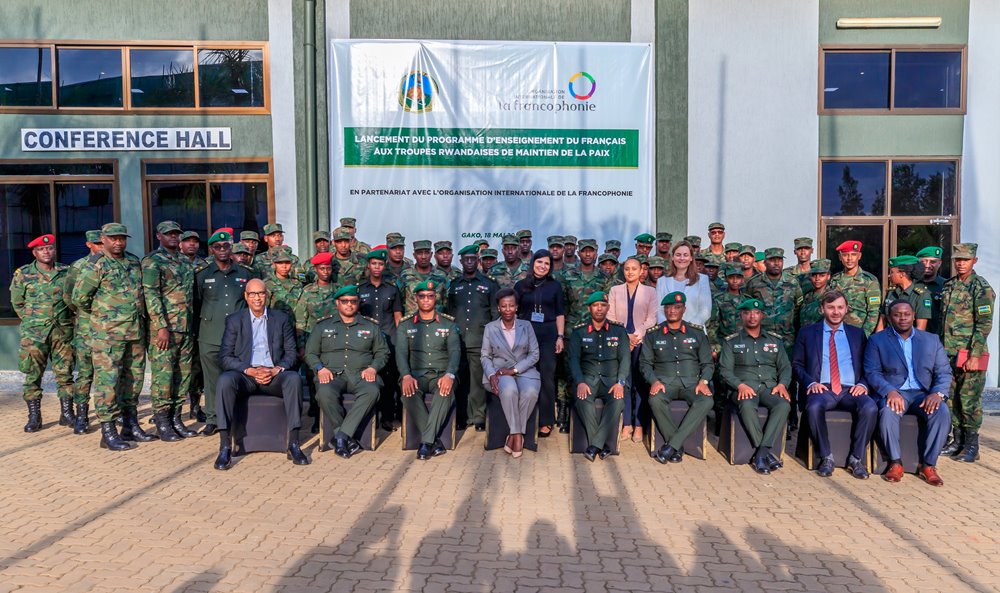
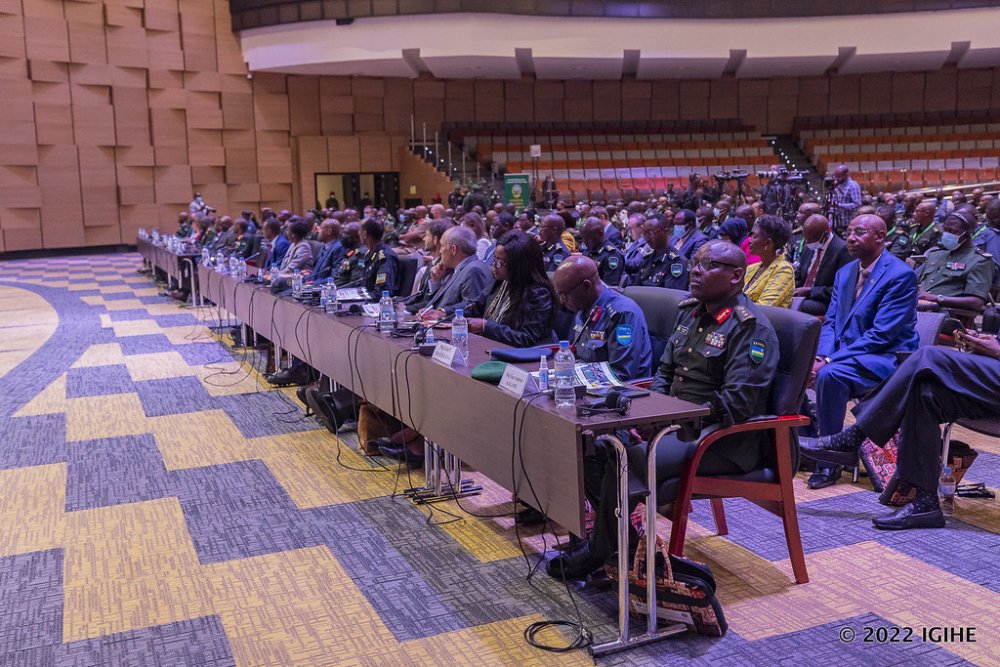
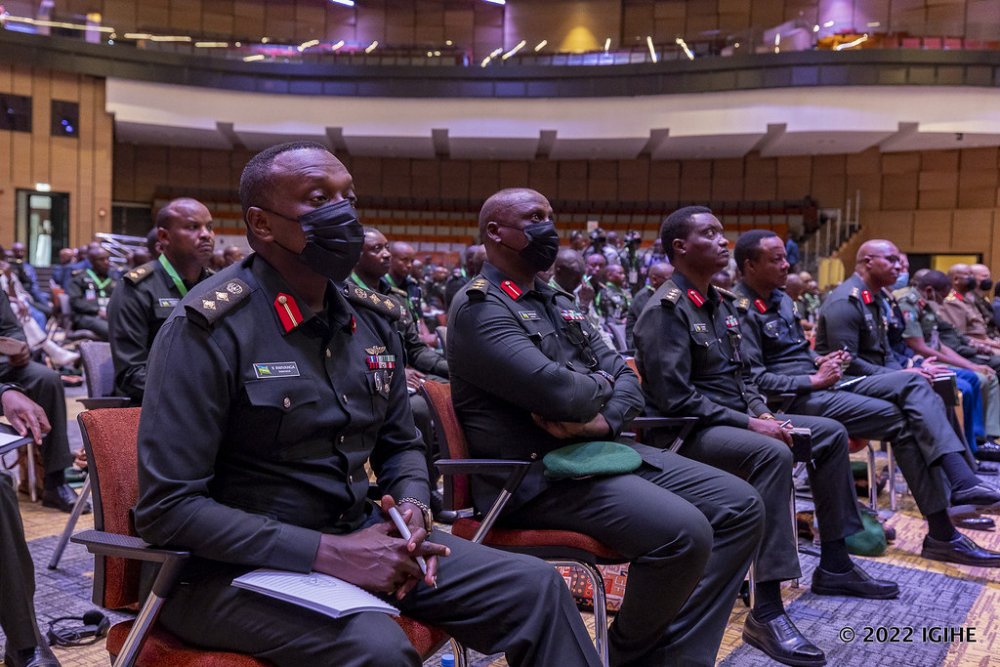
While launching the program at Rwanda Military Academy Gako on 18th May 2022, Mushikiwabo said the program aims at providing French speaking communication skills to Rwandan peacekeepers who go in peacekeeping missions specifically in French speaking countries where they need to communicate and exchange with the local population.
In the beginning, the course will be attended by 50 RDF personnel that are receiving their pre-deployment course at Rwanda Military Academy in Gako before they deploy to the Central African Republic in the next four months.
Military leaders who graced the event included Colonel Jean Chrysostome Ngendahimana, the RDF Chief Operations and Training (J3) and Colonel Franco Rutagengwa, the Deputy Commander of Rwanda Military Academy.
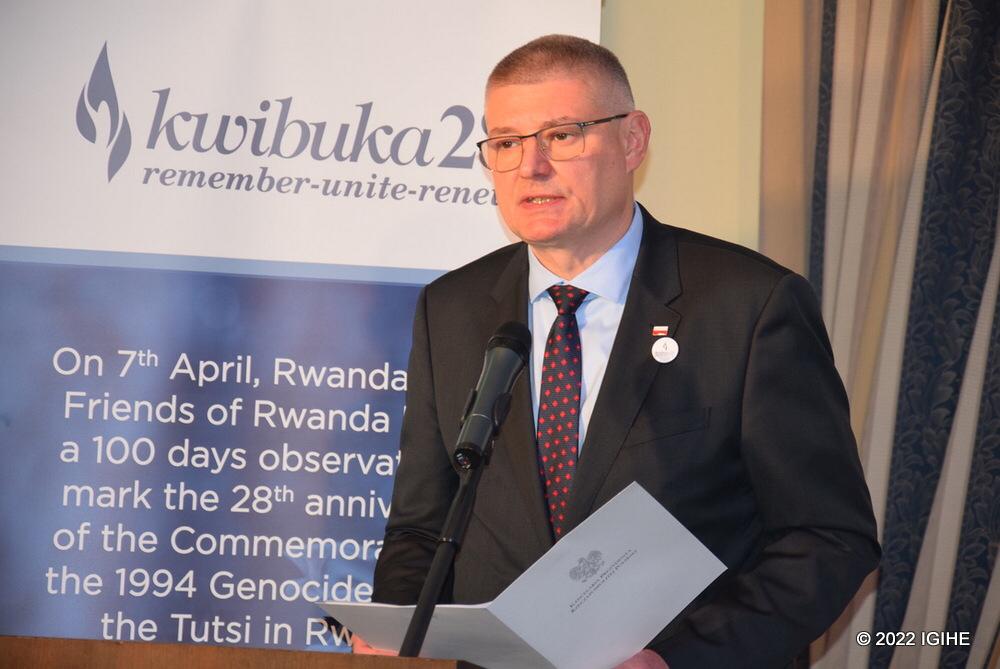
He was speaking to IGIHE after the 28th commemoration of Genocide against Tutsi in Poland on 12th May 2022.
Amb. Pawel Czerwinski said that commemorating Genocide against Tutsi is an opportunity for the world to learn from what happened and honour fallen victims.
He underscored that it is very important to fight denial of such crimes because propagandists deny the history of Genocide be it the Holocaust, Genocide in Cambodia, Bosnia or Genocide against Tutsi claiming that nothing happened or distorting facts.
“We have such kind of cultural negationism and it is very important to prevent this because if remembrance vanishes, there won’t be a facto preventing humanity from allowing something like that to happen again,” he said.
Amb. Pawel also highlighted that the international community needs to concert efforts on mechanisms that will prevent violence both in domestic politics and also in international relations.
He said that it should be a rule for everyone across the world to ensure that violence does not take part of the process to solve any problems.
Among others, Amb. Pawel said that there should be mechanisms in which any country or politician in any part of the world must be held accountable for committed crimes by the international community be it sooner or later to prevent reoccurrence.
“The crime cannot remain unpunished. That is why Poland always supported the international tribunal for the crime of Genocide against Tutsi in Rwanda. The painful side is one side of today’s commemoration but we have to look forward to the future,” he noted.
Amb. Pawel commended Rwanda’s progress in economic development, education and its contribution to peacekeeping efforts around the world.
Burundian President, Evariste Ndayishimiye recently said that relations with Rwanda will be restored after sending individuals behind failed coup plot to overthrow former President Pierre Nkurunziza in 2015.
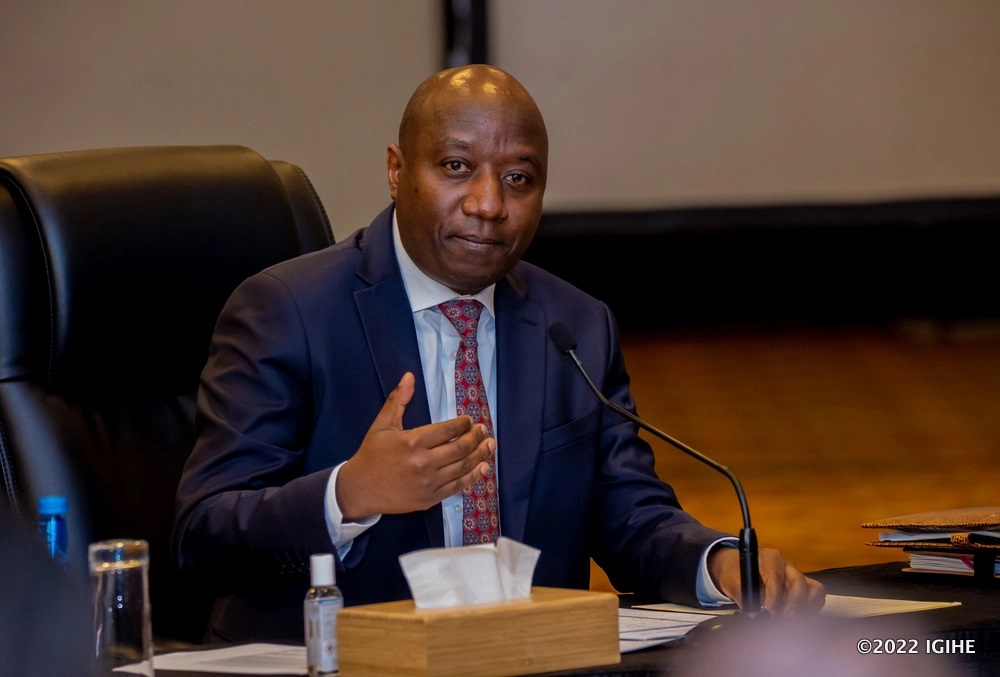
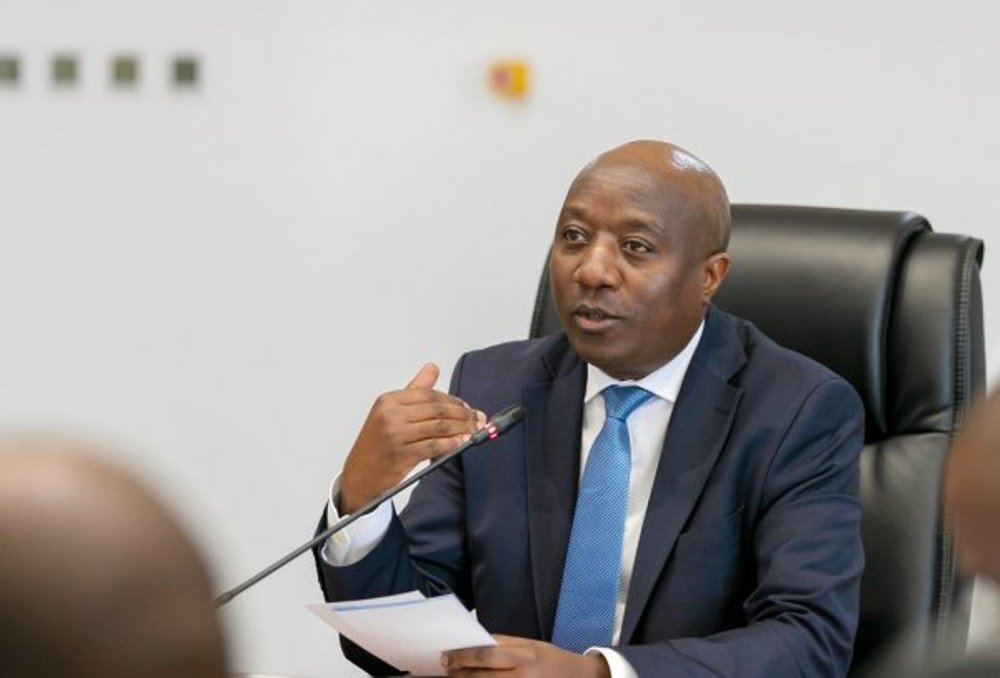
Premier Ngirente has told the media that discussions about the issue are ongoing.
“The issue is being discussed where negotiations have reached an advanced stage. I am not going to be specific on individuals to be exchanged but I would like to tell you that there is a room for negotiations about a particular issue when two governments are committed to do so,” he said.
Dr. Ngirente highlighted that the Government of Rwanda and Burundi have been sending emissaries and observed that a new page for bilateral relations is being turned.
“I cannot talk about it deeply as there are issues being sorted out. However, I want to assure you that our relations with Burundi are on the mend that borders will also be reopened in the near future. There is optimism. It is a decision taken by both countries to normalize relations,” he noted.
In March 2022, President Paul Kagame sent a message to his counterpart of Burundi, Evariste Ndayishimiye. The message on restoring relations was delivered by Rwanda’s Minister of Defence, Major General Albert Murasira at his palace in Gitega.
On 10th January 2022, President Paul Kagame also received a delegation led by Burundi’s Minister in charge of EAC Affairs, Youth, Culture and Sports, Amb. Ezéchiel Nibigira with a message from his counterpart Évariste Ndayishimiye.
At the time, Rwanda’s Presidency revealed that these leaders held discussions on strengthening bilateral relations.
The decline emanates from the impact of global economic crisis including hiked trade logistics occasioned by the increase in prices of petroleum products and the war in Ukraine.
The International Monetary Fund (IMF) recently announced that Rwanda’s economy is projected to grow by 6.4% in this year.
As he officiated the launch of the second phase of the economic recovery fund with an injection of Rwf250 billion, Premier Ngirente said that Rwanda’s economy continues to grow.
“Regarding the national economy, it is apparent that economic recovery programs have yielded good results. In the year 2021, our economy grew by 10.9%, it is apparent that it is recovering gradually,” he said.
“In 2022, our economy is projected to grow by 6%. The growth is also expected in the years ahead,” added Dr. Ngirente.
The economic growth was registered in all sectors of the economy where the manufacturing sector grew by 13.4% while the service and agriculture sectors respectively grew by 12% and 6.4%.
Premier Ngirente mainly attributed the growth to collaboration in the fight against COVID-19 pandemic and economic recovery. As of today, 65% of the population has received two doses of COVID-19 vaccine.
These efforts helped to ease restrictions for different economic activities across the country.
The development was announced at the launch of the second phase of the Economic Recovery Fund officiated by Prime Minister Dr. Edouard Ngirente on Wednesday 18th May 2022 in a ceremony held at Kigali Serena Hotel.
The fund was created in June 2020 to mitigate effects of COVID-19 with initial Rwf100 billion to support sectors of the economy hit hard by COVID-19 pandemic.
The fund supported teachers, drivers, hotels and medium enterprises among others during lockdowns.
Beneficiaries of the fund launched in 2020 were given a three-year tenor.
Of these funds, Rwf42 billion was disbursed to 13 hotels across the country.
In public transport, the Government disbursed Rwf7.7 billion to 56 people to clear outstanding debts owed to banks and received additional support of Rwf11 billion.
The education sector also received Rwf13 billion funding distributed among 116 private schools including universities.
Among others, Rwf11 billion was disbursed to 156 companies from the private sector affected by COVID-19.
A total of 52,000 small and medium enterprises also benefitted from the fund with Rwf6 billion.
Speaking at the launch of the second phase, Prime Minister Ngirente highlighted that the first phase played a tremendous role in the recovery process of the country’s economy.
He underscored that the fund will draw special emphasis on supporting new investments or those seeking to expand existing businesses to remain relevant to the country’s economic recovery.
The Premier presented the status of the economy focusing on the current increase of commodity prices and also showing the measures taken by the Government of Rwanda to ensure that Rwandans do not continue to suffer from the burden of rising prices.
Among others, he noted that the prevailing inflation is a global concern and is related to various challenges including trade logistics, the war in Ukraine, and the on-going Covid-19 Pandemic.
Together with the confirmation of the death of Protais Mpiranya last Thursday, only four outstanding fugitives remain under the IRMCT’s jurisdiction. These Fulgence Kayishema, Charles Sikubwabo, Charles Ryandikayo and Aloys Ndimbati.
In response to the announcement on Wednesday 18th May 2022, Chief Prosecutor Serge Brammertz stated: “This result is yet another important step in my Office’s efforts to secure justice for the victims of the 1994 Genocide against the Tutsi in Rwanda and complete our mandate. For the victims and survivors of Munyarugarama’s crimes in the Bugesera region, we hope this result brings some closure.”
Brammertz also expressed appreciation to national partners, including the authorities of Belgium and Rwanda, whose assistance meaningfully contributed to this investigation.
“With four fugitive cases closed in the last two years, my Office is now fully focused on accounting for the final four fugitives who remain at large. Our main priority now is Fulgence Kayishema, who we previously located in South Africa. This result further attests to the United Nations’ unwavering commitment to accountability for the most serious crimes,” he added.
Munyarugarama, a Lt Colonel in the Rwandan Armed Forces (FAR), was first indicted by the ICTR in 2002 for Genocide crimes he committed as the Commander of the Gako Military Camp in the Bugesera region, Kigali-rural Prefecture in 1994.
He was charged by the ICTR with a total of eight counts including genocide, direct and public incitement to commit genocide, and crimes against humanity.
Munyarugarama was alleged to be responsible for mass killings, attacks, and sexual violence against Tutsi civilians at various locations in the Bugesera region, including the attacks on Tutsi who fled at the Ntarama and Nyamata Catholic Churches.
In June 1994, Munyarugarama and his family fled Rwanda for Zaire, and he soon joined ex-FAR military forces regrouping in that country to continue fighting the Rwandan Government even after the genocide.
His active involvement in the recruitment and training of ex-FAR forces was reflected by his appointment as the “Commissioner of Defence” of People in Action for the Liberation of Rwanda (PALIR), the predecessor of the Forces démocratiques de libération du Rwanda (FDLR).
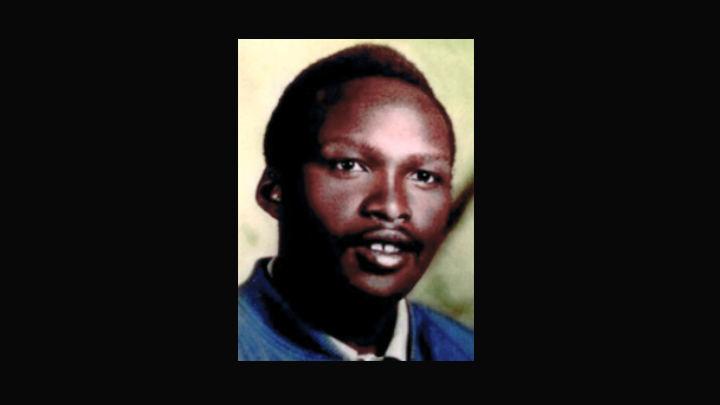
Following a comprehensive and challenging investigation, the OTP was able to conclude that Munyarugarama died of natural causes on or about 28th February 2002 in Kankwala, in the eastern provinces of the Democratic Republic of Congo (DRC), where he was also buried.
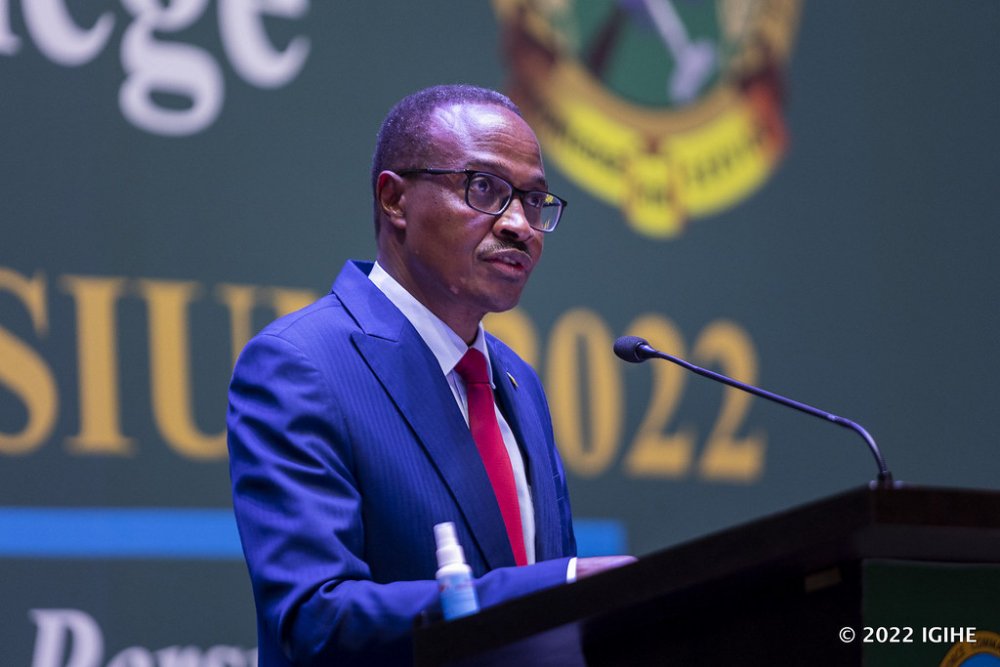
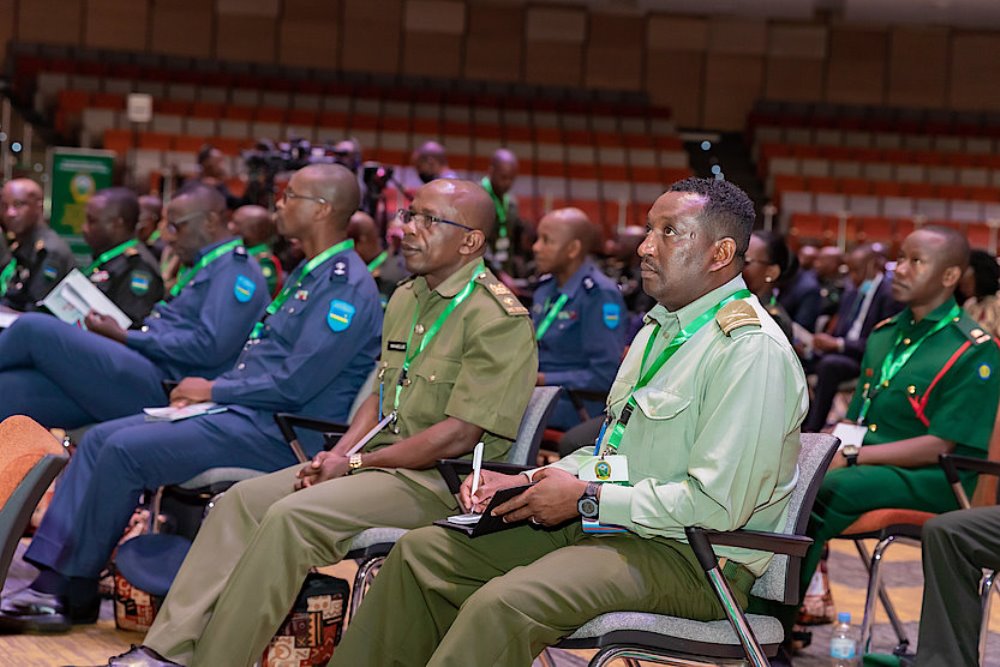
The symposium is held under the theme: “Contemporary Security Challenges: The African Perspective”.
The symposium which kicked off on Wednesday 18th May 2022, brought together academicians, government officials and subject matter experts including Generals and Senior Military Officers to discuss contemporary security issues.
While officiating at the opening ceremony, the Minister of Defence Maj Gen Albert Murasira underlined that the African continent is facing complex challenges ranging from surge of violent extremism, climate change, food insecurity, cyber security, economic uncertainty among others.
He emphasised that no single country alone can address the highlighted challenges.
“The need to promote Inter – state, inter-agency collaboration and cooperation has become more urgent and important to respond to emerging threats,” Maj Gen Murasira said.
The ninth National Security Symposium has attracted over 200 participants including student officers of the Senior Command and Staff Course from Rwanda and allied countries namely Botswana, Ethiopia, Ghana, Kenya, Malawi, Nigeria, Senegal, South Sudan, Tanzania, Uganda and Zambia.
The symposium discussions will cover a variety of topics ranging from democracy, Climate Change, Science and Technology Development, Improving Agricultural Productivity for Food Security and Socio-Economic Transformation, Alternative Energy Sources to address Future Energy Demand, Role of the African Security Forces in National Development and Societal Transformation.
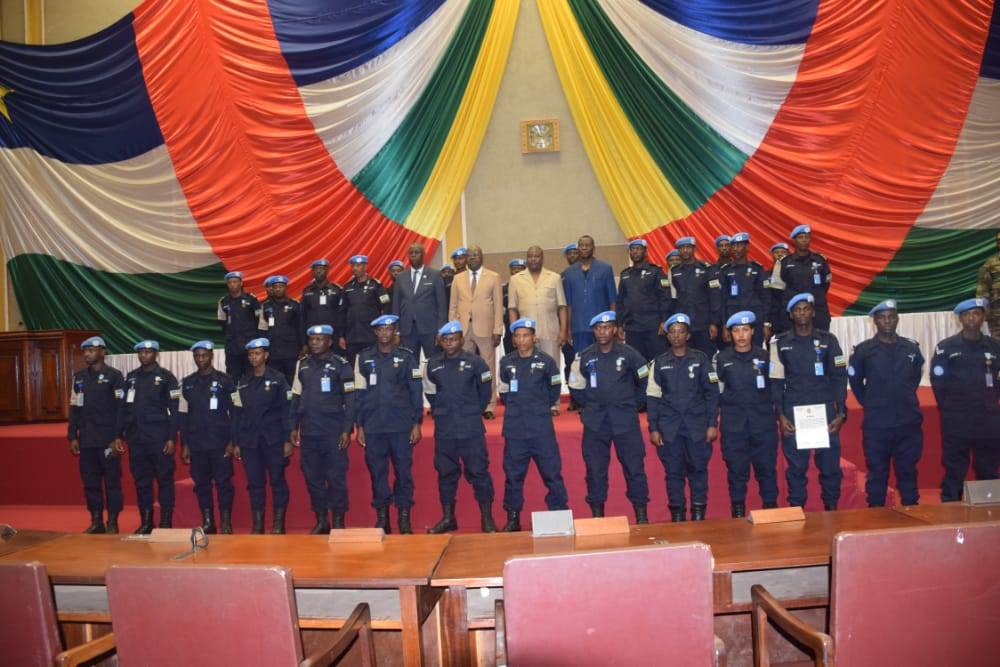
The two recognized units are charged with close protection of the President of CAR National Assembly and Prime Minister.
The recognized officers are part of the Rwanda Protection Support Unit-Six (RWAPSU-6) serving under the UN Multidimensional Integrated Stabilization Mission in CAR (MINUSCA).
The events to award the Rwandan Police peacekeepers were held separately in the Parliamentary Building and the Prime Minister’s Office.
The President of the National Assembly, Prof. Simplice Mathieu Sarandji and CAR Prime Minister, Félix Moloua, presided over the two respective events.
In his speech, Prof. Sarandji commended the discipline, professionalism, hard-working spirit, and dedication demonstrated by RWAPSU officers over the year of tour-of-duty in CAR.
“On behalf of People of CAR, Members of Parliament and on my own behalf, I appreciate the work done by RWAPSU during your tour-of-duty to re-establish peace and security in our country,” Prof. Sarandji said.
The Premier, in his message delivered by the Minister in the Prime Minister’s Office, Ernest Mada, commended the invaluable role played by RWAPSU in contributing to peace and security in CAR.
He also thanked the Government of Rwanda for its commitment in international peace, particularly in Central African Republic.
Speaking on behalf of the recognized officers, RWAPSU-6 contingent commander, Assistant Commissioner of Police (ACP) Innocent Rutagarama Kanyamihigo thanked the government and people of CAR for their support to effectively execute their peacekeeping mandate.
RWAPSU-6 was deployed in CAR in May last year and is one of the three Rwandan Police contingents serving under MINUSCA.
The unit specific tasks include providing close protection to CAR designated officials and MINUSCA high profile personnel such as the Special Representative of the UN Secretary General and the Head of Police Component.
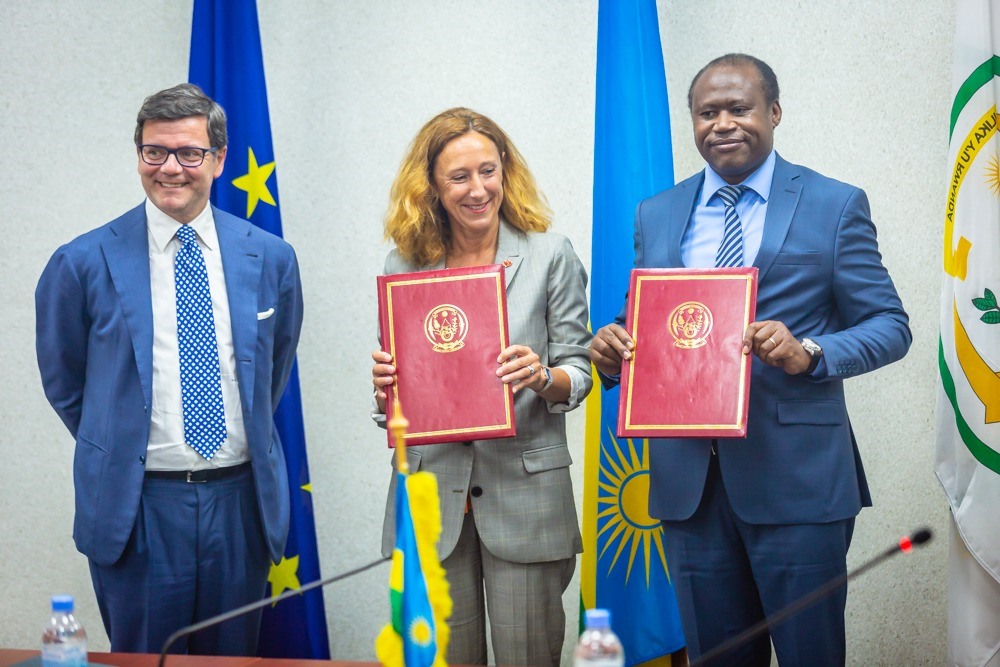
The financing agreement signed on Wednesday 18th May 2022, has been witnessed by Rwanda’s Minister of Finance and Economic Planning, Dr. Uzziel Ndagijimana and the EU Commission Deputy Director-General, Myriam Ferran.
Minister Ndagijimana has revealed that part of the funds will be allocated for capacity building in the sectors of governance and justice.
In the education sector, the Minister disclosed that the funds will be utilized to build new early childhood development centers and increase the capacity of existing ones.
Part of the funds will also be allocated for environment preservation efforts by addressing the issue of slums and mitigate floods among residents dwelling in wetlands.
commenting on the development, the Minister of Finance and Economic Planning Dr. Uzziel Ndagijimana noted: “EU support to key areas such as human capital development, green economy through agriculture transformation, private sector development as well as governance is a sign of strengthened collaboration, partnership and enhanced ownership to deliver transformational change we both desire.”
Myriam Ferran has said that the new partnership will be beneficial to Rwandans and meaningful to different initiatives meant to support national development.
She underscored that the EU has bold ambitions to support the development of African countries, particularly Rwanda as a country that has been efficiently utilizing received grants.
“The European Union has a long standing partnership with Rwanda and we are proud to be one of the key partners in the country’s path to sustainable development. With this strategy we renew the EU’s commitment to support pro-poor, sustainable and inclusive economic growth, by focusing on (i) skills development as a pre-requisite to attract investment and spur growth, (ii) a green deal for agricultural transformation and (iii) good governance and private sector development, including through developing the pharmaceutical sector as an emerging high political priority,” said the Deputy Director General of European Commission, Myriam Ferran reaffirmeing the good cooperation between Rwanda and the EU.
The bilateral grant amount will be further complemented by regional and thematic funding, as well as lending by the European Investment Bank.
The new cooperation strategy will be implemented under the new Global Europe financing instrument. Global Europe will increase the collective scale and impact of European partners in Rwanda. This development instrument brings a much stronger #TeamEurope approach, entailing a focus on partnerships with the European Investment Bank (EIB), EU Member States, their agencies and their development banks. The MIP outlines two ambitious Team Europe Initiatives on “Agricultural Transformation” and “Sustainable Rwandan cities fit for the Digital age”, which both have a strong participation of EU Member States and clear potential for transformative impact.
All of the proposed priorities are also fully in line with the European Union’s Global Gateway Strategy with interventions focusing on fighting climate change and protecting the environment, improving education and global health security, as well as boosting the competitiveness of the Rwandan economy.
To operationalize the priority sectors, each year, the European Commission adopts Annual Action Plans, defining specific programmes. In December 2021, EU adopted Annual Action Plan 2021 for Rwanda, including programmes on: Climate-smart and inclusive agriculture (€69M), including a budget support operation and support for agriculture value chains; Economic Governance and Business Environment (€20,5M), including inter alia support to entrepreneurship, mining and RFDA on vaccine manufacturing.
Programming for the 2022 Action Plan for a total amount of around €85 million is in full swing. EU support will focus on interventions supporting the education sector, including technical and vocational training, consolidating justice reform, accountability, and reconciliation efforts and thirdly, as well as upgrading informal settlements in Kigali
It is said that the man who has been residing in Mukarange Sector held an impromptu to the former wife’s home in the daylight to greet two children sired together.
As the wife returned home, she asked her former husband to go back to his residence.
Sources reveal that the couple had divorced over persistent drunkard behavior of the husband that the woman could no longer tolerate.
The executive secretary of Kabarondo Sector, Jean Paul Kagabo has told IGIHE that the man had visited the home in daylight to check on his children.
As the woman asked the man to leave her home before sleeping overnight, sources have revealed, he stepped out and committed suicide nearby the house. His body was seen by the woman’s domestic servant in the next morning.
“The wife’s domestic worker saw a body under a tree early morning. He rushed to alert his boss who also found the ex-husband dead with a rope around the neck. She informed us that we went to the scene with RIB and Police. He is suspected to have committed suicide,” noted Kagabo.
The body has been taken to Kacyiru Hospital for postmortem.