According to NISR, in the second quarter of 2022, Gross Domestic Product (GDP) at current market prices was estimated at Rwf3,279 billion, up from Rwf2,668 billion in the second quarter of 2021. Services contributed 47%, Agriculture 25%, Industry 21% while Net direct taxes accounted for 8 % of GDP.
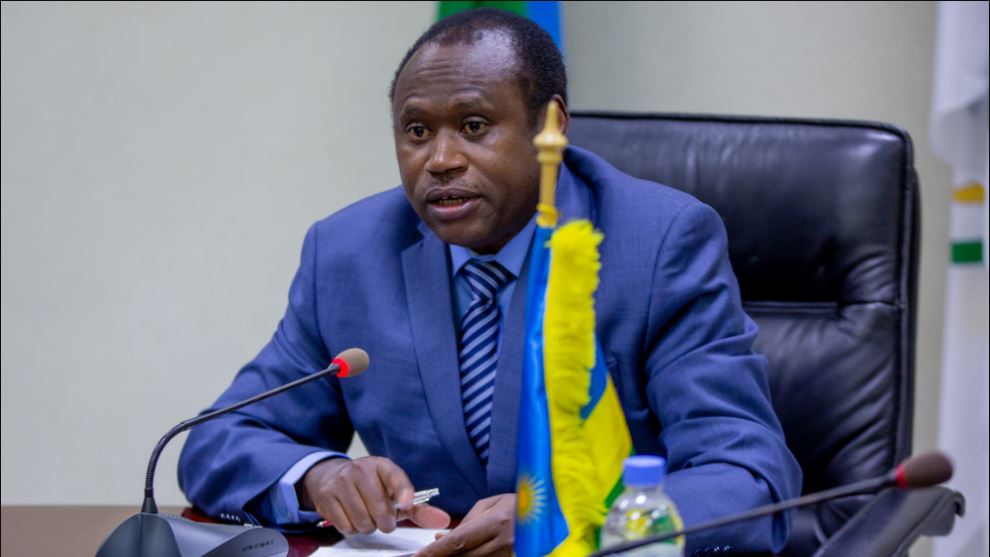
Addressing reporters after the announcement of growth figures, the Minister of Finance and Economic Planning, Dr. Uzziel Ndagijimana noted that despite global supply bottlenecks and inflation, the economy has continued to grow a strong indicator that that overall recovery.
“For the first two quarters the economy has registered over 7% growth. At this rate our 6% growth projections for 2022 is achievable,” Minister Ndagijimana said.
{{Performance by Sectors}}
In terms of sector performance, overall, agriculture grew by 2%. This growth was due to an increase of 17% in the production of export crops boosted by 19% increase in coffee production and 2% in tea production. Food crops decreased by 1% due to a decrease in the harvest of season A 2022 when compared to season A of 2021.
The industry sector registered a 6% growth. industry increased by 6% while services increased by 12%. Mining and quarrying grew by 9%. Manufacturing grew by 10% boosted by 8% increase in food processing, 14% increase in beverages, 18 increase in textiles, 10% increase in wood manufacturing and 21% increase in manufacturing of non-metallic mineral products. Given the high growth in construction during the second quarter of 2021 (33%), the sector did not grow further in the second quarter of this year.
The overall service sectors performance was 12%. Within services, wholesale and retail trade increased by 17%; transport activities increased by 27% with 119% and 13% growth in air transport and land transport respectively. Among other services, hotel and restaurants increased by 193%, financial services increased by 10%, telecommunication services increased by 8%, Professional and Scientific Services increased by 2%. Health Services increased by 4% while Education Services increased by 14%.
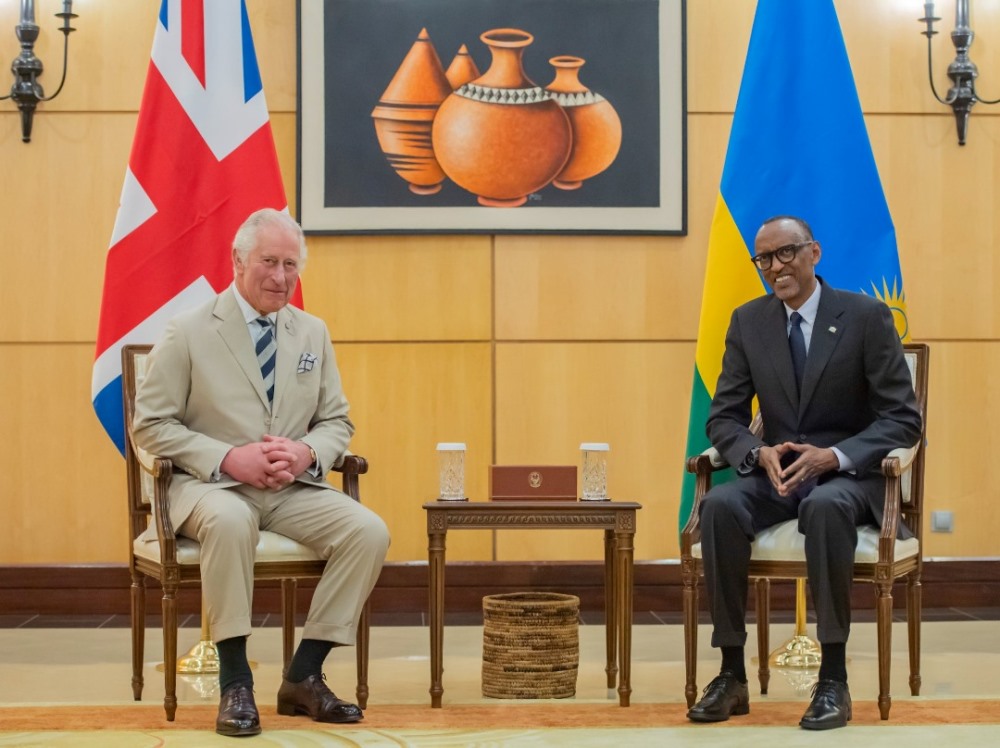
Queen Elizabeth II died on Thursday 8th September 2022. Following her demise, King Charles III was formally proclaimed Britain’s new monarch at a meeting of the Accession Council held at St James’s Palace last Saturday.
Queen Elizabeth II will be buried on Monday in Windsor Castle, about 23 miles west of London, alongside her husband and royal predecessors in St. George’s Chapel.
King Charles III is the first born among four children of Queen Elisabeth II. He had been designated as her successor in 2018.
Through a message posted on his Twitter handle, Kagame has also revealed that Rwanda is committed to work with the new King of UK to deliver on Commonwealth agenda.
“I had the opportunity to express through a phone conversation, my sincere condolences to His Majesty King Charles III for the passing of his mother Her Late Majesty Queen Elizabeth II,” he tweeted.
“Rwanda looks forward to working together with King Charles III to move the Commonwealth agenda forward in service of all our citizens,” added Kagame.
President Kagame assumed duties as Commonwealth Chair-in-Office for two-year term in June this year as Rwanda hosted the Commonwealth Heads of Government Meeting (CHOGM).
He replaced the former UK Prime Minister, Boris Johnson who resigned recently.
The Commonwealth is a voluntary association of 54 independent and equal sovereign states. Its combined population is 2.5 billion, of which more than 60 per cent is aged 29 or under.
The Commonwealth spans the globe and includes both advanced economies and developing countries. Thirty-two of members are small states, many of which are island nations.
The Commonwealth Secretariat supports member countries to build democratic and inclusive institutions, strengthen governance and promote justice and human rights.
Its work helps to grow economies and boost trade, deliver national resilience, empower young people, and address threats such as climate change, debt and inequality.
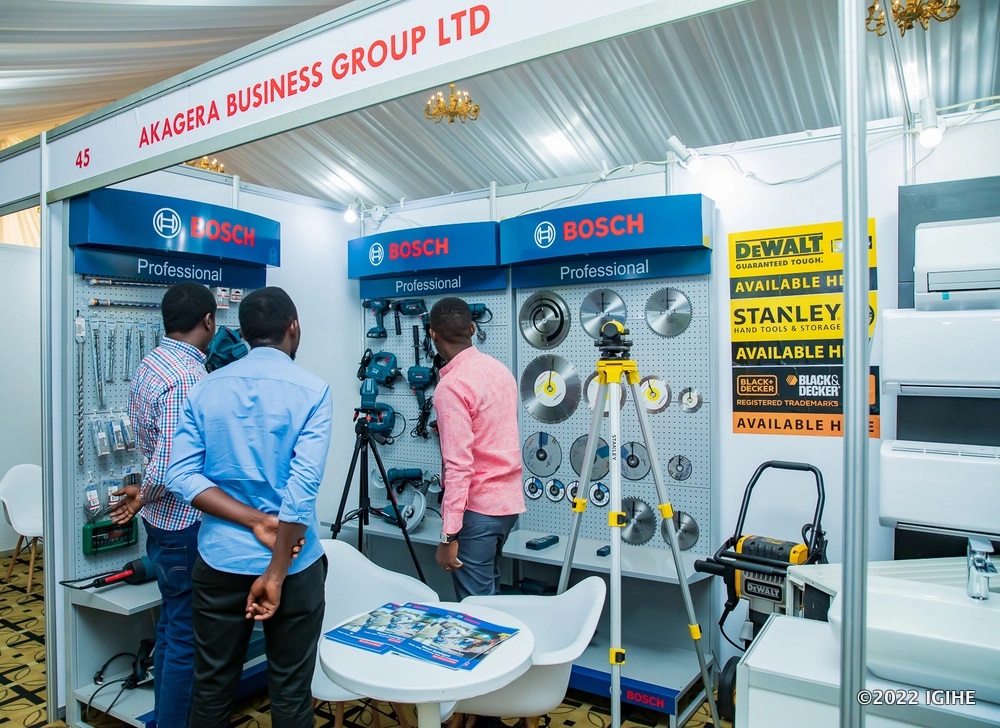
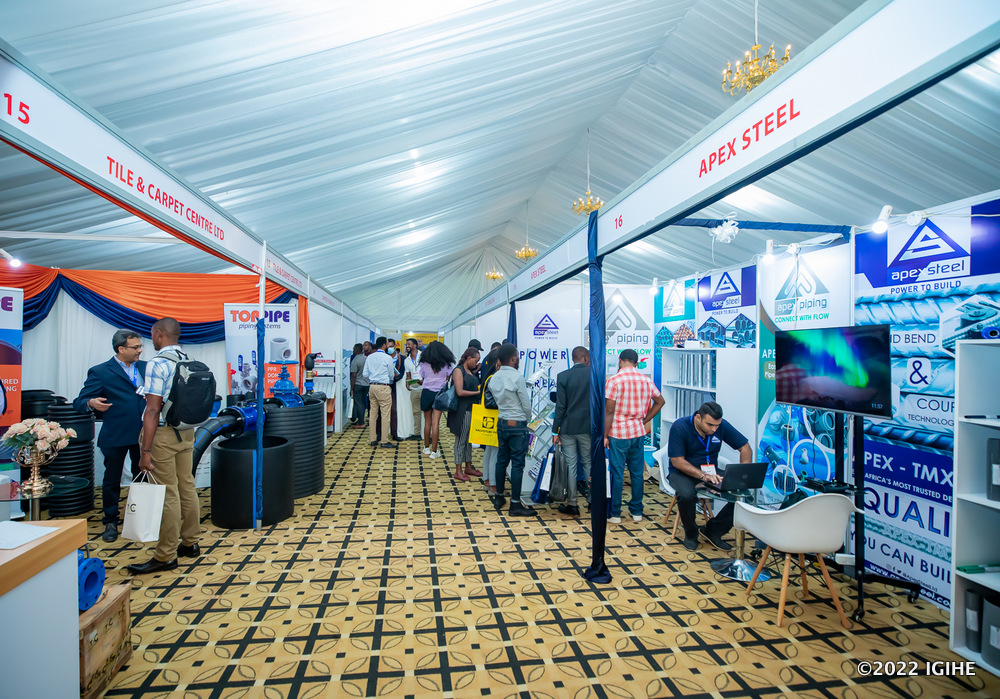
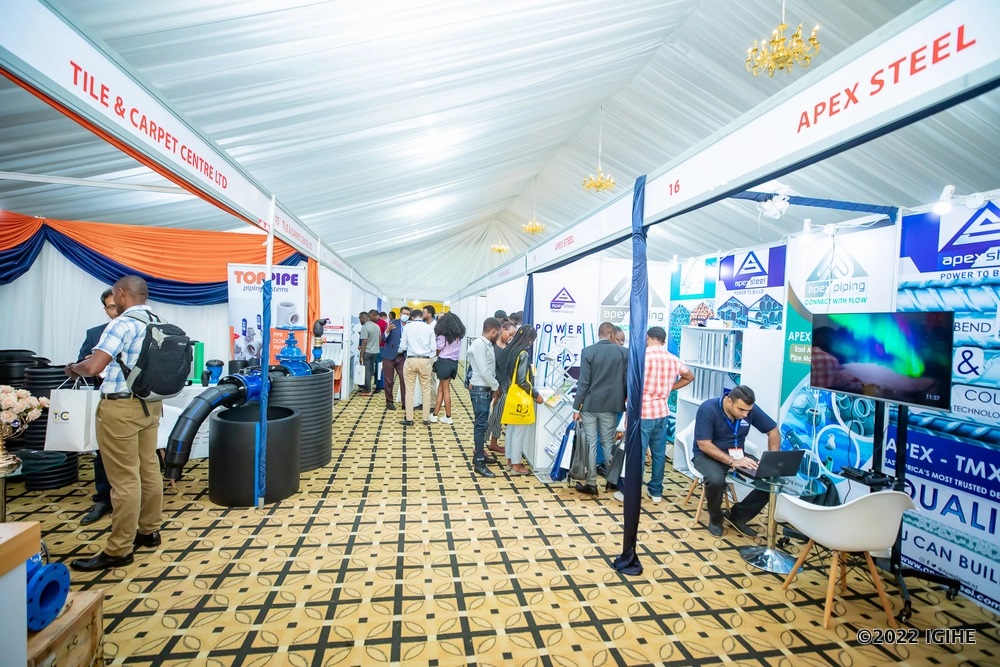
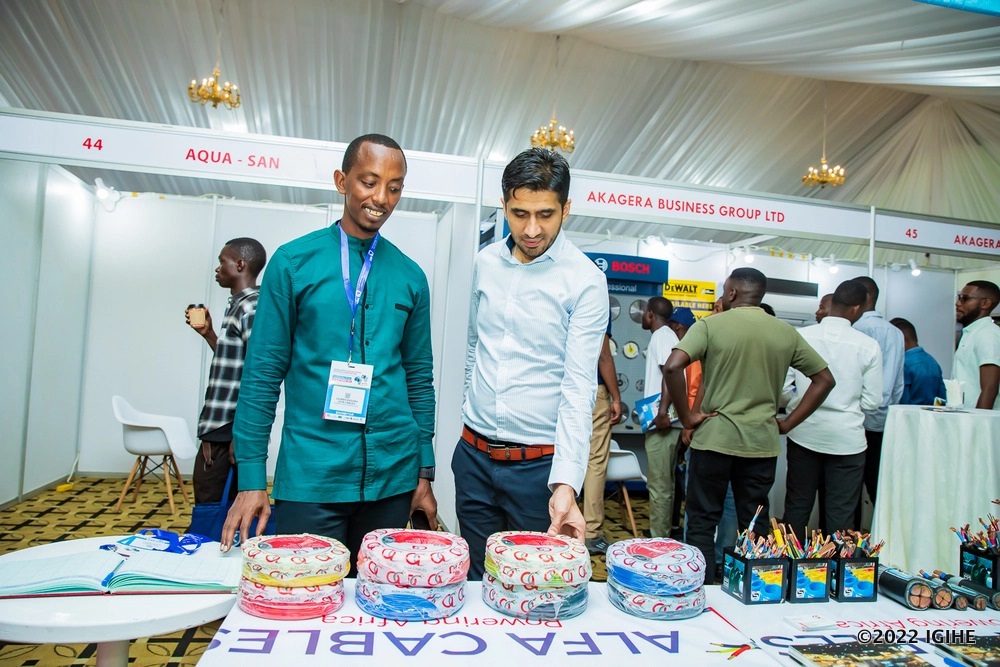
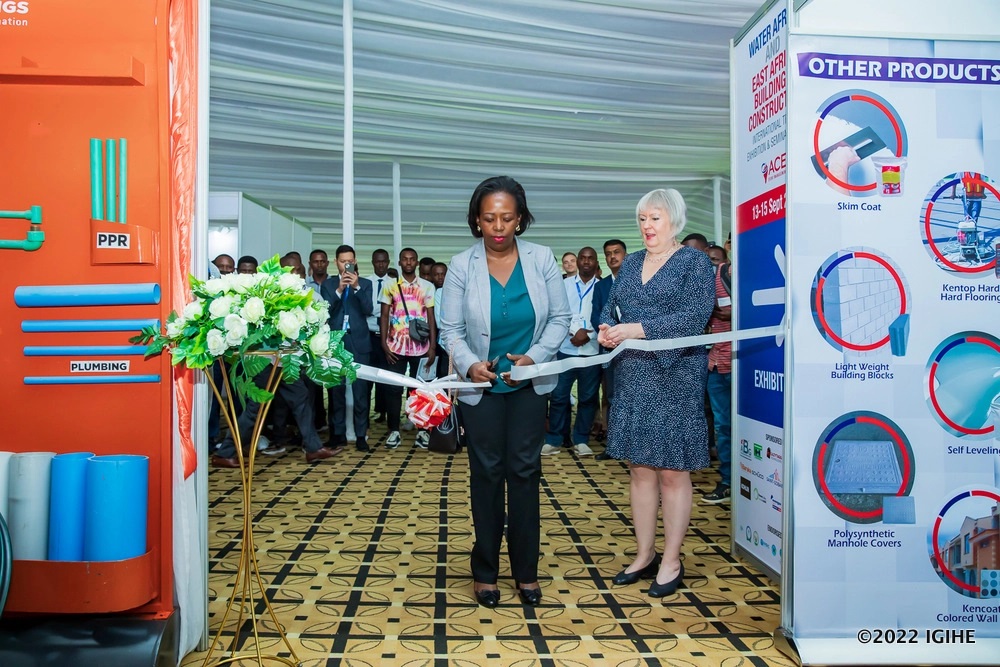
The three-day exhibition kicked off on Wednesday 13th September 2022 at Kigali Serena Hotel.
Dubbed ‘Water Africa and East Africa Building & Construction Exhibition’, the event was organized by ACE Event Management based in the United Kingdom (UK).
It brought together companies producing latest equipment in the areas of water, sanitation and construction.
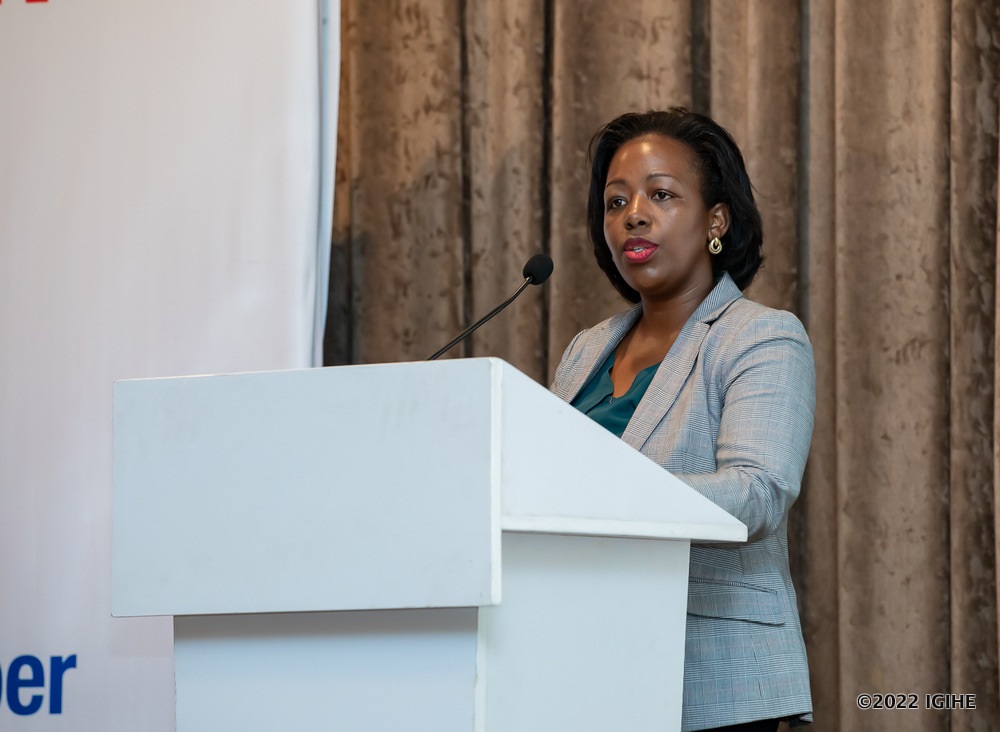
Speaking at the opening ceremony; Marcelline Kayitesi, the Division Manager for Water and Sanitation in the Ministry of Infrastructure (MININFRA) said that Rwanda is rolling out initiatives to fast track universal access to safe water where the exhibition will be helpful to accelerate the good cause.
She underscored that the event bringing together players from the two sectors including water and sanitation as well as housing is held at a time when the world has bold ambitions to achieve universal access to water.
Kayitesi revealed that Rwanda was not left behind considering its goal to meet universal safe water access by 2024.
She said that the exhibition is among activities helping the country to learn from other initiatives and to strengthen self-reliance.
Kayitesi explained that Rwanda is on a good pace and expressed optimism that the country will undoubtedly meet the goals.
She further stated that the event is an opportunity for entrepreneurs to learn from each other to make improvements.
Tracy Fellor, one of organizers of the event explained that the exhibition is aimed at bringing together entrepreneurs to share experience and contribute to the growth of water and sanitation, and housing sector.
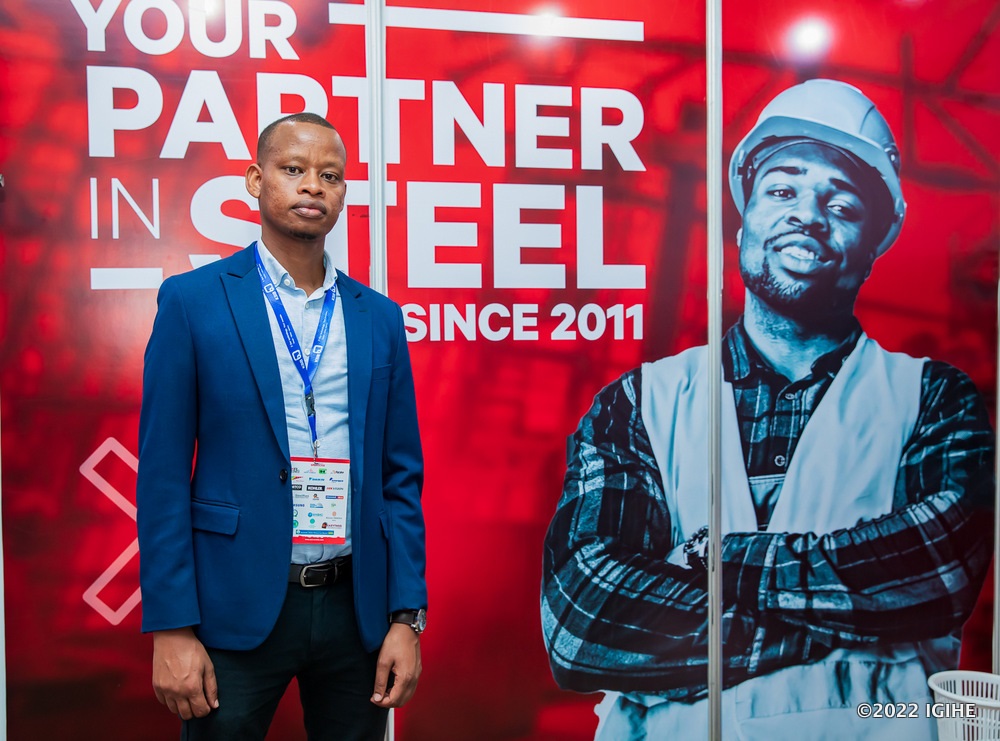
John Rutaha, Commercial Manager at SteelRwa which manufacturers roofing sheets in Rwanda said that the exhibition will help them create new connections with potential customers and acquire new skills relevant for the company to expand operations.
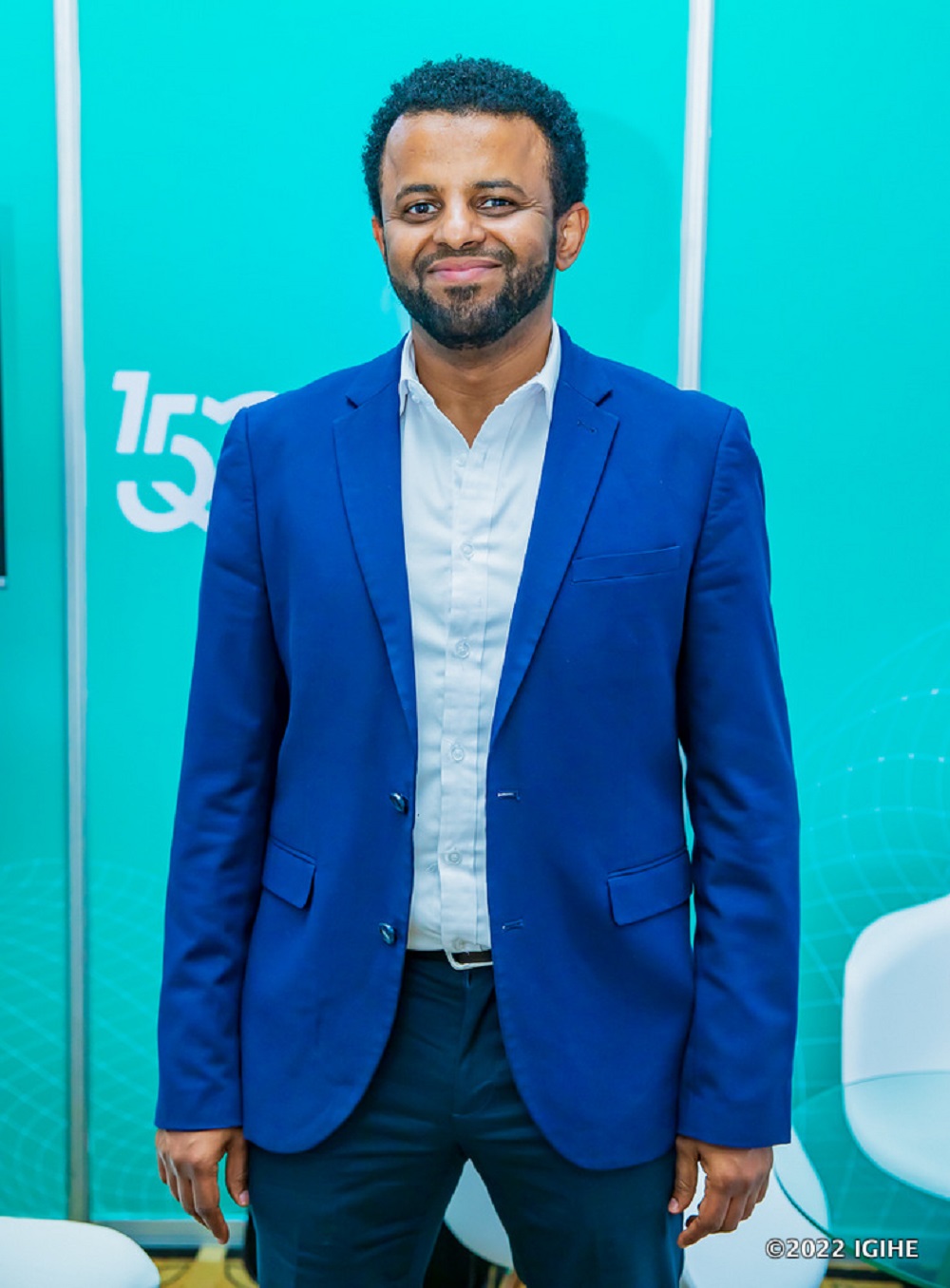
Balete A.Matebe, the Managing Director of WILO East Africa Ltd also disclosed that attending the exhibition will help the company expand footprints in Rwanda.
Currently, 86% of Rwandans have access to water while the country targets universal water coverage by 2024 under the National Strategy for Transformation (NST1).
Once completed, it will be the third cement manufacturer in Rwanda after Cimerwa Plc located in Bugarama of Rusizi District in Western Province and Prime Cement Ltd operating in Musanze District in Northern Province.
The two plants don’t have the capacity to meet the demand which results into hiked cement prices.
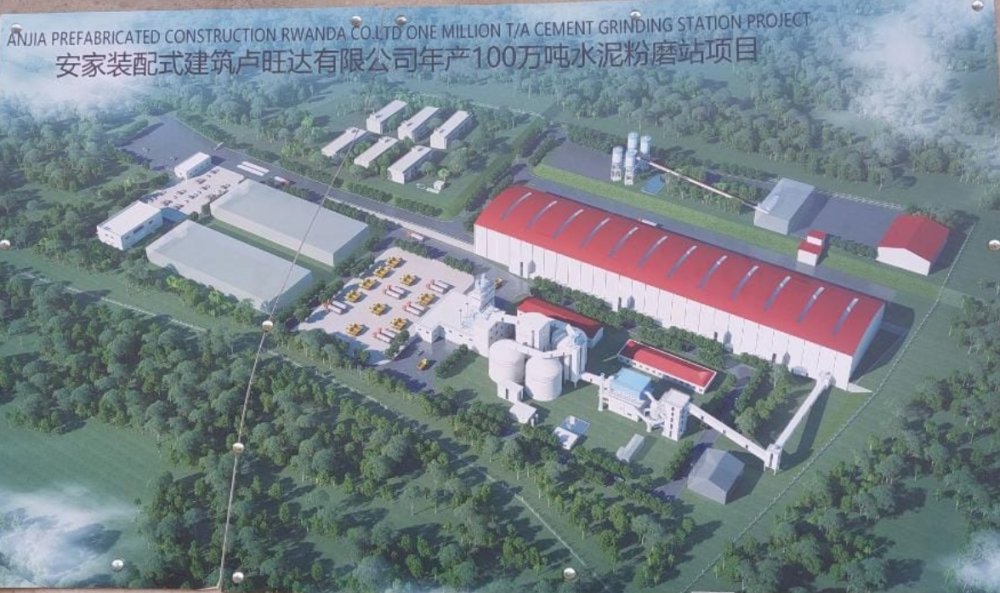
However, the issue is set to get a solution through a project run by Anija Prefabricated Construction Rwanda to build a cement factory in Muhanga Special Economic Zone.
Headquartered in Ethiopia, Anjia Prefabricated Construction runs operations in other countries including the Democratic Republic of Congo (DRC).
The latter is developing a cement factory in Muhanga on 67 hectares expected to manufacture cement and other construction materials.
The management of Anjia Prefabricated Construction has revealed that the plant is expected to produce 1,000,000 tons per year and create over 1200 jobs after completion.
Construction of the plant estimated at US$100 million (approximately Rwf102 billion) have reached advanced stages and expected to be completed in February 2023, according to contractors.
Muhanga District vice Mayor for Economic Development, Eric Bizimana has told IGIHE that construction activities currently stand at 70%.
“The plant is under construction in a place dedicated for factories. Setting up this plant will cement investors’ confidence to invest in Rwanda, particularly in Muhanga,” he said.
“The plant will also contribute to the creation of new jobs and increase the quantity of locally produced cement,” added Bizimana.
This factory also plans to make a special type of cement used to build bridges crossing water bodies.
Products for cement production are expected to be sourced from Rubavu and DRC where the company has another plant.
With the production capacity of 600,000 tons per year, Cimerwa has been in operation since 1984.
Prime Cement also produces 600,000 tons per annum expected to be increased to 1.2 million tons in 2023.
Figures show that Rwanda’s demand for cement was estimated at 800,000 tons before 2020 yet local plants had the capacity to produce only 480,000 tons per year.
The 750 soldiers and 360 gendarmes make up the ninth contingent of Cameroonian troops tasked with carrying out stabilization and peacekeeping mission in the CAR.
The contingent is part of the United Nations Multidimensional Integrated Stabilization Mission in the Central African Republic (MINUSCA), which began protecting civilians in CAR in 2014 under the UN Charter, Assomo said during a ceremony in the country’s East region to award medals to soldiers who underwent special training in the region.
“I urge you to represent your country in the right way,” Assomo said, and demanded the soldiers execute their assignment in strict respect of the rules guiding MINUSCA.
The contingent is taking over from predecessors who spent a year building peace in the war-torn country.
The CAR has been wracked by violence since the Seleka rebels ousted then President Francois Bozize in 2013. The conflict has forced nearly half of the country’s population to migrate and depend on humanitarian assistance, according to the UN.
To better manage traffic in Abuja, traffic lights had been installed at 74 intersections in the first phase of the project in 2015.
A great symbol of China-Nigeria friendship, the project symbolizes “a concrete embodiment of the implementation” of the nine programs of China-Africa cooperation, Cui Jianchun, Chinese ambassador to Nigeria, said at the flag-off ceremony.
“This project will bring a lot of relief to the transportation system of Abuja, will be useful to the country, and will equally impact positively on the social life of local residents,” the diplomat said.
Adesola Olusade, permanent secretary of Nigeria’s Federal Capital Territory (FCT) Administration, said the construction comes at a time when the FCT was in dire need of having its major road intersections signalized for ease of traffic flow and orderliness.
“The era of energy supply through solar is fast overtaking the age-long energy supply through the national grid, which is mostly unreliable. The solar-powered traffic light system in the FCT is just desirable at this moment,” Olusade added.
One of the fastest-growing cities in the world with an equally fast-growing population, Abuja is facing pressure on city infrastructure, including that dedicated to traffic management.
“Today’s event, therefore, could not have come at a better time as we seek to ensure ease of traffic and orderliness on our roads through the provision of traffic control signals at major road intersections,” said Muhammad Musa Bello, minister of the FCT, who pledged to ensure an enabling environment for a hitch-free and successful delivery of the project.
The China Railway No. 8 Engineering Group responsible for the construction work will discover new talents and hone the skills of local technicians in fields such as steel, concrete and electricity, said Jiang Kaifeng, the project manager.
They were arrested on Tuesday, September 13, in Gisenyi Sector, Mbugangari Cell, Rurembo Village, where the goods including second hand clothes and shoes as well as the outlawed non-biodegradable plastic bags, were recovered.
Chief Inspector of Police (CIP) Mucyo Rukundo, the Western Region Political and Civic Education Officer (RPCEO) identified the suspects as Nyobotsimana Bihangamanwa, Uwizeyimana Kesie, and Ndori Safari.
“They were arrested with 101 pairs of shoes, 30kgs of clothes, 3800 pieces of plastic bags, tins of powdered milk, assorted gin including 14 bottles of Simba Waragi and 24 bottles of Savanna; food flavours, and skin bleaching products,” CIP Rukundo said.
He thanked residents, who reported the acts of smuggling and fraud, adding that the smugglers used illegal border points to sneak the goods into Rwanda from DRC.
The suspects were handed over to RIB at Gisenyi station while the goods were handed over to Rwanda Revenue Authority (RRA) in Rubavu.
In article 199 of the East African Community Management Act, which is also applicable in Rwanda, smuggled goods are auctioned.
{{Tax fraud}}
A taxpayer, who commits fraud, is also subject to an administrative fine of one hundred percent (100%) of the evaded tax and a likely imprisonment of between six months and two years.
Manufacturing, use, importation or sale of plastic carry bags and single-use plastic items are prohibited under article 3 of law N° 17/2019 of 10/08/2019 relating to the prohibition of manufacturing, importation, use, and sale of plastic carry bags and single-use plastic items in Rwanda.
In article 10, any person, who imports plastic carry bags and single-use plastic items is liable to the dispossession of those plastic carry bags and such items, and to an administrative fine equivalent to ten times the value of those plastic carry bags and single-use plastic items.
In article 11, a wholesaler of plastic carry bags and single use plastic items is liable to an administrative fine of Rwf700, 000 and dispossession of those plastic carry bags and such items.
In article 12, a retailer of plastic carry bags and single-use plastic items is liable to an administrative fine of Rwf300,000 and dispossession of those plastic carry bags and such items.
RapidCollect™ caters for the needs of business customers across Africa, as the continent is at a unique point in its history. Immense trade, investment and economic growth opportunities are driven by the African Continental Free Trade Area (AfCFTA)’s creation of a single African market. The Economic Commission for Africa has forecast that the AfCFTA will boost intra-African trade by about 40% .
Commenting on the development; Josephine Anan-Ankomah, Group Executive, Commercial Banking, Ecobank said: “With the African Continental Free Trade Area offering untold trading growth opportunities for Africa’s businesses, it is imperative that the payment and collection infrastructure proactively caters for the needs of our continent’s small and medium sized businesses by facilitating their cross-border trade. Ecobank’s Rapid-Collect™ further advances our determination to remove intra-African trade barriers by providing a fast, innovative, secure, hassle-free and reliable collection solution for our SME customers which leverages the collective scale and strength of our 33-country pan-African network”.
Isaac Kamuta, Group Head, Payment services, Cash Management and client access, Ecobank Group added: “The launch of RapidCollect™ reaffirms our leadership as the Best Bank for Cash Management in Africa. It provides a fast, innovative, secure, and reliable solution for our customers which leverages the collective scale and strength of our 33-country pan-African network. Our customers only need an Ecobank account in their home country – rather than needing an account in every country in which they trade. It removes the delays previously inherent in cross-border business payments and addresses the issues created by fluctuating forex rates.”
Through RapidCollect, Ecobank’s Commercial Banking and Corporate and Investment Banking customers benefit from the convenience of one account to receive business payments hassle-free from across our 33-country network, instant payments into their Ecobank account in their home country and across our network as well as automated reconciliation businesses with capabilities to integrate their billing system.
Among others, customers will benefit from secured transactions via Ecobank’s tried and trusted technology and easier cross-border payments to seize opportunities from the AfCFTA’s continent-wide single market.
RapidCollect™ is available at Ecobank branches and it is already integrated into our digital channels. The solution is subject to the regulations in each country.
{{About Ecobank Transnational Incorporated }}
Ecobank Transnational Incorporated (‘ETI’) is the parent company of the Ecobank Group, the leading independent pan-African banking group. The Ecobank Group employs about 13,000 people and serves over 32 million customers in the consumer, commercial and corporate banking sectors across 33 African countries.
The Group has a banking licence in France and representative offices in Addis Ababa, Ethiopia; Johannesburg, South Africa; Beijing, China; London, the UK and Dubai, the United Arab Emirates. The Group offers a full suite of banking products, services and solutions including bank and deposit accounts, loans, cash management, advisory, trade, securities, wealth and asset management.
ETI is listed on the Nigerian Stock Exchanges in Lagos, the Ghana Stock Exchange in Accra, and the Bourse Régionale des Valeurs Mobilières in Abidjan.
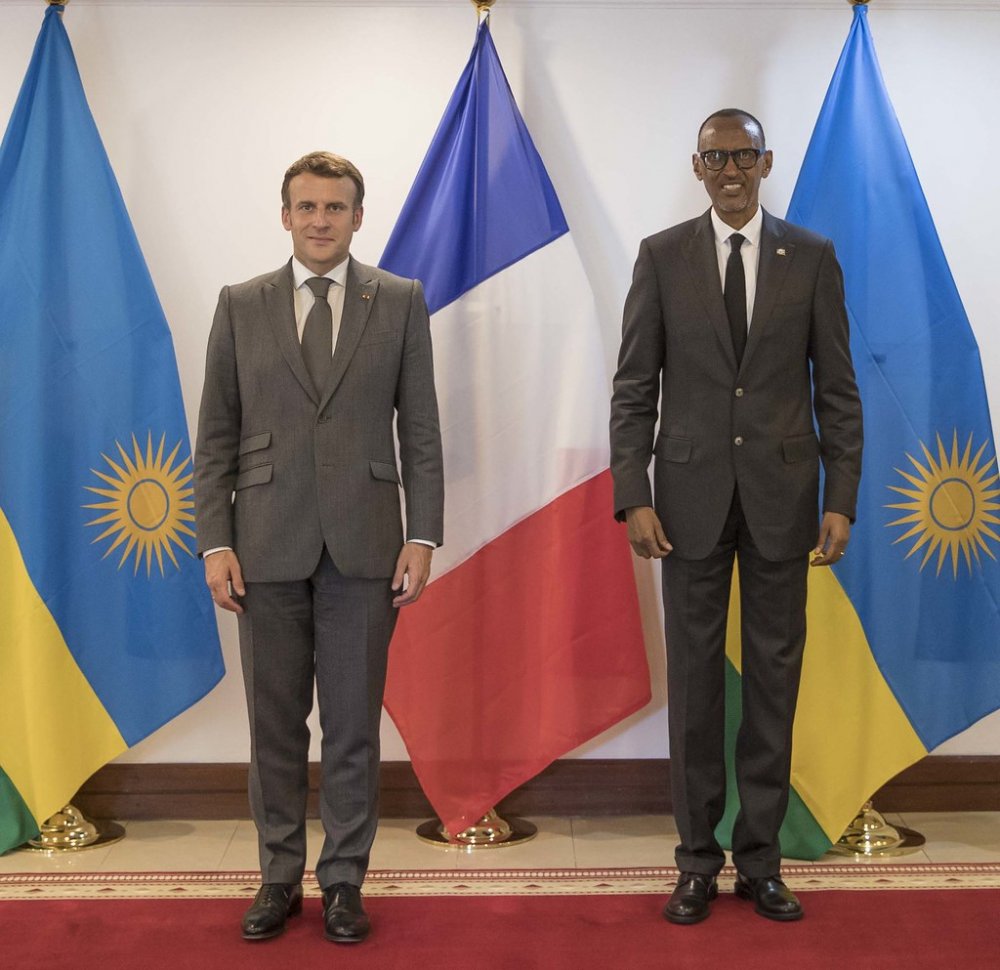
The Heads of State made the remarks on Sunday at a time when Rwanda is hosting a nine-day conference bringing together researchers from a French committee led by Prof. Vincent Duclert and counterparts from the University of Rwanda (UR) led by Prof. Mulinda Charles Kabwete.
Prof. Duclert’s committee reviewed official archives on France’s role during the 1994 Genocide against the Tutsi and released a report indicating that France bears “heavy and overwhelming responsibilities” over tragic history that led to the Genocide which took lives of over 1 million victims.
Discussions between both sides are centered on the role of research in reporting the truth about Genocide against Tutsi.
The symposium serves as an opportunity to think and share ideas with a view to raise awareness regarding the history of the Genocide, how it was executed and stopped.
Prof. Mulinda said that the idea emerged when Prof. Duclert visited UR Huye Campus in August 2021 where both sides agreed to build partnerships in the area of research and preparation of international meetings.
In a pre-recorded speech, President Kagame welcomed participants of the first session of the international conference on the Genocide against the Tutsi. The next conference will be held in Paris, the capital of France in 2023.
In the speech that was visually aired President Kagame welcomed all who attended this first conference in regards to the Genocide of Tutsi that took place in Rwanda the following meeting will be in Paris in 2023.
He said that such a meeting bringing together French and Rwandan researchers, would have been almost unimaginable in the past.
However, the Head of State stated, both countries turned the page to a new chapter in their relationship being written with the historic visit of President Macron to Rwanda last year.
The President thanked Macron for his political courage and sincerity noting that his visit was made possible by the efforts of both countries to establish facts.
“Working entirely independently, using different sources and methods, the teams led by Professor Vincent Duclert, and Robert Muse reached conclusions that broadly reinforced one another. But those reports are not the last word. It is ultimately the task of professional historians and researchers to document the historical record for future generations,” he said.
Kagame commended the organizing committee led by Prof. Duclert and Prof. Mulinda for the hard work and acknowledged the funding form the French government which made the event possible.
French President, Emmanuel Macron said that holding these discussions on Genocide against the Tutsi is big move leading to the truth both countries want.
He said that the initiative complements the task assigned to Prof. Duclert in 2019 and his team of researchers to document his country’s role in the history that led to the 1994 Genocide against the Tutsi.
Duclert’s report along with another one produced by Levy Firestone Muse LLP led to a new page for bilateral relations that had wavered.
Macron underscored that research on history must continue and commended Prof. Duclert’s team for their courage to carry on the work that lasted for three years.
He equally thanked the Government of Rwanda for having provided room for these discussions with a view to prevent reoccurrence of the tragic history.
The Vice Chancellor of the University of Rwanda, Dr. Kayihura Muganga Didas, said that these discussions are paramount as they create a room for exchange of knowledge among researchers.
The conference runs from 11th to 19th September 2022.
Researcher Antoine Mugesera said that there has been a commendable progress to illustrate the history of the Genocide against the Tutsi but insisted that a lot still needs to be done.
He revealed that future research can go an extra mile to document the lives of Genocide survivors.
Mugesera extolled efforts by both countries’ leaders to restore relations which he considered a strong foundation upon which a shared vision should be entrenched.
Prof. Duclert also highlighted that collaboration among researchers is of utmost importance as it helps to desist propagandists with intentions to misinterpret and trivialize history.
The nine-day conference will feature different sessions on Rwanda’s resilience journey after the 1994 Genocide against the Tutsi.