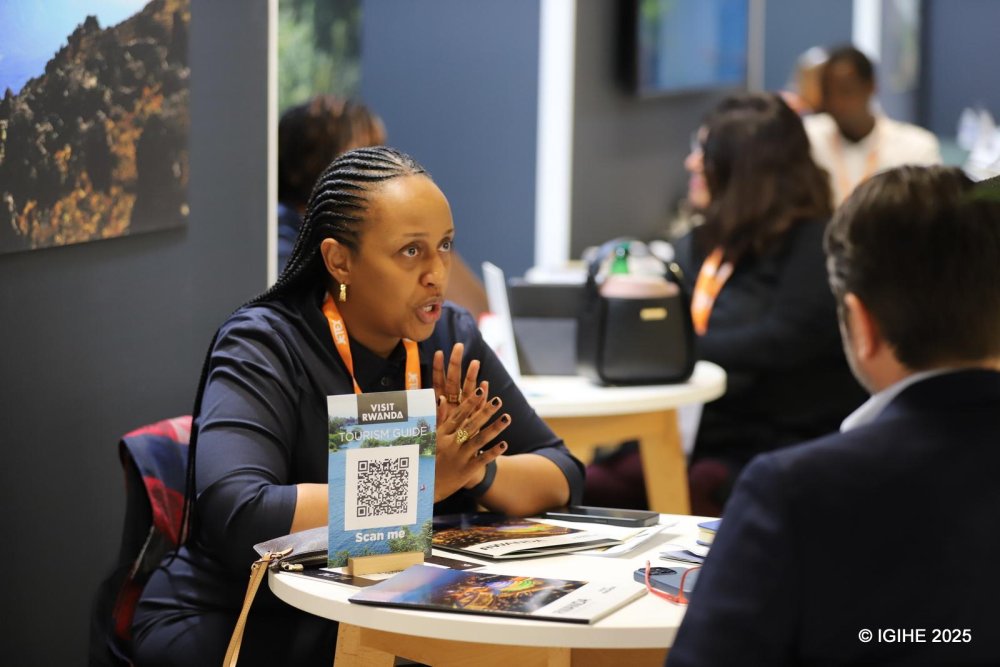
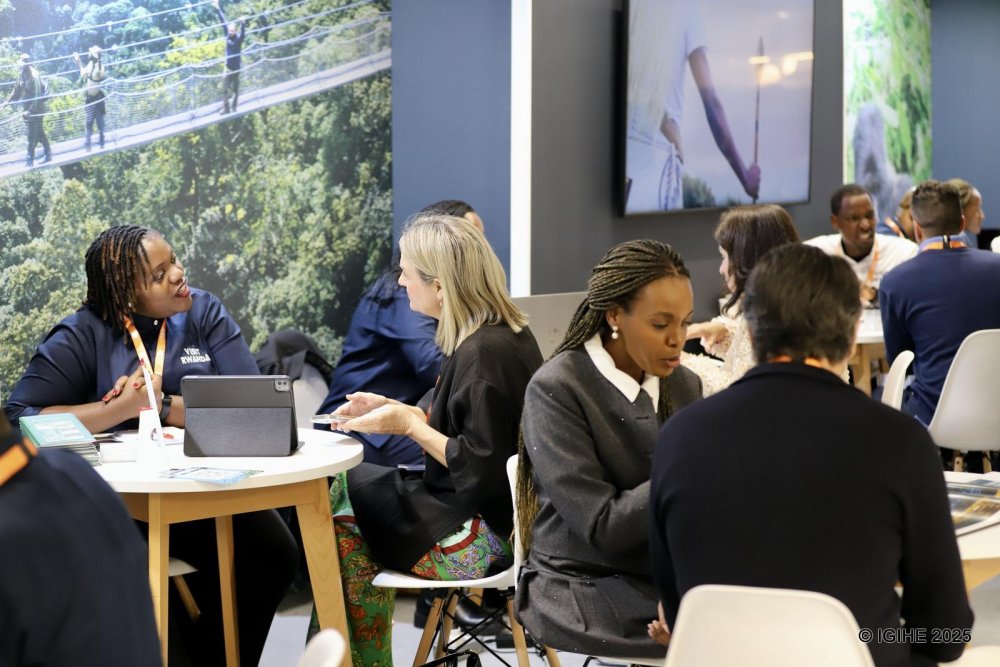
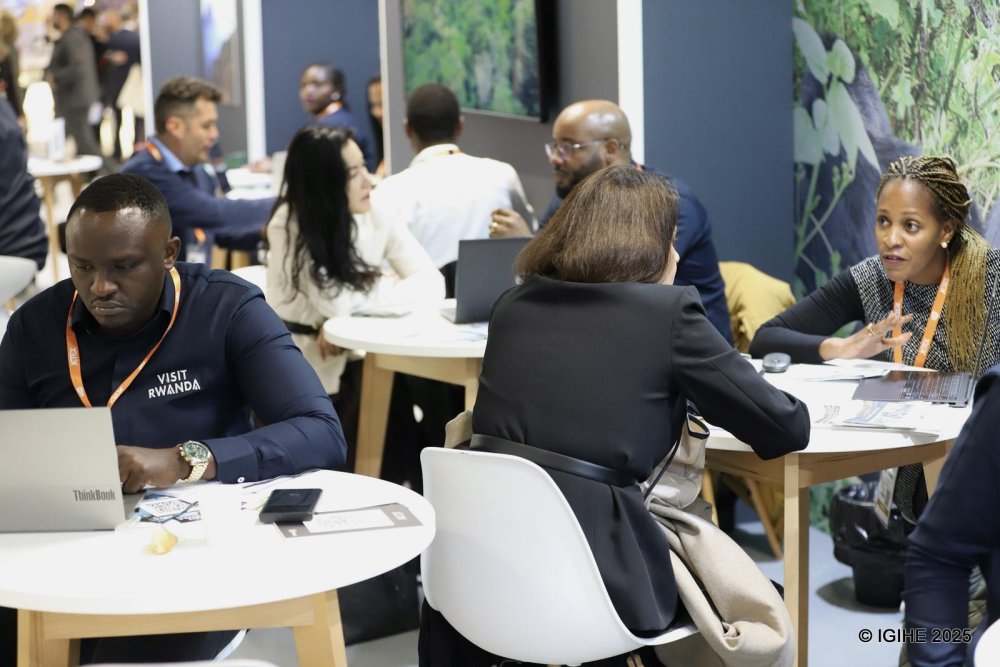
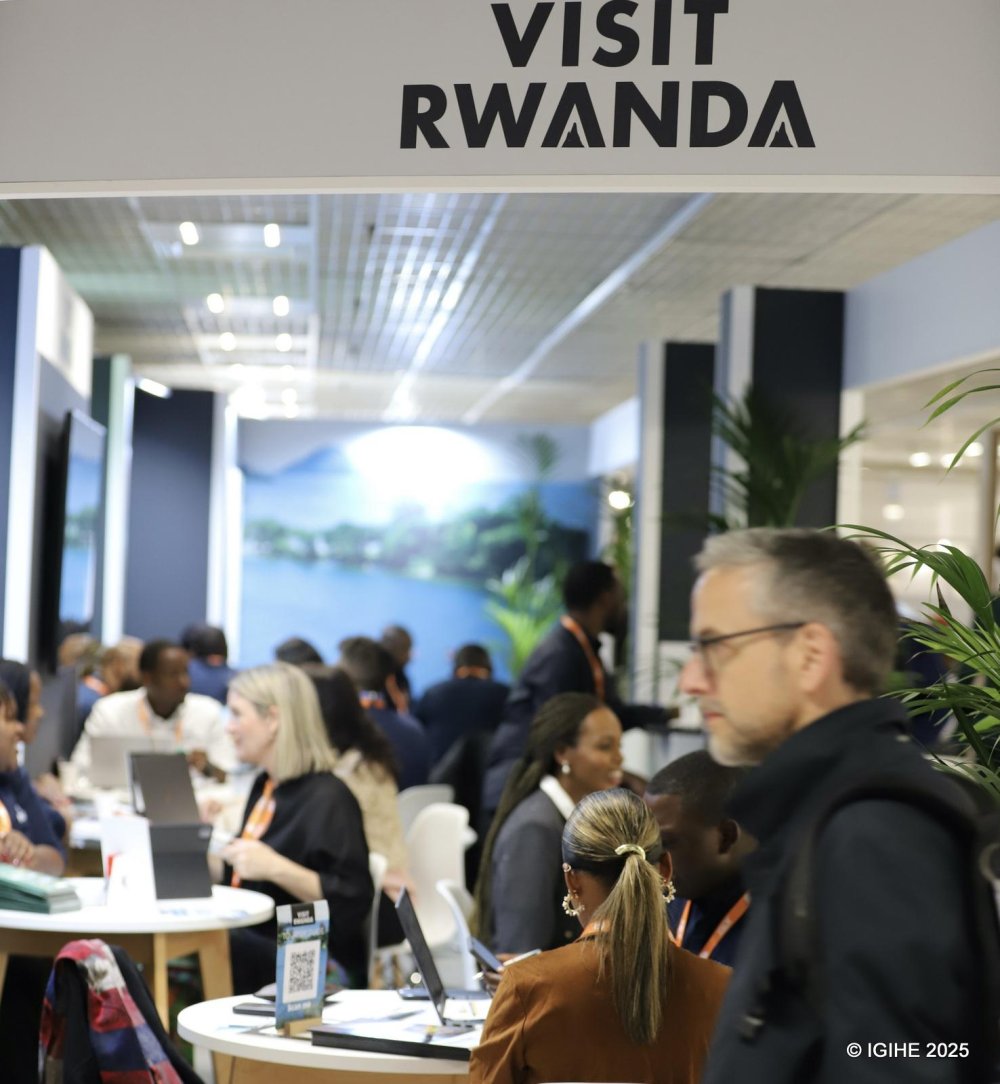
Rwanda has firmly positioned itself as one of Africa’s top [travel destinations->https://www.silverbacktour.com/], with impressive growth in tourism over the years. In 2024, the country welcomed over 1.36 million visitors, generating a record $647 million in revenue.
This growth is expected to continue in 2025, with RDB targeting over $700 million in tourism revenue, driven by sustained investment in conservation, infrastructure, and global events. By 2029, Rwanda aims to boost its tourism revenue to $1.1 billion annually, up from $620 million in 2023, as part of its National Strategy for Transformation (NST2).
A big part of this success comes from protecting nature. There are now over 1,060 mountain gorillas in the world, and many live safely in Volcanoes National Park. Money from visits pays for guards, land care, and help for nearby communities. It’s a simple idea that works: people come to see the animals, and that helps keep them safe.
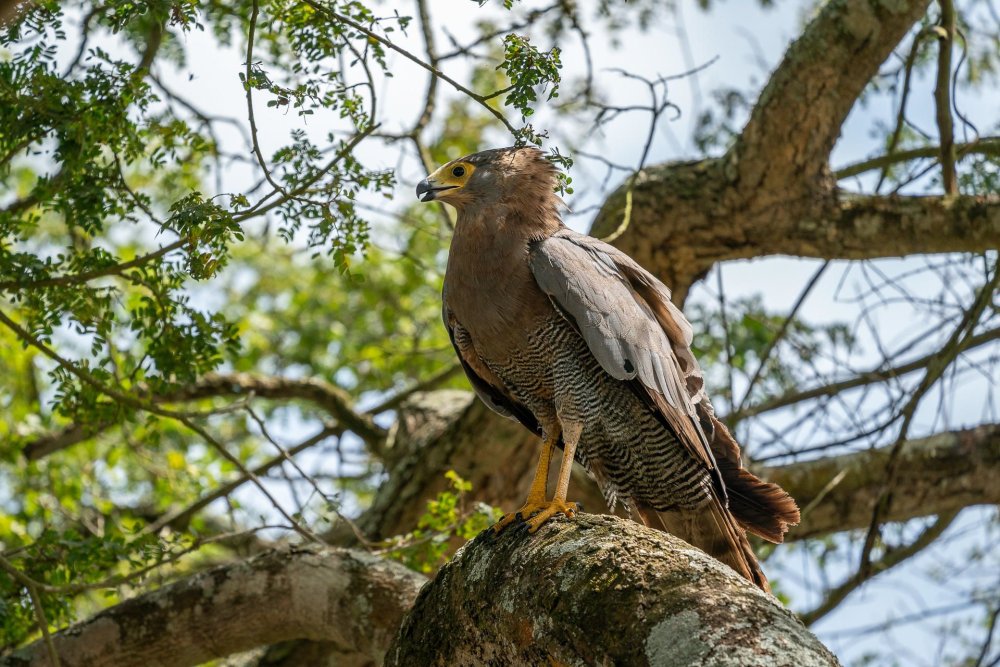
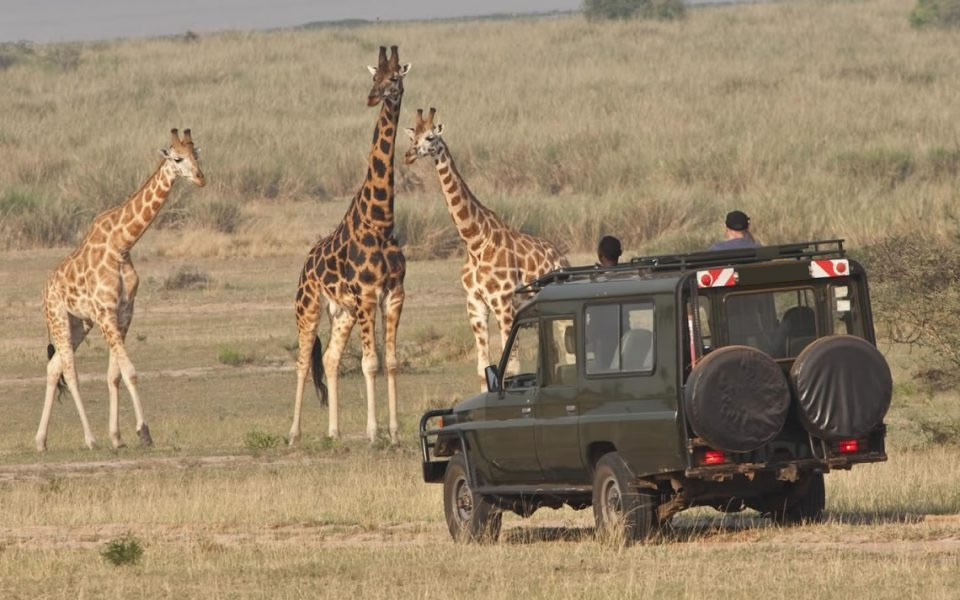
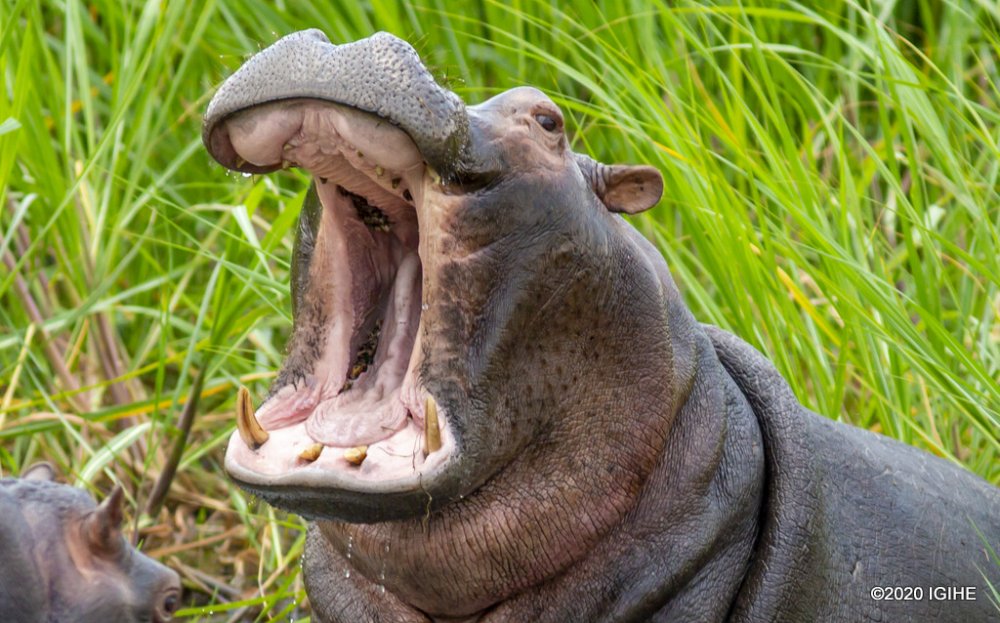
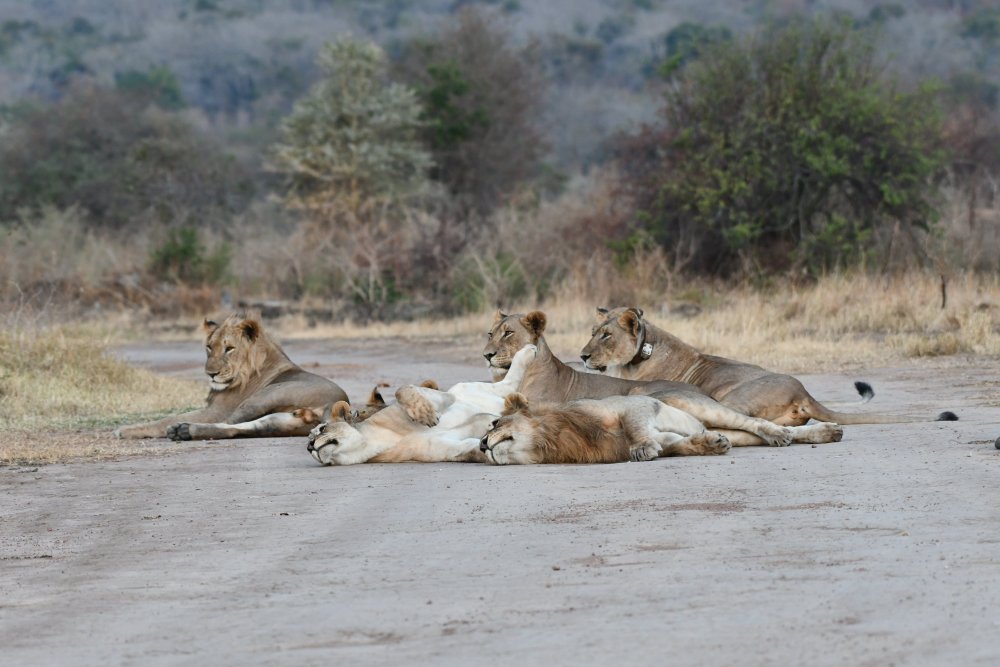
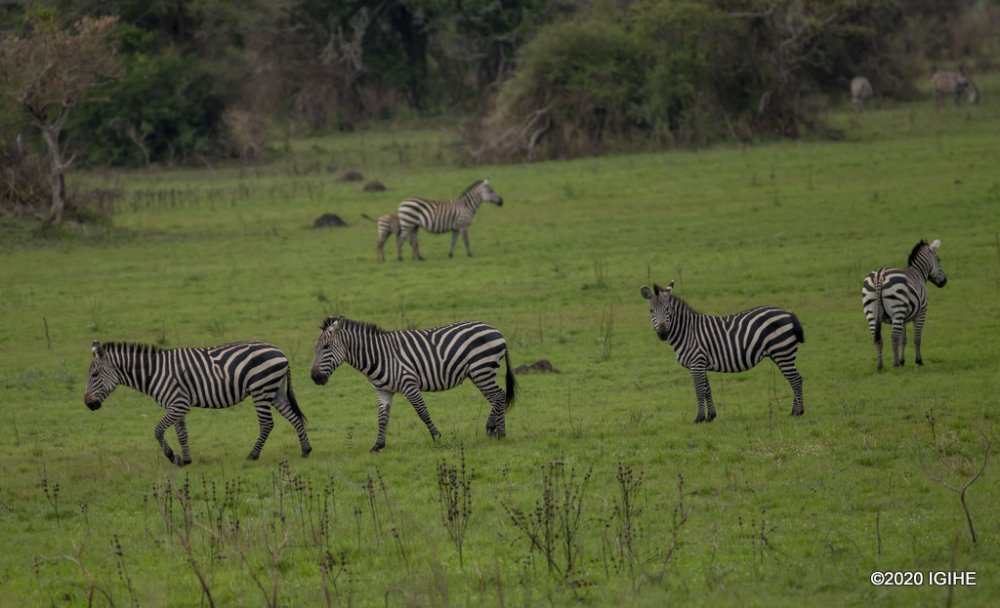
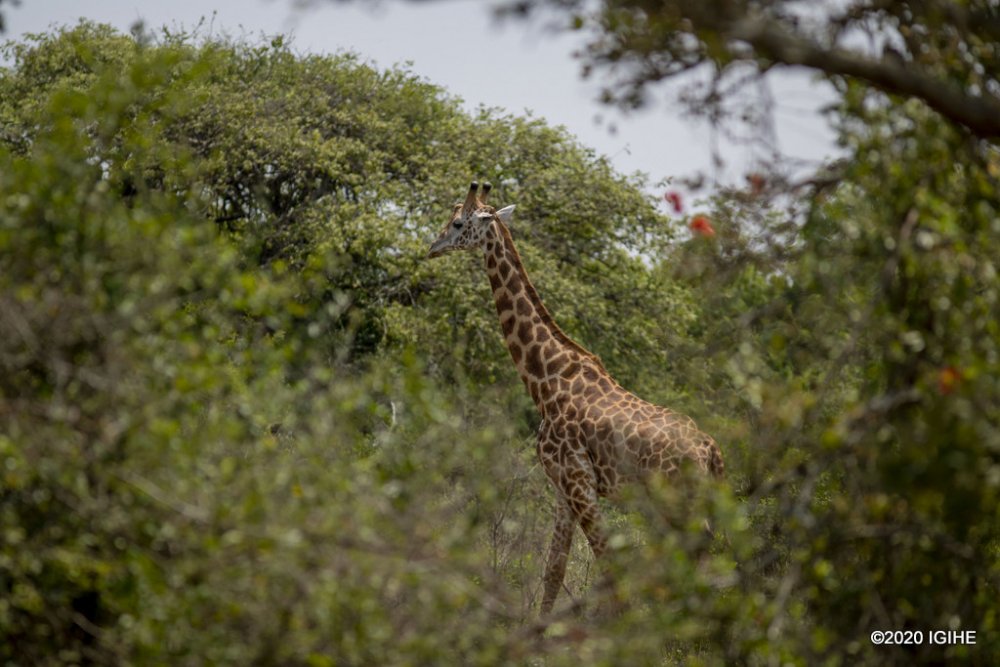
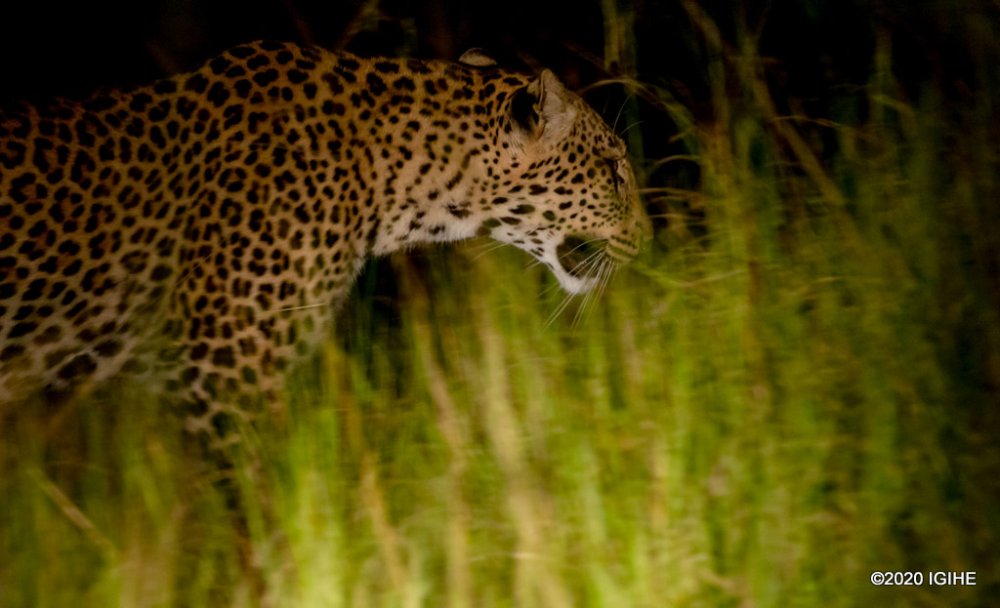
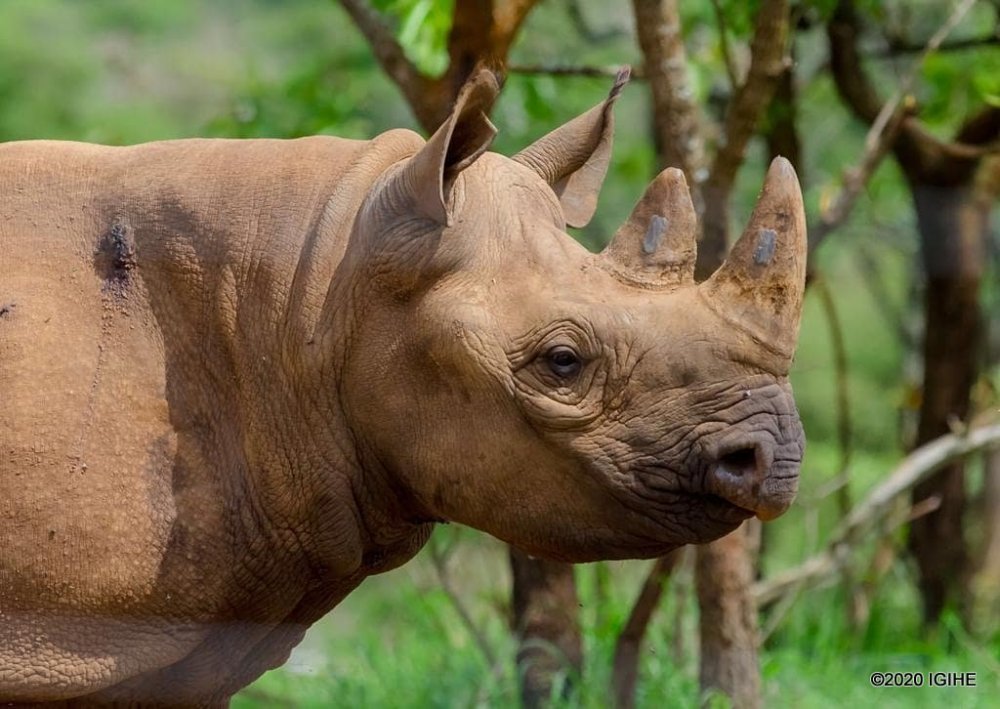
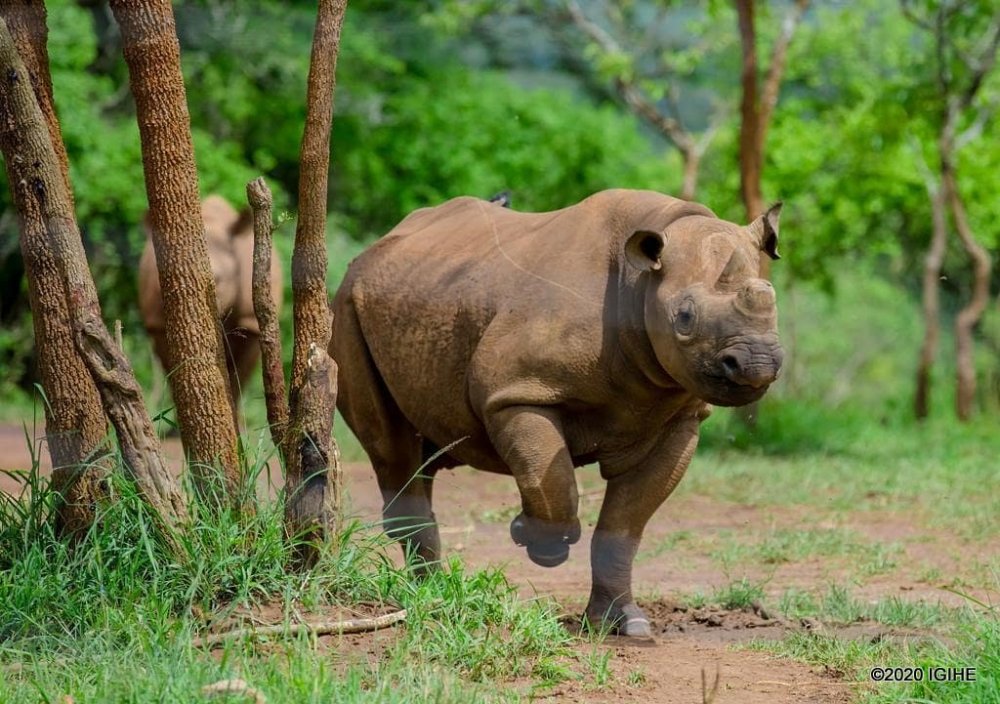
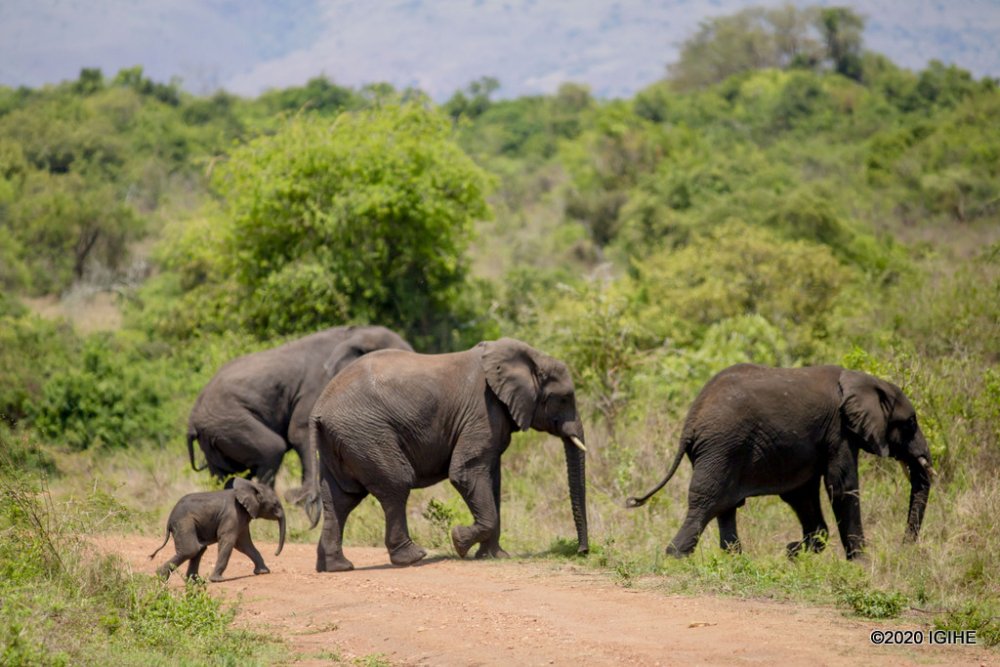
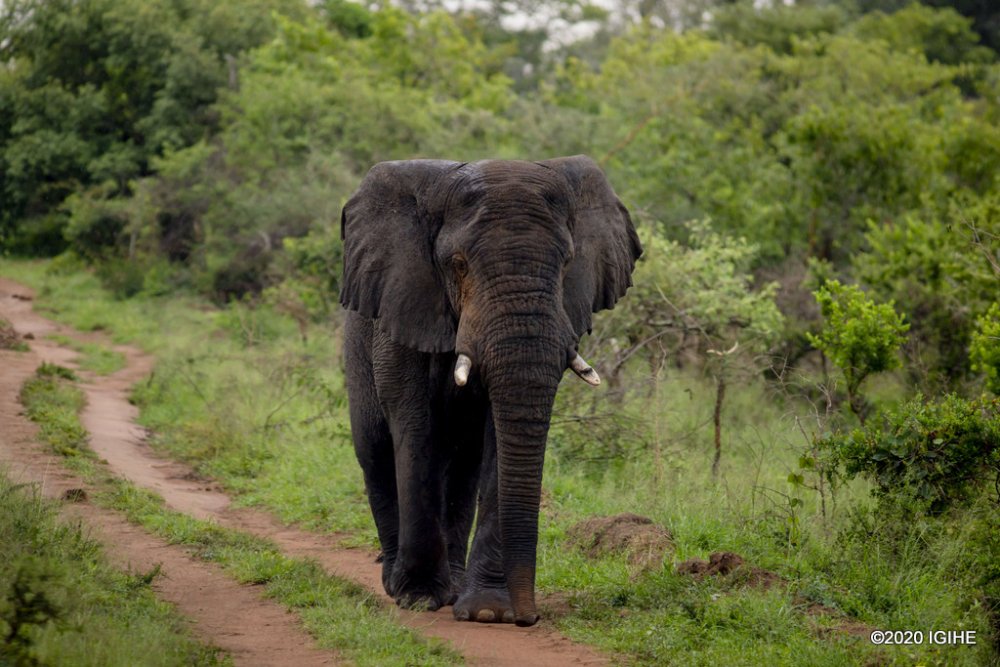
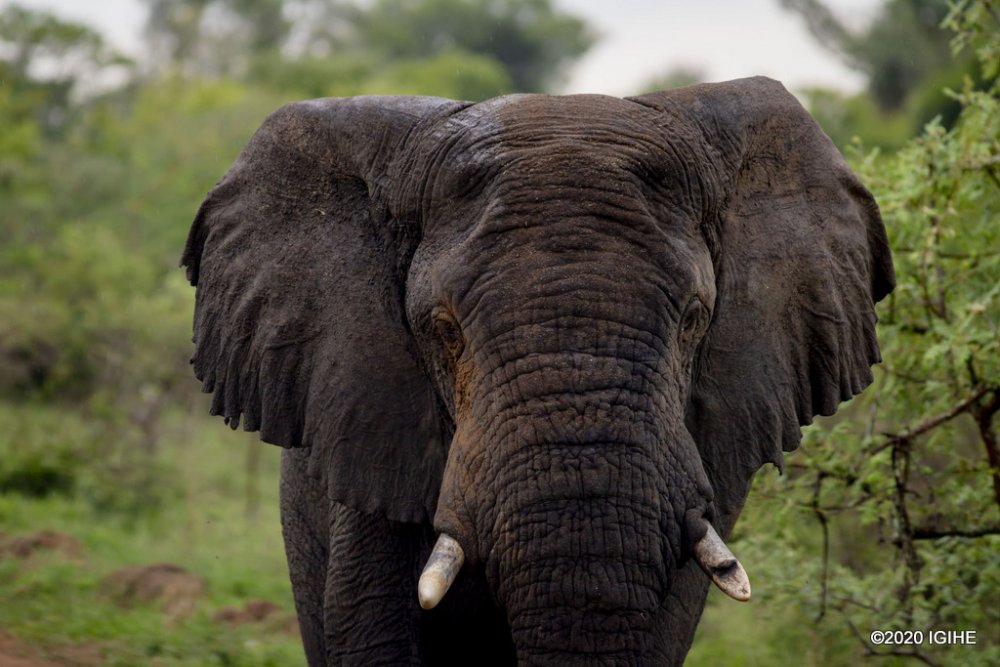
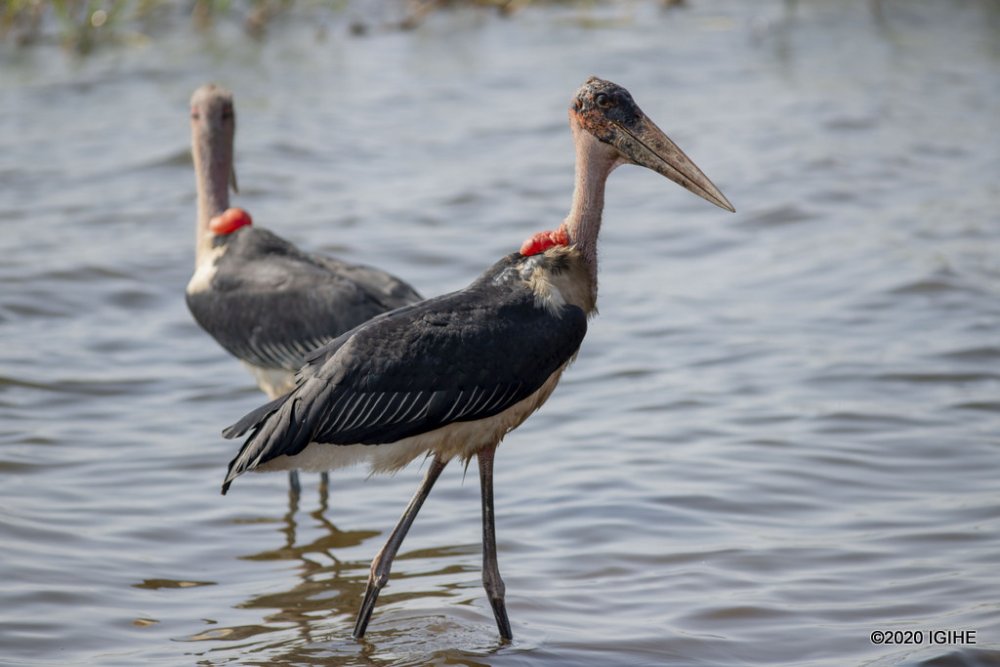
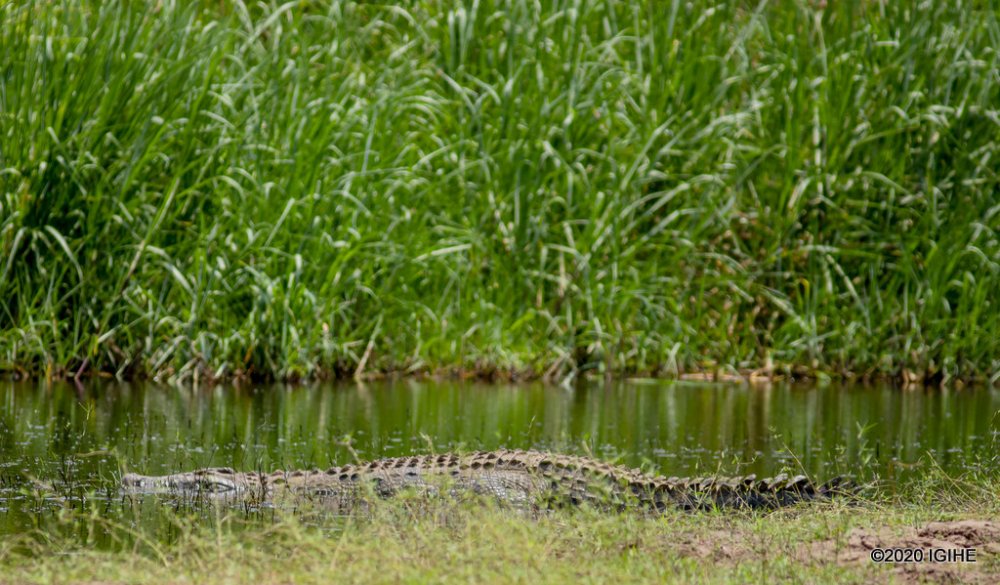
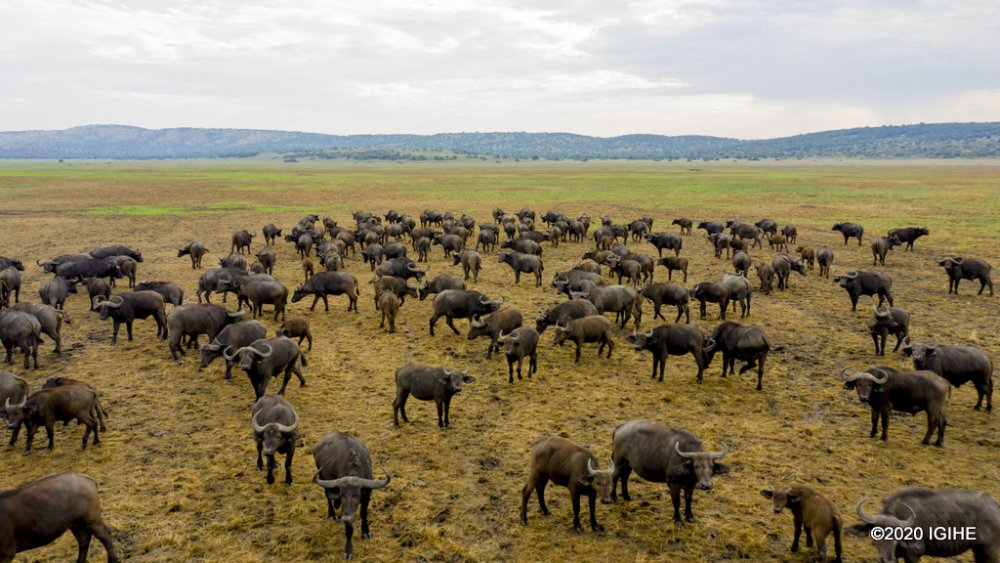
But Rwanda offers much more than gorillas. You can watch playful golden monkeys jumping in the bamboo one day, then drive to Akagera National Park the next to see lions, elephants, rhinos, leopards, and buffalo on open plains.
In Nyungwe Forest, you can zip-line high above the trees or walk quiet trails to find chimpanzees. Lake Kivu has calm beaches perfect for swimming, boating, or just relaxing. And in Kigali, the city feels alive with good food, street art, and busy markets selling local handmade items.
Travel here is easy and safe. Rwanda ranks among the safest countries in the world on the 2026 safety lists, with clean streets. Roads are good, hotels range from cozy lodges to modern chains, and everything connects well.
Many visitors work with [travel and tour operators->https://visitandtourrwanda.com/] who take care of permits, drives, and plans so you don’t have to worry. These local experts know the best spots and help make trips smooth from start to finish.
What really stands out is how kind Rwandans are. People smile easily, chat openly, and make you feel at home. Adding culture makes it even better: strong drum shows that get your heart beating, beautiful Intore dances (now on UNESCO’s world heritage list), or visits to places like the King’s Palace Museum that share old stories.
All this is really just a small taste of what Rwanda has. There are hidden paths, quiet retreats, and more surprises waiting. If you’re thinking about your next trip, now is the perfect time to choose Rwanda. Travel and tour operators are there to guide you every step, 2026 could turn into your best travel year yet in the Land of a Thousand Hills.
[Related article: Five things to know about Akagera National Park->https://en.igihe.com/news/article/top-five-things-to-know-about-akagera-national-park]
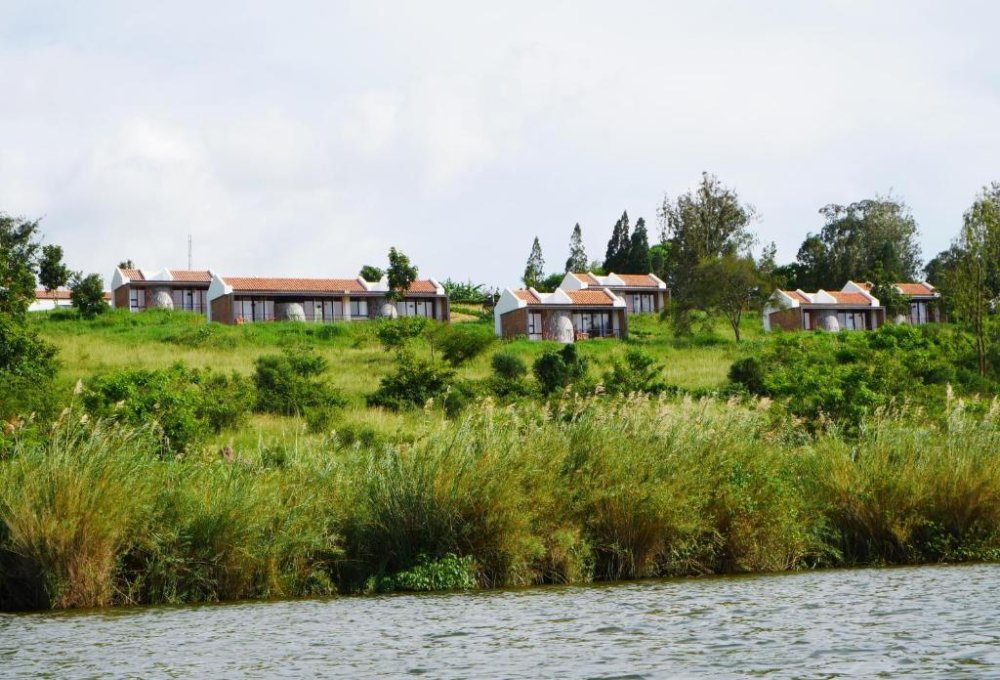
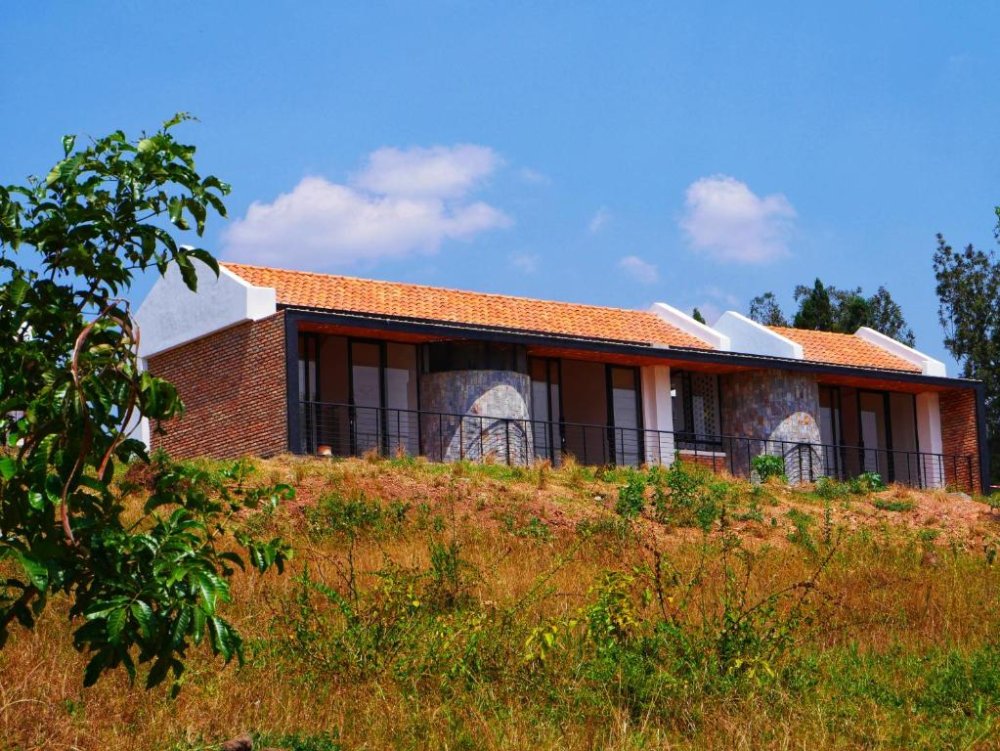
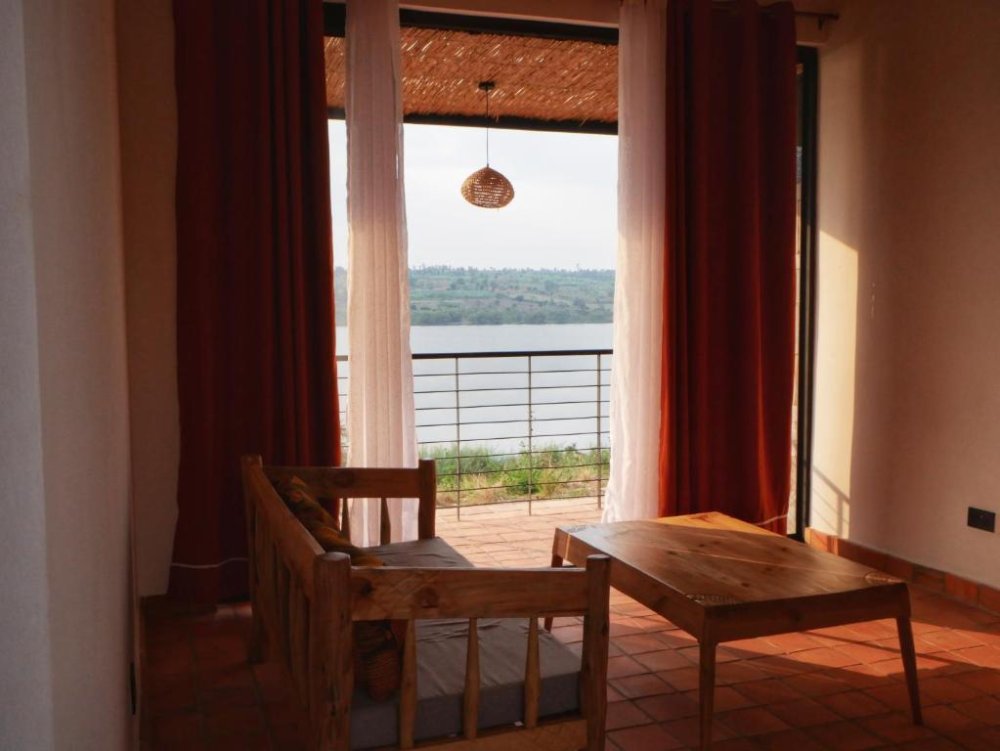
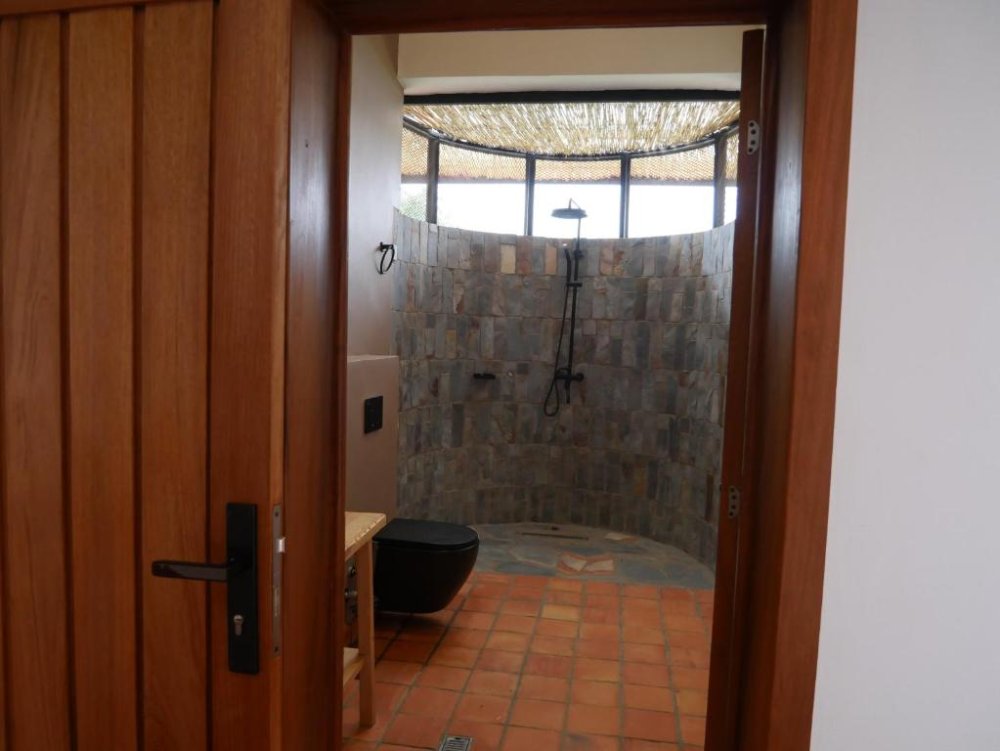
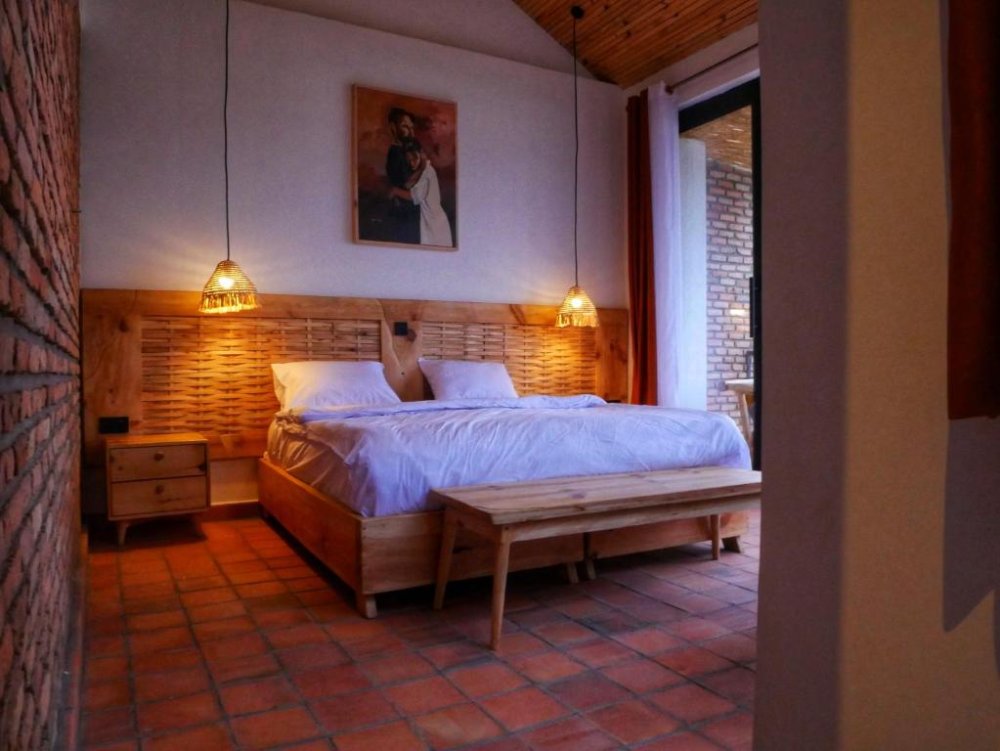
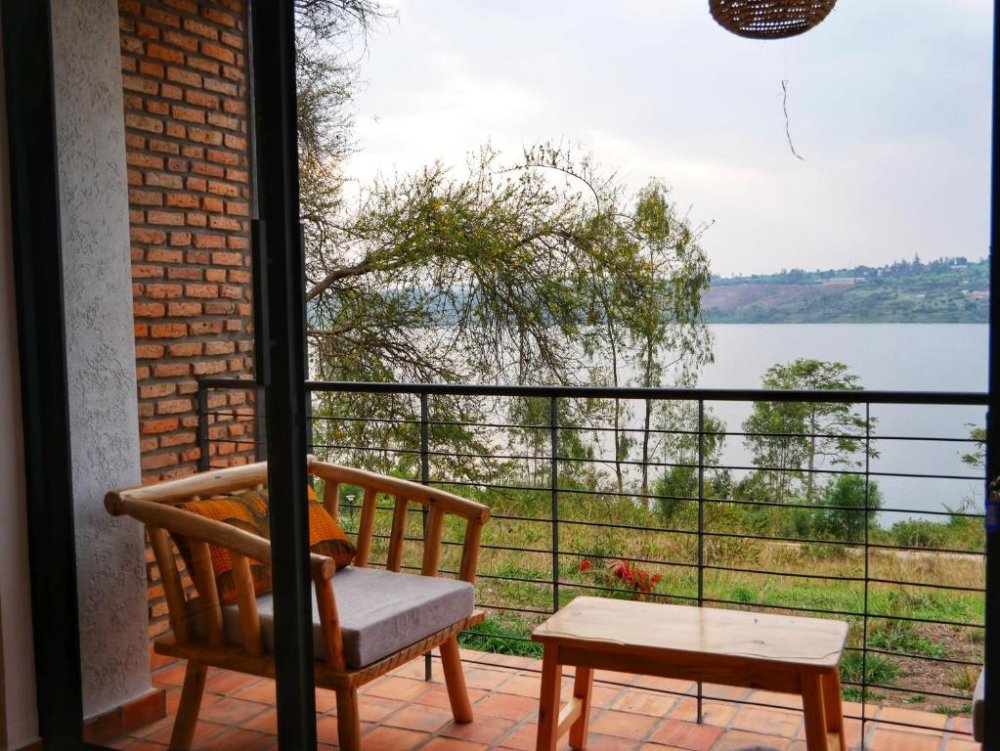
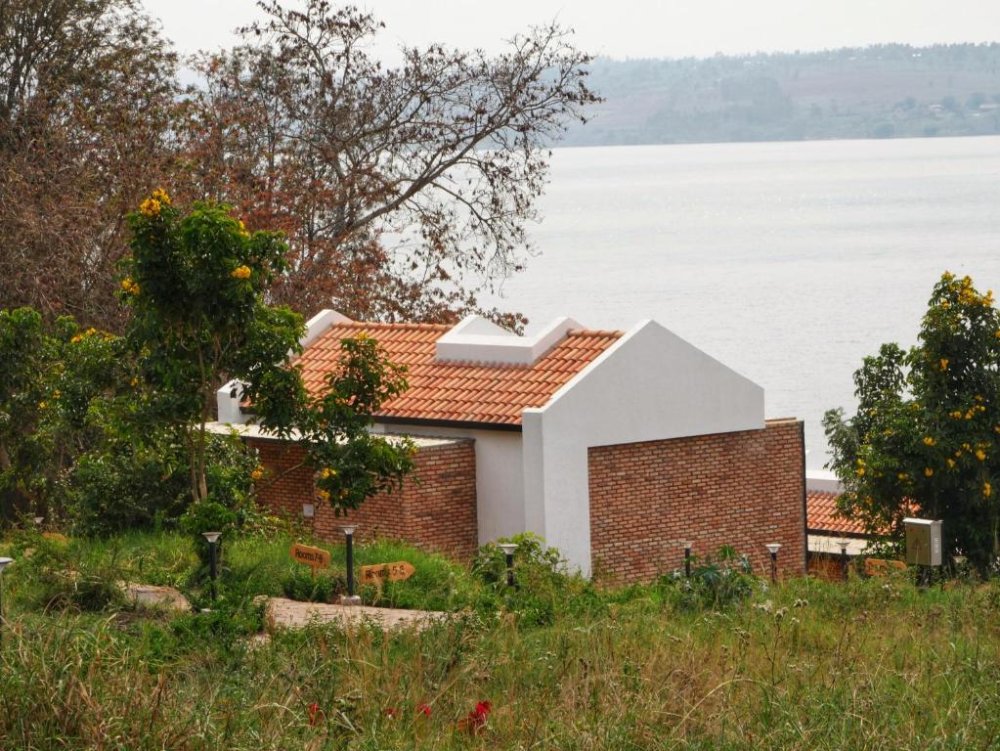
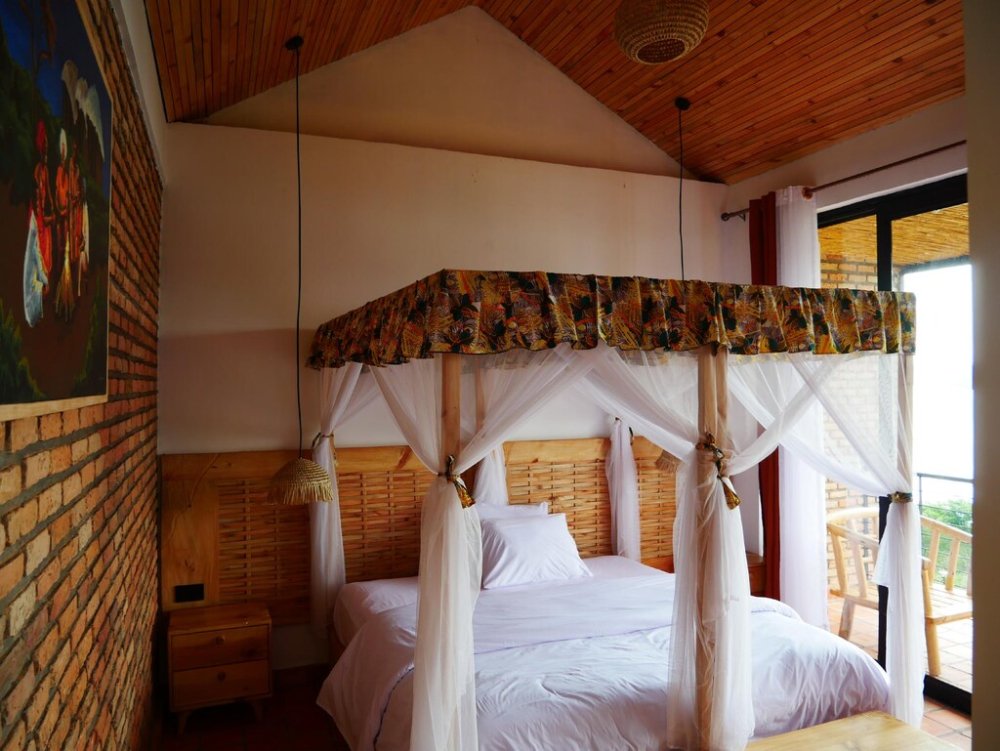
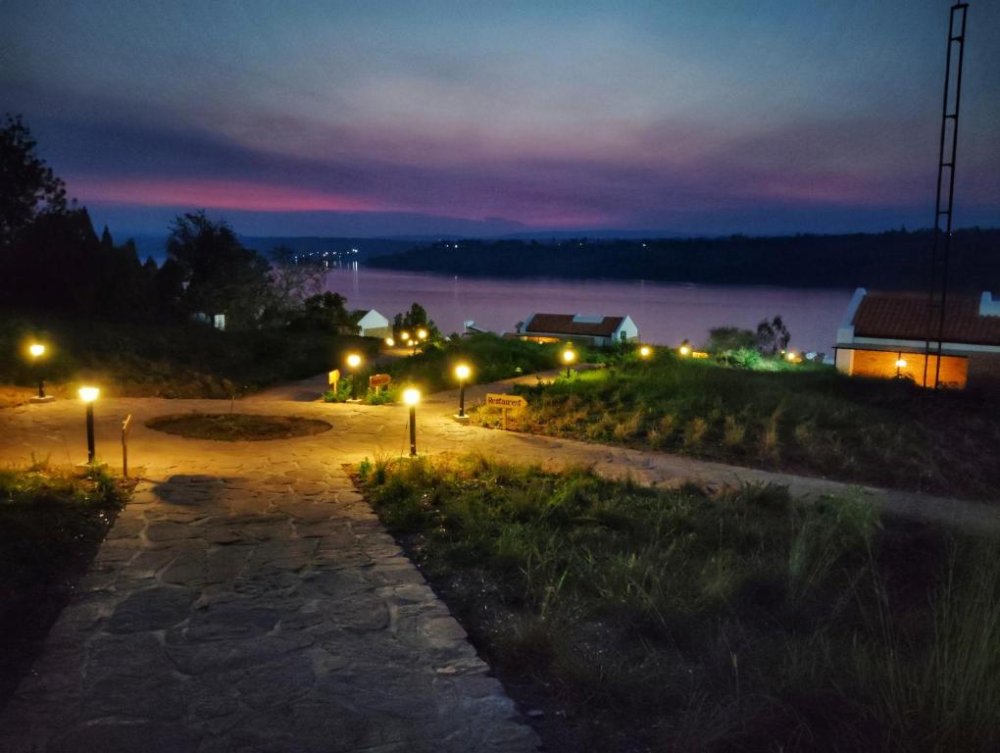
The hotel is situated 15 kilometres from Kwa Gahiza in Murambi Village, offering guests a warm welcome among eight elegantly designed bungalows. Six feature single rooms, while two accommodate families with double rooms.
Additional structures house a restaurant and reception area, guest services, and staff quarters. All buildings were constructed using locally sourced materials in partnership with the Rwandan company Clezol, reflecting a commitment to sustainability and community engagement.
Robin Marenco, the 26-year-old founder of Muhazi Dolce Vita, shared his story exclusively with IGIHE. Originally from France with Italian roots, Robin holds a Master’s degree in hospitality management. His vision was to establish a hotel that combines his training in hospitality with Rwanda’s natural beauty.
“I first visited Rwanda in 2023,” Robin said. “That was the first time I really saw Rwanda.”
He explained that he had read about the country and was drawn by its safety, stability, and growing tourism sector. During the trip, he connected with the owner of Rutete Eco Lodge in Rwinkwavu, who welcomed him for a month and guided him in managing parts of the lodge. That experience gave him his first real insight into Rwanda.
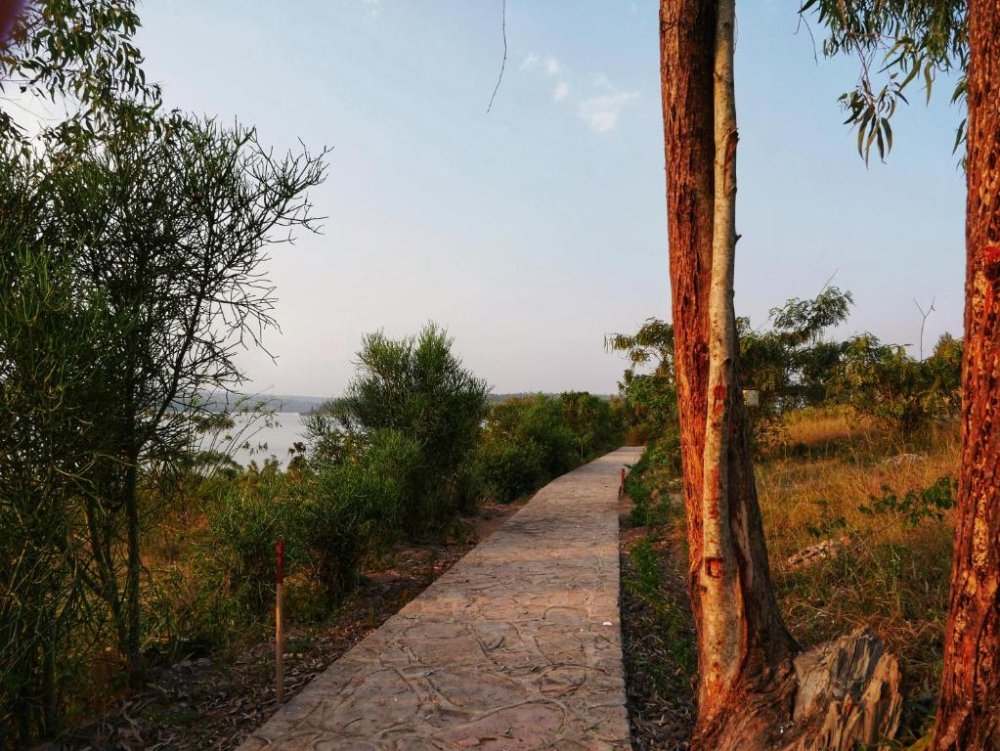
Robin’s first visit included trips across the country, from northern lakes to the shores of Lake Muhazi. It was the latter that captured his imagination. Its calm waters, scenic landscapes, and proximity to Kigali and Akagera National Park made it an ideal location for a hospitality project appealing to both domestic and international visitors.
“When I returned home, I reflected on what I had seen and experienced and decided to come back to Rwanda to establish my project here,” the investor revealed.
The name “Dolce Vita,” Robin explains, means “the sweet life” in Italian, a lifestyle centred on enjoying simple pleasures and savouring life’s beauty. He said he wanted to bring that concept to Rwanda, noting that Lake Muhazi’s natural charm and tranquillity offered the perfect setting to blend this philosophy with local culture.
Muhazi Dolce Vita is already operational, and Robin is planning further developments to enhance the lakeside experience. He has applied for permits to build additional tourist facilities, including a specially designed boat for lake excursions, beach-volleyball and beach-soccer courts, and a pétanque area, a traditional French game that encourages family and community interaction. Scenic spots for photography will also be added to showcase the lake’s beauty.
District Mayor Radjab Mbonyumuvunyi highlighted the hotel’s positive impact on the local community, noting that it provides a ready market for locally grown agricultural produce while generating employment opportunities and additional income for residents.
Rooms at Muhazi Dolce Vita are priced between $100 and $120 (146,000–175,000 Rwandan francs) per night, and the hotel currently employs 16 permanent staff, ensuring a high standard of service for visitors.
With its combination of natural beauty, thoughtful design, and a young entrepreneur’s vision, Muhazi Dolce Vita is positioning itself as a must-visit destination for weekend getaways from Kigali and for tourists exploring Rwanda’s eastern region.
The storm left communities reeling, as homes were destroyed, trees uprooted, and floodwaters surged through towns and villages. Dozens of people lost their lives, many others were injured, and daily life ground to a halt.
Power and communication networks collapsed across large parts of the country, forcing thousands of families into shelters as debris filled streets that were once bustling.
With billions of dollars in damage to homes, infrastructure, and livelihoods, the hurricane carved a path of devastation that will take years for Jamaica to overcome.
Recovery efforts have been inspiring, bolstered by international partnerships. On January 14, 2026, the Rwanda Defence Force deployed a contingent of military engineers to assist with rehabilitating critical infrastructure, a meaningful gesture that highlights deepening bilateral ties and Jamaica’s global connections.
As the nation rebuilds, its timeless appeal shines brighter, inviting exploration of its beauty, history and unbreakable resilience.
{{Geography and size}}
Jamaica, the third-largest island in the Caribbean, covers about 10,991 square kilometers, roughly the size of Connecticut in the United States or Lebanon in the Middle East. Located in the Greater Antilles, south of Cuba and west of Haiti, it boasts an extraordinarily diverse terrain packed into a relatively small space.
The eastern interior is dominated by the majestic Blue Mountains, rising to 2,256 meters at Blue Mountain Peak, where misty clouds and fertile soil produce world-renowned coffee. Lush rainforests transition into rolling hills, fertile valleys, and flat coastal plains.
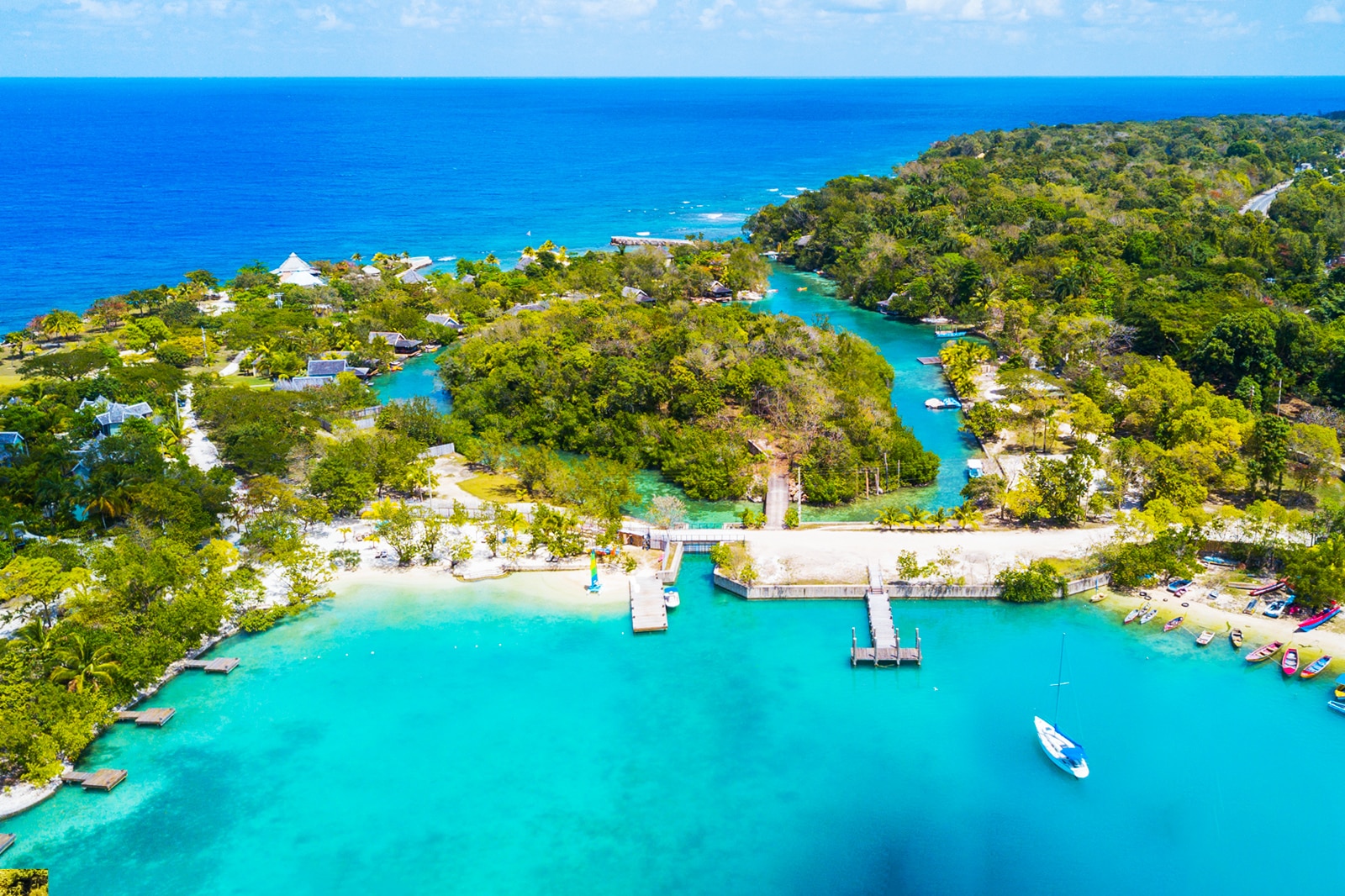
Over 200 kilometers of coastline feature everything from powdery white-sand beaches and coral reefs to rugged cliffs and hidden coves.
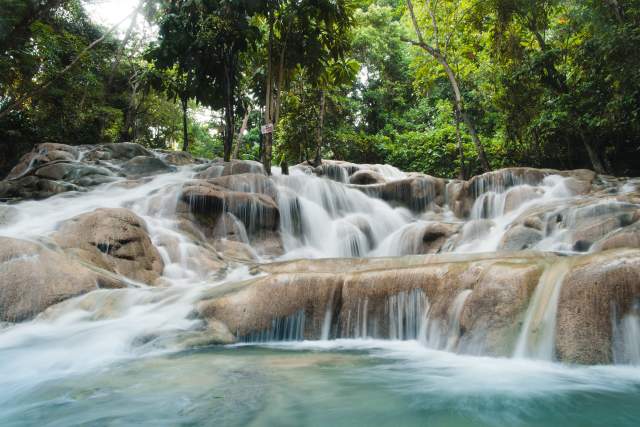
Rivers plunge into spectacular waterfalls, while limestone cave systems add an underground wonder.
This geographical variety creates distinct climates: cool and wet in the highlands, hot and sunny on the coasts. It’s a playground for nature enthusiasts, offering hiking, diving, birdwatching, and relaxation in one compact paradise.
{{History}}
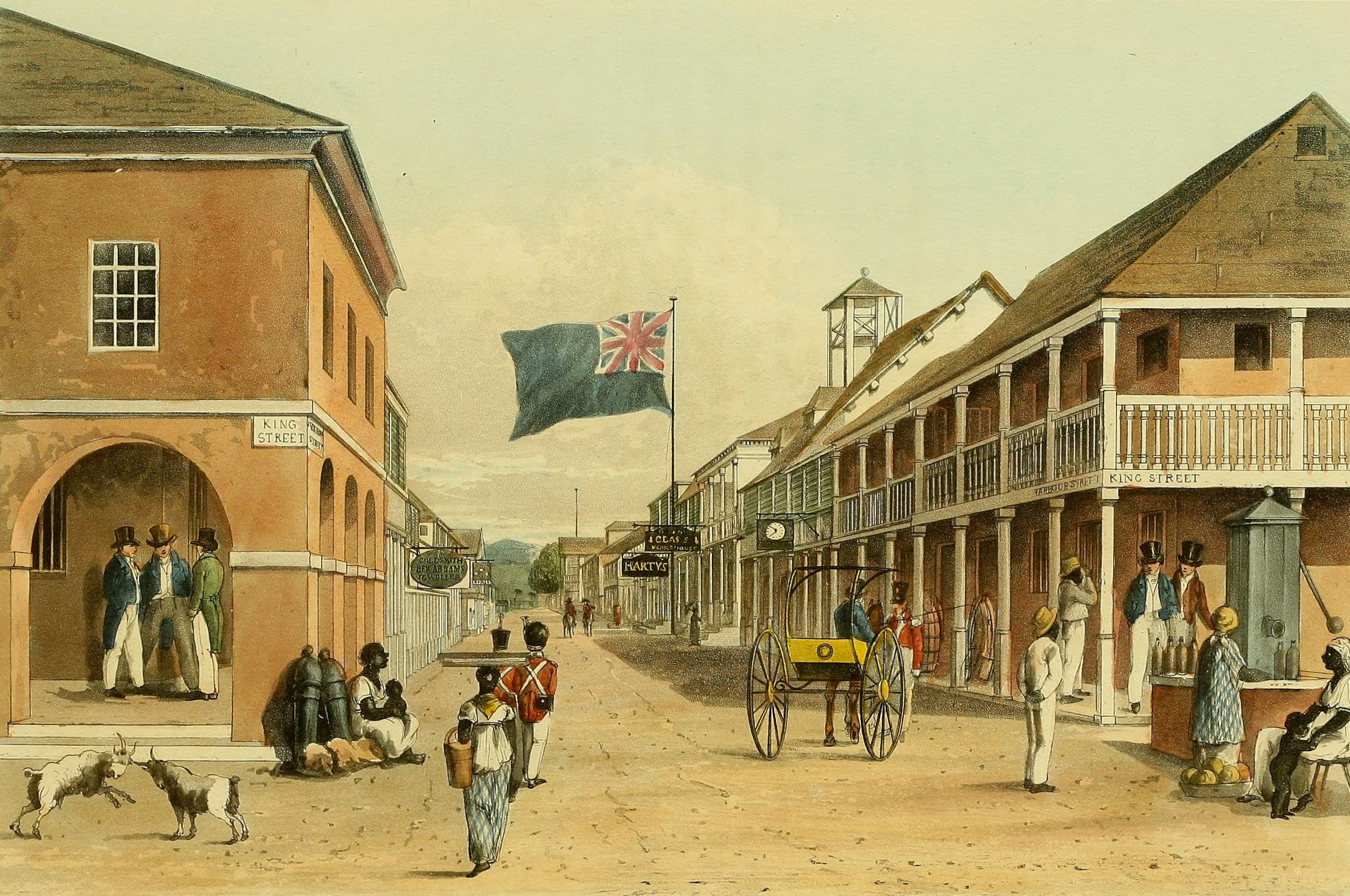
Jamaica’s past is a tapestry of indigenous roots, colonial hardship, and hard-won independence. The Taíno people, original inhabitants, named it “Xaymaca”, land of wood and water, and thrived until Christopher Columbus’s arrival in 1494 sparked Spanish colonization.
British control from 1655 transformed the island into a sugar powerhouse, reliant on the transatlantic slave trade and plantation labor.
Enslaved Africans and their descendants endured immense suffering but resisted fiercely, forming Maroon communities in the mountains under leaders like Queen Nanny and fueling rebellions like Sam Sharpe’s 1831 uprising, which accelerated emancipation in 1838.
The 20th century brought waves of change: Marcus Garvey’s global push for Black empowerment inspired movements worldwide, while labor leaders Norman Manley and Alexander Bustamante guided Jamaica to independence in 1962.
Today, this history lives on in preserved sites, museums, and the national motto, “Out of Many, One People,” celebrating unity amid diversity.
{{A multicultural hub in Kingston}}
With a population of approximately 2.8 million, Jamaica is a vibrant melting pot. Influences from African, European, Indian, Chinese, and Middle Eastern ancestors, shaped by enslavement, indentured labor, and migration, create a rich ethnic blend reflected in daily life.
Kingston, the capital on the southeast coast, is home to over 580,000 and serves as the nation’s pulsating center. A city of contrasts, it mixes modern skyscrapers and bustling commercial districts with historic neighborhoods, colorful markets brimming with fresh produce, and street art that tells stories of resilience.
As the economic, political, and cultural heartbeat, Kingston embodies Jamaica’s energy, where English is official but expressive Patois brings conversations to life with rhythm and warmth.
{{Culture and lifestyle}}
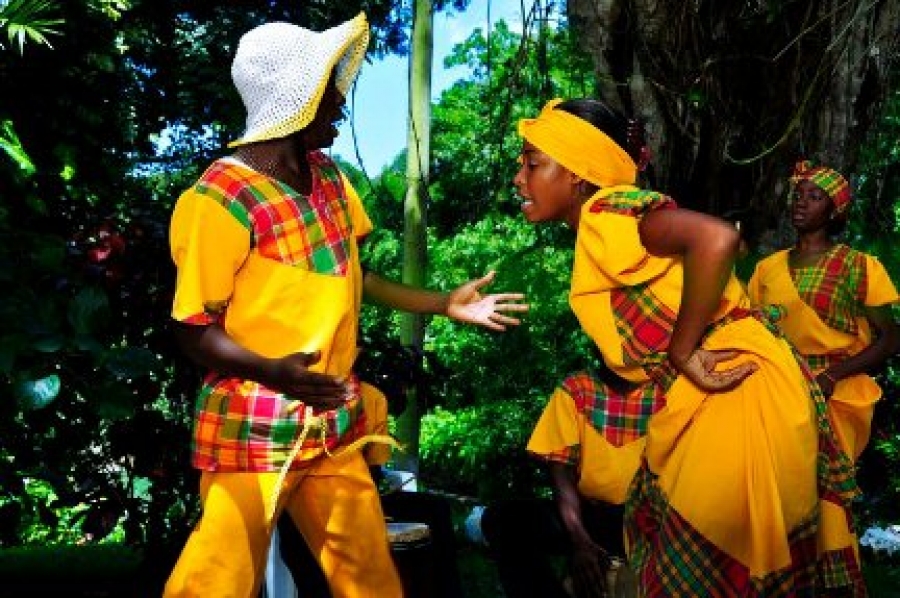
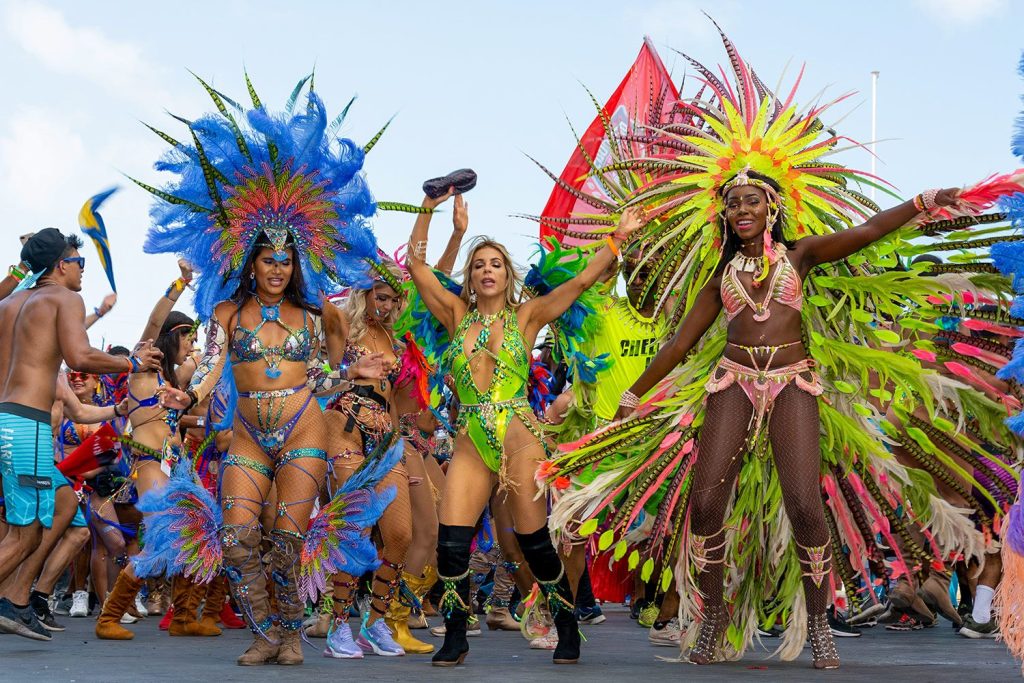
Jamaican culture pulses with creativity, spirituality, and an infectious “irie” outlook—optimistic, laid-back, and full of joy even in tough times.
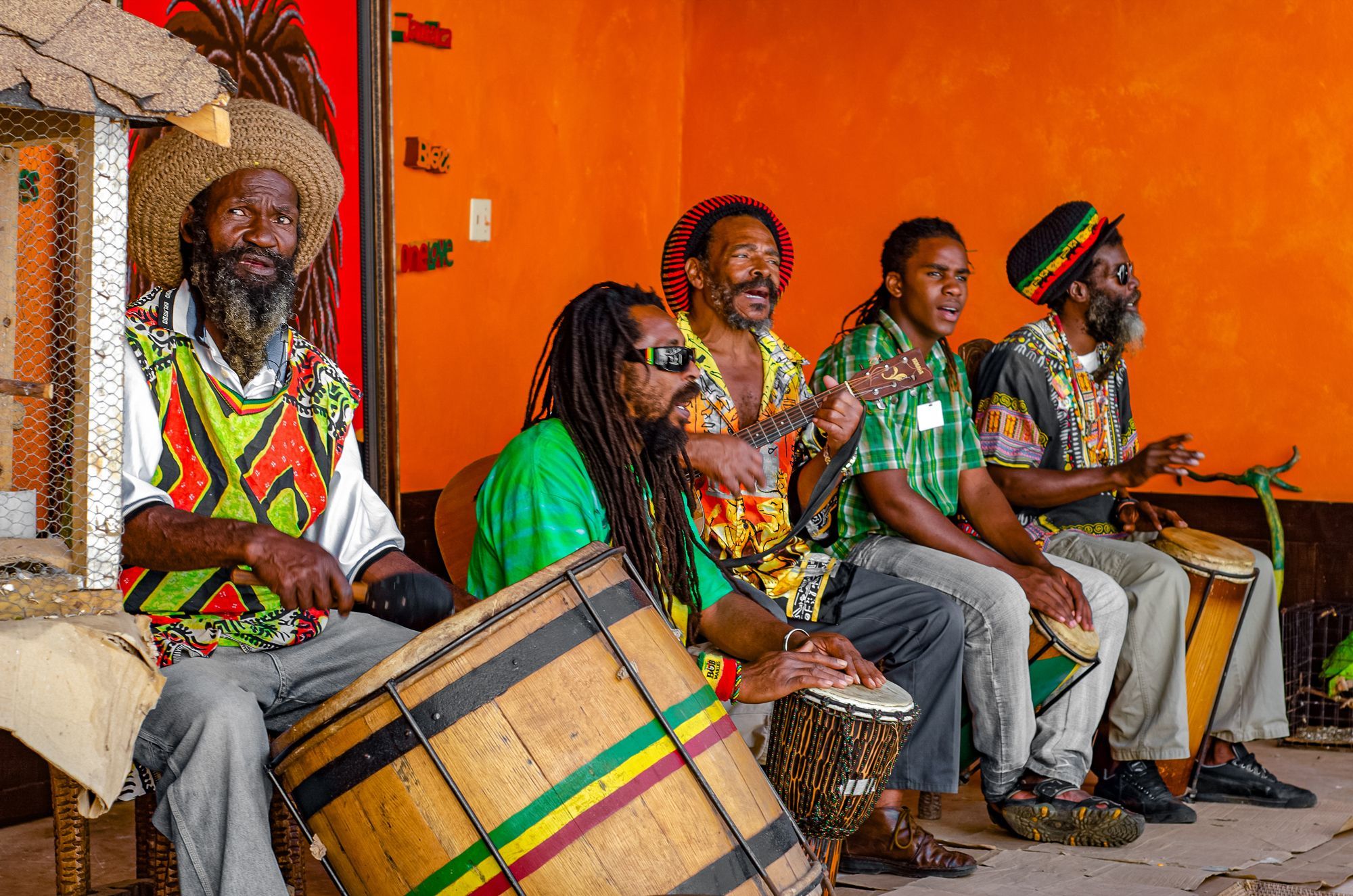
Reggae, born here in the 1960s from ska and rocksteady, spreads messages of peace, love, and social justice globally, thanks to icons like Bob Marley.
Dancehall keeps the beats evolving with high-energy rhythms, while Rastafarianism, rooted in the 1930s, promotes natural living, Ital (vegetarian) diets, African pride, and spiritual depth, influencing everything from dreadlocks to philosophy.
Lifestyle revolves around community and celebration: family gatherings over home-cooked meals, lively street dances, and festivals like Reggae Sumfest that draw international crowds.
Hospitality is legendary, visitors are welcomed like old friends, and faith, whether Christian, Rastafari, or other, provides a strong foundation. In post-hurricane recovery, this communal strength has been evident, with neighbors and global partners coming together.
{{Cuisine: Bold, spicy flavors that tell a story}}
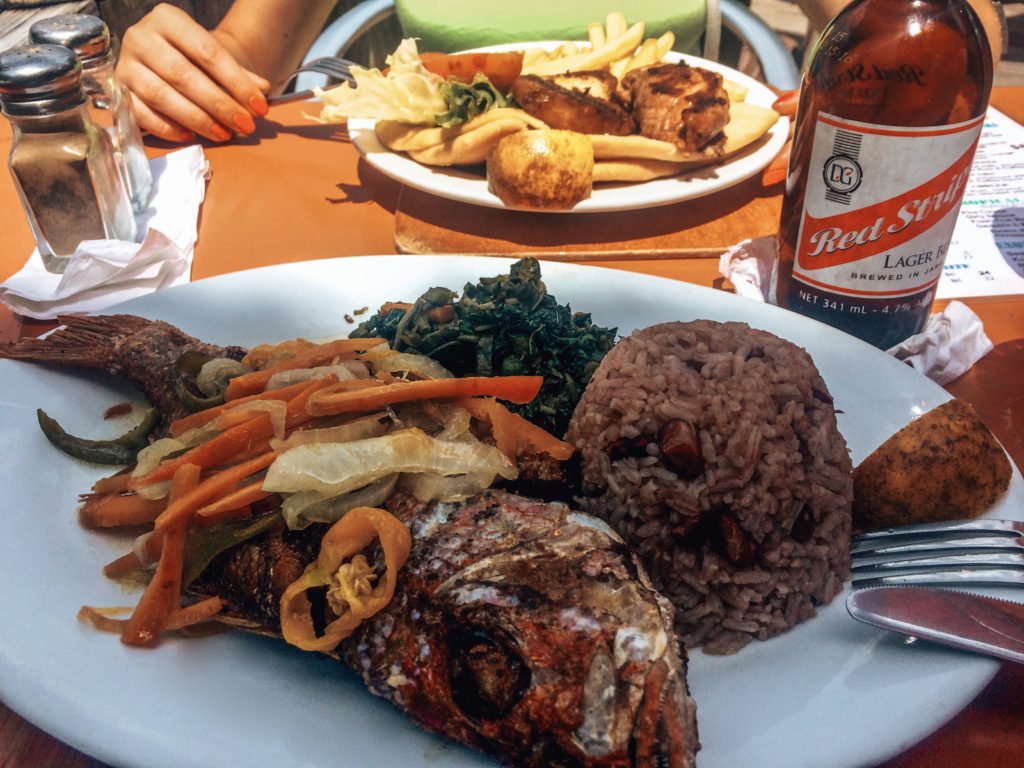
Jamaican food is a delicious fusion of history and fresh ingredients, known for its spice and soul. The national dish, ackee and saltfish, features the creamy (and carefully prepared) ackee fruit sautéed with salted cod, peppers, onions, and thyme—often enjoyed for breakfast with boiled green bananas or fried dumplings.
Jerk seasoning defines the island’s grilling tradition: allspice, scotch bonnet peppers, garlic, and herbs rubbed on chicken, pork, or fish, slow-smoked over pimento wood for smoky, fiery perfection. Roadside jerk pits are cultural institutions, serving it with festival (sweet fried dough) or rice and peas simmered in coconut milk.
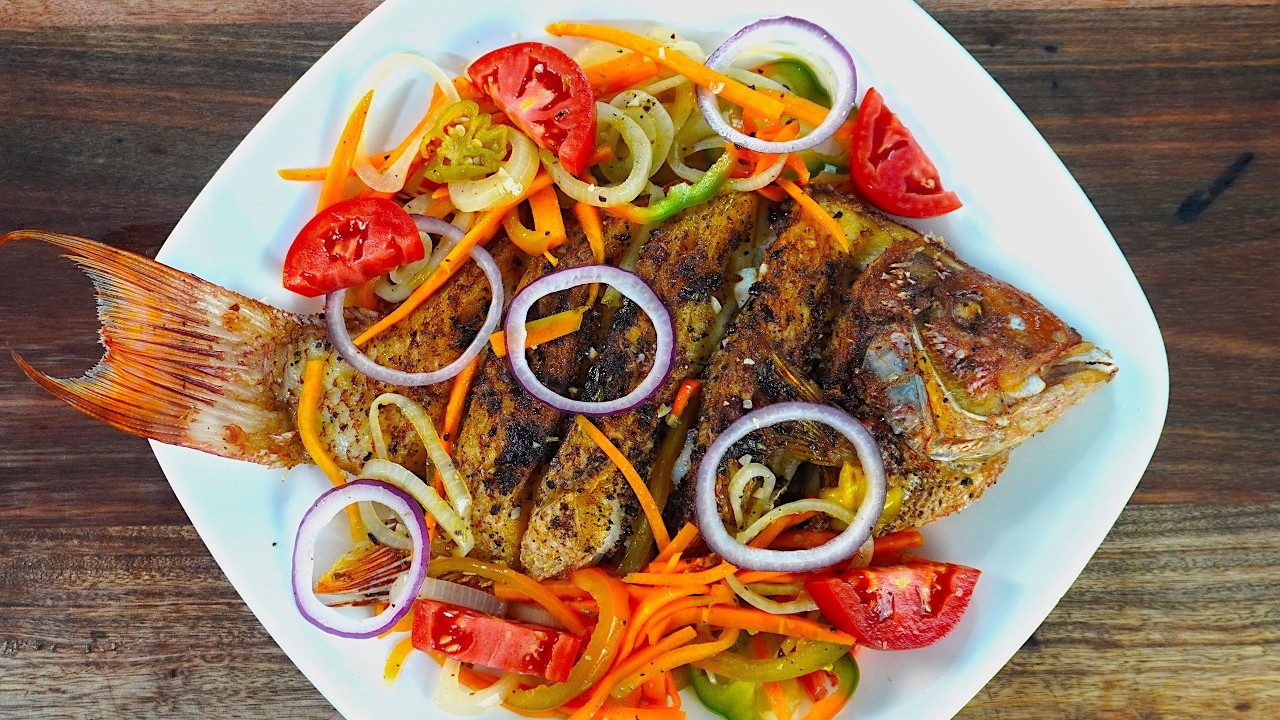
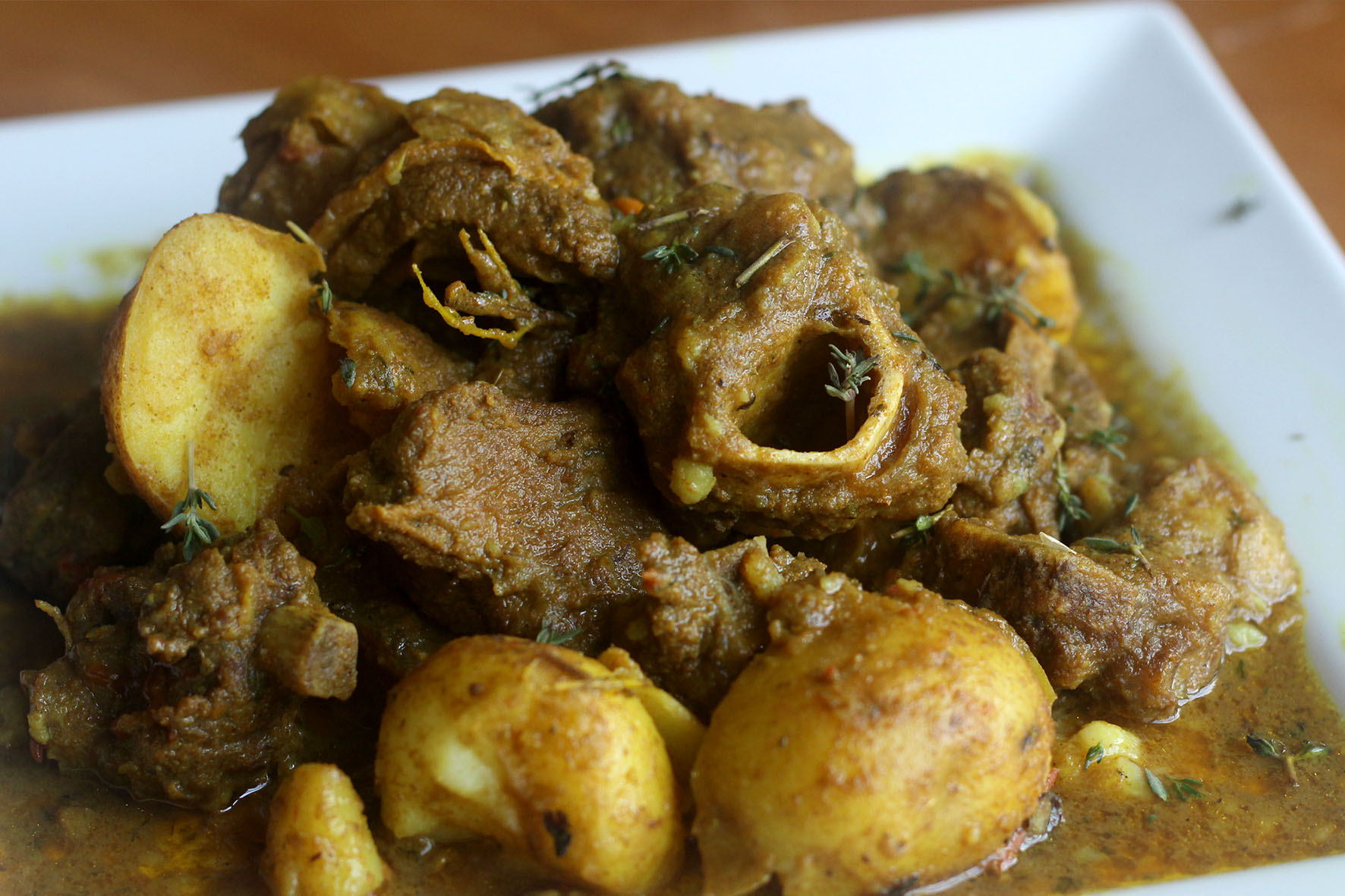
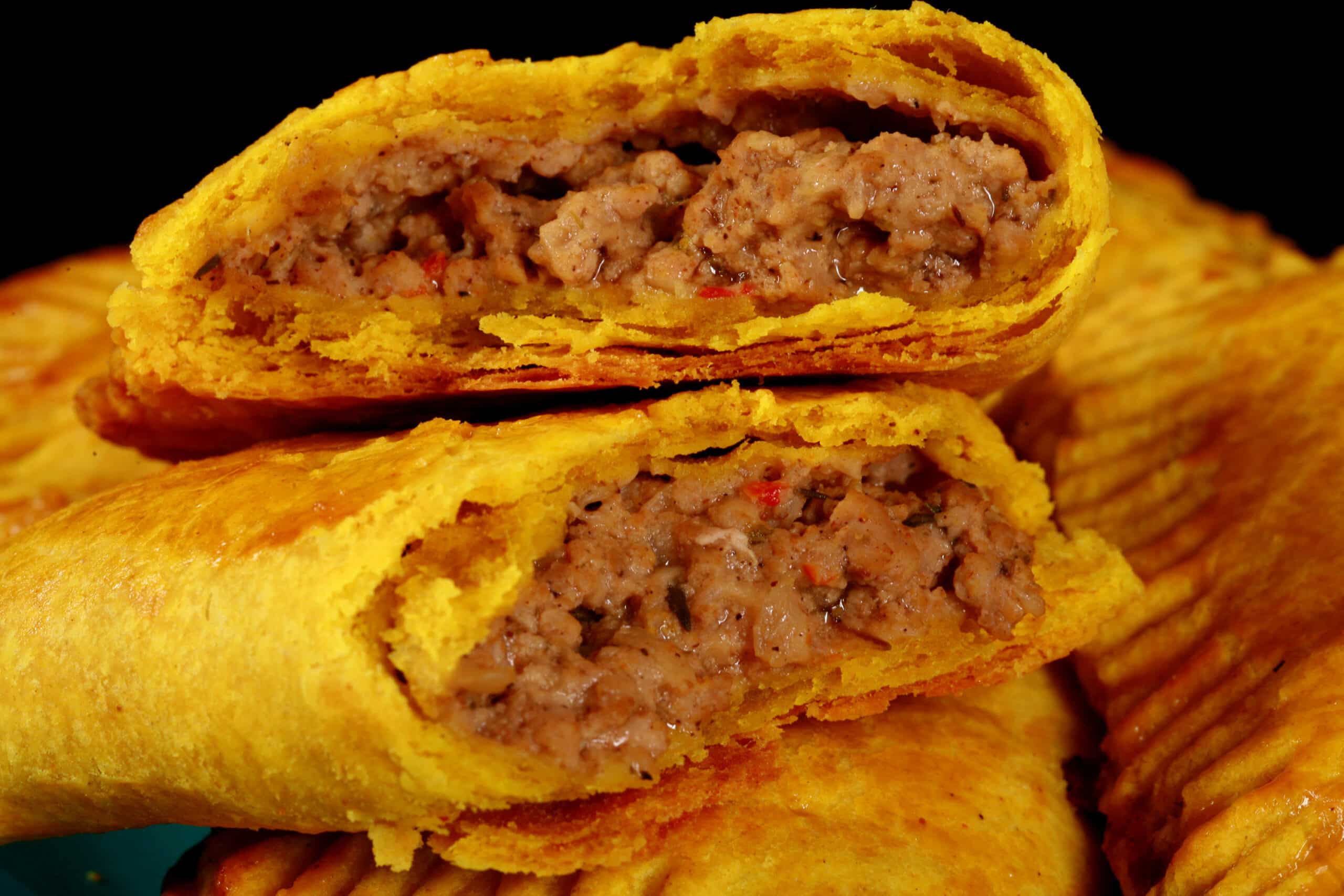
Other highlights include tender curried goat, escovitch fish (fried and topped with pickled vegetables), flaky beef or vegetable patties, and abundant tropical fruits like mangoes and pineapples. Blue Mountain coffee is smooth and prized worldwide, while rum distills the sugarcane heritage into punches and cocktails, paired perfectly with crisp Red Stripe beer.
{{Tourism and key attractions}}
Tourism is Jamaica’s lifeblood, drawing millions for its beaches, adventure, and culture. Iconic spots include Negril’s Seven Mile Beach, with soft sands and dramatic cliff sunsets; Dunn’s River Falls near Ocho Rios, where visitors climb cascading terraces in a fun group tradition; and the Blue Mountains for hiking trails, coffee tours, and breathtaking views.
In Kingston, the Bob Marley Museum offers intimate insights into the legend’s life, while Devon House, a 19th-century mansion built by Jamaica’s first Black millionaire, charms with gardens and legendary ice cream. Emancipation Park provides urban tranquility, and historic sites like Port Royal (the old pirate capital) or Rose Hall Great House blend mystery and lore.
Eco-tourism thrives with rafting on the Rio Grande, exploring luminous lagoons, or relaxing in natural hot springs. Post-hurricane, many attractions have reopened stronger, showcasing Jamaica’s bounce-back ability.
{{Sports and global influence}}
Jamaica excels in athletics, especially sprinting, producing stars like Usain Bolt, whose Olympic dominance made him a worldwide icon. The island’s school-based track programs nurture talent that consistently shines internationally.
Cricket remains a national passion with hard-hitting legends, soccer rallies behind the Reggae Boyz, and the underdog bobsled team’s story inspired the world. Sports reflect Jamaica’s competitive heart and ability to achieve greatness on limited resources.
Jamaica blends natural wonders, cultural depth, and warm resilience into an unforgettable experience.
This data comes from the latest Rwanda Statistical Yearbook.
In 2024, Rwandans accounted for 30% of all visitors to the three main national parks: Akagera, Volcanoes, and Nyungwe.
By comparison, visits by foreign residents in Rwanda grew more gradually, from 3,142 in 2008 to 8,491 in 2024, representing 6% of total visitors.
International visitors from abroad continued to dominate, making up 64% of the total (96,271 visitors) in 2024, from 70% (30,151 visitors) in 2008.
Overall, visits to Rwanda’s national parks have grown dramatically over the past two decades. Total visitors have increased more than sixfold since the mid-2000s, driven by conservation successes, improved infrastructure, and targeted promotion of domestic tourism.
Akagera National Park has seen particularly strong growth, with visitor numbers rising from 11,239 in 2005, when it attracted 47% of all park visitors to 67,661 in 2024.
In 2005, Akagera was the most visited park, followed closely by Volcanoes National Park (44%) and Nyungwe National Park (10%).
Rwanda is home to four major national parks that attract a significant number of tourists: Akagera National Park, Volcanoes National Park, Gishwati-Mukura National Park, and Nyungwe National Park.
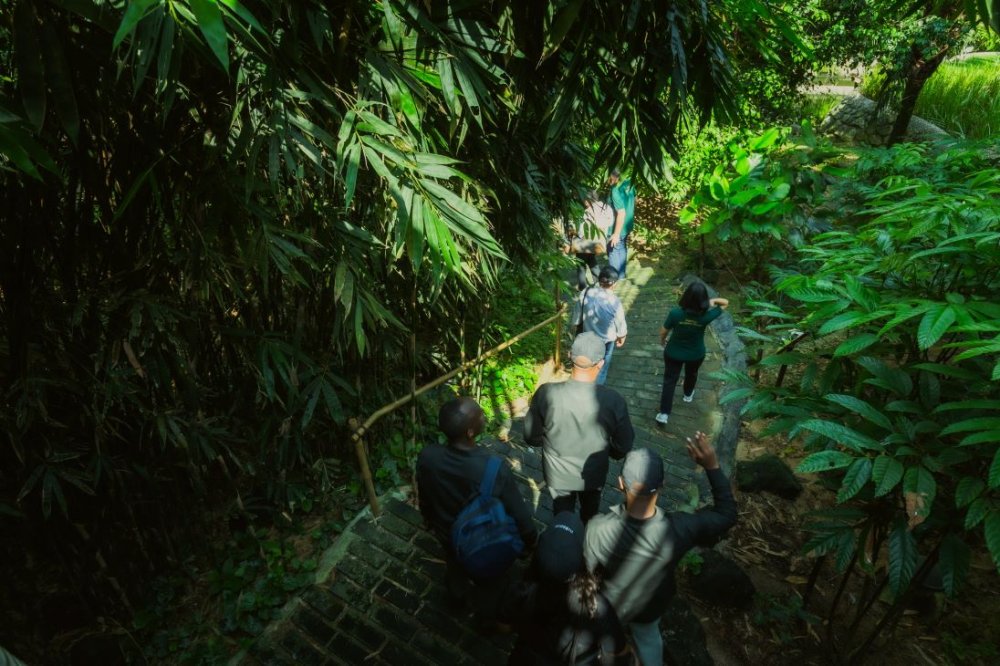
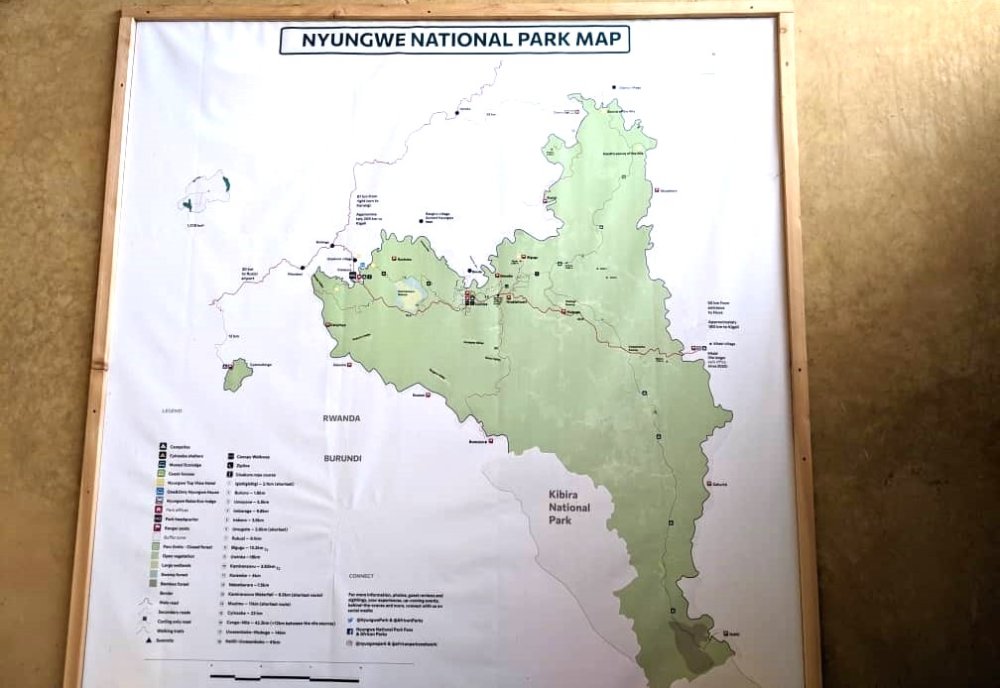
Among these, Nyungwe National Park, recently designated a UNESCO World Heritage site, is home to the longest trail in any of Rwanda’s national parks. This trail is known as the Nshili-Uwasenkoko-Gisovu trail.
The trail stretches from the Nshili Sector in Nyaruguru District to the Twumba Sector in Karongi District, offering a unique opportunity to explore one of Africa’s oldest rainforests.
The Nshili-Uwasenkoko-Gisovu trail stands out for several reasons. Not only is it the longest trail in Rwanda’s national parks, but it also ends at the source of the Nile, the longest river in the world. This makes it a particularly special and sought-after hiking route.
Protais Niyigaba, the CEO of Nyungwe Management Company told IGIHE that the trail spans a remarkable 110 kilometers.
“The trail is now open and fully operational. Our goal is to promote it so that everyone knows about it. The trail is divided into a southern and a northern section, but we treat it as one continuous journey,” he explained.
The route follows the chain of mountains that separates the watersheds of the Nile and Congo Rivers, offering hikers both stunning views and a chance to immerse themselves in the natural wonders of the region.
Niyigaba added, “At 110 kilometers, this is the longest trail we have in any park in Rwanda. What makes it even more unique is that it passes through Nyungwe’s extraordinary forest. It starts in Nyaruguru District and ends in Karongi District.”
This trail is designed for experienced trekkers, as it typically takes about five days to complete. However, those with more experience or greater stamina may finish in less time.
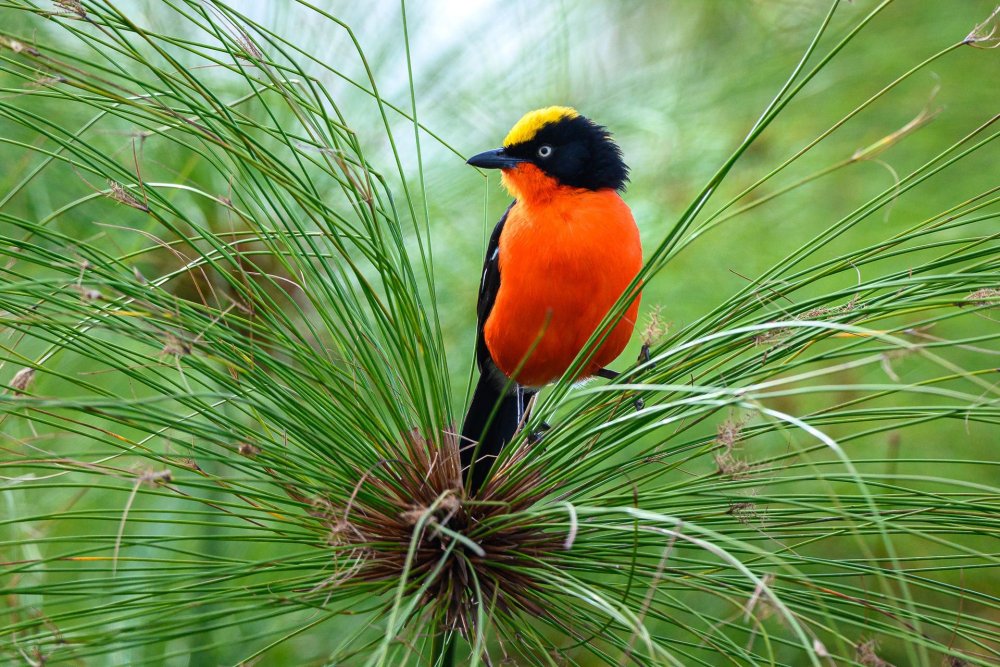
Niyigaba explained that these five days represent the average duration for tourists to trek through the Nyungwe forest, which is home to an incredible array of wildlife, including 300 species of birds, 13 species of primates, and over 1,000 species of plants.
“It’s an excellent way to relax and stretch your muscles, while also being a great workout,” he said. “This trail will be a valuable asset for international tourists who enjoy long treks.”
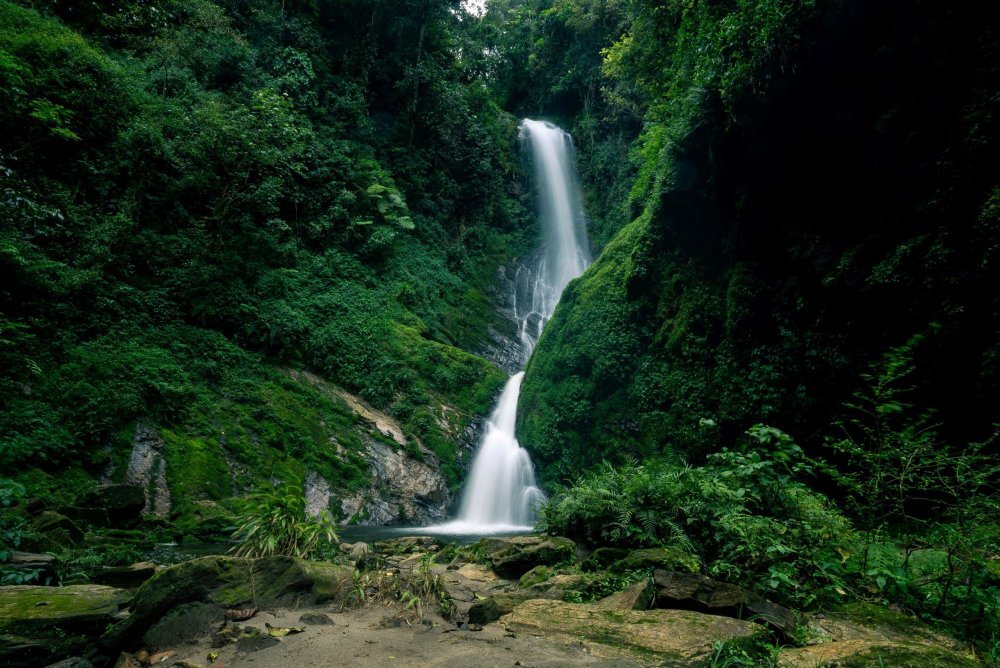
Nyungwe National Park offers a variety of attractions for visitors, including Munazi Lodge, a hotel nestled deep within the forest, the iconic Nyungwe Canopy Walk, a rope course for physical challenges, and the Zipline, a thrilling cable ride connecting two mountains.
In 2024, Nyungwe attracted over 26,000 visitors, up from 24,726 in 2023.
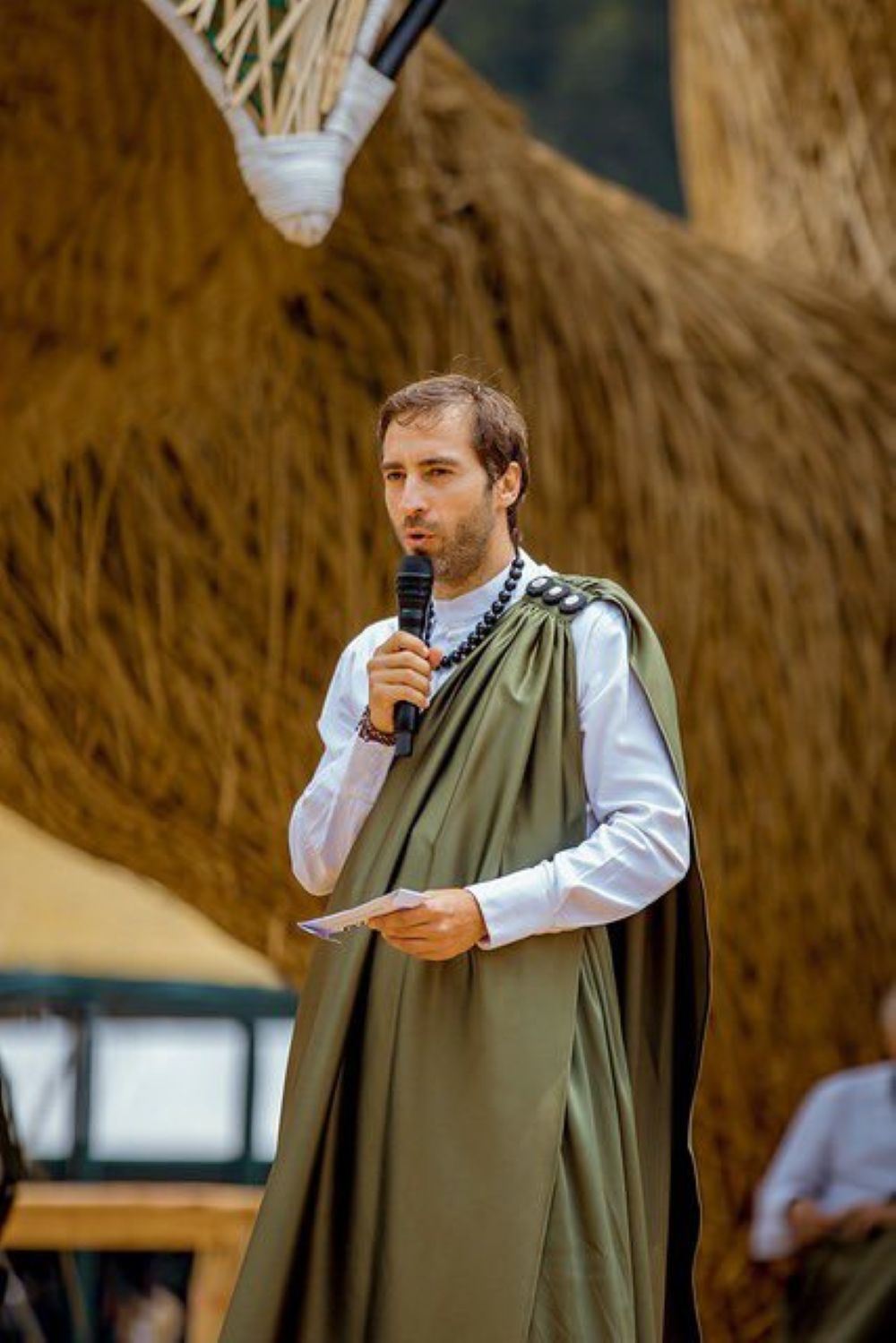
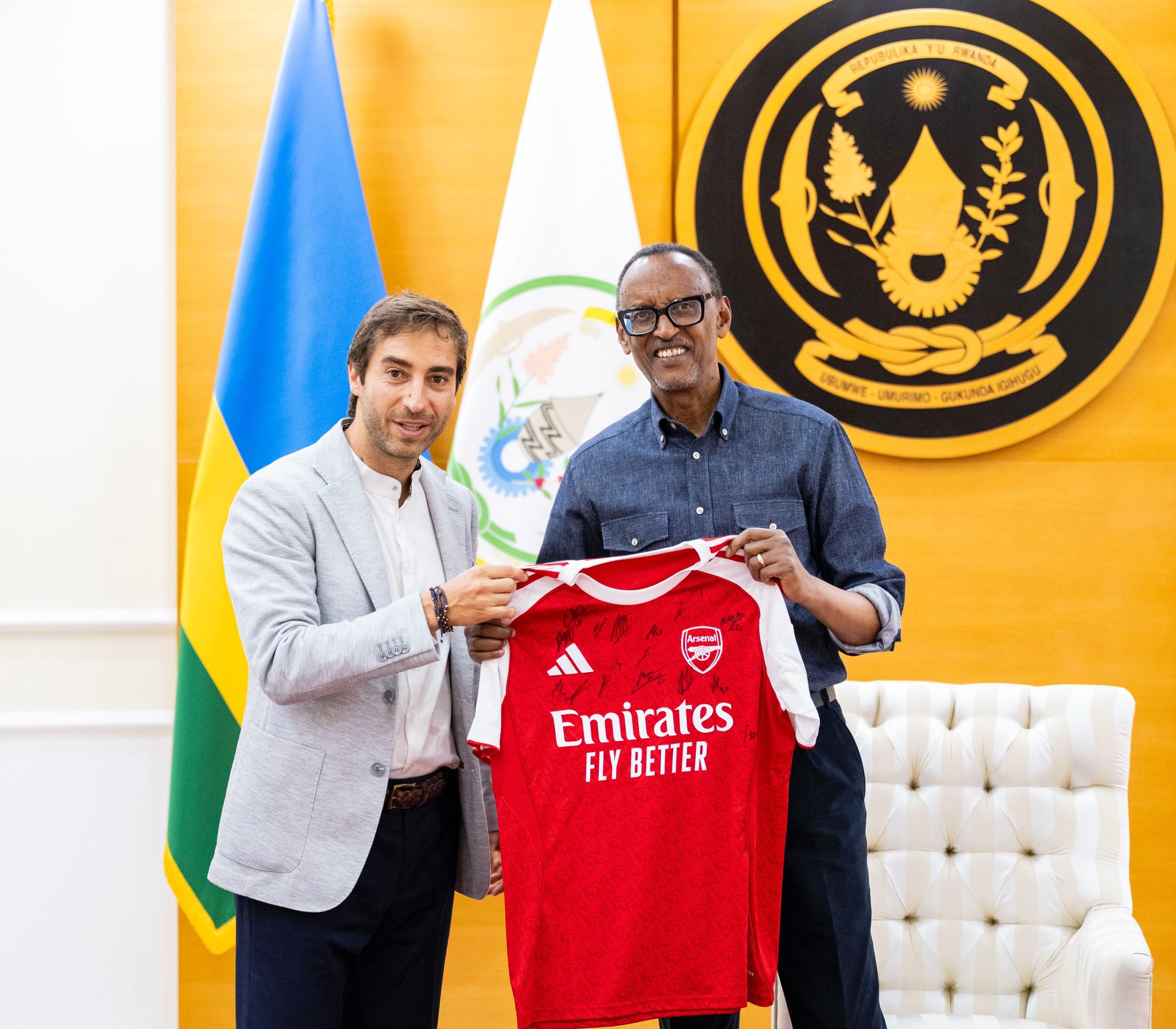
In a social media post shared on Monday, December 8, 2025, Flamini reflected on his recent visit to the country, a journey that blended conservation, culture, and community engagement.
Flamini, now CEO of GFBiochemicals and widely recognised for championing environmental innovation, was invited by the Government of Rwanda in his capacity as an Arsenal ambassador. His visit highlighted Rwanda’s growing reputation as a global model for sustainability and eco-tourism.
During his stay, Flamini attended the 20th edition of the Kwita Izina baby gorilla naming ceremony, held on Friday, September 5, 2025, at the foothills of Volcanoes National Park in Kinigi, Musanze District. Thousands of Rwandans, conservation partners, international guests and friends of Rwanda gathered for the annual event, which celebrates the protection and expansion of Rwanda’s mountain gorilla population.
Flamini had the privilege of naming a baby gorilla Rubuga, a male born on November 30, 2024. The name means “platform”, symbolising a foundation for growth and progress, values closely tied to Rwanda’s conservation journey.
Other international stars who joined the ceremony included Argentine and PSG legend Javier Pastore, Grammy-nominated Nigerian Afropop singer Yemi Alade, UNDP Goodwill Ambassador and award-winning actress Michelle Yeoh Todt, and former Arsenal defender Bacary Sagna.
Flamini said his time in Rwanda left a lasting emotional impact, particularly his close encounter with Rambo’s gorilla family inside Volcanoes National Park.
“Spending a day with Rambo’s gorilla family, just a meter and a half from a silverback, was a calm, powerful reminder of our place in nature and our responsibility to protect it,” he wrote.
He highlighted the extraordinary dedication of Rwandan communities who have transformed tourism into a sustainable, community-driven economy.
Rwanda’s monthly nationwide community service day, Umuganda, also caught his attention as a powerful cultural practice shaping the country’s environmental leadership.
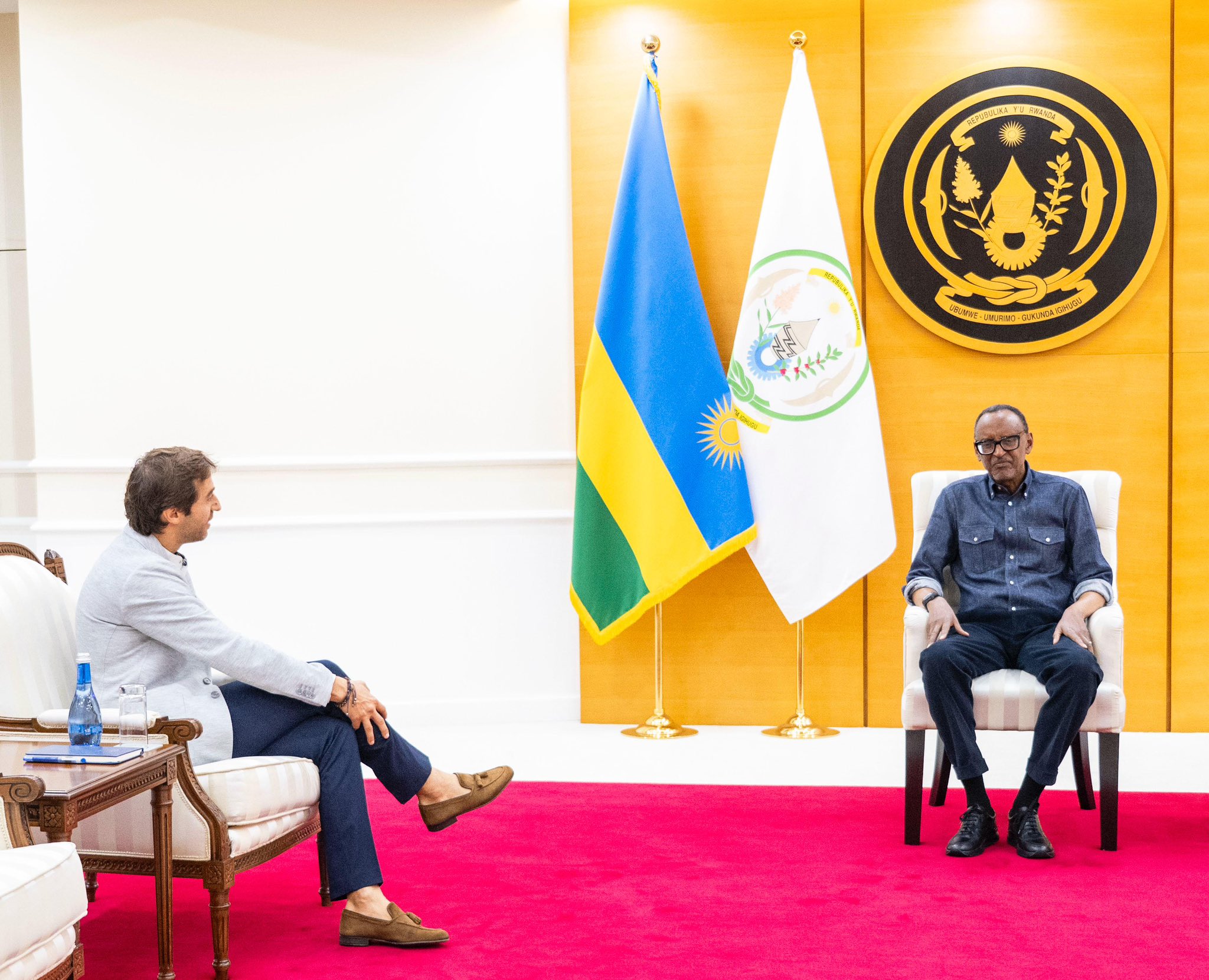
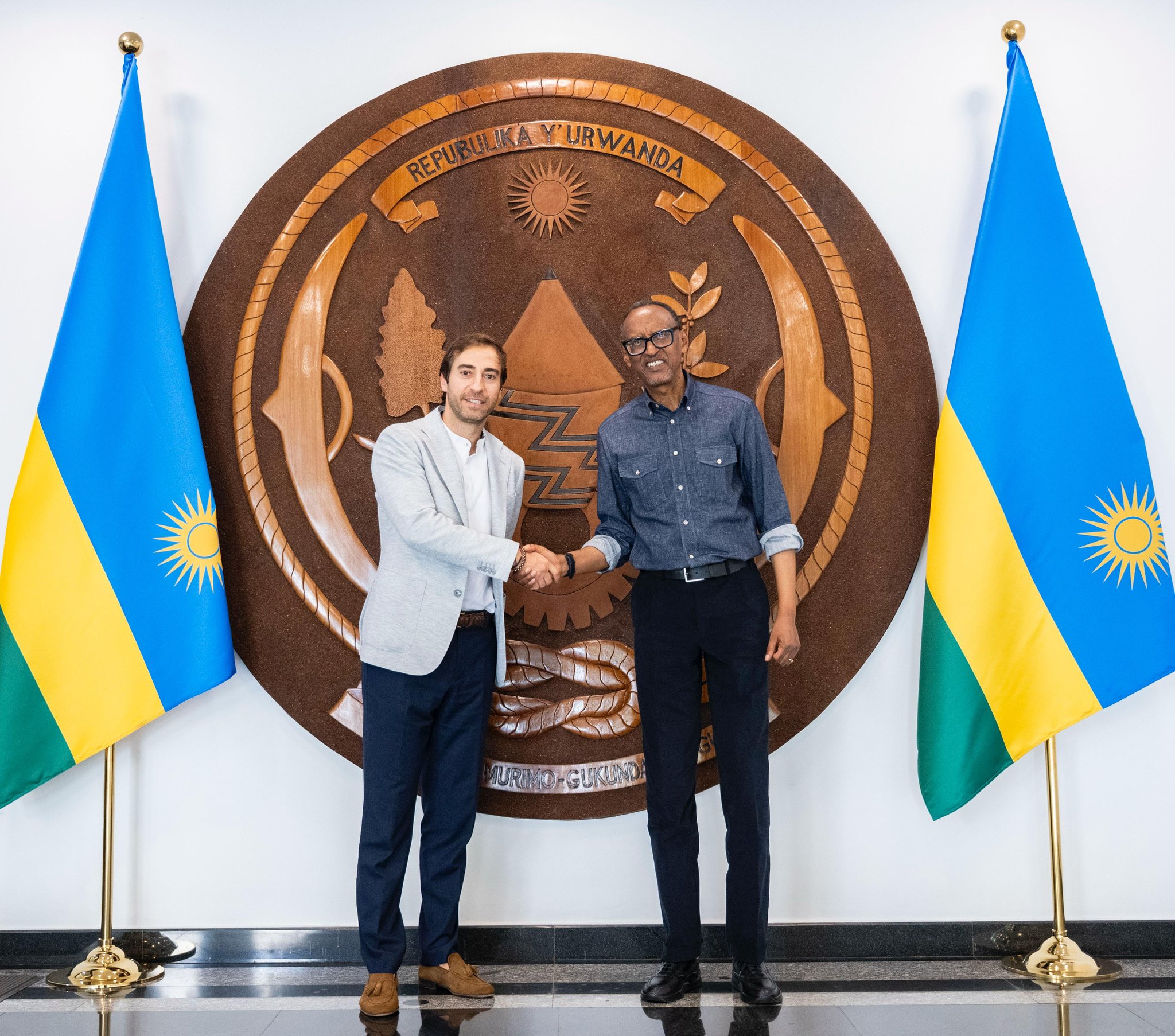
Flamini was also received by President Paul Kagame, with whom he discussed Rwanda’s long-term sustainability strategy, environmental protection efforts, and the country’s forward-looking approach to green growth.
“Rwanda’s leadership in addressing climate change left a strong impression on me,” he noted. “It’s an approach many countries could learn from.”
In his reflection, Flamini emphasised that what moved him most was the spirit of the Rwandan people, their unity, resilience, and remarkable journey of rebuilding.
“A nation that has faced immense hardship now stands as a testament to resilience and unity,” he said.
“The warmth and openness of its people left me with a quiet but lasting sense of hope.”
Flamini closed his message by thanking President Kagame, Arsenal Football Club and the people of Rwanda for making his experience meaningful.
“Rwanda will forever hold a place in my heart.”
His words add to the growing international voices recognising Rwanda as a leader in conservation, sustainable tourism, and community-centred development and reaffirm the global significance of initiatives like Kwita Izina in shaping a greener future.
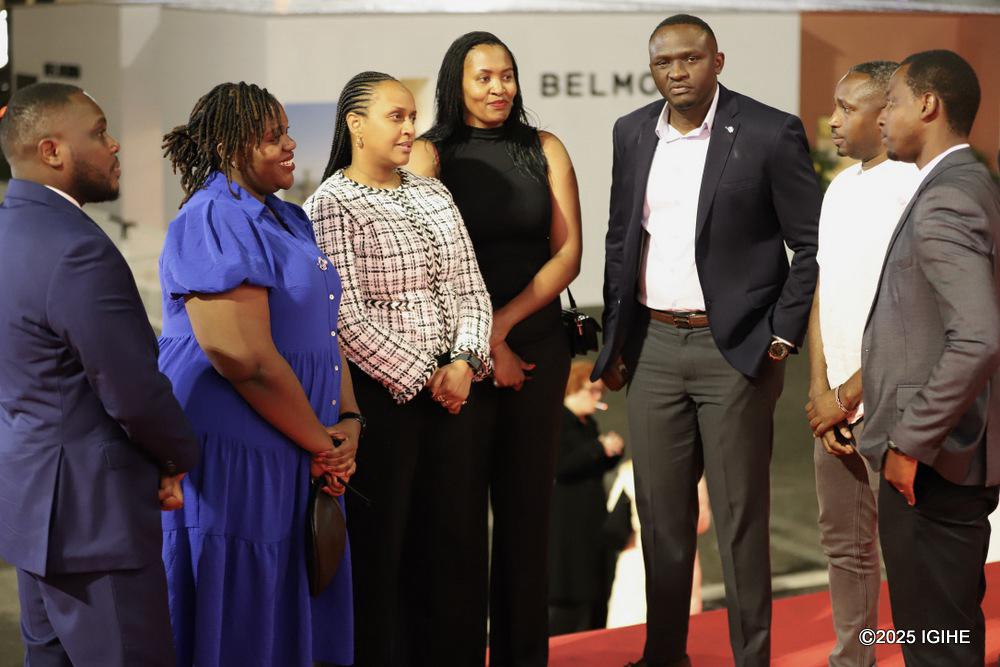
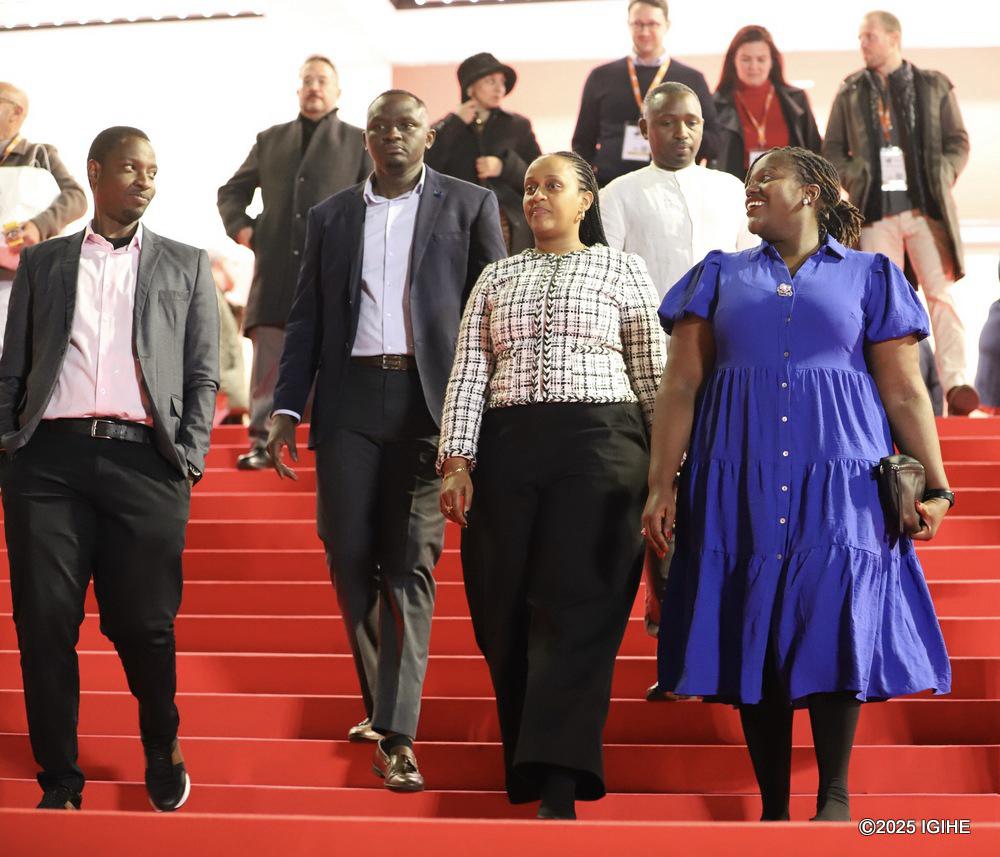
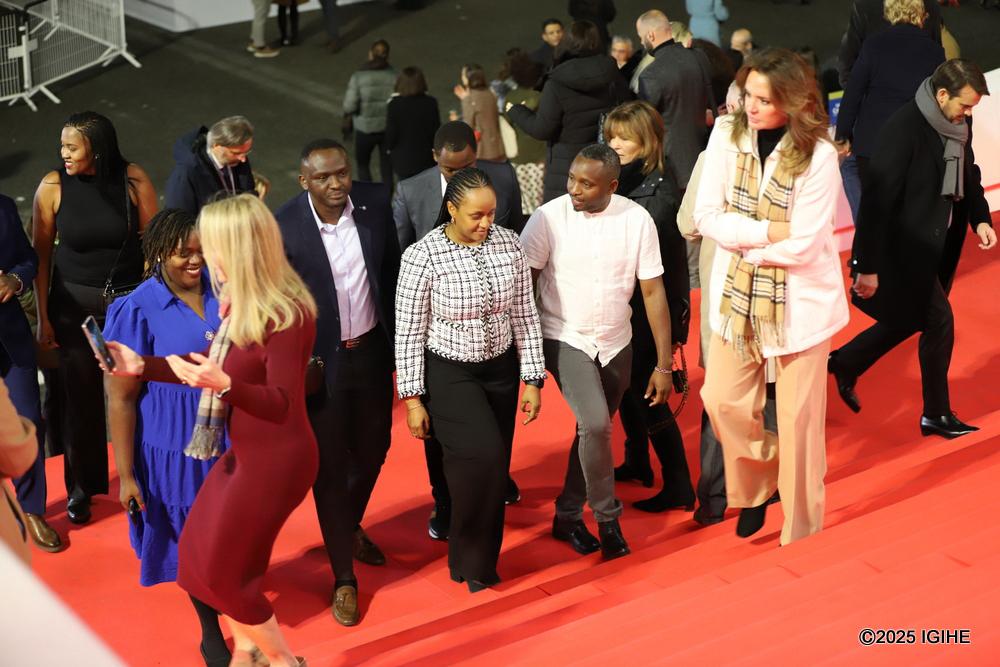
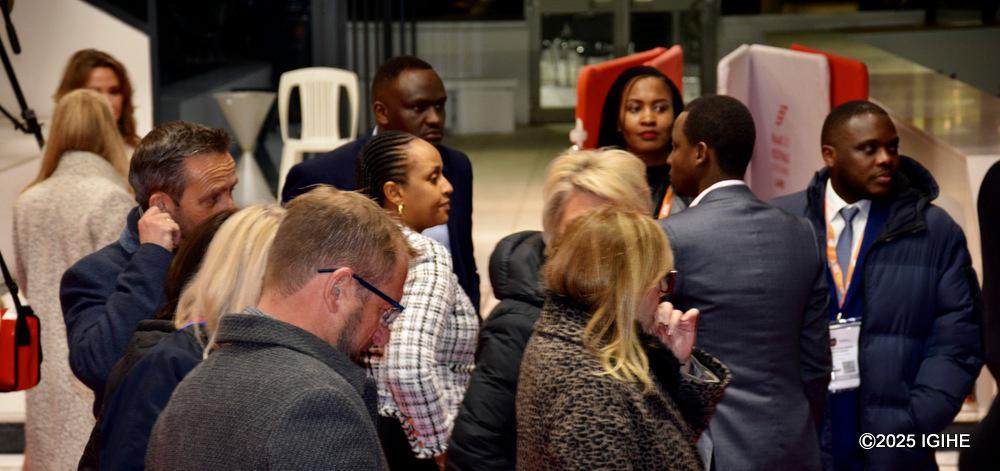
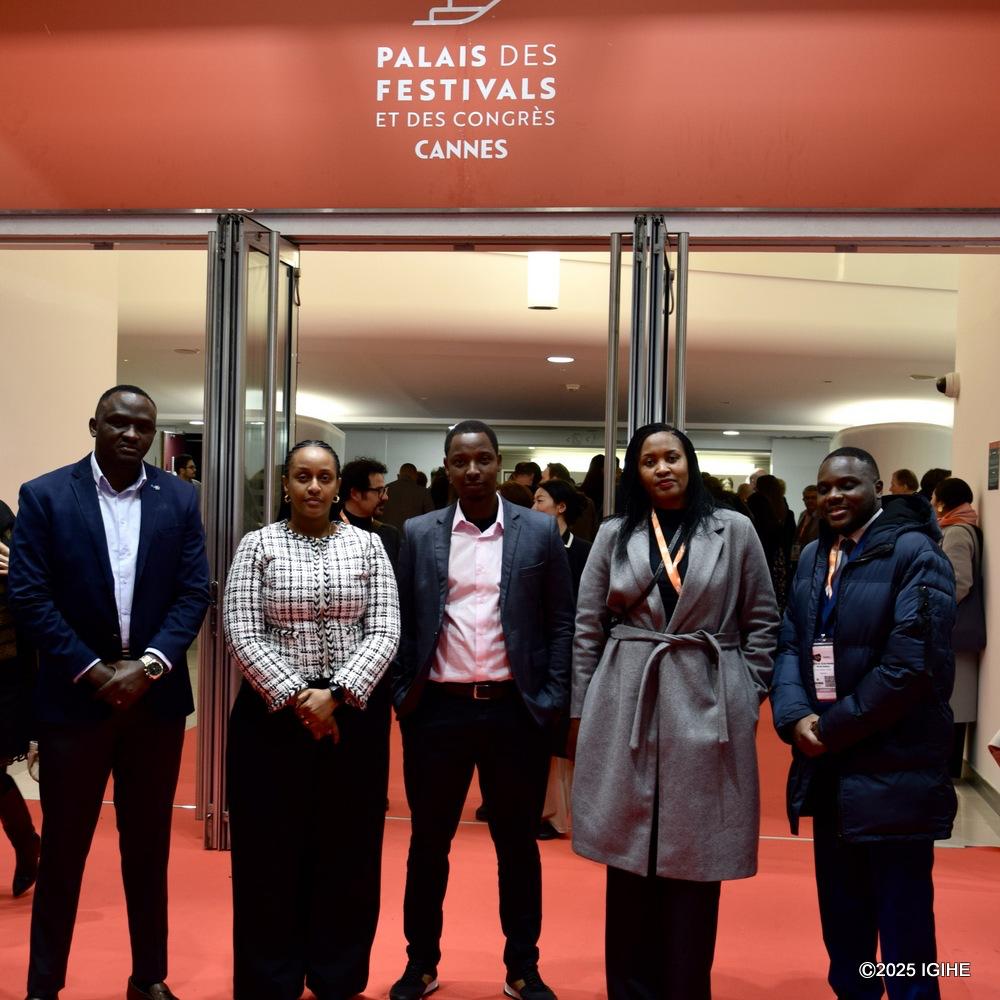
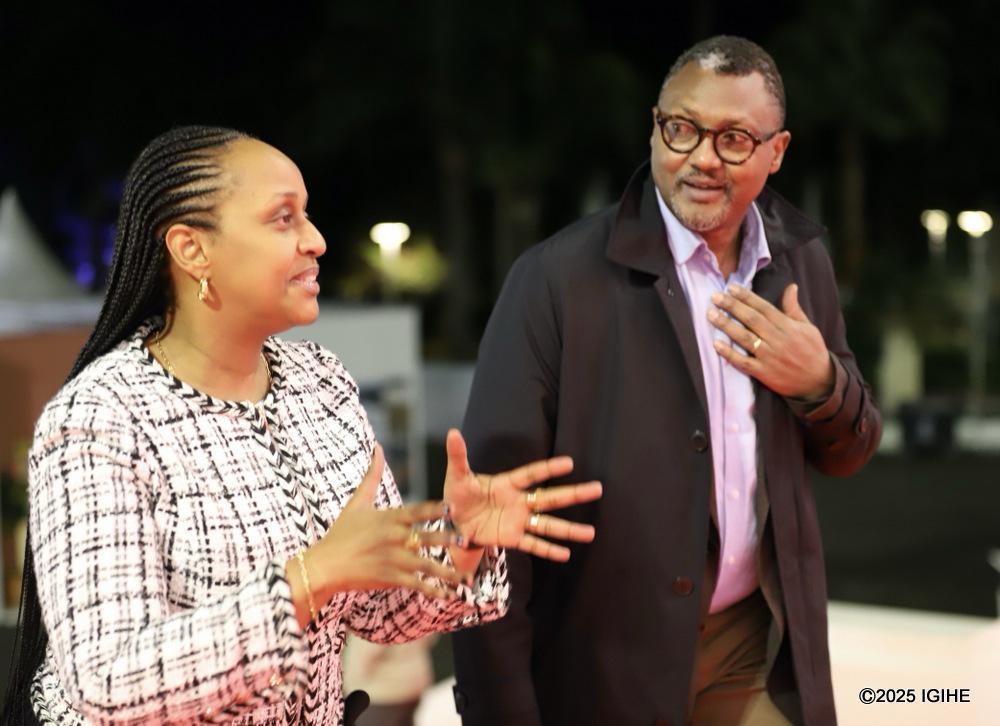
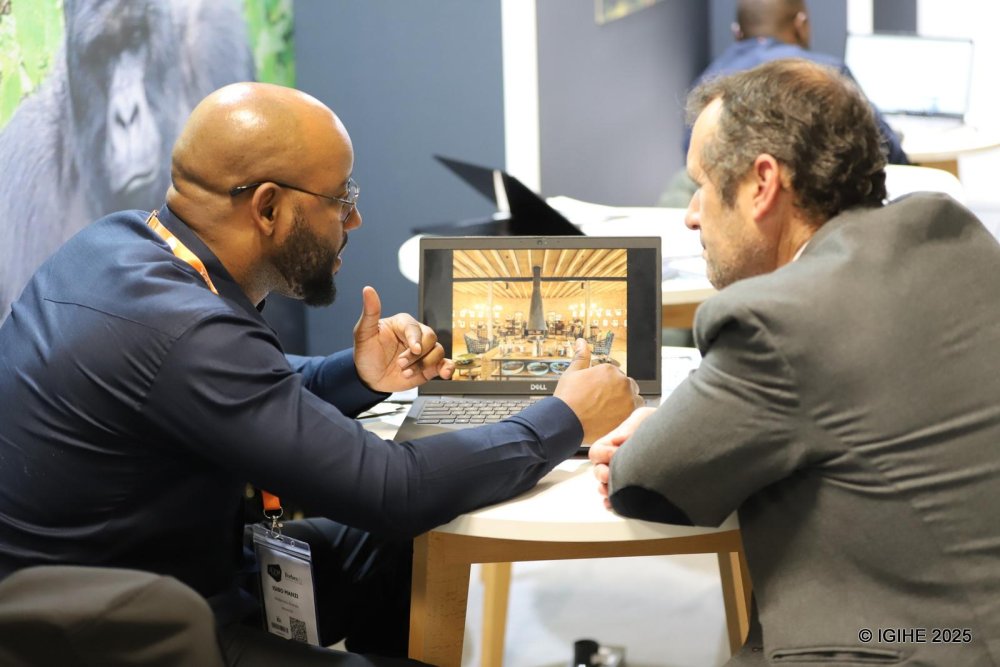
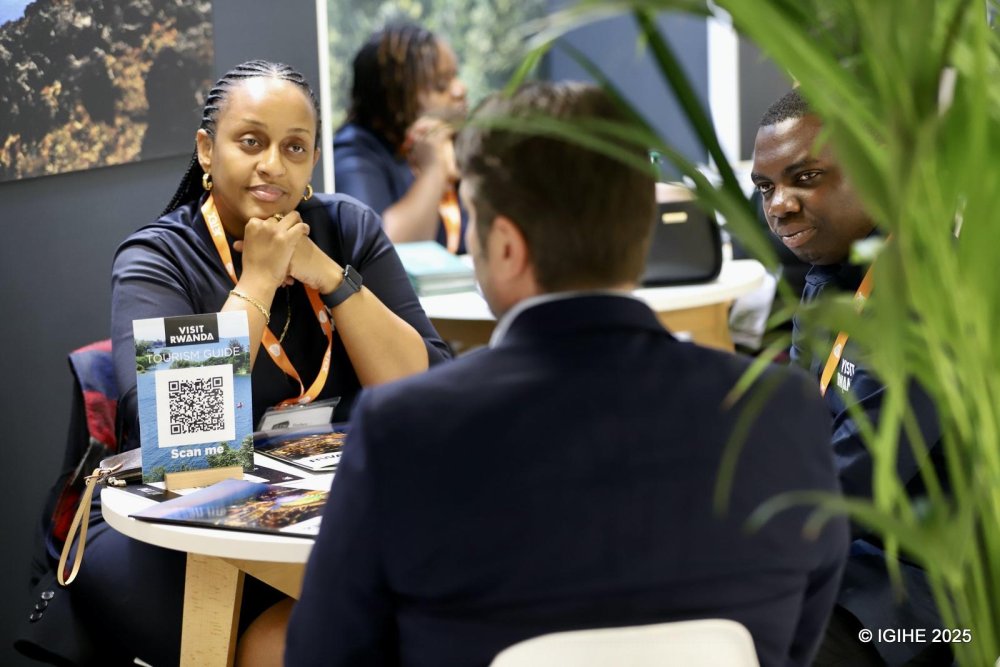
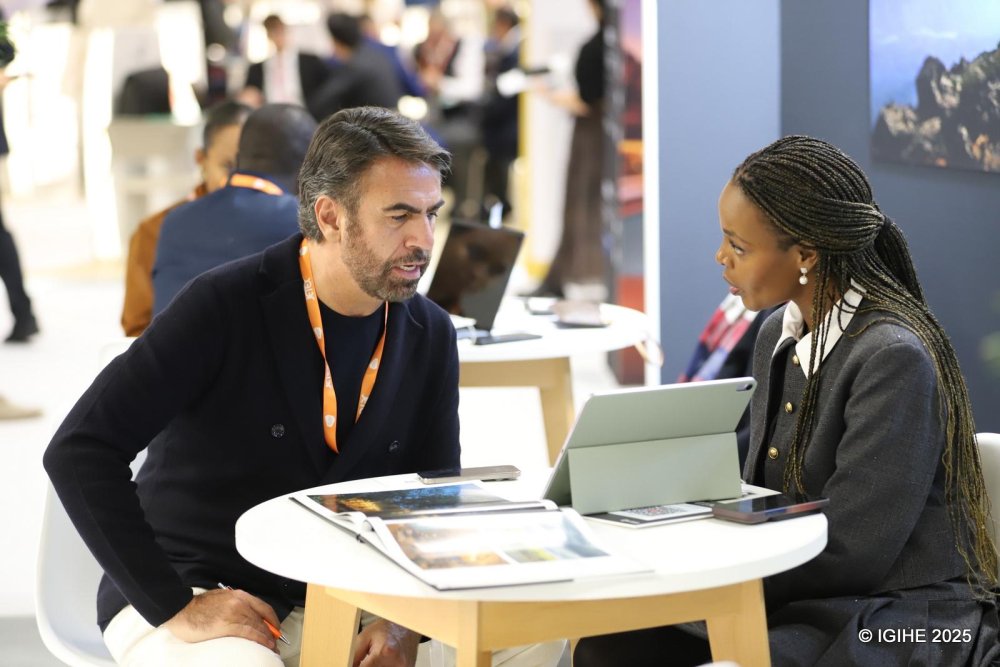
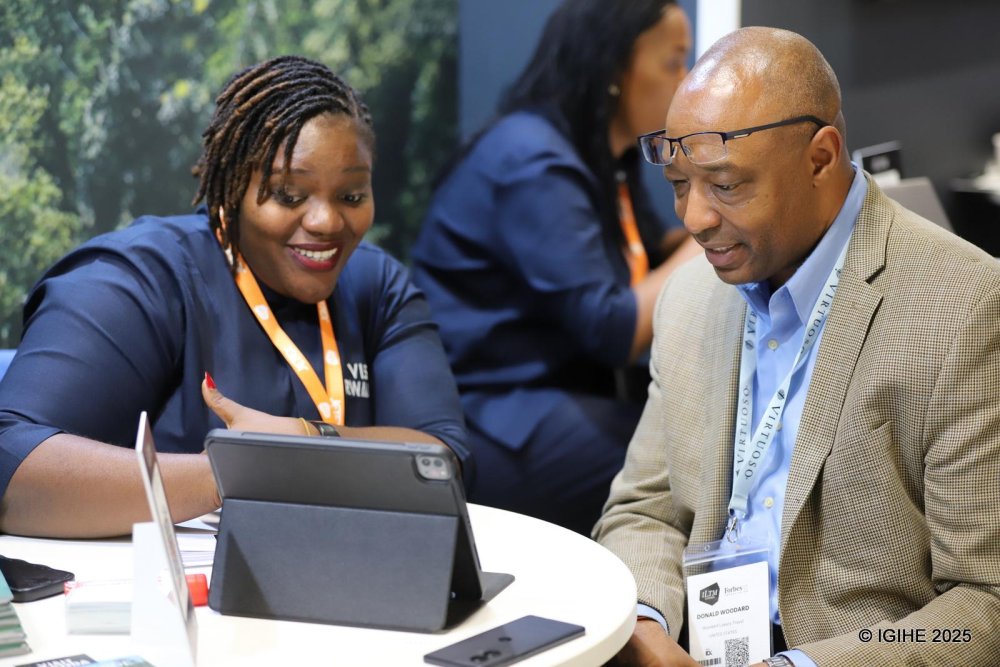
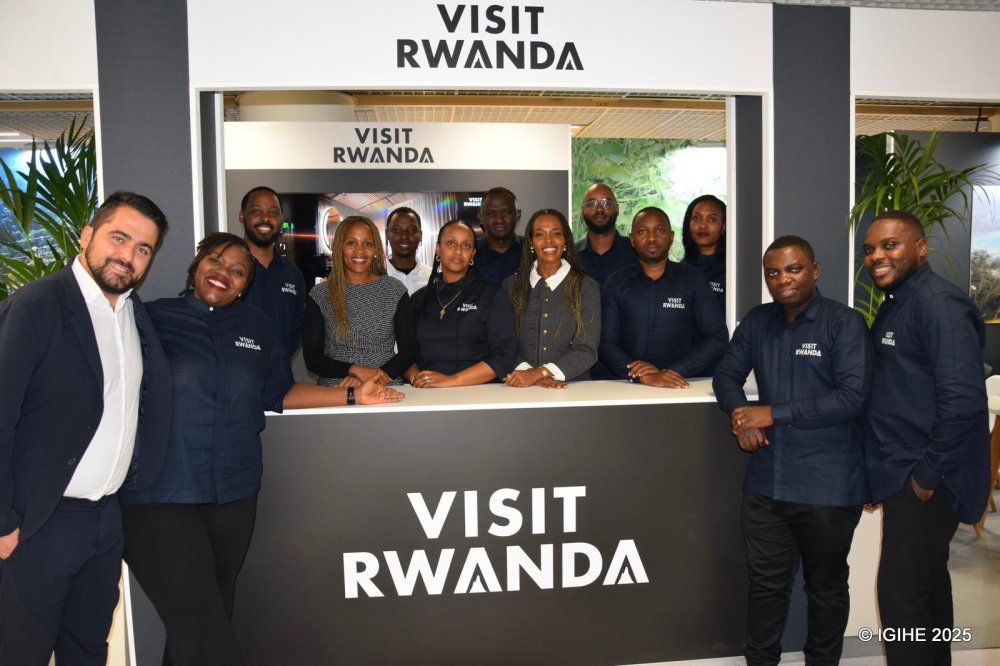
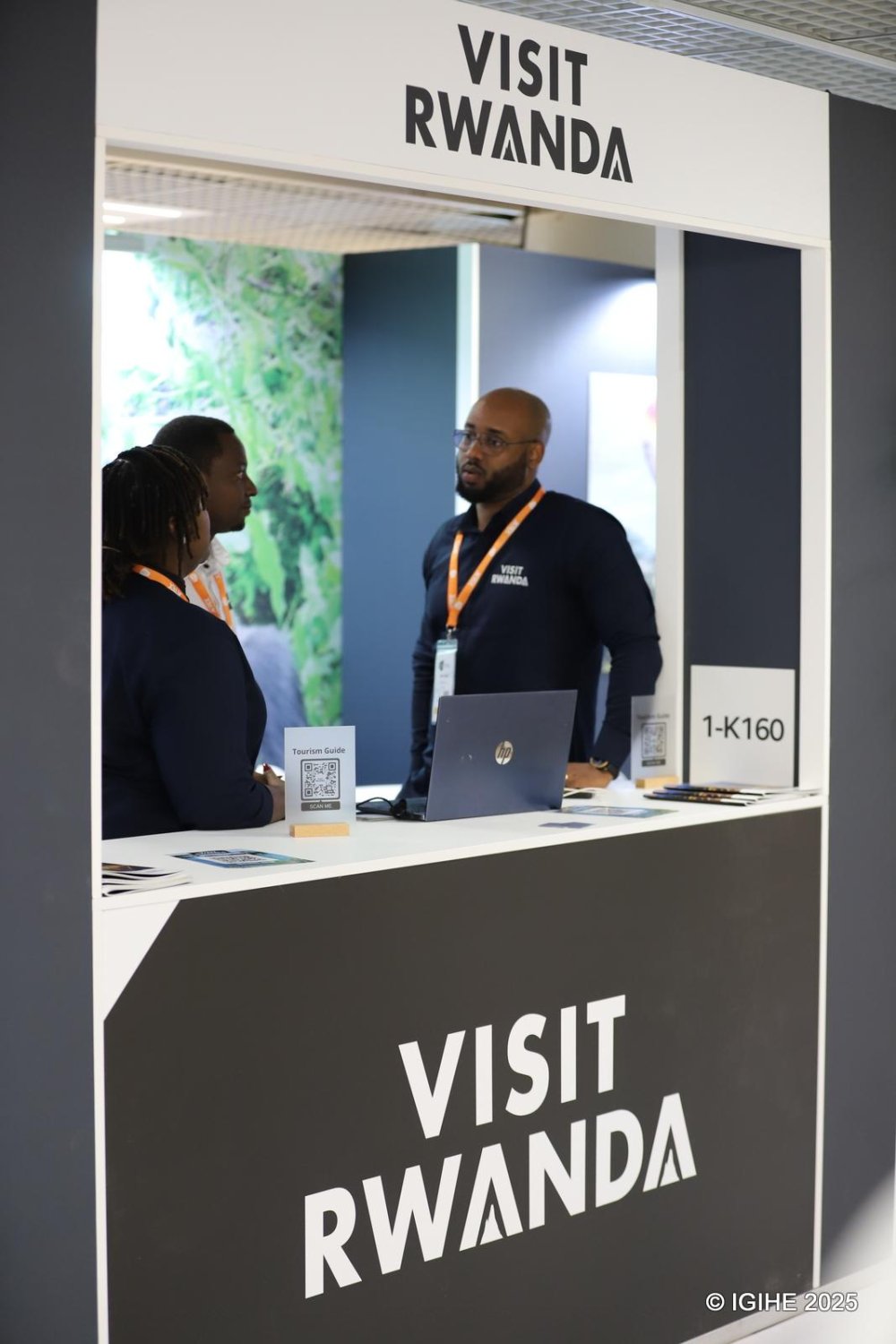
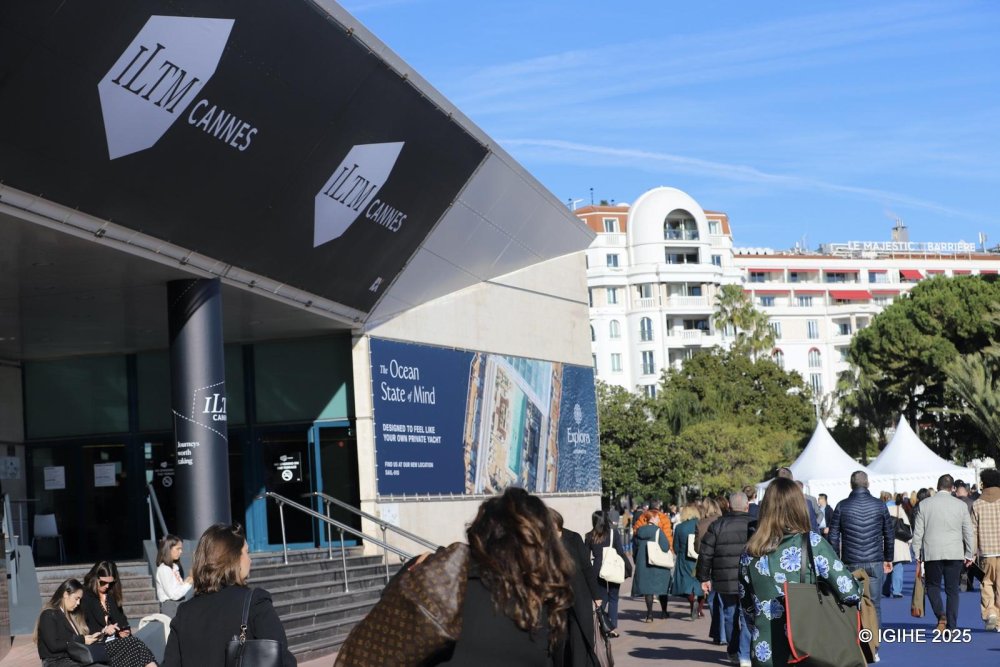
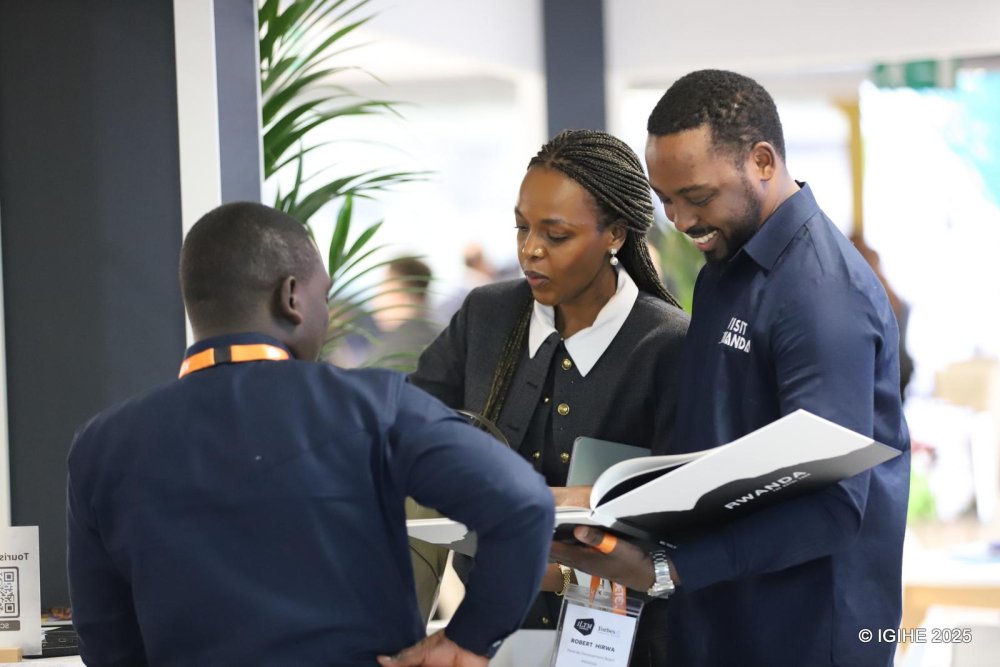
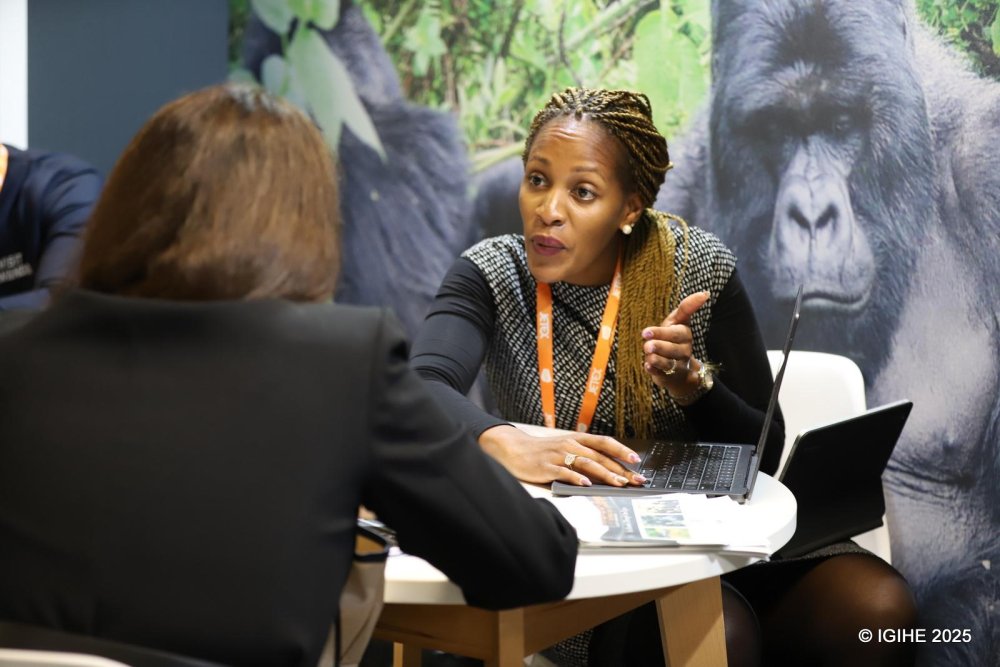
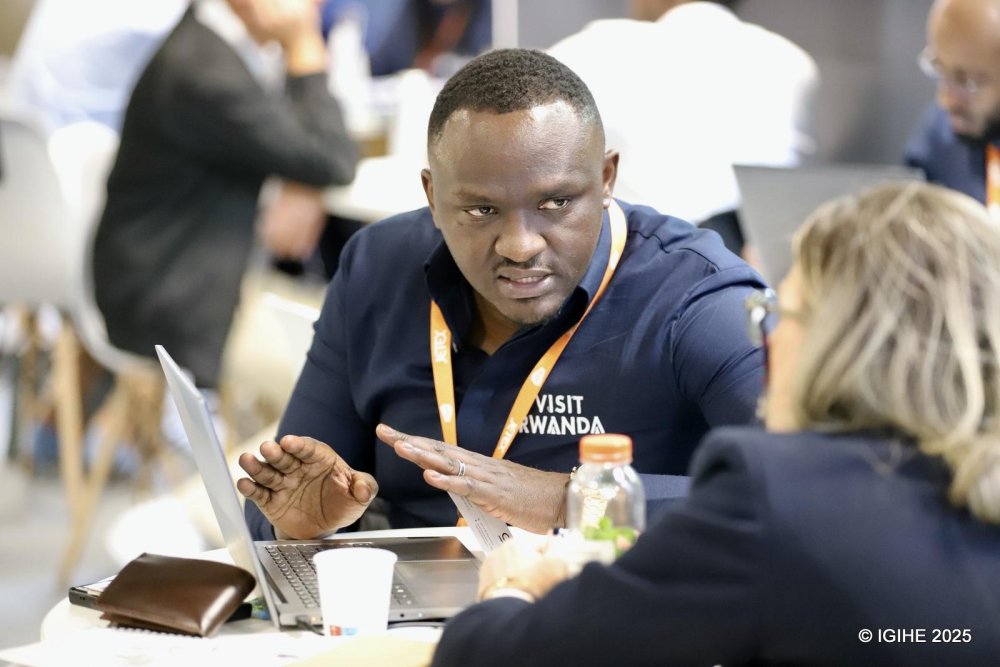
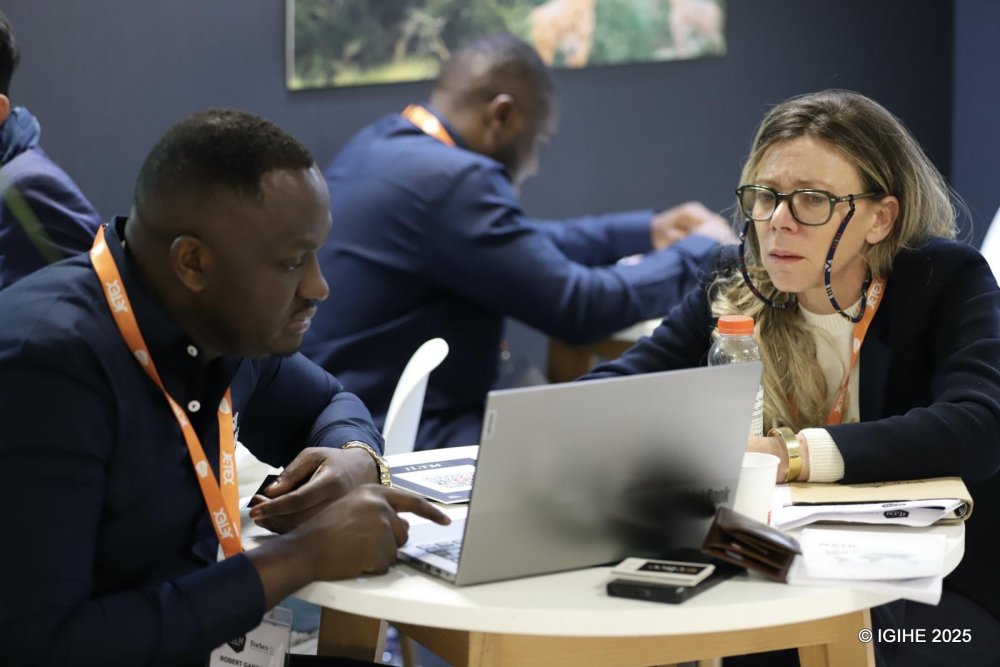
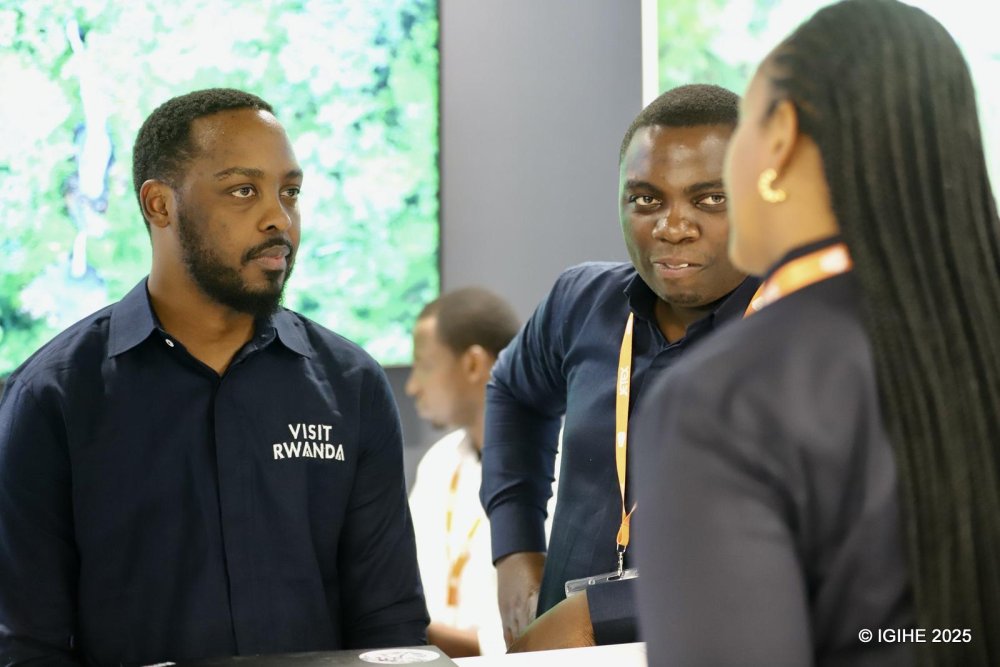
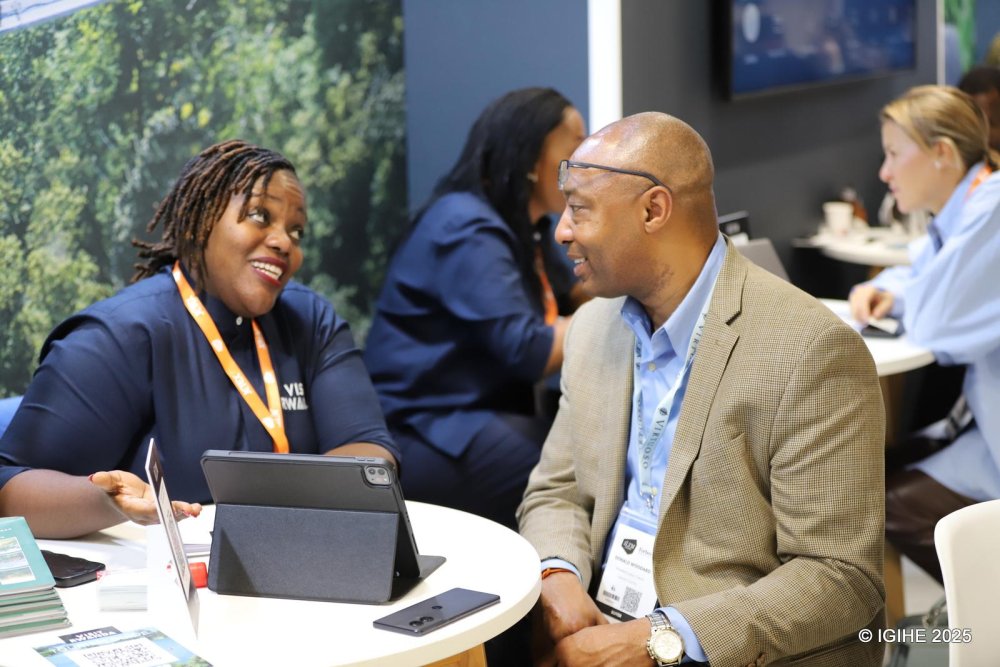
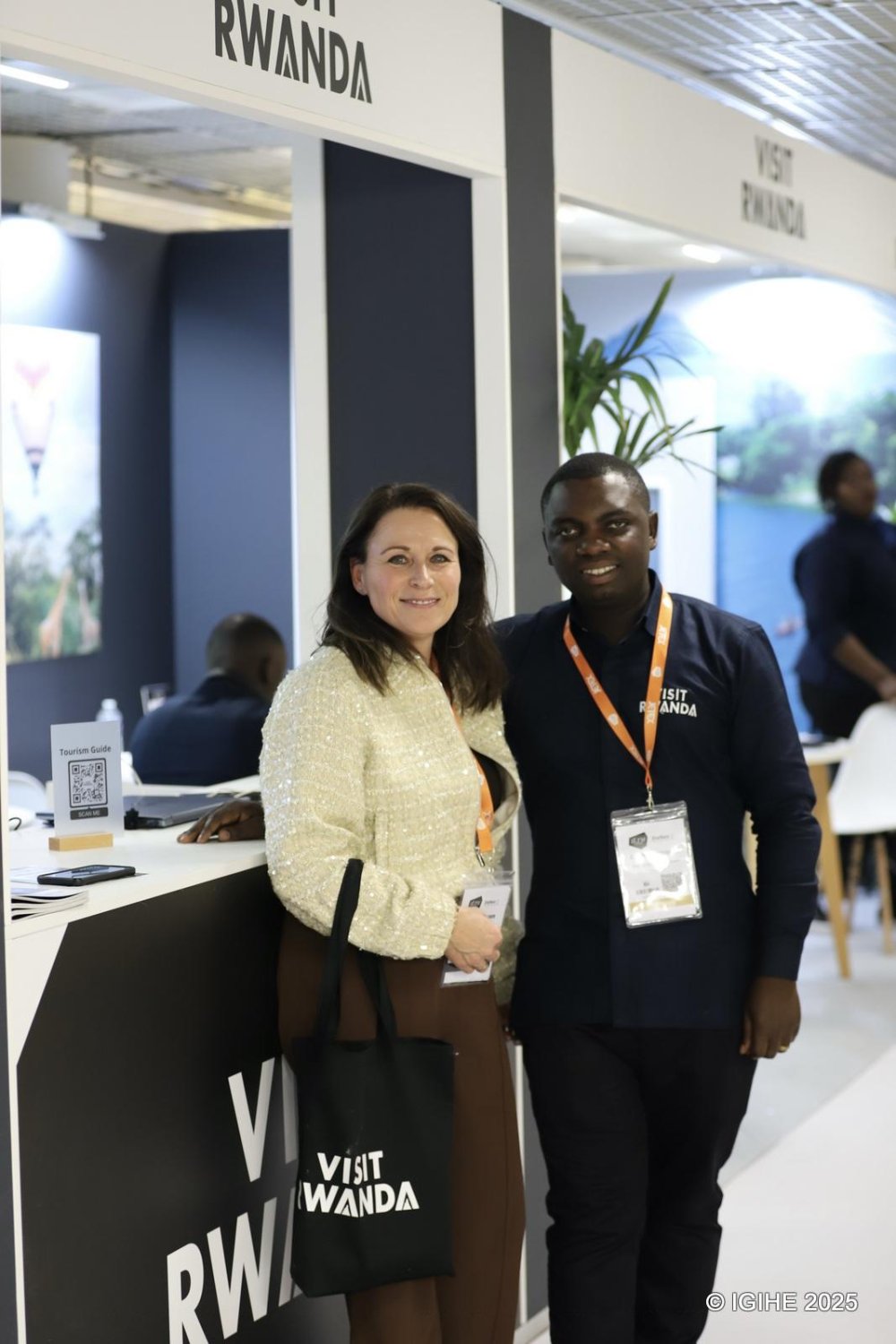
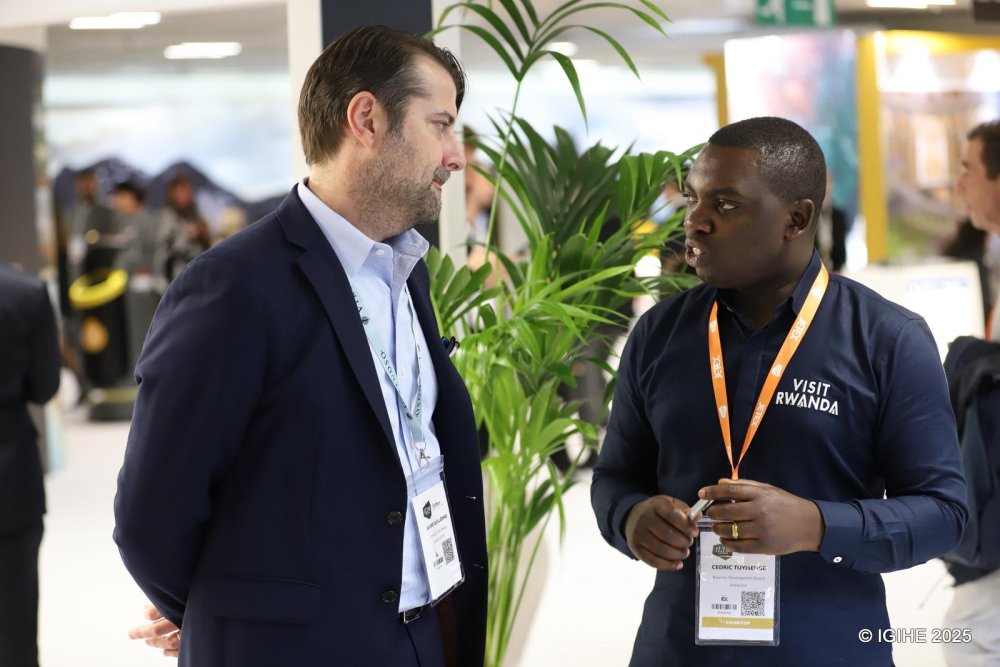
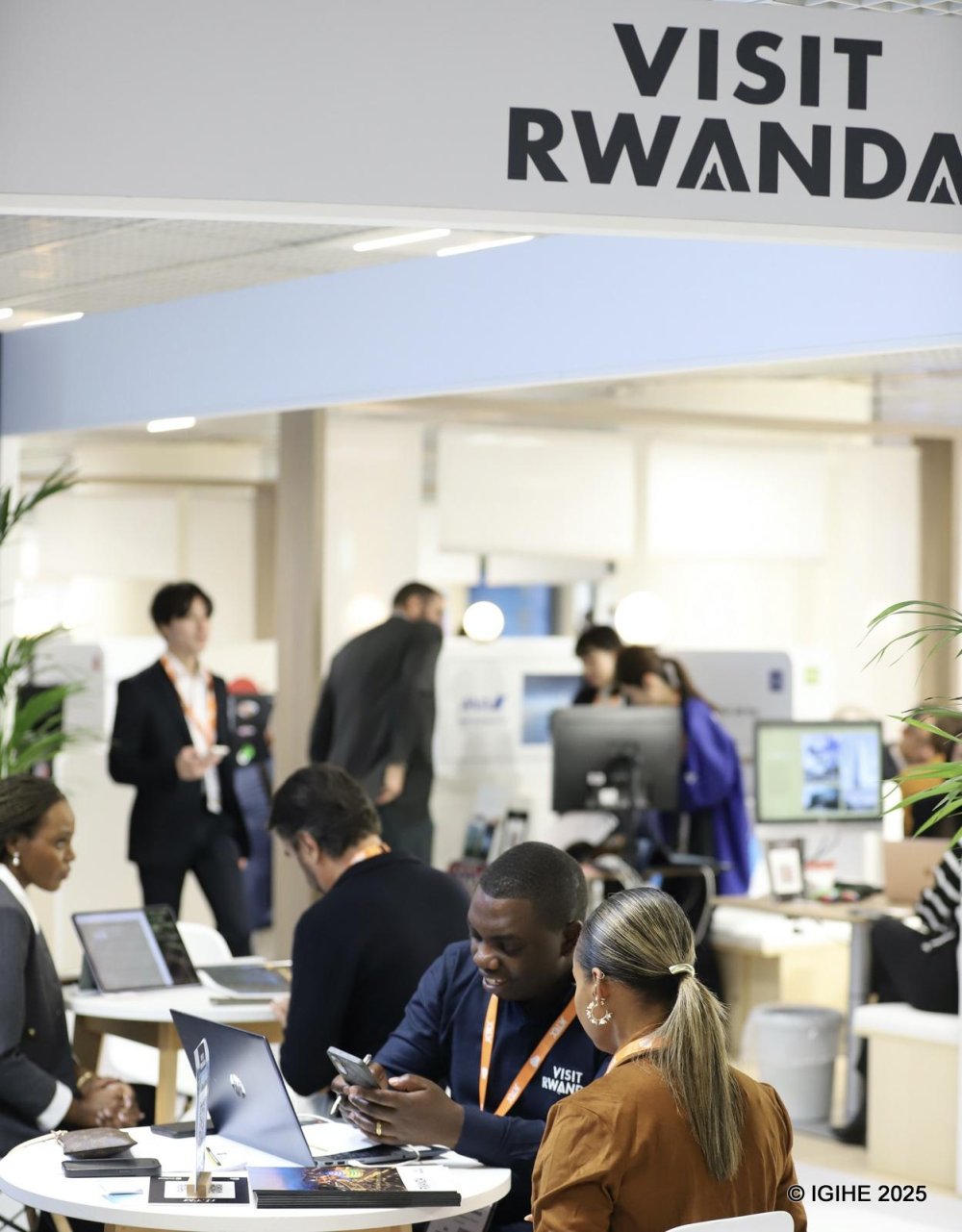
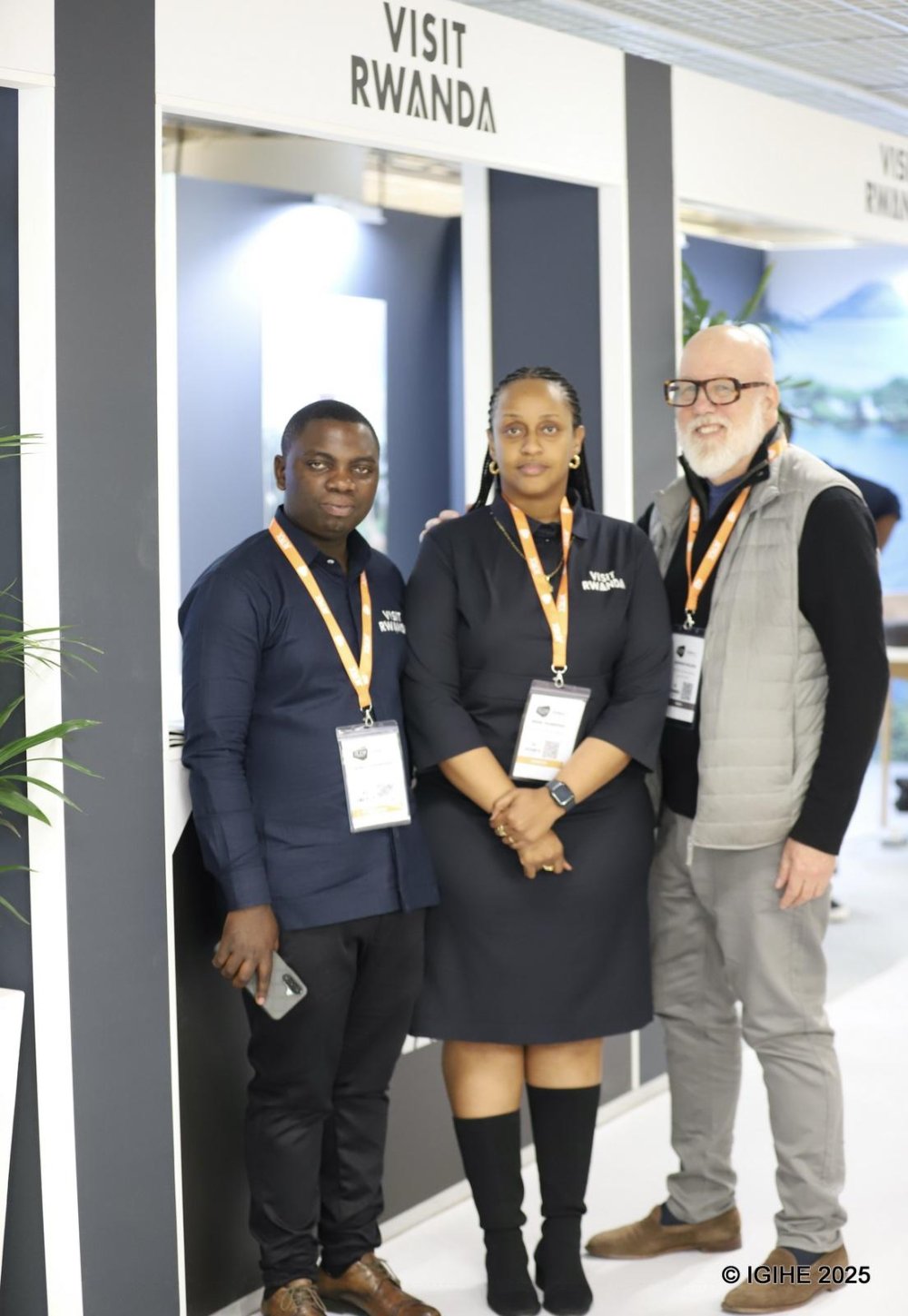
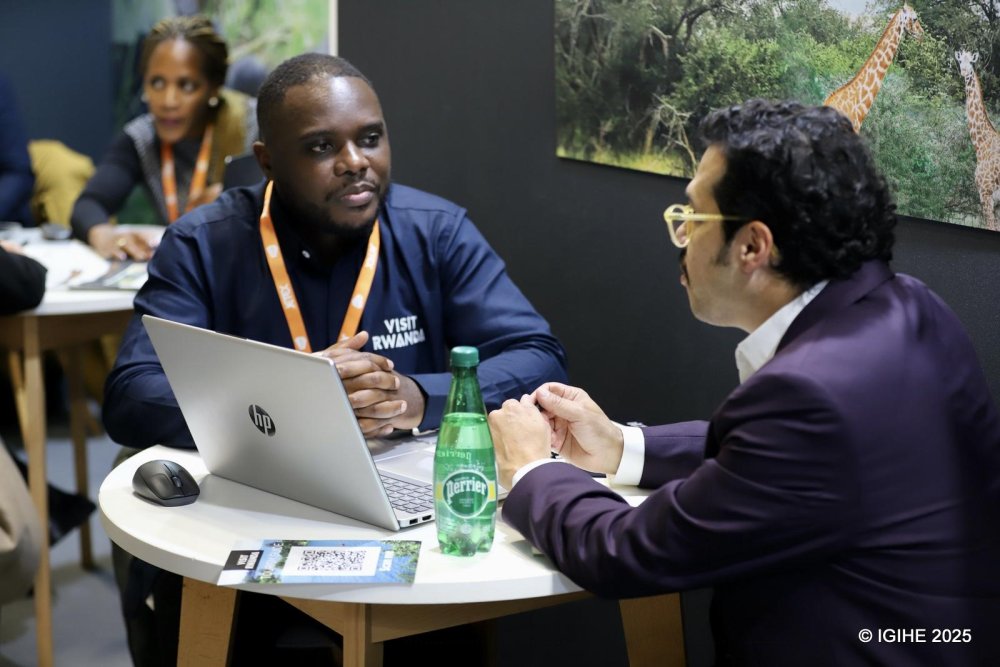
Representing Rwanda for the ninth consecutive year, the Rwanda Development Board (RDB) is joined by top tourism operators, including Blue Monkey Tours, Primate Safaris, Luxe Horizons, Pure Africa Tours, Inzozi Tours & Travels, Wilderness/Thousand Hills, Uber Luxe Safaris, Palast Tours and Travels, Pinnacle Kigali, and Volcanoes Safaris.
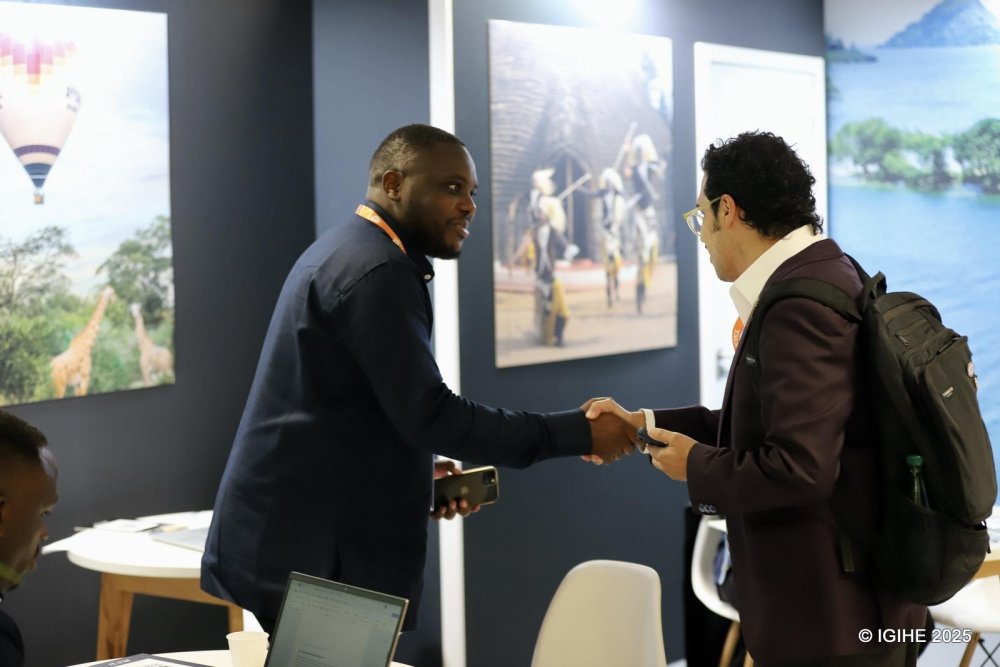
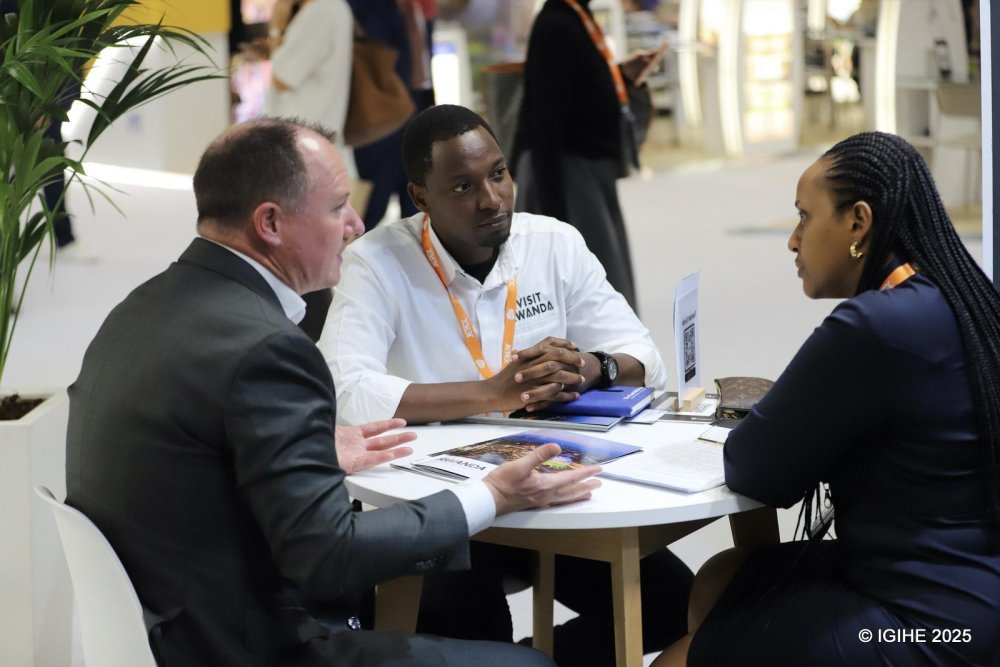
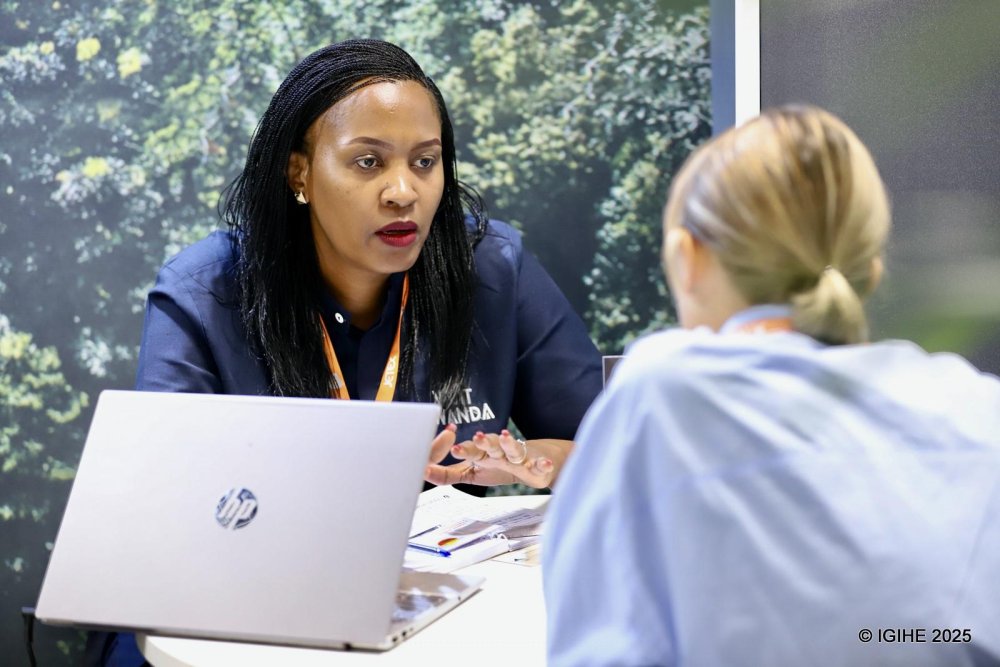
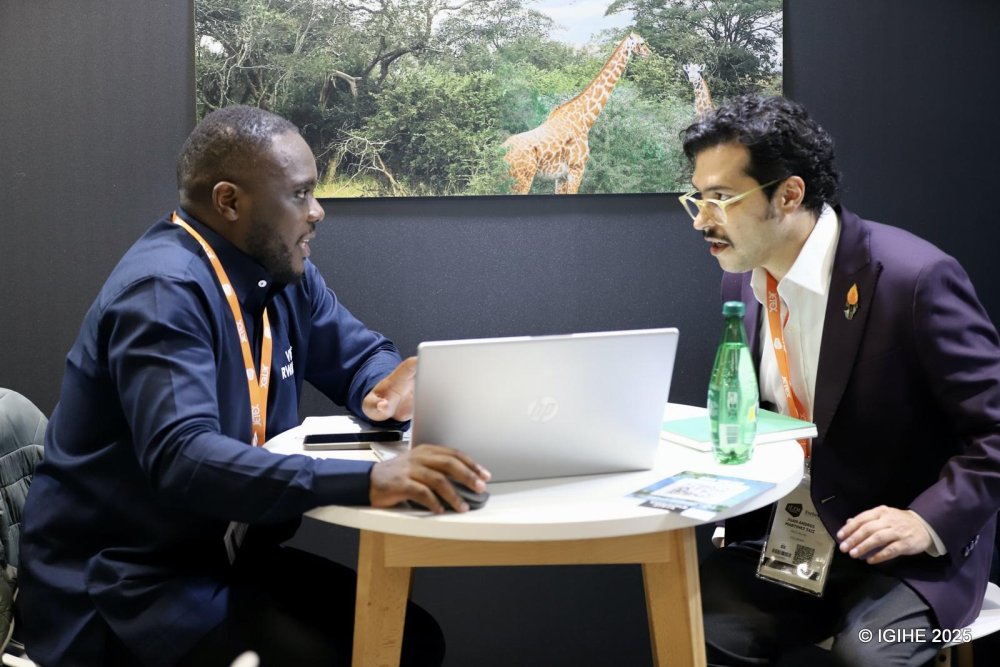
Rwanda’s delegation aims to showcase the country’s diverse tourist attractions and strengthen its profile in the global luxury tourism market. On the opening day, the participating companies engaged with over 150 visitors, in addition to holding strategic meetings facilitated by RDB with media representatives and industry partners.
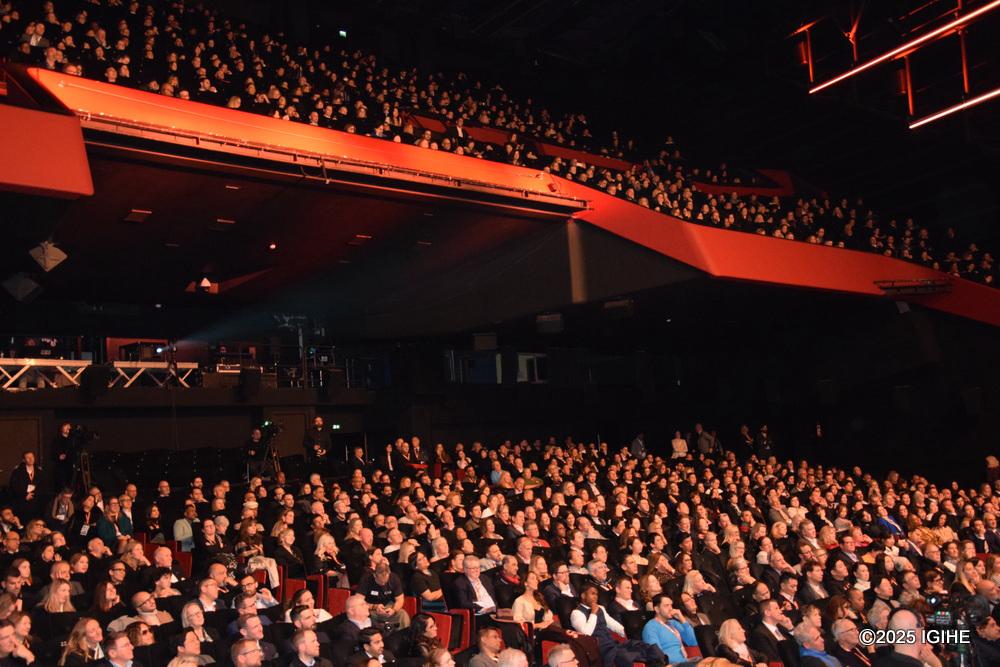
With more than 2,000 luxury tourism professionals expected at the annual event, Rwanda is well-positioned to expand its international network and attract high-end travelers.
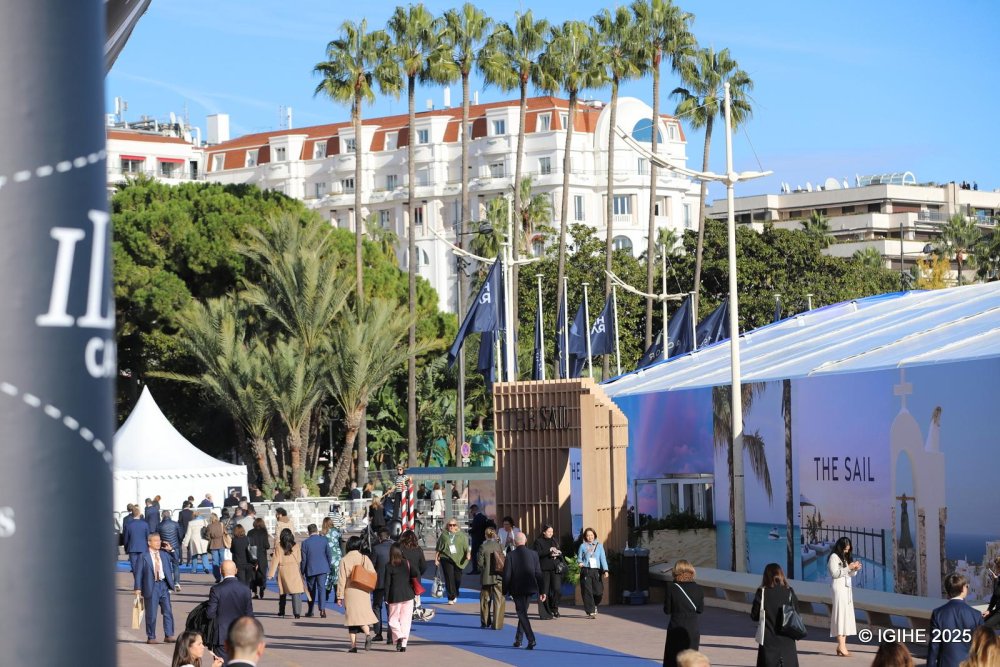
ILTM Cannes serves as a key platform connecting buyers, sellers, and partners in the luxury tourism sector. The event draws participants from across Africa, Asia, South America, the Arab world, and China.
{{Photos from the second day, highlighting Rwanda’s stand and its engagement with partners.
}}
The accolade, part of the publication’s annual Best of the World feature, highlights 25 must-visit locations globally, curated by the magazine’s editors, photographers, and adventurers.
Among the world’s top destinations for 2026, National Geographic also included Banff in Canada, the Dolomites in Italy, Akagera’s Caribbean counterparts like Dominica, the Basque Country in Spain, and Morocco’s Rabat. The selections span continents and offer a mix of natural beauty, cultural experiences, and adventure, reflecting the magazine’s commitment to showcasing both iconic and lesser-known destinations.
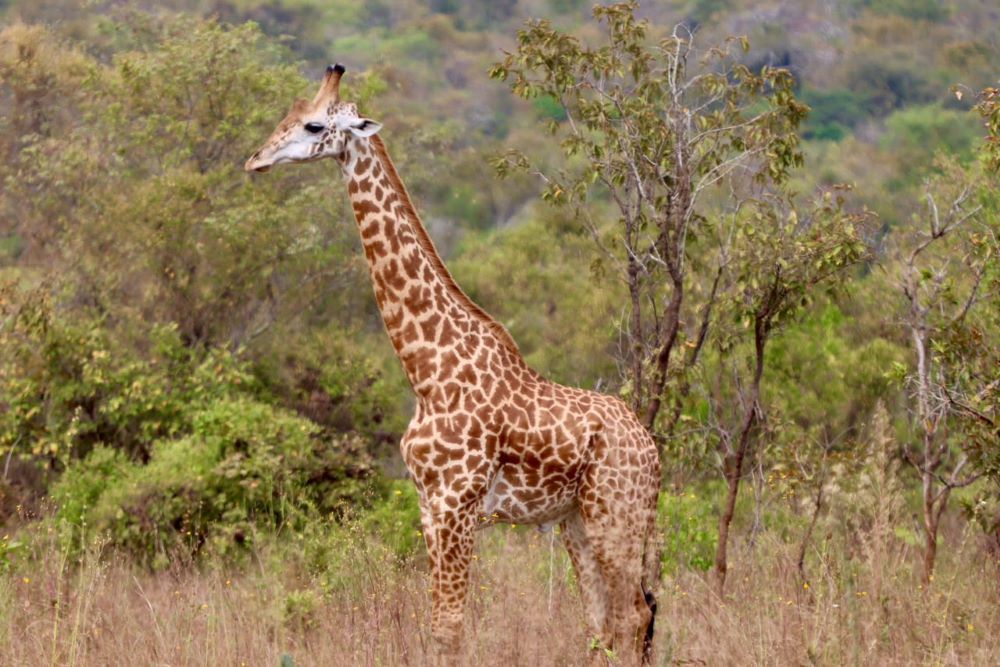
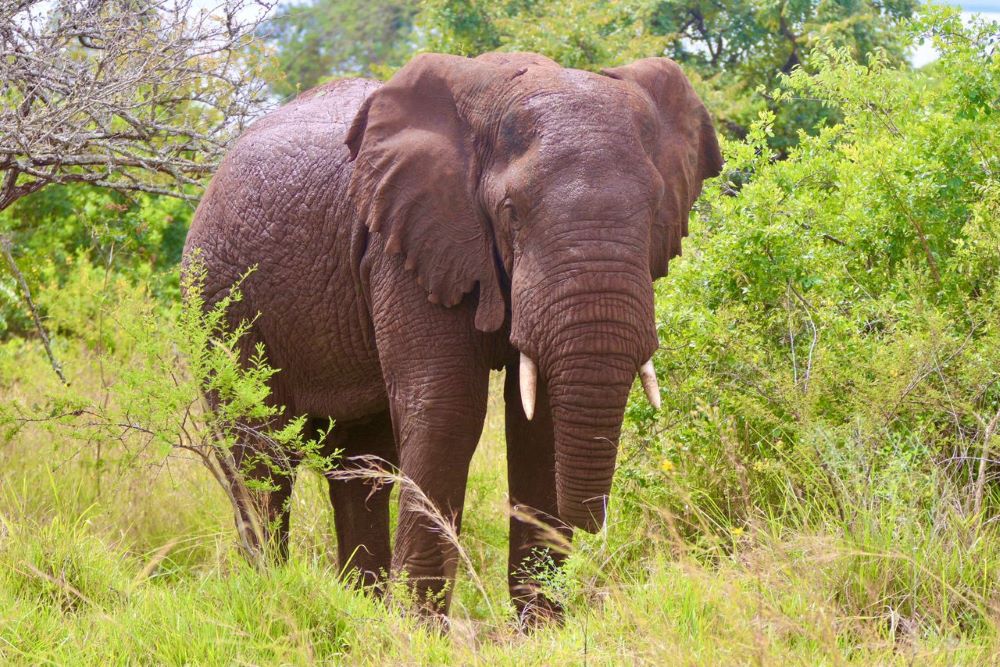
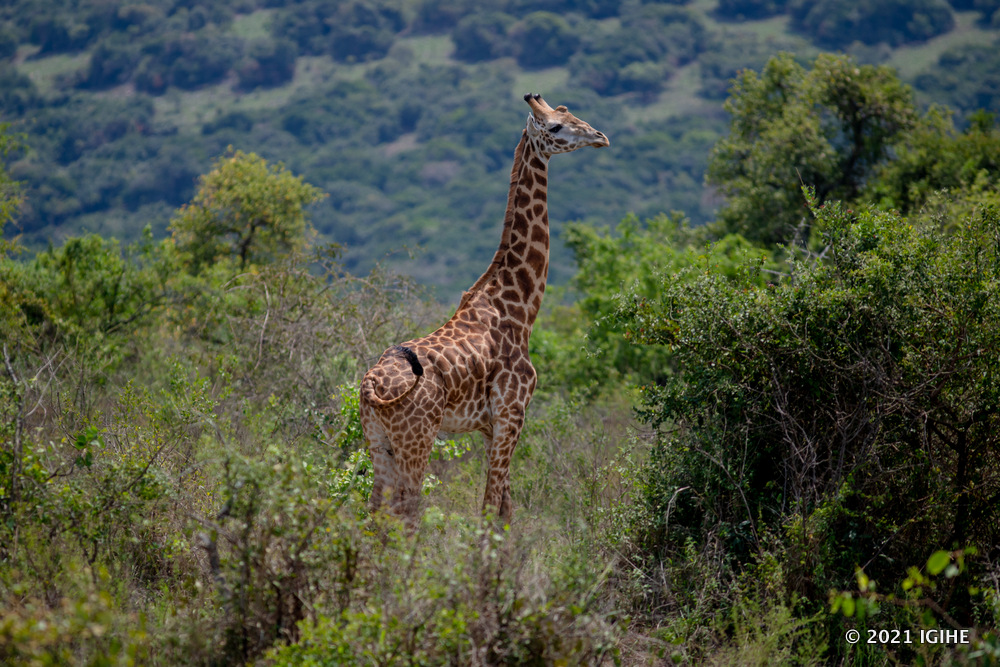
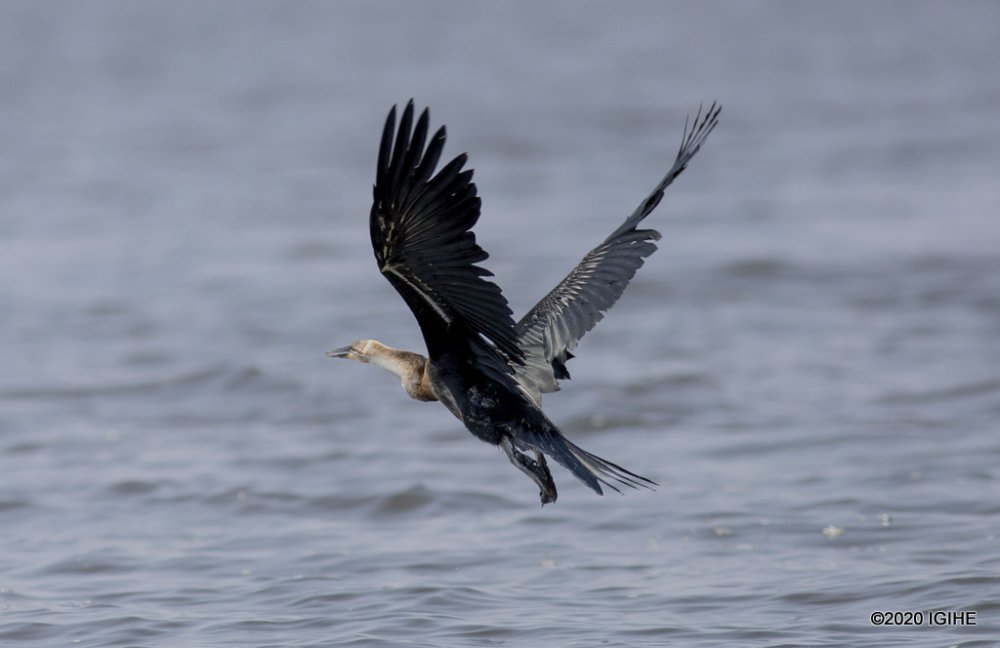
Nestled along Rwanda’s eastern border, Akagera offers a Big Five safari experience in a setting of rolling savannas, lush woodlands, and winding waterways. The park is home to lions, leopards, elephants, giraffes, zebras, and over 500 bird species.
According to National Geographic, Akagera attracts around 50,000 visitors annually, offering a quieter and more intimate safari experience compared to Tanzania’s Serengeti and Kenya’s Masai Mara.
Once severely affected by poaching and deforestation in the 1990s, Akagera has undergone a remarkable transformation over the past 15 years. The Rwanda Development Board, in partnership with African Parks, has successfully rehabilitated the park’s ecosystems and wildlife populations.
A notable milestone in this recovery was the reintroduction of rhinos from South Africa in 2021, followed by the relocation of 70 additional white rhinos in May 2025, positioning Akagera as a leading conservation hub in the region.
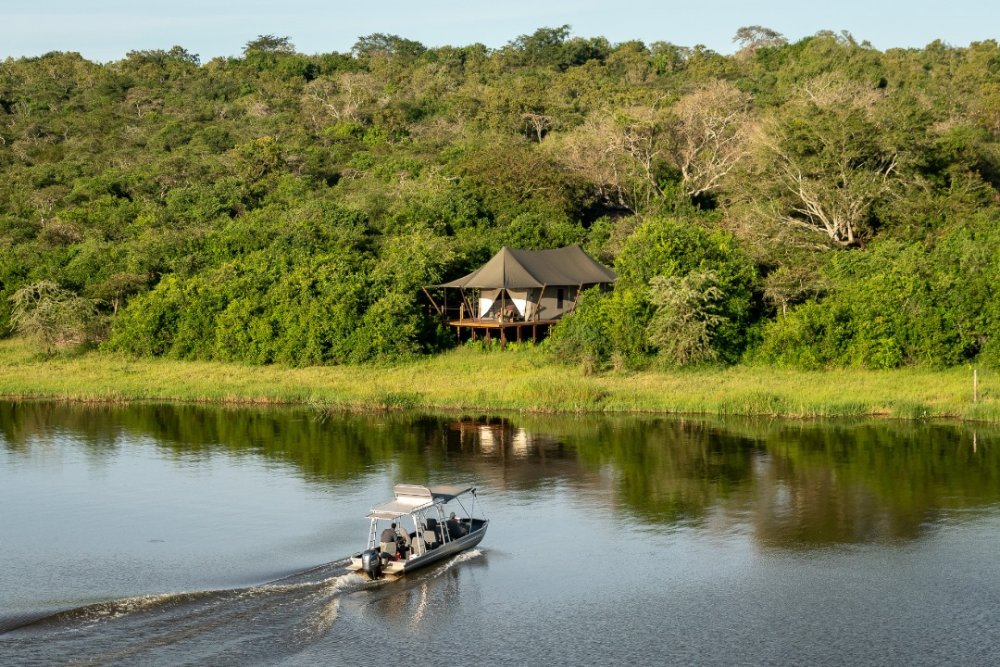
Tourism infrastructure is also expanding, with new and upgraded hospitality options enhancing the safari experience. The southern part of the park, closest to Kigali, saw extensive renovations at Karenge Bush Camp, while the northern Magashi Peninsula welcomed Wilderness Magashi, a high-end safari camp offering tented suites and remote wildlife encounters.
The park also offers diverse activities, including game drives, boat safaris, and hot air balloon rides, providing multiple ways to explore its natural beauty.
The national park’s accolade comes as Rwanda continues to strengthen its position as a premier destination, with the tourism sector generating $647 million in revenue in 2024. The Rwanda Development Board (RDB) has set an ambitious target of surpassing $700 million in earnings for 2025, as part of the nation’s strategy to reach $1.1 billion in annual tourism revenue by 2029.
During the visit, both leaders witnessed the signing of agreements aimed at strengthening trade and investment ties between the two nations. A key highlight was a landmark land allocation deal, expected to provide businesses from both countries greater access to regional markets.
Rwanda and Egypt share a strong bilateral relationship, with embassies established in each other’s capitals. This development builds upon numerous cooperation agreements in various sectors, including technology, industrial development, trade, agriculture, education, youth, healthcare, and military collaboration.
The partnership between the two nations has been long-standing. In 2017, President El-Sisi visited Rwanda to further strengthen their bilateral relations. Both countries are also active members of the Common Market for Eastern and Southern Africa (COMESA).
Egypt opened its embassy in Kigali in 1976, and Rwanda re-established its embassy in Cairo in March 2015, signaling the importance of their diplomatic ties.
This longstanding relationship was further strengthened by President Kagame’s recent visit to Cairo, a city rich in culture, history, and landmarks.
Here are the top 15 attractions to know about this extraordinary city visited by President Kagame.
{{1. The Pyramids of Giza}}
One of Cairo’s most iconic and unmissable attractions is the Pyramids of Giza. These ancient wonders, including the Great Pyramid of Khufu, the only surviving wonder of the ancient world, and the enigmatic Great Sphinx, continue to awe visitors with their scale and grandeur.
The Pyramids are a UNESCO World Heritage site and offer a glimpse into the sophisticated engineering and culture of ancient Egypt, making them one of the most visited tourist sites in the world.
Visitors can explore the inside of the pyramids, learn about the pharaohs’ burial practices, and take camel rides for a more immersive experience.
{{2. The Egyptian Museum: A gateway to ancient Egypt}}
The Egyptian Museum in Tahrir Square is an essential stop for anyone looking to delve into Egypt’s remarkable history.
With over 120,000 artifacts, the museum holds one of the largest and most comprehensive collections of ancient Egyptian antiquities. The highlight of the museum is the treasure of Tutankhamun, including his famous golden death mask.
The museum provides invaluable insights into Egypt’s ancient civilization, offering visitors a chance to learn about mummification, religious rituals, and the everyday life of the pharaohs.
{{3. Coptic Cairo: Egypt’s Christian Heritage}}
Coptic Cairo is an area in Cairo that reflects the deep Christian history of Egypt. It is home to several significant churches, including the famous Hanging Church, which dates back to the 3rd century.
The Coptic Museum houses an impressive collection of artifacts that trace the history of Christianity in Egypt, from the early Christian period to modern times.
The area also includes the Ben Ezra Synagogue and the ancient Babylon Fortress, marking the historical and cultural crossroads where different religious traditions intersect.
{{4. Islamic Cairo}}
Islamic Cairo is a district filled with some of the most stunning examples of Islamic architecture. The area is home to historic mosques, madrassas, and palaces.
Key highlights include the stunning Sultan Hassan Mosque, one of the largest in the city, and the Ibn Tulun Mosque, which is one of the oldest in Cairo.
The Citadel of Saladin, which includes the Mosque of Muhammad Ali, offers panoramic views of the city and a peek into Cairo’s Islamic history. Islamic Cairo is a living museum, where visitors can walk through streets lined with ancient buildings and immerse themselves in the city’s Islamic heritage.
{{5. Khan El Khalili Bazaar: A shopper’s paradise}}
For those looking to experience the authentic flavors and sounds of Cairo, Khan El Khalili Bazaar is the place to go.
This vibrant market, which has been a trading hub since the 14th century, is filled with colorful stalls offering everything from handcrafted jewelry, spices, and textiles to copperware, perfumes, and souvenirs.
The bustling market is a sensory overload, with its maze of alleyways and lively merchants. Don’t forget to bargain; it’s part of the fun in this traditional Egyptian souk.
{{6. Al-Azhar Park}}
Al-Azhar Park offers a peaceful escape from the bustling streets of Cairo, providing visitors with beautiful green spaces and panoramic views of the Cairo skyline.
Located near Islamic Cairo, the park is a perfect place to relax while taking in the breathtaking view of the Cairo Citadel and the surrounding historic mosques. The park is an oasis of calm in the heart of Cairo, offering a unique combination of nature, history, and tranquility.
{{7. Tahrir Square }}
Tahrir Square is not just a central location in Cairo—it has been the site of many pivotal moments in Egypt’s modern political history.
Most notably, it was the focal point of the 2011 Egyptian Revolution that led to the ousting of President Hosni Mubarak.
Today, the square is a key symbol of the country’s political struggles and successes. Surrounding the square are important landmarks, including the Egyptian Museum, and it remains a central hub for both political movements and everyday life in Cairo.
{{8. The Cairo Opera House}}
Cairo is home to one of the most prestigious cultural venues in the Middle East—The Cairo Opera House.
A key part of the city’s thriving arts scene, the opera house hosts performances ranging from classical music and ballet to contemporary dance and opera. It’s a cultural institution in the city, drawing in artists from around the world.
{{9. The Citadel of Saladin: A historic fortress}}
The Citadel of Saladin is one of Cairo’s most important historical sites. Built by the famous Islamic ruler Saladin in the 12th century, the Citadel was the seat of the Egyptian government for almost 700 years.
Visitors can explore its many mosques, including the iconic Mosque of Muhammad Ali, which offers stunning views of the city. The Citadel also houses the National Military Museum and the Police Museum, both of which offer fascinating insights into Egypt’s military history.
{{10. The Nile River}}
The Nile River has been the lifeblood of Egypt for thousands of years, and it continues to play a central role in the life of Cairo.
Tourists can take a relaxing boat ride or even a traditional felucca ride on the river to see the city from a different perspective.
Many luxury hotels and restaurants along the Nile offer dining experiences with beautiful views of the river and the city skyline.
{{11. The Nile Corniche}}
The Nile Corniche is a scenic waterfront promenade that runs along the Nile River in Cairo. The Corniche is perfect for a leisurely walk, offering stunning views of the river and the city’s historic buildings.
Visitors can take in the sights of Cairo’s skyline, cross over bridges, or simply sit at one of the many cafes that line the river. It’s an ideal spot to experience the dynamic energy of Cairo’s urban life while enjoying the tranquility of the river.
{{12. The City of the Dead}}
One of Cairo’s more unusual attractions is the City of the Dead, a vast necropolis located in the eastern part of the city. This sprawling cemetery houses tombs that date back to the Mamluk period and even earlier.
The City of the Dead is home to some of Cairo’s poorest residents, who live among the tombs, making it a fascinating and thought-provoking site for visitors. While it may be an unconventional tourist attraction, it offers a unique window into Cairo’s past and present.
{{13. Zamalek: Cairo’s Greenest District}}
Zamalek is an upscale district in Cairo known for its lush greenery, colonial-era architecture, and tranquil atmosphere. Located on an island in the Nile, Zamalek is a quiet residential area that contrasts with the hustle and bustle of the rest of Cairo.
The district is home to embassies, art galleries, and cultural venues, including the Cairo Opera House. It’s a great area for walking, dining, and enjoying Cairo’s more laid-back side.
{{14. The Museum of Islamic Art}}
The Museum of Islamic Art in Cairo offers a fascinating collection of Islamic artifacts spanning over 1,400 years.
The museum’s exhibits include rare manuscripts, textiles, ceramics, and metalwork from various periods in Islamic history.
Visitors can explore the rich artistic and cultural legacy of the Islamic world, with artifacts from across the Middle East, North Africa, and beyond.
{{15. Cairo Tower}}
Standing tall at 187 meters, the Cairo Tower offers the best panoramic view of the city. Located on Gezira Island, it provides a breathtaking view of Cairo’s skyline, the Nile River, and iconic landmarks like the Pyramids of Giza in the distance.
Visitors can enjoy a meal or drink at the revolving restaurant on the tower’s top floor, making it a perfect spot to watch the sunset or gaze at the sprawling cityscape.
This deeply symbolic event, meaning “to give a name” in Kinyarwanda, is a celebration of Rwanda’s conservation successes, community engagement, and the incredible journey of the country’s endangered mountain gorillas.
A total of 40 baby mountain gorillas will be named, including 18 born in 2024, when the ceremony was postponed due to the Marburg virus outbreak in Rwanda.
Over the past two decades, Kwita Izina has evolved into a global platform, attracting influential figures from around the world who participate in naming the newest generation of baby gorillas. These distinguished participants serve as ambassadors for conservation, highlighting Rwanda’s pioneering role in blending sustainable tourism with rigorous wildlife protection.
The 20th anniversary promises will bring together leaders from diverse fields, including entertainment, sports, business, science, and hands-on conservation.
Below are the 20 prominent figures who will take part in Kwita Izina 2025:
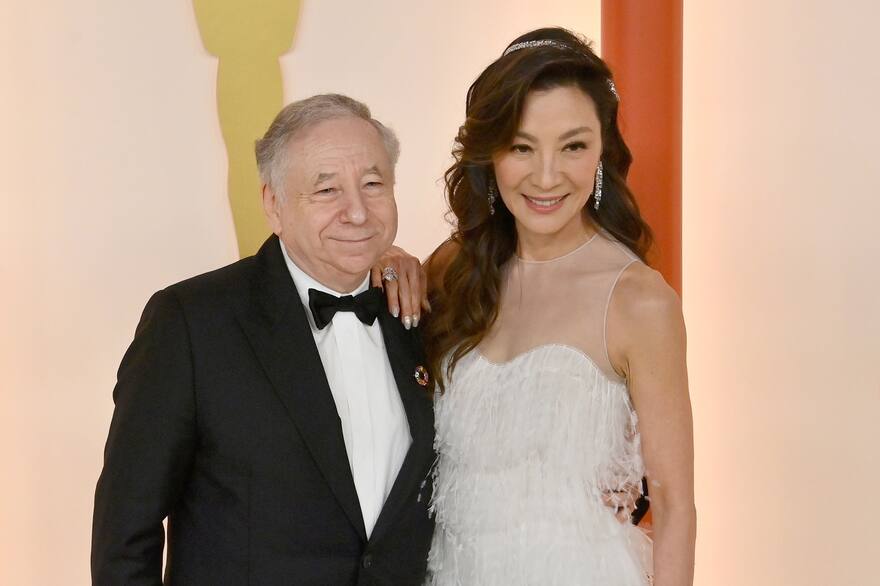
{{1. Michelle Yeoh Todt
}}
Internationally acclaimed actress and UNDP Goodwill Ambassador, Michelle Yeoh Todt is renowned not only for her stellar career in film but also for her advocacy on gender equality, environmental sustainability, and global development.
At Kwita Izina, she brings her global influence to champion wildlife conservation and inspire the next generation of environmental stewards.
{{2. Jean Todt
}}
The United Nations Secretary-General’s Special Envoy for Road Safety, motorsport executive, and former FIA President, Jean Todt, is a global leader in advocacy and safety. His participation in Kwita Izina underscores the intersection of leadership, global responsibility, and conservation awareness, highlighting the importance of cross-sector support for wildlife protection.
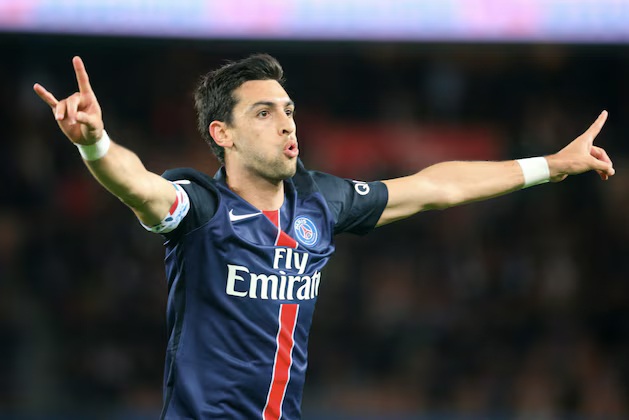
3. Javier Pastore
Argentine professional footballer and PSG legend, Javier Pastore, is known for his elegant play as an attacking midfielder and his environmental advocacy.
His involvement in Kwita Izina reflects how global sports icons can champion conservation and inspire new generations of environmental stewards.
{{4. His Highness Tunku Ali Redhauddin ibni Tuanku Muhriz
}}
Prince of Negeri Sembilan, Malaysia, and President of World Wide Fund for Nature Malaysia, Tunku Ali has long championed environmental protection and sustainable development initiatives.
His presence at Kwita Izina reflects the critical role of international collaboration in safeguarding endangered species such as mountain gorillas.
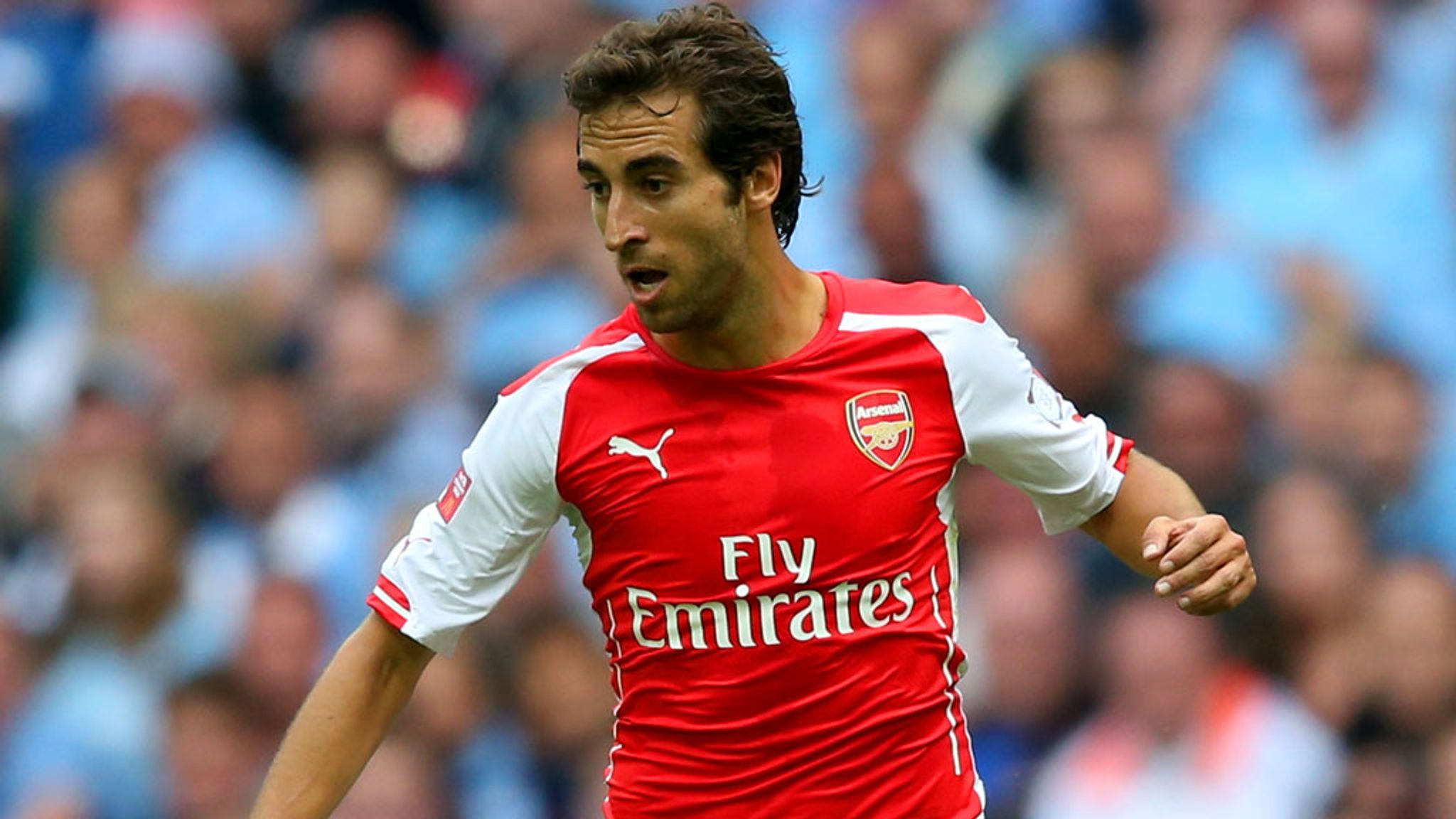
{{5. Mathieu Flamini
}}
Former professional footballer for Arsenal and CEO of GFBiochemicals, Mathieu Flamini bridges the worlds of sports and sustainability.
At Kwita Izina, he represents the growing role of public figures in supporting innovative solutions for conservation and environmental stewardship.
{{6. Yemi Alade
}}
Grammy-nominated Nigerian Afropop singer and songwriter, Yemi Alade, uses her global platform to promote awareness of cultural and environmental causes.
Her participation at Kwita Izina highlights the power of arts and culture in engaging audiences for conservation initiatives.
{{7. David S. Marriott}}
Chairman of the Board of Marriott International, Inc., David S. Marriott brings decades of leadership experience in global hospitality. His presence at Kwita Izina symbolises the crucial partnership between conservation and sustainable tourism, highlighting the connection between protecting Rwanda’s natural treasures and responsible travel experiences.
{{8. Susan Chin
}}
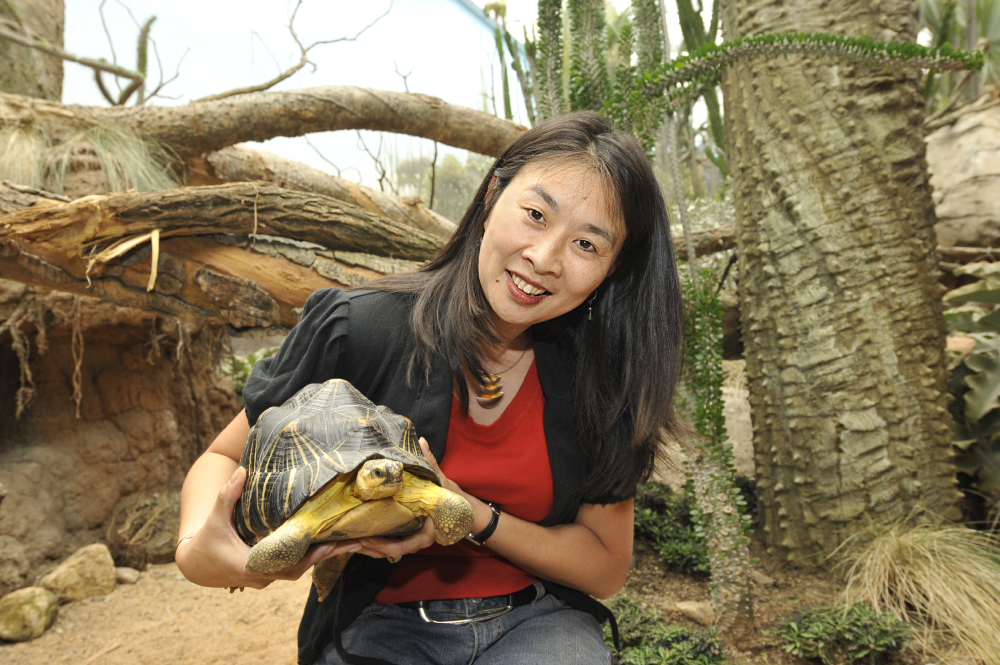
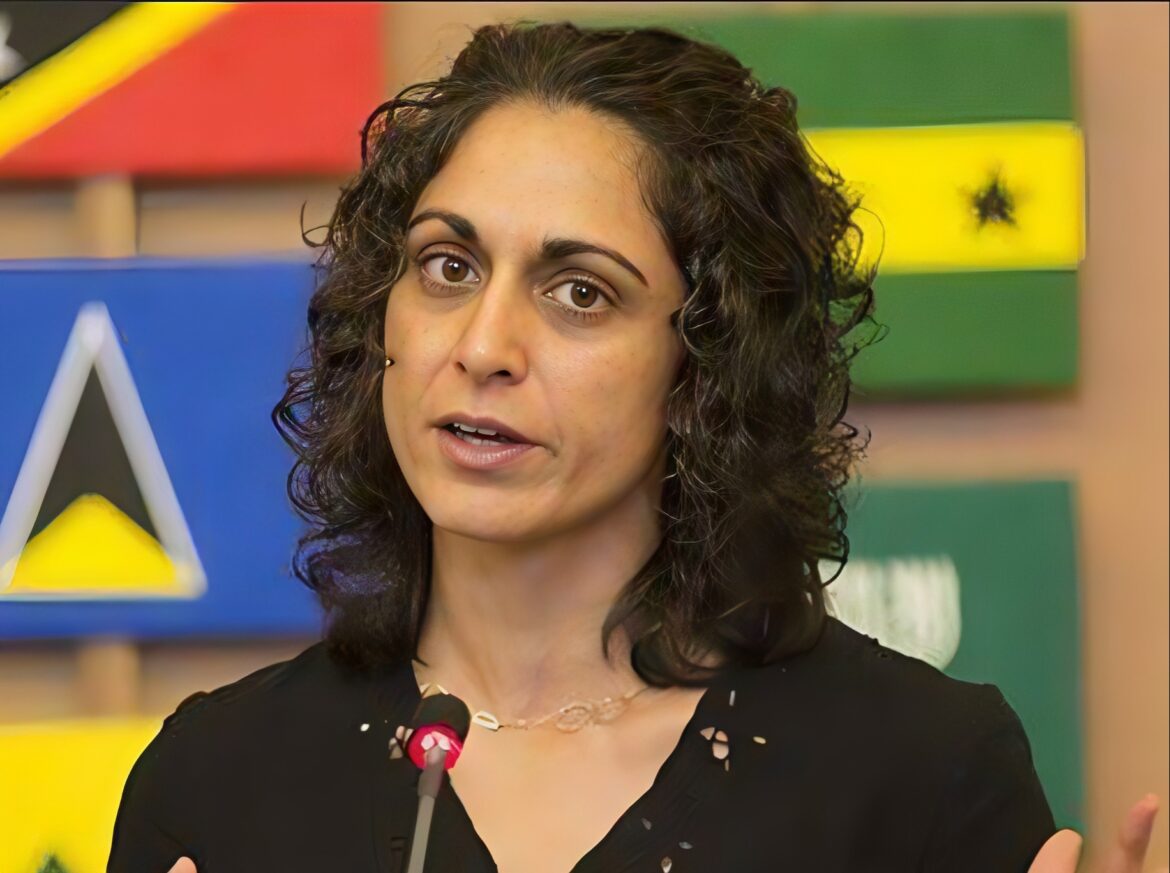
Senior Vice President of Strategy and Advancement at the Wildlife Conservation Society (WCS), Susan Chin, combines architecture, design, and conservation to create immersive wildlife experiences.
Her work educates millions about the natural world, and at Kwita Izina, she exemplifies the importance of connecting people with wildlife through creative and strategic engagement.
{{9. Dr. Gaspard Nzayisenga
}}
Field veterinarian with Gorilla Doctors, Dr. Nzayisenga provides hands-on medical care to wild mountain and Grauer’s gorillas, often treating injuries from snares and monitoring their health in Volcanoes National Park. His role is vital in ensuring the survival of these endangered species.
{{10. Alliance Umwizerwa
}}
Gorilla Research Assistant with the Dian Fossey Gorilla Fund, Alliance monitors gorilla populations and conducts behavioural research, contributing critical insights that inform conservation strategies and habitat management.
{{11. Leonard Nsengiyumva
}}
Data Technician at the Dian Fossey Gorilla Fund, Leonard supports gorilla conservation by managing and analysing crucial data, helping to track population trends and inform field interventions.
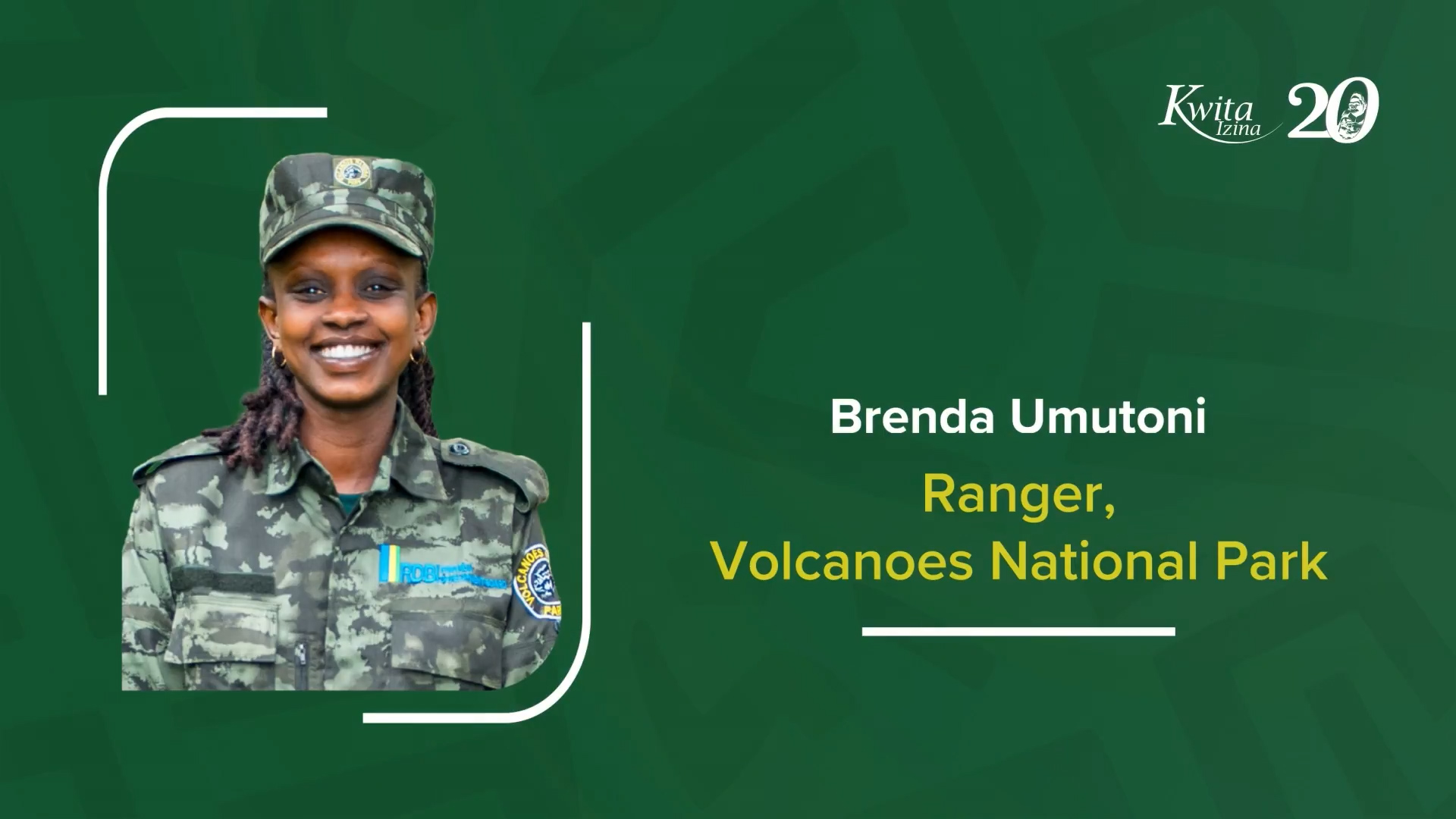
{{12. Brenda Umutoni
}}
Ranger at Volcanoes National Park, Brenda is on the front lines of protecting mountain gorillas and their habitats through patrols, monitoring, and community engagement programs that ensure long-term conservation success.
{{13. Claver Ntoyinkima
}}
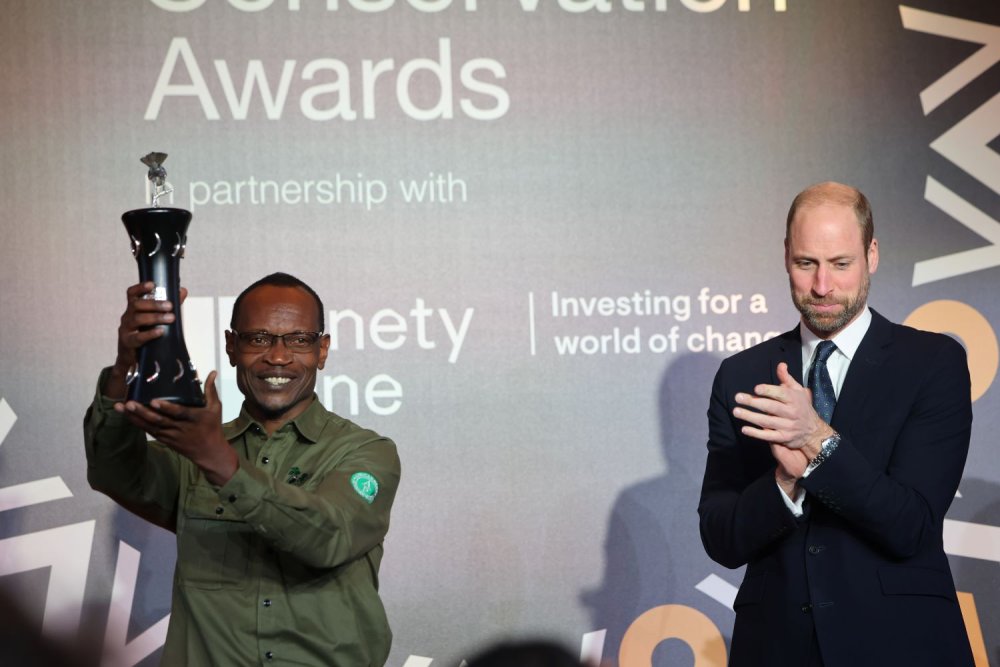
Senior Ranger Guide and Trainer at Nyungwe National Park, Claver oversees wildlife protection and ranger training, fostering a new generation of skilled conservationists dedicated to preserving Rwanda’s rich biodiversity.
Claver was in November 2024 awarded the prestigious Tusk Wildlife Ranger Award in recognition of his exceptional dedication to primate and bird conservation in Rwanda.
{{14. Reed Oppenheimer
}}
As the Chairman and CEO of the Reed Jules Oppenheimer Foundation, Reed leads philanthropic initiatives supporting education, health, and environmental conservation.
At Kwita Izina, he demonstrates the role of private foundations in promoting global conservation goals.
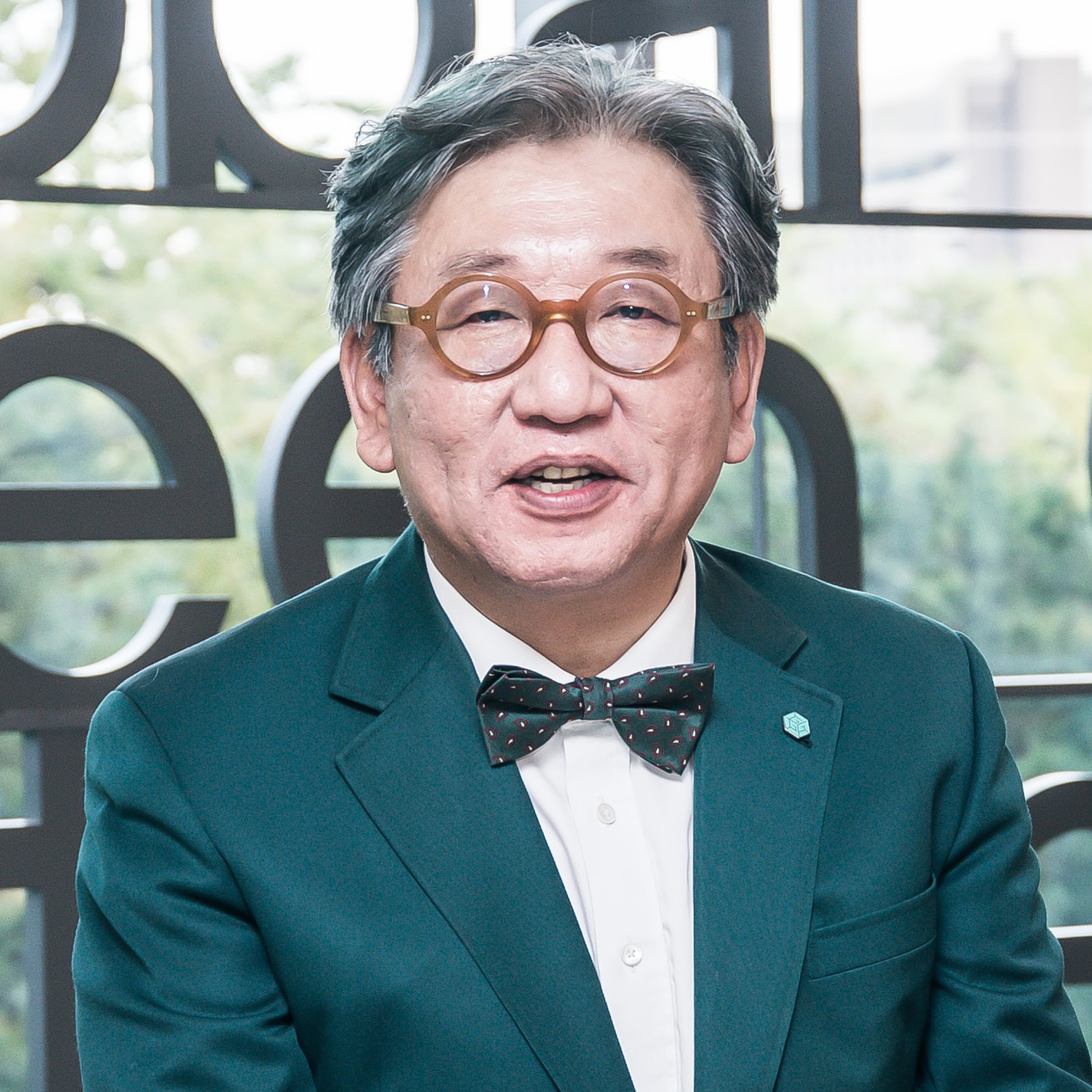
{{15. Sang-Hyup Kim
}}
Sang-Hyup is the Director-General of the Global Green Growth Institute. He advances sustainable development and environmental policies worldwide. His participation highlights the link between international policy, economic growth, and the preservation of endangered species.
{{16. Athanasie Mukabizimungu
}}
Founder and Chairperson of the Imbereheza Cooperative in Gahunga, Athanasie empowers local communities through sustainable agriculture and development projects, showing how grassroots efforts can complement wildlife conservation.
{{17. Charlie Mayhew OBE
}}
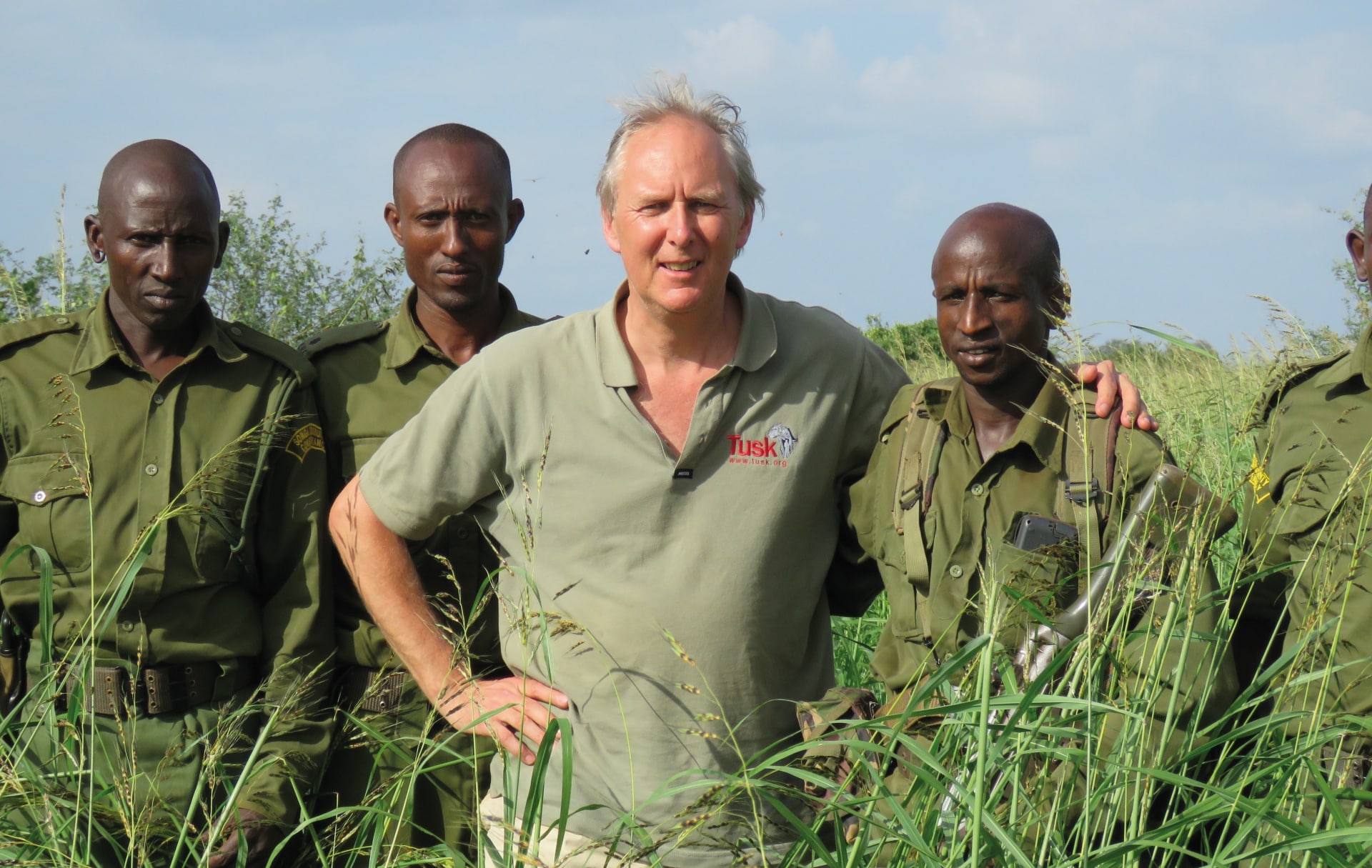
Charlie Mayhew OBE is the co-founder and CEO of Tusk Trust. He leads initiatives that protect wildlife and support community development across Africa, illustrating the power of collaborative conservation models.
{{18. Dr. Yin Ye
}}
The CEO of BGI Group and science popularisation vlogger bridges the gap between scientific innovation and public engagement, bringing evidence-based insights to global conservation efforts.
{{19. Princess Ingeborg zu Schleswig-Holstein
}}
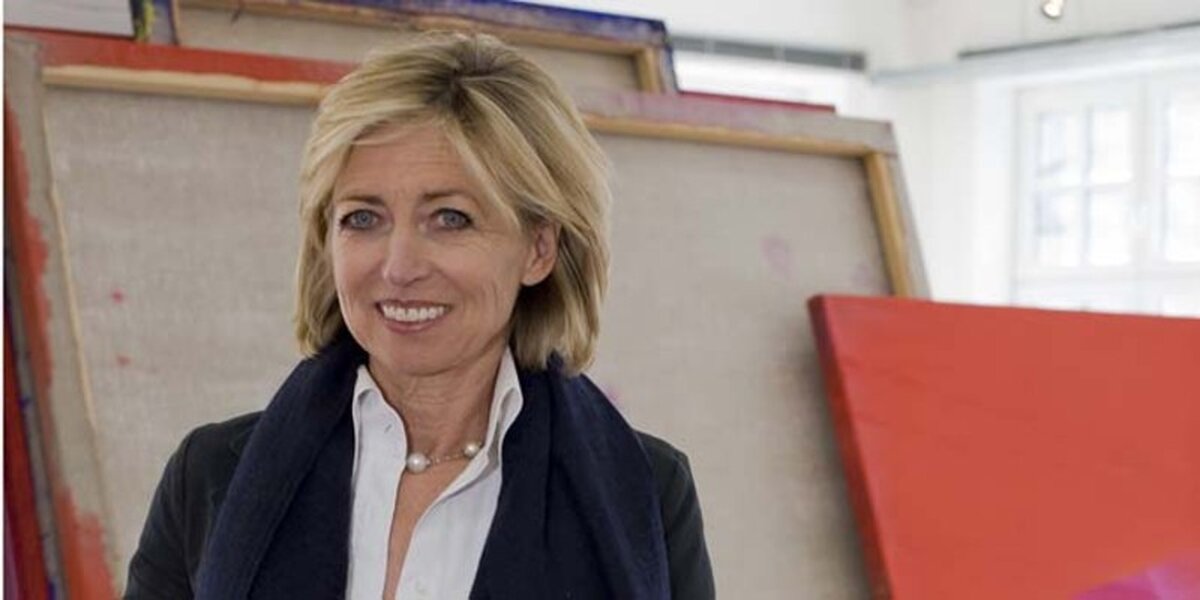
Artist, philanthropist, and Chairperson of the Louisenlund Foundation, Princess Ingeborg uses her artistic and philanthropic influence to support environmental and cultural causes, inspiring broader societal involvement in conservation.
{{20. Camille Rebelo}}
Camille Rebelo is the founder and CEO of EcoPlanet Bamboo. Camille implements sustainable land-use projects that combat deforestation, rehabilitate degraded land, and create employment opportunities, demonstrating the impact of entrepreneurial solutions in conservation.
Together, these distinguished individuals will participate in the symbolic act of naming the newest baby gorillas, a gesture that reinforces the global commitment to biodiversity, conservation, and Rwanda’s leadership in sustainable tourism.
Their involvement highlights not only the remarkable recovery of mountain gorilla populations but also the importance of international collaboration, community engagement, and innovative approaches to wildlife protection.