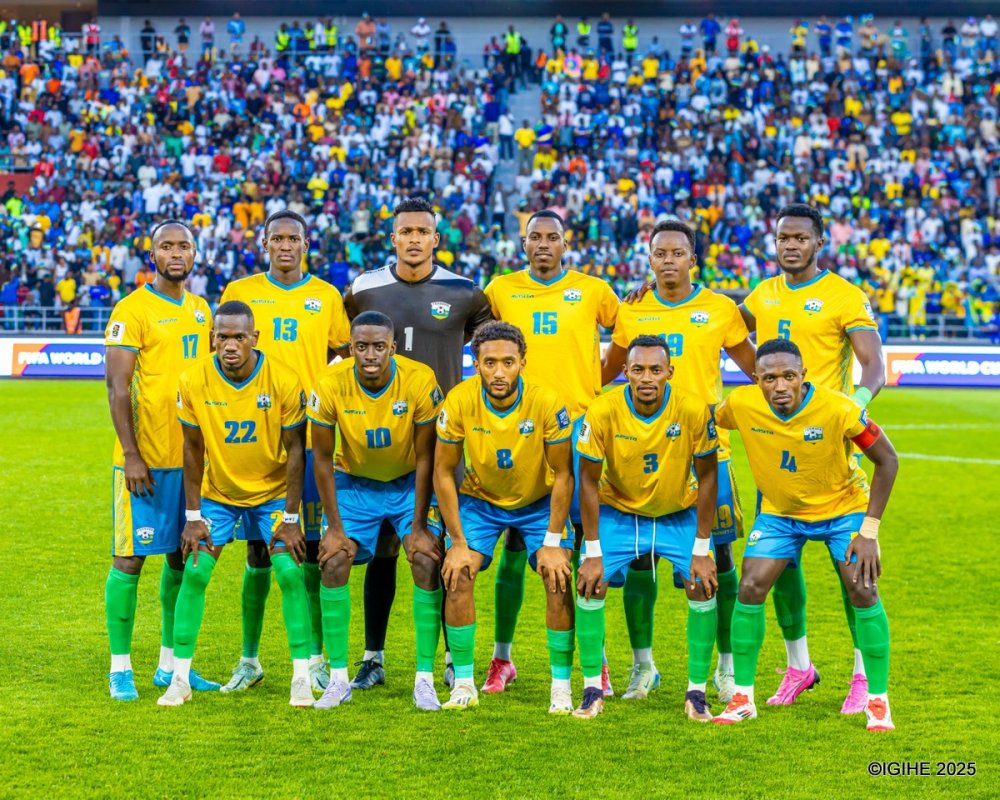
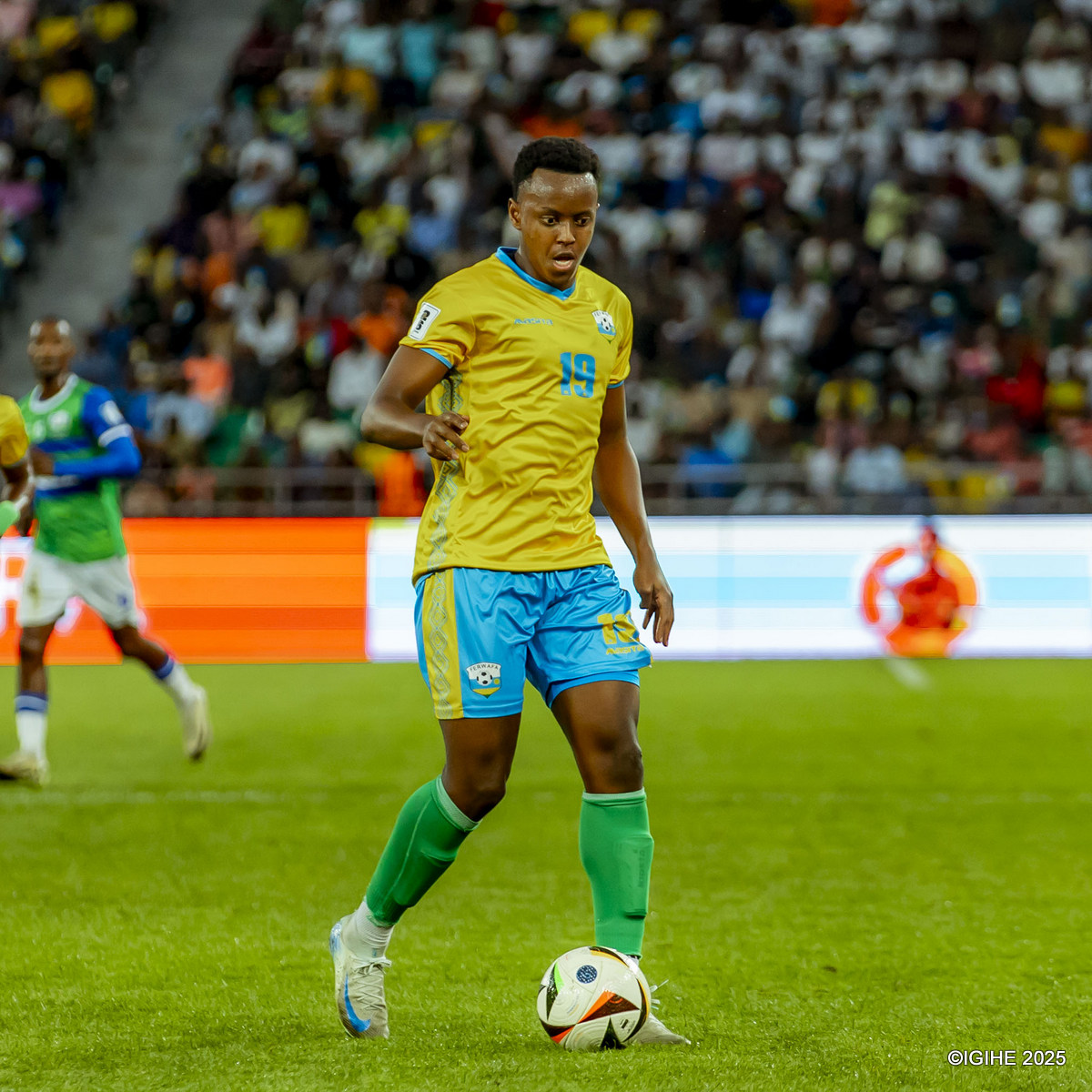
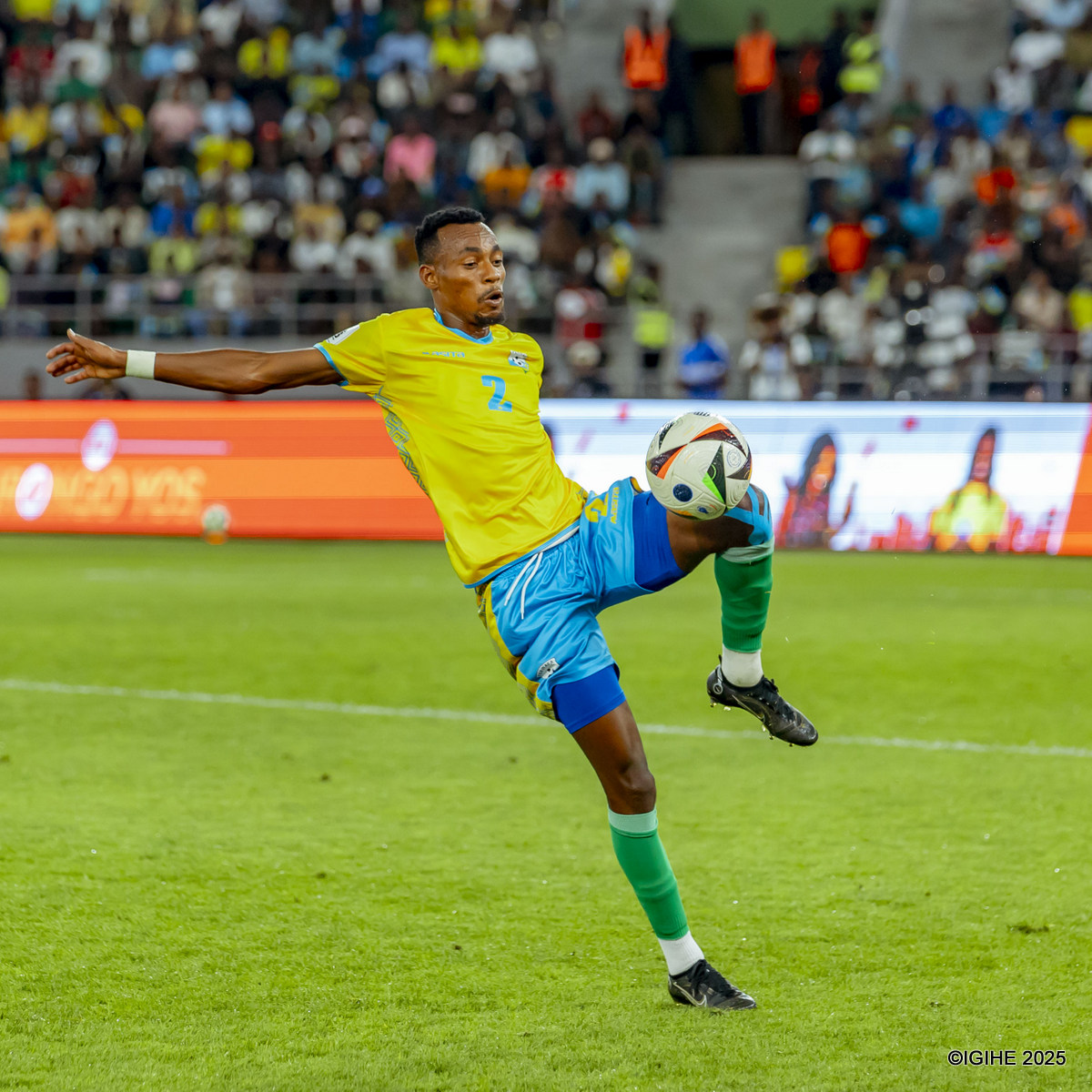
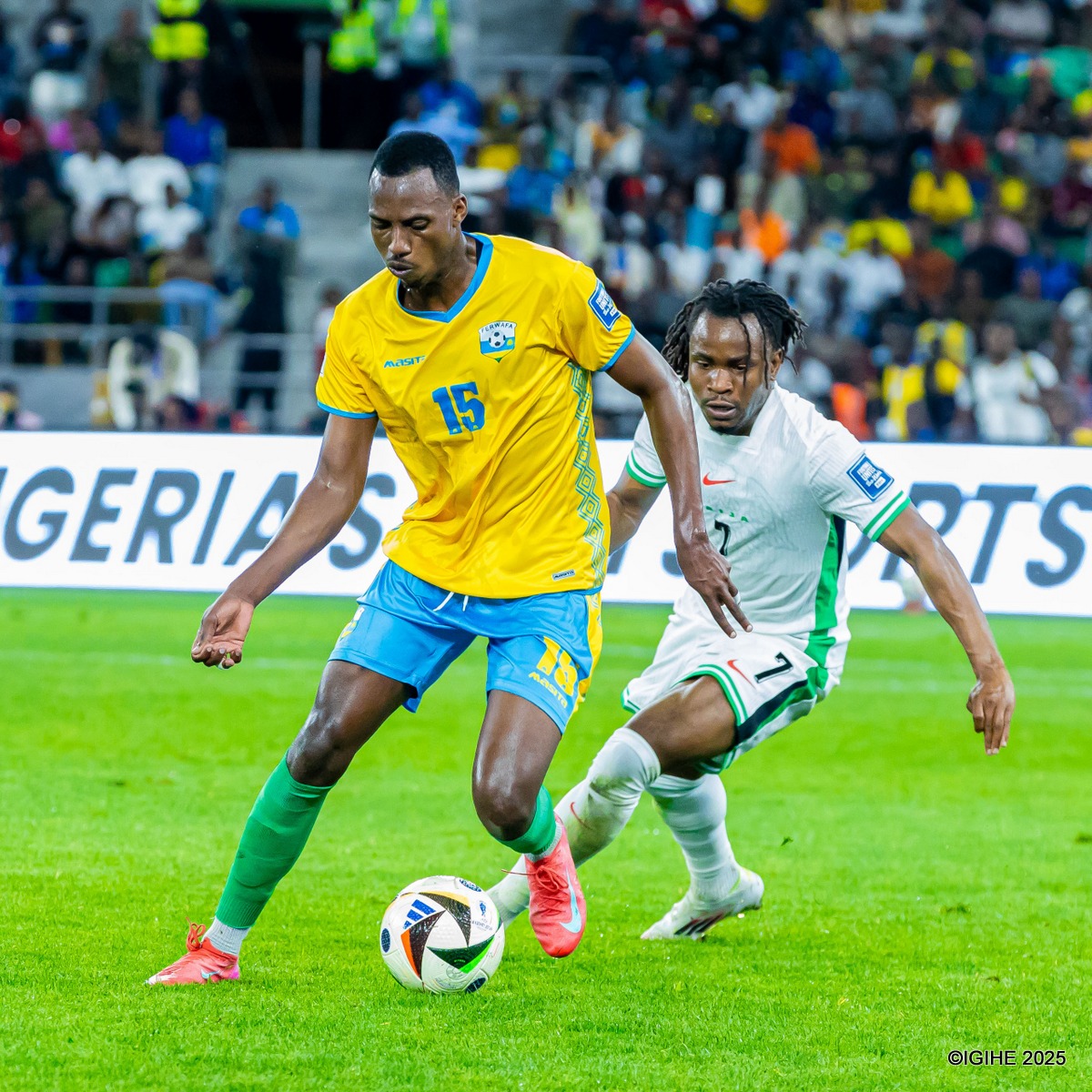
On Thursday, April 3, 2025, FIFA released its updated rankings for the month, showing Rwanda’s decline from 124th to 130th place.
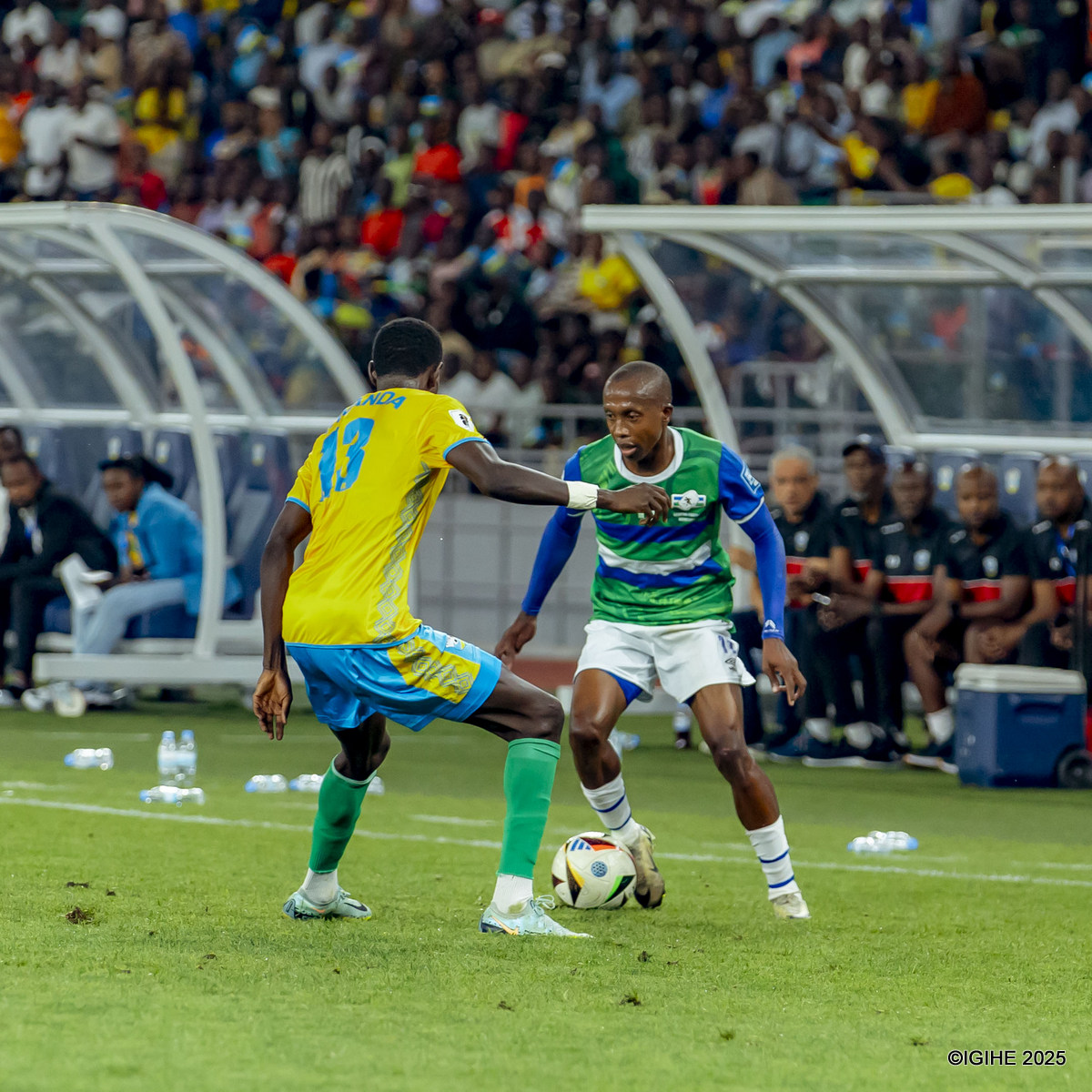
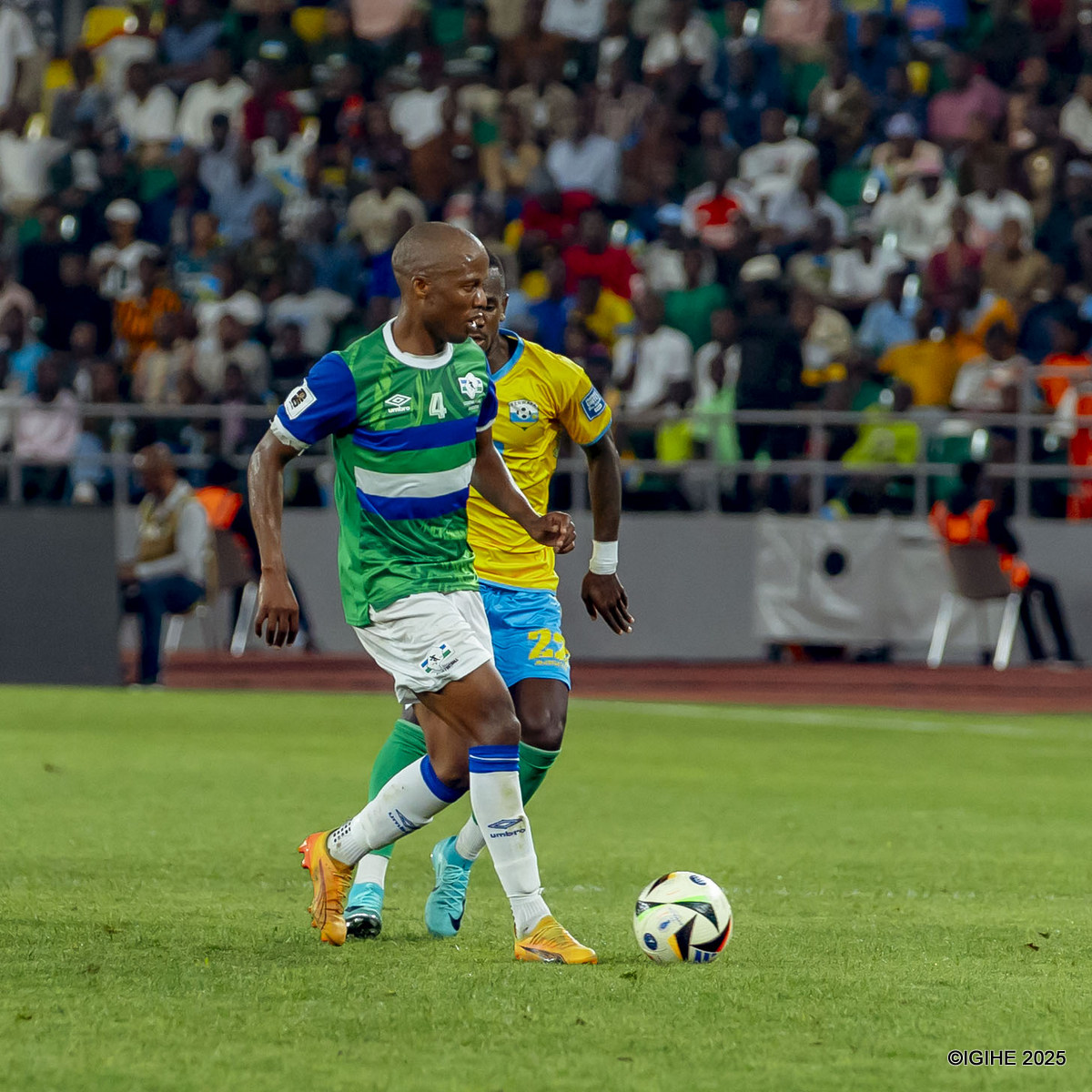
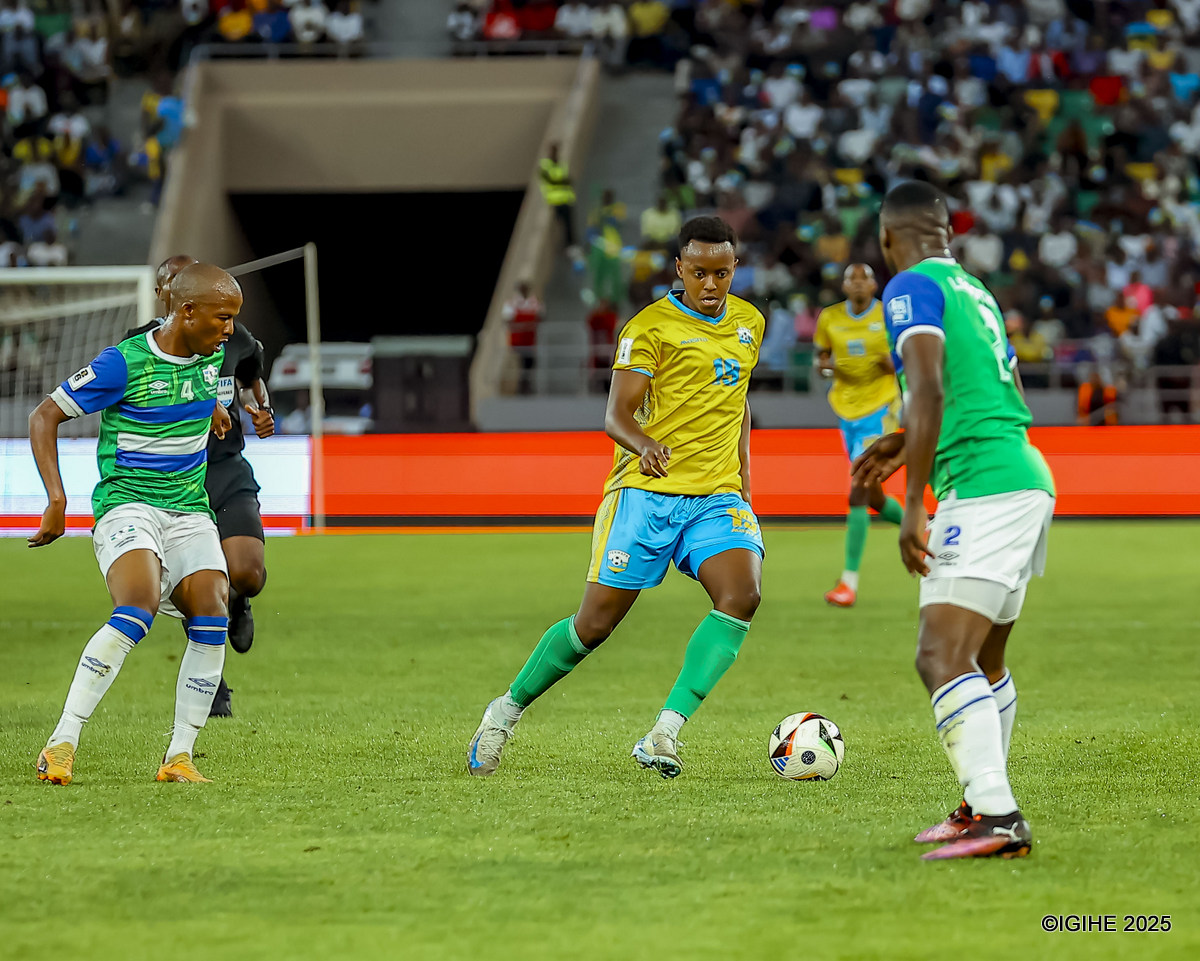
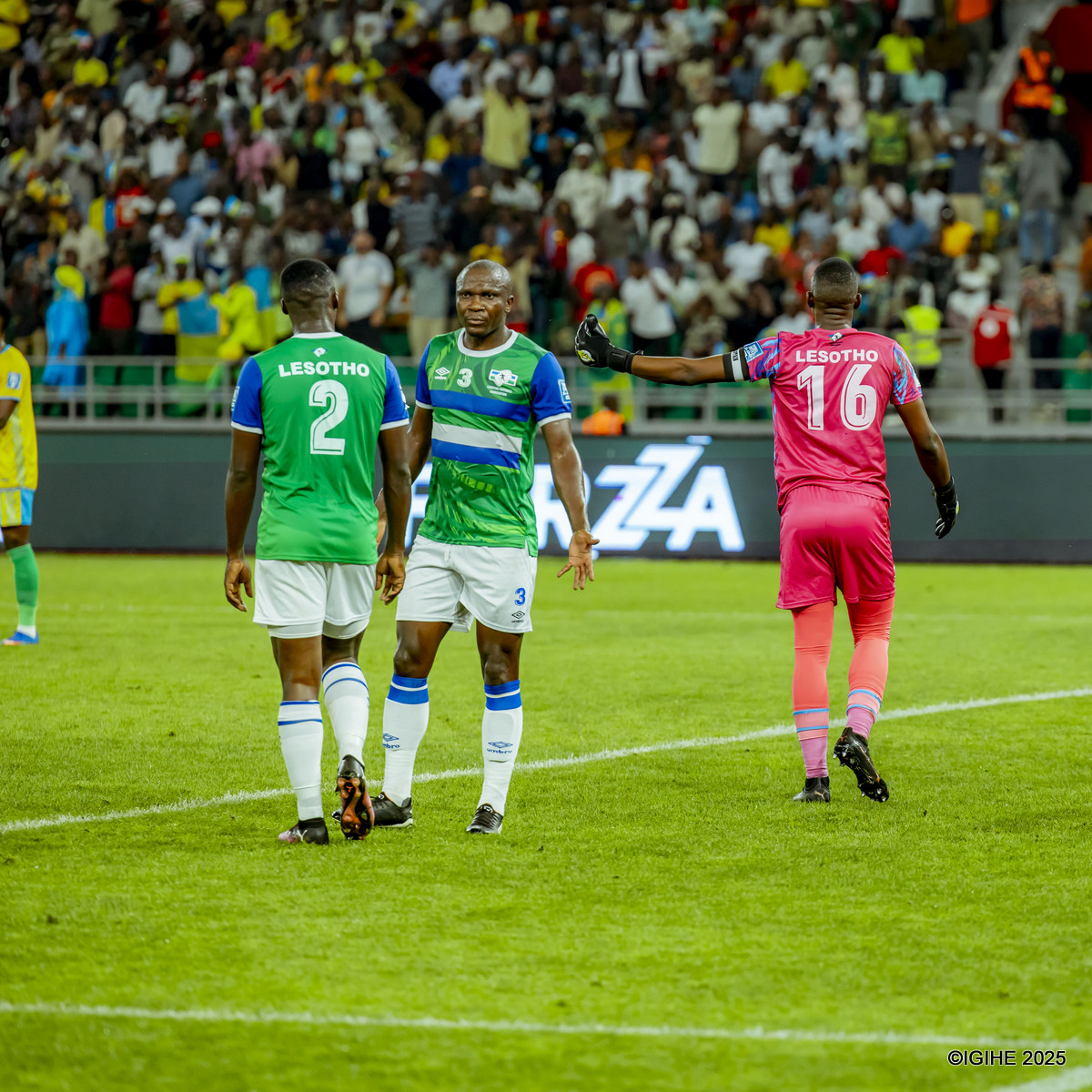
In the previous rankings published in December 2024, Amavubi was ranked 124th. However, the team struggled in its two March 2025 World Cup qualifying matches, losing 2-0 to Nigeria and drawing 1-1 against Lesotho.
Additionally, Rwanda had played two matches in the qualifiers for the 2025 African Nations Championship (CHAN), securing a 2-1 victory over South Sudan but suffering a 3-2 defeat in the second leg. These results led to an 8.7-point loss, contributing to the team’s six-place drop. This is the lowest ranking for Amavubi since September 2024.
At the top of the rankings, Argentina remains the world’s number one team, while Spain has moved up to second place, overtaking France.
In Africa, Morocco now leads the continent, climbing from third to 12th place globally, followed by Senegal, Egypt, Algeria, and Côte d’Ivoire.
Myanmar recorded the biggest jump, climbing seven spots to 162nd, while Guinea-Bissau suffered the biggest drop, falling to 128th place.
These rankings were based on 245 matches played by FIFA teams, including 58 games held in late 2024. Vietnam and Thailand played the highest number of matches during this period.
The game, filled with thrilling moments, tactical battles, and missed opportunities, left Rwandan supporters with a mix of pride and frustration.
The match kicked off with a solid defensive display from Rwanda, led by the trio of Thierry Manzi, Fitina Omborenga, and Ange Mutsinzi. Despite early pressure from Lesotho’s Lemohang Lintsa, Amavubi’s backline remained composed and absorbed the initial attacking threats with confidence.
In the 6th minute, Rwanda showed their attacking intent through intricate passing between Jojea Kwizera and Innocent Nshuti. Their combination play momentarily unsettled the Lesotho defense, but the final touch lacked precision.
Kwizera, looking lively from the start, attempted his first shot in the 15th minute, only to be denied by a well-positioned goalkeeper. The ensuing counterattack by Lesotho resulted in the first corner kick of the game, but Mutsinzi was alert to clear the danger.
Hakim Sahabo tested the Lesotho goalkeeper again in the 21st minute with a powerful shot, forcing a corner for Rwanda.
By the half-hour mark, Rwanda had dominated possession and created several promising opportunities. Their hunger for a breakthrough was evident, but Lesotho’s defensive resilience proved to be a formidable barrier.
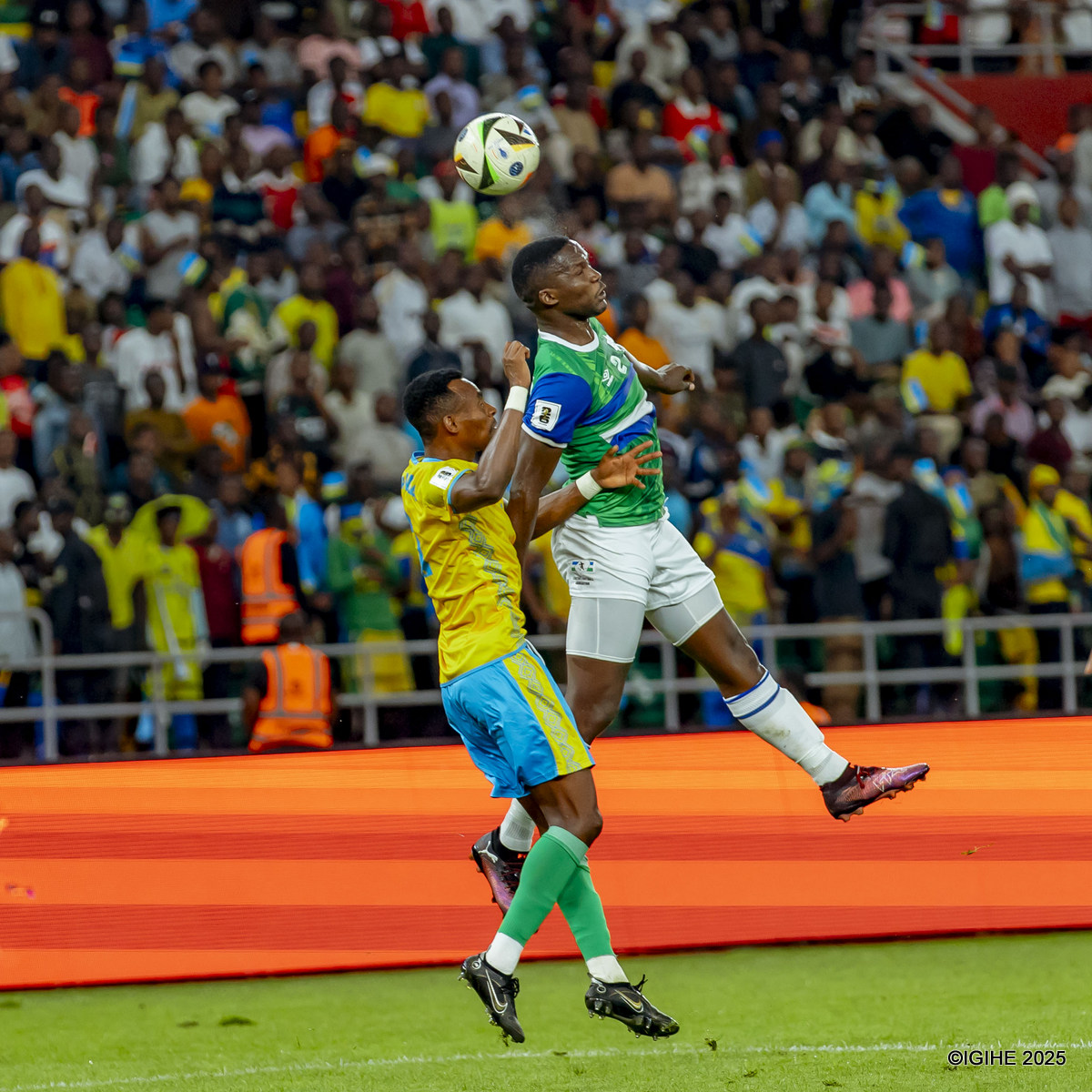
On the 32nd minute, Kwizera delivered a precise free kick, but Lesotho’s goalkeeper parried it away for another corner. Mutsinzi rose to meet the corner with a strong header, but the ball whisked just wide of the post, leaving Rwanda agonizingly close to an opener.
With four minutes remaining in the first half, Kevin Muhire showcased his skill by dribbling past two defenders, only to lose control of the ball at the crucial moment.
Muhire redeemed himself moments later, setting up Kwizera with a perfect through pass. Kwizera’s shot was, however, deflected into another corner by the alert Lesotho goalkeeper.
In the dying moments of the half, Kwizera found himself with another golden opportunity, but his shot went wide, summing up Rwanda’s luckless first half. Three minutes of added time were played before the referee blew for halftime with the score still goalless.
The second half began with renewed urgency from both sides. In the 58th minute, Kevin Muhire thought he had finally broken the deadlock when he slotted the ball into the net.
However, his celebration was cut short as the referee ruled the goal out for a foul by Mutsinzi, who had collided with the Lesotho goalkeeper in the buildup.
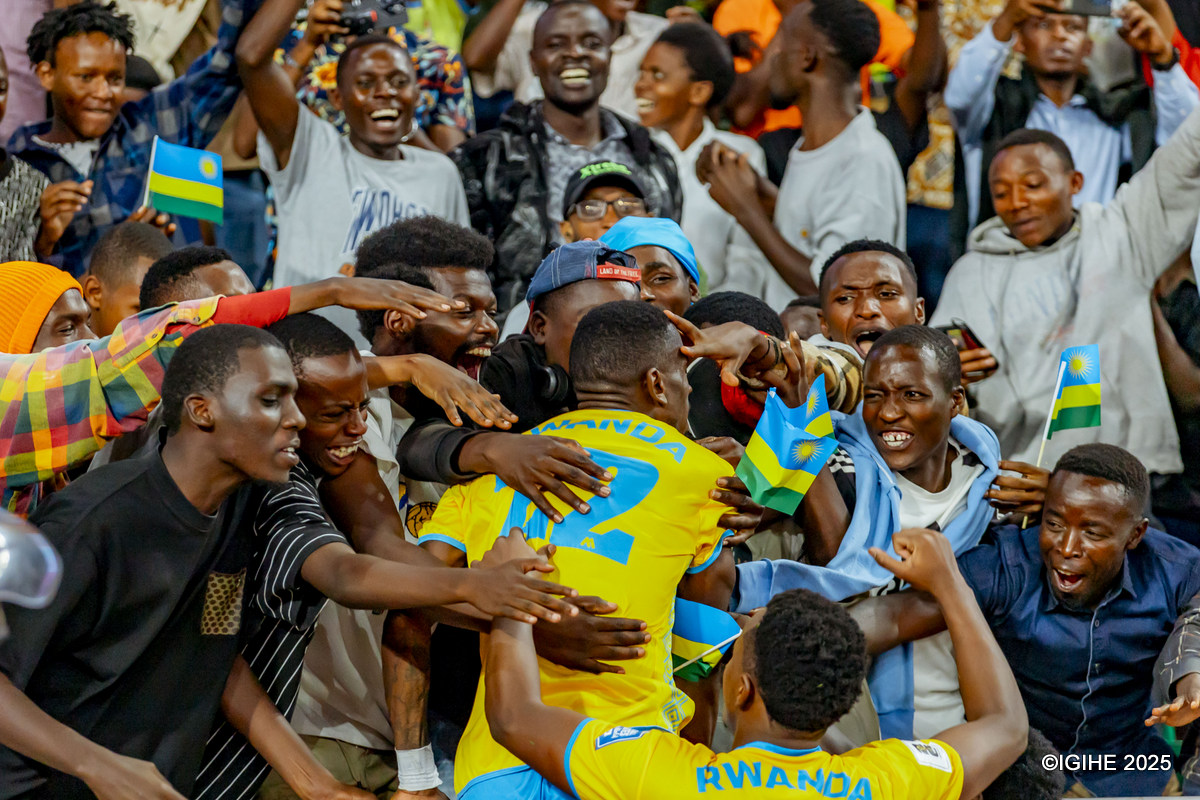
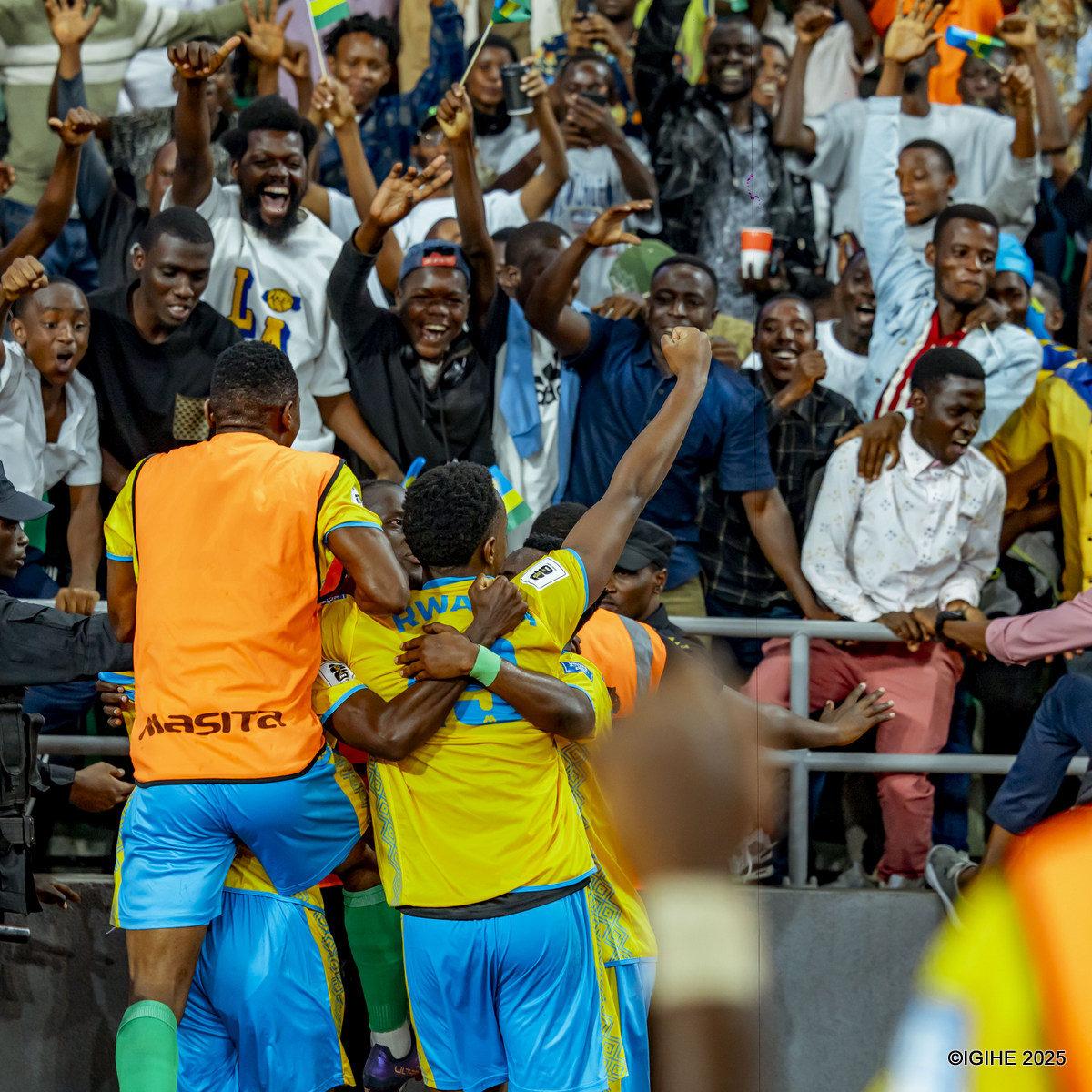
Lesotho made two substitutions shortly after, injecting fresh energy into their lineup. But in the 65th minute, Amavubi’s persistence paid off when Kwizera calmly slotted the ball into the back of the net, sending the Rwandan fans into wild celebrations. The goal was a deserved reward for Rwanda’s relentless attacking efforts.
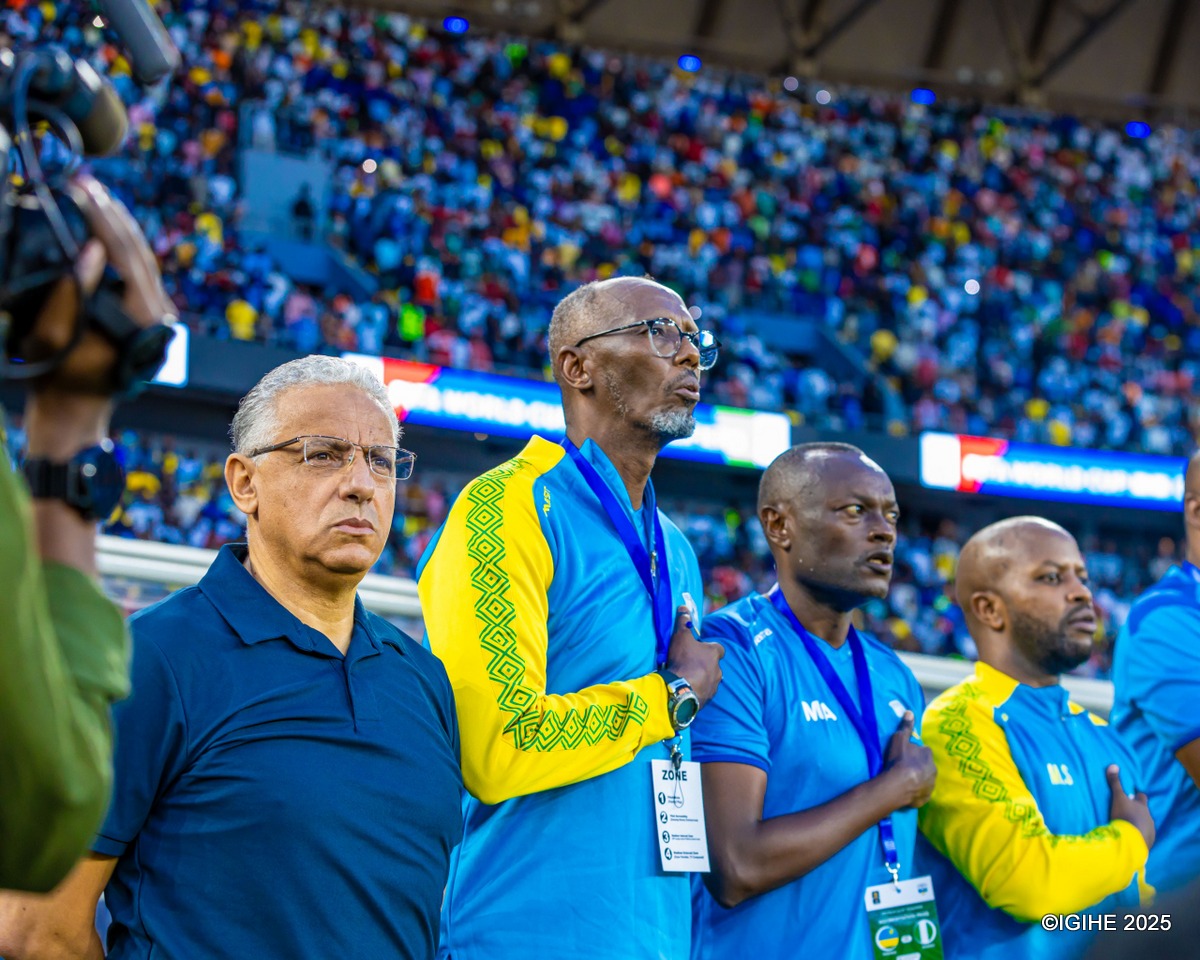
Four minutes later, tempers flared when Lesotho’s Motlomelo Mkhwanazi was shown a yellow card for a reckless foul on Claude Niyomugabo. Amavubi’s coach, furious at what he deemed an overly lenient decision, protested strongly and was also shown a yellow card for his animated reaction.
As the game neared its conclusion, Rwanda’s defense stood firm, with the backline tirelessly repelling Lesotho’s attempts to equalize. York Rafael and Samuel Gueulette were introduced in place of Sahabo and Nshuti in the closing minutes as Rwanda looked to consolidate their lead.
However, heartbreak struck late on when Lesotho’s Neo Mokhachane capitalized on a rare defensive lapse to score an equalizer with just minutes remaining.
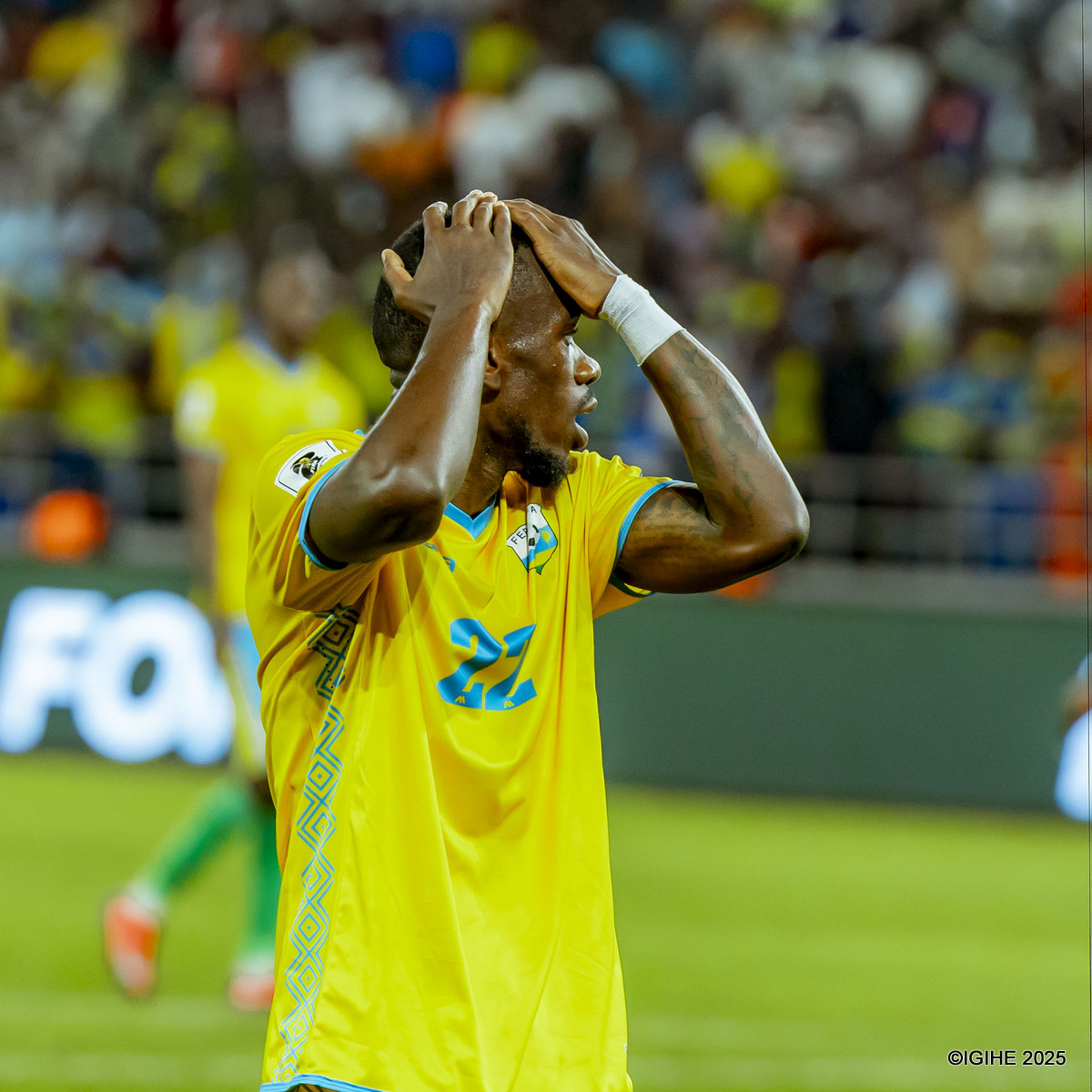
The stunned Amavubi side pushed forward in search of a winner, and in the 90th minute, Gilbert Mugisha squandered a glorious chance, missing a free header that could have sealed the victory.
The referee added four more minutes, but neither side could find the decisive goal. Finally, Antoine Max Depadoux Effaessouma blew the final whistle, confirming a frustrating draw for Rwanda.
Despite dominating much of the game, Amavubi will rue their missed chances, while Lesotho will be relieved to have salvaged a point. As Rwanda looks ahead, they will need to sharpen their finishing to turn their impressive play into decisive victories in future matches.
This loss caused Amavubi to drop two places in Group C standings, as Benin and Zimbabwe drew 2-2, while South Africa defeated Lesotho 2-0 to take the top spot. Now, Amavubi must fight to restore their pride in their next match against Lesotho on Tuesday, March 25, 2025.
{{Player ratings (Starting XI)}}
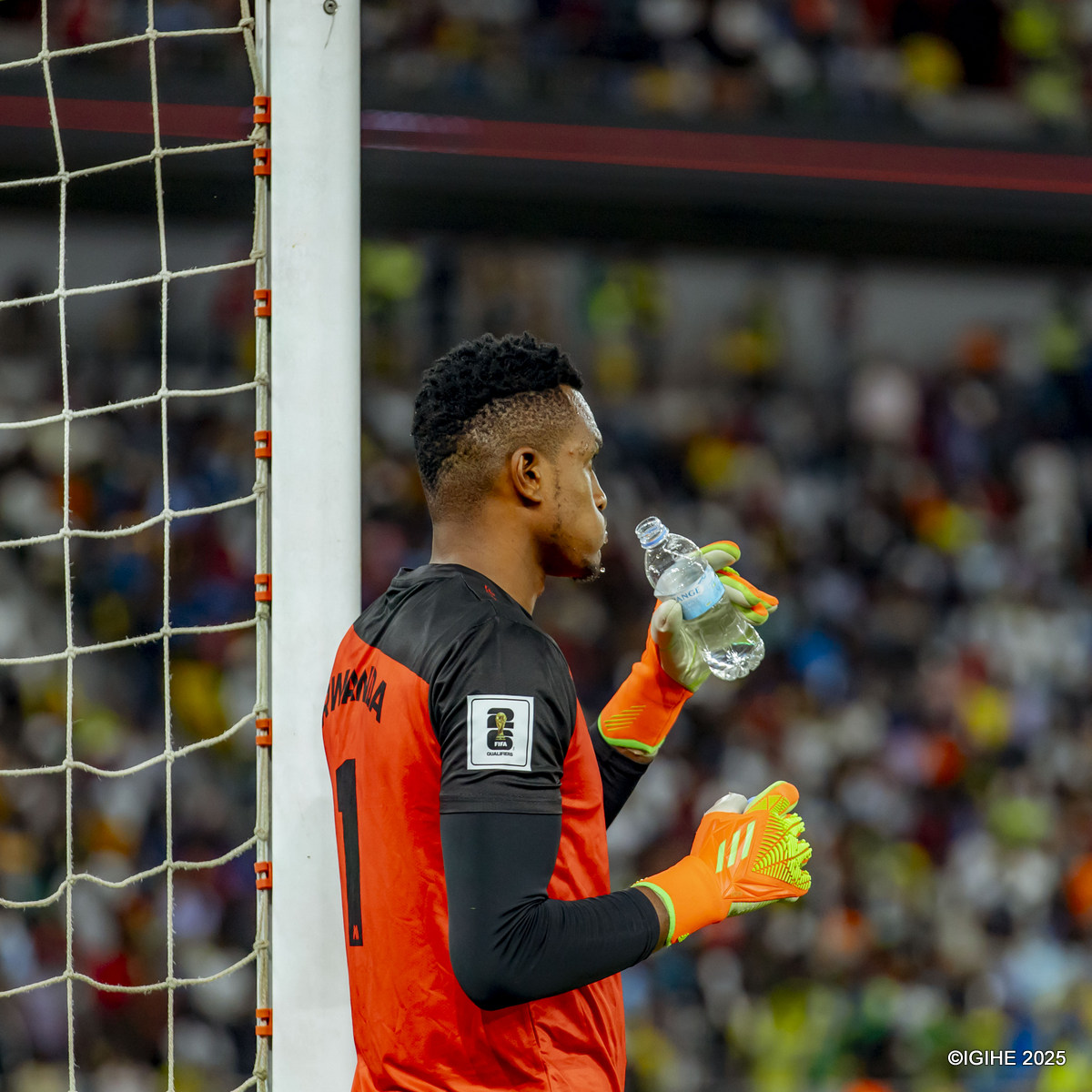
{{Ntwari Fiacre – 7:}} The former Kaizer Chiefs goalkeeper could do little to stop the two goals but made a crucial save from Moses Simon in the first half to keep Rwanda in the game.
{{Fitina Omborenga – 5:}} The Rayon Sports right-back struggled both defensively and offensively. His poor performance likely led to the quick decision to call up another defender for his position.
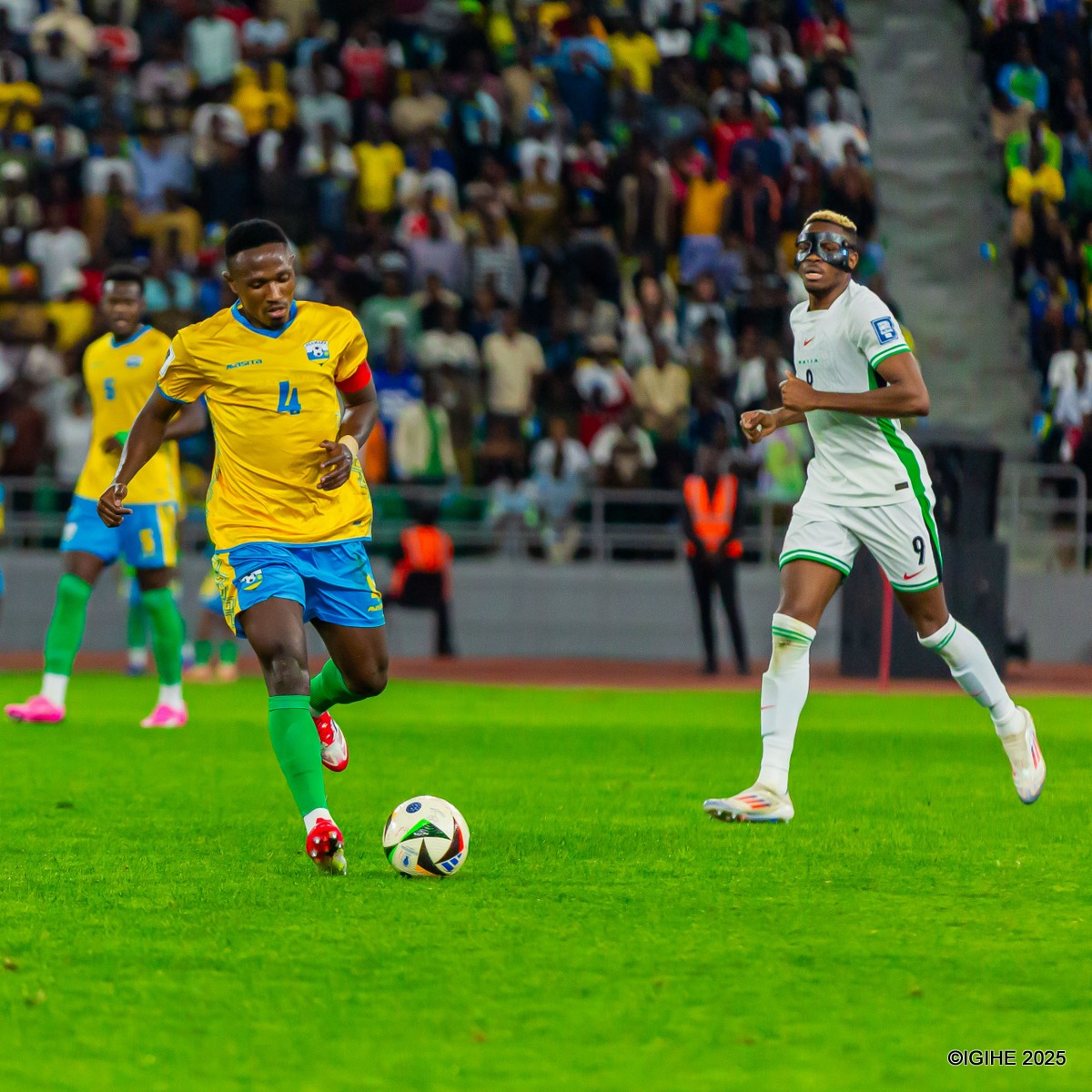
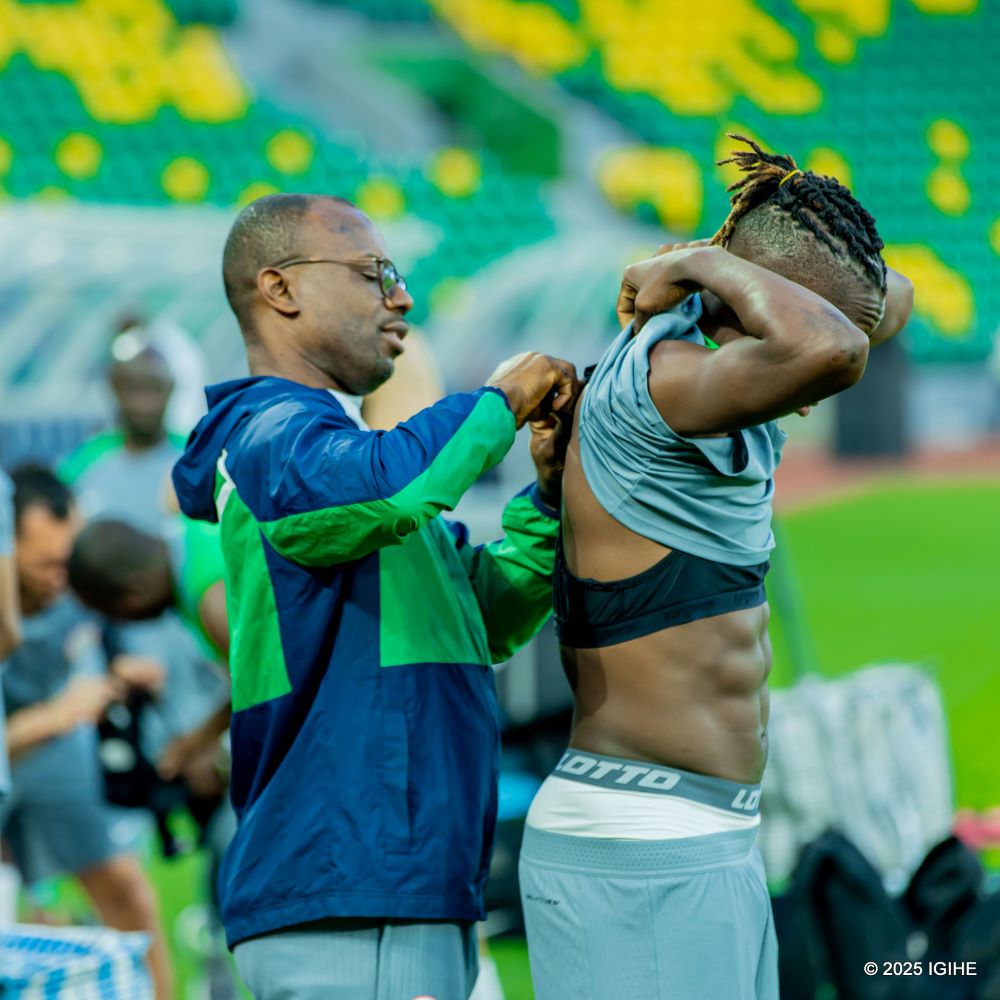
{{Mutsinzi Ange – 6:}} The best-performing defender in the backline. After the match, he even received a jersey gift from Victor Osimhen. However, he couldn’t replicate his previous strong performances against Nigeria.
{{Manzi Thierry – 3:}} A disappointing display. Both goals came from his mistakes—he failed to mark Osimhen for the first goal and directly gifted Nigeria the second goal.
{{Niyomugabo Claude – 4:}} The APR FC captain struggled throughout the match. Many Rwandan fans missed the presence of Imanishimwe Emmanuel “Mangwende”, who could have made a difference but was absent due to injury.
{{Mugisha Bonheur – 6:}} Nicknamed “Casemiro”, he tried his best to compete in midfield but couldn’t match the intensity of Nigeria’s midfielders.
{{Bizimana Djihad – 7: }} The Amavubi captain proved once again why he is one of Rwanda’s top players. Nigeria had already identified him as Amavubi’s most dangerous player, and he showed glimpses of his quality.
{{Hakim Sahabo – 5:}} Despite being preferred over Frank Trosten, he failed to make a significant impact. He was expected to press Nigeria’s defense but did not live up to expectations.
{{Jojea Kwizera – 5:}} If coach Amrouche insists on using him, he should be played as a left-back, where he has been performing well for his club. This would help cover Mangwende’s absence while allowing another attacker to play in his usual position.
{{Samuel Gueulette – 5:}} Many fans disagreed with his early substitution. He was often in good positions but didn’t receive enough passes.
{{Nshuti Innocent – 4:}} Known as “Pastor”, he was ineffective in attack, making it easy for Nigeria’s defense to dominate.
{{Substitutes}}
{{Mugisha Gilbert – 7: }} Despite not being a starter for APR FC, he made an immediate impact after coming on. Rwanda started attacking more, and he was responsible for all the shots on target against Nigeria.
{{Muhire Kevin – 6:}} Played well in his limited minutes but failed to capitalize on a key chance near the penalty box.
Ruboneka Bosco & Habimana Yves: Played too few minutes to be rated.
{{Coach}}
{{Adel Amrouche – 6: }} Difficult to judge in his first game, but his starting lineup choices were questionable. Many fans are waiting to see how he adjusts against Lesotho.
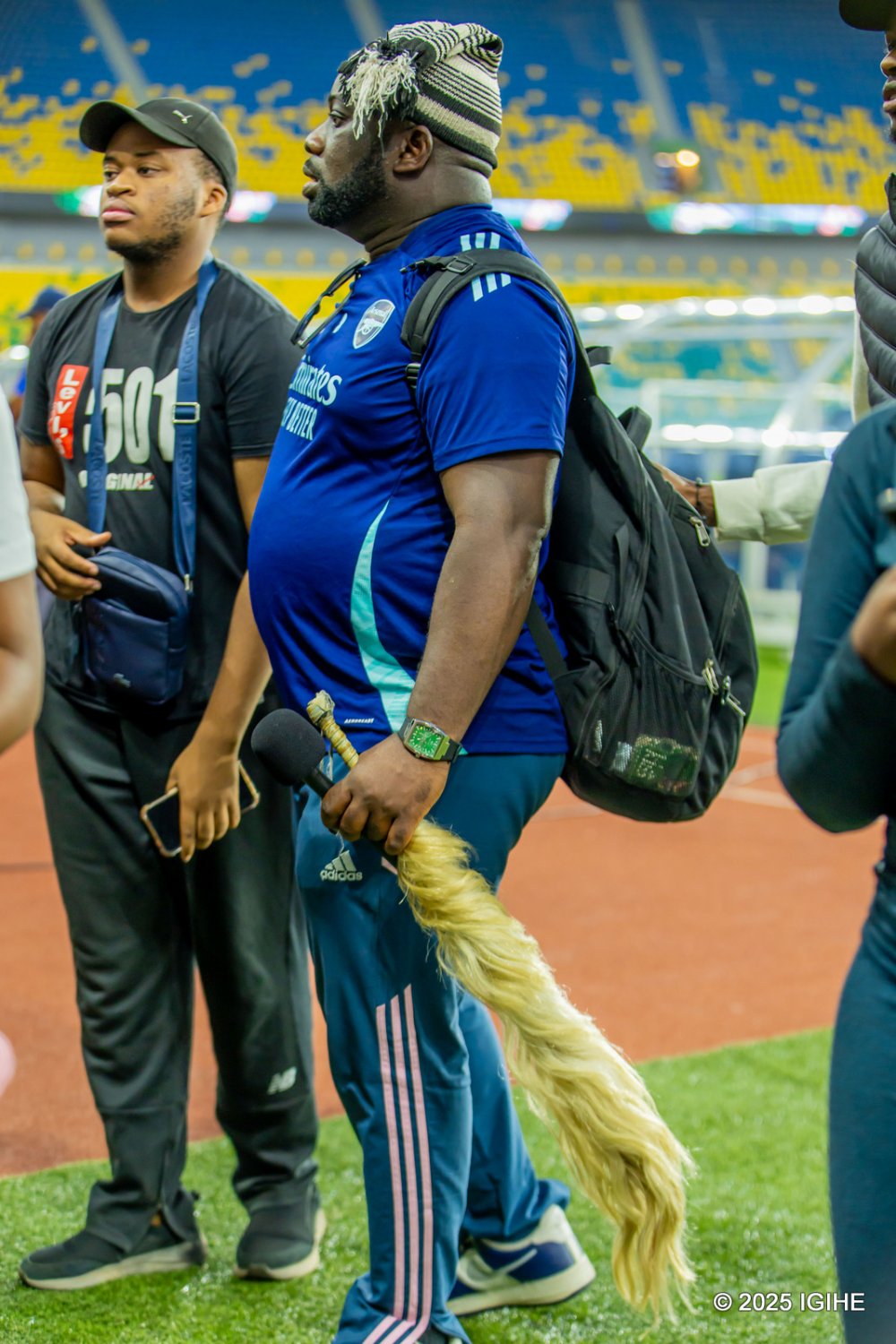
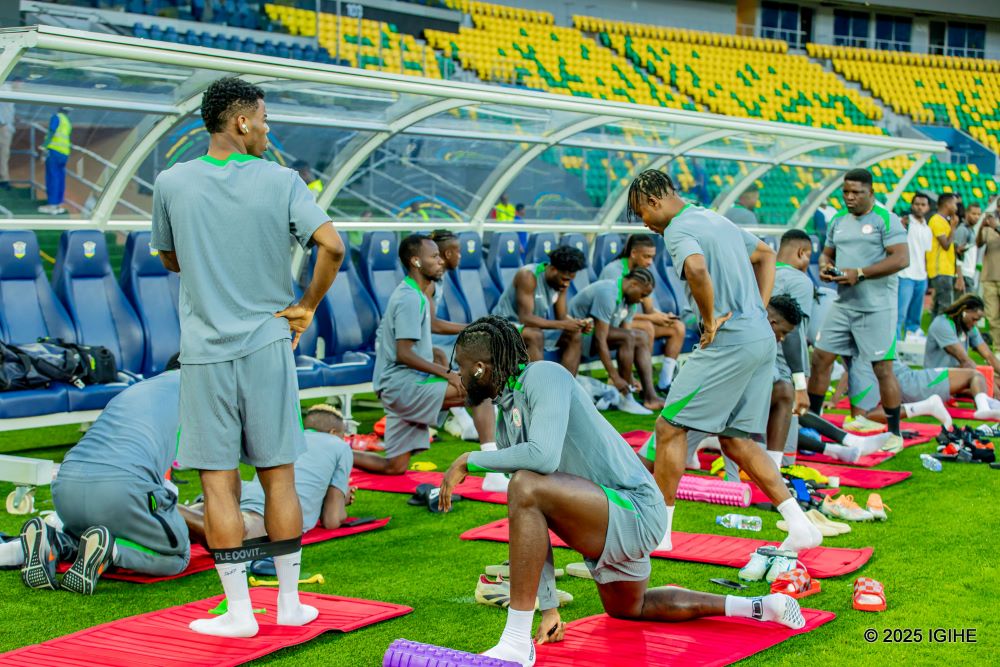
Kelechi was recently in Rwanda, accompanying Nigeria’s national team as they prepared to face the Amavubi in their fifth match of the FIFA World Cup qualifiers. In an exclusive interview with IGIHE, he opened up about his life, his deep love for Arsenal, and his experiences in Rwanda.
A Nigerian media professional with a PhD in environmental studies from the University of Leeds, Dr. Kelechi describes himself as a content creator, businessperson, and public relations expert. However, his biggest passion remains football, specifically, his unwavering support for Arsenal over the past two decades.
“I started supporting Arsenal more than 20 years ago, around 1996. Since then, I have followed them through everything. I live in London and watch all their games, whether at home or away. To me, Arsenal is the best club in the world,” he said.
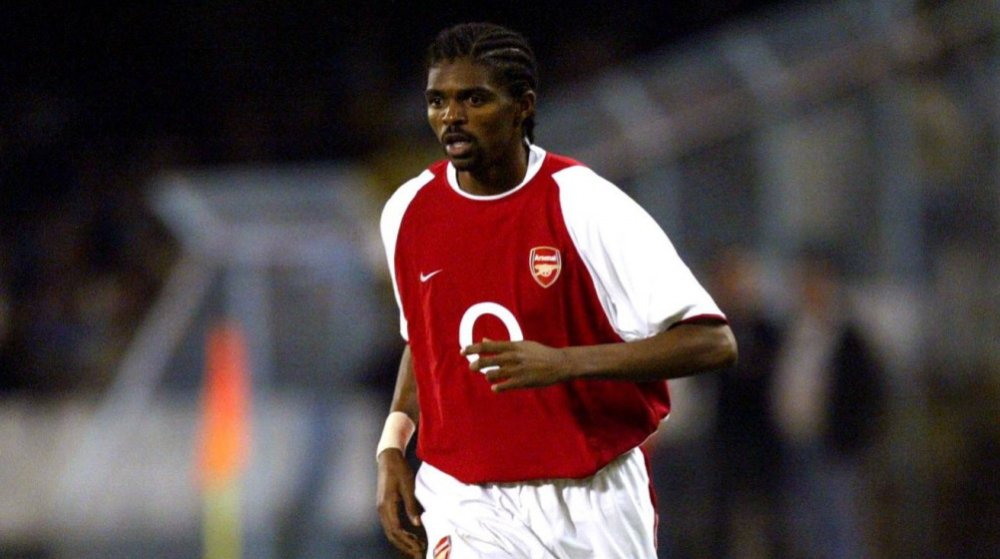
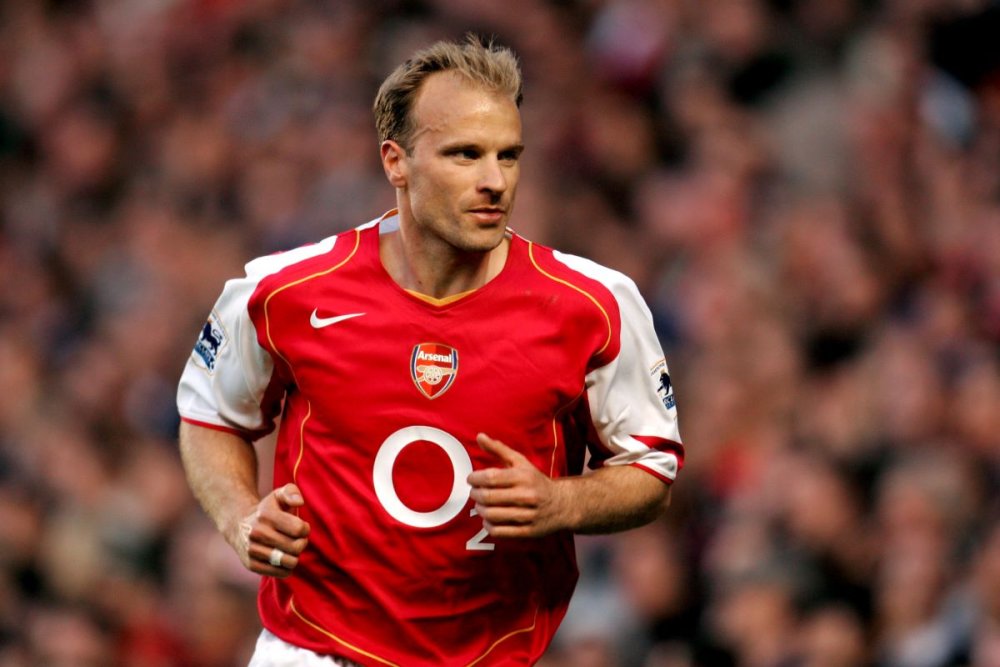
His admiration for the club grew when Arsenal signed Dennis Bergkamp and Nwankwo Kanu, two of his favorite players.
“I was watching football like everyone else, but I truly fell in love with Arsenal when they signed Dennis Bergkamp because I loved his style of play. Then they signed Nwankwo Kanu, and that sealed it for me,” he recalled.
Arsène Wenger’s philosophy and tactical approach further strengthened his connection to the club. “Wenger was another major reason. His style, his philosophy, everything about him was inspiring.”
One of Kelechi’s most cherished Arsenal memories is their FA Cup victory in 2014, which ended a nine-year trophy drought. He has become a familiar face on Arsenal Fan TV, where he regularly shares his opinions on the club’s performances.
“Arsenal Fan TV is a great platform where we meet fellow fans and share our views. I always try to focus on the positives rather than the negatives,” he explained.
When asked about rival fans teasing Arsenal supporters for always saying, “Next year will be our year,” Kelechi laughed it off as typical fan banter. “That’s just what fans do. Of course, it stings a little, but I also have my own comebacks for other teams,” he said.
Regarding Arsenal’s Premier League title hopes this season, he admitted that the challenge is tough but remains optimistic. “It looks like the league title has slipped away, especially after losing key players.
But we are still in the Champions League, and anything can happen. Even if this season doesn’t go our way, we will lift a major trophy soon,” he declared.
Reflecting on his journalism career, Kelechi mentioned that one of his most unforgettable moments was covering Nigeria’s Africa Cup of Nations (AFCON) semi-final victory over South Africa. “That match was intense, and we sadly lost two fans at the stadium due to the emotions running high,” he recalled.
Kelechi has visited Rwanda more than ten times and holds a deep appreciation for the country. “I love Rwanda, the weather, the food, and the people. Rwandans are respectful and welcoming,” he said.
He proudly shared his knowledge of Rwanda’s “Land of a Thousand Hills” nickname and even picked up some local Kinyarwanda phrases like “Muraho” (Hello) and “Murakoze” (Thank you).
One unique aspect of Kelechi’s presence is the staff he always carries, adorned with fur. “This is a traditional African staff used to bless people. When I meet someone, I speak words of blessing over them, for long life, wealth, and success,” he explained.
The runaway Asian Group C leaders failed to sparkle on a chilly night in Saitama until Crystal Palace forward Kamada pounced for the opener in the 66th minute.
The Blue Samari defeated Bahrain at Saitama Stadium in Saitama, Japan, to book the team’s spot in the 2026 FIFA World Cup as the first country outside of the three host nations, the U.S., Mexico and Canada, to qualify for the event.
The win moved Japan to 6-1-0 in Group C of the third round of AFC qualification. The top two teams in each of the three groups automatically qualify for the World Cup with three games remain in the third qualifying round. Japan has not lost in over a year.
This makes it eight straight World Cup appearances for the team. They have made the Round of 16 four times in their previous seven appearances. The only AFC country with more appearances in the World Cup than Japan is South Korea.
However, next summer will be Japan’s first time playing in a World Cup in North America. Japan didn’t qualify for the 1970 and 1986 World Cups in Mexico or the 1994 World Cup in the U.S.
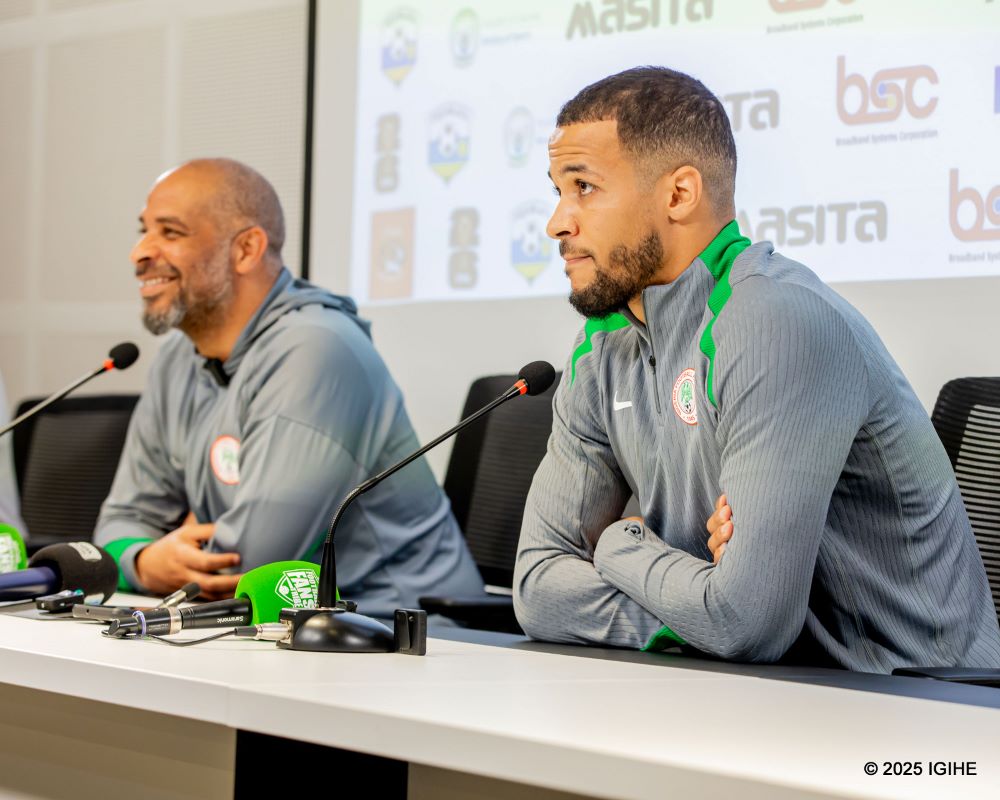
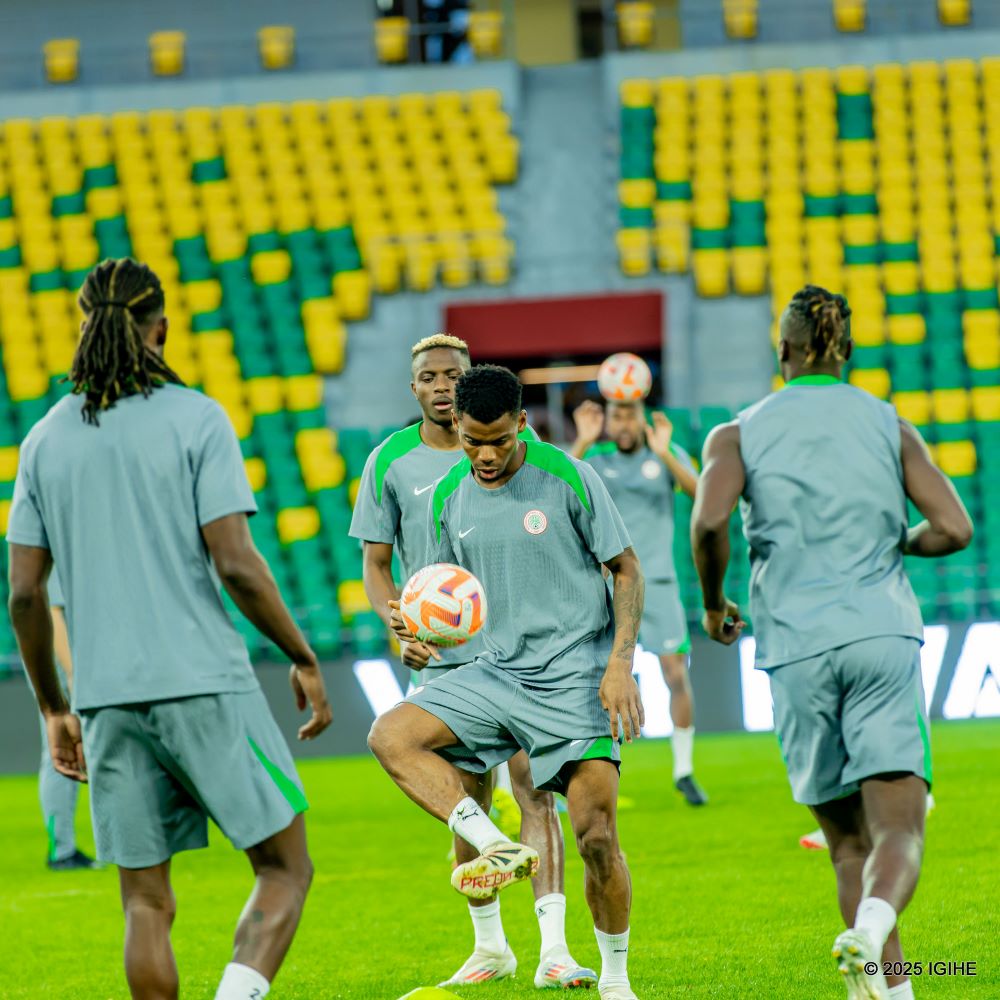
Chelle emphasized the importance of staying focused and executing their game plan. “The camp has been good, and we need to be focused on our game and our project. Rwanda has a great team with a new coach, and they will be eager to win, but so are we. After our final training session, we will be ready for this match,” he said.
As the first non-Nigerian African coach to lead the Super Eagles, he dismissed any added personal motivation and instead highlighted his commitment to the team.
“I just want to be with my players every day, working with them, focusing on this game. The Nigerian people are waiting for a win, and we will do everything to deliver,” he said.
Captain William Troost-Ekong echoed his coach’s sentiments, underlining the significance of the encounter. “We are here for one job. Everybody knows how important this game is for us. We want to win, we need to win. Rwanda is a strong team, and we respect them, but I have big confidence in our squad,” Ekong said.
He added that the new coach has brought fresh ideas, and understanding the tactics will be key for them. “We have one more training session, but ultimately, our mission is clear: to win the game,” he emphasized.
Rwanda’s captain had previously expressed confidence in his team’s ability to contain Nigeria’s attacking force, stating that they had done it before and were well-prepared.
In response, Chelle acknowledged the challenge but exuded confidence in his own players. “We have one of the best attacking lineups in the world, not just in Africa. Every team is difficult to play against, especially away from home, and we respect Rwanda. But if they believe they can handle us, then we’ll see tomorrow on the pitch,” he asserted.
He explained that with the new manager, the players will want to prove themselves, with a renewed level of focus but admitted that this first game will be a test.
Despite recent criticism from fans following a disappointing result in the last match, Troost-Ekong insisted that the team is unfazed by external pressure.
“Playing for Nigeria means dealing with 300 million critics and 300 million supporters. We use that as motivation. This pressure is a privilege. Whenever I wear this badge, it means everything to me. The only pressure we feel is from within, because we want to prove that we deserve to be at the World Cup,” he said.
With both teams eager to secure three points, the stage is set for a high-stakes showdown at Amahoro stadium tomorrow Friday March 21, 2024. The Super Eagles are determined to rise to the occasion, knowing that victory will be a significant step towards World Cup qualification.
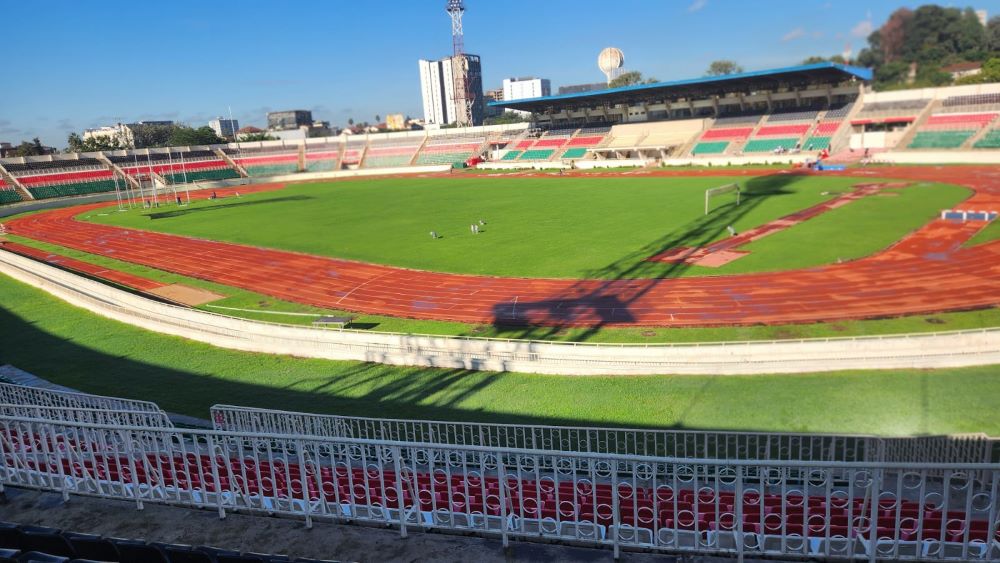
The stadium hosted its first official game on Sunday, with the Junior Starlets defeating Uganda’s Teen Cranes 3-0 in a U-17 World Cup qualifier. Despite this milestone, a few finishing touches are still required before the venue undergoes its final inspection ahead of CHAN in August.
The Ministry of Sports has provided an update on the remaining improvements needed before the stadium receives full approval to host the 2024 CHAN matches. While renovations are also ongoing at Kasarani Stadium, officials have confirmed that Nyayo is currently the most prepared venue.
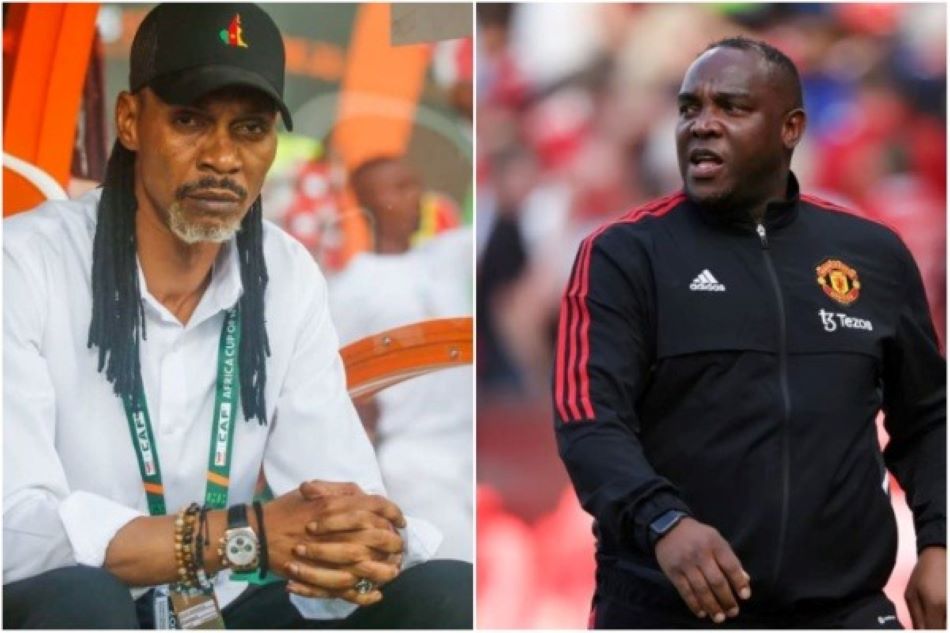
In addition to hosting CHAN, Nyayo Stadium is expected to become the home ground for the Kenyan national football team, Harambee Stars, under newly appointed head coach Benni McCarthy.
The team is set to play crucial 2026 FIFA World Cup qualifiers, beginning with an away match against Gambia on March 20 in Ivory Coast.
Meanwhile, the Football Kenya Federation (KFF) and the Ministry of Sports are in discussions to host the Gabon fixture at Nyayo Stadium on March 23, potentially marking the return of senior international matches to Kenya.
Sports Principal Secretary Peter Tum expressed optimism that the stadium could be ready in time for the Gabon match, following the successful hosting of the Junior Starlets vs. Teen Cranes game.
“That is what we are hoping for. But for now, we are still in talks with FKF to see how we can arrange for them to play here,” Tum said when asked about the possibility of playing the fixture in Nairobi.
The Confederation of African Football (CAF) has already given Nyayo Stadium a preliminary green light, as evidenced by its approval for the Kenya vs. Uganda U-17 match. However, a final inspection is still pending before the venue can be fully cleared for CHAN and other international fixtures.
“CAF are saying the stadium is good to go, and that is why we were allowed to host this game on this ground. They will come later for another inspection,” Tum explained.
One of the final aspects of the renovation is installing a scoreboard, which falls under the second phase of the stadium’s upgrade plan.
However, Tum reassured that all critical facilities, including floodlights, would be fully functional before the Gabon match.
“The only thing remaining is the scoreboard, which is in the phase two plan because, for CHAN, the scoreboard will be there. If you look at the floodlights, they are functioning, so by the 23rd, everything will be ready,” he confirmed.
The nine group winners are assured of a place at the finals in Canada, Mexico and the USA. The four best second-placed sides will have a chance to earn one final spot via play-offs.
A raft of managerial changes has occurred since the last round in June, with Nigeria, Senegal and Tunisia among the sides with new coaches.
{{What should fans look out for?}}
Among the heavyweights of the continental game it is Nigeria who have the greatest need for immediate results. Winless in Group C, and languishing four points behind leaders Rwanda, Eric Chelle assumes an already high-profile role which is amplified by difficult circumstances.
The former Mali coach becomes the first non-Nigerian African to take charge of the Super Eagles. The West Africans travel to Kigali before hosting Zimbabwe, and Chelle accepts they are must-win encounters for the three-time African champions.
“There is pressure in football. I say time is the enemy of the coach. But I’m confident and I believe in my players,” he told the media.
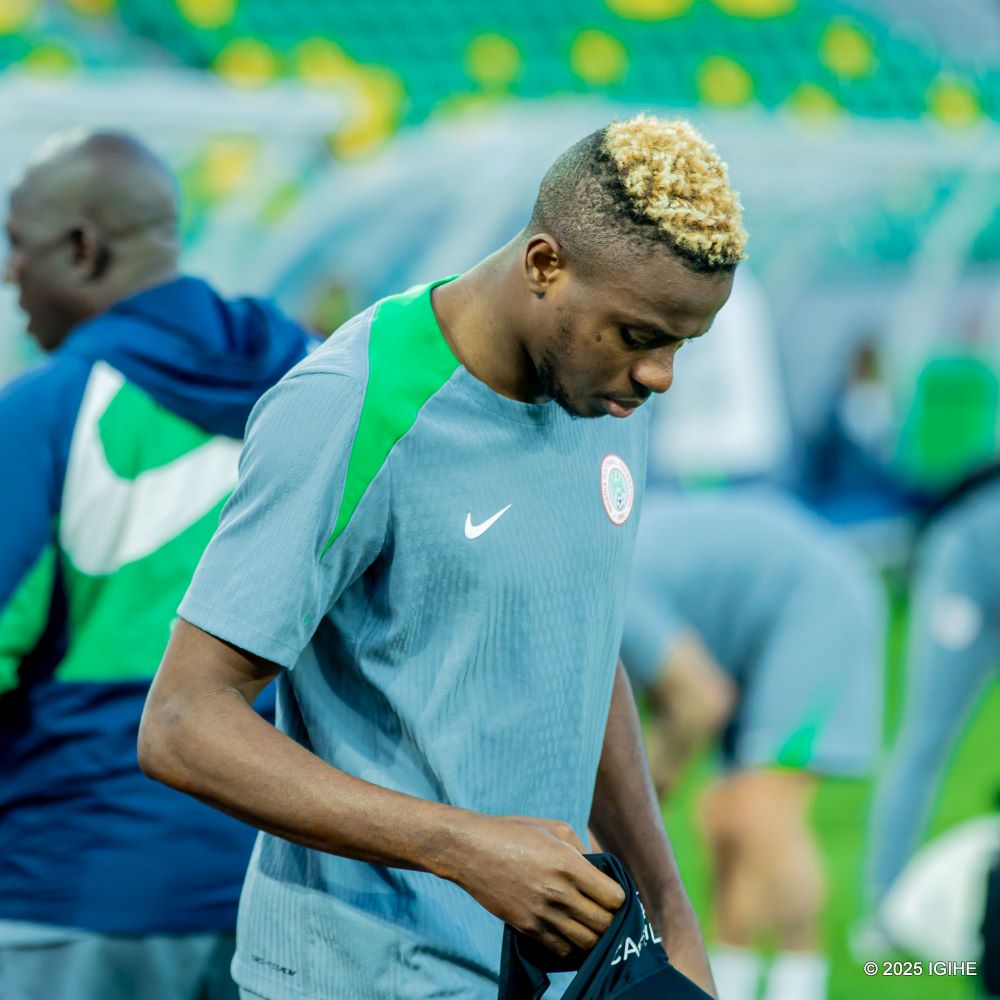
Star striker Victor Osimhen says he and his team-mates are “desperate” to make the finals after missing out on the 2022 edition in Qatar.
Another new boss needing positive returns is Tom Saintfiet, who looks to revive Mali’s campaign in Group I after succeeding Chelle. The four-point gap to group leaders Comoros can be cut straight away as the Eagles travel to face the islanders.
“We are not in an easy position but I have a very talented group. It’s a big luxury to have so many quality players,” Saintfiet said.
Mali have never reached the World Cup finals and, after going unbeaten through preliminaries for the 2025 Africa Cup of Nations (Afcon), Saintfiet is upbeat about their hopes.
“After six matches with four wins, two draws, I’m quite positive. We going to try everything to write history,” the Belgian added.
Elsewhere in Group I, Ghana will look to put their disastrous Afcon 2025 qualifying campaign behind them against Chad and Madagascar. Corentin Martins is now in the dugout for the latter, while Rigobert Song faces his first games as Central African Republic boss.
{{Teranga Lions tackle surprise package Sudan}}
Senegal boss Pape Thiaw is another man inheriting a World Cup bid after succeeding Aliou Cisse, to whom he was an assistant, last October. The West Africans ended Afcon 2025 qualifying unbeaten and former striker El Hadji Diouf has been impressed by the smooth transition in the Teranga Lions hotseat.
“Pape was there when Aliou was here so we [have] good continuity. Senegal is a family and we have a wonderful group. We have to work together and be happy all together,” Diouf said.
The former continental champions are two points behind surprise Group B leaders Sudan and Thiaw will be without injured Premier League forwards Nicolas Jackson and Iliman Ndiaye for their away game against the Sudanese, which will be played in the neutral Libyan city of Benghazi, and the subsequent home tie against Togo.
Can Sudan boss Kwasi Appiah, who has relied on the power of psychology, continue his team’s remarkable run amid ongoing conflict in the country?
{{Pharaohs in command}}
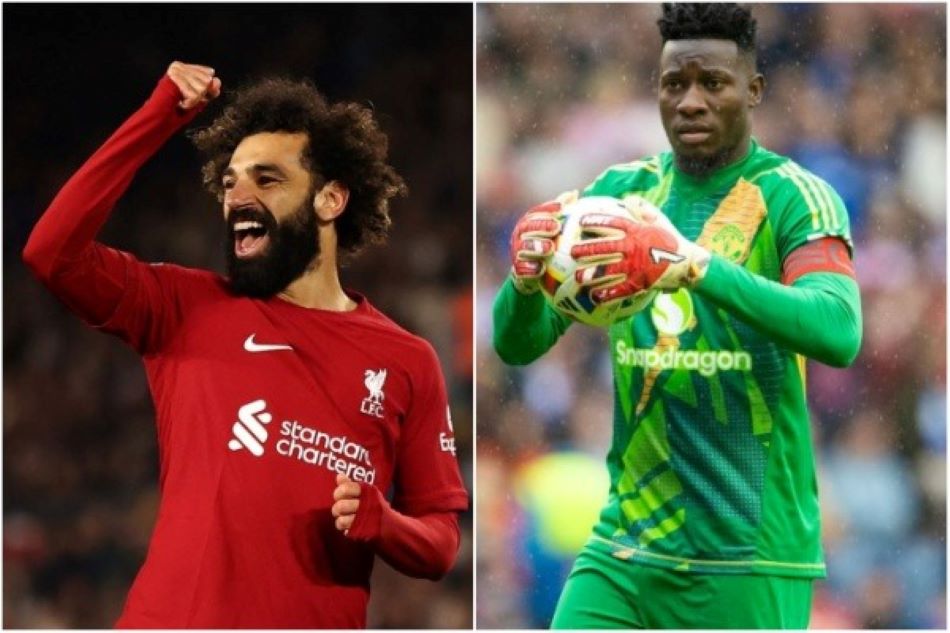
Pharaohs captain Mohamed Salah was rested during the latter stages of the Afcon 2025 qualifying campaign, but the forward will hope to carry his rich vein of form with Liverpool into games against Ethiopia and Sierra Leone.
Salah will come up against new Leone Stars head coach Mohammed Kallon, and the former Inter Milan and Monaco striker has selected Manchester City’s new teenage defender Juma Bah and 40-year-old Kei Kamara in his first squad.
Meanwhile, Sami Trabelsi is back for a second stint in charge of Tunisia with the Carthage Eagles top of Group H by two points.
Reigning continental champions Ivory Coast have a one-point advantage in Group F, while new Kenya coach Benni McCarthy is targeting a first-ever World Cup qualification as he looks to reduce the five-point gap to the Elephants.
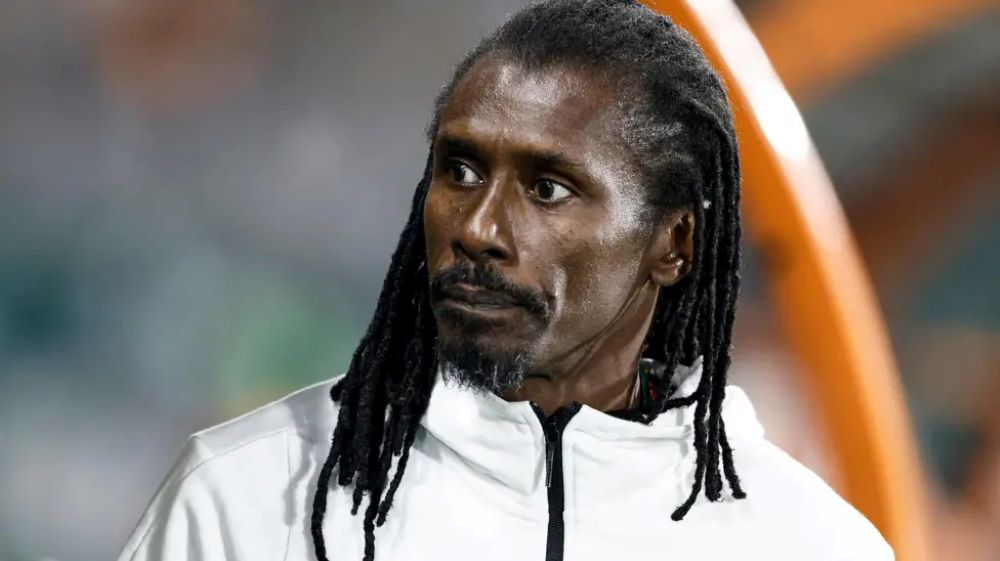
In Group D, Cameroon are just one point ahead of Cape Verde and Libya, who last week appointed Aliou Cisse as their new boss. The Indomitable Lions are looking to add to their eight World Cup appearances.
As things stand, the closest group to call is Group G, where the top five sides are separated by just three points.
Vladimir Petkovic comfortably guided Algeria to qualification for Afcon 2025 but Les Verts face Mozambique and Botswana, two more teams who will be in Morocco in December. Guinea and Afcon 2027 co-hosts Uganda are also poised to capitalise on any slip ups.
{{Congo suspension throws up questions}}
Africa’s top-ranked side Morocco have the only 100% record remaining, but the picture in Group E is complicated. Eritrea withdrew before qualifiers kicked off and last month Congo-Brazzaville were suspended from international football by world governing body FIFA.
The Red Devils’ ties in March against Tanzania and Zambia have been cancelled, and there is little room to rearrange games in a packed international calendar, even if they somehow succeed in overturning their ban.
All eyes are now on FIFA and the Confederation of African Football for a decision on how teams finishing second in their group will be ranked heading into potential play-offs.
If Congo-Brazzaville drop out as well, then things become even more complicated and every game takes on extra meaning.
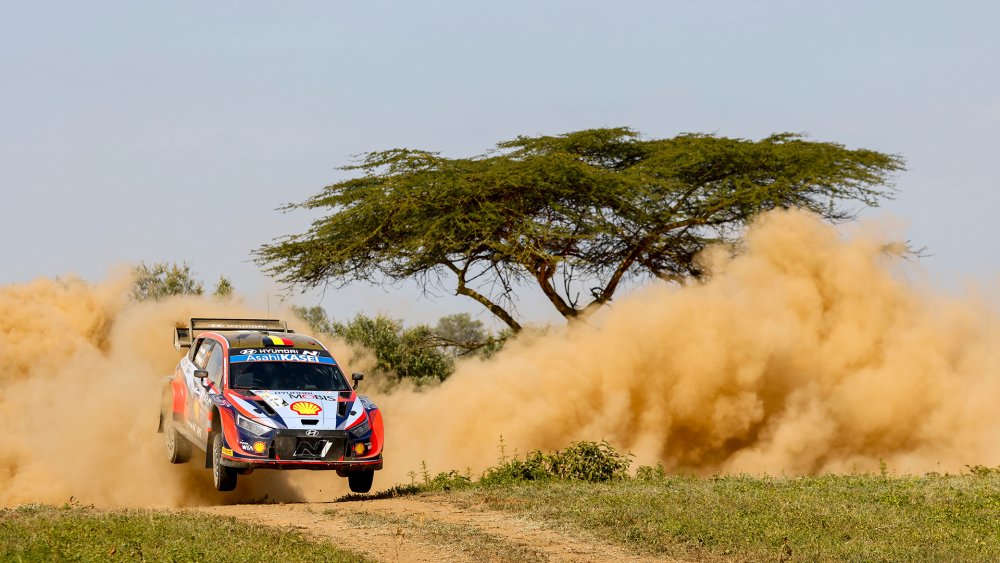
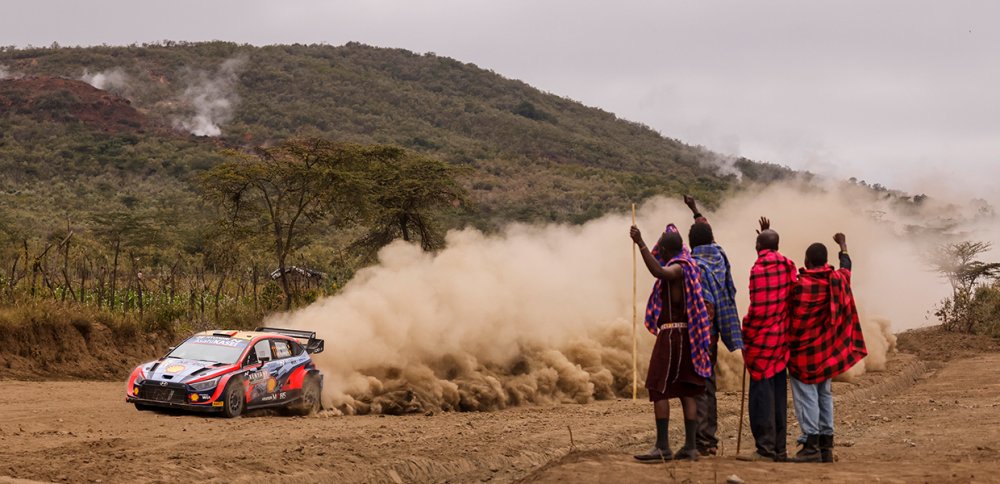
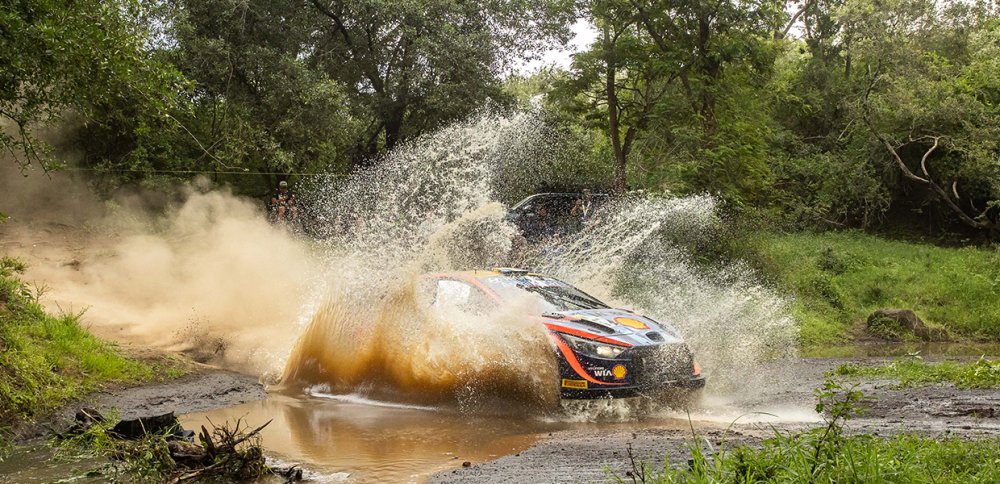
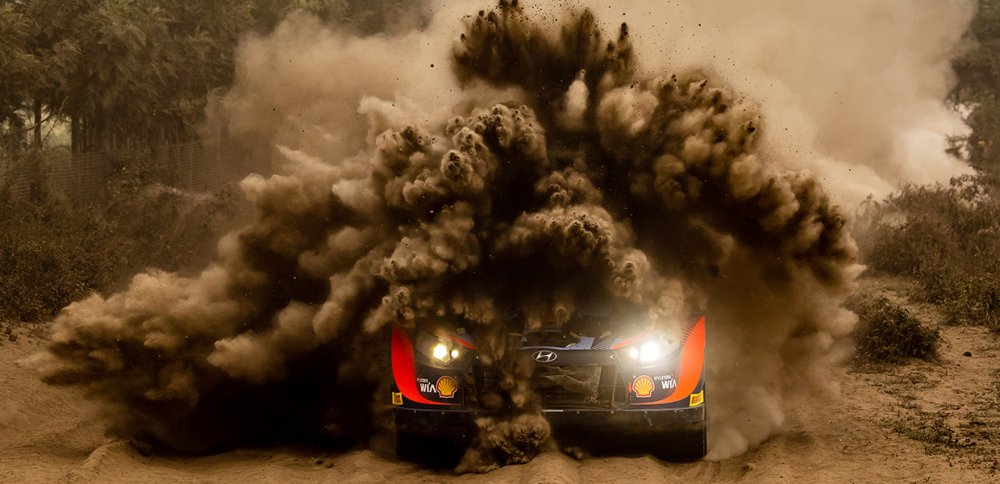
The 2025 edition of the Safari Rally will be the first on the African Rally Championship (ARC) calendar and is scheduled to take place from March 20-23.
Thanks to the strong diplomatic ties between Rwanda and Kenya, a special vehicle was made available to transport the 62 Rwandans to Kenya for the occasion. The group departed from Kigali on Monday, March 17.
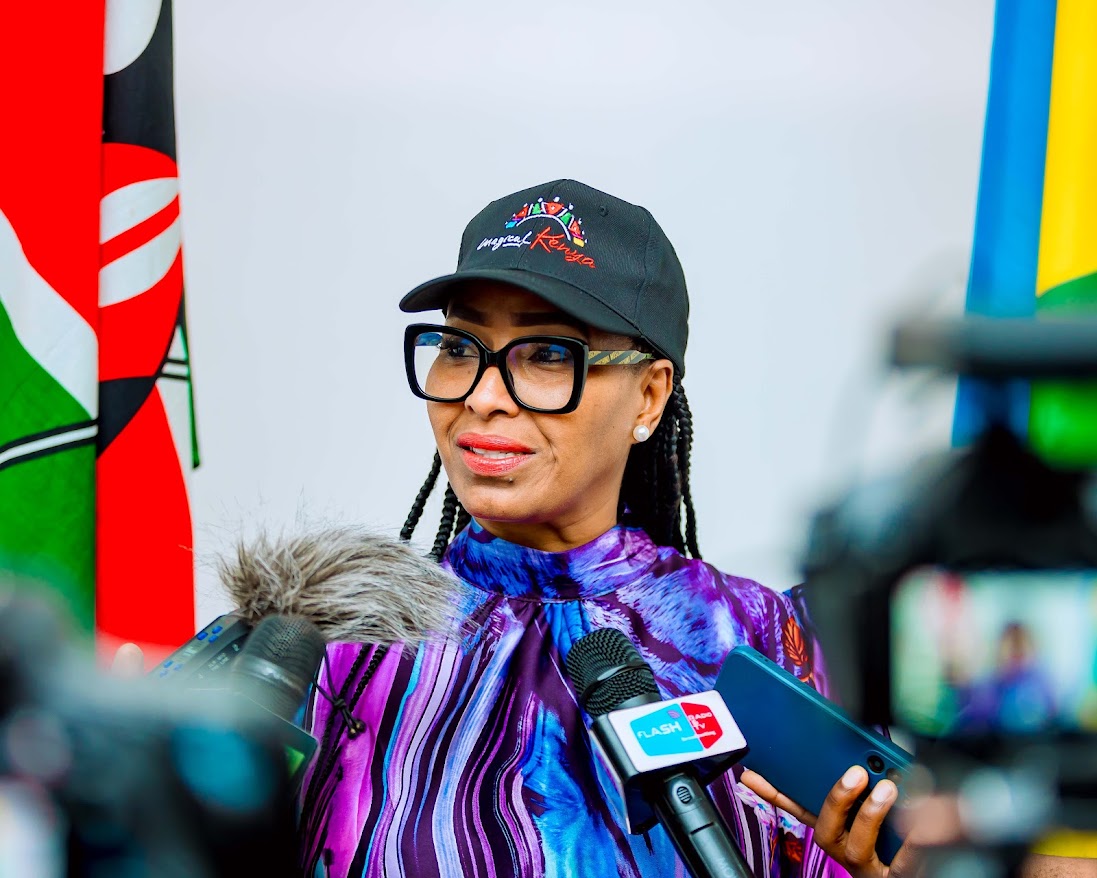
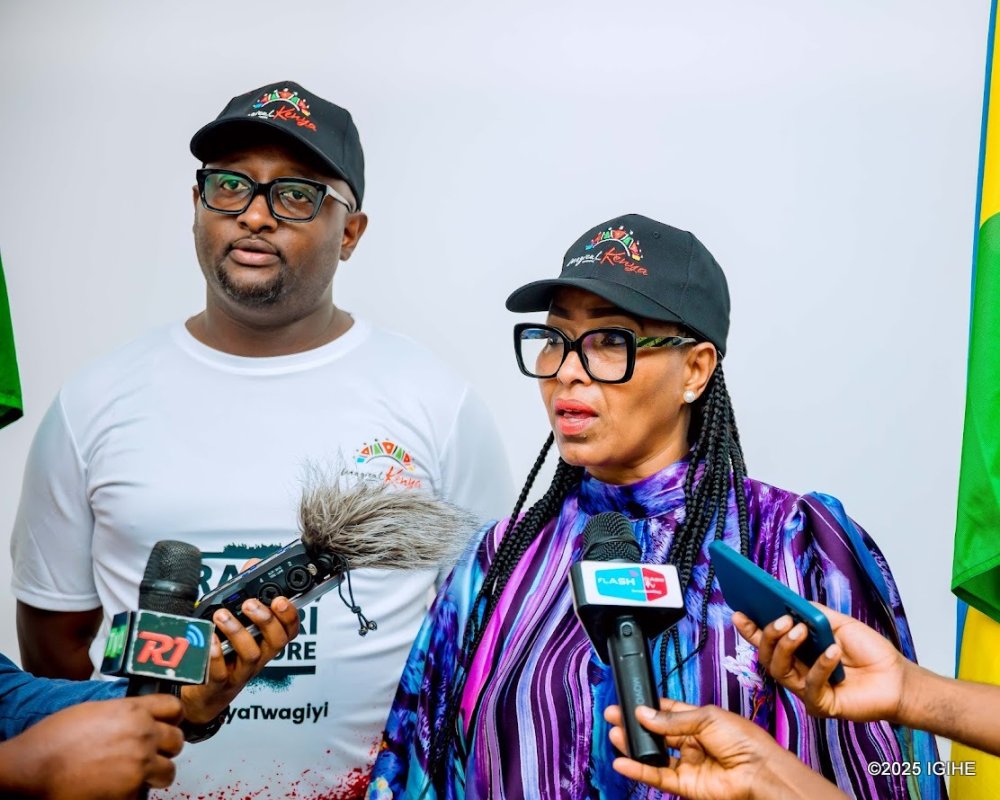
Kenya’s High Commissioner to Rwanda, Janet Mwawasi Oben, stated that this initiative aims to foster connections among East Africans, expressing confidence that the rally will serve as a unifying platform.
“Last year, there was no bus for fans travelling from Rwanda, but this year, one has been made available to encourage participation, as there is much more to experience compared to the previous edition. We believe the Safari Rally will be a great opportunity for East Africans to connect,” she said.
She added, “For Kenya, there are economic benefits, as fans attending the rally will book hotels and other services. Many have also expressed interest in visiting destinations such as Mombasa, our national parks, and various reserves before or after the rally.”
Ambassador Mwawasi Oben emphasized that participation in the event benefits not only Kenya but the entire East African region.
“For the East African Community, this is significant because it brings the region together, allowing residents to interact and potentially engage in business. The journey from Rwanda to Kenya includes a stop in Uganda, where travellers can shop and experience the country. It’s a major opportunity for East Africa,” she noted.
In addition to the bus transport arrangement, Kenya Airways has introduced a 12% discount on flight tickets for those travelling to Kenya to attend the rally between March 19 and 23.
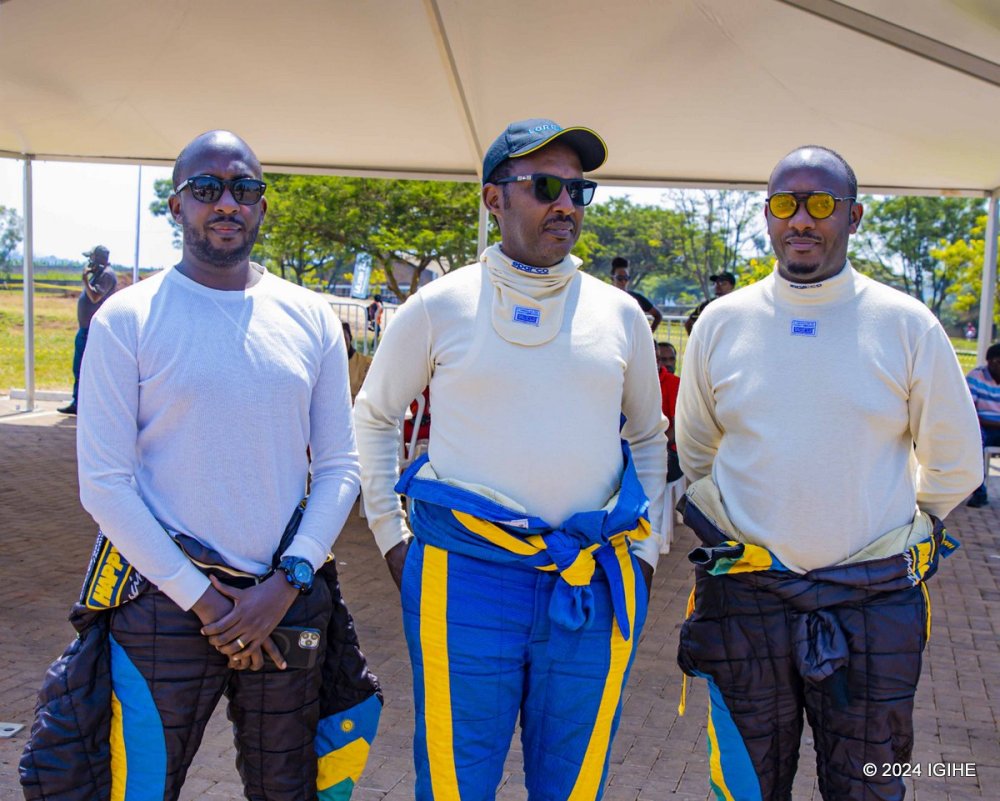
Among the competing cars this year is the Mitsubishi Lancer Evo X, driven by Prince Charles Nyerere, grandson of Tanzania’s founding president, Julius Kambarage Nyerere, alongside his Rwandan co-driver, Rutabingwa Fernand.
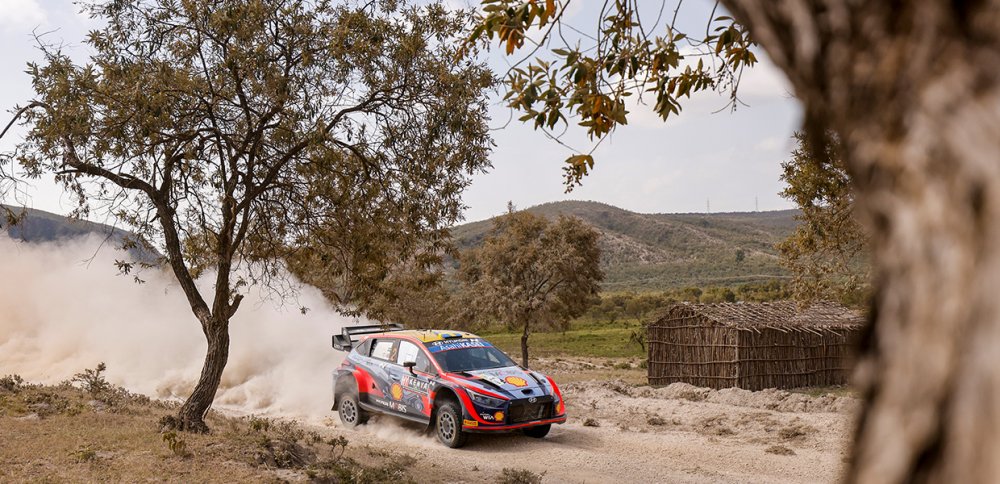
Also featured is the Hyundai i20 of Belgian racer Thierry Neuville, the 2024 World Rally Champion, who will compete alongside his co-driver, Martijn Wydaeghe.
This marks the fifth consecutive year, since 2021, that the Safari Rally has been included in the World Rally Championship calendar.
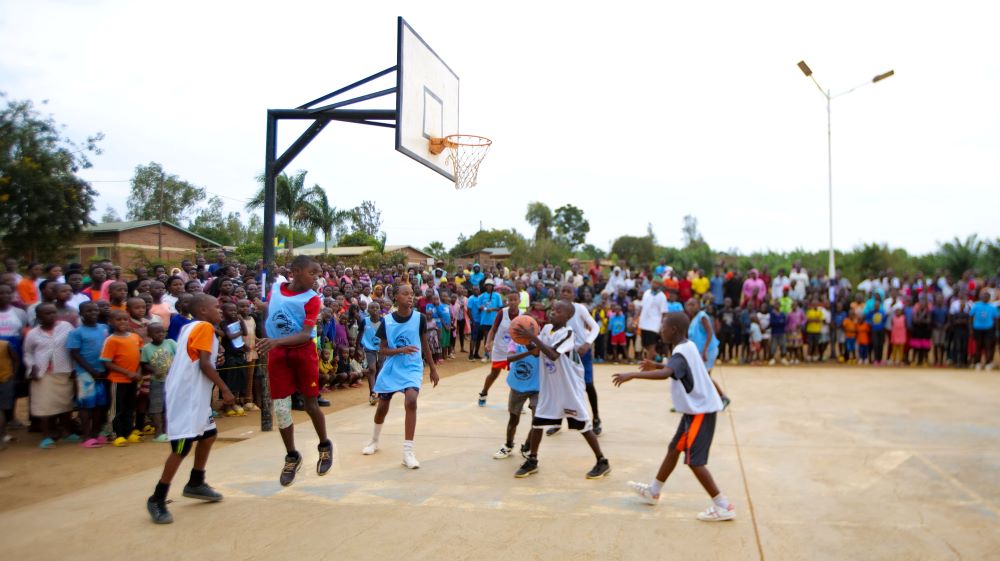
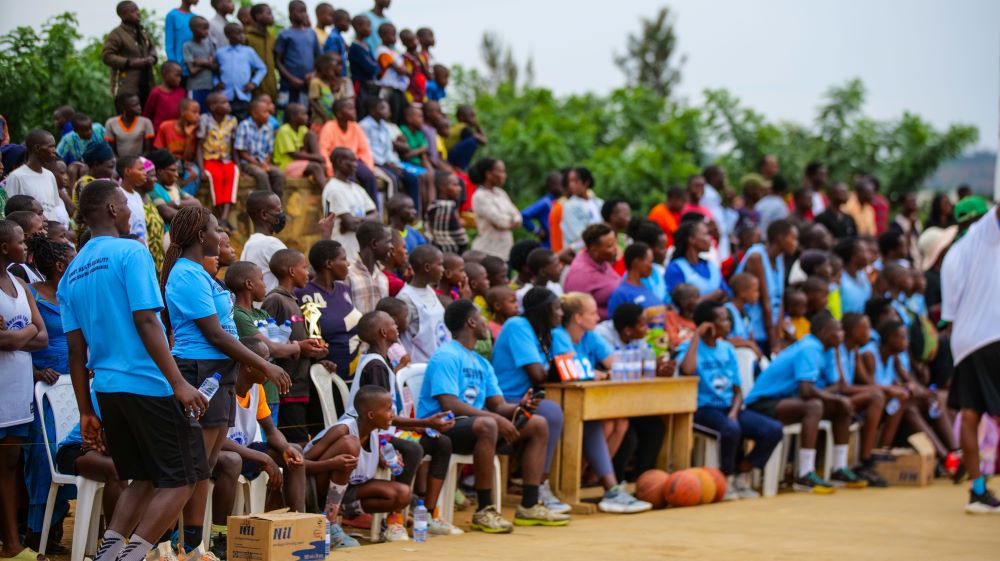
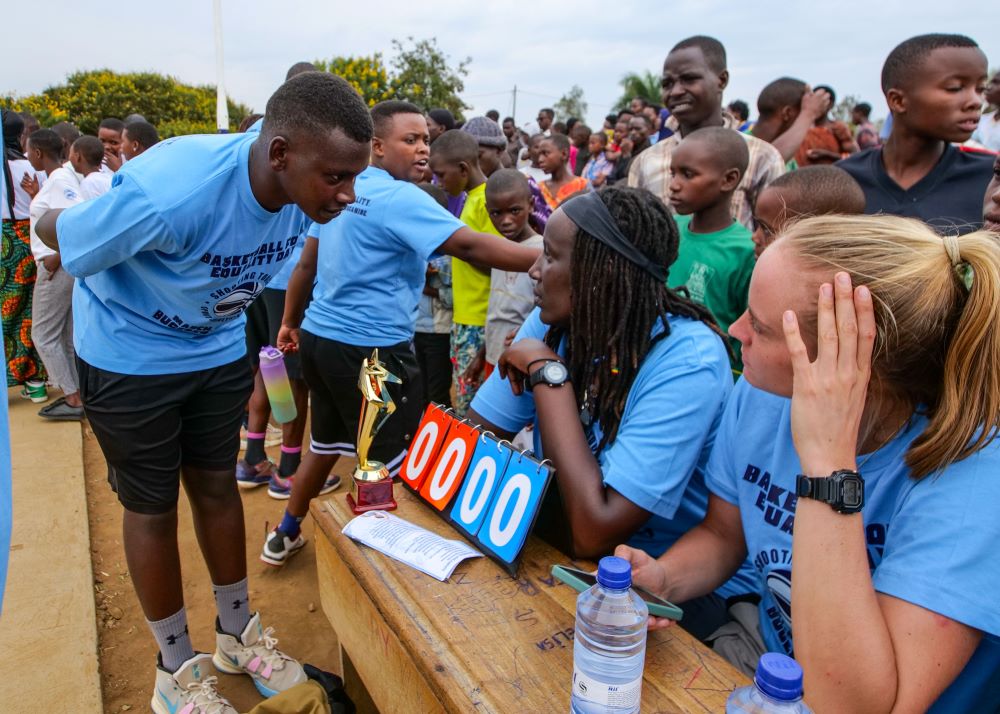
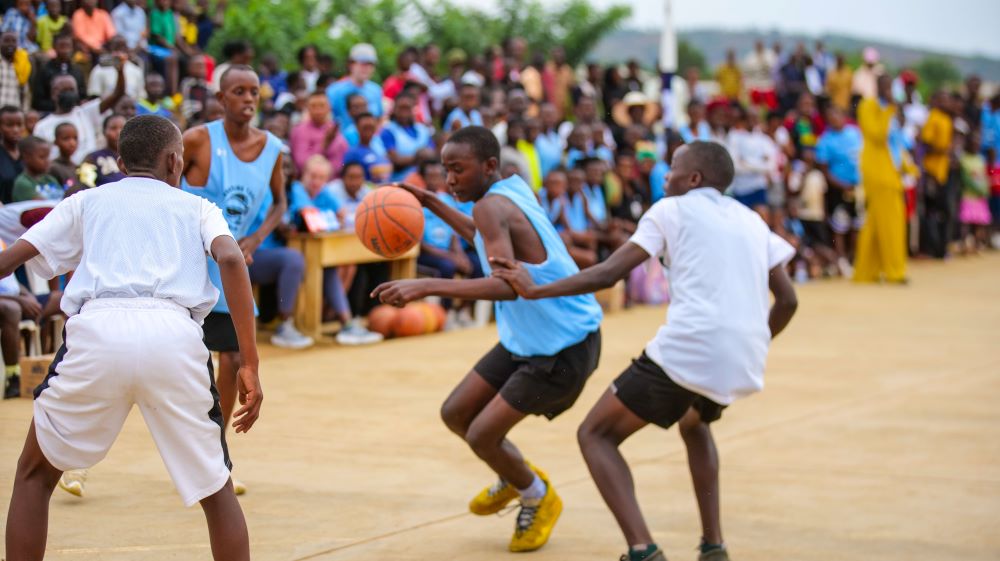
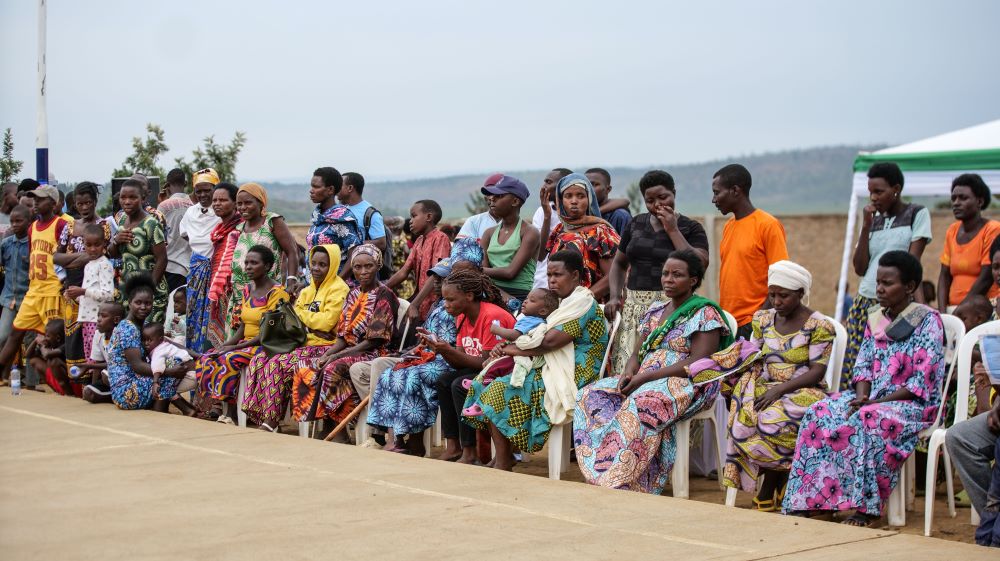
The event, held in Rilima Sector, Bugesera District, was organized by Shooting Touch, an international sport-for-development organization based in Boston, Massachusetts in partnership with the district leadership.
It highlighted the intersection of gender equity and public health. Through basketball competitions and open discussions, community leaders emphasized the need to challenge traditional gender norms and improve health awareness.
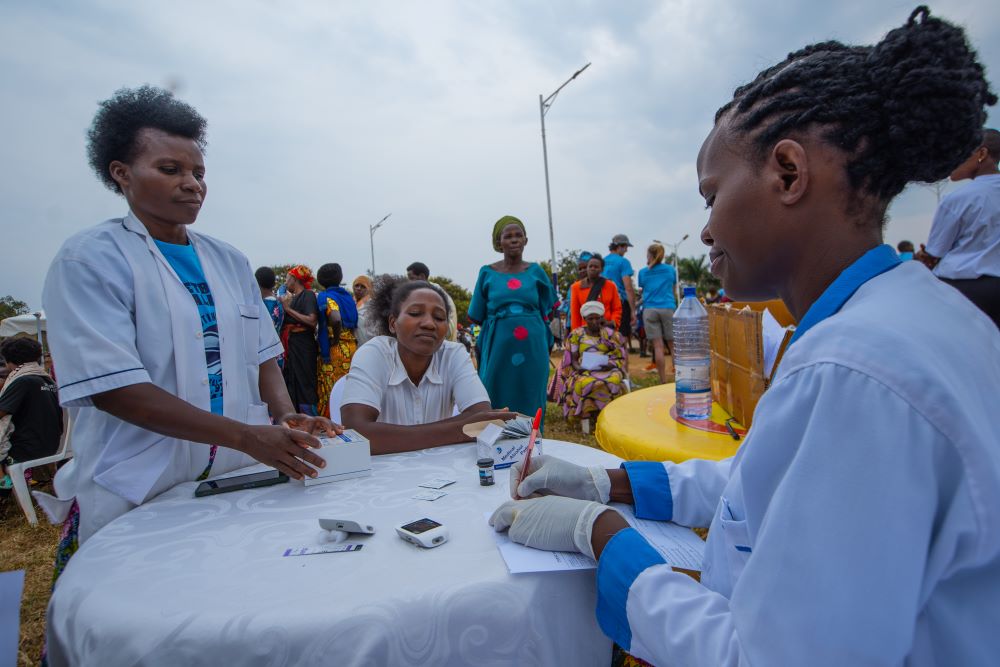
Notably, the event provided free health screenings for non-communicable diseases (NCDs) and HIV, allowing more than 157 community members to access vital health information and medical support.
Local officials underscored the importance of such initiatives in fostering inclusive development. Appolinarie Bamurange, the Gender Monitoring Officer, stressed that achieving gender equality requires collective action and systemic change.
“Everyone’s rights matter and must be fully respected. Our country’s vision is shared and equal welfare, security, and protection of every citizen, with no gender-based discrimination,” she said.
“We must put all our efforts together and find solutions to the challenges we encounter. This will lead us to common and shared development, where no one is left behind because of being male or female,” she added.
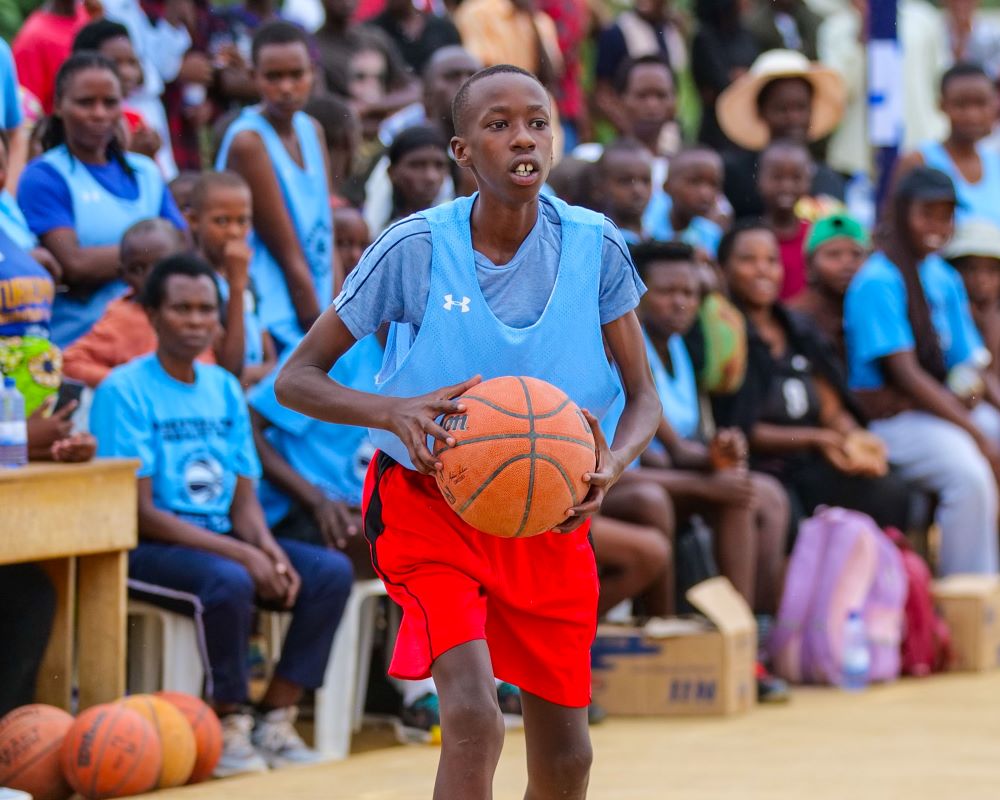
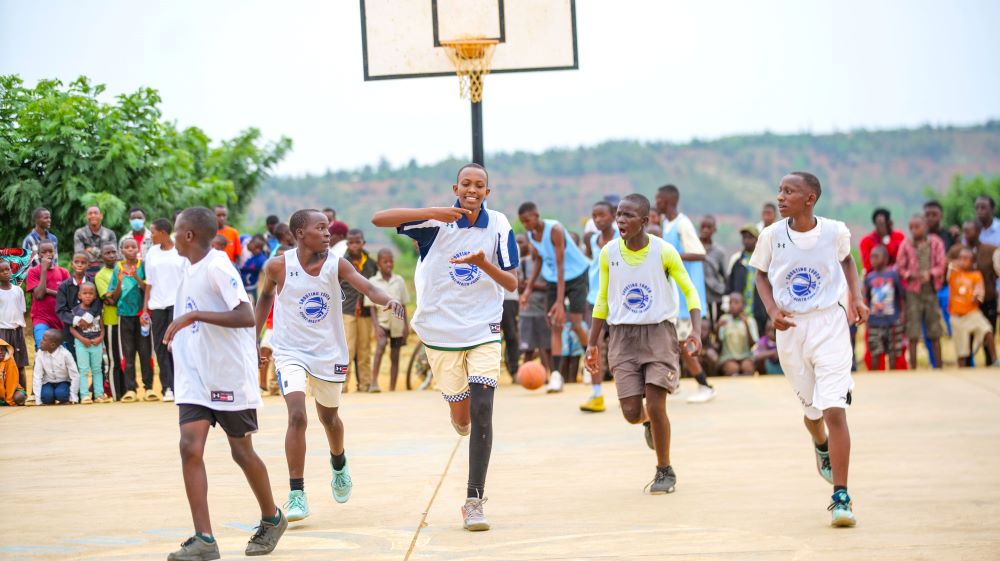
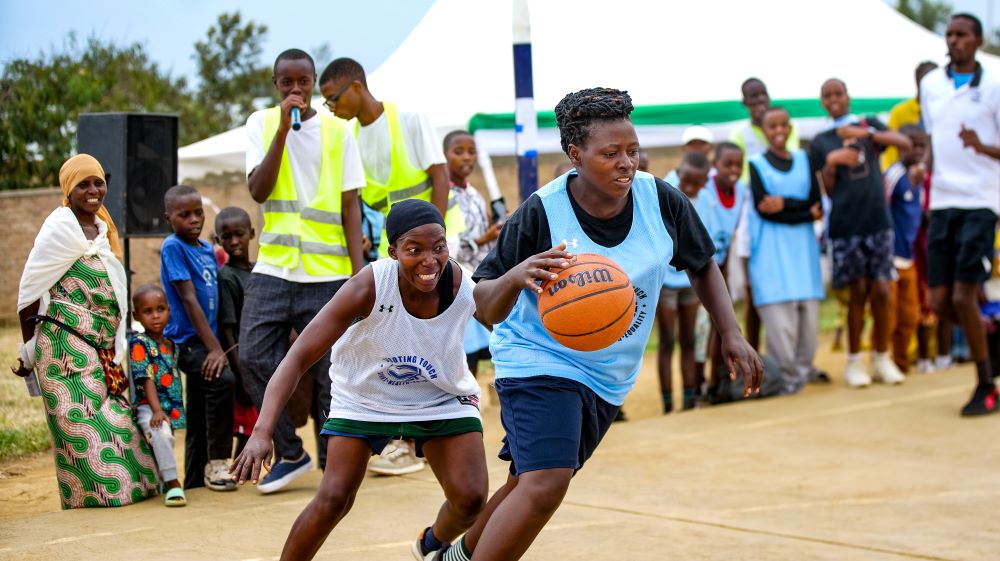
The basketball competitions played a central role in showcasing the capabilities of women and youth. Four competitive matches featured women’s teams, U13 youth teams, and U18 girls’ and boys’ teams from Rilima and Mayange Sectors.
These games not only provided a platform for young athletes to demonstrate their skills but also challenged the societal perception that sports are predominantly male domains.
Ephraim Sebarundi, the Executive Secretary of Rilima Sector, highlighted the value of integrating gender equality principles through sports.
“The Mayange and Rilima women’s teams have shown us outstanding basketball matches. I am sure they could even win against the men! Together, let’s appreciate this gender equality in sports and integrate gender equality principles into the lives of young boys and men,” he said.
Beyond the court, the event advanced community health efforts. Free NCD and HIV screenings targeted individuals aged 35-80, increasing access to early detection and medical advice.
Health professionals on site provided counseling and referred individuals with serious health concerns to district hospitals for further care.
According to Benjamin Tuyishimire, the Health Monitoring and Evaluation Officer, the goal was to empower individuals to take control of their health.
“It’s important for individuals to know their health status and to encourage them to visit health facilities and take initiative in improving their well-being,” he explained.
The success of this initiative underscores the transformative potential of sports in addressing social challenges.
By combining athletic engagement with public health outreach and gender advocacy, the community is fostering a future where everyone has the opportunity to thrive, regardless of gender or social status.