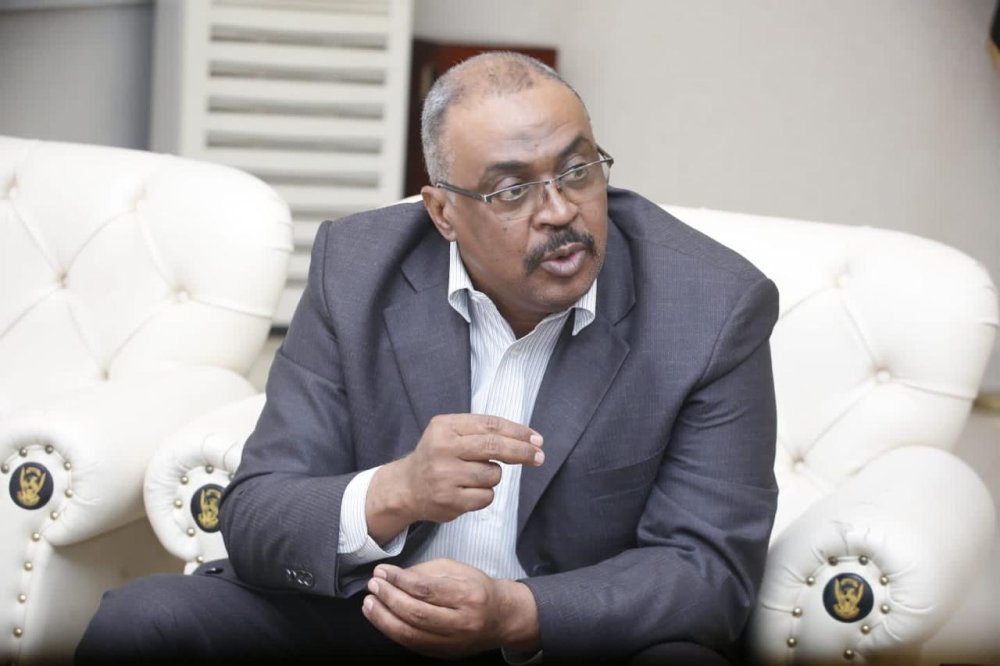
Mohamed Musa Al Kando, a board member of Al-Merrikh, thanked the Rwandan government and people for their support in a statement released on Friday.
“Thanks to the government and nation of Rwanda for welcoming our two big teams and, before that, welcoming the Sudanese people during this hard time of war.”
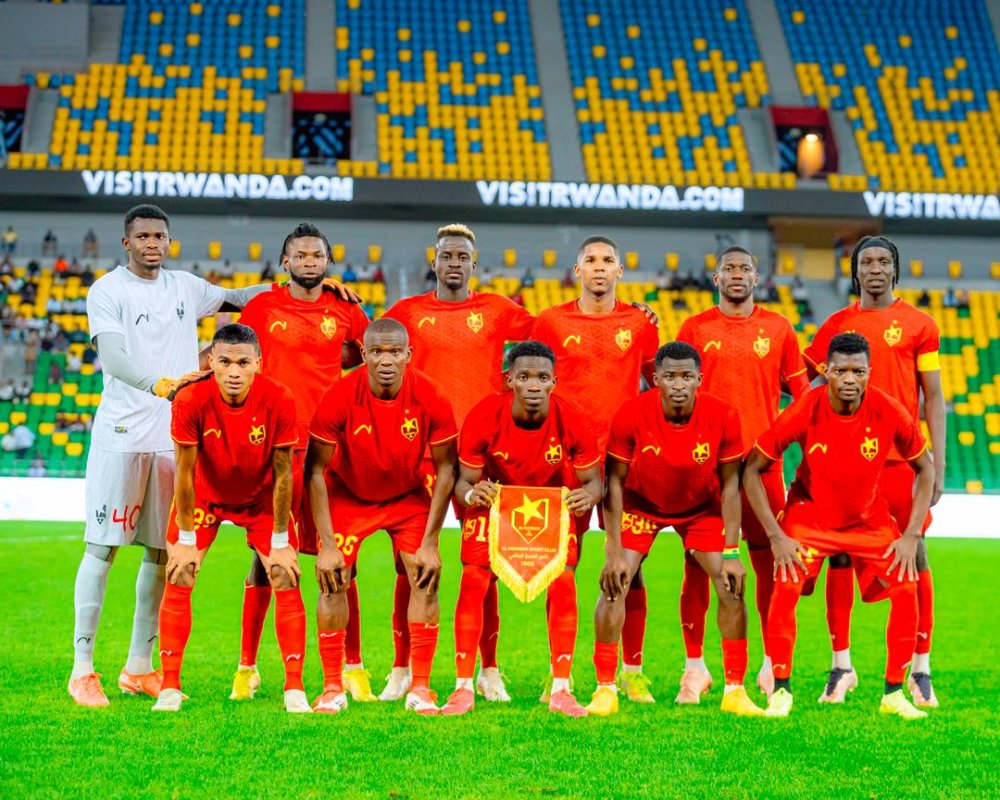
Al-Merrikh and fellow Sudanese club Al-Hilal SC were cleared to participate in the 2025/26 Rwanda Premier League in November last year, following the suspension of the Sudan Premier League in April 2023, which prompted the clubs to seek temporary relocation.
The clubs have received support from the Rwanda Football Federation and the league organizers, helping them integrate smoothly into the competition.
“I was very happy when I arrived in Kigali just two days before the big derby and we won,” Al Kando said, reflecting on their recent success.
Al-Merrikh plans to build stronger ties with local clubs through collaboration and experience sharing, and the board is also considering establishing a Merrikh Academy in Rwanda in the near future.
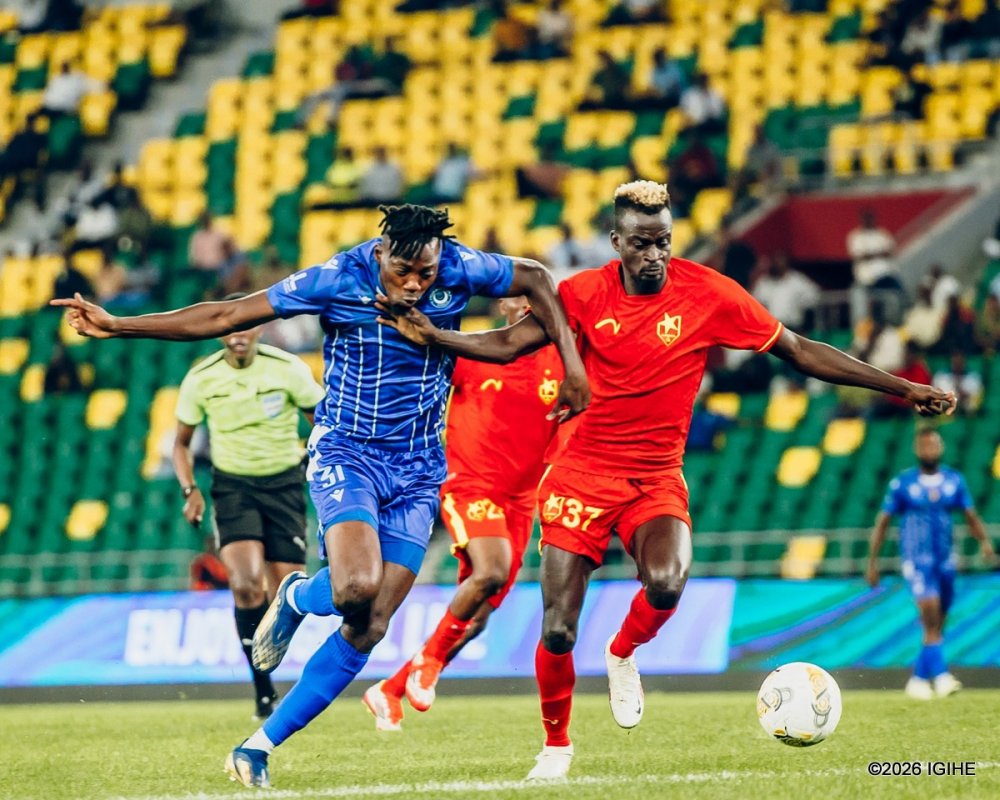
Currently, Al-Merrikh sits third in the Rwanda Premier League with 37 points, just one point behind Al-Hilal and APR FC, following a 2-1 victory over rivals Al-Hilal SC at Stade Amahoro on Tuesday, February 17, 2026.
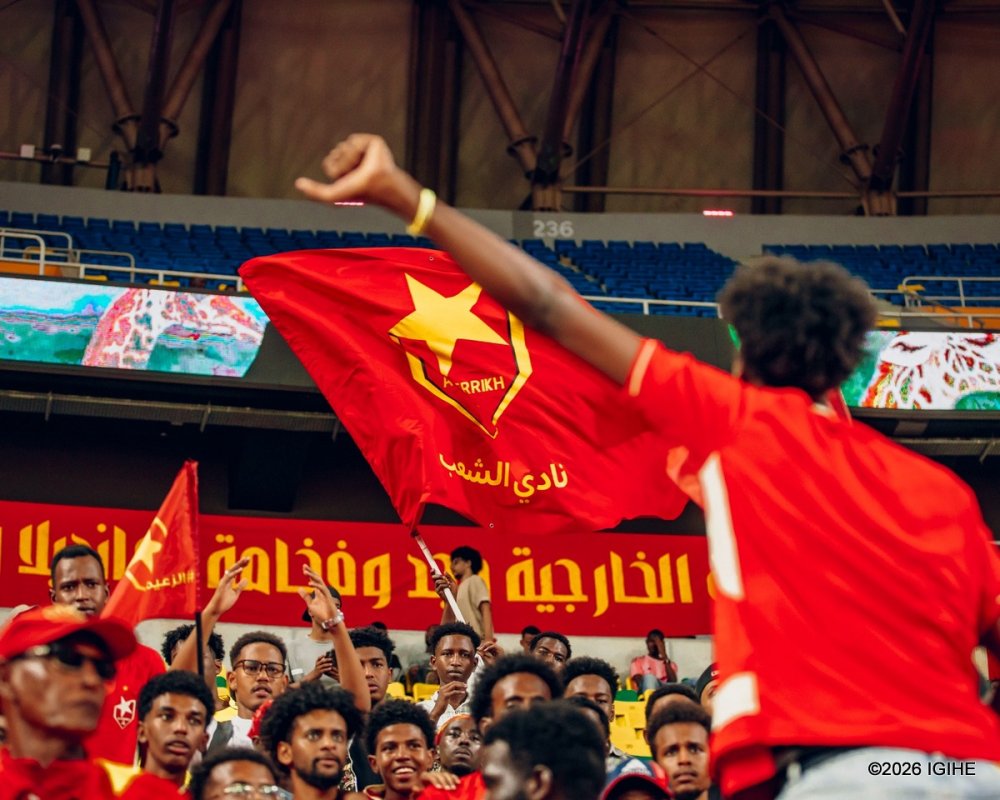
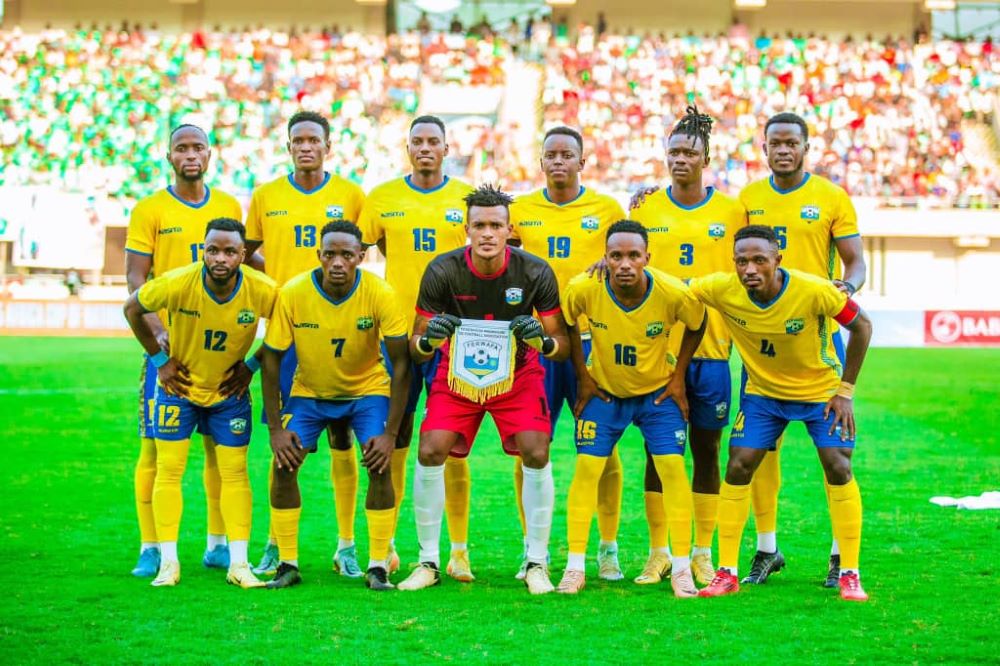
Al-Merrikh SC has been playing in the Rwanda Premier League since November 2025. In their most recent match, Al-Merrikh SC beat Al-Hilal SC 2-1 in the derby.Sudanese nationals in Rwanda often turn out to support their teams.
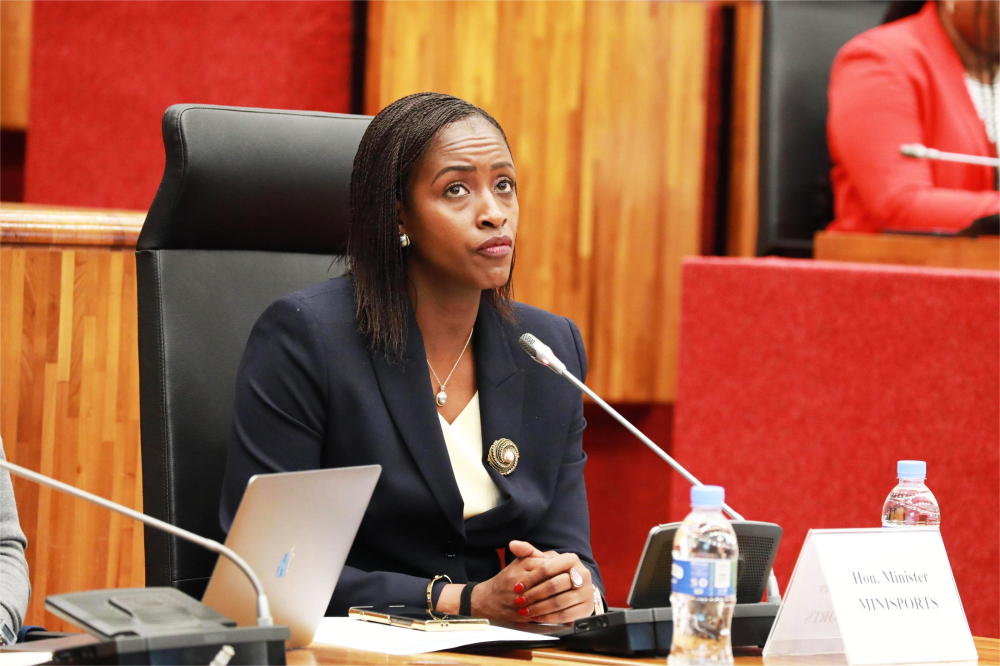
Mukazayire told Members of Parliament on Thursday that the government was not satisfied with the team’s current performance but had put in place a long-term strategy aimed at building a competitive and professional football system.
“We are not satisfied with the way Amavubi are performing,” she said. “Changes will continue at the Federation, the Ministry and elsewhere for as long as we have not achieved the results we expect.”
Her remarks came after MP Rutebuka Balinda, Deputy Chairperson of the Committee on Education, Technology, Culture, Youth and Sports, questioned the frequent turnover of coaches and leadership within the Rwanda Football Federation (FERWAFA), warning that instability could undermine progress.
Mukazayire said the changes were intended to establish a clear direction for Rwandan football, focused on professionalism, talent development and achieving victories.
She acknowledged that the national team’s results reflect the broader state of football development in the country, arguing that meaningful improvement requires structural reforms rather than short-term fixes.
A key pillar of the strategy, she said, is identifying and recruiting talented players of Rwandan origin living abroad while ensuring their integration serves national interests.
“We must identify them, bring them in and use them effectively. We have already discussed this with FERWAFA and implementation is underway,” she said.
The minister also stressed that coaching contracts must clearly define performance targets, warning that leadership changes would persist if expectations are not met.
“If contracts do not clearly state the expected outcomes, you will continue to see changes because we need results,” she said.
Youth development forms the core of the reform agenda. Mukazayire said players under the ages of 15 and 17 will be closely monitored and systematically developed so they can transition into competitive professional football by the age of 21.
“You cannot neglect youth development and expect to qualify for the Africa Cup of Nations,” she said. “We must build from the grassroots.”
Rwanda plans to establish a National Football Academy where young players can train and study together as part of a long-term effort to build a stronger national team.
Currently, the Isonga talent development programme operates in 17 schools with 599 children and is expected to expand to more than 2,000 participants. Other initiatives include the Bayern Munich academy in Rwanda, the Paris Saint-Germain academy and the Tony Football academy, which collectively support youth talent development.
Mukazayire cautioned that the reforms would take time to produce tangible results, estimating that visible improvements may require at least five years.
Meanwhile, FERWAFA recently parted ways with head coach Adel Amrouche on January 14, 2026, after one year in charge. The federation said it has received 688 applications from qualified candidates and will shortlist coaches based on credentials, experience with national teams and participation in major tournaments such as the Africa Cup of Nations and the FIFA World Cup.
With less than a month before Rwanda hosts the FIFA Series friendly matches in Kigali from March 23–31, the national team remains without a head coach. Rwanda is scheduled to face Estonia, Grenada and Kenya in Group A.
Mukazayire also emphasized the importance of mentality, noting that defeats are not always due to a lack of technical ability but can stem from psychological factors affecting players and coaching staff.
Sports Minister Nelly Mukazayire stressed that there is a plan to turn Amavubi into a results-driven team.Sports Minister Mukazayire expressed dissatisfaction with Amavubi’s current performance.
The race, which will be staged for the 18th time since attaining international status, is scheduled to run from Sunday, February 22 to March 1, 2026. It will traverse various regions of the country and feature 18 teams.
Four Rwandan teams will take part: Team Rwanda (the national team), May Stars, Benediction Banafrica Team and Team Amani. The remaining 14 teams will come from abroad.
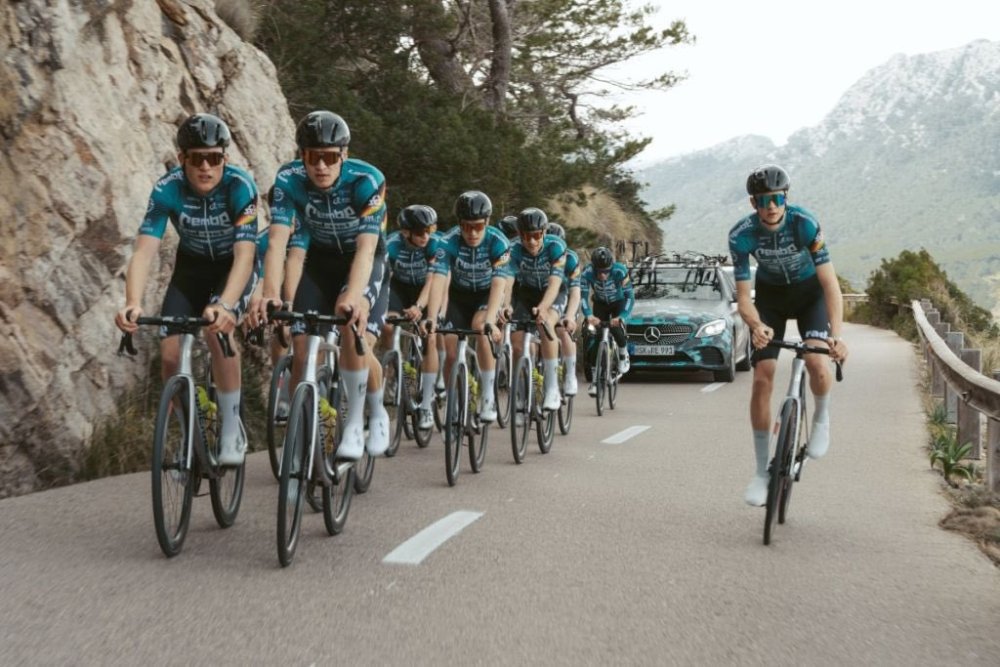
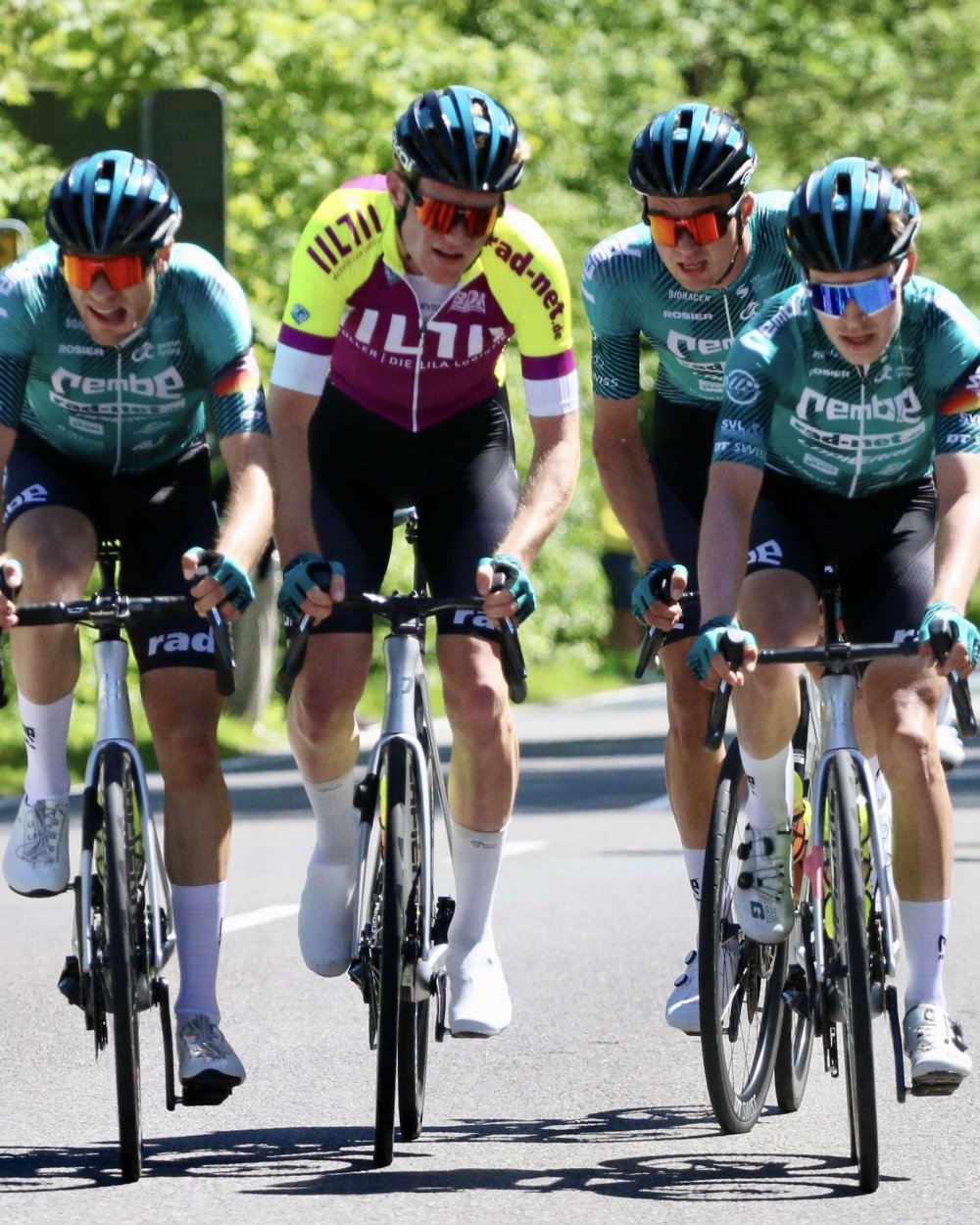
Rembe–Rad-Net Pro Cycling Team touched down in Kigali on Tuesday, February 17, 2026, becoming the first international squad to arrive. On Thursday, February 19, four additional teams are expected: Picnic PostNL of the Netherlands, Lotto Intermarché of Belgium, Soudal Quick-Step of Belgium and Movistar of Spain.
The official team presentation will take place on Saturday, February 21, at 6:00 p.m. at the Kigali Convention Centre. All 18 teams and the 90 riders set to compete will be unveiled during a ceremony open to the public.
UAE Team Emirates Gen-Z, which had initially been listed among the participants, will no longer compete but has since been replaced.
Teams confirmed for Tour du Rwanda 2026
National teams: Rwanda, Eritrea, South Africa and Ethiopia.
Continental teams: Amani, Benediction Banafrica, May Stars, Madar, Rembe–Rad-Net, Localiza Meoo, Bike Aid, Istanbul and Tshenolo Pro.
World Tour development teams: Movistar, NSN, Soudal Quick-Step, Picnic PostNL and Lotto Intermarché.
German club Rembe Rat arrived in Kigali on Tuesday ahead of the race which starts on Sunday, February 22.
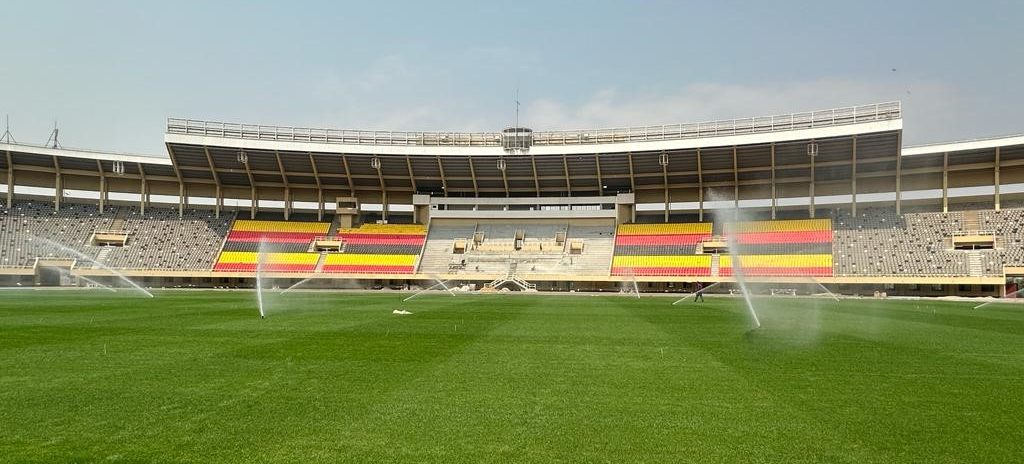
“It is the first time we are announcing this, but we submitted a bid late last year and now we have experts in the country to carry out evaluation of the facilities to determine if we meet all that is required,” Patrick Ogwel, General Secretary of the National Council of Sports (NCS), told Xinhua.
“The comments from the evaluators are very promising,” he added.
Ogwel also pointed out that Uganda is already preparing to co-host the CAF Africa Cup of Nations 2027 alongside Kenya and Tanzania, and that hosting the African Games would further demonstrate the country’s capacity to stage major international competitions.
“The government of Uganda is ready to host as many international competitions as possible because this will also help boost tourism in the country,” added Ogwel.
Previously known as the All Africa Games and later the Pan African Games, the African Games are held every four years and are organized by the African Union in collaboration with the Association of National Olympic Committees of Africa (ANOCA) and the Association of African Sports Confederations (AASC).
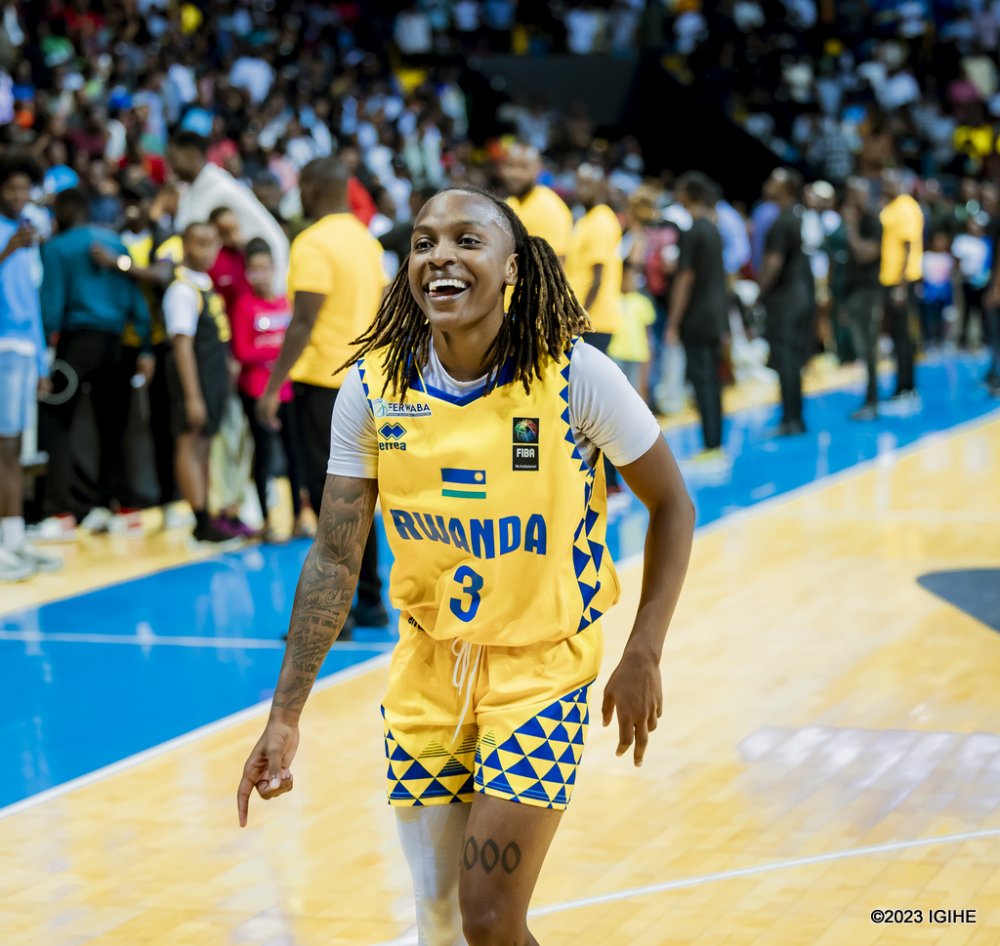
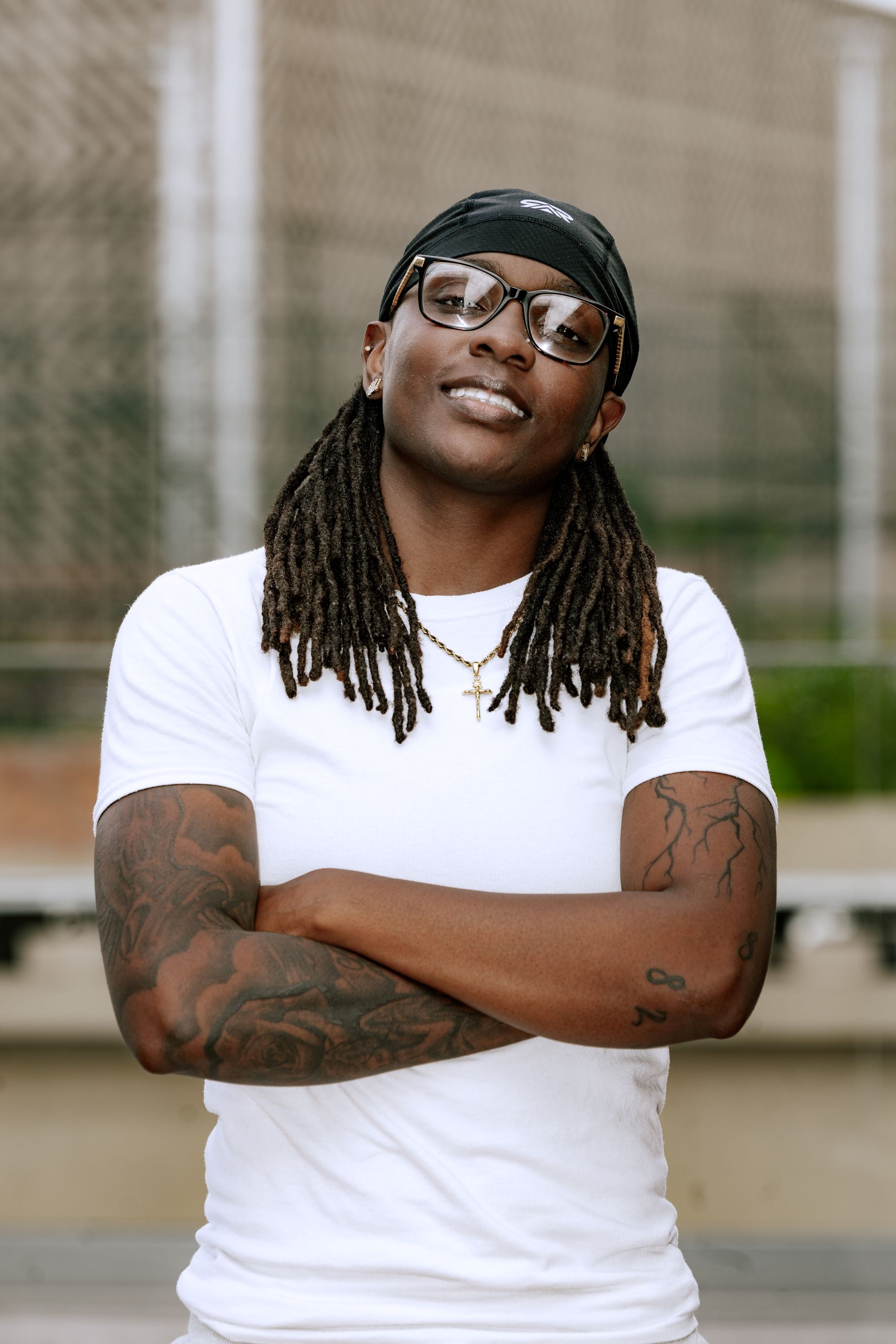
The 25-year-old is the engine of the national team, a floor general who has traded the skyscrapers of Queens for the thousand hills of Rwanda, becoming the face of a new era for the sport in East Africa.
In a candid and heartfelt sit-down with IGIHE, Philoxy opened up about the remarkable transition from her American upbringing to her role as the captain of Rwanda’s national women’s basketball team.
Since joining the squad in 2023, she has undergone a profound transformation, balancing her identity as a professional athlete with a newfound “cultural awakening” that has redefined her sense of purpose.
{{The call that changed everything
}}
Philoxy’s story begins in the United States, where she established herself as a legend at the University of Massachusetts (UMass). She left the program as its all-time leader in assists and games played, a “pure” point guard with a high basketball IQ. Despite her mother hailing from Rwanda, Philoxy admitted, “I was just an American in my eyes.”
That changed just two weeks after her college graduation in 2023. An unexpected call invited her to represent her mother’s homeland. The prospect was as terrifying as it was thrilling. “I was scared,” she admits, recalling her first solo trip to Africa. “Everything was like a whole new part of the world.”
However, that initial fear quickly evaporated. In her debut at the 2023 Women’s AfroBasket, she didn’t just fit in; she dominated, leading the tournament in several categories and guiding Rwanda to a historic fourth-place finish.
Her leadership isn’t just a title; it’s backed by a resume of domestic dominance. Before taking the reins of the national team, Philoxy proved she could win on Rwandan soil. She was instrumental in leading REG (Rwanda Energy Group) to a national championship and famously set a record by scoring 41 points in a single game during the Africa Women’s Basketball League.
Now representing APR Women Basketball Club, Philoxy continues to bridge the gap between international experience and local talent.
“I feel like I was always a captain without the title,” she explains, noting that her teammates voted her into the role because of the genuine connections she builds off the court.
Philoxy is optimistic but realistic about the trajectory of Rwandan basketball. “It’s not expanding fast, but slow motion is better than no motion,” she notes. She points to the construction of world-class training facilities and the growing fan base as catalysts for change.
Reflecting on recent international performances, she identifies communication as the hurdle the team must clear to reach the next level. “If everyone’s not understanding each other, everything falls apart,” she says, emphasising that heart and talent must be matched by tactical cohesion.
{{Unique, selfless, and beautiful
}}
Outside the courts, Philoxy has embraced the Rwandan way of life, which she describes in three words: unique, selfless, and beautiful. She enjoys the country’s fresh, healthy food and has adopted local staples into her diet. Her favourite meal? Chicken legs with white rice and red sauce, steamed greens, and chapati. ‘I love chapati,’ she adds with a laugh.
Her journey is also etched into her skin. She sports a tattoo of Romans 8:18: “What we suffer now is nothing compared to the glory he will reveal to us later.” It is a mantra that has carried her through professional stints in Greece and Mexico, and now anchors her as she mentors the next generation of Rwandan stars like Ramla Umunezero.
{{Dreams beyond the court
}}
In her mid-20s, Philoxy’s ambitions remain global. Within five years, she hopes to test her skills in the elite leagues of Japan or China, following the path of the world’s top WNBA stars. But regardless of where her career takes her, her bond with Rwanda, symbolised by her cherished dreadlocks and her mother’s name tattooed on her arm, is permanent.
Her message to young girls who aspire to take on basketball on the global stage is: “Keep pushing. No matter what people tell you… It’s only possible if you believe it’s possible.”
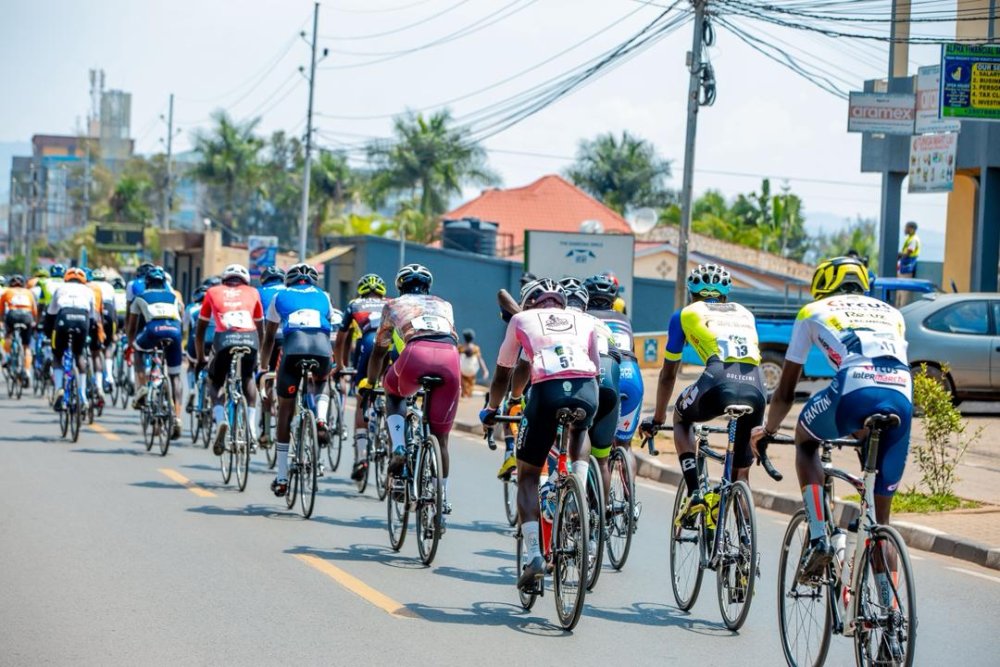
The 18th edition of the Tour du Rwanda is scheduled to take place from February 22 to March 1, 2026, across several districts of the country.
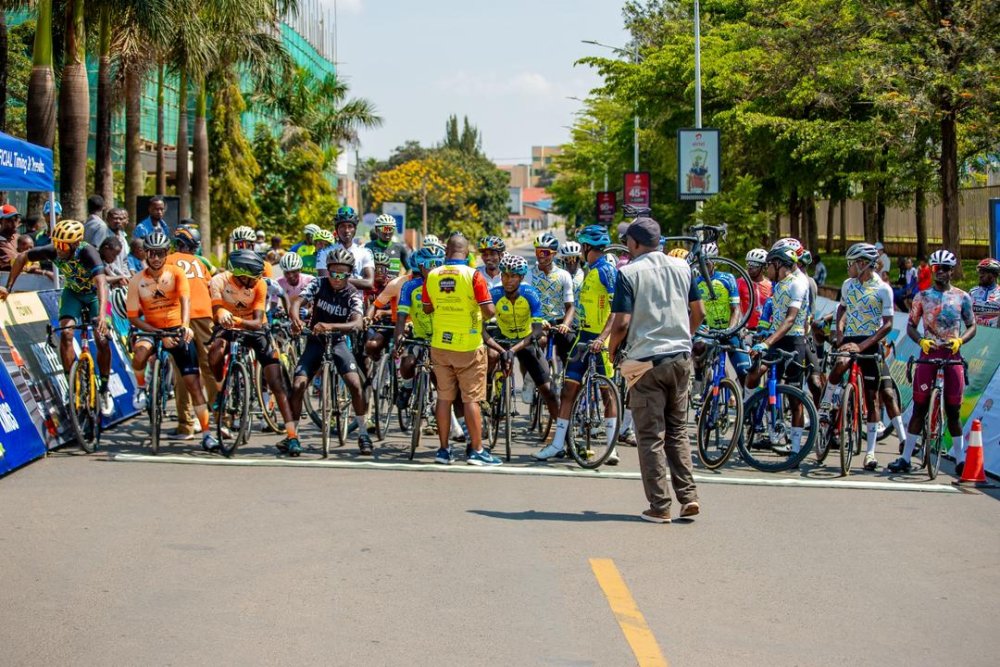
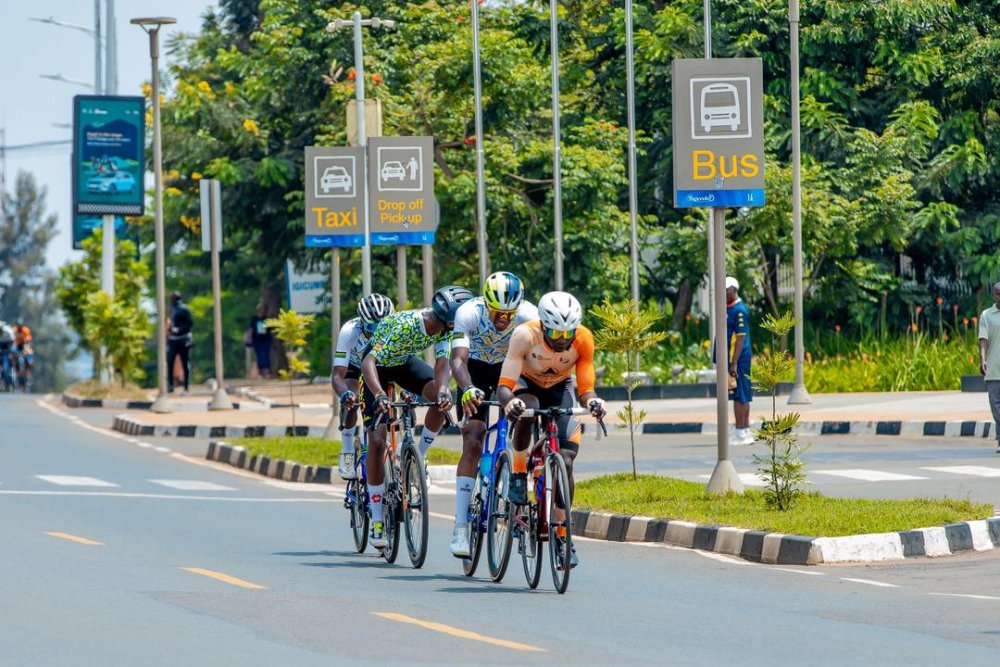
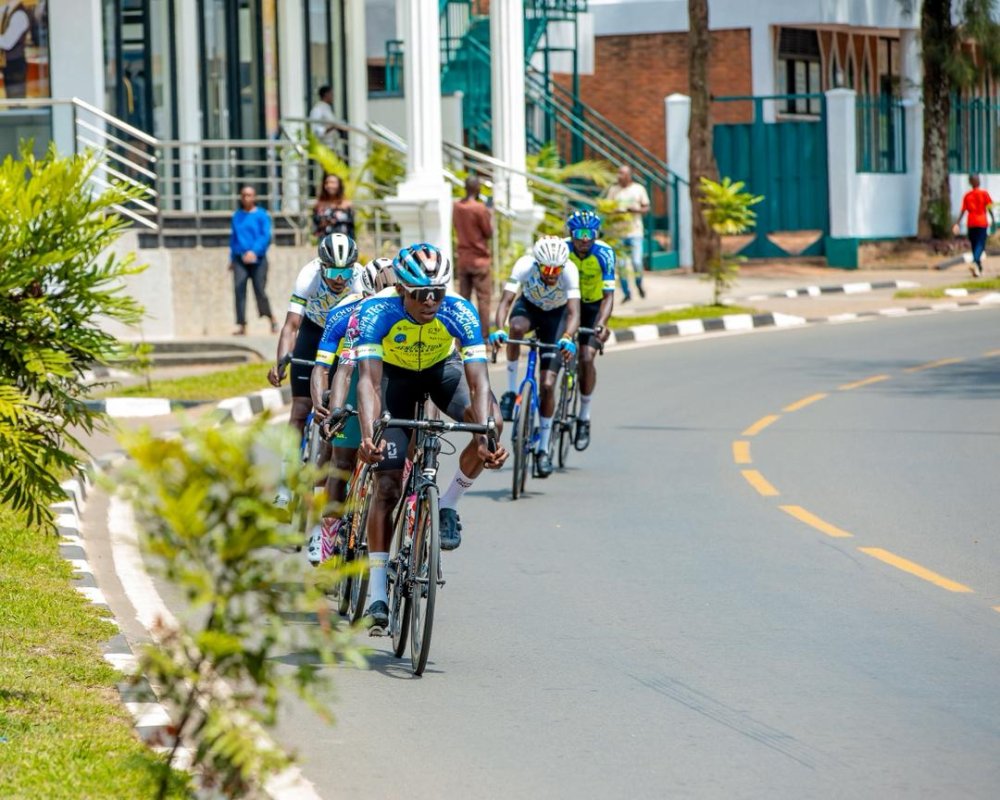
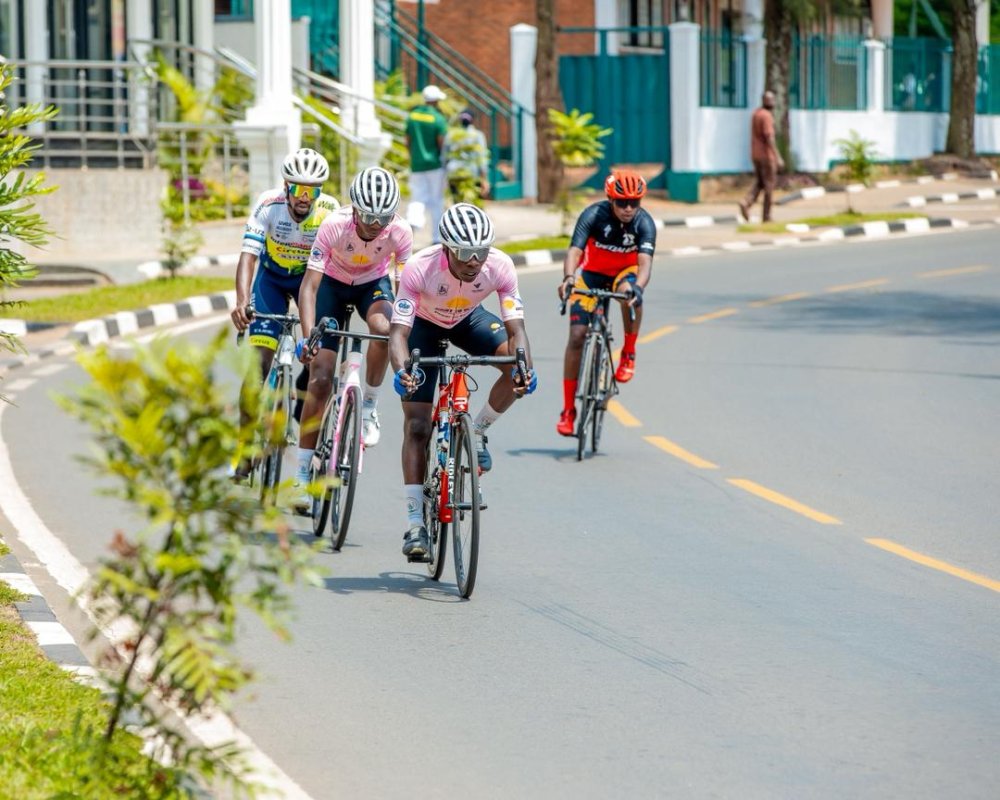
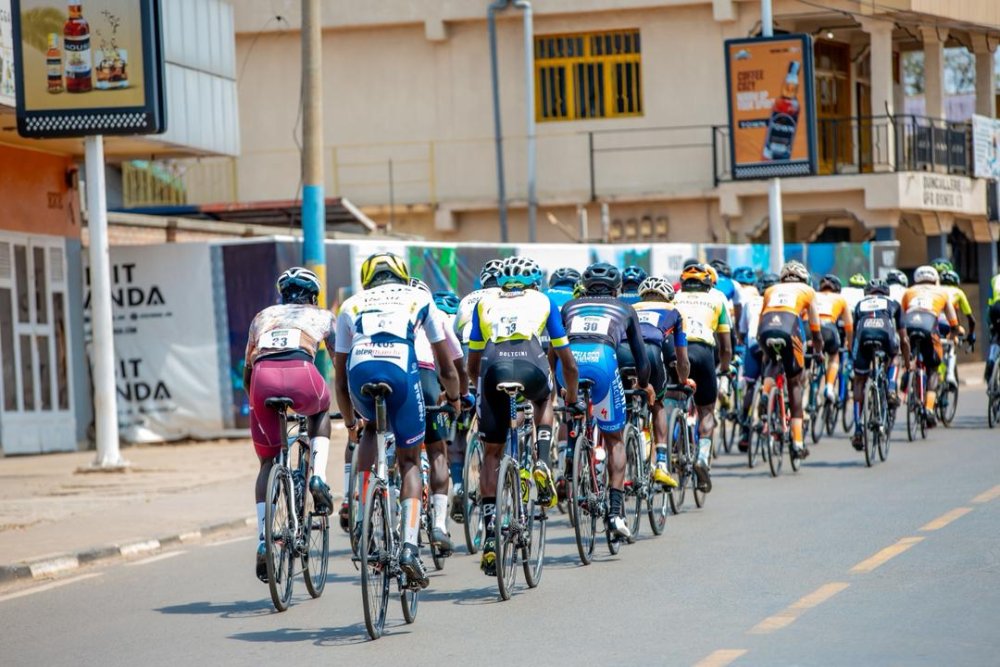
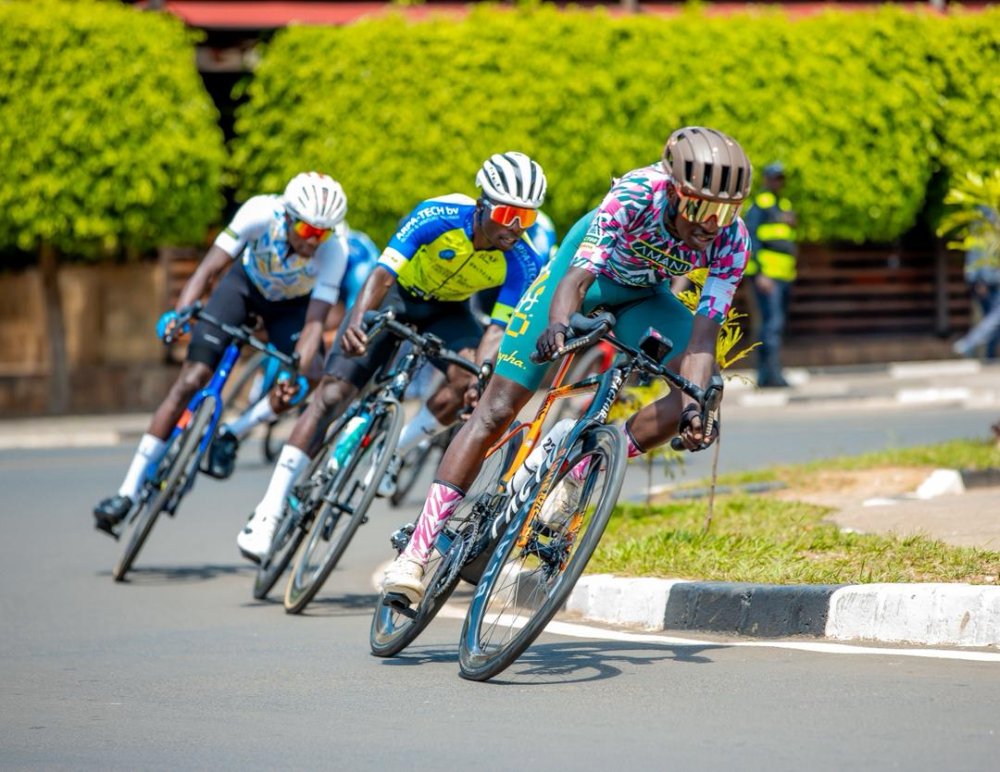
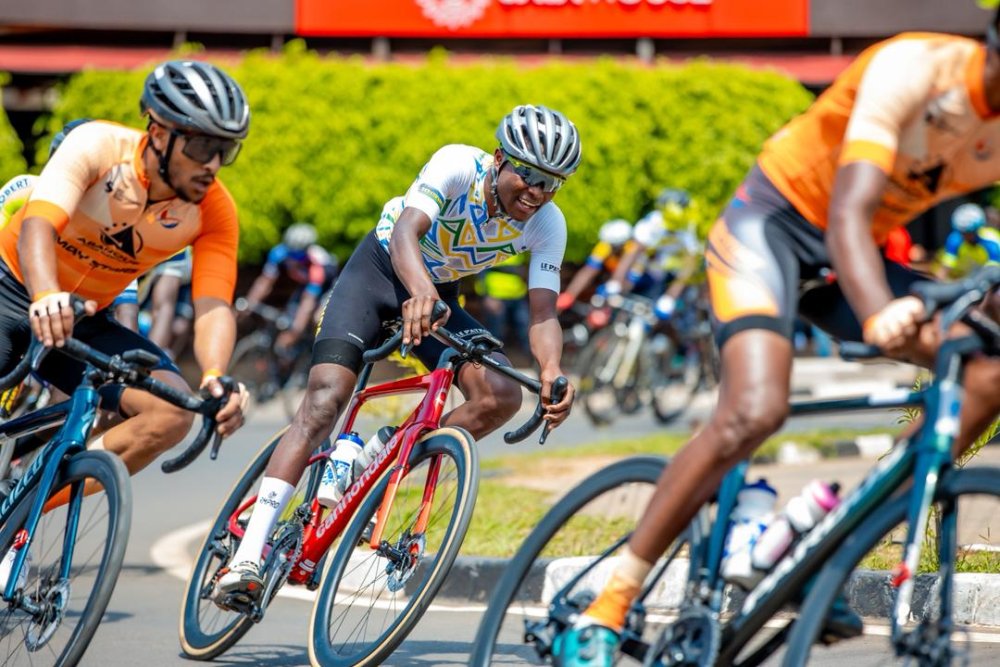
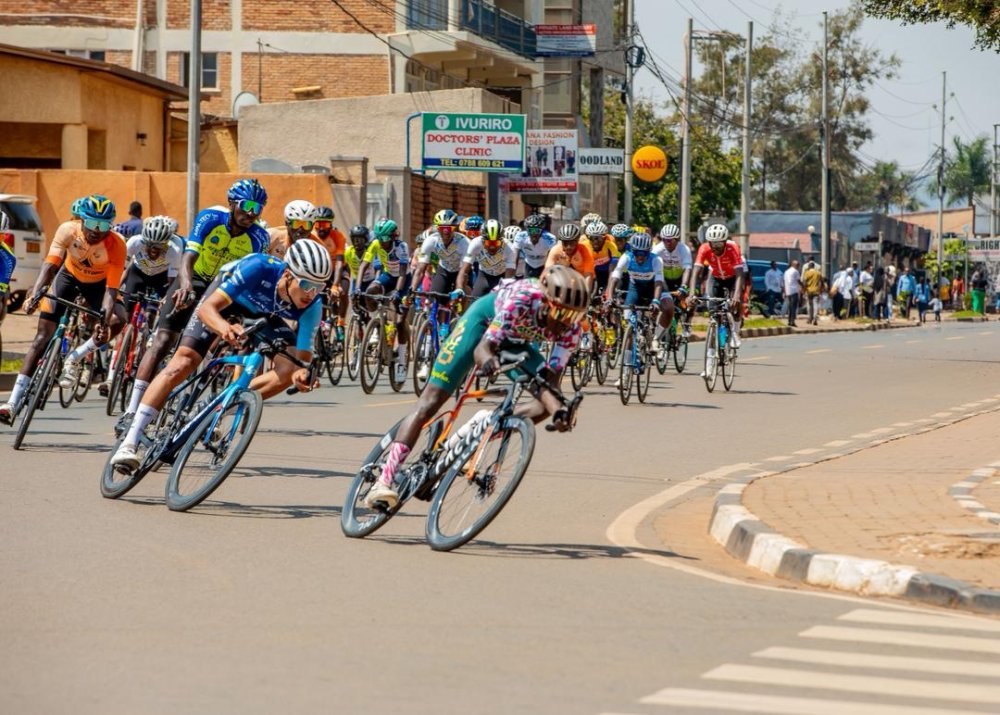
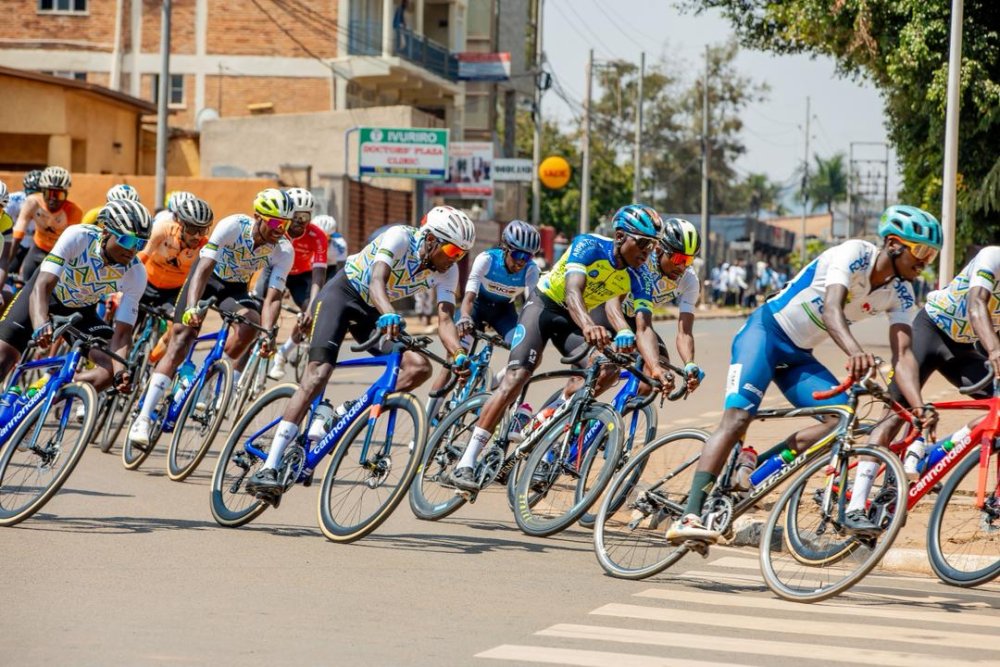
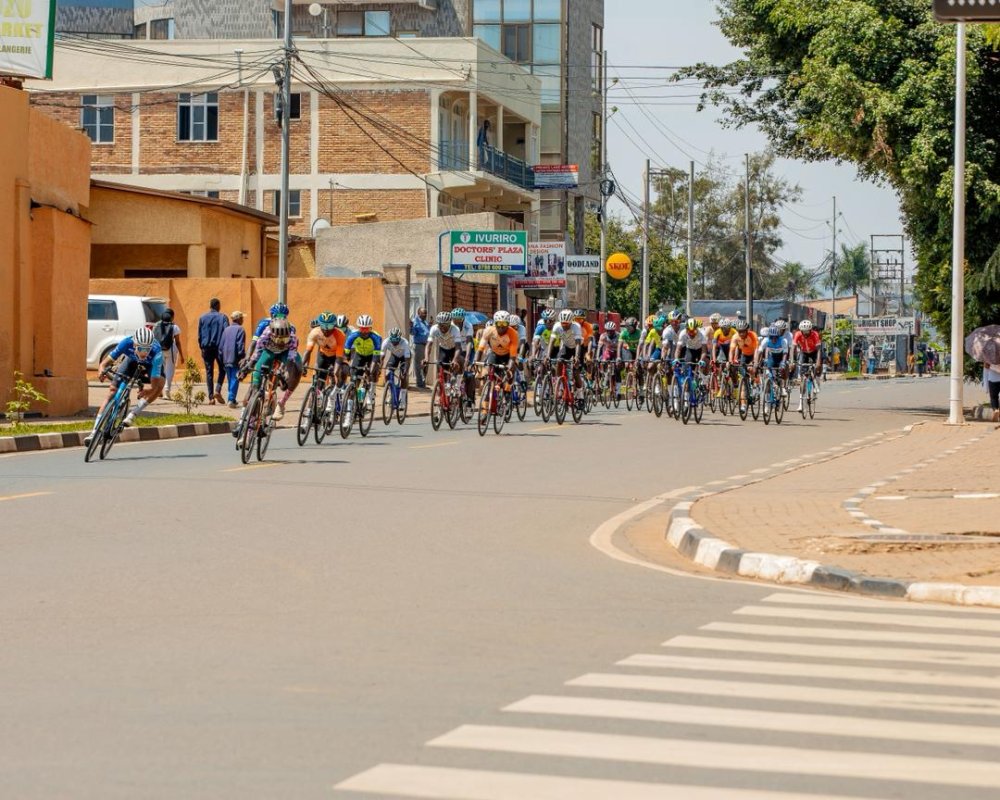
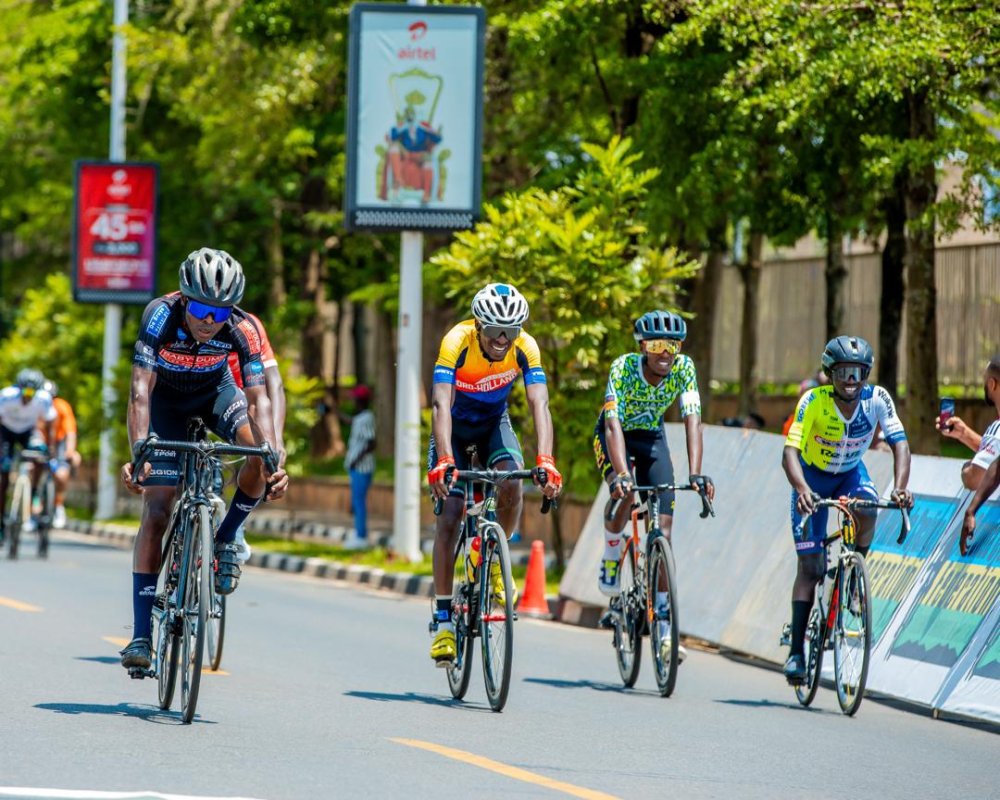
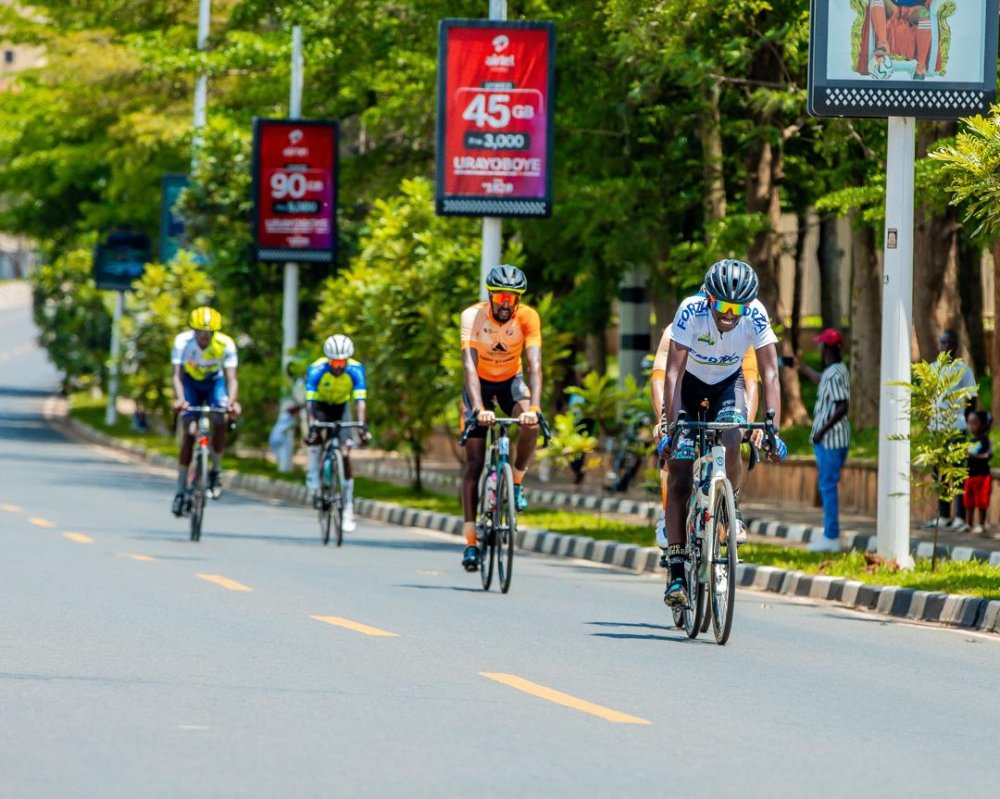
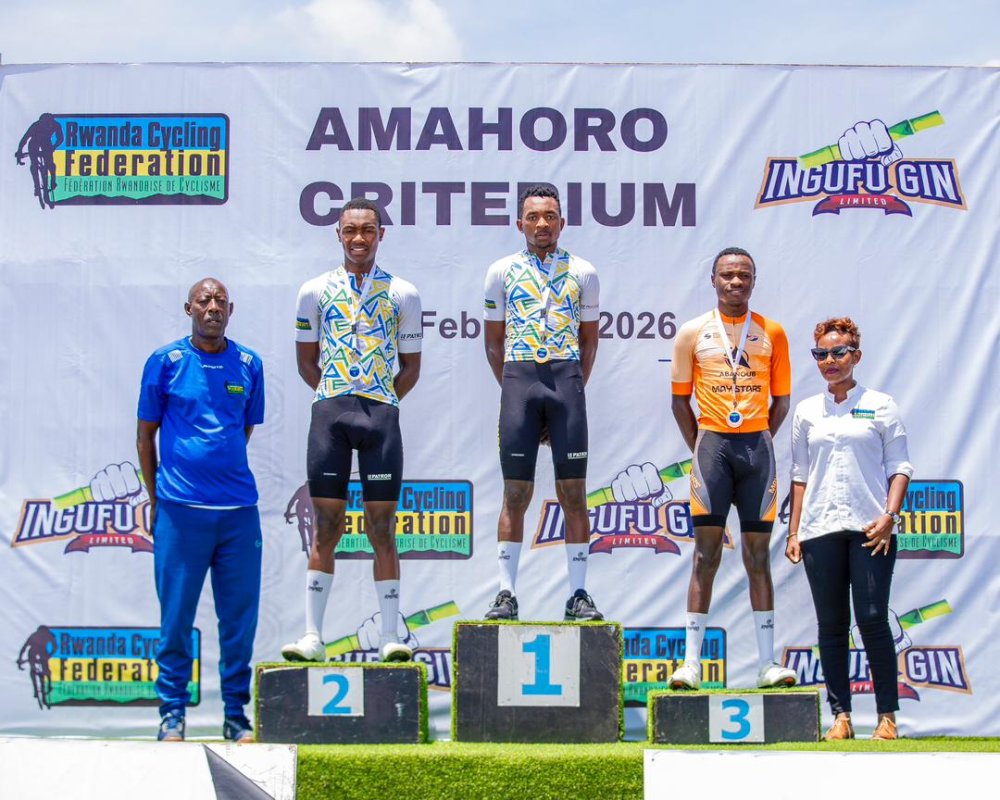
With two weeks remaining before the international race begins, the Rwanda Cycling Federation (FERWACY) organised the Amahoro Criterium for the second consecutive year, following its debut in 2025, as part of efforts to evaluate riders’ form and race fitness.
The event brought together elite and under-23 male riders from various teams, including four Rwandan outfits set to compete in the Tour du Rwanda: Team Rwanda, May Stars, Team Amani, and Benediction Banaafrica Team.
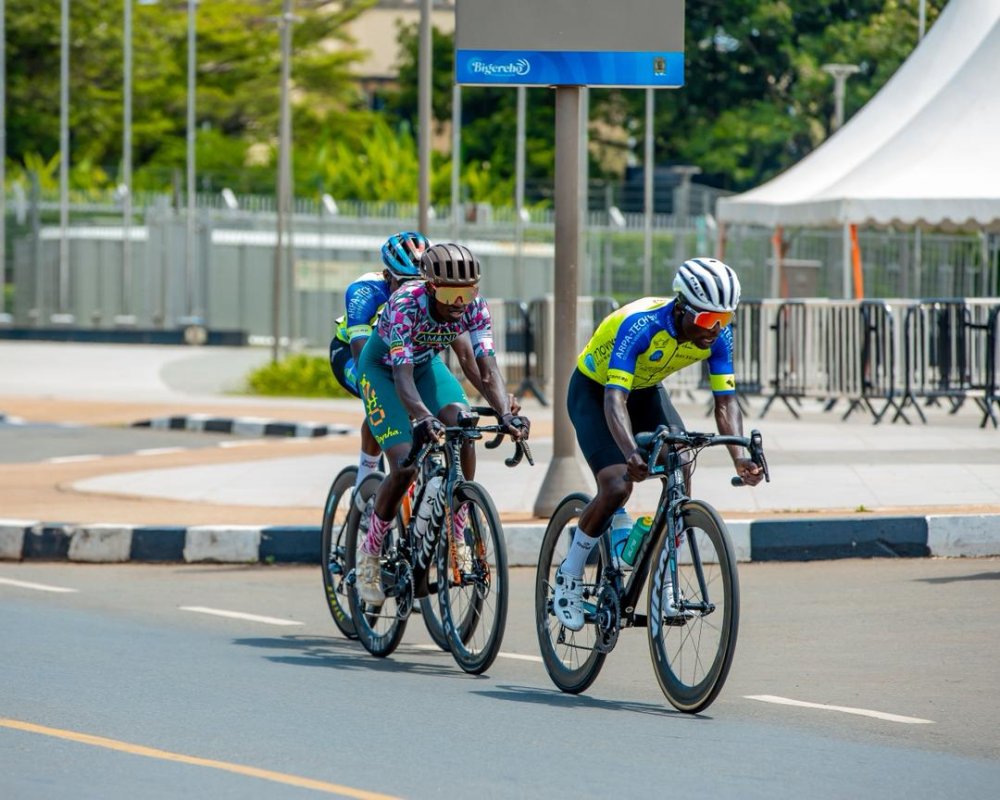
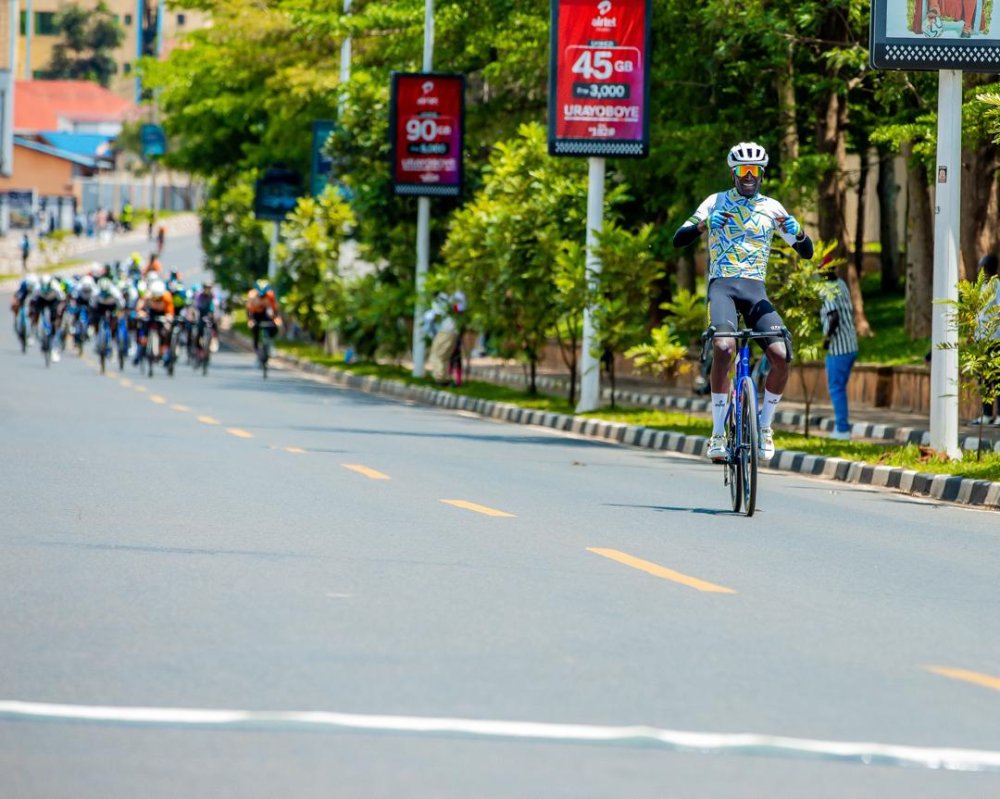
A total of 54 riders lined up for the race, which started and finished at the Amahoro Stadium (Migina). The 3.9-kilometre circuit, passing through Contrôle Technique, kwa Rwahama, and Airtel, was covered over 12 laps.
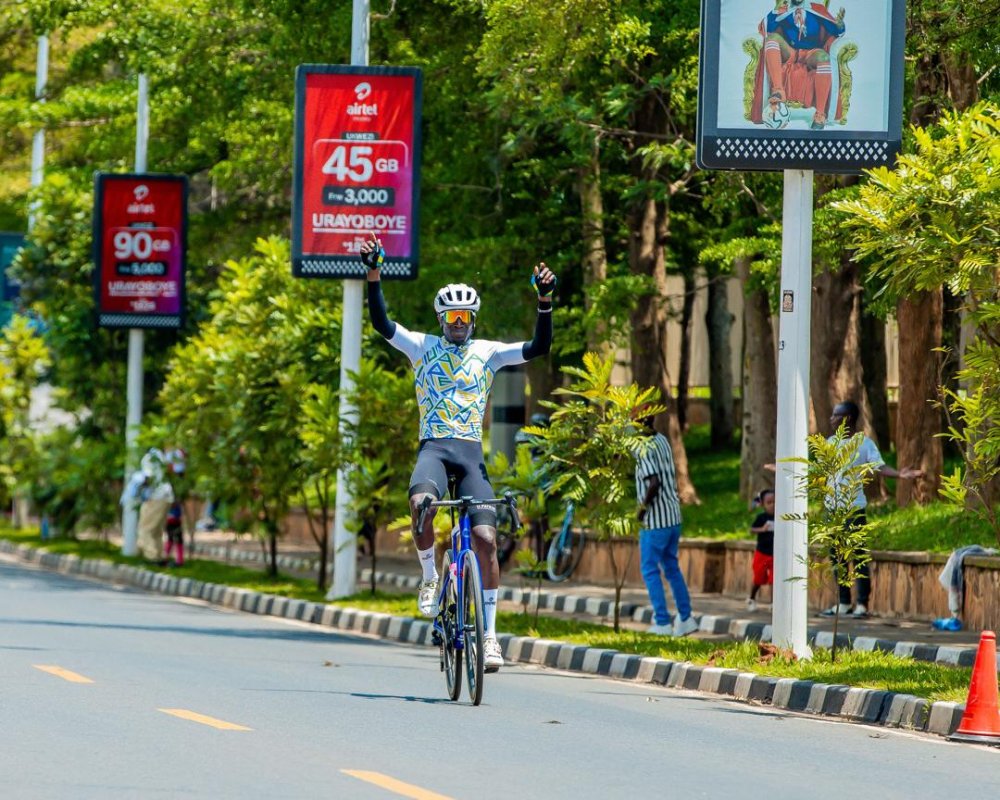
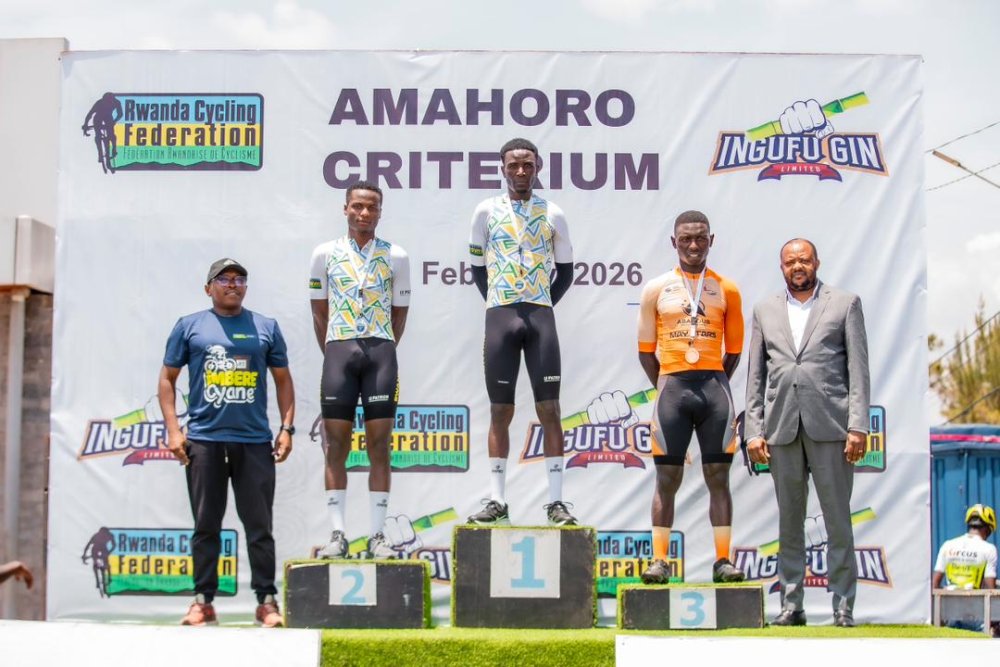
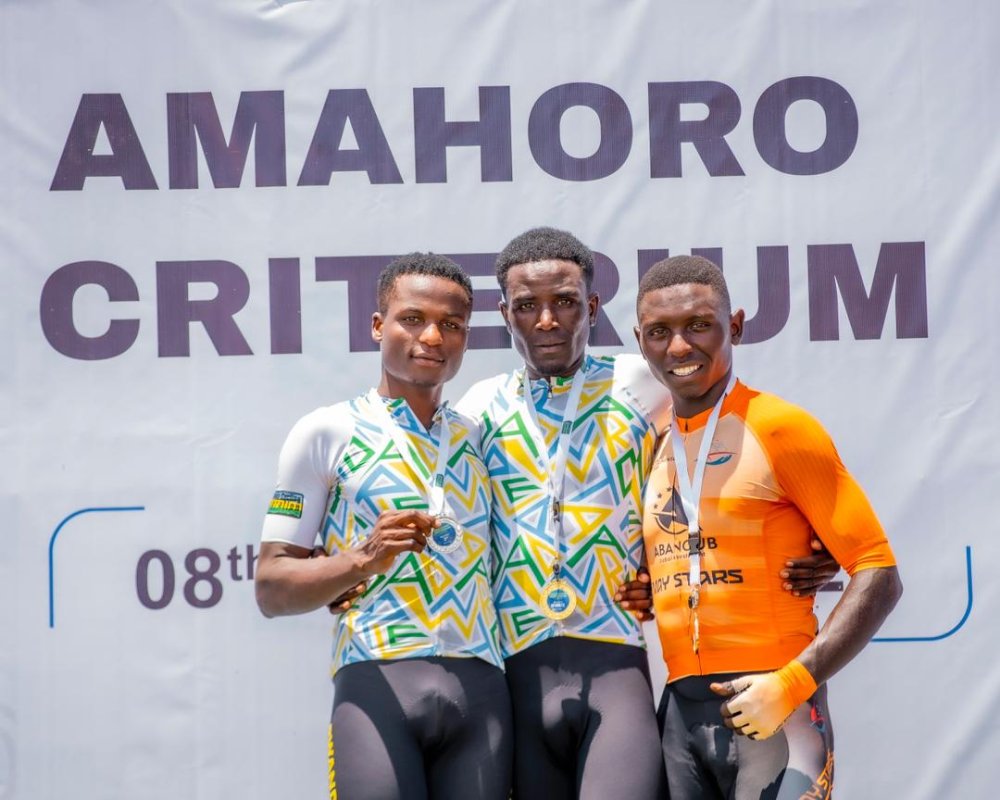
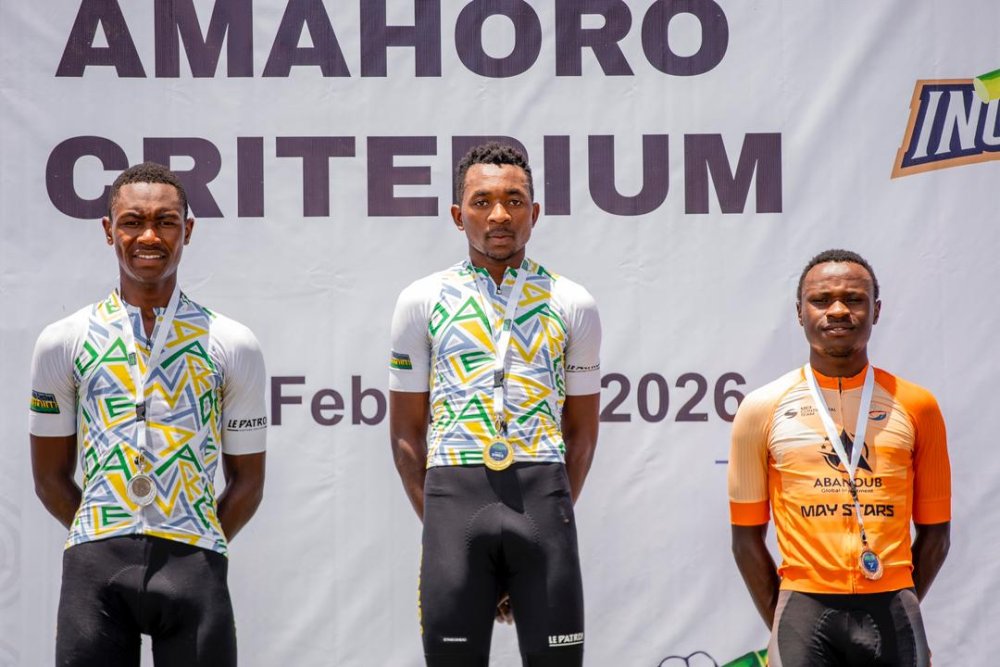
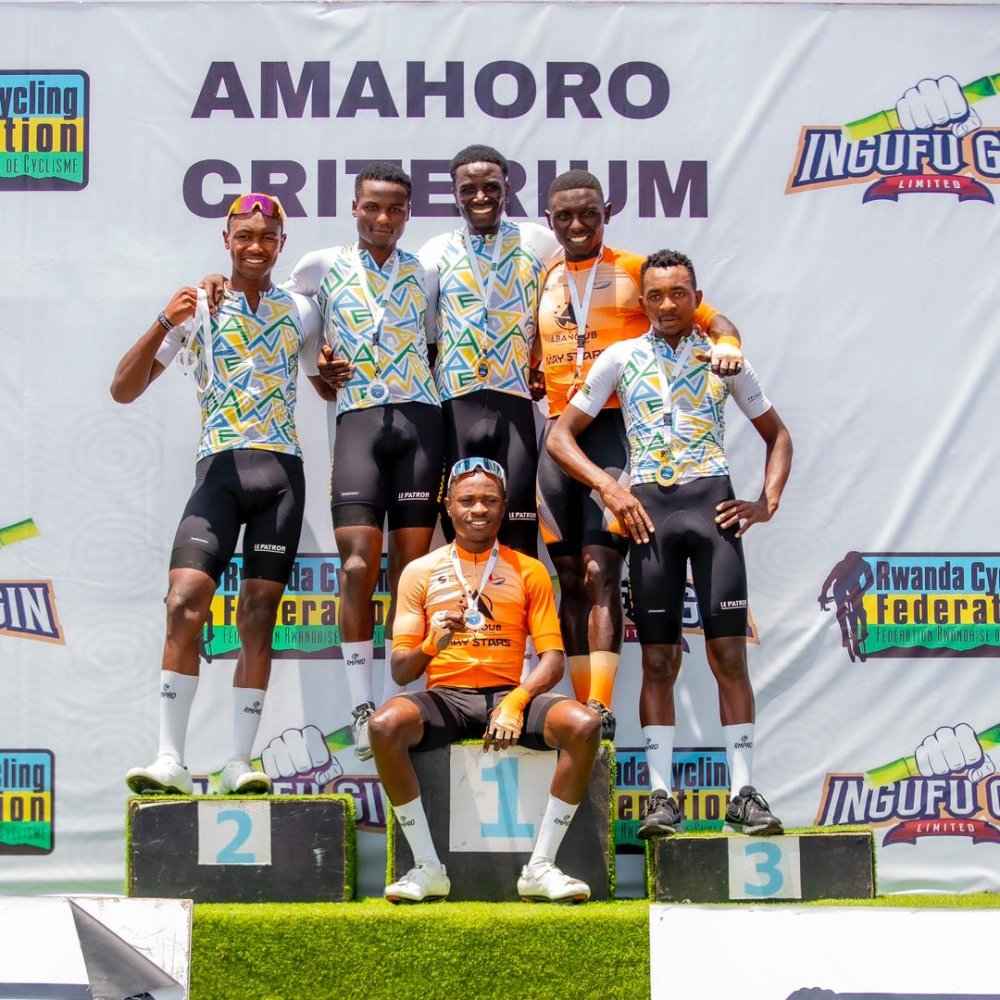
Byukusenge crossed the line first in 1 hour and 15 seconds, finishing three seconds ahead of Étienne Tuyizere (Team Rwanda) and Jérémie Ngendahayo (May Stars).
Nsengiyumva Shemu and Shadrack Ufitimana, both of Team Rwanda, completed the top five. Vainqueur Masengesho placed sixth to finish as the best rider from Benediction Banaafrica Team, while Samuel Niyonkuru of Team Amani finished 13th.
Reacting to his victory, Byukusenge said the result reflected the team’s solid preparation ahead of the Tour du Rwanda.
“It was a good race. We have been preparing for some time and have spent over a month in camp. Winning doesn’t come as a surprise because we prepared well,” he said.
He added that the team is aiming for an improved performance compared to last year.
“We are confident we will perform better than last year. Our showing at the Tour of Sharjah demonstrated that we are in good condition.”
In the under-23 category, Shadrack Ufitimana emerged the winner, followed by Kevin Nshutiraguma, both from Team Rwanda, while Aimé Ruhumuriza of May Stars finished third.
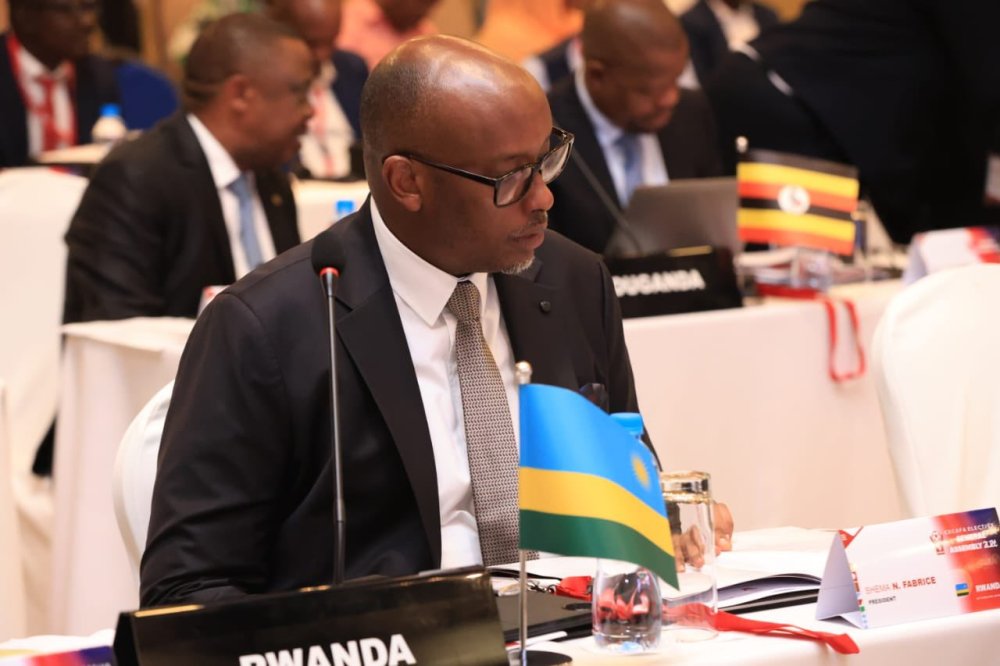
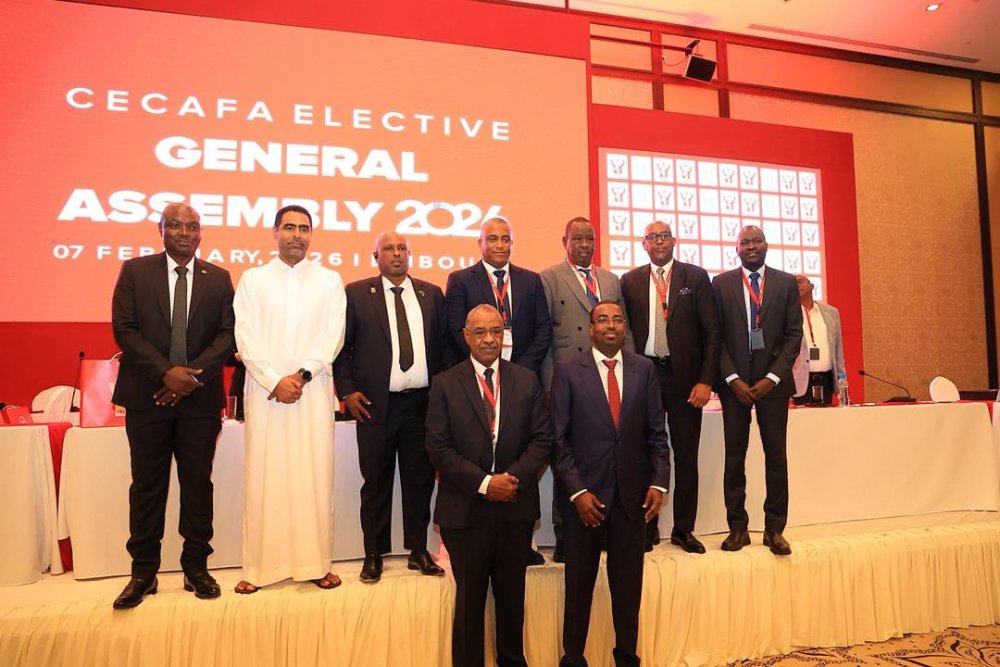
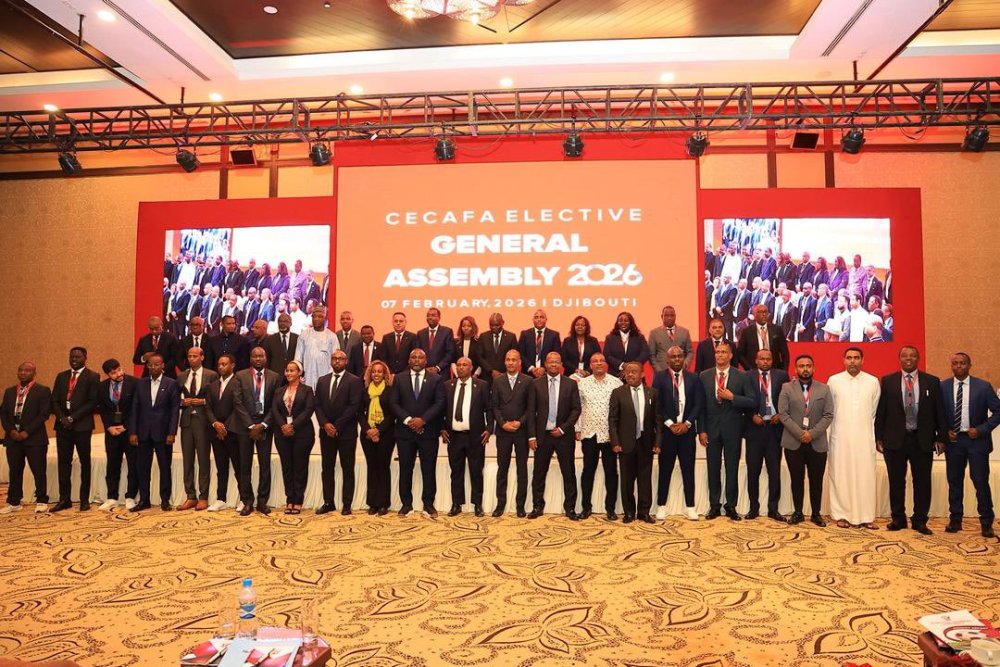
Shema was elected on Saturday, February 7, during the CECAFA 2026 General Assembly in Djibouti, where member associations chose new leadership and discussed the development of football in the region. Twelve associations attended the assembly, which elected officials to serve four-year terms.
Shema, elected FERWAFA President in August 2025, will join the CECAFA Executive Committee to support sustainable development, enhance regional competitions, and strengthen cooperation with CAF, FIFA, and other stakeholders. He has also recently joined FIFA’s committee tasked with combating racism and discrimination in football.
Paulos Weldehaimanot Andemariam of Eritrea was elected CECAFA President, with Ali Abdi Mohamed of Somalia as Vice President. South Sudan’s Francis Amin Michael also joins the Executive Committee.
CECAFA’s current members include Burundi, Djibouti, Ethiopia, Eritrea, Rwanda, Kenya, Tanzania, Uganda, Somalia, Sudan, Zanzibar, and South Sudan.
The election comes as CECAFA prepares to host the 2027 Africa Cup of Nations across Uganda, Kenya, and Tanzania.
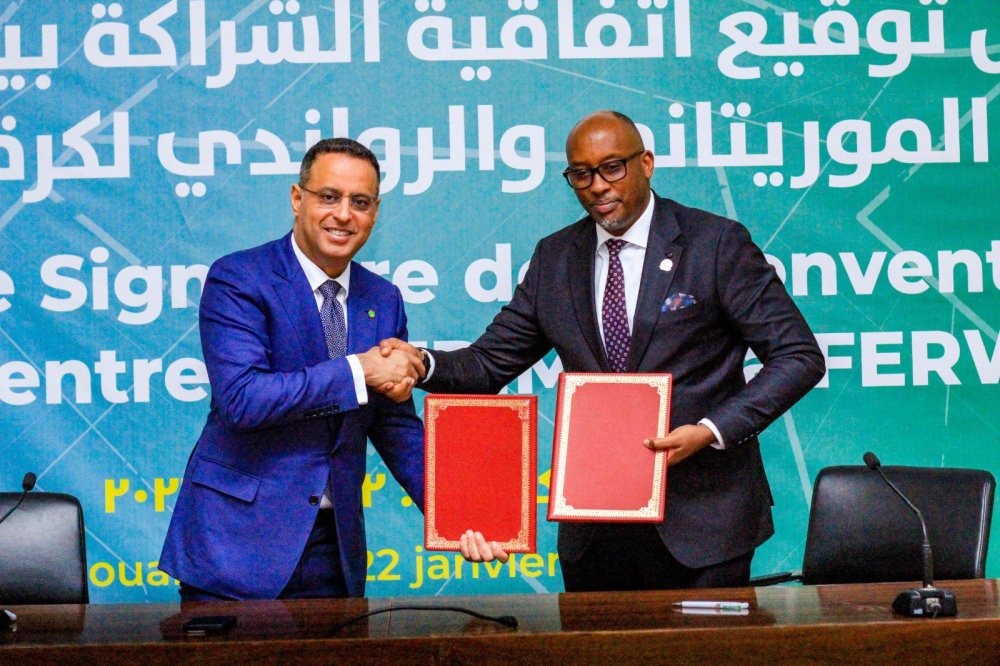
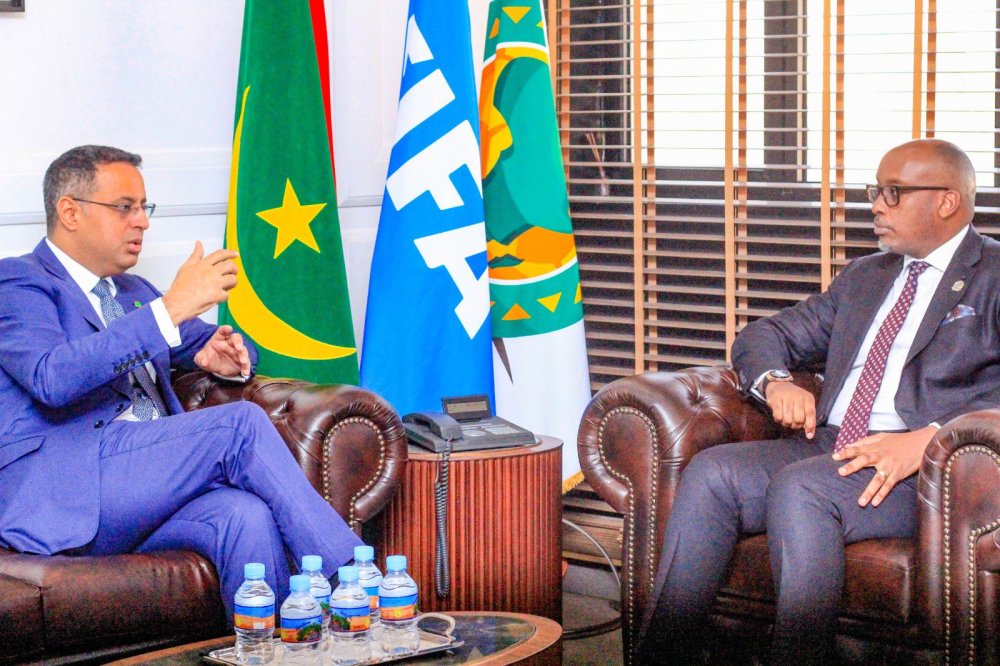
The partnership agreement was signed by the president of the two institutions, Ahmed Yahya and Fabrice Shema Ngoga on Thursday, January 22 at the headquarters of the Mauritanian Football Federation after a three-day working visit which started on January 20.
The agreement between the FERWAFA and FFRIM will focus on improving administrative leadership and governance, internal financial management, audit and evaluation procedures within both federations, technical development, infrastructure development, training of referees, including for VAR technology, as well as the organization of friendly matches, notably for women’s football.
Other areas of partnership include; structuring and organizing national competitions, organizing international competitions and sporting events, developing strategic frameworks and target contracts binding the two federations to FIFA and CAF, digitalization, marketing and communication and exchange of best practices.
During the visit, the FERWAFA delegation participated in presentations by various departments of the Mauritanian Football Federation namely, SG office, DTN, Finance, Refereeing, Women’s Football, Beach Soccer and Futsal, TV. The visit provided an in-depth exchange of organizational methods, mechanisms of action, and strategic projects of the federation.
The two parties also agreed to establish a framework and mechanisms for ongoing consultation and regular monitoring.
Additionally, both parties have mandated their respective administrations to monitor the implementation and execution of the various agreements reached.
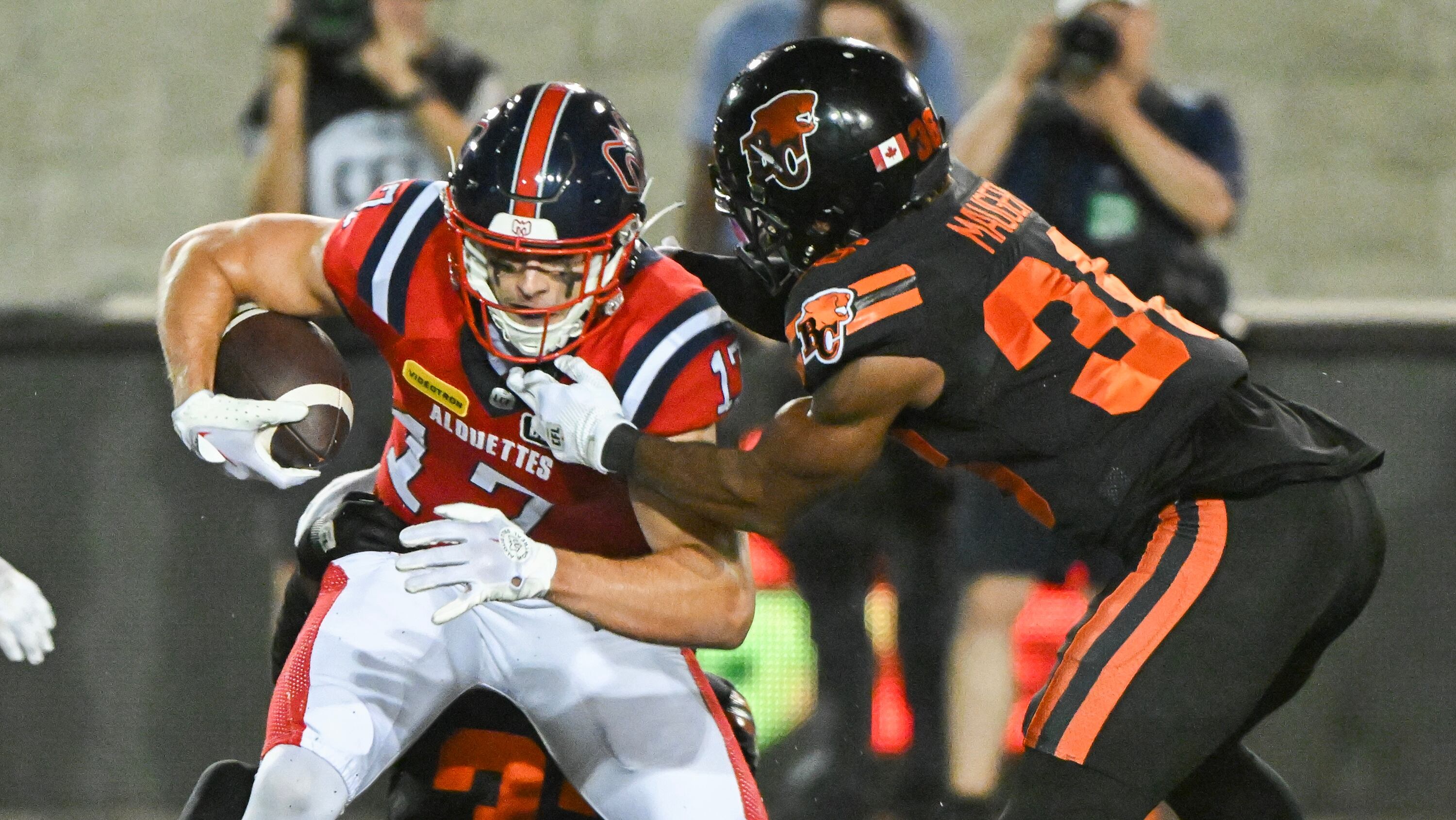
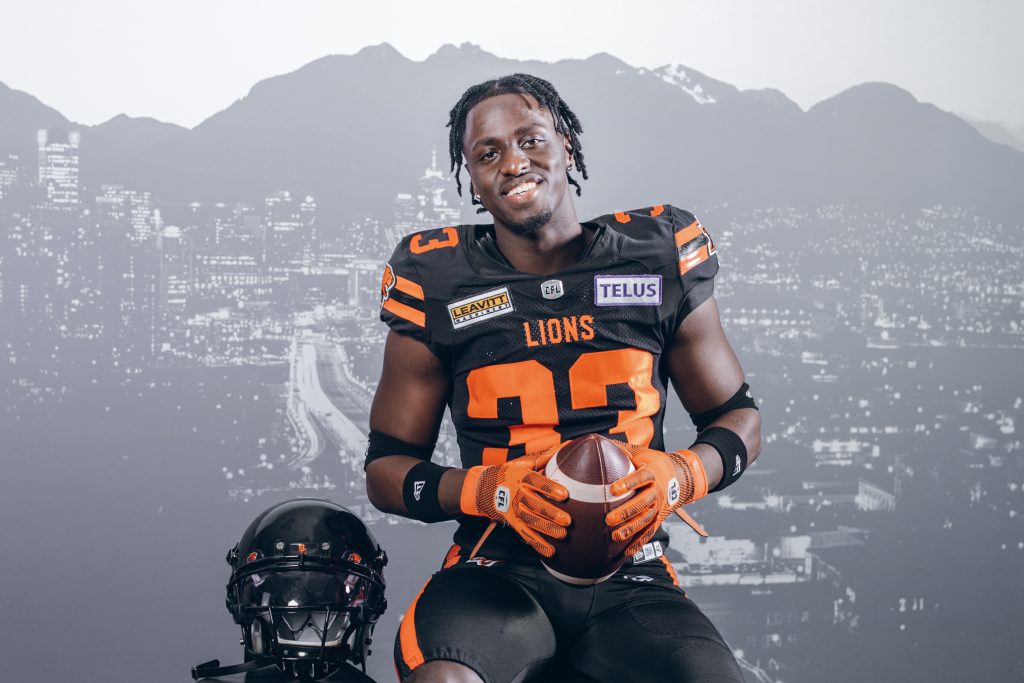
In 2021, he made history as the first Rwandan to sign with an NFL team, later continuing his career in the Canadian Football League (CFL), a journey defined as much by resilience and service as by sport.
His story begins in Zambia, where his parents sought refuge after the 1994 Genocide against the Tutsi. The family later relocated to the United States when he was just two years old, and his early years were marked by constant movement. From New York to Illinois and through towns including Hinsdale, Romeoville, and Bolingbrook, each new place helped shape his resilience and determination from a young age.
“It was a lot of movement early on. We were trying to put the pieces together,” Rugamba told IGIHE in a recent exclusive Zoom interview, adding that adjusting to a new country as a large family was particularly challenging due to limited resources.
After settling in America, Rugamba recalls his parents’ stories of life in the refugee camp. “We all lived in a hut, about 25 to 30 of us lying next to each other,” he recalled. ‘Despite the hardships, family was always the most important thing. That sense of togetherness kept our spirits up.”
His mother played a pivotal role in his journey. Born three months premature, she named him Emmanuel, meaning “God is with us,” a testament to faith and hope. “She was my rock. She keeps me grounded and humble. She showed me that I could do anything if I wanted to,” Rugamba said.
His mother worked tirelessly, putting herself through nursing school while taking English classes and supporting a family of ten.
{{A chance encounter with football
}}
Sports weren’t a part of Rugamba’s early plan, but a twist of fate changed everything. At nine years old, he was too young to join basketball at the local recreation centre, and his mother, determined to keep him active, enrolled him in football instead.
“It changed my life forever,” he said, adding that football became his passion and his path forward.
High school brought new opportunities and mentorship. Coach Tim Lavery and Head Coach Michael Stein recognised Rugamba’s talent and guidance, encouraging him to pursue scholarships and professional opportunities.
He really changed my life, because simply having knowledge of that opportunity meant everything. Not everybody has that knowledge, especially when you come from an immigrant family where everyone is just trying to put the pieces together,” he revealed.
Rugamba’s work ethic and mental toughness set him apart.
“I wasn’t the fastest player on the field. I wasn’t the highest jumper, and I wasn’t the strongest. But I can confidently say that I believed I was the best player on the field whenever I stepped out there,” he said.
“That’s what you have to do, because football is a mental game, and about 70% of what happens on the field happens between your ears.”
{{NFL breakthrough
}}
In 2021, Rugamba achieved a milestone by joining the Cleveland Browns in the NFL. The experience was thrilling yet daunting.
“I knew I wanted to be a football player, but I didn’t realise I was making history for Rwanda,” he said.
After seven months with the Browns, he transitioned to the CFL, playing for the Vancouver BC Lions and earning rookie-of-the-year nominations and all-star recognition. Rugamba described the CFL as faster-paced and more offence-driven than the NFL, highlighting the differences in field size, player count, and style of play.
{{Giving back
}}
While Rugamba’s football achievements are impressive, his off-field work defines him just as much. Through his nonprofit, Vision Forward Foundation, he has spoken at over 120 schools across Canada and the U.S., addressing inclusion, resilience, and anti-bullying.
“Football can only take you so far, but the message you give to the next generation lasts forever,” he said.
He is passionate about expanding opportunities for young Africans in sports, including in Rwanda.
“The biggest barriers are knowledge, opportunity, and resources,” Rugamba explained.
He welcomed Rwanda’s growing presence in American football, particularly the Visit Rwanda partnership with the Los Angeles Rams, signed in September last year, calling it a powerful step toward expanding opportunity.
“When I saw that partnership, I couldn’t stop smiling,” he said. “I know what football can bring.”
For aspiring Rwandan and African players, Rugamba shares a simple truth: “Ask a million questions. Find mentors. Be humble and willing to learn. That’s how you get to the international stage.”
Looking ahead, Rugamba is eager to return to Rwanda, first to pay respects at the Genocide Memorial, then to engage with youth, sports organizations and policymakers. Through his foundation and partnerships, he hopes to bring mentorship programs and sports development initiatives back home.
“I want to be home,” he said. “I want to see the youth, build programs, and give back in every way I can.”
One programme making this possible is the Tony Football Excellence Program (TFEP). By providing structured training, mentorship, and exposure beyond Rwanda’s borders, TFEP is helping promising players take the first steps toward professional football careers abroad.
Now in its third year, TFEP has prioritised building partnerships with international clubs, offering selected players the chance to gain experience by training with professional teams abroad.
This year, the programme facilitated an opportunity for two young Rwandan talents, Kwizera Fils Elysée, from Muyumbu Sector in Rwamagana District, and Sangwa Nabil Nassem, from Nyakabanda Sector in Kicukiro District, to train with Al Nasr FC in Dubai, United Arab Emirates.
The two players are set to spend ten days training with the club, an experience that remains rare for Rwandan children. Speaking to IGIHE, their families shared the journeys that led to this milestone.
{{Sangwa’s journey to TFEP
}}
Sangwa’s mother, Iragena Ashoura, revealed that her son’s sporting journey did not begin with football.
“I am not a big fan of football, I love karate,” Iragena said. “When Sangwa was younger, I introduced him to karate at the age of five, six or seven. But when he turned eight, he developed an interest in football. I asked him what he wanted, and he told me he wanted to play football. That’s when he joined Shining Academy in Kimironko.”
According to Iragena, it was Sangwa himself who discovered TFEP and took the initiative to apply.
“He is a very curious child who always looks for information. He was the one who told me about TFEP and even emailed Tony using my phone. They responded and called me to confirm where we lived and when the selection would take place in Kicukiro. That’s how he went, and luckily, he succeeded. I am very proud that he achieved this largely on his own.”
Although she was initially concerned about her son leaving home at a young age, Iragena later came to appreciate TFEP’s balance between football development and education.
“When they told me Tony operates in Musanze, I was hesitant. My son was still in primary school, and I did not like the idea of him being so far away. But after consulting friends and family, I realised it was for his own good. I saw him grow, both in football and academically; he scored 90 per cent. From then on, I fully supported him, wherever his journey may take him.”
{{Sangwa’s determination to seize the opportunity
}}
Now 13, Sangwa says he is determined to make the most of his training stint with Al Nasr and take another step towards his dream.
“My mother first introduced me to karate, but I always loved football because I admired Neymar Jr,” he said. “The team I played for, Cercle Sportifs, could not take me very far, so one of my relatives helped me join Shining Academy.”
Reflecting on the opportunity in Dubai, Sangwa added, “I plan to perform well, just as I did at Tony. They trusted me not only because of my skills, but because they believed in me. I will continue to give my best, and by God’s will, when I return, more opportunities will come.”
{{Kwizera’s passion for football
}}
For Kwizera, football has been part of his life from an early age, shaped largely by his family environment. His father, Ndababonye Joël, is both a football fan and a coach.
“The first day I got a football was when my uncle brought one from Kigali,” Kwizera recalled. “I played with my older brother, and at that time, my father was also playing football. We loved watching him. One day, he took me to where he coached, and I played with the under-13s.”
Kwizera narrated that his father later formed a football team, where he continued to develop before joining TFEP.
“I grew up in that team. Later, I did the trials for Tony Football Excellence Program, passed, and joined.”
Kwizera’s father confirmed that he recognised his son’s talent early, prompting him to create a platform for young players in their community.
“I founded Green Lovers Academy in 2018 in Muyumbu, Rwamagana, out of my love for football,” Ndababonye said. “That’s where Kwizera developed his skills and was later recognised by local coaches.”
Kwizera’s mother, Mukeshimana Marie Rose, also believed in her son’s potential, though she admits she worried about the physical risks involved.
“I always knew he would become a footballer,” she said. “Both his father and I love football, and when I saw how committed he was, I told him that one day he would play professionally.”
“Of course, I worried about injuries. Sometimes he would come home hurt, asking for ointment. But despite those moments, I continued to support him.”
{{Kwizera’s dream to go further
}}
Kwizera says his ultimate goal is to surpass what his father was unable to achieve in football.
“I want to go far and keep improving,” he said. “My father wanted to play at the highest level, but it did not work out for him. I am working hard to fulfil that dream. I believe that when I return from Dubai, even more opportunities will open up for me.”