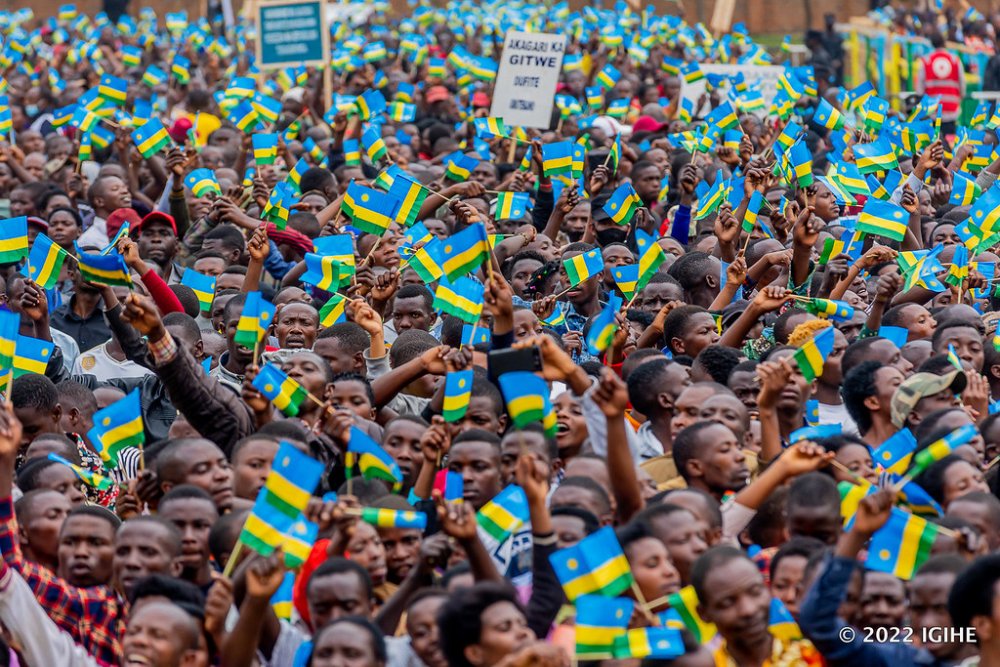
The survey was conducted among more than 12,000 respondents drawn from different sectors of society across various parts of the country.
Among those surveyed, 93% said that the MRND party, which was in power until 1994, contributed to the weakening of national unity. The same proportion also agreed that in the early stages of the breakdown of unity, APROSOMA and PARMEHUTU parties played a role in promoting ethnic ideology, discrimination, and division.
Following the Genocide against the Tutsi, Rwanda introduced policies aimed at guaranteeing equal rights for all citizens, with ethnic and regional discrimination being eliminated across all sectors of public life.
The survey found that 99% of respondents believe that Rwandans, regardless of where they live, regularly interact socially without regard to ethnic background. Respondents also noted that the commemoration of the Genocide against the Tutsi plays an important role in strengthening reconciliation among Rwandans.
In addition, 94% of respondents said that communities actively take part in initiatives and programs aimed at promoting peaceful coexistence.
The Minister of National Unity and Civic Engagement, Dr. Jean Damascène Bizimana, recently told senators that the improvement in indicators of unity, reconciliation, and resilience is the result of deliberate government programs designed to strengthen social cohesion.
“The reasons behind the improvement in these indicators include various government programs aimed at bringing Rwandans together, ensuring equal opportunities, fighting injustice and discrimination, promoting healing, delivering justice, and improving citizens’ welfare in an inclusive manner,” he said.
The survey further shows that 99.1% of respondents agreed that Rwanda’s governance system is inclusive.
A further 98.6% said that the country promotes a culture of dialogue, conflict resolution, and consensus-based decision-making, while 98.1% agreed that citizens are represented in decision-making institutions.
Furthermore, 97.8% of respondents believe that justice is delivered without discrimination, while 87.2% said that power-sharing contributes to strengthening resilience among Rwandans.
The survey shows that 99.1% of Rwandans agreed that the country’s governance system is inclusive
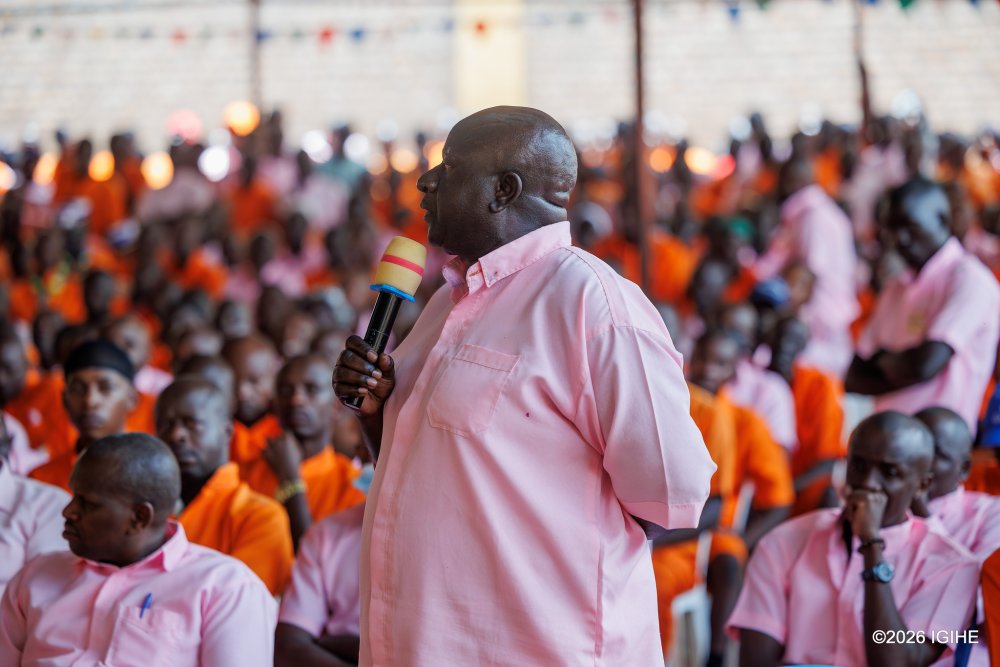
These are the words of Grégoire Nyirimanzi, 57, a former local official, expressing deep remorse.
Once entrusted with the responsibility of protecting civilians, he instead violated that duty and actively participated in their extermination during the 1994 Genocide against the Tutsi.
Born in Nyakabanda Sector, Nyarugenge District, Nyirimanzi served as a sector executive secretary during the genocide.
He participated in meetings with senior leaders, including former President Juvénal Habyarimana, where a consistent agenda was promoted: the systematic extermination of Tutsis based solely on their identity.
Nyirimanzi is currently serving a 30-year prison sentence at Nyarugenge Prison in Mageragere, following his conviction for genocide-related crimes.
He was arrested in Gabon, where he had fled, and was repatriated to Rwanda in 1997. He was subsequently tried and imprisoned that same year, with his sentence expected to conclude in 2027.
Reflecting on his actions, he stated: “I incited Hutus to kill Tutsis. I distributed firearms that were used in these killings. I also sent young people for weapons training and encouraged them to participate in the atrocities committed against the Tutsis in 1994.”
He recalls distributing approximately ten firearms, which he had received from the former Nyarugenge Commune, to local administrative leaders at the cell and village levels. These weapons were later used in attacks against Tutsis in his area.
One of the most distressing incidents, he recounts, is the attack on Pastor Amoni Iyamuremye: “He was burned alive in his home while I was leading the attack. This act has deeply affected me. That image continues to haunt me, even after I sought and received forgiveness from his son.
“I led numerous attacks, including those at Collège Saint André, at Iyamuremye’s residence, and at the homes of Laetitia and Jean Baptiste. There were many others I cannot even count. Many lives were lost in these attacks.”
Addressing common narratives that attempt to minimize or deny the Genocide against the Tutsi such as claims that it was unplanned or triggered solely by the downing of President Habyarimana’s plane Nyirimanzi firmly rejects such assertions. He emphasizes that genocidal ideology was systematically instilled long before the violence erupted.
“We were taught nothing of value except genocide ideology. I remember seeing the bodies of Tutsis lying everywhere and questioning how I could still be alive. Today, I receive medical care and support, yet I feel unworthy of such treatment.”
He further reflects on the organized nature of the genocide, questioning why some continue to deny its occurrence: “Tutsis were shot, burned, and brutally killed in broad daylight. Denial is a deliberate act, often motivated by personal interests. The genocide devastated our country, leaving it in ruins. Those of us who took part now live with deep regret. Anyone who doubts this should come and see the evidence.”
As evidence of premeditation, he points to the preparation of lists identifying Tutsis to be targeted. He personally compiled such lists in Nyakabanda, while other leaders in districts such as Rusizi did the same independently, without direct coordination.
He also describes how authorities required lists of young men to be sent for military training at the Gabiro Military Camp, where they received instruction from French trainers.
“The youth who underwent this training were later encouraged to continue to Bugesera to join earlier attacks against Tutsis. These events did take place. Rwambuka Fidèle, who was the mayor of Commune Kanzenze at the time, played a role in those initial phases of the violence.”
Participation in high-level meetings to coordinate the extermination of Tutsis
Nyirimanzi further substantiates claims that the Genocide against the Tutsi was systematically planned by describing his involvement in high-level meetings with political leaders and influential figures.
Among those he encountered were former President Juvénal Habyarimana and prominent businessman Félicien Kabuga, who has been widely associated with financing the procurement of machetes used during the killings.
He recalls a significant meeting held in Rebero and chaired by President Habyarimana. The gathering brought together leaders from various administrative levels, ranging from local cell authorities to senior government officials and high-ranking military officers.
According to Nyirimanzi, the purpose of the meeting was made explicit.
He recounts that Habyarimana declared that the country had been attacked by an enemy and emphasized that immediate action was required. Participants were urged not to remain passive but to mobilize and confront the identified enemy whom he explicitly defined as the Tutsi population.
During the meeting, a local official raised concerns about the lack of necessary equipment. In response, Habyarimana assured attendees that weapons would be provided, stating that firearms were available and that those without guns would be supplied with grenades or machetes. He emphasized that all available means should be used to carry out the objective.
Nyirimanzi also describes attending meetings involving influential civilian actors, including Félicien Kabuga. While Kabuga’s involvement has been contested by some, Nyirimanzi asserts that he played a direct and active role. He specifically recalls a meeting held at Kabuga’s residence in Muhima, where Kabuga pledged material and logistical support for the killings.
According to Nyirimanzi, Kabuga assured participants that they would face no shortages, stating that weapons including guns and machetes were readily available.
He further committed to providing logistical support, including food supplies for those carrying out the attacks. Nyirimanzi insists that any denial of Kabuga’s involvement is deliberate and unfounded, noting that he clearly remembers both the meeting and Kabuga’s presence.
The meeting was attended by several prominent figures, including senior members of the ruling MRND party and leaders associated with the Interahamwe militia, further underscoring the coordinated nature of the planning.
Efforts to uncover the truth within the prison system
More than three decades after the Genocide against the Tutsi was halted, challenges remain in uncovering the full truth particularly regarding the locations where victims’ bodies were dumped.
Nyirimanzi notes that some perpetrators, including those already convicted and imprisoned, continue to withhold such information.
He explains that significant efforts have been undertaken within the prison system to encourage transparency and accountability.
However, these efforts have faced resistance from a group of former leaders who still wield influence, both within correctional facilities and beyond.
According to him, this group actively discourages others from cooperating, urging them to remain silent and avoid disclosing any information.
Despite this resistance, Nyirimanzi expresses confidence that truth will ultimately prevail.
He highlights his own role in revealing information that led to the discovery of human remains at the Rwezamenyo bus station information that had remained undisclosed for nearly 25 years, despite the presence of individuals living nearby who had never come forward.
Grégoire Nyirimanzi, a former executive secretary of Nyakabanda Sector in Kigali, is currently imprisoned for his role in the Genocide.
Nyirimanzi recounts that when survivors of the Genocide against the Tutsi approached him seeking reconciliation or asking him to reveal the locations where their relatives’ bodies had been buried, he initially felt deep fear.
Given the severity of the crimes he had committed, his hesitation was significant. However, the survivors reassured him, demonstrating forgiveness and encouraging him to speak openly.
This support enabled him to overcome his fear and disclose the locations of mass graves, allowing families to recover the remains of their loved ones and provide them with dignified burials.
He explained that he identified several burial sites, including one near the Nyamirambo Brigade and another in a place known as Ku Ryanyuma’ near the stadium.
He noted that, although local residents had long been aware of these sites, many had chosen not to speak. His testimony ultimately contributed to meaningful outcomes, as families were able to locate and properly bury their relatives.
Nyirimanzi conveyed a message of reassurance to survivors, expressing his intention to contribute positively to society upon completing his sentence. He emphasized his willingness to take part in rebuilding what he had helped destroy.
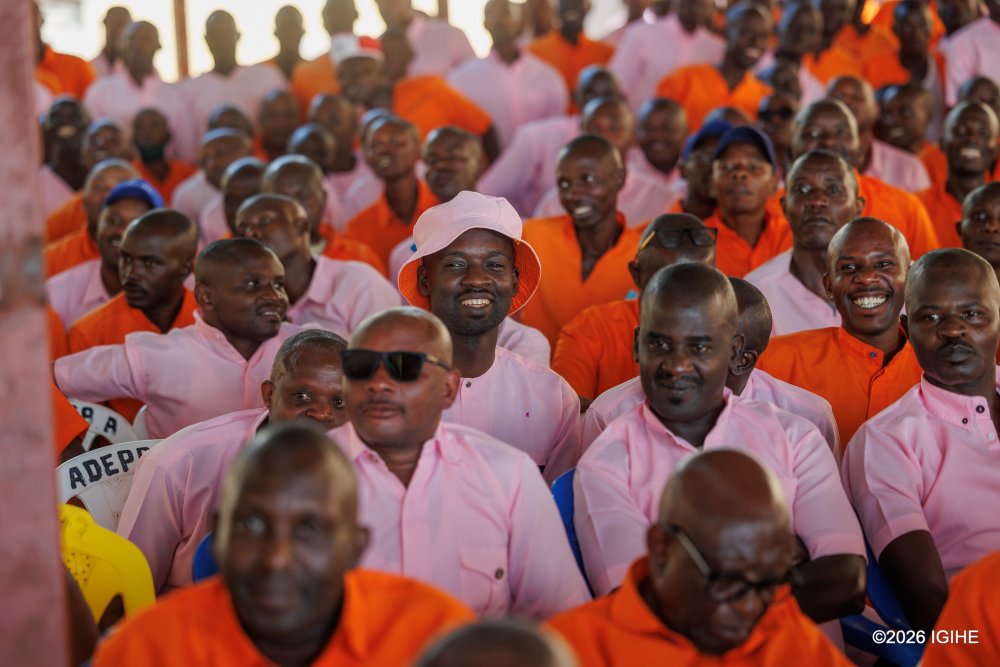
On the issue of seeking forgiveness, he stated that many inmates at Nyarugenge Prison are eager to apologize to those they wronged. He called for structured initiatives to facilitate dialogue and reconciliation across communities.
He noted that many individuals complete their sentences while still burdened by fear and uncertainty about facing their victims.
He believes that creating opportunities for reconciliation before release would allow them to seek forgiveness and reintegrate into society with a sense of emotional relief and responsibility.
Testimony before the International Criminal Tribunal for Rwanda (ICTR)
Nyirimanzi also revealed that he provided testimony to investigators and appeared before the International Criminal Tribunal for Rwanda (ICTR), where he gave evidence regarding the role of senior military officials in the genocide.
He testified in cases involving high-ranking officers, including Gratien Kabiligi, Théoneste Bagosora, Aloys Ntabakuze, and Lieutenant-Colonel Anatole Nsengiyumva.
According to his account, these individuals played a key role in distributing weapons to civilians and organizing meetings that encouraged participation in the killings.
He stated that they not only facilitated the widespread distribution of weapons but also used meetings to persuade participants that the violence was justified, framing it as a necessary act of retaliation against an alleged enemy.
In subsequent ICTR rulings, Gratien Kabiligi was acquitted, while Théoneste Bagosora and Aloys Ntabakuze were each sentenced to 35 years in prison. Anatole Nsengiyumva received a sentence of 15 years.
Nyirimanzi expressed a profound sense of regret that he did not live under Rwanda’s current leadership during that period. He spoke positively about the country’s governance, emphasizing the promotion of national unity and the absence of division.
He highlighted the progress made in ensuring equal opportunities, noting that access to education and employment is no longer influenced by family background or past associations.
As a personal example, he pointed out that his own child is able to study and work without discrimination, despite his past actions.
He expressed appreciation for what he described as inclusive leadership, which prioritizes unity and does not punish children for the crimes committed by their parents.
Inmates at Mageragere Correctional Facility were recently provided with a book written by Yolande Mukagasana titled ‘Umurage w’Urubyiruko’ Part One.
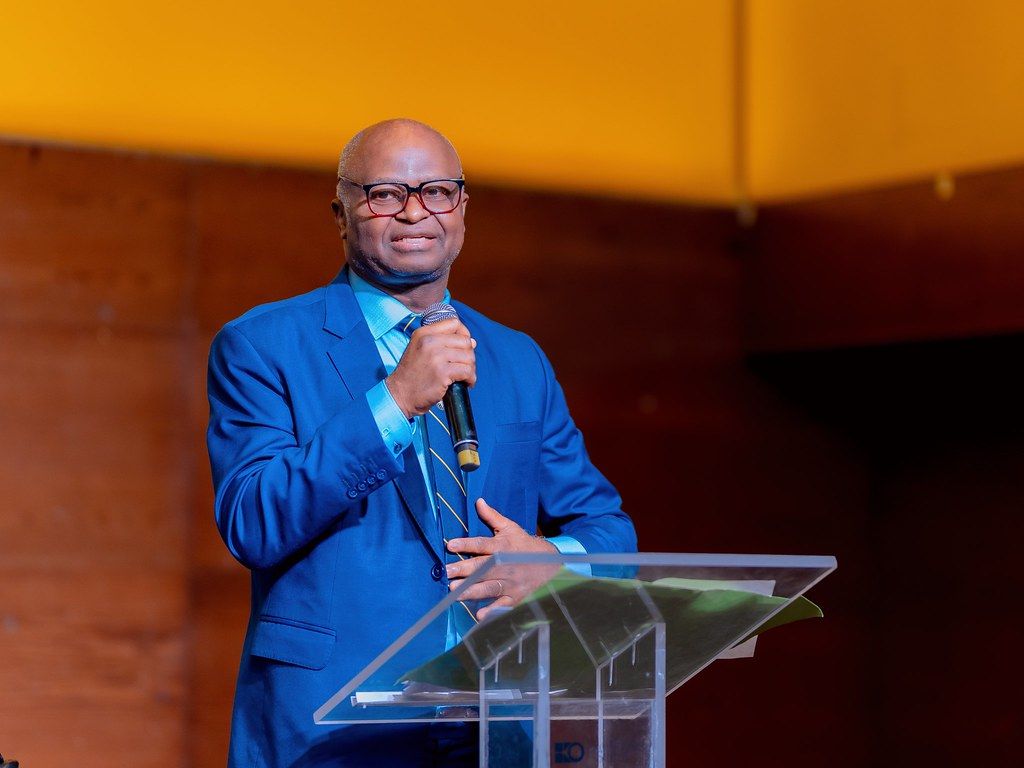
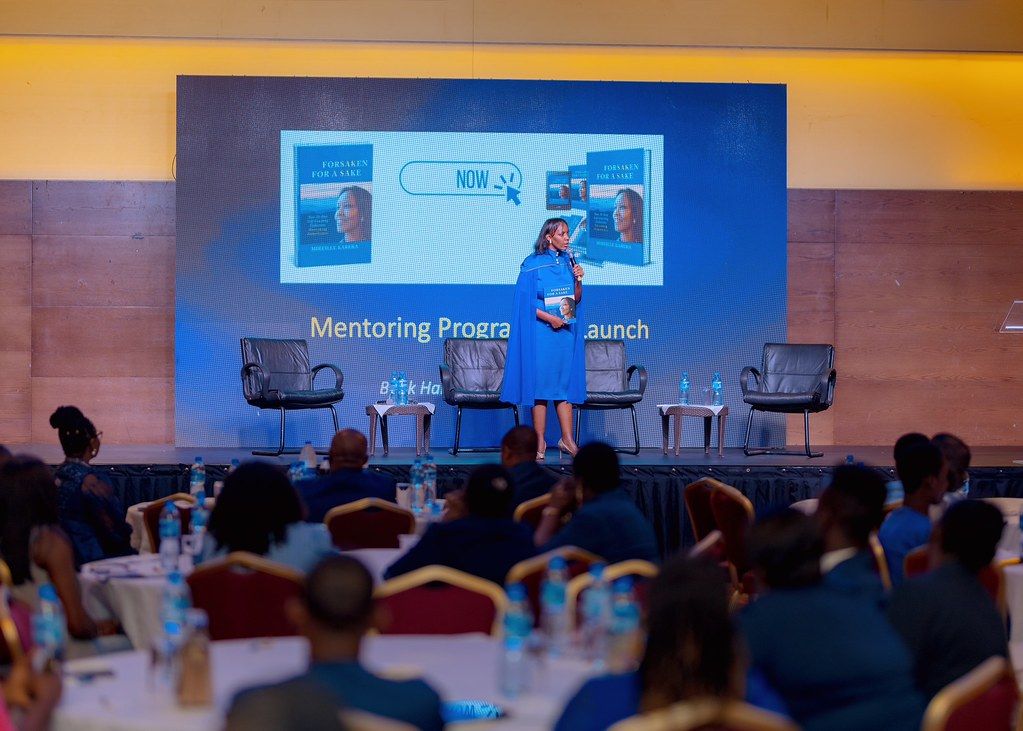
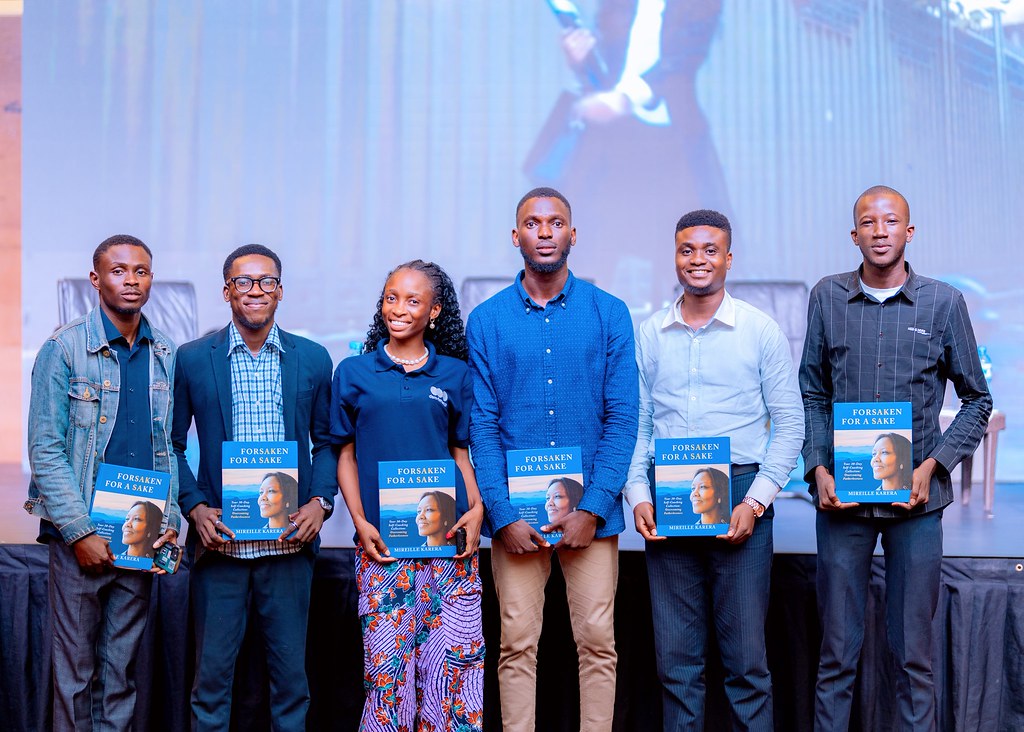
The programme, titled “Forsaken for a Sake,” was officially unveiled on November 9, 2025, at Eko Hotel & Suites in Lagos, Nigeria.
The launch marks the beginning of Cohort 1–2025, which will support an initial group of 100 mentors and mentees in Nigeria. Africa Re served as the host institution for the event, selected from among 10 African cities identified for the programme rollout under the campaign “From Rwanda to the World.”
{{Tackling fatherhood and fatherlessness
}}
The mentorship initiative focuses on the transformative role fathers play in shaping children’s lives, and the deep social consequences linked to fatherlessness. Research shows that children raised by present and supportive fathers are more likely to perform well academically, develop stronger self-esteem, and avoid high-risk behaviours such as substance abuse and crime.
Conversely, the partners emphasise that fatherlessness is strongly linked to poverty, emotional distress, poor educational outcomes, and increased vulnerability to early pregnancies and other social challenges.
Speaking on behalf of Dr Corneille Karekezi, Group Managing Director and CEO of Africa Re, Roger Bong Bekondo, Director of Communications & Public Affairs, emphasised the corporation’s dedication to building inclusive and resilient African societies.
“Africa Re is deeply committed to fostering a healthy and inclusive continent, one where every child feels the love of a father or finds a community that helps them heal from his absence,” he remarked.
Bong Bekondo added that partnering with KORA Academy aligns with Africa Re’s long-standing mission to uplift communities through sustainable development initiatives.
He encouraged mentees to immerse themselves in the programme and use the opportunity to heal, grow and develop leadership skills. He also called on mentors to give back by offering guidance, hope and stability to young participants.
“Let Forsaken for a Sake be a beacon of hope and a catalyst for a better society across Africa,” he said.
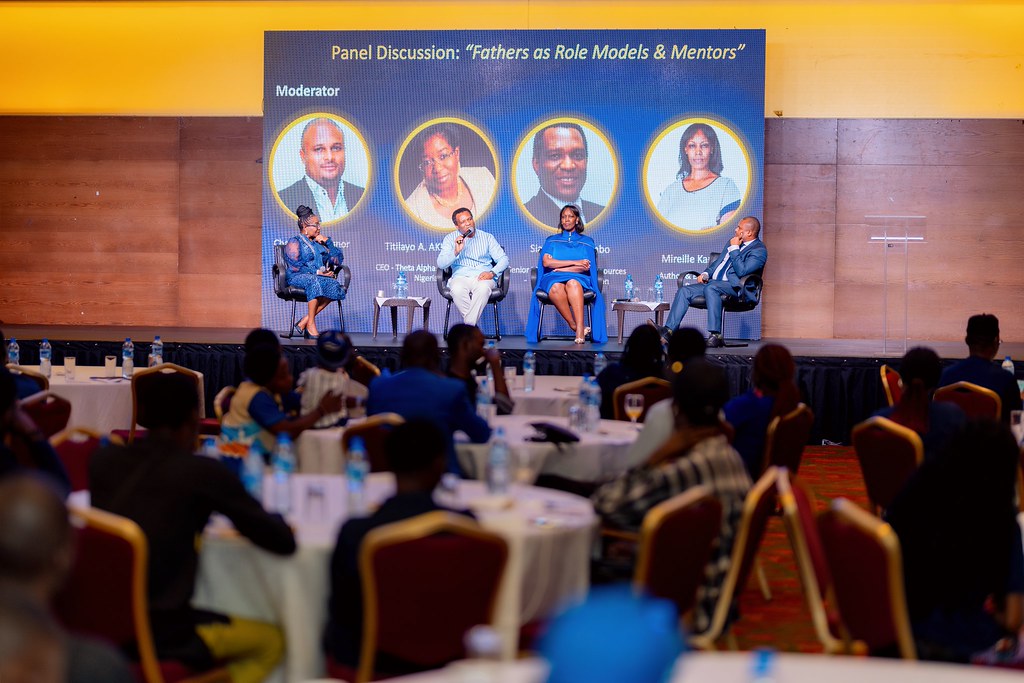
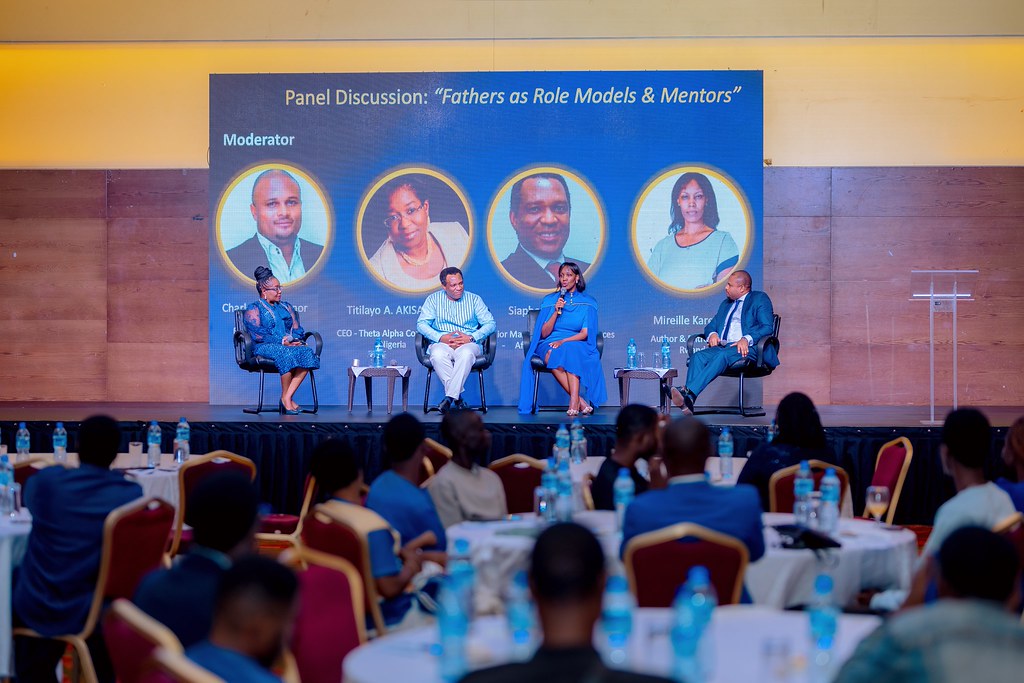
The launch event featured a panel discussion involving prominent Nigerian thought leaders who shared their personal journeys shaped by either strong paternal guidance or the absence of it. Their insights highlighted the long-term effects of fatherhood experiences, underscoring the need for awareness, healing, and mental health ownership among the youth taking part in the programme.
{{A book to guide the journey
}}
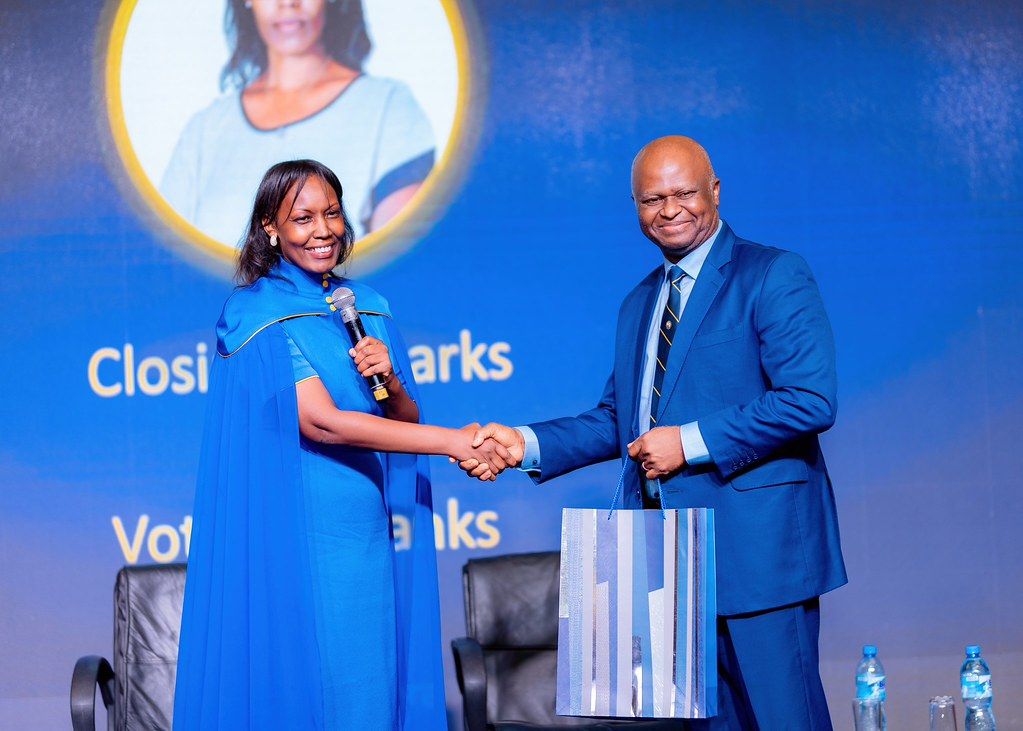
The mentorship launch also included a ceremonial handover of the book “Forsaken for a Sake: Your 30-Day Self-Coaching Collection: Overcoming Fatherlessness” authored by Mireille Karera and published by KORA Coaching & Business Academy. Each mentor and mentee received a copy as part of their upcoming training.
In her remarks, Karera expressed gratitude to Africa Re for its trust and commitment to a pan-African partnership. She shared a poignant personal story linking her own life to the founding history of Africa Re.
Born a refugee in East Africa in May 1976, just months after Africa Re was established, she revealed that she later grew up fatherless, making the programme’s mission deeply personal. At 49 years old, and with Africa Re now also marking 49 years, she described the launch as “a living testimony” of the organisation’s founding vision of continental collaboration and shared progress.
Karera stressed that the programme is in line with the African Union’s Agenda 2063, particularly Aspiration 6, which champions people-driven development and places women, youth and children at the centre of Africa’s transformation.
The ceremony concluded with a book-signing session, followed by individual interactions between the author and programme beneficiaries. Participants will now embark on an intensive short certification course focusing on mentoring skills and practical sessions tied to the daily devotional workbook.
With its blend of personal reflection, professional mentorship and continental collaboration, the Forsaken for a Sake programme aims to create a new cohort of empowered youth and leaders committed to building stronger, more supportive African communities.
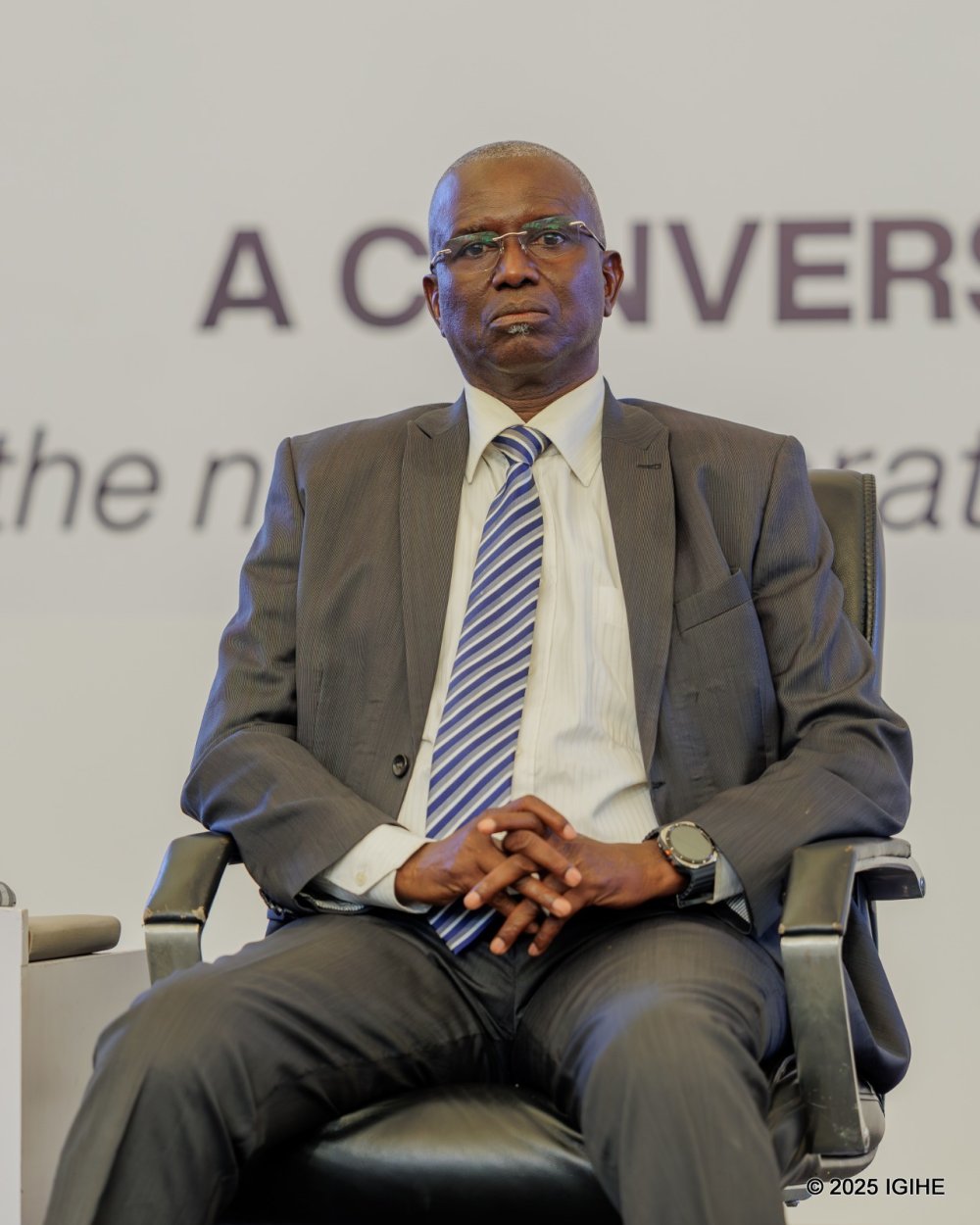
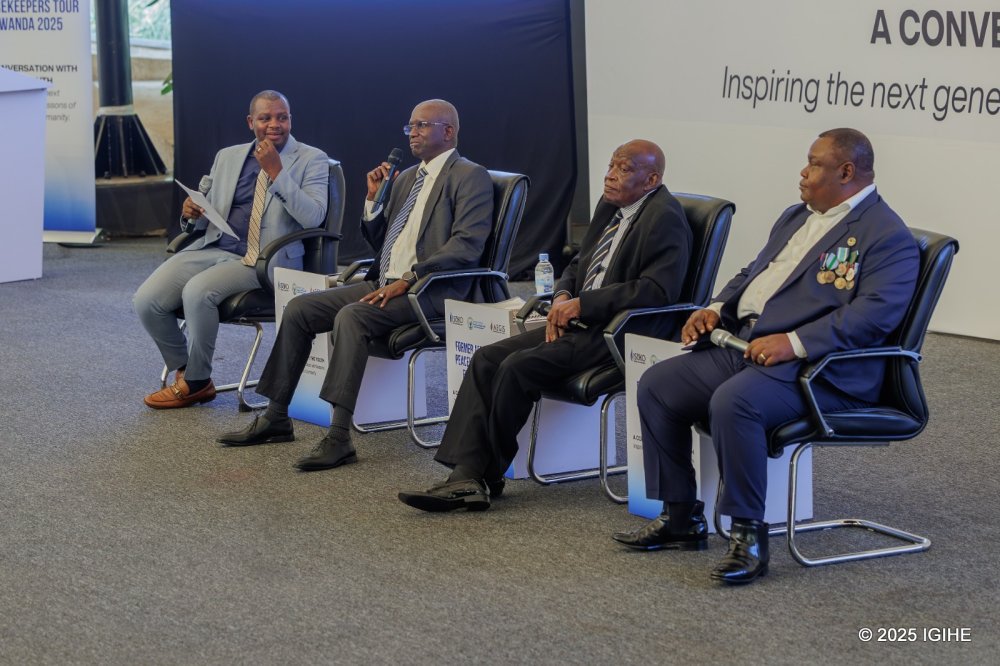
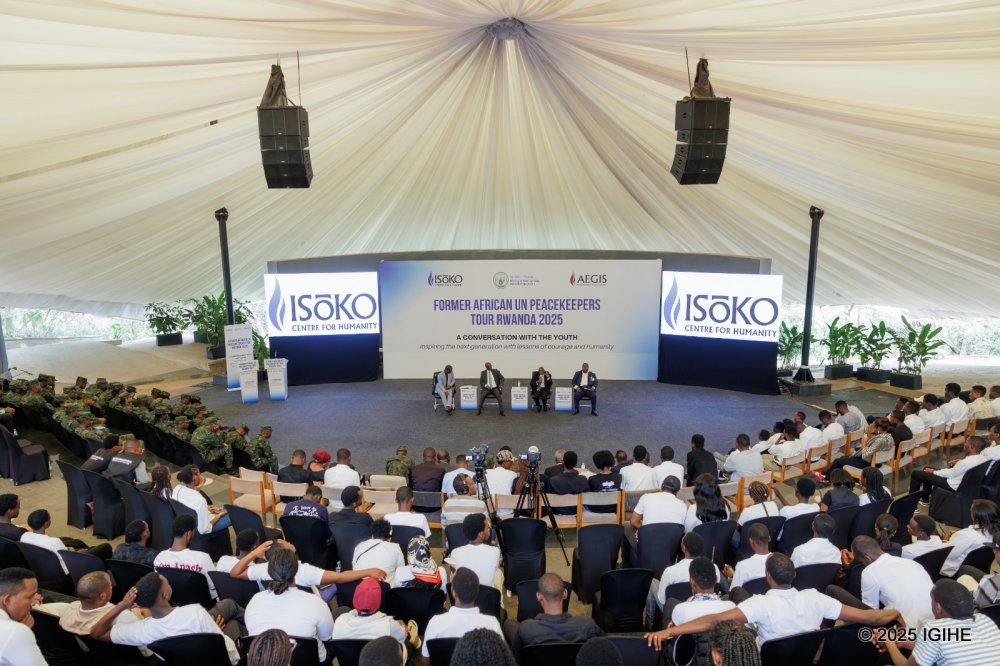
The Senegalese soldier was among the African peacekeepers deployed to Rwanda in 1994 under the United Nations mission. The veterans are currently on a seven-day visit to Rwanda.
On April 7, 1994, Belgium decided to pull out its troops from Rwanda, a move that severely weakened UNAMIR. That same day, Belgium launched a strong campaign to have the entire mission dissolved and withdrawn from Rwanda.
Under Belgian pressure, the UN Security Council on April 21, 1994, drastically reduced UNAMIR’s presence, leaving only 270 soldiers—too few and ill-equipped to protect those being massacred.
Brig. Gen. Faye explained that they had every right to leave, since that was the official order. He was then part of the observer group assigned to monitor military activities.
“Those who left for Nairobi received $135 per day, while those of us who stayed under gunfire in Rwanda were given only $93. If we had left, we would have enjoyed good hotels, comfort, and safety. But choosing to remain here was choosing death. It was a major decision and a symbol of sacrifice for those who stayed,” he recalled during an engagement with young people at the Kigali Genocide Memorial.
“Every day, we came closer to death. But our greatest joy was that sometimes we managed to save two or three lives, whether in areas controlled by the UN or by the Rwandan army,” he added.
{{Mistaken for an ‘Inyenzi’
}}
Brig. Gen. Faye recalled an evening when he encountered Interahamwe who accused him of being an Inyenzi (a derogatory term for RPF Inkotanyi soldiers), even though he had already explained he was not Rwandan.
“That day I had been asked to escort a nun living near the Bralirwa factory. As we neared the convent, we saw three armed men who suddenly began shouting, ‘Inyenzi, Inyenzi.’ That was the first time I ever heard the word.”
He explained that after escorting the nun safely inside, he returned to find the armed group had grown from three to eight men.
“One had a rifle, the rest carried other weapons. I didn’t run. Instead, I approached them and said, ‘Don’t mistake me—I am not an Inyenzi, I am from Senegal.’ One of them said, ‘But you look like them.’ I replied, ‘Yes, but I am not.’ He told me, ‘You know, those people are witches. They can reach anywhere.’ In the end, they let me go.”
{{Remembering His Fallen Comrade
}}
Brig. Gen. Faye also remembered his close friend, Capt. Mbaye Diagne, describing him as an inseparable companion, since they had served together in another mission for four years before being deployed to Rwanda.
Capt. Mbaye, also Senegalese, was among the UN peacekeepers deployed to Rwanda in 1993 following the Arusha Accords between the Rwandan government and the RPF-Inkotanyi.
He served as a UN military observer, tasked with reporting information to UN leadership. Upon arrival, he was based at Hôtel des Mille Collines.
When President Habyarimana’s plane was shot down, the genocide began almost immediately. The first victim was Prime Minister Agathe Uwiringiyimana, who was assassinated.
Hearing rumours of her death the following morning, Capt. Mbaye drove alone to her house to verify, without waiting for orders. He found that she had indeed been killed, along with the ten Belgian soldiers guarding her. Nearby, he discovered her children hiding and, though unarmed, managed to rescue them.
He placed the children in the boot of his car, covered them with clothes, and drove them to Hôtel des Mille Collines, where many had sought refuge.
Brig. Gen. Faye recalled:
“When he got to Agathe’s house, he called me and told me she had been killed, but that he had found her children. He immediately informed Gen. Romeo Dallaire. From that day on, he kept saving lives until May 31, 1994—the day he was killed.”
On May 31, 1994, while carrying a message from Gen. Dallaire to the then Rwandan army chief, Augustin Bizimungu, Capt. Mbaye was stopped at a roadblock. A mortar shell exploded near his car, striking him in the head and killing him instantly—just as he was preparing to return home to Senegal.
Brig. Gen. Faye said he was among the first to arrive at the scene.
“Among the Senegalese contingent, there were several officers like Capt. Mbaye. Though not all had his level of courage, they shared the same spirit. Of the 29 observers, 25 chose to remain in Rwanda, carrying out different missions. They led by example, alongside us and other soldiers from countries such as Togo.”
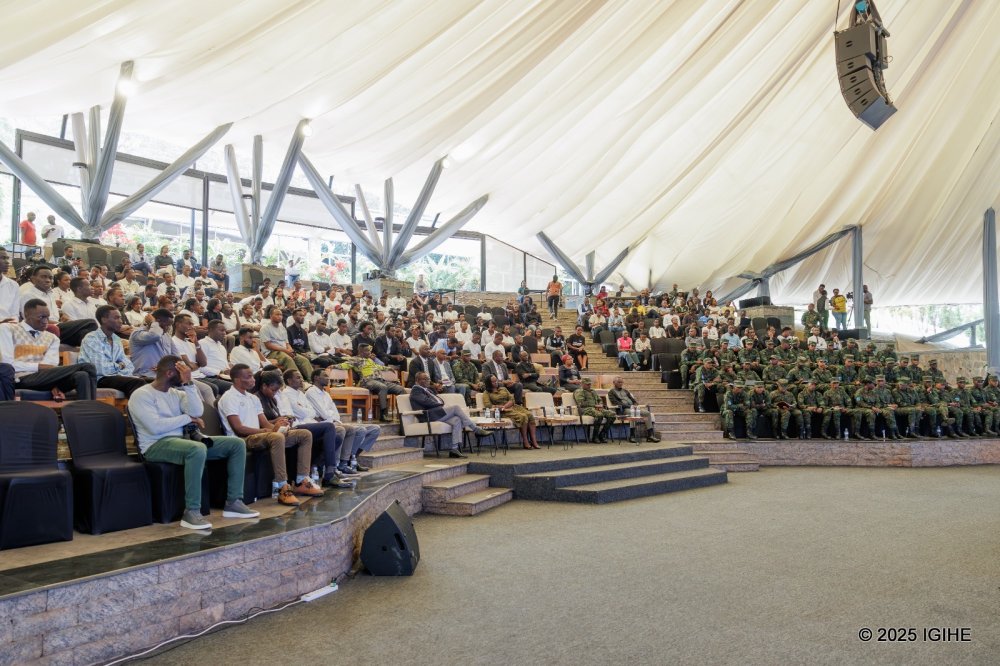
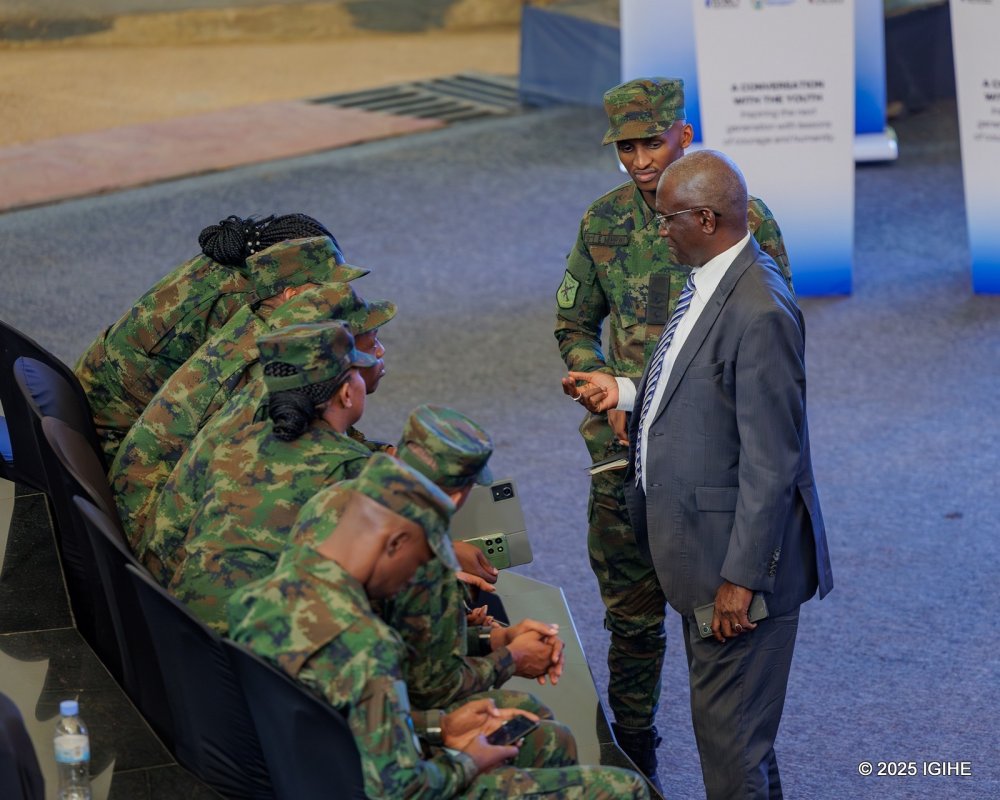
Brig. Gen. Faye was among a group of former UN peacekeeping soldiers who recently visited Rwanda to share their experiences from the 1994 Genocide against the Tutsi, particularly with youth and members of the Rwandan Defence Force.
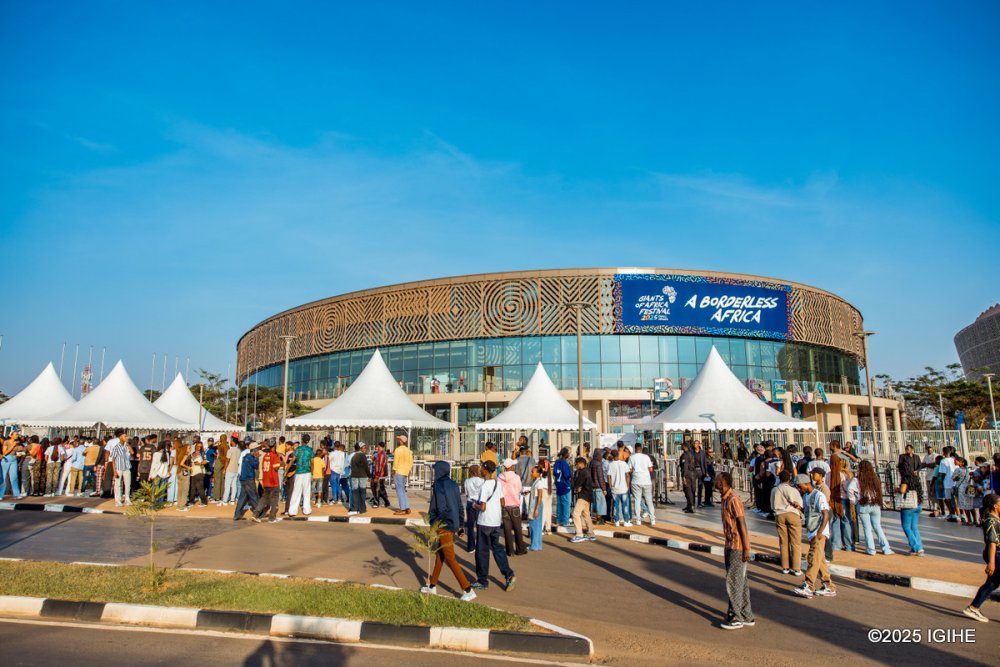
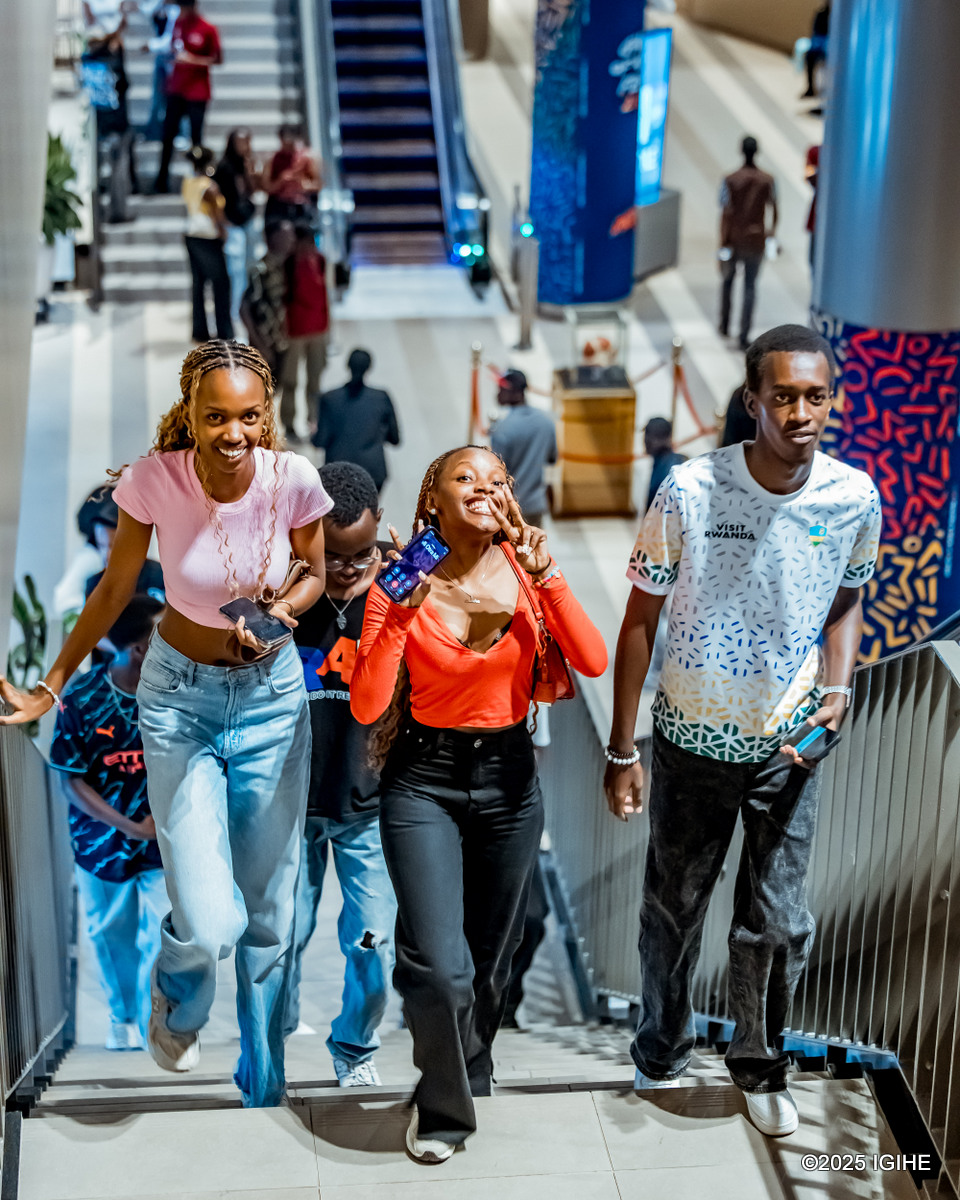
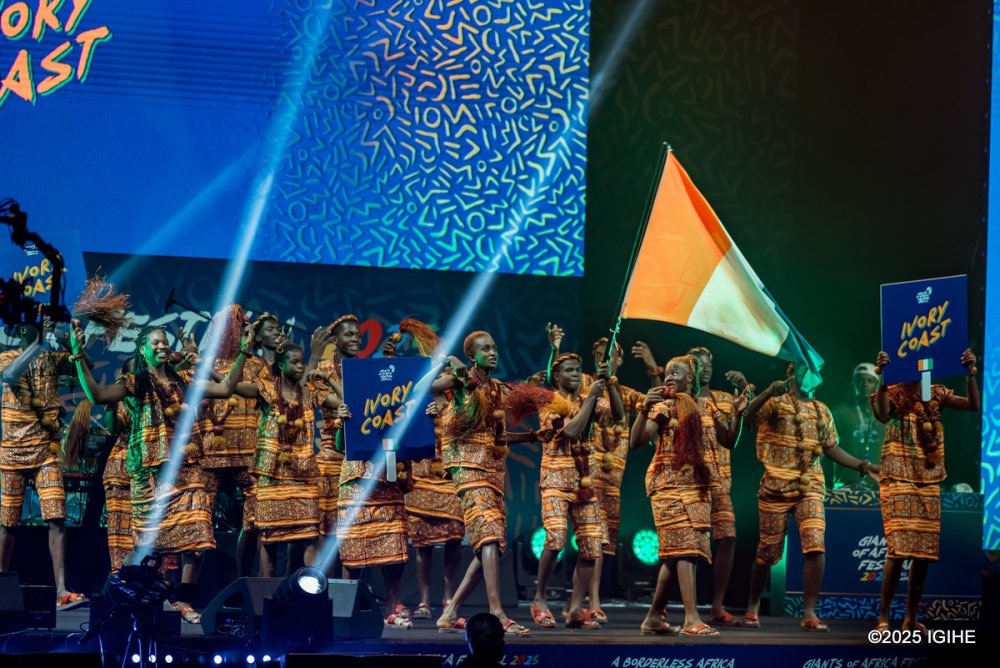
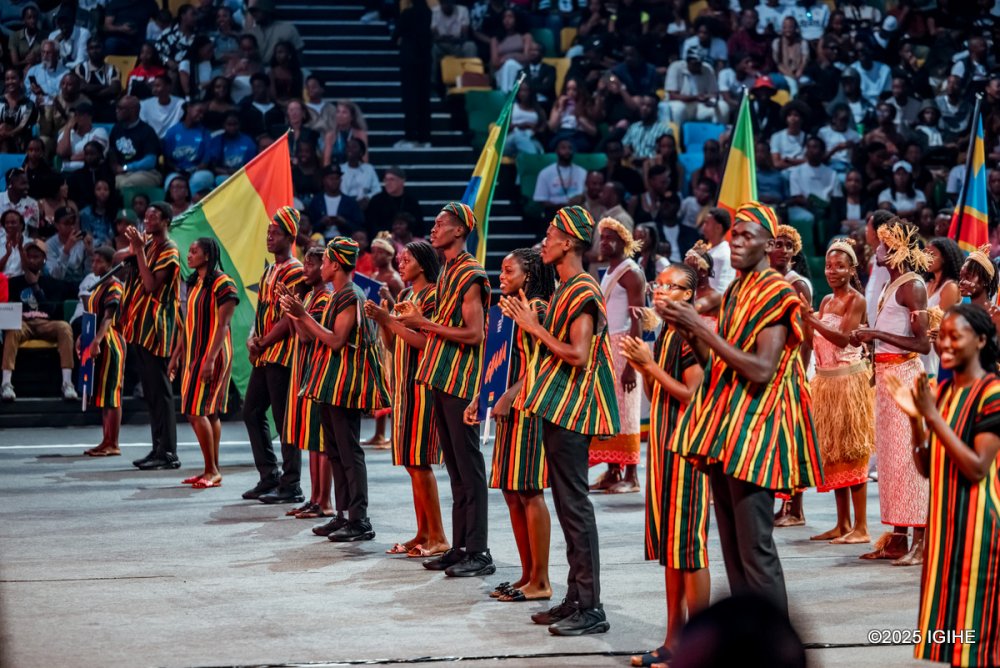
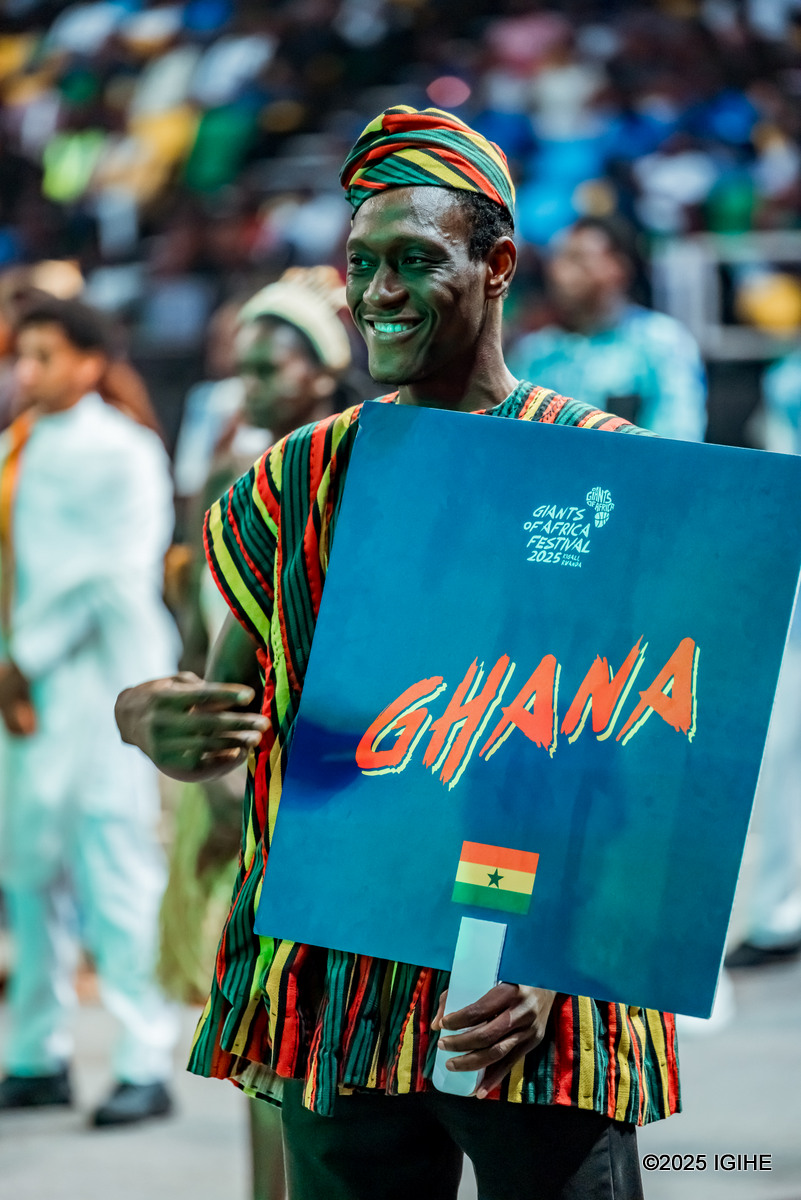
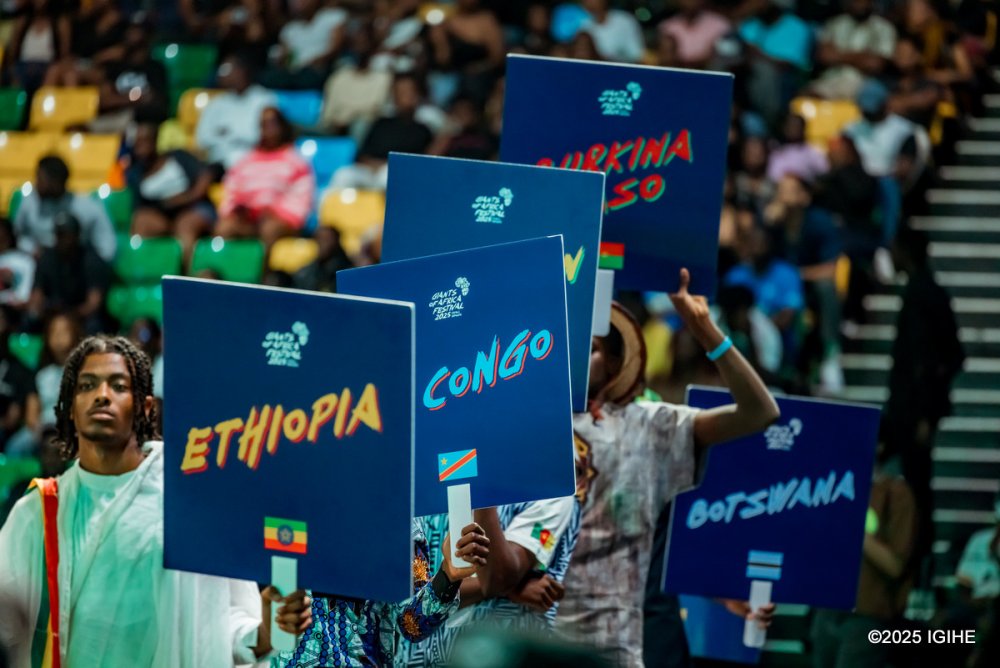
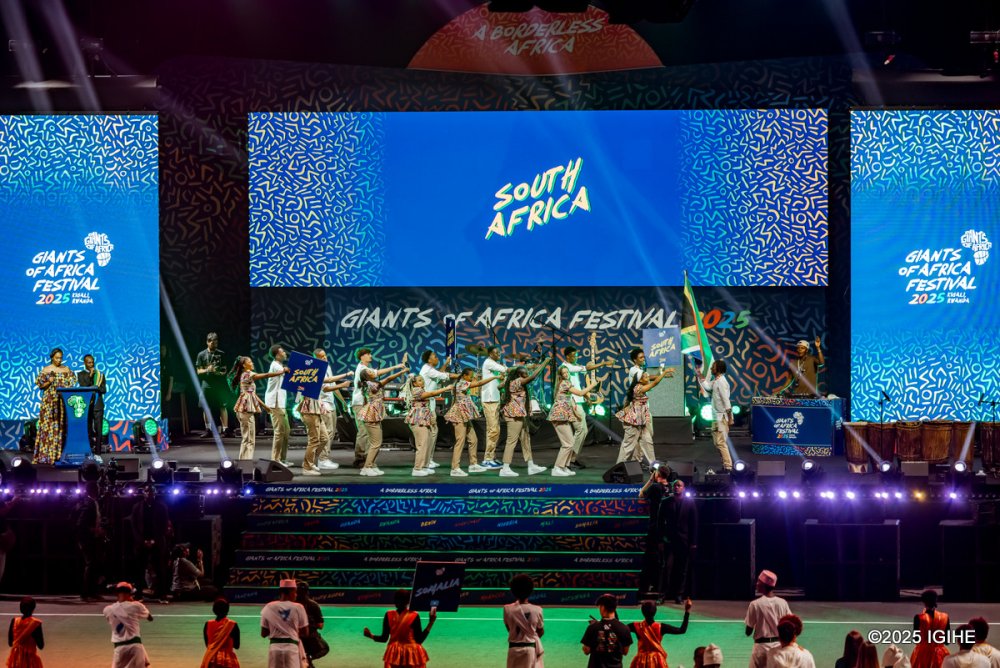
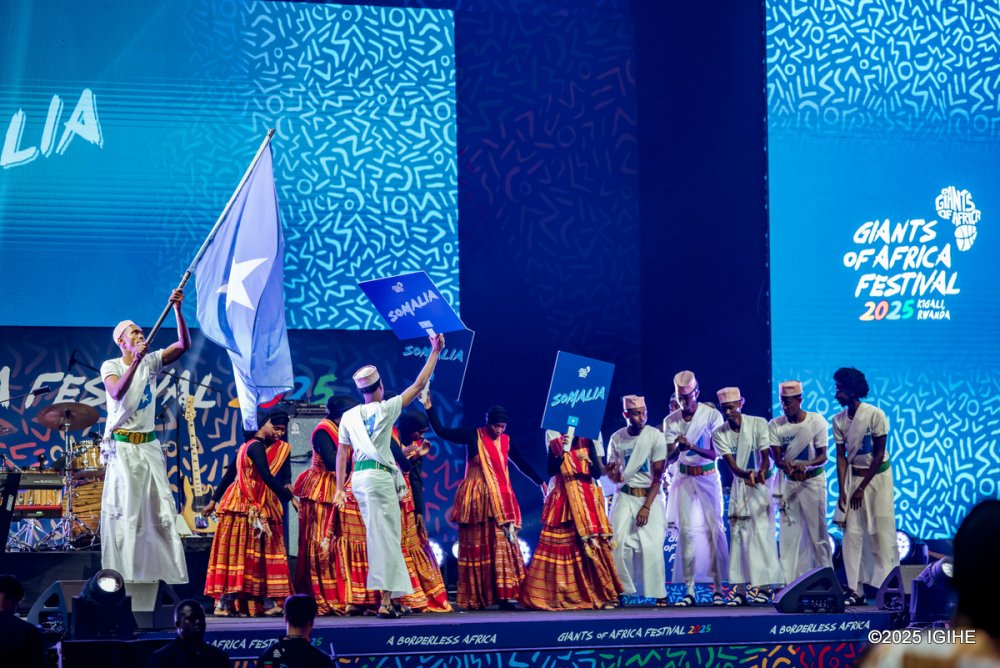
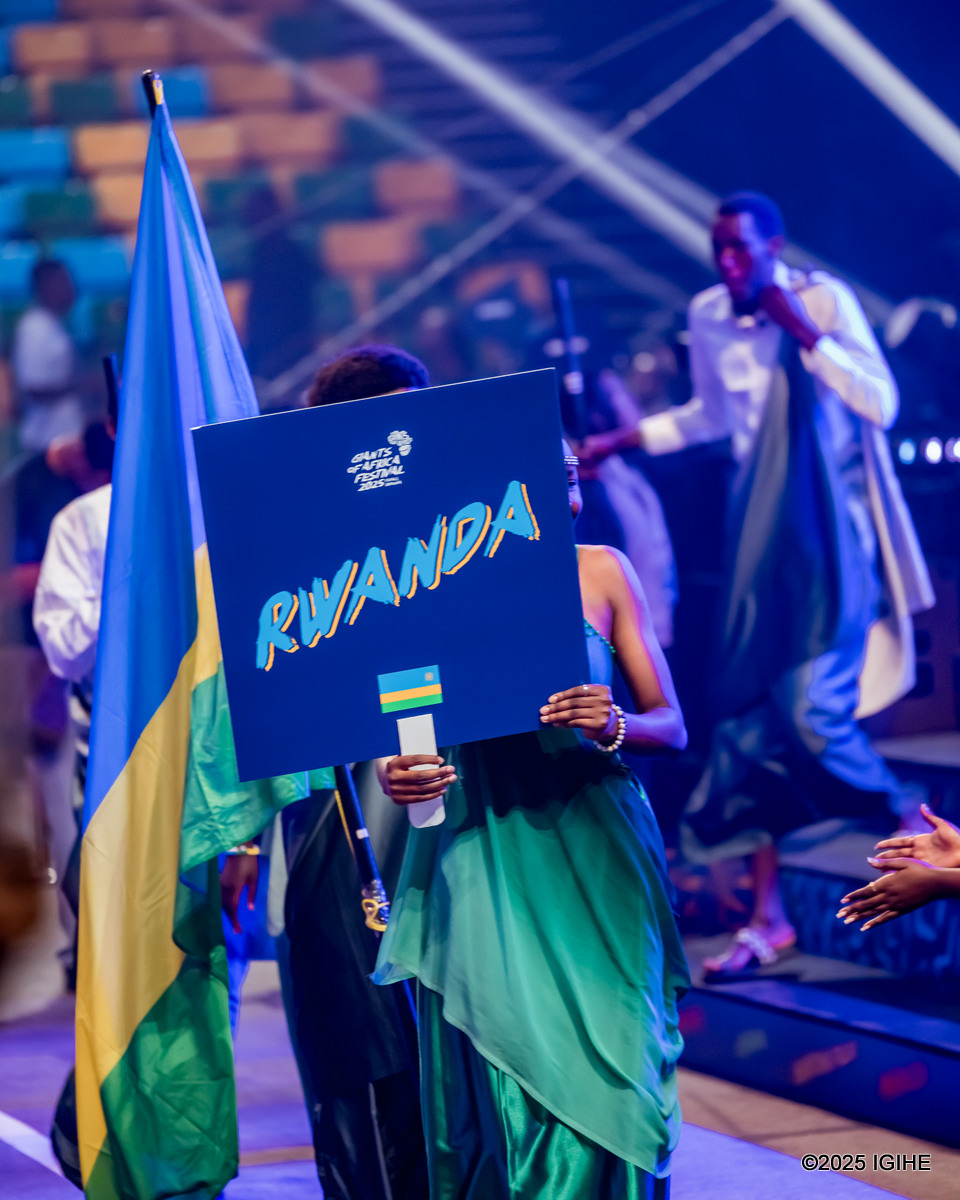
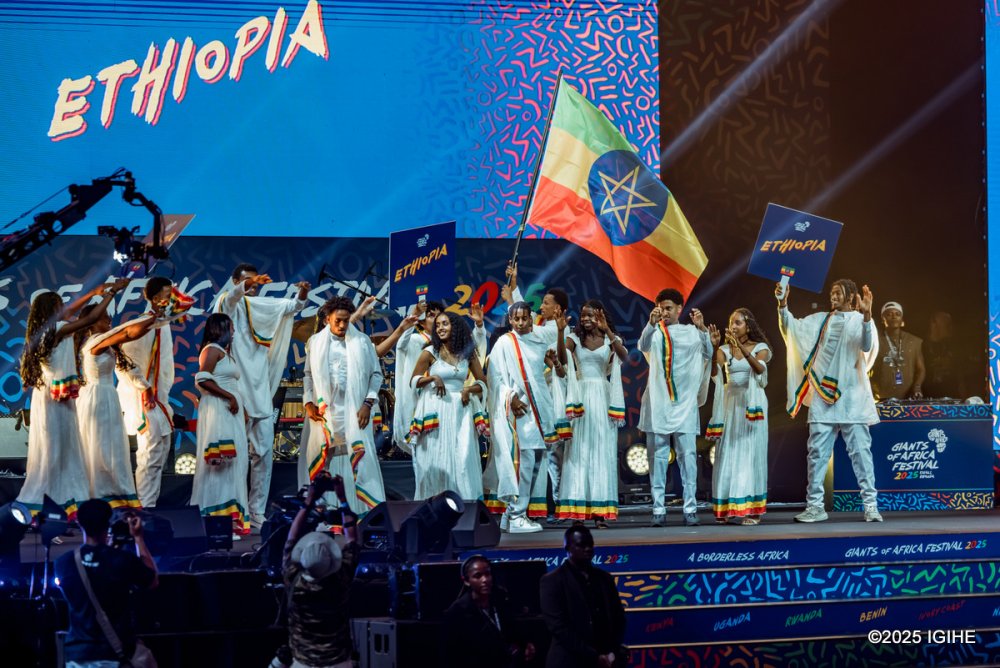
With over 320 young participants from 20 countries, the festival’s multifaceted celebration focuses on basketball, education, culture, and entertainment, with the overarching goal of uniting and empowering youth from across the African continent.
Some of the countries represented include Ethiopia, Kenya, Somalia, Uganda, Tanzania, the Democratic Republic of Congo (DRC), Botswana, South Sudan, Ghana, Nigeria, Burkina Faso, Ivory Coast, Benin, Mali, Morocco, and Senegal, among others.
IGIHE caught up with some of the participants to hear their stories and expectations as the event gets underway.
Abdul Salam from South Sudan arrived in Kigali with an open heart and eagerness to grow. He expressed that his goal was “to learn a lot, like discipline and how to believe in yourself.”
As the festival progressed, he found himself deeply inspired by the environment around him.
“They inspire me, they motivate me,” he said, referencing the mentors and fellow youth participants. For Abdul, this was more than just a camp; it was a personal turning point.
Once the curtains come down on the event, he said he will head back to South Sudan with a mission to “inspire and motivate people, encouraging them not to lose hope in life.”
For Mary Igwokwo from Nigeria, the festival is an exciting whirlwind of fun, connection, and discovery.
“This whole experience is fun for me, and I’m really enjoying myself big time,” she said enthusiastically.
But beyond the fun, she found a deeper lesson in unity and teamwork. “I learned about collaboration, not just operating alone,” she shared.
Mary plans to return home as an advocate of love, leadership, and unity. “I’ll tell people to love each other, work together, dream big, and be leaders.”
Abdul Rahman Hussein, from Somalia, was on his second visit to Rwanda. His love for the country was evident.
“I love Rwanda. The people are helpful, and the weather is good. Alhamdulillah, everything is good,” he said warmly.
He praised the organisation and impact of the event, calling it “a big event, very amazing.”
What stood out most to Abdul Rahman was the culture of kindness and encouragement he observed in Rwanda.
“I’ll tell people about the love of Rwanda and encourage other African countries to come to Rwanda.”
Yao Yu Fei, a visitor from China, was in Kigali during the festival and decided to attend out of curiosity after seeing it promoted online.
“Rwanda is very beautiful, and the climate is so nice,” he shared. What impressed him most was the atmosphere and energy of the youth. “The young people here are so passionate and positive,” he said. Smiling, he added, “I don’t want to go back to China for now.”
This year’s festival, themed “A Borderless Africa,” includes intensive basketball training, leadership workshops, motivational panels, fashion shows, and live concerts.
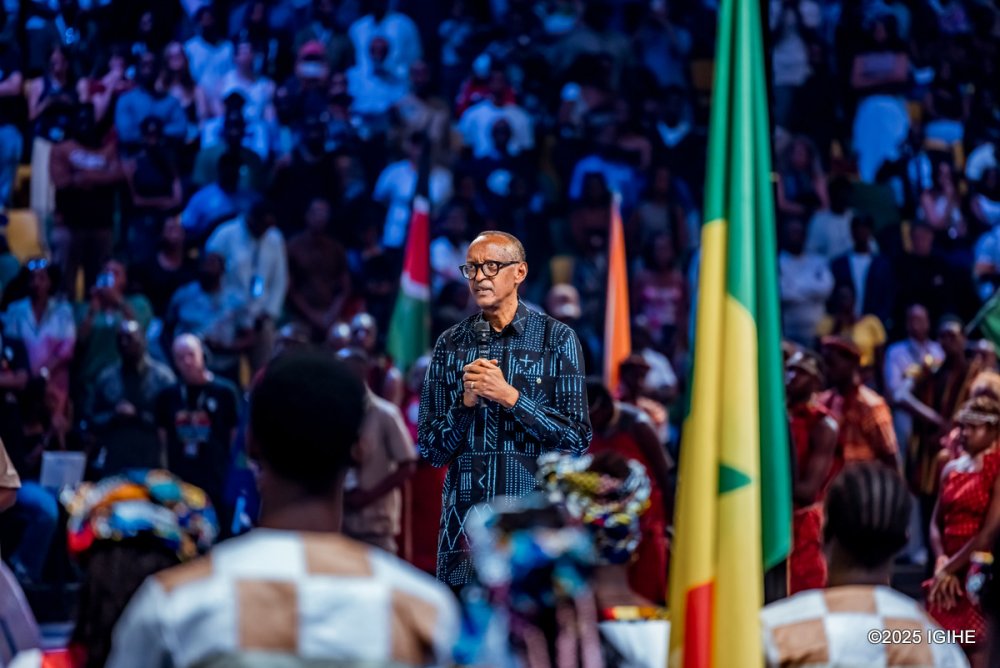
During the opening ceremony, President Paul Kagame delivered a powerful and inspiring speech, urging African youth to believe deeply in their continent’s potential.
He reminded attendees, “We must do what great nations do: grow, develop, and stand.” His words strongly resonated with the festival’s theme, encouraging young Africans to lead with confidence and a clear vision for the future.
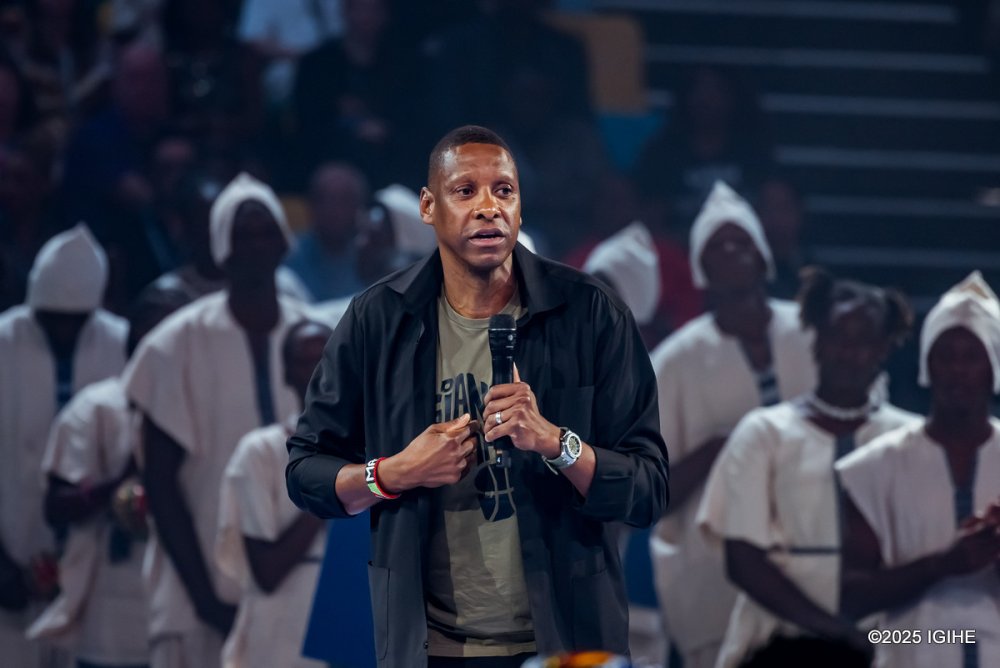
Masai Ujiri, Co-founder of Giants of Africa, addressed the participants with heartfelt conviction, declaring, “I will always be a son of Africa.”
He emphasised that Africa possesses all the essential elements for success: “its people, its passion, and its power.”
Ujiri reminded the youth that the main objective of Giants of Africa is to empower young Africans not only through basketball but also by nurturing leadership, cultural identity, and community development across the continent. His message was a call for self-belief and collective action to build a stronger, united Africa.
One of the festival’s most impactful moments was the International Youth Day Forum, a central highlight of the week. The forum brought together 2,000 Rwandan youth alongside international participants for a day of interactive and empowering engagement.
Organised in partnership with Imbuto Foundation and the Ministry of Youth & Arts, the forum featured motivational talks, practical life skills sessions, and leadership workshops led by respected voices from across Africa and beyond. It was a space where young people could explore ideas, build confidence, and connect with mentors in a meaningful way.
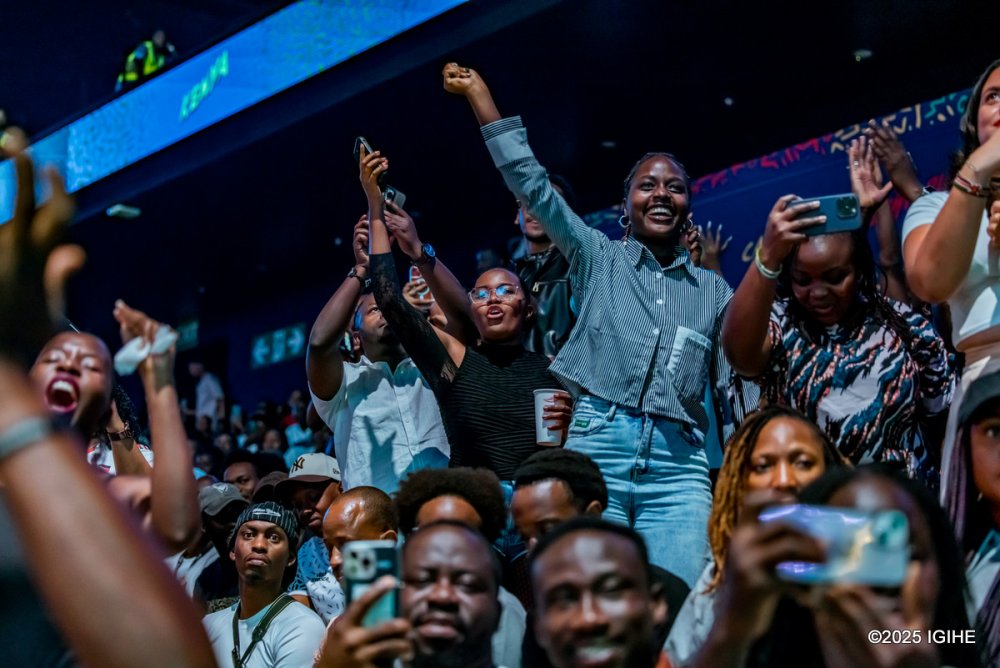
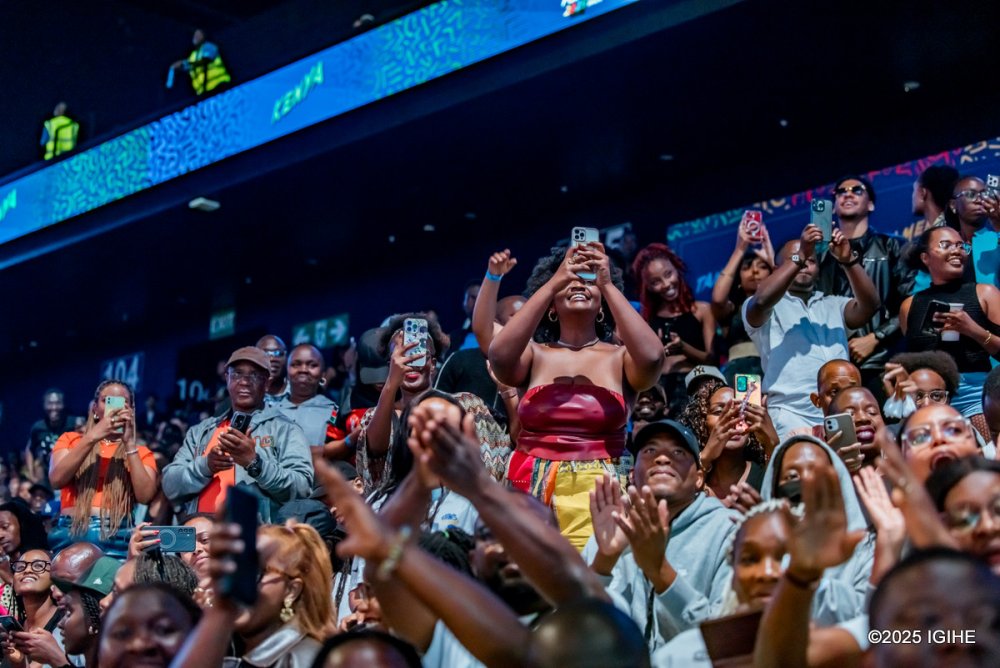
The festival’s cultural showcases dazzled audiences with electrifying performances by some of Africa’s brightest stars. Renowned artists such as Uncle Waffles, Sherrie Silver, Kevin Kade, and Ruti Joel took centre stage, infusing the event with vibrant energy and artistic brilliance. Their captivating acts not only entertained thousands but also celebrated the rich tapestry of African creativity and unity.
For over 15,000 years, dogs have been our steadfast partners, a bond traced back to an ancient pet dog buried alongside humans in Oberkassel, Germany. Science confirms what every dog owner feels: when you lock eyes with your pup, oxytocin (the love hormone) surges in both of you.
Your dog truly loves you back. But being a great friend to your dog takes more than treats and belly rubs. It requires care, patience, and sometimes a trip to dog school.
In Kigali’s Kimironko neighbourhood, a unique haven is reshaping how Rwandans view their four-legged friends.
Dog Haus is Rwanda’s first dog academy, where wagging tails meet purposeful training, and dogs transform from backyard guards to cherished family members. This is no fast-food joint. It’s a place where dogs learn good behaviour, build strength, and occasionally master tricks to steal the show.
Behind this mission are passionate individuals like Carla, Nderitu, and Dieubon, whose love for dogs is sparking a canine cultural revolution in Rwanda, turning ordinary pups into wonders of companionship.
Carla, a Belgian national, arrived in Rwanda two and a half years ago with two suitcases, a big heart, and two dogs. Her pack soon grew to four after she adopted a street dog and kept a foster pup from Wag, a local animal welfare group.
“I’ve always loved animals,” Carla says, smiling warmly as she sits surrounded by her furry crew.
Carla’s journey to Dog Haus began with a striking observation that many dogs in Rwanda were treated less like family and more like living alarm systems, locked up by day, released at night to fend off intruders, and often left lonely.
“It would make the dog aggressive,” Carla recalls. “I’m happy to see that’s happening less now.”
Determined to change this, she joined Dog Haus to create a safe space where dogs are seen as emotional, intelligent beings.
For Carla, training goes beyond simple commands like sit or stay. She wants owners to understand that dogs aren’t just guards—they’re companions, friends, even four-legged therapists.
“Once you start to know your dog,” she says, “you see how they miss you when you’re gone.”
Through her work, Carla is helping dogs rise from mere utility to wonders of love and loyalty.
At Dog Haus, there is also Nderitu Mushangi, a certified dog trainer whose calm demeanor and fur-covered clothes reflect the quiet confidence of someone who has spent years working closely with animals.
Trained in Kenya and inspired by his veterinarian father, he has worked with over 30 dogs, including Dogo Argentinos, Caucasian Shepherds, German Shepherds, Malinois, and Dobermans.
According to Nderitu, breed matters. A Maltese and a Malinois might both be cute, but one will snuggle in your lap while the other chases a leaf at 90 km/h.
“Before they get even a breed, they have to understand what the breed comes with,” he explains.
At Dog Haus, Nderitu trains about 15 dogs at a time, but his star pupil is his own: Tequitos, a canine legend who won the 2024 Doctober Fest.
Tequitos doesn’t just sit and stay. He skates, rides bikes, opens doors, and even performs CPR. If you pass out, Tequitos might save your life, or at least slobber you awake.
Nderitu’s work goes beyond tricks, though. It’s about building a shared language between dog and owner, where both learn from each other.
“Every day, you’re learning something from the dog, and you’re teaching the dog something,” he says.
{{The dog whisperer of Kimironko
}}
Ngabonzima Mugisha Dieubon, Dog Haus’s unofficial Dog Whisperer, found his calling during a childhood game of hide-and-seek when he stumbled upon a dog and her puppies.
“I started feeding them, and something just clicked,” he says.
Without formal training, Dieubon had a natural knack for understanding dogs, whether aggressive or anxious.
“I could sense when a dog was defensive or scared. I treated them with understanding,” he explains.
Dieubon’s mission took shape when he rescued a local street dog and trained it to outperform some imported breeds.
“People think only foreign dogs can be trained,” he says. His scrappy street pup, now a star at Dog Haus, proves otherwise.
Starting with free training sessions after high school, Dieubon turned his passion into a profession.
“I wasn’t planning to make it a job,” he admits. “I just wanted to train my dog and maybe post it online.”
But his methods worked, and word spread. By turning a street dog into a shining example of skill and loyalty, Dieubon showcases the wonder of giving any dog a chance to thrive.
At Dog Haus, everyone believes that dogs are more than just security tools or status symbols. They are living beings with emotions and needs. Carla, Nderitu, and Dieubon work together with a shared goal to change how Rwandans think about their dogs and to foster stronger, more compassionate relationships.
“Training with your dog matters,” Dieubon emphasises.
A two-week program with an involved owner is more effective than a month of training without them. While foreign residents often grasp this, local owners are still catching up, but Dog Haus is bridging that gap.
Training benefits both dogs and their owners. Without proper guidance, dogs can become confused, resulting in jumped-on guests, ignored commands, and chewed-up shoes. When dogs are trained to respond to commands like “sit” or “stay,” daily life becomes safer and more manageable for everyone.
Dieubon stresses responsibility: “A dog should never leave the compound without a leash. The streets are unpredictable with chickens, goats, and toddlers with brochettes.”
To him, a leash isn’t about control; it’s about keeping your dog safe in the streets.
Costs are part of the equation, but manageable. Dieubon explains that feeding a dog might cost Frw 150,000, depending on whether you choose processed kibble or natural food. Puppies need quality nutrition to avoid health issues.
“If you don’t take care of your dog, it shows in their behaviour,” Dieubon warns.
Compared to replacing furniture or paying for vet visits, training is a bargain. Dog Haus’s accessible programs make this transformation possible for more Rwandans, turning dogs into wonders of harmony in the home.
Dog Haus is also challenging stereotypes, such as the belief that only foreign breeds can be trained or that dog ownership is a luxury.
Dieubon’s street-dog success story proves local pups can shine, and affordable programs make training accessible. Even tricky breeds like the Chow Chow, stubborn as a coworker who ignores your emails, can be trained with the right approach, though Dieubon admits they’re not for beginners.
Dogs have been close to humans since ancient times, evolving from hunting companions to valued family members. Dog Haus is helping Rwanda recognise this reality. Whether it’s a rescued street dog gaining confidence, a Malinois developing impressive skills, or Tequitos performing life-saving CPR, the dogs at Dog Haus are showing Kigali a new approach to caring for and living alongside their canine companions.
Watch the full Dog Haus documentary to discover more about the team’s work.
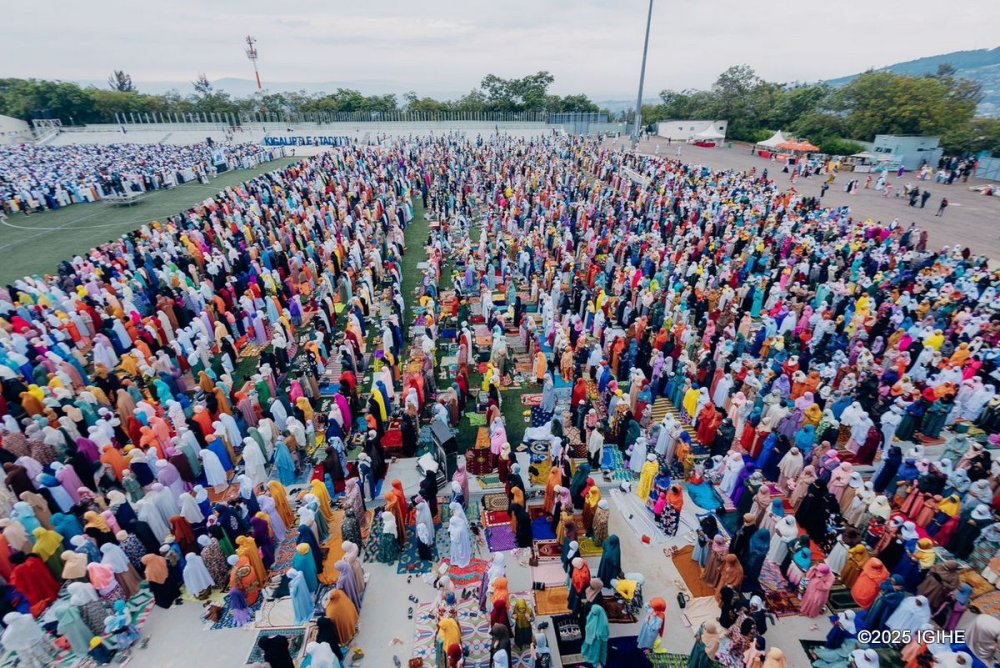
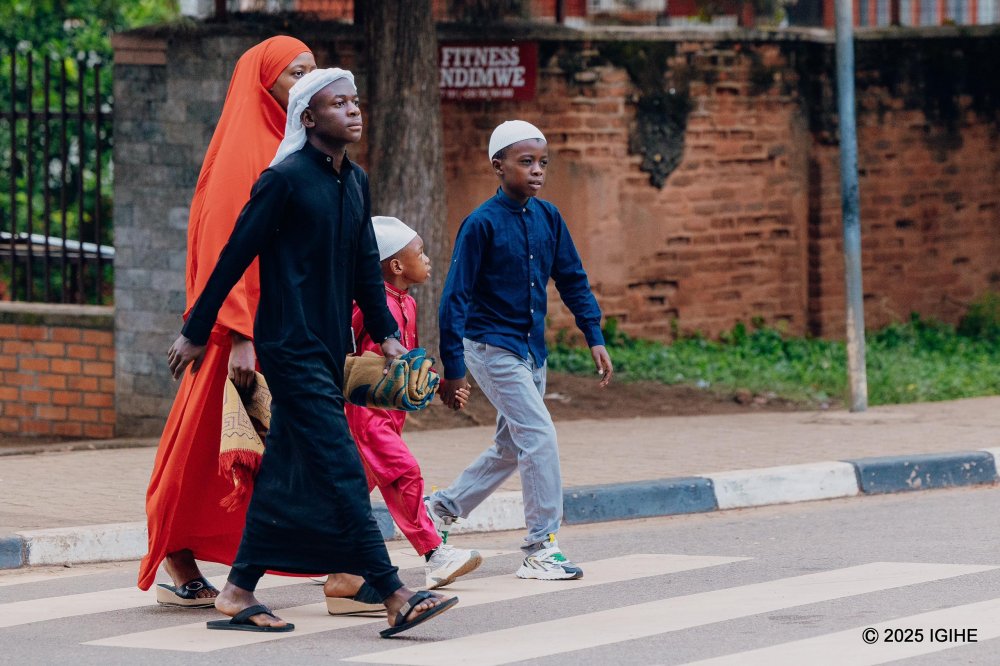
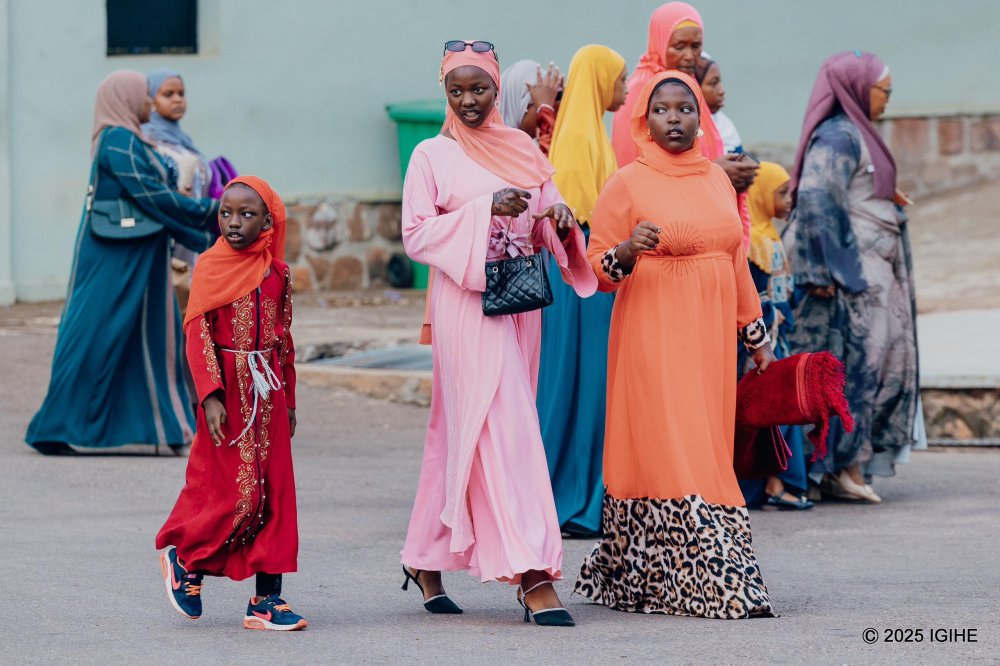
The celebration commemorates the story of Prophet Ibrahim, whom God commanded to sacrifice his son Ismail. At the last moment, God provided a ram to be sacrificed instead.
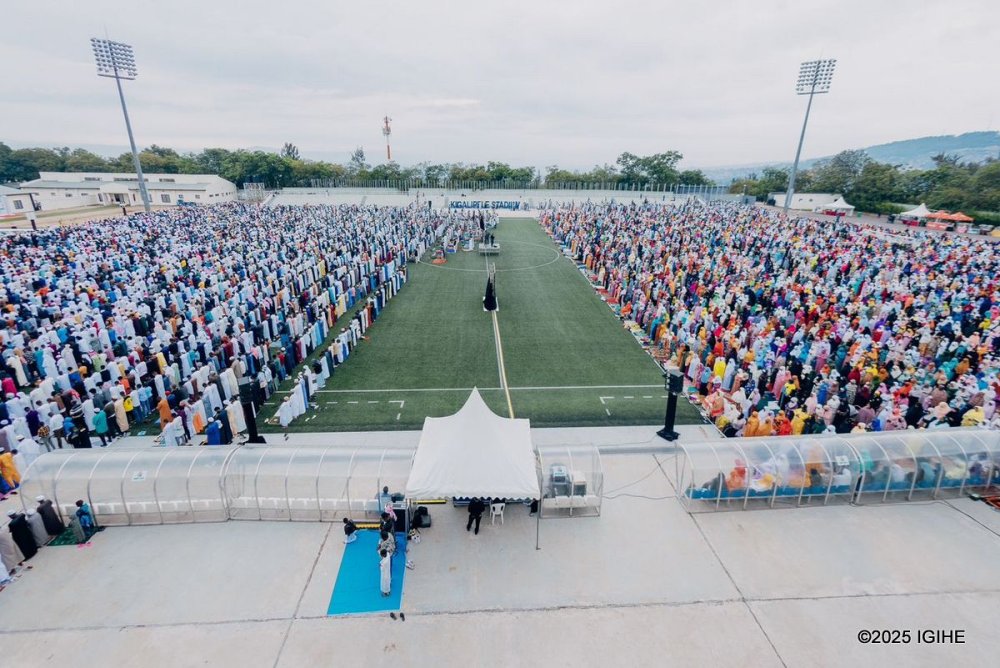
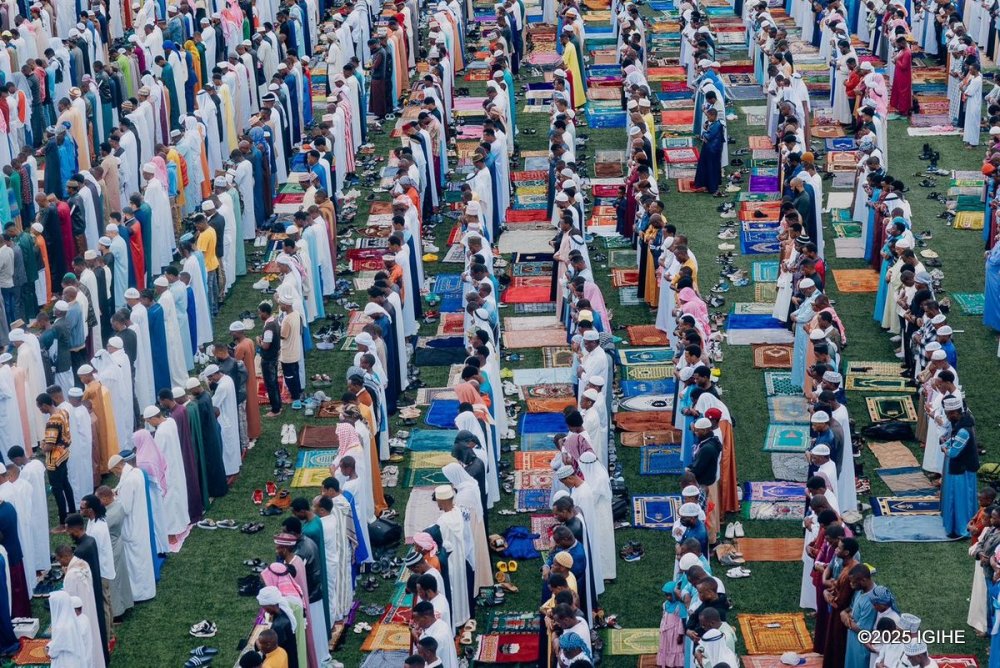
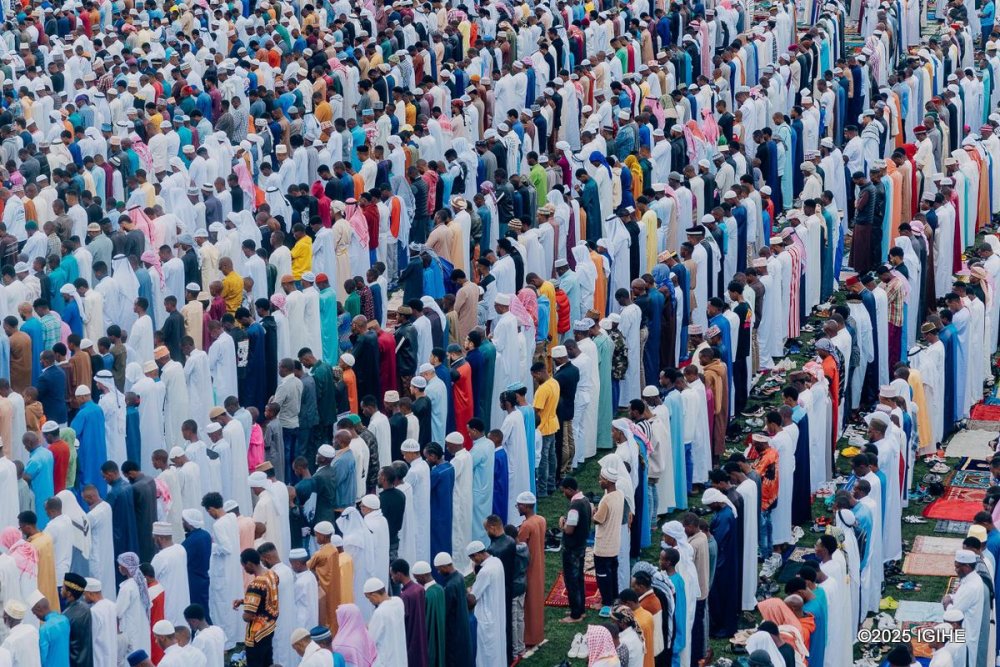
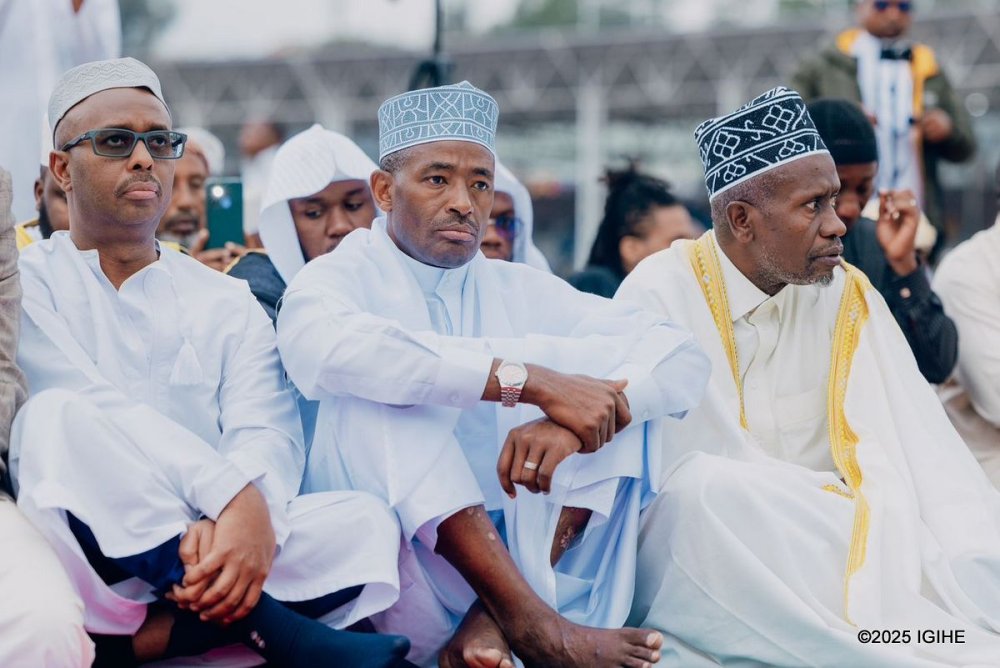
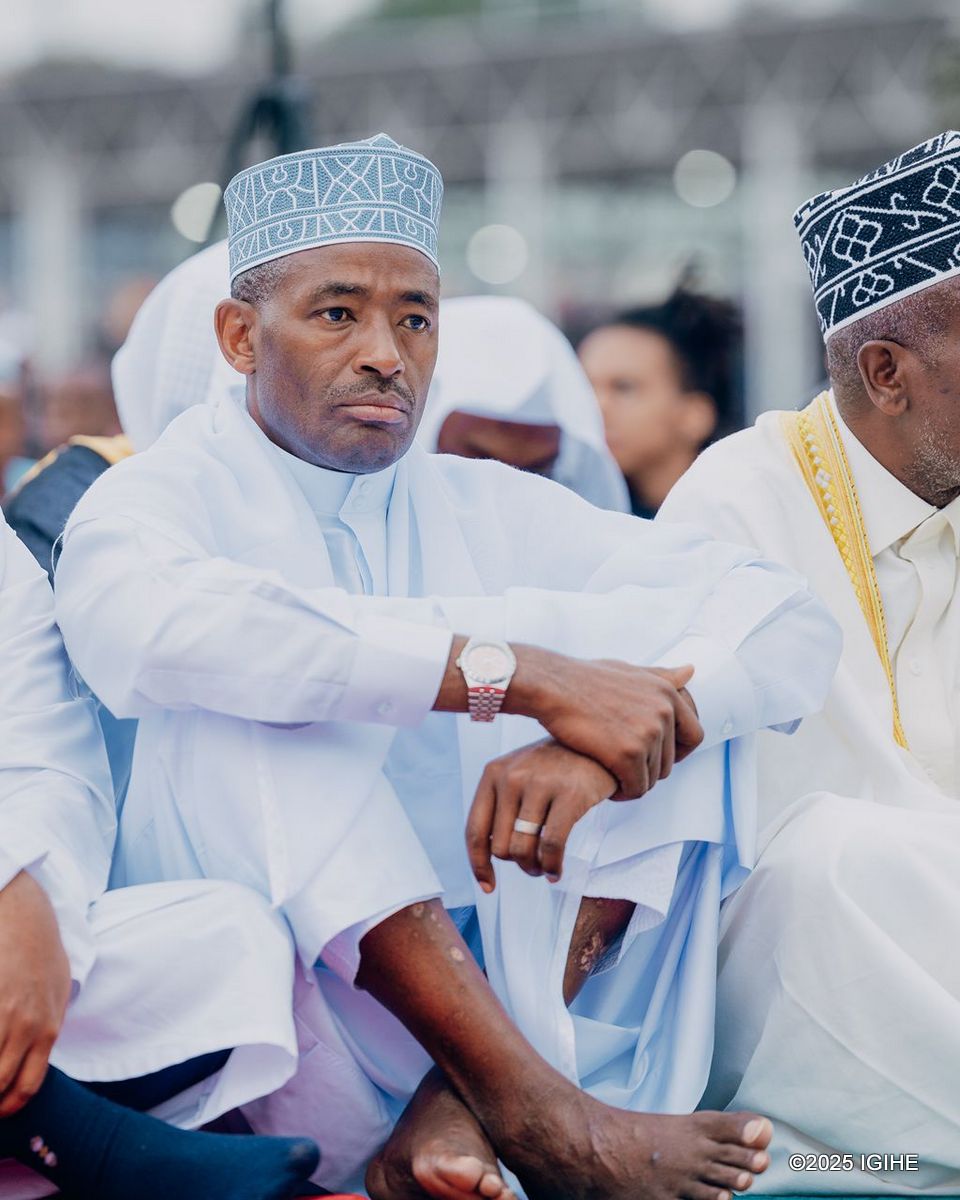
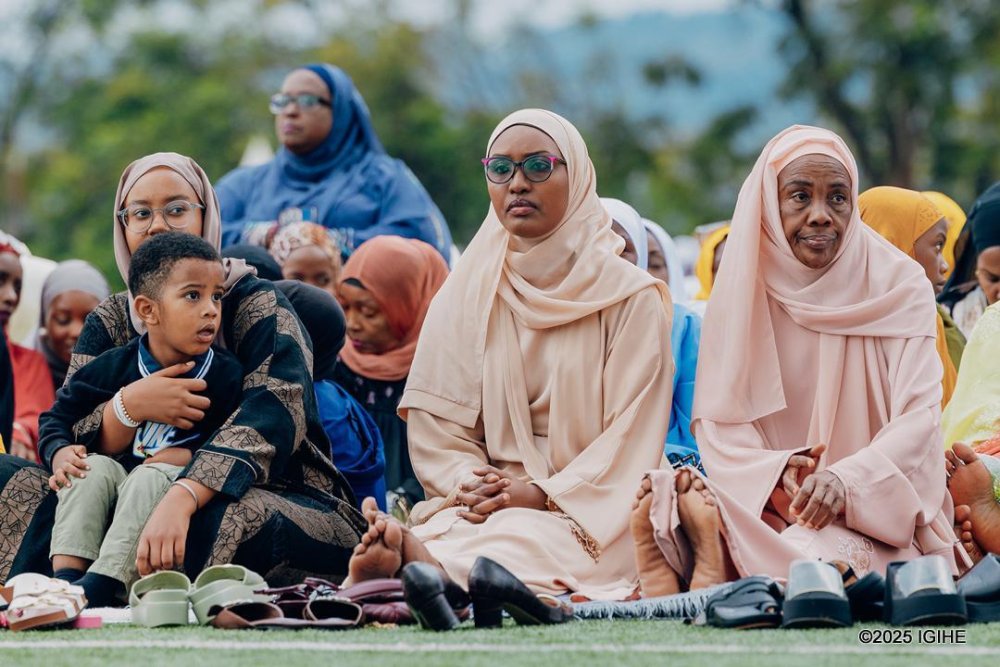
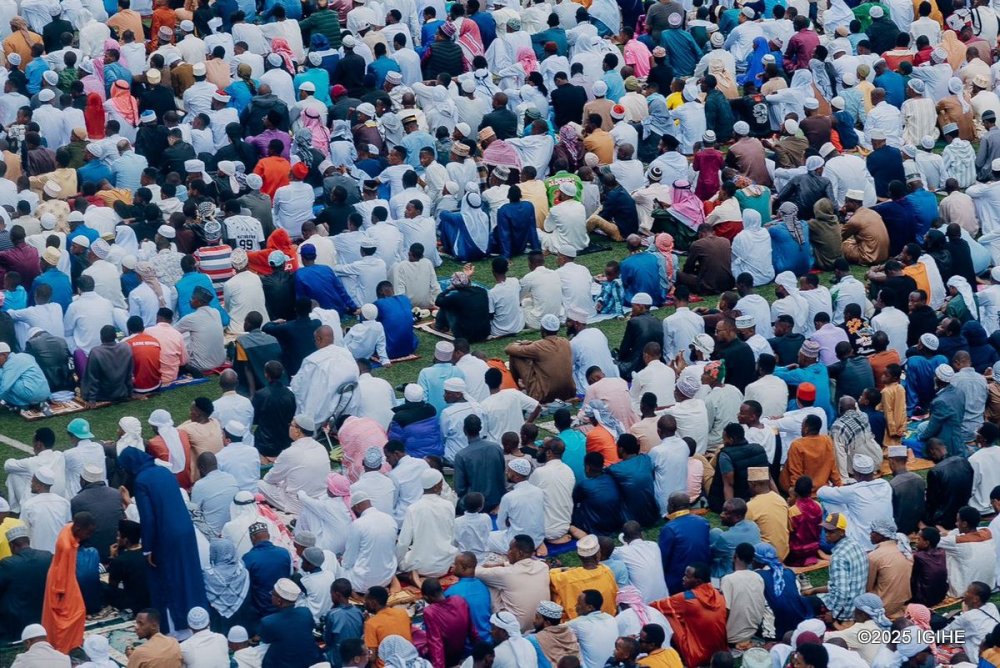
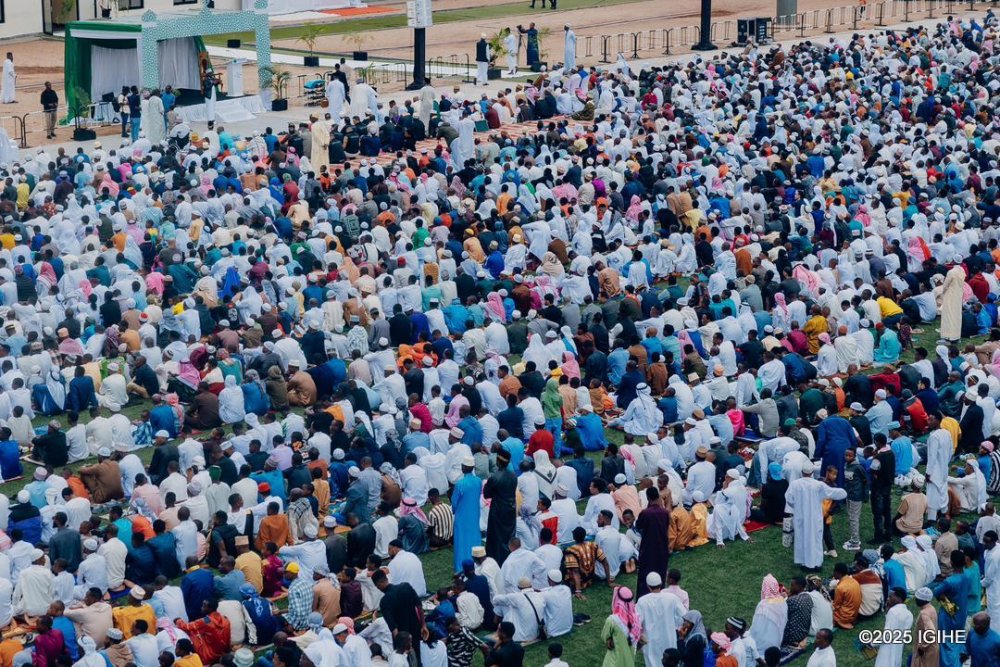
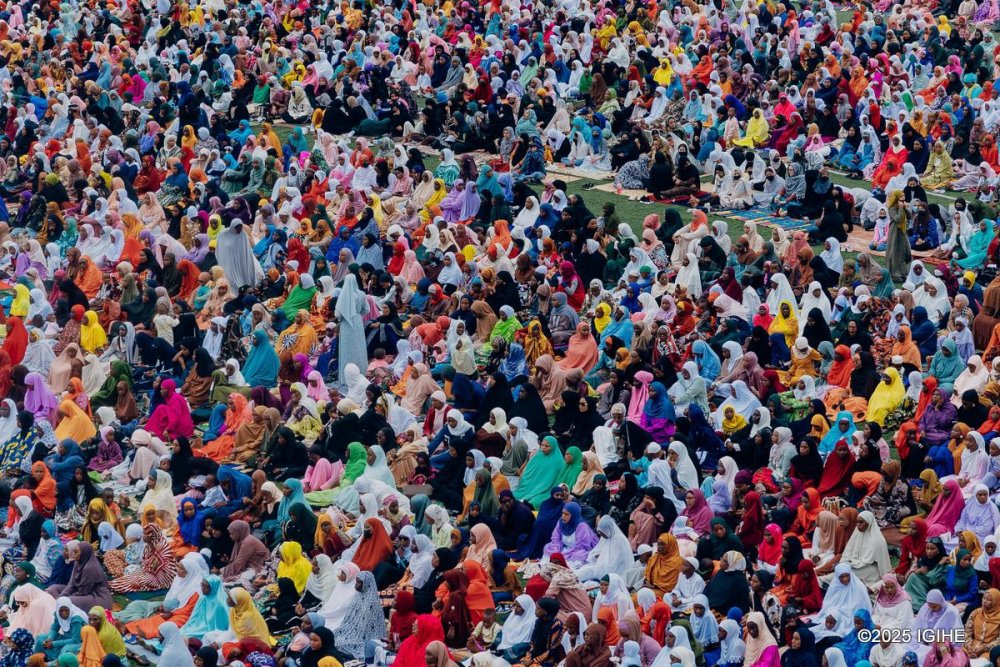
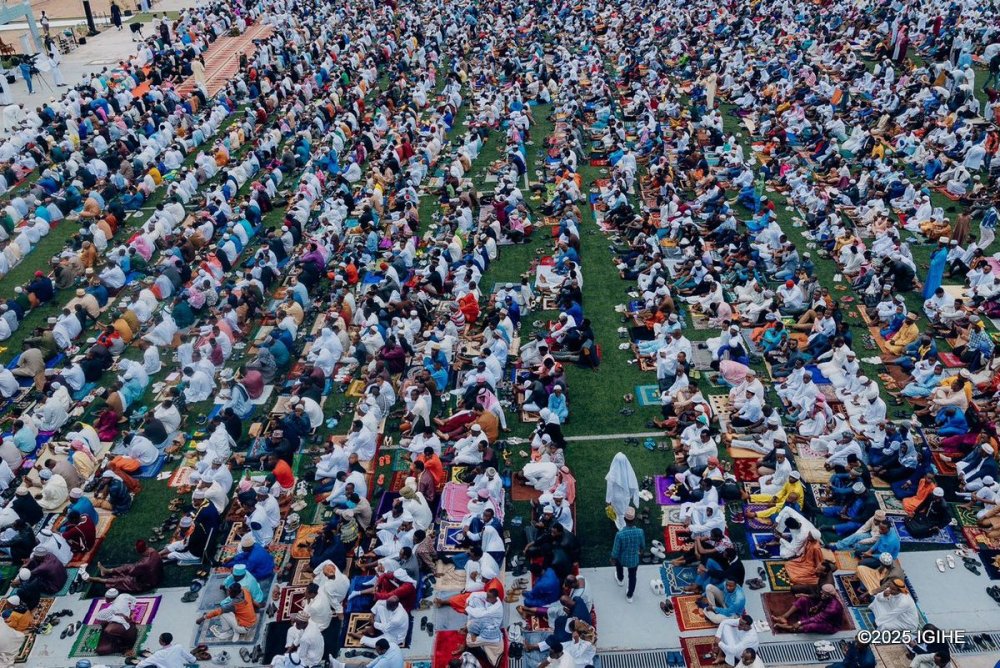
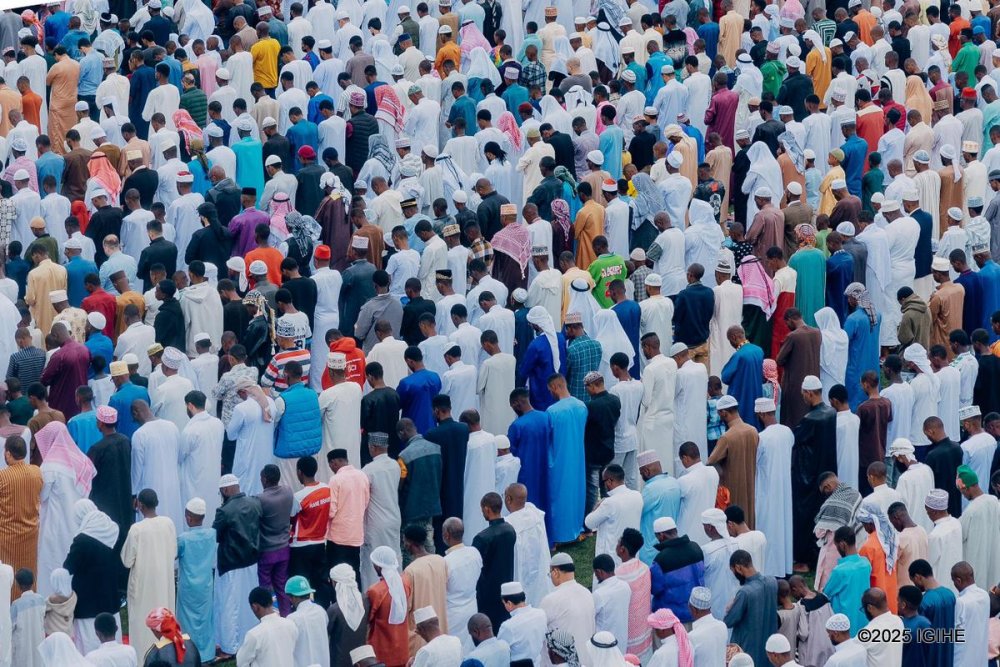
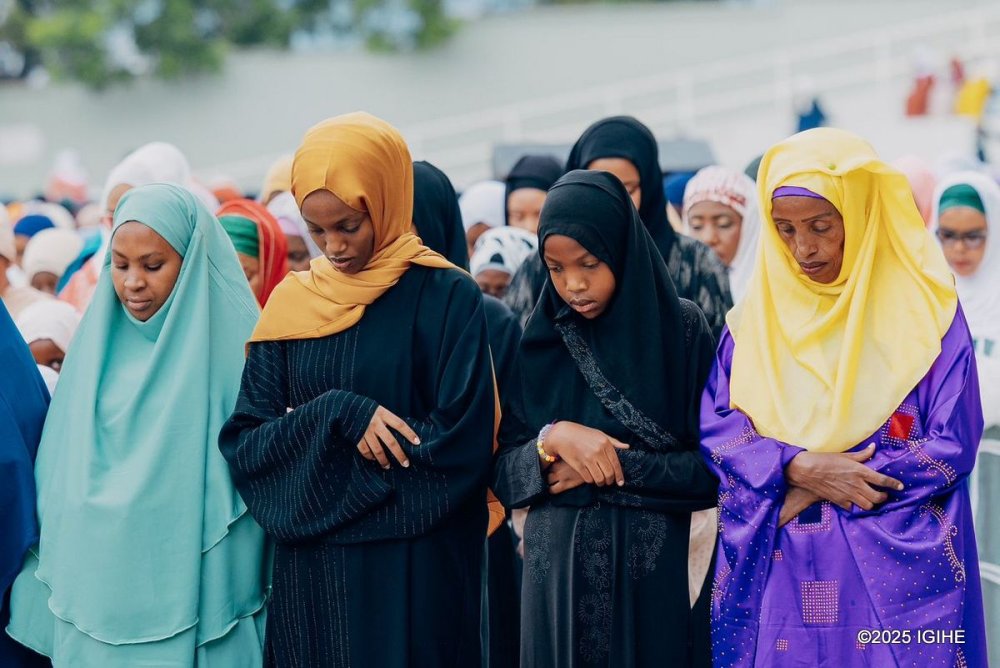
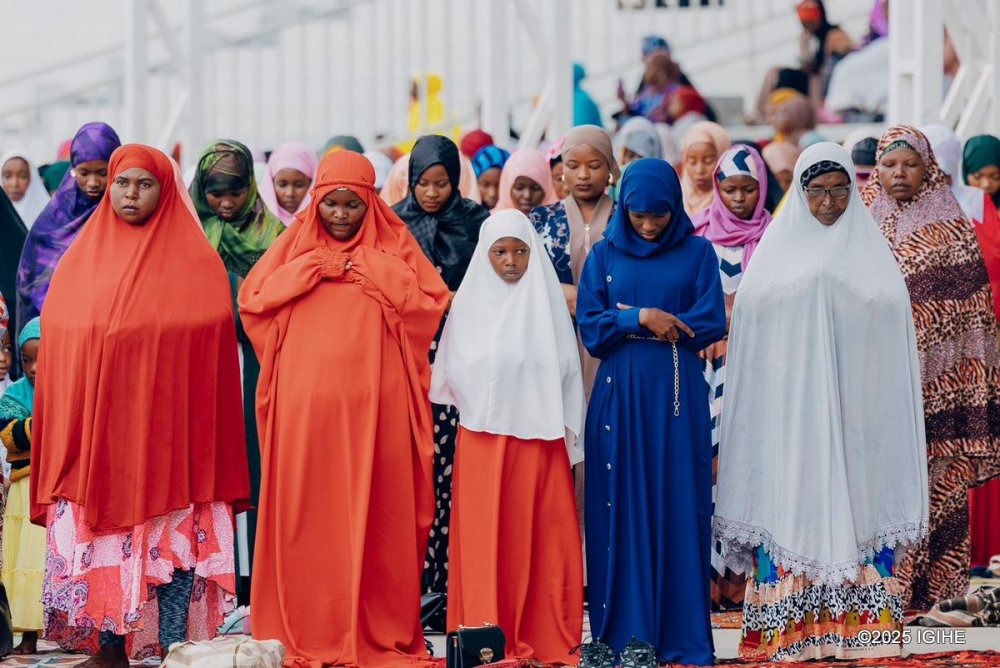
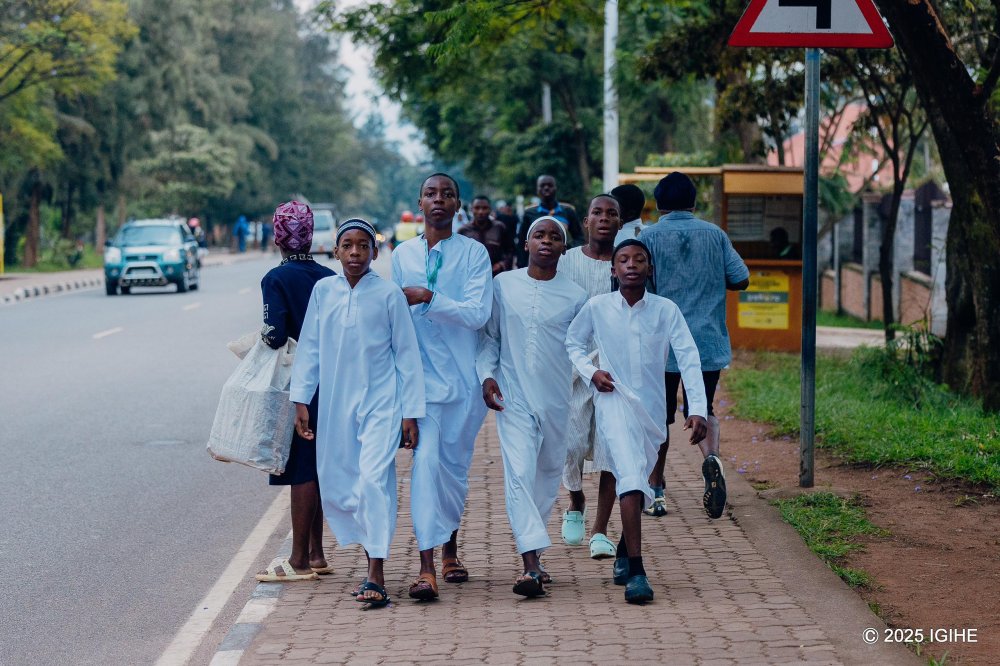
The national Eid al-Adha prayer was held at Kigali Pele Stadium in Nyamirambo, beginning at 6 am. The event was well-attended by Muslims from different parts of the country, who joined in the communal prayer.
Eid al-Adha is traditionally marked by a special prayer followed by the ritual slaughtering of animals such as goats, sheep, cows, or camels. The meat from the animals is divided into three portions: one for the family, one for neighbours, and one for those in need, reflecting the festival’s emphasis on charity and community sharing.
Minani Hemedi, who celebrated the festival in Nyamirambo, told IGIHE that for them, Eid al-Adha is like a harvest festival and a time to come together with others.
“It’s the day our forefather, the Prophet Ibrahim, was commanded to offer a sacrifice. As he prepared to offer his son, he was given a ram to sacrifice instead. Muslims, wherever they are, are called to slaughter animals — starting with small livestock like goats or sheep, as well as cattle or camels,” he revealed.
The celebration typically lasts for three days, during which families come together to pray, share meals, and extend support to the less fortunate.
The festival is a time for Muslims to express their faith, gratitude, and commitment to helping others, regardless of their neighbours’ beliefs or backgrounds.
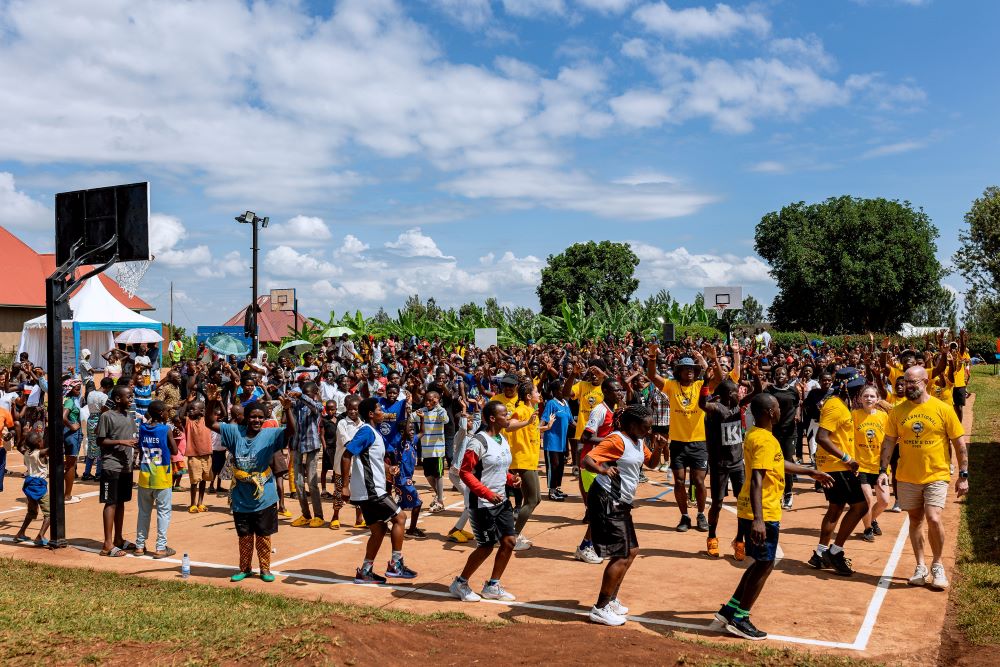
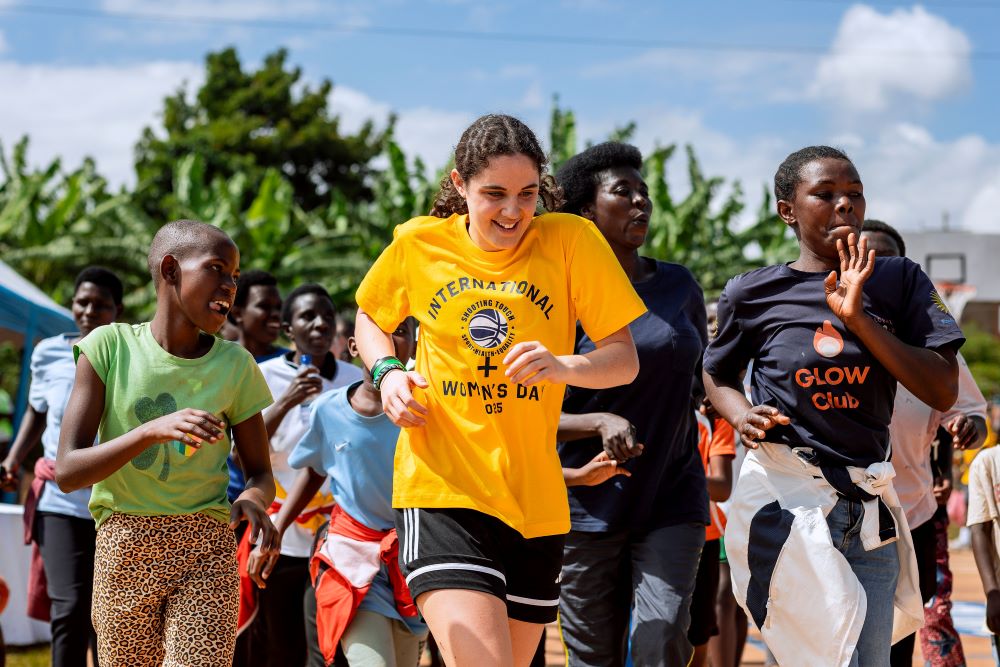
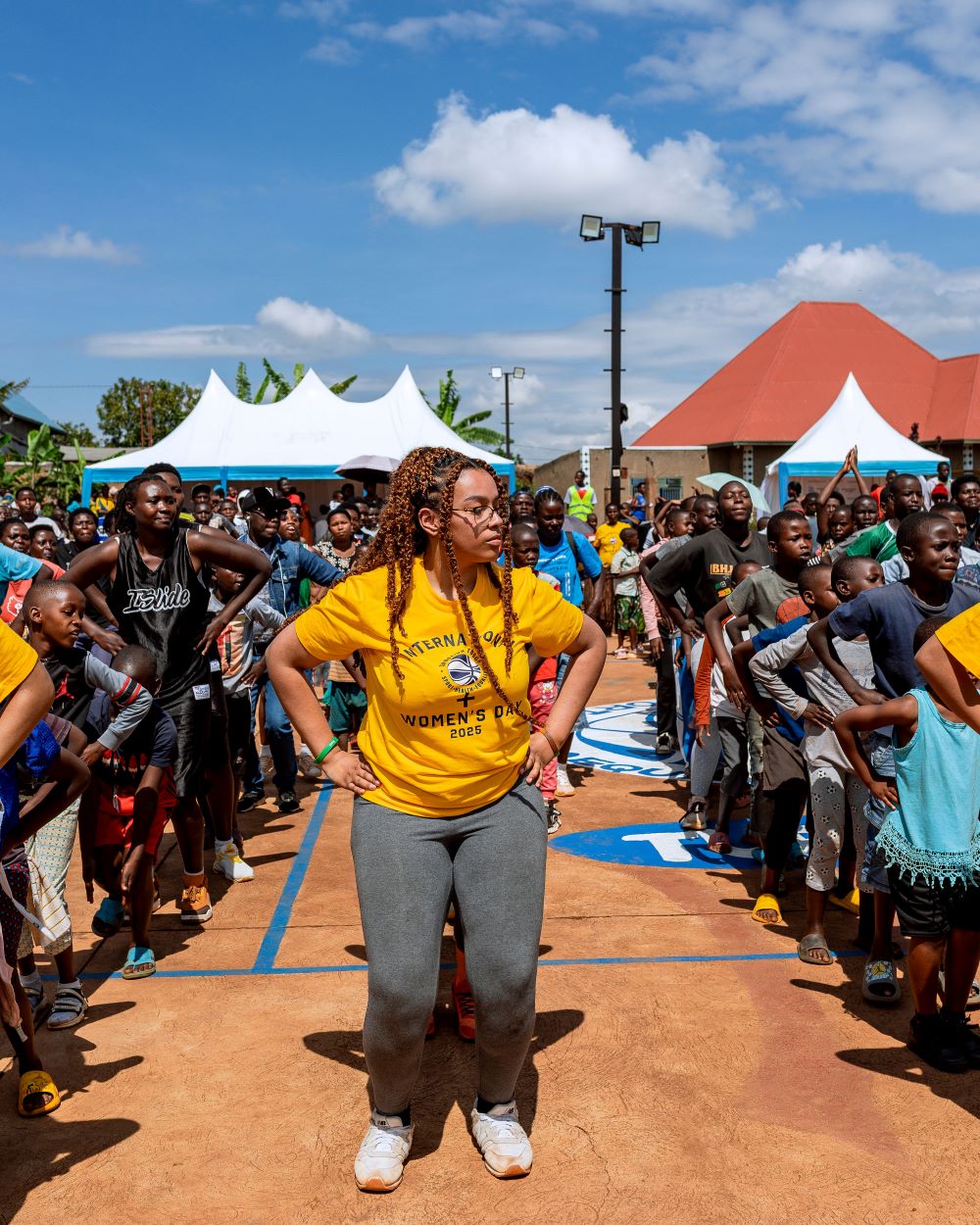
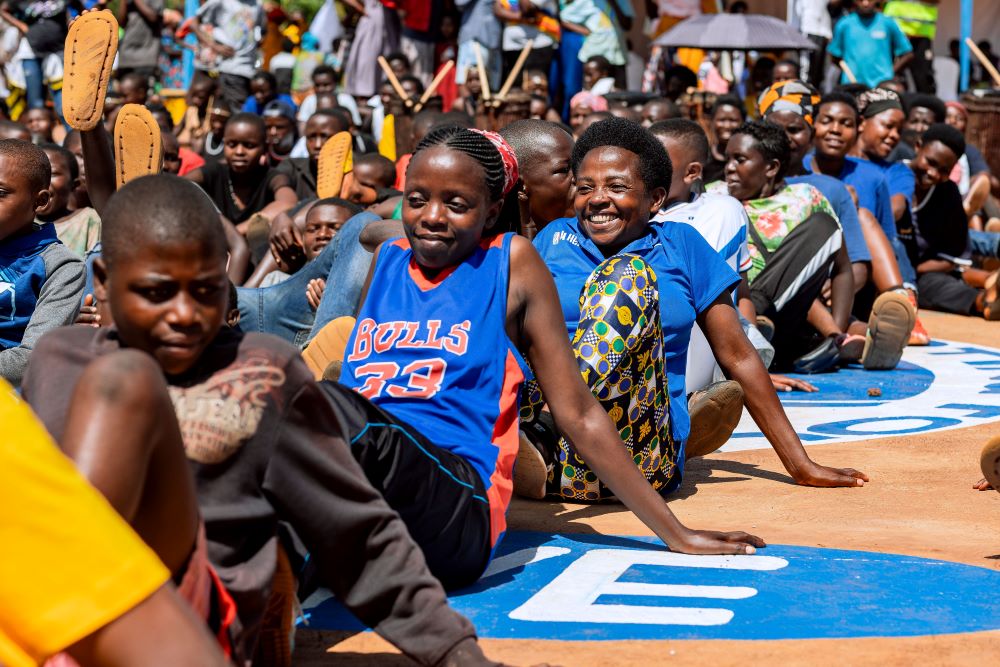
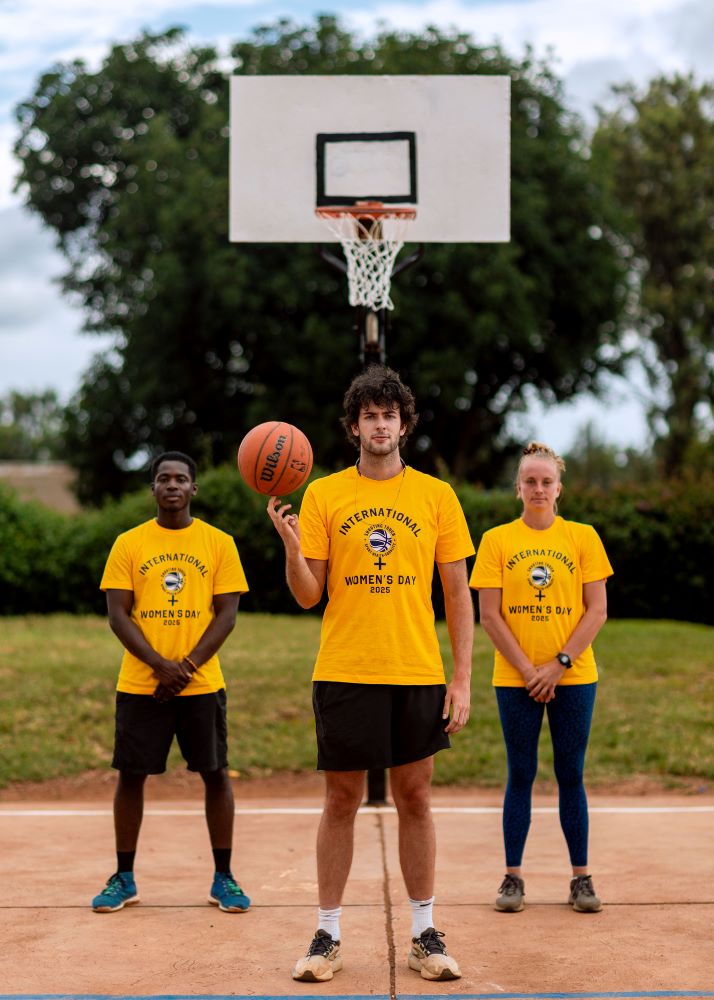
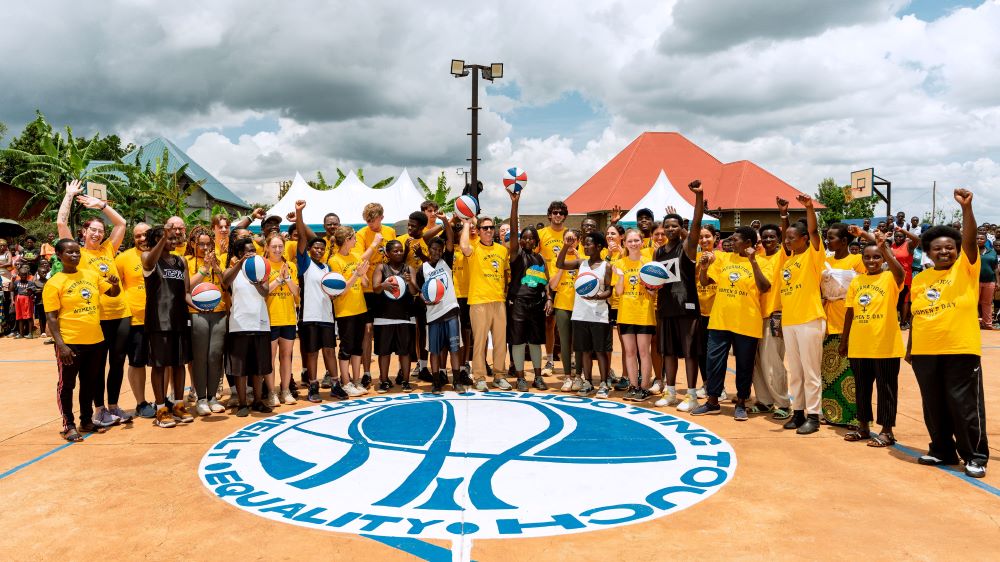
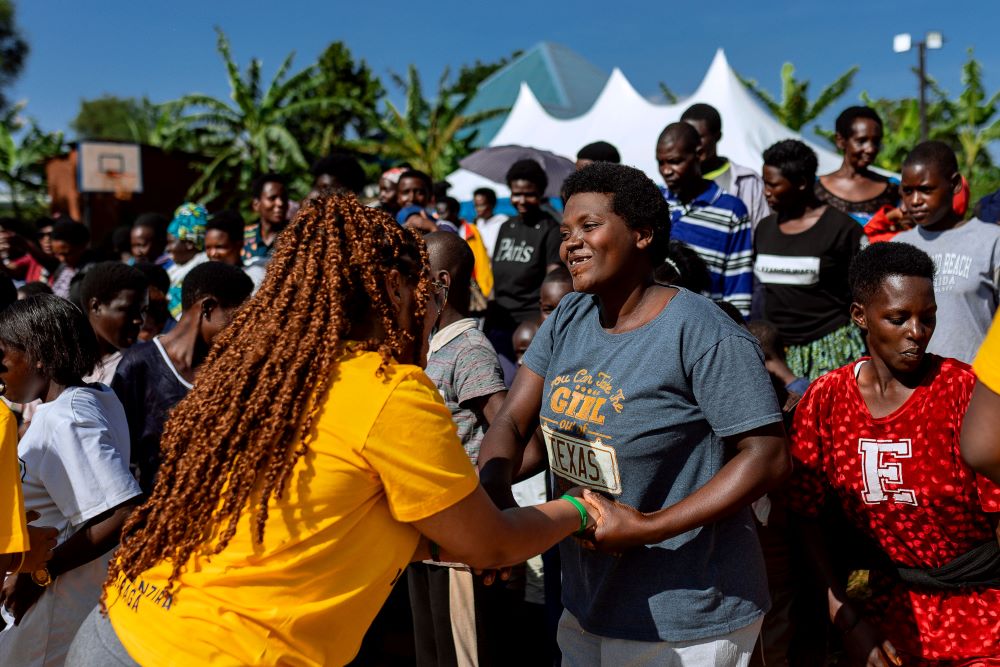
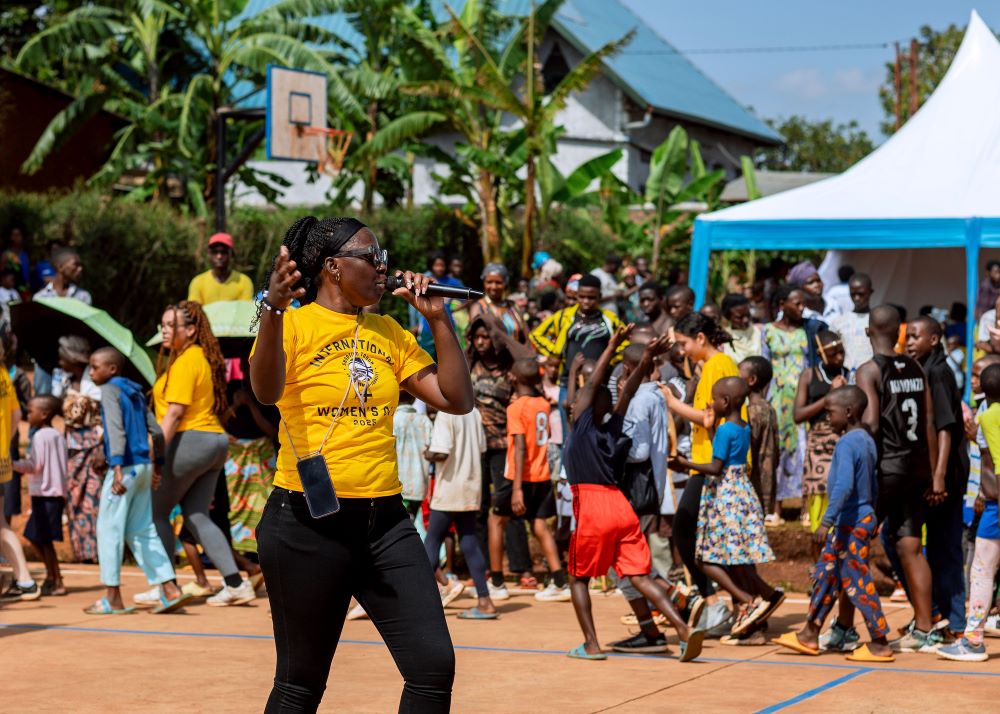
Hosted by Shooting Touch Rwanda (STR) in collaboration with the District of Kayonza, the event brought together youth, women, and men to support women’s rights and freedoms.
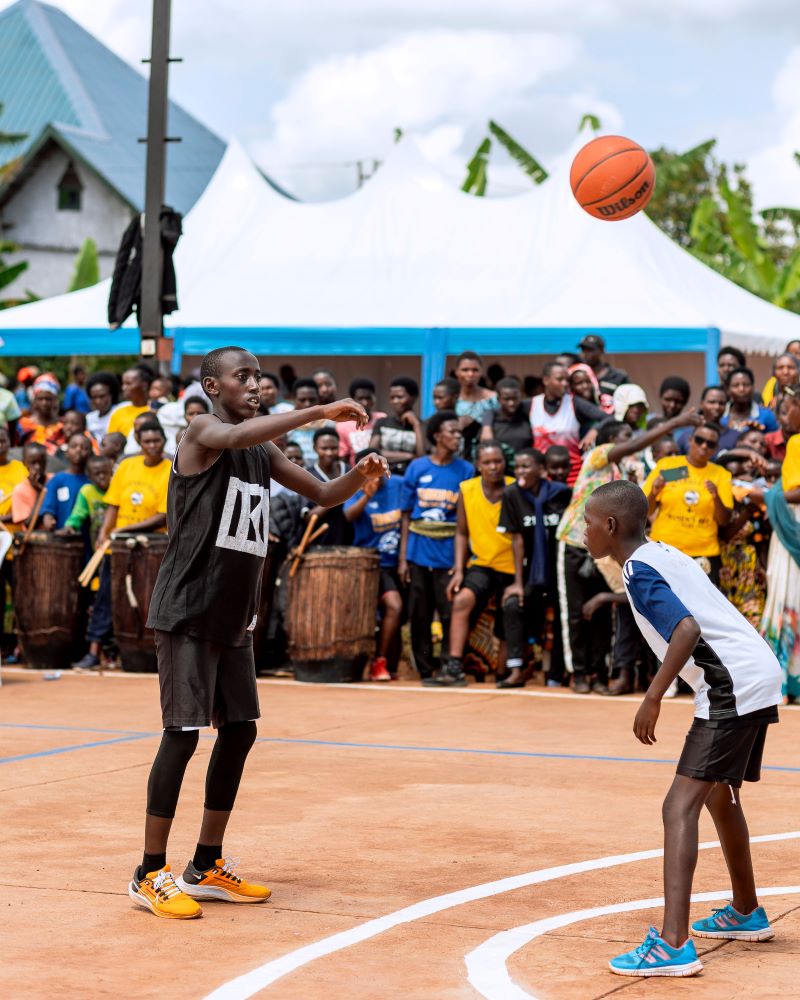
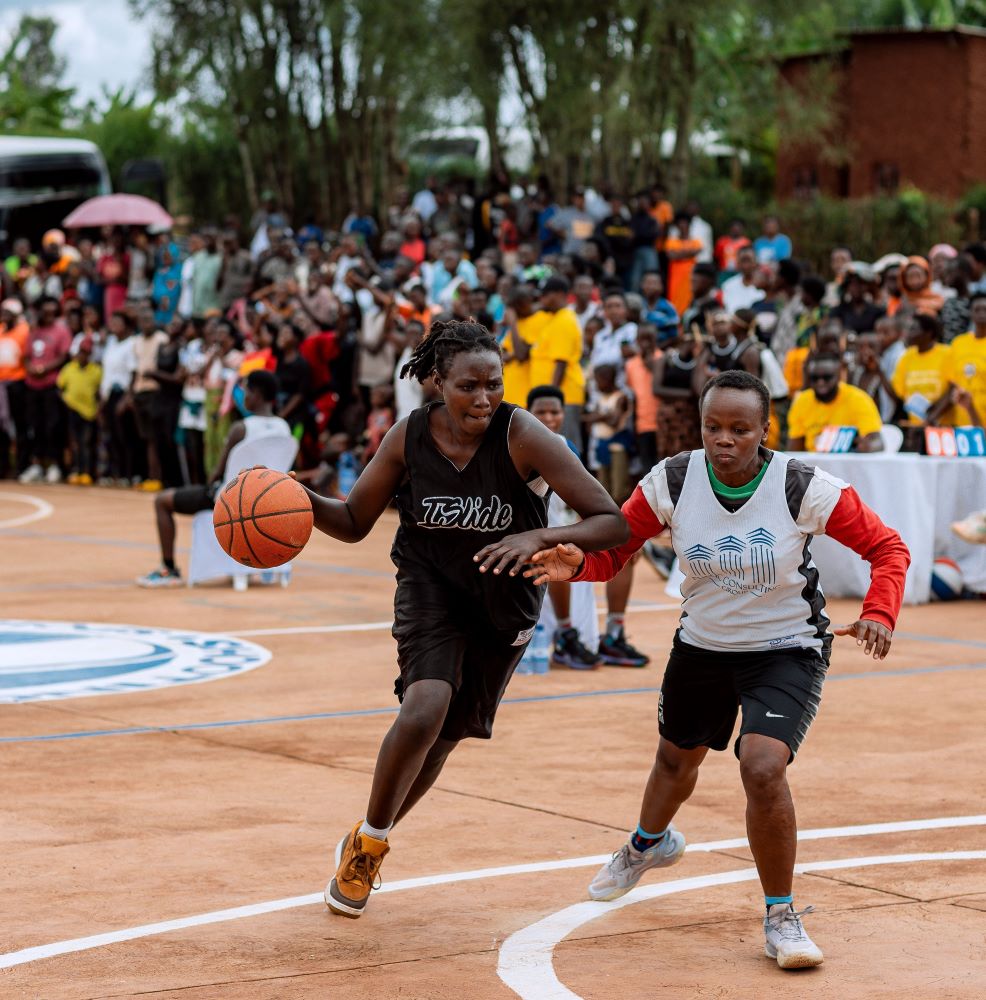
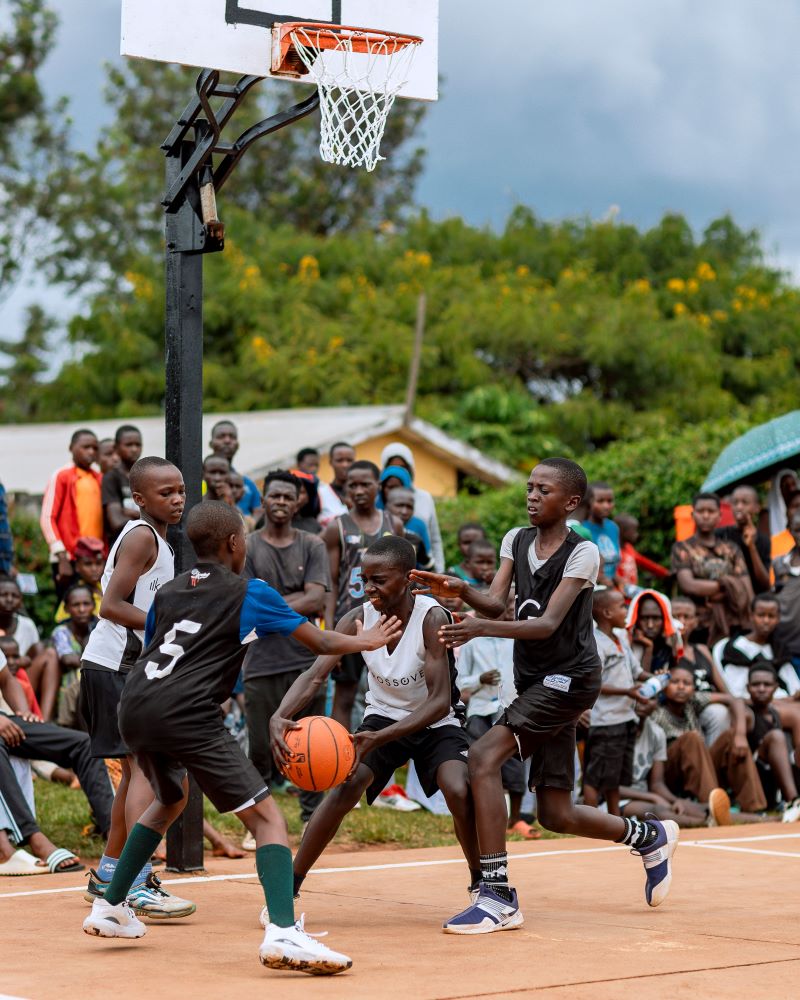
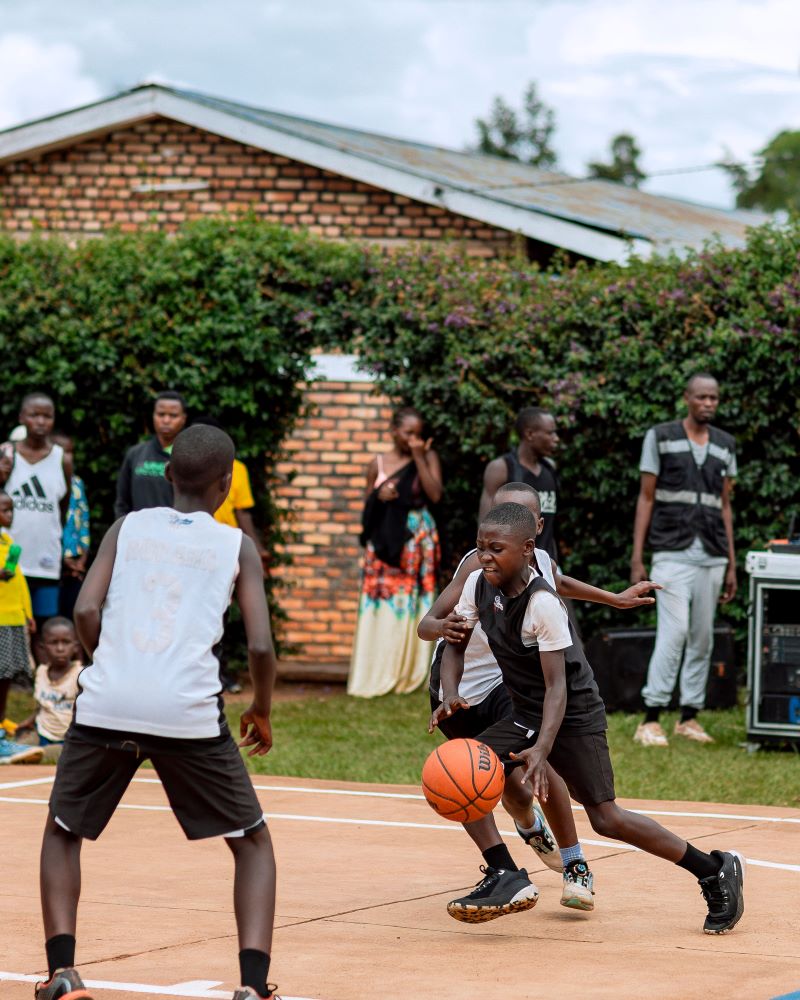
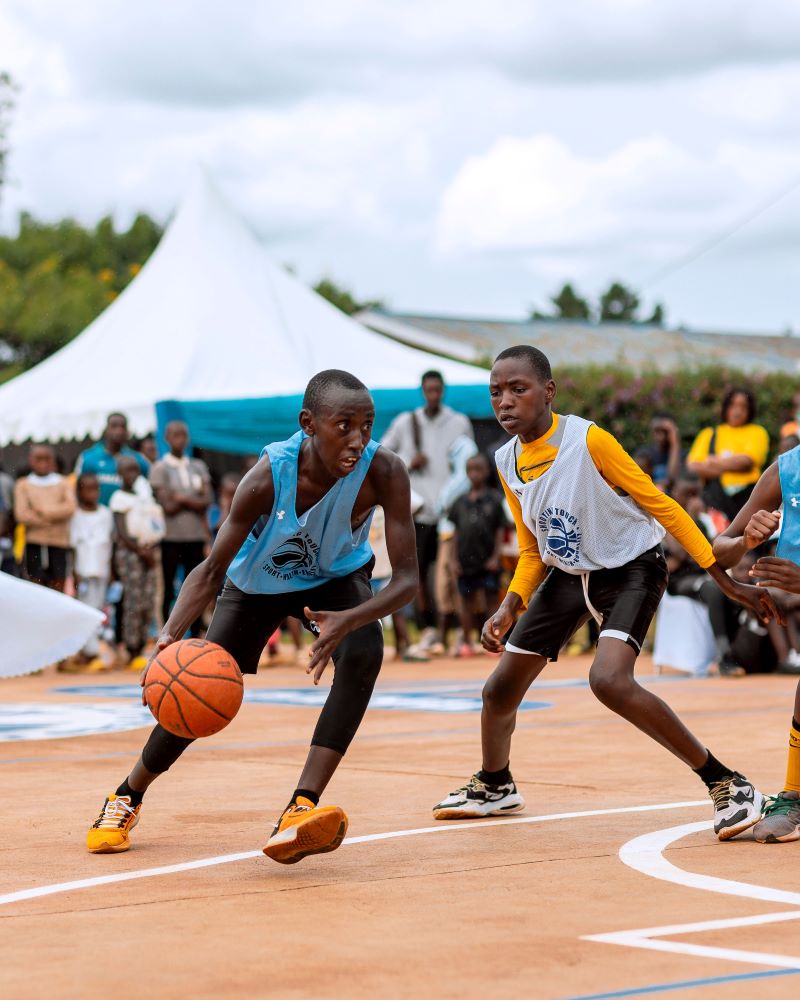
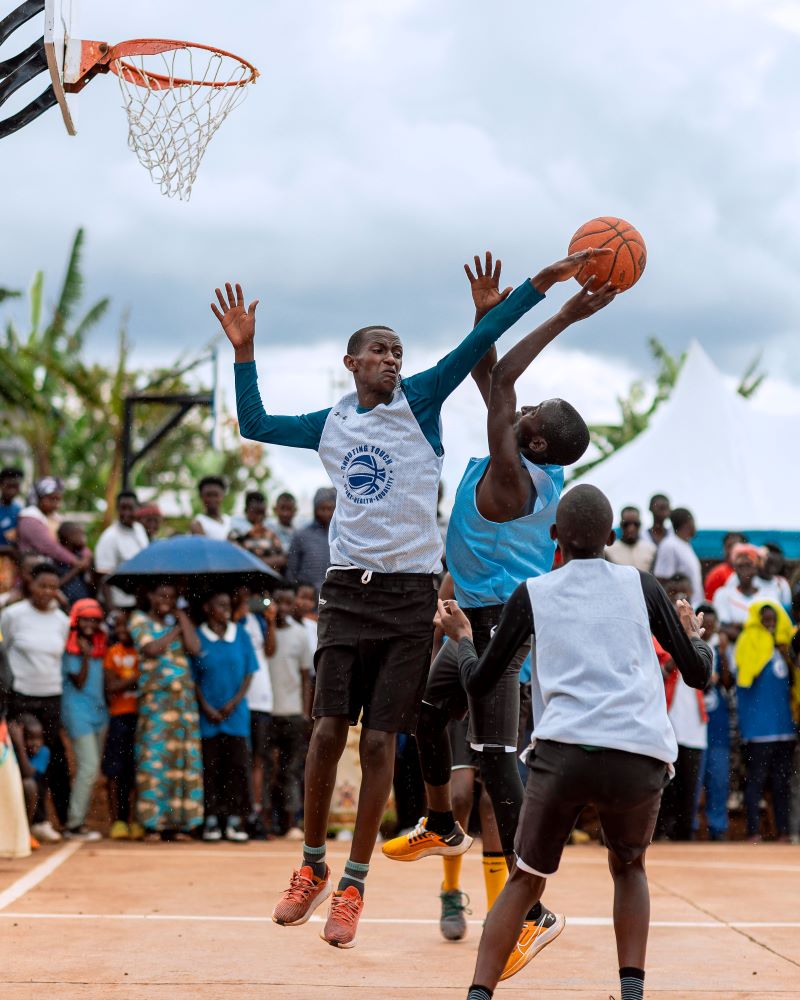
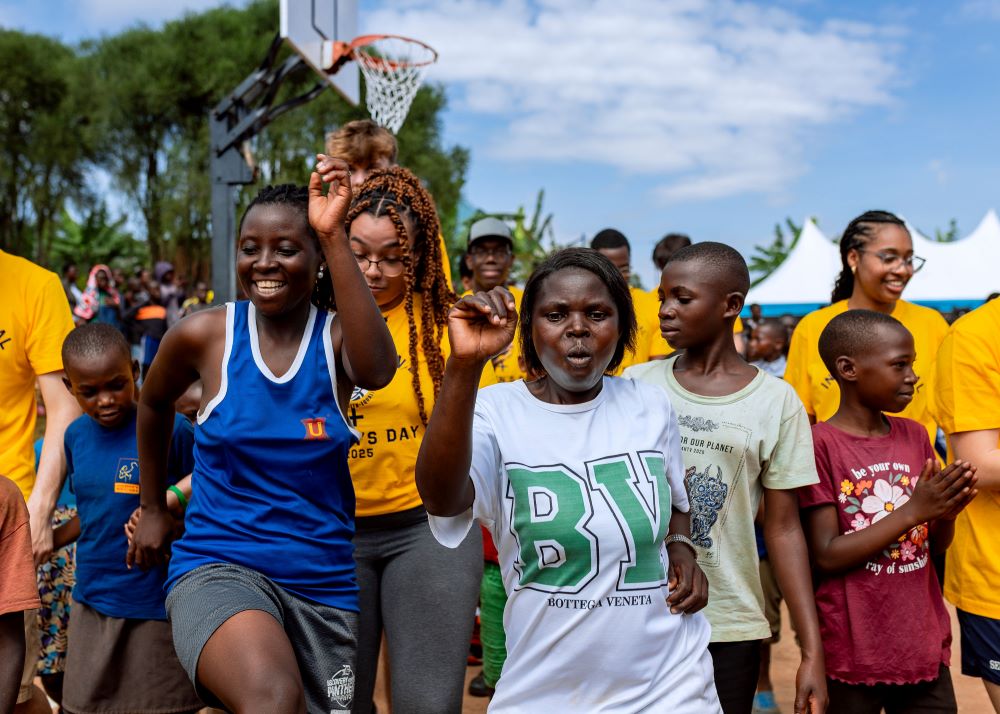
Under the theme, “For all women and girls: rights. equality. empowerment,” the celebrations included a series of activities designed to empower women and girls. The event kicked off with a powerful march for equality, which saw more than 500 participants take to the streets in solidarity for gender equity.
This march was followed by thrilling 3v3 basketball competitions, showcasing top youth and women athletes from four sectors in Kayonza District. The basketball matches allowed women athletes to display their skills and challenge the stereotypes surrounding women in sports. The competition winners were Rwinkwavu (U13 Youth), Mukarange (U18 Boys), Rukara (U18 Girls), and Rwinkwavu (Women’s).
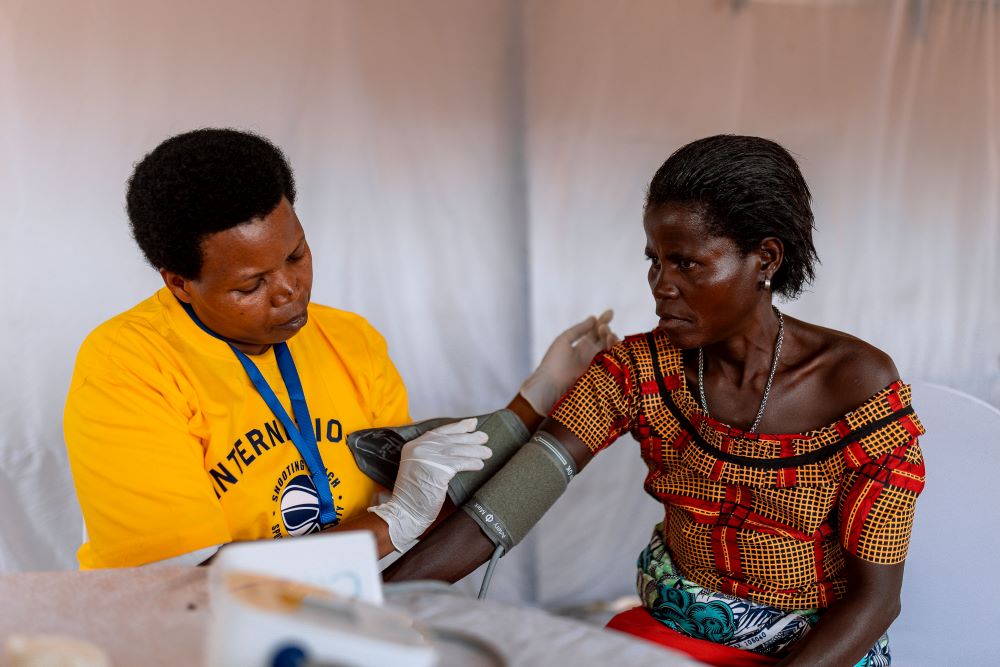
But the event went beyond just sports. In partnership with the Nyamirama Health Center, Shooting Touch Rwanda offered free health services to the community, including screenings for non-communicable diseases (NCDs), sexually transmitted infections (STIs), and HIV.
A total of 220 community members received these essential health services, furthering STR’s commitment to improving public health, especially among women and girls. The health screenings played a vital role in raising awareness about disease prevention and gave participants the opportunity to learn more about maintaining their health.
Distinguished speakers from various sectors, including government officials, local leaders, and STR representatives, addressed the crowd on the importance of gender equality, health, and physical activity.
Jean Damascene Harerimana, the Vice Mayor of Kayonza District, praised the role of sport in improving health. “Sports are crucial for health. Sport is a vaccine for a wide range of diseases. Health screenings provided today help people know their health status and adopt preventive measures to protect their health,” he said.
The event also highlighted the disparities women face in terms of healthcare access and societal constraints. It was a reminder of the urgent need for collective action to ensure women and girls can fully access opportunities in health, education, and sports.
STR’s efforts align with Rwanda’s National prevention plan, which seeks to reduce premature mortality from NCDs by 25% by 2025. The plan’s focus on encouraging physical activity among women is critical, as only 57.6% of women participate in adequate physical activity compared to 65.8% of men.
STR’s basketball programming plays a crucial role in narrowing this gap, offering a safe and supportive space for women and girls to engage in sports and adopt healthier lifestyles.
Aline Muhawenimana, a Shooting Touch player from Mukarange, shared her experience. “The free screening Shooting Touch provided today helped me determine my health status. I was informed about healthy habits to maintain my health. As a mother of four, I have learned that I need to keep doing sports to live longer,” she said.
Shooting Touch Rwanda continues to make a significant impact in Rwanda’s Eastern Province by offering basketball programs, public health education, and gender equity initiatives in underserved communities.
Through initiatives like the International Women’s Day celebration, STR encourages women and girls to take charge of their health, challenge gender biases, and inspire future generations to break through societal barriers.
The event demonstrated that sports can serve as a powerful tool for social change, bringing together people of all genders to fight for equality. As STR’s programs grow, so does the hope that gender equality and improved health outcomes will become a reality for all Rwandan women and girls.
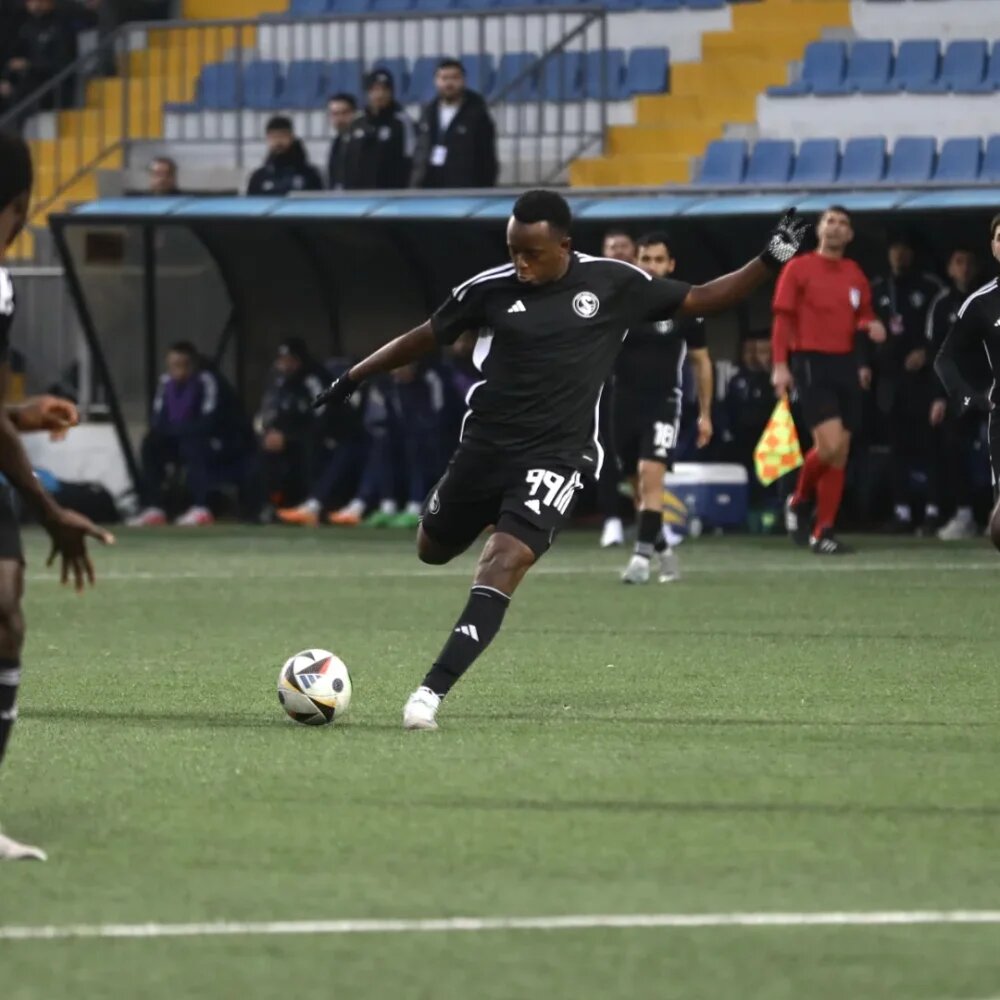
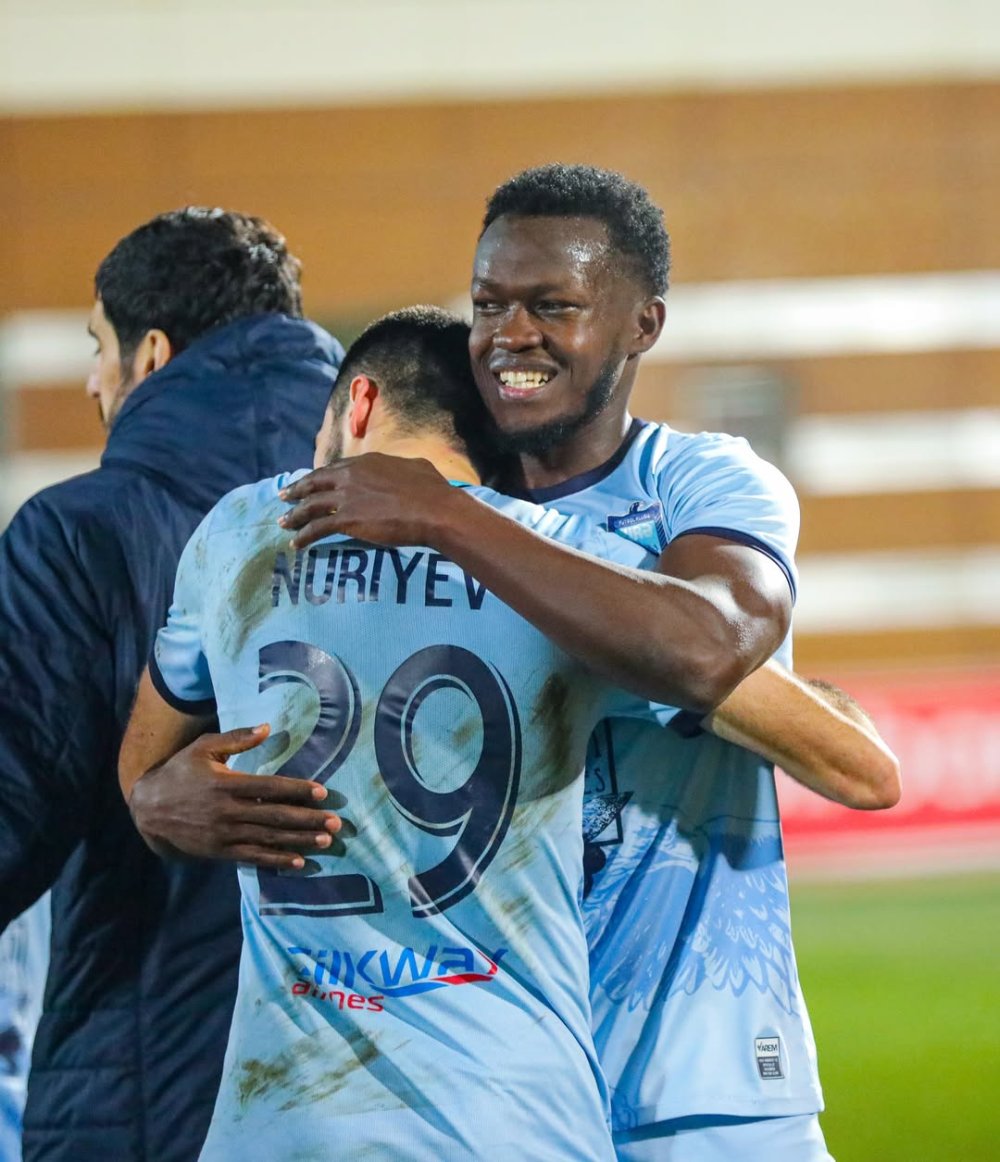
Meanwhile, Sabail PFK, where Rwandan striker Nshuti Innocent plays, settled for a 1-1 draw against Turan. Nshuti played the entire match as he continues to adapt to his new team. However, Sabail PFK remains in a difficult position, sitting at the bottom of the table with 16 points after 21 games.
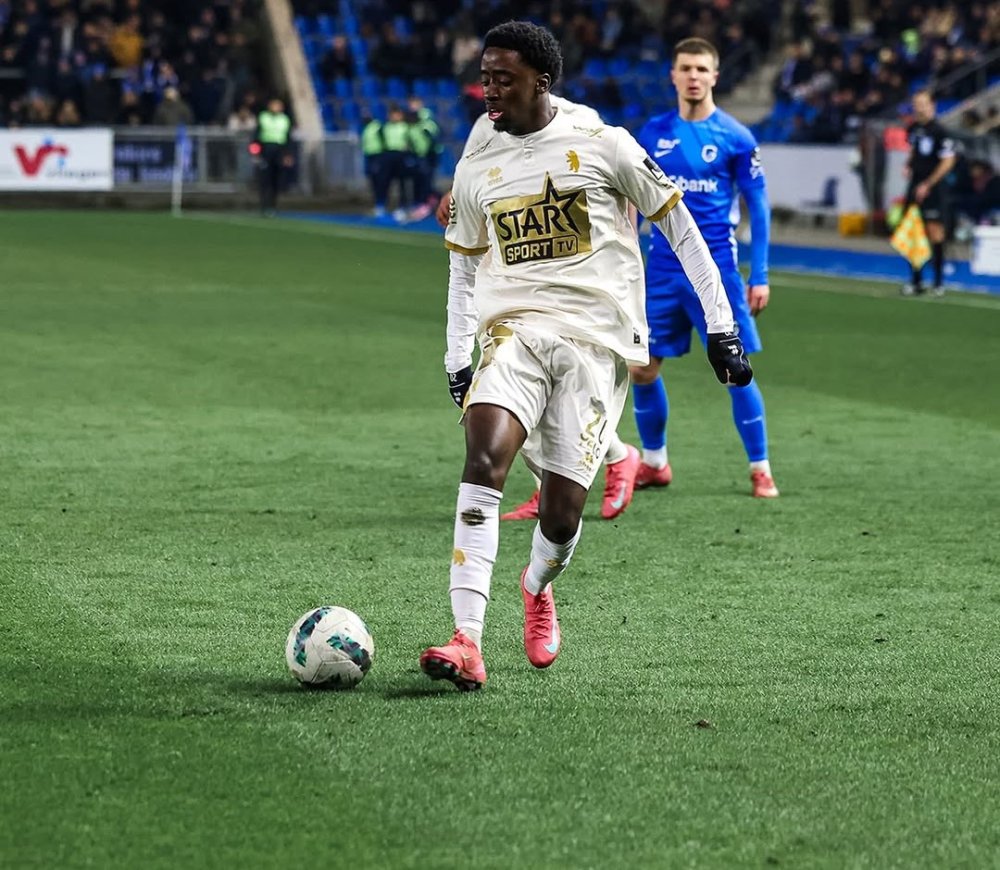
In Belgium, Hakim Sahabo played the full match for K. Beerschot V.A in their narrow 1-0 defeat to Genk. Beerschot is facing a tough season, currently sitting in last place with only 13 points from 24 matches.
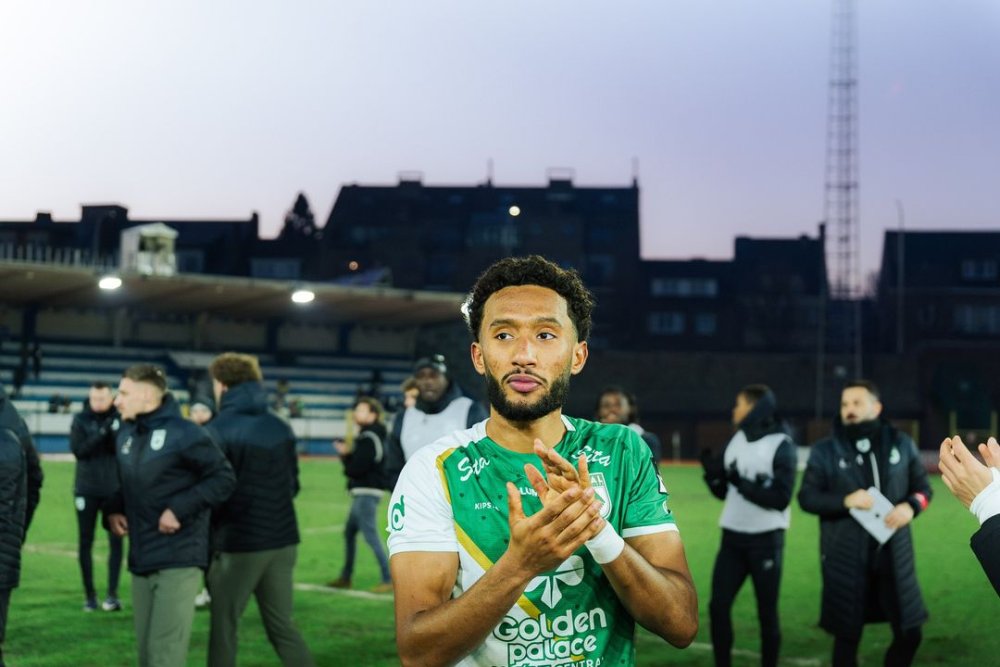
In the second division, Samuel Gueulette also played the entire match as RAAL La Louvière drew 0-0 with league leaders Zulte Waregem. La Louvière remains in third place with 36 points, trailing the leaders by nine.
Elsewhere in Africa, Rwandan goalkeeper Fiacre Ntwari has struggled for game time at Kaizer Chiefs, as he remained on the bench during their 1-0 loss to Orlando Pirates. His team currently sits in third place with 21 points from 15 matches.
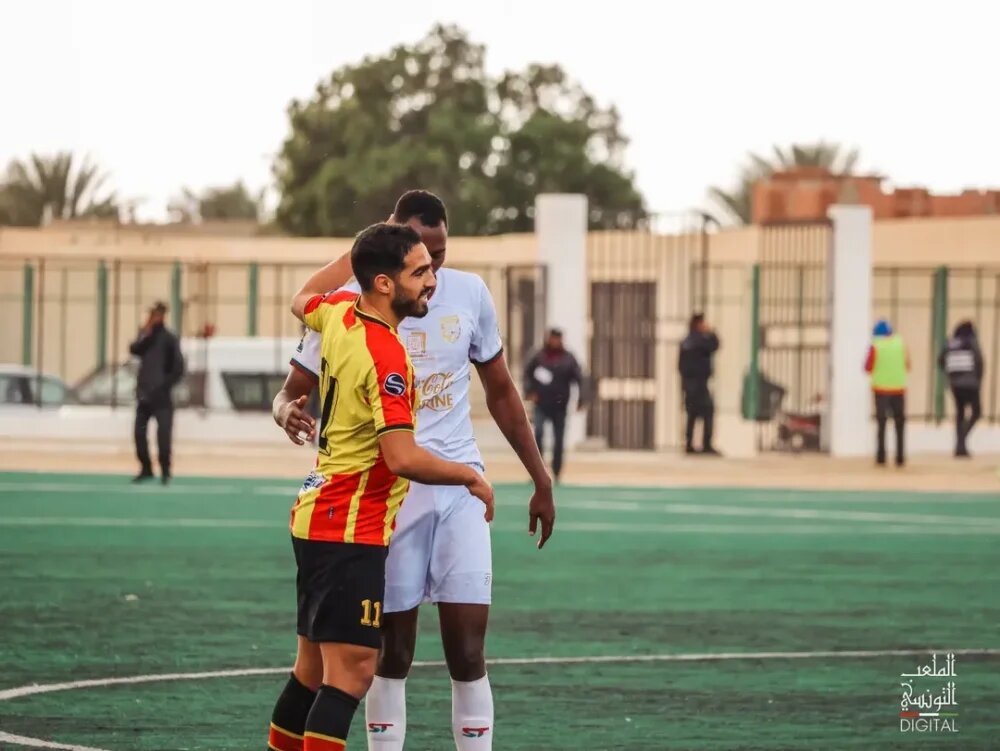
In Tunisia, Stade Tunisien, featuring Bonheur Mugisha, played to a goalless draw against Espérance Sportive Metlaoui. Mugisha played the entire game, and his team now stands third with 35 points, just one point behind leaders Espérance Sportive de Tunis.
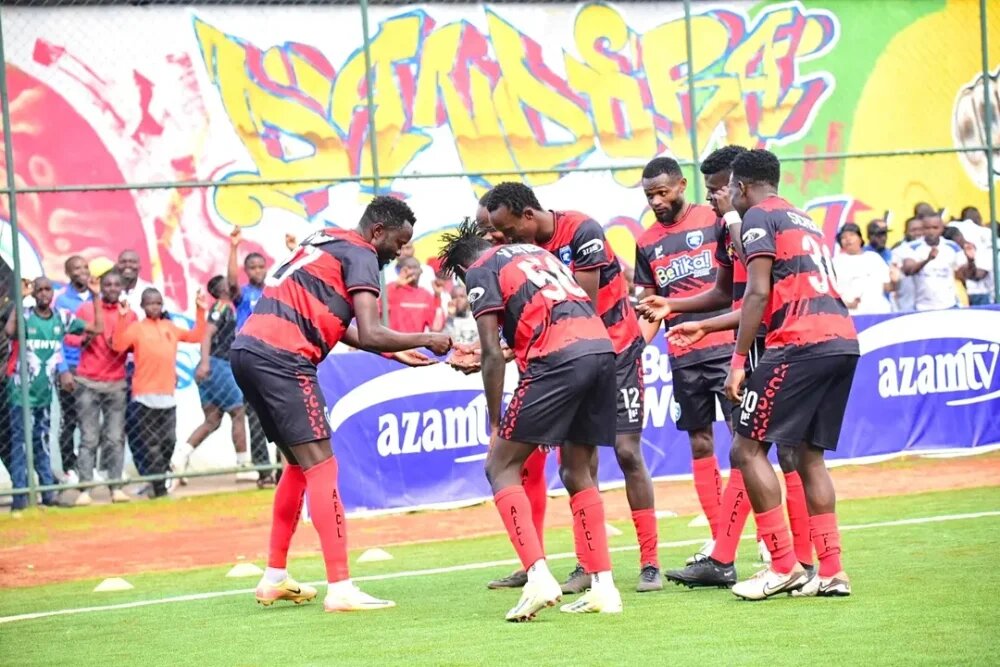
In Kenya, AFC Leopards secured a 1-0 victory over Nairobi City Stars, but Rwandan forward Arthur Gitego was not part of the squad. His team now ranks fourth in the league with 28 points from 18 matches.
As the FIFA World Cup 2026 qualifiers approach, Rwandan players performing well in their respective leagues will have a strong chance of being called up for the national team, Amavubi, ahead of crucial matches against Nigeria and Lesotho in March 2025.
Launched in 2021 under the patronage of Mrs. Maïté Relecom, the scholarship program has grown into a life-changing initiative for the children of SKOL Brewery Ltd employees.
The scholarship program provides funding not only for secondary school students but also supports those pursuing undergraduate studies and those enrolled in Technical and Vocational Education and Training (TVET) programs.
By covering a wide spectrum of educational needs, SKOL ensures that recipients have the resources and support to pursue both academic and practical career pathways.
In a statement, the brewer noted that more than 265 secondary school students and 30 scholars in higher education have benefited from the scholarship program since its inception three years ago.
The impact is widely felt, with students and parents alike acknowledging the tangible relief and opportunities it brings.
One parent shared, “SKOL’s scholarship has fully covered my children’s school fees, allowing me to direct those resources toward building our family’s future.”
As SKOL Brewery Ltd celebrates this year’s new recipients, it reaffirms its commitment to nurturing young talents as the future leaders of tomorrow.
“Through this scholarship program, SKOL not only invests in the students’ academic journeys but also in Rwanda’s continued growth and development by helping equip its future workforce with the education and skills to succeed,” the company affirmed.