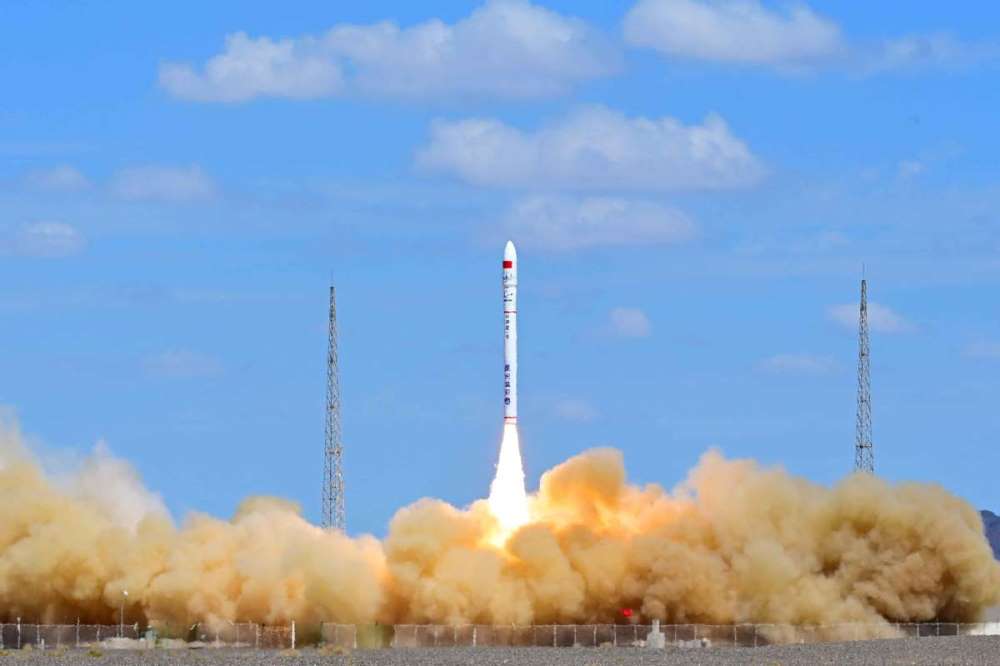
The satellite, Zhongxing-1E, was launched on Tuesday at 9:18 p.m. (Beijing Time) by a modified version of the Long March-7 carrier rocket and entered the planned orbit successfully. It will provide high-quality voice, data, radio and television transmission services.
This was the 437th mission for the Long March series carrier rockets.
The CentiSpace-1-S3/S4 test satellites were launched by a Kuaizhou-1A carrier rocket at 10:24 a.m. (Beijing Time) and they have entered the planned orbit successfully.
This was the 17th flight mission of the Kuaizhou-1A rockets, according to the launch center.
Coded Beijing-3B, the satellite was lifted at 11:01 a.m. (Beijing Time) from the Taiyuan Satellite Launch Center in the northern province of Shanxi and soon entered the preset orbit.
It will mainly be used to provide remote sensing services in the fields of land resources management, agricultural resources survey, environment monitoring and city applications.
This was the 434th flight mission of the Long March rocket series, the launch center said.
China launched the Beijing-3A satellite on June 11, 2021.
The satellites, including a Jilin-1 Gaofen 03D09 satellite and Yunyao-1 04-08 satellites, were launched by a Long March-6 carrier rocket at 12:50 p.m. Beijing Time and entered the planned orbit successfully.
The new batch of satellites is mainly used in the fields such as commercial remote sensing and atmospheric imaging.
This launch marked the 432nd mission for the Long March series carrier rockets.
The platform will soon allow people to control who can see when they’re online, prevent others from taking screenshots of certain messages, and leave groups without notifying entire channels.
WhatsApp has more than 2 billion users globally, and is owned by Facebook (FB) parent Meta. Announcing the changes on Facebook and Instagram, CEO Mark Zuckerberg said the company would “keep building new ways to protect your messages and keep them as private and secure as face-to-face conversations.”
WhatsApp has long touted its use of end-to-end encryption, which means only the sender and recipient of a message can see its contents. And like other private messaging platforms, it already allows users to send messages that disappear after set periods of time.
However, last year, WhatsApp was heavily scrutinized after an update to its terms of service.
At the time, many users expressed concerns about a section of WhatsApp’s privacy policy that detailed what is shared with parent company Facebook, which has a troubled reputation when it comes to protecting user data.
The update sent some people flocking to Signal, another popular encrypted messaging platform.
Facebook tried to dispel confusion over the policy, saying that its data sharing practices were not new and did not “impact how people communicate privately with friends or family.”
Now, two of the new features being introduced on WhatsApp — which will let you choose who can see when you’re active, and to leave groups silently — will start rolling out to all WhatsApp users this month.
The screenshot blocking tool, which will be made available on messages intended to be viewed just once, is still being tested and will be made available later, according to WhatsApp.
The satellites, including a new space technology test satellite and a test satellite for probing atmospheric density, were launched by a Lijian-1 carrier rocket at 12:12 p.m. Beijing Time and entered the orbit successfully.
The Lijian-1 solid-propellant rocket was independently developed by the Chinese Academy of Sciences. The mission marked the first flight of Lijian-1.
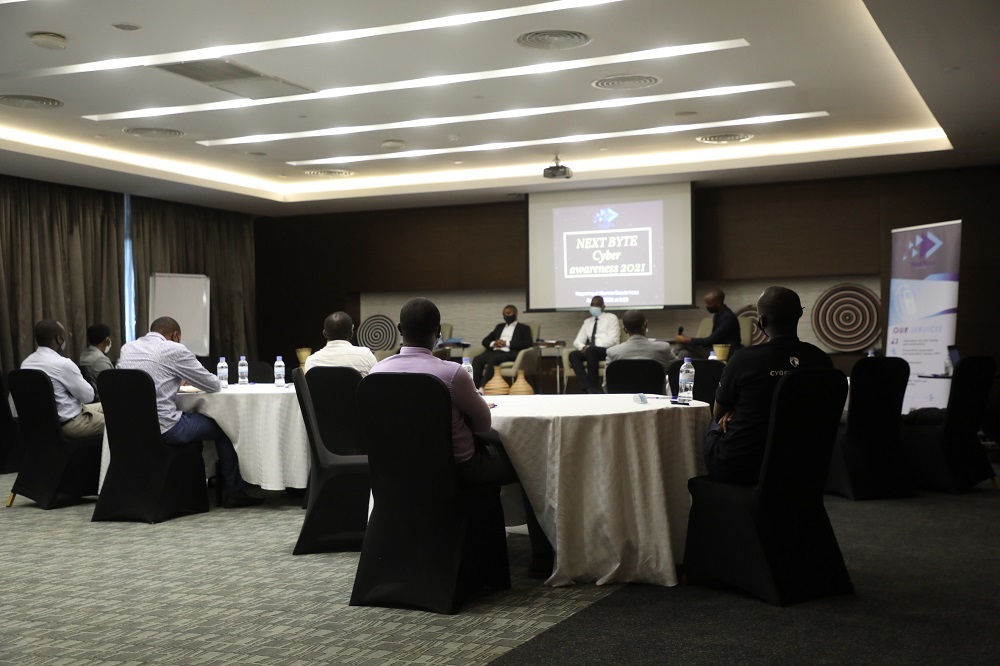
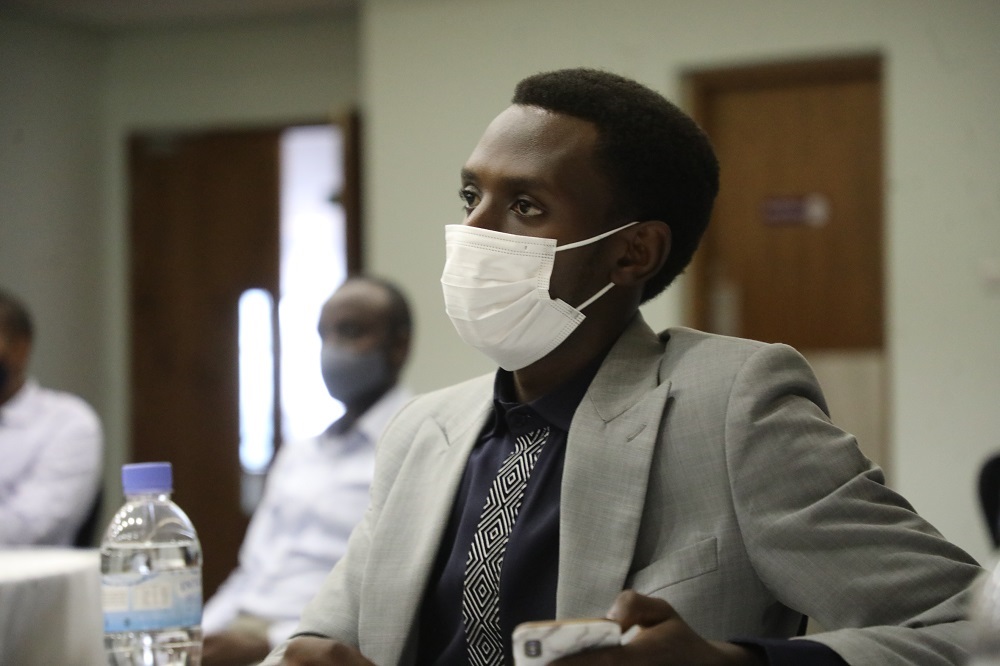
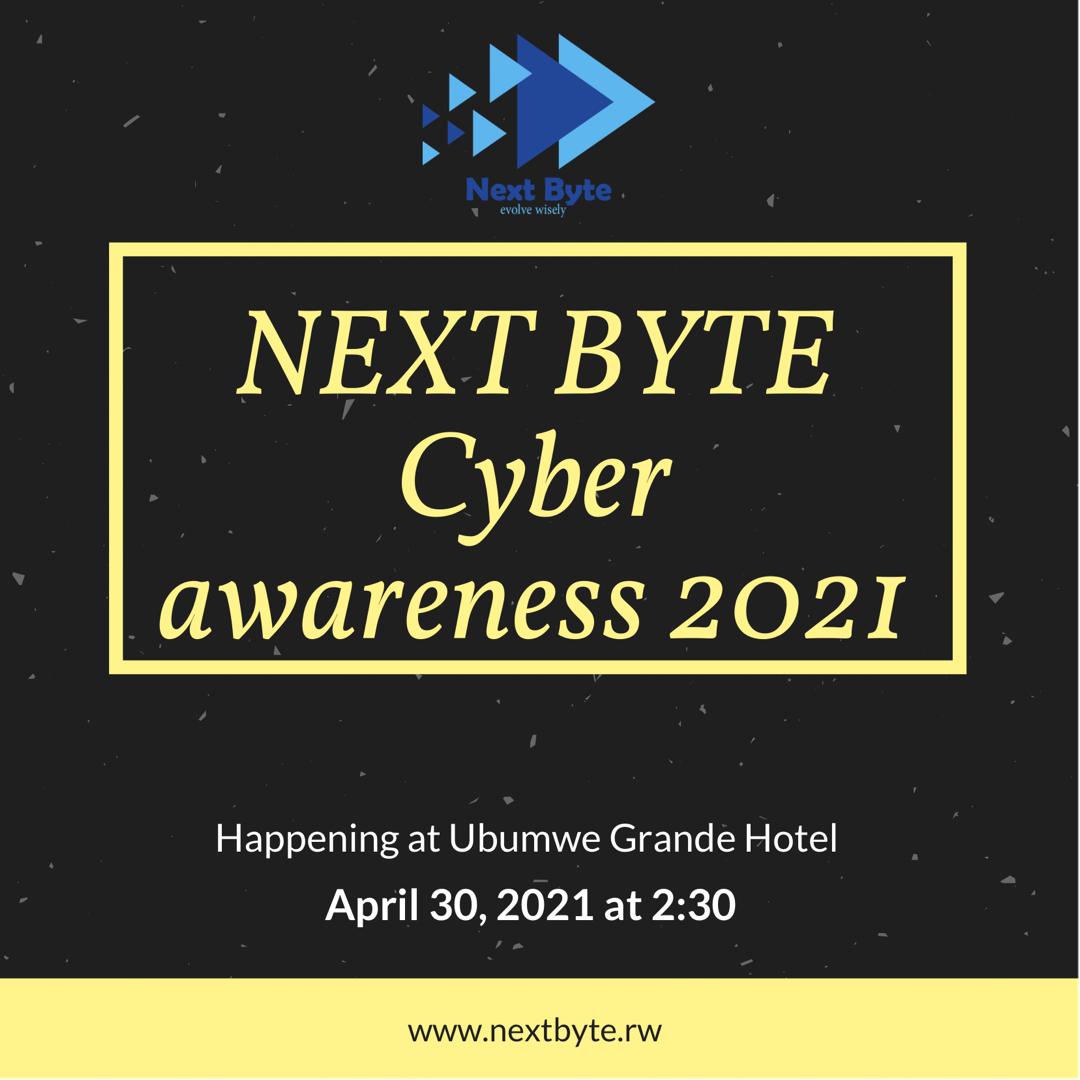
The call was made on Friday 30th April 2021 at the NEXT BYTE Cyber Awareness 2021 event held at Ubumwe Grande Hotel bringing together ICT users from different local institutions to enlighten them on Cyber-attacks.
Speaking during the event, Yves Mutsinzi, the Managing Director of NEXT BYTE said that many people are unknowingly victims of cyber-attacks.
Cyber-attacks are reported to have increased in Rwanda during Coronavirus pandemic like the rest of the World, particularly in financial operation systems, individual’s accounts of social media and emails as well as WhatsApp.
Earlier this year, Rwanda Investigation Bureau (RIB) released a short video advising WhatsApp users to secure their accounts and warning them against revealing their passwords to anyone else.
“RIB got some challenges in investigating cyber-crimes. For instance, one steals swindles money from mobile money but we finally realize that the Sim card used is not registered to him/her. Then it becomes more difficult to identify the criminal;” said Kalisa Juma, the Director of Digital forensic Unit at RIB.
The event attended by Alfred Ntaganda, Information Security analyst at Rwanda Information Society Authority (RISA), Jean Bonfils Tuyishimire, Director of Digital Information at Rwanda Mines, Petroleum and Gas Board and co-founder of Africa Cybersecurity Consortium(ACC), as well as Maurice Kajangwe, Senior Cyber Security Engineer in Ministry of ICT and Innovation.
They shared experience in dealing with cyber threats to extend ICT users’ awareness.
“It’s difficult to convince someone with no idea about computer programming. […] You can detect at least 5,000 threats per month on a small website,” said Tuyishimire.
He advised ICT users to purchase systems that allow them to detect malwares.
Kajangwe explained that cyber threats increased during Coronavirus pandemic as many people shifted to online businesses and urged ICT users to should invest in Cyber security to ensure full protection.
ICT users have been advised to stand firm to prevent hackers through investment in cyber security and buy systems enabling them protect their devices against malicious attacks.
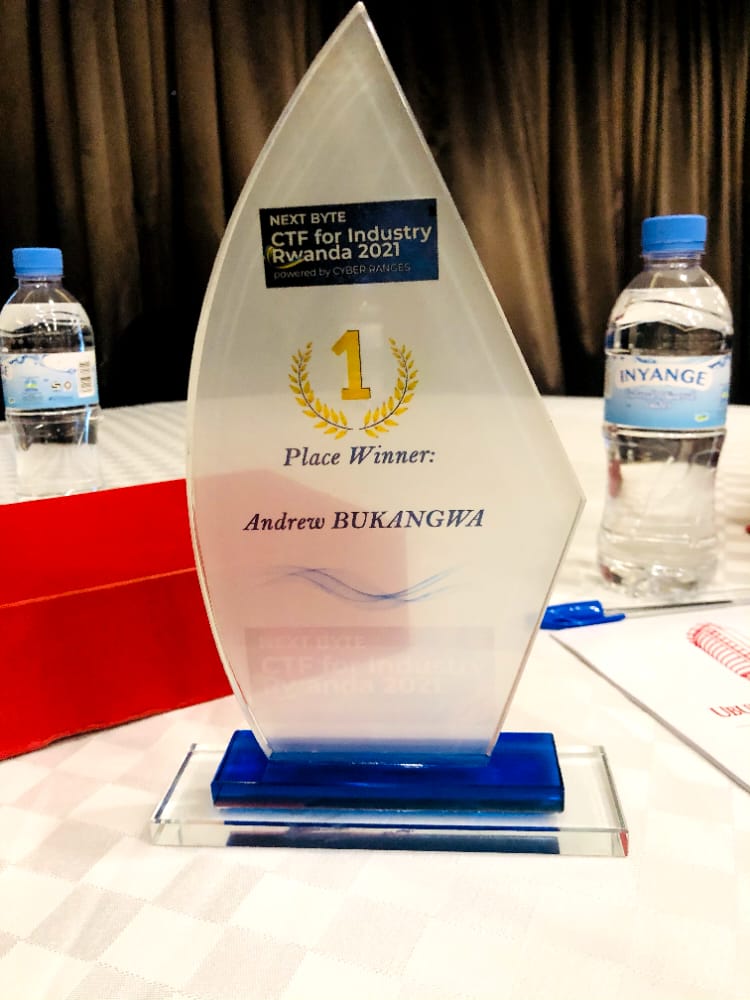
In the event two winners of the CTF(Capture The Flag) competition that took place a day before on 29th were awarded with training and exam vouchers of one of the most common certificates in Information security CEH, Certified Ethical Hacker form EC-COUNCIL were Next Byte is an Accredited Training Center
NEXT BYTE Training Center is a Rwanda-based company that provides professional training solutions to cyber security individuals, small, medium and large enterprises, performing VAPT (Vulnerability Assessment and Penetration Testing) for institutions, developing business continuity, audit and certify institutions with the ISO27001 among others.
Designed to make booking rides easier in low connectivity and slower than average internet speeds, Uber Lite, will be rolled out in South Africa today.
The new application retains the core functionality of the current app, and includes critical safety features – but it works faster in low connectivity areas, and for people with limited data plans. It will be ten times smaller than the current app at just 5MB – roughly the size of three selfies.
According to Alon Lits, General Manager for Uber Sub-Saharan Africa, the introduction of lighter Uber App responds to the South African market and other key markets around the world.
“Every day, hundreds of thousands of South Africans rely on Uber for mobility and work, and we understand that a one-size-fits-all app doesn’t work for the diversity of network conditions, devices, and rider needs across the country,” said Alon Lits, GM for Uber Sub-Saharan Africa.
“After extensive research with our riders, it was obvious we couldn’t just make a smaller copy of Uber. We needed to reimagine the experience for South Africa and key markets around the world. The result is Uber Lite. A completely redesigned app that is light, simple, and works on any Android device and on any network.” He added
Uber Lite was first rolled out in over 600 cities in India in 2018.