Innovate4DigiJobs seeks to foster purpose-driven innovation by supporting solutions that generate sustainable impact and empower communities, particularly by equipping youth with the skills, tools, and networks to thrive in the digital era.
“Innovate4DigiJobs is not just about winning a competition – it’s about the impact we’re targeting,” said Alex Ntale, CEO of the Rwanda ICT Chamber.
“If your passion is about changing lives, not just chasing profits, we want to make sure you’re not left behind.”
The program invites participation from a diverse pool of actors, including business development service providers, TVET institutions, social enterprises, cooperatives, and workers’ or employers’ organisations.
The application deadline has been extended to June 27, 2025, and submissions can be made via the ICT Chamber’s official portal: [ictchamber.rw/innovate4jobs-application-form->https://www.ictchamber.rw/innovate4jobs-application-form/].
Speaking at the launch, ILO Project Manager Fatima Elsanousi Sirelkhatim highlighted the program’s inclusive approach to digital transformation: “It is vital to ensure no one is left behind.”
Echoing that sentiment, Ngabo Brave, Permanent Secretary at the Ministry of Youth and Arts, emphasised the need for digital skills to serve positive and transformative purposes: “It would be unfortunate to have digital skills and apply them in the wrong way. Innovate4DigiJobs paves a meaningful path for young people to leverage their digital talents the right way.”
The Innovate4DigiJobs challenge encourages young innovators to go beyond technology for its own sake and instead focus on digital solutions that uplift communities, generate decent jobs, and fuel inclusive growth.
The initiative aligns with Rwanda’s broader digital transformation goals and complements ongoing efforts by public and private actors to nurture a tech-savvy, empowered youth capable of driving inclusive growth and innovation.
“As he has said many times, President Trump does not want TikTok to go dark,” White House Press Secretary Karoline Leavitt said in a statement. “This extension will last 90 days, which the Administration will spend working to ensure this deal is closed so that the American people can continue to use TikTok with the assurance that their data is safe and secure.”
This marks the third extension since Trump took office in January. He initially signed an executive order delaying the TikTok ban by 75 days, saying it would permit his administration “an opportunity to determine the appropriate course of action with respect to TikTok.” In April, he granted another 75-day extension to avoid disrupting the app’s operations. The latest extension expires on June 19.
In his first term, Trump signed an executive order effectively seeking to ban the app in the United States unless ByteDance sold its U.S. operations to an American company, but the order didn’t go into effect amid legal challenges.
In April 2024, then-President Joe Biden signed a law giving ByteDance 270 days to sell TikTok, citing national security concerns that critics called unfounded. Under the law, failure to comply would require app store operators like Apple and Google to remove TikTok from their platforms starting Jan. 19, 2025.
The app went dark for hours and resumed its service on Jan 19, one day before Trump’s inauguration for his second term.
Announced on Monday during the Cannes Lions advertising conference, the new feature will display ads from businesses in the app’s Stories-like “status” section, which is used by about 1.5 billion people daily.
This is the first time WhatsApp, which built its reputation on simplicity and privacy, will allow advertisements within the platform.
Meta, WhatsApp’s parent company, says the ads will be targeted using limited information such as users’ location, language, and interactions within the app. However, personal messages, calls, and contacts will remain off-limits for ad targeting, and WhatsApp promises that end-to-end encryption will stay intact.
“We work hard to protect the privacy of people’s communications,” said Will Cathcart, head of WhatsApp. “Some people only use WhatsApp for private chats and calls, and nothing is changing about that.”
The move follows years of internal debate. WhatsApp’s original founders, Jan Koum and Brian Acton, were firmly opposed to monetising the platform through ads, but both left the company years ago.
Meta had considered similar advertising plans before shelving them in 2020, only to revive the idea amid rising pressure to diversify revenue sources.
Meta’s advertising business remains robust, generating nearly all of its $164 billion in revenue last year, but WhatsApp has been one of its last major platforms to remain untouched by ads.
Analysts suggest this new strategy could unlock a significant, yet largely untapped, revenue stream from the world’s most popular messaging app.
In addition to the in-app ads, WhatsApp also plans to promote content creators and businesses through its “channels” feature, and will introduce paid subscriptions for exclusive updates.
Despite Meta’s reassurances, the change is likely to spark concerns among users and privacy advocates. However, the company insists that participation in cross-platform data sharing for ad targeting is optional, and users can manage their preferences through Meta’s Accounts Center.
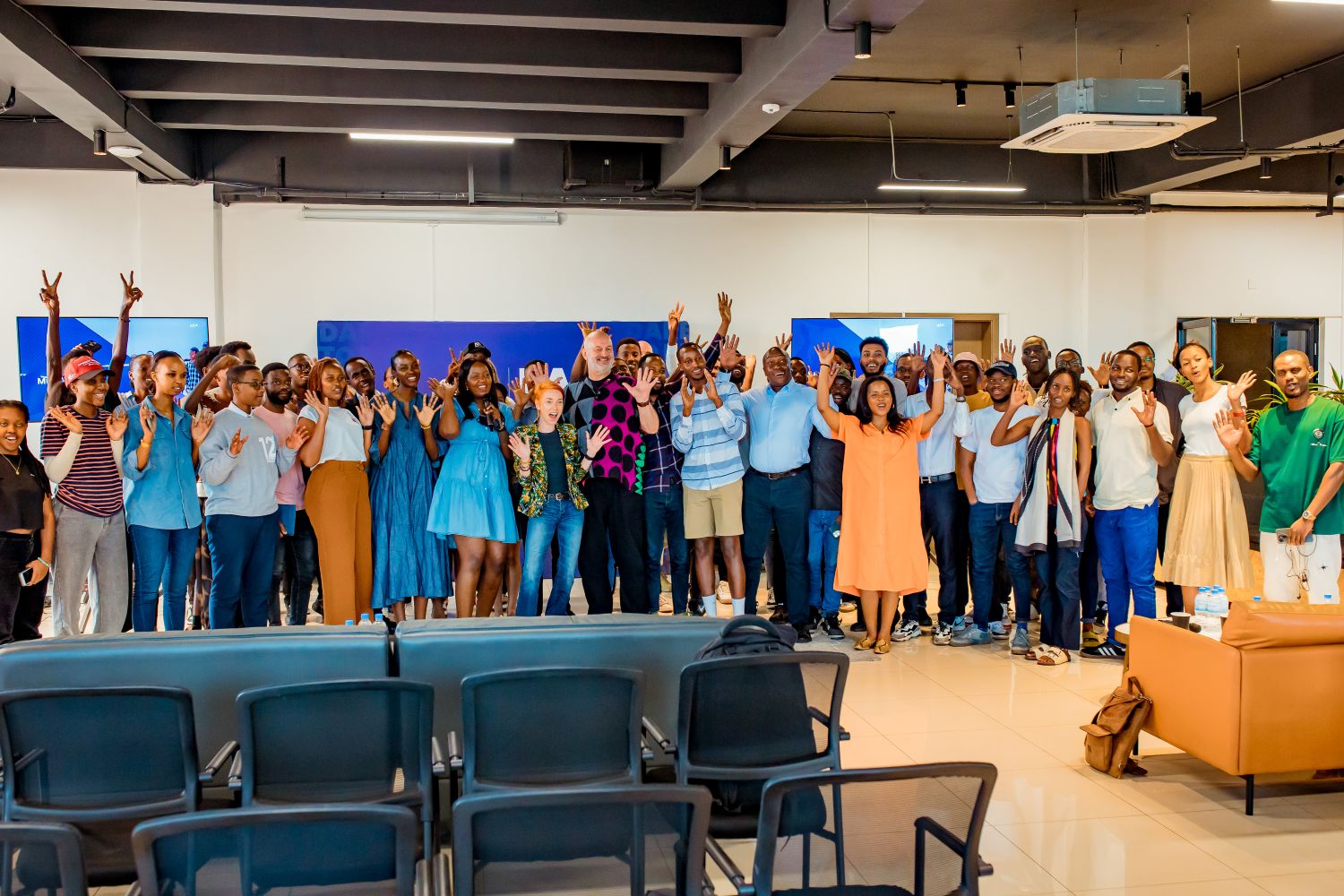
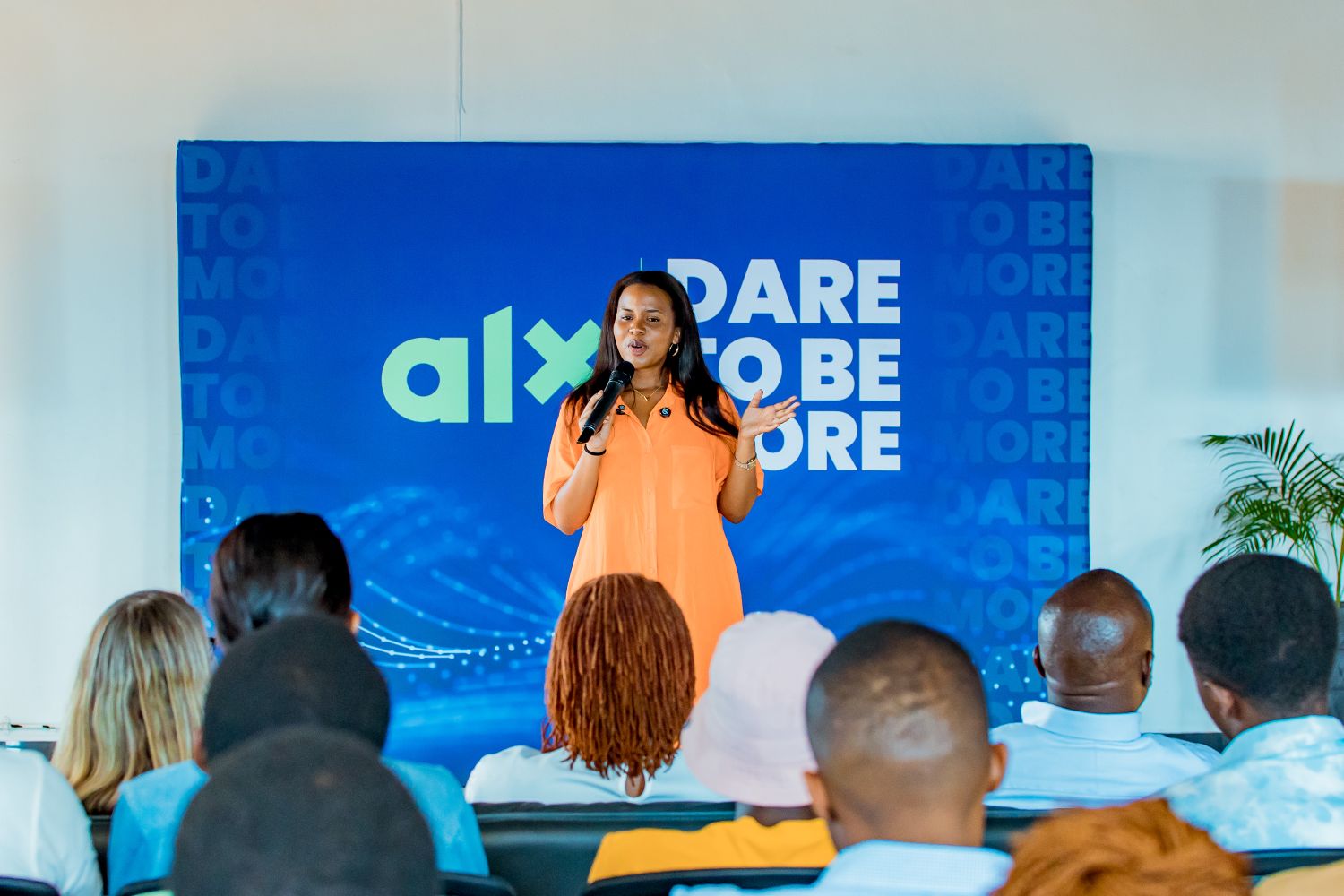
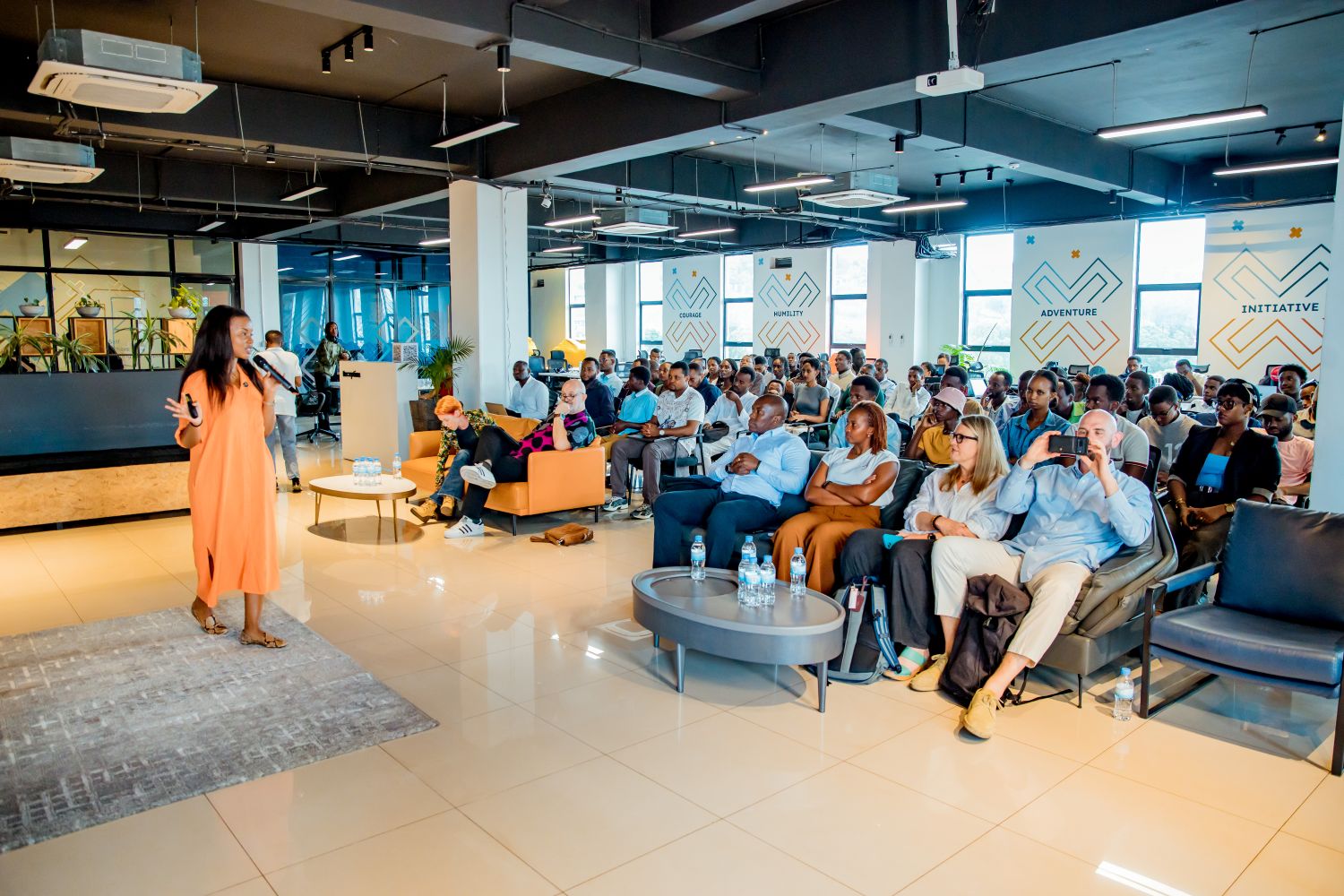
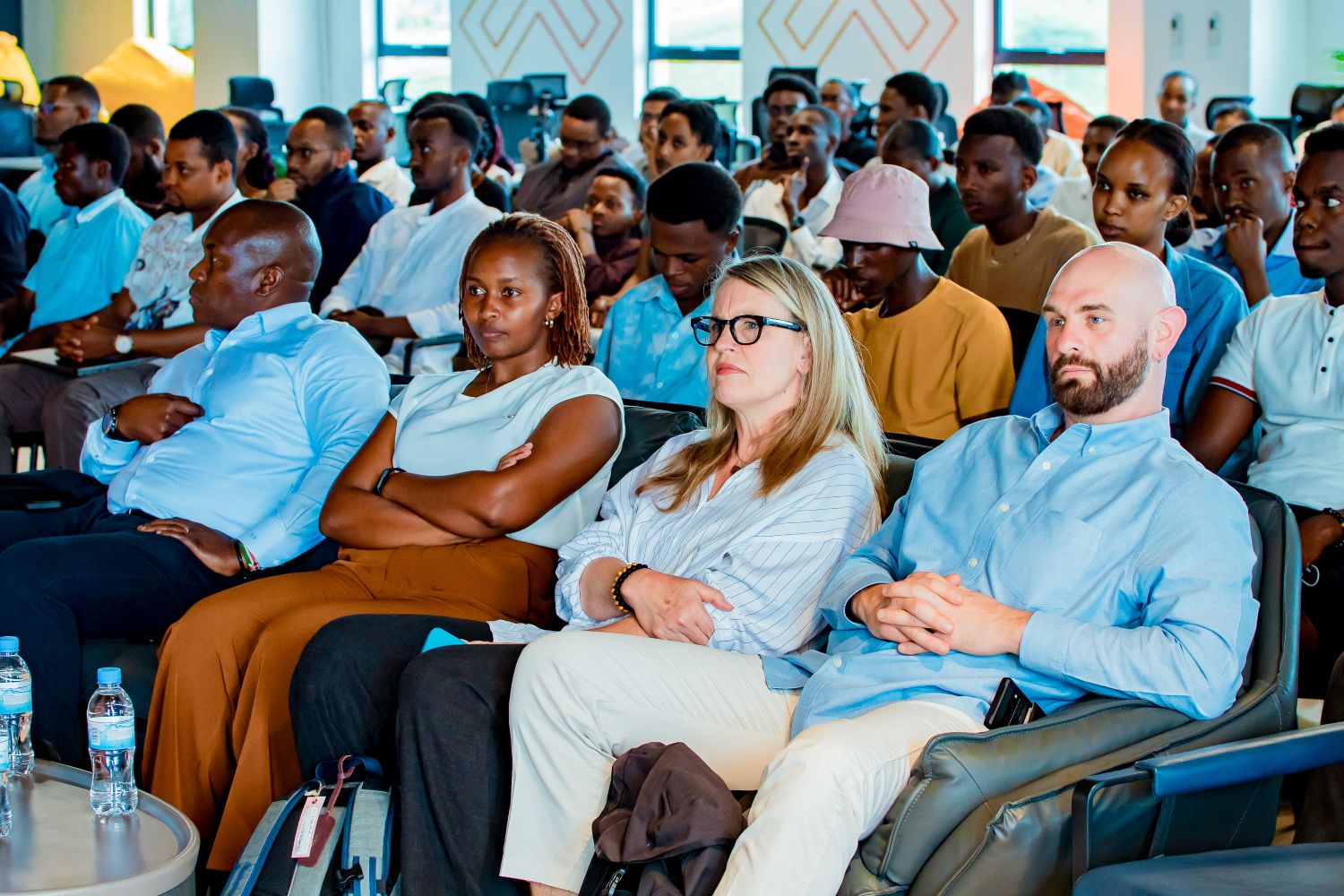
Founded as part of the African Leadership Group’s vision to develop 3 million ethical leaders by 2030, ALX Rwanda operates a state-of-the-art tech hub in Kigali, focused on equipping young Africans with a blend of technical and professional skills to thrive in the digital economy and become future leaders and entrepreneurs, without the barrier of costly traditional degrees.
Vogel’s visit was part of the organisation’s program to bring prominent industry leaders to inspire and empower the next generation of African tech innovators.
The tech guru, widely known as ‘The Godfather of the Cloud’ for his pivotal role in developing Amazon Web Services (AWS), was accompanied by a team that included some members of the tech giant from Africa and beyond.
Speaking at the event, Vogels praised ALX’s scalable model, noting its growth from training 250 students in 2004 to 250,000 across Africa today.
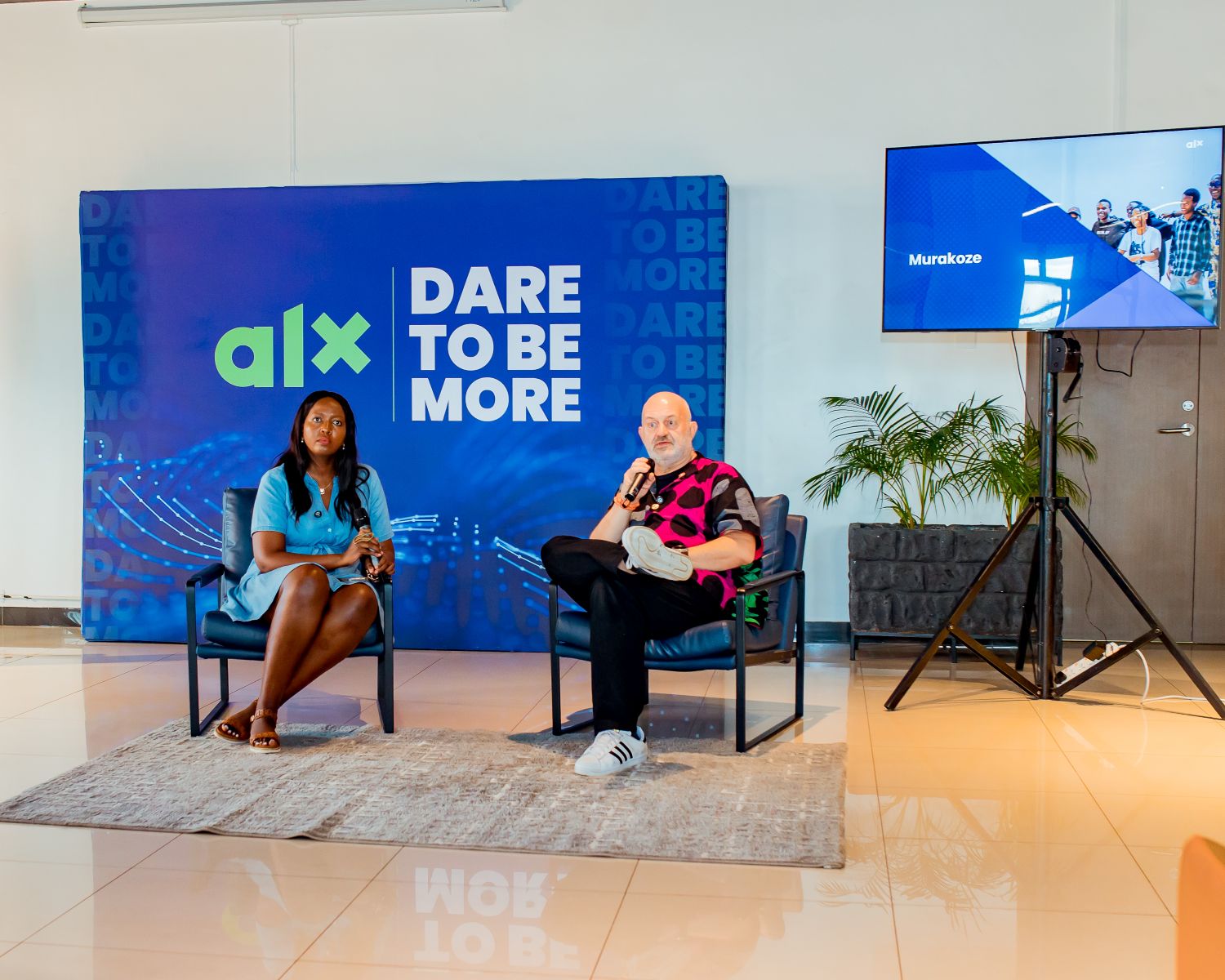
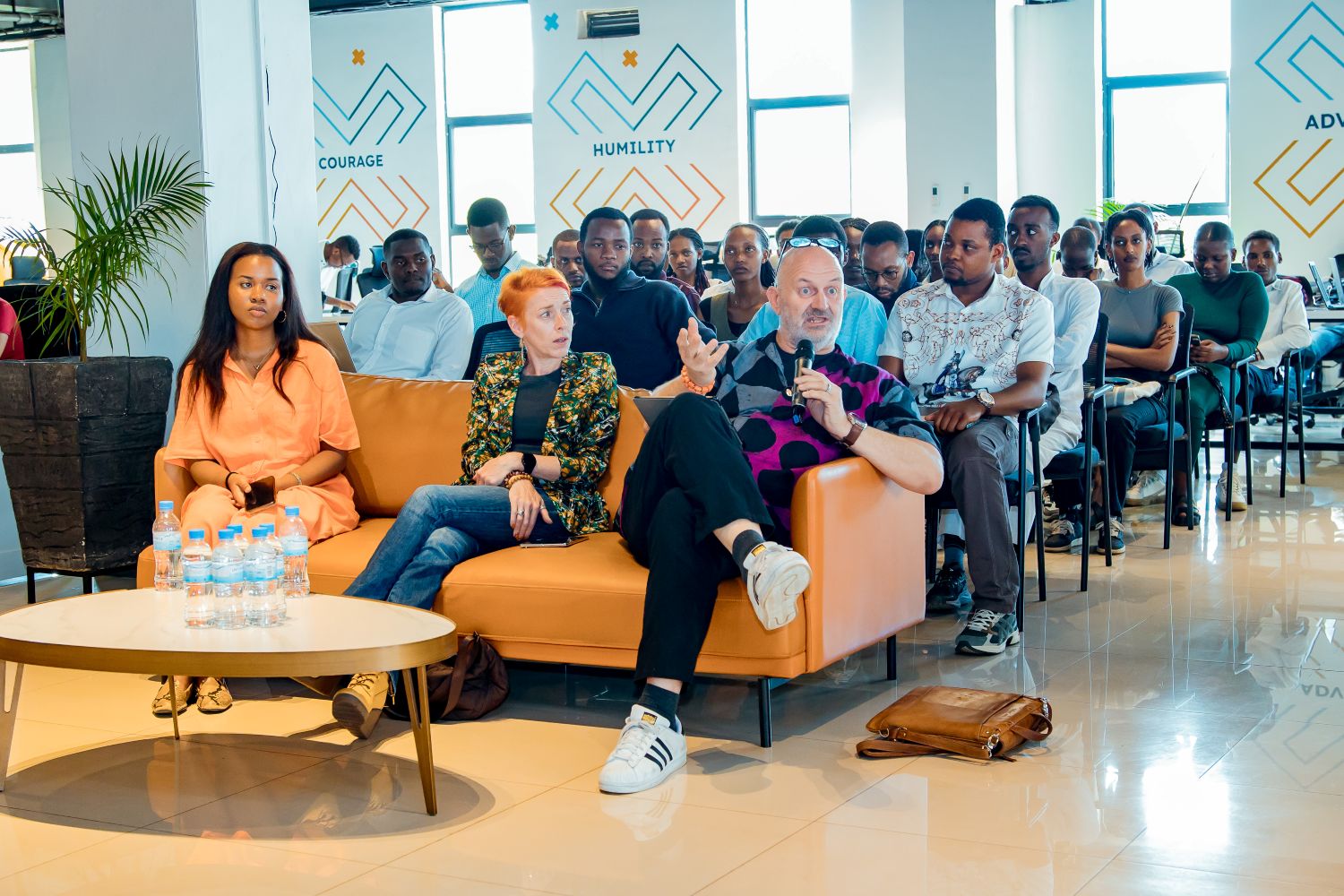
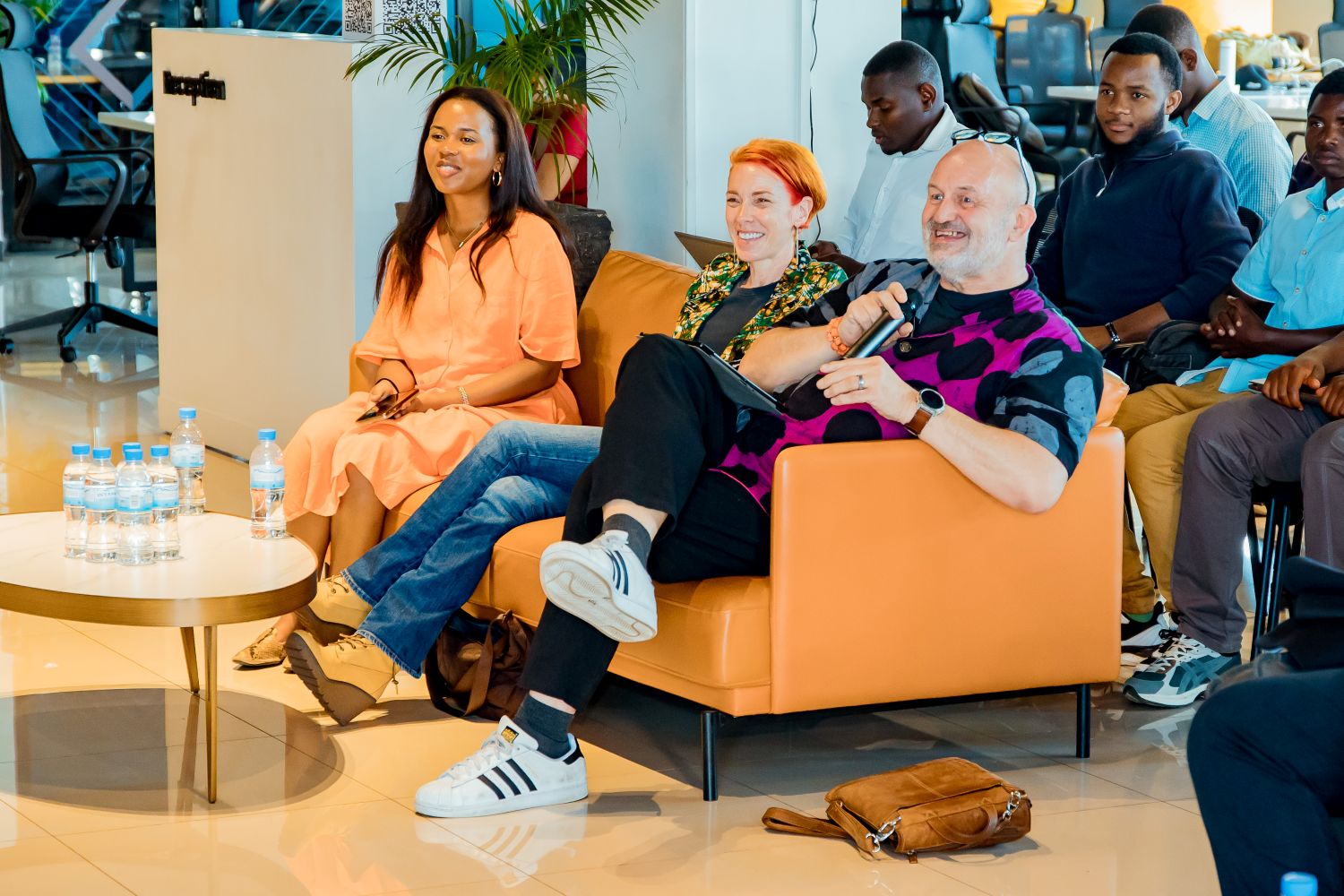
“ALX gives people hope,” he said during a Q&A session moderated by ALX Rwanda Marketing Manager Jacinta Gitau. “It’s about creating a future for Africa’s youth, whether as software engineers or entrepreneurs, and building a foundation for a successful life.”
Vogels emphasised that ALX’s agile, skills-based approach meets global tech workforce demands more effectively than traditional four-year degrees. He cited his recent trip to Germany, where he noted 80,000 open IT positions as a case in point.
“The ALX model is what I would call a model for modern times of learning,” he asserted.
The CTO challenged the students to apply technology to solve “the hardest problems that there are,” particularly those unique to Africa, such as healthcare, food security, and economic stability.
Citing his documentary series Now Go Build, Vogels highlighted a startup in Indonesia that empowered smallholder farmers by providing digital identities to secure loans, a model he encouraged ALX learners to emulate.
“You understand your own problems best,” he said. “Africa is a big enough continent to build a really good business while doing good.”
Vogel advised students to embrace failure as a learning opportunity, prioritise customer-centric solutions, and consider operational, security, and cost factors from day one.
“Never stop learning, and don’t be afraid to experiment,” Vogels told the students, leaving them inspired to harness technology for a brighter, more inclusive future.
Nimie Chaylone, General Manager of ALX Rwanda and Kenya, underscored the importance of the visit, highlighting its alignment with ALX’s mission to develop world-class tech talent across the continent.
“Hosting Dr. Vogels showcases the high standard of talent we’re producing,” she said. “One of our alumni today shared that they secured an internship at Amazon in England after taking our AWS Cloud Computing course, a testament to ALX’s global impact.”
Chaylone highlighted ALX’s mission to train 5 million young Africans by equipping them with in-demand skills in software engineering, data science, and cloud computing, supported by partnerships with organisations like the Mastercard Foundation.
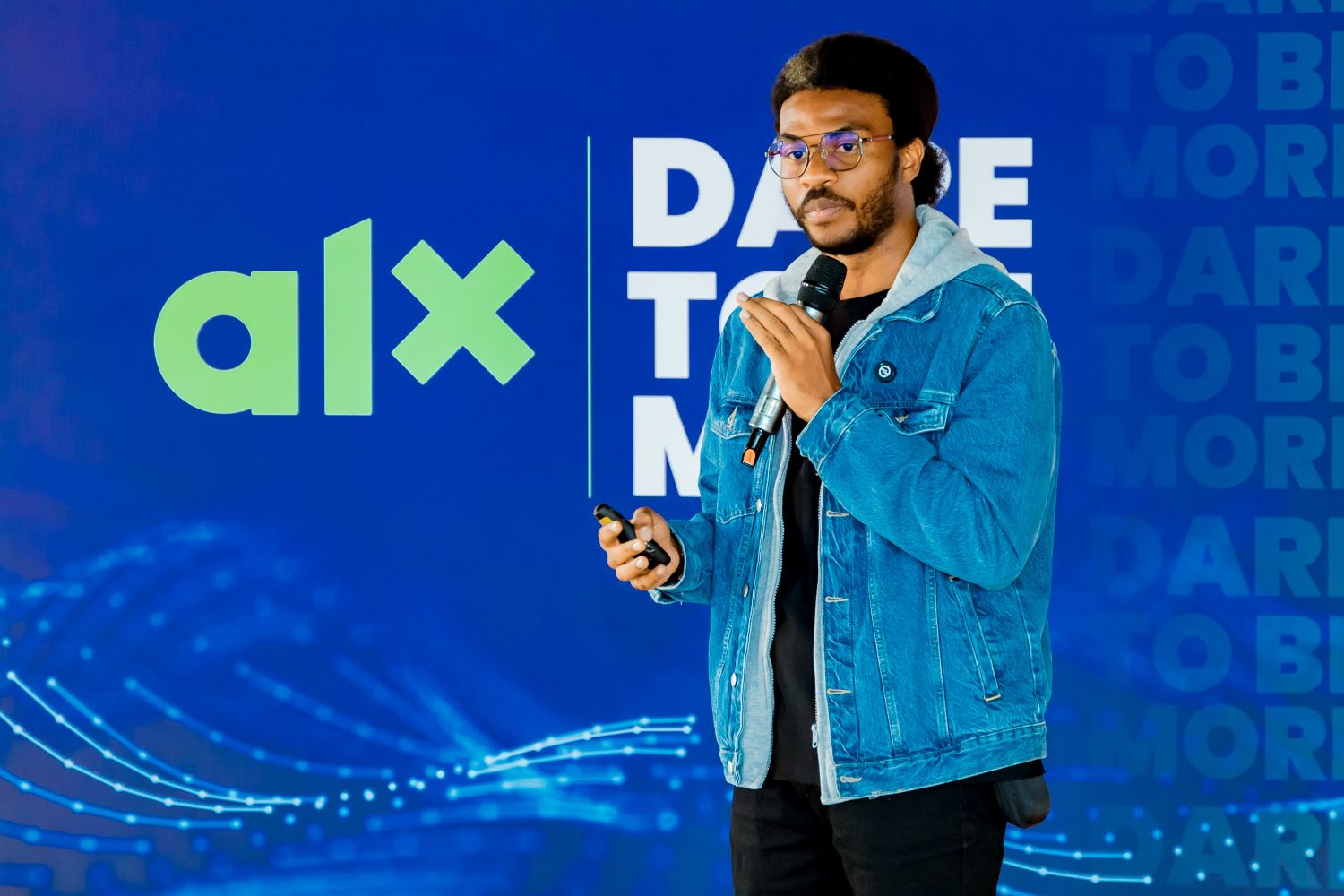
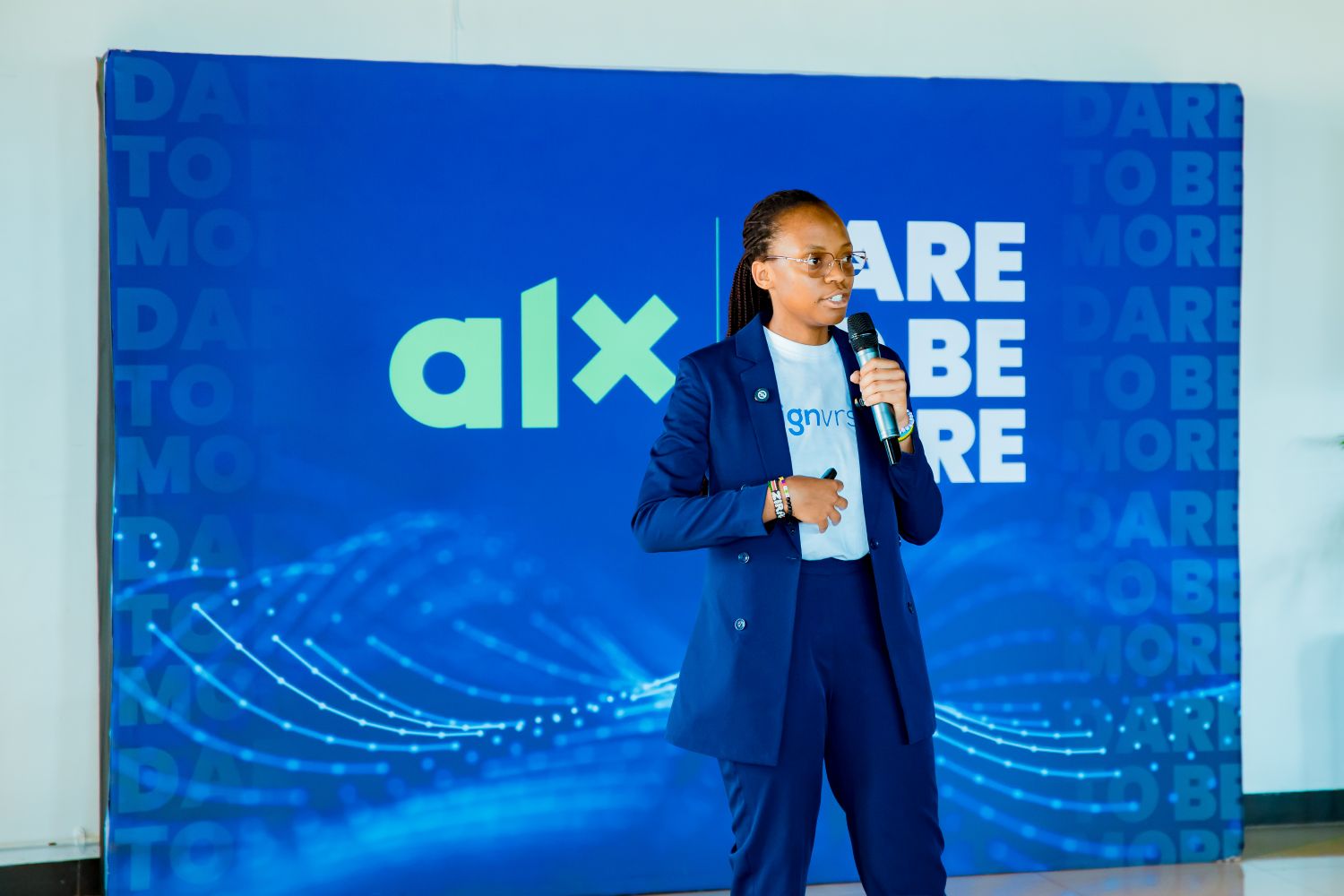
During the event, students and alumni presented innovative projects tackling pressing challenges across diverse sectors. Among them was Signverse, an AI-powered platform that translates text and speech into sign language using 3D characters and motion capture technology.
Another standout was Lifeline, a program dedicated to delivering affordable healthcare solutions by improving access to life-saving medications and clinical tests for African patients. Additionally, MediXR showcased its pioneering software, leveraging extended reality technology to transform medical education and training through immersive learning experiences.
Branice Kazira, an ALX Founder Academy alumna and one of the brains behind Signverse, explained that the application aims to address communication barriers faced by the 40 million deaf or hard-of-hearing individuals in Africa. So far, Signverse has achieved a 90% accuracy rate and built a database of 3,200 Kenyan sign language words and phrases.
With over 1,500 users testing its beta version in Kenya, Kazira’s project exemplifies the mission-driven innovation ALX champions.
In a post-event reflection, Kazira, a second-year software engineering student at the African Leadership, termed the session as “incredibly inspiring”.
“It was incredibly inspiring to learn from people who’ve shaped the global tech ecosystem,” she said. “Dr. Vogels reminded us of the importance of lifelong learning and approaching challenges with creativity and curiosity.”
She also credited ALX for equipping her with critical soft skills, particularly in communication and presentation, which have been pivotal in shaping her entrepreneurial mindset and confidence as she builds her future in tech.
Teddy Ntawe of Tuza Wellness Center also shared how the ALX program had been a transformative force in his personal and professional journey.
“ALX helped me grow into a bold, agile, and business-minded individual,” he said. “The biggest shift was in my confidence. I used to be quiet and unsure of myself. I never imagined I could become the outspoken, driven person I am today.”
ALX Rwanda offers a comprehensive range of programs designed to prepare learners for success in various areas. Its technical skills track includes in-demand courses such as Back-End Engineering, Front-End Engineering, AWS Cloud Computing, Cybersecurity, and AI Career Essentials (AICE), equipping students with the tools to excel in the digital economy.
The professional foundations track focuses on developing essential workplace, communication, and leadership competencies through targeted training. In the creative disciplines, ALX is expanding its offerings to meet the rising demand of the creator economy, with programs in content creation, graphic design, and digital storytelling.
The entrepreneurship track is delivered through ALX Ventures, which supports aspiring business leaders through two specialised programs: the Freelancer Academy (FLA), designed for independent professionals, and the Founders Academy (FA), tailored for those building startups.
Lastly, the Pathway Program serves recent high school graduates seeking scholarships, equipping them with academic foundations, leadership development, and career readiness skills to help them transition into higher education or the workforce with confidence.
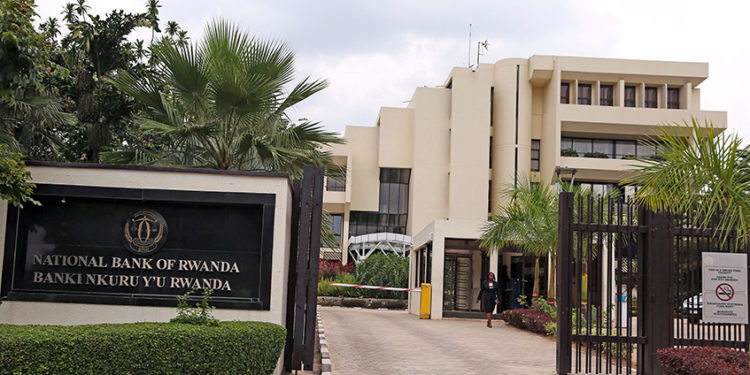
In a recent interview, Central Bank Governor Soraya Hakuziyaremye outlined Rwanda’s steady progress toward establishing a regulated cryptocurrency market, emphasising a forward-thinking approach that prioritises stablecoins and aligns with the nation’s ambition to become a regional financial hub.
This development marks a huge step since the draft law was announced in March 2025, positioning Rwanda as a potential fintech leader in East Africa.
The governor revealed that the CMA is leading the charge, with public consultations for the virtual assets law nearly complete.
Governor Soraya said the virtual assets law could be ready in the coming weeks, “because we are at the end of the consultations.”
The law will establish licensing criteria for virtual asset service providers, such as crypto exchanges and wallet providers, and set conditions for hosting cryptocurrency exchanges in Rwanda.
This progress builds on the draft law introduced in March, which aimed to define virtual assets and mitigate risks like money laundering and scams.
A key focus of the upcoming law is the inclusion of stablecoins, digital assets pegged to stable currencies like the US dollar, which the governor highlighted as a practical tool for applications such as remittances and cross-border payments.
This aligns with Rwanda’s broader efforts to reduce the high 3-6% remittance fees that burden African economies, as noted in the interview.
The governor linked this to Rwanda’s ongoing Central Bank Digital Currency (CBDC) proof-of-concept, planned for 2026, which could integrate with stablecoins to enhance financial inclusion and streamline transactions.
The regulatory framework also prioritises consumer protection, aiming to shield the public from speculative tendencies and scams, a concern echoed in earlier reports.
Carine Twiringiyimana, Manager of Licensing and Approvals at the CMA, noted in March that the law addresses Financial Action Task Force concerns about money laundering risks in virtual assets.
Beyond addressing money laundering risks in virtual assets, the Central Bank Governor also highlighted Rwanda’s proactive vision, framing the virtual assets law as a cornerstone of its goal to become an international financial centre.
“We are working on having a more liberalised central securities depository, so that we attract more investors,” she said, citing Rwanda’s financial initiatives, including green bonds, IPOs, and Global Master Repurchase Agreements.
The latest development marks progress in efforts to regulate the market, following restrictions introduced in 2023 on banks facilitating crypto transactions. It positions Rwanda alongside African peers like Nigeria and South Africa, which are actively exploring central bank digital currencies (CBDCs) and establishing regulatory frameworks for cryptocurrencies.
In a recent interview on Sanny Ntayombya’s ‘Long Form’ Podcast, Nteziryayo outlined his journey from a rural upbringing to leading a company that operates across 11 African countries, offering insights into Rwanda’s tech ecosystem, the challenges of securing investment, and the potential for technology to drive economic growth.
Raised in Kisoro, Uganda, in a family of nine siblings without access to electricity, Nteziryayo initially dreamed of becoming an architect, inspired by a prominent local figure.
“My brothers went to good schools and came home with stories,” he recalled. “I wanted to be an architect because a successful guy in our town was one.”
But in a household where academic achievement was highly valued, his ambitions were shaped by strong parental and family influence, especially the emphasis on science-based careers.
“My parents and uncles believed that if you were smart, you pursued law, medicine, or engineering—nothing else,” he said.
“My uncle, who was a headmaster, insisted on sciences. So, architecture became my compromise. My brother had already become an architect, and I wanted to outdo him.”
After moving to Rwanda in 1994, exposure to the internet during boarding school broadened his horizons. A government scholarship in the early 2000s took him to La Roche University in the U.S., where he earned a degree in Computer Science and Mathematics.
Post-graduation in 2004, Nteziryayo joined a Fortune 500 company as a software tester, earning $30,000 annually—a significant leap for a young man from Kisoro. He later worked with industry leaders like Dish Network and Accenture, building a solid engineering career.
However, a desire to create a solution for Africa, together with his girlfriend, whom he later married, led to his first venture, Chivotel, in 2012, which digitised international calling cards. In 2015, with college friends Odelon and Pacific Mahoro, he founded Huza (initially Pesachoice), focusing on HR technology and workplace banking.
Huza’s platform enables employers to manage workforces efficiently and allows employees to access salaries before payday, addressing critical financial needs.
“If kids start school, you don’t have to wait until the end of the month,” Nteziryayo explained.
Operating in 11 African countries, Huza faces challenges in markets unfamiliar with software-as-a-service models, but Rwanda’s structured environment and supportive policies have been key.
“Rwanda is my garage,” he said, referencing Silicon Valley’s startup ethos. “Government sandboxes let us test technology before scaling.”
Nteziryayo sees Rwanda as a potential breeding ground for a billion-dollar startup within a decade, driven by hubs like Norrsken and growing investor interest.
However, he highlighted obstacles, such as African startups being dominated by foreign founders. A 2020 study confirmed that most African startups raising over $1 million were led by foreigners, often due to investors’ favouring familiarity.
Nevertheless, Nteziryayo acknowledged opportunities for African entrepreneurs. His company, Huza, benefited from Google’s Black Founders Fund, which supports minority-led ventures.
On the future of technology, Nteziryayo pointed to artificial intelligence (AI) and blockchain as game-changers for Africa. AI could optimise farming, while blockchain could ensure secure medical records. Yet, he cautioned about risks like hacking and AI-driven misinformation.
“All technologies can be used for good and bad,” he said, stressing robust security measures.
For aspiring entrepreneurs, Nteziryayo advised resilience and strategic timing.
“Entrepreneurship isn’t for everyone—nine out of 10 startups fail,” he said, citing Alibaba’s Jack Ma: work for inspiring mentors in your 20s, build in your 30s, and aim for success in your 40s.
He noted that Grants from organisations like Norrsken or 250Startups offer initial funding, but persistence is crucial.
“You’ll get rejected more than accepted,” he warned, recommending tools like social media and AI to identify opportunities.
Addressing Rwanda’s urban-rural divide, Nteziryayo emphasised information access as a bridge.
“Information is the most valuable tool. In remote areas, people need weather or market price data to improve agriculture, not Bitcoin,” he remarked.
“Technology can bridge the gap by delivering relevant information, like crop rotation tips or fair prices for produce. Infrastructure like roads, telephones, and internet access is crucial,” he remarked.”
Recognising this, RwandAir recently launched an innovative eSIM service that lets passengers enjoy seamless mobile connectivity in more than 160 countries without the hassle of swapping SIM cards or racking up sky-high roaming fees.
{{What is an eSIM?
}}
An eSIM, or embedded SIM, is a digital alternative to the traditional physical SIM card. Instead of inserting a card into your phone, you download a digital profile onto your device.
The eSIM enables you to activate a mobile data plan without needing to physically visit a store or handle any hardware. It’s a smart, flexible solution for modern travellers, especially those hopping across borders.
RwandAir’s eSIM service is tailored for globetrotters, offering a range of standout benefits that make staying connected abroad effortless. One of its biggest advantages is global coverage. You can connect instantly in over 160 countries without the need to swap SIM cards or search for local telecom shops.
According to the airline, the service also offers significant cost savings, with data plans that are up to 85% cheaper than the roaming rates typically charged by home carriers. As soon as you land, instant connectivity ensures that your eSIM activates automatically, allowing you to access mobile data immediately after stepping off the plane.
Another key benefit is that you can retain your primary number, and since the system is entirely digital, there’s no risk of losing or damaging a physical SIM card, adding a layer of convenience and security.
The service is ideal for frequent flyers and business travellers, digital nomads and remote workers, tourists exploring multiple countries, and anyone seeking a no-fuss, cost-effective way to stay online while abroad.
{{Step-by-step guide: How to use RwandAir’s eSIM
}}
{{1. Check device compatibility
}}
First, confirm that your device supports eSIM functionality. Compatible models include:
-* Apple: iPhone XS and newer, iPads with cellular capability
-* Samsung: Galaxy S20 and newer, Note 20 series, Fold and Flip models
-* Google: Pixel 3 and newer
You can check your phone’s settings or consult the manufacturer’s website for confirmation.
{{2. Purchase your eSIM plan
}}
Visit RwandAir’s official[ e-SIM page->https://amadeus-api.optionizr.com/api/esim/deeplink?site=P02XP02X] to choose a data package that suits your travel destination and needs. The process is straightforward and fully online.
{{Receive your eSIM profile
}}
After your purchase, RwandAir will email you a QR code or download link for your e-SIM profile.
{{4. Activate the eSIM on your device
}}
Depending on your operating system, follow these steps:
{{For iOS (Apple) devices:
}}
-* Go to Settings > Cellular > Add Cellular Plan
-* Scan the QR code or enter the download link manually
{{For Android devices:
}}
-* Navigate to Settings > Network & Internet > Mobile Network > Advanced > Carrier
-* Follow the prompts to scan the QR code or input the provided link
Once installed, your eSIM will connect to the best available local network when you land in your destination country.
The launch is being hailed as a pivotal moment for the continent’s collective ambitions in space, offering renewed hope for African youth and aspiring space professionals.
The event marked the culmination of nearly a decade of strategic groundwork that began in January 2016, when the African Union Assembly adopted the African Space Policy and Strategy during its Twenty-Sixth Ordinary Session, establishing the framework for a coordinated continental approach to space activities.
The ceremony, hosted by the Arab Republic of Egypt, brought together high-level delegations from African Union Member States, global space agencies, and international stakeholders.
The event underscored a growing commitment to collaborative space exploration and self-reliance in space capabilities across the continent.
A major highlight of the ceremony was the signing of a Memorandum of Understanding (MoU) between AfSA and the European Space Agency (ESA), laying the foundation for future collaboration in Earth observation, satellite development, data sharing, and capacity building.
The agreement is expected to accelerate Africa’s integration into the global space community and strengthen technical exchange and innovation.
Established under the auspices of the African Union Commission, the Africa Space Agency is tasked with coordinating space activities across the continent, supporting member states in leveraging space applications for sustainable development, and promoting homegrown technologies. Its mandate aligns with Africa’s broader goals to address challenges in climate monitoring, agriculture, disaster management, and connectivity through space-based solutions.
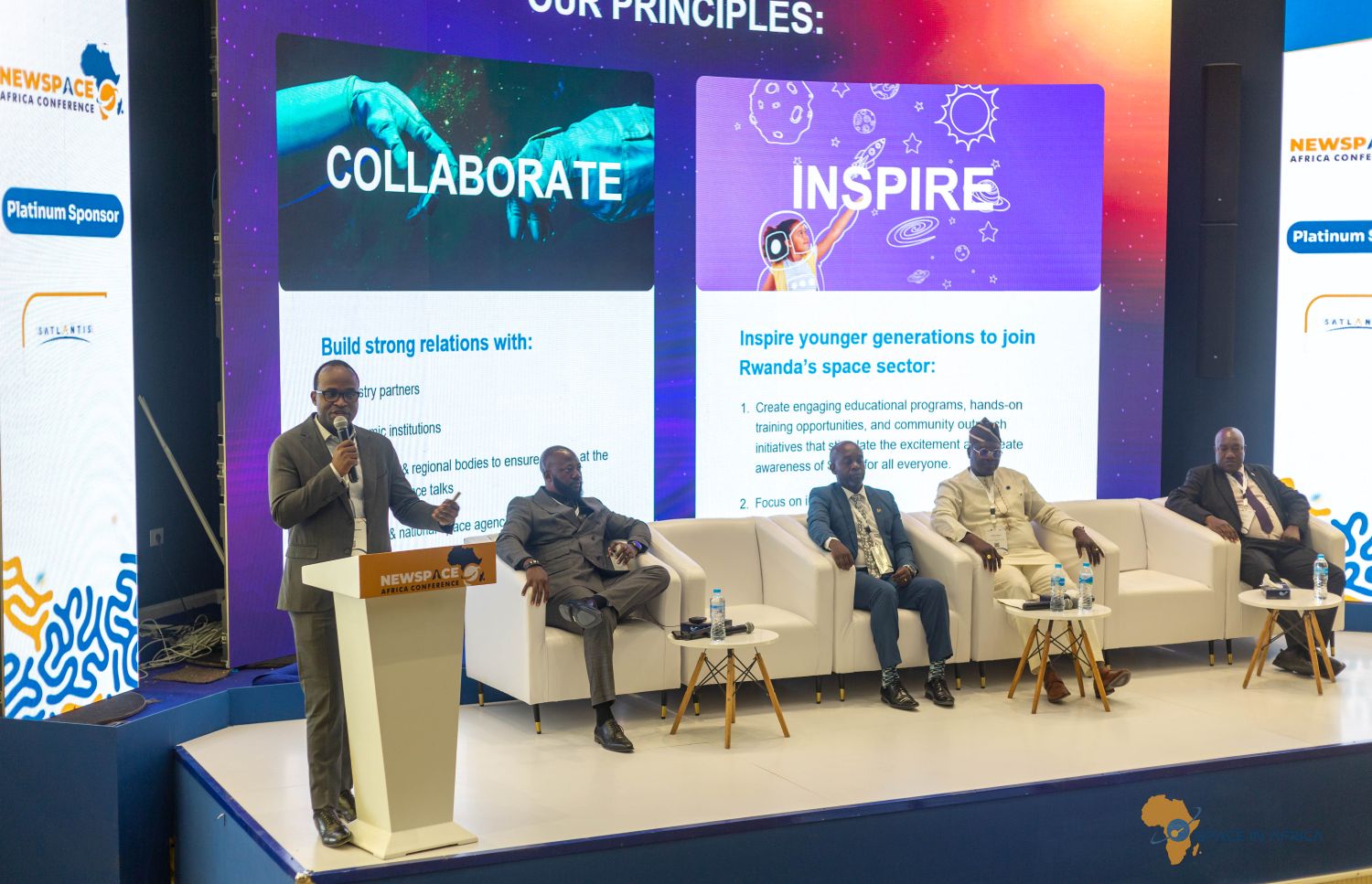
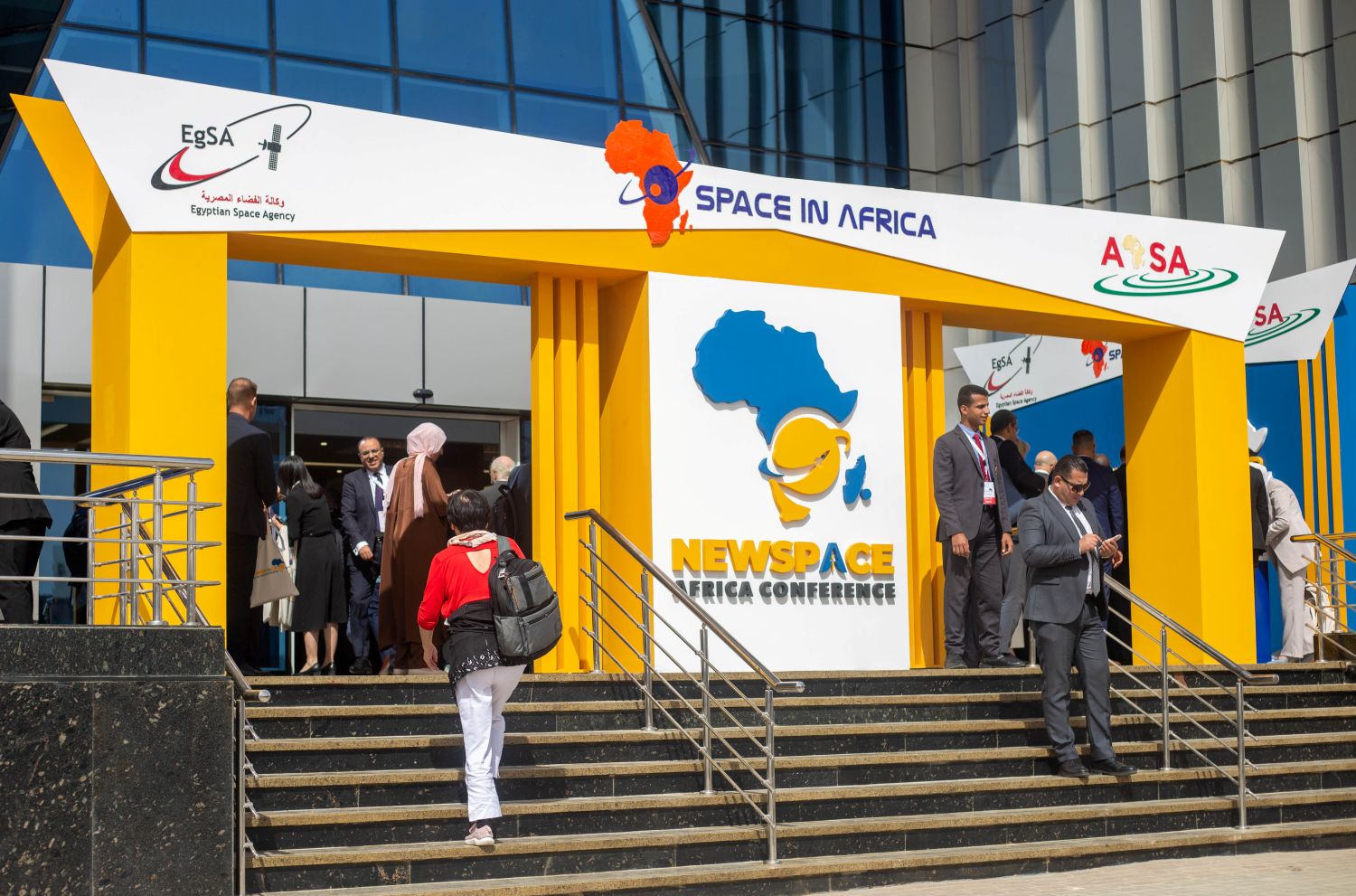
The inauguration also sets the stage for the upcoming New Space Africa Conference (April 21–24, 2025), where space experts, investors, and policymakers will gather in Cairo to shape the future of the African space industry.
Rwanda’s Space Agency CEO Gaspard Twagirayezu, who attended the launch, acknowledged the importance of the milestone.
“The establishment of the African Space Agency provides a continental drive in the development and utilization of space technology,” he remarked.
The CEO also emphasised Rwanda’s ongoing commitment to the continental agenda: “Rwanda, through the Rwanda Space Agency, looks forward to playing a part in the success of the continental efforts that the African Space Agency will be spearheading.”
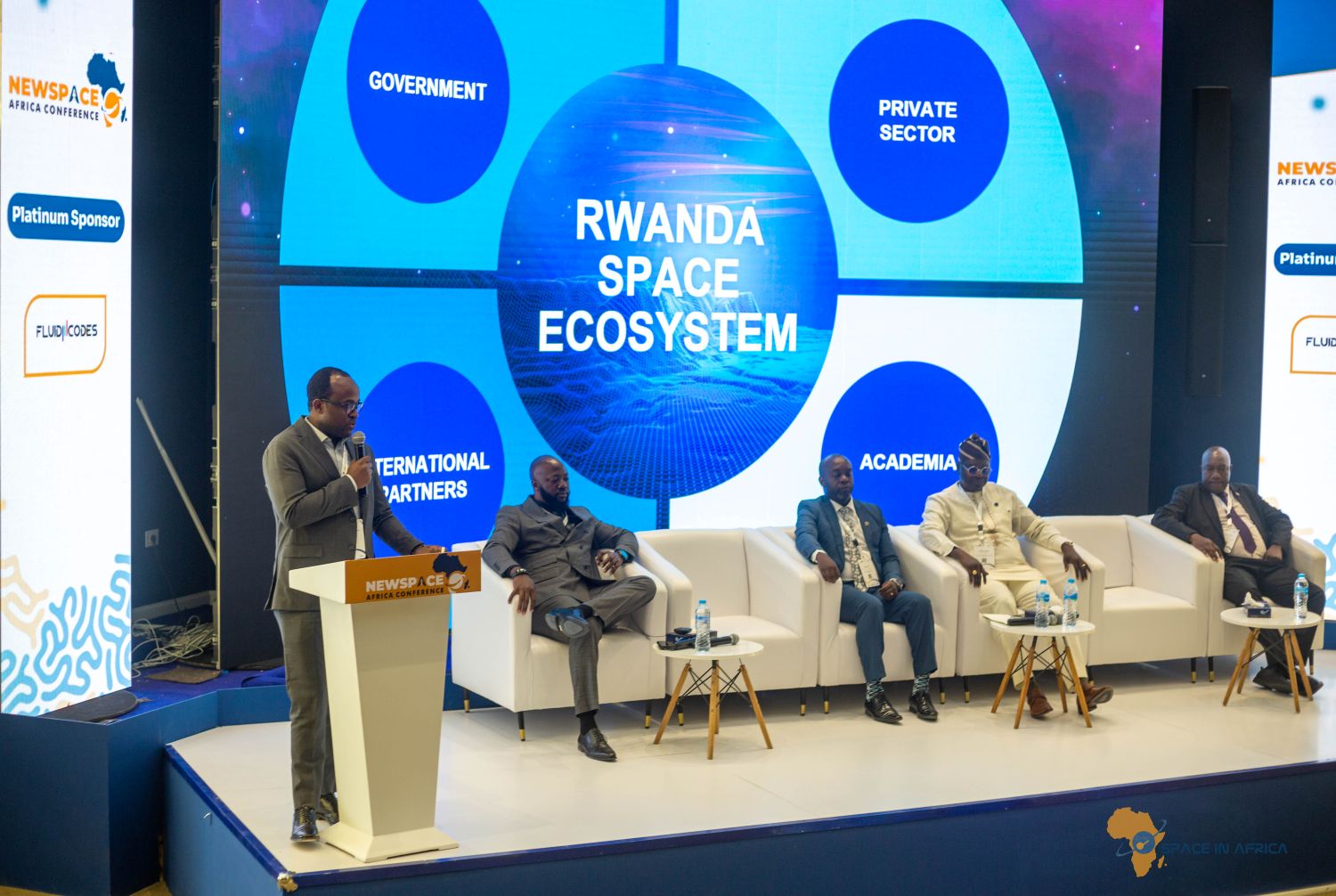
As Africa charts its course into space, Rwanda is already making strategic strides. The Rwanda Space Agency (RSA), established in 2020, has been actively engaging in both regional and international partnerships to advance the use of space technologies for development.
From its pioneering Earth observation satellite, RwaSat-1—launched in 2019 and still providing vital data for precision agriculture—to its ongoing collaboration with TRL Space to build Rwanda’s first hyperspectral satellite, the country is positioning itself as a key player in Africa’s space ambitions.
The hyperspectral satellite, currently under development and slated for launch in 2026 aboard a SpaceX Falcon 9 rocket, will provide high-resolution data for agricultural monitoring, environmental protection, and resource management.
Beyond satellite development, RSA has also signed agreements with global partners such as the Polish Space Agency, the European Space Agency, and UNOSAT, and is investing in national awareness campaigns and science, technology, engineering, and mathematics (STEM) engagement initiatives to cultivate a future-ready space workforce.
For African youth with aspirations beyond the atmosphere, the launch of AfSA stands as a powerful symbol; it signals a continental commitment to shaping the future not just on Earth, but in orbit.
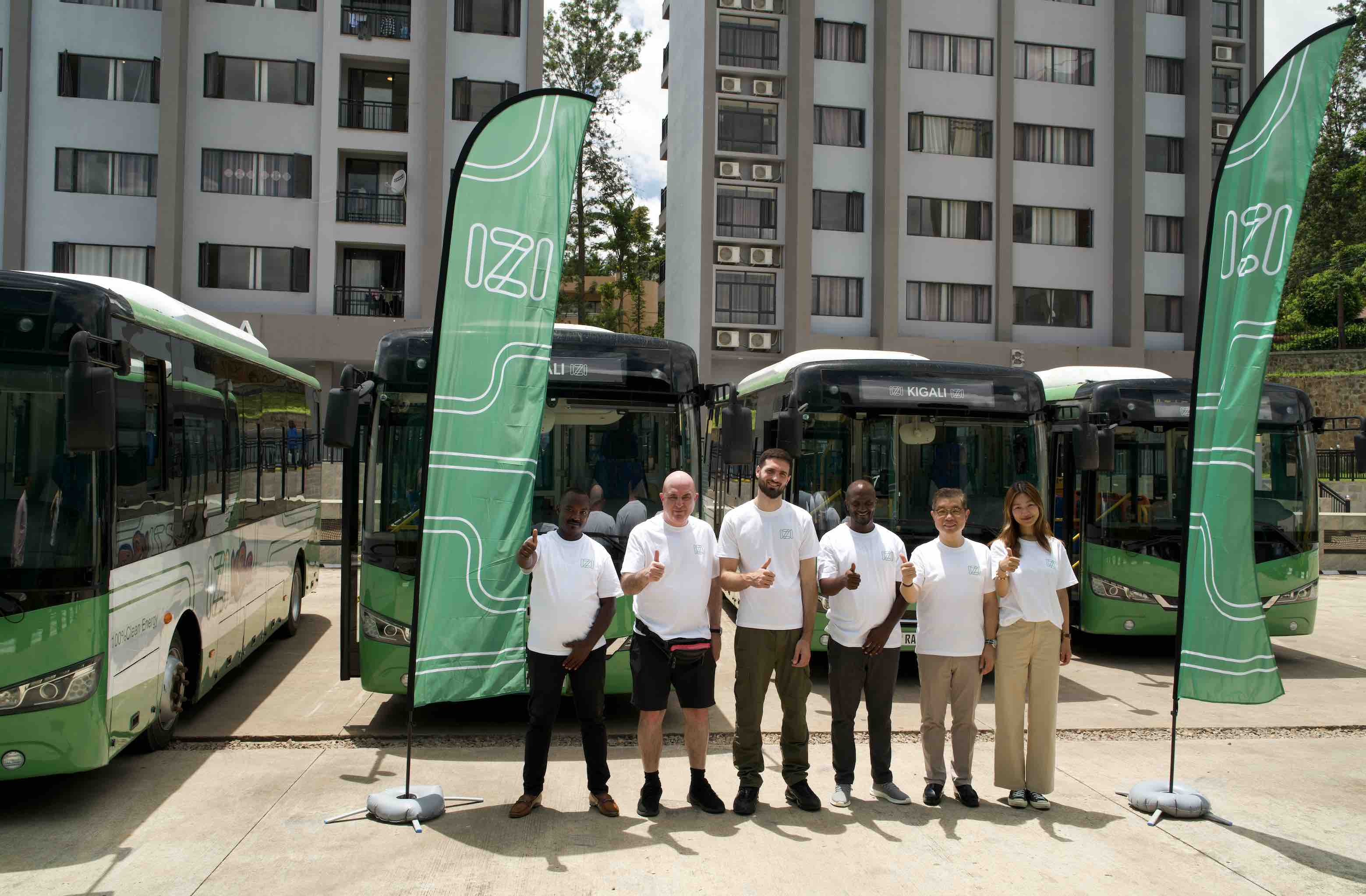
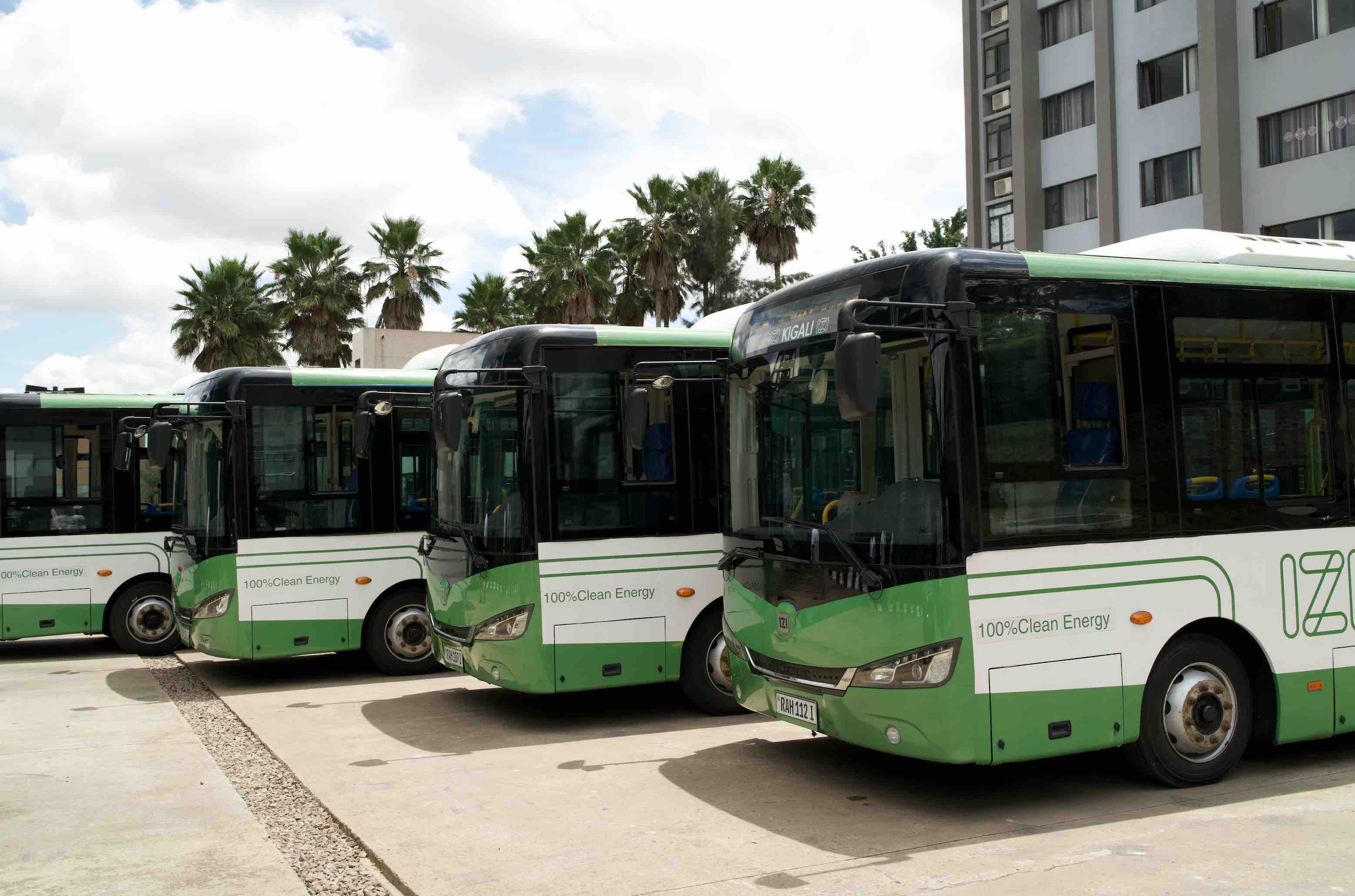
The company, headquartered in Kigali, announced the vehicle on Tuesday, highlighting its purpose-built design for African conditions and a significant 10-year or 1-million-kilometre battery warranty.
According to IZI Electric, the Impala E30 is the first commercial vehicle on the continent to feature CATL’s BC5 battery system, a key factor in the extended warranty offering.
CEO Alex Wilson stated that the warranty addresses long-standing concerns about battery longevity in electric vehicles, potentially boosting confidence for operators and financial institutions considering the transition to electric fleets.
The Impala E30 is slated to join IZI’s leasing fleet in June, with initial deployments focusing on intercity routes exceeding 400 kilometers daily. The company reports having already secured over 50 pre-orders from transport operators across East Africa, indicating early market interest.
IZI Electric stresses the potential for significant cost savings with the Impala E30 compared to traditional diesel buses. They estimate that over a 10-year period, fuel costs for the electric bus could be up to 87% lower than for a comparable diesel vehicle, translating to savings of over $200,000 per vehicle.
The company also highlighted that the Impala E30 was designed specifically for the diverse terrains and climates of Africa, featuring marine-grade anti-corrosion materials, reinforced waterproofing, optimized suspension for varied road quality, and an advanced thermal battery management system.
Furthermore, each Impala E30 will be equipped with IZI Connect, a fleet management platform offering real-time vehicle monitoring, predictive maintenance alerts, driver behavior insights, and smart route optimization.
IZI Electric is strategically positioning the Impala E30 as a direct replacement for the widely used “Coaster” minibus, which serves as a backbone of public transport across the continent. The company estimates that replacing even half of Africa’s existing diesel coaster fleet with the Impala E30 could lead to substantial fuel cost savings and a significant reduction in carbon emissions.
“If we replaced just half of Africa’s existing diesel coaster fleet with the Impala E30, the continent would save over $1 billion in fuel costs every year and reduce carbon emissions by more than 2.7 million tonnes a year” Wilson noted. “The economic and environmental impact would be extraordinary.”
The company also pointed to the increasing availability of renewable energy resources in several African countries, such as Ethiopia, Kenya, and Uganda, as a factor that further strengthens the economic and environmental case for electric vehicle adoption in the region.
Founded in 2023, IZI Electric aims to accelerate the adoption of affordable and sustainable electric vehicle solutions in Africa’s transportation sector.
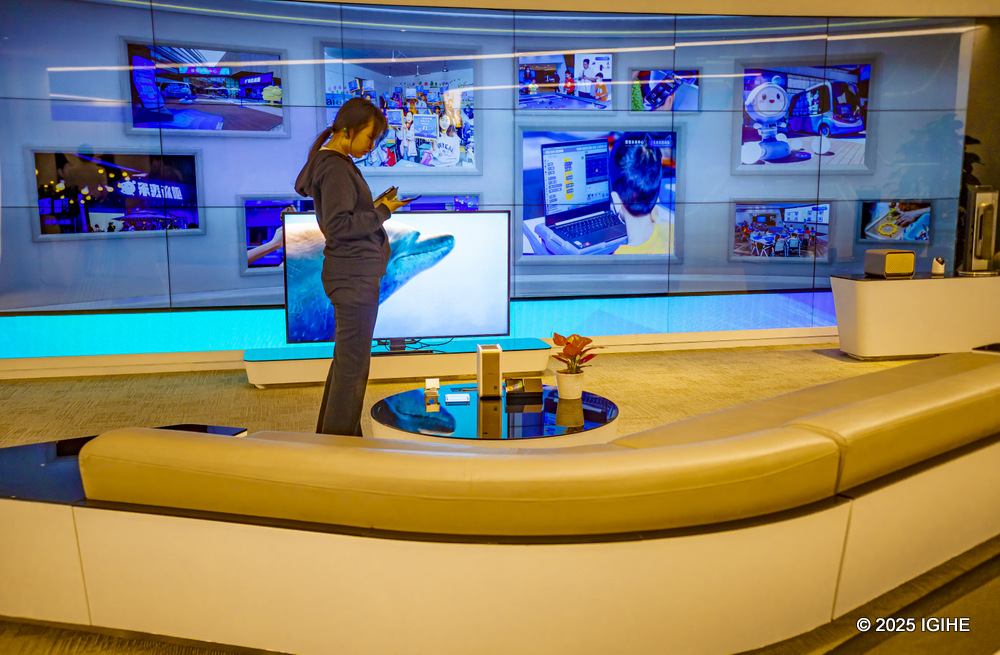
When I first arrived at Lenovo’s innovation centre in Beijing, I expected to see the usual: rows of laptops, desktop computers, maybe a few advanced servers. That’s the Lenovo most people know—a global leader in personal computing.
After all, this is a company that operates in over 180 countries and regions, has offices in 60 different locations, more than 30 manufacturing facilities, and brings in an annual turnover of 56.9 billion US dollars. It ranked 248th on the Fortune Global 500 list in 2024, and its name is often linked with reliable business laptops or gaming PCs.
But the Lenovo I encountered was far beyond what I imagined. It felt like stepping into the future. Behind the familiar brand is a powerhouse of innovation driven by over ten thousand engineers, scientists, and researchers. The company runs 18 global research and development bases and has recently established four new AI innovation centers. And what they’re building goes way beyond laptops.
One of the most surprising things I saw was Lenovo’s smart car project. This is not just a car—it’s a moving intelligent system. The vehicle is designed with smart, transparent windows that do more than just let you look outside.
As you drive past a building, you can tap on the window, and information about that building pops up instantly. Want a picture with it? The car lets you take one without ever stepping outside. It’s fully autonomous and equipped with AI services, a computing platform, display sensors, an entertainment system, intelligent solutions, and an advanced automotive operating system. It combines hardware and software in ways that make the entire experience smarter and more interactive.
Then there’s Lenovo’s Age Computing Empower smart branch platform, which is changing how banks and service branches operate. Traditional strategies can’t keep up with the current pace of technology. Lenovo’s solution integrates AI with cloud and edge computing to enable unified management.
In places with multiple branches, the system can analyse video and image data in real time, producing insights for monitoring, marketing, analysis, and even customer care. It’s all handled by a single system that also tackles network latency and data security. It can run multiple AI models at once, including computer vision, natural language processing, and video rendering, all supported by multiple cameras.
Another innovation I saw was the Daystar Bot GS. Despite its name, it’s a six-legged robot. Unlike wheeled or four-legged robots, this one is built for tough terrain. Its design allows it to move smoothly and steadily in rough environments. It can carry up to 80 kilograms and operate at speeds of up to 1.6 meters per second, though 1 meter per second is ideal for stable performance.
It’s 102 by 72 by 60 centimetres in size and weighs 68.5 kilograms. It’s equipped with LIDAR sensors and PTZ payloads, and has an IP66 protection rating, meaning it can function in harsh conditions. The robot runs on a 1 kWh lithium-ion battery, charges fully in three hours, and reaches 70 percent in just 100 minutes with quick charging. It’s designed for industries that need smart, mobile data collection systems in challenging environments.
Lenovo is also pushing forward in computing infrastructure. Their ThinkSystem SR9250-V3, powered by 8th and 4th generation Intel Xeon processors, is designed for industries that demand high performance and advanced computing capabilities. It supports heavy digital workloads and represents Lenovo’s continued dominance in enterprise-level technology.
Then there’s the vision: “Smarter AI for All.” Lenovo wants artificial intelligence to be accessible, fair, and useful to everyone. Whether in homes, businesses, or public institutions, the company is building systems that are inclusive and easy to use.
One example is their 3D display laptop that lets users control objects on the screen using just their fingertips. You can rotate, move, or examine objects from any angle, all with simple hand gestures. It’s more than interaction—it feels like you’re shaping the digital world with your hands.
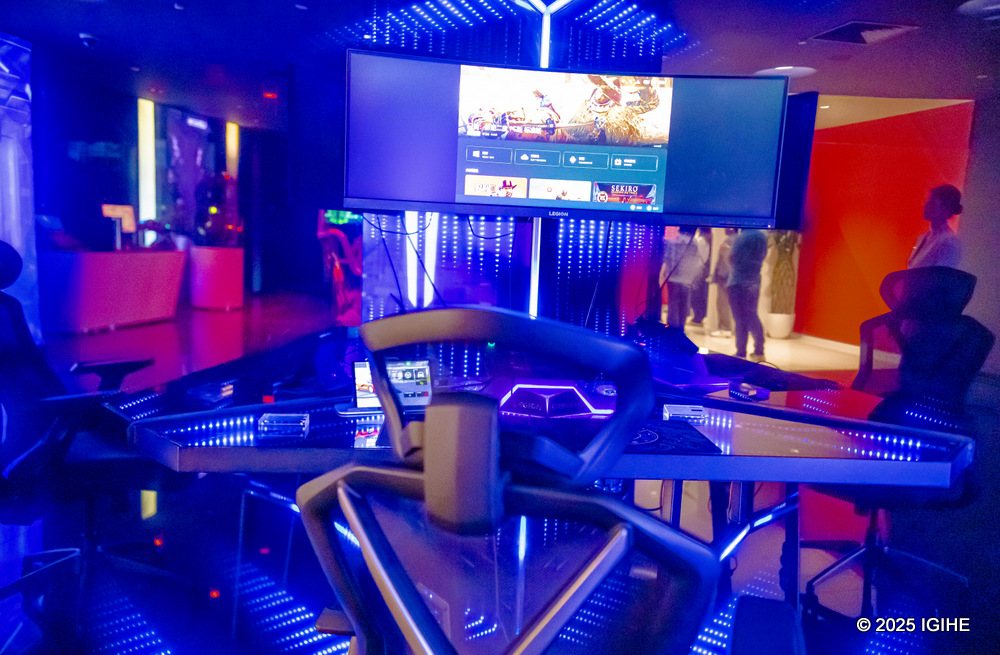
They’ve also developed 3D and 5D laptops, high-performance gaming devices, and a unique dual-screen laptop that features both a standard display and a second screen where the keyboard usually sits. A physical keyboard can still be attached, offering flexibility for different users.
On top of that, Lenovo is working on automated kitchen systems, smart living rooms, and even AI-powered beds. These innovations are not science fiction—they’re real products designed to fit into modern homes and lifestyles.
What I saw at Lenovo’s innovation center changed my understanding of what this company truly is. It’s not just a laptop brand—it’s a technology giant that’s reshaping how we interact with the world. Lenovo is building a smarter, more connected future.