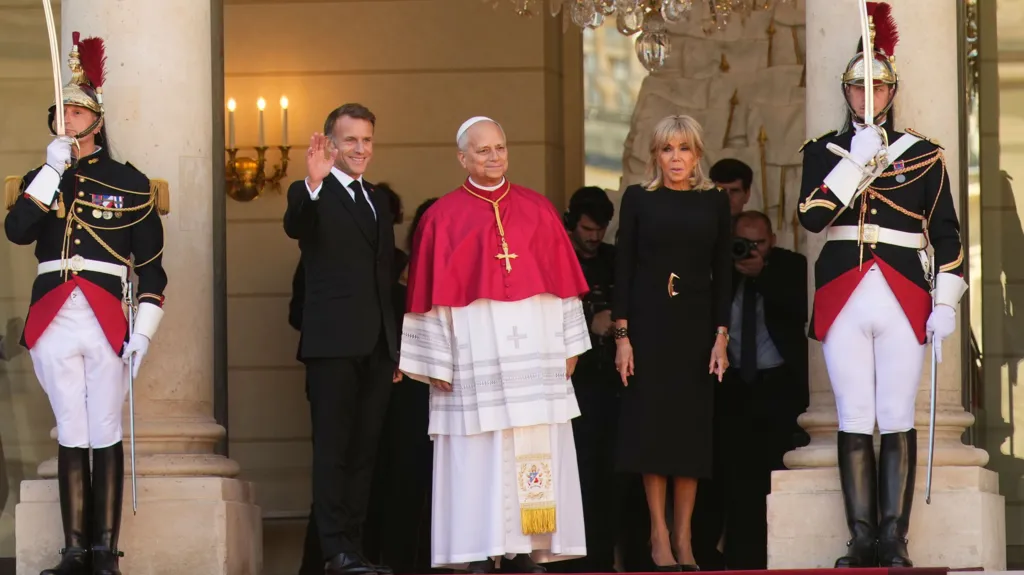
Speaking at the Élysée Palace after talks with French President Emmanuel Macron, the Pope cautioned against “losing our humanity amid a paradise of machines”.
His remarks came as AI continues to expand across sectors, raising questions about its impact on work, society and human relationships.
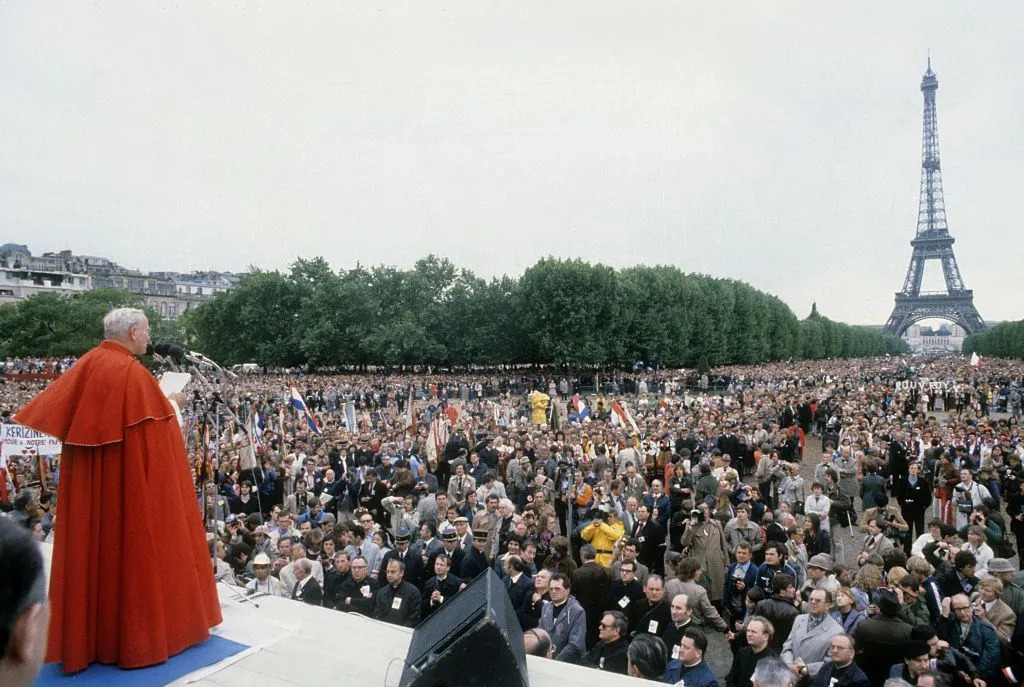
Pope Leo XIV was welcomed by Macron at Orly Airport before the two leaders held an hour-long meeting. The pontiff was later due to address crowds in Metz and travel through Paris in his popemobile before meeting about 80,000 young people at the Stade de France.
The centrepiece of his visit will be a Mass at Paris’s Place de la Concorde on Saturday, with more than 500,000 people expected. He will also celebrate Mass in Lourdes on Sunday, where about 150,000 people have registered to attend.
The Pope’s programme includes meetings with migrants in Paris and victims of sexual abuse by Catholic clergy in Lourdes.
His visit comes as France, like much of Europe, has experienced a long-term decline in religious practice. Fewer than 5% of the population now regularly attends Catholic worship, compared with about 35% in 1960.
However, the Church says there are signs of renewed interest in religious traditions. Adult baptisms in France more than doubled over five years, reaching about 10,000 in 2025.
Pope Leo XIV will conclude his visit in Metz on Monday, where he is expected to pay tribute to Robert Schuman, one of the founding figures of the European Union.
Pope Leo XIV warned against the risk of artificial intelligence (AI) undermining human values, as he began a four-day visit to France on Friday.
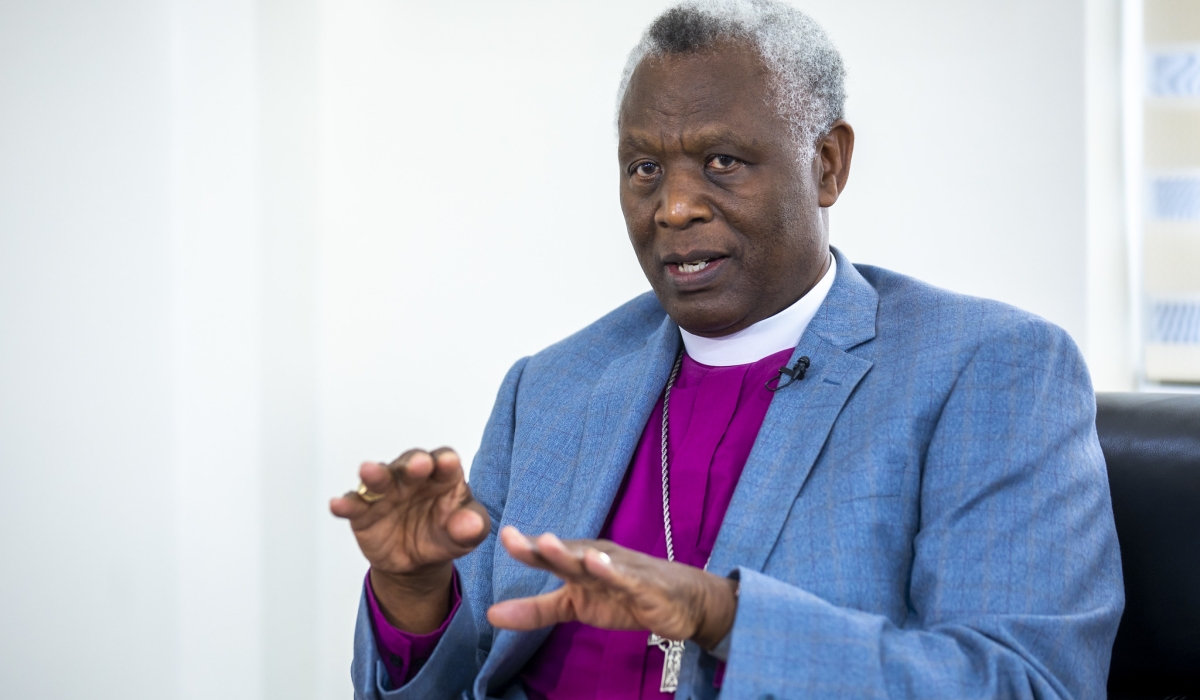
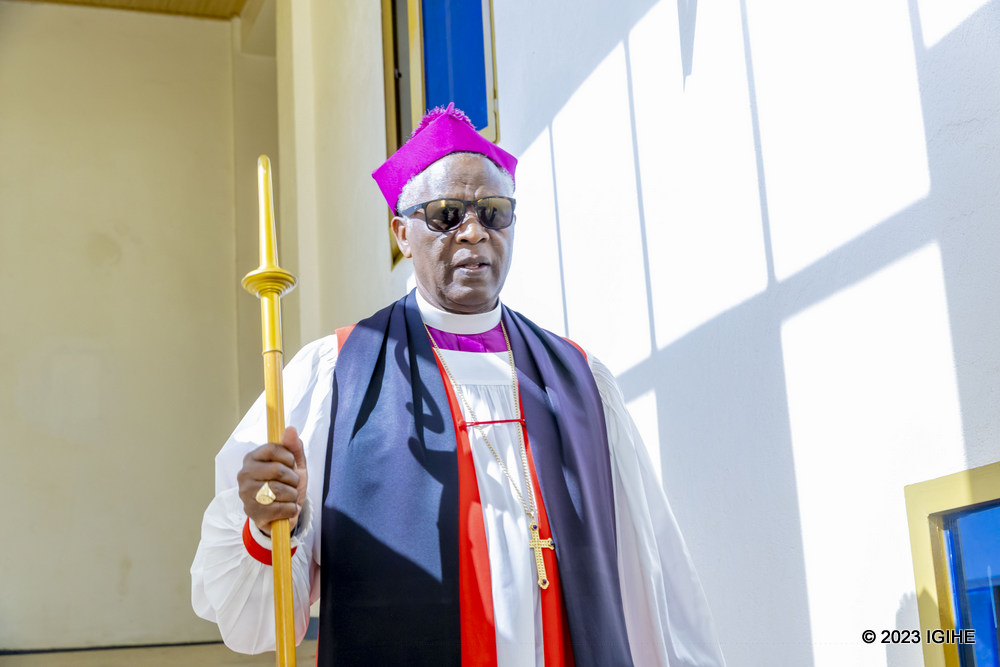
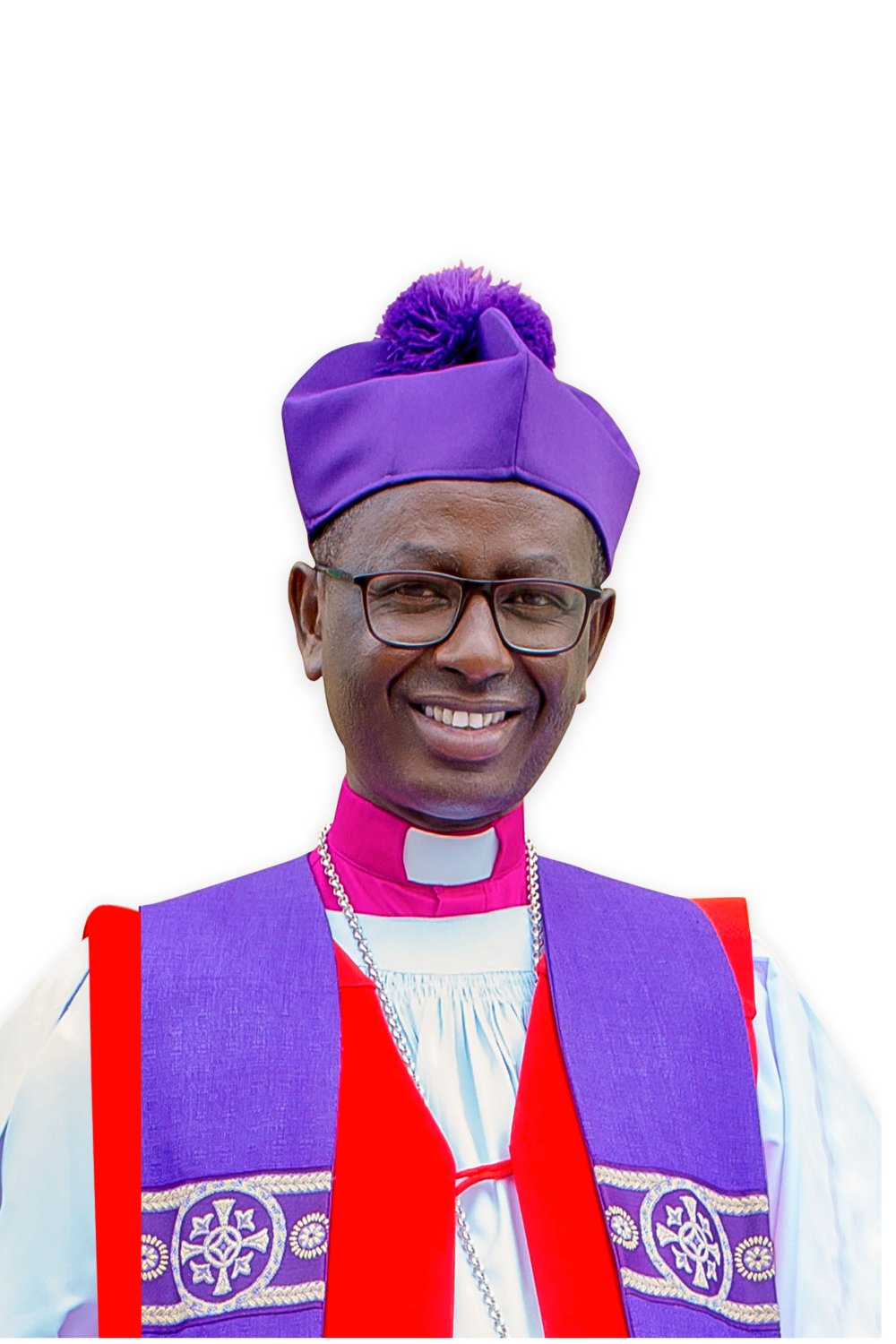
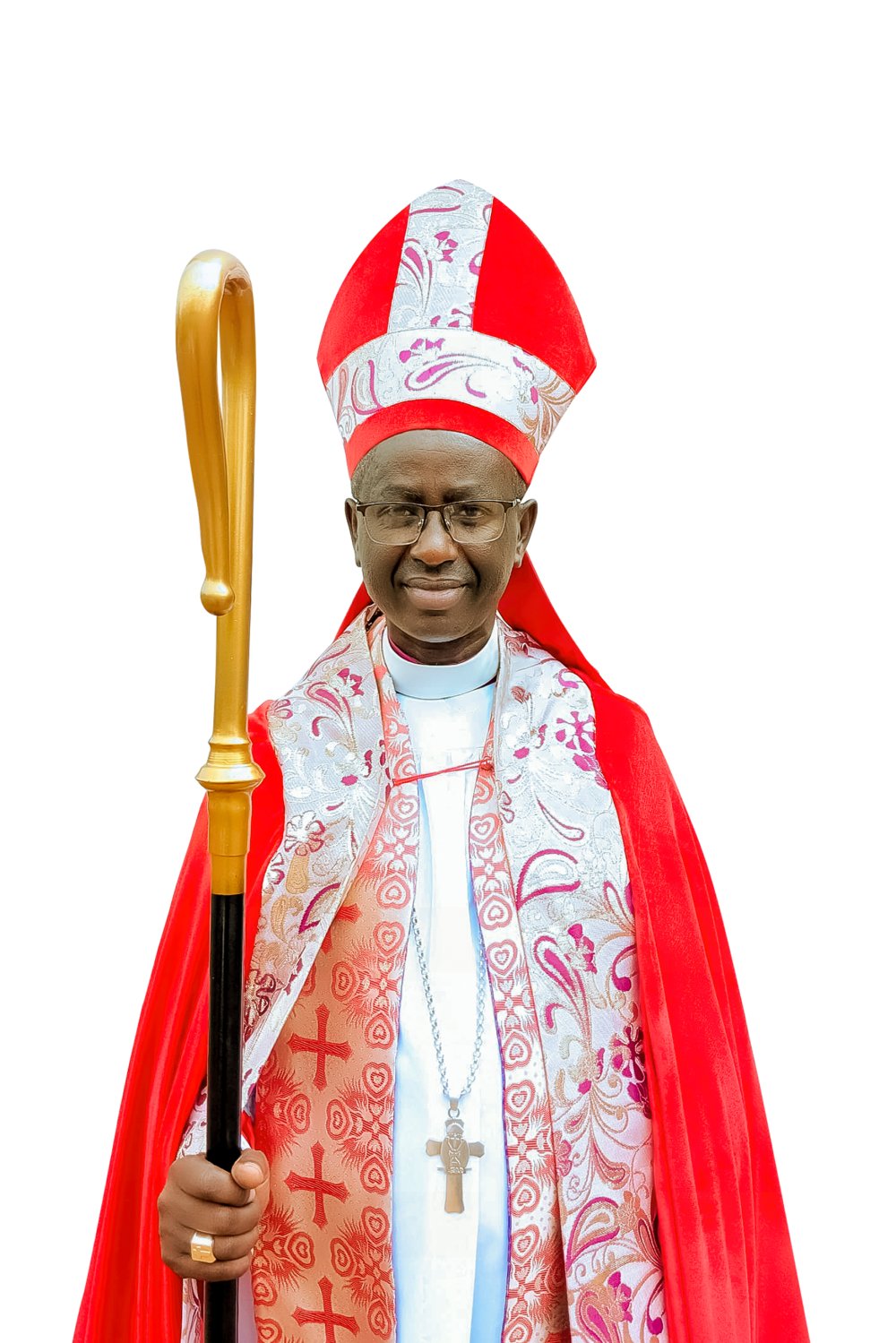
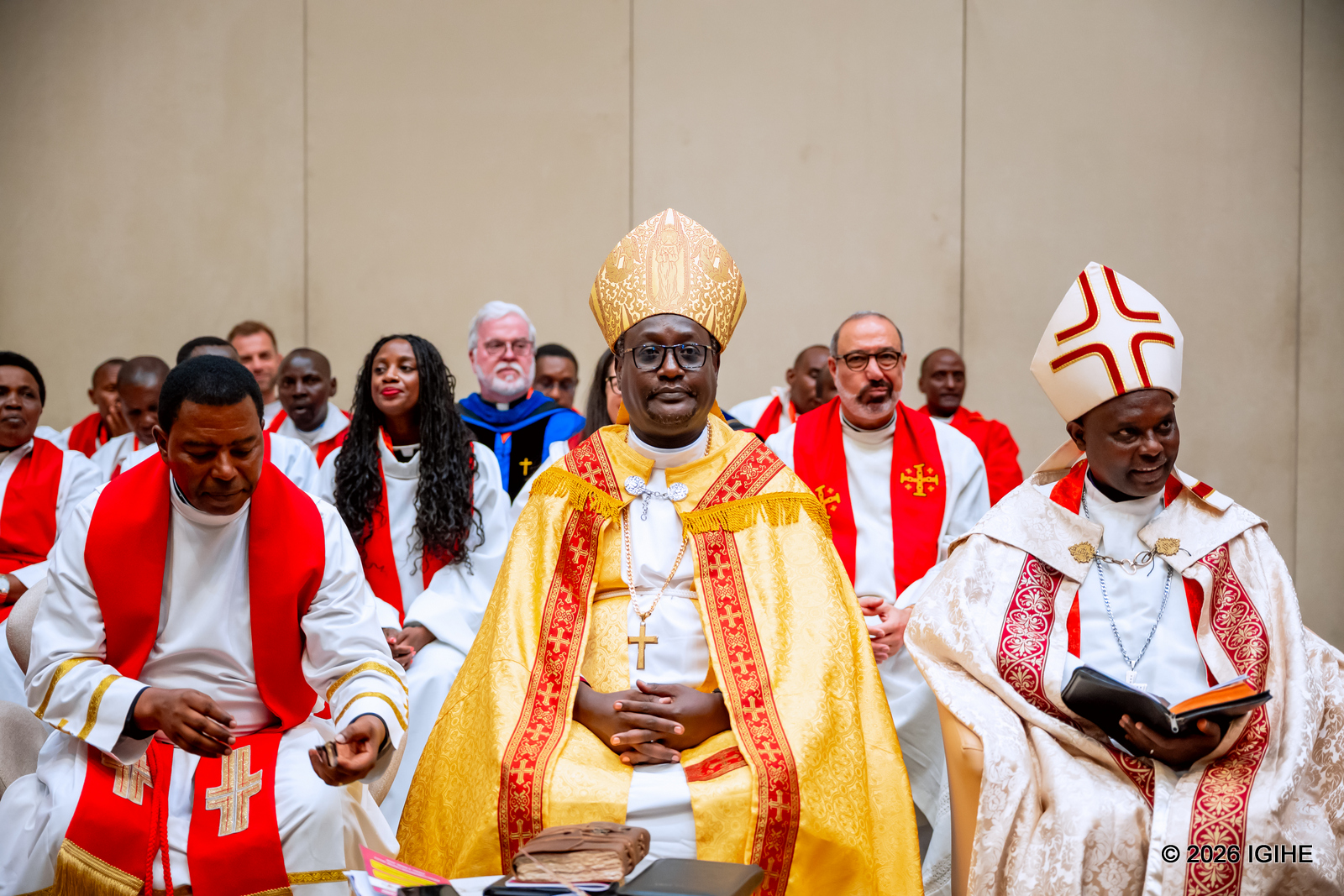
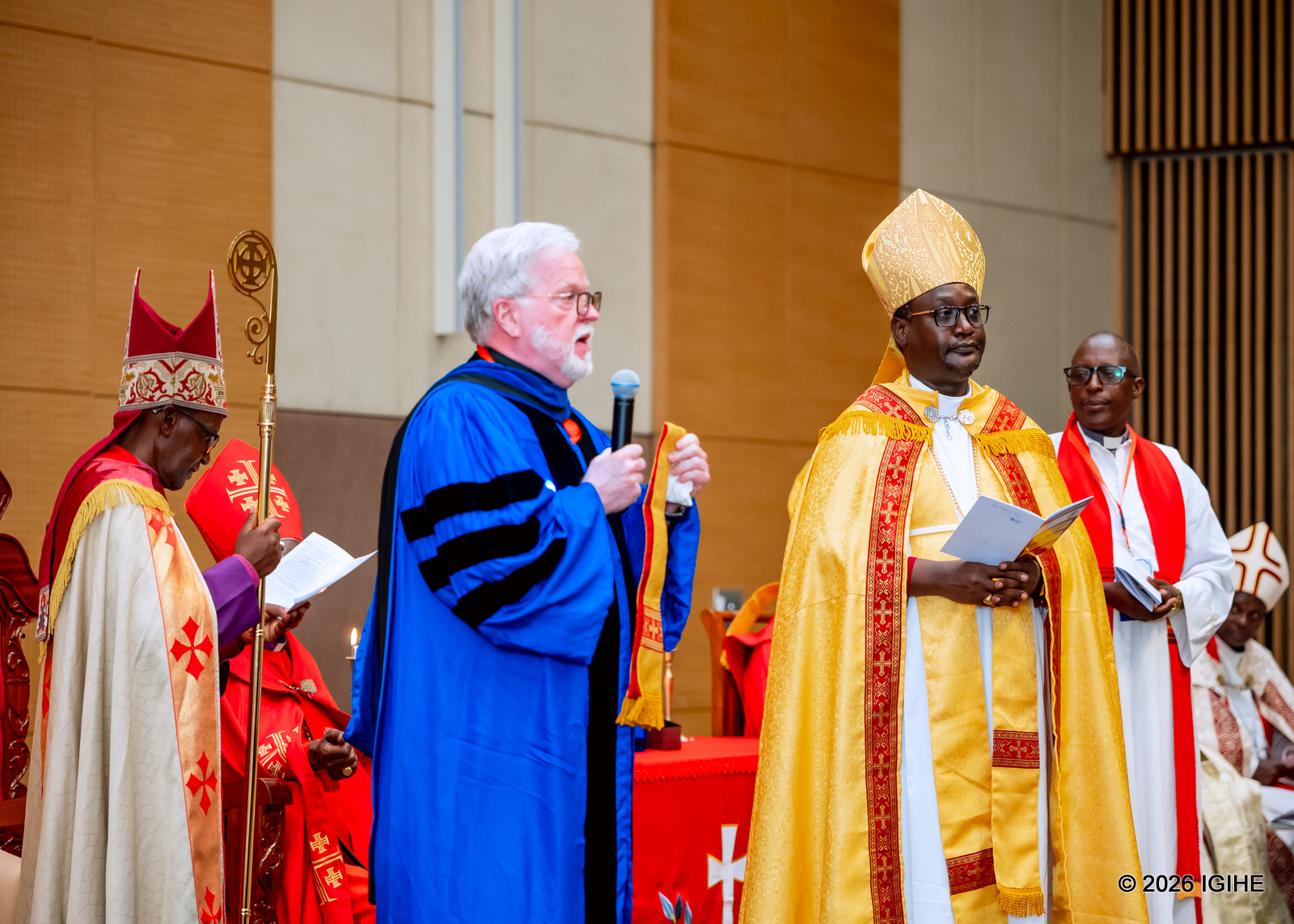
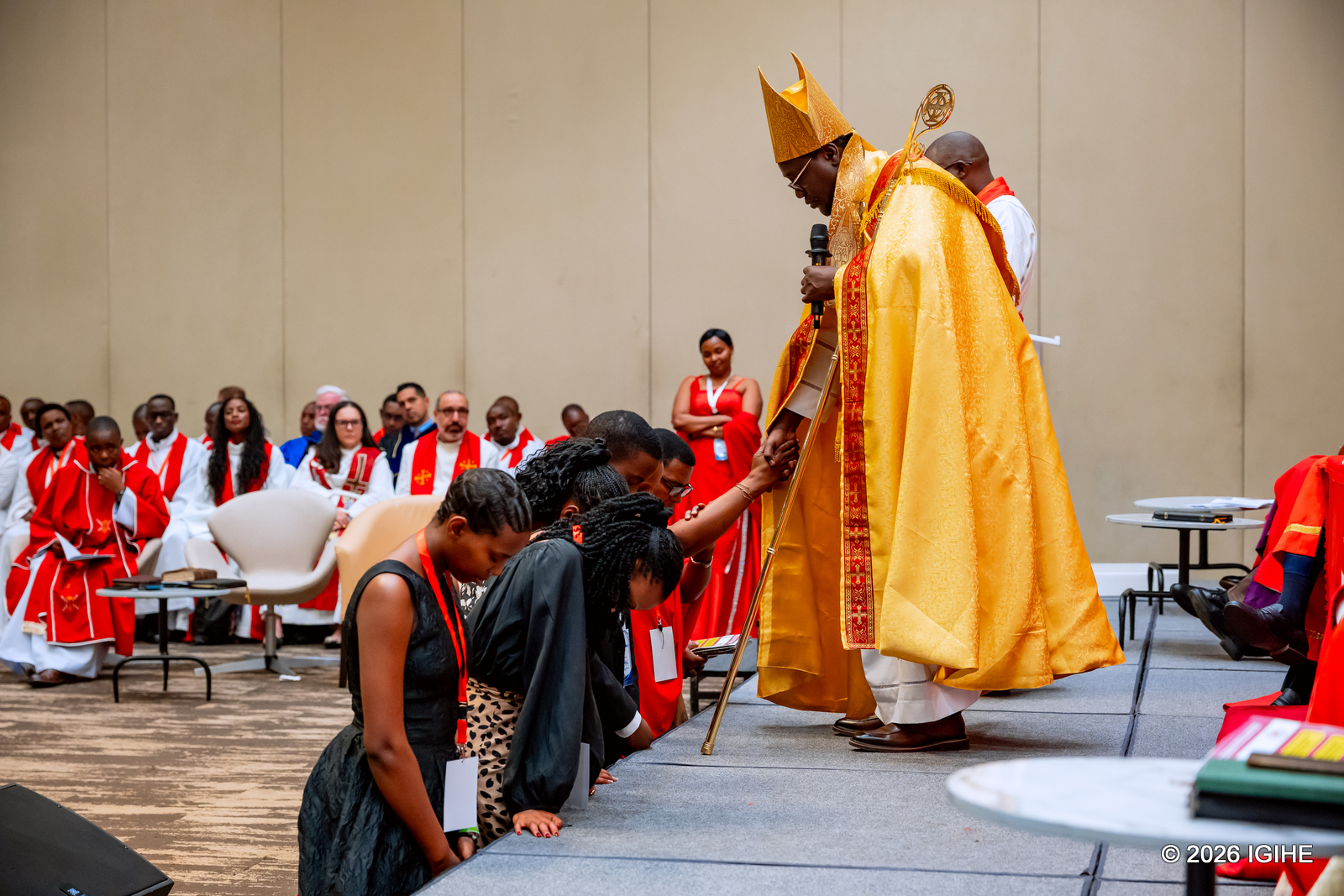
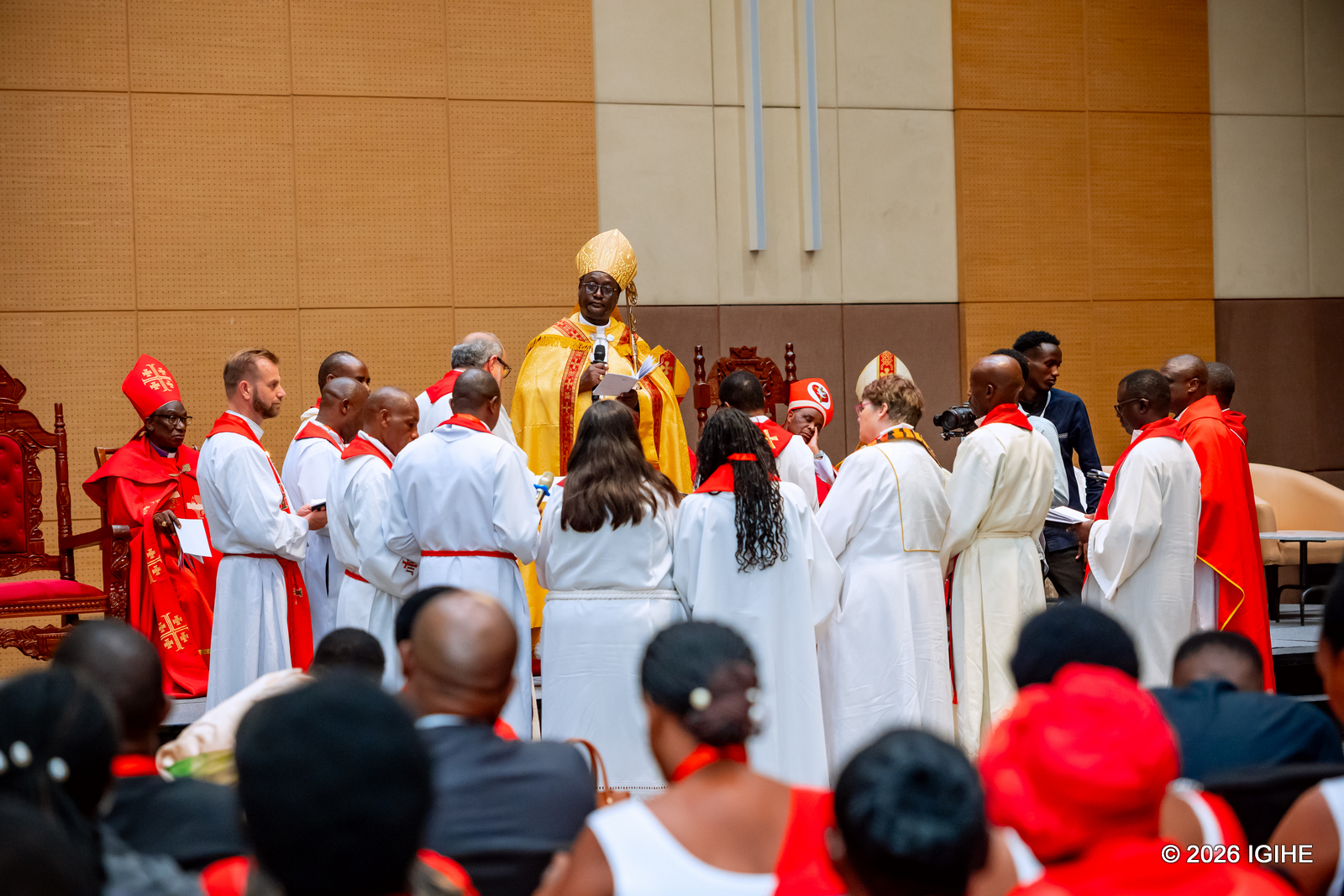
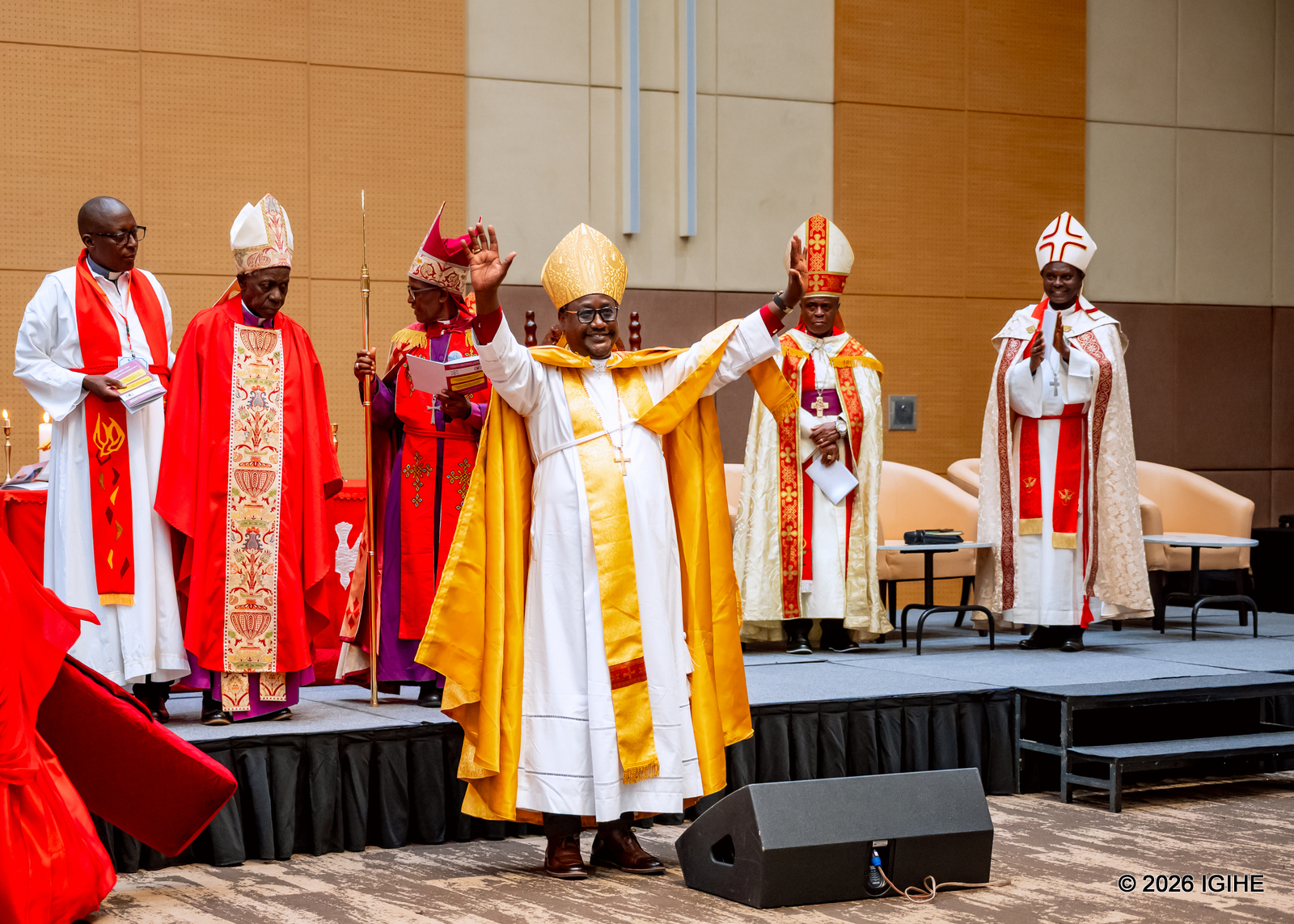
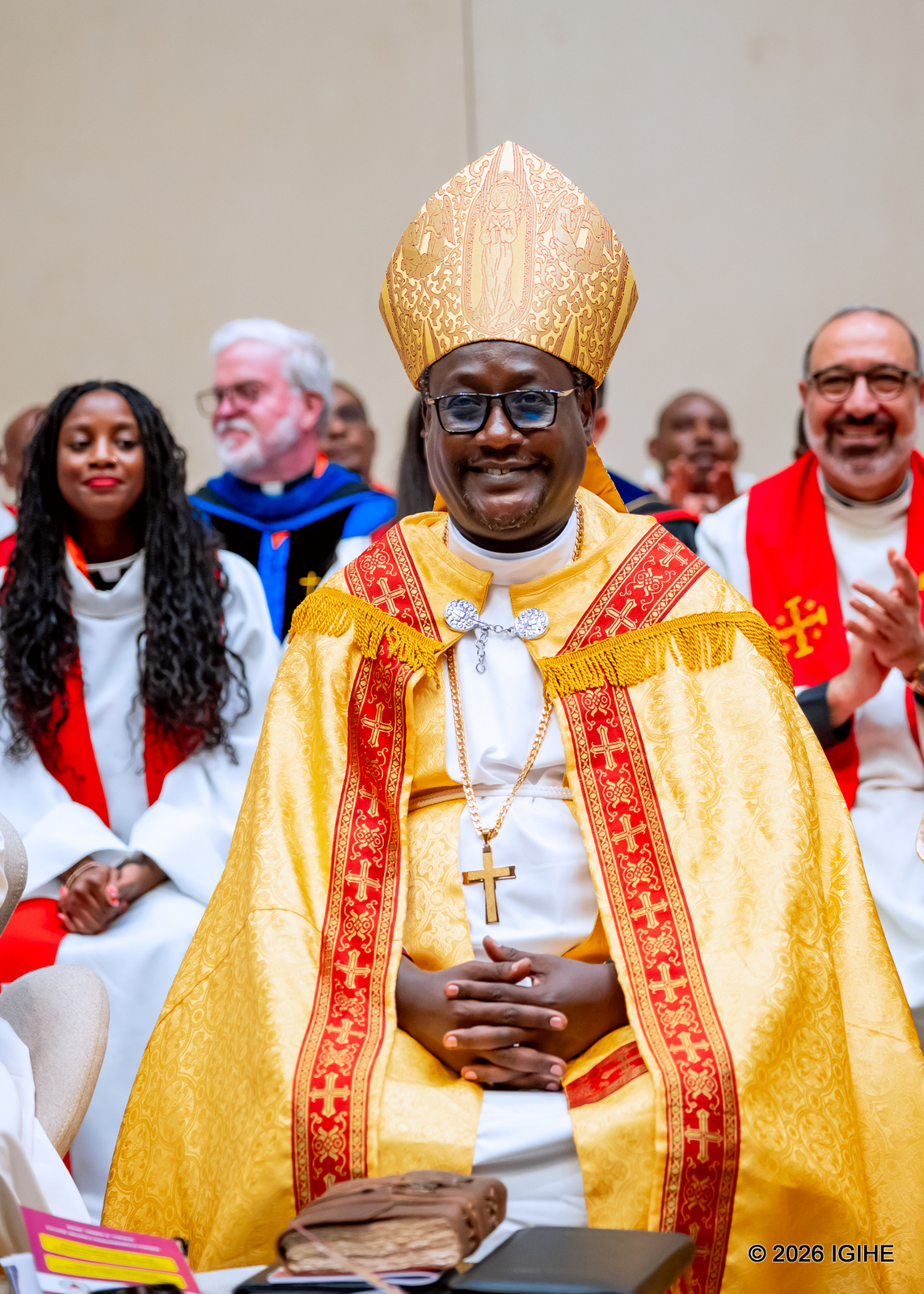
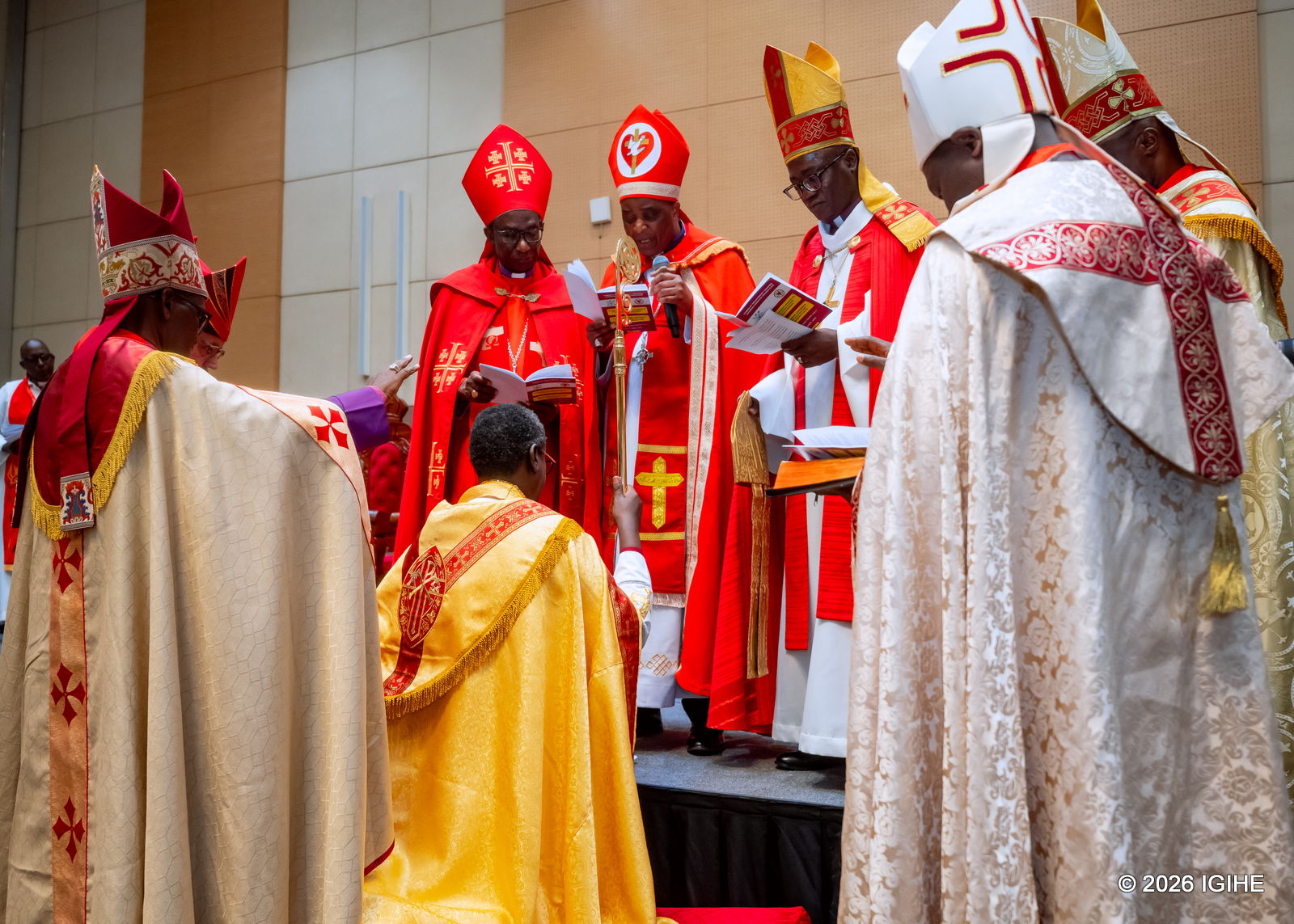
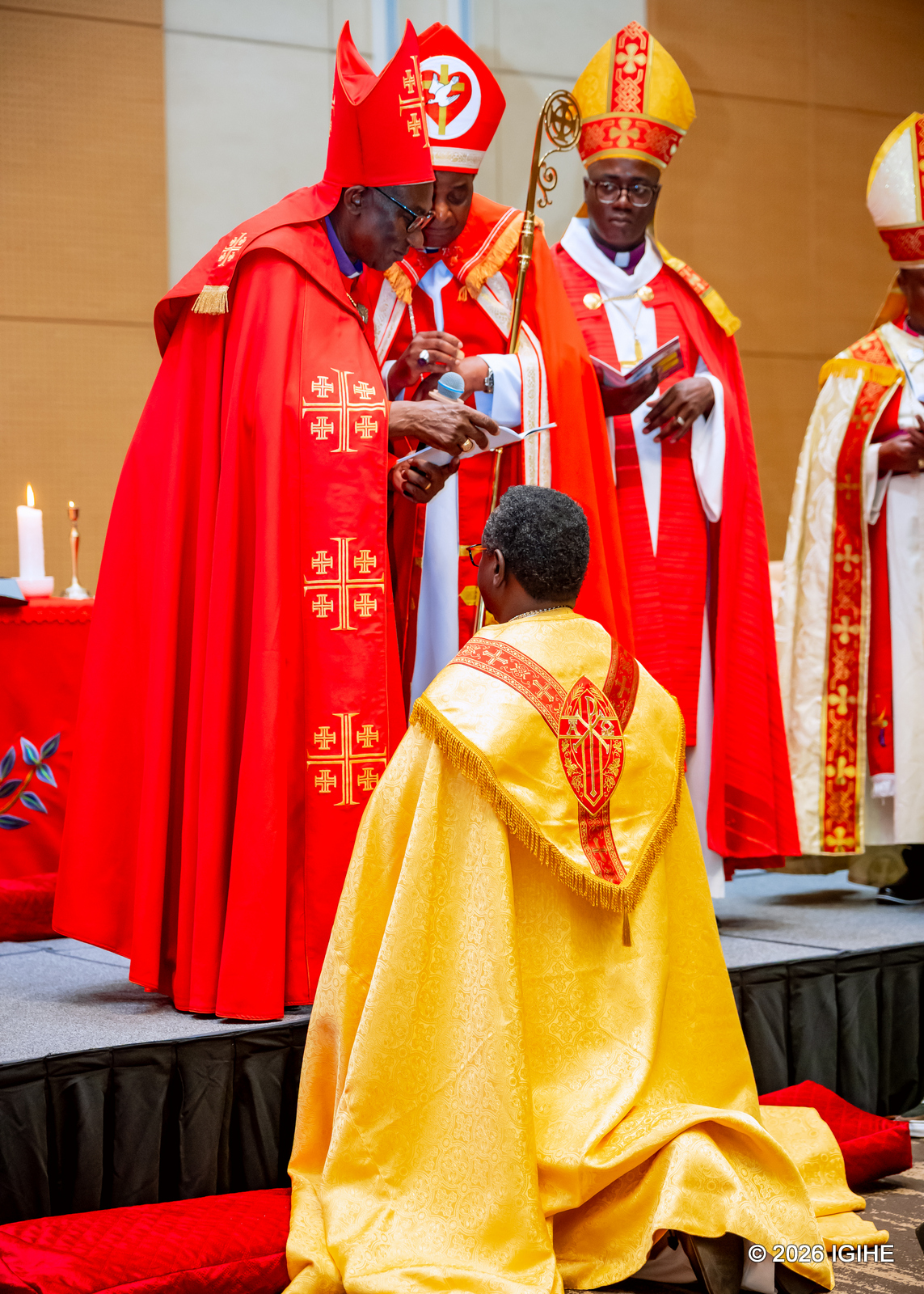
Dr. Gahima was elected on September 11 to succeed Dr. Mbanda, whose tenure has been marked by the church’s growing membership, efforts to achieve financial self-reliance and its decision to distance itself from the Church of England over what it considers departures from biblical teachings.
Speaking to IGIHE, Dr. Mbanda said he was satisfied with the election of his successor and described Dr. Gahima as a humble, trustworthy and experienced leader who has served in education, local government and the church.
“He is a person who loves evangelism and is a leader,” Dr. Mbanda said, adding that he and the other bishops were pleased with his election.
Dr. Mbanda said he leaves the Anglican Church in Rwanda in a strong position after eight years of growth. He said every diocese has recorded an increase in membership and expanded its evangelism activities.
He cited the Community Bible Study programme, which started in one diocese and has now expanded across all dioceses, reaching about 200,000 people who study the Bible while also receiving support aimed at improving their livelihoods.
The church has also established two new dioceses since 2018, in Karongi and Nyaruguru, while new parishes and churches have been established in different parts of the country.
Dr. Mbanda said one of the major challenges during his tenure was changing people’s understanding of the church’s mission. He argued that evangelism should address both spiritual and material needs, including food, healthcare and livelihoods.
He said the church has also prioritised financial self-reliance and has reduced its dependence on external funding.
Asked what he would like his successor to focus on, Dr. Mbanda said Dr. Gahima should preserve the unity of the church and maintain its direction while building on the foundation already established.
“I would advise him to remain firm in Christ, keep Christ at the centre of the church, uphold the Word of God and place it at the centre of the church,” he said.
Dr. Mbanda also addressed the Anglican Church in Rwanda’s disagreement with the Church of England, saying the dispute was primarily about biblical teachings rather than the appointment of a woman to leadership.
He said the Anglican Church in Rwanda has women in leadership positions, including female pastors, and that the central issue was what he described as the promotion of teachings that conflict with the Bible.
On same-sex relationships, Dr. Mbanda said people should not be prevented from attending church or hearing the Word of God.
“We do not prevent anyone from hearing the Word of God,” he said. “We believe it changes people and that people need to be saved.”
However, he said the church would not accept people in same-sex relationships serving as bishops or pastors, arguing that church leaders must meet the standards set out in the Bible.
Dr. Mbanda said the decision to distance the Rwandan church from the Church of England had not harmed it financially or otherwise. He said the church had lost some forms of support but had replaced them through its own activities.
“When you are self-reliant, you have a voice,” he said, arguing that the church should not compromise its beliefs for financial support.
Although Dr. Mbanda will leave the position of Archbishop in October, he said he would remain active in Christian ministry and expected to undertake other responsibilities within the Global Anglican Communion.
Dr. Laurent Mbanda has reflected on his eight years at the helm of the Anglican Church in Rwanda and the legacy he leaves for his successor.
Dr. Gahima was elected on Friday during the General Assembly of leaders of the Anglican Church in Rwanda held at its headquarters in Kigali.
He was among the leading candidates for the position and faced Bishop Assiel Musabyimana, Bishop of the Diocese of Kigeme, in the final stage of the election.
Nathan Rusengo Amooti, Bishop of the Diocese of Kigali, had also initially been listed among those eligible for the position but later withdrew, leaving two candidates in the final race.
In March 2026, Dr. Gahima was elected chairperson of the Council of Protestant Churches in Rwanda (CPR). His election to that position brought his name into wider consideration as a potential successor to Dr. Mbanda as head of the Anglican Church in Rwanda.
Dr. Gahima had been serving as Bishop of the Diocese of Gahini and was the second bishop to lead the diocese.
Born in 1970, he grew up in Uganda after his family fled to the country. He completed his primary education at Kasonga in Uganda before continuing his secondary education at Kololo and St Andrea Kahwa’s College.
He later obtained a degree in education and pursued higher education in business studies at what was then known as Umutara Polytechnic, now part of the University of Rwanda.
He also holds postgraduate degrees in human resource management and theology, as well as a PhD in theology.
Before joining the leadership of the Anglican Church, Dr. Gahima worked in education and local government.
From 1995 to 1997, he served as deputy head of Lycée de Kigali, where he was responsible for students studying in English.
Between 1997 and 2001, he served as mayor of the former Karangazi Commune, and from 2004 to 2005, he was mayor of the former Gabiro Commune.
Following reforms in Rwanda’s local government structures, Dr. Gahima moved into church leadership in the Diocese of Gahini, where he served as deputy diocesan leader.
In 2019, he was consecrated Bishop of the Diocese of Gahini, a position he held for seven years before being elected to lead the Anglican Church in Rwanda.
Dr. Gahima is married and has eight children.
Dr Manasseh Gahima is married and a father of eight children.Dr Manasseh Gahima succeeds Dr Laurent Mbanda as Archbishop of the Anglican Church in Rwanda.Dr Manasseh Gahima is the newly elected Archbishop of the Anglican Church in Rwanda.
The appointment was announced in a statement signed by Bishop Mwumvaneza on September 8, 2026.
In the statement, Bishop Mwumvaneza said the appointment was made after considering the weight of the responsibilities involved in administering Nyundo Diocese and the abilities of the person selected to carry them out.
He cited Father Habarugira Karekezi’s integrity, spiritual and intellectual abilities, theological knowledge and dedication to Church service.
“We appoint Father Léonidas Habarugira Karekezi as Vicar General of our Diocese of Nyundo,” Bishop Mwumvaneza said.
As Vicar General, Father Karekezi will oversee the ordinary administrative affairs of the diocese, except matters specifically reserved for the bishop or those requiring the bishop’s prior authorization.
Bishop Mwumvaneza called on clerics and Catholics in Nyundo Diocese to welcome and support Monsignor Karekezi in his new responsibilities.
The appointment follows the death of Monsignor Nsengumuremyi, who had served as Vicar General of Nyundo Diocese since 2001. He continued serving in the position after Bishop Mwumvaneza became Bishop of Nyundo Diocese in 2016.
Monsignor Nsengumuremyi was ordained priest in 1977 and died on August 30, 2026, aged 76, succumbing to low blood pressure.
Father Léonidas Habarugira Karekezi has been appointed as the new Vicar General of Nyundo Diocese.
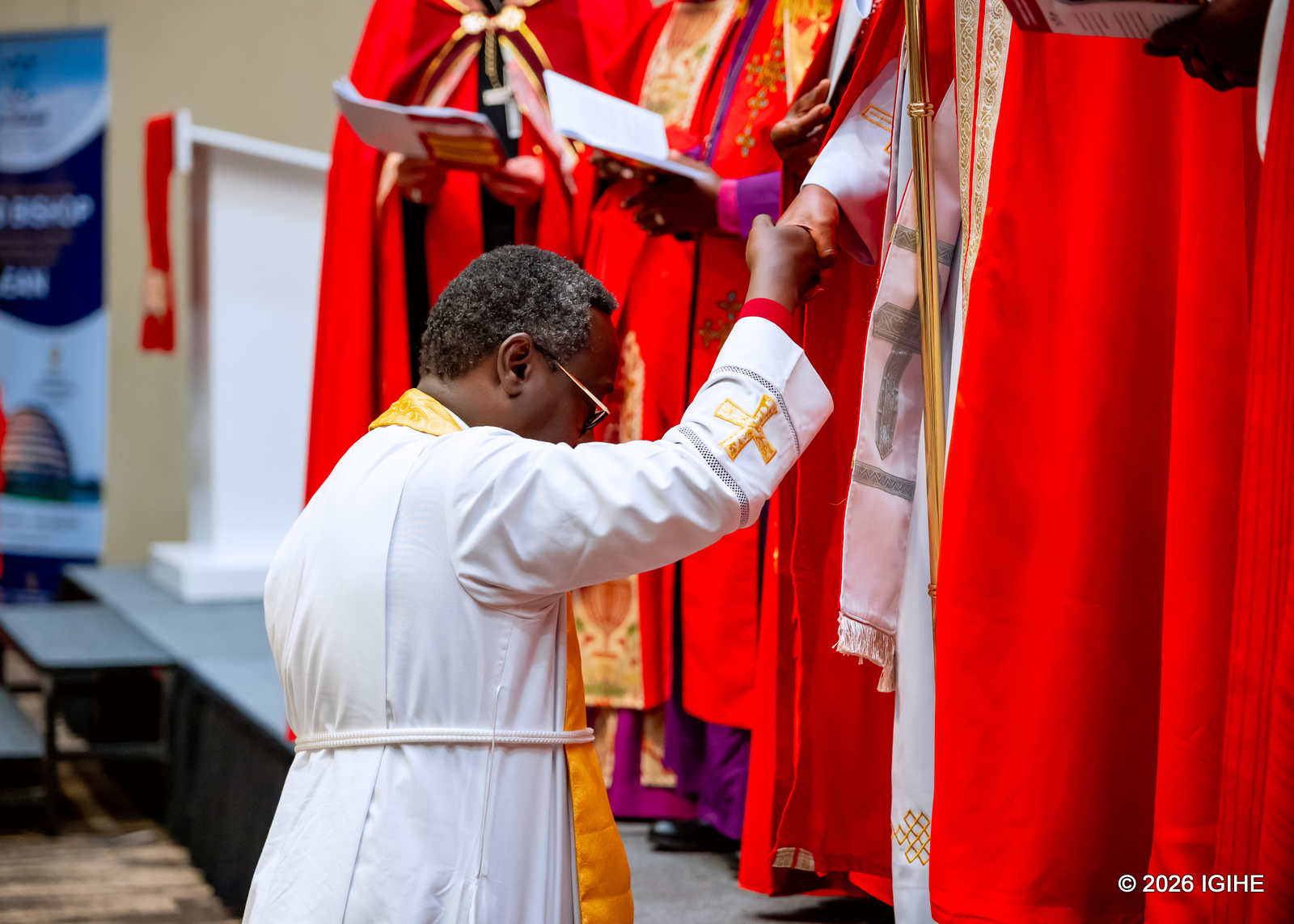
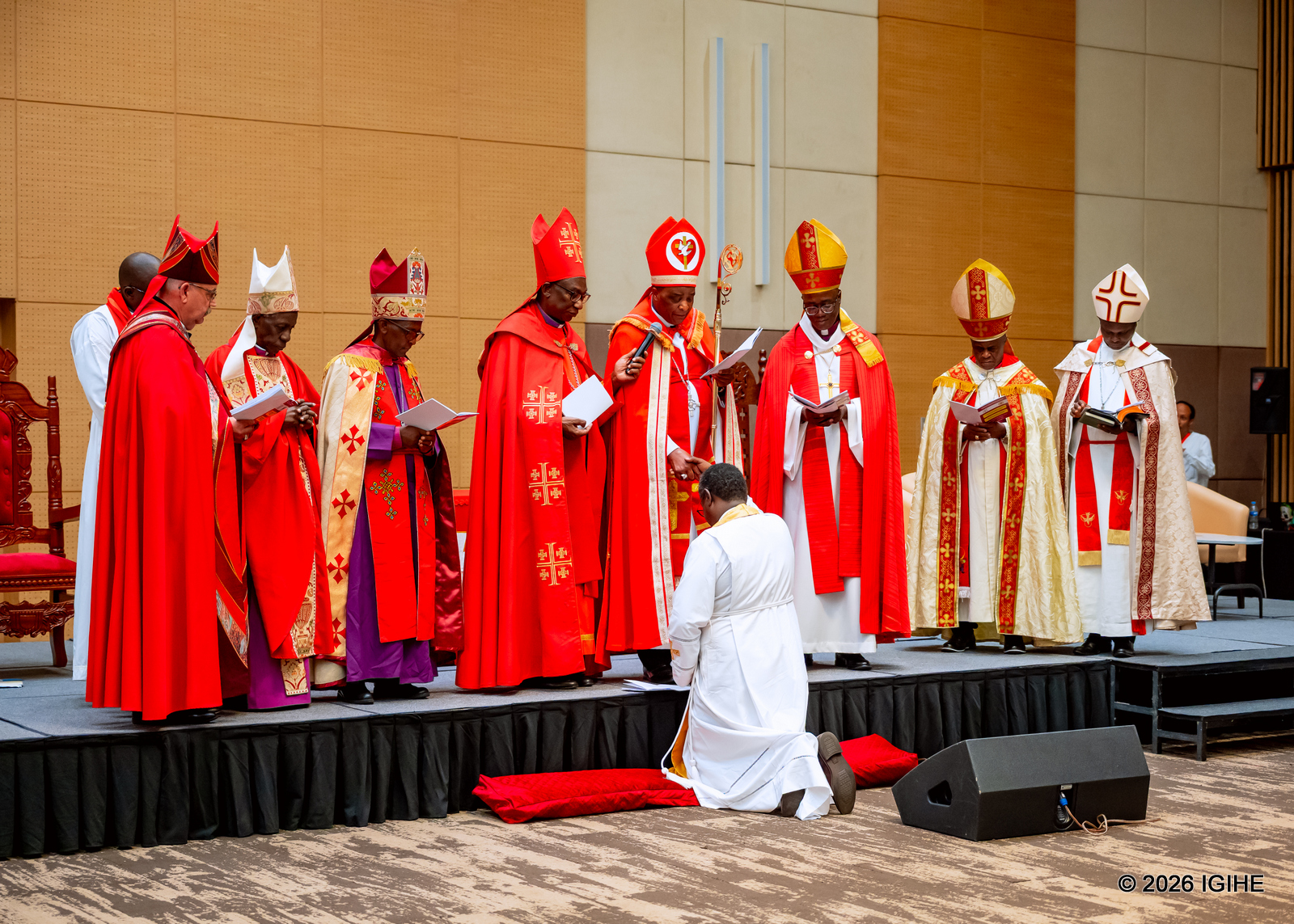
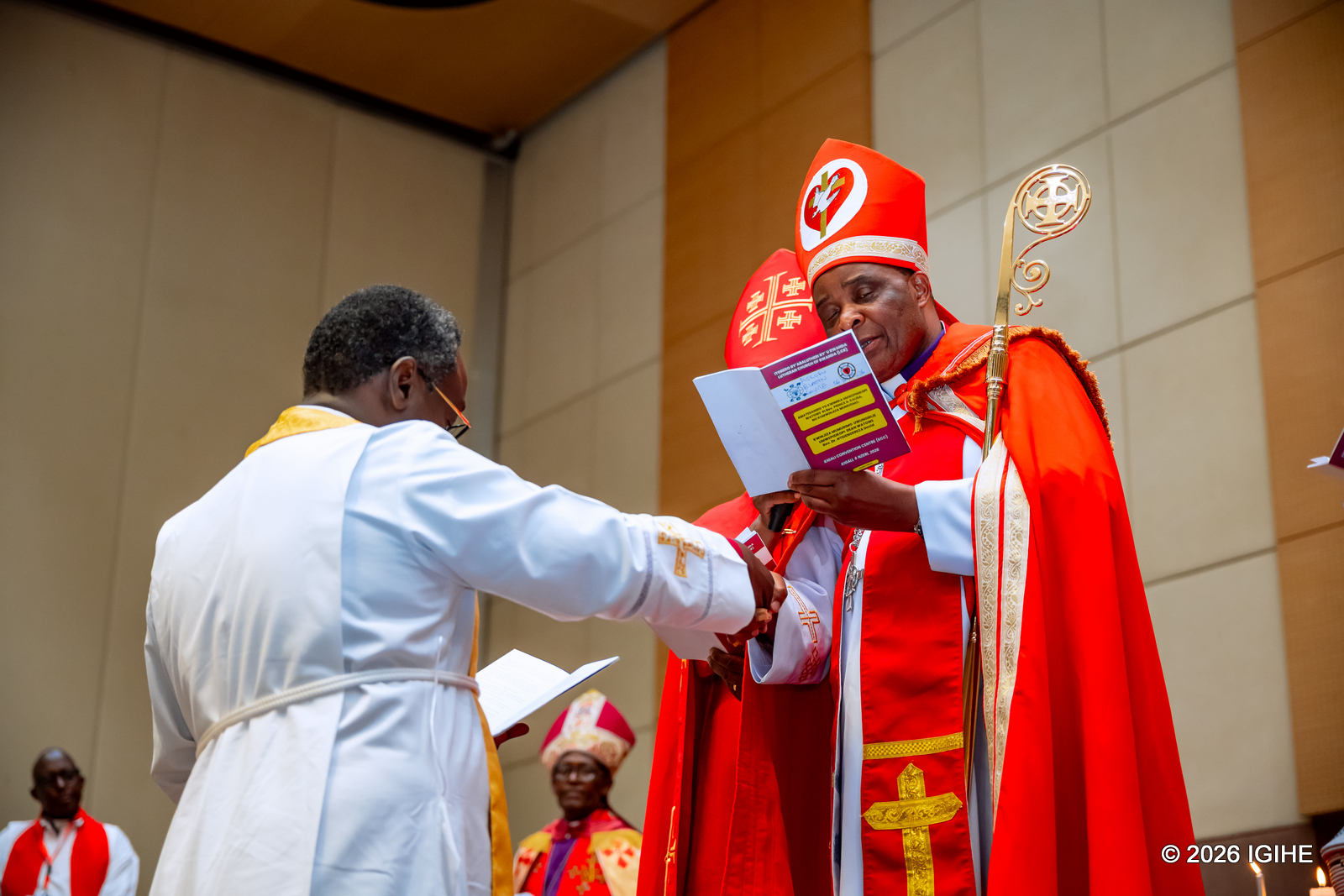
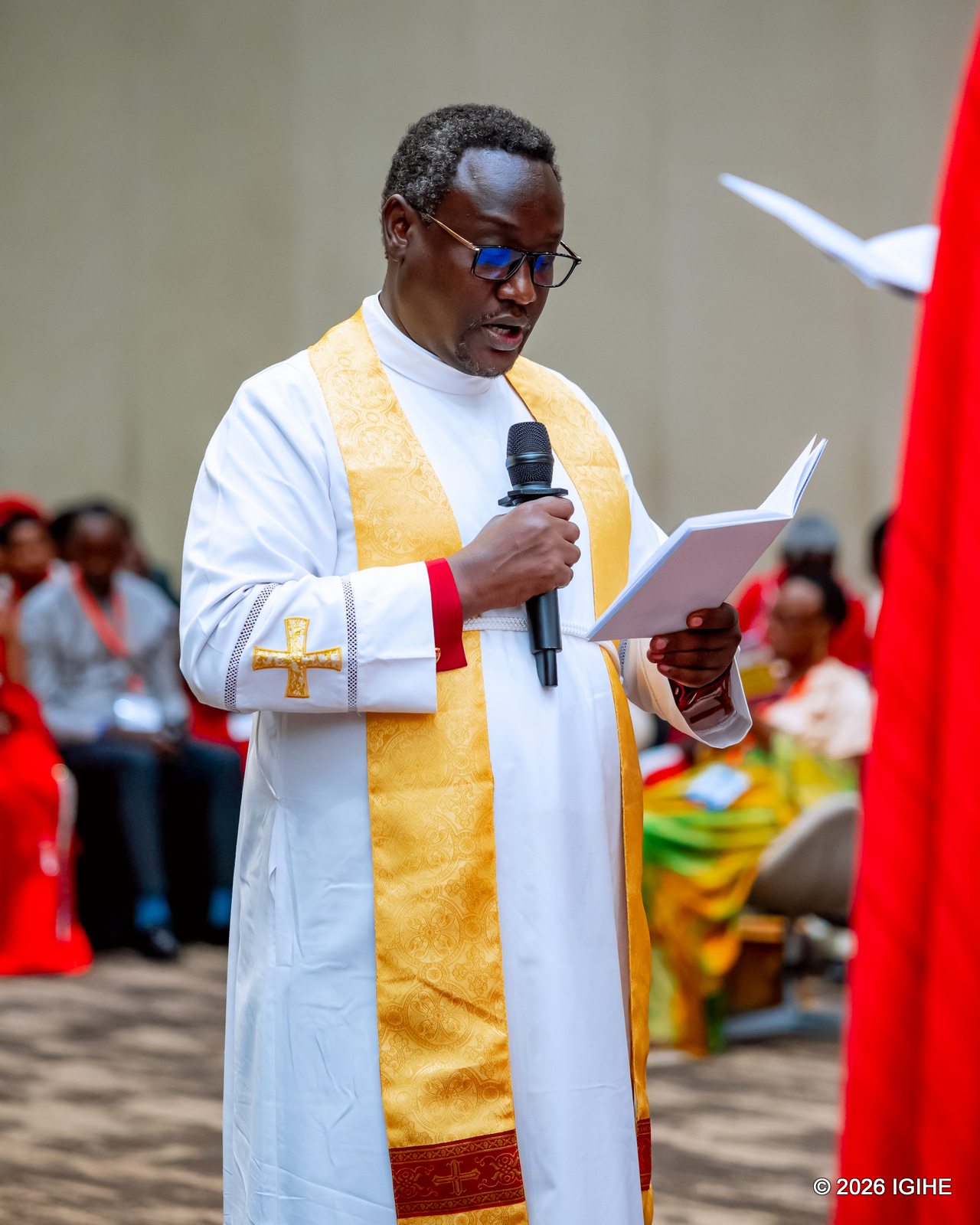
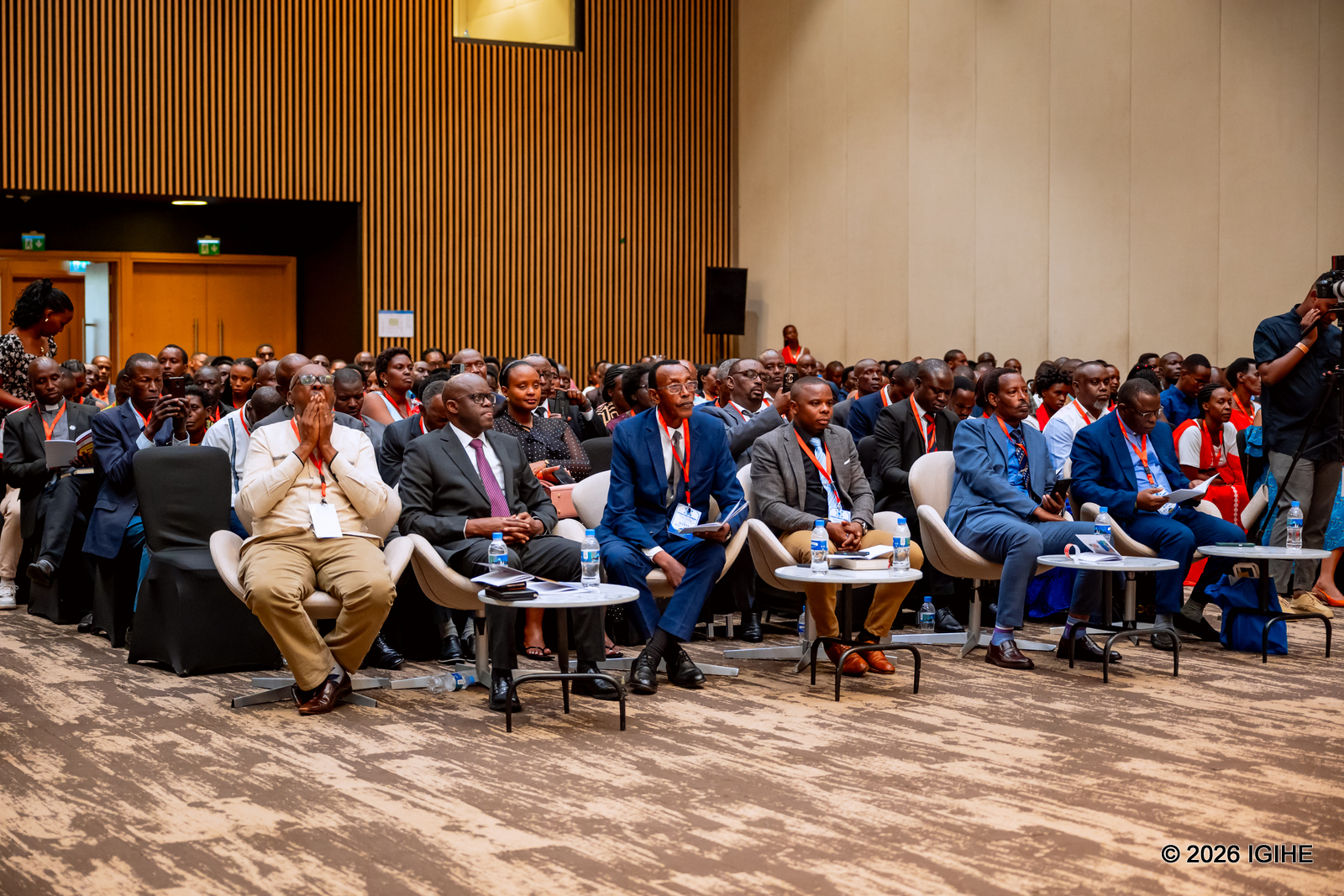
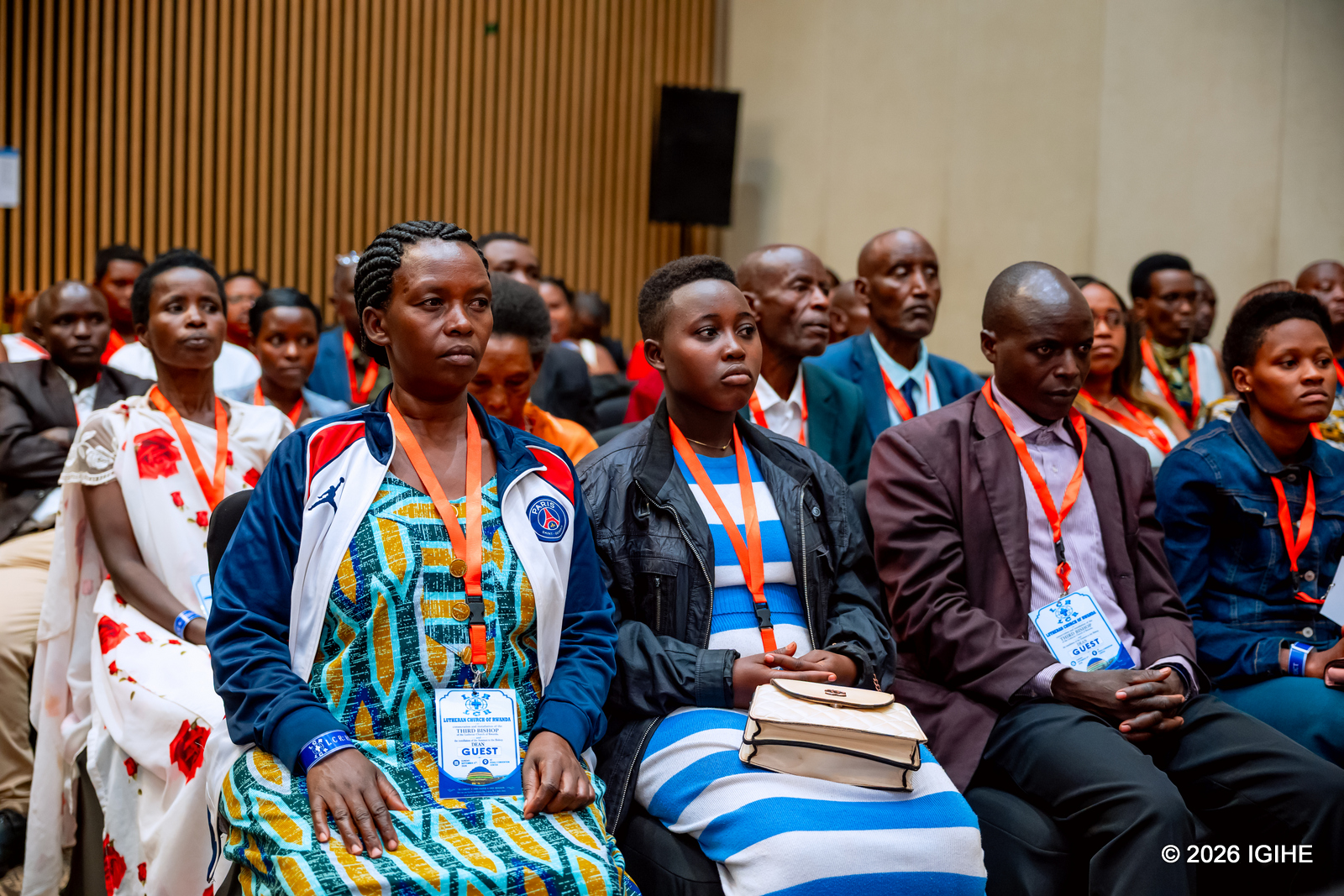
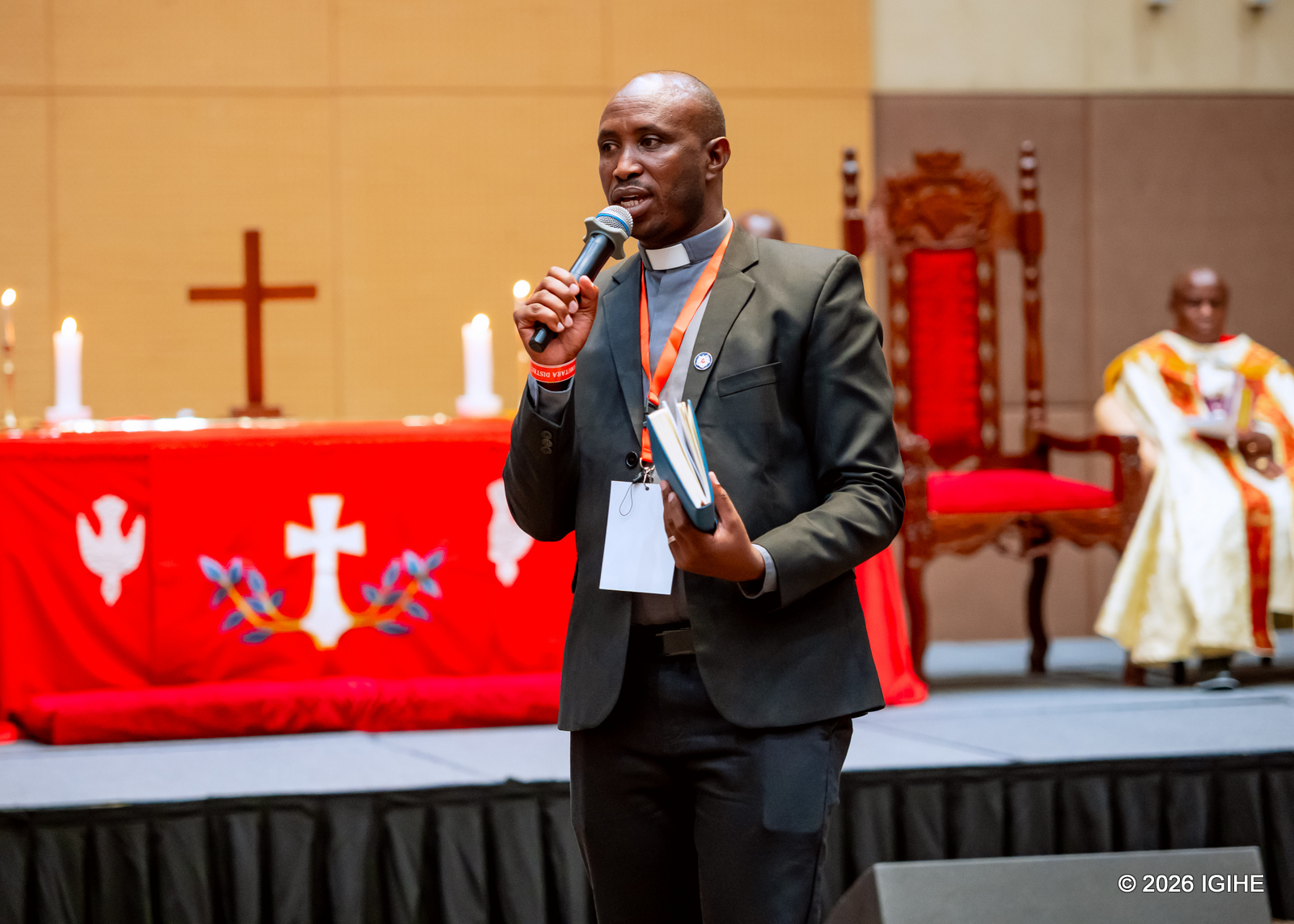
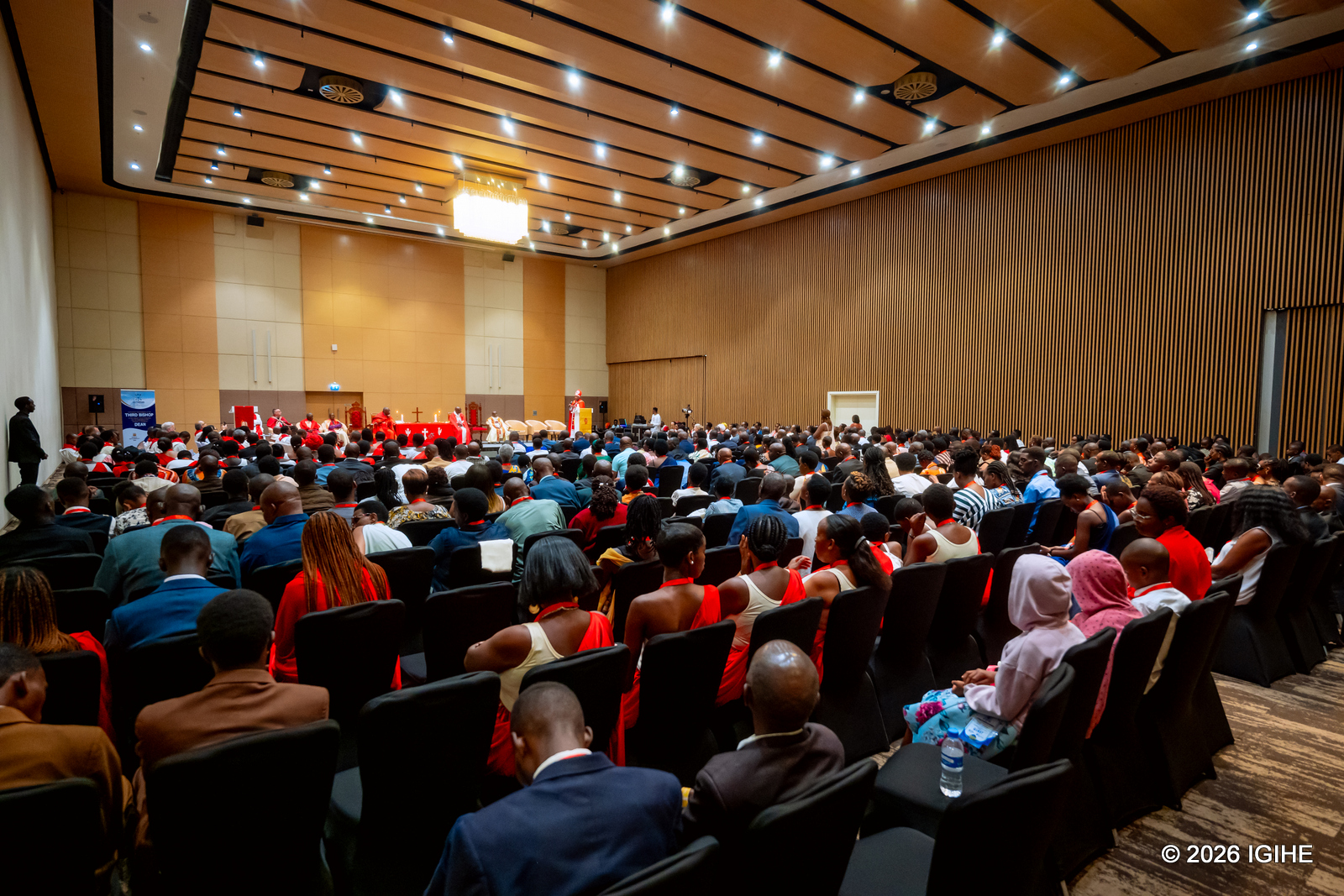
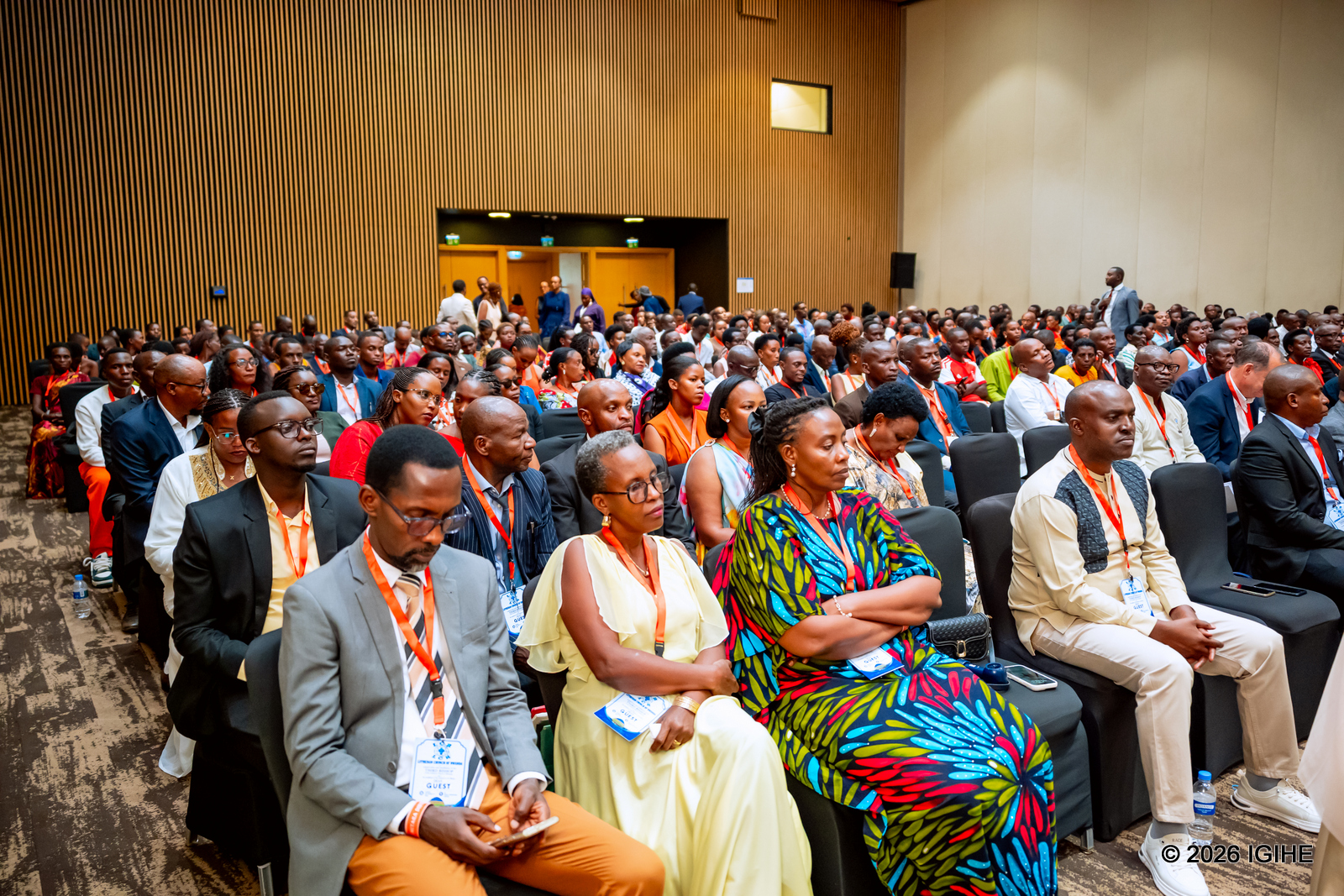
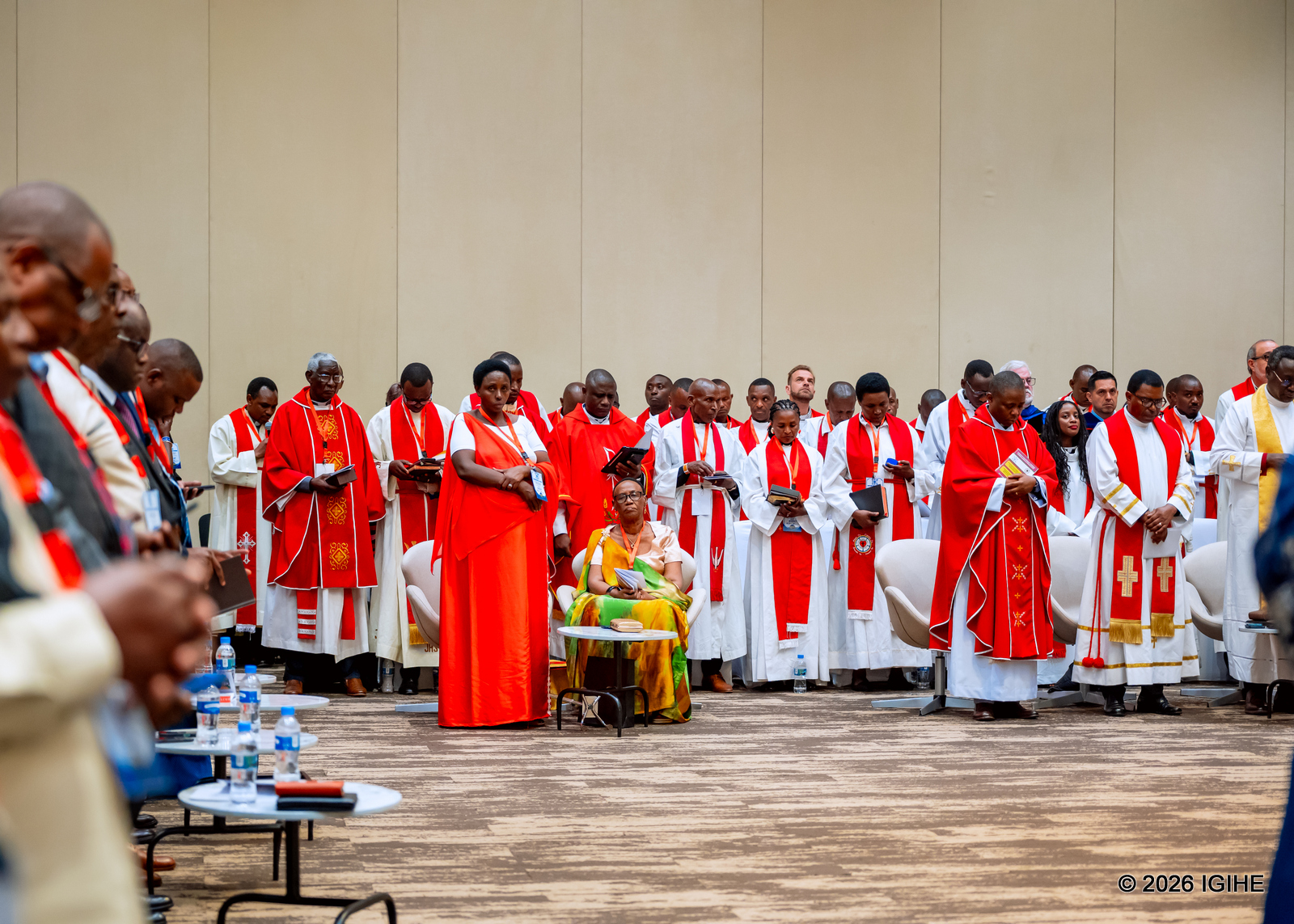
Bishop Kalisa was installed during a ceremony held at the Kigali Convention Centre (KCC), attended by Christians, church leaders and guests from Rwanda and other countries, including Tanzania, Burundi, the Democratic Republic of Congo and the United States.
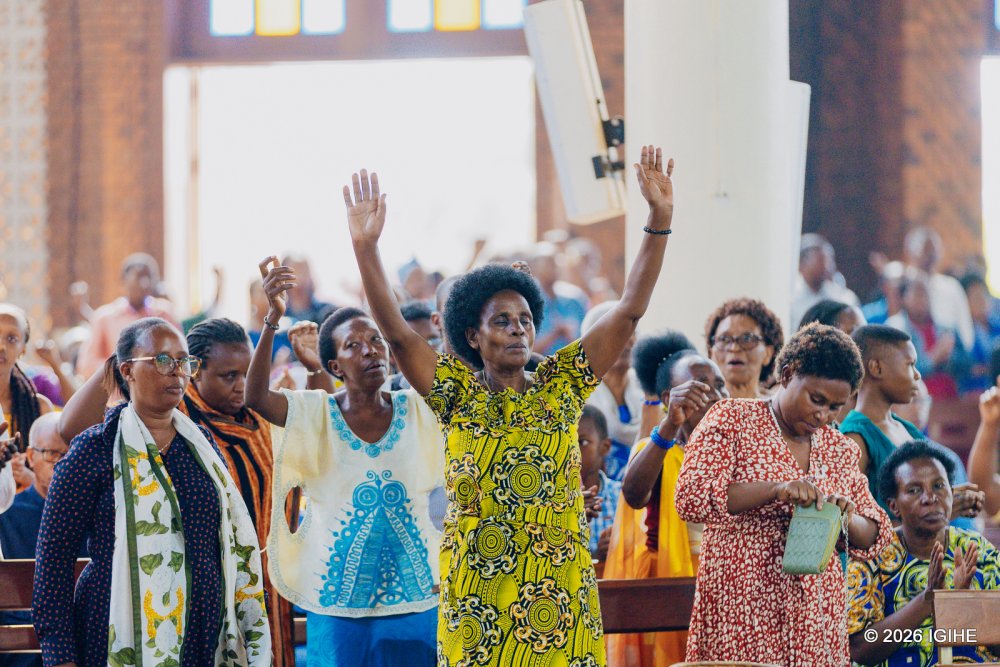
The ceremony was marked by prayers, praise and worship as Christians gathered to celebrate the beginning of Bishop Kalisa’s leadership.
The installation was also attended by church leaders, including Dean Dr. Ntidendereza David.
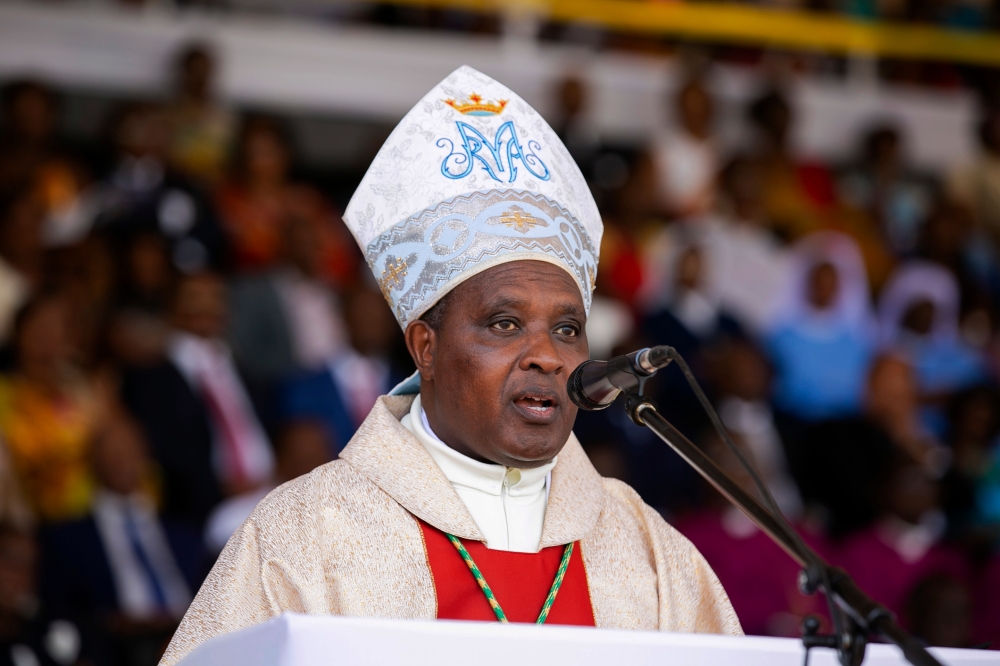
Speaking to IGIHE after the ceremony, Bishop Kalisa said one of his key priorities will be building a church that can sustain itself rather than depending heavily on support from churches in Western countries.
“Our vision is to equip members with education and build infrastructure for the church. We want to be a self-sustaining church,” he said.
He noted that African churches have historically relied on financial and other forms of support from Western churches, but said his leadership would seek to change this approach by empowering church members to contribute to the development of their communities and the church.
Empowering members instead of creating dependency
Bishop Kalisa identified dependency among some church members as one of the major challenges facing churches today.
He explained that some Christians expect the church to provide them with direct financial or material assistance, a situation he believes can create long-term dependency.
“We want to teach them to support themselves,” he said, adding that assistance should focus on giving people the ability to become independent rather than simply providing temporary help.
He compared the approach to teaching people how to fish rather than continually giving them fish.
According to the bishop, the Lutheran Church in Rwanda will therefore seek to support its members in developing skills and opportunities that can help them become self-reliant.
Focus on young people and community development
Bishop Kalisa also highlighted the importance of young people in the future of the Lutheran Church in Rwanda.
He said the church is already implementing programmes that involve youth in areas including gender equality and justice, environmental protection and education.
The church also supports young people who want to pursue education in different fields beyond theology.
“We send young people for, not only for theology, but in different areas. That’s how we engage young people,” he said.
He added that young people have representation on the church’s executive council, allowing them to contribute their views to decisions affecting the church.
The bishop also said the church is open to young people expressing themselves through music, provided that their artistic choices remain consistent with the Christian faith.
As he began his new responsibility, Bishop Kalisa encouraged Christians and Rwandans to combine prayer with action.
He said faith should be accompanied by practical action and responsibility in addressing challenges facing individuals, communities and the country.
The bishop also expressed appreciation to President Paul Kagame for his leadership and for encouraging churches to improve their infrastructure and ensure that church buildings meet required standards.
He said the Lutheran Church in Rwanda has been renovating its churches to meet those standards, arguing that places of worship should be well maintained and provide an appropriate environment for Christians.
Bishop Kalisa also welcomed recent efforts to address the consumption of illicit alcohol among young people.
He said churches should have been among the first institutions to speak out on the issue, acknowledging that religious institutions had sometimes remained silent when they should have raised their voices.
He pledged that the Lutheran Church in Rwanda would seek to be more active in offering advice and contributing to solutions whenever issues affecting society arise.
The installation of Bishop Kalisa Atupenda Prince marks a new chapter for the Lutheran Church in Rwanda, with his leadership expected to focus on strengthening the church’s capacity, empowering members, engaging young people and increasing its contribution to community development.
Bishop Kalisa Atupenda Prince was officially installed as a bishop of the Lutheran Church in Rwanda on September 6, 2026.Bishop Kalisa Atupenda Prince speaks to Christians during his installation ceremony at Kigali Convention Centre.Guests from Rwanda and abroad, including the United States, Tanzania, Burundi and the Democratic Republic of Congo, attended the ceremony.Bishop Kalisa Atupenda Prince says empowering church members is key to building a self-sustaining Lutheran Church in Rwanda.
Church leaders and guests attend the installation ceremony of Bishop Kalisa Atupenda Prince.
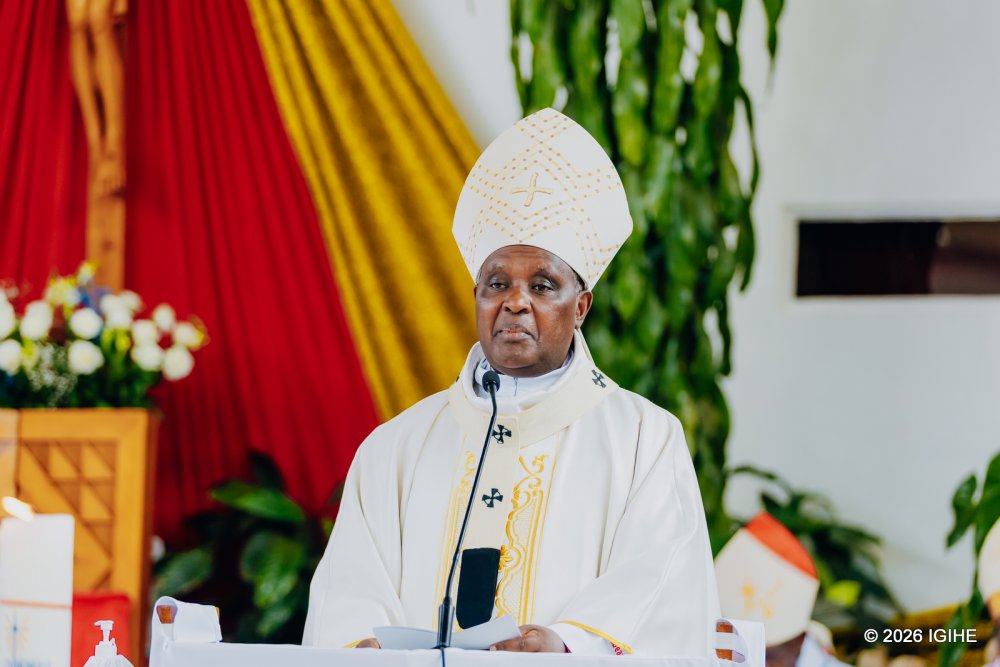
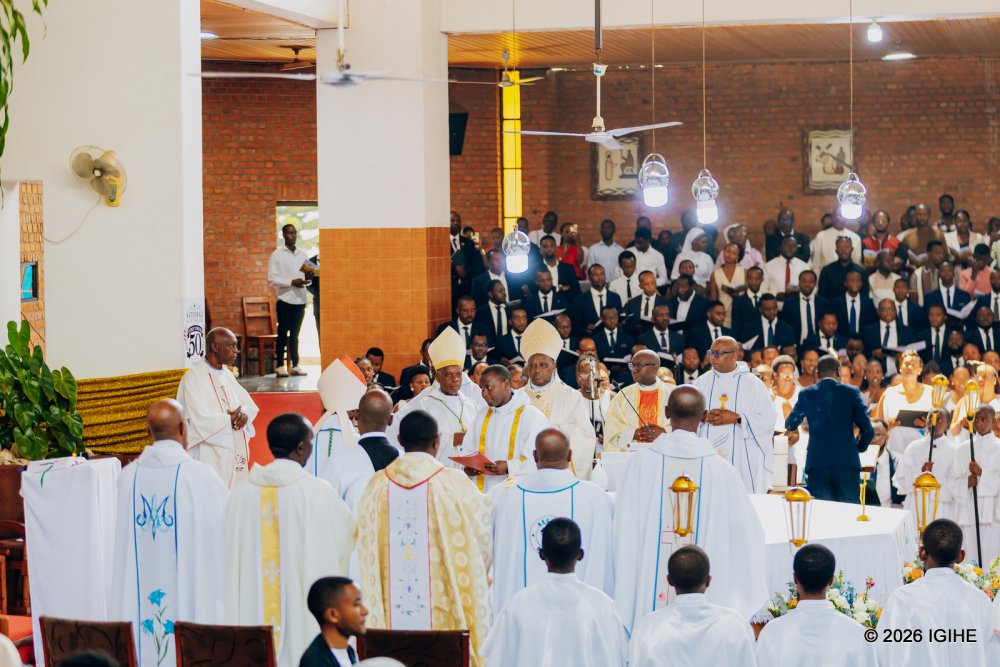
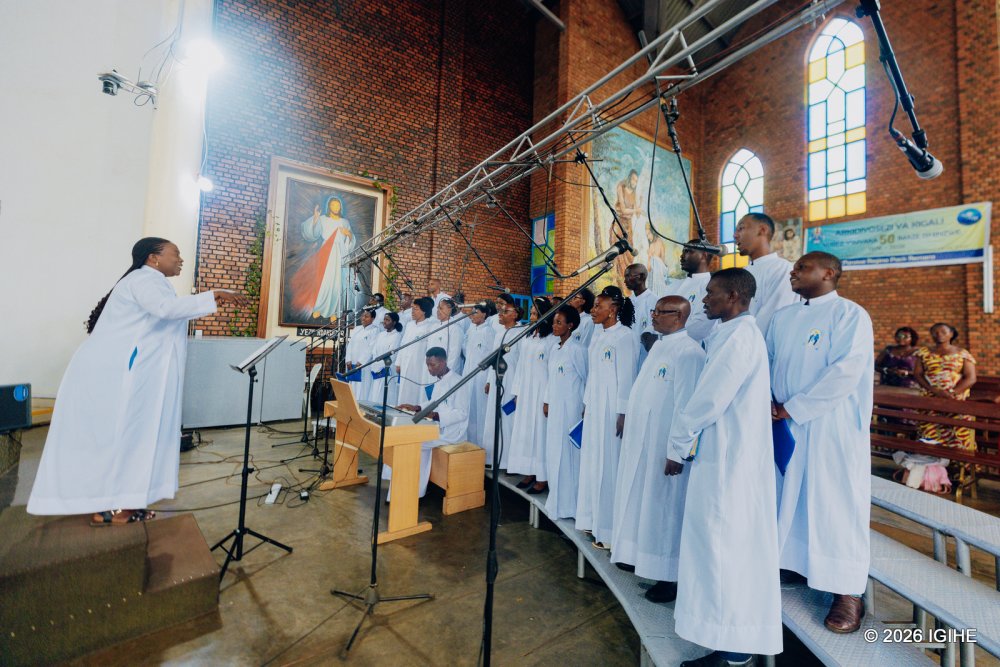
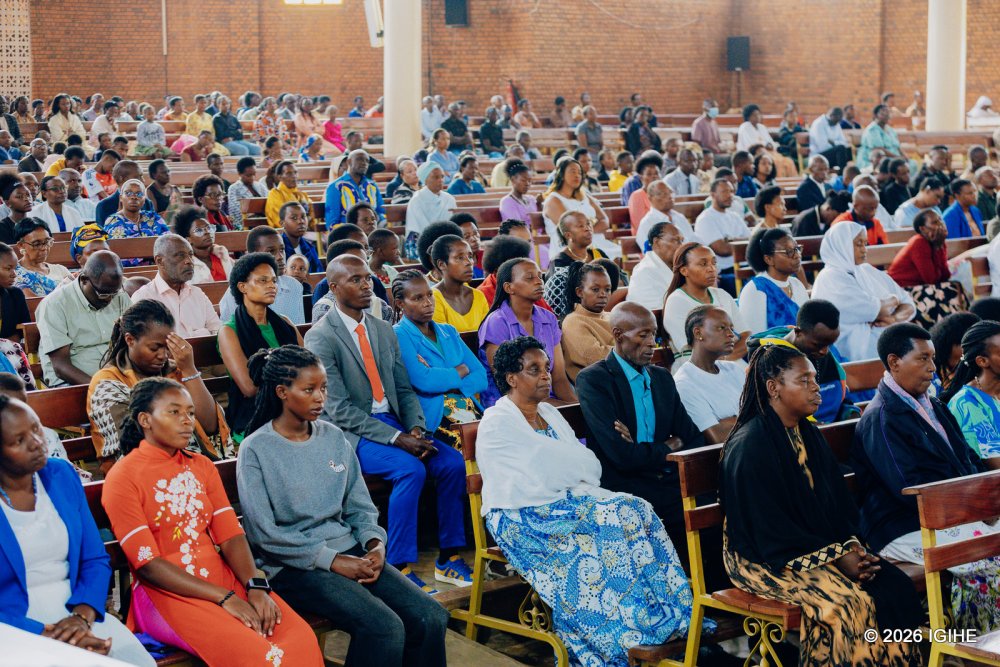
Cardinal Kambanda delivered the message on Sunday, August 30, 2026, during celebrations marking the 50th anniversary of Caritas and the Justice and Peace Commission in the Archdiocese of Kigali.
The jubilee was celebrated at St Jean Bosco Parish in Kicukiro, Kigali. The Justice and Peace Commission in the Archdiocese of Kigali was established in 1992, amid violence, insecurity and political unrest.
Following the 1994 Genocide against the Tutsi, its activities expanded to address challenges facing the country, including refugees, returnees, prisoners and orphans, as well as efforts to promote forgiveness and peaceful coexistence.
Cardinal Kambanda said justice and peace require love of God, which teaches people to care for others and make sacrifices rather than focus solely on their own interests.
He particularly urged Christians to learn from Blessed Floribert Bwana Chui, a Congolese customs official who was killed in 2007 after refusing a bribe to allow expired food products that could have harmed many people to pass through.
“Blessed Floribert Bwana Chui, in Goma, Congo, refused a bribe when they wanted to bring in expired food that could kill people. They offered him money, but he refused until they killed him. He accepted persecution and death rather than take a bribe that could put many people’s lives at risk,” Cardinal Kambanda said.
Bwana Chui, who worked at a border customs post, was abducted and killed in Goma on July 8, 2007, at the age of 26.
Cardinal Kambanda also cited other people who sacrificed their lives for others as examples worth following.
He revealed that the Catholic Church in Rwanda has begun collecting information and compiling a list of Rwandans who were killed during the 1994 Genocide against the Tutsi because of acts of self-sacrifice, although he did not specify how the information would be used.
Cardinal Kambanda has urged Christians to emulate integrity
The call was made by the Archbishop of Kigali, Antoine Cardinal Kambanda, on August 15, 2026, as Catholics across Rwanda marked the Assumption of the Virgin Mary, a feast that commemorates the Catholic belief that Mary was taken into heaven, body and soul.
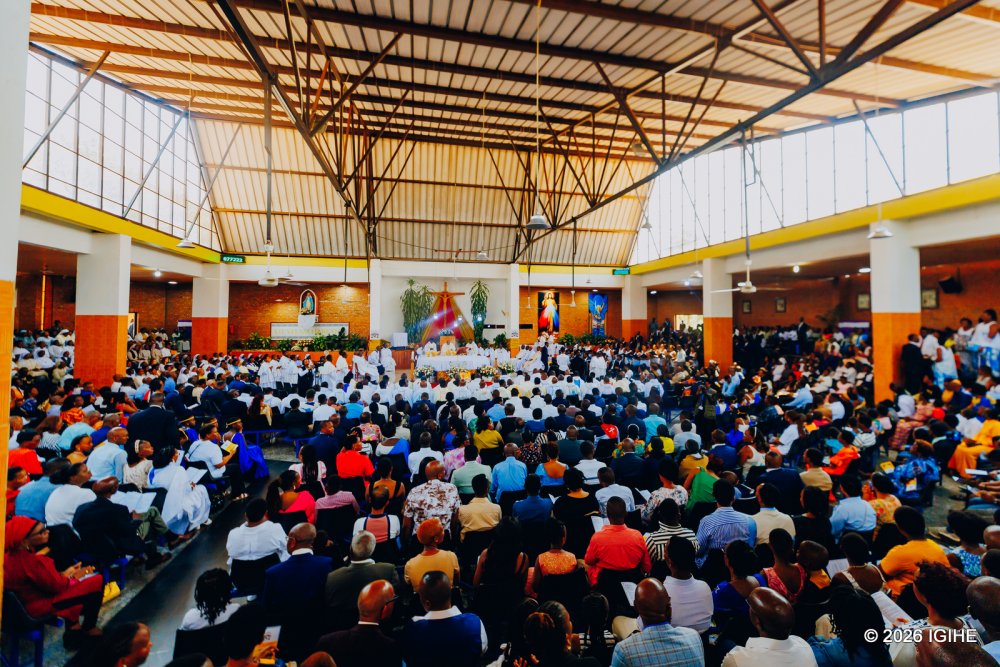
The celebration brought thousands of worshippers together at churches across the country, while more than 80,000 pilgrims gathered at Kibeho in Nyaruguru District, Rwanda’s major Marian pilgrimage site, to mark the feast.
The Assumption is observed in Rwanda both at Kibeho, where Marian apparitions were reported in 1981, and in Catholic parishes where worshippers normally attend Mass.
In Kigali, large numbers of Catholics attended Mass at churches including Regina Pacis Parish in Remera and Saint Michael Parish in the city centre.
At Saint Michael, the celebrations also coincided with the 50th anniversary of the establishment of the Archdiocese of Kigali.
Cardinal Kambanda said the Assumption should be an opportunity for Christians to reflect on how Mary lived her faith and to consider how those values can guide their own lives.
He encouraged Christians to see Mary as an example of humility and obedience to God, saying the feast is not only a celebration of her place in Catholic faith but also a reminder of the spiritual journey Christians are called to undertake.
Cardinal Kambanda said: “Because the Virgin Mary was the Mother of God, she held such a unique dignity that her body, free from sin, could not remain in the grave.
“From the earliest times, Christians believed that she was taken into heaven, body and soul. Pope Pius XII later established this as a doctrine of the Catholic faith that is not open to dispute, because it is a divine mystery beyond human reason and understanding.”
A message for families
The Assumption was also used to highlight the role of Christians in their families and communities.
Father Janvier Nshimirimana of Regina Pacis Parish said Mary’s life offers lessons for parents, particularly in raising children and creating responsible families.
“Mary also lived in a family, just as we do. The message to Christians is therefore to pay attention to raising children, just as Mary and Joseph cared for Jesus and provided what he needed,” he said.
He also urged Christians to avoid excessive individualism and instead embrace values that enable them to fulfil their responsibilities to their families and society.
For many Catholics in Kigali, the feast provided an opportunity to renew their commitment to prayer and to values associated with Mary’s life.
Nizeyimana Edouard said the celebration reminds him that Christians are on a journey towards God and can learn humility from Mary.
“This day reminds us that Mary is the Mother of God and our mother, and that we are on a journey towards God. We learn humility from her, and celebrating this day encourages us to strengthen our prayer life and daily conduct,” he said.
Kanzirisa Caritas said the celebration also influences how she raises her children.
“It encourages us to teach our children good values at home by following Mary’s example. Her humility helps us show them that humility is one of the virtues of a Christian,” she said.
More than 80,000 pilgrims gather in Kibeho
At Kibeho, more than 80,000 pilgrims from Rwanda and abroad gathered to celebrate the Assumption and pray for their personal and family needs.
Kibeho has become an important Catholic pilgrimage destination following the reported Marian apparitions that began in 1981. The apparitions were officially recognised by the Catholic Church in 2001.
Many pilgrims travelled long distances to attend the celebrations, with some walking for days as they sought spiritual renewal and prayed for their intentions.
Akankwasa Annet travelled from Mbarara in Uganda and spent the night at the Kibeho Marian Shrine. She said she came seeking help with an eye condition that makes it difficult for her to see in the evening.
“Being here in Kibeho, on this holy ground, and with the faith I have, I am hopeful that I will return home with my eyesight healed,” she said.
Nsengiyumva Samuel travelled from Kigali and said he spent a week making his way to Kibeho, praying the Rosary along the journey.
He said he came to pray for his family and ask for continued protection.
Nikomeze Judith travelled on foot from Gisagara District. She said she is preparing for her wedding in November 2026 and came to Kibeho to pray for the success of her marriage.
For the pilgrims and other Catholics who marked the feast across Rwanda, the Assumption offered an opportunity not only to honour Mary but also to reflect on the kind of lives they are expected to lead.
The celebration ultimately served as a reminder that faith, humility, prayer and responsibility towards others remain central to the Christian journey towards God.
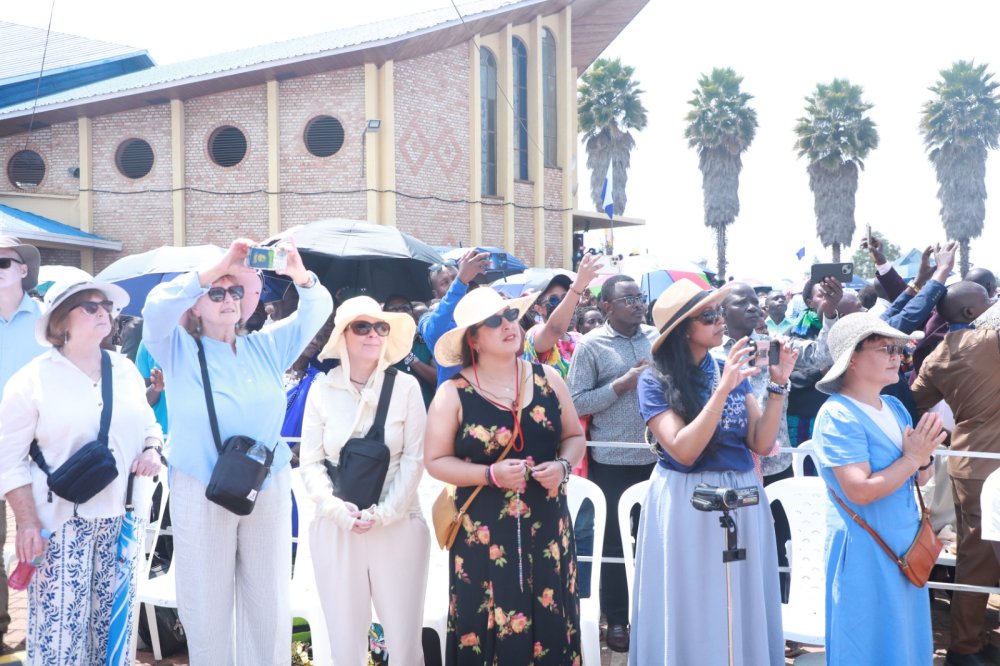
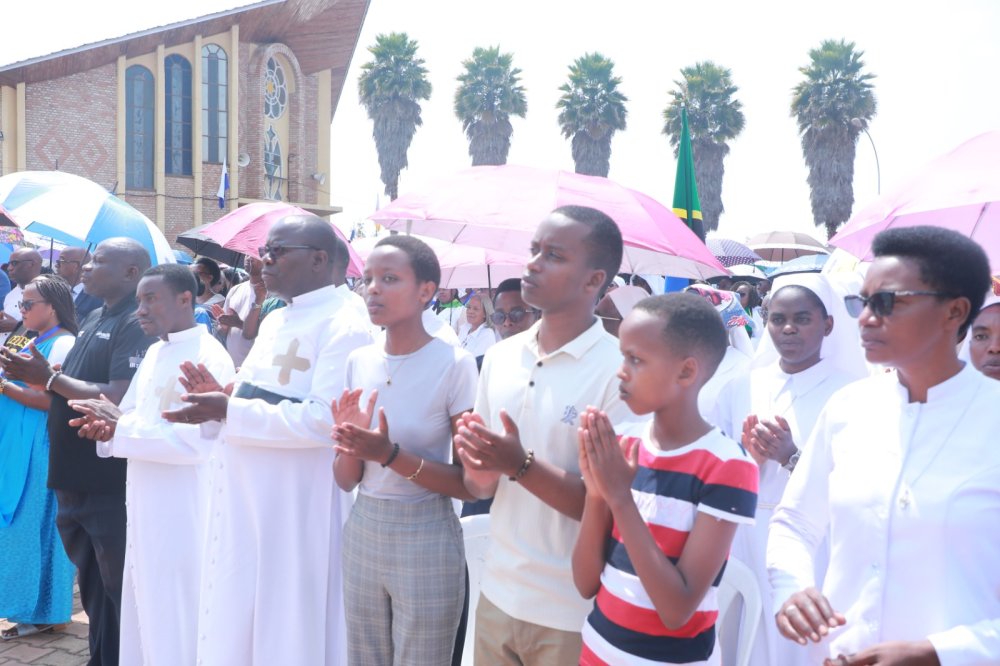
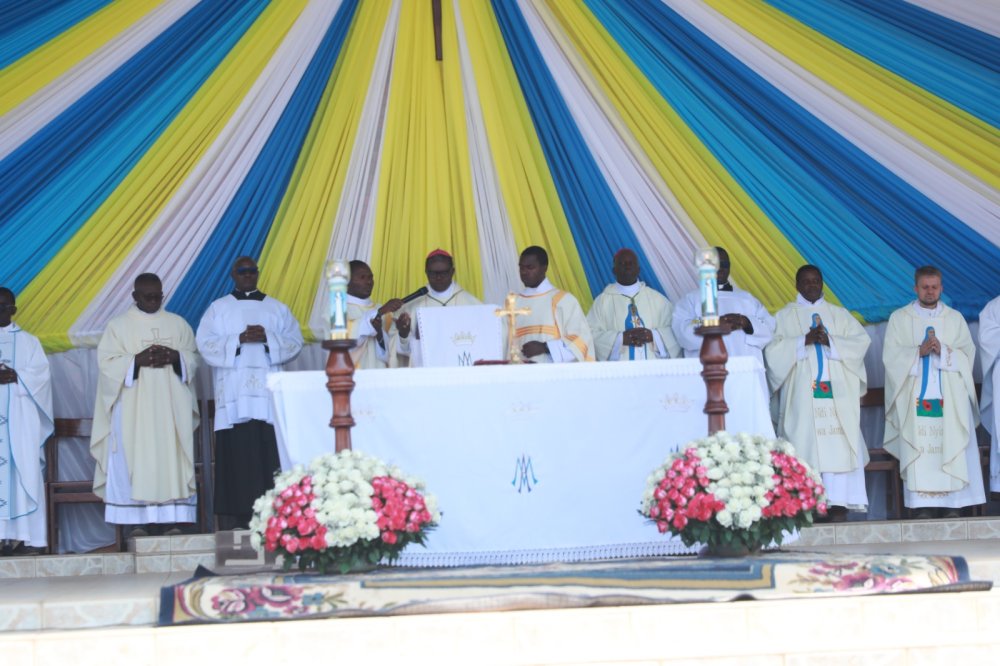
Catholics have used the Assumption Feast to renew their faith and commitment to prayer.Thousands of pilgrims have travelled to Kibeho for the annual Assumption celebrations.Pilgrims have gathered at Kibeho to pray and seek the intercession of the Virgin Mary.A Mass has been celebrated at the Kibeho Marian Shrine as Catholics have marked the Feast of the Assumption.Cardinal Kambanda has urged Catholics to follow the Virgin Mary’s example of humility, faith and devotion to God.Worshippers have marked the Assumption as a reminder of the Christian journey towards God.Worshippers have gathered in churches across Rwanda to mark the Assumption Feast.Catholic faithful have prayed for their families and personal intentions during the Assumption celebrations.
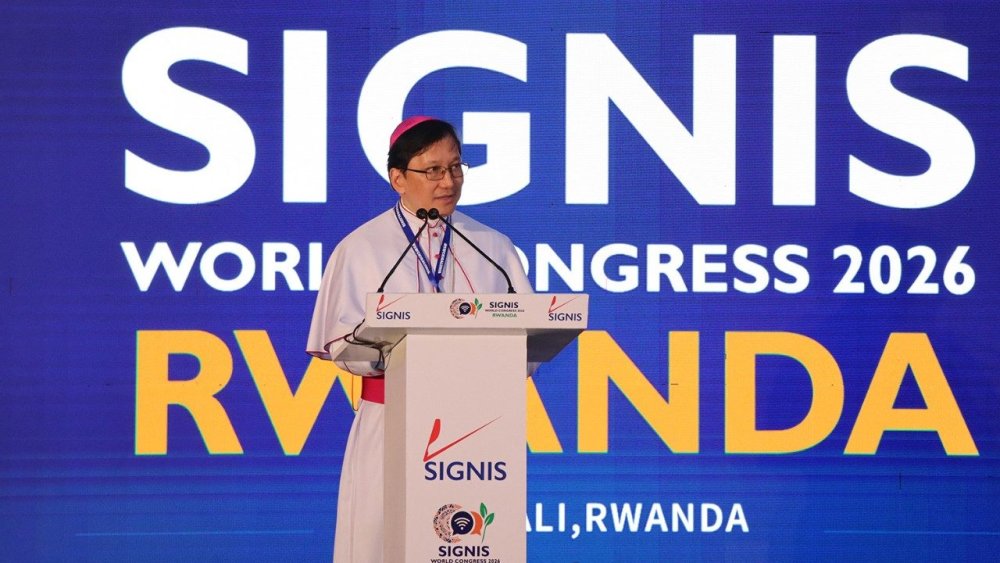
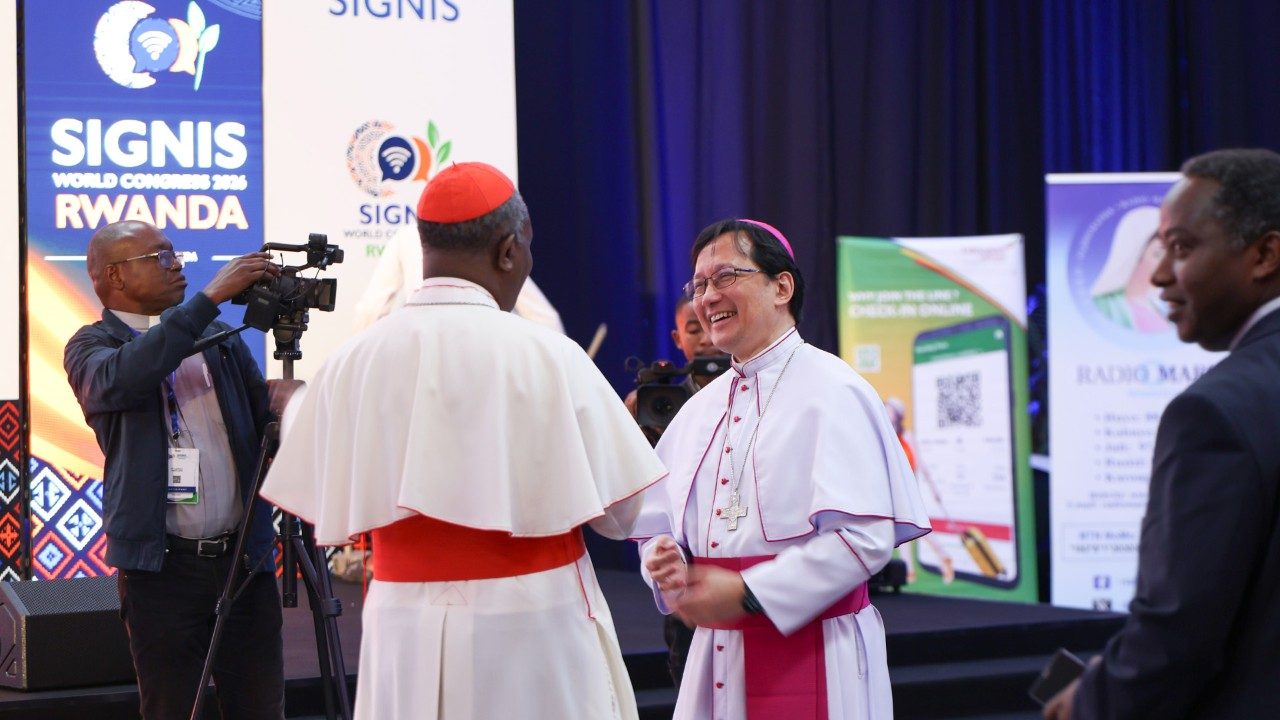
Held under the theme “Digital Communication for Cultural Harmony and Environmental Well-being,” the congress is examining how communication can be used to strengthen relationships, address global challenges and support positive social transformation. In a message delivered on behalf of Pope Leo XIV by Rwanda’s Apostolic Nuncio, Archbishop Arnaldo S. Catalan, the Pope emphasised that digital communication goes beyond sharing information, saying it also shapes culture and influences how people understand the world.
The message, signed by Vatican Secretary of State Cardinal Pietro Parolin, referenced the Pope’s Encyclical Magnifica Humanitas, noting that online platforms have the power to influence collective consciousness.
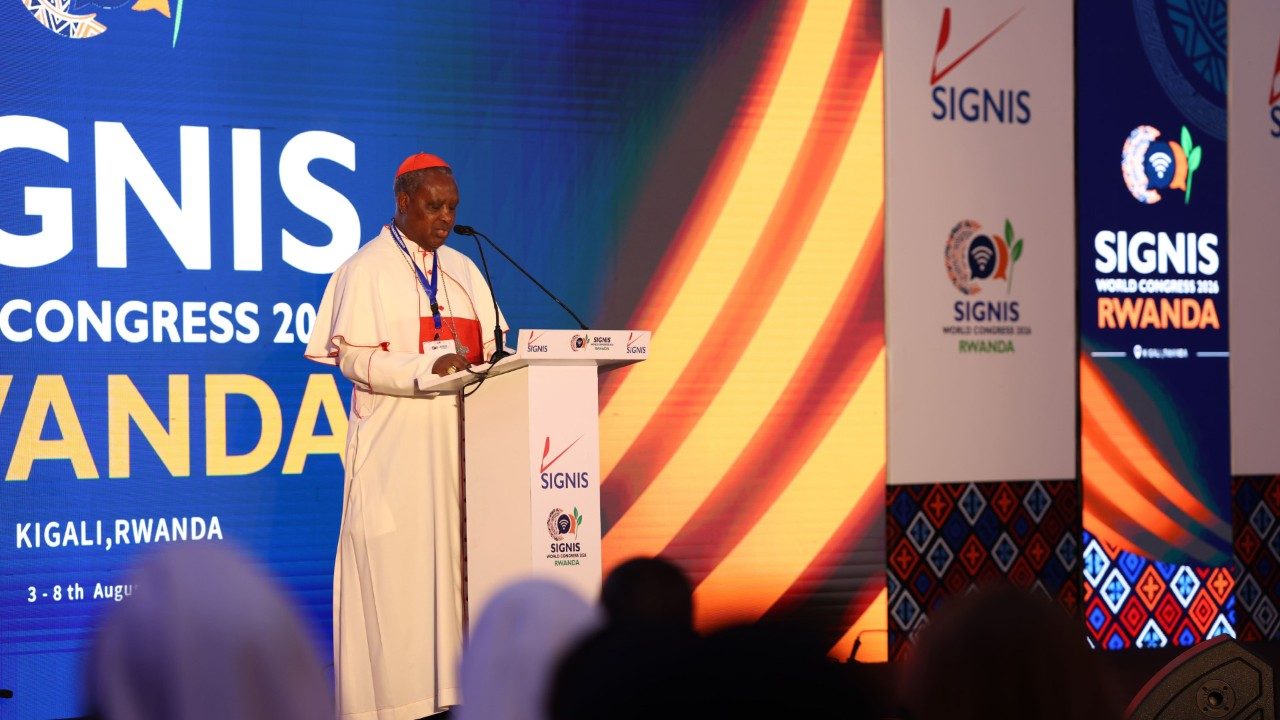
Archbishop Antoine Kambanda, Archbishop of Kigali and President of the Episcopal Conference of Rwanda, called on media professionals to use communication as a tool for healing, reconciliation and promoting solidarity.
Reflecting on Rwanda’s history, particularly the 1994 Genocide against the Tutsi, Cardinal Kambanda warned about the consequences of the misuse of media, which was used to spread hatred and contribute to violence.
He urged participants to use the congress as an opportunity to reflect on the challenges created by harmful communication practices and explore ways of ensuring media serves peace and unity.
Paolo Ruffini, Prefect of the Vatican Dicastery for Communication, highlighted the importance of human connections in an increasingly digital world, saying communication should begin with people rather than technology.
SIGNIS President Helen Osman called for stronger networks among communicators to promote Christian solidarity and unity, while SIGNIS Africa President Fr. Walter Ihejirika urged Catholic media organisations to work together to build credible platforms that serve both the Church and society.
The congress, which runs until August 8, is bringing together Catholic communicators to exchange ideas, strengthen partnerships and discuss the future of communication across cultures and regions.
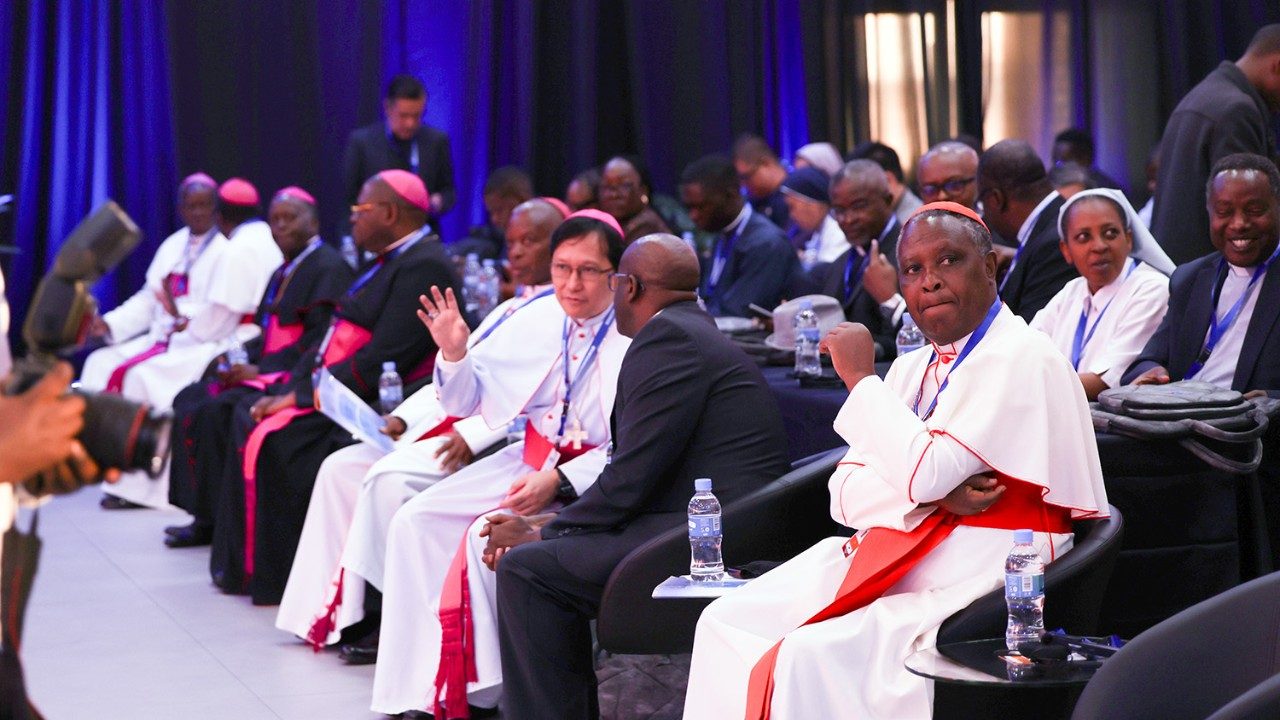
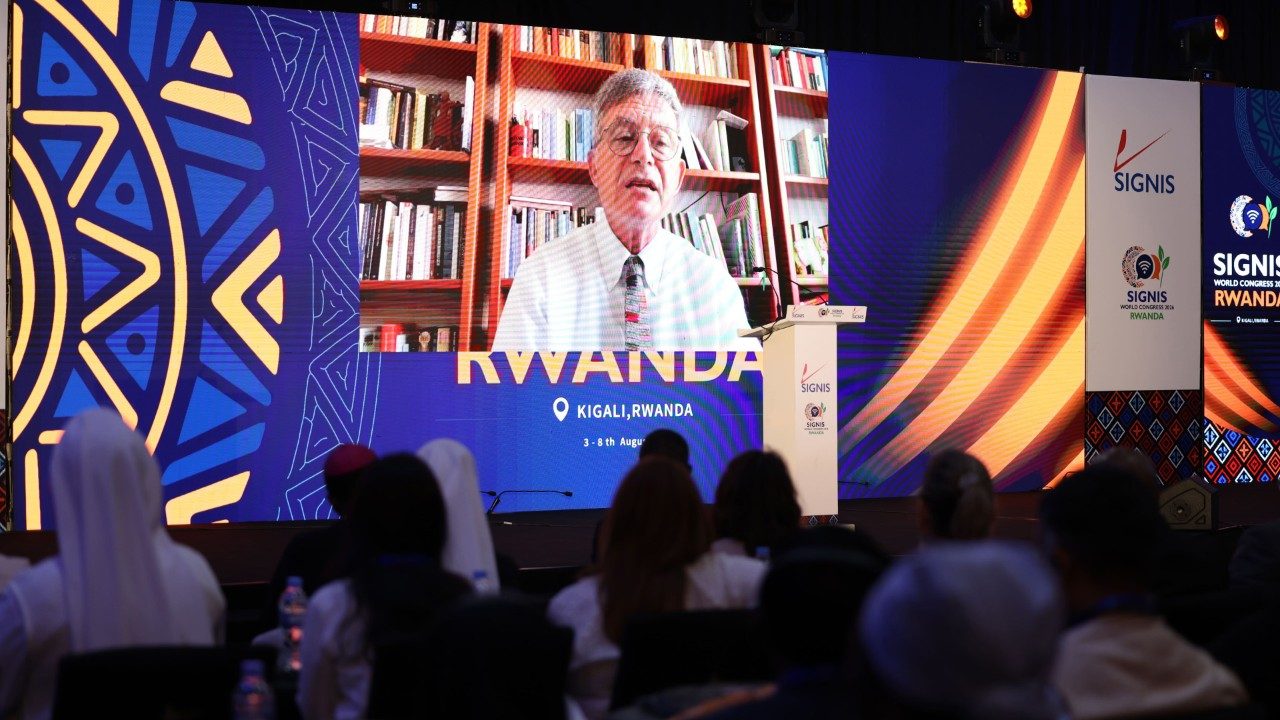
Archbishop Arnaldo S. Catalan delivered Pope Leo XIV’s message calling for digital communication that contributes to cultural harmony and human connection.Archbishop Antoine Kambanda urged communicators attending SIGNIS World Congress 2026 to promote peace, solidarity and reconciliation through responsible media use.Paolo Ruffini called on communicators to remember that communication begins with people, not technology, as SIGNIS World Congress 2026 opened in Kigali.The SIGNIS World Congress 2026 brought together Catholic communicators in Kigali to reflect on the future of media and its role in building harmonious societies.SIGNIS World Congress 2026 opened in Kigali with a call for media professionals to use communication as a tool for unity, reconciliation and social healing.
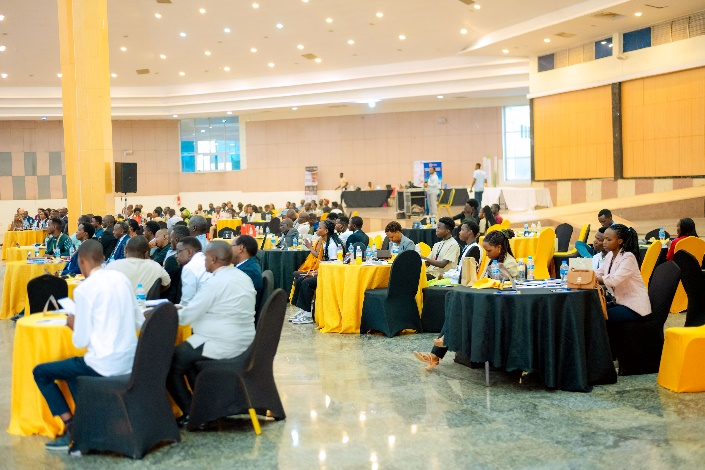
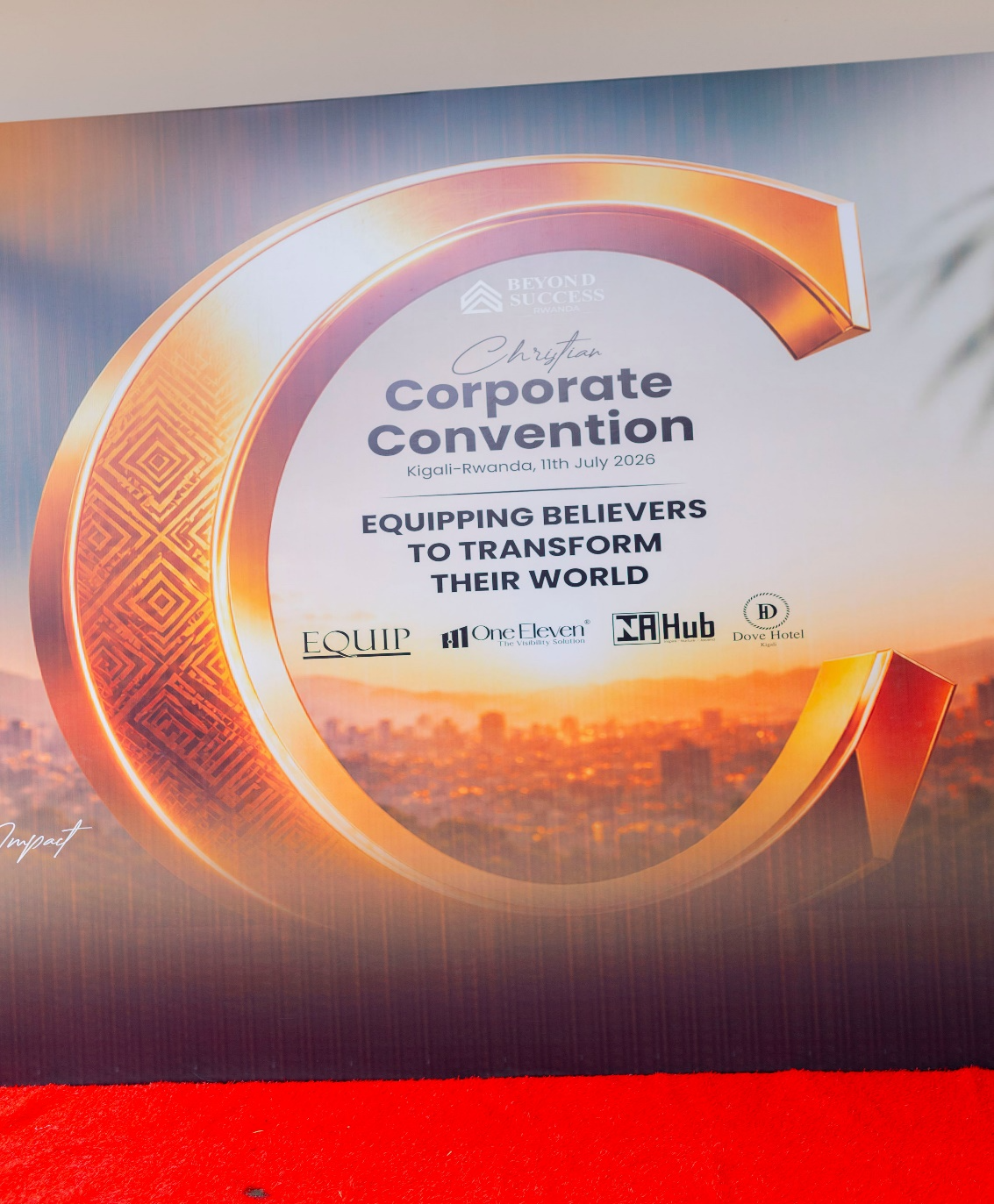
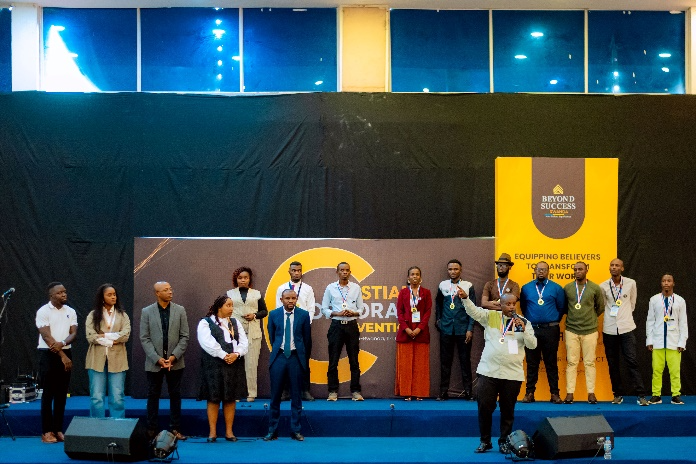
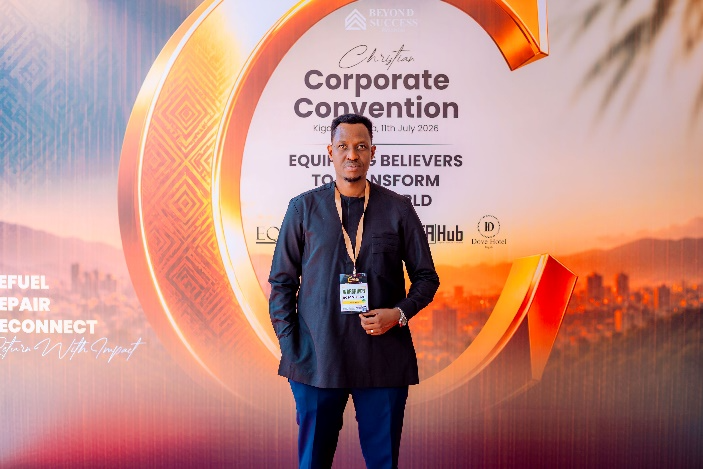
That uncomfortable question sat at the center of the inaugural Christian Corporate Convention, held on July 11 in Kigali and organized by Beyond Success Rwanda under INA Hub.
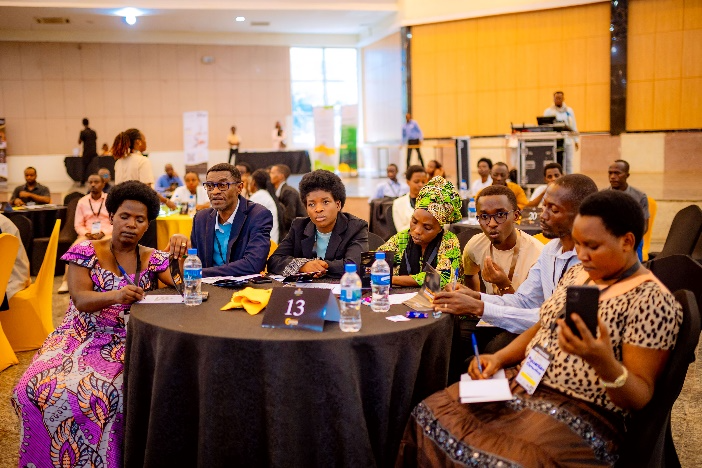
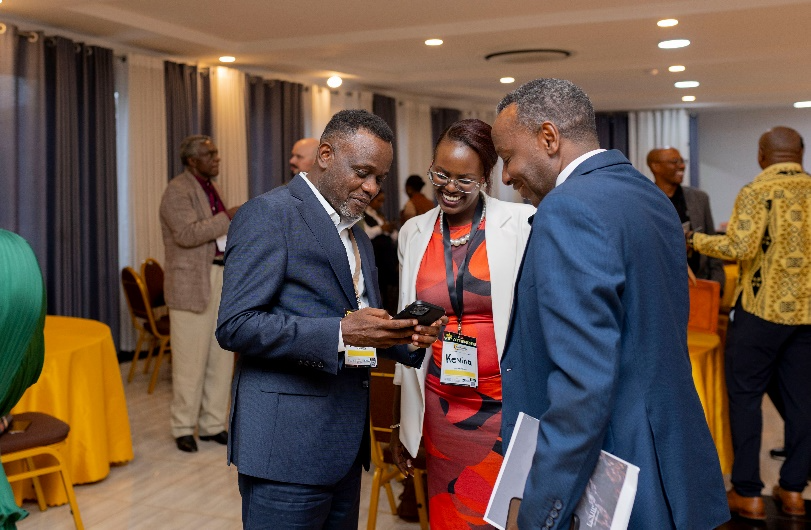
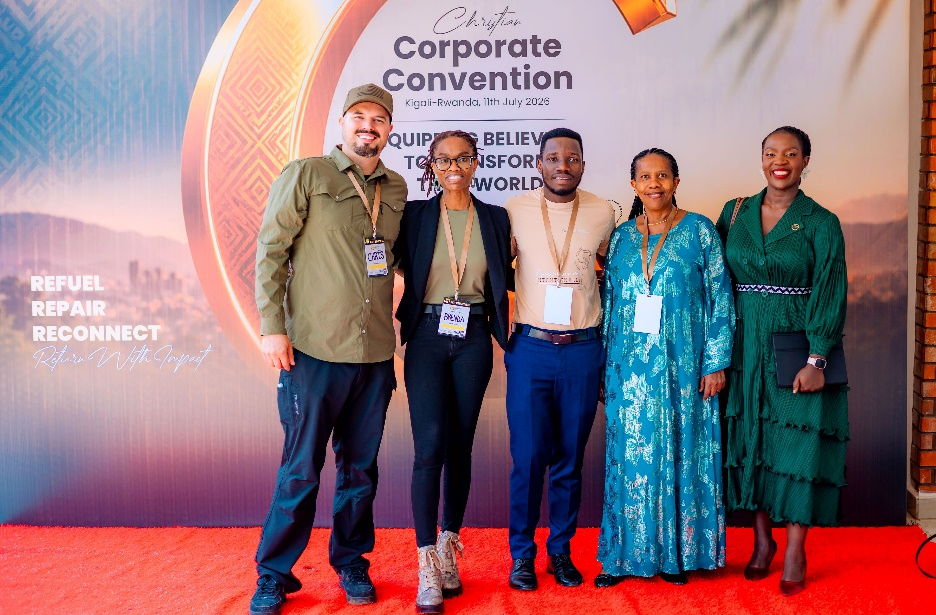
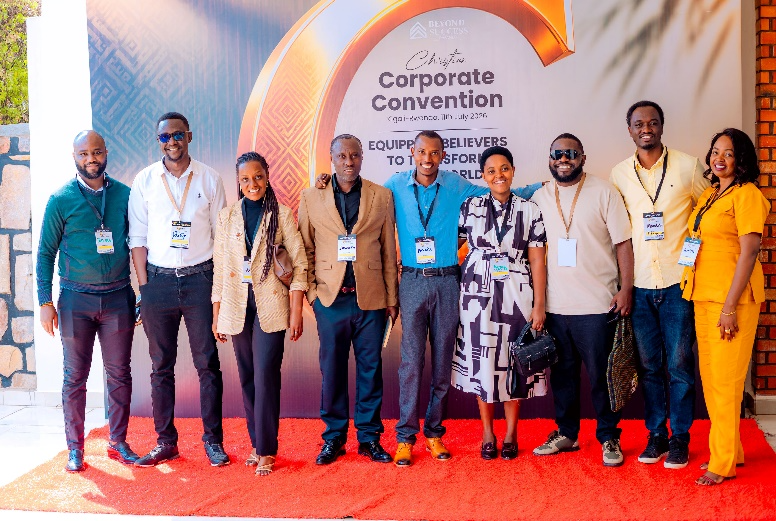
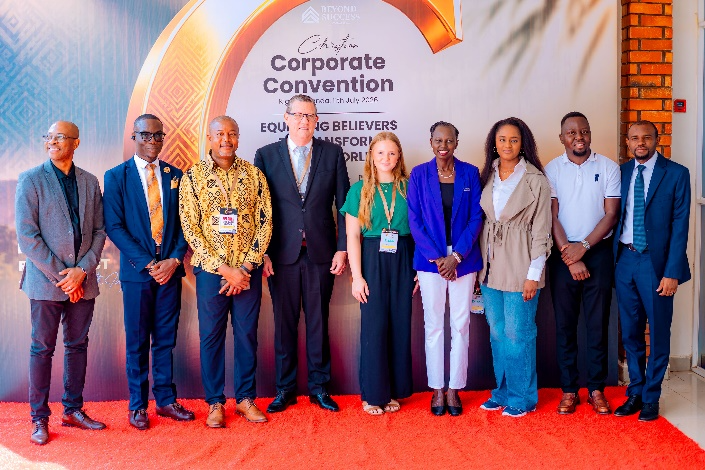
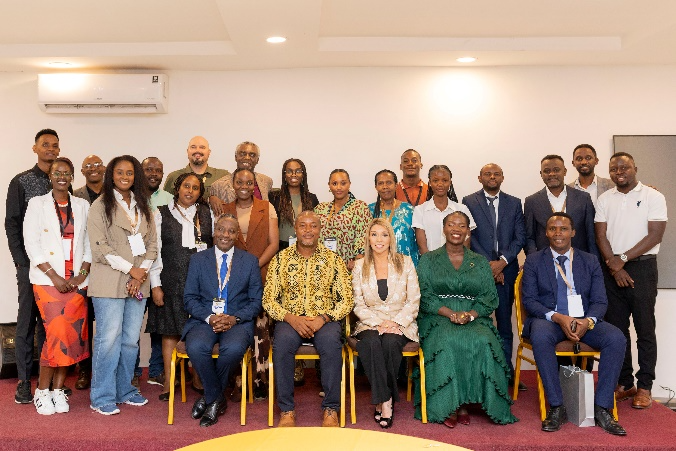
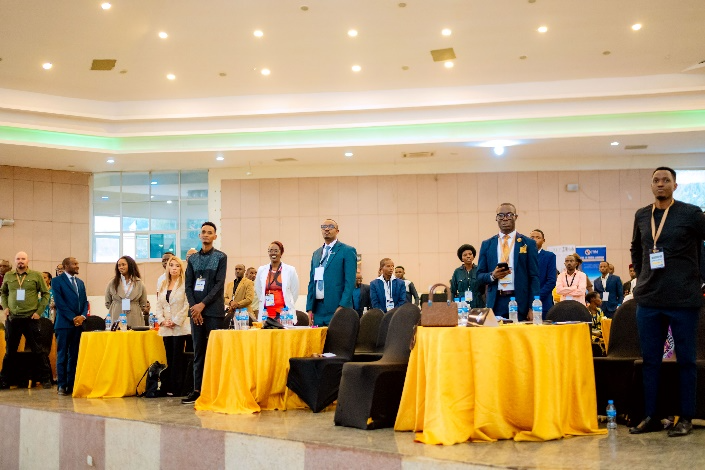
The gathering brought together more than 170 professionals, entrepreneurs, executives and organizational leaders from Rwanda, alongside delegates from Kenya, Liberia, Eswatini, Malawi, Nigeria, Senegal, Burundi and the United States.
They did not come simply to attend another leadership conference. They came for what organizers described as a leadership pit stop. A moment to refuel, realign, reconnect and return better equipped to make a difference where they work and lead.
Unlike most conferences, the Convention was built around a single premise. Knowing your calling and living it out in the workplace are two very different things. Too often, the gap between the two remains unaddressed.
Rather than discussing that reality from a stage, organizers chose to put it on trial.
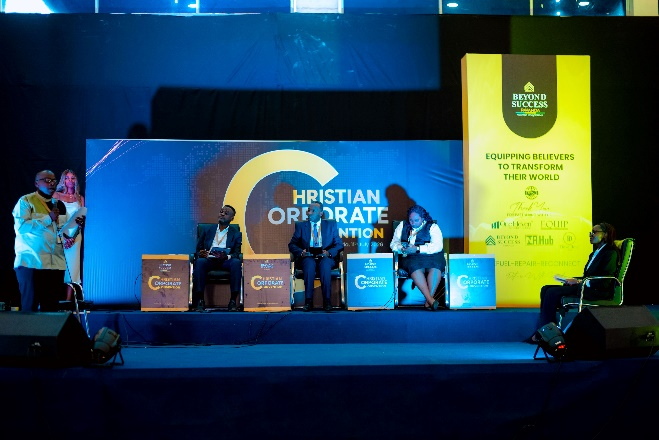
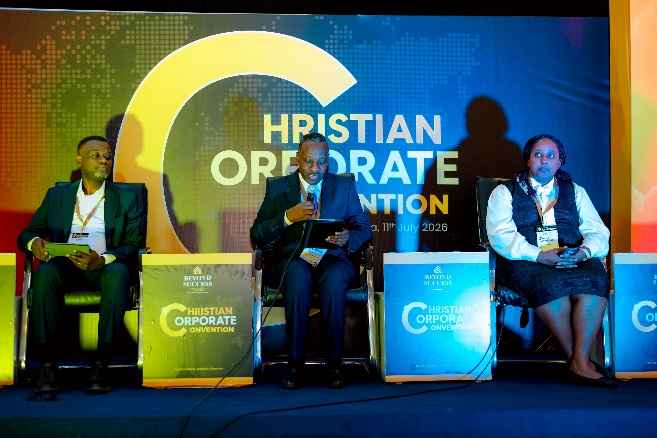
Members of the Kingdom Marketplace Courtroom panel examine the case during a symbolic trial that challenged Christian professionals to reflect on their influence and impact in the workplace.
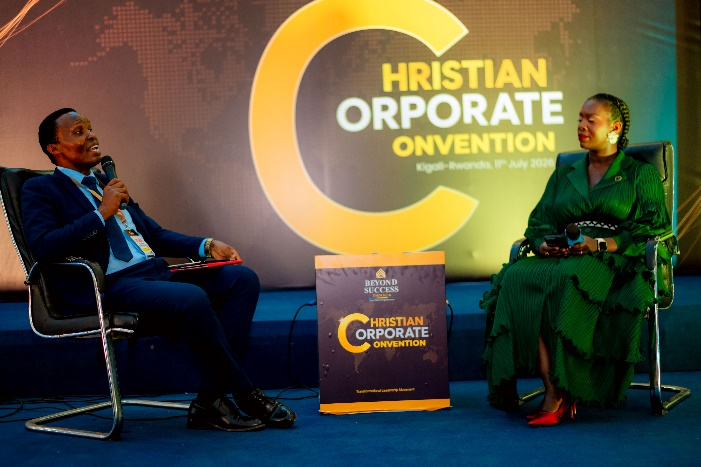
In one of the Convention’s most iconic sessions, the Kingdom Marketplace Courtroom, the influence of Christian professionals was put on trial.
The charge: Despite occupying positions of authority, expertise, and influence across every sector of society, they had failed to significantly transform the marketplace.
The prosecution presented its case. The defense responded. Witnesses testified. Then the panel of judges, led by Chief Judge Dr. Norman Paul Désiré alongside Mr. Bosco Ruhinda and Mrs. Betsy Sheila from Kenya, delivered its verdict.
Guilty, with mitigating circumstances.
The judges acknowledged the complexity of today’s workplace and the pressures professionals face. Even so, they concluded that difficult environments do not remove the responsibility to lead with integrity, ethical courage, and intentional influence.
Their symbolic sentence challenged every participant to return to their workplace committed to servant leadership and measurable, tangible impact.
It was a theatrical session, but it carried the Convention’s central message.
Leadership is not measured by intentions; it is measured by application.
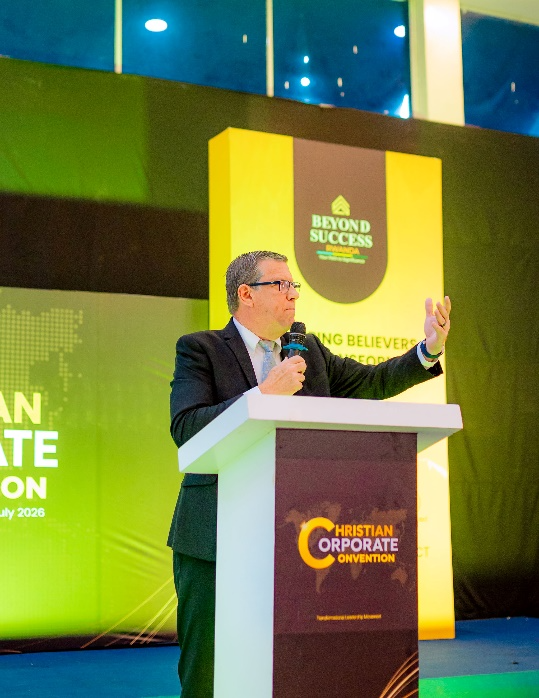
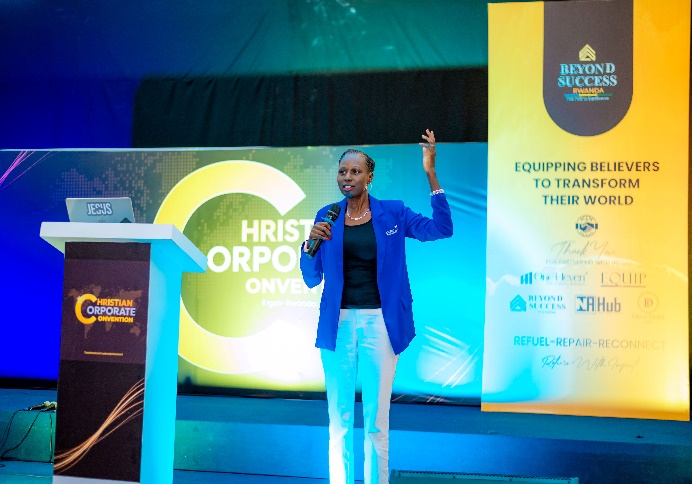
Mr Ray Popham-the vice president of beyond success Global, delivering his keynote address
That same challenge echoed through the keynote address delivered by Ray Popham, Vice President of Beyond Success Global.
He reminded participants that faith was never intended to remain within church walls but should become visible through the way people work, lead and serve.
Quoting fourth-century theologian St. John Chrysostom, he reflected on work as an act of worship.
“You can see this altar lying around everywhere, both in streets and in marketplaces… you invoke the Spirit, not by speech, but by deeds.”
For Popham, the marketplace itself is an altar where professionals worship God through excellence, integrity and service. Every decision, every meeting and every interaction becomes an opportunity to add value and reflect the values they profess.
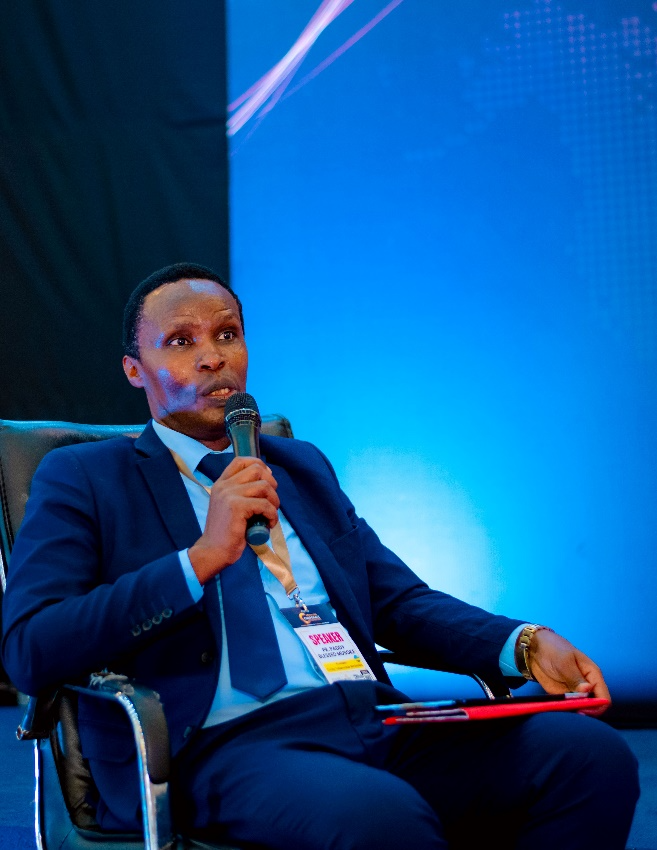
Pr. Paddy Blessed Musoke, leading the legacy chair session
The conversation deepened during the Legacy Chair Conversation with Pastor Paddy Blessed Musoke, with over 16+ years of experience in equipping Christian professionals across Africa.
He observed that Christian professionals are a great but scattered army, often working in isolation. As a result, collective influence is weakened by fragmentation rather than strengthened through collaboration.
He challenged leaders to intentionally build relationships across industries, organizations and sectors, noting that sustainable transformation begins with personal responsibility before extending to teams, institutions and society.
Throughout the day, participants were repeatedly invited to examine not only their organizations, but themselves.
One question, in particular, stayed with many long after the sessions ended. Do people follow you because they want to, or because they have to?
It is a simple question, yet one that strips leadership down to its foundation, reminding every leader that genuine influence is earned through character, trust and service rather than position or authority.
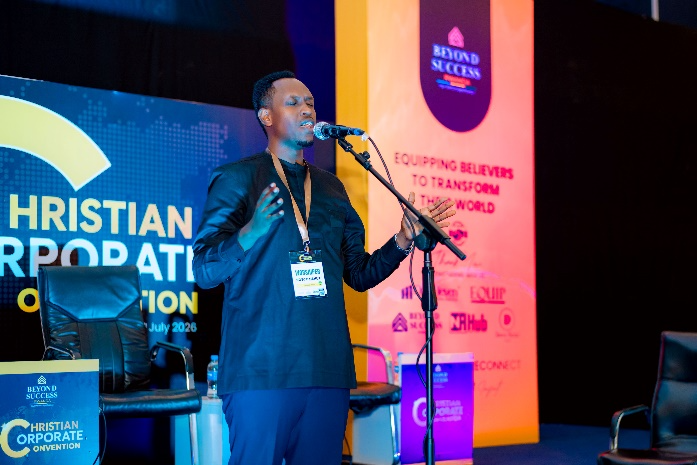
The Convention also featured a worship experience led by renowned gospel artist Bosco Nshuti, creating moments of reflection between the leadership conversations.
VIP participants later gathered for an exclusive Lunch and Learn, where discussions became even more practical, exploring how the day’s lessons could be implemented within businesses and organizations.
Unlike most conferences, however, the Christian Corporate Convention does not end when participants leave the venue.
Those in the VIP experience will now enter a one-month Leadership Coaching Cohort, receiving continued coaching, accountability and practical guidance as they implement what they committed to in their workplaces.
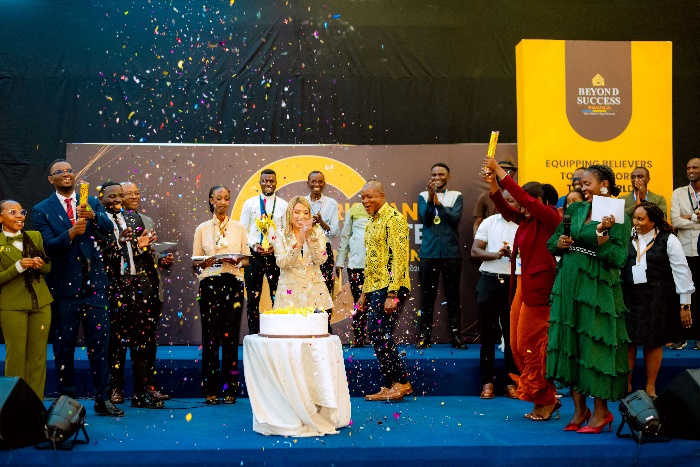
The gathering also marked another important milestone for Beyond Success Rwanda as the organization celebrated five years of equipping individuals to maximize their potential and bring positive impact in their communities through roundtable discussions.
Individuals whose partnership has significantly contributed to the movement’s growth over the past five years were recognized during the celebration.
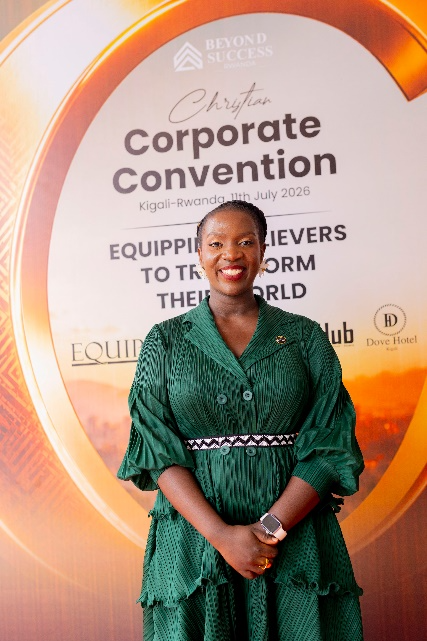
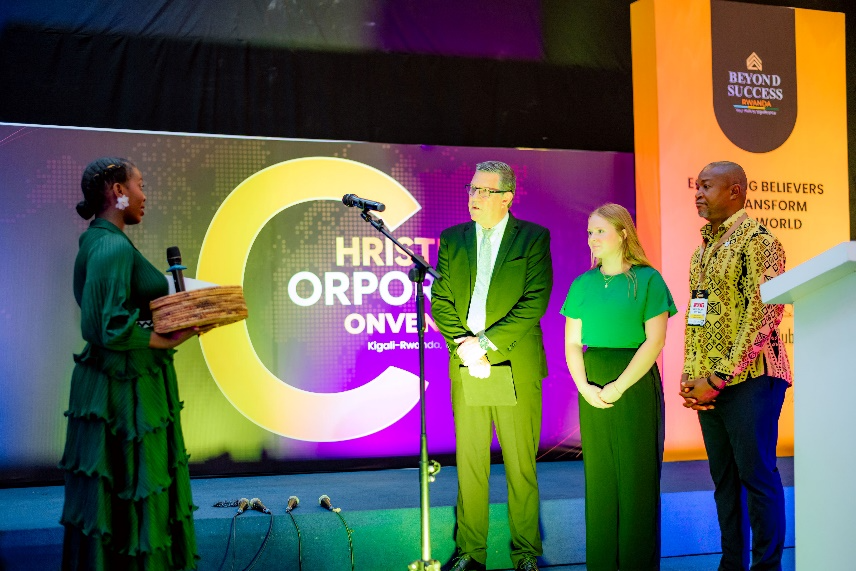
Reflecting on the day’s significance, Country Coordinator Amanda Mihigo described the Convention as the beginning of something much larger than a single event.
“The Convention has come to an end, but the journey is just beginning. We are going back as equipped believers, ready to transform our world. Thank you for believing in this vision and for becoming part of this movement. Now, let’s go back and make a difference.”
That sense of purpose was shared by participants from across the continent.
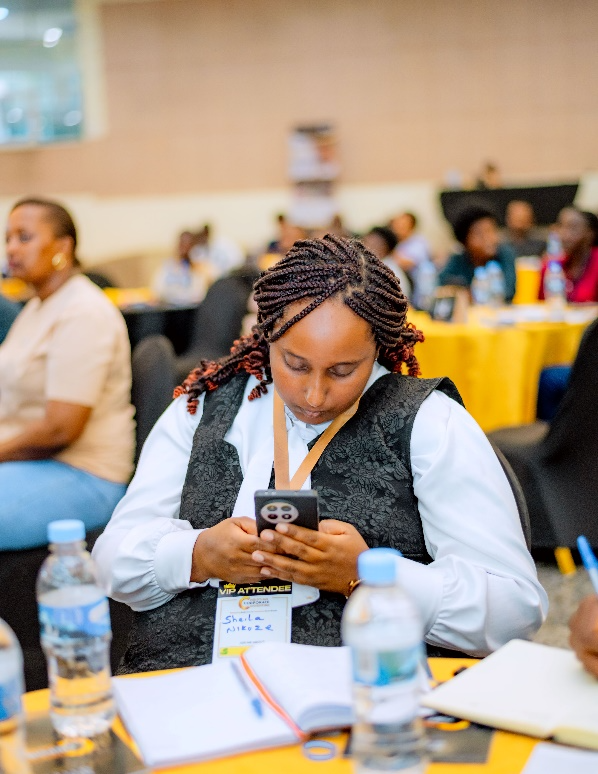
Sheila Nikuze Munyira from Beyond Success Kenya said the Convention reminded her that leadership carries responsibility beyond individual success.
“We came to be recharged, and we leave challenged to become a greater influence in our different spheres of leadership. This experience reminded us to discover our purpose, live it and love it.”
For a first edition, the Christian Corporate Convention exceeded expectations.
Nine countries. More than 170 leaders. A courtroom that challenged its own audience before asking them to change the world around them.
Perhaps the most interesting verdict was not the one delivered from the judges’ bench.
It is the one that will be delivered over the next twelve months, in boardrooms, businesses, government offices, classrooms and communities, as participants return to prove whether the Convention was simply an inspiring event or the beginning of a movement capable of transforming the marketplace.
If the conversations in Kigali are any indication, many will already be counting down to the next Christian Corporate Convention.
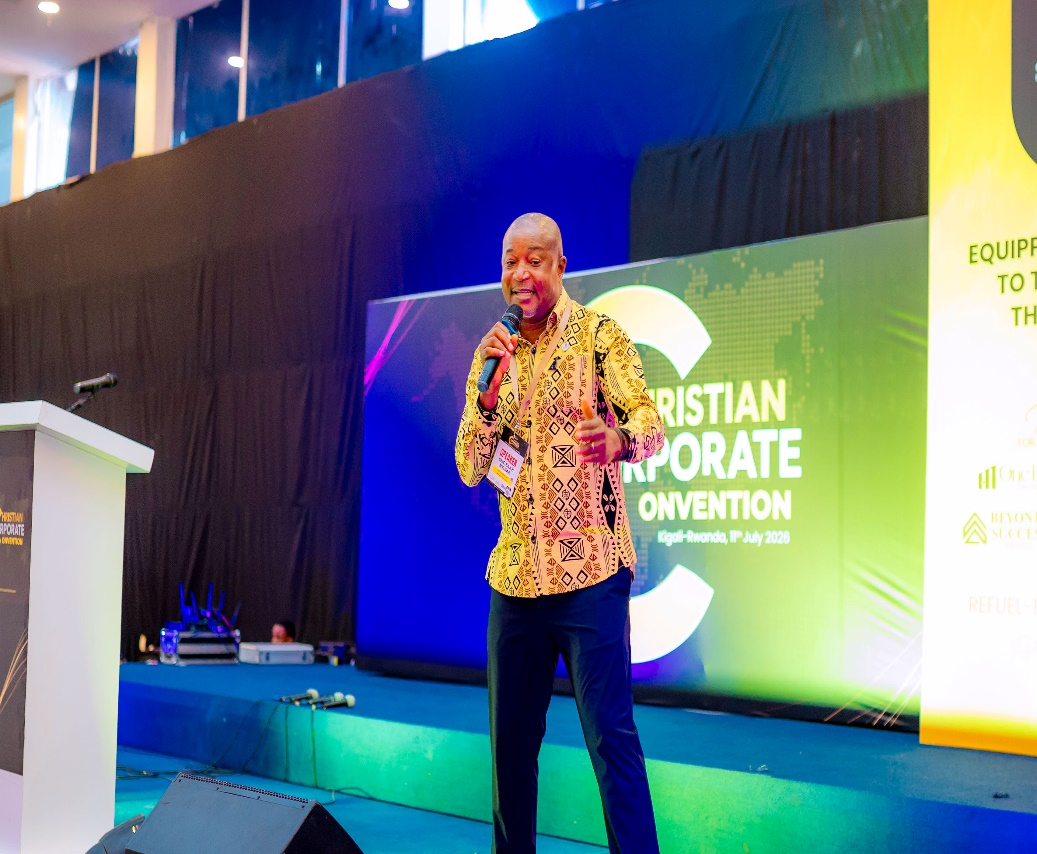
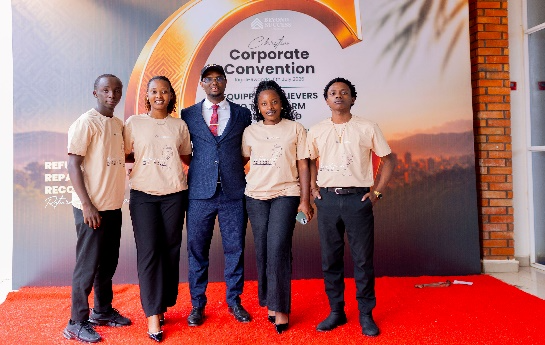
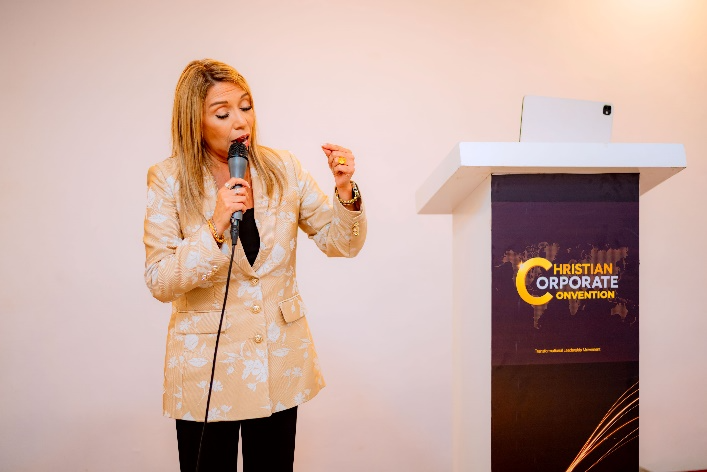
Mr. Eric Saah Nyuma, the Africa Director of Beyond Success, one of the speakers at CCCDr. Betty Ogiel, CEO of Initiative Solutions, one of the speakers in the CCCLeaders from different countries were represented in the Christian Corporate ConventionMrs Nikuze sheila Betsy Mnyira, delegate from Beyond Success KenyaMrs Amanda MIHIGO, the country coordinator of Beyond Success RwandaThe gathering also marked another important milestone for Beyond Success Rwanda as the organization celebrated five years anniversary. osco NSHUTI performing at the Christian Corporate Convention
Organisers say preparations are in their final stages, with confidence that the city is fully ready to welcome international delegates.
Father Professor Walter Chikwendu Ihejirika, President of SIGNIS Africa and Chairperson of the African organising committee, has emphasized that both continental and local teams have been working intensively to ensure a smooth and successful event.
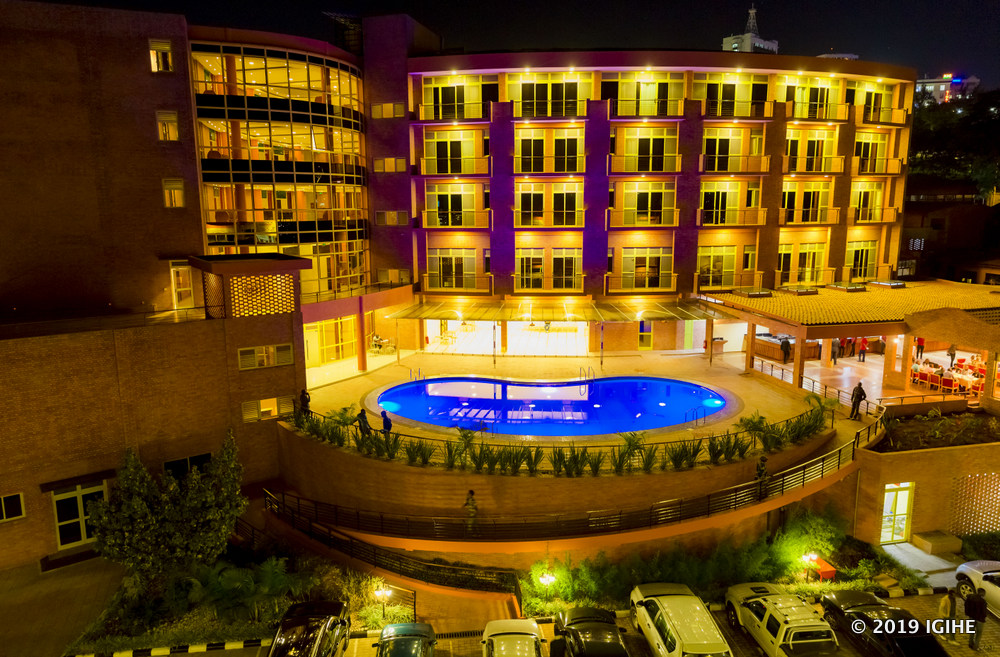
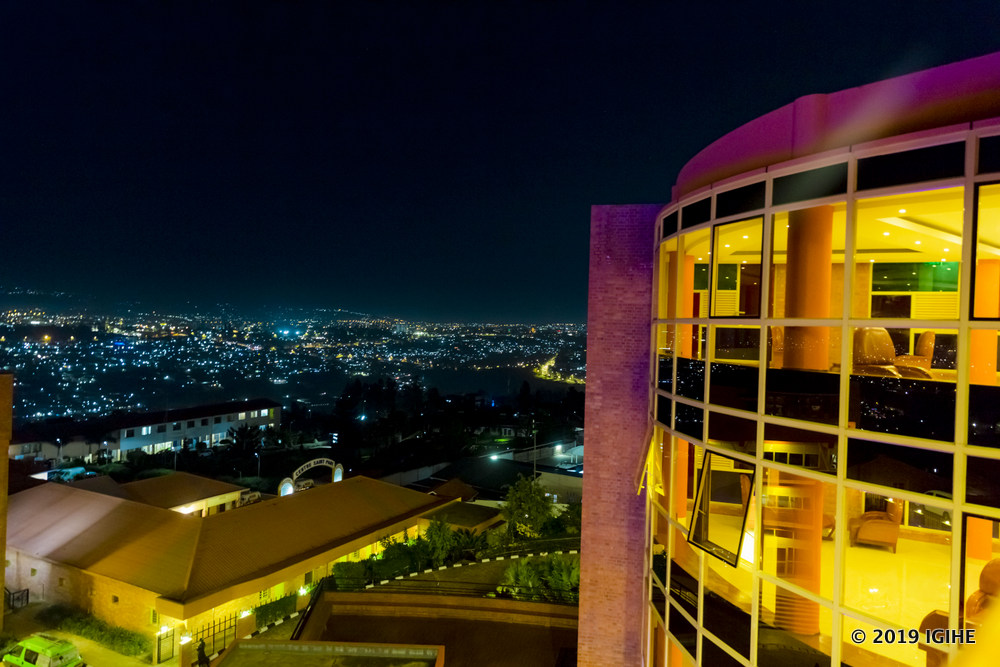
The congress will be hosted at the Sainte Famille Hotel in central Kigali. The venue is expected to accommodate a wide range of activities, including plenary sessions, workshops, exhibitions, and networking forums designed to strengthen global Catholic communication networks.
One of the key priorities for organisers is logistics. Dedicated teams are handling airport reception, accommodation, transportation, and guest coordination.
According to Fr. Ihejirika, the goal is to ensure that participants “experience a smooth arrival and leave with warm memories of Rwanda and its hospitality.”
Registration systems have also been active, and even though official registration closed on 30 June, last-minute participants are still being accommodated through direct contact with the organising committee.
Health and safety have also been part of the preparations. Concerns had been raised following an Ebola outbreak in neighbouring parts of the Democratic Republic of Congo. However, organisers, working closely with Rwanda’s Ministry of Health and the World Health Organization, have reassured participants that Rwanda remains free of Ebola and that no travel alerts have been issued for the country. Authorities insist that there is no cause for alarm for those traveling to Kigali.
The 2026 congress is also expected to engage deeply with contemporary global issues. Its theme—“Digital communication for communion, equity, and environmental well-being”—aligns with recent Catholic reflections on technology and human dignity, particularly in the context of artificial intelligence and digital transformation.
A strong international presence is expected, including senior Vatican officials from Vatican City, cardinals, archbishops, and representatives from major Catholic organisations. These include EWTN, the Conrad N. Hilton Foundation, Catholic Relief Services, and the American Bible Society, among others.
To ease travel, organisers have also negotiated discounted fares with major African carriers, including RwandAir, Ethiopian Airlines, and Kenya Airways. Delegates using these airlines will benefit from promotional codes offering up to 15% discounts.
Beyond formal sessions, the congress is expected to serve as a cultural exchange platform, showcasing Rwanda’s identity, hospitality, and diversity. Organisers say participants will not only engage in professional dialogue but also experience African culture beyond global headlines.
As Kigali prepares for August, the SIGNIS World Congress stands out as both a professional milestone for Catholic communicators and a major international event positioning Rwanda as a hub for global dialogue on media, ethics, and digital transformation.
The SIGNIS World Congress will take place at the Sainte Famille Hotel, a key venue in central Kigali set to host global Catholic media professionals from August 3–8, 2026.Kigali is set to host the SIGNIS World Congress from August 3 to 8, 2026, bringing together Catholic communicators from over 100 countries.Located in the heart of Kigali city, the Sainte Famille Hotel has been selected as the main venue for the upcoming SIGNIS World Congress 2026.