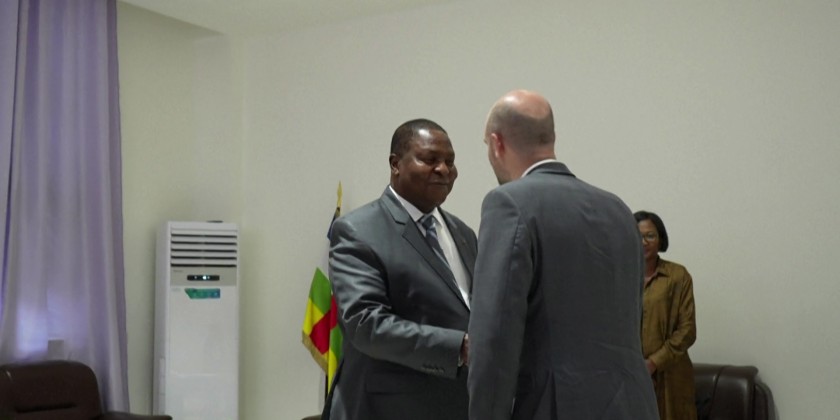
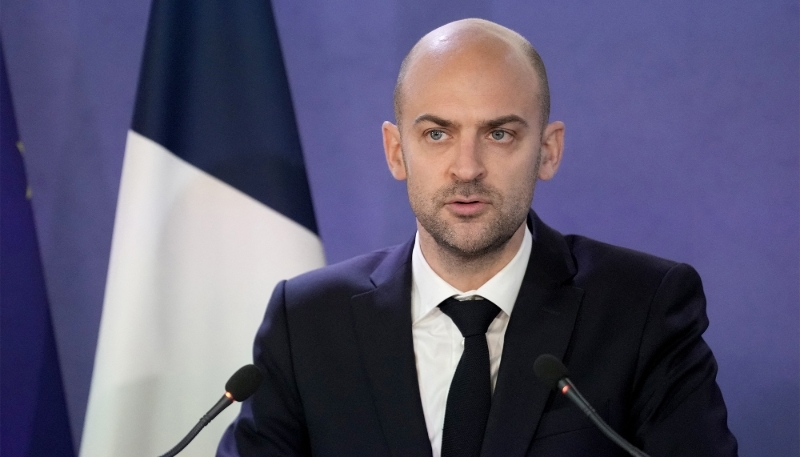
Barrot made the announcement during a two-day trip to the country.
“This is the first time in eight years that a French foreign minister is present in Bangui and my presence marks the complete restoration of relations between our two countries after a period of strain and tension,” Barrot told reporters.
He said France was looking forward to “reinforcing our relations in all sectors”.
In 2024, Faustin-Archange Touadera, president of the Central African Republic, met with his French counterpart Emmanuel Macron in Paris as part of efforts to resume ties.
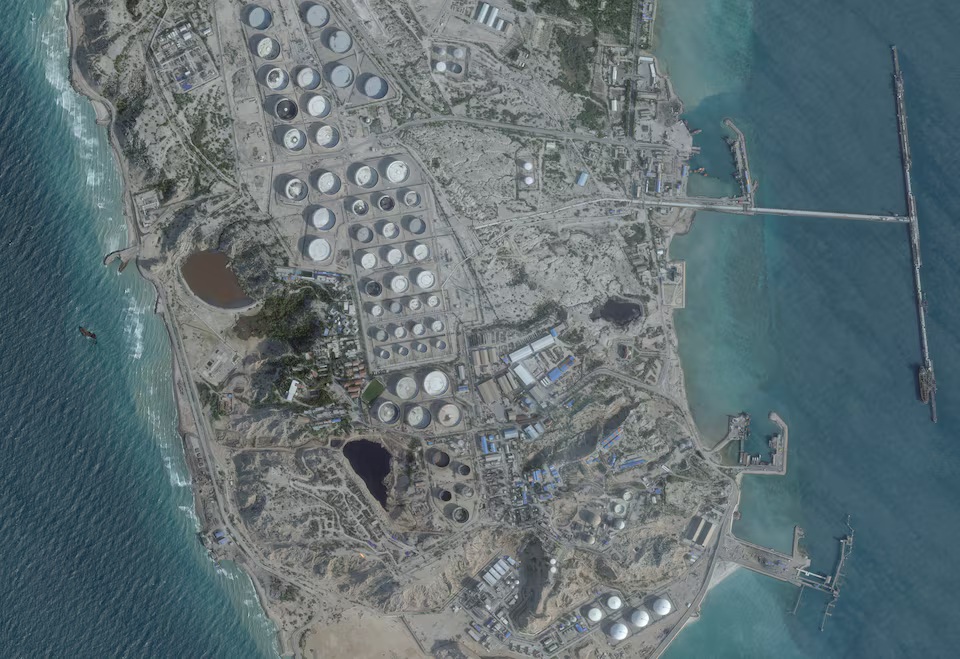
In a social media post, Trump said the United States had already “totally obliterated” military targets on Kharg Island, but that the island’s oil facilities were deliberately spared for now. He made clear that if Iran or any other force interfered with the free and safe passage of ships through the Strait of Hormuz, those energy assets could be hit.
The warning comes amid a broader and escalating conflict that began in late February with coordinated U.S. and Israeli bombardments on Iran.
Iran’s armed forces have responded with missile and drone attacks against U.S. bases, Israel, and shipping traffic in the Gulf, prompting closures of some sea routes.
The Strait of Hormuz is one of the world’s most significant maritime passages, with about 20% of global oil supplies normally passing through it each day. Disruptions there have already disturbed energy markets and driven global oil prices higher.
Iran’s government has vowed that any attack on its energy infrastructure would prompt retaliation against energy facilities linked to the United States and its allies. Oil markets are closely watching the situation, as even small disruptions at Kharg Island could tighten already strained global supply.
Trump threatens to hit Iran’s Kharg Island oil network if shipping lanes remain blocked.
According to sources familiar with the matter, the alleged strategy hinges on cooperation with the Democratic Forces for the Liberation of Rwanda (FDLR), an terrorist group formed by individuals linked to the perpetrators of the 1994 Genocide against the Tutsi in Rwanda. The effort reportedly seeks to create a broader coalition of groups opposed to Rwanda’s government.
At the center of the reported initiative is Jean‑Luc Habyarimana, the son of the late president. Sources indicate he is being positioned as a figure capable of rallying remnants of the Hutu Power network and helping reorganize opposition groups under a new structure.
During a recent visit to Kinshasa, Jean-Luc reportedly met Désiré Cashmir Eberande Kolongele, President Tshisekedi’s special advisor on security matters.
According to individuals familiar with the meeting, he conveyed a message that plans were being developed to form a strong military alliance initially focused on confronting AFC/M23, before potentially expanding operations toward Rwanda.
Sources further claim that Jean-Luc, working with officials in the Congolese Ministry of Communication and Media, helped establish a platform known as Xtrafrica. The platform is reportedly used to promote narratives rehabilitating the image of Habyarimana, criticize the Rwandan government and support Tshisekedi’s regional agenda.
Meanwhile, Agathe Kanziga, the widow of Habyarimana, along with other figures associated with the Hutu Power ideology, is said to have advised Jean-Luc to rebrand the FDLR under a new name, the FCLR (Front Commun pour la Libération Rwandaise), in an effort to improve its international image while maintaining its existing structure and ideology.
The broader strategy reportedly involves bringing together political and military figures opposed to Rwanda’s government by offering them refuge and support in Congo.
Attention has also reportedly turned to Nyamwasa, a former senior officer in the Rwanda Defence Force who later founded the Rwanda National Congress (RNC).
Sources say he has been attempting to unite armed, political and propaganda networks in opposition to Rwanda’s leadership.
During a reported trip to Kinshasa in September 2024, Nyamwasa is said to have met leaders of the FDLR to discuss strengthening cooperation. Congolese officials familiar with the matter claim he has remained in close contact with Gaston Iyamuremye, the commander of the FDLR, a relationship described as key to efforts to align the RNC with the group.
In January 2026, Byiringiro reportedly appointed his brother-in-law Cyprien Ngabo as a liaison between the FDLR and an RNC faction led by Frank Ntwali, further indicating growing coordination between the groups.
Sources also claim that cooperation dates back several years. In early 2025, Byiringiro is said to have sent Emmanuel Hakizimana, an RNC member based in Canada, to the United States to represent the FDLR at a meeting of so-called Rwandan opposition figures.
The meeting was reportedly part of a long-running effort to unite fragmented groups opposed to Rwanda’s government. With alleged financial and political backing from individuals close to Tshisekedi, recruitment into the anti-Rwanda coalition is said to have intensified, involving supporters based in Uganda and prominent RNC-associated figures such as Charles Kambanda, Eugène Gasana, and Christine Uwizera Coleman.
Sources claim the initiative is becoming increasingly visible, pointing to alleged logistical support for the FDLR and outreach to individuals linked to or associated with the genocide, as part of a broader effort to unite groups opposed to Rwanda’s government under a single front.
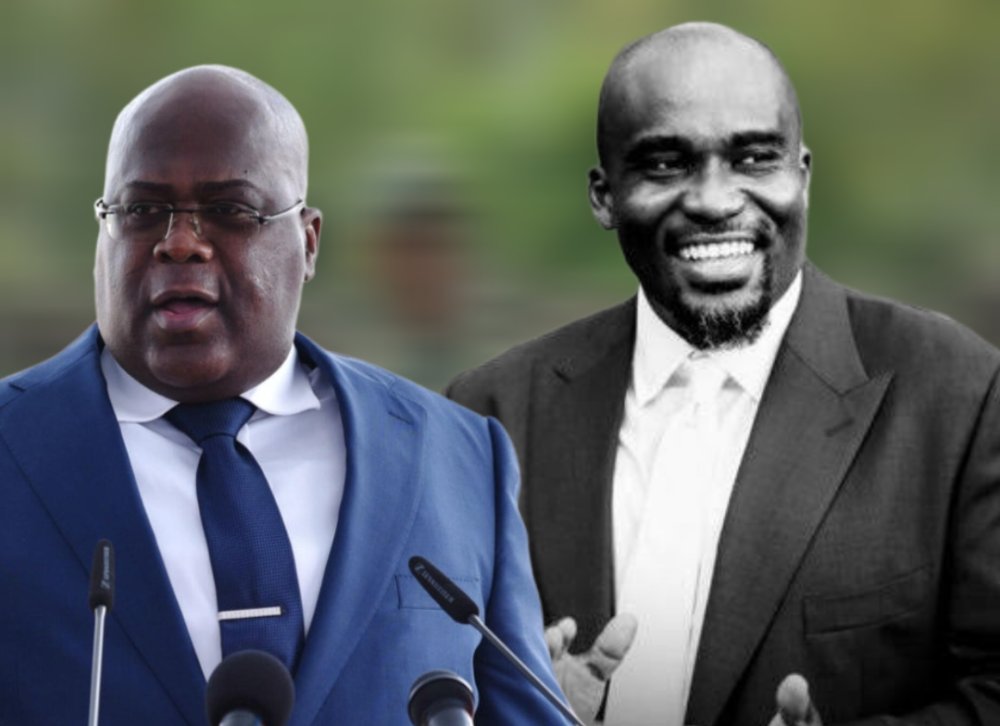
New details have emerged on the coordination between President Félix Tshisekedi of the Democratic Republic of the Congo and son of former Rwandan President Jean Luc Habyarimana.
The financial district, one of the region’s most important economic hubs, was struck amid a broader wave of aerial threats targeting Gulf states. Explosions were reported shortly after the incident, raising alarm in the busy commercial area.
Authorities later confirmed that the damage was limited. The Dubai Government Media Office said debris from a successful air defense interception fell onto the façade of a building in central Dubai, causing minor structural damage.
“Authorities confirm that debris from a successful interception caused a minor incident on the façade of a building in central Dubai. No injuries have been reported,” the office said in a statement, adding that investigations into the incident were ongoing.
Meanwhile, the UAE National Emergency, Crisis and Disaster Management Authority stated that the country’s air defense systems were responding to a missile threat but did not provide further details.
Elsewhere in the region, Saudi Arabia reported intercepting two hostile drones over Al-Kharj Governorate, according to the Saudi Defense Ministry. Another drone was also shot down near the embassies district in Riyadh.
The incidents come amid a wave of retaliatory strikes by Iran since the outbreak of the U.S.–Israeli war on Iran on February 28.
The UAE has been subjected to over 1,000 Iranian attacks, more than any other targeted country, despite not participating in the war, according to the UAE’s foreign affairs ministry. The ministry previously affirmed the UAE’s right to self-defense under international law.
Authorities later confirmed that the damage was limited.
Additionally, some 117,000 people have sought refuge in another country, Stephane Dujarric, chief spokesman for the UN secretary-general, told a daily briefing, citing the UN Refugee Agency.
Dujarric said that, according to UN humanitarians, the Middle East region is home to some of the largest numbers of people in need of humanitarian assistance globally. “The recent escalation risks deepening civilian suffering and causing further damage to already fragile civilian infrastructure.”
The United Nations and its humanitarian partners are continuing to provide humanitarian aid to people impacted across several countries and remain ready to ramp up response in support of national authorities where needed, he said.
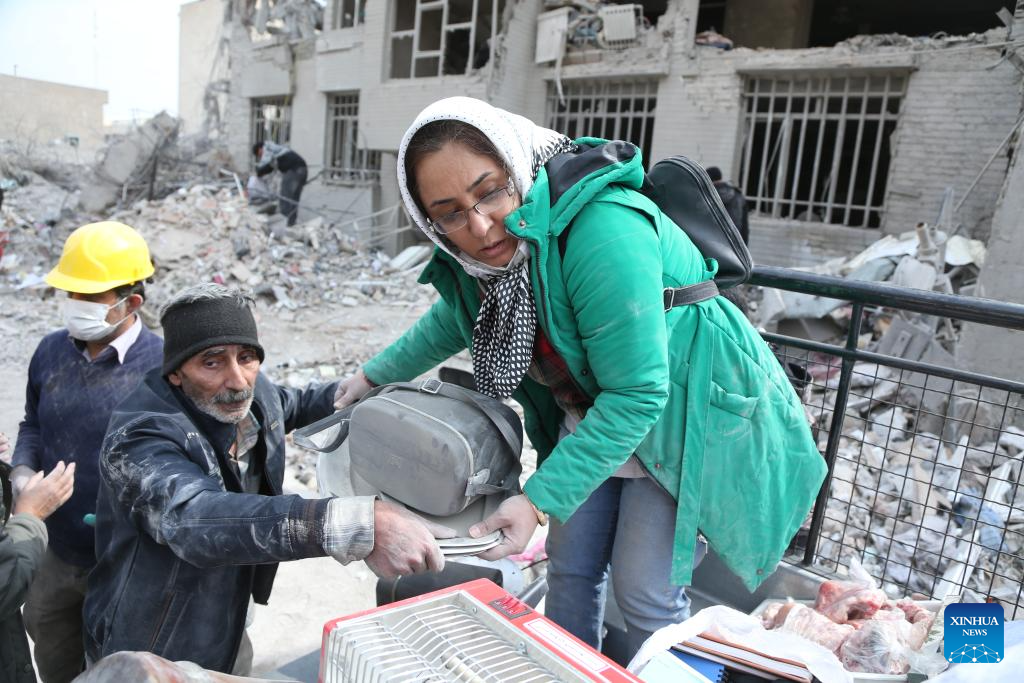
People search for daily necessities from damaged buildings in Tehran, Iran, March 12, 2026.
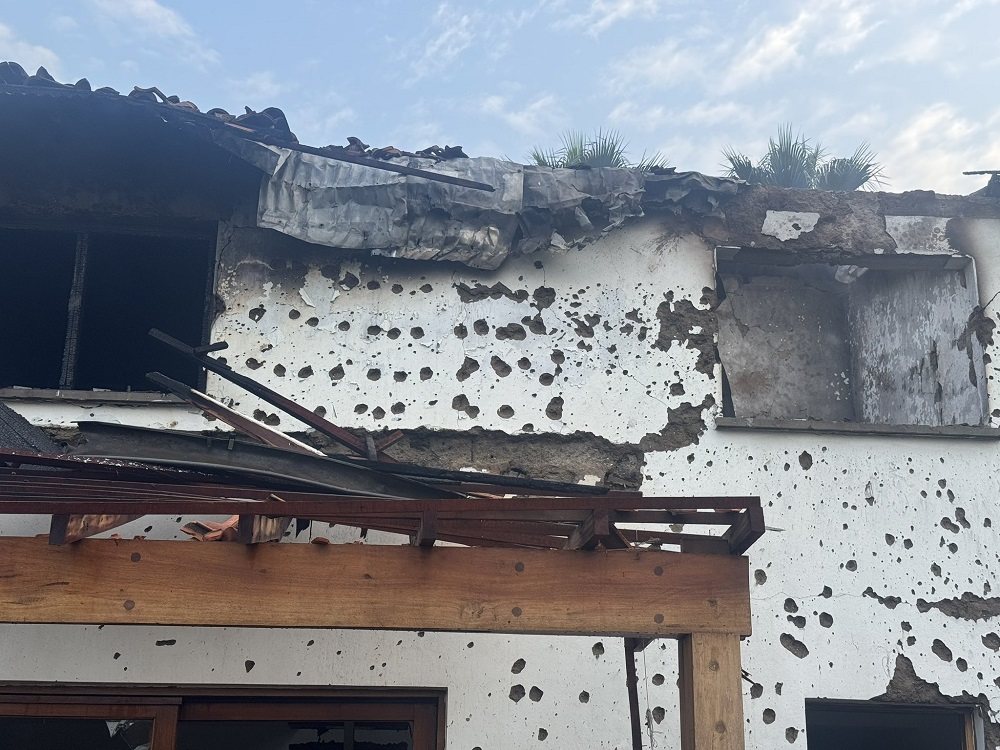
In the early hours of March 11, drones from the DRC military targeted civilian homes in the Himbi area, resulting in the deaths of three civilians, including Karine Buisset, a French national working for the United Nations Children’s Fund (UNICEF).
The AFC/M23 condemned the attack, criticizing the international community for remaining silent while the DRC government violated the peace agreements signed in Doha, Qatar.
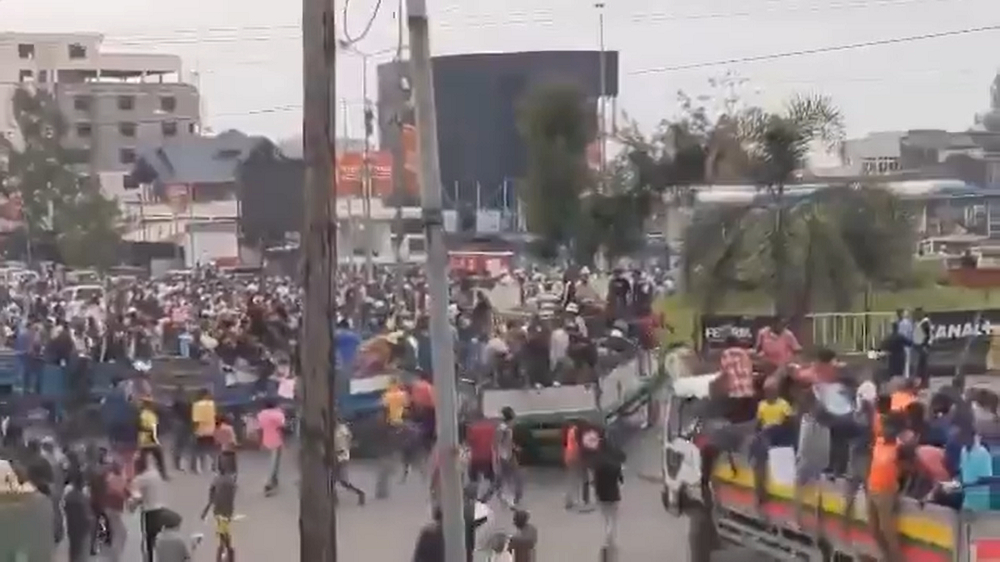
Responding to an invitation from civil society organizations, the residents of Goma paused their daily activities on March 12 and took to the streets in protest against the violence perpetrated by the DRC government.
Some of the protesters expressed their condolences to the families of the civilians killed in the drone strike and condemned the continued use of drones by the DRC military, which continues to target civilian-populated areas in North Kivu and South Kivu provinces.
The protesters expressed their belief that the ongoing drone attacks, which show complete disregard for civilian lives, serve as a sign that President Félix Tshisekedi is willing to do whatever it takes to retain power.
Lawrence Kanyuka, spokesperson for the AFC/M23, revealed that the protesters have demanded that AFC/M23 take control of the entire DRC, as the areas under government control have become centers of violence, insecurity, and the suffering of civilians.
Goma has been under the control of AFC/M23 since January 2025. This is the first time the city has been attacked by drones since it was taken from the DRC government’s control more than a year ago.
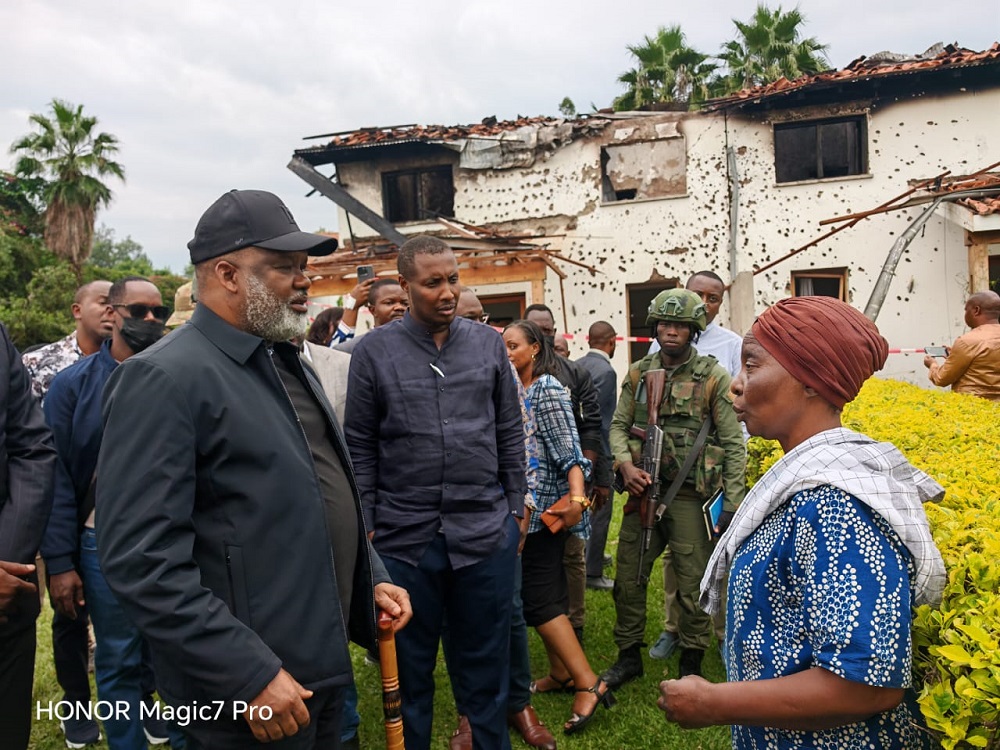
A house was severely damaged by drones from the DRC government forces.Senior officials arrived at the building and listened to testimonies from the residents. On the morning of March 12, the residents of Goma staged a protest condemning the attack.
This statement followed a drone attack carried out by the DRC’s armed forces on the city of Goma on March 11, 2026. Nangaa revealed that the attack had been planned for some time, as a campaign led by Kinshasa had been urging the people of Goma to evacuate the city.
“This campaign directly preceded the recent assault by a coalition of government forces, including FARDC, FDLR, Wazalendo, FDNB, and mercenaries on Goma. The message instructing the residents to leave the city was spread across networks linked to President Tshisekedi’s administration, aiming to create the illusion for the international community that the people of Goma were fleeing,” he said.
Nangaa further stated that the DRC government has a plan to eliminate AFC/M23 leaders and opposition politicians in order to undermine any dissent, but he also warned that the government is working to “extend the war into a broader regional conflict.”
The AFC/M23 has emphasized that, as the DRC government continues to escalate the conflict, their fighters have a duty to protect the civilians under controlled areas. They also stated that President Félix Tshisekedi will be held accountable for the consequences of the looming war.
Corneille Nangaa asserted that President Tshisekedi will be held accountable for the consequences of the military offensives being conducted by the DRC’s government forces.
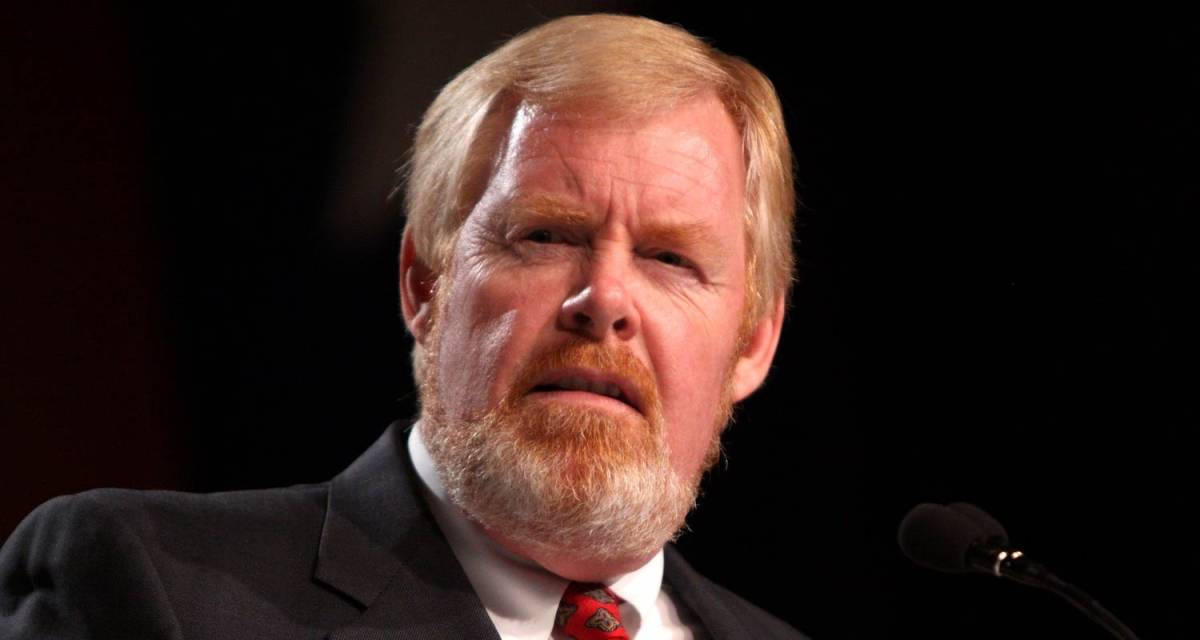
Minister of International Relations and Cooperation Ronald Lamola confirmed during a media briefing that Bozell was called in to explain “undiplomatic remarks” that disregarded established protocols and judicial sovereignty.
Lamola emphasized that while South Africa welcomes active public diplomacy, foreign envoys must respect international etiquette and the country’s sovereignty.
Speaking at a meeting in South Africa’s Western Cape Province on Tuesday, Bozell accused the South African government, led by the ruling African National Congress, of practicing “racial discrimination” against white people.
He also criticized South Africa’s participation in the BRICS mechanism, its case against Israel at the International Court of Justice and its friendly ties with Iran.
Bozell’s remarks drew widespread criticism in South Africa. The influential black nationalist left-wing Economic Freedom Fighters party called on the government to declare Bozell persona non grata and expel him from the country.
Since U.S. President Donald Trump returned to the office in January 2025, relations between the United States and South Africa have remained strained across political, economic and diplomatic fronts.
In March 2025, Trump nominated conservative activist Bozell, a long-time critic of South Africa’s ruling African National Congress, as U.S. ambassador to South Africa. Bozell arrived in the country in February this year to take up the post.
Bozell accused the South African government, led by the ruling African National Congress, of practicing “racial discrimination” against white people.
Residents in Tel Aviv reported loud blasts as Israel’s state-owned Kan TV news said debris hit several locations in the area. The country’s rescue service, Magen David Adom, said its teams were on their way to search for possible injuries at sites where missile hits or fragments had been reported.
The attacks followed large-scale Israeli airstrikes on Beirut’s southern suburbs on Wednesday night, while Hezbollah targeted northern Israel for hours with rocket barrages.
According to Israeli military officials, Hezbollah militants fired about 100 rockets and several drones at northern Israel, while Iran simultaneously launched several missiles at the north as well as other areas.
Impacts were reported and at least two civilians were lightly injured, Magen David Adom said.
The fights came as the regional conflict, triggered by the U.S.-Israeli joint military strikes on Iran, stretched into its 13th day.
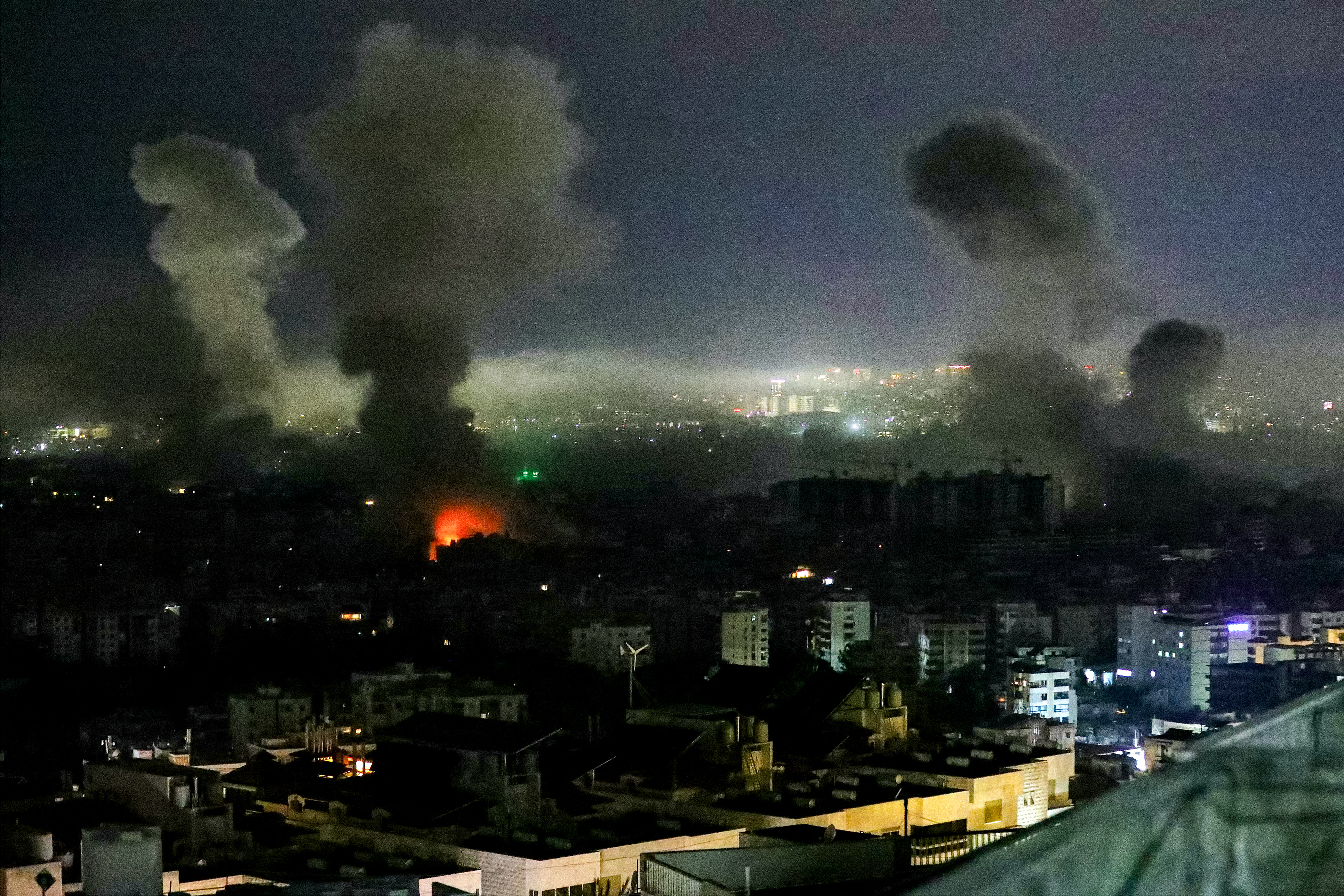
Smoke rises from the site of an Israeli airstrike that targeted an area in Beiruts southern suburbs on March 11, 2026. Lebanon was drawn into the Middle East war last week when Hezbollah attacked Israel in response to the killing of the Iranian supreme leader in US-Israeli strikes. Israel, which kept up strikes targeting Hezbollah despite a 2024 ceasefire, has since launched attacks across Lebanon and sent ground troops into border areas. (Photo by AFP) /
“You just said it is a little excursion and you said it is a war. So, which one is it?” Trump was asked by one of the reporters traveling with him in the U.S. state of Ohio.
“Well, it’s both,” Trump answered. “It’s an excursion that will keep us out of a war, and the war is going to be, I mean for them it’s a war.”
Addressing House Republicans on Monday, Trump described the military operation against Iran as a “short-term excursion” while later vowing to “go forward more determined than ever to achieve ultimate victory.” He has also demanded Iran’s “unconditional surrender.”
Though Trump said earlier on Wednesday that the U.S.-Israeli war with Iran will end “soon” because there is “practically nothing left to target,” Axios reported.
U.S. and Israeli officials said that they are preparing for at least two more weeks of strikes in Iran, and that there has been no internal directive on when such strikes might stop, according to the report.
More than 1,300 civilians have been killed and 9,669 civilian sites destroyed in Iran in U.S.-Israeli strikes since Feb. 28, Amir Saeid Iravani, Iran’s ambassador and permanent representative to the United Nations, said Tuesday.
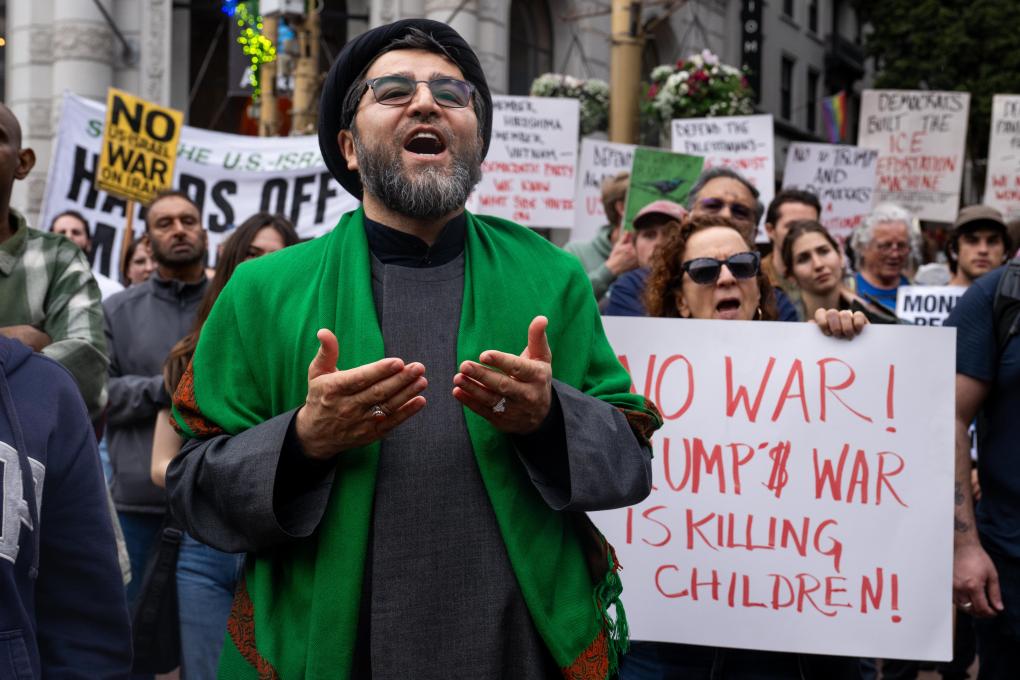
People attend a protest against U.S.-Israeli strikes on Iran in San Francisco, the United States, Feb. 28, 2026.