The ministry said in a statement on Saturday that the government is closely monitoring the situation and remains in contact with Tanzanian diplomatic missions in the region.
“Tanzanian nationals residing in or traveling within the affected areas are strongly advised to remain vigilant, prioritize their safety, and adhere to guidance issued by local authorities and Tanzanian missions,” the statement said.
The ministry reaffirmed Tanzania’s solidarity with the international community in calling for de-escalation and the peaceful settlement of disputes in accordance with the principles of the United Nations Charter.
Ministry of Foreign Affairs and East African Cooperation Offices in Dar es Salaam
“It is impossible to move in or out of those countries. We are in touch with South Africans using various communication platforms,” said Clayson Monyela, deputy director-general of the Department of International Relations and Cooperation (DIRCO). In a statement posted on X, he added that “various interventions and options are being explored.”
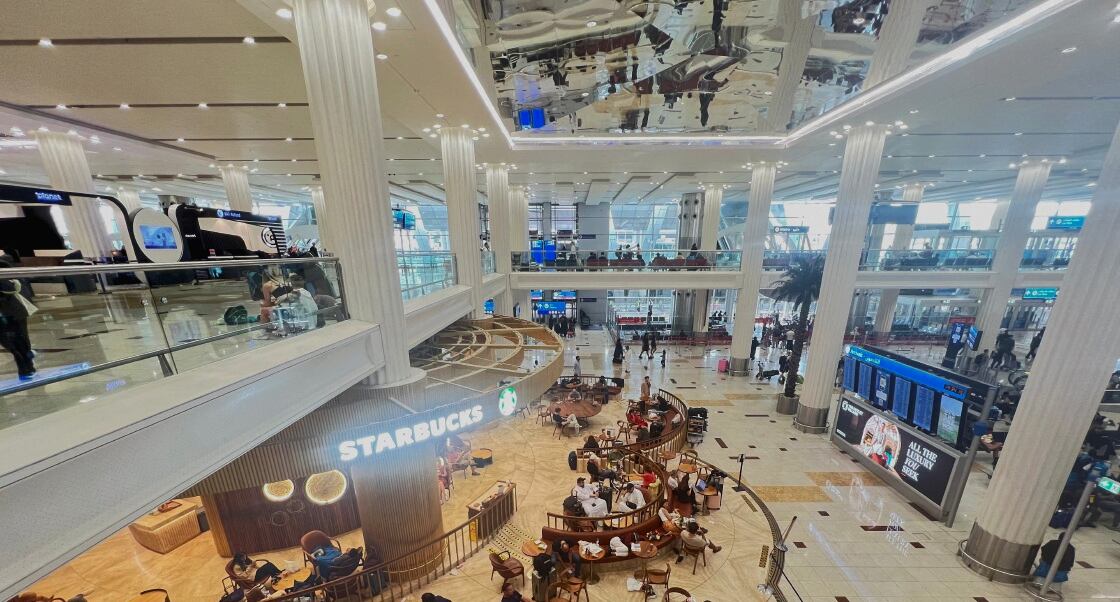
The massive air travel disruption, which has forced the cancellation of thousands of flights, was triggered after the United States and Israel launched intensive airstrikes against Iran on Saturday morning.
As tensions escalated, several countries, including Israel, Iran, the United Arab Emirates, Qatar, Kuwait, Iraq, Jordan, and Bahrain, have announced either full or partial closures of their airspace. Consequently, dozens of international and regional airlines have suspended their services.
According to DIRCO, South African citizens currently in the Middle East must wait for the reopening of airspace or land borders before they can travel home. Monyela told local media that the government is closely monitoring the situation for any opportunity to assist its citizens as soon as conditions allow.
In a recent advisory published on X, DIRCO urged all South African citizens currently in the region to contact their respective embassies. This is to ensure they are formally registered and that their whereabouts are known to diplomatic missions.
For its part, Iranian officials have reiterated their long-standing position that the country is not seeking nuclear weapons, a pledge that formed the basis of the Joint Comprehensive Plan of Action (JCPOA), from which Trump unilaterally withdrew the United States during his first term.
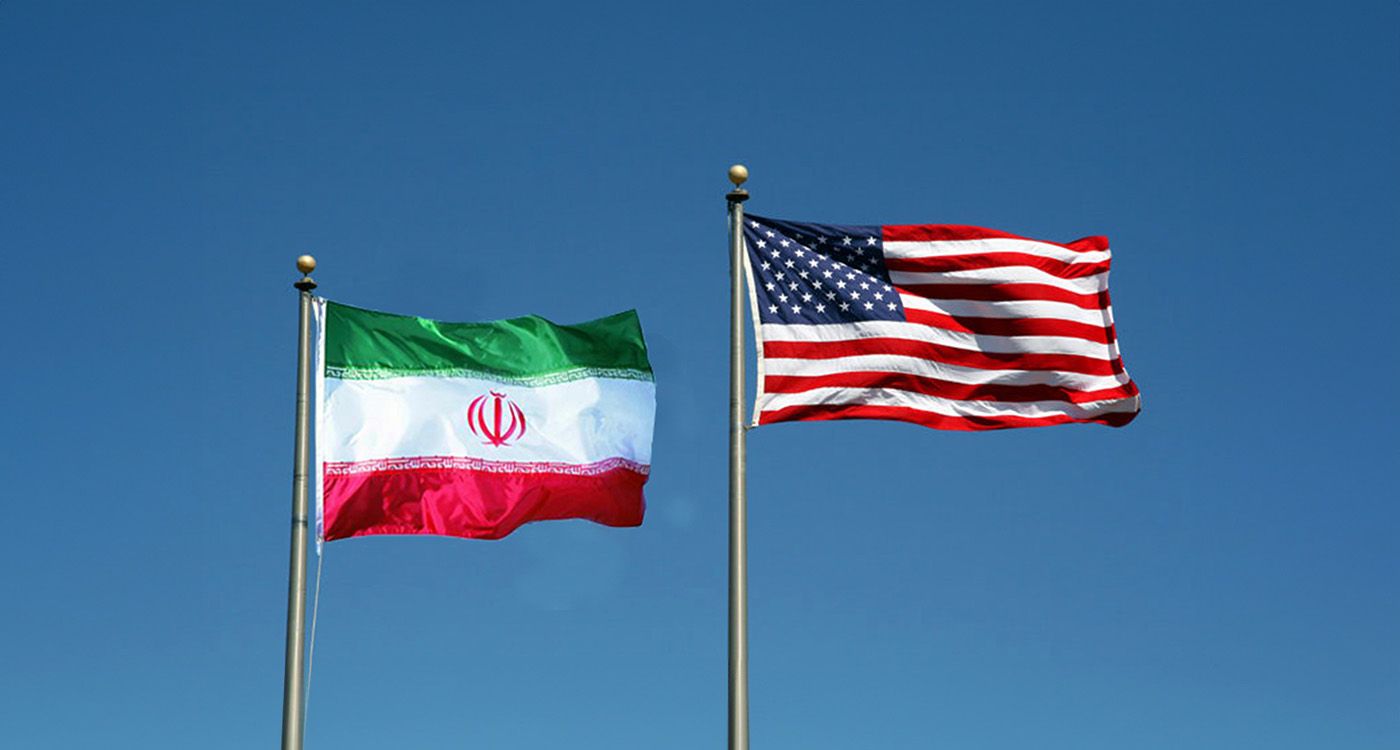
Tensions between Iran and the U.S. have shaped the Middle East for decades, revolving around Iran’s nuclear program, regional influence and recurring diplomatic crises.
After years of sanctions, covert operations and periodic negotiations since 1979, the 2015 JCPOA represented a rare opportunity for de-escalation and rapprochement.
The following timeline traces key events from that moment through early 2026, highlighting the ebb and flow of diplomacy, sanctions and military confrontations that have defined U.S.-Iran relations.
July 2015
The JCPOA was signed, with Iran accepting significant limits on its nuclear program in exchange for sanctions relief, primarily from the United States and the European Union. The deal was endorsed by the UN Security Council and supported by Russia and China. It was widely regarded as the closest Iran and Western powers had come to diplomatic rapprochement since 1979.
May 2018
During his first term, President Donald Trump unilaterally withdrew the U.S. from the JCPOA and mounted a “maximum pressure” campaign, reinstating and expanding sweeping sanctions. It sent Iran’s economy into a sharp and severe decline.
January 2020
On January 3, the U.S. assassinated Qassem Soleimani, commander of Iran’s Islamic Revolutionary Guard Corps (IRGC) Quds Force, in a drone strike at Baghdad International Airport. Iran retaliated on January 8, launching ballistic missiles at U.S. military bases in Iraq.
The Biden administration (January 2021- January 2025)
The Biden administration sought to revive the nuclear deal, but talks became protracted and ultimately reached an impasse, while Iran continued to advance its nuclear program, maintaining it was for “peaceful purposes.”
February 2025
After returning to the White House, President Trump swiftly reinstated his “maximum pressure” strategy, signing new executive orders targeting Iran. He warned that any attempt by Iran to assassinate him would result in the country’s destruction.
June 13-24, 2025
Israel and Iran engaged in a direct military confrontation in what became known as the Twelve-Day War, also referred to as the Iran–Israel War, with the U.S. providing significant defensive support to Israel.
June 22, 2025
U.S. military forces joined Israeli strikes on three Iranian nuclear facilities at Fordow, Natanz and Isfahan. This marked the first time since 1979 that the U.S. had directly attacked major facilities inside Iran, signaling Washington’s formal entry into the Israel-Iran conflict.
June 23-24, 2025
Iran launched retaliatory missile strikes on the U.S. military’s Al Udeid Air Base in Qatar, which resulted in no casualties. A ceasefire between Israel and Iran brokered by Qatar brought the Twelve-Day War to an end on June 24.
January 2026
Tensions spiraled through a cycle of U.S. military threats, sanctions and support for protests inside Iran. Tehran responded by demonstrating military readiness, engaging in diplomatic outreach and signaling openness to negotiations. Both sides engaged in brinkmanship over Iran’s nuclear program and regional stability.
February 2026
The U.S. and Iran held three rounds of indirect talks mediated by Omani Foreign Minister Sayyid Badr bin Hamad bin Hamood Albusaidi. No agreement was reached.
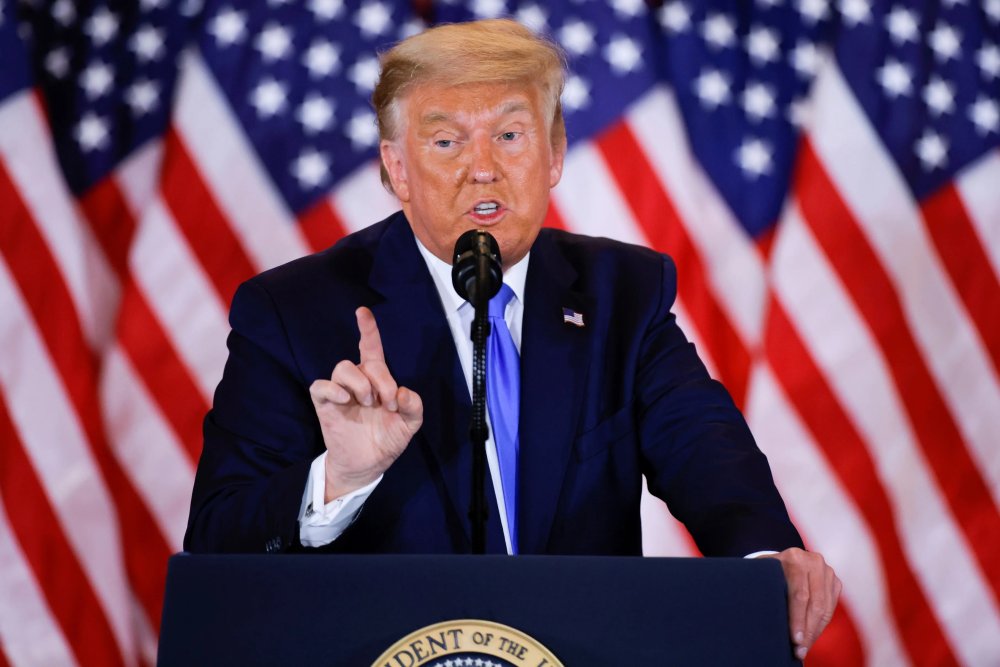
“We are going to destroy their missiles and raze their missile industry to the ground, we are going to annihilate their navy,” Trump said in the statement. “We will ensure that Iran does not obtain a nuclear weapon. It’s a very simple message. They will never have a nuclear weapon.”
Israeli Prime Minister Benjamin Netanyahu cemented the goal of regime change in Iran during a public statement released shortly after Trump’s, describing the operation as aimed at removing “an existential threat from Iran regime”.
The way peace talks collapsed into a full-on conflict, with Israel launching the first strike, resembles the 12-day tit-for-tat war back in June 2025, crippling three Iranian nuclear facilities. The strike, coded “Operation Midnight Hammer”, was initiated by Israeli forces on June 22, which was later joined by the U.S. military, following five rounds of fruitless talks between the U.S. and Iran.
Israel, being the “model U.S. ally” according to the Trump administration, has consistently been a significant factor in steering the direction of U.S. diplomacy.
How did diplomacy fail again between the U.S. and Iran?
Hours before the strike, Trump expressed dissatisfaction with the progress of the peace talks.
“They should make a deal, but they don’t want to go far enough, and it’s too bad,” Trump said on Friday.
“I say no enrichment, not 20 percent, 30 percent,” Trump told reporters, adding that he will not be satisfied with Iran limiting its uranium enrichment even for civilian use only.
Iran has already made unprecedented concessions regarding its nuclear enrichment capabilities. Earlier this week, an Iranian official told Reuters that Tehran would seriously consider sending half of its most highly enriched uranium abroad, diluting the rest while jointly creating a regional enrichment consortium.
Iranian delegates have also reported agreeing on giving up the country’s ability to stockpile enriched nuclear material, a step essential for creating a nuclear weapon, according to Badr Albusaidi, the Omani foreign minister who has been mediating the Iran-U.S. talks.
“The single most important achievement… is the agreement that Iran will never, ever have a nuclear material that will create a bomb,” Minister Albusaidi told CBS News during a Friday interview. “This is something that is not in the old deal that was negotiated during President Obama’s time.”
“There is no accumulation, so there would be zero stockpiling and full verification,” said Albusaidi, claiming Iran has agreed to allow the IAEA and “even United States inspectors” full access to their uranium stockpiles.
As a party to the Nuclear Non-Proliferation Treaty, Iran has the right to enrich uranium for purposes other than building nuclear weapons, which Iran has promised never do.
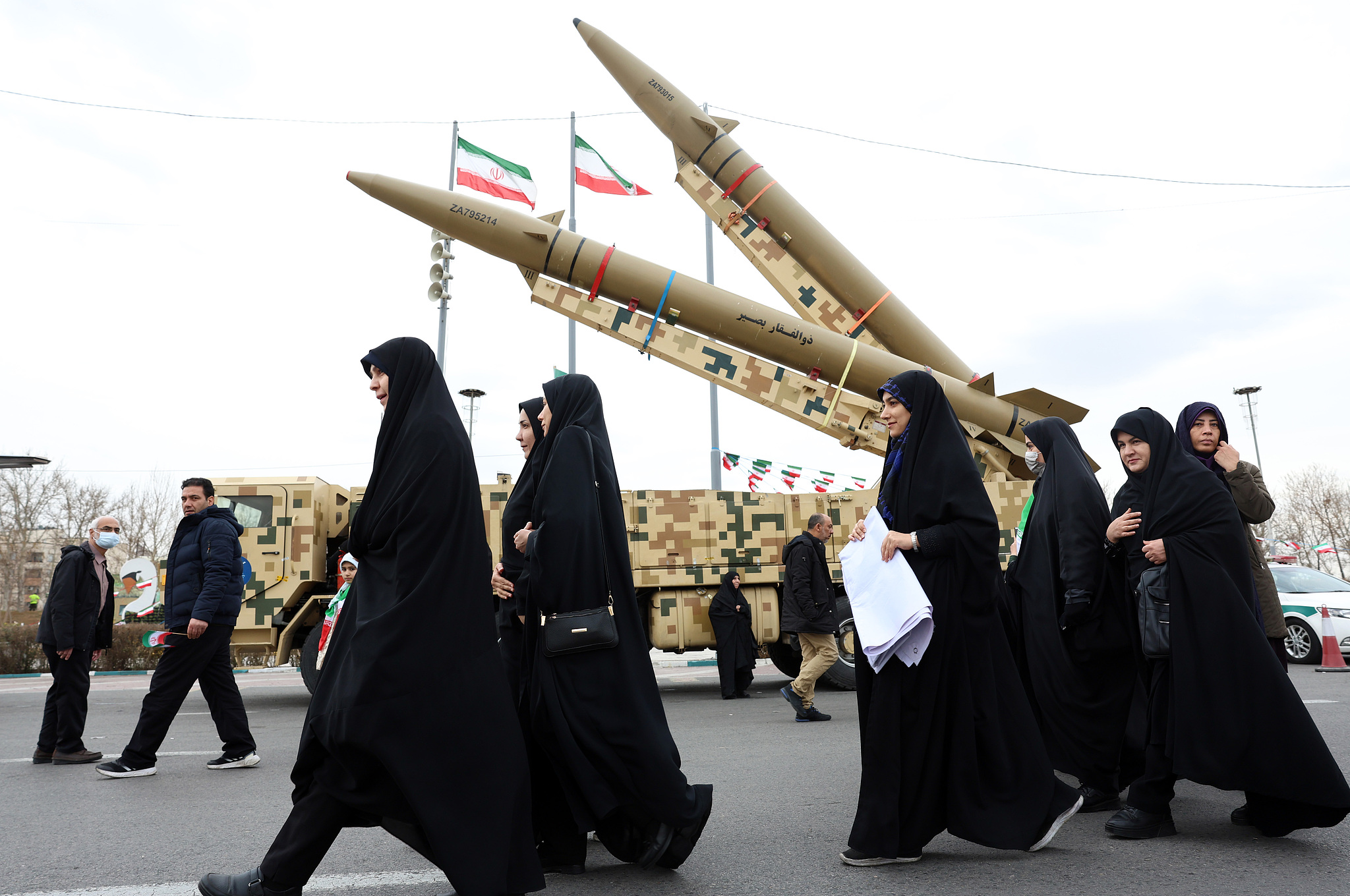
Iran’s ballistic missile: A major obstacle engineered into the nuclear talks
Although Iran has insisted multiple times that it will only discuss nuclear-related subjects in talks with the U.S., officials in the Trump administration have made Iran’s ballistic missile program a major obstacle to making a deal.
“They attempted to rebuild their nuclear program and to continue developing long-range missiles that can now threaten our very good friends and allies in Europe, our troops stationed overseas and could soon reach the American homeland,” said Trump in his statement after launching the strike against Iran on Saturday.
U.S. Secretary of State Marco Rubio on Friday described the Iranian missile program as a “major problem” and would have to be addressed eventually.
According to Rubio, Iran possessed a very large number of ballistic missiles that were “designed solely to strike America” and its regional interests.
“Iran is only willing to discuss the nuclear issue, not the ballistic missile, as the country believes it to be the last resort defending Iran’s national security,” said Professor Sun Degang, director of the Center for Middle East Studies at Fudan University.
“The ballistic missile issue has become an irreconcilable contradiction between the US and Iran,” Professor Sun added.
“Currently, Iran does not possess long-range ballistic missile technology, nor does it have any long-range ballistic missiles. Iranian missiles pose no threats to the United States,” said Sun.
The U.S. intelligence reports suggest Trump and Rubio have exaggerated the capability of Iranian ballistic missiles, as reported earlier by Reuters. An unclassified 2025 U.S. Defense Intelligence Agency assessment determined Iran could take until 2035 to develop a “militarily viable intercontinental ballistic missile” (ICBM) from its existing satellite-lofting space-launch vehicles (SLV).
The missile arsenal Iran currently possesses does pose a threat to the U.S. allies in the Middle East, with Israel being the top target, said Sun, citing Iran’s retaliation against Israeli military installations during the Twelve-Day War last year.
What is Israel hoping to achieve amid the U.S.-Iran tension?
While the United States prioritizes Iran’s decision not to develop nuclear weapons, Israel expects Iran to become “a docile, pro-Western ‘paper tiger,’” said Professor Sun.
This requires Iran to scrap its intermediate-range ballistic missiles, give up its nuclear capabilities and its ability to support regional proxies, the three major deterrence factors Iran relies on to ensure the survival of the Islamic Republic, according to Sun.
According to Sun, the ballistic missiles remain the only viable deterrent Iran has left, making it an uncompromisable issue for Iran to give up. Since Hamas launched Operation Al-Aqsa Flood in October 2023, provoking a long-lasting Israeli occupation of the West Bank and attacks against Iran-backed militant groups, Iranian proxies have suffered heavy losses.
“The Israeli government does not believe there is a peaceful resolution to the Iranian nuclear issue,” said Sun. “Israel views the nuclear issue as only a part of the Iranian problem; the ultimate goal Israel wants to achieve is to overthrow the current Iranian government.”
Will a peace deal between the U.S. and Iran ever be possible with Israel’s involvement?
“Israel has consistently opposed any compromise between the United States and Iran,” Sun said, adding that Israel’s preemptive strike against Iran in 2025 has made Iran believe that the U.S. was deliberately using negotiations as a pretext to lull Iran into a false sense of security, and to cover up Israel’s surprise attack.
Netanyahu has been warning of the imminence of Iran reaching the nuclear threshold for more than 30 years. At the United Nations General Assembly in 2012, Netanyahu used a cartoon drawing of a bomb as a visual aid for his claim that Iran would achieve weapon-grade uranium “by next spring, at most by next summer.”
Israel’s long-lasting regional ambition is backed by the U.S.’s firm support for Israel’s sovereignty, security and practical interests, said Professor Sun, citing a remark made by Mike Huckabee, the U.S. Ambassador to Israel.
Huckabee defended Israel’s right to expand its territory, citing biblical precedent, on February 22 during an interview with Tucker Carlson, a U.S. media personality. “It would be fine if they took it all, but I don’t think that’s what we’re talking about here today,” Huckabee said as he discussed his Christian Zionist beliefs.
The remark later incited a protest among more than a dozen Arab and Muslim nations, including U.S. allies Qatar and Saudi Arabia, whose Foreign Minister said Huckabee’s claim was “extremist rhetoric.”
“The Trump administration’s support for Israel without principle has weakened the cooperation between the U.S. and its Middle Eastern allies,” said Sun.
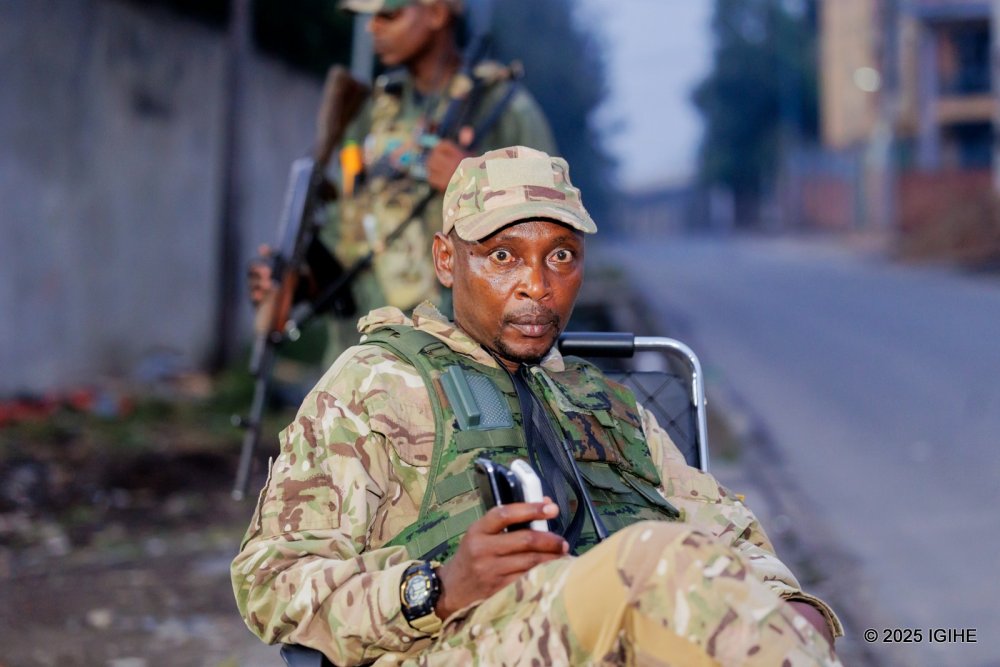
Political analysts, including Senator Evode Uwizeyimana, say the killing of Lt Col Willy Ngoma, the military spokesperson of the AFC/M23, could be considered a war crime attributable to the leadership of the Democratic Republic of the Congo for allegedly violating a ceasefire.
On February 28, AFC/M23 announced that Lt Col Ngoma had been killed by a coalition of Congolese forces during an offensive launched despite a ceasefire requested by a mediator in talks between the opposing sides.
Fighting reportedly intensified afterward, with the Congolese Army (FARDC) and allied groups using aircraft and drones in several areas of Masisi.
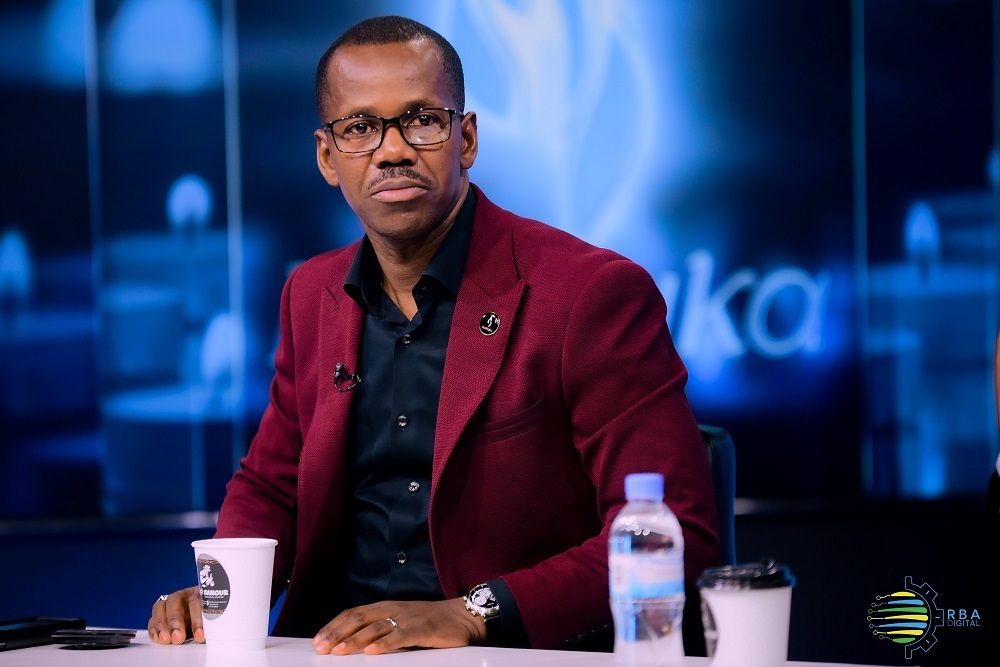
Speaking on national television on March 1, 2026, Senator Uwizeyimana, a regional political analyst, said the killing of Lt Col Ngoma could galvanize others to continue fighting what they view as a struggle against injustice faced by Kinyarwanda-speaking Congolese Tutsi.
He argued that while the death of a liberation figure is painful for comrades, it can also strengthen their resolve.
“When someone fighting for survival dies, their blood can inspire those who remain,” he said, citing historical examples from Rwanda’s liberation struggle where early losses of senior officers were followed by renewed momentum and eventual victory.
Uwizeyimana described the loss of a figure of Ngoma’s rank as significant but suggested such deaths often embolden those who remain, especially when the underlying cause persists. He added that even young family members left behind may grow up shaped by the same motivations.
Following Ngoma’s death, pro-government Congolese voices welcomed the news, and FARDC allies portrayed it as a major battlefield success.
Uwizeyimana cautioned against such reactions, saying others could emerge in his place.
“You should not celebrate because you do not know what follows, there may be many more like him, or even more determined,” he said.
He further explained that under international law, if one side attacks during a ceasefire, resulting deaths may be classified as war crimes.
“If you find that Willy Ngoma was killed during a ceasefire, then it is a war crime because it was not a time for hostilities. Those are international legal standards,” he said, adding that ceasefires bind both parties and do not require one side to disarm unilaterally.
Uwizeyimana also maintained that if the mediator remained silent as the Congolese side ignored the ceasefire, AFC/M23 has the legitimacy for self-defense.
Another analyst, John Mugabo, said battlefield dynamics often shift after the loss of high-profile figures, noting that AFC/M23 has previously moved to consolidate control of areas following such events.
He argued that Ngoma’s death during a ceasefire signals a breach of its terms and erodes trust between the parties, potentially influencing international perceptions of the conflict and the prospects for peace.
Lt Col Ngoma became widely known as M23’s spokesperson when the movement resumed fighting in November 2021 after talks between its representatives and the Congolese government failed.
In that role, he articulated the group’s stated reasons for taking up arms, including claims that Kinyarwanda-speaking Congolese—particularly Tutsi—were being targeted, with many displaced or in exile.
On several occasions when AFC/M23 took key locations in eastern DR Congo, including Goma and Uvira, Ngoma was among the senior officers who visited those areas and addressed local residents.
Lt Col Willy Ngoma died last week in an attack by Congolese army and allied forces during ceasefire declared by Angola.Senator Uwizeyimana explained that under international law, if one side attacks during a ceasefire, resulting deaths may be classified as war crimes.
Iran’s state media confirmed Sunday that its Supreme Leader Ayatollah Ali Khamenei was killed in a joint U.S.-Israeli attack on Saturday, prompting Iranian missile strikes on Israel and U.S. targets across the region.
What happened in the past 24 hours? Why did the United States and Israel take action now? How will Iran retaliate? Will this conflict escalate?
What happened?
Israel announced a “preemptive” strike on Saturday morning, sending about 200 fighter jets in simultaneous airstrikes on missile and defense systems in western and central Iran.
Shortly after the Israeli announcement, U.S. President Donald Trump said on his social media platform Truth Social that U.S. forces are “undertaking a massive and ongoing operation” targeting Iran’s missile industry.
Iran retaliated swiftly, declaring all U.S. military bases in the region legitimate targets and striking Israel and U.S. assets across the Gulf, with explosions reported in Bahrain, Qatar, Kuwait, Jordan, the United Arab Emirates (UAE) and Saudi Arabia, among other countries.
Iranian media reported that the Islamic Revolution Guards Corps had closed the Strait of Hormuz to shipping, declaring the vital oil and gas waterway unsafe due to U.S. and Israeli attacks.
The Iranian Red Crescent Society said that the strikes hit at least 24 of Iran’s 31 provinces, with 201 deaths and 747 injuries reported so far.
Up to 160 people could have been killed as airstrikes struck a school in southern Iran, said Iranian Foreign Ministry spokesman Esmaeil Baghaei. Iran’s president condemned the incident as “inhumane.”
In Tehran, missiles struck near the offices of Khamenei and President Masoud Pezeshkian.
Trump said Saturday that Khamenei was killed in the strikes — a claim later confirmed on Sunday by Iran’s state media, after which the government announced a 40-day mourning period.
Why now?
Trump said in an eight-minute video that the objective “is to defend the American people by eliminating imminent threats” from Iran. Echoing his remarks, the Israeli Defense Ministry said the action aims to “remove threats to Israel.”
Analysts suggest the rhetoric indicates a broader objective: government change in Iran through military force.
Unlike the June 2025 strikes targeting underground nuclear facilities away from civilian zones, this operation hit multiple cities and leadership sites.
The timing was chosen to maximize chances of eliminating top Iranian leaders while they were at their command posts, Syrian international relations researcher Mohammad Nader al-Omari said, adding that both the United States and Israel sought a swift, decisive outcome with minimal losses.
The Pentagon has named the operation “Operation Epic Fury,” and U.S. officials told news outlets that it could continue for days or weeks. According to Israeli media, planning had been underway for months, with the final date set weeks ago.
Before launching the strikes, the Trump administration built up the U.S. military presence in the Middle East to its largest level since the 2003 invasion of Iraq. Meanwhile, Israel operates around 300 advanced fighter jets and maintains a multi-layered air defense system designed to counter short-range rockets, medium-range threats and ballistic missiles.
Liu Chang, an expert at the China Institute of International Studies, said that the strikes aim to paralyze Iran’s high-level command structure and weaken domestic resistance while using military pressure as leverage in potential negotiations.
How will Iran retaliate?
There are no “red lines” for Iran after the U.S.-Israeli strikes, Al Jazeera reported, citing an unnamed Iranian official. Anything is possible, the report said, including scenarios never before considered.
“We are not surprised by this aggression. Our response will be full and open-ended, without time limits,” the official said.
While the United States and Israel maintain a significant military advantage, Iran retains potent retaliatory options, particularly its ballistic missile arsenal.
According to Al Jazeera, the exact size of Iran’s ballistic missile arsenal is unclear.
Still, it is widely considered one of the largest and most advanced in the Middle East, with some missile types capable of reaching Israel in roughly 12 minutes.
Diplomatically, Iran called on the United Nations to act against the strikes. Foreign Minister Seyed Abbas Araghchi, in letters to the UN secretary general and Security Council, reaffirmed Iran’s right to self-defense, vowing to respond “decisively and immediately” until the aggression “completely and unconditionally stops.”
Experts warned that continued U.S. and Israeli escalation could prompt Iran to coordinate with regional allies — including Yemen’s Houthis, Lebanon’s Hezbollah and Iraqi Shiite militias — to strike U.S. and Israeli targets across the Middle East.
Will conflict escalate?
After announcing Khamenei’s death, Trump said that “the heavy and pinpoint bombing, however, will continue, uninterrupted throughout the week or, as long as necessary to achieve our objective of PEACE THROUGHOUT THE MIDDLE EAST AND, INDEED, THE WORLD!”
Analysts cautioned that what begins as a calculated military action could spiral into an uncontrollable regional conflagration.
Adel al-Ghurairi, an Iraqi political analyst and professor at Baghdad University said, “The diplomatic track had already failed,” adding that the strike “is an admission that they believe the military option is the only remaining tool to roll back Iran’s nuclear progress.”
Gulf countries may face pressure to take sides, “exacerbating existing rivalries or triggering new security dilemmas,” said Palestinian political analyst Hussam al-Dajani.
Syrian researcher in international relations Mohammad Nader al-Omari noted the timing of the strikes reflects domestic political considerations. A rapid resolution, whether through systemic collapse in Tehran or its significant weakening, would benefit Trump ahead of the U.S. midterm congressional elections and bolster Benjamin Netanyahu’s prime ministerial bid, creating incentives for escalation, he said.
William Jackson, chief emerging markets economist at Capital Economics, warned that prolonged conflict could push Brent crude to 100 U.S. dollars per barrel, adding up to 0.7 percentage points to global inflation.
Iran’s closure of the Strait of Hormuz, which handles 20 percent of world oil, risks immediate supply disruptions. Meanwhile, the Organization of the Petroleum Exporting Countries and its allies may face pressure to raise production, he added.
Experts warned that continued U.S. and Israeli escalation could prompt Iran to coordinate with regional allies.
The following is a recap of the international community’s responses:
China
China is highly concerned over military strikes against Iran launched by the United States and Israel, the Chinese Foreign Ministry said in a press release, stressing that Iran’s sovereignty, security and territorial integrity should be respected.
Russia
In a phone call with his Iranian counterpart, Russian Foreign Minister Sergey Lavrov condemned the “unprovoked armed attack” by the United States and Israel on Iran, and urged an immediate halt to the strikes.
Oman
“I am dismayed,” Omani Foreign Minister Sayyid Badr bin Hamad bin Hamood Albusaidi, the mediator of recent Iranian-U.S. negotiations, said in a post on social media.
“Active and serious negotiations have yet again been undermined. Neither the interests of the United States nor the cause of global peace are well served by this … I urge the United States not to get sucked in further. This is not your war,” he said.
Brazil
“The Brazilian government condemns and expresses grave concern regarding the attacks,” the Brazilian Foreign Ministry said in a statement, calling on “all parties to respect international law and exercise maximum restraint in order to avoid an escalation of hostilities and ensure the protection of civilians and civilian infrastructure.”
Norway
Norwegian Foreign Minister Espen Barth Eide expressed concerns about the attack. “The attack is described by Israel as a preventive strike, but it is not in line with international law,” the minister said in a statement. “Preventive attacks require an immediately imminent threat.”
France
“The outbreak of war between the United States, Israel, and Iran carries grave consequences for international peace and security,” French President Emmanuel Macron said in a statement, stressing that the ongoing escalation is dangerous for all and must stop.
Pakistan
In a phone call with Iranian Foreign Minister Seyed Abbas Araghchi, Pakistani Foreign Minister Mohammad Ishaq Dar strongly condemned the “unwarranted attacks” against Iran and called for an immediate halt to escalation through urgent resumption of diplomacy to achieve a peaceful, negotiated resolution to the crisis.
Egypt
In a Foreign Ministry statement, Egypt expressed its deep concern over the military escalation.
The escalating tensions risk expanding the scope of the conflict, which could lead the entire region into a state of comprehensive chaos with undoubtedly catastrophic repercussions for regional and international security and stability, it said.
Saudi Arabia
The country condemned in the “strongest terms” the Iranian attacks on the United Arab Emirates (UAE), Bahrain, Qatar, Jordan and Kuwait, warning of “dire consequences” over the continued violation of “state sovereignty and the principles of international law.”
Qatar
Qatar’s Ministry of Foreign Affairs condemned Iranian missile strikes on its territory, calling them a violation of its sovereignty and a direct threat to national security and regional stability.
The ministry said Qatar reserves the right to respond in accordance with international law and in a manner proportionate to the nature of the attack.
Kuwait
Kuwait’s Ministry of Foreign Affairs condemned the Iranian attack targeting its territory, describing it as a “flagrant violation of Kuwait’s sovereignty, airspace, international law and the United Nations Charter.”
The European Union
Developments in Iran were “greatly concerning,” leaders of the European Union said, urging all sides to exercise maximum restraint.
“We remain in close contact with our partners in the region,” European Council President Antonio Costa and European Commission President Ursula von der Leyen said in a joint statement.
“We call on all parties to exercise maximum restraint, to protect civilians, and to fully respect international law,” the statement added.
The International Committee of the Red Cross
In a statement, the International Committee of the Red Cross said, “The military escalation in the Middle East is igniting a dangerous chain reaction across the region, with potentially devastating consequences for civilians.”
The United Nations
United Nations Secretary-General Antonio Guterres condemned the military escalation.
“The use of force by the United States and Israel against Iran, and the subsequent retaliation by Iran across the region, undermine international peace and security,” he said in a statement, “strongly” encouraging “all parties to return immediately to the negotiating table.”
This image from video provided by U.S. Central Command shows a missile being launched from a U.S. Navy ship in support of Operation Epic Fury on Saturday, Feb. 28, 2026. (U.S. Central Command via AP)
“I can tell you that the Secretary-General is deeply concerned by the escalation of violence between Afghanistan and Pakistan and the impact that violence is having on civilian populations,” Dujarric told a daily briefing.
The UN chief reiterated his call on the parties to resolve any differences through diplomacy, the spokesperson added.
On the humanitarian situation in Afghanistan, Dujarric said according to UN humanitarians, years of conflict, poverty and natural disasters, such as drought and earthquakes, have left nearly half the country’s population in need of humanitarian aid.
“This number will only increase if the fighting goes on or escalates,” he said.
“We continue to call on all parties to the conflict to comply with their obligations under international humanitarian law; in particular, to ensure that civilians are protected at all times, as well as civilian infrastructure,” Dujarric said.
UN Secretary-General Antonio Guterres on Friday called for an immediate cessation of hostilities between Afghanistan and Pakistan.
According to reports, plumes of smoke were seen rising from central Tehran following explosions reported near offices associated with Supreme Leader Ali Khamenei. Iranian state television confirmed the blasts without providing details on casualties or damage.
It remains unclear whether Khamenei was present at the time. Iranian authorities subsequently shut down the country’s airspace and issued warnings to pilots as additional explosions were reported across the capital.
Israeli Defence Minister Israel Katz described the strike as an operation aimed at “removing threats,” though he provided few specifics. The Israeli government later identified the offensive as “Operation Lion’s Roar,” underscoring what officials describe as an effort to neutralize security risks tied to Iran’s nuclear programme.
Air raid sirens sounded across Israeli cities, prompting the Israel Defense Forces to issue a proactive alert advising civilians to remain near bomb shelters and avoid non-essential travel.
At Tel Aviv’s international airport, passengers were directed to shelters amid fears of missile retaliation. Air India announced it would suspend flights on one affected route for at least a week as a precaution.
The confrontation has drawn in United States, with President Donald Trump confirming American participation in military operations targeting Iranian facilities.
Washington has also deployed additional fighter jets and naval forces to the region. Trump emphasized the need for what he described as a “meaningful deal” regarding Iran’s nuclear ambitions but acknowledged the seriousness of the unfolding situation.
Israeli Prime Minister Benjamin Netanyahu framed the joint operation with Washington as an effort to remove what he called an “existential threat.” In a public address, he urged Iranians to pursue political change, saying the military action could create conditions for a different future in Iran.
In response, Iranian officials warned of a “crushing” retaliation, signaling the potential for further escalation. Meanwhile, Qatar said its internal security situation remained stable but confirmed it was closely monitoring developments.
Exiled opposition figure Reza Pahlavi also weighed in, claiming the situation could mark a turning point for Iran’s political future.
Saturday’s events mark the latest chapter in decades of confrontation between Iran and the United States, a rivalry rooted in the 1979 Islamic Revolution and intensified by disputes over nuclear development and regional influence.
With airspace closures, military alerts, and diplomatic tensions mounting, the region now faces growing uncertainty as global leaders monitor the risk of broader conflict.
This photo taken by cellphone on Feb. 26, 2026 shows buildings of the headquarter of the Israel Defense Forces (IDF) in Tel Aviv, Israel. U.S. State Department authorized on Friday the departure of non-emergency U.S. government personnel and family members of U.S. government personnel from Mission Israel due to safety risks, U.S. embassy in Jerusalem posted on X.
Experts warned that although the indirect talks have achieved “significant” and “good progress” as Iran mediator Oman reported, the fundamental rift between Tehran and Washington remains unbridgeable, keeping the risk of military confrontation dangerously high.
Good progress on table, but no handshake yet
The Geneva talks, headed respectively by Iran’s Foreign Minister Seyed Abbas Araghchi and U.S. president’s special envoy Steve Witkoff, and mediated by Oman, were held on Thursday with both sides presenting what Iranian Foreign Ministry spokesman Esmaeil Baghaei called “very important and practical proposals” on the nuclear file and sanctions relief.
According to Iran’s official news agency IRNA, after three hours of intensive negotiations, delegations from both sides took a break for “internal consultations” before resuming their talks later in the day. The IRNA said the second stage lasted two hours.
Araghchi said good progress was achieved with Washington in the talks, and the two sides agreed to begin technical reviews in Vienna next Monday.
He added that it was also decided that the Iranian and U.S. delegations would hold the fourth round of talks very soon, perhaps in less than a week.
Following the first stage of the talks, Oman’s Foreign Ministry described the atmosphere as demonstrating “unprecedented openness to new and creative ideas and solutions.”
A report by The Wall Street Journal, citing U.S. officials, said Washington is demanding that Iran accept a deal with no expiration date, setting tough terms including shutting down Iran’s three main nuclear facilities of Fordow, Natanz and Isfahan, and transferring all remaining enriched uranium to the United States.
The United States is offering only limited sanctions relief at the outset of any agreement, with the possibility of further easing if Iran complies over time, said the report.
Meanwhile, Iran’s state-run IRIB TV reported that the Iranian delegation has completely rejected transferring Iran’s enriched uranium abroad in the indirect talks, and is also insistent on the termination of U.S. sanctions against the country.
Ali Shamkhani, a senior advisor to Iran’s Supreme Leader Ali Khamenei, posted on social media platform X that if the main issue is Iran not making nuclear weapons, “an immediate agreement is within reach,” citing a religious decree against such weapons. Tehran has been firm in securing its right to enrichment on its own soil.
Palestinian political analyst Samer Anabtawi told Xinhua that the Iranian move to prepare a draft agreement shows its “clear seriousness” in the negotiation process.
“But Washington’s acceptance of it remains another matter linked to broader political calculations,” Anabtawi noted.
Akram Atallah, a Gaza-based analyst, told Xinhua that Israel, though not at the table, is “the most influential actor” shaping the “dynamics” of the talks.
“It plays a significant role in preventing the negotiations from reaching a meaningful outcome,” Atallah said, adding, “many of the conditions being raised in this diplomatic process are, in essence, Israeli conditions reflected in American demands.”
Dual-track strategy
“What is currently happening can be described as a ‘finger-biting’ phase, in which each side is flexing its military and political muscle in an attempt to impose its negotiating terms,” Anabtawi noted.
Both Washington and Tehran are pursuing a dual-track strategy: negotiating while visibly preparing for possible conflict. The United States has amassed two aircraft carrier strike groups, over 150 combat aircraft, including F-35 stealth fighters, and has reinforced its bases in Jordan and Israel. It has also evacuated non-essential staff from its embassy in Beirut.
U.S. President Donald Trump has warned of “phase two” if such indirect talks fail, and The New York Times reported he is considering initial limited strikes to pressure Tehran at the negotiation table, which could later turn into a far larger campaign.
Iran, for its part, conducted live-fire drills in the Strait of Hormuz last week, temporarily closing the strategic waterway in a show of its ability to disrupt global oil shipments. Tehran has repeatedly stressed readiness to retaliate forcefully against any attack.
Mohammed Nader al-Omari, a Syrian writer and researcher specializing in crisis and conflict management, described the scale of the U.S. mobilization as “not routine” and sending “a clear signal that military options are being prepared.” Another Syrian analyst, Sinan Hassan, called it “coercive diplomacy,” by “applying pressure through military signaling while keeping negotiations alive.”
Yet Amer Sabaileh, a Jordanian political analyst, argued that the size and nature of the buildup suggest Washington is not merely posturing.
“The military preparations and reinforcements the United States is carrying out in the region suggest that the possibility of war and U.S. strikes against Iran is highly likely,” Sabaileh said.
Meanwhile, Charbel Barakat, international editor at Kuwait’s Al-Jarida newspaper, noted Iran’s tactical flexibility, as Tehran has signaled willingness to cap enrichment at 3.67 percent, accept an international consortium for fuel supply, and place its 60-percent stockpile under continuous monitoring of the International Atomic Energy Agency, all while keeping the missile program and regional allies off the table.
“This flexibility does not mean a willingness to alter its strategic doctrine,” Mohamed Mohsen Abo El-Nour, head of the Arab Forum for Analyzing Iranian Policies and an expert on Iranian affairs, told Xinhua.
Ahed Ferwana, a Gaza-based analyst, observed that the U.S. military moves “exert significant pressure on Iran” and are meant to push Tehran toward compromise. But he cautioned that if Washington rejects Iran’s proposals, “tensions are likely to continue or even escalate.”
Possible technical understanding amid persistent core conflict
Despite the tactical maneuvers, experts agreed that the core conflict is far from resolved. Iran’s red lines, including its right to a civilian nuclear program, its missile deterrent, and its regional influence, are seen as non-negotiable.
In the eyes of Atallah, U.S. objectives may extend to altering Iran’s domestic trajectory, possibly through regime change, which is a “maximalist” goal Tehran would never accept.
El-Nour pointed out that Washington’s goal “goes beyond the narrow nuclear file to recalibrating the security environment surrounding Iran.”
Amid heated debate on whether a full-scale war will break out between the two sides, Omani analyst Khalfan al-Touqi cautioned that any conflict would be far more destructive than the 12-day war in June last year. “The strikes will not be limited, as some expect, but will be far more dangerous, with dire consequences not just for Iran, but for the entire region.”
Still, some experts believe in a possible interim outcome, with both sides reaching a technical understanding, which could reduce imminent confrontation.
“Both sides are aware of the high cost of military escalation and therefore prefer managing tensions through negotiation,” said Abdulaziz Alshaabani, researcher at Al Riyadh Center for Political and Strategic Studies, noting that a full-scale explosion “remains a less probable outcome.”
For al-Omari, Trump now faces a narrowing set of choices. On one hand, he is under pressure from Washington hawks not to accept terms that could be portrayed as a watered-down version of the earlier nuclear deal signed in 2015.
On the other hand, military action carries its own dangers, he noted. “There are serious fears about the consequences of war and the scale of losses U.S. forces could suffer if Iran absorbs the first strike and is able to respond.”
Thair Abu Ras, director of Palestinian Programs at the Van Leer Jerusalem Institute, questioned whether Washington is truly prepared to pull the trigger.
Washington “is not politically prepared and lacks sufficient legal grounds, and most of its regional allies do not appear to be keen on a war of this nature,” Ras said.
Still, he acknowledged that after such a massive buildup, Trump faces “two main options: either launching a strike or extracting an agreement that is presented to the American public as an achievement.”
A police car is seen near the Omani ambassador’s residence in Geneva, Switzerland, Feb. 26, 2026. (Xinhua/Lian Yi)