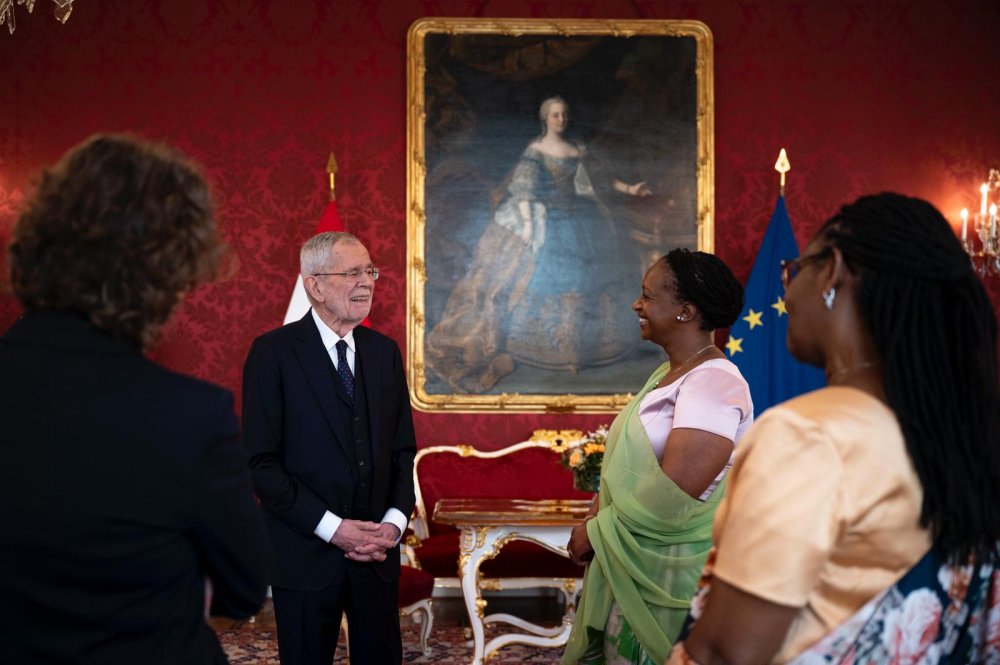
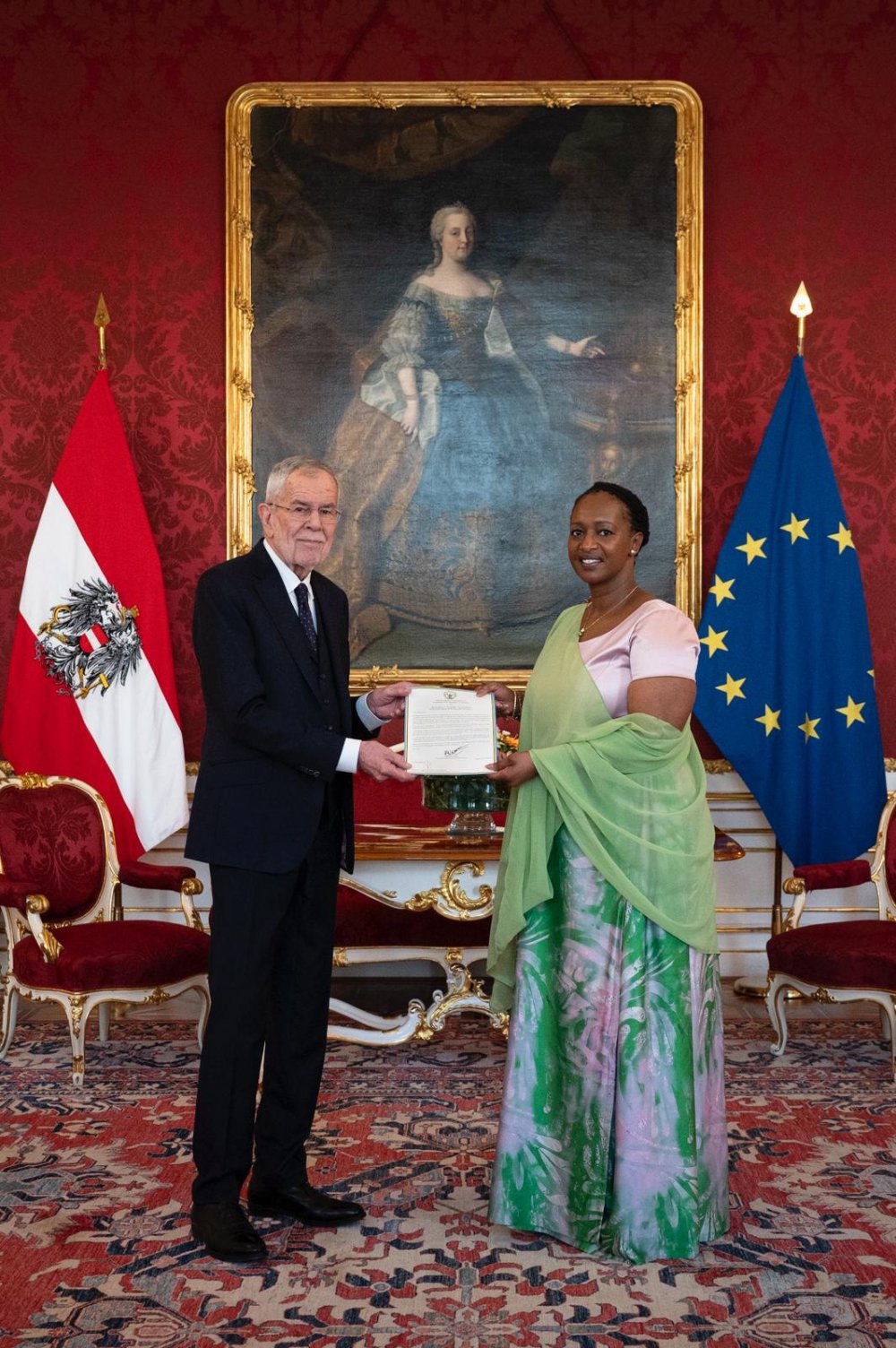
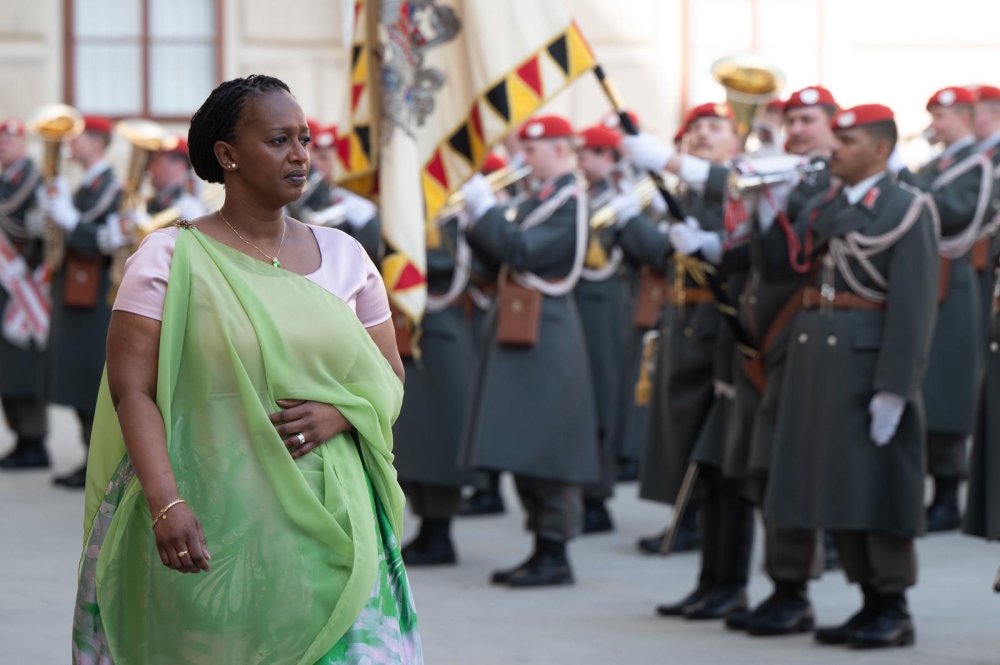
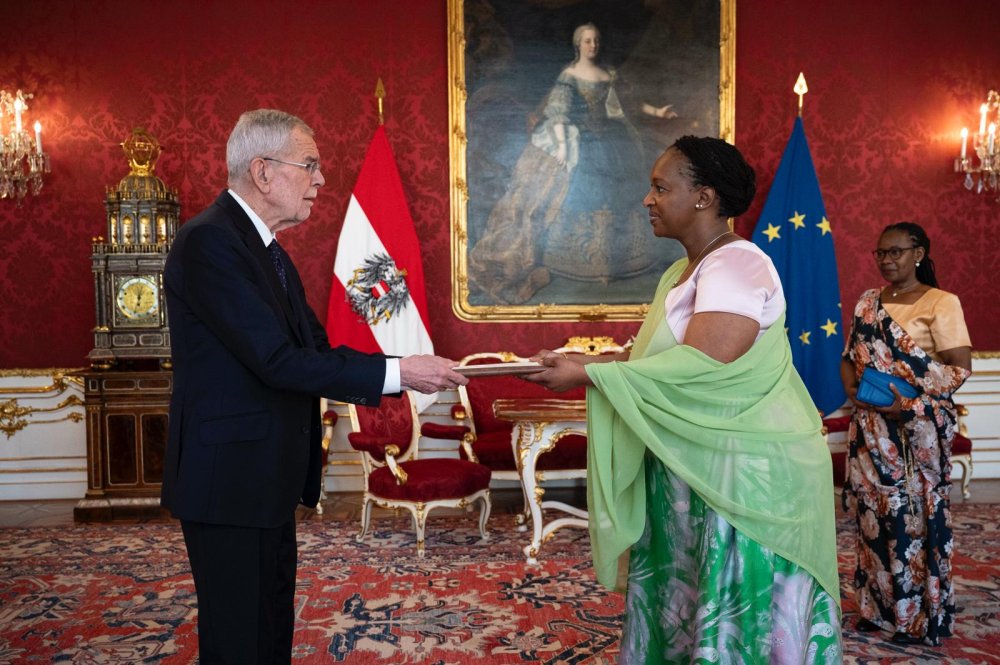
The ceremony marks the official beginning of the Rwandan envoy’s diplomatic mission in Austria. On this occasion, the exchanges between the two leaders reaffirmed the strong ties of friendship and cooperation between Kigali and Vienna, as well as their shared commitment to further strengthening bilateral relations.
During her visit to the Austrian capital, Amb. Bakuramutsa also held several meetings with Austrian officials. These discussions focused on prospects for cooperation in key sectors such as trade and investment, innovation, tourism, cultural diplomacy, and multilateral collaboration.
On the eve of the official ceremony, March 9, 2026, the Rwandan diplomat had already presented copies of her Letters of Credence to Ambassador Nikolaus Marschik, Secretary General of the Austrian Federal Ministry for European and International Affairs.
The meeting took place in the presence of Ambassador Maximilian Hennig, Chief of Protocol, and Dr Stefan Scholz, Head of the Department for Sub-Saharan Africa and the African Union.
During her stay in Vienna, Amb. Bakuramutsa also met with Peter Launsky-Tieffenthal, Special Envoy to the Federal Chancellor of Austria, to explore opportunities for further deepening relations between the two countries.
Rwanda and Austria maintain strong cooperative relations, notably through various development partnerships. Several initiatives supported by the Austrian Development Cooperation Agency (ADA) have contributed to projects in areas such as water and sanitation, youth empowerment, employability, and strengthening the justice sector.
Through this new diplomatic mission, Kigali and Vienna aim to continue consolidating their partnership and exploring new opportunities for collaboration for the benefit of both nations.
Rwanda’s Ambassador to Austria, Urujeni Bakuramutsa, with President Alexander Van der Bellen after presenting her Letters of Credence at the Hofburg Presidential Palace in Vienna.Urujeni Bakuramutsa presented her Letters of Credence to Alexander Van der Bellen, Federal President of Austria, during a ceremony at the Hofburg Presidential Palace in Vienna on March 10, 2026.President Alexander Van der Bellen welcomed Rwanda’s new ambassador, Urujeni Bakuramutsa, during the official credential presentation ceremony in Vienna.
The civilian sites included 7,943 residential homes, 1,617 commercial and service centers, 32 medical and pharmaceutical facilities, 65 schools and educational institutions, 13 Red Crescent buildings, and several energy supply facilities, Iravani told the press in a statement.
“They are deliberately and indiscriminately targeting civilians and civilian infrastructure across my country. They show no respect for international law and no restraint in committing these crimes,” he said.
“Densely populated residential areas and critical civilian infrastructure are deliberately targeted,” he said, adding that the figures continue to rise as the U.S.-Israeli military attacks continue.
Iravani listed several instances in which civilian targets were attacked, including heavy strikes on fuel storage facilities in Tehran and other cities on Saturday night, releasing large quantities of hazardous and toxic pollutants into the atmosphere.
The explosions caused severe air pollution and serious health risks for civilians, especially children, women, the elderly, and those with critical health conditions, he said, citing the Iranian Red Crescent Society.
“These heinous attacks also violate international environmental obligations, including those under the United Nations Framework Convention on Climate Change and the Convention on Biological Diversity,” he said.
Iravani noted that other instances included attacks on Mehrabad Airport in Tehran early Saturday morning, destroying or severely damaging several civilian aircraft and airport facilities, and attacks on a freshwater desalination plant on Qeshm Island in Hormozgan province, disrupting water supplies to 30 villages.
He also said that in the early hours of Sunday, Israel carried out “a deliberate terrorist attack” against the Ramada Hotel in Beirut, Lebanon, killing four Iranian diplomats. “The targeted killing of diplomats on the territory of another sovereign State is a grave terrorist act, a war crime, and a flagrant violation of international law.”
“The international community must act now to stop this bloody war against the Iranian people. We will take all necessary measures to defend our people, our territory, and our independence,” he said.
Iran has sadi that more than 1,300 civilians have been killed and 9,669 civilian sites destroyed in Iran in the military strikes launched by the United States and Israel since February 28.
The conflict has triggered large-scale displacement across the country. About 759,300 people have been registered as displaced, according to government data.
Authorities said 122,600 displaced people are currently staying in 580 shelters set up across various regions to house families forced to flee their homes amid the continuing hostilities.
Meanwhile, Israel carried out three airstrikes on Beirut’s southern suburbs on Tuesday afternoon, Lebanon’s National News Agency reported, and continued strikes on several areas in southern Lebanon.
Hezbollah said it launched rockets from Lebanon toward Israel early on March 2 for the first time since a ceasefire was declared on Nov. 27, 2024. The move prompted the Lebanese government to ban the group’s security and military activities, limiting it to political work and requiring it to hand over its weapons.
The Israeli military said it had launched what it described as an “offensive military campaign” against Hezbollah, carrying out heavy airstrikes across multiple Lebanese areas and conducting ground incursions near the border. It also warned residents to evacuate areas south of the Litani River and Beirut’s southern suburbs.
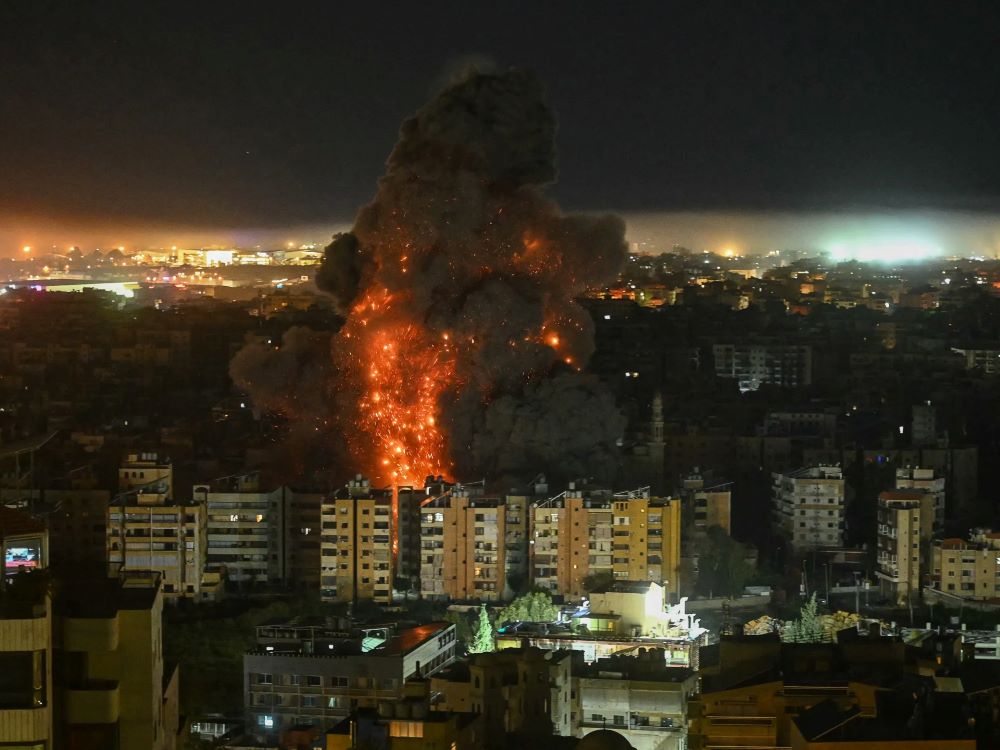
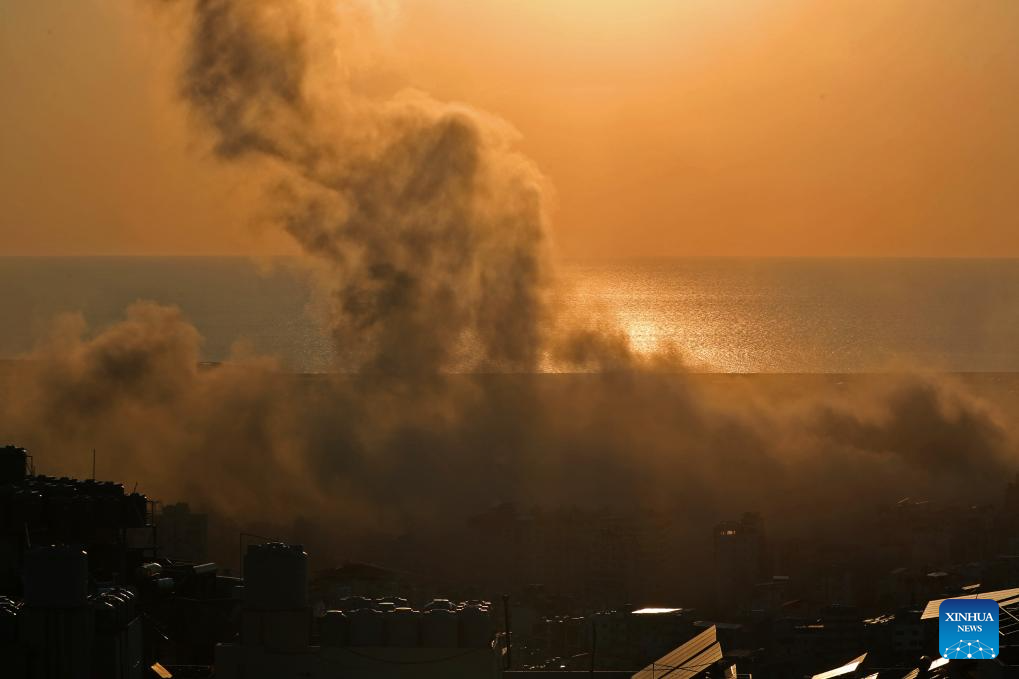
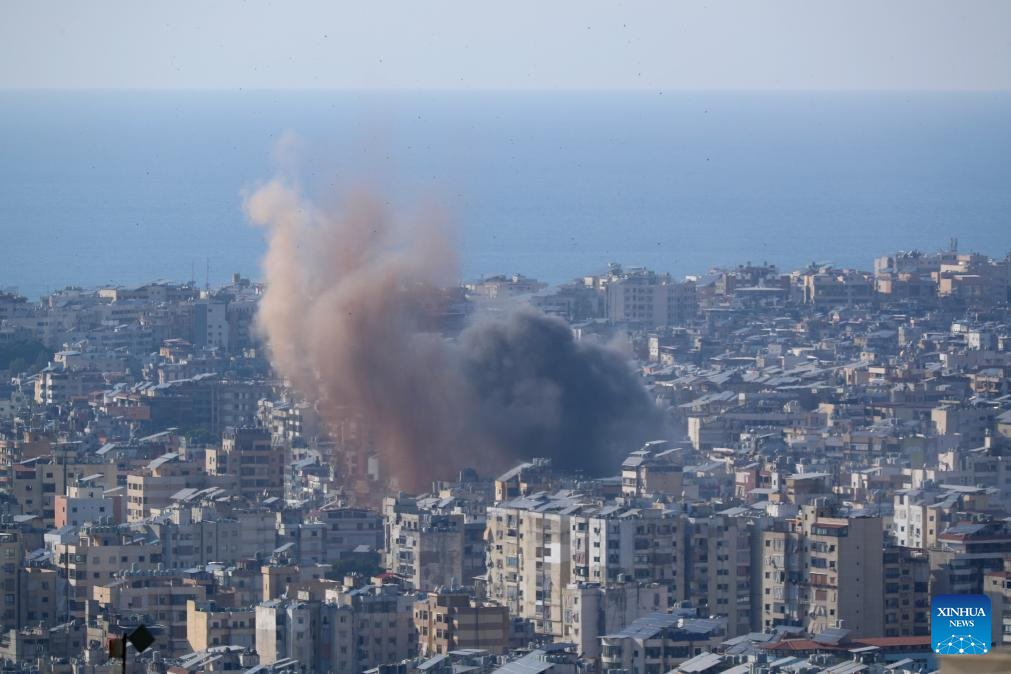
Smoke rises following an Israeli airstrike in Beirut’s southern suburbs, Lebanon, on March 10, 2026. The death toll from ongoing Israeli attacks on Lebanon has risen to 570, with 1,444 others wounded since the escalation began on March 2, figures released on Tuesday by the Disaster Risk Management Unit at the Lebanese Council of Ministers showed. Smoke rises following an Israeli airstrike in Beirut’s southern suburbs, Lebanon, on March 10, 2026. The death toll from ongoing Israeli attacks on Lebanon has risen to 570, with 1,444 others wounded since the escalation began on March 2, figures released on Tuesday by the Disaster Risk Management Unit at the Lebanese Council of Ministers showed.
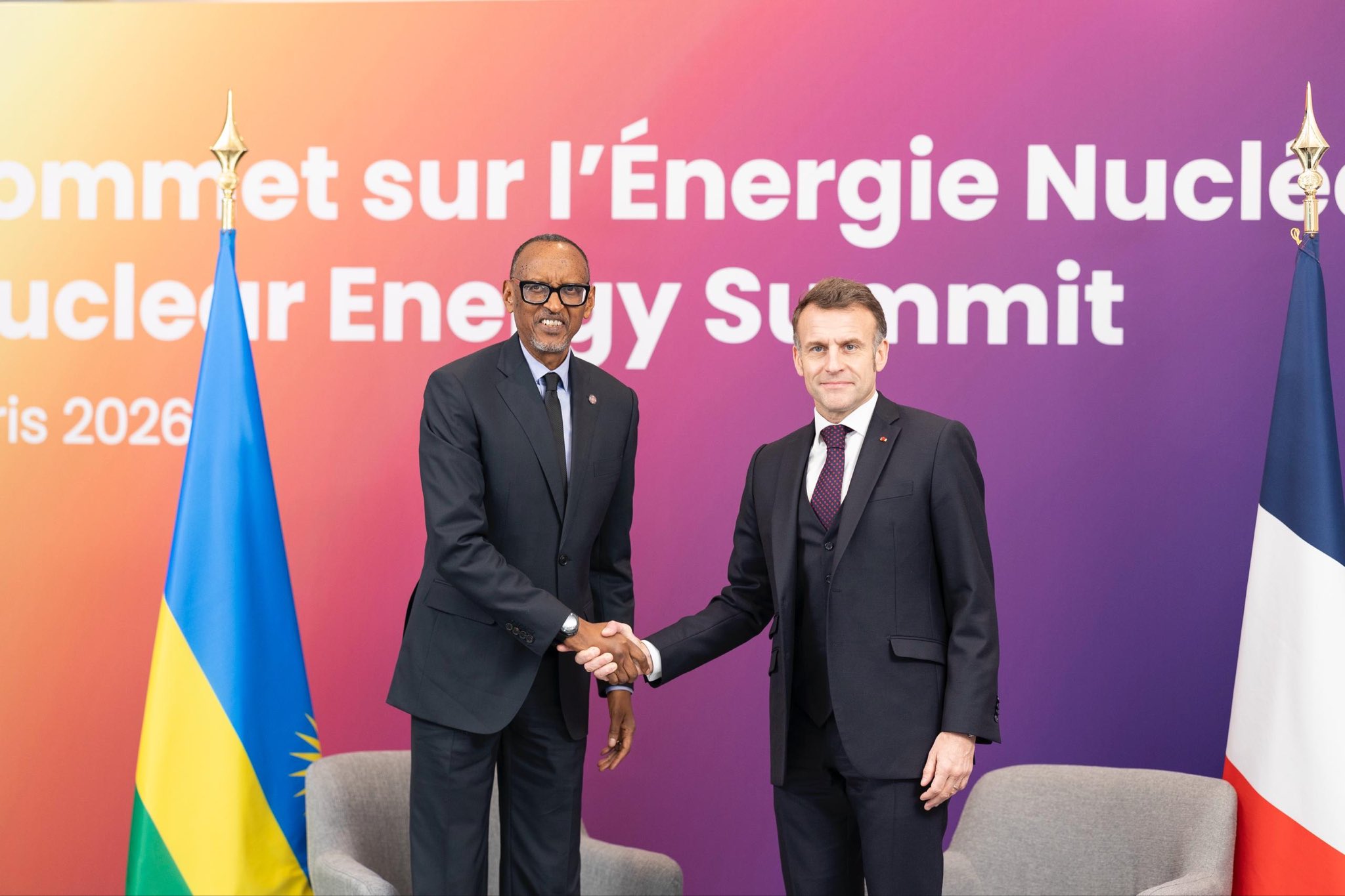
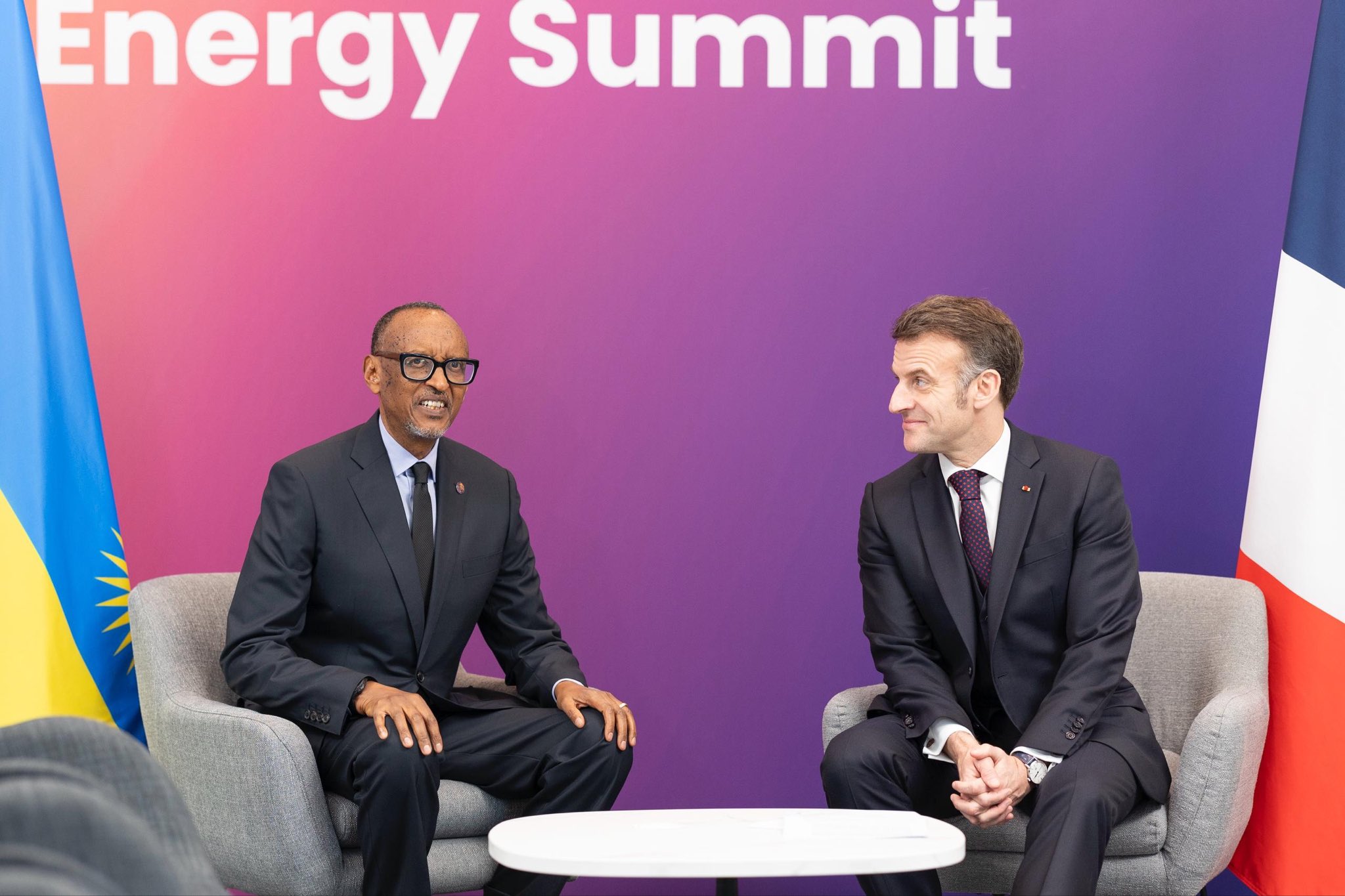
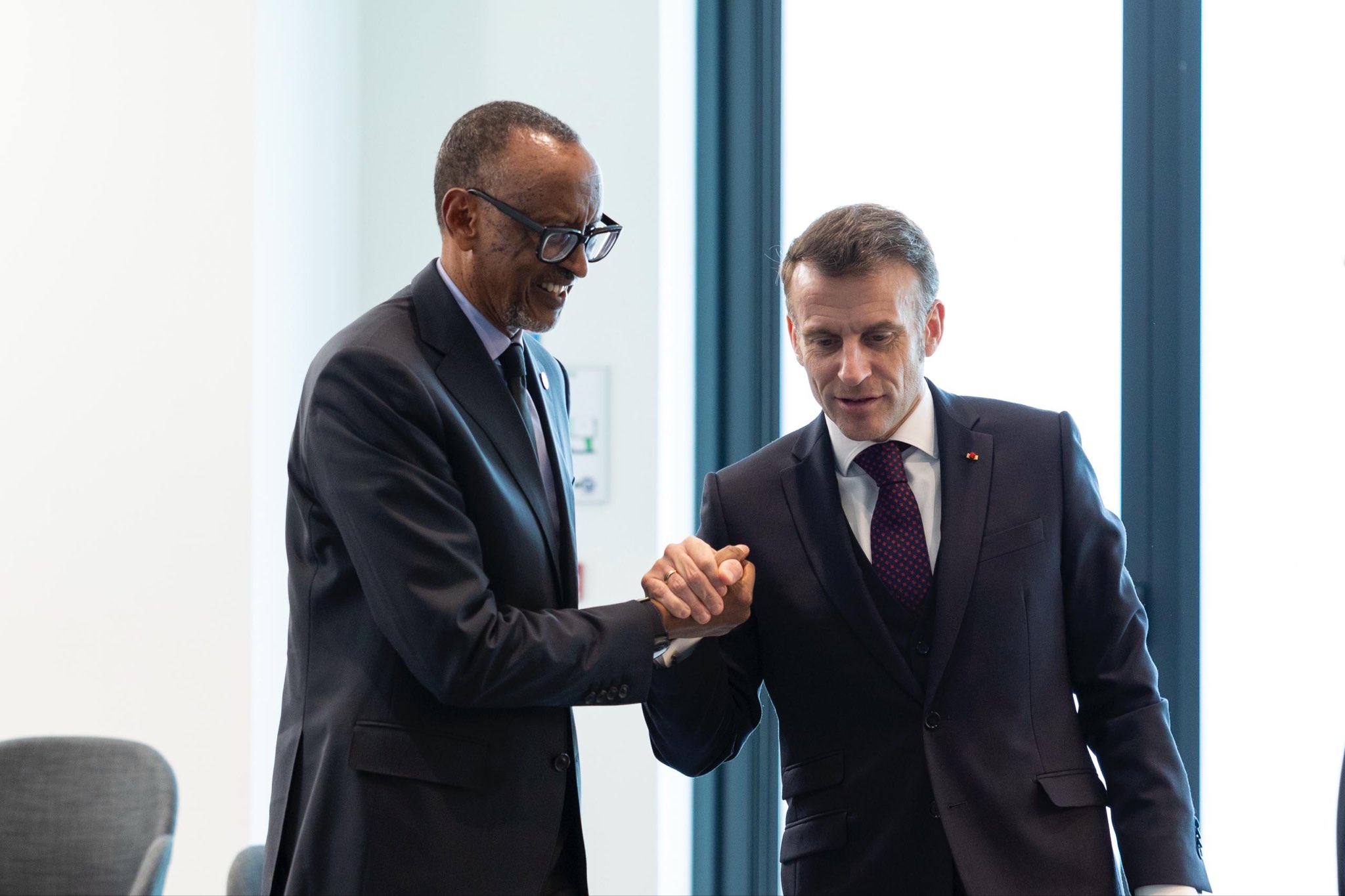
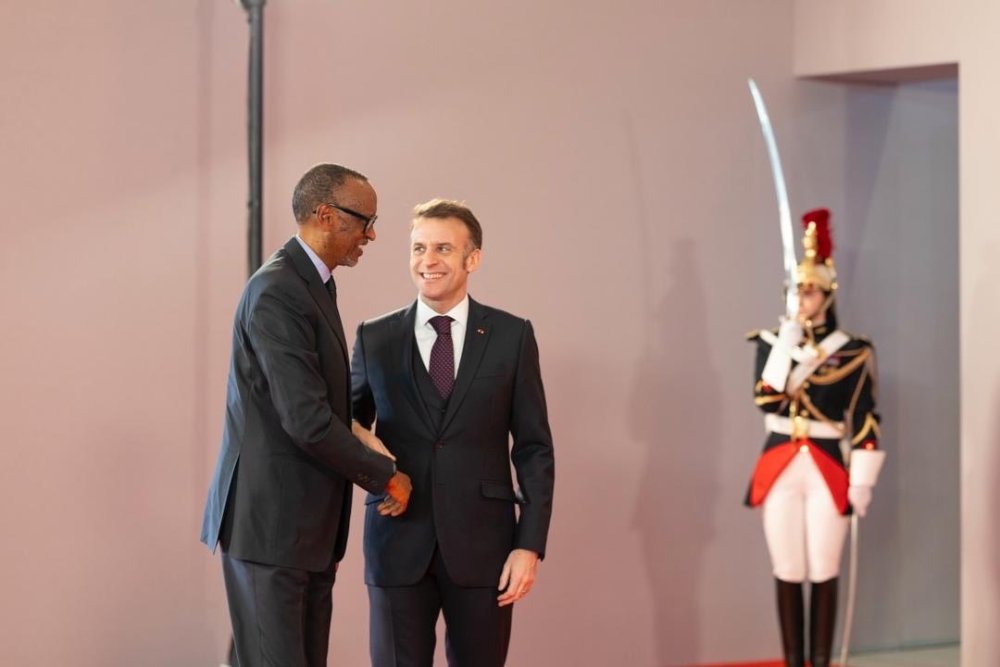
A brief statement released by the Office of the President indicated that the leaders discussed the strong and productive bilateral relations between Rwanda and France, as well as the security situation in the region, emphasising the need for sustained efforts to address its root causes.
The meeting comes against the backdrop of ongoing efforts to resolve the conflict in eastern Democratic Republic of the Congo, with Rwanda insisting that addressing the root causes is crucial to ending the decades-long conflict.
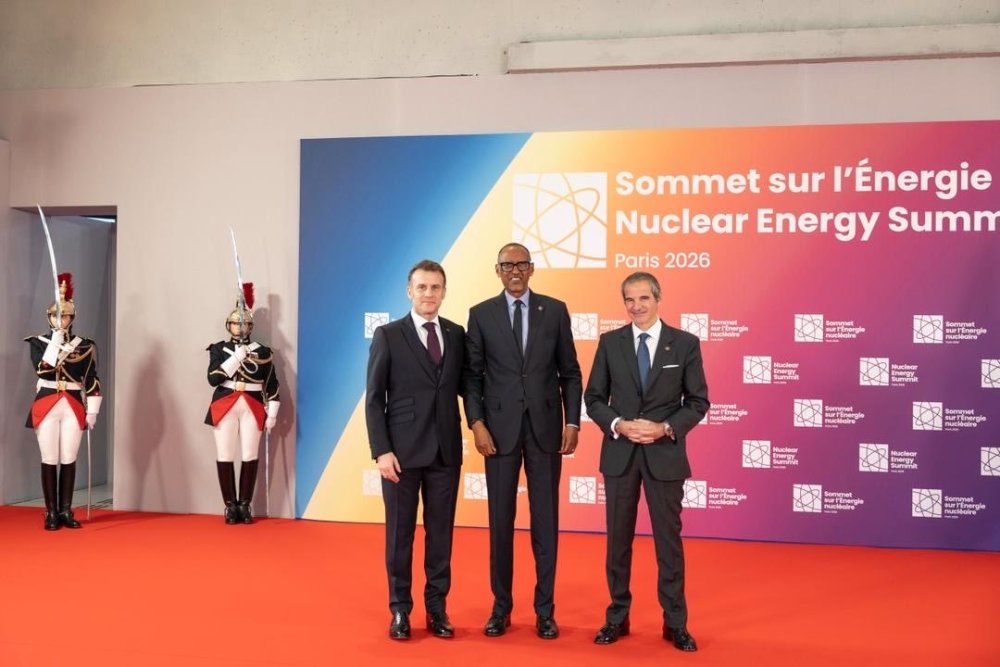
Meanwhile, the high-level summit in Paris brought together heads of state, government leaders, international organisations, financial institutions, nuclear industry representatives, and energy experts to discuss the future of civil nuclear energy. President Kagame attended the summit alongside a delegation from the Rwanda Atomic Energy Board (RAEB).
During his address at the summit, President Kagame reaffirmed Rwanda’s commitment to developing nuclear energy, describing it as a key pillar for powering the country’s industrial growth while meeting climate responsibilities.
He highlighted that Rwanda’s long-term ambition to become a high-income country by 2050 hinges on having a reliable and abundant electricity supply.
“Nuclear energy will play a central role in diversifying our energy mix and providing the stability needed for sustained economic transformation,” Kagame said.
President Kagame noted that nuclear power offers Rwanda a dependable source of electricity that can support industrial expansion while helping reduce carbon emissions.
“We have decided to make nuclear central to our strategy,” President Kagame said. “It will diversify our energy mix while providing the stability required for industrial growth and long-term transformation.”
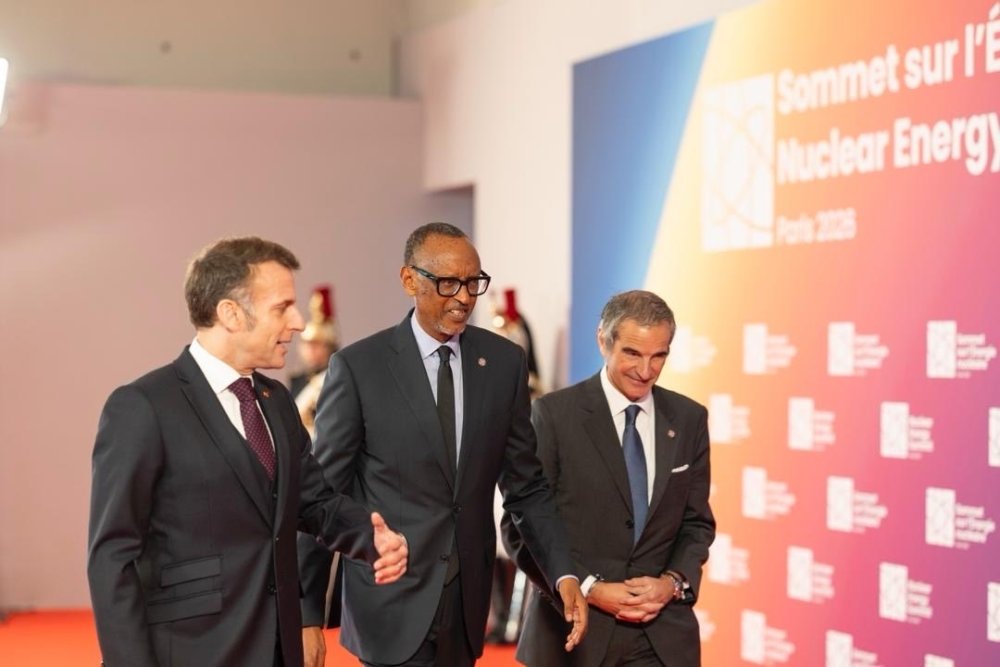
President Paul Kagame and his French counterpart Emmanuel Macron met on the sidelines of the Nuclear Energy Summit in Paris on Tuesday afternoon.The two leaders discussed the strong and productive bilateral relations between Rwanda and France, as well as the security situation in the region.
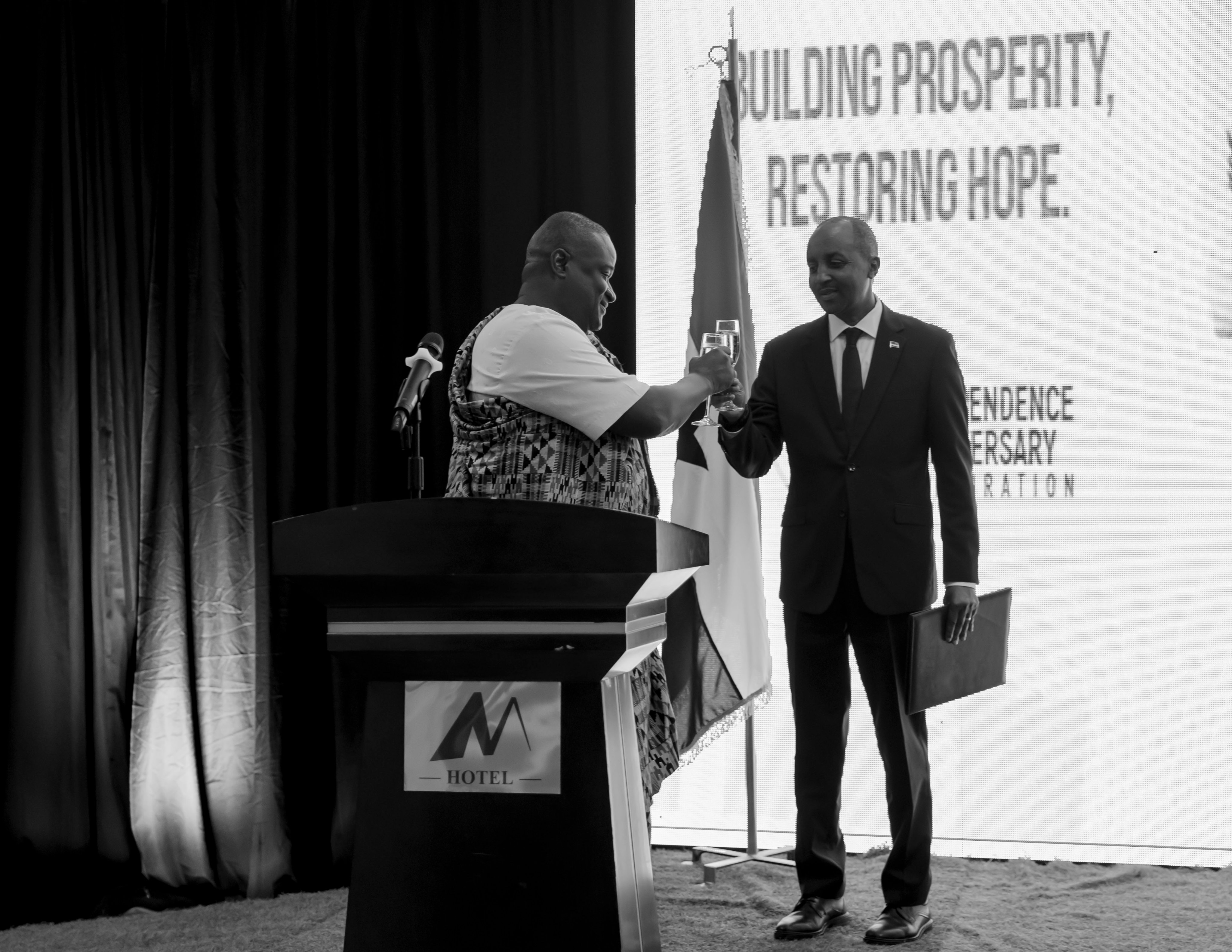
The event, held at M-Hotel, was the first such reception organized by the High Commission since its establishment in Rwanda in September 2024.
It brought together diplomats, Rwandan government officials, members of the Ghanaian community and their friends.
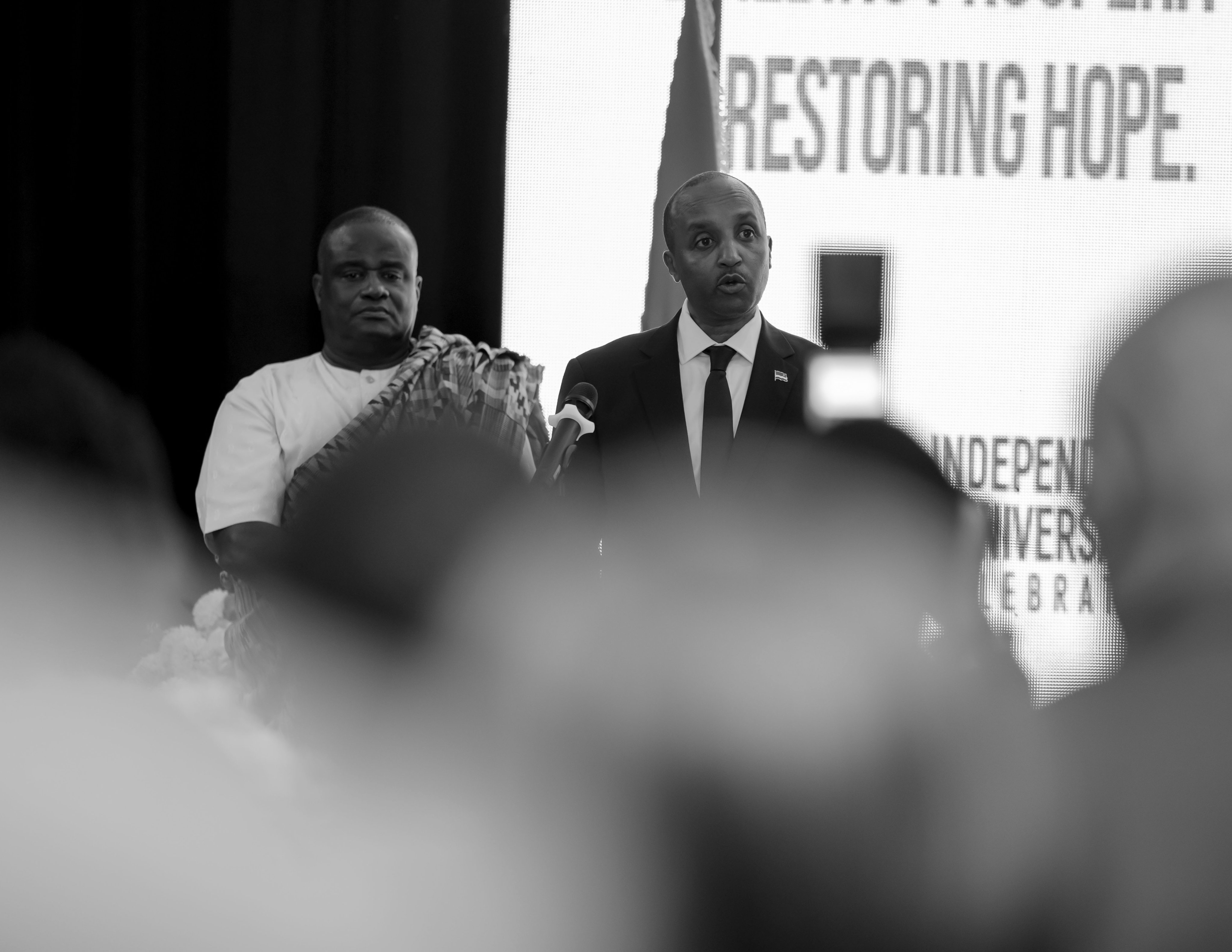
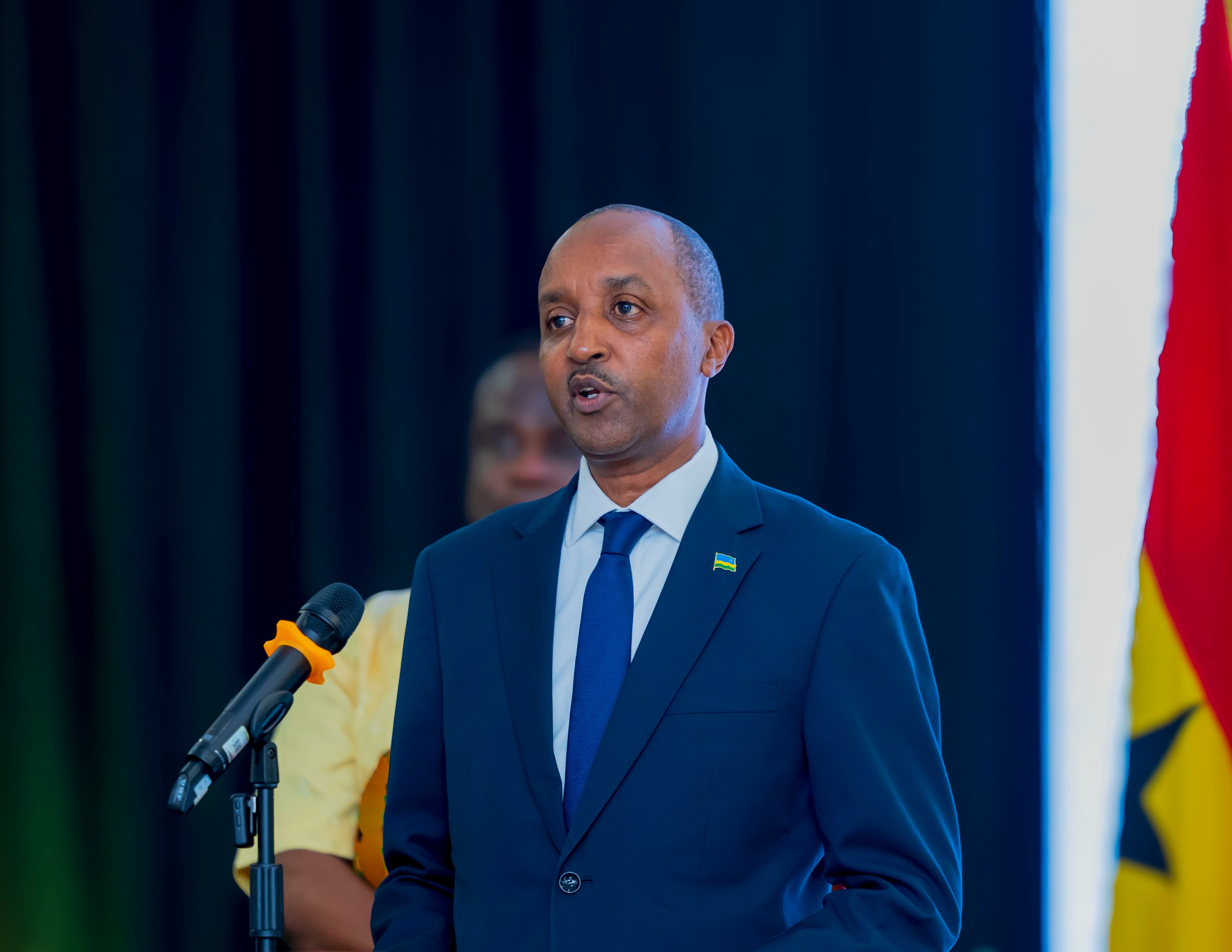
Speaking at the ceremony, Ghana’s resident High Commissioner to Rwanda, Ernest Yaw Amporful noted that the presence of members of the diplomatic corps and officials reflected the strong ties between Ghana, Rwanda and the wider international community.
Reflecting on Ghana’s history, the ambassador recalled that the country became the first sub-Saharan African nation to gain independence from colonial rule on March 6, 1957 under the leadership of Kwame Nkrumah, a moment that inspired liberation movements across the continent.
Nkrumah’s vision of Pan-African unity and his declaration that “Ghana’s independence is meaningless unless it is linked with the total liberation of the African continent” transformed the country into a hub and beacon of hope for freedom movements.
“Sixty-Nine years ago, Ghana blazed the trail as the first sub-Saharan African nation to break free from colonial rule, igniting a flame of freedom and self-determination across our continent,” he said.
Amb. Amporful said Ghana remains committed to democracy, peace and sustainable development, adding that the country continues to pursue economic transformation through new initiatives led by President John Dramani Mahama.
“This year’s celebration is anchored on the theme, ‘Building Prosperity, Restoring Hope’, a theme that speaks not only to Ghana’s aspirations but also to the collective yearning of Africa for economic transformation and a future of dignity and opportunity for all,” he said.
“They protected and saved lives during the Genocide against the Tutsis, even when ordered to withdraw. That act of courage and humanity forged a bond of trust and empathy between our peoples,” he said.
The ambassador noted that both countries are working toward their first Joint Permanent Commission of Cooperation, aimed at boosting trade, investment and innovation.
“Let us recommit ourselves to strengthening the bonds of friendship between our nations,” Amb. Amporful said, adding that such cooperation would help build prosperity and restore hope for both peoples.
Amb. Amporful also paid tribute to women, noting that the celebration came just a day after the world marked International Women’s Day.
“The prosperity of our nations and the hope of our continent rest upon the empowerment of women and girls, whose voices must be heard, whose rights must be protected, and whose dreams must be nurtured,” he said.
Speaking at the reception, the Permanent Secretary in the Ministry of Foreign Affairs, Amb. Fidelis Mironko, congratulated the government and people of Ghana on their 69th Independence Day and reflected on the broader meaning of such anniversaries. “I like to think of Independence Day as a call to action for the future. It is a reminder that the courage of our forebears must be matched by our determination today,” he said.
Amb. Mironko noted that the challenges facing the world today, including climate change, economic shocks and global uncertainty, require countries to work together with unity and strong leadership.
“As sister nations, Rwanda and Ghana will continue to stand shoulder to shoulder in advancing our shared vision of an Africa that is self-reliant, innovative, and globally competitive,” he said.
Rwanda and Ghana share long-standing relations that have grown over the years through cooperation in areas such as trade, defence and security, tourism, technology, culture and parliamentary exchanges.
The partnership also carries a strong historical dimension. In 1994, Ghanaian peacekeepers serving under the United Nations Assistance Mission for Rwanda (UNAMIR) were among the few who remained in the country to help protect civilians during the Genocide against the Tutsi, despite orders to withdraw.
Diplomatic ties have since deepened. Rwanda opened a resident High Commission in Accra in 2020 to strengthen political and economic cooperation, while Ghana established its High Commission in Kigali in 2024, marking another step in reinforcing relations between the two countries
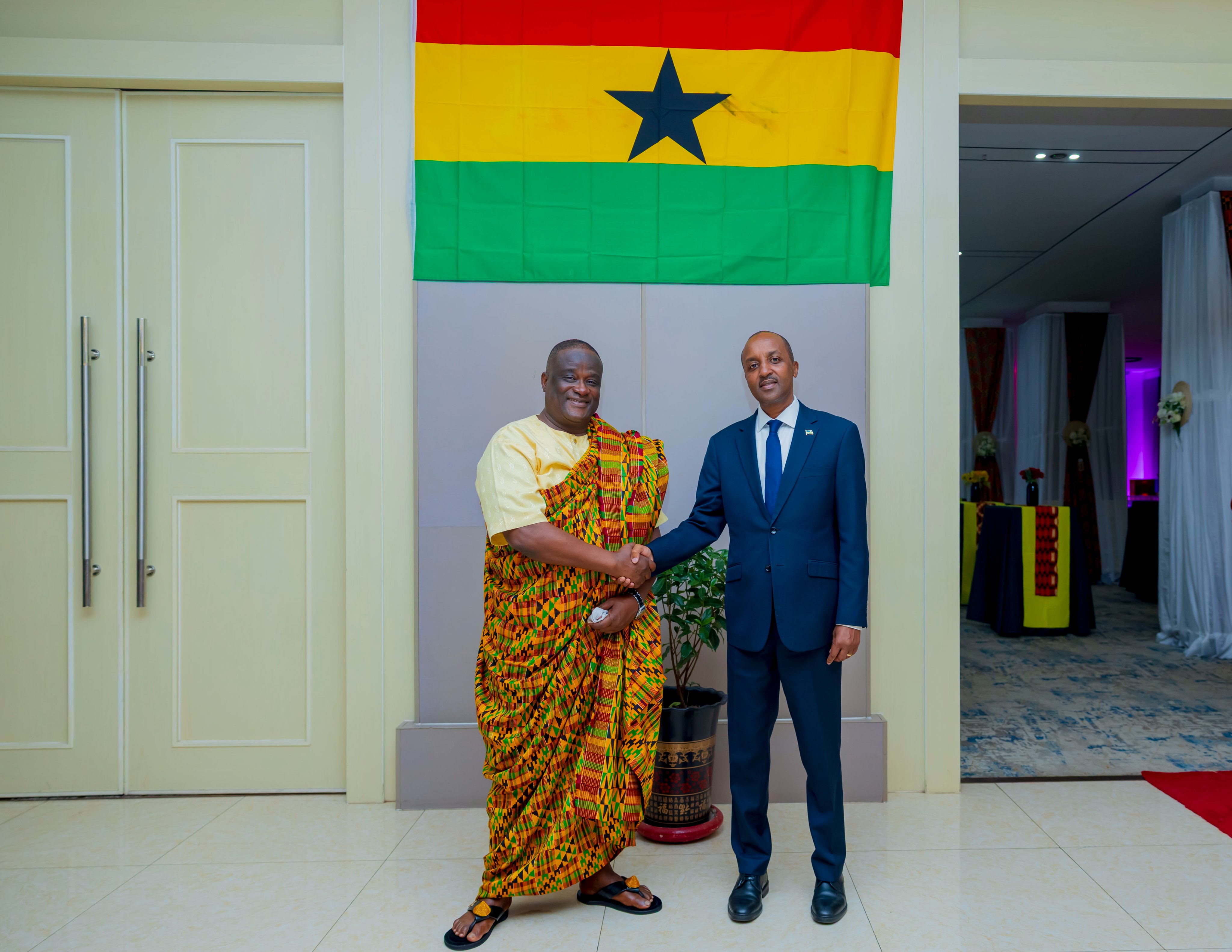
High Commissioner Amporful and Permanent Secretary in MINAFFET, Amb. Mironko pose together at the reception, symbolizing the strong ties between Ghana and Rwanda.High Commissioner Ernest Yaw Amporful and Permanent Secretary Fidelis Mironko toast to Ghana’s 69th Independence Anniversary at the Kigali reception on March 9, 2026.High Commissioner Amporful with Rwanda’s Permanent Secretary in the Ministry of Foreign Affairs, Amb. Fidelis Mironko, during the Independence Day reception at M-Hotel.Permanent Secretary Fidelis Mironko congratulated Ghana on its 69th Independence Day, emphasizing the importance of unity and shared action for Africa’s future.
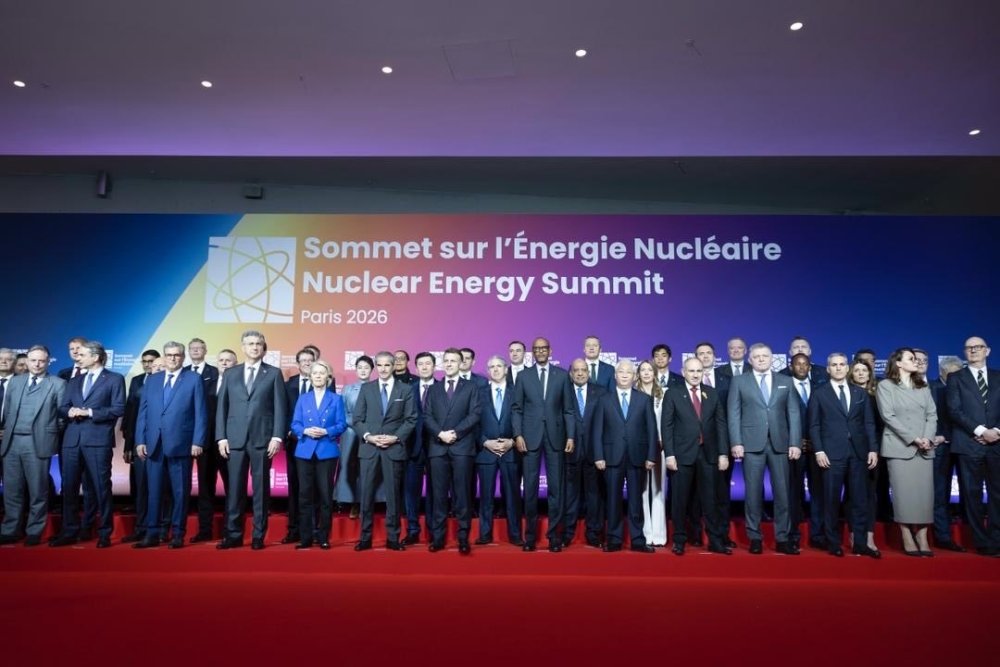
The high-level meeting brought together heads of state and government, leaders of international organizations, financial institutions, nuclear industry representatives and energy experts to discuss the future of civil nuclear energy.
Currently, nuclear energy generates about 10 percent of the world’s electricity. Many countries consider it a sustainable solution for increasing energy supply while reducing carbon emissions.
At the United Nations Climate Change Conference held in Belém, Brazil, in November 2025, Rwanda joined 32 other countries in committing to triple nuclear energy capacity worldwide by 2050.
President Kagame’s participation in the summit comes shortly after experts from the International Atomic Energy Agency (IAEA) visited Rwanda from March 2 to 9 to assess the country’s readiness to develop nuclear energy infrastructure.
The Chief Executive Officer of RAEB, Fidele Ndahayo, said Rwanda has been expanding the peaceful use of nuclear technology, particularly in sectors such as healthcare. He also noted that a university program dedicated to nuclear science has been introduced.
Last week, Dr. Ndahayo explained that Rwanda had completed a preliminary assessment identifying potential sites where small nuclear reactors could be built. According to the plan, the country hopes to have its first nuclear power plant operational in the early 2030s.
He added that studies have also been conducted to determine whether the existing electricity transmission network can accommodate power generated by future small modular reactors.
Rwanda aims to increase its electricity generation capacity to more than 3,000 megawatts, up from the current 447 megawatts. Authorities believe small nuclear reactors could play a key role because they require less land, produce low carbon emissions and generate significant power.
Feasibility studies estimate that building a nuclear power plant in Rwanda could cost between $5 billion and $6 billion. RAEB says the project would likely require a partnership between the government and private investors.
Currently, South Africa is the only African country operating a nuclear power plant. However, interest in nuclear energy is growing across the continent. Kigali is set to host the Nuclear Energy Innovation Summit on Africa from May 18 to 21, 2026.
President Kagame was received by his French counterpart Emmanuel MacronPresident Kagame is among heads of state who attended the summit. Participants of the summit in a group photo.
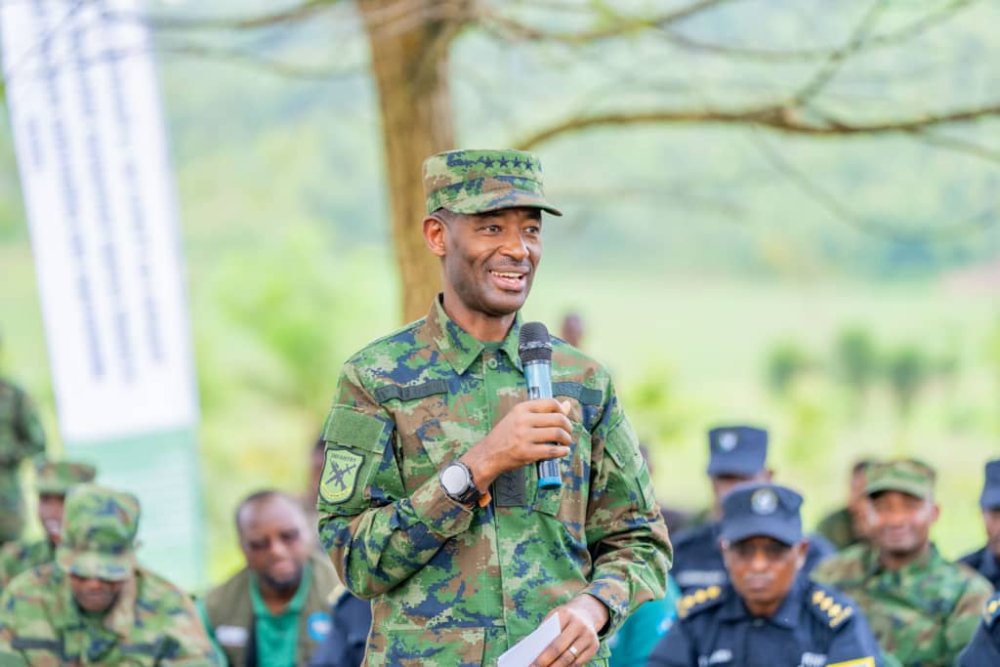
Gen Muganga made the remarks on March 9, 2026, in Ngarama Sector of Gatsibo District, during the launch of three-month Defence and Security Citizen Outreach Programme 2026.
He explained that the core mission of the Rwanda Defence Force is to protect the country and its people, even if it means paying the ultimate price.
“Normally, it may not make sense mathematically, but to show how valuable Rwanda’s citizens are, we would accept sending even 1,000 soldiers into battle and have them fall there to protect one Rwandan citizen,” he said.
Gen Muganga’s statement comes at a time when some countries have been pressuring Rwanda to remove defensive measures deployed along its border. Rwanda says these measures are intended to prevent attacks from the FDLR terrorist group and allied forces.
Rwanda established the defensive measures following a series of attacks in Musanze District in March, May and June 2022, which Rwanda says involved the FDLR and allied forces from the Democratic Republic of Congo.
Authorities say the measures have helped reduce security threats. In January 2025, Rwanda intercepted several rockets fired toward Rubavu town, although the provocations left ten civilians dead.
Speaking to diplomats accredited in Rwanda on March 7, President Paul Kagame defended the country’s position, saying the defensive posture remains necessary because the government of the Democratic Republic of the Congo has not dismantled the FDLR genocidal group.
A 2025 governance scorecard by the Rwanda Governance Board (RGB) showed strong public confidence in security and stability in the country, with the security pillar scoring 90.02 percent.
Gen Muganga has reaassured Rwandan citizens on their safety noting that soldiers are ready to pay ‘ultimate price’.
The chairperson said in a statement that he is closely following developments in the region, which are marked by “concerning incidents that are escalating tensions and undermining regional stability.”
He expressed deep concern over recent attacks on critical infrastructure, including energy and transport facilities, which further heightened tensions and is threatening regional and global economic stability.
Highlighting that such actions are disrupting vital supply chains and have far-reaching implications for international trade and energy markets, he condemned any violation of international law, including infringements on the sovereignty and territorial integrity of states.
He called on all related parties to exercise maximum restraint, prioritize dialogue and diplomacy, and work toward a swift de-escalation of the situation, in accordance with the principles and purposes of the Charter of the United Nations.
“Rising oil prices and disruptions in trade routes are already affecting markets, including the export of perishables from Africa, while disruptions to airspace are impacting African airlines and travel connectivity,” Youssouf said.
He reiterated the 55-member continental organization’s commitment to international law, the peaceful resolution of disputes, and the preservation of international peace and security.
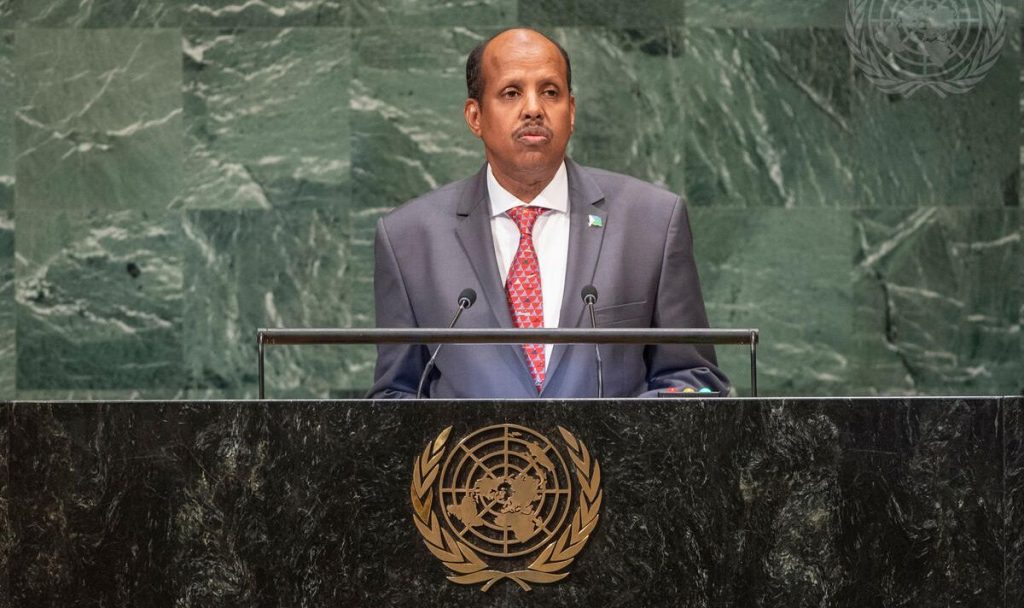
African Union Commission Chairperson Mahmoud Ali Youssouf has warned that military escalation in the Persian Gulf threatens regional and global economic stability.
Speaking to PBS News, Araghchi warned that Iran had no intention of slowing its military response. “The firings continues, and we are prepared. We are well prepared to continue attacking them with our missiles as long as needed and as long as it takes,” he said.
He also ruled out diplomatic talks with Washington, citing past experiences during earlier negotiations. “I don’t think talking with Americans anymore would be on our agenda,” Araghchi said, adding that Tehran had “a very bitter experience of talking with Americans.”
Trump, however, suggested the conflict might not last long. Speaking at a news conference in Florida, he said: “It’s going to end soon and if it starts up again, they’ll be hit even harder.” The president had earlier described the campaign as a “short term excursion.”
The remarks came as tensions escalated across the Middle East. Iran, now led by newly appointed supreme leader Mojtaba Khamenei, launched a new wave of missile and drone attacks targeting Saudi Arabia, Bahrain, Qatar, the United Arab Emirates and Israel. Another missile was fired toward Turkey but was intercepted by NATO air defenses before reaching its target.
Meanwhile, the conflict has rattled global markets and energy supplies. The closure of the strategic Strait of Hormuz, through which about 20% of the world’s crude oil passes, sent oil prices above $100 a barrel before they later dropped.
French President Emmanuel Macron said France and its allies were considering a “purely defensive” naval mission to help reopen the waterway once the most intense phase of the fighting subsides.
As fighting spreads across several fronts, oil traders, policymakers and governments worldwide are closely watching the region, fearing further disruption to global energy supplies and shipping routes.
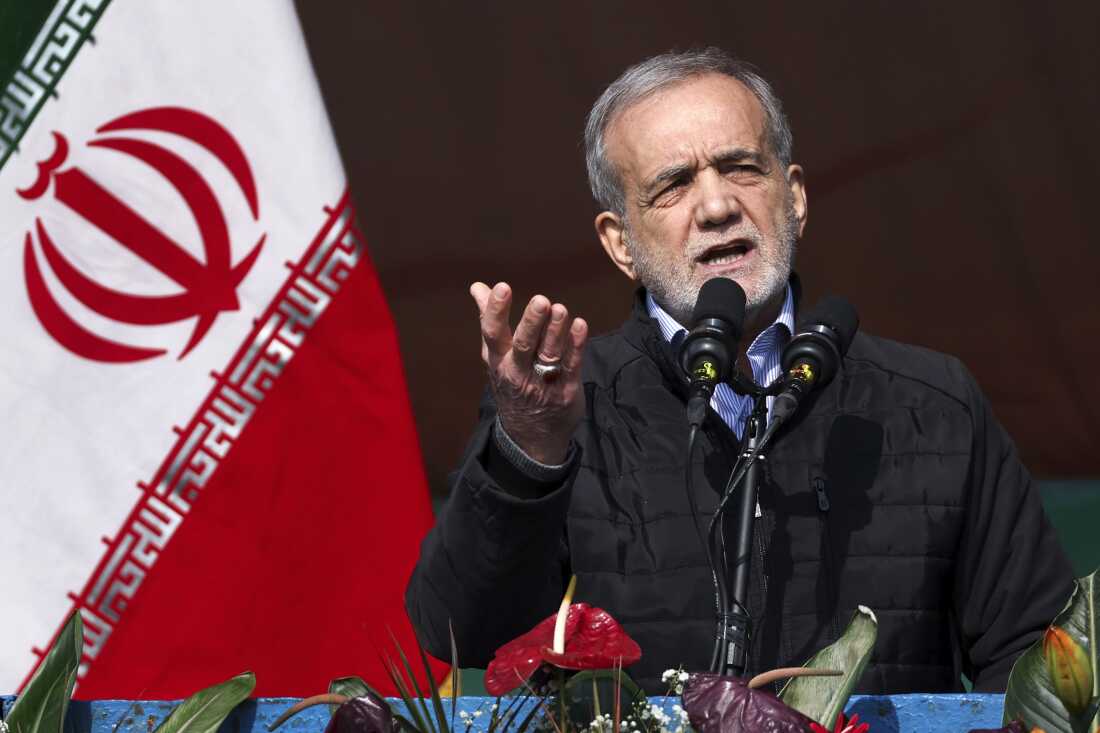
In this photo released by the Iranian Presidency Office, President Masoud Pezeshkian speaks during a rally commemorating anniversary of 1979 Islamic Revolution that toppled the late pro-U.S. Shah Mohammad Reza Pahlavi and brought Islamic clerics to power, in Tehran, Iran, Monday, Feb. 10, 2025. (Iranian Presidency Office via AP, file)
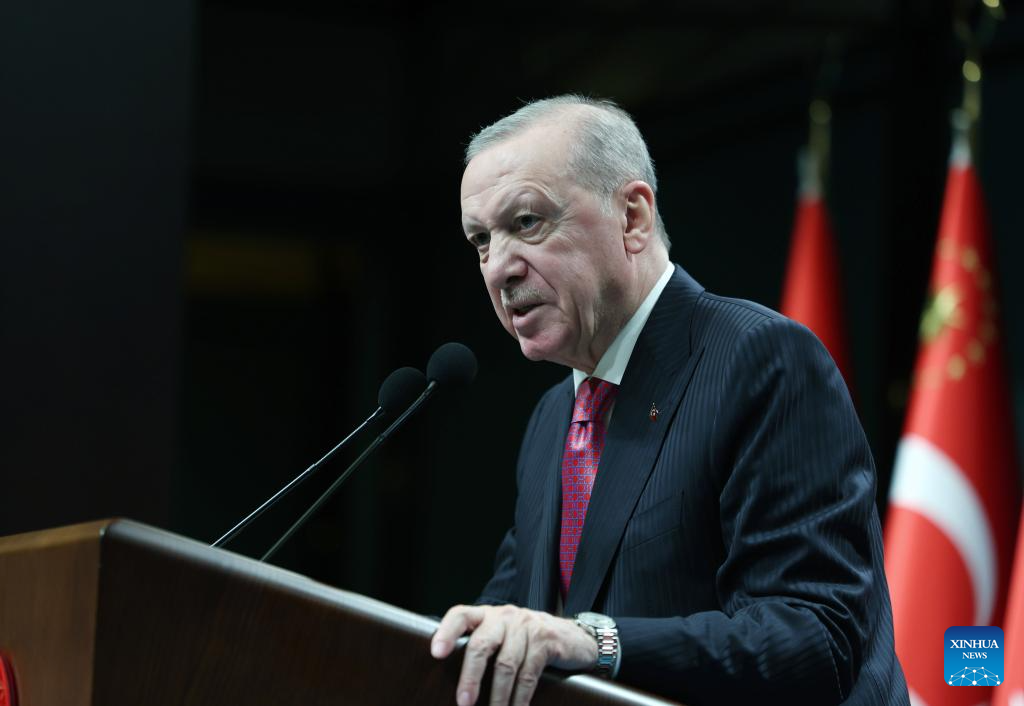
Speaking after a cabinet meeting in Ankara, Erdogan said all relevant institutions are working in coordination and remain on alert in response to the evolving security environment. He added that the government’s primary objective is to shield the country from the ongoing turmoil in the region.
His remarks came after a missile launched from Iran was intercepted over Türkiye’s southeastern province of Gaziantep earlier on Monday. The ballistic munition, which had entered Turkish airspace, was neutralized by NATO air and missile defence assets deployed in the Eastern Mediterranean. The ministry confirmed that there were no casualties or injuries.
“We are closely monitoring all developments with our experienced teams. We are not letting our guard down. Our goal is to keep our country away from this fire,” he said.
The president stated that Türkiye had delivered the necessary warnings to Iran, but “wrong steps” continued to be taken despite those warnings.
“Despite our warnings, wrong and provocative steps that could strain Türkiye’s friendship continue to be taken,” he said. “No one should pursue a course of action that would cast a shadow over our thousand-year-old neighborly and brotherly ties and leave deep wounds in the hearts and minds of our nation.”
“In the context of today’s incident, I once again remind that there should be no insistence or stubbornness in persisting in mistakes,” Erdogan said.
He added that Türkiye’s airspace was being monitored around the clock against potential threats. “Our F-16s, airborne early warning aircraft and tanker planes are observing our airspace 24/7 against possible threats,” he said.
Turkish President Recep Tayyip Erdogan speaks at a press conference following a cabinet meeting in Ankara, Türkiye, on March 9, 2026. Erdogan said on Monday that Türkiye is maintaining a high level of vigilance amid escalating regional tensions, warning that “provocative steps” could strain Ankara’s relations with Tehran.