Early results of Anadolu showed incumbent Turkish President Recep Tayyip Erdogan with a comfortable ahead compared to the opposition rival Kemal Kilicdaroglu, but the gap was narrowed as more votes were counted.
Erdogan received 49.67 percent of the vote when 93 percent of the ballots were counted, against 44.59 percent of the vote for opposition leader Kemal Kilicdaroglu, the Anadolu reported. The third candidate Sinan Ogan garnered 5.3 percent of support.
If no presidential candidate secured a simple majority, or 50 percent, of the votes in the first round, a second ballot would be scheduled between the top two frontrunners on 28 May.
As the ballot boxes for the parliamentary election were also finishing counting, unofficial results showed that the People’s Alliance, formed by Erdogan’s ruling Justice and Development Party (AKP), the Nationalist Movement Party (MHP), the New Welfare Party and the Great Union Party, had 323 lawmakers, highest among three alliances that run for the 600-seat parliament.
The six-party opposition block Nation Alliance gained a total of 214 lawmakers and could not secure 360 seats required to hold a referendum for ending the current executive presidency that they pledged in their election campaign.
The Labor and Freedom Alliance, a coalition of left-wing political parties, had 63 lawmakers, with the Green Left Party gaining 60 seats and the Workers’ Party of Türkiye 3 lawmakers.
Some 61 million voters are registered to cast their ballots. Around 3.5 million voters living abroad have been called to cast their votes in advance. The voter turnout was high at nearly 80 percent.
The coalition had demanded that the government drop one of the lawmakers it had selected to represent it in the parliamentary talks before they started, noting that the member belonged to the opposition coalition.
The government side on Wednesday replaced the Member of Parliament with an agreeable one prompting the coalition to call off protests, which it had resumed after a three-week break.
“This evening, the leadership of the Azimio la Umoja-One Kenya Coalition Party met and agreed to once more suspend the mass protests that we had earlier scheduled to continue tomorrow. The coalition took this step following the decision by Kenya Kwanza (a Kenyan political alliance currently headed by President William Ruto) to accede to one of our demands that informed the resumption of mass action,” it said in a statement issued in Nairobi, the Kenyan capital.
The opposition said instead of holding the protests, they have summoned their seven-member delegation to the bipartisan committee for fresh instructions to inform further engagement with the Kenya Kwanza side.
“As a party, we express deep gratitude to all Kenyans who have participated in the demonstrations in defense of justice and democracy in our country. We also wish to reiterate that we will not hesitate to resume mass action at the slightest indication of lack of goodwill and honesty on the Kenya Kwanza side,” the opposition said.
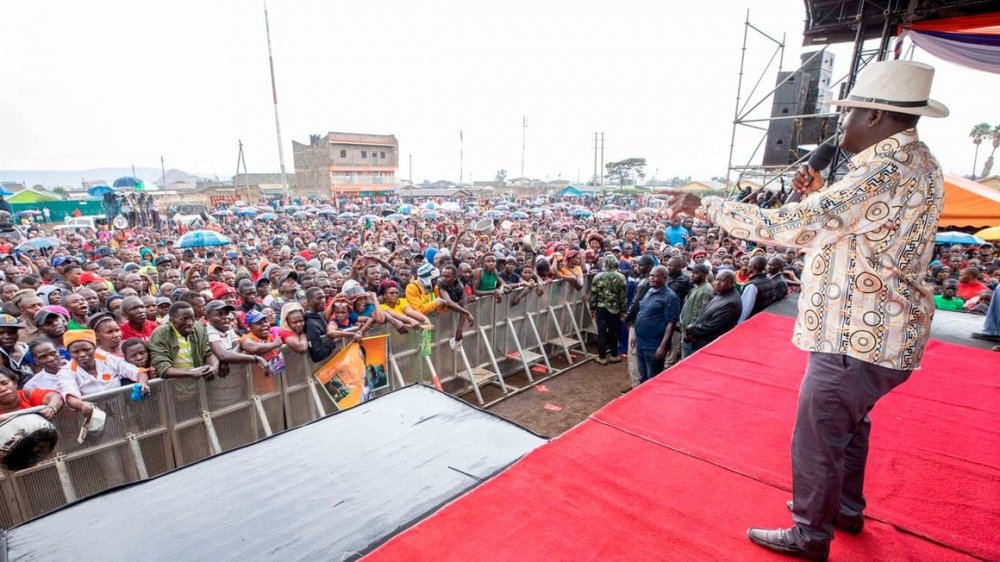
The opposition has been holding protests over the high cost of living and alleged electoral fraud and had vowed to resume demonstrations Thursday unless their demands are addressed.
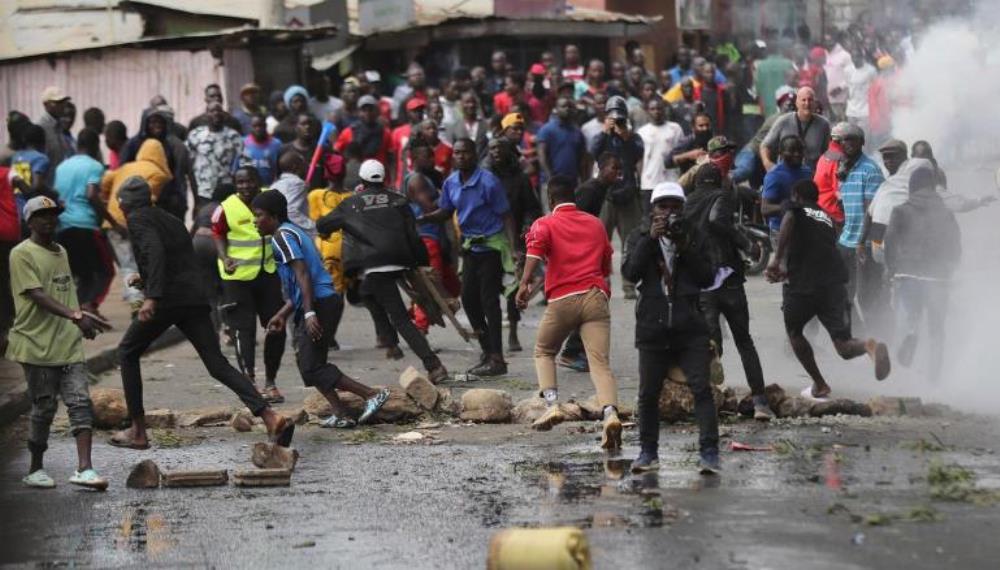
On Tuesday, at least two vehicles were burnt and fuel stations vandalized in Nairobi as the coalition held street protests to push the government to act on the high cost of living and electoral injustice. The protests that followed collapsed talks with Ruto’s government over their grievances and slowed down activities in the capital.
One of the burnt vehicles is a 32-seater commuter bus, while the other is a truck with transit goods heading to neighboring Uganda.
Kithure Kindiki, the cabinet secretary in the Ministry of Interior and National Administration, said Tuesday the protests portend grave danger to the rule of law and the stability of the country.
Kindiki said the violence, looting, and destruction of public amenities such as roads coupled with the disruption of daily activities portend imminent danger of the country sliding into irretrievable anarchy and called for the cessation of criminal acts.
“To ensure the country does not turn into lawlessness, security agencies are fairly instructed to enforce the law firmly and decisively. All criminals, irrespective of the political party or group that they support, must be neutered before they destroy Kenya,” he said in a statement issued in Nairobi.
He said 14 key suspects have been arrested in connection with the robberies, arson, and malicious damage of property within Nairobi, while 32 have been arrested in different parts of western Kenya.
All suspects will be arraigned in court, said Kindiki, stressing that only firm enforcement of the law stands between us and lawlessness and full-blown chaos. “Any aggravation of the prevailing situation would certainly set back the country. No more violent protests shall be allowed anywhere in Kenya. With or without notices, demonstrations and protests of any type which injure people, security officers, businesses and property shall be prevented at all costs,” Kindiki said.
There was a heavy presence of police across the Nairobi central business district during the demonstrations Tuesday, with officers blocking roads leading into the city center to prevent opposition supporters and their leaders from getting in.
Officers engaged youth in running battles in Mathare and Kibra, two opposition strongholds in the city.
Protests were also witnessed in four counties which are opposition bastions in western Kenya, where youth barricaded roads and lit bonfires.
Martha Karua, one of the leaders of the Azimio coalition, in a statement issued in Nairobi, blamed the police for hooliganism experienced during the protests.
Opposition leaders had also intended to present a petition to the Office of the President, with evidence that the cost of food, fuel, electricity, and fees remain unacceptably high. Police, however, dispersed them using tear gas.
On Monday during Labor Day celebrations, Ruto termed the anti-government protests as undemocratic.
He said there was no room for opposition leaders in government, adding that he had agreed to parliamentary-led bipartisan talks with the opposition, but they had chosen to go on the streets.
He added while his administration respects the rights and freedoms of every Kenyan and appreciates the role of the opposition to keep the government in check, he would not allow them to protest and destroy property, livelihoods, and businesses.
During their conversation, Xi reiterated China’s core position on promoting peace talks between Ukraine and Russia, and announced that Beijing will send a special representative on Eurasian affairs to visit Ukraine and other countries to conduct in-depth communication with all parties on the political settlement of the crisis.
The phone call provides a further illustration of China’s willingness to mediate in the prolonged crisis besetting the world for more than one year, and of the responsible role China plays in promoting world peace and stability.
China’s commitment to helping achieve the political settlement of the Ukraine crisis reminds the headline-grabbing rapprochement between Saudi Arabia and Iran not long ago, which was also a result of China’s selfless diplomatic work.
Persuading Russia and Ukraine to sit down at the negotiating table is indeed a much harder task. Fortunately, voices for peace and rationality are building. More people are waking up to the fact that a protracted crisis to some extent is detrimental to everyone in the world, and dialogue is the sole viable way out.
Those who refuse to endorse peace and add fuel to the fire are possessed by their mindset of bloc confrontation or care only about selfish gains from the tragedy.
As a responsible member of the international community, China has been making efforts to ease tensions and promote peace talks since the start of the crisis.
In February 2023, the Chinese Foreign Ministry released a paper stating Beijing’s position on the Ukraine crisis, putting forward a 12-point proposal to end the conflict by addressing both the symptoms and the root causes of the crisis, and reiterating the necessity to end the conflict through dialogue and negotiations.
During a state visit to Russia a month later, Xi had an in-depth exchange of views on the Ukraine issue with Russian President Vladimir Putin, pledging that China would continue to play a constructive role in promoting the political settlement of the crisis.
Contrary to some countries treating the crisis in a biased and partial way, China has been nudging the two sides into the restoration of peace by upholding balanced and impartial stance.
On the Ukrainian side, while pledging to send a special envoy during the phone talks between Xi and Zelensky, China also vowed to keep providing help for the country.
In response, the Ukrainian president thanked China for providing humanitarian assistance and welcomed China’s important role in restoring peace and seeking diplomatic solution to the crisis.
China and Russia have blazed a path of major-country relations featuring strategic trust and good neighborliness. Meanwhile, China-Ukraine relations have gone through 31 years of development and reached the level of strategic partnership.
Moreover, China is not the creator of the crisis, nor a party directly concerned. That gives Beijing the diplomatic room and qualification to give a full ear to the demands and concerns of both Russia and Ukraine and play a responsible role in the settlement of the crisis.
As for all other parties who truly expect an early end to the crisis and restoration of peace, they should join China’s efforts and build up favorable conditions for the political settlement of the crisis.
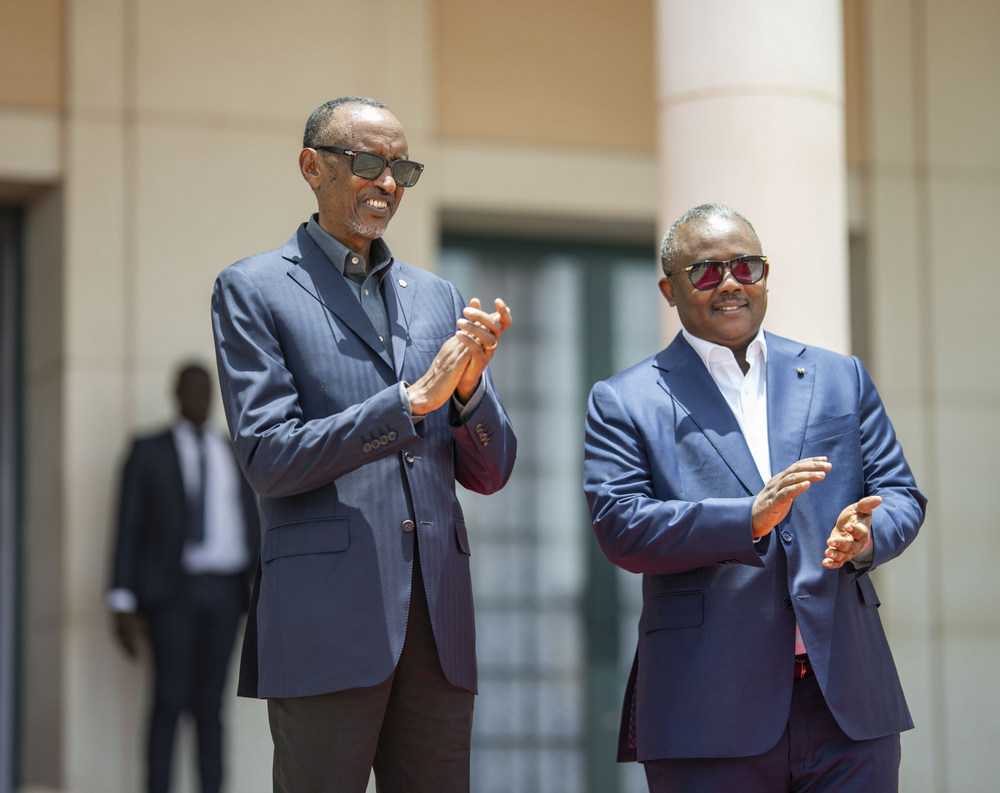
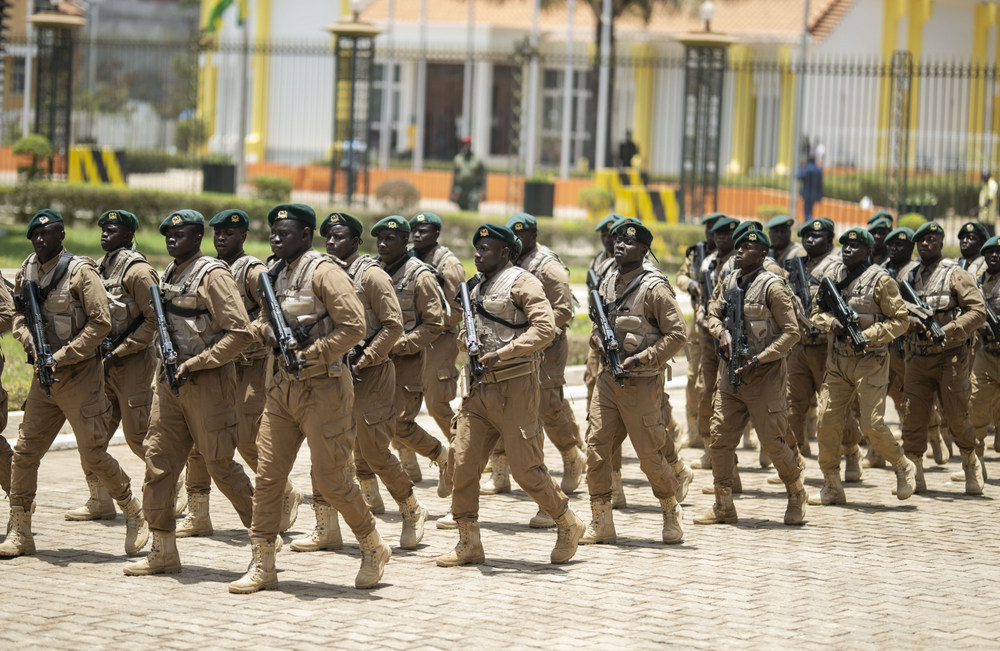
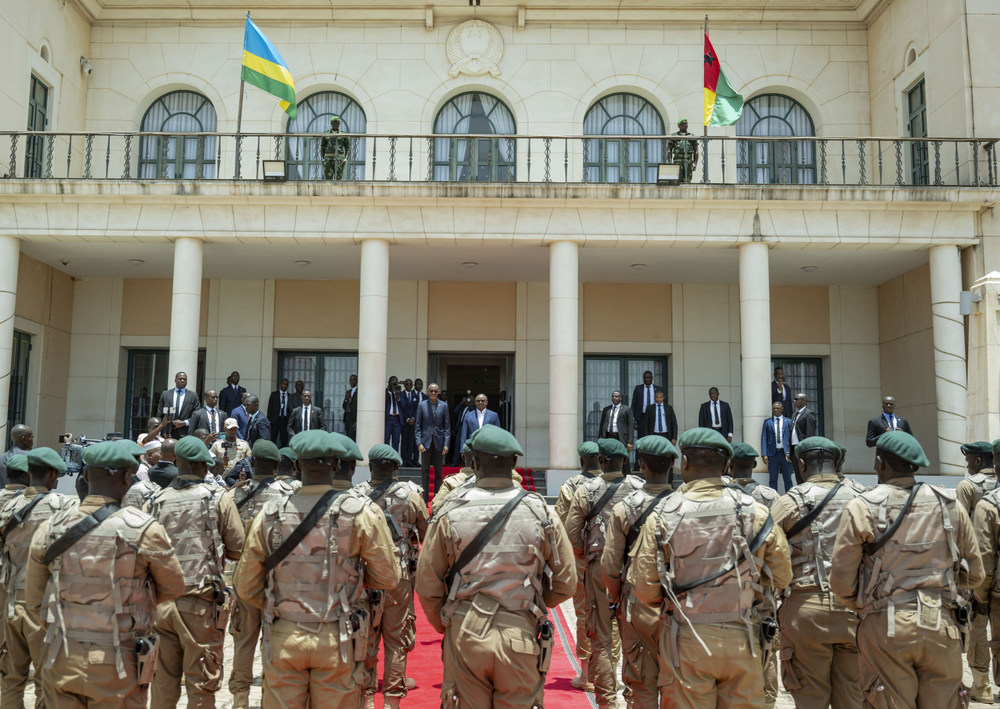
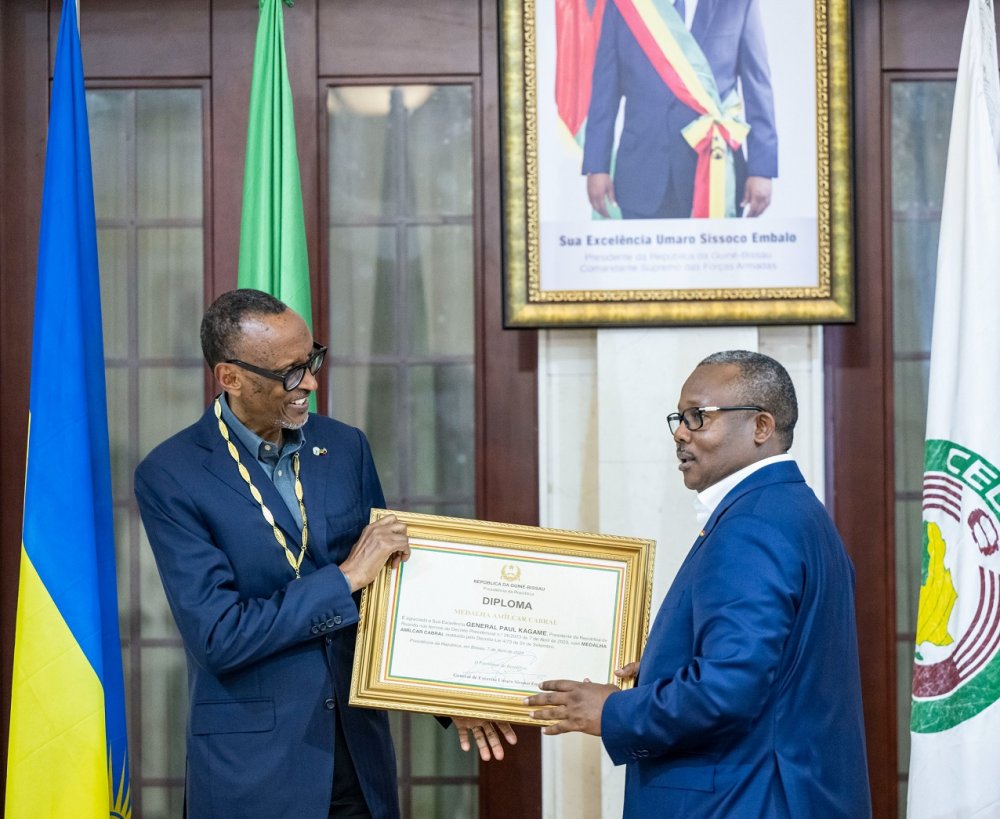
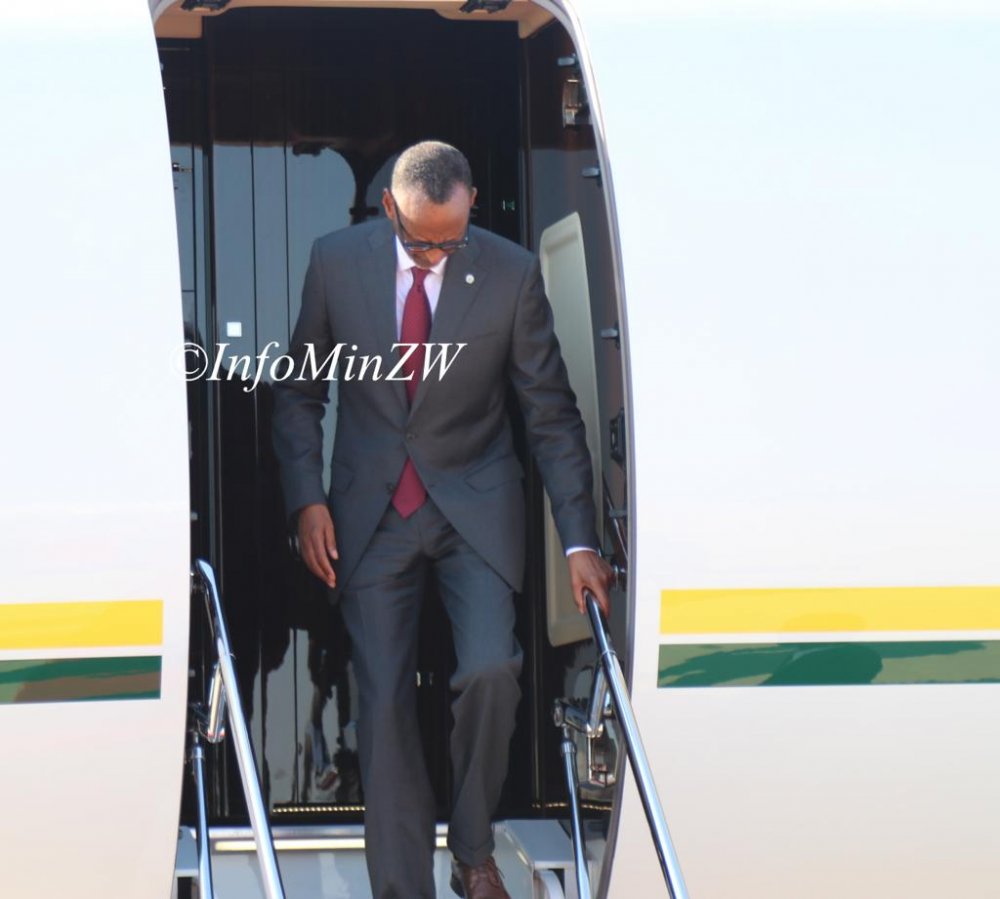
President Kagame was warmly welcomed by his counterpart, Umaro Sissoco Embaló, and the country’s soldiers performed morale songs of the Rwandan Defence Force (RDF) in Kinyarwanda and Swahili to thank him for the skills acquired through training offered by Rwandan soldiers.
According to Jeune Afrique, President Kagame and Umaro Sissoco Embaló agreed to continue the training for presidential guards in Guinea Bissau following agreements signed between both countries in the areas of education and health.
So far, 50 presidential guards from Guinea-Bissau and allies to the president have been trained by RDF, the Magazine has reported.
During the visit, President Kagame was bestowed with the Amílcar Cabral Medal, the highest distinction in Guinea-Bissau, which is given to the heads of state of countries that are friends of Guinea-Bissau.
Apart from Guinea-Bissau, security remained the main focus during President Kagame’s stay in Benin where both countries signed various cooperation agreements in the areas of ICT, tourism, investment, trade, agriculture, local government, and security cooperation.
The development came at a time when Benin has been faced with terrorism in the northern part of the country. At the occasion, President Talon and President Kagame affirmed the possible deployment of Rwandan soldiers to Benin to fight terrorism.
Benin faces attacks plotted by terrorist groups from Burkina Faso that continue to threaten security in Sahel. President Patrice Talon also disclosed that security cooperation between Rwanda and Benin might benefit Burkina Faso.
During his visit to Benin, Kagame emphasized the need for African countries to collaborate and work together to address the security challenges they face. He cited examples of Rwanda’s cooperation with other countries, including Mozambique and the Central African Republic.
“We are ready to work with Benin to prevent anything that may happen around its borders. There will be no limit in what will be accomplished together for security challenges” Kagame said during a joint press conference.
Kagame concluded his tour to West Africa with a two-day visit to the Republic of Guinea.
While in Guinea, the Head of State highlighted that cooperation between both countries is paramount because ’no country has everything needed to succeed alone’.
The President made the disclosure during a joint press conference with his counterpart of Guinea Conakry, the Transitional President, Colonel Mamadi Doumbouya.
During his visit to Guinea Conakry, Kagame also met with Doumbouya for a discussion exploring ways to collaborate in areas of mutual interest and witnessed the signing of a joint cooperation agreement.
The visits were highly regarded as a great step towards establishing strong relations built on mutual trust.
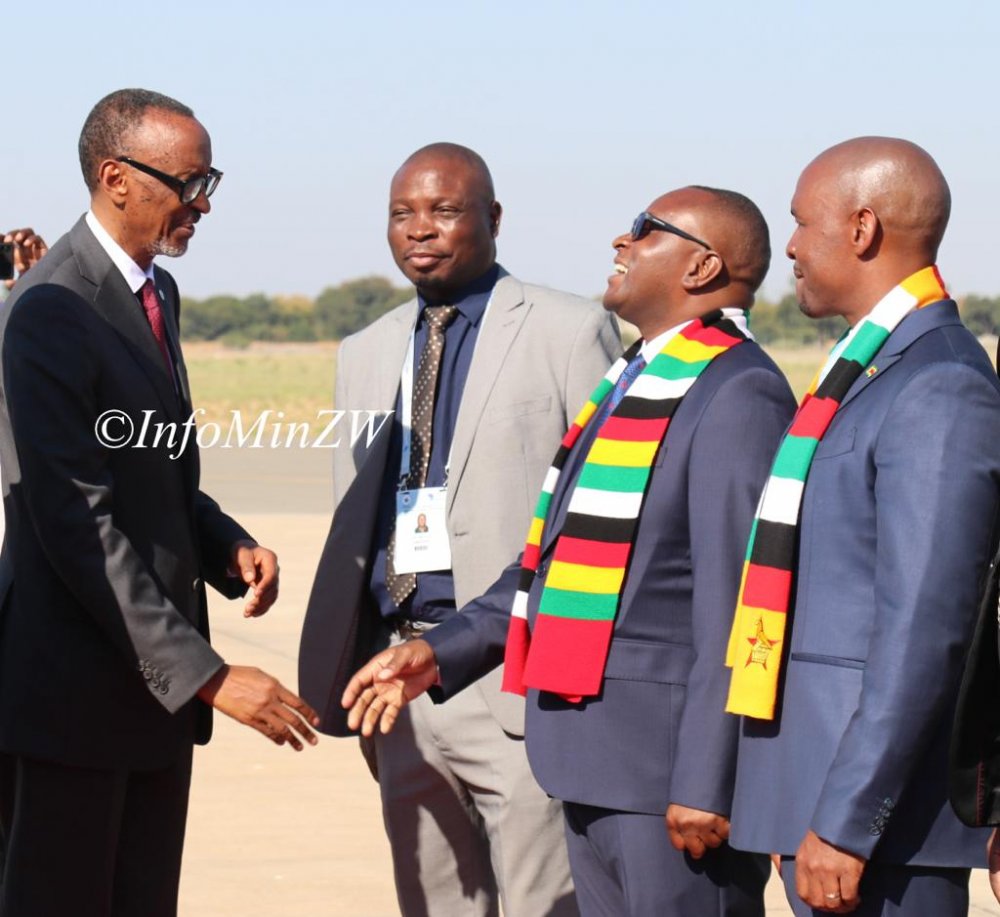
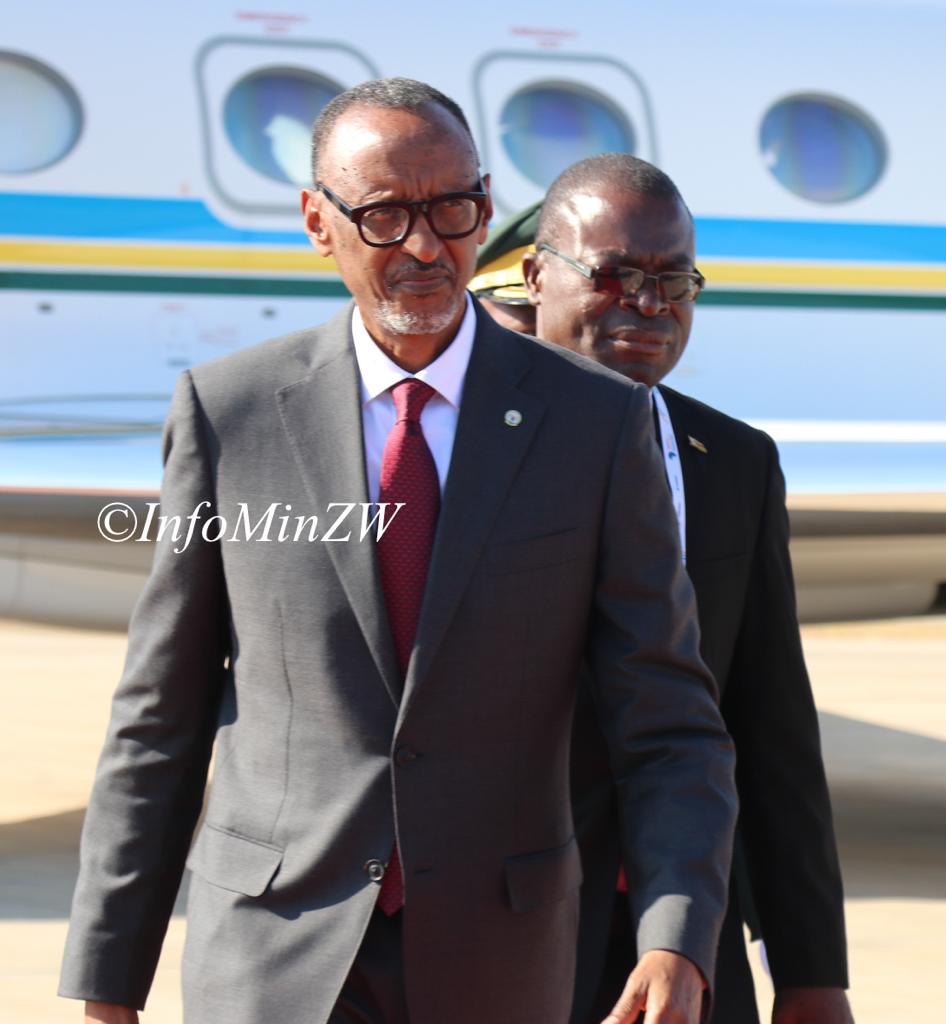
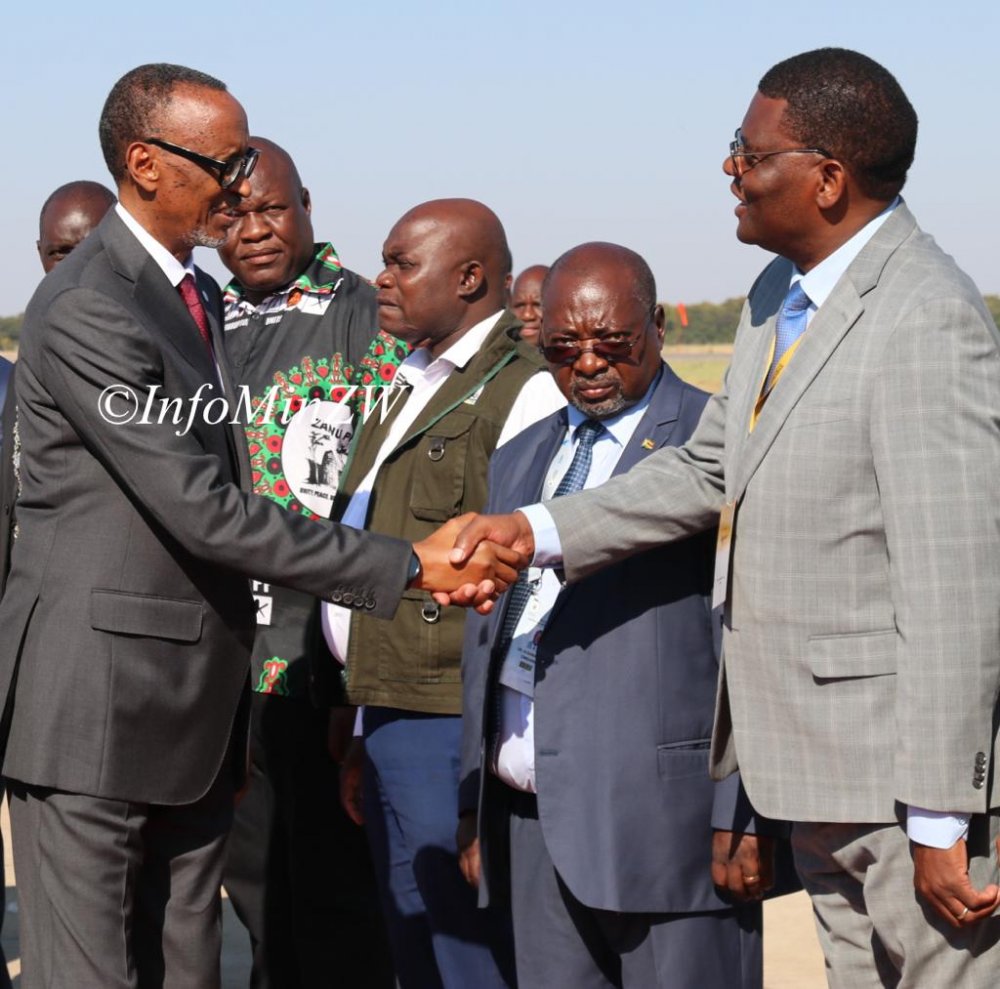
According to Rwanda’s Presidency, the Head of State will deliver a keynote address at the Summit’s opening session alongside host President Emmerson Mnangagwa of Zimbabwe, President Hakainde Hichilema of Zambia, President Lazarus Chakwera of Malawi, and King Mswati III of Eswatini.
Kagame will also chair the Smart Africa Board Meeting. Launched in 2013, the Smart Africa Alliance now consists of 36 member countries, international organisations and global private sector players tasked with Africa’s digital agenda.
The Alliance is empowered by a bold and innovative commitment to transform Africa into a knowledge based economy through affordable access to broadband and the use of ICT, towards accelerating and sustaining its socio-economic development.
Rwanda joined Angola, Djbouti, Guinea and Tunisia in ratifying the Smart Africa Alliance agreement, which will now come into force and aims to transform Africa into a digital single market and promote the use of technology and innovation across the continent by 2030.
Convening over 2,000 delegates, Transform Africa Summit is Africa’s leading annual forum bringing together global and regional leaders from government, business and international organizations to collaborate on new ways of shaping, accelerating and sustaining the continent’s on-going digital revolution.
This year’s summit is scheduled to take place between 26th and 28th April 2023 in Zimbabwe.
Gen Muhoozi, the son of Ugandan President Yoweri Kaguta Museveni and Senior Presidential Advisor on Special Operations has been in Rwanda since Sunday 23rd April 2023 where he came to celebrate his 49th birthday.
He was received at Urugwiro Village following an event hosted by President Kagame and First Lady Jeannette Kagame in the evening of 24th April in honour of Gen Muhoozi’s 49th birthday.
The ceremony is held at a time when Rwanda and Uganda are enjoying cordial relations following years of tensions.
Both countries turned a new page for relations following visits of Gen Muhoozi at the beginning of 2022.
Relations had worsened since 2017 as Rwanda accused the neighbouring country of illegal detention of Rwandans and working with subversive groups intending to threaten its security while Uganda accused Rwanda of sending spies to the country.
Following the mediation of Gen Muhoozi, Rwandans illegally incarcerated in Uganda were released followed by the reopening of borders.
Speaking at the celebration, Kagame thanked Gen Muhoozi for his great efforts to mend relations between Rwanda and Uganda that had deteriorated since 2017.
“Thank you for being that bridge we used to cross from one side to another,” he noted.
Gen Muhoozi said that their interactions with Kagame went from being a president and army officer to ‘a personal friend’.
“The mark of this friendship was the cows that he gave me and I take this very seriously. Your Excellency, I would like to report that the cows are doing well and have reproduced. You gave me ten cows, now I have 17 from the ones you gave me. From that point on, really we became friends,” he disclosed.
The delegation that came with Gen Muhoozi includes Norbert Mao, the Ugandan Minister of Justice, Maj Gen (Rtd) Jim Muhwezi, the Interior Minister, and Andrew Mwenda, the Spokesperson of MK Movement among others.
Recently in March 2023, Rwanda and Uganda signed four memoranda of understanding to facilitate cooperation in different fields.
The cooperation deals were signed by Rwanda’s Minister of Foreign Affairs, Dr. Vincent Biruta and his Ugandan counterpart Jeje Odongo in Rwanda’s capital city Kigali, during a meeting of the 11th Joint Permanent Commission between Rwanda and Uganda.
The agreements are in the fields of justice and constitutionalism, mutual legal assistance, diplomatic and political consultations, and migration matters, according to the Rwandan Ministry of Foreign Affairs.
These protests, which were initially held on Monday and Thursday in the capital city of Nairobi, were suspended in April.
Odinga has accused President William Ruto of rigging the August presidential election and failing to manage the country’s high inflation rate.
According to media reports, Odinga warned that the protests will resume if no progress is made through ongoing discussions with the government to revise the electoral code.
The situation has sparked fears of ethnic violence, and the international community and religious leaders are urging for calm.
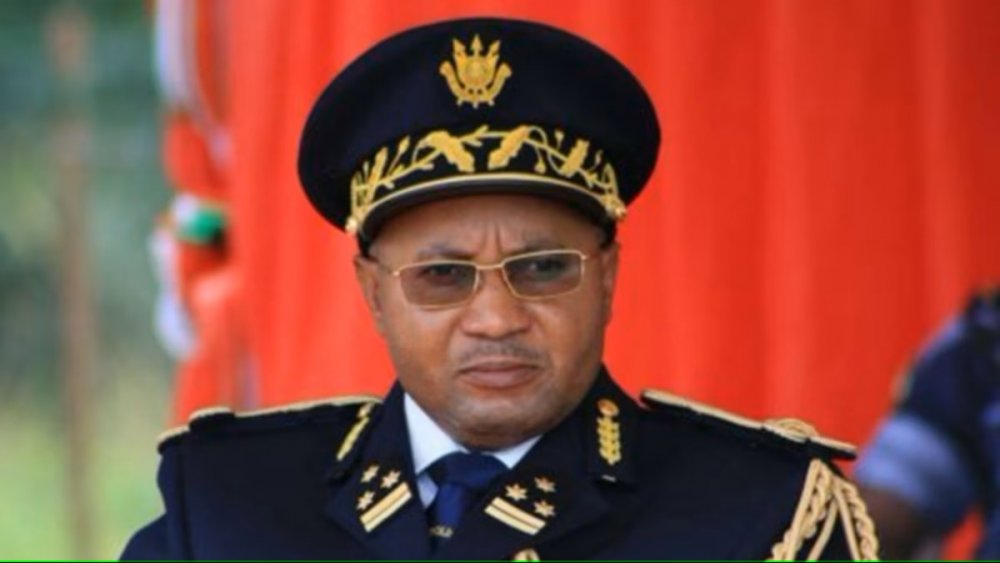
Bunyoni, who previously served as the country’s police chief and security minister, was removed from office last September in the first significant government reshuffle since President Evariste Ndayishimiye took office in 2020.
Police and intelligence officers reportedly searched three of Bunyoni’s properties on Monday but found no evidence of his whereabouts, as per local security and media reports.
Interior Minister Martin Niteretse stated at a press conference on Wednesday that the search for Bunyoni is ongoing, but he did not disclose the motives behind the operation.
A senior Burundian military official, who spoke to the AFP news agency on condition of anonymity, revealed that the former prime minister had been warned of the impending manhunt and “disappeared into the wild” before the arrival of the police.
The authorities have arrested a senior police officer for allegedly tipping off Bunyoni about the search operations.
Niteretse confirmed the arrest of a police colonel but did not provide further details.
Bunyoni, a prominent figure in the ruling CNDD-FDD party, was appointed prime minister in 2020 and dismissed shortly after President Ndayishimiye warned of a “coup plot” against him.
Bunyoni was considered the leader of the “hardliners” among Burundi’s generals, who hold substantial political power in the country.
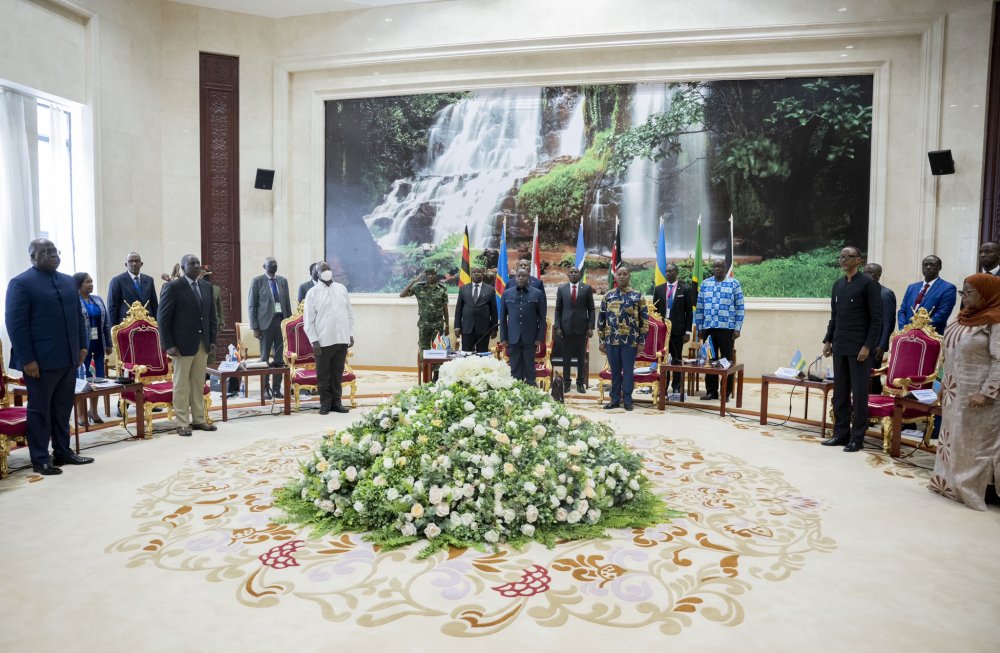
The latter is part of resolutions of the Extra-Ordinary Summit of East African Community (EAC) Heads of State held in Bujumbura on Saturday 4th February 2023.
During an exclusive interview with IGIHE, Prof. Nshuti disclosed that regional Heads of State sticked to dialogue as the ideal process that might put an end to the fighting between Congolese Army (FARDC) and M23.
“What we have agreed upon as the region and considered it to be the best solution to this problem, is that nothing is better than dialogues. They have to endorse it when the resolution is backed by the whole region; otherwise, the presence of regional forces in the country would be useless,” he said.
Even though discussions between Heads of State resolved to opt for the process of negotiations, there are footages showing Congolese President Felix Tshisekedi chatting with Maj Gen Jeff Nyagah, the commander of EAC troops deployed in DRC.
Tshisekedi is heard telling Maj Gen Nyagah that they want the troops he leads to help them in the fight against M23.
Prof. Nshuti has said that fighting M23 was not part of discussions.
“Fighting was not part of discussions because we focused on political process. It was about dialogue not fighting M23 […] They were only asked to cease fire and withdraw as negotiations go on. The option for EAC troops to fight them was not part of discussions,” he noted.
Prof. Nshuti further revealed that Tshisekedi himself also agreed to engage in negotiations with M23.
“We asked them to engage in negotiations and agreed, this time around, that they are going to do so. He [Tshisekedi] accepted it. It is about reaching consensus as a region on what should be done. Ceasefire and withdrawal going hand in hand with negotiations,” he said.
“It is about helping them to restore peace and end hostilities not helping them to fight,” added Prof. Nshuti.
Resolutions held in Bujumbura complement previous ones reached in Luanda, the capital of Angola in November 2022 where concerned parties were urged to end hostilities and engage in dialogue.
At the time, M23 was asked to withdraw from captured areas to be allowed to take part in discussions. The rebel group has so far withdrawn from several areas and handed them over to EAC forces.
However, fighting has been going on between FARDC and M23, which claims that it is protecting Kinyarwanda-speaking communities from attacks by Congolese Army.
The repatriation of foreign armed groups from DRC including the Democratic Forces for the Liberation of Rwanda (FDLR) was also part of discussions in Bujumbura.
FDLR is a terrorist group formed by individuals responsible for the 1994 Genocide against the Tutsi.
It was reported at different times that the rebel group works with FARDC to fight M23.
Christodoulides, who ran as an independent, garnered 32.04 percent of the vote, and Mavroyiannis, who also ran as an independent and supported by the left wing AKEL party, garnered 29.61 percent of the vote, Chief Returning Officer Costas Constantinou announced after the counting of all votes on Sunday.
Fourteen candidates participated in the election, but none of them won an absolute majority.
Averof Neophytou, leader of the ruling DISY party, ended third with 26.11 percent of the vote and was thus left out of the presidential race, ending the party’s ten-year-long hold on power in the eastern Mediterranean island.
Neophytou’s performance in the election was considered by political analysts as a blow not only to himself but also to his right-wing party.
Both Christodoulides and Mavroyiannis had been close associates of the outgoing president Nicos Anastasiades who will step down at the end of February.
Christodoulides served for four years as spokesman for Anastasiades and then as his foreign minister for another four years.
Mavroyiannis, a diplomat at the foreign ministry, had been Anastasiades’ negotiator in peace talks with Turkish Cypriots for a settlement to the Cyprus problem.
Political analysts said that the two presidential hopefuls would start wooing DISY voters for their support ahead of the runoff vote.
A DISY official said the party would meet on Monday to decide its official stance in relation to the runoff.
The Chief Returning Officer said that out of 561,273 registered voters 404,403 people, or 72.05 percent, cast ballot papers.