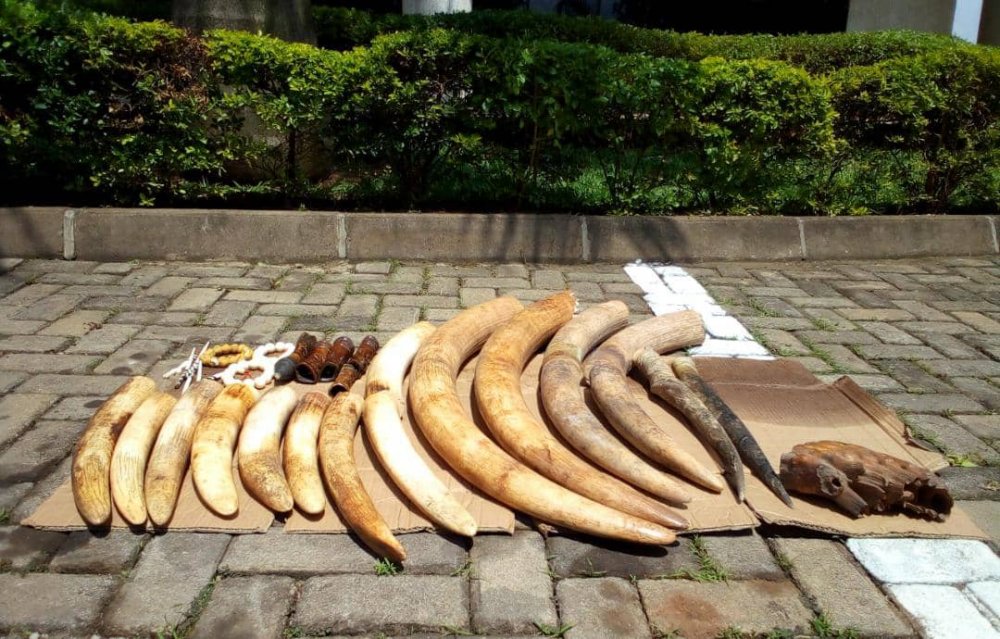
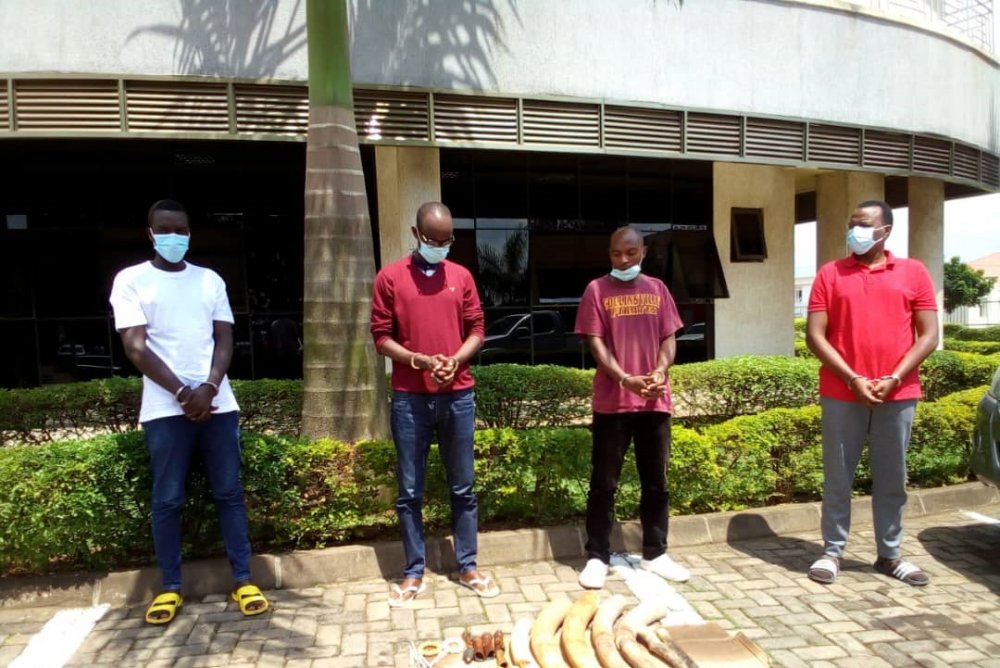
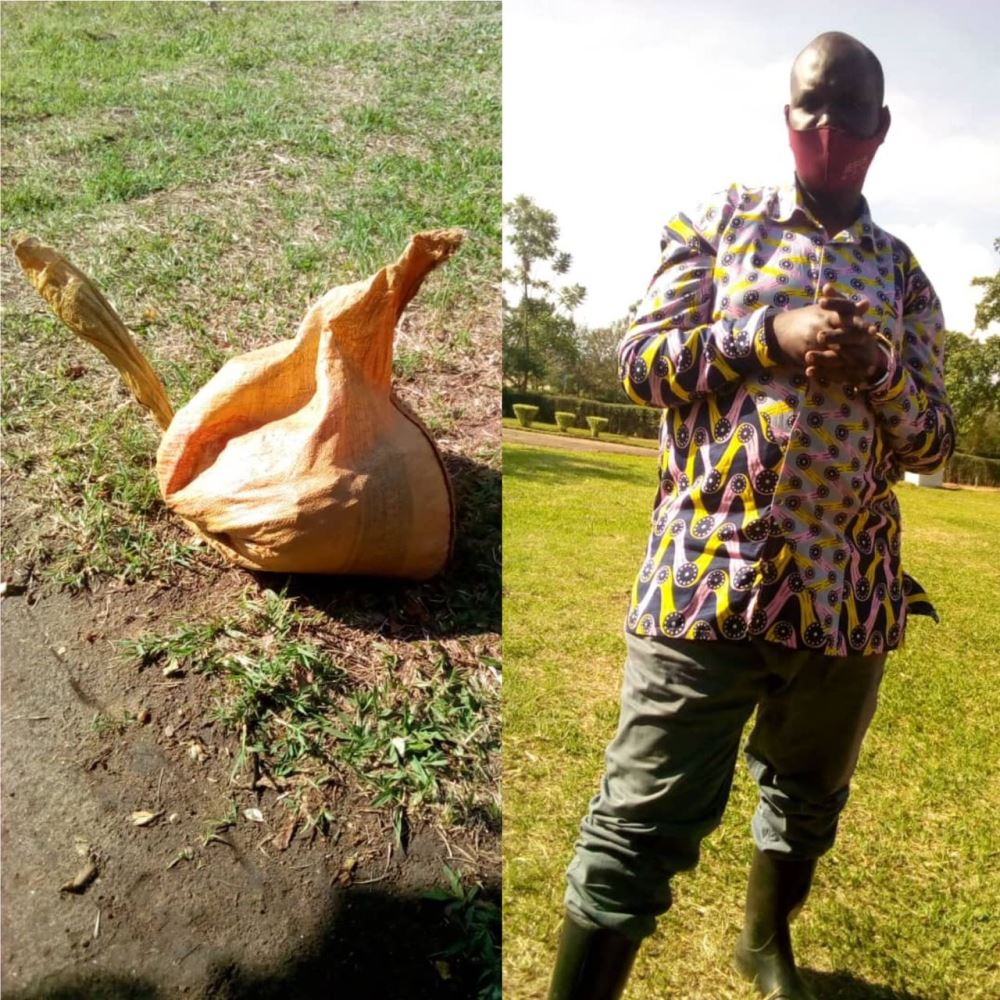
The suspects paraded before the media on Wednesday 27th October 2021 include a Congolese national, who sneaked the elephant tusks into Rwanda from Bukavu town in the Democratic Republic of Congo (DRC). He was arrested in Rusizi district.
The quartet include Desire Murokozi, Derrick Gisa, Cyriaqué Kaburaburyo from Burundi and Nicodem Bagabo from DRC.
The four men sneaked the elephant tusks using a vehicle belonging to an official working with the power utility company of the Great Lakes Region known for its French alias as Société Internationale d’Electricité des pays des Grands Lacs (SINELAC).
It is said that they wanted to use Rwanda as a transit from where they would send elephant tusks to foreign countries.
Three of them have accused the official working with the company to have dragged them into the case. The official has however refuted the allegations explaining that he gave them a lift without checking their luggage.
RIB Spokesperson, Dr. Thierry B. Murangira has said that the suspects planned to traffic the tusks to Asia through Rwanda.
“The four suspects were arrested at different times. They face charges including attempt to traffic 45kgs of elephant tusks through Rwanda. The tusks were seized in a vehicle belonging to an official working with SINELAC. The elephant tusks are not poached or sold in Rwanda but rather the country is used as a transit for such trade,” he said.
Dr. Murangira assured that the foiled trafficking is a testament that Rwanda has no place for peddlers.
If convicted, suspects are liable to a sentence between five and seven years behind bars and a fine between Rwf5 to Rwf7 million as per Rwanda’s Penal Code.
The suspects are detained at Kicukiro RIB Post awaiting their files to be transferred to the Prosecution.
Kagame was honoured with the Outstanding Contribution to Cancer Control Award on Tuesday 26th October 2021 during the World Cancer Leaders’ Summit 2021 held virtually to recognize leaders who exhibited outstanding commitment to prevent and control cancer globally.
Hosted by the American Society for Clinical Pathology (ASCP), the summit was held under the theme ‘driving innovation to advance cancer control equitably’.
Kagame was awarded for Rwanda’s remarkable milestone in the prevention and control of different types of cancer through ensuring universal access to health services and inoculation programs among others.
He said that it has been ten years since Rwanda launched campaign to prevent different types of Cancer, ensuring universal access to state-of-the art cancer treatment since 2012.
The President highlighted that the award given to him is a deep honour and thanked UICC and the judging panel, for recognizing the efforts that Rwanda has made to prevent and treat cancer.
Kagame also commended the immediate past president of UICC, the Princess of Jordania, Dina Mired for her exceptional leadership and commitment to the field of cancer control, and her attention to Africa.
He congratulated his fellow finalists, from both the policymaker and civil society categories, whose collective achievements ‘inspire us all’.
The Head of State stressed that cancer diagnosis is frightening, in any setting noting that there is a sense of hopelessness in places with no accessible treatment options. He however revealed that any country can make a positive impact within available capacities to control cancer, no matter its income level.
Kagame pointed out an example of Rwanda where the national insurance scheme started to cover annual check-ups for all citizens above the age of 40. This has allowed for earlier detection of cancers, and better treatment outcomes.
The President stated that the top two cancers in Rwanda are breast cancer and cervical cancer.
Among others, Kagame said that the structural focus on maternal and child health in Rwanda’s health system has helped the country to give these conditions the attention they deserve.
The Ministry of Health shows that 1237 out of 5000 Cancer patients detected last year were diagnosed with breast cancer while more than 750 were screened with cervical cancer.
In the same year, the two cancers took lives of over 1400 women with 636 being victims of breast cancer while over 800 patients died of cervical cancer as per figures from the Ministry of Health.
In the next ten years, Rwanda plans to be among top countries taking the lead in eradicating cervical cancer. The country has so far achieved a major stride where over 97% of teens are vaccinated against the virus that causes the cancer every year.
{{Unwavering commitment }}
President Paul Kagame has said that the region has some of the highest rates of liver cancer in the world, due to untreated hepatitis infections and shed light on Rwanda’s efforts.
“In 2018, we began an eradication program for hepatitis C, which screened more than 5 million at-risk people. Those found to be infected received treatment, free of charge. We also made hepatitis B vaccination routine,” he noted.
The President emphasized that early detection is only relevant when treatment is available and accessible. To this end, he said that Rwanda has started offering state-of-the art treatment that citizens no longer have to travel abroad.
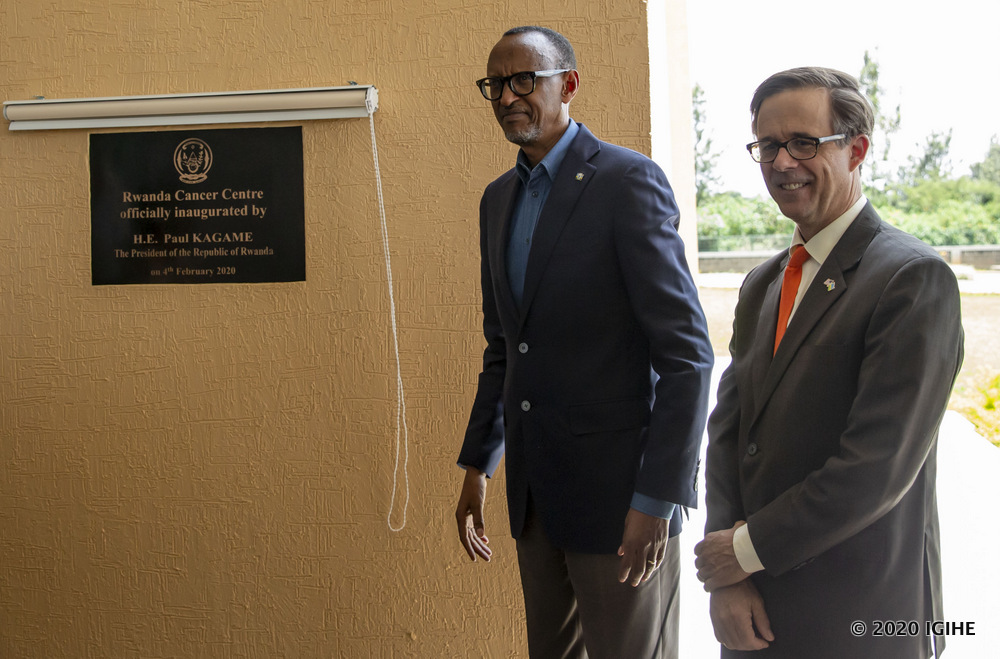
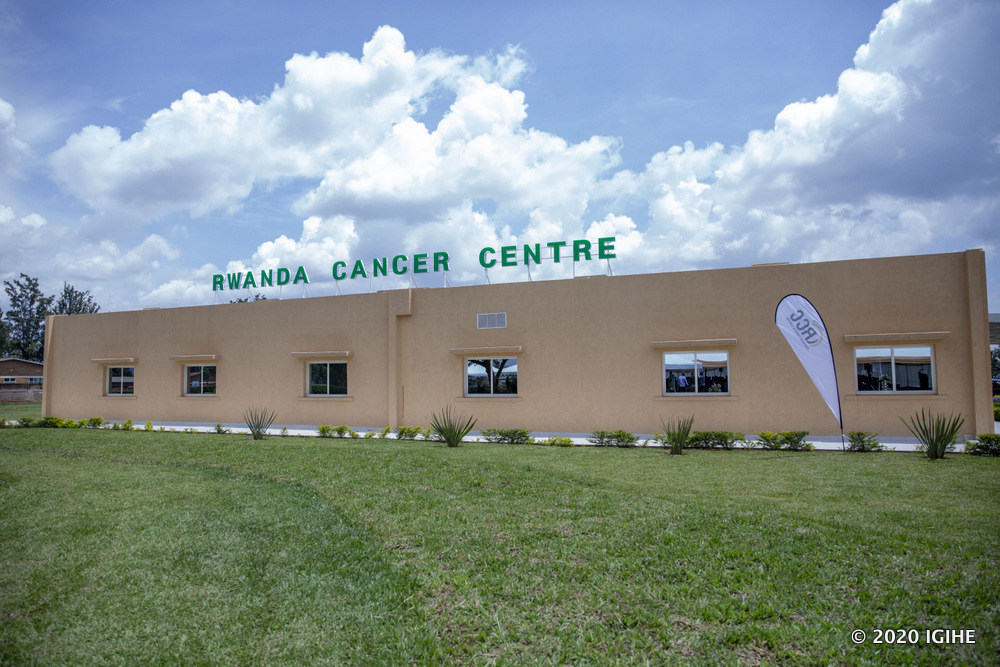
“Since 2019, the Rwanda Cancer Center has been operational, offering both radiotherapy and chemotherapy treatments. This means that Rwandans no longer have to travel abroad for many cancer treatments,” noted Kagame.
He stressed that local production of morphine has reduced the suffering of patients in palliative care.
The Head of State also said that partnerships are essential highlighting that the modest gains that Rwanda has made in the diagnosis and treatment of cancer have come by working together with others.
He commended the partnership between Rwanda and Partners in Health led by Dr. Paul Farmer which bore fruits and paved the way for establishment of Butaro Cancer Center of Excellence located in Burera district, Northern Province in 2012.
Kagame revealed that the Africa Training Center of the Institute for Research on Digestive Cancers (IRCAD) will be inaugurated in Rwanda next year.
The center is under construction in Masaka, Kigali City on partnership between Rwanda and Professor Jacques Marescaux, a world leader in minimally-invasive cancer surgery who founded IRCAD in 1994.
Kagame said that there is still a long way to go in the fight to control cancer in Rwanda and Africa, noting that the award gives motivation to aspire to do even more and better in the years ahead.
Kagame is among six leaders honoured with the award from two categories including policymakers and civil society categories.
Finalists in policy makers category include President Paul Kagame, President of the United States of America, Amerika Joe Biden and Greg Hunt, Australia’s Minister for Health and Aged Care.
Finalists in the category of Civil Society include Maira Caleffi, Breast surgeon and founder of FEMAMA, a Brazilian Federation of Philanthropic Institutions for Breast Health Support and Advocacy.
Othera are; Dr. Paul Farmer the founder of Partners In Health (PIH) and Pat Garcia-Gonzalez, the Chief Executive Officer of The Max Foundation, an organization dedicated to accelerating health equity by increasing global access to treatment, care, and support for people living with cancer.
The Eastern region Police spokesperson, Chief Inspector of Police(CIP) Hamdun Twizeyimana said that the arrest of Twagirayesu was due to information provided by a resident.
“A resident informed the Police that Twagirayesu was headed to Nyamiyonga in Musheri Sector to pick a consignment of smuggled minerals. Police trailed him and arrested him at a checkpoint, which was mounted in Matimba, with a sack of cassiterite weighing 50kgs,” CIP Twizeyimana said.
He thanked the resident, who reported the unlawful mineral trade.
Twagirayesu was handed over to RIB at Matimba station for further legal process.
Article 54 of the law N° 58/2018 of 13/08/2018 on mining and quarry operations, states that; any person, who undertakes mineral or quarry exploration, exploitation, processing or trading without a licence, commits an offence.
Upon conviction, the offender is liable to imprisonment for a term of between two and six months and a fine of not less than Rwf1 million and not more than Rwf5 million or only one of these penalties.
The court also orders confiscation of any seized minerals or quarry in storage, trading or processing without a license.
The statement released last night shows that 43 people have caught the virus out of 8801 sample tests.
A total of 1,914,734 people have been fully vaccinated while 3,712,692 received the first dose of COVID-19 since Rwanda began countrywide inoculation program on 5th March 2021.
Coronavirus symptoms include coughing, flu, and difficulty in breathing. The virus is said to be transmitted through the mucous membranes of the respiratory tract.
Rwandans are urged to adhere to COVID-19 health guidelines, washing hands frequently using soaps and safe water, wearing face masks and respecting social distancing.
They were arrested in separate Rwanda National Police (RNP) operations against drunk-driving conducted between October 22nd and 25th.
They were found intoxicated beyond the limit of 0.8 blood alcohol content.
The group was paraded on Tuesday, October 26, at Nyarugenge District Police Unit in Rwezamenyo Sector, Nyarugenge District.
The RNP Deputy spokesperson, Chief Superintendent of Police (CSP) Africa Sendahangarwa Apollo said that these are part of the Police operations across different roads of the country to fight and prevent major causes of accidents.
Kamali Nshimiyimana, one of the riders paraded, said he was involved in an accident due to drunkenness.
“I was arrested on Saturday, October 23, after involving in an accident in Gikondo. At the time, I had taken alcohol and traffic officers who responded to the incident detected that I was drunk. When they tested me with a breathalyzer, it indicated 0.96 mililitres of alcohol content in my blood,” said Nshimiyimana.
Emmanuel Niyoyita also admitted that he had taken alcohol before riding his motorcycle.
Equally, Charles Nkurunziza said: “I had taken two bottles of beer and Police arrested me in Remera after the breathalyzer detected that I was 0.90 drunk.”
CSP Africa warned motorists for deliberately violating road safety rules and regulations and exposing their lives and those of others in life-threatening risks. These continuous operations are therefore meant to fight such errant behaviours and to ensure safer road usage,” CSP Africa said.
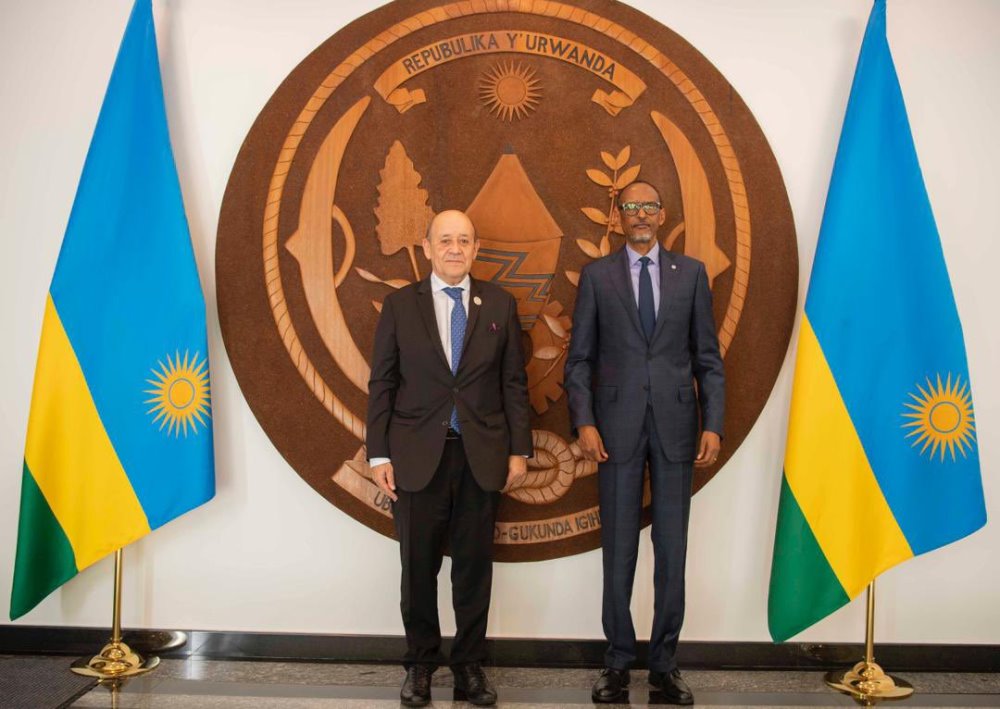
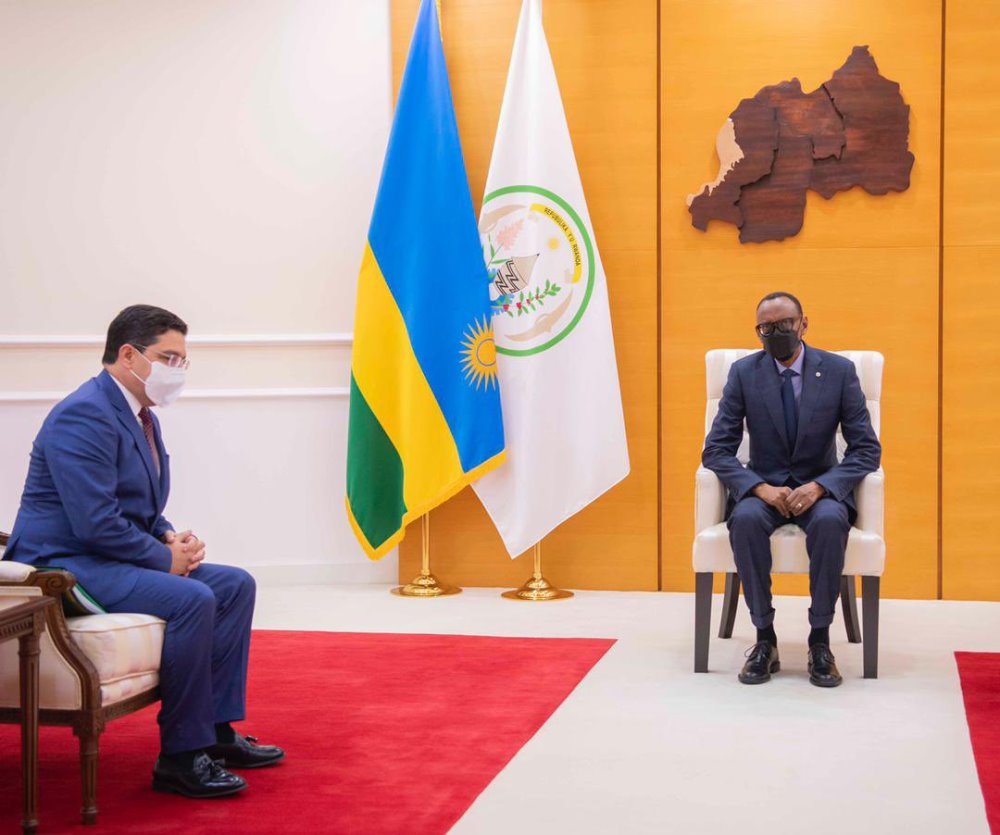
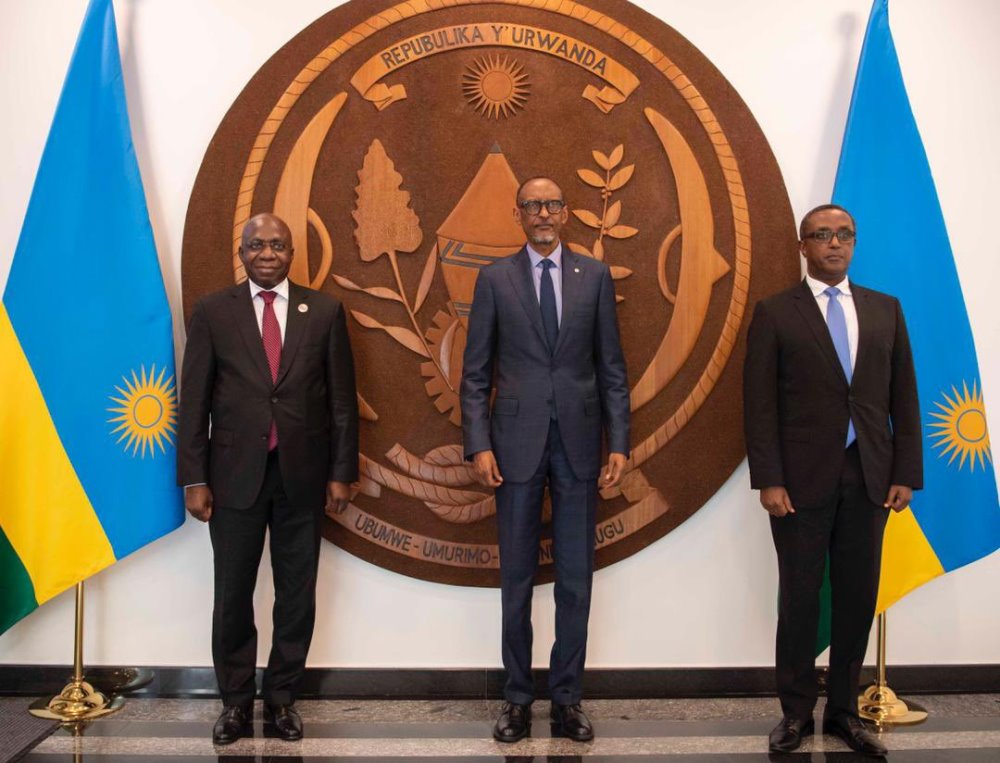
These include Jean-Yves Le Drian from France, Nasser Bourita from Morocco, Amb. Tete Antonio from Angola.
The President also received the United Arab Emirates (UAE)’s Minister of State for Foreign Affairs and International Cooperation, Sheikh Shakhbout bin Nahyan bin Mubarak Al Nahyan and his delegation for a discussion on key areas of bilateral cooperation.
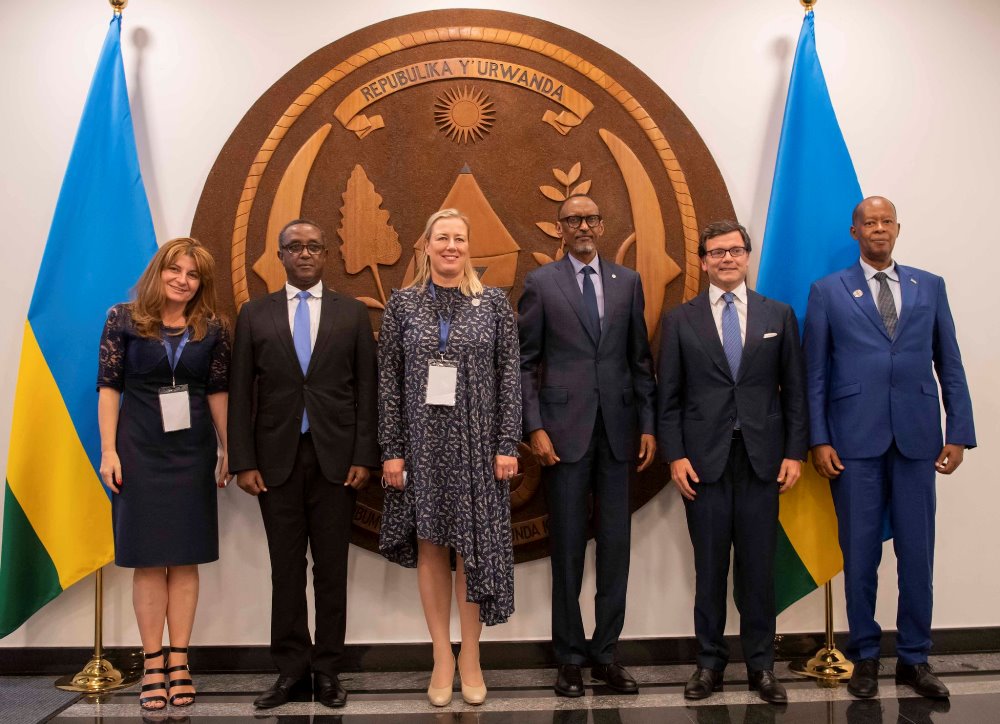
Among others, Kagame met with the European Union Commissioner for International Partnerships, Jutta Urpilainen.
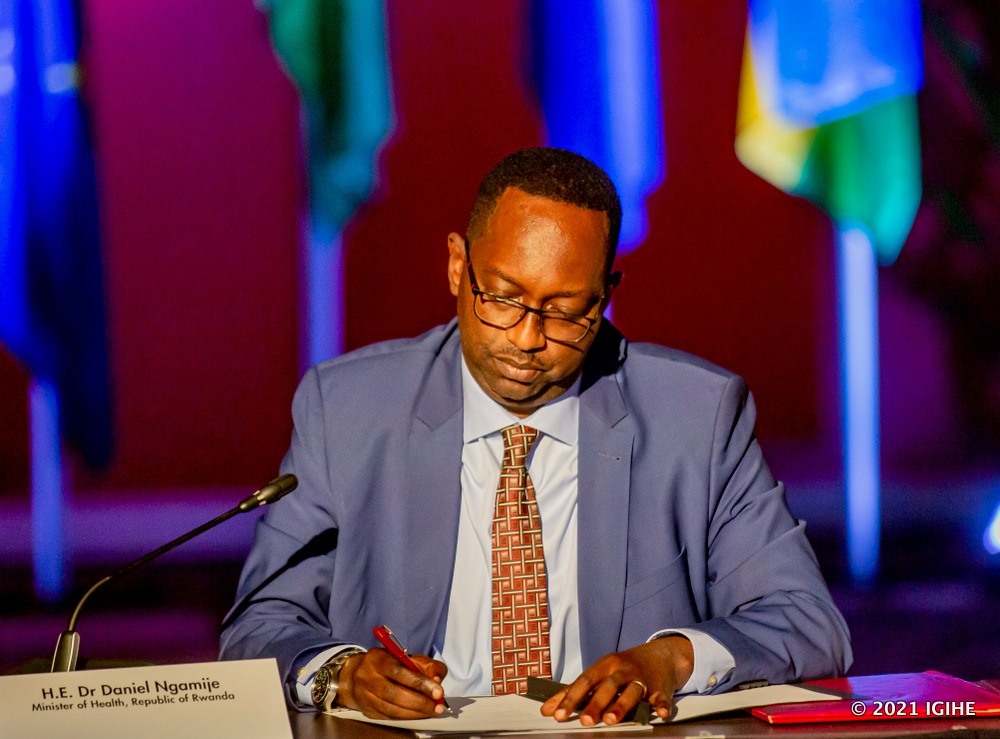
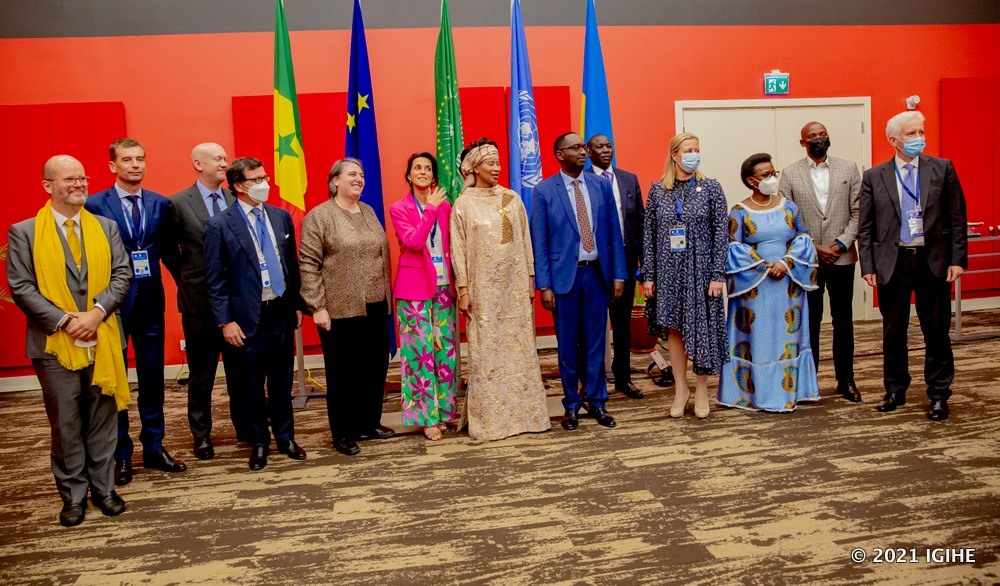
The decision is the result of a meeting between Rwanda’s Minister of Health, Dr. Daniel Ngamije, Senegal’s Minister of Foreign Affairs Aïssata Tall Sall, Ugur Sahin, M.D., CEO and Co-Founder of BioNTech and Sierk Poetting, COO of BioNTech as well as Dr. Sabin Nsanzimana, Director-General of Rwanda Biomedical Centre and Dr. Amadou Alpha Sall, Director General of Institut Pasteur de Dakar in Kigali.
The meeting happened upon the invitation of the kENUP Foundation. It took place as a side-event of the Second Ministerial Meeting of the African Union and the European Union and resulted in a Memorandum of Understanding (MoU). This comes after the parties signed a Joint Communiqué at a previous meeting in Berlin on August 27, 2021.
Speaking at the event; Ugur Sahin, M.D., CEO and Co-founder of BioNTech thanked all participants of the meeting for the support and trust to establish the first mRNA manufacturing facility within the African Union.
“Together, we will work on developing a regional manufacturing network to support the access to vaccines manufactured in Africa, for Africa. Our goal is to develop vaccines in the African Union and to establish sustainable vaccine production capabilities to jointly improve medical care in Africa. We have made great progress in the past few weeks, which will help us on our way to turn these plans into reality,” he said.
Sierk Poetting, the COO of BioNTech emphasized that the company seeks to accelerate the building of a GMP-certified manufacturing facility and plan to begin the construction on site in mid-2022.
“The MoU underlines that time is a critical success factor in the development of sustainable vaccine production for the African Union. We have finalized the planning and initial assets for the new facility have already been ordered,” he revealed.
The parties agree to jointly establish end-to-end manufacturing capacities for mRNA-based vaccines in Africa starting immediately. BioNTech has finalized the construction plans and ordered the assets, which will be delivered by mid-2022.
The new manufacturing facility could become the first node in a decentralized and robust African end-to-end manufacturing network enabling an annual manufacturing capacity of several hundreds of million mRNA vaccine doses.
BioNTech plans to develop and implement a scalable construction network based on the expertise and learnings from the ramp-up of the Company’s production facility in Marburg.
To enable an expedient set-up of production capacities according to GMP standards, BioNTech will start with the construction and validation of a first production line enabling the manufacturing of drug product for about 50 million of, for example, COVID-19 vaccine doses per year, once fully operational.
The capacity will be increased sequentially by adding further manufacturing lines and sites to the manufacturing network on the continent, supporting the production of several hundreds of millions of mRNA vaccine doses.
BioNTech will initially staff, own and operate the facility to support the safe and rapid initiation of the production of mRNA-based vaccine doses. BioNTech plans to transfer manufacturing capacities and the know-how to local partners.
Therefore, BioNTech, Rwanda Development Board and Institut Pasteur de Dakar in Senegal agreed to swiftly build-up the required human resources capacity and systems so that the partners can take over ownership and operational duties.
In parallel, the Republic of Rwanda and the Institut Pasteur de Dakar have committed themselves to scale-up fill and finish capacities to complete the local end-to-end manufacturing process. In addition, BioNTech is in discussions about an expansion of the current partnership with Cape Town-based vaccine manufacturer Biovac, which is part of the Pfizer-BioNTech COVID-19 vaccine manufacturing network.
Commenting the development; Dr. Daniel Ngamije, Rwanda’s Minister of Health said that bringing end-to-end vaccine manufacturing of biologicals to Africa is essential for the continent’s health security and prosperity.
He stressed that Rwanda is committed to working with the African Union, the European Union, BioNTech, and other technology partners ‘to make this a reality as quickly as possible’.
“The BioNTech partnership will not only build physical infrastructure but also strengthen human capacity in Africa to develop the most advanced vaccine technologies,” said Minister of Foreign Affairs Aïssata Tall Sall. “With decades of experience manufacturing yellow fever vaccines, the Institut Pasteur de Dakar is ready to partner with BioNTech to rise to the challenge of developing mRNA vaccines for Africa.”
Dr. Monique Nsanzabaganwa, Deputy Chairperson of the African Union Commission who also attended discussions, highlighted that by working together in the spirit of the meeting, ‘the African Union, the European Union, key technology partners, and other stakeholders, can make decisive contributions and effective coordination in the fight against this pandemic, and future health challenges’.
Jutta Urpilainen, European Union Commissioner for International Partnerships welcomed the milestone which he considered a concrete step towards making mRNA-based vaccines in Africa, for Africa.
“Through our Team Europe Initiative on local manufacturing and access to vaccines, medicines and medical technologies, the European Union is committed to making this initiative a success,” he said.
Dr. Matshidiso Moeti, World Health Organization Regional Director for Africa noted that state-of-the-art facilities like the one to be developed will be life-savers and game-changers for Africa and could lead to millions of cutting-edge vaccines being made for Africans, by Africans in Africa.
“This is also crucial for transferring knowledge and know-how, bringing in new jobs and skills and ultimately strengthening Africa’s health security. WHO is ready to work with countries to step up their commitment to vaccine manufacturing,” he said.
Holm Keller, the Executive Chairman of kENUP Foundation emphasized that global vaccine equity is key to accelerating the end of the pandemic.
He said that today’s announcement is an important next step towards sustainable vaccine production in Africa, thanked partners for their decisive contribution and their relentlessness towards making swift Africa vaccine production a reality.
The initiative is aligned with the Team Europe Initiative on manufacturing and access to vaccines, medicines and medical technologies (MAV+) led by the European Commission in collaboration with the EU Member States and the European Investment Bank.
The meeting brings together foreign affairs ministers from both continents to discuss COVID-19 response and recovery as well as building resilience.
Ministers attending the meeting on 25th and 26th October 2021, are expected to exchange views on the EU-AU partnership and how to strengthen cooperation.
Discussions will also revolve around various topics including the response to and recovery from the Covid-19 pandemic as well as building resilience.
Other areas of interest are investing in the digital and green transitions, peace, security and global governance, migration and mobility, education, science, technology and skills development.
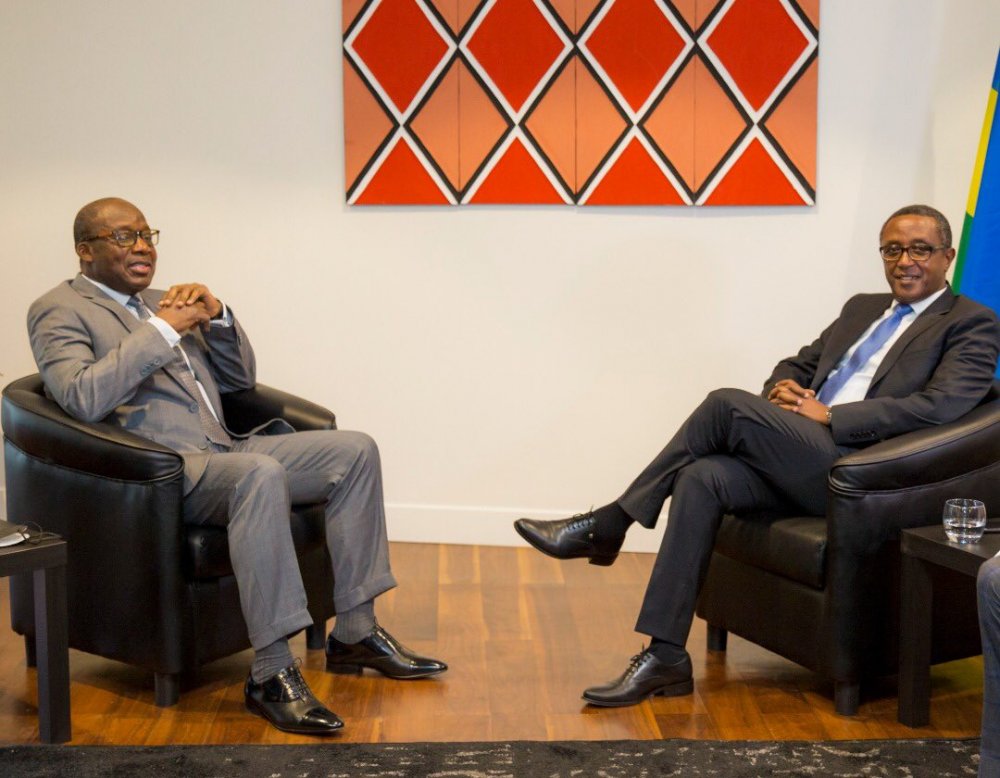
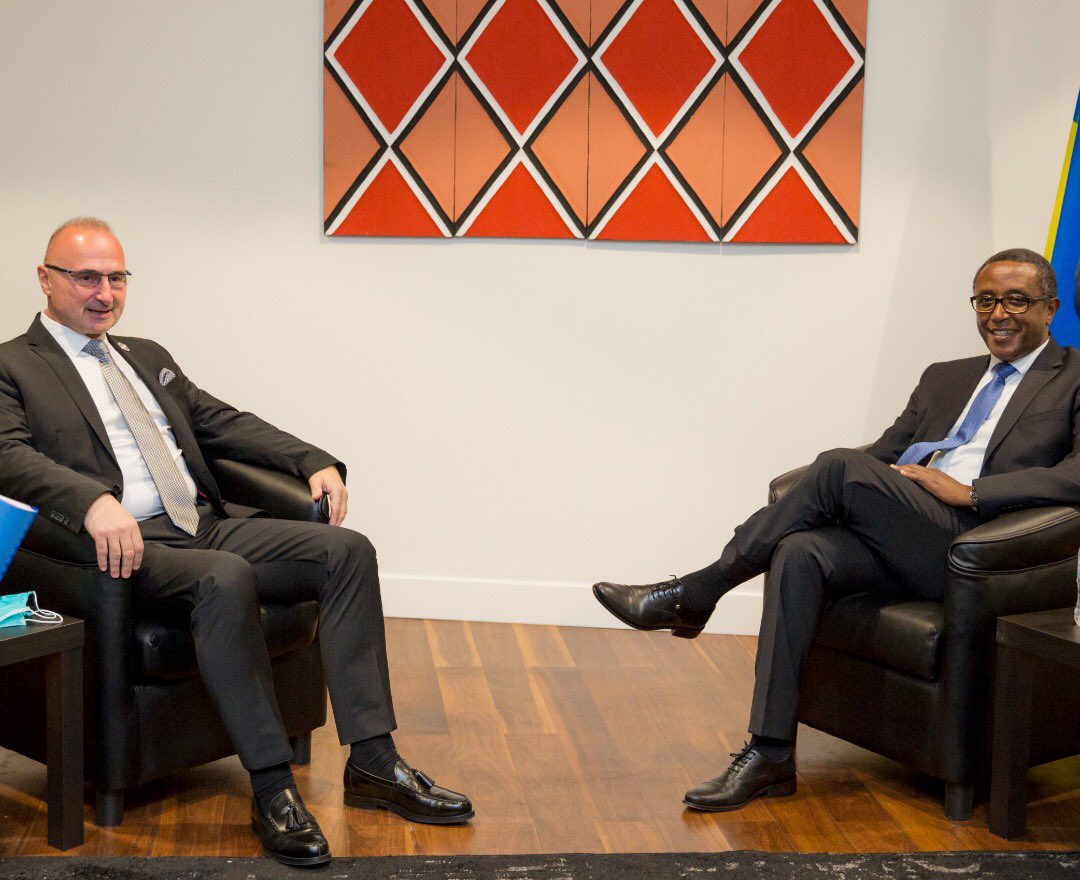
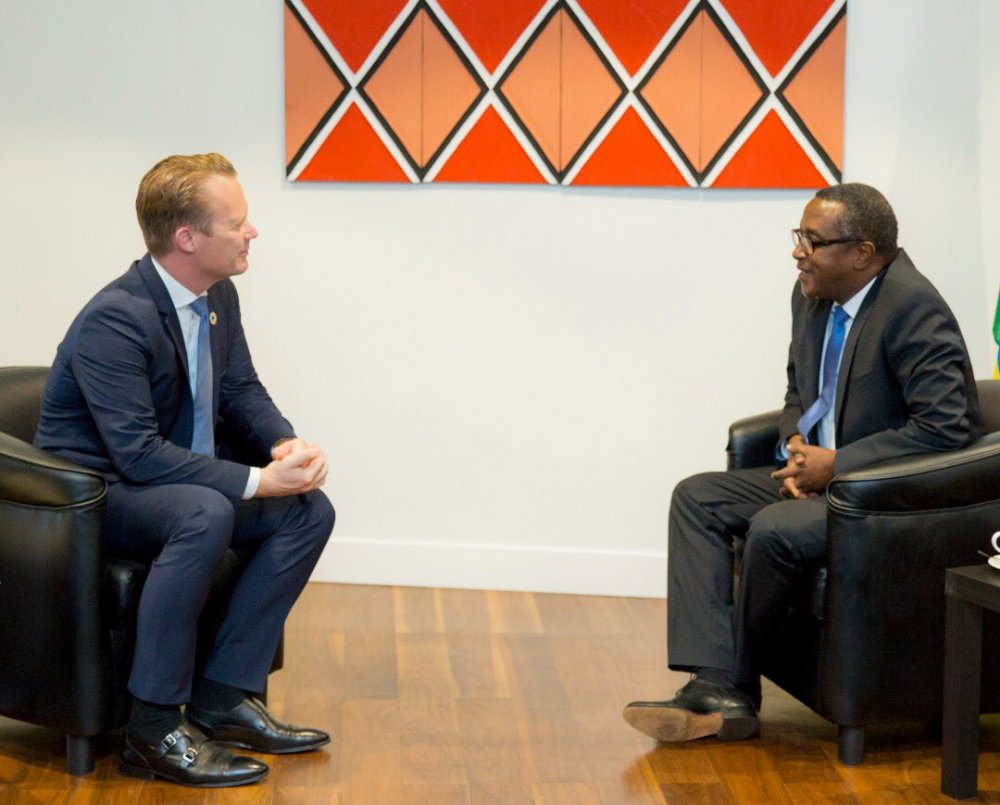
The ministers who held talks with Dr. Biruta on Monday 25th October 2021 include his counterpart of Denmark, Danemark, Jeppe Kofod; Gordan Grlić Radman of Croatia; Christophe Lutundula of the Democratic Republic of Congo (DRC), and Gen Jeje Odongo of Uganda.
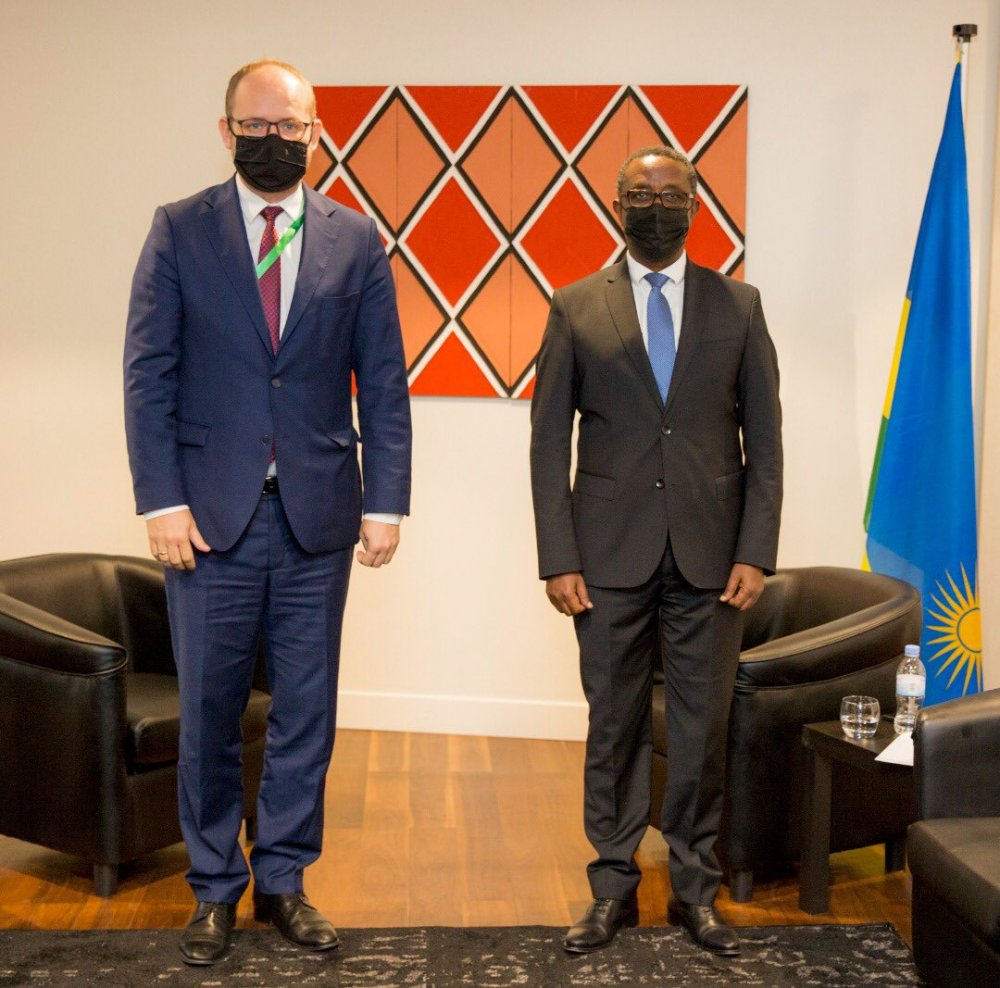
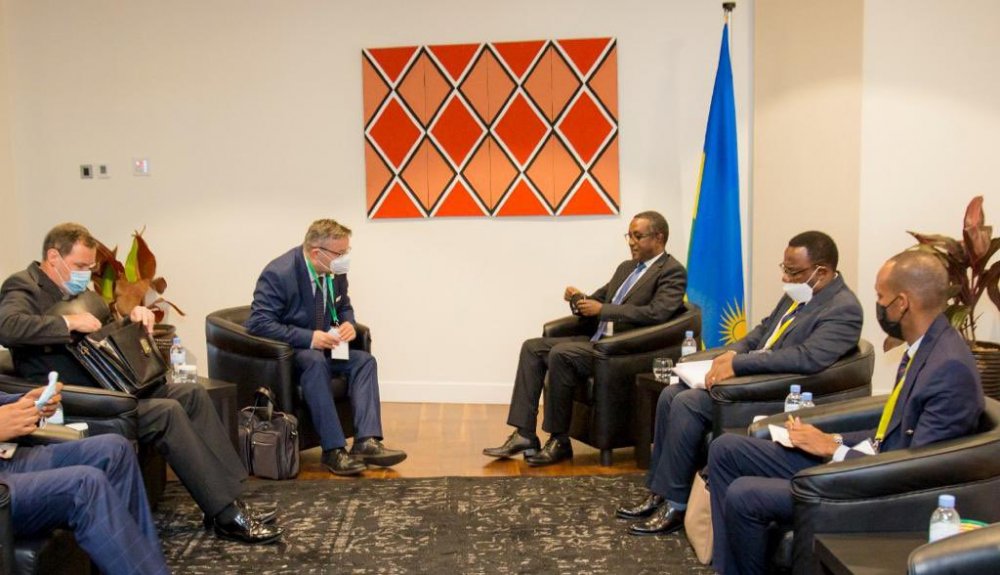
Minister Biruta also met with Martin Tlapa, the Deputy Minister of Foreign Affairs of Czech Republic and Poland Deputy Minister of Foreign Affairs, Marcin Przydacz.
Discussions revolved around deepening bilateral relations and cooperation, strengthening political and economic cooperation, cooperation in education, trade and climate change.
As she opened the AU-EU ministerial meeting on Monday; the Permanent Secretary at the Ministry of Foreign Affairs, Clementine Mukeka said that it is an occasion to strengthen existing cooperation and explore new potential areas.
“It also an opportunity to reflect on the AU-EU relationship and propose areas for improvement,” she stressed.
Africa and the European Union enjoy partnership in different development areas.
Figures from EU show that Europe exported goods worth Euro 124 billion to Africa while Africa’s exports to EU are estimated at Euro 101 billion in 2020.
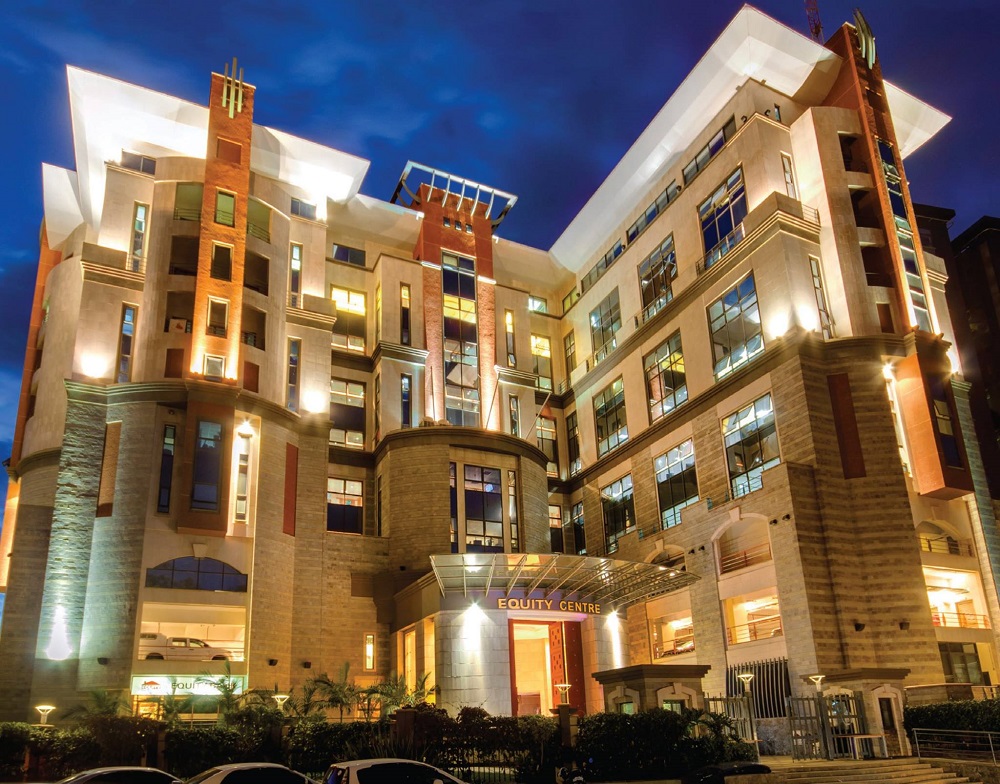
While acknowledging this recognition, Equity Group Managing Director and CEO, Dr. James Mwangi, emphasized that the award reinforces and cements the Bank’s vision of championing the socio-economic prosperity of the people of Africa.
“With support from various partners, Equity Group has strongly positioned itself to support SMEs (Small and Medium Enterprises) to keep their lights on during the prevailing COVID-19 pandemic which slowed down the economy and negatively impacted the cashflows of enterprises. By extending credit to them during the period, Equity demonstrated its commitment to walking the journey with its customers, and its empathy with their socio-economic situation brought about by the pandemic,” he said .
Despite the heavy impact of the pandemic, Equity increased its lending to SMEs, which by the close of 2020 stood at 51% of the total loan book. With a key focus on priority areas aligned to achieving Kenya’s Big 4 agenda, Equity put a priority on financing SMEs in Agriculture, Manufacturing, Household and value-chain banking and health sector.
MSMEs often face a host of growth challenges including managing and enabling financial transactions, access to credit, and expanding their reach. To solve some of these challenges, Equity has fortified its product offerings by providing them with customized, flexible, and integrated banking solutions, for both business owners and employees.
Equity has innovated a structured approach by deliberately supporting to transition enterprises from Micro, Small and Medium entities all the way to large corporates by offering a tailored Customer Value Proposition (CVP) for enterprises and by aligning staff and delivery channels for each segment. The strategy put into consideration different factors including but not limited to the number of employees, loan size, total assets, and total annual revenue.
In line with Equity’s mission of offering integrated financial services that socially and economically empower consumers and businesses, the bank provided customized cash flow-based lending and asset-based lending solutions with flexible repayment terms, extended moratorium periods and the ability to take a variety of collaterals.
The bank accommodated customer loans up to Ksh. 171 billion, giving them reprieve and flexibility to adjust their business model. Loan offering includes Working capital, Term Loans, Overdrafts, Asset and Equipment Financing Mortgages, Project finance among others. To facilitate trade internationally and locally Equity offers a wide range of trade finance products such as Letters of Credit, Guarantees, Post Import Finance, Avalisation, and Commodity Finance.
Driven by changes in the operating environment, Equity has deployed a transformational business continuity plan that has seen growth in transactions completed on digital platforms. Its EazzyFX platform continues to enable online purchase and sale of foreign currencies. EazzyBiz allows businesses to have a 360-degree online view of their financial position at any time while providing a global view of the cash position and the seamless execution of payments in multiple currencies and locations. Equity Online is a secure banking platform that enables individuals and proprietorships to continue to manage their bank accounts at their convenience.
This keen focus has seen Equity recognized as the ‘Best Bank in Africa for SMEs’- by the IFC SME Finance Forum for 3 consecutive years since 2018; ‘Best Bank in SME banking for two years running’ -Think Business Awards, and the ‘Best Bank in Retail, CSR and Digital Service’- Banker Africa, East Africa Awards 2017. Equity provides banking services to more than 800,000 SMEs through its 190 countrywide branch network in Kenya and on its digital channels.
The Euromoney Awards for Excellence were established in 1992 and were the first of their kind in the global banking industry. This year, Euromoney received almost 1,000 submissions from banks in their regional and country awards Programme that covers more than 50 regional awards and Best Bank awards in close to 100 countries. Last year, Equity received 3 Euromoney awards in the Best Bank in Africa, Best Digital Bank and Excellence in Leadership award categories.
{{About Equity Group Holdings}}
Equity Group Holdings Plc is a Pan-African financial services holding company listed at the Nairobi Securities Exchange, Uganda Securities Exchange, and Rwanda Stock Exchange. The Group has banking subsidiaries in Kenya, DRC, Rwanda, Uganda, Tanzania, South Sudan, and a Commercial Representative Office in Ethiopia. It has other subsidiaries in investment banking, insurance, telecom, fintech and social impact investments.
Equity Group is the largest bank in the region in assets of Kshs 1.12 trillion (USD 11.2 billion). It is also the biggest bank in deposits, market capitalization of USD 2 billion and with a customer base of over 15 million customers. The Group has a footprint of 337 branches, 56,772 Agents, 32,269 Merchants, 697 ATMs and an extensive adoption of digital banking channel.
The Banker Top 1000 World Banks 2020 ranked Equity Bank 754 overall in its global ranking, 62nd in soundness (Capital Assets to Assets ratio), 55th in terms of Profits on Capital and 20th on Return on Assets. The Banker’s Top 100 African Banks 2020 placed the Bank in position 7 overall among the top 10 Banks in Africa, 5th place on soundness, position 9 on growth performance, 8th on return on risk and position 6th in terms of profitability and on leverage category.
In the same year, Moody’s gave the Bank a global rating of B2 with a negative outlook same as the sovereign rating of the Kenyan government due to the Bank’s strong brand recognition, solid liquidity buffers and resilient funding profile, established domestic franchise and extensive adoption of digital and alternative distribution channels.
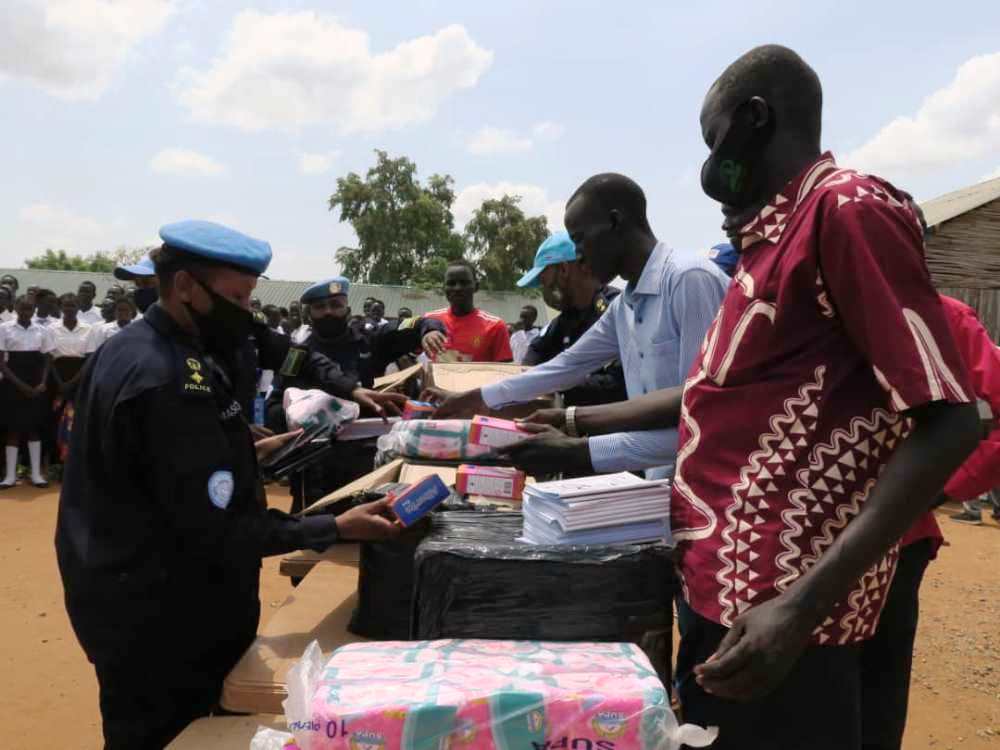
The beneficiaries are pupils at Hope Primary School, which was established in IDP camp 3 in Juba to support the conflict-affected children.
The donations were handed over to the school and camp management by the Rwanda FPU-3 contingent commander, Senior Superintendent of Police (SSP) Jeannette Masozera.
“Education is one of the most important things that will help you in the future, regardless of the challenges you are facing today. So, we are here today to support you in that journey,” SSP Masozera told the students during the handover of the items.
She urged them to focus on their education and refrain from any malpractices that can destroy their future.
The event to handover the items also provided a platform to sensitize the students on dangers of abusing drugs to their health and education dreams.
FPU-3 is one of the two Rwandan Police contingents deployed in South Sudan. Rwanda FPU-3 contingent of 160 officers operates in Juba while Rwanda FPU-1 of 240 officers is deployed in Malakal, Upper Nile State.