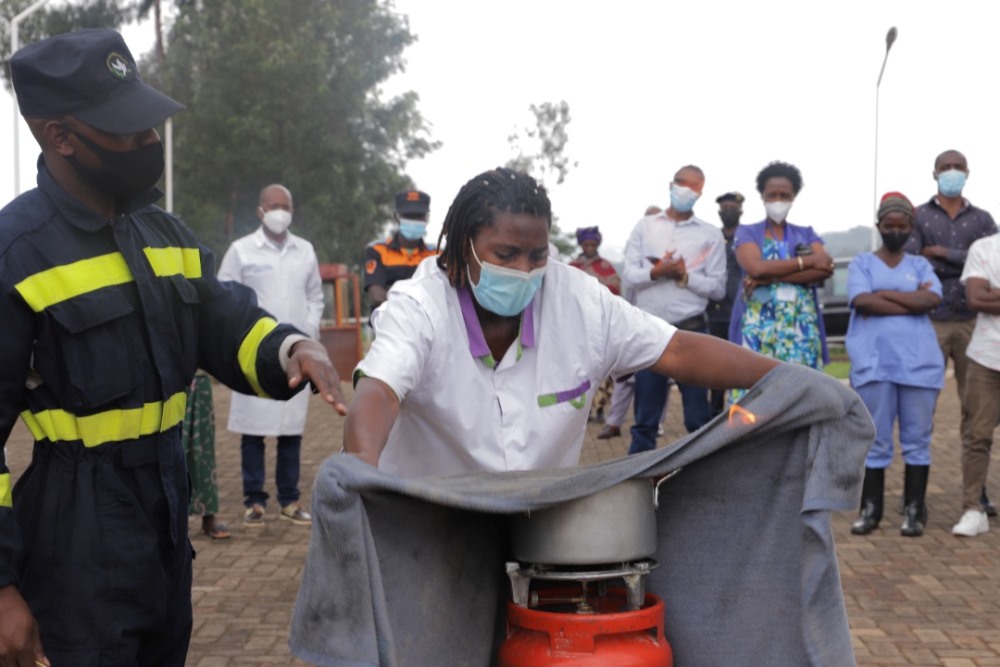
At least 483 employees in various entities in Nyanza, Muhanga and Huye districts of the Southern Province have also been given similar knowledge and skills on how to fight and prevent fire.
On Monday, FRB trained 134 staff of Nyanza hospital, more 157 were also trained on Tuesday at Kabgayi hospital in Muhanga and other 80 staff of Kabutare hospital in Huye district were equipped with the same skills on Wednesday.
The participants in the one day-training in hospitals include doctors, nurses, technicians, heads of departments, cleaners and security guards.
Meanwhile, other 112 people including Police officers, employees in hospitality establishments, petrol stations and local leaders were also trained on Tuesday in Nyanza District.
“The more people understand the causes of fire outbreak and the human behaviours attributed to fire disasters, we believe that this will create impact on prevent and reduction in fire related emergencies,” said ACP Paul Gatambira, the Commanding Officer for FRB.
“Causes, components, classes of fire and evacuation procedures are important skills and knowledge that people must know in order to prevent or fight fires which destroy property, cause losses in businesses and at times claim lives,” he added.
The training combined with inspection of public buildings, equips the targeted groups with skills on how to use different firefighting equipment like fire extinguishers, fire blanket, sand and safer ways of using cooking gas.
The prototype will be used to manufacture vaccines in African countries including Rwanda later this year.
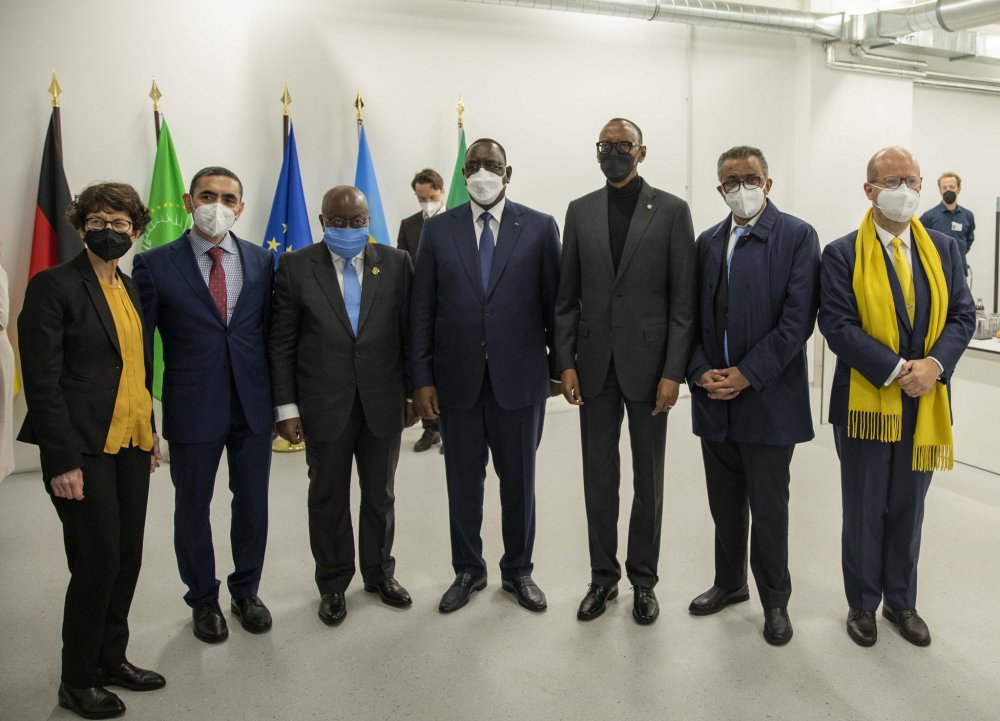
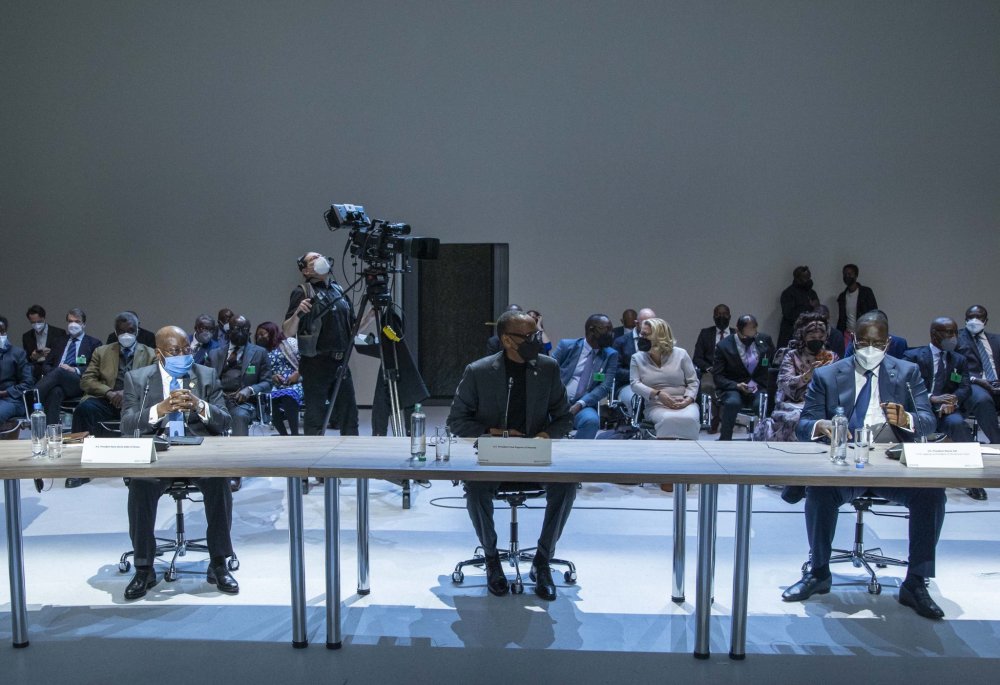
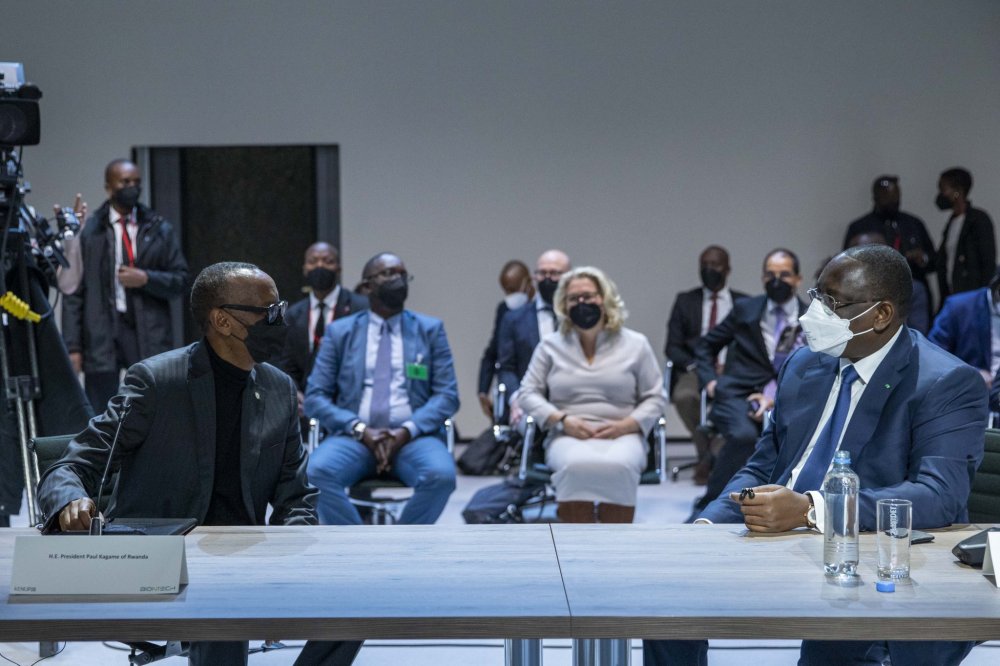
The Head of State attended the meeting in Germany along with Macky Sall, the President of Senegal, which has been also selected among first countries to host BioNTech’s vaccine manufacturing plants on African continent.
Also present was the President of Ghana, Nana Akufo-Addo; the Director General of World Health Organization, Tedros Ghebreyesus; Dr. John Nkengasong, the first Director of the Africa Centres for Disease Control and Prevention (Africa CDC) and the CEO of BioNTech, Prof. Ugur Sahin among others.
President Paul Kagame who participated in the meeting said that the modular production system is a breakthrough which puts vaccine manufacturing within the reach of countries.
“Vaccine equity is not about what happened in the past. It is about the future. There could be another pandemic. But we will be faster and better prepared next time, because of this strong partnership between BioNTech and Africa,” he noted.
The President underscored that the choice to deploy the solution first in Africa ‘is a strong signal that a system designed to succeed on our continent can help speed up the pace of innovation for all of us’.
“A commitment of this scale from a major pharmaceutical company is something we have never seen in Africa, and we recognize its significance. Rwanda is firmly committed to this partnership and we will do our part to ensure its success and sustainability,” he said.
Since the first batch of COVID-19 vaccine doses was distributed, more than 10 billion have been administered. With 1.2 billion population. Africa has administered 400 million doses. As at the end of last year, only seven countries had inoculated at 40% of their population while all developed countries have hit the target.
Africa uses 25% of vaccines manufactured every year. Of these, the continent only produces 1% and imports the remaining percentage. The figures evidence how the African continent lags behind in vaccine manufacturing.
The issue exacerbated during COVID-19 pandemic where Africa was the last continent to receive vaccines as countries with manufacturing plants hoarded them.
The situation awakened the continent to bridge the gap through strengthening its capacity to manufacture enough vaccines locally without heavily relying on imports.
However, the continent needs partners to be able to access advanced technology deployed to manufacture vaccines.
There has been a positive progress with the mRNA technology which can be deployed to produce multiple types of vaccines within a short timespan unlike the past when it would take up to five years.
So far, BioNTech has taken bold strides to introduce the technology in Africa where it signed agreements with countries including Rwanda and Senegal to set up vaccine manufacturing plants.
The visits are expected to start on 25th February 2022 as the Spokesperson of RCS, SSP Pelly Gakwaya Uwera has confirmed to IGIHE.
“Visiting inmates in different prisons across the country has resumed with specific guidelines put in place. The pandemic is still there but the number of new positive cases is reducing. That is why we have decided to resume visits to prisoners,” she said.
{{Requirements}}
There has been a good progress to contain the pandemic but health officials continue to advise the general public to adhere to instituted preventive measures including social distancing, proper wearing of face masks and frequently sanitizing hands.
RCS reveals that there have been enough preparations whereby all measures will be respected.
“Other venues where visitors meet with inmates must not exceed 75% occupancy while the guest and prisoner have to keep two-meter distance and wear face masks properly. These venues are ready and the hand washing facilities with clean water have been completed. Soaps and hand sanitizers are also available. In fact, we want to resume visits while adhering to instituted health guidelines,” SSP Uwera said.
As per new guidelines issued by RCS, only one person is allowed to visit a prisoner.
An individual planning a visit to inmates is required to notify prison’s management via email specifying the day. He/she is also advised to inform the prison’s management in case the visit is cancelled for any reasons.
Unvaccinated prisoners are not allowed to be visited while visitors must have been vaccinated and present negative COVID-19 test results released within 72 hours.
SSP Uwera has also revealed that almost 100% of inmates have been inoculated even though 58 refused COVID-19 jabs.
“Almost all inmates have been vaccinated but 58 of them rejected COVID-19 jab citing beliefs related reasons. We continue to educate them so that they can change mindsets and convince them that receiving vaccine doses is in their interests like other Rwandans,” she noted.
Prison visits had been suspended through a statement released on 16th March 2020, two days after the country confirmed the first case of COVID-19.
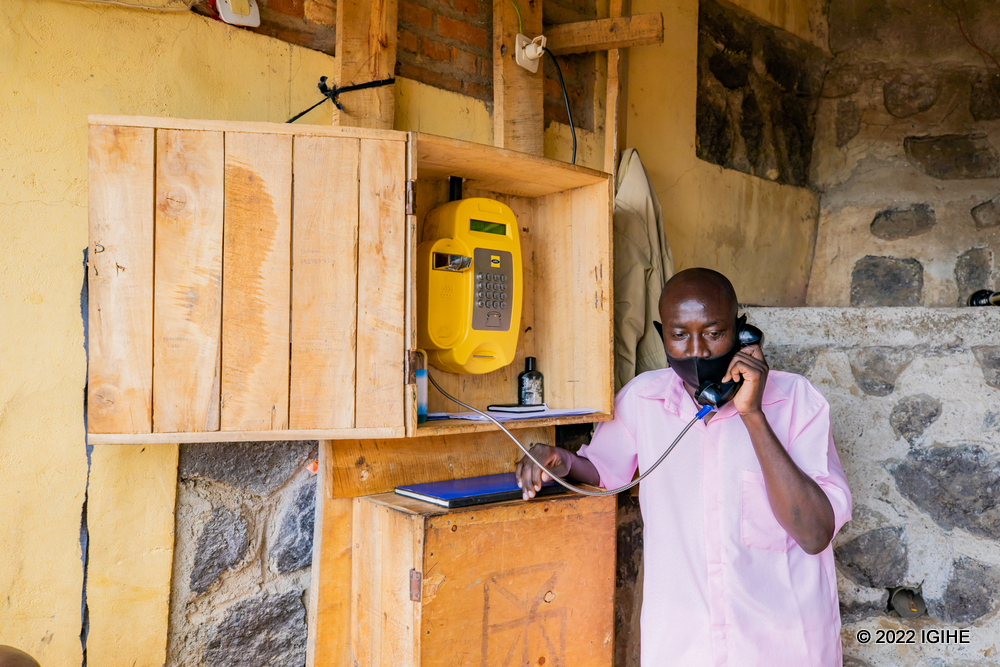
During the period of suspension, SSP Uwera has said, there was an alternative for people to send money to prisoners using provided MoMo Pay number.
She encouraged people to continue using the money transfer system because the pandemic has not yet been defeated.
Visitors are not allowed to give inmates any items brought from outside prison’s premises.
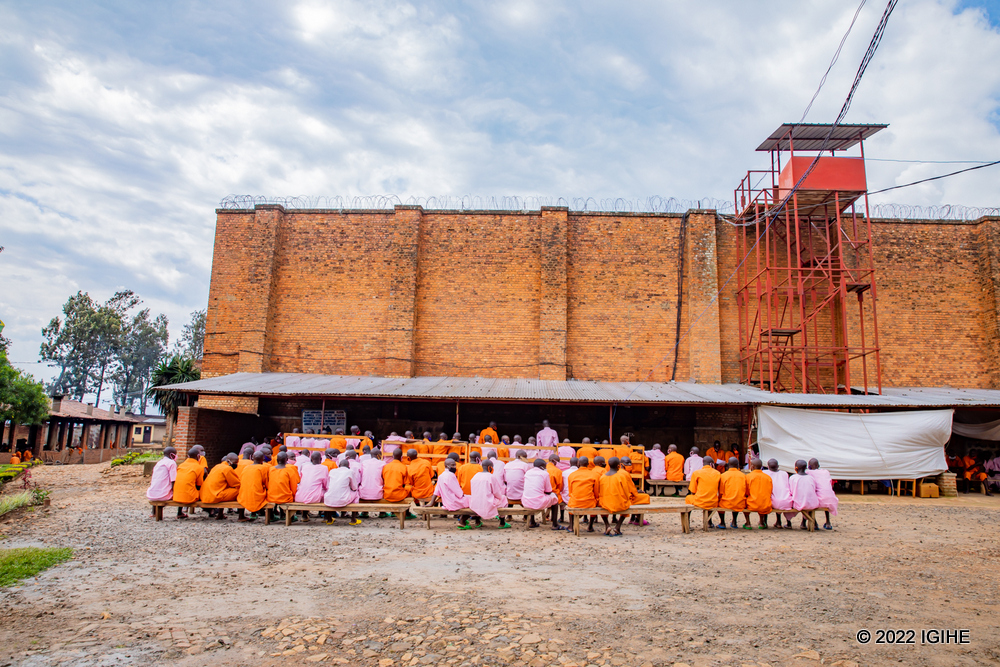
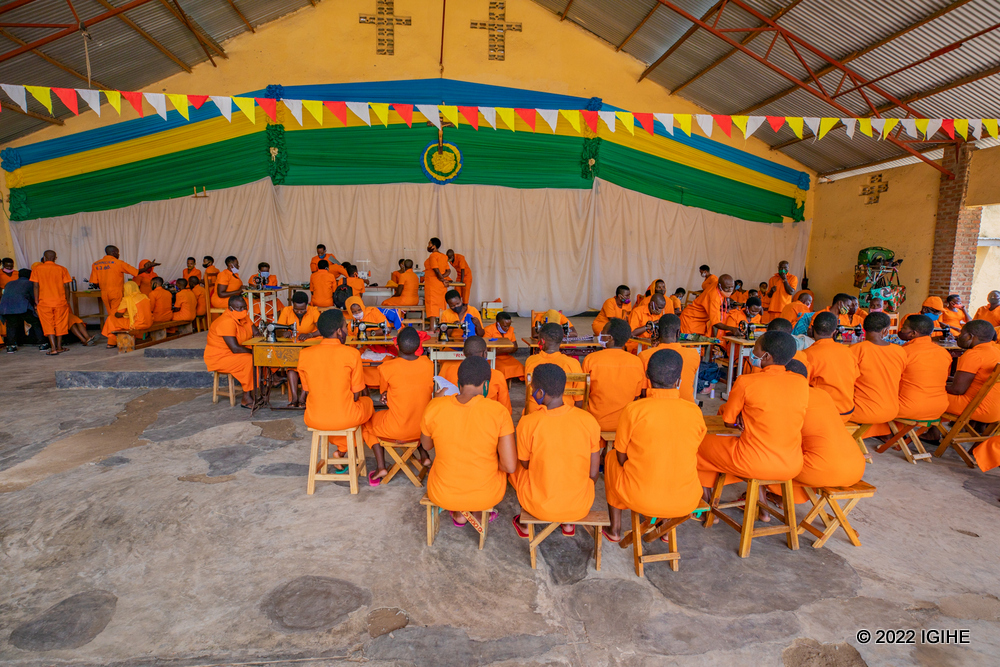
Rwanda has 13 prisons accommodating 81,535 inmates. Before the onset of COVID-19, RCS used to register between 10,000 and 20,000 visitors per day. The number is expected to go down to 8,000 due to COVID-19 restrictions.
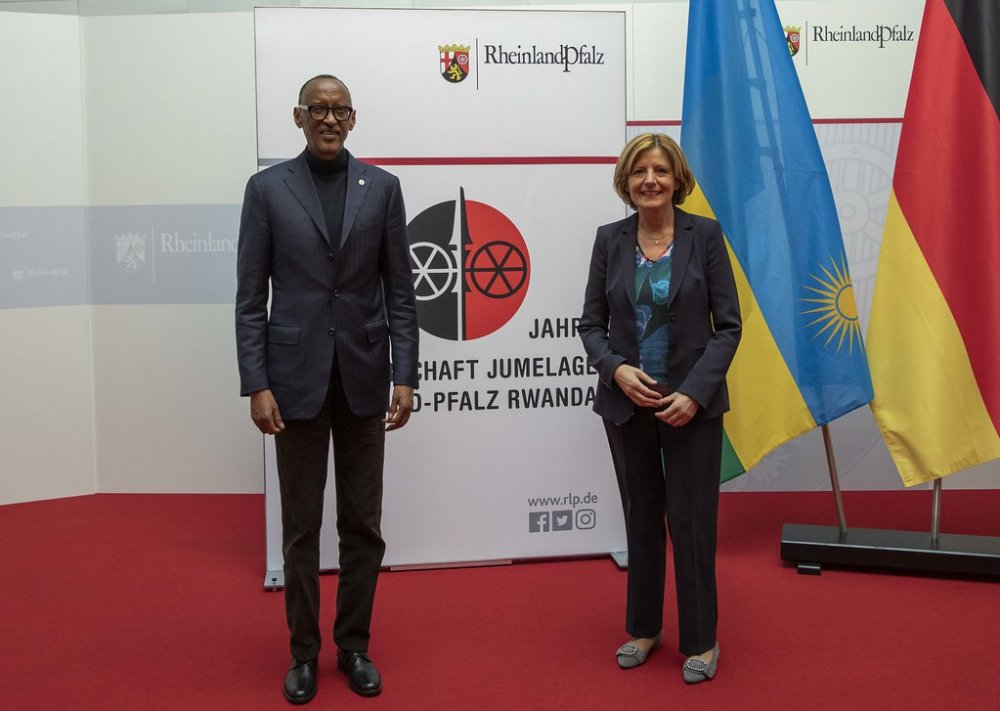
Both leaders met on Tuesday 15th February ahead of the two-day African Union – European Union Summit slated on 17th and 18th February 2022.
The summit due in Brussels, the capital of Belgium, will bring together Heads of State or Government of the African Union and the European Union in Brussels.
Malu Dreyer last visited Rwanda in 2018 accompanied by the delegation of 31 leaders.
At the time, she held talks with President Paul Kagame on areas of mutual interests including avenues for strengthening bilateral ties.
During discussions, both parties agreed on extending cooperation to governance, promoting investment and economy through the exchange of expertise.
In the same year, five districts in Rwanda including Ngoma, Gisagara, Karongi, Nyamagabe and Ruhango signed cooperation agreements with five cities in Germany.
Other seized goods include five boxes of skin bleaching products and five boxes of powdered milk.
Seven people were also arrested in the operation. They include owners of the smuggled goods, the driver, two cyclists who had been hired to transport the goods to different destinations in Kigali, and those who were acting as spotters to direct the driver and cyclists on the whereabouts of Police to prevent arrest.
Police also impounded another vehicle, Toyota Ipsum type, which was being used by spotters to surveil the whereabouts of the Police.
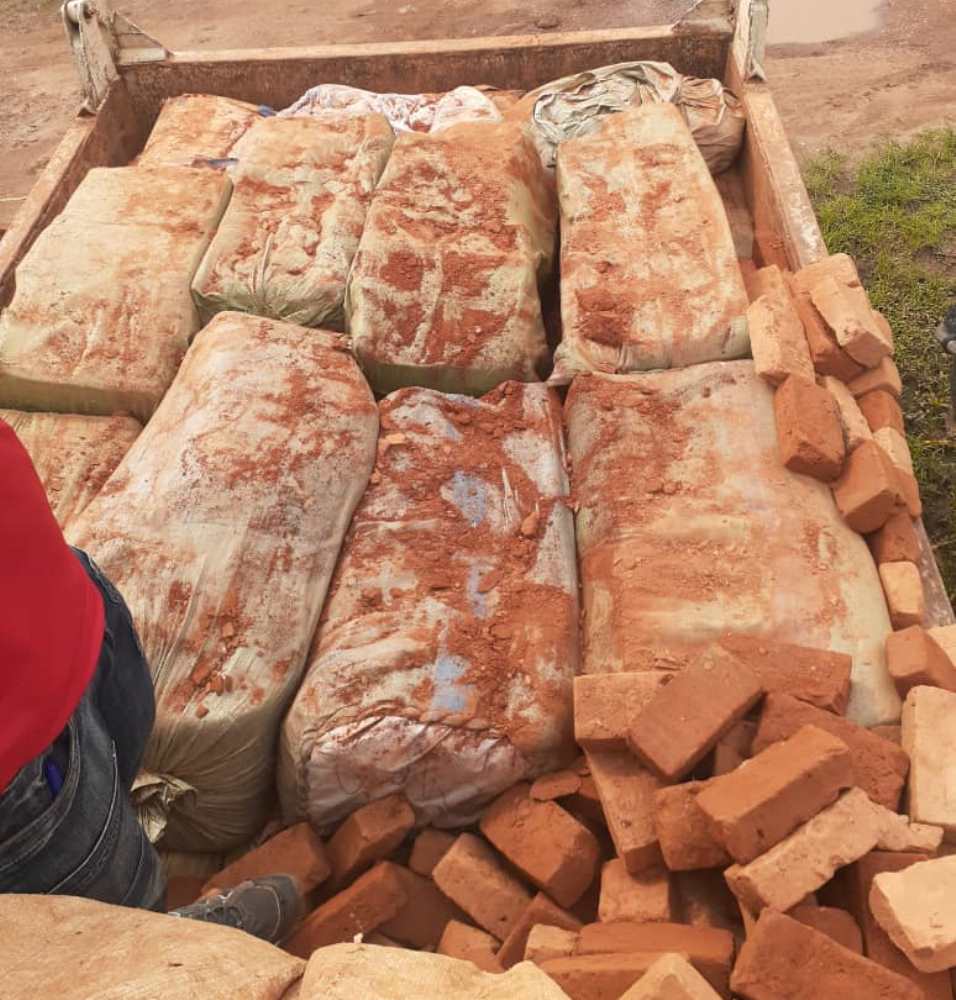
The goods were smuggled from Nyamasheke District before they were intercepted in Kigali following a rip-off from residents privy to the fraud, according to RNP spokesperson, Commissioner of Police (CP) John Bosco Kabera.
He identified those arrested as Felicien Nteziryayo, 39, Samuel Mpanuwumva, 49, Adelphine Uwimana, 29, Celestin Sindayigaya, 39, Jean Bosco Habagusenga, 28, Alfred Mujyanama, 32 and Jean Marie Vianney Nshimiyimana, 28.
“Police got information about two people; Alfred Mujyanama and Jean Marie Vianney Nshimiyimana, who were directing cyclists (Sindayigaya and Habagusenga) on phone on which routes they should use to avoid being spotted by the Police. They were all arrested,” CP Kabera said.
Sindayigaya and Habagusenga were at the time transporting a sack of clothes, each. They had picked the sacks from Nteziryayo, the driver, at Giti k’inyoni.
“Nteziryayo was also lured into the Police trap and arrested. He then led Police officers to Ruliba, where he had parked the Fuso truck loaded with other sacks of goods and covered with bricks. At Ruliba, Police found other two people; Adelphine Uwimana and Samuel Mpanuwumva connected to the smuggling ring, who were also taken into custody,” CP Kabera explained.
It is believed that the Toyota Ipsum vehicle belong to some of the owners of the seized goods, but they managed to flee during the operation.
The suspects along with the exhibit were handed over to RIB as the search for other members of the smuggling rackets continues.
CP Kabera warned against fraud and smuggling, and commended the impact of community policing in fighting such malpractices, which also bring outlawed and harmful products on the Rwandan market like skin bleaching oils and creams.
Under article 199 of the East African Community Management Act, which is also applicable in Rwanda, seized smuggled goods and automobile used in smuggling, are auctioned. The driver also faces a fine of US$5,000.
A taxpayer, who commits fraud, is also subject to an administrative fine of one hundred percent (100%) of the evaded tax.
Article 266 of the law determining offenses and penalties in general, states that any person, who produces, sells, or prescribes harmful products; cosmetics or body hygiene substance or any other products derived from plants, commits an offence.
Upon conviction, he/she is liable to imprisonment for a term of not less than one year and not more than two years and a fine of not less than Rwf3 million and not more than Rwf5 million or one of these penalties.
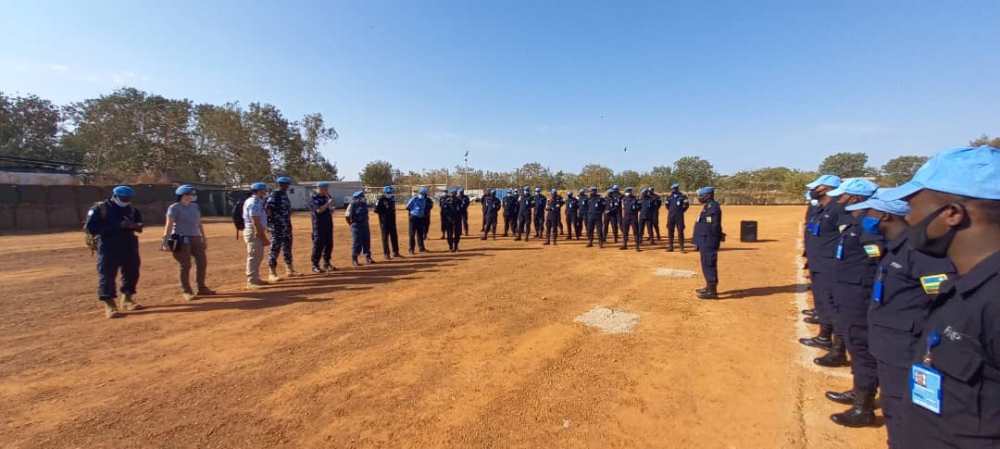
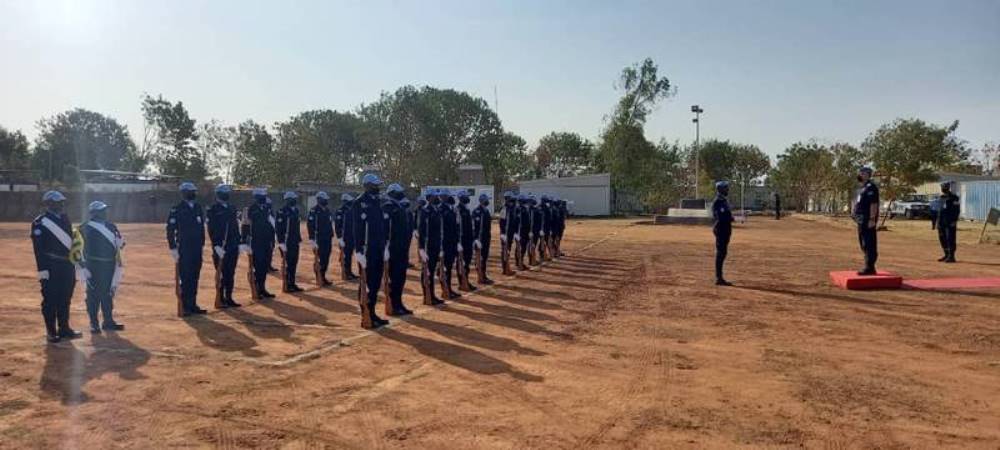
Dr. Mutasem was received by the Rwanda FPU-1 contingent commander, Chief Superintendent of Police (CSP) Faustin Kalimba, who briefed him on their mandate and operations conducted.
The UNMISS Deputy Police Commissioner also visited some of the Rwanda FPU-1 posts in the Protection of Civilians (POC) camp for displaced persons, which is under the protection of Rwandan unit, and briefed the Rwandan contingent.
He thanked them for ensuring the safety and security of the displaced civilians and encouraged them to work in harmony with Individual Police Officers (IPOs) to achieve the UNMISS mandate.
“Continue to be defined by your discipline and commitment to uphold the good image that Rwanda Police has portrayed in peacekeeping missions. Work hand-in-hand with IPOs as UN Police family to effectively achieve the mandate,” Dr. Mutasem said.
Rwanda FPU-1 of 240 officers, is one of the two Rwandan Police contingents deployed under the UN Mission in South Sudan.
It is charged with the protection of civilians, who were displaced by violent conflicts, conducts patrols, escort duties and supports in capacity building of the local Police and other players in policing.
DG Zokoue was received by PTS commandant, Commissioner of Police (CP) Robert Niyonshuti, who briefed him on the school’s capacity development programmes.
PTS conducts, among others, Cadet and Basic training courses, Peace Support pre-deployment training, and District Administrative Security Support Organ (DASSO) course.
“I am happy to visit Rwanda and the training schools where we are benefiting more experiences in policing,” DG Zokoue said. He also toured various PTS wings.
“The cooperation pact signed between RNP and the CAR Police is a great opportunity for us to send our Police officers here to gain from the knowledge and skills,” he added.
He lauded the impact of the school in enabling Rwandan security organs in restoring peace and security and protecting high profile officials in CAR.
“The infrastructures and training programmes offered here conducted in this school define the professional performance of Rwanda Police peacekeepers in our country,” DG Zokoue said.
Rwanda has over 500 Police peacekeepers in CAR. The Head of MINISCA Police component, CP Christophe Bizimungu, is also Rwandan.
The Rwanda Protection Support Unit (PSU) is charged with the protection of the SRSG, his two deputies, the Prime Minister of CAR, President of the National Assembly, Minister of Justice and the Head of MINUSCA Police Component.
The development announced on Tuesday 15th February 2020, complements the ruling of the Court of Appeal of Paris in July 2020.
The ruling rejects investigation carried out by Judge Jean-Louis Bruguière which led to the issuance of arrest warrant for top Rwandan officials who were on the front line of the Rwanda Patriotic Army that stopped the 1994 Genocide against the Tutsi accused of shooting down the aircraft.
The court backed findings of Judge Marc Trévidic who reported that the plane was shot down by missiles from Kanombe Military Barracks that was controlled by Hutu extremists that planned and executed the 1994 Genocide against Tutsi.
The ruling puts an end to a case that has been spoiling relations between France and Rwanda for more than 27 years.
Agathe Kanziga, the wife of Habyarimana is among people who filed an appeal along with families whose relatives perished during the incident.
Rwanda’s interests during the court case, were represented by Lawyer Léon lef Forster and Bernard Maingain who have expressed optimism that the ruling will contribute to justice for more than one million victims of the 1994 Genocide against the Tutsi.
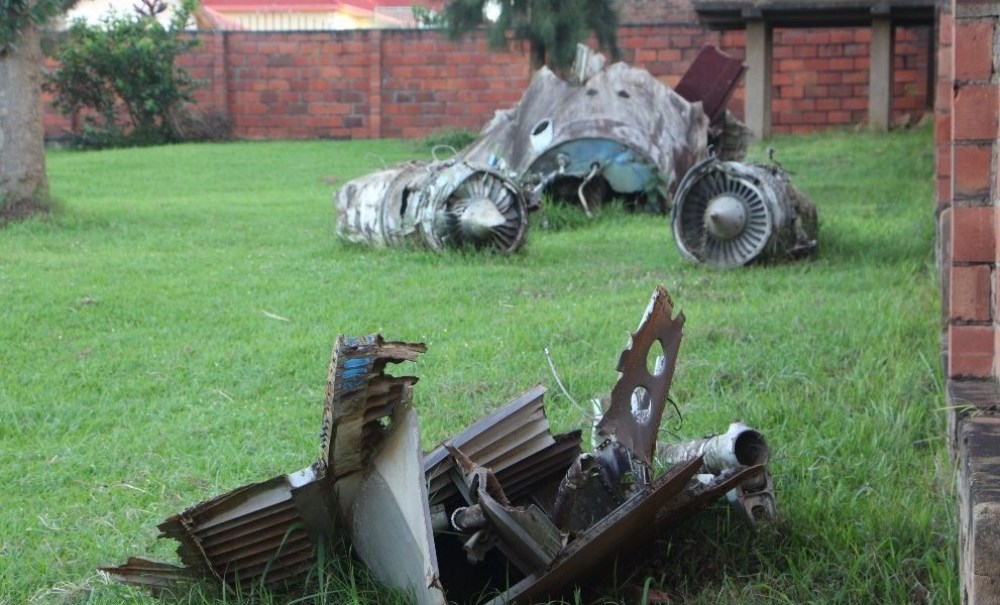
Former Rwandan President Juvenal Habyarimana’s private Falcon 50 jet was shot down on April 6, 1994, near Kigali International Airport, leaving Habyarimana dead. Cyprien Ntaryamira, the then President of Burundi, with everybody else on board also died in the plane crash.
The plane shooting was followed by the 100-day Genocide that left more than a million Tutsis killed.
In 1997, a family member to one French citizen filed a lawsuit to a court in Paris which saw the Judge Jean-Louis Bruguière start an investigation the following year on who shot down the plane that was carrying President Habyarimana.
Judge Bruguière carried out the investigation without stepping on Rwanda’s land and issued arrest warrants for nine Rwandan officials who were on the front line of the Rwanda Patriotic Army that stopped Genocide.
Lawyer Léon lef Forster and Bernard Maingain have through a joint statement paid tribute to officials who were totally prosecuted in a defamatory manner.
In 2010, Judges Nathalie Poux and Marc Trevedic came to Rwanda for investigation on Habyarimana’s plane shooting, heard testimonies of witnesses in Rwanda and Burundi.
The investigation came with a resolution that the plane had been shot down by Hutu extremists who opposed to Arusha accords that directed for the sharing of power among political parties in Rwanda including RPF with MRND, Habyarimana’s single political party that operated in Rwanda since 1973 until 1990 when the RPF launched a liberation struggle putting Habyarimana on pressure to open the political space and accept the multiparty political system in Rwanda.
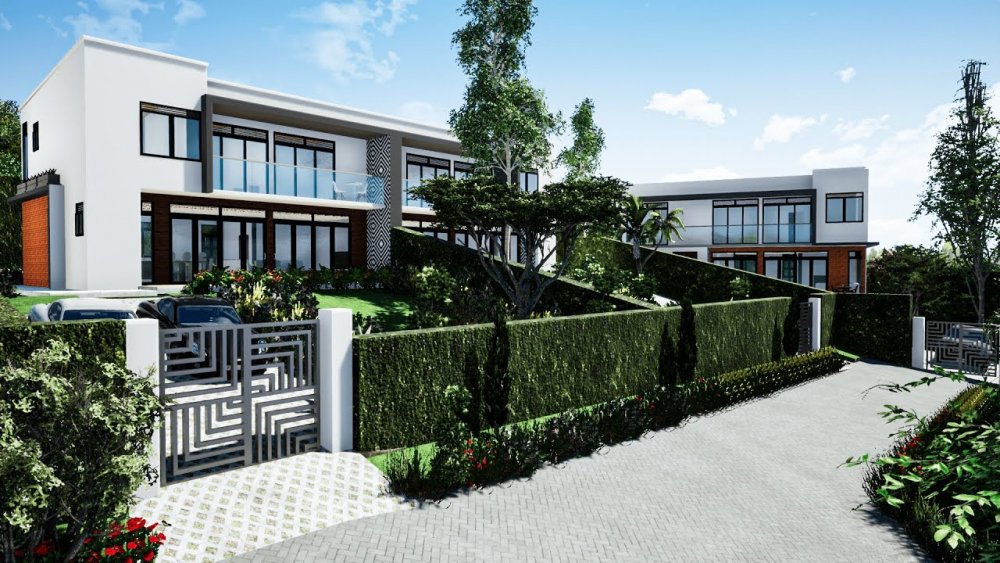
These units constructed in compliance with Kigali City master plan are environment friendly while most of construction materials are sourced locally.
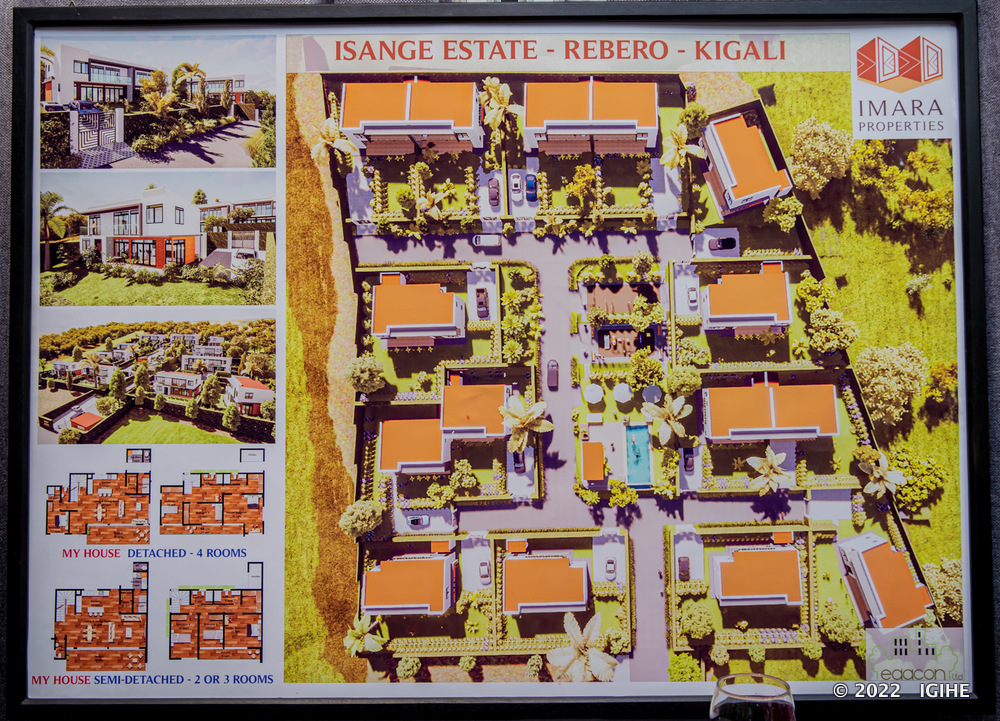
The first phase of the project comprised of 14 housing units is expected to be completed in July this year to be followed by the second comprised of 16 units.
Imara Properties was created with a vision to help Rwandans, particularly Kigali City dwellers to get modern homes.
The CEO and Co-founder of Imara Properties, David Benazeraf recently told IGIHE that increased clients’ demand encouraged them to carry on their activities with the second phase.
He said that the first phase will be completed in July while 93% of housing units have been sold.
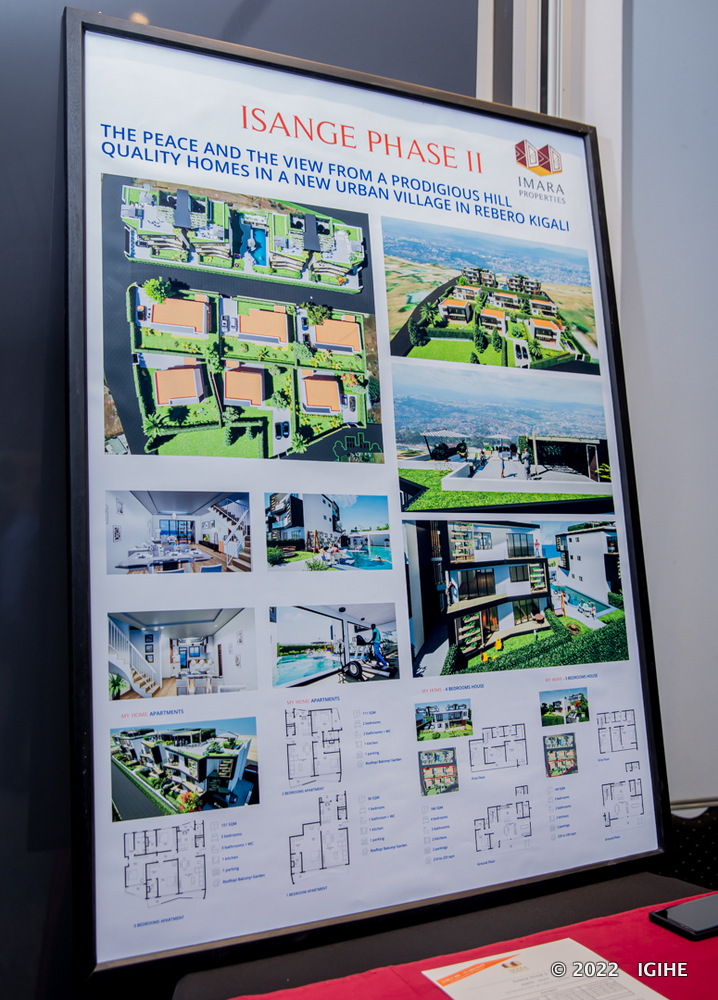
The second phase of the project will be comprised 12 apartments and six villas for main residence or rental investment.
It comprises of housing units of different designs featuring sleeping rooms, bathrooms, parking space, kitchen, garden and gym.
Benazeraf has revealed that the company is offering 5% discount to clients buying or renting houses before 28th February 2022.
Clients can pay 90% of the total cost upfront and the balance later.
There are other options for payments in installments where interested buyers can pay 10%, 20% respectively in the first two months, 30% in the third and fourth month and the remaining 10% in the fifth month. One can also pay 30% upfront and 70% later. Each house has three to four rooms.
A person standing at Isange Estate at Rebero Hill gets a better view Kigali City. It is home to other infrastructures including Kigali Cultural Village.
‘Isange Estate’ was conceived by three Rwandans along with their colleagues from France and Belgium.
The idea surfaced as the three colleagues from Rwanda namely; Serge Kamuhinda, the CEO of Volkswagen Mobility Solutions Rwanda; architect, Aimé Bakata Nkunzi and Alain Ngirinshuti, currently serving in the top management of Rwanda Social Security Board (RSSB) met with their colleagues at school.
After visiting Rwanda, their friends were impressed by the country’s progress. Since then, the six colleagues decided to concert efforts through a joint company dubbed ‘Imara Properties’.
Clients interested to learn more about the project can access more details via provided website link: https://www.imara-properties.com
CHOGM is scheduled to take place in the week starting from 20th June 2022.
The meeting was due to have been held in Kigali in June 2020 but was postponed twice due to the impact of the COVID-19 pandemic.
CHOGM is customarily held every two years and is the Commonwealth’s highest consultative and policy-making gathering. Commonwealth leaders selected Rwanda as host for their next summit when they met in London in 2018.
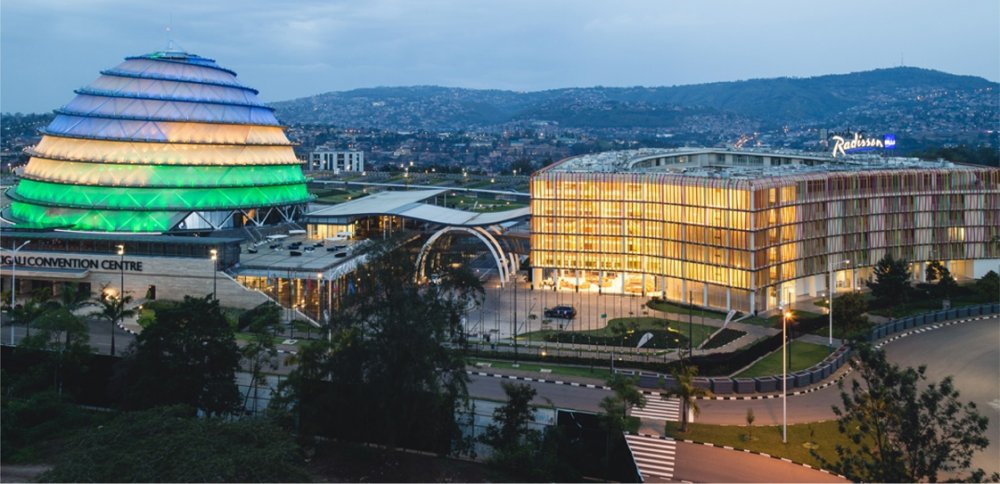
During preparations of CHOGM, the University of Rwanda received Rwf4.2 billion in this fiscal year to clear debts related to the renovation of Kigali Convention Exhibition Village as one of venues to host the meeting.
Under the revised national budget, Rwanda allocated more Rwf600 million for efficient execution of related activities. This means, related works might be completed at a cost of Rwf4.8 billion.
Meanwhile, the revised budget allocated Rwf4.7 billion to the Ministry of Foreign Affairs including funds for preparations of the meeting.
As part of preparations of CHOGM, roads have been constructed in different parts of Kigali expected to reduce traffic jam during the meeting.
These include Gasabo – Sports View Hotel – Airtel road that has been completed among others.
More roads from Alpha Palace to Kabeza, Rwandex-Unilak-Sonatubes, Rwandex – mu Myembe – Kigali Convention Centre and Mulindi to Rusororo were built to decongest traffic.
Kigali International Airport also underwent renovations to increase parking space for aircraft and passengers lounge at the terminal.
Hotels have been also prepared to be able to offer the best customer experience as they serve guests attending the meeting.
Through a statement released on Monday 31st January 2022, President Paul Kagame welcomed participants of the meeting expected to discuss, among other things, ways to address COVID-19 related challenges.
“Rwanda is pleased to welcome all delegates and participants to Kigali for a safe and productive CHOGM Rwanda 2022. The last two years have made it clear to us that we are more connected than ever before and we must work together to achieve the tangible and sustainable results we want. The long awaited meeting will be an important occasion to come together to address the challenges caused by the COVID-19 pandemic and to build on innovative technological and economic opportunities to solve other key problems facing our citizens,” he said.
The Secretary-General Scotland also expressed delight that the meeting is set to take place following years of adjournment.
“I am delighted that the Commonwealth family can finally be reunited, four years on from our last CHOGM in London. Our meetings in Rwanda will give us a real opportunity to reaffirm the values that bind the Commonwealth together and focus on vital issues, including the recovery from the COVID-19 pandemic, tackling climate change and poverty, boosting trade and promoting sustainable development – all issues that can only be dealt with decisively through multilateral cooperation and mutual support,” she stated.
The upcoming CHOGM due in Kigali will be the first to be held in Africa for over a decade.
The Commonwealth is a voluntary association of 54 independent and equal sovereign states. The Commonwealth spans the globe and includes both advanced economies and developing countries. Thirty-two of members are small states, many of which are island nations.