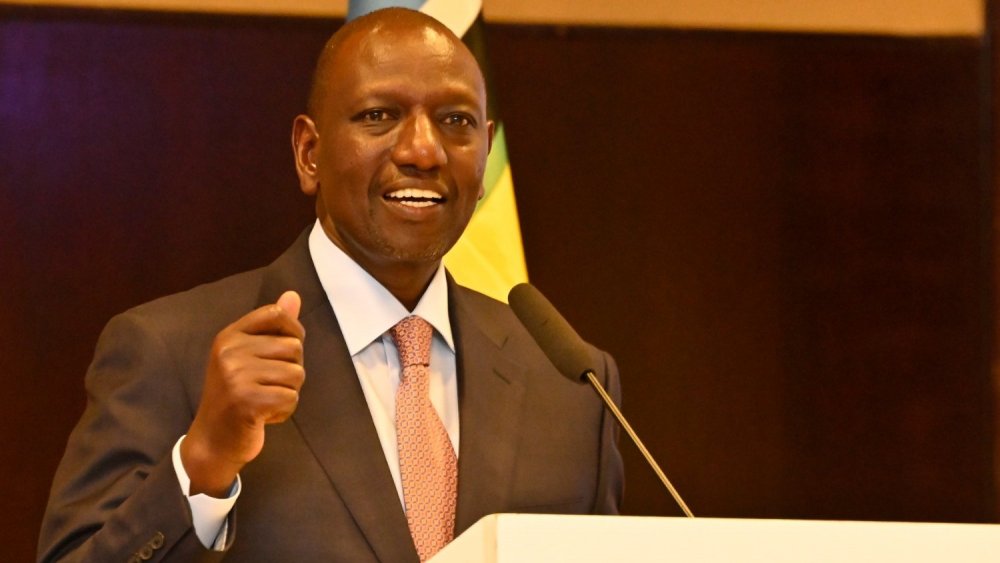
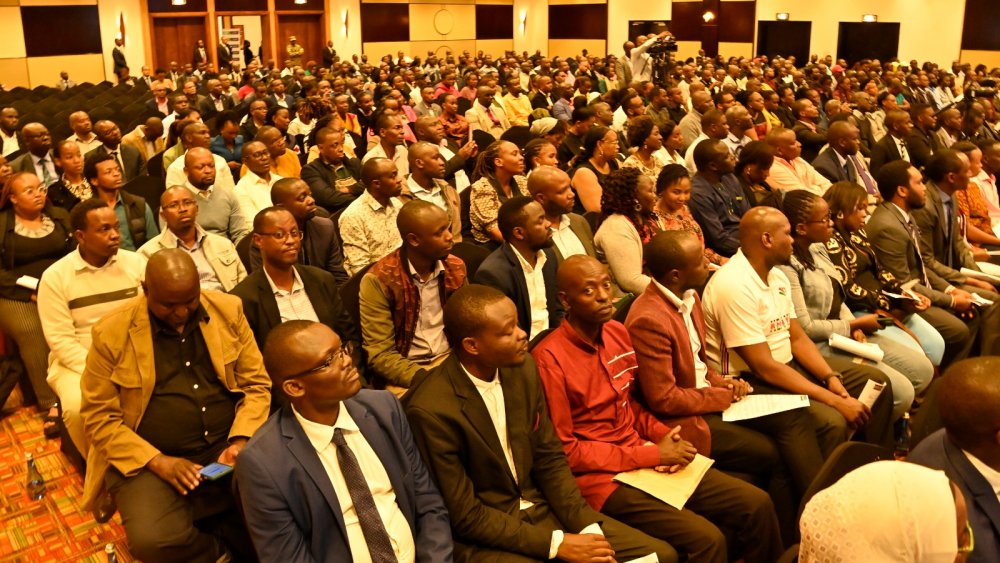
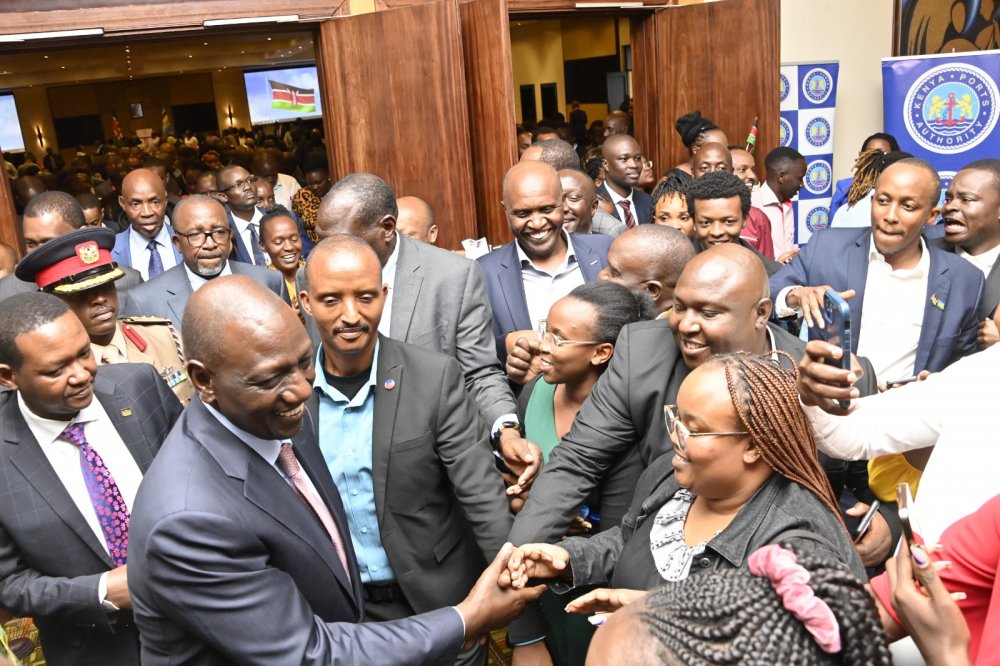
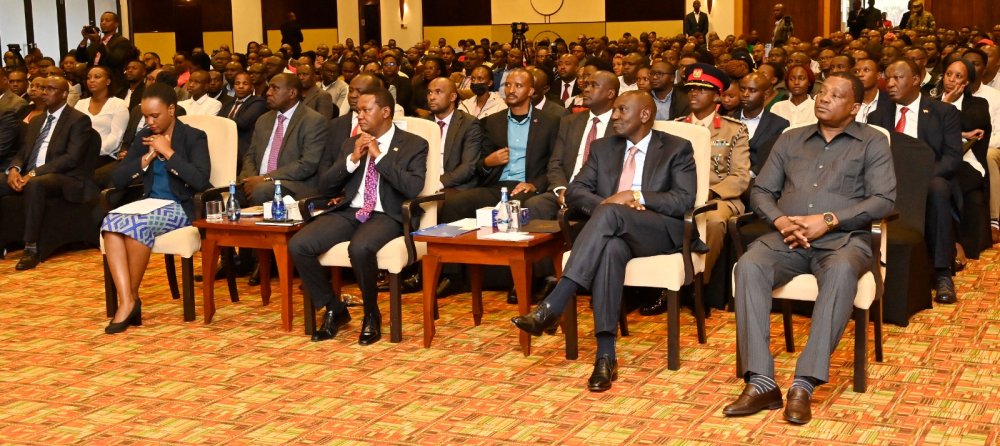
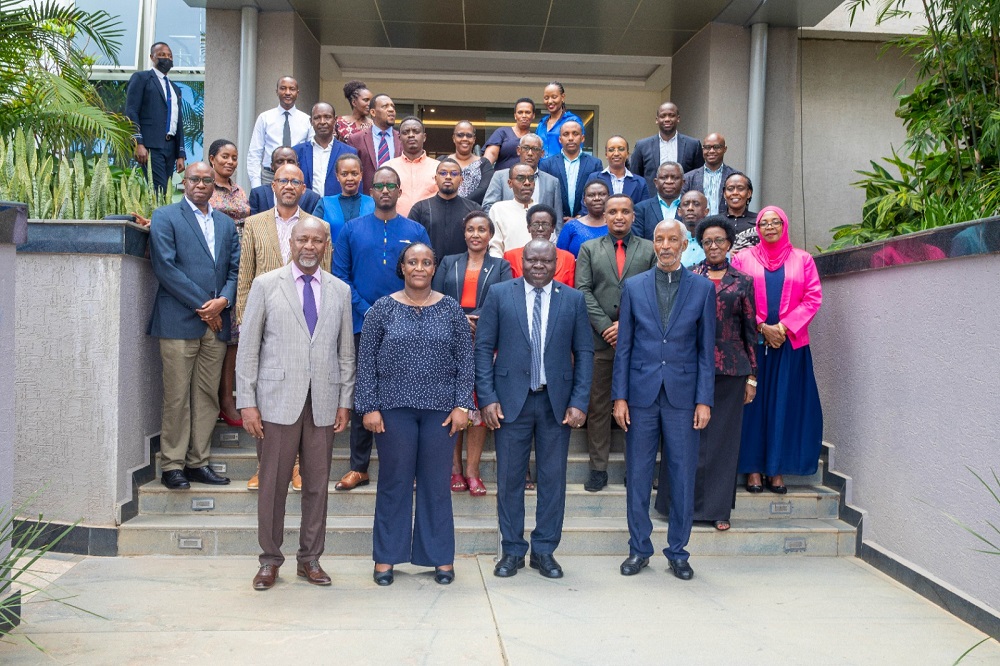
He made the call as he interacted with members of Kenyan diaspora in Rwanda on the second-day of his visit to the Country of Thousand Hills.
President Ruto told Kenyans that the development of the country depends not only on taxes and loans but also on investments that create jobs for the population.
The Head of State said his administration will in the next two weeks launch the ‘Boma Yangu’ initiative to benefit Kenyans living abroad.
He said the programme, which is part of the low-cost houses will benefit Kenyans living abroad just like their colleagues at home.
He noted that the government would provide free land to solve the problem of high land costs, which would significantly reduce the cost of homes. The government is also exploring ways to help people obtain loans to buy these homes.
Among others, Ruto also disclosed that companies such as Amazon, Google, and MasterCard have expressed interest in investing in Kenya.
He emphasized that this private investment would create jobs for Kenyans in various sectors.
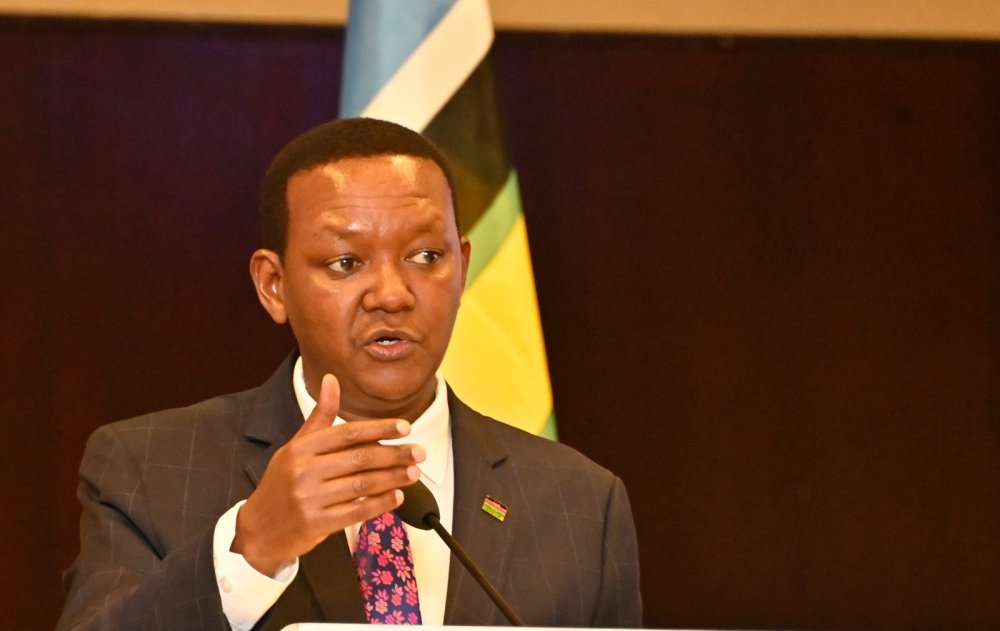
Kenya’s Minister of Foreign Affairs, Dr. Alfred Mutua, also called on Kenyans living abroad to invest in their home country, noting that changes were underway to make life easier for them, including through closer and more efficient embassies.
President Ruto revealed that Kenya has signed agreements with various companies, including vaccine producer Moderna, which will invest US$500 million in the country and create about 100,000 jobs.
He also lauded the role played by Kenyans in the diaspora in national development and urged them to be good ambassadors of Kenya.
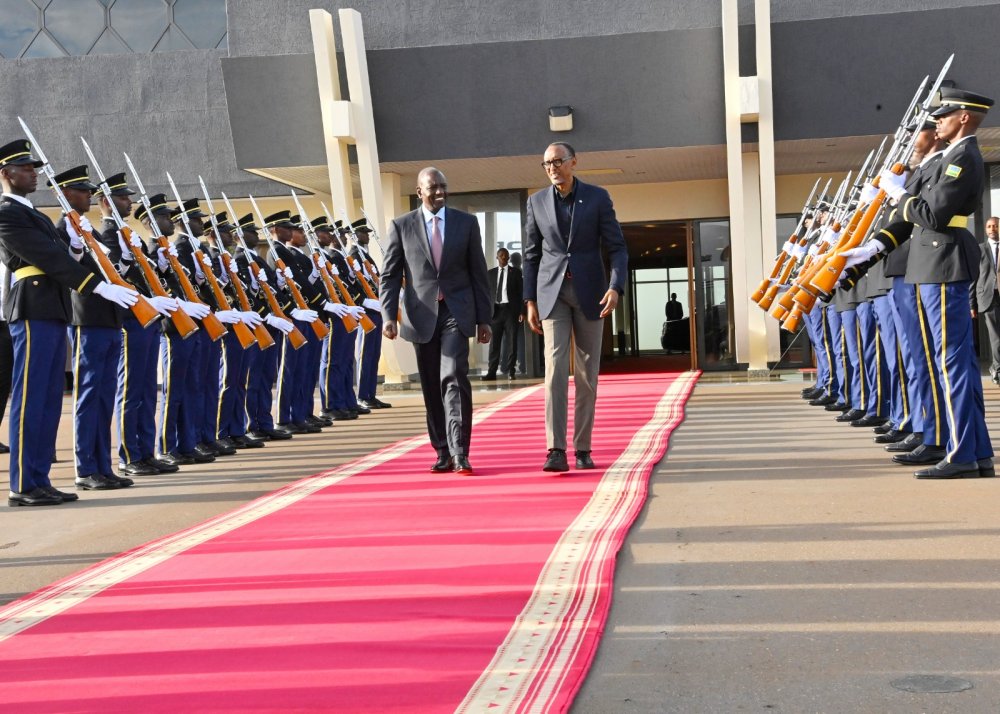
William Ruto concluded his state visit to Rwanda on Wednesday 5th April 2022.
During his visit, he signed ten agreements with Rwanda aimed at strengthening economic ties between the two countries.
They were signed in the areas of correctional services, diplomatic training, ICT, health, youth, education and cooperative development among others.
At the end of this piece, you will realise that not only did the authors fail at presenting and convincing the readers that these alleged crimes have really been committed by the M23 together with the RDF, but they have also created more doubts in their readers’ minds regarding their accusations.
{{Structure and content}}
The book is divided into seven (7) chapters, which cover different sections from MONUSCO’s acts that, the authors say, sabotaged the peace processes to, requesting the United Nations (UN) to lift sanctions on weapons purchase, and of course, to M23 and RDF’s alleged crimes.
First off, what do these three chapters have in common? Why do they appear in the same book whose aim is supposedly to document M23 and RDF crimes? Or better yet why are the M23 and the RDF being thrown in the same basket when M23 is an armed group based in the DRC while RDF is Rwanda’s military, and of course, based in Rwanda?
As insinuated above while reading this book, you start getting confused as to what exactly the book is supposed to cover because the authors did a good job at straying away from the main purpose of the book. They could argue that it was necessary to fit all those areas in one book as they are all connected but I beg to differ. They could have talked about the alleged M23/RDF crimes without bringing in the MONUSCO or discussing the weapons purchase issues. My theory is that they realised that if they only focused on this “Rwanda’s aggression”, the book would have worked against them.
Focusing on this “aggression” would have made their accusations seem ridiculous and unfounded to every reader who would have opened this livre blanc because, first, the proof they provide to these alleged crimes is utterly underwhelming.
{{Lack of irrefutable proof }}
For instance, they present satellite pictures with what resemble to be humanoids on a line walking in one direction and the caption reads that those are the RDF soldiers. Surprisingly, they expect their readers to believe them without doing their due diligence. How can anyone make this rookie mistake in this day and age?
The pictures could have been made up, these pictures could have been taken somewhere else, or these pictures could have been older than these alleged crimes. Literally, there are so many possibilities that no reader should believe these satellite pictures as proof of anything. Pictures look like the main proof that was used in this book.
That said, in the supporting role were the speech excerpts from Rwandan leaders such as President Paul Kagame himself.
Now, these speech excerpts are even worse than pictures because, in some cases, the words they shared were never said. Particularly, they refer to the Rwandan President’s speech on 23 June 2022 during CHOGM. The words the book quotes on page 17 were never said, a fact that can be verified using President Paul Kagame’s official website as well as his youtube channel, where the records of all his speeches are kept for everyone who might need to use them.
This is the kind of proof that the livre presents to support their claims. In other words, this book used misinformation and manipulated information from start to finish to make their accusations believable. Imagine having leaders and experts who are supposed to be fighting misinformation using false information instead. If this is an official document that was written for the international and educated audience, imagine what kind of false information DRC leaders are feeding their people on the local channels.
{{Personal analysis}}
As it has been the DRC leaders’ slogan these last few months, the authors conclude by asking for sanctions for Rwanda because of this ‘recognised’ aggression. Will Rwanda be sanctioned because of this book? No. No international court would rely on the information in this book to even form an opinion, let alone sanction a country.
In fact, everything in this book is hearsay. That said, this book is still dangerous because of many reasons, first, it can corrupt an informed reader. That alone can lead to crimes. The whole world has realized the power of words, every word you hear changes something in you. The more you hear the same repetitive words, you can start believing them. Everyone can be manipulated or programmed regardless of how smart they are or are not. That is the first danger of books that spread misinformation.
The second danger of this book is that it was used to advance DRC leaders totally messed up agenda, that of allowing Congolese civilians and armed groups to acquire more weapons. How can a country like the DRC with more than 130 armed groups and a record high of small arms and light weapons (SALW) request the UN to lift sanctions regarding weapons purchase? Sanctions that do not even apply to the official DRC military as explained by Jean-Michel Dumont who is the MONUSCO Political Affairs Officer.
In his own words, “There is no embargo on the arms DRC would like to purchase. DRC can buy all the weapons it wants, as long as the weapons are intended for the regular Forces.” So then, why would DRC leaders need that ban lifted? That simply does not make sense. Congolese people who want a safe country keep talking about the Disarmament – Demobilisation – Reintegration (DDR) programs and at the same time, their leaders want more weapons in the country.
{{Takeaway}}
It has been established that this book, just like DRC leaders’ speeches, is full of false information and will be/has been misleading to an informed leader. In this digital age where the fight against misinformation gets more nuanced every day, leaders and experts should help in that fight, not work against it.
There is no doubt a lot of atrocities have been committed on the DRC soil, but their authorities need to be better at finding out who committed which crimes, and in case they do not know, have the humility to tell their citizens that they do not know.
This honesty will create trust between the government and the people, which will then allow them to come together and work towards filling the gaps they might have in their institutions.
This goes without saying, DRC is a big country, with a complex history, and no one will blame leaders for past failures. Instead of assigning crimes to imaginary authors, they can, for instance, start by holding accountable the criminals that walk free in the DRC, and in some instances, hold leadership positions.
As it has been said over and over again, Rwanda and DRC will always be neighbors, so instead of fighting, why can’t they work together? Of course, working together might not be ideal for many because of the shared history, but that would provide a durable solution to the insecurity in Eastern DRC.
The forum aims to promote technology and policy conversations that will enable FinTech development to become more equitable, accessible, and sustainable for all people of the world, while also developing and promoting public goods, infrastructure, and financial literacy.
It will feature a variety of dialogues and formats to spark debate and ideate solutions for inclusive finance globally. Main stage sessions will include keynotes by government and industry leaders, while Industry and Ecosystem stages will focus on topical sessions on Payments, Credit, Financial Services, Risk Products, Capital Market Infrastructure, and ESG Products. Elevandi’s signature programmes will include the Elevandi Insights Forum, the Founders Peak, and the Capital Meets Policy Dialogue. In addition, there will be a curated space for exhibitors, industry workshops, mentorship sessions, and a talent pavilion.
Sopnendu Mohanty, Chief FinTech Officer of MAS and Chairman of Elevandi Board, said the Forum comes at an imperative time when FinTech can contribute to global causes, given its place at a critical junction of finance and technology. “However, its promise is still a work in progress for making finance accessible to all people of the world. The Forum will accelerate inclusion and impact conversations to make FinTech more accessible,” he added.
Tidjane Thiam, Board Chairman, Rwanda Finance Limited, said the event is a unique opportunity to enrich the African FinTech landscape and position KIFC as the new fast-growing hub for FinTech. “FinTech has a unique ability to transform lives, particularly in emerging and developing countries. It can empower the most vulnerable in society by giving them access to financing and allowing them to achieve financial independence. It can also contribute to the growth and expansion of successful African SMEs to provide much-needed goods and services to consumers in Africa and beyond,” he said.
{{About Kigali International Financial Centre}}
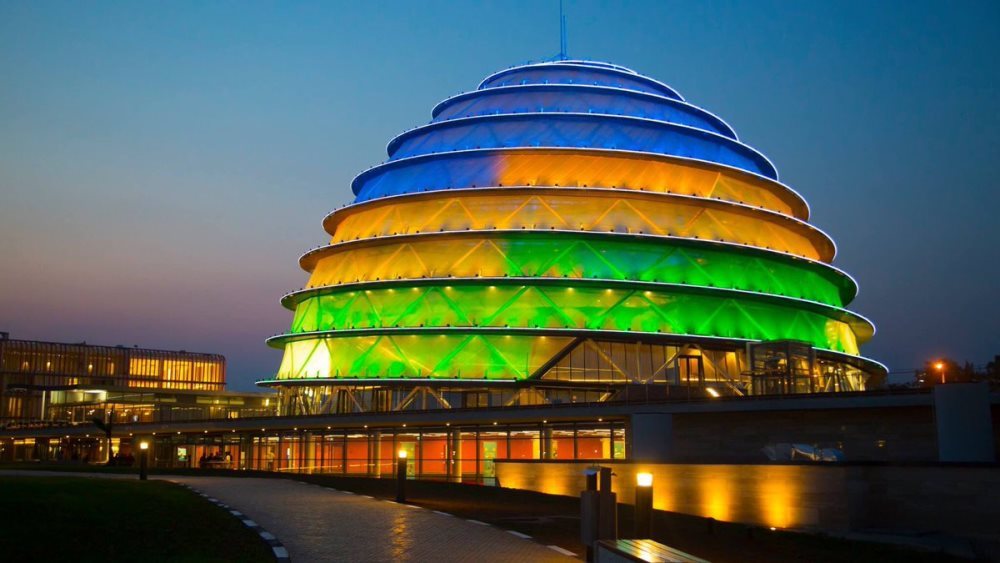
Kigali International Financial Centre (KIFC) is a financial centre facilitating international investment and cross-border transactions in Africa.
With FinTech identified as one of the niche areas for attracting investments, KIFC spearheads an innovation-friendly regulatory environment to attract investment funds and venture capital, driving Africa’s already fast-growing financial technology sector.
{{About Elevandi}}
Elevandi is set up by the Monetary Authority of Singapore to foster an open dialogue between the public and private sectors to advance FinTech in the digital economy.
Elevandi works closely with governments, founders, investors, and corporate leaders to drive collaboration, education, and new sources of value at the industry and national levels.
Elevandi’s initiatives have convened over 350,000 people to drive the growth of FinTech through events, closed-door roundtables, investor programmes, educational initiatives, and research.
Its flagship product is the Singapore FinTech Festival alongside fast-rising platforms, including the World FinTech Festival, Point Zero Forum, and the Elevandi Insights Forum.
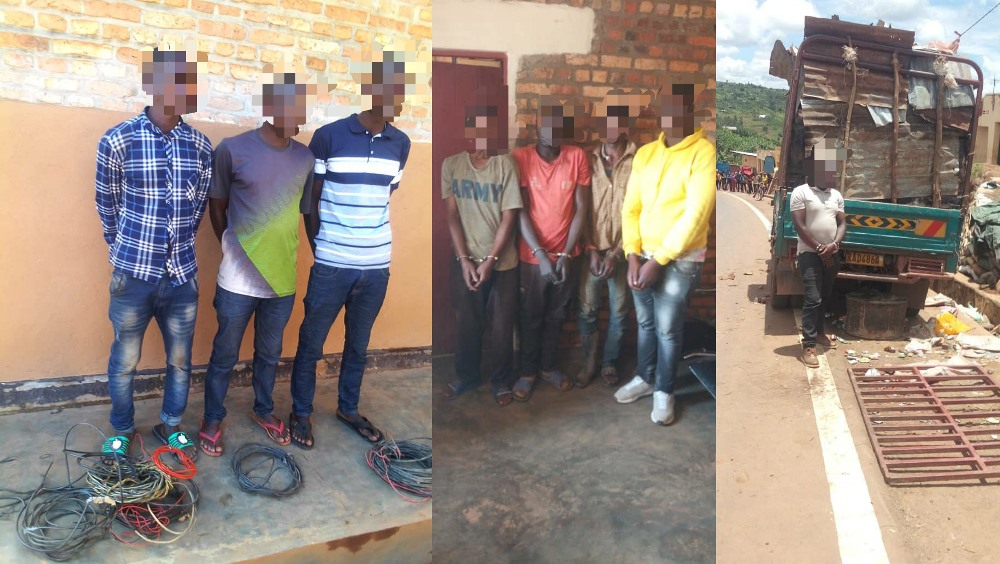
Three of the suspects were arrested on Monday, April 3, in Kabingo village of Nganzo cell, Muhanga sector in Muhanga District where they were found in possession of 74 metres of electricity wires, which were cut from the vandalized pylons.
Five others were arrested on Tuesday, April 4, in Ruyaga village, Mataba cell, Nyamiyaga sector in Gicumbi District with at least 60kgs of electricity wires also cut from pylons.
Superintendent of Police (SP) Alex Ndayisenga, the Northern Region Political and Civic Education Officer (RPCEO) said that residents of Ruyaga village raised concerns over power outage caused by people, who vandalize lines to steal wires.
“Some parts of Ruyaga village experienced power outage in the night of Monday, April 3, after unknown people cut electricity wires connecting the village. Police and residents worked together to identify those behind the criminal acts, five of whom were arrested the following morning on Tuesday at about 7a.m, as they loaded about 60kgs of electricity wires in a Dyna vehicle,” SP Ndayisenga said.
The vehicle was also impounded, he added. They were going to sell the stolen wires as scraps.
It was the same scenario in Muhanga District where the village of Kabingo was in total darkness in the night of Monday after the power line connecting the village vandalized and wires stolen.
“Three people suspected of cutting and stealing the wires were arrested later that night with 74 metres,” Chief Inspector of Police (CIP) Emmanuel Habiyaremye, the Police spokesperson for the Southern region, said.
Article 182 of the law determining offences and penalties states that any person who maliciously demolishes or damages in any way, in whole or in part of construction, building, bridge, dams, water pipes and their routes, railway rails or any other means of communication or electric power infrastructure, wells or any other constructions which do not belong to him/her, commits an offence.
Upon conviction, he/she is liable to imprisonment for a term of not less than three years and not more than five years with a fine of not less than Rwf3 million and not more than Rwf5 million.
MONUSCO has been operating in eastern DRC for more than two decades, while the EACRF was deployed last November with a mandate to support regional efforts to restore peace and security in the volatile eastern DRC.
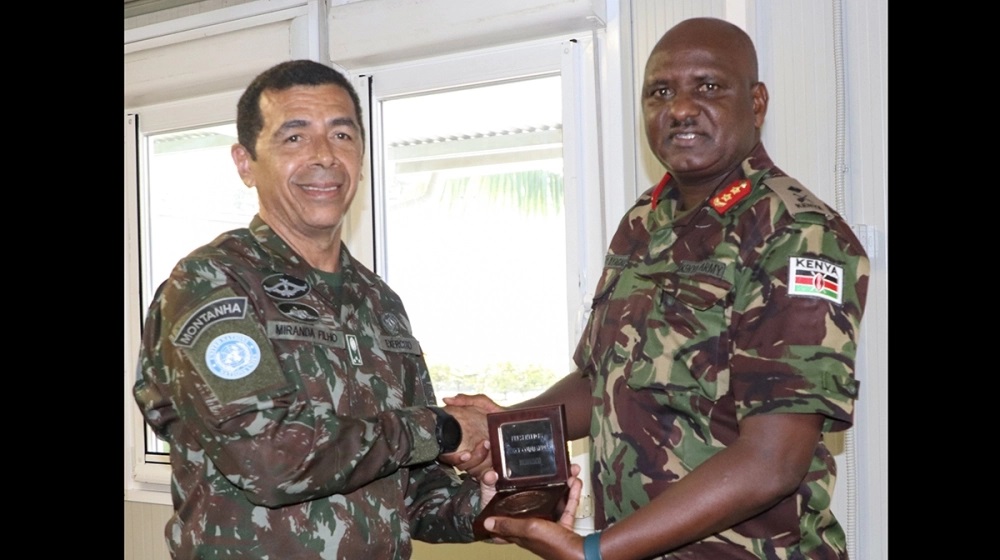
According to EACRF, the two commanders discussed possible areas of coordination and collaboration, including the delimitation of operational areas, battle space management, including airspace control, logistics support in terms of medical evacuation (MEDVAC), casualty evacuation (CASEVAC), and limited air transport capacity to remote bases, engineering support for defense preparations, opening of main supply routes, as well as information/intelligence sharing and surveillance.
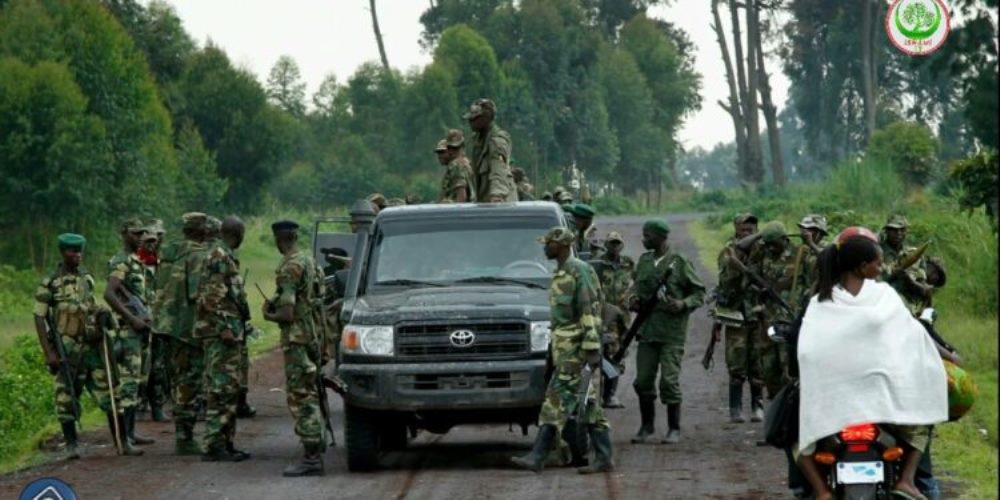
The eastern DRC has been volatile for almost three decades and is home to over 120 local and foreign armed groups.
The EACRF is made up of four countries: Kenya, Burundi, South Sudan, and Uganda. In March, Angola announced that it would deploy troops to DRC, but as part of a bilateral agreement with the Congolese government.
Since its deployment in November 2022, the EACRF has occupied areas in North Kivu province ceded by the M23 rebels in accordance with the Luanda Agreement.
The peace process, led by EAC continues despite persistent challenges in the region.
The team presented various medical supplies to the hospital Monday, including hand disinfectant, dental treatment equipment, medical isolation goggles, disposable sterile operating overalls, and electric operating table.
Upon receiving the donation at Masaka Hospital, Director General Jean Damascene Hanyurwimfura expressed his gratitude to the Chinese medical team for their generous support toward the hospital’s medical care.
“The Chinese medical team has been providing specialist medical support which has contributed to improved medical care at the hospital. The medical equipment donation would enhance the hospital’s capacity to diagnose and treat a wide range of medical conditions, ultimately leading to better health outcomes for patients,” he said.
Speaking at the event, Zhao Shangjun, the leader of the Chinese medical team, said that the donation will help in providing specialized medical care to patients at Masaka Hospital.
“We discussed with the hospital authorities about the shortage of medical equipment in the hospital. Based on their needs, we donated various medical supplies to Masaka Hospital, including an electric operating table. We believe that this donation will significantly improve the hospital’s capacity to deliver quality medical care,” said Zhao.
At the event, Wang Jiaxin, the economic and commercial counselor of the Chinese Embassy in Rwanda, said that providing medical supplies to Masaka Hospital is an annual activity of the Chinese medical team. “The better the hospital is equipped with medical care necessities, the better the service provided to local patients.”
He said that the medical cooperation between China and Rwanda has been going on for several years, with the Chinese medical team providing medical care support to Masaka and Kibungo hospitals. China started to dispatch medical teams to Rwanda in 1982.
Gasamagera was elected recently during the party’s 16th National Congress, which coincided with the party’s 35 years of existence and saw more than 2,000 party members in attendance.
The congress also witnessed the re-election of President Paul Kagame as the party Chairman and the election of Consolee Uwimana as the first female Vice Chairperson of the party.
Gasamagera, who previously served as the Rwandan ambassador to Angola, expressed gratitude to the party and its members, stating that he owes his existence to RPF-Inkotanyi.
As the former Commissioner in charge of Political Mass Mobilisation in the RPF, Gasamagera’s extensive experience is expected to play a crucial role in shaping the party’s policies and strategies going forward.
Gasamagera and new staff members were elected for five-year term.
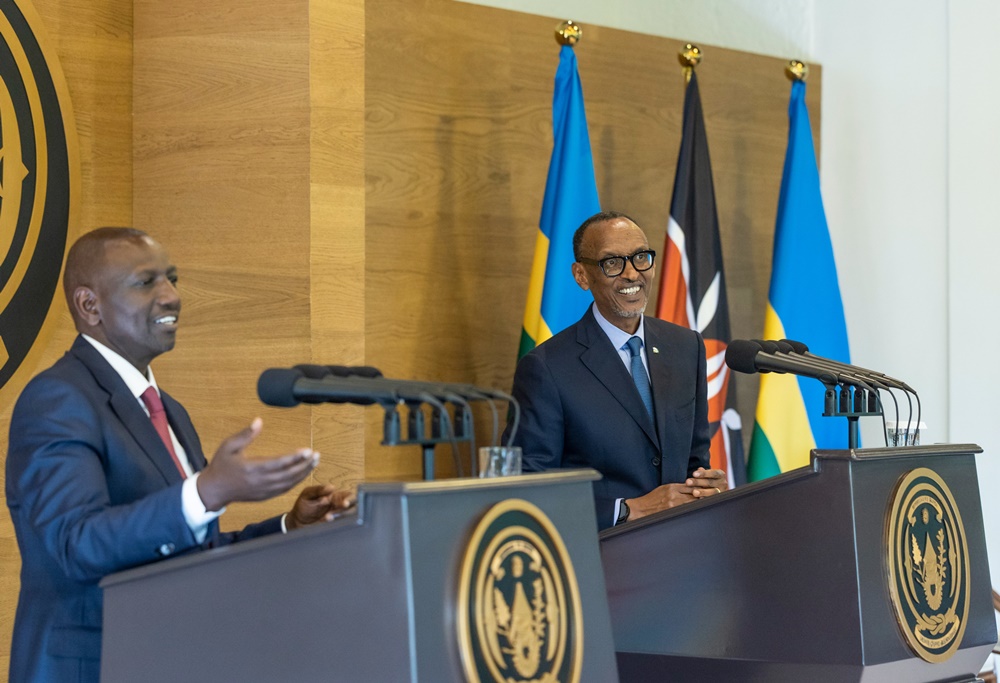
Both heads of state were addressing members of the press on Tuesday as Kenyan President William Ruto visited Rwanda on the invitation of his counterpart, Paul Kagame.
During the two-day state visit that began on Tuesday, both countries signed 10 cooperation agreements in the areas of education, health, agriculture and ICT among others.
President Ruto acknowledged the commendable progress made in the area, citing the presence of additional troops, including soldiers from Burundi and Angola, and the success of persuading armed groups to lay down their arms and respect agreements.
He made the disclosure at a time when M23 combatants continue to withdraw from captured areas including Bunagana, Sake, Mshaki, Neenero, Kilorirwe and others.
President Kagame similarly stressed progress in recent weeks and called on the “outside world” to support African leaders’ proposed solutions to the crisis.
He emphasized the need to “do more and register more progress towards the solution.”
After concluding the mission, Ms. Teferra, who led the IMF mission, announced that the team and Rwandan officials have come to an agreement at the staff level regarding the economic and financial policies required to complete the first reviews under the PCI and RSF arrangement. However, this agreement is still subject to approval by the IMF Management and Executive Board, with the Board’s consideration scheduled tentatively for May 2023. If the Board approves, Rwanda would have access to SDR 55.46 million (about US$ 74.6 million) under the RSF.
Performance under the program has been strong, with all quantitative targets for end-December 2022 met and all reform targets under the PCI and RSF progressing well and anticipated to be completed ahead of the Executive Board discussion.
Despite the strong growth of the economy, macroeconomic imbalances have emerged. GDP growth was 8.2 percent in 2022 due to robust output in the manufacturing and services sectors that outweighed weaker-than-expected agricultural production and a significant slowdown in construction activity.
Rising food prices, strong domestic demand, and weak agricultural performance due to unfavorable weather conditions have kept headline inflation persistently above 20 percent in recent months. High core inflation, which was at 14.4 percent in February, indicates broad-based and persistent inflationary pressures in the economy. Robust import demand coupled with high commodity prices and tightening global financing conditions have weakened Rwanda’s external position, causing foreign reserves to decline to 4.1 months of prospective imports at end-2022.
Given Rwanda’s vulnerability to external shocks, Ms. Teferra emphasized the urgent need to rebuild policy buffers. Another spike in global energy and fertilizer prices, a steeper decline in trading partners’ growth, or global financial market and geopolitical developments that adversely affect the availability of concessional resources will further strain external buffers and limit the policy space to confront developmental challenges and address climate change. To rebuild policy buffers, the authorities need to further tighten the fiscal and monetary stance.
To maintain fiscal sustainability, the government needs to raise domestic revenues while containing non-priority current and capital expenditures. Additionally, reforms to adopt effective and transparent public financial and investment management practices should accelerate, and institutional capacity to assess and manage state-owned enterprise fiscal risks needs to be strengthened. The National Bank of Rwanda should pursue a more decisive monetary policy tightening to contain inflationary pressures and promote exchange rate flexibility to ensure external stability.
Structural reforms should be sustained to tackle pandemic scarring and enhance socioeconomic resilience. More efforts are required to enhance access to healthcare and education, address learning losses, promote regional trade integration, and scale up and better target social protection. Continued reforms to allocate climate resources more effectively and transparently will be critical to mobilizing additional climate funding and achieving Rwanda’s ambitious climate agenda.
Ms. Teferra expressed her gratitude for the authorities’ excellent cooperation and candid and constructive discussions and reaffirmed the IMF’s support for the government’s efforts to implement its economic reform program.
The department of Testing and Licensing has started issuing electronic provisional driver’s license as Rwanda National Police (RNP) continues to shift its services from analogue to digital to improve service delivery.
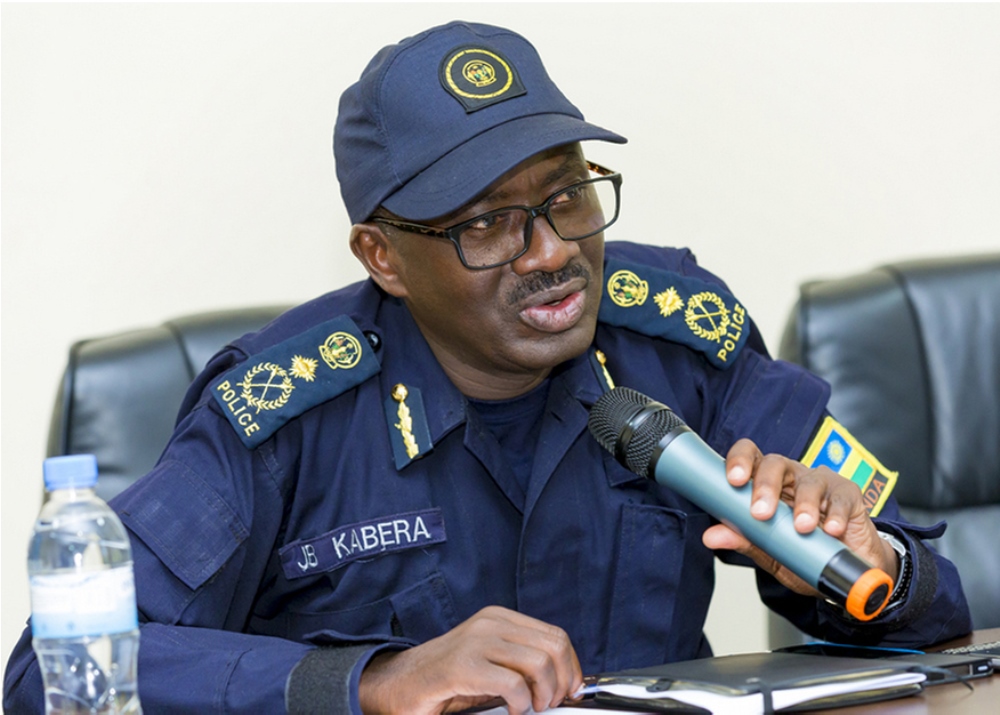
The e-provisional driver’s license issued through Irembo digital platform brings to an end the old paper system, according to Commissioner of Police (CP) John Bosco Kabera, the RNP spokesperson.
“Effective April 3, the department of Testing and Licensing will only be issuing e-provisional driver’s license to successful candidates and to those already holding valid ones.
Successful candidates and those holding valid provisional driver’s license will no longer have to go to the TL offices to go through the usual inconveniencing process of registration and issuance,” said CP Kabera.
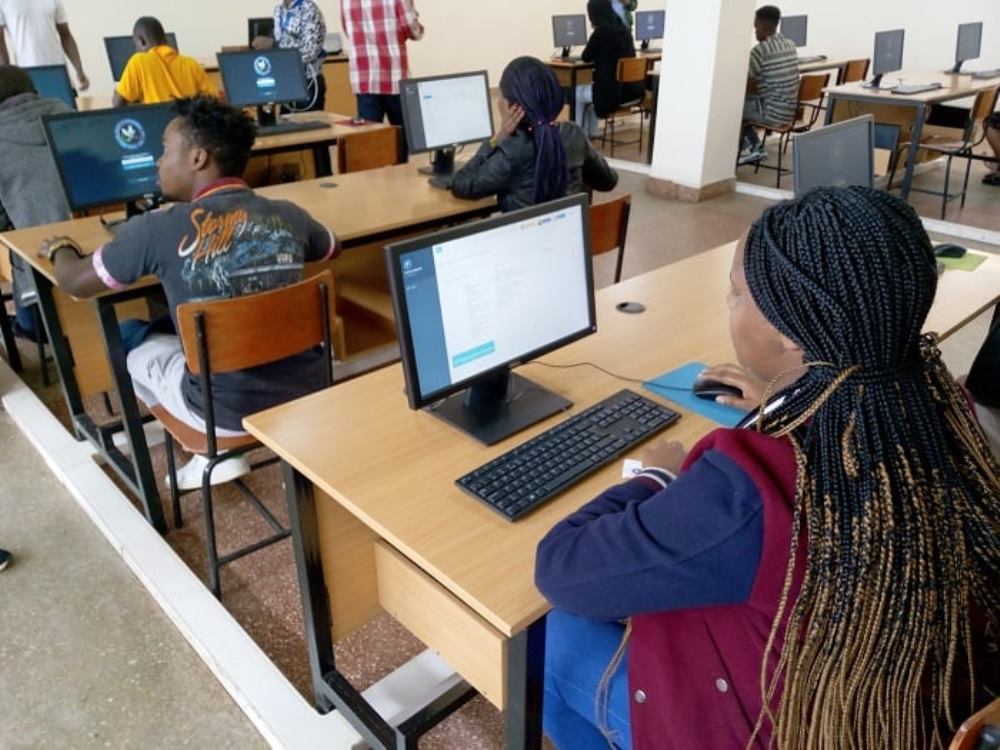
Now, registration for provisional driver’s license for successful candidates as well those with valid ones is done online through Irembo, where an e-provisional driver’s license can be accessed and downloaded.
No additional payment required for those already holding valid provisional driver’s license.
“E-provisional driver’s license is fast, it facilitates candidates who passed the test to access it wherever they are and helps to fight forgery and other malpractices,” said CP Kabera.
Liliose Nyinawinkindi, the head of customer experience at Irembo said that shifting from analogue to digital services enhances service delivery.
“You can now access your e-provisional driver’s license on the palm of your hand on your smartphone at any time, at the nearest cyber cafe or Irembo service providers.
If you lose it, it will be easier to download another one on Irembo and the same goes for those who wish to renew it,” Nyinawinkindi said.
Those who registered to do practical driving test will now be required to present either soft or hard copy of the new e-provisional driver’s license to Police officers, if needed.