The very severe narcotic drug packed in four sacks were found hidden in the bush in Rukingu village, Kagugu cell of Kinyinya sector.
Chief Inspector of Police (CIP) Sylvestre Twajamahoro, the Police spokesperson for the City of Kigali said that the suspect was arrested following credible information provided by some residents.
“The ANU got information from some residents about a man, whom they saw hiding a loaded sack in the forest, which they suspected to be narcotic drugs.
When the Police searched the said spot, they recovered four sacks of cannabis, combined weighing 60kgs. The alleged owner and drug dealer was located and arrested later in the evening at about 5p.m,” CIP Twajamahoro said.
He thanked the residents for the spirit of community policing and neighborhood watch.
The suspect and exhibits were handed over to RIB at Kinyinya station for further investigations.
Article 263 of law No. 68/2018 of 30/08/2018 determining offenses and penalties in general states that any person, who unlawfully produces, transforms, transports, stores, gives to another or who sells narcotic drugs and psychotropic substances, commits an offence.
Upon conviction for very severe narcotics, the offender faces between 20 years and life imprisonment, and a fine of between Rwf20 million and Rwf30 million.
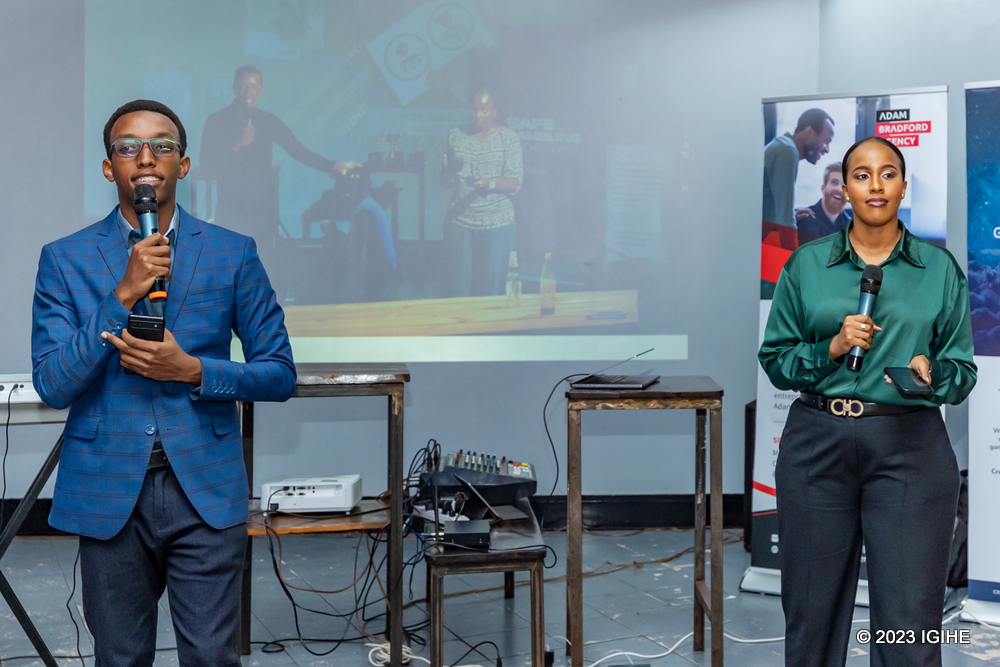
Currently, the company has active partners across Kenya, Rwanda, Nigeria, and South Africa, and is working alongside strategic consultancy Adam Bradford Agency to implement its action plan for the region. The consultancy, whose team has decades of experience in the industry, is interested in preventing individuals from suffering from gambling addiction in Rwanda and has been running hackathons to explore these issues.
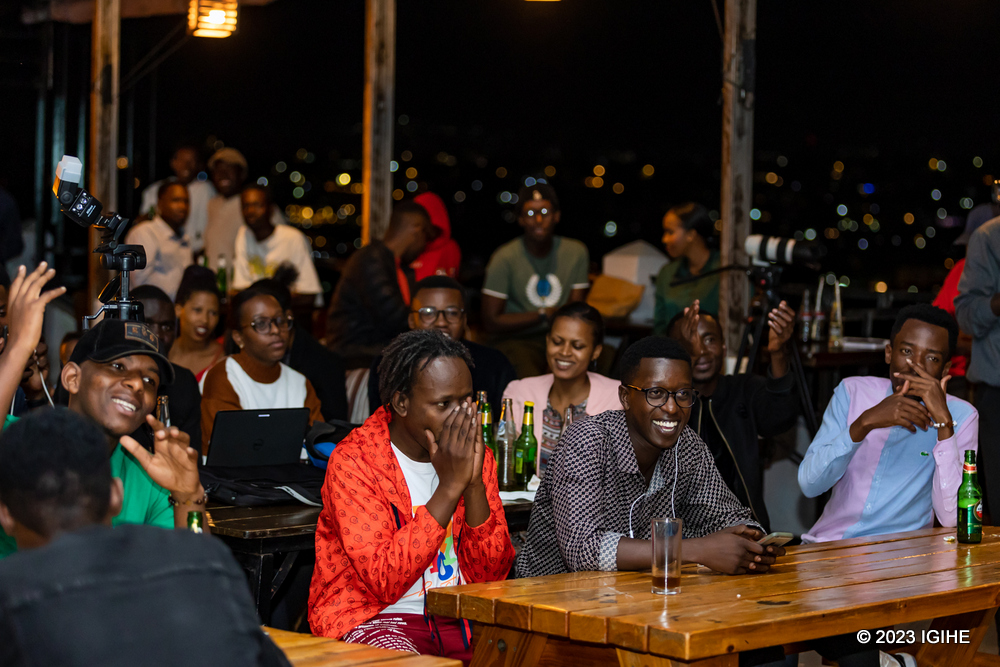
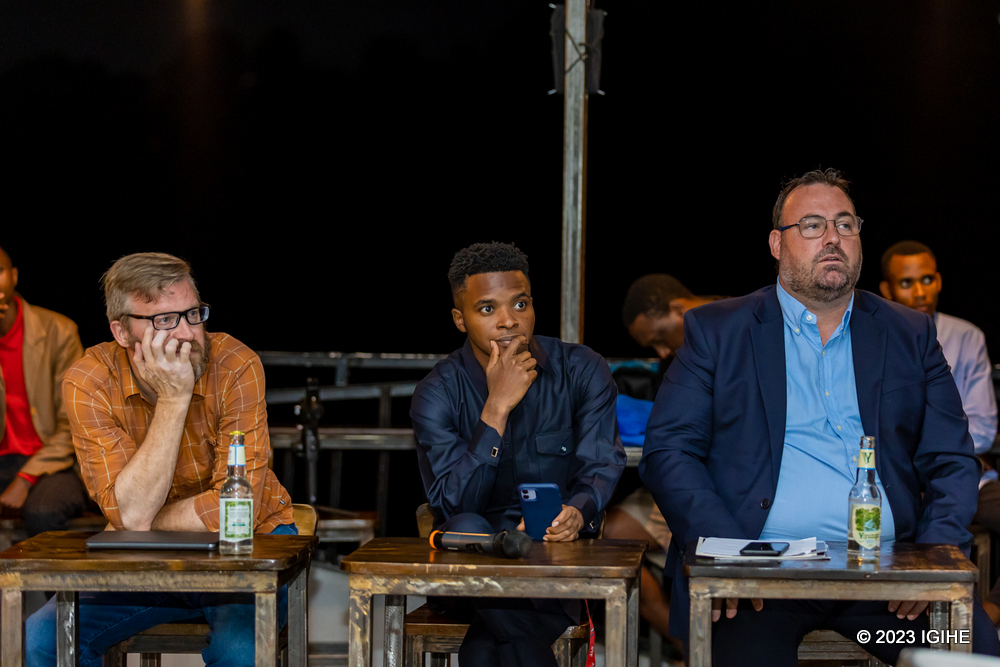
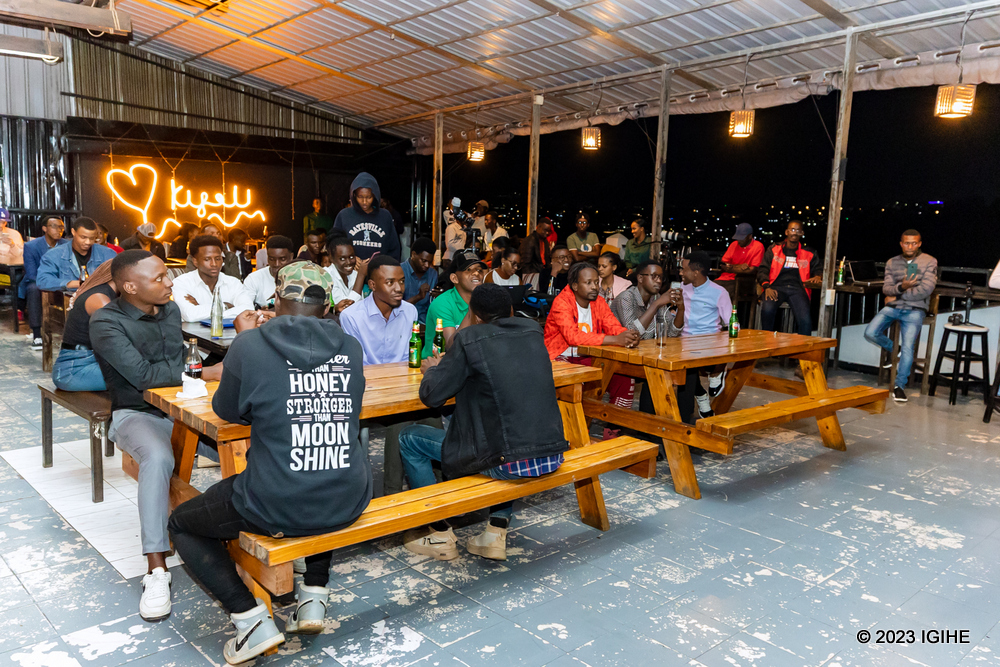
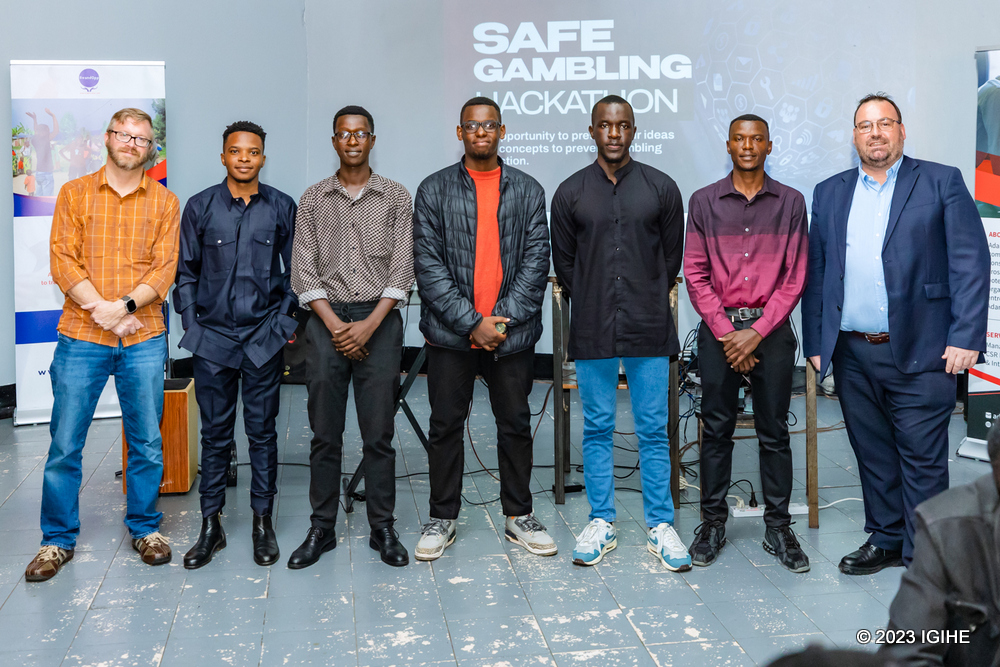
Crucial Compliance successfully ran interactive hackathon events since January, bringing together young people, industry professionals, and others to explore the topic of gambling-related harm and how gaming can constructively contribute to the communities in which it operates. They held another Hackathon in Kigali on 19th April that provided real investment, mentorship, and support to youth-led tech initiatives and programs that safeguard against the pitfalls of gaming and gambling and strengthen the sector.
Crucial Compliance also powers ‘BetProtect,’ a digital therapy tool accessible by phone or web, which provides an additional layer of awareness and support to people who might be at risk. The tool, expected to be rolled out in Rwanda in the near future, uses artificial intelligence and algorithms to observe one’s playing patterns, including the time spent playing, frequency, and spending. When it notices that one’s gambling habits are getting out of hand, it warns the player and the companies they are playing with to keep them in check.
Crucial Compliance is also investing in research aimed at looking into the prevalence of gambling and the attitudes of Rwandans towards it and addiction, which his team has observed anecdotally across communities in the country.
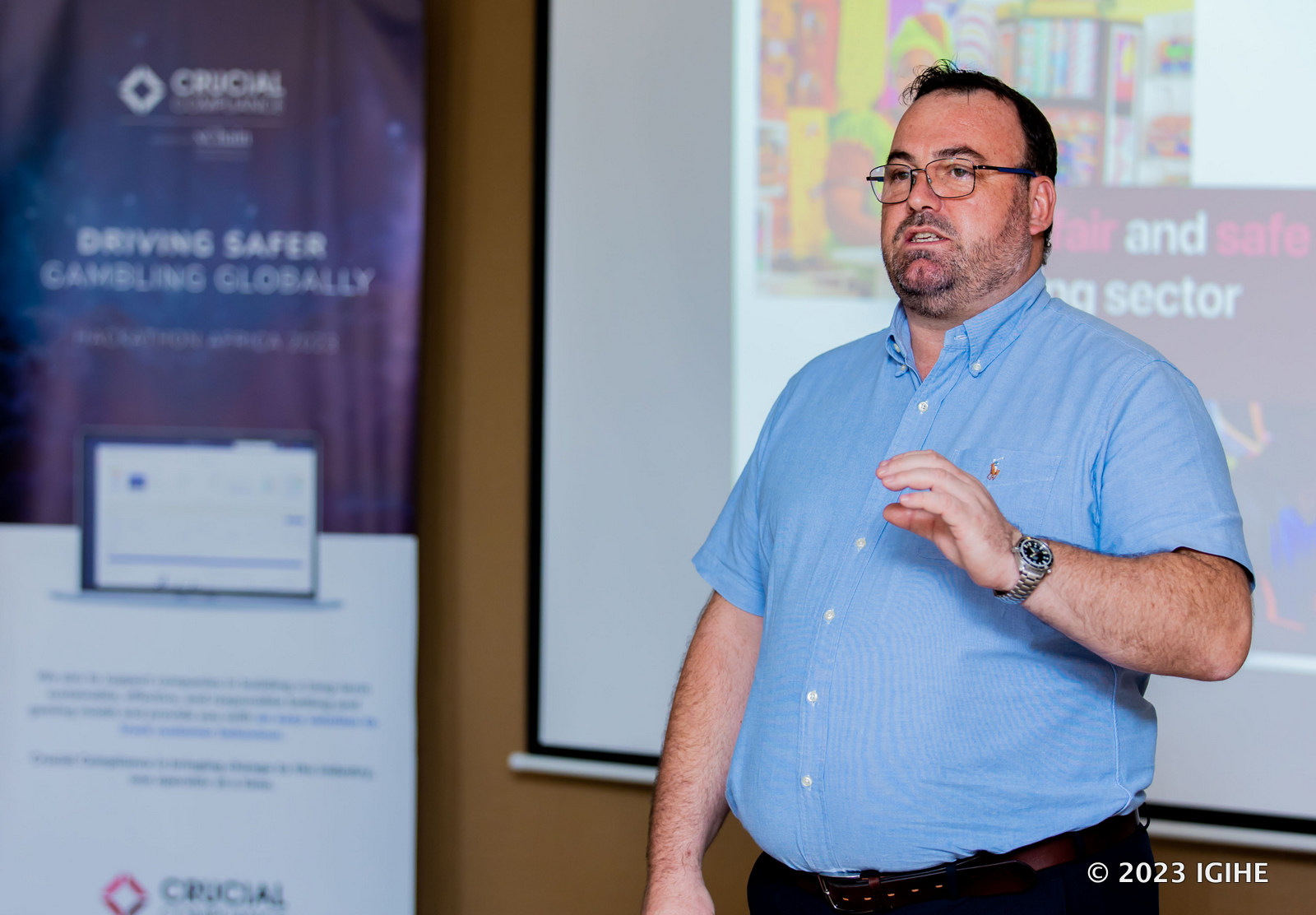
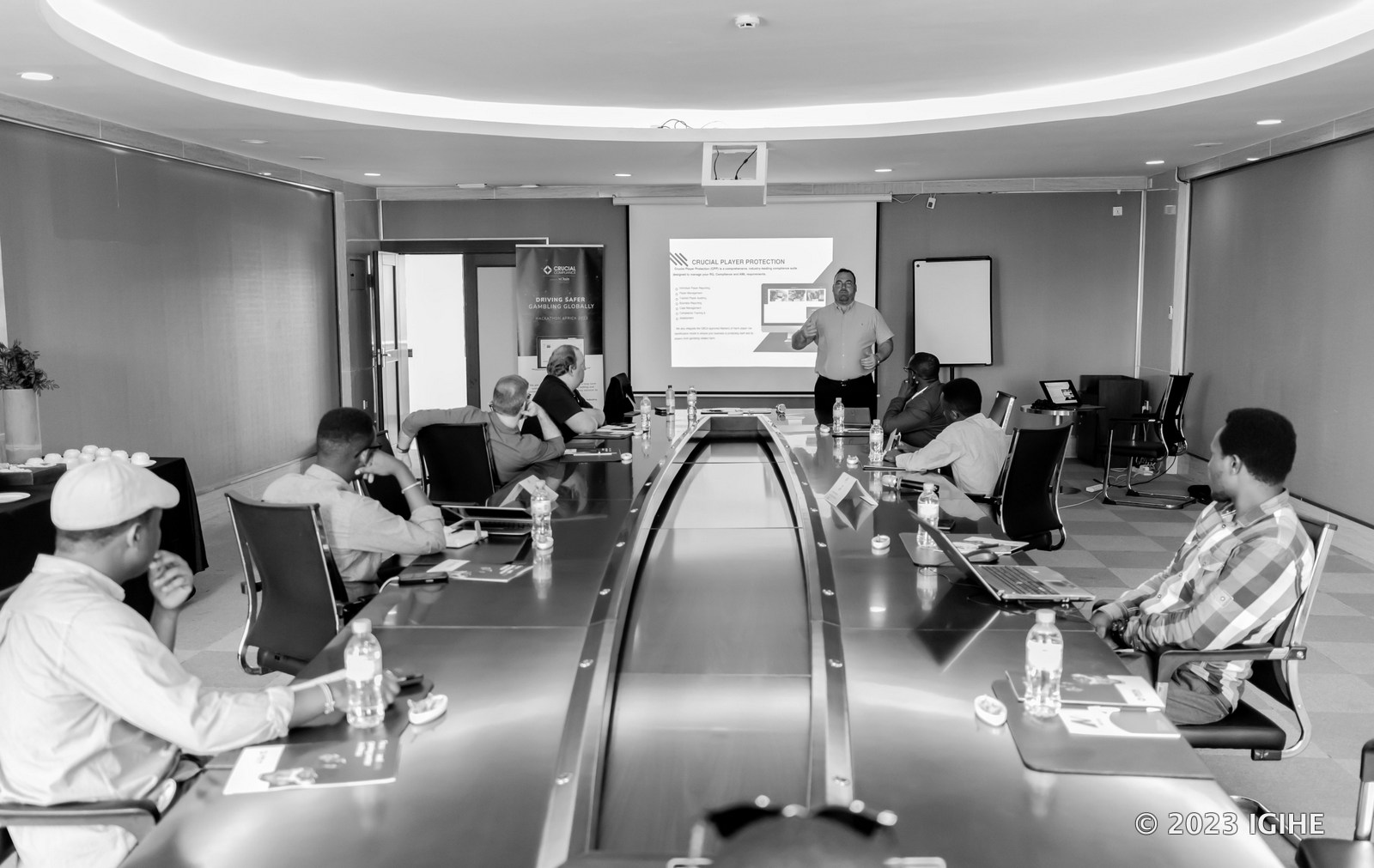
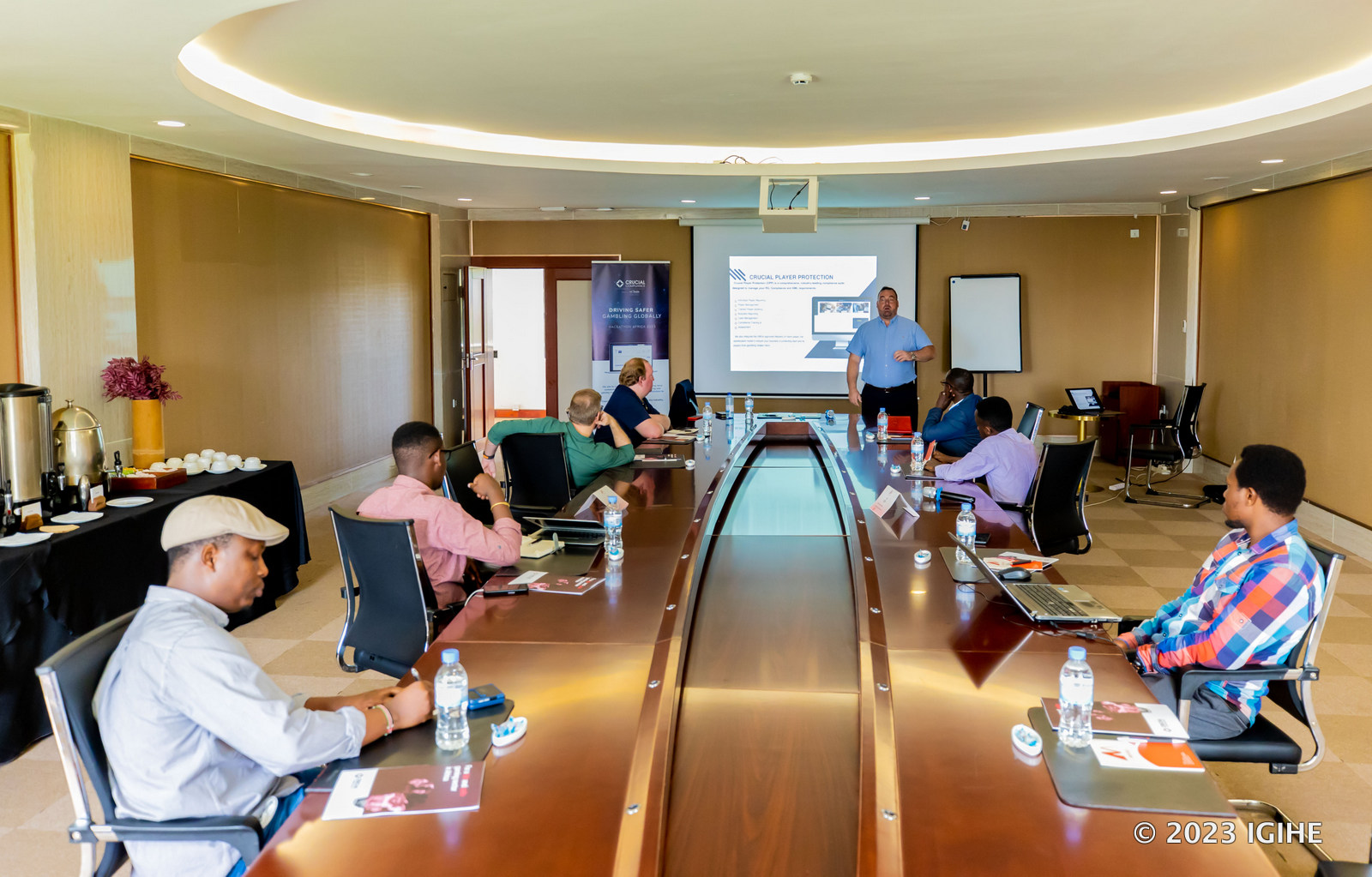
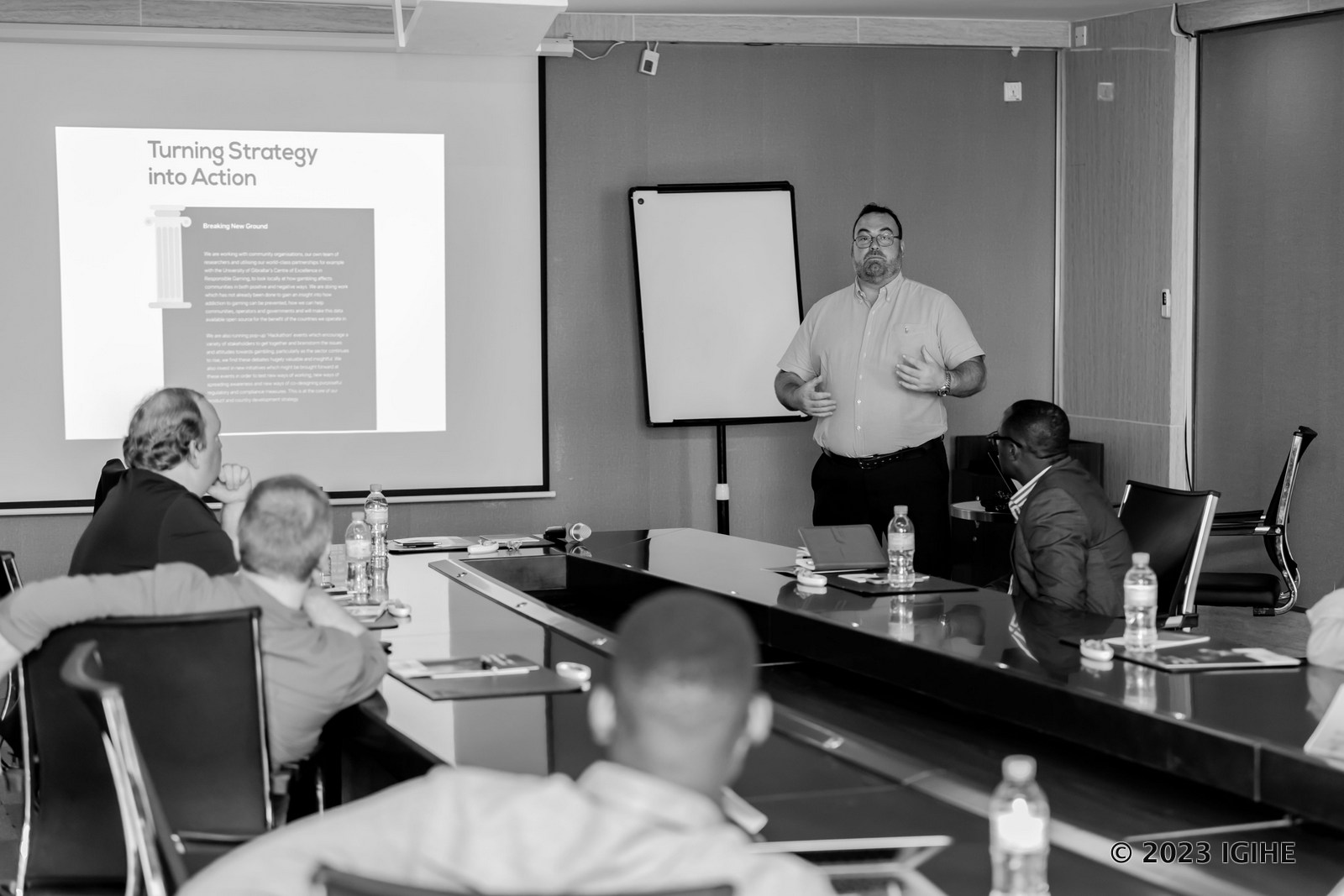
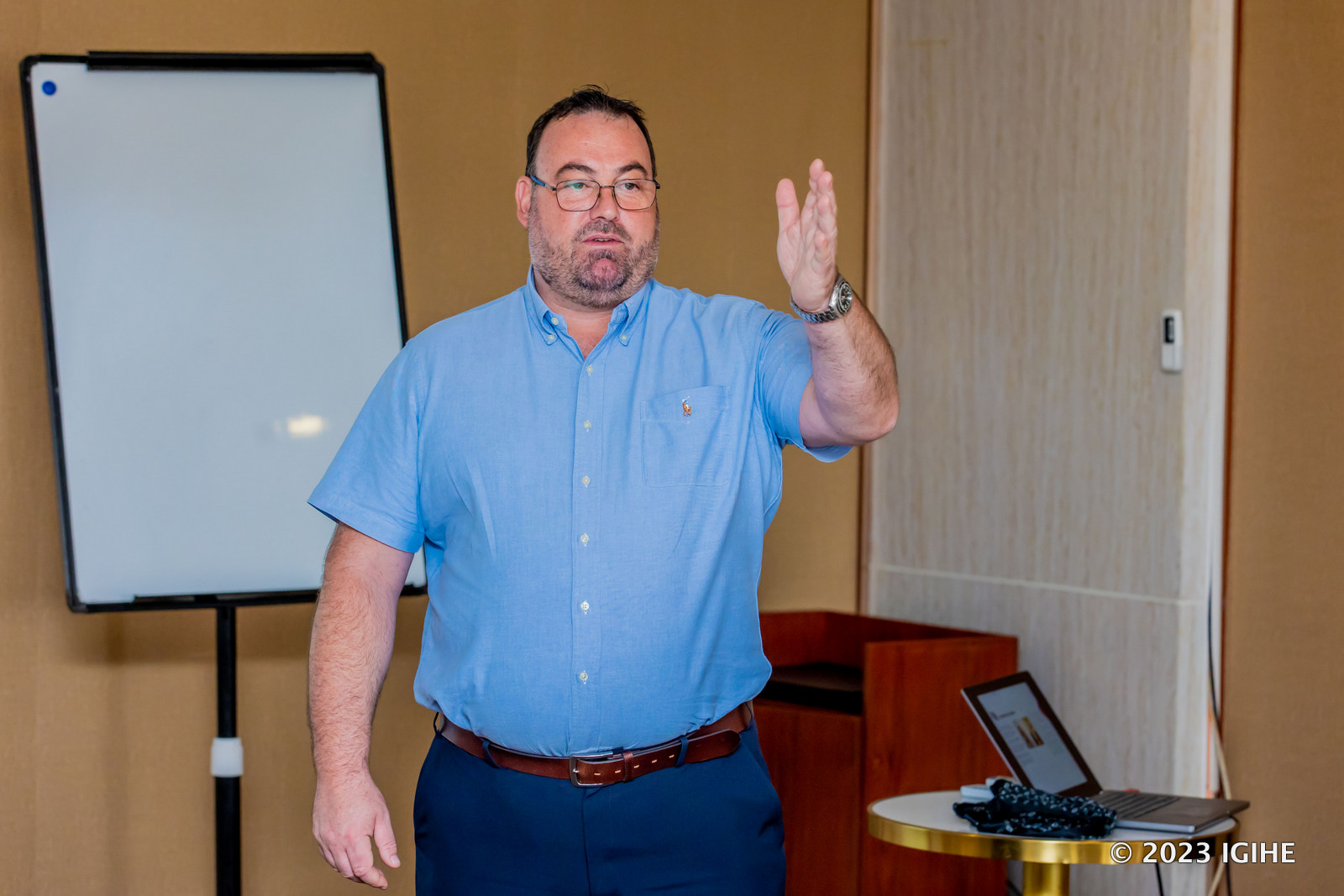
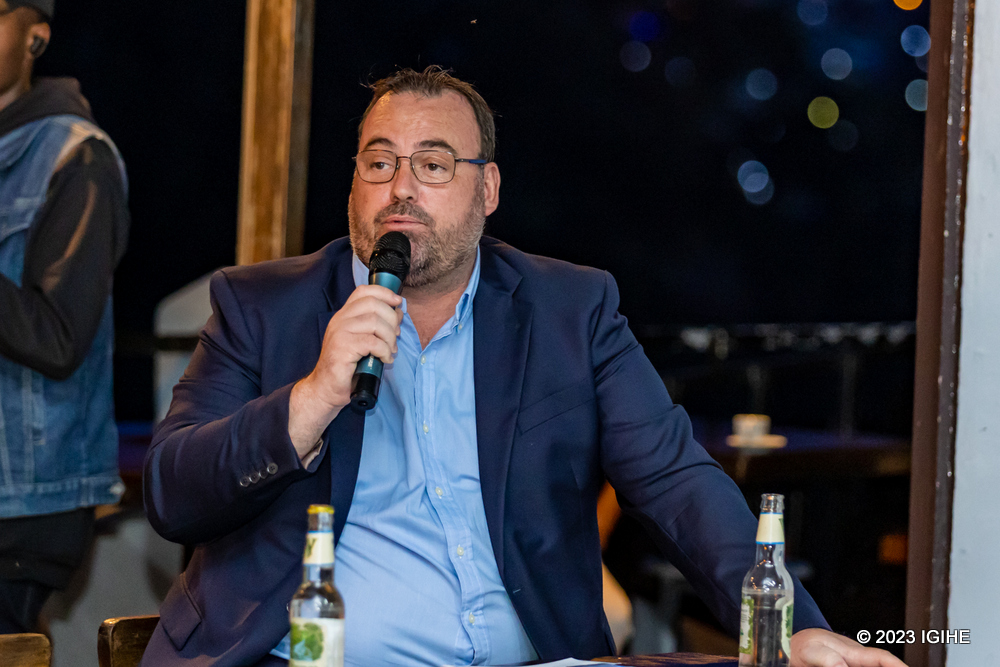
Speaking at a shareholder’s meeting held at M-Hotel in Kigali on April 20th, 2023 Paul Foster, CEO and Founder of Crucial Compliance, highlighted that safe gambling can be achieved through making people more aware that gambling is not a way of making money.
He noted that Crucial Compliance seeks to promote player safety either by helping regulators or operators or hosting events that bring the community together. Foster emphasized that gambling should be considered as entertainment and not means of earning money or solving problems.
Among others, Crucial Compliance seeks to contribute to the development of a more responsible and trustworthy industry by ensuring that people can gamble safely, which can be achieved through different ways, such as limiting the amount of money a person can place in a bet, implementing age restrictions, or prohibiting people with gambling addictions from participating, among others.
Foster underscored that more efforts are underway, and the company is leveraging partnerships to come up with customized solutions in Rwanda. “We have really found the support of the government and we are creating a group of people who will provide support going forward as we make Rwanda a safe market for gambling,” he stated.
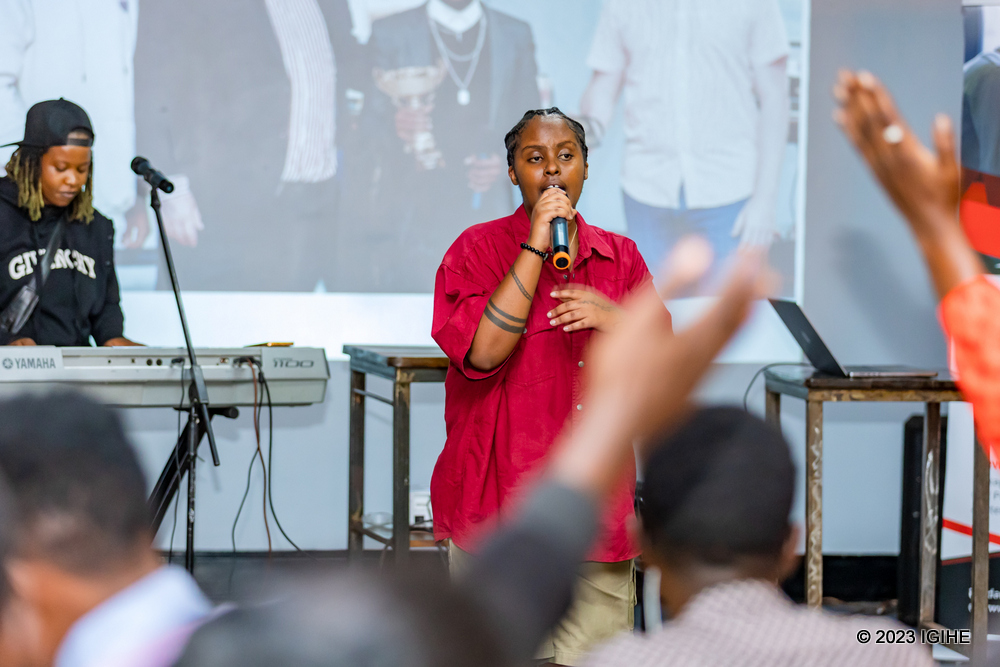
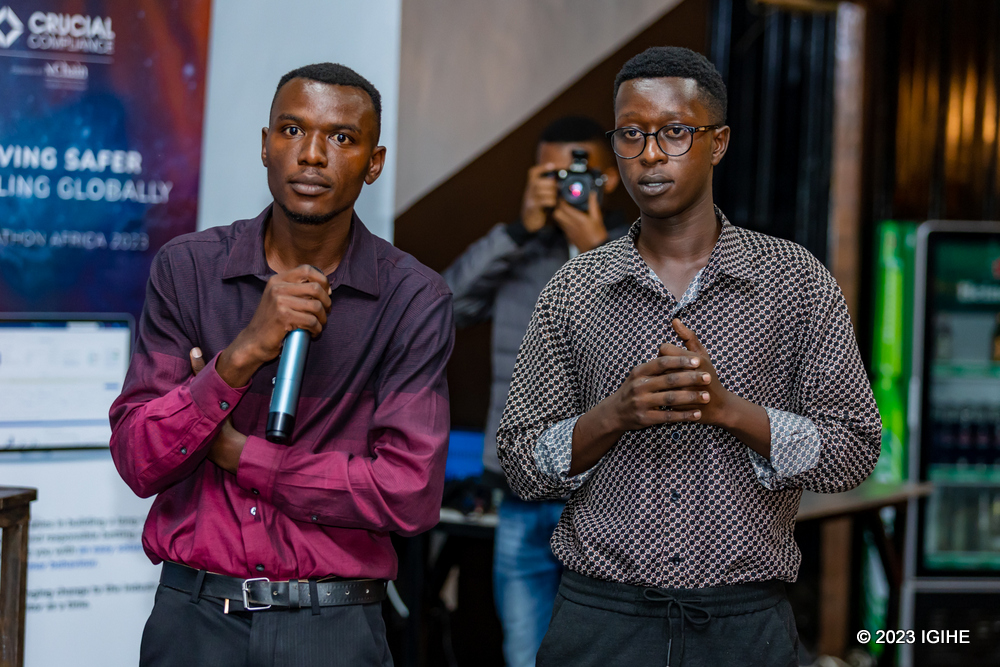
During the event, attendees were educated on the negative effects of gambling addiction and how it can be avoided through job creation. Bruno Bugingo emerged as the winner of the hackathon for his outstanding project, ‘Gambling Solution Africa.’
Bugingo’s project seeks to leverage technology to reduce the time and money individuals spend on placing bets. His digital solution will also help gaming enthusiasts to play different games without expecting profits. The technology will notify the user on the level of addiction.
Bugingo plans to introduce the technology in other African countries, especially Nigeria, where gaming activities are very popular. Crucial Compliance CEO, Paul Foster emphasized that much effort is being expended on young people to tackle gambling addiction.
“Betting should be used for entertainment purposes. It is not a way to earn money, to get wages or solve your problems. You still need to have a job. If you gamble responsibly, it won’t affect your life,” he noted.
In October 2022, the Ministry of Trade and Industry (MINICOM) suspended the issuance of new gambling licenses to ensure continued compliance.
Crucial Compliance penetrated the Rwandan market in January 2023 where it presented its project to deal with gambling addiction and later launched gambling hackathons for young entrepreneurs.
Kwizera Rulinda emerged as the winner among three contestants for his web and mobile application that provides psycho-social support to address gambling addiction through counseling as well as outsourcing to unemployed youth.
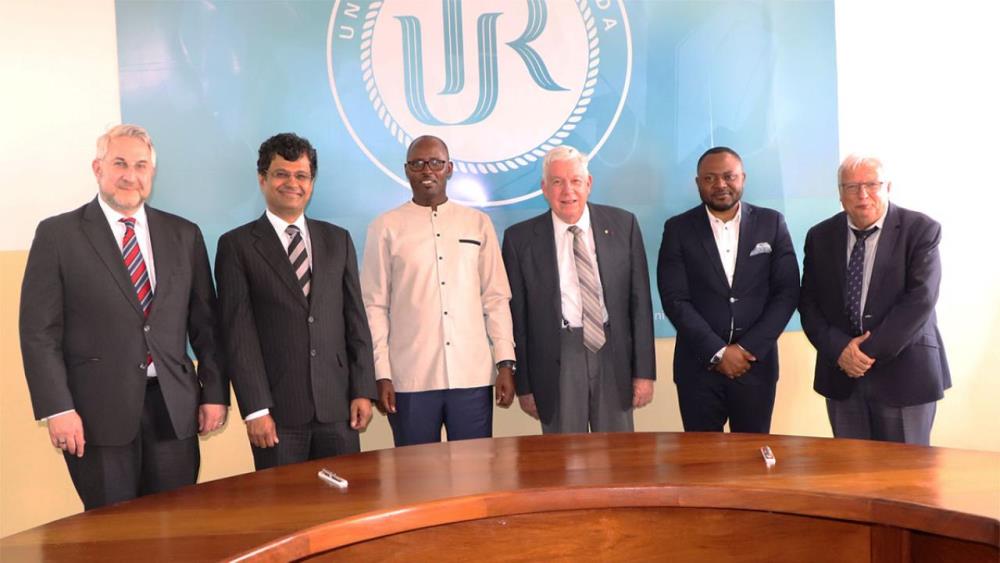
The agreement, signed by ICTP Director Atish Dabholkar and University of Rwanda Acting Vice Chancellor, Dr. Didas Kayihura Muganga on 19th April 2023, extends the partnership for five years.
ICTP-EAIFR opened in 2018 and offers the same quality research and educational opportunities for which ICTP is world-renowned, but at a location more easily accessible to African scientists.
It is hosted by the University of Rwanda and supported by the Government of Rwanda’s Ministry of Education. It has been designated a UNESCO Category 2 institute in recognition of its important role in building scientific capacity in Africa.
The opening of ICTP-EAIFR provided the first opportunity for young scientists to earn a masters in physics in Rwanda.
A doctoral programme in physics as well as opportunities for research training in Africa via short courses and workshops were also put in place.
Now, five years later, the investment in science education is paying off: 19 students have completed the masters programme, and one student has completed requirements for a doctoral degree in physics.
“ICTP recognises the importance of building a solid foundation of basic science for the advancement of society,” said ICTP Director Dabholkar, adding, “ICTP is ideally positioned to assist African efforts to address the challenges that are at the core of a sustainable future for humanity. We are pleased to continue this fruitful partnership with the University of Rwanda.”
One of the first activities of the renewed partnership was a “Science Bridging Day” event hosted by ICTP-EAIFR at the University of Rwanda on 20 April.
The activity aimed to strengthen links with researchers in Europe as well as build interdisciplinary bridges with researchers at UR and Rwanda in general.
It featured a colloquium talk by ICTP Director Dabholkar on “Quantum Black Holes: Where Hawking meets Ramanujan”, as well as presentations on ICTP research and other opportunities and the Centre’s Physics Without Frontiers programme.
This meeting marks an important milestone in the partnership between these institutions, which are working together to advance scientific research and education in East Africa.
The ICTP is a global research institute that was founded in 1964 to promote advanced research in theoretical physics and related fields.
The center has been a leading force in fostering scientific collaboration and education in developing countries, with a particular focus on Africa, Asia, and Latin America.
The ICTP has a long-standing partnership with the University of Rwanda and has been working closely with the institution to promote the study of theoretical physics and related disciplines in the country.
The EAIFR was established in 2015 as a regional center of the ICTP, with the aim of promoting scientific research and education in East Africa.
The center is located on the campus of the University of Rwanda and is dedicated to supporting research in theoretical physics, mathematics, and other related fields.
The EAIFR has become an important hub for scientific collaboration in the region and has played a critical role in advancing the study of theoretical physics in East Africa.
The Rwandan patients who benefited from this special treatment laud the initiative.
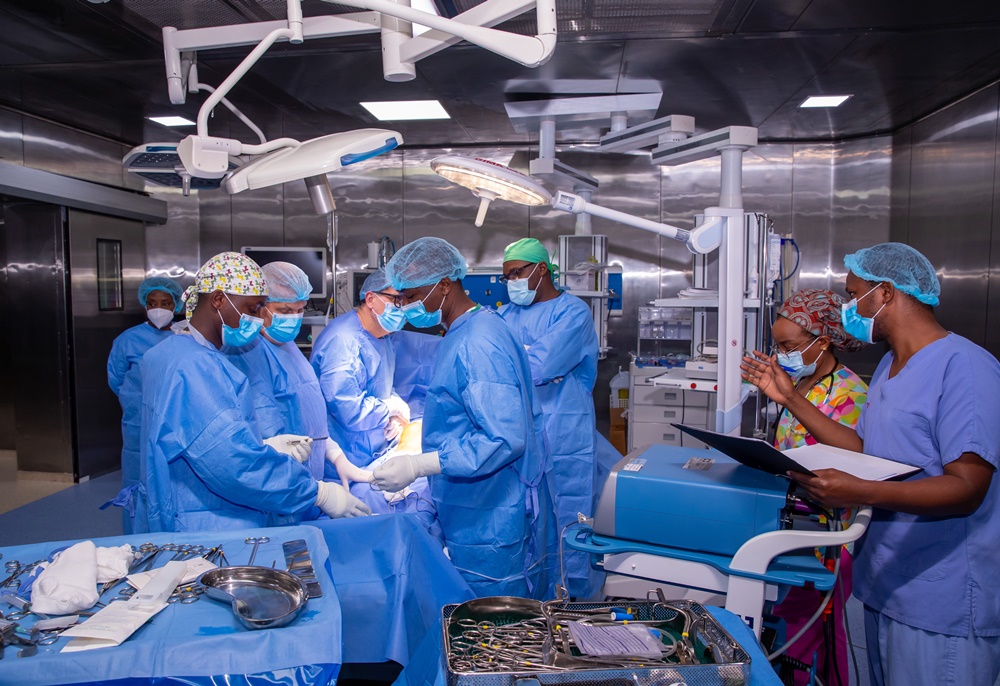
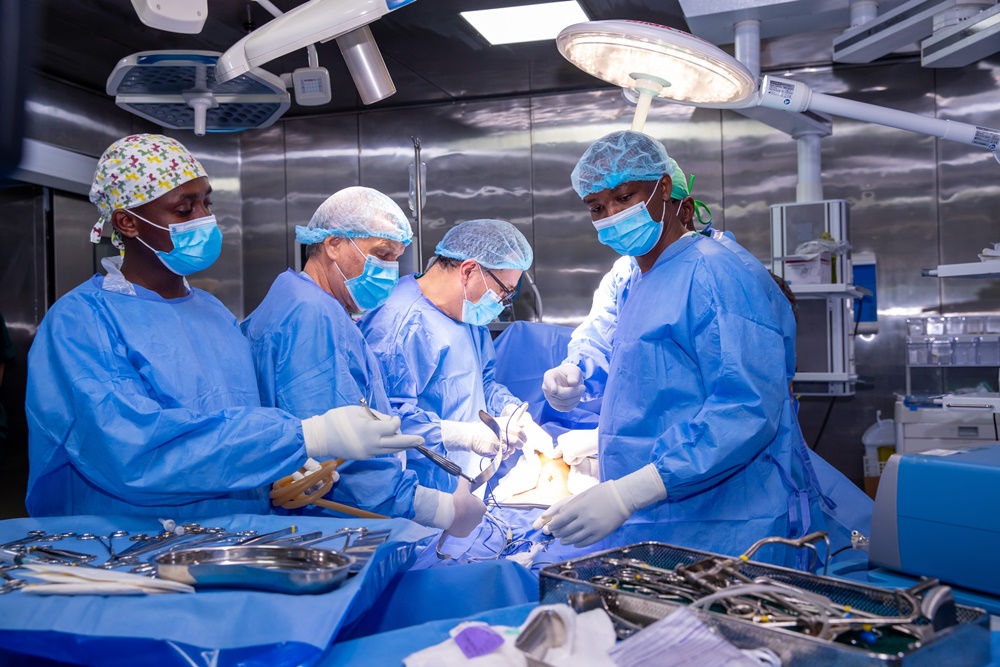
Briefing the Media at Rwanda Military Hospital, Prof Jean Marc Régimbeau explained that the Hepatoma-pancreatic-biliary surgery is a specialised surgery of liver that requires specific skills and means.
Speaking on behalf of Rwanda Military Hospital, Col Dr Eugene Ngoga also pointed out that providing Hepatoma-pancreatic-biliary surgery services locally in Rwanda presents a lot of benefits in terms of accessing specialised medical services and saving money.
He said that it was the first time to conduct hepatoma-pancreatic-biliary surgery in Rwanda.
The patients who needed such health care were transferred abroad at a huge cost “Such health care could cost up to one hundred million Rwandan francs outside Rwanda”. Local medics working with the visiting team are also learning from experience and expertise of their colleagues from France and Cameroon.
On 17 April 2023, Prof Jean Marc Régimbeau from Centre Hospitalier Universitaire d’Amiens (France) met the Rwandan Minister of State in the Ministry of Health Dr Yvan Butera to discuss the establishment of hepatoma-pancreatic-biliary surgery programme in Rwanda.
The event was attended by Gen Muhoozi Kainerugaba, the son of Ugandan President, Yoweri Kaguta Museveni who also serves as the senior presidential advisor on Special Operations and other Ugandan officials.
Also present, was the Head of Military Intelligence at Rwanda Defence Force (RDF), Maj Gen Vincent Nyakarundi and other local leaders from Rwanda.
The concert coincided with the birthday week of Gen Muhoozi, who played a key role in negotiating the border’s reopening through a series of meetings with Rwandan President Paul Kagame.
The General graced a number of activities during his visit to Kabale, including laying a foundation stone for the construction of the Museveni-Kagame Market at the border point and commissioning a Water Ambulance at Lake Bunyonyi, which is 8km from Kabale town and will help save lives, especially those of mothers and their unborn babies.
At Kabale Municipal Playground, Gen Kainerugaba also officiated a friendly football match between Gicumbi F.C. from Rwanda and Kigezi Select from Uganda as one of the activities to kickstart the Katuna border reopening Thanksgiving concert.
The Rukundo Egumeho Thanksgiving Concert featured performances from a number of musicians from Kigali and Kampala, including Azawi, Spice Diana, Jose Chameleone, Winnie Nwagi, Masamba, and King James.
The event was also attended by hundreds of enthusiastic residents from the border districts of Kabale and Gicumbi in Rwanda.
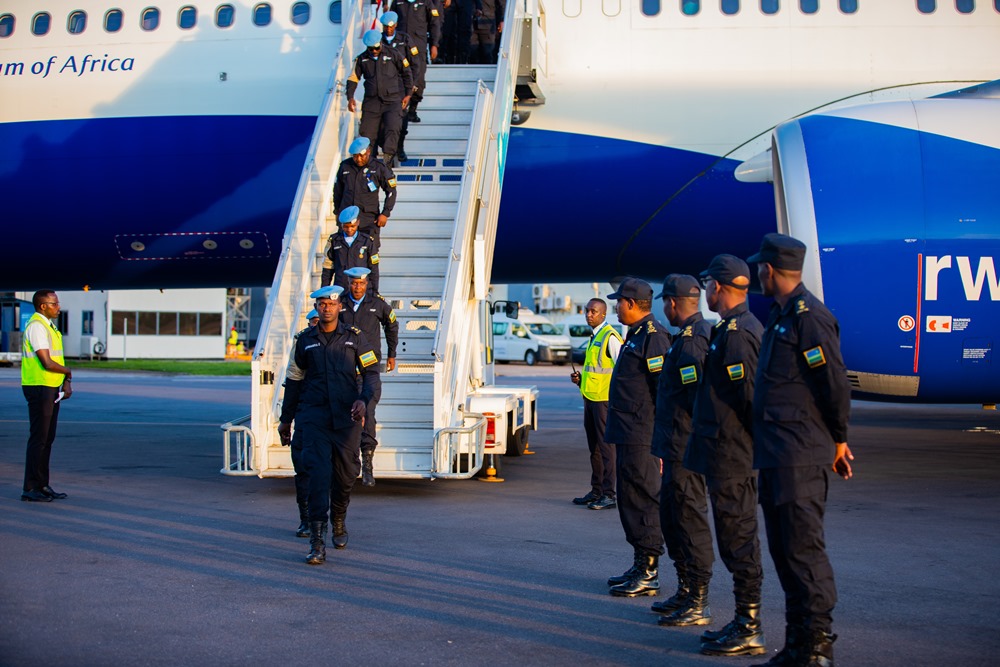
Commissioner of Police (CP) Denis Basabose received the contingent at Kigali International Airport.
Rwanda FPU2-7, which returned home safely under the command of Senior Superintendent of Police (SSP) John Niyibizi, was earlier in the morning replaced by Rwanda FPU2-8 commanded by CSP Jean Bosco Rudasingwa.
It operates in Kaga-Bandoro, about 300km from the capital Bangui. CP Basabose thanked the contingent for withstanding the mission challenges to represent their country ably.
“Welcome back home! Your commitment, resilience, discipline and professionalism has left a legacy back… those who have replaced you will build on.
Maintain that spirit even back home when you resume your policing duties,” CP Basabose told the officers.
SSP Niyibizi said that over the year, they worked with other peacekeepers, local authorities and the local people, who were under their protection.
Besides their formal peacekeeping mandate especially protection of civilians, he added, the contingent also engaged in different activities aimed at uplifting the wellbeing of the people.
“We engaged in environmental protection activities, provided free medical consultations, donated medical supplies as well as voluntary blood donation to save those in need,” SSP Niyibizi said.
These request was made by some Congolese senators who were apparently reacting to recent comments by President Paul Kagame on his visit to Benin where he related DRC crisis to poor leadership.
During his visit to Benin over the weekend, President Kagame and his counterpart, Patrice Talon addressed members of the press to respond to different questions of concern.
One of journalists asked Kagame to comment on allegations by Congolese President, Felix Tshisekedi who accuses Rwanda of supporting M23.
Kagame said that M23 is not the real problem but rather a product of many other problems that have not been addressed for decades.
He explained that M23 problem was there even before Tshisekedi became president as it escalated in 2012.
The Head of State said that the problem is related to Congolese who have Rwandese heritage due to borders drawn during colonial times where a big part of Rwanda was left to eastern Congo and south-western Uganda.
The President underscored that these people have been denied their rights within Congo, until they took up arms in 2012 against their own government ‘because of this problem’.
He stated that the problem was mismanaged as it is coming back in 2023.
“That means it wasn’t properly handled,” said Kagame.
The statement by Kagame was misinterpreted and irked some Congolese politicians who demanded their country to attack Rwanda during a Senate plenary session on Monday.
Senator Molisho proposed an immediate meeting of the Supreme Council of Defense to approve an attack on Rwanda, with Senator Edouard Mokolo wa Mpombo expressing his support.
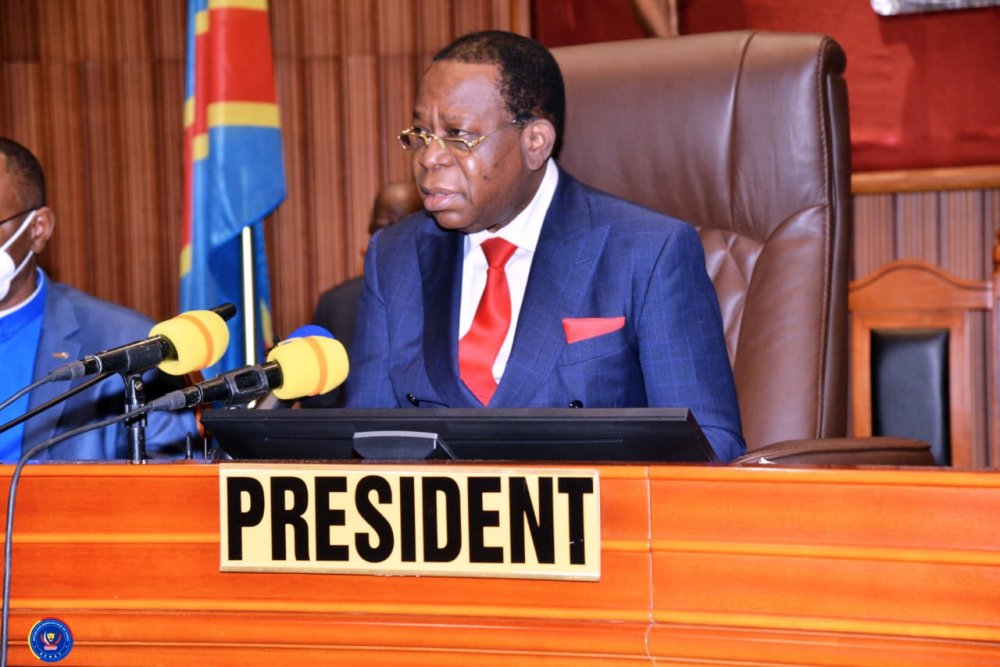
In response, Senate President Modeste Bahati urged his colleagues to remain calm and prioritize respect and support for their nation.
Among others, the assembly approved a law to extend the state of emergency in the provinces of North Kivu and Ituri due to persistent instability in the area.
This is not the first time Congolese politicians have called for an attack on Rwanda.
Adolphe Muzito who once served as Prime Minister also proposed invading Rwanda in 2019 to ensure peace and security in eastern Congo.
Long-standing border disputes from the colonial era and issues surrounding Congolese Rwandophones, including M23 rebels, continue to exacerbate tensions between the two countries.