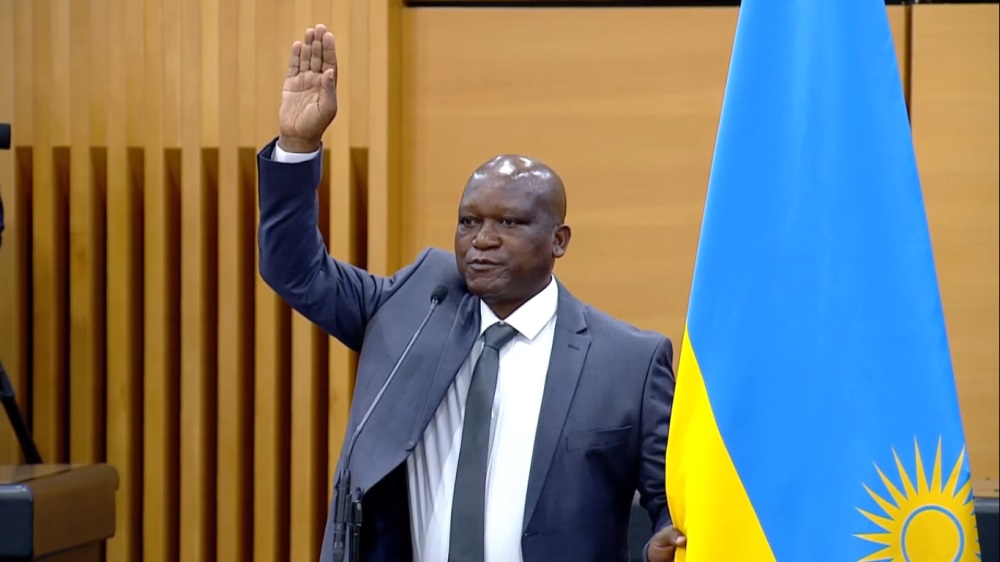
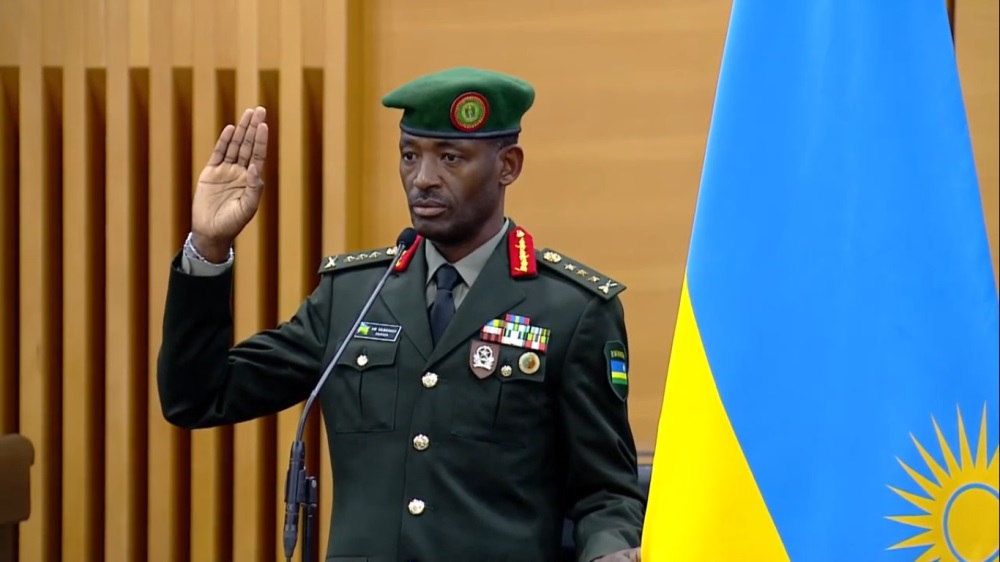
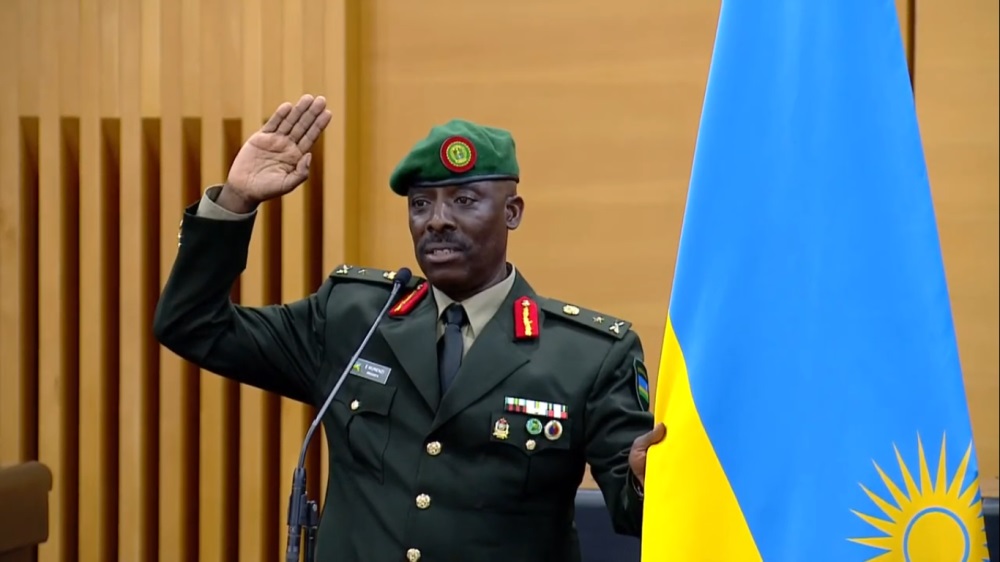
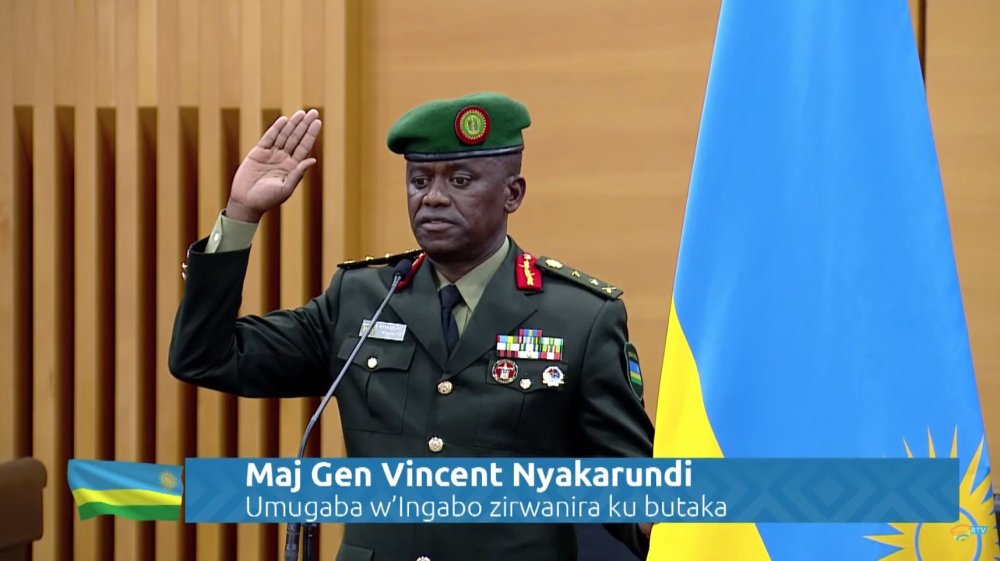
The ceremony took place at Urugwiro Village on Wednesday 7th June 2023.
Speaking at the ceremony, Kagame reminded them to serve the nation and Rwandans with dedication in their respective responsibilities.
“Wherever one works, they must focus on their duties, perform them well, with the understanding of the importance of those responsibilities and how they will contribute to the livelihoods of Rwandans,” he stated.
The Head of State also underscored that collaboration among leaders is paramount to deliver on expectations.
Marizamunda replaced Maj Gen Albert Murasira who had held the position since October 2018.
Prior to this new appointment, Marizamunda served as the Commissioner General of the Rwanda Correctional Services (RCS) from 2021, following his transfer from the Rwanda National Police (RNP) where he worked as the Deputy Inspector General in Charge of Operations.
Marizamunda had previously served as a soldier in RDF before being transferred to RNP in 2014.
He held the rank of Lieutenant Colonel at the time.
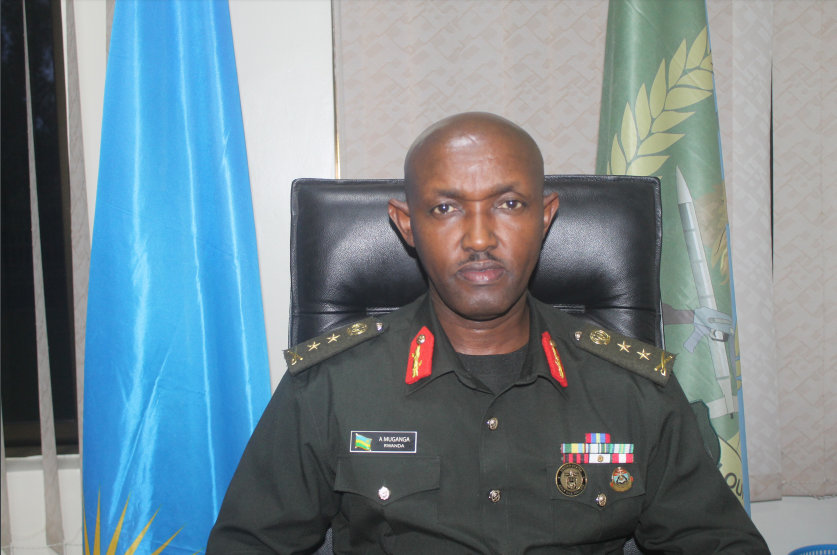
Meanwhile, Lt Gen Muganga, the new CDS, previously served as the Army Chief of Staff (ACOS).
He replaced Gen Jean Bosco Kazura, who held the position since 2019.
Among others, Maj Gen Vincent Nyakarundi, former Head of Military Intelligence, has been appointed Army Chief of Staff while Colonel Francis Regis Gatarayiha, who previously served as his deputy, has been named Acting Head of Military Intelligence in the RDF.
Two notable promotions include Felly Bahizi Rutagerura and Yahya Mugabo Kamunuga, who have been elevated from the rank of Assistant Commissioner of Police (ACP) to Commissioner of Police (CP).
CP Felly Bahizi Rutagerura currently serves as the Chief of Operations for the Police component under the UN Mission in South Sudan (UNMISS), while CP Yahya Mugabo Kamunuga previously held the position of Police FC Chairman.
Additionally, seven police officers have been promoted from the rank of Chief Superintendent (CSP) to Assistant Commissioner of Police. These individuals are Francis Muheto, who serves as the Commander of Police in the Northern Province, Augustin Kuradupagase, Tom Gasana, Silas Karekezi, Celestin Kazungu, Augustin Ntaganira, and Jean Pierre Rutajoga.
Among others, 20 police officers have been promoted from Assistant Inspector of Police to Inspector of Police, one from AIP to CIP, 120 from CIP to Superintendent, 46 from Senior Superintendent to CSP, and 329 were elevated to Chief Inspector of Police (CIP).
The statement also indicated the approval of a ministerial order with significant number of promotions for Non-Commissioned officers and other ranks. Specifically, 1,607 police personnel were promoted from Sergeant to Senior Sergeant, 392 were promoted to Chief Sergeant, 869 from Corporal to Sergeant, 724 from Police Constable to Corporal,
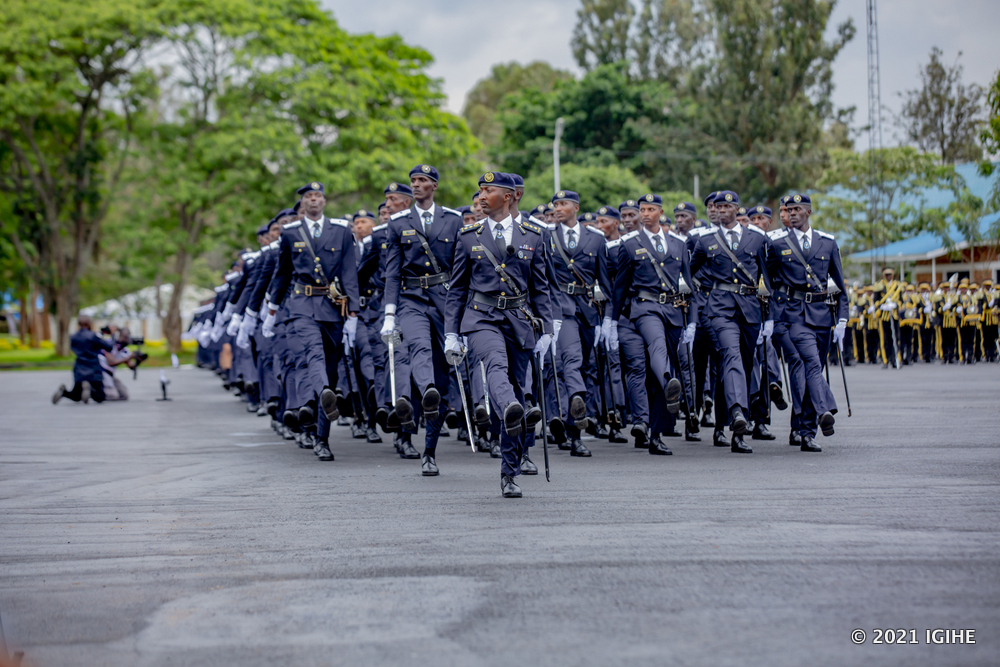
Generally, these promotions encompass 523 junior and senior police officers, while 3,592 are non-commissioned officers.
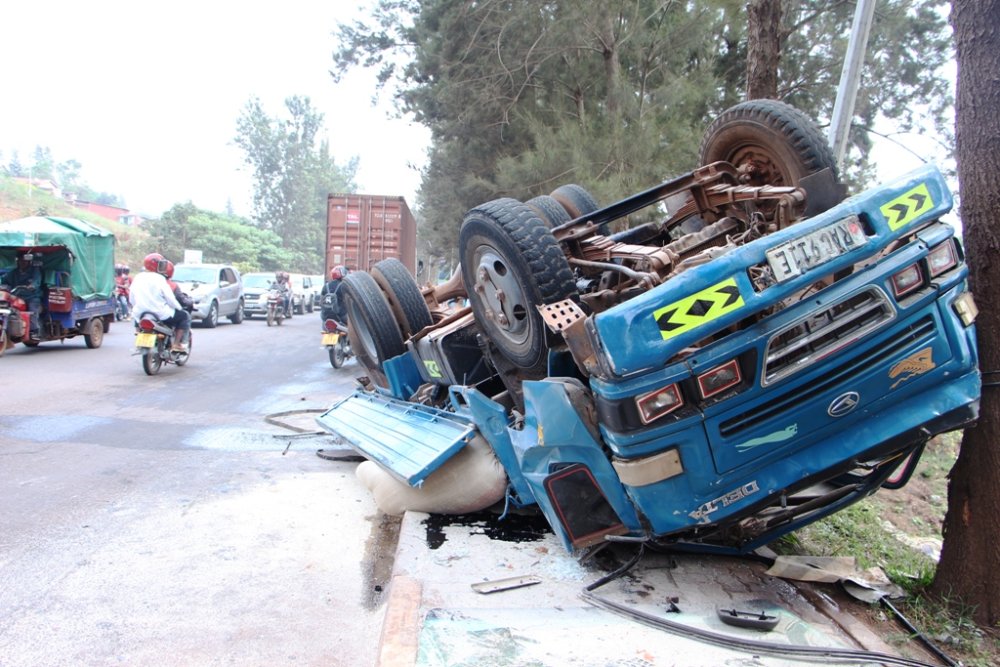
Witnesses have told IGIHE that the passenger was walking alongside a road when the incident happened on Tuesday 6th June 2023.
Senior Superintendent of Police (SSP) René Irere, the spokesperson of Rwanda National Police (RNP) Traffic and Road Safety Department has said that investigation is underway to establish the cause of the accident that killed a passenger.
Figures from the World Health Organization (WHO) shows that more than 1.35 million people die globally in road accidents every year, making it the eighth leading cause of death.
It is, however, the first cause of death in children. In developing countries, road crashes constitute the third leading cause of death.
Despite the reduction in accidents, in Rwanda, more than 9400 accidents were registered across the country last year, claiming lives of over 700 and 4000 injuries.
From January to April 2023, accidents claimed the lives of 250 people.
Among others, 72 people were seriously injured while 1550 survived with minor wounds.
Speeding, distracted driving, driving under influence of drugs or alcohol, wrong maneuvers were recently highlighted among the major causes of accidents in Rwanda.
The general public is often reminded to observe precautionary measures to reduce accidents.
Maj Gen Muganga served as the Acting Reserve Force Chief of Staff (RFCOS) from November 2018 prior to his latest appointment as the Commander of Mechanized Division in April 2019.
Besides, Brig Gen Mutiganda previously served as the Acting Director General of the external security department at the National Intelligence and Security Service (NISS) before he was re-deployed to RDF Headquarters in 2018.
The statement released by RDF also shows that President Kagame has authorized the dismissal of 116 other ranks and approved the rescission of service contracts of 112 other ranks.
“The dismissal and rescission of service contracts take immediate effect,” adds the statement dated 7th June 2023.
The Article 7 of the Law Nº 38/2015 of 30/07/2015 determining the downsizing, dismissal ,discharge and demobilization of RDF personnel; stipulates that a member of Rwanda Defence Forces may be dismissed due to gross misconduct.
It reads that gross misconduct leading to dismissal has to be approved by the competent authority.
Among others, officers are dismissed by a Presidential Order while Non Commissioned Officers and troops are dismissed by an Order of the Minister.
As for rescission of service contract, the article 105 of the Presidential Order Nº 044/01 of 14/02/2020 indicates that the Minister rescinds, when considered necessary, the service contract entered into with a soldier.
It further states that the soldier whose service contract is rescinded is entitled to a rescission of the contract package equivalent to a quarter (1/4) of the end of contract package.
The dismissals and contract recessions came less than 24hrs after President Kagame made major changes in the military, defence and intelligence ranks.
The dismissals are announced following a cabinet meeting held on Tuesday and reshuffle in RDF top brass that saw Lt Gen Mubarakh Muganga named Chief of Defence Staff replacing Gen Jean Bosco Kazura.
Other changes saw Maj Gen Vincent Nyakarundi appointed as RDF Army Chief of Staff (ACOS) while Juvenal Marizamunda, the Commissioner General of the Rwanda Correctional Services (RCS) has been named Minister of Defence replacing Maj Gen Albert Murasira.
Among others, Colonel Francis Regis Gatarayiha has been named Acting Head of Military Intelligence in the RDF replacing Maj Gen Nyakarundi.
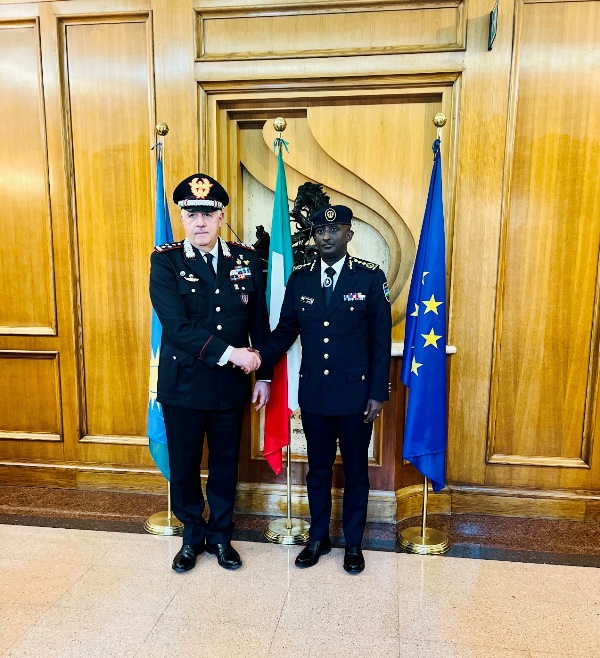
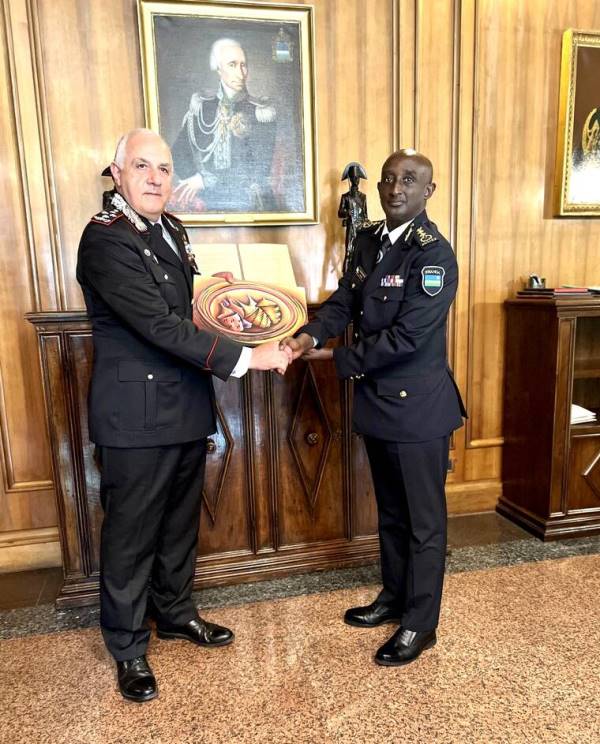
On Tuesday, June 6, IGP Namuhoranye and Lt. Gen Luz held discussions in Rome, on strengthening the existing bilateral cooperation between the two institutions.
Rwanda National Police (RNP) and Carabiniere signed a cooperation pact in 2017, which has since guided strong policing relations in capacity development such as peace support operations, counter-terrorism, aviation security, public order management, VIP protection, cybercrime, traffic and road safety, public health and environmental security, among others.
On Monday, June 5, IGP Namuhoranye also attended the 209th anniversary of the foundation of Carabinieri, at “Salvo d’Acquisto” barracks in Rome.
He also visited the Sabaudia Centre of Excellence for the Protection of the Environment and the Care of Territory; Special Operations Group headquarters; and Carabiniere Command and Coordination Centre.
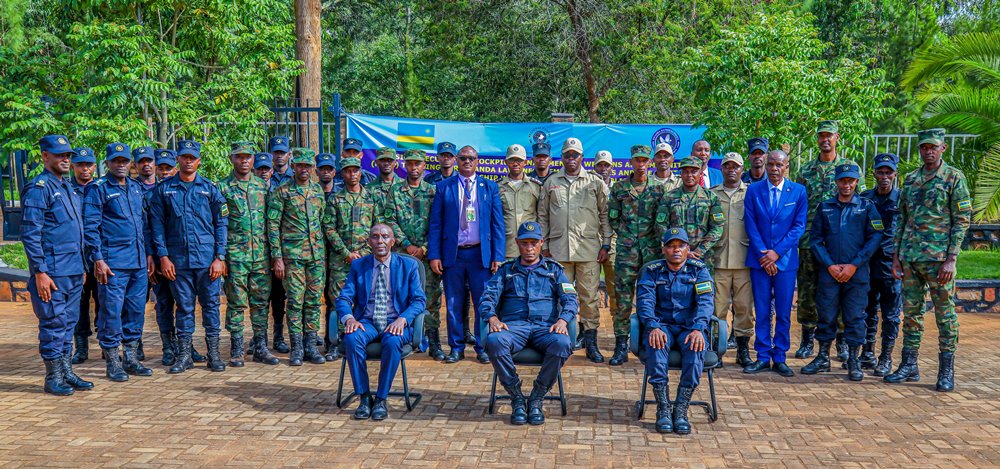
The training bringing together 24 participants from Rwanda National Police (RNP), Rwanda Defence Force (RDF) and Rwanda Correction Service (RCS), is conducted by the Regional Centre on Small Arms (RECSA) and the RNP.
Commissioner of Police (CP) Bruce Munyambo, while officially opening the training on behalf of the RNP leadership, said that it will further help in fighting proliferation of small arms and light weapons.
“Proliferation of small arms and light weapons fuel conflicts, undermines political stability and has devastating impact on human and state stability,” CP Munyambo said.
He underscored that sustainable development cannot be achieved in the absence of peace and security.
“One way to guarantee peace, security and development is the control of small arms and light weapons, which sustain armed conflicts, instability, terrorism, cattle rustling and other serious crimes in the region,” CP Munyambo said.
To prevent proliferation of small arms and light weapons, RECSA took different strategies, which include marking and tracing of small arms and light weapons, and record keeping.
To support these strategies, CP Munyambo said that the RNP allocated a piece of land at the Police Training School for the construction of small arms and light weapons training centre to enhance capacity building of member states.
He urged trainees to take the training seriously and to put the skills and knowledge gained to effective use
ACP Damas Gatare, the Director of Operations and Programmes at RECSA, said that this training fulfills some of the obligations of the Nairobi protocol to enhance the capacities of national law enforcement and security agencies, and the need for state parties to undertake and develop local, national and regional public community education and awareness programmes.
“There is an increasing trend of circulation of illicit and misuse of small arms in the region and negative effects caused by the proliferation of illicit weapons.
This training is very important for RECSA member states to train participants to assess national stockpiles, operational procedures and infrastructure, and provides ways for potential improvements in stockpile safety and security management,” ACP Gatare said.
The physical security and stockpile management of weapons and ammunition follows other related training programmes conducted at PTS in the past.
These include maintenance and repair of arms marking machine, physical security and stockpile management, weapons and ammunition management and arms control training.
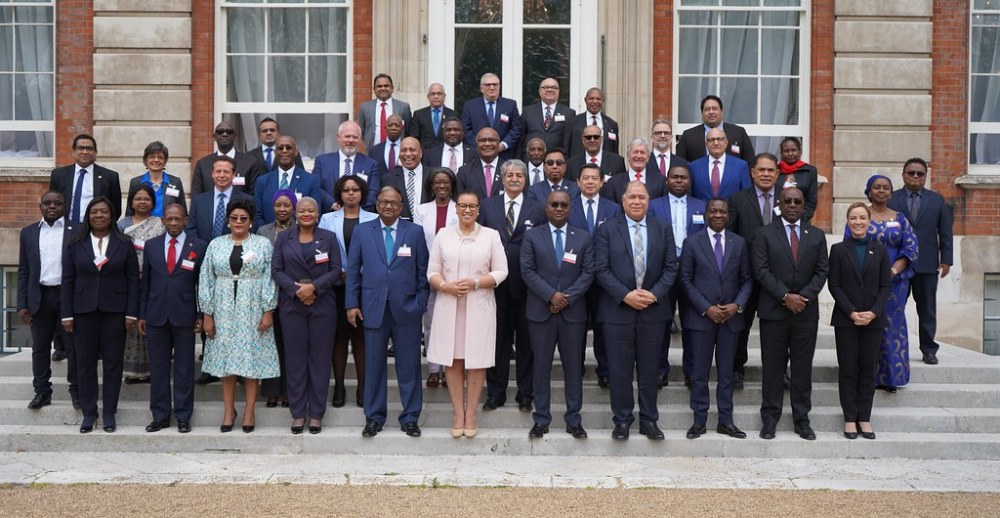
They expressed their shared commitment to deepen collaboration to support all members, especially developing countries, least developed countries, small states and small island developing states, to reap the gains from international trade.
One of the key outcomes of the meeting was to mandate that the Commonwealth Working Group on Trade and Investment will focus on generating an investment plan of action, with the goal of increasing investment flows among Commonwealth member countries. This initiative aims to support economic growth, particularly in infrastructure development and clean, green investments.
Furthermore, the Trade Ministers emphasised the need to foster a digital transition and facilitate digital trade for inclusive growth and development. To address the digital divide and skills gaps, Commonwealth members emphasised the need to focus on developing digital public infrastructure, ensuring affordable access to digital technologies, and promoting digital financial services.
Ministers agreed to the establishment of a new Legal Reform and Digitalisation Working Group under the Commonwealth Connectivity Agenda’s Business-to-Business Cluster to assist member countries in transitioning to paperless trade.
The Trade Ministers reaffirmed their commitment to a transparent and inclusive rules-based multilateral trading system, with the World Trade Organization (WTO) at its core. They expressed concerns about protectionist measures and unfair trading practices that threaten the rules-based trading system and called for continued reform of the multilateral trading rules for agriculture and the smooth functioning of supply chains. They agreed that Rwanda as the Chair-in-Office would deliver an agreed joint statement on behalf of Commonwealth Trade Ministers to the upcoming 13th WTO Ministerial Conference in February 2024.
The outcome statement also highlighted the importance of addressing global challenges such as climate change, food security, and women’s economic empowerment through trade and investment. The Trade Ministers expressed their commitment to promoting sustainable trade practices, green economies, and the empowerment of women-owned businesses.
Speaking after the meeting, the Commonwealth Secretary-General, Patricia Scotland said: “I’m so pleased to announce the successful outcomes of the 2023 Commonwealth Trade Ministers Meeting. The Commonwealth is committed to strengthening the multilateral trading system, deepening trade and investment, fostering sustainability, and enabling a digital transition. I am looking forward to continued collaboration between our members towards a brighter and more prosperous Commonwealth.”
The 2023 Commonwealth Trade Ministers Meeting sets the stage for the upcoming Commonwealth Heads of Government Meeting in Apia, Samoa, in 2024, where these issues will be further discussed and reflected upon.
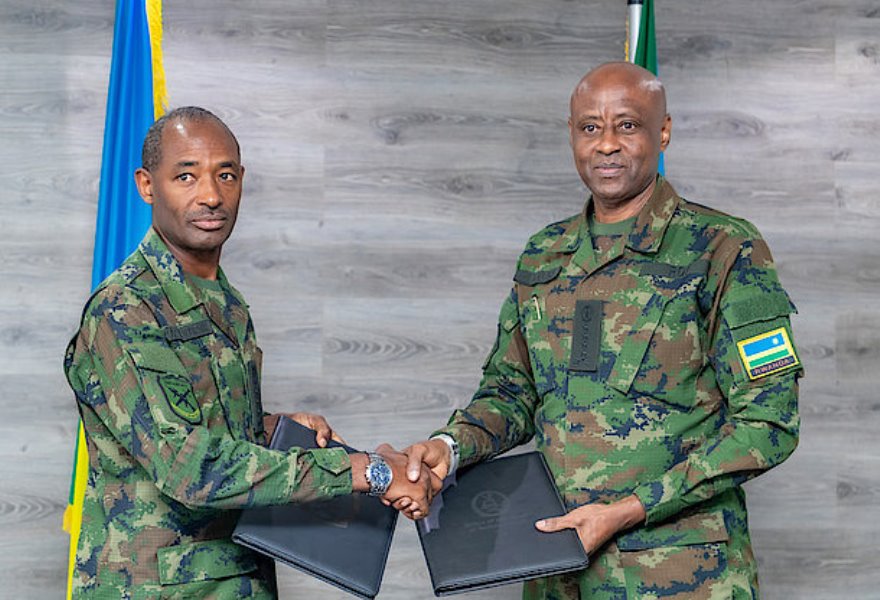
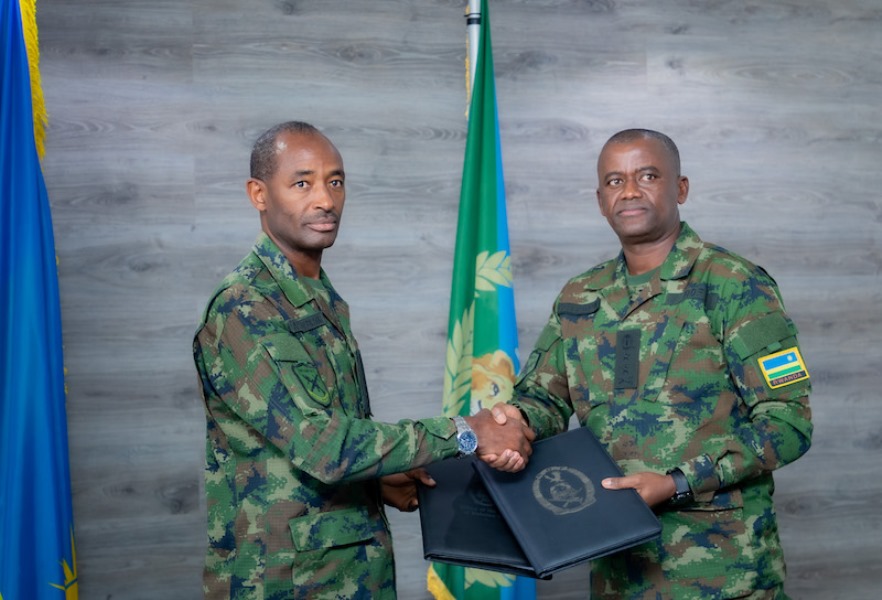
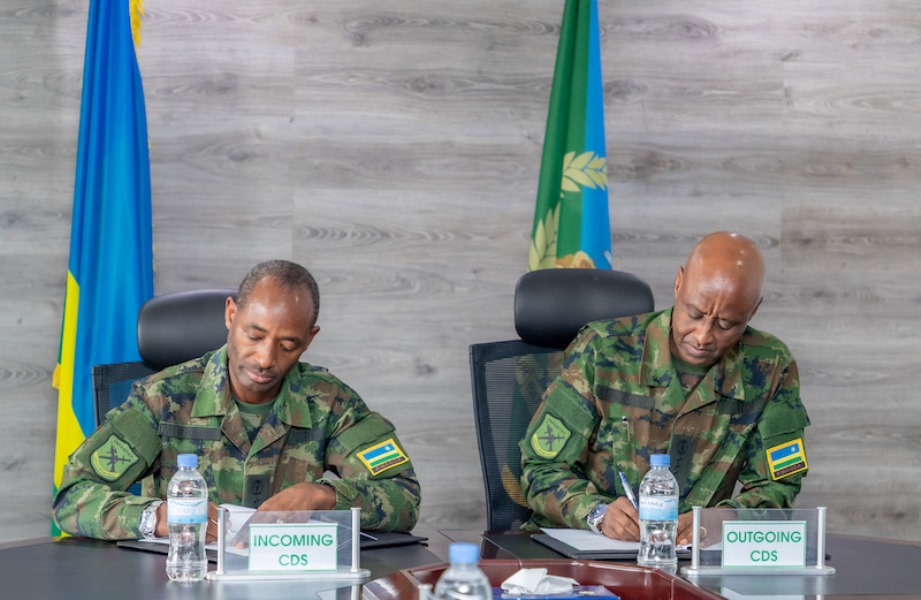
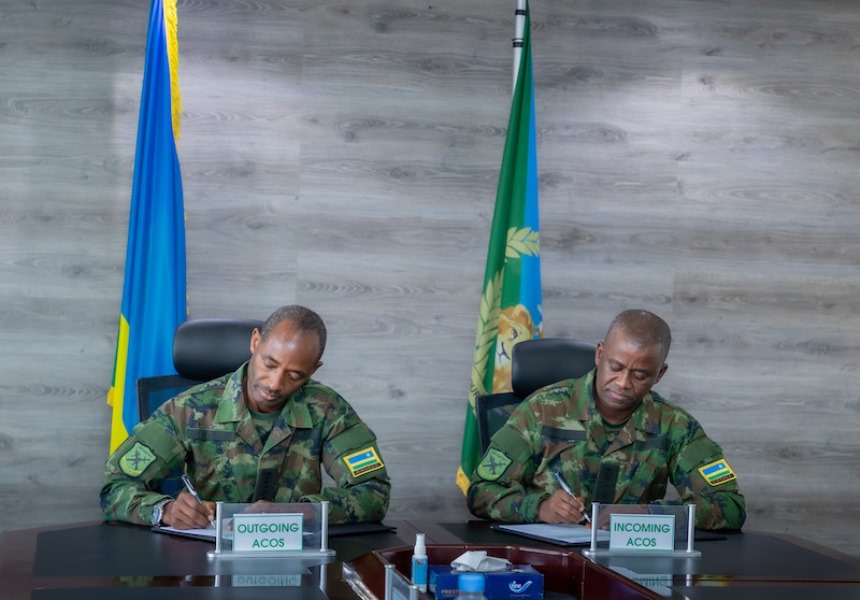
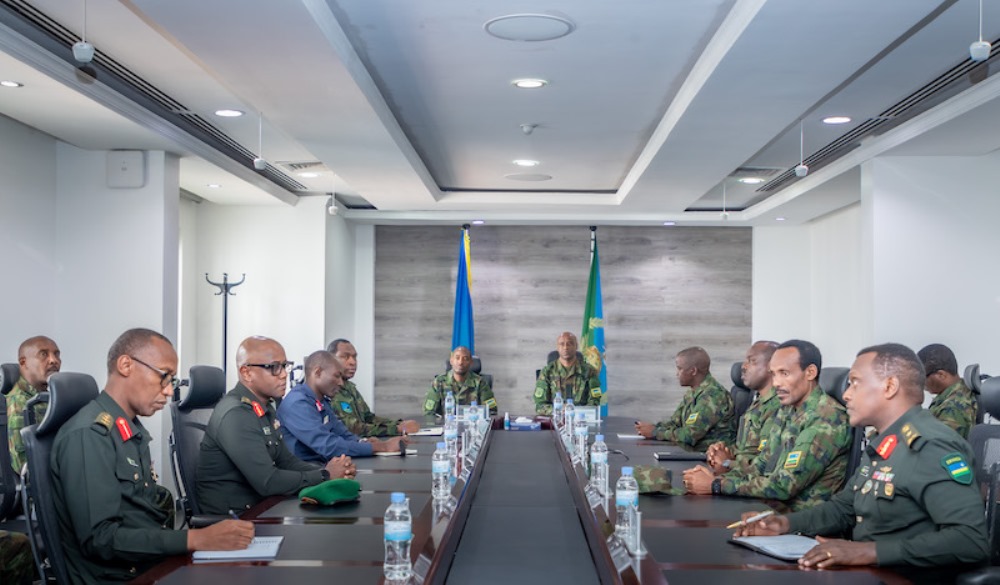
The handover and takeover took place on Tuesday 6th June 2023 in the presence of selected RDF General and Senior Officers.
Both Lt Gen Muganga and Maj Gen Nyakarundi were assigned to the new duties on Monday under a reshuffle in top RDF made by President Paul Kagame who also serves as the Commander-In-Chief of RDF.
Lt Gen Muganga who previously served as the Army Chief of Staff replaced Gen Jean Bosco Kazura who had held the position since 2019.
Other changes saw Juvenal Marizamunda, the Commissioner General of the Rwanda Correctional Services (RCS) appointed Minister of Defence replacing Maj Gen Albert Murasira.
Among others, Colonel Francis Regis Gatarayiha has been named Acting Head of Military Intelligence in the RDF replacing Maj Gen Nyakarundi.
Several other notable appointments include Maj Gen Alex Kagame, who has been named Joint Task Force Commander in Mozambique, replacing Maj Gen Eugene Nkubito, who has been assigned as the Commander of the 3rd Division operating in Rwanda’s Western Province.
Colonel Theodomir Bahizi has been appointed as the Battle Group Commander in Mozambique.
Lt Col Augustin Migabo has been promoted to Colonel and appointed as Deputy Commander of the Special Force Command.
Meanwhile, Brig Gen Evariste Murenzi appointed as the new Commissioner General of the RCS.
Another key change includes the appointment of Jean Bosco Ntibitura as the Director General of the Internal Security Service (NISS), a position previously held by the current Minister of Interior, Alfred Gasana.
As per the Labour Force Survey, in February 2023, the working-age population (16 years and above) was approximately 8 million, with 3,803,942 individuals employed, 792,115 unemployed, and 3,380,192 individuals out of the labor force.
The figures speak to the need for concerted efforts through public-private partnerships to create new jobs while entrepreneurs are urged to contribute to the country’s target to create 1.5 million jobs by 2024 under the National Strategy for Transformation (NST1).
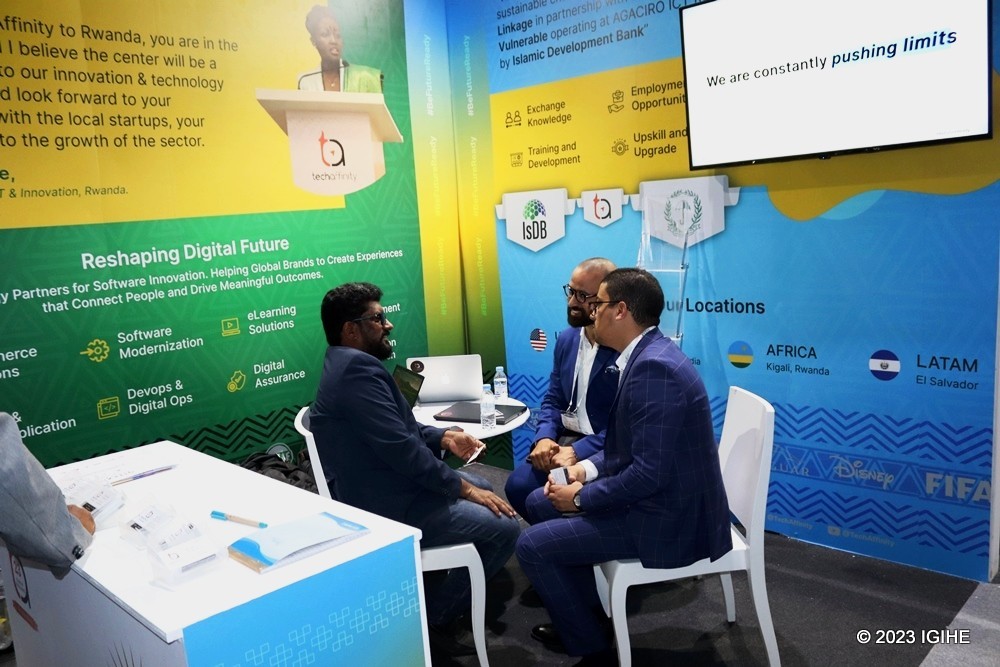
With presence in different countries including the United States of America (USA), India and El Salvador; TechAffinity, a global software services company has pledged to support this noble cause through providing employment and training opportunities for Rwandans.
The company’s aspirations to foster employment were disclosed during an interview with IGIHE on the sidelines of the just concluded GITEX Africa Summit that took place from 31 May to 2nd June 2023 at the Bab Jdid, Boulevard Al Yarmouk, and Marrakech, Morocco.
GITEX Africa is a premier technology event that brings together industry leaders, innovators, and decision-makers from around the world.
With a focus on software services, upskill training programs, and youth employment initiatives, TechAffinity aims to empower businesses, nurture talent, and drive digital transformation across the African continent.
TechAffinity offers a comprehensive suite of software services, including software development, mobile app development, web development, cloud services, digital operations and data analytics.
The company’s expertise in emerging technologies enables businesses to unlock their full potential, enhance operational efficiency, and achieve digital success.
In addition to its software services, TechAffinity is dedicated to empowering individuals and communities through upskill training programs and youth employment initiatives.
Speaking to IGIHE; Anub Kumar, Chief Growth Officer at TechAffinity said that the company attaches great relevance to equipping young professionals with the necessary skills for a rapidly evolving digital landscape, and offers comprehensive training programs that focus on industry-relevant technologies and hands-on experience.
With 23 years of operations, the company is mainly based in the United States and opened doors to Rwanda a year ago.
“During COVID-19 pandemic, we thought of having one more office and we did all the analysis and found Rwanda is the best place. So, we started,” said Kumar.
As he explained, the management initially thought of having experienced youth to be recruited and later took a firm decision to train locals. Kumar said, TechAffinity has so far recruited and trained more than 30 interns.
“Now they are into live projects and speak to clients all over the world. We are planning to expand our operations and as a part of it, we are now going to the largest space on the fourth floor of Cogebanque,” he noted.
Kumar further stated that ‘the company currently employs around 35 Rwandans with ambitions to increase the number to 100 in two years’.
As he said, they are working on applications like React, Python encompassing cutting-edge technologies.
“We can hire senior developers but we don’t want to do that. We want to help the youth of Rwanda. We want to empower the youth of Rwanda. That’s why we have taken interns.They are our permanent employees with all the benefits, with health insurance among other benefits.” He noted.
“Now every employee, every member of our team is interacting with Americans, UK people across the globe. That is the growth we are bringing to the youth of Rwanda,” added Kumar.
As he explained, locals are first trained on technology in which they have interest and receive skills relevant to their career.
“It is not just classroom training, but what we do is we put them on the live project with the current team so that they understand what software development life cycle is, what software management is, how to manage a project and how to handle the delivery among others,” stated Kumar.
He also revealed that the company wants to raise Rwanda’s flag high as a safe business environment and felt proud to be part of startups representing the country at GITEX Summit.
“We are present in different countries but Rwanda will be our home for Africa. We will operate out of our Kigali for the entire Africa,” said Kumar.
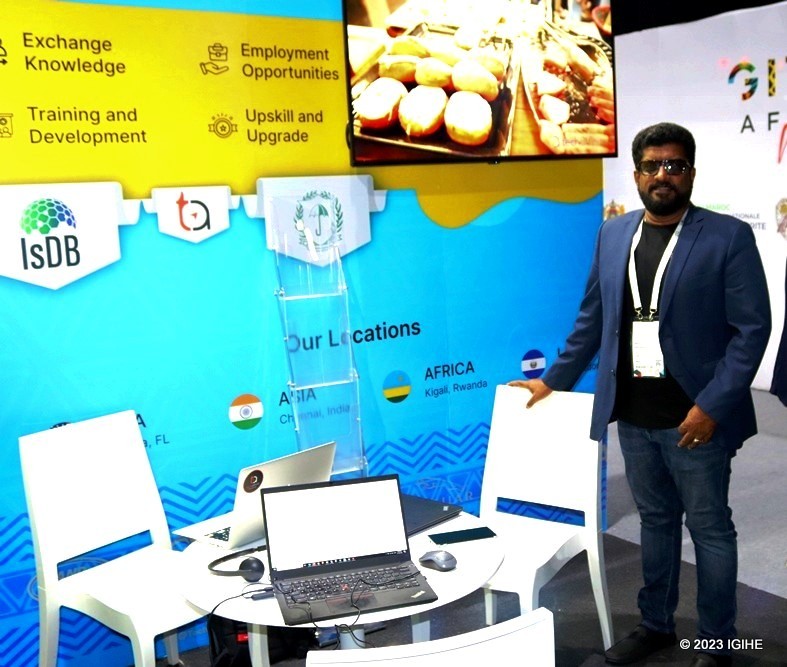
“Besides, I wanted to represent Rwanda in GITEX Africa because this is the first African event of its kind. We thought why can’t we bring our country-Rwanda to GITEX? As you can see, our stand is completely made of colors making up the Rwandan flag and everything,” disclosed Kumar.
He urged Rwandan youth to cultivate self-confidence and assured support to contribute to that cause within the company’s capacities.
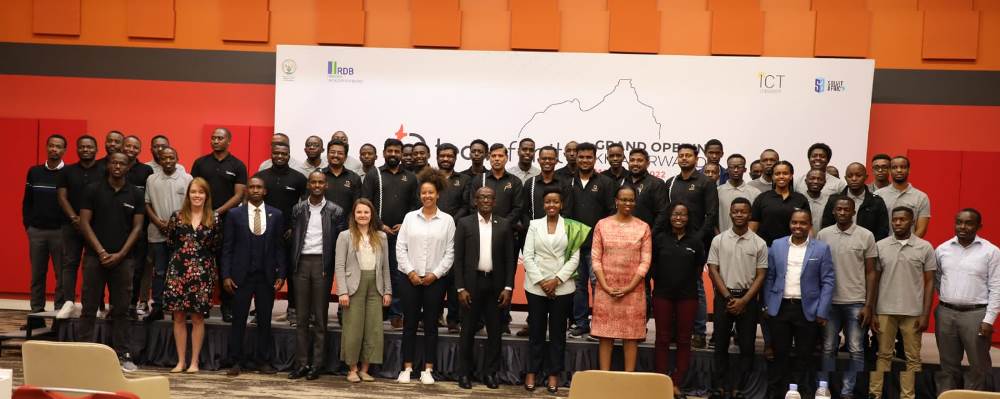
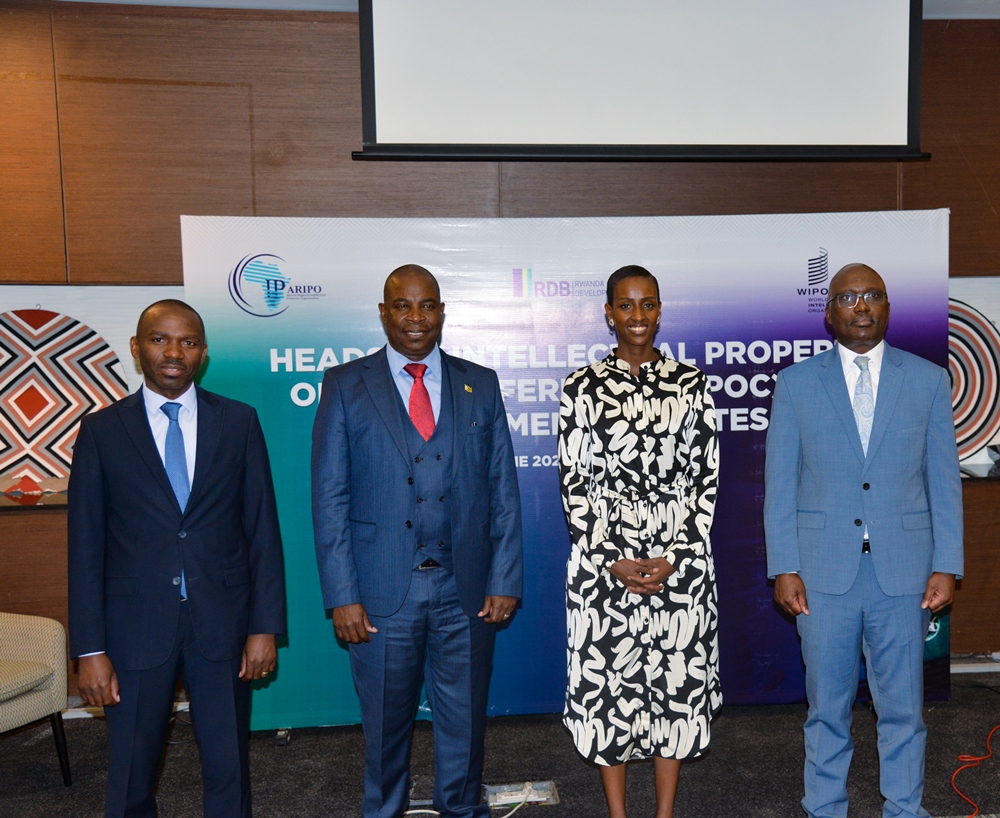
The conference, being held for the second time, has become an annual event that provides a platform for heads of IP offices to discuss IP-related developments in the ARIPO Member States and adopt a coherent and efficient approach in implenting technical assistance offered by WIPO and other partners.
It also aims to promote cooperation and dialogue among member states in the spirit of sharing best practices and experiences in Intellectual Property Rights (IPR) administration and management in the region.
Speaking while sharing remarks during the opening ceremony, tthe Chairman of the ARIPO Administrative Council, Zimbabwe Chief Registrar Willie Mushayi said: “ARIPO plays an important role in the discharge of its mandate to promote creativity and innovation through the protection of Intellectual Property rights in Africa. As Heads of IP Offices of ARIPO Members States, it is our mammoth obligation to not only ensure that ARIPO delivers on this mandate but to also be the face of Intellectual Property in our respective Member States. As we move forward in keeping with the objective of this Conference, it is so critical that we are alive to this background because we are the pivot at which the Organization and the State’s respective goals converge.”
On his part, the ARIPO Director General, Bemanya Twebaze, challenged the leaders to bring forward all the discussions necessary to raise the bar in IP for Member States.
“Contemporary issues, as well as those that are unsettling the IP landscape, will mark the essence of our discussions. Essentially, it is more profound that this engagement is directed to us as leaders with a mandate to implement interventions and changes relevant to Intellectual Property and innovation to ensure that at every level we inspire, engage, and influence our colleagues and stakeholders; and more importantly galvanize the support required to deliver on the important mandate we hold,” he noted.
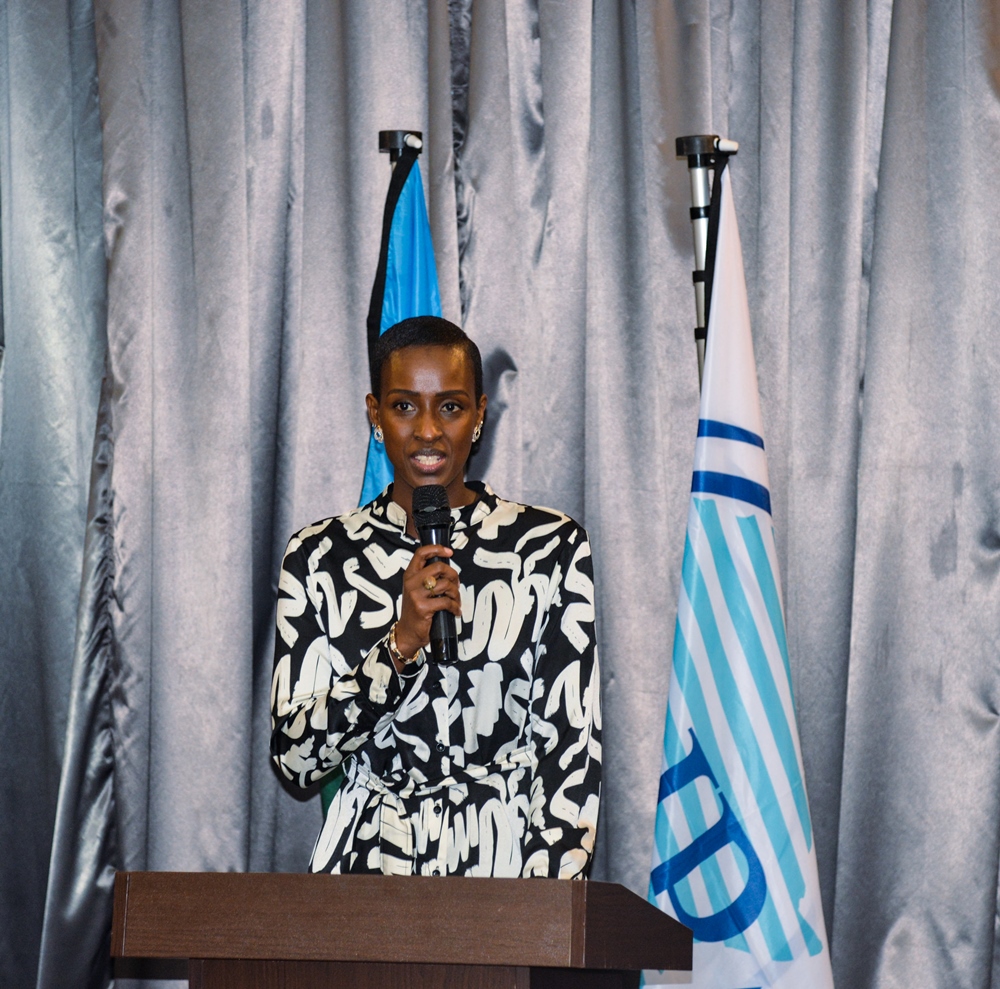
While presiding over the opening ceremony, the Deputy Chief Executive Officer of the Rwanda Development Board, Nelly Mukazayire said:
“We are gathered here today to discuss and explore the critical role of intellectual property in shaping Africa’s future.This conference provides a platform for ARIPO Member States IP Offices to come together, share best practices, and strengthen cooperation in intellectual property management and enforcement. By aligning our strategies, harmonizing our policies, and building robust intellectual property ecosystems, we can effectively maximize the potential of our intellectual assets, foster innovation-driven entrepreneurship, and create an environment conducive to sustainable economic growth.”
A well-designed intellectual property system can be a powerful vehicle for economic growth and human development. Many sectors and industries rely on regulation that properly enforces IP rights such as patents, trademarks, copyright, among others.
The Heads of IP offices are responsible for driving the IP mandate therefore, the decisions they take on IP impact lives in many ways.
Member States represented at the 2023 HIPOC are: Botswana, Cape Verde, the Gambia, Ghana, the Kingdom of Eswatini, the Kingdom of Lesotho, Liberia, Malawi, Mauritius, Mozambique, Namibia, Rwanda, Sao Tome and Principe, Seychelles, Sierra Leone, Somalia, United Republic of Tanzania, Uganda, Zambia, and Zimbabwe.
{{About the African Regional Intellectual Property Organization}}
ARIPO is an intergovernmental organization that facilitates cooperation among its Member States in intellectual property matters. The Organisation pools resources for the promotion, development, and harmonization of the IP laws and policies of ARIPO Member States. The objective of ARIPO, amongst others, is to establish common services and bodies for IP rights coordination, development, and harmonization. The Member States of ARIPO include; Botswana, the Kingdom of Eswatini, Cape Verde, the Gambia, Ghana, Kenya, the Kingdom of Lesotho, Liberia, Malawi, Mauritius, Mozambique, Namibia, Rwanda, Sao Tome and Principe, Seychelles, Sierra Leone, Somalia, Sudan, Tanzania, Uganda, Zambia, and Zimbabwe.
{{About the Rwanda Development Board}}
The Rwanda Development Board (RDB) is a government agency in Rwanda with a vision to transform Rwanda into a dynamic global hub for business, investment, and innovation. Its mission is to fast-track economic development in Rwanda by enabling private sector growth.
{{About the World Intellectual Property Organization }}
The World Intellectual Property Organization (WIPO) is the global forum for intellectual property policy, services, information, and cooperation. A specialized agency of the United Nations, WIPO assists its 193 member states in developing a balanced international IP legal framework to meet society’s evolving needs. It provides business services for obtaining IP rights in multiple countries and resolving disputes. I It delivers capacity-building programs to help developing countries benefit from using IP. And it provides free access to unique knowledge banks of IP information.