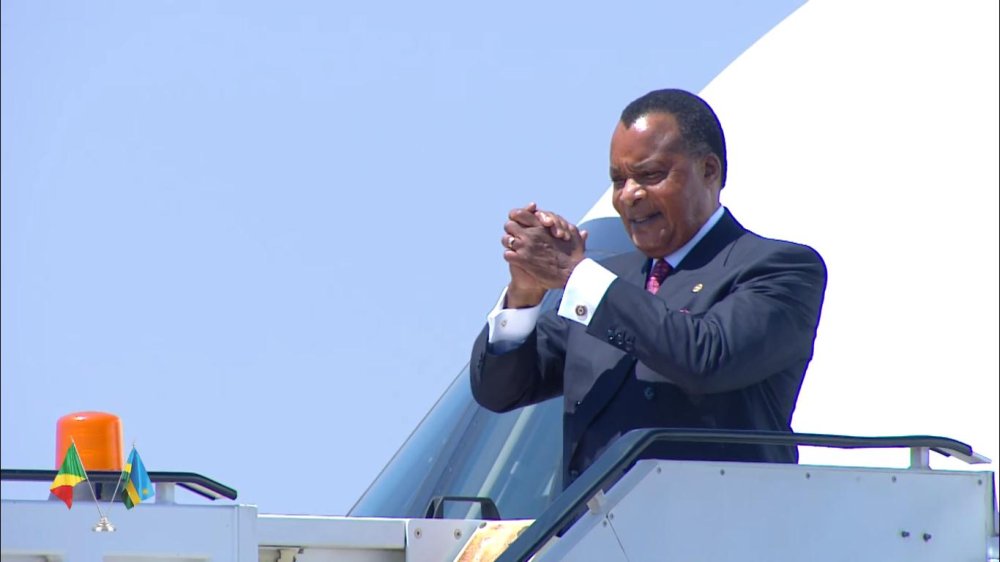
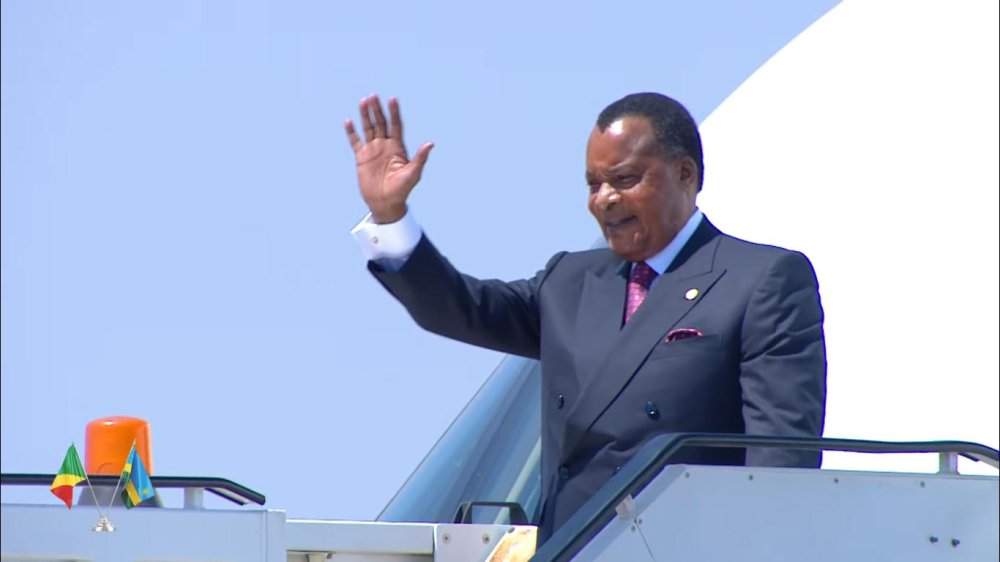
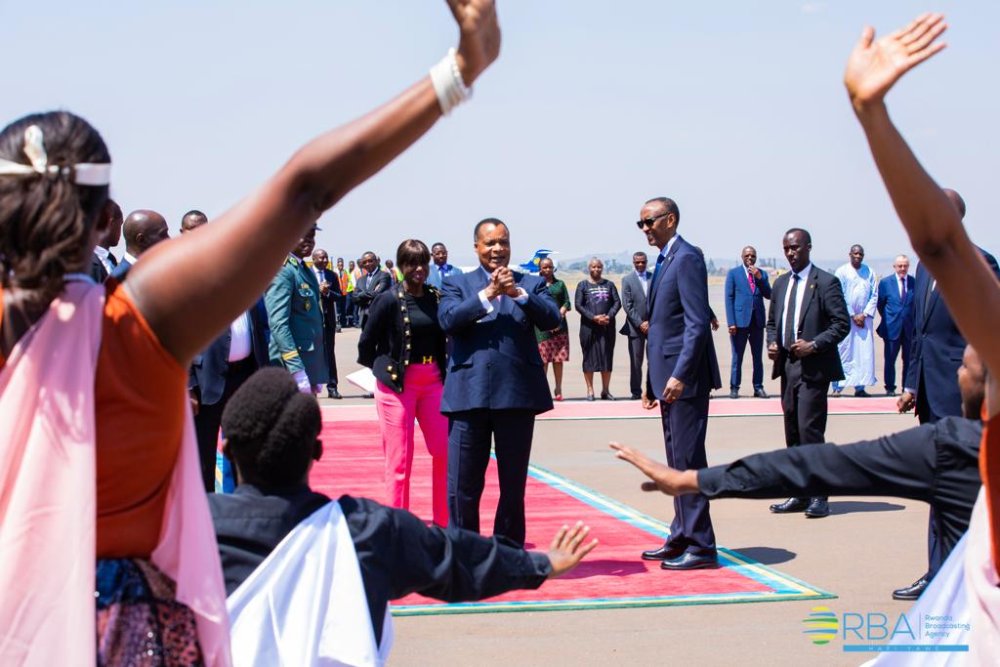
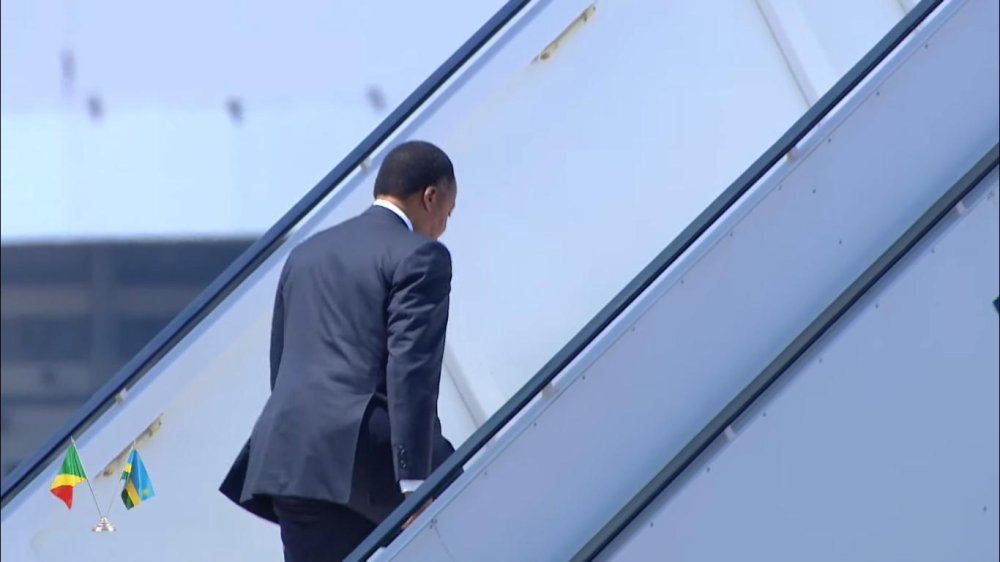
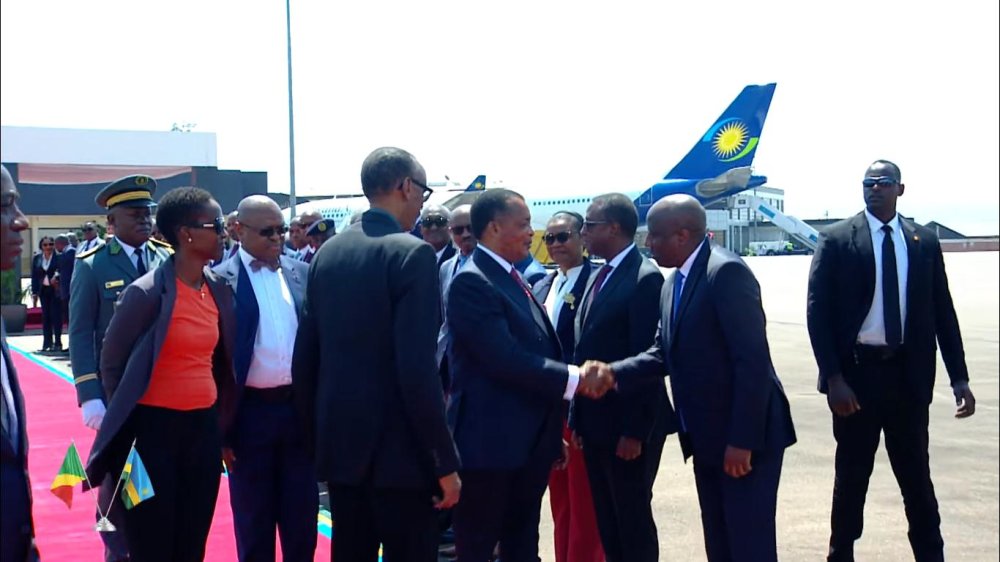
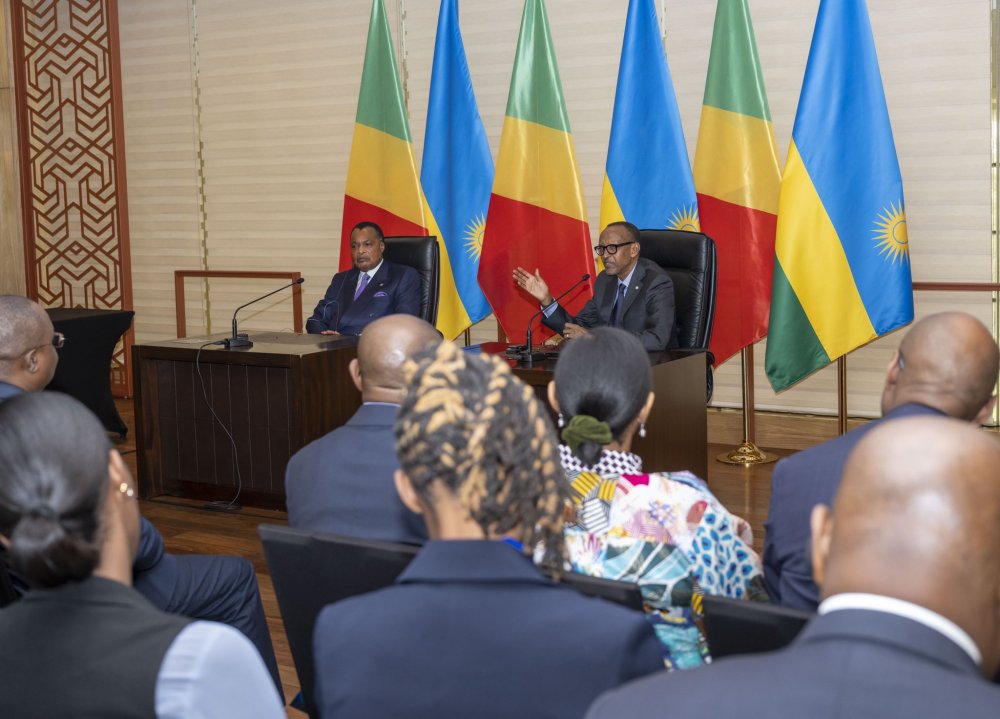
The visit began on Friday, May 21, with a warm reception at Kanombe International Airport by his Rwandan counterpart, President Paul Kagame. On Sunday, July 23, Mr. Nguesso’s visit came to an end at Kigali International Airport, accompanied by President Kagame and a delegation of senior Rwandan officials.
This visit has left a lasting impact on the relations between the two countries.
During the visit, both countries took a significant step towards enhancing trade and economic cooperation by signing an agreement under the African Continental Free Trade Area (AfCFTA).
The deal, signed on July 22, was presided over by President Kagame and his counterpart Sassou Nguesso, signifying the commitment of both nations to foster regional economic integration.
Throughout his stay, President Nguesso engaged in a series of high-level meetings. He held constructive discussions with President Kagame, delivered a noteworthy speech before the Rwandan Parliament, and attended an official dinner with the Rwandan Head of State.
In recognition of his ongoing efforts for the development of Africa, President Kagame honored Mr. Nguesso with the national Order of Honour.
On Saturday, July 22, Mr. Nguesso had the opportunity to visit the Rwandan Institute for Conservation Agriculture (RICA) located in Bugesera District. Additionally, Kagame gifted Nguesso long-horned cattle known as Inyambo from his farm in Kibugabuga.
So far, bilateral engagements between both countries at different times have resulted in the signing of 33 agreements and a memoranda of understanding.
President Nguesso’s visit marked a new chapter in the relations between Rwanda and Congo-Brazzaville, underscoring their mutual willingness for closer and more fruitful cooperation. Both nations are optimistic that this visit will pave the way for increased collaboration and prosperity in the region.
His visit follows the arrest of Fulgence Kayishema a genocide fugitive who has been on the run for two decades.
Kayishema, who had been one of the world’s most wanted genocide fugitives, was arrested on Wednesday May 24th, 2023, in Paarl, South Africa, as a result of a joint operation involving the IRMCT Office of the Prosecutor (OTP) Fugitive Tracking Team and South African authorities.
He stands accused of orchestrating the massacre of approximately 2,000 Tutsis, including women, men, children, and the elderly, at Nyange Catholic Church during the 1994 Genocide against the Tutsi in Rwanda.
It is alleged that Kayishema directly participated in the planning and execution of this atrocity, including the procurement and distribution of petrol to set the church on fire while the victims were inside.
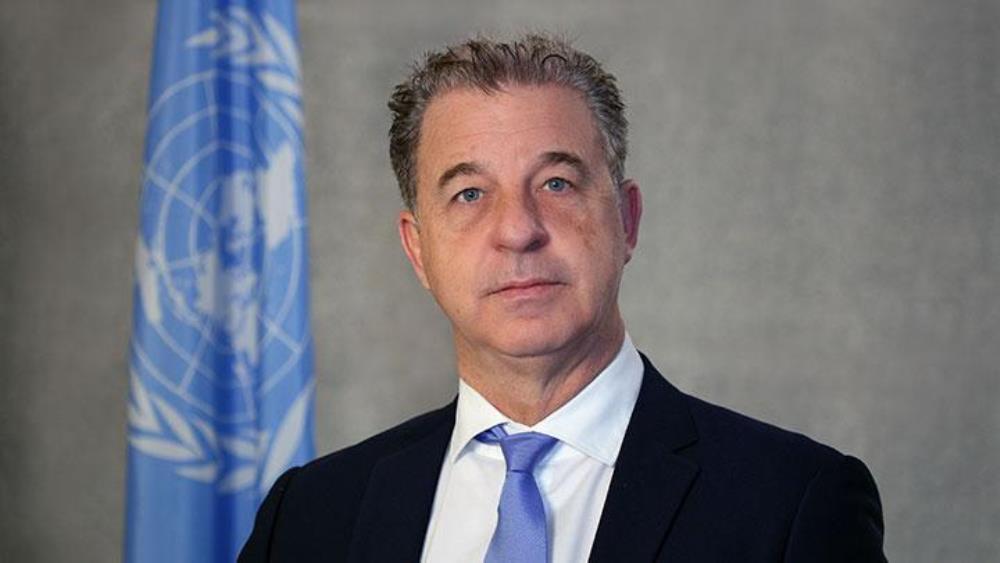
According to IRMCT, Brammertz is expected to visit Nyange Genocide Memorial, meet with survivors of the 1994 Genocide against the Tutsi, local dignitaries and IBUKA representatives with whom he will discuss the ongoing ‘Kabuga case’ and future trial of Kayishema among others.
Besides, the prosecutor will meet with the Minister of Justice Dr. Emmanuel Ugirashebuja; Minister of National Unity and Civic Engagement, Dr. Jean Damascene Bizimana; Prosecutor General, Aimable Havugiyaremye and the Inspector General of Rwanda National Police (RNP) Commissioner General Felix Namuhoranye to discuss topics related to the strong cooperation between the office of the prosecutor and the government of Rwanda.
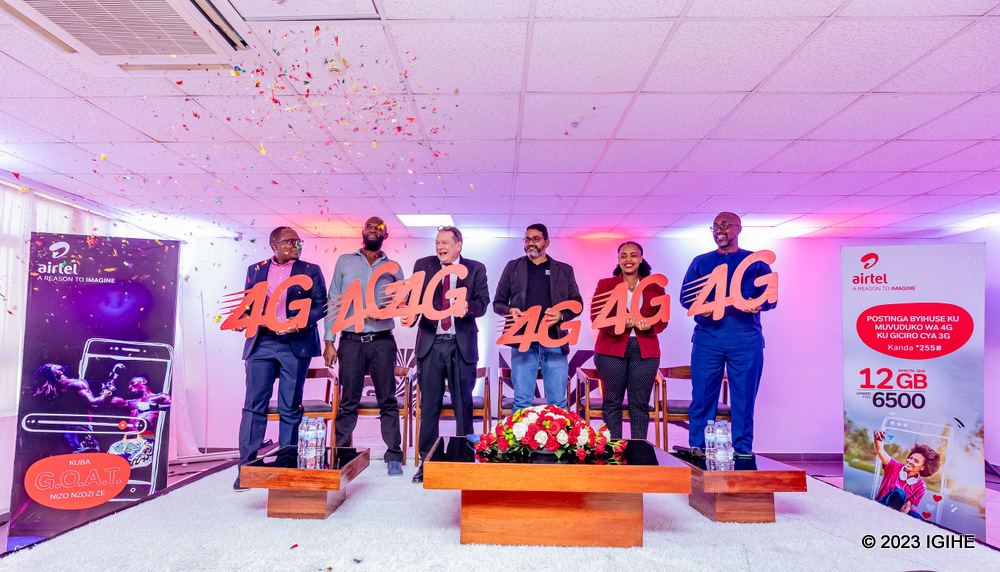
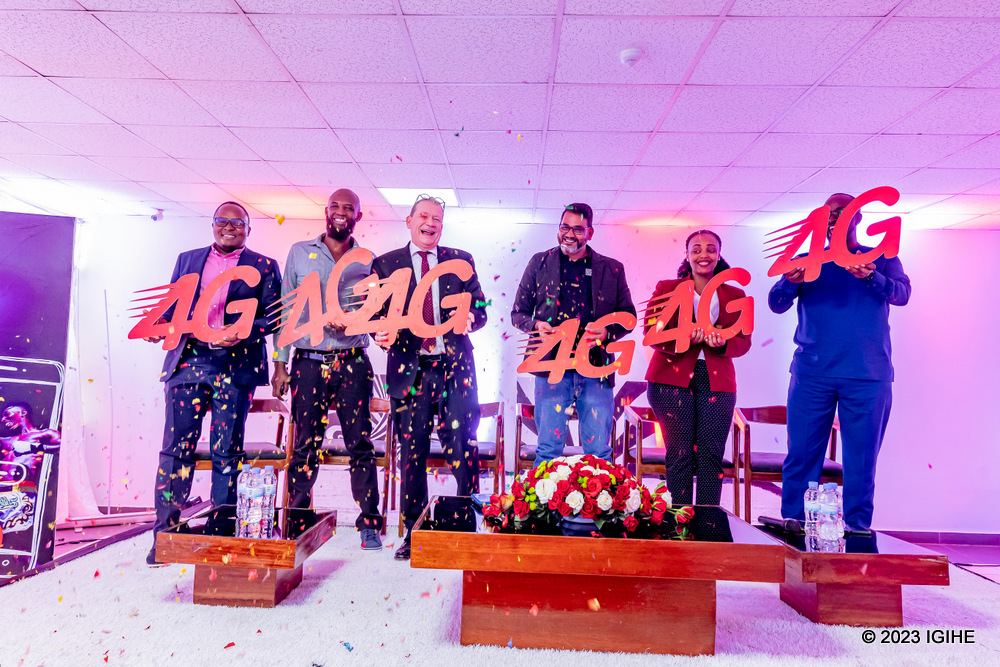
The 4G network, which went live on Friday, July 21, allows customers to enjoy high-speed internet whether they are at home, offices, or any other location.
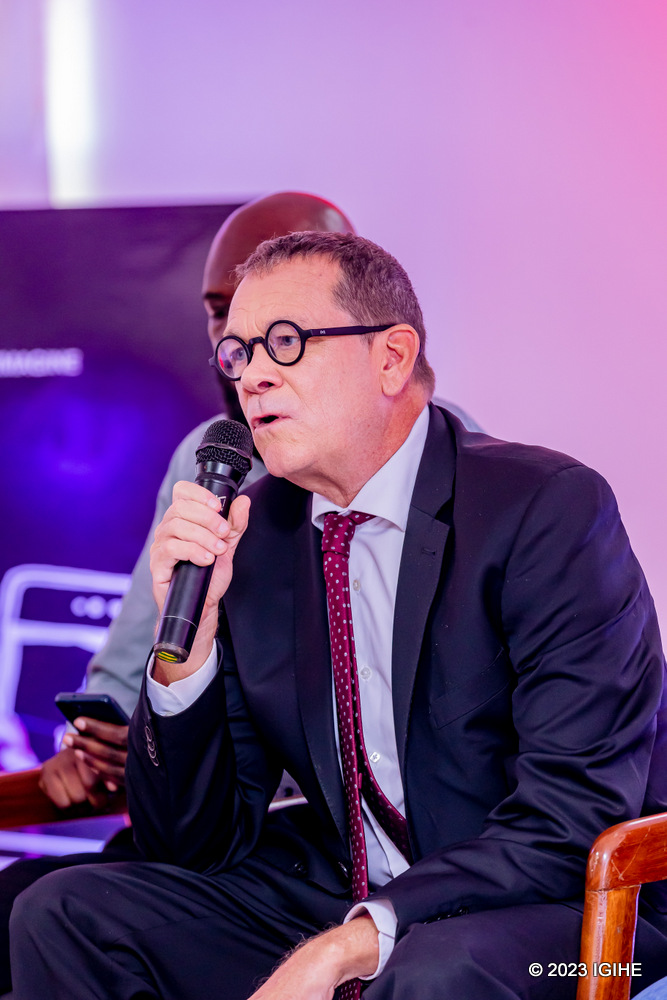
Emmanuel Hamez, the Managing Director of Airtel Rwanda, expressed his excitement about the development, emphasizing that the telecom is committed to providing 4G internet at the same price as its 3G service.
“We are thrilled to announce that World Class 4G tariff plans will come at the same price as customers are currently paying for 3G!” Hamez stated. “This will enable customers to quickly transition to 4G with the simplicity of the similar plans that they are familiar with. As such, all our popular ‘Ubuntu’ packs, which include free minutes and SMS along with data, will now include 4G services. It is simple for the customer to set their handset on LTE mode.”
The decision to offer 4G speeds at 3G prices is aimed at elevating Airtel Rwanda’s product offerings and increasing access to high-quality broadband for customers. Additionally, the telecom anticipates a surge in the adoption of 4G devices as faster internet speeds will no longer be hindered by high costs.
Customers can look forward to a host of benefits with the new 4G network, including streaming high-definition content, enjoying real-time video games, and experiencing reduced buffering during video calls and virtual meetings.
Airtel Rwanda’s mission is to provide an ultra-fast, ultra-reliable network that offers seamless connectivity to homes and businesses. This aligns with the company’s commitment to driving digital inclusivity across more regions of Rwanda.
“The launch of our very own 4G LTE network is a demonstration of our commitment to providing access to affordable quality connectivity services to all Rwandans,” said Hamez. “We would also like to take this opportunity to thank our key stakeholders for creating the enabling environment that made it possible for Airtel Rwanda to offer 4G LTE services to our customers. The company remains committed to leading innovation in the Rwandan market by providing choice to Rwandans because of significant investment in network coverage, consistent network quality, and quality of service in addition to delivery on market-leading value for money.”
The launch of the 4G network aligns with the publication of the national broadband policy in October 2022 by the Ministry of ICT and Innovation. The policy aims to improve service quality, ensure last-mile coverage, drive affordability, and promote innovations in the telecom sector.
Airtel Rwanda is fully committed to developing more innovative products that align with the government’s goals and cater to consumer demands.
Hamez expressed his gratitude to the authorities, particularly RURA (Rwanda Utilities Regulatory Authority) and the Ministry of ICT and Innovation, for their instrumental support in making the 4G LTE launch possible. As part of their commitment, Airtel plans to expand its network to bridge the digital divide and play an important role in Rwanda’s development.
The 4G network launch comes amidst the ongoing campaign “A Reason To Imagine,” which encourages the youth to embrace technology.
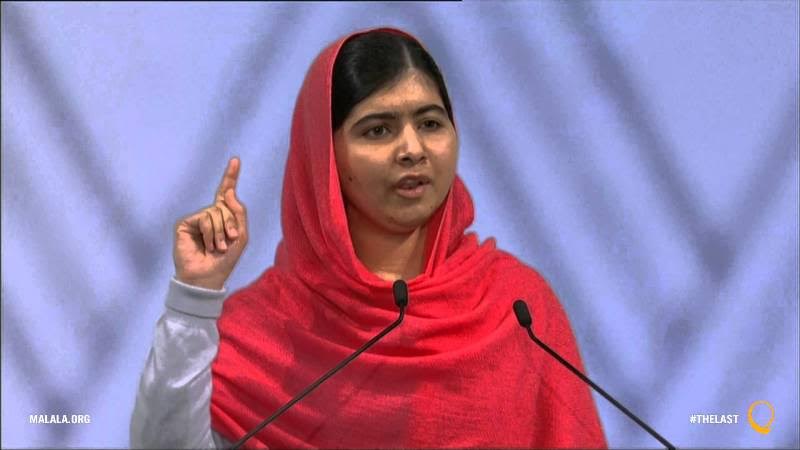
In her address, she urged that every girl and woman on the planet should be empowered to attain their full and fundamental right to education, health care, and freedom of choice.
Malala called upon delegates at the conference to demand more from their leaders, donors, and institutions. She emphasized the importance of holding leaders accountable for the commitments they make to girls, ensuring that promises are not abandoned and left unfulfilled.
Sharing her own story of spending two years under the terrorism of the Taliban as a young girl who stood up for girls’ right to education, Malala expressed deep concern about the rising number of children, particularly in Sub-Saharan Africa, who drop out of school. She criticized governments that prioritize debt payments over providing quality education to girls.
Malala also acknowledged that parenting, patriarchy, and climate issues contribute to denying millions of girls their right to education. However, she emphasized that a major cause of this problem is inadequate funding. While conferences like WDC 2023 show progress, Malala pointed out that only a small fraction of international aid goes towards adolescent girls and women, and even then, resources often come with restrictions that limit their impact.
Reflecting on her activism over the past decade, Malala recognized that change requires collective effort. Instead of working individually, stakeholders should unite to build movements for accountability and change, focusing on holding leaders accountable for their commitments.
For the last ten years, Malala has been actively involved in advocating for girls’ education. She has graduated from university, traveled to 31 countries, and established the Malala Fund to support, educate, and amplify girls’ voices.
Throughout her journey, Malala has met countless girls with incredible courage and creativity. She called for a united world that would fund and support the needs of girls, enabling them to lead joyful, violence-free lives, free from burdens caused by adults.
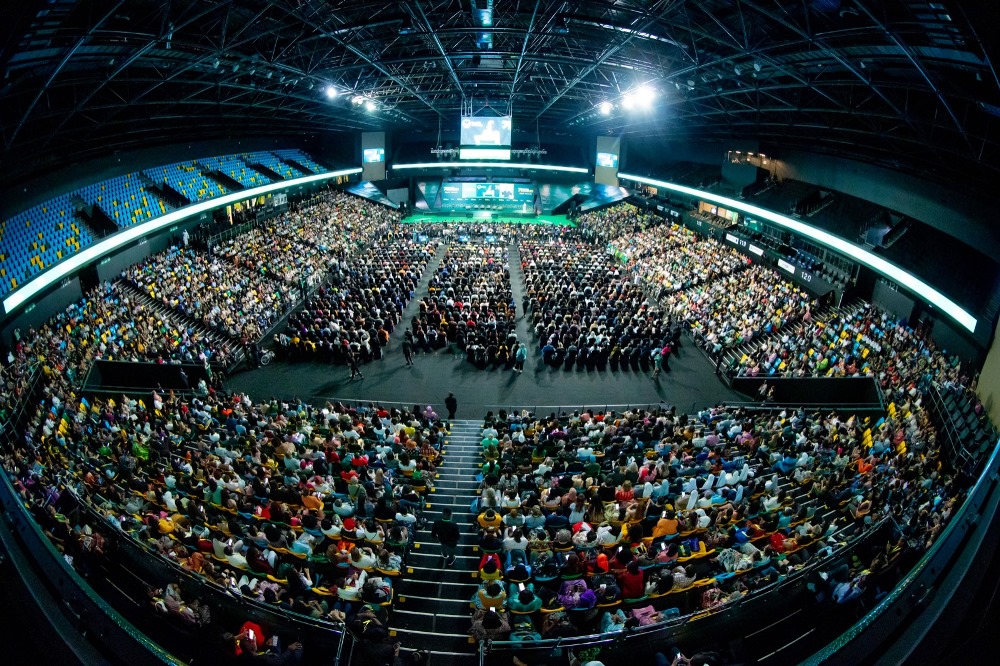
Her impactful speech was delivered at the recently concluded Women Deliver Conference held in Kigali, Rwanda, from 17th to 20th July 2023.
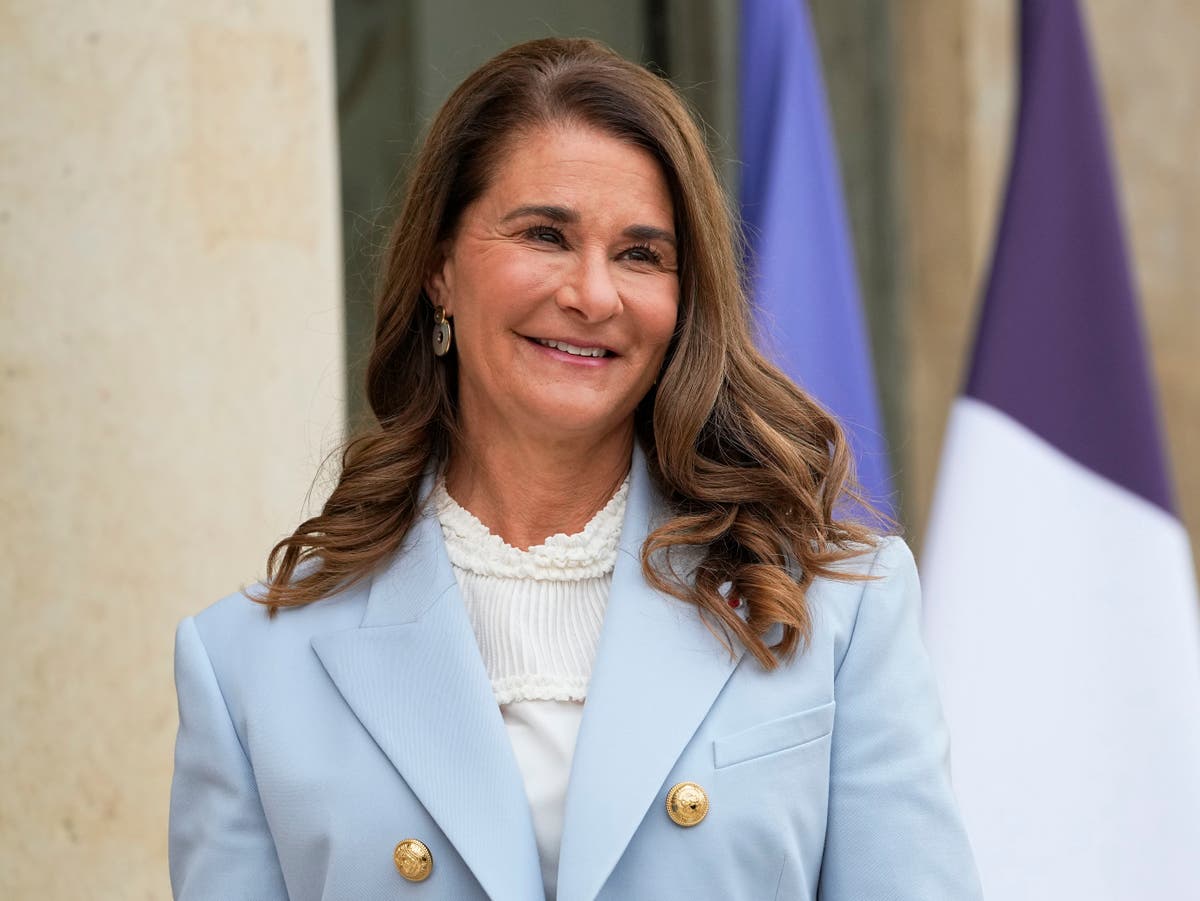
Melinda attended the conference virtually on its third day, participating in a panel discussion focused on the challenges hindering gender equality and the necessary actions to accelerate progress.
“I get frustrated when some leaders say to my face that, ‘we can’t afford to live up to the promises we’ve made to women and girls around the world in times like this,’ not realizing that it’s precisely in ‘times like these’ that we need to tear down barriers that stand in the way of this general role,” she exclaimed.
Despite the ongoing challenges the world faces from the pandemic, climate change, and the war in Ukraine, Melinda strongly believes that supporting women and girls will lead to more resilient communities and countries.
“I want leaders to understand that if they truly care about pandemic preparedness, hunger, or their National GDP, then they must genuinely care about the health and well-being of women and girls,” she emphasized.
Melinda firmly advocates for the empowerment of women, recognizing that “when women have power over their bodies and their money, they transform societies.”
Over the years, through the ‘Gates Foundation,’ Melinda has collaborated with the Women Deliver Forum to pursue a world where every woman and girl can achieve their full potential. The Gates Foundation strategically invests in health innovations and nutrition tailored to meet women’s unique needs because “healthy women are the backbone of flourishing communities.”
Melinda Gates remains optimistic that with the support of over 200,000 partners, including women, significant progress will be made in creating a world that’s better simply because it’s equal.
The agreement was inked by Jean Chrysostome Ngabitsinze, Rwanda’s Minister of Trade and Industries, and Denis Christel Sassou Nguesso, Congo-Brazzaville’s Minister of International Cooperation. The memorandum of understanding aims to streamline trade processes and facilitate economic growth by focusing on strategic areas of collaboration.
The development was reached during President Nguesso’s two-day state visit to Rwanda where he visited Kigali Genocide Memorial, addressed members of Parliament, and toured Rwanda Institute for Conservation Agriculture (RICA), among other activities.
So far, bilateral engagements between both countries at different times have resulted in the signing of 33 agreements and a memoranda of understanding.
Among the notable achievements were the bilateral air service agreement that allows RwandAir to operate direct flights to Congo-Brazzaville, the ratification of the double taxation avoidance agreement, and the ratification of a visa waiver between both countries. These agreements will help strengthen economic ties and promote people-to-people interactions.
Vincent Biruta, Rwanda’s Minister of Foreign Affairs and International Cooperation, highlighted the importance of monitoring progress on the signed agreements and ongoing economic projects. This systematic approach will ensure accountability and effectiveness in implementing the initiatives.
The Congolese President, Denis Sassou Nguesso, emphasized the crucial role of the AfCFTA in promoting economic development on the African continent. He stressed the need for free movement of goods and people to catalyze prosperity in the region. President Nguesso also called for concrete and tangible results from the cooperation efforts, emphasizing that signing agreements should not be mere formalities, but rather actions that yield real benefits for citizens.
Meanwhile, President Kagame expressed his commitment to building on this newfound cooperation between Rwanda and Congo-Brazzaville. He asserted that both nations should work together to lead the way in driving progress and achieving their shared development goals.
The Rwandan President’s visit to Congo-Brazzaville in April 2022 had already set the stage for mutual prosperity and strengthened the friendship between the two countries.
The agreement signed under the AfCFTA represents a significant milestone in regional economic integration between Rwanda and Congo-Brazzaville.
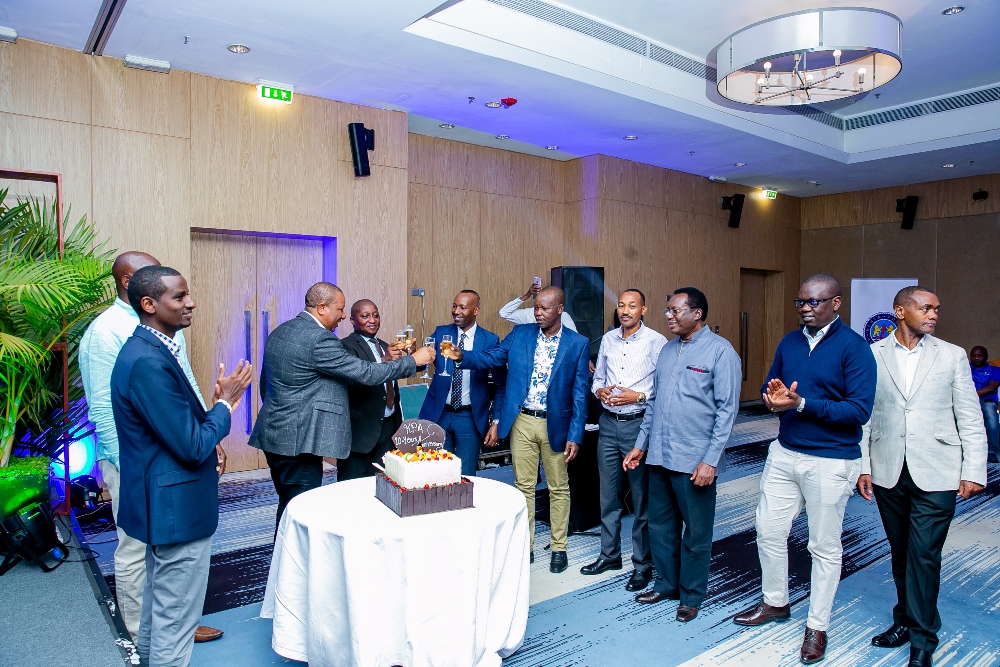
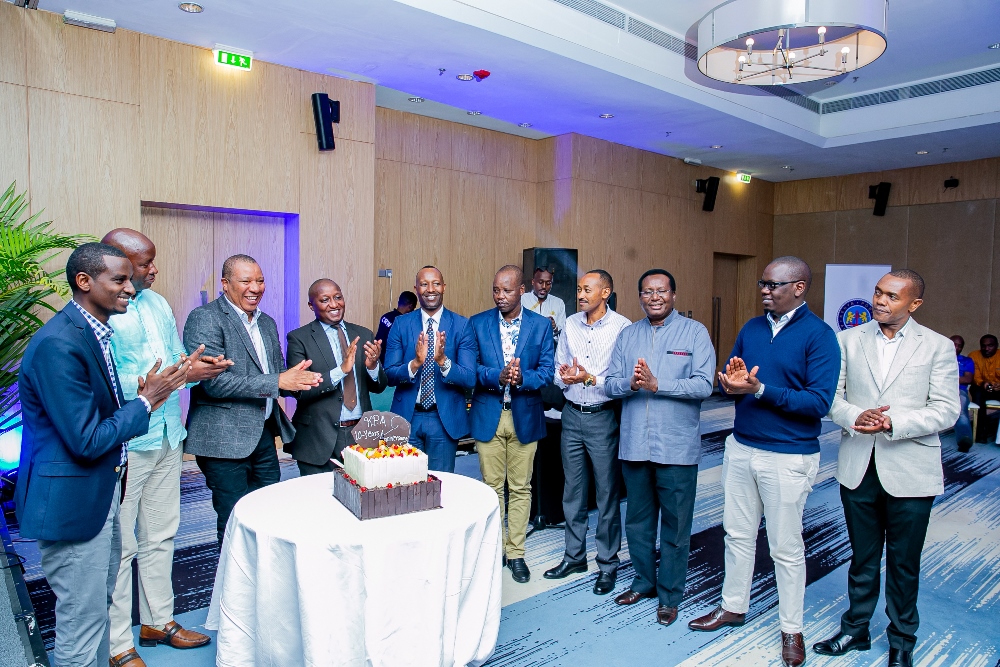
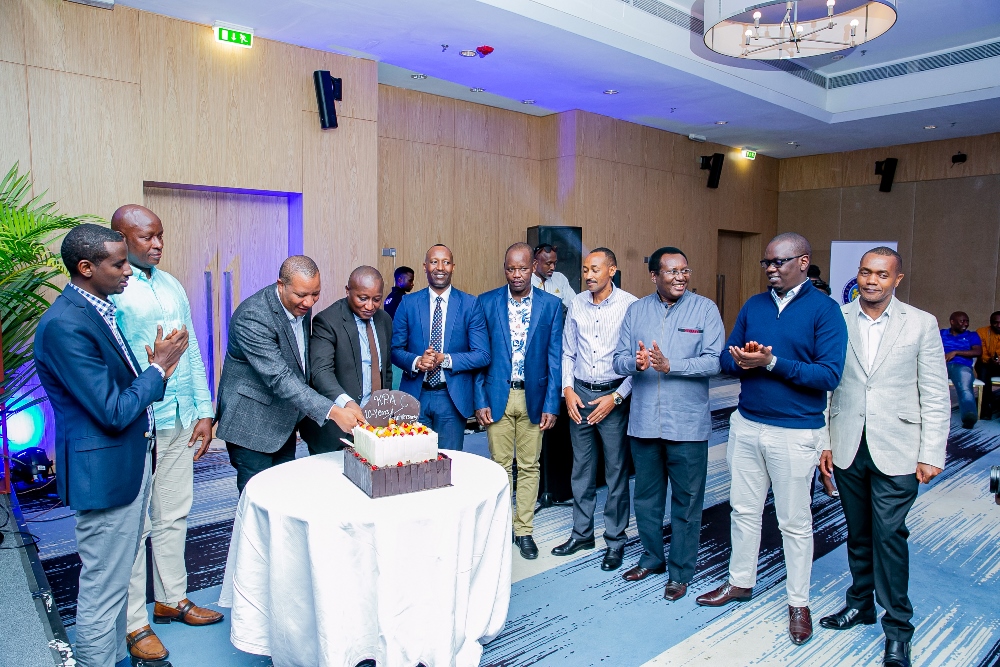
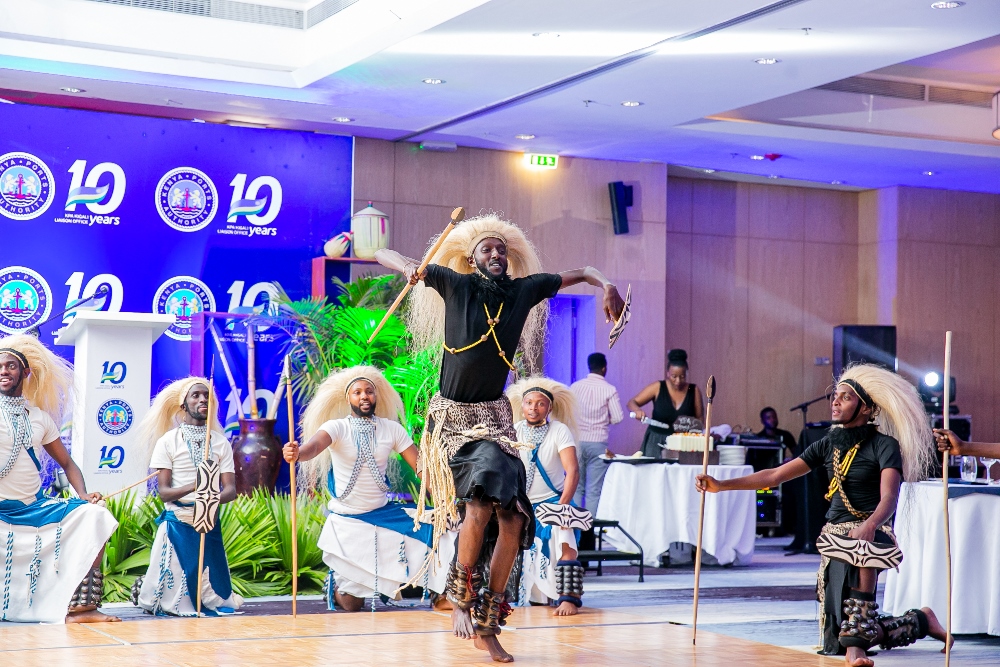
The office was officially opened on July 19, 2013, to bring port services closer to Rwanda-based clients without having to travel to Mombasa to follow up on their cargo or queries.
This, according to the authority, helped clients reduce the cost and time of doing business and also access customer support at the office.
The Kigali Liaison office was established to bring port services closer to the Rwanda clients without having to travel to Mombasa to follow up on their cargo or queries. This helped clients reduce the cost and time of doing business and also access customer support at the Liaison office. The Liaison office implements a Marketing Strategy based on three pillars, namely Customer Engagement, Business Development, and Stakeholder Management.
The presence of Kigali office for the last 10 years has supported the growth of Rwanda market and enabled the utilization of Single Customs Territory (SCT) regime of cargo clearance to have an end-to-end process by Rwanda Clients from 2014.
Partnerships with Key stakeholders like the Ministry of Infrastructure (MININFRA), Ministry of Trade and industry (MINICOM), Rwanda Revenue Authority (RRA), Private Sector Federation (PSF), Rwanda Freight Forwarders Association (RWAFFA), and Business Management Organizations among others have also been forged to improve trade facilitation.
Other key achievements include empowering clients to use cargo tracking software, KWATOS, and SAP Biller Direct portal for cargo clearance and payment of port charges. KPA also engaged in Corporate Social Initiative such as participation in Umuganda events (monthly community clean-up exercise) and issuing community-based health insurance to vulnerable members in the society among others.
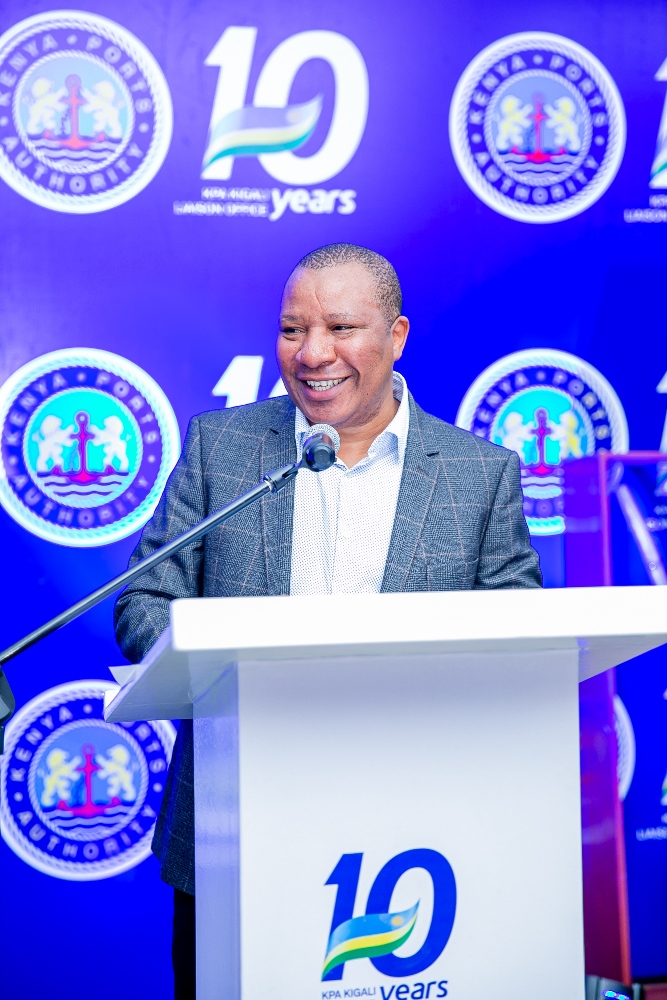
Speaking at the celebration held at Marriott Hotel Kigali on Friday 21st July 2023, the Chairman of Kenya Port Authority (KPA), Benjamin Tayari disclosed that the authority is implementing plans to upgrade ports cargo handling facilities, support the development of special economic zones, and ensure the development of hinterland infrastructures to ease cargo offtake from the port as well as eradicate non-tariff barriers along the northern corridor.
“As we celebrate ten years since we opened the Kigali office, let us take count of the milestones we have achieved and the essence of the symbiotic relationship that has enabled us to come this far. While we may have experienced some challenges along the way, we have even better reasons to work harder, going forward to grow our region,” he stated.
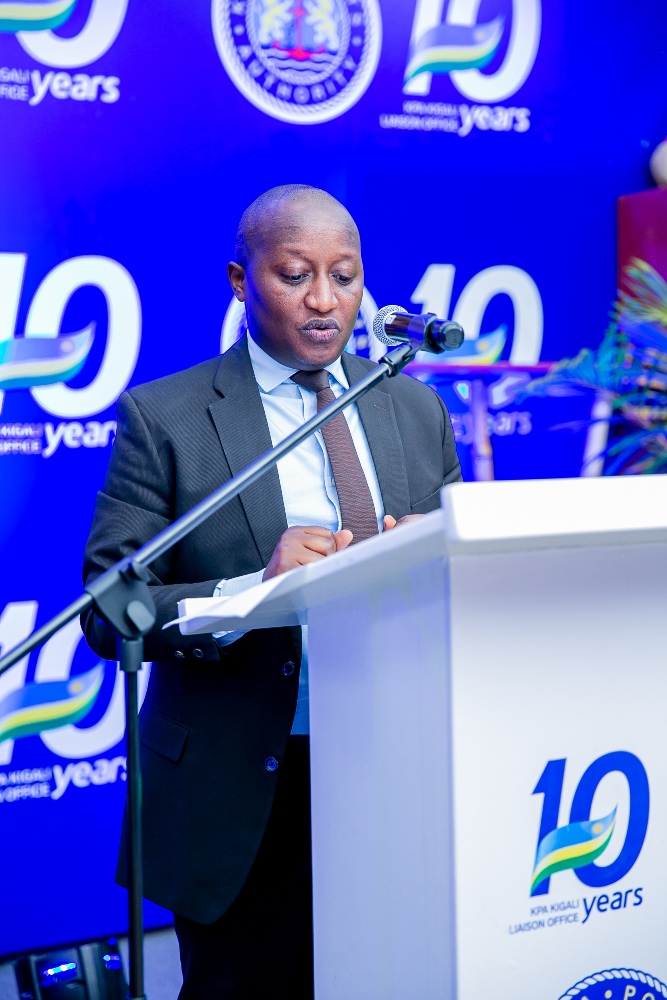
The Managing Director of KPA, Capt William Ruto, commended the Government of Rwanda for unwavering support and cooperation over the past decade.
“It is through visionary leadership and commitment to fostering regional integration that we have been able to forge this fruitful partnership. The establishment of our office in Kigali has been a testament to the strong bonds of friendship and cooperation between our nations,” he noted.
Ruto underscored that the presence of KPA in Rwanda over the past ten years has not only served as a gateway for goods coming into and leaving Rwanda but has also acted as a catalyst for the development of a robust logistics network in the region.
“Prior to the establishment of this office, we had continued to witness a growth of imports to Rwanda through the Ports of Mombasa, which increased to 247,730 tons in 2012 from 216,306 during the period. Exports also increased from 9,787 tons to 12,508 tons during the period,” he revealed.
As Ruto explained, the KPA office in Kigali helps to execute documentation and cargo tracking for consignments that are at the Port of Mombasa.
Equally, clients can directly pay to the Kenya Ports Authority either through cash bank deposits or online payments from the comfort of their offices.
According to Ruto, the office has so far contributed to the reduction of time taken on responses to queries such as the status of cargo and verification of port charges.
“In 2022, our transit traffic posted a significant growth of 7.3 percent to record 10.23 million tons against 9.54 million tons recorded in 2021. It is impressive to note that among the transit markets, Rwanda recorded the highest growth of 132.7 percent or 245,104 tons after registering 429,857 tons in 2022 against 184,753 tons in 2021. The figures are a testament to the importance of this office on our overall business,” he stated.
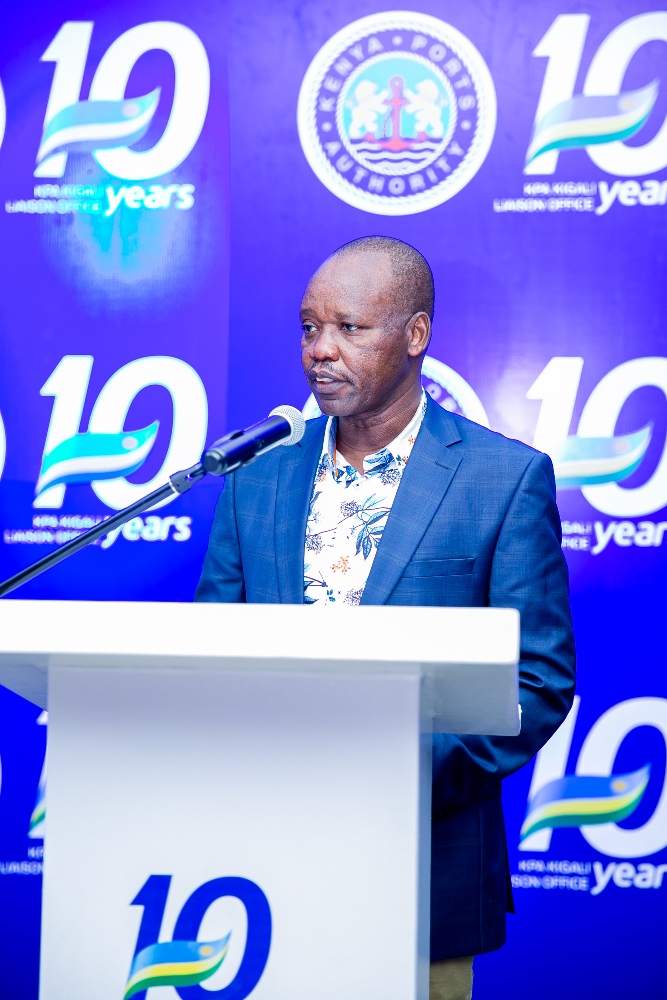
Abiel Abimana, the Permanent Secretary in the Ministry of Infrastructure, graced the occasion as the guest of honor and emphasized the significance of KPA’s 10th anniversary, particularly highlighting the importance of the Kigali liaison office. He expressed appreciation for the authority’s efforts in bringing services closer to Rwanda, leading to reduced transport costs and improved trade.
Abimana praised KPA for its dedication to supporting the implementation of a single customs territory, which has resulted in notable improvements in customs clearance processes.
He emphasized the crucial role that transport infrastructure and services play as key drivers of economic growth while acknowledging the challenges faced in the region, especially concerning logistics and transport.
The Permanent Secretary advocated for a more frequent forum that brings together concerned stakeholders to address barriers and challenges encountered by the business community.
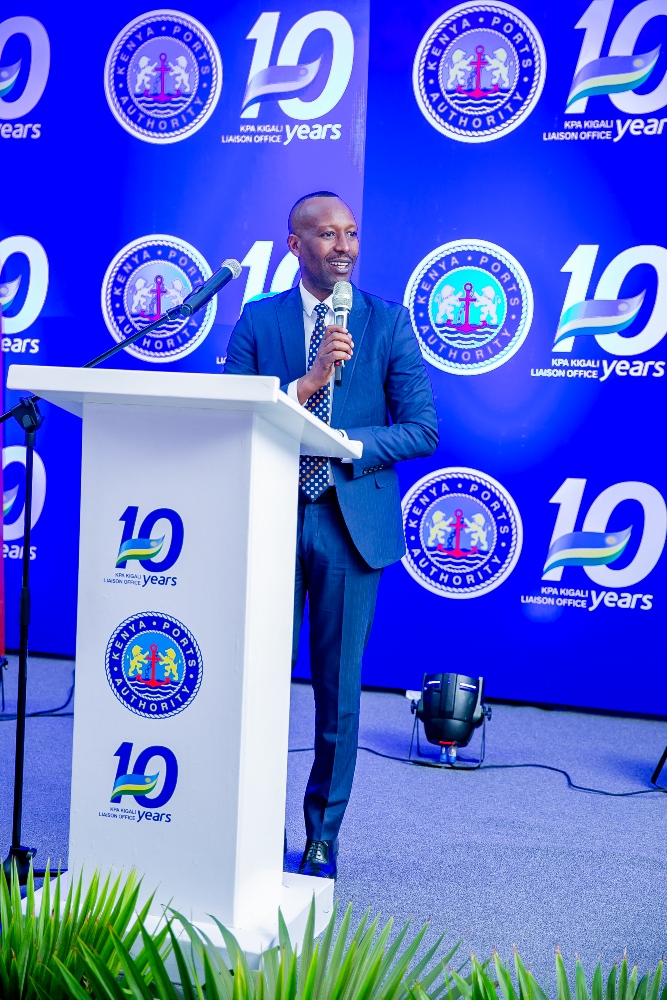
Fred Seka, the CEO of Gorilla Logistics and Chairperson of the Federation of East African Freight Forwarders Association (FEAFFA), acknowledged the shared journey of growth in Rwanda’s economy with KPA. He recalled the challenges they encountered in the past, particularly concerning the use of the Port of Mombasa, and expressed gratitude for the joint efforts of Rwandan and Kenyan governments in overcoming these obstacles.
Seka highlighted the positive impact of integrating the East African Community and establishing KPA’s office in Rwanda, facilitating smoother business operations, including efficient handling of shipments and bills at the Port of Mombasa.
He applauded the accomplishments achieved over the past decade, such as reduced transit times, streamlined customs processes, and the expanded reach of the border to the Port of Mombasa. Seka praised the dedication of Captain William, the Managing Director of KPA, and the Kenyan government in their commitment to enhancing infrastructure.
He extended his gratitude to the Rwandan business community for their unwavering support and cooperation with the KPA office in Rwanda. Seka also called for efficient customer service and prompt resolution of issues, further strengthening business relations.
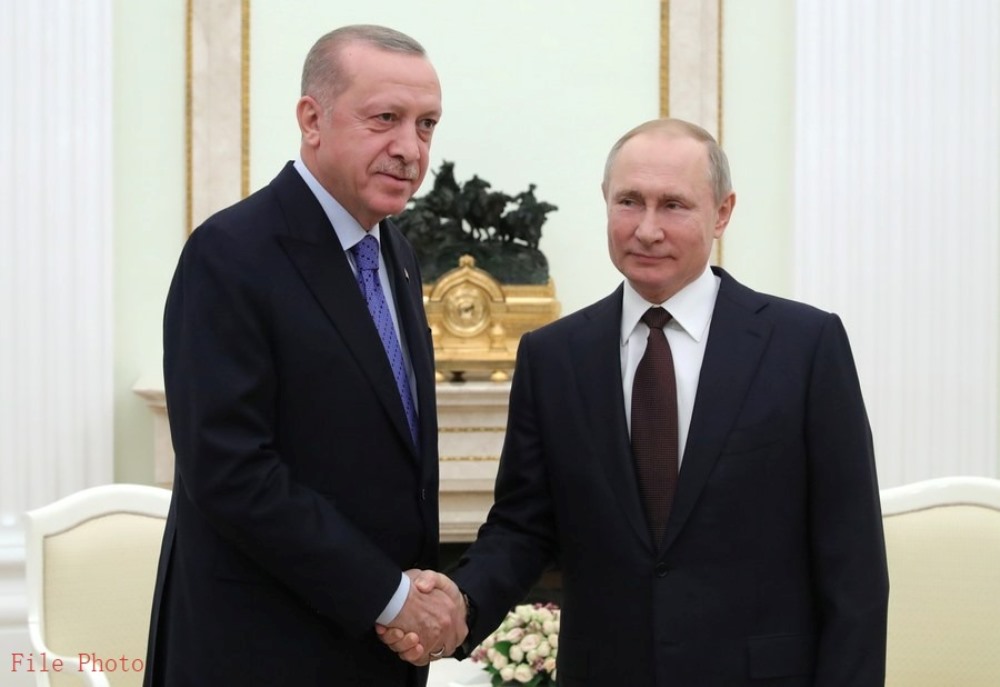
“The termination of the Black Sea Grain Initiative will have a series of consequences, ranging from an increase in global food prices, famine in some regions, to potential new waves of migration,” Erdogan told reporters on his flight back to Türkiye.
“I believe we will ensure the continuation of this humanitarian movement by discussing the issue in detail with Mr. Putin,” he said.
The statement came after a quartet meeting was held by the delegations of Turkey, Ukraine, Russia, and the United Nations in Istanbul. (Xinhua)
The Turkish president noted that Moscow’s expectations of the grain initiative should also be met.
“We know he also has some expectations from Western countries. Western countries need to take action in this regard,” Erdogan said.
The president said he planned to have a phone conversation first and then discuss the issue face-to-face.
“If Mr. Putin’s planned visit in August takes place, we will discuss these issues in detail. I believe we will ensure the continuation of the Black Sea Grain Initiative before the process is prolonged,” Erdogan said.
Russia has complained that its demands to improve its own grain and fertilizer exports have not been met, and refused to extend the grain deal on Monday.
Russia and Ukraine signed separately with Türkiye and the United Nations the Black Sea Grain Initiative in Istanbul in July 2022, which allowed Ukraine to export its grain and other agricultural products from its Black Sea ports.
The initiative, which was initially valid for 120 days, was extended in mid-November 2022 for another 120 days until March 18, 2023. Russia then agreed to extend the deal for only 60 days. On May 17, Russia agreed to extend the deal for another 60 days.
The 42-year old suspect was intercepted in Ngororero village, Kabeza cell of Ngororero sector following a well coordinated operations by the Police, local leaders and residents.
He had concealed the narcotics in a bag, according to Chief Superintendent of Police (CIP) Mucyo Rukundo, the Police spokesperson for the Western region.
“He was always moving with a bag, which raised residents’ suspicion to be a drug dealer, prompting them to report to local leaders and the Police,” said CIP Rukundo.
Indeed, when Police officers searched him, they recovered 995 pellets of cannabis in his bag leading to his immediate arrest, he added.
The suspect disclosed that he bought quantities of the severe narcotic drug from another big dealers, who sneaks them into Rwanda from the Democratic Republic of Congo (DRC).
The suspect, who was handed over to RIB at Ngororero station, said he intended to traffic the narcotics to his clients in City of Kigali.
CIP Rukundo lauded the impact of community policing and neighborhood watch in particular, in identifying suspected criminals such as drug dealers.
The law provides an improvement of 20 years to life, for anyone convicted of trafficking and selling cannabis and other narcotics classified as very severe in Rwanda.
Other very severe narcotic drugs include heroin and cocaine.
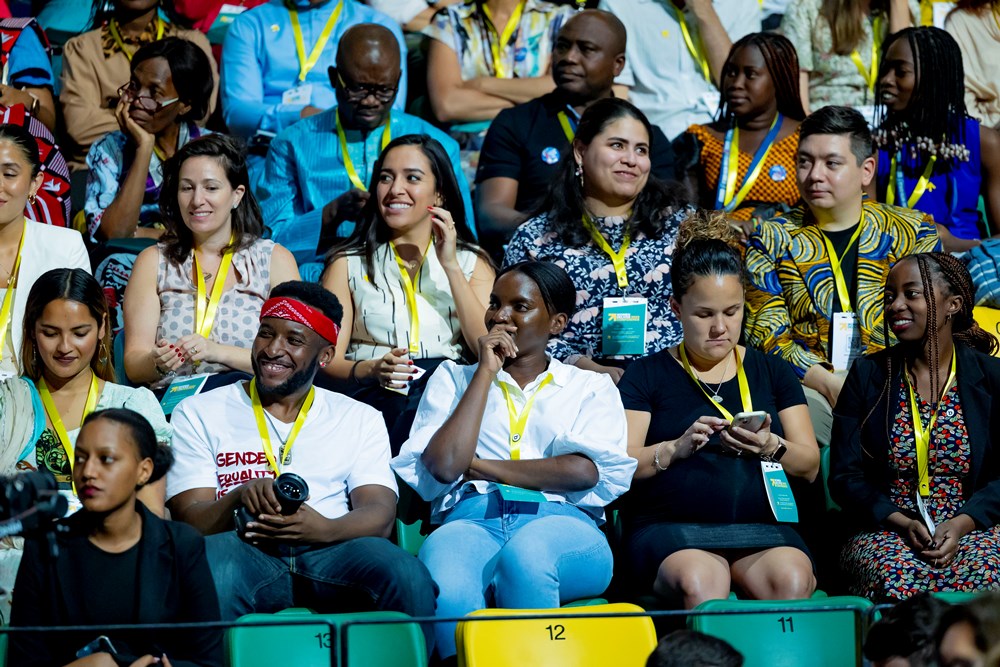
During the conference, IGIHE spoke with some of the conference participants and captured their key takeaways.
Lilliane Umutoni, a participant from Rwanda who attended a session on ‘The Power of Choice: Fostering Partnership to Realize Bodily Autonomy’ hosted by UNFPA, expressed deep gratitude for the conference.
“I’m incredibly grateful to have attended this conference. Until today, I wasn’t aware of my own power to positively impact someone else’s life. I now realize that from where I stand, I can make a difference and my pledge is to empower a girl somewhere, in whatever way possible,” she shared.
Line Aggernaes, a senior advisor in sexual and reproductive health and rights from the Ministry of Foreign Affairs of Denmark, hailed the decision to host the conference in Africa.
She appreciated the diversity among the participants and acknowledged that often, despite holding numerous conferences and meetings and raising funds to support gender rights and SRHR, there remains uncertainty about whether those in need receive the necessary support.
“Being here today, seeing the real people at the grassroots, talking to them, and understanding their needs and aspirations is truly enlightening,” Line expressed.
Shaille Chaundhary, a campaigner with ‘Dalit Lives Matter’ from Nepal, was impressed by the passion African women exhibited for their rights. She stated, “Experiencing Africa firsthand and witnessing the passion African women have for their rights is truly inspiring. Seeing things from their perspective changes how we perceive the continent.”
Caroline Bigirimana, an advocate for sexual and reproductive health and research from Burundi, was delighted to connect with fellow women who share the same cause. “It’s heartening to see girls and women gaining access to knowledge about their bodies and the choices available to them,” she shared.
Even Abraham Famanou from Chad, a male participant, recognized the transformative power of the conference. He admitted that his understanding of gender equality and his role in promoting it has evolved. “I’ve come to understand that as a man, I play a crucial role in gender equality and combating gender violence. From now on, I’ll value and respect everyone regardless of their gender,” he asserted.
The Women Deliver Conference which was concluded on 20th July 2023 featured side events, conferences, and sessions focusing on Sexual and Reproductive Health and Rights (SRHR), gender equality, LGBTQ+, youth involvement, and other related topics. Additionally, participants had opportunities to network during breaks, and they were entertained with art, music, movies, comedy, and games at various booths.
The conference’s impact has been profound, igniting a sense of empowerment, solidarity, and a deeper commitment to advancing gender equality and women’s rights worldwide. The participants’ collective efforts and shared experiences during these five days in Kigali will undoubtedly pave the way for transformative changes in the quest for a more equitable and inclusive world.