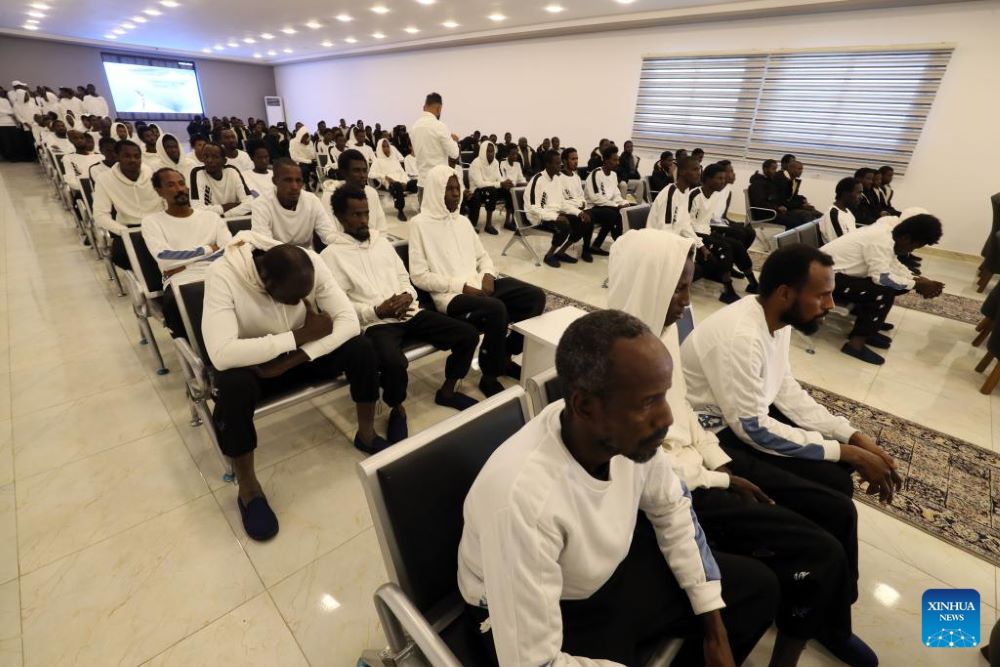
The Deputy President of the Presidency Council Musa al-Kuni, who was visiting the department at the time of the deportation, described the process as “humane and appropriate.”
“I express my gratitude to all those working in the Illegal Migration Control Department for their efforts to provide proper and humane living conditions for the migrants, despite lack of capabilities,” al-Kuni said.
Because of the insecurity and chaos in the country since the fall of the late leader Muammar Gaddafi in 2011, many migrants, mostly Africans, chose to cross the Mediterranean Sea to European shores from Libya.
So far this year, 15,057 illegal migrants have been rescued and sent back to Libya, according to the International Organization for Migration.
The central bank’s report for 2022-2023, presented to parliament Monday in the Rwandan capital of Kigali, said that the economic resilience primarily stemmed from a robust performance in the services sector.
“Despite facing various economic challenges such as a global demand slowdown, rising inflation and climate shocks, Rwanda’s economy remained resilient, with real GDP growing by 8.1 percent during 2022-2023, slightly lower than the 8.9 percent achieved in the previous year,” the report said.
It noted that Rwanda’s external trade continued its recovery path, witnessing a 29.8 percent increase in merchandise exports. This growth was attributed to the strong performance of domestic manufacturing exports and traditional commodities.
The financial year 2022-23 posed challenges for Rwandans due to high and persistent inflationary pressures and weather-related issues, which adversely affected the country’s agricultural production, read the report.
“These combined challenges increased inflation from 4.6 percent in fiscal year 2021-2022 to 18.2 percent in fiscal year 2022-2023,” it noted.
Furthermore, the report indicated that the country’s financial sector maintained sufficient capital and liquidity, with regulated institutions consistently holding capital above the required levels. Banks sustained an aggregate total capital adequacy ratio of 21.1 percent as of June 2023, surpassing the regulatory minimum of 15 percent, according to the report.
The report, however, said that Rwanda’s total trade deficit increased 29.7 percent, creating additional pressure on the local currency.
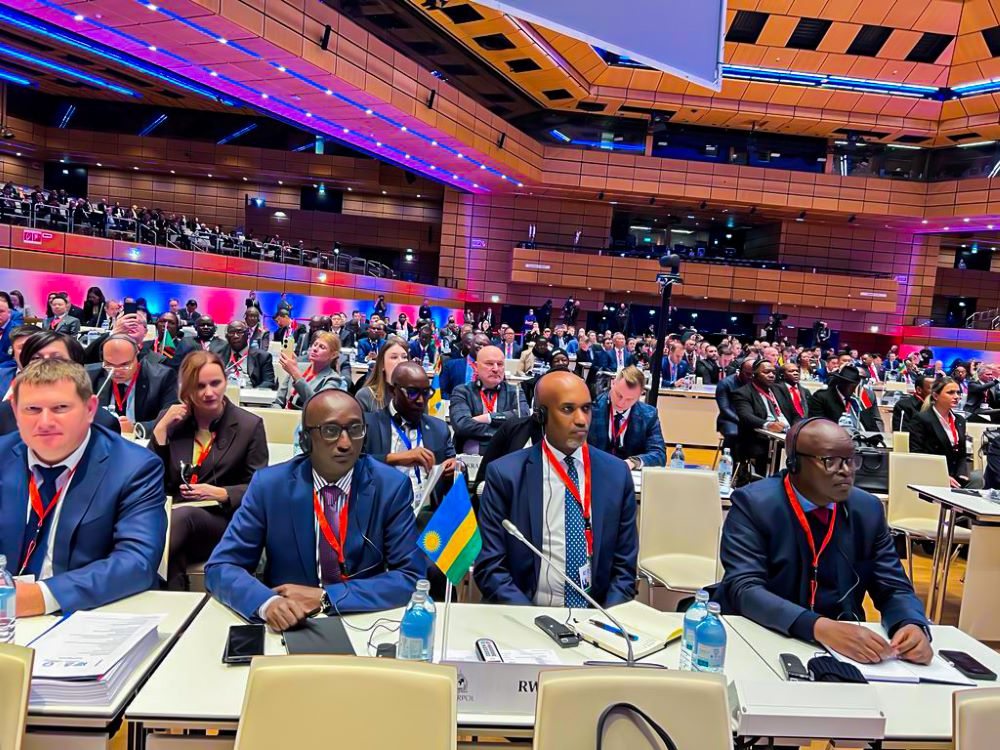
The delegation also include the Secretary-General of Rwanda Investigation Bureau (RIB), Col (rtd) Jeannot Ruhunga.
The four-day assembly, which was officially opened by the Minister of Interior of Austria, Gerhard Karner, comes at the time when the international Police body is marking its century in the same city where Interpol was created in 1923.
During the four-day conference, senior government officials, Police Chiefs and experts from across the globe, will look at the current and emerging threats, including the significant growth of transnational organized crime.
Panel of experts and policymakers will discuss the emerging trends, operational impact and preparedness; Police cooperation and use of emerging technologies by law enforcement.
They will also review critical global crime threats facing policing today, including transnational organized crime, environmental crime and preventing the proliferation of child sexual abuse material.
Infused with a substantial investment of Rwf5 billion, S&H Industries specializes in the production of three distinct types of roofing sheets, each uniquely coated with a fusion of Aluminum and Zinc, creating a durable and cutting-edge product.
Originally setting its sights on the Rwandan market, S&H Industries quickly expanded its footprint to include Gabon, the Democratic Republic of the Congo, Burundi, and Uganda.
In the financial arena, the company has proven its mettle, boasting an annual revenue ranging from six to ten million Rwandan francs, with a notable two billion Rwandan francs generated from foreign markets in the previous year.
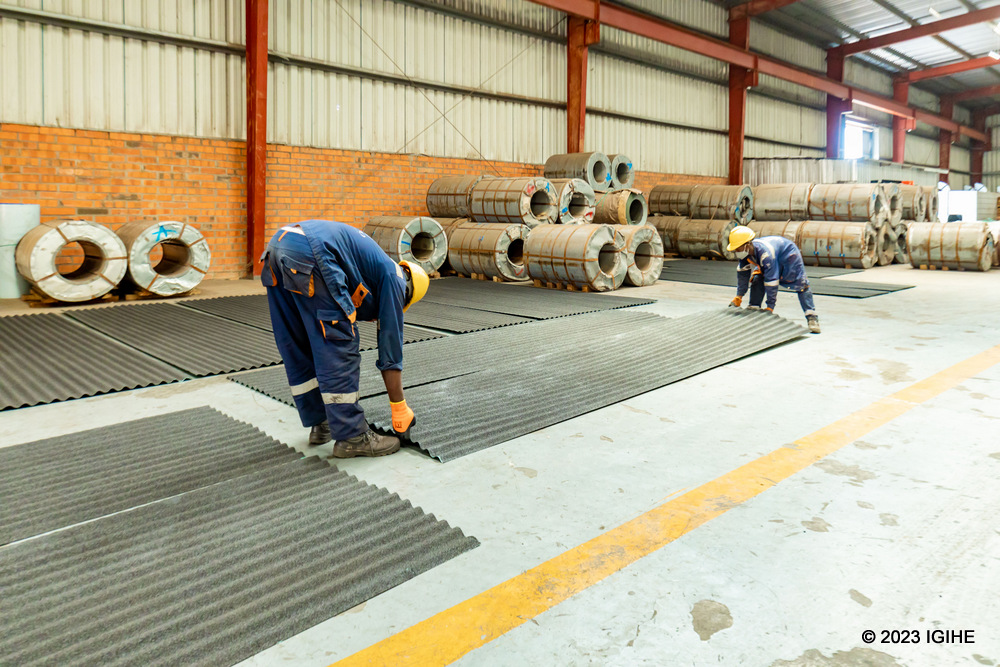
A visit to the facility reveals a workforce streamlined by automation, where 30 individuals, including 10 women and girls, work in harmony with machines to ensure efficiency. Impressively, 90% of the production process, churning out roofing sheets, is orchestrated seamlessly by these cutting-edge machines. Despite having the capacity to produce 15,000 to 20,000 square meters of metal per day, current output hovers between 2,000 and 5,000 square meters daily, influenced by various operational factors.
Sourcing raw materials globally, including sheet metal from China, India, and Korea, the final touch in the production line is the meticulous painting process. What sets this facility apart is its exclusive status as the sole manufacturer of metal-coated steel sheets in the region, utilizing stones sourced from countries such as Italy, Korea, Turkey, and others.
The price tag for a square meter of this innovative sheet ranges between US$2 and 10, reflecting its quality and versatility.
Thomas Rukundo, the Sales Manager at S&H Industries Ltd, proudly underscores the company’s pivotal role in the national economy and Rwandan society throughout the past decade. He emphasizes the positive impact through diverse projects, local employment initiatives, and internships tailored for young individuals.
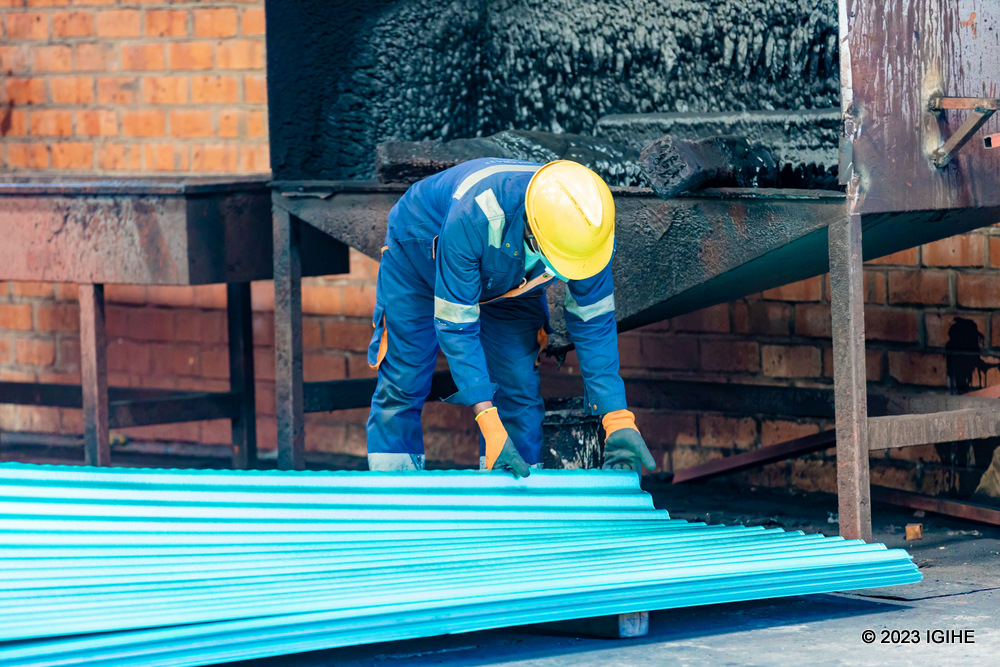
Leveraging advanced technology, S&H Industries follows a meticulous four-stage process to amalgamate metal and steel for their roofing sheets. This involves shaping the metal, lifting heavy metals, applying oil and crushed stone, and subjecting the sheets to high temperatures for optimal adhesion. The cooling process rounds off the entire production cycle, taking just an hour for the initial batch and swiftly proceeding for subsequent batches.
Over the years, he has transformed into a significant investor, extending his reach to countries such as China and the Central African Republic (CAR), where he currently leads a substantial agriculture project.
{{Agricultural ambitions in the heart of Africa}}
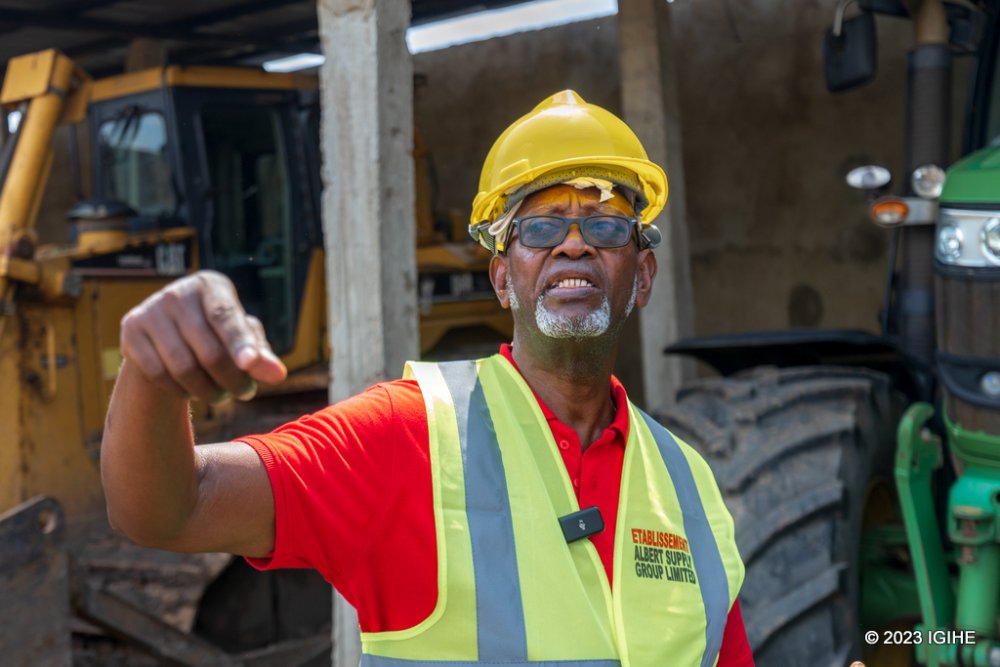
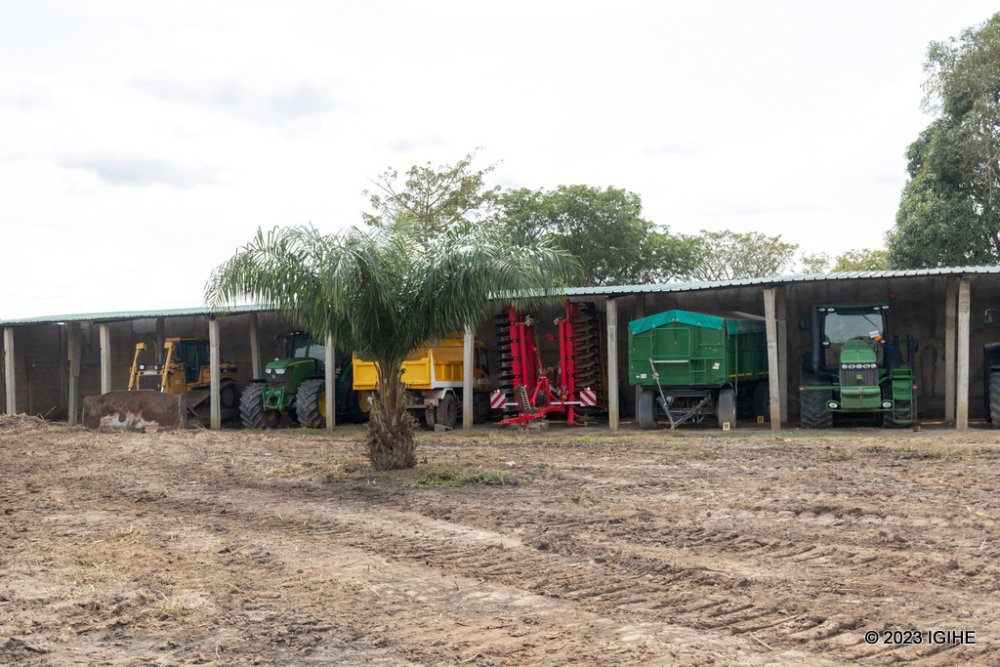
In the sprawling expanse of the Damara area in Central Africa, Nsengiyumva’s influence is palpable. His company, Albert Supply Limited, is making strides with a grand agriculture venture on 40,000 hectares, aiming to cultivate various crops and establish processing factories for agricultural produce. This venture, located approximately 100 kilometers from Bangui, is poised to bring about a transformative impact on the region’s agricultural landscape.
{{Beyond borders: A multifaceted entrepreneur}}
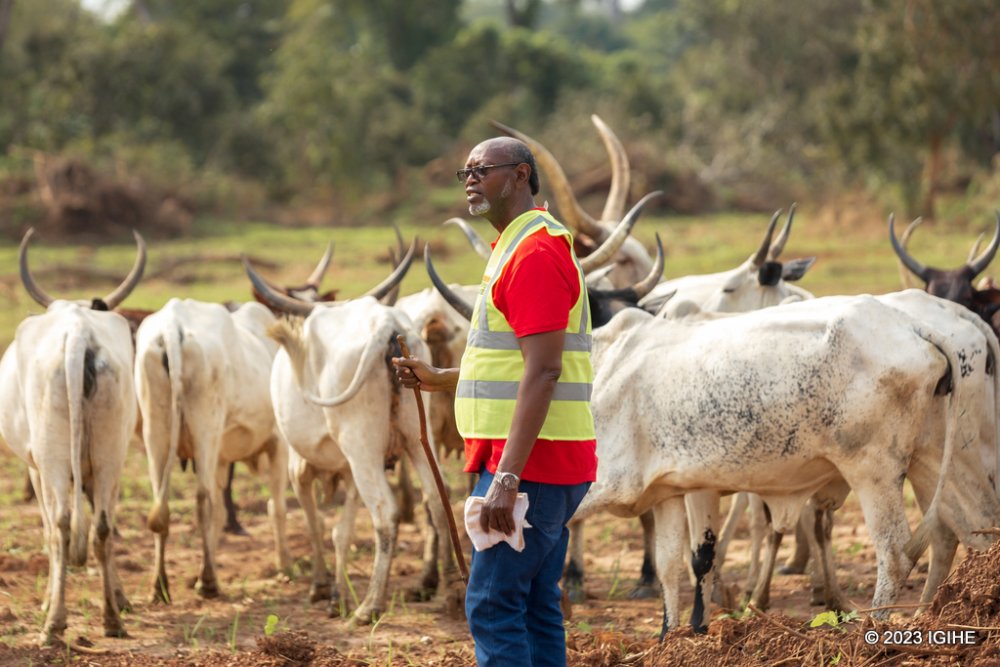
Nsengiyumva, known for his deep affinity for cattle, is not only a shrewd businessman but also an interactive individual. In the vibrant city of Kigali, his name resonates widely, thanks to his diverse ventures. Apart from his agriculture pursuits, he is the owner of Albert Supply Textile Ltd, a company manufacturing shoes and clothes, solidifying his standing among the country’s wealthiest individuals with a net worth exceeding a million dollars.
In 2017, he demonstrated his commitment to economic growth by registering a substantial investment of Rwf10 billion with the Rwanda Development Board (RDB). This investment was dedicated to the establishment of a shoe factory capable of producing 1,000 to 3,000 shoes per day, contributing significantly to the local economy.
{{From humble beginnings to global entrepreneurship}}
Nsengiyumva’s entrepreneurial spirit took root at a young age when he started his business with just one sewing machine. His journey saw him move to China in 2003, where he faced language barriers but overcame them to establish a successful factory. Despite accumulating significant wealth over the years, he remains grounded, attributing his success to his love for hard work rather than merely chasing monetary gains.
{{A vision for the future}}
While Nsengiyumva’s success is evident, he remains forward-looking. In addition to his thriving businesses in China, he is actively engaged in his agricultural project in CAR. He envisions not only personal success but also a legacy of instilling a love for work in future generations, emphasizing that genuine prosperity stems from a dedication to one’s craft.
Nsengiyumva’s journey serves as an inspiring narrative, transcending borders and industries. As he continues to cultivate success in both business and agriculture, his story resonates as a testament to the enduring power of hard work and passion.
“An elevator transporting miners up and down the shaft unexpectedly dropped 200 meters,” said a report by the eNCA, a local television channel.
A total of 88 miners were on the conveyance, the report said, quoting Johan Theron, spokesperson with the mining company.
The safety incident involving a winder rope occurred Monday afternoon at its 11 Shaft operation at Impala Rustenburg, the company said in a statement issued Monday.
The rope is connected to the personnel conveyance, which hoists employees up and down the shaft, and the conveyance comprises three levels, each with a capacity to carry 35 personnel, the statement said.
Investigations into the incident are underway, the company said.
Rwanda National Police (RNP) continues to work with the public, local authorities and other law enforcement agencies to fight this financial crime.
Last Thursday, Police arrested a 47-year old man in Gasabo District with counterfeits amounting to Rwf100,000.
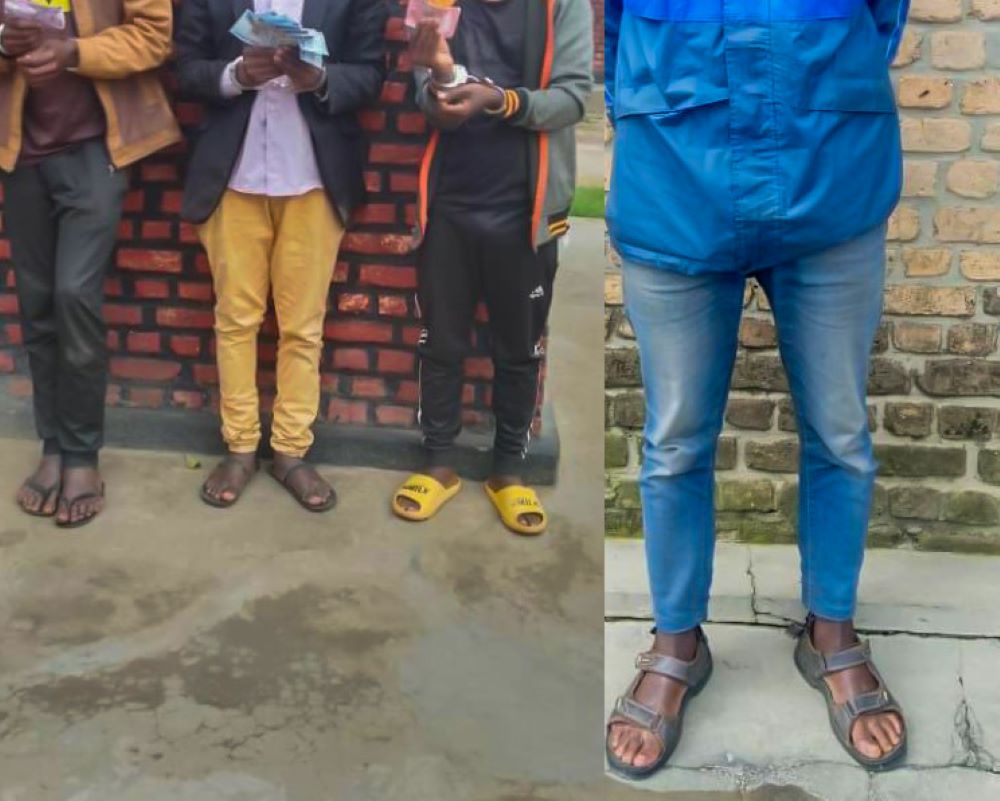
In separate operations conducted over the weekend in Nyagatare and Kamonyi districts, Police arrested four other people, who were trying to circulate counterfeit money. They were at the time found in possession of counterfeit banknotes amounting to Rwf21,000.
Three of the suspects were apprehended in Kibirizi village, Mbare cell of Karangazi sector in Nyagatare District, after they were found with bills amounting to Rwf16,000, all counterfeit.
The fourth suspect was caught with fake currency amounting to Rwf5000, in Kigembe, Gacurabwenge sector in Kamonyi district.
Superintendent of Police (SP) Hamdun Twizeyimana, the Police spokesperson for the Eastern region, said that the arrest of the trio in Karangazi, Nyagatare District, followed information provided by the people in Mbare trading centre.
“They had bought a pack of cigarette, paid a counterfeit note. When Police apprehended them, they recovered a fake note of Rwf5000 from one of them, the other had a note of Rwf2000 while their third accomplice had nine fake notes in the denominations of Rwf1000,” SP Twizeyimana said.
He added that the search is underway for the fourth member of the group and suspected head of the ring, who allegedly supplied the counterfeit banknotes.
In Kamonyi District, the suspect had paid a fake banknote at a petrol station but was reported by a pump attendant.
All the suspects were handed over to RIB for further investigations.
Article 269 of law No 68/2018 determining offenses and penalties in general, states that any person, who fraudulently counterfeits, falsifies or alters coins or bank notes which are legal tender in Rwanda or abroad, notes issued by the Treasury with its stamp or brand, either banknotes or alike that have legal tender in Rwanda or abroad, or one who introduces or issues in Rwanda such effects or notes with knowledge that they are forged or falsified, commits an offence.
Upon conviction, he/she is liable to imprisonment for a term of not less than five years and not more than seven years.
A Moroccan navy patrol vessel intercepted the boat during an assistance mission near the port of Tan-Tan, the MAP quoted an unnamed military source as saying.
The rescued people, including 55 from sub-Saharan African countries and one Cuban, were heading towards Spain’s Canary Islands, the military source said.
After receiving necessary care, the rescued migrants were handed over to the Royal Gendarmerie in the Tan-Tan port for the usual administrative procedures, the same source added.
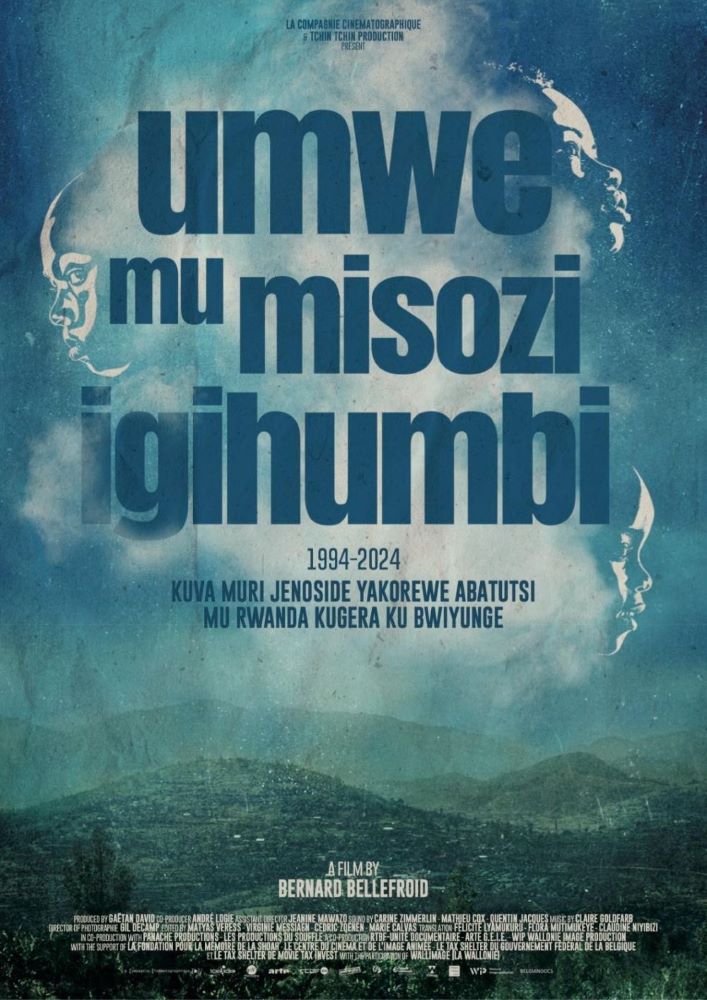
After filming the Gacaca trail of the killers of the children in 2005, Belgian filmmaker Bertrand Bellefroid revisited the crime scene in an attempt to make visible the invisible: the absence of those children.
In 2005 Bellefroid released his first film on the genocide against the Tutsi. “Rwanda, the Hills speak out” showed how survivors and assassins confront and avoid each other in the Gacaca trials, and illustrated the despair of a grandfather looking for the truth about his grandchildren. It depicted a Rwandan society struggling with the ideology of genocide ten years after the facts.
In 2023, on the eve of the 30th commemoration of the genocide, Bellefroid returned to the hill where Fidéline, Olivier and Fiacre were killed. The last days of these children are intertwined with three historical times: the memory of the genocide itself, the Gacaca trials of 2005 and the resilience of the village where those who exterminated and those who loved are resuming a common life.
Bellefroid and his belgo-rwandan film crew consider cinema to be a form of “collective martial arts”. One of the reasons that pushed them to revisit the hill is the urgency created by the ageing of the witnesses and the persistent genocide denial or minimisation. To a certain extent, the fine truth about what happened is held exclusively by the perpetrators, creating agony and a certain dependence for the survirvors. The merit of the Gacaca trials is that they created a path to a shared yet minimalistic truth, which has enabled Rwandans to move forward together over the past 30 years.
Cinematographically, the documentary shuns violent archive footage and works by shifting the attention of the viewer to the physical environment which was familiar to the three children. As such it requires a participatory effort by the public to approach the truth, to restore the children’s existence and the history of a hill for all hills.
The film was realised with the support of the Fédération Wallonie-Bruxelles (Belgium) and the Centre National de la Cinématographie (France) and is distributed by Wallonie Image Production. It is expected to be broadcast on VRT (Dutch Belgian TV), RTBF (French Belgian TV) and Arte (French-German channel) in April 2024 for the 30th commemoration of the genocide against the Tutsi.
The peace accord, a response to years of Rwandan turmoil, compelled various factions to align with its objectives. While the reigning regime grappled with internal dissent, a pivotal decision emerged — a collaboration with the RPF Inkotanyi, advocates for a united and democratic Rwanda.
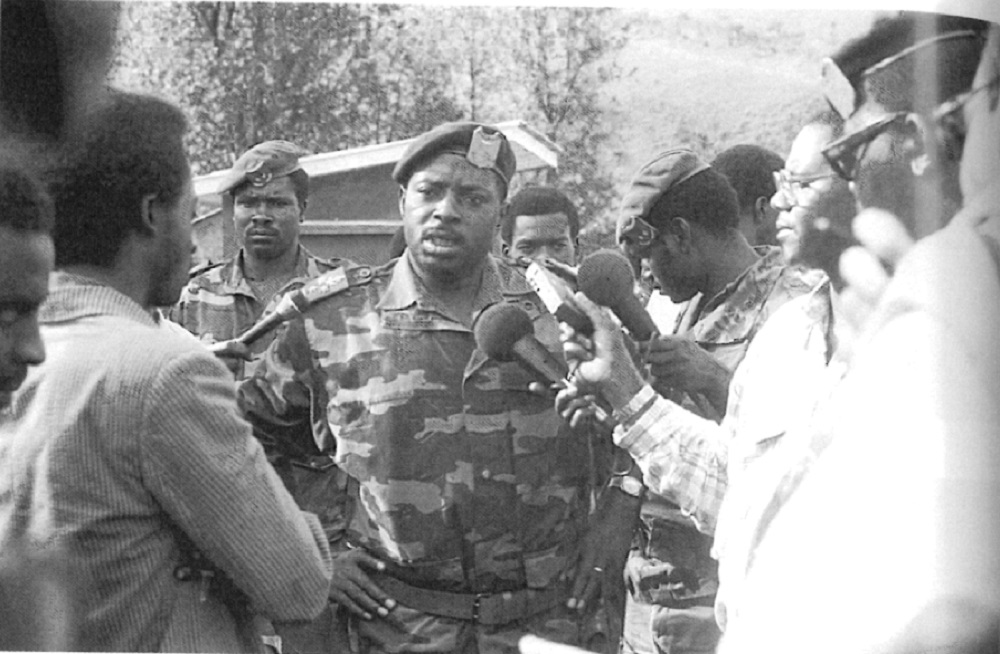
Despite this alignment, tensions arose over the proposal to create a demarcation between the EX-FAR and RPA Forces. At the helm of this divergence was Gen Nsabimana, then Defence Chief of Staff, who staunchly insisted on pushing back opposing forces from the battlefield.
On October 1, 1990, the struggle for the liberation of the country commenced. The RPF Inkotanyi fought to emancipate Rwandans from the clutches of an oppressive regime that propagated inequality, injustice, and targeted Tutsis across the nation.
The Arusha Peace Agreement, signed on August 4, 1993, mandated international forces’ involvement in its implementation. Gen Romeo Dallaire’s arrival in Rwanda in August 1993 marked a turning point, as it was concluded that UN forces should intervene to restore peace and support the accord.
On October 5, 1993, the United Nations peacekeeping mission, MINUAR, was established to enforce the Arusha Agreement. It sought to find common ground between conflicting parties while upholding the agreement’s key provisions.
Gen Dallaire, witnessing the devastating impact of the war, proposed a strategy, kept confidential until February 1, 1994, suggesting that soldiers from both sides engage at a distance to avert further conflict. Despite these efforts, extremists in Habyarimana’s government persisted in undermining the peace plan.
A pivotal meeting on February 2, 1994, brought together Gen Dallaire, Maj Gen Déogratias Nsabimana, Maj Gen Augustin Ndindiriyimana, and Maj Gen Paul Kagame, who commanded RPA soldiers.
Gen Dallaire, in his book ‘Shake Hands with The Devil,’ recalled it as the first encounter between these rivals. In this diplomatic exchange, he served as a linguistic bridge, translating for Kagame and Nsabimana to avoid misunderstandings and expedite proceedings.
The meeting, attended by military officers from both sides, aimed to discuss increasing the distance between opposing forces. A map, revealing that 75% of EX-FAR forces had to withdraw or surrender control of critical assets to UNAMIR, became the focal point.
Maj Gen Paul Kagame, overseeing the RPA forces in Mulindi, maintained a stoic silence, constrained by limited space near the Ugandan border. Gen Nsabimana, confronted with the map outlining the withdrawal area, voiced frustration about the army’s retreat.
Despite initial resistance, the EX-FAR forces eventually conceded to the necessity of positional changes, ensuring a safe distance between conflicting forces.
Gen Dallaire’s belief in direct discussions among military leaders as a catalyst for the Arusha Agreement’s success, however, faced political complexities that hindered its implementation. The rejection persisted until the RPA Army intervened, halting the Genocide against the Tutsi in July 1994.