The SNA chief Ibrahim Sheikh Muhidin said senior al-Shabab commanders were among the dead during the military onslaught against the al-Qaida linked terrorist group which were conducted on Saturday and early Sunday.
“The al-Shabab terrorists suffered heavy casualties and lost 76 fighters during operations conducted in the past two days,” Muhidin said.
He added that the military onslaught destroyed al-Shabab bases and vehicles, adding that troops were making progress in vanquishing the militants from their strongholds in central and southern Somalia.
Al-Shabab extremist group that is fighting to topple the government has been facing enormous pressure and offensive from government forces backed by the local militia in central Somalia.
The extremist group was driven out of Mogadishu in 2011, but the terror group is still capable of conducting attacks, targeting government installations, hotels, restaurants and public places.
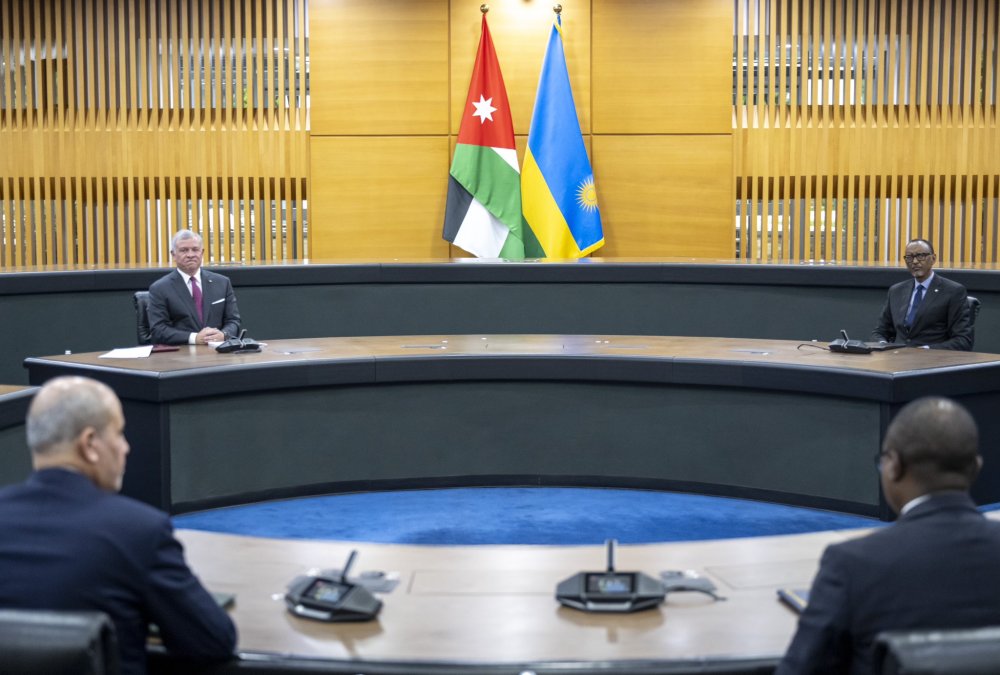
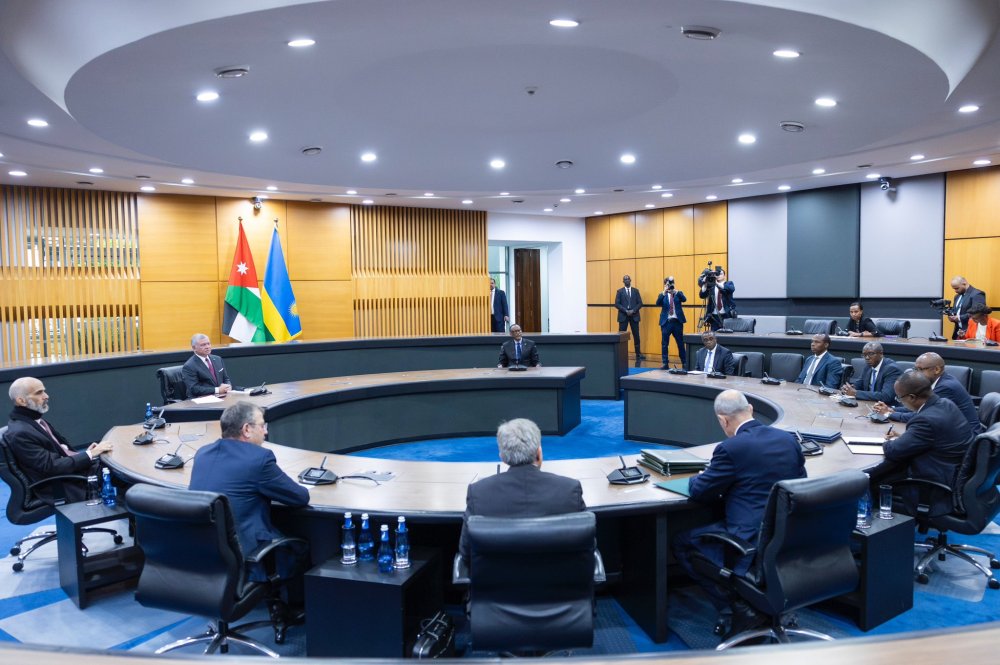
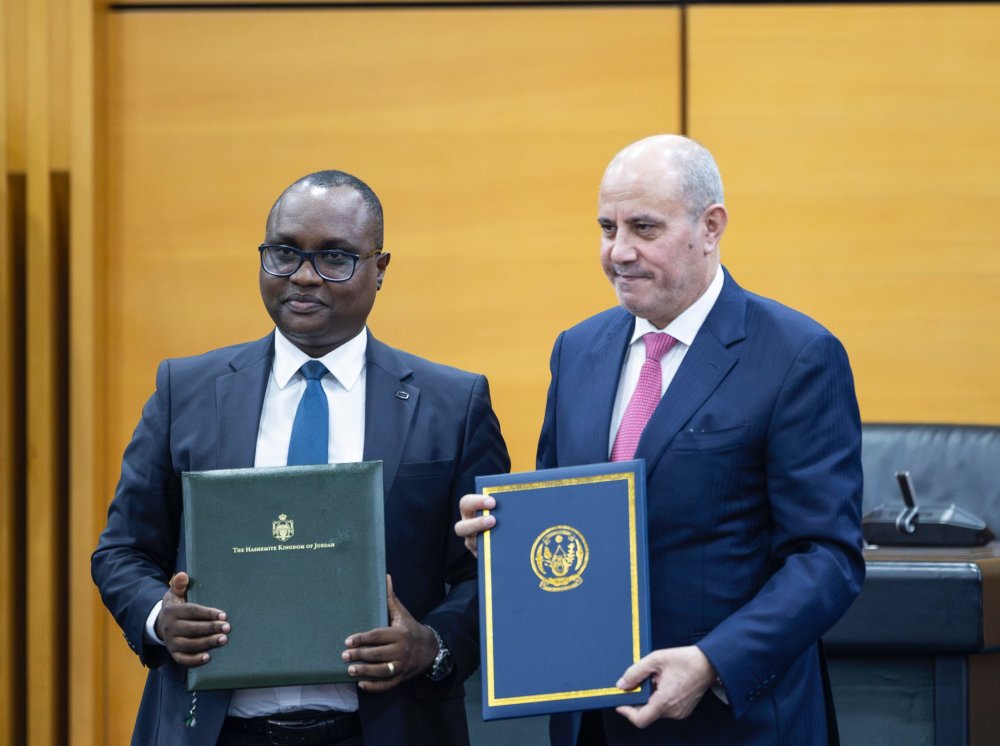
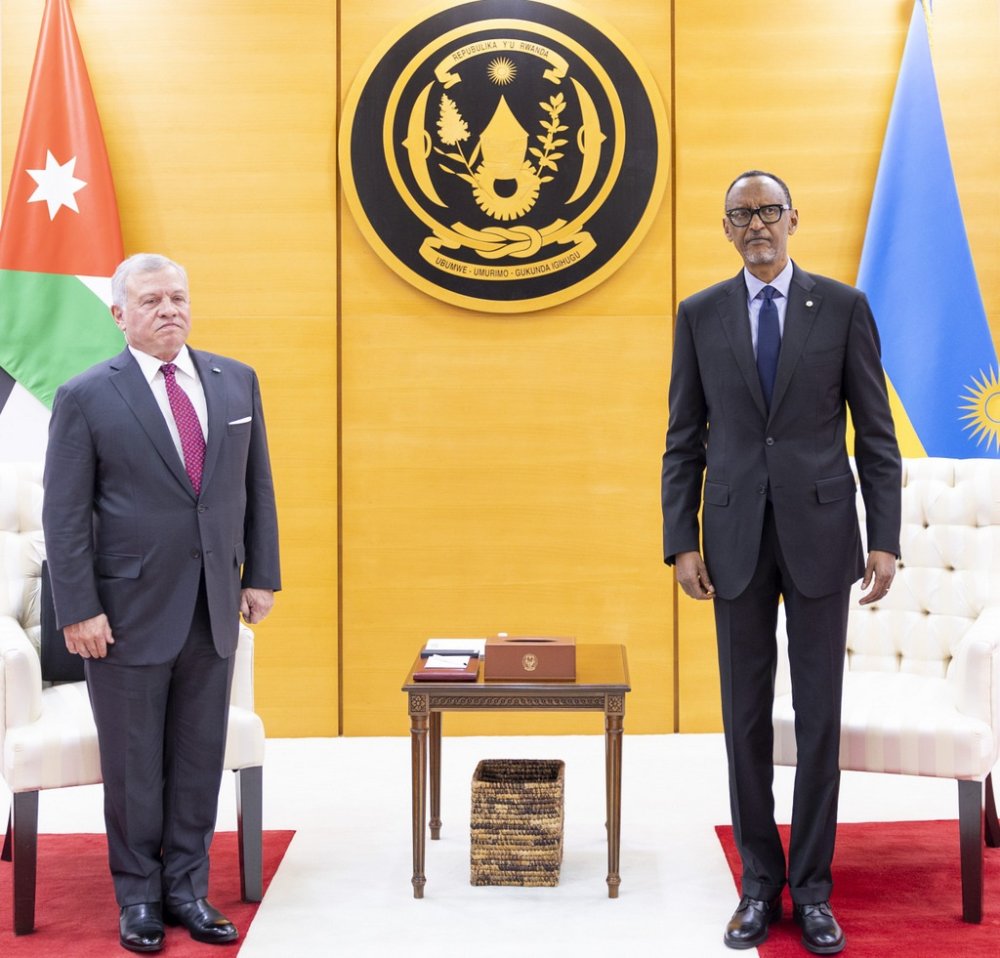
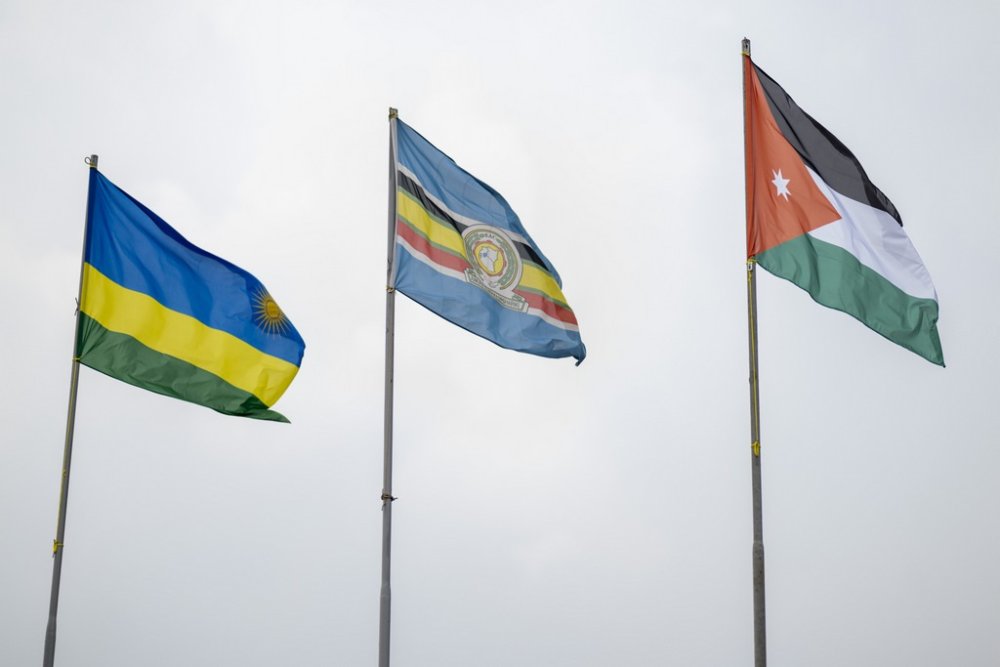
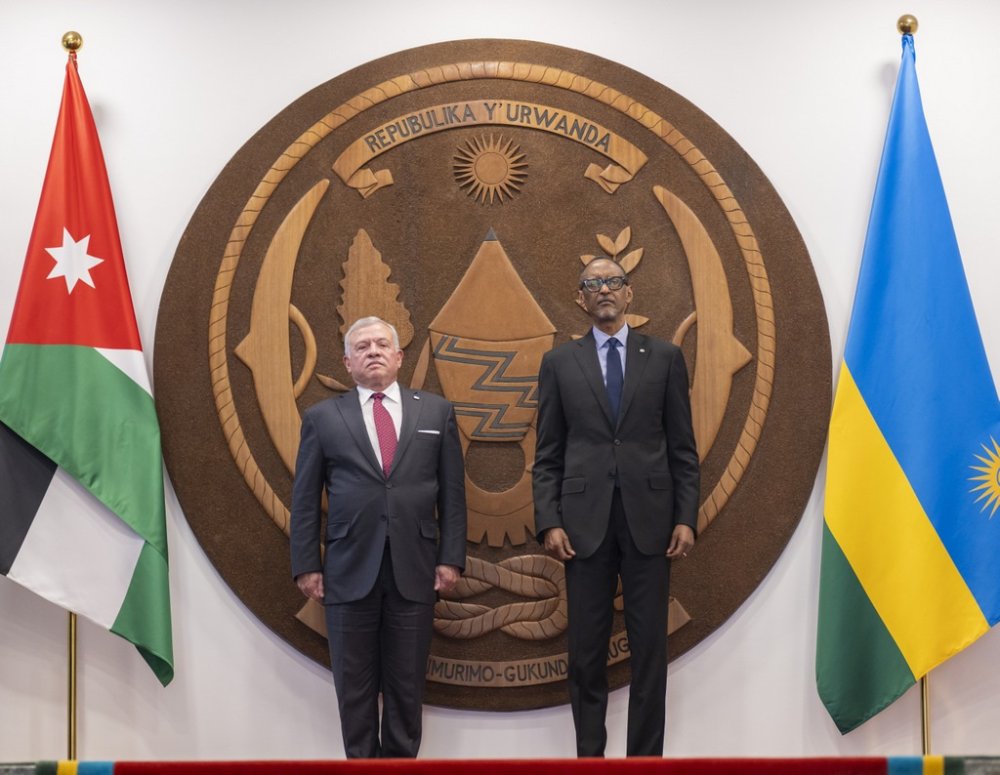
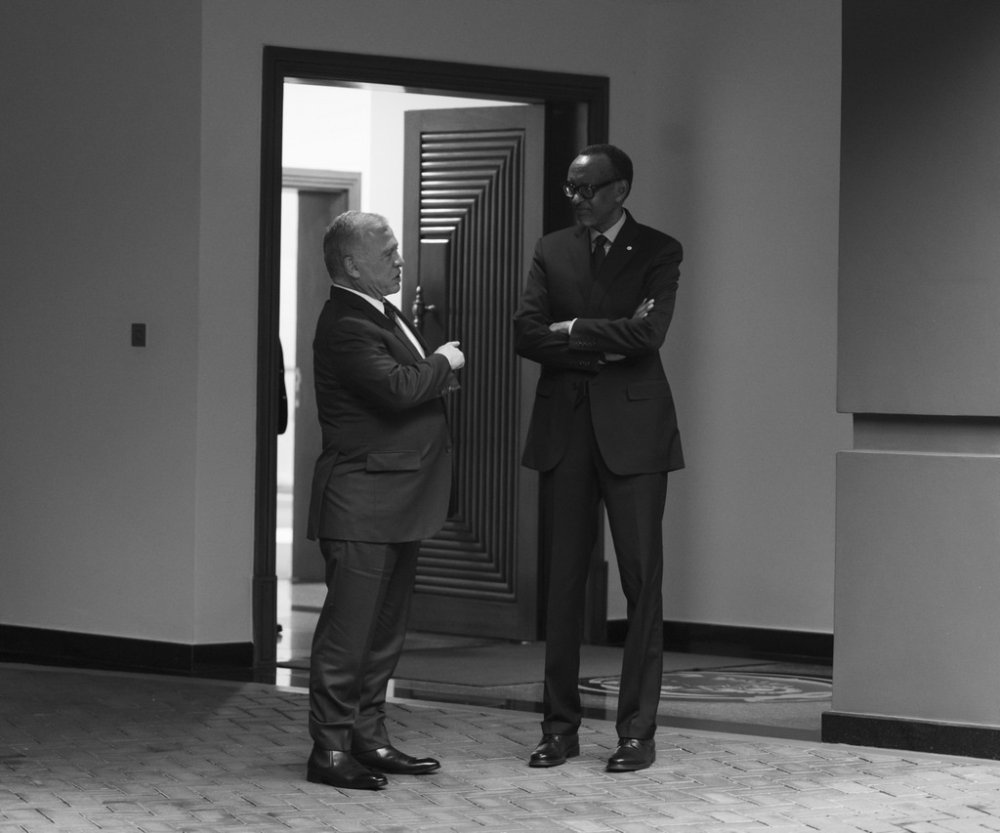
The signing ceremony transpired following discussions between President Kagame and King Abdullah II, with government representatives from both nations in attendance. In addition to the comprehensive cooperation pact, agreements were inked on the same day concerning the elimination of double taxation on income and the prevention of tax evasion and avoidance.
These newly signed agreements complement existing accords in areas such as political consultations, aiming to foster cooperation in trade and investment, tourism, and agriculture.
Among the Rwandan dignitaries present at the ceremony were Minister of Foreign Affairs Dr. Vincent Biruta, Minister of Trade and Industry Prof. Jean Chrysostome Ngabitsinze, CEO of Rwanda Development Board (RDB) Francis Gatare, and Secretary-General of the National Security and Intelligence Service (NISS) Maj Gen Joseph Nzabamwita.
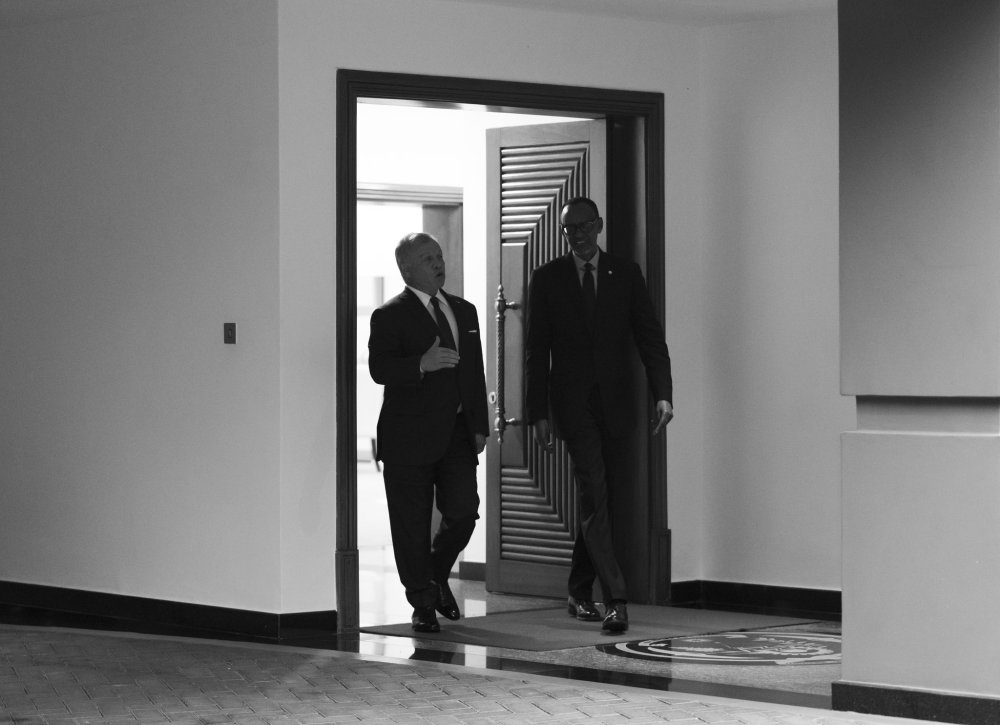
King Abdullah II’s visit to Rwanda, spanning three days, commenced on Sunday evening, with President Kagame extending a warm welcome at Kigali International Airport. In an earlier meeting with King Abdullah II in August 2023, Minister of Foreign Affairs Dr. Vincent Biruta revealed Rwanda’s intention to establish its embassy in Jordan’s capital, Amman.
In recent times, the two nations have solidified their relationship through various agreements, including the mutual waiving of visas for their citizens. Additionally, there are plans for the opening of Rwanda’s diplomatic mission in Jordan, as announced in 2023.
The commitment to enhance bilateral ties was evident in February 2023, when Rwanda and Jordan signed three cooperation agreements and Memoranda of Understanding (MoUs). These agreements covered political consultations, higher education, health and medical sciences, and visa waivers for diplomatic, service, and special passports.
Notably, Rwanda’s President Paul Kagame visited Jordan in March 2022 for a bilateral meeting with King Abdullah II. Discussions during the meeting focused on strengthening cooperation in defense and security, particularly in the shared goal of combating terrorism through the exchange of information and expertise.
King Abdullah II has played a significant role in addressing counter-terrorism and violent extremist threats. In 2015, he launched the Aqaba Process, which seeks to comprehensively tackle interconnected challenges through informal discussions centered around prevention, coordination, and ‘filling in the gaps.’
Jordan, situated in Western Asia, shares borders with countries such as Saudi Arabia, Iraq, Syria, Palestine, and Israel. With an area of 89,342 square kilometers and a population exceeding 11.4 million, Jordan remains an influential player in the region.
“There is no reconciliation or agreement with the rebels. We will fight until the militia ends, or we end,” Al-Burhan said in a video speech posted by the sovereign council on its Telegram account on Friday.
“Our battle continues until every site in Sudan is restored,” said the SAF commander.
Al-Burhan welcomed a popular campaign, or the “Sudanese Popular Resistance.” “We welcome the popular resistance, and we will arm them, but the weapons must be legalized and registered by the armed forces,” he said.
He, meanwhile, criticized the recently signed declaration between the RSF and Coordination of Civilian Democratic Forces (Taqaddum), a Sudanese political coalition led by former Sudanese Prime Minister Abdalla Hamdok.
“The politicians who signed an agreement with RSF made a mistake by talking to rebels,” said Al-Burhan, noting that “the politicians’ agreement with the RSF is unacceptable and valueless.”
On Jan. 2, the RSF and the Taqaddum signed the “Addis Ababa Declaration” to stop the war in Sudan.
According to the declaration, the RSF is prepared to immediately and unconditionally cease hostilities through direct talks with the Sudanese army.
The two parties to the declaration also stressed that sustainable peace in Sudan must be based on ending the multiplicity of armies and forming one professional army.
Sudan has been witnessing deadly clashes between the SAF and the RSF since April 15, 2023. More than 12,000 people have been killed in the fighting, according to a statement by the UN Office for the Coordination of Humanitarian Affairs in December last year.
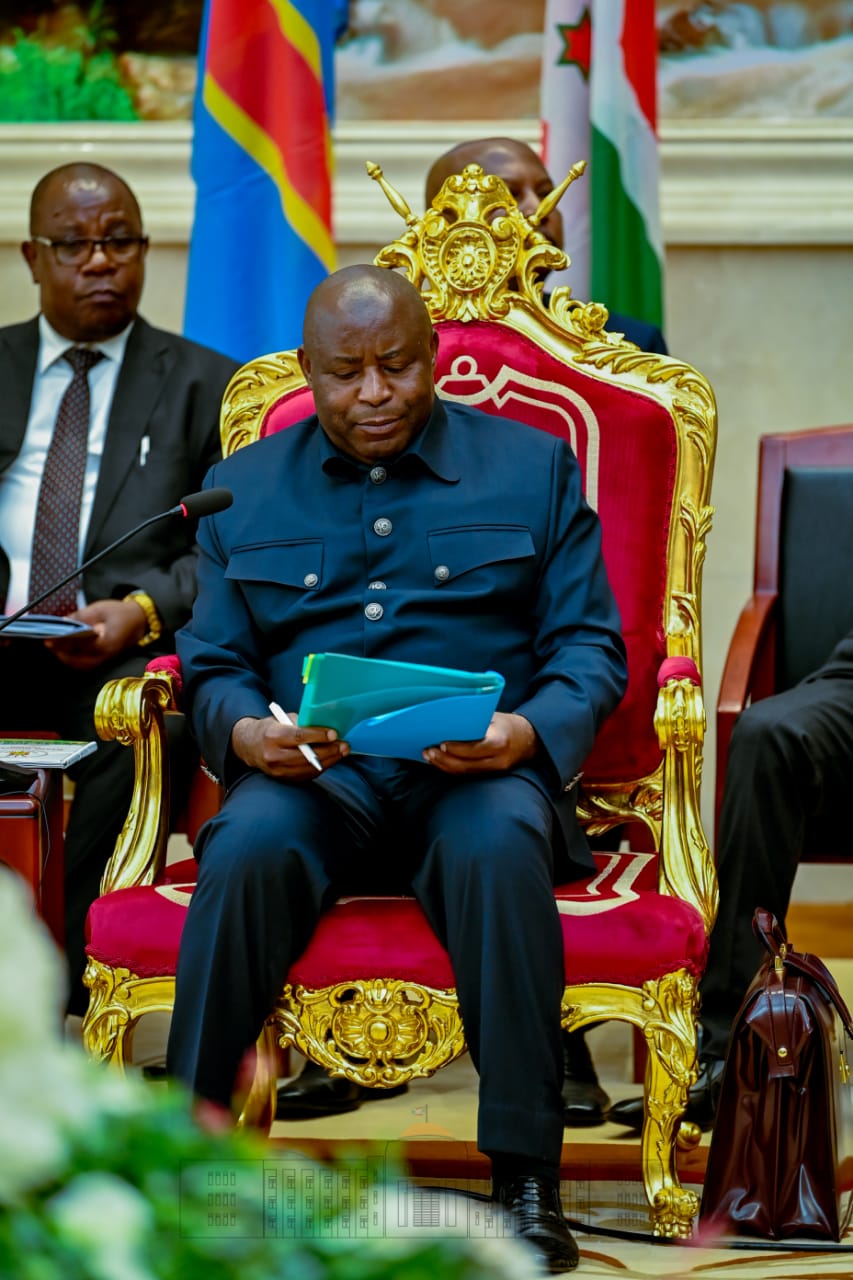
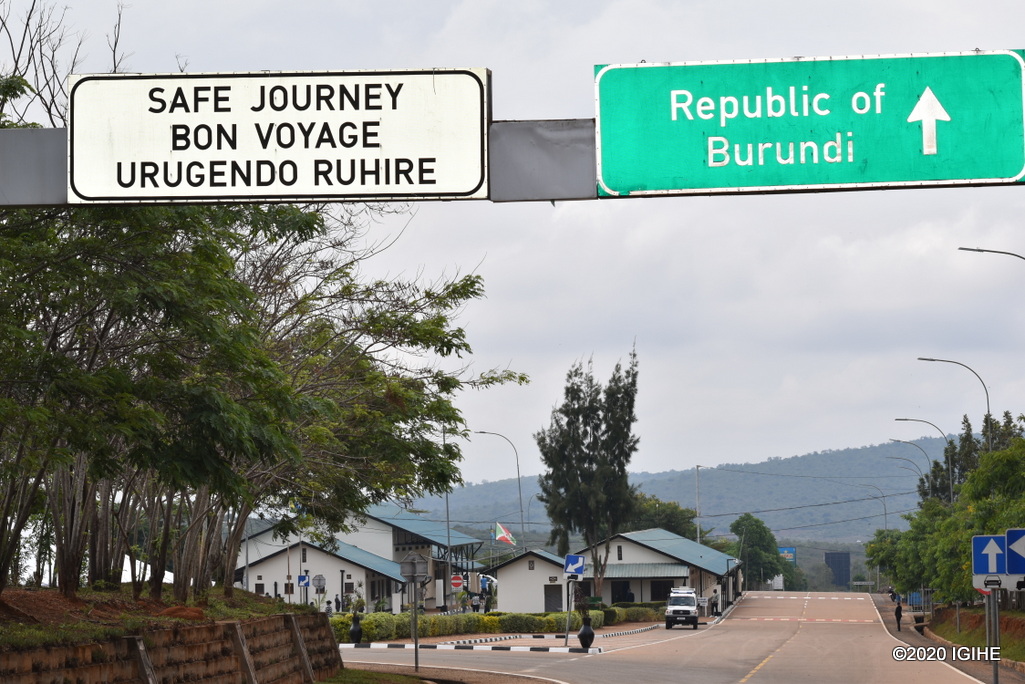
This concern arises after Ndayishimiye’s speech on December 31, 2023 (reported on January 1, 2024), where he expressed intentions to close the border again, similar to the period from 2015 to 2021. The primary accusation against Rwanda is its alleged support for the RED Tabara group, suspected of carrying out attacks in the West of Burundi near the border with the Democratic Republic of the Congo.
President Ndayishimiye attributes these attacks to defectors from RED Tabara who sought refuge in Rwanda with the aim of overthrowing the Burundian government. Rwanda promptly denied these allegations, emphasizing its commitment to peace and refuting any involvement in actions detrimental to Burundi. Despite Ndayishimiye being initially perceived as a mediator fostering improved relations between the two nations since assuming power in 2020, the sudden shift in his stance has raised questions.
The RED Tabara fighters’ entry into Burundi at the Gatumba border, coupled with the complex route through South Kivu, Congo, raises suspicions about the accusations against Rwanda. This sudden change in Ndayishimiye’s approach is particularly noteworthy given his initial role as a peacemaker between Rwanda and Burundi.
Ndayishimiye’s change in stance can be attributed to three main factors. Firstly, the ideological differences between the CNDD-FDD party in power in Burundi, which identifies itself as Hutu-centric, and Rwanda, which has moved away from ethnic-based politics since 1994. Secondly, the shame, economic challenges, and alleged involvement of the Burundian army in Congo’s affairs, motivated by internal economic issues, including a shortage of foreign currency. Thirdly, the influence of invisible external forces, potentially Western countries opposing the 2021 cooperation agreement between Rwanda and Congo, which included mutual benefits in resource processing and infrastructure development.
This unseen force, reminiscent of previous interference in the region, seems to have played a role in altering the dynamics between Burundi and Rwanda. The agreement signed between Congo and Burundi in July 2023, with Ndayishimiye seemingly sacrificing his role as a mediator in Congo’s issues, reflects this external influence. The narrative of Rwanda aiding RED Tabara, without substantiated evidence, appears to be a result of Ndayishimiye’s alignment with these external forces and his awareness of Congo’s cooperation with the FDLR, a group linked to the Rwandan genocide.
Ndayishimiye’s abrupt change in approach is multifaceted, involving ideological differences, economic challenges, and external influences that have reshaped the relations between Burundi and Rwanda. The situation underscores the complex geopolitical landscape in the Great Lakes region.
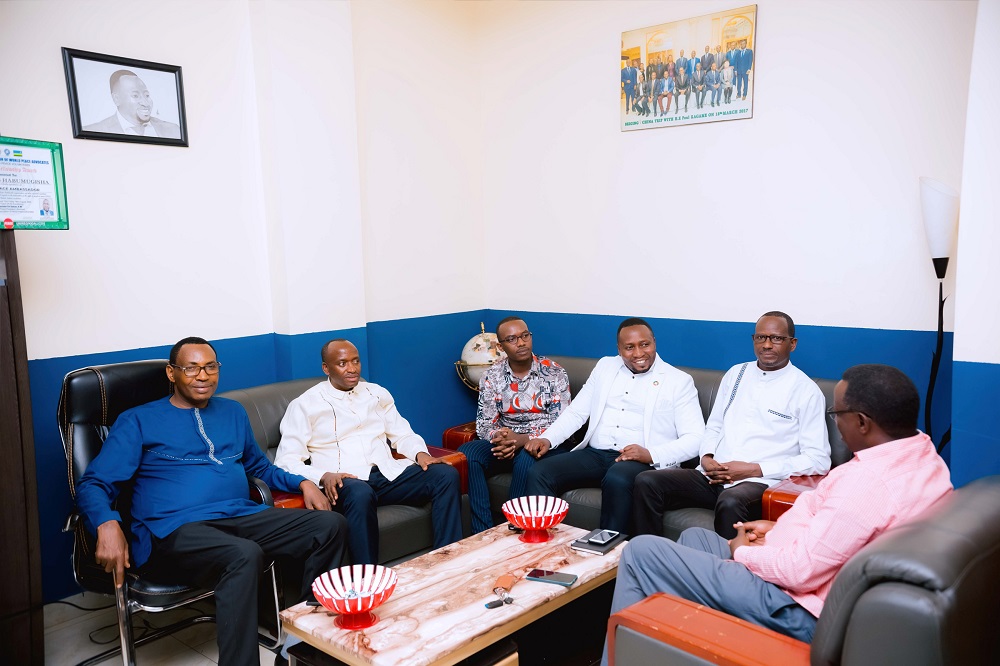
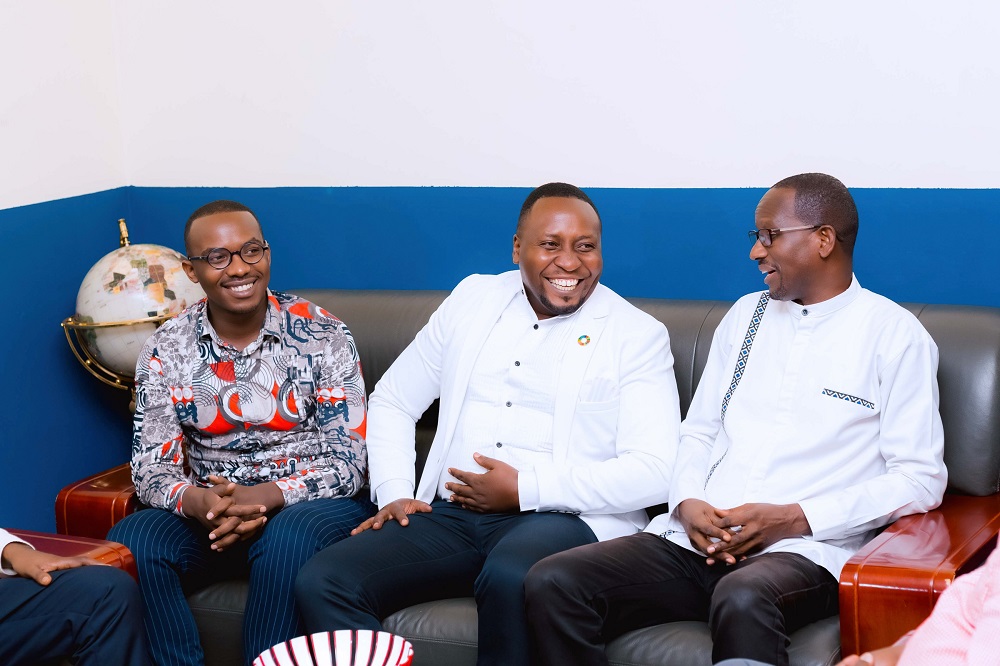
The evening was characterized by a variety of activities, including prayers and the reading of the word of God, as shared by Dr. Francis Habumugisha, CEO of Goodrich Business Group, who drew inspiration from Isaiah 54:2-3.
Using these verses, Dr. Habumugisha extended his wishes to Rwandans for expansive growth in their daily endeavors, which he emphasized as foundational to both individual development and the progress of the nation.
In his address, Dr. Habumugisha expressed, “I extend my wishes to everyone who cherishes Goodrich TV, loves our organization, and holds a deep affection for Rwanda, urging them to broaden their networks. This year marks the beginning of a journey where they can achieve remarkable milestones and accomplishments.”
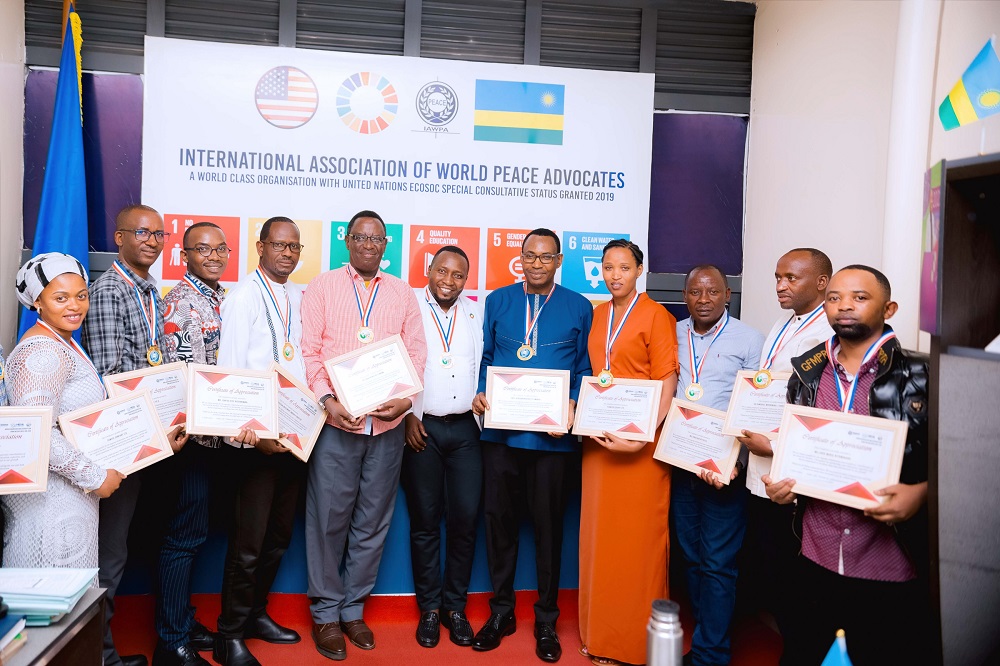
The event also featured the presentation of awards, including medals, to acknowledge the contributions of Goodrich TV’s partners and others who played pivotal roles in the company’s expansion.
Journalist Dushimimana Jean de Dieu, known as Dashim, received an award for his impactful role in hosting the ‘House of Books’ talk show. The CEO of Goodrich Business Group commended Dashim, stating that the segment named ‘Life Changing Words’ had not only transformed his life but also contributed significantly to his financial success.
Dr. Gamariel Mbonimana, the Managing Director of Sober Club, expressed his gratitude using insights from his book, ‘The Power of Insight.’ He was honored with a medal of appreciation by the Goodrich Business Group, pledging to utilize the award for the promotion of his organization.
Sober Club also announced plans to support startup projects and offer various prizes to foster their expansion, benefitting both their owners and contributing to the development of Rwanda and the global community.
Awards were also presented to journalists Ndahiro Valens Papy and Niyikiza Jotham, recognizing their valuable contributions during their tenure at Goodrich TV. The CEO encouraged them to take pride in their achievements and continue their hard work.
Dr. Epimaque Twagirimana, Vice Chairperson of the Pan-African Movement Rwanda chapter, highlighted the alignment of Goodrich Business Group’s activities with the goals of Rwanda and Africa. He emphasized the importance of African-led initiatives in building and shaping the continent’s future.
Prof. Callixte Kabera, Vice Chancellor of East African University Rwanda, expressed appreciation for the collaboration between the university and Goodrich Business Group. He specifically acknowledged the support in facilitating internships for communication and media students through Goodrich TV.
The celebration also included expressions of gratitude for the 14-year journey of the Goodrich Business Group, which has expanded its portfolio to include Goodrich TV, Goodrich Life Care Co. Ltd, offering fitness and wellness services, The House of Vitamins providing nutritional supplements, Star Professional College offering short-term training, Pioneers Luxury Ltd processing food, Online Doctor website offering health advice, and Mega Global Link Center facilitating international travel and work opportunities.
The President’s contentious actions, notably the unfounded accusation linking Rwanda to the armed group RED-Tabara, implicated in attacks in Gatumba, Bujumbura province, have raised eyebrows. President Ndayishimiye has mooted the idea of closing Burundi’s borders with Rwanda on two separate occasions: first, during a public broadcast on December 29, 2023, in the province of Cankuzo, and second, in his New Year’s address to the Burundian nation.
In a statement released on Thursday, January 4, 2024, titled “Call for Wisdom in the Face of Diplomatic-Military Tensions,” the Sahwanya-Frodebu party expressed deep concern over the escalating tensions and advocated for calm and dialogue.
Patrick Nkurunziza, the party’s president, emphasized, “We call upon the governments of Burundi and Rwanda to exercise restraint and prioritize heightened diplomatic and fraternal dialogue. The historical, social, and political ties between the two countries transcend any potential conflict and must be preserved.”
Sahwanya-Frodebu underscores the importance of drawing lessons from past crises, emphasizing that impulsive decisions, such as border closures, would only replicate previous mistakes. The party advocates for the enhancement of diplomatic and partnership ties with Rwanda.
Nkurunziza reiterated their commitment to dialogue, highlighting the essential role of communication in conflict resolution. “By emphasizing the need to keep communication channels open, we aim to build bridges rather than walls, fostering peaceful coexistence between our two nations and their peoples,” he concluded.
First assuming the premiership in February 2022, Moloua will head a new cabinet composed of 32 ministers appointed simultaneously with him.
The new government was announced four months after the nation had ratified a new constitution.
The CAR has been ravaged by an armed conflict following a violent takeover of power by the armed group called Seleka in 2013. The United Nations estimates that the conflict has displaced nearly half of the country’s population.
“Sudan has recalled its ambassador to Nairobi for consultations, in protest against the official reception organized by the Kenyan government for the commander of the rebel militia when he visited Kenya Yesterday (Wednesday),” Sudan’s acting Foreign Minister Ali Al-Sadiq was quoted as saying in a statement.
“Nairobi has forgotten the terrible violations committed by the rebel forces, and the destruction they caused to the country’s infrastructure, capabilities, and citizens’ property,” Al-Sadiq said.
The Sudanese top diplomat also accused Kenya of supporting and hosting the rebel leaders and supporters, “in addition to conspiring with hostile regional powers against Sudan.”
On Wednesday, Kenyan President William Ruto received Dagalo in the Kenyan capital Nairobi, as part of Dagalo’s external tour which included Uganda, Ethiopia, and Djibouti.
Sudan has been witnessing deadly clashes between the SAF and the RSF since April 15. More than 12,000 people have been killed in the fighting, according to a statement by the UN Office for the Coordination of Humanitarian Affairs in early December.
The individual detained on January 3, 2024, is facing multiple charges, including the misappropriation of drugs and equipment intended for treatment of cows within the Girinka program, resulting in the unfortunate death of some animals. Additionally, the suspect stands accused of diverting semen designated for artificial insemination in Girinka cows.
In the commission of these offenses, the accused employed counterfeit documents, creating a fraudulent list of individuals who purportedly received drugs and equipment for animal treatment but had not actually received any such provisions.
RIB underscores its unwavering commitment to a zero-tolerance policy against embezzlement offenses of this nature and urges all Rwandans to avoid engaging in activities that pose a threat to the country’s economy. Perpetrators caught committing such crimes will be held accountable and face the law.
The defendant is currently in custody at Remera RIB Station, awaiting the submission of his case to the Prosecutor’s Office.
The employee is being prosecuted for embezzlement under Article 10 of Law No. 54/2018 of 13/08/2018 on anti-corruption. This crime carries a potential sentence of imprisonment ranging from seven to ten years and a fine equaling three to five times the value of the stolen property.
Additionally, the accused is facing charges of misusing public resources, an offense punishable by Article 12 of the same law. Conviction for this crime may result in imprisonment for more than five but not exceeding seven years, accompanied by a fine ranging from three to five million Rwandan francs.
The third charge pertains to forging, altering documents, or using forged documents, as outlined in Article 276 of Law Nº68/2018 of 30/08/2018. If found guilty, the individual may face imprisonment lasting from seven to ten years and a fine ranging from two to three million Rwandan francs, or one of these penalties.