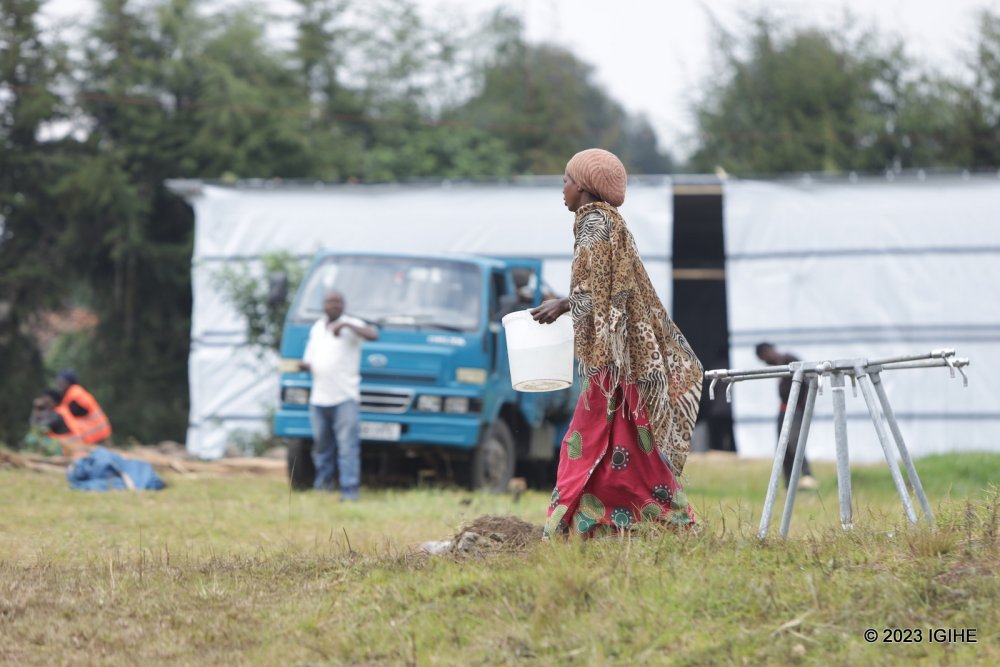
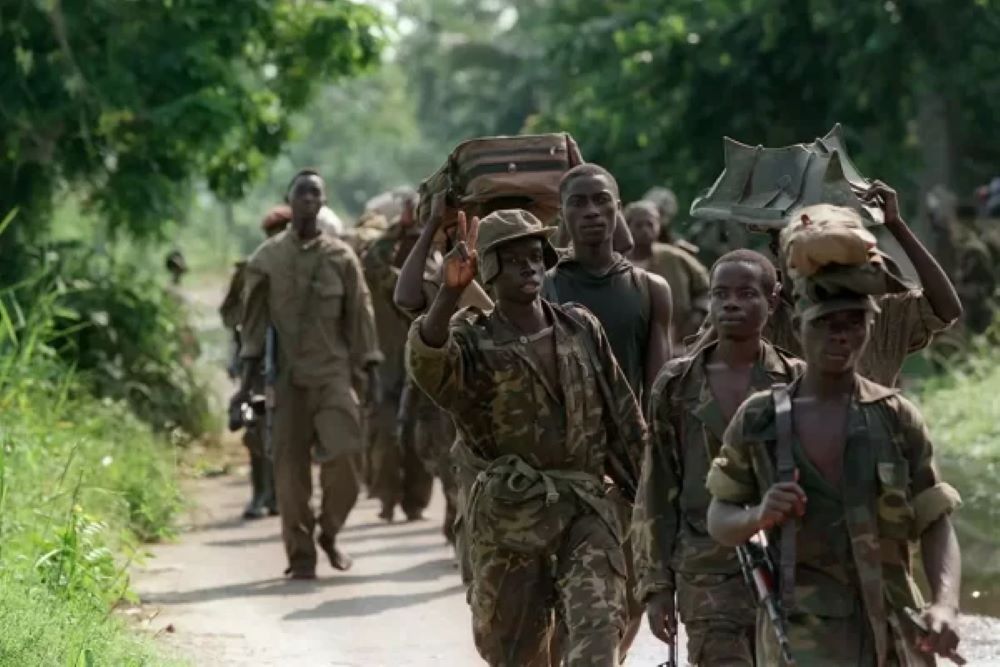
Data from Rwanda’s Ministry of Emergency Management (MINEMA) reveals that, as of January 2024, a total of 13,797 Congolese refugees have sought safety in Rwanda. Distribution among various camps includes 5,526 at Nkamira transit camp, 6,074 at Mahama camp, 1,123 at Kiziba camp, 66 at Kigeme, 43 at Mugombwa, and 786 at Nyabiheke.
These new arrivals joined over 80,000 Congolese who have sought refuge in Rwanda for more than two decades. Many of these individuals fled persecution in their home country, particularly over being Kinyarwanda speakers, with a focus on the Tutsi population. The United Nations has repeatedly warned the Congolese government about potential genocide against this segment of the population.
In May 2023, Rwanda and Congo engaged in discussions in Geneva, Switzerland, regarding the repatriation of long-term refugees. Despite ongoing negotiations and denial by the Congolese government, measures promised to facilitate repatriation have not been fully implemented.
The persistent attacks on Tutsis in the eastern part of the DRC contribute to the M23 rebel group’s determination to continue fighting until Rwandophones are treated equally by the Congolese government.
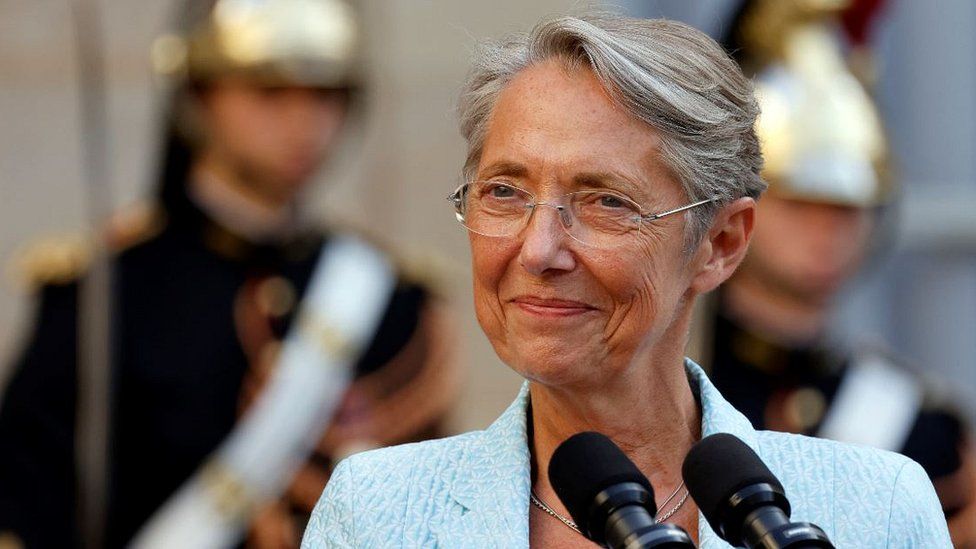
According to media reports, Education Minister Gabriel Attal, 34, emerged as the leading candidate to succeed Borne, potentially becoming France’s youngest and first openly gay prime minister.
Borne, in her resignation letter, expressed passion for her role, but the presidency confirmed her resignation was accepted. Macron is expected to announce the new prime minister on Tuesday. The reshuffle is viewed as essential to rejuvenate Macron’s presidency amidst challenges, preventing him from becoming a “lame duck” leader.
Gabriel Attal, known for his political acumen, is favored for the position. The reshuffle aims to address crises and position Macron’s government for the upcoming European Parliament elections. The uncertainty extends to key ministerial positions, keeping options open until the last moment, as Macron seeks to navigate a pivotal period in his presidency.
“Various challenges – insecurity, looting, bureaucratic impediments, poor network and phone connectivity, lack of cash, and limited technical and humanitarian staff on the ground – have been affecting the delivery of humanitarian assistance in many parts of the country,” the OCHA said in its latest statement.
“Fuel shortages also affect the movement of humanitarian staff and supplies and the generation of power needed for operations, including maintaining cold chain storage and water supply,” it added.
Despite all these challenges, humanitarian partners continue to provide life-saving assistance to the vulnerable people they can reach, the OCHA said, while at the same time noting that the revised 2023 Humanitarian Response Plan for Sudan is only 40.8 percent funded as of Jan. 4.
Sudan has been witnessing deadly clashes between the Sudanese Armed Forces and the paramilitary Rapid Support Forces since April 15, 2023. More than 12,000 people had been killed in the fighting, according to a statement by the OCHA in December last year.
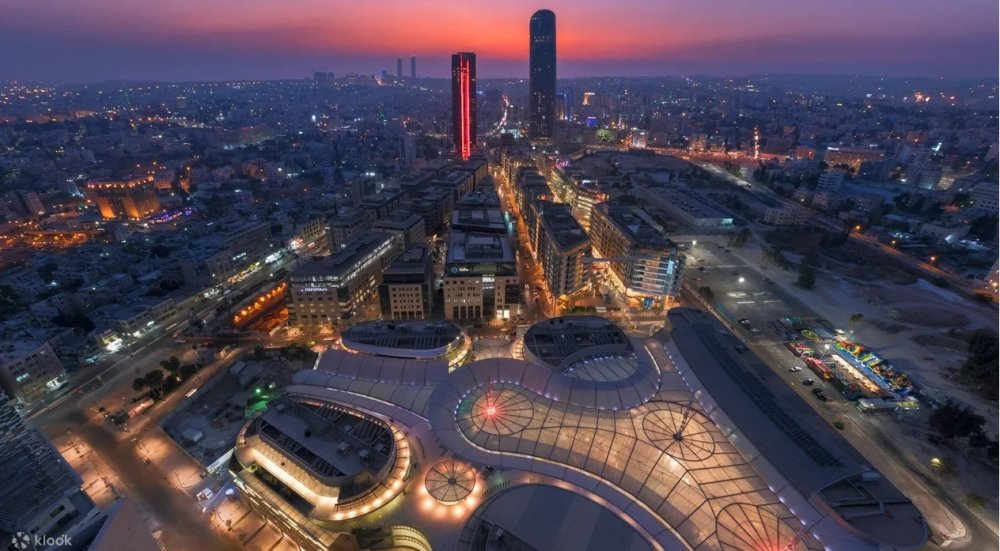
According to Teddy Kaberuka, an economic expert interviewed by Rwanda Television, the agreement’s provision for the elimination of double taxation serves as a significant incentive for attracting investments. He explained that this prevents the taxation of profits both in the host country and upon repatriation to Rwanda, fostering a more favorable environment for cross-border business activities.
Kaberuka highlighted Jordan’s advanced industrial level, particularly in medicine, where the country boasts a well-developed pharmaceutical sector. The expert emphasized that Rwanda can gain valuable insights from Jordan’s experiences, especially in the efficient production and distribution of pharmaceuticals.
The collaboration extends to agriculture, with Kaberuka noting that Jordan’s expertise in irrigation stands out. The agreement, while comprehensive, allows for adjustments based on the evolving needs and services provided by both nations, ensuring a flexible and responsive framework.
Furthermore, the thriving tourism sector in Jordan provides another avenue for knowledge exchange. Mukarubega Zulfat, the Chancellor of the University of Tourism in Rwanda, emphasized the value of the Jordanian currency and the economic potential that Rwanda sees in it. Zulfat reported positive outcomes from interactions with individuals in Jordan’s tourism and hotel industry, some of whom expressed interest in investing in Rwanda.
Dr. Gasana Sebastien, a university lecturer, highlighted the international recognition Rwanda continues to receive. He urged Rwandans to leverage this opportunity to enhance their global presence.
The agreement was signed during King Abdullah II’s three-day visit to Rwanda, which commenced on January 7, 2024, reinforcing diplomatic ties. As part of the expanding collaboration, Rwanda is also set to open its embassy in Jordan’s capital, Amman, following discussions between Rwanda’s Minister of Foreign Affairs, Dr. Vincent Biruta, and King Abdullah II in August 2023.
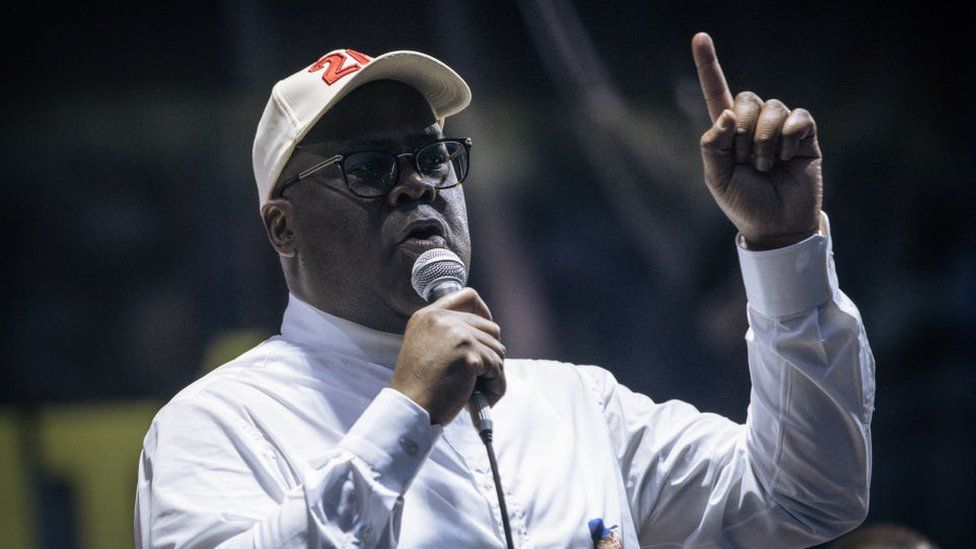
Rwanda, according to Kanyuka, has actively contributed to combating terrorism in Central Africa and Mozambique, deploying experienced soldiers for this purpose. Speaking on behalf of M23, Kanyuka emphasized that Tshisekedi’s contemplated war with Rwanda would be self-destructive.
On December 18, 2023, President Tshisekedi announced his intention to seek parliamentary approval for a war on Rwanda, asserting that the Congolese army (FARDC) possessed the capability to strike Kigali without leaving Goma City. This announcement raised concerns and was alluded to by President Paul Kagame during a year-end address.
President Kagame dismissed the notion of attacking Rwanda, cautioning those contemplating such actions. He expressed skepticism about viewing Tshisekedi’s statements as mere jest and asserted that he would prepare accordingly until presented with evidence to the contrary.
Speculation suggests that Tshisekedi’s mention of the plan to attack Rwanda could be a political maneuver to garner support for a second term, offering a diversion from challenges faced during his initial tenure.
The M23, known for its stable management and strength, demonstrated its military prowess by swiftly capturing parts of the North Kivu province. The United Nations acknowledges the group’s capabilities, likening them to a developed country’s military. Despite President Félix Tshisekedi’s warnings, the M23 remains defiant and ready to confront any provocation.
In response to the threat posed by the M23, the armed forces of the DRC, Burundi, South Africa, Tanzania, and Malawi (SADC members excluding Burundi) are joining forces in a war reminiscent of the Second Congo War that occurred from 1998 to 2003. SADC, represented by 7,000 troops under the command of Major General Monwabisi Dyakopu from South Africa, plans to stay in the DRC for 12 months, with the possibility of an extension if the organization’s objectives are not achieved.
Reflecting on the origins of the Second Congo War, it emerged a year after Laurent Désiré Kabila came to power, triggered by his expulsion of soldiers and politicians from Rwanda and Uganda who had aided in overthrowing Mobutu Sese Seko. Kabila’s decision to expel these individuals was fueled by fears that they sought control over the resource-rich eastern part of the country.
The conflict escalated as the armed group DRC-Goma, led by Dr. Emile Ilunga Kalambo, opposed Kabila’s government, supported by Interahamwe, which had mistreated Congolese Tutsis. Rwanda and Uganda joined the fight to protect their security interests, leading to a complex and protracted conflict.
In the subsequent war, various strategic locations, such as the Kitona Military Base and the Matadi port, were lost by the DRC forces. External forces, including Zimbabwe and Angola, intervened to support Kabila’s regime against the RCD, MLC, Rwanda, and Uganda. Despite temporary successes, the war persisted, and hostilities continued until 1999.
The conflict officially ceased in 2002 when Rwanda, Uganda, Angola, Namibia, and Zimbabwe signed a ceasefire agreement, withdrawing their troops from the DRC. However, the International Rescue Committee reported that, despite the formal end of the war, internal armed conflicts persisted, resulting in significant human casualties.
Fast forward to the present, and the international community faces renewed challenges as the M23 resurfaces in the eastern DRC. SADC’s decision to deploy troops was met with criticism, with concerns raised about potential involvement of regional countries like Rwanda and Burundi. The United Nations High Commissioner for Refugees expressed apprehensions about a military confrontation involving these nations.
Amid these tensions, the East African Community (EAC) emphasized the importance of dialogue to end the conflict, leading to strained relations with the DRC government. The United Nations warned of increased hostility between the DRC and Rwanda, heightening the risk of military intervention and potential involvement of Burundi.
As the situation unfolds, there is uncertainty about the involvement of regional players and the effectiveness of the peacekeeping mission. The imminent withdrawal of MONUSCO, the United Nations peacekeeping mission in the DRC, further complicates the landscape, marking the potential end of a 23-year-long mission.
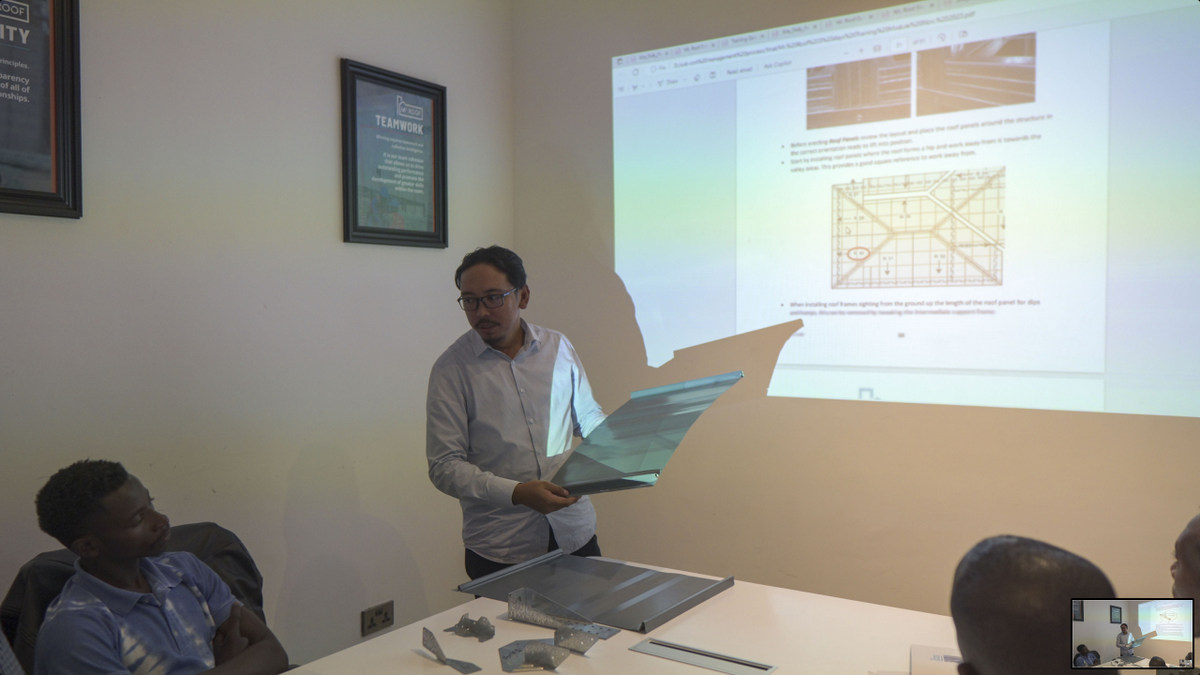
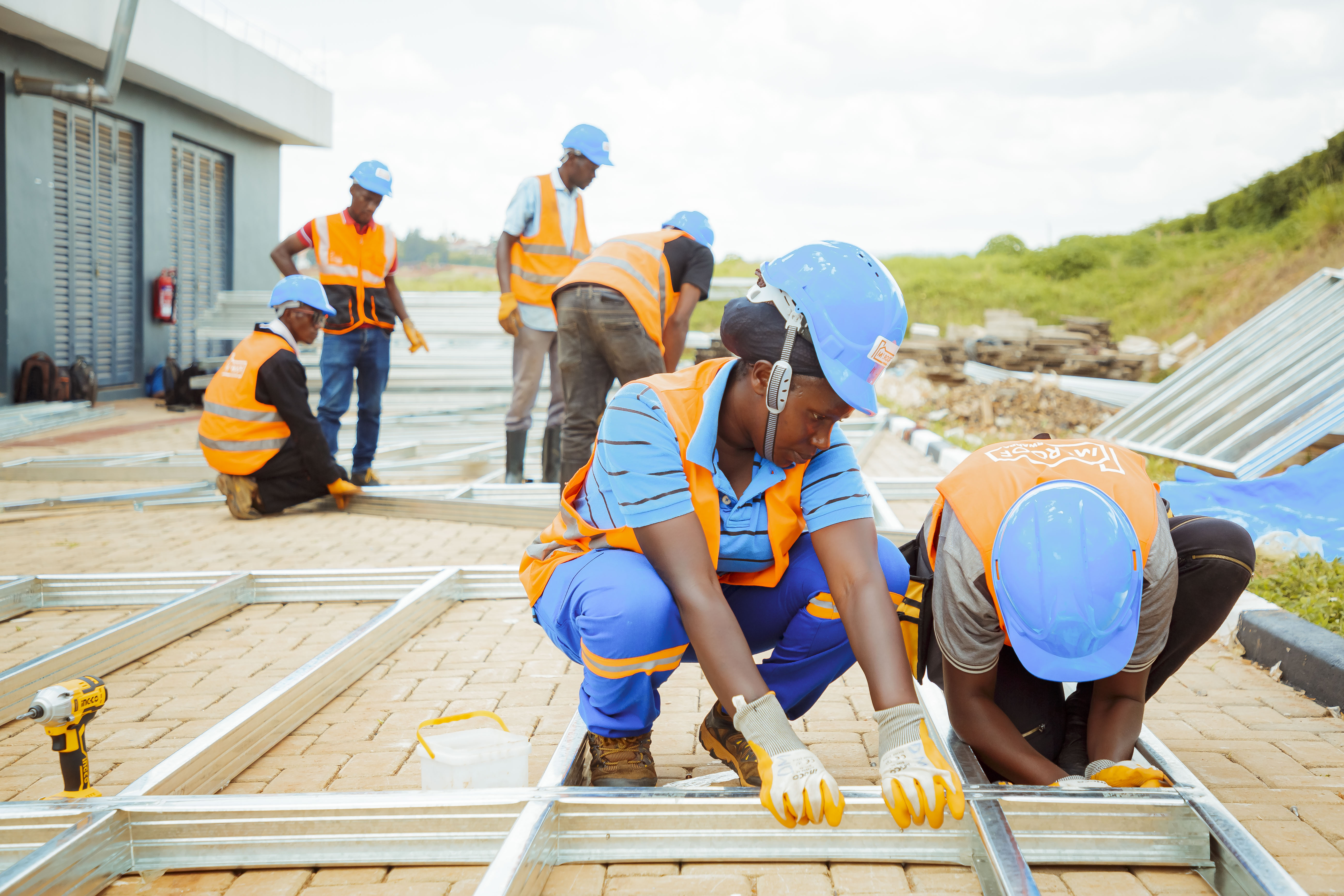
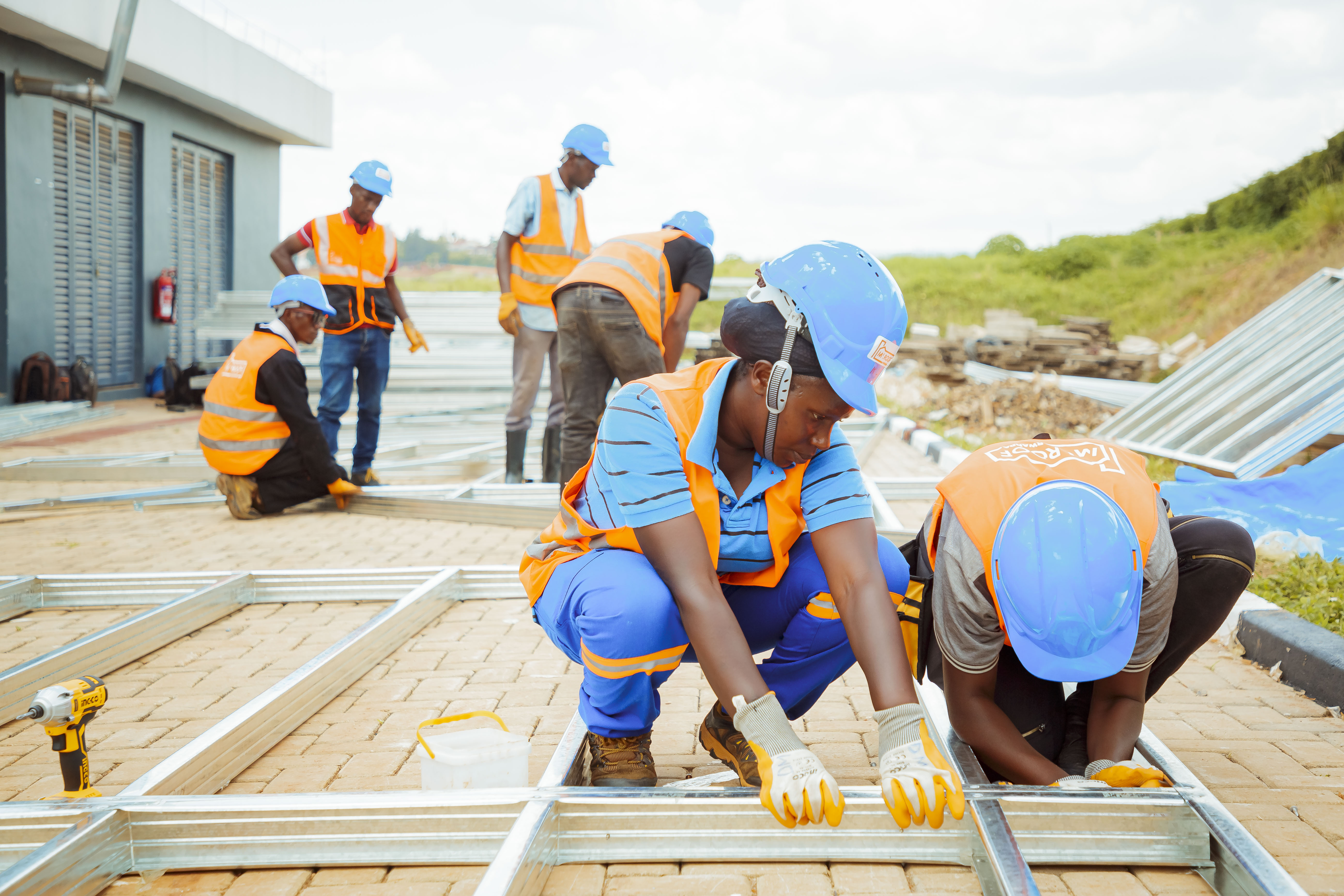
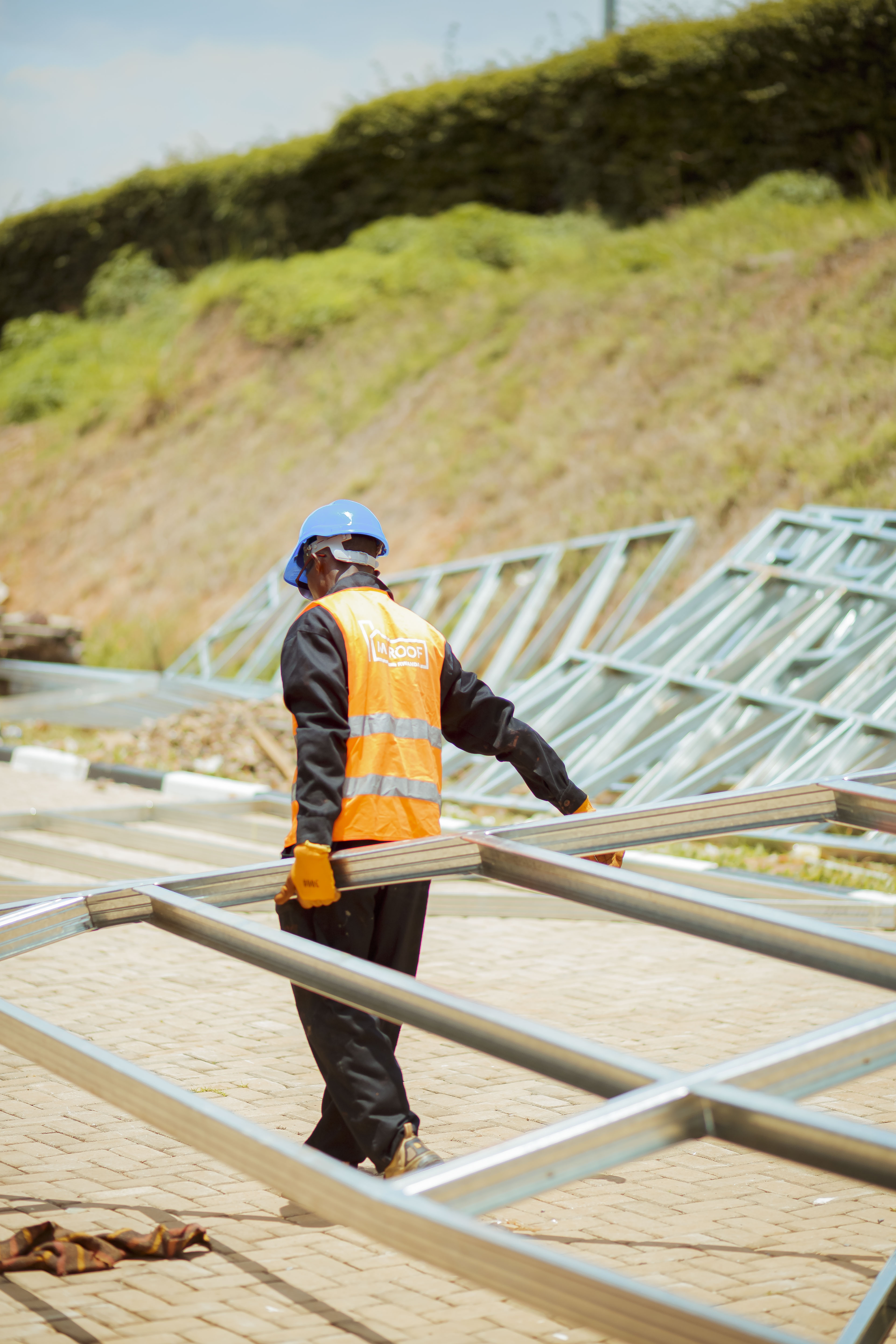
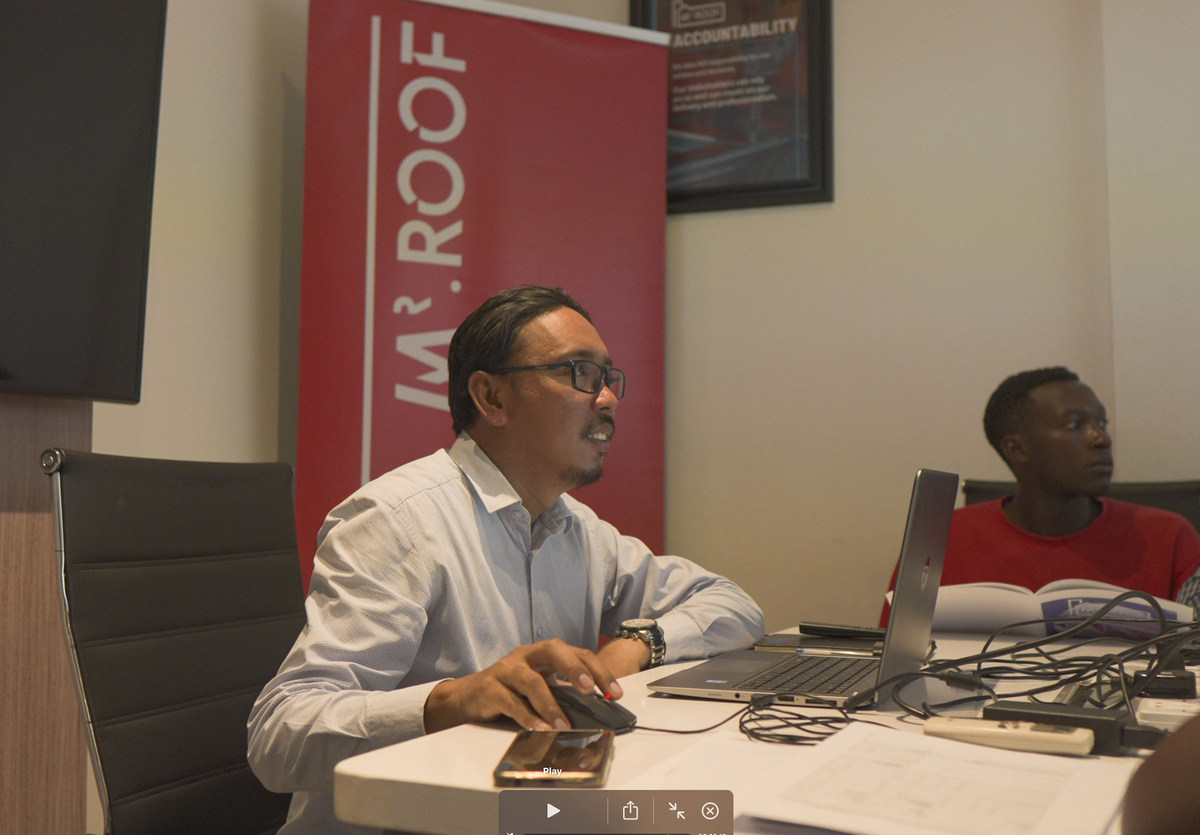
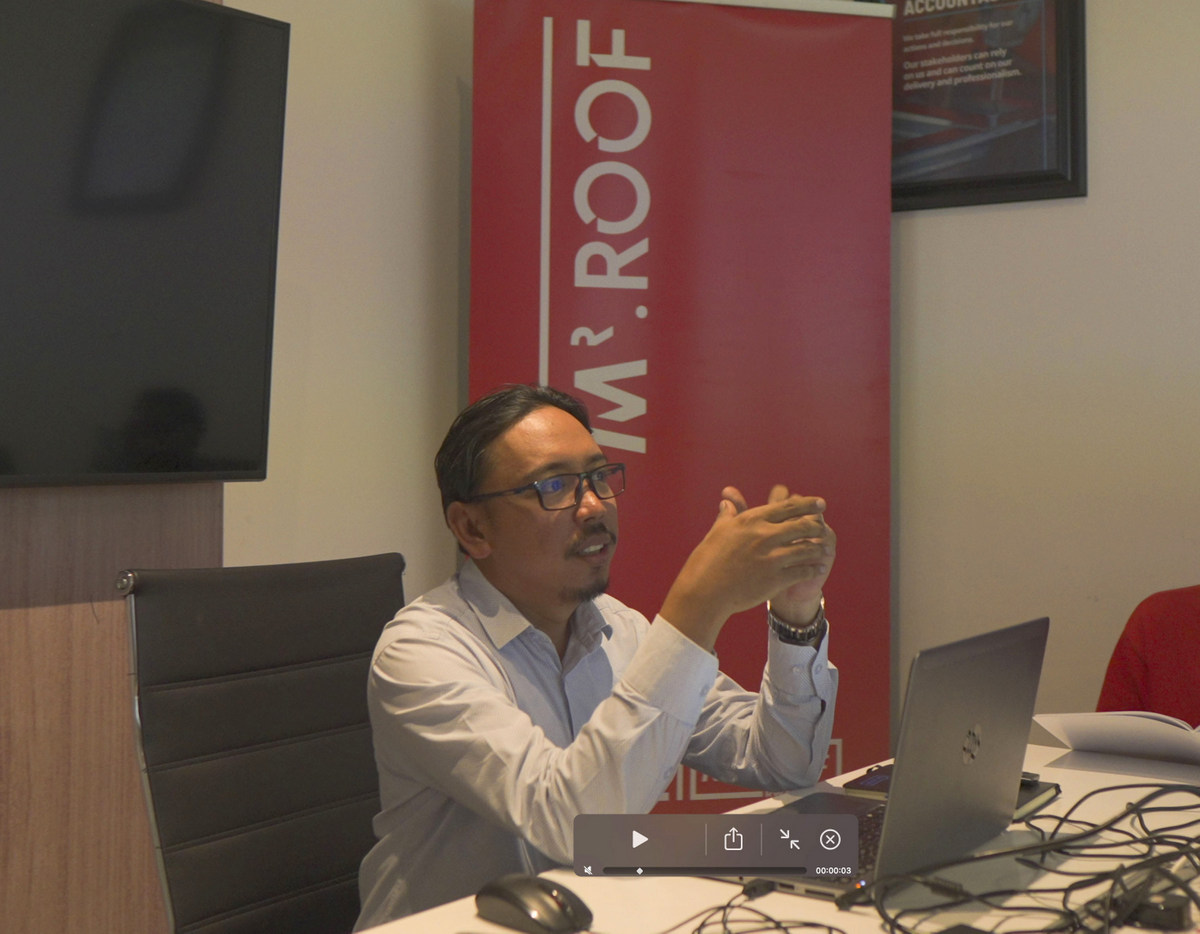
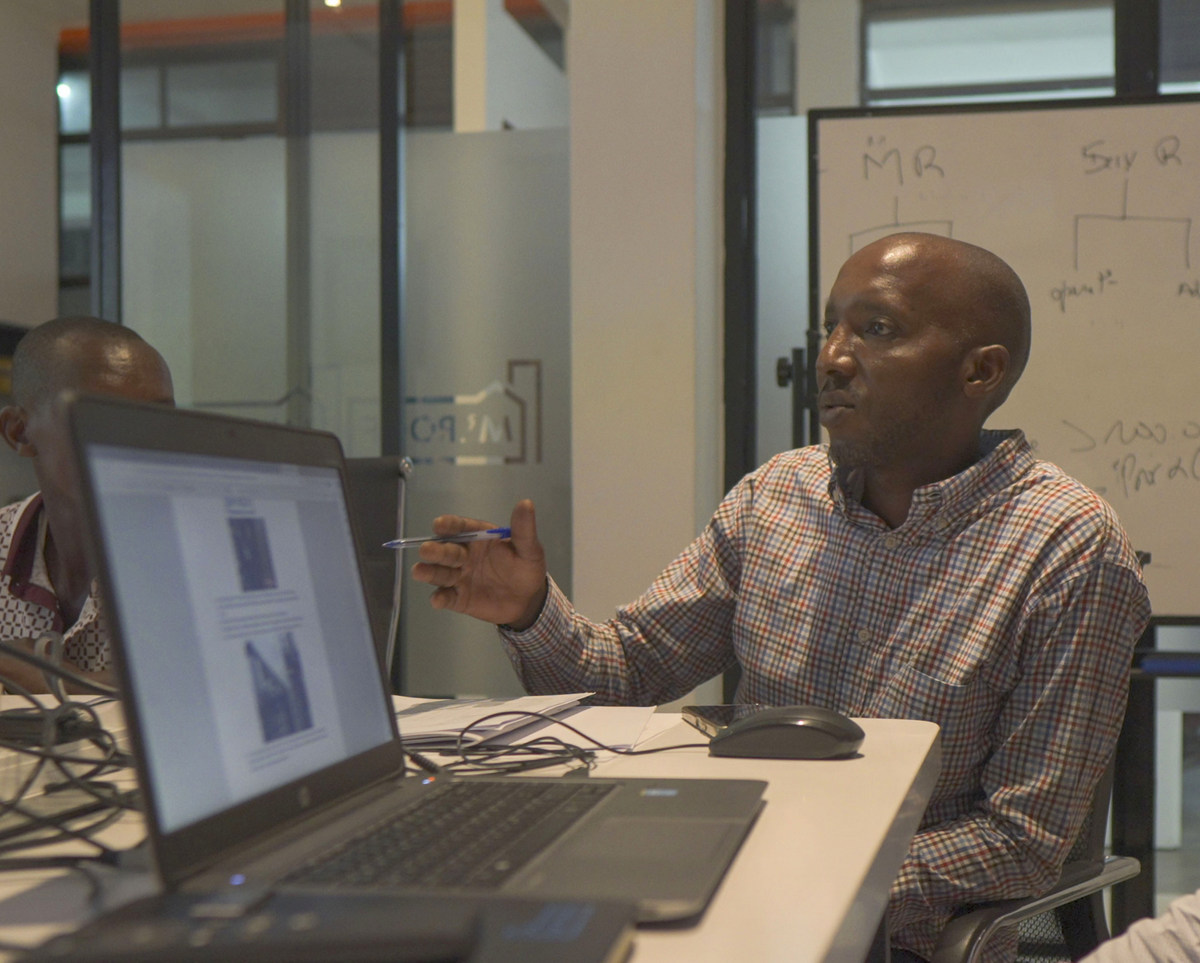
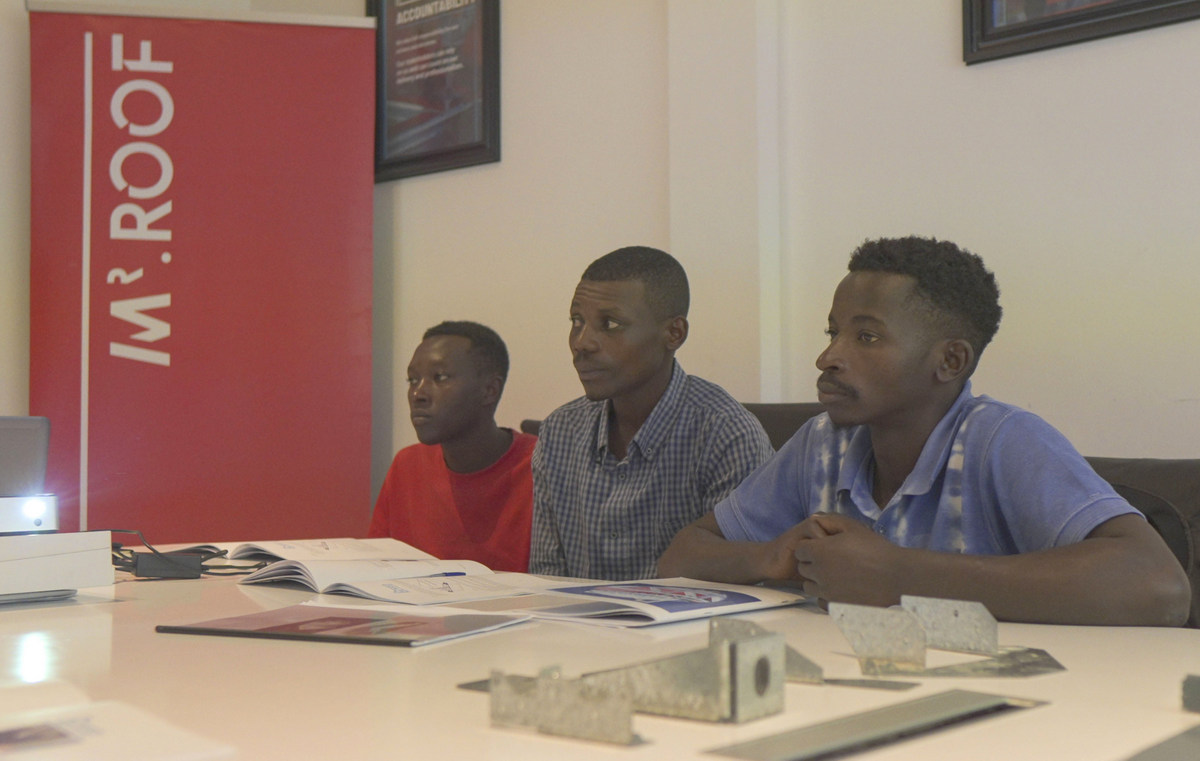
This strategic initiative focuses on capacitating trainees, comprising engineering students and professionals from diverse construction-related fields, through a comprehensive curriculum that balances theoretical knowledge with hands-on practical training.
Ruboneza Emmanuel, the site supervisor at Mr. Roof, articulates the program’s core objective of equipping future contractors with advanced knowledge and skills in contemporary construction practices. Central to this mission is the emphasis on using eco-friendly materials to fortify roofs, ensuring structural strength without imposing undue burdens on households.
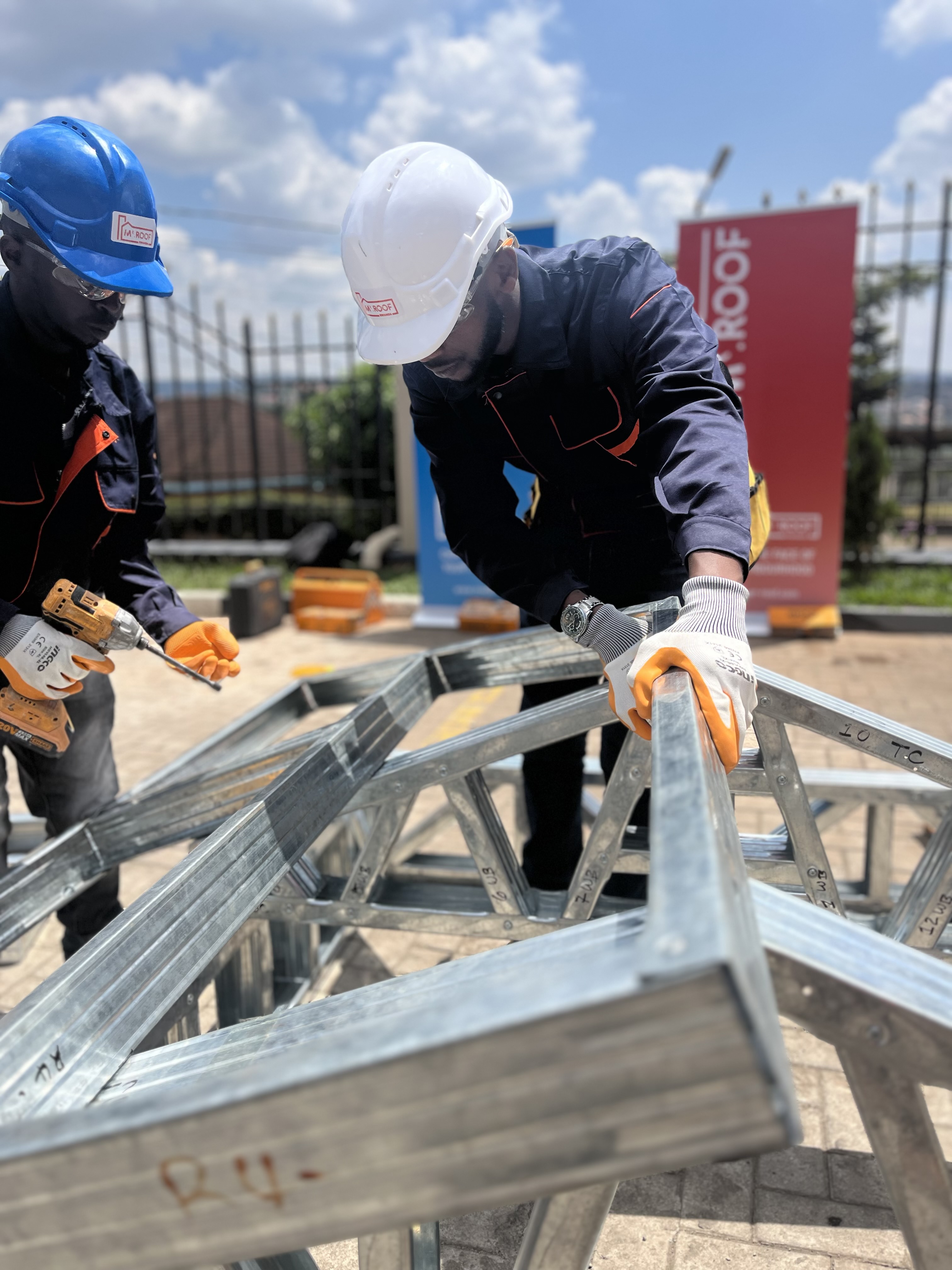
The training program places a particular spotlight on welding tiles, with the overarching goal of enabling participants to fortify roofs and address issues related to structural integrity effectively.
Mr. Roof is dedicated to fostering proficiency in the use of its construction materials, coupled with comprehensive training in workplace safety and managerial skills, empowering trainees to transition into entrepreneurs who meet industry standards.
Ruboneza underlines the advantages of entrepreneurship for Mr. Roof, citing positive network establishment, increased profit margins, and an improved quality of life. The company’s approach involves leveraging technology for efficient and rapid construction, providing technical support, and offering procurement assistance to further enhance the success of its trainees.
Beneyezu Diogène, an enthusiastic participant in the program and aspiring entrepreneur, underscores the significance of Mr. Roof’s holistic approach in the current market. Increasing technicians’ knowledge about their roles is viewed as a valuable and essential endeavor in enhancing the overall competence of the industry.
The management of Mr. Roof is unwavering in its commitment to sustaining this transformative program. Their aim is to secure roofing contracts and deliver professional services through the entrepreneurs trained in the program.
Mr. Roof actively encourages skilled individuals in the construction sector to join the entrepreneurial training program, highlighting the potential for growth and success through a strategic and hopeful approach. This initiative stands as a testament to Mr. Roof’s dedication to innovation and fostering a new generation of skilled subcontractors in the roofing industry.
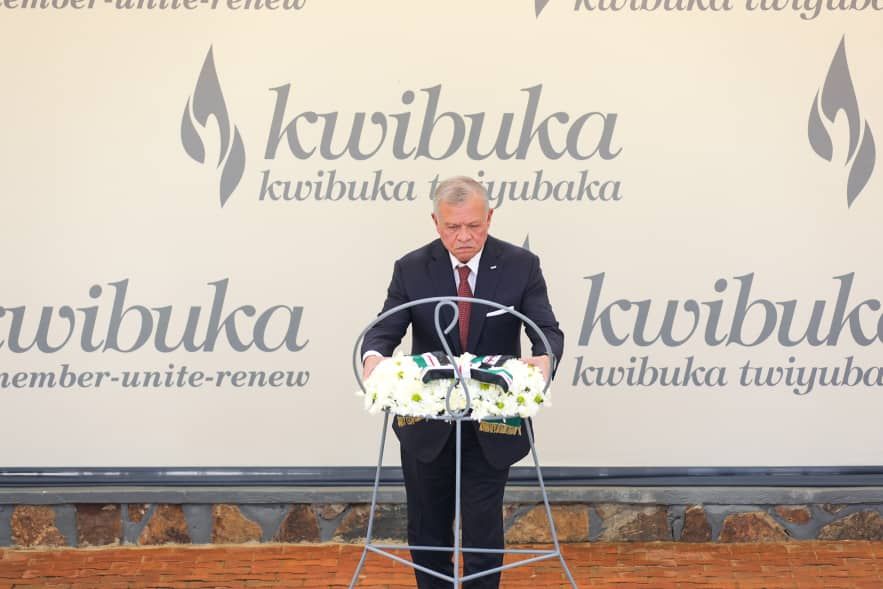
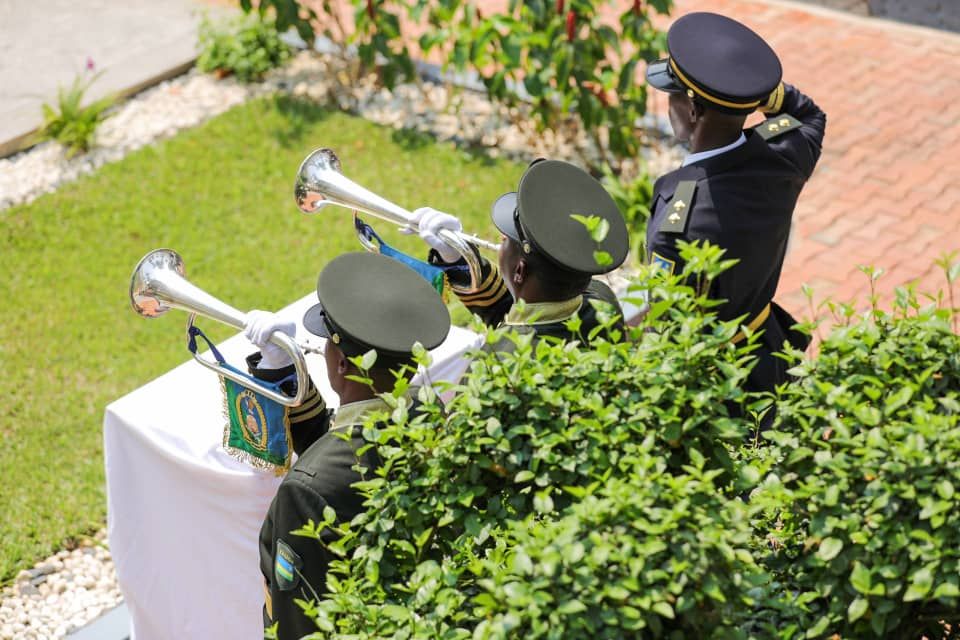
As King Abdullah II walked through the memorial on Monday, accompanied by Rwandan officials including the Minister of Foreign Affairs, Dr. Vincent Biruta, the gravity of the moment weighed heavily on the dignitaries.
After laying wreaths at the memorial’s mass grave, the King took a moment to reflect on the individual stories behind the staggering number of lives lost, acknowledging the profound impact on families: “This powerful memorial reminds us that behind every individual killed was a world unto itself, a family that lost a loved one, a mother, a father, a child, a dream extinguished, a potential taken too soon.”
The King’s visit was not just a ceremonial gesture but a symbolic expression of solidarity and shared commitment to prevent such heinous acts from occurring again.
In his address at the memorial, King Abdullah II conveyed a message that resonated with the lessons drawn from Rwanda’s tragic past: “The brutality that these walls bear witness to is a constant reminder of the terrifying consequences of dehumanizing the other, of how fear-mongering and disinformation amid international complacency can lead to the ugliest and deadliest extremes.”
Rwanda’s journey from the depths of genocide to a nation committed to reconciliation and healing became the focal point of the King’s speech. He emphasized the need to confront and counter dehumanizing rhetoric that fuels conflicts globally: “Rwanda’s experience teaches that we must fight the dehumanizing rhetoric that fuels conflict. Your story. It can be a beacon for us all.”
The King’s poignant words extended beyond the borders of Rwanda, drawing attention to ongoing conflicts, particularly in Gaza. King Abdullah II expressed concern over the devastating toll on the civilian population: “Almost 30,000 Gazans have been killed or unaccounted for over the past three months. The overwhelming majority, nearly 70%, are women and children.” He questioned the viability of indiscriminate aggression and shelling, urging for a just peace based on the two-state solution.
The parallels drawn between Rwanda’s history and contemporary conflicts underscored a crucial message: “This memorial teaches us that we cannot write off any conflict as hopelessly irreparable. It shows us how respect, justice, and compassion can lead to a better future.”
Besides, Jordan King emphasized the importance of memory, urging the world to acknowledge the brutality before working towards peace and cautioning against complacency that can be tantamount to collusion.
As King Abdullah II concluded his visit to the Kigali Genocide Memorial, his words echoed as a call to action, emphasizing the collective responsibility to preserve humanity and prevent the recurrence of such tragic events.
The event stood as a powerful testament to the resilience of the human spirit and the imperative to learn from history to build a more compassionate and just world.
King Abdullah II arrived in Rwanda for a three-day working visit on Sunday 7th December 2023. On the first day of his visit, he was welcomed by President Paul Kagame where after both leaders witnessed the signing of cooperation agreements in several fields including agriculture, economy, trade, health, and medical science.
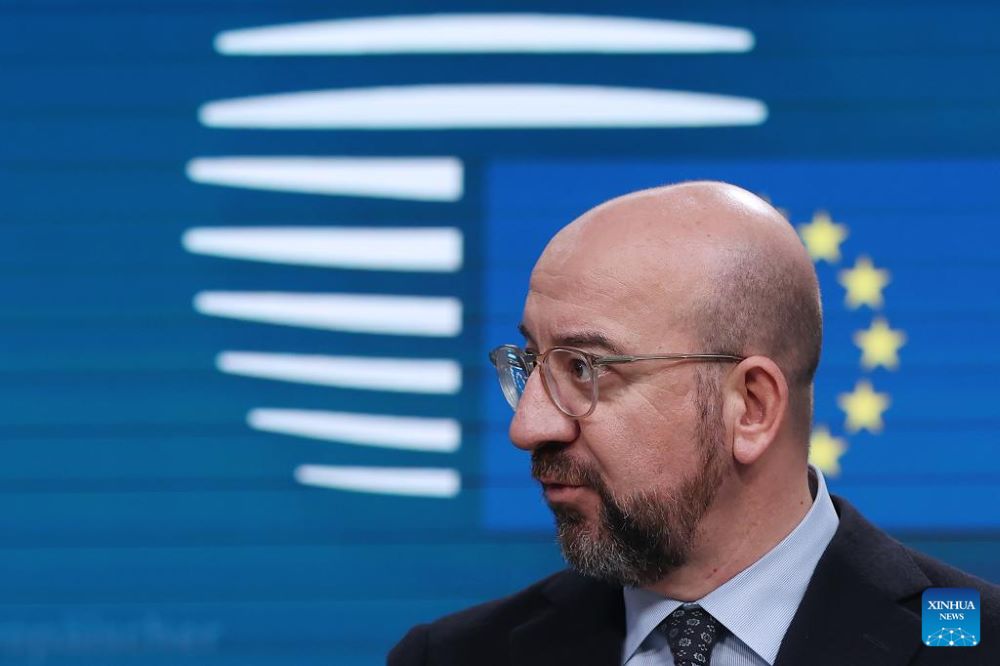
Reflecting on his four-year term as a European leader, Michel said, “It’s my responsibility to give an account of my work these past years and to propose a project for Europe’s future.”
While Michel’s current mandate concludes in November, the European Parliament elections are slated for June. He is expected to lead the list of the liberal Reformist Movement party, of which he is a former leader, in the European Parliament elections.
“That means I would continue my work as European Council president until being sworn in as an MEP on July 16,” he stated.
Michel has served as the president of the European Council, the group of government leaders of the 27 European Union (EU) member states, since late 2019. Prior to his EU responsibilities, he served as the Prime Minister of Belgium.
The SNA chief Ibrahim Sheikh Muhidin said senior al-Shabab commanders were among the dead during the military onslaught against the al-Qaida linked terrorist group which were conducted on Saturday and early Sunday.
“The al-Shabab terrorists suffered heavy casualties and lost 76 fighters during operations conducted in the past two days,” Muhidin said.
He added that the military onslaught destroyed al-Shabab bases and vehicles, adding that troops were making progress in vanquishing the militants from their strongholds in central and southern Somalia.
Al-Shabab extremist group that is fighting to topple the government has been facing enormous pressure and offensive from government forces backed by the local militia in central Somalia.
The extremist group was driven out of Mogadishu in 2011, but the terror group is still capable of conducting attacks, targeting government installations, hotels, restaurants and public places.