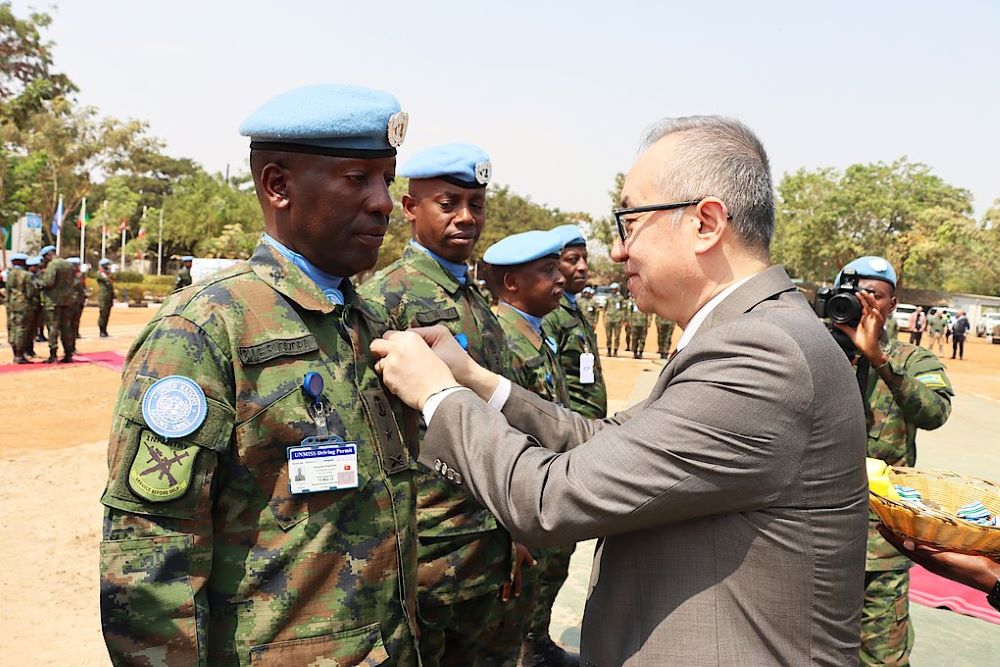
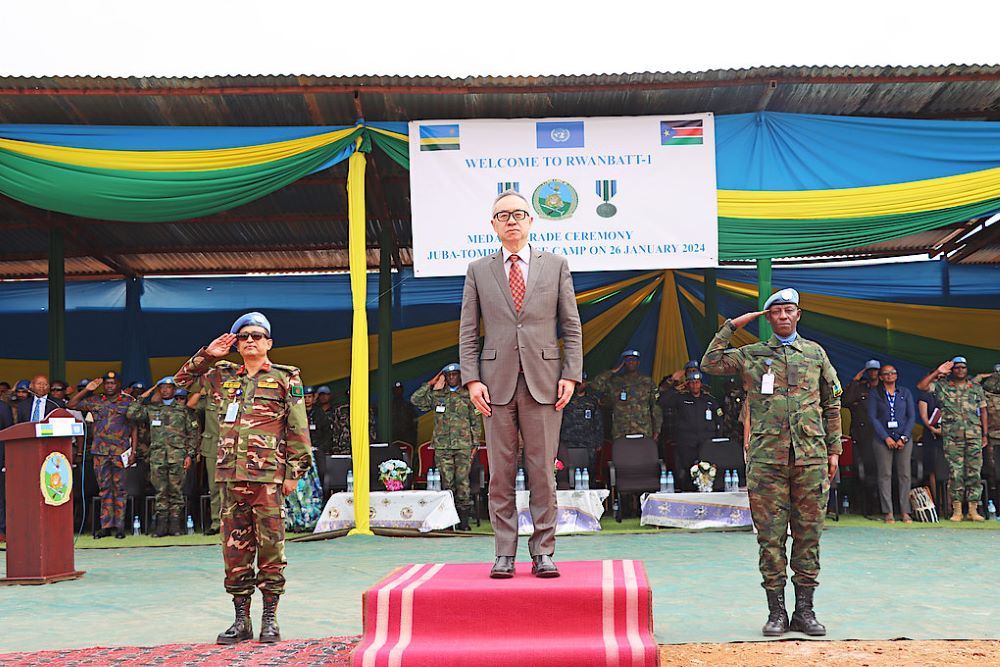
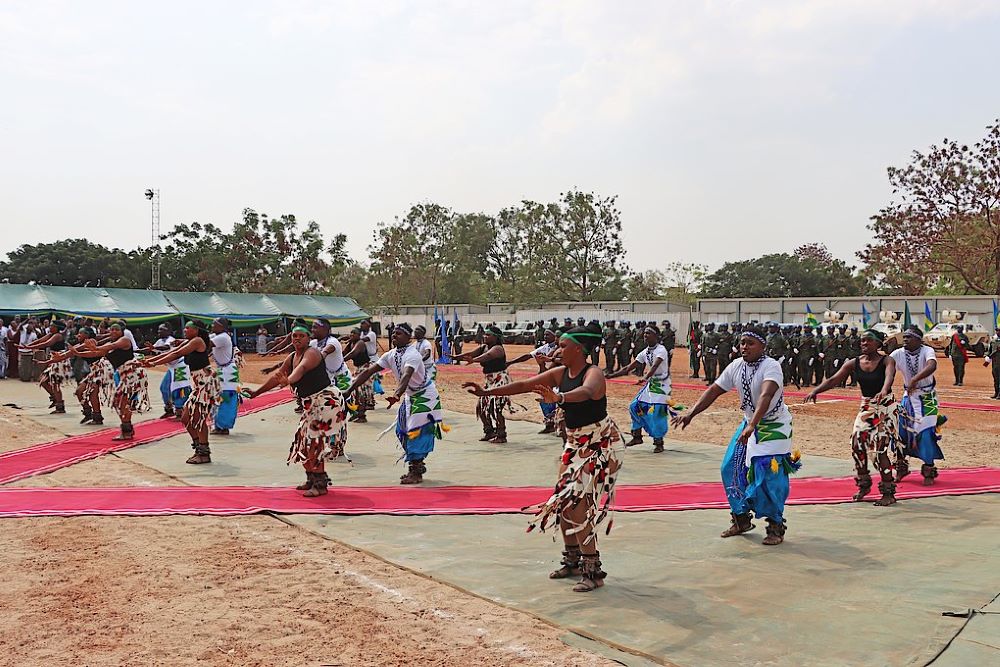
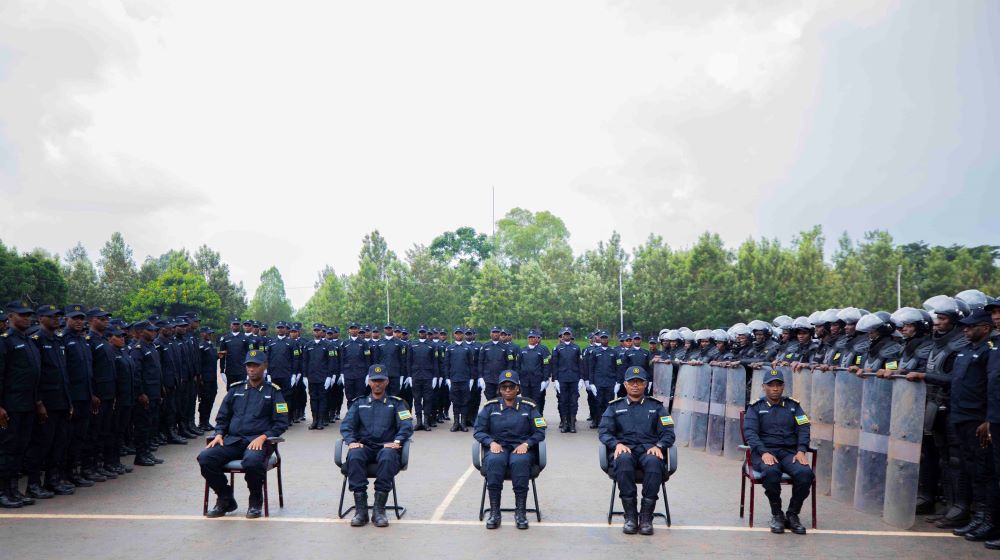
The Deputy Special Representative of the UN Secretary General, Guang CHONG presided over the ceremony and congratulated Rwandan peacekeepers for the commendable work done. He praised them for the professionalism and dedication to duty.
Sector Commander Sector Unity and Rwanda Country Senior, Brig Gen Emmanuel Rugazora, appreciated Rwanbatt-1 peacekeepers for the outstanding performance in the maintenance of peace and security in South Sudan, despite challenges encountered.
In his remarks, Rwanbatt-1 Contingent Commander, Lt Col Gilbert Ndayisabye, appreciated the support of the UNMISS leadership, the government of South Sudan and friendly contingents in accomplishing mandated tasks.
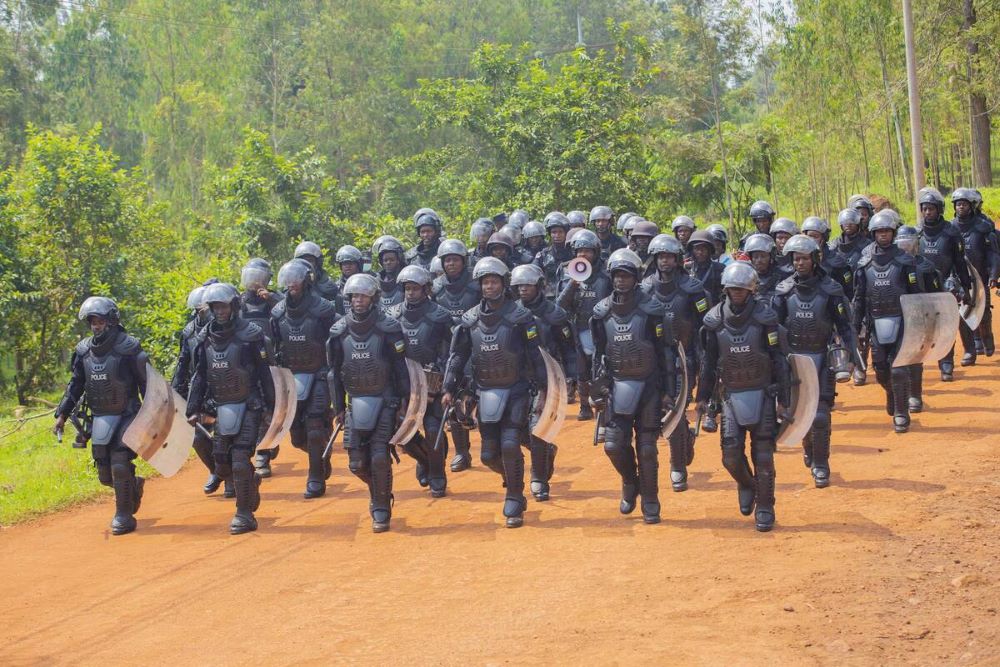
Rwanbatt-1 started peacekeeping mission in March 2023. They conducted patrols in different areas of South Sudan and community work activities to the benefit of citizens.
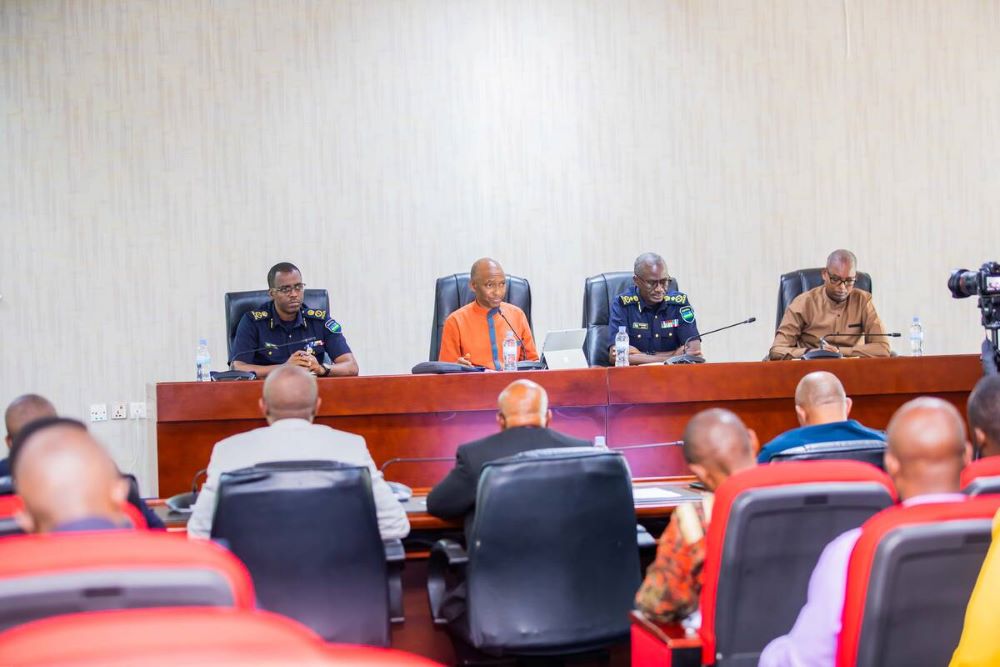
The meeting held at the RNP General Headquarters in Kacyiru presented a report from an inspection conducted jointly by the Ministry and RNP on the labour law compliance.
The report highlights 17 key components of the labour law, including employee contracts, social security contribution, payment of employees, fair pay, working hours, provision of medical insurance, annual leave, maternity leave and breast feeding hour; rest, overtime remuneration, and principle of equal pay for equal work, among others.
Some private security service providers don’t give contracts to their employees, no medical insurance, delayed payment, make illegal deduction of employees’ salaries, no annual and maternity leave; employees work overtime with no remuneration, and lack internal rules and regulations are among other.
Gaspard Musonera, the Permanent Secretary at the Ministry of Public Service and Labour, said that rights of employees and their benefits must be respected.
“Professionalism goes with compliance of the labour law. Give your employees the basic needs for them to improve in their work,” Musonera said.
He reminded them to award well packaged contracts to their employees, provide their social security premiums, ensure gender balance, and to respect annual and maternity leave.
Commissioner of Police (CP) John Bosco Kabera, Commissioner for Infrastructure Security and Private Security Providers (ISPSP) in RNP, said that private security firms are also governed by the labour law.
He said that a follow up inspection will be conducted to find out if private security companies have implemented the recommendations of the first report.
“All the violations that were highlighted in the report should be given due attention by concerned security companies because the next step will be sanctions violating the labour law,” CP Kabera said.
Owners of private security service providers recommitted to address the issues that were raised in the reports and to realign their security services with the Rwandan labour law.
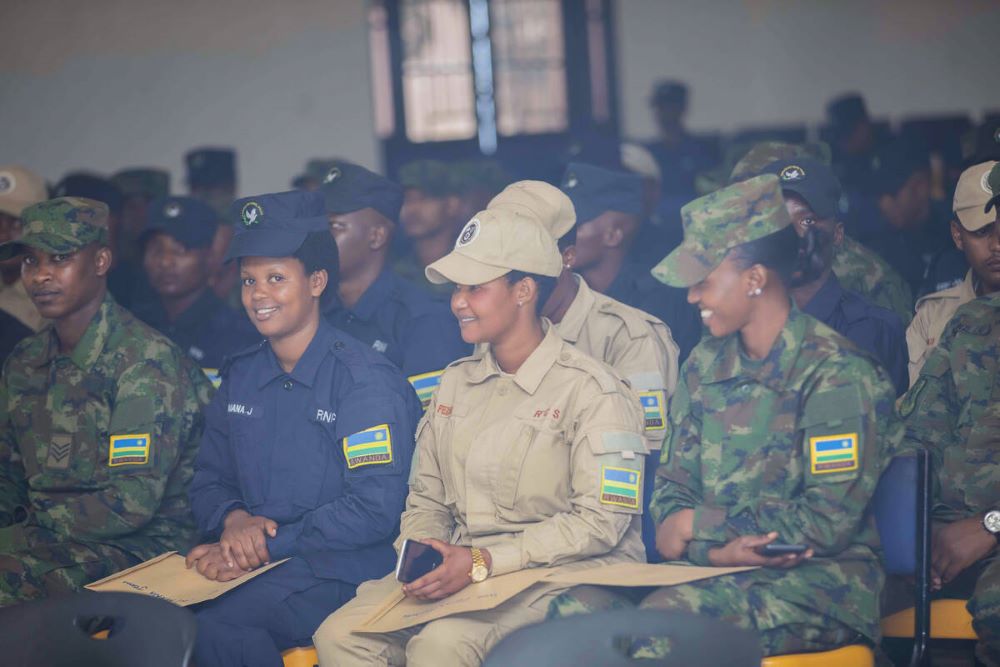
Some 170 Police officers completed a 21-week NCO course while 125 including 61 Police officers, 50 from RDF and 14 from RCS, completed the driving course, which lasted for 18 weeks.
DIGP Ujeneza said that the NCO course was particularly organized to enhance the capacity and knowledge of Non-Commissioned Officers, who constitute the biggest number of the RNP population, to add value to their policing responsibilities and the force in general.
“Capacity building including training, is the one of the top priorities of the RNP to enable Police officers to work professionally. The knowledge and skills of officers provide the backbone of the force, without which it can not implement and accomplish its mandate,” DIGP Ujeneza said.
The acquired knowledge and skills, he added, will be defined by the impact they will bring in their policing performance.
She challenged them to work with the residents in human security activities.
“Have positive attitude and thinking, do your work well, use the acquired skills to add value to your policing duties, work professionally with a patriotic spirit, be practical, and respect for superiors,” the Deputy Police Chief told the officers.
The NCO course is designed to further enhance the knowledge and skills of officers in physical fitness, drills and duties, skills at arms, voice procedure, field craft and, tactics, map-reading, internal security operations, public order management, leadership and management, among others.
To the officers, who completed the driving course, DIGP Ujeneza said that it is in line with the government will to support security forces to acquire more vehicles, which requires professional drivers and effective management.
The driving course covers drills and duties, driver’s ethics and values; vehicle historical background and system; traffic law and regulations; First Aid, vehicle inspection and driving, among others.
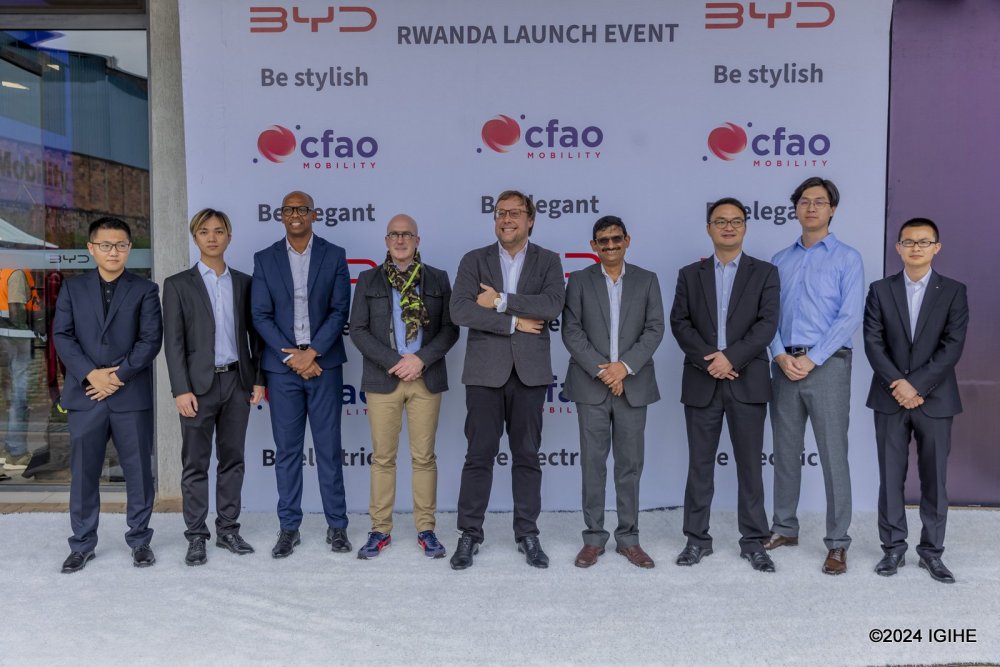
CFAO Mobility Rwanda, dedicated to reducing vehicle emissions, has initiated the sale of BYD’s fully electric SUV Atto 3, with plans to introduce additional models such as the Dolphin and Dolphin Mini.
Mugabo Jean Luc, Commercial Director at CFAO Rwanda Mobility, highlighted the relief this initiative provides to Rwandans facing escalating fuel prices, emphasizing the significance of promoting electric cars amidst the ongoing rise in petrol and diesel costs.
BYD’s electric cars, featuring batteries strategically positioned under the vehicle, offer spacious interiors. Buyers receive home charging tools or can utilize designated charging stations. CFAO Mobility underscores its commitment to air pollution reduction, aiming for full success by 2050.
AShu (Remy) Yao, BYD’s Commercial Director for the African region, emphasized the company’s commitment to global impact through technological innovation, particularly in reducing greenhouse gas emissions. Yao acknowledged BYD’s leadership in the global electric car market.
Rwanda, known for its strides in reducing air pollution through electric vehicles and renewable energy, aligns with the sustainability goals of BYD and CFAO Mobility. Fidèle Abimana, Permanent Secretary in the Ministry of Infrastructure, highlighted the contribution of electric vehicles to the government’s plan to reduce air pollution by 38% by 2030.
Abimana outlined a program encouraging Rwandans to embrace electric vehicles due to emission reduction benefits and affordability, emphasizing the cost-effectiveness compared to traditional fuel usage. The Rwandan government actively engages in discussions with investors to introduce electric passenger cars to the public.
CFAO Mobility Rwanda ensures that its staff is trained to maintain BYD vehicles, providing buyers with a six-year warranty on the car and an eight-year warranty on the battery.
As power generation, automobiles, and various industries contribute to 34% of global emissions, experts anticipate a potential 126% increase in global emissions by 2030.
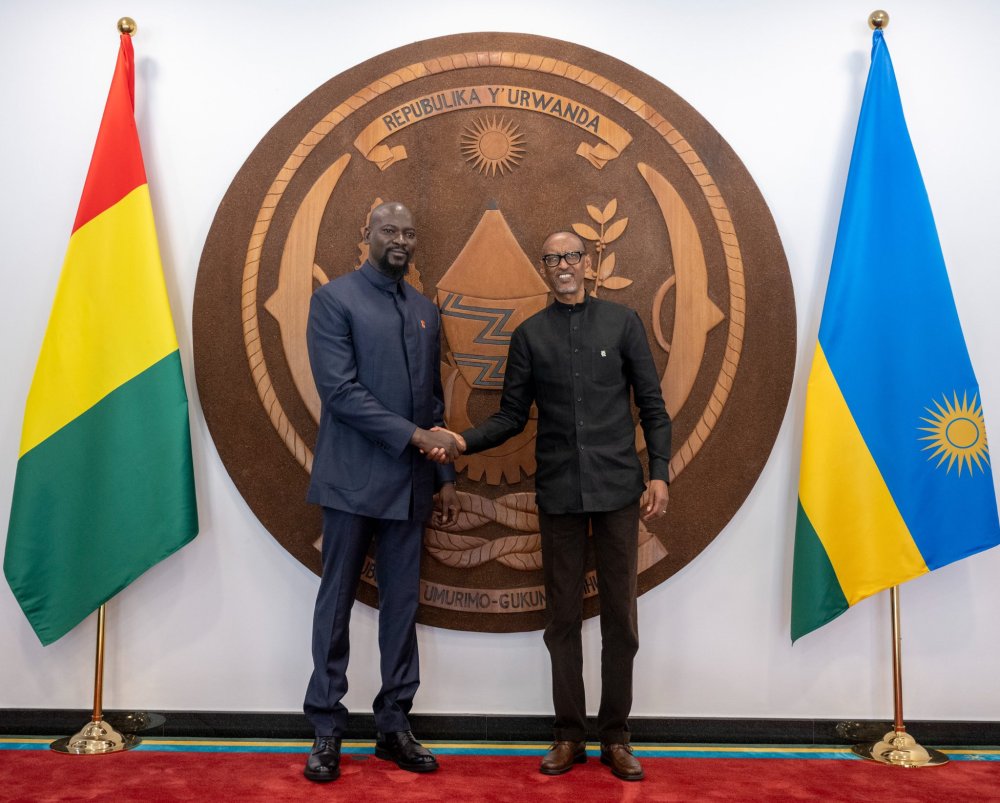
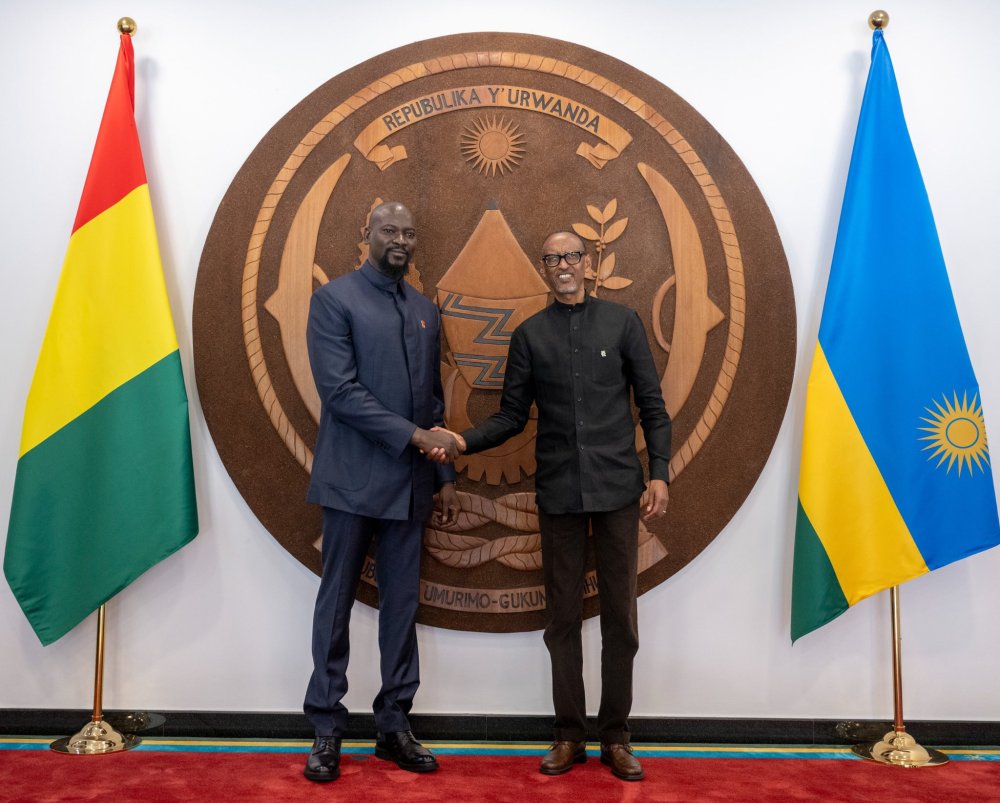
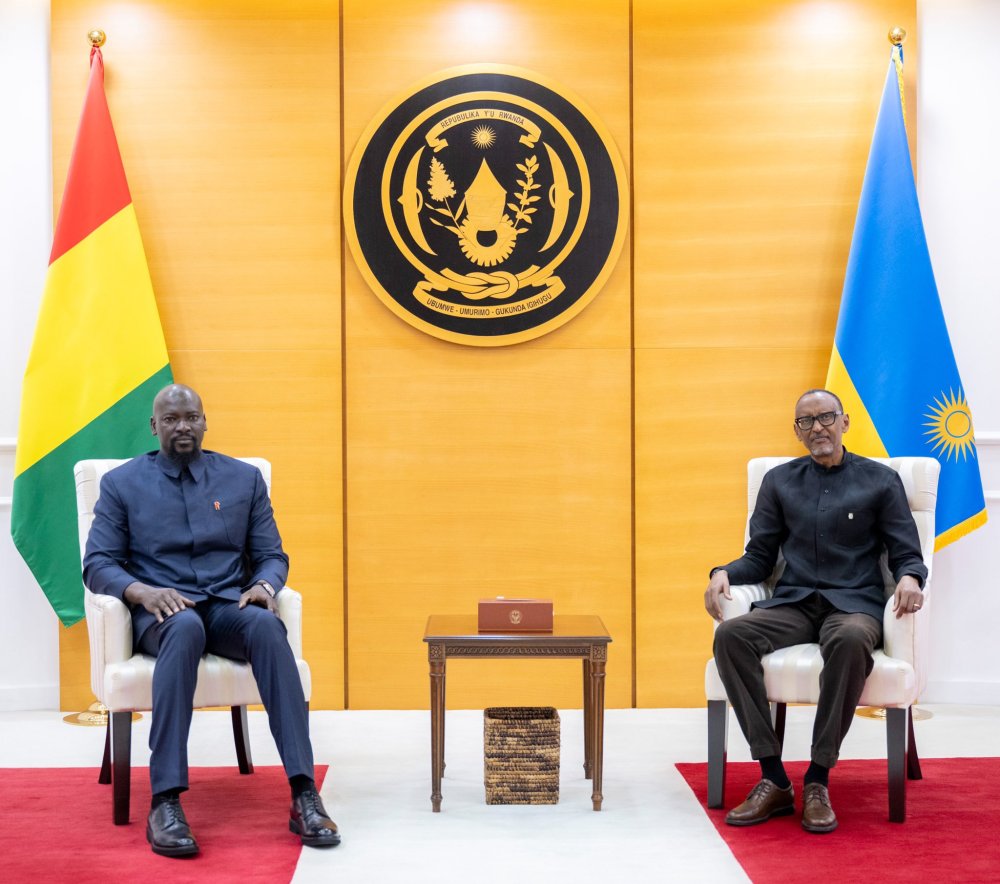
Kagame disclosed that the two leaders engaged in productive discussions earlier during their one-on-one meeting. Emphasizing the shared aspirations of Rwanda and Guinea, Kagame highlighted the goals of achieving prosperity, peace, and security for their citizens. Noting positive outcomes in bilateral relations, Kagame mentioned the signing of numerous agreements across various sectors, with a particular focus on digitization, trade, and investments.
Expressing eagerness for collaboration, Kagame stated Rwanda’s willingness to share home-grown solutions and continue learning from Guinea. Addressing the global crisis, Kagame stressed the need for joint efforts in finding solutions to challenges. He commended Doumbouya for steering Guinea through a transitional phase and maintaining stability and development.
In response, Doumbouya underscored the significance of his visit to Kigali, expressing the desire to strengthen the relationship between the two countries and enhance the bonds of friendship and cooperation in the pan-African spirit. He reiterated Guinea’s willingness to collaborate, acknowledging Kagame’s confidence in their nation. Doumbouya highlighted the commitment of Guinea and its government to reinforce cooperation, particularly in the telecommunications, infrastructure, and transport sectors.
Both leaders agreed on the importance of diplomatic presence in Kigali and Conakry as a means of strengthening relations and bringing their people closer together.
Rwanda’s Presidency has revealed that both leaders’ meeting was followed by bilateral talks with their respective delegations but did not disclose topics of discussions.
President Doumbouya arrived in Kigali on January 25 for a three-day official visit. The purpose of the visit, as stated by Doumbouya’s office, is to enhance friendship and cooperation between the two nations.
Doumbouya was accompanied by the First Lady of Guinea, Lauriane Doumbouya.
This diplomatic exchange follows Kagame’s previous visit to Guinea in April 2023, during which an agreement was signed to establish a joint cooperation committee covering areas such as agriculture, ICT, education, mining, and security.
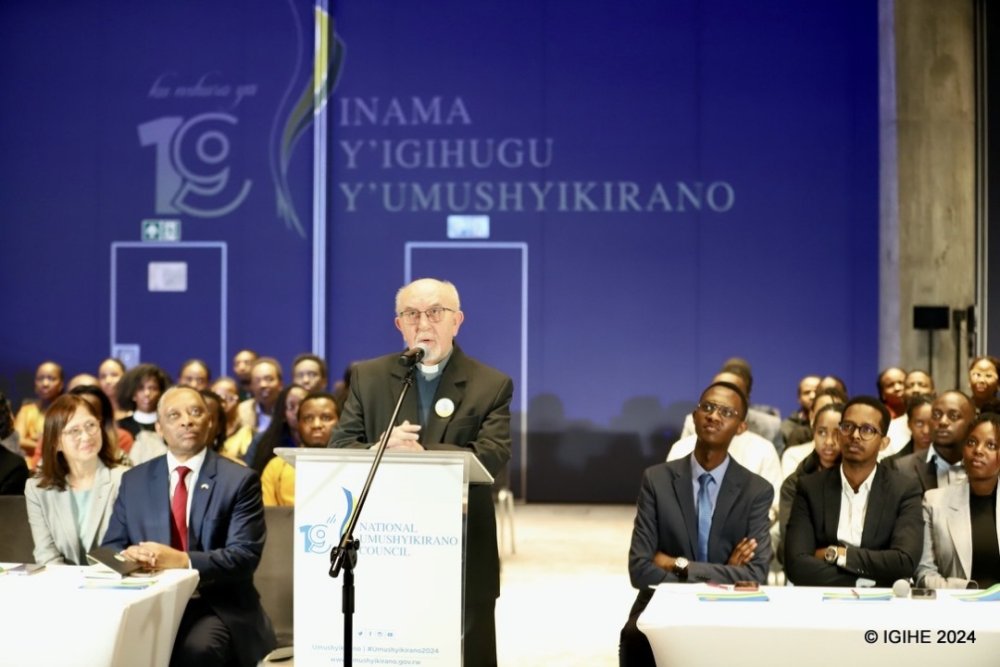
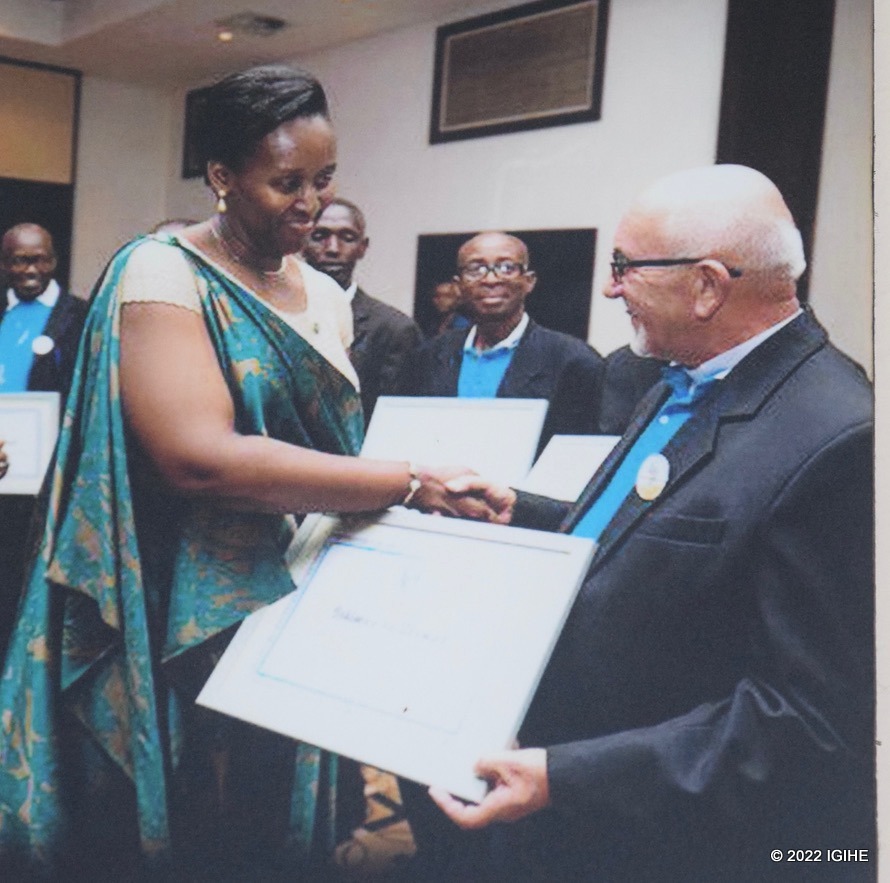
In acknowledgment of his extraordinary efforts to save Tutsi lives, Rwanda honored Father Stanislas Urbaniak as one of the friendship pact protectors.
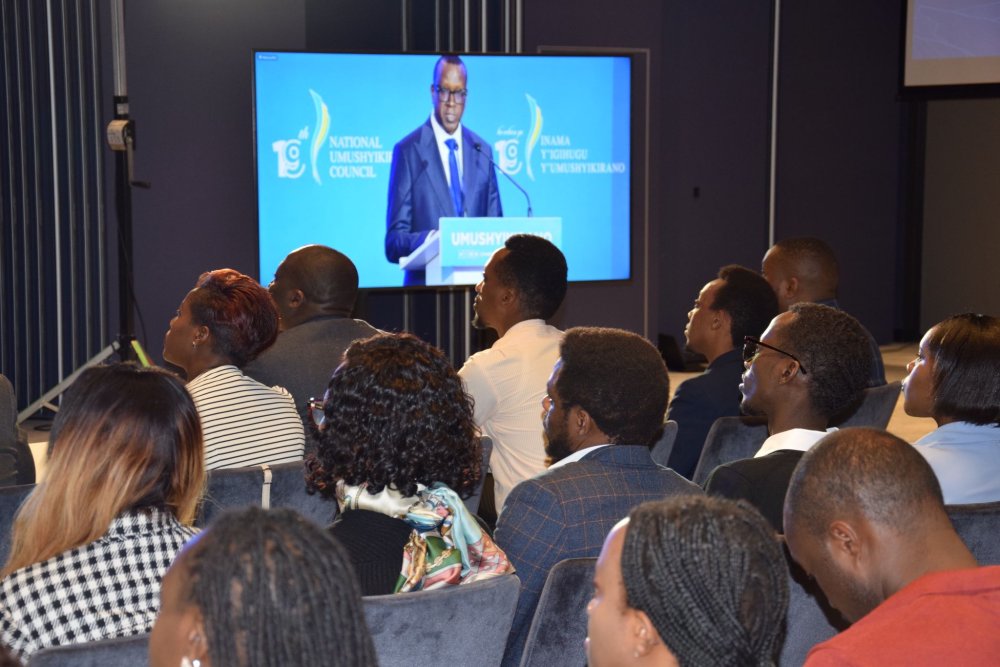
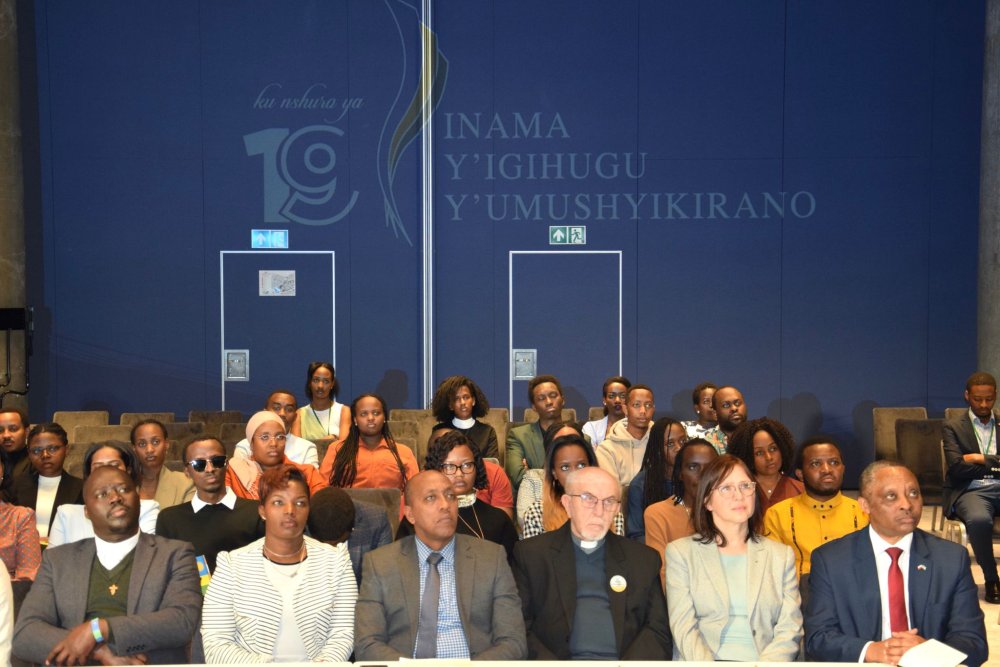
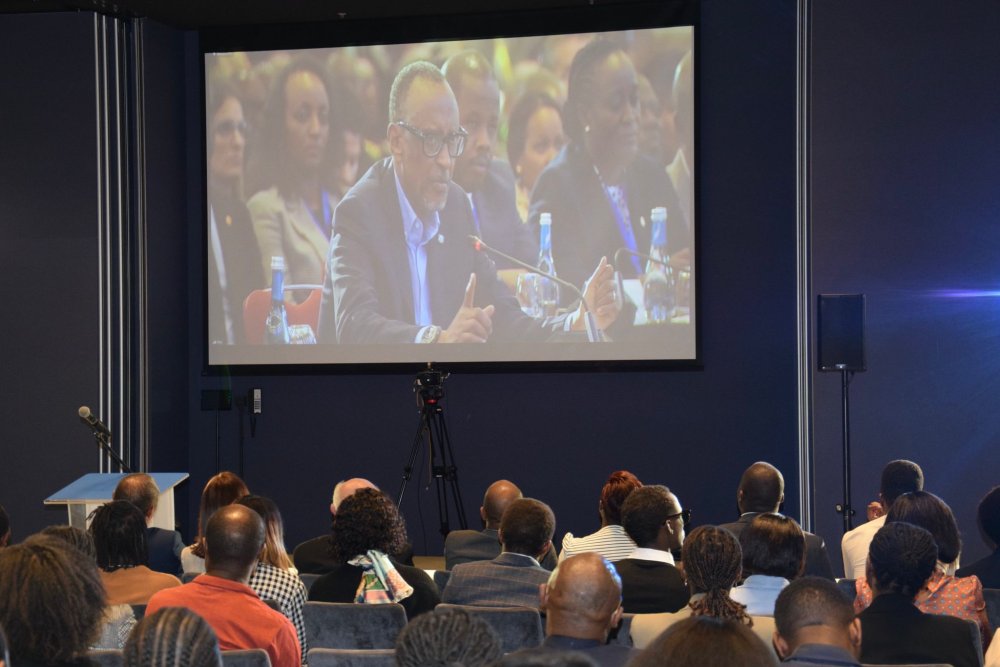
Speaking at the National Umushyikirano Council on January 24, 2024, Father Stanislas expressed gratitude to President Paul Kagame, acknowledging the president’s efforts to empower the youth for active participation in the nation’s development while emphasizing the significance of unity among Rwandans.
He thanked him for the impactful leadership in Rwanda, and disclosed that he extends his prayers for the president and all Rwandans on a daily basis.
Highlighting the crucial role played by the Christians of Ruhango, particularly 100 Hutus, Father Stanislas underscored their fearlessness in collaborating to welcome 500 Tutsis to the Parish during the challenging times of the genocide.
Recognizing an act of heroism, Father Stanislas acknowledged a catechist who provided shelter and sustenance to 15 Tutsis throughout the genocide. He shared the remarkable outcome that all 15 individuals were found alive upon his return to Poland.
Reflecting on his mission in Rwanda, Father Stanislas detailed his arrival in 1980 and engagement in various parishes, including Masaka and Kinazi.
Eventually assuming the role of Chief Priest of Ruhango, he recounted efforts to collaborate with the youth in establishing a school to spread the Gospel through Bible education, unknowingly laying the groundwork for a crucial role during the genocide.
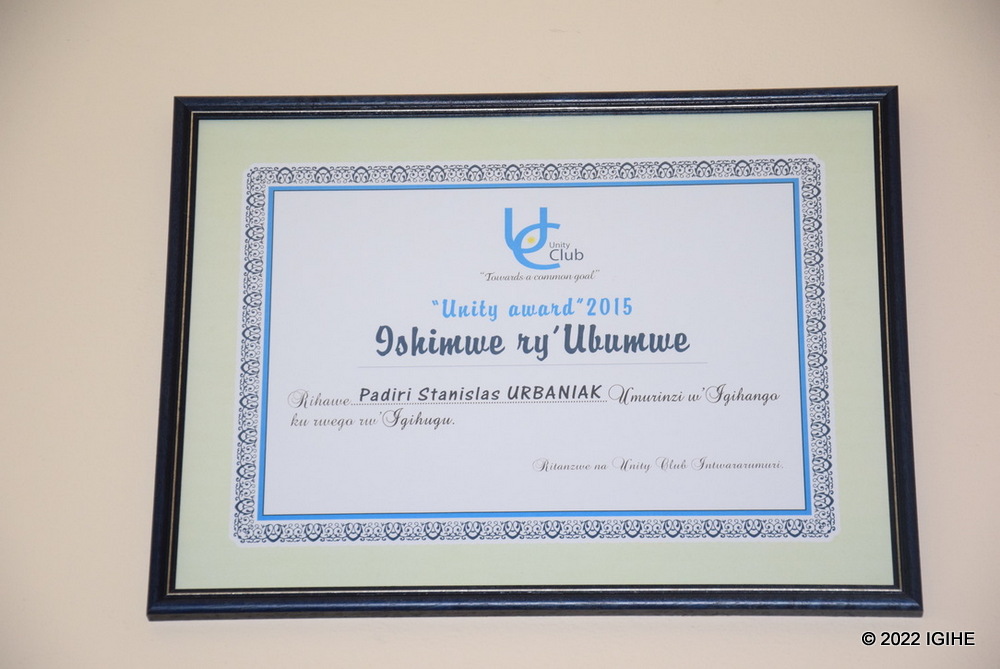
Residing in Ruhango Parish until 1996, Father Stanislas received recognition as a protector of the friendship pact on November 4, 2015, acknowledging his selfless contributions during Rwanda’s darkest period.
The development has been announced by Rwanda’s Presidency via X account, formerly Twitter.
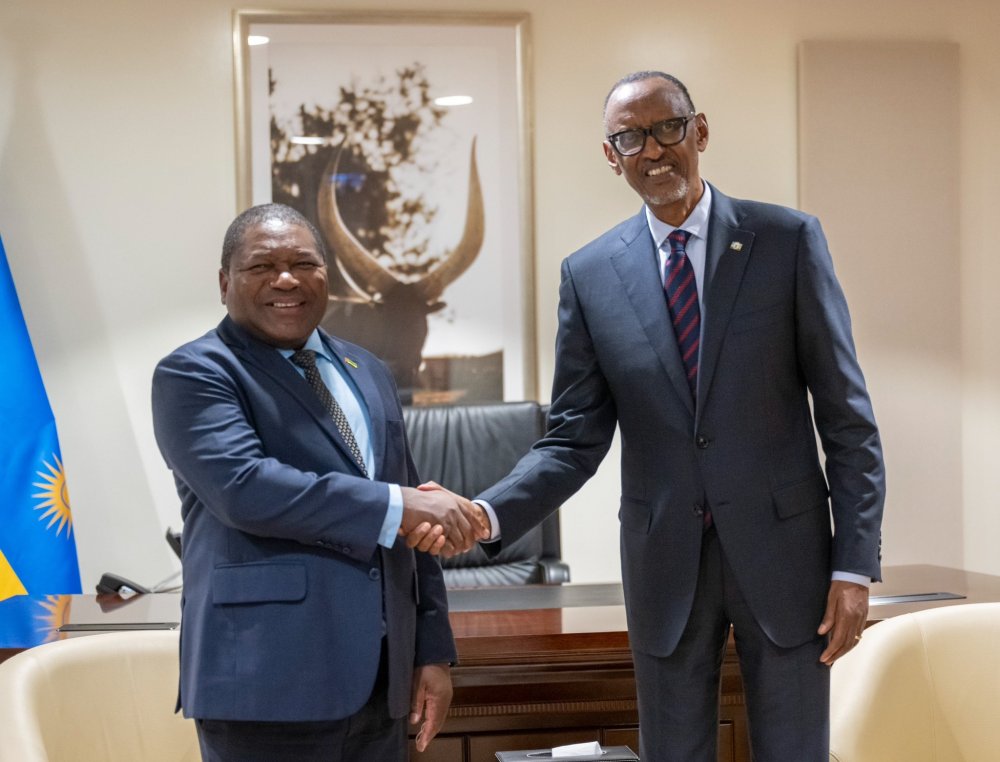
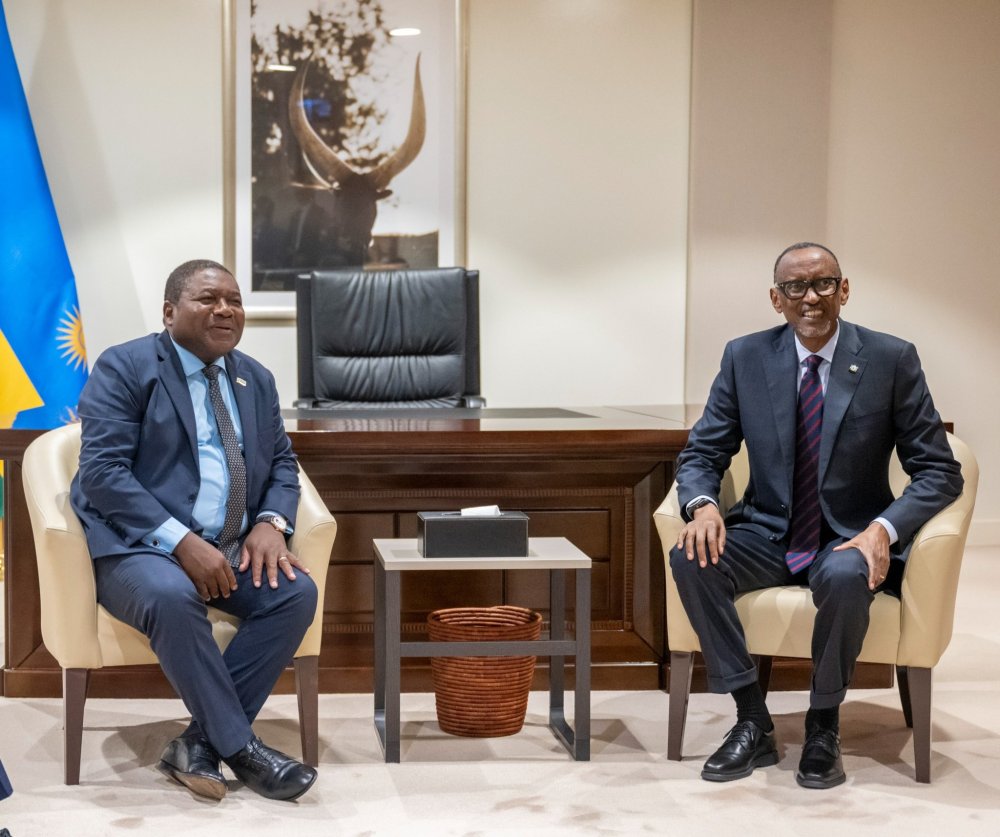
Rwanda and Mozambique have been enjoying vibrant relations for many years.
Both countries have cooperation agreements in different areas including security, trade and investment among others.
In 2021, Rwanda sent joint troops of Rwanda National Police (RNP) and Rwanda Defence Force (RDF) to fight terrorists in the Southern Africa country.
Following the deployment of Rwandan troops, the situation has been gradually returning to normal where displaced citizens returned home and schools resumed.
President Nyusi’s most recent visit to Rwanda took place in July 2023. During this visit, President Kagame gave him Inyambo, a breed of long-horned cattle. Prior to that, in February 2022, the two heads of state met in Rwanda to discuss collaborative efforts between their countries.
Their discussions encompassed various initiatives, including the joint actions taken to enhance security in Cabo Delgado Province and other areas of mutual cooperation.
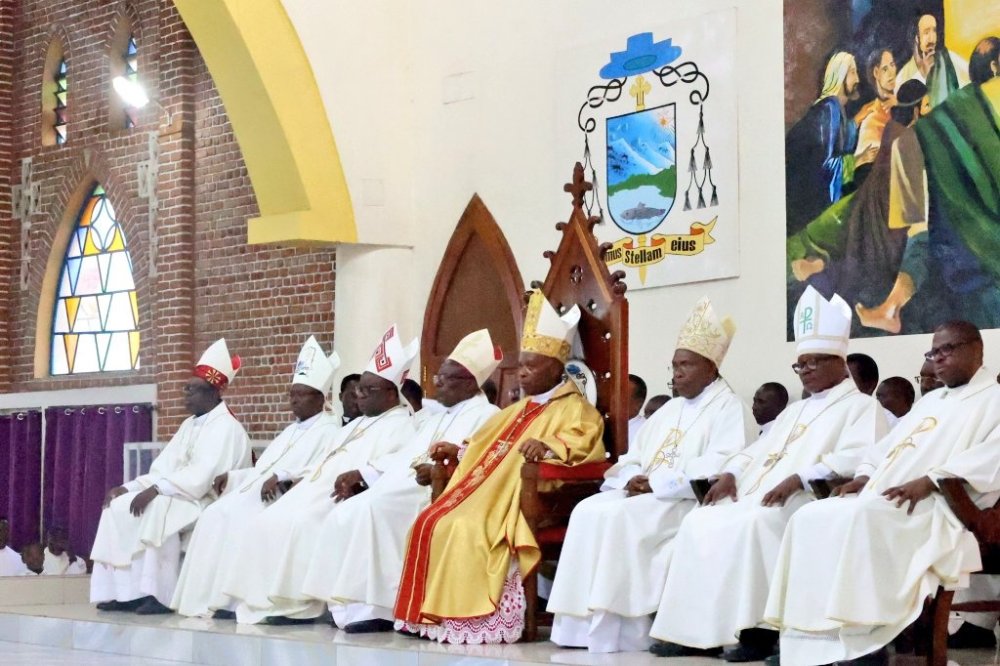
This concern was voiced during a dedicated mass for peace in the Great Lakes region, held at Ruhengeri Cathedral on January 25, 2024.
Within the mass, Bishop Harolimana, along with counterparts from Rwanda, Burundi, and the Democratic Republic of Congo—members of the Association of Episcopal Conferences of Central Africa (ACEAC)—shared their concerns and criticisms of the decision made by the Burundian government. They jointly called for active efforts from both countries to pursue peace and reconciliation among their people.
Bishop Harolimana, currently serving as the Vice President of ACEAC, stressed the importance of leaders fostering connections between people and advocated for bridges instead of walls that divide nations.
Reflecting on the recent border closure, he remarked, “The decision to close the land border between Rwanda and Burundi has deeply saddened us and raised concerns as we contemplate the well-being of our citizens, especially those residing near the borders.”
In a unified effort, the bishops of the Great Lakes region are scheduled to convene in Goma, Democratic Republic of Congo, on January 28, 2024, for a mass dedicated to praying for peace in the country and the broader region.
This collective initiative underscores their commitment to seeking peaceful resolutions and promoting harmony among the nations in the Great Lakes region.
This appointment was officially announced during a cabinet meeting chaired by President Paul Kagame on Thursday, January 25, 2024.
Uwacu has previously served in key positions, including Executive Director overseeing National Unity and Community Resilience at MINUBUMWE, as well as holding the position of Minister of Sports.
The cabinet’s announcements also included the appointment of Emmanuel Bugingo as Rwanda’s Ambassador to Zambia, set to succeed Rugira Amandin upon confirmation. Furthermore, James Ngago has been named as the new Ambassador of Rwanda to Switzerland and the United Nations in Geneva, taking over from Marie Chantal.
In a diplomatic reshuffle, Alison Heather Thorpe has been approved as the High Commissioner of the United Kingdom (UK) and Northern Ireland to Rwanda, succeeding Omar Daair. Lincoln Downer is confirmed as the Ambassador of Jamaica to Rwanda, and Tone Tinnes is approved as the Norwegian Ambassador to Rwanda, based in Dar es Salaam.
Additionally, Adelakin Olugbemiga has been confirmed as the Country Representative of the United Nations Population Fund (UNFPA) in Rwanda.