
[Click this link to watch the video->https://english.news.cn/20240418/b51247ef21dd427e8df90d97c85be8f8/c.html]
Category: News
-

Hotel employees urged to shun ethnic divisions among Rwandans
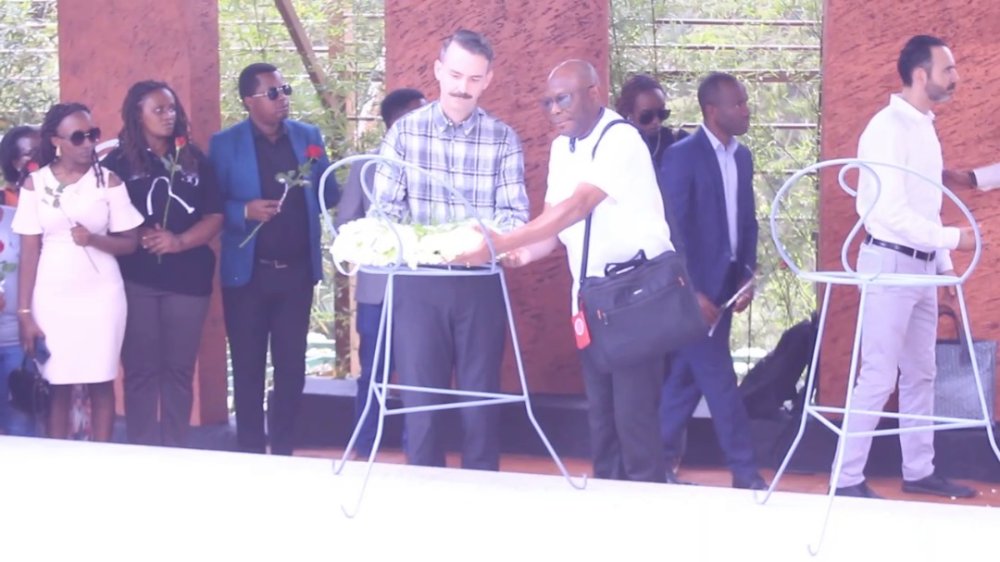
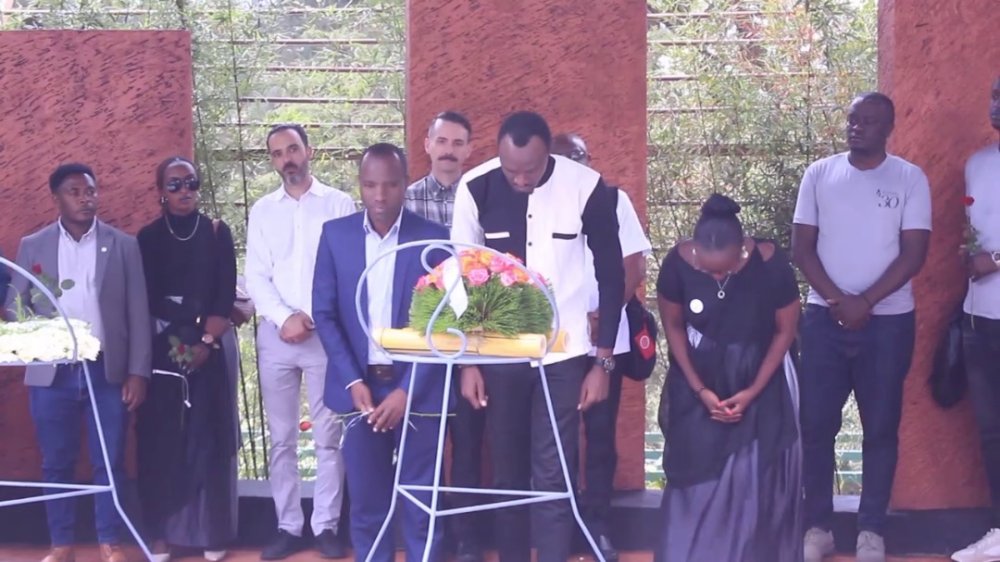
Representatives from global, African, and Rwandan hotel service organizations participated in the 30th commemoration of the Genocide against the Tutsi on April 16, 2024.
Flora Nyiratsinda, the General Secretary of the Union of Workers in Hotels, Restaurants, and Bars (SYNHOREB), announced that they chose to take hotel staff to the Kigali Genocide Memorial so they could see and understand the true history of Rwanda.
She said, “Many hotel workers are young, and bringing them to the Genocide Memorial helps them learn about history that occurred before they were born. We want them to understand where the country faltered and how it recovered, which they had only heard about in words, but now they have seen and had it explained to them.”
“We encourage them to remember what happened and strive to preserve the achievements so that our Rwanda can continue to progress… each person, in their own capacity, should represent all Rwandans so that genocide never occurs again. We aim to cultivate love among young children, so they grow up without prejudices.”
Nyiratsinda mentioned that they are also expecting leaders from global hotel worker organizations to come and provide testimonies to those who deny the Genocide against the Tutsi.
“We hope that foreigners will also come to understand what happened in our country, confronting those who deny the genocide with firsthand testimonies.”
Jeffrey Boyd, the representative of hotel workers’ unions in food and agriculture worldwide, pointed out that the history of the Genocide against the Tutsi is horrifying, yet it is admirable how the country has rebuilt itself.
He stated, “It’s a sorrowful history but also remarkable because some chose to stand and fight for the country, striving for peace. It’s valuable to see the country taking time to remember the Genocide against the Tutsi, continuing to seek ways to rebuild, which is truly praiseworthy.”
He urged workers in these services to ensure that such a genocide never happens again anywhere in the world.
Innocent Uwitonze noted that the Genocide against the Tutsi was possible because it was supported by the then-government of Rwanda and its allies, but the RPA forces fought day and night to stop it.
The 30th commemoration of the Genocide against the Tutsi began on April 7 and will last for 100 days.

-

Rwanda National Police to rotate three contingents in Central African Republic
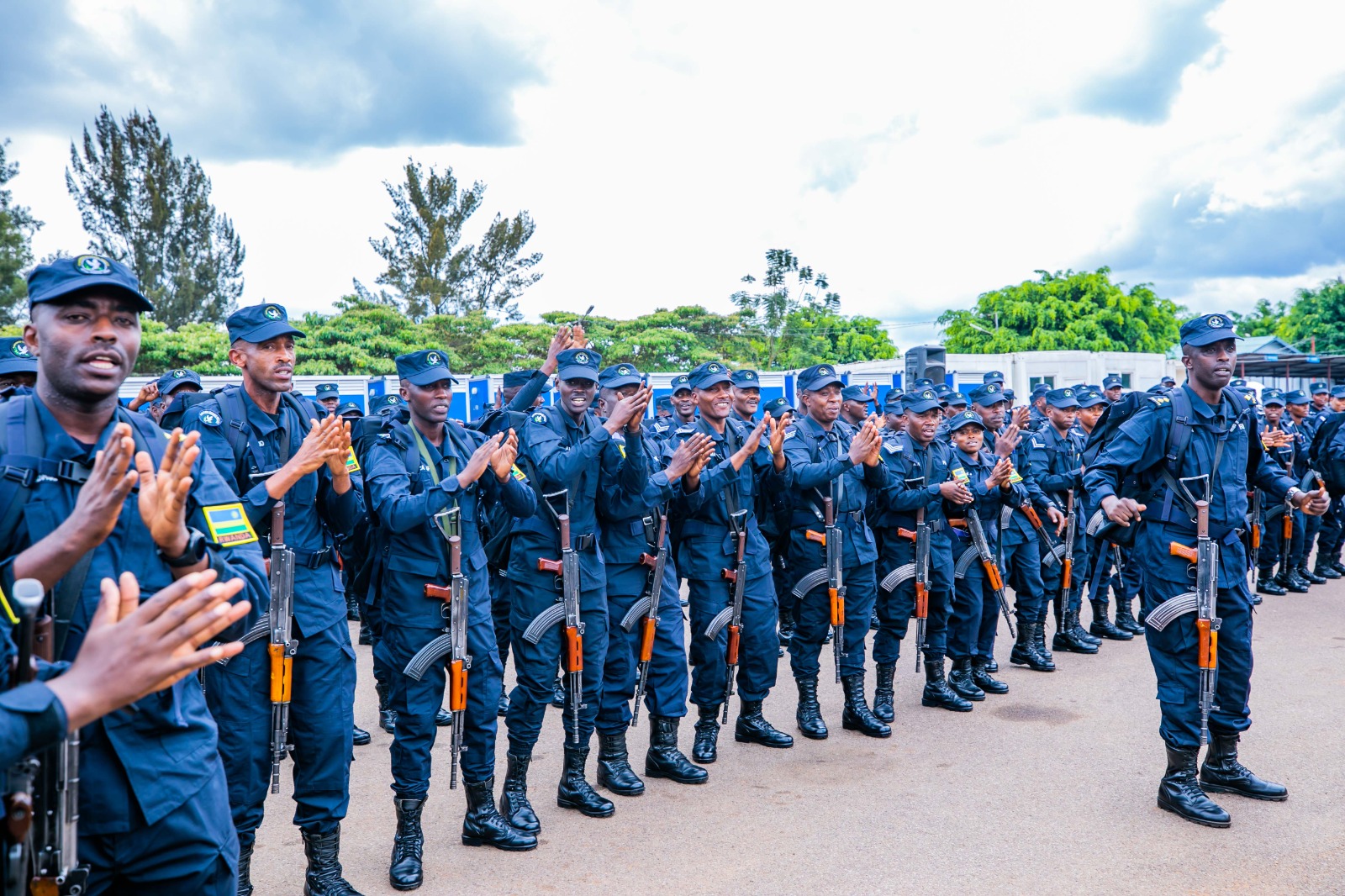
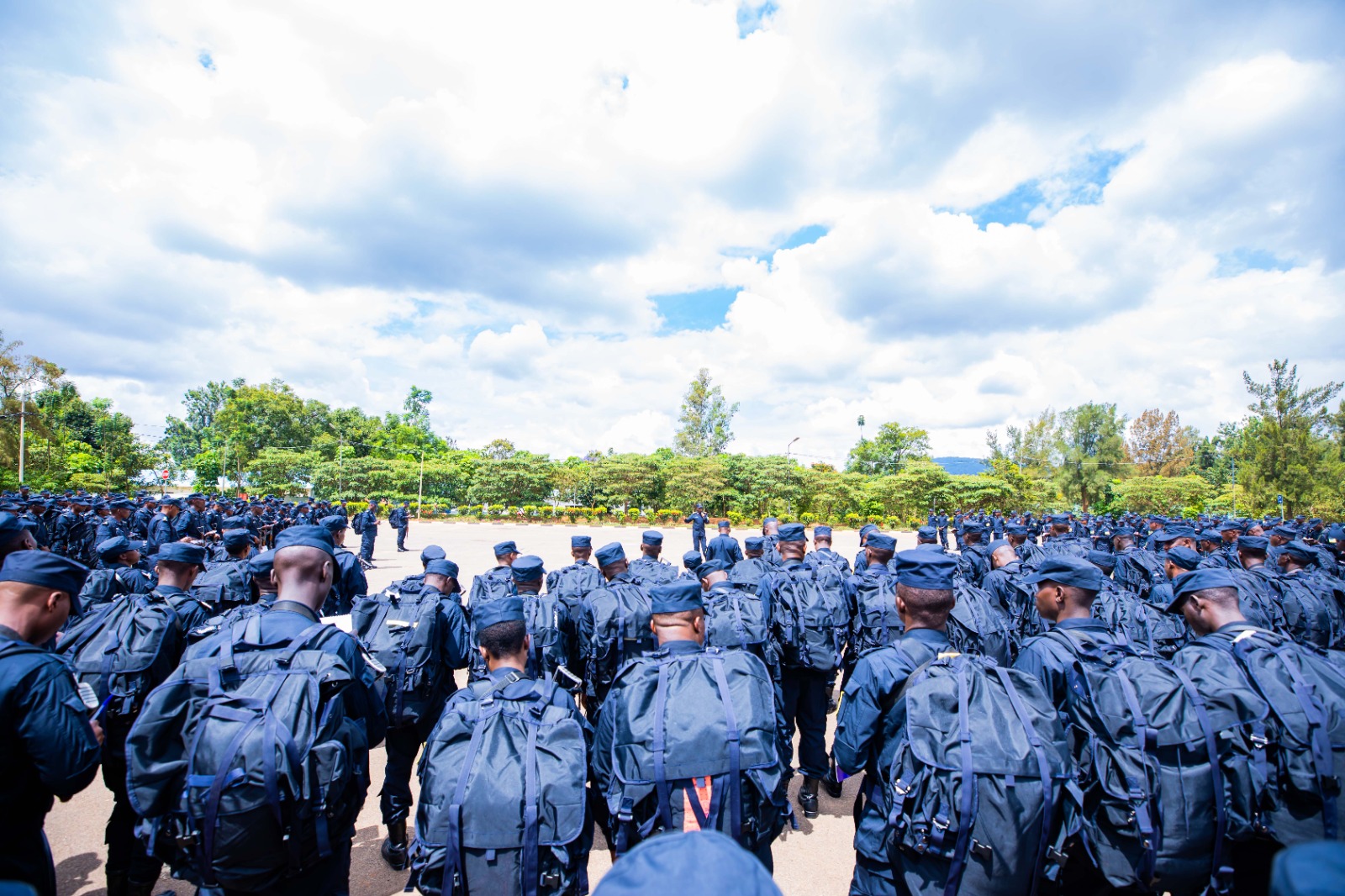
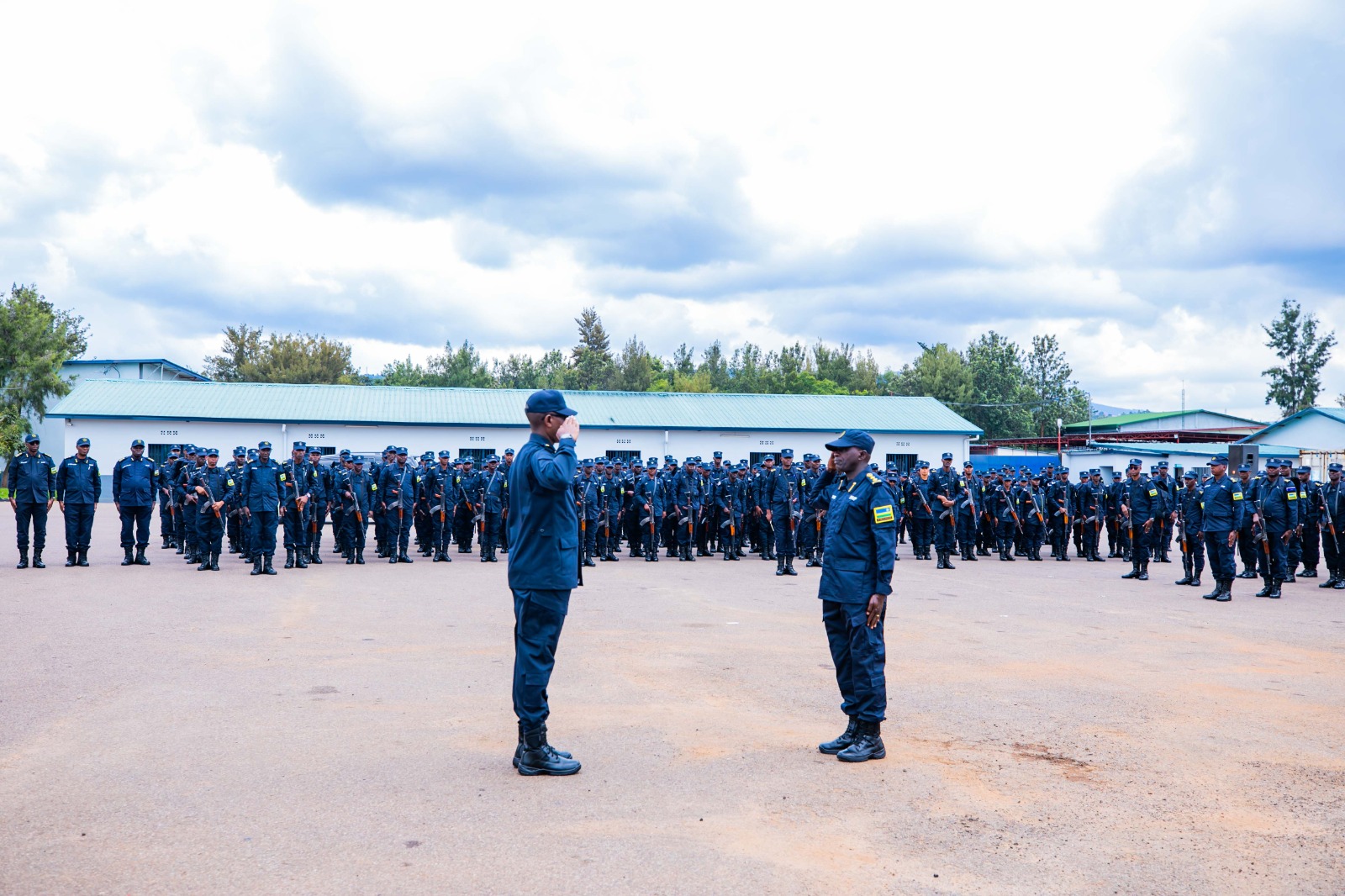
The officers to be deployed under the UN Multidimensional Stabilization Integrated Mission in CAR (MINUSCA) constitute three contingents.
Formed Police Unit Two (FPU-2) of 180 officers under the command of Chief Superintendent of Police (CSP) Boniface Niyitegeka, will be deployed in Kaga Bandoro; while 140 officers of FPU-1 headed by Senior Superintendent of Police (SSP) Jean Claude Munyeragwe and the Protection Support Unit (PSU) of 140 officers under the command of SSP IIdephonse Rutagambwa, will operate in the capital Bangui.
They will be deployed in phases effective this Saturday, April 20.
“Rwanda has been serving in CAR since 2014, build on the legacy left behind by other contingents that served before you to continue to raise the Rwandan flag high,” DIGP Sano told the officers during the pre-deployment briefing.
He added that lot is expected of them as well trained, capable and equipped contingents.
The Deputy Police Chief pointed out that Rwanda and CAR enjoy good cooperation in various diplomatic and training areas.
“We don’t expect any contradiction in what is expected of each one of you; do what you were trained to do as a team.
Think of how you will come back after 12 months; as a police officer who served with discipline, integrity and professionalism while respecting diversity,” DIGP Sano emphasized.
He further urged them to work as a team with a collective purpose, protect each other, alway be on alert; and ensure that civilians and other people under their protection are safe.
DIGP Sano also told them to continue supporting the local communities through various outreach activities.
The FPUs specialize in public order management, protection of civilians, delivery of humanitarian assistance, escort duties and protection of UN facilities.
On the other hand, PSU undertakes special duties such as protection for VIPs, including the the Prime Minister of CAR, Special Representative of the UN Secretary General (SRSG) and two Deputy SRSG, President of the National Assembly of CAR, Minister of Justice and the Head of MINUSCA Police Component, among others.
-

TRL Space leads initiative to launch Africa’s first satellite hub in Rwanda
TRL Space Rwanda, a sister company of the Czech-based TRL Space, is the pioneer of the project and will collaborate with the Rwandan Space Agency on its development.
The project, which marks a significant milestone for Rwanda, aims to establish a center for building small satellites for the entire African continent.
This center will facilitate knowledge transfer as the company seeks partnerships with the Rwandan government, universities, and research organizations to bring its expertise, development processes, and production to the East African country.
TRL Space has already committed to investing over $2 million (Rwf 2.6 billion) in this innovative collaboration.
According to the company, the first phase of the satellite mission, which will be exclusively used for Rwandan agriculture, has already begun with more satellites set to follow.
The company aims to create a complete constellation of satellites that will ensure regular and sufficient imaging of the entire continent.
While the first satellite will be built by engineers from Europe and Africa working together, the firm says, future satellites will primarily be developed by TRL Space engineers in Rwanda.
The search for these talents has already begun through the recent CubeSat Makerthon, which enabled TRL Space to recruit a diverse pool of talent from across Africa.
{{Czech President hails program}}
The initiative received praise from Czech President Petr Pavel during his visit to the TRL Space office in Kigali on April 6, 2024.
President Pavel was in the country to participate in the 30th commemoration of the 1994 Genocide against the Tutsi, which claimed the lives of a million people and left behind a trail of destruction of property.
Speaking during the President’s visit to the TRL Space Rwanda branch, TRL Space CEO, Petr Kapoun, affirmed that the company aims to use technology to change the economic fortunes of the African continent.
“Our intention is not just to deliver these technologies to Rwanda. We bring added value to the region. Our goal is to introduce new space technologies that increase the economic and living standards of the entire region,” the CEO stated.

-

Amb. Munyuza warns FDLR poses significant security threat for Great Lakes region
The FDLR consists of the remnants of the Interahamwe group that plotted and perpetrated the 1994 Genocide against the Tutsi in Rwanda.
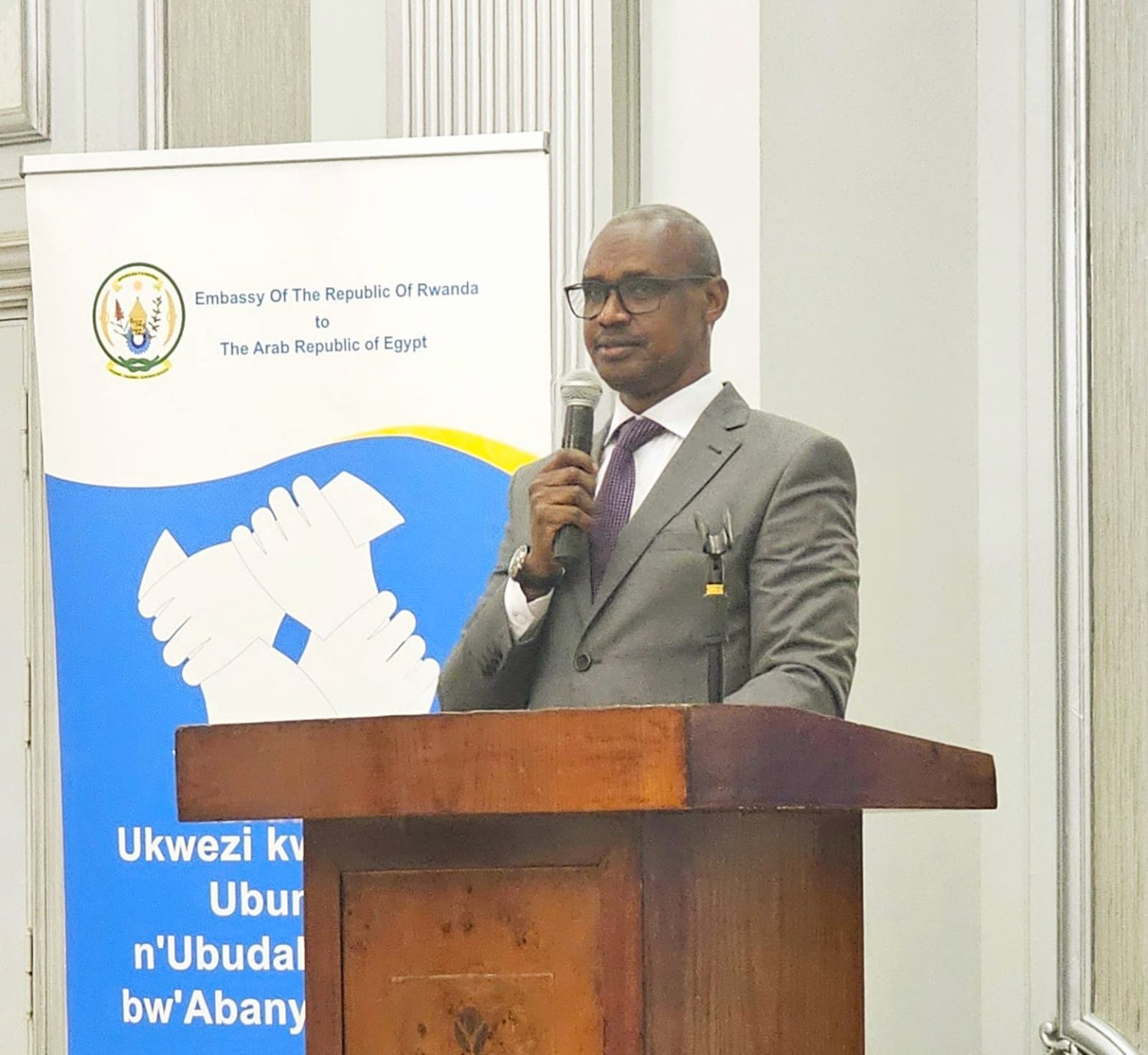
Munyuza, in a statement ahead of the 30th commemoration of the Genocide against the Tutsi slated for Egypt on Saturday, April 20, said that three decades after the Interahamwe group’s plot to exterminate the Tutsi in Rwanda was thwarted by the Rwandan Patriotic Front (RPF), their mission still remains.
“They [FDLR] seek to finish the job of eliminating part of the Rwandan population. The FDLR constitutes a significant security threat for the Great Lakes Region,” he stated.
Munyuza’s remarks come amid ongoing instability in the Eastern DRC fueled by the ongoing fight between the Congolese army, FDLR and the M23 rebel group.
Rwanda, led by President Paul Kagame, has been critical of the Congolese and Burundian governments’ collaboration with the FDLR, fueling tension between the three neighboring countries. DRC, on the other hand, accuses Rwanda of backing M23 activities.
Reflecting on the lessons learnt from the genocide, the envoy noted that what was witnessed in Rwanda 30 years ago, was an outcome of the deep divisions and racists ideologies created amongst Rwandans by the colonial authorities that ruled Rwanda from the end of World War 1 to 1961.
He called for unity of purposes for the development of the region.
“Genocide was a tragedy of enormous proportions. But Rwanda has arisen from the ashes. Rwandans are thriving, and this is a testament of what is possible when leaders work together with citizens to build institutions required to entrench good governance, with a focus on reconciliation, resilience and inclusiveness,” he stated.
Similar sentiments about FDLR were shared by President Kagame on April 7, when he led the country in honouring the lives of more than a million people killed in 1994.
During the event, the Head of State lamented that the world had not drawn any lessons from what happened in Rwanda.
In a hard-hitting speech, Kagame questioned why the FDLR militia continues to operate in DRC in “full view of the UN peacekeepers”.
“Their objectives have not changed, and the only reason this group, today known as FDLR, has not been disbanded, is because their continued existence serves some unspoken interests,” Kagame lamented.
Kagame noted that as a result of FDLR operations in eastern DRC, hundreds of thousands of Congolese Tutsi had been dehumanized and forced out of their homes and left to seek refuge in Rwanda and other neighbouring countries.
“Hundreds of thousands of [Congolese Tutsi] refugees live here in our country in Rwanda, and beyond, completely forgotten, with no program of action for their safe return. Have we really learned any lessons?” He posed.
-

President Kagame reveals change of Rwandans mindset on foreign aid helped transform country
The Head of State said the government made deliberate efforts to change the mindset of its citizens on interventions needed to deal with hunger and other challenges including diseases.
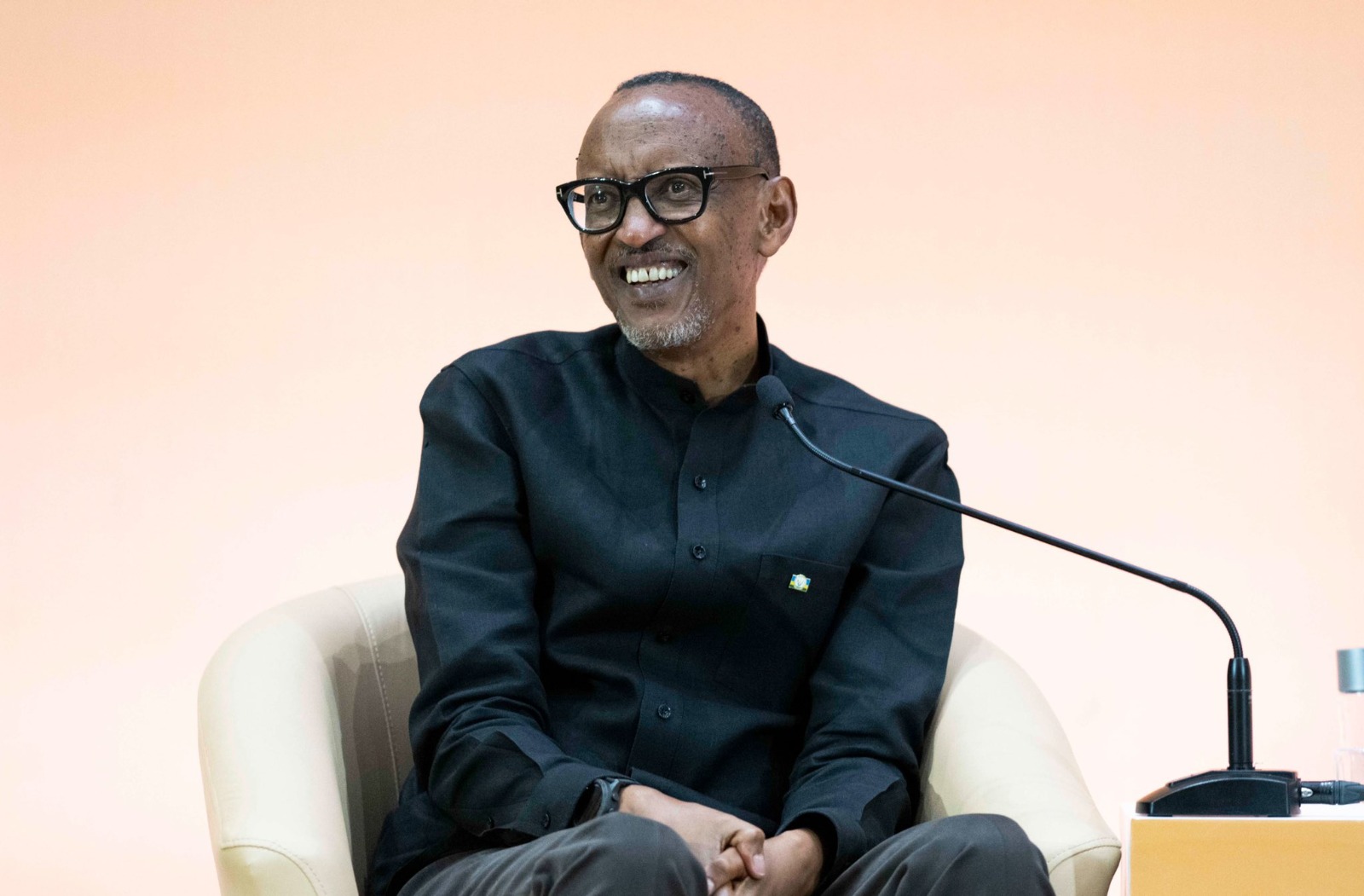
“When we started this process of rebuilding, the thing we discovered we had to do was to change the thinking of our own people. You could see our people were just sitting back and knowing that if there is hunger, somebody is going to bring food. If there is a disease, somebody is going to come and help. So we got used to being helped from outside. And that really worsened things,” President Kagame stated.
The change of the mindset, he said, helped empower the citizens to create wealth and solve common challenges in the Rwandan society.
“We emphasized that so much and we had many examples to show for it, to show how we need to move on from that. Given the possibility, given the tools, they started doing things themselves. Help from outside will always be welcome, or may be needed. But it should come building on something you are trying to do yourself,” he added.
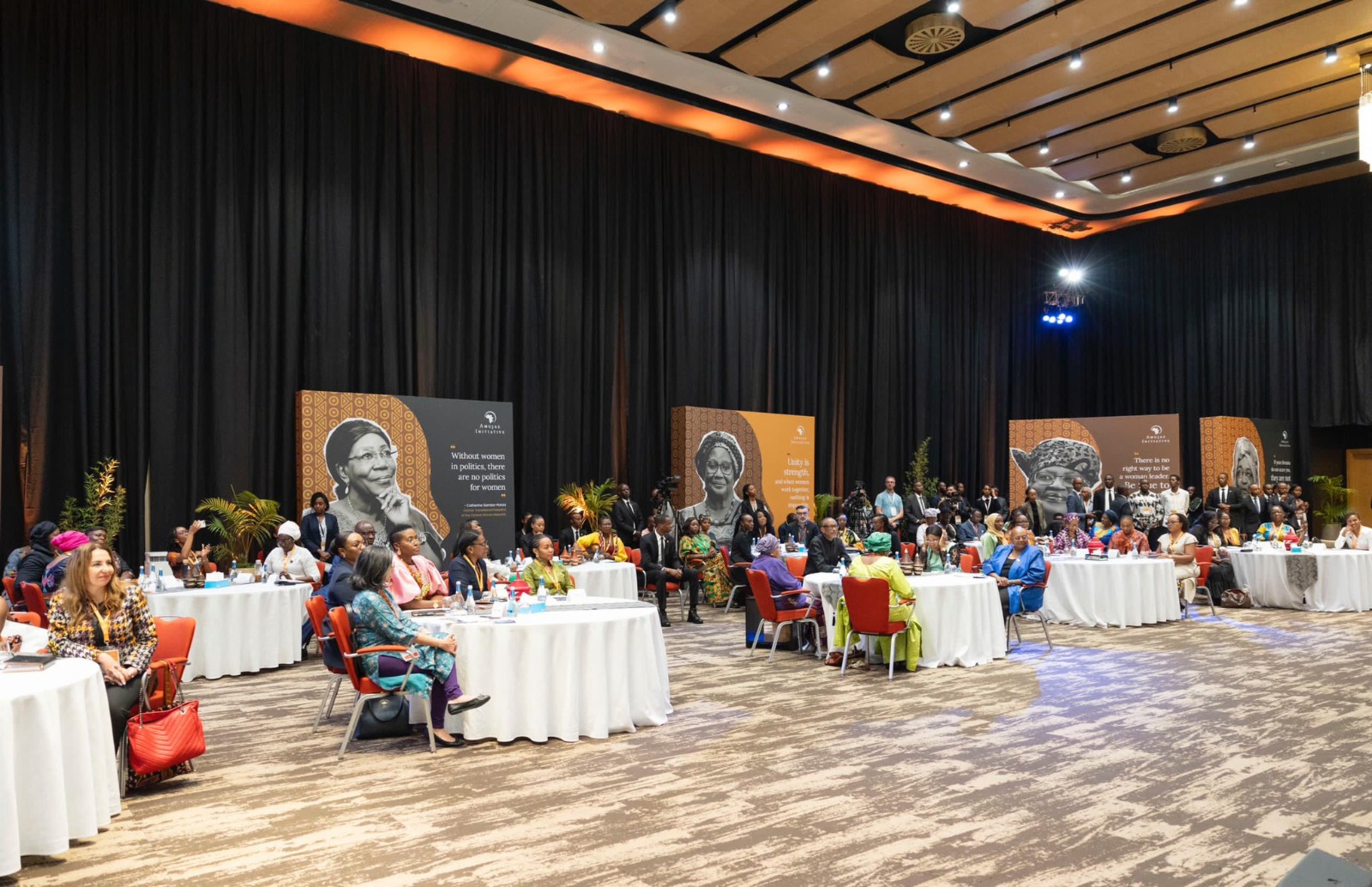
The President was speaking during the first Amujae High-Level Leadership Forum which kicked off in Kigali on Friday, April 19, 2024.
In attendance were former presidents Ellen Johnson Sirleaf of Liberia and Catherine Samba Panza of the Central African Republic.
The forum brings together three cohorts of Amujae leaders from across the continent for discussions that contribute to their mentorship and preparation for high-level leadership positions.
The forum coincides with Rwanda marking 30 years since the 1994 genocide against the Tutsi, which resulted in the loss of more than one million lives and damage to property, severely denting the country’s economy.
President Kagame recently noted that the country had defied the odds to record tremendous growth over the last three decades.
Speaking during an engagement with the media on April 8, the President affirmed that with a favorable political environment, Rwanda’s economy will continue to soar, reaching five times its current potential.
-

Apple removes WhatsApp and Threads from App Store in China on security grounds
Apple stated that this decision was implemented following a request from China, citing national security reasons, although specific issues caused by these apps were not disclosed.
Other apps like Telegram and Signal were also banned and subsequently removed from the App Store.
In a released statement, Apple said, “The authority responsible for regulating online activities in China requested us to remove these apps, and we are obligated to comply with the laws of the countries in which we operate, even if we do not agree with them.”
Technology experts in China reported that their country decided to ban these apps due to a new law that required all apps to register with the government or face suspension.
The deadline was set for the end of March, and the enforcement of this law began on April 1 of this year.
-

Celebrating the power and influence of African women on the 2024 Time 100 Most Influential People list
From activists and leaders to innovators and creators, these women have overcome numerous barriers to shape the world in significant ways. Among them is Taraji P. Henson, an acclaimed actress and mental health advocate. Her inclusion celebrates not only her illustrious career in the entertainment industry but also her pivotal role in addressing mental health issues, particularly within the African American community.
Another prominent figure is Ngozi Okonjo-Iweala, the first woman and first African to lead the World Trade Organization. Under her leadership, the WTO has taken critical steps towards more inclusive global trade policies that consider the needs of developing countries.
In technology, we see figures like Whitney Wolfe Herd, the founder and CEO of Bumble, who has been instrumental in shaping a safer online dating experience while empowering women to make the first move. Her innovative approach to technology not only challenges societal norms but also builds a profitable business that prioritizes female agency and security.
The representation of women on this list is not just about quantity but quality and impact. These influential figures are not only leaders in their respective fields but also role models who inspire generations of women to pursue their dreams without constraints.
Among the youngest influencers is a 17-year-old climate activist, Vanessa Nakate from Uganda. She has been a formidable voice in the global climate movement, highlighting the disproportionate impact of climate change on African nations and advocating for substantial policy changes worldwide.
The presence of these women on the Time 100 list is a testament to the shifting paradigms in global leadership and influence. It reflects a world where women’s contributions are increasingly recognized and valued, and where their influence shapes policies, cultures, and ideologies across the globe. Their stories are not just narratives of personal success but beacons of hope for a more inclusive and equitable world.
There are more distinguished women from Africa who made it to the 2024 Time 100 Most Influential People list. These women are trailblazers in their fields, further emphasizing the diverse impact African women are having on the global stage.
Among these remarkable figures is Dr. Oby Ezekwesili from Nigeria, a former Vice President of the World Bank and co-founder of Transparency International. Dr. Ezekwesili has been instrumental in launching and leading several initiatives aimed at improving governance and reducing corruption in Africa. Her advocacy for the #BringBackOurGirls campaign has also been a vital voice in the fight against the abduction of girls by Boko Haram in Nigeria.
Another influential woman from Africa on the list is Amina J. Mohammed from Sudan, who serves as the Deputy Secretary-General of the United Nations. Her role is crucial in steering global efforts towards sustainable development, with a particular focus on forging international alliances to tackle poverty, empower women, and mitigate climate change.
From South Africa, we see Dr. Precious Moloi-Motsepe, a philanthropist and businesswoman who has used her resources and influence to promote health, education, and economic development across Africa. As a founder of the Motsepe Foundation, she works tirelessly to reduce inequality and promote economic inclusion.
These women, along with others from the continent, showcase the breadth and depth of female leadership in Africa. They are not only pioneers in their respective sectors but are also creating lasting impacts that reach beyond their local communities to the global stage. Their stories and achievements are vital parts of the narrative that illustrates the dynamic roles women are playing in shaping a more equitable and prosperous future.

-

Senator Uwizeyimana criticizes Tshisekedi’s approach, draws parallels with Habyarimana in addressing Eastern DRC crisis
Tshisekedi stated that the M23, active in North Kivu since 2012, is not a group of Congolese but rather Rwandans provoking his country, aiming for activities including plundering natural resources.
This contradicts the claims of M23’s leadership, explaining that during 2020 and 2021 in Kinshasa, the DRC government found M23 fighters on the list of national soldiers, with some still receiving salaries.
In an interview with IGIHE, Uwizeyimana described M23 as mainly consisting of Congolese who speak Kinyarwanda and are of Tutsi ethnicity, present in DRC territory due to borders drawn by colonial powers up to 1895.
He pointed out that Tshisekedi’s characterization of M23 fighters as Rwandans is a significant mistake that will not aid in resolving the conflicts in Eastern DRC.
“If borders were arbitrarily drawn, and those enclosed within them ended up in Congo, it should be straightforwardly understood without any issues that these people are Congolese. To say they are Rwandans who should be sent back home is the first and foremost error made by the Congolese government,” he said.
Uwizeyimana mentioned that Tshisekedi’s words remind him of those spoken by Habyarimana in October 1990, when Rwandans forming the RPA-Inkotanyi initiated a campaign against the Ex-FAR from Uganda, where they lived as refugees.
The reasons that led Inkotanyi to start this struggle included paving the way for Rwandan refugees Habyarimana had banned from returning and to stop the genocidal acts against Tutsis based on the prevailing racial discrimination policy in Rwanda.
The lawyer recalled, “It immediately reminds me of something Juvénal Habyarimana once did with the then Foreign Minister, Casimir Bizimungu. When Inkotanyi attacked, he had said that it was Uganda who attacked.”
He continued, “His minister was saying he wanted to talk with Uganda because it was attacking them, but later, as the situation revealed itself, it became clear that he had issues with the Rwandan refugees who were prevented from returning until they decided to take up arms to return by force.”
Tshisekedi and the members of the DRC government refused to talk with M23, explaining that they wanted to talk with Rwanda as they believe Rwanda is hiding behind this armed group. Uwizeyimana clarified that these words are similar to those previously spoken by Bizimungu.
Senator Uwizeyimana stated that in war, the weaker side should humble itself and accept negotiations. He believes this is how the DRC government should act since M23 has overpowered them, capturing many areas in North Kivu.
-

UK MPs to sit through the night on Monday in Sunak’s push to pass Rwanda Bill
Local media reports indicate that Sunak’s administration has directed party managers to lobby members of the House of Commons to sit through the night to pass the legislation that has suffered delays due to several amendments proposed by the House of Lords.
Sunak’s latest move follows growing criticism over his failure to “run the votes round the clock” and have the first flight of migrants depart to Rwanda as part of the government’s plan to deter persons arriving in the UK on small boats across the English Channel.
The PM has expressed his confidence that parliament will finally pass the Bill, which declares Rwanda a safe country, on Monday, after suffering several defeats in the Lords.
“Repeatedly, everyone has tried to block us from getting this bill through, and yet again you saw this week Labour peers blocking us again, and that’s enormously frustrating.
“Everyone’s patience with this has worn thin, mine certainly has. Our intention now is to get this done on Monday. No more prevarication, no more delay, we are going to get this done on Monday, and we will sit there and vote until it is done,” he said on Friday.
The peers defied the government to vote through two more amendments to the legislation on Wednesday night.
The Lords are demanding exemption from removal to Rwanda for Afghans who served alongside British soldiers overseas as well as tighter checks on the safety of Rwanda for asylum seekers.
The scheme was first announced in April 2022 by former Prime Minister Boris Johnson’s government following a deal with Rwandan authorities.
The Bill was introduced to Parliament after the UK Supreme Court ruled that the government’s scheme was unlawful. The judges argued that genuine refugees being removed to Rwanda faced the risk of being returned to their home countries, where they could face harm.
