{The Government of Kenya has issued a warning regarding Tanzania’s practice of issuing permits to those seeking to hunt elephants for rewards, requesting that such activities not be conducted within at least 40 kilometers from the border with Tanzania.}
According to a report by Reuters on April 10, 2024, Tanzania, along with other African countries such as Zimbabwe, Namibia, Botswana, and South Africa, permits elephant hunting as a form of recreation or physical training aimed at awarding trophies such as medals and cups (Trophy hunting).
Reuters notes that in terms of costs, a person in Tanzania looking to hunt elephants for recreational trophies can expect to pay between $10,000 and $20,000 for a permit.
Kenya highlights that elephants from its parks, especially those with long tusks useful for protection, have been killed in Tanzania by licensed hunters. For instance, in September 2023, a Kenyan elephant with 50 kg tusks was killed by hunters authorized by Tanzania.
Kenyan authorities and wildlife conservationists have raised alarms over these activities conducted near the Kenya-Tanzania border, noting their detrimental impact on local elephants and on tourism in Kenya, as pointed out by Joseph Ole Lenku, Governor of Kajiado County in Kenya, a region heavily reliant on tourism.
He stated, “It is inappropriate to grant hunting licenses for elephants near the Kenya border.”
Amboseli Wildlife Park in Kenya, known for its significant elephant population, is located near the border with Tanzania, where the elephants can cross into Tanzania.
Since 1995, Kenya and Tanzania have had an unwritten agreement that no elephant from one country should be killed in the other, following incidents in 1994 where Kenyan elephants were killed in Tanzania. However, Kenya notes that despite this agreement, Tanzania often disregards it.
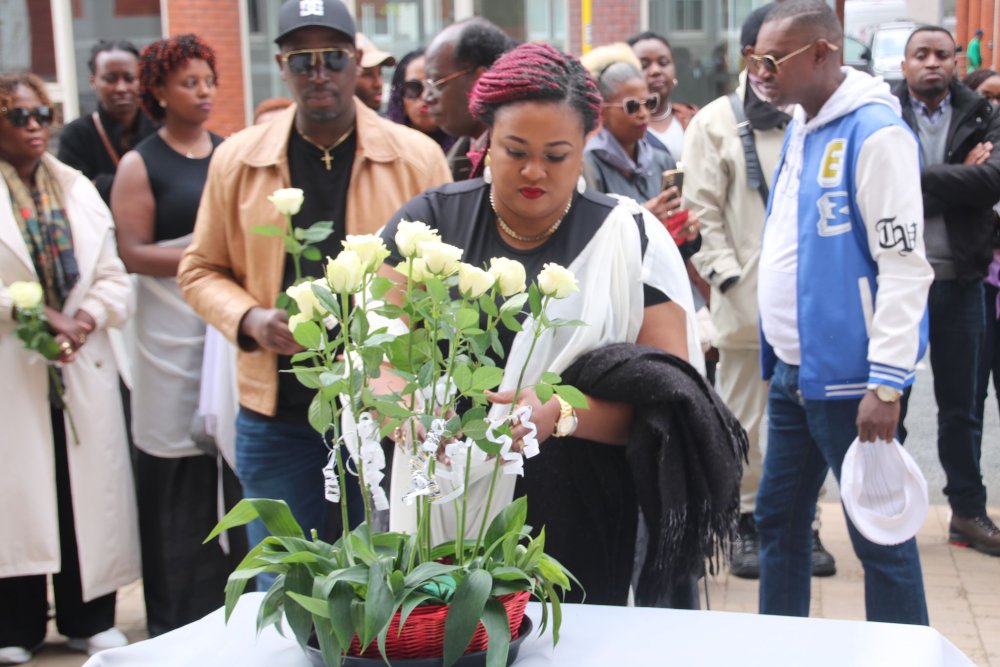
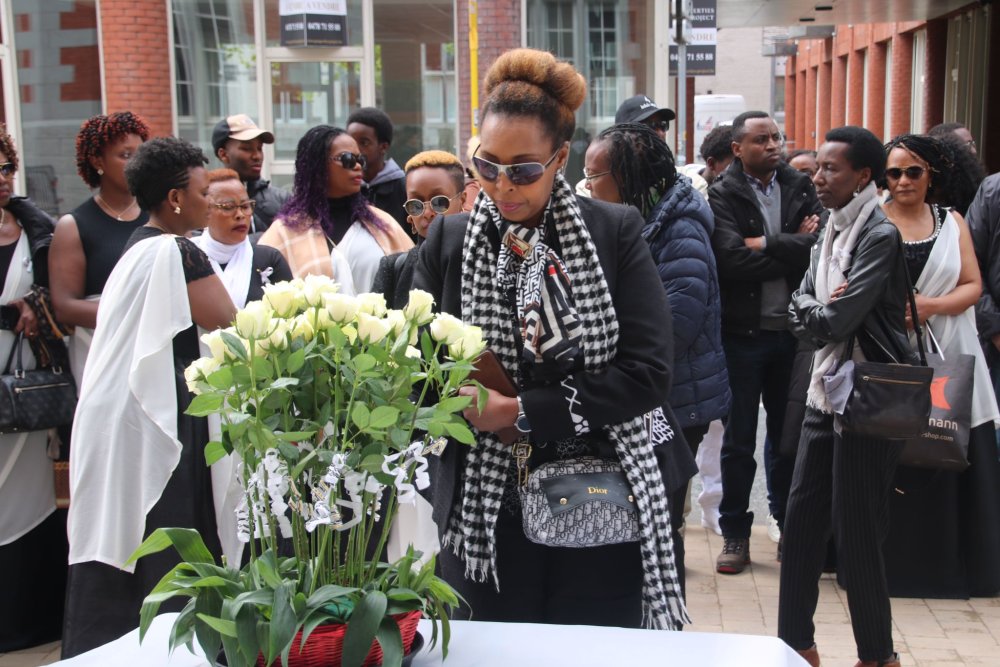
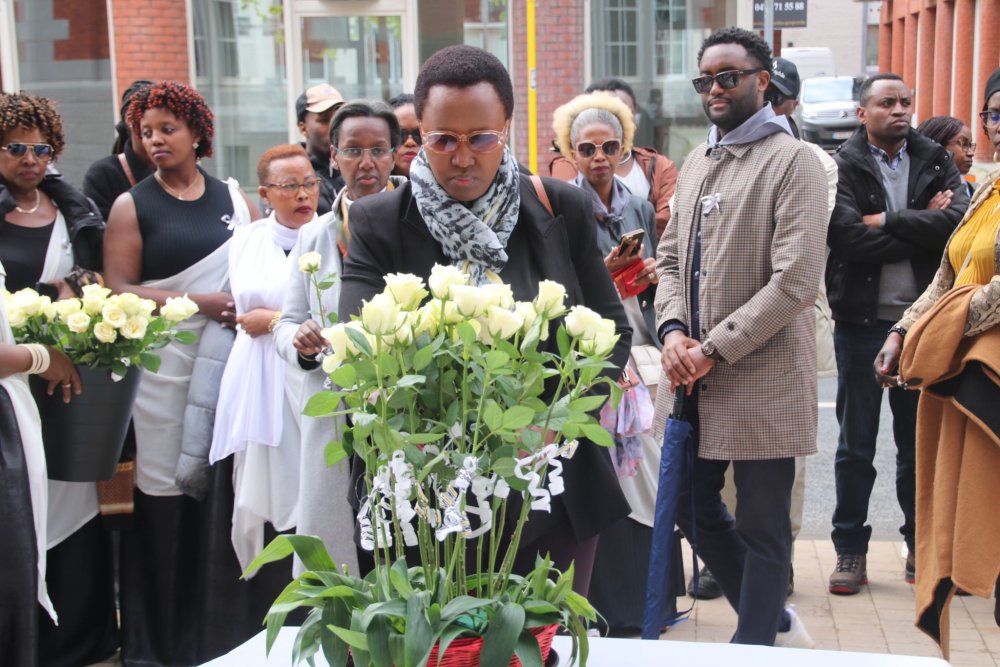
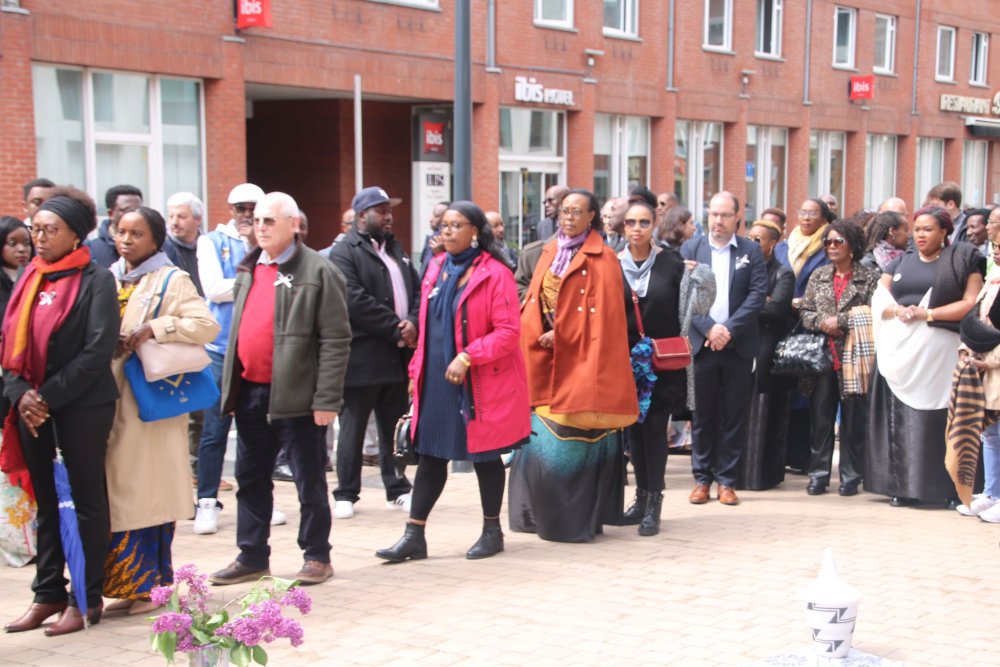
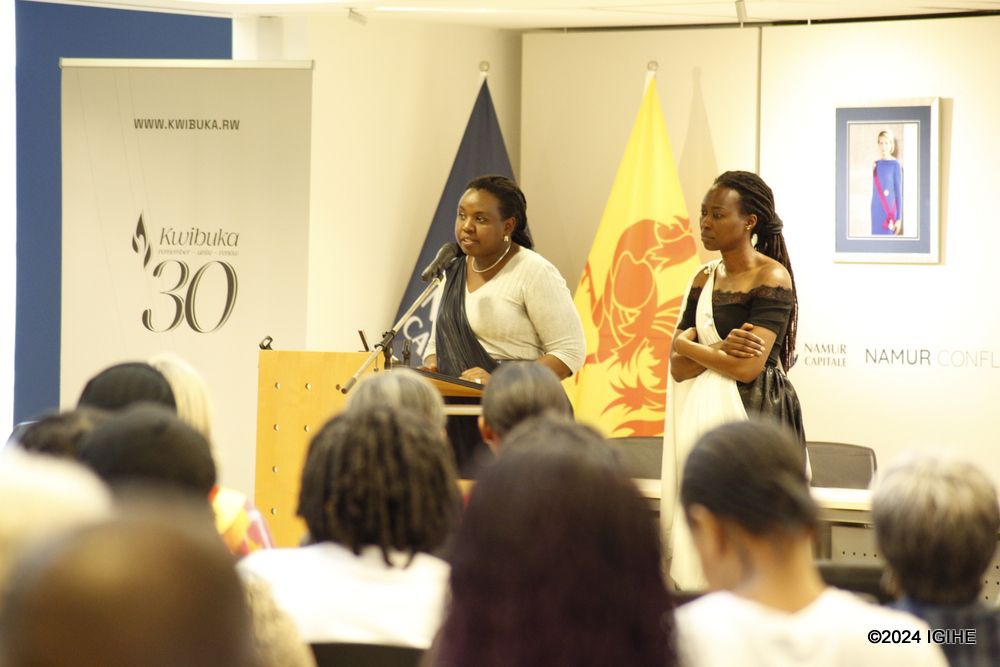
She specifically addressed this message to representatives from over 110 countries based in India, who attended the 30th commemoration of the Genocide against the Tutsi, organized by the Rwandan Embassy and the United Nations office in New Delhi.
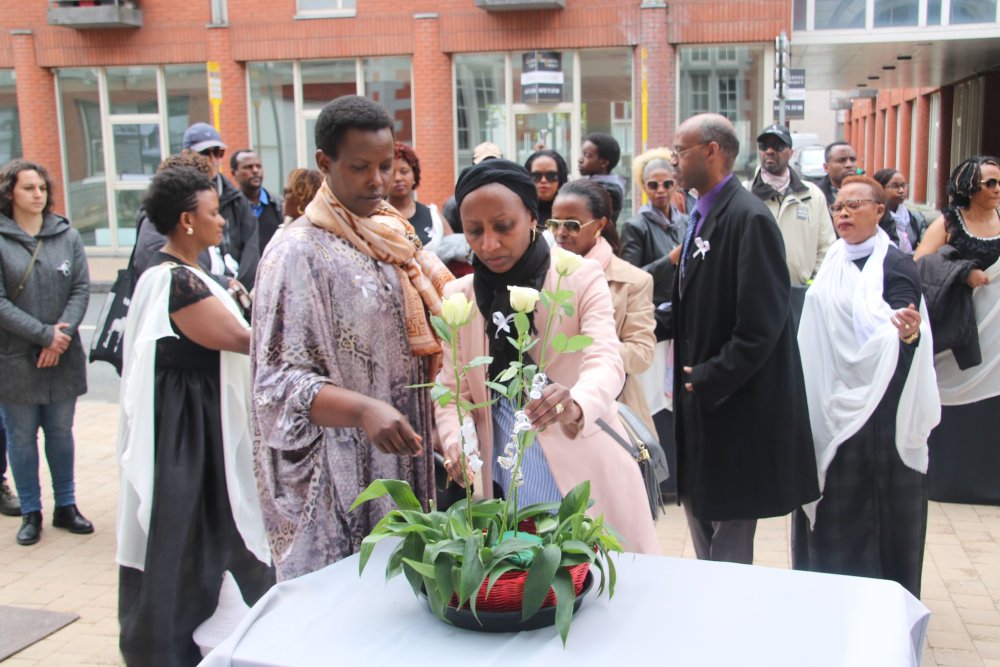
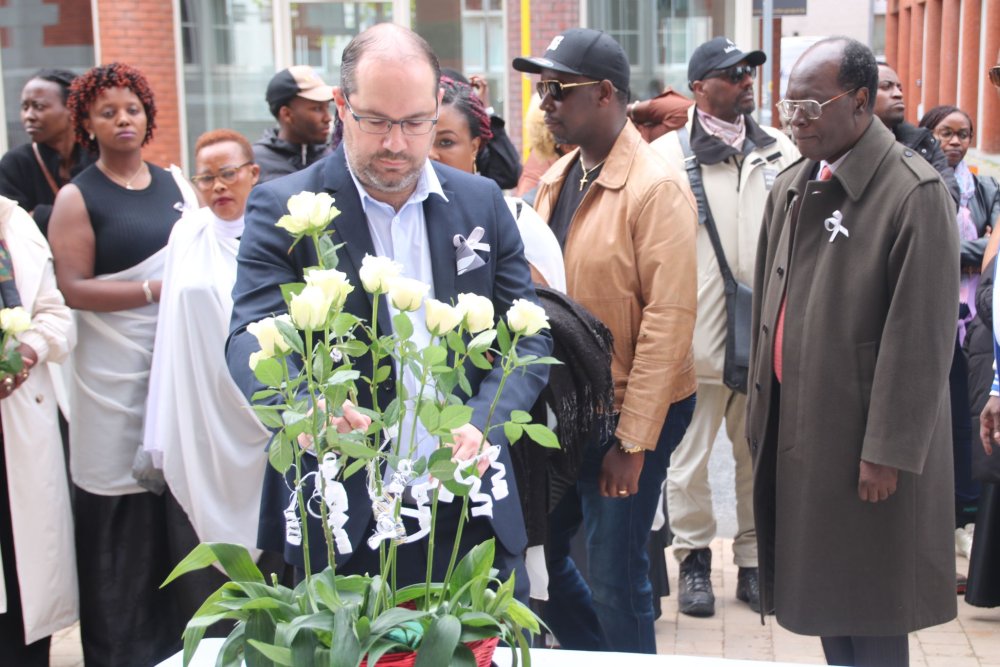
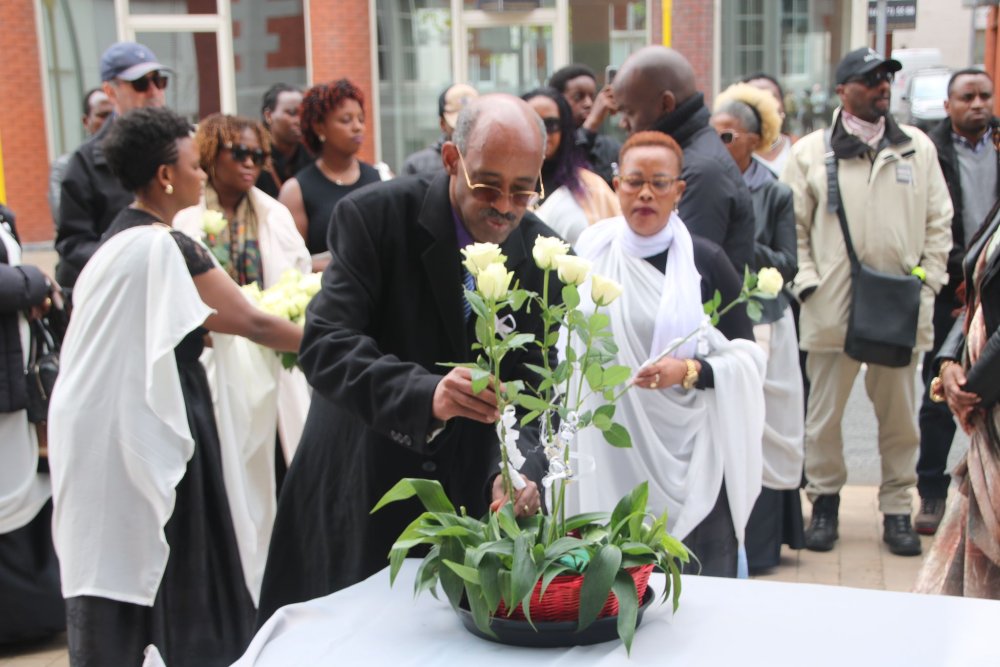
Amb. Mukangira explained that commemorating the genocide is about honoring those who perished, appreciating the Rwandans who halted it, and reminding everyone of their role in preventing such atrocities from recurring.
Amb. Mukangira thanked all the countries that have supported Rwanda’s rebuilding efforts after the genocide, emphasizing a commitment to peace and human rights.
During the start of the 30th commemoration on April 7, 2024, the Indian government lit the Qutub Minar tower in the colors of the Rwandan flag. Amb. Mukangira expressed gratitude towards the Indian government for their solidarity with the Rwandan people.
While Amb. Mukangira called on countries to preserve the history of the genocide against the Tutsi, she also urged them to prevent genocide and other serious crimes, to prosecute and bring to justice those involved who are still evading justice.
She also asked countries to include lessons on the Genocide against the Tutsi in their educational curricula, to enact laws that punish genocide crimes, and to track those who spread its ideology.
The UN Coordinator in India, Shombi Sharp, emphasized that remembering the genocide against the Tutsi aims to honor the victims and remind everyone of their duty to prevent such events from happening again.
Sharp stated, “Commemorating this dark time in human history is an act of honoring the victims and a firm reminder of our duty to prevent tragedies like this from recurring, as well as acknowledging the bravery of the survivors.”
The commemoration event in New Delhi featured an exhibition of art and creative works about the Genocide against the Tutsi, attended by 300 students and teachers from India, and an evening of remembrance attended by more than 600 people.
This year’s theme, “Education Fuels Innovation, Investment Amplifies Skills: Africa’s Vibrant Leap Forward,” highlights the critical interplay between education, investment, and innovation in steering Africa’s future.
With over 72 sessions and workshops, eLearning Africa 2024 provides a robust platform for knowledge exchange and collaboration across various sectors, including foundational and higher education, vocational training, workplace and lifelong learning, with a special emphasis on capacity building in vital areas such as 4IR, AI, TVET, tourism, health, agriculture, and other industries pivotal to Africa’s development.
Commenting on the event, the Minister of State for Education, Claudette Irere, stated: “Today, there is an increasing need to adopt a blended mode of learning to foster broader access to quality education and resiliency of the education systems, for all students to be prepared for the technological revolution of the 21st century, and beyond.”
The exhibition at eLearning Africa 2024 is the event’s networking hub, hosting leading international and African education, training, and technology companies and institutions. It showcases the full spectrum of innovation in EdTech, from gamified learning apps to online proctoring tools, industry-leading LMSs to augmented reality devices, content providers to explainer videos, and established publishing services to pioneering educational hardware.
This diverse and comprehensive mix caters to all academic, corporate, and public sector learning and training needs, making the exhibition a magnet for buyers, analysts, and investors in EdTech.
Elaborating on the significance of the event, Rebecca Stromeyer, CEO & Founder of eLearning Africa, remarked: “eLearning Africa 2024 reaffirms the continent’s commitment to embracing digital technologies for groundbreaking education and skills development. By fostering cross-sector collaborations, we aim to drive innovation in digital learning, empowering Africa’s youth to lead in the digital age.”
The conference will feature two extraordinary plenary sessions, streamlined to encapsulate the transformative impact of integrating technology with education. The opening session will explore how strategic investments in education can unlock innovation and skill development, contributing to the African Union’s Agenda 2063 and the Sustainable Development Goals.
The second plenary session will focus on transformative strategies for education, training, and skills development, highlighting the role of digital innovation in shaping the future workforce.
Keynote speakers include Minister of Education, Gaspard Twagirayezu (Rwanda), Dr. Laila Macharia (Aspen Institute’s Africa Initiative, Kenya), Frank van Cappelle (UNICEF), and Michael Onyango (Agenda Setter @ 4BM), among others.
With an expected record attendance from across Africa and the globe, eLearning Africa 2024 stands as a pivotal event, defining the trajectory of digital education on the continent.
The two-year waiver means that traders can export unlimited quantities of flowers to the UK at zero per cent tariff, even if the commodities were to be transported through third parties.
While the rest of the world is set to benefit from the waiver, the UK named the East African region—comprising other countries such as Kenya, Ethiopia, Tanzania, and Uganda —as the primary beneficiaries.
“The suspension of eight percent duty for cut flowers applies across the world but will be a big win for major flower growing regions in Kenya, Ethiopia, Rwanda, Tanzania, and Uganda. The duty suspension will remain in place for two years from 11 April 2024 to 30 June 2026,” the UK said in a statement.
UK noted that the waiver is also aimed at increasing and strengthening economic ties between the UK and the region.
“The UK’s relationship with East Africa is rooted in mutually beneficial trade. This additional flower power will allow trade to bloom. We go far when we go together… or in this case, we grow far when we grow together, further reinforcing the UK’s commitment to the expansion of trade in East Africa,” UK Trade Commissioner for Africa John Humphrey said.
“This is particularly important for East African flower growers who transport their blooms via third countries or auction houses before they arrive in the UK.”
According to the UK trade office, Kenya ranked as the fourth largest exporter of cut flowers globally in 2022, accounting for six percent of total global exports.
On the other hand, Ethiopia is the second-largest cut flower producer in Africa, accounting for 23 percent of sub-Saharan African exports.
In 2023, the UK imported cut flowers worth £12.6 million ($13.5 million) from Ethiopia, £727,000 ($780,736.36) from Rwanda, £839,000 ($901,138.12) from Tanzania, and £1.1 million ($1.18 million) from Uganda.
In a statement, Moderna said the demand in Africa for COVID-19 vaccines has declined and is insufficient to support the viability of the factory.
As a result, the firm said it had suffered $1 billion in losses and write-downs due to cancellation of previous orders.
“Moderna has not received any vaccine orders for Africa since 2022 and has faced the cancellation of previous orders, resulting in more than $1 billion in losses and write-downs,” Moderna stated.
Despite the setbacks, Moderna affirmed its commitment to ensuring equitable access and meeting the emerging demands from African nations for its COVID-19 vaccine using its global manufacturing network.
Moderna also noted that the suspension would allow the company to better align its infrastructure investments with the evolving healthcare needs and vaccine demand in Africa, including ongoing efforts to develop HIV and malaria vaccines.
“Moderna is actively working on the development of public health vaccines, including those for diseases that predominantly affect the African continent, such as HIV and malaria. These initiatives are part of our broader commitment to help address global health challenges through our innovative mRNA technology.
“However, these investigational vaccines are at an early development stage. Given this, and in alignment with our strategic planning, Moderna believes it is prudent to pause its efforts to build an mRNA manufacturing facility in Kenya,” Moderna stated.
The firm announced plans to invest about $500 million (Rwf640 billion) in the Kenyan facility in early 2022 and hoped to supply as many as 500 million doses of mRNA vaccines to the continent annually.
Moderna’s deal with the Kenyan government was expected to increase access to vaccines, aimed at addressing concerns about Africa lagging behind other regions in vaccinating its citizens throughout the pandemic.
“We all know the challenges that Kenya and the entire continent of Africa went through in the earlier stages of this pandemic that resulted in Africa being left behind. Not because of want but because of lack and Moderna has come to fill that space,” Kenya’s former President Uhuru Kenyatta said months before his retirement.
In a statement, Agnes Nafula, the Head of the Secretariat at ASEA, said Rwabukumba’s appointment follows the resignation of Thapelo Tsheole, who also served as the CEO of the Botswana Stock Exchange.
Rwabukakumba will assume his new role on May 1, 2024.
“Mr. Thapelo Tsheole, the Chief Executive Officer (CEO) of the Botswana Stock Exchange (BSE) resigned from his position as CEO effective 31st May 2024 and consequently as the President of the African Securities Exchanges Association (ASEA),” the statement reads in part.
“…Mr. Thapelo will be succeeded by Mr. Pierre Celestin Rwabukumba, the CEO of the Rwanda Stock Exchange effective 1st May 2024 for continuity.”
Thapelo served as the President of ASEA for 15 months, having been elected to the position in November 2022.
He is credited with spearheading pivotal initiatives during his stint at ASEA through collaboration with the African Union (AU), United Nations Economic Commission for Africa (UNECA), and the Pan-African Payment and Settlement System (PAPSS), securing funding for phase two of the African Exchanges Linkage Project (AELP) project.
Notably, AELP is a flagship project of ASEA and the African Development Bank (AfDB) aimed at facilitating cross-border trading of securities in Africa.
On the other hand, Rwabukumba joined the ASEA Executive Committee in November 2018 and was elected as Vice-President in November 2022.
“His appointment marks a new chapter for ASEA, promising continued growth and collaboration within the African Securities Exchanges landscape under his stewardship,” the secretariat added.
The Economics graduate of the University of Buffalo (UB) in New York, United States, also serves as a non-executive in several institutions across finance, business development, hospitality, and industry in Rwanda and beyond. These institutions include the Securities Industry Training Institute (SITI East Africa), where he serves as Chairman, and New Faces New Voices – Rwanda, among others.
He previously served as the chairman of Kigali Cement Company, a private company that produces, Markets and sells cement in Rwanda and neighboring countries.
A seasoned negotiator, Rwabukumba also worked at the Central Bank of Rwanda in 2004, where he helped start the Capital Market Development Project. He has also completed an international Post Graduate Advanced Management Program (AMP) for Executives at Strathmore Business School.
Through this agreement, over 1,400 private schools in the region will be enhanced with courses related to environmental conservation, technology in programming and the use of robots, as well as BTEC economics.
The signing ceremony took place on Saturday, April 6, 2024, at the BLIS headquarters, marking the conclusion of a visit by a delegation of 45 entrepreneurs in the education sector in Cameroon, organized with the aim of learning from this school.
The agreement was also signed by a representative from the Lycée Blaise Pascal in Paris, France, recognized for its experience in environmental protection and conservation activities, serving as a model for both BLIS and the schools in Cameroon.
Tsimi Lazare, the Secretary-General of the Department for Private Schools in the central region of Cameroon, who owns a primary and secondary school in the country, confirmed that the positive experiences gained in Rwanda will contribute to transforming the educational landscape in their home country.
He stated, “As long as these programs are implemented with a spirit of collaboration, we will undoubtedly achieve great things, and BLIS will play a significant role in enabling Cameroon to reach many of the milestones already achieved by Rwanda. There are schools that will start benefiting from this partnership next year.”
The implementation of this agreement will be based on the 17 Sustainable Development Goals (SDGs) and is initially set for a three-year period, with the possibility of extension if successful.
Jean Pierre Kibuye, the director of the Blue Lakes Group, which includes BLIS, highlighted the environmental conservation efforts that will be learned from the school he leads.
He said, “We have launched projects aimed at self-improvement that also protect the environment, such as chemical-free agriculture, and livestock farming of cows, pigs, rabbits, and chickens in an environmentally friendly manner.”
Through this agreement, the schools in Cameroon will receive essential equipment and the construction of laboratories for teaching ‘Coding’ and ‘Robotics’.
Initially, this equipment will be delivered to 45 schools represented in this visit, with others to follow.
Starting next year, from BLIS and other places in Rwanda, youths with sufficient knowledge in these technological fields will head to this West African country to provide comprehensive training to teachers and students in these subjects.
Kibuye affirmed, “I am confident they will learn a lot from Rwanda since we have Rwandan children who are already knowledgeable in robot technology, which will be beneficial for them in finding employment, and our students can also work there after completing their studies here.”
BLIS Global collaborates with schools in Burundi, Mozambique, Tanzania, Togo, Benin, and now includes Cameroon.
Forty-five schools will begin to reap the benefits of this collaboration, with others gradually achieving the same success.”
The sessions, conducted on March 9th, 16th, 23rd, and 30th, included parent education sessions on the first two dates and youth health education on the latter two. The goal was clear: to equip parents and youth with the necessary knowledge and skills to promote peace and become leaders in their communities.
The International Peace Youth Group (IPYG) is a youth organization under the Heavenly Culture, World Peace, Restoration of Light (HWPL) organization. IPYG has designed NGO-led informal education programs to address the lack of educational opportunities faced by youth worldwide, ensuring accessibility to citizens worldwide, including youth.
Initially, through IPYG Youth Empowerment Peace Workshops, opinions were gathered from youth worldwide regarding the education they require. Subsequently, HWPL peace education, global citizenship education, youth health education, and parent education courses were established through the IPYG IPYG Youth Empowerment Peace Class platform. This initiative has been ongoing since 2021, spanning four years.
In many countries across Africa, autocrats continue to seize power, and coups and civil wars persist. The continent grapples with harsh environments, political instability, as well as ethnic and religious conflicts. The conflicts destroyed most of the economic, social, and intellectual foundation and led to the emergence of a generation that grew up without parents.
This generation is having difficulty in educating their children because they have no educational experience from their parents, and there is no place to learn for them, so improving the educational environment for their children remains an unresolved challenge.
James Ochuho who attended this event from South Sudan said “I believe that YEPC education is crucial for young people, especially Parent Education, which is immensely beneficial for both current and prospective parents. Positive discipline is to propose a role and to allow choices rather than one-sided commands, so it it very helpful in actual discipline”
Chairman of HWPL says that “We can see that peace starts from family. Therefore, we need fine education in families. When we can foster our children so that this word becomes one with their flesh and bone. I am sure we can make world peace together.”
Parent education was divided into two parts, along with the vision that teaching love, peace, and respect at home will lead children to embrace the values of peace and contribute to building a peaceful world. In the first session, participants learned about positive discipline techniques that can enhance children’s self-esteem. The second session focused on applying these techniques through case studies and role-playing exercises, providing an opportunity to gain deeper insights into understanding children.
Following IPYG’s parent education, the next two weeks focused on youth empowerment and health education. In the first session of youth health education, participants learned about skills and leadership necessary to live as global citizens. The second session covered topics such as drug abuse and smoking, emphasizing Youth Health Education to protect the health of young people.
Audace Musoni from Rwanda said “The ‘Power of Youth’ education was particularly impactful. Reflecting on examples of servant leadership, I pondered on what kind of individuals are truly needed in this era. It would be beneficial to extend this education to more young people.”
African youth realized that the most significant positive change they can make as young individuals is to end wars and pass on peace to future generations. They aspire to grow as leaders of peace, spreading a culture of peace alongside IPYG.
HWPL aims to continue its parent education efforts in Africa, emphasizing the need for active involvement and efforts from local educators, youth group leaders, and volunteers to ensure sustainable progress.
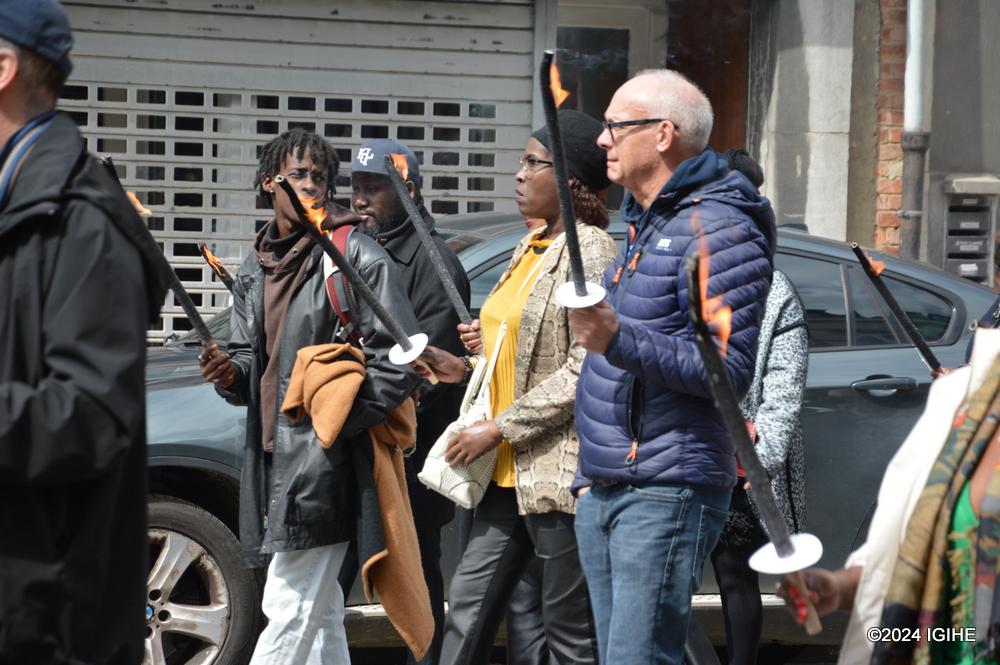
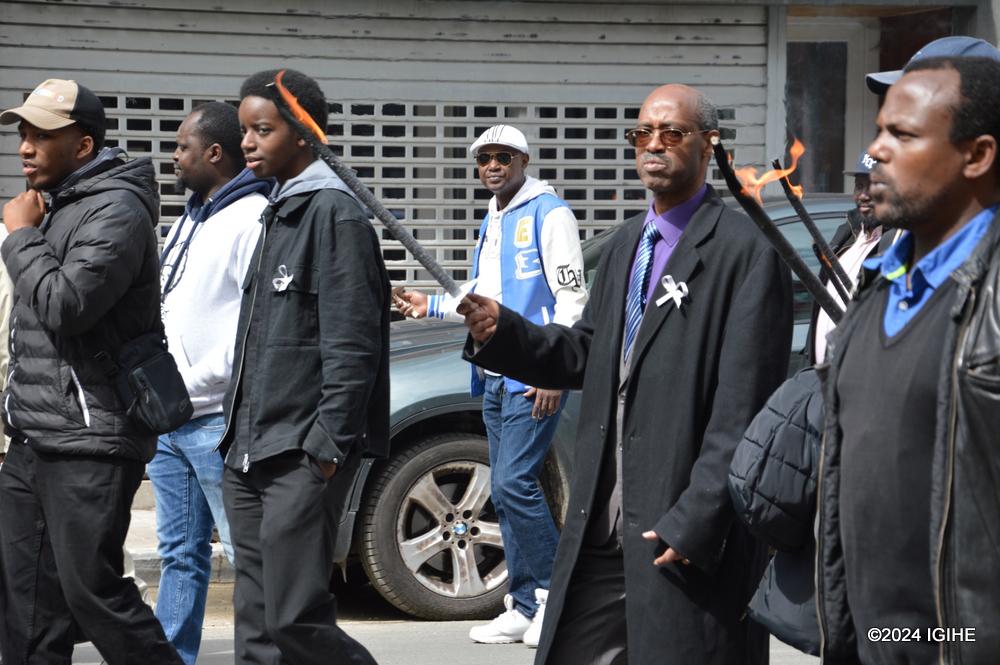
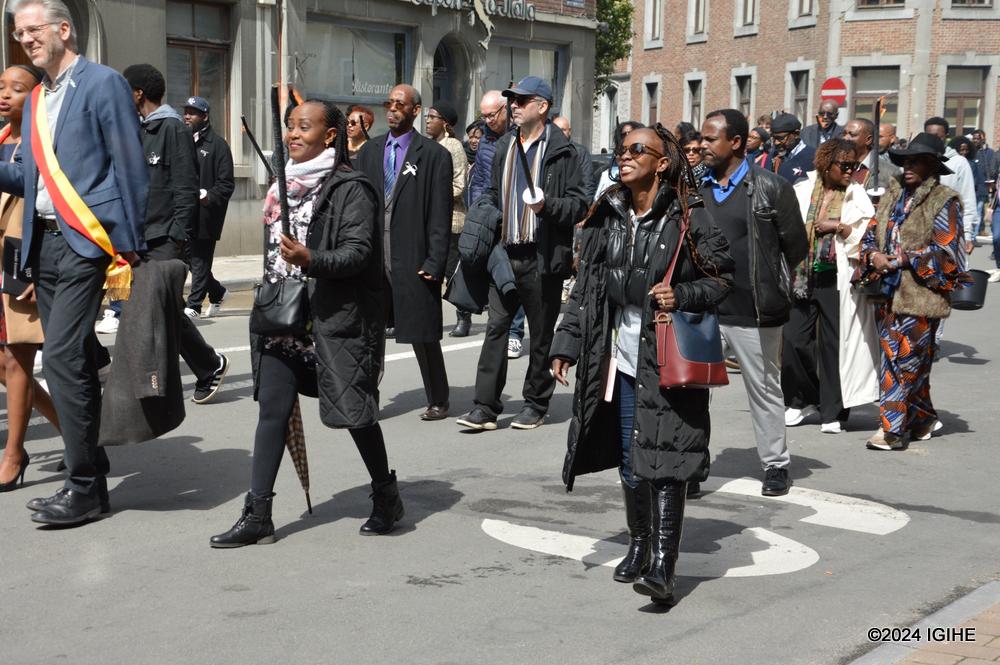
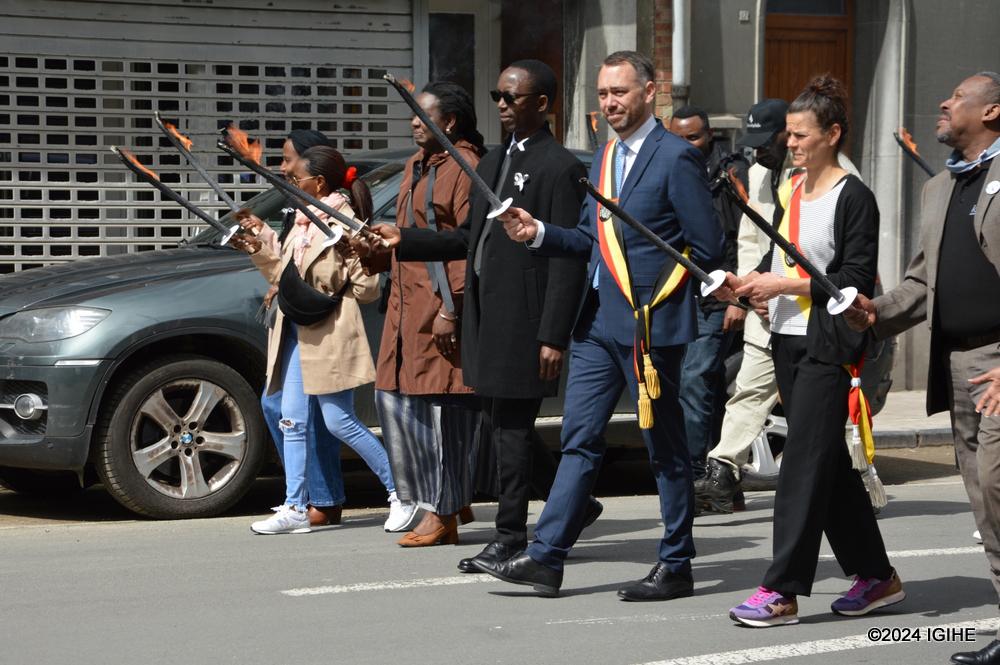
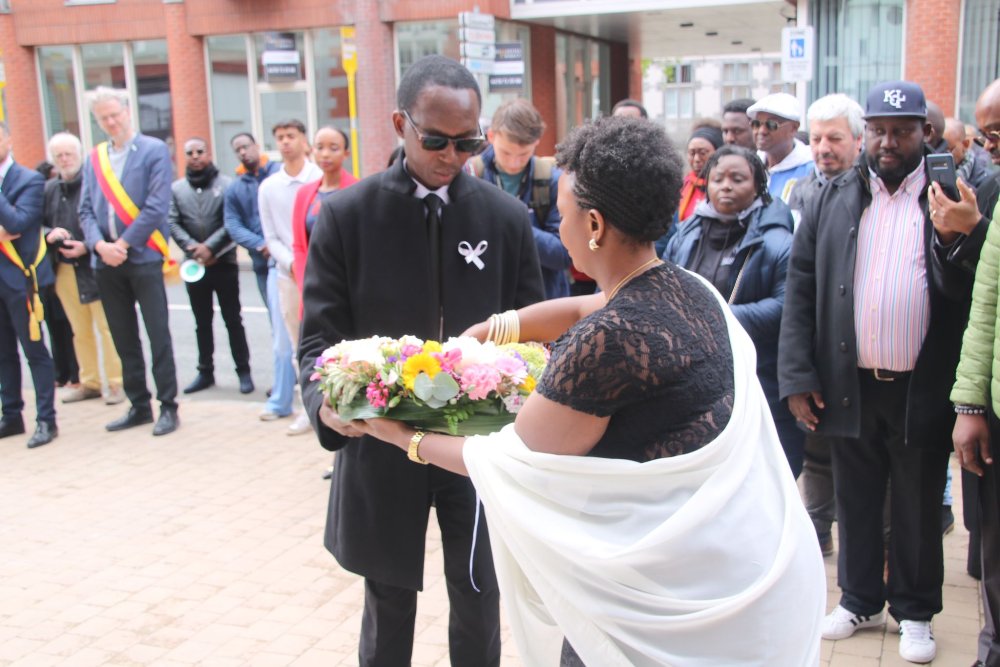
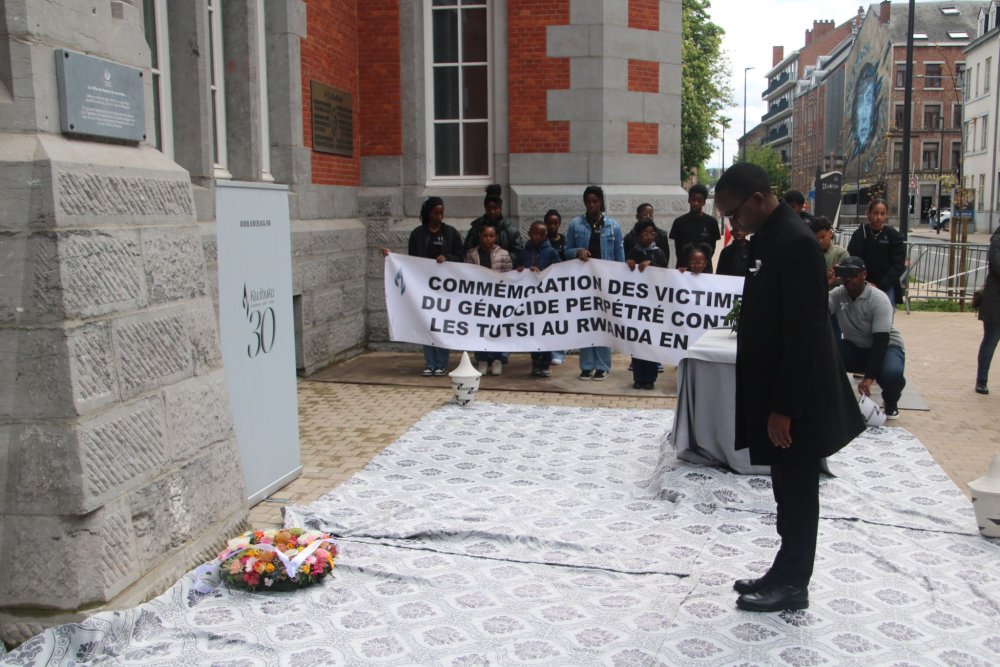
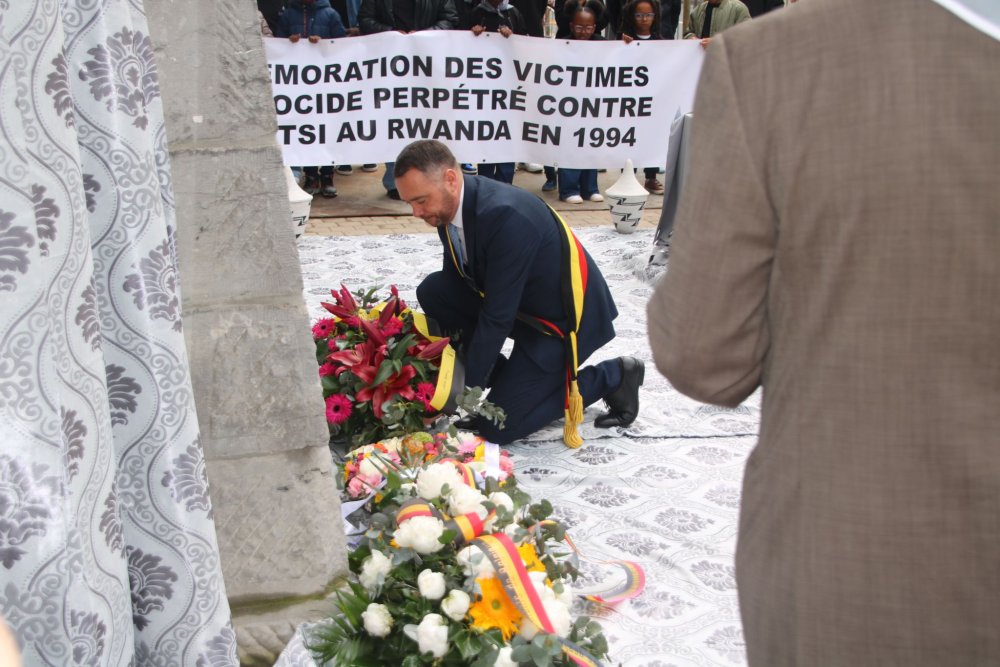
During the 30th commemoration of the Genocide against the Tutsi held at the Kiziguro memorial in Gatsibo district on April 11, 2024, Minister Bizimana urged those who committed the genocide to use appropriate language when seeking forgiveness.
Minister Bizimana also advised genocide survivors to understand the gravity of the crime committed against them before offering forgiveness. He pointed out that some offer forgiveness without fully grasping this severity.
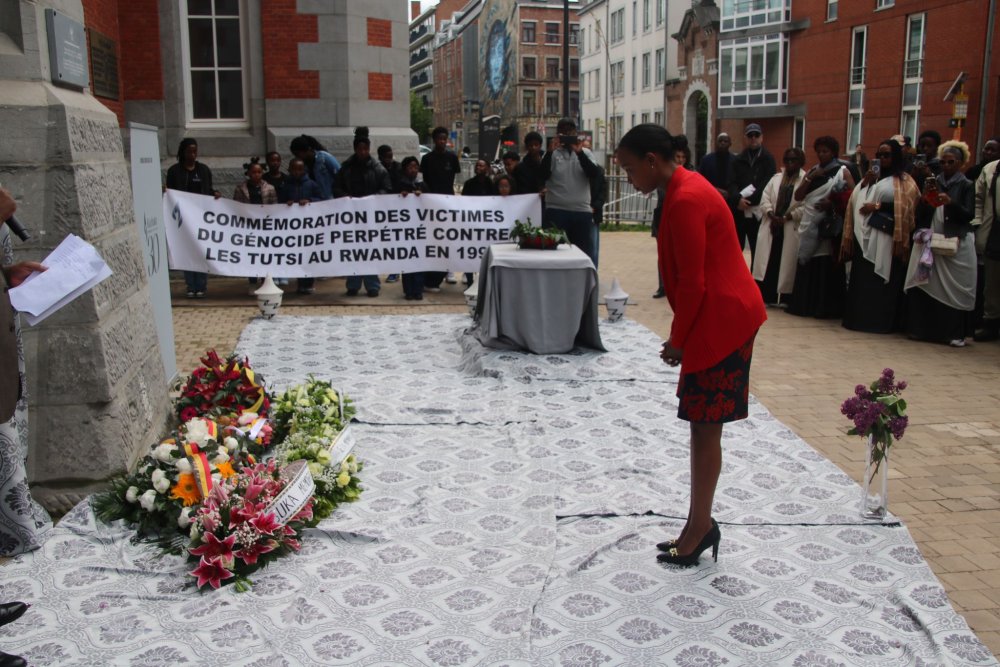
He said, “I have been following activities related to unity and reconciliation and find that those who admit their role in the genocide do not use language that reflects the gravity of their crime. Likewise, some survivors, in forgiving, do not comprehend the severity of the crime they are forgiving, which leads to further trauma and distress.”
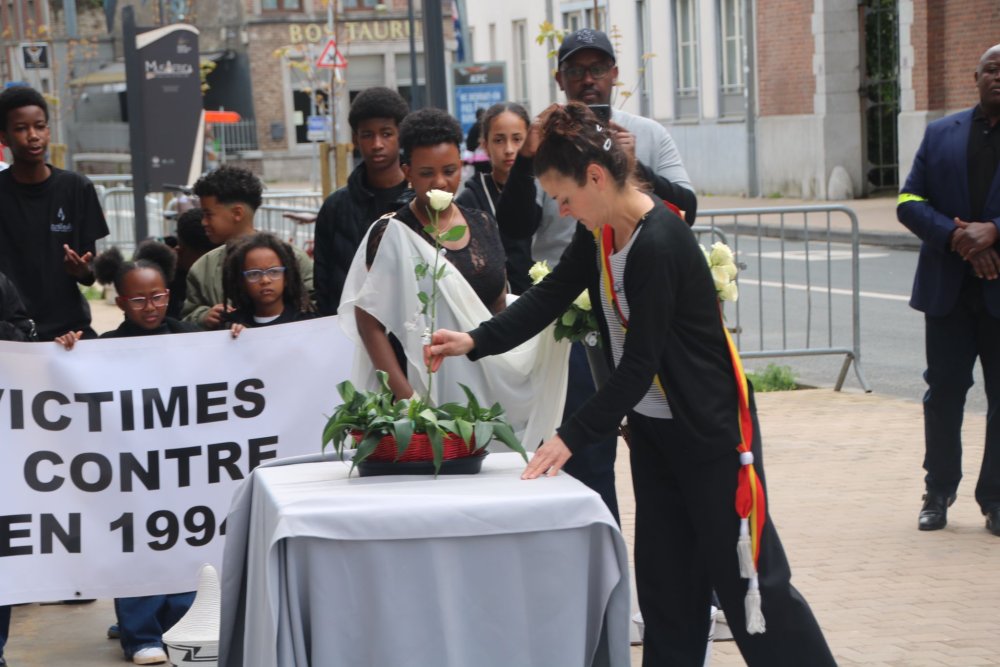
Minister Bizimana stated that it is inappropriate for someone who committed genocide to merely say, “I ask for forgiveness from those I wronged,” because killing is not the only form of wronging , and lying is also considered a wronging.
As the Rwandan government continues to emphasize reconciliation efforts, Minister Bizimana explained that without using appropriate language, true reconciliation cannot be achieved.
He emphasized, “It is crucial to use accurate words because the crime of genocide is grave. Without the right words, reconciliation cannot be fully realized. It would be superficial. Let’s live in peace, strive to build our country for all, but let’s build it on truth. Truth is what will heal us.”
A 2020 study by the then National Unity and Reconciliation Commission showed that reconciliation had reached 94.7%. Some of the factors hindering full reconciliation include the refusal to apologize by those who committed genocide, ignorance, and denial of the genocide.
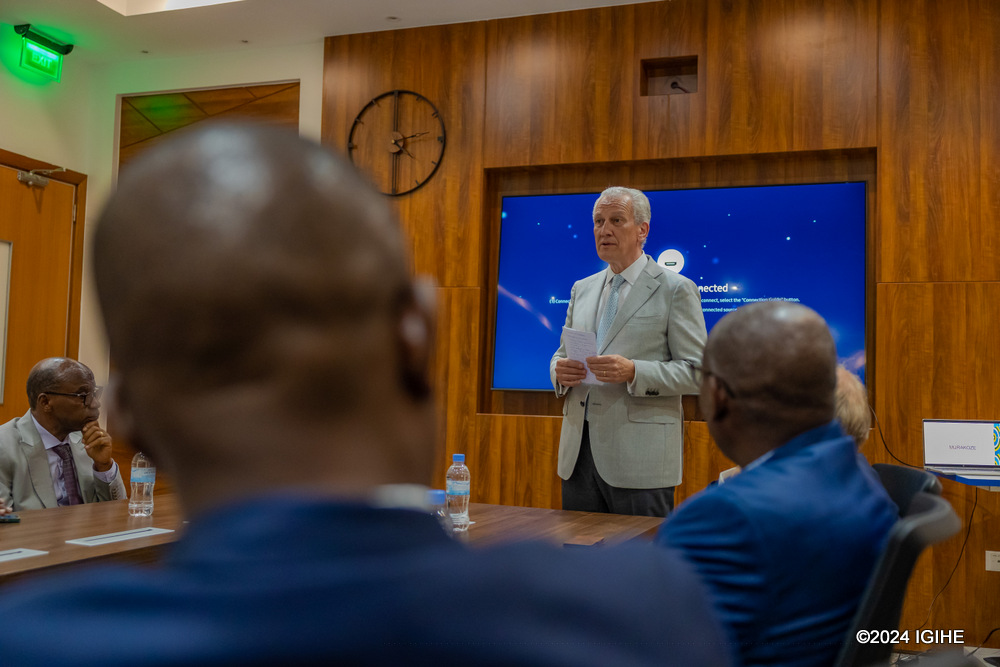
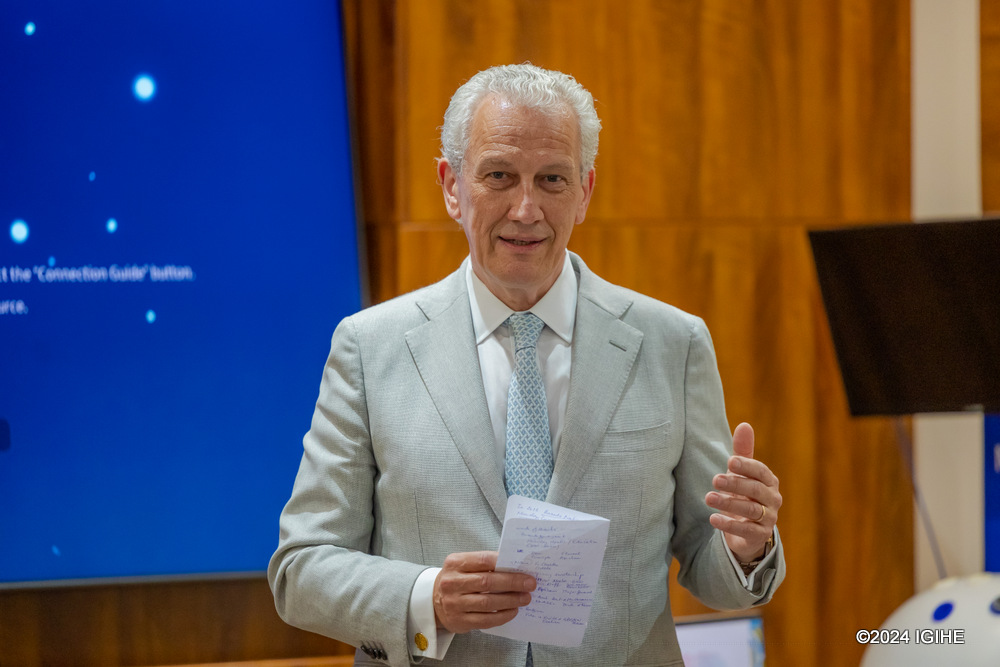
In 1994, Dr. Destexhe arrived in Rwanda as a representative of Médecins Sans Frontières. Three decades post-genocide, his book revisits the massacre of over three thousand Tutsis at ETO Kicukiro among other areas throughout Rwanda.
During an interview with IGIHE, Senator Destexhe expressed that the turmoil in eastern DRC is a repercussion of the Genocide against the Tutsi, stating, “The present turmoil in Congo’s eastern parts is a fallout of the events from thirty years ago in Rwanda, during the Genocide against the Tutsi. Prior to that, eastern Congo was relatively stable and secure.”
He elaborated on how the influx of refugees and the EX-FAR (former Rwandan Armed Forces) into the DRC and the subsequent reluctance of international bodies and the Congolese government to repatriate them due to financial incentives linked to aid, exacerbated tensions.
“Back then, we raised this with various international organizations like the UN’s World Food Programme and other NGOs. The financial incentives tied to refugee aid fostered a climate where no one, including journalists and the Congolese government, pushed for change.”
By late 1996, Rwanda took unilateral steps to dismantle camps in Congo, facilitating the repatriation of thousands. However, those guilty of genocide crimes and armed combatants remained. Rwanda sought to address the crisis, facing inertia from the United Nations.
Dr. Destexhe warns, “The situation in eastern Congo is precariously close to another genocide against the Tutsi. It’s a direct fallout of the 1994 genocide.” He advocates for halting hate-fueled rhetoric and divisions, urging solutions to emanate from within eastern Congo rather than falsely blaming Rwanda for the region’s woes.
{{Used weapons}}
Alain Destexhe highlighted that Tutsis were killed with traditional weapons including machetes, clubs, and swords, but in places like Nyamata and Bisesero, they tried to defend themselves.
“I wanted to tell the story of how the Tutsis were brutally killed in 1994, especially those killed in Nyamata and Bisesero. For Nyamata, I talked about the many Tutsis killed at the commune office and were killed with guns and grenades before machetes were used.”
“People often think the genocide was carried out with machetes and traditional tools only, but actually, guns, bullets, and other weapons played a significant role, especially in finishing off the Tutsis who tried to defend themselves and in killing a large number of Tutsis gathered in places like stadiums, hospitals, in front of commune offices. But returning to Nyamata, those guns were used to uncover the Tutsis hiding in bushes, trees, and swamps, then killing them. I wanted to tell that story.”
“In Bisesero, that’s where it’s known that Tutsis tried to defend themselves the most. Those who had fled to that hill were shot at and attacked with grenades while they had no other weapons but stones. Their resistance often made their attackers retreat, pushing them to survive for almost two and a half months, although it didn’t save their lives permanently.”
{{Killing the unborn }}
Dr. Destexhe pointed out that in 1994, a child was associated with their father’s ethnicity, leading to women being killed because they were pregnant with a Tutsi man’s child. “Another thing I wanted to mention in that book is to remind what Genocide really means.”
“It’s about killing men, women, children with the aim of extermination and it was premeditated because I have examples of Hutu women who were pregnant and were killed because they were married to Tutsi men. They were killed being told that the children in the womb were Tutsis because, at that time, the ethnicity of the children was attributed to their fathers.”
After 1994, an international criminal tribunal for Rwanda, Gacaca courts, and various other programs were established. “Just last week, you might have seen that a Genocide perpetrator was arrested in Belgium, and I believe his trial will soon begin in Belgium.”
“We cannot ignore that there are still those hiding, but generally speaking, the majority have been brought to justice.”