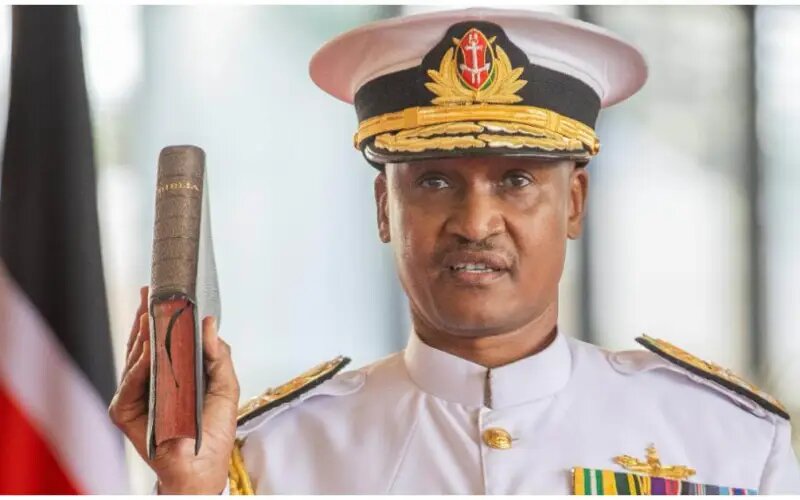
In new appointments announced on Thursday, May 2, President Ruto promoted Lieutenant Gen Charles Muriu Kahariri of the Kenya Navy to the rank of General and named him the country’s new military chief.
CDF Ogolla, 61, and his colleagues died after a military helicopter they were travelling in crashed at the Sindar area in Elgeyo Marakwet County on April 18.
The investigation into the deadly crash, led by officers from the Kenya Air Force, is ongoing.
In Kenya, the position of CDF rotates among the Kenya Army, Kenya Navy, and Kenya Air Force. This rotation is in accordance with rules established by the retired Chief of General Staff (CGS), Daudi Rerimoi Tonje.
The late General Ogolla came from the Air Force. He succeeded General Robert Kibochi, who was from the Kenya Army. General Kibochi, who retired after 44 years in the military, had taken over from General Samson Mwathethe of the Navy.
{{Further military changes in Kenya
}}
In the Thursday changes, the Kenyan Head of State also promoted Major General John Mugaraval Omenda to the rank of Lieutenant General and appointed him Vice Chief of the Defence Forces. Until his appointment, Lieutenant General John Mugaraval Omenda served as Kenya Air Force Commander.
Further, President Ruto posted Major General Fatuma Gaiti Ahmed to Kenya Air Force and appointed her Commander. Similarly, Major General Paul Owuor Otieno has been posted to the Kenya Navy and appointed Commander.
Further, President Ruto upheld the Defence Council recommendations and made promotions, postings and appointments of KDF officers.
Major General Thomas Njoroge Ng’ang’a has been posted to National Defence University and appointed Deputy Vice-Chancellor Administration and Finance while Brigadier Peter Nyamu Githinji has been promoted to Major General and appointed Senior Directing Staff, Air at National Defence College.
Brigadier Jattani Kampare Gula has been promoted to Major General and appointed Managing Director Kenya Meat Commission.
Brigadier George Okumu was also promoted to Major General and appointed Managing
Director Kenya Ordnance Factories Corporation and Food Processing Factory.
The changes also saw Brigadier Samuel Kosgei Kipkorir named the new Deputy Commander Kenya Air Force.
This occurred after fierce fighting in which the Congolese government forces clashed with M23 fighters in areas including Rutigita, about five kilometers from the commercial center of Rubaya, starting at twelve in the morning on April 30, 2024.
M23 fighters have since blocked roads linking this area to others including Kibabi, aiming to cut off routes for their adversaries trying to resume attacks. Some members of the Congolese government coalition had fled, but others were encircled, including those killed in this fighting.
On the morning of May 1, 2024, in the hills surrounding the commercial center of Rubaya, there was fighting between the Congolese government forces and M23 fighters. The goal was to push back the group, but it was unsuccessful.
Previously, the Rubaya mines were controlled by the Bisunzu Mining Company (SMB) of businessman Edouard Mwangachuchu, but he was stripped of control when he was charged with crimes including treason.
The DRC government handed control of the mines to the Wazalendo and FDLR groups, based on an agreement to fight M23, further bolstered by the inclusion of Burundian forces since their entry into the conflict in 2023.
Reliable sources indicate that since the Burundian forces took over these mines, the coltan mined there was transported to Bujumbura; this was based on an agreement between the two countries.
Some Congolese criticize the takeover of Rubaya, pointing out that it resulted from a mistake by the DRC government, which gave M23 the opportunity to prepare to capture more areas, adding to the many it already controls in North Kivu.
The Permanent Secretary at MINEMA, Philippe Habinshuti, stated that some were killed by landslides while others died due to lightning strikes.
The most recent victims were from the Rutsiro district, killed by landslides after heavy rainfall on the night leading to Tuesday, April 30, 2024.
Additionally, in the Gasabo district, a woman and her child were killed when their house collapsed due to the weekend’s heavy rains.
These rains have also damaged infrastructure, including buildings, roads, crops, and other property across different regions of the country.
Habinshuti mentioned that assessments are ongoing to determine the full extent of the damage caused by these disasters.
The National Meteorological Agency, Meteo Rwanda, has recently forecasted that heavy rainfall will continue across all parts of Rwanda in the first ten days of May 2024.
The Rwandan government has been urging residents living in high-risk areas to relocate.
Christine Niyotwambaza, the Director in charge of disaster-prone areas at MINEMA, reported that 4768 families have been relocated, noting that up to 8300 families are in locations deemed risky for their safety.
Currently, the heavy rains are particularly affecting the Northern, Western, and Southern provinces, indicating that 326 areas are at risk of disasters due to the ongoing heavy rainfall.
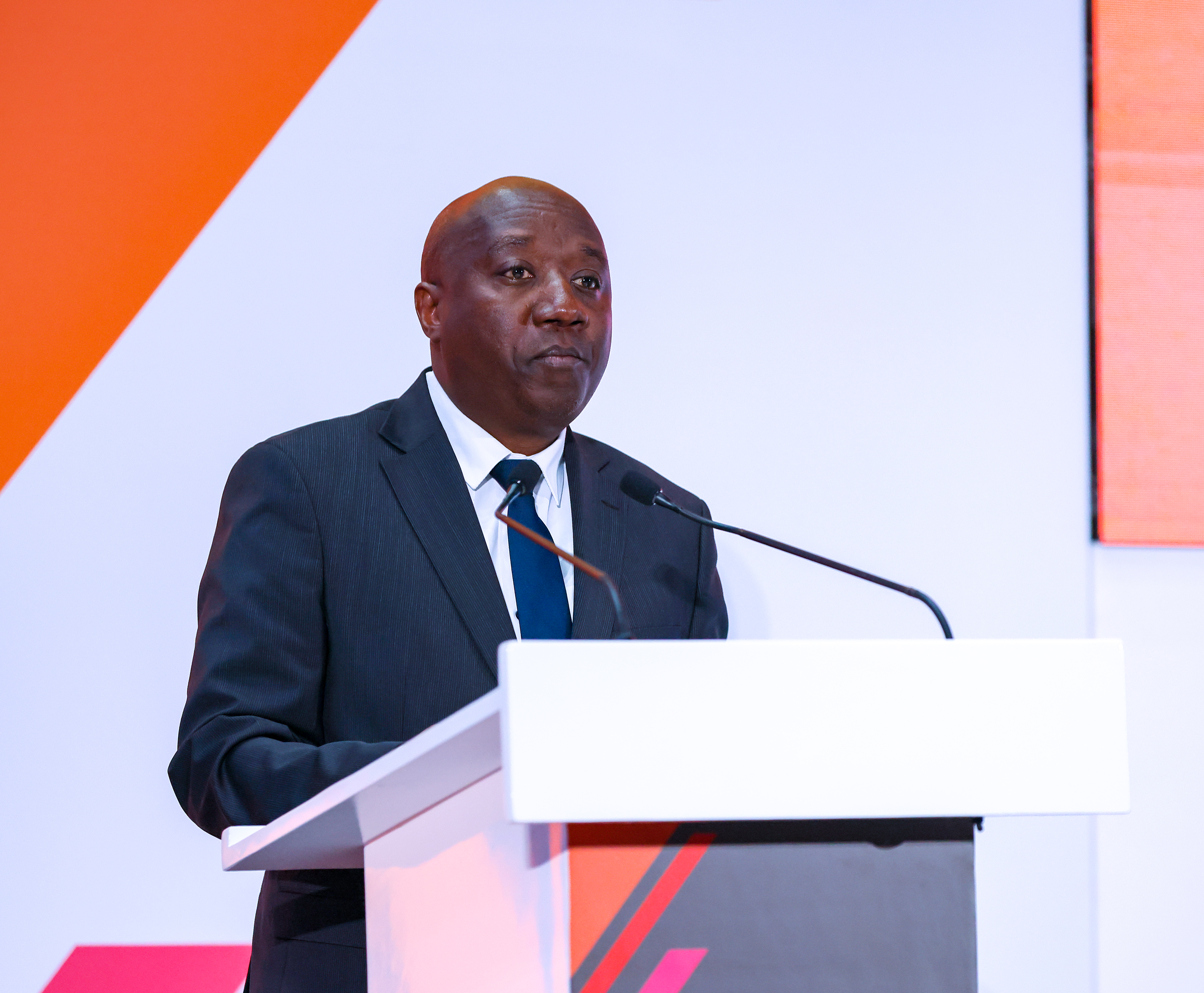
Rwanda Prime Minister Édouard Ngirente made the commitment on Wednesday, May 1, 2024, during the official opening of the 5th edition of the International Network for Governmental Science Advice Conference at the Kigali Convention Centre.
“Our Government has accepted to support the establishment of a regional unit of the International Network for Governmental Science Advice currently hosted by the University of Rwanda,” Ngirente stated.
“It is expected that this unit will expand its operations to support the creation of functional networks at a regional level and serve as a hub for capacity development for Africa,” he added.
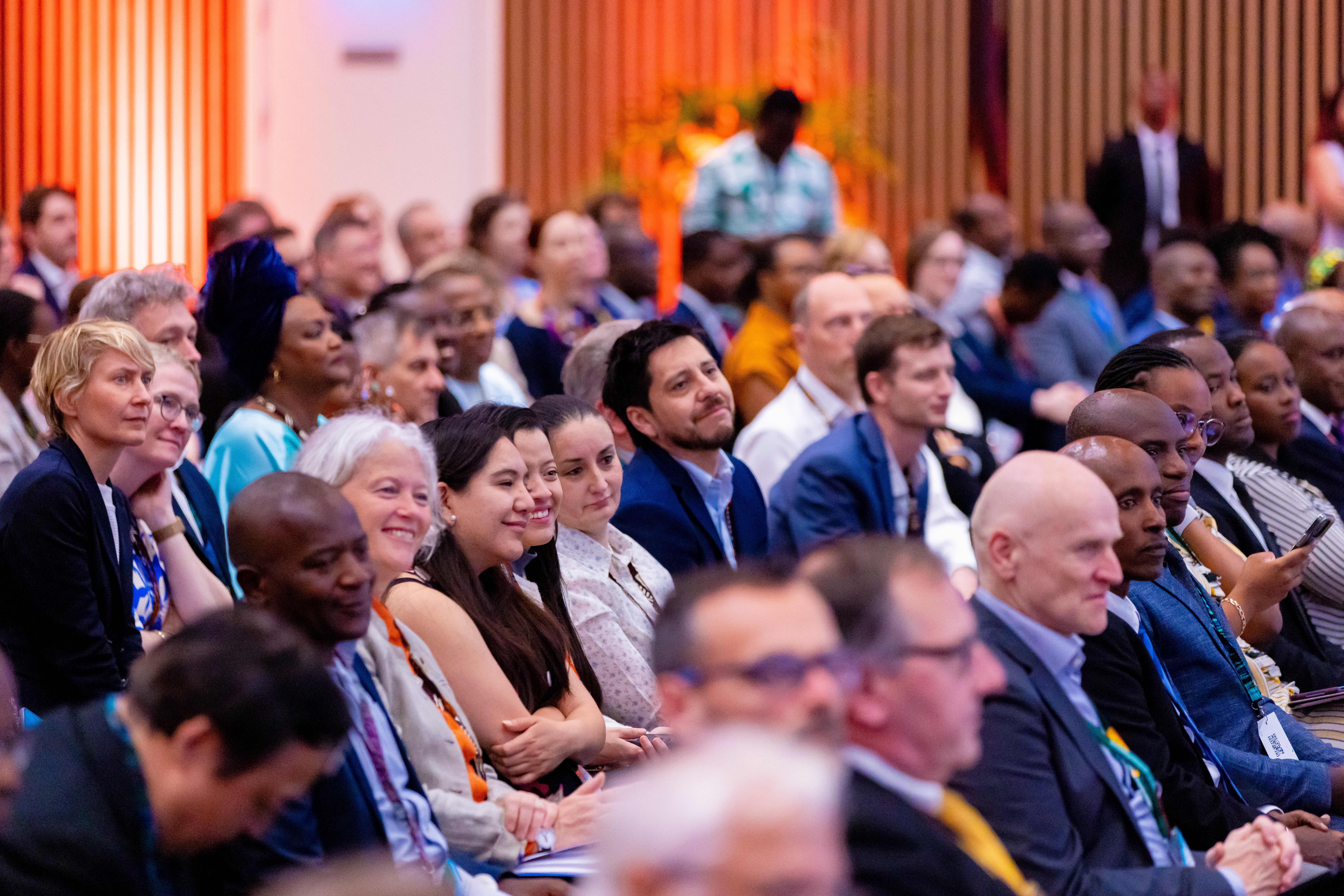
The conference brings together policymakers, practitioners, national academies, scientific societies, and researchers to share experiences, build capacities, and develop theoretical and practical approaches to the use of scientific evidence in informing policy at all levels of government.
INGSA research and training hub was established in the University of Rwanda in 2022. The government’s support is expected to spur its development and expansion to greater heights.
In his speech, the prime minister emphasized that the government recognizes the significance of science, technology, and innovation in all sectors as crucial drivers for promoting social welfare and sustainable development in the country, in line with the vision to become a high-income nation by 2050.
“Aligned with our Vision 2050, science is expected to play a key role in Rwanda’s journey towards becoming an upper-middle-income country by 2035 and a high-income country by 2050, ensuring high standards of living for all Rwandans,” he stated.
As part of efforts to build a knowledge-based economy, the Prime Minister asserted that the government has made huge investments at all levels of education, from primary and secondary education to tertiary institutions of learning.
“Our goal is to develop our human capital by providing comprehensive trainings in different fields of science. Through this approach, we prepare our workforce with the necessary skills to meet the demands of both private and public labor markets,” the prime minister noted.
“The Government of Rwanda has established the institutional arrangement that is needed to create an environment conducive for science development and innovation. This in turn translates into new technologies needed to support the economic growth of the country.”
He reiterated that science advice is critical in policy and decision-making efforts to address the world’s pressing challenges and called for collaborative efforts to increase the capability and resilience of global science advisory organizations and national systems such as INGSA.
“To achieve this, collaborative efforts are essential. We must foster synergy across all levels of governance, ensuring better coordination between our systems. By doing so, we pave the way for effective decision-making,” he concluded.
The 5th edition of the International Network for Governmental Science Advice Conference, themed ‘The Transformation Imperative – Expanded Evidence for Inclusive Policies in Diverse Contexts,’ has attracted delegates from more than 50 countries.
It’s the first time that Africa is hosting the high-level conference, previously held in Brussels, Belgium; Tokyo, Japan; Montreal, Canada; and Auckland, New Zealand.
Rémi Quirion, the President of INGSA and Chief Scientist of Québec, termed the conference as unique moment for not just the African continent but the Global South.
“The first meetings in New Zealand, Montreal, Tokyo, and Brussels were more about talking with people from the North. What is unique here, for the first time in the Global South, for the first time in Africa, learning from African colleagues, learning from the experts in Rwanda in terms of science advice, that is one of the main objectives of this meeting. But also, we want to connect with our colleagues from the Global South. The African colleagues learning from the ones in Asia, and ones from Latin America, and so on,” Quirion stated.
He also lauded Rwanda’s young generation as a great resource in national and economic development, insisting on the need to empower them.
“One of the strengths in Rwanda is its young generation, more so than what we see in North America and Europe. It’s a natural resource. It’s amazing. But we need to make sure that they have access to education. If they are interested in science advice, science diplomacy, or research, they can pursue these fields and have good jobs in academia or other industries,” he said.
On his part, the Minister for Education, Gaspard Twagirayezu, said Rwanda is excited to host the conference and reiterated the need to maintain the network and strengthen the hub in Rwanda.
“The conference holds significance for us. As a government, we want to build an advanced economy by 2050, and this will happen based on the quality of our human capital, with science and technology at the base of everything that we do. This means we value science advice in government policy, and we are even more excited about how we are going to strengthen our hub here in Rwanda,” the minister averred.
President Kagame, in a message to Kenyan Head of State William Ruto on Wednesday evening, said Rwanda stands with the people of Kenya during these trying times.
“My sincere condolences to you my brother, President William Ruto and the people of Kenya, for the families displaced and the lives lost in the ongoing mass flooding in Nairobi and other parts of the country. Rwanda stands in solidarity with you and the country in this difficult time,” President Kagame stated.
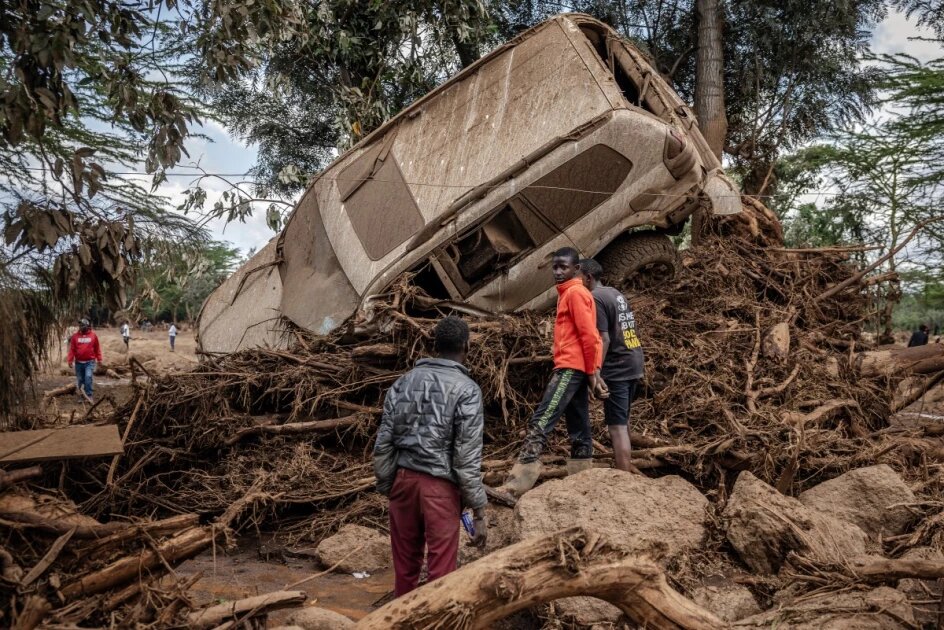
Kenya confirmed on Wednesday that 179 people have lost their lives since March when the long rains started. The victims include 164 adults and 15 children.
The victims of the floods include residents of Mai Mahiu whose homes were washed away in the wee hours of Monday morning, claiming more than 70 lives and injuring scores of
others.
Water Cabinet Secretary Zechariah Njeru told the local media that the incident was a result of a blocked railway line tunnel preventing proper flow of water through River Tongi.
So far a total of 90 people have been reported missing in Kenya, while 125 people have been injured and are receiving treatment in health facilities across the country. Additionally, at least 31,341 households have been displaced, affecting 195,011 people.
Government Spokesperson Isaac Mwaura warned that April is the peak of the long rains, and the rainfall will continue to cause flooding and disrupt social and economic activities.
“We call upon all Kenyans to remain vigilant, adhere to safety guidelines and observe flood alerts. Furthermore, all Kenyans are requested to cooperate fully with emergency responders and local authorities during evacuations or rescue operations, especially in areas mapped out as high-risk areas,” Mwaura stated.
The floods have also been wreaking havoc in Tanzania in recent weeks, killing more than 150 people and injuring over 200 others.
Tanzania Prime Minister Kassim Majaliwa told Parliament last Thursday that more than 10,000 houses have been damaged and more than 200,000 people affected.
While expressing his belief that Xi’s visit will bring new hope to Serbia’s development, the president said: “I am very much looking forward to President Xi’s visit.”
Vucic made the remarks when meeting with visiting President of Xinhua News Agency Fu Hua in Belgrade.
Noting that China is Serbia’s “iron-clad friend” and the exchanges between the two countries are fully candid and open, Vucic said Serbia will never forget the assistance from the Chinese people, adding that he believes Xi will feel the warmth and friendliness of the Serbian people during his visit.
The Serbian president spoke highly of the contributions made by the HBIS Serbia steelworks in Smederevo to Serbia’s economic development, China’s assistance to Serbia in the fields of medicine and healthcare during the COVID-19 pandemic and China’s support for Serbia on international multilateral occasions.
Serbia firmly supports China’s position on safeguarding its core interests and major concerns, Vucic stressed.
On the Taiwan question, Vucic said Serbia firmly upholds the one-China principle and supports China in safeguarding its sovereignty and territorial integrity.
Regarding media exchanges, Vucic highly valued the cooperation between Xinhua News Agency and Serbia’s Tanjug News Agency and other media outlets, saying that such exchanges enable the Serbian media to learn from the experience of their Chinese counterparts and allow the Serbian people to better understand China, so as to promote mutual learning and experience sharing between the two countries.
Fu said that under the strategic guidance of President Xi and President Vucic, China-Serbia relations have witnessed vigorous development despite changes in the international landscape, setting a good example of friendly relations between China and European countries.
He also said he expects the meeting between the two heads of state to draw a new blueprint for China-Serbia exchanges and cooperation and to add new luster to the “iron-clad friendship” between the two countries in the new era.
Moreover, Fu said Xinhua stands ready to work with its Serbian counterparts to further deepen exchanges and cooperation, tell well the stories of China-Serbia friendship and comprehensively showcase the bright prospects of bilateral relations in the new era through high-quality and multidimensional news reports and think tank research.
Xinhua will also firmly act as an envoy of China-Serbia friendship and create a positive public opinion atmosphere for deepening bilateral cooperation in various fields to better benefit the peoples of the two countries, Fu added.
Jointly organized by China’s Xinhua News Agency and Serbia’s Tanjug News Agency, the forum brought together around 200 participants, including government officials as well as representatives from mainstream media and think tanks of both countries.
At the forum, Xinhua News Agency also launched the Serbian version of the report “Fostering a Global Community of Shared Future: Contemporary Significance and Tangible Achievements.”
The report interprets the concept of a community with a shared future for mankind from multiple perspectives such as history, theory, culture and practice, representing the latest achievement of Xinhua’s studies of Xi Jinping Thought on Diplomacy.
The theme of the forum read as “Deepening China-Serbia comprehensive strategic partnership following the vision of a global community of shared future.”
Addressing the forum, President of Xinhua News Agency Fu Hua said building a community with a shared future for mankind, a core concept of Xi Jinping Thought on Diplomacy, has contributed oriental wisdom to addressing global challenges. It is a concentrated expression of the common value pursuit of all mankind and has delivered tangible benefits for people of all countries.
China and Serbia are “iron-clad friends” who have stood together through thick and thin, Fu said, noting that as both countries move forward towards modernization, their collaboration vividly exemplifies promoting the building of a community with a shared future for mankind.
Fu, also chairman of the academic committee of New China Research, said Xinhua attaches great importance to exchanges and cooperation with Serbian media and think tanks, and is willing to work with the Serbian side to continue telling well the story of China-Serbia friendship.
He said that through high-quality, multidimensional news coverage and think tank research, Xinhua aims to comprehensively showcase the bright prospects of China-Serbia relations in the new era, build a communication bridge and provide intellectual support for bilateral cooperation in various fields, and continue to act as an envoy for the China-Serbia friendship to bring more benefits to the two peoples.
Ji Zhengju, vice-director of the Institute of Party History and Literature of the Central Committee of the Communist Party of China, said the sustained and stable development of sound relations between China and Serbia plays an important role in better building a community with a shared future for mankind.
From this perspective, it is of great significance to strengthen cultural exchanges so as to jointly promote high-quality construction of the Belt and Road Initiative through people-to-people connectivity and lay a solid foundation for enhancing the friendship between China and Serbia, added Ji, who is also director of the Central Compilation and Translation Bureau.
Chinese Ambassador to Serbia Li Ming highlighted the special significance of the forum held on the eve of Chinese President Xi Jinping’s state visit to Serbia. He said he believes the forum and the report will provide strong intellectual support for the development of China-Serbia relations and make positive contributions to the spread and implementation of the concept of a community with a shared future for mankind.
Manja Grcic, director general of Tanjug News Agency, said Tanjug, since its establishment, has always focused on China. Noting that cooperation between Serbia and China in jointly building the Belt and Road has achieved fruitful results and thus provided abundant resources for news reporting, Grcic said her agency will continue to focus on such cooperation with objective and truthful reports so as to enhance mutual understanding between the two peoples and contribute to the development of bilateral relations.
Goran Vesic, Serbia’s minister of construction, transport and infrastructure, told the forum that the Serbian economy has developed rapidly in recent years, which is indispensable from China’s support, and Chinese investments are highly welcomed in Serbia.
Serbia hopes to initiate higher-quality infrastructure cooperation with China, and promote the construction of smart roads, said the minister, adding that he believes pragmatic cooperation between the two countries will reach a higher level under the guidance of the two heads of state.
Following the event, Xinhua News Agency and Tanjug News Agency signed an agreement on news exchange and agreed to strengthen exchanges and cooperation in news reporting and communication.
Persistent rainfall over several days had saturated the ground, leading to devastating landslides on April 29. These landslides caused the collapse of two homes, resulting in the deaths of two children from separate families.
Rutsiro District Mayor, Kayitesi Dative, explained to IGIHE that the landslides directly impacted these vulnerable structures. “The homes were structurally weak and could not withstand the landslides, tragically killing two children aged 12 and 16,” she said.
Mayor Kayitesi reported that emergency teams were dispatched to the site early in the morning to provide support and comfort to the grieving families and to help coordinate funeral services. She emphasized the importance of safety, urging the community to prioritize lives over property. “We urge everyone to remain alert and relocate from high-risk areas,” she remarked.
In a separate incident in the Boneza sector, a third individual was fatally struck by lightning, adding to the toll of the severe weather impacts in the area.
The announcement was made on Tuesday, April 30, marking a significant stride in the ongoing restructuring efforts of the RDF aimed at enhancing its operational leadership to better meet its objectives.
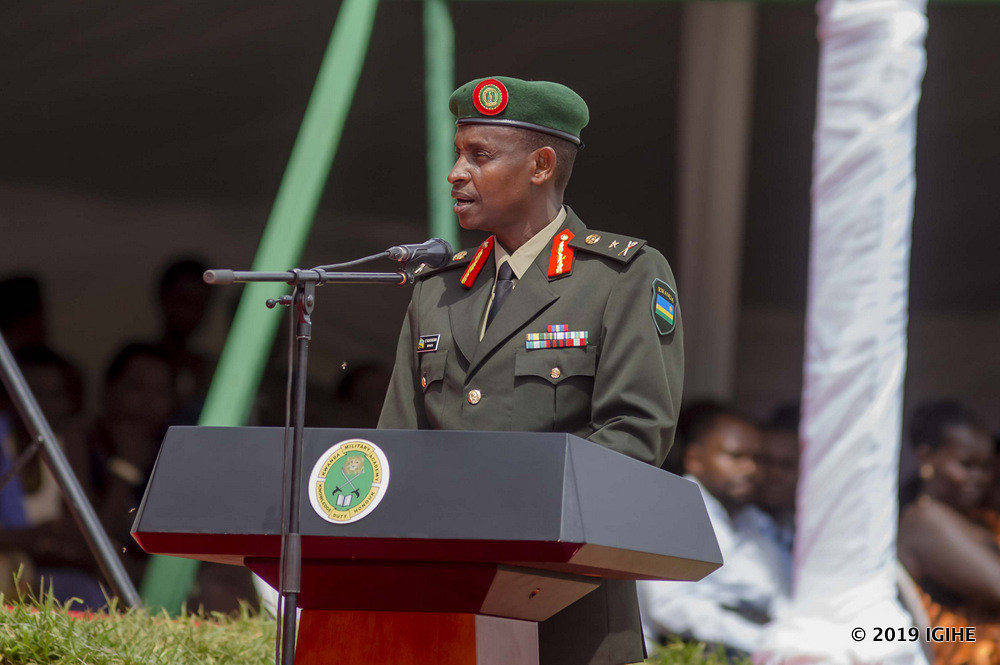
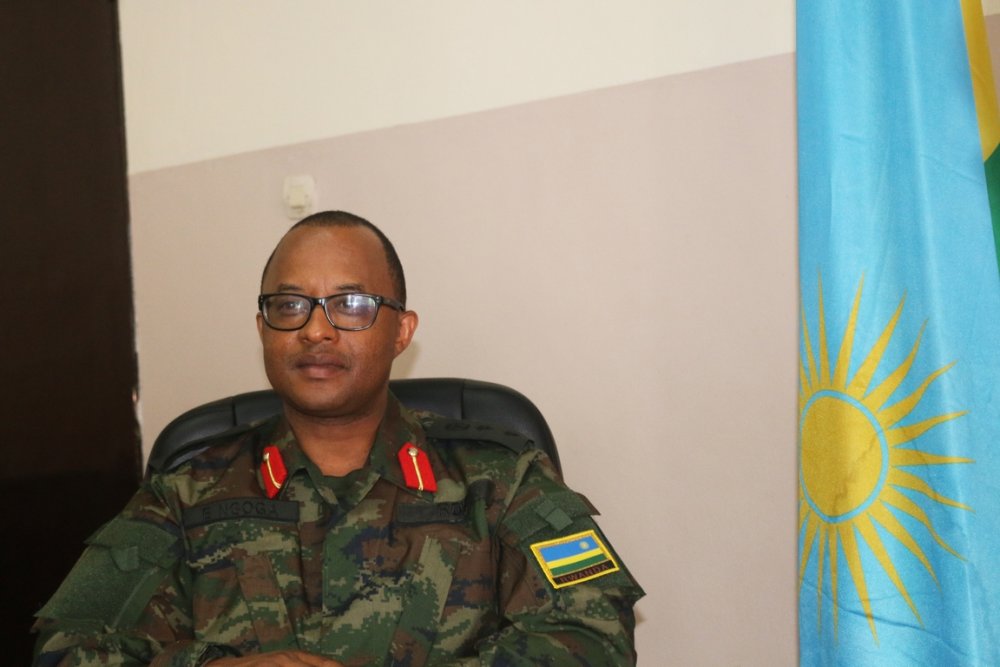
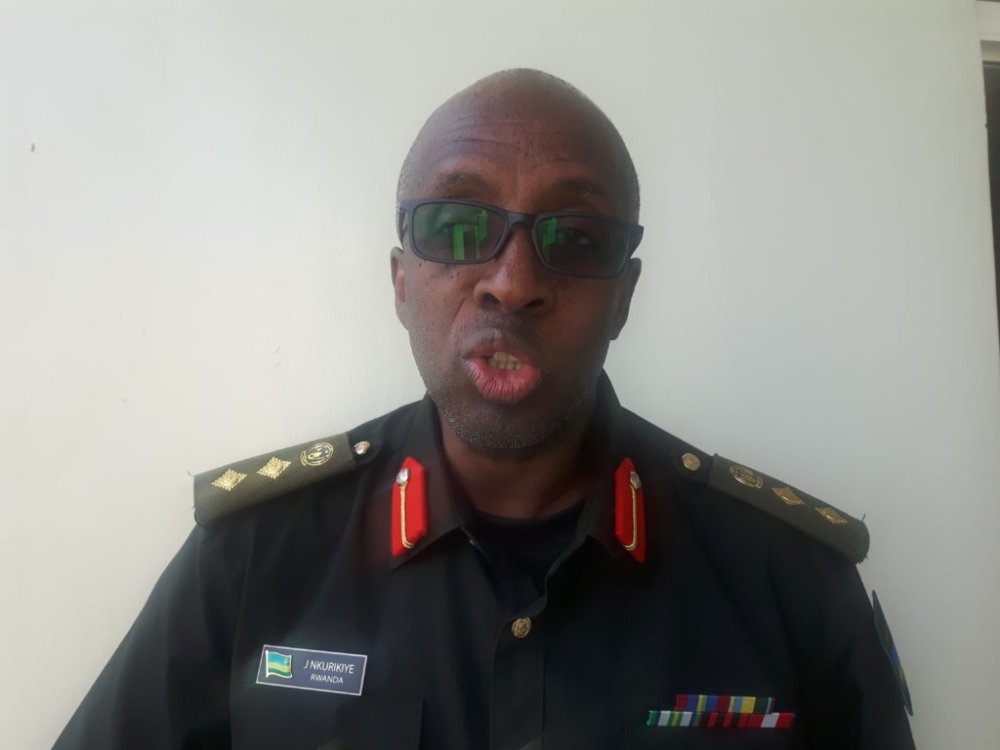
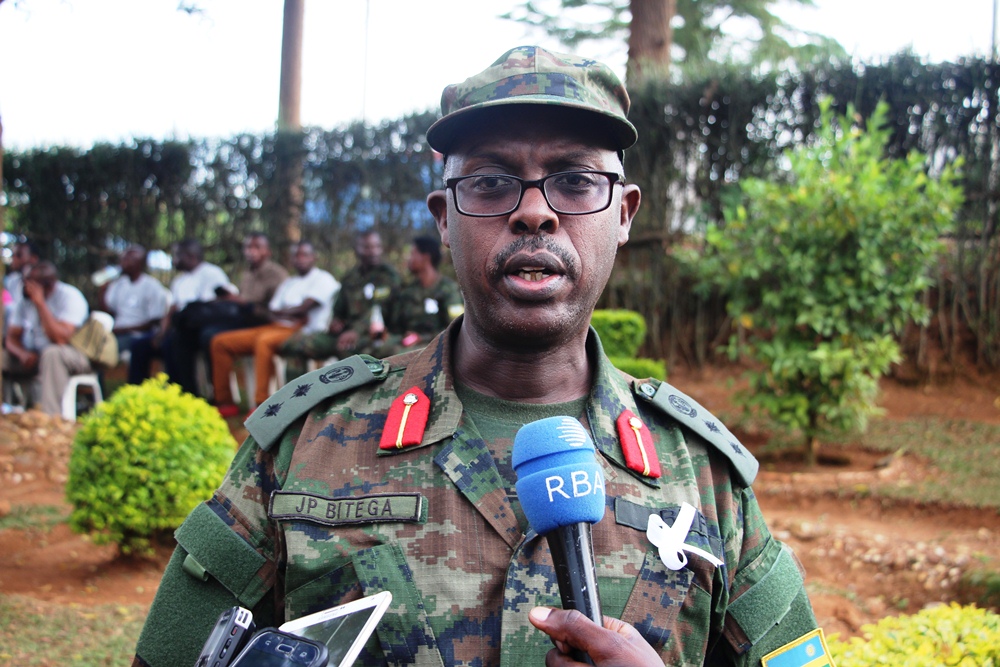
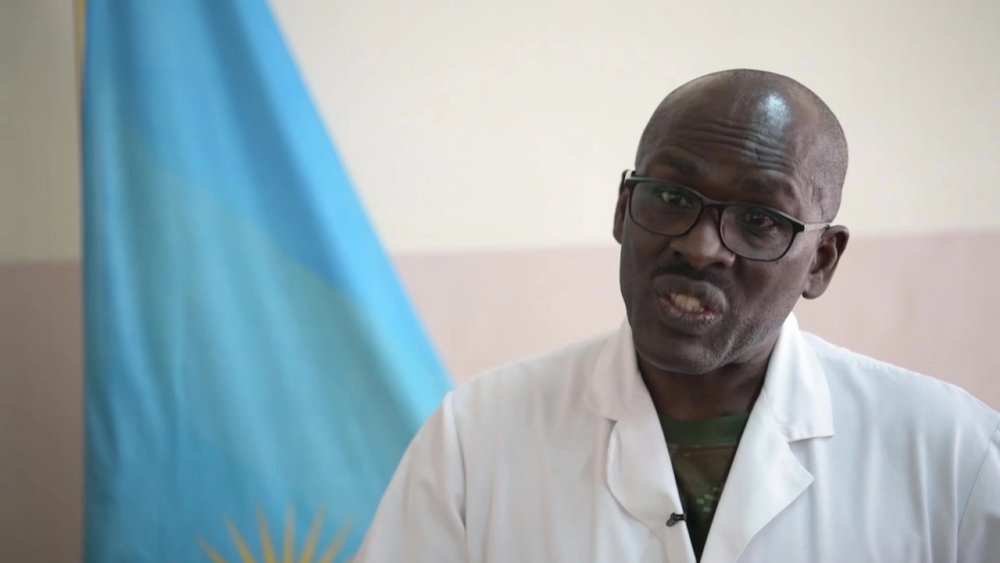
Maj Gen Ephraim Rurangwa, previously the Commandant of Rwanda Military Hospital, has been named the Chief of Staff for the Medical Health Service, with Col. Dr. John Nkurikiye, an experienced ophthalmologist, appointed as his deputy.
The RDF will now feature four Chiefs of Staff overseeing the Rwanda Army (Land Forces), the Rwanda Air Force, the Rwanda Reserve Force and Special Units, and the newly-formed military health service.
Additional appointments include Brig. Gen Jean Paul Bitega as the head of medical operations command and Dr. Eugene Ngoga, who has been promoted to Brig Gen and appointed as the commandant of the Rwanda Military Hospital. Chrysostome Kagimbana also rises to the rank of Brig General, assuming the role of commander of medical regional facilities.
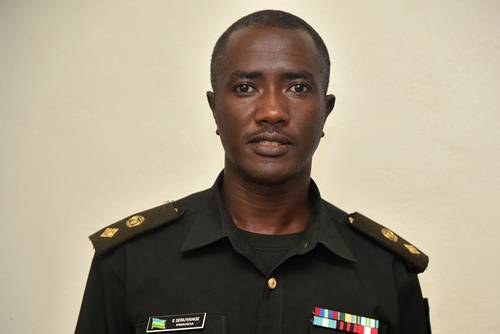
In related appointments, Col. Eric Seruyange has been tasked as the director of epidemiology and public health, Lt Col. Leon Ruvugabigwi as the director of drugs and materials, and Lt Col. Vincent Sugira will lead medical training, research, and innovation.
President Kagame confirmed several other critical appointments including Brig Gen. Franco Rutagengwa as the Commandant of the Rwanda Military Academy and Col. Lambert Sendegeya as the Chief J1 responsible for RDF personnel management.
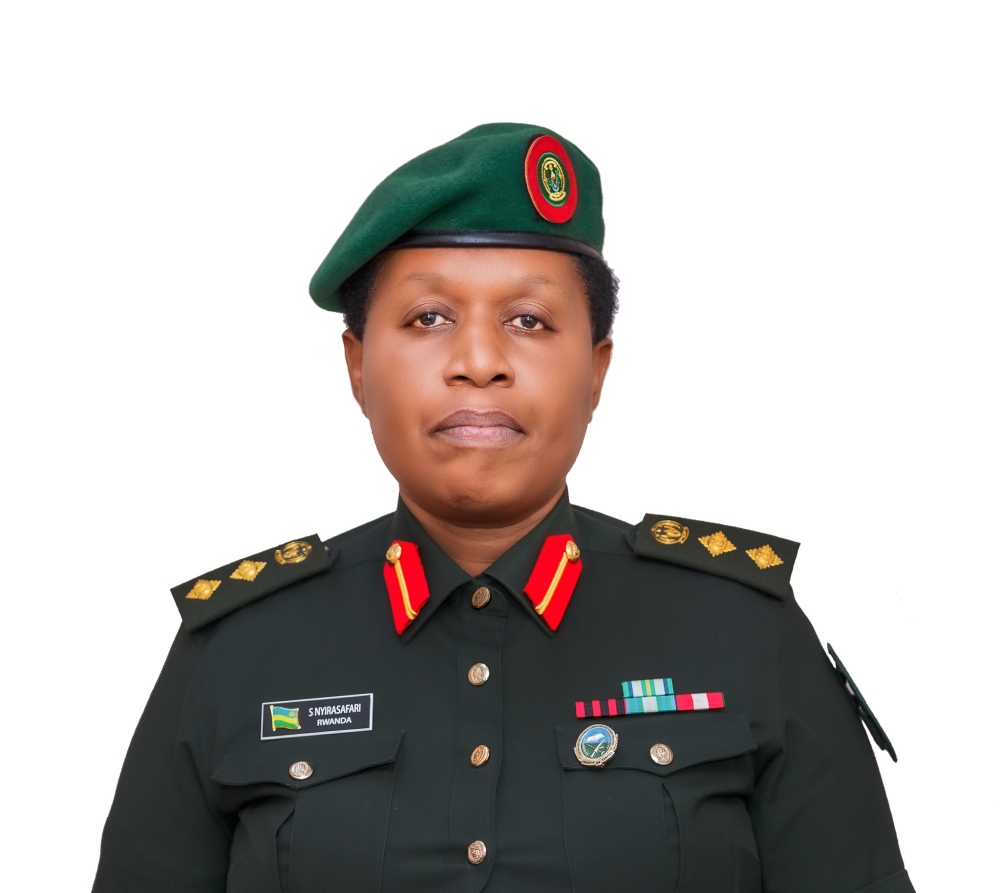
Faustin K. Nsanzabera will serve as the Chief J6, with Colonel Ignace Tuyisenge leading the Military Police Brigade. Furthermore, Col. Patrick Kabanda has been confirmed as the Military Prosecutor General and Col. Seraphine Nyirasafari as the Director of Civil-Military Cooperation.
Lt Col. Eugene Ruzibiza will command the 309 Brigade, and Lt. Col Jean de Dieu Kayinamura has been named the Managing Director at Loyal Trust Company Ltd.
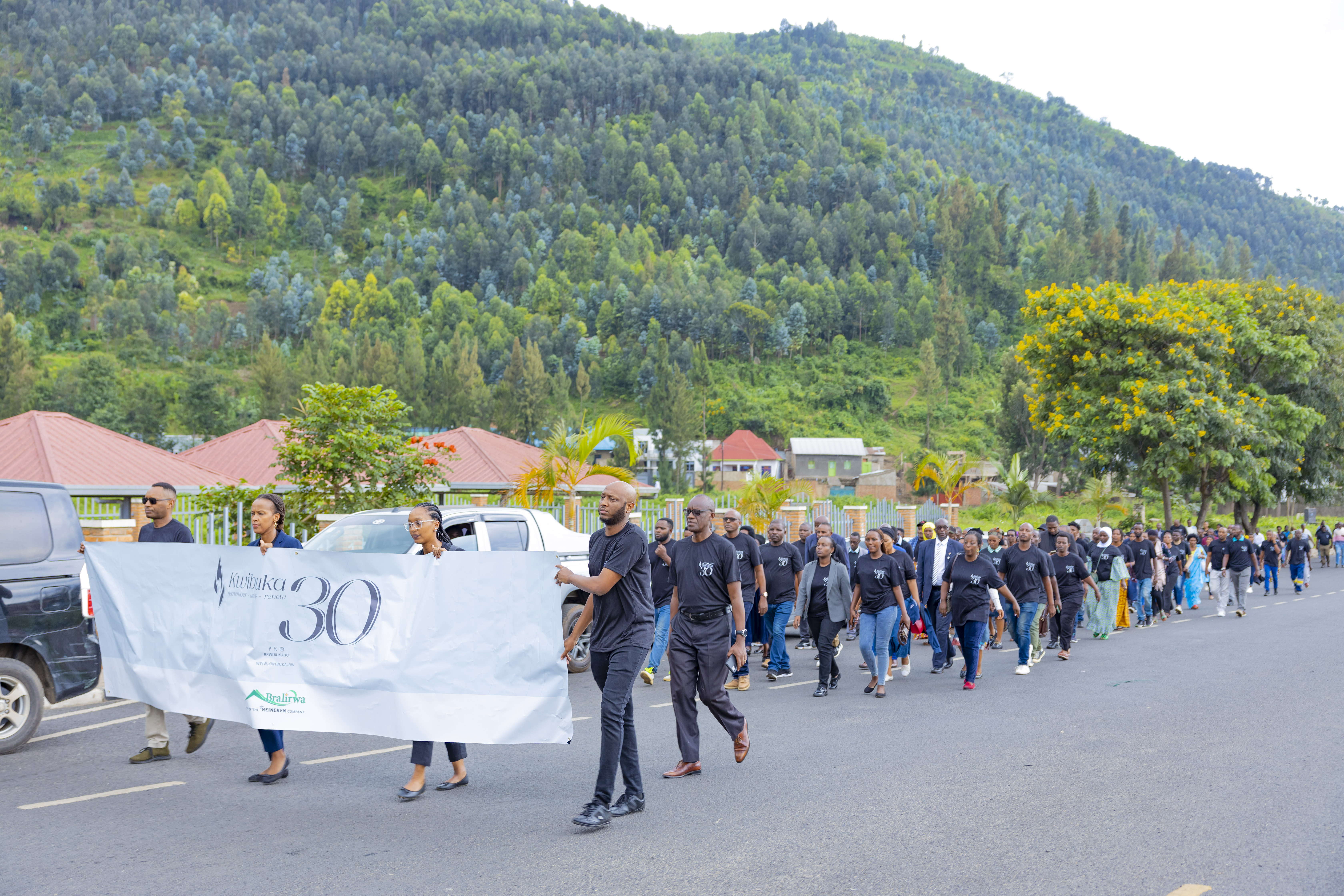
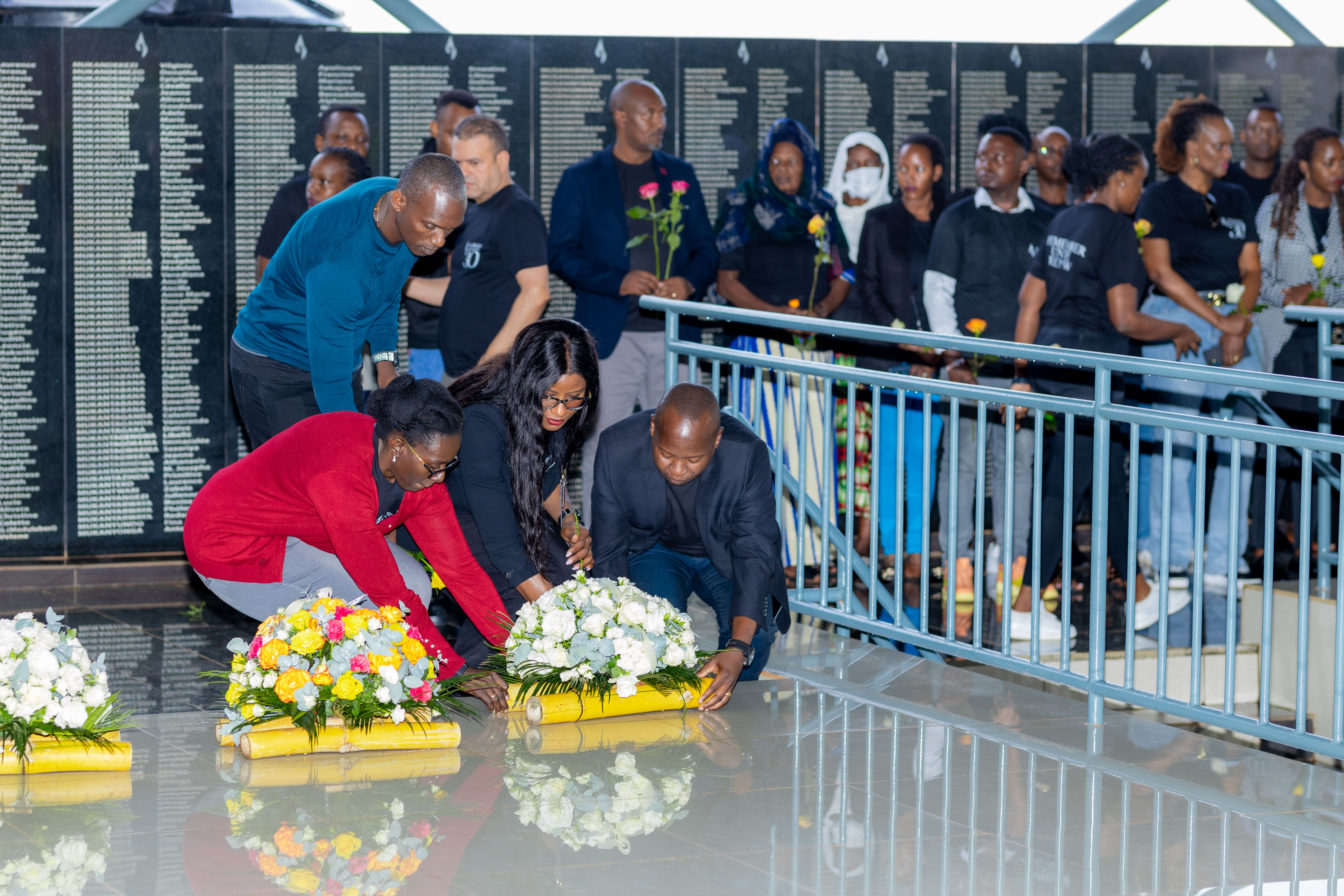
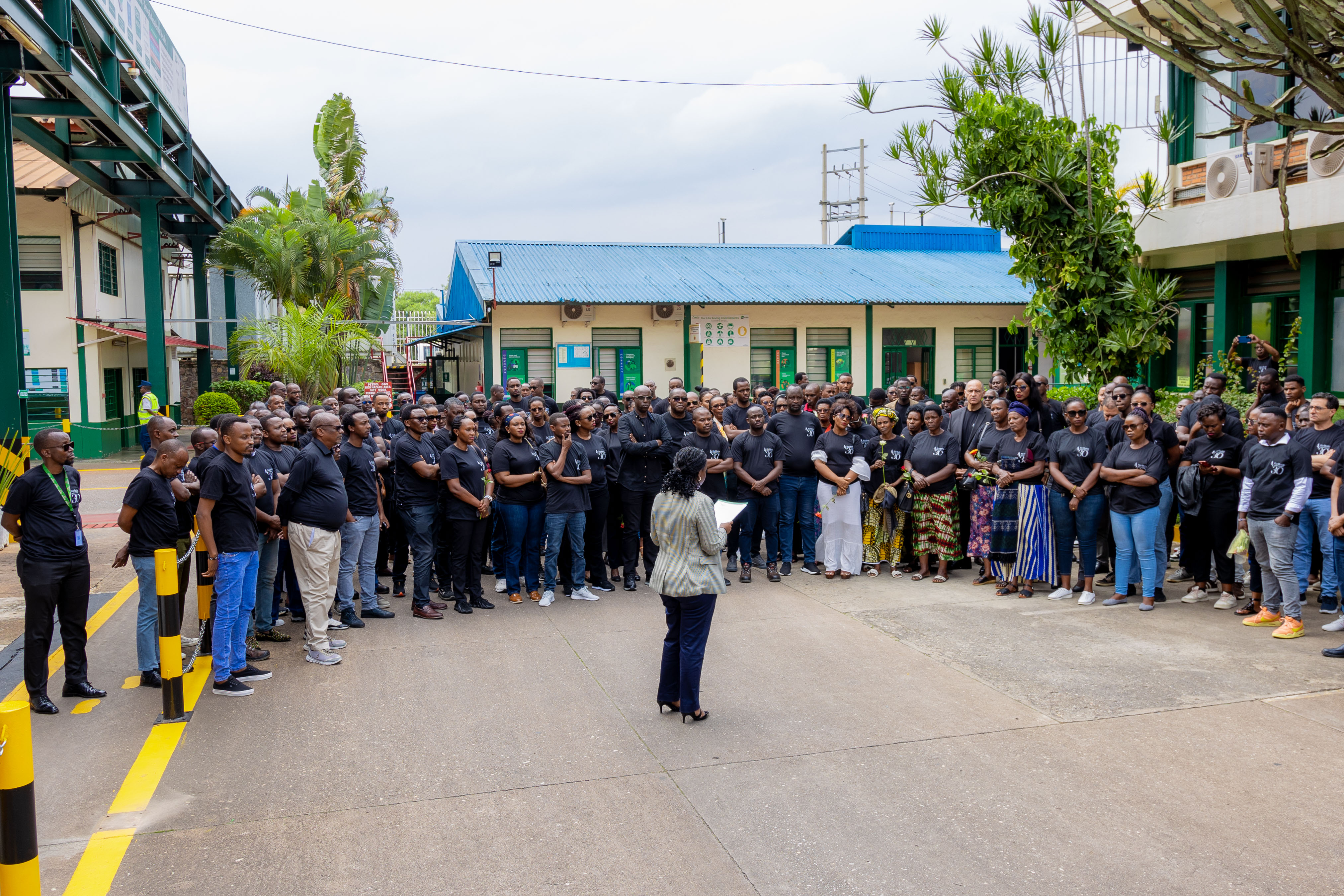
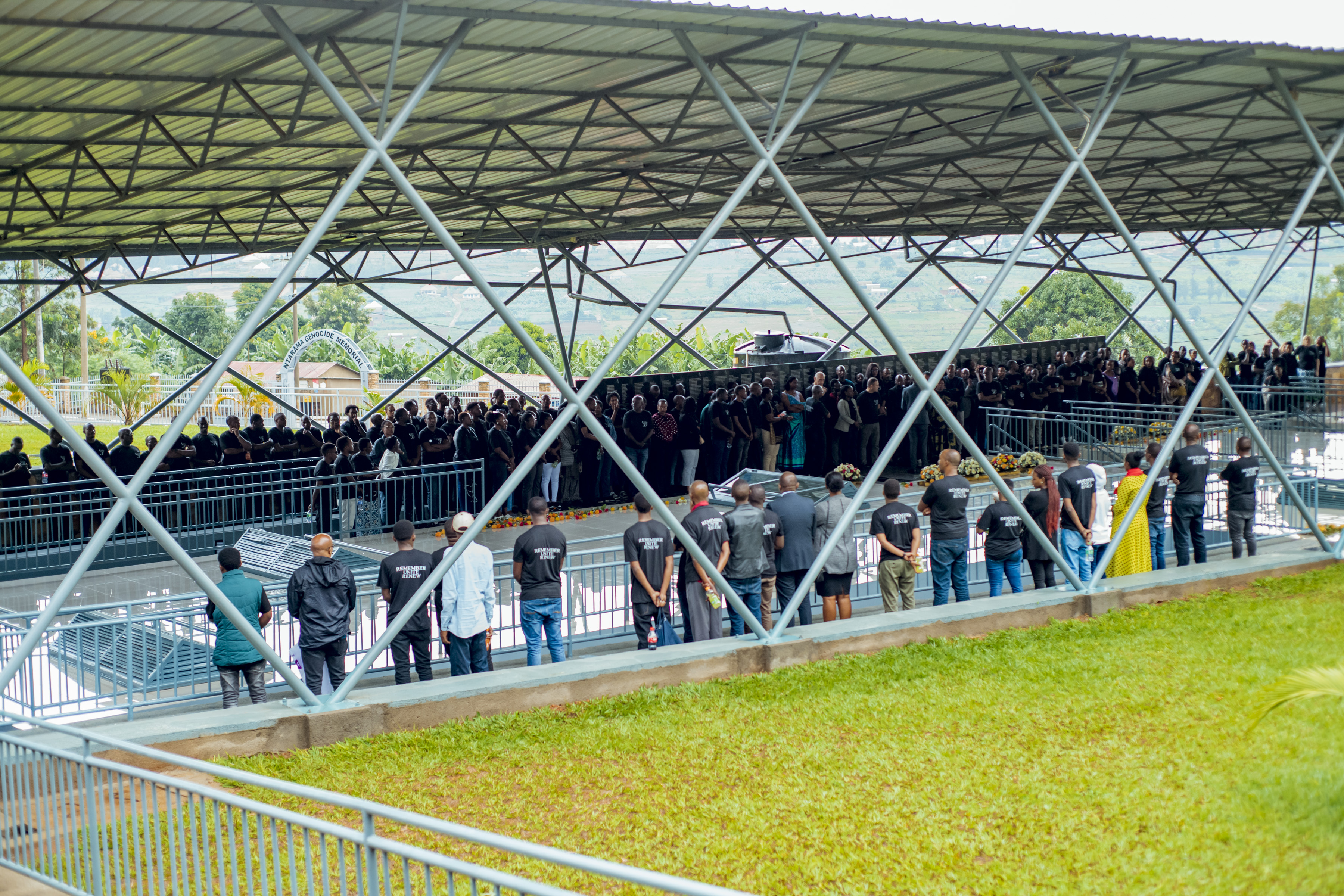
The management and staff, together with the friends and families of former employees who fell victim to the 1994 genocide against the Tutsi, along with invited guests, laid wreaths at both the Rubavu and Ntarama Genocide Memorial sites in the past week and followed a speaker program under the Kwibuka30 theme; – Remember, Unite, Renew.
At each memorial site, the participants learned about the history of the genocide and the courageous efforts that were made to end it. They listened to the testimonies of genocide survivors Jeanine Mudenge Uwase and Marcel Nsengiyumva, who shared their harrowing experiences of hiding day and night in deplorable conditions to survive.
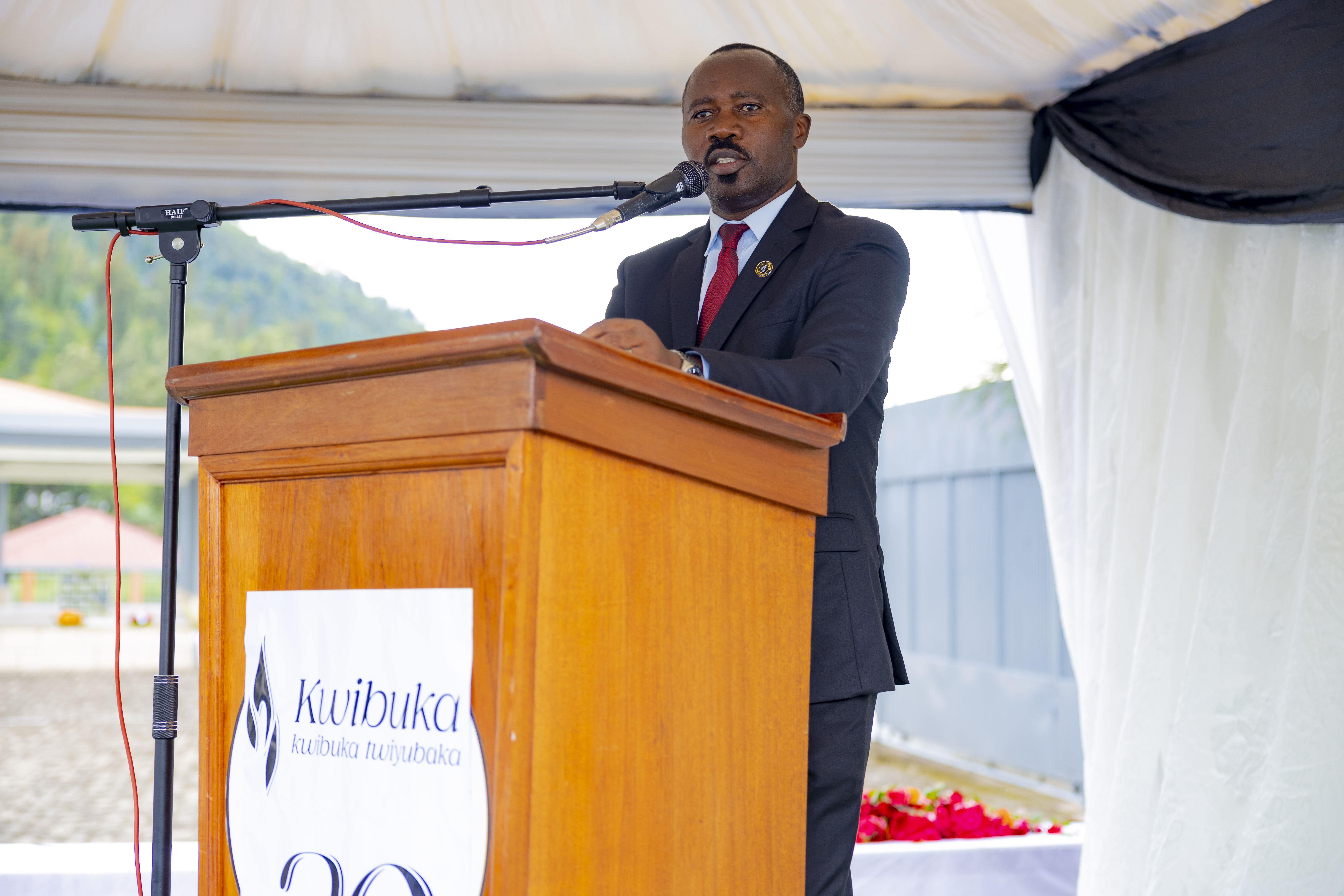
Director of Human Resources at Bralirwa, Laetitia Uwera, highlighted the importance of learning from the past and ensuring that such atrocities do not happen again. “As leaders and colleagues, we must be vigilant in promoting peace, harmony and mutual respect for one another in the development of communities,” she said.
In his remarks at the Rubavu Genocide Memorial, the Mayor of Rubavu District, Mulindwa Prosper, emphasized the Government’s commitment to unity and reconciliation and called on everyone to work together to rebuild the nation.
Bralirwa’s Managing Director, Etienne Saada, commended the leadership of the country for promoting a culture of harmony and reconciliation. “We recommend the remarkable efforts of the Government of Rwanda to restore and maintain peace and security in the country. The commitment to good governance has been instrumental in promoting stability and progress,” he said.
Speaking on behalf of the Ministry of National Unity and Civic Engagement, Genocide Commemoration and Coordination Specialist, Anitha Ndayisaba Mweramana, highlighted that Rwandans are now choosing the direction we want to take as a country by refusing to be slaves of our past history and choosing to build a culture of dialogue.
“We must also remember to ensure that those of us who are alive will always remember our history. By doing so, we can ensure that the atrocities committed against our people do not happen again, hence our theme to remember, unite and renew,” she said.