The agency reported that the Boeing 757’s wing collided with the rear elevator of a stationary VistaJet early on Sunday.
The document specifies the involved Boeing jet by its registration number, N757AF. FAA records list its registered owner as DJT Operations I LLC.
The Trump Organization’s website describes the jet as “one of the most famous private jets in the world,” and images of the jet display the registration number on its tail.
An FAA statement about the incident indicates that the Trump jet had safely arrived at the airport around 1:20 a.m. EDT Sunday. However, during taxiing, “its winglet made contact with a parked and unoccupied corporate jet.”
The incident took place in a section of the airport not under FAA control, and the FAA is currently investigating it.
There were no reported injuries from the incident, and the extent of the damage remains unclear, as per the administration.
It is also not known whether Trump was aboard the plane during the contact with the VistaJet aircraft.
Trump, who is seen as the likely Republican candidate for president, is facing a trial in New York City related to charges of election interference concerning payments made to silence claims of an alleged affair with a porn star.
He owns a residence at the Mar-a-Lago resort in Palm Beach and had conducted a campaign rally in New Jersey just hours before the incident.
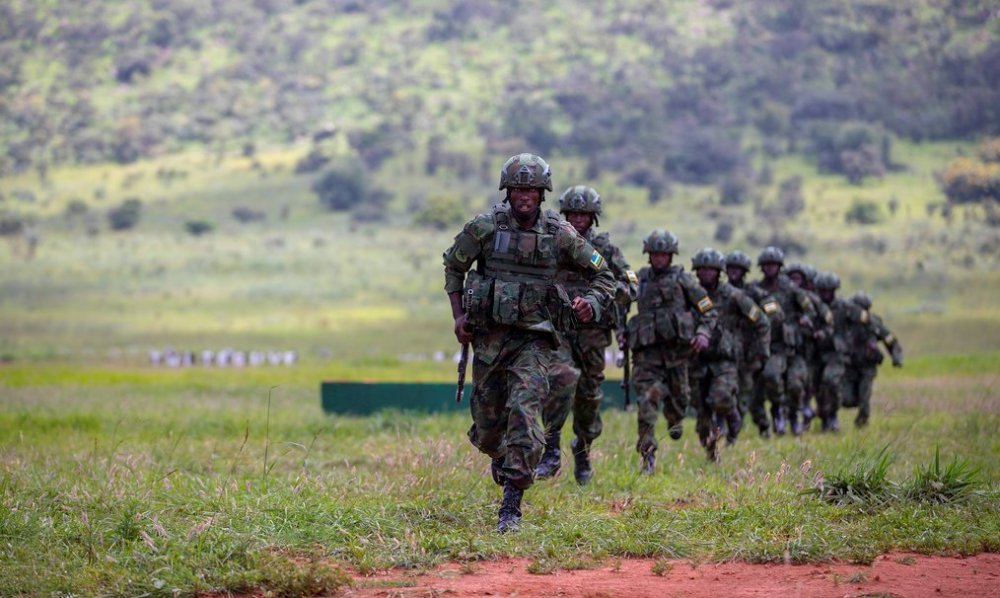
The construction of this school was highlighted by the Minister of Defense, Juvenal Marizamunda, on Tuesday, May 14, during his presentation to the Senate.
He was part of the proceedings to confirm the basis of a bill governing the Rwanda Defence Force, aiming to establish components such as the Health Unit, a Deputy Chief of Staff, and a Department responsible for International Military Relations.
After the Senate General Assembly approved the foundation of the bill, the Senators from the Foreign Affairs, Cooperation, and Security Committee began examining the bill governing the Rwandan Defence Forces.
Minister Marizamunda noted that there are various projects concerning the Rwandan Defence Force, including the construction of a higher education military school.
He stated, “Regarding the university, we currently have many military schools, but the ones at the university level are the Gako Military Academy and the Nyakinama school. Gako offers training for those who want to become junior officers, while Nyakinama provides training for senior officers, such as Majors, Lieutenant Colonels, and Colonels when necessary.”
He continued, “We are going to establish another level called the ‘National Defence College’ which will enroll individuals from the rank of Colonel up to General.”
Currently, these military schools offer university-level courses in collaboration with the University of Rwanda, something Minister Marizamunda said will change in the future as all will be integrated into the National Defence University.
He elaborated, “The degrees currently issued by the University of Rwanda will soon change to those issued by the ‘National Defence University’ which will encompass these three schools and other institutes including a research center and a peacekeeping studies center, all within this military university.”
He further explained that this university will first need to be approved by the relevant government authorities as is the case with other universities operating in the country.
He added, “It’s an ongoing process, and it won’t delay. Once we establish the school, the next step will be to seek accreditation for this military university, so that the degrees will no longer be issued by the University of Rwanda.”
Earlier in May, the Chamber of Deputies approved a law governing the Rwandan Defence Force, which included reforms in their structure and management.
The reforms outlined in the law include the introduction of Deputy Chiefs, where the RDF Chief of Staff will have a Deputy, and the Chiefs of Land Forces and the Health Branch will also have deputies.
This law comprises 38 articles that reinforce the changes within the Rwandan Defence Forces.
When the bill was presented to the Deputies’ General Assembly on March 14, 2024, Minister Marizamunda explained that these reforms aim to improve RDF’s governance to effectively fulfill its duty of safeguarding national security.
Overall, the Rwandan Defence Force were led by a Chief of Staff, with a single commander for the land forces, air forces, and the reserve forces.
Minister Marizamunda told the deputies that the need for additional military leaders is based on the increasing responsibilities of the RDF due to various international activities the Rwandan Military is involved in, and the reforms were made in response to the current global and regional security dynamics.
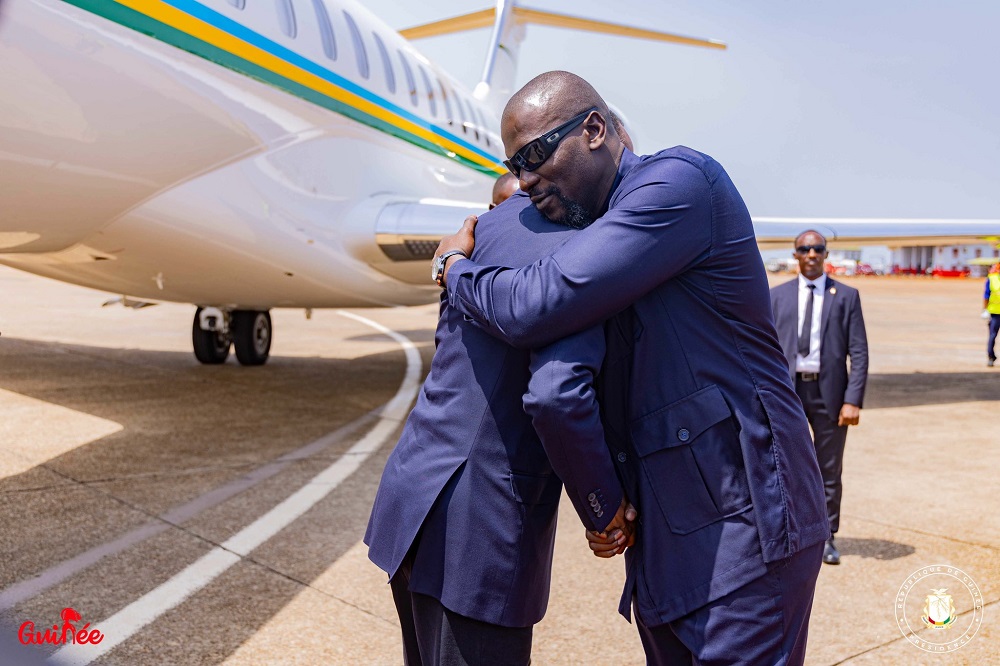
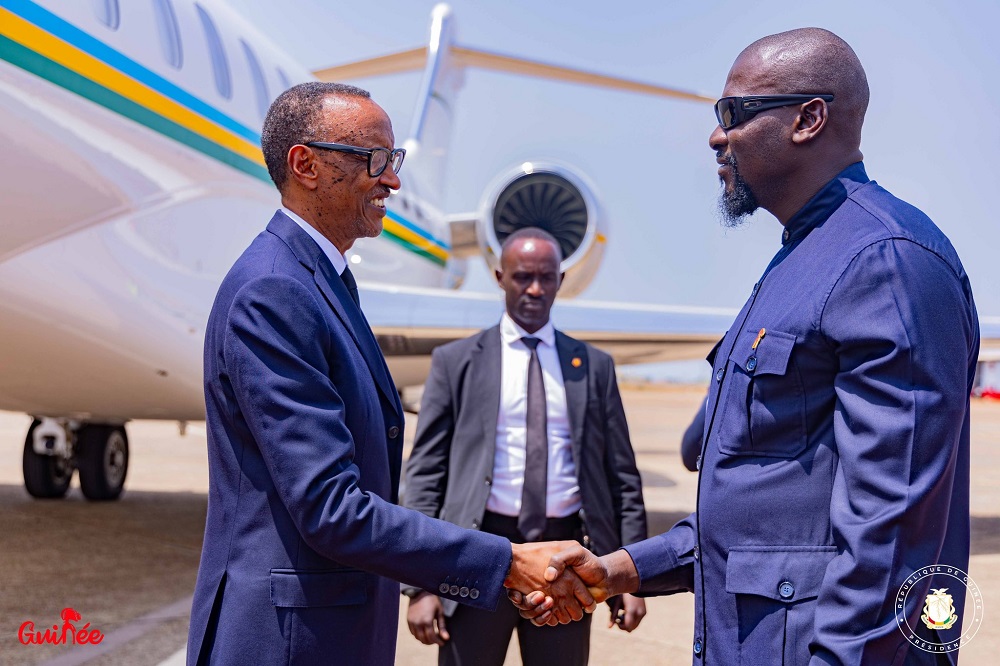
President Kagame’s one-day visit to Conakry on May 13th, 2024, marked his second visit to Guinea since General Doumbouya assumed power. President Kagame last visited in April 2023.
General Doumbouya stated, “I am honored to host in Conakry my brother and friend, His Excellency Paul Kagame, President of Rwanda. This visit, following the first one, is a testament to the strong relationship of brotherhood and friendship between our countries and it strengthens the cooperation between Conakry and Kigali.”
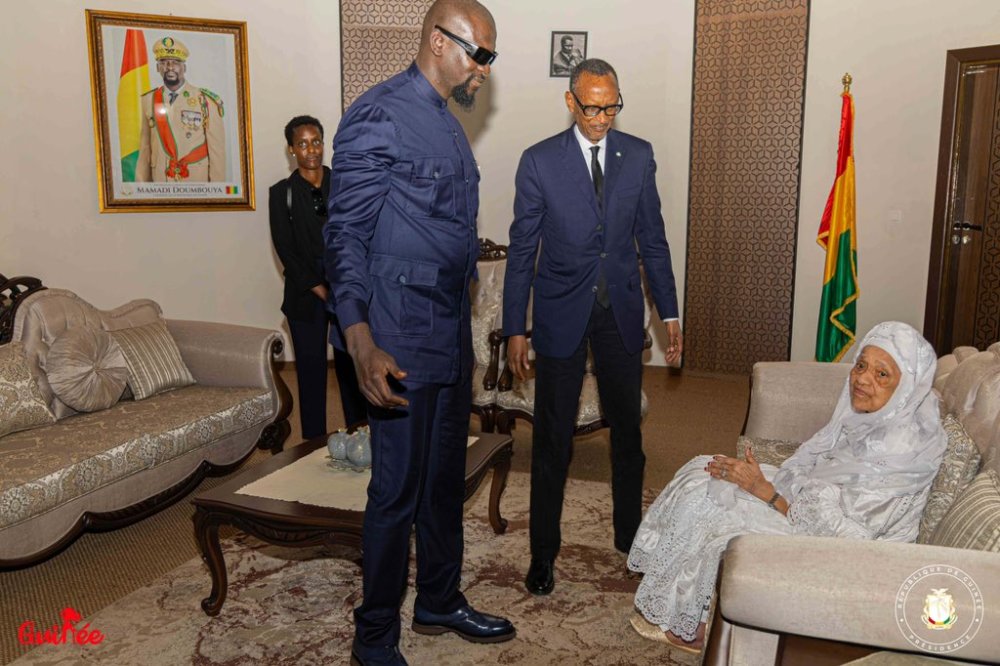
General Doumbouya also announced that he and President Kagame were proud to meet Hadja Andrée Touré, the widow of Ahmed Sékou Touré, Guinea’s first president, and that their conversation with Hadja was deeply emotional.
General Doumbouya added, “We are profoundly honored to meet Hadja Andrée Touré, the widow of Guinea’s first president, the late Ahmed Sékou Touré. This meeting, marked by symbols and emotions, reminds us of the rich legacy we possess and the patriotic spirit that guides us.”
He continued, “The warm handshake between President Kagame and Hadja Andrée Touré, and my handshake with the president’s widow, are symbols that we should learn from the past to address current challenges.”
President Kagame’s visit to Guinea followed his trip to Senegal on May 12th and 13th, where he met with the country’s new president, Bassirou Diomaye Faye, and Prime Minister Ousmane Sonko.
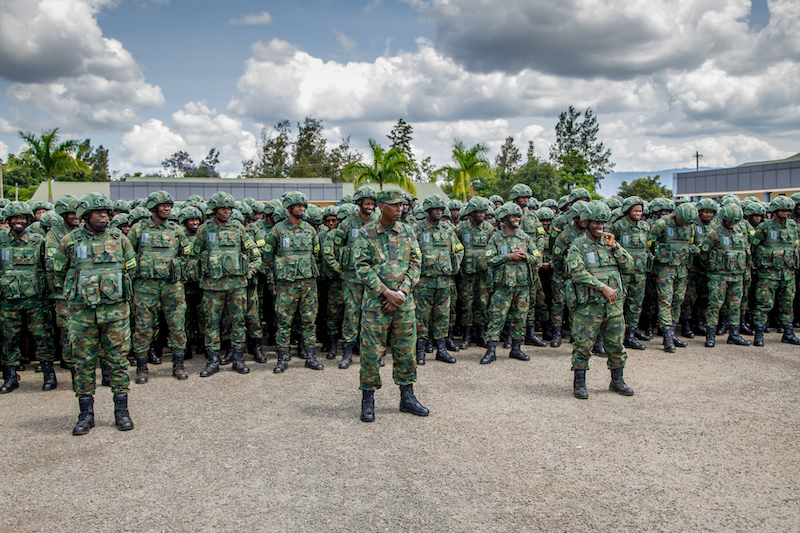
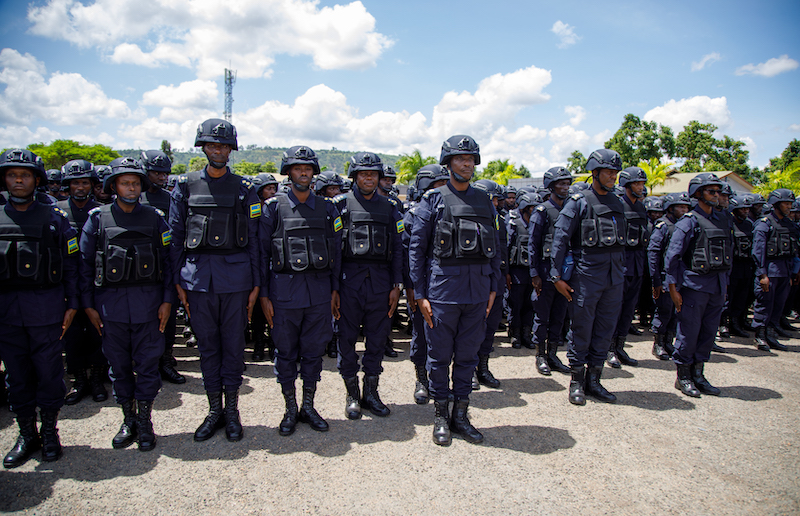
The soldiers received a briefing on the new mission during a meeting with senior officials, including the Rwanda Defence Forces Army Chief of Staff, Maj Gen Vincent Nyakarundi and Commissioner Vincent B. Sano, the Deputy Inspector General of Police in charge of Operations.
The RDF Army Chief of Staff conveyed a message from President Paul Kagame, who also doubles up as the Commander-in-Chief of RDF, reminding the troops to maintain discipline and commitment to the crucial mission.
Nyakarundi emphasized that the forces currently deployed in the region were performing admirably and urged the troops to uphold the standards.
“This deployment underscores the strong bilateral relations between the Republic of Rwanda and Mozambique,” RDF said in a statement.
The Rwandan forces are helping Mozambique’s army fight militants who launched an armed uprising in 2017.
The insurgency began with the group expressing discontent over the lack of economic benefits from natural gas in the region, allegations of government corruption and marginalization of local communities.
However, over the years that followed the rebellion escalated with the militia employing violent tactics, including attacks on civilians and security forces and destruction of property, forcing the government to seek military support from Rwanda and the Southern African Development Community (SADC) in 2021. SADC forces started withdrawing last month as its mandate ends in July.
New attacks were reported in the northern town of Macomia on Friday morning. Confirming the attack, Mozambique President Filipe Nyusi said the country is battling ISIL-linked groups.
“Macomia is under attack since this morning. Fire exchange still continues,” Nyusi said, adding that the armed group fighters initially withdrew after about 45 minutes of fighting, but then regrouped and came back.
Early this month, RDF announced that joint Rwanda and Mozambique forces had made gains in neutralizing the militia insurgency in the country.
RDF revealed on May 5, 2024, that the joint security team had managed to smoke out and kill a majority of the Al-Shabaab terrorists hiding in Odinepa, Nasua, Mitaka, and Manika forests during a one-week operation that started on April 26.
Only a few insurgents are reported to have escaped the military onslaught during the one-week operation.
The United States Embassy in Tanzania has suspended key consular services following a widespread internet outage linked to a major fault on the subsea fibre connecting the East Africa region to the rest of the world through South Africa.
As a result of the network interruptions, the US embassy said its offices in Tanzania will remain closed to the public on May 14 and 15.
“All consular appointments on May 14 & 15 will be cancelled and rescheduled to a later date,” the embassy said in a statement.
During the period, the embassy noted that only the consular section would be open as scheduled for visa pick-up and handling of emergency cases for American citizens.
Kutokana na changamoto za huduma ya kimtandao nchini, miadi yote ya kikonseli Mei 14 & 15 itafutwa na kupangwa kwa ajili ya baadae. Kitengo cha konseli kitafunguliwa kama kawaida kwa ajili ya kuchukua visa na huduma za dharura kwa raia wa Kimarekani.
Tanzania was the worst-hit country in the internet outage that hit EAC members including Kenya, Uganda and Rwanda on Saturday.
Cloudflare Radar, which monitors internet connectivity, reported that Tanzania’s traffic had fallen to 30 per cent of expected levels since the network interruption was reported at 10 am on Saturday.
Nape Nnauye, Tanzania’s minister of information, communication and information technology confirmed the service disruption on Sunday, saying the cuts affected the SEACOM and EASSy subsea cable systems between Mozambique and South Africa.
The minister said the country would continue to experience low internet speeds until the technical problem is resolved.
“There are ongoing efforts to solve the problem,” he said. “As they continue to solve the problem, we will have very low access to internet and international voice calls.”
Internet service providers (ISPs) in Rwanda, Kenya, and Uganda said they were aware of the intermittent internet connections and urged their customers to be patient while the issue is being addressed.
“To our customers, we would like to inform you that the technical problem with the Internet in East Africa has not yet been resolved. We are still monitoring it to provide you with normal internet services. We apologize for the inconvenience caused,” MTN Rwanda said in a post on X (formerly Twitter).
Most ISPs, including Kenya’s leading telecommunications company Safaricom, said they had been forced to activate redundancy measures to keep their customers connected.
“We have since activated redundancy measures to minimise service interruption and keep you connected as we await the full restoration of the cable,” Safaricom said, adding, “You may, however, experience reduced internet speeds.”
Meanwhile, the Rwanda Utilities Regulatory Authority (RURA) assured members of the public on Monday that efforts by relevant players are ongoing to restore full connectivity.
“This is to inform all internet users of the undersea cable damage leading to internet disruptions. Users are encountering slow internet speeds due to congestion on remaining links.
“Please be patient as all is being done to restore full connectivity,” RURA said in a statement on Monday.
The young man was taken into custody by security officials On the morning of Tuesday, May 14, 2024.
The Deputy Mayor of Nyamasheke District in charge of Social Affairs, Athanasie Mukankusi, has told IGIHE that the young man killed his father on Sunday, but the information became known on Monday, May 13, 2024.
She said that after killing his father, the young man burned the body to eliminate evidence and then threw the remains into a latrine.
Mukankusi further stated that the mother of the young man was the one who discovered the act and immediately reported it.
She added, “The mother suspected that her son was the perpetrator because the old man had been missing for two days, and they saw his son burning something. Upon further investigation, they discovered that it was his father’s body he had thrown into the latrine.”
Mukankusi also mentioned that the young man had a property dispute with his father.
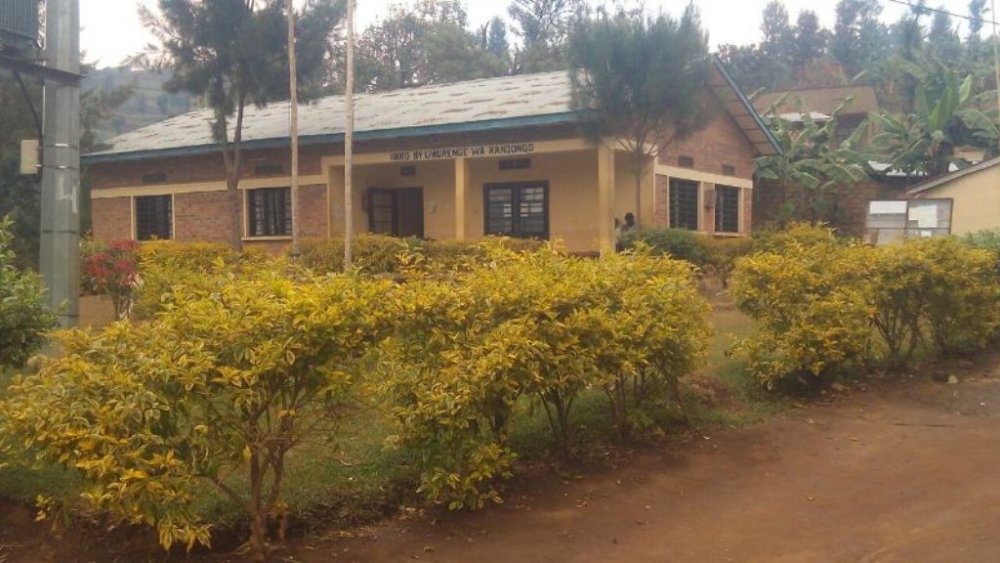
She added that after disappearing in the early hours of this Tuesday, he was arrested and is now detained at Rwanda Investigation Bureau (RIB) station in Kanjongo.
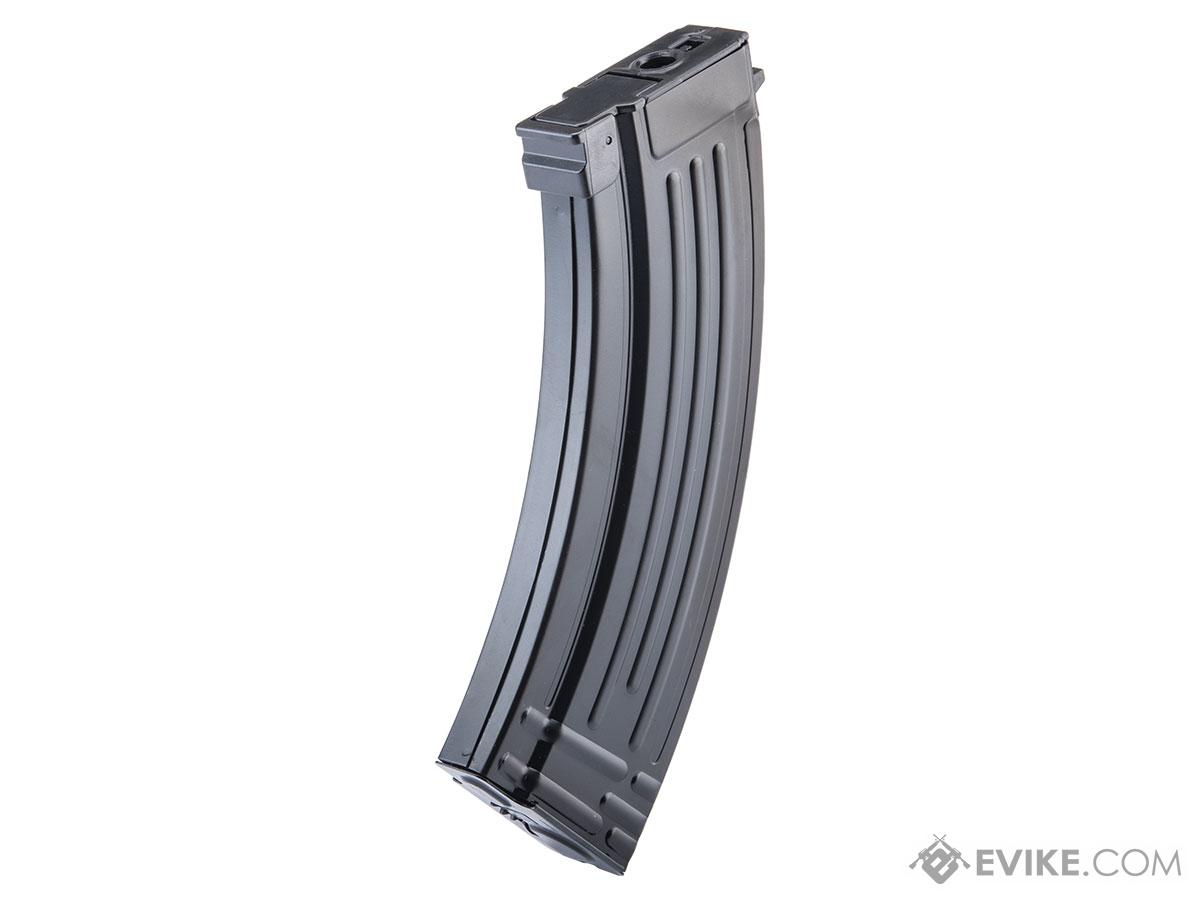
When questioned about this possession, Barikana, who had already resigned from his position in the Chamber of Deputies, admitted he acquired the weapons while living with soldiers but forgot to return them.
Currently, Barikana is being held at the RIB Station in Remera while investigations continue to determine how he obtained the weapons and why he possessed them without legal authorization.
RIB has reminded the public that “owning firearms is governed by specific laws and any violation of these laws constitutes a criminal offense under Rwandan penal statutes.”
Barikana has been a deputy since 2013, prior to which he served as a Director in the Prime Minister’s Office between 2010 and 2013. From 2003 to 2013, he was the Permanent Secretary in the Ministry of Local Government, and before that, he was the Prefect of Kibungo Prefecture from 1999 to 2001.
{{What does it take to own a gun in Rwanda?}}
In 2018, Rwanda revised its 2009 firearms law to reintegrate crimes and penalties that were omitted in 2012 and aligned with the constitutional requirements.
The National Police once told IGIHE that since 2018 [to 2022], no civilian in Rwanda has been granted a firearm license due to pending regulations. These regulations define the fees for a gun license, how and where one can acquire a gun, mandatory training for gun use, and the amount of ammunition allowed.
In 2022, the Deputy Spokesperson of the Rwandan Police stated that no civilian owns a gun as those who had them had returned them when the law was revised.
He mentioned, “It used to be done, but since the law was abolished, they returned them to wait for what the new law stipulates.”
When the law was revised, the then Minister of Justice, Johnston Busingye, stated that the requirements to own or trade weapons in Rwanda are numerous and nearly impossible to fulfill.
He said, “I believe it is almost impossible. To trade, to show where you want to trade, it’s a Presidential Order that dictates how it should be done.”
{{Requirements for obtaining a firearm license}}
Owning a firearm, except for those allocated to the Rwandan Defence Forces, the Rwandan Police, and other legally authorized agencies, requires a written permit issued by the Rwanda National Police.
Carrying a firearm, except for those allocated to the Rwandan Defence Forces, the Rwandan Police, and other legally authorized agencies, is permitted with a written authorization from the Rwanda National Police.
{{The law grants a firearm license to an individual who fulfills the following}}
An agreement with the Rwanda National Police confirming that if provided with a gun, ammunition, and related items, they will not be used unlawfully,Travelers with a certification from their country stating the gun, ammunition, and related items are for their personal use, private security firms.
To be eligible for a firearm license, one must write to the Rwanda National Police explaining why they need a gun; be of good character; be at least 21 years old; have a medical certificate from a recognized doctor confirming they do not suffer from mental illness.
Additionally, they must have a certificate from the Rwanda National Police proving they know how to use a gun; not have been sentenced to imprisonment of six months or more; and show a legal firearm ownership and carrying permit for foreigners who possess it.
However, the Rwanda National Police may refuse to grant a firearm license.
An individual who meets these requirements can own one (1) firearm for hunting, sport, or self-defense. Those with a permit issued by the Rwanda National Police may own more than one (1) firearm.
The law explains that owning a firearm in any form, except for those allocated to the Rwandan Defence Forces, the Rwandan Police, and other legally authorized agencies, requires a written permit from the Rwanda National Police.
Carrying a firearm, except for those allocated to the Rwandan Defence Forces, the Rwandan Police, and other legally authorized agencies, is permitted with a written authorization from the Rwanda National Police.
A firearm license, along with ammunition and related items, is renewed annually with a fee set by a Presidential Order.
The Rwanda National Police has the authority to temporarily or permanently revoke a firearm license and ammunition if they are used unlawfully or in a manner that could threaten public safety.
The law also states that no civilian is allowed to own weapons designated for state security agencies. Anyone owning a gun, ammunition, and related items cannot carry them without a permit. Renting, lending, or mortgaging guns, ammunition, and related items is prohibited.
When a lawful owner of a gun, ammunition, and related items dies, the Rwanda National Police retrieves them.
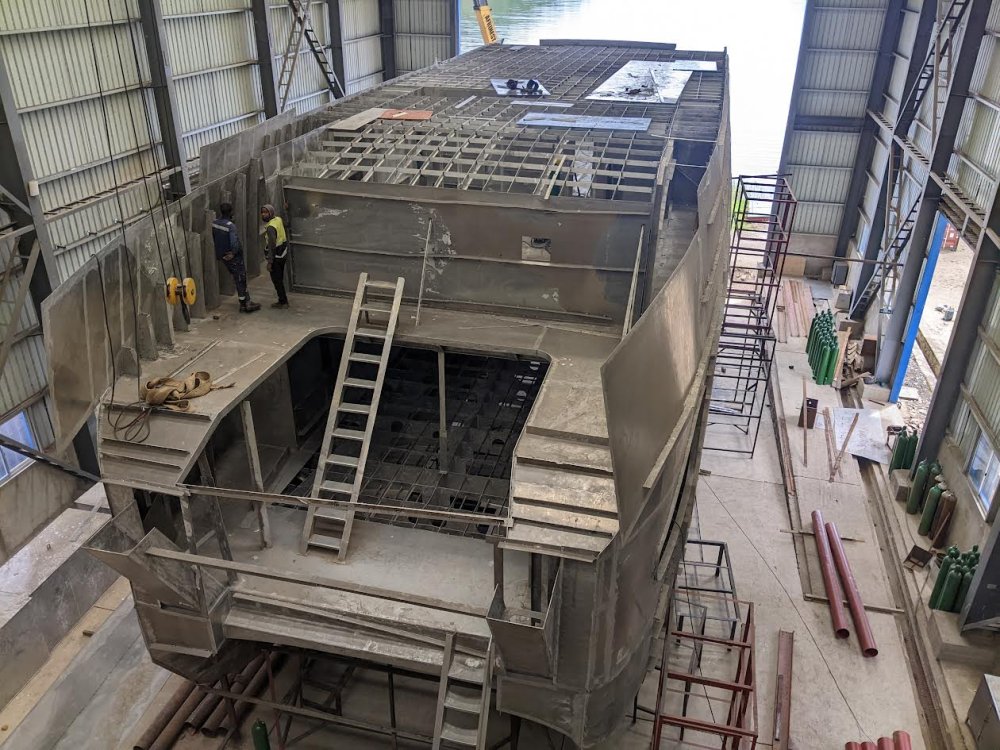
Nkombo island is one of the eighteen sectors in Rusizi District. This geographic feature makes it challenging for residents to engage in commerce with other parts of the country, as their only current option is by boat.
In this context, President Paul Kagame promised a second boat to assist the people of this sector in their trade with other regions.
This boat is being manufactured at the sole modern shipyard in Rwanda, Afrinest Engineering, located in Karongi District.
Alain Munyaburanga, the Head of Afrinest Engineering, stated that the construction of the boat is progressing well. “The work on the boat is about 80% complete. We are trying to finish it as quickly as possible so it can start operating,” he said.
This shipyard previously constructed a five-star hotel ship that offers tours for tourists on Lake Kivu. If there are no unforeseen issues, the second boat is expected to be completed within this year.
The new ship will have the capacity to carry 150 passengers and can also transport cargo, including six cars.
This boat will provide a solution for travelers between Rusizi and Rubavu, as it will reduce the travel time to four hours, compared to six hours by a regular passenger bus.
Abdul Djabar Ntahomvukiye, the Executive Secretary of the Nkombo sector, told IGIHE that the completion of this boat will be a significant relief for the Nkombo residents. The current boat can only transport 30 passengers.
“Once the new boat is operational, it will be a blessing as it will be able to transport 150 people along with their cargo. The existing service covers routes to Nkombo, Nyamasheke, Ishywa, and Gihaya, but there’s also a need for services that cover longer distances,” he said.
The Nkombo sector is home to over 18,600 people who primarily rely on agriculture, animal husbandry, and fishing.
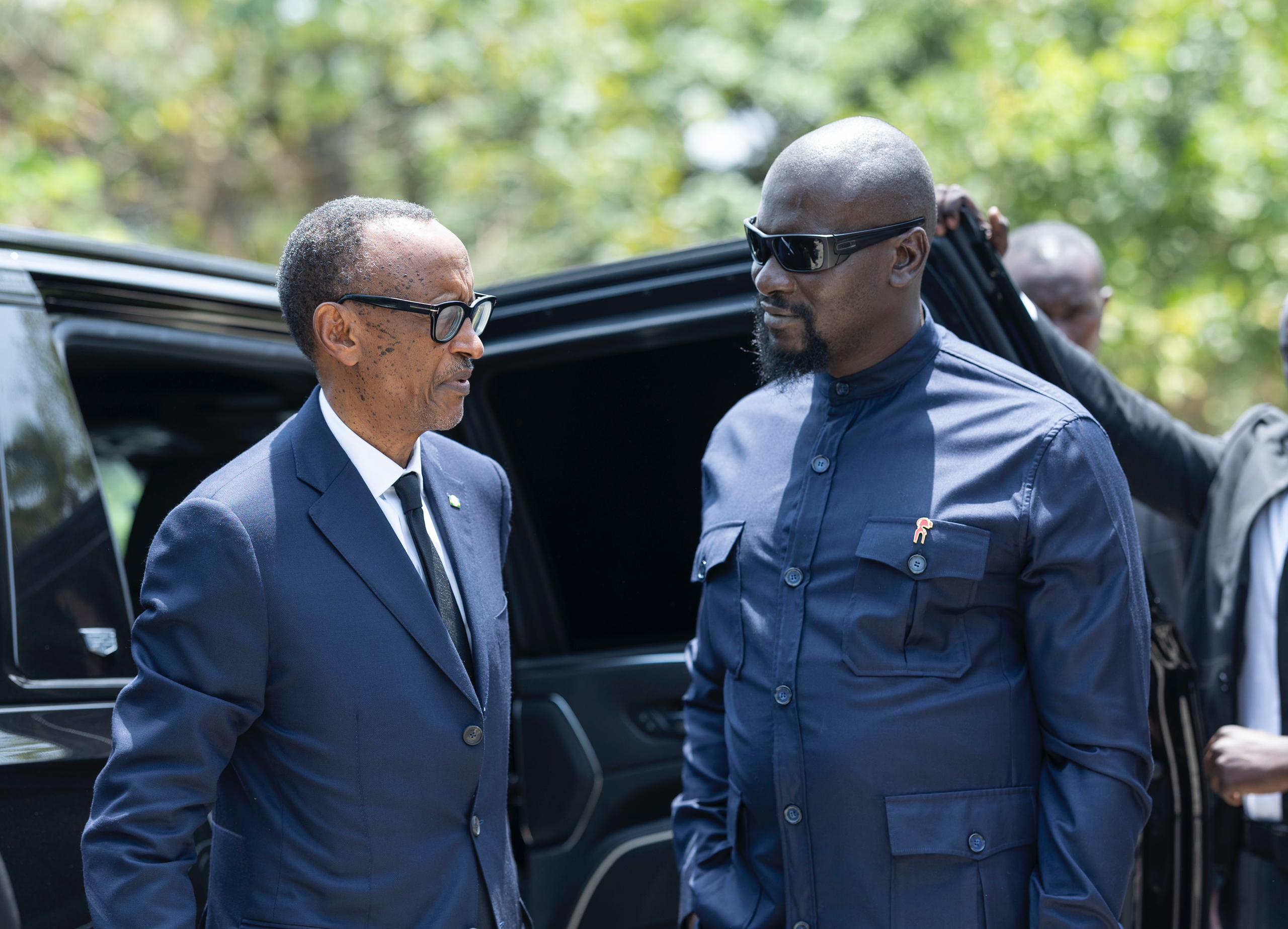
President Kagame was received in Guinea by President Mamadi Doumbouya and senior government officials before retreating for a private meeting.
In a statement, the Office of the President of Rwanda announced that the two leaders discussed a wide range of issues aimed at strengthening existing productive bilateral cooperation between Rwanda and Guinea in various sectors, including digitization, trade, and investments.
President Kagame’s visit to Guinea Conakry was confirmed by the Office of the Guinea President on Sunday evening, in a communication inviting senior government officials, including National Security Council member Dansa Kourouma and Prime Minister Amadou Oury Bah, to attend the welcoming ceremony at the Ahmed Sékou Touré International Airport.
The visit comes nearly four months after Guinea’s Interim President, Mamadi Doumbouya, concluded a three-day visit to Rwanda, aimed at strengthening friendship and cooperation ties between the two countries.
President Kagame made a similar trip to Guinea from April 17-18, 2023, which resulted in the signing of an agreement on the creation of a joint cooperation committee between Rwanda and Guinea. The committee covers areas such as agriculture, ICT, education, mining, and security.
President Kagame and Doumbouya also witnessed the inauguration of a highway interchange connecting Kagbélen to Conakry that was named after President Kagame. The project was initiated to ease movement between major industrial cities and Conakry, as well as with neighbouring countries.
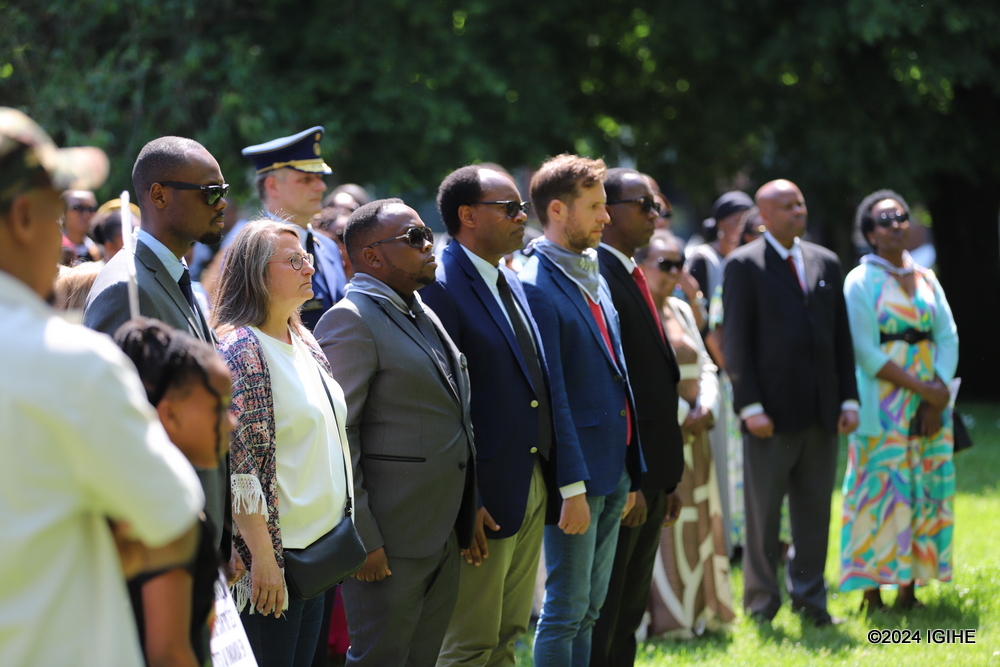
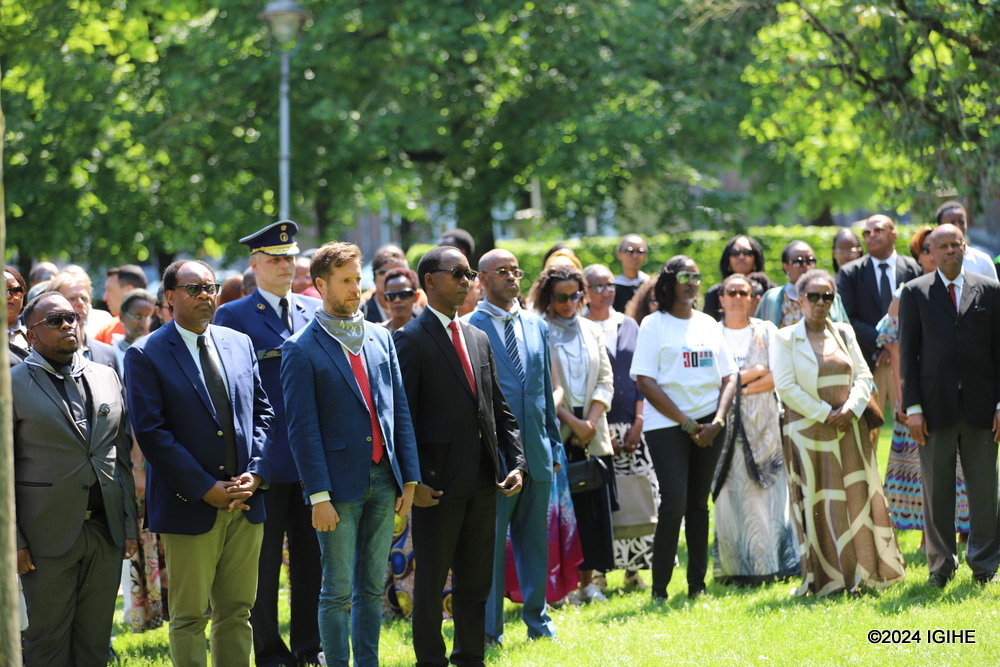
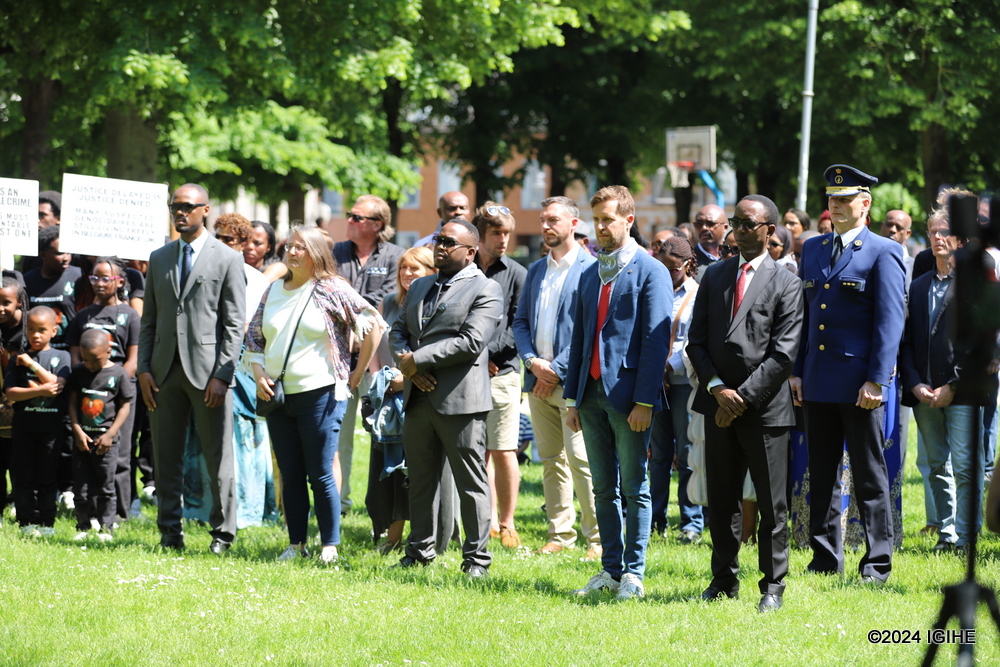
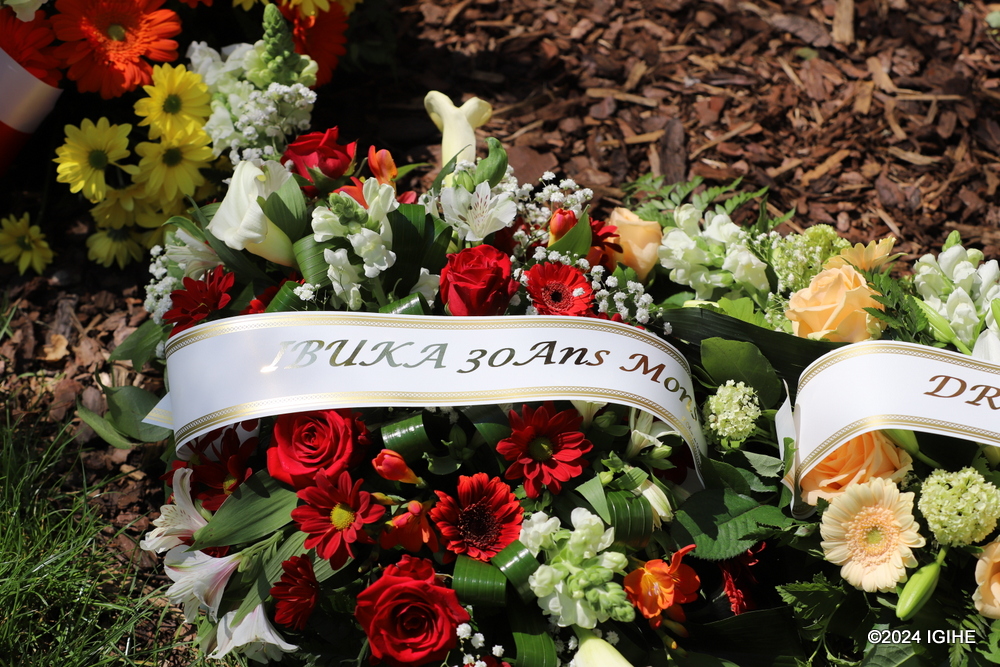
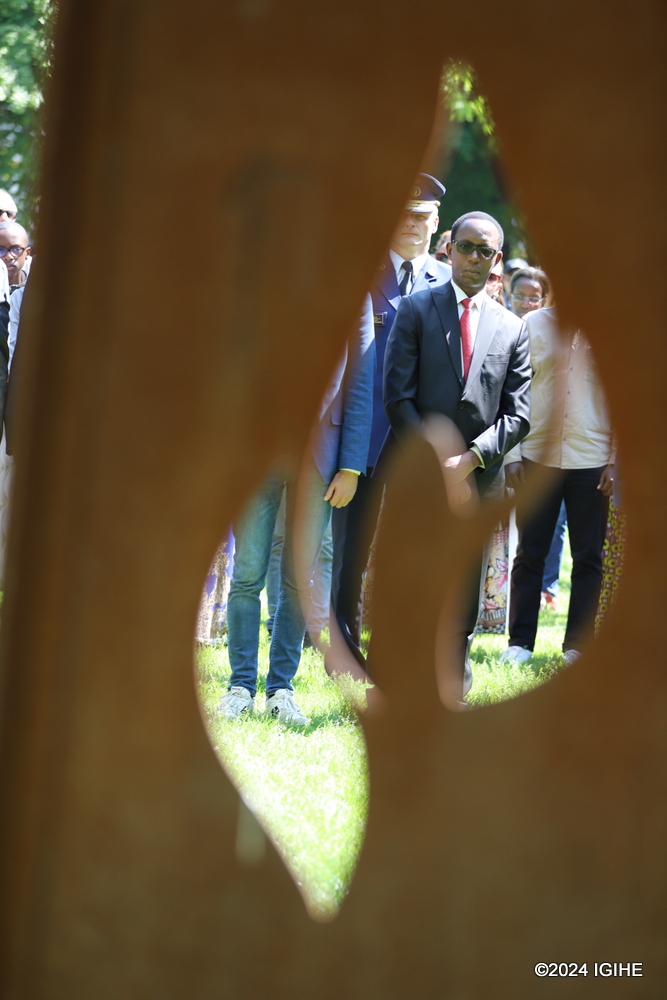
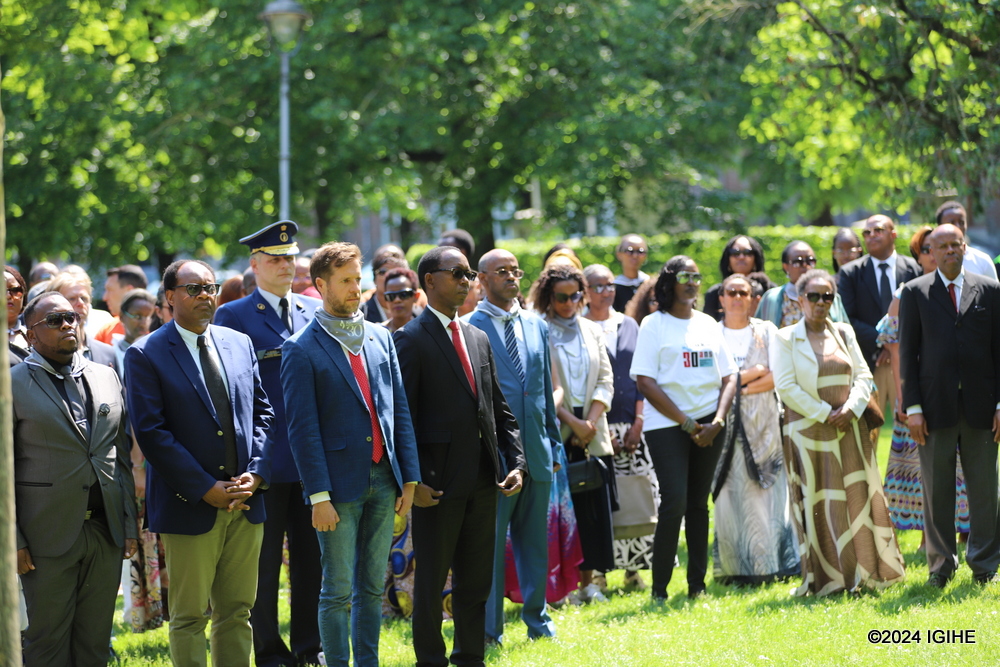
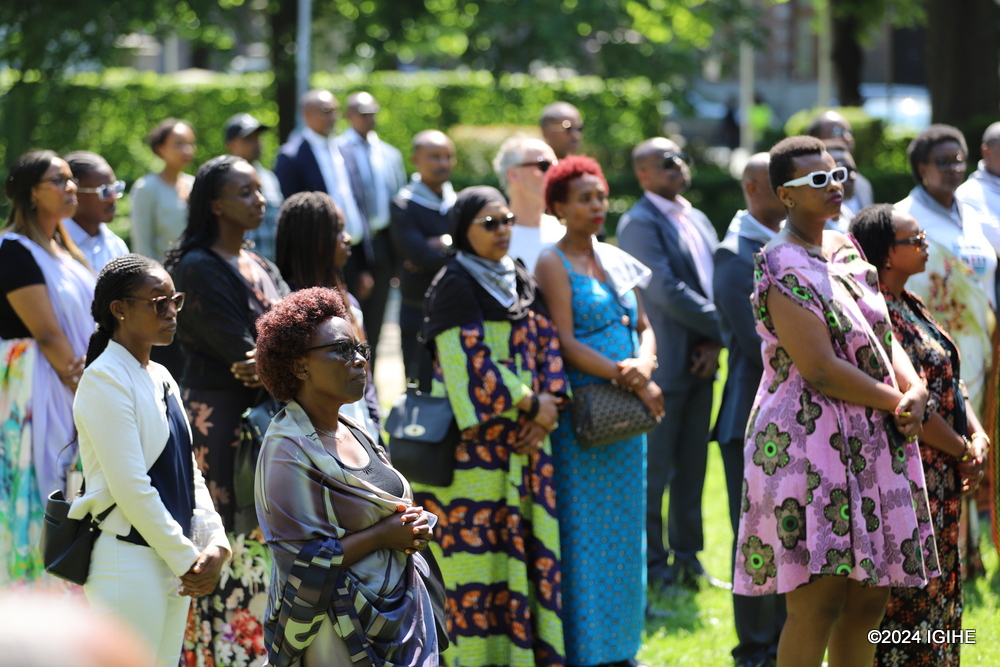
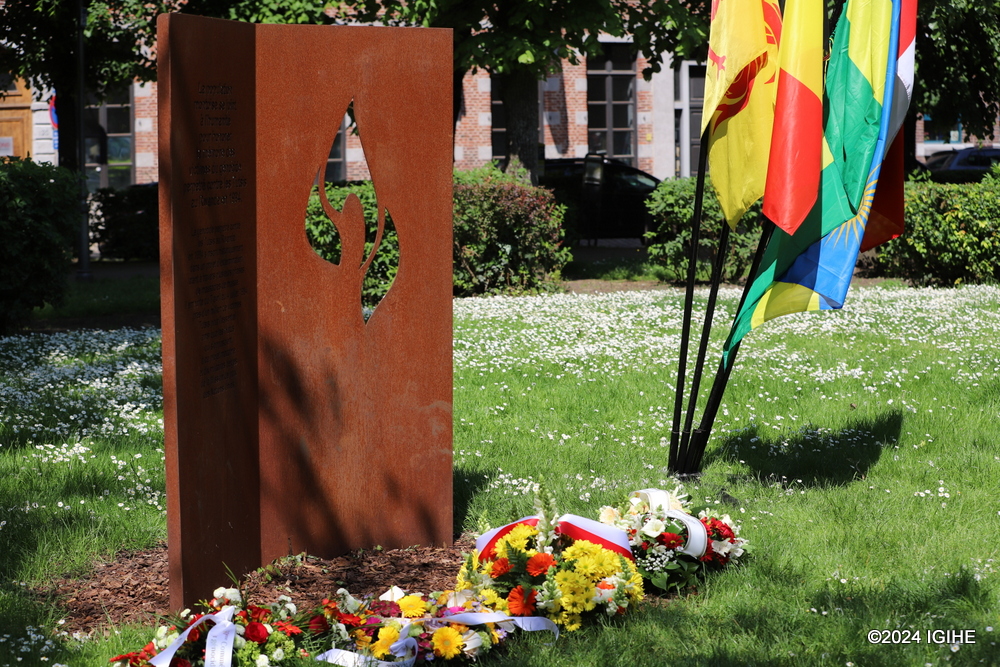
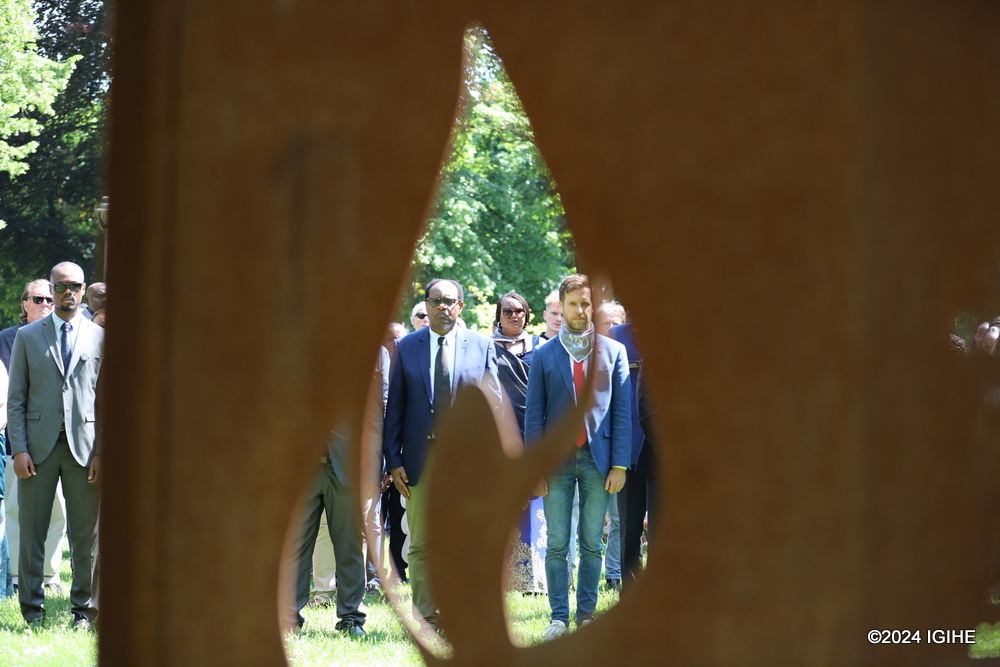
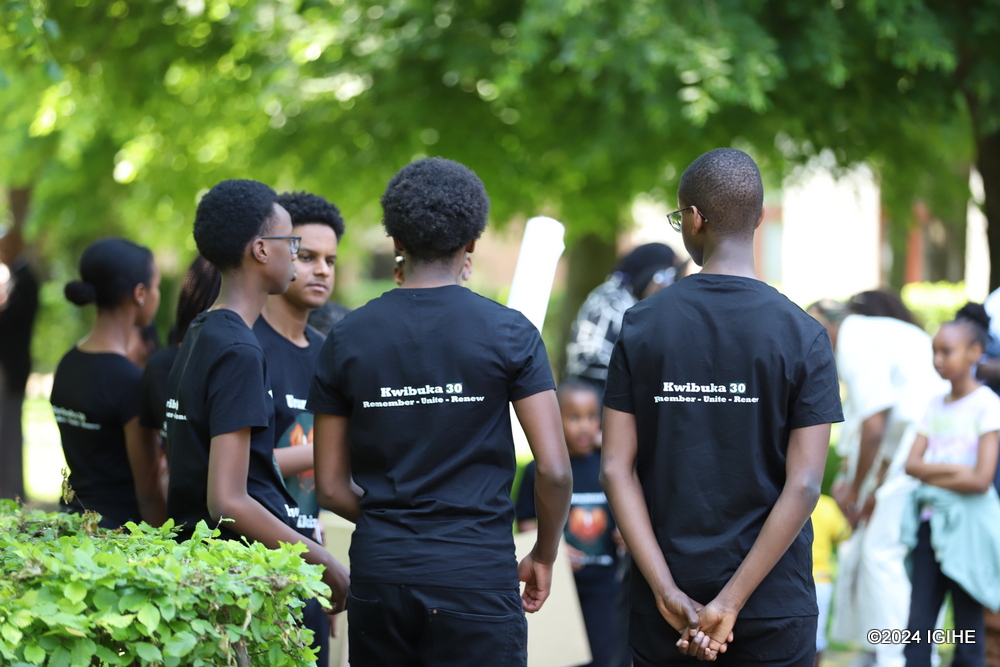
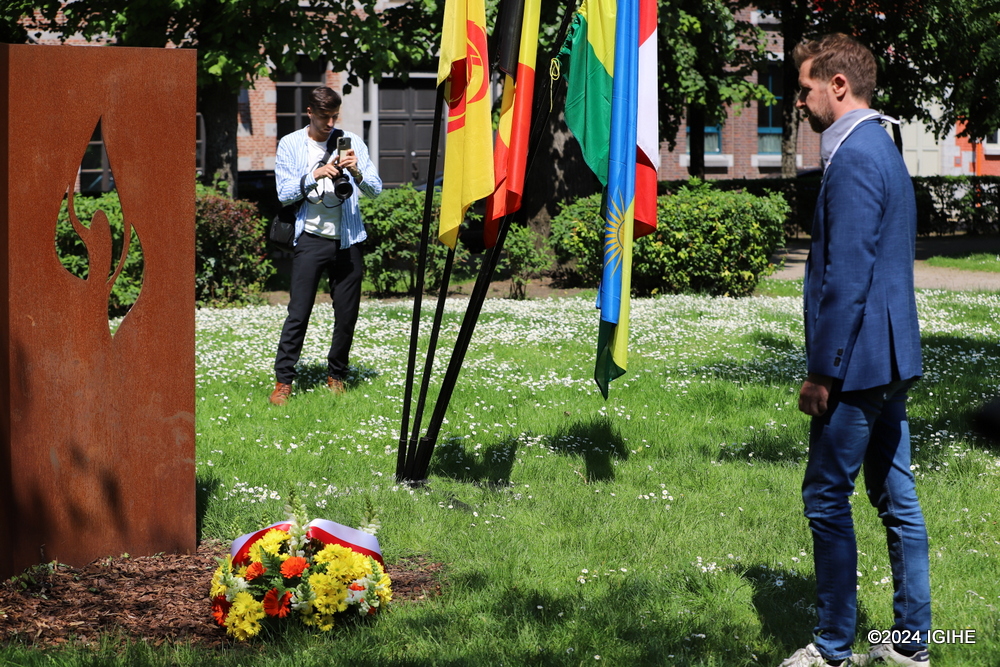
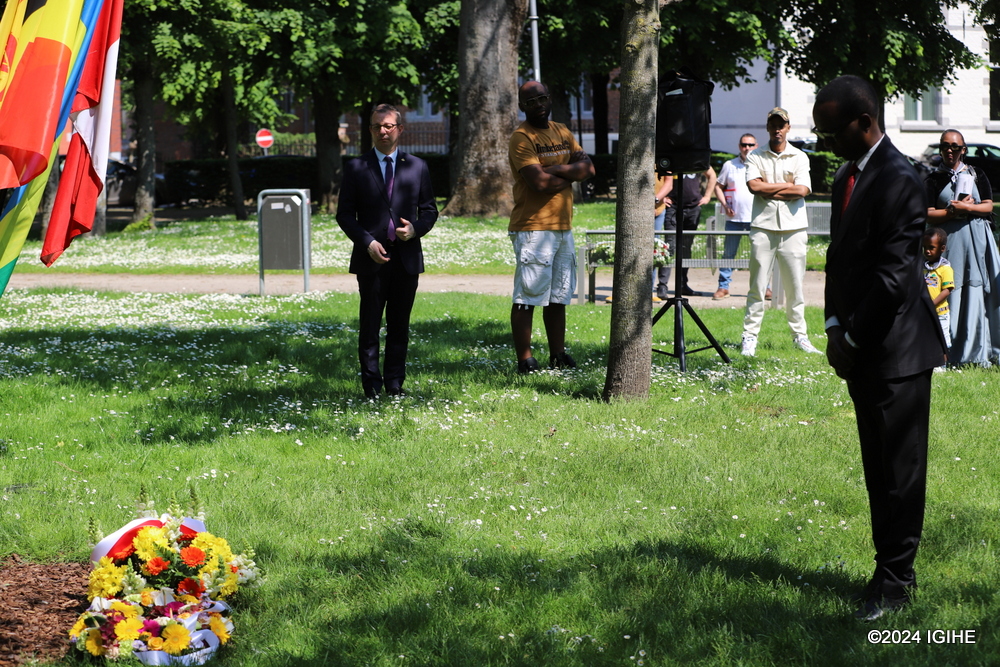
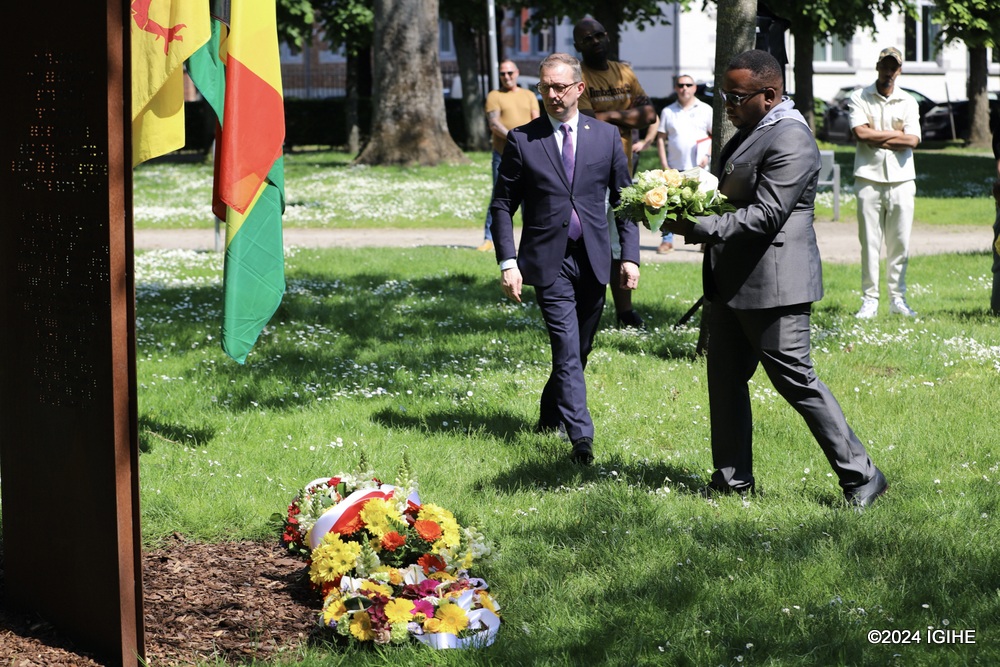
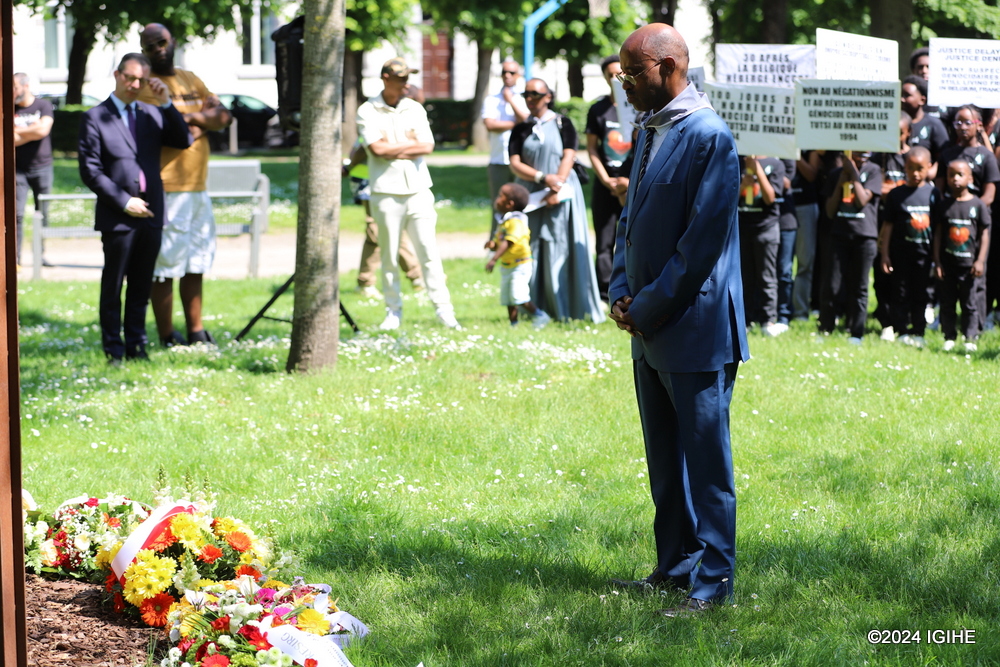
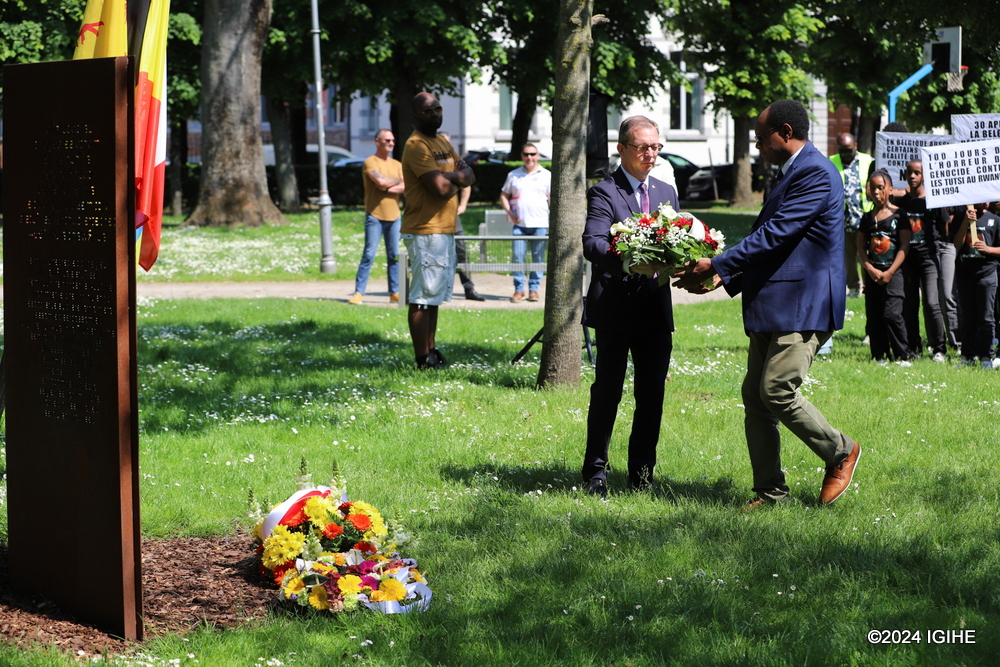
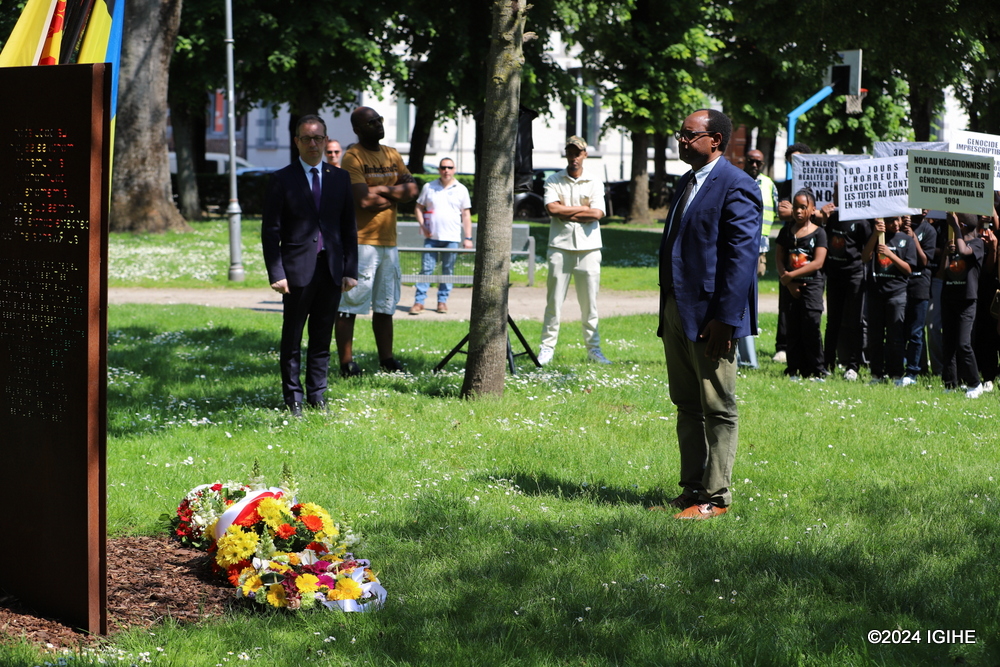
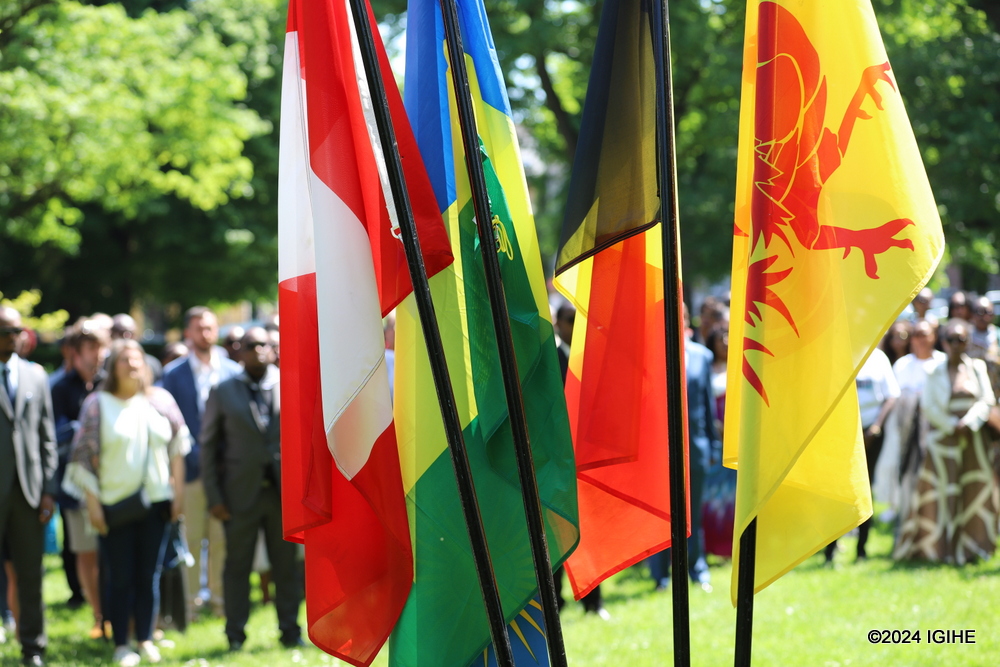
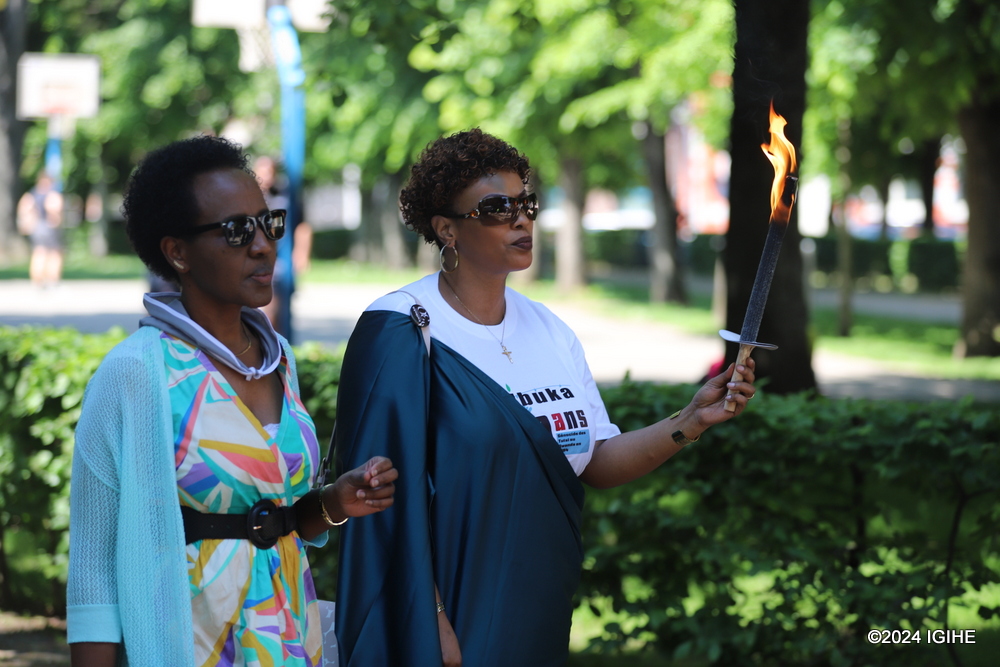
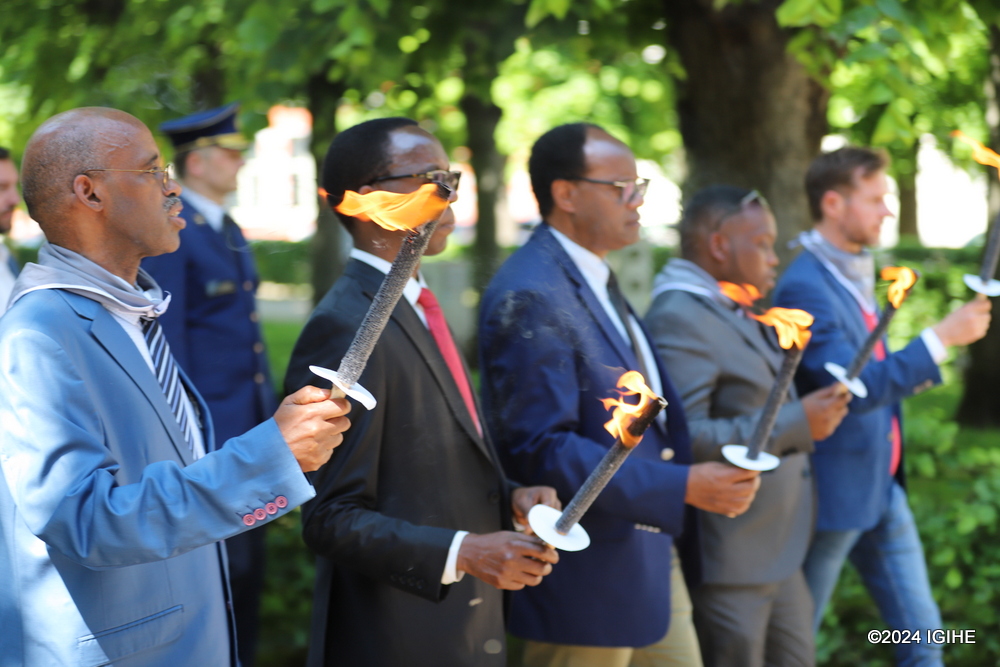
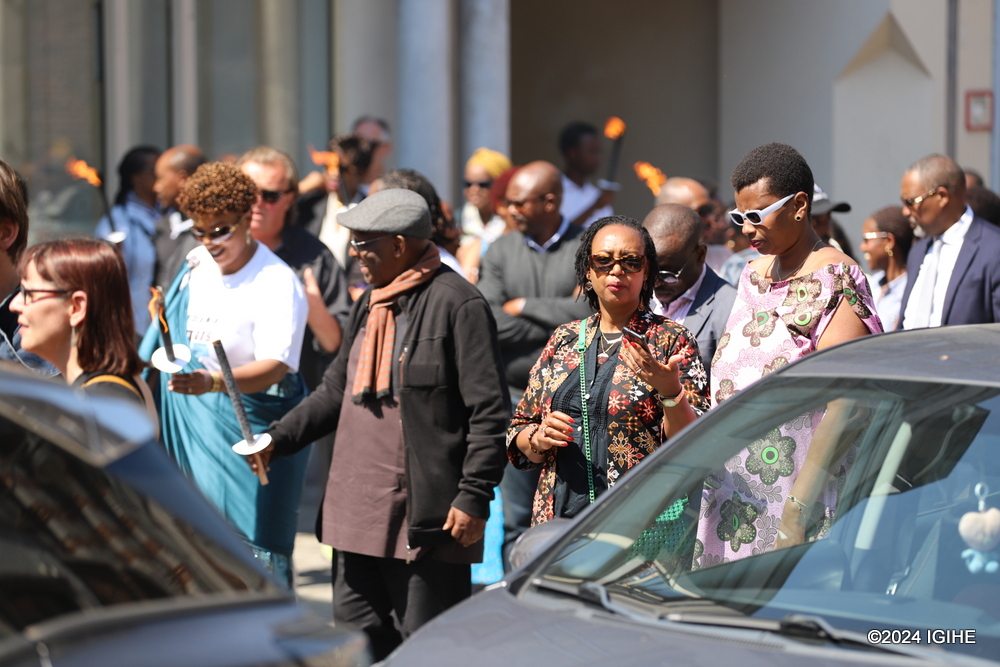
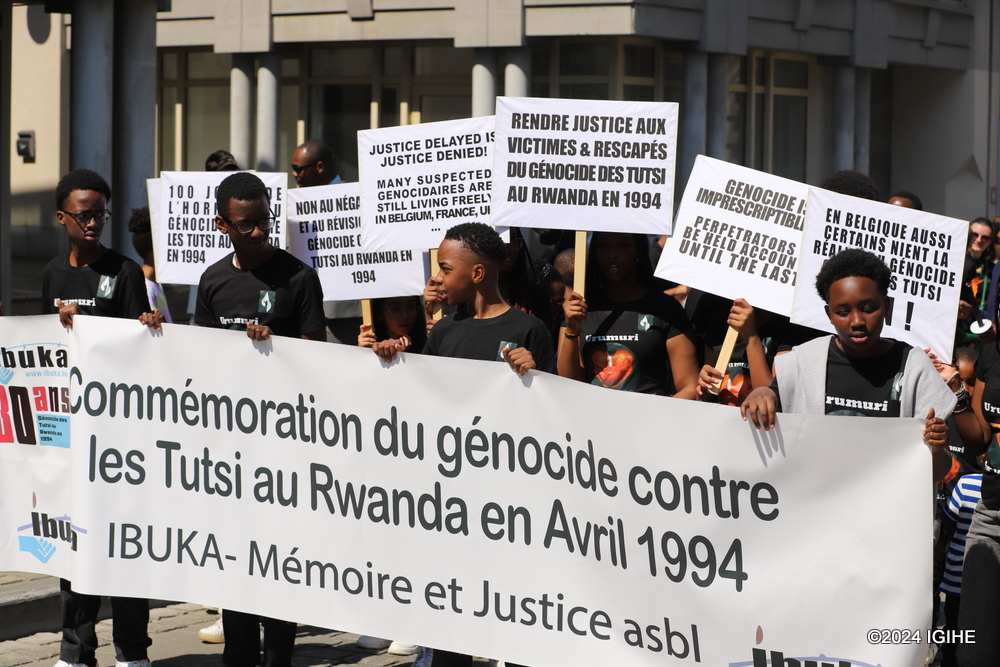
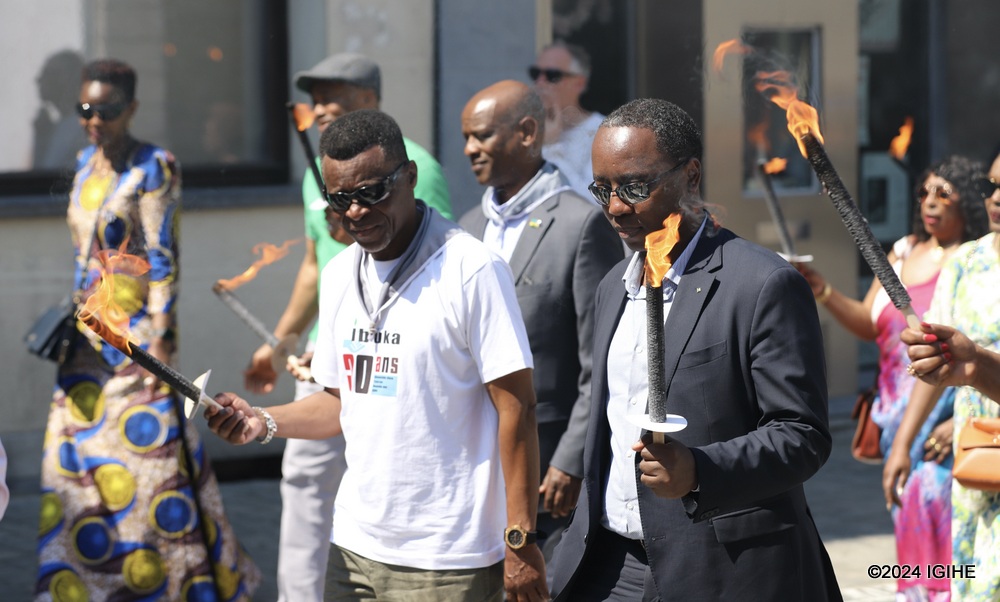
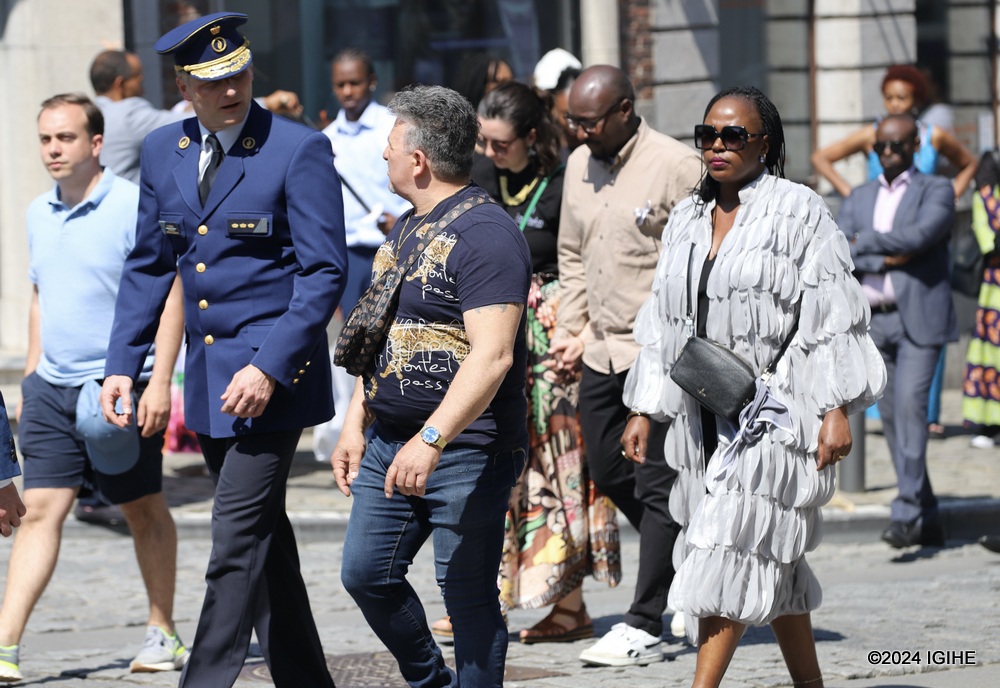
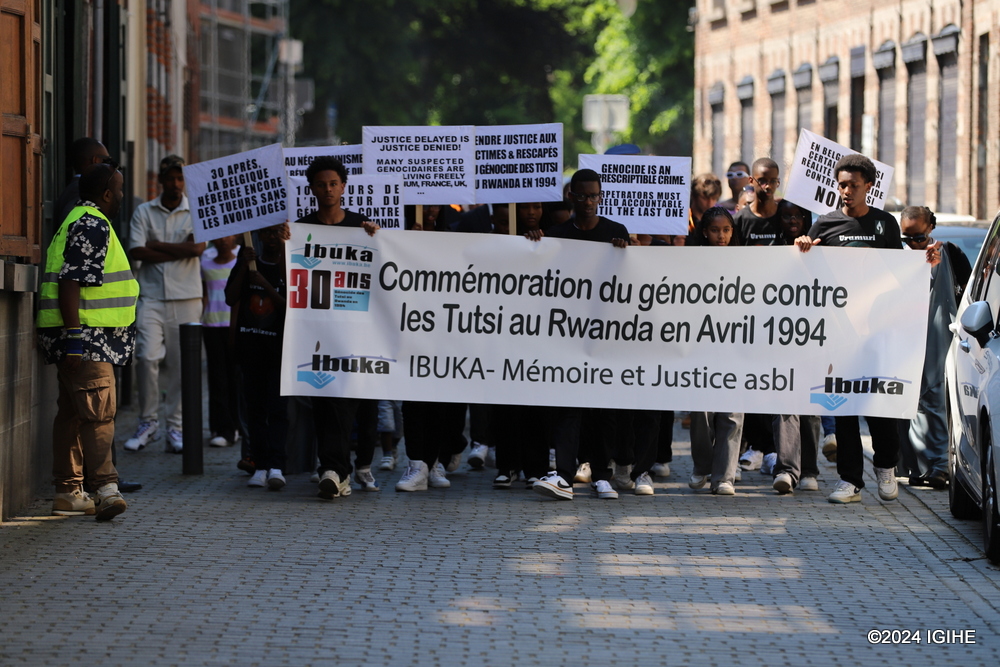
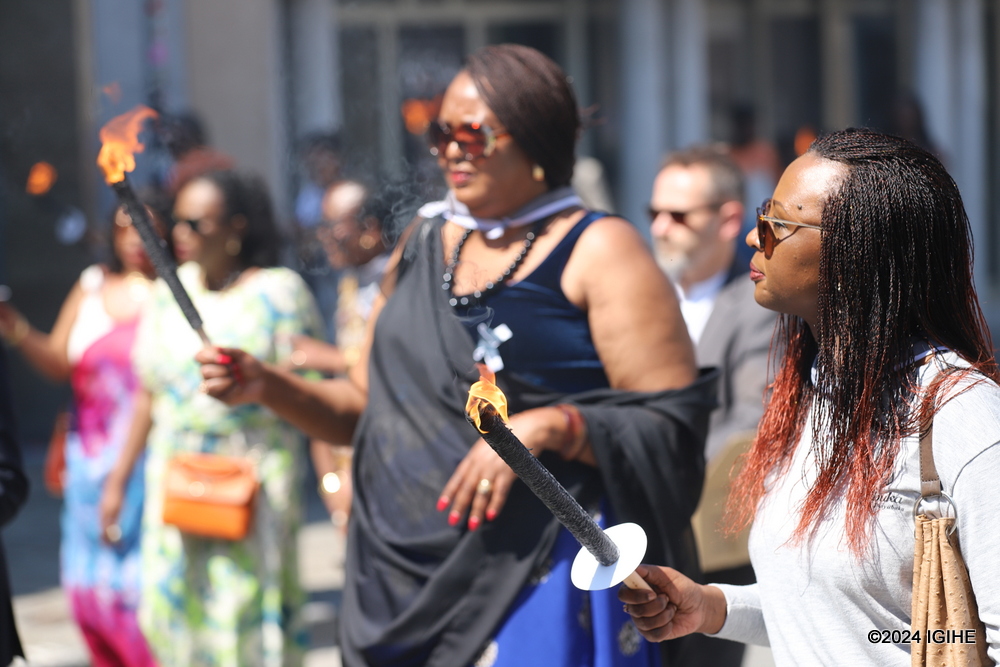
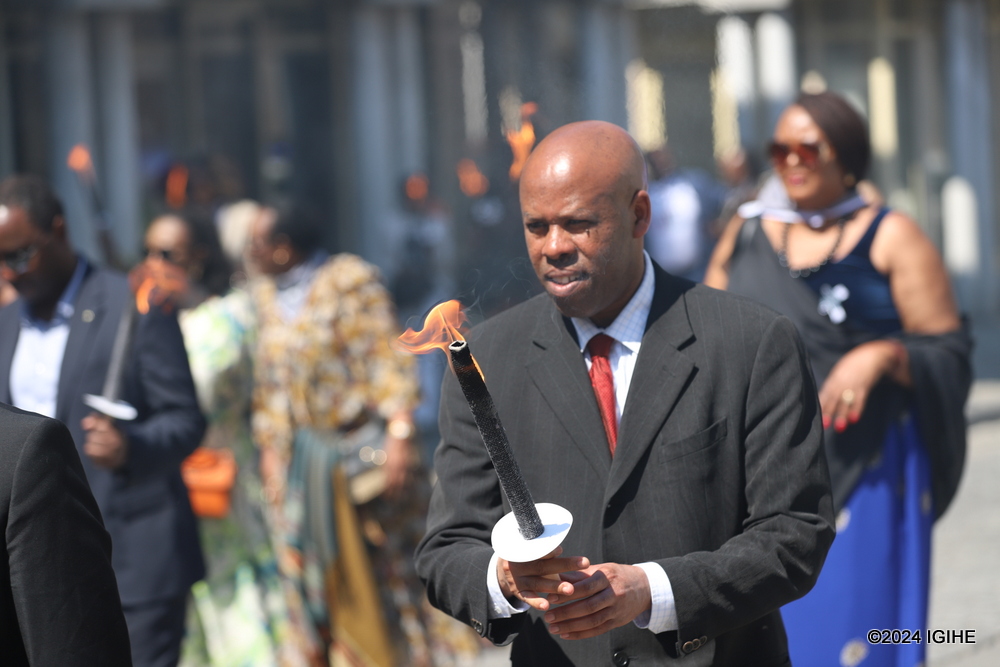
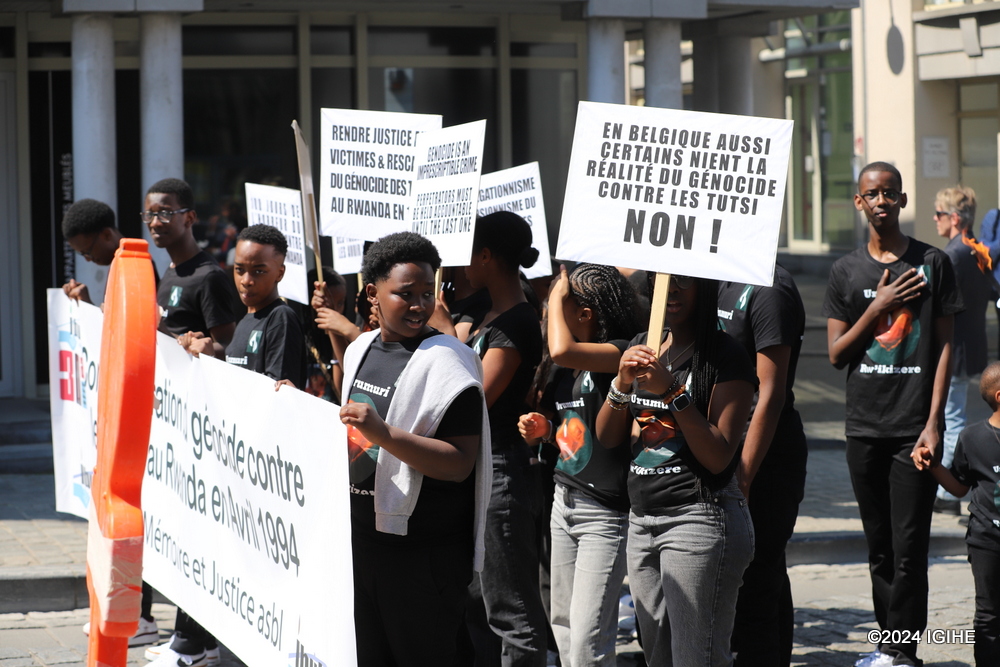
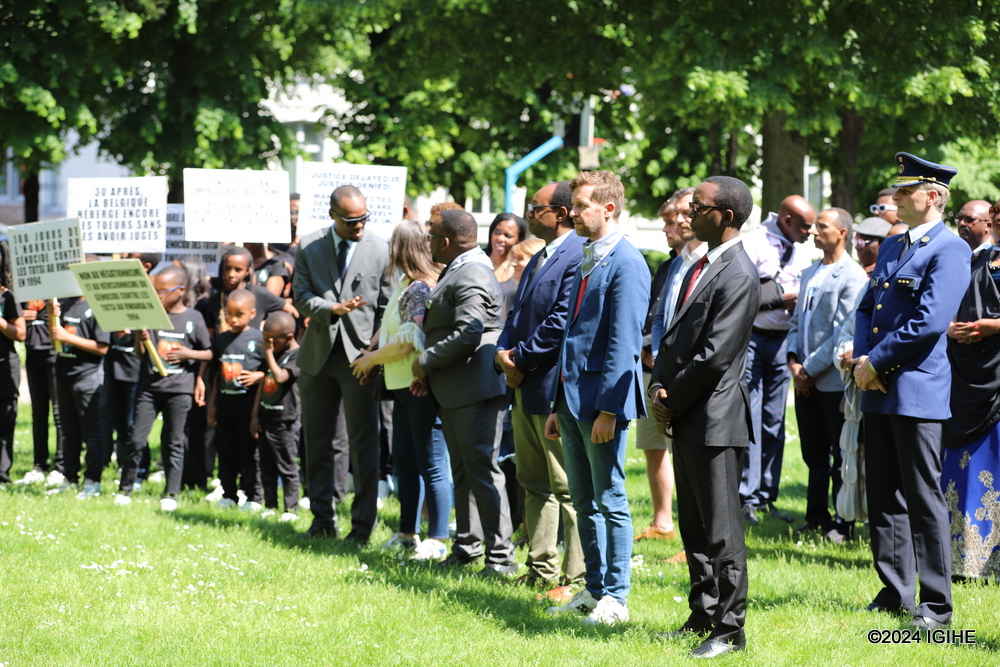
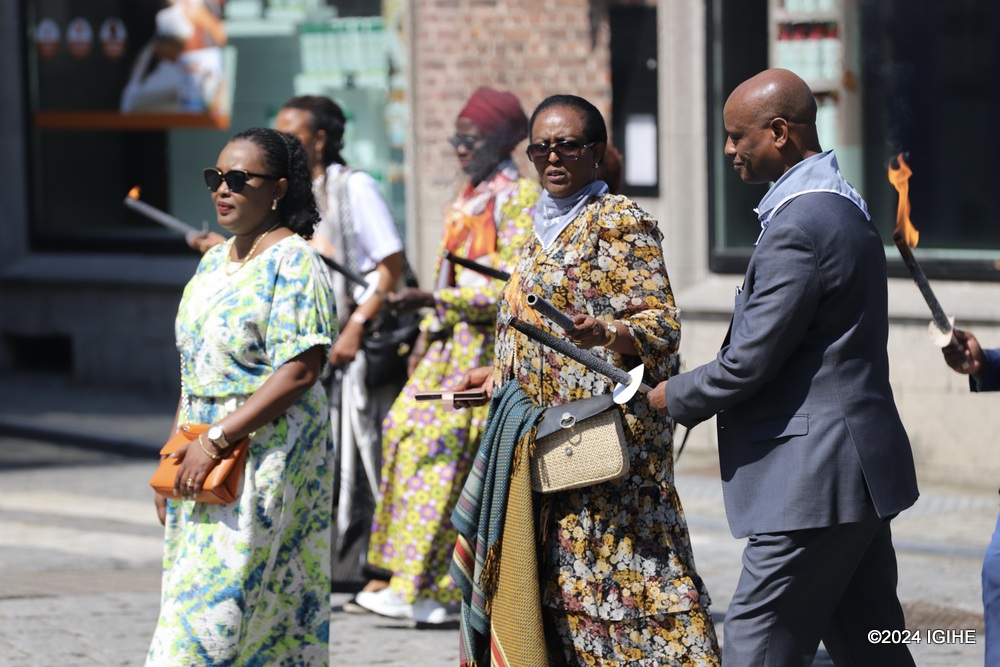
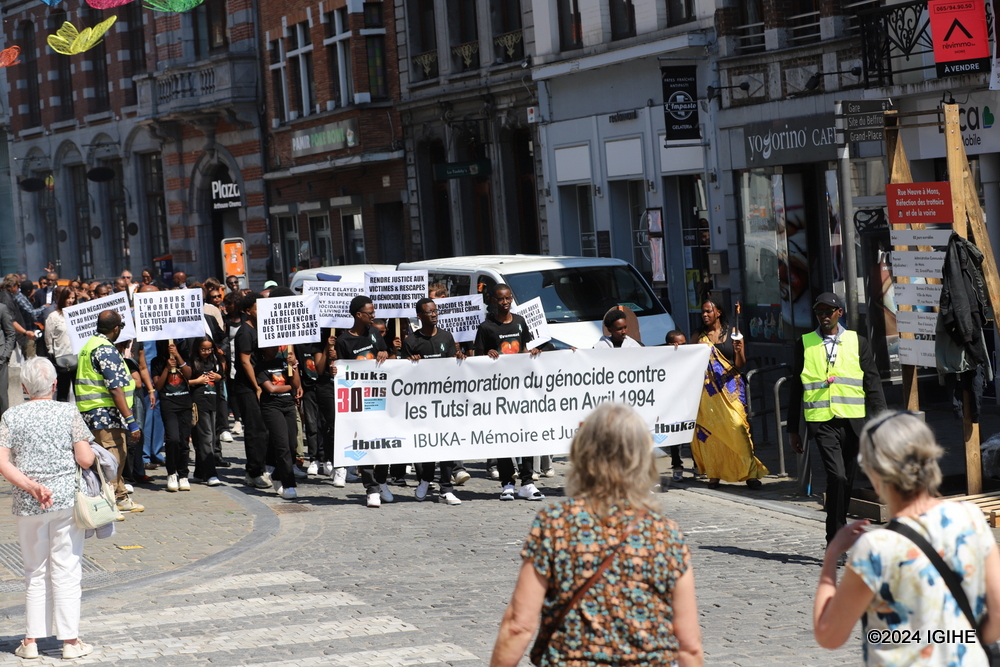
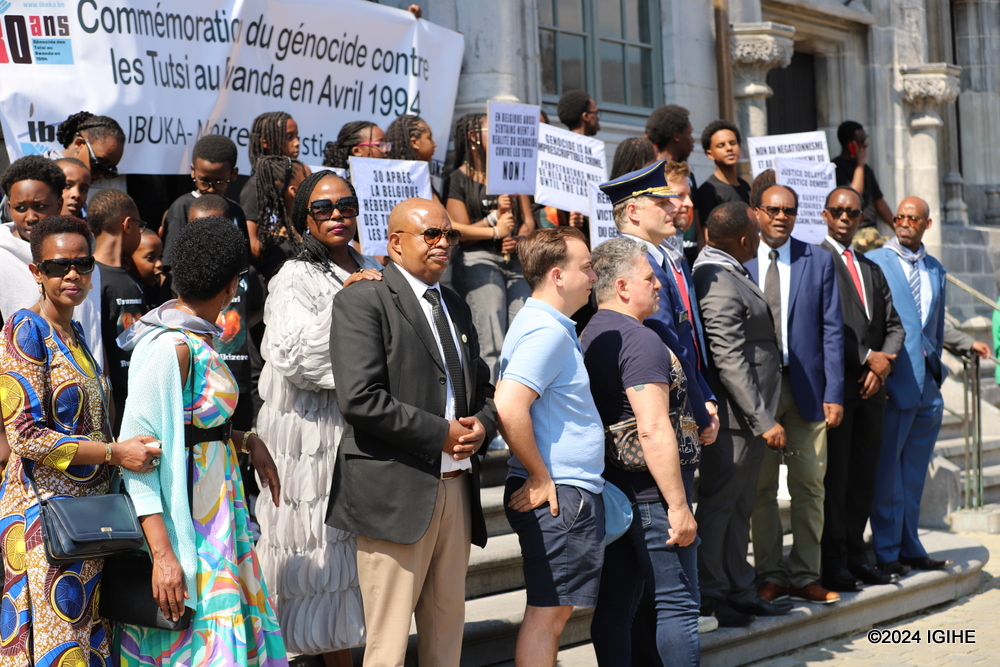
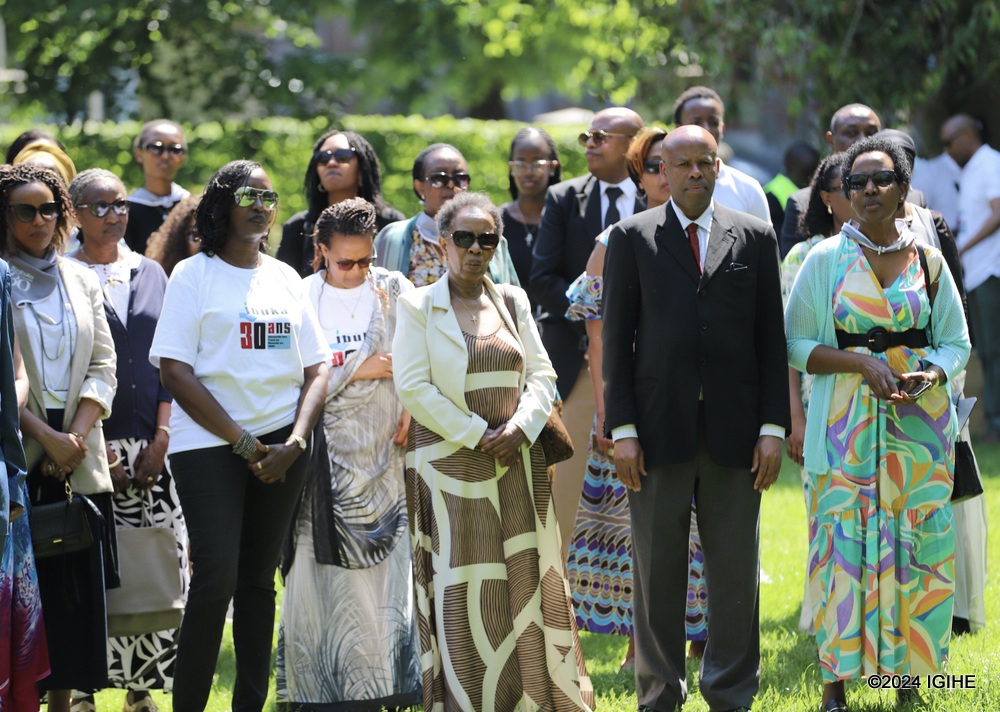
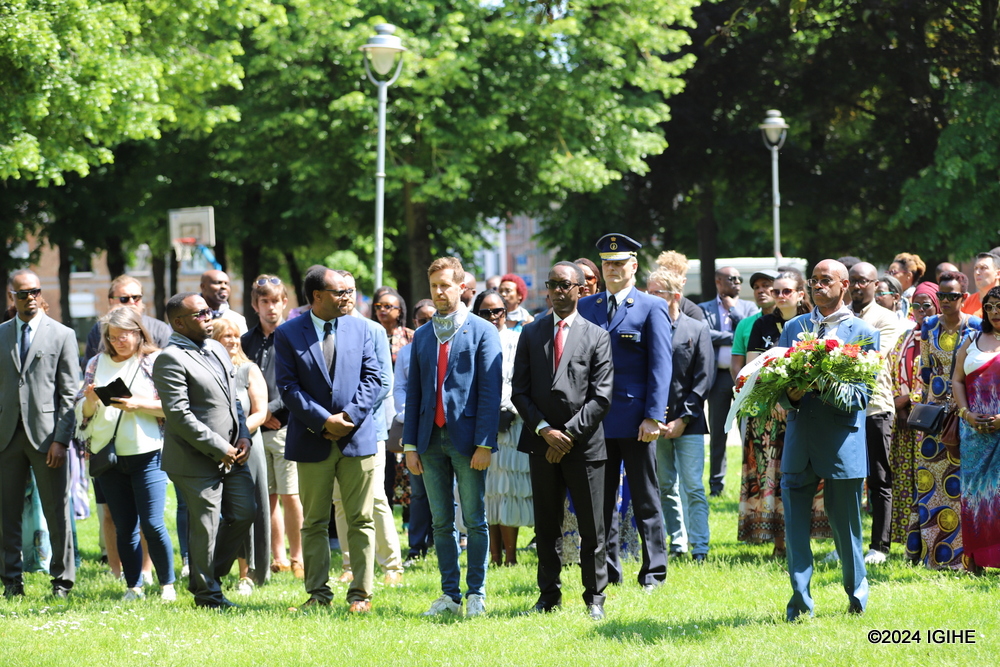
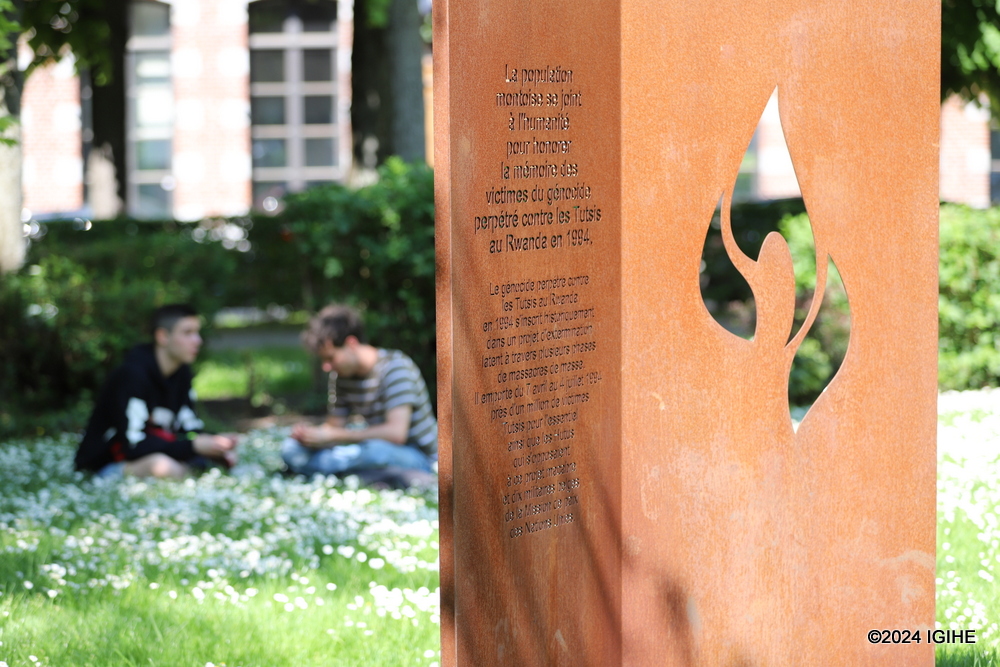
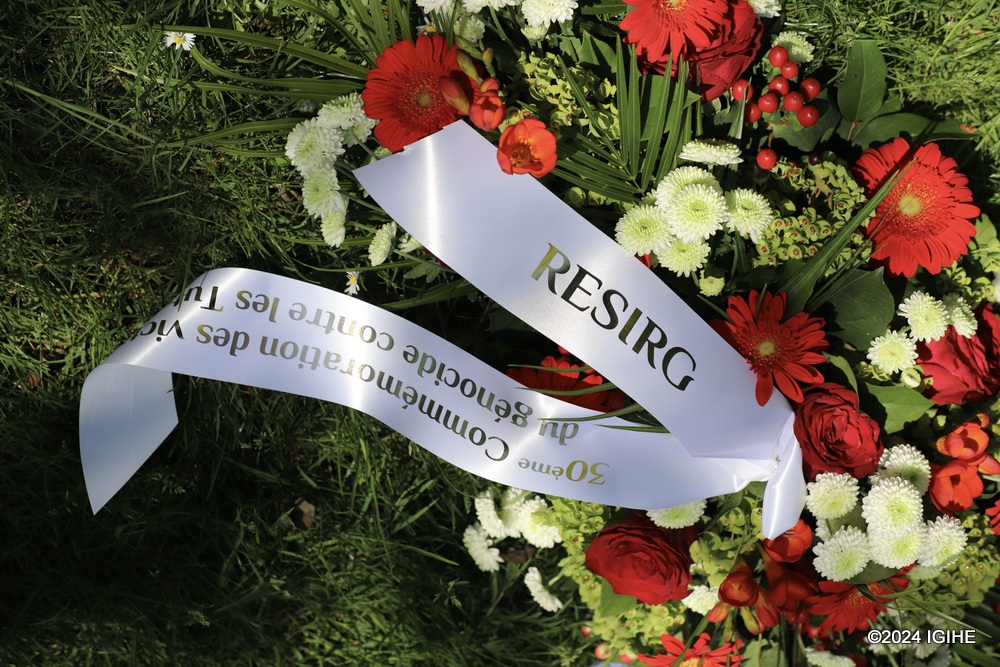
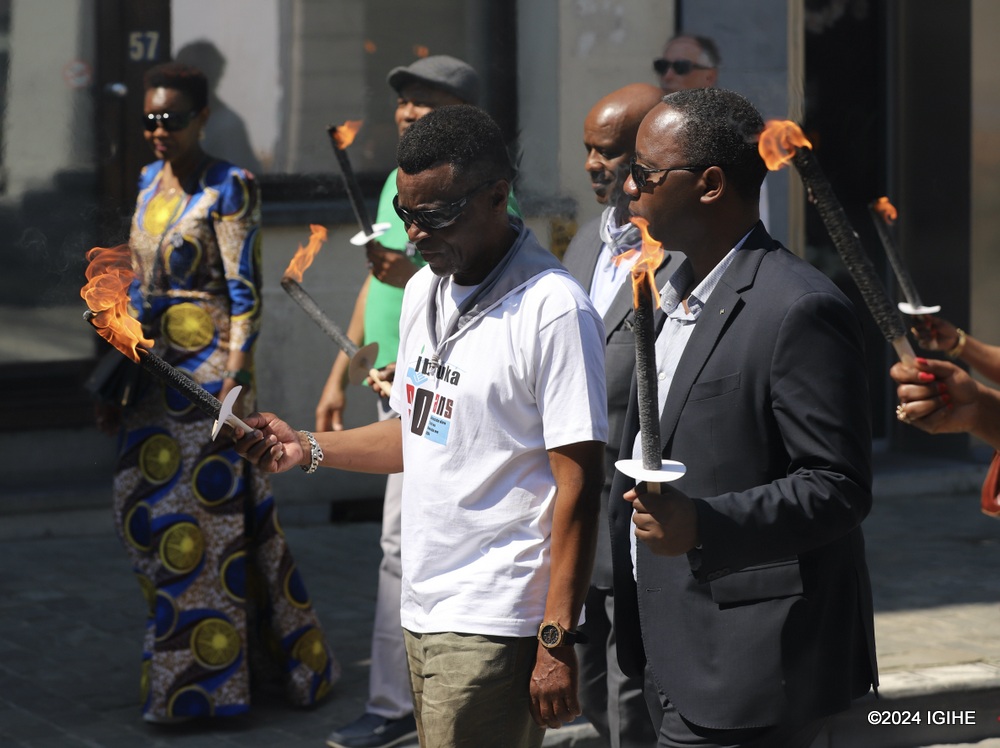
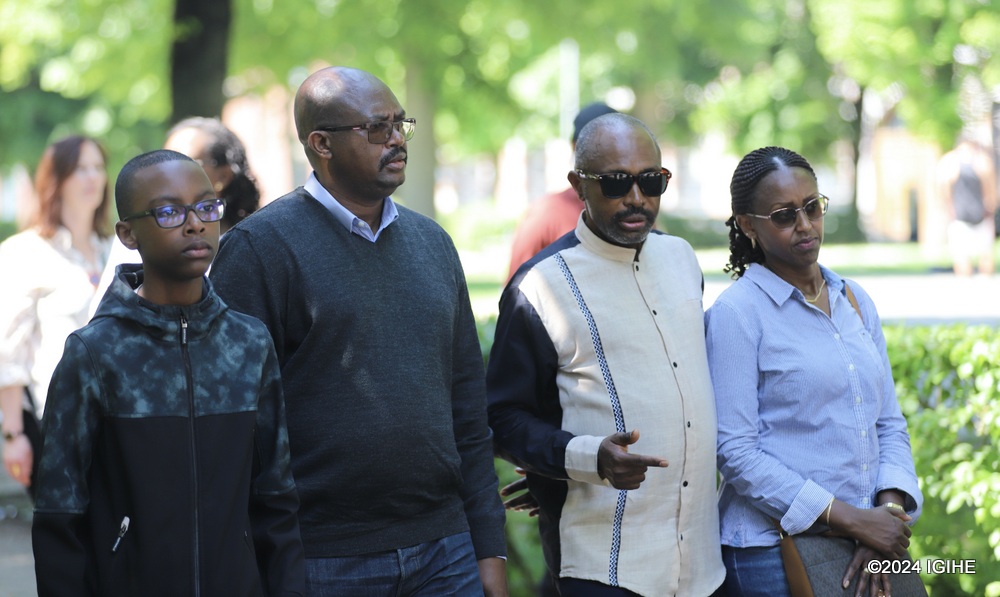
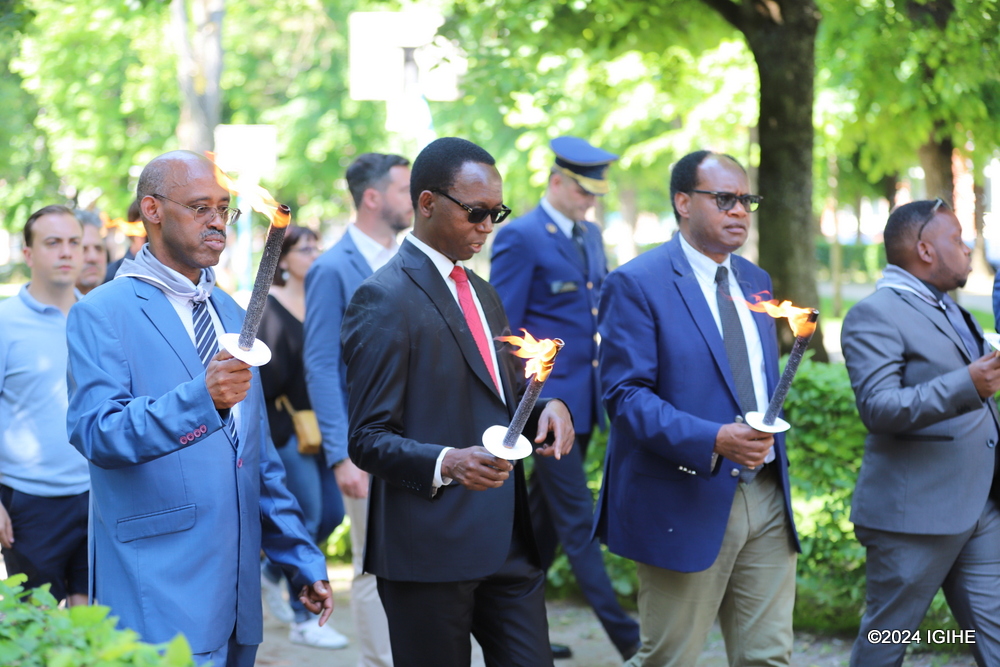
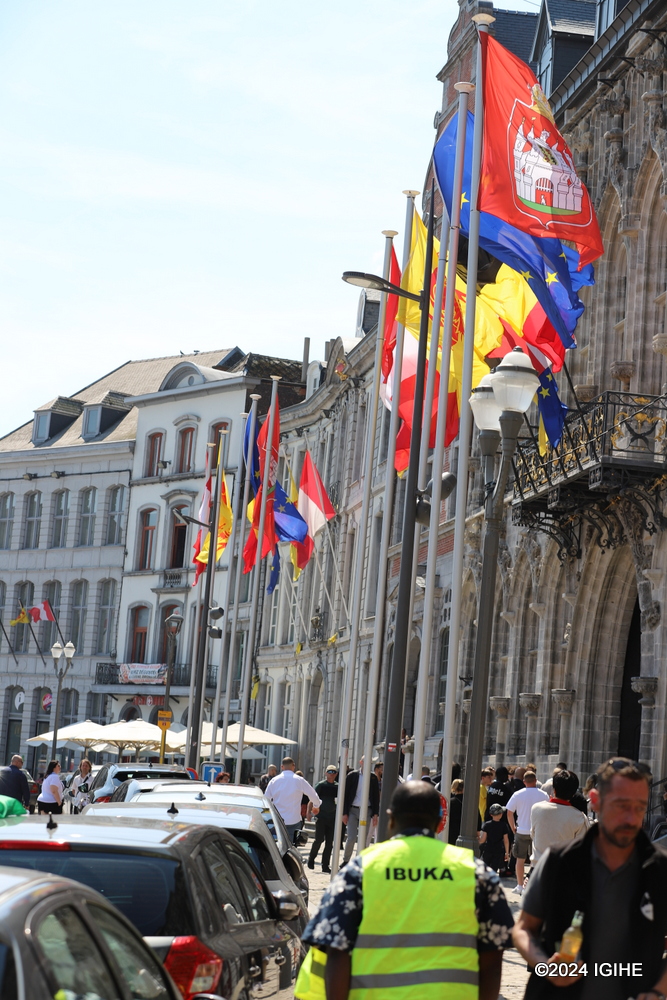
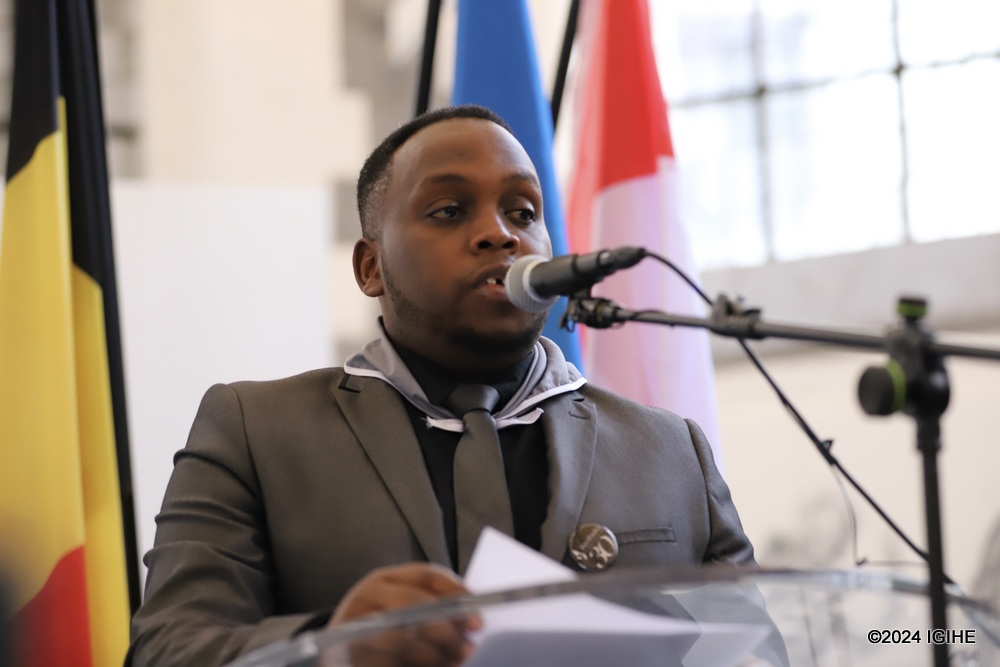
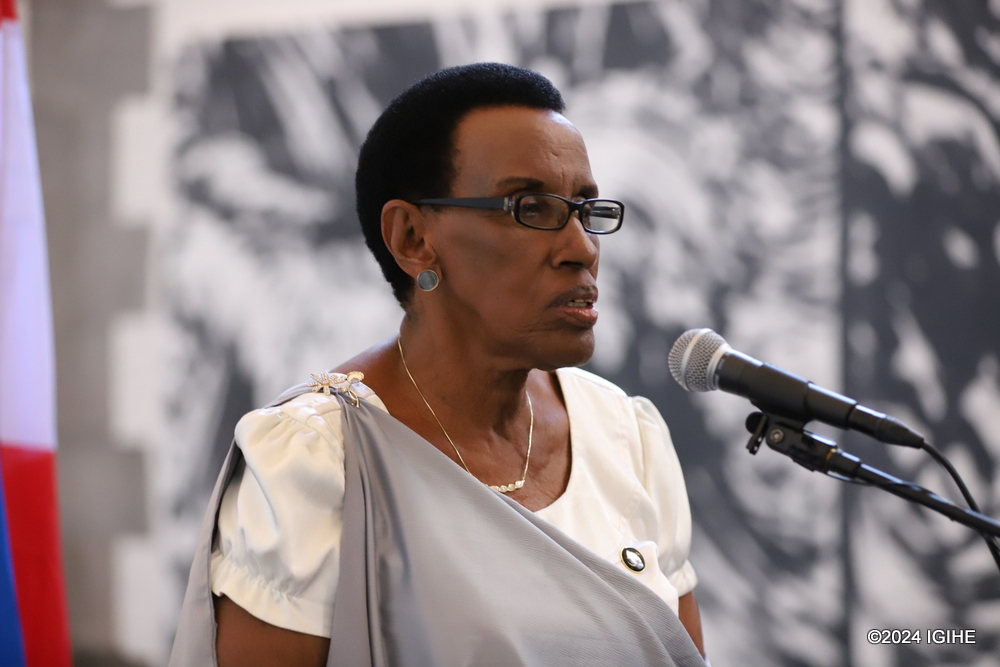
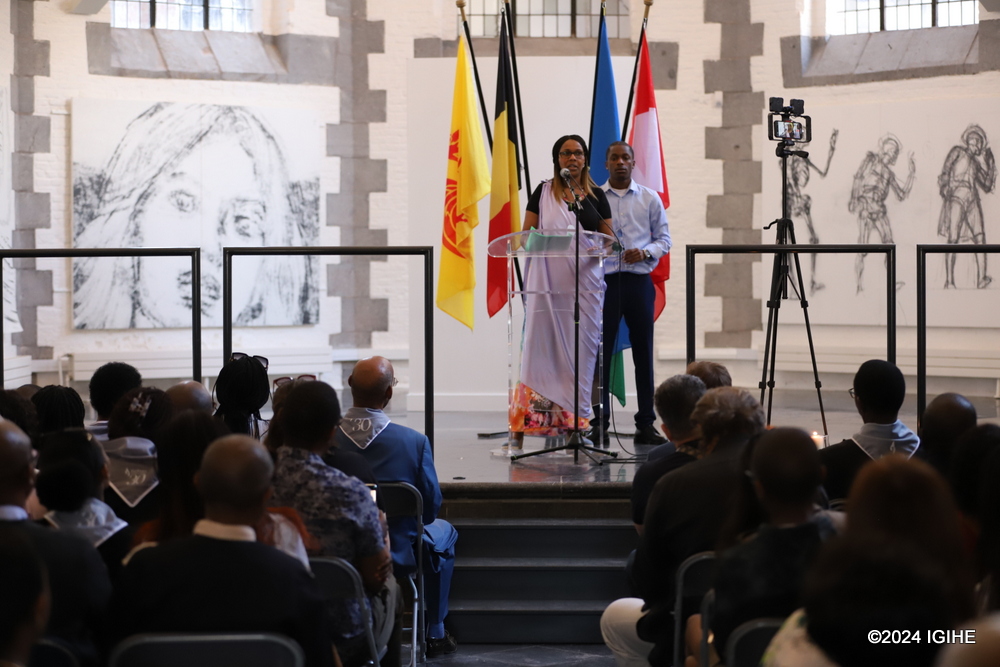
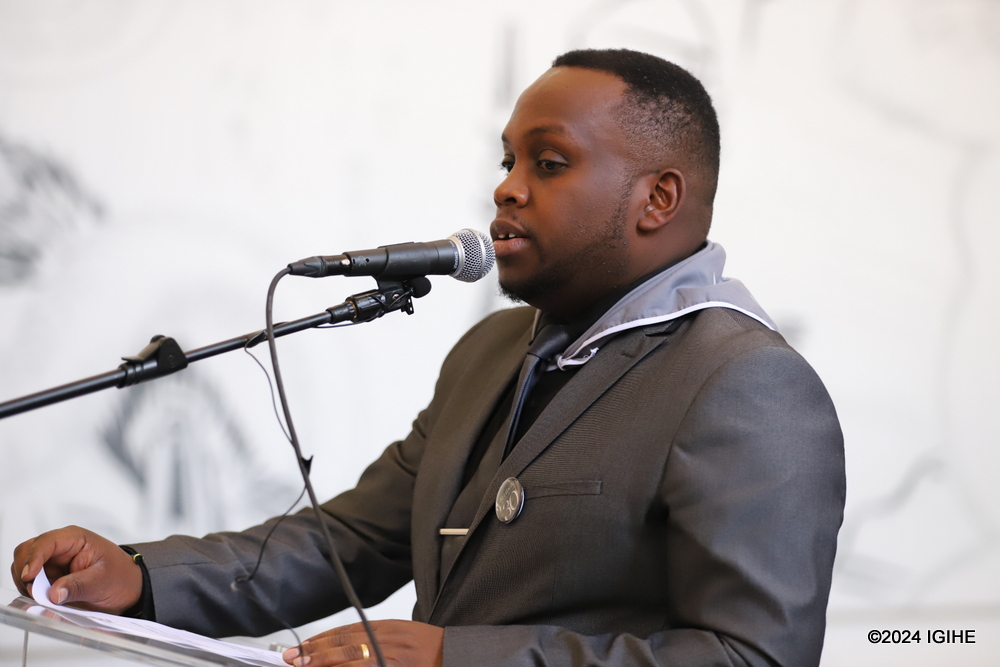
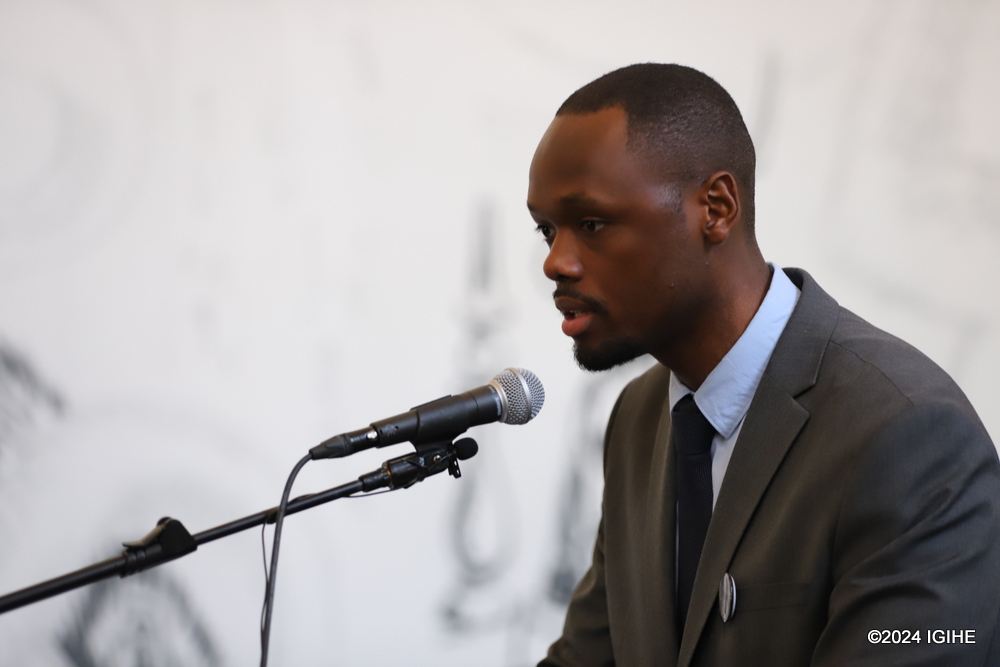
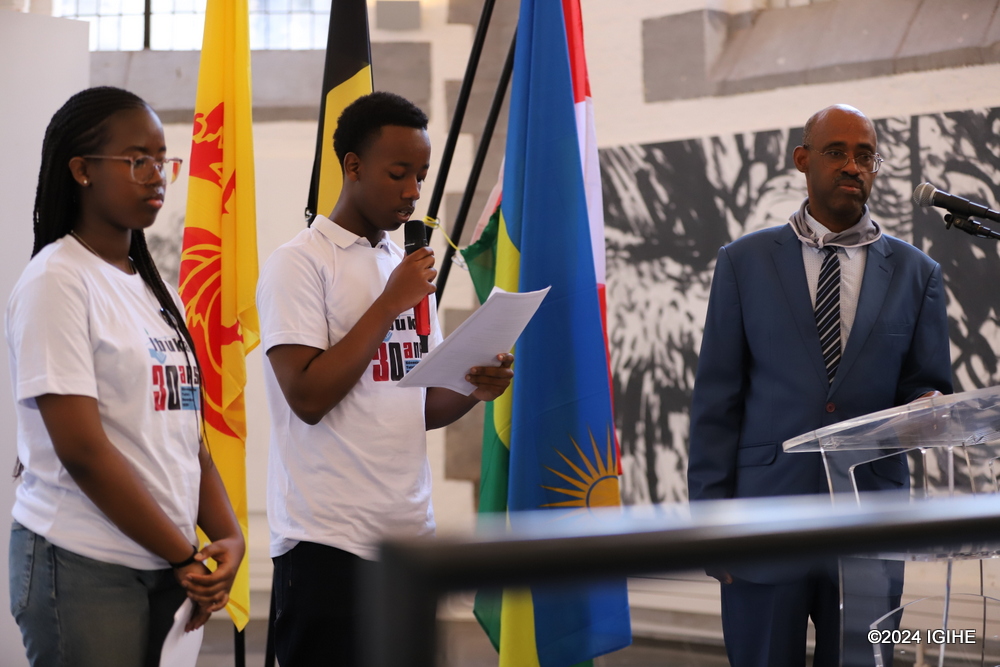
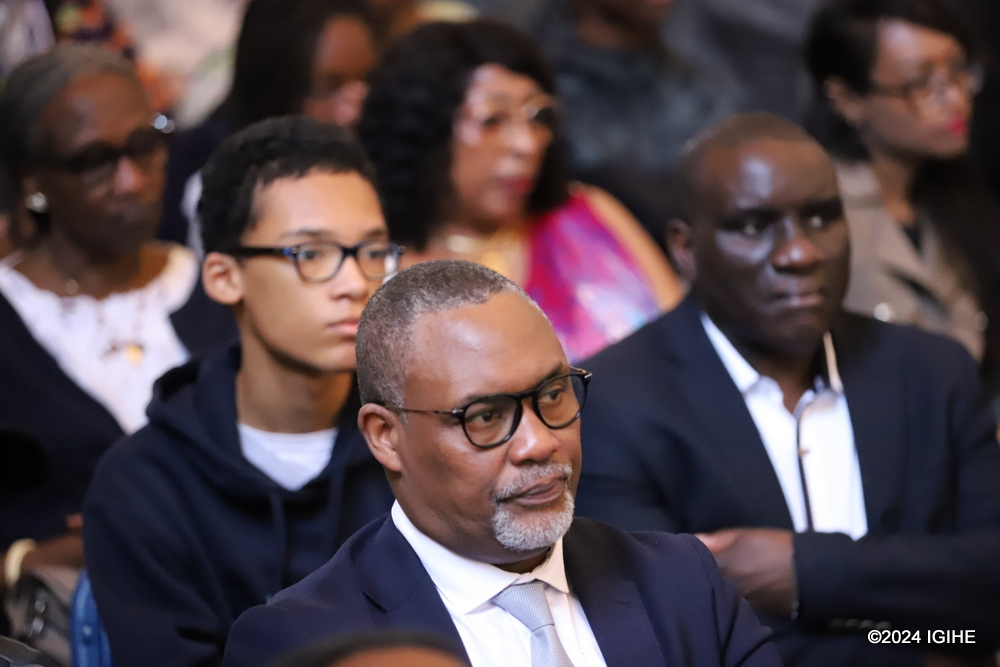
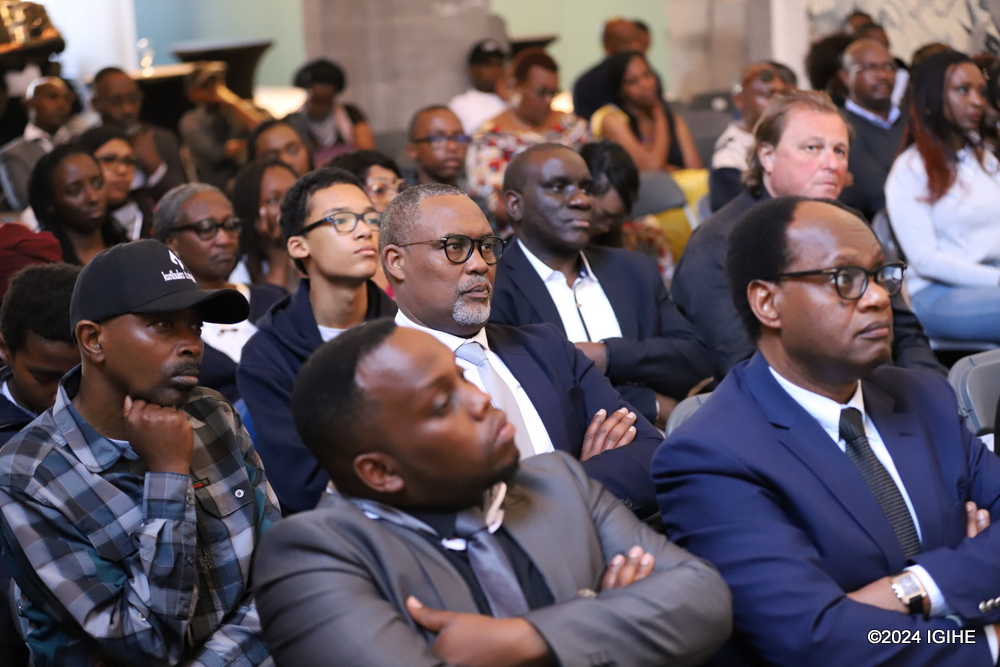
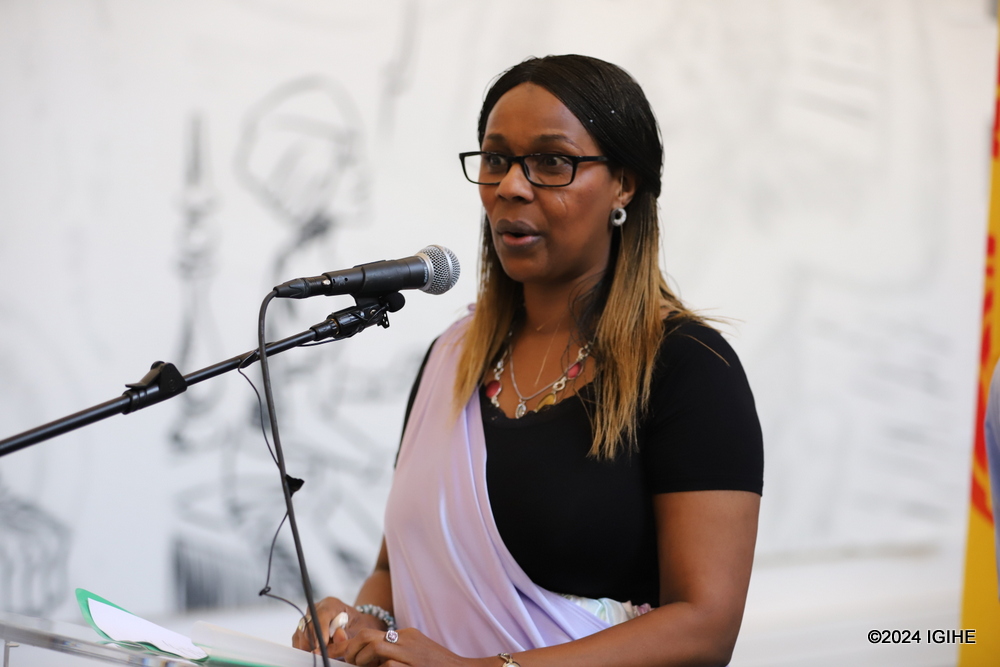
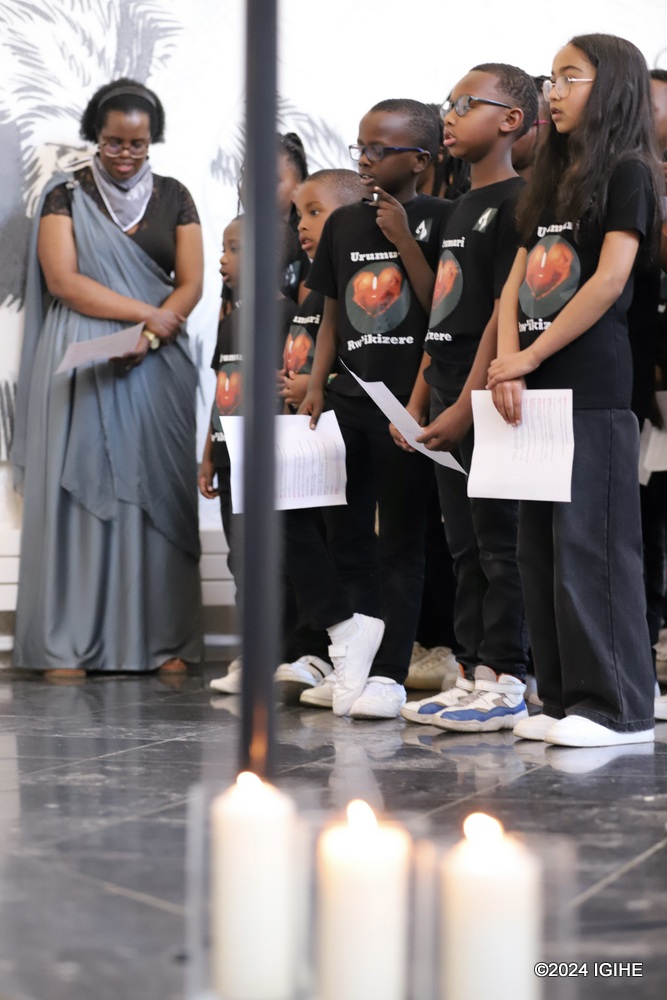
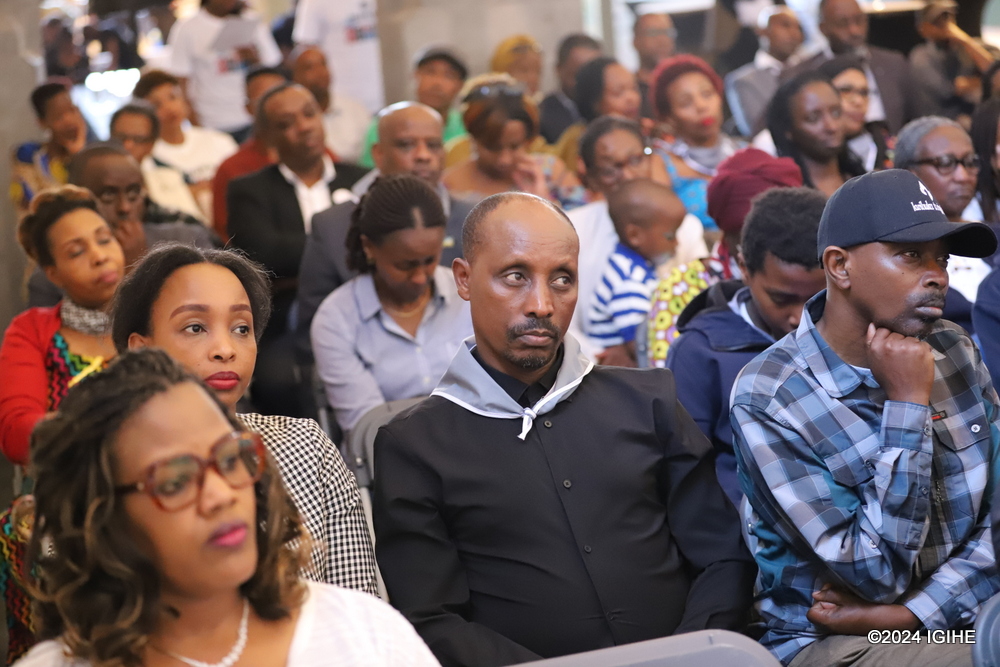
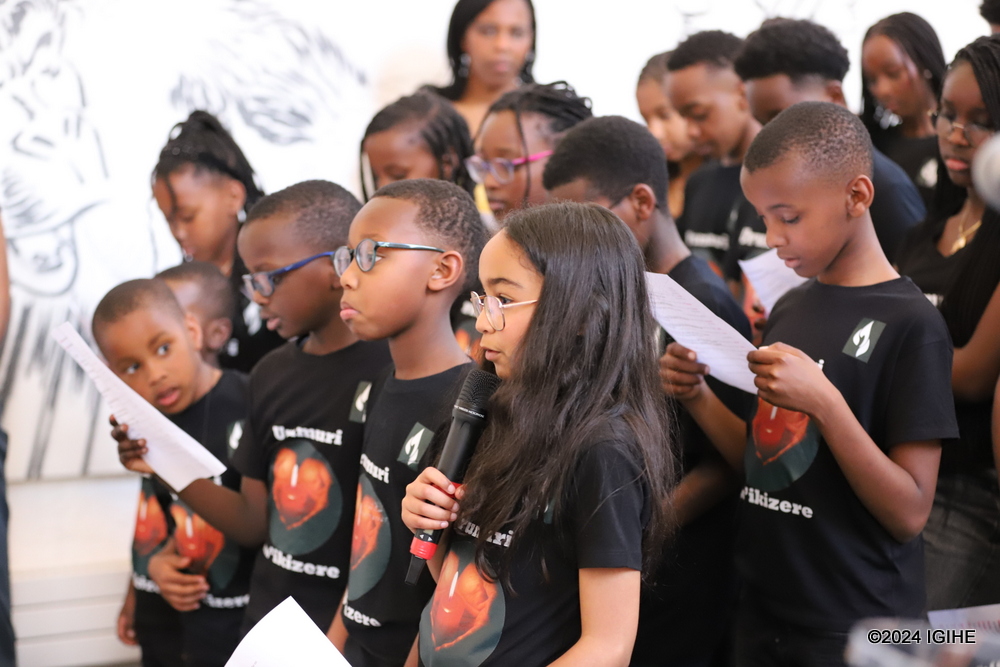
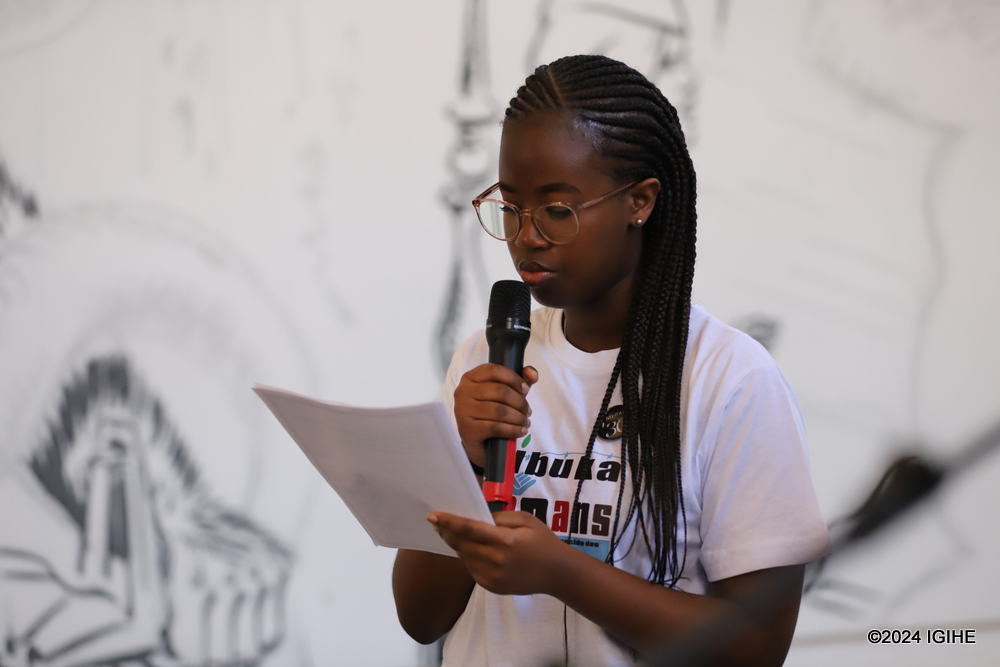
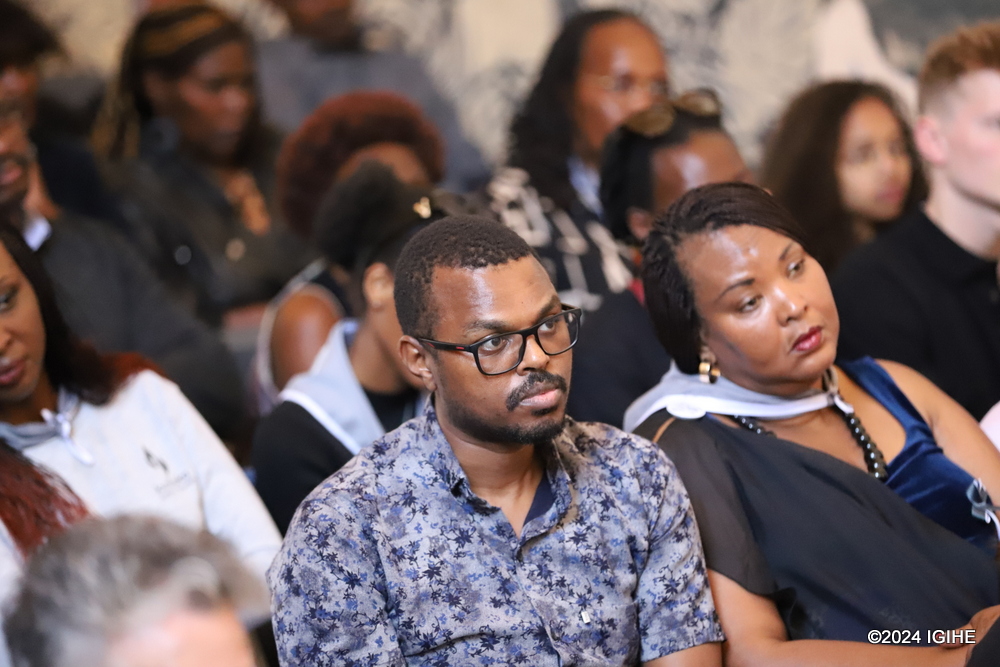
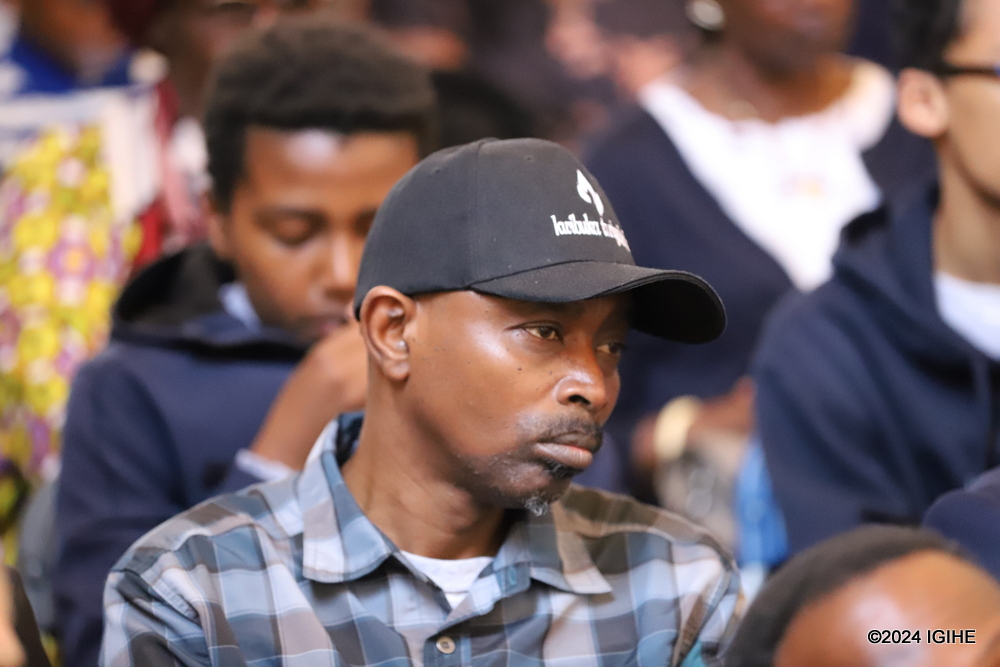
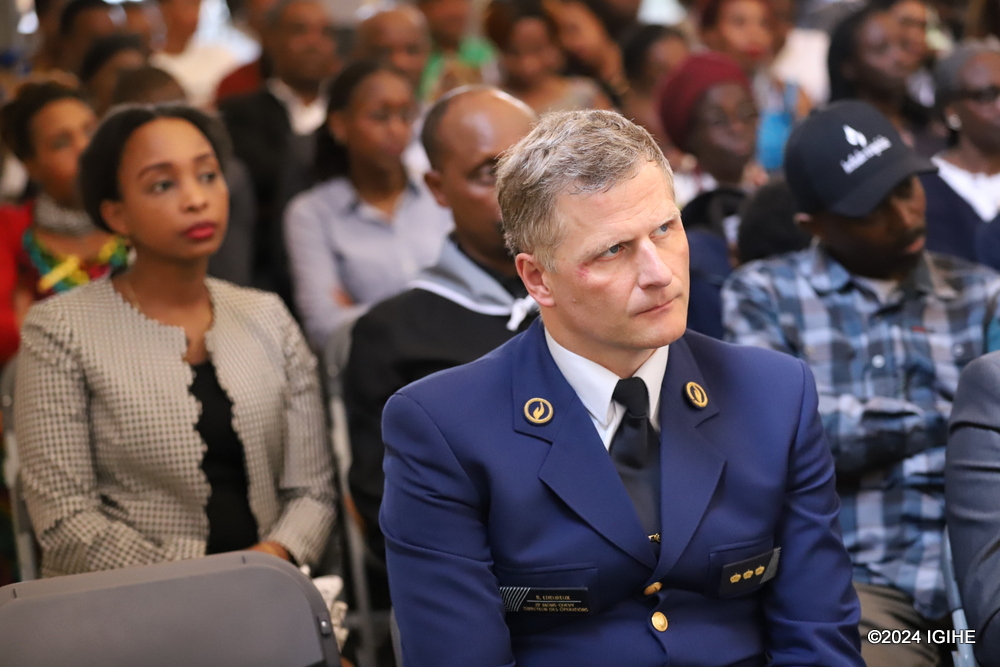
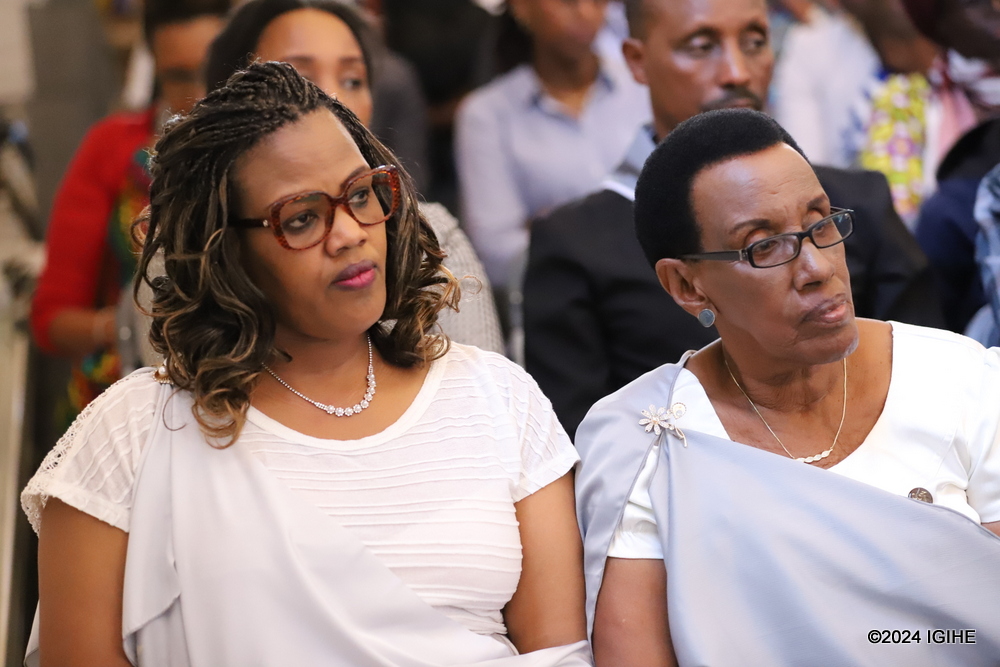
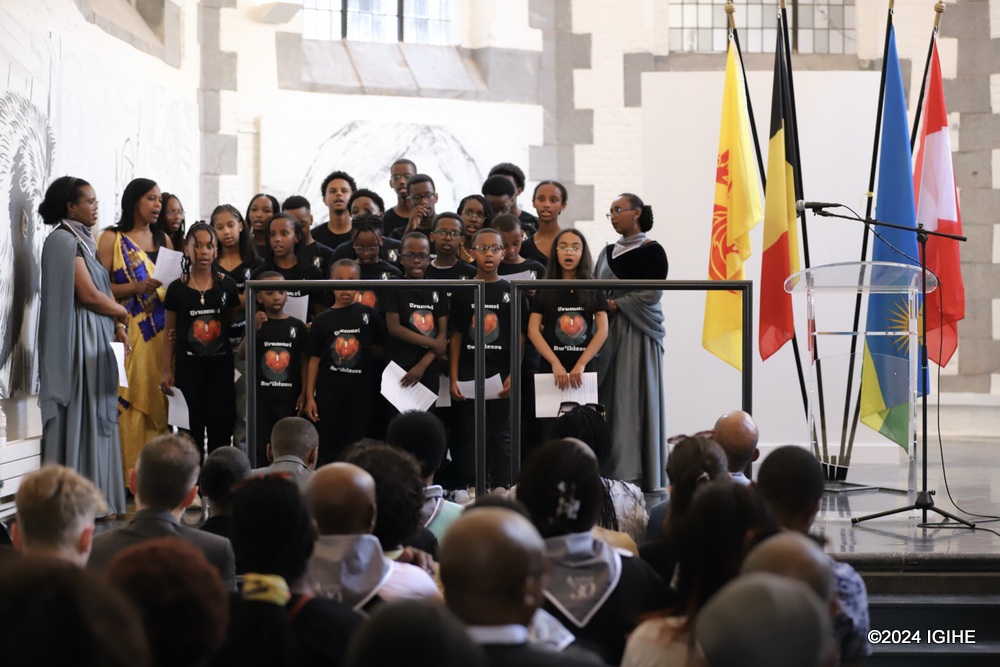
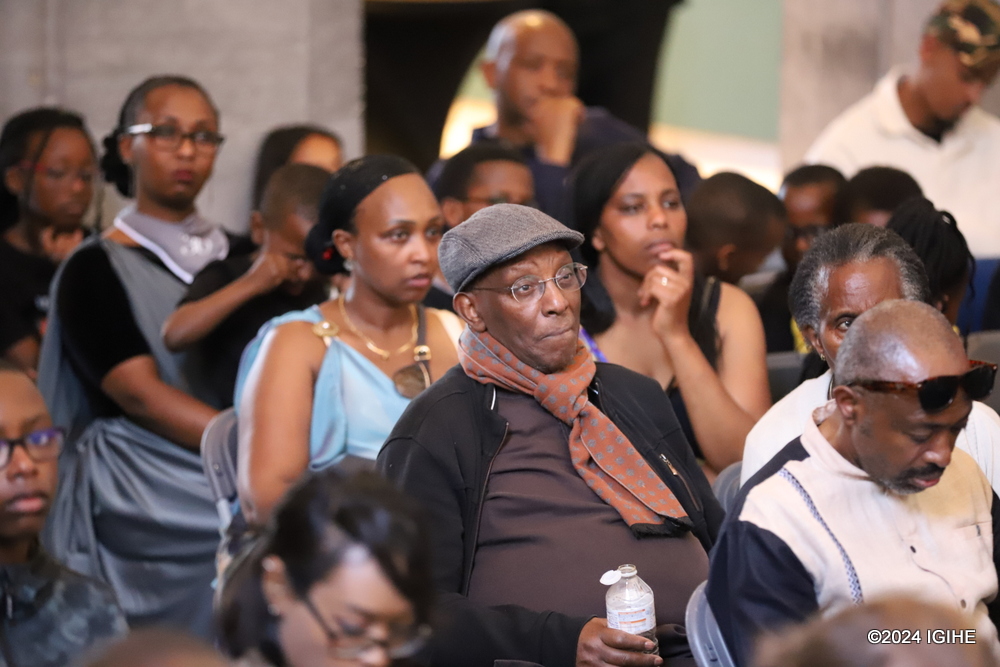
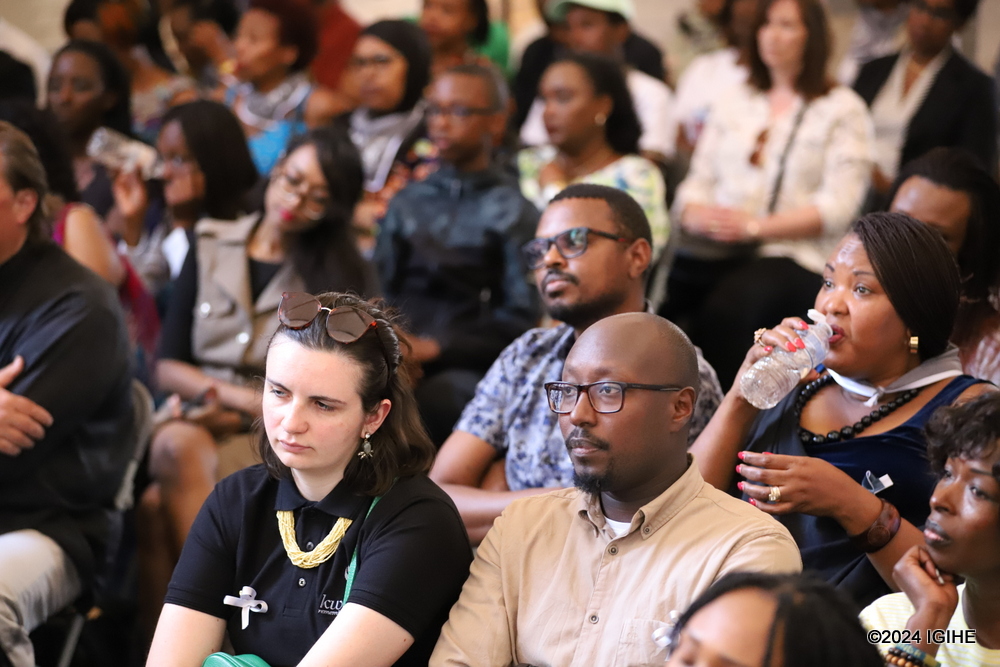
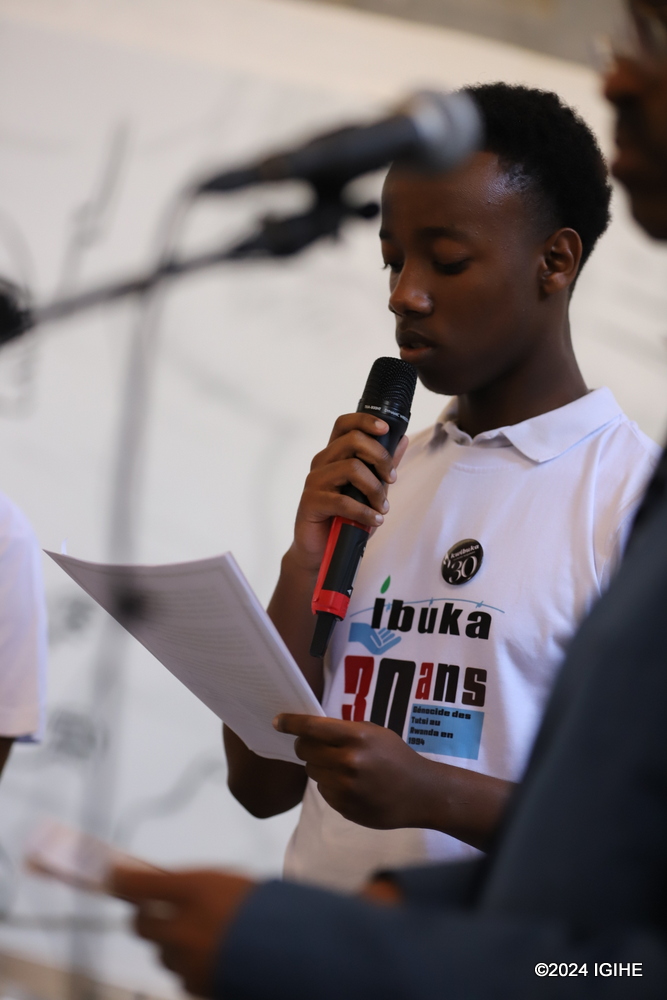
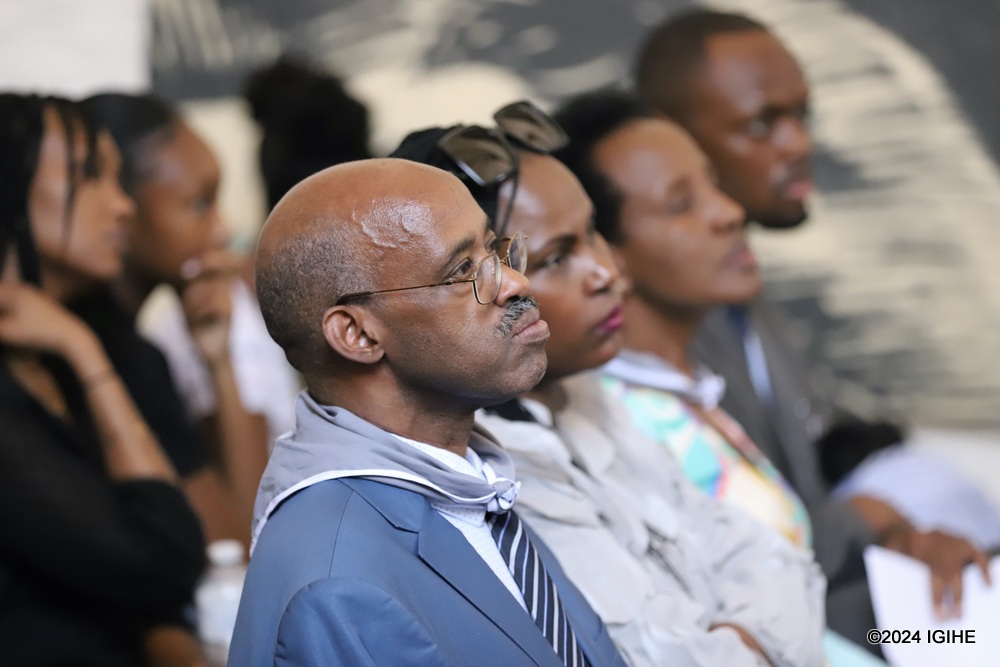
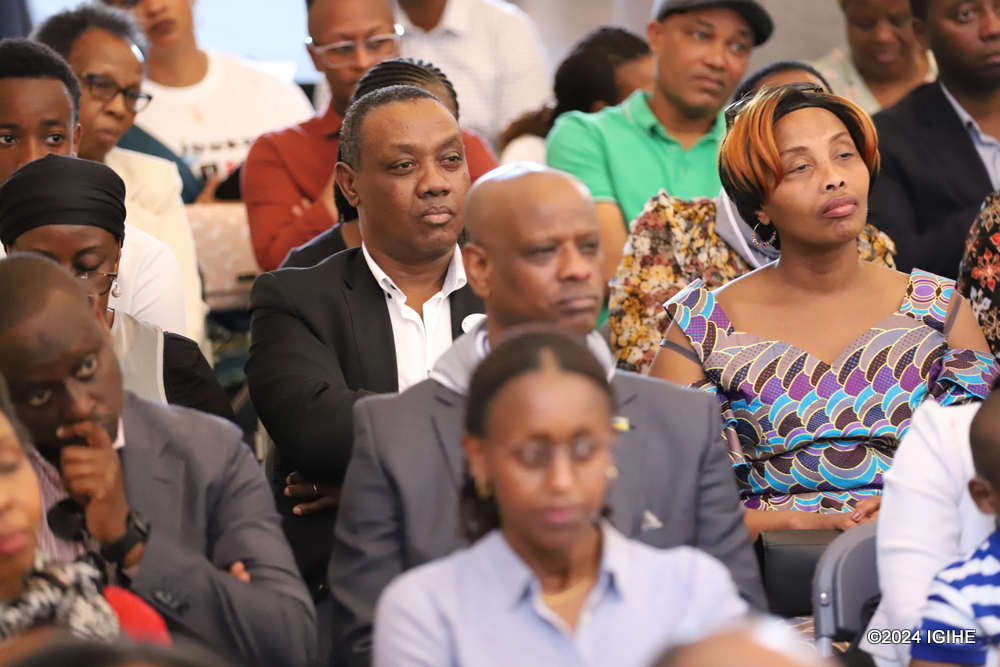
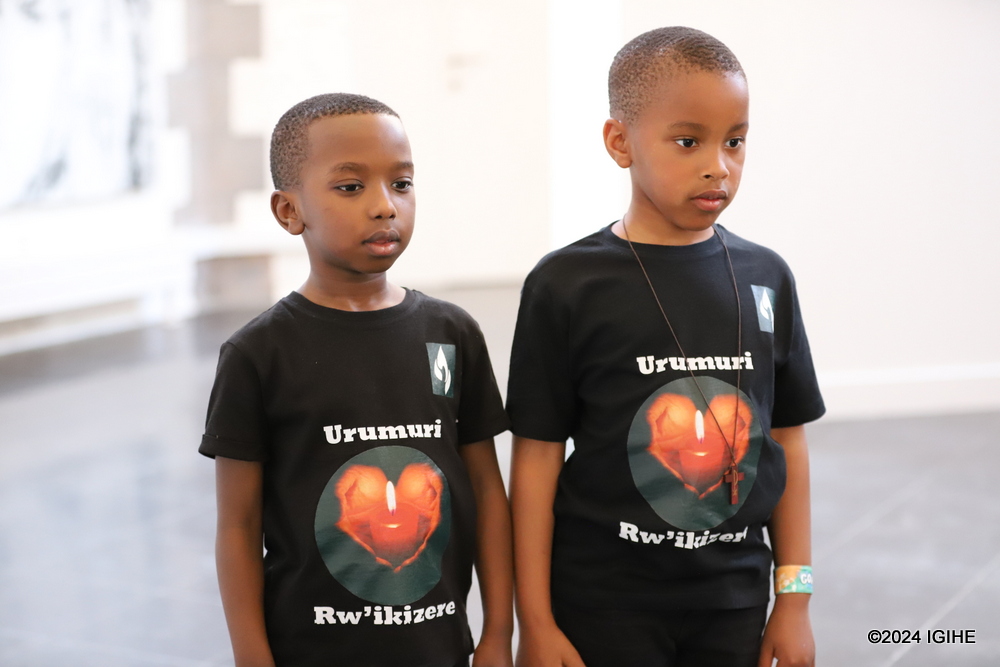
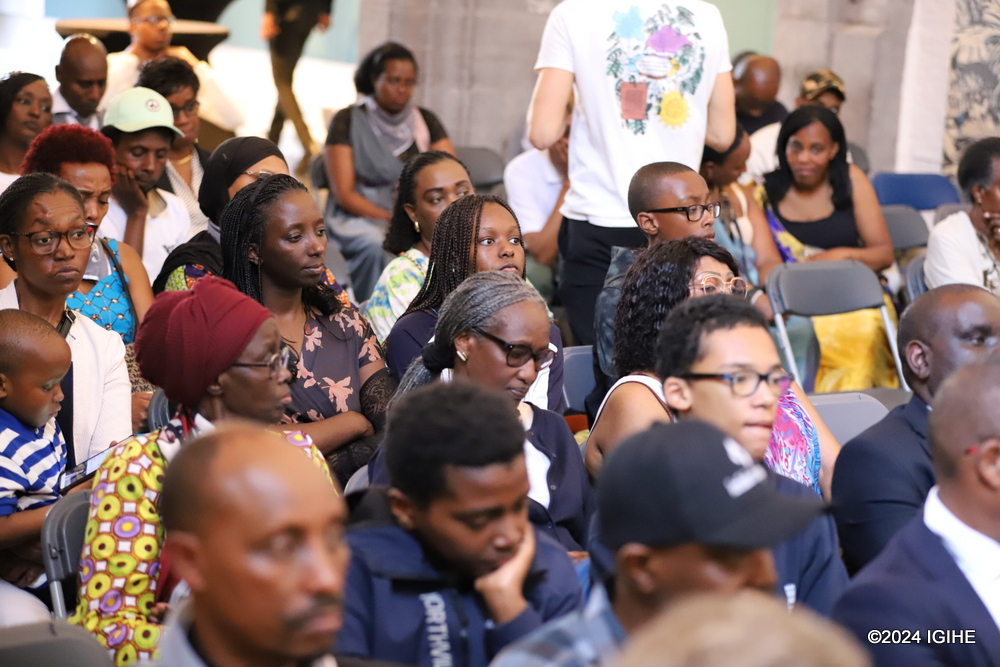
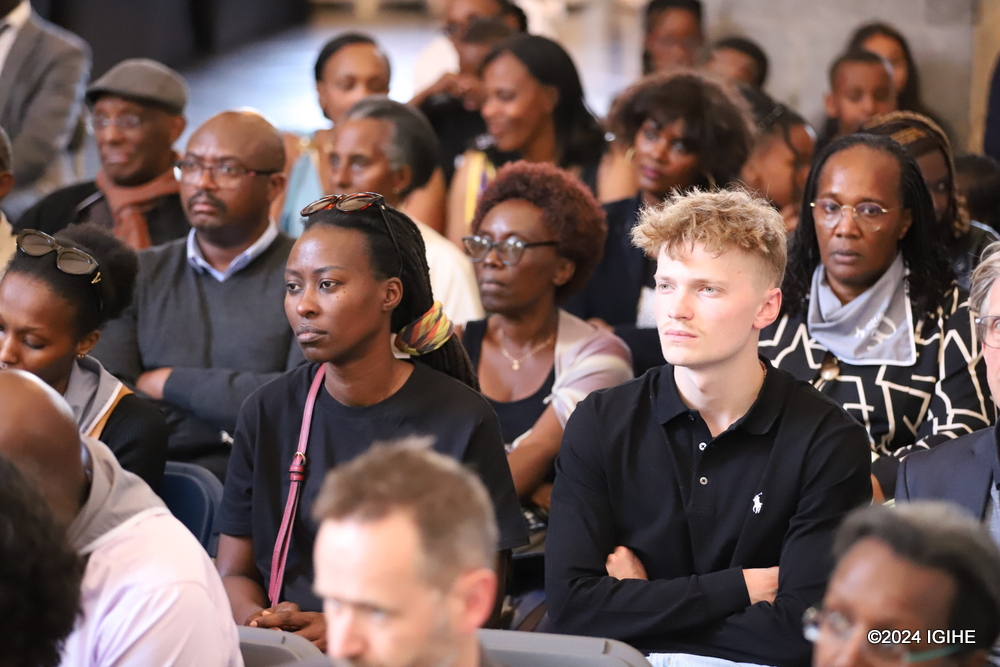
The commemoration, which took place on May 11, 2024, at the Genocide Memorial in ‘Place du Parc’, highlighted concerns that the international community has not done enough to apprehend Genocide suspects who still move freely across Europe and other regions.
The event was organized by a group of genocide survivors in collaboration with the Rwandan Diaspora of Mons and the City Administration.
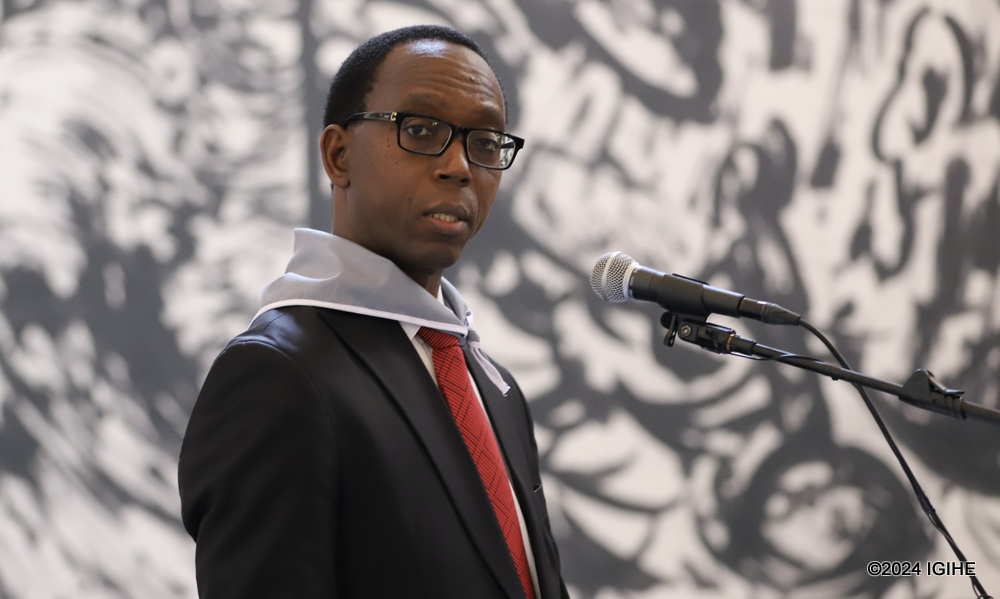
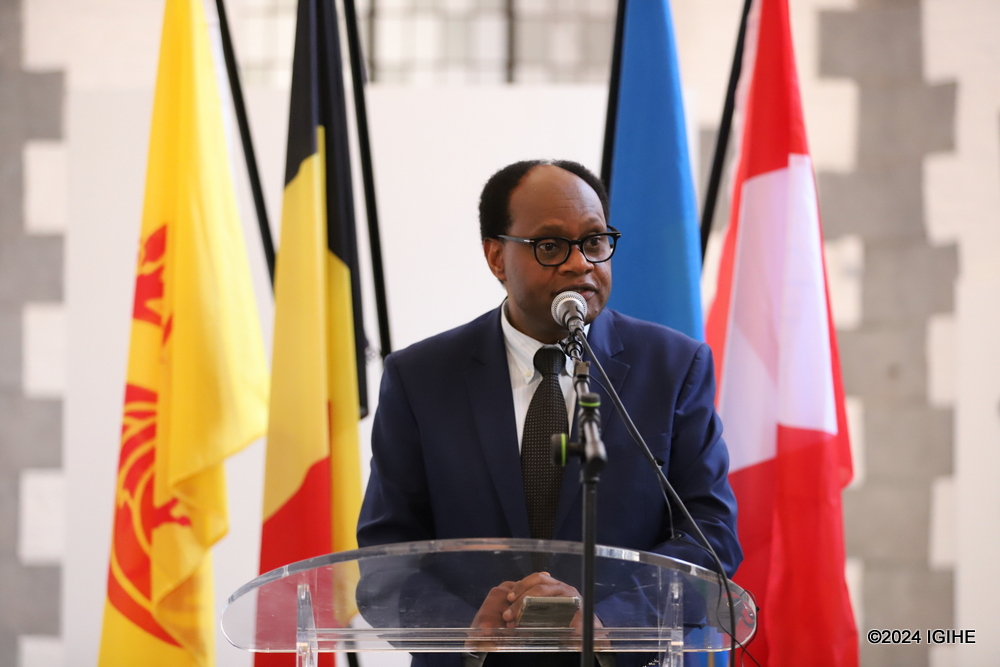
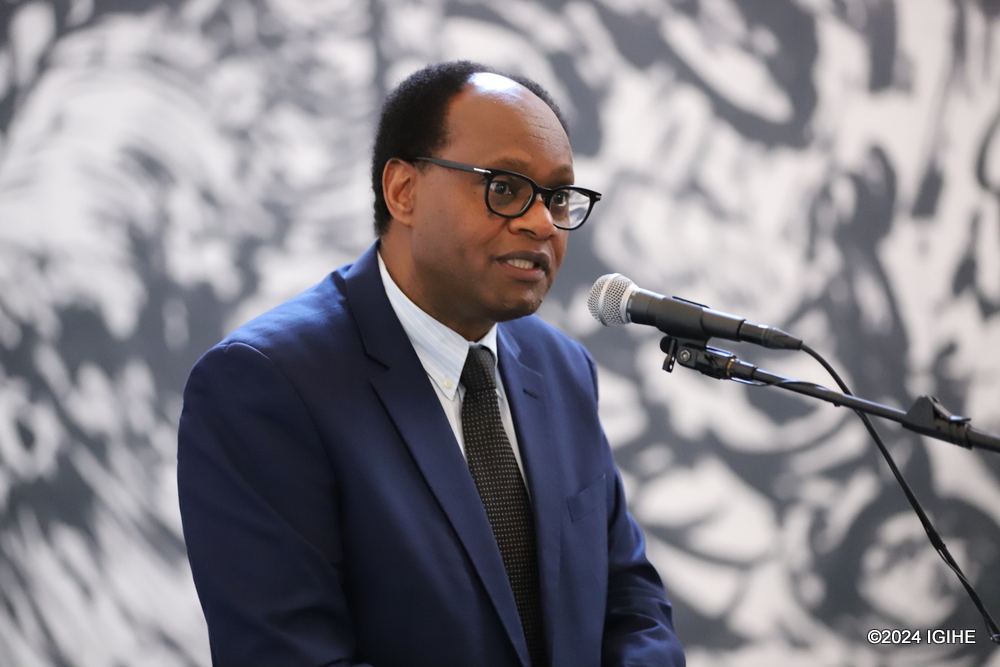
André Bucyana, Chargé d’Affaires at the Rwandan Embassy in Belgium, recounted the history of the 1994 Genocide against the Tutsi, outlining how it was planned, tested, and executed, with the present challenges including denial by those who distort its facts.
He highlighted the importance of remembering the victims, noting that it revives the painful memories for the survivors, while also praising their resilience and continuing recovery efforts.
“However, the path toward justice is still long, despite some trials that have occurred over the past 30 years, particularly here in Belgium,” he added.
Gilbert Dushimimana, the President of Rwandan community in Belgium known as DRB-Rugari, remarked that people should learn from the leadership of Rwanda to “continue to draw strength from the atrocities committed during the Genocide against the Tutsi” in order to help prevent such history from recurring.
Dushimimana also expressed gratitude towards the Mons administration for its continued support in remembering the genocide against the Tutsi since 2017, “up to the provision of a Genocide Memorial, demonstrating your solidarity with us.”
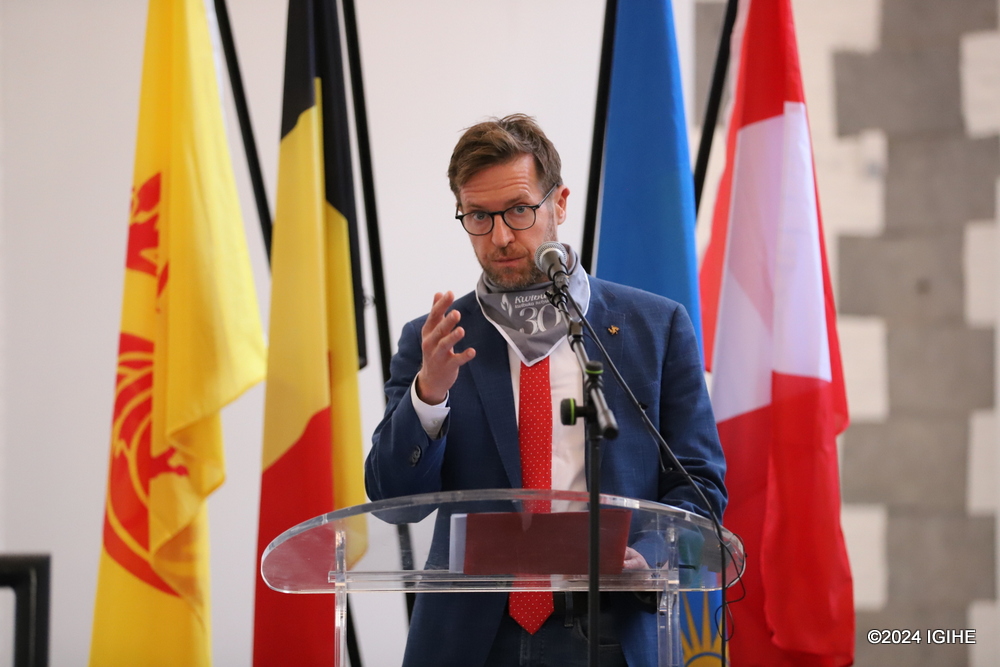
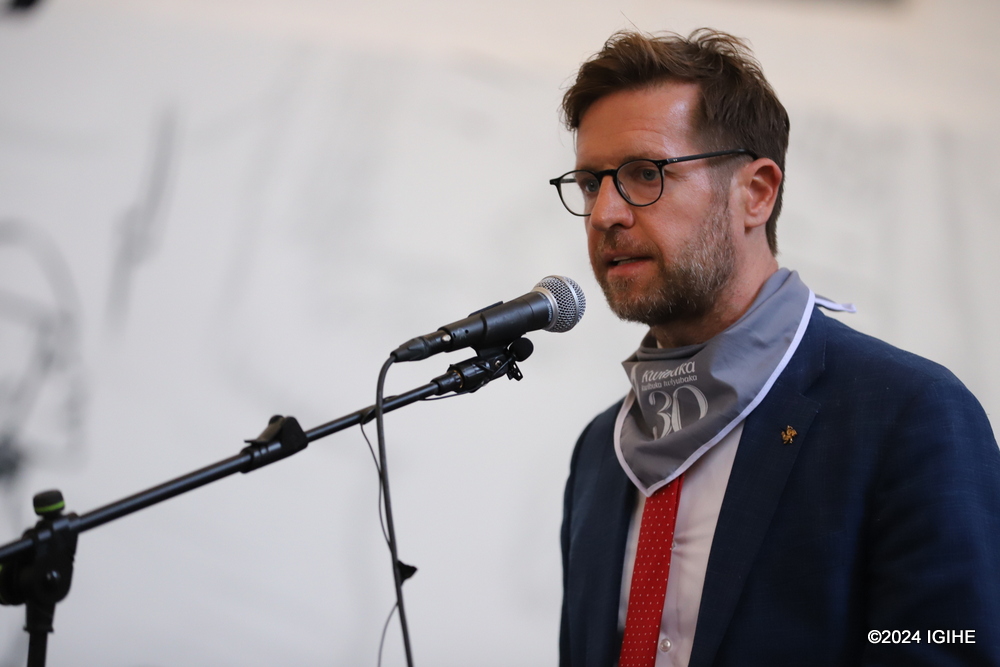
Nicolas Martin, Mayor of Mons, noted that the Genocide against the Tutsi was among the most rapid and widespread genocides, involving the mass slaughter of individuals from various backgrounds. He commended the unyielding spirit of the survivors.
“The sheer brutality of this genocide, when recounted, immediately reminds us of the survivors; thus, our efforts are intended to assist the survivors in continuing to live, regardless of the challenges,” he stated.
Ernest Sagaga, the President of Ibuka-Mémoire & Justice-Belgique, emphasized that remembering the Genocide against the Tutsi means honoring the lives lost even before the genocide commenced, reflecting on their horrors even though they had been assured protection by the international community, which ultimately let them down.
Sagaga also praised the Mons leadership for providing a space that includes the Memorial for those killed in the Genocide against the Tutsi and Belgian soldiers who died in Kigali on April 7, 1994, when the Genocide officially began.
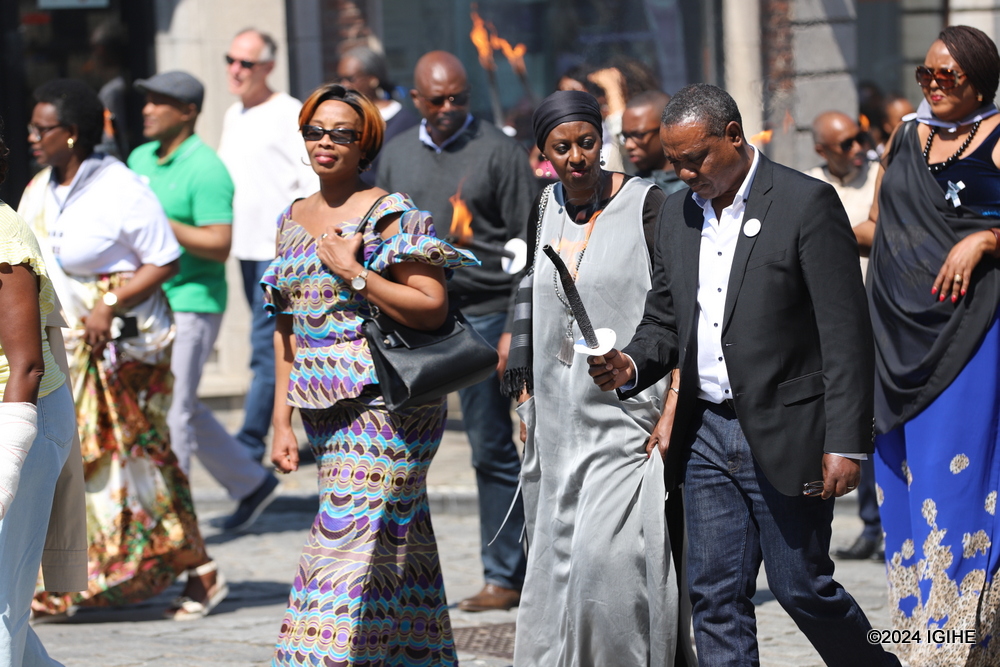
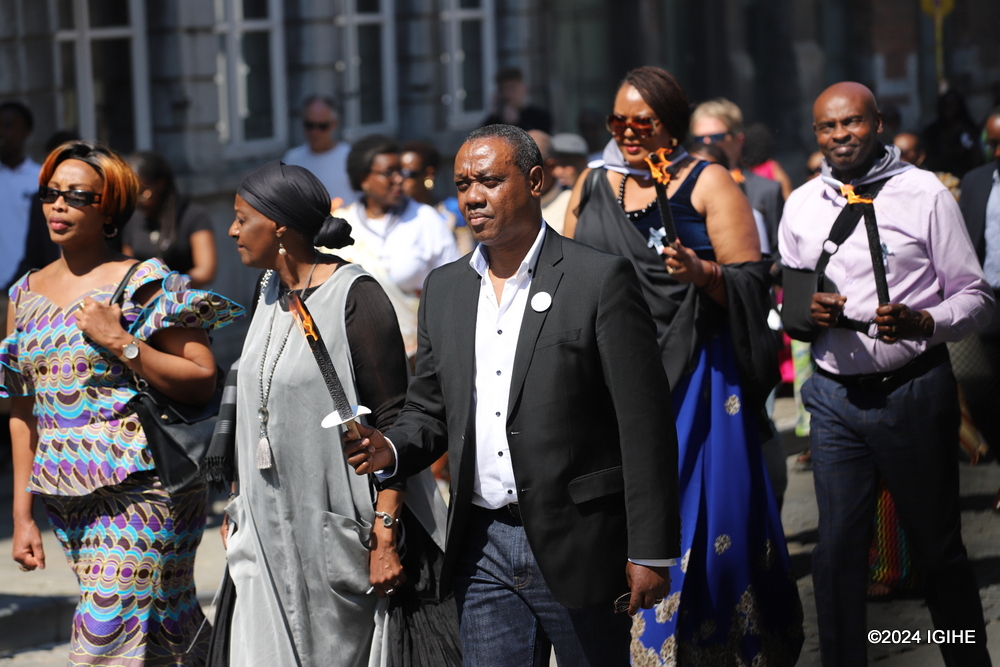
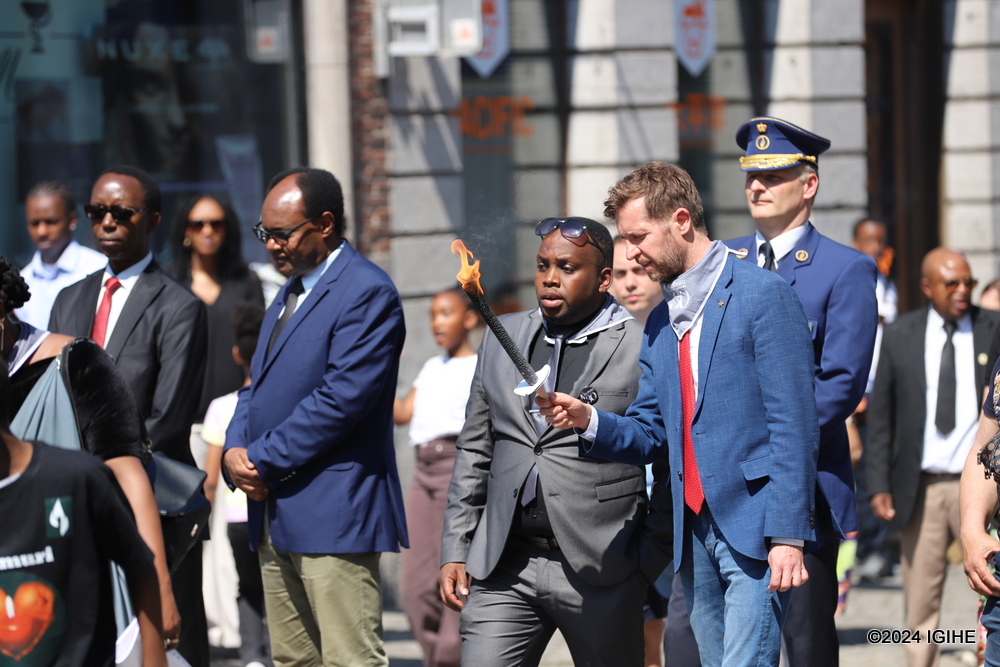
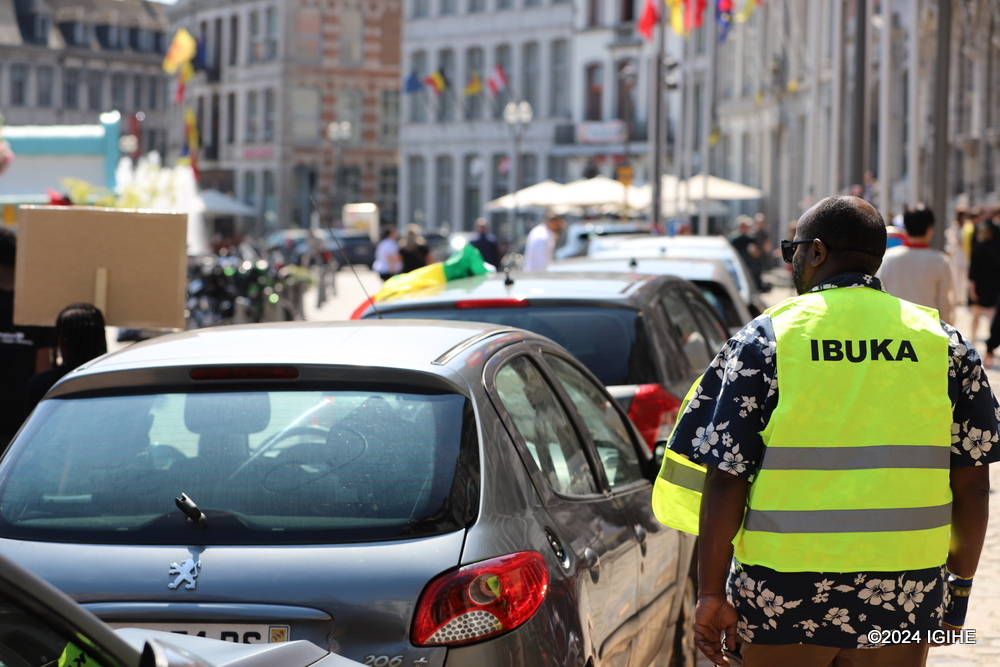
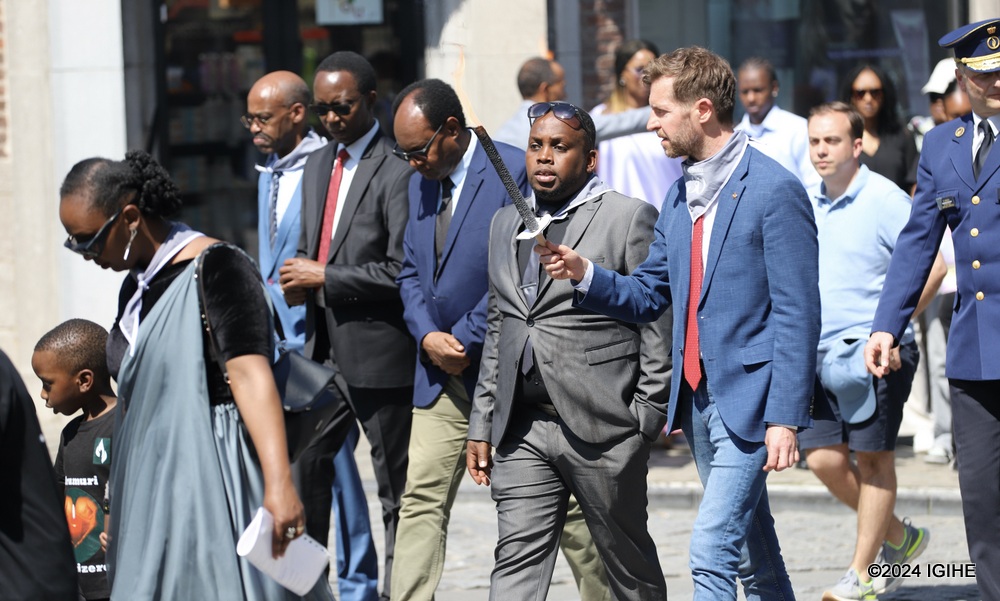
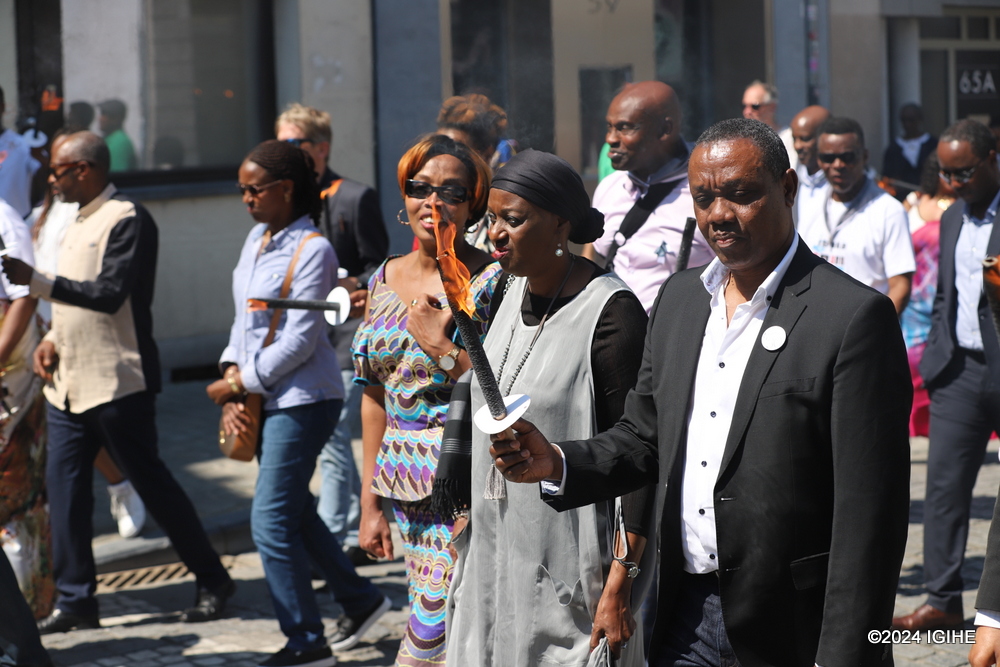
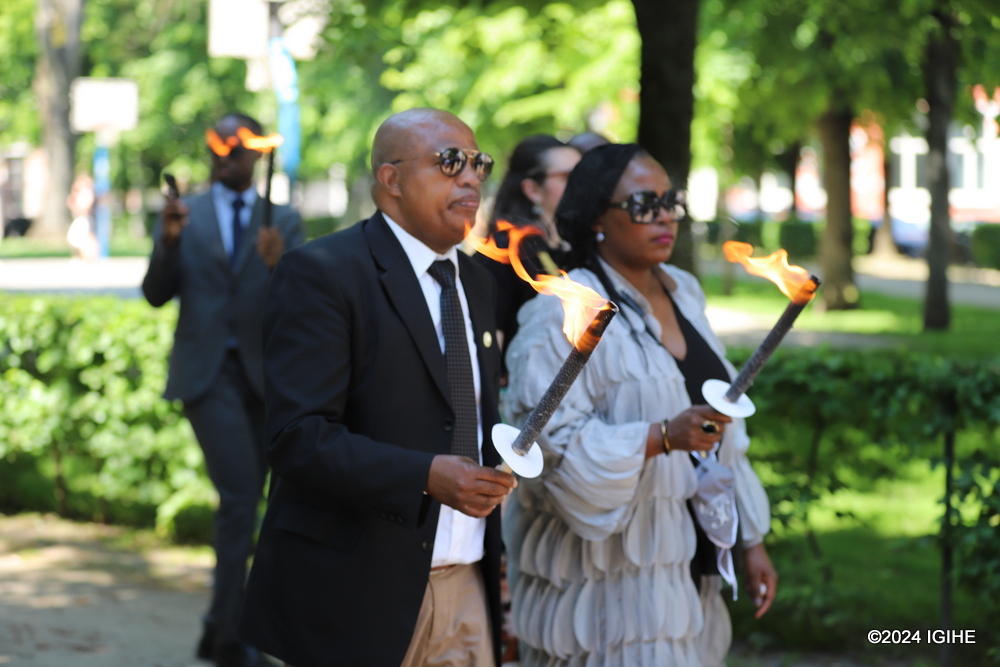
The commemoration featured three segments, including a walk to remember, commemoration talks and testimonies at the “Hotel de Ville de Mons,” and a candlelight vigil in Jemappes, where testimonies were shared and photographs of lost and wiped out families were displayed, reflecting on the lives they led.
This event is part of a series of 30th-anniversary commemorations of the Genocide against the Tutsi that have taken place in various cities across Belgium, including Brussels, Liège, Namur, Ottignies-Louvain-la-Neuve, Bruges, with forthcoming events scheduled in Antwerp, Charleroi, and Tournai.