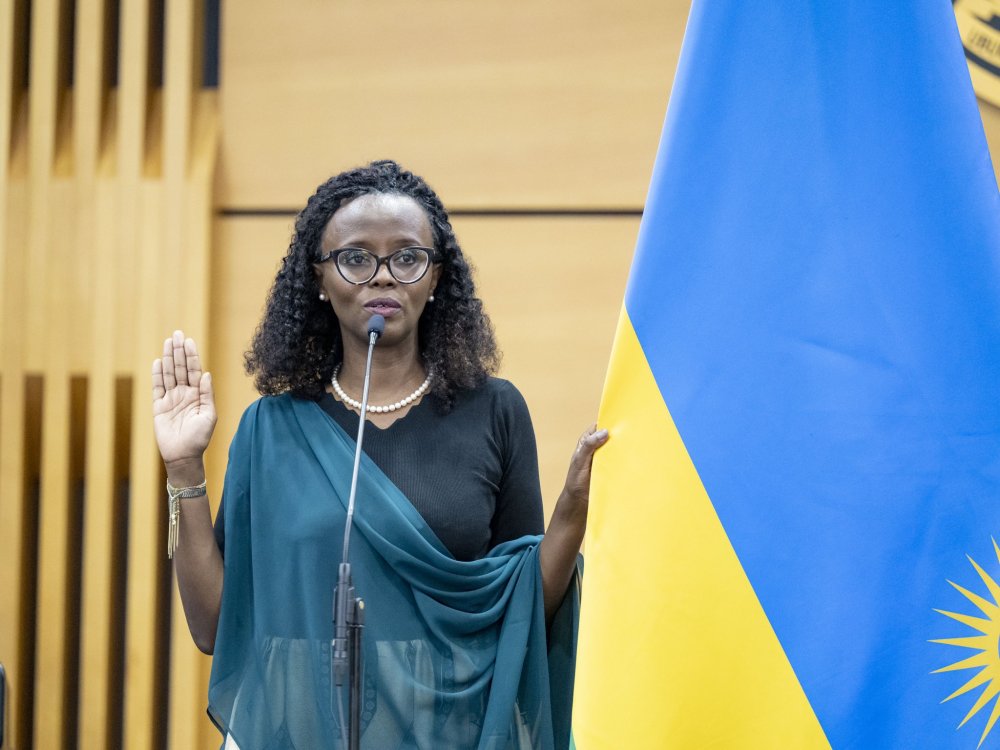
The initiative rolled out on Wednesday, June 5, 2024, makes the legalization process for public documents such as birth certificates, marriage certificates and death certificates faster, simpler, and digitized through the use of electronic Apostilles (e-Apostilles).
“Rwandan documents intended for use abroad will be processed digitally and accessible through the Irembo e-government platform [https://irembo.gov.rw->https://irembo.gov.rw]. Foreign documents apostilled abroad will be directly usable in Rwanda,” officials said, adding, “This initiative aligns with Rwanda’s efforts to deliver digital and citizen-centred public services.”
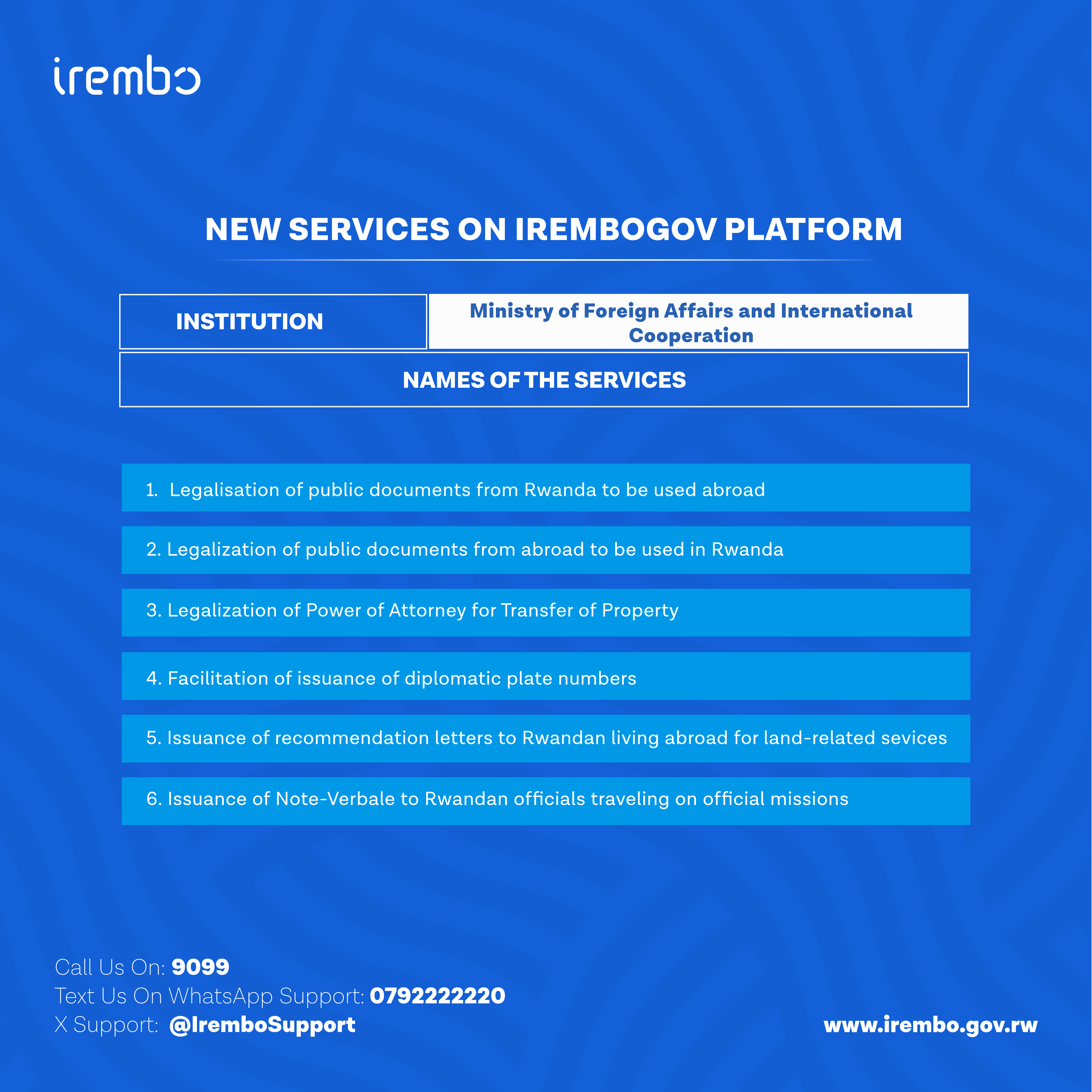
Additionally, the Irembo portal has expanded its services to include:
-Legalization of Power of Attorney for property transfer
-Issuance of diplomatic plate numbers
-Recommendation letters for Rwandans abroad for land-related services
-Issuance of Note-Verbale for Rwandan officials on official missions
Notably, the new e-Apostilles service is only available to members of the Hague Apostille Convention.
The members are:
#
Country
1
Albania
2
Andorra
3
Antigua and Barbuda
4
Argentina
5
Armenia
6
Australia
7
Austria
8
Azerbaijan
9
Bahamas
10
Bahrain
11
Barbados
12
Belarus
13
Belgium
14
Belize
15
Bolivia (Plurinational State of)
16
Bosnia and Herzegovina
17
Botswana
18
Brazil
19
Brunei Darussalam
20
Bulgaria
21
Burundi
22
Cabo Verde
23
Canada
24
Chile
25
China
26
Colombia
27
Cook Islands
28
Costa Rica
29
Croatia
30
Cyprus
31
Czech Republic
32
Denmark
33
Dominica
34
Dominican Republic
35
Ecuador
36
El Salvador
37
Estonia
38
Eswatini
39
Fiji
40
Finland
41
France
42
Georgia
43
Germany
44
Greece
45
Grenada
46
Guatemala
47
Guyana
48
Honduras
49
Hungary
50
Iceland
51
India
52
Indonesia
53
Ireland
54
Israel
55
Italy
56
Jamaica
57
Japan
58
Kazakhstan
59
Kosovo
60
Kyrgyzstan
61
Latvia
62
Lesotho
63
Liberia
64
Liechtenstein
65
Lithuania
66
Luxembourg
67
Malawi
68
Malta
69
Marshall Islands
70
Mauritius
71
Mexico
72
Monaco
73
Mongolia
74
Montenegro
75
Morocco
76
Namibia
77
Netherlands
78
New Zealand
79
Nicaragua
80
Niue
81
North Macedonia
82
Norway
83
Oman
84
Pakistan
85
Palau
86
Panama
87
Paraguay
88
Peru
89
Philippines
90
Poland
91
Portugal
92
Republic of Korea
93
Republic of Moldova
94
Romania
95
Russian Federation
96
Rwanda
97
Saint Kitts and Nevis
98
Saint Lucia
99
Saint Vincent and the Grenadines
100
Samoa
101
San Marino
102
Sao Tome and Principe
103
Saudi Arabia
104
Senegal
105
Serbia
106
Seychelles
107
Singapore
108
Slovakia
109
Slovenia
110
South Africa
111
Spain
112
Suriname
113
Sweden
114
Switzerland
115
Tajikistan
116
Tonga
117
Trinidad and Tobago
118
Tunisia
119
Türkiye
120
Ukraine
121
United Kingdom of Great Britain and Northern Ireland
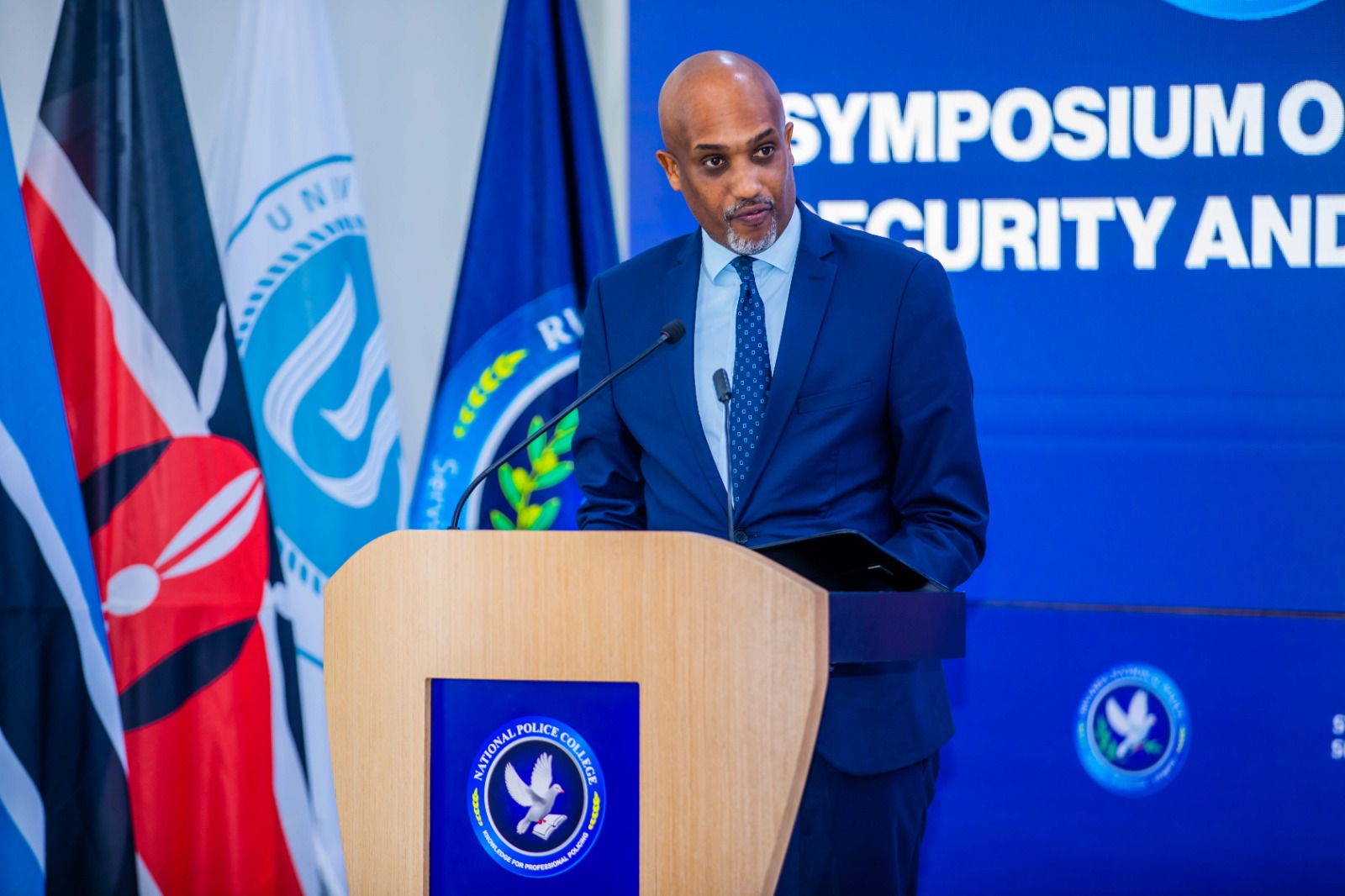
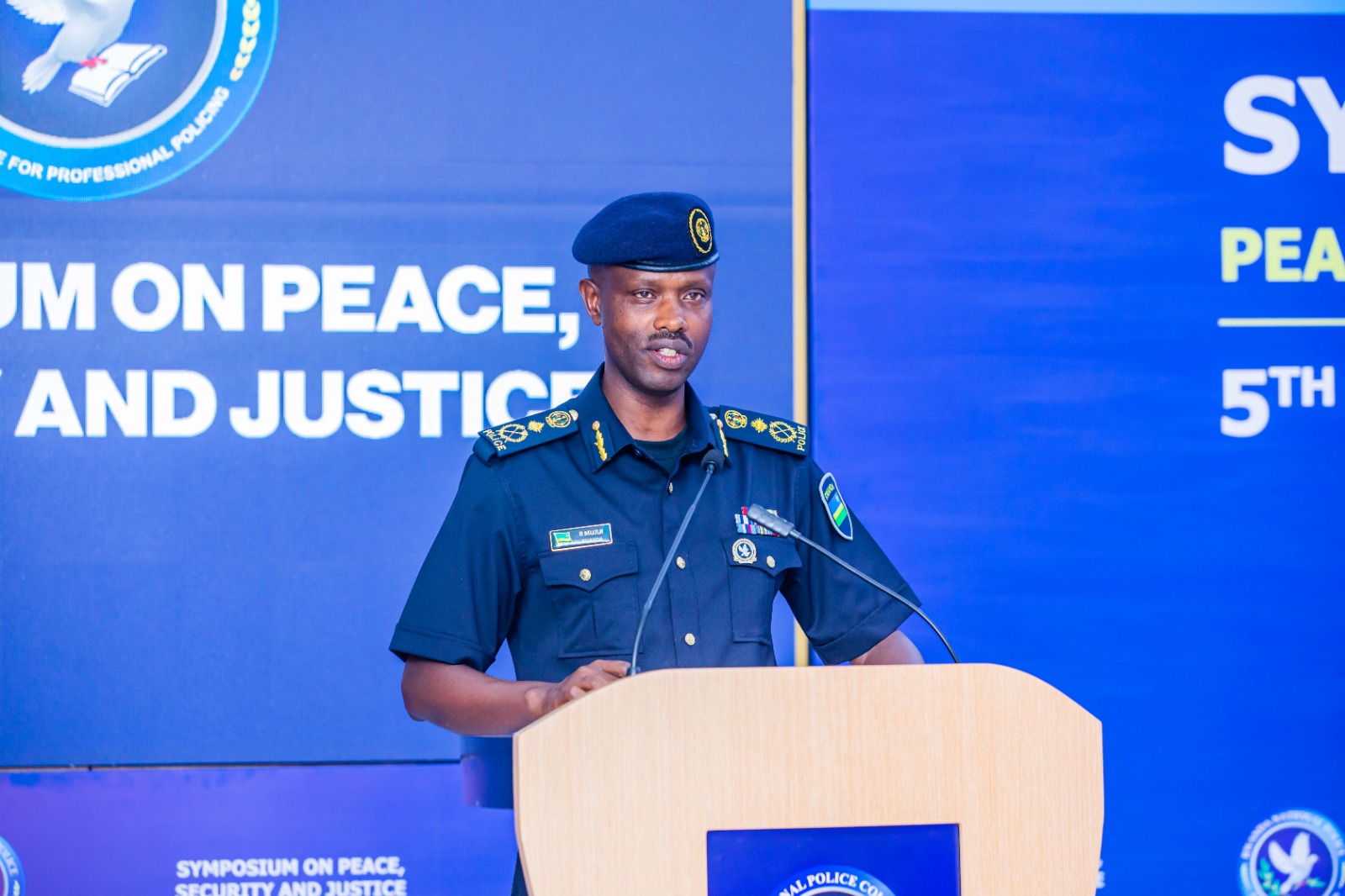
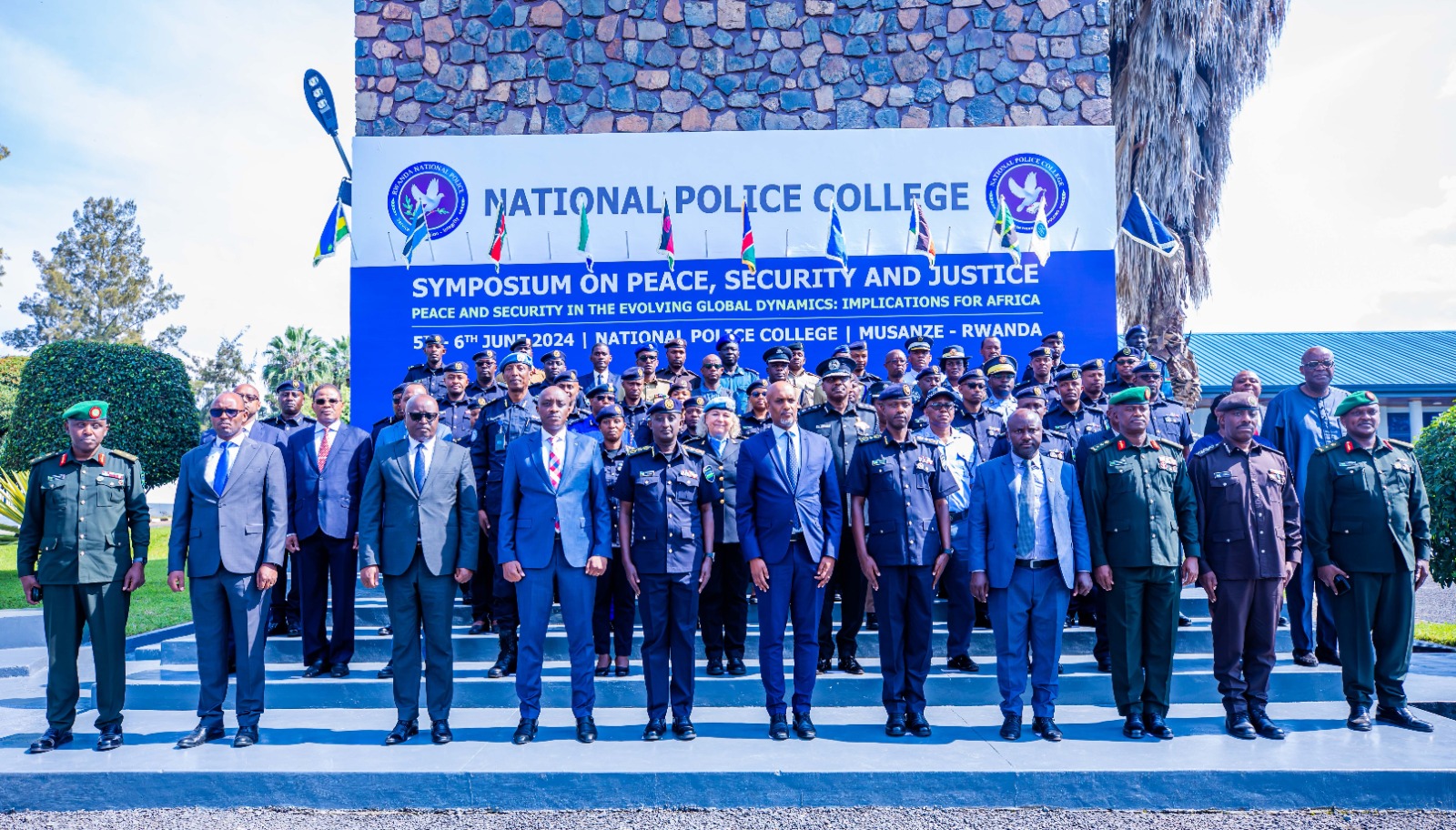
The Minister of Justice and Attorney General, Dr. Emmanuel Ugirashebuja, while official opening the 11th symposium edition, said that the global landscape is marked by rapid and profound changes.
He added that the geopolitical shifts, economic uncertainties, technological advancements, and environmental challenges shape today’s reality with far-reaching implications for peace and security globally, regionally, and nationally. These challenges, he said, require strategies, operations, and collaborations.
“The global governance and multilateralism are at a crossroads. Across the globe, multilateralism appears to be in crisis. The very foundations of multilateralism—peace and security, human rights, and development—have been strongly shaken by individualistic, nationalism, and unilateralism tendencies. This exacerbates the decline of the current global order while destroying the very foundation of peace, security, and justice,” Minister Ugirashebuja said.
He added that Human Rights and other global values and aspirations are in jeopardy because of unilateral wars, whether open armed conflicts, trade wars, or cyberwarfare.
Available data shows that approximately 180 conflicts are currently taking place across the globe. These include interstate, intrastate, extra-systemic, non-state conflicts, and one-sided violence. At least 150 conflicts have been recorded each year, recently. In the Sub-Saharan Africa, there were at least 18 states (out of a total of 54) with active armed conflicts by 2021.
“The situation in the East African region is no better than the rest of the other affected parts of the world. Nine of the 22 states or territories were involved in active armed conflict in 2021, with five experiencing ongoing or sharp escalations in large-scale armed violence,” the Minister said.
The concept of peace and, to a large extent, of security, he observed, is not defined within the limits of the absence of violence. Almost all the armed conflicts in sub-Saharan Africa and East Africa, he added, were internationalized due to the involvement of external state actors or the transnational activities of armed groups and criminal networks.
The Minister emphasized that key questions should be posed to understand current global dynamics and how they affect Africa. Thus, issues such as ongoing geopolitical tensions, economic pressures, technological threats, and environmental challenges should be given due consideration in terms of strategic competition among the so-called super powers directly impacts Africa, resource, conflicts in key regions, digital age with both opportunities and risks, climate change and youth radicalization toward violent extremism.
In Africa where approximately 60% of the population is under 25 years old, he observed that understanding the factors driving young people toward extremist groups is crucial.
“Africa’s youth are its greatest asset. Empowering them through education, employment, and civic participation ensures a peaceful future. The critical role each of you plays in safeguarding peace and security on our continent… your dedication, expertise, and leadership are vital in navigating the complex and evolving global dynamics we face today,” Minister Ugirashebuja said.
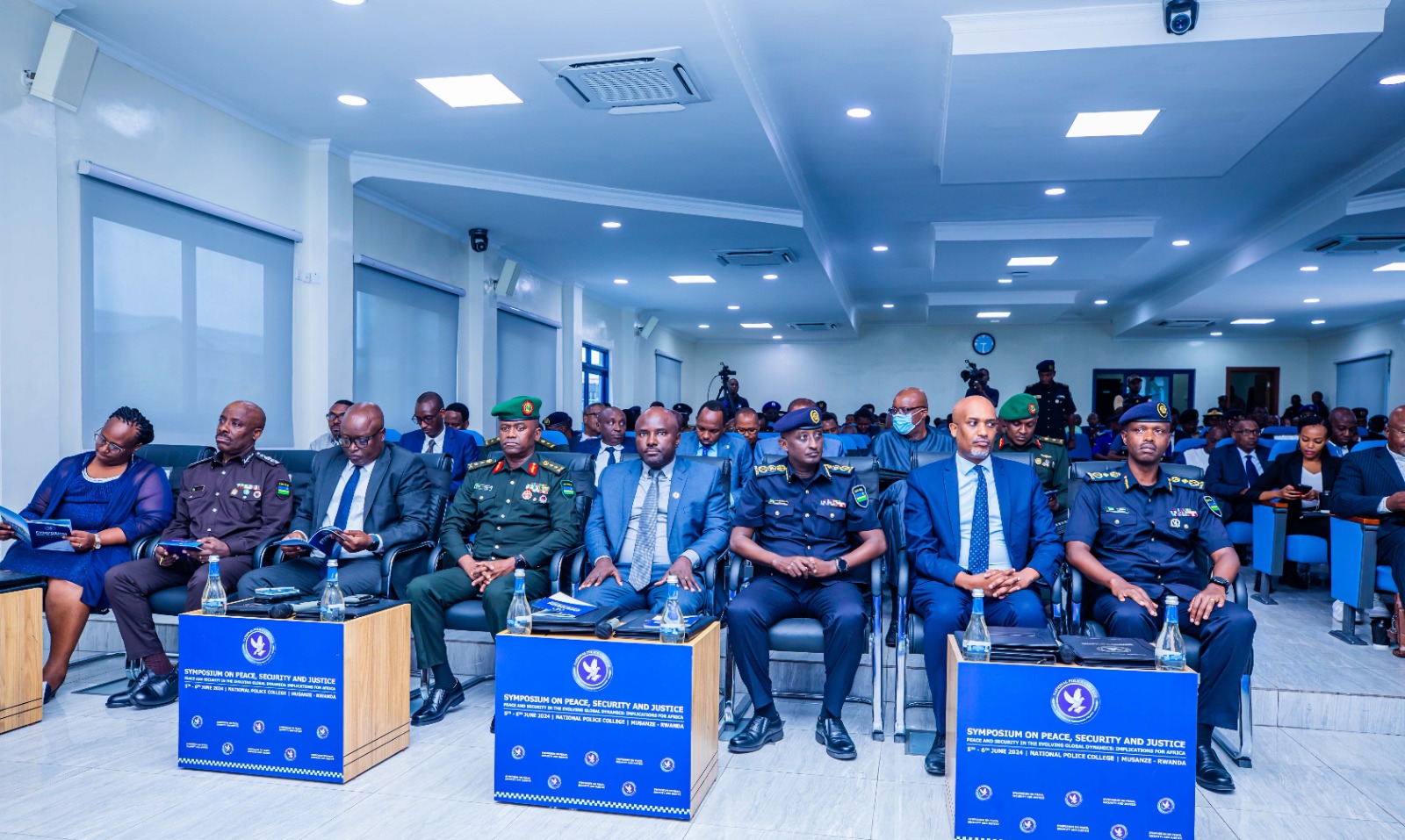
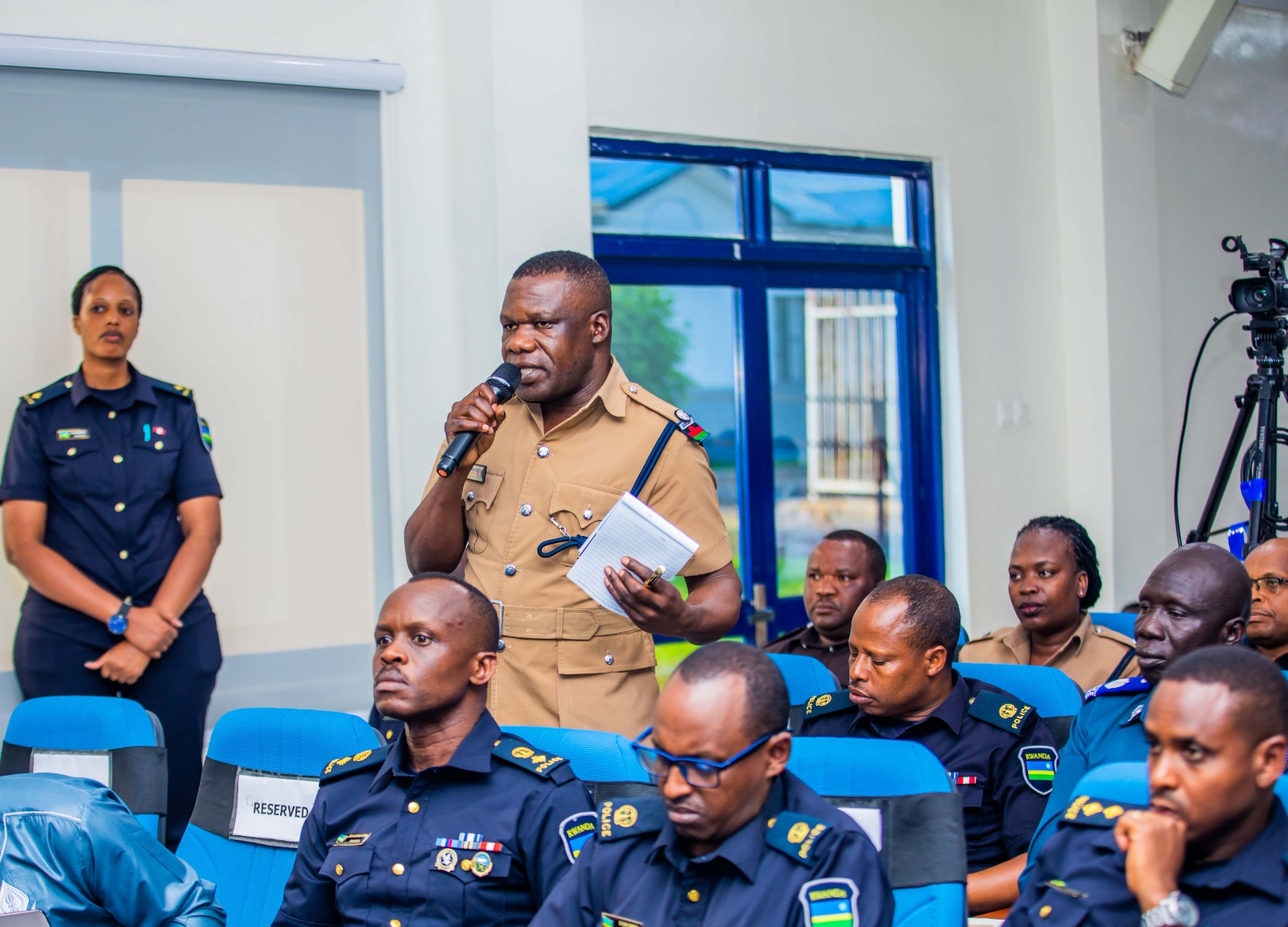
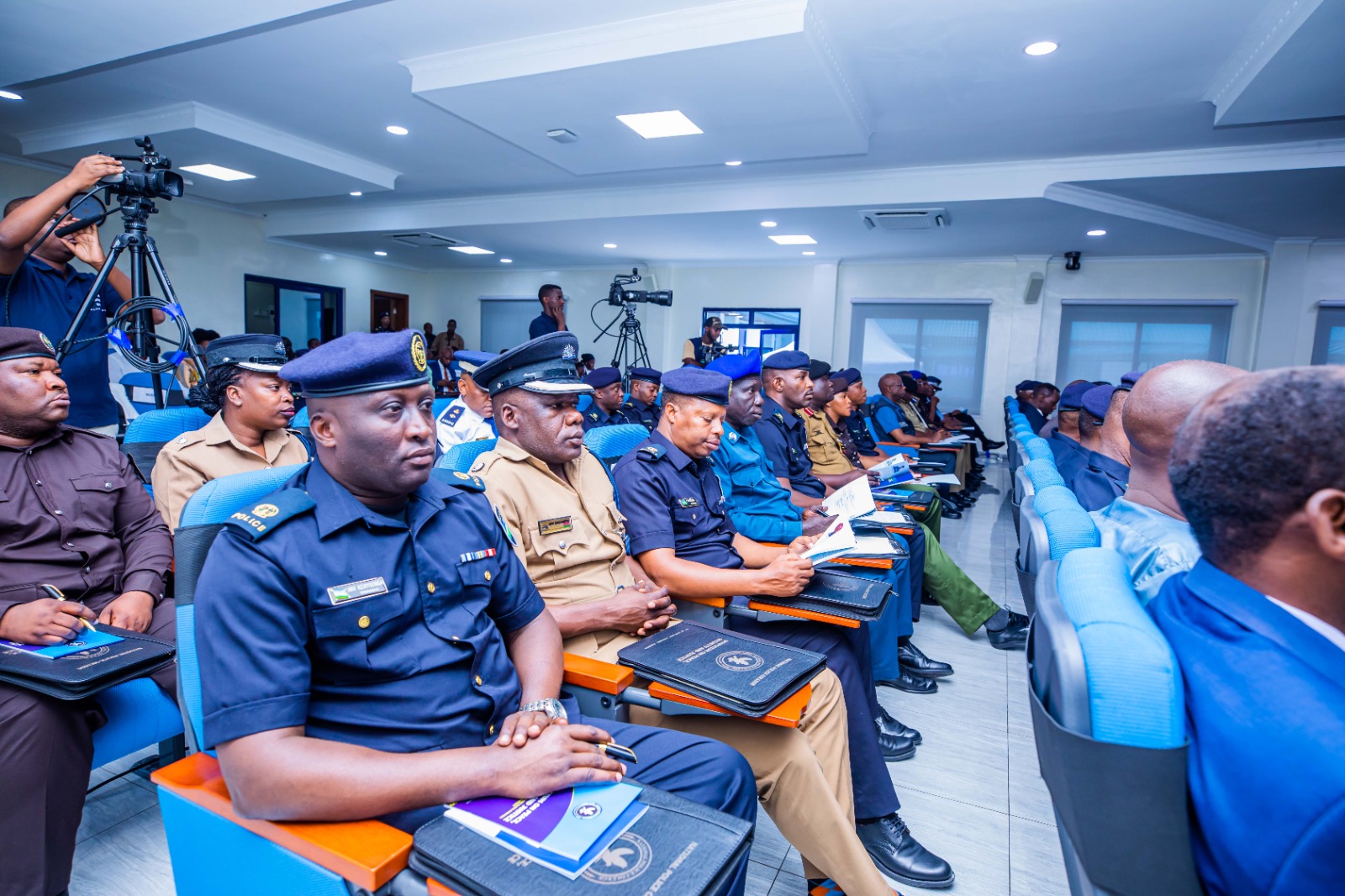
The 12th intake of the Police Senior Command and Staff Course is attended by 34 students from Botswana, Kenya, Lesotho, Malawi, Namibia, Somalia, South Sudan, Tanzania, Rwanda, the host.
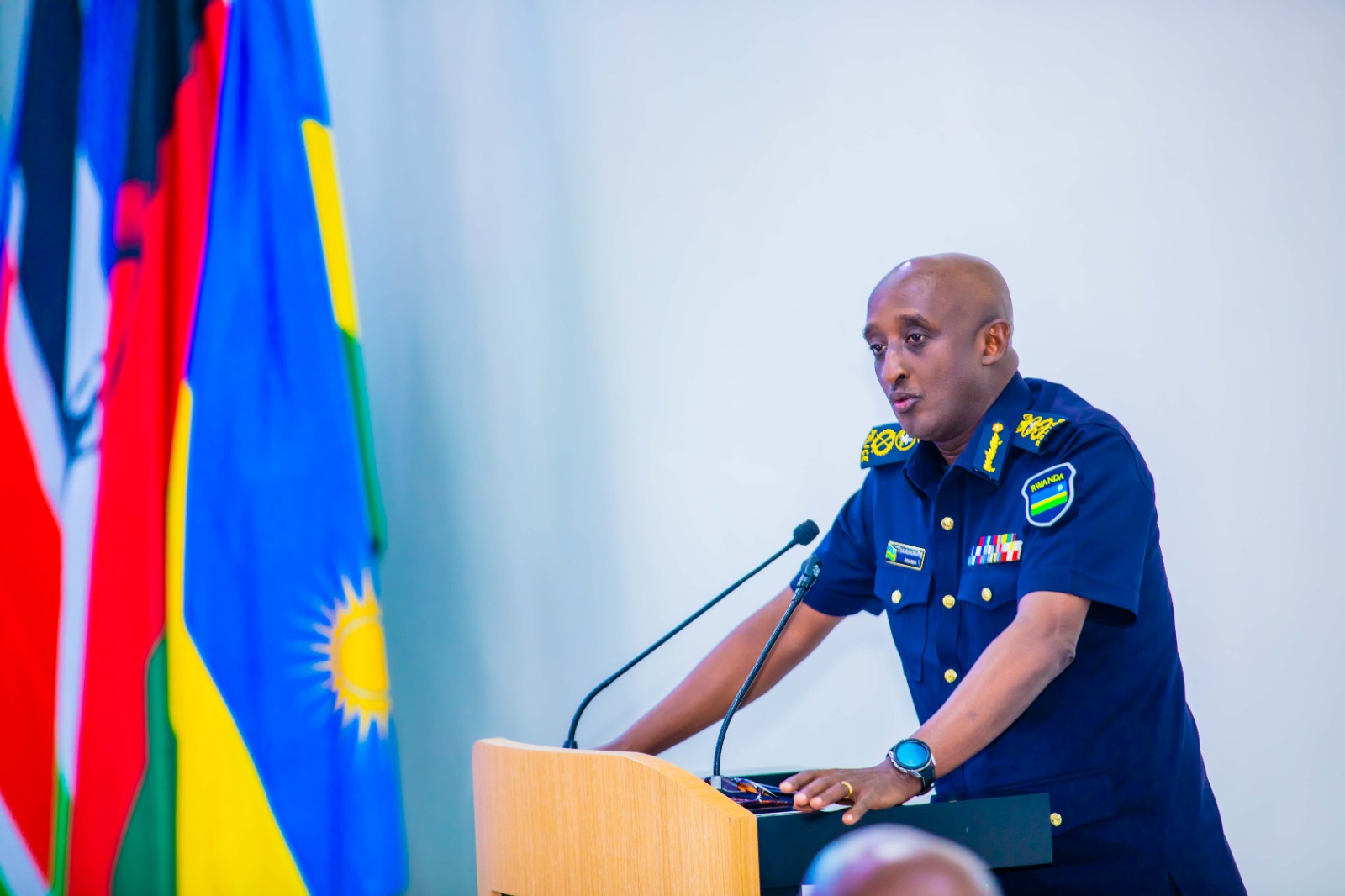
Commissioner of Police (CP) Rafiki Mujiji, the Commandant of NPC, said that the symposium presents a significant opportunity for debate towards collective efforts to foster a safer, more peaceful world, and a more peaceful Africa in particular.
“As we navigate through an era marked by unprecedented global challenges, the need for comprehensive strategies and collaborative efforts to ensure peace and security has never been more critical. Our discussions will explore various aspects of these issues from understanding today’s global peace and security trends, through Africa’s peace and security landscape, to proposed solutions to building a resilient, peaceful, and prosperous Africa,” CP Mujiji said.
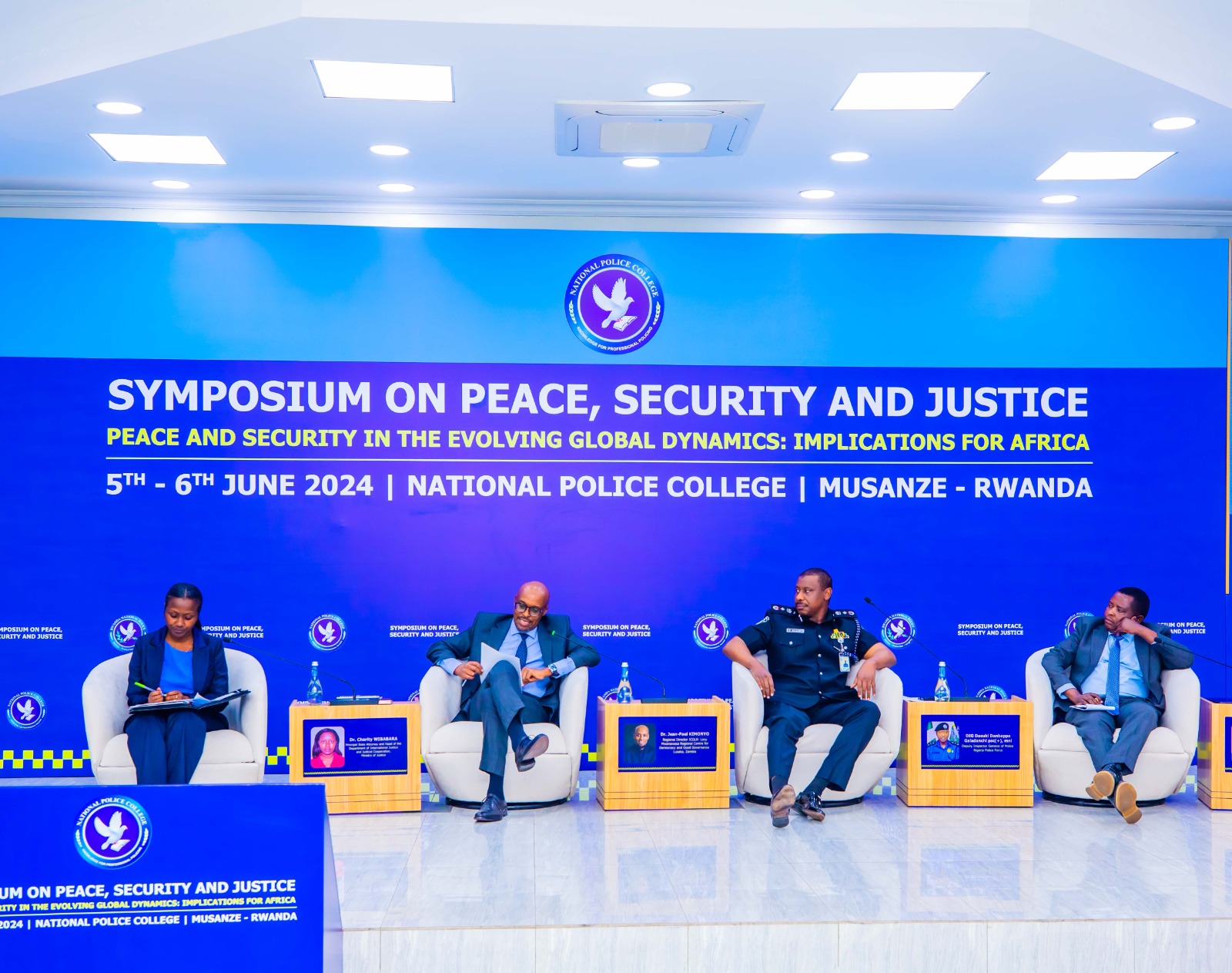
{{Panelists}}
During the two-day event, panelists will explore different topics under the theme: “Peace and Security in The Evolving Global Dynamics: Implications for Africa.”
Discussions on the first day focused on two key issues: Global Peace and Security Trends and Africa’s peace and security landscape: Issues and responses.
Panelists reflected on understanding peace and security, international peace and security normative frameworks, and Protection of Civilians in the context of peacekeeping operations; state of conflicts in Africa: Understanding complexities and dynamics; Impact of emerging threats on security systems and practices in Africa; Scope and limits of response mechanisms to security challenges in Africa: A focus on countering terrorism.
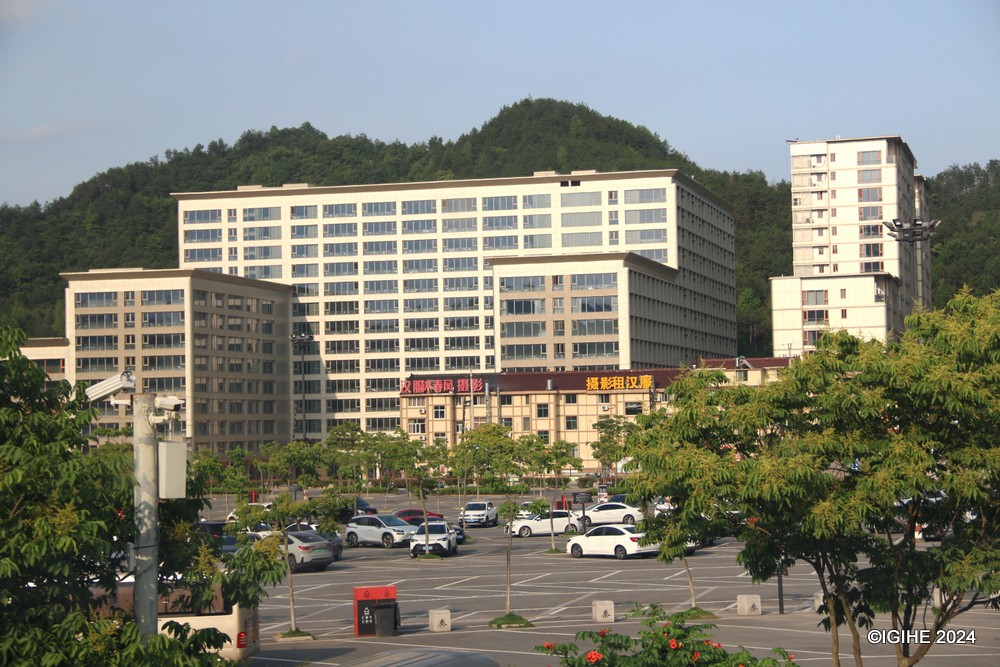
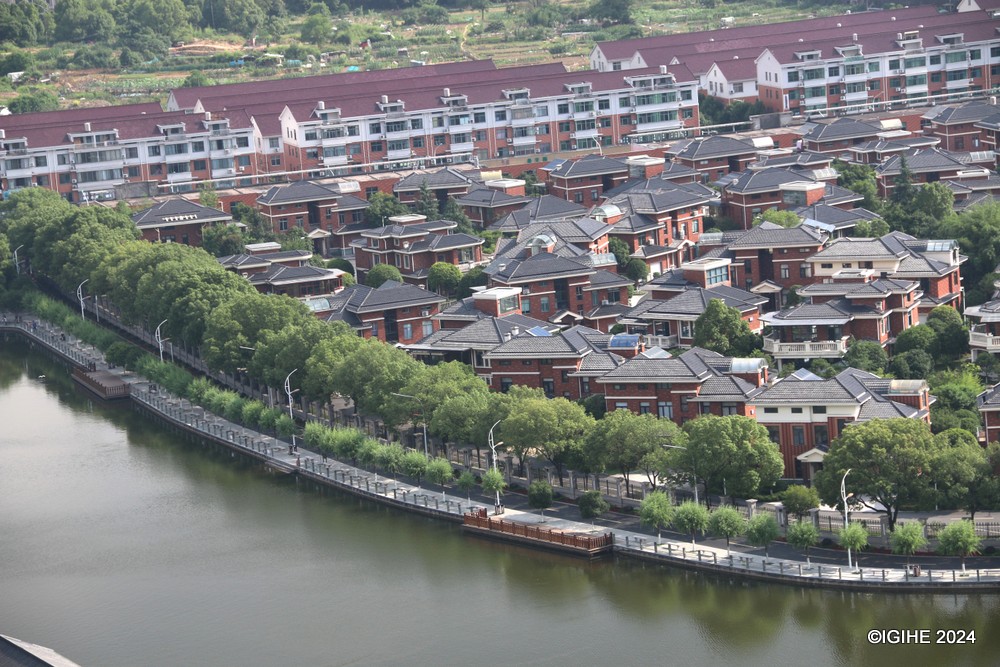
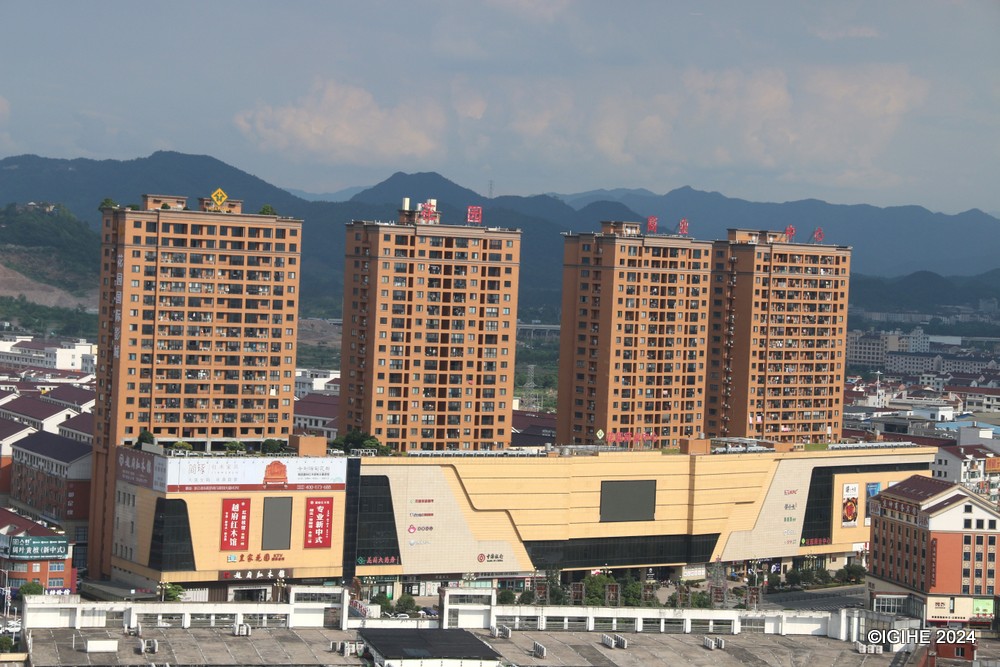
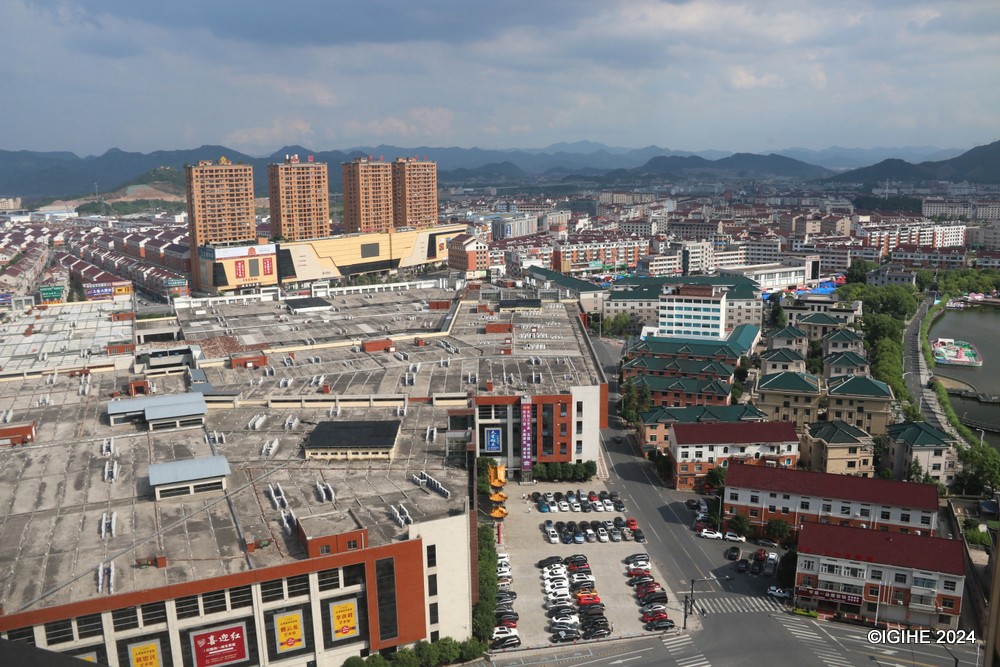
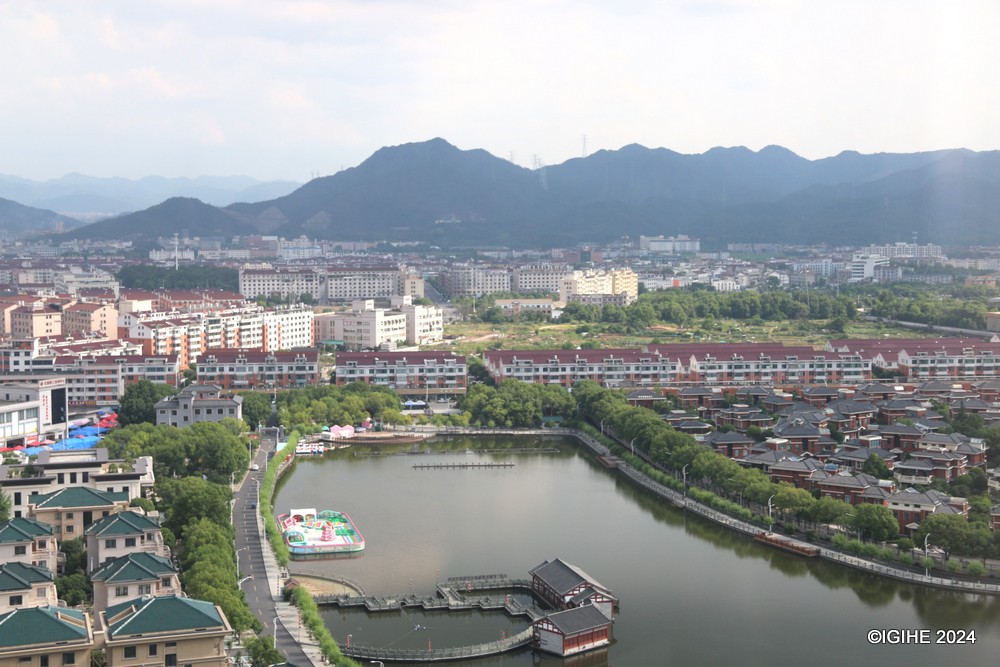
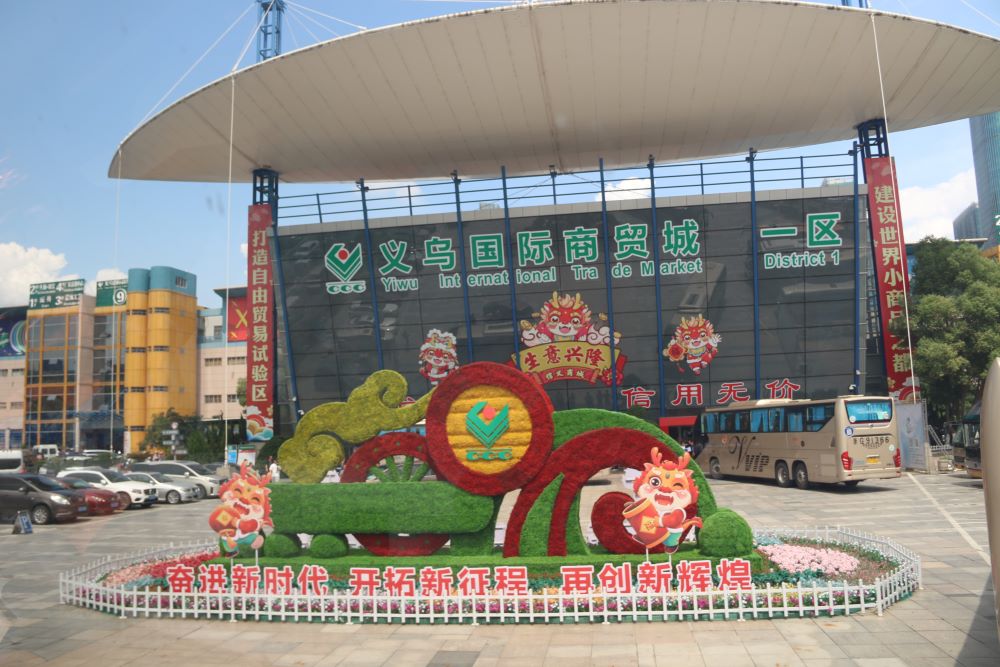
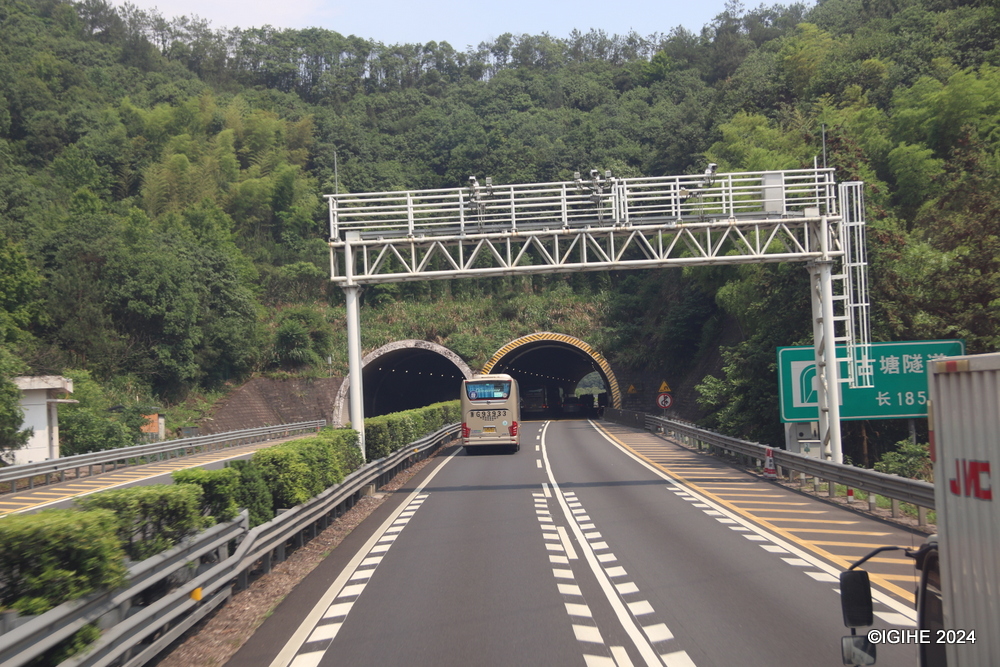
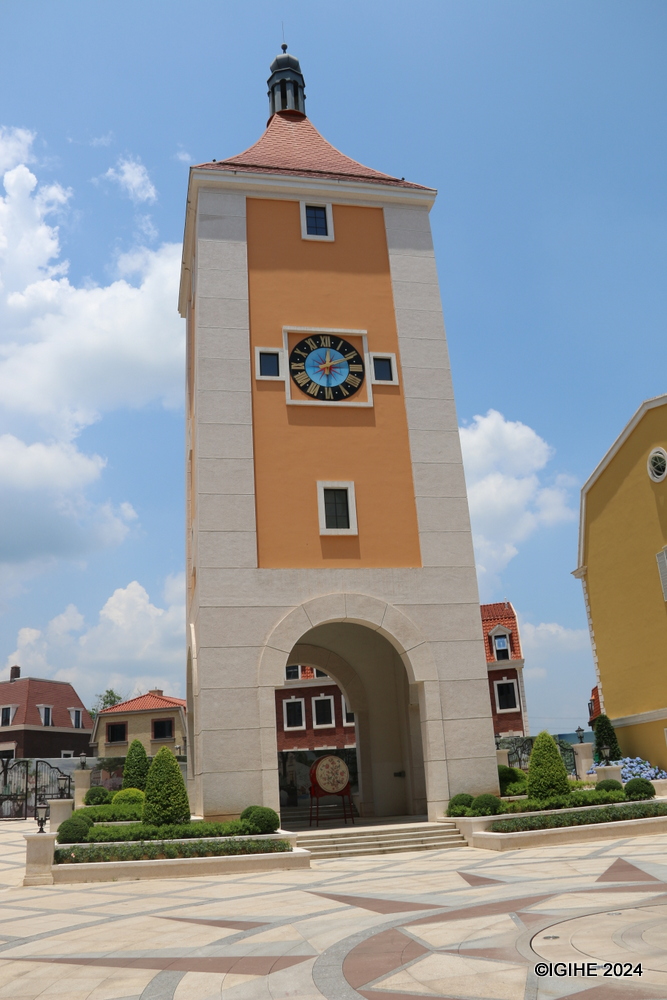
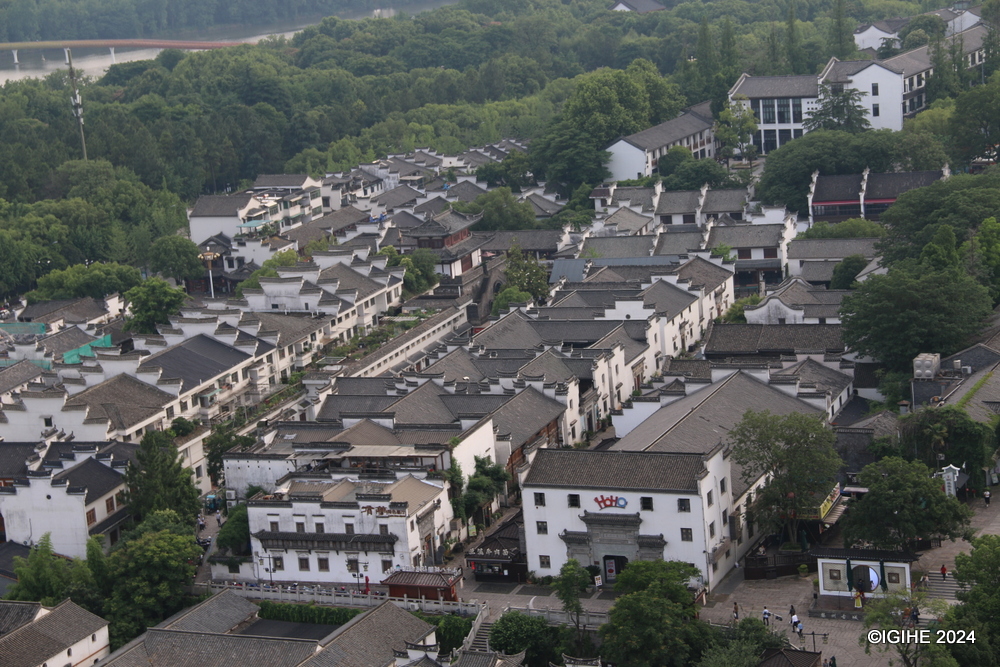
Jinhua comprises two districts, Wucheng and Jindong, four county-level cities, Lanxi, Dongyang, Yiwu, and Yongkang, and three counties, Pujiang, Wuyi, and Pan’an. In 2023, Jinhua’s regional GDP reached an impressive 601.13 billion yuan (more than 80 billion US$), a testament to its robust economic growth.
Renowned for its rich historical and cultural heritage, Jinhua is often referred to as “another hometown of Confucius and Mencius.” The city boasts a 10,000-year-old rice planting civilization and an institution history spanning more than 2,200 years.
Over the centuries, Jinhua has been a cradle for numerous notable figures. Ancient luminaries include writer Song Lian, strategist Zong Ze, Taoist Wong Tai Sin, doctor Zhu Danxi, and musician Li Yu.
In more recent times, the city has produced influential individuals like Chen Wangdao, the first Chinese translator of the Communist Manifesto, historian Wu Han, writer Feng Xuefeng, Chinese painting master Huang Binhong, newspaper publisher Shao Piaoping, musician Shi Guangnan, poet Ai Qing, and scientist Yan Jici. Since China’s reform and opening-up, 1.2 million Jinhua natives have ventured out for development, with over 30,000 high-level talents contributing to the global community.
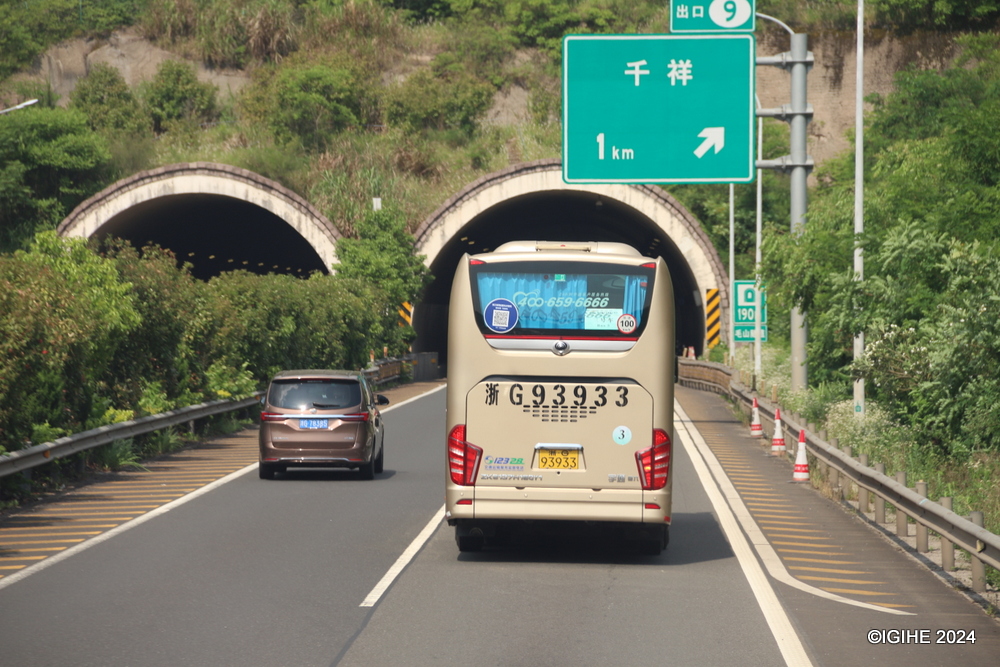
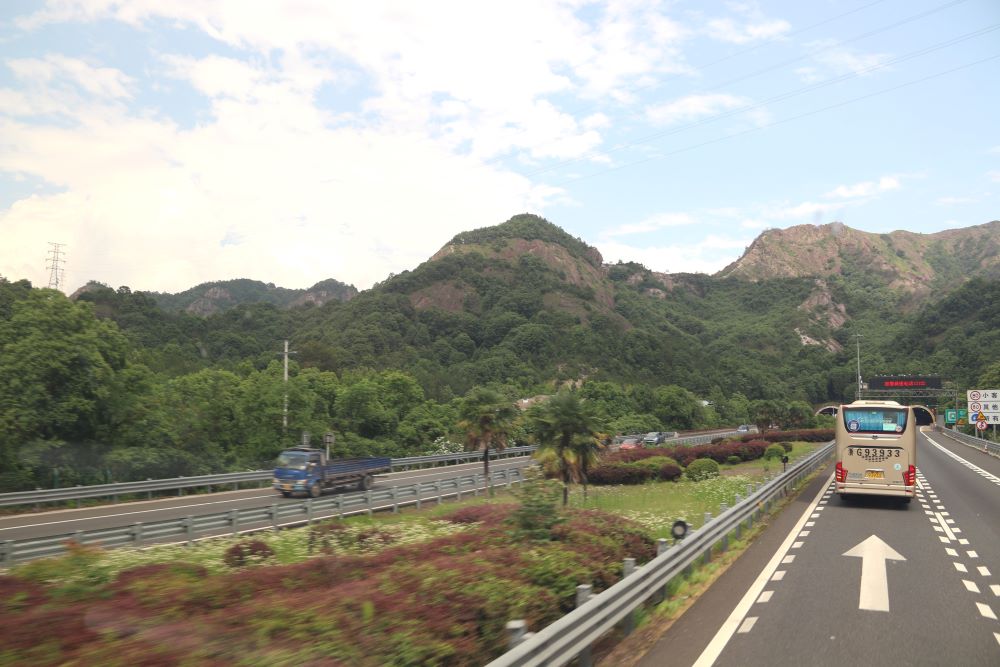
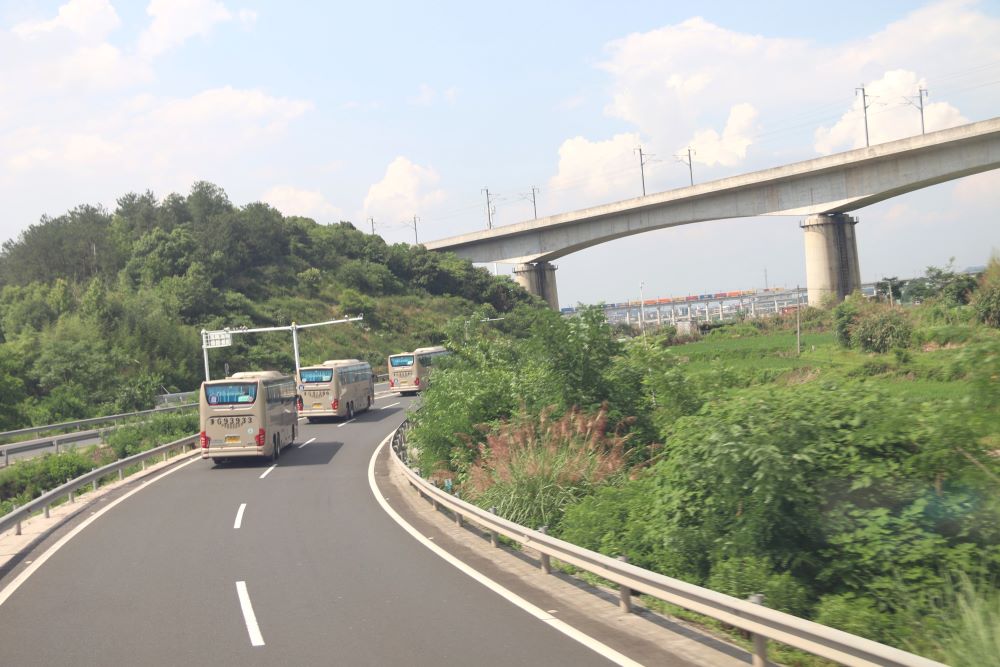
Strategically located, Jinhua is a central transport hub, essential for connecting various parts of China. The city is the second largest information port in Zhejiang and a national logistics hub for production and trade. With 10 railways and 9 highways, Jinhua and Yiwu stations accommodate 462 high-speed trains daily, directly connecting to 21 provincial capitals. These developments aim to establish Jinhua as a national comprehensive transport hub.
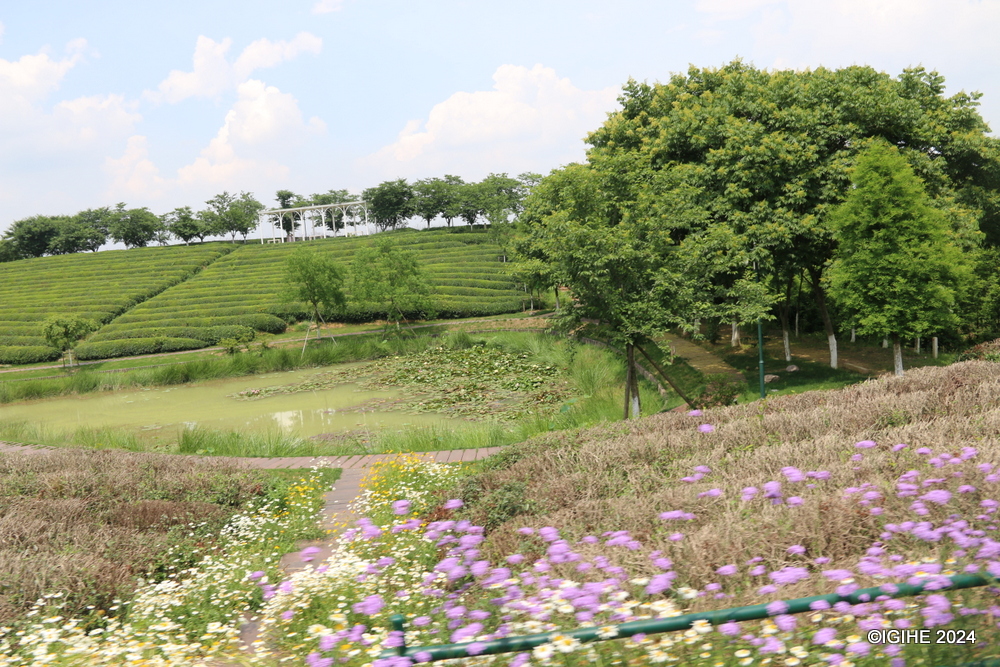
The city’s commitment to environmental sustainability is evident in its green landscapes and clean rivers, earning it the prestigious Dayu Golden Prize for water management. With a forest coverage rate of 61% and Class I drinking water quality, Jinhua is a haven for nature lovers, boasting five national scenic spots and one national 5A tourist area. Prominent attractions include the Double Dragon Cave, the Residence of Lord Shi of the Taiping Heavenly Kingdom, Hengdian World Studios, and Lanxi Zhuge Bagua Village.
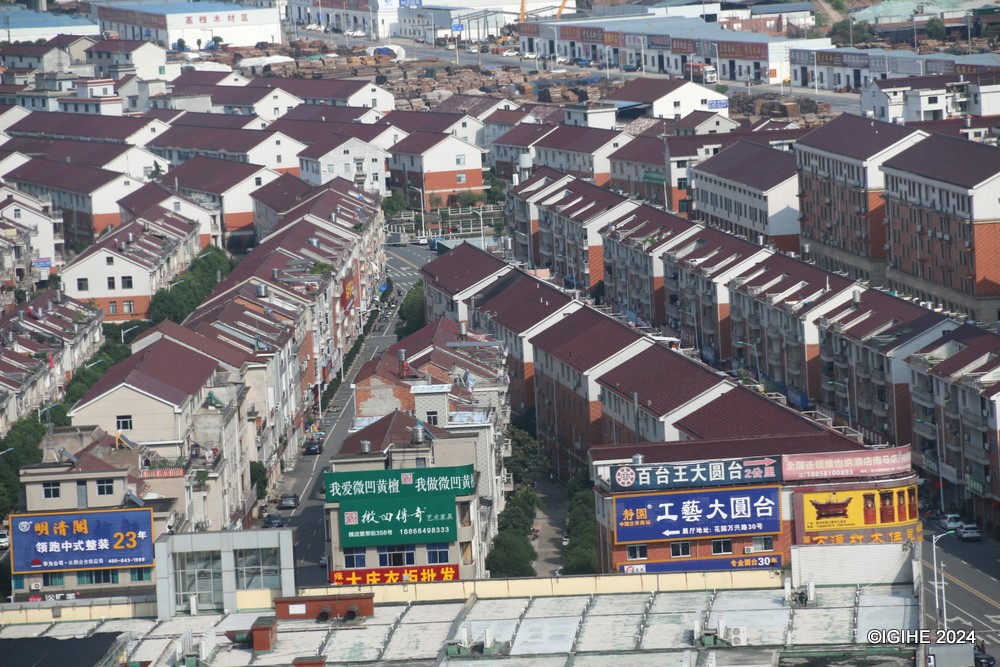
Jinhua is also a powerhouse of industry and commerce, playing a pivotal role in Zhejiang’s private economy. The city is notable for its numerous market entities, with over 1.5 million registered businesses, ranking second in Zhejiang. Jinhua was the first prefecture-level city in the province to surpass one million privately or individually owned businesses.
The city hosts 86 markets with annual turnovers exceeding 100 million RMB (approximately 14 million US$) and four surpassing 10 billion RMB (around 1.4 billion US$). Yiwu China Commodity City, Yongkang China Science and Technology Hardware City, and Dongyang China Woodcarvings City are internationally recognized.
Jinhua’s industrial prowess includes 18-billion-yuan-level industrial clusters in sectors such as automotive, hardware, textiles, and medicine. Remarkably, two out of every three safety doors in China are produced in Jinhua, and one in every three TV dramas is filmed there. The city is also a leader in emerging economic models like cross-border e-commerce and influencer marketing, with its express delivery business consistently ranking first in China.
As a trailblazer in reform and opening-up, Jinhua has implemented over 50 national and provincial pilot reform programs. The Yiwu International Trade Comprehensive Reform Pilot Program, the only one of its kind in China, has set a precedent with its innovative “mart procurement” trade model.
Jinhua has also established several significant zones and clusters, including the Yiwu International Trade Comprehensive Reform Pilot Zone, the National Cross-border E-commerce Pilot Zone, the Jinyi New Area, the Hengdian Film and Television Cultural Industry Cluster, and the Zhejiang Free Trade Zone Jinyi Area.
The city’s three major opening-up channels—the Yiwu-Madrid Railway, the Yiwu-Ningbo-Zhoushan Channel, and cross-border e-commerce—connect Jinhua with 233 countries and regions. The city’s exports exceed 1 billion RMB (over 13 million US$) to 80 of these destinations, making Jinhua a significant player in international trade.
{{Partnership with Rwanda}}
On March 28, Jinhua signed a Sister Cities Agreement with Musanze District in Rwanda’s Northern Province, marking the first such agreement between China and Rwanda and symbolizing a new chapter of friendship and cooperation.
The signing ceremony was attended by Chinese Ambassador to Rwanda Wang Xuekun, Mr. Zhu Chonglie, Secretary of the Jinhua Municipal Committee of the CPC, Nzabonimpa Emmanuel, Executive Secretary of Rwanda’s Northern Province, and Claudien Nsengimana, Mayor of Musanze District.
Ambassador Wang reiterated the embassy’s support for promoting cooperation that benefits both peoples. Mr. Zhu Chonglie expressed Jinhua’s eagerness for better industrial collaboration, closer trade relations, and deeper cultural exchanges with Musanze. Mayor Nsengimana also highlighted that the agreement would enhance mutual understanding and build a brighter future for both cities.
On the same day, Dr. Sylvie Mucyo, Vice Chancellor of Rwanda Polytechnic, and Dr. Zhang Yanping, Vice President of Jinhua Polytechnic, signed a five-year agreement for an exchange program where 30 students from IPRC Musanze will study for two years in Rwanda and one year in China for an Advanced Diploma.
This initiative has already started, with 30 Rwandan students embarking on a year-long study program in China to delve into e-commerce and electrical automation vocational skills at Jinhua Polytechnic in Zhejiang Province.
This agreement follows a longstanding partnership between IPRC Musanze and Jinhua Polytechnic, spanning more than a decade. Notable achievements include the inauguration of the Rwanda Luban Workshop last November, which enhances technical and vocational education training (TVET) in Rwanda. The workshop features a laboratory equipped with new technologies, including robots, to train students.
So far, the partnership has recruited 210 students and conducted “Chinese language plus vocational skills” training for nearly 10,000 people, providing vital support for Chinese-funded enterprises in Rwanda and improving the employability of Rwandan youths. Both China and Rwanda attach great importance to TVET due to its role in human resource development and national transformation.
At the workshop launch, Ambassador Wang said the 10 years of collaboration between Rwanda Polytechnic and Jinhua Polytechnic “reflects the deep friendship between Chinese and Rwandan people, and more importantly, shows what we can achieve through working together.”
Since 2018, IPRC Musanze has graduated over 1,700 students and offers courses in irrigation and drainage technology, construction technology, highway engineering, e-commerce, and information technology. Student enrollment has grown from 171 in 2014 to over 1,800 currently.
{{Photos: Théophile Niyitegeka / Zhejiang, China }}
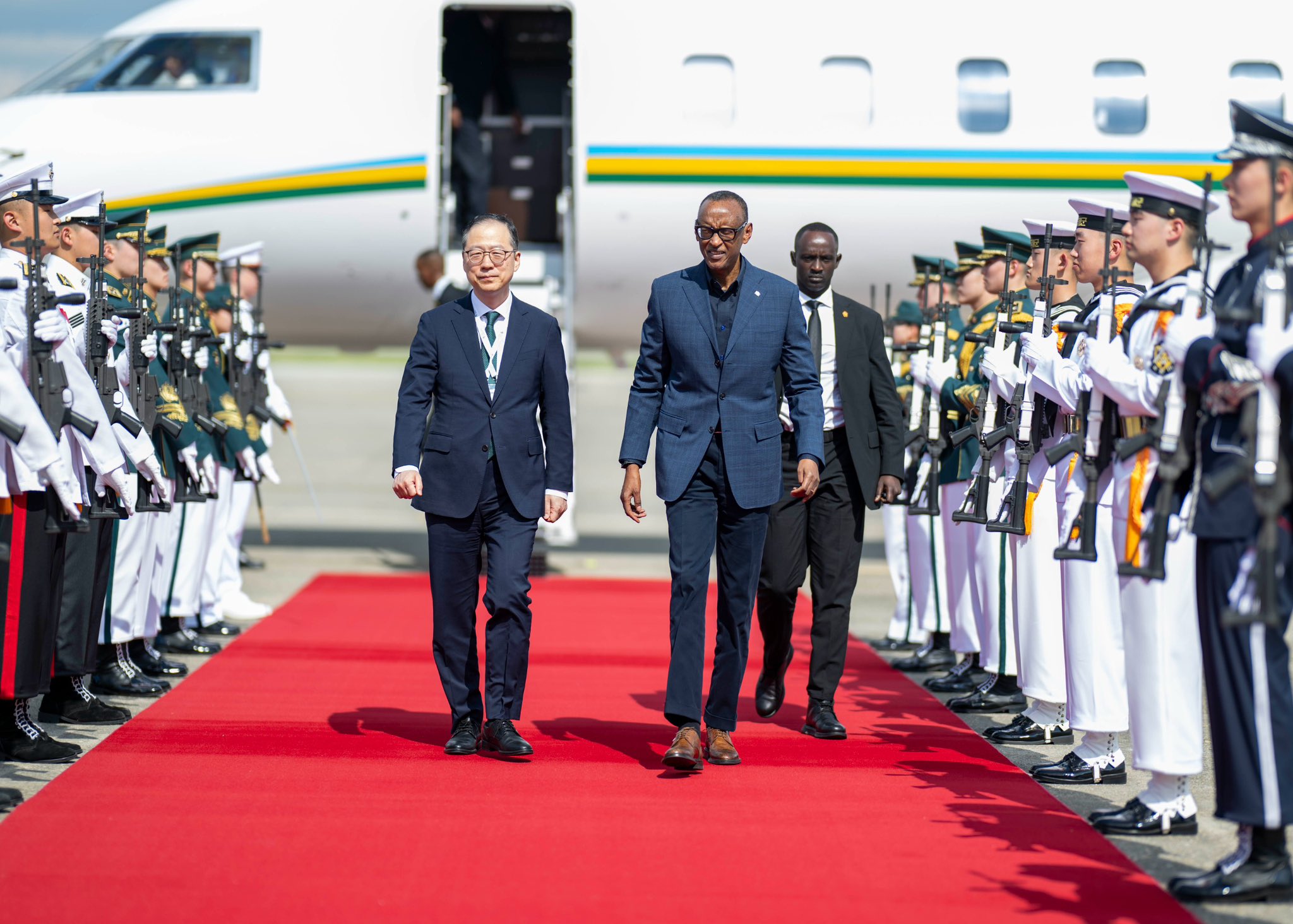
Speaking during the inaugural Korea-Africa Summit in Seoul on Tuesday, June 4, President Kagame said “the moment was long overdue”, praising Korea as a strategic partner for Africa.
“Korea is a global pivotal state and Africa is a pivotal continent. It’s only natural for us to draw closer together in the years ahead for many reasons. First, Korea knows the value of sovereignty and independence as well as the struggle required to achieve accountable and inclusive politics. Those experiences allow us to look at each other eye to eye with mutual respect and admiration,” President Kagame said in his address.
President Kagame noted that Africa has much to learn from Korea’s rapid economic transformation over the past few decades, emphasizing the need to invest in political stability, health, education, and technology.
“Korea’s experience shows that a country can be radically transformed in the course of a generation. Is there any explanation why Africa has not become a high-income continent? Africa can go much faster and there is no better way than focusing on stability, health, education and technology. All of these are possible depending on how we address our security and governance challenges. Africa’s young people need these opportunities. It’s possible,” the Head of State said.
Africa, President Kagame explained, stands to benefit from cutting-edge innovations from Korea to boost advancements in various sectors, including Artificial Intelligence (AI).
“Partnerships with Korea have focused on the cutting edge of innovation, helping bring the latest technologies to Rwanda and Africa more quickly. This summit serves to remind us that even more can be done. From artificial intelligence and robotics to small model nuclear reactors to driving the energy transition with critical raw materials, Africa and Korea should be working side by side.”
He insisted that Africa, on the other hand, has much to offer in its partnerships with Korea, especially in ongoing efforts to create a single continental market for goods and services in Africa through the African Continental Free Trade Area (AfCFTA).
“Notably, by taking advantage of the African Continental Free Trade Area (AfCTA) connecting with Africa, particularly with our very capable young people will pay dividends for decades to come. Africa will be a central driver of global trade before too long so long as we don’t take our future for granted. We have to keep on the path of partnerships such as these one between Africa and Korea. In doing so we may also enhance our cooperation on other matters of mature concern in the global arena.”
During the summit attended by 48 African leaders, South Korean President Yoon Suk Yeol pledged to expand development aid to Africa and pursue deeper cooperation with the region on critical minerals and technology.
Yoon said South Korea plans to expand its cumulative development aid contributions to Africa to around $10 billion by 2030 and separately provide $14 billion in export financing to encourage South Korean investment in the region.
Prime Minister Édouard Ngirente announced President Paul Kagame’s decision to drop Munyeshuli from the Cabinet on Monday evening, citing Article 116 of the Rwandan Constitution regarding the appointment of Cabinet members.
“Pursuant to the Constitution of the Republic of Rwanda, especially in its Article 116, today, 3 June 2024, Ms. Jeanine Munyeshuli has been dismissed from her position as Minister of State for Public Investment and Resource Mobilization in the Ministry of Finance and Economic Planning (MINECOFIN),” Ngirente announced.
However, the Prime Minister did not disclose the reason for Munyeshuli’s sacking.
Communiqué from the Office of the Prime Minister | Itangazo riturutse mu Biro bya Minisitiri w'Intebe pic.twitter.com/T9HCZp4rmi
— Office of the PM | Rwanda (@PrimatureRwanda) June 3, 2024
Munyeshuli joined the Cabinet in August last year. She was the first person to occupy the new ministerial portfolio following the dissolution of the Ministry of Public Investments and Privatisation and the transfer of its functions to the Finance docket.
Previously, the economist and yoga teacher served as a board member of the AZAHAR Foundation.
Cabinet members in Rwanda are appointed by the President in consultation with the Prime Minister.
Today, driving and logistic mobility are more convenient and efficient in Rwanda, the landlocked country of a thousand hills. In 2023, this economic powerhouse in East Africa reached a significant economic growth of 8.2%.
One of the main reasons behind its robust economic growth is a well-connected and efficient national highway system. Chinese companies are good partners for these projects, such as the upgrading of urban roads in Rwanda’s capital, Kigali, by the China Road & Bridge Corporation (CRBC) under China Communications Construction Company Limited (CCCC).
The Kigali City Council even awarded the project for its distinguished contribution to the beautification of the city in 2011.
Back in 1974, then Foreign Aid Office under the Chinese Ministry of Communications – the predecessor of China Road & Bridge Corporation (CRBC) – entered Rwanda’s engineering market.
The 160-kilometer Kigali-Rusumo road completed in 1977 became the main artery connecting Kigali with neighboring Tanzania.
Four decades later, the road remains in good condition, and has even garnered the reputation of the “African Model Road.”
With over 40 years of sound cooperation, Chinese companies have become household names in Rwanda as they undertake 70 percent of the country’s national highway construction. All of the projects have provided secondary benefits such as job creation, knowledge transfer and capacity building.
The highway system is not only connecting Rwanda’s provinces and villages, but also integrating itself with neighboring Burundi, Tanzania, Uganda and the Democratic Republic of Congo (DRC).
Finally, it is enhancing regional integration as well as stimulating trade among these countries, especially those who are members of the East African Community (EAC).
{{A road carries mushrooms, a road creates hope}}
For a long time, mushrooms were not on the menu for many Rwandan families, primarily due to old superstitious claims that a farmer who eats a mushroom will lose a cow. Today, mushrooms are not only a staple source of protein and other nutrients, but also generate cash.
Chinese experts in Rwanda say that mushrooms turn a profit quicker than traditional crops grown in the country, earning as much as 80,500 Rwandan francs (about 100 US dollars) per square meter after just eight days, compared to six months needed for sorghum or maize.
At the China-Rwanda Agricultural Technology Demonstration Centers (ATDCs), Chinese agronomists are sharing an efficient mushroom-growing method called “Juncao” or “mushroom grass,” invented by Professor Lin Zhanxi at Fujian Agricultural University in southeastern China in the 1980s.
With this method, mushrooms can grow quickly in agricultural waste and Juncao instead of traditional sawdust, helping preserve Rwanda’s forests.
So far, the Chinese have trained more than 1,000 Rwandans in the method, though it’s still a small and slow-growing industry. But some entrepreneurs in Rwanda and neighboring countries see the potential.
{{A path of pan-Africa rejuvenation}}
Rwandan President Paul Kagame has demonstrated effective leadership and zero tolerance for corruption while strengthening good governance and contributing significantly to global peace and order under the UN and the AU peacekeeping missions. All this shows Rwanda’s strong intentions to boost pan-Africa integration, especially after the historic African Continental Free Trade Area (AfCFTA) agreement was signed in Kigali.
For decades, China has worked alongside African countries to contribute to many peacekeeping and humanitarian missions in many parts of the world, including on the continent itself. They’ve also worked together by exchanging experiences on poverty alleviation, infrastructure construction, medical assistance and the development of human resources.
As the Forum on China-Africa Cooperation (FOCAC) will host new meetings in Beijing this year, China and Rwanda will strengthen the common idea in preserving Africa’s unity, promoting common development and letting African countries play a larger role in the international arena.
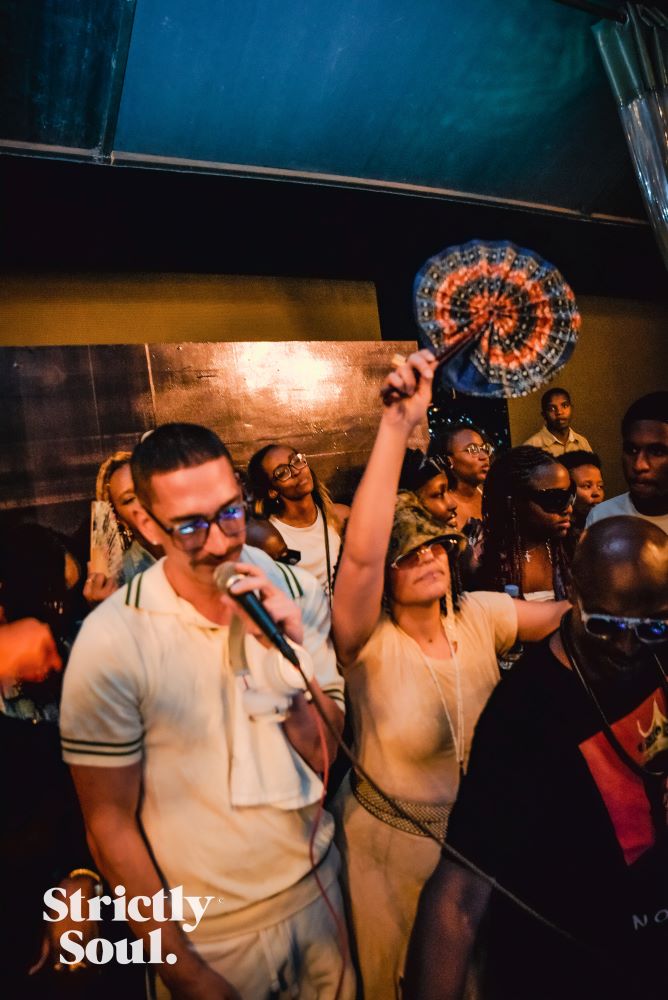
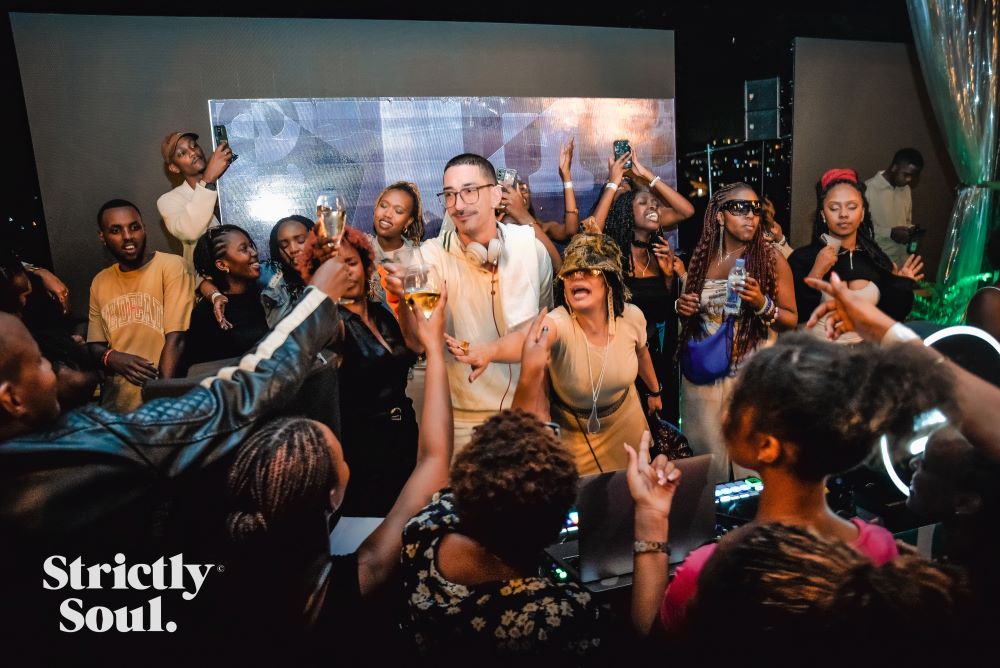
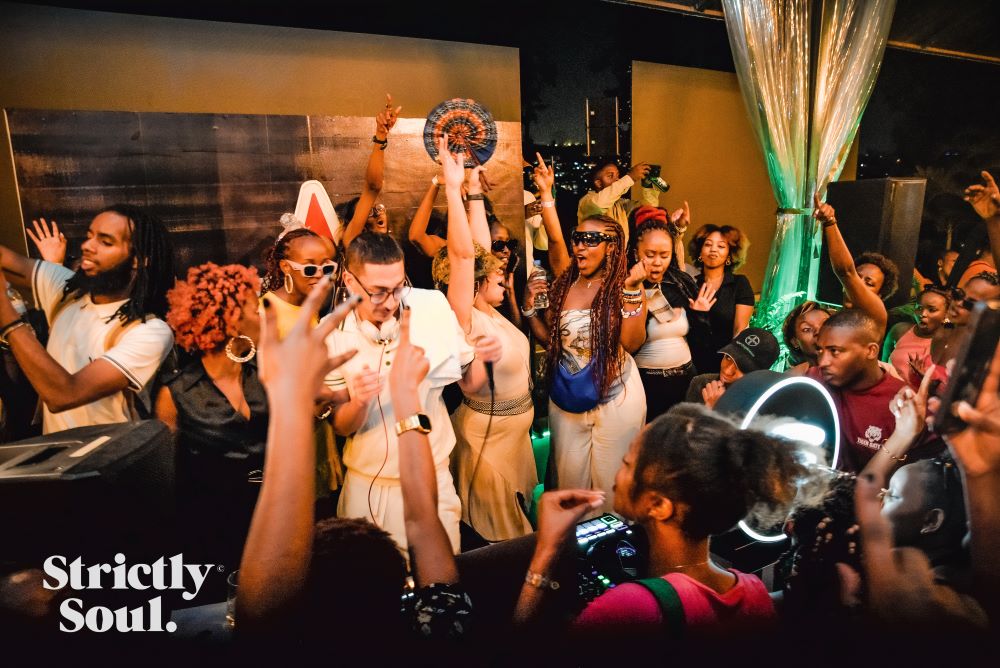
The prestigious Atelier du Vin was the perfect setting for an evening dedicated to the nostalgic sounds of R&B and soul classics. The venue buzzed with excitement as music lovers gathered, ready to be transported back in time by the soulful beats and melodies that defined generations.
As the night unfolded, DJ Akio took to the decks, spinning a masterful selection of soul tracks that had everyone swaying and dancing. His seamless transitions and deep cuts from the golden eras of soul music created an atmosphere that was both electric and intimate. Each track seemed to resonate with the crowd, evoking memories and emotions tied to the timeless genre.
Adding to the evening’s enchantment, the charismatic host Anita engaged the audience with her warm and infectious energy. She effortlessly connected with the crowd, sharing anecdotes and insights about the music, making everyone feel like part of a soulful community. Her presence elevated the night, turning it into more than just a concert, but a shared journey through music history.
The vibes were unbeatable, with people singing along to their favorite tracks, couples dancing closely, and groups of friends enjoying the infectious rhythm. The combination of impeccable music, a stunning venue, and a lively crowd made for an unforgettable experience.
Heineken’s sponsorship played a crucial role in bringing “Strictly Soul” to Kigali, showcasing their commitment to celebrating and promoting cultural events that bring people together. The night was a testament to the power of music to unite, uplift, and transport us to another time and place.
The inaugural summit scheduled for 4-5 June will draw delegations from African countries and related international organizations, key figures from Korean and international business communities, academia, civil society groups, and the press, among others.
The summit, themed ‘The future we make together: Shared growth, sustainability, and solidarity,’ will be hosted by the Korean government. It will be co-chaired by South Korean President Yoon Suk Yeol and his Mauritanian counterpart, Mohamed El Ghazouani, who is also the African Union Chairman.
According to the organizers, the summit marks Korea and Africa’s strong commitment to enhancing their cooperation.
The summit aims to explore cooperative strategies to foster collective resilience and unity for sustainable development. It will prioritize addressing global issues such as climate change, food security, supply chain stability, and health security.
The Summit will feature a session for the heads of state and international organizations and a series of conference sessions across a wide range of topics, including business, agriculture, ICT, forestry and desertification, vaccine and health security, tourism and energy.
When she presented her letters of credence to President Paul Kagame on March 26, the High Commissioner committed to strengthening bilateral relations between the two countries as well as helping Kenya retain its position as one of Rwanda’s top three trade partners.
Notably, Kenya exports foodstuffs, beverages, pharmaceutical products, cement, iron, and skin products to Rwanda, while Rwanda exports coffee, tea, horticultural foods, and raw hides and skins to Kenya. Kenya is also the main route for Rwanda’s exports and imports through the Port of Mombasa.
In an exclusive interview with IGIHE, the Rwandan ambassador discusses, among others, her efforts to strengthen ties between Kenya and Rwanda, ongoing economic and social cooperation, and the crisis in the eastern Democratic Republic of Congo, which poses a significant security threat to the Great Lakes region.
{{You have been in Rwanda for a few months now. How has your experience been so far?}}
Before my posting here, I had not been to Rwanda, but I had heard a lot about Rwanda. Rwanda is one of the countries that Kenyans speak a lot about. I was really looking forward to coming to Rwanda, and when I got this posting, I was quite excited.
Having landed in Rwanda, the first thing that struck me was the reception that Rwanda gave me as a Kenyan ambassador. It was very warm, and that spoke to the relationship that Rwanda has had with Kenya ever since they began bilateral relations. I had a very warm welcome here. Very cordial relations between Kenya and Rwanda are evident because, although I have been here for a short period, we have hosted quite a number of high-level dignitaries.
We have had Cabinet Secretaries (CSs) here in a span of two to three months. We had the CS for Sports, who came to attend the late Gervais Hakizimana’s burial. We had our CS for Transport, and then we had our Deputy President attending Kwibuka, representing our President. Then, just last week, we had our Head of State attending the CEO forum. That just shows how cordial we are with Rwanda. That is one of the areas that really impresses me as a new High Commissioner here.
Another thing I must say about Rwanda is it has beautiful and receptive people. We share a lot in terms of traditions, culture, and customs. When they speak Kinyarwanda, I understand it, being Bantu. We have a shared history and customs that make it very easy for a Kenyan to assimilate in Rwanda.
I will not finish this without talking about how organized Kigali is. I have not yet been able to move to other parts of Rwanda. I intend to do that within a short period of time, but I can speak about Kigali. The infrastructure is just amazing, with a very organized way of doing things. It has been a great experience.
{{Did you ever envision being an ambassador?}}
Not at all, actually. It was a surprise, but it’s something that I received with a lot of gratitude. I’ve worked with UNON and UNEP before, so I am not completely new to bilateral and international relations. That background gives me a good backdrop to deliver on this posting. It was a very exciting appointment, and what better country than Rwanda?
{{Kenya and Rwanda enjoy strong bilateral relations. What will be your key priorities in strengthening this partnership?}}
My main priority is to strengthen the already existing very good relations. My second priority would be trade and investment. We have many Kenyan companies doing business here, and there is a lot of trade between Rwanda and Kenya that I would love to see strengthened. Of great importance is the Northern Corridor, with Rwanda being a strategic country for Kenya that I want to see strengthened.
We have had a couple of engagements. Just last week, Kenya Pipeline and Kenya Ports Authority paid us a courtesy visit, and we had quite a number of engagements with the Rwandan authorities in the Ministry of Trade to see how we can enhance our use of the Northern Corridor. We also had MoUs signed when the President came here last year in April for a state visit, invited by His Excellency Paul Kagame. A few have been implemented, while others are still awaiting a mid-term review sometime in June. It’s very important for me to see that the MoUs are implemented and to take care of our large diaspora presence. We have about 8,000 Kenyans living in Rwanda, and I want to ensure that their concerns are addressed.
{{During President Ruto’s visit to Rwanda in April last year, Kenya and Rwanda signed 10 MoUs aimed at enhancing cooperation in several areas, including education, ICT, health, gender and child development, youth and capacity development for the public service, as well as correctional services. What is the progress in the implementation of the agreements?}}
We have two of them actualized. We have a couple going for midterm review, and we are in touch with the Ministry of Foreign Affairs here. We are looking at June to fast track implementation, with a few still waiting for signatures. We are actively working to push the MoUs to fruition.
{{Early May, Transport Minister Kipchumba Murkomen met with his counterparts from Uganda, DRC, South Sudan, and Rwanda to discuss plans to extend the railway network to these four countries. Previous plans to extend the railway network to Uganda faced financial challenges. For someone hearing this for the first time, how is the new plan different?}}
What they agreed upon is that Kenya is going to work together with Uganda to build a railway from Naivasha, where it has currently reached, to Kisumu and Malaba. I am aware that Uganda, Rwanda, and Kenya are collaborating to finance the railway network.
If actualized, Rwanda will pay less for products. Using the SGR has been a challenging area for them because their products come to Naivasha, where they have to store them and then use the road. So, they end up paying twice: once for the road and once for the SGR. This will be a win for both Kenya and Rwanda once actualized.
{{Instability in the eastern DRC poses a significant security threat to the Great Lakes region. President Ruto said recently that dialogue is the only solution to the problem in Congo. Beyond the TV remarks, what are some of the steps Kenya has taken to ensure there is peace in the region?}}
We already have the Nairobi-led peace process for the DRC and the Luanda process. We are depending heavily on those two processes to deliver a solution. He [President William Ruto] is very committed to both processes.
The students and some leaders from the Wharton School of Business are in Rwanda to study a course on conflict, governance, and transformation.
The President’s Office, Village Urugwiro, announced that on May 30, 2024, President Kagame received these students from the Wharton School of Business, led by the Deputy Director of the Wharton School’s Transformation Program, Professor Katherine Klein, and a member of the Wharton School’s Executive Board for Europe, Africa, and the Middle East, Eric Kacou.
“This group is studying the international perspective on Rwanda for the 10th time, focusing on ‘conflict, governance, and transformation: lessons learned from Rwanda.’”
In 2023, some students from this school also visited Rwanda and were received by the President in his office.
At that time, President Kagame had discussed Rwanda’s development journey and reconstruction over the past 25 years.
Wharton School of Business is one of the world’s leading schools for finance and business education.