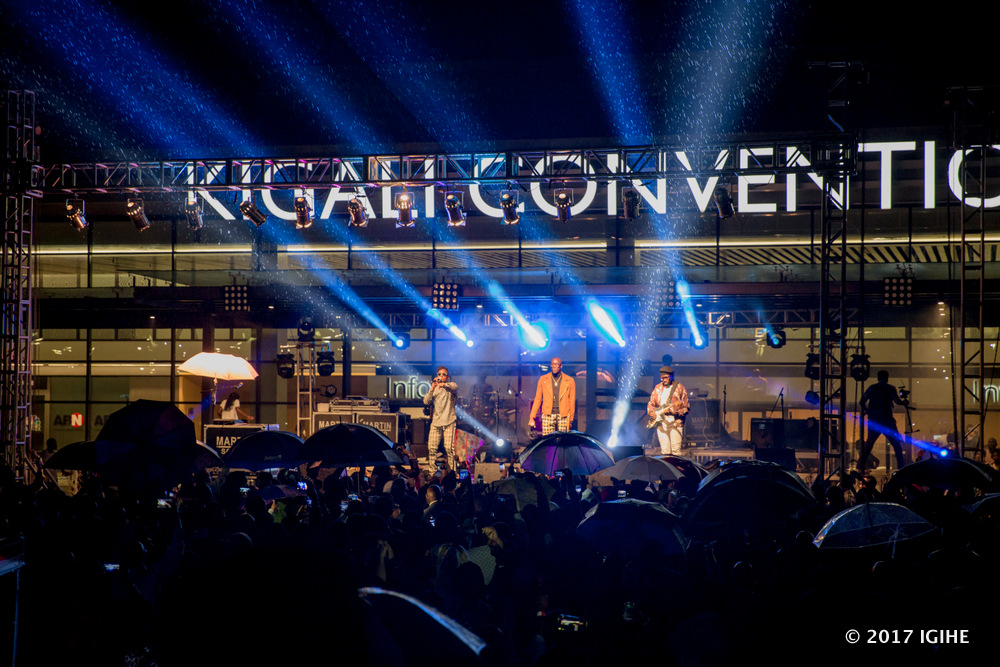
Announcing the changes, the organizers of the concert stated that the rescheduling was due to circumstances beyond their control. However, the statement did not specify the exact reasons.
They confirmed that those who had already purchased tickets could still use them on the new concert date.
The concert, dubbed ‘Sol Fest Kigali Pre Party,’ will precede the main ‘Sol Fest’ event, which is set to take place in Nairobi, Kenya, from December 19 to 21, 2024.
The Kigali concert will feature performances by Savara Mudigi, Bien-Aimé Baraza, Willis Chimano, and Polycarp Otieno, also known as Fancy Fingers, the founders of Sauti Sol.
The event will also include performances by artists such as Mike Kayihura and Ariel Wayz, while DJs such as DJ Sonia and DJ June will be mixing the music.
It is expected that there will be a VIP ‘Sol Fest’ concert on December 19, 2024, followed by the main concert for music lovers on December 21, 2024. The events will feature top Kenyan singers and rappers like Khaligraph Jones and Nyashinski.
The concert aims to preserve the legacy and honour of Sauti Sol and follows last year’s event in 2023, which was attended by more than 15,000 fans.
Sauti Sol, known for their numerous hit songs such as Sura Yako, Suzanna, Short N Sweet, and Live and Die in Africa, was formed in 2005. The group announced an indefinite hiatus in 2023.
The hiatus, the band said, would allow them to pursue individual and collective passions after 18 years of doing music together.
This funding aims to boost research, development, and manufacturing of vaccines targeting infectious diseases such as tuberculosis, HIV, Lassa fever, and Ebola.
According to an EIB statement, the financing will also strengthen the technical skills and expertise of Rwanda-based teams to support local vaccine discovery, manufacturing, and the development of vaccine delivery systems.
This initiative aligns with Rwanda’s broader goal of fostering home-grown healthcare solutions.
The latest health investment from EIB Global is part of the EU’s Global Gateway initiative for Africa, which seeks to unlock critical investments aimed at improving public healthcare access.
EIB Global’s focus is on high-impact investments that enhance healthcare and pharmaceutical manufacturing across Africa, strengthen health resilience, and support equitable access to healthcare on the continent.
Africa bears the highest global disease burden, and more local solutions are necessary to address these challenges. Vaccination plays a crucial role in driving investments toward universal healthcare and is key to achieving 14 of the 17 United Nations Sustainable Development Goals.
Akagera Medicines Africa was established in Rwanda in July 2022 to advance the pharmaceutical sector both within the country and across the continent. The company is majority-owned by the Republic of Rwanda through the Rwanda Social Security Board (RSSB).
Speaking at the World Health Summit in Berlin, Germany, where the financing announcement was made, Michael Fairbanks, CEO of Akagera Medicines, praised the European Investment Bank’s support, expressing optimism about building human capacity and specialized infrastructure in Africa to advance vaccine development. The summit runs from October 13 to 15, 2024.
EIB Vice President, Thomas Östros, emphasized the importance of partnerships with both public and private entities in combating deadly diseases.
“The EIB is committed to further strengthening our partnership with local and international players, to scale up investment and support innovative technology together,” he said.
EU Ambassador to Rwanda, Belen Calvo Uyarra, remarked, “Through Global Gateway, the EU is focused on advancing equitable access to health products and local manufacturing in Africa. This investment by EIB with Akagera Medicines marks another important milestone on this journey.”
The financing for Akagera Medicines complements other EU initiatives in Rwanda and the region under the Global Gateway Flagship—Manufacturing and Access to Vaccines, Medicines, and Health Technologies (MAV+).
This broader effort focuses on supporting the necessary ecosystem for vaccine manufacturing and is backed by the EU-Africa Infrastructure Trust Fund (EU-AITF), which aims to increase infrastructure investment in Sub-Saharan Africa, reduce poverty, and foster economic growth in the region.
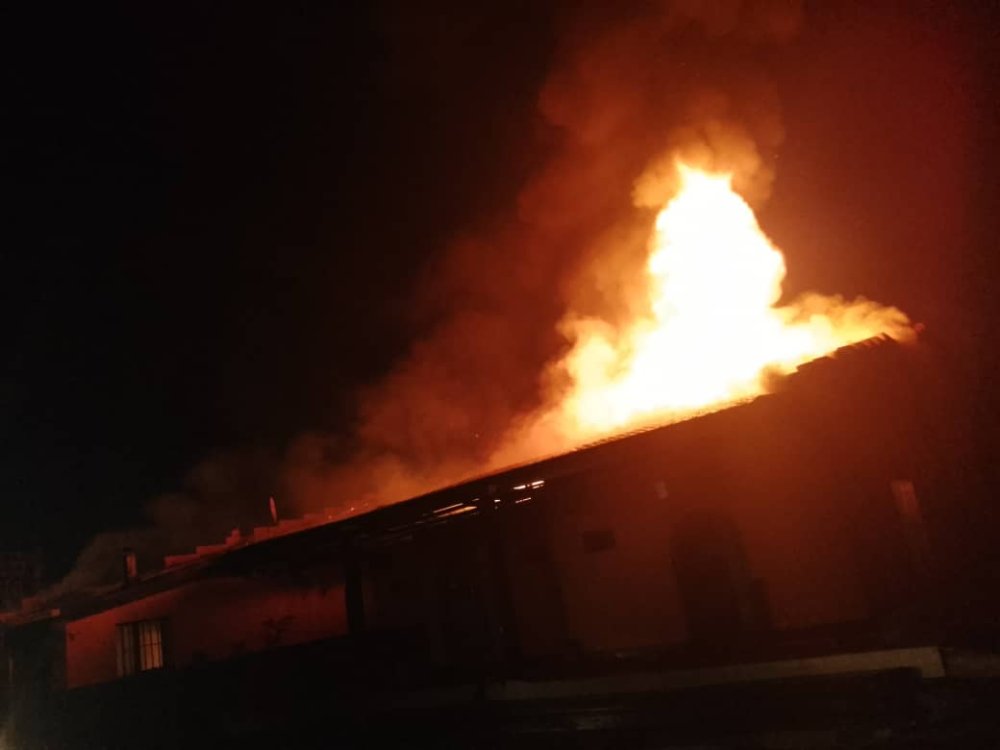
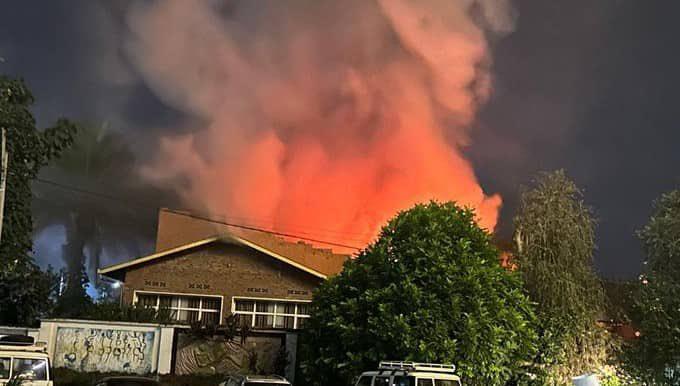
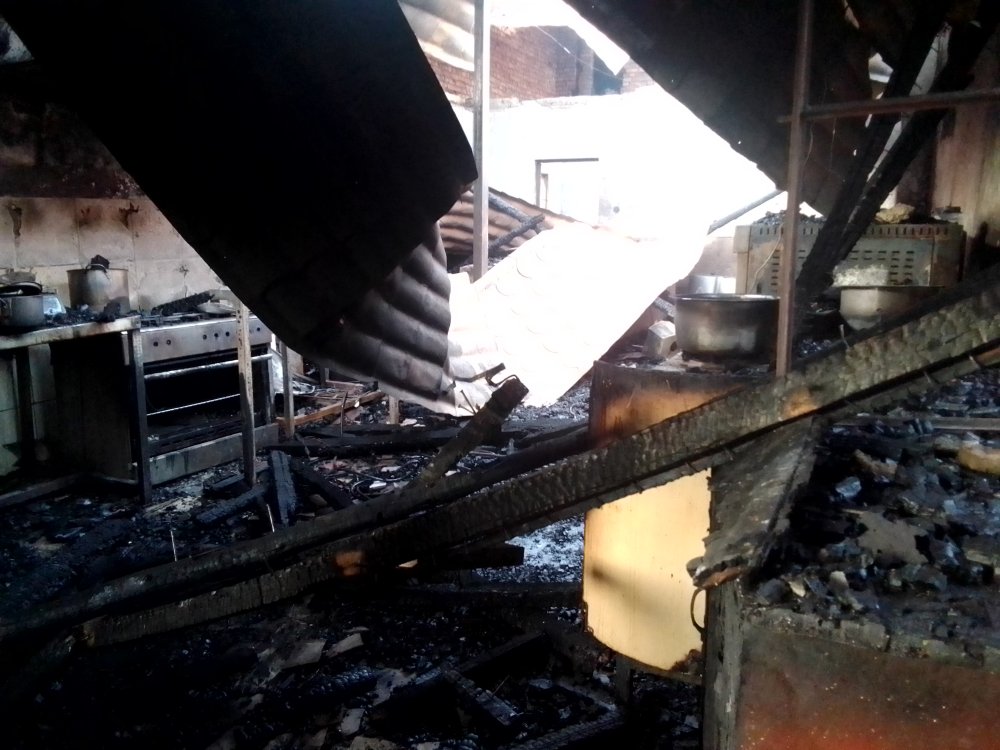
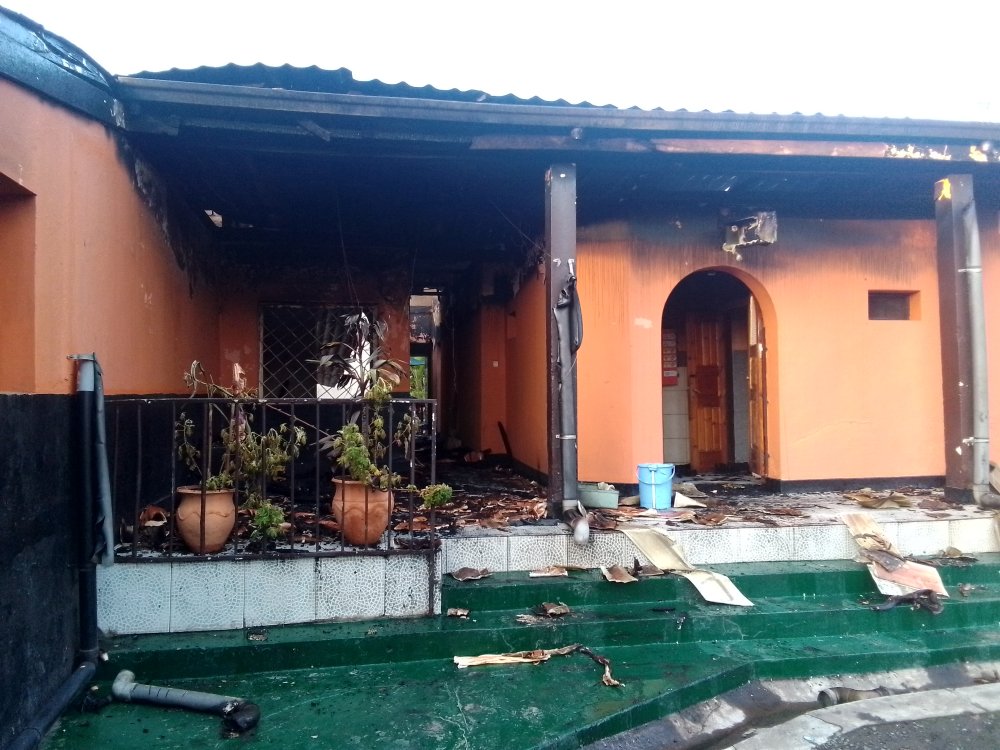
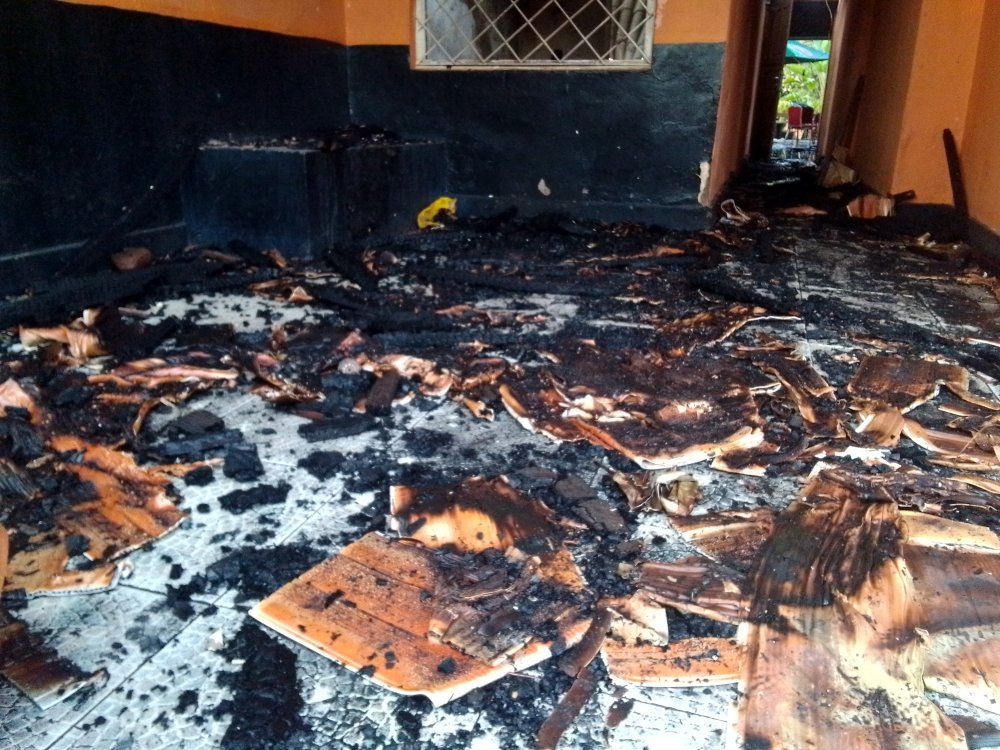
The fire caused significant damage to the affected areas, reducing everything inside to ashes. Fortunately, the response by the FRB prevented the fire from spreading to other buildings.
SP Mwiseneza Jean Bosco, the Northern Province Police Spokesperson, confirmed the incident, stating that while the fire has been fully extinguished, the cause remains unknown and is currently under investigation.
“The cause of the fire is not yet known. An investigation has started to determine the cause. The value of the damaged property is still being assessed,” he said.
He also reminded the public to take precautions against fire hazards and emphasized the importance of insuring properties to mitigate potential losses.
“Our message to the public is to avoid anything that could lead to a fire accident because it can result in loss of life and financial damages. We also urge business owners to ensure their businesses are insured,” added SP Mwiseneza.
Eyewitnesses at the scene reported being caught off guard by the fire, which they say originated in the kitchen before rapidly spreading to other parts of the hotel.
Muhabura Hotel, a landmark in Musanze District, has been a staple of the region’s hospitality industry since 1954, marking 70 years of operation this year.
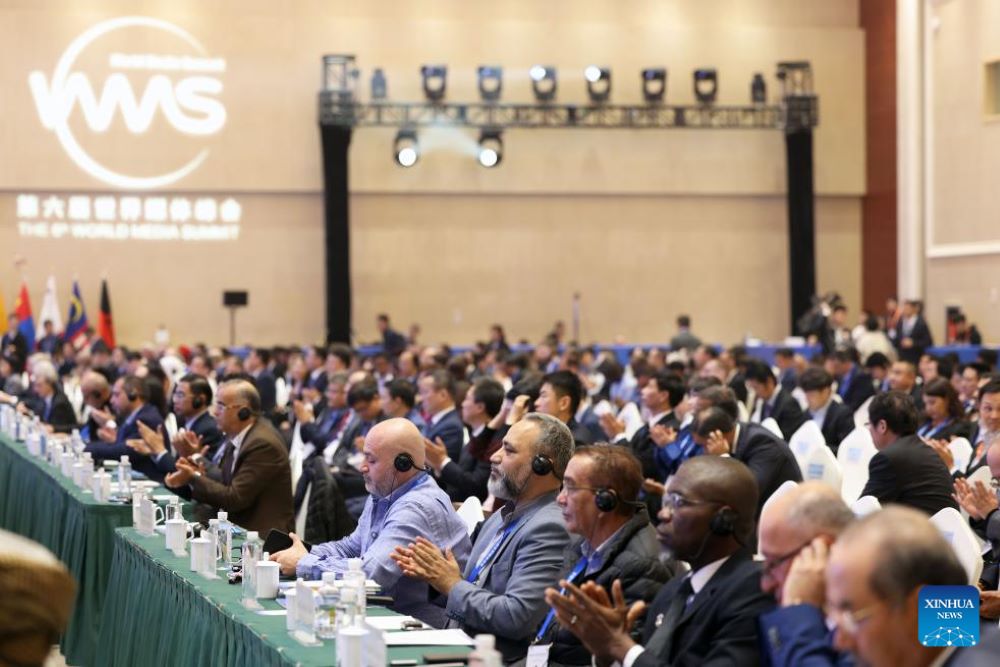
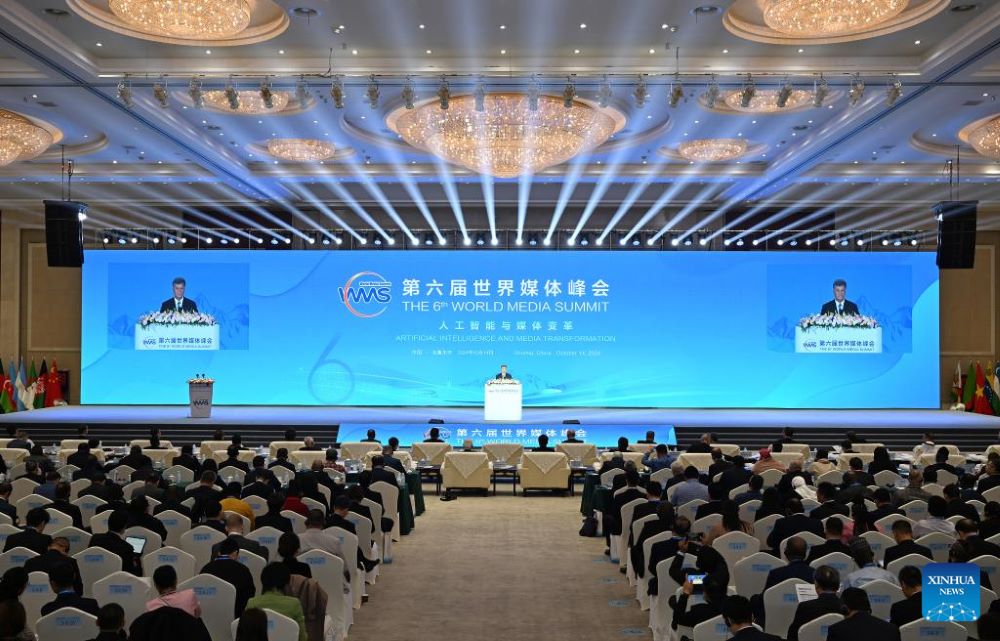
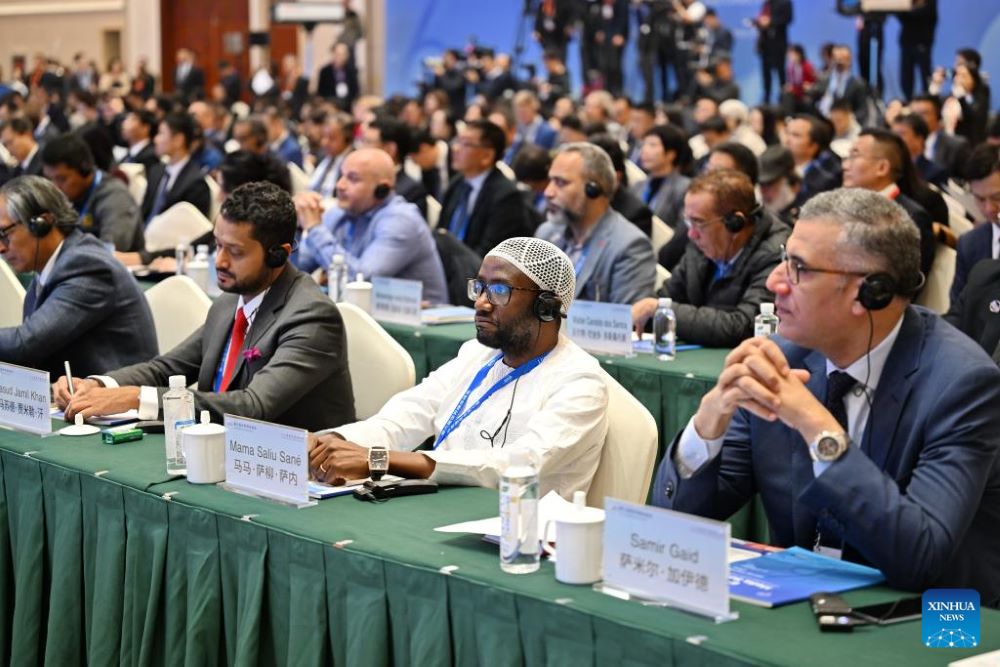
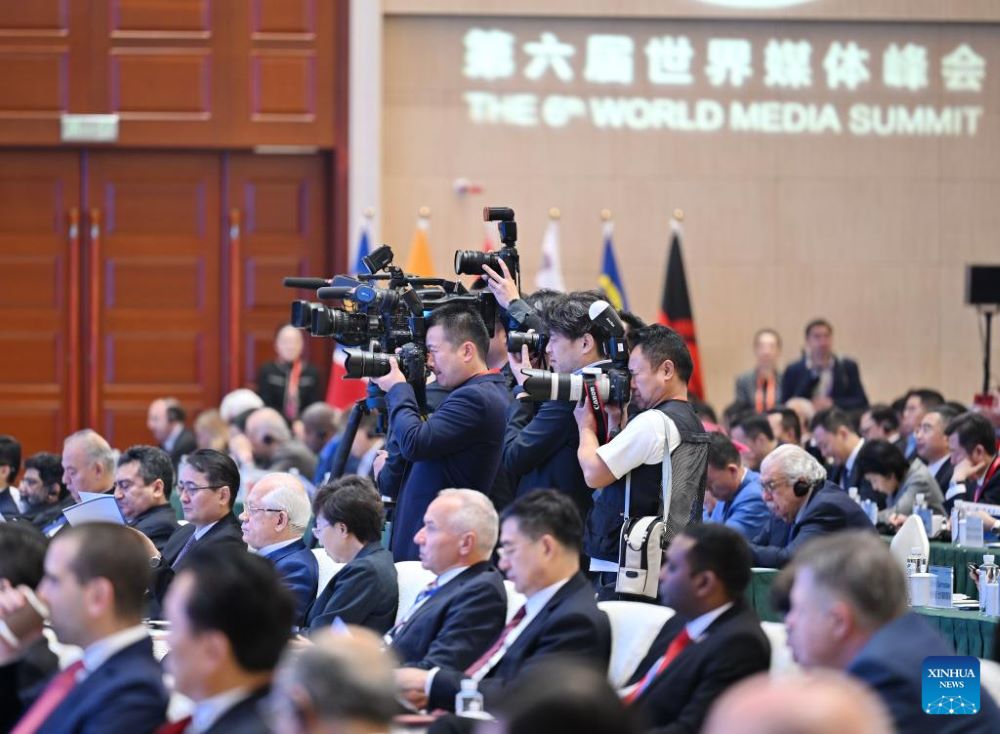
The 6th World Media Summit, held on Monday, October 14, 2024, in Urumqi, the capital of Xinjiang Uygur Autonomous Region, brought together over 500 participants from 106 countries and regions, including Rwanda.
Under the theme “AI and Media Transformation,” representatives from 208 institutions—ranging from media outlets to government agencies and international organizations—engaged in thoughtful discussions about AI’s transformative effect on the media industry.
The summit delved into how the role of the media is evolving in the face of this technological revolution.
One of the key outcomes of the event was a joint statement that highlighted the need for a balanced approach to adopting AI in media, ensuring that journalistic ethics and professional standards are upheld.
The statement also stressed the importance of enhanced global collaboration to share AI advancements, promoting high-quality development across the industry.
In his keynote address at the opening ceremony on Monday, Fu Hua, president of Xinhua News Agency, emphasized the need for the media to embrace technological advancements while safeguarding the core values of journalism.
“We should proactively align with the technological wave, closely track the advancement of AI, particularly generative technologies like ChatGPT and Sora, and seize every opportunity for media innovation,” he said.
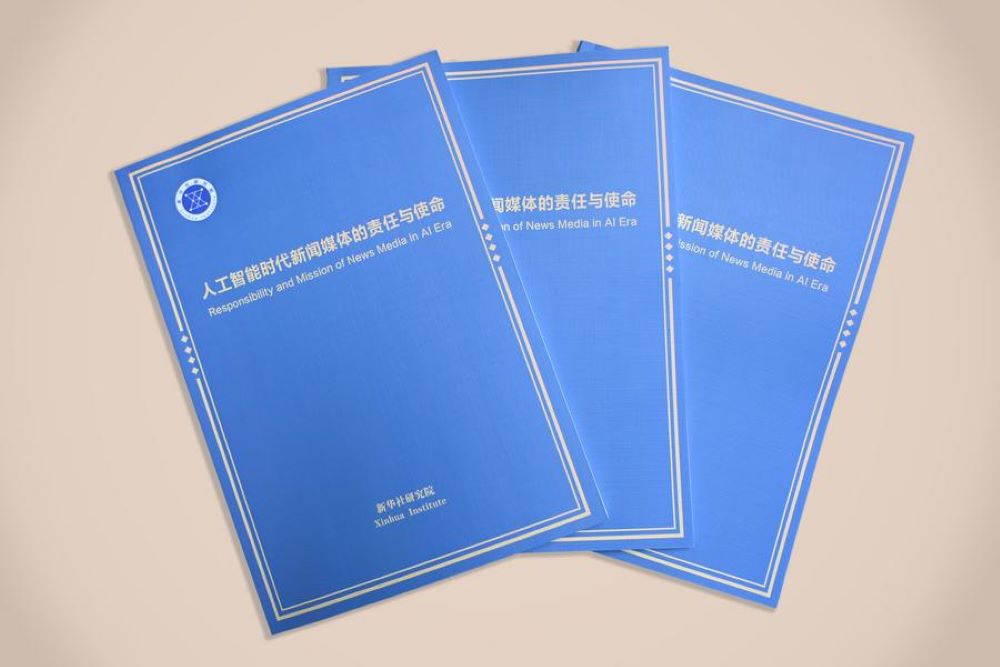
The summit also featured findings from a global survey conducted by the Xinhua Institute, a think tank under Xinhua, as part of a report titled “Responsibility and Mission of News Media in the AI Era.”
The report revealed that over half of the media organizations interviewed had already integrated generative AI into their operations. Technologies like algorithmic recommendations, voice interaction, and image generation are being widely applied across news collection, production, distribution, and audience feedback.
While media leaders acknowledged the immense potential of AI, they also pointed out the critical role humans must continue to play.
Fu Hua cautioned against a purely technology-driven approach: “We should move beyond ‘tech-centric thinking’ and effectively leverage the initiative of editors and reporters. Ultimately, humans must have the final say in human-machine interaction.”
Other media leaders echoed these sentiments, recognizing AI’s valuable contributions to newsrooms while emphasizing that human oversight is essential to maintaining journalistic standards and ensuring the production of high-quality, trustworthy content.
This year’s summit was jointly organized by Xinhua and the Xinjiang regional government.
In addition to discussing the core values of journalism—objectivity and truth—the event offered attendees a unique opportunity to experience Xinjiang’s vibrant culture firsthand.
Ma Xingrui, secretary of the Xinjiang regional committee of the Communist Party of China, described the summit as a valuable chance for journalists to gain deeper insights into Xinjiang’s development.
With its diverse cultural heritage, Xinjiang, which covers about one-sixth of China’s territory, has seen significant economic growth in recent years.
In 2023, it ranked among the top five provincial-level regions nationwide across six major indicators, including GDP growth, investment, consumption, and income levels.
Situated at the heart of the Silk Road Economic Belt, Xinjiang is increasingly emerging as a vital hub, connecting Asia and Europe while serving as a key gateway for China’s westward expansion.
This initiative aims to support African entrepreneurs in the fashion, textile, apparel, and accessories (TA&A) industry in expanding their businesses.
Africa’s fashion and textile industries are a powerhouse, ranking as the continent’s second-largest employer and boasting a market size of $31 billion in 2020.
With the global fashion market projected to double in the next decade, reaching a staggering $5 trillion annually, exciting opportunities await African fashion entrepreneurs. And this is one of them.
Even with a promising outlook, African fashion entrepreneurs still face hurdles, lacking crucial industry skills and access to financing.
To support this budding economy, the ADB’s Fashionomics Africa Incubator and Accelerator programs brings you solutions to face these challenges head-on, aiming to propel Africa’s participation in the global fashion scene.
The Incubator Program nurtures early-stage businesses, equipping them with the know-how to grow their business. It provides aspiring entrepreneurs with the knowledge to develop their ventures, build sustainable models, and secure funding.
The Accelerator Program empowers established fashion businesses (MSMEs and startups) with the tools to thrive. Focused on growth-stage companies, it equips them with knowledge to build a customer base, manage cash flow, and explore product and market expansion.
The inaugural year of the Fashionomics Africa Incubator and Accelerator programs delivered exceptional results. Top participants gained entrepreneurial skills, financial and technical know-how, and industry insights, solidifying their businesses in today’s digital landscape.
The curriculum addressed key challenges faced by African fashion startups across four areas, namely, product development, talent management, distribution strategies and access to funds.
Delivered in three phases, it addressed core technical, business, and creative capacity-building needs.
The eight-week intensive training empowered over 5000 participants with six winners from Cohort 1 and 2 awarded $20,000 each. The curriculum provided a roadmap for sustainable business growth, fostering trade expansion within Africa and beyond.
Building on this success, the second year will focus on marketability, branding, business growth strategies, sustainability practices, and financial management.
Additionally, networking sessions will foster collaboration, partnership building, and knowledge sharing among participants.
At the end of the training program, top fashionpreneurs in the program will receive personalized support to refine their business models, pitching skills, and networking capabilities.
The participants will also have a chance at pitching their ventures to industry experts and investors during the “Demo Day.”
Twelve winners (six from each cohort) will be chosen and awarded $10,000 each to support their entrepreneurial journeys.
To get a sneak peek into what Fashionomics Africa Incubator and Accelerator programs has to give, here is what previous participants form the first year of the program have to say;
{{Gifty Adonu}}
“Since the training, there has been an increase in the revenue of the business. A 10% increase in profit has been seen on each product as compared to what we had two months ago. During the training I took some cues from the pricing strategy of a product.”
{{Theresa Ogallo}}
“I am now a seller on the Afrikrea digital marketplace. Additionally, I have on boarded one new employee and have a strategy to recruit one more in the next couple of months and set my cost markup to 60%, previously 50%.”
Applications for the second year of the Fashionomics Africa Incubator and Accelerator Programs will close on. 20/10/2024 To apply, participants are required to fill out an online form which takes 3 to 5 minutes to complete.
Please access the application form using this link: [[English->https://docs.google.com/forms/d/e/1FAIpQLSfGuzTePZAX-MffFUNakzalcmPi0lPys4zzdVzvHYmznl1tDA/viewform], [French->https://docs.google.com/forms/d/e/1FAIpQLSfbL9K_daSBx-mGpkksS809rR-BqQJj4tnnRxA2yCn_PPueRg/viewform], [Portuguese->https://docs.google.com/forms/d/e/1FAIpQLSdRYqNeqmFPXgiD4ApIHk26uEQurNHpYdW22hrREitauWwkIQ/viewform], [Arabic->https://docs.google.com/forms/d/e/1FAIpQLSdAMA67EpXw6P5R_lr6d45W78-mT–EH8vDmx_lS80gyU7BvQ/viewform]]
Gachagua was impeached by the National Assembly in a historic vote on Tuesday, October 8, 2024. A total of 281 MPs voted in favour of the impeachment motion against him, while 44 legislators voted against it, and one abstained.
The 59-year-old is scheduled to appear before the Senate on Wednesday and Thursday this week to defend himself against a host of impeachment charges, which include corruption, insubordination, undermining the government, and practising ethnically divisive politics. The Senate will then vote on each of the charges and deliver its verdict.
Ahead of the “hour of reckoning” and amid a perceived general consensus among lawmakers allied with President William Ruto to remove him from office, Gachagua has turned to the Judiciary, hoping that the courts will save him from the wrath of MPs.
Speaking during a church service on Sunday, the Deputy President beseeched the Judiciary to assert the will of the people over the whims of politicians. He expressed confidence in the Kenyan Judiciary’s ability to deliver justice.
“I am a believer in the independence of the Judiciary. I am certain the courts will exercise judicial authority, protect and uphold the Constitution, and honour the will of the people. Our Judiciary is efficient. They (judicial officers) protect the Constitution and the rule of law and always ensure that the people’s will is respected. I have confidence that the rule of law will prevail and the people’s choice will be upheld,” he told the congregation.
Gachagua, who was elected on a joint ticket with President Ruto in the August 2022 General Election, insisted that it would be unfair to remove him from office barely halfway through his five-year term.
“We elected many leaders (in the 2022 General Election). Is it possible to remove others from office? The President (William Ruto) and I were elected on one ticket. We are asking that the people’s choice be respected,” he added.
Gachagua also appealed to his supporters to pray for him and for the country, urging them to remain calm regardless of the outcome of his impeachment in the Senate.
“Despite everything happening in the country, my plea is that we maintain peace and calm. God is on the throne. Let’s preach and maintain peace, irrespective of the outcome. Kenya is our country,” he stated.
Late last week, Gachagua filed a petition at the High Court in Kenya seeking to block the Senate from proceeding with his impeachment trial. He claims the impeachment motion is malicious and that MPs were coerced into passing it. The petition is among at least 20 cases filed by various individuals and groups in a bid to stop what seems inevitable.
During his appearance in the National Assembly last Tuesday, Gachagua, whose impeachment has been linked to an alleged fallout with President Ruto, dismissed the charges leveled against him as “outrageous and baseless propaganda” aimed at tarnishing his reputation and unfairly ousting him from office.
He spent significant time addressing allegations of corruption, denying claims that he had amassed Ksh5 billion worth of wealth within two years through corrupt means. He insisted that the listed property belonged to his late brother, who had named him as one of the administrators of his vast estate.
If the Senate upholds any of the charges against Gachagua, he will become the first Deputy President in Kenya’s history to be removed from office through impeachment.
Addressing the press in Kigali on Sunday, October 13, 2024, Dr. Brian Chirombo, the WHO Representative in Rwanda, saluted the health workers as the heroes of the outbreak, noting that specialist health workers were most affected at the onset.
“The health workers were actually affected while working hard to save lives. They have put their lives on the line, and some of them have succumbed. They are the heroes of this outbreak. Even after some of their colleagues died early on, many of these healthcare workers and experts continue to work tirelessly, risking their lives,” he stated.
“Of course, the government and ourselves are working to ensure that they are kept safe while working, but the risks are not zero. These healthcare workers continue to face danger every day to save lives,” he added.
Dr. Chirombo also commended the measures implemented by the Rwandan government to contain the outbreak. He criticized those imposing travel and trade restrictions on Rwanda, arguing that significant progress has been made to combat the Marburg virus.
“The measures taken by Rwanda and its partners are sufficient. The decision to halt travel is not helpful and only exacerbates the country’s economic situation. Such decisions negatively impact the economy and society. The available data shows progress, with more people recovering, which is proof that things are improving,” he stated in an apparent reference to a travel advisory issued by the United States government last week.
“When people recover, it shows that the infected are receiving proper care. It is a very dangerous outbreak. Rwanda is not the first country to face this, and it takes time and effort to fight it.”
Health Minister Dr. Sabin Nsanzimana also emphasized that the measures in place are yielding positive results, with more people recovering than dying from Marburg.
“There are positive indicators showing that the efforts being made are paying off. In the past three days, we tested and found no new cases of the disease. This is good news, but we cannot afford to be complacent. We have seen that the number of recoveries continues to rise, now standing at 18, while 14 have died,” Dr. Nsanzimana said, adding that the vaccination of frontline health workers and high-risk individuals will continue.
Since the outbreak was confirmed on September 27, 2024, Rwanda has reported 61 cases and 14 deaths from more than 3,600 tests conducted.
The virus, which causes hemorrhagic fever, is believed to originate in fruit bats and spreads through close contact with the bodily fluids of infected individuals. Symptoms include fever, chills, headache, muscle aches, rash, chest pain, sore throat, nausea, vomiting, diarrhoea, and unexplained bleeding.
To prevent infection, health experts recommend strict hygiene practices, such as frequent handwashing and avoiding contact with personal items or bodily fluids of individuals showing symptoms of Marburg virus disease.
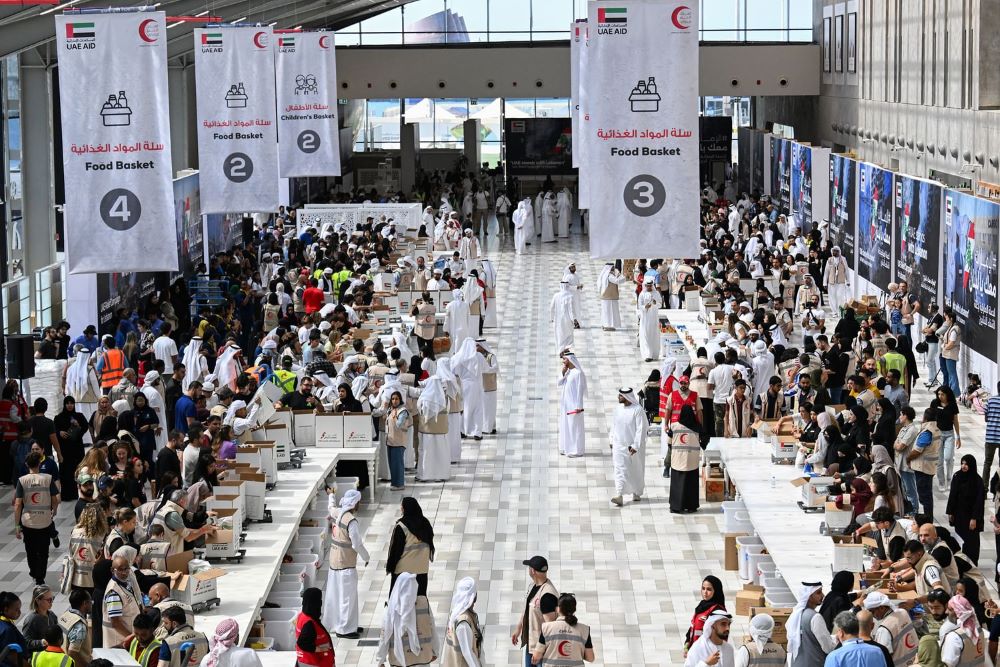
The in-kind donations were mobilized as per the directives of President His Highness Sheikh Mohamed bin Zayed Al Nahyan and the follow-up of His Highness Sheikh Mansour bin Zayed Al Nahyan, Vice President, Deputy Prime Minister, and Chairman of the Presidential Court, and under the supervision of H.H. Sheikh Theyab bin Mohamed bin Zayed Al Nahyan, Deputy Chairman of the Presidential Court for Development and Fallen Heroes’ Affairs and Chairman of the International Humanitarian and Philanthropic Council.
The aid collection was organized by the Emirates Red Crescent Authority, with the participation of more than 4400 volunteers from various nationalities who packed 10000 baskets of supplies.
Dr. Hamdan Musallam Al Mazrouei, Chairman, Board of Directors, the Emirates Red Crescent Authority, stressed the depth of the historical relations between the UAE and Lebanon, which, he said, has been evident today in the wide public participation in the activities to collect humanitarian relief aid for its people facing the crisis.
Al Mazrouei has also referred to the spirit of human solidarity that marks the diverse segments of the UAE society consisting of a wide variety of nationalities, cultures and ethnicities who rose to the occasion to extend a helping hand to the people of Lebanon in their difficult circumstance.
Around 24 donor and volunteer organizations participated in the activities of collecting relief aid at the cruise terminal in Abu Dhabi Ports. They are the Emirates Red Crescent Authority, the Zayed Charitable and Humanitarian Foundation, the Khalifa bin Zayed Al Nahyan Foundation and the Mohammed bin Rashid Al Maktoum Global Initiatives.
Others include the Mohammed bin Rashid Al Maktoum Charitable and Humanitarian Foundation, the Ahmed bin Zayed Charitable and Humanitarian Foundation, the Islamic Affairs and Charitable Activities Department, Dubai Humanitarian, Dubai Cares, Sharjah Charity Association, the International Humanitarian City, the Big Heart Foundation and the Emirates Foundation.
Other volunteer organization involved in collecting the relief are the UAE Volunteers Foundation, the Sharjah Centre for Voluntary Work, the Hamad bin Mohammed Al Sharqi Foundation for Humanitarian Work, the Fujairah Charity Association, the Watani Al Emarat Foundation, the International Charitable Works Organisation, the Emirates Charity Association, the Sharjah Charity House, the Dar Al Ber Society, the Dubai Charity Association, and the Day for Dubai.
‘UAE stands with Lebanon’ will run until October 21st.
IGIHE has learnt that Rees Kinyangi Lulu was taken into custody on October 2, 2024, in connection with misappropriated funds linked to Nobilis Hotel, a property owned by Sonarwa.
He was arrested along with the hotel’s accountant, Aisha Uwamahoro.
Their arrest was confirmed by the spokesperson of the Rwanda Investigation Bureau (RIB), Dr. Murangira B. Thierry, who stated, “It’s true. They are being investigated for embezzlement and the mismanagement of public assets.”
The case has been forwarded to the prosecution, although investigations are still ongoing.
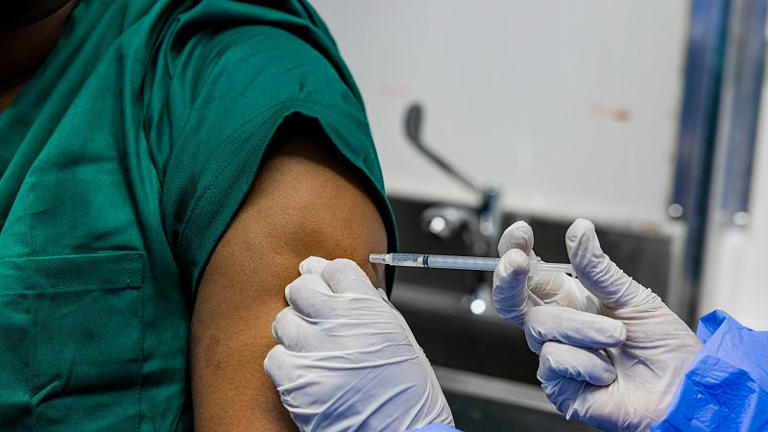
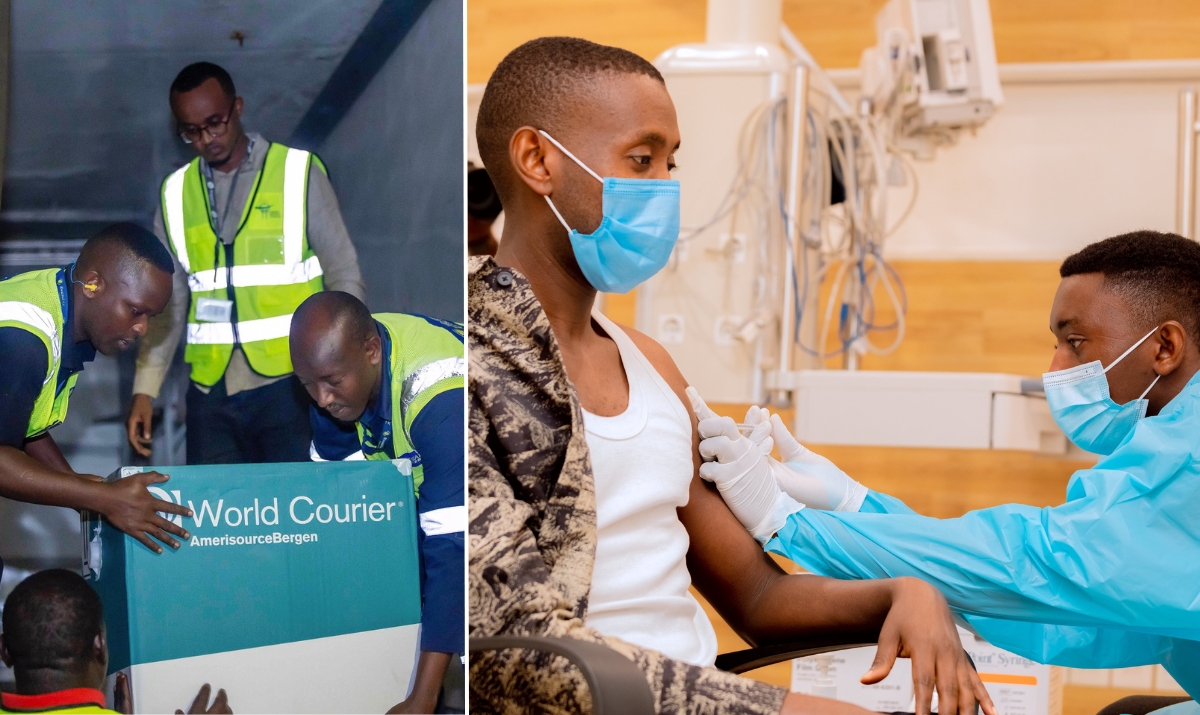
The vaccines were delivered on Saturday, October 13, 2024, by the Sabin Vaccine Institute, which sent an initial shipment of 700 Marburg vaccine doses on October 5, nine days after Rwanda declared its first-ever outbreak of Marburg virus.
The Ministry of Health rolled out vaccination efforts targeting frontline health workers on October 8.
The Sabin Vaccine Institute stated that the single-dose Marburg vaccine is being administered in accordance with clinical protocols reviewed and approved by Rwandan ethics and regulatory authorities.
The U.S.-based institution is currently conducting Phase 2 clinical trials for vaccines targeting both Marburg and Sudan ebolaviruses. As part of MARVAC, a WHO-coordinated consortium focused on developing vaccines for the Marburg virus, Sabin’s vaccine development is supported by BARDA, which has allocated $235 million to fund research and development for the filoviruses.
Rwanda has so far confirmed 61 cases of Marburg virus, 14 deaths, and 18 recoveries from more than 3,300 tests conducted.
The virus is believed to originate in fruit bats and spreads through close contact with the bodily fluids of infected individuals.
Initial symptoms of Marburg virus disease include high fever, severe headache, muscle and joint pain, and fatigue, followed by gastrointestinal symptoms such as nausea, vomiting, and diarrhoea.
To prevent infection, health experts recommend strict hygiene practices, such as frequent handwashing and avoiding contact with personal items or bodily fluids of individuals showing symptoms of Marburg virus disease.