The report, published by Oxford Economics Africa and Control Risks, also highlights the Democratic Republic of Congo (DRC), Kenya, and Uganda as the riskiest investment destinations in East Africa, primarily due to political, social, and economic challenges.
The Africa Risk-Reward Index 2024 gives the DRC a risk score of 7.6 out of 10, followed by Kenya (6.06), Uganda (6.01), and Tanzania (5.37), with Rwanda achieving the safest ranking at 5.11, an improvement from its 2023 score of 5.46.
The reward score considers factors such as each country’s medium-term economic growth forecast, economic size, structure, and demographics. Economic growth outlook holds the most weight in the reward score.
The report also notes a shifting investment landscape across African markets, with the continent at a significant point of change and transformation.
Rwanda’s dedication to poverty eradication and economic development over the past 30 years has been instrumental in boosting its GDP and raising its per capita income to $1,040.
Projections show Rwanda’s economy growing at an average rate of over 7% through 2029, supported by policies aimed at fostering investment. Key initiatives include developing industrial parks, advancing technology, and expanding infrastructure.
Additionally, Rwanda stands out as one of the few African nations pioneering the use of artificial intelligence across multiple sectors, enhancing its appeal as a forward-thinking investment destination.
Rwanda’s agricultural calendar is divided into three seasons: Season A (September-February), Season B (March-May), and Season C (June-September).
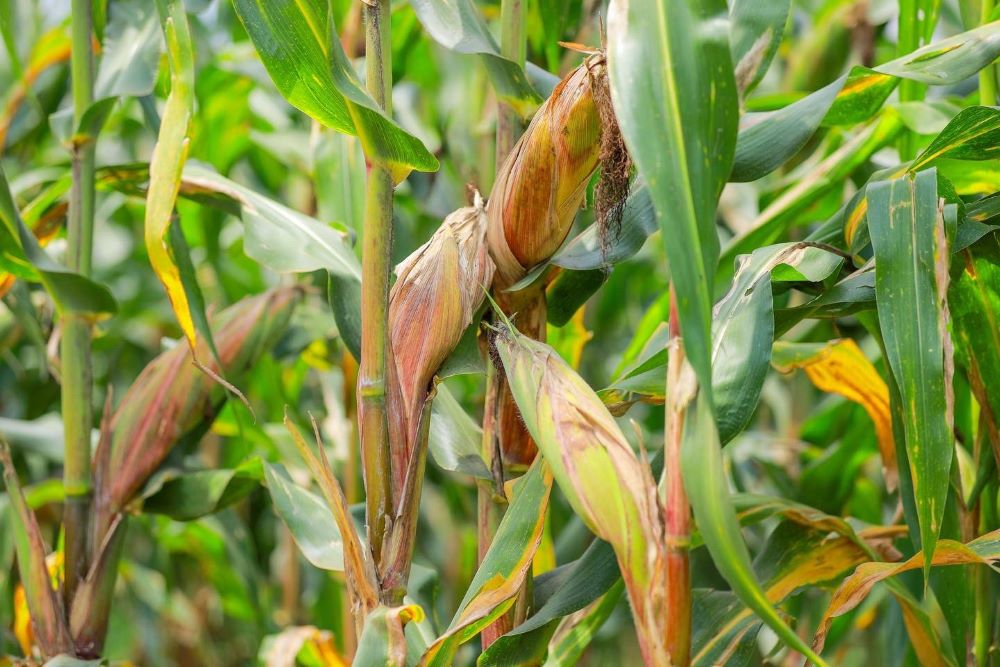
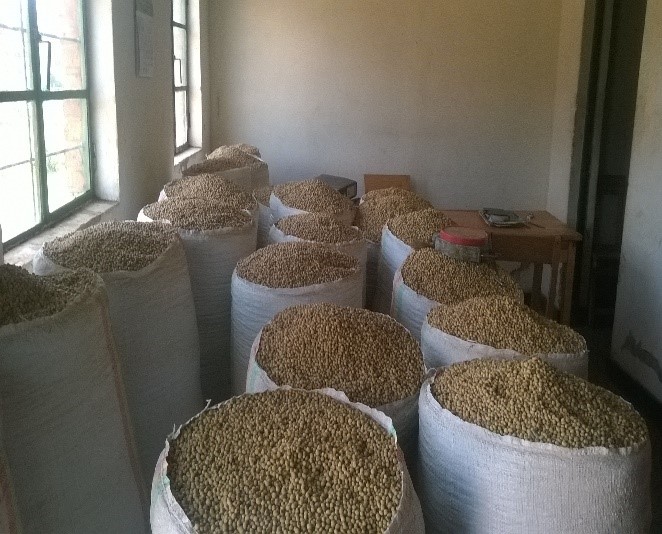
The survey highlights significant growth in various crops: cassava production increased by 6%, reaching 783,290 tons; rice rose by 4%, totaling 72,834 tons; sweet potatoes saw an 8% increase to 666,814 tons; and bananas grew by 5% to reach 1,142,552 tons.
Maize output increased by 1% to 119,101 tons, and beans saw a 6% increase despite a 1% decrease in the area planted with beans.
Potato production, however, decreased by 13%, largely due to a reduction in planted area and unfavorable weather conditions in major potato-growing regions.
The land area planted with potatoes dropped from 48,210 hectares in 2023 to 41,836 hectares in 2024, leading to a reduction in output from 326,677 tons to 285,596 tons.
Yields per hectare remained stable, with smallholder farmers averaging 6.8 tons per hectare and large-scale farmers averaging 14.9 tons per hectare. Of the total potato production, 55.4% was sold, 26.7% consumed by farmers, and 12.8% reserved for seed.
Several factors contributed to the overall increase in agricultural output, including the widespread use of fertilizers, with over 80.1% of farmers applying organic fertilizers.
Improved seed varieties were also key, utilized by 72.6% of large-scale and 16.6% of small-scale farmers, particularly enhancing maize and bean production.
Additionally, 30.2% of farmers applied pesticides, and a significant majority (89.2%) engaged in soil erosion prevention practices. Irrigation also saw increased adoption, with 12.1% of farmers implementing various irrigation methods.
The NISR report emphasizes that the 3.1% increase in agricultural production marks a positive trend for Rwanda’s agricultural sector.
The report also notes that Rwanda’s total land area is 2.376 million hectares, with 1.350 million hectares (57%) dedicated to agriculture.
Prof. Stanton’s purpose was clear: to warn President Habyarimana of an impending threat of genocide and to urge preventive action.
His specific recommendation was to abolish ethnic classifications on national ID cards, which he feared would fuel division and violence. Despite his warnings, Prof. Stanton’s pleas were disregarded, and within five years, the horrors he had foreseen happened.
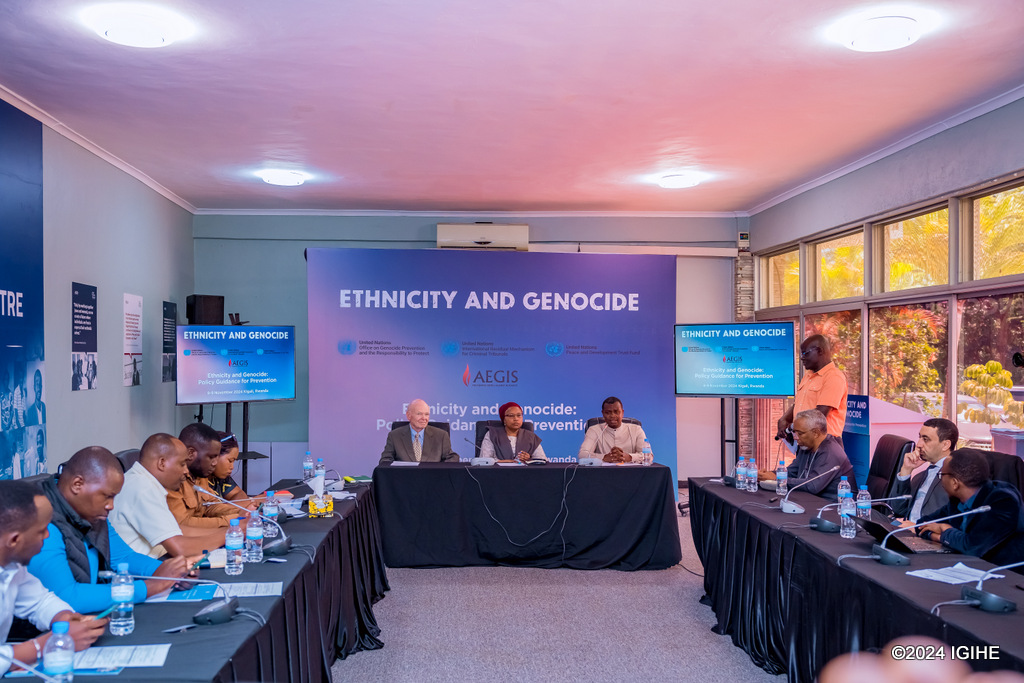
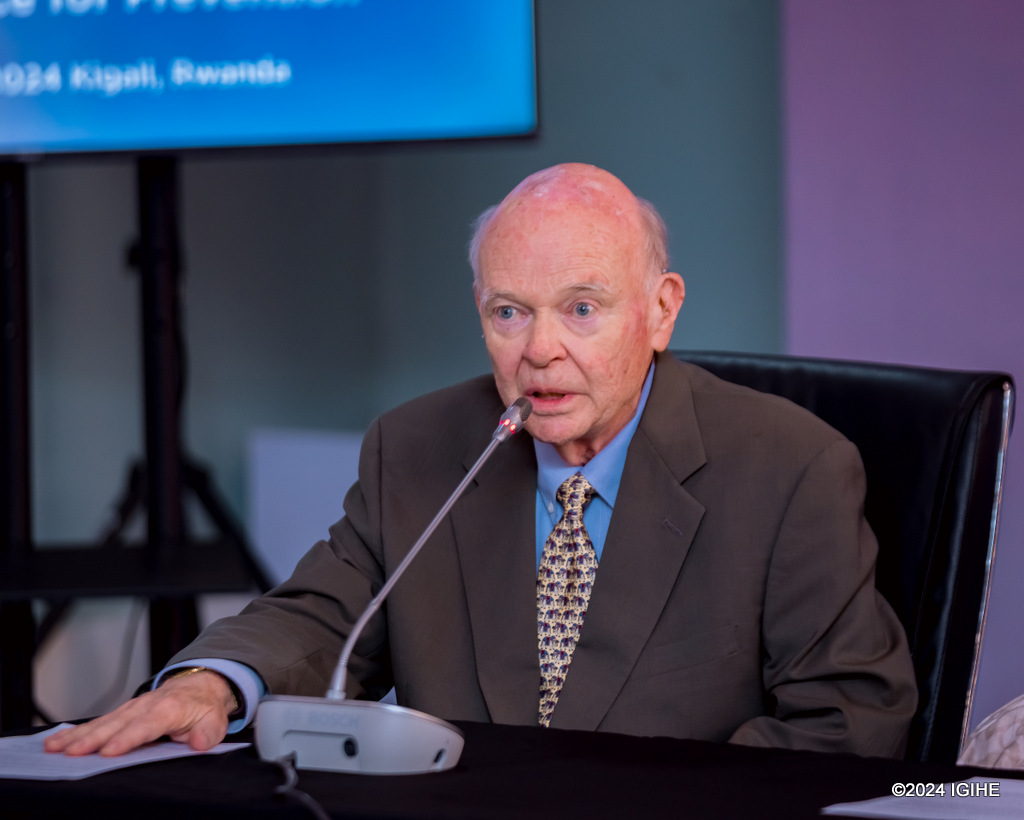
Reflecting on this history over the weekend in Kigali after attending a week-long series of high-level discussions on the prevention of genocide, Prof. Stanton shared his initial experiences and insights from that meeting in 1989.
He described how his call to action, made with deep conviction and fortified by years of research, had fallen on deaf ears.
Prof. Stanton’s “Eight Stages of Genocide” framework, which classifies ethnic identification as the first dangerous step toward genocide, had been built on decades of studying mass violence.
Yet his appeal to Habyarimana to remove “Tutsi,” “Hutu,” and “Twa” classifications from ID cards was rejected.
“Unless you take very strong steps to prevent a genocide here,” Stanton had warned, “you are going to have a genocide here in Rwanda within five years.” His words, however, were not heeded.
Prof. Stanton’s concerns for Rwanda began in 1988, a year before his meeting with Habyarimana.
Invited to assess Rwanda’s judicial system, which struggled to handle civil cases effectively, he observed the nation’s deep social divisions almost immediately.
Stanton quickly recognized that the issues went beyond judicial inefficiency; the country was riddled with division and distrust.
“On the ID cards, it identified people who were Tutsi, or Hutu, or Twa, or naturalized. This was immediately apparent as a huge problem,” he noted.
In a private dinner with Joseph Kavaruganda, the then President of Rwanda’s Constitutional Court, Prof. Stanton expressed his concerns about the ethnic classifications on ID cards and questioned whether the Constitutional Court could abolish them.
Kavaruganda responded gravely, “No, we can’t, because we don’t have judicial review. You have to go see the president.”
This conversation drove Stanton to take his concerns directly to President Habyarimana.
But when he broached the subject, he observed an unsettling reaction from the president.
“It was as though a mask went down. He didn’t want to hear this,” Stanton recalled during his recent visit to Kigali.
In 1994, within the timeline Stanton had anticipated, Rwanda plunged into one of the fastest and most systematic genocides in history- the Genocide against the Tutsi, claiming more than a million Tutsi lives in just 100 days.
Despite Prof. Stanton’s prescient warning, no steps had been taken to dismantle the structural enablers of genocide, including the divisive classifications on ID cards.
By that time, Stanton had joined the U.S. State Department and was dispatched to Rwanda as part of the United Nations Commission of Inquiry.
His recommendations contributed to the establishment of the International Criminal Tribunal for Rwanda (ICTR), a body tasked with bringing justice to the perpetrators of the 1994 Genocide against the Tutsi.
Reflecting on his return to Rwanda this past weekend, Stanton expressed admiration for the nation’s remarkable journey toward healing and resilience.
He praised Rwanda’s commitment to confronting its painful history and becoming a global model for reconciliation and recovery.
“Rwanda, just like Germany, has actually faced its past and is now a leader in this whole effort to overcome ethnicity, to reaffirm that we are all part of the same race — the human race,” Stanton said.
The series of events he attended, alongside leaders and activists from across the globe, highlighted Rwanda’s transformation from a society fractured by genocide to one that promotes unity and justice.
In sharing his insights on the last day of the high-level events, Prof. Stanton disclosed his ongoing admiration for Rwanda’s progress.
“Rwanda is not allowing the past to determine its future,” he said.
Prof. Stanton also advocated for women inclusion in leadership stressing that their voices are integral to peace-building efforts.
“I am so happy that finally the Office of the Special Advisor at the UN is now held by a woman. Because I am convinced that genocide and war are male problems,” he observed.
“There wasn’t a single genocide in world history that was planned by women. Think about that,” Prof. Stanton added, advocating for greater female leadership in global governance. “That is why I do not believe we will overcome war and genocide until women become the leaders of many more of the world’s countries.”
Today, Prof. Stanton’s reflections reveal a poignant mix of sorrow and respect.
The Genocide against the Tutsi was a devastating affirmation of his warnings, yet Rwanda’s rebirth underscores the power of human resilience and the impact of embracing peace and unity.
Stanton’s experience in Rwanda crystallized his mission, leading him to establish the Genocide Watch, an organization devoted to identifying the precursors to genocide and advocating for timely, preventive action.
During his recent visit, Stanton emphasized the importance of Rwanda’s example for other nations wrestling with histories of violence and divisionism.
“Rwanda is an example to the whole world. It is such a pleasure for me to be here in this marvelous country, which I love. To be here, where you are such a witness to the whole world of how the forces of genocide and war can be overcome.”
In the years after 1994, Rwanda has become both a warning and an inspiration. For Stanton, the country serves as a painful reminder of the costs of ignoring early signs of divisionism and hate.
However, it also demonstrates the possibilities of resilience and renewal. By revisiting the events he had warned of decades ago and seeing how Rwanda has rebuilt itself, Stanton’s life’s work continues to evolve.
His “Eight Stages of Genocide” framework is now widely used to educate policymakers and communities, guiding them on the path to prevention and healing.
Prof. Stanton’s legacy in Rwanda is a bittersweet one. He warned of the unthinkable, and he was right. But more importantly, he helped transform the way the world understands and confronts genocide.
Rwanda may be a scar on humanity’s conscience, Stanton’s work ensures that it will not be forgotten — and that future genocides may be stopped before they ever begin.
[Related article: UN’s Nderitu speaks out against Genocide deniers’ influence in downplaying Rwanda->https://en.igihe.com/news/article/un-s-nderitu-speaks-out-against-genocide-deniers-influence-in-downplaying]
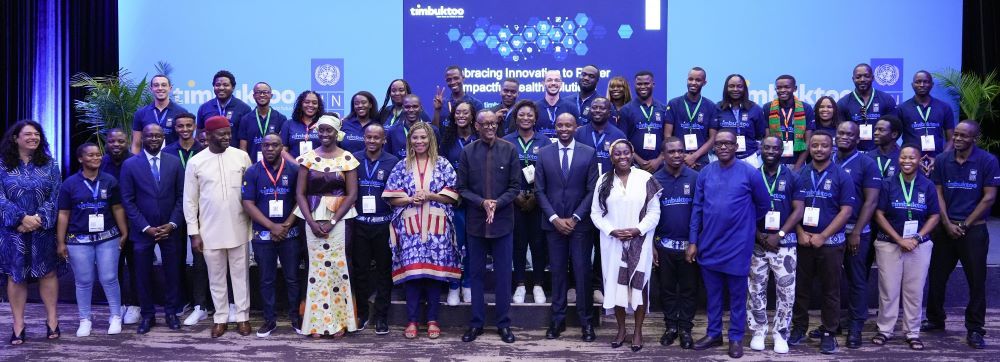
At the 2024 YouthConnekt Africa Summit in Kigali, the HealthTech Hub was launched by Timbuktoo Africa Innovation Foundation in partnership with the United Nations Development Programme (UNDP) and the Government of Rwanda.
During the launch on November 9, President Paul Kagame made powerful remarks on the role of African youth in addressing healthcare challenges by scaling up such initiatives.
“We have to put in more energy, resources and ideas and scale it up to reach wherever we intend and for many to benefit from it.”
In the same spirit, The UN Assistant Secretary-General and UNDP Africa Regional Director, Ms. Ahunna Eziakonwa, highlighted the significance of nurturing the youth.
During the launch, the first cohort of 40 young innovators from 21 African countries was unveiled, selected from over 957 applicants, to participate in the startup accelerator programme that is designed to provide early-stage startups with comprehensive support, including access to mentorship, funding, and cutting-edge resources.
{{Will Jonas Vingegaard Finally Race in the Kigali 2025 Cycling World Championships?}}
Jonas Vingegaard’s absence from the Cycling World Championships has sparked debate in Danish cycling circles.
The Tour de France champion has yet to compete in a World Championship as a pro, but the challenging 2025 World Championship in Rwanda may change that. The course promises a grueling 5,500 meters in elevation, which could suit Vingegaard’s strengths.
Teammate Magnus Cort is urging him to participate, saying, “It’s always more fun with a stronger team, and Jonas would be our best card.”
Although Vingegaard’s focus is typically on multi-stage races, his potential in one-day events is undoubted. Despite ending his season early due to a demanding schedule and family commitments, hopes are high for his future participation, with Visma team manager Frans Maassen envisioning success in Montréal’s 2026 World Championship.
{{New Scandal Brews in Balthazar Divorce Drama}}
A video circulating on social media, allegedly showing Samantha Geminta, wife of Equatorial Guinean businessman Bello Balthazar, has stirred new controversy around the couple’s already tumultuous divorce.
Following recent leaks of compromising videos involving Bello, this rumored footage of Samantha has reignited public interest and speculation. While the video’s authenticity is unconfirmed, it has intensified the media scrutiny on Samantha, who recently expressed her desire for divorce.
She said, “Our children reject him; I want a divorce.” This unfolding scandal highlights the pressures faced by high-profile couples amid publicized relationship issues.
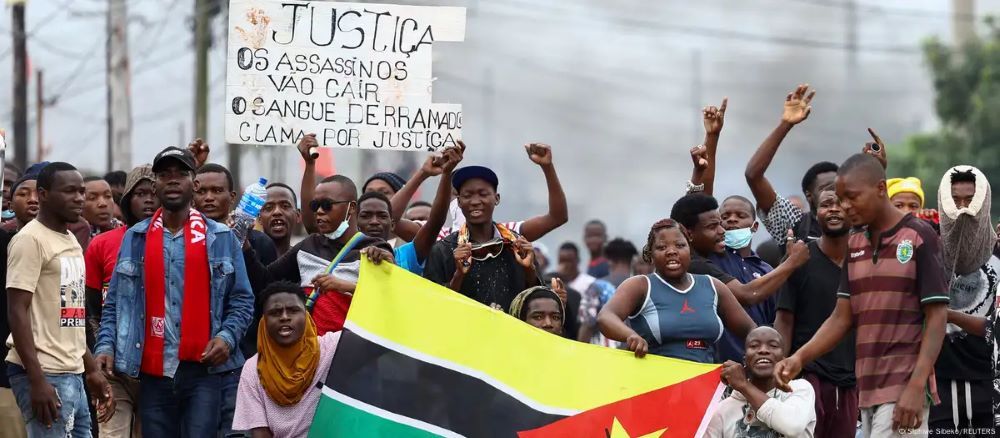
{{Calm returns to Maputo as Mozambique resumes operations amid post-election unrest}}
Maputo has returned to a semblance of normalcy after police deployed force to disperse large protests following disputed elections.
“At least five people died and 120 were injured,” reported the Centre for Democracy and Human Rights, after security forces confronted demonstrators moving toward Maputo’s center, creating an “insurmountable barrier” of trucks and soldiers.
Last week’s violent scenes led to the closure of Mozambique’s main border with South Africa and suspended operations at Maputo port, crucial for the nation’s exports. Grindrod Ltd., owner of Maputo’s terminals, confirmed operations resumed, as did some public transport.
Opposition leader Venâncio Mondlane called the unrest “a revolution” and vowed protests would continue. Despite government warnings to stay off the streets, Mondlane claims the election, which showed the ruling party’s candidate winning 71% of votes, was “fraudulent.” The opposition has filed an appeal, with Mozambique’s top court expected to verify results in the coming weeks.
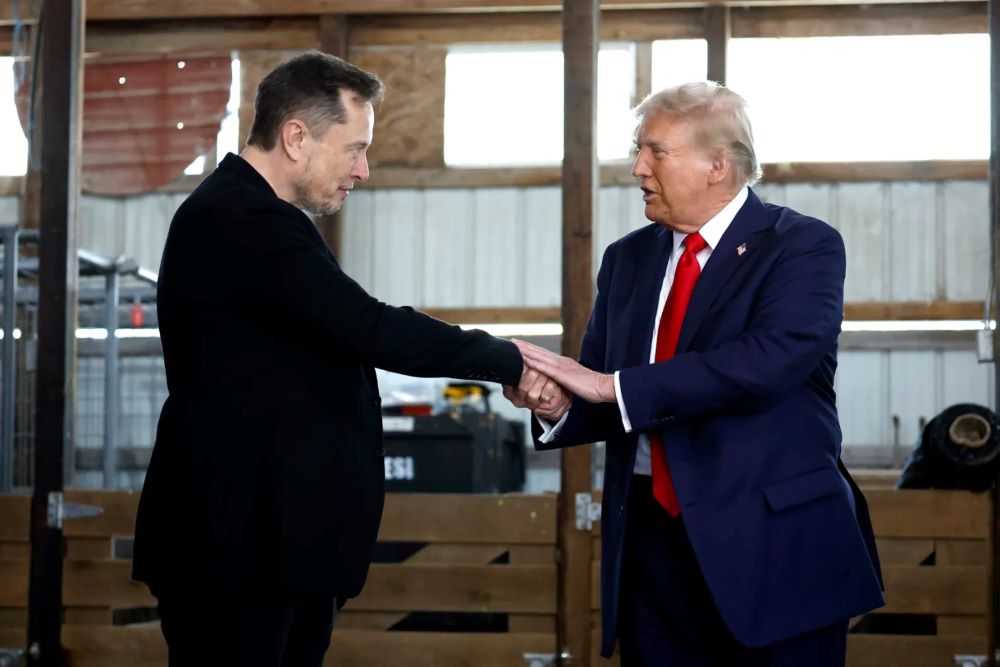
{{Musk raises questions on voter ID rules after US election Results}}
Elon Musk has stirred the voter ID debate with a post suggesting an unusual pattern in the recent U.S. Presidential election. The billionaire shared a map on X, pointing out that most states won by Vice President Kamala Harris either don’t require voter ID or accept non-photo IDs.
“Must be a coincidence 🙄,” Musk wrote, sparking renewed discussion over election integrity and ID requirements. His post aligns with a longstanding Republican stance that looser ID laws could lead to voter fraud, countering Democratic arguments that strict ID requirements restrict voter access.
Trump, who served as the 45th President of the United States, pulled off a comeback to the White House after winning 312 electoral college votes against Harris’ 226 in the elections held on Tuesday, November 5, 2024.
Musk’s commentary highlights the contentious and ongoing debate surrounding election security and voting accessibility in the U.S.
{{COP 29 begins in Baku, Azerbaijan}}
Calls for an increase in climate financing are expected to dominate talks as world leaders gather in Baku, Azerbaijan for the COP 29, which kicks off today until November 22.
The United Nations meeting comes at a time when there is a growing need to fund climate adaptation through capacity building and technology transfer to mitigate the effects of climate change.
Rees and his alleged accomplice, Aisha Uwamahoro, are under investigation for embezzling over Frw100 million from Nobilis Hotel & Apartments, a property owned by SONARWA General Insurance. But the story goes much deeper than numbers on a ledger.
Credible sources recently intimated to IGIHE new details about the case, pointing to a tangled web of professional misconduct, personal relationships, and desperate attempts to avoid accountability.
According to the sources, before Rees’ arrest on October 2, 2024, he attempted to escape after learning that authorities were closing in, only to be apprehended—further fueling intrigue.
{{A Partnership Built on More Than Just Business?
}}
It all began with what seemed like a standard job. Aisha Uwamahoro joined Nobilis Hotel & Apartments, entrusted with managing the hotel’s finances. However, this wasn’t your typical hiring process.
Sources indicate that Aisha, despite failing a job interview at SONARWA, somehow landed the role with Rees’ help. Eyebrows were raised, as her qualifications were less than ideal.
She had no formal training in finance or hospitality, yet she was given a managerial position. It quickly became apparent that her relationship with Rees went beyond a standard boss-employee dynamic.
Aisha’s appointment, which reportedly came through a signed contract on December 29, 2023, surprised many within SONARWA, especially as the job was granted without solid grounds. This unusual hiring decision would prove costly.
{{Patterns of Misconduct Begin to Emerge
}}
Between July 2023 and May 2024, troubling patterns of financial mismanagement surfaced. According to the investigation, invoices and client records did not match up: payments made to the hotel were routinely lower than documented, and clients were often billed for fewer days than they stayed.
Despite these discrepancies, Rees reportedly never questioned or supervised the hotel’s financial operations—a hands-off approach that sources attribute to his close connection with Aisha.
While Rees claims his role was limited to overseeing and offering advice to the hotel, evidence suggests otherwise. This laissez-faire attitude, it appears, allowed Aisha to operate with little oversight, and the hotel’s financial losses began to spiral.
{{Shifting Blame
}}
When investigations began, tensions quickly escalated between Rees and Aisha. Each pointed the finger at the other. Aisha defended herself, arguing that the job was beyond her expertise and claiming she only took on the role because Rees offered her no guidance.
She contended that her frequent billing errors were innocent mistakes and questioned why the financial losses were flagged only two months after her departure.
Meanwhile, Rees distanced himself from Aisha’s actions, asserting that he was only her supervisor in a limited capacity.
He argued that he never directly managed the hotel’s finances, insisting that Aisha’s hiring had been approved by SONARWA’s board—though he was unable to provide documentation of this approval.
{{Secrets in the Shadows
}}
SONARWA employees watching the drama unfold noted that Rees and Aisha’s relationship was anything but typical.
Reports from insiders revealed that they often worked in secluded, private spaces, far from the rest of the staff. For many, it was no surprise that their “collaboration” had led to the scandal.
As one staff member put it, “Rees was effectively running the show. With Aisha’s lack of experience, she followed his instructions to the letter. It was all too easy for them to keep things hidden.”
Aisha had, in fact, tried to cover her bases, repeatedly requesting clearer guidelines from Rees. She claimed he consistently ignored her pleas, leaving her to handle the job in the only way she could—with improvisation.
As whispers of the embezzlement case started to circulate, Rees, a Kenyan national, allegedly made a final attempt to evade the authorities, attempting to flee. But he was apprehended, dashing his hopes for a quiet escape.
Aisha, meanwhile, had completed her “handover” and was no longer working with SONARWA when the losses were finally noticed, sparking further controversy about why her alleged misdeeds weren’t flagged sooner.
With allegations of embezzlement mounting, the court ruled that both Aisha and Rees would be detained for 30 days while the investigation continues.
The charges they face are severe, with both suspected of high-level embezzlement and Rees facing accusations of complicity.
Whether Rees and Aisha were drawn into this alleged crime by personal entanglements, professional ambition, or simply bad luck, the outcome of this case promises to shed light on the sometimes murky dealings within the corporate world.
As they await trial, all eyes are on the duo—two people whose fates, once intertwined in secrecy, now lie exposed in the harsh light of the courtroom.
According to the network, the RSF also looted the village’s health center and homes. Among the casualties were children, the statement added.
In a separate development, the Nidaa Al-Wasat Platform, a volunteer group monitoring human rights violations, reported that the death toll in Al Hilaliya city, also in Gezira State and under siege for more than 17 days, had surpassed 300.
“More than 300 civilians, including children, the elderly, and the sick, were killed by terrorist gangs who forced them to die without mercy,” the group said.
The RSF has yet to comment on the violence in Al Hilaliya.
Local activists and volunteer groups have accused the RSF of launching attacks across eastern Gezira following the surrender of its regional commander, Abu Aqla Keikel, to the Sudanese Armed Forces (SAF) on Oct. 20.
The UN Office for the Coordination of Humanitarian Affairs reported on Tuesday that around 135,400 people had been displaced across Gezira State since Oct. 20 due to escalating violence in over 30 villages and towns.
Sudan has been embroiled in the conflict between the SAF and the RSF since mid-April 2023. The Armed Conflict Location and Event Data Project reported on Oct. 14 that the ongoing violence had claimed more than 24,850 lives.
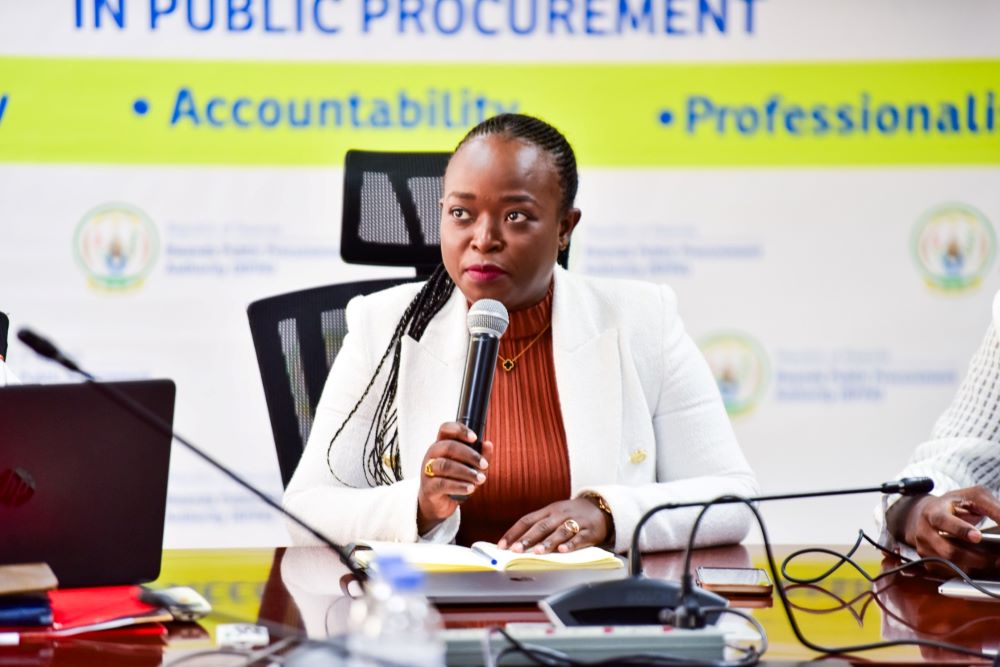
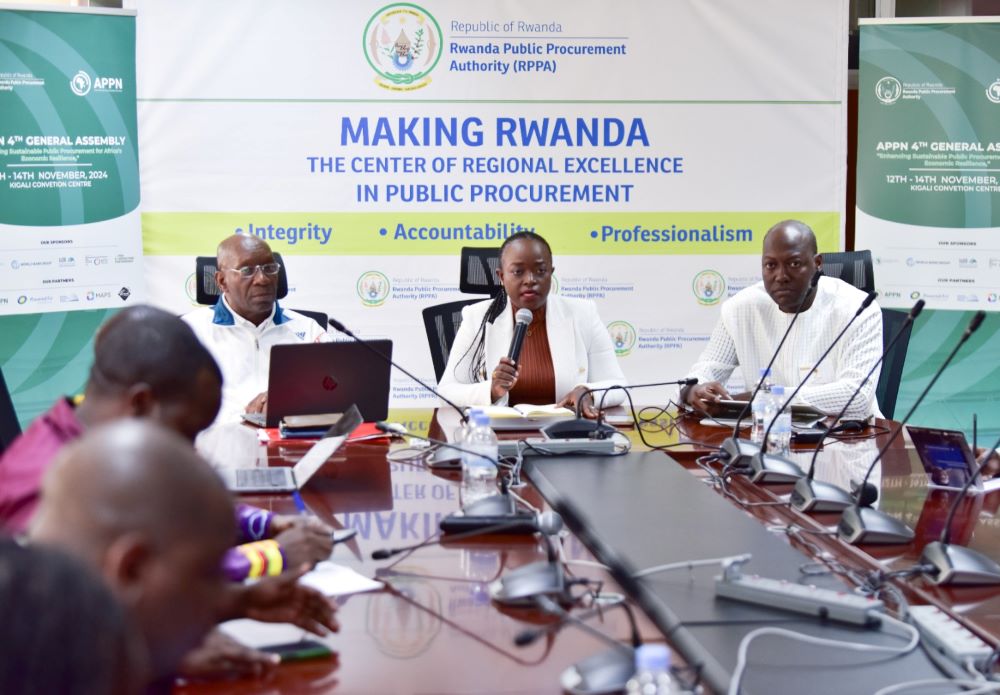
Scheduled from November 12 to 14, 2024, the assembly will be held under the theme “Enhancing Sustainable Public Procurement for Africa’s Economic Resilience and is set to define procurement reform as a cornerstone of economic resilience.
It brings together experts, policymakers, and practitioners committed to fostering a new era in Africa’s public procurement.
The APPN, established in 2018, has emerged as a platform for advancing procurement practices that are both sustainable and transparent. Public procurement accounts for nearly 17% of Africa’s GDP, making efficient and ethical procurement essential to sustainable development.
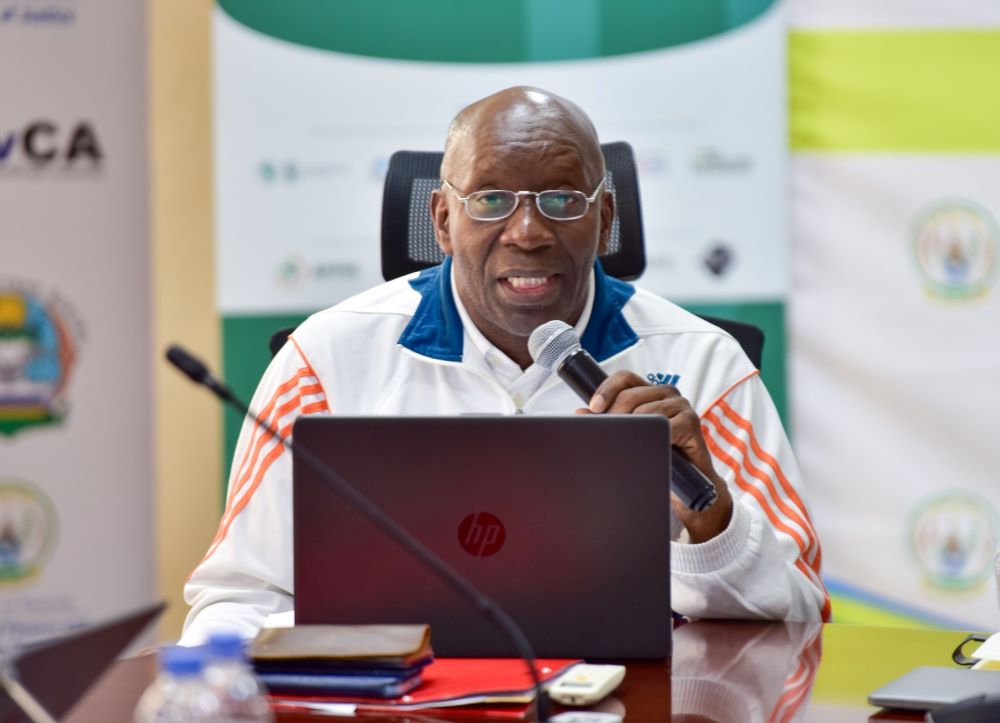
Joyeuse Uwingeneye, Director General of the Rwanda Public Procurement Authority (RPPA), explained Rwanda’s achievements ahead of the event, underscoring the country’s commitment to high standards in procurement.
“The Rwanda Public Procurement Authority was created to separate regulatory oversight from the awarding of tenders, empowering institutions to manage their procurement processes while RPPA focuses on compliance and capacity-building,” she said.
This distinction is crucial, she noted, for fostering transparency and accountability in public procurement, positioning Rwanda as a benchmark for best practices in the region.
Rwanda’s journey in procurement reform includes the successful launch of the Umucyo e-procurement system in 2016, a digital platform that has redefined efficiency and compliance in government procurement.
“Our digital infrastructure has allowed us to revise and strengthen our legal frameworks continuously. With the recent rollout of a new procurement policy in 2024 and the upcoming implementation of the Open Contracting Data Standard (OCDS), we will allow public access to data on awarded tenders, financial allocations, and execution timelines, giving citizens direct insight into how funds are allocated and spent,” Uwingeneye said.
The adoption of OCDS, a major highlight of the assembly, demonstrates Rwanda’s leadership in procurement transparency, marking an unprecedented step toward public accountability.
The assembly will also celebrate the launch of Rwanda’s Sustainable Public Procurement (SPP) Policy Framework, developed with support from APPN. This framework integrates one of Africa’s first Open Contracting Data Standards for e-Government procurement, positioning Rwanda as a leader in procurement modernization.
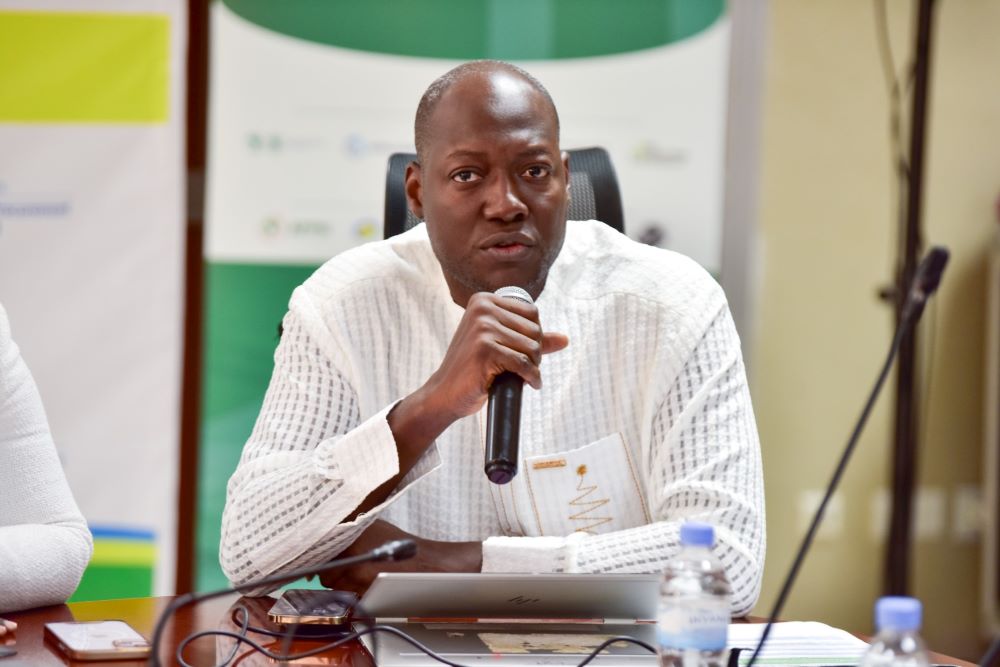
On his part, Alassane BA, The Vice Chairperson of the APPN explained that adopting practices that promote transparency, efficiency, and reduced reliance on imports, African nations can drive self-sufficiency and bolster local economies.
He said that Rwanda, as host, stands out as a model of procurement reform and digital innovation, showcasing a blueprint for countries seeking to enhance governance through sustainable procurement.
“Transparency on this scale is rare and challenging to achieve, but it’s essential to building trust and accountability. The public can now view government spending details and question how these procurements benefit society. This open data approach will set a new standard for procurement accountability across the continent,” he said.
APPN’s Technical Secretary, Aftar Toure Morou, emphasized the assembly’s importance, framing it as “not merely an event, but a call to action.” He praised Rwanda’s achievements in advancing professional standards and transparency, highlighting that the assembly encourages African leaders to rethink procurement policies that align with sustainable growth, resilience, and economic inclusivity.
“This assembly urges leaders across Africa to reshape procurement policies that support our continent’s shared goals of economic stability, environmental sustainability, and inclusive prosperity,” he stated.
Throughout the assembly, participants will engage in collaborative sessions exploring topics such as eco-friendly procurement, ethical sourcing, digital innovations for transparency, and building resilient local supply chains.
These discussions will directly inform APPN’s 2025 agenda, creating a roadmap for advancing procurement practices across Africa.
By addressing core issues such as the Sustainable Development Goals (SDGs) and digital frameworks, attendees will explore how sustainable procurement can support climate action, economic resilience, and sustainable growth.
Global support for the assembly highlights its significance on the international stage, with sponsorship from institutions such as the World Bank, the African Development Bank, and Agence Française de Développe ment.
As Rwanda hosts this prestigious gathering, the nation’s accomplishments in procurement reform take center stage, inspiring other African countries to pursue transparent, sustainable, and efficient public procurement.
In a statement, Sudan’s Humanitarian Aid Commission (HAC), a governmental body that manages humanitarian work, said the accusations made by U.S. Special Envoy for Sudan Tom Perriello were part of an organized campaign targeting the commission’s efforts.
“It would have been more realistic and courageous of him (Perriello) to direct his criticism toward the Rapid Support Forces (RSF) militia, which has been looting, detaining, and obstructing the delivery of humanitarian aid, besieging those in need, and denying them access to food and medicine,” the Sudanese government said in the statement dated Saturday, November 9, 2024.
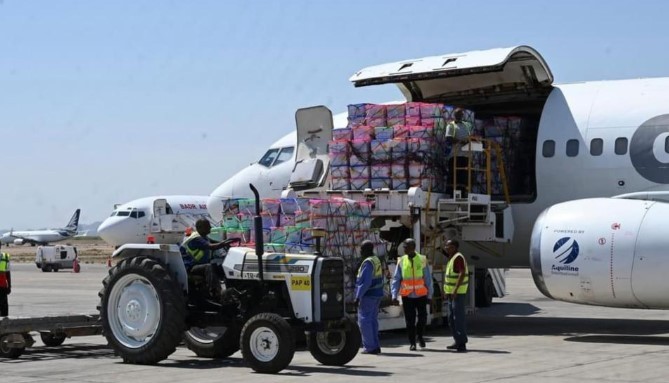
The statement indicated that between January 1 and November 6, the HAC had granted 12,170 movement permits to organizations and agencies, allowed 1,073 trucks to enter through the Adre and Tina crossings, and approved 2,985 entry visas for foreign humanitarian workers.
The statement added that the total funds provided by the government in the form of customs and tax exemptions, transportation of aid, and purchase of supplies exceeded 600 million U.S. dollars.
In a post on social media platform X on Wednesday, Perriello said that the HAC prevented 520 of the 550 humanitarian relief trucks from leaving Port Sudan to deliver life-saving supplies to states across the country.
Sudan has been gripped by conflict between the Sudanese Armed Forces and the RSF since mid-April 2023. According to a report by the Armed Conflict Location and Event Data Project on October 14, the ongoing conflict has claimed more than 24,850 lives. The International Organization for Migration estimates that over 14 million people have been displaced within or outside Sudan as of October 29.
This price surpassed the bids of more than a dozen other tea producers from across the region at the 44th East Africa Tea Trade Association (EATTA) auction, marking a significant milestone for Rwandan tea on the international market.
Mombasa, Kenya, is home to the world’s second-largest black tea auction center after Colombo, Sri Lanka. The achievement at this auction emphasizes Rwanda’s growing reputation as a producer of high-quality tea and signals increasing demand for its products.
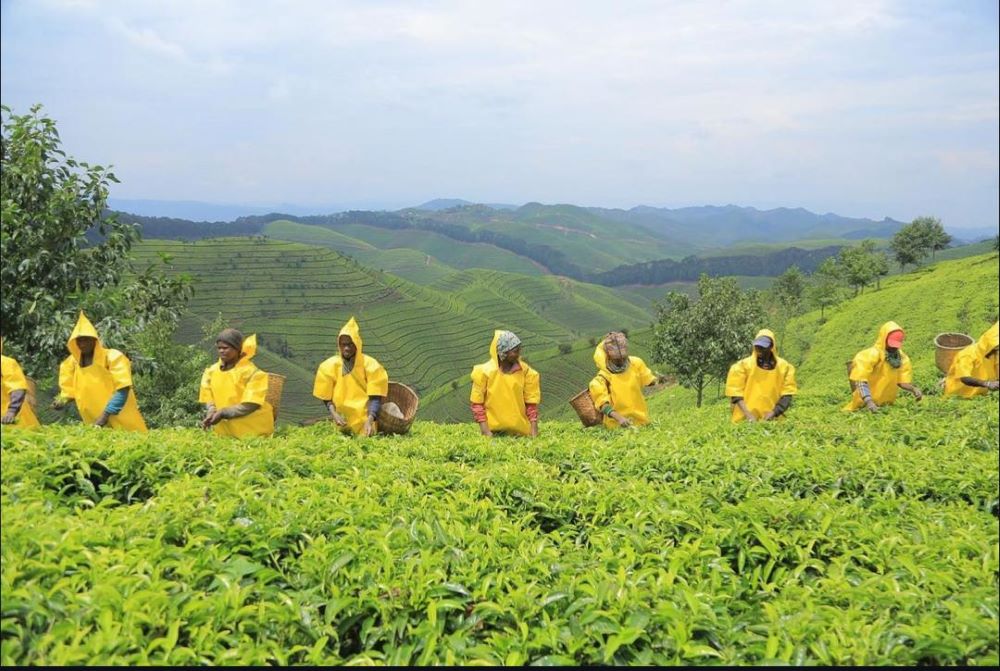
Rwanda Mountain Tea, known for its commitment to excellence, once again demonstrated the strength of its offerings in this fiercely competitive environment. Kitabi Tea Factory, which operates in the Nyamagabe District in Rwanda’s Southern Province, is a standout within the group.
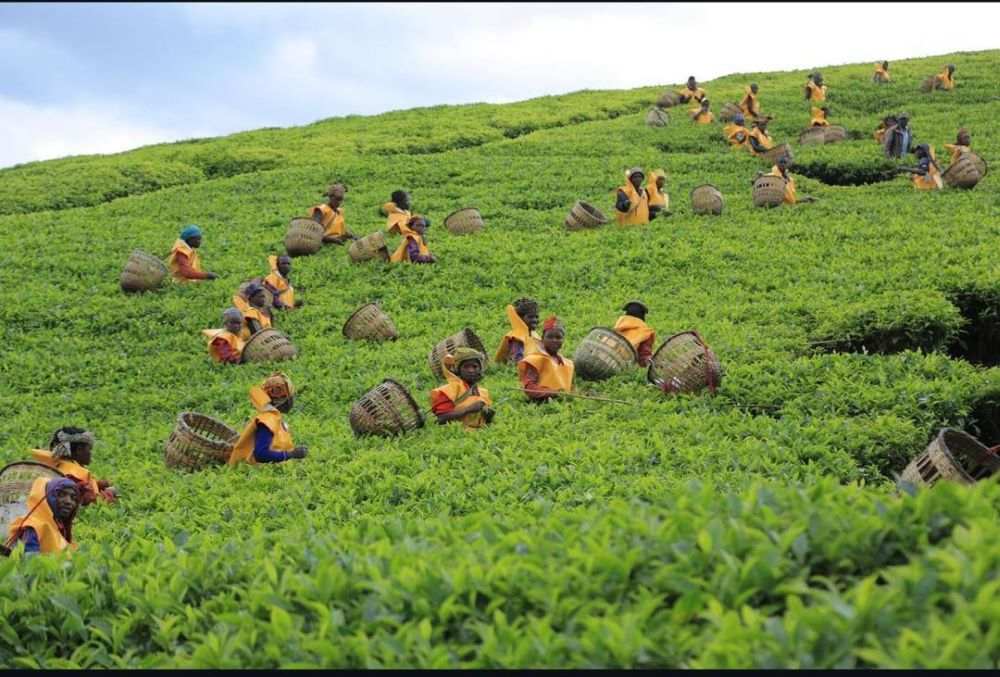
The factory oversees a vast tea plantation spanning over 1,600 hectares, ensuring high-quality output year after year.
During this auction, Rwanda’s premium BP1 grade was not only the highest bid for its category but was also the top bid across all participating producers for the second consecutive auction.
Additionally, Kitabi Tea Factory secured other top grades: Pekoe Fanning One (PF1) at USD 4.23, Pekoe Dust (PDUST) at USD 4.79, while Mata Tea Factory earned USD 3.41 for the DUST1 grade. This exceptional performance in multiple categories underscores the quality and dedication to standards that Rwanda Mountain Tea maintains across its products.
“Rwandan tea’s success at the most recent auction reinforces the global reputation of our product. Our commitment to producing premium-quality tea is unwavering, and we are proud to see this reflected in the high demand and top prices our products achieved ” said Martin Luther Mawo, Director of Sales and Marketing at Rwanda Mountain Tea Group.
He highlighted that despite a challenging growing season due to prolonged dry conditions, Rwandan tea retained its top position, with its factories achieving leading prices on all four tea grades at the auction.
This success comes at a time when the East African tea market is facing a supply reduction. This year’s Mombasa auction reported a decrease of over 2.4 million packages, with 6.25 million sold in 2024 compared to 8.67 million in 2023.
In terms of regional competition, Kenya, the largest tea producer in East Africa, sold 5.27 million kilograms, Rwanda sold 191,235 kilograms while Uganda sold with 733,846kgs with other countries also making significant contributions. Rwanda’s unmatched premium prices place it as a leader in quality within the auction.
The Tea Market Report for 2023-2024 further highlighted Rwanda’s success in securing an annual average price of USD 3.55 per kilogram, an increase from USD 3.22 the previous year. This average was the highest among East African producers, with Kenya following at USD 2.28.
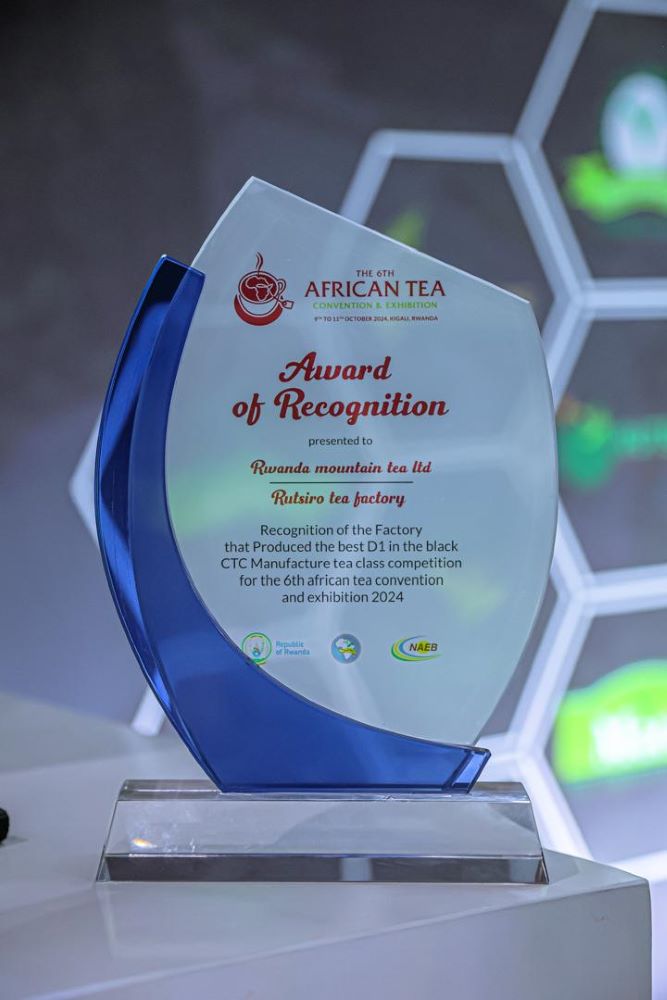
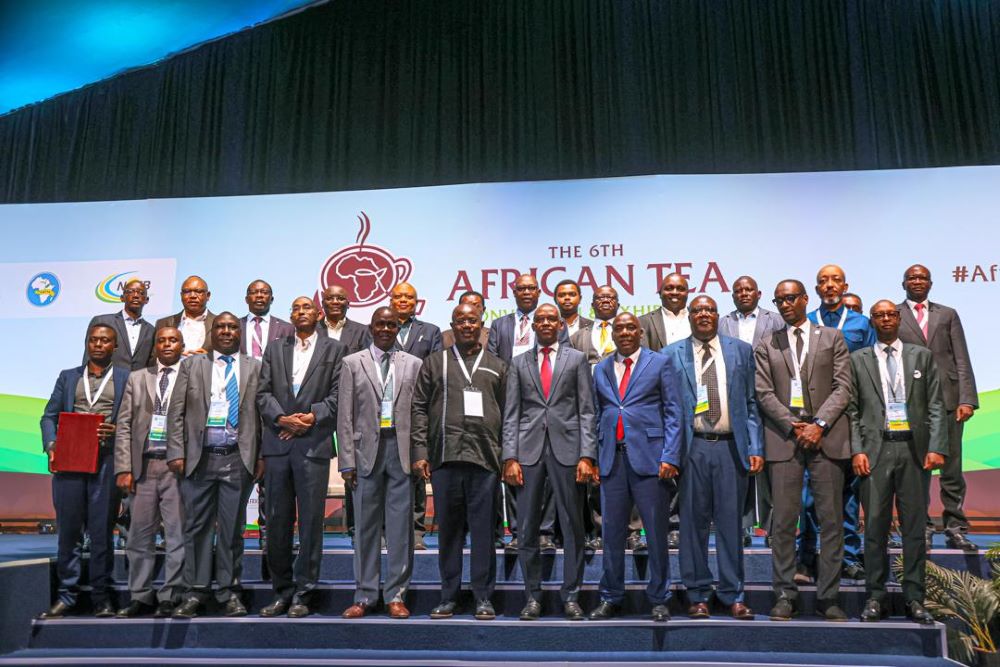
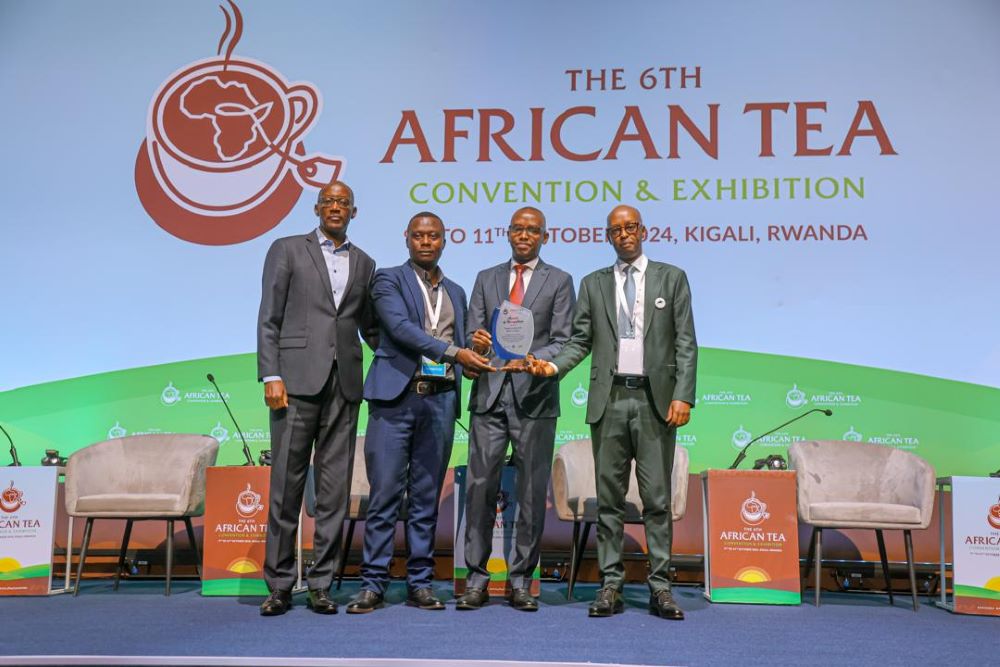
The outstanding achievements of Rwanda Mountain Tea were further recognized at the recent 6th African Tea Convention and Exhibition in Kigali, where the company won several awards, securing top honors across the main tea grades.
In the 2022/2023 fiscal year, Rwanda exported 39,000 tonnes of processed tea, generating over USD 107.7 million, which contributed to 12% of the country’s agricultural export revenue.
Key markets for Rwandan tea include the United Kingdom, Pakistan, Egypt, Kazakhstan, Ireland, and Russia. With rising global demand and consistent quality, Rwanda is well-positioned to continue expanding its tea exports, strengthening its reputation in the global tea market and providing substantial support to the national economy.
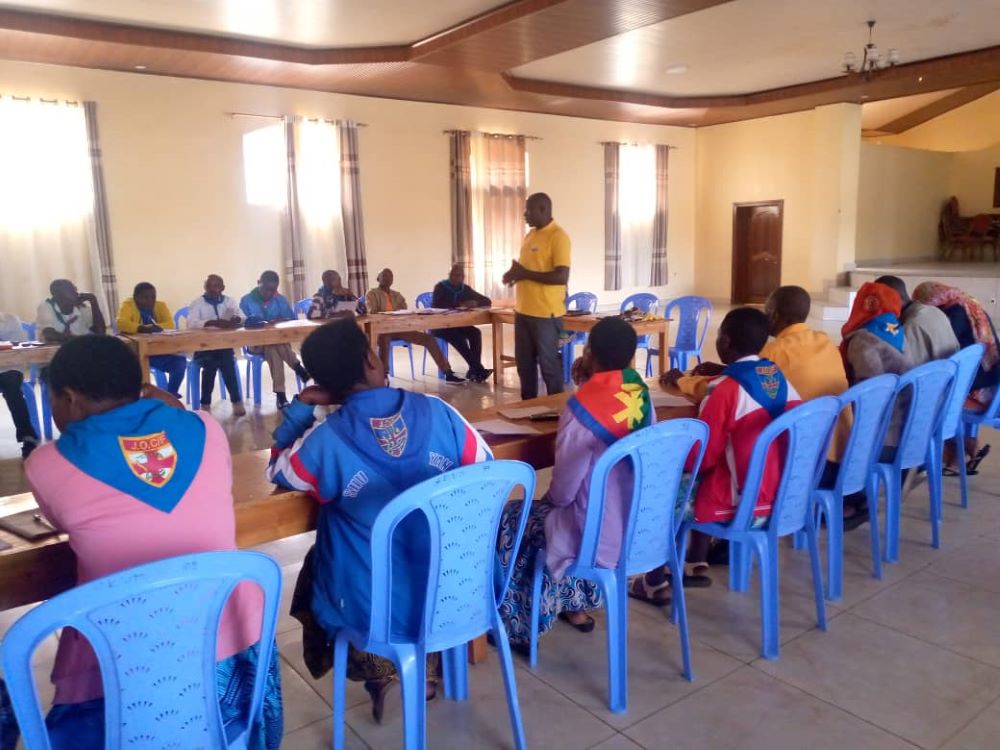
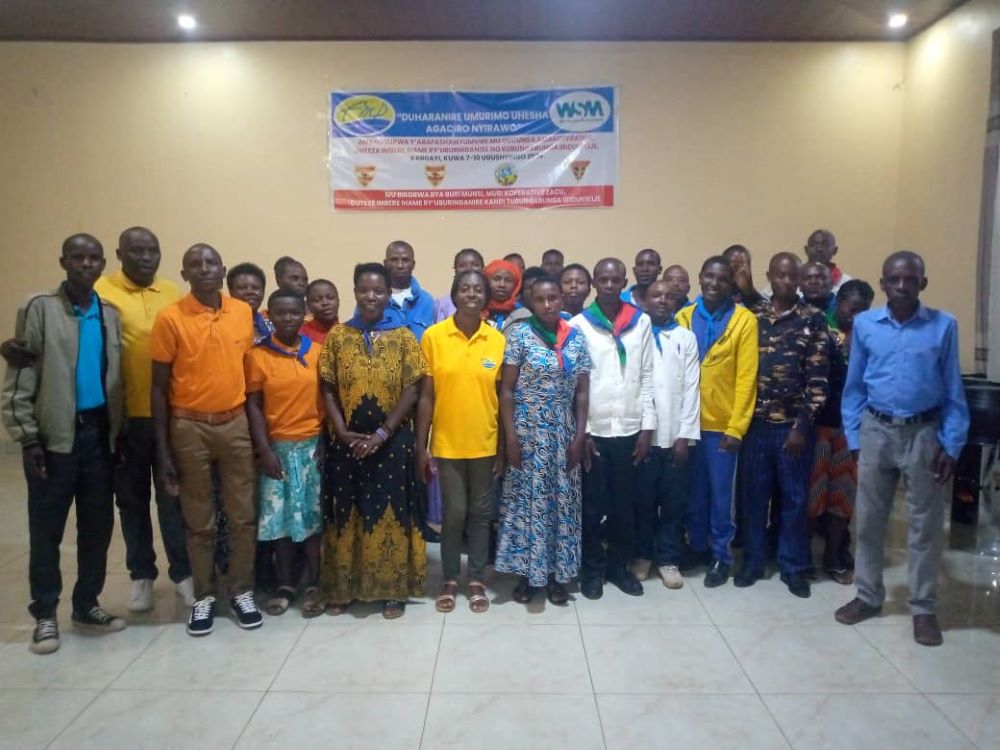
The Federation of Popular Movements (FMP), a coalition of grassroots organizations, has played a central role in fostering this spirit of unity and progress.
It is comprised of smaller groups, including JOC (Young Christian Workers – Male Branch), JOCF (Young Christian Workers – Female Branch), MTCR (Christian Workers’ Movement of Rwanda), and MXR (Xaveri Movement of Rwanda).
These organizations, united by a shared commitment to sustainable development, have pooled their resources and efforts to empower communities across the country.
Over the years, a focus on vocational training, climate and environmental conservation plus modern agricultural practices has led to remarkable progress. Between 2008 and 2024, more than 3,000 individuals were trained in advanced farming and livestock management techniques, with women making up a significant proportion of participants.
Many of these individuals have seen dramatic improvements in their productivity, with some quadrupling their yields. Practical support, such as livestock and agricultural inputs, has further empowered them to implement what they’ve learned, enhancing economic resilience and food security.
In fields like tailoring, mechanics, welding, and hairdressing, over 1,000 participants have gained practical skills that directly translate into income-generating opportunities.
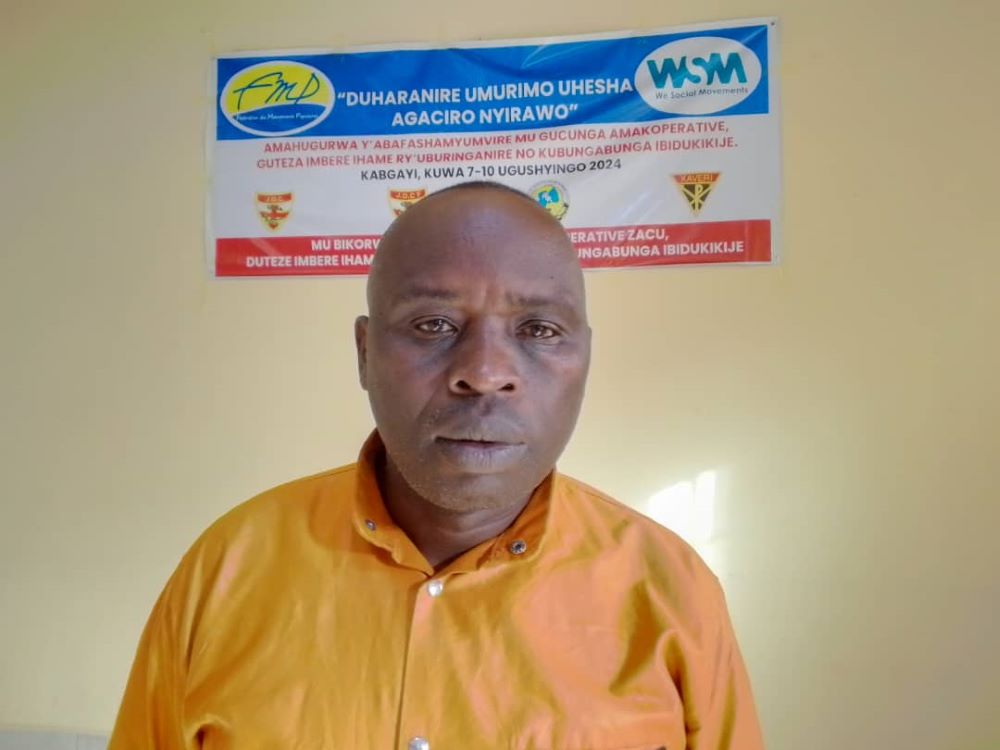
During a training today in Huye district, Innocent Harerimana, the association’s Legal Adviser reflected on these achievements. He highlighted the importance of collective action.
“When people come together and pool their strengths, the results are extraordinary. These achievements are a testament to the power of collaboration and the willingness of individuals to invest in their futures through shared efforts. This spirit of unity is what drives true and lasting development,” he said.
Alongside training, tools and resources were provided to graduates, enabling them to apply their expertise immediately and contribute to their households and communities.
The impact of these efforts is evident in the establishment of 63 active cooperatives, formed by graduates of these initiatives. These cooperatives have not only served as platforms for shared resources but have also nurtured teamwork, financial literacy, and a culture of savings.
Many members now confidently access loans and work collaboratively on projects that enhance development further.
“Our togetherness has fostered more than economic benefits. It has created a sense of shared responsibility and laid a strong foundation for future progress,” said Daphroza Murekatete one of the participants.
As communities continue to celebrate these successes, it is clear that the approach of working together as groups has demonstrated that transformative change is possible when individuals unite towards common goals, proving that the strength of a community lies in its ability to work together.