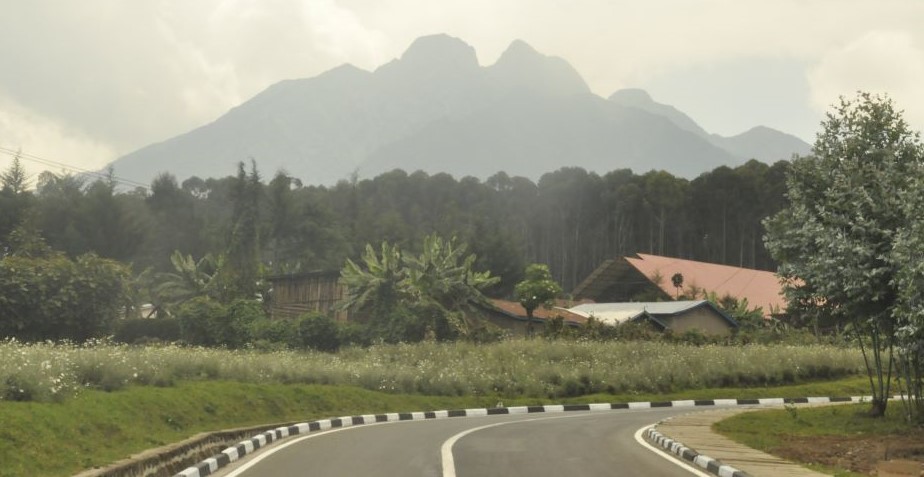
The project will expand the road segment between Nyabugogo (Kigali) and Ruyenzi (Kamonyi District) to four lanes, with climbing lanes added to facilitate heavy truck movement.
Additional infrastructure will include drainage systems, bicycle lanes, and pedestrian sidewalks, ensuring a safer and more efficient transport corridor. “We aim to add lanes on uphill sections, allowing trucks to move without obstructing other vehicles,” he explained.
Kabera emphasized the importance of climbing lanes, which will separate trucks from smaller vehicles on ascents and revealed that expropriation activities will precede construction to clear the path for these upgrades.
Funding for the $120 million (approximately Frw166 billion) project comes from a loan agreement signed on September 13, 2023, in Busan, South Korea, between the Rwandan government and the Export-Import Bank of Korea (Korea Eximbank).
The loan, approved by Parliament on November 13, 2024, will be repaid over 40 years with a 15-year grace period and a nominal interest rate of 0.01%.
The project involves rehabilitating the entire 45-kilometre road, widening 12.2 kilometers to four lanes, and adding 11.9 kilometers of climbing lanes for trucks. These enhancements are expected to improve road safety and reduce traffic congestion, supporting Rwanda’s broader infrastructure development goals.
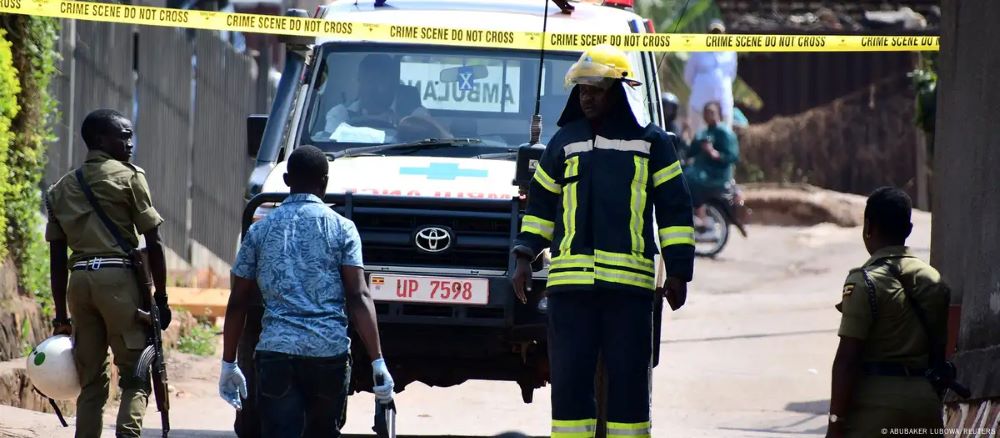
According to a statement released by the police on X, four of the robbery suspects were neutralized during the operation. A fifth suspect was severely injured and is currently in critical condition.
The suspects were already on the police watch list, and authorities suspect they may have been involved in a series of similar robberies that have taken place recently.
“Police have thwarted a bank robbery at Acacia Mall, neutralizing four suspects involved in a Stanbic Bank heist. A fifth suspect is in critical condition. These individuals were already on the police watch list and are believed to be linked to a series of robberies,” Police said.
The robbery attempt comes at a time when bank robberies have been on the rise in Uganda, with criminals targeting commercial banks and their clients.
However, thanks to the swift actions of the Ugandan police, this particular heist was unsuccessful, and the dangerous criminals were brought to justice before they could cause any harm.
Ugandans online have praised the efforts of the police, with many expressing their gratitude for the quick response and ability to prevent a major crime. Social media users are celebrating the police for their dedication and commitment to keeping citizens safe, and there is widespread appreciation for the police’s timely intervention.
“Commendable work done today. All gangs of this category should be put out of Action so that our prisons don’t get too congested by people who don’t want to work,” said an X user identified as Edmund Tumushabe.
The authorities are expected to provide more details soon as investigations continue.
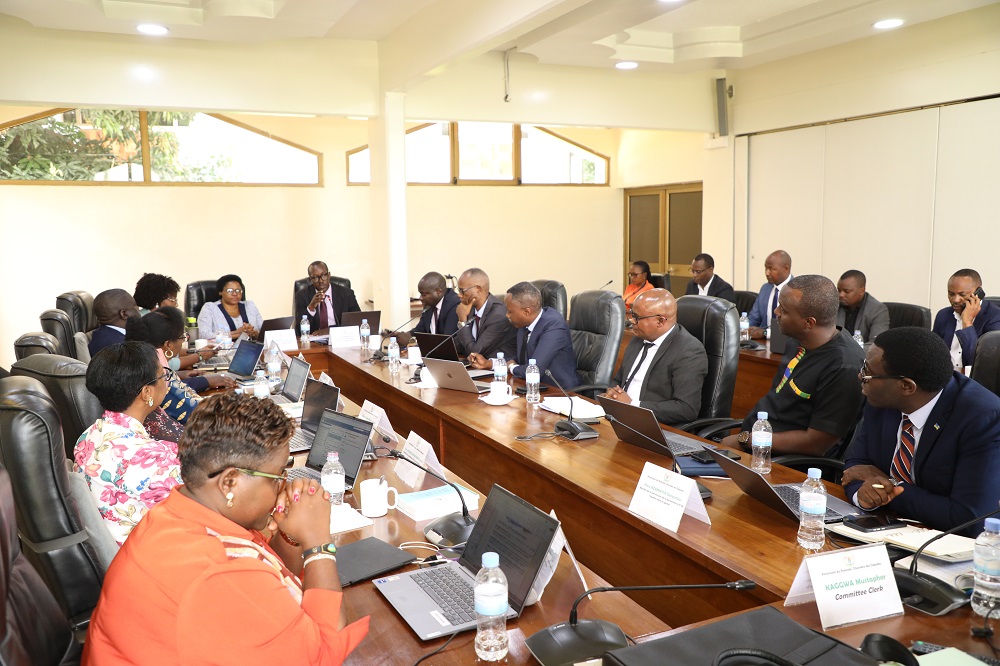
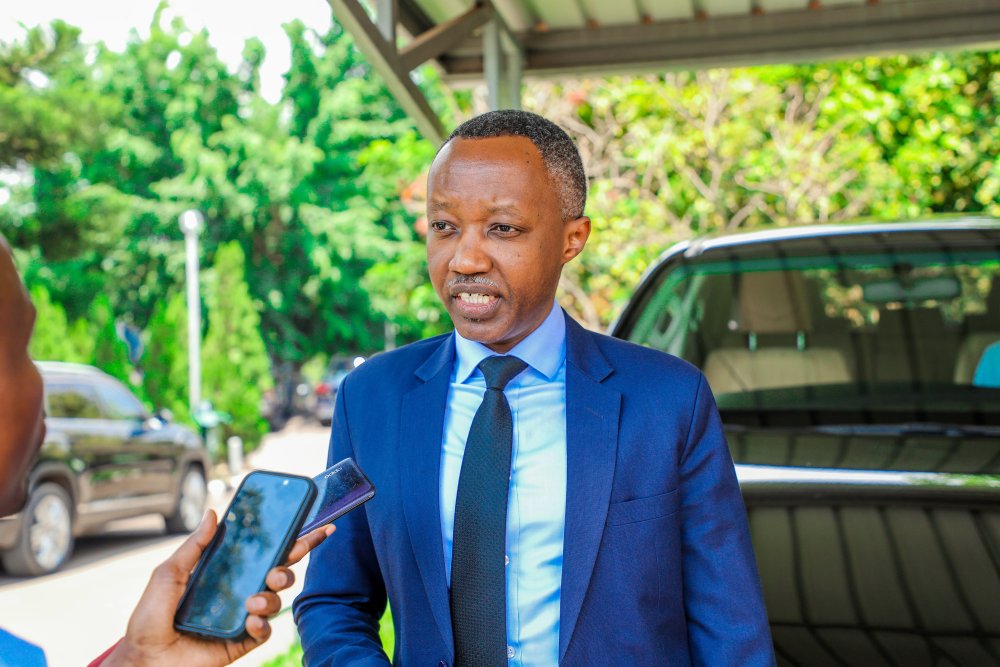
This was announced by the State Minister at the Ministry of Infrastructure, Olivier Kabera, while addressing the Committee on Governance and Gender affairs in the Chamber of Deputies. He was clarifying on issues raised by the Office of the Ombudsman.
One of the concerns highlighted by the Ombudsman was the delayed compensation of citizens for land and property affected by infrastructure projects such as roads, water systems, electricity installations, and other initiatives.
Minister Kabera assured the Members of Parliament that the issue is well understood and that efforts are being made to resolve it urgently, with a clear plan to address it by June 2025.
He explained that in the 2024/2025 fiscal year, the energy sector had around 20,000 compensation cases valued at Frw6.8 billion of which payments exceeding Frw1.8 billion had already been made.
For water-related projects, 19,000 cases required payments amounting to Frw11.8 billion. Out of this, Frw10.4 billion had been disbursed, while compensation worth Frw1 billion is still pending.
Regarding transport infrastructure, such as roads, 10,907 individuals were owed over Frw18.8 billion in compensation, but slightly more than Frw10 billion had been paid.
In the housing sector, 252 properties valued at Frw10.2 billion were involved, with 117 of these, worth more than Frw2.5 billion, already compensated, while the remaining funds are still being sourced.
“We are doing our best to ensure that by 2025, this issue will be resolved. Last week, we held discussions with the Minister of Finance and Economic Planning. We want to put in more effort to solve compensation issues and other related challenges,” Kabera said.
He acknowledged recurring obstacles, such as citizens not having proper documentation for their properties, which complicates land transfer processes. Additionally, some projects commence before adequate funding is secured.
“On our side, we must focus on better planning. Where possible, we should leverage technology or find other solutions,” he added.
During a recent media briefing, President Kagame addressed the issue of citizens being displaced without proper compensation or experiencing delays in receiving it. He noted that the delays often stem from multiple factors, including errors by both citizens and authorities, but assured that the matter is being addressed urgently.
{{Why are citizens displaced without receiving compensation?}}
MP Germaine Mukabalisa questioned why citizens are not properly compensated before being relocated for infrastructure projects.
“There was a resolution that no citizen’s property should be affected without prior compensation, but this still happens. What is being done to ensure that citizens with proper documentation are not displaced without receiving their rightful compensation?” she asked.
She further emphasized that even though infrastructure projects benefit society, citizens without proper compensation are left in dire situations.
“It’s true that we all benefit from the road, but when you put yourself in the shoes of a farmer whose field was taken for the road, and that field was their sole livelihood for five years, how do they survive? Why can’t we adopt the principle that no infrastructure project should displace citizens without compensation?” she questioned.
The Director General of the Rwanda Transport Development Agency (RTDA), Imena Munyampenda, explained that some projects begin before the government has all the necessary funds, which hinders the timely compensation of affected citizens.
However, he assured that efforts are being intensified to ensure that projects are only implemented after citizens have received their compensation.
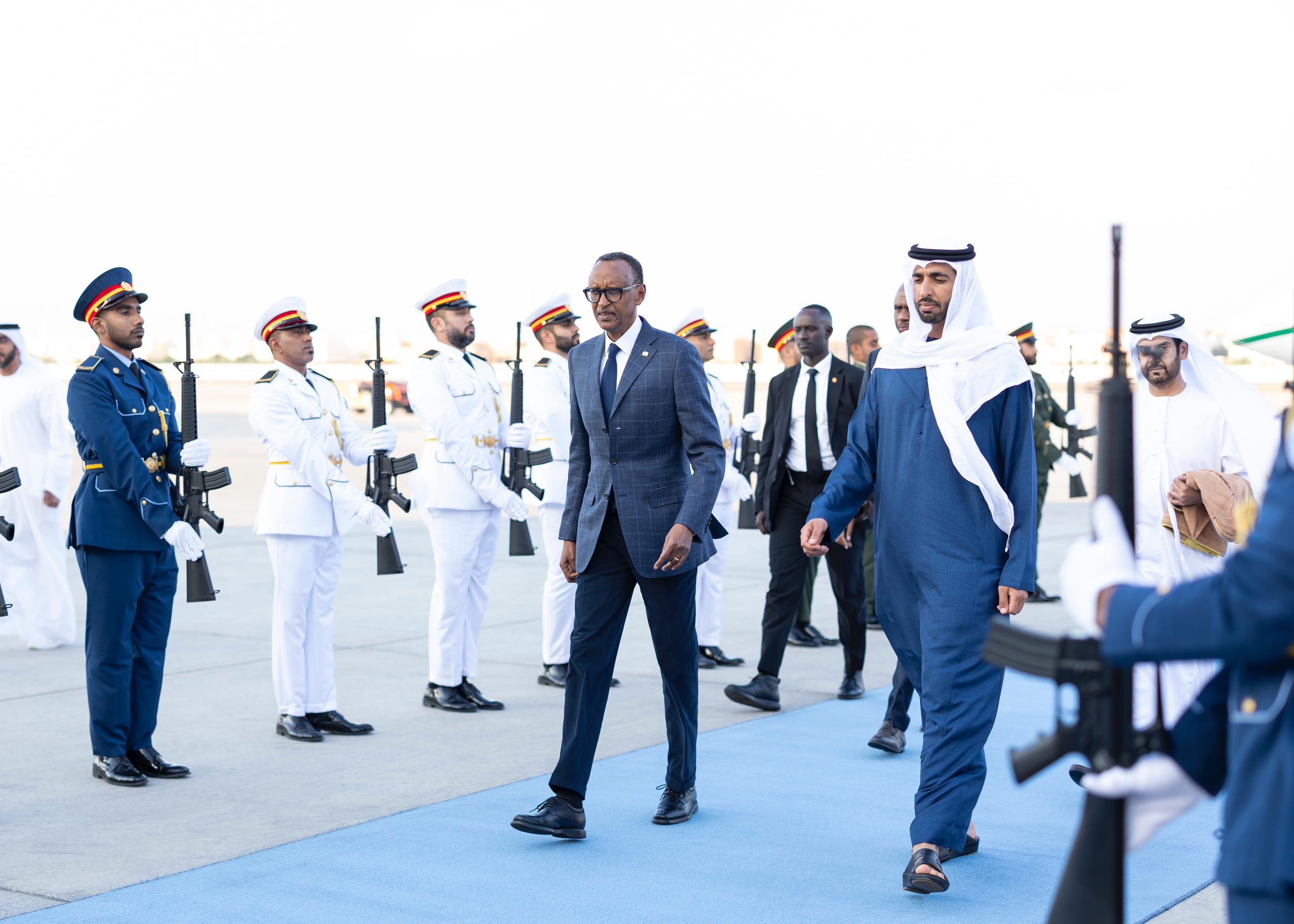
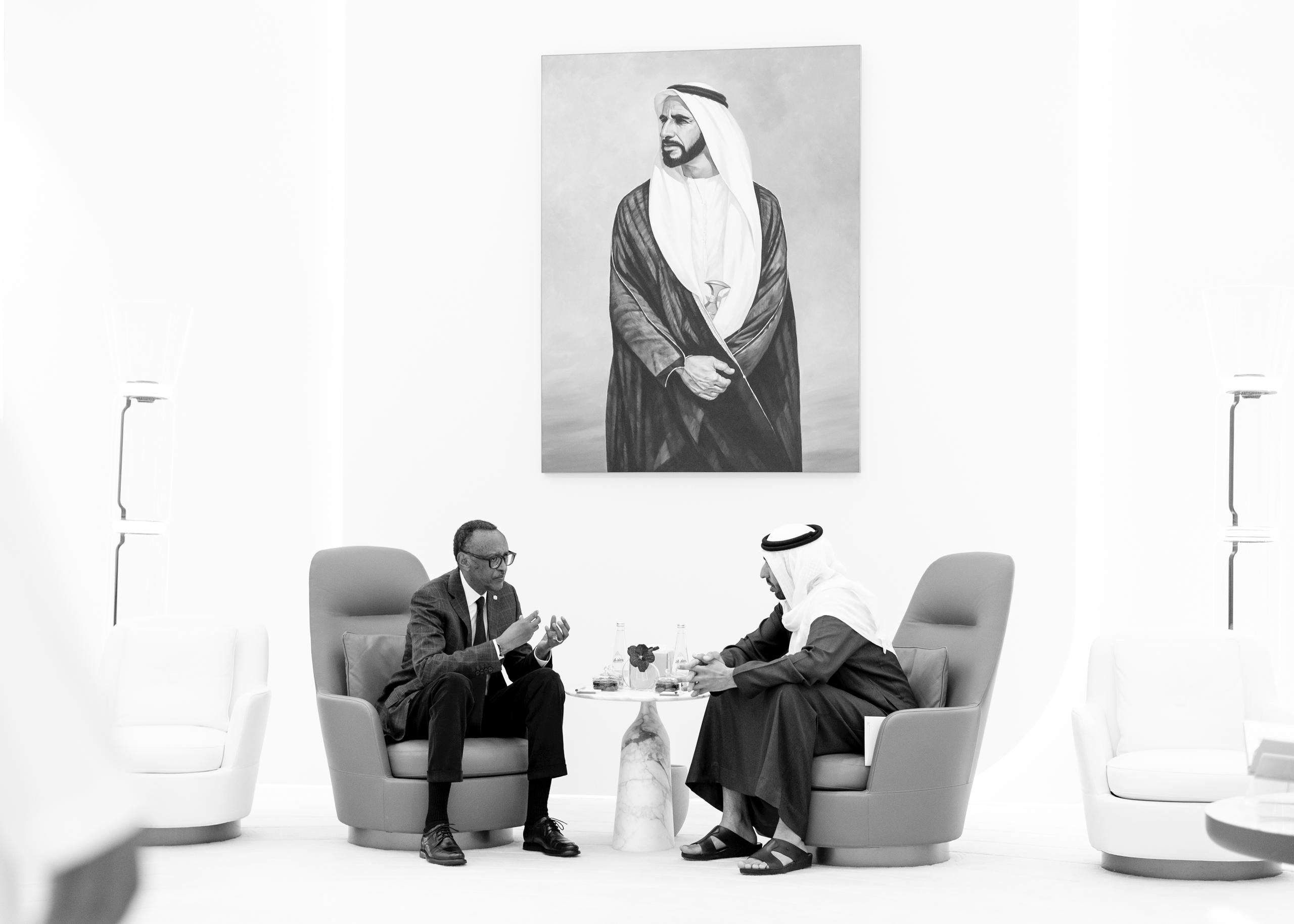
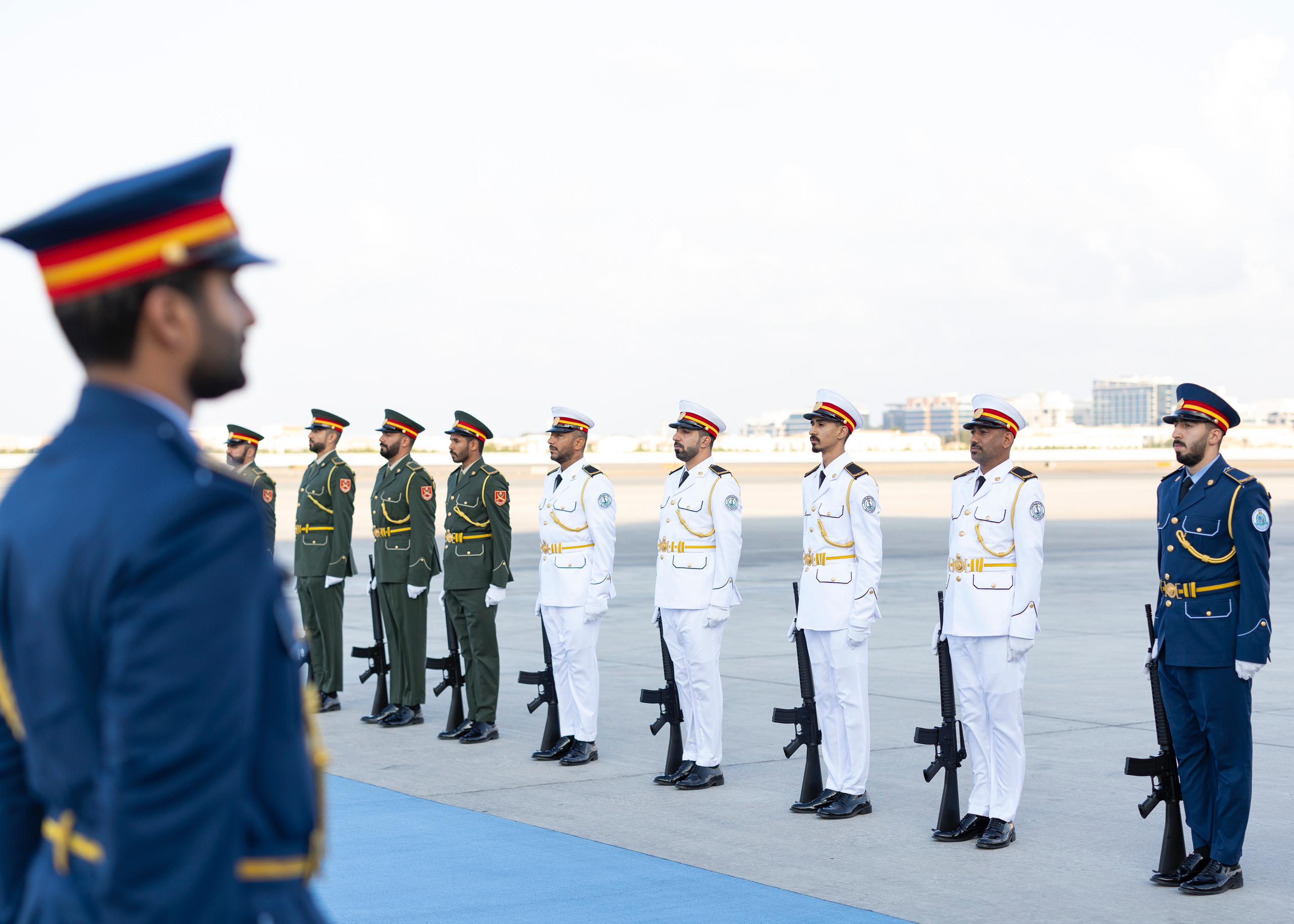
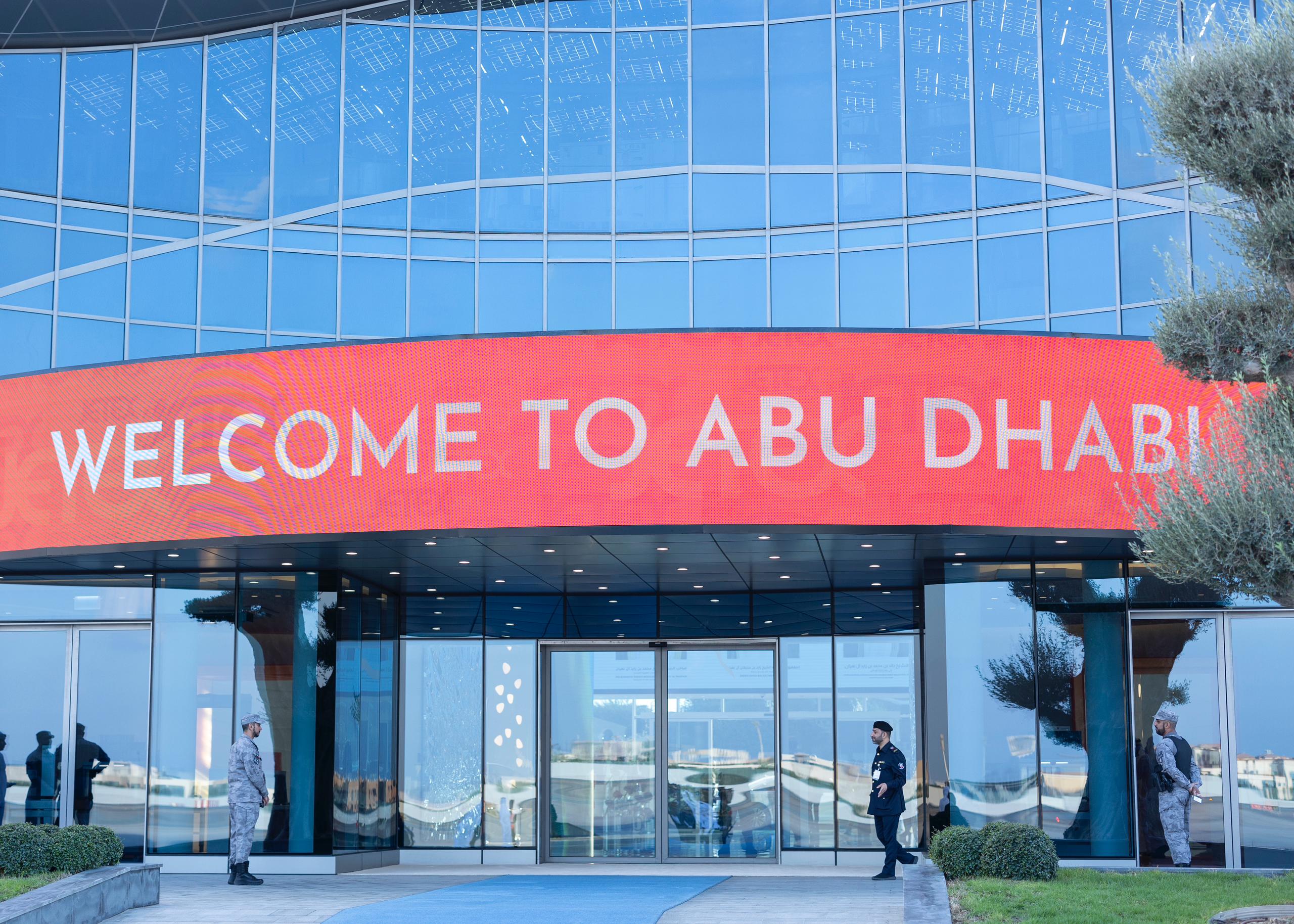
Kagame was welcomed into the UAE by Sheikh Shakhboot Nahyan Al Nahyan, Minister of State in the Ministry of Foreign Affairs.
The ADSW summit, one of the world’s premier platforms for advancing sustainability, will see global leaders, policymakers, and innovators convene to address critical environmental and socioeconomic challenges.
The opening ceremony is scheduled for Tuesday, where President Kagame will join Sheikh Mohamed bin Zayed Al Nahyan, President of the United Arab Emirates, and other Heads of State and dignitaries for the ADSW 2025 event.
President Kagame is also scheduled to deliver keynote remarks on the first day of the ADSW Summit, offering insights on sustainable development.
He will also attend the prestigious Zayed Sustainability Prize awards ceremony, which recognizes and rewards small and medium enterprises, nonprofit organizations, and global high schools with impactful, innovative and inspiring sustainable solutions.
Under the theme, “The Nexus of Next: Supercharging Sustainable Progress”, ADSW 2025 aims to explore the role of advanced technologies in shaping a resilient, inclusive, and prosperous future.
Spearheaded by President Nahyan and Renewable energy company, Masdar,
, the summit serves as a global platform to unite leaders from government, business, and civil society in their shared mission to advance clean energy solutions and sustainable development.
The report sheds light on the conflict involving the DRC’s army (FARDC), armed groups like the FDLR formed by remnant perpetrators of the 1994 Genocide against the Tutsi, Wazalendo, European mercenaries, and MONUSCO, who have been fighting against the M23 rebel group for nearly three years.
Released on December 27, 2024, the report draws on information from the United Nations Organization Stabilization Mission in the Democratic Republic of Congo (MONUSCO), FARDC, and senior officials in the Congolese government.
Despite MONUSCO’s mission to protect civilians in the region, it has allegedly supported FARDC with weapons and equipment, which have also reached terrorist groups like the FDLR.
The collaboration raises doubts about the reliability of information collected by the UN experts from MONUSCO, given its active involvement in the conflict.
{{Biased stance}}
The report lacks input from M23 representatives, focusing instead on testimonies from sources that often remain unnamed or unverifiable.
This approach undermines its credibility and raises questions about the impartiality of the research.
President Paul Kagame criticized such biased reports during a press conference on January 9, 2025, questioning MONUSCO’s effectiveness in addressing the FDLR threat over three decades.
He highlighted that despite the billions of dollars spent, MONUSCO has failed to resolve security challenges in Eastern DRC, choosing instead to shift blame onto Rwanda for Congo’s internal issues.
{{Overlooking the FDLR threat}}
The FDLR remains central to the tensions between Rwanda and the DRC, given its history of cross-border attacks on Rwanda and its destabilizing presence in the region.
However, the UN Group of Experts’ report largely downplays the FDLR’s role and its integration into the Congolese military, portraying this as a strategy to cover the group’s continued existence.
Besides, MONUSCO, which has been tasked with dismantling armed groups in DRC like the FDLR, now appears to be aligned with forces aiming to destabilize Rwanda.
{{Alleged links between M23 and ADF}}
The report also alleges a connection between the M23 and the Allied Democratic Forces (ADF), a group associated with the Islamic State and known for crimes against humanity.
This claim, based on unverified social media rumors, has been dismissed by M23 as baseless.
M23 has repeatedly sought dialogue with the DRC government to address security issues, including the ADF threat.
Analysts argue that the UN’s narrative reinforces the DRC’s portrayal of M23 as a terrorist group, further justifying military operations against them despite their calls for peace.
{{Ignoring FARDC’s collaboration with militia groups}}
The report highlights FARDC’s alliances with armed groups like Wazalendo but fails to address their well-documented atrocities.
Wazalendo, which partly includes former FDLR fighters, has been implicated in attacks on Congolese Tutsi communities, such as the October 2023 massacre in Masisi.
The presence of over 1,600 European mercenaries fighting alongside FARDC also goes unmentioned, despite their use of weapons provided by MONUSCO.
This omission contradicts international norms, which prohibit the use of mercenaries in conflicts.
By overlooking the FDLR threat, FARDC’s alliances with militia groups, and the role of MONUSCO, the report risks undermining efforts to achieve sustainable peace in the region.
The appointment was announced by Prime Minister Édouard Ngirente on Monday, January 13, 2025.
“Pursuant to the Constitution of the Republic of Rwanda, particularly Article 112, His Excellency the President of the Republic has today, January 13, 2025, appointed Mr. Jean-Guy Afrika as the Chief Executive Officer of the Rwanda Development Board (RDB),” Dr. Ngirente stated in a communiqué.
Afrika brings to RDB a wealth of experience in regional integration, infrastructure finance, and public policy. His expertise will be pivotal in advancing RDB’s core mandate to drive Rwanda’s economic growth, attract investment, promote exports, develop the tourism sector, and ensure the country has the necessary skills and infrastructure to sustain long-term economic development.
Before his new appointment, Afrika served as Acting Director of the Regional Integration Coordination Office at the African Development Bank (AfDB), a position he held since December 16, 2021. In this capacity, he demonstrated exceptional leadership and contributed significantly to Africa’s regional development goals.
He joined the AfDB in 2010 and held various key positions across departments focused on trade, infrastructure, and industrialization.
In his previous role, Afrika was responsible for overseeing a regional integration portfolio valued at $13 billion and played a pivotal role in structuring the $555 million Central Africa Republic-Congo multimodal transport project.
Afrika’s extensive experience includes advising on the design and implementation of over 35 projects spanning critical sectors like trade facilitation, energy, agriculture, and private sector development. He also contributed to major initiatives such as the Africa Regional Integration Index and the Africa Visa Openness Index, which are now flagship knowledge products for the African Union.
Afrika holds a Master of Arts degree in International Commerce and Policy from George Mason University and has further advanced his leadership expertise through executive programs at institutions such as Harvard Kennedy School and Oxford University.
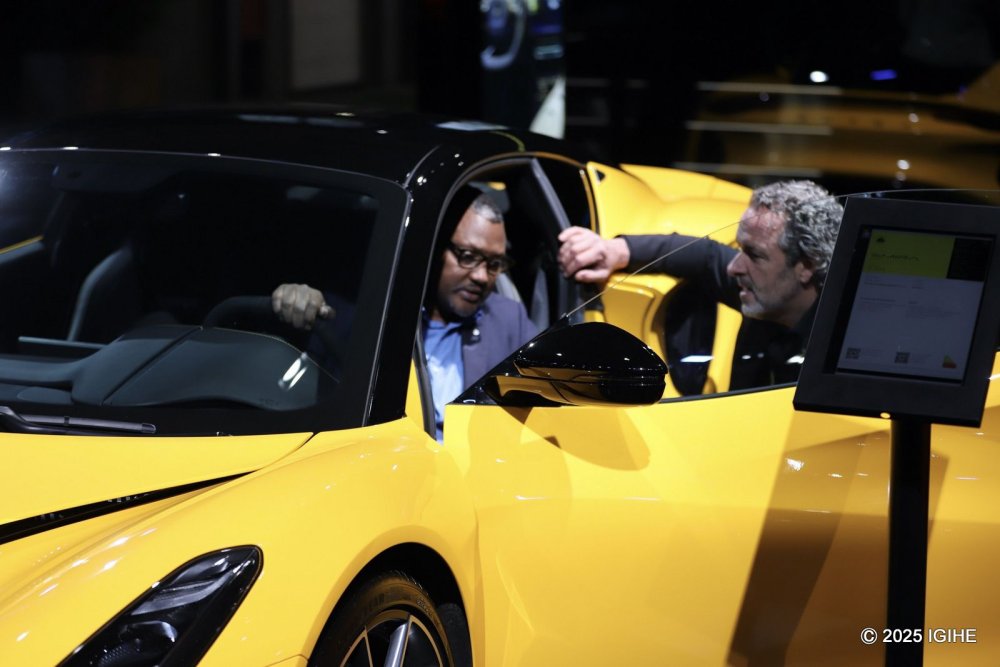
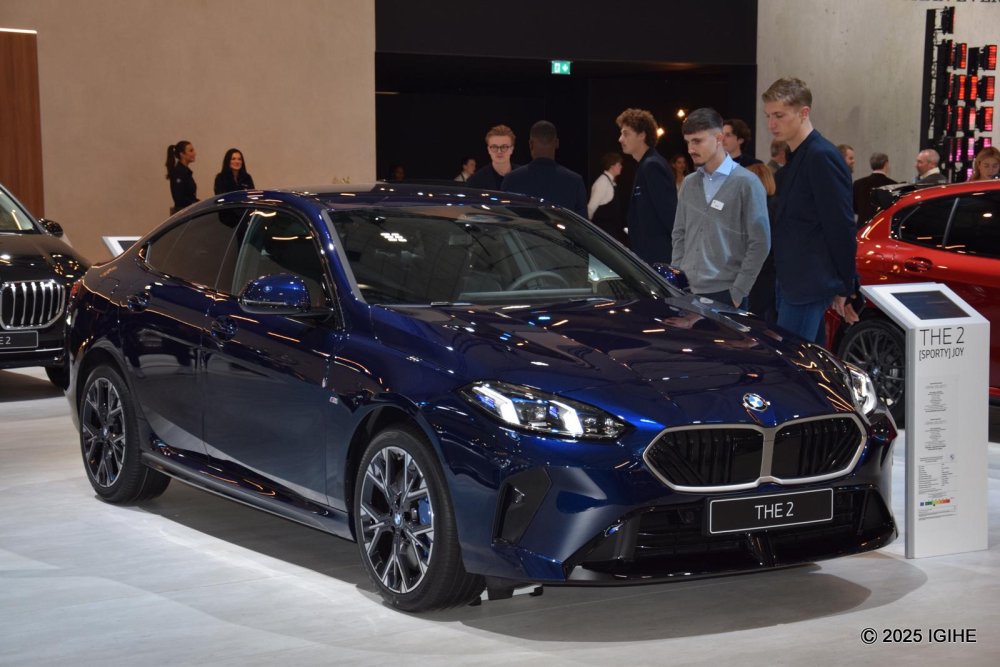
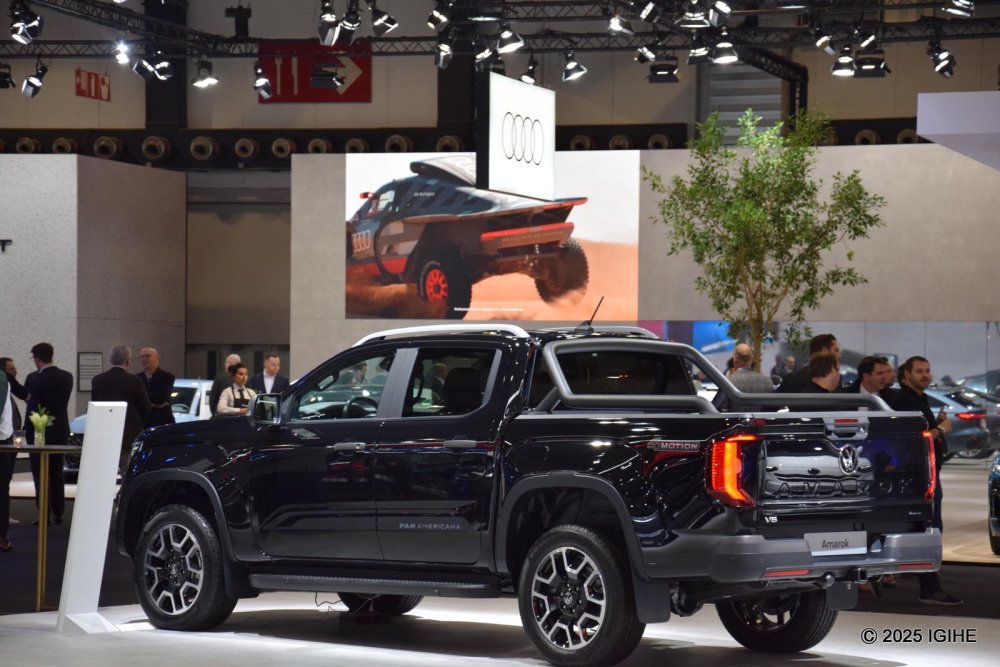
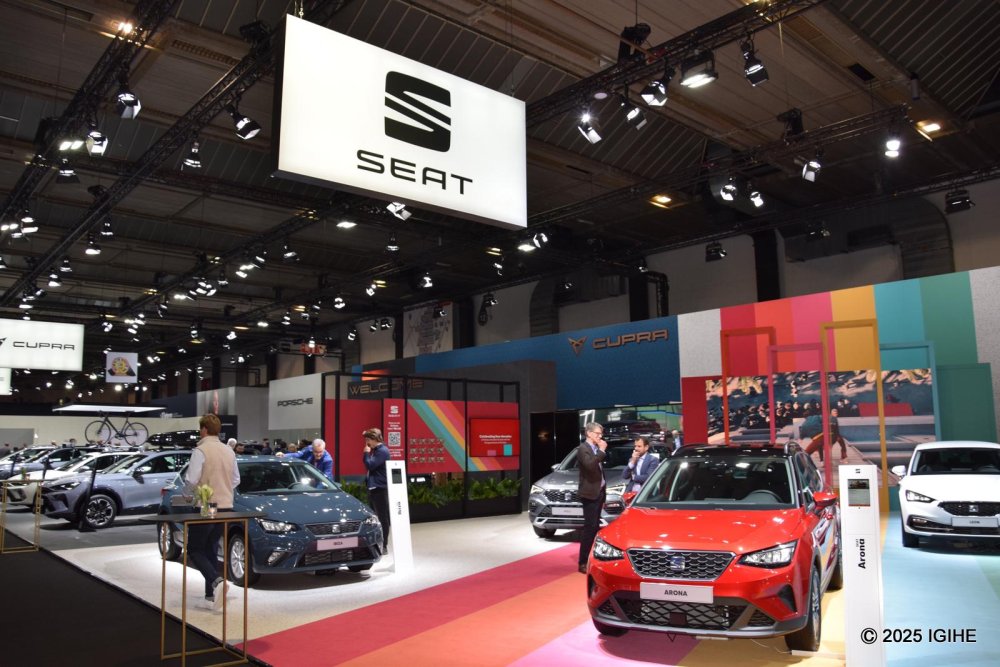
This annual motor show brings together leading carmakers from around the globe to display vehicles designed to meet the changing demands of consumers and the industry.
This year’s exhibition highlighted the rapid technological advancements shaping the automotive sector.
Manufacturers presented vehicles that incorporated cutting-edge features, emphasizing sustainability and environmental responsibility.
Eco-friendly cars are becoming a major focus, with both consumers and producers prioritizing greener alternatives.
Alongside the vehicle unveilings, the event hosted discussions on automotive technology and manufacturing processes, providing a platform for industry leaders to exchange knowledge and expertise.
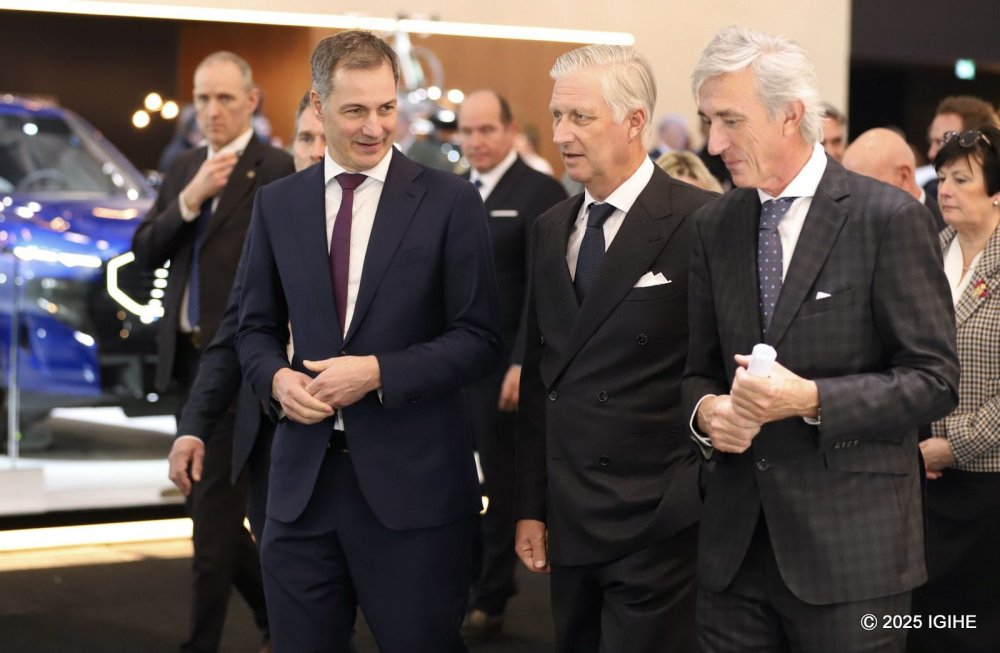
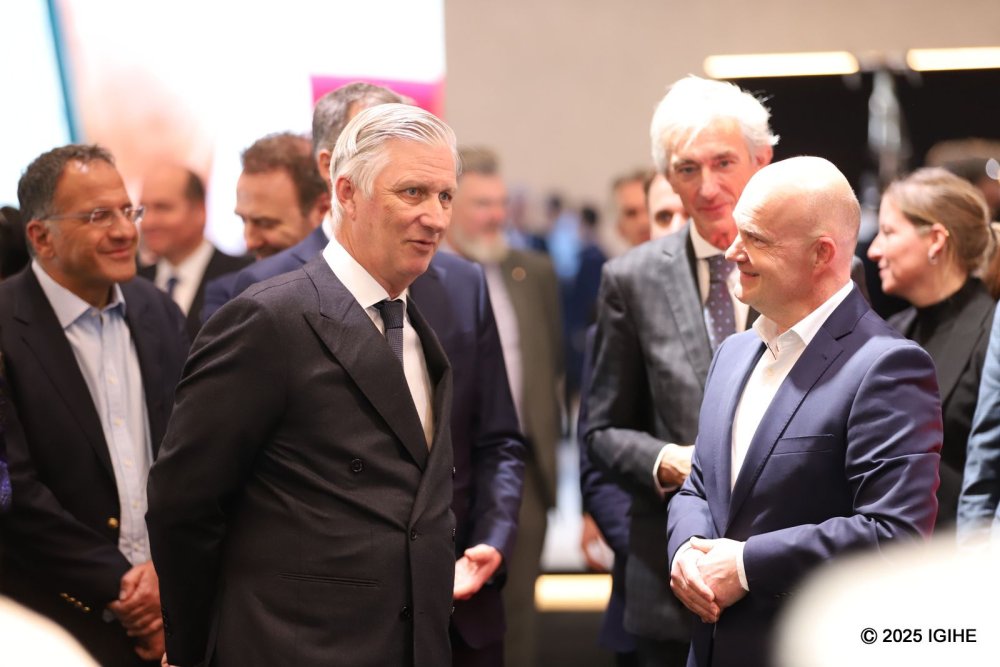
The exhibition, which began on January 10, 2025, will run until January 19. It was officially opened by King Philippe of Belgium, joined by Prime Minister Alexander De Croo and Brussels Mayor Philippe Close.
Over 60 automakers participated this year, including industry giants such as Volkswagen, Groupe Renault, and Mercedes-Benz.
Groupe Stellantis, formed in 2021 through the merger of Fiat Chrysler Automobiles and PSA Peugeot-Citroën, also showcased its diverse lineup of brands, including Abarth, Alfa Romeo, Citroën, DS Automobiles, Fiat, Jeep, Lancia, Leapmotor, Opel, and Peugeot.
Other notable participants included Kia, Hyundai, Isuzu, Maxus, MG, KGM, Suzuki, Ford, and Mazda.
Among the standout vehicles was the Audi RS Q8 2025, a luxury SUV priced at $137,495. The car is equipped with a 4.0-liter V8 engine, producing 631 horsepower and 627 lb-ft of torque.
With an 8-speed automatic transmission and 4WD, it accelerates from 0 to 60 mph in just 3.4 seconds, reaching a top speed of 250 km/h.
The Audi RS Q8 2025 also features advanced safety technologies, including lane departure warnings and automatic emergency braking, offering a blend of performance, luxury, and cutting-edge safety.
Others include the KIA EV3, a car unveiled for the first time at the end of 2024. It is fully electric, featuring a motor capable of covering up to 600 kilometers on a single charge.
The car’s weight ranges between 1,750 and 1,850 kilograms, with a horsepower of 201 and torque of 283, delivering impressive performance and smooth driving.
Its acceleration is powered solely by the front wheels, allowing it to gain speed quickly. When the accelerator is pressed, the car can reach 100 kilometers per hour in just seven seconds.
The BMW XM was another highlight of the exhibition. Priced from $159,000, this hybrid car combines electricity and gasoline, featuring both a V8 engine and an electric motor. It can travel up to 50 kilometers on electricity alone.
The Salon de l’Auto remains one of the premier events in the automotive world, offering an exciting preview of the innovations and technologies shaping the future of mobility.
The vehicles showcased at this year’s event underline the industry’s commitment to driving forward technological advancements and sustainable design.
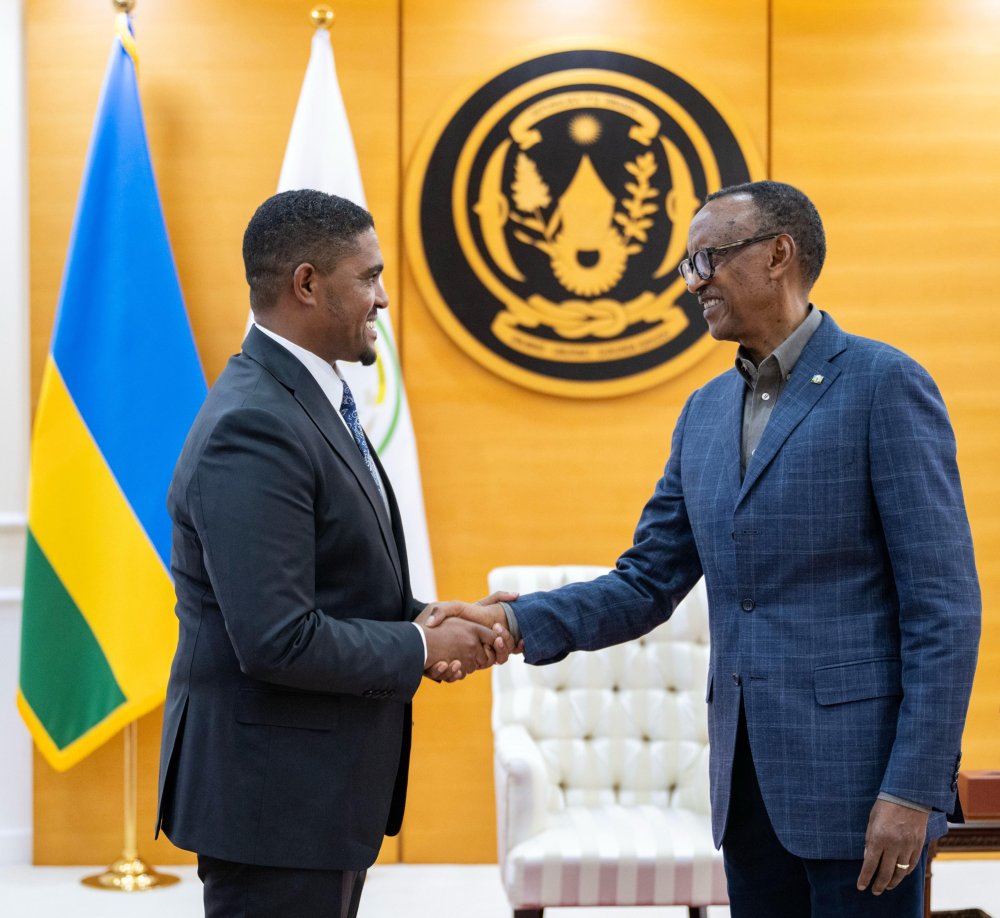
The meeting was confirmed by the Office of the President through a statement shared on X, which highlighted that both parties discussed the bilateral relations.
Shimelis Abdisa has been leading Oromia since April 2019 and has been Chief Staff of the Prime Minister since 2018, Abiy Ahmed, since 2018.
Oromia is the largest region in Ethiopia, covering more than 350,000 square kilometers and home to nearly 40 million people, approximately a third of Ethiopia’s population.
The region is located in central Ethiopia, extending to the western part, sharing borders with other parts of the country in the Horn of Africa, excluding Tigray.
Oromia is known for its fertile land, natural resources, and agricultural production, particularly coffee.
It is also rich in minerals such as gold, gemstones, and others. However, the region has faced political challenges, natural disasters, and other issues.
Rwanda and Ethiopia have a strong relationship based on diplomatic respect and cooperation agreements aimed at benefiting their citizens.
The two countries have signed various agreements, including those focused on cooperation in law enforcement, media, sports, tourism, healthcare, education, and culture.
Their partnership extends to agriculture, trade, education, and air travel services with agreements between RwandAir and Ethiopian Airlines.
In 2024, Rwanda and Ethiopia signed cooperation agreements in five areas, including political collaboration, business, sports, disaster management, and investment.
The countries also share a deep connection through their people-to-people exchanges. In April 2024, Ethiopia’s Prime Minister, Dr. Abiy Ahmed, attended Rwanda’s commemoration of the 30th anniversary of the 1994 Genocide against the Tutsi.
President Kagame and Dr. Ahmed have held several discussions, including during the 2023 Africa-Saudi Arabia summit, to further strengthen the relationship between the two nations.
The two leaders also met in 2021 during a two-day visit Dr. Ahmed made to Rwanda.
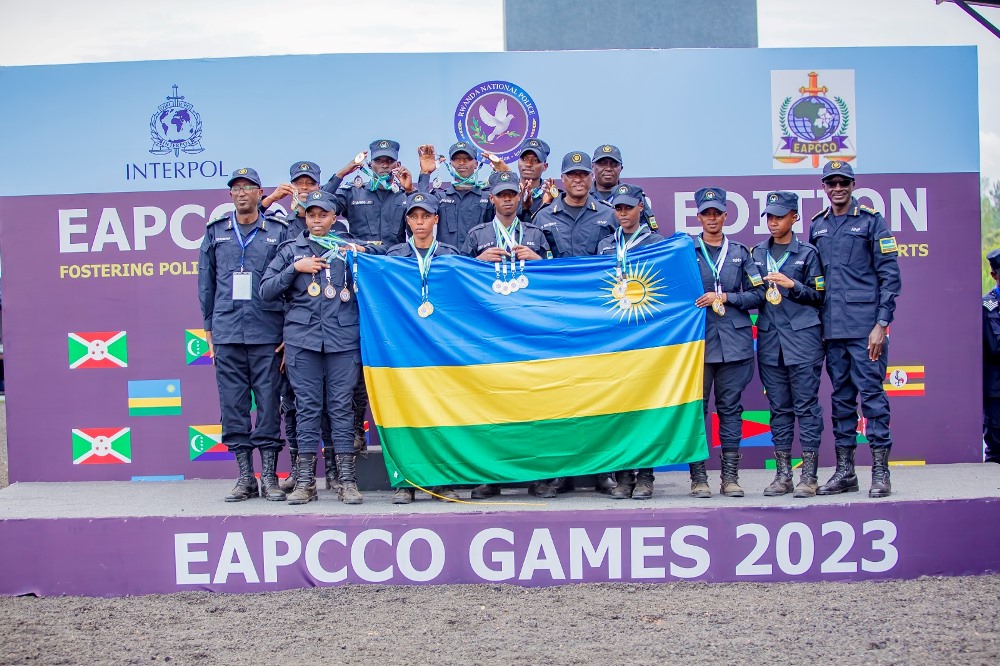
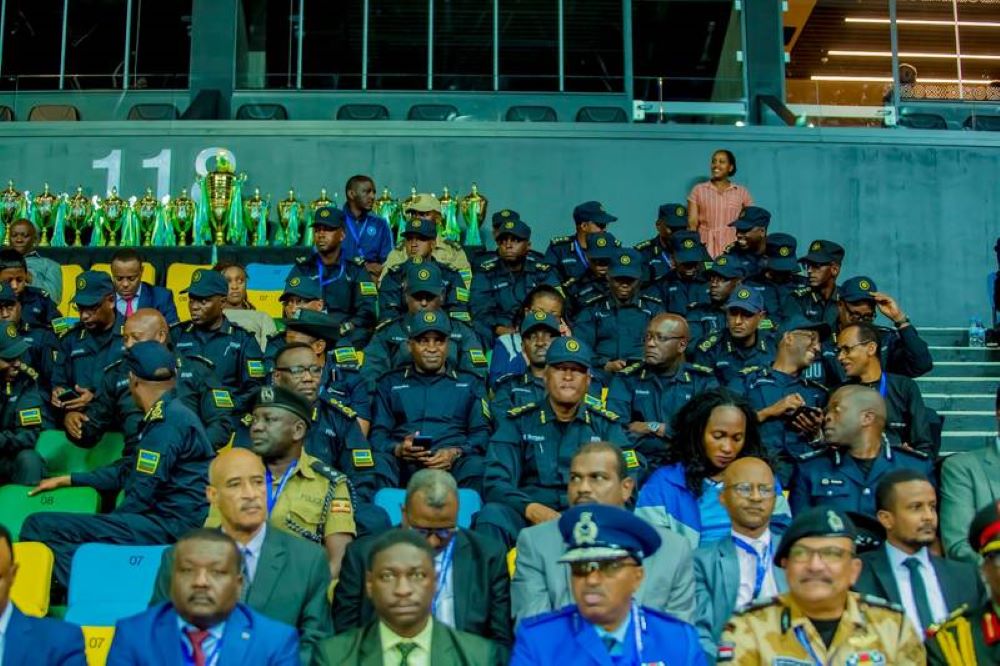
This pivotal gathering will bring together Chiefs of Police from 14 member countries to engage in discussions aimed at strengthening cross-border cooperation in combating emerging security threats.
As the region grapples with increasingly sophisticated and transnational criminal activities, the AGM serves as a critical platform for addressing shared challenges, fostering intelligence exchange, and enhancing the collective capacity of law enforcement agencies.
The theme of this year’s meeting, “Strengthening regional law enforcement cooperation to counter terrorism, transnational, organized, and emerging crimes,” reflects the growing need for robust collaboration in tackling complex security issues that transcend national borders.
The meeting will not only focus on current crime trends but will also explore innovative solutions to enhance regional security and prevent future threats.
A unified response to regional security challenges
Founded in 1998 in Kampala, Uganda, EAPCCO was established as a regional response to the increasing threat posed by transnational and organized crimes.
The organization aims to unite law enforcement agencies in Eastern Africa to combat these shared threats.
The 14 member countries of EAPCCO include Rwanda, Uganda, Kenya, Tanzania, Burundi, Comoros, Ethiopia, Eritrea, Djibouti, Sudan, South Sudan, Democratic Republic of Congo, Seychelles, and Somalia.
EAPCCO’s core mission revolves around strengthening cooperation among member states to address regional crime, share vital intelligence, and build capacity to effectively combat emerging threats.
Over the years, the organization has evolved into a key player in regional security, ensuring that law enforcement agencies remain equipped to tackle challenges that affect the entire region.
{{Collaboration and capacity building}}
EAPCCO’s main objectives focus on promoting cooperation, enhancing crime management, and strengthening law enforcement across the region.
This includes fostering joint strategies to combat cross-border and related crimes, disseminating information on criminal activities, and facilitating efficient management of criminal records.
The organization also places a significant emphasis on training and capacity building, ensuring that law enforcement agencies are well-prepared to meet the region’s evolving security needs.
Through its various subcommittees and initiatives, EAPCCO continually develops new approaches to address the complex landscape of regional security.
The organization’s efforts have been instrumental in shaping a more cohesive and effective regional response to emerging crime trends.
{{Focus areas of the 26th AGM}}
The 26th AGM will focus on addressing key crime areas that are increasingly affecting the region, including financial crimes, terrorism, human trafficking, drug trafficking, cybercrime, and intellectual property crimes.
These areas have become more interconnected and complex, necessitating a coordinated response from member states.
{{Reviewing resolutions’ implementation}}
At the AGM, Chiefs of Police will review the implementation of previous resolutions and evaluate the effectiveness of ongoing efforts to combat transnational organized crime.
The meeting will provide an opportunity to assess the challenges faced in implementing these strategies and identify actionable measures to overcome obstacles.
Additionally, the meeting will facilitate the approval of new recommendations and resolutions aimed at improving regional cooperation and enhancing the capacity of law enforcement agencies.
The AGM will also serve as a platform for sharing best practices and experiences, allowing member countries to learn from one another’s successes and challenges in tackling criminal activities.
Through these discussions, EAPCCO will continue to refine its strategies, ensuring that law enforcement agencies are better equipped to address both current and emerging threats.
{{A showcase of tactical excellence}}
This year’s AGM introduces a dynamic new feature: the EAPCCO SWAT Challenge.
Set to take place from January 29-30, 2025, at the Counter-Terrorism Training Center (CTTC) in Bugesera District, the SWAT Challenge will showcase the operational readiness and skills of police tactical units from EAPCCO member countries.
Elite law enforcement teams will compete in various exercises designed to test their physical fitness, teamwork, and tactical expertise in responding to security incidents.
The event will not only serve as a demonstration of the region’s capacity to respond to critical security situations but will also foster knowledge sharing among participating teams.
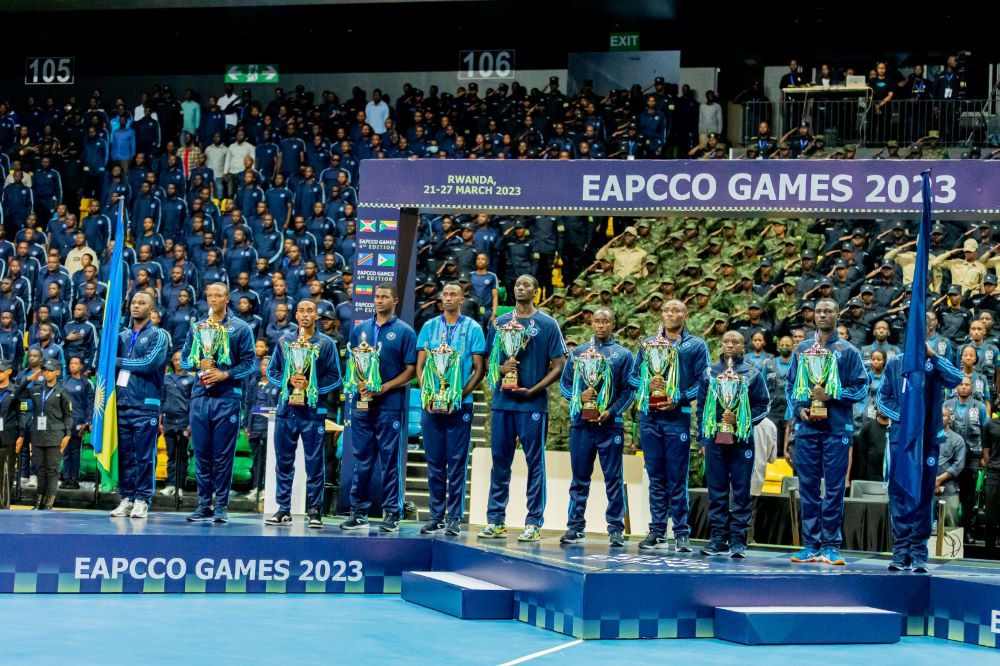
The best-performing units will be recognized for their excellence in law enforcement, further promoting a spirit of healthy competition and continuous improvement among the region’s law enforcement agencies.
{{EAPCCO Events}}
The AGM key events include the meeting of Chiefs of Police—a supreme decision-making authority of EAPCCO—Council of Ministers, and sideline meetings that include the Permanent Co-Coordinating Committee (PCC) composed of directors of Criminal Investigations and Heads of National Central Bureaus (NCB).
Other sideline subcommittee meetings include those on legal, training, cybercrime, gender and counter-terrorism.
Each session provides a unique opportunity to share experiences, review progress, and discuss new ways to address challenges facing the region.
During the AGM, there is always change of chairmanship to the Chief of Police of the host country.
The National Weather Service issued red flag warnings for severe fire conditions through Wednesday, with dangerously high winds expected to return.
Sustained winds of 50 mph and gusts up to 70 mph are forecast for the region, particularly on Tuesday, which could make firefighting efforts even more difficult.
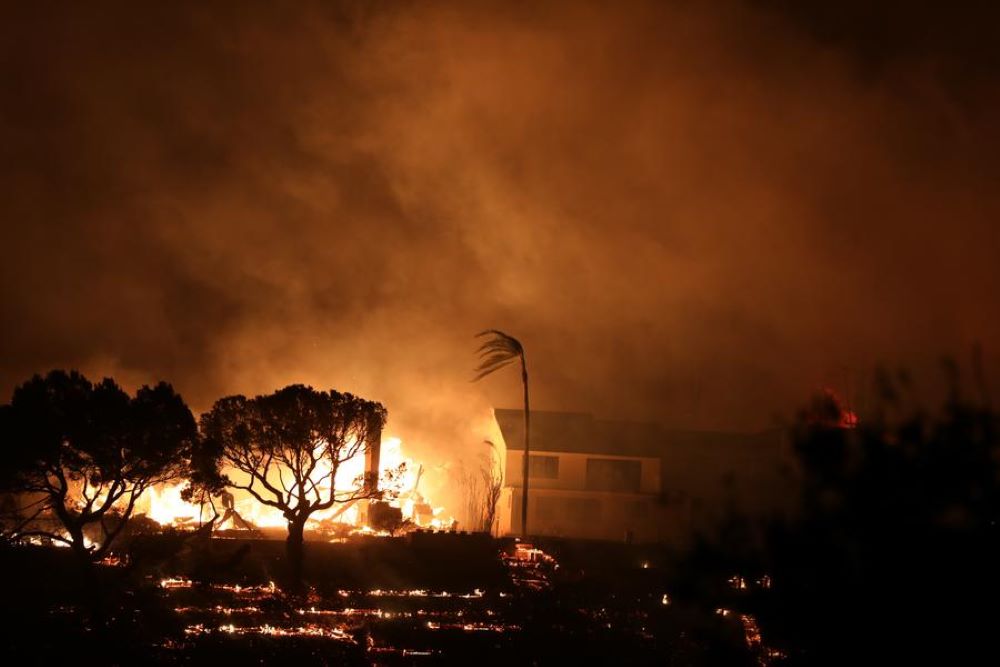
The combination of dry conditions, low humidity, and strong Santa Ana winds is fueling the flames, making this one of the most perilous fire seasons in recent memory.
Fire crews received additional support on Sunday, with 70 water trucks deployed to help fight the flames. Aircraft also dropped fire retardant along vulnerable hillsides in an attempt to slow the spread of the fires.
The fires, which began last week, have been exacerbated by the dry conditions and the powerful Santa Ana winds, which have turned them into catastrophic wildfires.
More than a dozen people are missing in the areas affected by the Eaton Fire and Palisades Fire, and authorities are working to confirm whether some of the missing may be among the fatalities.
With little rainfall in the area for over eight months, the region remains highly susceptible to further fire risks, and officials are bracing for the worst as winds pick up again.