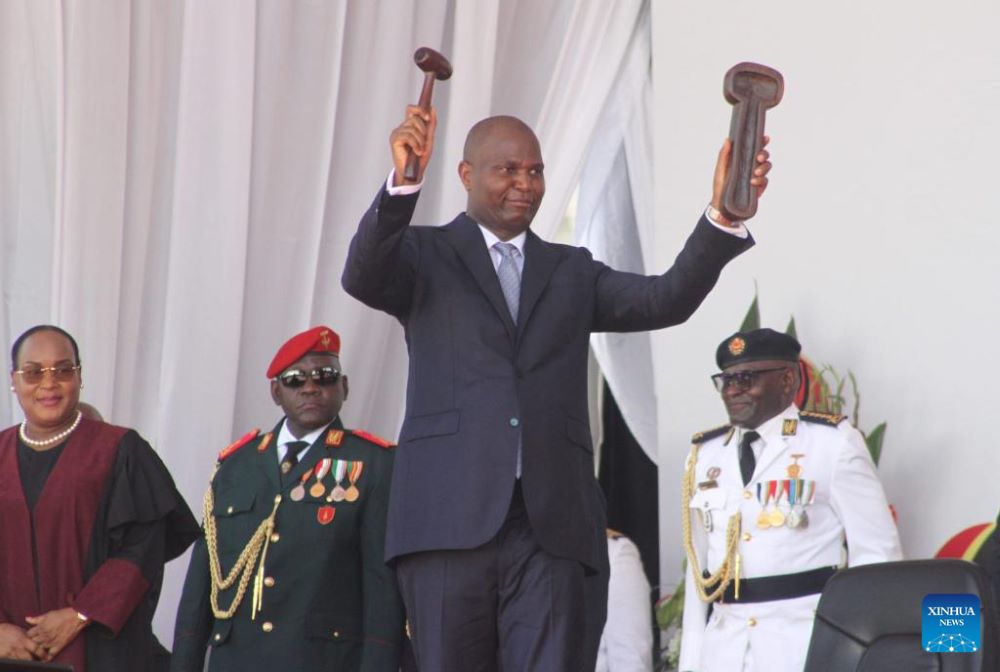
The event at Independence Square featured prominent attendees, including former presidents Joaquim Chissano and Armando Guebuza, outgoing leader Filipe Nyusi, and international dignitaries like South African President Cyril Ramaphosa.
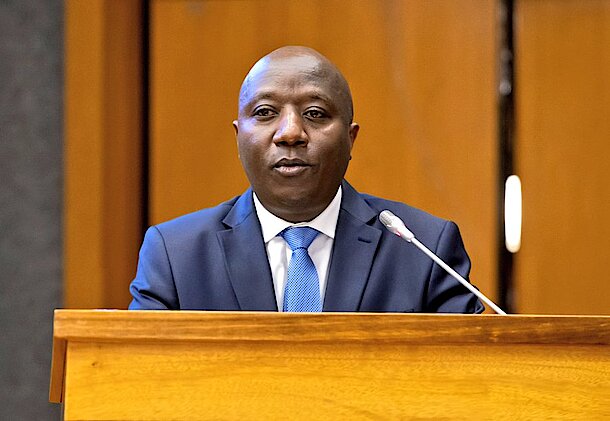
Rwanda was represented by Prime Minister, Dr. Edouard Ngirente on behalf of Pesident Paul Kagame.
In his inaugural address, Chapo outlined plans to streamline the government by reducing the number of ministries and replacing deputy minister roles with state secretaries who will report directly to ministers.
He emphasized the goal of creating a leaner, more efficient administration.
Chapo also pledged to tackle corruption, reduce privileges for state officials, privatize non-strategic state enterprises, and intensify efforts against kidnappings and organized crime.
Outgoing President Nyusi called for national unity, urging Mozambicans to rally behind Chapo’s leadership.
Current secretary-general of the ruling party Frelimo, Daniel Chapo was born in the central province of Sofala in 1977 and graduated in Law from the Eduardo Mondlane University in 2000, making him the first President of the Republic born after the country’s independence in 1975.
He won the October 2024 general election with 65.17% of the vote.
The MPs made discussed the challenges during a visit to the Rwandan Senate. The visit aimed to showcase the achievements of Rwanda during its 25 years as a member of the regional bloc.
MP Fatuma Ndangiza, who leads the team of nine Rwandan representatives in EALA, stated that while the assembly has taken steps to prepare for the single currency initiative, certain actions are pending at other levels of governance.
“There are institutions that need to be established. As a legislative body, we have passed the required laws, but at the level of the heads of state, there are agreements that need to be expedited,” said Ndangiza.
She also highlighted that some member states are lagging behind in implementing crucial measures needed to pave the way for the single currency.
“When it comes to the EAC Common Market, progress is still slow. Achieving the single currency depends heavily on the full realization of the Common Market, which is one of the two key pillars that must be implemented almost entirely,” she added.
The EAC single currency policy, introduced in 2013, aimed to prepare all necessary groundwork within a decade to launch the currency.
The project was initially well-received, as it promised to simplify regional trade by reducing reliance on the US dollar and boosting economic integration.
However, progress has been slow due to delays in implementing foundational steps.
For instance, in 2016, during a meeting of EAC central bank governors, it was reported that preliminary work on their end had been completed, raising expectations that the currency would be introduced by 2024.
One major factor delaying the project is the establishment of the East African Monetary Institute (EAMI), tasked with laying the foundation for the single currency and eventually serving as the region’s central bank.
The institute was supposed to be operational by 2015 but has yet to be established.
In 2023, Rwanda’s Central Bank Governor, John Rwangombwa, emphasized that several critical steps remain before the single currency can be launched.
However, he expressed optimism that these steps could be completed, enabling the EAC to introduce the currency by 2031.
However, further studies are needed to determine the quantity of oil and the costs involved in its extraction.
“The good news is that we have oil. Preliminary research in Lake Kivu revealed 13 wells with signs of oil,” RMB’s CEO, Francis Kamanzi, told members of parliament on Wednesday, January 15, 2025.
“Considering discoveries in neighboring regions like Uganda, oil was discovered in Lake Albert, which is believed to be part of the same rift valley stretching through Lake Kivu to Lake Tanganyika. There is confidence that oil exists,” he added.
Kamanzi shared the development during a discussion between the Parliamentary Committee on Governance, Gender Equality and the Ministry of Environment.
Efforts to explore oil in Rwanda began years ago but were halted in 2014.
They resumed after Canada-based company Black Swan Energy discovered that parts of Eastern Kivu could yield oil and gas easily.
The presence of methane gas in Lake Kivu was an initial indicator of potential oil deposits, as methane is often found alongside oil.
Kamanzi expressed optimism, suggesting that Lake Kivu might have larger oil reserves than neighboring countries: “Our Lake Kivu is deeper than other lakes in the region, so we might have more oil than our neighbors.”
While the initial studies confirmed the presence of oil, deeper exploration is needed to determine the quantity, type, and commercial viability.
This involves drilling to collect samples for laboratory analysis.
The process is expensive, as the cost of drilling one well can exceed $15 million (approximately Frw 20 billion).
Earlier research, conducted at depths of up to 480 meters, included deploying machines to collect samples from the lakebed.
These samples confirmed the presence of methane gas and potential oil reserves.
The next phase involves deploying advanced machines to create detailed maps of the lakebed, identifying precise locations of oil and gas reserves.
Previous exploration phases cost Frw 1.7 billion, and future stages are estimated to require between Frw 8 billion and Frw10 billion.
Oil extracted from Lake Kivu could vary in form, ranging from solid asphalt to liquid fuels like diesel or gasoline, or even gas. Determining the exact type will depend on further tests.
Extracting oil from Lake Kivu would follow a similar process to that used for methane gas extraction.
It starts with drilling deep holes in the lakebed, using specialized equipment capable of penetrating rocks and other materials. Once drilled, the base is reinforced with sand or gravel.
Pipes are then inserted into the holes to pump oil from beneath the lakebed to surface storage tanks.
The potential for oil in Lake Kivu represents an exciting opportunity for Rwanda, but significant investment and research are still required to unlock its full potential.
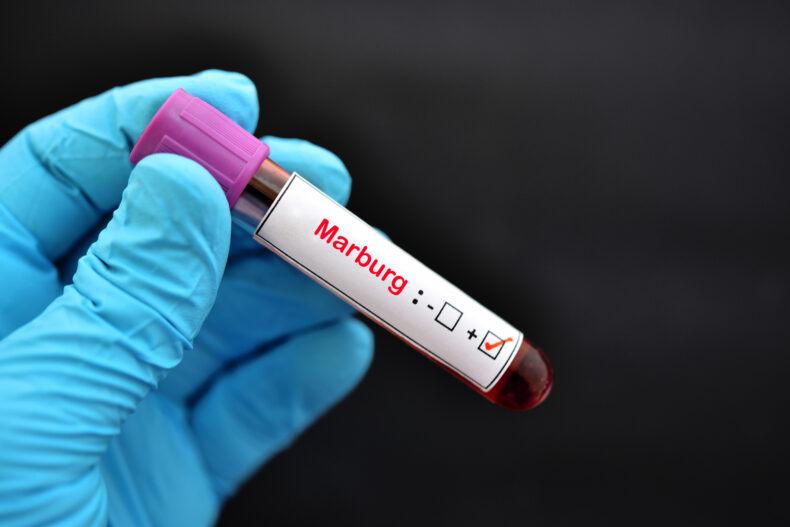
The outbreak, which has been reported in two districts, Biharamulo and Muleba, has raised alarm due to its high case fatality ratio (CFR) of 89% and its potential regional implications.
In a statement dated January 14, 2025, WHO said the agency received reliable reports from in-country sources regarding suspected MVD cases on January 10, 2025.
“Six people were reported to have been affected, five of whom had died,” the statement reads in part.
According to WHO, by January 11, the number of suspected cases had risen to nine, with eight deaths.
Symptoms observed included high fever, headache, back pain, diarrhoea, vomiting with blood (haematemesis), body weakness (malaise), and external haemorrhage in later stages.
WHO formally alerted its Member States and International Health Regulations (IHR) State Parties on 13 January through its Event Information Site (EIS), a secure web-based platform for issuing rapid alerts of public health risks with potential international implications.
Tanzania’s national rapid response teams have been deployed to support outbreak investigations, intensify surveillance activities, and trace contacts of suspected cases.
Laboratory samples from two patients have been sent to the National Public Health Laboratory for confirmation, while a mobile laboratory has been established in the affected region to expedite testing. Treatment units have also been set up to manage suspected cases.
The outbreak follows a previous MVD incident in the same region in March 2023, during which nine cases were reported, resulting in six deaths. The Kagera region is known to harbour zoonotic reservoirs, such as fruit bats, which are natural hosts of the Marburg virus.
WHO assesses the national risk level as high due to the outbreak’s high CFR, its geographic spread across two districts, and the involvement of healthcare workers among the suspected cases. The delayed detection of cases and incomplete information on the outbreak heighten concerns.
According to the global health agency, the region’s strategic location as a transit hub—with significant cross-border movement involving neighbouring countries such as Rwanda, Uganda, Burundi, and the Democratic Republic of the Congo—further raises the potential for regional spread.
Globally, the risk is considered low at this stage, as there is no confirmed international spread. However, the Kagera region’s connectivity through transportation networks and its airport linking to Tanzania’s capital and beyond underscores the need for enhanced surveillance and coordination.
To control the outbreak and reduce transmission, individuals have been urged to avoid direct contact with the blood and bodily fluids of infected patients.
Those suspected or confirmed to have Marburg Virus Disease should seek care at designated treatment centers to prevent household transmission.
Communities are also strongly advised to adhere to safe burial protocols for deceased individuals to minimize the risk of further spread.
WHO has also emphasized the necessity of cross-border collaboration with neighbouring countries to harmonize reporting systems, share critical data, and strengthen readiness capacities.
Enhanced surveillance at points of entry and in border regions is vital to preventing the international spread of the virus.
The suspected outbreak in Tanzania comes just weeks after Rwanda declared the end of its Marburg virus outbreak on December 20, 2024.
The Rwandan outbreak, which began in mid-September, affected 66 individuals, resulting in 15 fatalities and 51 recoveries.
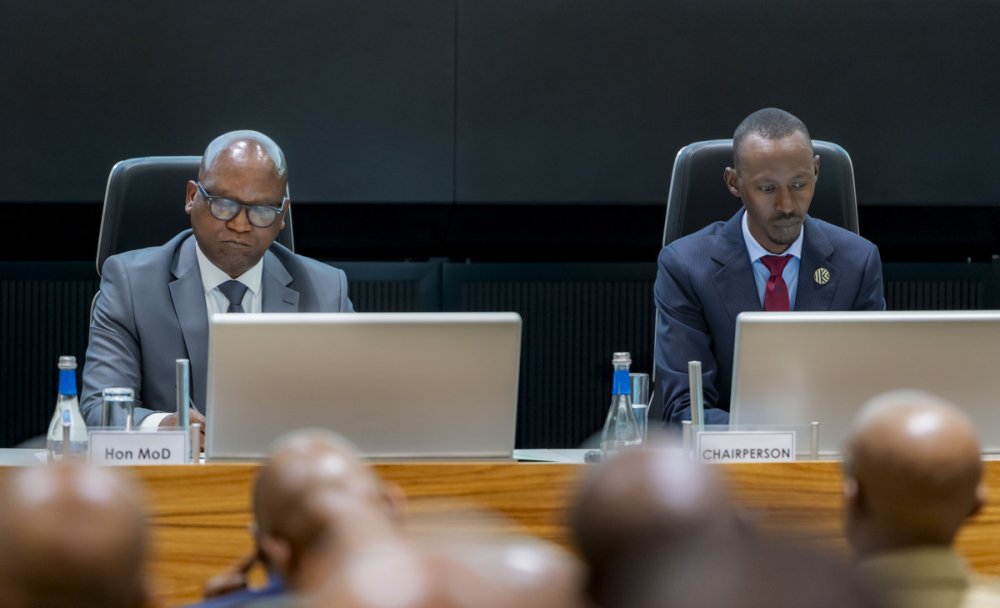
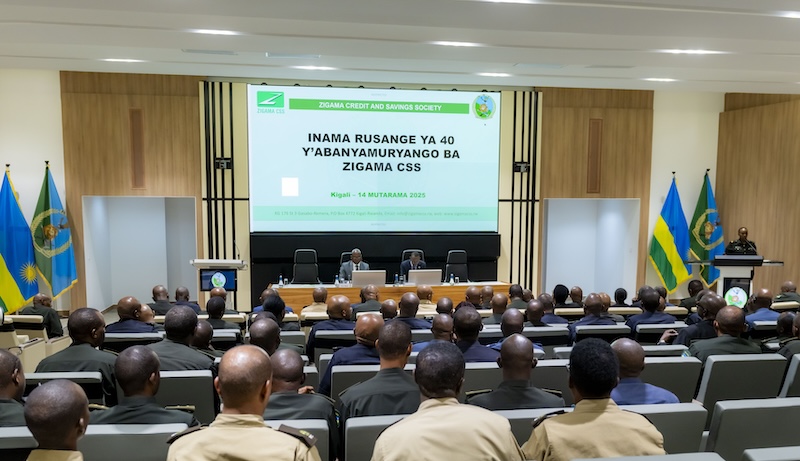
The 40th General Assembly was presided over by the Minister of Defence, Juvenal Marizamunda, alongside RDF service Chiefs, heads of security organs, and selected members.
The 2025 business plan sets ambitious goals for ZIGAMA CSS, including increasing its gross income and raising its net profit.
Mr Nick Barigye, the Chairman of the Board of Directors, ZIGAMA CSS, highlighted the cooperative’s robust financial performance.
He revealed its total assets for 2024 and projected growth for 2025. He affirmed that the achievements underscore the cooperative’s solid foundation and commitment to enhancing the welfare of its members.
ZIGAMA CSS is a cooperative bank composed of members from various security organisations, including the Rwanda Defence Force, Rwanda National Police, Rwanda Correctional Services, National Intelligence and Security Service, Rwanda Investigation Bureau, and Rwanda Forensic Institute.
The bank continues to grow, having announced in December 2023 that it was expected to earn Frw35.7 billion that year, up from Frw22.8 billion in 2022, which was an increase from Frw17.7 billion in 2021.
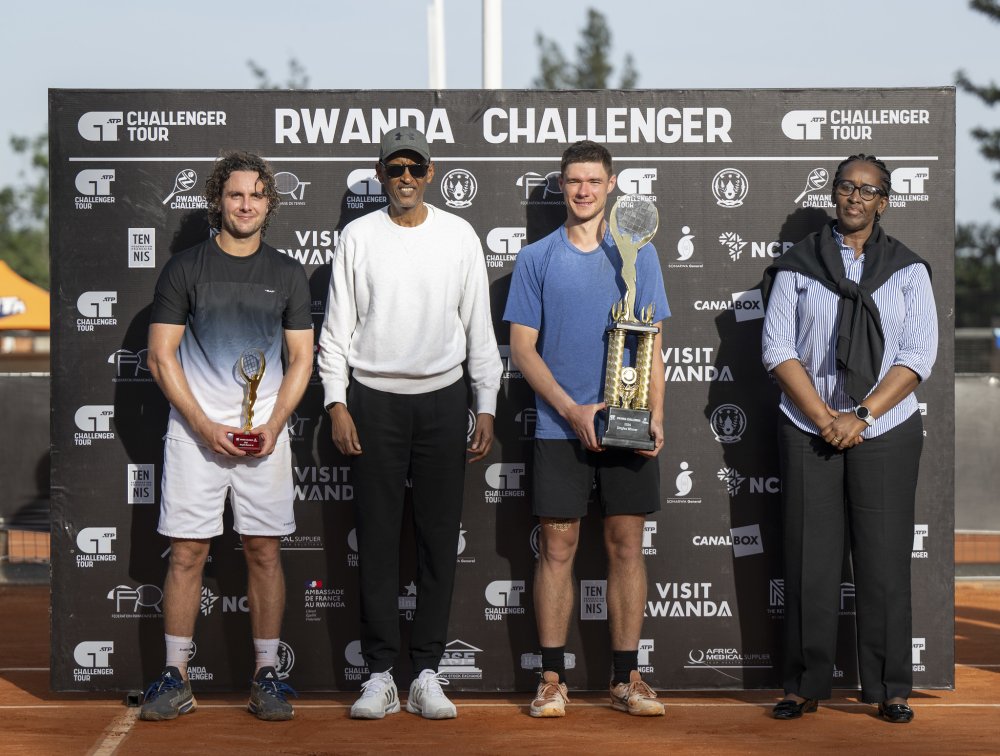
In February and March 2024, Rwanda made history as the first Sub-Saharan African nation to host an ATP Challenger event.
The “ATP Challenger 50 Tour” featured over 60 players ranked 150th and higher worldwide, marking a significant milestone for tennis in the region.
On January 14, 2025, the Rwanda Tennis Federation announced that the “ATP Challenger 75 Tour” and “ATP Challenger 100 Tour” will be held from February 24 to March 1, 2025, and March 3 to March 9, 2025, respectively.
The first tournament, the ATP Challenger 75 Tour, will award 75 ranking points to the champion, while the ATP Challenger 100 Tour in the second week will offer 100 points.
Both tournaments are part of the ATP Challenger Tour, a platform designed for players aiming to improve their rankings and qualify for ATP Tour and Grand Slam events.
The 2024 ATP Challenger 50 Tour in Rwanda was a resounding success, with Poland’s Kamil Majchrzak defeating Argentina’s Marco Trungelliti in straight sets (6-4, 6-4) to claim the title.
The final match saw an illustrious audience, including President Paul Kagame, First Lady Jeannette Kagame, ATP Challenger Tour Director Eric Lamquet, Confederation of African Tennis (CAT) President Jean Claude Talon, Rwandan Tennis Federation President Théoneste Karenzi, and tennis legend Yannick Noah, the 1983 Roland Garros champion.
The ATP Challenger Tour has been a springboard for some of the biggest names in tennis.
Players like Spain’s Carlos Alcaraz, ranked world No. 3, and former world No. 1 stars such as Roger Federer, Rafael Nadal, and Andy Roddick, all rose through the Challenger circuit.
Argentina’s Juan Martin Del Potro, the 2009 US Open champion, also began his journey in the series.
Rwanda’s continued involvement in hosting these tournaments reinforces its position as a key destination for professional tennis in Africa, fostering the growth of the sport and inspiring the next generation of players.
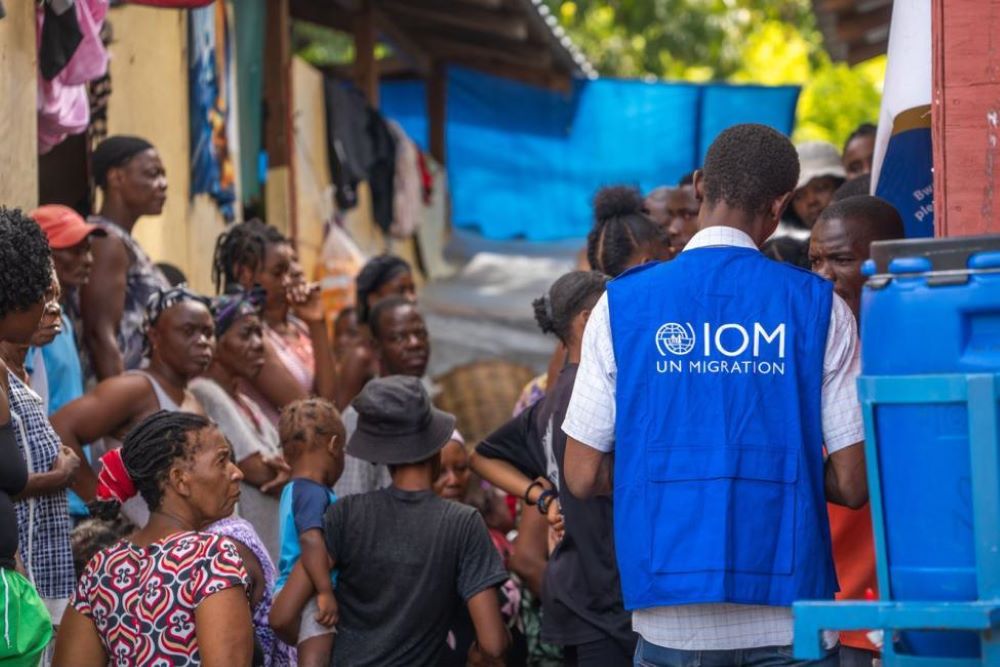
The figure, reported by the UN’s International Organization for Migration (IOM) on Tuesday, represents a threefold increase from the 315,000 displaced in December 2023.
In Port-au-Prince, the capital, the displacement rate nearly doubled, driven by violence, collapsing healthcare services, and worsening food insecurity.
Most displaced individuals, including many children, came from the metropolitan area and sought refuge in rural provinces or relied on overstretched host communities for shelter. Only a small number managed to find refuge in temporary camps.
Adding to the strain, over 200,000 Haitians were deported back to Haiti last year, exacerbating pressure on the country’s limited social services. Stephane Dujarric, spokesperson for UN Secretary-General Antonio Guterres, criticized the deportations, noting that Haiti lacks basic services and remains engulfed in violence.
The situation worsened with severe flooding in late 2024, affecting more than 315,000 people nationwide.
Despite the challenges, international efforts provided some relief: the World Food Programme (WFP) assisted 1.7 million people with food aid and school meals, while the IOM delivered 18 million liters of clean water and rehabilitated water systems to benefit affected families.
UN agencies emphasized the urgent need for sustained humanitarian support and long-term solutions to address the root causes of Haiti’s crisis. For 2025, the UN and its partners are seeking $900 million to assist 4 million Haitians, highlighting the scale of the ongoing humanitarian challenge.
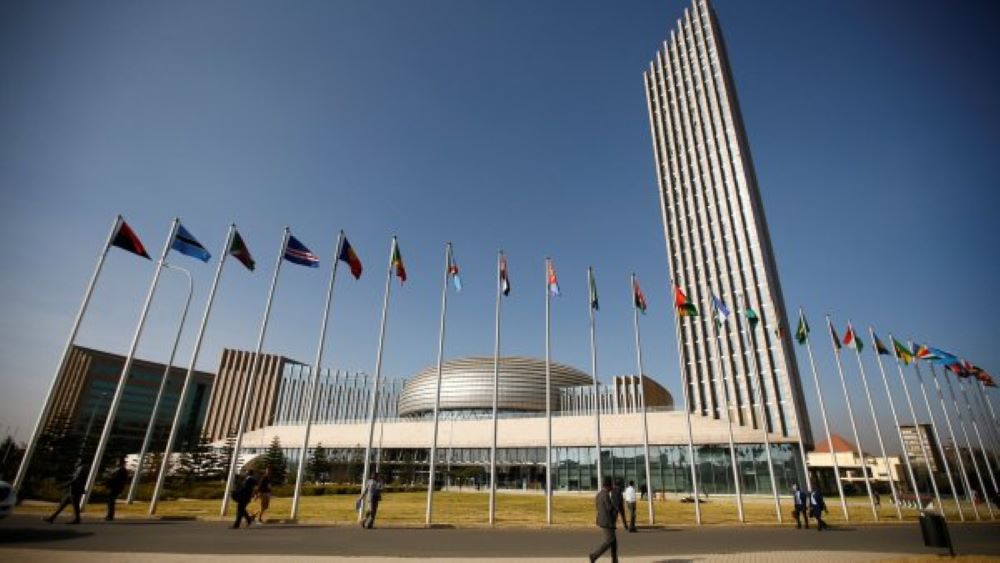
The summit, themed “Justice for Africans and People of African Descent Through Reparations,” will be held at the AU headquarters in Addis Ababa, Ethiopia.
It will include meetings of the AU Executive Council, consisting of foreign ministers, from February 12 to 13, followed by a gathering of African heads of state and government on February 15 and 16.
Elections to determine the next AUC chairperson for the 2025-2028 term, along with the other senior leadership roles, will occur during these sessions.
All eight senior positions, including deputy chairperson and six commissioners, are open for candidates, with portfolio assignments reflecting regional representation.
Candidates for the AUC chairperson position—Mahamoud Ali Youssouf of Djibouti, Raila Odinga of Kenya, and Richard Randriamandrato of Madagascar—recently shared their visions in a live debate.
They outlined strategies for implementing Agenda 2063, the AU’s long-term plan for a peaceful, prosperous, and united Africa.
The summit’s theme also underscores the AU’s commitment to reparatory justice. The organization has long advocated for reparations for historical injustices against Africans and people of African descent, emphasizing the restitution of cultural artifacts looted during colonization.
Since its founding in 1963, the AU has taken steps to advance this cause, aligning it with the broader goal of decolonization and justice for Africa’s heritage.
The report, an initiative of the Brookings Institution’s Africa Growth Initiative, provides critical insights and strategies for addressing the continent’s priorities over the next five years.
In his keynote address, delivered virtually, Dr. Ngirente said Africa is on a “promising growth path,” emphasizing the continent’s unique demographic advantage.
“Our continent will soon be home to the youngest and most active labour force in the world, offering huge potential for economic development,” he said.
By 2050, Africa is projected to account for 25% of the global population, with nearly 800 million people entering the workforce, according to the report.
Dr. Ngirente stressed the importance of unlocking this potential through investments in human capital, job creation, and modernizing agriculture to ensure food security.
He also called for improved infrastructure for transport and connectivity, a critical enabler for intra-African trade under the African Continental Free Trade Area (AfCFTA).
The Prime Minister praised the AfCFTA as “proof of our collective strength,” noting that it connects 1.4 billion people across Africa with a combined GDP of over $3 trillion.
The report echoes this optimism, stating that AfCFTA could increase intra-African trade, which currently stands at just 14%, to levels comparable to other regions like Europe and Asia.
The Foresight Africa Report 2025 highlights that by promoting regional collaboration and innovation, Africa can accelerate its progress toward achieving the Sustainable Development Goals (SDGs). However, the report warns that less than 6% of SDG targets are on track in Africa, underscoring the need for bold and coordinated action.
{{Rwanda’s model of progress
}}
Sharing Rwanda’s success story, Ngirente attributed the country’s progress to visionary leadership, investment in education, and robust accountability mechanisms.
“We have invested in human capital, focusing on education and skills development, empowering Rwandans to better contribute to inclusive growth,” he said, adding that Rwanda has also demonstrated the value of strong institutions, ensuring timely responses to citizens’ needs.
The Prime Minister underscored the need for Africa to embrace modern technologies to remain competitive in a changing global landscape. The Foresight Africa Report 2025 highlights that Africa’s digital economy could create 230 million jobs and generate $130 billion in economic value by 2030.
On climate change, Ngirente emphasized the urgency of proactive measures, a sentiment echoed in the report, which estimates that nearly 900 million Africans could face climate hazards by 2050. However, the global net-zero transition presents opportunities in green industries, with the potential to generate $2 billion annually and create 700,000 jobs by 2030.
Ngirente concluded his remarks by emphasizing Africa’s growing role on the global stage, urging everyone to consider the opportunities and reaffirm their commitment to unlocking Africa’s potential.
“Africa is positioning itself as a significant and influential player in the global arena, with the potential to drive sustainable development and enhance the well-being of its citizens. Strengthening and enabling the private sector to support government initiatives is crucial to achieve these goals.”
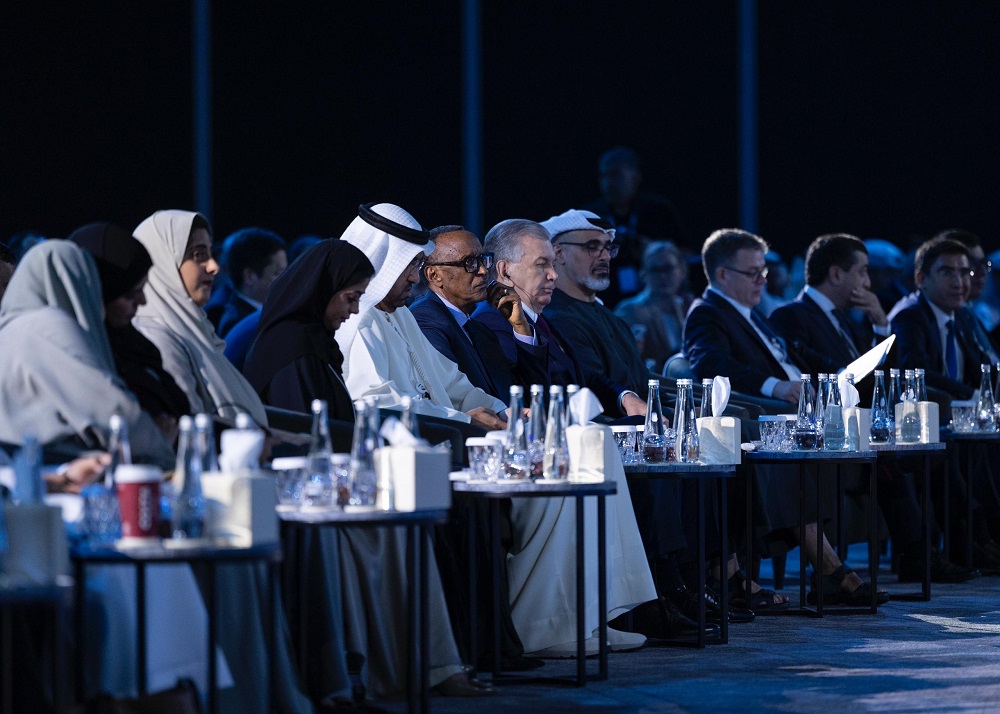
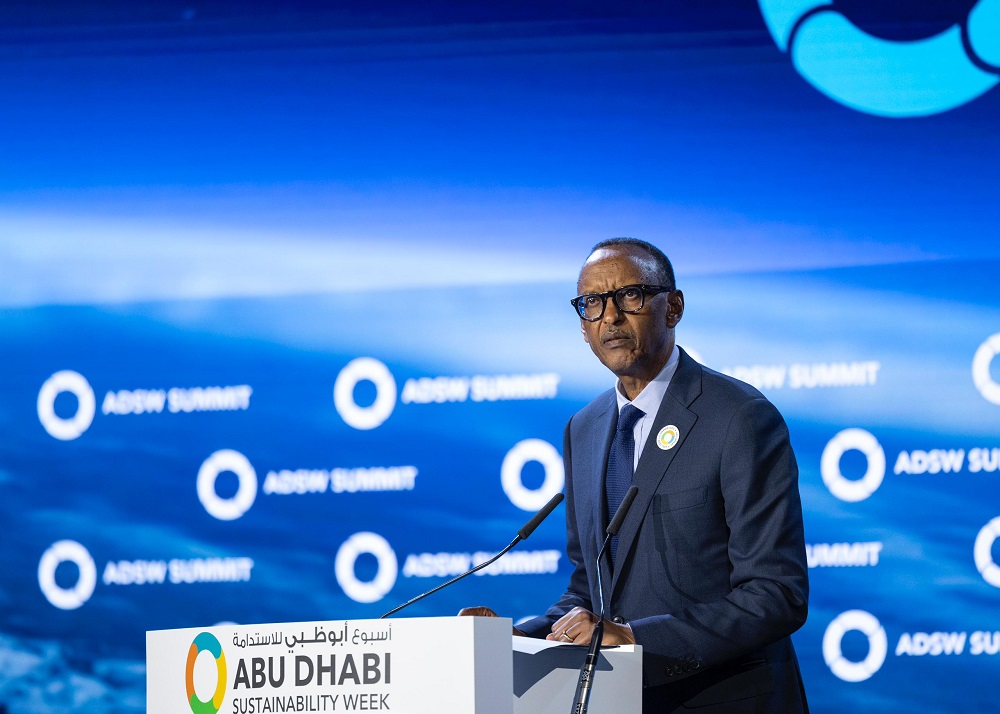
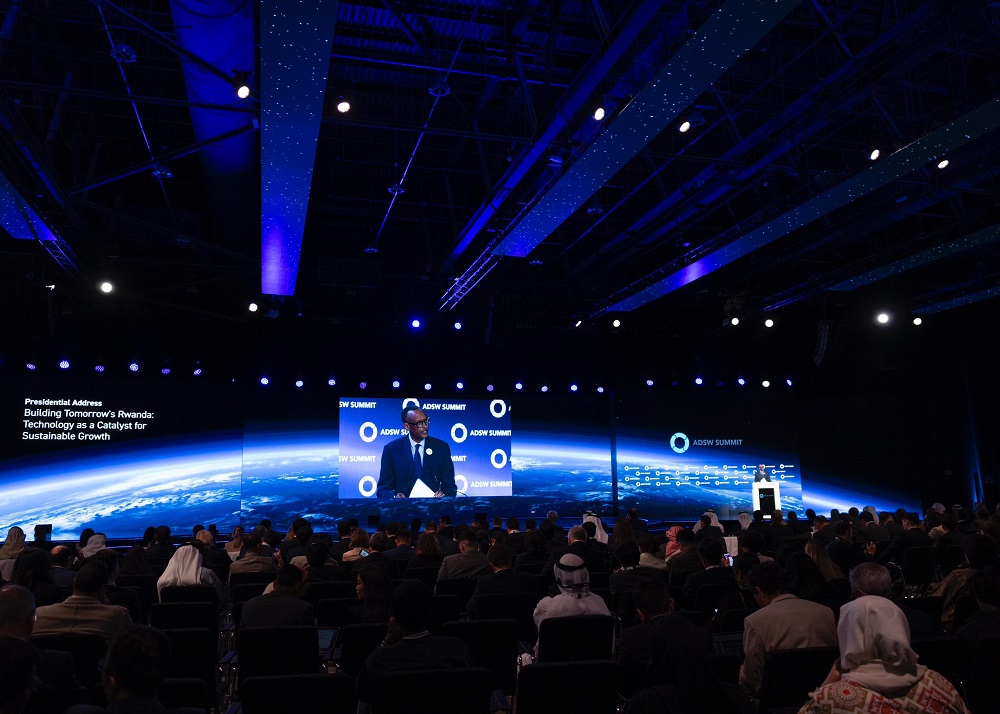
Kagame’s keynote address focused on the urgency of supporting Africa in its fight against the devastating impacts of climate change, which continue to hamper the continent’s development.
He began by acknowledging the leadership of His Highness Sheikh Zayed bin Sultan Al Nahyan in convening the forum, and quickly turned attention to the global sustainability agenda, which, he argued, has yet to deliver its promised benefits, especially for Africa.
The Head of State emphasized that political commitments often lack the necessary action, leaving Africa vulnerable in the face of escalating climate risks.
“As one of the world’s fastest-growing regions, Africa’s population is projected to double by 2050, creating immense pressure on its economies to meet increasing demands for water, food, energy, and jobs,” Kagame said emphasizing that addressing these challenges requires affordable and scalable technologies tailored to the realities of developing nations.
“Rwanda has already made significant progress by fostering a pro-business environment with tax incentives and simplified immigration policies. The country has attracted global investments and supported various innovations. Innovation is the backbone of our approach to addressing pressing challenges,” he added.
Kagame highlighted the success of Zipline, a drone company launched in Rwanda to deliver medical supplies and now valued at $4 billion with operations spanning multiple continents. “This is an example of what Africa can achieve when we create the right environment for innovation,” Kagame noted.
Commenting on the importance of renewable energy and digital technologies, he argued they are insufficient on their own to fuel industrialization. “Africa’s development requires energy solutions that are reliable, affordable, and capable of powering large-scale manufacturing. Without this, we are asking the continent to limit its growth,” he said.
To address this gap, Rwanda is preparing for small modular nuclear reactors to become part of its energy mix as this this is a clean and dependable power source that aligns with Africa’s sustainability goals and industrial ambitions.
He stressed the need for collaboration and fairness in the global sustainability agenda, saying that sustainable development is a collective effort and Africa cannot succeed alone, and neither can the world.
“We need pragmatic and results-driven partnerships and Rwanda’s cooperation with the United Arab Emirates through initiatives such as the Government Accelerator Programme and the One Million Coders Initiative are examples of impactful global partnerships,” he said.
Kagame called for greater inclusion of Africa in global sustainability efforts in the transition to a sustainable world pledging readiness on behalf of Rwanda to work with any nation committed to building a brighter and more equitable future.