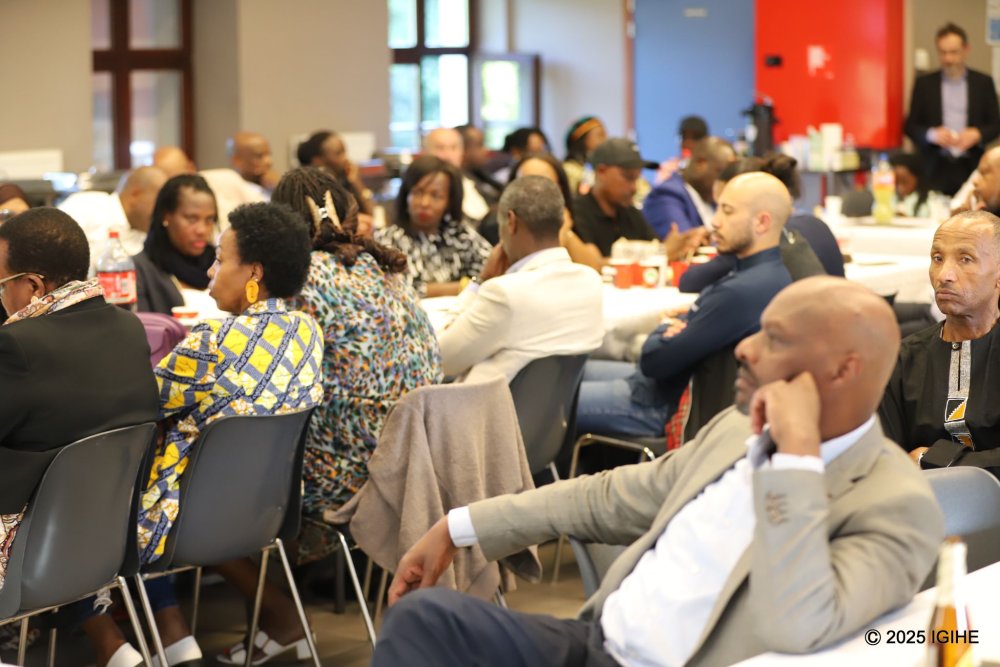
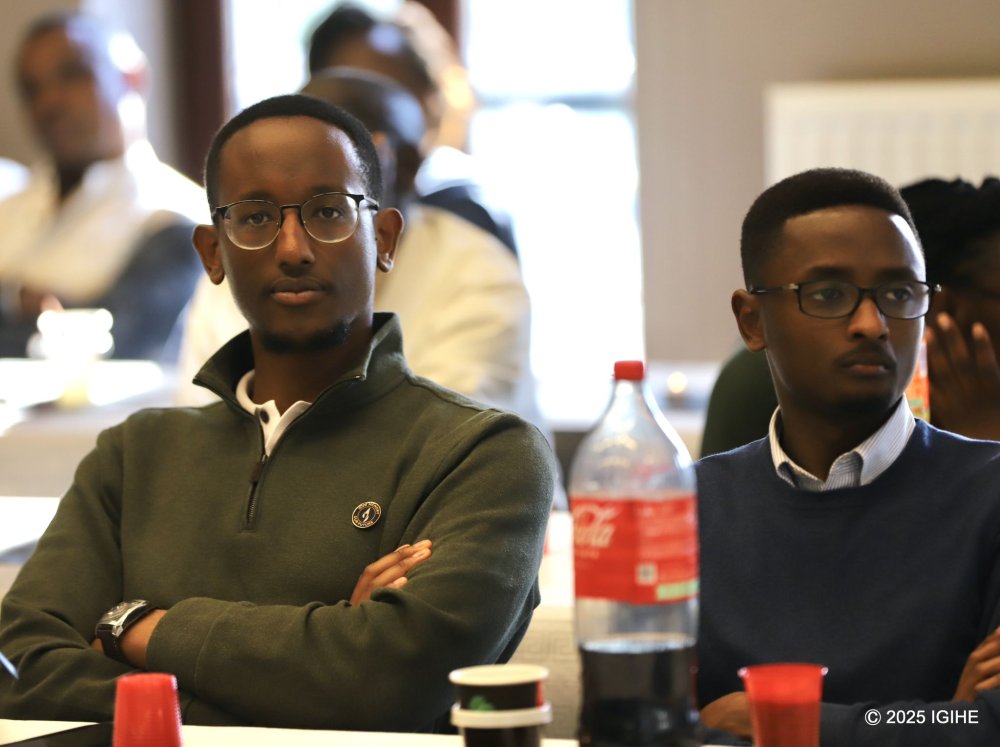
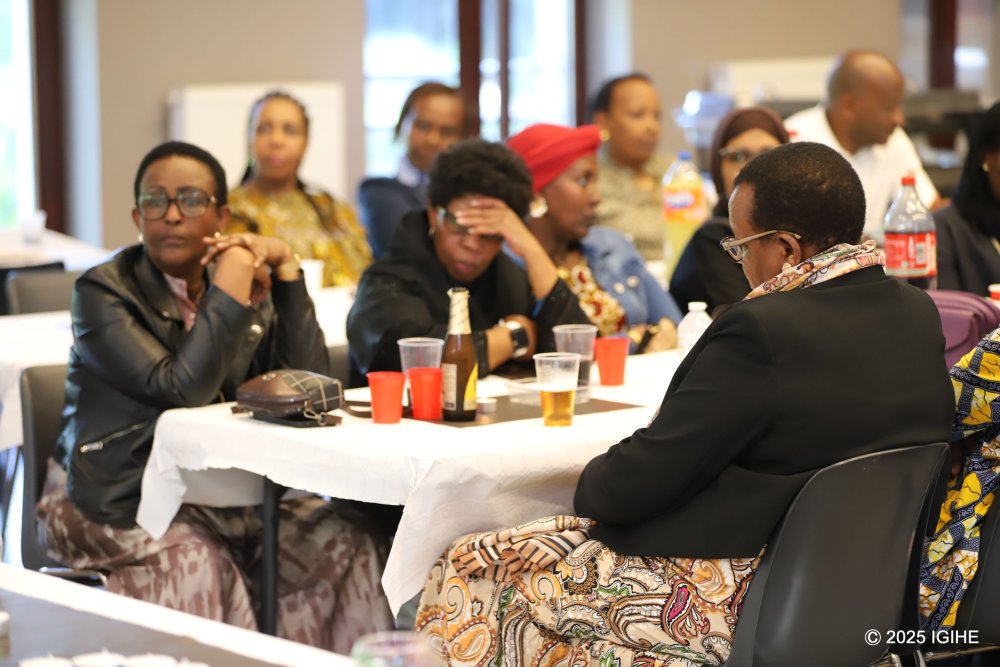
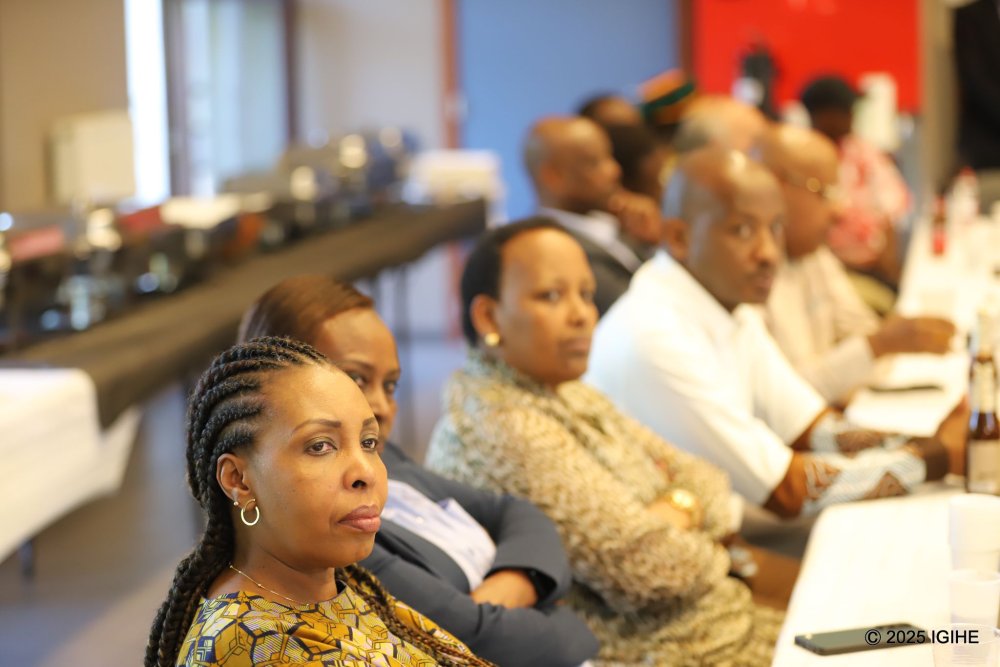
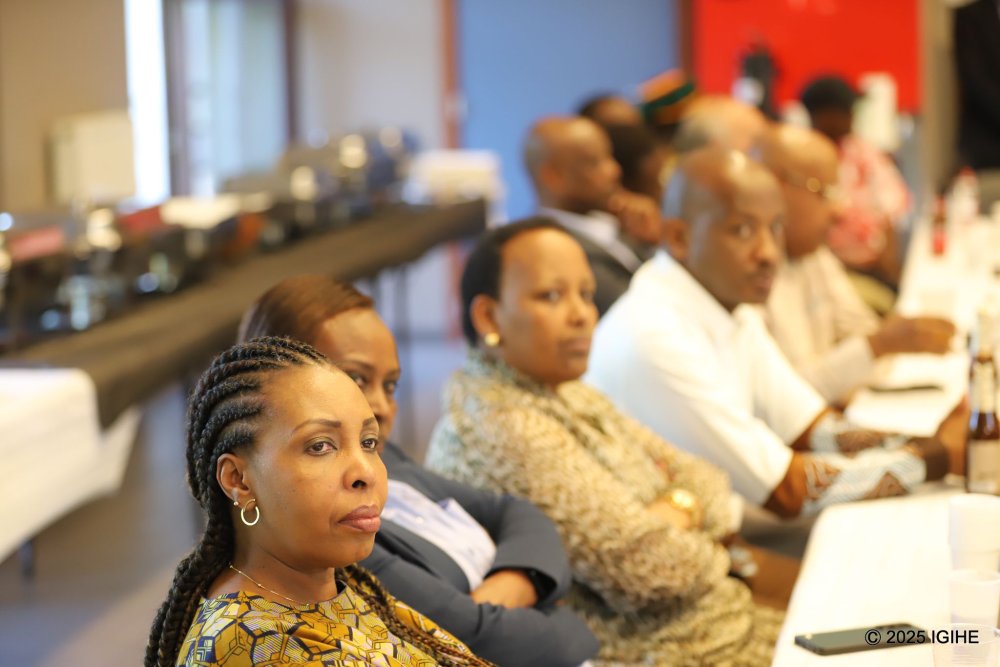
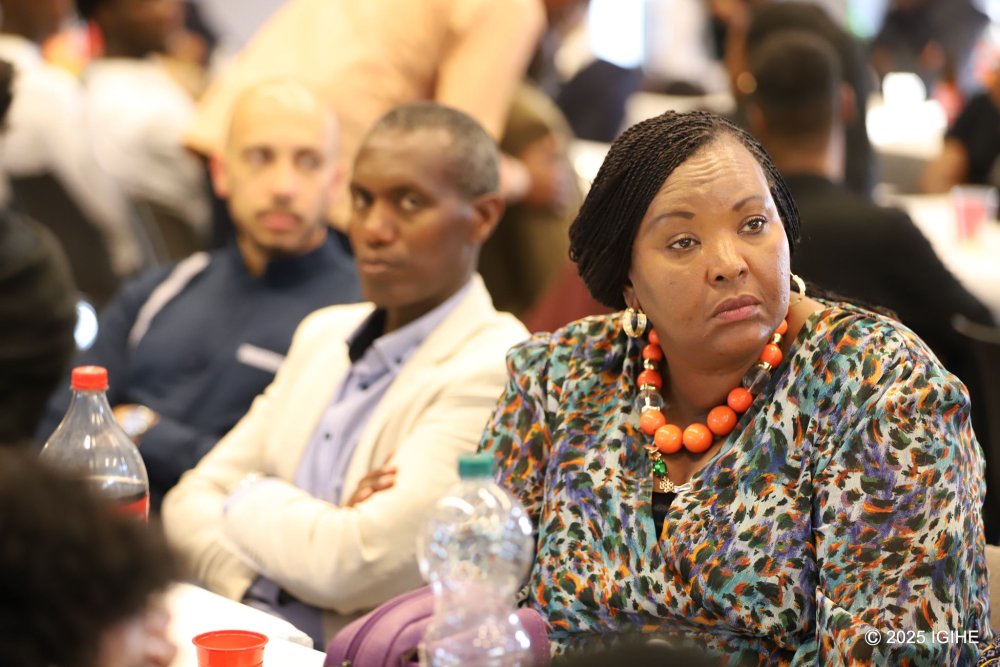
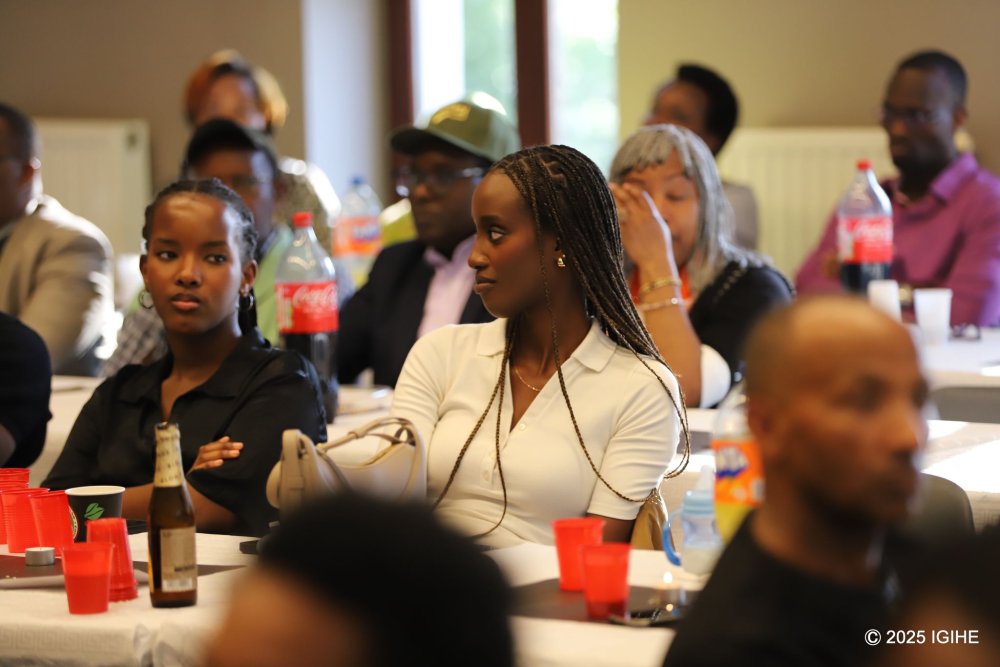
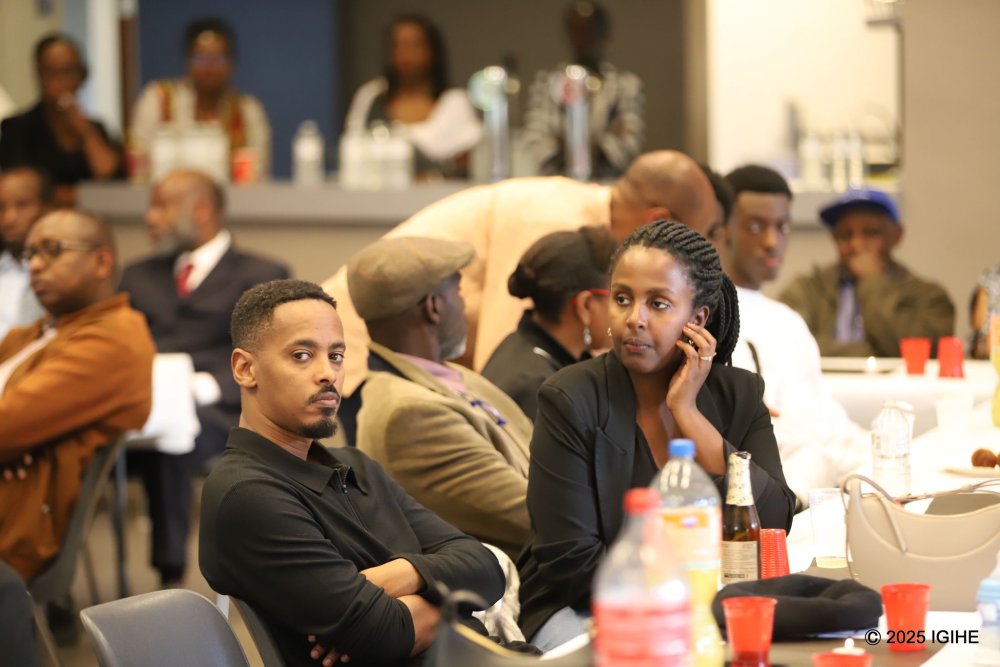
Held under the theme “Taking Ownership: Rethinking Sustainable Financing for Africa’s Food Systems,” the Financing Agri-food Systems Sustainably Summit 2025 brought together policymakers and sector stakeholders to explore financing solutions for transforming food systems across the continent.
At the three-day forum, delegates said that although agriculture employs over 60 percent of the continent’s population, it continues to receive disproportionately low investment.
Mutahi Kagwe, Kenya’s cabinet secretary in the Ministry of Agriculture and Livestock Development, said the sector receives just three percent of the national budget despite contributing 22.5 percent to the country’s gross domestic product.
“By raising the budgetary allocation to 10 percent, we shall not only be adequately investing in the sector, but also meeting the requirements of the 2014 Malabo Declaration on the Comprehensive African Agriculture Development Program (CAADP) and the Kampala CAADP Declaration of January 2025,” Kagwe said.
Such a move could increase productivity by 45 percent, eliminate post-harvest losses, and triple intra-African agri-trade by 2035, Kagwe added.
Veronica Nduva, secretary general of the East African Community, said the region is working to modernize agriculture into climate-resilient, value-driven systems. She stressed the need for investment in infrastructure, technology, research, and inclusive financial access, especially for smallholder farmers.
Moses Vilakati, commissioner for agriculture, rural development, blue economy and sustainable environment at the African Union, said via video link that the continent has committed to mobilize 100 billion U.S. dollars by 2035 for food system transformation.
He urged the adoption of innovative financing tools that de-risk agri-investments and empower smallholders, especially women and youth, who form the backbone of food systems.
In a statement issued Tuesday, Youssouf said the appointment “will contribute meaningfully to ongoing efforts to restore constitutional order and democratic governance in Sudan.”
The move follows a constitutional decree issued Monday by Sudan’s Transitional Sovereign Council Chairman and army chief Abdel Fattah al-Burhan, officially naming Idris to the post.
Reiterating the AU’s readiness to support Sudan’s political transition, Youssouf called on all Sudanese stakeholders to redouble their efforts toward a peaceful, civilian-led, and inclusive process that reflects the aspirations of the Sudanese people.
The chairperson of the 55-member continental organization also underscored the AU’s “firm commitment to the unity, sovereignty, and stability of Sudan and to the pursuit of a durable political solution that secures peace, development, and democratic governance for all Sudanese.”
Idris’s appointment comes nearly three weeks after al-Burhan named Dafallah al-Haj Ali as acting prime minister and cabinet affairs minister. The position has been vacant since civilian leader Abdalla Hamdok resigned in January 2022 following a military coup led by Al-Burhan in October 2021.
Idris, a legal expert, previously served as director general of the World Intellectual Property Organization and secretary-general of the International Union for the Protection of New Varieties of Plants.
About 132 million inbound tourists visited China in 2024, with total spending reaching 94.2 billion U.S. dollars, recovering to 97.2 percent and 93.5 percent of the 2019 levels, respectively, Shi Zeyi, an official in charge of international exchanges and cooperation at the Ministry of Culture and Tourism, said during a recent episode of China Economic Roundtable, an all-media talk show hosted by Xinhua News Agency.
In the first quarter of 2025, China recorded 35.02 million inbound tourist visits, a 19.6 percent increase compared to the same period of last year, Shi added.
Officials and industry insiders at the roundtable also highlighted the marked increase in inbound travel spending. Mobile payment giant Alipay reported a 180 percent surge in inbound tourist spending between May 1 and 3 this year, compared to the same period in 2024.
The surge has been fueled in large by China’s expanded visa-exemption program and a slew of measures aimed at making travel more convenient, including enhanced transportation access, simplified payment systems, and instant tax refunds for departing visitors, according to Shi.
China now grants unilateral visa-free entry to people from 38 countries and has extended its visa-free transit period to 240 hours for travelers from 54 countries. About 380,000 foreigners entered China under these arrangements during the May Day holiday, a year-on-year increase of 72.7 percent.
As more foreign travelers visit China and have positive experiences, the potential of the country’s inbound consumption market will continue to grow, said Liu Jia, an official from the National Immigration Administration.
Speaking on the latest episode of China Economic Roundtable, an all-media talk show hosted by Xinhua News Agency, Liu Jia, an official with the National Immigration Administration, highlighted that the updated visa-free policies have waived procedures and reduced time and financial burdens for foreign travelers, making it easier to visit China.
China has introduced a slew of policies to facilitate inbound travel since 2023. Major steps taken included expanding mutual visa exemptions and unilateral visa-free access, and extending visa-free entry stay for international visitors.
As of now, China has established comprehensive mutual visa exemptions with 29 countries, implemented unilateral visa-free policies for 38 countries, and transit visa-free policies for 54 countries including Britain, the United States and Canada.
Tax refund schemes for international travelers have been optimized as well. While allowing foreign shoppers to instantly claim tax rebates at tax-free stores, China has also lowered the minimum purchase threshold for refunds, raised the cash refund ceiling and widened the range of products available.
Speaking on the roundtable, Shi Zeyi, an official with the Ministry of Culture and Tourism, said that with continuous improvements in visa, payment and tax policies, “China Travel” has demonstrated robust recovery momentum and broad growth prospects.
Last year, China recorded 132 million inbound trips, with total tourism spending reaching 94.2 billion U.S. dollars, recovering to 97.2 percent and 93.5 percent of 2019 levels, respectively, according to Shi.
Liu noted that the influx of foreign visitors has spurred consumption across sectors such as hospitality, retail and cultural services, contributing to the growth of the service trade and attracting foreign investment.
These updated policies are evidence of China’s commitment to opening up, Liu said, adding that they could help foster deeper cultural understanding between China and the international community, breaking stereotypes held by some countries.
“First-hand experience can help dispel misunderstandings and biases, enabling the world to see, feel and recognize an open, inclusive, prosperous, stable and safe China,” Liu said.
China will further enhance the convenience of inbound tourism in terms of visas, payments, transportation and accommodation, Shi Zeyi, an official at the Ministry of Culture and Tourism said during the latest episode of China Economic Roundtable, an all-media talk show hosted by Xinhua News Agency.
It will also focus on “precise demand orientation, diversified business formats, and international-standard services” to improve inbound tourism services, Shi added. For example, China will introduce new products and business models to cater to the diverse needs of travelers from different countries, Shi said.
It will also encourage inbound consumption by increasing the number of duty-free shops and expanding the range of goods eligible for “instant tax refunds,” which allows foreign visitors to instantly claim value-added tax rebates at tax-free stores across the country, Shi added.
The country will continue to improve its institutional mechanisms for high-standard opening-up, ensuring greater openness, more robust open development and security to facilitate personnel exchanges and cultural interactions, said Liu Jia, an official from the National Immigration Administration.
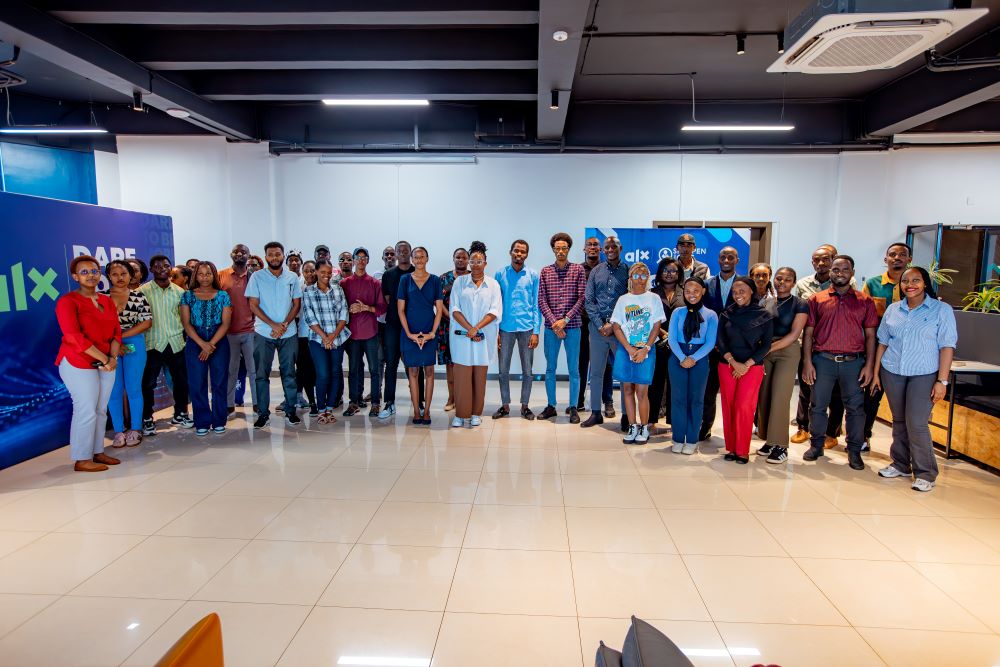
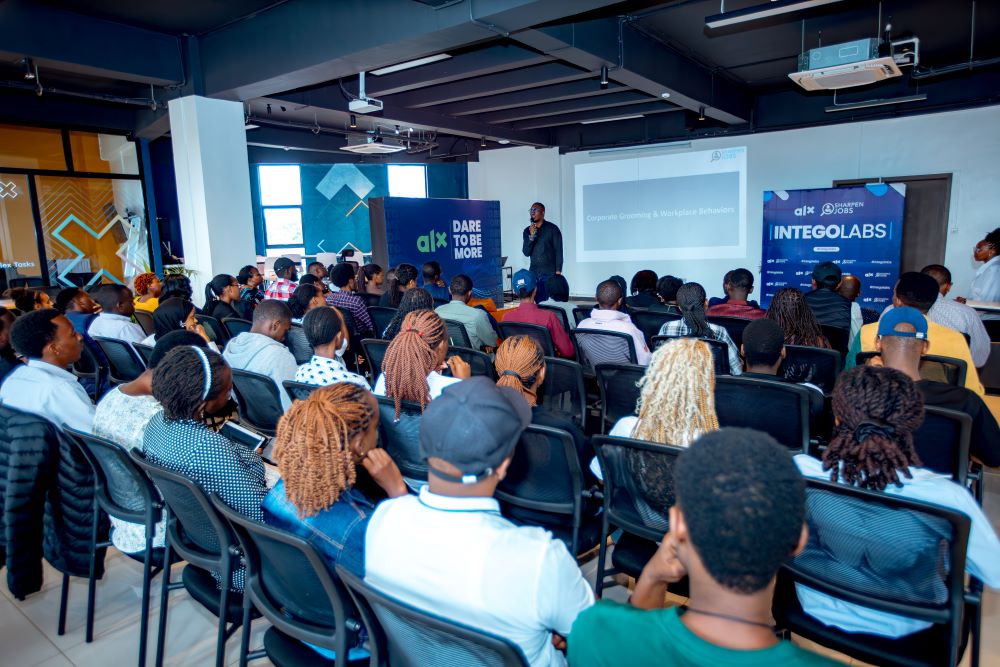
The program is designed to empower youth with practical, job-ready skills and connect them directly with potential employers.
Officially launched on May 17, 2025, IntegoLabs targets university graduates, current students, and young professionals—especially those who are unemployed or unsatisfied in their current roles.
The program aims to address gaps in workplace readiness by offering monthly training sessions and curated employer meetups across various industries.
Dare Daramola, Learning and Community Manager at ALX Rwanda, described the collaboration as a valuable opportunity, particularly for youth already engaged with ALX’s ecosystem.
“This is a major opportunity for young people, especially those already benefiting from ALX Rwanda’s programs. I believe many will gain valuable skills and should take full advantage of this initiative,” he said.
David Ngoga, Managing Director of Sharpen Jobs, explained that IntegoLabs is specifically designed to help youth navigate the workforce more confidently—whether they’re entering for the first time or looking to transition from roles they’re unhappy with.
“IntegoLabs is a program we launched at Sharpen Jobs in collaboration with ALX Rwanda to support university graduates, current students, and young professionals,” Ngoga said.
“You might be someone looking for a job or stuck in one that doesn’t fulfill you. Many young people don’t know how to present themselves professionally or access job opportunities. This program is here to build their skills and link them directly with employers.”
Ngoga added that the program will feature monthly training themes and create opportunities for participants to connect with decision-makers from different organizations.
Sharpen Jobs currently operates in seven African countries, and the IntegoLabs program is planned to run for two years, with the potential for extension depending on impact.
Participation in IntegoLabs is free, and monthly registration updates will be shared through Sharpen Jobs’ official social media channels.
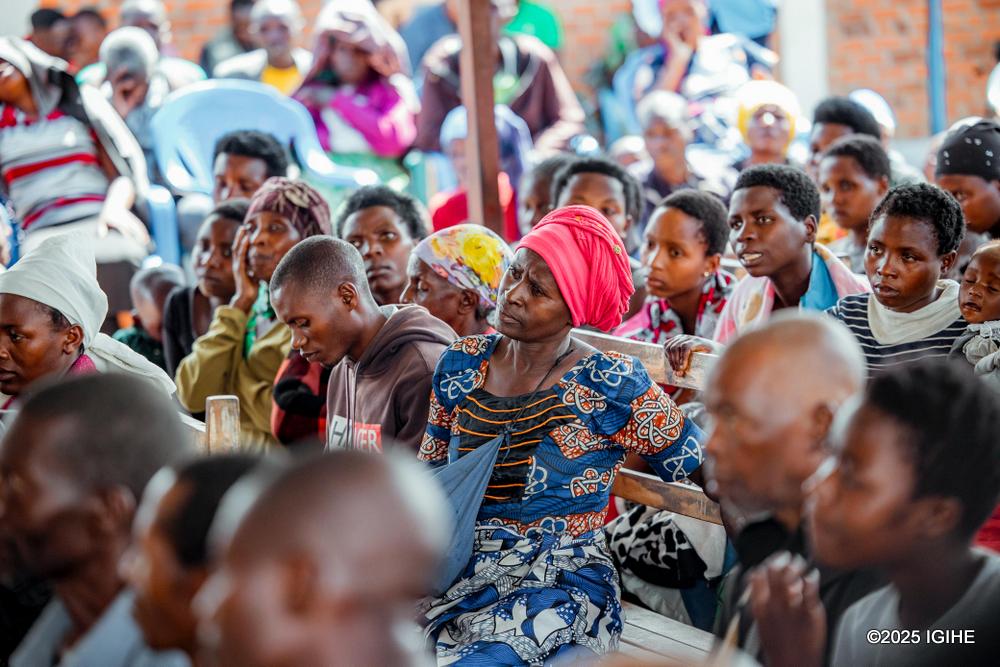
These returnees are now receiving care and support as Rwanda begins the process of helping them reintegrate into society.
For many, this homecoming marks the beginning of a new life—one filled with hope, dignity, and the long-awaited chance to reclaim the rights and opportunities they were denied for years. Access to education, healthcare, and security—once distant dreams—are now within reach.
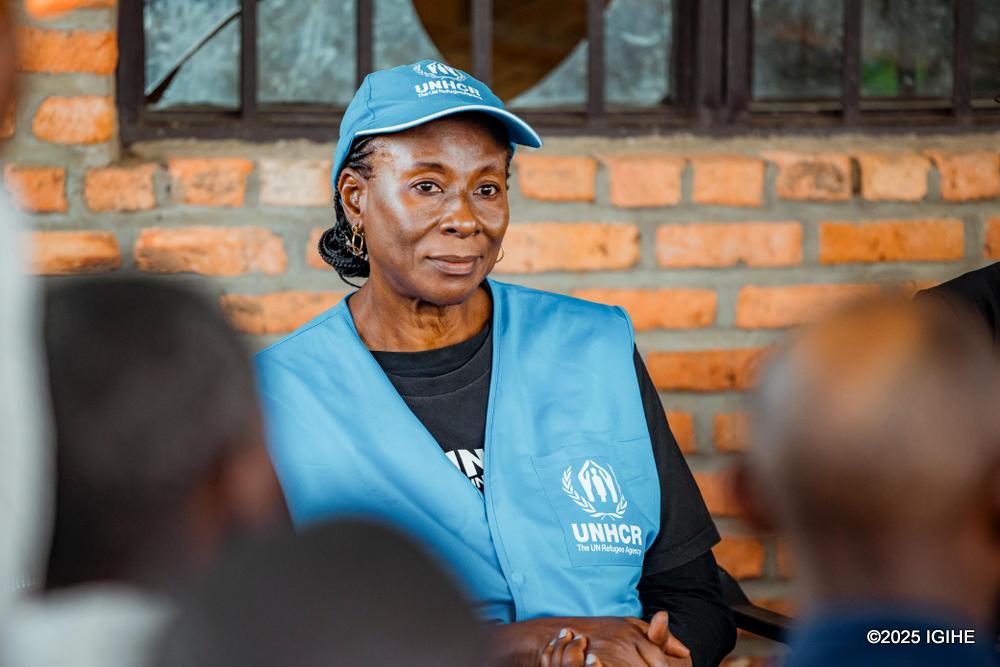
More than 2,500 Rwandans have expressed the desire to return voluntarily. The process is being coordinated with the United Nations High Commissioner for Refugees (UNHCR), which receives the individuals in eastern DRC and notifies the Rwandan government to prepare for their safe reception.
Though recently arrived, many returnees are already expressing optimism and gratitude after escaping the harsh conditions imposed by FDLR control.
Valentine Uwamariya recounted the fear that defined her life near FDLR strongholds.
“They would come and abduct people. Some never returned. I remember someone named Dukundane—they took him and killed him. We lived in constant fear, never knowing who would be taken next.”
Relieved to be reunited with her family in Rwanda, she returned with her six children and called it a second chance at life.
For Marcel Nibishaka, a 31-year-old who was taken to the DRC as a child, life in exile meant growing up without education and in constant fear of abduction.
“They used to come at night to steal livestock and food. We always heard they were taking young men. I lived with that fear every day,” he said.
“I’m so happy to be back. I thought I would grow old without ever seeing my homeland again.”
Japhet Mushimimana, another returnee, expressed deep appreciation for the warm welcome and support they’ve received. “Life in Congo was incredibly difficult. Even when we tried to raise cattle, the FDLR would take them. It felt like we were working for others. But coming back, seeing how Rwandans have developed and how well they live—it makes me proud to be Rwandan.”
He admitted to initial worries about starting over in Rwanda, but those fears quickly subsided. “The way we’re being reassured, and the peaceful relationship between government and citizens here, makes us feel safe. Life here is nothing like what we experienced before. We finally feel we belong.”
He added that what he appreciates most is the sense of security: “Back in Congo, people could rob you of your phone or money at any time. Here, we’re free, we’re fed, we’re treated with dignity. It gives me confidence that we, too, can live well and in peace.”
Théogène Inyitaho admitted that his view of Rwanda before returning had been shaped by misinformation and fear.“We were told we’d never make it back. But seeing how we’ve been received, and everything we’re experiencing now, it’s clear we have nothing to fear.”
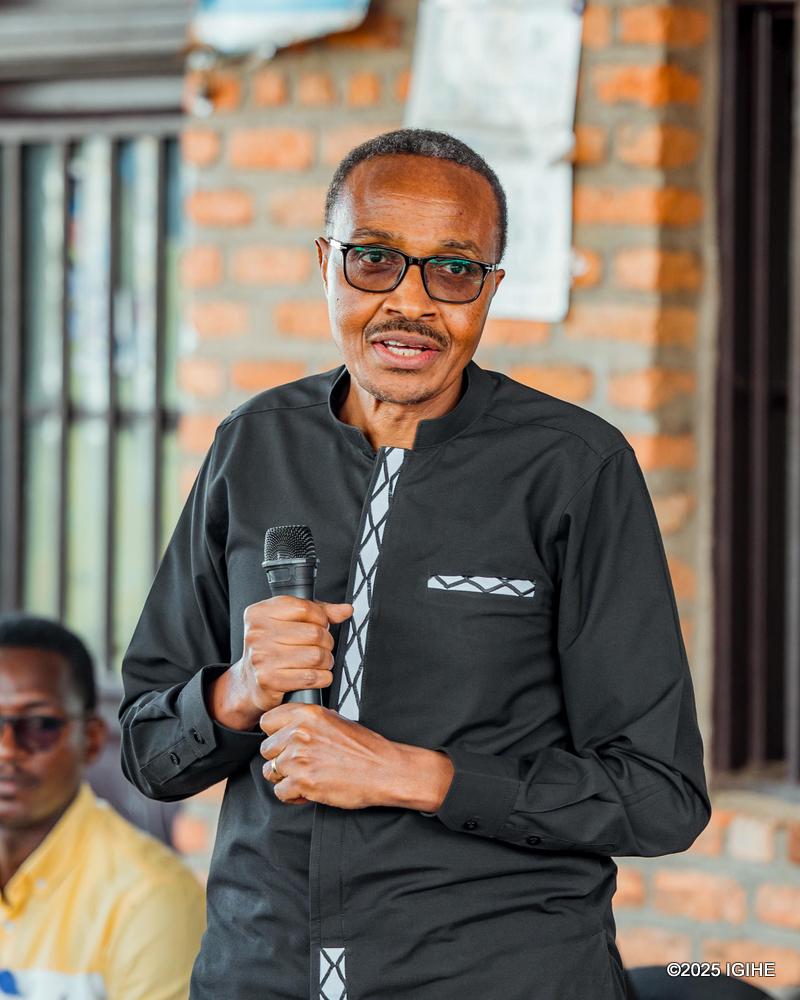
Minister of Emergency Management, Maj Gen (Rtd) Albert Murasira, reassured the returnees—particularly those who had been hesitant due to fear of persecution. He stressed that Rwanda’s goal is not punishment, but reintegration and healing.
“You are safe here. We will help you reintegrate, learn new skills, and live dignified, secure lives,” he said.
Trump made the remarks in a social media post after the two-hour phone call about the war in Ukraine, saying Russia and Ukraine would start a negotiation in which the conditions could only be set by the two sides themselves.
“Russia and Ukraine will immediately start negotiations toward a Ceasefire and, more importantly, an END to the War,” Trump wrote.
“The conditions for that will be negotiated between the two parties, as it can only be, because they know details of a negotiation that nobody else would be aware of.”
Trump noted that Russia wants to “do large-scale TRADE with the United States” when the current catastrophic situation is over and he expressed the belief Ukraine could benefit from trade as well.
“There is a tremendous opportunity for Russia to create massive amounts of jobs and wealth. Its potential is UNLIMITED. Likewise, Ukraine can be a great beneficiary on Trade, in the process of rebuilding its Country,” the post read.
Trump also said he shared details of the call with Ukrainian President Volodymyr Zelensky and other leaders, including President of the European Commission Ursula von der Leyen, French President Emmanuel Macron, Italian Prime Minister Giorgia Meloni, German Chancellor Friedrich Merz and Finnish President Alexander Stubb.
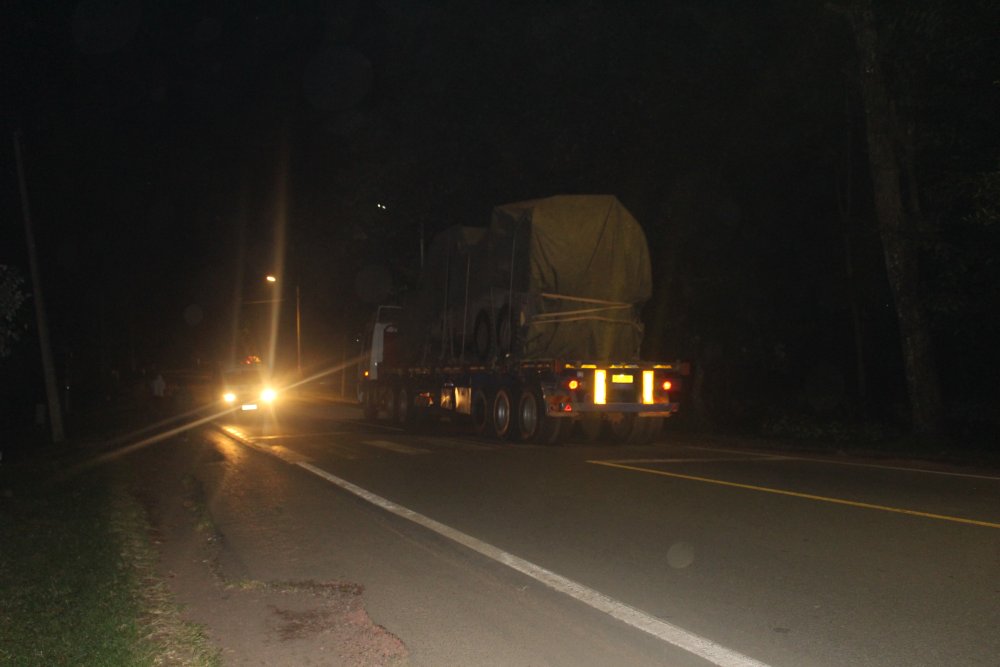
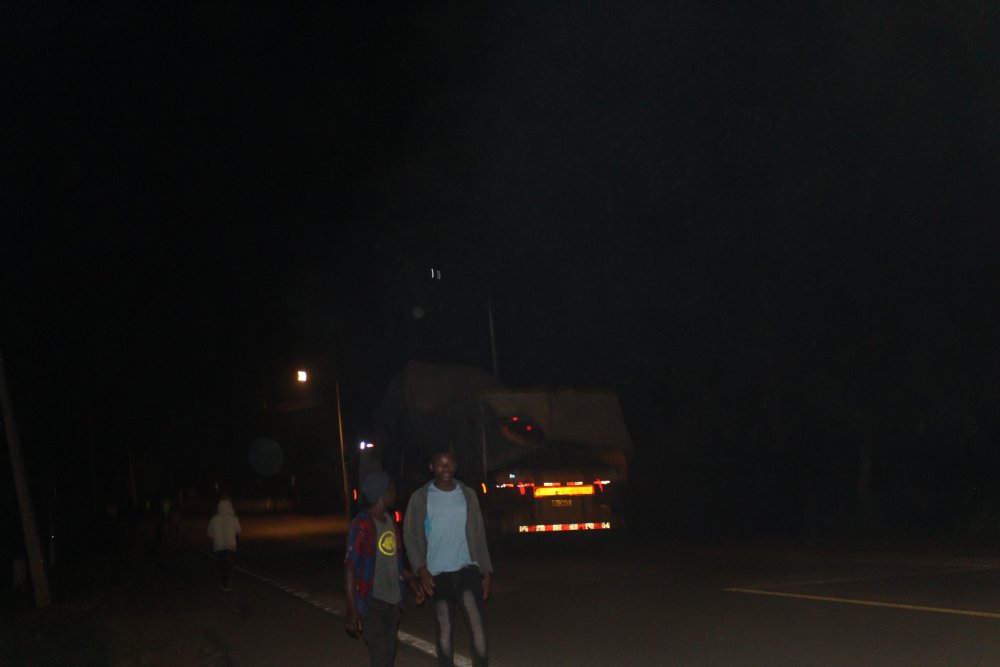
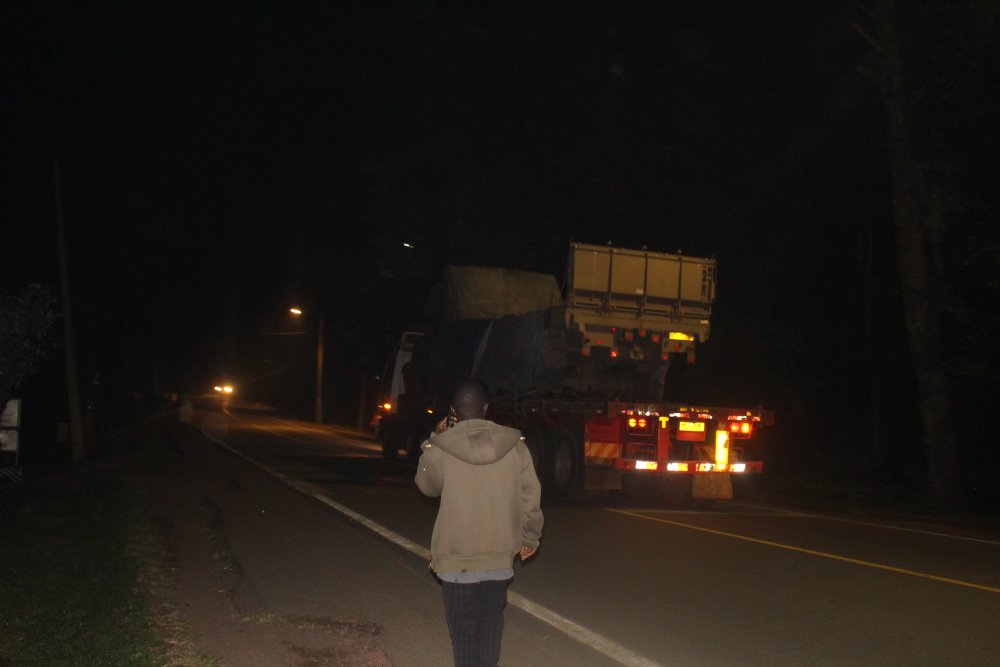
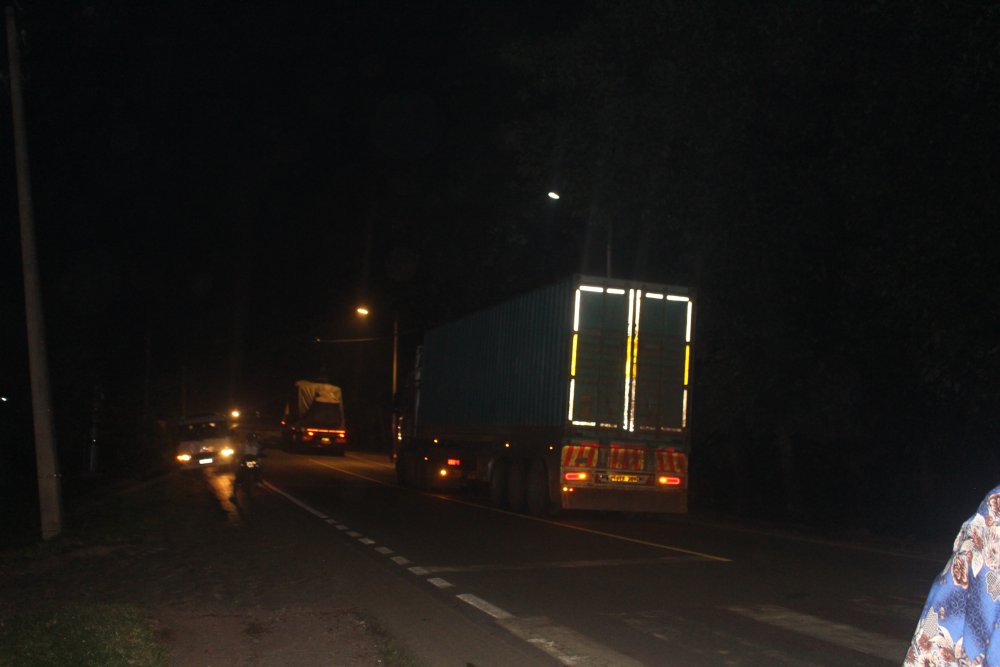
The military hardware—previously used by SAMIDRC forces during operations against the M23 rebel group—is being repatriated following the decision by SADC heads of state on March 13, 2025, to formally conclude the mission.
The phased withdrawal process began on April 29, 2025, and has seen SAMIDRC prioritize transporting its logistical assets through Rwanda, with Tanzania designated as the final staging area.
On May 19, 2025, at approximately 6:30 p.m., a convoy carrying the sixth batch of equipment departed from Rugerero, in Rubavu District, moving through Musanze and Kigali en route to Tanzania.
Although equipment repatriation is underway, most SAMIDRC troops remain stationed at camps in Goma and near Sake, as the mission continues to prioritize the drawdown of materiel before personnel redeployment.
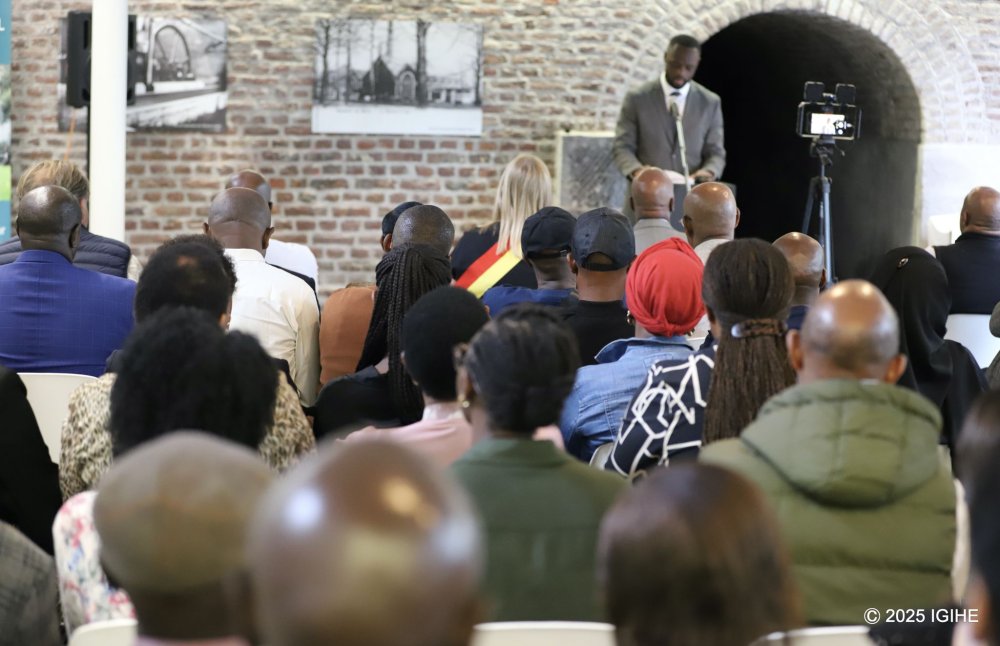
Mons is a city located in the French-speaking region of Wallonia, in the province of Hainaut.
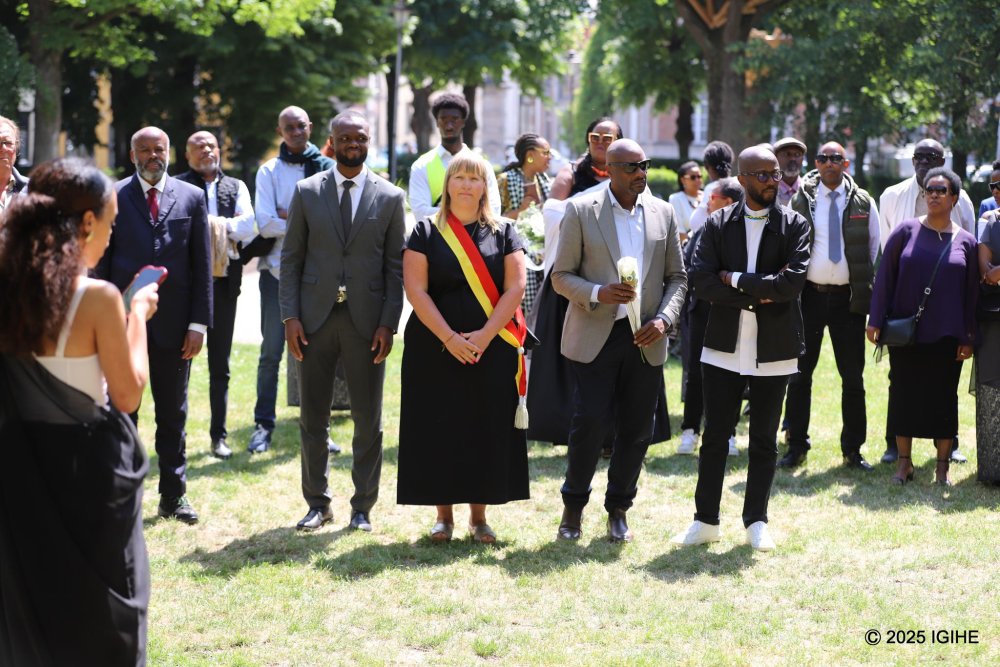
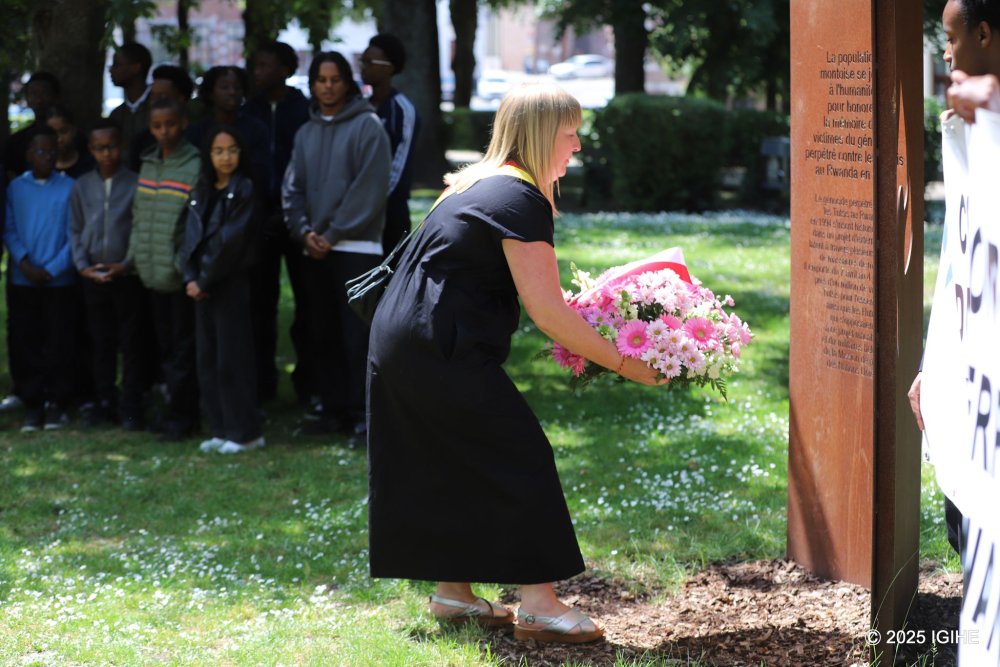
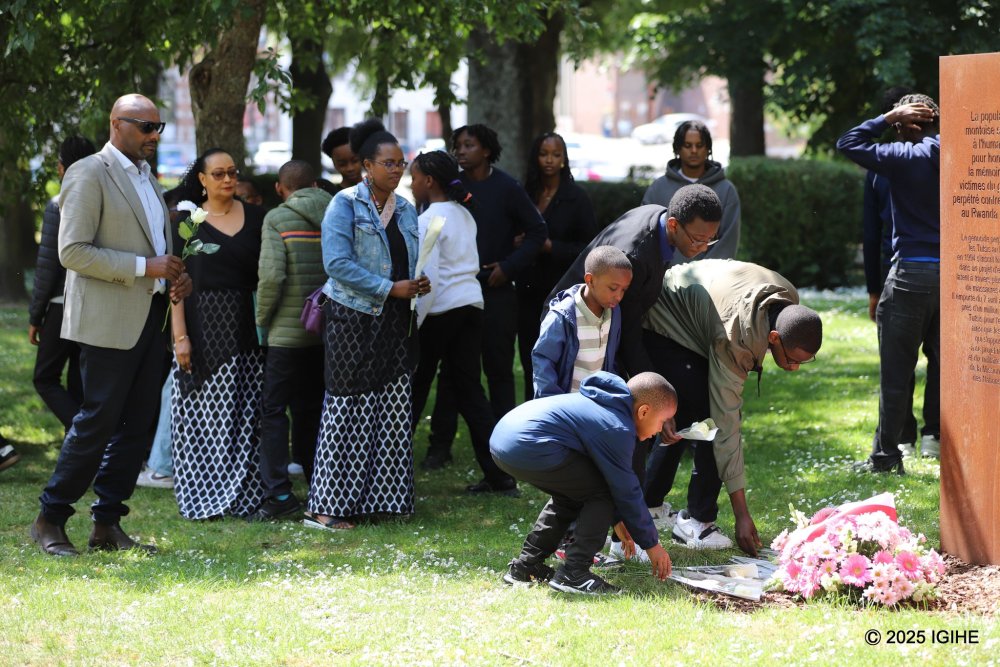
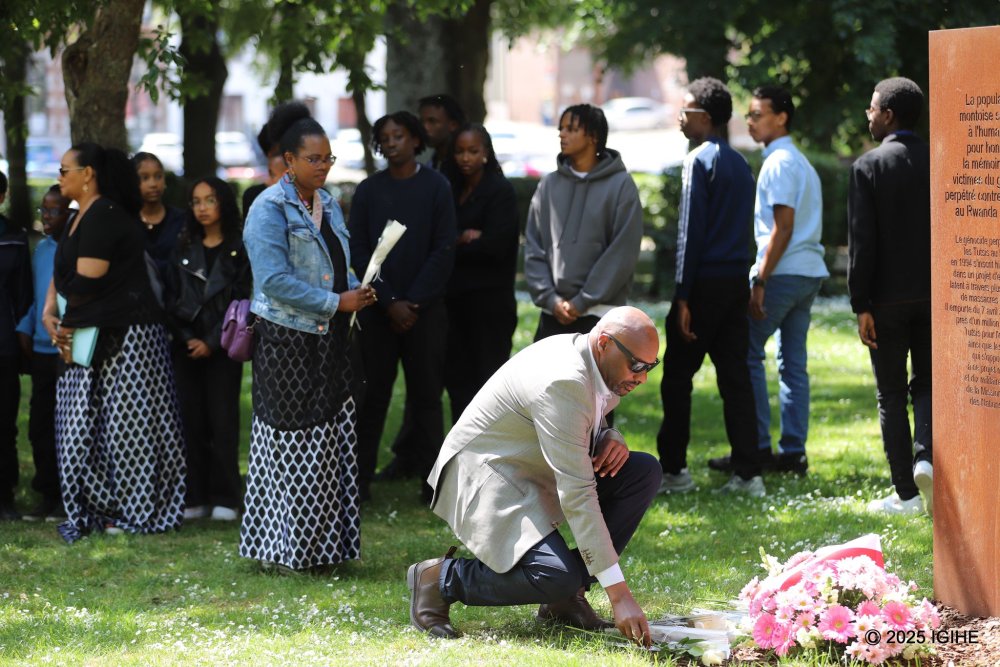
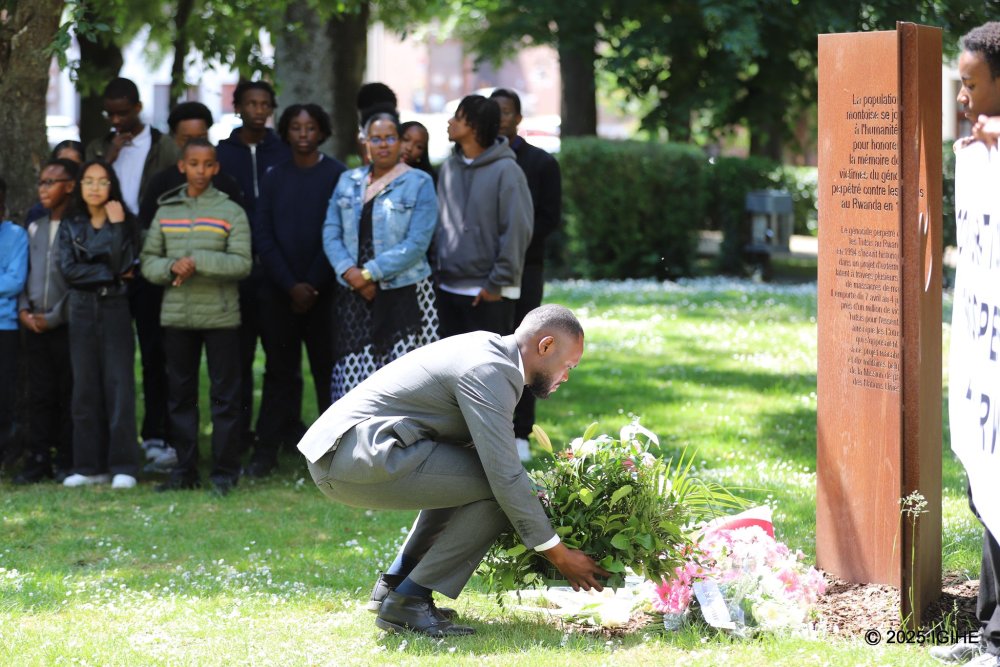
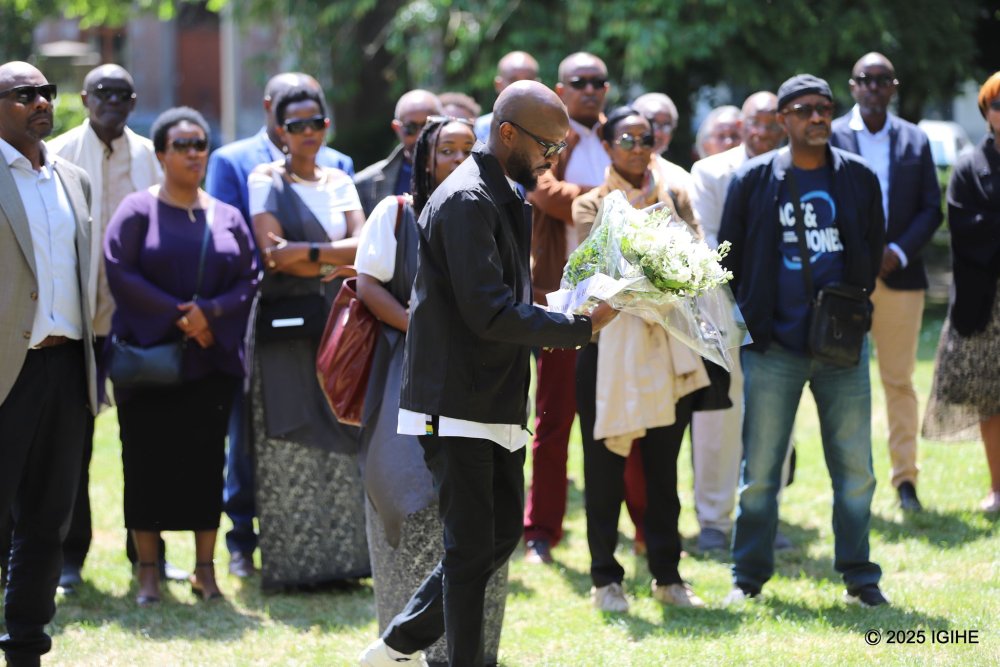
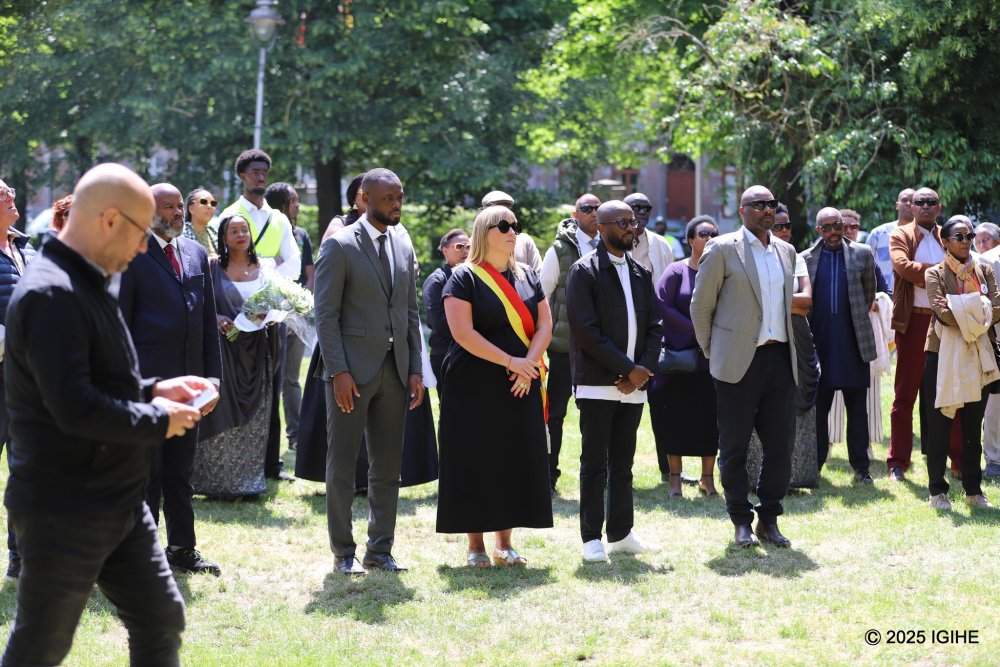
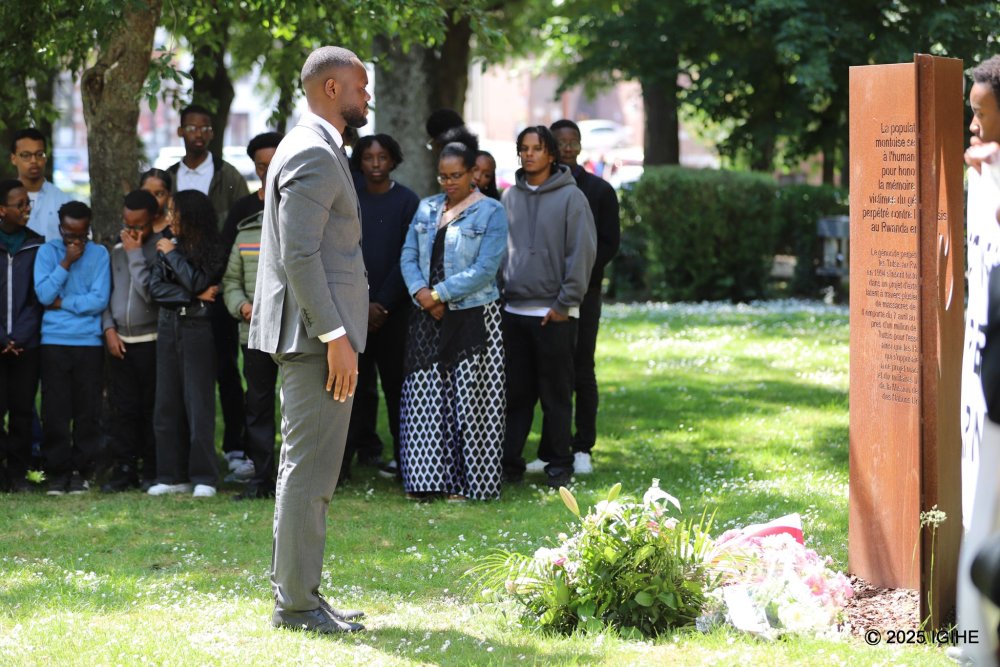
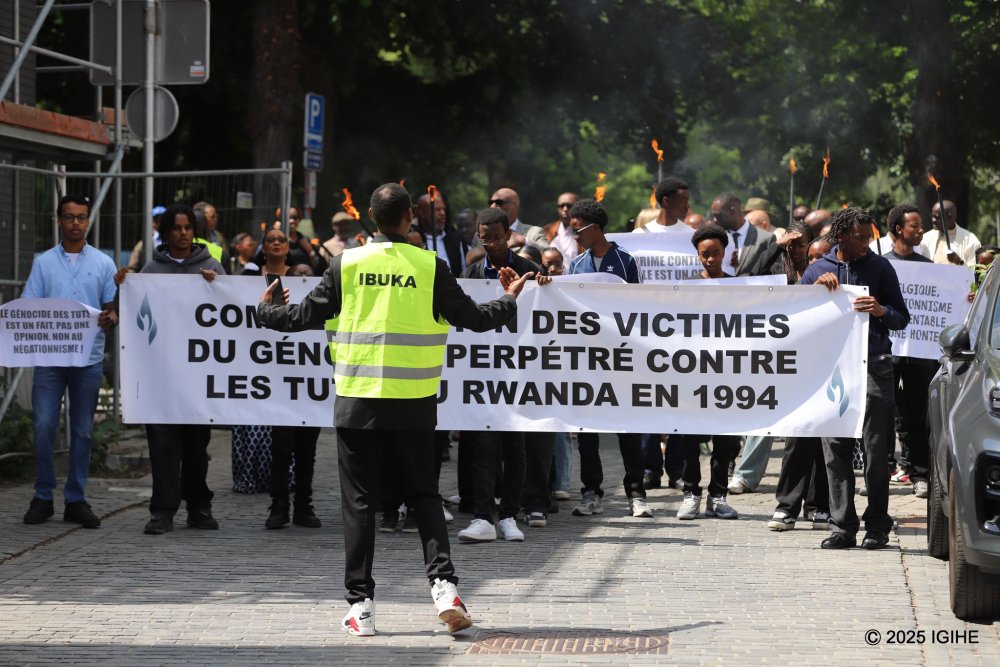
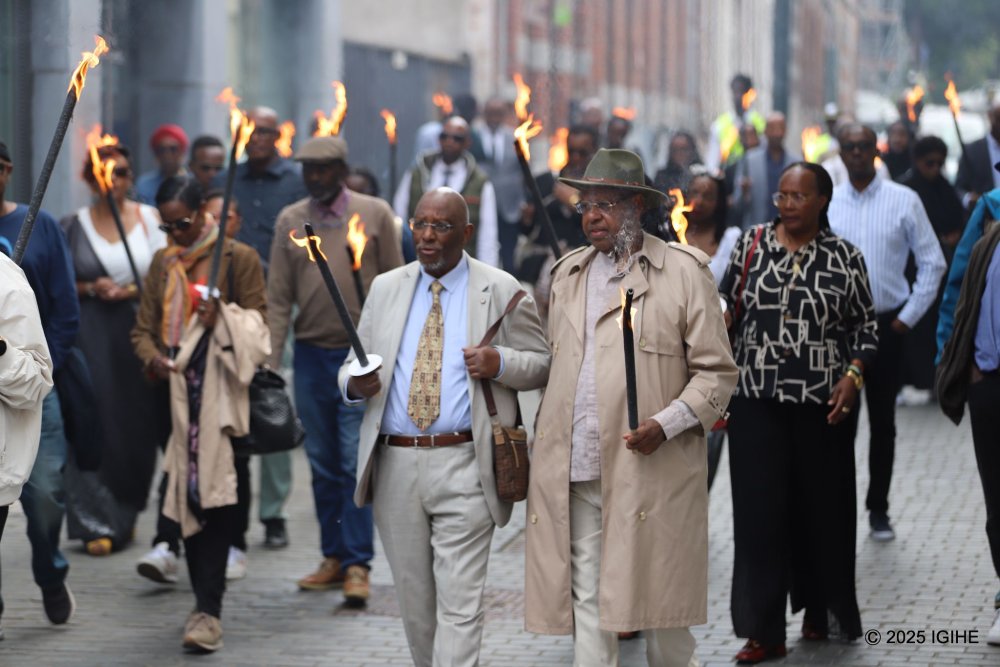
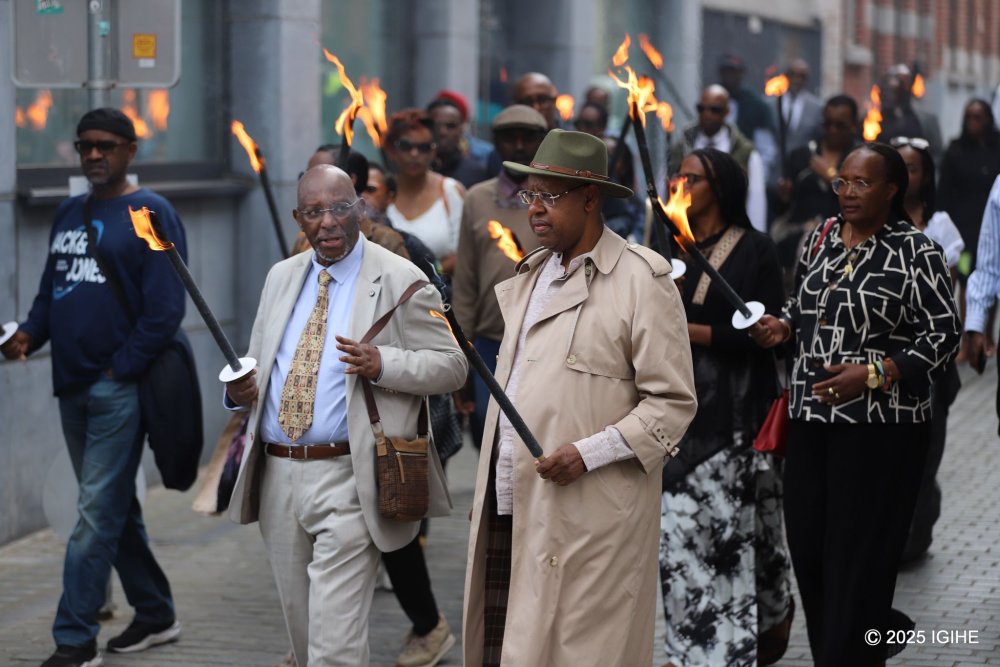
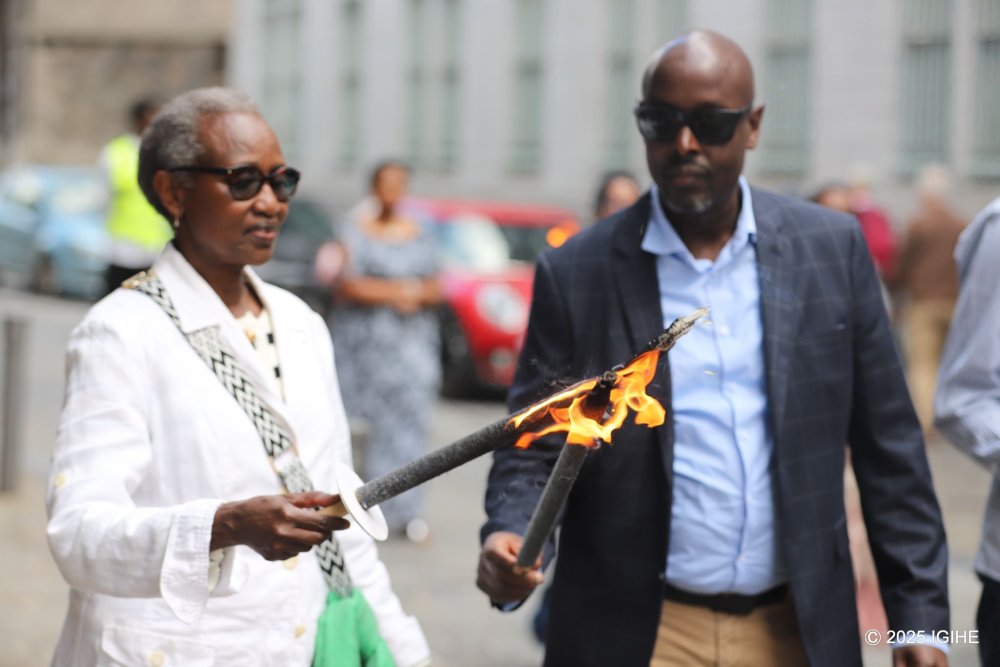
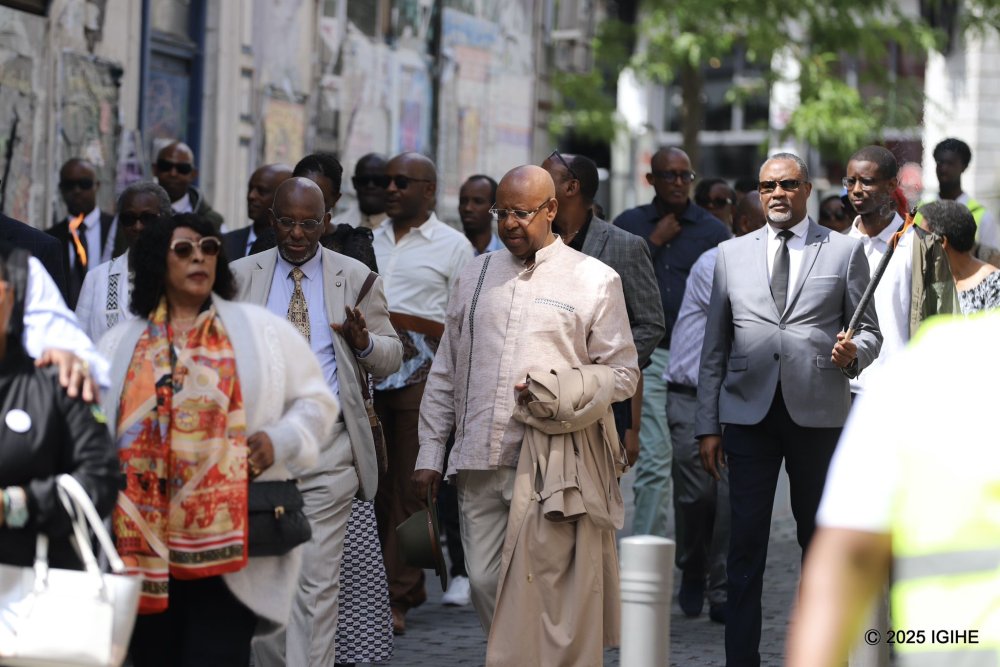
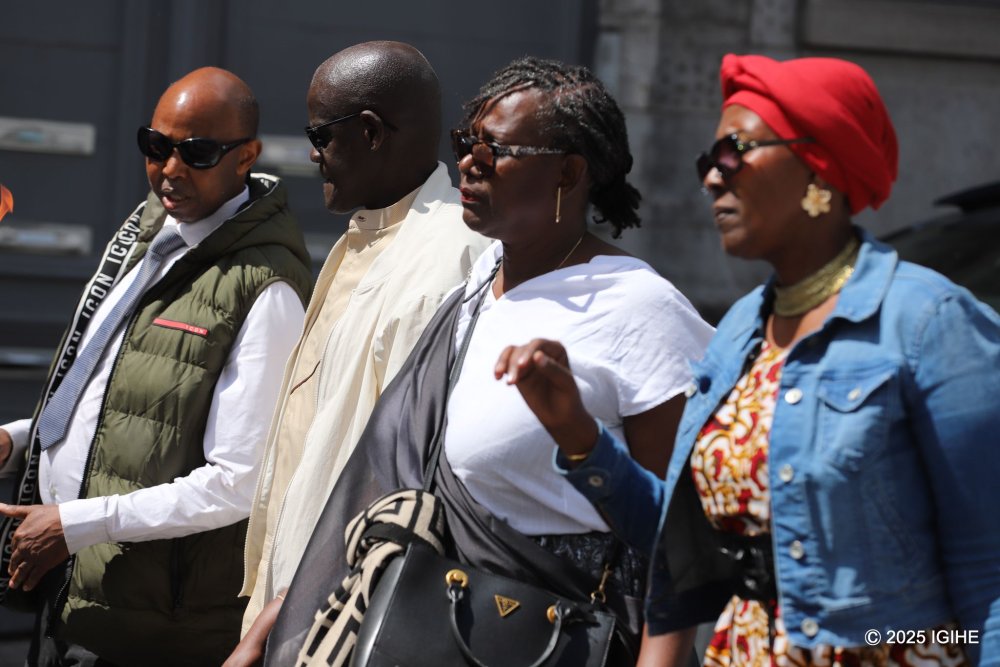
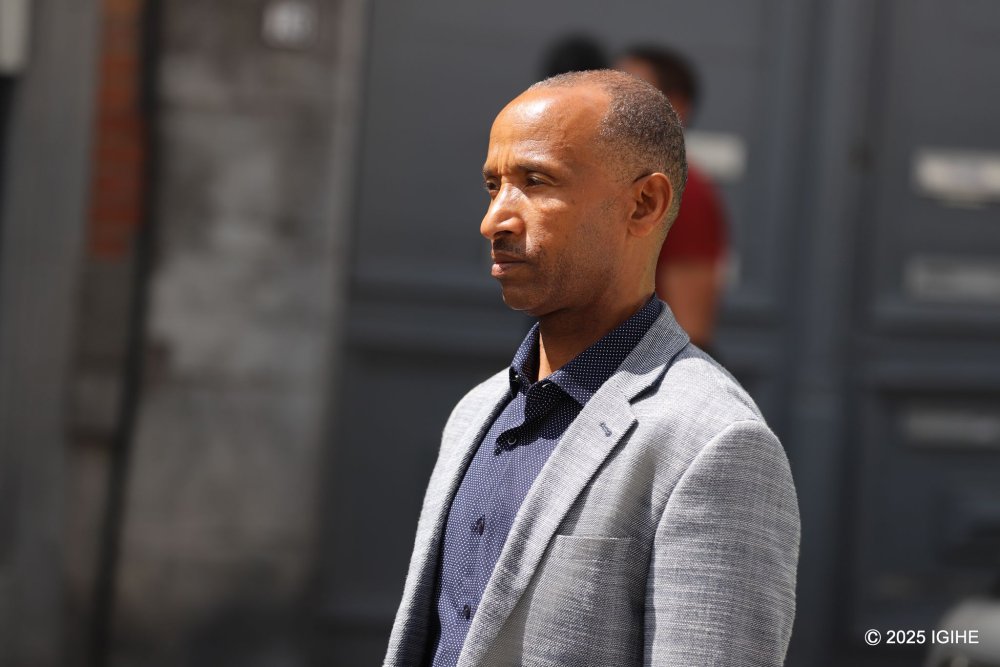
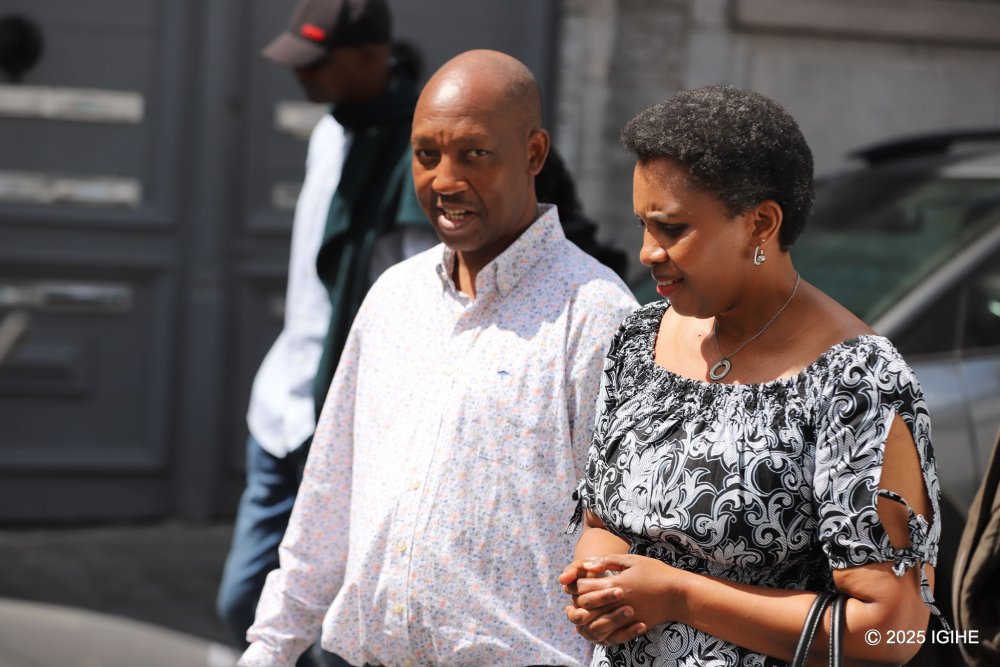
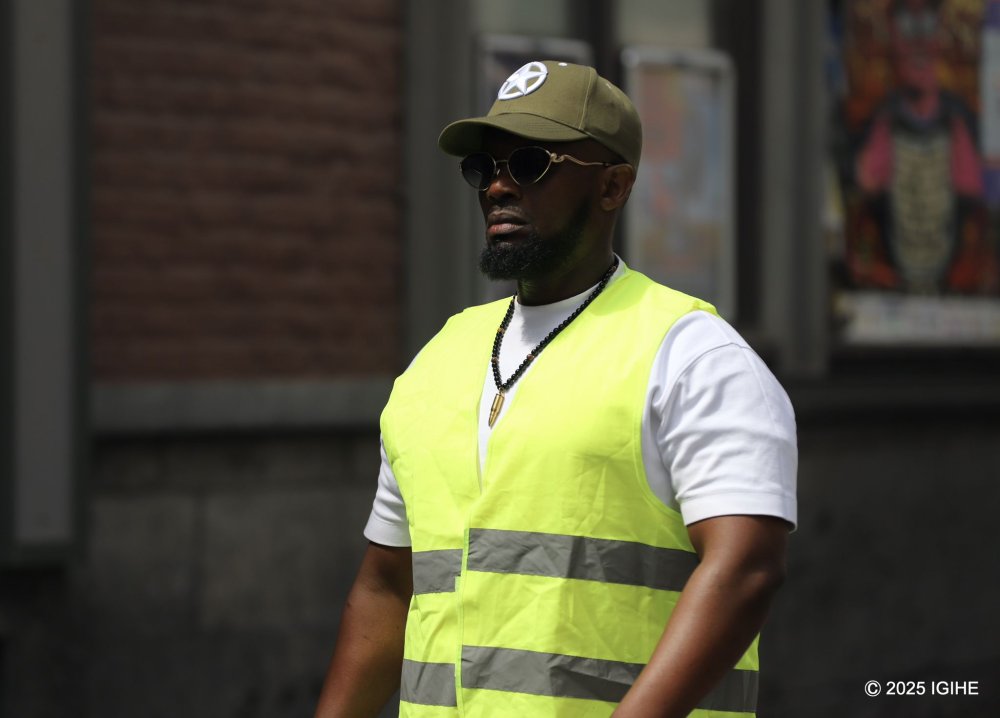
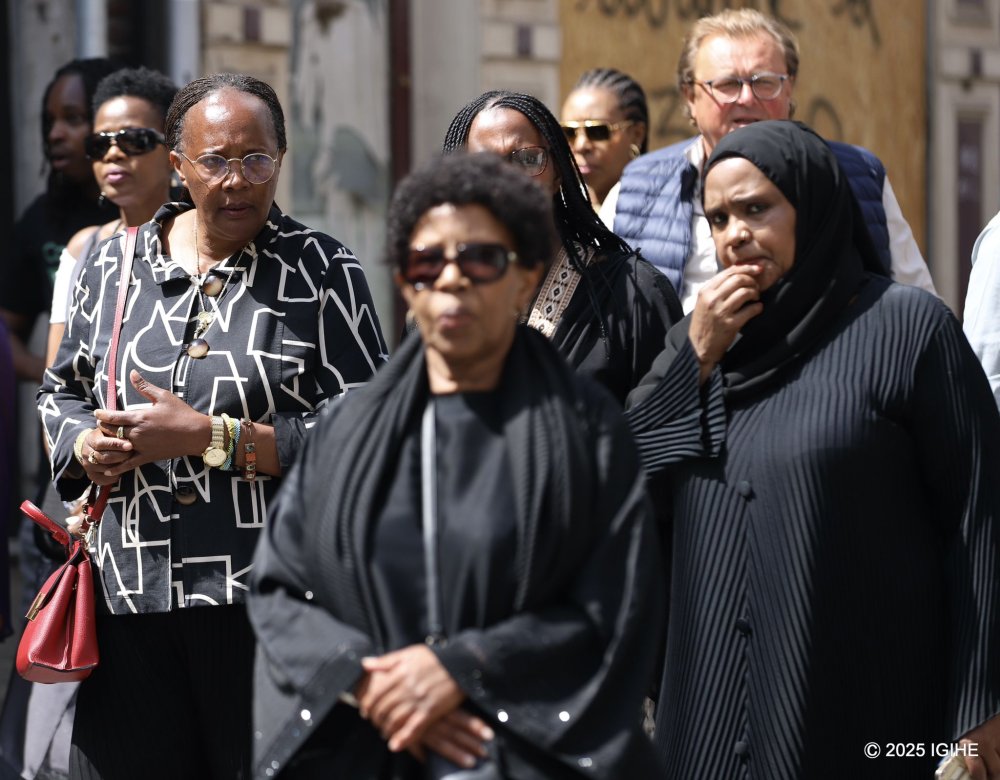
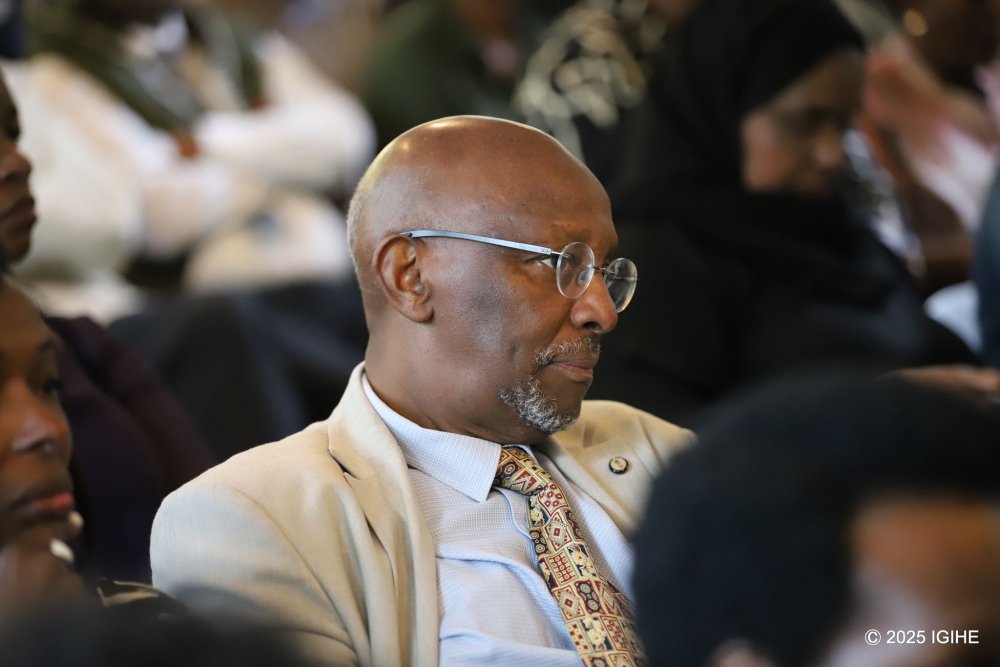
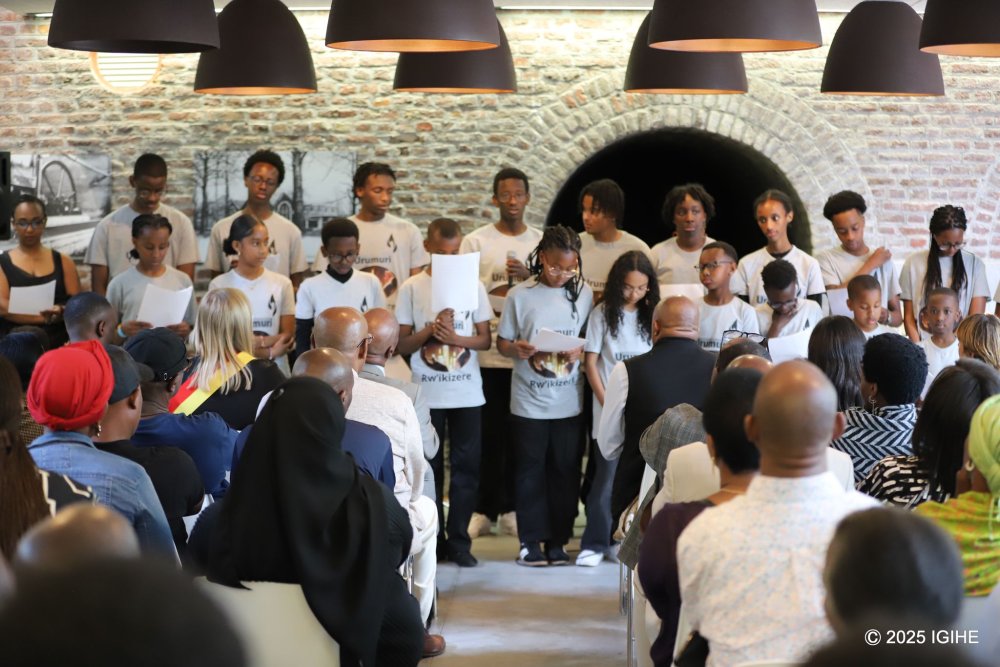
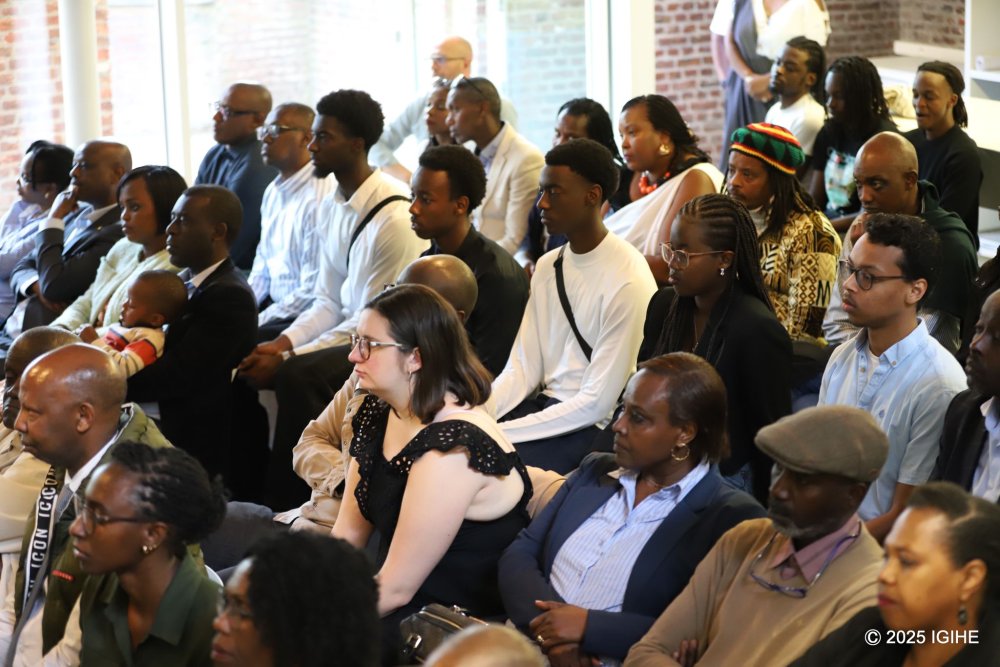
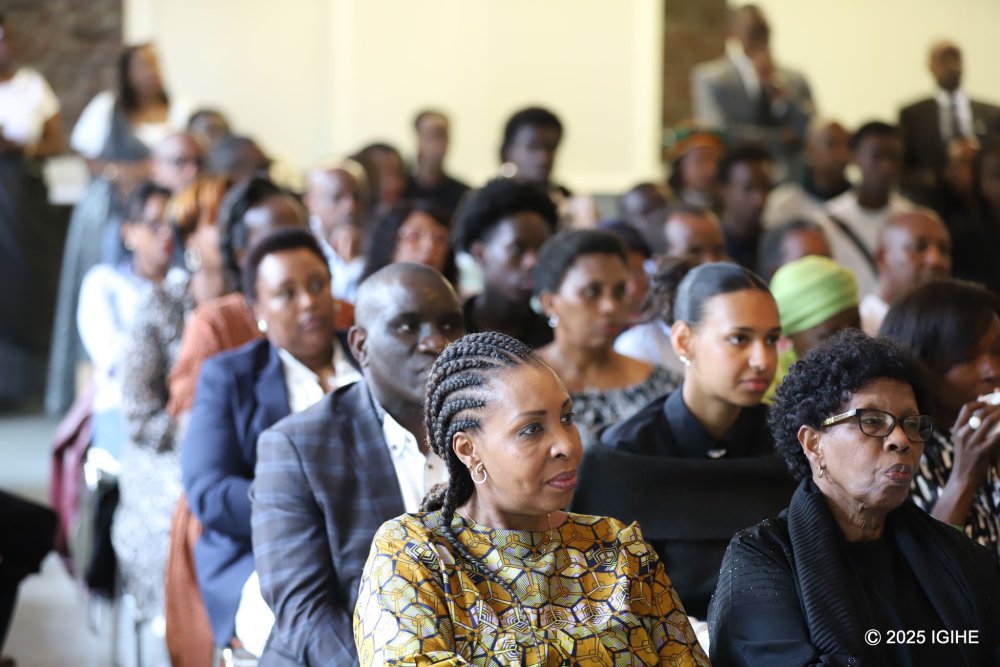
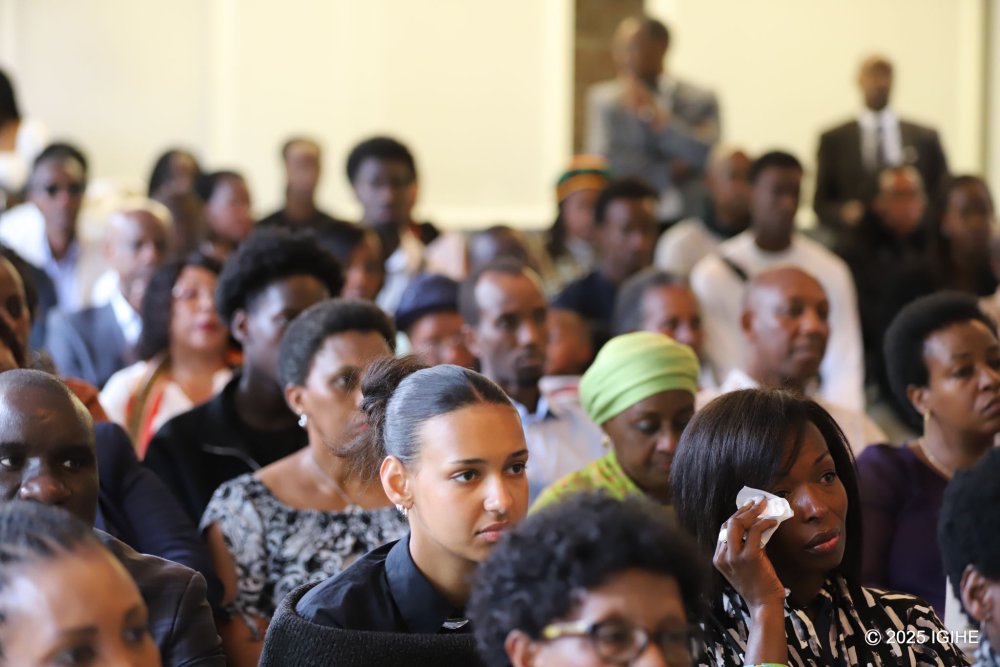
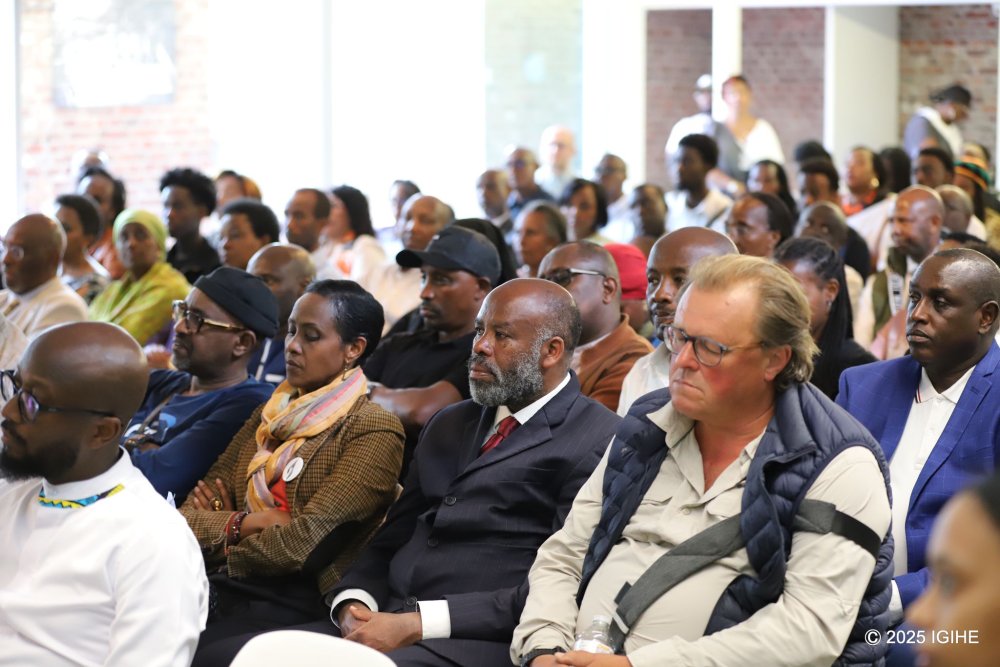
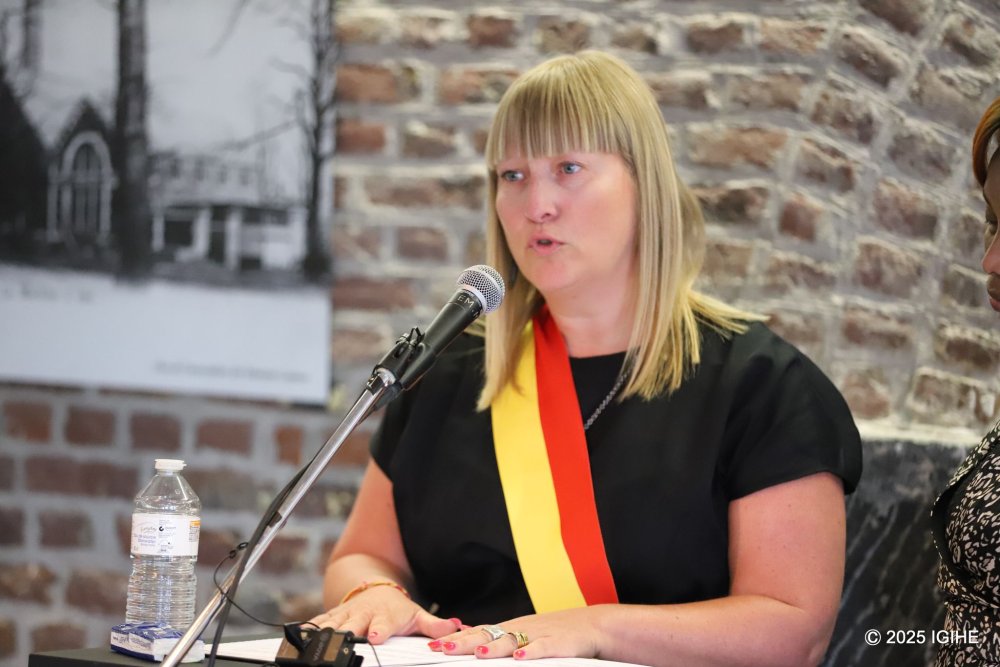
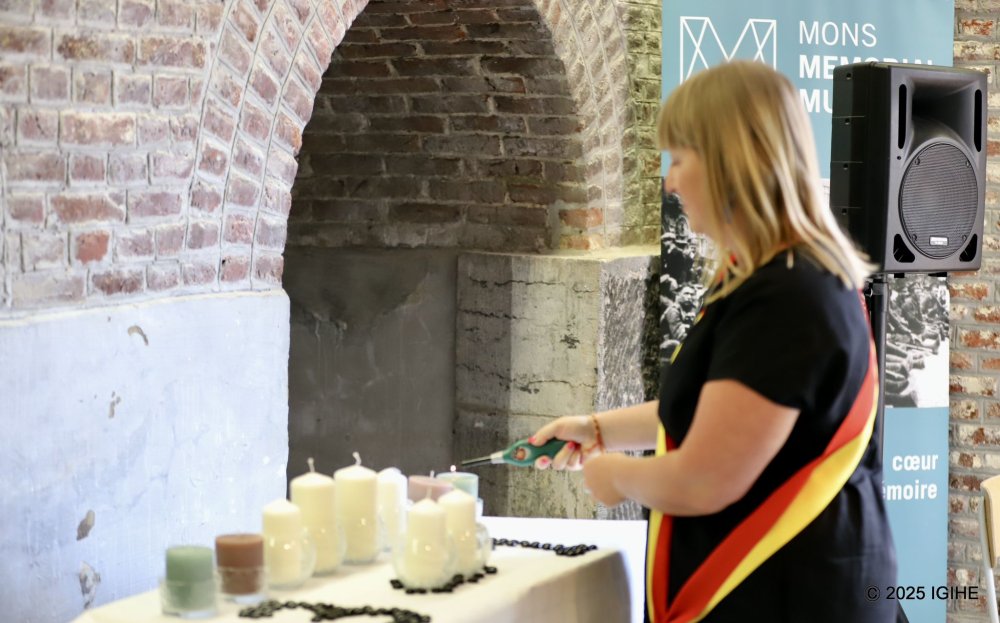
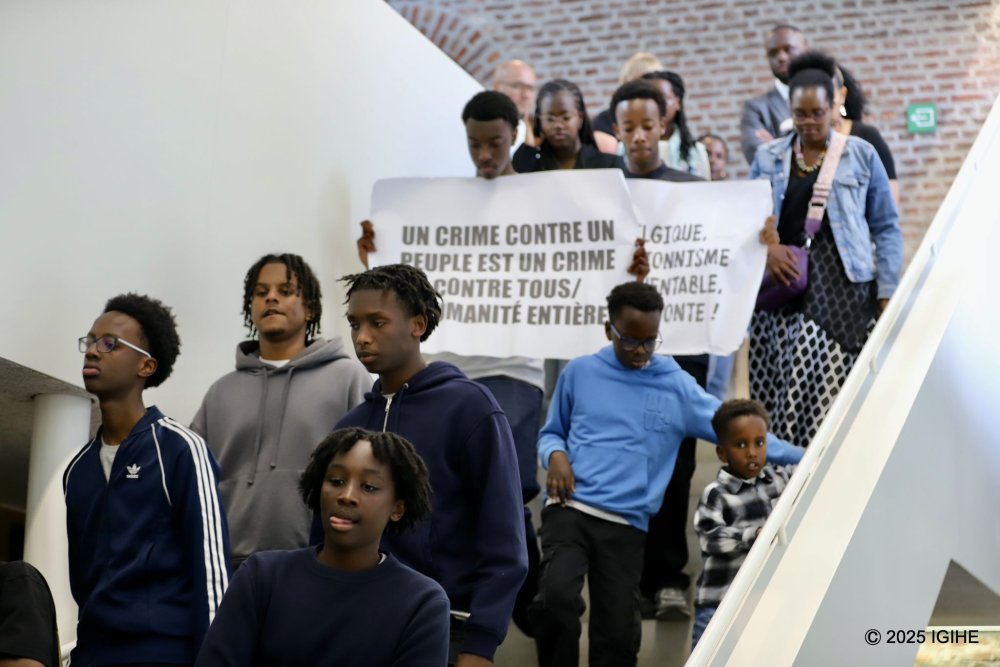
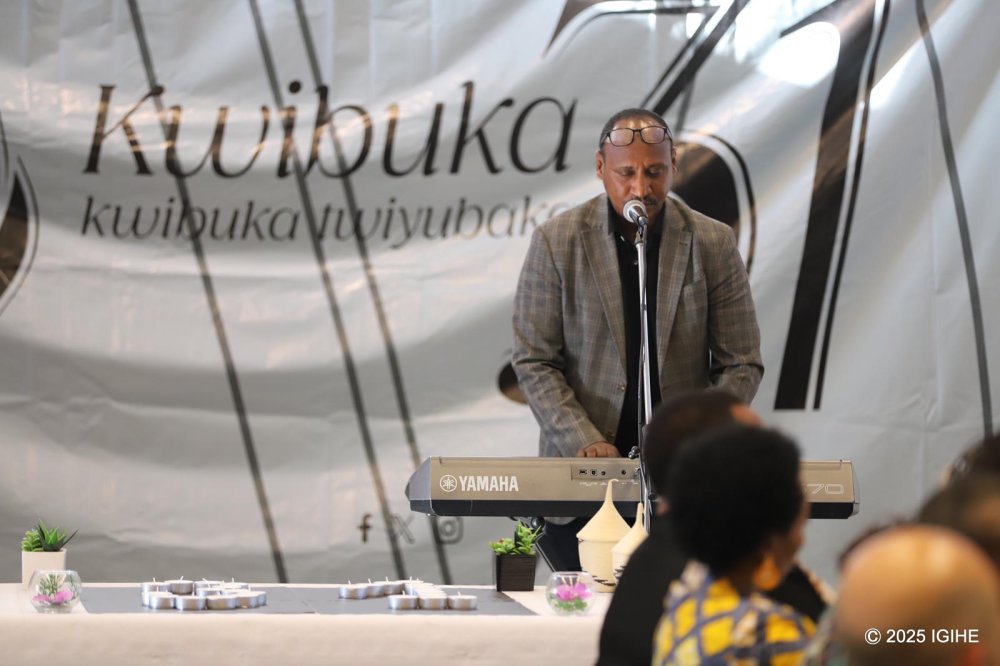
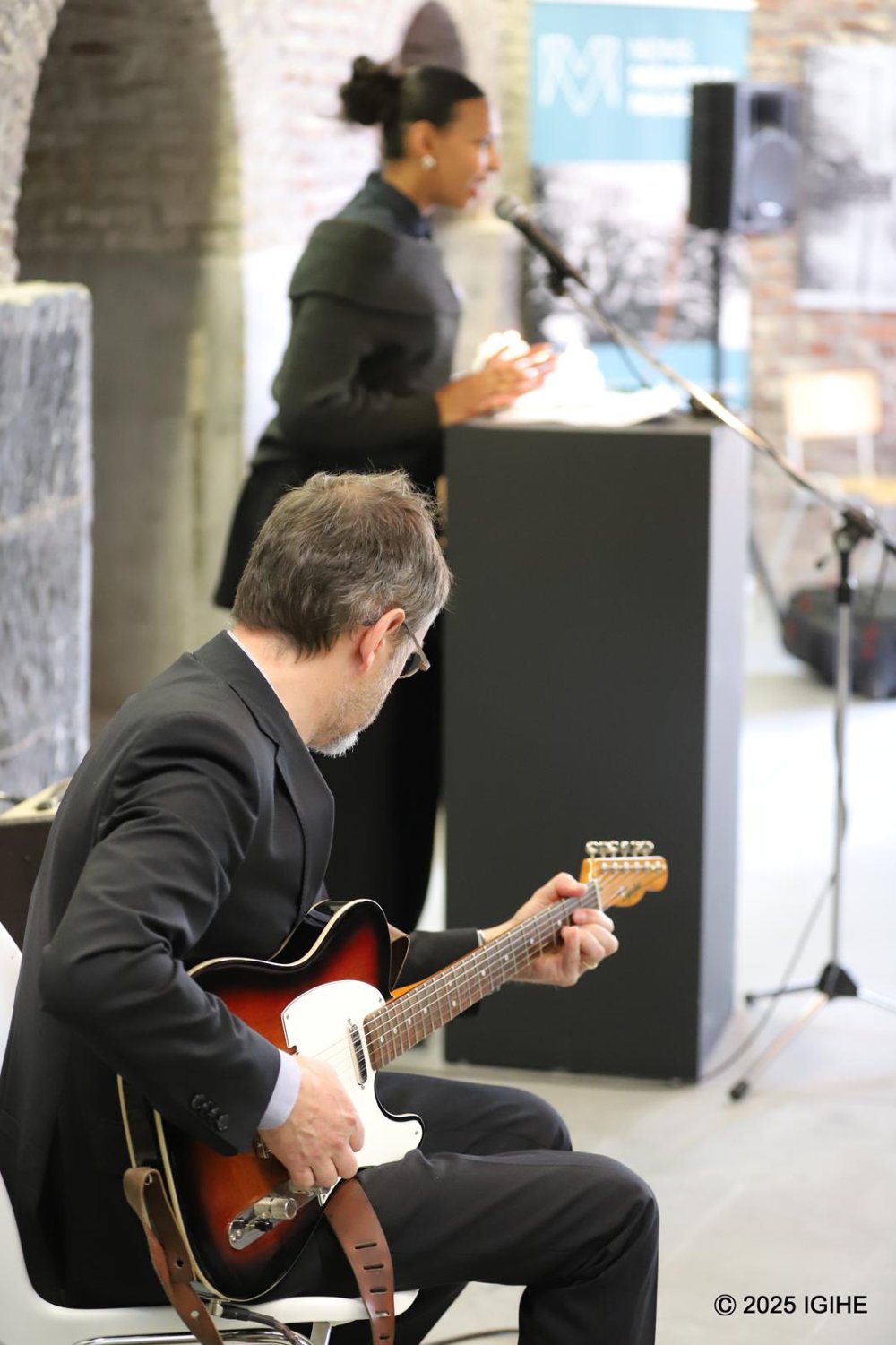
The commemoration began with the laying of wreaths at the Genocide Memorial site located at Place du Parc. The event was also attended by Natacha Vandenberghe, representing the City of Mons.
This year’s ceremony was organised by a group of Rwandan Genocide survivors in collaboration with the Rwandan Diaspora.
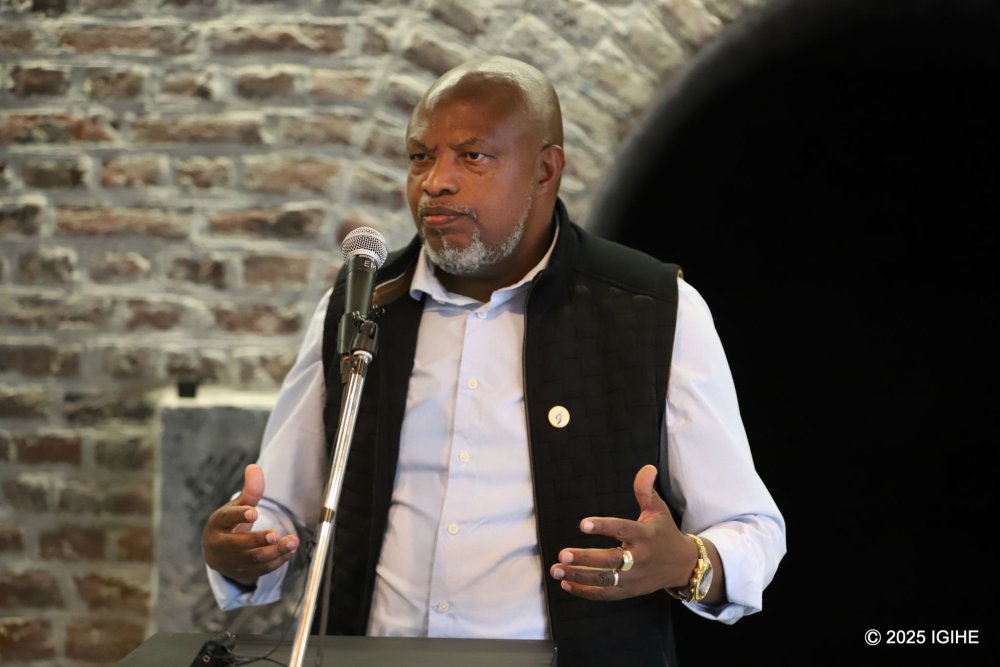
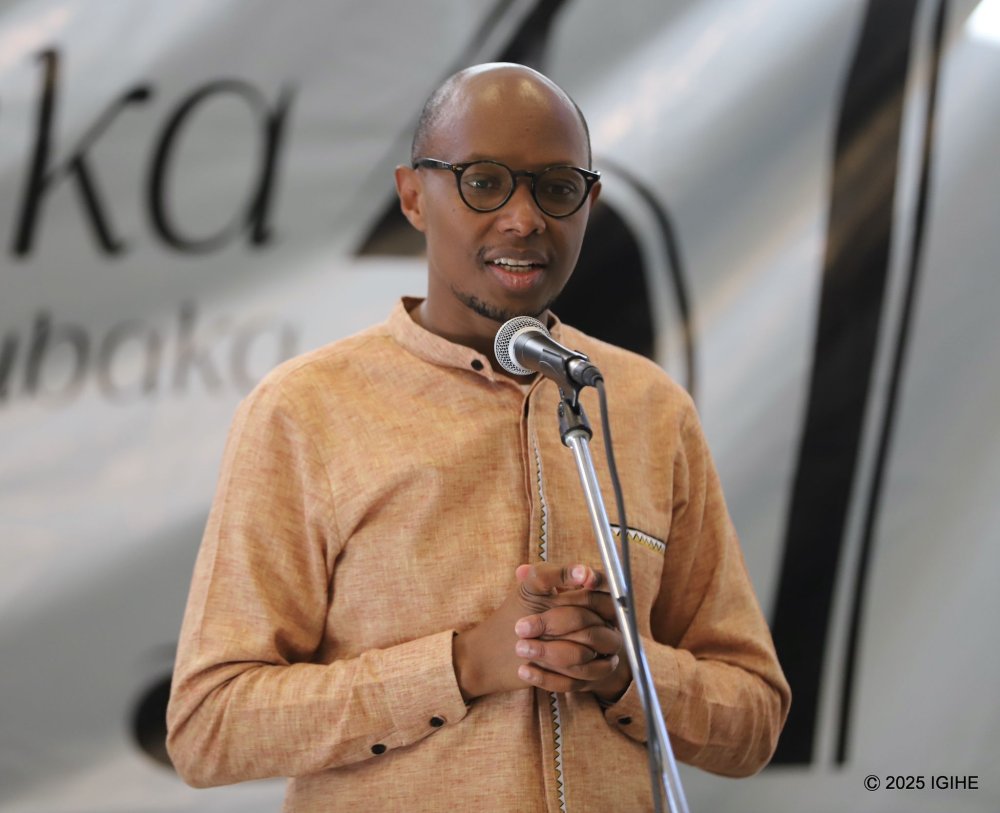
Also in attendance were Twagira Mutabazi, President of Ibuka-Mémoire et Justice-Belgique; Ernest Gakuba, head of the Rwandan Diaspora in Belgium; Irène Kamanzi, President of Isôko, an association of Tutsi from the DRC in Europe; Arnold Turagara, head of DRB-Rugari in the Mons region; and other representatives of various organisations.
Ernest Gakuba, President of DRB-Rugari, commended the City of Mons for its principled stance during the commemoration, contrasting it with other localities that he said have politicised remembrance events.
“We thank the leadership of the City of Mons, which did not act like some other municipalities that mixed politics with remembrance. But history will judge them harshly when the time comes. Mons chose the path of unity and humanity,” he stated.
Natacha Vandenberghe, representing the City of Mons, reminded attendees how the Tutsi were killed simply because of their identity and how they were abandoned.
“It was killing those who could not fight back — this was not a war between opposing sides. It was premeditated and organised with the intent that the Tutsi must be exterminated. Even the United Nations has recognised this,” she stated.
Vandenberghe urged people to speak the truth about what happened:
“Let’s call the Genocide by its rightful name. Let us remember, and let us help young people understand this history.”
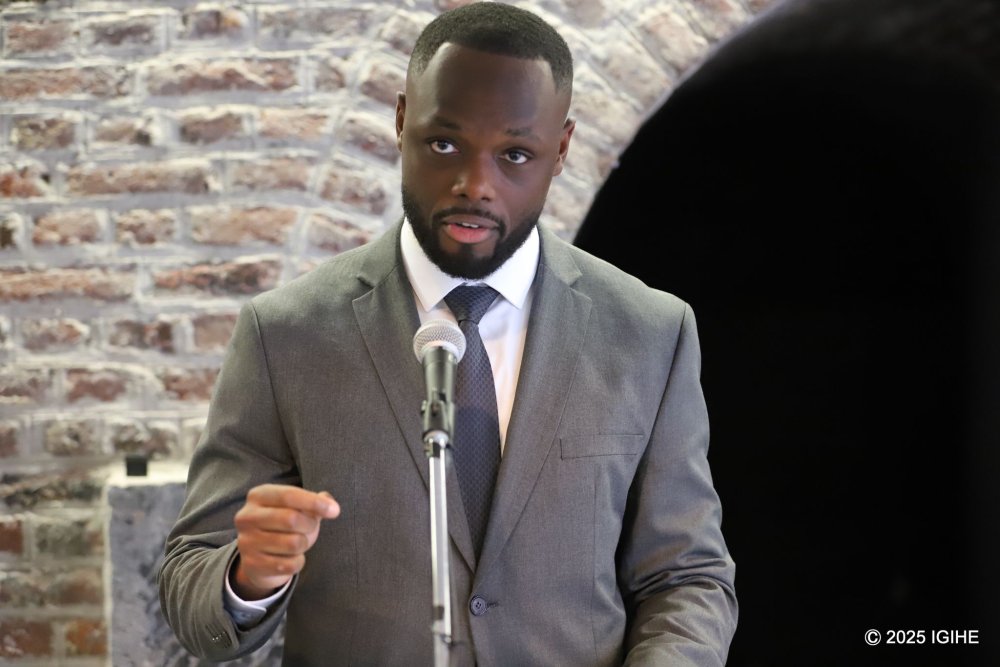
In his remarks, Twagira Mutabazi, head of Ibuka-Mémoire et Justice-Belgique, discussed the importance of remembrance and the need for survivors to continue rebuilding their lives. He also highlighted recent challenges facing Genocide remembrance efforts in Belgium.
“This commemoration helps young people to continue honoring the eternal value of those we lost in the Genocide against the Tutsi.”
Mutabazi also revealed that he has requested the repatriation of the remains of King Yuhi V Musinga, currently in Belgium, so they can be properly buried in Rwanda.
“I have asked the Rwandan government to do everything possible to bring back King Yuhi V Musinga’s remains to Rwanda, to be reburied at Mwima in Mushirarungu,” Mutabazi said.
Irène Kamanzi, President of Isôko, said she attends these commemorations because she understands their value, but also because she wants to raise awareness that the horrors of the 1994 Genocide are recurring today.
“It is heartbreaking that I am here to speak about what is happening just across Rwanda’s border in the DRC. The killings there are beyond human comprehension, and the Congolese government is watching silently, just as the world did in 1994. Those who once fled Rwanda are now killing us again and establishing a government of genocidaires. I am here to denounce that loudly,” she remarked.
Arnold Turagara, head of DRB-Rugari in the Mons area, said:
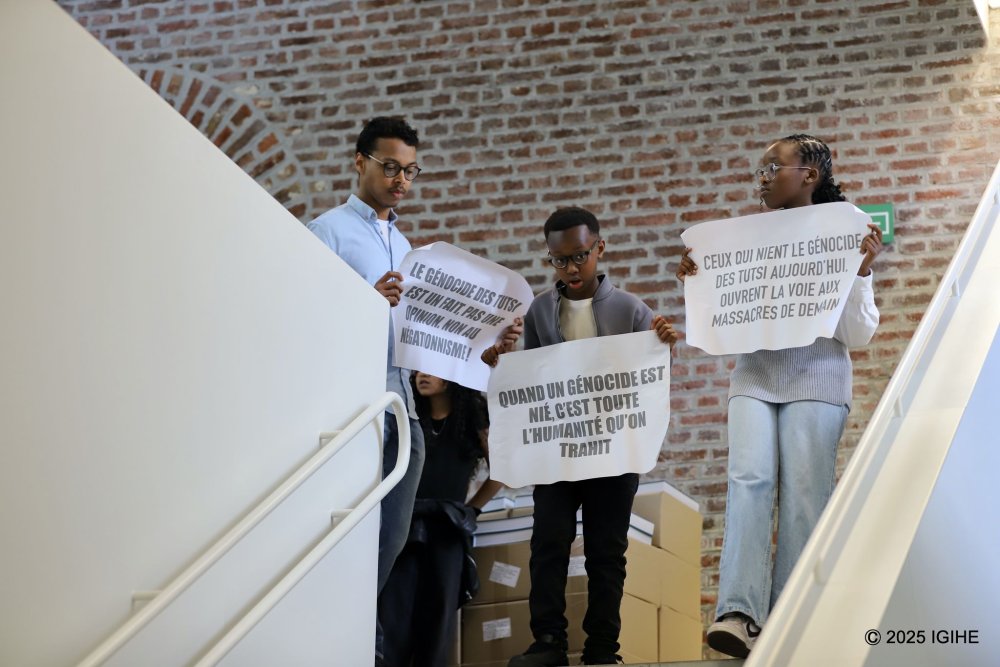
“Today, 31 years later, we have gathered again here in Mons to remember our loved ones killed in the 1994 Genocide against the Tutsi — infants, children, the elderly. But we are not here to weep; we are here to bear witness to the atrocities committed.”
He emphasised that this is to help the younger generation understand what happened, pursue justice, and restore the value of human life.
He thanked the RPF-Inkotanyi for not standing idly by like the international community, but instead choosing to rescue those who could still be saved. He reminded everyone that young people played a key role in that mission and should be seen as role models.
Turagara also expressed gratitude to all who stood in solidarity with them, particularly the City of Mons for its continued support.
Olivier Munyengango, a survivor from Mukarange Parish, shared his testimony during the event. He lost his entire immediate family in the Genocide and was the only one left. His family included five children and their parents. Many extended family members were also killed.
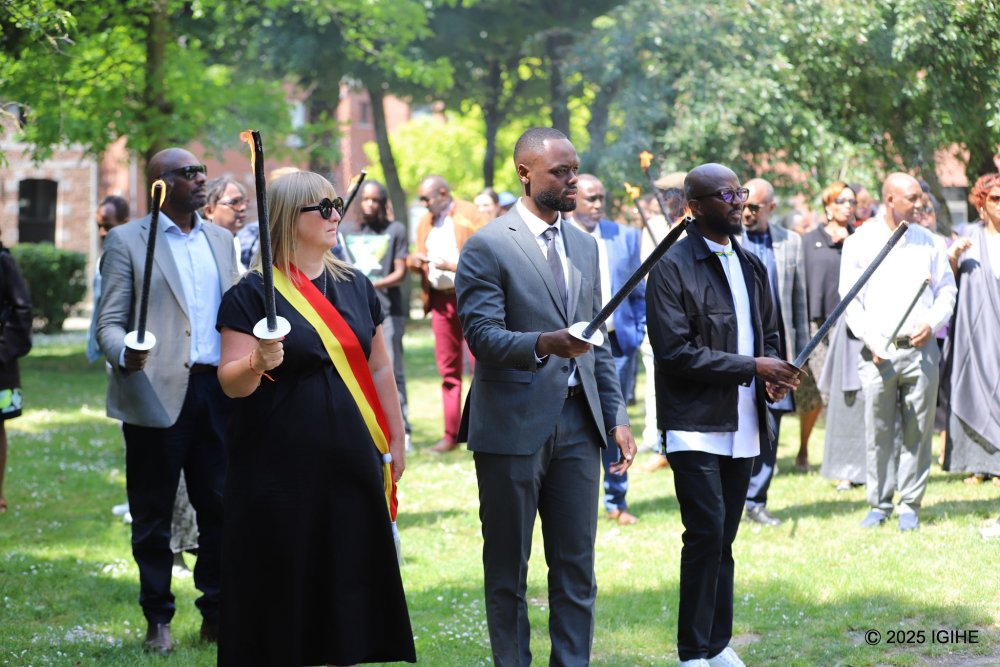
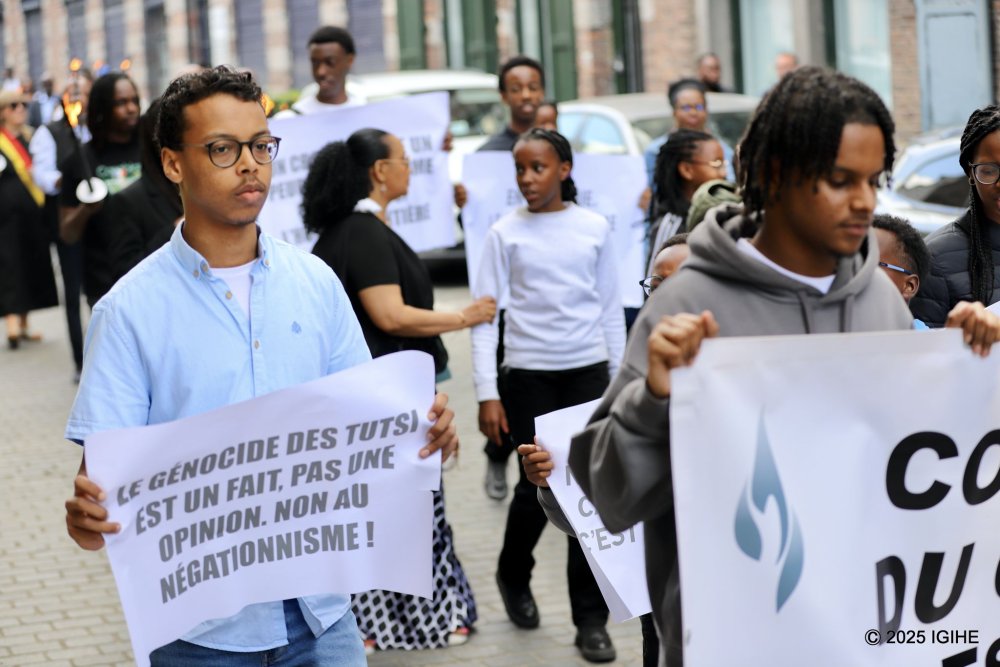
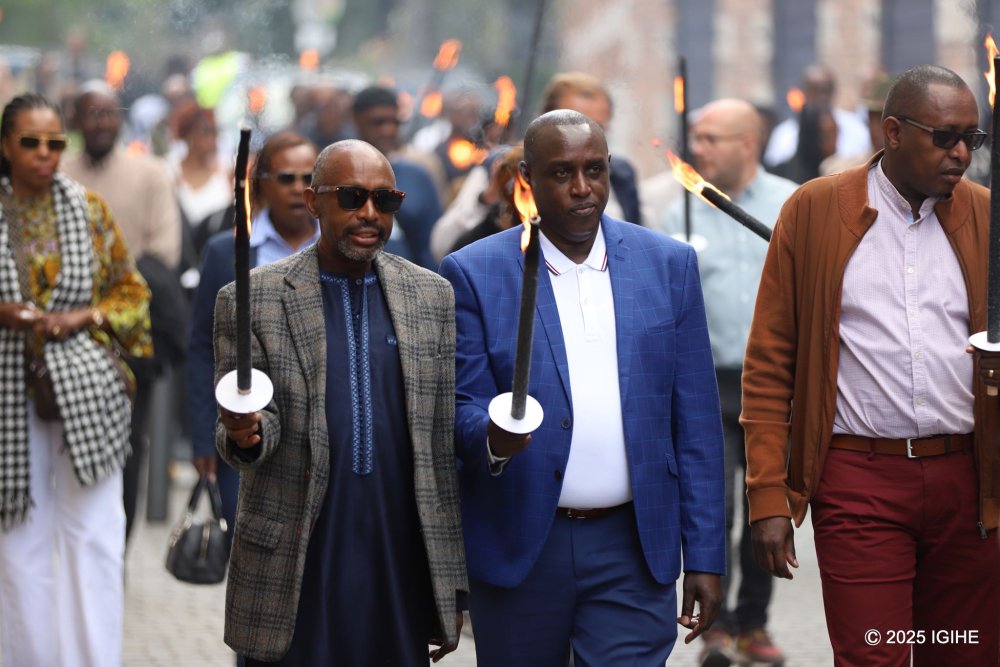
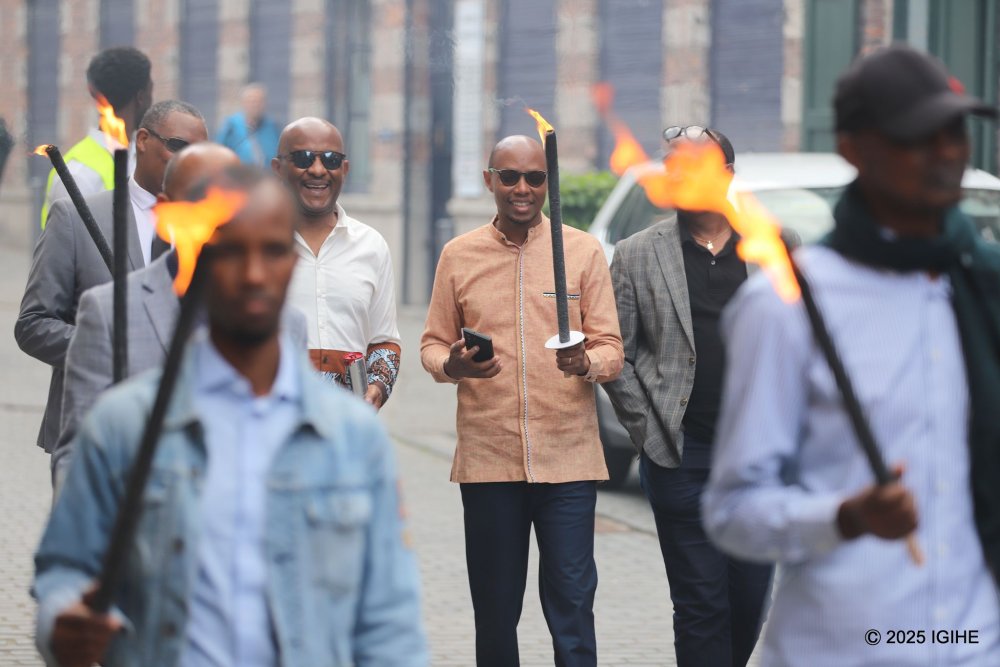
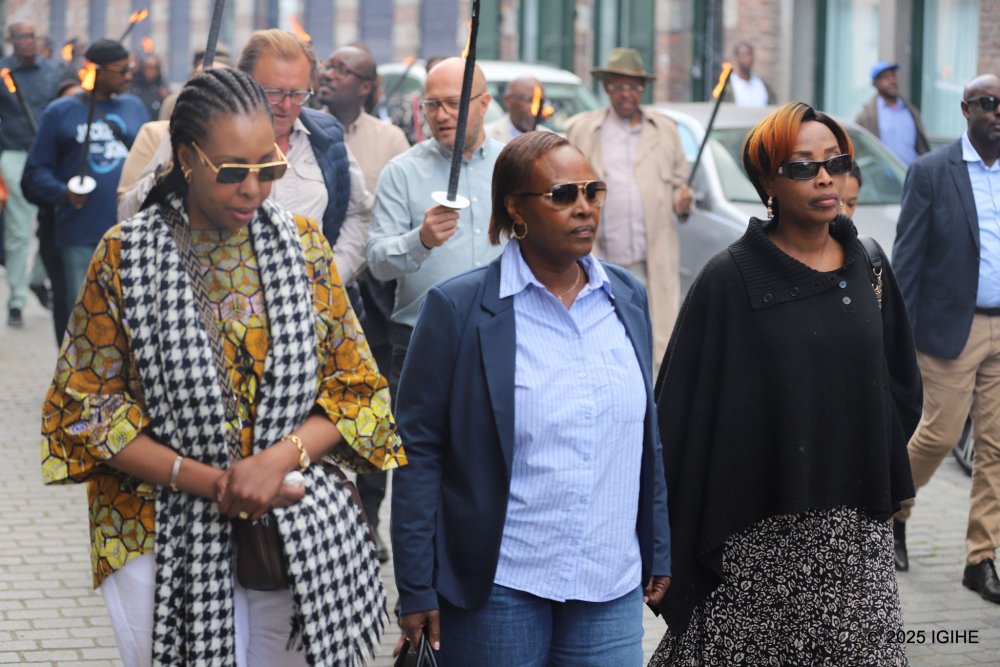
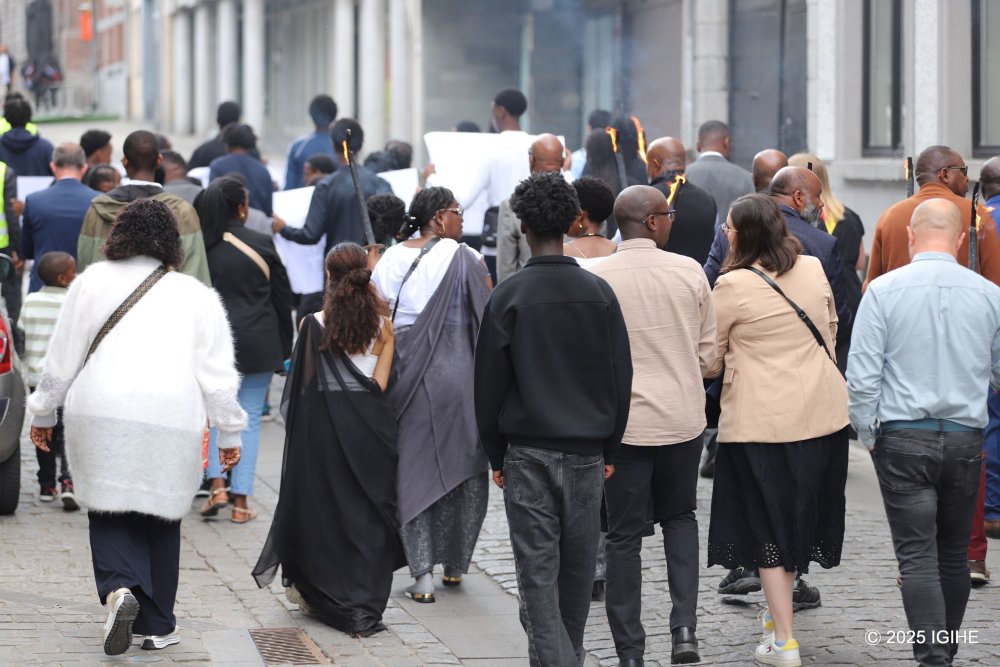
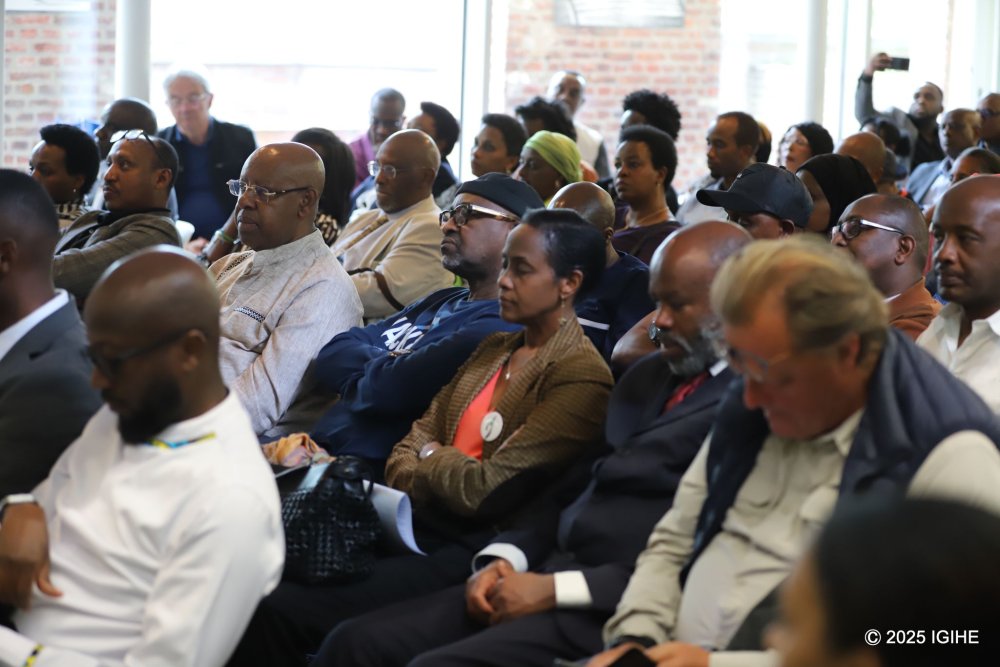
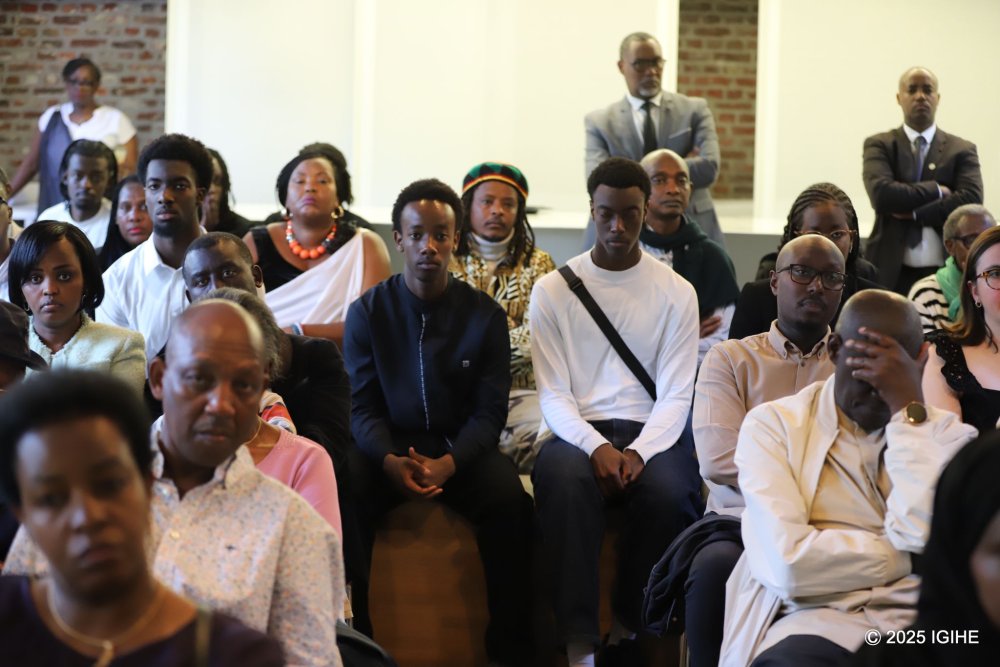
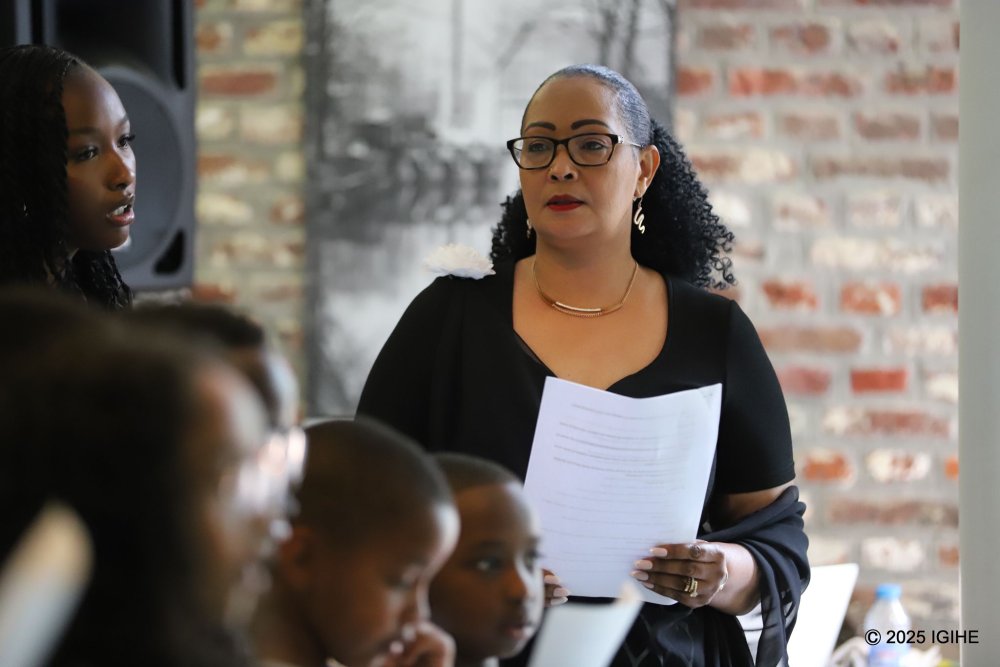
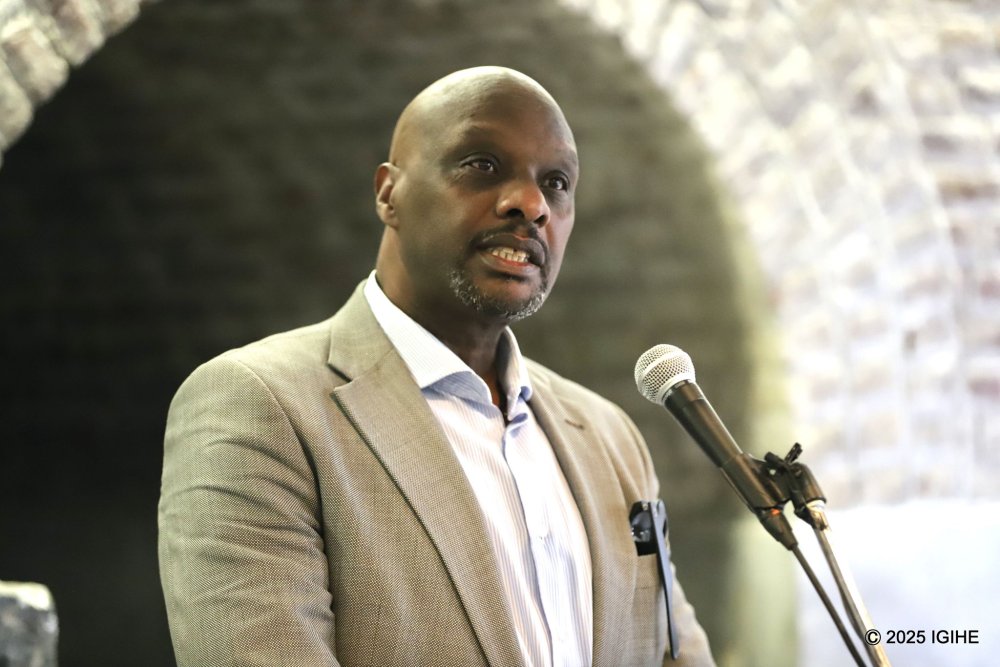
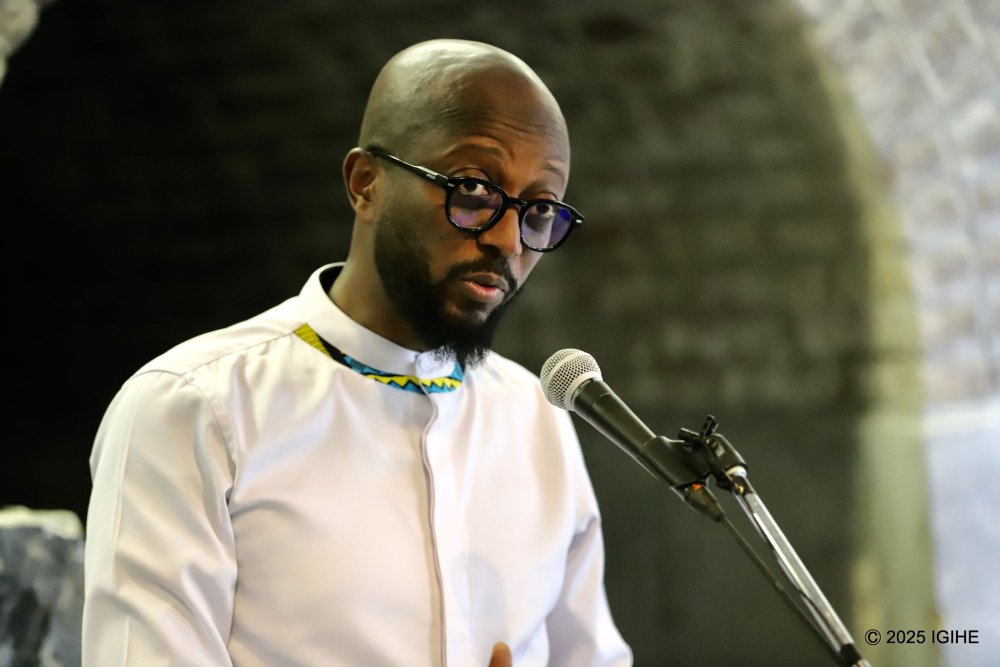
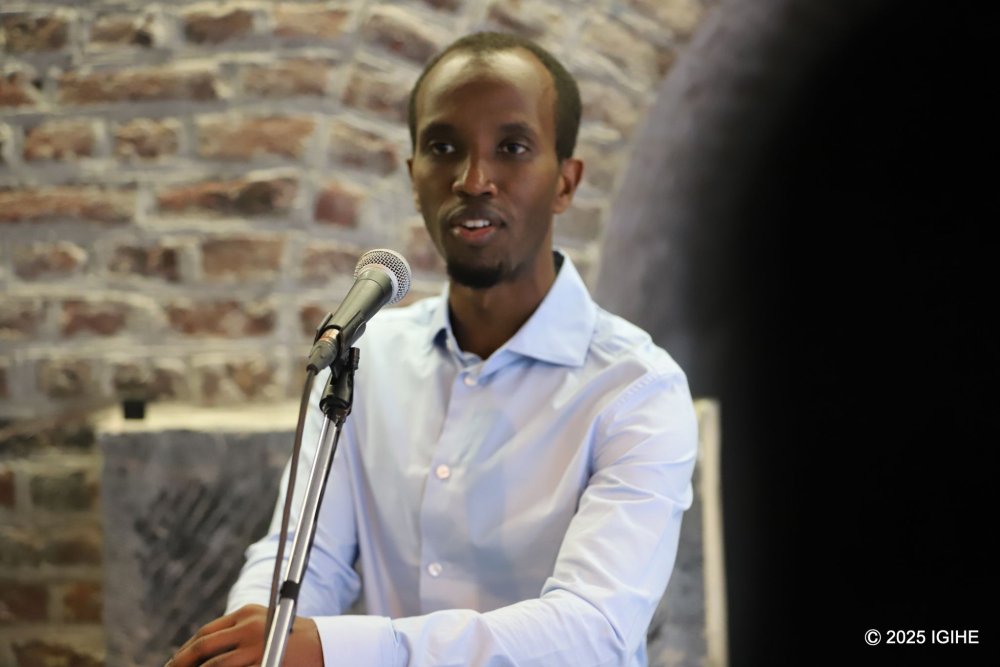
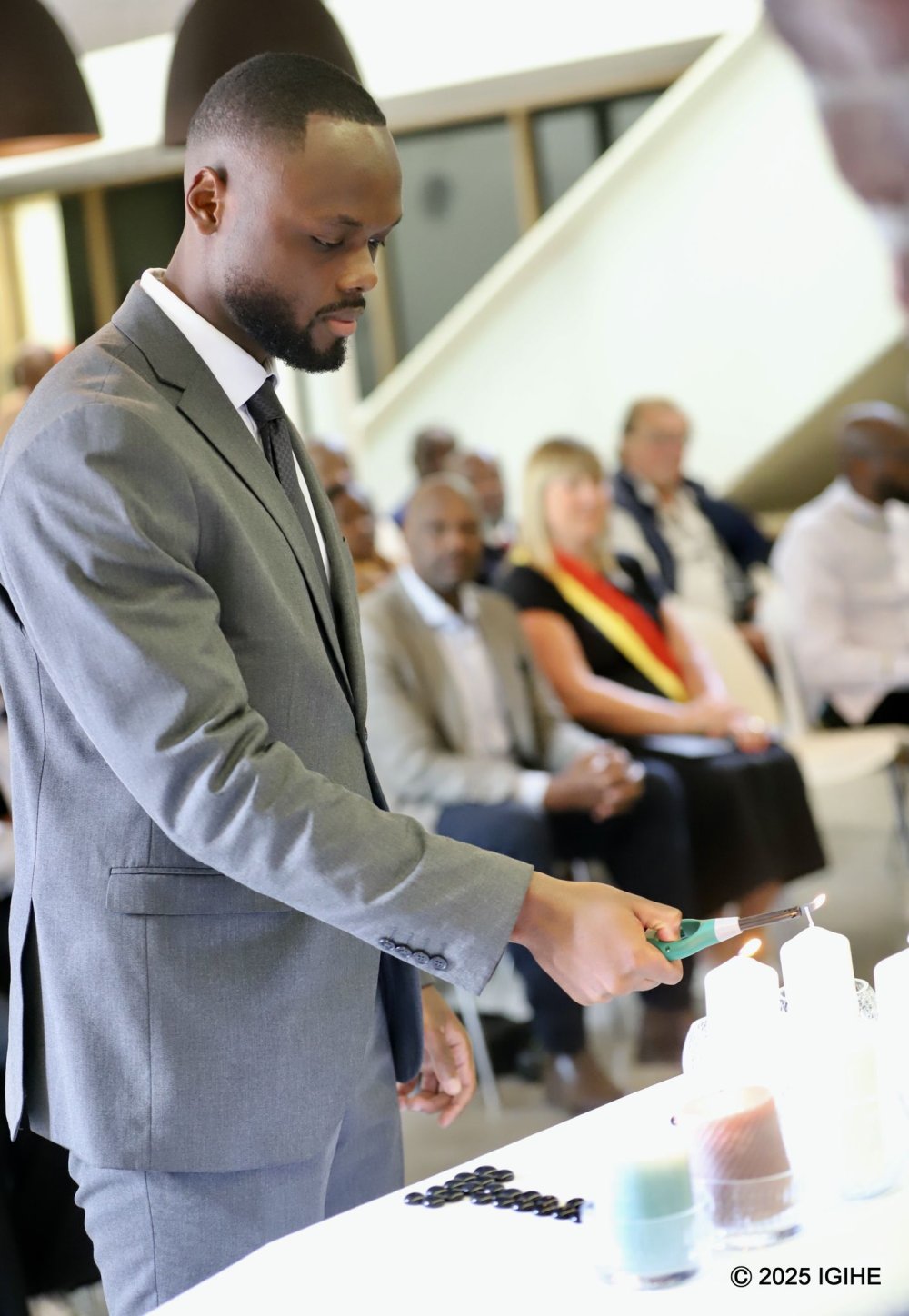
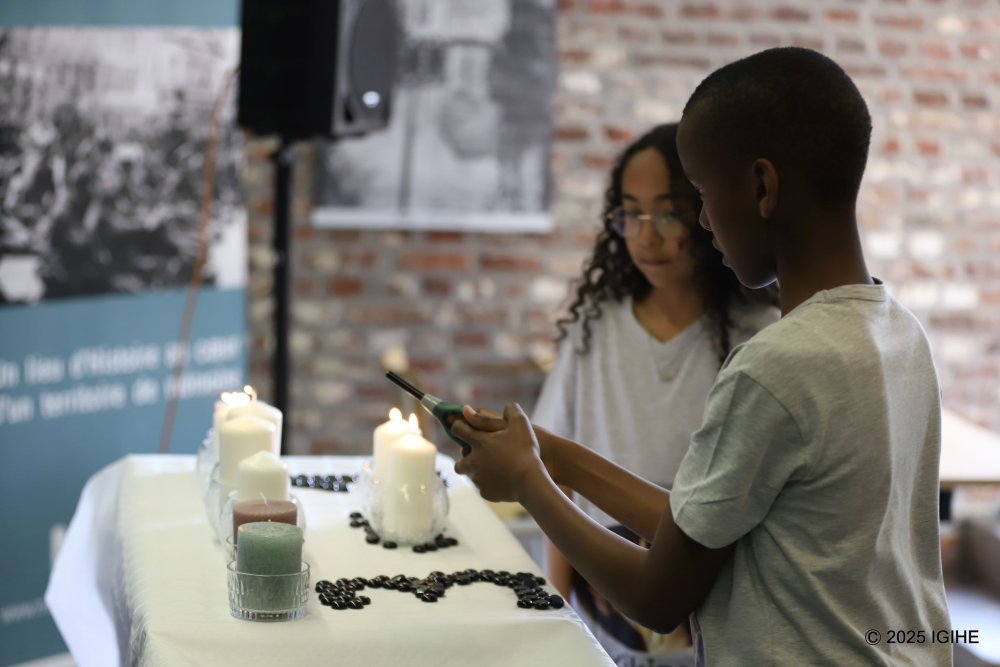
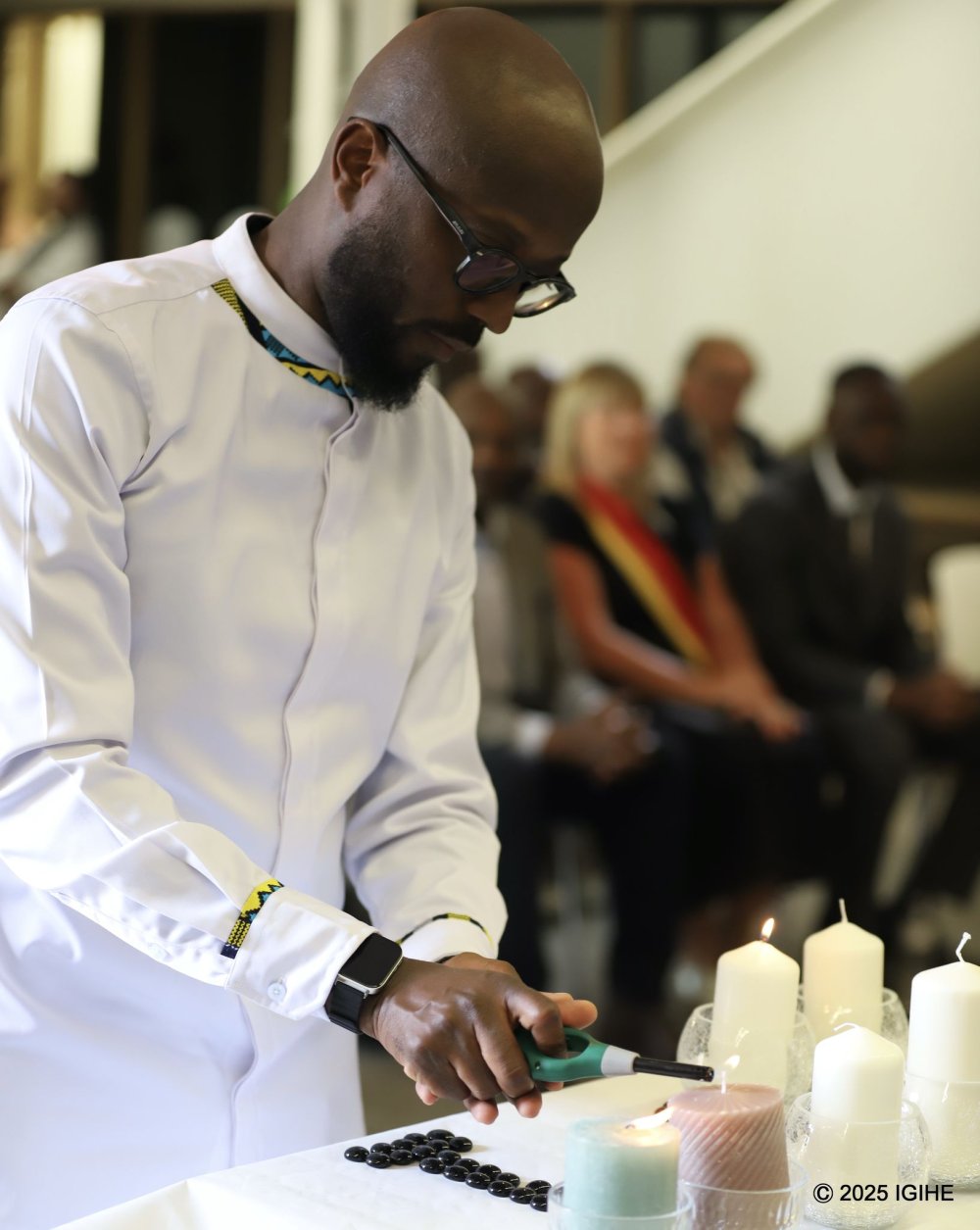
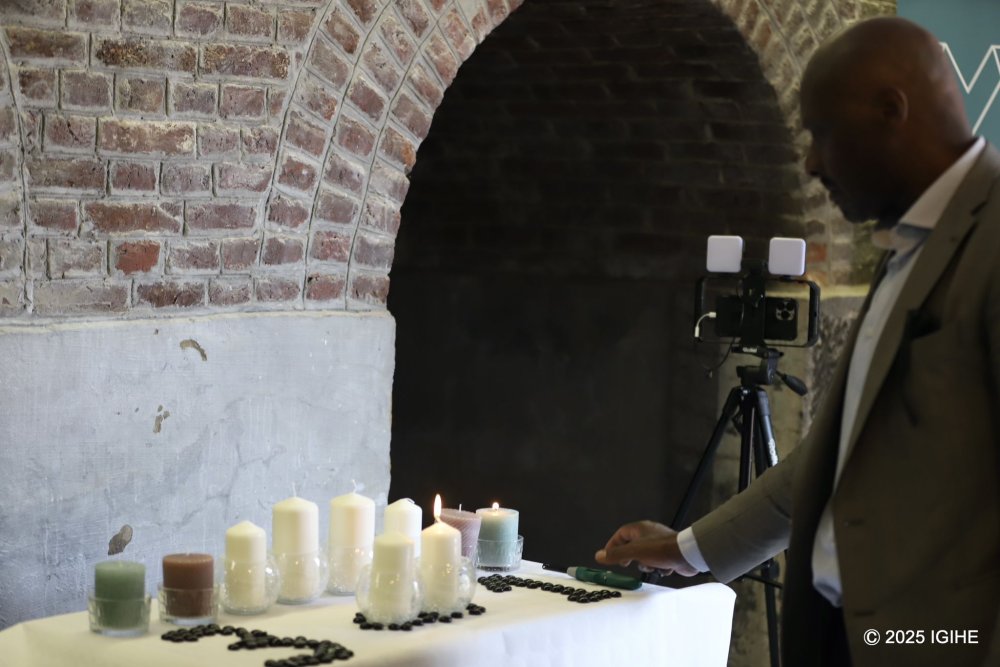
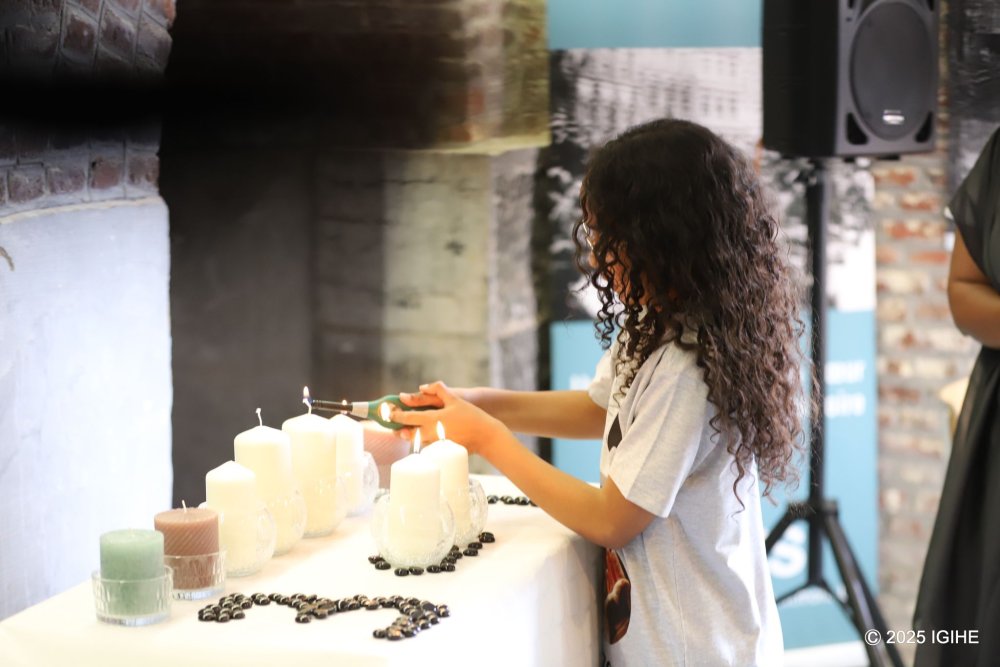
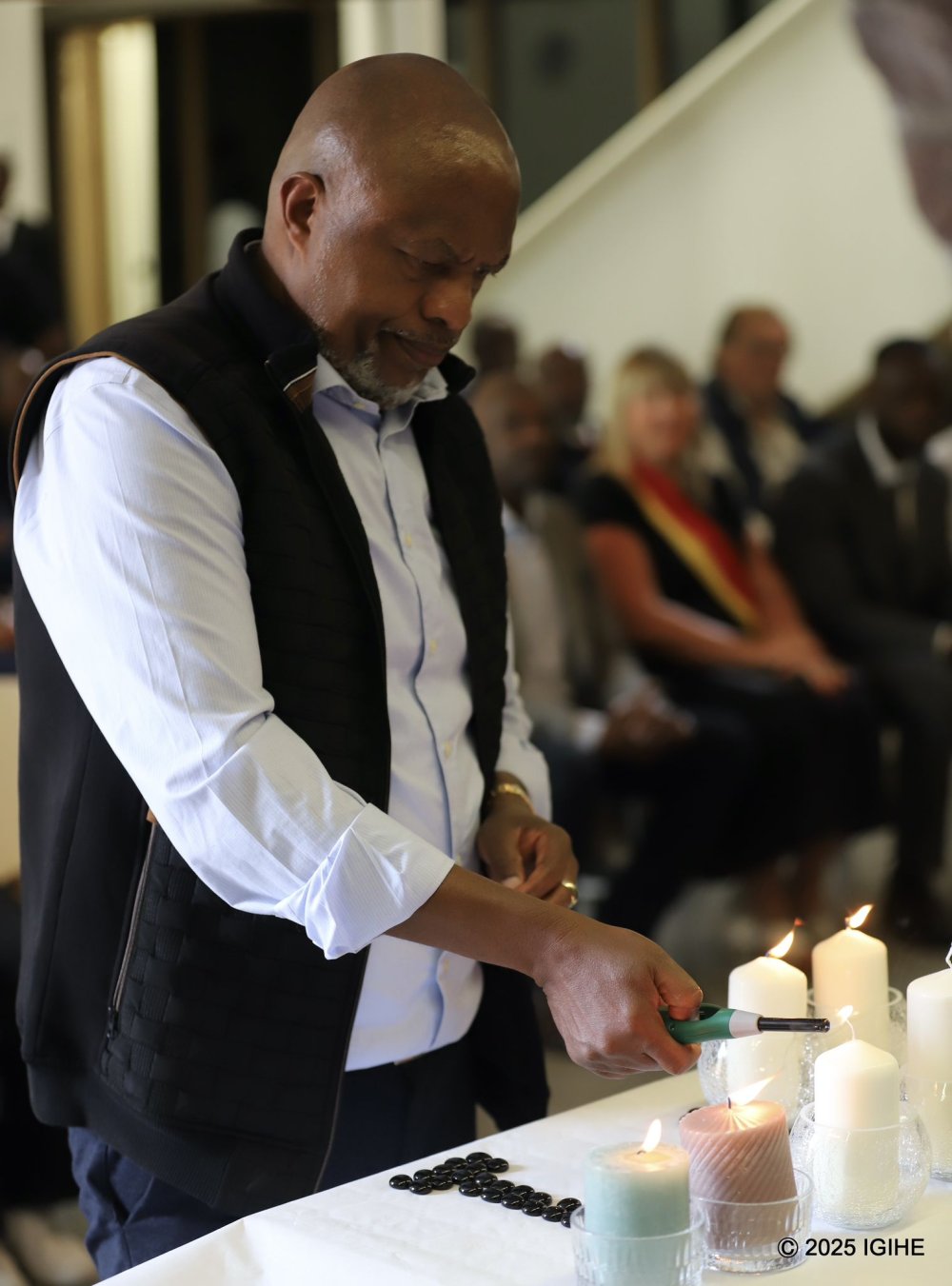
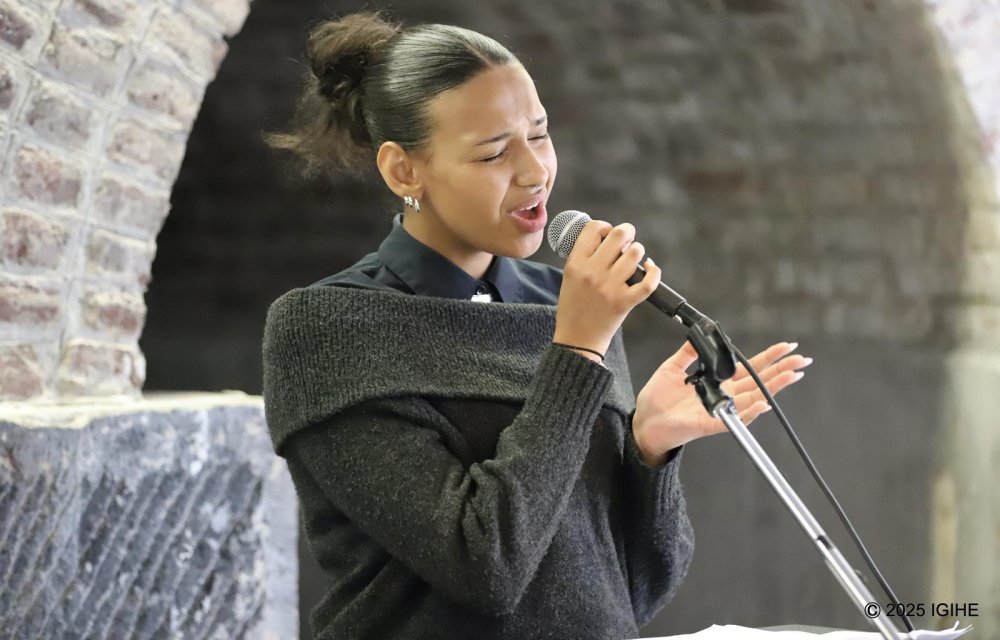
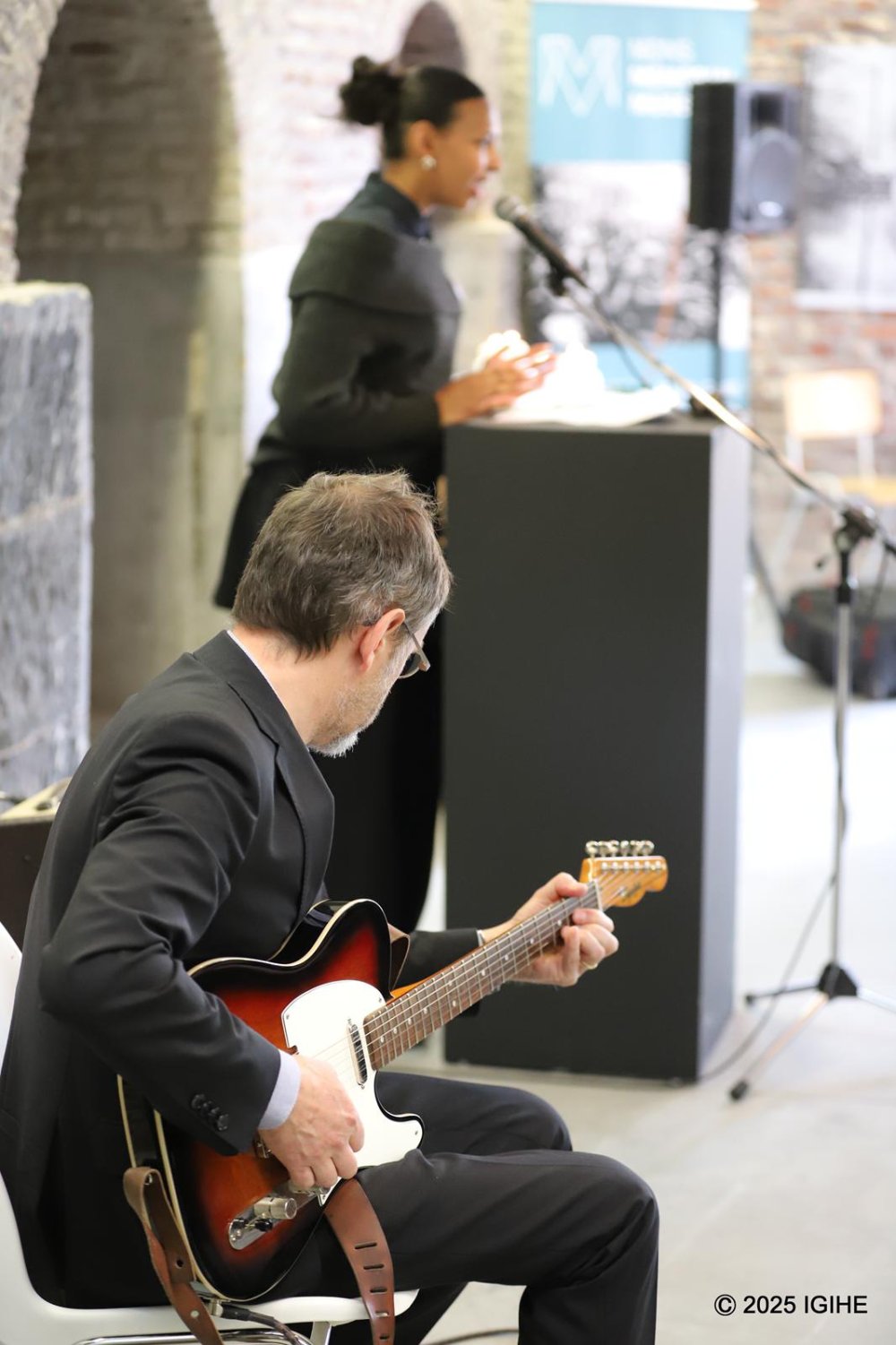
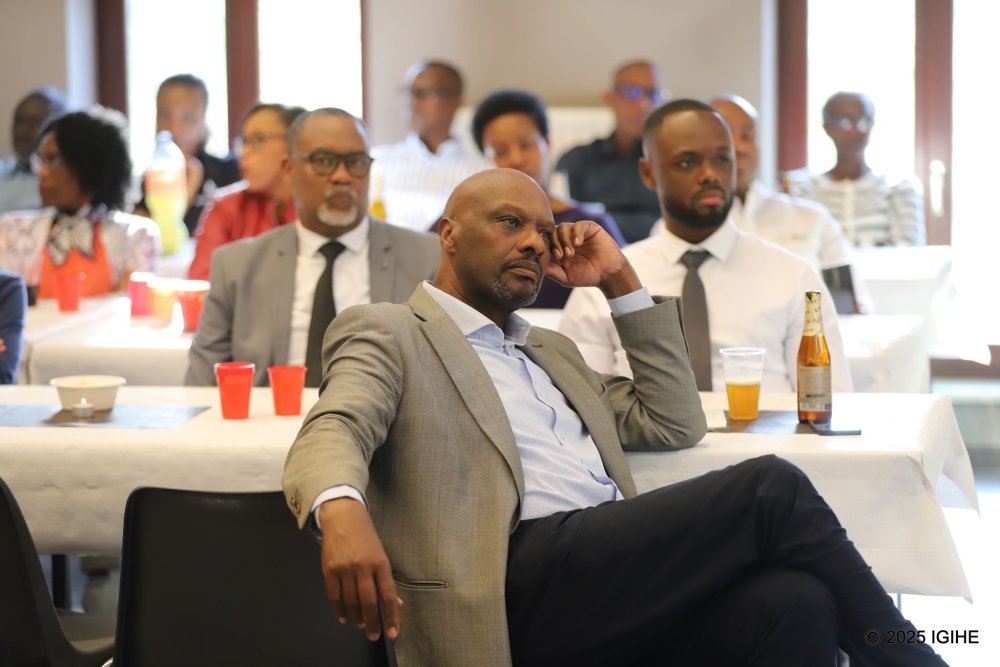
The 31st commemoration event in Mons was held in three parts: a remembrance walk, testimonies and discussions at the Mons Memorial Museum, and a third part in the Jemappes district, where a night vigil and symbolic flame (Igicaniro) took place.
The Igicaniro program featured testimonies, moments of reflection, and a display of photos of both murdered and wiped-out families to highlight their lives and legacies.
This commemoration in Mons is one of many held across Belgium this year, with previous events in cities like Brussels, Liège, Namur, Bruges, Ottignies-Louvain-la-Neuve, and Antwerp. Upcoming commemorations will be held in Charleroi on May 24, Tournai on May 31, and Leuven on June 10.
{{Photos from the first part of the event: laying flowers and the remembrance walk.}}