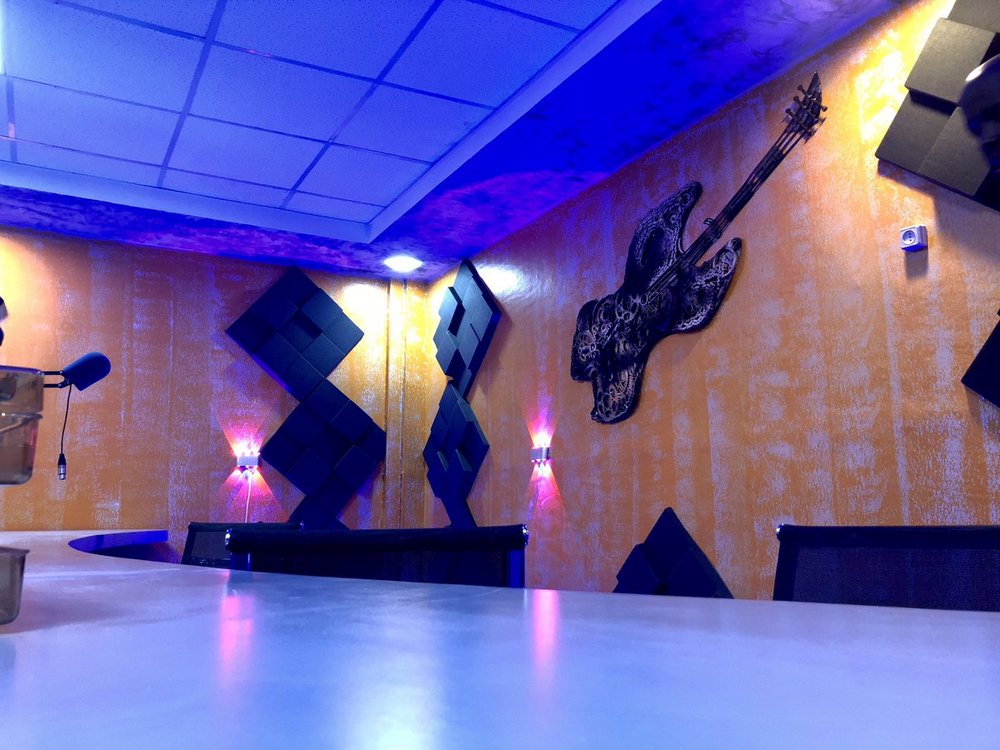
The talent-search dubbed ‘Home of the Stars’ was launched on Friday, October 05th, 2018 and will be touring around the country.
Youth who are eligible to participate must be between 18-35, with public speaking skills and the ability to host/present news or shows.
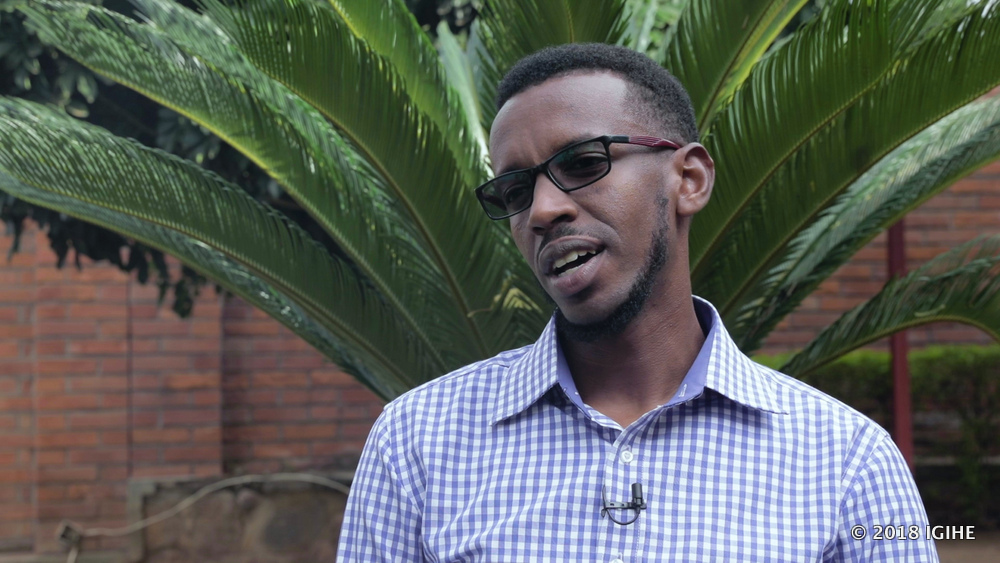
Emmalito Murenzi, the coordinator of the project, told IGIHE that the competition seeks to bring new blood and spotlight talents in media sector.
“There are some practices that I am tired of seeing. A new radio launches its operations and immediately seeks out a presenter who was working at this other radio station, simply because he is good. If it went on like this forever, those with the talent but not yet exposed in the sector, will not be known,” observed Murenzi.
“We believe talent is the only true difference maker and is going to keep the sector healthy as we move into this new platform that will bring the spot to those we are in need of,” said Murenzi.
Jackie Lumbasi, a seasoned host at the radio station, echoed his remarks and called out for young presenters give the talent-search their best.
“These things don’t come easy, we will not give these things on a silver platter; you have to work for it. Right now, we are telling you that there is a talent search coming to your neighborhood,” said Lumbasi
“Do the right thing, make the first step, the rest of us will be here to take your hand and guide you,” she added.
‘Home of the Stars’ will work so as to create a sustainable future for quality journalism by giving a platform to nascent talents within the local broadcasting sector. This will further help to develop new journalistic enterprises.
This is the usual disrespectful stance of those that seek to cast aspersions, suspicions and demonize the administration of President Kagame. It is part of an overall effort, long term, to discredit the government.
The same people claiming “their pressure” worked are the very same ones at the forefront with allegations that “Rwanda is a dictatorship”, “police state”, where “political opponents have no rights”, and every other falsehood in the book.
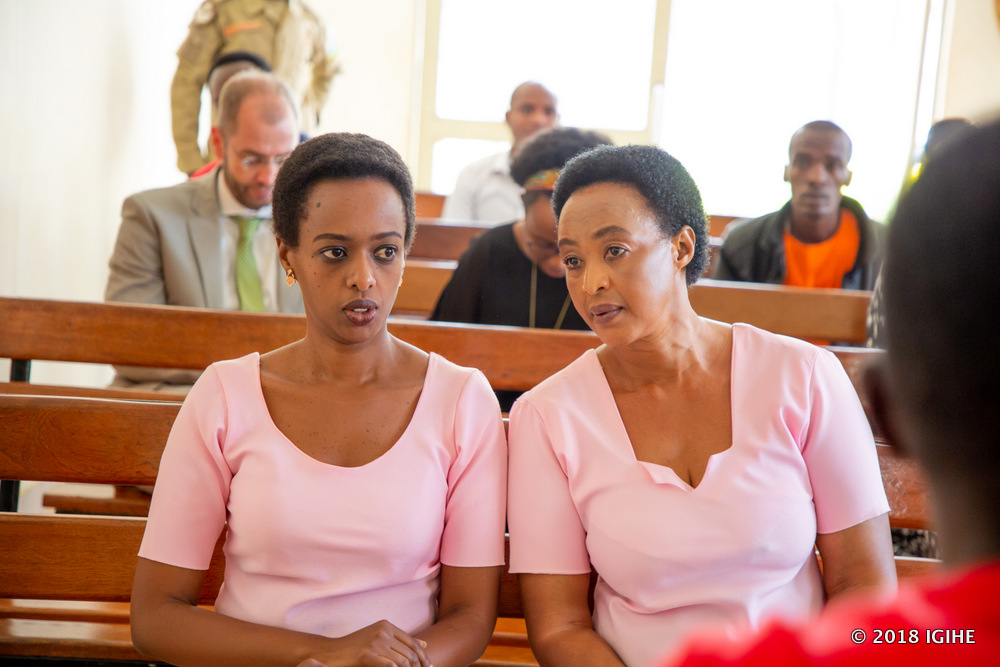
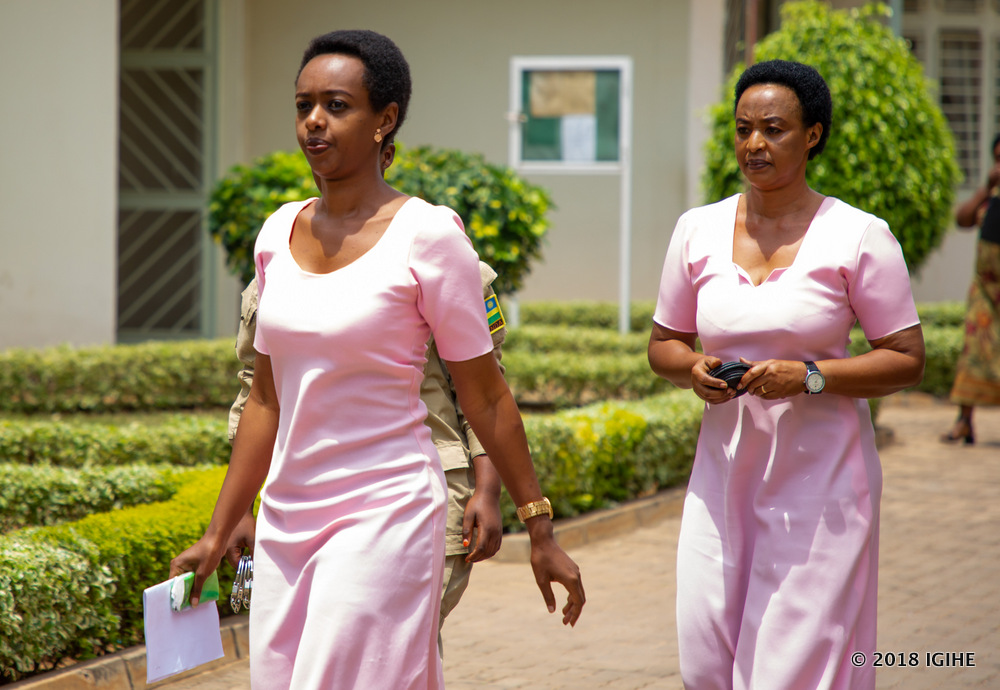
It leaves them seriously embarrassed and at a loss for words every time a Rwandan government institution disproves their narrative of Rwanda as “hell on earth”. So when the court grants people like the Rwigara women bail, the naysayers are stunned, their talking points blown out of the water.
It is our view that they are fighting a losing battle. It is they who ultimately will be exposed for their rank dishonesty and cynicism in propagating a narrative whose only aim is to undermine a government that has done more than any other in Rwandan history to bring about the unity of its people, and to promote equality – ethnic and gender – across all areas of life.
The fact, for those who care about facts, is that court releasing the Rwigaras to fight their case from outside was the clearest indication that Rwanda is a country of rule of law, no matter how the negativists try to spin it. An independent judiciary was seen at work, and Rwandans should rejoice in that.
The public only sees cases like the Rwigaras’, but hundreds of Rwandans across the country are benefiting from the good workings of the judiciary. None “celebrity” Rwandans too apply for, and get bail. They too ask for parole and get it, and so on. All without “pressure” from anyone.
Our view then is that if this is what it means to be in “a police state”, we will be very happy to live in such a police state.
The two-day TICAD meeting was co-chaired by Japan and Rwanda Minister of State in the Ministry of Foreign Affairs Amb. Olivier Nduhungirehe and Minister of Foreign Affairs of Japan, Taromp Kono.
While in Japan, Amb. Olivier Nduhungirehe met with Hiroshi Kato, Senior Vice President of Japan International Cooperation Agency (JICA) with whom they discussed cooperation between the two countries. He also met with Parliamentary Vice Minister of Foreign Affairs, Kiyoto Tseuji.
The TICAD Ministerial Meeting was ended with a press conference with Minister Kono Taromp and other co-organisers after which a logo of the TICAD 7 Summit, scheduled in Yokohama in August 2019, was unveiled.
During the 2-day meeting it was agreed that; A TICAD summit will take place in Yokohama August 2019 and to ensuring fiscal health and loan repayment capability of recipient nations as steps towards sustainable development.
“We have discussed several issues; the trends and challenges since TICAD 6 Summit that was last held in Nairobi and economic transformation for inclusive growth. We also discussed Healthy and Sustainable Growth for Human Security and lastly, Strengthening Connectivity in Africa and beyond.” Ambassador Nduhungirehe said.
The ministers said their nations will accelerate efforts to improve the business environment to attract investment from the public and private sectors.
Japan’s Foreign Minister Taro Kono, stressed that Japan will promote quality infrastructure projects with transparency and that Japan and China are considering economic cooperation in third countries where they will work together in implementing some projects in Africa.
At the peace education session of the 2018 HWPL World Peace Summit held in Incheon, South Korea on 17 September, global educators and policymakers had a discussion on “Looking into a Future of Peace through Peace Education”.
About the need for lifetime education, Dr. Barsihannor Zuhri, Dean of Universitas Islam Negeri Alauddin Makassar, pointed out that educational institutions seem unable to uphold the values of tolerance and democracy and prepare for students to be a critical generation with a knowledge and competency base.
“Effective strategy is needed to reduce the violence that often involves students in various educational institutions. One of them is by teaching the importance of ‘love of peace’ from an early age,” he added.
In an effort to promote a culture of peace by peace education, HWPL has introduced peace education for students and citizens by cooperation with 164 educational institutions from 12 countries including the United States, India, Israel, Indonesia, and the Philippines.
In January this year, the Commission on Higher Education (CHED) in the Philippines established a cooperative relationship with HWPL to integrate peace education in the curriculum of state universities and colleges (SUCs).
Dr. Ronald Adamat, Commissioner of the CHED, who signed the agreement back in January, spoke on the expectation to the peace education suggested by HWPL.
“Students would learn to uphold the principle of ‘unity in diversity’ and embrace the differences amongst people. They will be equipped with knowledge, skills, attitudes, and values in conflict resolution and peace work and further encourage them to work for the cessation of wars, hostilities, and disunity.”
On this occasion, Ministry of Education, Youth and Sport of the Kingdom of Cambodia and HWPL signed a memorandum of agreement (MOA) to execute peace education in nationwide in Cambodia.
In this regard, H.E. Rachana Khun, Under Secretary of State of Ministry of Education, Youth and Sport of the Kingdom of Cambodia said “HWPL Peace education is an important part of ‘Global Citizenship Education’. Particularly, the Ministry would like to request HWPL’s assistance in the writing of books on peace education, its teaching methodology, the training of peace educators, and activities to spread a culture of peace in the education sector in Cambodia.”
The host organization, HWPL (Heavenly Culture, World Peace, Restoration of Light), is an NGO affiliated with the UN ECOSOC and DPI engaging in peace-building projects including the establishment of international law for peace and peace education for students.
According to its official website, this forum was intended to create an environment for the feasibility of peace education and present the specific roles of the state, government, and schools for further development of peace education.
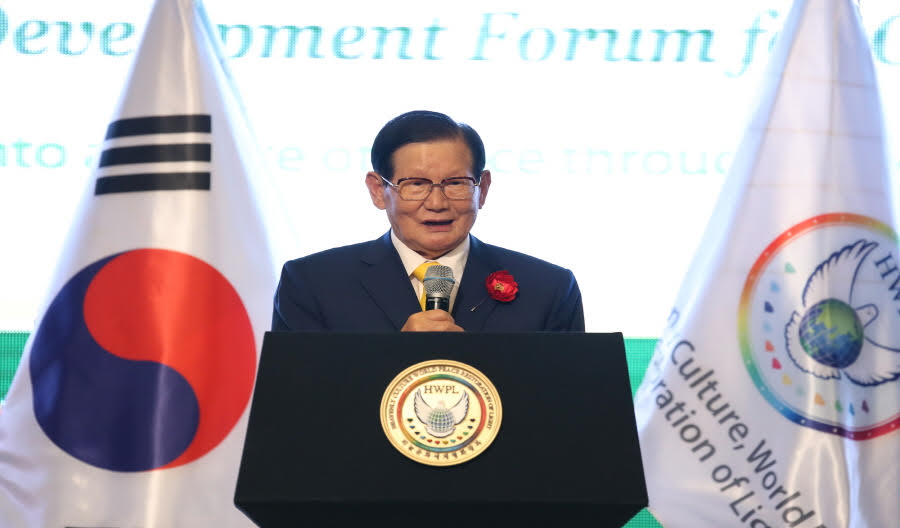
At the conclusion of the session, Chairman Man Hee Lee of HWPL urged educators to be good teachers as well as good parents by the reason that they grow the mind of their students in saying, “This time of world is crying out for peace since it is surrounded by wars. The world is developing weapons of destruction rather than developing a culture of peace.
“Children take after their parents and follow the environment. What should the teachers bear fruits from the students? Children should learn peace from their homes and schools then our next generation will be naturally born as peace messengers in the environment of peace.”
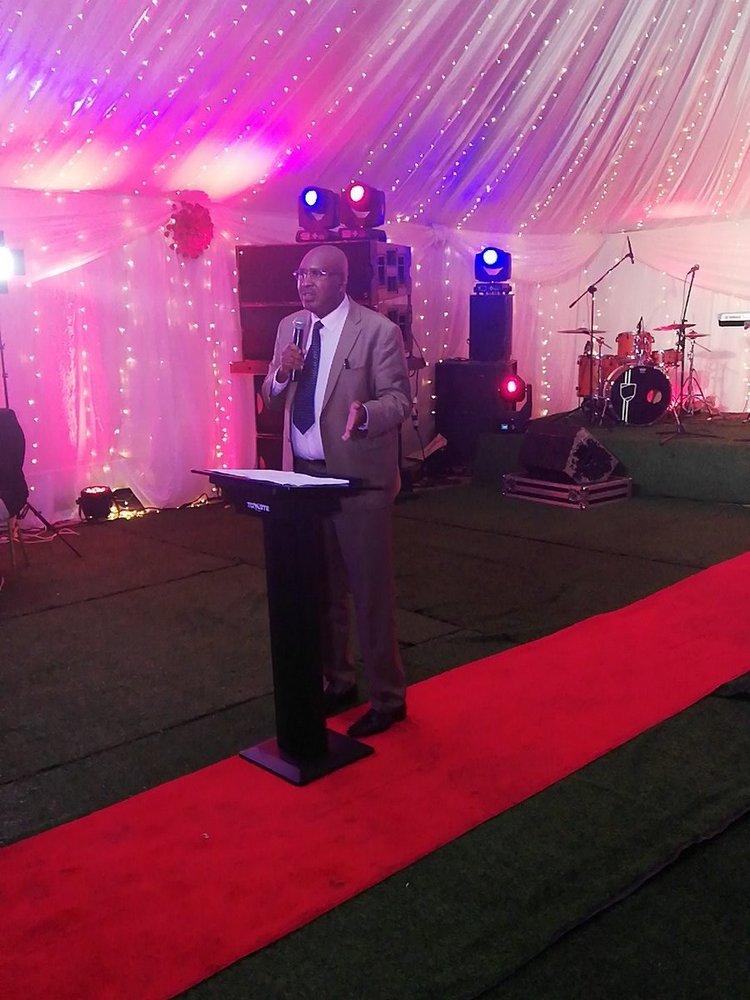
The launch which took place Friday last week was graced by Prof. Simon Gisharu, the Board Chairman at Mount Kenya University and Patrick Nyirishema, the Director General of Rwanda Utilities Regulatory Authority (RURA), among others.
Speaking at the event, Prof. DR. Gisharu said his ultimate objective as a sponsor of the project was to contribute to Rwanda’s economic and educational growth.
“Today we add to our growing success, not only a permanent broadcasting Centre but an ultra-modern, state of the art radio that will give a great experience to our staff and listeners,” he said.
The media complex will help train the best in the field and grow Mount Kenya’s school of journalism as a Centre of excellence.
RURA’s Patrick Nyirishema, the guest of honor at the event, applauded the new facility and revealed that Rwanda has granted Mount Kenya University the status of a national private university, meaning that the university will be graduating students in Rwanda and not in Kenya anymore.
Jackie Lumbasi, one of the seasoned hosts of Royal FM’s show ‘Kigali in the Morning’ guaranteed listeners the best of the best with the launch of the new facility.
“We are here not just a radio but as a lifestyle, we want to be the radio that you and your family wake up to and go to bed listening to. Royal FM is here to stay and that’s because we are not just a radio station, we are an experience, we are a lifestyle, we are the Royals,” she enthused.
The complex’s production studio is fully equipped for services such as radio spot production, drama production, and all sort of audio advertising solutions. Alongside the radio, the facility will host the Royal Integrated Corporate Communications Services arm (RICCS), an office that will major in comprehensive brand corporate communications and public relations.
The meeting brought together participants from public and private sector to discuss subjects pertaining to Africa including AU reforms, Continental Free Trade Area and Africa’s economic transformation.
In his address at the event, President Kagame observed that continents should focus on important issues that would pertain to Africa’s development instead of getting comfortable with the humanitarian concept.
“The key for both sides, Europe and Africa, is to move beyond the humanitarian mindset and instead focus the relationship on making Africa a priority destination for industrial investment, possibly working in a tripartite fashion. Why not have Europe, Africa and China working together instead of having one worried about the other over Africa?” Kagame advised.
On AU reforms, Kagame noted that the Member States contribution had increased significantly, leading to AU budget for the next year, 12% lower.
“The AU budget for next year is 12% lower. Member States contribution has increased significantly. The result is people are no longer wasting money, we are doing what we can afford to do and member countries are taking responsibilities.” Kagame observed.
President Kagame also called leaders to renew efforts in tackling immigration with a stable and long-term framework.
“The issue can’t be tackled in isolation, we have to construct a stable, long-term framework. First priority is to stop harm for migrants. ‘Deterrence by death’ is an inhumane policy and it is not reducing flows.” He said
On geopolitics and political turbulence around the world, President Kagame said that it was a constant reminder of why a functional African Union is so urgent.
The meeting saw over 50 Head of States, prominent African political, business leaders such as Patricia Scotland, the sixth Commonwealth Secretary-General, Joaquim Chissano, former President of Mozambique, Festus Mogae, former third President of Botswana, Hailemariam Desalegn, former Prime Minister of Ethiopia, Pedro Pires, former President of Cape Verde, Ellen Johnson Sirleaf, former Liberian President and the first elected female head of state in Africa and many others.
In April 2018, Rwanda hosted the ‘Ibrahim Governance Weekend’, an event which focused on cross-cutting issues pertaining to Africa’s future such as deliberating on the status of public service, good governance, and others.
The Mo Ibrahim Foundation (MIF) is an African foundation, established in 2006 with one focus: the critical importance of governance and leadership in Africa. The Foundation’s board of members include Hosh Ibrahim, Board director at the Mo Ibrahim Foundation, Dr Mo Ibrahim, Chair and Founder of the Mo Ibrahim Foundation, Valerie Amos, Director of SOAS, Dr Salim Ahmed Salim, Chair of the Ibrahim Prize for achievement in African Leadership, Donald Kaberuka, seventh President of the African Development Bank and others.
On release, individual entities and different people on social media welcomed the high court’s decision including the European Union.
Their release was somewhat given a different interpretation especially by those who relate their imprisonment to political reasons.
In a statement by the European Union President Jean-Claude Juncker in Brussels said that Rwanda’s decision can only be commended.
“I warmly welcome the release on bail of human rights defender Diane Rwigara and her mother Adeline Rwigara by the High Court. It is a positive development that is part of a larger process that can only be commended,” the statement reads.
It also says that the European Union will continue to support Rwanda in its efforts to promote fundamental freedoms.
On Twitter, the State Minister for Constitutional and Legal Affairs, Evode Uwizeyimana said that nothing so unusual happened in Rwanda’s justice that it deserved praise.
“The decision is part of the usual work of any criminal justice system Mr.! Rwanda does not need to be congratulated for having released people accused of crimes on bail. This is a sovereignty function. Nothing special!.” he tweeted.
Diane Rwigara is accused of faking the registration papers for the election and inciting public insurrection.
Her mother, Adeline Rwigara is also facing charges of inciting insurrection and promoting sectarianism.
The cows were given through Rwanda Dairy Development Project under Rwanda Agricultural Board which continues its support to Girinka Program.
Olive Yamfashije, a beneficiary from Kabarondo Sector told IGIHE that she is going to get rid of malnutrition-related diseases from her household.
“From now on, there will be no more kwashiorkor in my house. This cow is going to give me manure and milk. You understand that I have already developed. I’m wondering how many people I would have to cultivate for in return for money to buy my own cow.” She said.
Pierre Buhirike, 58, a resident of Ndego Sector who was also given a cow said it is a treasured contribution because he is going to drink milk in his old age.
“Usually, I would find milk to drink from neighbours. But for now, I am glad that I will be getting manure and my family will drink milk. ”
Buhirike expressed gratitude to the President Paul Kagame for the Girinka initiative, political stability, security and peace.
Kayonza District mayor, Jean Claude Murenzi urged residents who were given the cows to take good care of them to give heifers to other vulnerable residents.
Kabarebe commended the country for positive programs intended to uplift livelihoods of Rwandans and urged the residents in the model village to protect it and the infrastructures therein.
Ancilla Nyirabarahira, 64, a beneficiary, extended gratitude to President Paul Kagame who put an end to her plight because she used to live by constantly changing place, with beddings on her head.
“We are going to live in beautiful houses near a hospital and schools where our children study. He also gave us cows, so we have started developing ourselves, “she said.
The Fund was launched with Rwf14 million by University of Rwanda Alumni Association to help the 55 year old alma mater in its progress and especially help it’s vulnerable students.
It coincided with the celebration of 5 years of existence of the University of Rwanda from the former National University of Rwanda, which later merged with six other public.
In an interview with IGIHE, Dr Charles Murigande the UR Deputy Vice Chancellor for Institutional Advancement, said that this Fund was established to attract support from the university alumni and friends towards the livelihoods of vulnerable students.
“We have the saddest cases. A student scores high grades, wants to do courses in line with what the government needs to strengthen, and approved sponsorship by High Education Commission because they belong to a certain Ubudehe category. However, the student fails to study because of failing to raise Rwf60,000 for admission.”
Other than paying for their registration fees, the University will also help them to pay for accommodation. Some students sponsored by government are not able to pay for accommodation when the monthly stipend delays.
Dr Muligande says that the government pays for health insurance for the parents of the students belonging to the first ubudehe category but still, they are also unable to pay for their children’s registration fees.
The Fund will also support self-sponsored students to pay for school tuition fees especially those that cannot immediately meet raised fees.
In future, with enough funds, UR will use part of the fund to infrastructures such as laboratory rooms.
The president of the University of Rwanda Alumni Association Dr Faustin Nteziryayo called on those who graduated from UR to contribute to its development.
“What I may tell this university’s alumni is especially that they may feel compelled to contribute something to the school that raised and gave them the knowledge they tap to develop themselves.”