The drugs entered the country between 2017 and June 2018 from India and China.
According to FDA’s statement, the decision was taken after a joint investigation by FDA, University of Rwanda (UR) and Tübingen University from Germany indicated that the drugs were substandard.
“FDA is asking all those who prescribe the drugs to stop and enforce the ban. All hospitals, health centers, clinics, and pharmacies are asked to stop prescribing the suspicious drugs until the investigation is over,” says a statement from FDA acting director, Charles Karangwa. “We stopped distributing and using the drugs.”
According to Christophe Bazivamo, the EAC Deputy Secretary General, “about 70% of medicines used in Africa are manufactured in countries where there is no proper monitoring system.”
The event took place at Cyesamakamba Stadium in Ngoma District.
All the 21 people had been found guilty of genocide crimes by the court, served a term and released, but the Catholic Church did not immediately allow them sacraments.
Instead, the church taught them for a year and six months and took them through a reconciliation process with the families of the victims.
One of the perpetrators, Théoneste Gatesi from Mutendeli Sector, confessed killing Vestine Mukanyamwesa’s son.
When the Genocide was stopped, he escaped but was later arrested on coming back. He confessed, asked for forgiveness and was released.
“Now, I ask for forgiveness from the Government of Rwanda and all Rwandans, all survivors of the Genocide, and I ask God for forgiveness because I violated his laws, namely ‘don’t kill’, ‘don’t steal’ or ‘don’t destroy other people’s properties’ … because I myself was involved in robbery,” he confessed.
Mukamwesa told him that she forgave him, but urged him not to return to such inhuman crimes.
“When the genocide broke, I had three children, but this man (Théoneste Gatesi) killed my eldest son who was six years old. In fact, were it not for God’s mercy, I wouldn’t have been able to forgive him, but for God’s mercy I did,” she said.
“He hit him with a wooden club and killed him. But she apologized to me in the church before the people, before the Catholic Church and in the presence of God. I forgave him,” she added.
The executive secretary for the National Commission for the Fight against the Genocide (CNLG) Fidele Ndayisaba urged those who asked for forgiveness to accompany it with good deeds because they speak better than words.
“The process of forgiveness in the journey of unity and reconciliation in our country is an important way to help us in the long term. What we should keep in mind is that forgiveness does not come from saying I’m sorry or ask for forgiveness, it should be accompanied by good relationships and deeds of love that are manifested every day,” he said.
“This should, therefore, be reflected in a permanent journey. Those we have received today, thank you and stay strong. For those who have apologized and those who forgave them, do not be discouraged by those who have not been able to come forward. Try and help transform others as well,” he added.
Bishop Antoine Kambanda, the new archbishop of Kigali said that apologizing and forgiving takes a great deal of courage, and the Catholic Church will follow up the process of reconciliation that it started.
“It is good for them to apologize. And we are grateful to those who have mercy on us; It is a strong step. It is also a medicine we need to heal and save the Rwandan people, build up our country and build the Church. ”
The 21 genocide perpetrators are in the first phase of those who have received counseling in reconciliation under the auspices of Kibungo Diocese under a program that will continue.
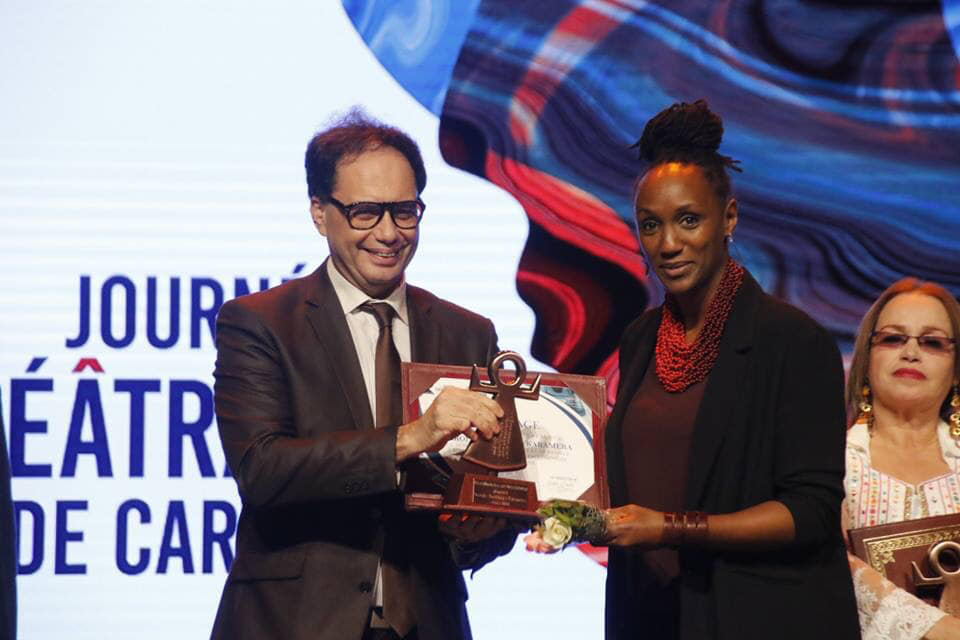
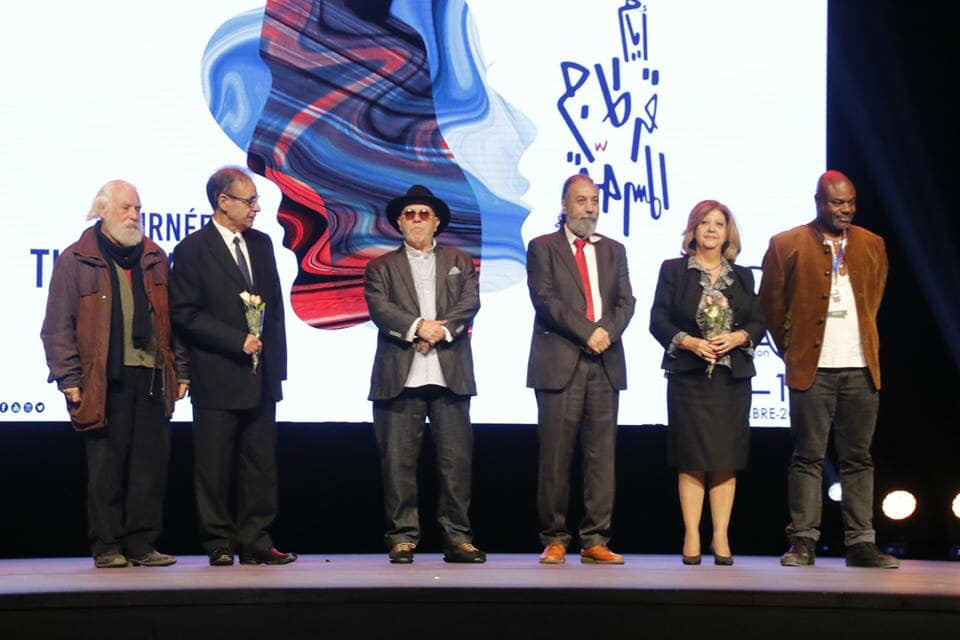
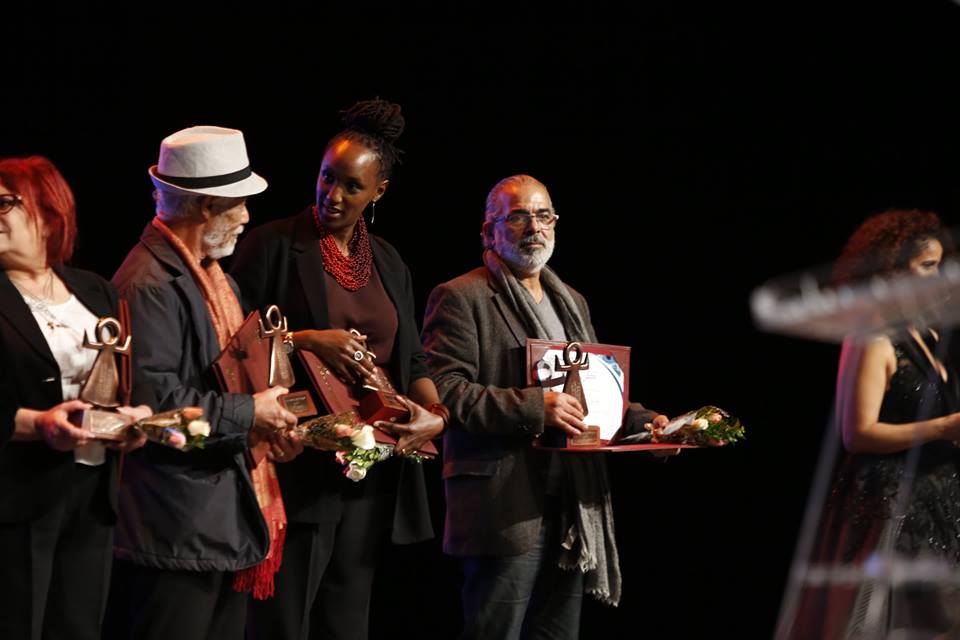
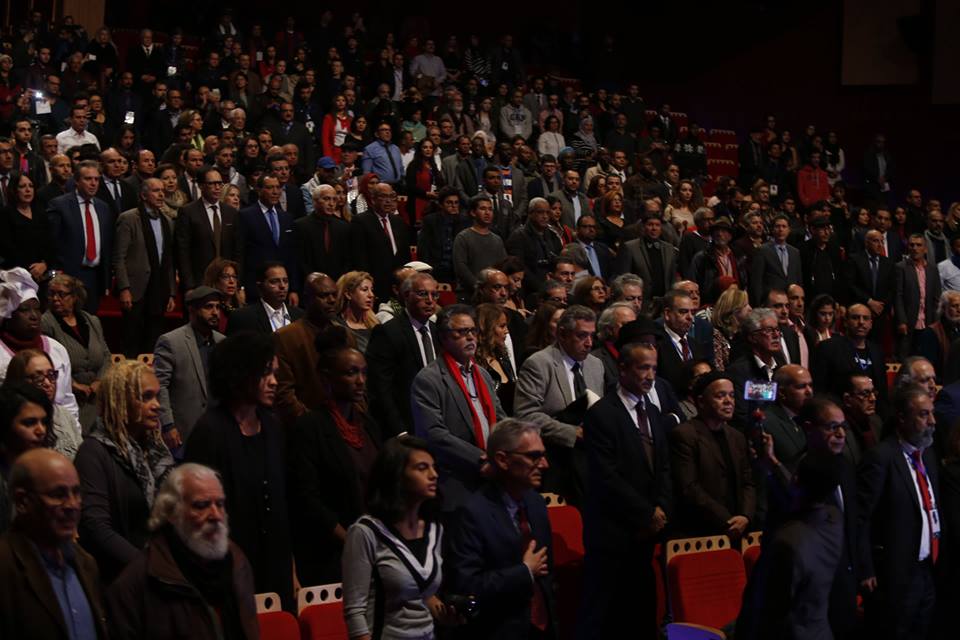
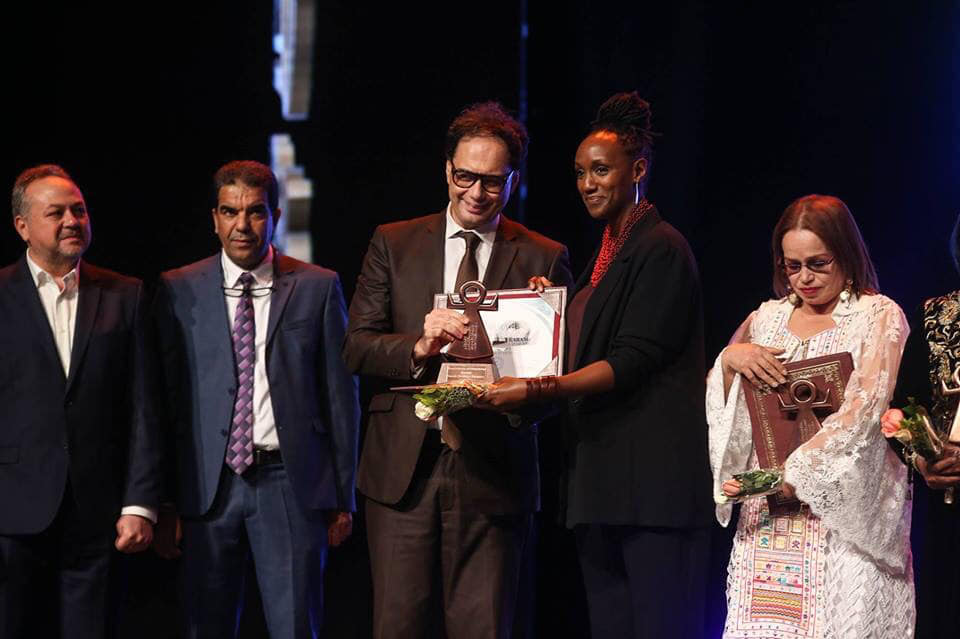
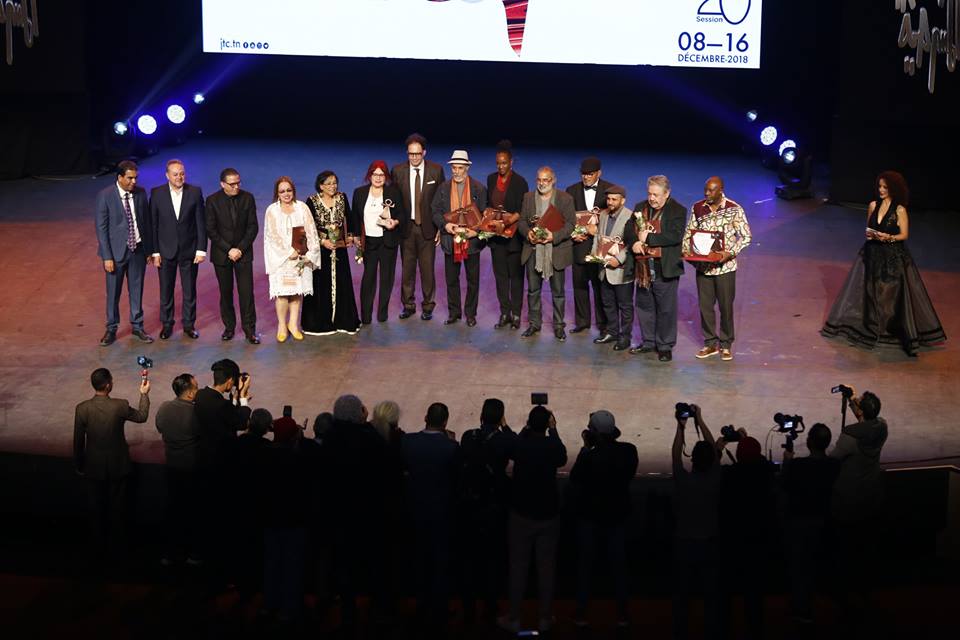
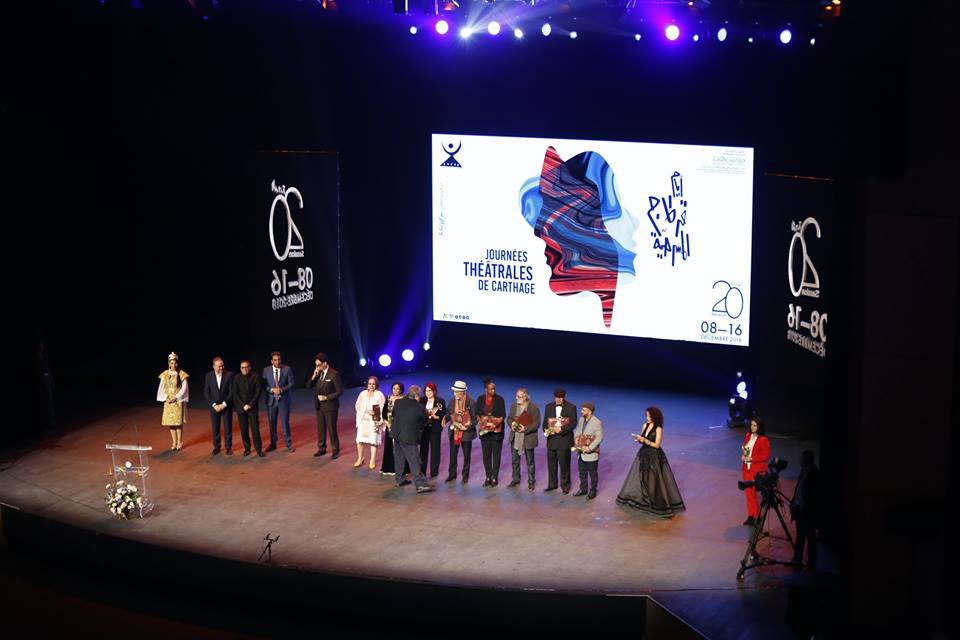
The 20th edition started on December 8 and will be concluded on December 16, 2018. It is attended by experts in the field of cinemas from different countries.
Carole Umulinga Karemera is the artistic director of Ishyo Arts Centre. She is a musician, saxophone player, actress, director, and contemporary dancer. She joined the movie industry in 2002 and starred in films like ‘Sometimes in April’ directed by Raoul Peck, “Sounds of Sand”, directed by Marion Hansel and “Black”, by Pierre Laffargue.
In 2005, she moved to Rwanda and with eight women passionate about arts and culture, started Ishyo Arts Centre in 2006.
She was awarded as a way of recognizing the value of her artistic works and journey.
Karemera said in a brief conversation with IGIHE, that she is “proud to be given the award of such a level, thanks to what has been achieved.”
JTC was attended by 39 countries and will highlight over 157 theatres.
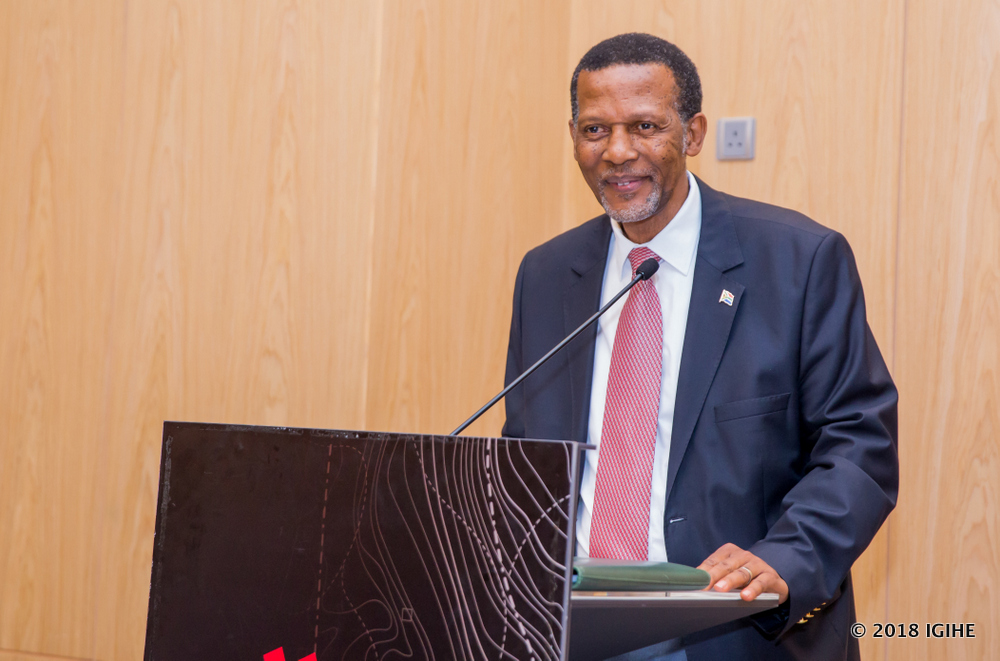
The State Minister in the Ministry of Foreign Affairs, Olivier Nduhungirehe confirmed that Twala has been summoned by his country.
“Yes. Any government has the right to summon its diplomat at any time,” he said.
Twala has been South Africa’s ambassador to Rwanda since 2012. He is summoned at a time when Rwanda and South Africa have shown willingness to launch talks aimed at re-establishing good relations between the two countries.
President Paul Kagame recently held a meeting with his South African counterpart, Cyril Ramaphosa when he was in Argentina on the sidelines of G20 summit.
In March President Cyril Ramaphosa said that the problem of Rwandans being denied visas to South Africa would soon become history after holding talks with President Paul Kagame. However, up to now, no signs of good relations between the two countries have bloomed.
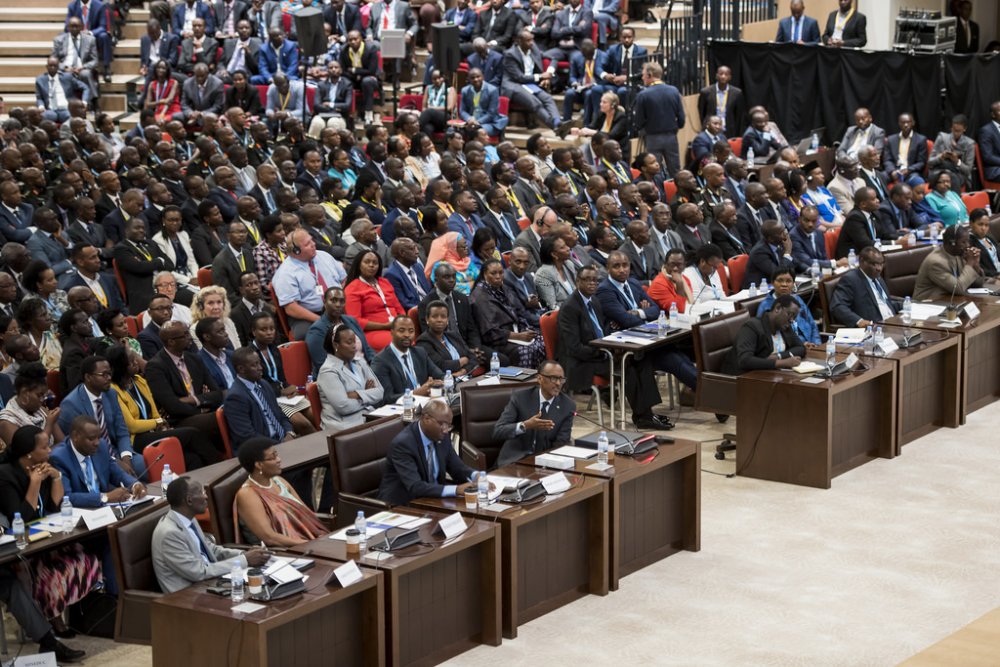
Drawn on aspects of Rwandan culture and traditional practices, Umushyikirano is a development program adapted to the country’s needs and context.
It is one of Rwanda’s largest gatherings bringing together leaders and citizens to reflect on the country’s progress and share ideas to solve ongoing challenges.
Governed by Rwanda Constitution Article 140, Umushyikirano is a forum to debate the state of the nation, local government and national unity.
{{Read More: [How eight resolutions made during the 2017 national dialogue been implemented
->http://www.en.igihe.com/news/how-eight-resolutions-made-during-the-2017.html]}}
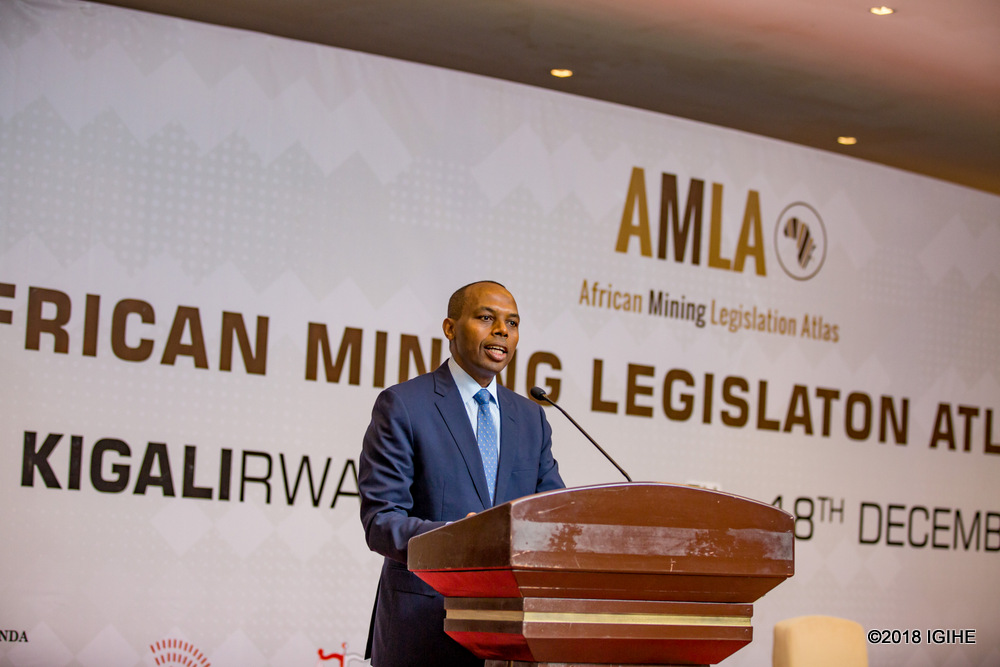
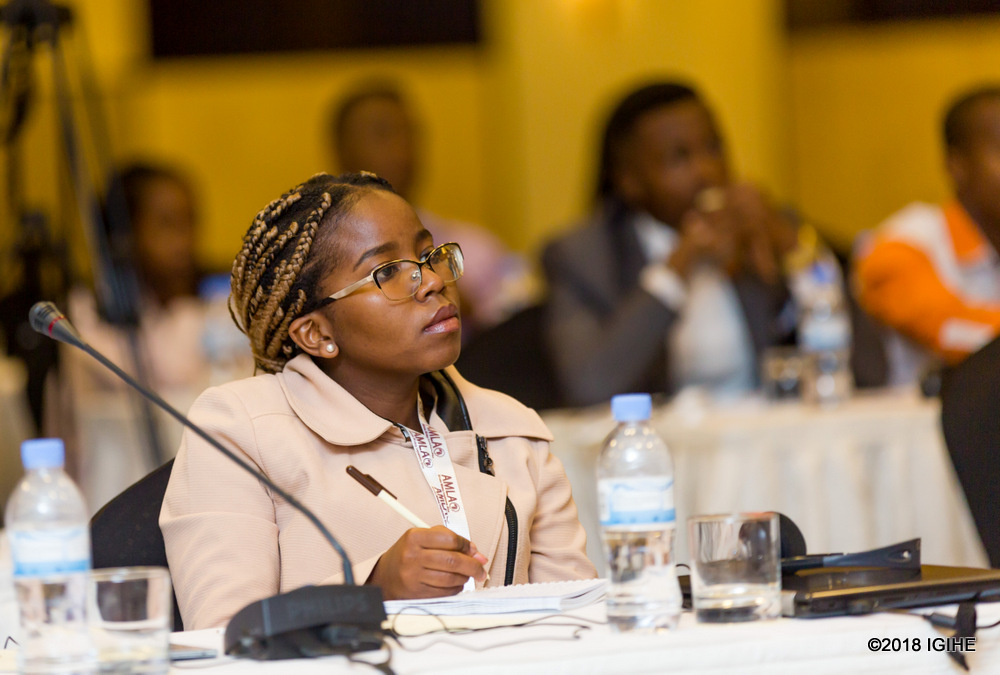
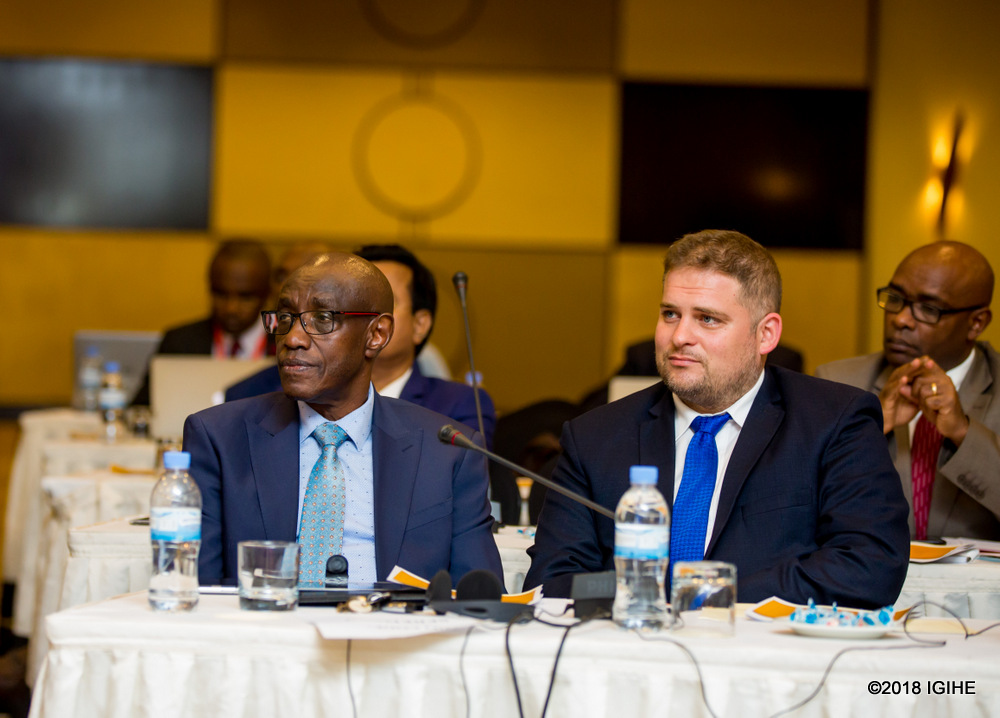
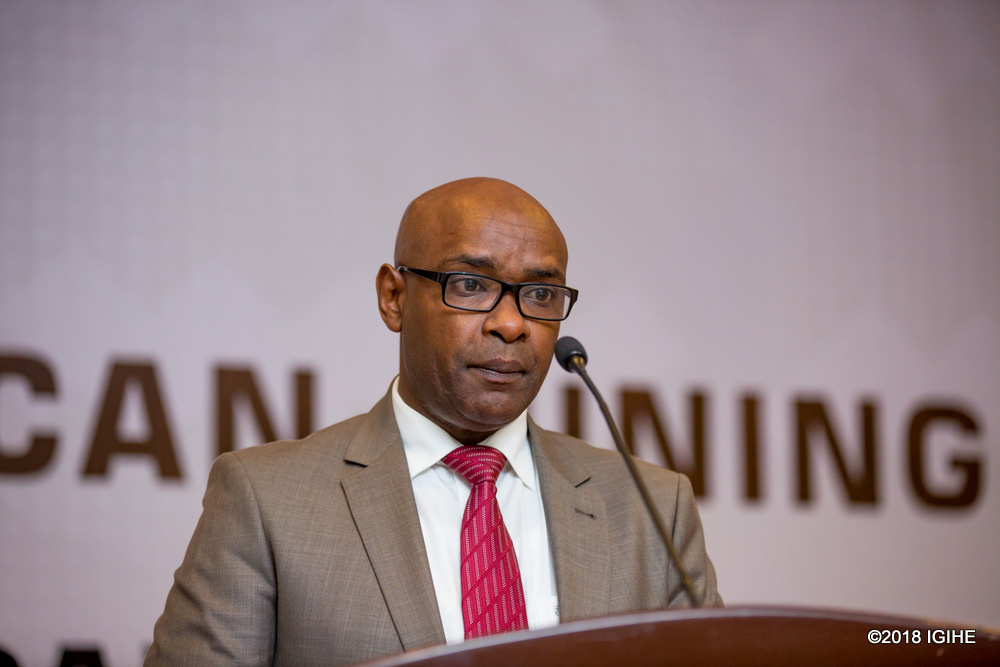
The official opening of the AMLA 2018 workshop was held at Serena Hotel on Sunday 9th, 2018 and was officiated by the Rwanda Mines, Petroleum and Gas Board Chief Executive officer and Member of Cabinet, Francis Gatare.
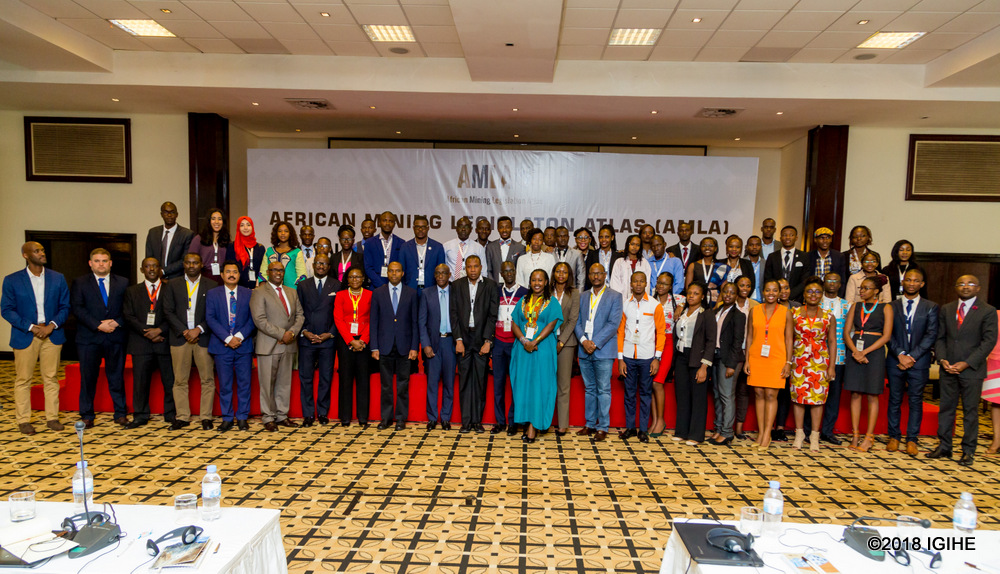
The workshop is gathering legal academics and practitioners in mining sector that serve as advisory to the Legal Research Team (LRT) to facilitate knowledge sharing and the creation of a network of specialized African experts.
It brings together about 120 participants from across the world including government officials, private sector representatives, NGOs, international organizations such the World Bank, the African Union Commission, Academics, and 61 advanced law students and legal professionals from 23 African universities and 19 African countries.
Officiating the AMLA, Hon. Gatare noted the importance of the workshop and sharing knowledge on the mining sector, “It is very important to continue to train an important critical mass of professionals that understand mining sector, value chain so to fully benefit from the natural resources.”
He went on, urging participants to be mindful about the balance of how to reward capital investment into the Mining sector.
“As we legislate the mining sector we must be mindful about this delicate balance of how to appropriately reward capital investment into the sector while at the same time providing an appropriate reward for the community which has got the claim over its ownership”, Hon. Gatare said
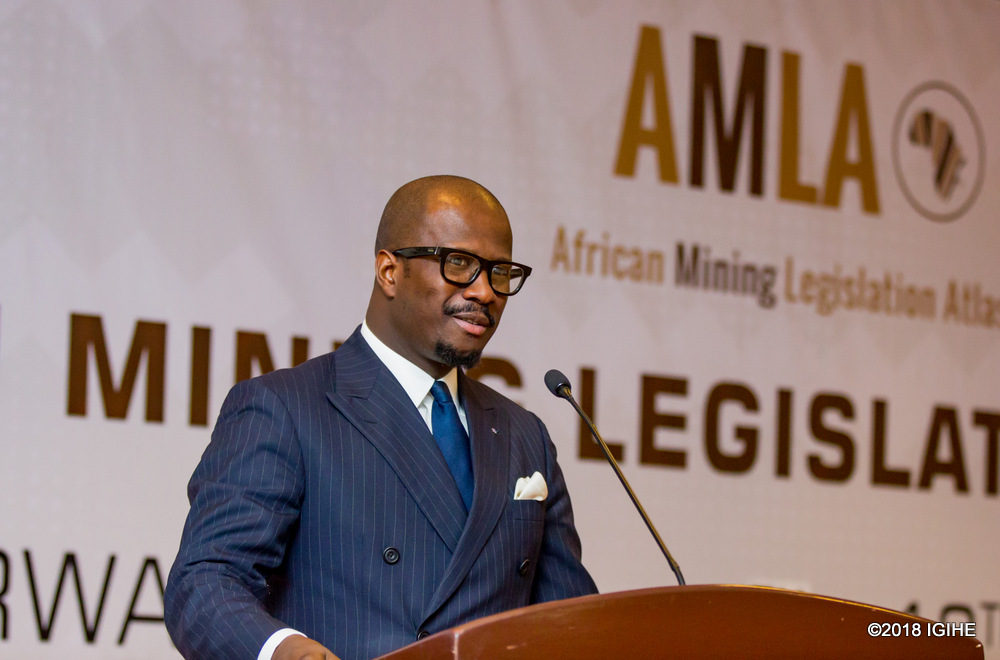
On that day, Eminent participants from across the continent and beyond including government officials, private sector representatives, NGOs, international organizations such as the World Bank Group Senior Counsel, Legal Vice Presidency, Ms. Nneoma Veronica Nwogu, Ms. Kate Mavuti from Strathmore University, Kenya and various academics who participated in an engaging session on “Governance and Transparency in the Extractive Industry”.
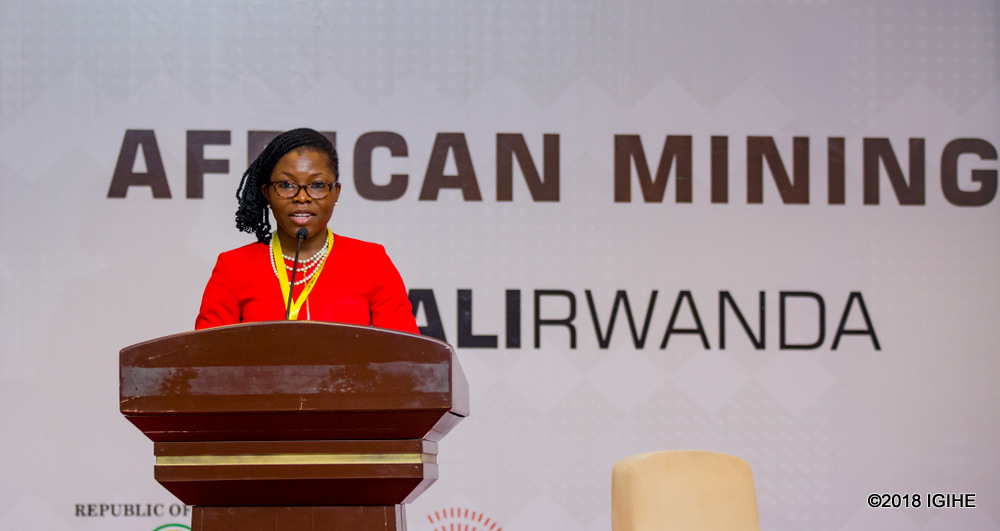
The World Bank Group Senior Counsel, Legal vice Presidency, Nneoma Veronica Nwogu who Facilitated the panel discussion on Governance and transparency in the extractive industry gave a short introduction on the project and how it came to grow.
“The Project was initiated by the legal vice-presidency of the World Bank, which is where I work. We incubated it for three years but it was always designed to run on the African continent by an African Institution because we believe that there is some capacity in the continent and it is important to utilize that capacity, to build for capacity for the continent; and that it is what we are seeing, watching the African legal support facility run the project.” Nneoma Veronica Nwogu said
The project has been supported and is continuously being supported by the Extractives Global Programmatic Support (EGPS), which is helping to see how the World Bank can continue to support this capacity building process.
On capacity building among activities provided within the AMLA, Ms. Veronica Nwogu said, “The program has a very selective approach to bringing students from across the continent to learn together, gain a lot of understanding and hopefully design a career in this sector; in one way or another having the necessary skills to contribute to the development of the Mining sector.”
Another highlight of the opening day is the visit of the Genocide Memorial and the Amazing race, an engaging team-building exercise. After paying a tribute to the victim of the genocide, the participants were split into teams and given a series of challenges, which called upon their cooperation skills, their awareness of government policies and their knowledge of mining laws. Now familiar with one another and their lecturers, the students can look forward to an intensive week of lectures, presentations, and hands-on exercises led by experts in the industry.
Up to date, the AMLA project has trained 140 Advanced African law students and legal professionals, from 54 countries.
The African Mining Legislation Atlas (AMLA) project was initiated by the World Bank’s Legal vice Presidency in 2013, with original funding by African Legal Support Facility (ALSF) and afterward by Extractive Industries Technical Assistance Facilities (EI-TAF). The AMLA project is being implemented in partnership with the ALSF, the African Union Commission (AUC), and several African law faculties.
AMLA is available in English, French, and Portuguese, and contains all 53 existing African mining codes in searchable format, as well as a comparison feature that allows users to compare the legislation provisions of 37 countries (and counting) across 98 commonly addressed topics in a mining law.
{{For more Photos: [https://www.flickr.com/photos/igihepictures/albums/72157702998402541->https://www.flickr.com/photos/igihepictures/albums/72157702998402541]}}
{{
Photos: Serge Muhizi}}
From January to June 2018, 223 were killed in weather-related vagaries, 251 injured, 14,491 houses destroyed, 8,980 hectares of farmland washed away, 754 animals killed, 26 classrooms destroyed and 31 roads and 49 bridges damaged.
MIDIMAR told IGIHE that the weather vagaries accompanied by heavy rainfall, winds, thunderstorms, and hailstones caused a considerable destruction.
The ministry says that citizens whose properties were destroyed have been supported in accordance with available means, supported in repairs, first aid emergency, as well as foodstuffs and basic necessities.
By the end of May, the Government announced that since January it has spent over Rwf340 million in assisting natural disaster victims, Rwf141 million of which was spent on buying materials such as iron sheets (roofing), and more than Rwf200 million spent on basic aid.
Officers from RDF in the area reacted as instantly, pursued and fired, killing four of them.
Busasamana Sector executive secretary, Epimaque Uwimana told IGIHE that the attackers have not been identified and that the resident who caught the bullet at home was taken to Bugeshi health center.
Today, early in the morning local authorities summoned a security meeting at the scene of the attack, and residents were shown the bodies of the four attackers who were shot dead to see if they knew them.
They had documents that indicate that they are DRC citizens with voters’ cards.
Bugeshi and Busasamana sectors border the Democratic Republic of the Congo. They are often targeted by armed attacks from the country.
This weekend, on December 9, 2018, was one of happiness for over 200 children from 30 districts of Rwanda hosted by Mrs. Jeannette Kagame.
The children aged between 7 and 12 years old were treated to fun and games, as well as presents.
The First Lady reminded the children to set personal goals and strive to achieve them.
“You have to live with goals. If you draw, you must specify the number of what you will do. Someone who writes a poem must also target a certain number. You need to make your own plans, respect them, and take time to read and do other things that help you to acquire knowledge,” she advised.
She told them that their commitments will be achieved by co-operating with others, especially their parents.
“Let’s write the goals we want to achieve when we reach home, at least every month. This is the time to set goals for the new year. We have heard your wishes, our stakeholders are listening to you and we will look at them and see what we can do. Let your parents and your tutors know what you do at school, do not be afraid to tell them what’s on your heart and do not seek advice elsewhere, without talking to your parents first,” she told them.
She also reminded them that they should be physically clean, help their parents, and contribute to their community.
The children expressed gratitude for the programs that were brought to their communities and facilitated them to study. They said as a result of the programmes, students who had abandoned school returned and their lives were improved.
Fabrice Niyonkuru from Kagano Sector in Nyamasheke District recited a poem in recognition of the bravery of the people who eradicated Nyakatsi (grass-thatched housings) and the establishment of kitchen gardens.
“I thank President Kagame and Mrs. Jeannette Kagame who paid for ‘mutuelle’ health insurance for us. No one falls sick and remains at home. Now, we study and succeed. They introduced the Girinka Munyarwanda Programme for us and we drink milk. I thank you for the program that promoted people’s lives in all districts,” he said.
Kellya Cyuzuzo, a 12-year-old student in Camp Kigali, was delighted to be invited to the party and to the task they were given, saying she is prepared to “encourage children to maintain hygiene and help their parents.”
Children who have participated in this celebration are selected based on the performance they have shown in class, those from vulnerable families and those with special disabilities.
They ate and interacted with the staff of the Office of the President, Imbuto Foundation and Unity Club lntwararumuri which is comprised of current and former government members.
They received Christmas and New Year gifts. They were also entertained by Patience Uwiringiyimana, who created a talking toy dubbed “Golizo the Crazy”, children of the Rwanda Rocks Music School troops and various games organized.
Ingabire who was recently released had alleged that her imprisonment for genocide denial was unfair and politically motivated.
This happens two years after the government of Rwanda withdrew from the special declaration of the African Court on Human and Peoples’ Rights because it had accepted to deal with a case of someone accused of genocide crimes.
Minister of Justice, Johnston Busingye, said that the cause of the withdrawal from the court was because it ‘targeted our country, and looked for cases of people who were most likely to sue us’.
In an interview with IGIHE, he said that the government doesn’t know about the fines because it didn’t appear in court.
“The decision seems to be a result of the case or issues that were not taken to the court nor did anyone see us in the court. We will see what will happen when the whole case will be available,” he said.
When Rwanda withdrew from the court, it announced that it also withdrew all it was involved in.
The decision to compensate Ingabire was taken on Friday 7 December.
The court stated that the fines are charged from the losses incurred by Ingabire during her imprisonment and the problems that her family went through when she was in jail.
For physical damages, the court ordered Rwanda to pay Rwf10 230,000, and the problems her husband and children sustained resulting from her imprisonment. On this point, the court ordered the government to pay Rwf55 million.
The court ordered the government to pay Ingabire the fines in less than six months, and in case of any delay, pay her with interest.
In October 2014, Victoire Ingabire submitted her case to the African Court on Human and Peoples’ Rights. At that time, she was asking the court to carefully examine the law on genocide ideology, and spreading rumors.
She also asked for release and compensation for the damages she incurred while in jail.
Last year, the court ruled on the case, asserting that her rights were violated because it was based on her own statements at the Genocide memorial which violates her right to say her opinion.
The court also said that the crime of spreading rumors was unfounded because what she said was already known.
In 2013, Rwanda signed an agreement with the African Court on Human and Peoples’ Rights African Court of Human Rights, stating that Rwandan citizens or a group of Rwandans may file human rights-related cases.
Ingabire was arrested in 2010. On 13 December 2013, the Supreme Court convicted her for
15 years of imprisonment after she had appealed against the term of eight years in jail requested by the Supreme Court.
She was convicted of the crimes of betraying her country, aimed at disturbing its safety and creating a gang group.
In September this year, Ingabire was released on the clemency of the President of the Republic.