Yesterday, parliament questioned the proposal, calling on the government to give investors more time and to guarantee that the country will not face a shortage of packaging materials.
The Minister of the environment, Dr. Vincent Biruta defended the bill stating that “most of the single-use plastics on the market could be easily replaced.”
A Member of Parliament Anita Mutesi observed that while the law guarantees the protection of the environment, it also requires further research and consultation with all stakeholders.
Another MP Ignatianne Nyirarukundo warned about likely shortage of packaging materials and availability of alternatives. “We had planned alternatives for 10 years when we banned plastic bags, but there does not seem to be any planned alternative for this new proposal. How confident are we that there will be an alternative for packaging if we ban single-use plastics? Locally manufactured products are expensive because of expensive packaging and I want to know what will happen if we continue to buy such expensive materials,” queried MP Ignatianne Nyirarukundo.
The law prohibiting the manufacture, import, use, and sale of polythene bags in the country was adopted in 2008 but is limited to the prohibition of polythene bags, which means that it does not cover other types of plastics that are harmful to the environment.
Biruta told MPs that the law was in public interest, saying that despite consultations with stakeholders such as traders and manufacturers, there would still be complaints.
“We cannot establish a law based on the traders’ business plan, we must first establish the law and encourage the business community to adopt it. We make laws for the benefit of many” said the Minister.
Under the bill, the government has agreed to give businesses a two-year grace period to stop making single-use plastics.
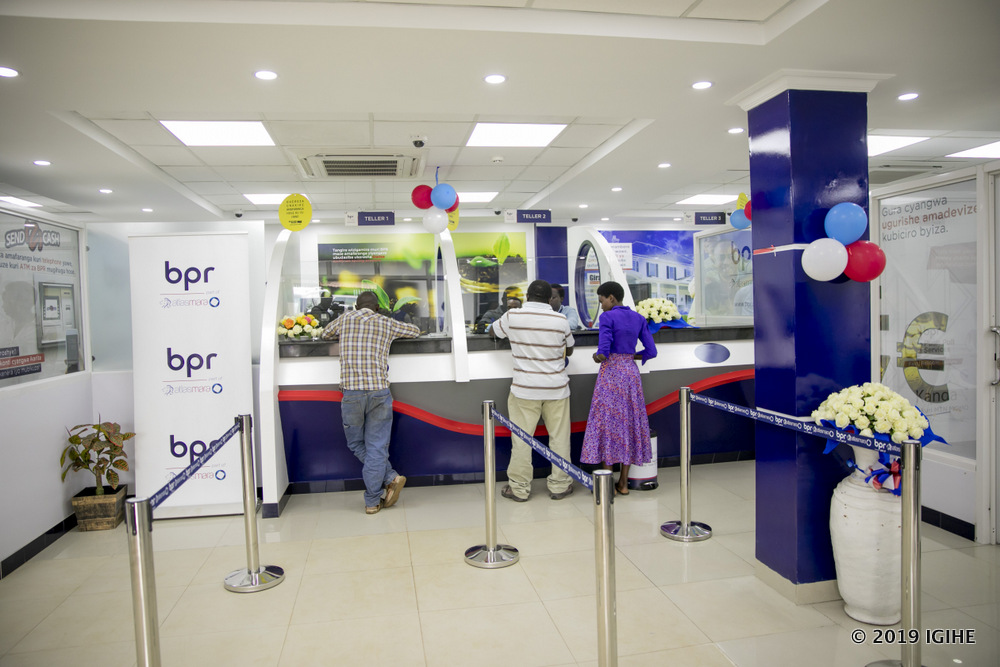
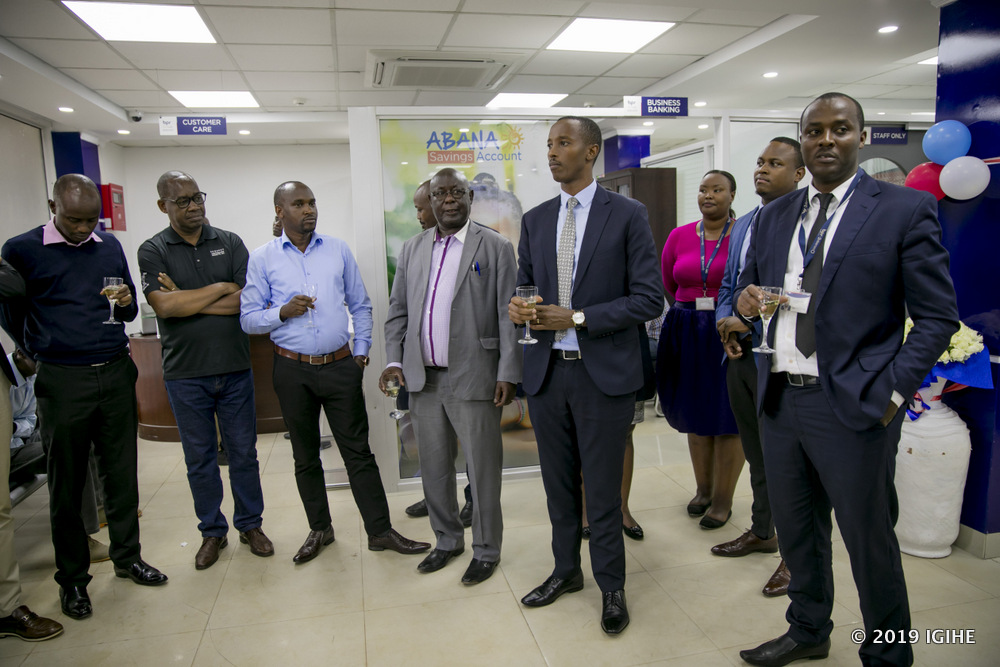
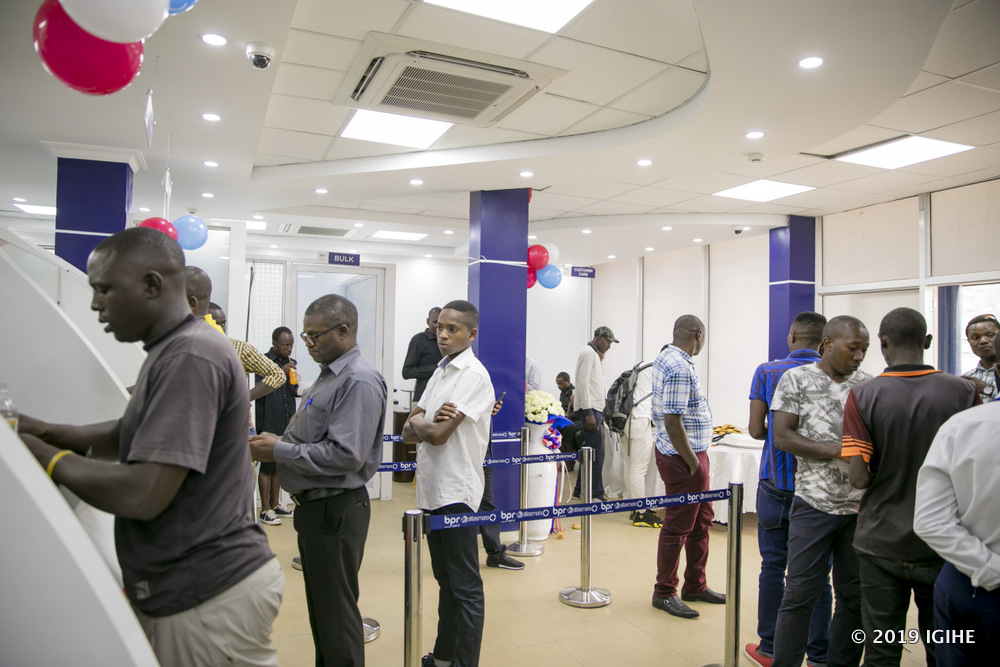
On Monday, the BPR management and its clients met to celebrate the re-opening of the branches.
The Gisozi BPR branch manager, Gatera Kayoboke Claude said that the renovated building will help to improve the banking environment which is mutually beneficial to both staff and clients.
“As we receive them in a good area, more clients will come and we are ready to provide the best services to our clients,” he promised.
The BPR Head of Retail Mugisha Shema said that Gisozi branch has been receiving many clients and that’s why they renovated the building so as to give enough space for its clients.
Gisozi branch receives 10,000 clients whereas Nyabugogo branch receives 7,000 per day.
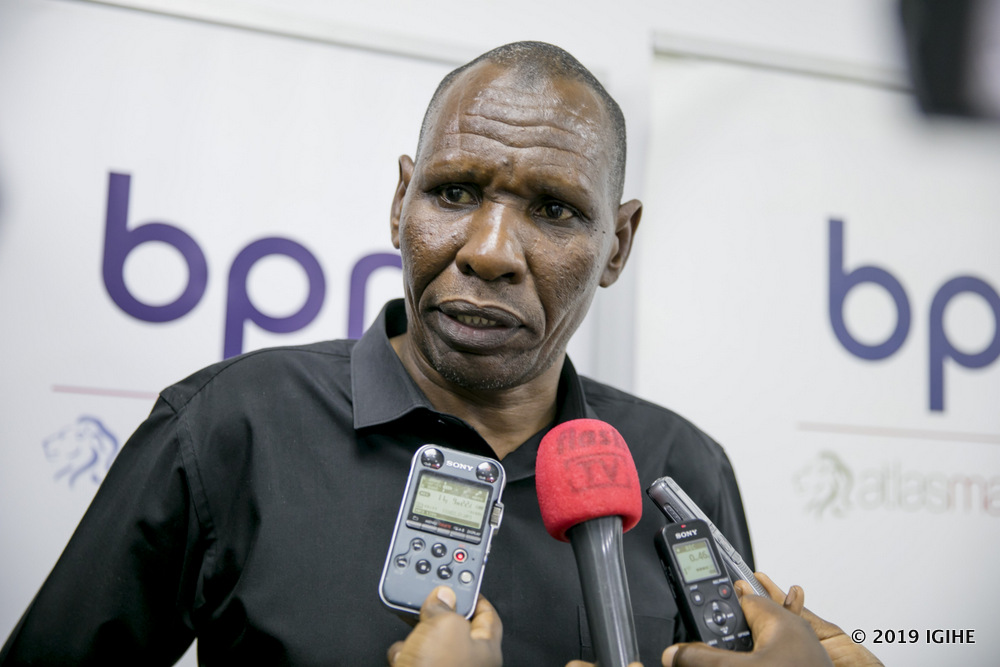
BPR clients have been impressed by the new look of the buildings. Nshogoza Seleman a client of BPR Nyabugogo branch since 1997 says: “We are happy for these new buildings. We were receiving good service but I believe it’s going to be better with this impressive banking environment.”
BPR began operations in 1975. 80% of its customers are from personal and Small and Medium Entreprises customers with the rest (20%) being corporate. The bank’s rate of non-performing loans improved from 13% three years ago to 7.8% currently.
BPR has recently announced 2% reduction of its base lending rate from 16.5% to 14.5% to go into effect from 1st March 2019.
This was announced by the president of the high court Prof Sam Rugege while closing the anti-corruption week in courts which took place in Nyagatare last week.
In 2017-2018, Prof. Rugege said, 561 people were summoned by the court, where 265 were found guilty and 95 were found to be innocent, 192 appealed to the higher court. Prof Rugege observed that registering of bribery cases in court doesn’t imply that bribery is increasing but instead shows that society is working hard on reporting those who indulge in corruption-related practices.
“The people have committed to pinpoint out those engaging in bribery. From 2005 to 2018, 17 magistrates and 26 court clerks were sacked due to bribery while from 2011, 3 magistrates and 6 court clerks were imprisoned.
Rugege took the opportunity to ask all the judicial officers to desist from taking and giving bribes.
“Do not give room to those who bribe you leading to the loss of your dignity and the trust citizens have in you. Judges have always been people of self-respect, honesty, and respect for others. Say no to bribery and report those who want to bribe you”.
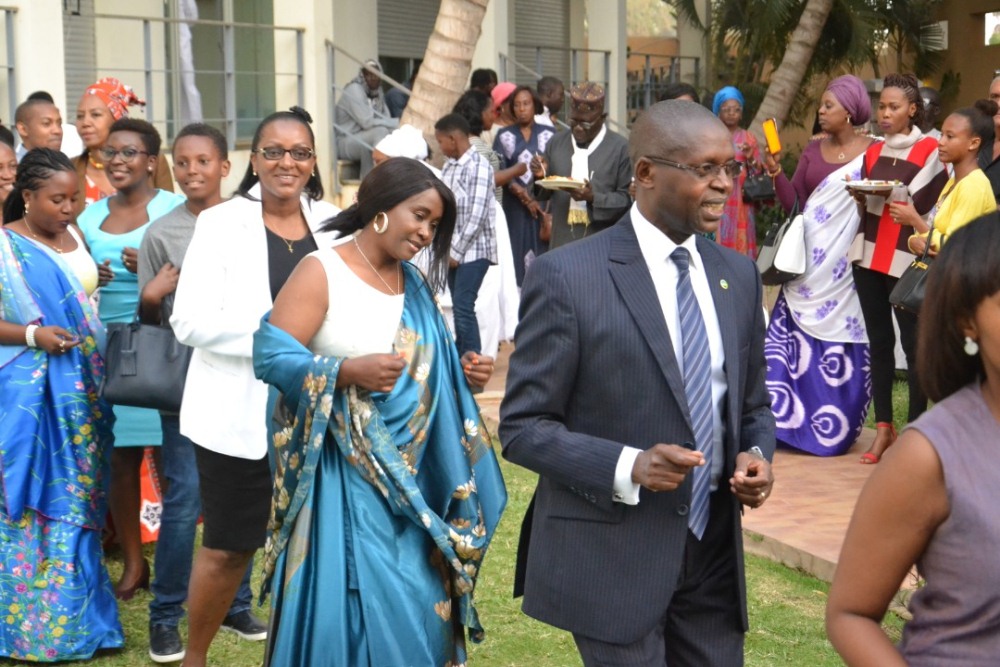
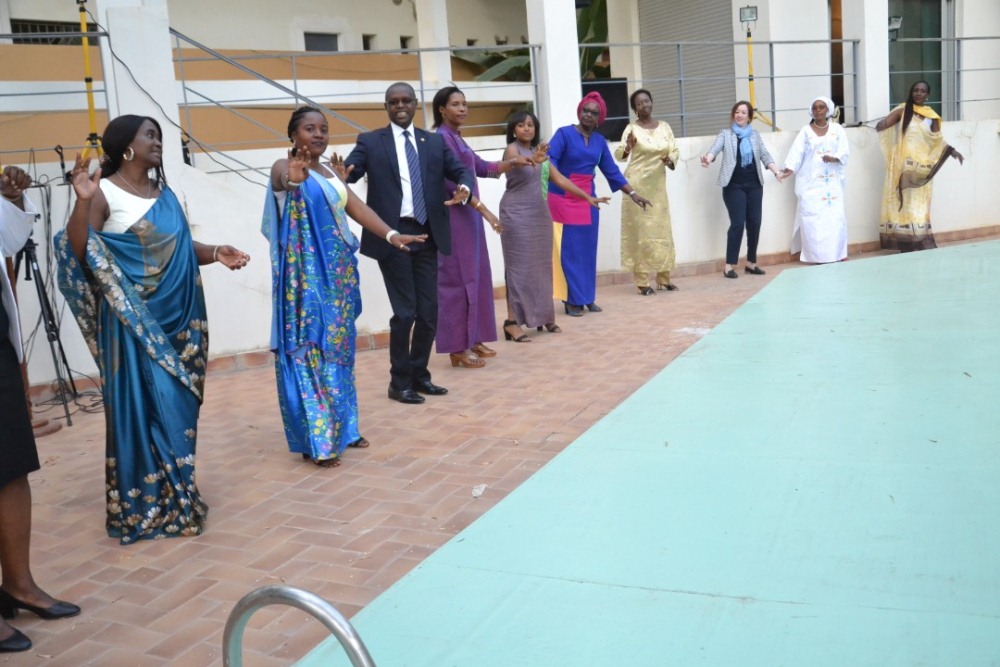
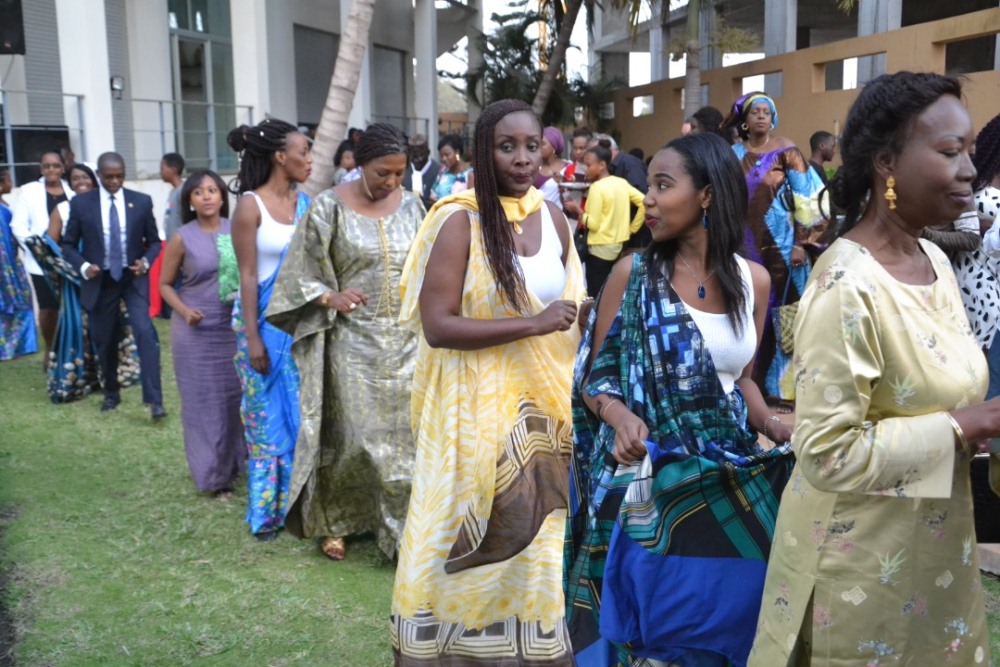
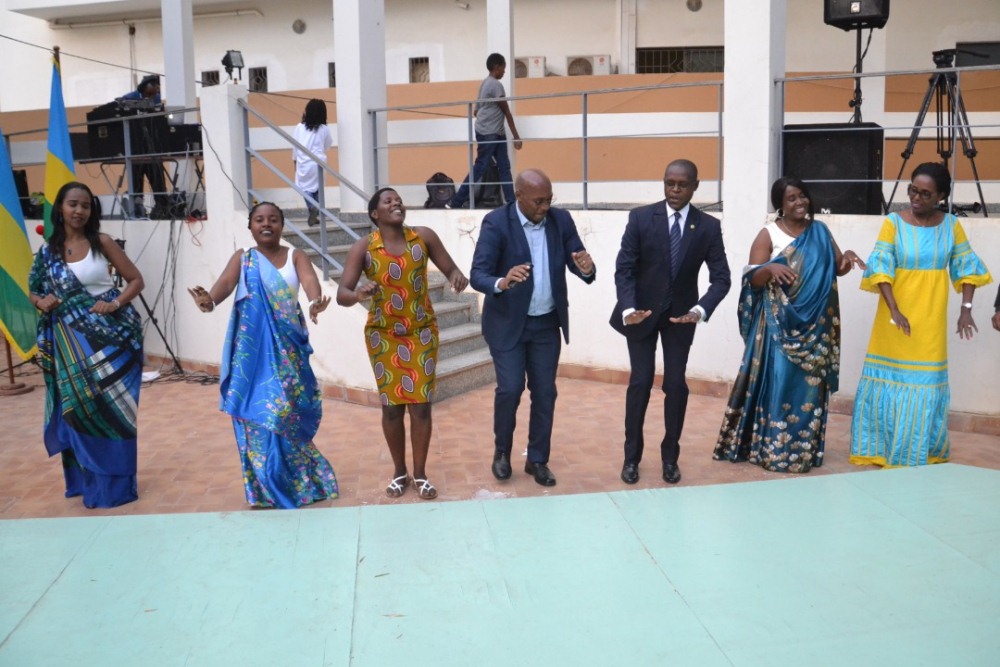
Rwanda marks Heroes’ Day annually and this year the theme hinged on “sustaining heroism in a vision we have chosen”.
Rwanda’s Ambassador to Senegal, Dr. Harebamungu Mathias gave a message reminding the real meaning of heroism and why it is important to sustain its values.
“We ponder those who showed commitment to upholding the dignity and love for Rwanda and Rwandans,” ambassador Dr. Harebamungu adding that it is necessary to teach Rwandan youth the values of heroism.
He said “Youth need to be guided into maintaining Rwanda’s strong values for the country to achieve its vision of prosperity which is entailed in vision 2050. We cannot achieve it without heroic values and without the future generation embracing such values.”
Heroes ‘Day is celebrated focusing on different great deeds by Rwandans including the liberation of the country and promoting unity among Rwandans.
The conference hosted over 450 participants including 35 heads of state, 50 ministers of foreign affairs and over 30 ministers of security affairs.
In the past, President Kagame has been critical of the ICC for training its efforts towards African affairs alone without giving due consideration to countries from elsewhere in the world.
Details of what transpired in the meeting between President Kagame and the Chief Prosecutor have not been made public.
The project implementation deal was signed by Japan Ambassador to Rwanda, Takayuki Mishayita and Paul Murenzi, the President of the Rwandese Endogenous Development Association (ARDE/KUBAHO), a local NGO that will run the one year project to benefit over 38,000 people in Runda Sector.
Under the project, a water source will be rehabilitated and a water tank constructed along with a 3.6 kilometre water pipeline supply system. Three water houses and one public water tap will as well be constructed.
Speaking to IGIHE, Japan’s Ambassador to Rwanda, Takayuki Miyashita said they chose to fund ARDE Kubaho’s water project after realizing that residents of Runda Sector need access to clean and safe water.
He said though it is a small project, it means a lot for the population who will be supplied with clean water.
“We (Japan) want to contribute to Rwanda Government’s plan to see all Rwandans access clean water,” Ambassador Miyashita said.
Paul Murenzi, the President of ARDE Kubaho said lack of access to clean water was a threat to health of residents in Runda Sector.
“Children would get late to school as they first went to wetlands to look for water which was unclean. When clean water facilities are introduced in the area, their lives will change as we witnessed it in other parts of the country,” Murenzi said.
Murenzi added that the project will create jobs for different people focusing on the youth who will be receiving a wages of between Rwf2,000 and Rwf5,000 per day.
Marriott Bonvoy is built on the belief that travel enriches us all and has the power to enrich the world. Marriott Bonvoy launches on February 13 when the logo and branding begins rolling out across all consumer touch points, including on property, marketing and sales channels, digital, mobile and co-brand credit cards, bolstered by a multi-million-dollar global media campaign starting in late February.
“Marriott Bonvoy marks an evolution in travel because it represents more than a loyalty program,” said Stephanie Linnartz, Global Chief Commercial Officer, Marriott International. “Marriott Bonvoy is a travel program designed to bring to life our extraordinary portfolio of global brands in 129 countries and territories, while also providing endless inspiration for members to keep traveling and pursuing their passions.”
Linnartz continued, “Represented by a simple, bold and modern logo, Marriott Bonvoy is welcoming and optimistic. Our 120 million members have access to the world’s leading hotel portfolio at the best room rates and member benefits, as well our collection of Moments experiences that bring exploration and discovery of the world to the forefront.”
Beginning on February 13, Marriott Rewards Moments and SPG Moments will become Marriott Bonvoy Moments, which together with Marriott Moments will feature approximately 120,000 experiences in 1,000 destinations available for purchase or by redeeming points. In addition. In addition to accessing locally relevant sights and excursions, such as hiking into glacial Patagonia, desert treks on camelback in Morocco or cruising to Vietnam’s timeless floating villages, members can indulge in once-in-a-lifetime experiences like cooking alongside renowned chefs Daniel Boulud and Eric Ripert, or honing football skills in a master class with Hall of Fame wide receiver Jerry Rice.
Throughout 2019, Marriott will bring Marriott Bonvoy to life with a series of experiential events for members taking advantage of the company’s marketing partnerships with iconic brands including the NCAA and the FIA Formula One™ World Champions, Mercedes-AMG Petronas Motorsport, as well as through sponsorships such as the Oscars®, Coachella Valley Music and Arts Festival, Dubai Jazz Festival, The Hong Kong Sevens and The PGA Tour World Golf Championships-Mexico Championship.
On August 18, 2018, Marriott launched one loyalty program with unified benefits under its three legacy loyalty brands — Marriott Rewards, The Ritz-Carlton Rewards and SPG. On February 13, the combined program completes its integration under one name, Marriott Bonvoy.
With Marriott Bonvoy, members will have access to Marriott’s portfolio of diverse brands including the largest collection of lifestyle and luxury properties. Whether it is sun-soaked overwater bungalows at The St. Regis Maldives Vommuli Resort, mountain-side resorts nestled against ski slopes like at The Westin Resort and Spa Whistler, beachfront properties hugging pristine sands like at The Ritz-Carlton, Bali, to iconic urban towers offering panoramic views like at the JW Marriott Marquis Hotel Dubai, or former palatial residences like The Gritti Palace, a Luxury Collection Hotel (Venice); Marriott Bonvoy provides members an unparalleled offering of experiences together with the opportunity to earn desirable member benefits.
Since Marriott introduced the unified loyalty benefits under Marriott Rewards, The Ritz-Carlton Rewards and SPG last August, members have been able to seamlessly book stays and earn and redeem points across the entire portfolio and achieve Elite status faster with new Elite tiers. Members now earn on average 20 percent more points per dollar spent.
The launch of Marriott Bonvoy will introduce two new names for previous Elite status tier names: {Marriott Bonvoy Titanium Elite} will replace Platinum Premier Elite for members who surpass 75 nights and {Marriott Bonvoy Ambassador Elite} will replace Platinum Premier Elite with Ambassador. This top Elite status tier recognizes members who surpass 100 nights and more than $20,000 in spend annually. These members enjoy the highest level of personalization with a dedicated ambassador to help plan their travel and cater to their needs one-on-one.
Marriott Bonvoy will usher in a new mobile experience. Members using either the SPG or The Ritz-Carlton Rewards apps are encouraged to download the current Marriott app now which will automatically update to become the Marriott Bonvoy app on February 13. The SPG and The Ritz-Carlton Rewards apps will be deactivated on that date.
Members can learn more about Marriott Bonvoy at {{[MeetMarriottBonvoy.marriott.com->MeetMarriottBonvoy.marriott.com]}} where they also can watch a short video describing the new brand. To learn more about the loyalty program benefits, you can visit {{[www.marriott.com->www.marriott.com].}}
Four men and one woman were handed to Rwanda by the Ugandan Police at Kagitumba Border in Nyagatare District.
They had been held at Ntungamo and Kasese Prisons which they say hold many more Rwandans.
Speaking to journalists, they said they had been arrested in Uganda where they had gone to look for a living whereas others had gone to visit families and friends.
Felicien Ntigurirwa who was born in Gatsibo District, said he went to Uganda in 2018 to visit his family members and he spent a year. He was arrested at the border on his way back to Rwanda.
“I was asked to show my papers and I showed my Rwandan identity which they said was not enough. They asked a lot of shillings which I failed to give and they took me to jail,” he said.
At Ntungamo where he was held, Ntigurirwa says he was sentenced to six months in prison and he was forced to do farming activities in Buga area.
“We were forced to do farming activities and in case you failed to, you would be severely beaten. It is a life I wouldn’t wish any Rwandan to live because we used to cultivate from the morning to evening without rest and with beatings on our backs,” he said.
Ntigurirwa said that at least 10 Rwandans were brought at Ntungamo where he was imprisoned picked from different places in Uganda over ‘illegal’ entry.
Claudine Uwimana, a resident of Rulindo District said women are forced to weave baskets. She said she was together with 20 other Rwandan women who were also arrested in Uganda.
“Many Rwandans are arrested at the border,” Uwimana said, warning other Rwandans travelling to Uganda.
Jean Bosco Rwego from Kayonza District said there are 360 prisoners in the jail where he was held with 200 of them being Rwandans.
Rwego who had been living in Uganda since 2012, says he was arrested in September last year because somebody wanted to confiscate his property.
“He called the Police saying I was a Rwandan who had illegally entered in Uganda.
Without explanations, I was arrested. I had worked hard and had bought some land having earned a lot of money which I think is the reason why I was betrayed so that they could take it away,” he said.
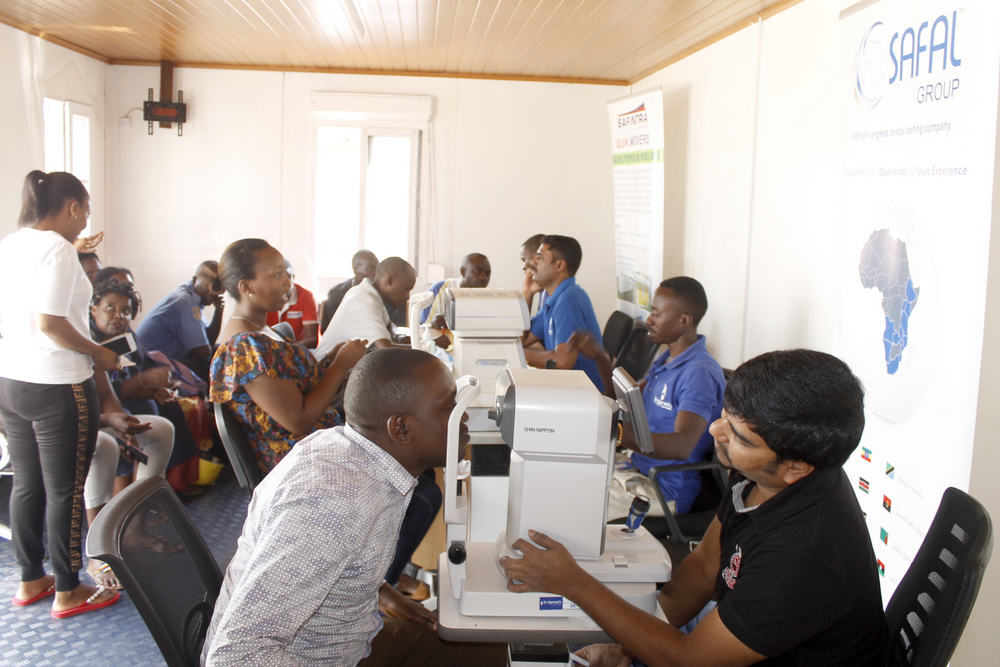
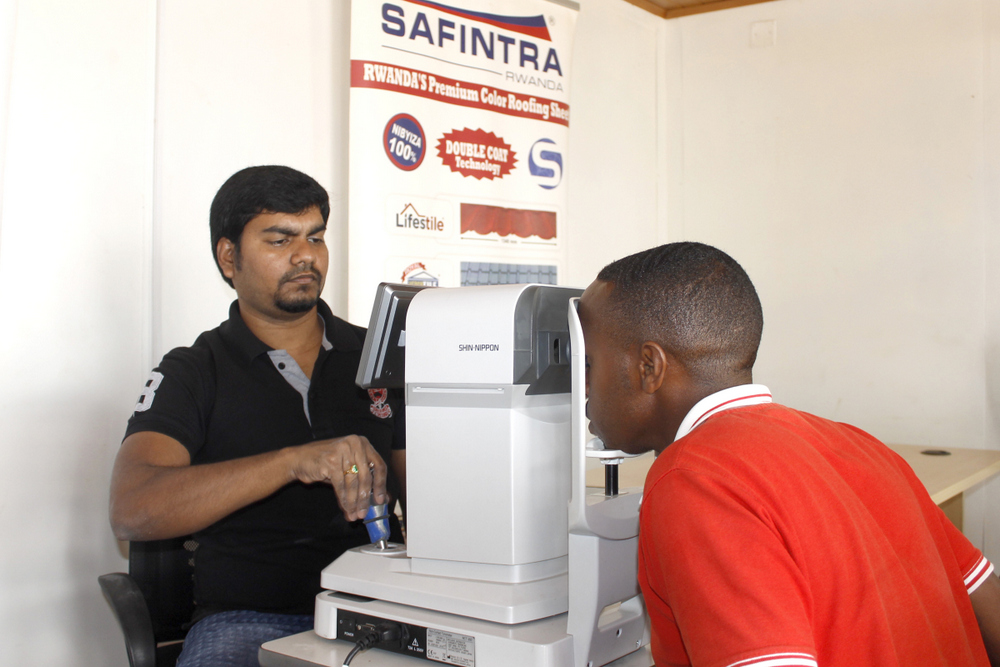
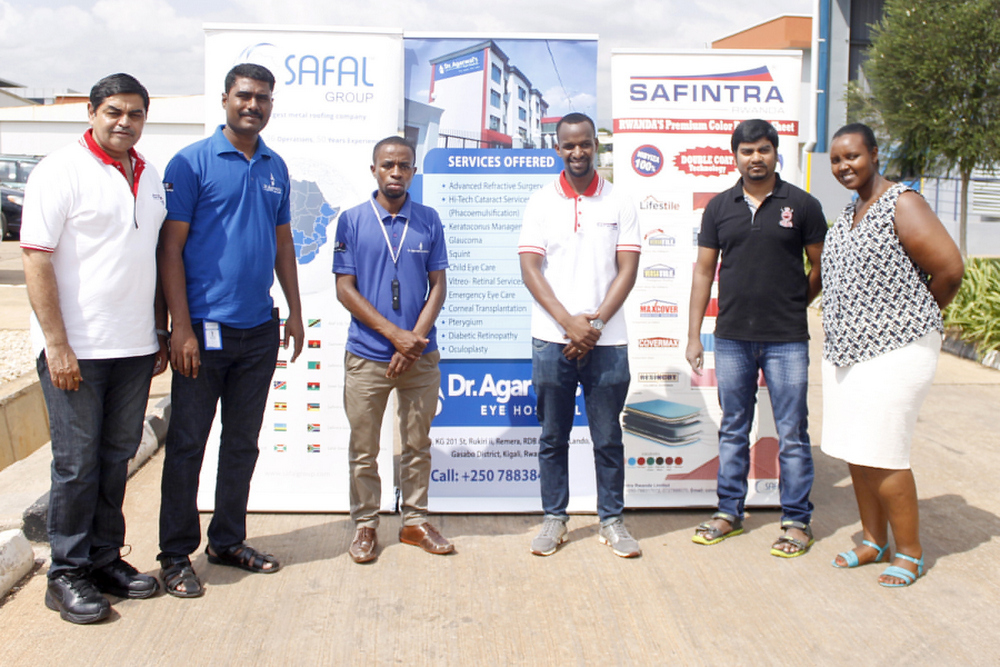
The eye testing activity was held at the headquarters of the company at Kigali Industrial Zone in Masoro in partnership with Dr. Agarwal’s Eye Hospital.
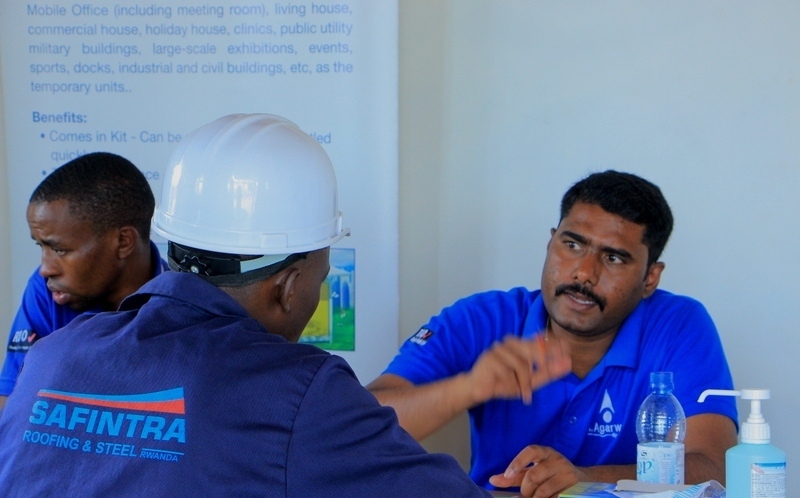
Sandeep Phadnis, Business Head of Safintra Rwanda Ltd said several recent pieces of research done on eye health revealed that eye problems affect employees productivity which inspired them to get their staff screened, an activity that will continue.
“Researches showed that the productivity reduces by at least 40% among people aged between 40 and 55 years with eye defects,” Sandeep said.
“When the employee’s ability to see reduces, he starts taking medicaments while sick, it affects his productivity at work which also affects the welfare of employees
Sandeep said they held the activity as it is the employer’s duty to know his employee’s health status and take care of it as it is usually done at Safintra Rwanda Ltd.
After eye testing, those who were found with defects were advised to seek optician advice he explained that all employees have medical insurance so whoever is detected with eyes problems will proceed with treatment at Agarwal Eye Hospital which partnered with the Company.
The Director of Dr. Agarwal’s Eye Hospital, Kanagaraj Rajagopal said they have screened around 50 staff from Safintra that more than 15 staff of over 40 years old have been recommended to get optical glasses.
Dieudonne Hakizimana, the In-Charge of Maintenance welcomed the initiative that comes in handy, enabling them to know the state of their eyesight. Some of his workmates were found with eye defects which they were not aware of and they will now go for eye treatment.
Safintra Rwanda Ltd is part of Safal Group that is a leading manufacturer of roofing solutions in African with a presence in 12 African countries.
Kagame made the remarks in Abu Dhabi, United Arab Emirates as he attended the Milken East and North Africa Summit that was organized by Milken Institute, a US-based Think Tank that publishes research and hosts conferences that apply market-based principles and financial innovations to social issues in the US and internationally.
In a one on one conversation with Milken Institute’s Chairperson, Michael Milken, Kagame said Africa is rich in natural resources but poor looking at its portion of global GDP.
“Africa is endowed with so much in terms of natural resources, the numbers are very clear. When you look at Africa’s portion of global GDP, it is very misleading when you also know what it is capable of,” Kagame said adding that the challenge has been how in the continent has always been how can Africa be so rich yet so poor at the same time.
To get out of this history, Kagame said Africa has to first seek ways to stop depending on outside factors starting from the level of African Union.
He gave as example the African Union institutional reforms which he was mandated to lead by his fellow African Heads of States. The reforms seek to make Africa a free trade market and see the African Union activities funded by its Member States.
“At AU level, we started by saying if we held Africa together, tried the best we can and make these borders that divide 55 countries irrelevant, beginning with trade, free movement of people and goods across borders, we can transform our economies,” he said.
Kagame said: “Leaders met in 2016 and we agreed we have to do reform because we can’t do business as usual, we have to change, beginning with how we conduct our affairs, including being able to finance the activity of the African Union.”
“AU activities were being financed at more than 80% from outside yet 55 countries can contribute to making sure we can run our own affairs,” he explained.
“We cannot work together without overcoming the challenge that we are so dependent on factors outside the continent. We have to build self-sufficiency and independence. This is what will take Africa where we should be,” he said.
“Knowledge and technology are things that are beginning to be so well evenly distributed across the world,” he said, adding: “If our young people are educated and they have their health then they are able to do what anyone else can do. You find them in different parts of the world doing exactly what is needed in Africa.”
“We need to invest in our people, even countries with natural resources, it will come to waste if they don’t invest in their people,” Kagame warned.