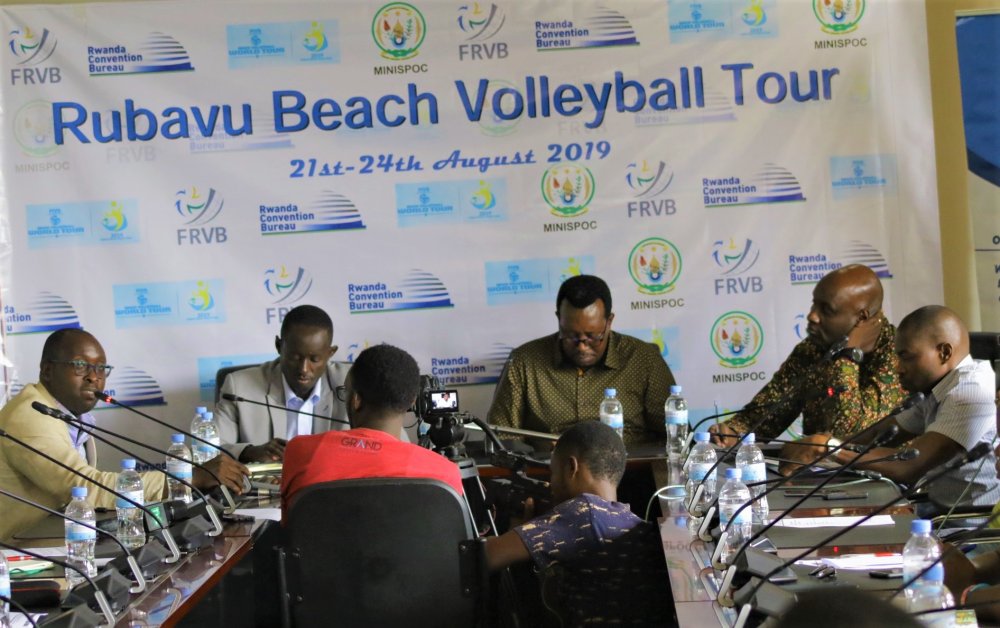
Rwanda requested to host the tournament dubbed ‘Rubavu Beach Volleyball Tour’ according to officials from Rwanda Volleyball Federation (FRVB) that the country was qualified because it met requirements.
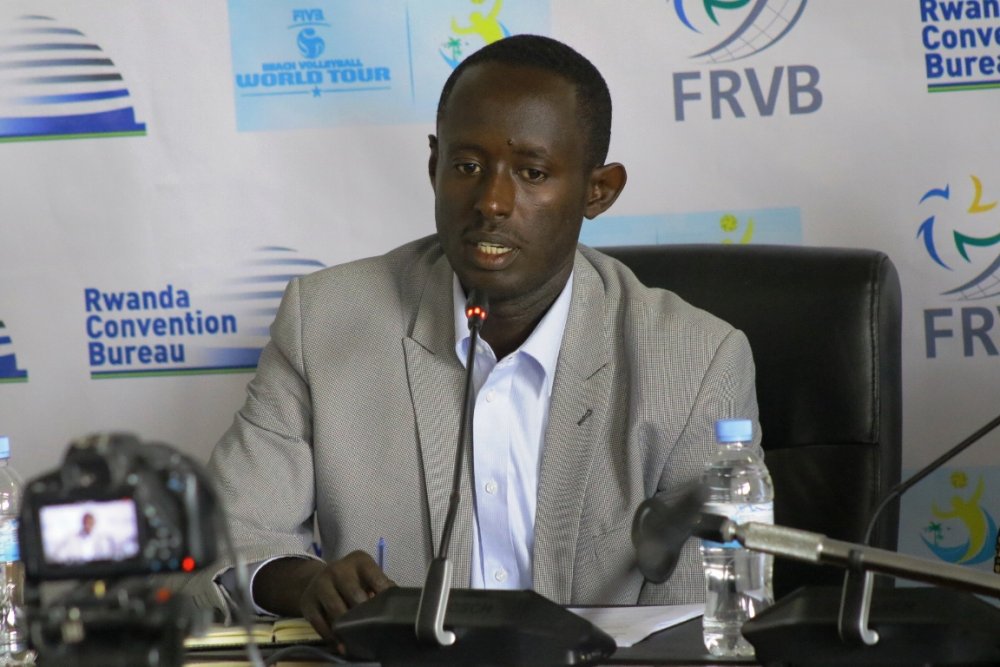
Speaking to the media on preparation of the event, FRVB President Léandre Karekezi said that Rwanda was approved to host the tournament one year ago and is earmarking much effort to make the tournament successful.
“We have been qualified to host the tournament one year ago. We have been also undergoing year-long preparations because it requires competent infrastructure and running different activities to meet standards to host the tournament,” he said.
Karekezi underscored that preparations are underway as they are now busy with preparations of grounds and construction of fans seats as required by FIVB Beach Volleyball World Tour.
“The rest is to preparation of playgrounds and building fans’ seats. It is a bit late but we are about starting but activities agreed with FIVB are on a good progress in general,” he said.
The Secretary General of FRVB, Adalbert Mfashimana has revealed that the tournament attracting 28 teams in each men and women category.
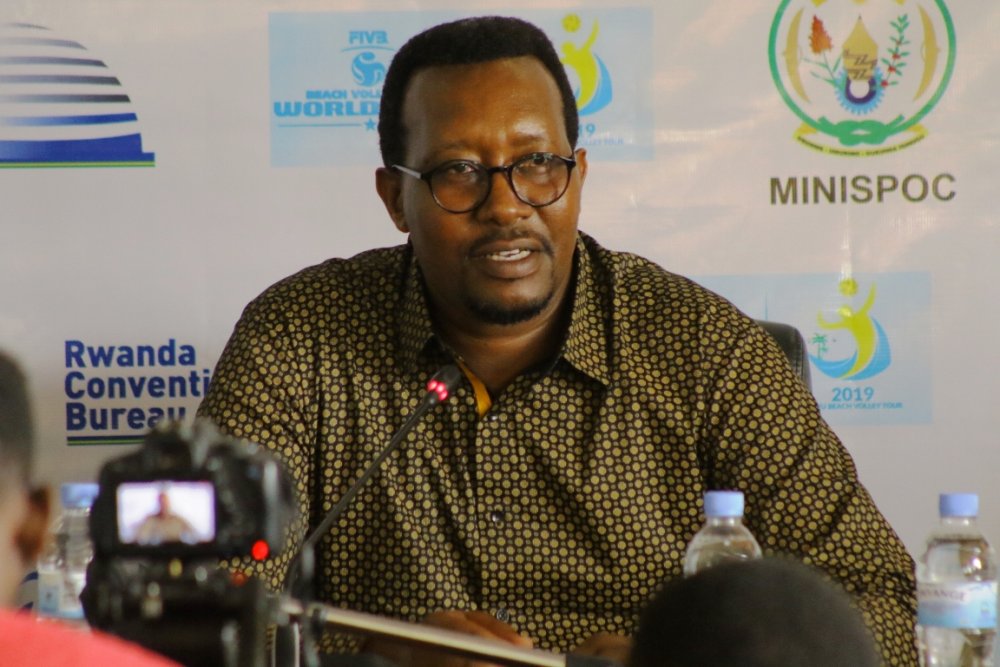
The Director of Sports at the Ministry of Sports and Culture (MINISPOC), Guy Rurangayire said that Rwanda will try by all means for better organization of the tournament.
A total of US$10,000 has been allocated to award the first three teams in each category where the first will get US$5000.
The tournament was sponsored by the Government of Rwanda will comprise 86 games from different teams across the globe.
Only three local teams will participate. Participating teams will be announced 21 days before the official opening of the tournament.
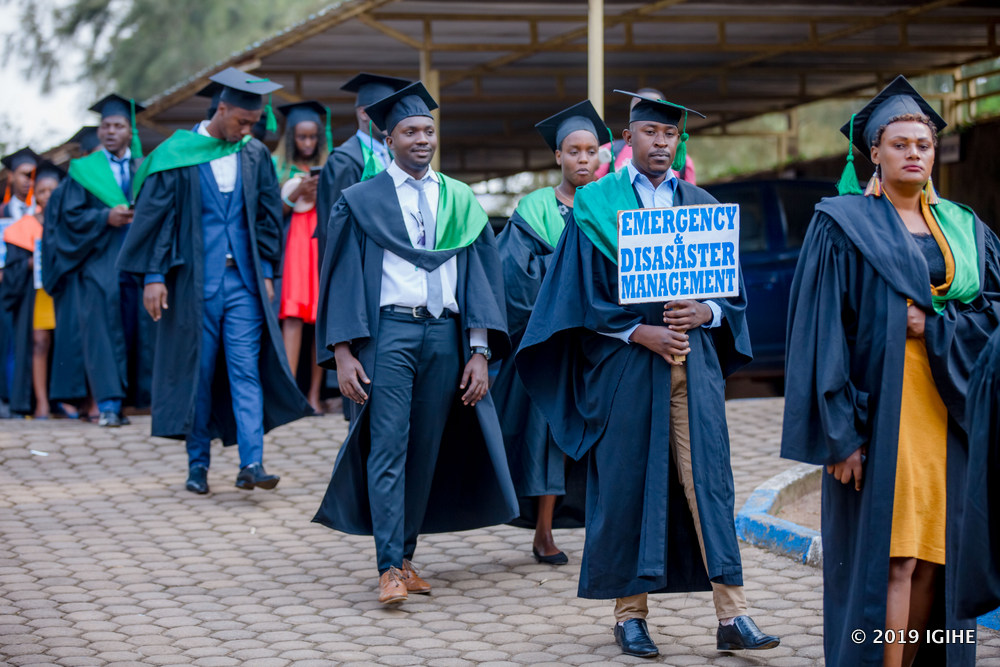
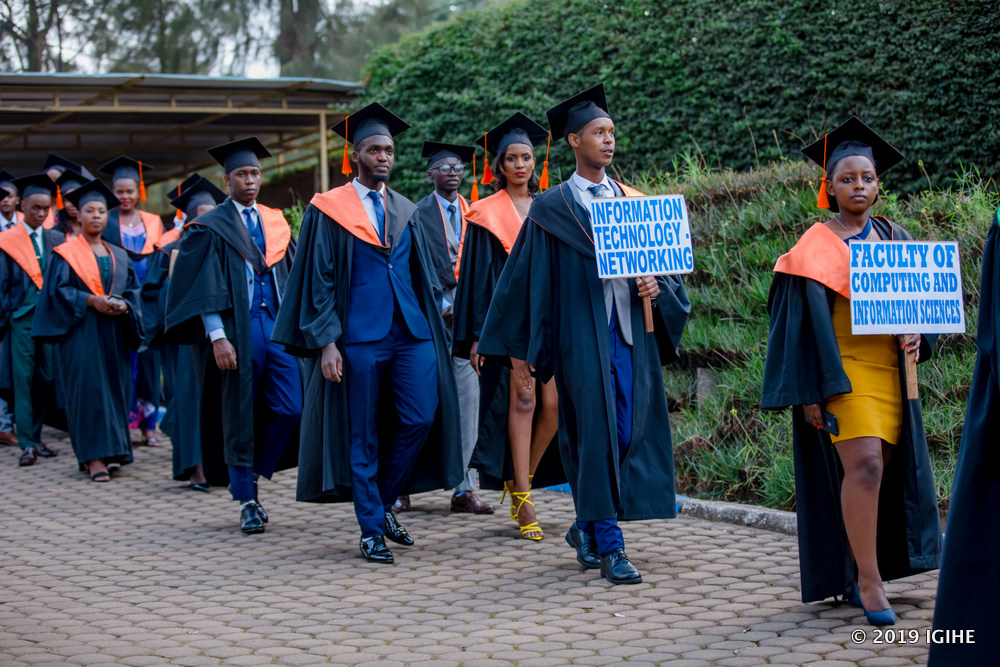
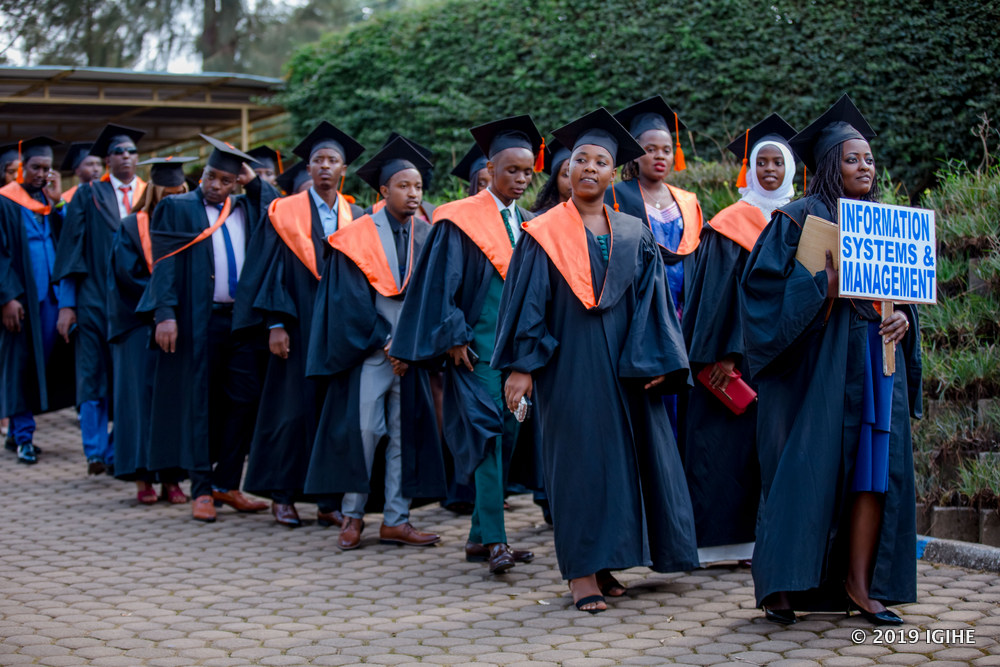
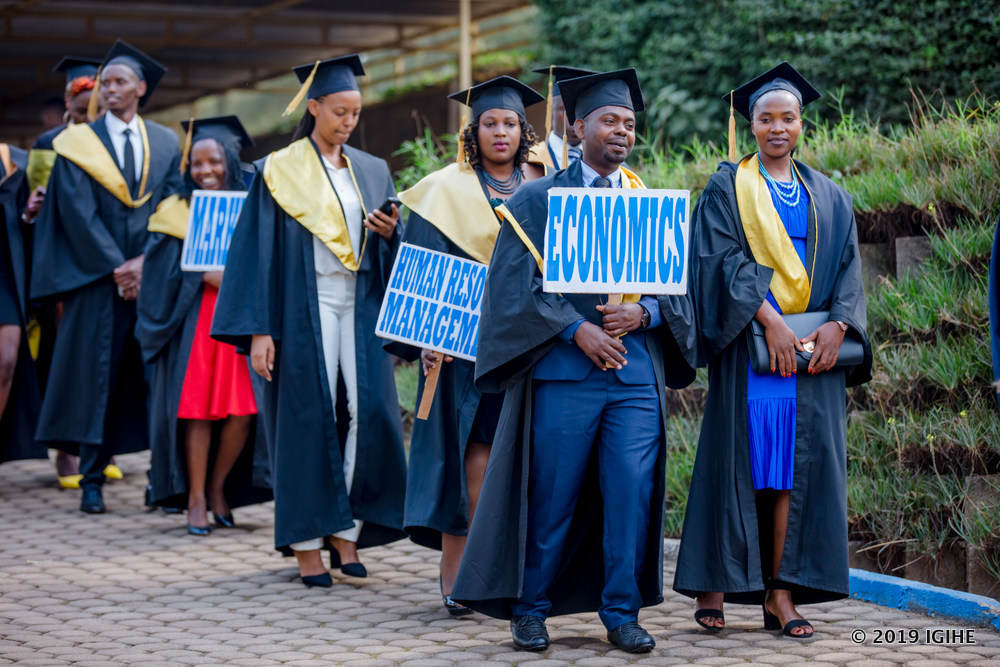
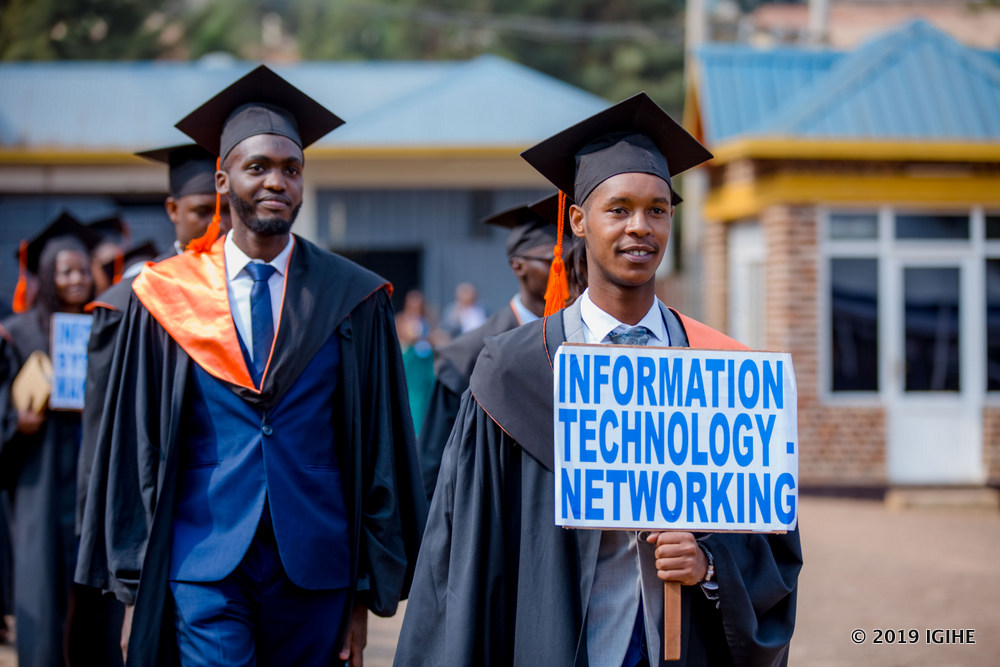
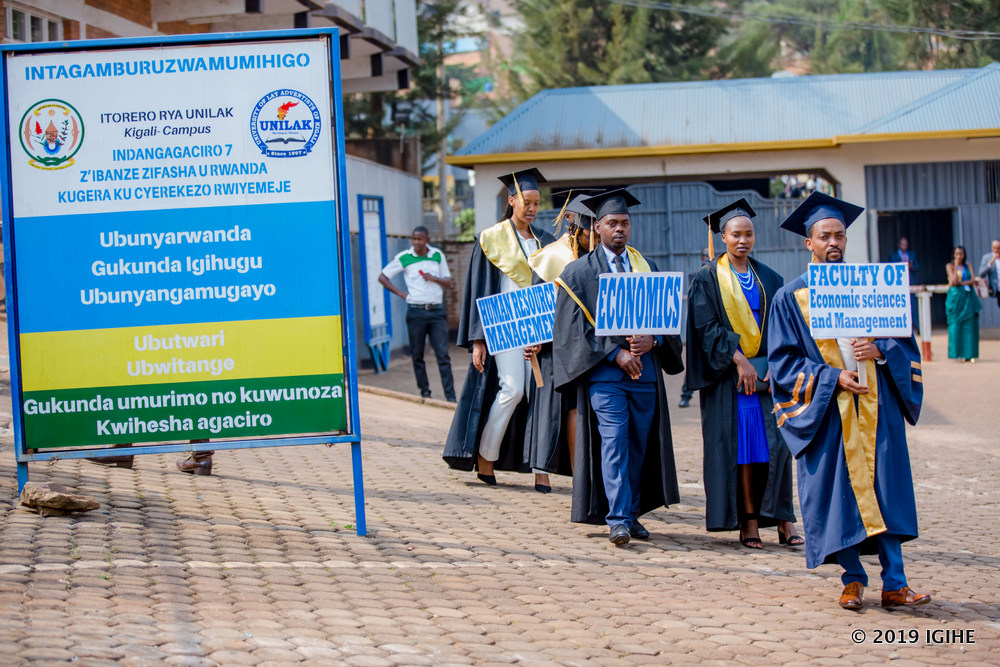
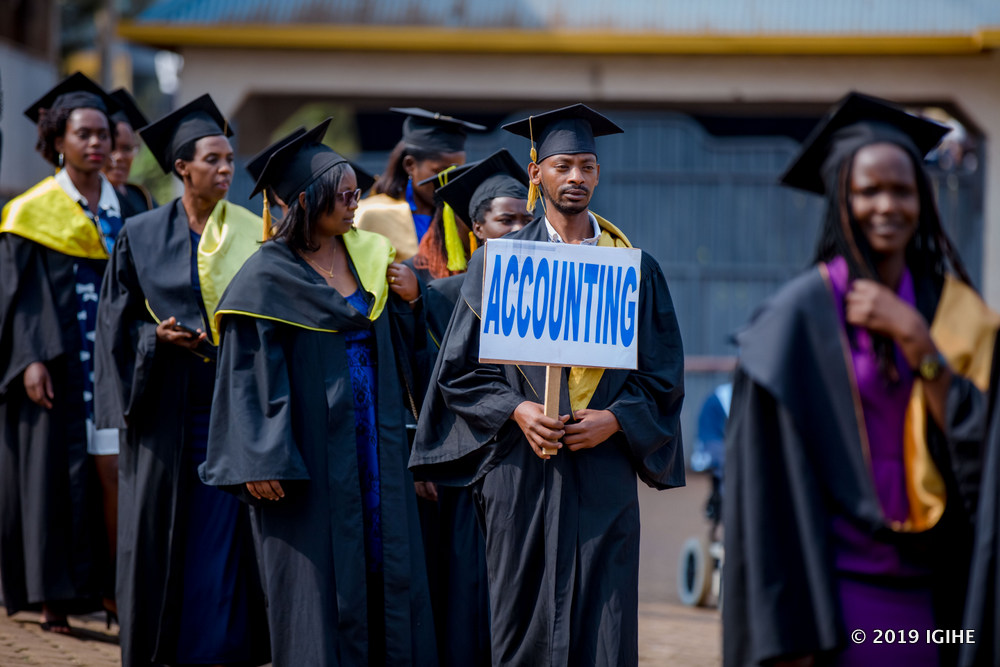
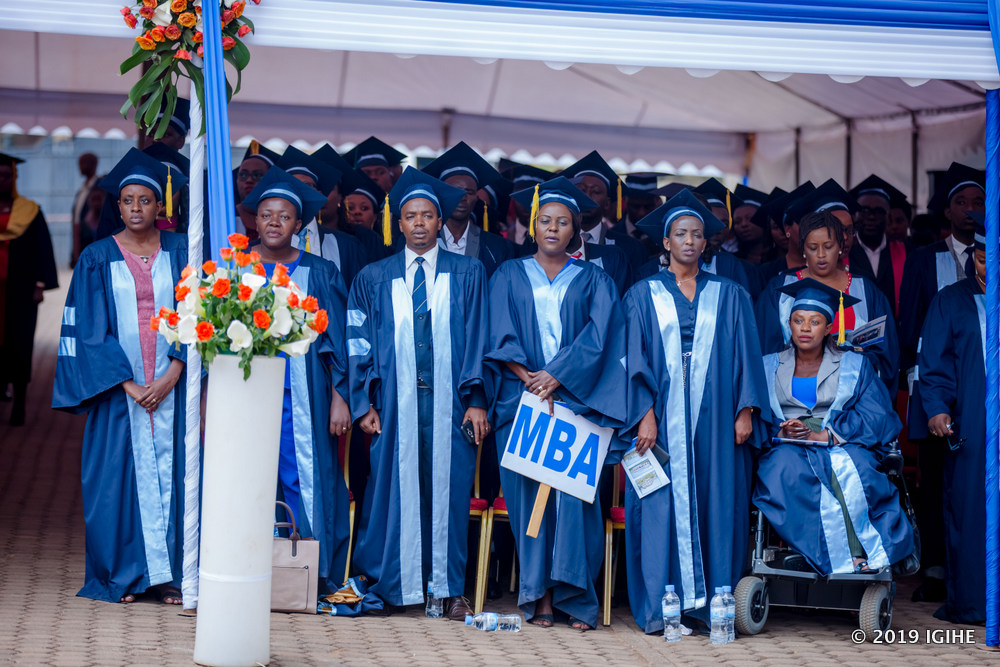
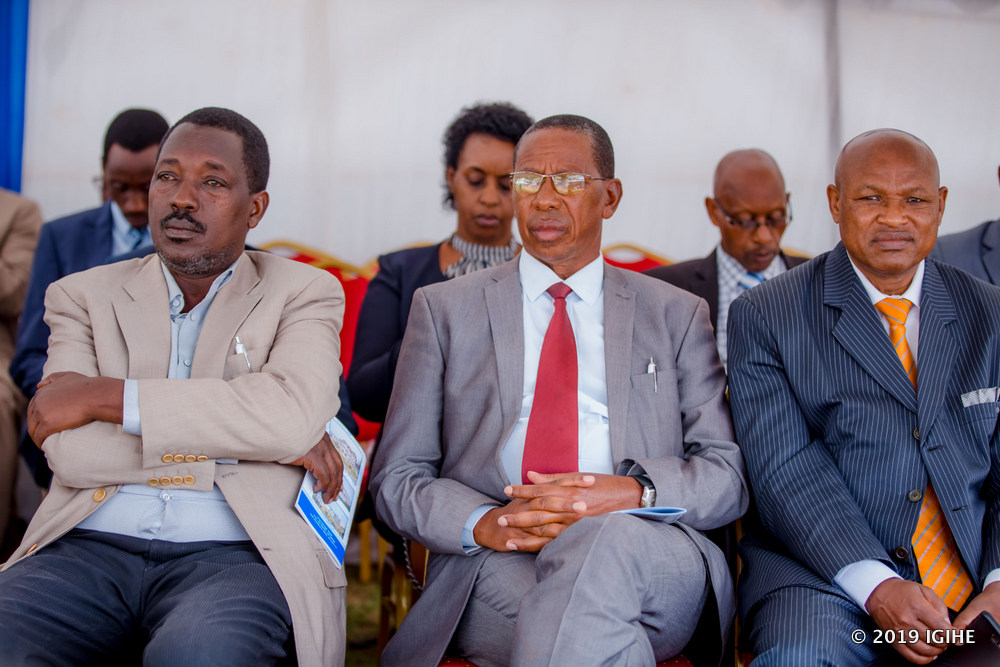
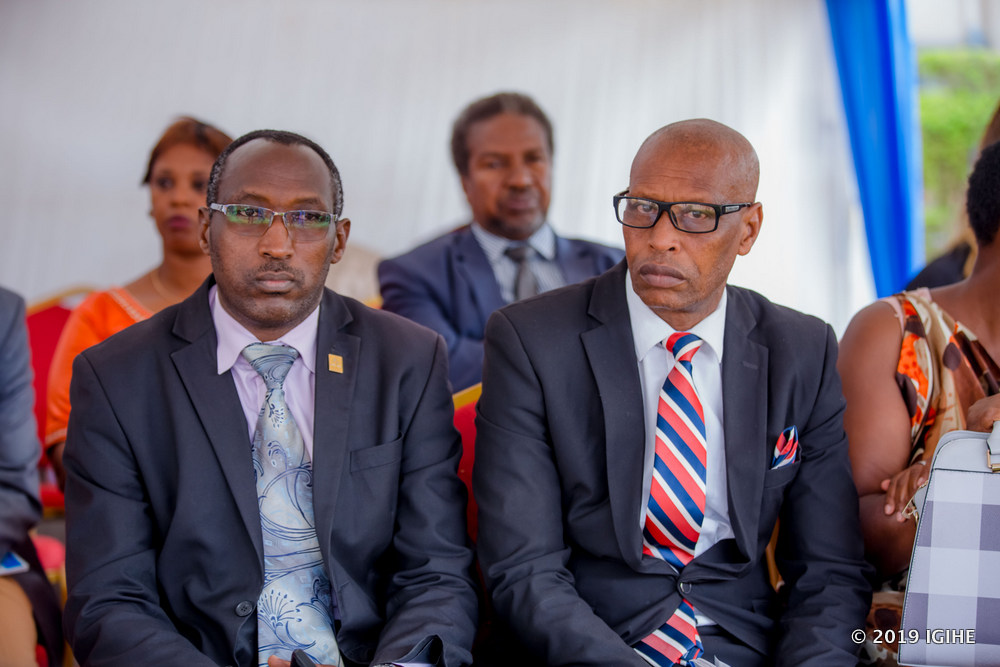
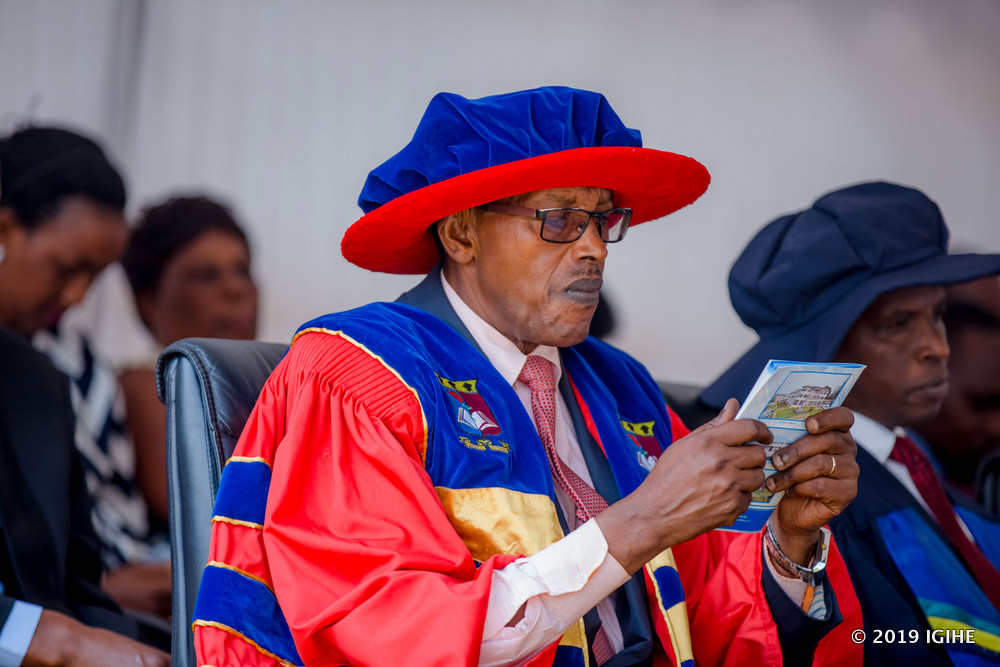
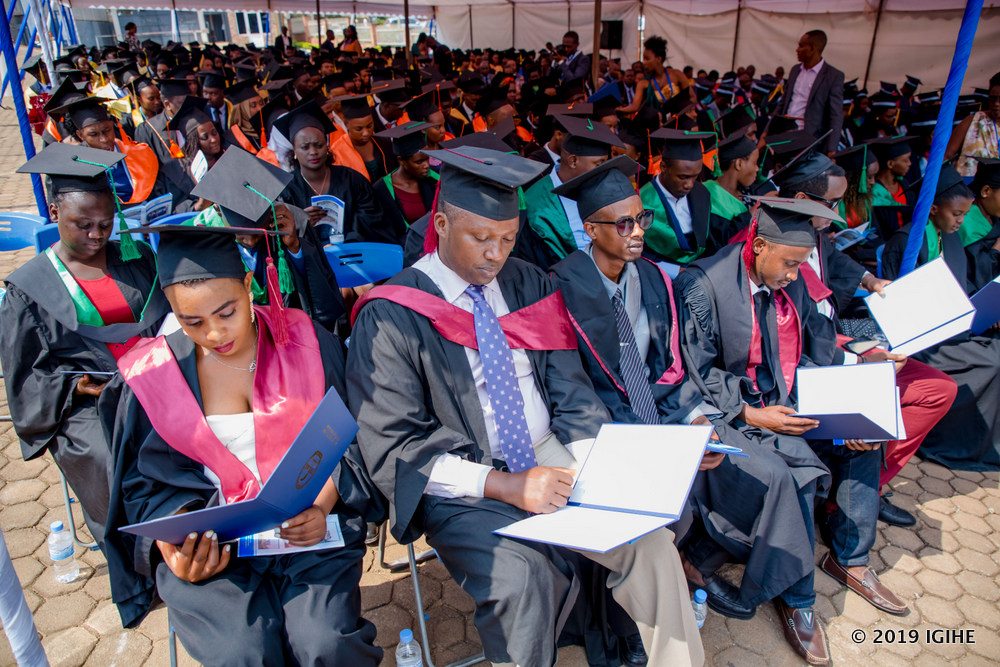
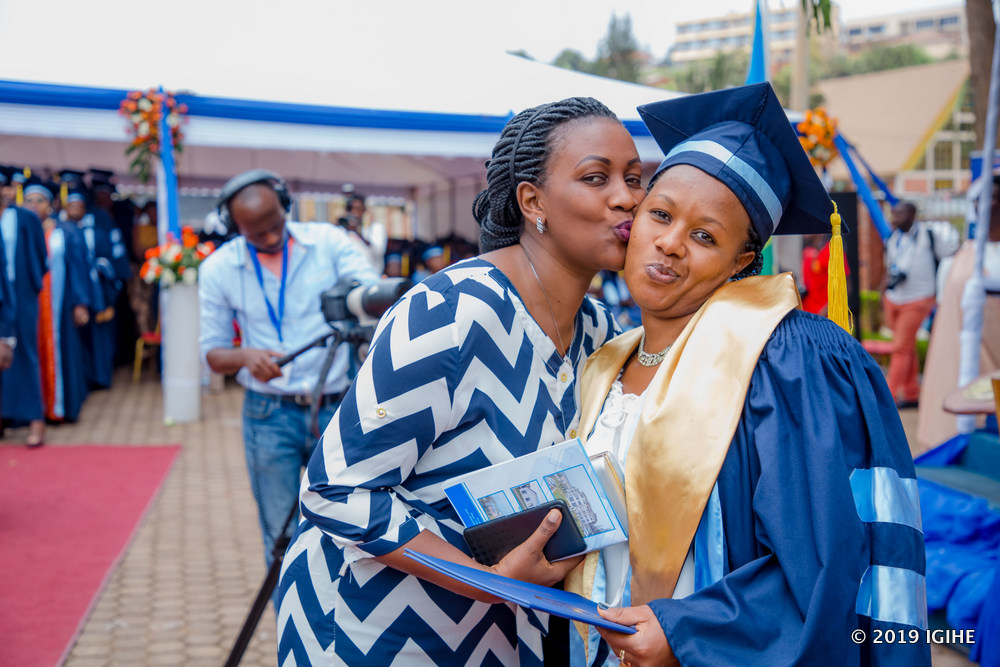
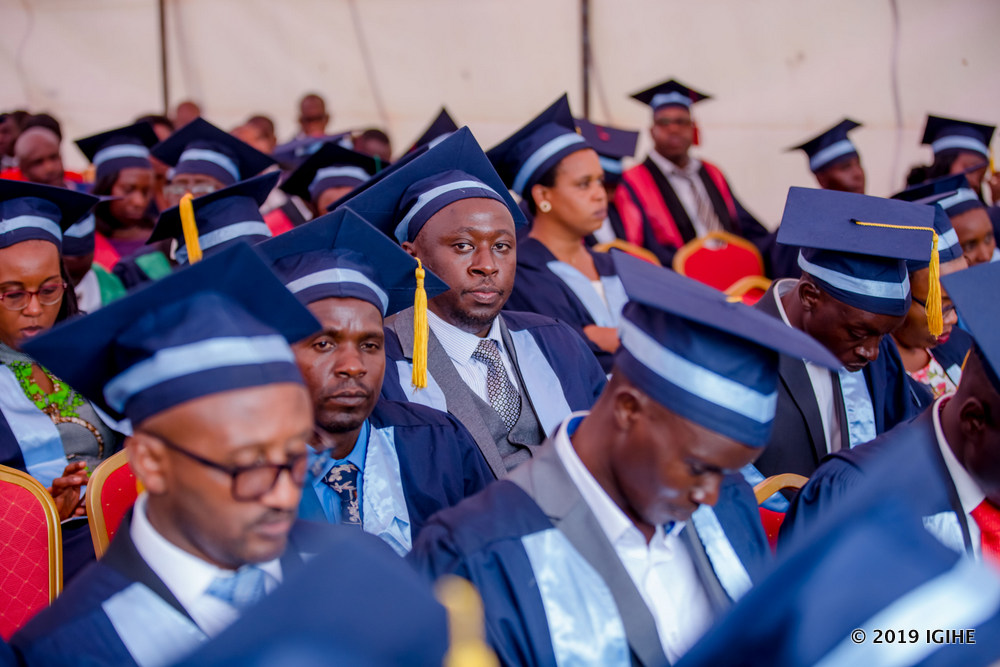
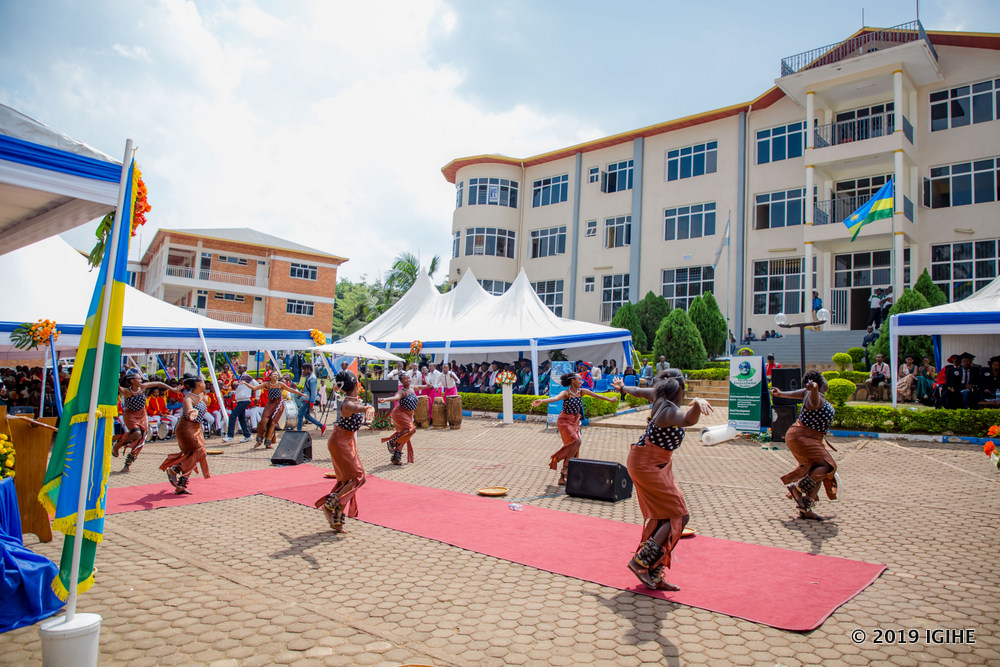
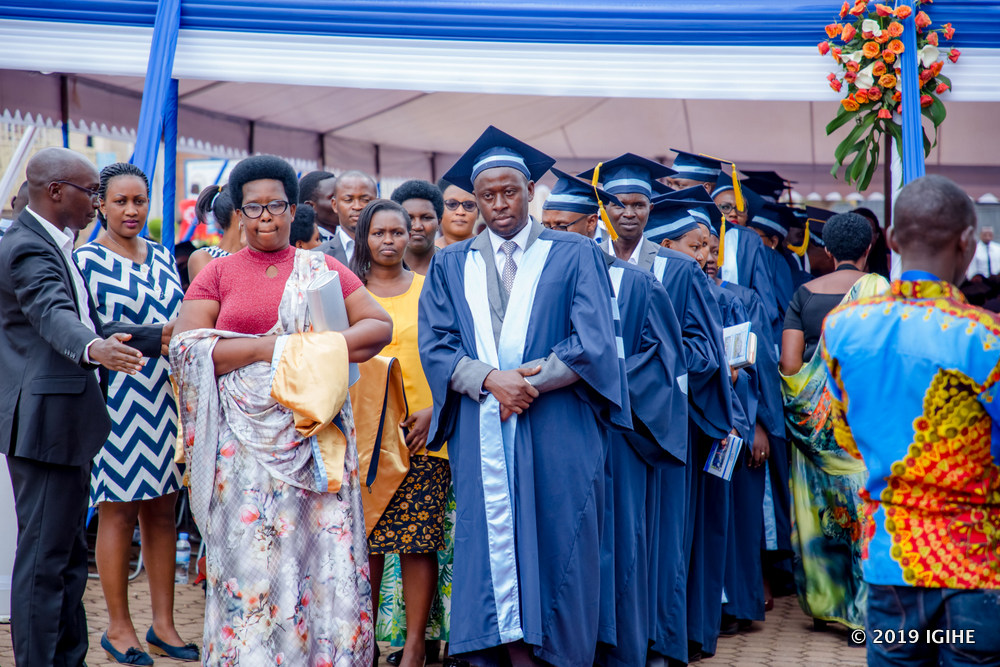
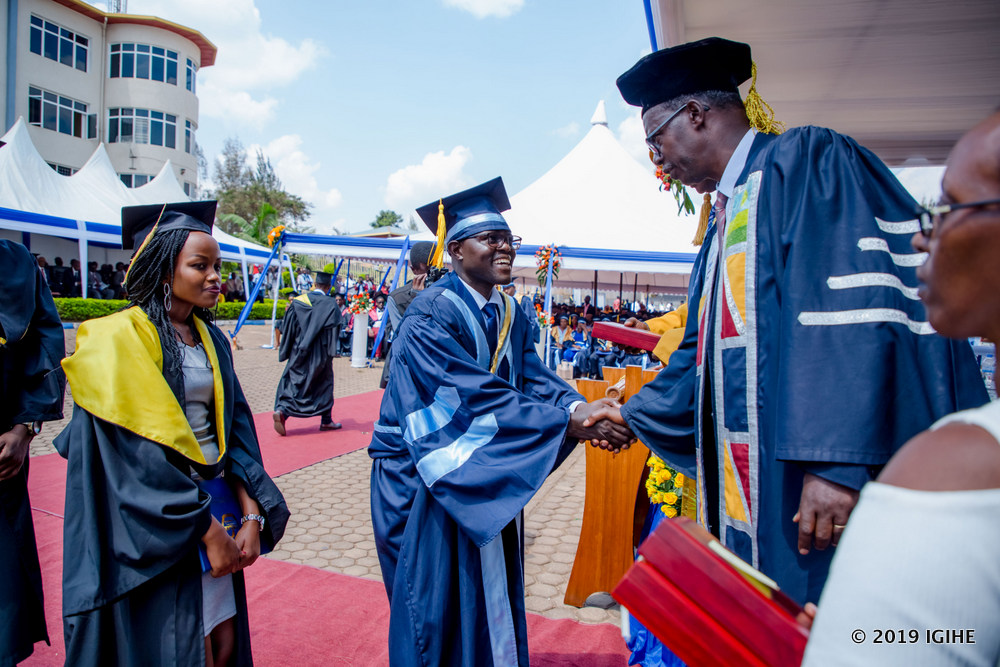
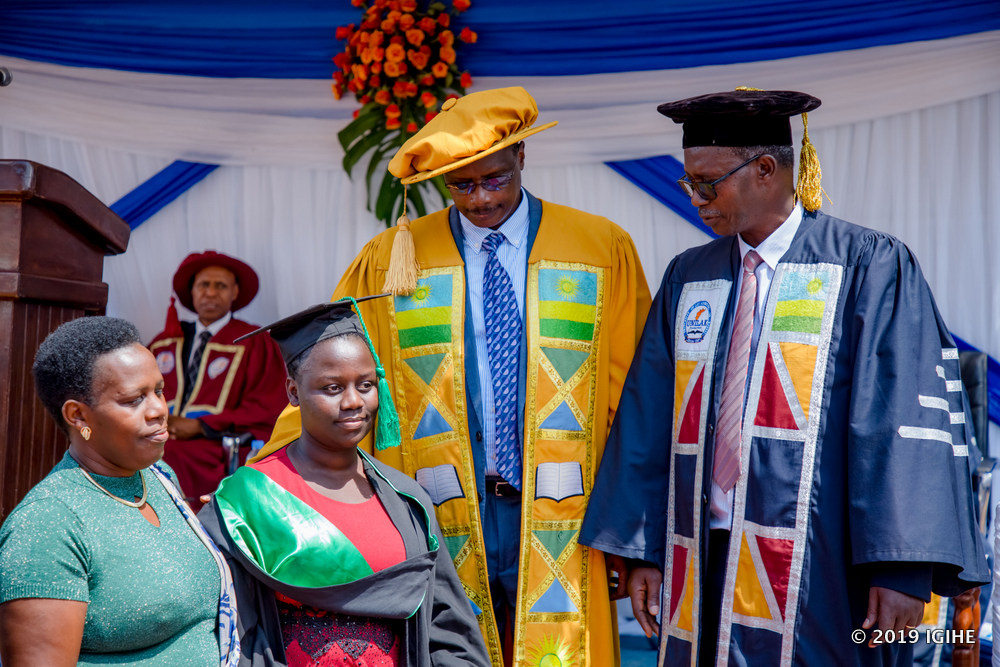
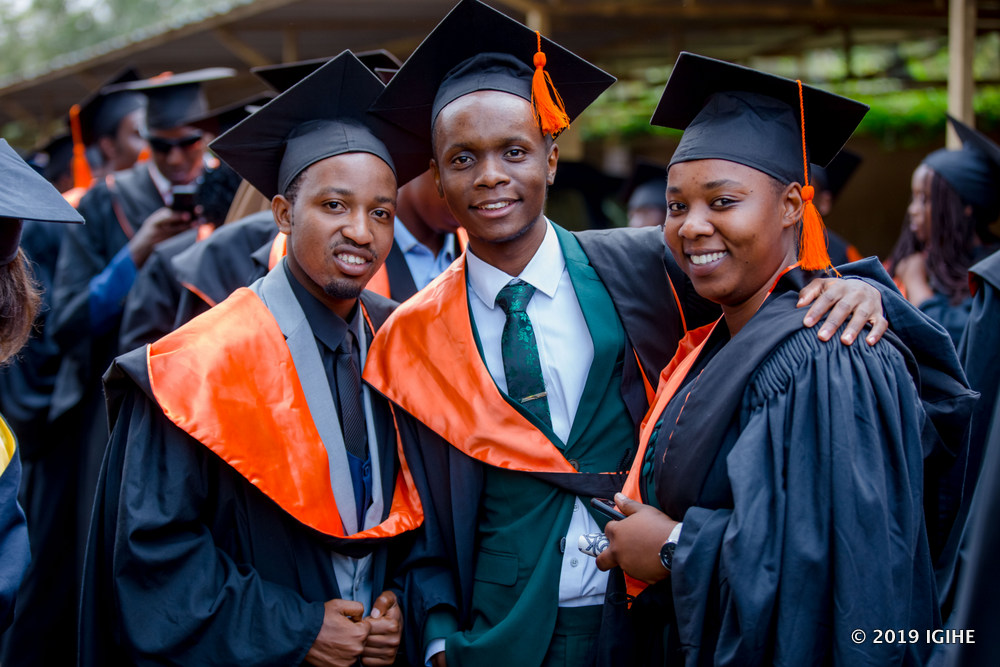
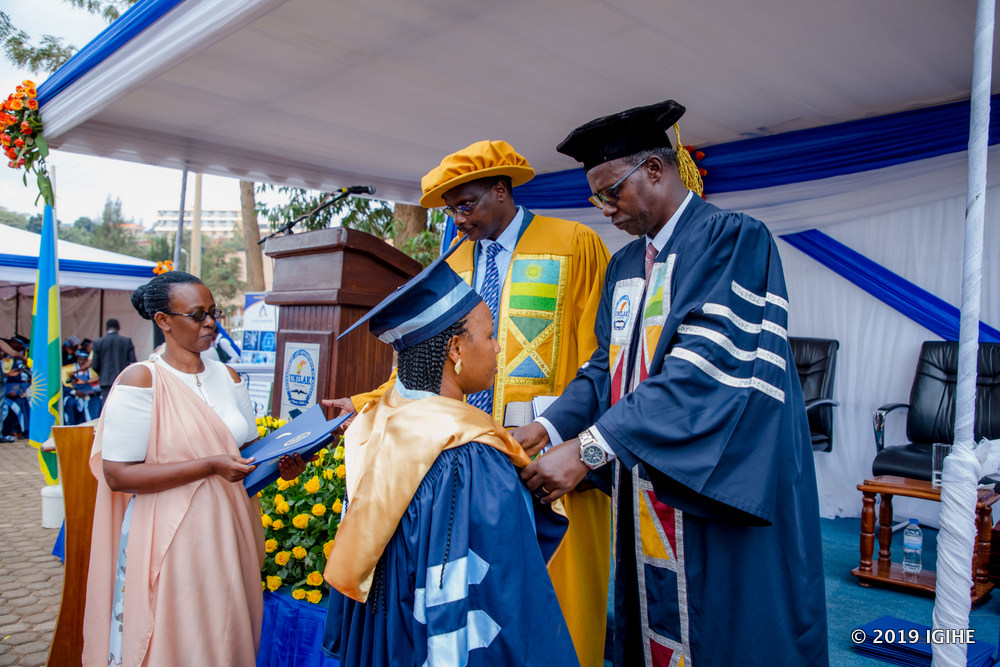
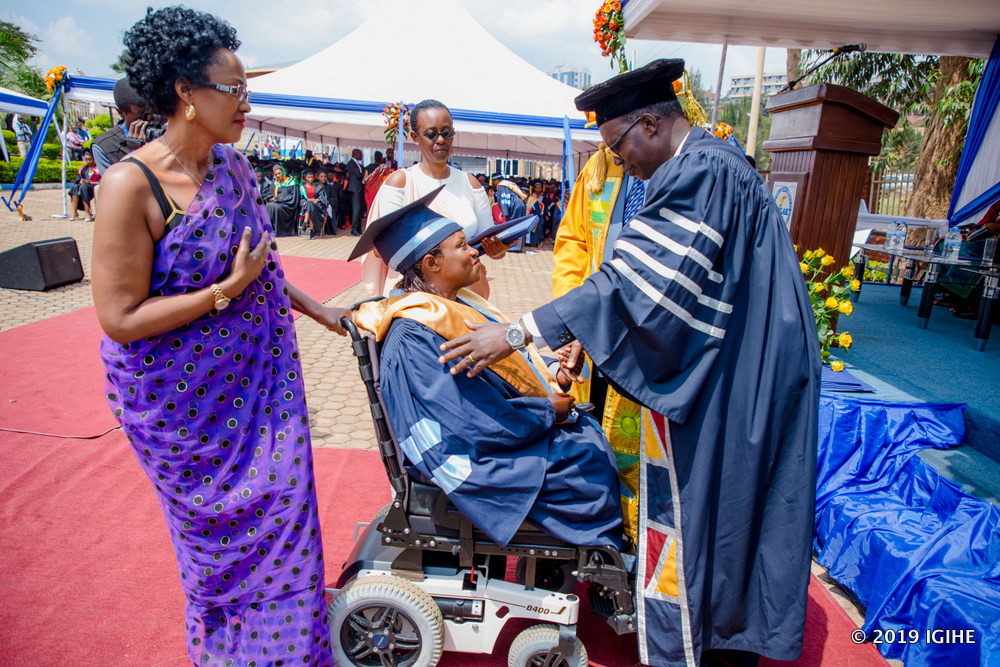
Graduates who were conferred upon their degrees yesterday at the university’s headquarters in Kigali city completed courses from different departments including environment protection, economics and accountancy, law and ICT and were all urged to take advantage of their qualification for individual progress and the country in general.
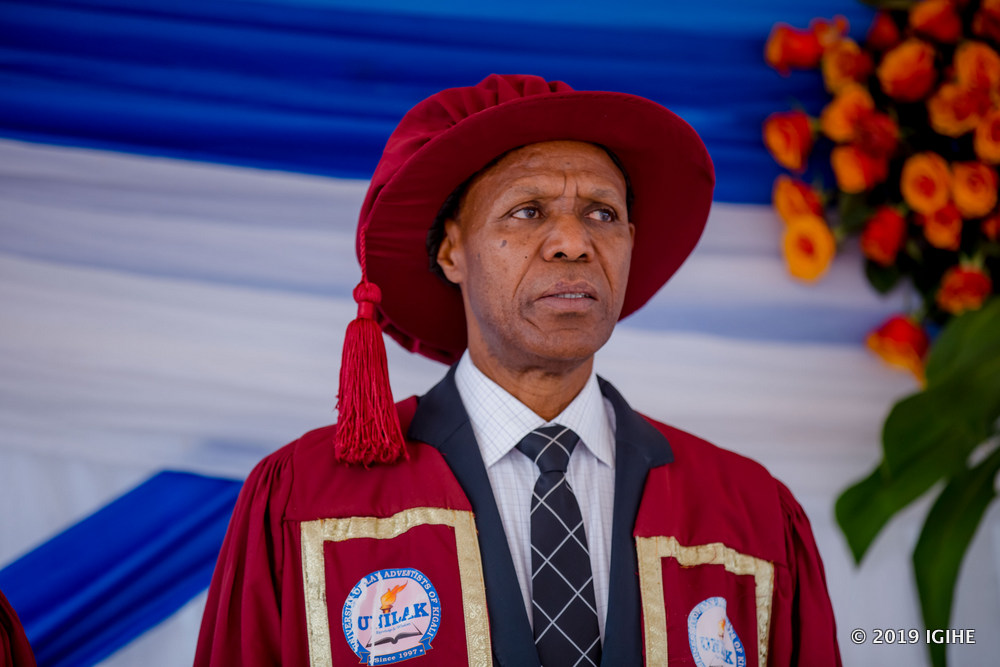
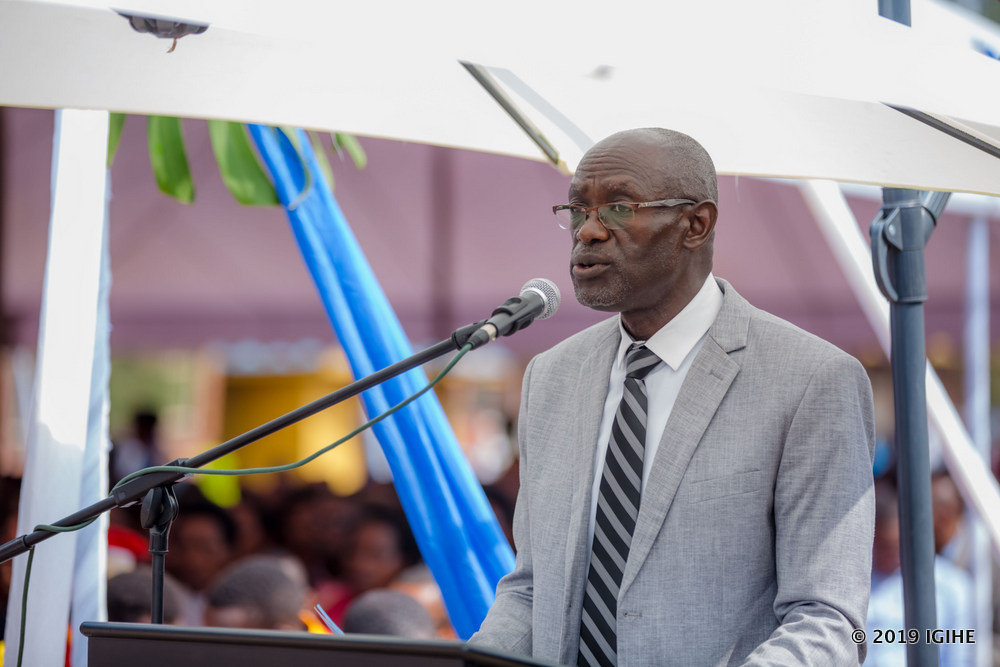
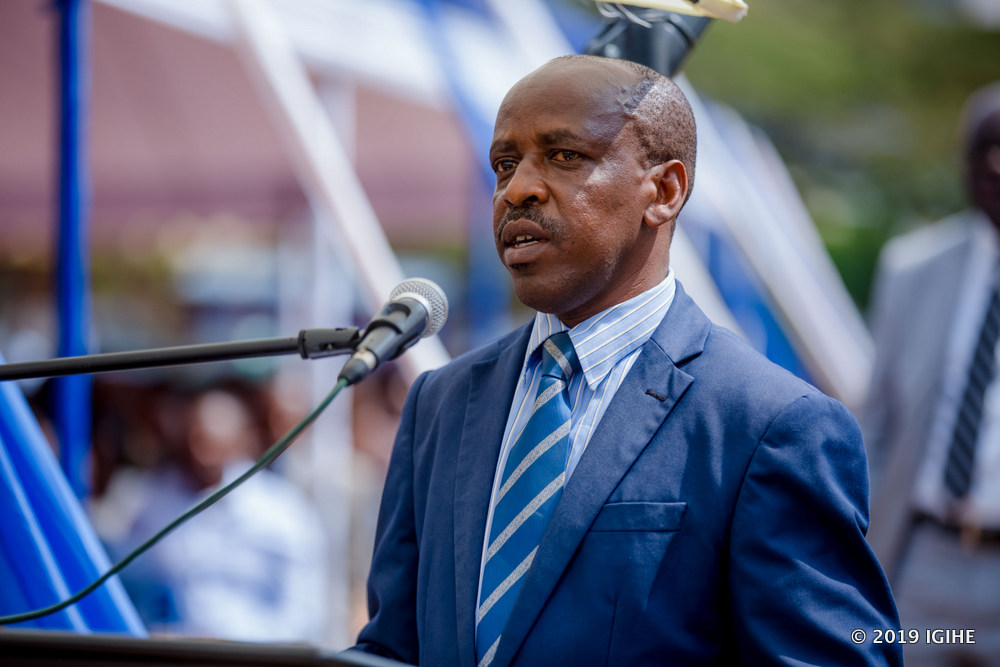
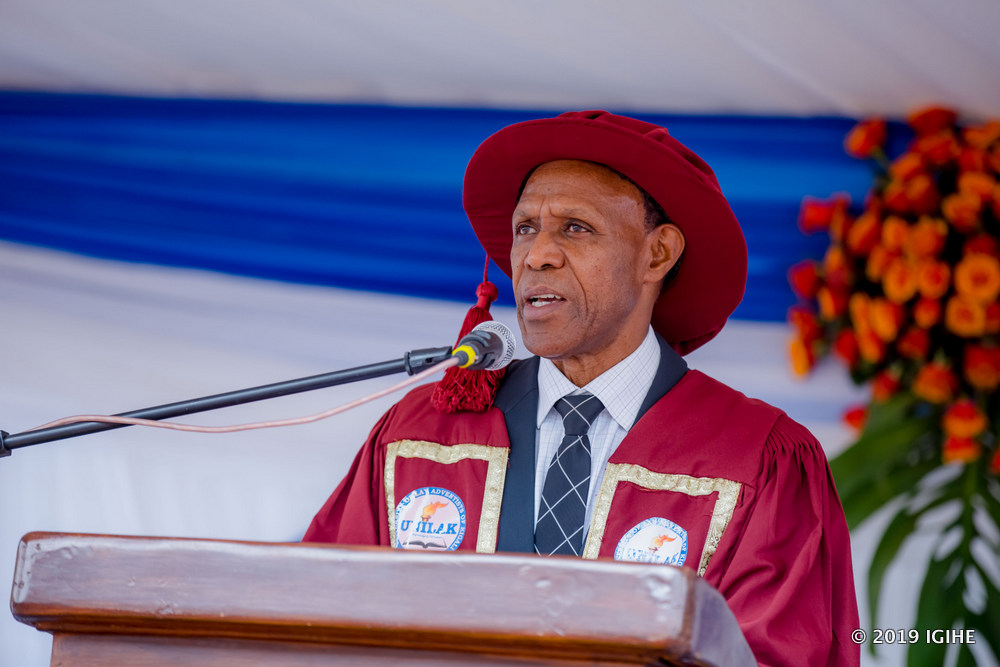
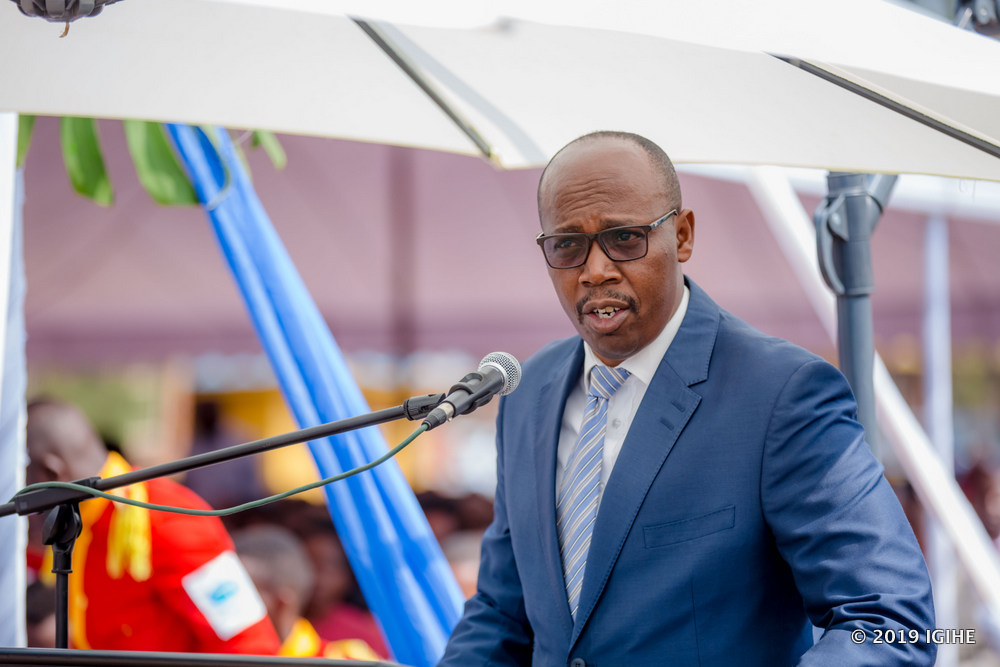
The Vice Chancellor of UNILAK, Dr Jean Ngamije told graduates that they were equipped with necessary knowledge to turn their dreams into reality and reminded them that their families, communities and labor market expect a great contribution.
“Acquired knowledge will help you to address faced challenges and taking advantage of the country’s opportunities made available for you to become entrepreneurs. It is up to you to maximize opportunities from that strong foundation built by the Government doing a lot of things fast and conveniently striving for the better future of the nation,” he said.
Dr Ngamije reminded them that dedication towards their job and being inclined on Rwandans virtues will be a key to achieving their aspirations.
The Vice Chairman of the Board at UNILAK, Alphonsine Murekatete commended the University for Contribution to quality education imparting knowledge rooted on Christian values.
She requested graduates to support the Government’s goal of improving citizens’ livelihoods within seven years plan.
“You need to create new income generating jobs to promote national economy and combat poverty,” she said.
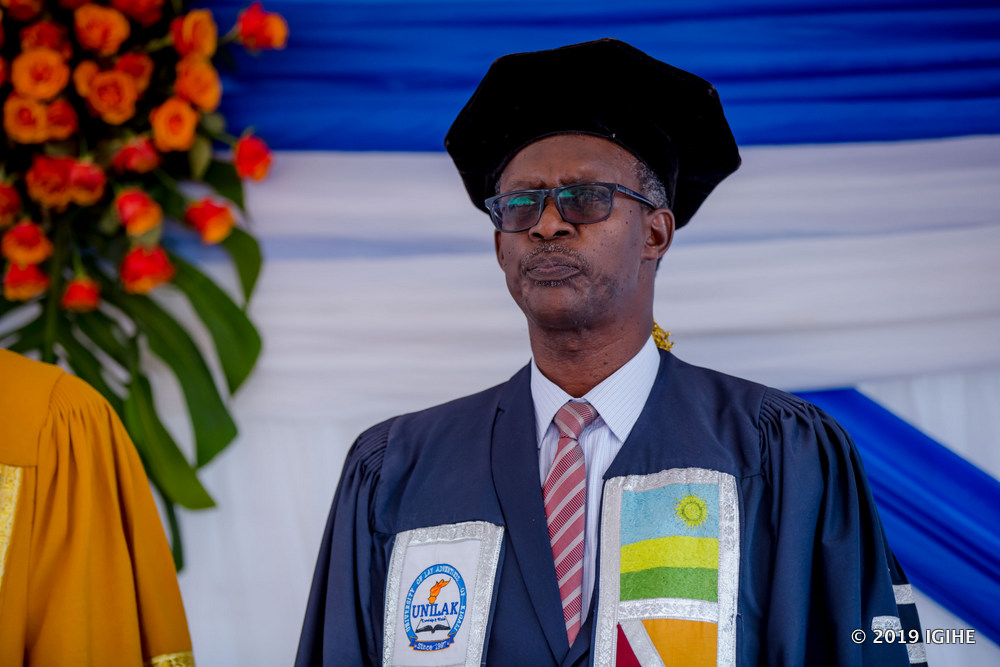
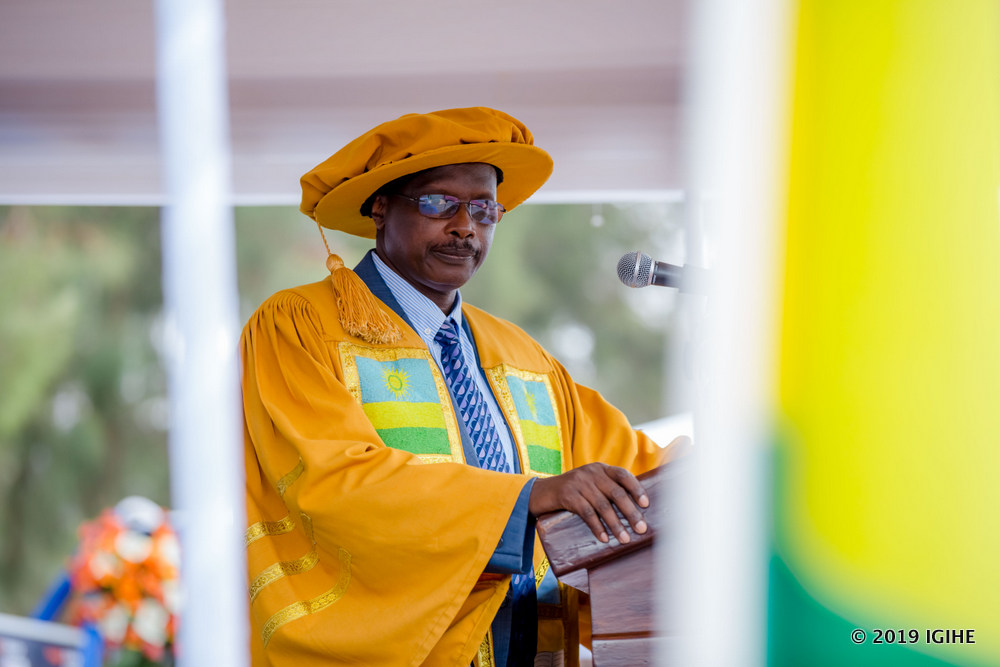
The Chancellor of UNILAK, Prof Dr Butera Alexis asked graduates to strive for a better world working hard with dedication to shape the future of the country.
He reminded them that learning is an ongoing process that they should be flexible to acquire new knowledge and skills, work together to address different challenges including poverty.
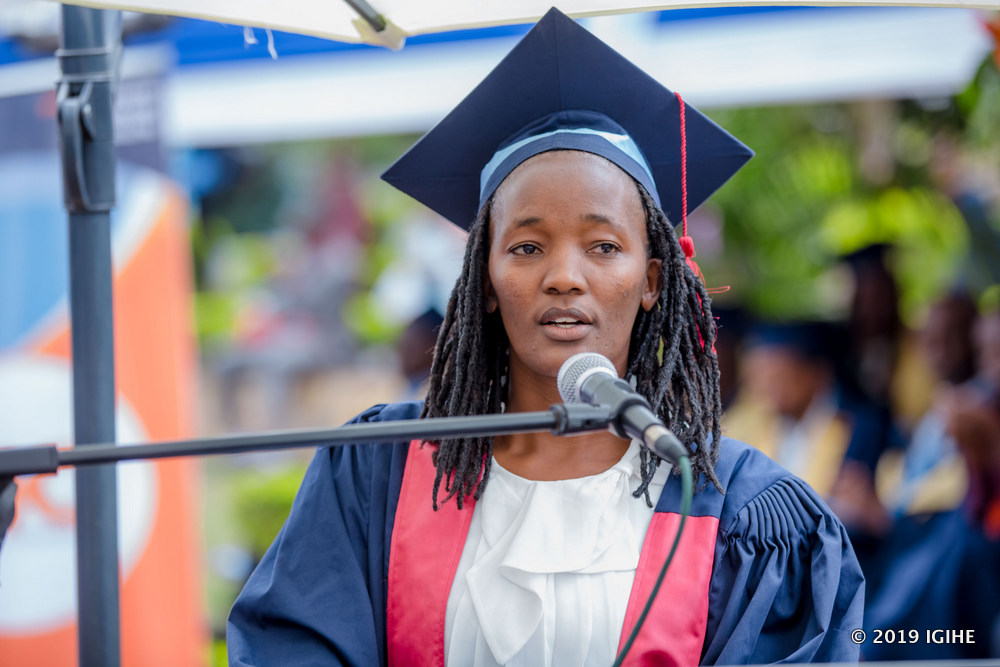
Rugaju Editha, one of Master’s graduates from International criminal law lauded whoever contributed to their intellectual journey that will serve as a foundation to shaping their future and contributing to national welfare in general.
UNILAK was established in 1997 through the undeterred efforts of the Federation of Adventist Parents’ Associations for the Development of Education in Rwanda (FAPADER) members that were beleaguered by the scarcity and limited opportunities of students that had accomplished their secondary education to further for tertiary education.
Since then UNILAK has risen from grass to grace and from strength to a stronger institutional firm which is founded on Seventh –Day Adventist beliefs, values and practices.
UNILAK has so far released 10,000 graduates from different branches in Kigali, Nyanza and Rwamagana districts.
They were apprehended on Wednesday in a targeted operation against environmental destruction conducted by Police with local leaders in Ntyazo Sector.
At the time of their arrest, the suspects identified as Jean Bosco Minani and Casimile Kabuye had already cut 32 trees in the gazetted forest located in Byabusunzu.
Superintendent of Police (SP) Kamari Mberabagabo, the District Police Commander (DPC) for Nyanza, said that the suspects were apprehended thanks to people’s information.
“The forest is near the new trading center where people are building houses, and some of them have the tendency of encroaching on the forest to cut trees for construction. So, when residents saw people cutting trees they called the Police and local leaders,” SP Mberabagabo explained.
He strongly warned against such environmental crimes. “Cutting trees without official authorization is a criminal offense which is punishable by law,” said the DPC.
He called for more cooperation with the public to fight against environmental degradation, through information sharing.
“We all know great importance the environment have on human lives, which we should strive to protect jointly,” he said.
“Cutting of trees without authorization in Rwanda is illegal and punishable by the law. It is considered as an act of environmental degradation, which has negative impact on nature and humans in particular.”
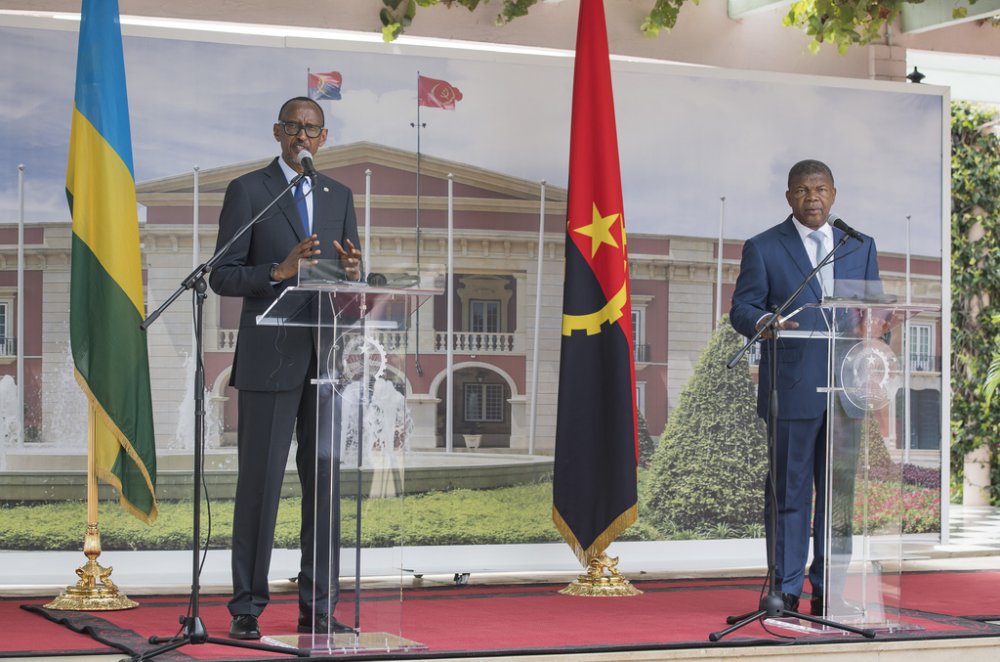
Angola Ministry of Foreign Affairs has announced via twitter account that the meeting will revolve around security and regional issues.
The meeting has been organized at a time when Rwanda and DRC are enjoying vibrant relations under the leadership of Tshisekedi while there is a political turbulence between Rwanda and Uganda.
Uganda has been deporting different Rwandans who accuse it of inhumane imprisonment and torture on false accusations by Uganda’s Chieftaincy of Military Intelligence and rebel groups against the Government of Rwanda.
A total of 900 Rwandans were reportedly detained in Uganda as at the end of March 2019.
This saw the Government of Rwanda advising Rwandans not to travel to Uganda for their security until the situation gets back to normal.
It has been two years since Rwanda, Uganda relations worsened.
Rwanda expressed concerns over Rwandans who travel to Uganda for business purposes but are abducted, imprisoned and tortured accused of being Rwanda’s spies.
Rwanda also accuses Uganda of conspiracy with rebel groups intending to destabilize state security. The meeting is expected to discuss these issues threatening regional security given that all these countries are member of International Conference on the Great Lakes Region (ICGLR).
ICGLR was founded in 2006 following the request of international organizations including the United Nations. It was mandated to coordinate, supervise and facilitate the implementation of initiatives meant promote peace and security in the region.
The organization comprises of 12members including Angola, Burundi, Central African Republic, DRC, Kenya, Uganda, Rwanda, South Sudan, Sudan, Congo Brazzaville, Tanzania and Zambia.
Rwanda enjoys existing relationships with Angola rooted on promoting peace and prosperity among their citizens and the region.
In February 2019, both countries signed security cooperation agreements.
President João Lourenço has invited for a Quadripartite Summit this Friday (12/07/2019), in Luanda, the Presidents of the DRC, Félix Tshisekedi; of Rwanda, Paul Kagame and of Uganda, Yoweri Museveni. Security and regional matters will be at the centre of the Summit. pic.twitter.com/RTA1QcPLuw
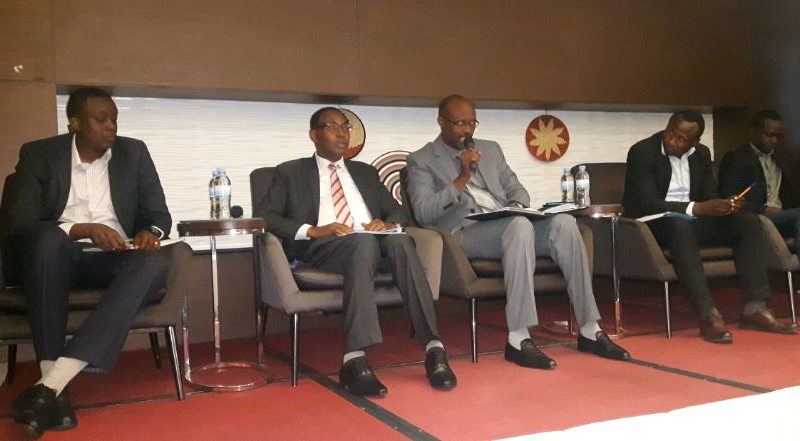
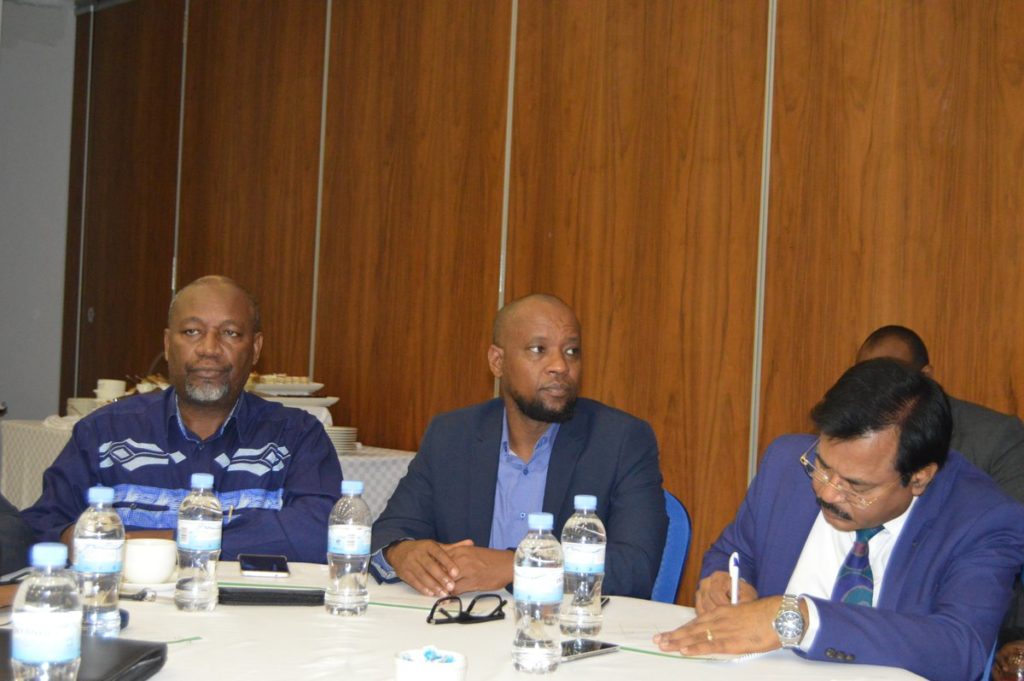
The call was made on Wednesday during discussions bringing together relevant institutions with duties to promote ICT. The discussions aimed at seeking together required competences at the labor market and how Higher Learning Institutions and Universities can contribute to imparting necessary knowledge and skills.
They were organized by International Computer Driving Licence (ICDL Africa) in collaboration with the University of Tourism and Business (UTB) where it was observed that many schools equip students with basic ICT skills not matching international standards or not trained enough to qualify for certificates.
It was also observed that many Higher Learning Institutions and Universities in Rwanda have no intense programs enhancing the use of ICT except UTB which has introduced ICDL on its curricula.
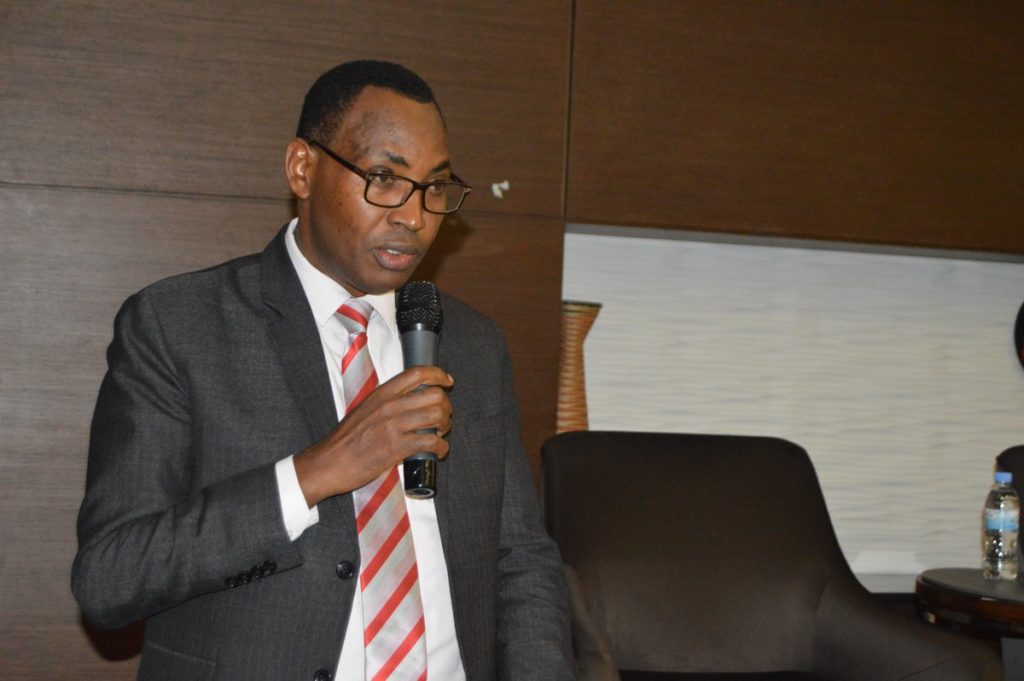
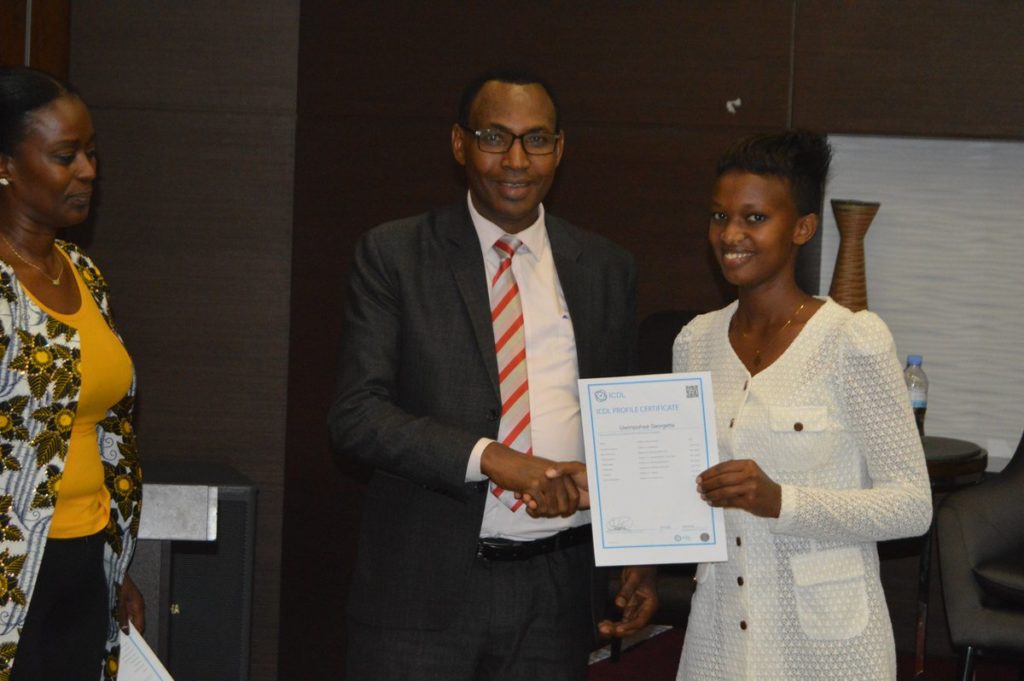
The Vice Chancellor of UTB, Dr Callixte Kabera explained that through that partnership with ICDL Africa, the university pledged to equip all students will be trained under ICDL programs before completing studies and receive certificates. Over 1600 graduates were also given ICDL certificates last year.
The Government of Rwanda has committed to build knowledge based economy through the advancement of technology in different sectors enhancing ICT skills.
“ UTB as a Higher Learning Institution committed to work day and night to support this policy and imparting other necessary ICT skills at the labor market. We polish students’ labor market competencies in collaboration with other partners,” said Dr. Kabera.
He highlighted that ICT skills are not only needed by students but also all Rwandans to move forward the Government’s initiatives to leverage services delivery on ICT by 2024.
Lambert Ntagwabira, an expert from the Ministry of Technology and Innovation said that the survey conducted among public servants excluding soldiers and teachers indicated that over 85,000 need intensive training on ICT yet only 2000 of them were trained by ICDL in collaboration with Rwanda Management Institute (RMI).
“The gap lies in the arrangement of programs and requirements at the labor market where a newly recruited employee starts with training for skills he/she should have acquired before,” he said.
Ntagwabira explained that the Government has set different initiatives meant to bridge the gap through agreements held with ICDL to train public servants additional to expected policy to recommend Higher Learning Institutions and Universities to establish ICDL centers.
The coordinator at Rwanda Information Society Authority (RISA), Asiimwe Innocent said that only 8% of Rwandans have ICT skills. He however stressed that there are different initiatives to boost the number including ‘Intore mu ikoranabuhanga’ aimed at imparting ICT skills to different people from across the country targeting to train 5 million people within five years.
“We are discussing how technology can be taught at primary schools so that a child will further ICT skills from the grassroots education enabling competencies at the labor market because figures show gaps in ICT skills among job recruits,” he said.
Different stakeholders who took part of the discussions hailed UTB for introducing ICDL programs and draw recommendations of increasing partnerships between schools and famous tech firms, investing in the advancement of technology, increasing the number of experts and creating more ICT related jobs among others.
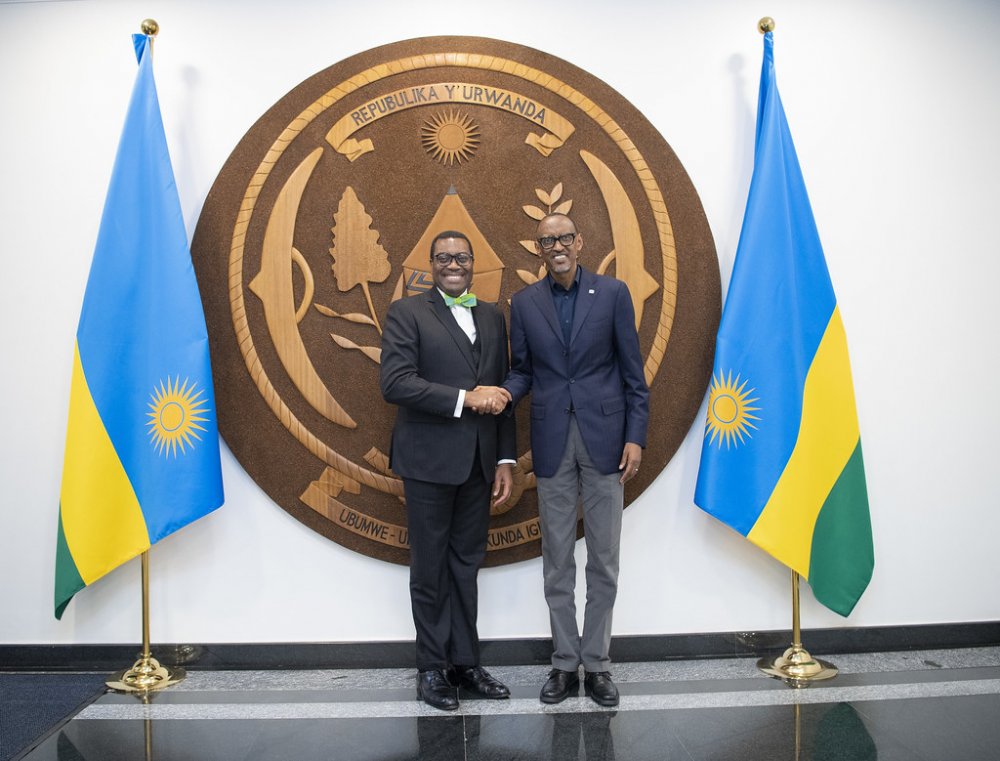
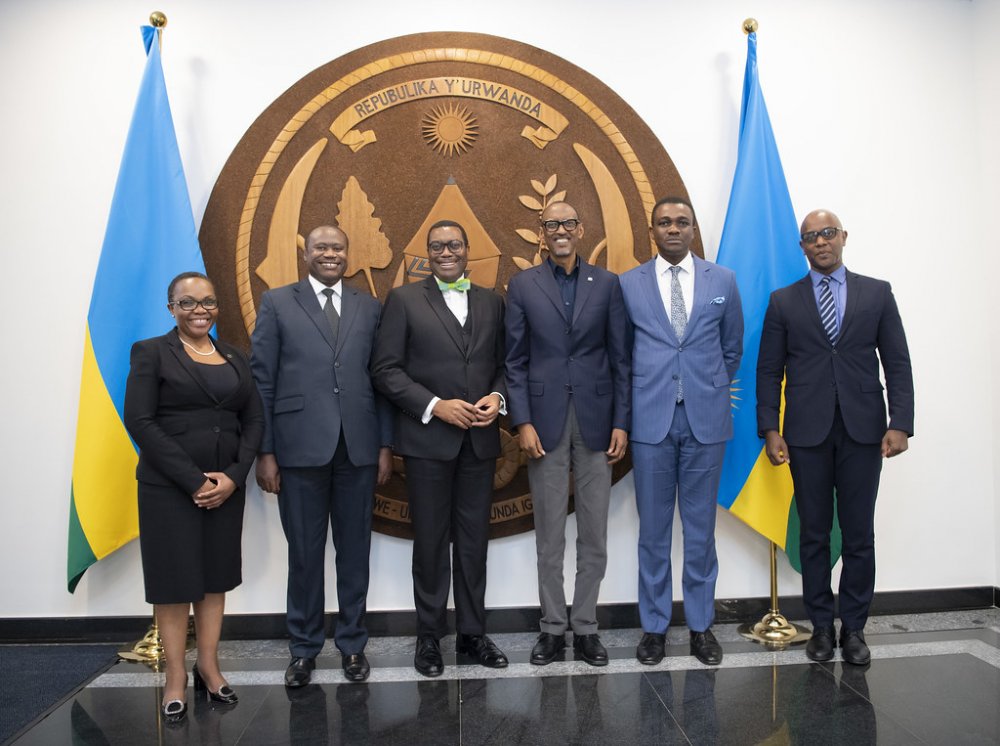
Dr Adesina came to Rwanda to attend the 4th Africa50 General Shareholders Meeting which took place at the Kigali Convention Centre from 09th to 10th July 2019.
During the meeting, Prime Minister, Dr. Edouard Ngirente recalled the importance of increasing opportunities in technology advancements in all sectors of Africa’s economies and insisted on the need to invest across multiple dimensions from connectivity in rural and urban areas to digital literacy to increase adoption, and to prepare young people to be successful in a digital world.
AfDB is a development partner of the Government of Rwanda in big projects. It granted US$ 94 million to Rwanda in 2016 to finance the renovation and expansion of 2018 km road (Kagitumba-Kayonza-Rusumo).
In 2018, Rwanda received €229 million loan from AfDB to expand electricity and later in January 2019 secured €115 million from the bank to finance projects meant to expand access to water.
In November 2018, The Africa50 also agreed to donate US$400 million loan to the Government of Rwanda to finance Kigali Innovation City (KIC).
Under these agreements, Africa50 will be a sponsor and partner where it will bring its expertise in infrastructure related projects and collaborate with Rwanda Development Board (RDB) to upgrade the project expected to turn Rwanda into a technology innovation hub.
Located in Special Economic Zone, Kigali Innovation City project will cost US$2 billion. It will be a hub for international universities like Carnegie Mellon (CMU), African Leadership University (ALU) and African Institute of Mathematical Sciences, tech companies and commercial buildings among others.
KIC is also expected to provide trainings to tech companies from across the world to operate in Rwanda with the aim of becoming technology hub and building knowledge based economy.
Within Africa and beyond, the mandate of the GSMA continues to be to represent all its members in a fair and transparent manner, to promote best practice regulatory and policy advocacy and to ensure the industry continues to thrive with the overarching objective of intelligently connecting everyone and everything to a better future.
Mobile plays a very strategic and defining role in our lives and the technology associated with it is fast evolving leading to numerous innovations and driving life changing solutions. The telco sector is at the centre of digital transformation and this is contributing to a lot of changes in the way the sector operates.
The GSMA recognizes the pivotal role mobile is playing and is keen to ensure that even with this revolution, the benefits of mobile continues to be real and far reaching especially as the industry leverages the power of mobile to accelerate the achievement of the Sustainable Development Goals by delivering and scaling mobile-enabled solutions and extending mobile connectivity to people who are offline.
As part of its commitment to the SDGs, the GSMA is working closely with the industry, policymakers, and the international development community to help connect the unconnected and to identify new opportunities to leverage and scale mobile-enabled solutions that improve people’s quality of life.
This work is being done through several ongoing GSMA programmes and initiatives, including Mobile for Development, which identifies opportunities and delivers innovations with socioeconomic impact in financial services, health, agriculture, digital identity, energy, water, sanitation, disaster resilience and gender equality and Big Data for Social Good.
According to the 2019 GSMA Mobile Economy Sub-Saharan Africa Report, mobile adoption in the region has grown rapidly in recent years.
By end of 2018, there were 456 million unique mobile subscribers in Sub-Saharan Africa – an increase of 20 million over the previous year and representing a subscriber penetration rate of 44%. Access to mobile connectivity is vital to empowering consumers and driving economic growth.
For many consumers across this region, the mobile phone is not just a communication device but also the primary channel to get online, as well as a vital tool to access various life-enhancing services.
With this in mind, the GSMA is working together with the mobile industry to change the perception that the industry is simply about creating shareholder value but rather it’s an industry committed to sustainable socio economic development in the lives of the communities they serve through initiatives such as We Care.
Mobile operators in the region want to ensure that its users enjoy the transformative benefits of mobile technology in a safe and reliable environment through a series of commitments so that the mobile phone and mobile networks can provide various solutions to social problems.
The innovation funds and grants that the GSMA offers through some of its Mobile for Development programmes are also a great way through which it is enabling MNOs to create lasting partnerships with start-ups in the delivery of services and also bridge the gap between operators and innovators thus enabling strong partnerships that support the growth of commercially sustainable mobile products and services.
This is also a way of harnessing the potential that operator driven mobile payments can have on the consumers as they help empower not just individuals but also communities.
The telco industry is not working on its own as it embarks on this journey of transformation. It is only an enabler through which the critical building blocks for positive change are being provided.
The milestones achieved in the mobile industry will also be beneficial to other sectors such as finance, health, agriculture and education among others.
For the GSMA, working with the industry continues to be key especially with the advancements that it is making. It is therefore of utmost importance that we are not just seen to be enablers of the mobile world but also key players for the sector to function in an efficient manner.
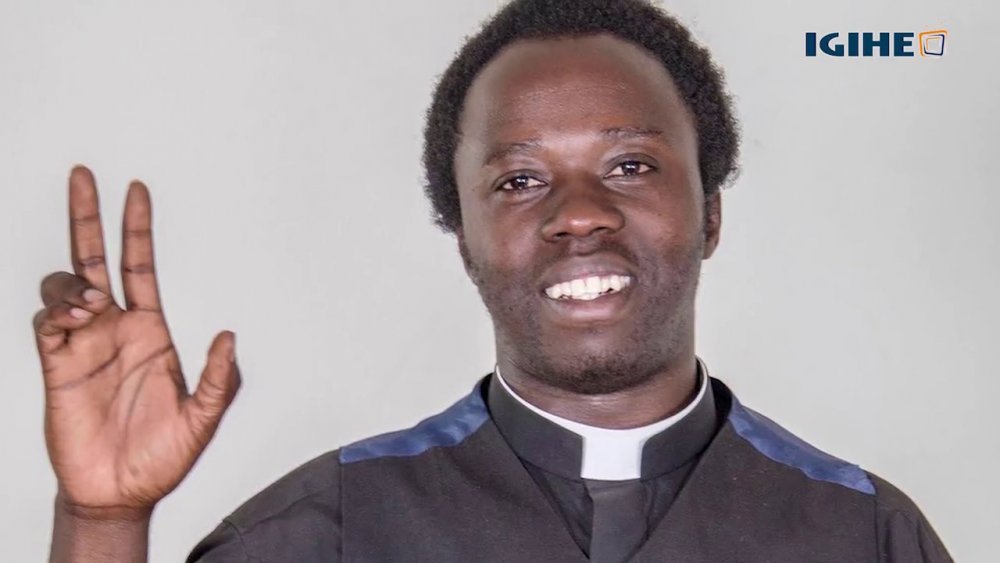
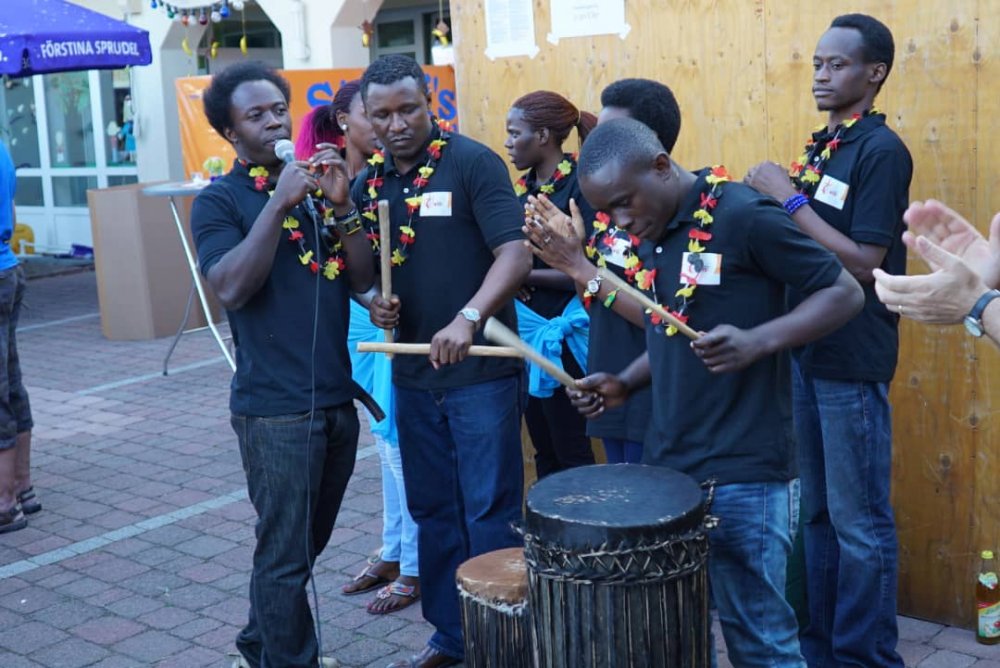
The festival is organized by Andreas Kraft who invited Father Uwimana.
Uwimana has told IGIHE that he will perform various songs focusing on Rwandan culture.
“I will participate as an African. There are many Rwandans living in German, Poland and France who will attend the festival. It is a great milestone in my music career,” he said.
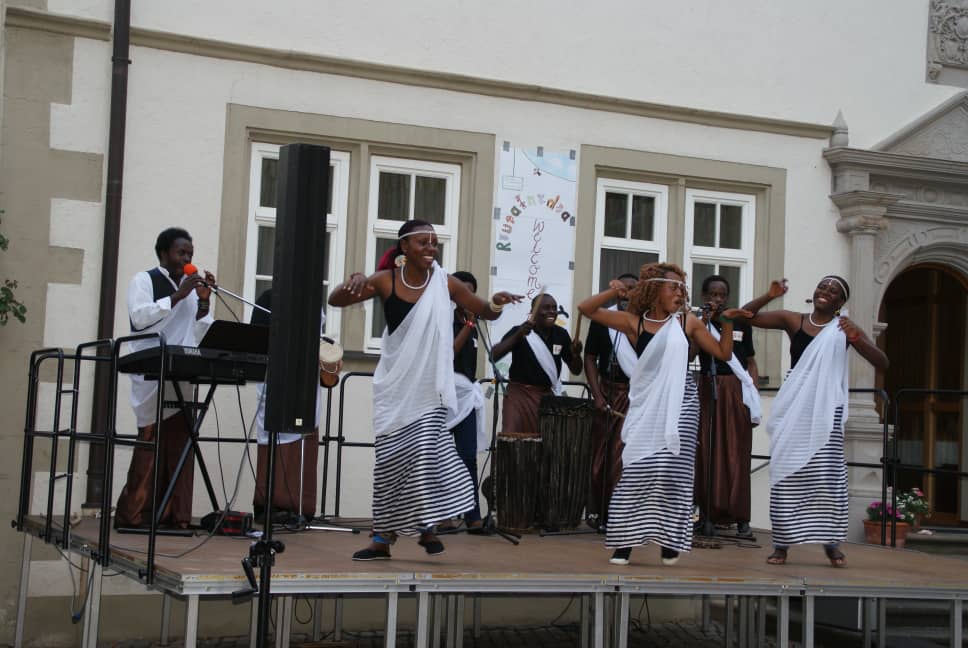
Father Uwimana revealed that his performance will be characterized by songs like ‘Kana k’iwacu’ which features Rwandan culture and will be accompanied by traditional ballet for performances that expose his country’s culture.
Among others, he will perform his songs in Zulu beat and others associated with traditional culture.
“I expect a growing audience of my songs and talent promotion but the ultimate goal is to help people spread the word of God. The performances are related to culture because a person lives the culture before knowing God. Indeed, God is pleased with a good culture,” said Father Uwimana.
Hailing from Nyundo Diocese, Father Jean François Uwimana was ordinated priest five years ago. He embraced Hip Hop beat three years ago. He has been popular for his songs in different beats bringing excitement to the youth.
Father Uwimana has other songs like Nyirigira and Araturinda which talks about his life as a karate student with dreams of becoming a hip hop artist.
The accident which took place yesterday evening has been confirmed by the spokesperson of traffic police, SSP Jean Marie Vianney Ndushabandi.
“It is true that the accident happened when the police officer riding a motorcycle returning from work collided with a Coaster belonging to Horizon Transport Company and sustained injuries. He was taken to hospital where he died,” he said.
The mayor of Muhanga district, Beatrice Uwamariya has told IGIHE that the body of AIP Ndayisaba has been taken to Kabgayi hospital mortuary.
IGIHE has learnt that late AIP Ndayisaba was preparing for a wedding scheduled in September 2019.
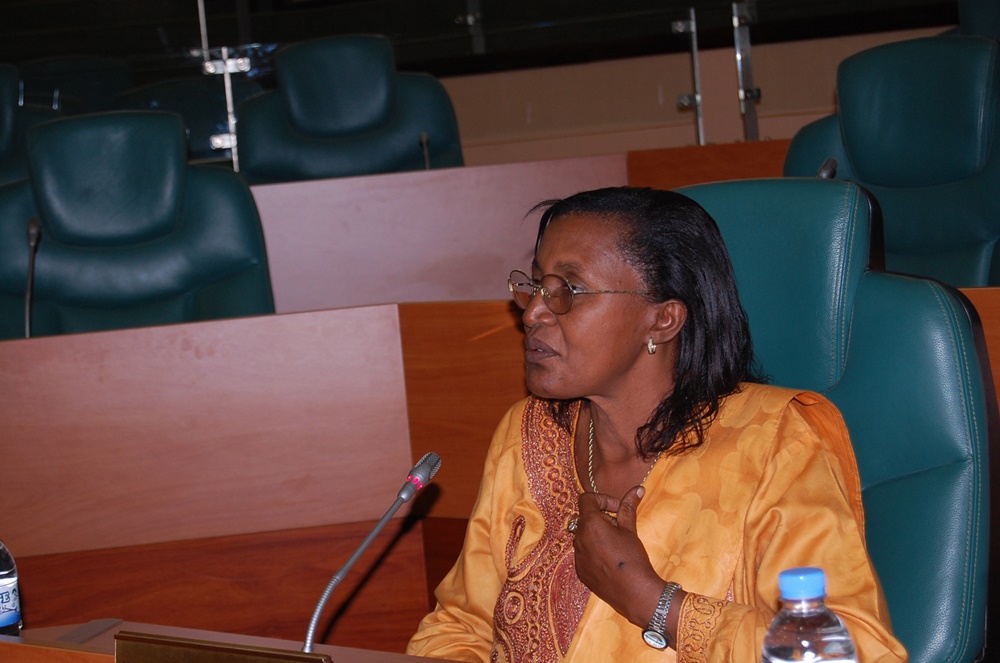
Late Bishagara breathed her last on Monday at John Hopkins Hospital in Baltimore-Maryland of the United States (USA) where she had gone for treatment.
Her demise was announced by Senate President, Bernard Makuza.
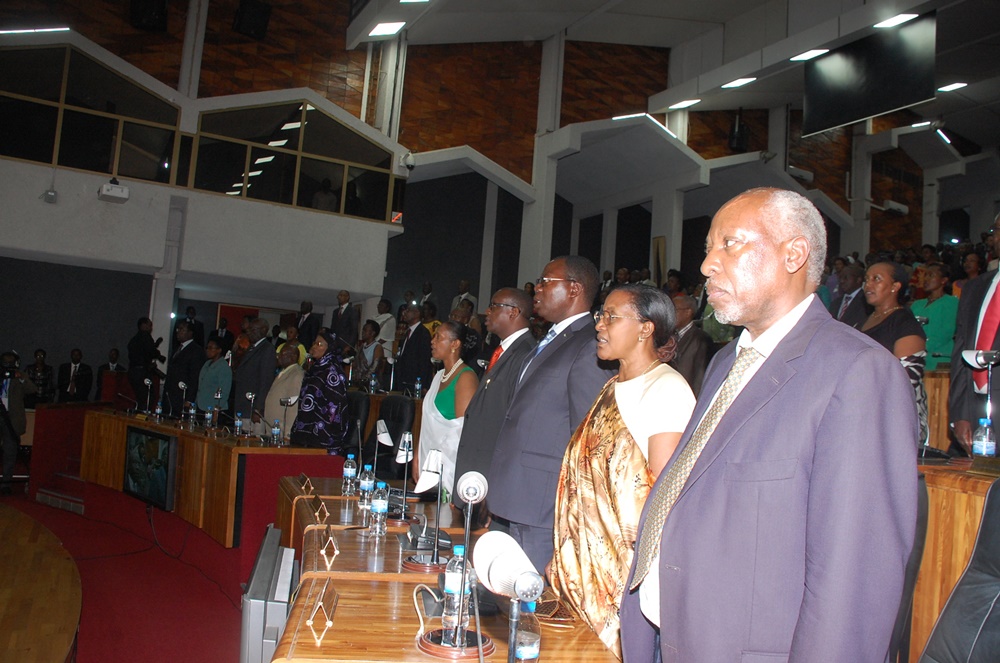
Speaking to IGIHE, Senator Makuza said that Rwanda’s senate has lost a dedicated worker who executed duties with diligence with longstanding experience having served in different positions.
“We respected her as a professional, vigilant and peaceful person. We used to call her Mother Teresa which reflected her kind heart filled with love. She has been sick for quite some time but we didn’t expect her death because she was getting treatment,” he said.
Mother Teresa (nun and missionary) was the founder of the Order of the Missionaries of Charity, a Roman Catholic congregation of women dedicated to helping the sick and poor. Considered one of the 20th Century’s greatest humanitarians, she was canonized as Saint Teresa of Calcutta in 2016. Her order established a hospice; centers for the blind, aged and disabled; and a leper colony.
Senator Makuza sent condolences to the bereaved family and requested the rest to emulate her character as a hardworking and humble person.
“She was like a parent at work known for her humility and dedication at work beyond her age,” he said.
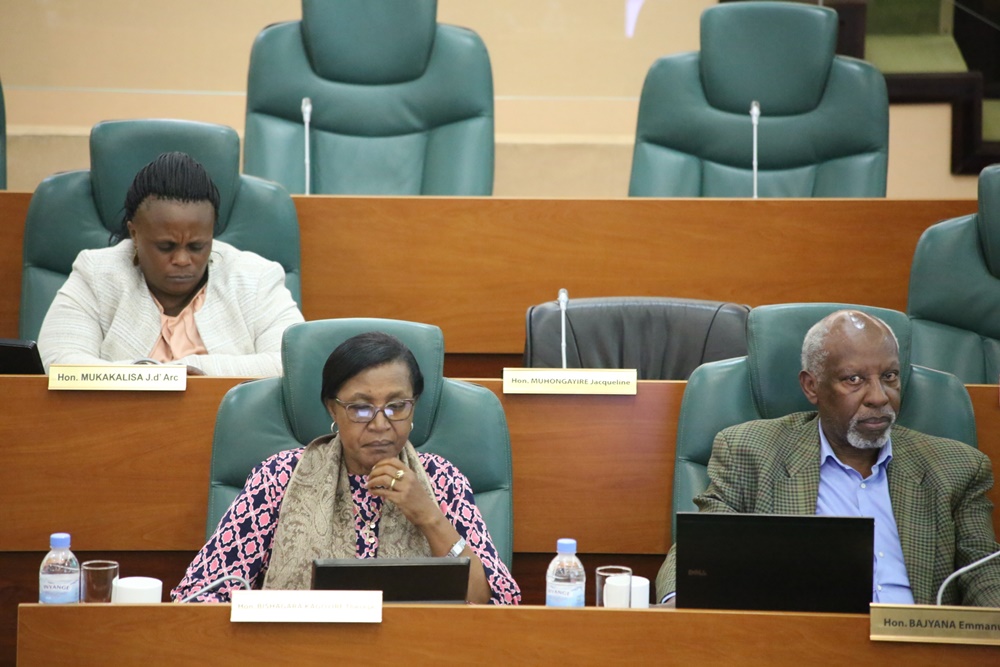
Senator Michel Rugema, the Chairperson of Senate Standing Committee on Foreign Affairs, Cooperation and Security to which late Kagoyire was affiliated said: “She leaves unforgettable legacy. Her advice, kind heart, dedication at work and right Rwandan moral values shall always remain in our memory.”
Senator Uyisenga Charles who worked with her on the same committee said late Kagoyire was a person of God keen on prayers with strong dedication at work.
“Her deeds are incomparable. She leaves a big gap. She was an exemplary Christian who would always remind us on prayers, motivating us to participate with our families,” she said.
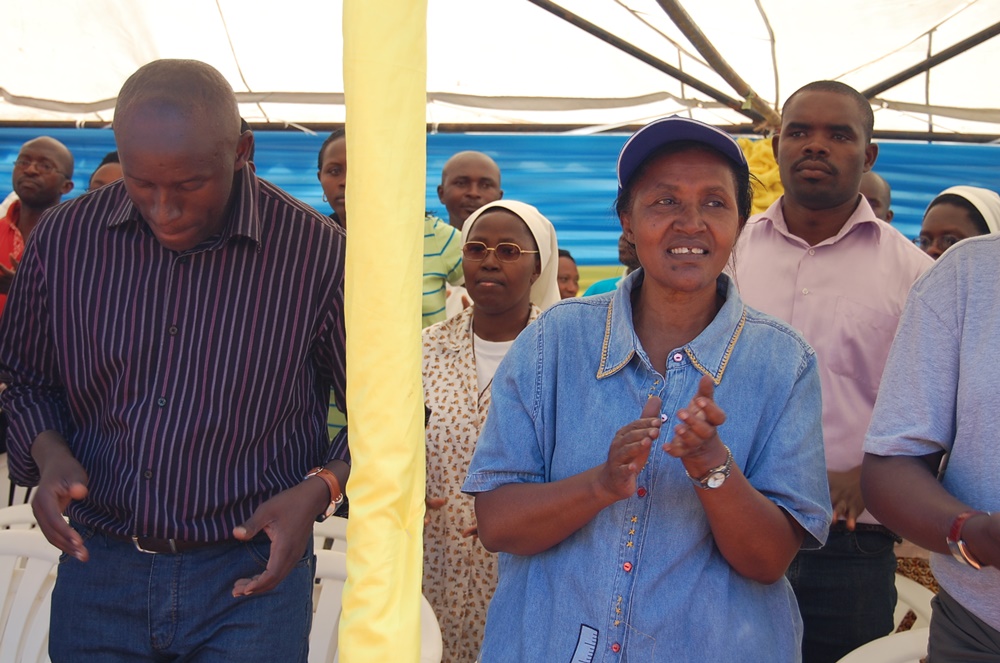
Uyisenga revealed that she was with late Kagoyire in February and March during citizens’ outreach programs across the country where she worked courageously.
Late Bishagara was born on 25 December 1952.
She entered the senate of Rwanda as a representative of the Western Province of Rwanda since October 2011 but, prior to this, she served the country in different capacities in the wake of the 1994 Genocide against Tutsi.
She had Master’s degree in Molecular Biology Sciences.
Late Bishagara assumed various functions including Team Research in PNLS /CNLS HIV/AIDS Center (1995-1996); Director of Kigali Health Institute (1996-2004); Part Time Lecturer in NUR (1999-2003); National Program Manager JHPIEGO /MCHIP International NGO an affiliate to Johns Hopkins University (USAID) (2008-2011); Resident Advisor Features group International /Measure Evaluation /USAID (2006-2007) ; Technical Advisor PSI -Features for VIH prevention (2005-2006) and Technical Advisor in SAVE THE CHILDREN -UK 2006.
Among others she served as the President of Profemmes Twese -Hamwe and COCAFEM /Great Lakes (2007-2011); Board of Rwanda Local Development Support Funds (2007-2011);Board Member of ASSETIF (Association d’Execution des travaux d’interet public) (2008-2011); Board Member of ULK (2007-2011); Founder Member and Board Member of FAWE Rwanda Chapter (1997 to date) and Board Member of White Ribbon Alliance for Saving lives of Women and Children(2008-2011).
From 2011 until her demise, Bishagara was member of Senate Standing Committee on Foreign Affairs, Cooperation and Security.