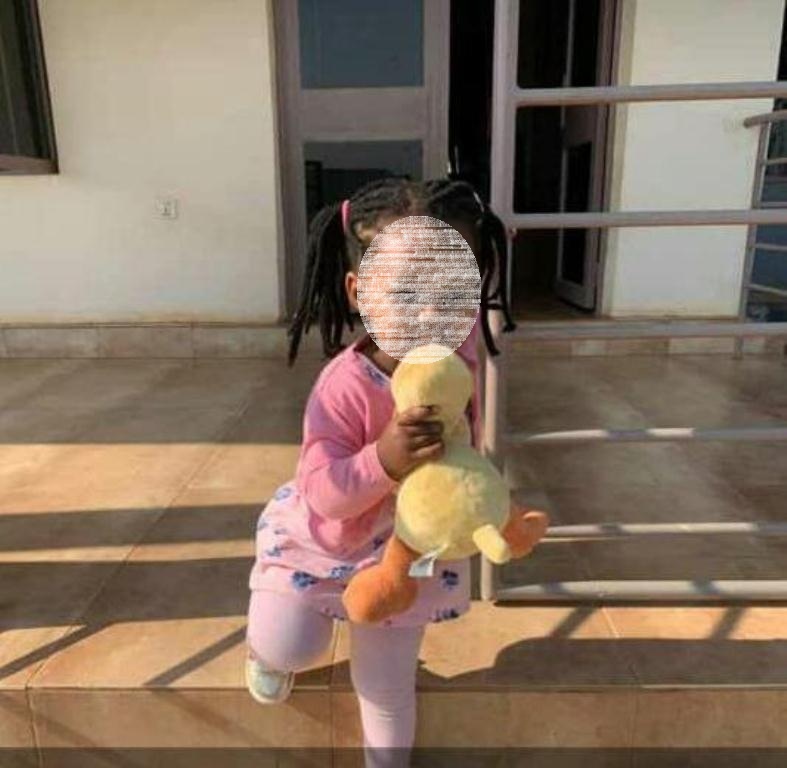
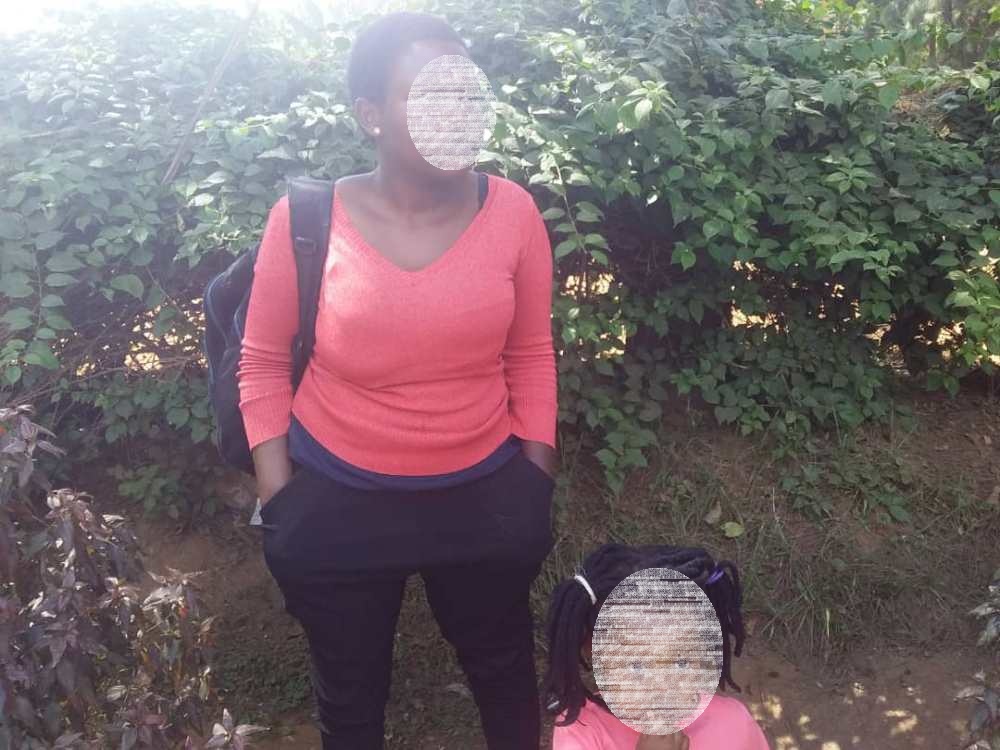
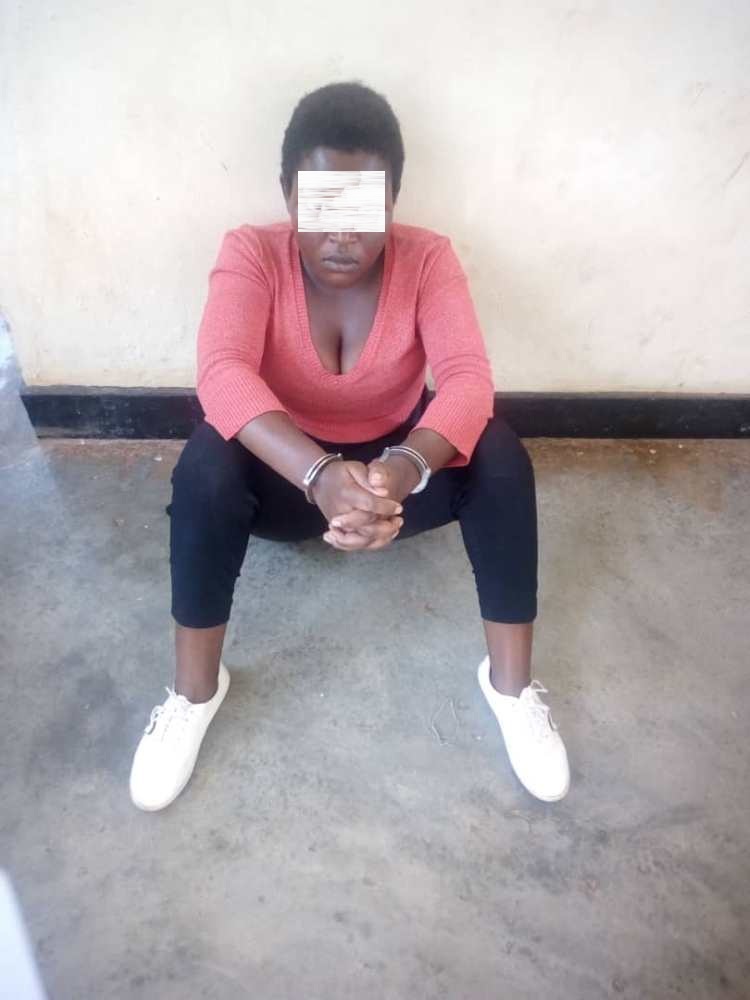
She was caught already seated in a bus heading to Muhanga. The maid had only been hired for two weeks by a family living in Kigarama Cell, in Kicukiro District.
Police spokesman in Kigali City, CIP Marie Goreth Umutesi, told IGIHE that the girl was caught when she was heading to her ancestry home.
“Her intentions were to take the child with her and demand a ransom to give the child back. She has not specified the amount of money she had planned to ask for; all she has said was she wanted money from them. She was going to take a bus from Nyabugogo heading to her home place in Muhanga; she even had paid her ticket,” she said.
She was retained at Nyabugogo station then transferred to RIB.
According to a statement released, the US-based CMO, which has state-of-the-art manufacturing facilities, previously underwent successful inspections by the United States Food and Drug Administration (FDA)
With deep experience in clinical and commercial manufacturing of drugs approved for marketing globally, the CMO will be responsible for both the clinical and large-scale commercial production of LEAF-1404 under conditions that are compliant with cGMP.
LEAF Rwanda plans to market LEAF-1404 in Africa and Europe.
It will use this opportunity to train, in the US, drug manufacturers from Rwanda and across Africa, in preparation for launching its cGMP compliant drug manufacturing plant, scheduled to be built in Kigali, Rwanda.
LEAF-1404 is a complex generic version of Caelyx®/Doxil®, a pegylated liposomal doxorubicin that has been available for over 20 years in the Western World for the treatment of ovarian cancer, breast cancer and Kaposi Sarcoma.
There is currently no generic version of Caelyx®/Doxil® approved in Europe or Africa. Global cancer statistics indicate that 90% of Kaposi Sarcoma cases in the world occur in Africa. Yet, with such a high disease burden, Caelyx®/Doxil® has not been accessible to patients in Africa.
According to Dr. Clet Niyikiza, the Founder, President, and CEO of L.E.A.F. Pharmaceuticals the manufacturing of LEAF-1404 under cGMP will take the company to a step closer to bringing innovative, safe and affordable anti-cancer drug to patients with breast cancer, ovarian cancer and Kaposi Sarcoma.
“In particular, LEAF-1404 will address a key gap in the treatment of patients with Kaposi Sarcoma in Africa who have had very limited or no access to this medicine for more than 20 years now. While the disease is still taking lives in Africa, it has been virtually eliminated in Western countries” he said.
The World Health Organization (WHO) reports that 1 of every 10 medicines found in Africa is substandard or falsified. These poor-quality products result in 100,000 deaths annually in Africa according to the British Broadcasting Corporation (BBC) news service.
Commenting on the development, Dr. Victor Moyo, Executive Vice President, Head of Research and Development and Chief Medical Officer of L.E.A.F. Pharmaceuticals said: “The high death rate from substandard or falsified medicines is simply not acceptable. LEAF Rwanda is taking this initiative to help supply high quality medicines to help treat cancer on the African continent.”
The agreement, now in place, ensures end‐to‐end, fully integrated services for formulation and fill-finish of drug products under cGMP standards.
Dr Diane Gashumba, Rwanda’s Minister of Health noted in a statement that manufacturing LEAF-1404 under cGMP by LEAF Rwanda and making it available from Rwanda for the African continent and beyond, will enable access to an important and safe medicine to treat patients suffering from cancers of the breast, ovary and from Kaposi Sarcoma.
“ We look forward to a partnership with LEAF Rwanda and L.E.A.F. Pharmaceuticals to make this drug available readily, safely and affordably for the first time, as we strengthen our healthcare systems in Rwanda and across Africa”, she said.
L.E.A.F. Rwanda is a wholly owned subsidiary of L.E.A.F. Pharmaceuticals that is focused on establishing Rwanda as a hub for biotechnology research and development (R&D) as well as pharmaceutical manufacturing and commercialization in Africa and beyond.
The pickup vehicle, registration number RAB 924W, which Havugimana was driving at the time, was stopped in Gakenke, along Musanze-Kigali highway by traffic Police officers, Chief Inspector of Police (CIP) Alexis Rugigana, the Police spokesperson for the Northern region, said.
“The traffic Police officers while on their routine duty stopped the pickup vehicle RAB 924W, which was being driven by Havugimana. While cross-checking the traffic documents for the driver and the vehicle, they realized that the mechanical certificate was forged, the driver was taken into custody and the vehicle impounded,” CIP Rugigana said.
The vehicle mechanical certificate was also not in the system of the Motor-vehicle Inspection Centre (MIC), he added. The MIC system stores records for all automobiles inspected.
“A number of drivers and those involved in forgeries have been arrested in these criminal activities. The operations are continuous,” CIP Rugigana warned.
About five people were arrested last month in connection with either forging or using forged vehicle mechanical inspection certificate.
“Acquiring mechanical inspection services is easy, the MIC in Kigali operates up to midnight, it’s easy for one to book at anytime of their convenience, so no need for one to engage in such criminal acts of counterfeit, which leads to imprisonment,” the spokesperson advised.
He observed that forging MIC certificate can lead to fatal accidents in cases when the automobile is not roadworthy.
Bishagara passed on Monday at John Hopkins Hospital in Baltimore- Maryland in USA.
Her demise was announced by Senate President, Bernard Makuza in a communiqué released on behalf of the parliamentary chamber of senate.
Speaking to IGIHE, Senator Makuza has revealed that the body of Bishagara will arrive in Rwanda on Tuesday night next week.
“Her body will be flown to Rwanda on Tuesday. The burial will take place on Friday if nothing changes but a written agenda might be communicated on Monday,” he said.
Later Kagoyire will be laid to rest at Rusororo cemetery in Gasabo district.
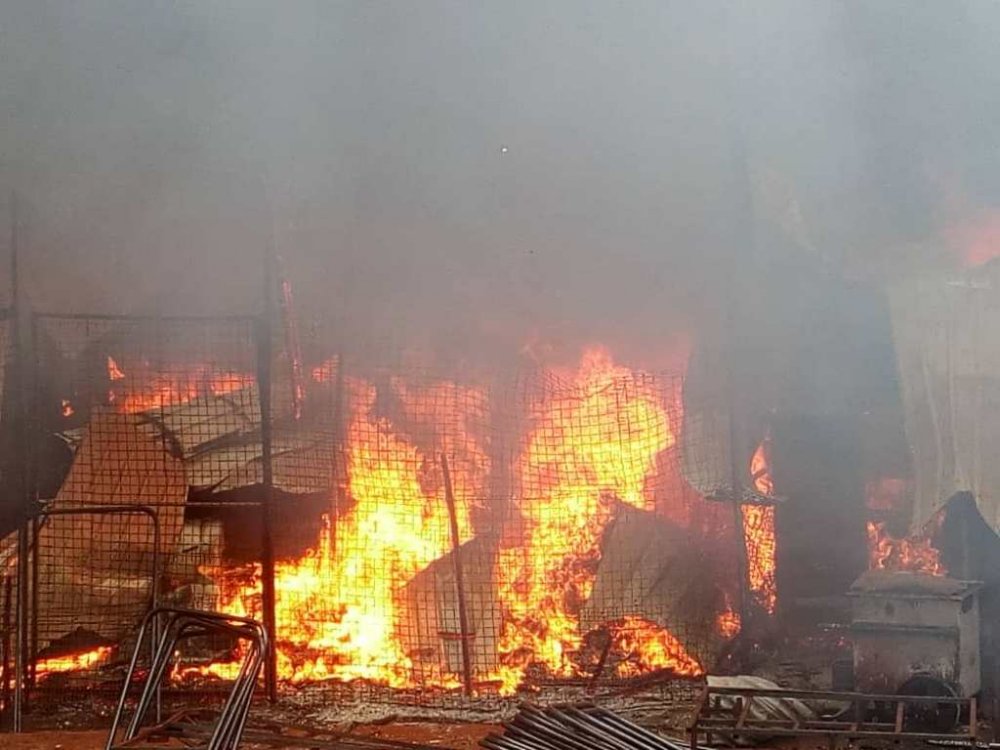
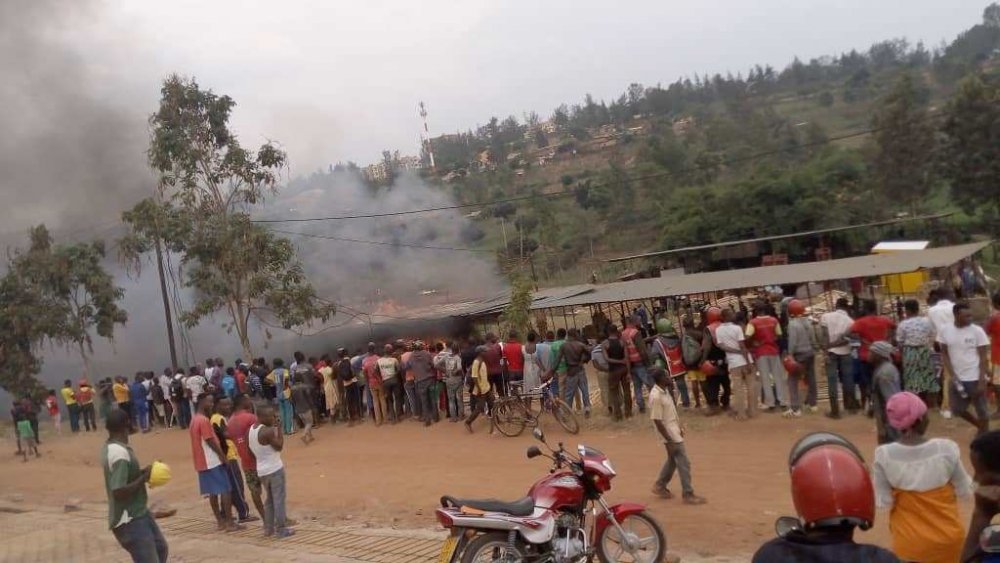
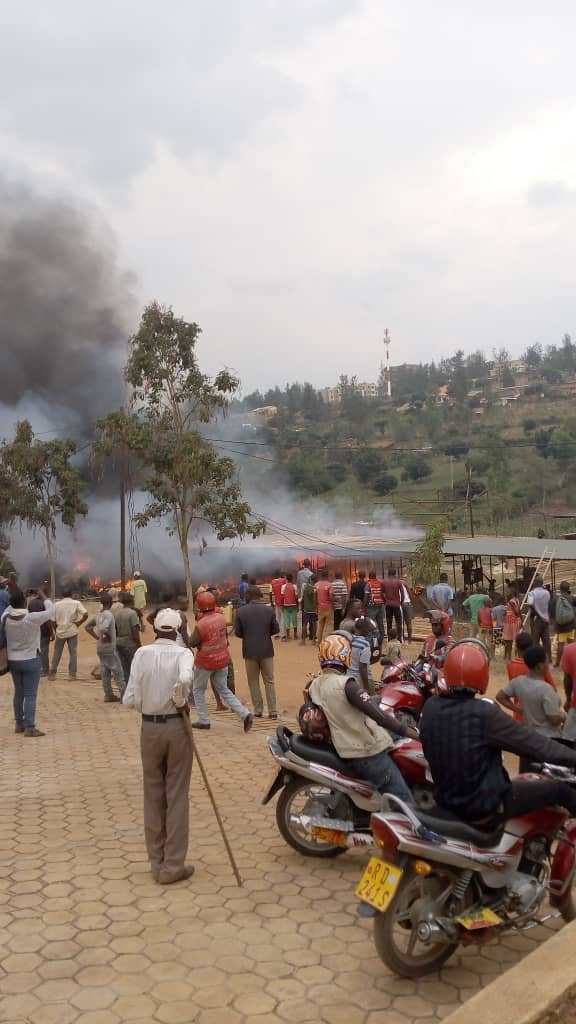
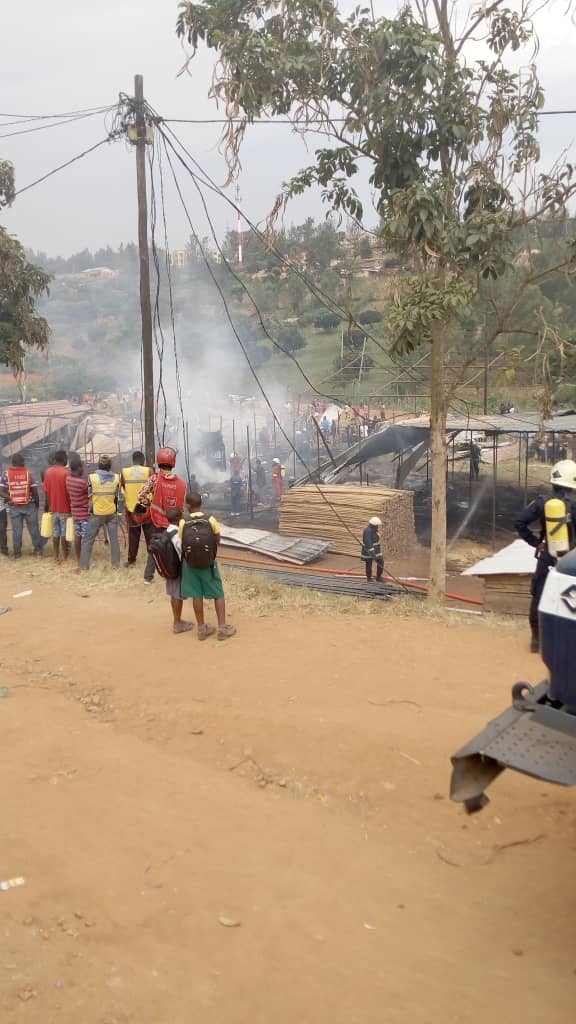
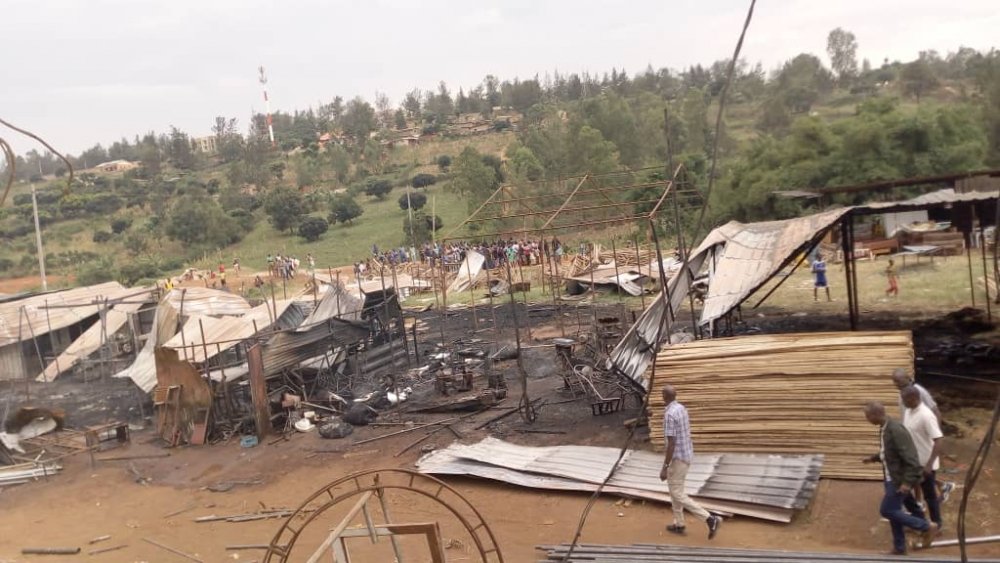
The Executive Secretary of Kimironko sector, Mapambano Nyiridandi has told IGIHE that police fire brigade and citizens intervened and extinguished the fire before destroying all equipment.
“They have intervened to extinguish the fire before burning all equipment but we have not yet established the value of destroyed property. Investigations are underway to establish the cause of fire but we have learnt that it started with sparks that lit mattresses as a plumber repaired the water system,” he said.
The fire that gut the facility around 11am follows similar incident recently where Agakiriro in Gisozi sector of Gasabo district caught fire thrice leaving equipment destroyed.
Muri iki gitondo, ahagana sa tanu n'igice, inkongi y'umuriro yibasiye agakiriro ka Kimironko mu karere @Gasabo_District. Ishami rya Polisi rishinzwe ubutabazi no kuzimya inkongi z'umuriro ryatabaye rizimya uwo muriro.
Tax revenue collection for 2018/19 was Rwf 1398.8 billion while the target was Rwf 1373.1 billion, an excess of Rwf 25.7 billion above the target.
Compared to Rwf 1234.1 billion collected in FY 2016/17, additional revenue of Rwf 164.7 billion was collected (a growth of 13.3%).
Non-tax revenue collected by RRA amounted to Rwf 22.9 billion compared to the target of Rwf 19.0 billion. Compared to FY 2017/18, it increased by 26.0%.
Taxes were collected since July 2018 until June 2019.
Local Government (LG) taxes and fees collections totaled to Rwf 60.5 billion, an achievement of 100.6% of the Rwf 60.1 billion target and an excess of Rwf 0.4 billion.
This represents year-on-year growth of 12.5% and a nominal increase of Rwf 6.7 billion.
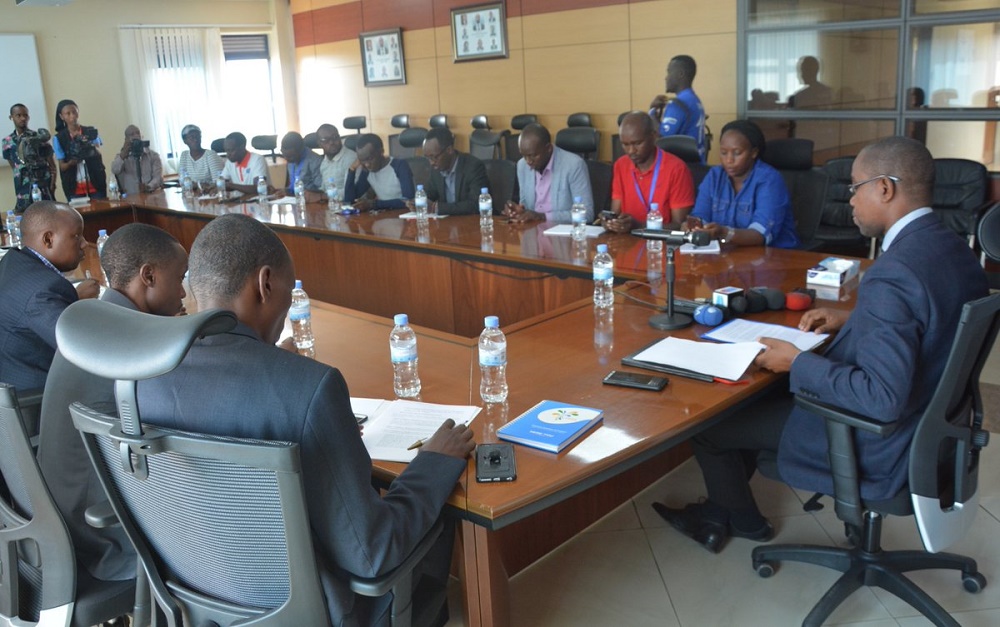
Speaking to the media yesterday, RRA Commissioner General Pascal Ruganintwali attributed 2018/2019 revenue performance to a number of factors such as a lower inflation, improved voluntary compliance of taxpayers and administrative measures among others.
“The economy was projected to grow by 7.5% during FY 2018/19 and data released by the National Institute of Statistics of Rwanda shows a growth of 7.7%, 9.6% and 8.4% for the quarter 1 (July-September), quarter 2 (October-December) and Quarter 3 (Jan-Mar) of 2018/19 respectively,” he said.
For the FY 2019/2020, RRA announced a target of collecting Rwf 1,535.8 billion representing 54.1% of the national budget which is Rwf 2,876.9 billion.
“For the FY 2019/2020 RRA will enhance its compliance improvement plan mainly to; Information and Communication Technology sector; Hotels, Bars and Restaurants; importers and customs brokers (Clearing Agents) to improve their levels in voluntary compliance,” said Ruganintwali.
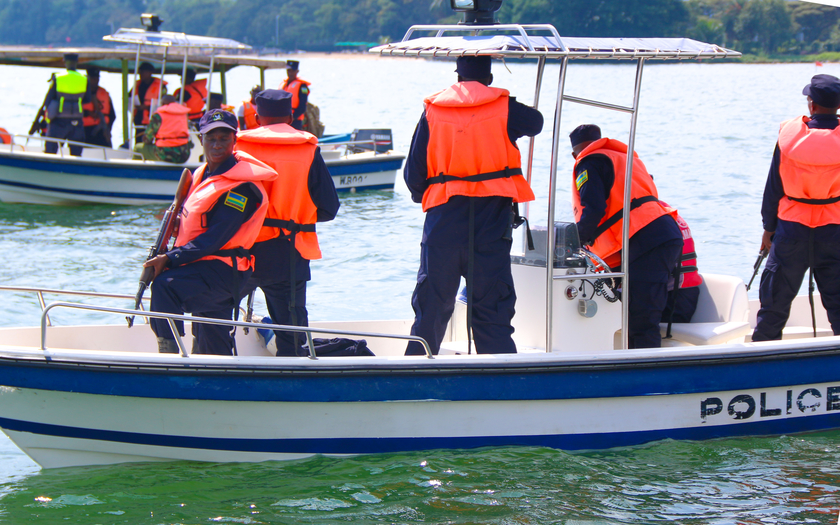
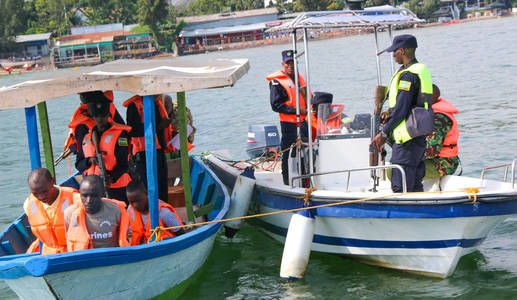
The course enabled officers to acquire basic marine skills and knowledge, including navigation, swimming, maintenance of marine equipment such as engine, and saving lives, among others.
Commissioner of Police (CP) George Rumanzi, the Commissioner for Operations and Public Order in Rwanda National Police (RNP), while closing the training in Rubavu District, lauded both trainers and trainees for the great work done professionally, discipline and hard work to accomplish the course.
“The training was meant to equip participants with skills and knowledge on the basic but important duties of marine police officers, especially intelligence gathering and other maritime operations, accomplishing it required determination and your full commitment,” CP Rumanzi said.
He urged them to put into practice the skills and knowledge acquired to ensure security in water bodies.
CP Rumanzi urged the Marine Unit to continue building its capacity particularly through training and skills development.
“I am confident that you have benefited immensely from this training, so translate the knowledge and skills acquired into safety and security in water bodies,” he noted.
During the closing of the training, trainees shared the experience gained throughout the course and conducted physical exercises to demonstrate the acquired skills.
Inspector of Police (IP) Elie Mureramanzi, one of course participants, said that the training increased their understanding of maritime security and that they learned many new things related to comprehensive maritime operations, which they will also share with other Police officers.
Police Constable (PC) Philbert Murengezi, another participant, said: “I am new in the unit; I needed to learn many things to be able to fulfill my daily marine duties. I now know many things like how to rescue people or apprehend criminals who operate in water,” PC Murengezi stated.
The aim of the training was to equip participants with requisite seamanship skills, enabling them to perform basic engine maintenance and casualty control, equip them with necessary skills to perform a vessel board, search and seizure. Others include water survival, weapon training, maritime interdiction and terrorism.
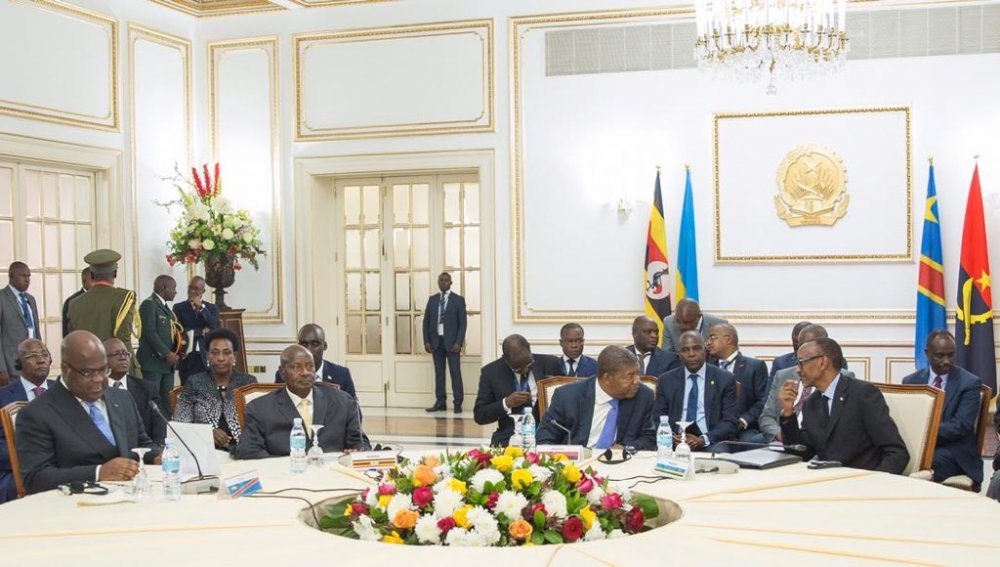
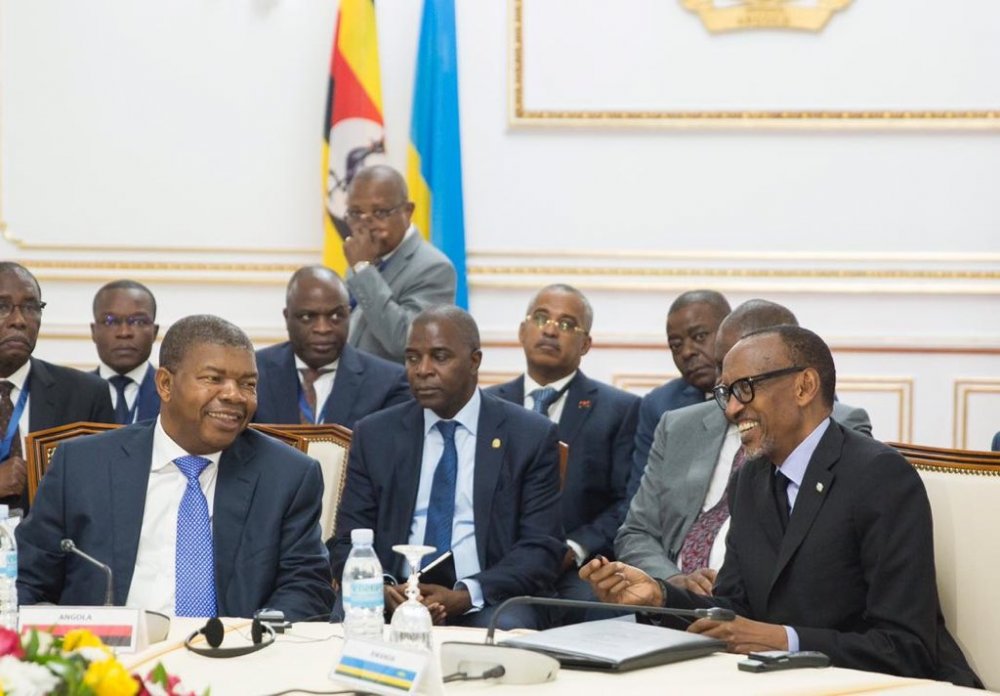
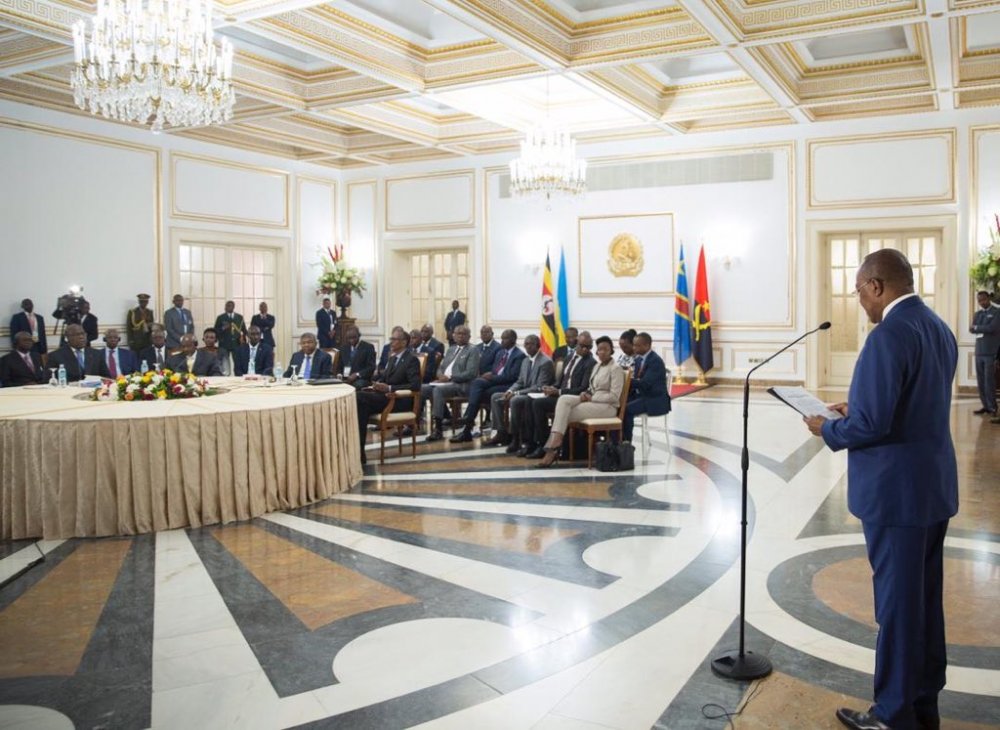
The Quadripartite Summit held yesterday in Luand,Angola, follows a previous one held in Kinshasa on 31st May 2019 focusing on regional security matters.
The quadripartite summit stressed the importance of permanent, frank, open multilateral and bilateral dialogue for the consolidation of peace and security in the region as well as a premise for economic integration.
The Heads of state welcomed DRC initiative to restore security and discussed armed groups in Eastern part of the country intending to destabilize regional countries.
Armed Forces of the Democratic Republic of the Congo (FARDC) recently launched attacks to disarm armed groups based in Eastern part of the country particularly in Ituri Province which destabilized rebels like ‘P5’ comprised of united armed groups led by Kayumba Nyamwasa among others.
These attacks dubbed ‘Tempête de l’Ituri’ began on 21st June 2019 to defeat armed groups in different parts of DRC forests where they kill, persecute, rob and rape citizens.
Among other discussed topics include DRC efforts in combating Ebola outbreak which spread to the country for the 10th time in 2018.
The four heads of state also committed on striving for common interests. Part of resolutions of the summit include promoting relations rooted on citizens’ interests in terms of politics and economy and solving conflicts amicably.
Concerning souring relations between Rwanda and Uganda, the summit welcomed both parties willingness for dialogue to solve existing problem.
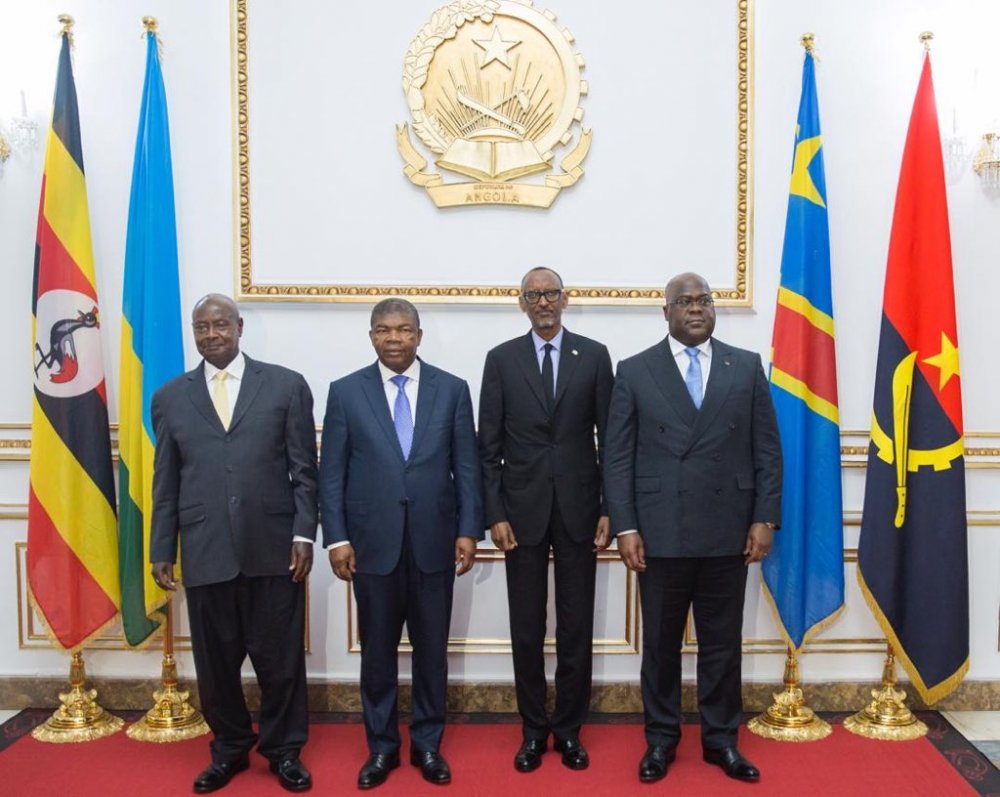
“As far as the bilateral relations between the republic of Rwanda and the republic of Uganda are concerned, the summit welcomed the willingness of the two parties to continue a dialogue with a view to finding a solution to the existing problem,” a communiqué released after a quadripartite summit between Presidents Paul Kagame of Rwanda, Yoweri Museveni of Uganda, Félix Tshisekedi of DR Congo and their host President João Lourenço, reads in part.
“In this regard, the summit also welcomed the readiness of the republic of Angola with the support of the Democratic Republic of Congo to facilitate this process,” the communiqué adds.
Uganda has been deporting different Rwandans who accuse it of inhumane imprisonment and torture on false accusations by Uganda’s Chieftaincy of Military Intelligence and rebel groups against the Government of Rwanda.
A total of 900 Rwandans were reportedly detained in Uganda as at the end of March 2019.
This saw the Government of Rwanda advising Rwandans not to travel to Uganda for their security until the situation gets back to normal.
It has been two years since Rwanda, Uganda relations worsened.
Rwanda expressed concerns over Rwandans who travel to Uganda for business purposes but are abducted, imprisoned and tortured accused of being Rwanda’s spies.
Rwanda also accuses Uganda of conspiracy with rebel groups intending to destabilize state security.
On 25th March 2018, President Paul Kagame met his counterpart of Uganda Yoweri Kaguta Museveni to discuss security matters and crisis between both countries among other issues of national interests.
Since then no progress was made to bring the situation back to normal until President Museveni wrote to his counterpart of Rwanda that he accidently met RNC head of diplomacy, Charlotte Mukankusi and Eugène Gasana, former Rwanda’s ambassador to the United Nations.
During an exclusive interview with IGIHE, Bapfakurera highlighted that food commodities are most likely to get the biggest market in DRC because the later imports more.
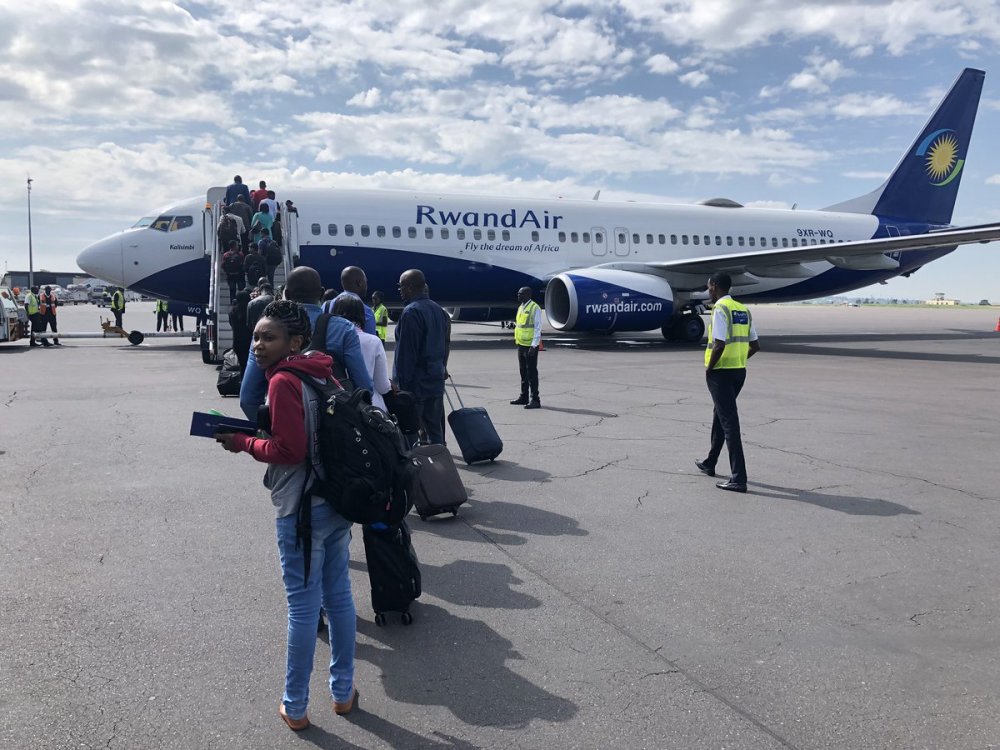
Trade opportunities between Rwanda, DRC have been recently boosted by the launch of RwandAir flights from Kigali to Kinshasa, the capital city of DRC while cargo flights are also expected to follow.
Bapfakurera has said that Rwandan traders welcomed both countries’ efforts to improve relations and demonstrated willingness to expand businesses in DRC.
“They have started visiting DRC to analyze the market and identify partners so that they can run businesses next time. They were extremely delighted,” he said.
Rwanda has the largest export market of foods and other commodities in DRC particularly in Eastern part of the country namely Goma and Bukavu which Bapfakurera said is set to get a boost.
Bapfakurera explained that the launch of cargo flights will be a great trade opportunity with DRC because investors would often use passengers’ aircrafts to carry luggage which would run short of space.
Rwanda, DRC relations started getting a boost when President Félix Tshisekedi was elected at the beginning of 2019.
President Paul Kagame has recently revealed that RwandAir was denied route to Kinshasa to DRC at the reign of former President Joseph Kabila.
The anticipated digital platform dubbed “Sobanuza Inkiko [S-inkiko]’’ will complement the Integrated Electronic Case Management System (IECMS) used to file lawsuits and filling court case forms.
The platform will be accessed online or using short message to seek explanations.
For instance when a concerned individual complaining about corruption will type corruption, leave a space and send the message to 2640 which will be received by all concerned institutions associated with judicial service delivery and fight against corruption in Rwanda.
The digital platform is built in a way that the complainant will be updated on the progress and the person following up the case that it will be easier to identify who is delaying the process.
S-Inkiko will be operational since 16 July 2019.
Speaking to the media, Mutabazi Harrison, the Judicial Spokesperson said the technology will save time people used to spend seeking assistance in courts.
“A citizen will only opt for this platform after proceeding with the court case and appealing,” he said.