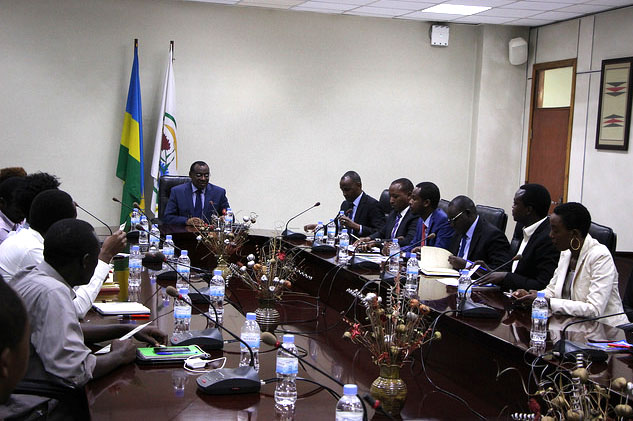
The five-year project will be implemented in six sectors including Rubaya, Cyumba, Kaniga, Mukarange, Rushaki, and Shangasha.
TI-Rwanda’s research carried out in 2017 indicates that climate change resilience projects were stalled by a lack of citizens’ inclusiveness and local leaders’ participation.
The executive secretary of TI Rwanda, Mupiganyi Apolinaire explained that 55.5% of residents were not aware of such projects while 40.4% of local leaders were not consulted for participation or understand the feasibility of such projects.
“We identified challenges in different projects like biogas among other environment-friendly projects. Based on issues pointed out by the research, we partnered in the implementation of first projects to support national citizen inclusive programs,” he said.
“We believe that improving citizens’ mindsets, transparency and accountability will positively impact the successful implementation of Gicumbi model project to be emulated in other districts later,” added Mupiganyi.
The CEO of Rwanda Green Fund (FONERWA), Hubert Ruzibiza explained that they entered a collaboration with TI-Rwanda to support implementation follow up to reach all beneficiaries.
“The project took a lot of funds with higher expectations from citizens, our institution, the Government and the environmental conservation fund that funded the project,” he said.
Ruzibiza explained that they have developed different technologies enabling citizens to share ideas on the project’s implementation progress that can be accessed by international stakeholders.
The project is expected to reduce Carbon Dioxide (273,720 tons) within six years.
It will spread to 150,000 citizens and benefit over 380,000 people.
The incident took place yesterday around 2 pm in Rurenge cell.
The executive secretary of Remera sector, Mukamana Marceline has told IGIHE that lightning struck the man as it rained heavily.
“Lightning struck Habumuremyi yesterday around 2 pm while his wife identified as Mukandahindurwa Odeth has been taken to hospital. We are told that he is recovering,” she said.
She appealed on residents to be cautious against all activities putting them at lighting strike risks.
It is said that the man was struck as he collected water from pipes as it rained.
The Ministry of Emergency Management has recently announced that this year’s disasters took lives of 70 and injured 177 since January.
The ministry revealed that 30 lightning protection systems were installed in schools among other public places as part of efforts to prevent lightning.
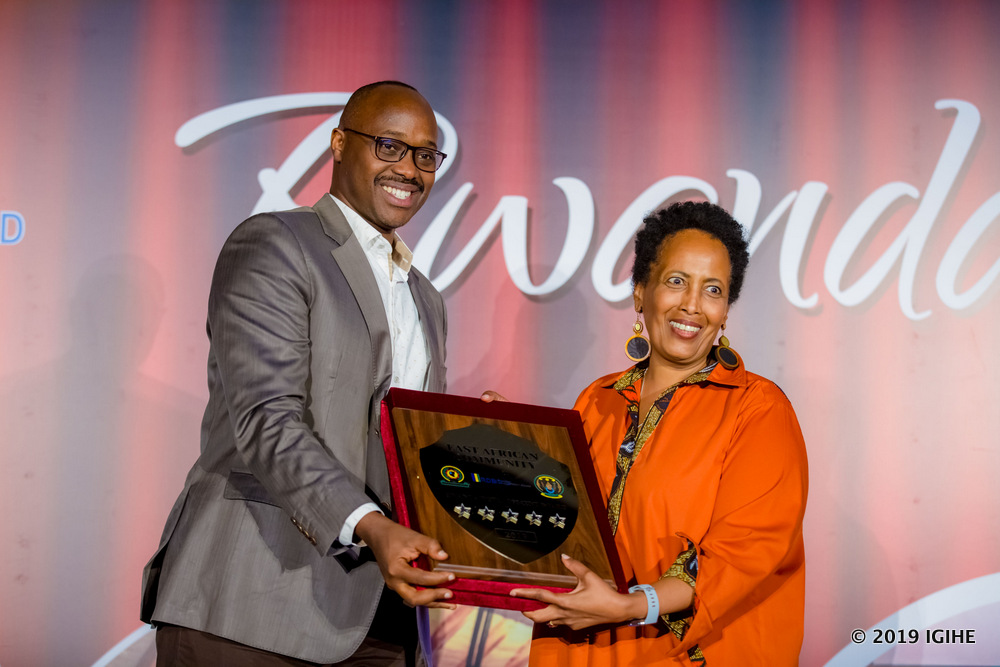
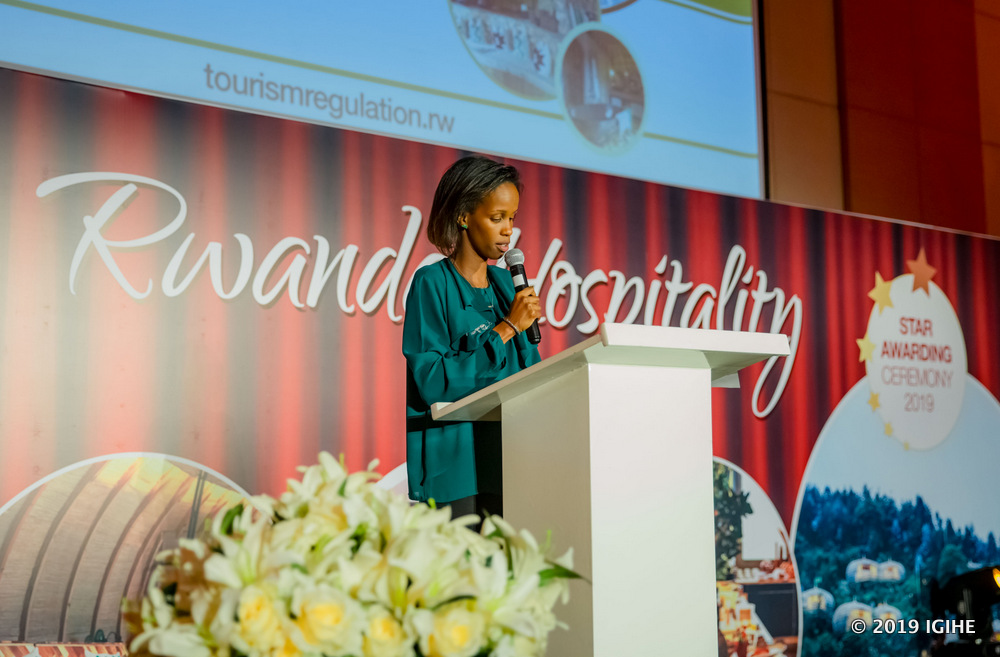
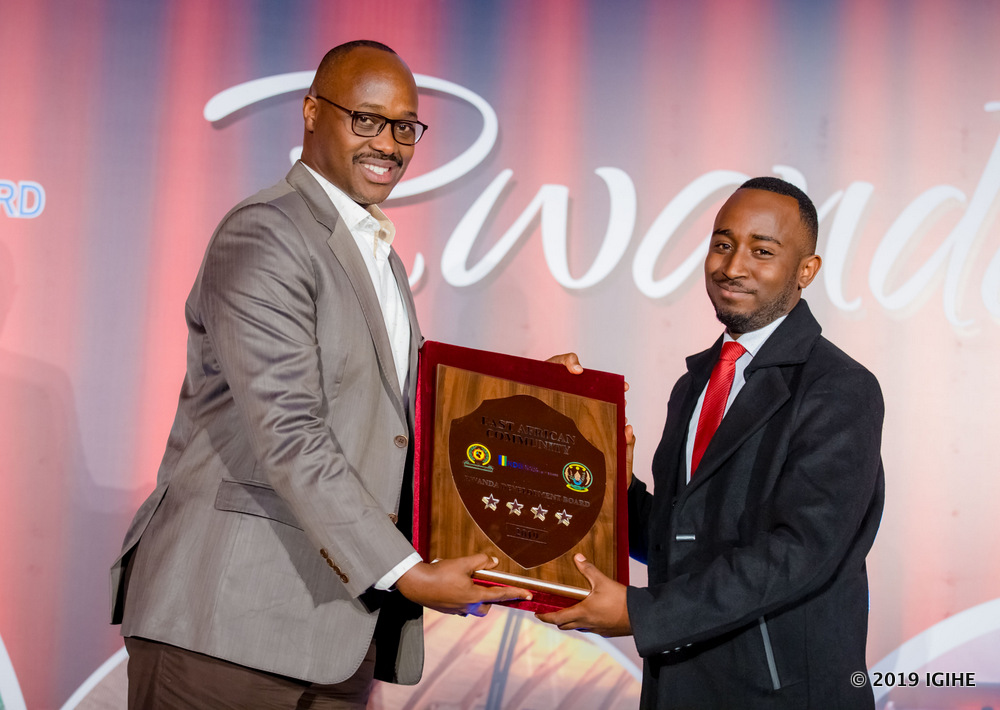
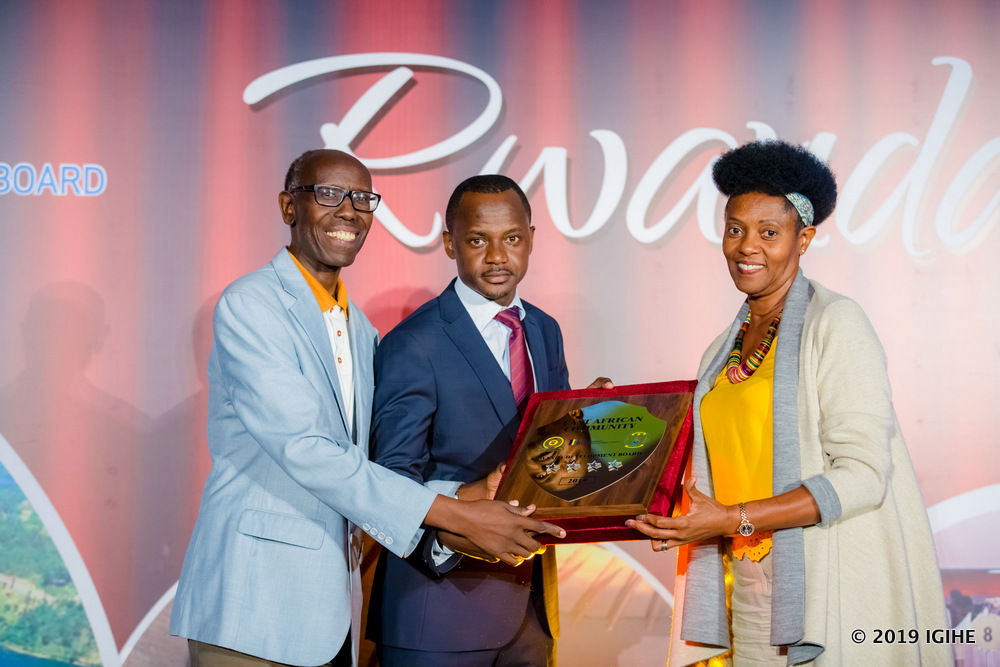
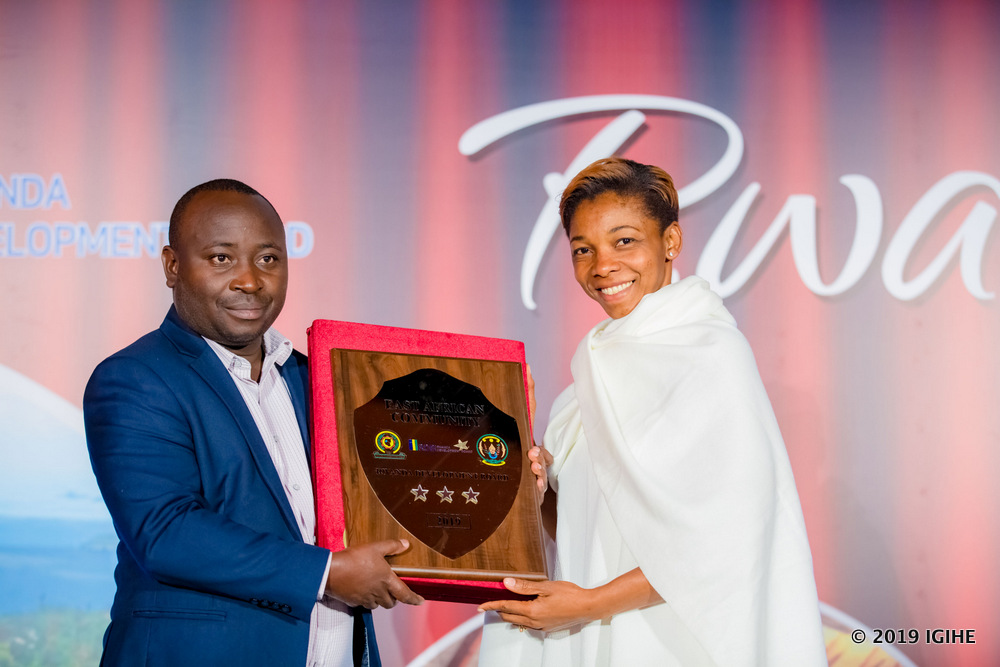
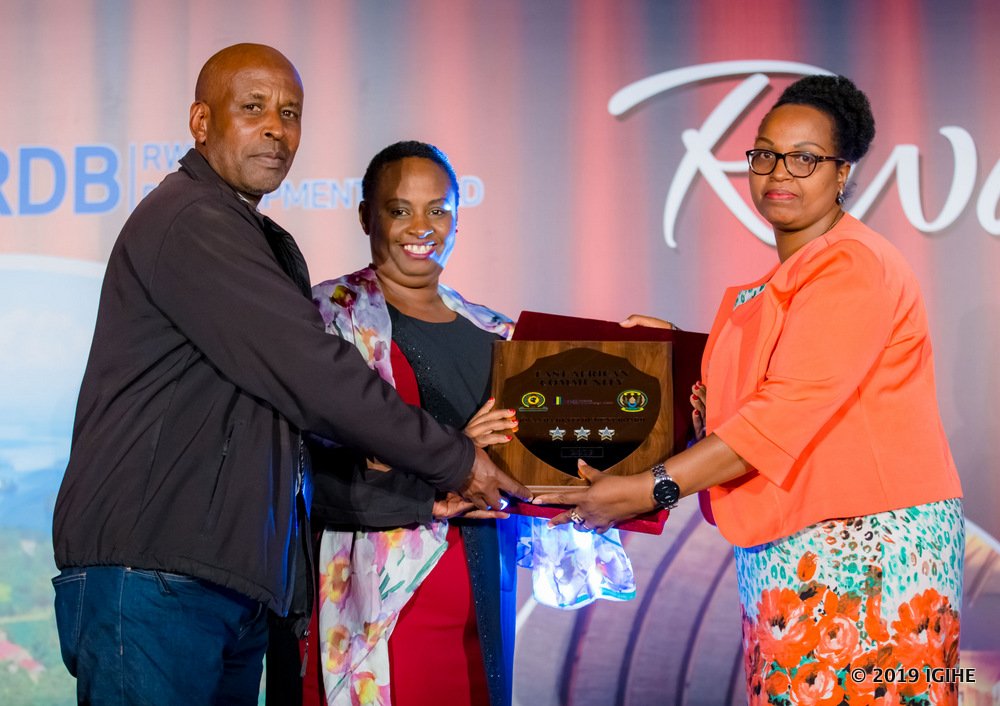
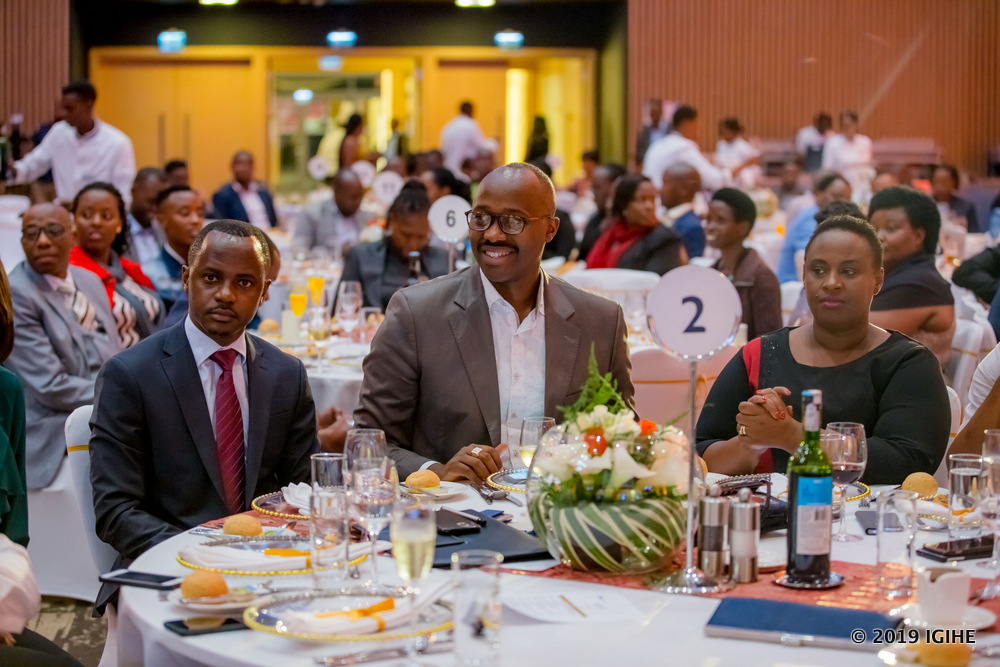
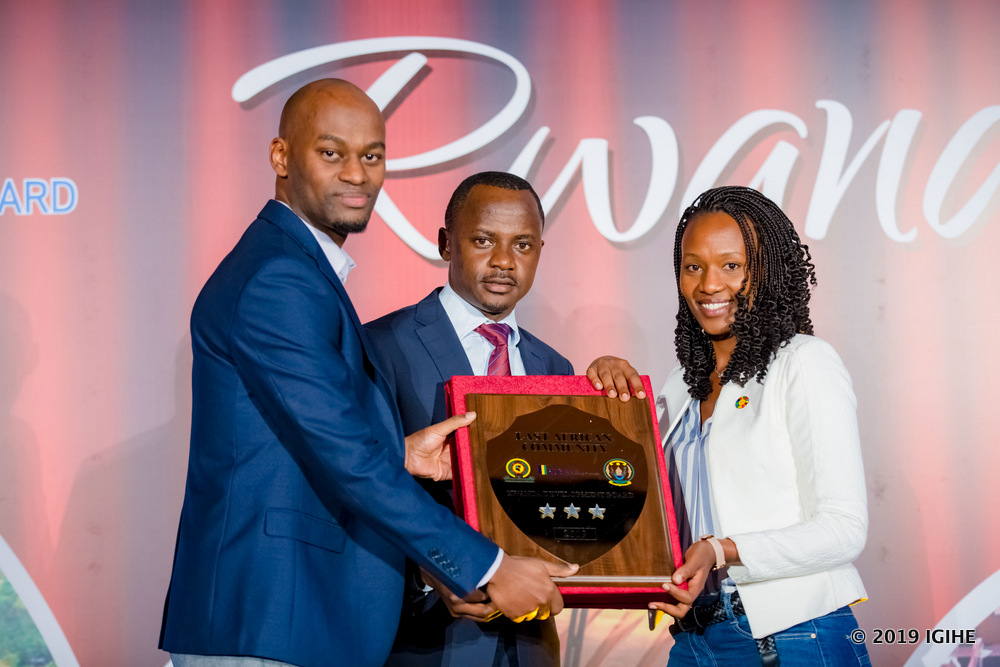
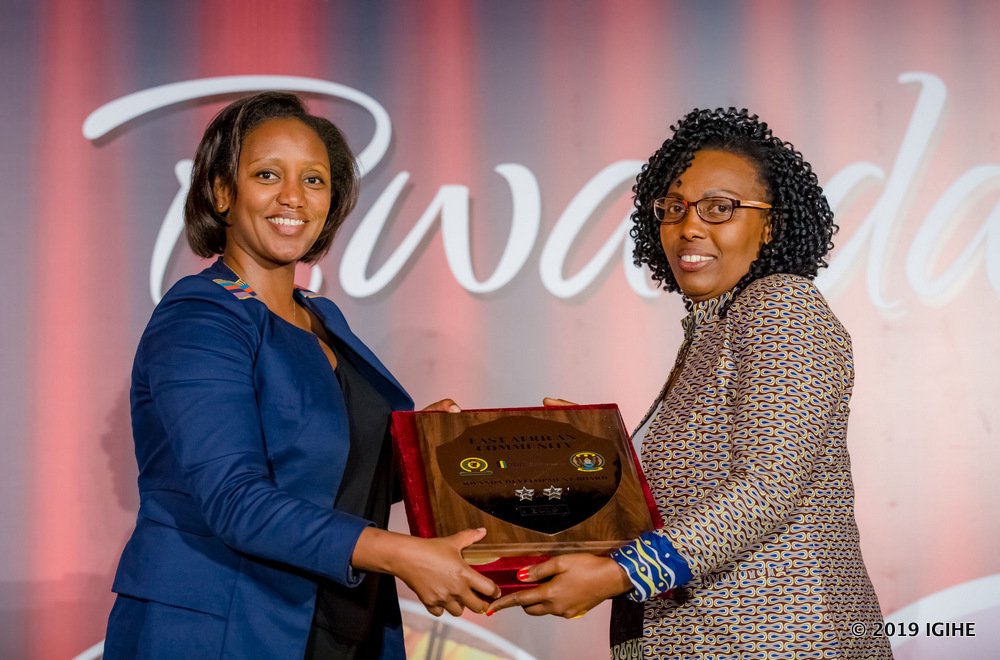
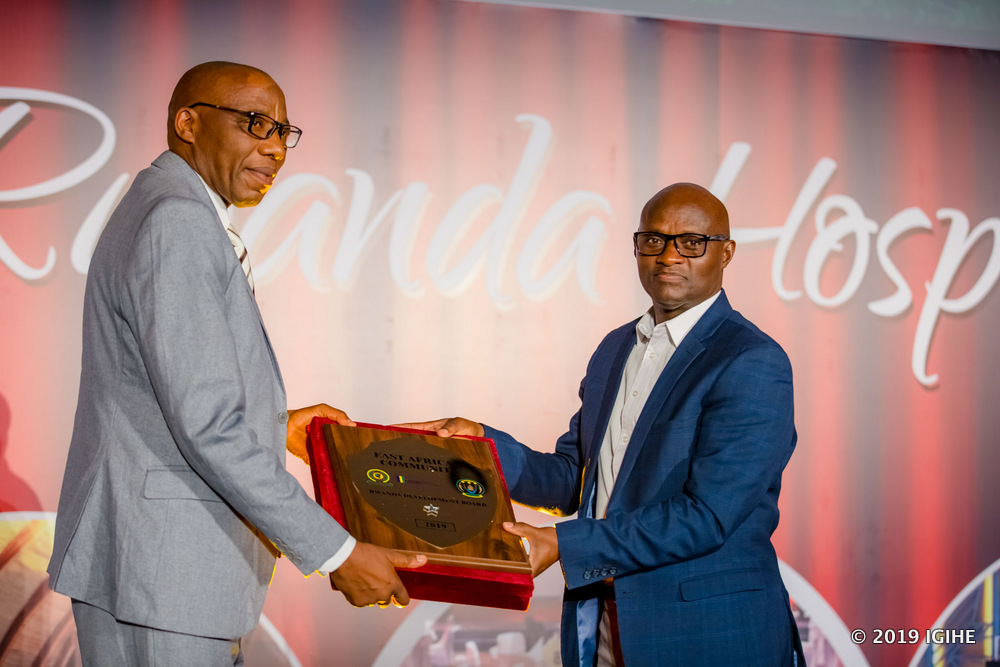
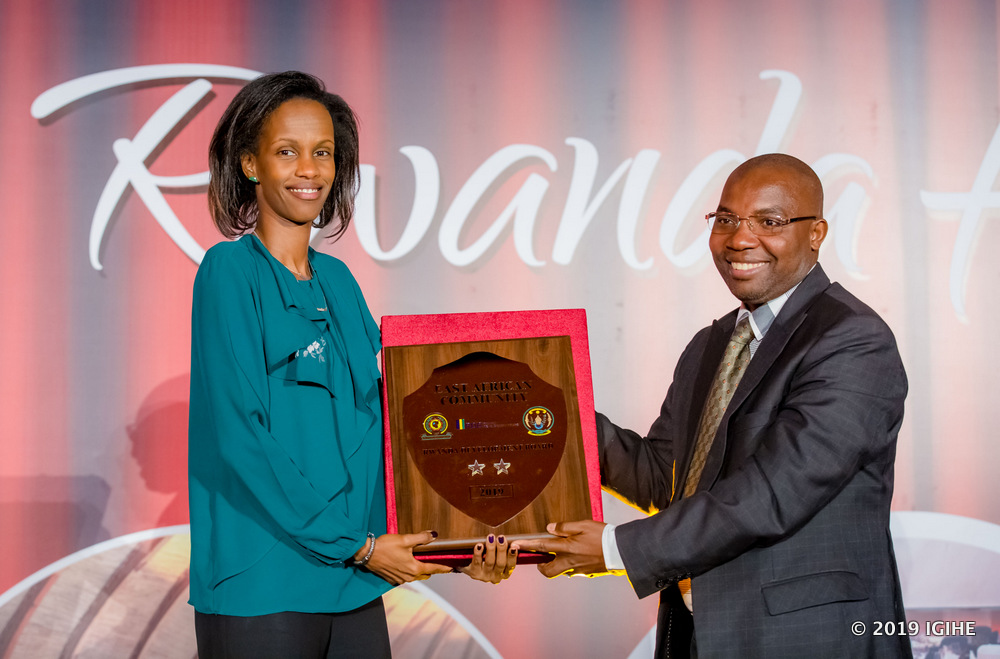
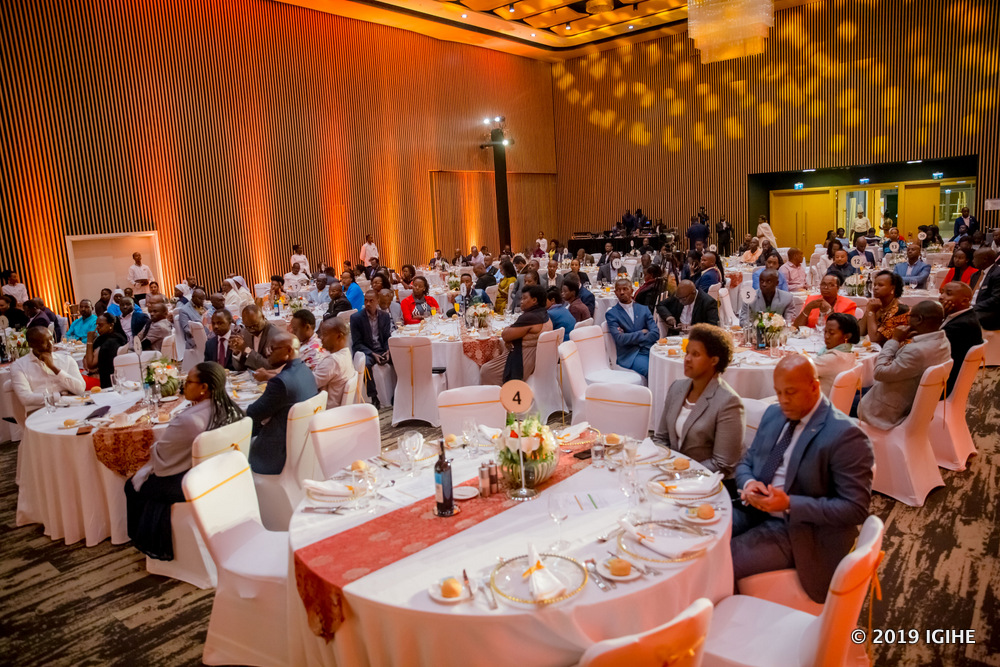
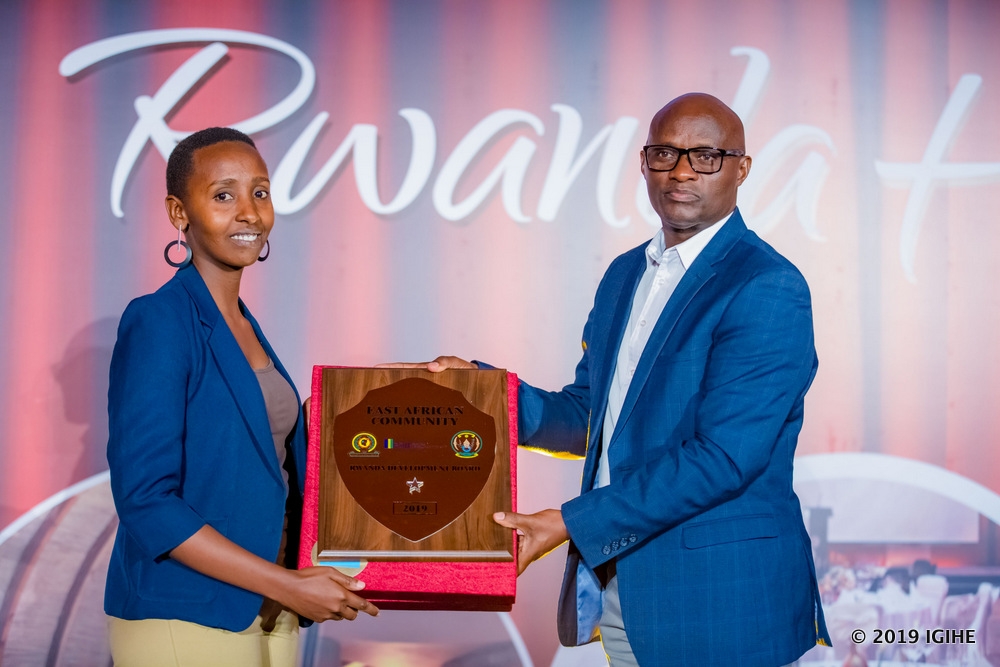
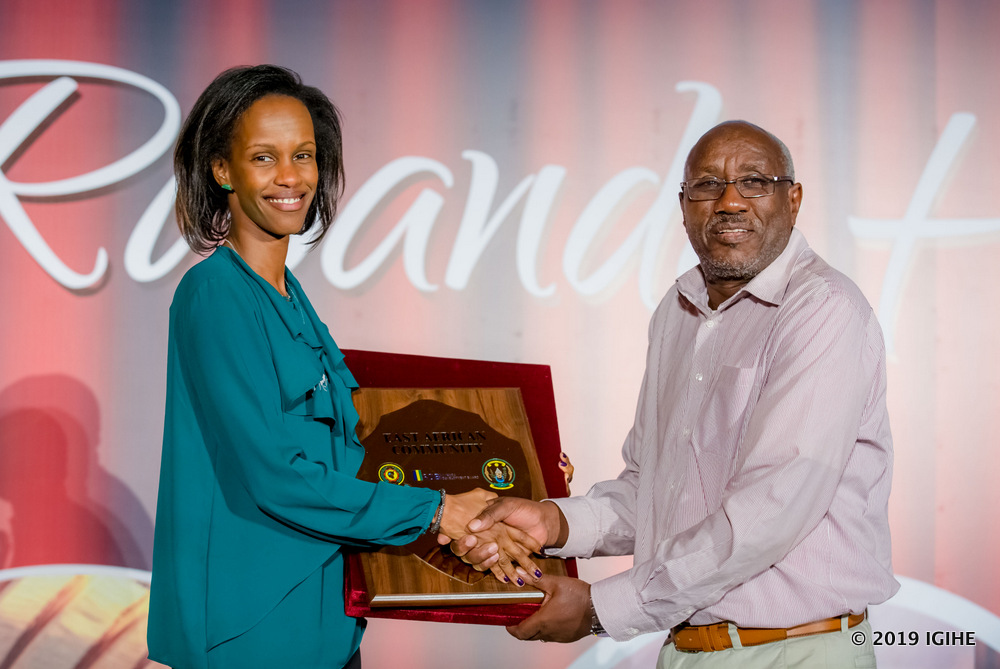
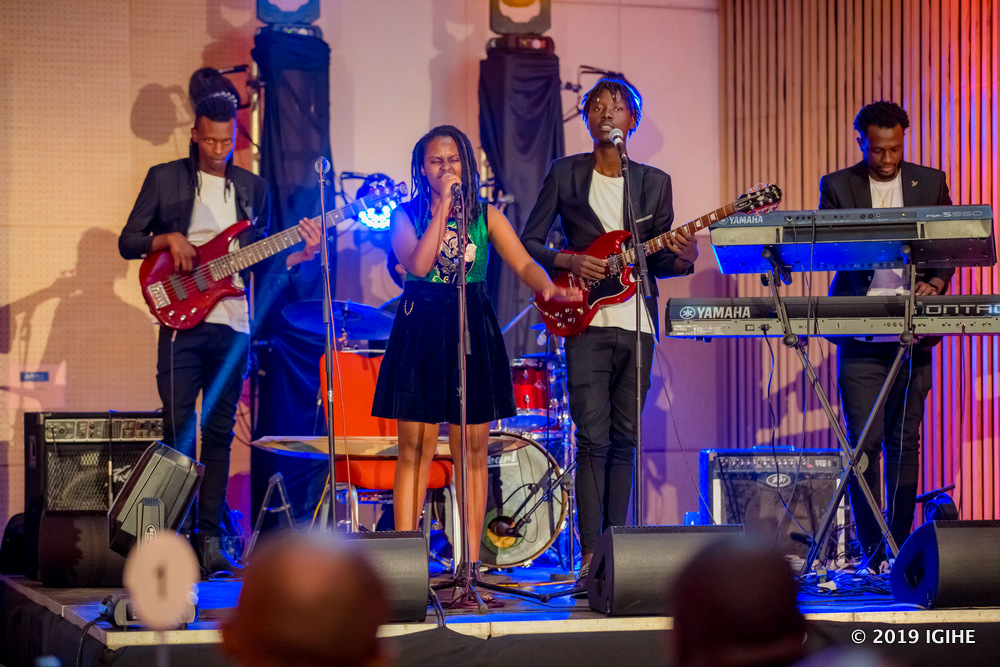
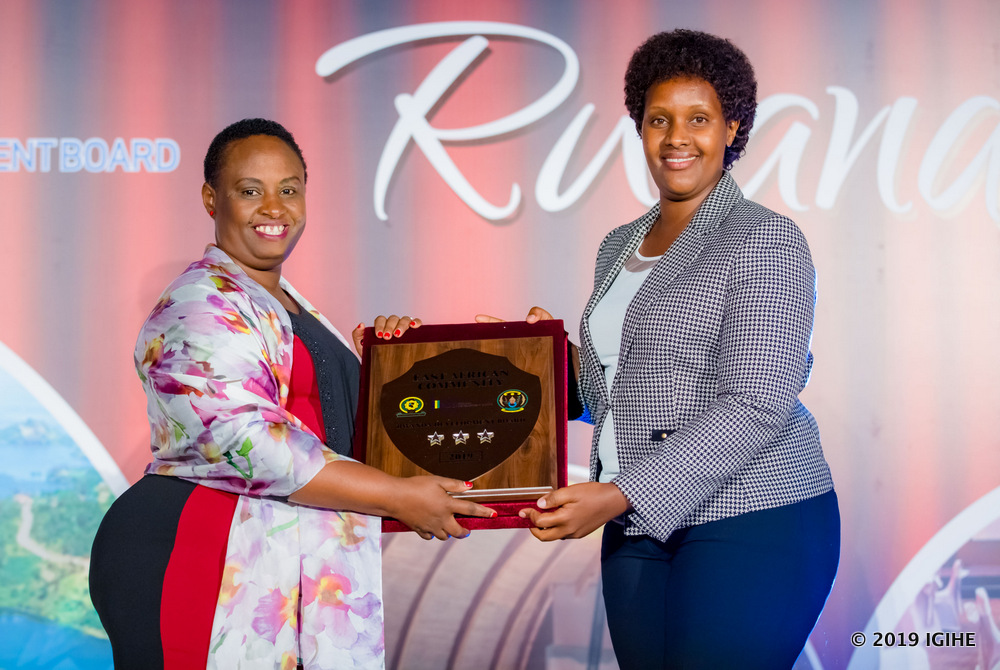
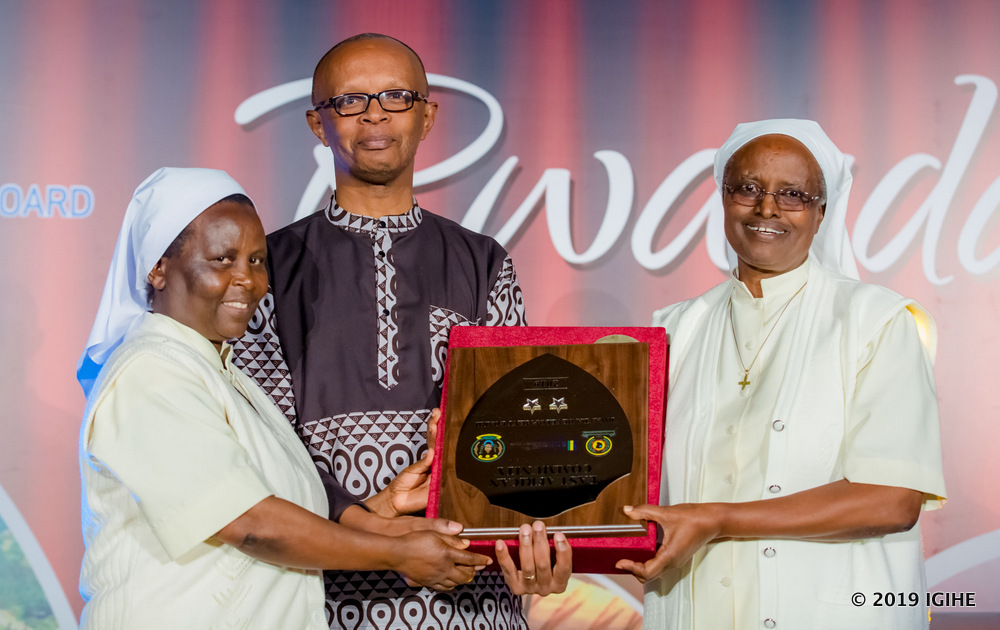
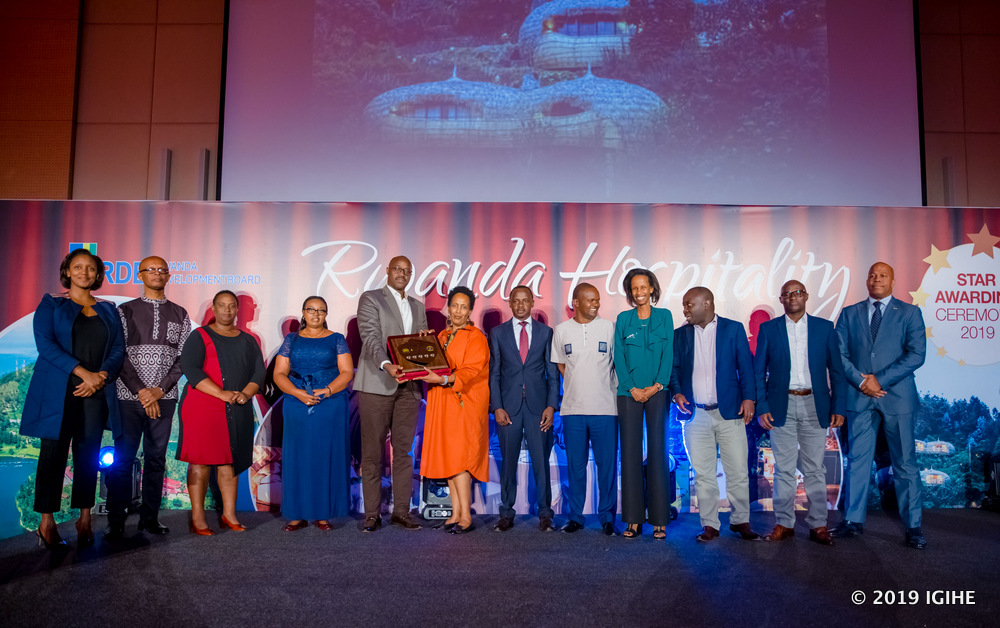
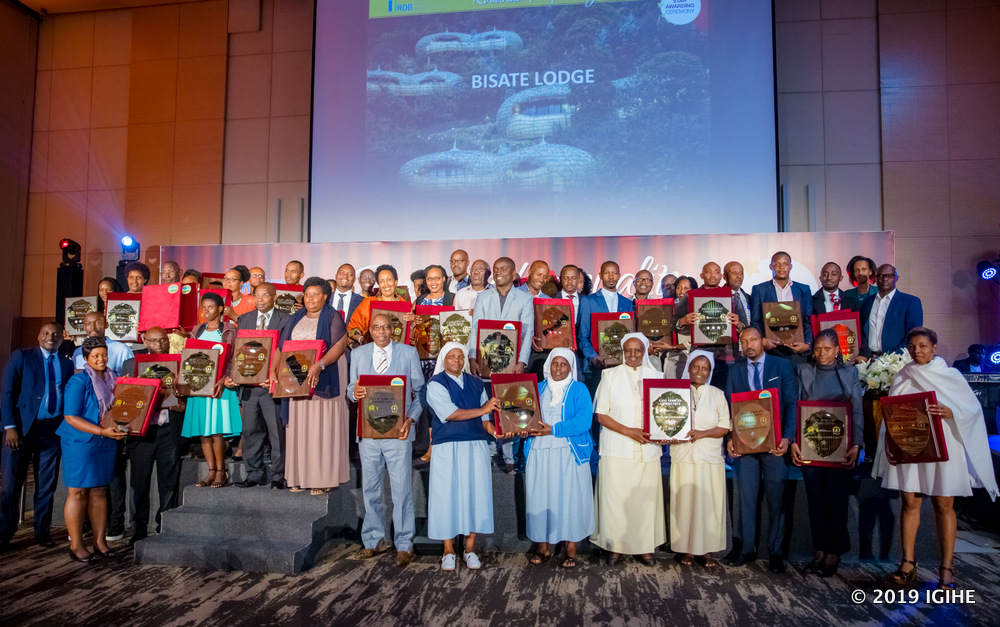
It is among 40 hospitality establishments awarded between 1 (one) to 5 (five) stars by Rwanda Development Board (RDB) during the 2019 Hospitality Grading ceremony yesterday at Kigali Convention Center.
The 1-5 star grading system helps to differentiate the quality of services that establishments render to their clientele.
The criteria used to grade the establishments range from their location, site, and environment, architectural design and features, capacity, reception area, information services, hours of service, decor, amenities and accessories and regulation of temperature among others as per the ‘East African Criteria for Standardization of Hotels, Restaurants and other Tourist Accommodation Facilities’.
The criteria stipulates the standards that should be met for any accommodation establishment to be one, two, three, four or five stars and are mandatory for any prospective property developer in the accommodation sector in all EAC member states.
The facility awarded a five-star rating is Bisate Lodge in Volcanoes National Park.
Four-star facilities are The Retreat Boutique Hotel and Residence Prima 2000, all located in the City of Kigali.
The 11 establishments that got a three-star rating are; Landmark Suites, Executive Suites Kigali, Highlands Apartment Gacuriro, Villa Asimba, Park View Courts Ltd, Gorilla Solutions Lodge Ltd, Light House Hotel, Heaven Boutique Hotel, Emeraude Kivu Resort and Quiet Haven Hotel.
16 hospitality establishments got a two-star rating while 11 got one-star.
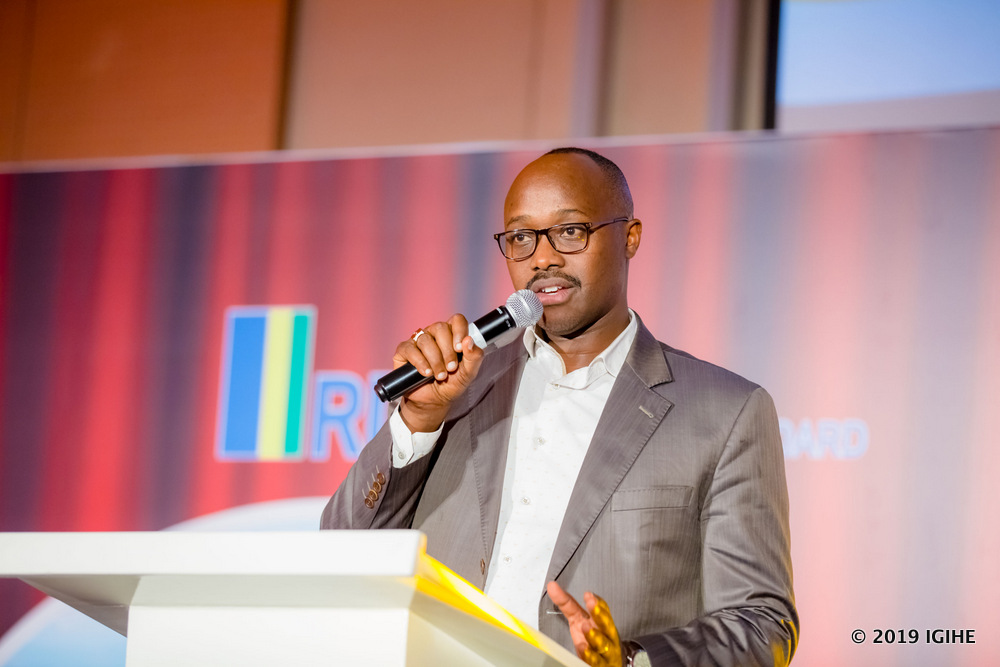
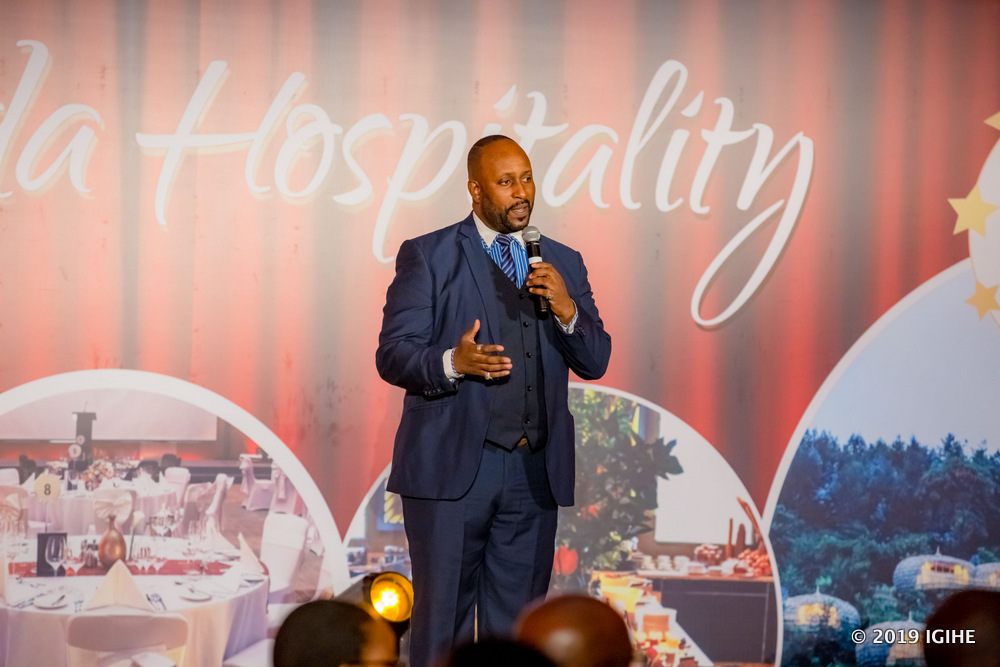
Speaking while presiding over the ceremony, the Guest of Honour, Pudence Rubingisa, the City of Kigali Mayor said: “The establishment and compliance with these standards is very important for our country as a tourist destination in order to sustain a competitive advantage and attract more tourists. Quality service delivery is a key driver of economic growth as stated in the National Strategy for Transformation which aims to increase tourism revenues to over US$ 800 million by 2024.”
Zephanie Niyonkuru, the RDB Deputy CEO and Chief Operating Officer said that the grading and classification of hotels help to inform customers on how to recognize quality, differentiate all levels of facilities and services and offers greater transparency.
“The accommodation classification practice enhances the EAC’s competitive edge as a single tourism destination and helps to have a developed industry. And there is a lot to be happy about. For example, in the last five years, a number of renowned hotel brands have started their operations in Rwanda,” she noted.
Looking back, in 2014, Rwanda had only one 5-Star hotel. Today we have 5 and we are expecting more. This has led to revenue from MICE to increase from US$33 million in 2014 to US$ 55 million in 2018. Therefore, the Government is committed to providing the support that leads to improvements in quality standards,” added Niyonkuru.
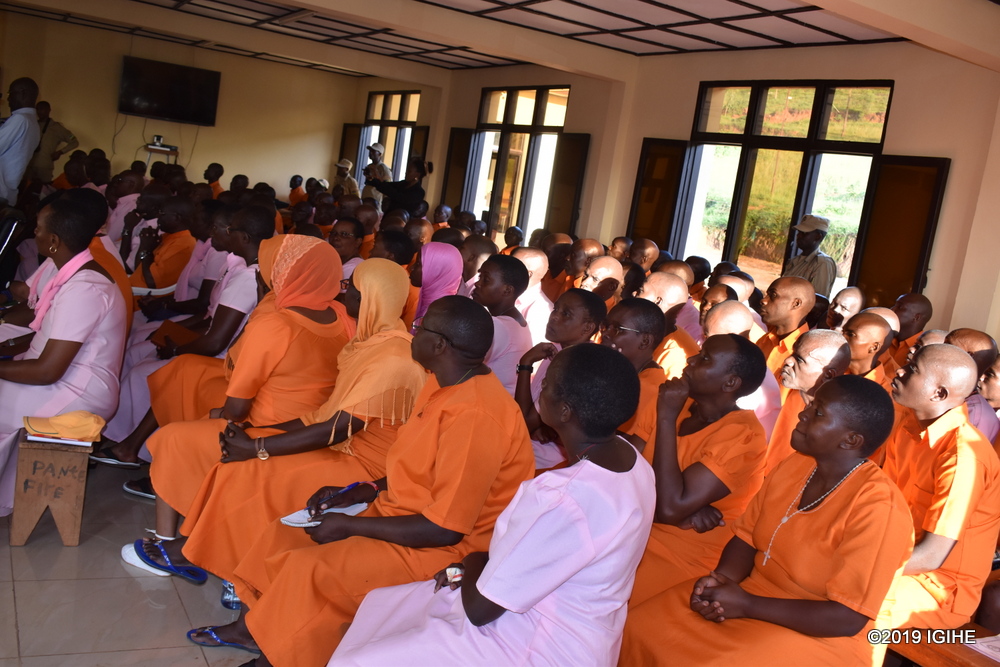
The Minister made the comments yesterday as he interacted with 100 representatives of inmates during his visit at Nyarugenge prison located in Mageragere sector, Nyarugenge district.
His reaction followed the request of Nyirandegeya Mwamini, the chairperson of Juru cell advisory council inside the prison accommodating women. She asked Minister Busingye for advocacy to lessen the penalty for inmates convicted for drug abuse and trafficking.
Nyirandegeya explained that some inmates are desperate considering the long jail term awaiting him/her and the family left behind.
“Honorable Minister, such laws granting punishments for drugs abuse and trafficking crimes are tougher leaves convicts despaired and depressed…I would like to request your kind attention to value us and see how an inmate can be returned to the family because children are left susceptible to many risks over tougher penalties,” she said.
“Accept my apologies to commute and release an inmate having completed five years in prison,” added Nyirandegeya.
Following the request, fellow inmates applauded her.
Minister Busingye told her that drug abuse and trafficking laws are tougher but explained that such crimes cannot be tolerated considering their effects to the community.
“Why should we reduce punishments? You know that we apprehend people with 200 kgs of drugs. It is said that one kg can make under 14 children drug addicts. When someone is apprehended with 100kgs, it means he/she possesses poison for 1000 children,” he said.
The Minister went on to say that death penalty would be ideal for drug traffickers because of ruining many people’s lives.
“Why shouldn’t such person be subjected to death penalty though it was banned. Why letting free someone intending to kill 2000 people? He/she would kill 2000 people hadn’t she been arrested,” he said.
Busingye explained that he is aware of tougher punishments for drug abuse and traffickers noting that the society including friends and relatives would be victims to their effects if there is no enforcement of laws.
“I know such punishments are tough. Don’t you understand the reason why? You should however interact with inmates you represent and tell them that the death penalty would be currently ideal for drug traffickers only had it not been banned in 2007,” he said.
Minister Busingye said such tougher laws are enforced to shun the rest of the society from copying similar crime and protect the country.
Article 263 of the Rwanda’s penal code on “acts related to the use of narcotic drugs or psychotropic substances,” says; Any person who, in any way, eats, drinks, injects himself/herself, inhales or one, who anoints oneself with psychotropic substances, commits an offence, and liable to imprisonment for a term of not less than one year and not more than two years or subject to a penalty of community service.
Any person who, unlawfully produces, transforms, transports, stores, gives to another or who sells narcotic drugs and psychotropic substances commits an offence.
Upon conviction, he or she is liable to a life imprisonment and a fine of between Rwf20 million and not more Rwf30 million in regard to “severe narcotic drugs”; imprisonment for a term of not less than 7 years and not more than 10 years and a fine of up to Rwf10 million in regard to “simple narcotics.”
If acts mentioned above are performed to a child or performed at the international level, the penalty is life imprisonment and a fine of between Rwf30 million and Rwf50 million.
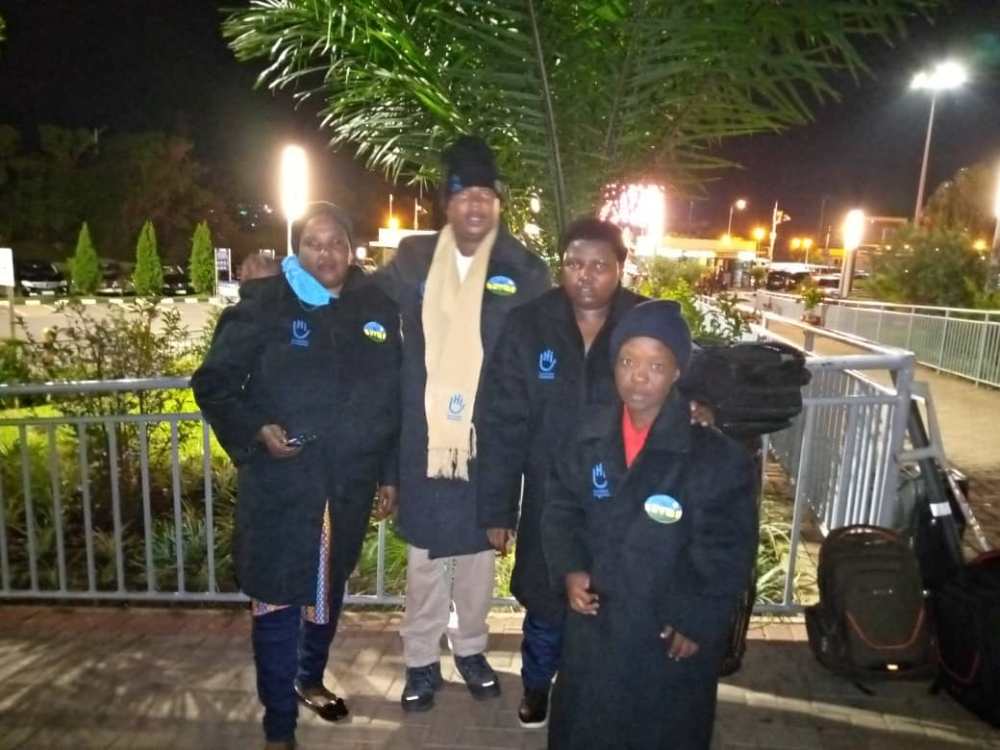
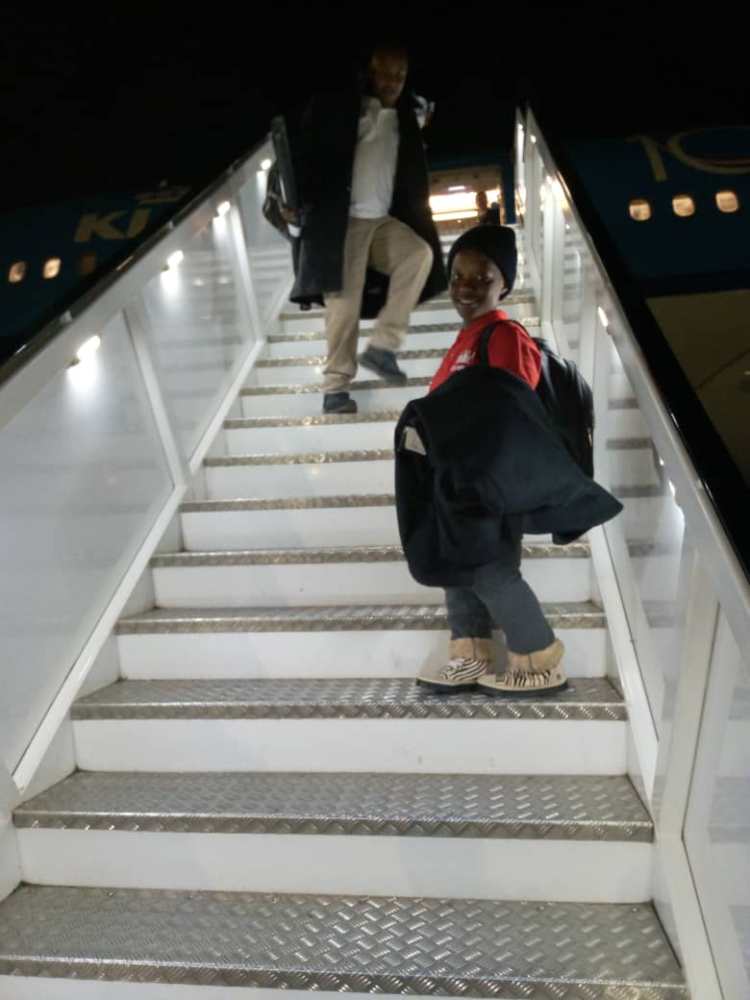
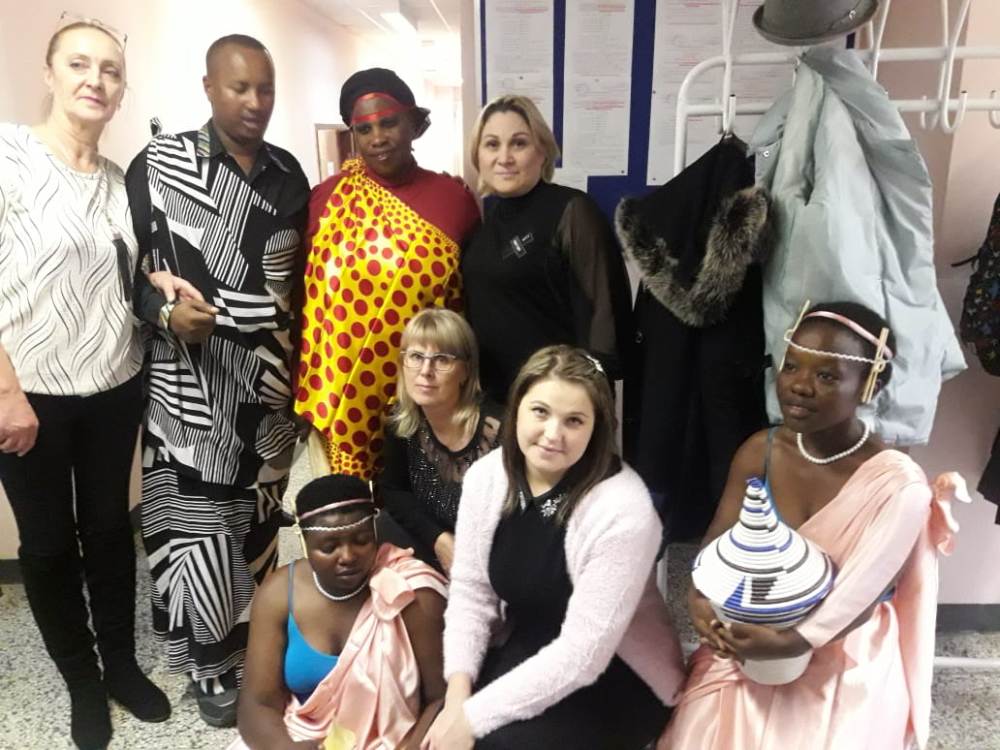
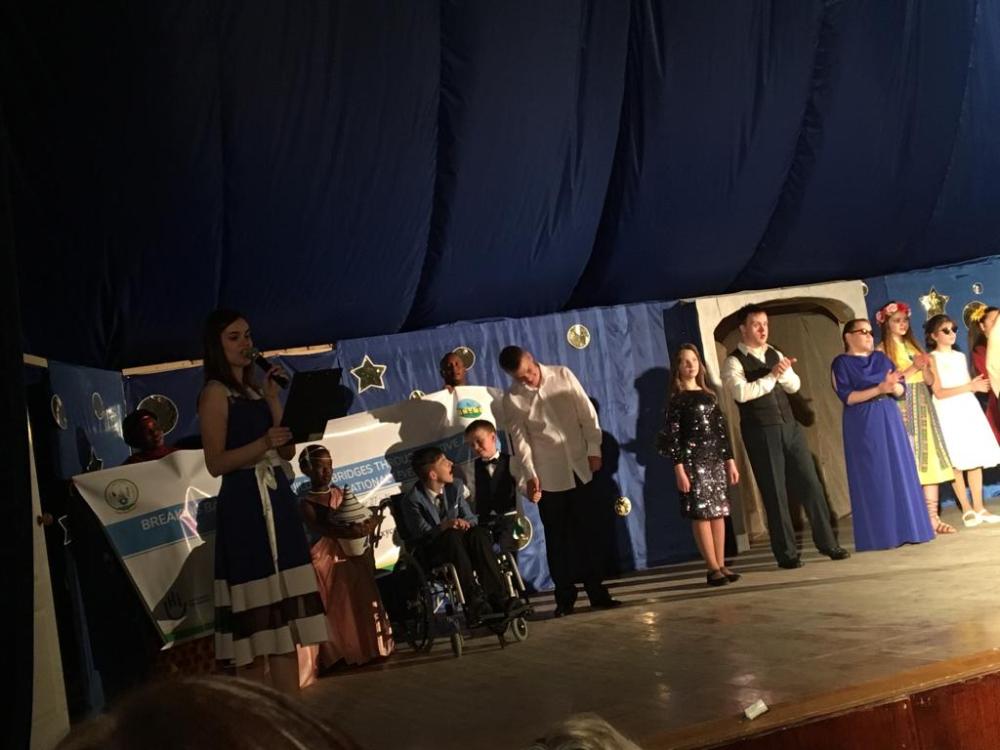
Rwanda is the first African country participating for the second time. Other participating countries include Spain, Russia, and Italy.
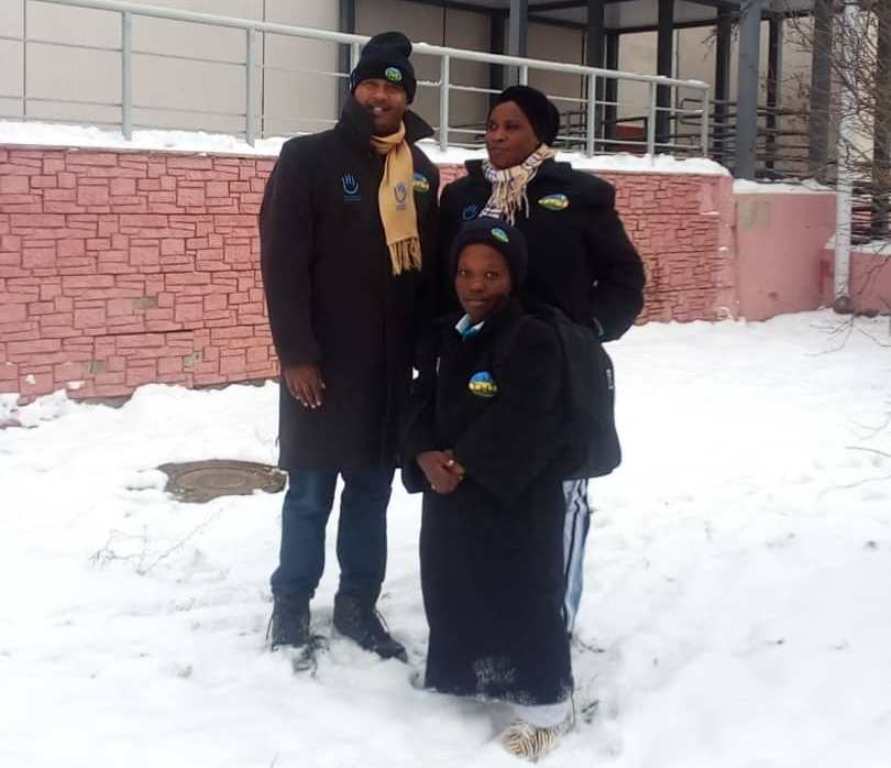
Rwanda is represented by four people from the group known ‘Troupe Des Personnes Handicapées Twuzuzanye, Rwanda’.
The first concert took place in Kotroma town where the group of disabled Rwandans thrilled spectators with an impressive performance of traditional dances and drum beats.
‘Troupe Des Personnes Handicapées Twuzuzanye, Rwanda’ is an umbrella organization bringing together disabled people conducting advocacies for their rights though different artistic talents.
‘Troupe Des Personnes Handicapées Twuzuzanye, Rwanda’ was invited by World Music Parashow based in Russia for this year’s edition.
Rwandan participants include Egidie Nirere, Farida Kankundiye, Marie Appoline Buntubwimana and David Twizerimana.
The delegation has told IGIHE that they still have to make four performances of which three will take place in Moscow, the capital of Russia before the festival concludes.
Moscow.
Twizerimana explained that foreigners were impressed with their traditional songs and drums beat.
“Concert goers were greatly excited with our traditional performances and drum beating style. Our thanks go to Humanity & Inclusion for helping us along the journey,” he said.
Apart from displaying their ability, Twizerimana said the festival is an opportunity to showcase Rwanda’s culture to the world.
According to RIB, ‘this group was arrested while in the process of hacking into the bank system to steal money from clients’ accounts’.
“The suspects have been arrested today. Investigations are underway to track more members of the ring,” RIB spokesperson, Marie Michelle Umuhoza has told IGIHE.
She said that the case file has been submitted to the Prosecution for further management.
RIB explained that the group came to Rwanda after failure to defraud Equity Bank in Kenya and Uganda.
RIB commended all those who shared information that led to the arrest of suspects and urged the public to remain vigilant and always share information that can be used to prevent crime.
Established on 31st October 1924 during the international conference in Milan Italy, in 1989, the United Nations officially declared the day to be devoted to promotion of savings around the world.
As part of the World Savings Day celebrations, the Ministry of Finance and Economic planning in collaboration with stakeholders has commenced a Savings Week awareness campaign under the theme “Save for a better future”, which is aimed at sensitizing Rwandans on the importance of saving and how to exercise money management decisions that best fit the circumstances of one’s life.
Key activities planned over the week include media talk-shows where experts in the field of finance, insurance as well as capital markets will impart wisdom on the importance of saving, the available saving opportunities and platforms and how it can be done.
Since 2009, the government adopted savings mobilization strategy with a target of increasing the level of savings in the country to a rate of 20% of GDP by 2020.
The Minister of Finance and Economic Planning Dr. Uzziel Ndagijimana pointed out that embracing the culture of savings is the only sure way Rwandans can safeguard their financial future, that of their families and also contribute to sustainable economic growth the country needs to attain.
“There has been improvements in terms of savings however, it is not enough. We need to save more. We need to understand that it is through increased savings required to spur investments, have access to low credit interest rates, reduce poverty and contribute to our dignity as a self-sufficient nation,” Minister Uzziel said.
According to the 2016 FinScope survey, about 86% of adults in Rwanda (roughly 5.1 million individuals) save. The rise in number of savers is due to increase in formal savings which rose to 49% from 26% in 2012. However, the banking institutions showed a slight decline from 14% in 2012 to 13% 2016.
The uptake in formal savings is driven by savings at Umurenge SACCOs (27%) and mobile money savings at 17%.
To augment this progress, the government adopted different initiatives aimed at promoting saving culture, these include:
The establishment of Ejo Heza, a long term saving scheme that targets salaried and non-salaried workers; Umurenge SACCOs, Iterambere fund, integration of financial education into school curriculum as well as several savings initiatives offered by banks, Microfinance institutions and insurance companies, among others. These initiatives are expected to improve the savings culture in Rwanda.
According to statistics, total savings are still below 15% of GDP compared to the target of 20% of GDP by 2020. The latest Finscope survey also indicated that lack of sufficient financial institution contributes to poor savings culture. Its latest report points out that 35% of adults still save at home due to inconvenience and or inaccessibility to formal financial institutions.
There are concerted efforts from all stakeholders including government, private sector and civil society to entrench saving culture in Rwanda. We need to pull informal savers into financial institutions and ensure that they do not save to pay for living expenses but move on to invest and create wealth,” Minister Ndagijimana noted.
Vision 2020 seeks to transform Rwanda into a middle-income country by 2020 and recently adopted National Strategy for Transformation and Vision 2050 with aim of turning Rwanda into upper middle income country by 2035 and high-income country by 2050. For this to be achieved, it requires that saving ratio to GDP increases significantly.
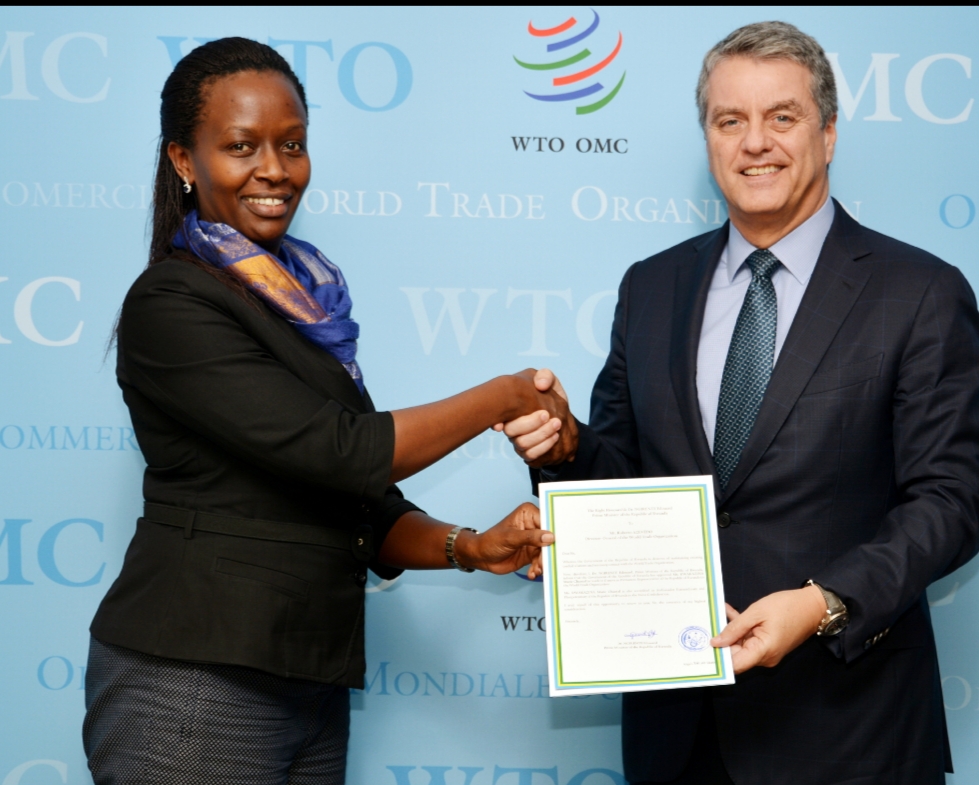
Amb. Rwakazina presented letters of credence to the head of WTO, Roberto Azevêdo, on 29th October 2019 at headquarters of the organization in Geneva, Switzerland.
She assured Azevêdo of Rwanda’s commitment to smooth trade talks characterized by mutual respect among participating members.
Azevêdo greatly commended Rwanda’s role in the establishment of international trade agreements.
They also discussed how WTO can support Rwanda to fats track the implementation of development goals.
They also discussed on mechanisms aimed at expanding existing good cooperation between WTO and Rwanda.
The institution also says, it is committed to reduce the quantity of non-revenue water-rated at 38% yet international standards require 20.5 percent as the maximum of wastewater.
The latter brings loss of between over Rwf 11 and 13 billion annually.
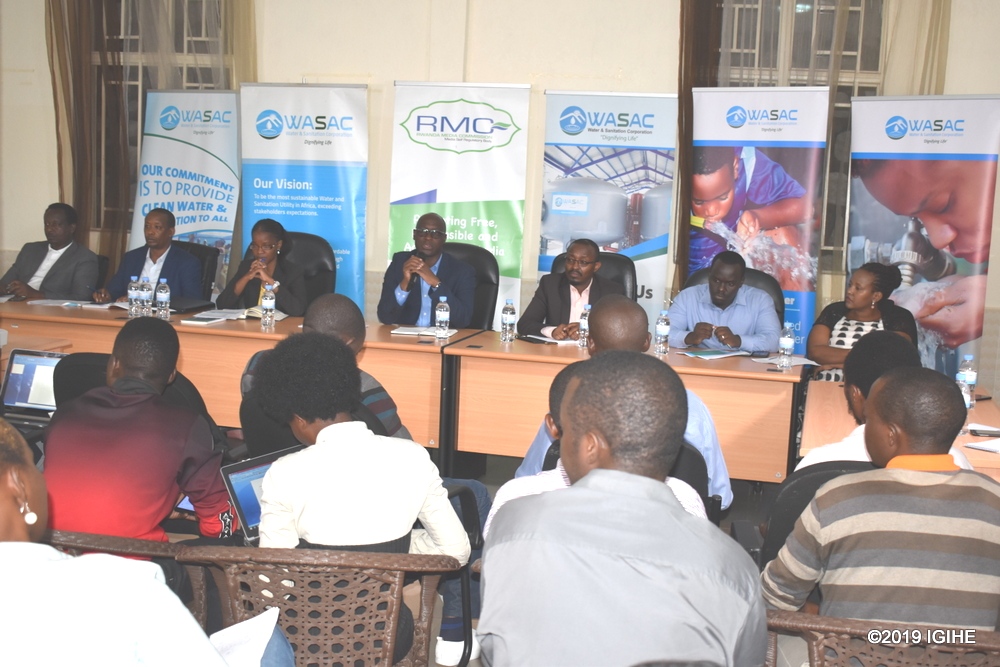
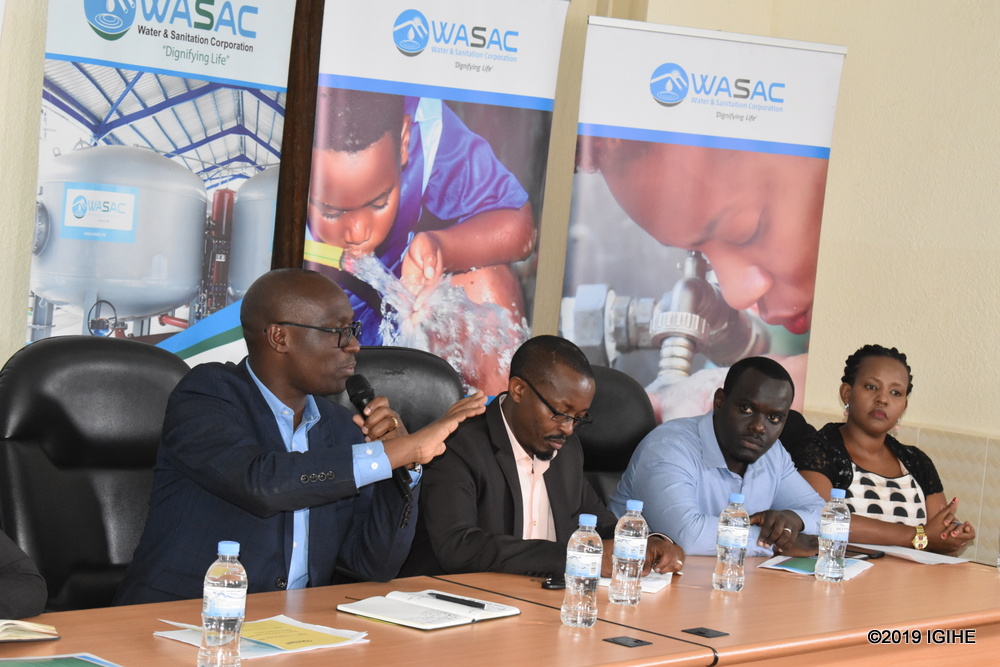
The figures were revealed on Wednesday during a press conference with WASAC management on the current water distribution and sanitation policy to Rwandans.
The wasted water hinders the Government’s target to achieve universal access to safe water among Rwandans by 2024 walking less than 30 minutes distance to and from public water taps.
The Government, however, plans to cut down wastewater by 25% within five years.
Gisele Umuhumuza, the deputy chief executive of WASAC explained that the 38% non-revenue water incurs the loss of Rwf 11 billion to the Government.
“It sometimes incurs the loss between Rwf 11 and 13 billion. There are always susceptible losses in water distribution activities but we strive to meet 20.5% as international standards. Measuring the loss on these standards, it would be between Rfw 7 and 8 billion,” she said.
Umuhumuza said some water supply systems get ravaged due to old structures, human activities or setting up infrastructures.
“We count over 390 water supply systems that need to be repaired. The 2017 study revealed that we need Rwf 13 billion,” she explained.
WASAC called on everyone to make it their own responsibility to protect infrastructure and shun activities destroying water supply systems like illegal mining and provide information to repair a ravaged system before the situation worsens.
WASAC reports that Rwanda has the capacity to treat over 180,000 cubic meters every day.
It has over 216 000 customers.
The Fifth Integrated Household Living Survey (EICV5) in 2016/2017 indicates that 87.4 percent of Rwandans have access to clean water has increased from 26.3 percent in 1994 and before.
Those who have clean water access in their own homes have increased from 2.6 percent to 9.4 percent
She is suspected to have killed the old woman on Tuesday night.
Following the death, Nyamiyaga sector officials and security officers went to the crime scene and arrested the girl whom they lived together for further investigations on the step mother’s death.
The executive secretary of Nyamiyaga sector, Bayingana Jean Marie Vianney has confirmed the arrest to IGIHE.
“It is true that the woman is suspected to have killed her stepmother. She was arrested and handed to Police for investigations. The woman’s body was taken to Byumba Hospital for postmortem,” he said.
The arrested suspect was the only person living with the deceased woman in the same house.