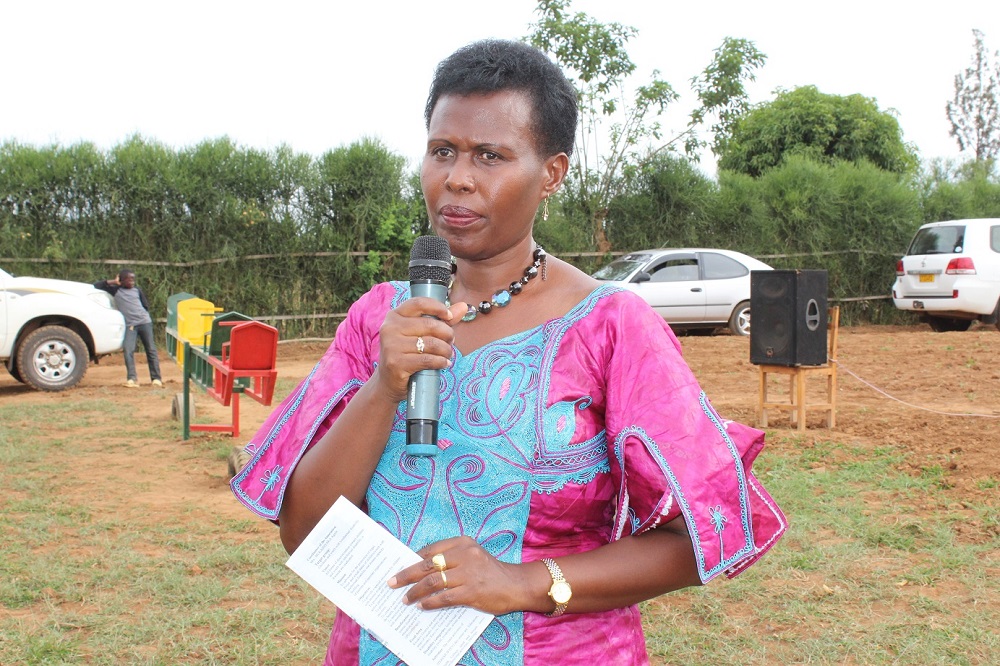
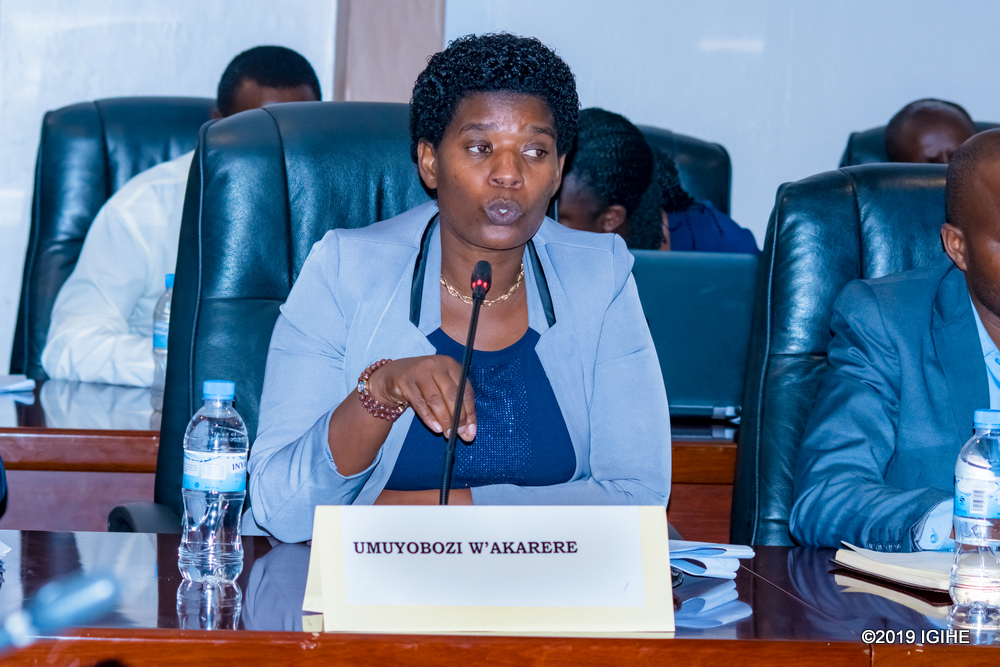
Uwambajemariya Florence, the mayor of Burera district has been appointed the executive secretary of Western province replacing Habiyaremye Pierre Célestin.
Dr. Jeanne Nyirahabimana, the mayor of Kicukiro district has been appointed the executive secretary of Eastern Province replacing Habimana Kizito.
Jabo Paul, the executive secretary of Northern Province has been transferred to Southern province exchanging duties Mushaija Geoffrey appointed executive secretary in Northern Province.
The provincial executive secretary is mandated to issue instructions to the province’s staff, coordinating and supervising service delivery, preparing the budget plan at the provincial level and following up its implementation; assessing files and other archives to be approved or signed by the Governor and reviewing issuance of tenders among others.
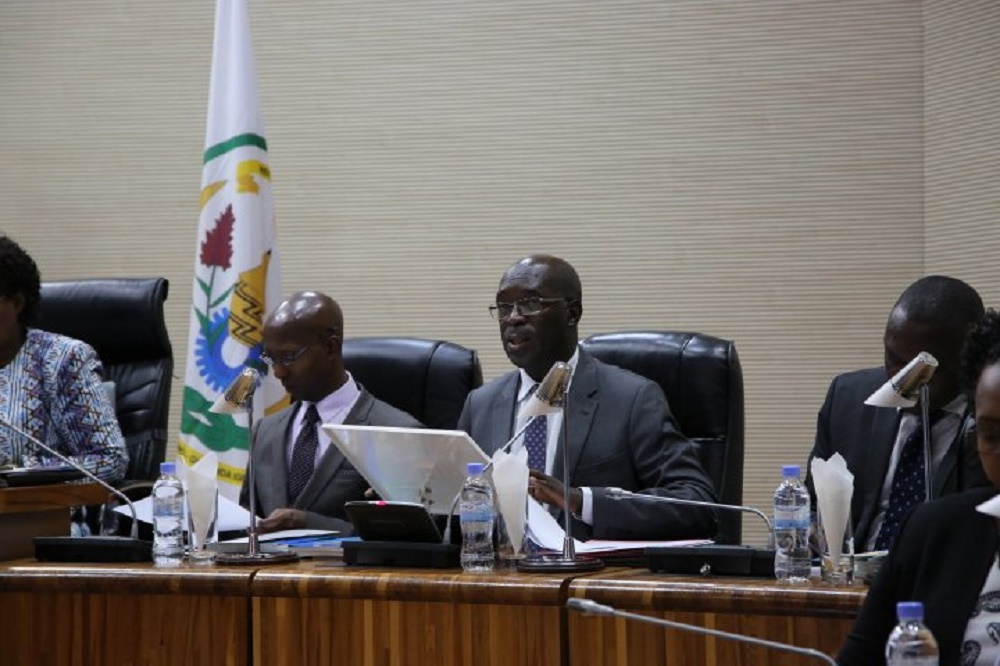
The report makes recommendations in the areas of the office’s mandate to fight corruption and injustice, declaration of assets by public officials, and assessing whether laws governing access to information and leadership code of conduct among others are being adhered to during the period in review.
Murekezi told the parliamentarians that of the 1,091 cases filed with the Ombudsman requesting retrial on the basis of unfairness, 851 were civil lawsuits, mostly which are land-related.
Some of these are directly related to inheritance issues.
118 are related to criminal cases, 69 are commercial cases, and 30 constitutional while 23 are related to labor.
Murekezi said that after a thorough analysis of the cases, only 96 merited retrials, something that indicates that Rwandans need to be sensitized about the value of courts and time.
“In 2018/2019, we had 1,091 cases. Of these, the ones that we felt required fresh trials are 96 only. That shows you that there is a serious problem where the masses are wasting time and court resources,” he said.
He pointed out that an assessment carried out by his office for the last five years had indicated that the ombudsman’s office had reviewed 5273 cases.
Of these, 5343 had been rejected while 433 were found to be unjust.
Murekezi also criticized local leaders whose citizens’ forums with the locals only deal with small matters instead of digging deeper.
“They don’t do any follow-ups. They fail to complete cases and this is costing locals’ money because they are obliged to pay more yet these are issues that can be fixed by an executive secretary,” he said.
He informed the parliament that unlike the previous years, his office’s activities were now fully funded by the European Union for the next three years.
{{Changes in the law}}
The issue of cases filed with the ombudsman requesting retrials has in the past been blamed for backlog which weighed down the Ombudsman’s Office for years.
To fix this, the government last year amended the law and stipulated that a complainant can only petition the Ombudsman’s Office after exhausting all legal avenues up to the Supreme Court.
While those were the conditions in the previous law and a complainant had to write to the Ombudsman if they felt the verdict was unjust, the current law requires the complainant to instead write to a higher court than the one that delivered the judgment.
For instance, if a case was tried by the Primary Court, the complainant is required to petition the Intermediary Court. If the case was tried by the Military Court, they write to the Military High Court.
The President of the court that has been petitioned is required to review the case for any injustices and, if any are found, they write to the Supreme Court which will determine which court should try the case.
Unlike the previous years, the new law requires one to petition the court after the verdict exactly 30 days after the trial.
The Deputy Ombudsman in charge of prevention and fighting injustice; Odette Yankurije says that previously, the law was relaxed and some people could even petition six years after a verdict that they are complaining about was delivered.
“Not anymore. Whether you are writing to the court or petitioning the Ombudsman, you have only thirty days to lodge a complaint from the time you lose a case or from the time the court tells you that there is no case,” she says.
PARLACEN, the Central American Parliament has begun to implement the DPCW in its member states’ laws, as well as the city of Policarpa in Colombia, which has also implemented Article 10 into its city code.
The DPCW has also received support from the National Assemblies of Ecuador, Nicaragua, and Panama. In the U.S., the DPCW has received 17 congratulatory certificates from the congressional districts and 15 support letters from city mayors.
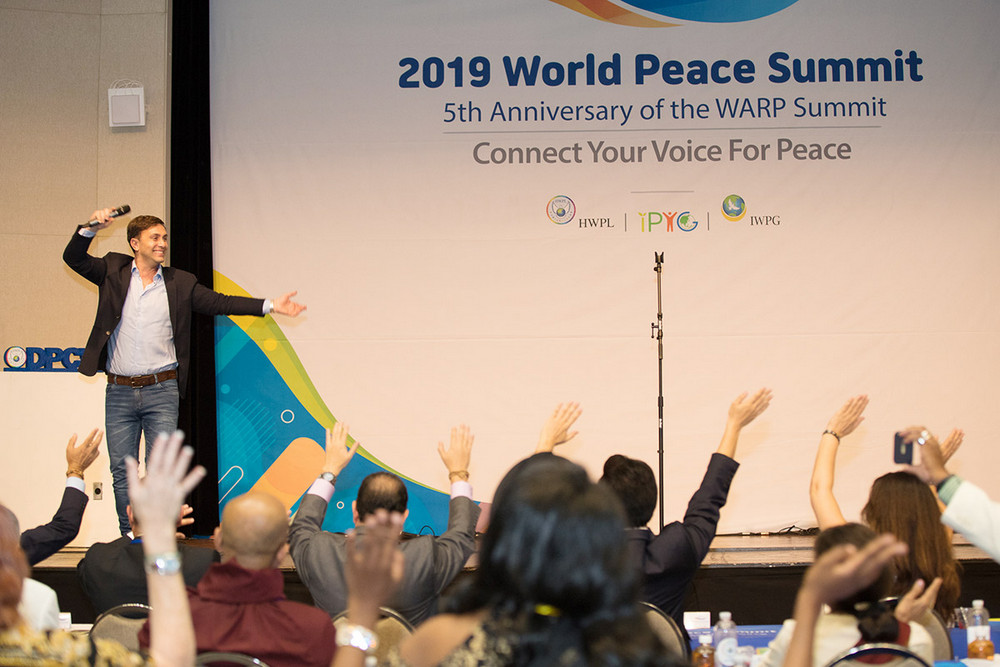
The program for the Summit in Carson, California included speeches by Carson Mayor Albert Robles and performances by HWPL Peace Choir with Grammy-Award Winning Composer Benjamin Wright and Singer Odino Faccia.
Notably, the first World Peace Summit of South America was also held in Ecuador this year at the country’s National Assembly building.
Senators joined Former Presidents of Ecuador Lucio Gutierrez and Rosalia Arteaga Serrano to show their support. At the Summit, HWPL memorandums of understanding were signed with Former President Rosalia Serrano’s foundation, Fundacion FIDAL and Senator Cristina Reyes’ foundation Women that Change the World.
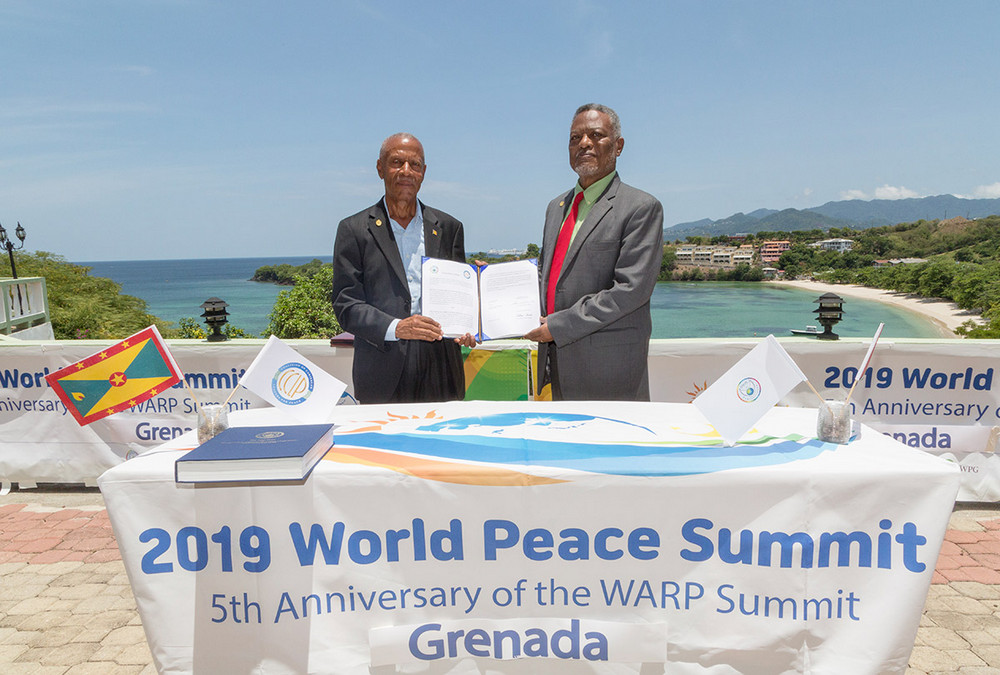
{{Agreement Marks Grenada’s Support for International Peace law, DPCW}}
Peace diplomats from the Washington D.C. branch of Heavenly Culture and World Peace (HWPL), in partnership with the Coalition of Caribbean Leaders for Peace (CCLP), traveled to St. George’s this past week to celebrate Grenada’s former Prime Ministers, Tillman Thomas and Samuel Hines’, entry into the newly formed CCLP.
The CCLP works closely with regional organizations and international leaders in the Caribbean Community encouraging leaders in office to adopt international peace law the Declaration of Peace and Cessation of War (DPCW).
The DPCW is a legal framework for spreading a culture of peace on a local, national, and international level.
The DPCW, which serves as the solution for worldwide peace and conflict resolution, has already been enacted as a National Declaration in several countries around the world; including Antigua and Barbuda, Seychelles and eSwatini, and international organizations such as the Central American Parliament.
The goal is for the law to be presented as a regional resolution through the CARICOM, Caribbean Community. Samuel Hinds, former Prime Minister of Guyana and Co-Chair of CCLP, when asked what’s the most important need for the Caribbean, he answered “Peace and the culture of peace.”
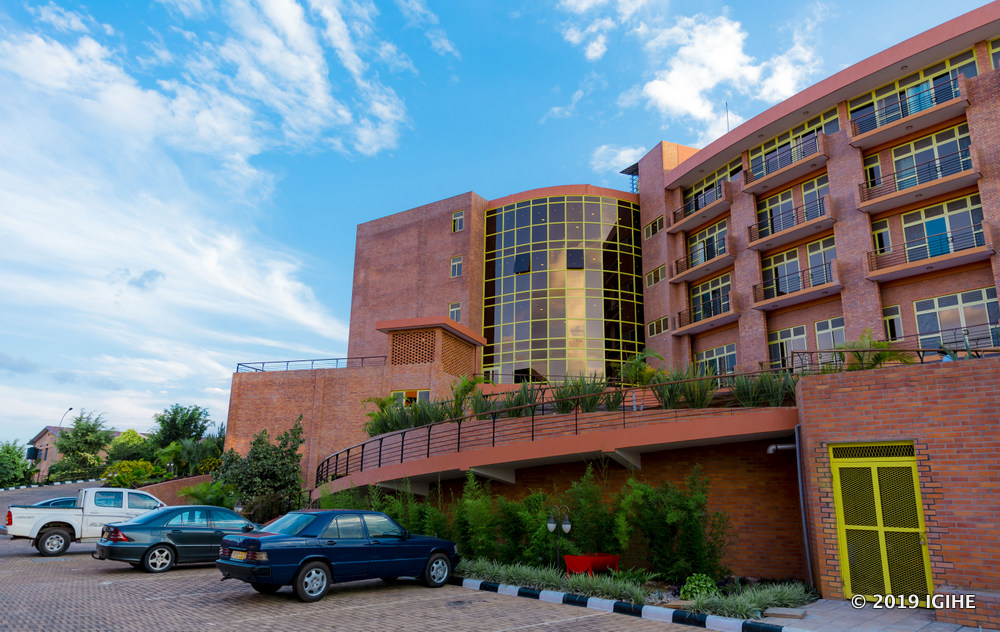
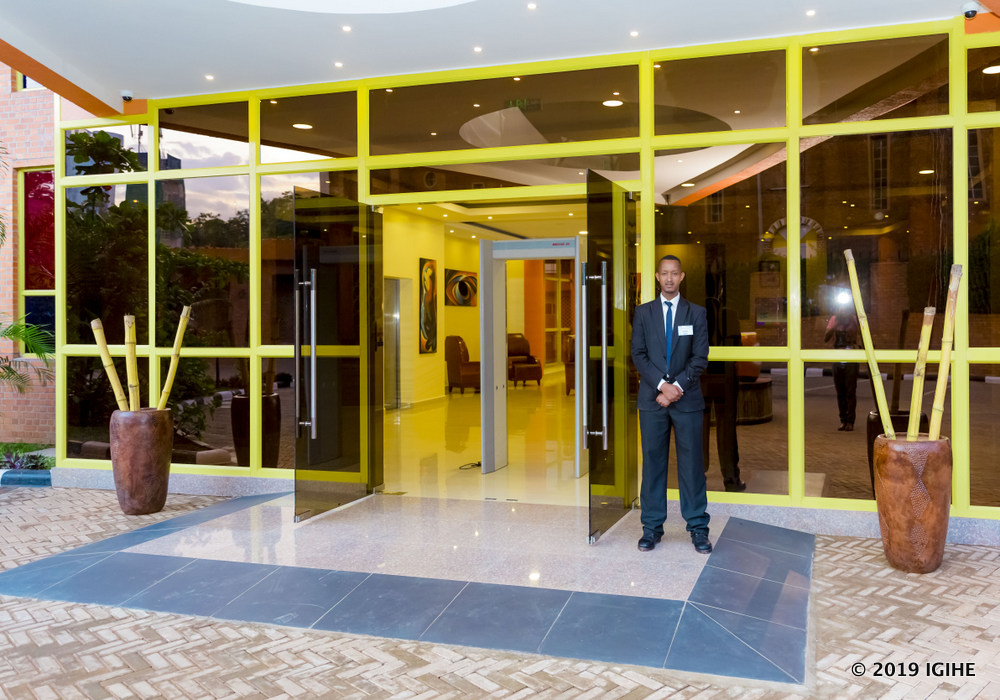
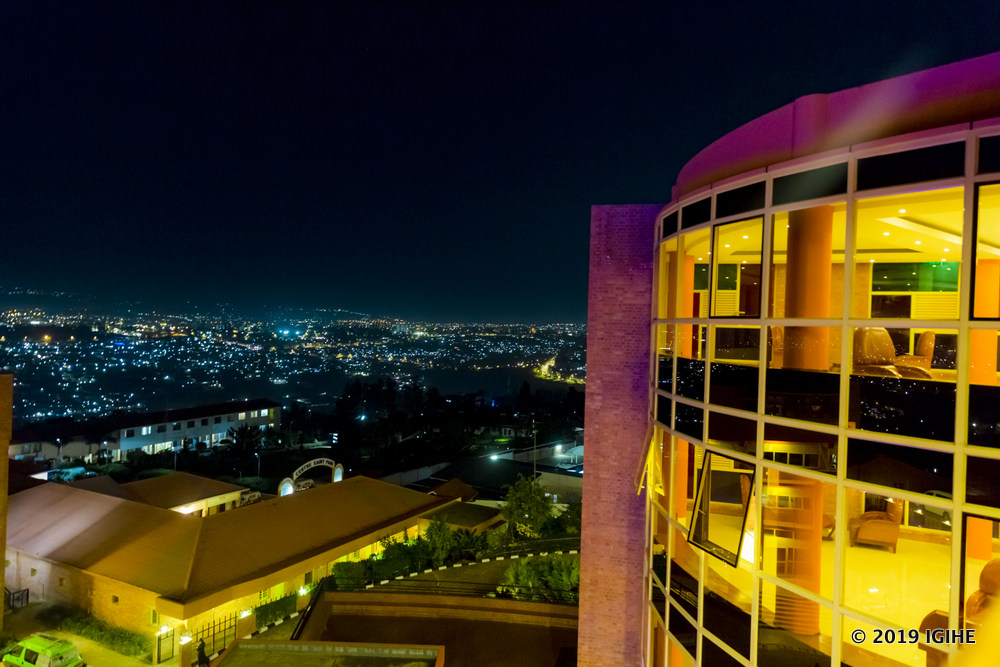
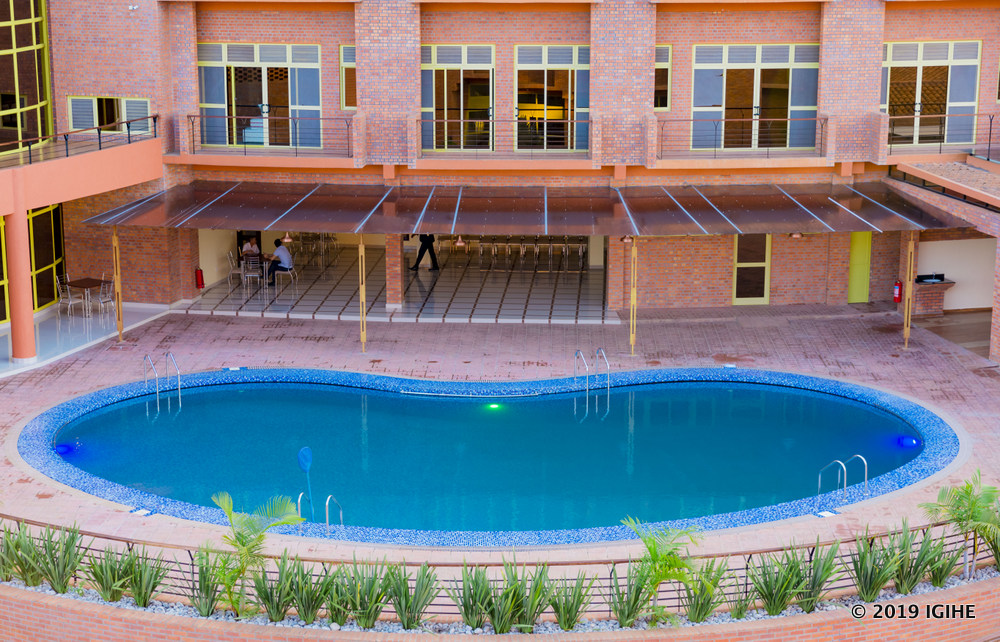
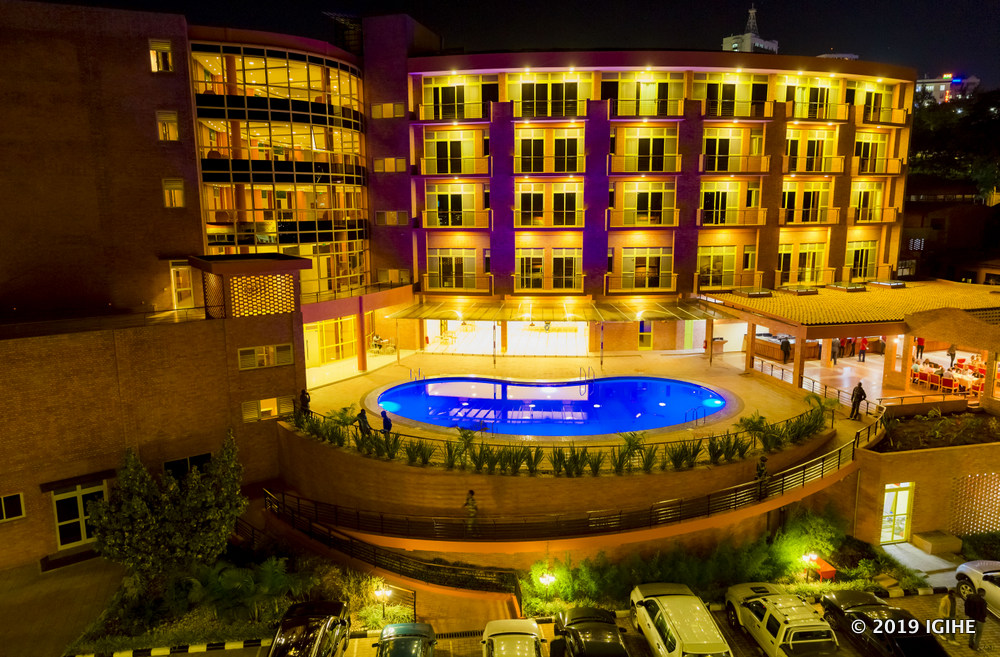
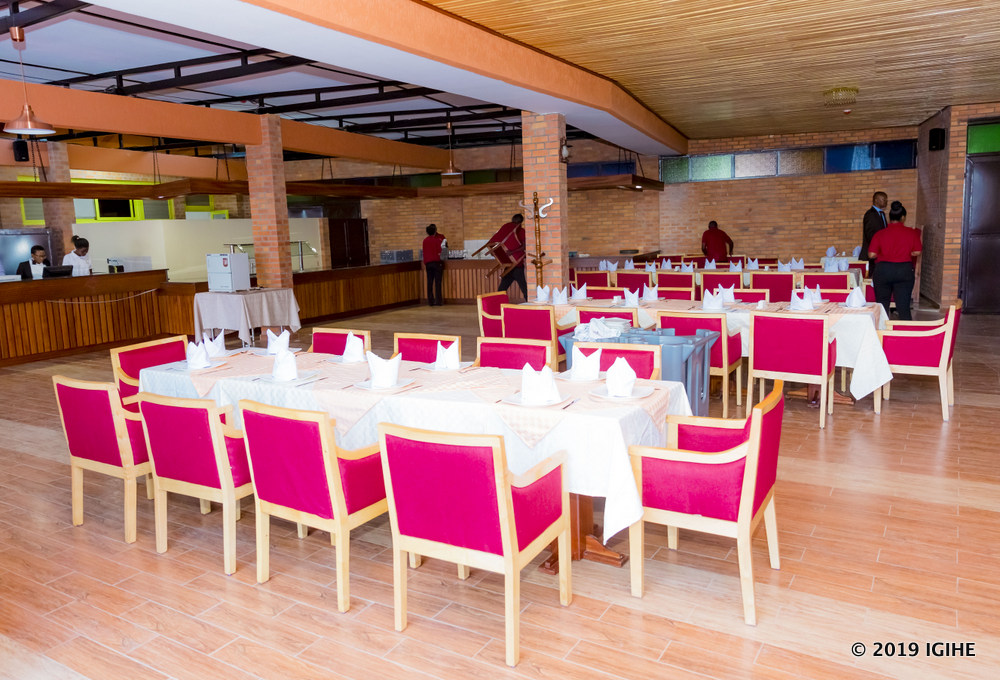
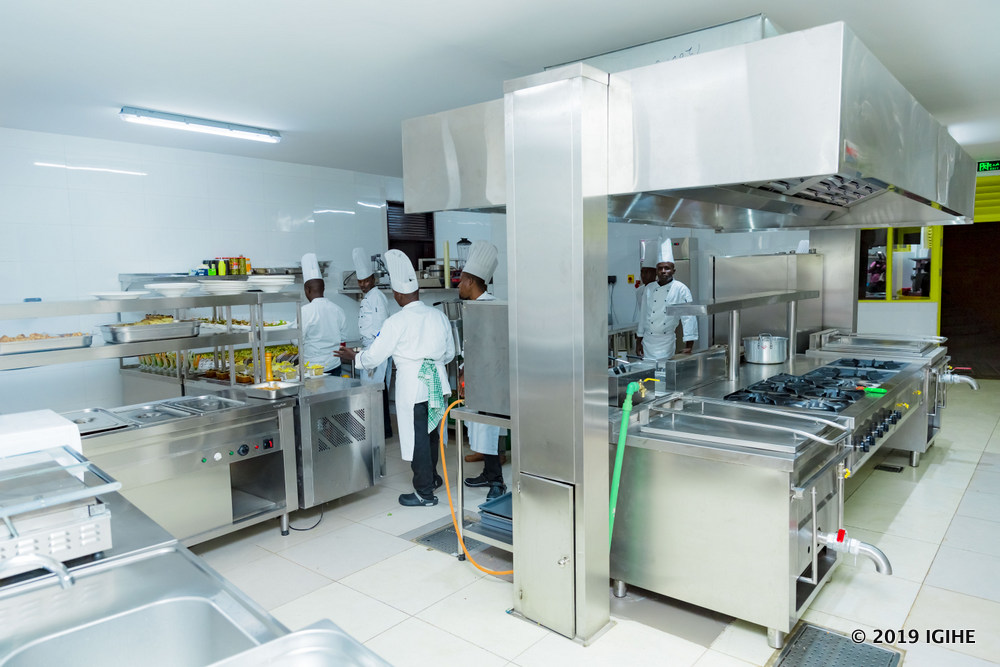
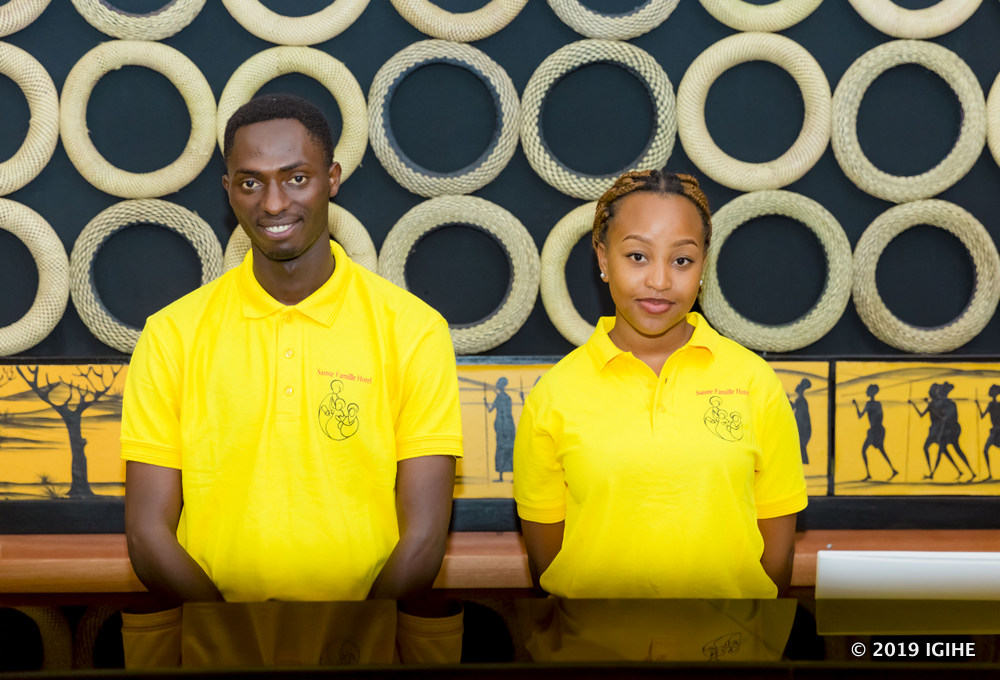
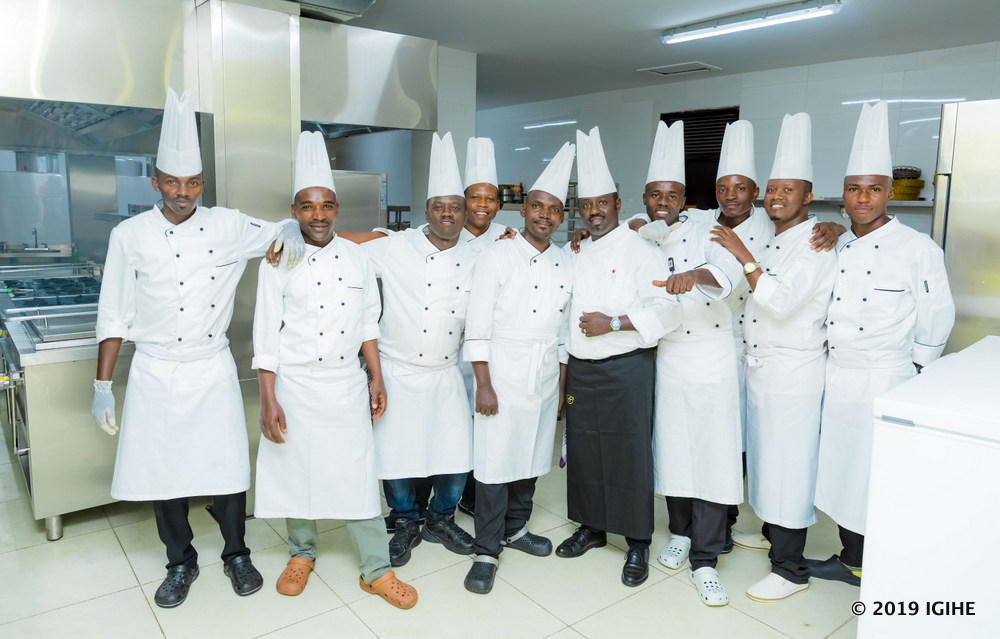
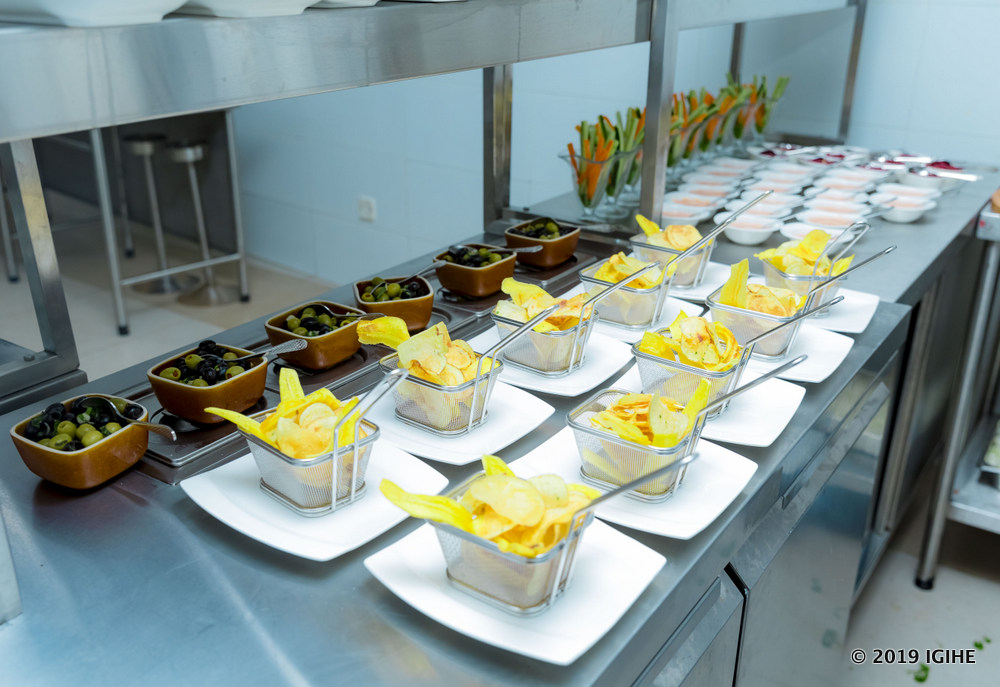
The luxurious state of the art facility is located at Sainte Famille Parish in Nyarugenge district in Kigali city.
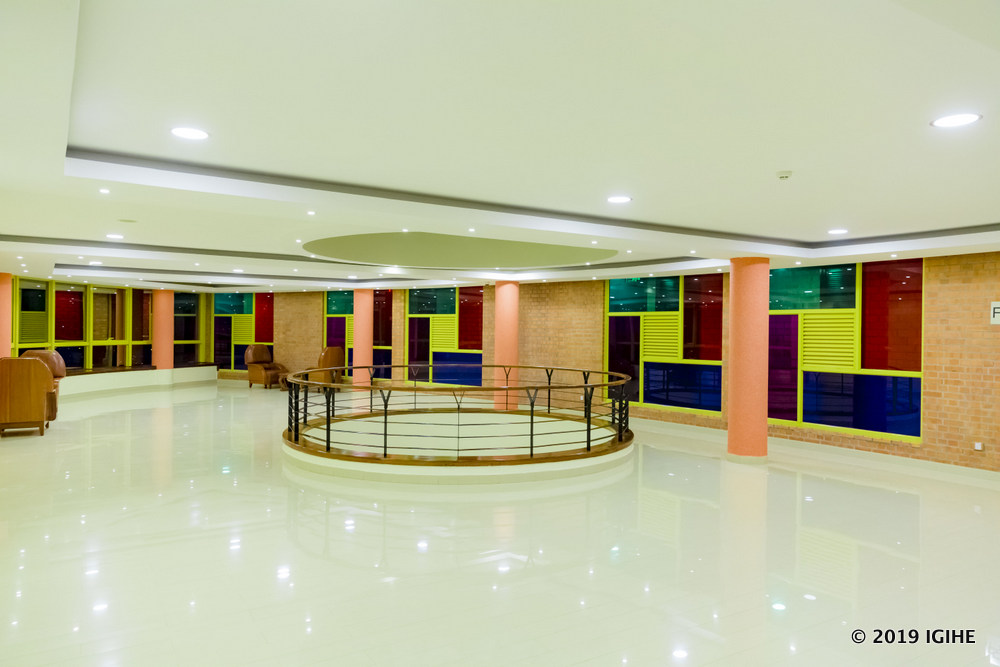
It has 67 guest rooms with options of double, suites that can accommodate a family and deluxe rooms with luxurious refinement. It also has a large conference hall.
Sainte Famille Hotel is built on a comfortable, unruffled space, with a beautiful garden.
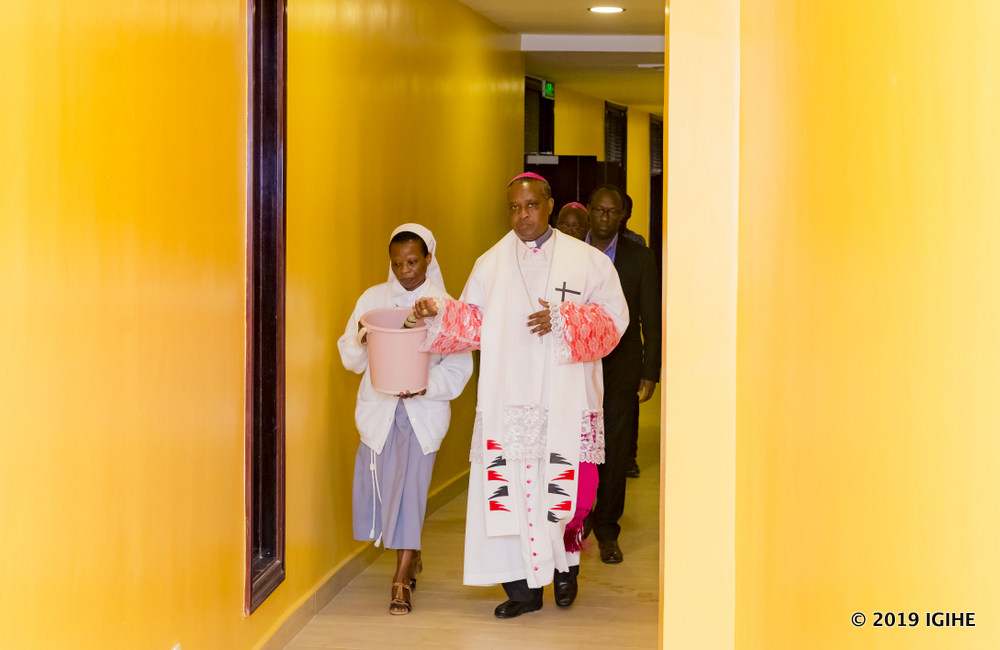
It also has a chapel for Christians where priests can celebrate a Mass for the willing guests.
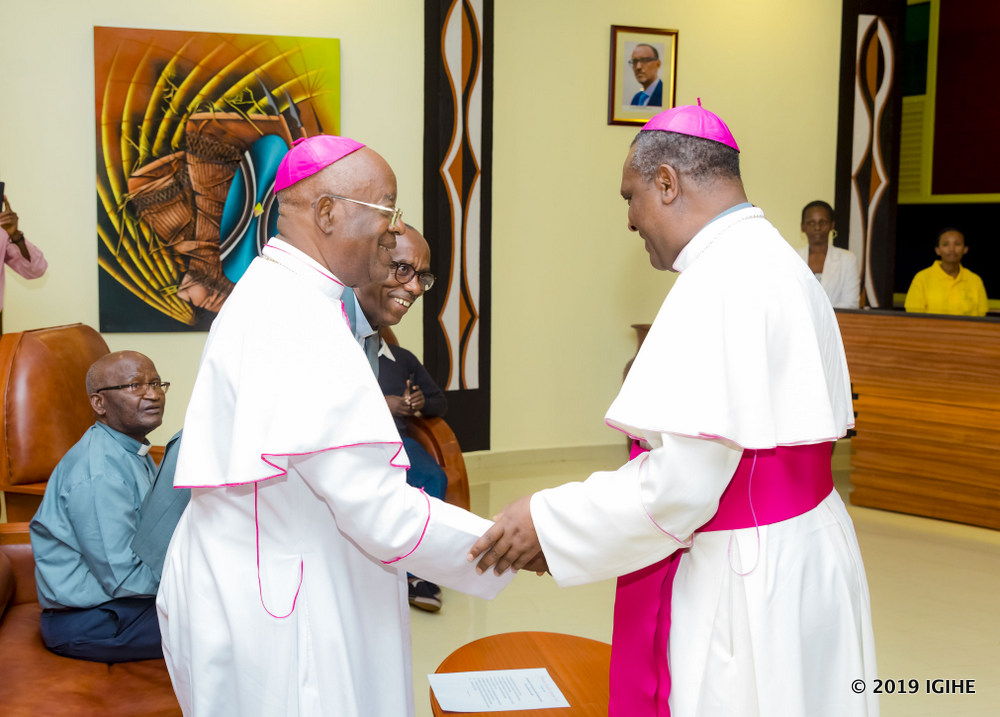
The official launch held yesterday was also graced by the retiring Bishop Ntihinyurwa Thaddée who also blessed the new facility and presence of priests from different dioceses, contractors, the board members of the hotel, among others.
Bishop Ntihinyurwa explained that construction of the hotel started in 2014 with a lot of challenges including a delay of construction permit among others but expressed delight for the successful completion within three years.
“This is a great day full of joy. It is the hope for the Archidiocese to open the hotel to host guests from different corners. That is why it is called Sainte Famille Hotel,” he said.
The hotel is also expected to accommodate pilgrims coming to Rwanda among other guests attending different conferences in the country.
Bishop Kambanda Antoine told IGIHE that the Catholic Church culture of giving a warm welcome to guests inspired the church to build the hotel.
“The church is excited to provide our contribution aligning with its heritage to welcome guests for far too long. All congregations have responsibilities to accommodate travelers because it is a blessing,” he said.
Bishop Kambanda explained that the church has spent Rwf 6 billion on the construction of the hotel.
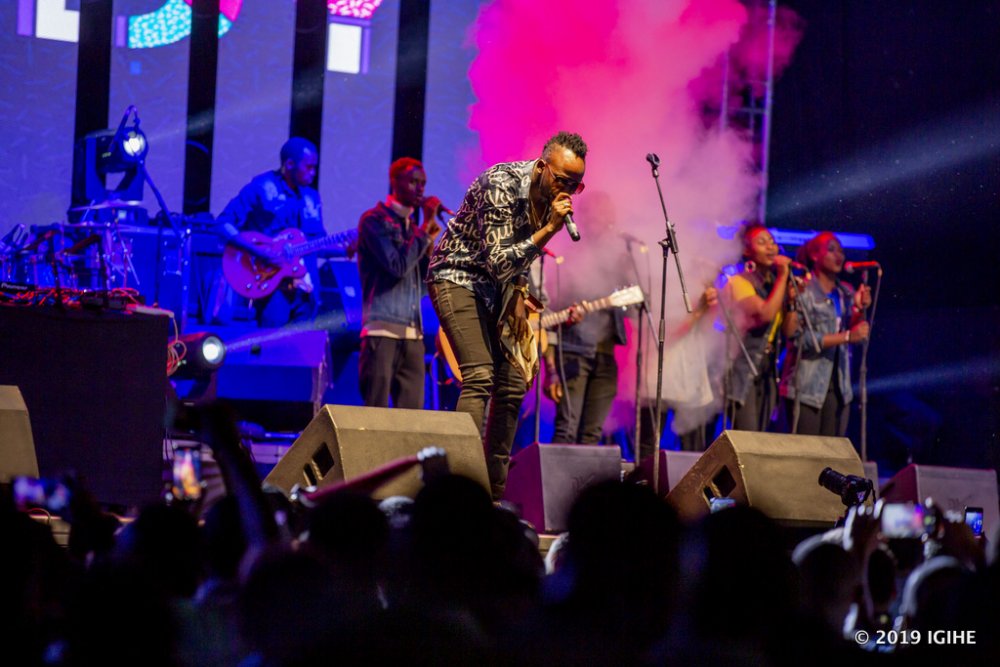
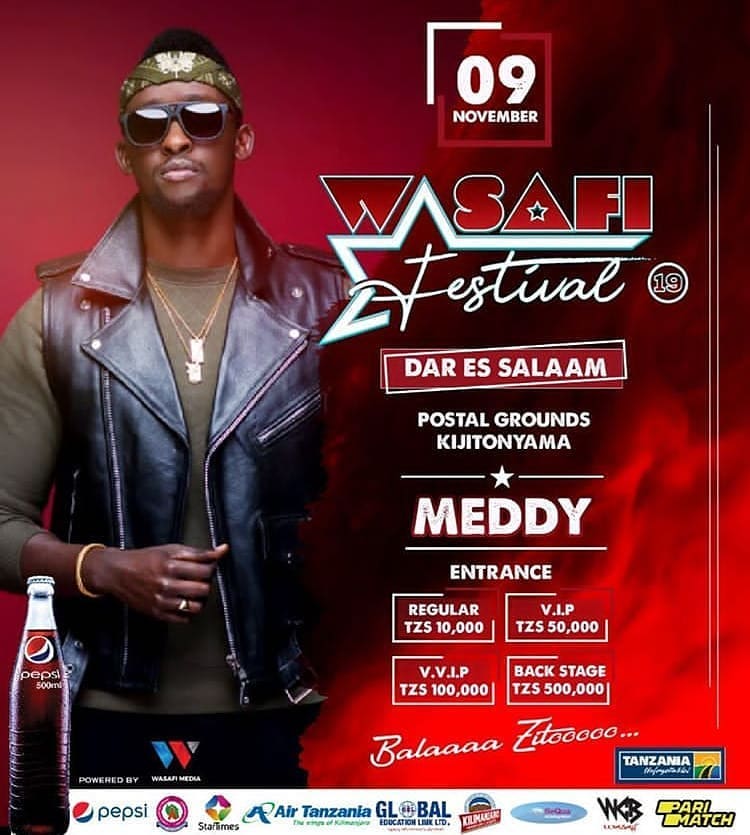
Wasafi Tv Instagram page has posted that the Rwandan artiste who has a joint song recording project featuring Diamond Platnumz and Mbosso, was added to the list of artistes awaited in Wasafi Festival.
The festival is slated from Saturday 7th until 9th November 2019.
Concerts will take place at Posta and Kijitonyama playgrounds in Dar es Salaam, Tanzania. Meddy will perform on the last day of the festival.
Other legendary artists to grace the festival include Wizkid, Tiwa Savage , Ferooz, Sholo Mwamba, TID, Nyandu Tozi, Jux, Professor Jay, Young Killer, Chin Beez, Amber Lulu, Gigy Money, Chidi Benz, Ruby, Country Boy, DJ Ommy Crazy, Lava Lava, Mboso and Queen Darleen among others.
Meddy previously performed in two mega concerts in Rwanda including ‘Kwita Izina’ gala along with Ne-Yo and other popular Rwandan artistes like Bruce Melodie, Riderman, Charly and Nina.
On 9th October 2019, he also performed at Youth Connekt concert which was also graced by performances of other Rwandan artistes and Patoranking from Nigeria.
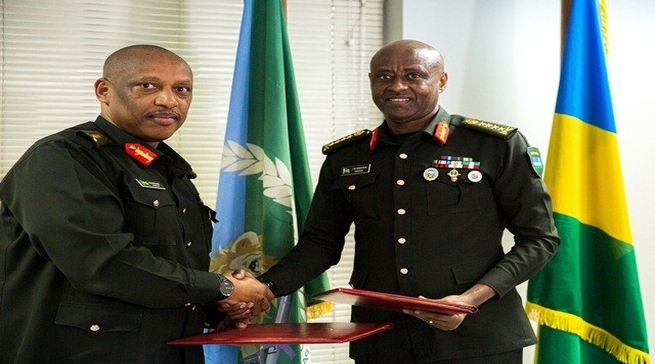
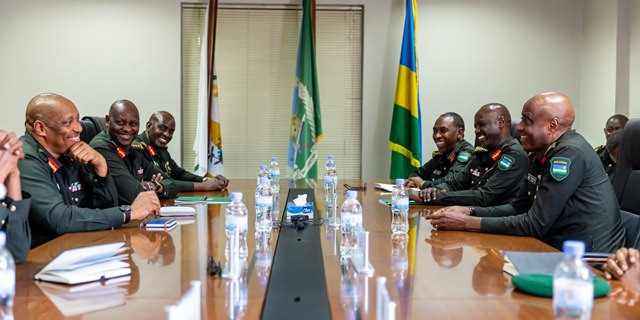
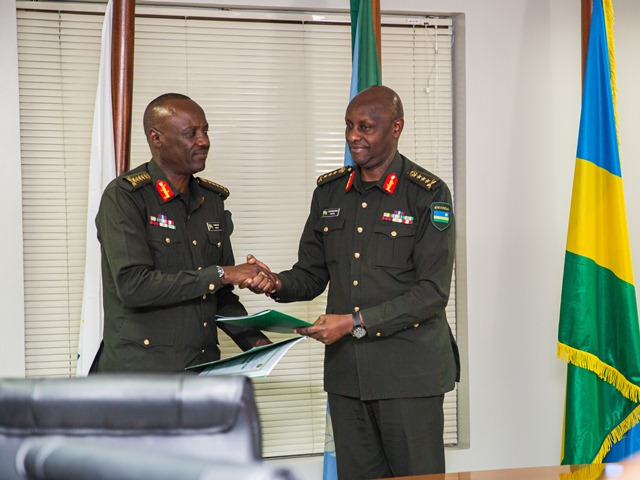
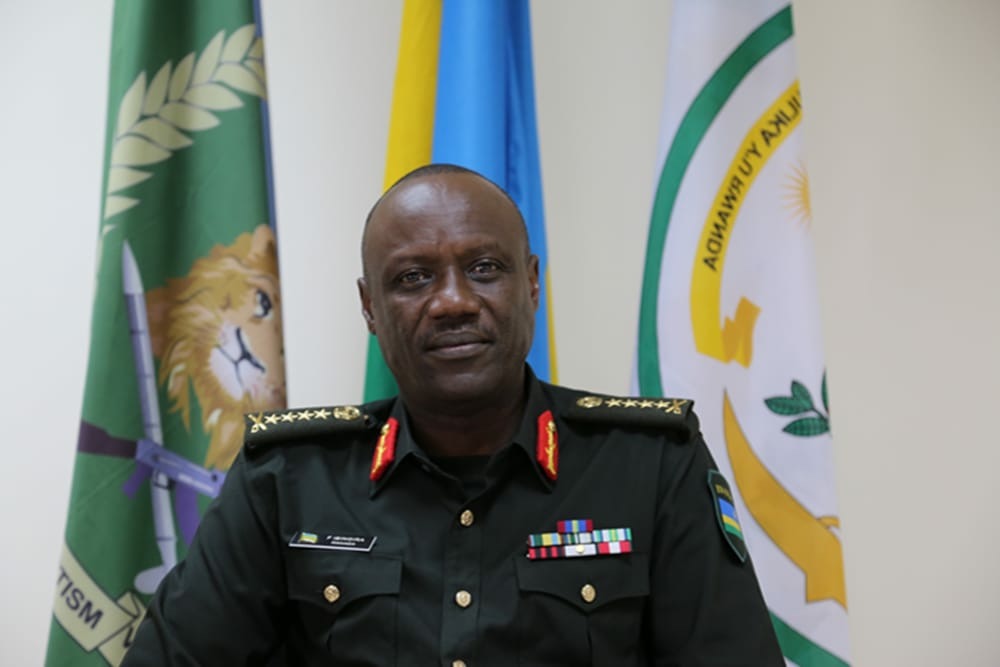
During the same function, the Reserve Force Chief of Staff, Gen F Ibingira was handed over office by Lt Gen J Musemakweli.
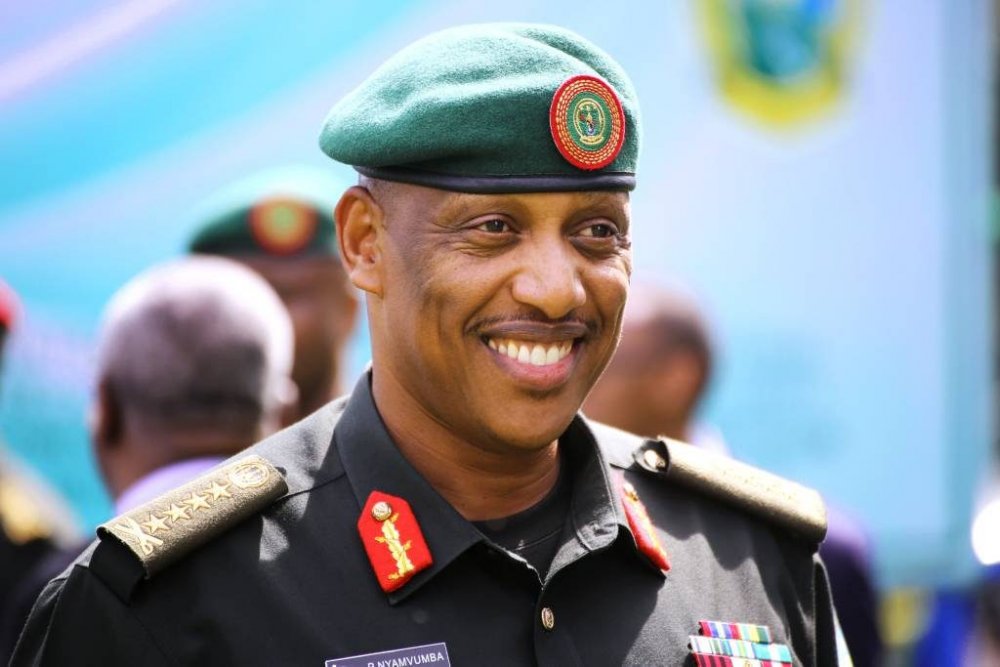
In his farewell address, Gen P Nyamvumba thanked the appointing authority for having given him the opportunity to lead one of the best institutions in Rwanda.
“Together we have registered many achievements but a lot more needs to be done to get the Force to the intended level. I trust you will be able to achieve your mission as you have here a dedicated and strong team to work with. I wish you, your staff and the entire RDF all the best,” he said.
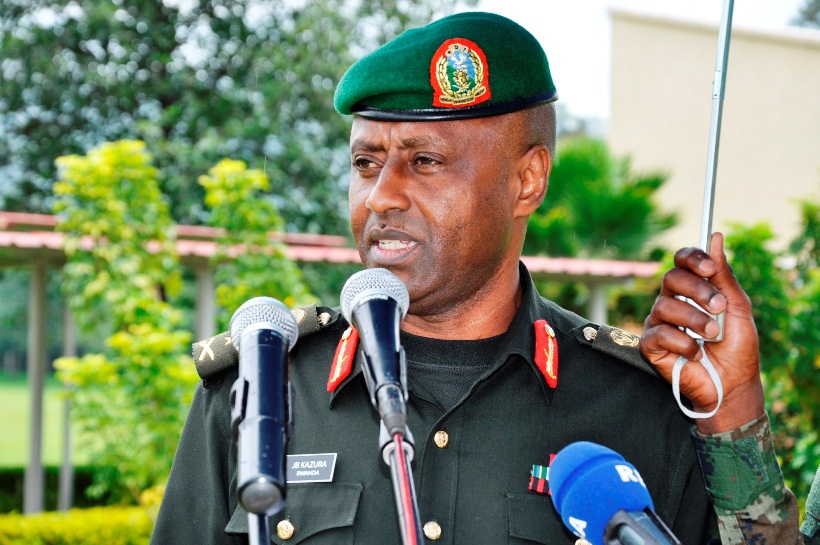
The newly appointed CDS Gen Jean Bosco Kazura in his takeover speech thanked President Paul Kagame for having entrusted in him to lead RDF, a strong institution at home and even beyond.
He also thanked the outgoing CDS for an exemplary leadership that led RDF to where it is today.
“We will emulate you aiming at even doing better. I am coming with humility and assure you to accommodate everybody’s contribution towards building RDF and our country in general,” assured Gen Kazura.
The current handover/ takeover office follows the changes and new deployments effected on 04 Nov 19 by President of the Republic of Rwanda and Commander in Chief of the RDF.
Police said Hakizimana was impersonating RIB officials and defrauding unsuspecting members of the public.
Chief Inspector of Police (CIP) Emmanuel Kayigi, the Police spokesperson for the Western region, said that Hakizimana was arrested during the ongoing joint operation codenamed ‘USALAMA.’
Usalama, meaning safety in Kiswahili, is a regional operation conducted every year simultaneously in 28 Eastern and Southern Police Chiefs Cooperation Organisations (EAPCCO and SARPCCO) member states against high impact crimes including trafficking in human beings, people smuggling, illicit pharmaceuticals, narcotic drugs, and motor vehicle theft.
It also targets environmental crimes (wildlife crimes, illegal logging, and fishing), theft of copper cables and other metals, smuggling of minerals, a proliferation of illicit small arms and light weapons, terrorism and tracking fugitives.
In Rwanda, it is conducted jointly by Rwanda National Police (RNP), RIB, Rwanda Standards Board (RSB), Rwanda Revenue Authority (RRA) and the Federation of Pharmacies, among others.
“Hakizimana used this opportunity of the USALAMA operation and would go shop-by-shop in Rubavu threatening owners that he was part of the operation from RIB attached to Gisenyi station, and getting money from them so as not to confiscate their goods,” CIP Kayigi.
He added: “At the time of his arrest, he had solicited money from one businessman, and was going to defraud two others. He was also found with a forged RIB identity card indicating that he was RIB personnel working at Gisenyi station.”
CIP Kayigi said that Hakizimana was defrauding people out of threats, but thanked one of the would-be victims, who were bold to call law enforcement organs.
He called for vigilance against such fraudsters. “Asking for a bribe is criminal itself; whoever asks for money in order to give a service, consider that as fraud and be quick to report such person to law enforcement agencies.”
In article 279 of law determining offences and penalties in general, it is stated that any person who, without title, usurps public, civil or military functions or poses the acts of one of these functions or falsely attributes to himself/herself the quality of a public official… with an intention to mislead the public, commits an offence.
Upon conviction, he/she is liable to imprisonment for a term of not less than two years and not more than three years with a fine of not less than Rwf300, 000 and not more than Rwf500, 000.
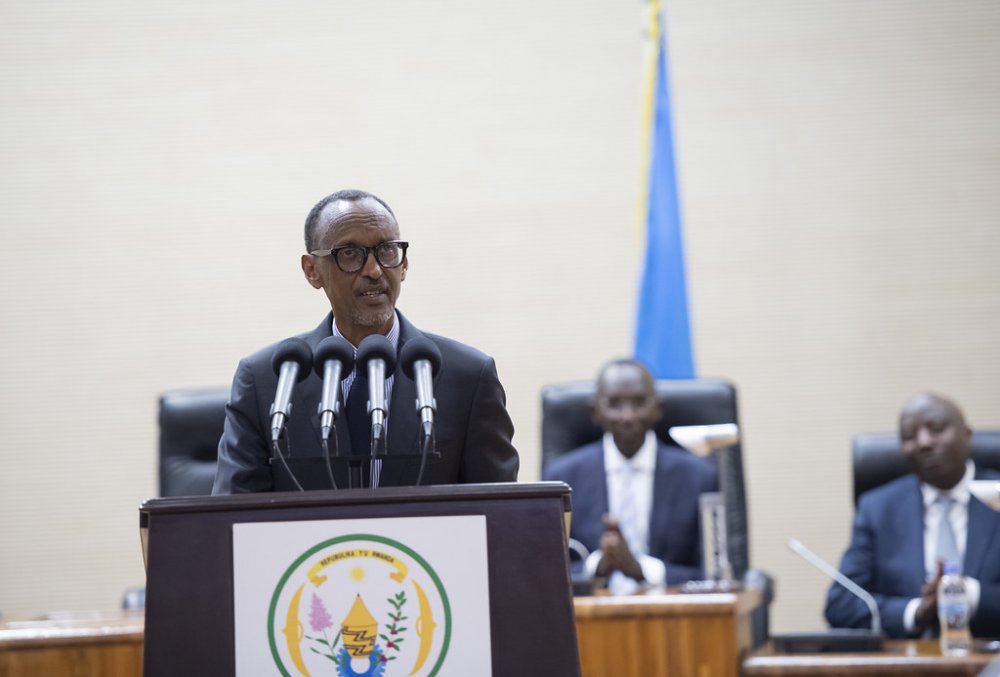
Kagame made the notice on Tuesday as he presided over the launch of the judicial year 2019-2020.
The Prosecutor General, Jean Bosco Mutangana revealed that the institution recorded increased cases of defilement in the judicial year 2018-2019.
“In particular, files related to such crimes rose from 2996 from 2017/2018 to 3363 in the previous year 2018/2019. We expended much effort to process these files handling 3350 representing 99%,” he said.
“It also goes with following up of crimes related to threatening a spouse. We received 1601 files last year and processed 1599 of them representing 99%. We won these cases at 93.7%. We continue to expend much effort in collaboration with relevant entities to safeguard Rwandan society,” added Mutangana.
Kagame lauded the progress of the judiciary over the past ten years but emphasized the need to seek alternative remedy for increasing crimes.
“I am not repeating all the cases. These issues have been already mentioned. Divorces are increasing as well as defilement cases. When it comes to defilement, the situation is much worse even though mature people don’t deserve rape. I have heard a lot of issues. There are increased numbers, judiciary’s improved efficiency handling more cases than before but I would like to add the third thing,” he said.
“I can add the third thing when the number increased, and got means to solve court cases fast. I am wondering if adopting tougher punishments won’t help. The judiciary works efficiently but the good performance didn’t solve the matter. We should take steps farther to oppose it. I will leave that to concerned officials to analyze its feasibility,” added Kagame.
Statistics reveal that RIB received 2091 defilement cases in 2016/2017 that rose to 3060 in 2017/2018 and 3512 in 2018/2019.
The number of related suspects was 3417 in 2018/2019, 3001 in 2017/18 and 2092 in 2016/2017.
The prosecution explains that it wins defilement cases at 80%.
So far, 1355 cases were handled since 2016/2017 leading to the sentence of 1109 and acquittal of 246 suspects.
The prosecution also won 1168 of 1480 cases handled in 2017/2018.
The President of Rwanda Bar Association, Julien Kavaruganda explained that the body has a team of 30 lawyers specifically assigned to help children where 2450 were assisted in collaboration with the Ministry of Justice.
Figures from the Ministry of Health indicate that a total of 17,337 teens who gave birth at hospitals in 2017 were under 19. The number rose to 19,832 in 2018 and 15,696 in 2019.
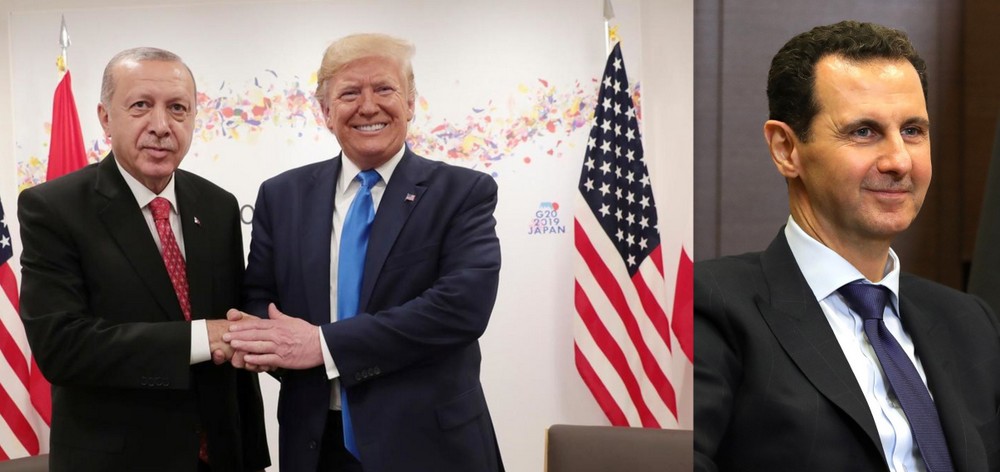
It all began with a phone call, Erdoğan warning the American President Trump to withdraw his forces in the cities of Manbij and Kobanî within northern Syria near the Turkey-Syria border.
President Erdogan told his American counterpart Trump that his forces would be in jeopardy ahead of Turkey’s “Barış Pınarı Harekâtı” or known as Operation Peace Spring operation in English.
When I read about this, I thought it was a propaganda campaign meant to heighten tensions between both countries, until I watched Trump’s troops pulling out of Manbij.
Manbij had been turned into the Kurdish stronghold controlled by Syrian anti-government forces, Syrian Democratic Forces (SDF) and the Syrian Arab Army (SAA).
President Erdogan, a well know devoted Muslim, invaded a foreign state to create what he called a “safe zone”. In what would be seen as a suicide mission and a gross violation of the international laws by many, the tough and fearless Erdogan seemed to be on the other side of the coin; he launched attacks on the Syrian territory to secure the two cities at the Syria-Turkey border to repatriate thousands of Syrian refugees who had fled endless Syrian civil war to Turkey.
Risky Turkey’s deployment in Syria influenced the United States foreign policy.
Trump had created a coalition with the Kurdish forces to fight the Islamic State of Iraq and the Levant (ISIL) in the cities of Manbij and Kobanî. Unlike the United States, Turkey considers the Kurdish’ Syrian Democratic Forces (SDF) as a terror organization so striking SDF was killing two birds with one stone.
President Trump’s the United States had threatened of imposing sanctions on Turkish ministers and other senior government officials if it continued to strike in Syria; Russian another key ally of the Syrian government also maintained its position opposing the operation and reinforced the deployment of its forces in Syria.
Surprisingly Trump decided to pull out his troops in Syria, which was seen as a betrayal to the Kurds as per their previous coalition in fighting the ISIL in the war-torn country. Many questioned the US’s credibility and saw it as a failure to its foreign policy.
Turkey’s tensions with Saudi Arabia and its main ally the United States of America could escalate further.
Political differences between Turkey, the United States, and the Saudi Kingdom show no sign of ending.
Not long ago, Jamal Ahmad Khashoggi, a Saudi Arabian controversial journalist who was seen a threat to the kingdom leadership was murdered inside a Saudi Consulate in Istanbul.
Since then Turkey and Saudi have been at loggerheads with Turkey accusing the Arab Kingdom of killing its own national on the Turkish soil; accusations that the Kingdom has consistently refuted.
Many thought the Khashoggi assassination would affect the existing US-Saudi Arabia relations as the US condemned his death and ordered an independent investigation.
Despite Turkey’s provision of all evidence pinning Saudi Arabia’s Crown Prince Mohammad Bin Salman Al Saud to Khashoggi death; both countries reiterated that their mutual interests were bigger than Turkey’s accusations.
Turkey’s strongman Erdogan has proven that the United States’ foreign policy can be influenced by other parties.
Though up to now many still wonder what could have triggered Trump’s decision of pulling out of Syria but Trump’s decision was strategic.
Erdogan had a noble cause to defend besides securing Manbij and Kobanî for Syrian refugees’ settlements, Erdogan was also protecting his country from the Kurdish terrorists who could carry out terror activities on the Turkish soil.
{{Sam Abdul Aziz Sewanyana Junior is a political analyst based in the Great Lakes Region.}}
The changes were announced yesterday with new forces in the command of RDF.
Gen Fred Ibingira has also been returned to his previous functions as the Reserve Force Chief of Staff.
Kagame coincidently promoted Gen Maj Jean Bosco Kazura to the rank of General and appointed him CDS.
Gen Fred Ibingira returned to Reserve Force Chief, the position he assumed between 2010 and 2018. He was subsequently replaced by Gen Maj Aloys Muganga and Lieutenant General Jacques Musemakweli.
Yesterday’s changes saw Lieutenant General Jacques Musemakweli, the previous Reserve Force Chief appointed RDF Inspector General.
Gen Maj Innocent Kabandana has been appointed Deputy Reserve Force Chief.
Brig Gen Didas Ndahiro has been appointed the Commandant of RDF Command Staff College in Nyakinama while Brig Gen Ephrem Rurangwa was appointed the Commandant of Rwanda Military Academy.
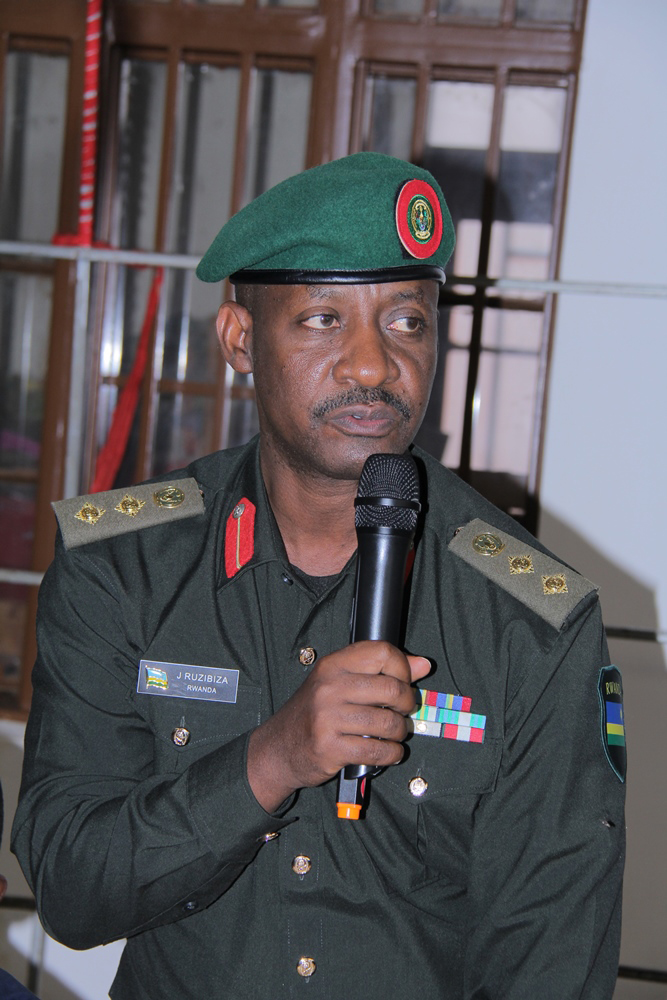
Colonel James Ruzibiza was promoted to the rank of Brigadier General and appointed the Commander of Engineering Brigade.
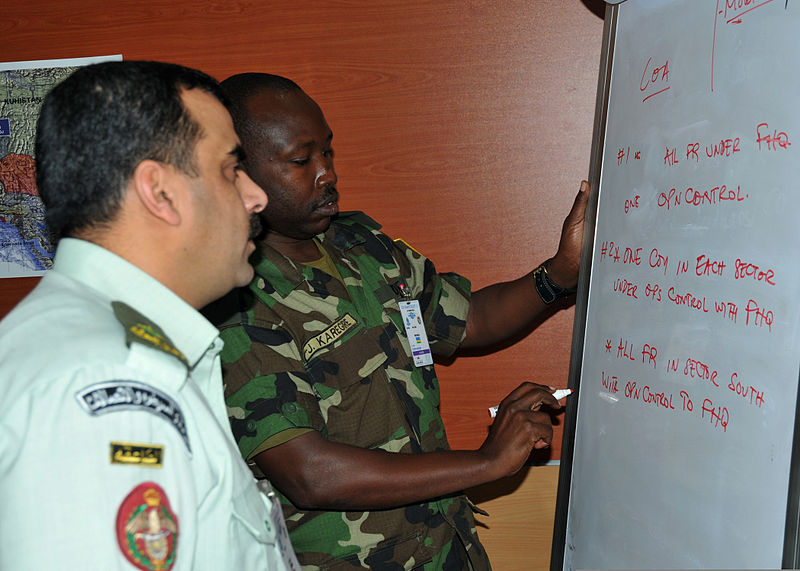
Colonel Karusisi Ruki has been promoted to Brigadier General and appointed Commander of Special Forces Operations Force while Colonel Joseph Karegire has been appointed Chief J3 (Operations and Training).
Among others, Colonel Faustin Kalisa has been appointed Chief J1 (Personnel), Colonel Adolphe Simbizi appointed Chief J4 (Logistics), Colonel Jean Paul Karangwa was appointed Commander of Military Police, Lieutenant Colonel Patrick Karuretwa is promoted to Colonel, Lieutenant Colonel Emmanuel Kanombayire is promoted to Colonel and appointed Second in Command of Special Operations Force , Lieutenant Colonel Jules Rwirangira is promoted to Colonel and appointed the Commander of Artllery Division.
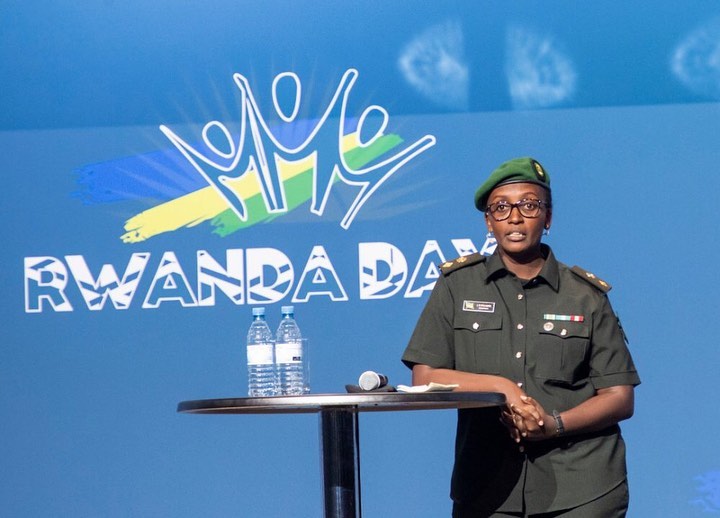
Lieutenant Colonel Lausanne Ingabire is appointed Chief J9 (Civil-military relations) while Major Regis Rwagasana Sankara was promoted to Lieutenant Colonel.
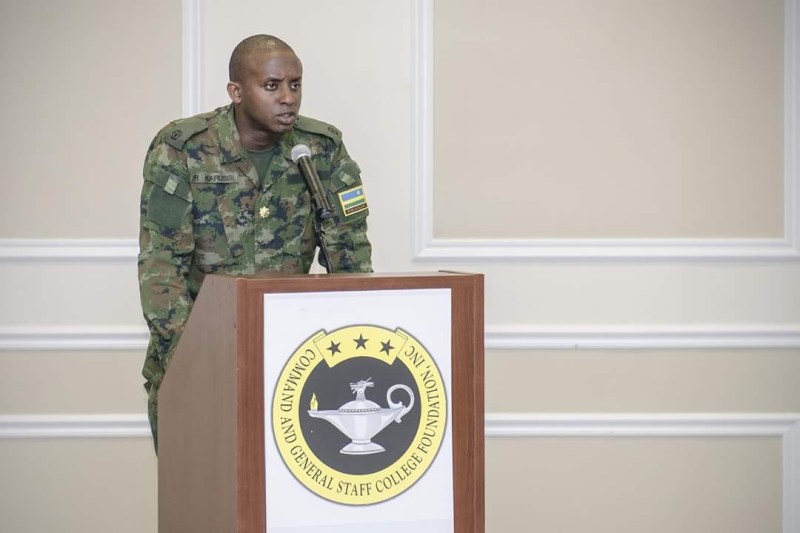
Among others, Major Regis Rwagasana Sankara has been promoted to the rank of Lieutenant Colonel.