Thierry Niyorurema was arrested on Sunday in Remera Sector, where he was found slaughtering one of the cows stolen recently.
Chief Inspector of Police (CIP) Hamdun Twizeyimana, the Police spokesperson for the Eastern region, said that the cow which Niyorurema was found slaughtering was stolen the previous night in the neighboring Kibungo Sector, also in Ngoma.
“When the victim identified as Jeannette Mukansengimana reported the theft to Police on Sunday morning, all Police stations in Ngoma were put on alert,” CIP Twizeyimana said.
“Residents of Rurenge Sector later called the Police at Rurenge station reporting people, who had crossed to Remera sector with a cow, which they suspected was stolen. Rurenge and Remera Police station worked together and arrested Niyorurema while slaughtering the cow,” he added.
The spokesperson said that Niyorurema, who runs butchery in Remera, didn’t use the usual known local abattoir; he instead slaughtered the cow from the bush where he was arrested in the act.
Meanwhile, Niyorurema said he bought the cow from another man, whose particulars he didn’t disclose.
“Law enforcement agencies are working together to arrest and bring to justice all those connected to this crime,” said CIP Twizeyimana.
He, however, said that cattle theft in the region has reduced due to increased operations in the recent past and community policing, which led to the arrest of many rustlers.
Rwanda National Police (RNP) spokesperson, Commissioner of Police (CP) John Bosco Kabera said that some parents and guardians tend to engage minors in hard labor or commercial activities when in holidays, which amounts to “child labor and punishable by law.”
“We must protect children, as a community, from abusing narcotic drugs and psychotropic substances, or drinking alcoholic beverages. We should not turn them into all-time babysitters or subject them to hard domestic chores; in stone quarries and mines as well as tea plantations; protect them from markets where they are sent for commercial activities,” CP Kabera said.
On Sunday, Police and local leaders in Gakenke District found 35 minors aged between 9 and 15 years, going to Vunga market carrying heavy luggage and produce including sugarcane and banana. Most of them were in company of their parents.
“Children can always help their parents but not in a way that breaks the law and deprives the children of their rights. We urge parents and Rwandans in general to ensure that these children enjoy their holidays in a peaceful and secure manner, protect them from anything unlawful and harmful to their lives and their future,” said CP Kabera.
“We need to protect children from criminal exploitation, human trafficking and modern slavery; share information if you suspect that your neighbor employs children as domestic workers, those who subject them to corporal punishment in form of disciplining or use them in hazardous activities.”
He further reminded organizers of entertainment events, owners and managers of entertainment spots not to allow children less than 18 years of age into their premises, and not to serve them alcoholic beverages.
The law relating to the protection of the child, in its article 27, states that a person, who sells alcoholic beverages or tobacco to a child, causes or encourages a child to drink alcoholic beverages, to smoke or to go to bars commits an offence.
Upon conviction, he or she is liable to imprisonment for a term of not less than three months but not exceeding six months and a fine between Rwf100, 000 and Rwf200, 000.
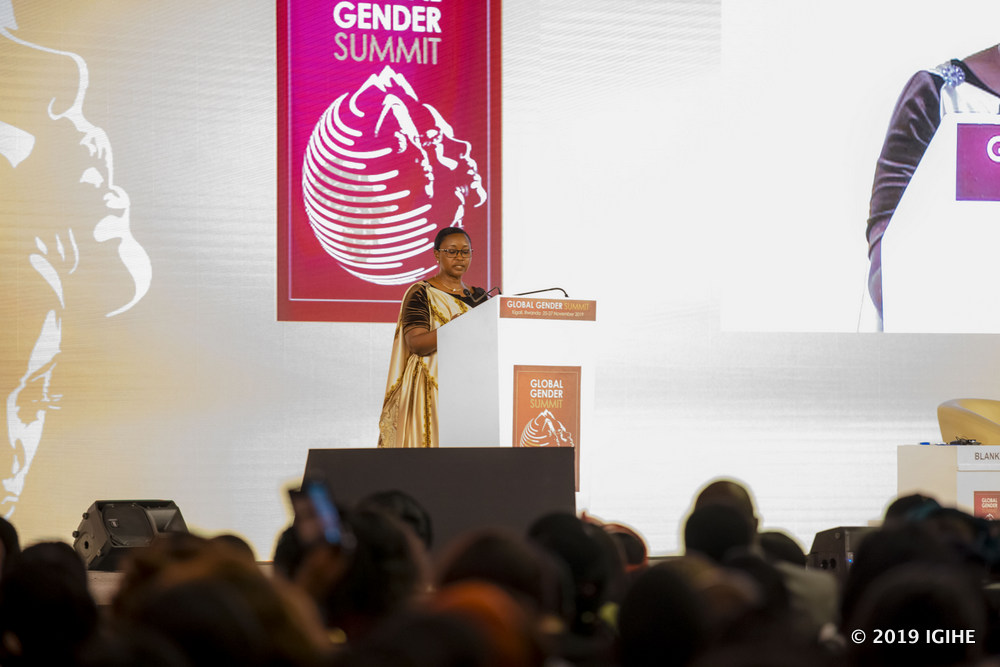
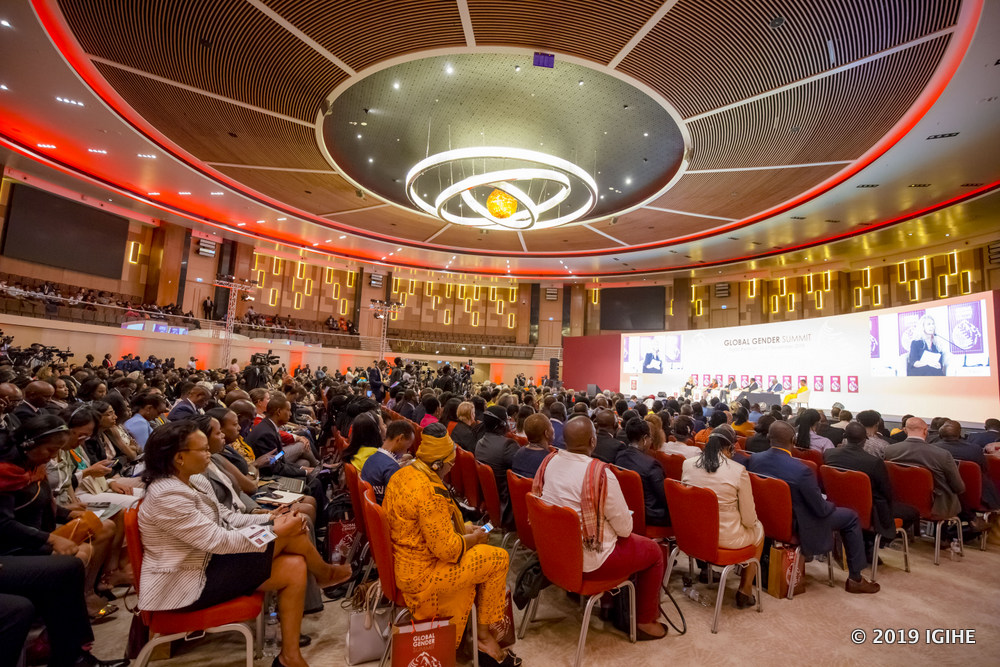
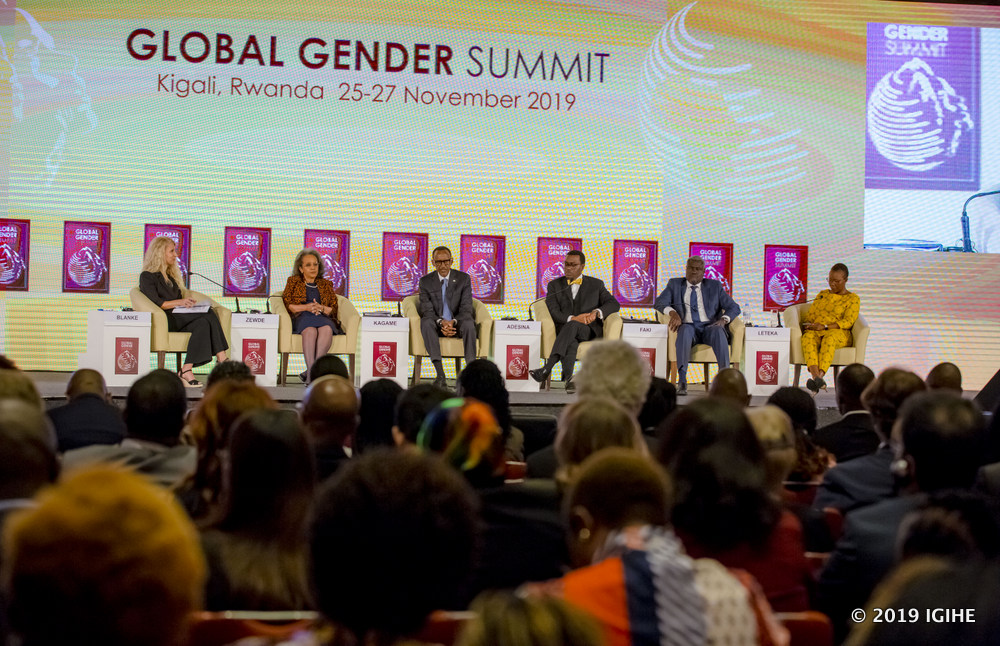
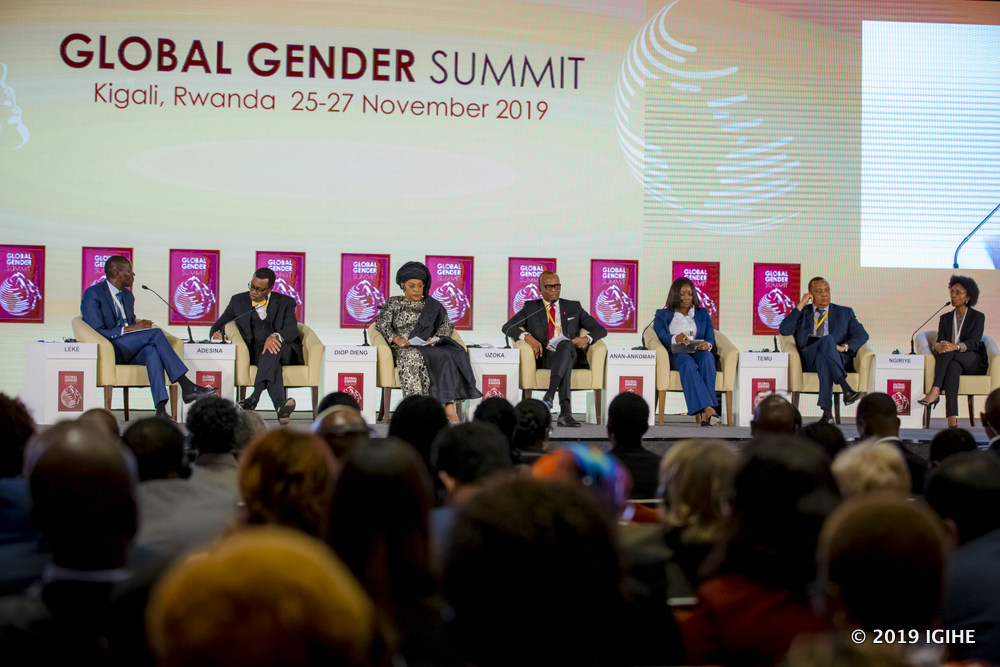
Mrs. Kagame was speaking at the Global Gender Summit during a high-level panel session themed; “Realizing a Demographic Dividend through Investments in Gender Equality”, which tackled priority interventions in addressing persisting gender inequalities.
Despite the solid role that they have historically played in societies, Mrs. Kagame said women have been disempowered.
“Growing up I thought and I actually believed, that ‘what a man can do, a woman can do just as well.’ I maintain that stand,” she said.
“As fate would have it, the irony of our dark history, suddenly threw our women into a multitude of roles, as they had to be the mothers, husbands, fathers, brothers, comforters and guardians,” she added.
Mrs. Kagame emphasized that sustainable socio-economic growth can be achieved when everyone’s full contribution to the economy is given its rightful value and when access to health, education, profitable opportunities and financial inclusion are no longer the privilege of a selected few.
First Lady of Kenya, Margaret Kenyatta, highlighted an example of how investing in female health workers can particularly drive economic value for countries, something she said her country has experienced.
“We have seen the impact their (women) work has given us as Kenya. I have seen how trained healthcare community workers have played a critical role in filling the gap to alleviate health staff shortages,” she noted.
Mrs. Kenyatta said that women face similar challenges that limit their ability to engage in development as equal citizens.
The challenges include lack of access to credit, lack of influence due to low representation in decision-making positions, lack of control or ownership of productive assets like land, and lack of financial control to make spending decisions on education and health, among others.
“In Kenya, we envisage a country where every woman and girl enjoys gender equality; a country where all legal, social and economic barriers that hinder the progress of women and girls’ are removed,” she noted.
The session featured a panel discussion which observed that women still face barriers to access sexual and reproductive health and rights and access to labor market opportunities, among other things.
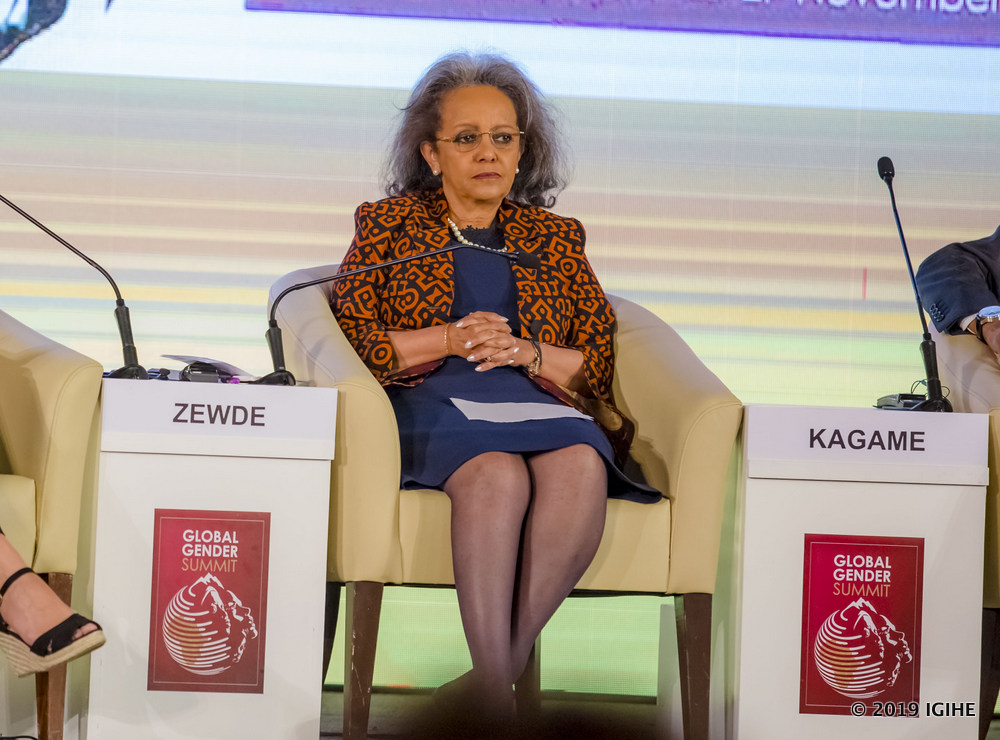
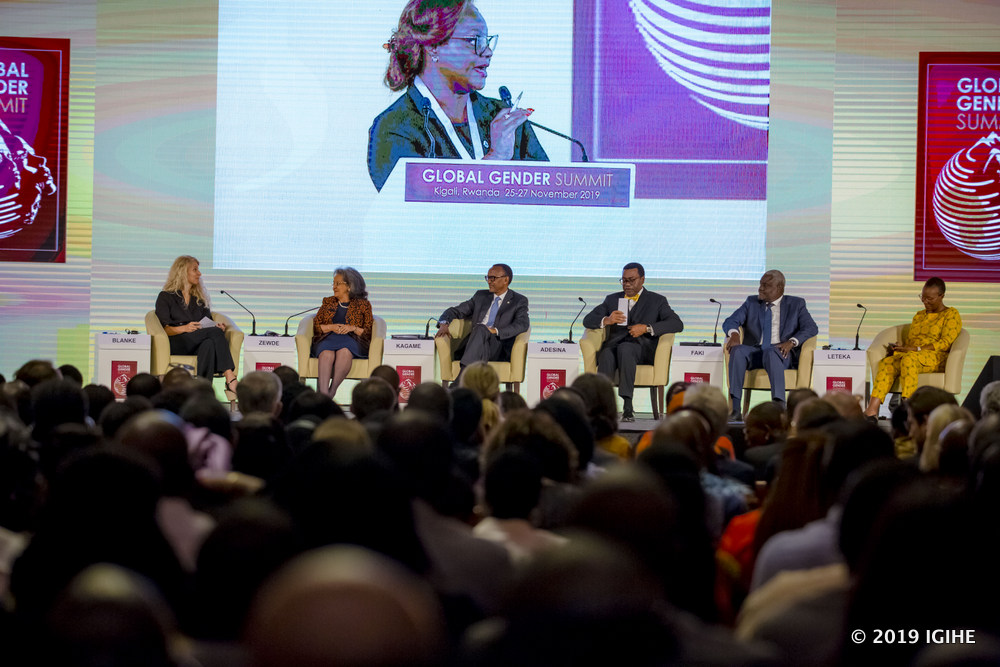
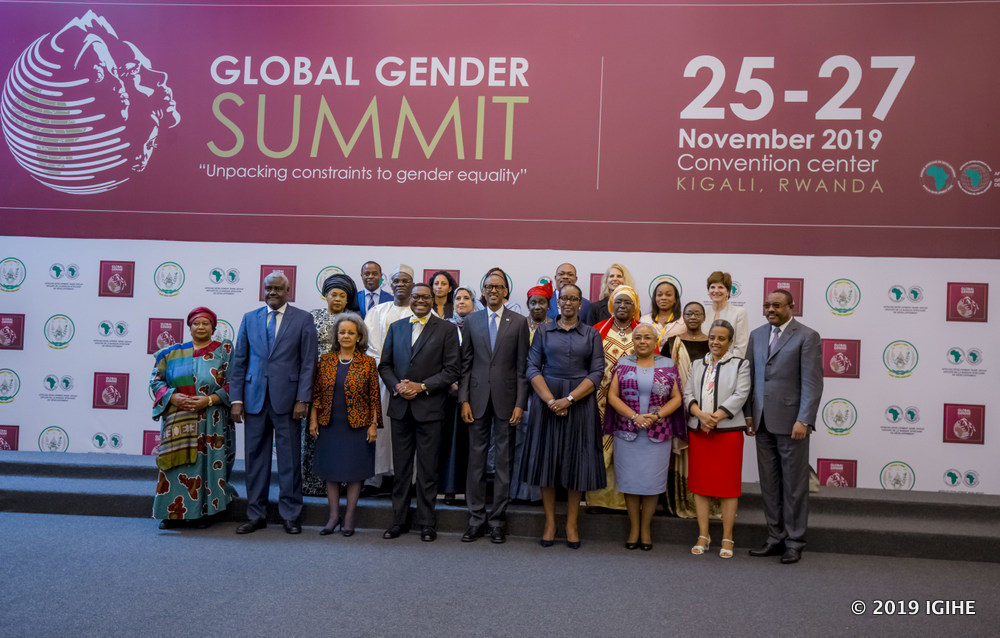
It is the first time the biennial Global Gender Summit is hosted by an African country. It attracted different leaders from across the continent including the President of Ethiopia, Sahle-Work Zewde, former Malawian President Joyce Banda, African Development Bank President (AfDB) Dr. Akinwumi Adesina and other high ranking dignitaries.
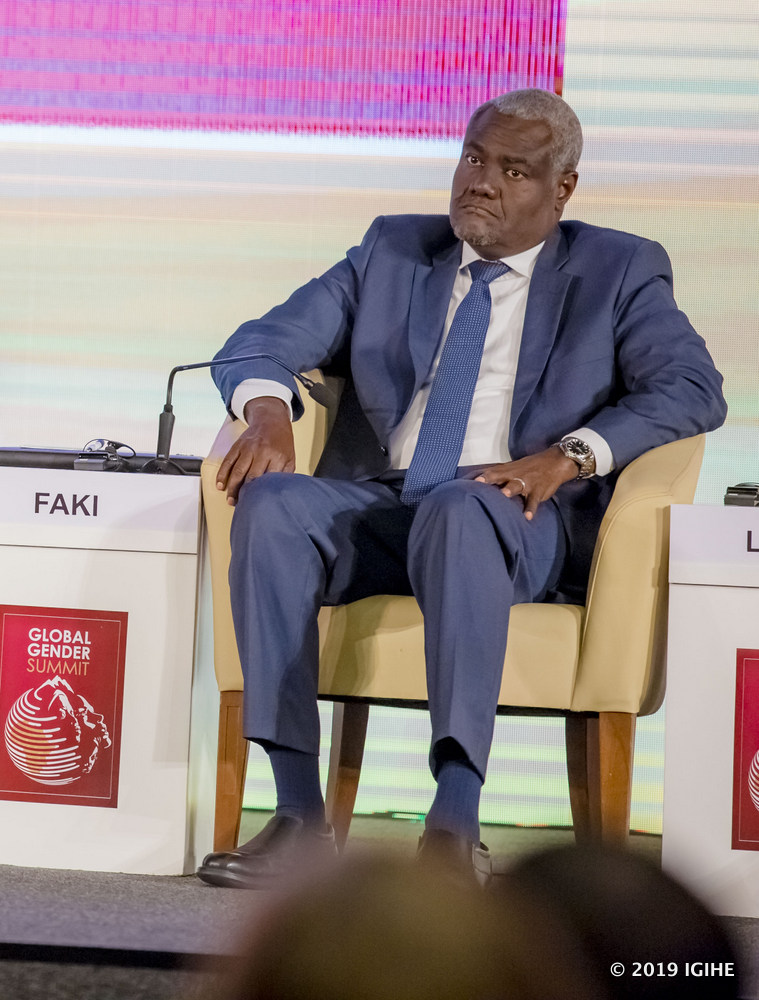
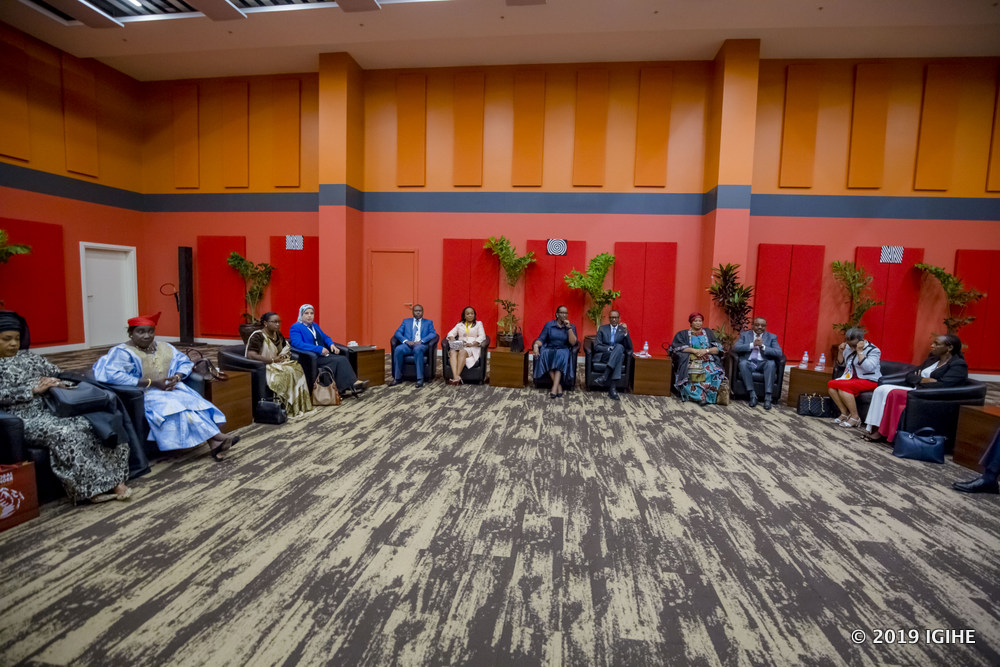
Rwanda’s First Lady Mrs. Jeannette Kagame, Kenya’s First Lady Margaret Kenyatta, and African Union Commission Chairperson Moussa Faki Mahamat attended the opening ceremony.
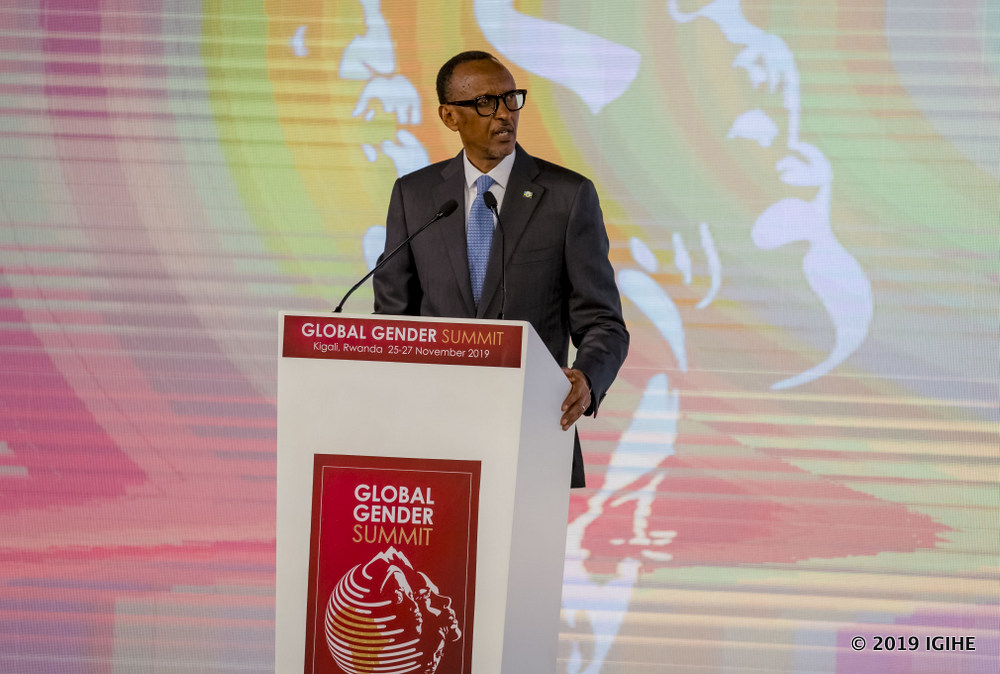
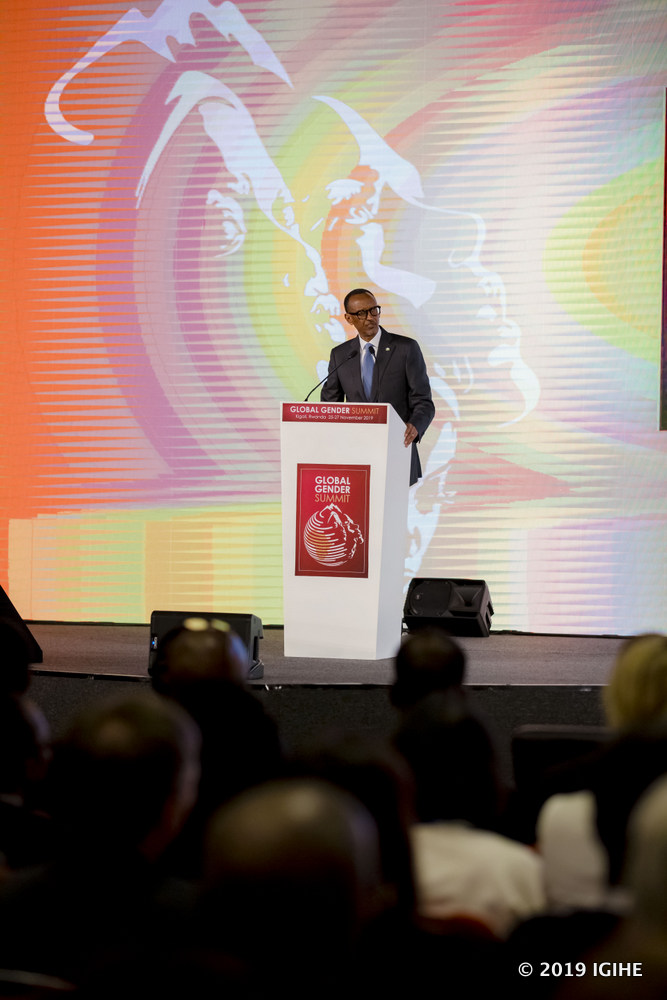
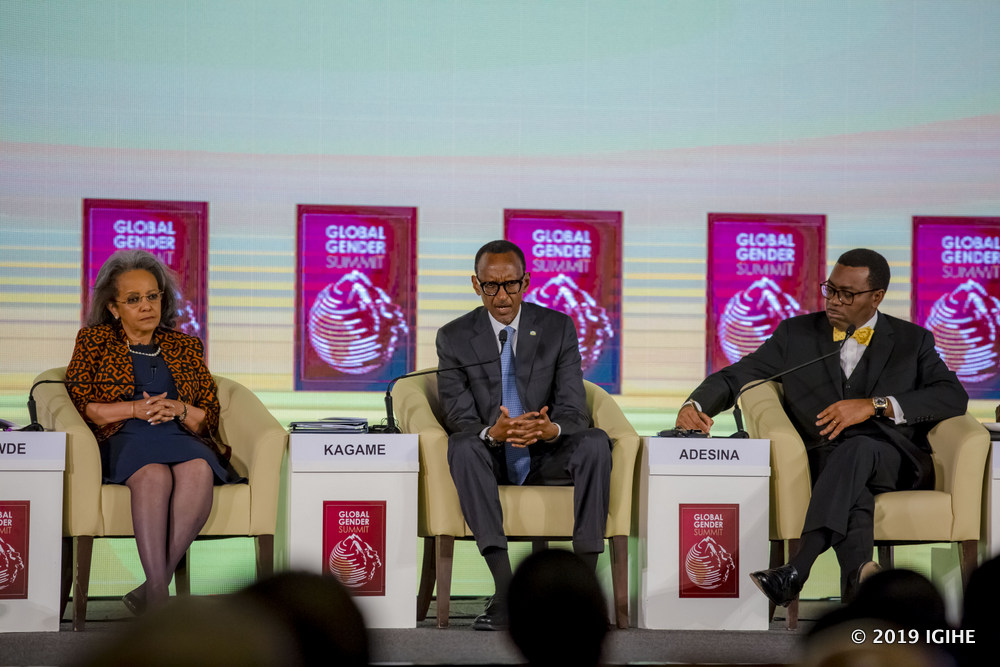
“Women are our mothers, sisters, wives, and daughters…..whenever women gain, everybody gains, and nobody loses,” said President Kagame
President Kagame said that being a man in a position of leadership, at any level, means never having to think about your gender, but being a woman leader means always having to think about how gender impacts your work.
“I think it is past time for men to become much more conscious of gender, so that women can afford to enjoy the same freedom, to just get on with a business that men take for granted,” he said.
President Kagame announced the start of the annual Sixteen Days of Activism campaign, which he urged the audience to make use of.
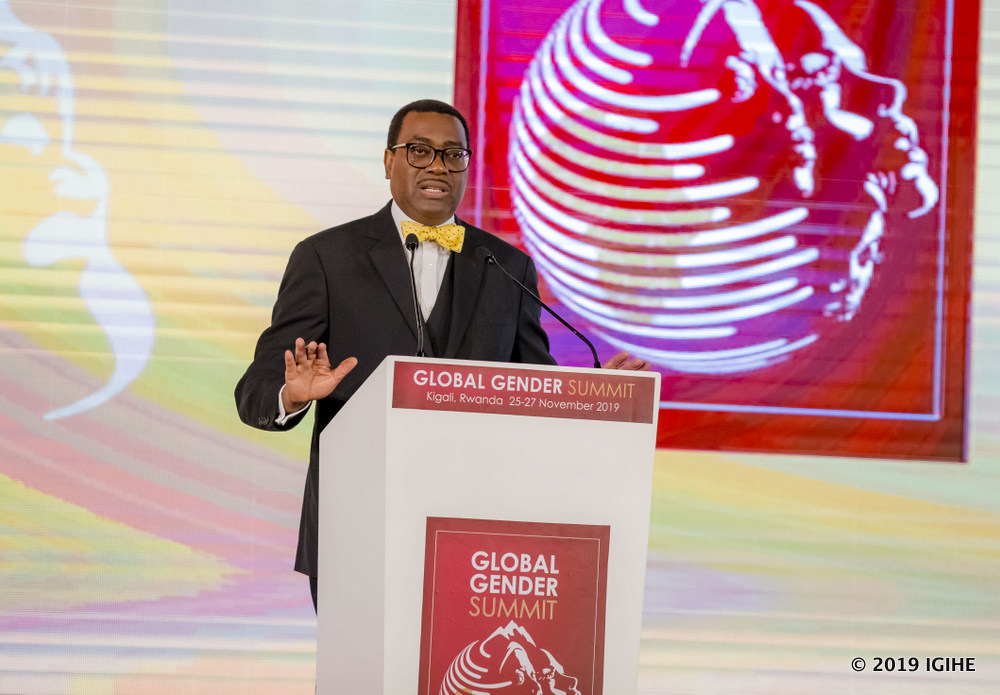
On his part, the AfDB President Dr. Adesina commended President Kagame and the First Lady Mrs. Kagame for being at the forefront of the fight for gender equality and empowerment of women, adding that the reason President Kagame is often regarded as a very successful leader is that he has a great partner.
“The challenges are not about gender, the challenges are about under-representation and lack of empowerment for women, period,” Dr. Adesina said, urging the summit to focus on issues that affect women directly, not just looking at the numbers of gender parity.
“Let us focus on women, let us focus on solutions for the gender disparities we see, that affect women,” he said, adding that women are winners and life-givers.
Dr. Adesina said that research has shown that when women are given the incentives, they deliver better than women, wondering why women, who are bearers of life, are denied access to basic services such as inheriting a land.
He said that for many centuries, women have been subjected to discrimination when it comes to accessing basic services such as financial services yet records show that women are better managers of resources when given the opportunity.
Dr. Adesina said that Africa must end all forms of child marriage and sexual violence which affects women.
“To the men, hear me clearly: leave our girls alone. Marry your own age mates. We cannot sacrifice the future of our girls…let our girls stay in school. Let our girls thrive. Let our girls excel,” he said.
On her part, President Sahle-Work Zewde of Ethiopia highlighted the milestones her country has registered over the years, pointing out that the country has come from a very low base and today 50 percent of the cabinet is made up of women. She added that women occupy high ranking positions in government as well, including hers.
She pointed out that for the first time in Ethiopia’s history, women in the cabinet have been trusted with posts such as defence and security.
“The work has just started, not finished….there is a gap we have to fill. We have to have women filling middle-level leadership positions as well,”
“There is so much collective wisdom on this continent. Women working together are a formidable force to be reckoned with,” President Zewde said, adding that women have proved that they can deliver and that there is no template to follow.
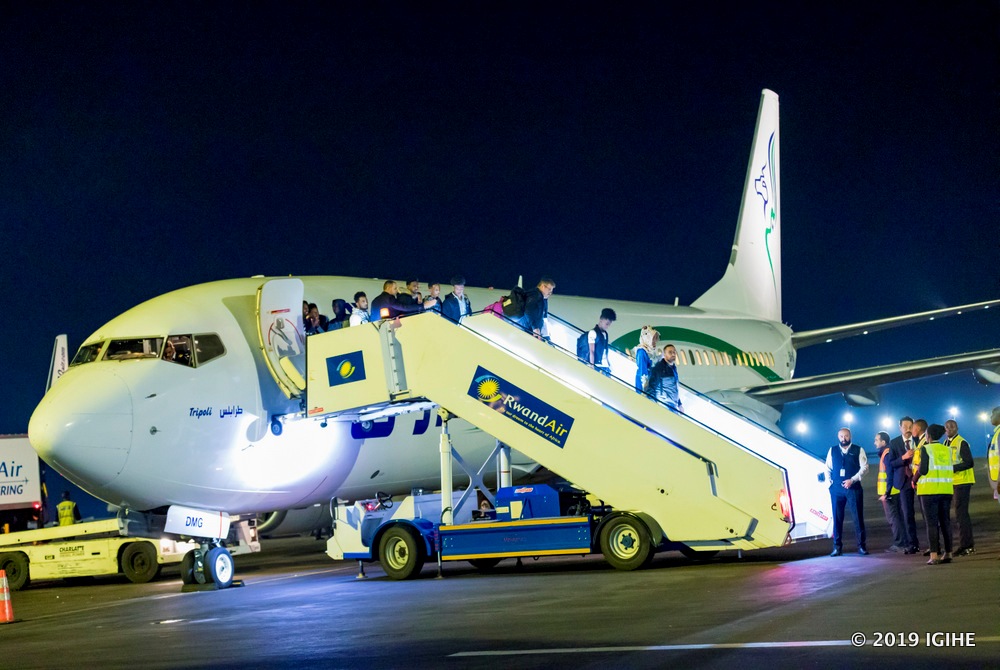
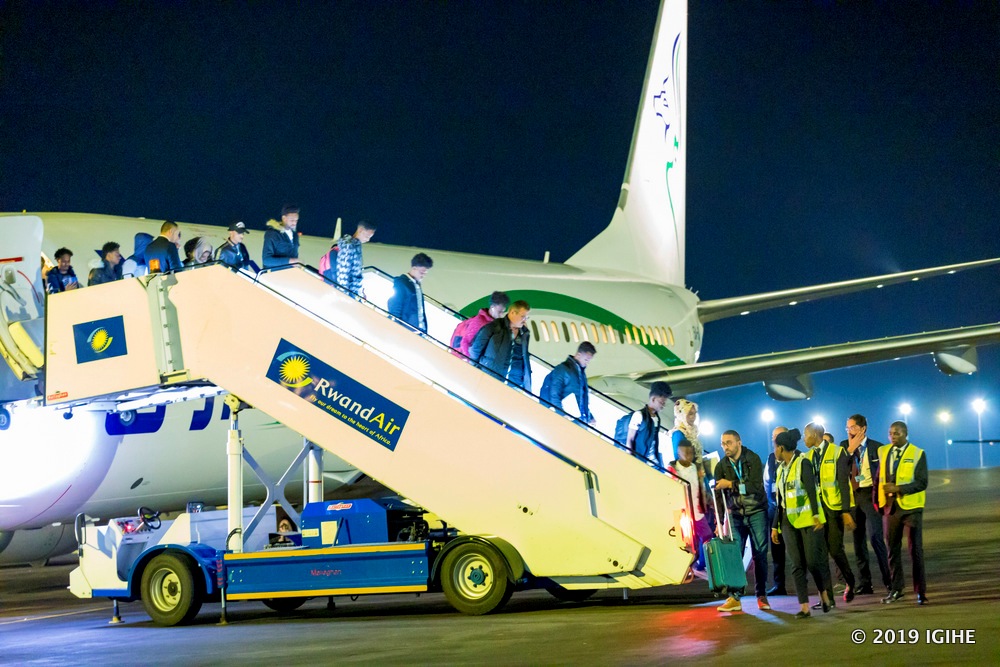
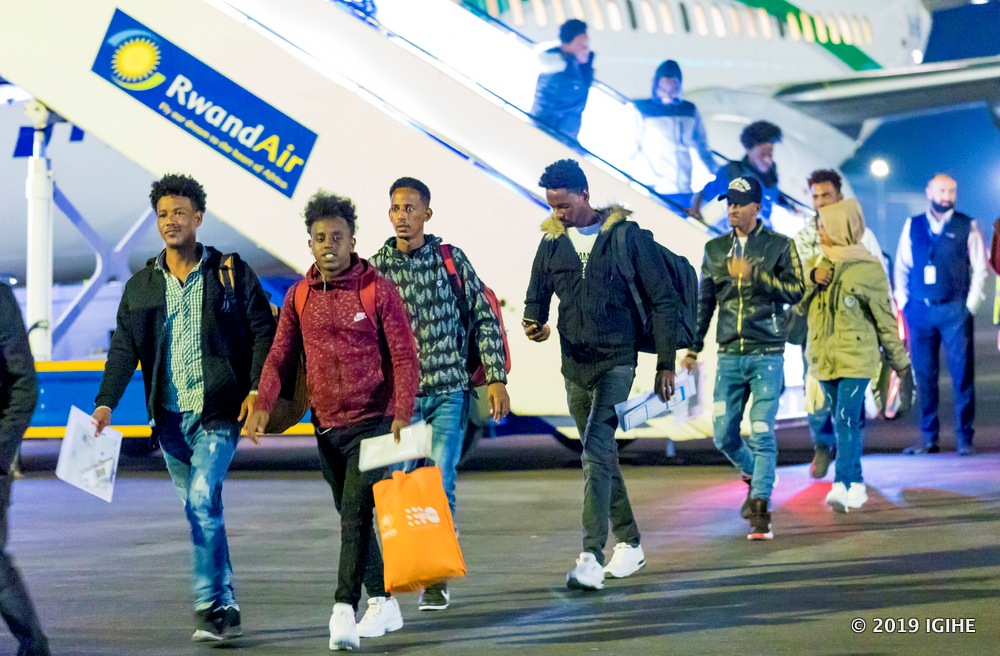
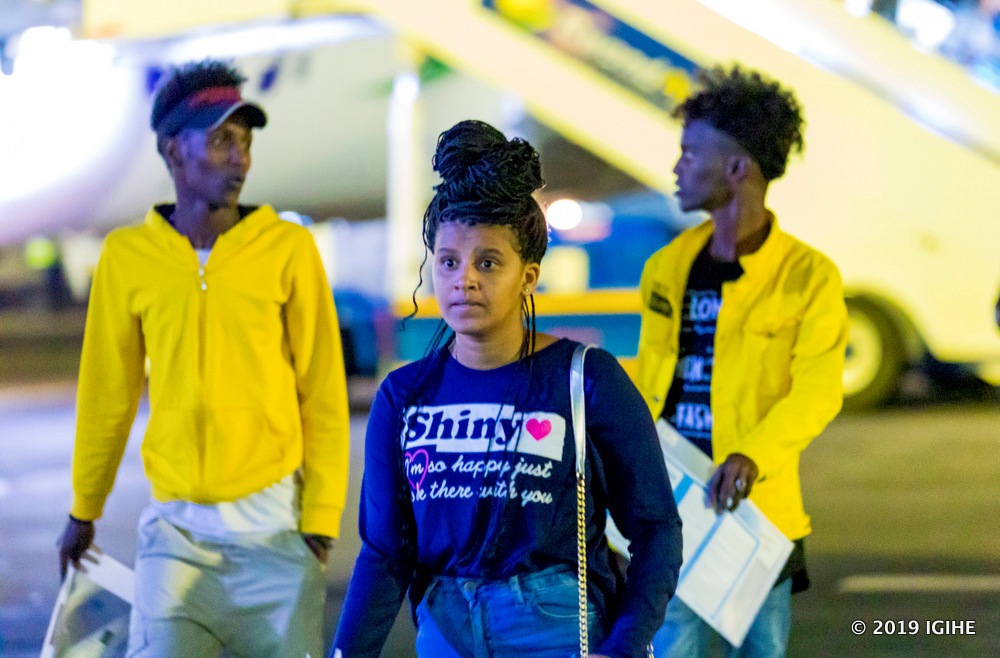
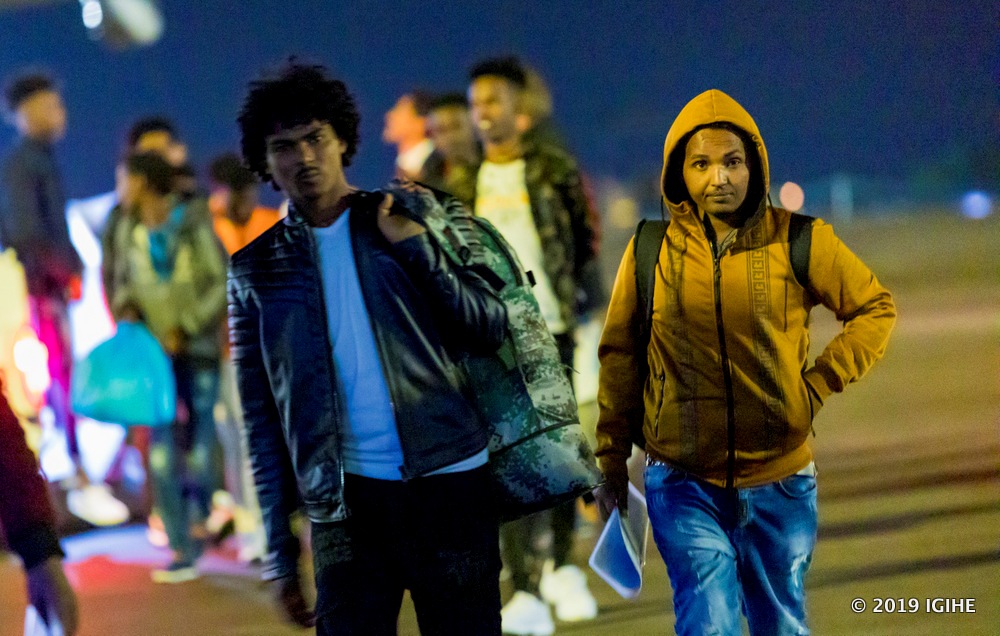
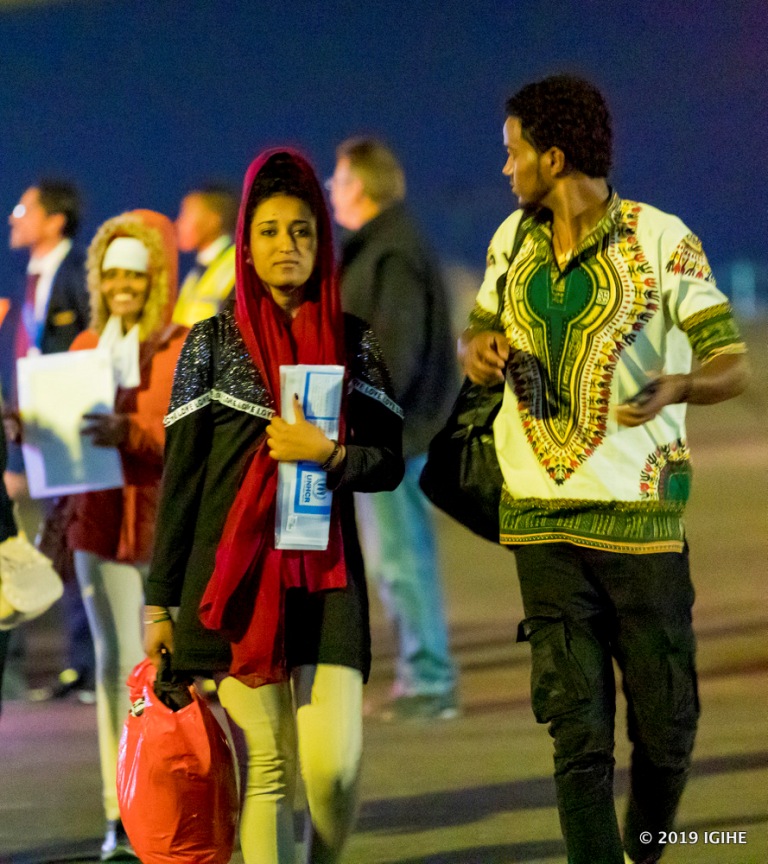
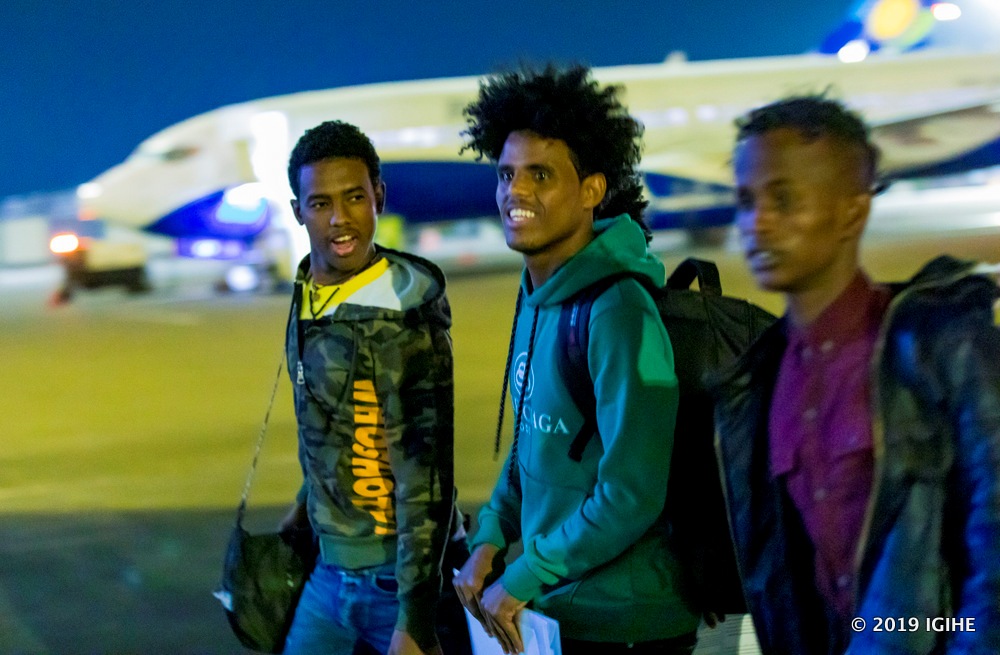
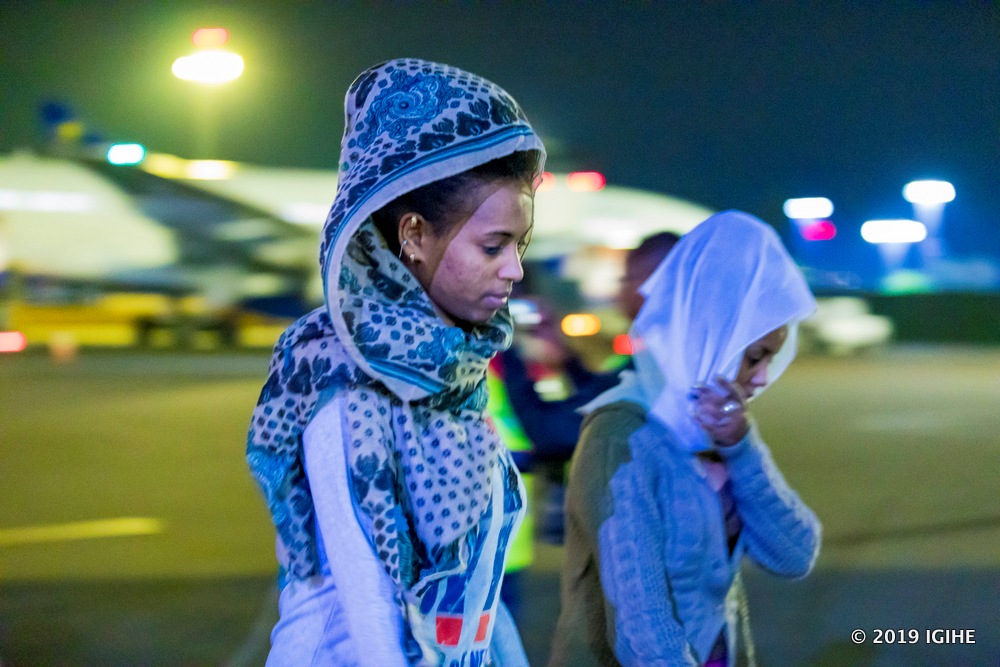
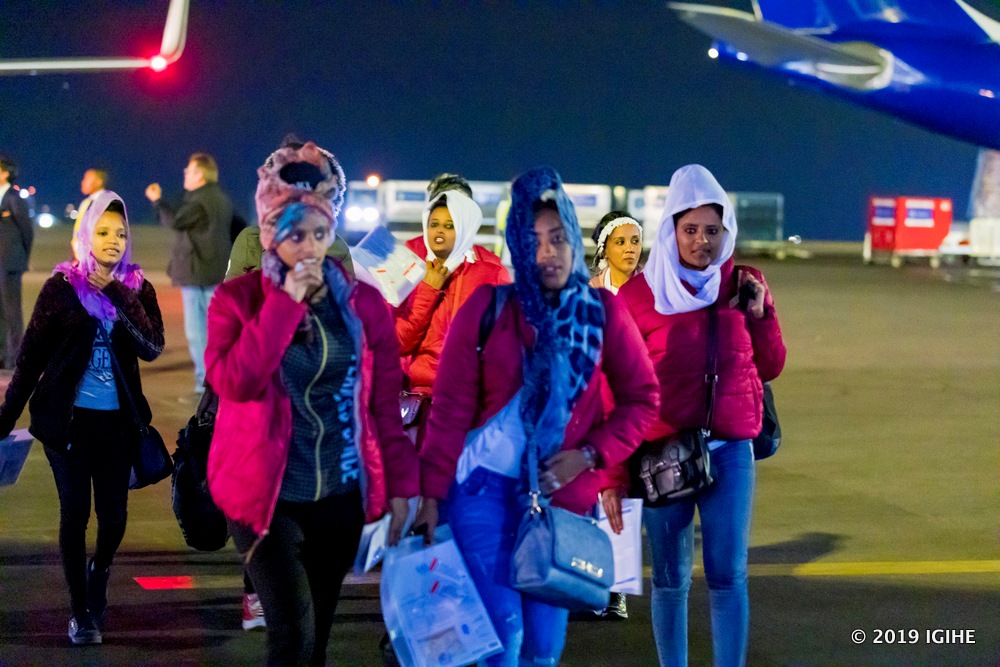
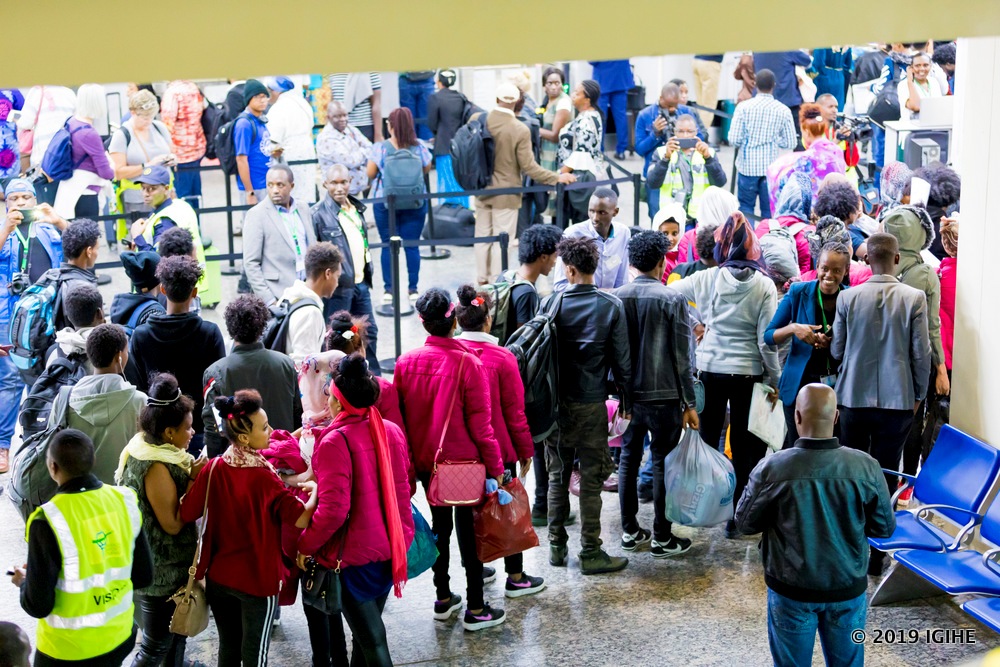
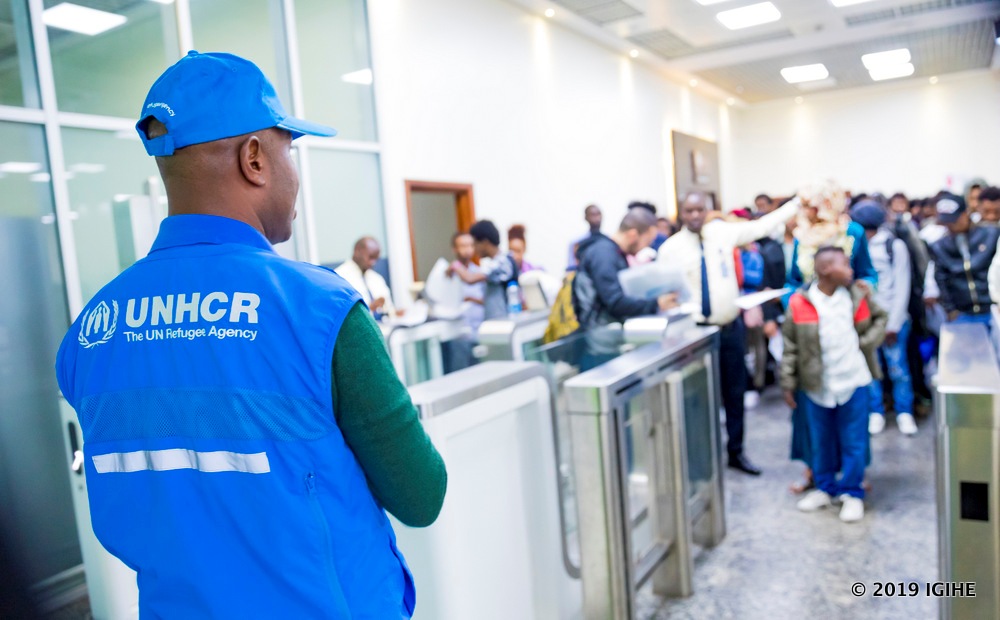
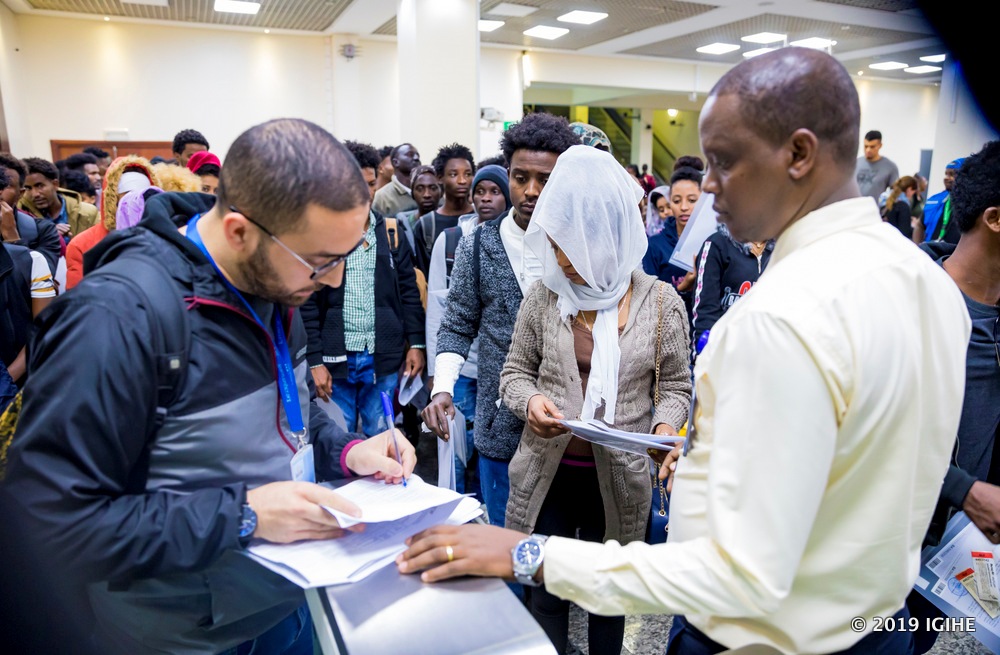
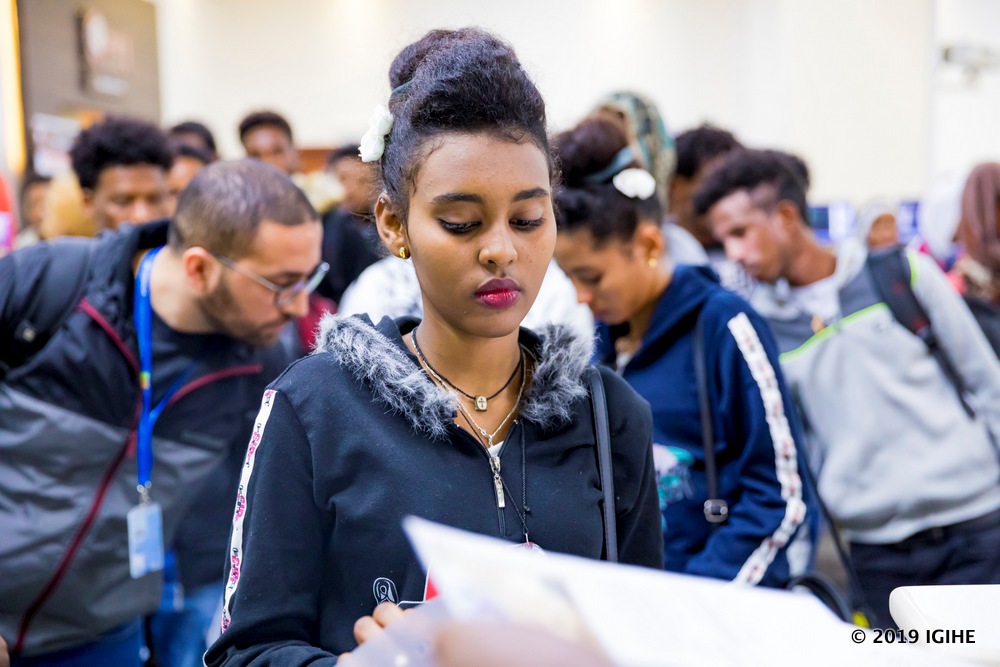
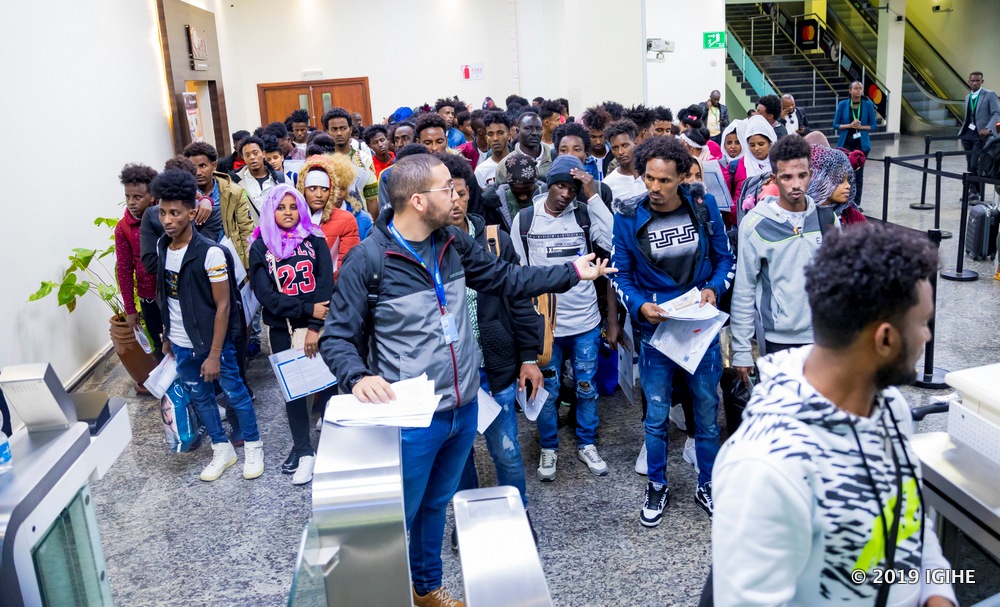
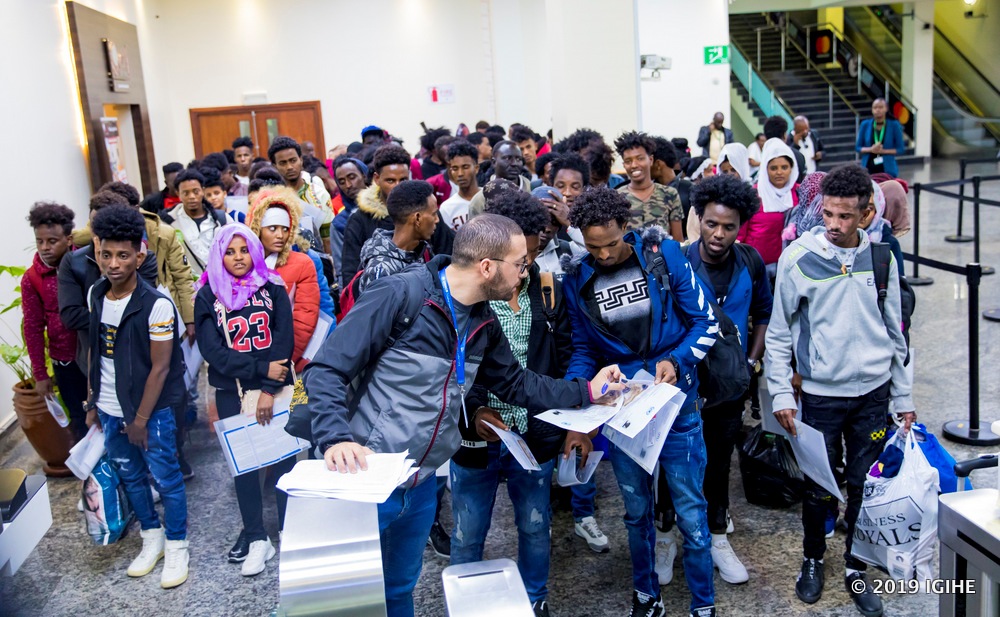
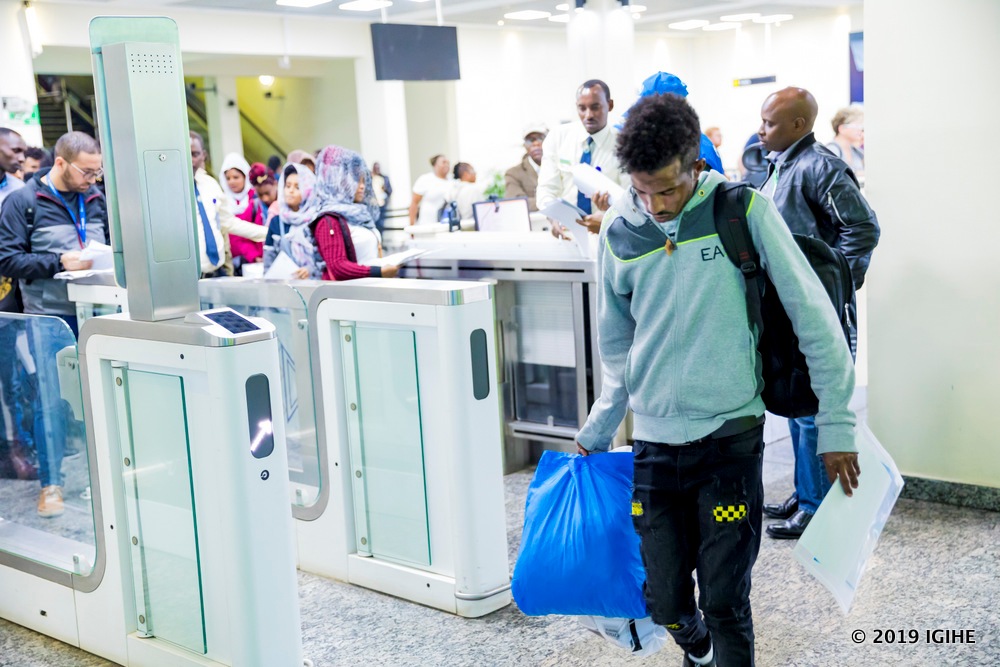
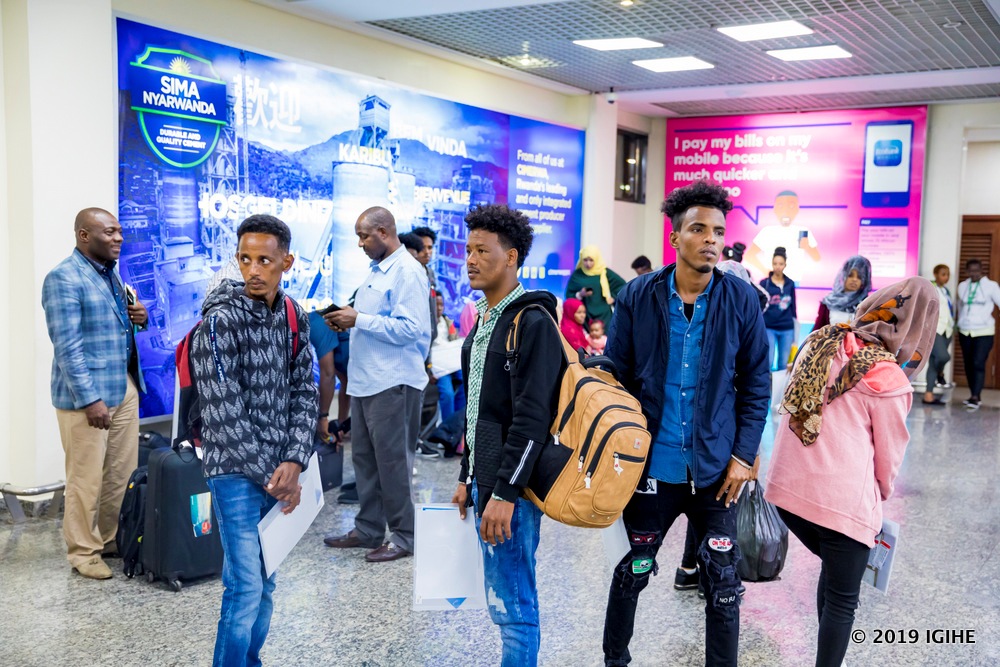
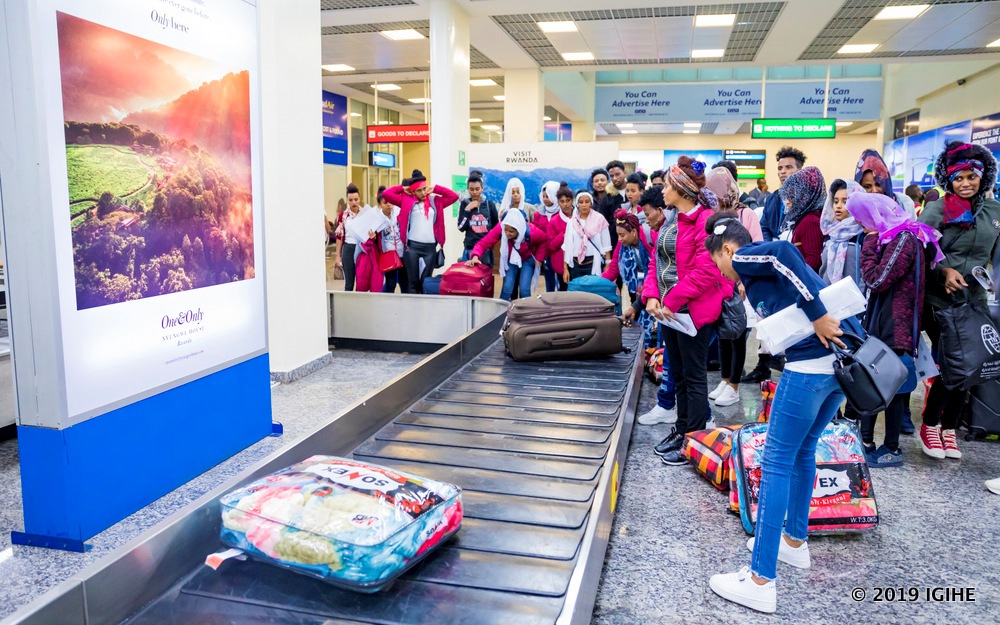
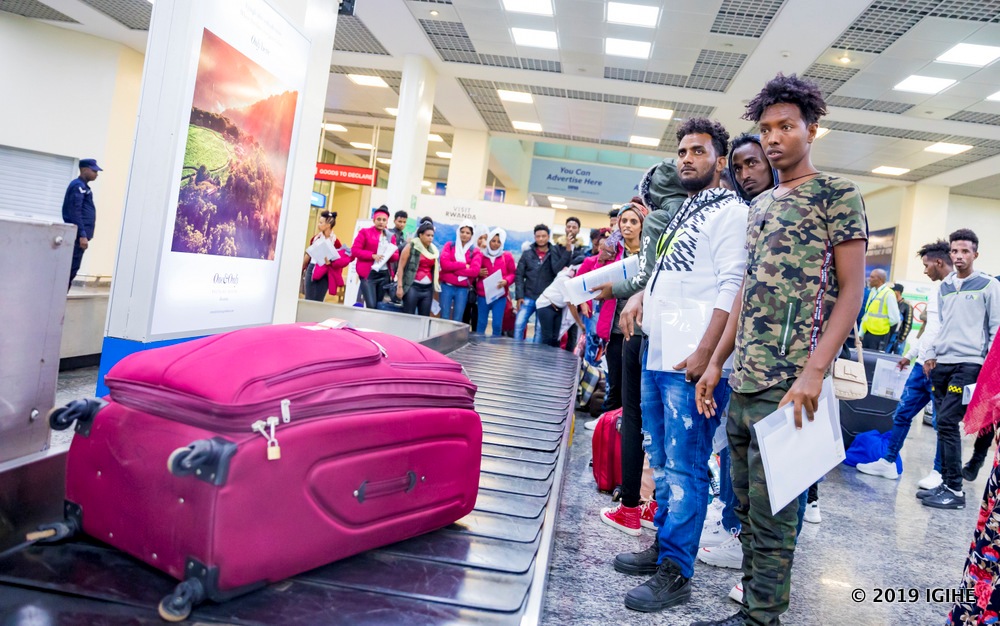
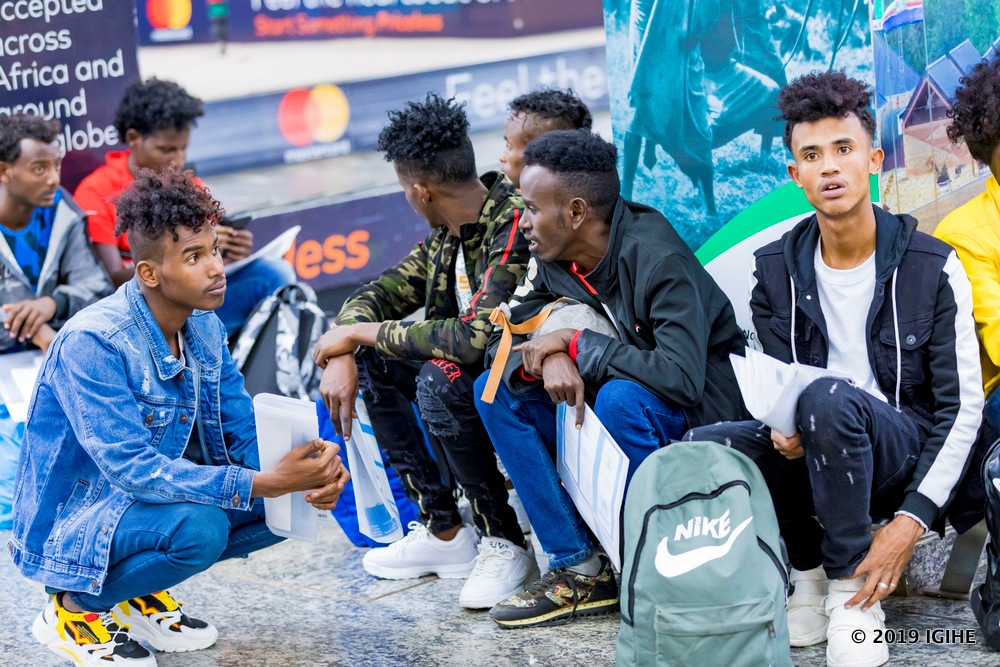
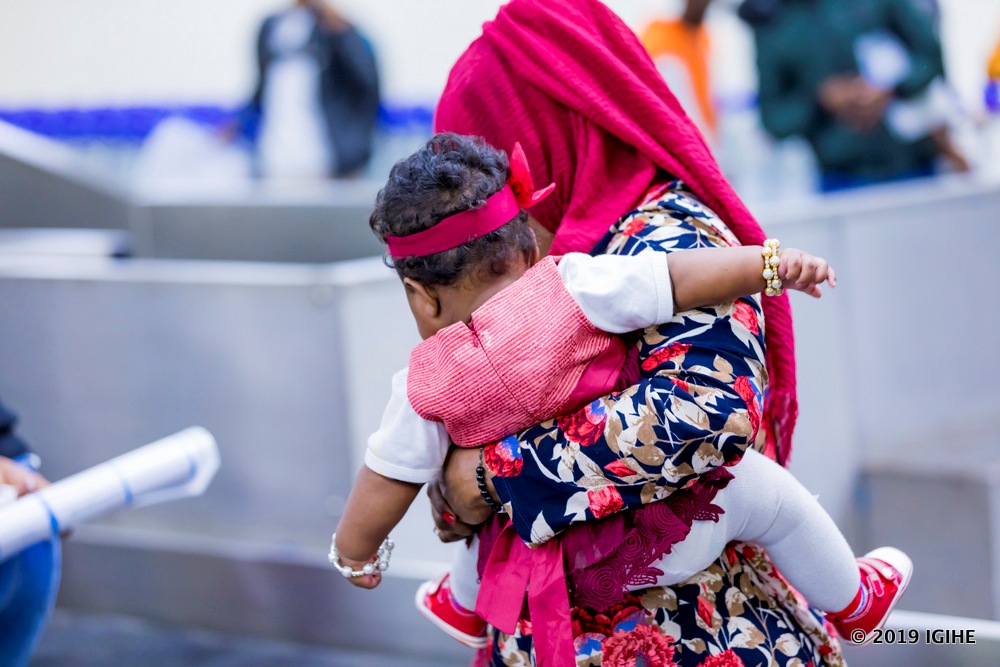
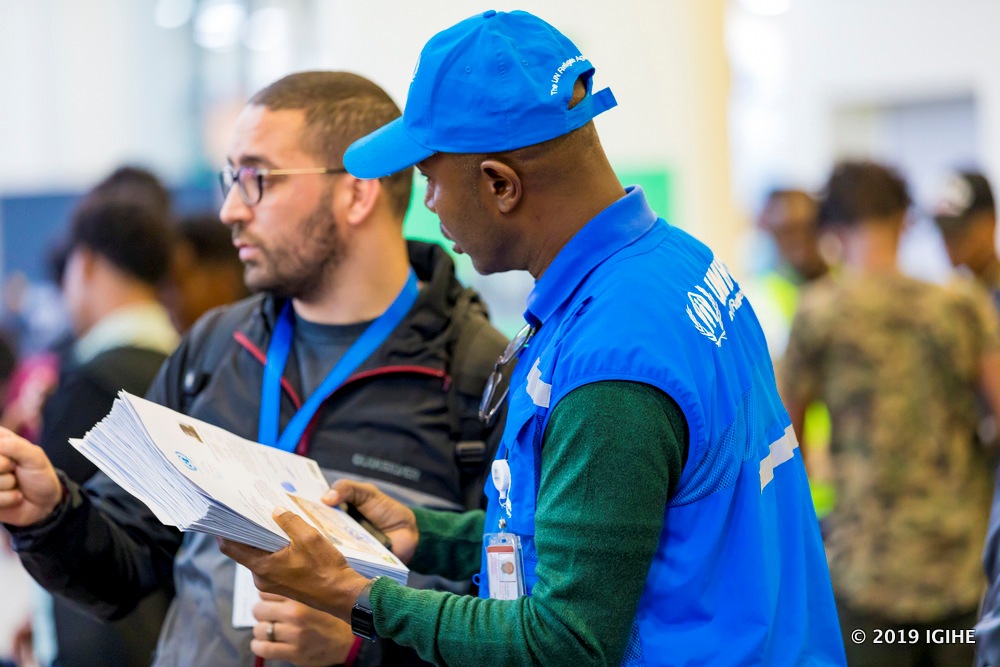
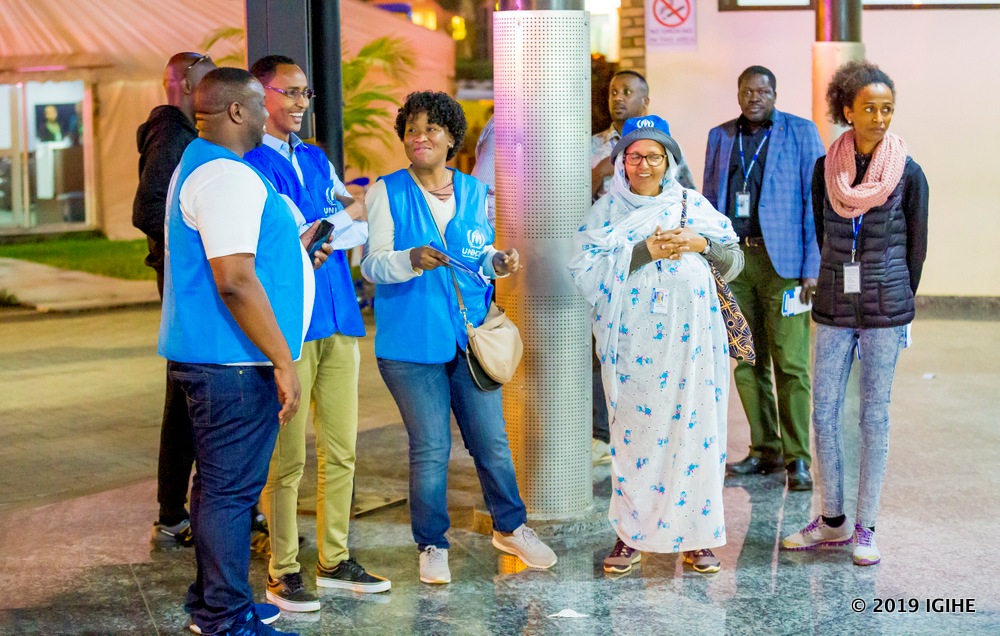
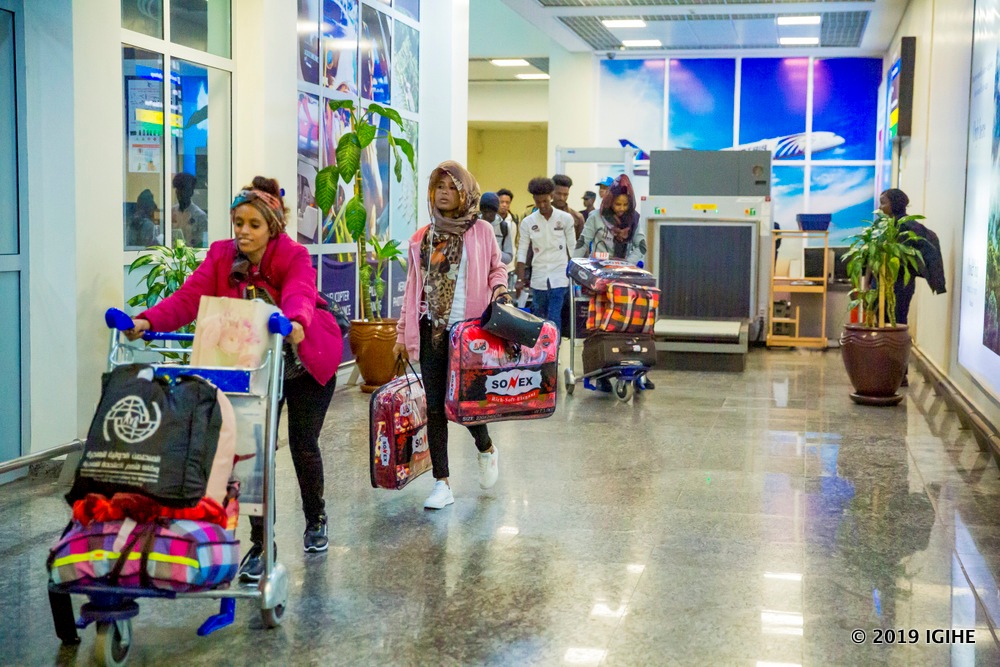
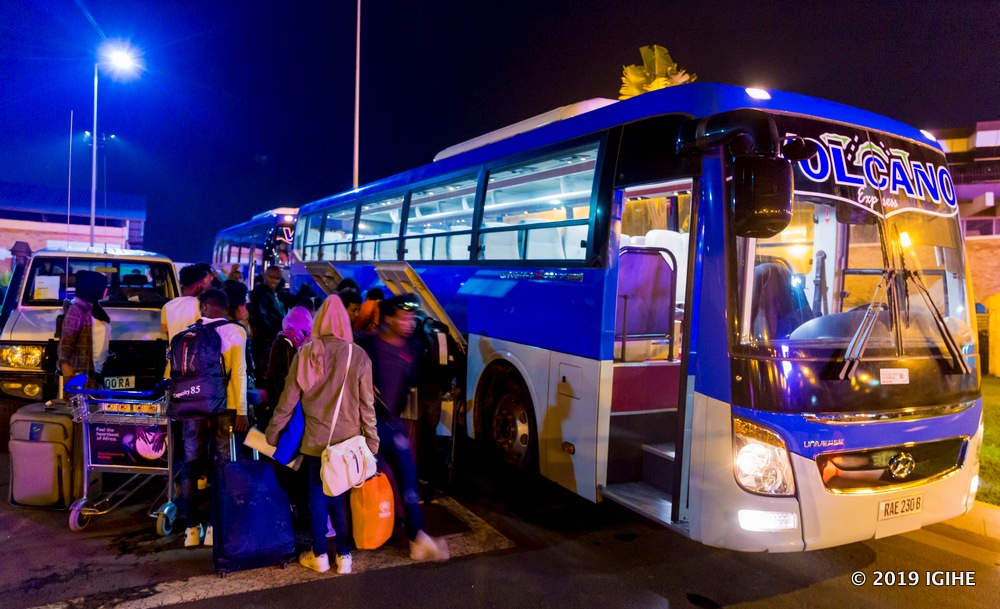
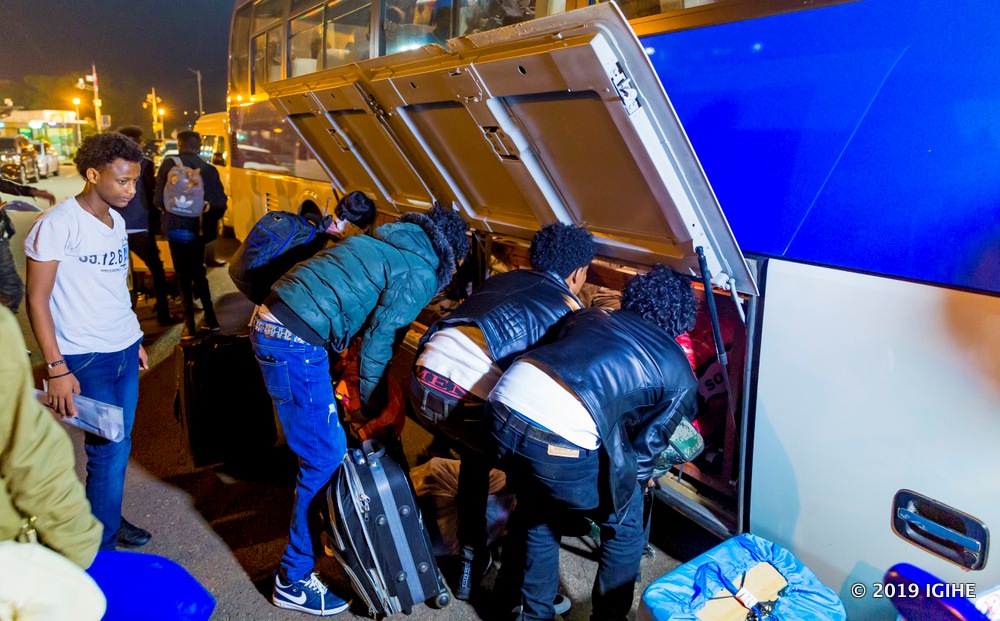
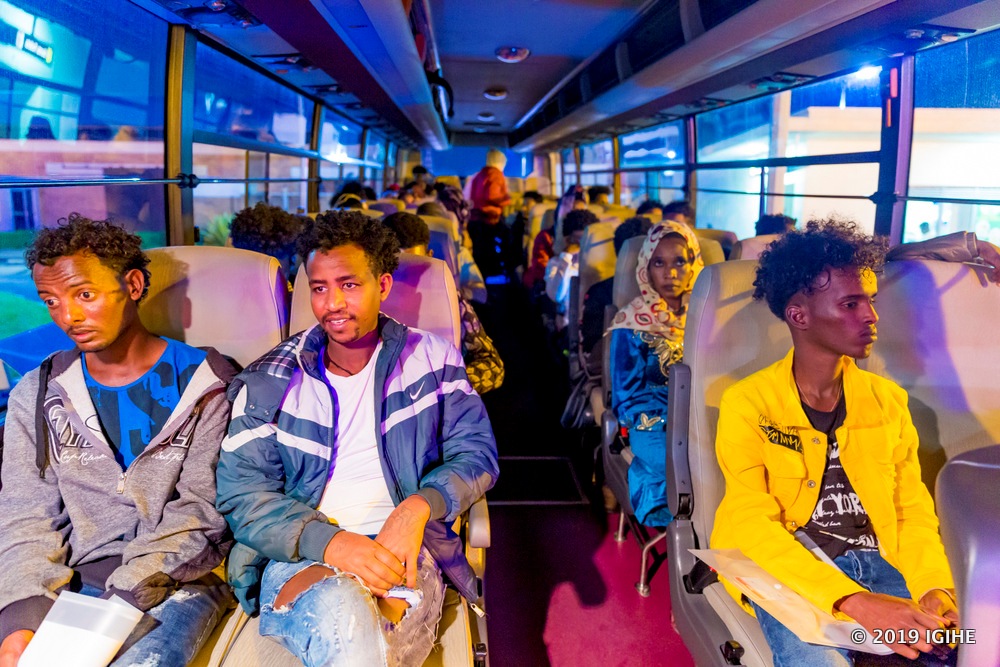
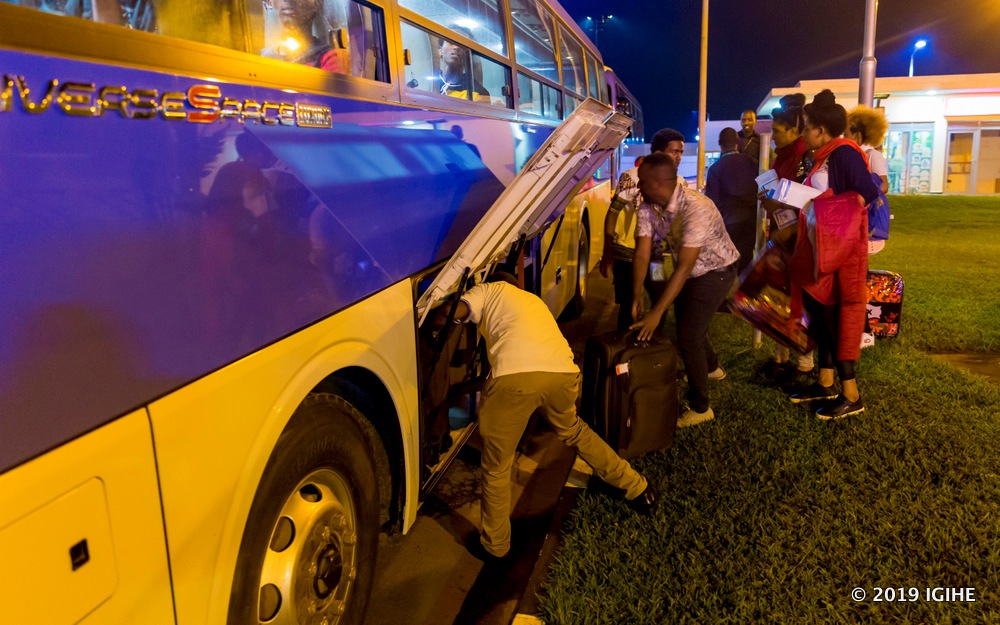
The117 refugees from Libya landed at Kigali International Airport Sunday midnight, a majority of who are women and children from Sudan, Eritrea, and Ethiopia.
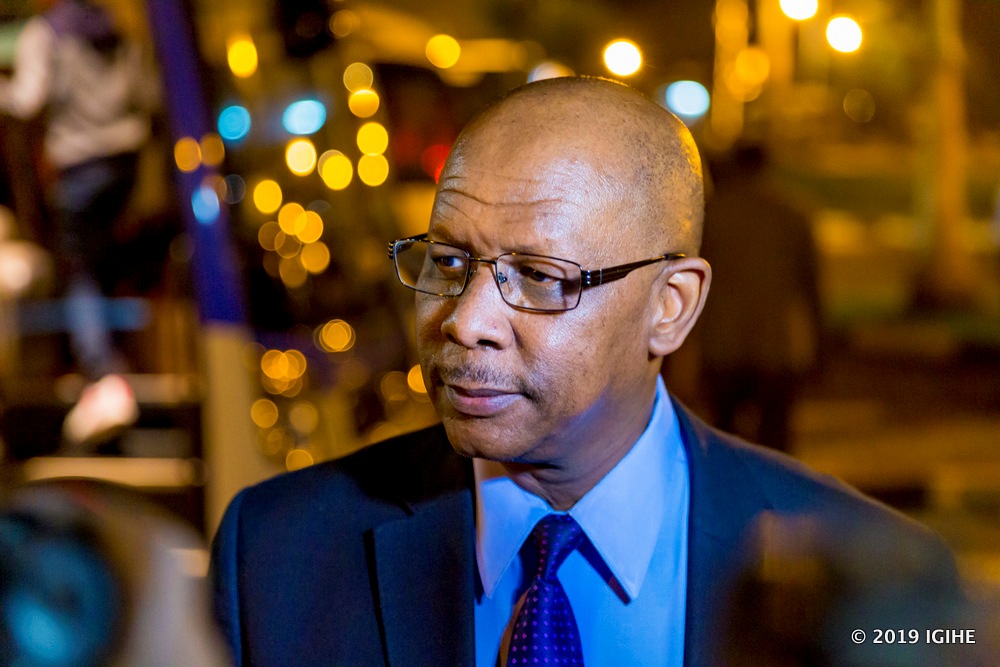
Ahmed Baba Fall, UNHCR’s Country Representative, thanked Rwanda government for the willingness to receive the refugees.
“These are 117 people that have been restrained to Libya for a long time, leading a miserable life; now that they are in Rwanda their life will change for the best, and for that, we thank Rwanda government,” he said.
“They will be taken to Gashora camp where they will be assisted just as the previous group,” he added
Ahmed explained that the UNHCR had been receiving donations from different countries to support this project, where last week the European Union donated Euros 10 million and Norway donated $ 5.5 million.
Ahmed added that he hopes other countries will follow the example of Rwanda in finding solutions for the refugee problem.
Rwanda signed agreements to host refugees stranded in Libya on 10th September 2019 with the African Union (AU) and UNHCR, all 500, following revelations that thousands of people from across Africa were stranded in the country and subjected to slavery after their failure to reach Europe.
As he was officially opening the YouthConneck summit in Kigali where about 10,000 were participating, President Paul Kagame spoke about what motivated Rwanda to host the refugees.
Kagame explained that these refugees have three options whereby Europe can come and choose who they want to take, those chasing to go back home can be facilitated in an orderly manner while the third option is allowing them to stay in Rwanda if they don’t prefer any of the two options mentioned above.
“They will live like our citizens, we don’t give too much because we don’t have too much but whatever we have, we share and we live decent lives. That is the arrangement under which this thing has been done and anybody can do it, any other country can do it. We just felt we needed to exercise the possibility we had to do things decently and provide a decent life to these people,” he said.
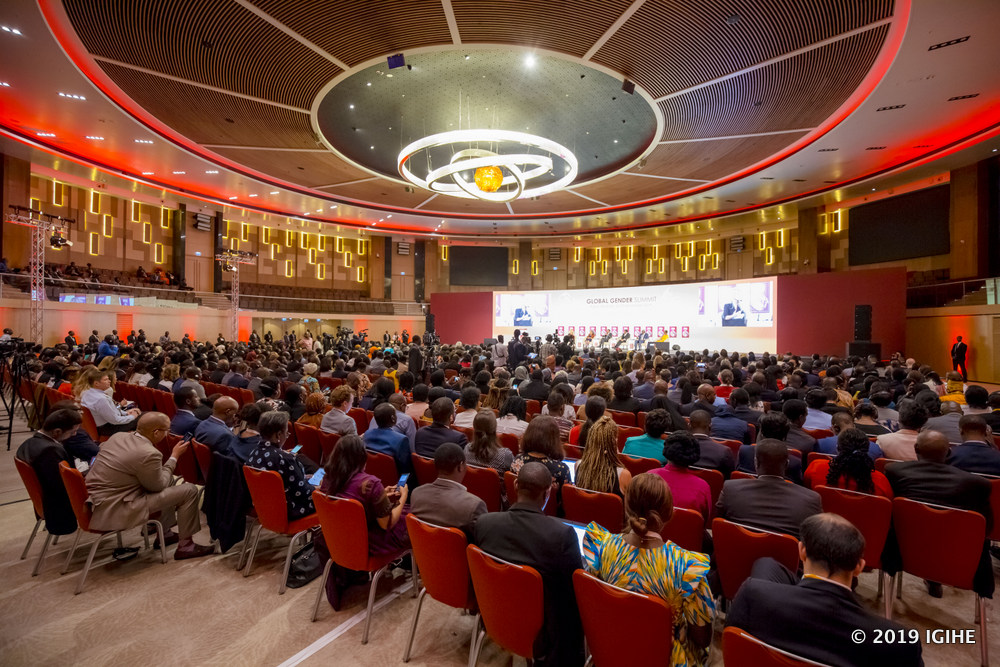
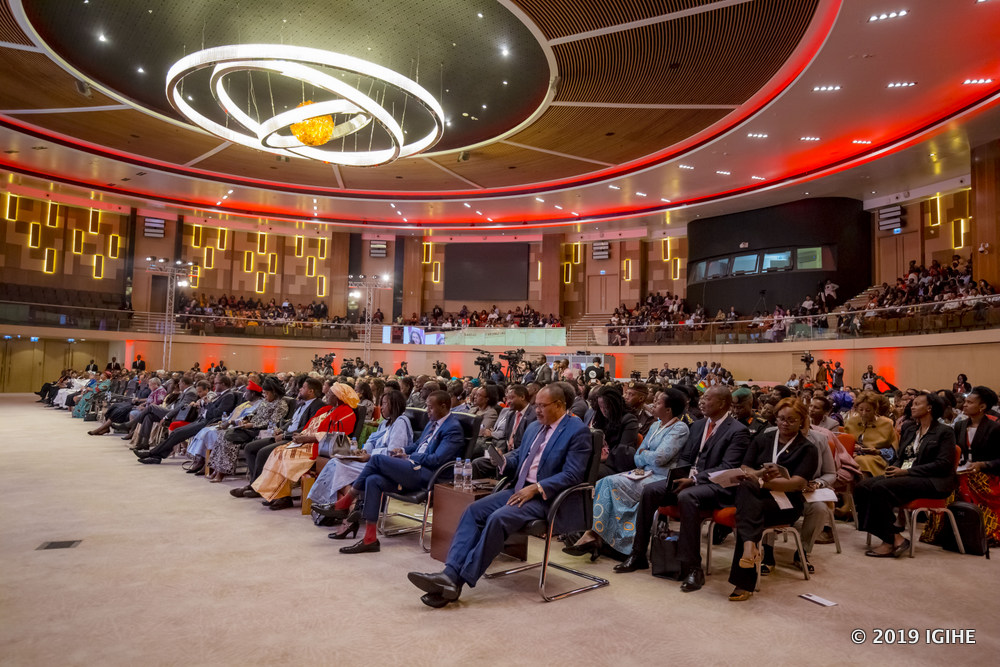
The 2019 GGS takes place at the Kigali Convention Center between 25-27 November 2019 under the theme “Unpacking constraints to gender equality”.
It is hosted by the Government of Rwanda in collaboration with African Development Bank.
The 2019 GGS focuses on three key dimensions to achieve gender equality and women’s empowerment: scaling up innovative financing; fostering an enabling environment (legal, regulatory & institutional); and ensuring women’s participation & voices.
These dimensions will be articulated around three main thematic areas: climate change, private sector development, and human capital and productive employment.
The digital revolution will also be addressed throughout the sessions as a cross-cutting theme.
The fresh reminder follows incidents in Lake Burera on Saturday when two boats capsized.
Marine Unit Commanding Officer (CO), Assistant Commissioner of Police (ACP) Elias Mwesigye said that earlier that morning at about 5 am, two boats left Kinyababa sector carrying traders going to Kirambo market, with their goods.
One of the boats carried five people, while three others were in the second boat.
“The boats were washed away by strong wind and capsized. All traders who had life jackets survived and were rescued; however, a mother and her one-and-half year child drowned,” ACP Mwesigye said.
The body of the child was recovered while the search for the mother is still underway.
The CO explained that the deceased was trying to withdraw the child from the back so as to swim and both drowned in the process.
“Everyone using water transport or any business in waters, like fishing, must wear a life jacket as a policy; that jacket is your life when in waters, so no one should be forced to wear it… it should be your primary responsibility to take your safety first,” ACP Mwesigye emphasized.
He further urged those using water transport to always not force through bad weather, which is risky.
He was arrested after breaking into the shop of one Phocas Nkurunziza located in Nyirangarama Cell, Bushoki Sector.
Nkizamacumu is also said to have broken into another shop in Muyongwe Sector, Gakenke District, on November 17, where he stole money and goods.
Chief Inspector of Police (CIP) Alexis Rugigana, the Northern region Police spokesperson, said that Nkizamacumu was found with some goods stolen from Nkurunziza’s shop.
“Nkizamacumu was found in possession of 130kgs of sorghum, 50kgs of beans, a radio and Rwf40, 000, all stolen from Nkurunziza’s shop. He has been handed over to Rwanda Investigation Bureau at Bushoki station with exhibits,” said CIP Rugigana.
He thanked residents who called the Police immediately after witnessing the crime and called for continued partnership and real time information sharing on such wrongdoers.
Theft, under article 166 of the law determining offences and penalties, is punishable with an imprisonment of between one and two years, and a fine ranging between Rwf1 million and Rwf2 million; community service of up to six months or one of these penalties.
The suspects; two men and two women were arrested during a Police targeted operation conducted Thursday.
Chief Inspector of Police (CIP) Hamdun Twizeyimana, the Police spokesperson for Eastern region identified the suspects as Eric Mwiseneza, 21, Clement Ndahiro, 23, Claudine Uwera, 24, and Leoncie Umurerwa, 20.
“There was information from victims and witnesses about a group of boys and girls in Nyamata town, who ambush people late in the evening and snatch their valuables,” said CIP Twizeyimana.
“With the help of residents, the wrongdoers were identified and arrested on Thursday. They were arrested on the same spot where they had also set an ambush to steal from other people,” he added.
One of the victims, Joseph Hakizimana, said that on November 11, the same group attacked him in the evening and forcefully took his two handsets worth Rwf80, 000, each.
Another victim Ntwari Abdallah, who also identified the same suspects as his attackers, said they ambushed him and took his two mobile phones, two pairs of shoes and a cap. Ntwari had just bought the stolen items in Nyamata town.
The suspects, who admitted to the crimes, said that they were targeting people with valuables like mobile phones, necklaces, shoes and jackets as well as women handbags and others bags they suspect to be containing worthy goods, which they later sell on black market in Nyamata town.
CIP Twizeyimana thanked residents, who facilitated successful operations to identify and arrest the prime suspects and called for continued information sharing on people they suspect to be engaged in such criminal tendencies.
Theft, under article 166 of the law determining offences and penalties, is punishable with an imprisonment of between one and two years, and a fine ranging between Rwf1 million and Rwf2 million; community service of up to six months or one of these penalties.
The pass-out was held at the Canine Brigade headquarters in Masoro, Gasabo District.
The one-month training focused on basic explosive and narcotic detection and kennel management. It was conducted in partnership with the Police Dog Center of Holland.
DIGP Marizamunda thanked the course participants, the facilitators and the Canine brigade for the successful completion of the training.
He commended the canine specialists for the important role they play in supplementing national safety and security.
“We all know that the primary responsibility of the Police and other security organs is to make sure that there is peace and security in the country as they are the pre-condition for sustainable development. You play a significant role in ensuring that security,” DIGP Marizamunda said.
He, however, reminded participants that the criminal landscape is becoming more complex and challenging, especially with criminals taking advantage of advancement of technology.
“Criminals are dynamic, they are now using technology; capacity building must be the priority to ensure we always stay many steps ahead of criminals. The course you end today fits well in that objective,” he added.
He emphasized that Rwanda National Police (RNP) will continue to invest in capacity building, acquire more dogs and expand areas of specialization such as apprehension and attack dogs.
RNP, he further said, will continue to upgrade Canine Brigade infrastructure including training facilities and developing a dog breeding center.
Assistant Commissioner of Police (ACP) Benoit Kayijuka, Canine Brigade Commanding Officer said that the training was designed to equip police officers with the required standard skills and knowledge for effective use of dogs while searching.
“RNP is strengthening the Canine capabilities. These officers completing training today have been taught the maintenance of gear and kennel, handler safety, canine health and welfare, search techniques, among others. The acquired knowledge will help us in our daily duties,” ACP Kayijuka said.
Andres Isaksson, the chief trainer from the Police Dogs Centre Holland commended the discipline, commitment and energy displayed by the trainees.
“Dogs have the ability to perform better, under the supervision of more experienced handlers,” Andres noted.
Police Constable (PC) Nadine Ingabire, one of the course participants said that she learned many things and she is committed to use the knowledge acquired.
“Before coming here I did not know that dogs obey and respect orders given. My dog searches for explosives and it is interesting to work with it. I am now familiar with it, we form a team and we are ready to work for our country,” PC Ingabire said.
K-9 means a dog that is specifically trained to assist Police and other law enforcement personnel in, for example, searching for drugs and explosives, locating missing people, finding crime scene evidence, and protecting their handlers.