Energy and manufacturing accounted for 75% of all investments registered (45% and 30% respectively). Other sectors that attracted significant investments were construction, agriculture, services including ICT as well as mining.
35,715 jobs are expected to be created by the new investments with the manufacturing and construction sector expected to create 22,935 and 3,053 new jobs respectively. The government aims to create 200,000 new jobs every year from investments and other employment sources.
Joint ventures (local and foreign) contributed 44% of the investments registered whereas foreign direct investment represented 37%. 19% of investments were registered by locals.
The increase in joint ventures is attributed to two major investments registered in the energy sector: Rusizi III Energy (US$ 613 million) and Gasmeth Energy (US$ 442 million).
In comparison, domestic investment registrations accounted for 51%, foreign investment registrations represented 48% and joint ventures accounted for 2% in 2018.
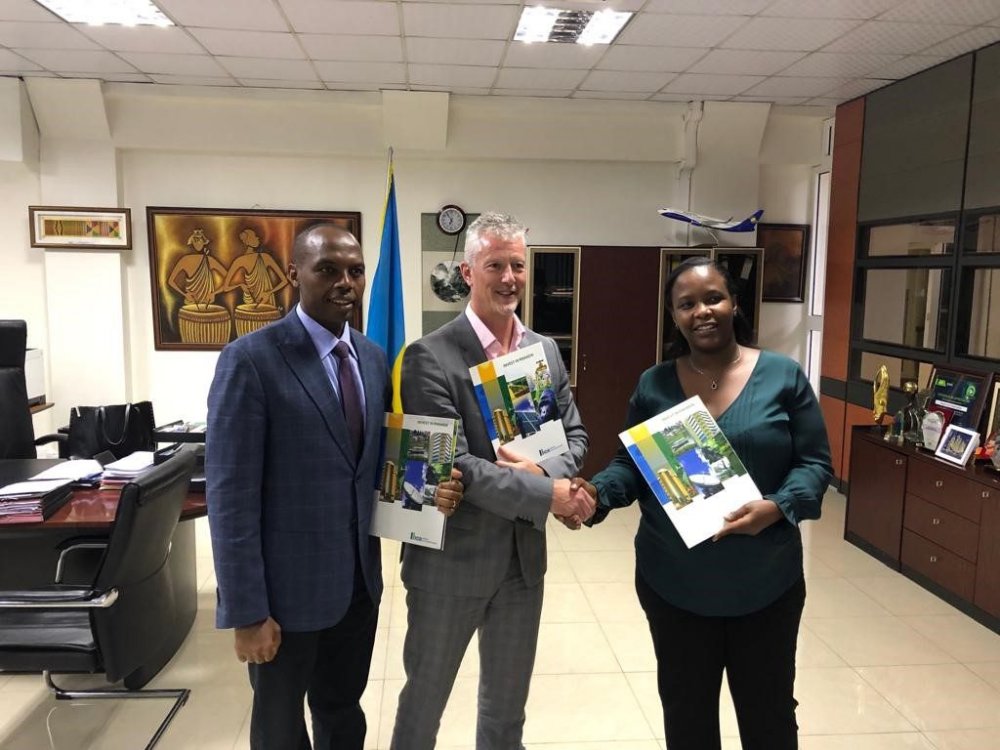
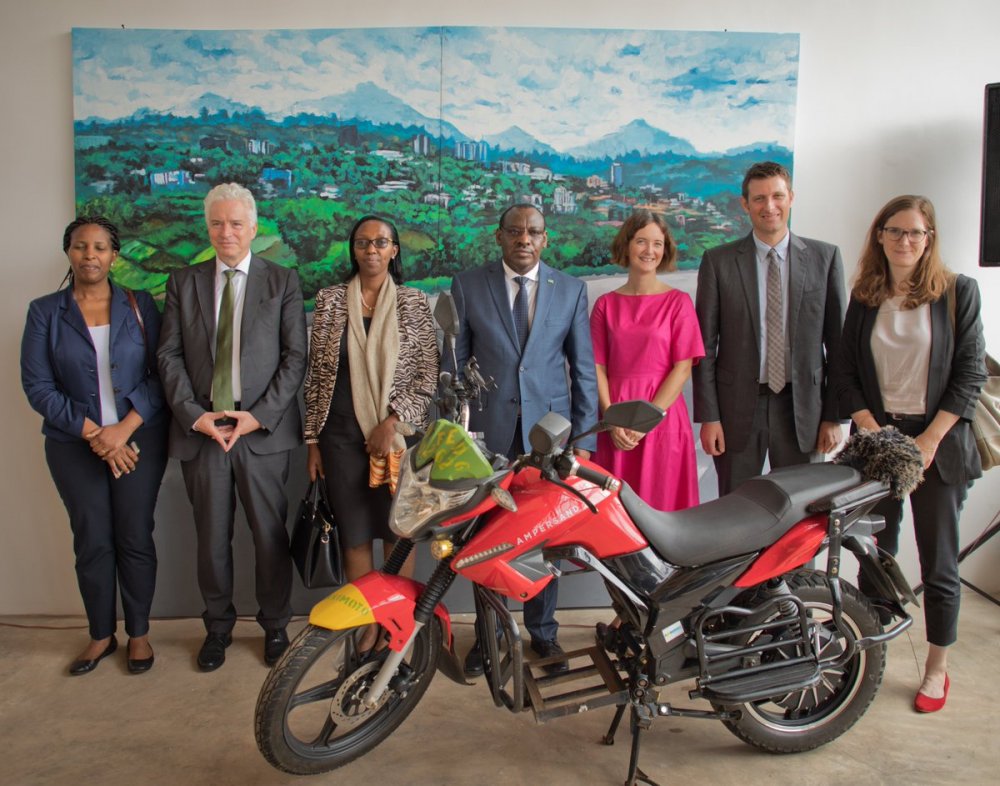
The top five projects registered in 2019 in terms of the size of investment were Rusizi III Energy (US$ 613 Million), Gasmeth Energy (US$ 442 Million), Ampersand (US$152Million), Remote Estate (US$ 145Million) and Nots Solar Lamps (US$72Million).
Other key investment projects registered during the year included Great Lakes Cement Ltd (an expansion of a local cement manufacturing factory in Musanze), Kenyan owned Mataba Farms Ltd (a mixed farming project), Mountain Ceramics Co. (a local ceramic products manufacturing), Elrumalya Rwanda Ltd (a renewable energy project), MJ Minerals and Petrol Ltd (a jewellery manufacturer), Fantastic Investment Group (a real estate firm) and Cheza Rwanda Games (an online gaming service).
Commenting on the 2019 investment registration figures, RDB Chief Executive Officer, Clare Akamanzi, said:
“After surpassing US$ 2 billion in investments registered for the first time in the country’s history in 2018, we continued our strong investment growth with over US$ 2.4 billion in 2019, our highest investment registration to date. This was up from about US$ 400 million registered in 2010.
This is a sign of continuous investor confidence in Rwanda by both local and foreign investors. The increased investment figures will help curb our balance of trade deficit by promoting the production of locally made goods for the local and regional market.
Last year Rwanda exported goods worth US$ 1.021 billion, up from US$ 995 million in 2018.
As a result, we have seen Rwanda’s Gross Domestic Product (GDP) grow by 11.9% in the third quarter of 2019 compared to the same quarter in 2018.
The increased investments registered by RDB are a direct result of the initiatives that leadership and the Government of Rwanda has put in place to continuously make Rwanda an attractive destination for investment. Rwanda remains the second easiest place to do business in Africa and 38th in the world”.
In terms of investor facilitation, RDB operates a One-Stop Centre, which provides information and services to guide investors through the key steps of starting a business such as registration, licenses, immigration, land, utilities, environmental clearances and tax and mortgage registration services.
In addition, RDB offers aftercare services, to ensure that business projects are implemented free of avoidable impediments. RDB also introduced investor engagement platforms such as the’ Investor Open Day’ every week as well as a ‘CEO Forum’ four times a year where senior management meets and engages with business leaders.
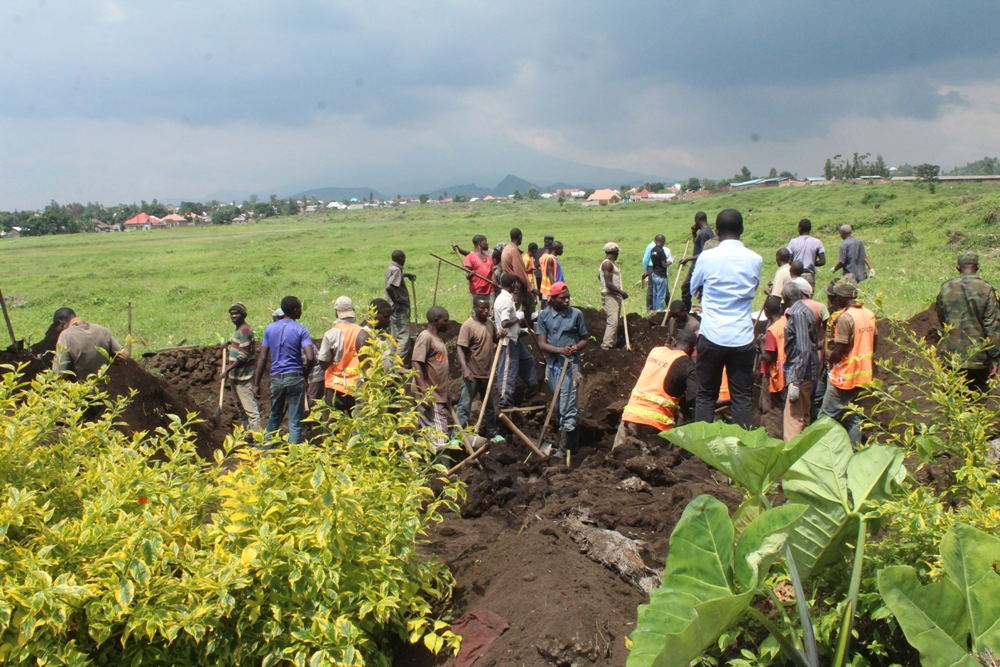
On Tuesday, January 7th, 2020, activities to unearth the bodies started and so far, 28 bodies have been found.
Rubavu District administration urged residents to provide information about where other bodies were dumped during the genocide so that they can be properly buried and their cases brought to a court of justice.
Survivors of the 1994 genocide against Tutsi said that there is a possibility that some houses were built above mass graves and that some people are still reluctant to provide information.
Segacaca Hassan, a survivor of the genocide confirmed that in former Gisenyi, some houses are built above mass graves.
“Most of our people were dumped in pits and many of them were women with children. It is a challenge to unearth bodies in mass graves in residential areas since it implies, we would have to pay for the destroyed houses. We are requesting for the support of the government to help us deal with this issue so that we can bury our families properly.”
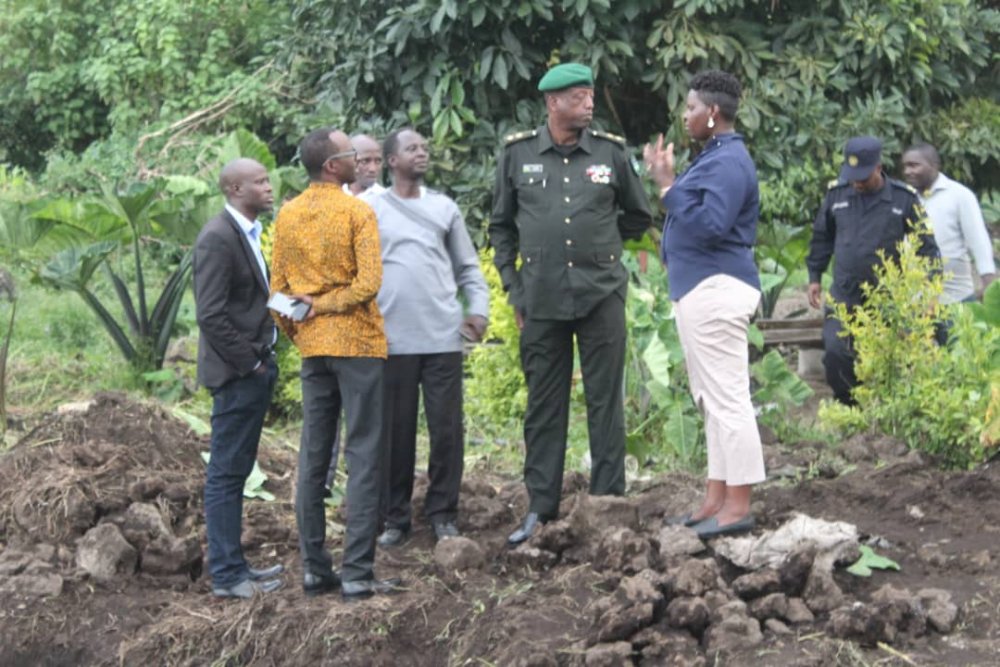
Ishimwe Pacifique, Rubavu Vice Mayor Social Affairs said that caterpillar trucks will be used to unearthing bodies in the remaining mass graves.
“We have found 28 bodies so far including 24 adults and 4 children. We will continue to unearth the bodies so that they can be buried properly. Rubavu Airport is a rocky platform and the machines will be used to ease the work.”
During the annual genocide commemoration period, Rubavu residents are constantly recommended to give information about where genocide victims were dumped and it is rumored that some victims were never found and that others were killed and thrown or buried alive at former ‘Commune Rouge’ in Gisenyi.
On Tuesday, January 7th, 2020, some of Rubavu residents who were begged to provide information on where victims’ bodies were dumped said they did not recall the exact course of events during the 1994 genocide against Tutsi.
In the past 5 years, several mass graves were discovered in Gisenyi including in 2015, a mass grave in front of Gisenyi Hospital where Tutsi victims were identified including late staff and patients who were killed during the genocide.
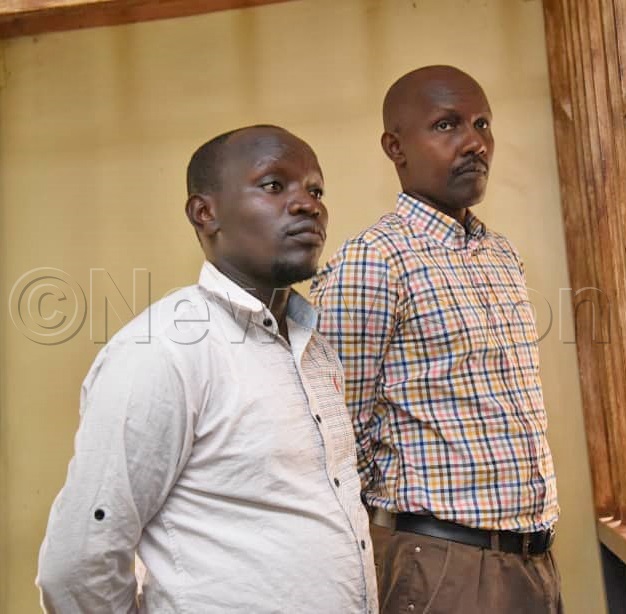
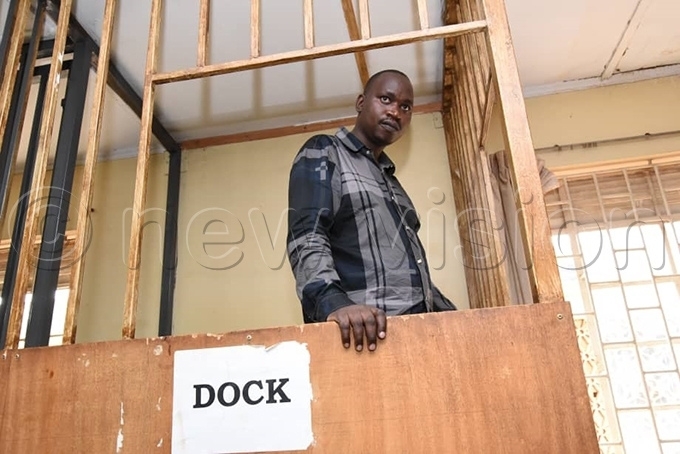
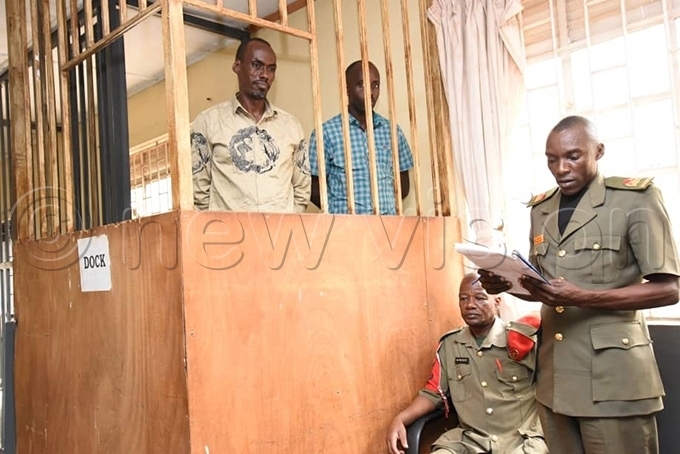
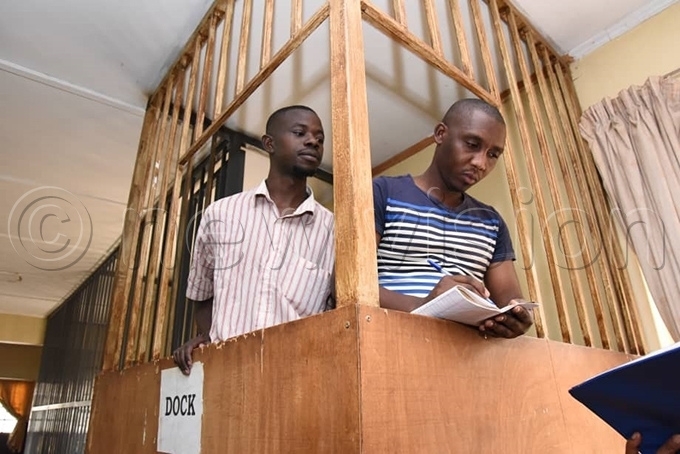
The verdict was pronounced Tuesday morning, January 7th, 2020 after finding them innocent of alleged different crimes including illegal possession of firearms.
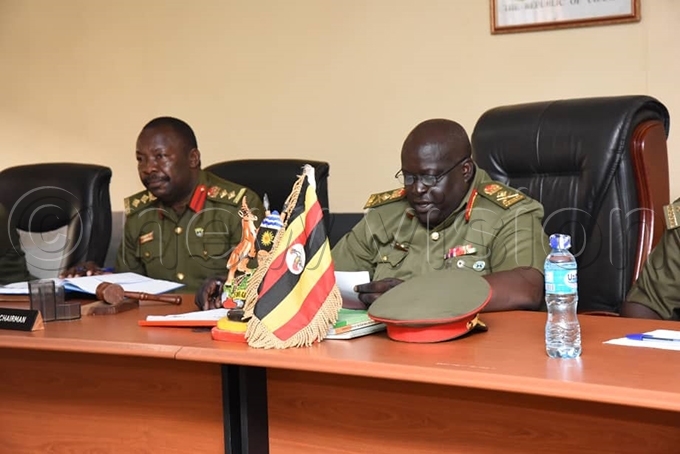
General Court Martial Chairman, Lt. Gen. Andrew Gutti said that the suspects were acquitted as they have all been found innocent.
Among the Rwandans who were released are; Bahati Mugenga, Emmanuel Rwamuco, Augustine Rutisiri, Etienne Nsanzabahizi, Charles Byaruhanga, Claude Iyakaleme and Rutagungira René who was the first Rwandan to be abducted from a bar by Ugandan authorities on August 7th, 2017.
After he was arrested, Rutangungira was subjected to torture with machines that leave no physical marks including stun belts, a method of torture that Uganda’s Chieftaincy of Military Intelligence (CMI) has been using for so long.
There was however no judgment read before court giving facts and omissions that were considered before acquitting the 7 Rwandans of their alleged crimes.
Rwanda’s High Commissioner to Uganda, Frank Mugambage told IGIHE that he had no further information on the case since their release was not communicated in advance.
The state minister in the Ministry of foreign affairs, Olivier Nduhungirehe showed gratitude for the release of the seven innocent Rwandans but told the media that there are many other Rwandans still under captivity in Uganda. He said that what the Government of Rwanda wishes is for Rwandans being held unjustly to be immediately released.
The verdict is pronounced a few days after President Kaguta Museveni of Uganda sent special envoy, Ambassador Adonia Ayebare with a message to President Paul Kagame where the office of the president said the new developments in the Rwanda-Uganda conflict gave hope.
In a message he posted on his Twitter account towards the end of 2019, President Museveni said “Ambassador Ayebare was well received by His Excellency Paul Kagame and they had very fruitful discussions. Soon, the two sides will be taking decisive actions to end the tension. Uganda, I can guarantee, will do its share of the normalization of the relations between our two countries. I salute H.E Paul Kagame, the brotherly people of Rwanda and the people of Uganda.”
In a recent interview with Rwanda Broadcasting Agency (RBA), President Kagame said that Ambassador Ayebare was in Rwanda with the aim of finding common ground and solutions to the Rwanda-Uganda conflict but that what matters the most apart from discussions, is the implementation of resolutions.
Rwanda has been reproaching Uganda of arresting Rwandan citizens unjustly, torturing them and leaving some of them impaired for life. Uganda was also accused of supporting anti-Rwanda militias and terrorist groups including RNC and FDLR.
Since September last year, more than 100 Rwandans were chased from Uganda and 588 in total since the beginning of 2019.
Since January 2018, 1438 Rwandans were permanently chased from Uganda by Uganda’s CMI and the Internal Security Organisation (ISO) of Uganda.
Uwiduhaye Rigobert receives me at Agati Library, Muhoza Sector, Musanze District, a library which he co-founded. It is at twilight. I find him putting final touches to a commissioned portrait of a woman. His hands splashed with strands of paint, we place two stools in the garden that surrounds the library, sit and chat about his career in painting.
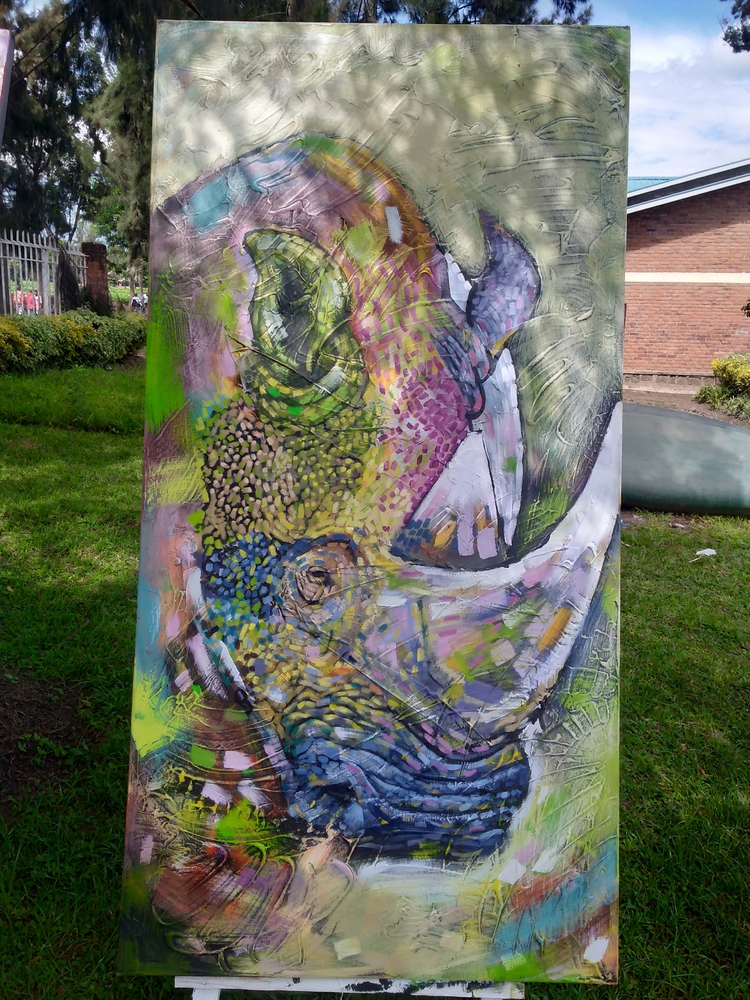
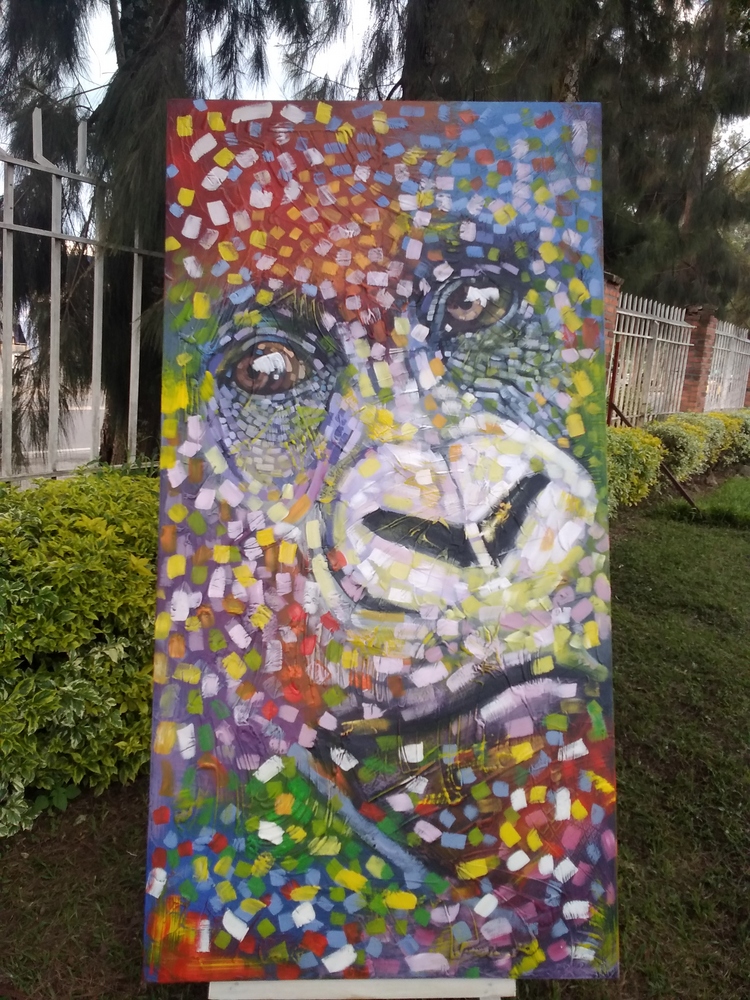
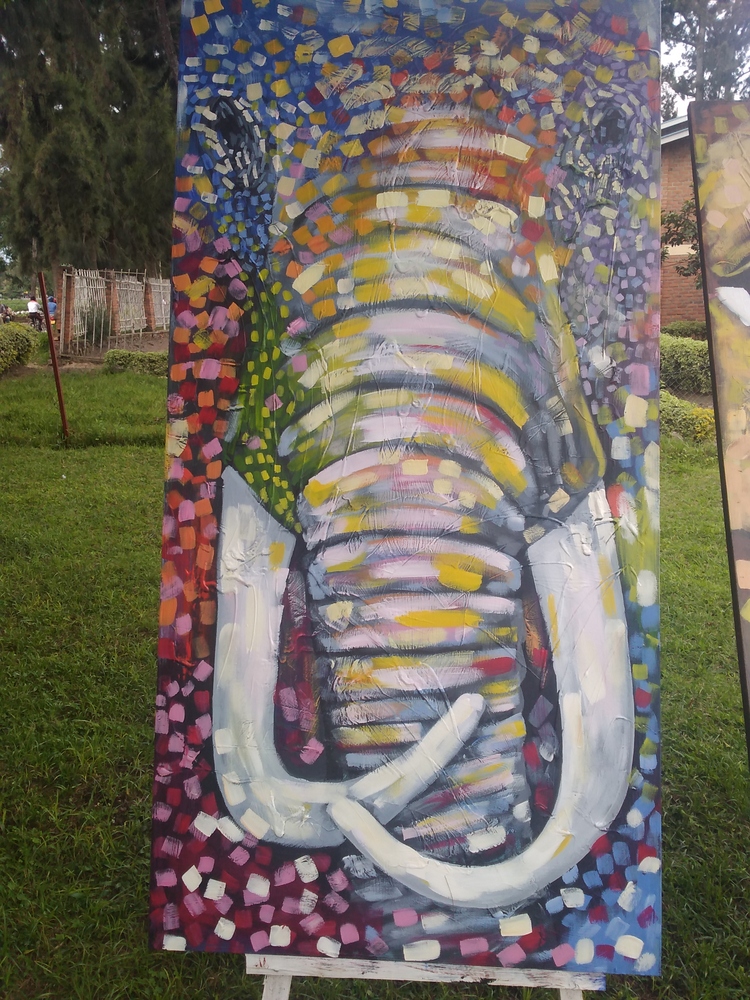
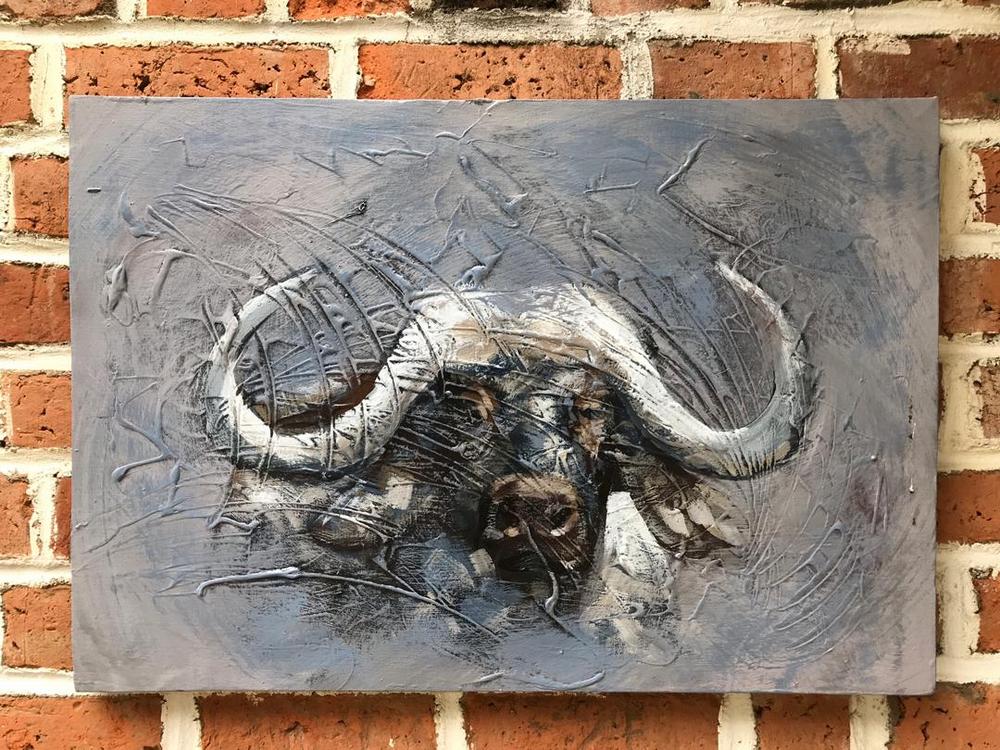
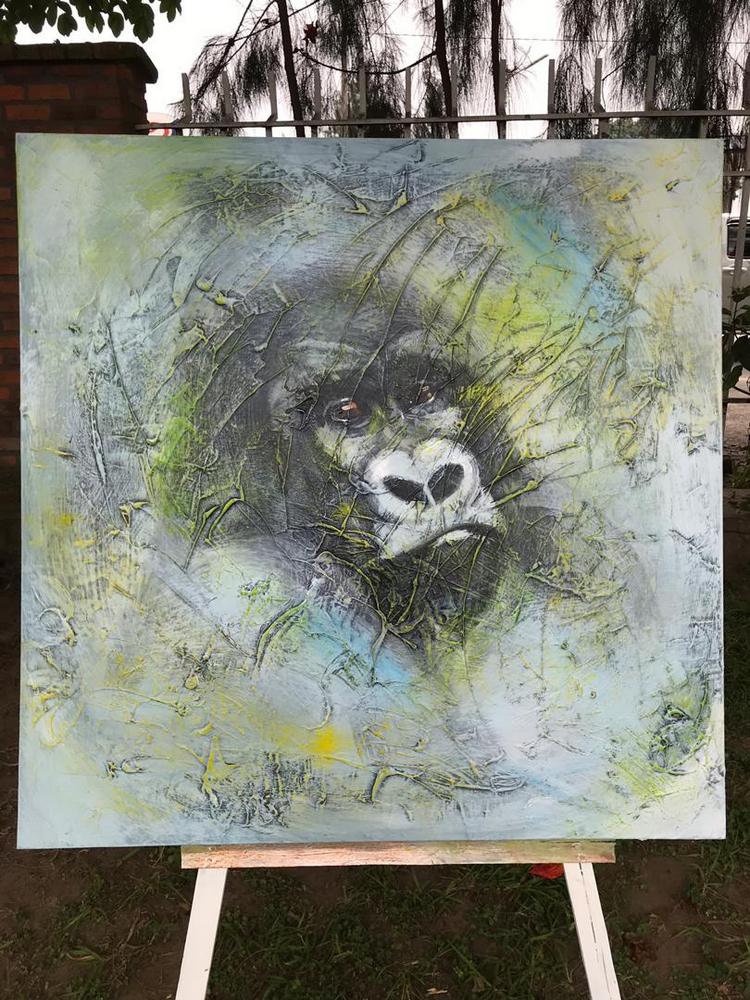
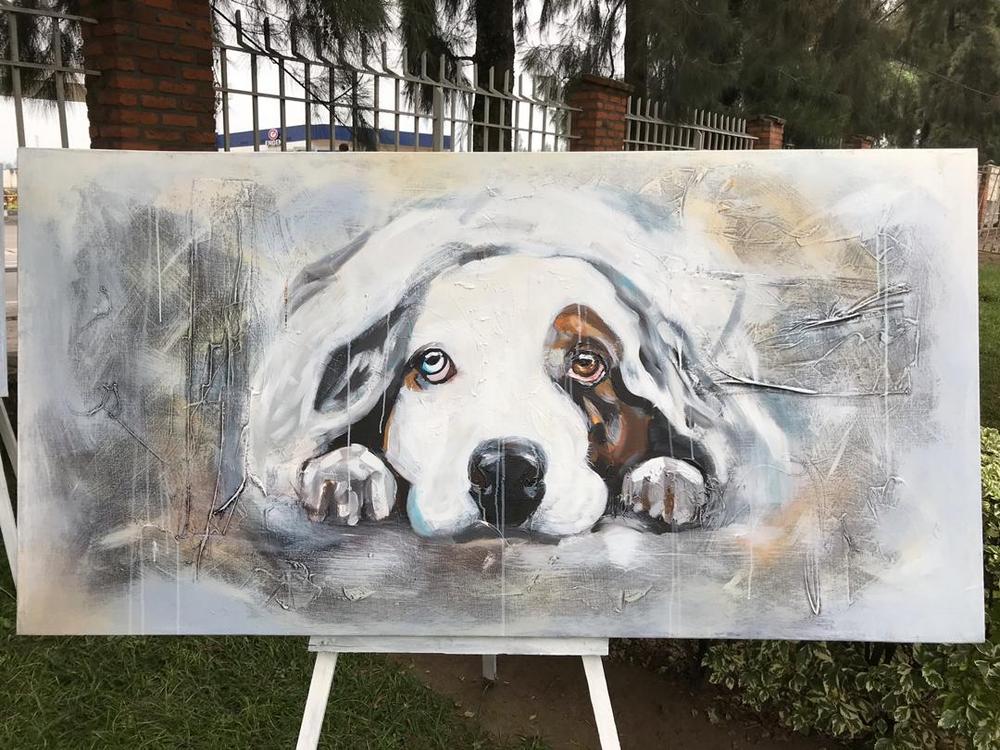
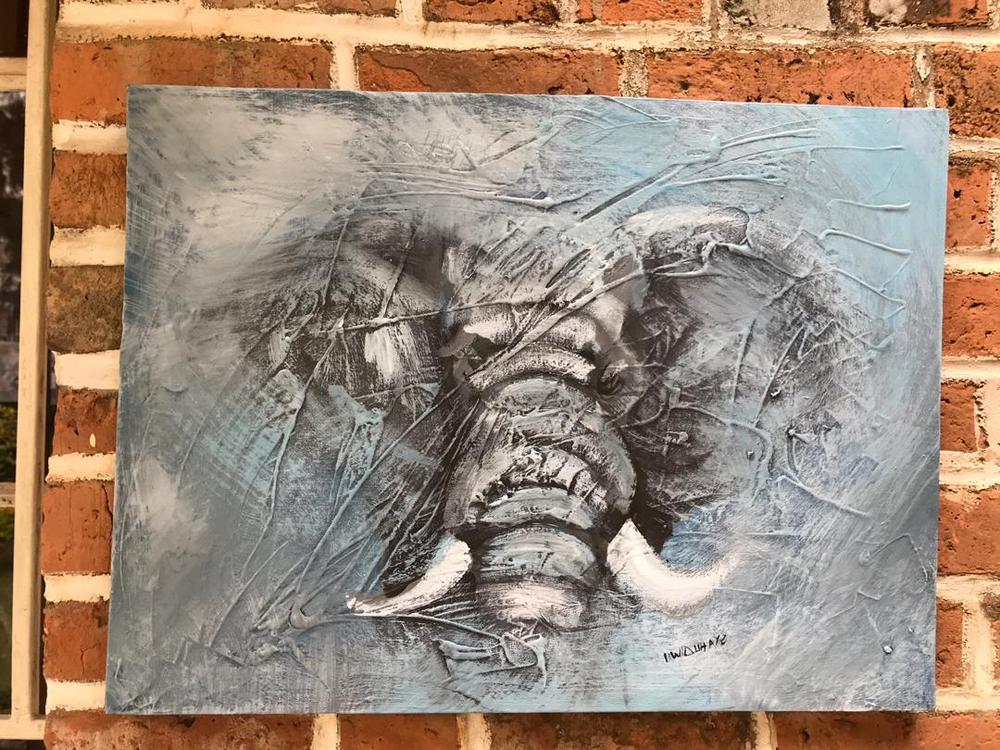
Aged 24, Uwiduhaye Rigobert is a tall and calm young man with a well-built body. His art falling between abstract and realism, he is a semi-abstract painter. Living near the Volcanoes National Park, the subject matter of most of his pieces is animals for reasons of conservationism.
On conservation, he says, he paints images that elicit love for the wild. “It is not to mean that I will go and tell the poacher to not kill animals. But, at least, if I paint a deer, in a colorful way, he will love it and won’t kill it again.”
Uwiduhaye has always been devoted to art. He says, in nursery school, when classes used to be mainly about drawing and singing, he found himself leaning on drawing than singing. He remembers always being eager to volunteer to draw for his primary school teachers whenever they needed to draw something on the blackboard.
His love for drawing surged during his Ordinary Level studies. While applying for an Advanced Level combination of studies, he was faced with a dilemma between going for the arts or moto vehicle mechanics, which was his other area of interest proven by the fact that most of his early drawings were of vehicles. He even dreamt of owning his own automotive industry.
He applied for both combinations, putting École d’Art De Nyundo first and Moto Vehicle Mechanics (MVM) second. Before he could know which one he had been offered, his interest in pursuing art studies dropped.
“I started thinking, ‘I am already used to drawing. It is no use going for something I already know. Why not go for motor vehicle mechanics?’” he says.
Despite his now disinterest in the arts, when the results were released, he had been offered to study at École d’Arts. He resisted and struggled to find a school of motor vehicle mechanics.
He moved to Kigali, at Rwanda Education Board, asking for a change of schools which request was declined. He eventually joined École d’Art De Nyundo. He went there, still feeling disappointed and uninterested, only to reach there and be blown away by what he found in the school.
At the school were paintings that he could not believe had been drawn by the students. He realized that his knowledge of art was wanting and the school had a lot to offer.
His born-again character made him befriend all students in the school who seemed to be the best at painting, including Giraneza Tony, Iradukunda Patient, Ishimwe Daddy, Rwema Sam, and Toussaint.
Those taught him a lot of styles he did not know, but the lack of flexibility in the schedule of the boarding school made him afraid that it could chip away at his artistic spirit.
That same academic year, he and his friend Mugisha Paul, another rising painter in Kigali, decided to opt out of the boarding. In the school’s history, it was the first time students would be allowed to study while staying out of school.
The principal at first had refused, but the two students insisted until when the principal said, “You will keep paying the same school fees as boarding students.”
They accepted.
“And, I will only accept it if each one’s parents accept that they will take risks of whichever problem might happen to you,” the principal added.
After uneasily convincing their parents that it would be for their own good, the two students finally opted out of the boarding.
At a place where they stayed, they could use the internet to access and learn from extra content than that they got in the class. They would download tutorials by a landscape painter called Kevin Hill from YouTube and learn from them.
While staying outside the school, people started to employ them so much that Uwiduhaye made enough money to pay his rent, meals and school fees for himself. That was still in his first academic year at the school!
In 2017, after completing high school, the two had a dream to make an arts center. They based themselves in Ruhengeri, working from Uwiduhaye’s home.
They started giving free artworks as gifts to people, especially tourists. Those tourists would go on to spread the word about their art among their friends, people who would later commission their work on good prices that allowed Uwiduhaye to buy enough equipment and other materials he needed for the trade.
He first learned what it is to do a solo exhibition in 2017. He then started planning on hosting his own. He went into discussions with hotels around Ruhengeri, most of which rejected him, causing him to give up.
In that same year, he reached out to Virunga Valley Academy (VVA), an American international school in Musanze that allowed him to exhibit during their annual festival. There, he sold all twelve paintings he took there and got five commissions for other paintings.
He credits Matt Miller, the director of the school, and his wife for helping him grow his communications skills and confidence.
In November 2018, his first solo exhibition was held at took Crema Coffee Shop, Musanze District, and he earned $1300 from it, a half of which he invested in the foundation of the Agati Library, an initiative of a group of six young adults who grew up and live in Musanze District, namely Karekezi R. Patience, Umuhuza Denyse, Munyabuhoro Prosper, Mukiza Aime, Isangwe Sabine, and Uwiduhaye.
With more than 3,500 books, the library has become a sanctuary for hundreds of kids.
His last solo exhibition took place again at the same place in January 2019 during which he met Kathy who asked for ten of his paintings to be exhibited in ‘Life in the Brush’, an exhibition which brings artists together in Kampala.
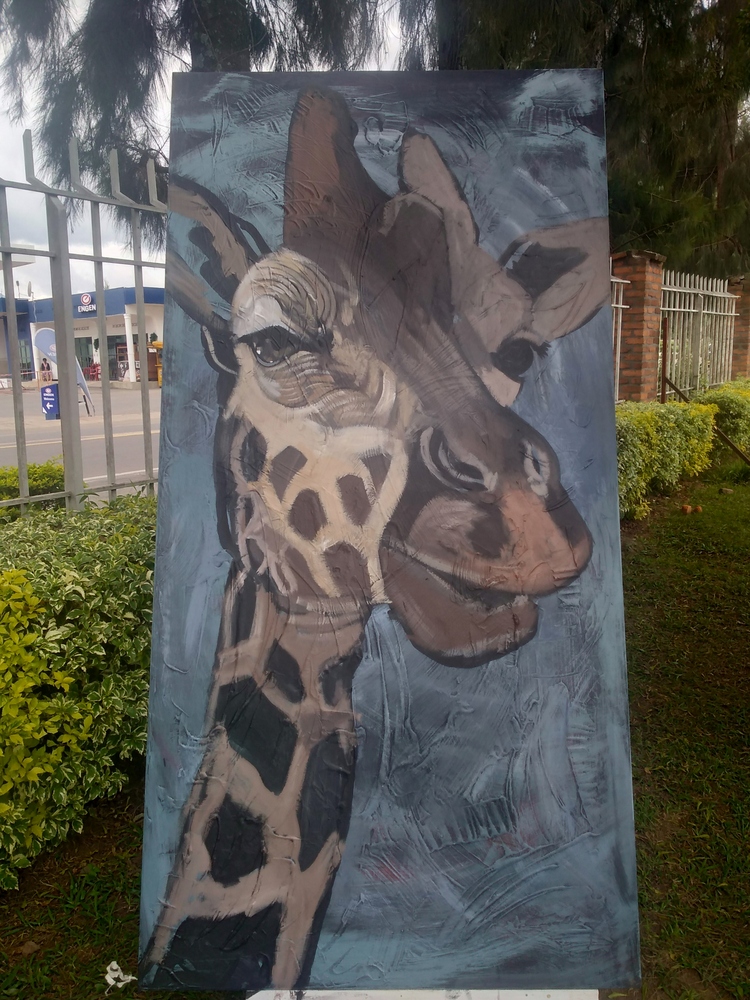
At some point, I ask him to show me one of his paintings of animals, and he quickly shows me seven pictures of different paintings. His paintings, colorful acrylics on canvas, are portraits of the animals’ faces. The paintings he shares with me show the animals as tender beings that invite friendliness and fun.
His art undeniably is conversational. One of the portraits of a giraffe, looks like a painting in which the painter had to first discuss with the muse different alternatives of her pose, a discussion which finally led to a masterpiece pose.
The giraffe is painted from a right-side view, and, with its mouth open, the giraffe looks happy and inviting the fun all his paintings invite.
In his calm voice, he says that apart from the individuals mentioned above, he receives no support from either the government or private sponsors.
He says, “Everything is on my own.”
Furthermore, he enthuses that art in Rwanda is gaining prominence.
“Nowadays, an ordinary man tells you that he bought red curtains and asks you which color he shall paint the walls, and that’s art. All people have gotten artistic minds. It is not like before when people would use things of completely different colors without trying to think how complementing colors can create beauty,” he says.
He currently lives off his painting business and plans to get his work positioned at a global stage and to found an art gallery to support exhibition of works by young artists.
The spokesperson of NDC-R, Ngabo Désiré, said that 25 people fell in the fight, including 4 women of NDC-R and the rest being FDLR rebels.
He said, “FDLR, together with CMC/Nyatura attacked our Katsiru post. The statistics of those who fell in the fights, on our side, are five women, others were wounded. It is difficult to tell the number of those killed by our soldiers, but they are above 25.”
He added that NDC-R cleared the FDLR from the zone and now the fights are taking place 6 kilometers from Nyanzale.
In 2014, President Kagame requested for the consolidation of all 416 Umurenge SACCO through the ‘Cooperative Bank’ project that was expected to broaden “financial inclusion” in the country, working through the Umurenge Saccos and increasing financial services in rural areas.
In February 2015, FinTech International Limited won the bid to consolidate all SACCOs but the project deadline ended without the completion of computerization and linking of SACCOs operations as it was expected.
However, after the project was handed over to IT experts in Rwanda, results are slowly but surely materializing where since January 4th, 2020, Rutunga district SACCO started benefiting from the program.
In an interview with IGIHE, Prof. Harelimana Jean Bosco, RCA Director-General said that the project is currently being managed by different institutions in Rwanda including RCA, the Ministry of Finance and Economic Planning (MINECOFIN) and Rwanda Information Society Authority (RISA).
“We have conducted a pilot trial in three SACCOs including Rutunga, Gisenyi, and Kanombe and if results are satisfying, we expect to start using the same model in all SACCOs by the end of 2020.”
RCA mentioned that it is difficult to estimate the value of the project since it is being managed by IT experts who already work in different government institutions. “This is a locally tailored initiative and no plan was elaborated to estimate the exact value of the project.”
Linking all SACCOs to a common computer system is expected to curb corruption practices that have characterized SACCOs in the past and guarantee safety to stakeholders who complained that the co-operatives were not in any way supporting financial inclusiveness.
Prof Harelimana said that after the computerization of SACCOs’ operations, most issues that were reported in the past will be completely solved.
“We expect quicker services and daily reports that will allow for complains to be immediately addressed.”
Umurenge SACCO was launched by the Government of Rwanda in 2009 with the aim of pooling savings for members and providing them with credit facilities at low-interest rates, therefore, promoting financial inclusiveness.
There are currently 416 Umurenge SACCO across the country. In 2019, SACCOs reported a 2.7 million customer base, assets worth Rwf 120 million and savings worth Rwf 60 billion.
Mutangana would soon after receive a phone call from someone, who identified himself as Eric Tuyisenge.
The caller told Mutangana that he had accidentally sent Rwf34, 000 to her phone and requested her to wire at least Rwf30, 000 to a phone account he gave her.
Mutangana was quick to go to the Mobile Money agent identified as Julienne Musabyimana, without verifying the message she had received, and told the agent to wire Rwf30, 000 to the phone account she had been given.
On checking, she noticed that it was just an SMS. The scammer had succeeded using Mutangana to defraud Musabyimana.
“People should beware that fraudsters employ different tricks to achieve their criminal purpose, and be extra vigilant. Always verify messages and phone calls you receive,” Chief Inspector of Police (CIP) Hamdun Twizeyimana said.
BNR invited bids on behalf of the Government of Rwanda and set the interest rate at 11.55% per annum.
The bond is a benchmark bond and will be subject to withholding tax at the rate of 5% for all investors.
In July 2019, BNR had opened another 20-year treasury bond worth Rwf 15 billion which attracted the attention of bidders on a 141.03% rate with more than 80 investors in different sectors across Rwanda.
Treasury bonds pay a fixed interest rate on a semi-annual basis. This interest is exempt from state and local taxes but is subject to federal income tax. Bonds are a safe-haven investment for investors since payments are directly made into the owner’s bank account. Owners earn interest until the bond matures.
Bonds can also be given as collateral to the ban when the owner is requesting for a loan. The owner can as well sell back the bond to the capital market.
All bids will be submitted to the National Bank of Rwanda through any of the licensed commercial banks or Capital Market intermediaries. The market will open from Monday, January 20th, 2020 to Wednesday, January 22nd,2020.
@CentralBankRw would like to inform the public that on behalf of @RwandaGov there is a Reopen of 7-year T-Bond worth 15.0 billion.
The market will be open from Monday January 20, 2020 to Wednesday January 22, 2020
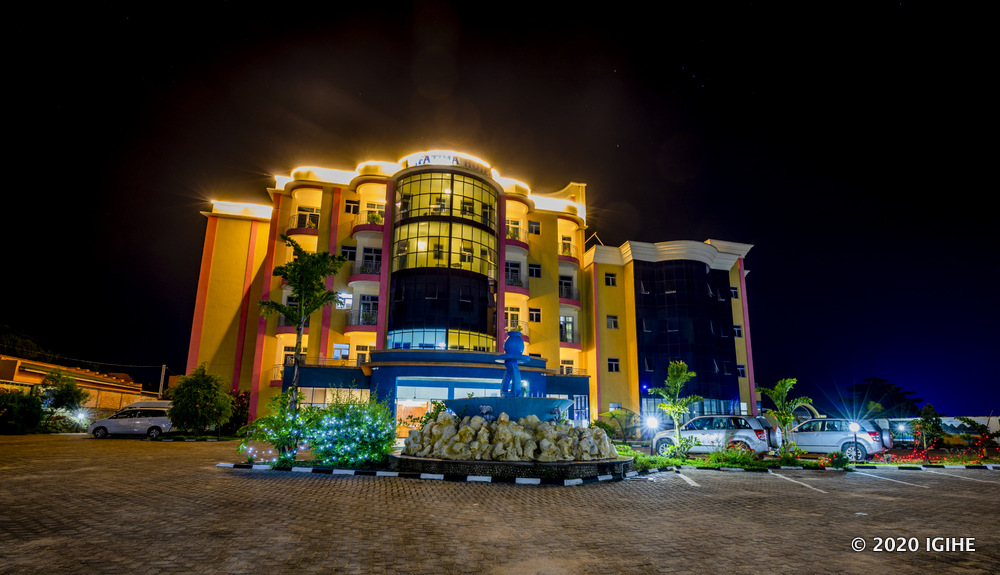
In 2012, to promote the tourism industry in Rwanda and provide tourists and visitors with luxury accommodation, Ruhengeri Diocese started the construction of Fatima Hotel in Mubuga village, Cyuve cell, Rwebeye sector, Musanze district.
The hotel is located on the main road to Rubavu in the center of Musanze a few blocks away from the district’s office. Construction started in 2013 and was completed in 2017. It was inaugurated on August 19th, 2017.
Apart from being strategically located along the main road to Rubavu, Fatima Hotel is also in close proximity to Musanze airport and a few miles away from the Volcanoes National Park.
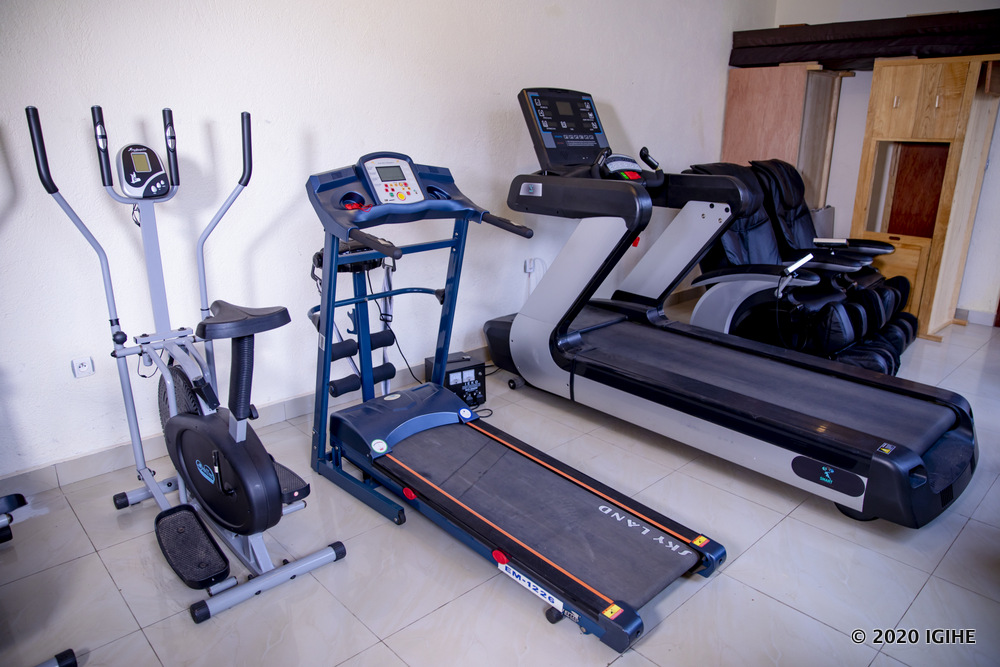
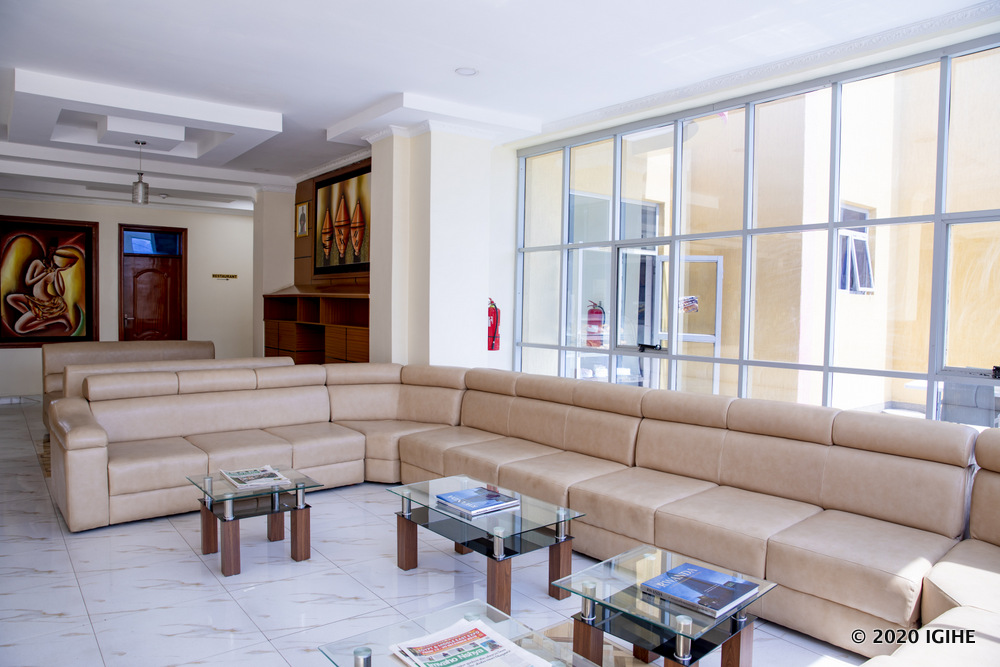
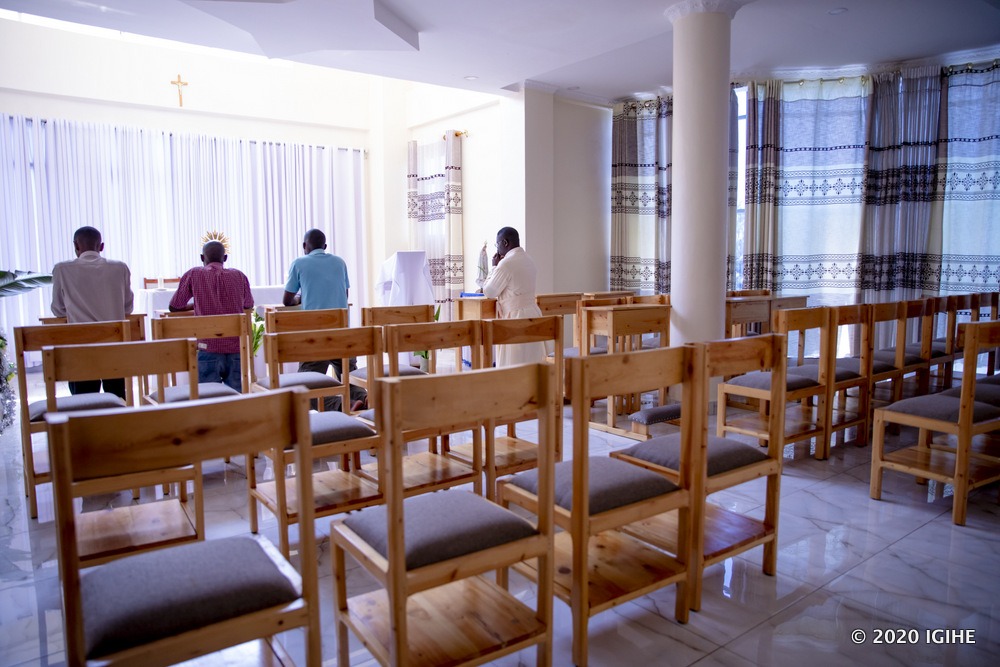
Fatima Hotel also provides a great range of facilities including a gymnasium and a chapel that pilgrims can access at will.
Father Nizeyimana Celestin, Fatima Hotel General Manager told IGIHE that Fatima Hotel was thought of as a landmark in Musanze city which would attract countless visitors.
{{Accommodation}}
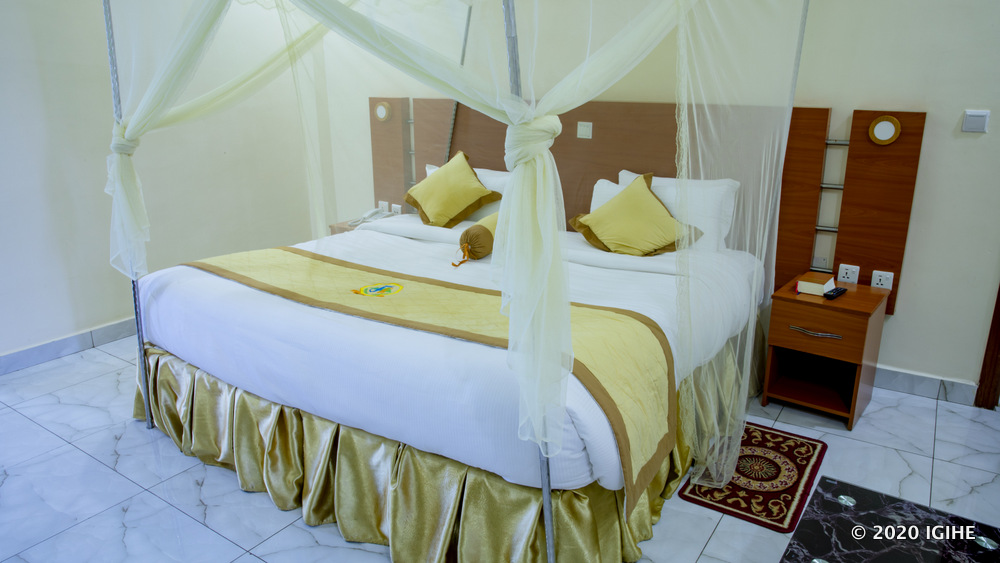
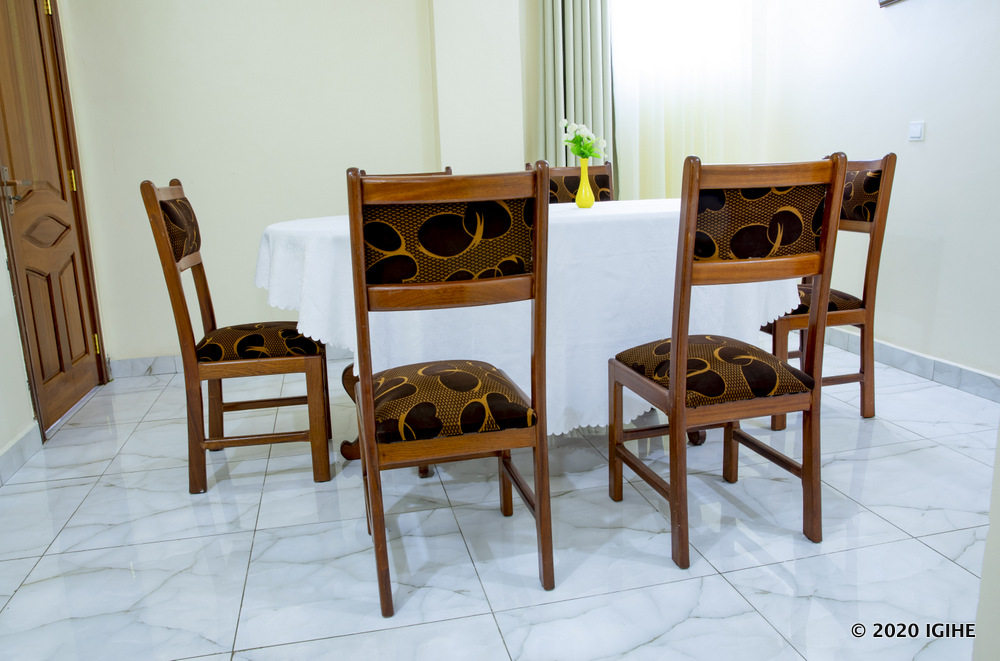
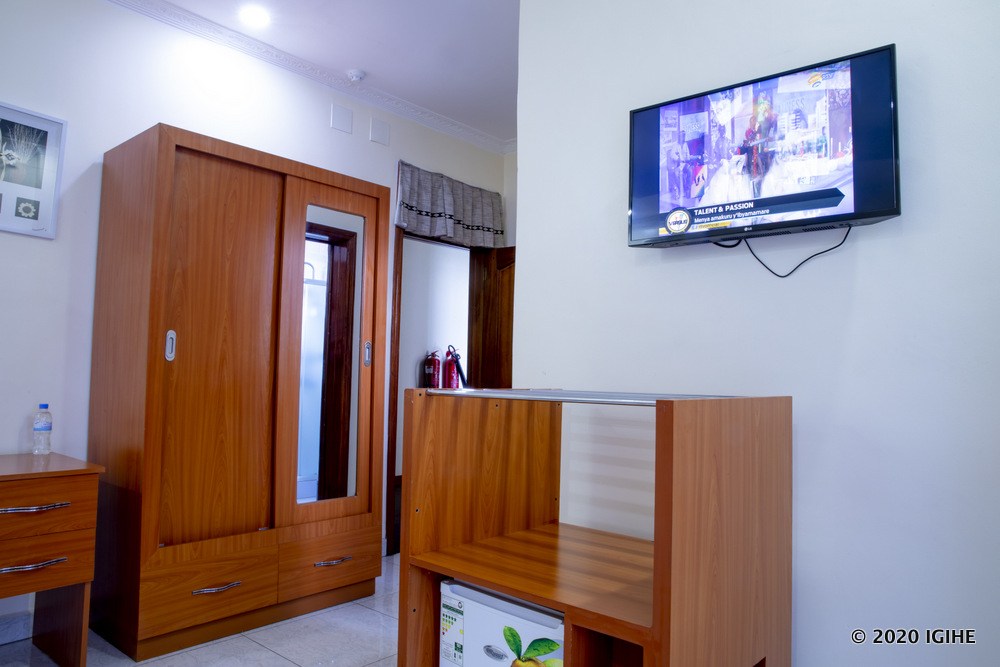
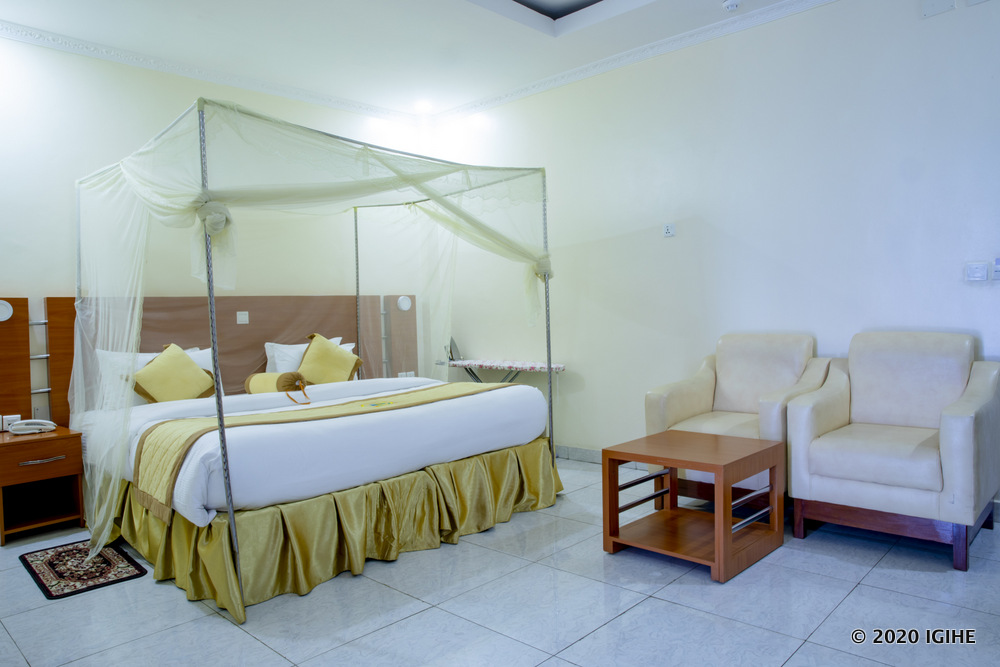
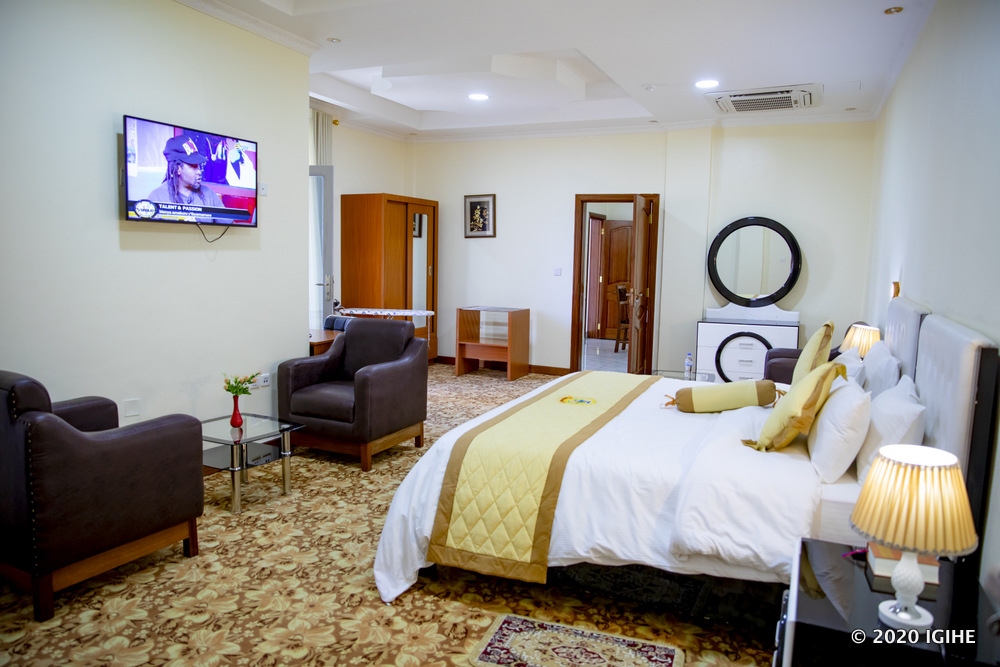
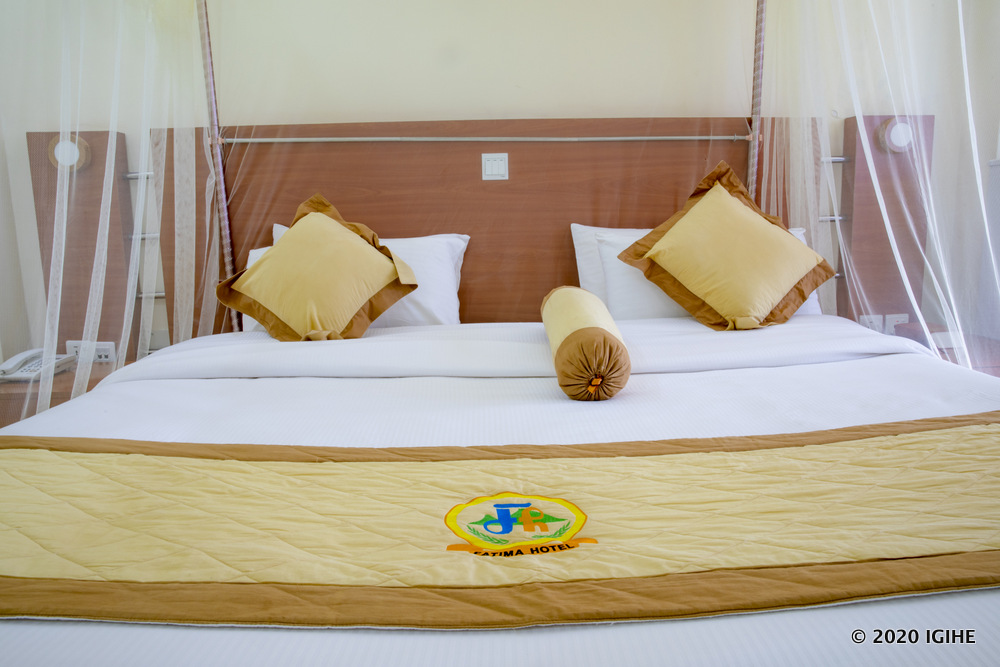
Fatima Hotel is a bastion of modern luxury as it provides rooms ranked from ‘Presidential Suite’ to ‘Presidential Menu Suite’ equipped with a living room, bedrooms, and ample kitchens.
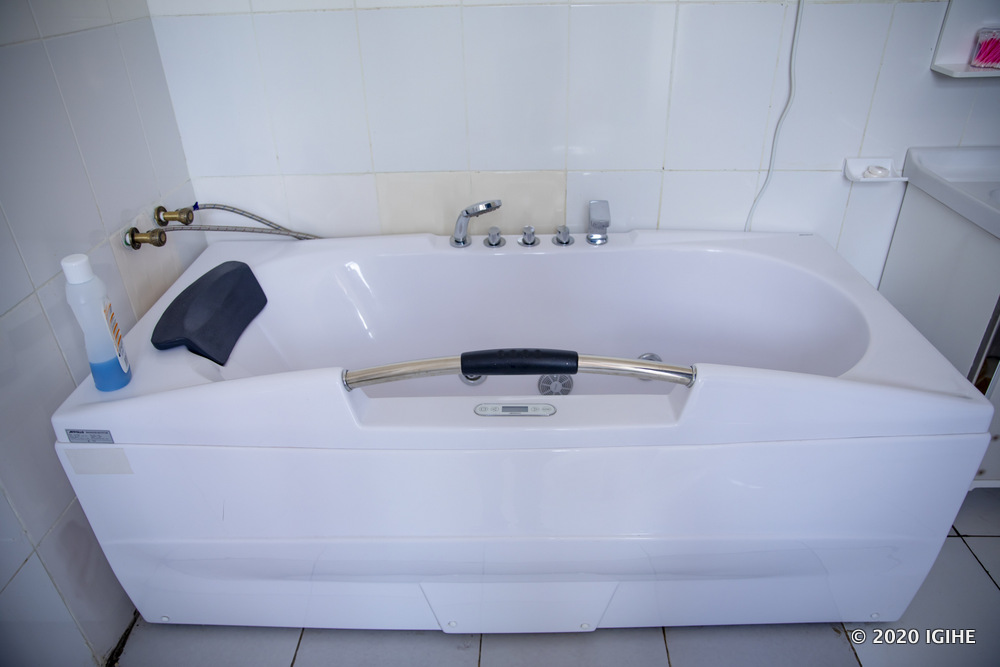
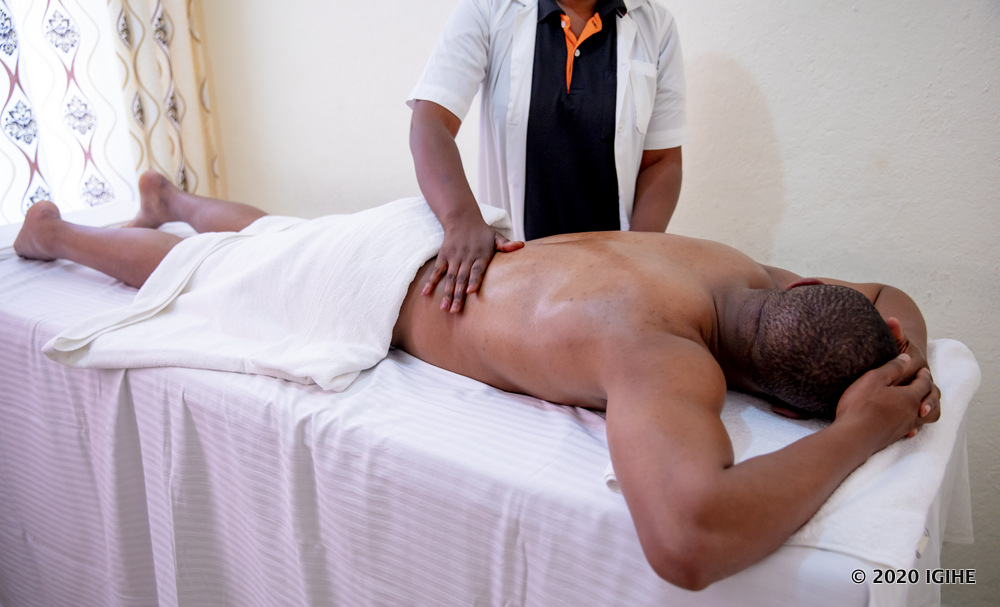
It blends sophisticated rooms, personalized service and home equipment including a television set, a refrigerator, cooking stoves and a modern bathroom that can add a touch of luxury to your stay. Visitors also have access to a sumptuous massage center.
The hotel boasts a re-creation of a family setting with sets that have the capacity of accommodating an entire family and emulate the cozy feeling of a home.
Fatima Hotel is much more than a place to shower and sleep. It is a home away from home and, whether, on business or vacation, you have to feel comfortable and relaxed.
Father Nizeyimana says visitors have rated Fatima Hotel as the best hotel in Rwanda.
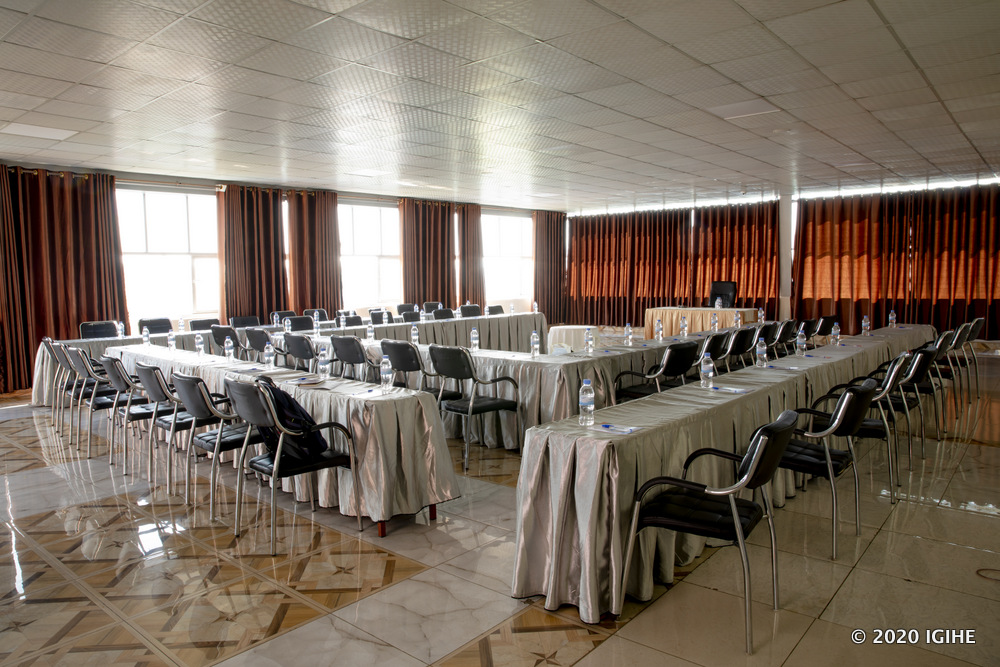
Fatima Hotel offers conference rooms with modern equipment for meetings including free high speed WIFI, projectors, white boards, and a sound system to mention a few.
Restaurant and high-quality food
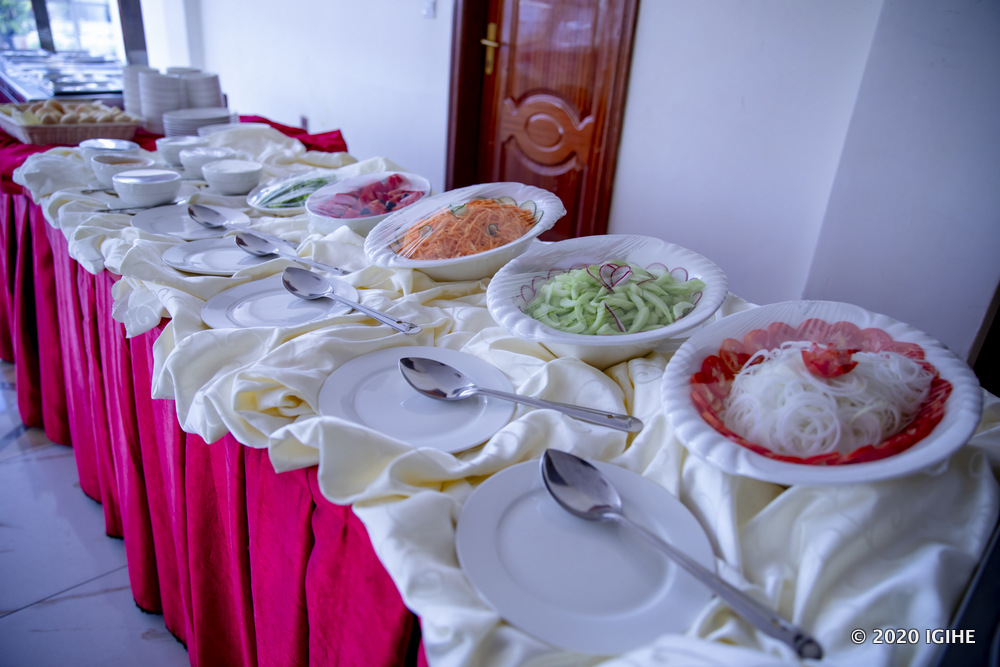
Fatima Hotel offers the best cuisines and plenty of food choices visitors can expect when visiting a luxury hotel. Meals are prepared by the most competent chefs who use fresh local ingredients.
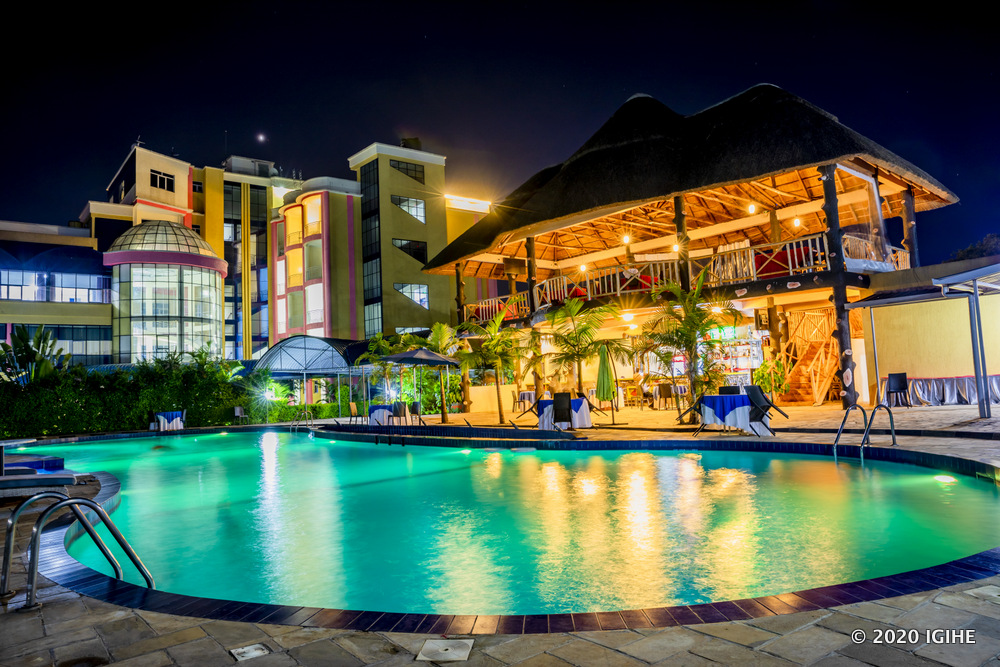
Fatima Hotel offers an onslaught of deliciousness from morning to night. The hotel has a particularity of owning a bakery and an in-house barista to launch you into a unique, authentic and artisan coffee experience.
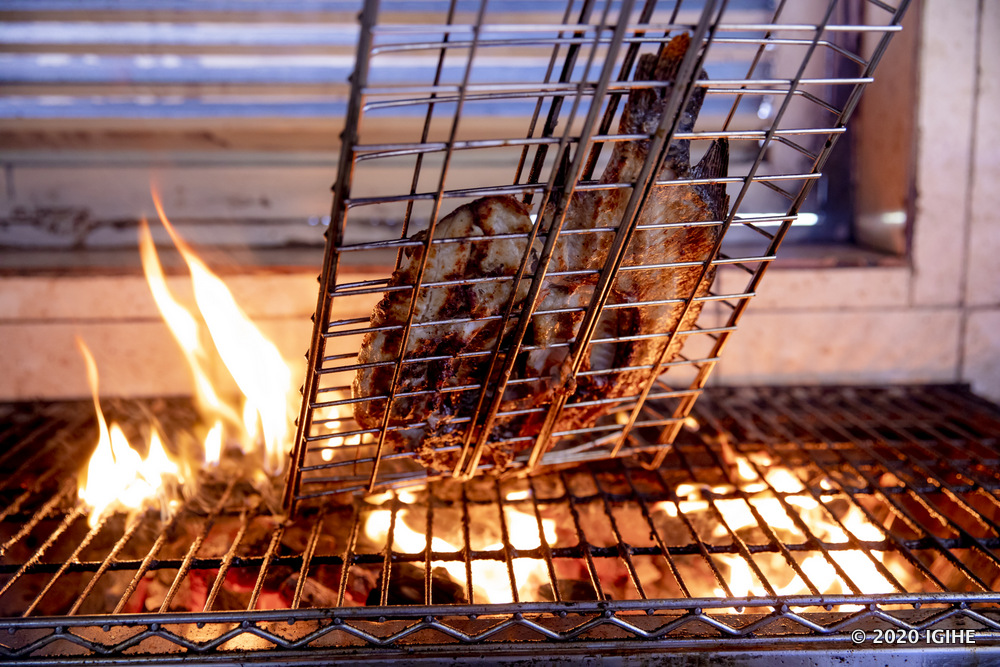
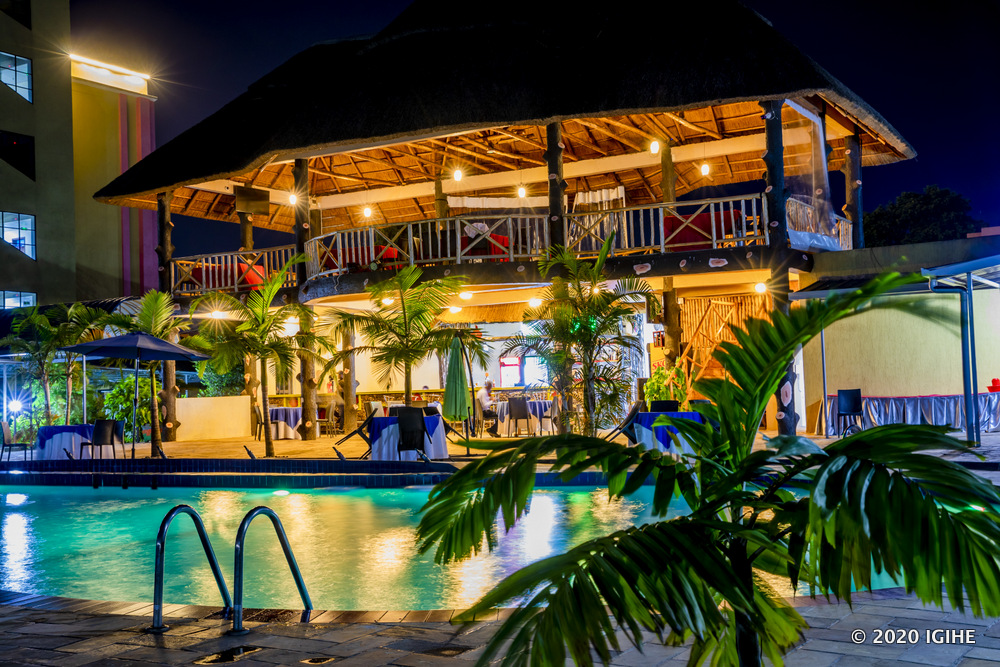
The hotel employs chefs from across the world to fulfill visitors’ boldest gastronomic fantasies. For a daring supper, the hotel offers fish specialties rich in calories and fiber and invites live music bands to entertain visitors for the evening.
{{Sports activities}}
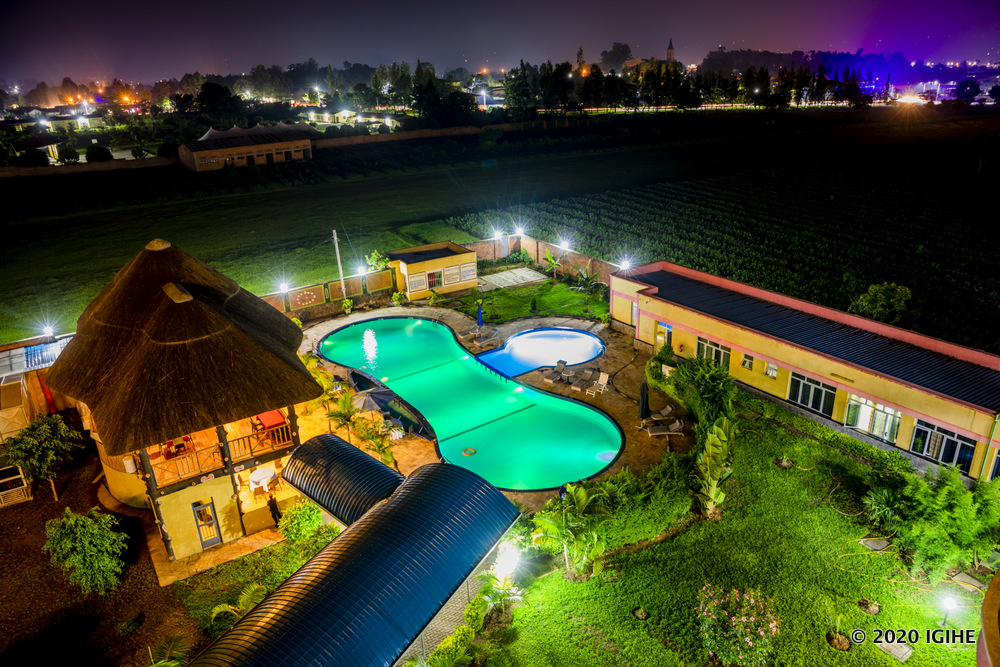
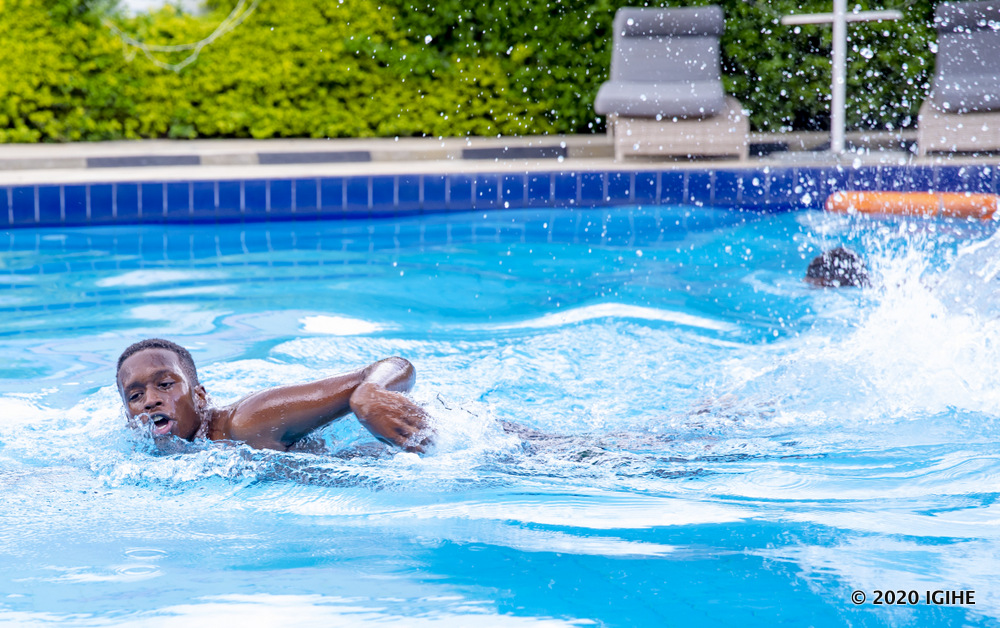
For visitors who like to keep fit and active during their holidays, Fatima Hotel offers fabulous sports and leisure equipment to keep them on the move including a swimming pool, gym, massage, and sauna.
Father Nizeyimana says Fatima Hotel is the ultimate rejuvenation and relaxation destination.
{{Customer service}}
Besides plush bathrobes, fresh bed linens, and spotless floors, Fatima Hotel prides itself in quality customer care service. The hotel meets visitors with an airport shuttle service and affordable transport to tourist destinations including the Volcanoes National Park as well as a professional security team to keep visitors safe.
Despite the hotel being catholic-owned, visitors from other religions are the most welcome as well and free to exercise their beliefs.
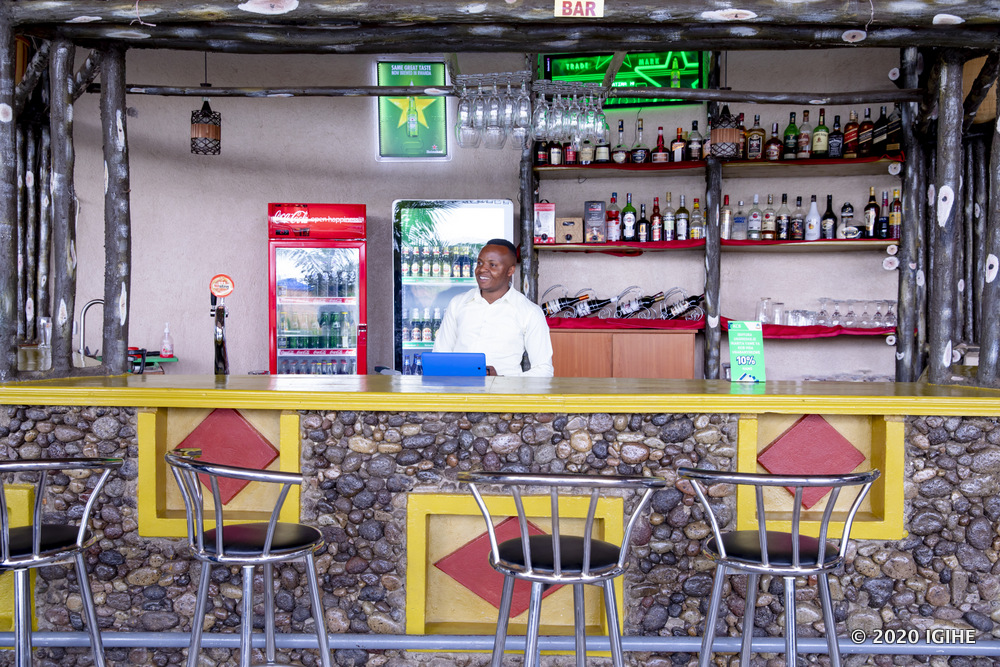
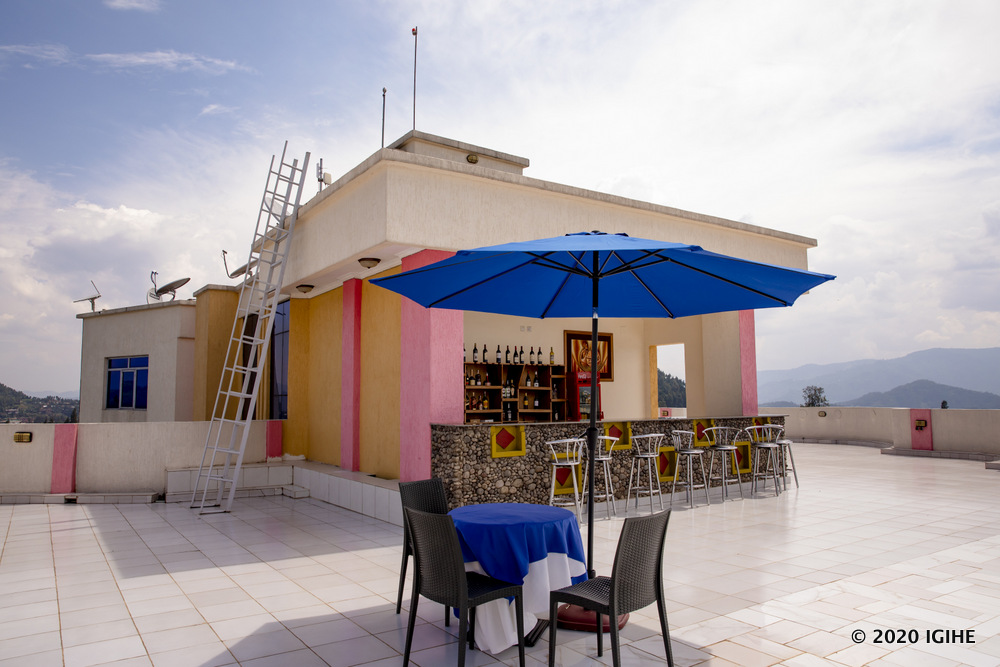
Last but not least, visitors can enjoy their stay at the hotel bars which offer a panoramic view of the volcanoes. “Visitors can enjoy their stay at the counter with breathtaking scenery to the volcanoes.”
Revenues from the hotel are used to help the needy as that was the original idea when the diocese started building it.
For more information, email us at www.fatimahotel.rw or Info@fatimahotel.rw
Jordan Foundation was founded by Vanessa Bahati, a Rwandan in November 2015, after receiving the devastating news that their fourth child, Jordan, was born blind and he would never be able to see.
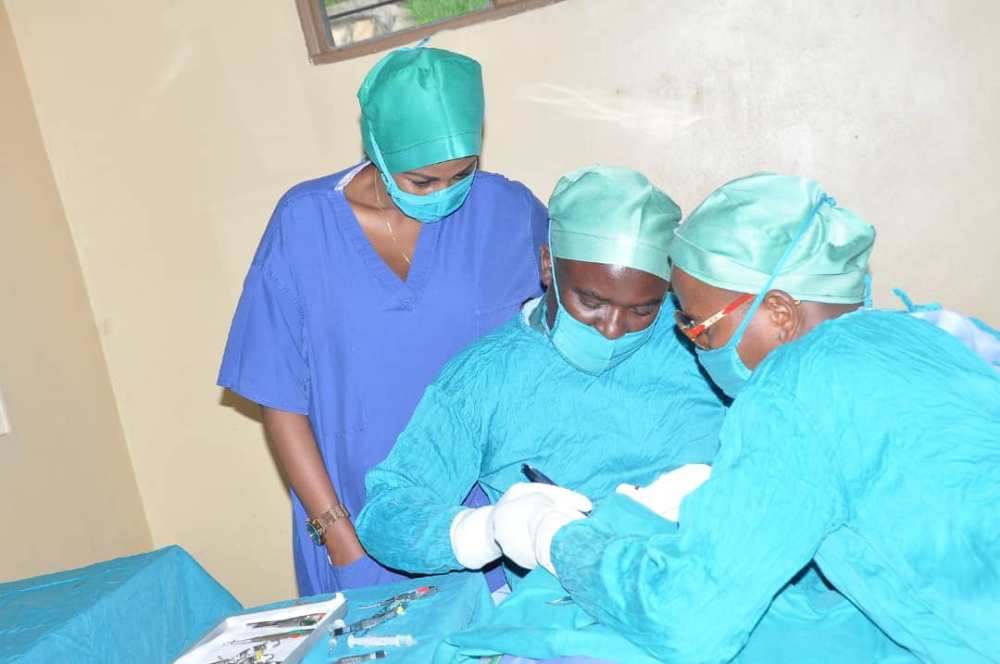
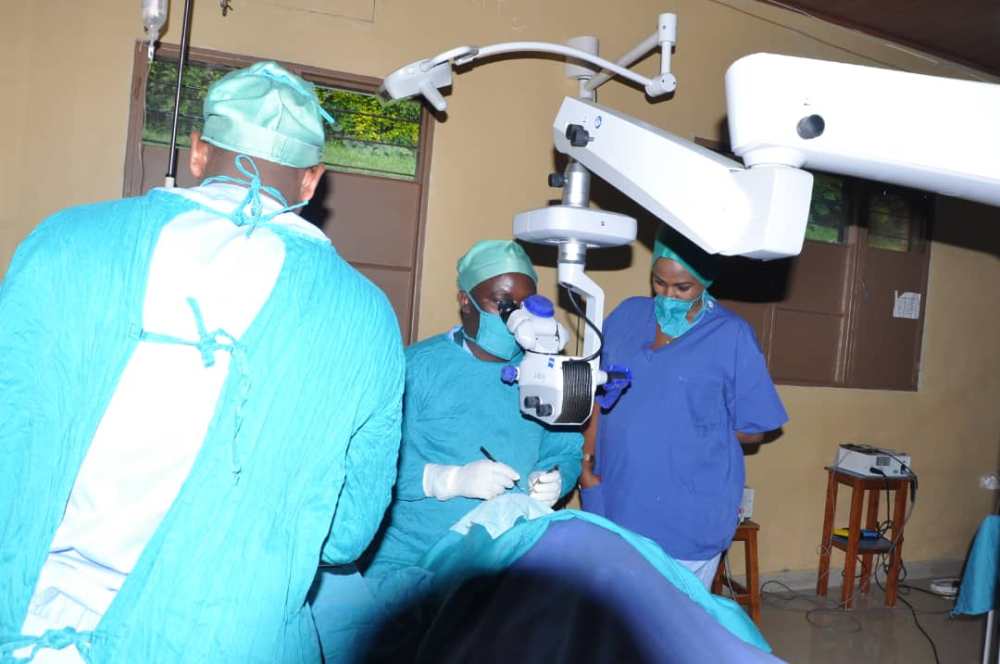
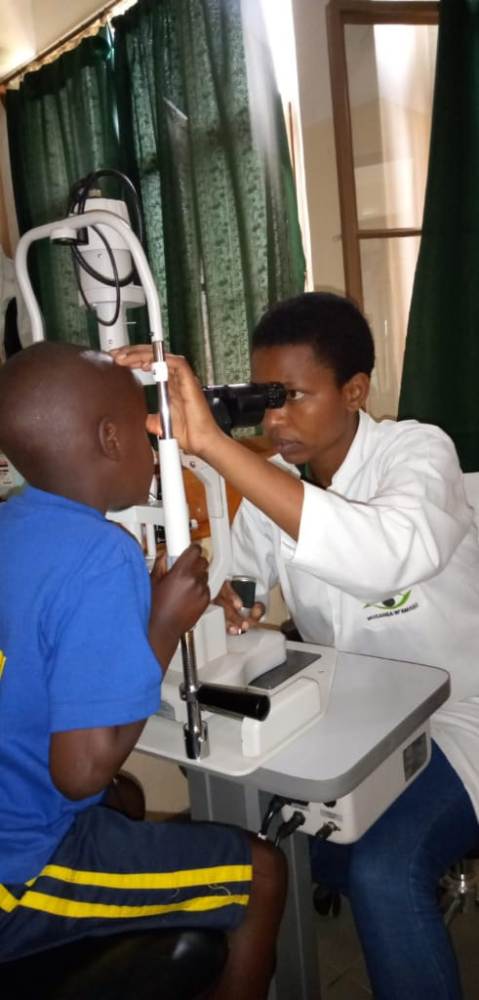
Every year, Jordan Foundation receives 20 children suffering from impaired vision, are treated and those that recover are sent back to their homes.
Jordan Foundation’s CEO, Bahati Vannessa told IGIHE that in 2019 among the children they received, six are now ready to be sent to their families for they have recovered completely.
“The treatment was successful, six are healed and now we will be following up on them after they have returned to their families,” she said.
The treatment administration was concluded on 23rd, December 2019.
Children that have benefited from this program are now about 40 where in the first group two were sent to their homes and now the second group is releasing six.
The Jordan Foundation takes care of visually impaired children between the ages of 3-9, who come from poor families in Rwanda; offering them an opportunity to lead a normal life like other children.
In 2016, Vanessa Bahati, the founder of Jordan Foundation was among the youth that received awards from the First Lady, Mrs. Jeannette Kagame, the CEO of Imbuto Foundation in the awarding event known as YouthConnekt Champions and Celebrating Young Rwanda Achievers Awards (CYRWA) that are scheduled every once in two years.