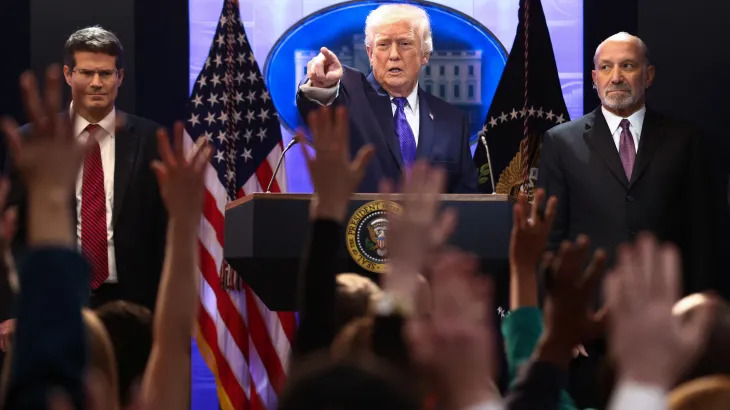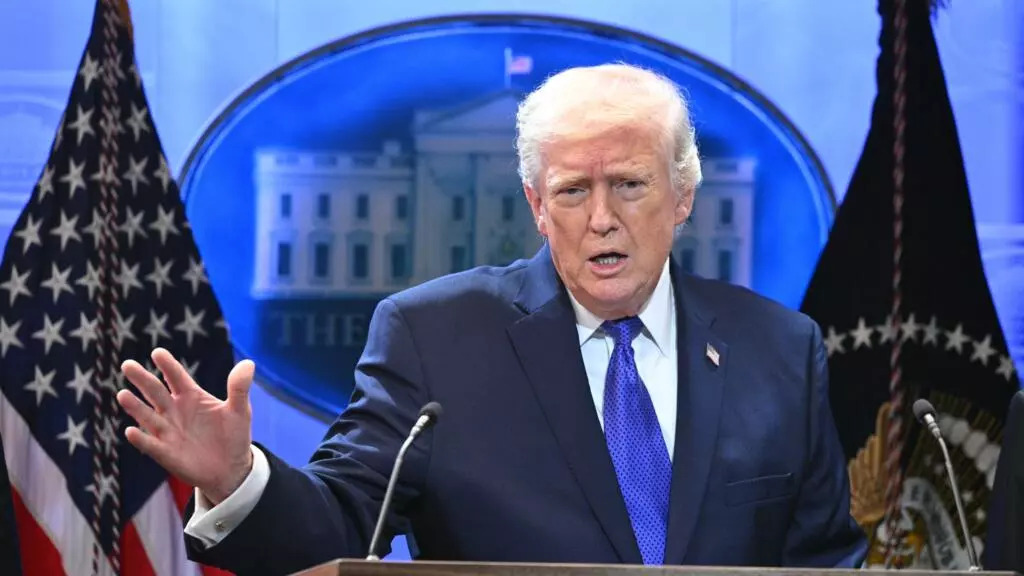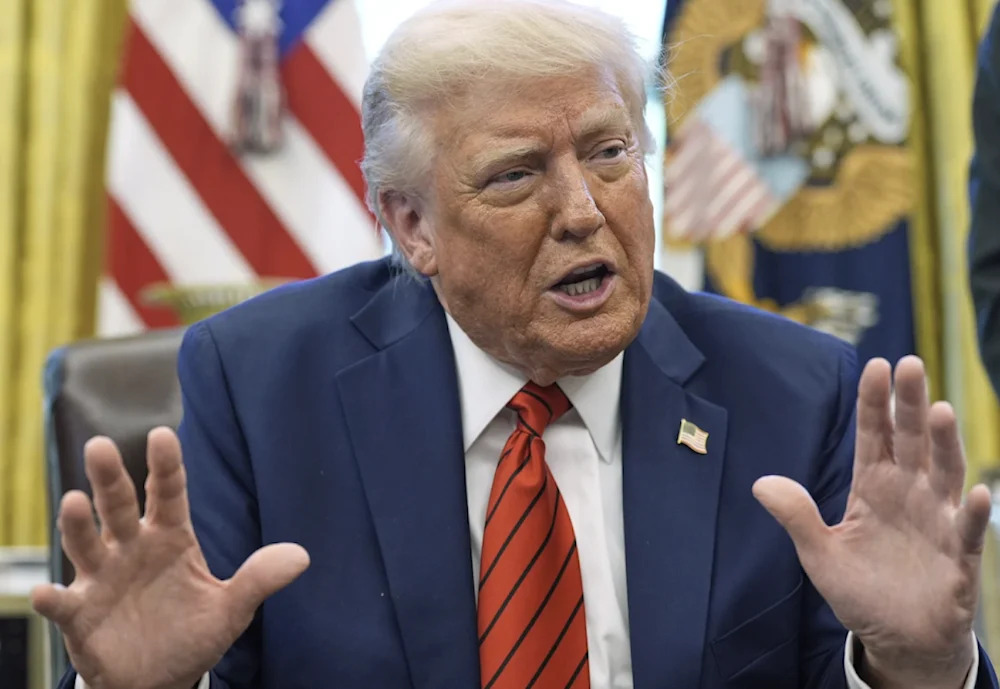
“I, as President of the United States of America, will be, effective immediately, raising the 10% Worldwide Tariff on Countries, many of which have been ‘ripping’ the U.S. off for decades, without retribution (until I came along!), to the fully allowed, and legally tested, 15% level,” Trump wrote in a social media post on Saturday.
He added that during the next short number of months, his administration will “determine and issue the new and legally permissible Tariffs, which will continue our extraordinarily successful process of Making America Great Again – GREATER THAN EVER BEFORE!!!”
U.S. Supreme Court ruled Friday morning in a 6-3 vote that Trump’s tariff policy under the International Emergency Economic Powers Act was illegal.
Infuriated by the ruling, Trump signed an order imposing a 10 percent tariff on imports from all countries hours later.
US President Donald Trump has used tariffs against both friends and adversaries since returning to office.
He emphasised that both countries are members of the East African Community (EAC) and, as such, should not harbour forces hostile to one another.
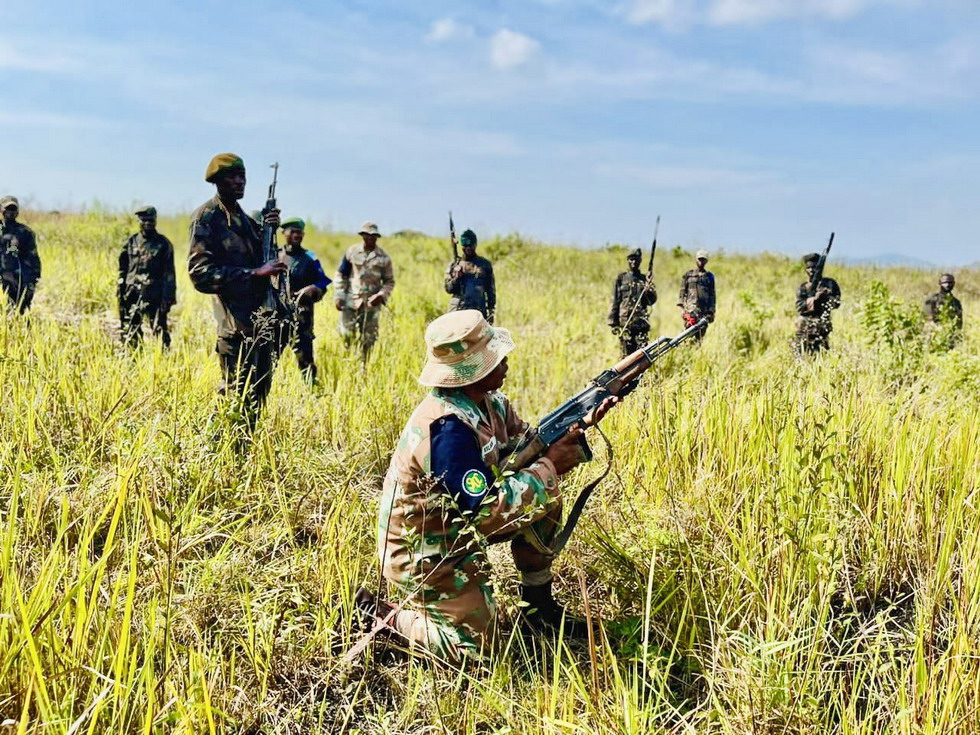
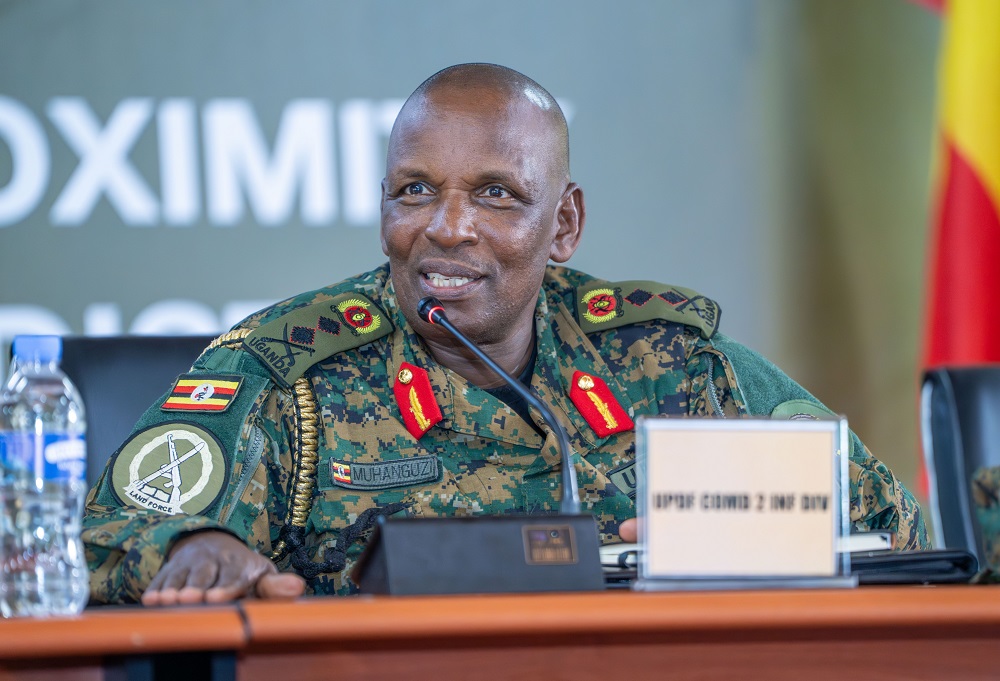
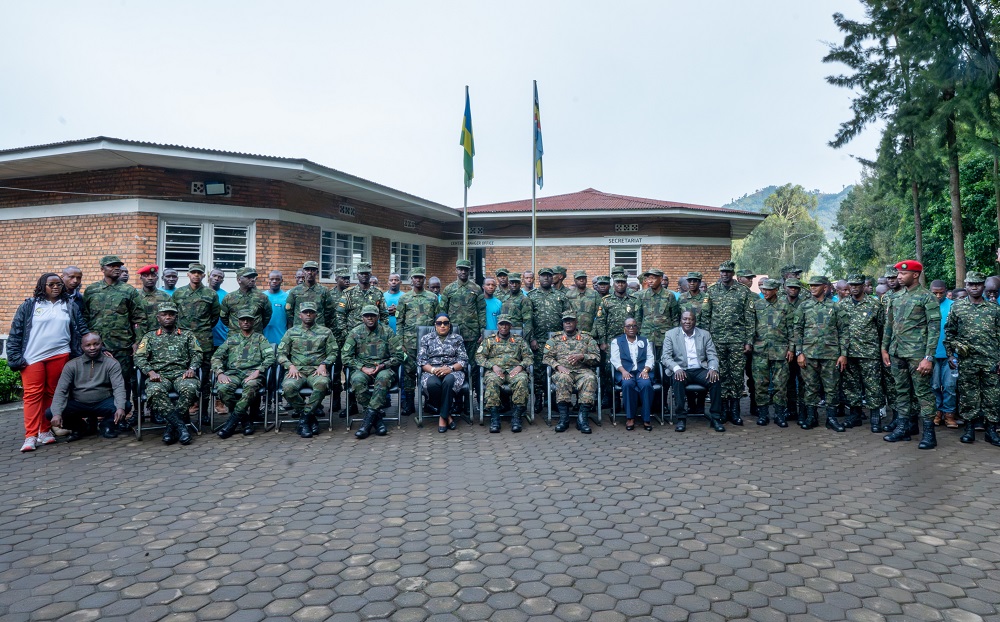
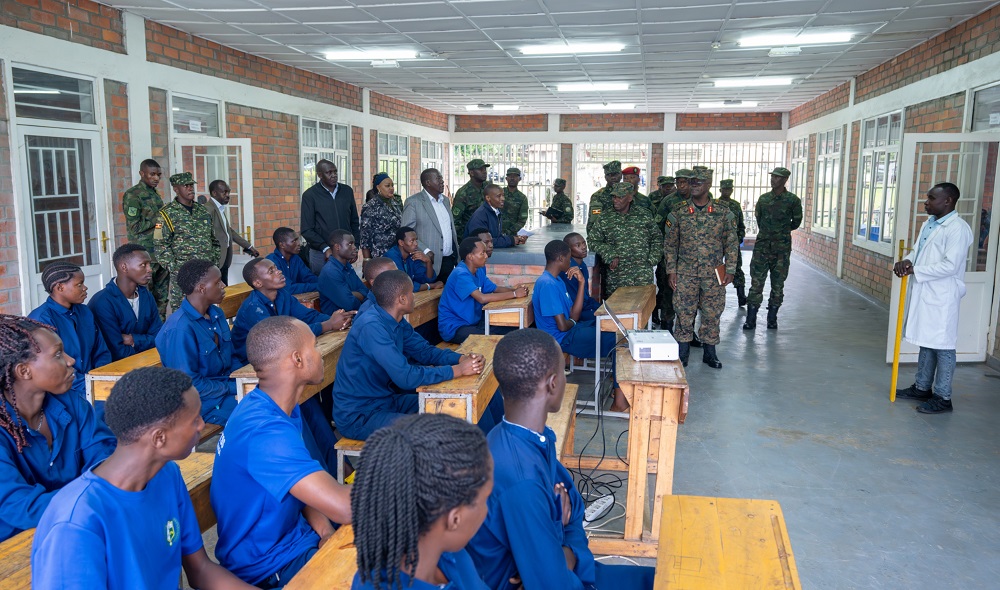
Major General Muhanguzi made the remarks on February 19, 2026, while leading a delegation of Ugandan soldiers on a visit to Rwanda. The delegation toured the National Commission for Demobilization and Reintegration (RDRC) center in Mutobo, located in Musanze District.
The visit aimed to familiarise Ugandan officers with Rwanda’s demobilisation and reintegration programs, which support the transition of former combatants, including members of the Democratic Forces for the Liberation of Rwanda (FDLR) and their families, back into civilian life.
Many of these former fighters had been operating from eastern DRC, where members of the militia group responsible for the 1994 Genocide against the Tutsi sought refuge after their defeat by the Rwanda Patriotic Army (RPA).
Speaking during the visit, Maj Gen Muhanguzi stressed that regional cooperation requires member states to prevent armed groups from operating within their borders.
“Rwanda should never have enemies originating from Uganda, and likewise, no enemy should be allowed to come from Rwanda to Uganda. However, we want Congo to ensure that it does not harbour enemies that attack both Uganda and Rwanda,” he said.
Maj Gen Muhanguzi praised former FDLR fighters who have chosen to return to Rwanda, saying many still have the capacity to contribute to national development alongside other citizens.
“A country is not built by one individual; it is built by all its people,” he added. “I also commend President Kagame for his leadership of Rwanda, and you, too, should come to understand the truth and return to your home.”
According to the RDRC, since 2001, a total of 12,602 former combatants have been reintegrated into civilian life. However, testimonies from returnees indicate that a number of former fighters, particularly from the FDLR, remain in hiding in the forests of eastern DRC.
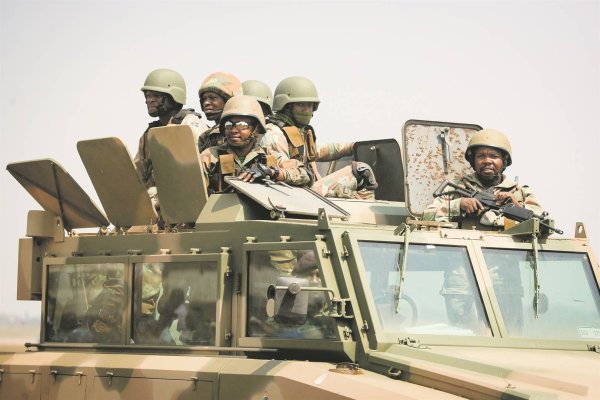
Soldiers from Uganda’s Commander of the 2nd UPDF Infantry Division visited the Mutobo Centre.The delegation toured the National Commission for Demobilization and Reintegration (RDRC) center in Mutobo, located in Musanze District.
Reuters reports that the list was presented at a DRC-U.S. meeting in Washington on February 5 to advance their strategic minerals partnership agreed in December.
The proposal offers Washington access to highly sought tantalum, a heat-resistant metal processed from coltan ore used in semiconductors, aerospace components, computers, mobile phones and gas turbines.
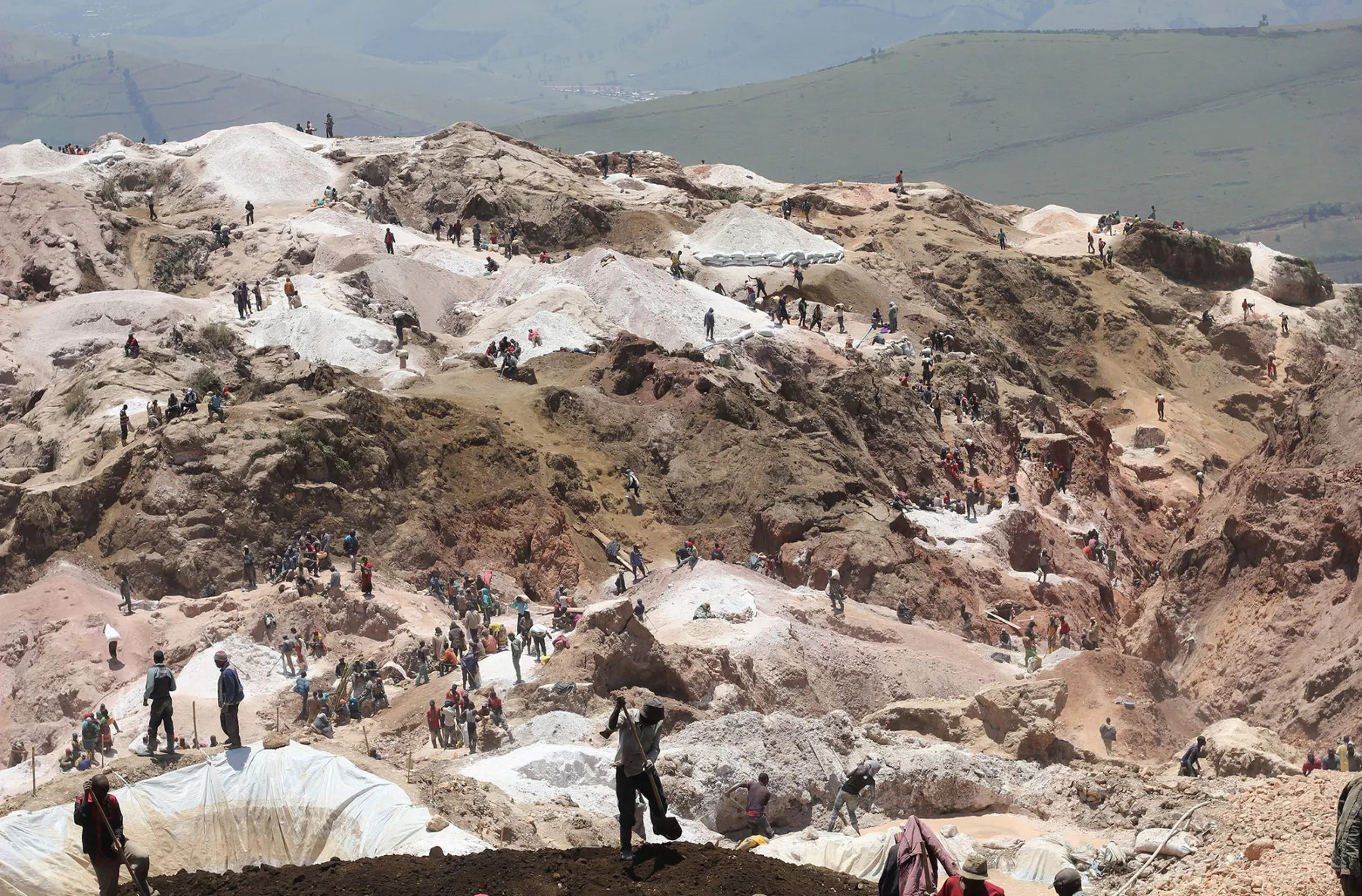
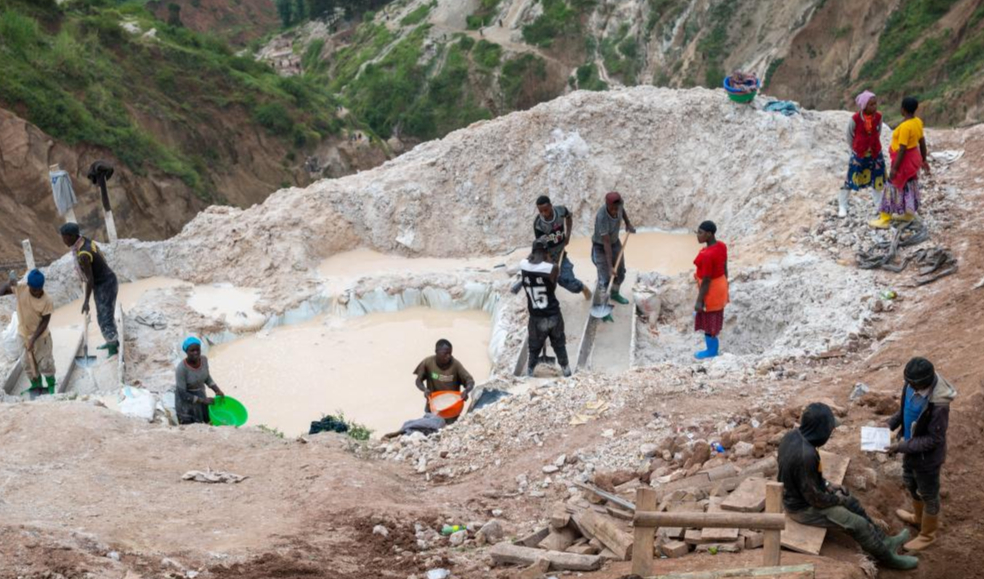
Congo estimates that Rubaya needs $50 million to $150 million to restart and ramp up commercial output. The mine accounts for around 15% of the world’s coltan output, all dug manually by locals earning a few dollars a day.
The deal puts the U.S. at the center of Congo’s strategic minerals push. However, with the Rubaya mine and surrounding hills still under the control of the M23 rebels, it remains unclear how Washington could exercise control over the site or secure its operations, given ongoing fighting and the possibility of disputes over mining rights.
AFC/M23 political coordinator, Corneille Nangaa, has in the past criticised the deal, calling it “deeply flawed and unconstitutional” and highlighting concerns over transparency and legal procedures. He said mining sites offered to Washington “could later become the subject of disputes because they may already have been granted to other partners.”
This file photo shows miners at work at a coltan mining site in the town of Rubaya.
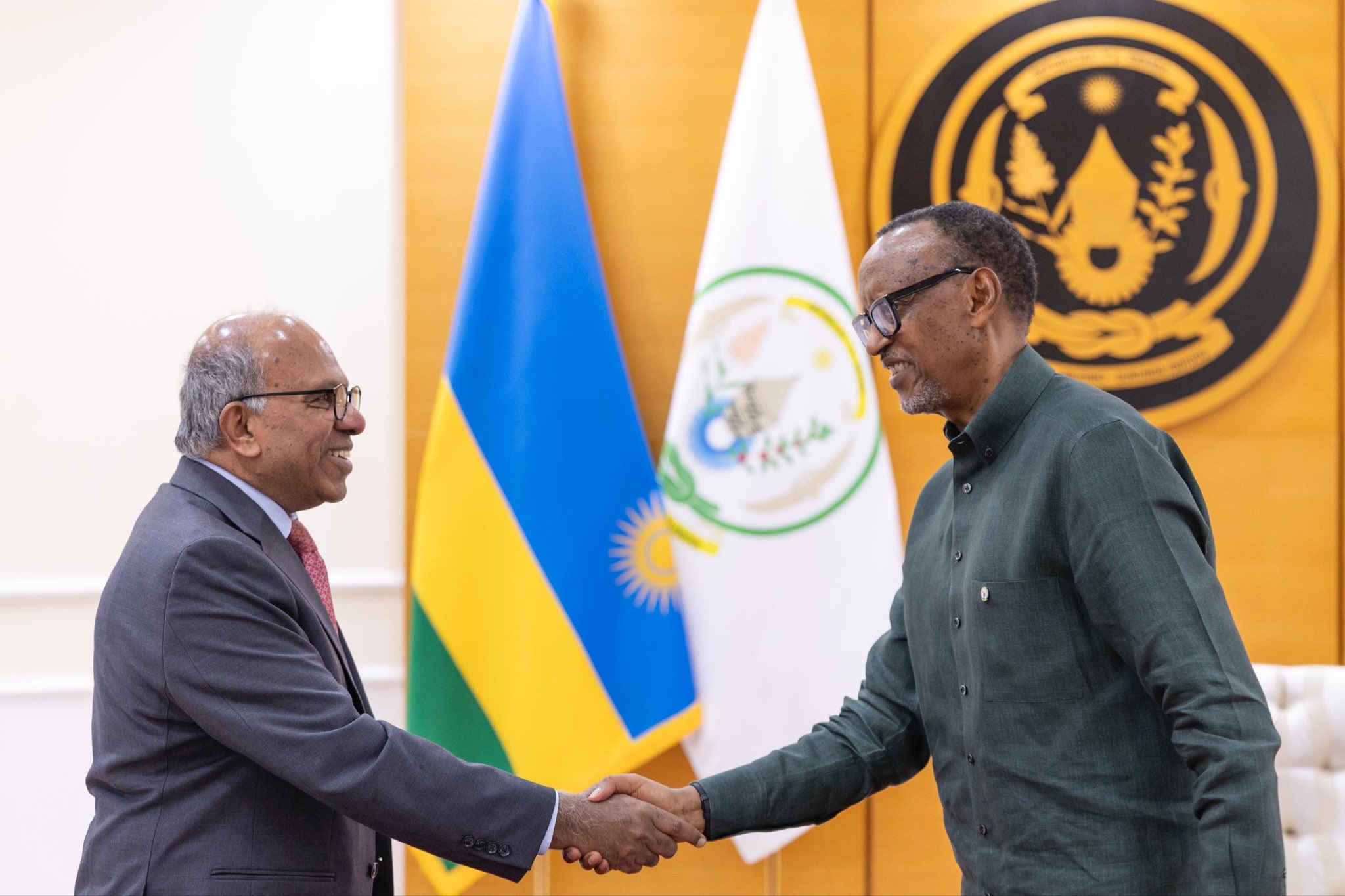
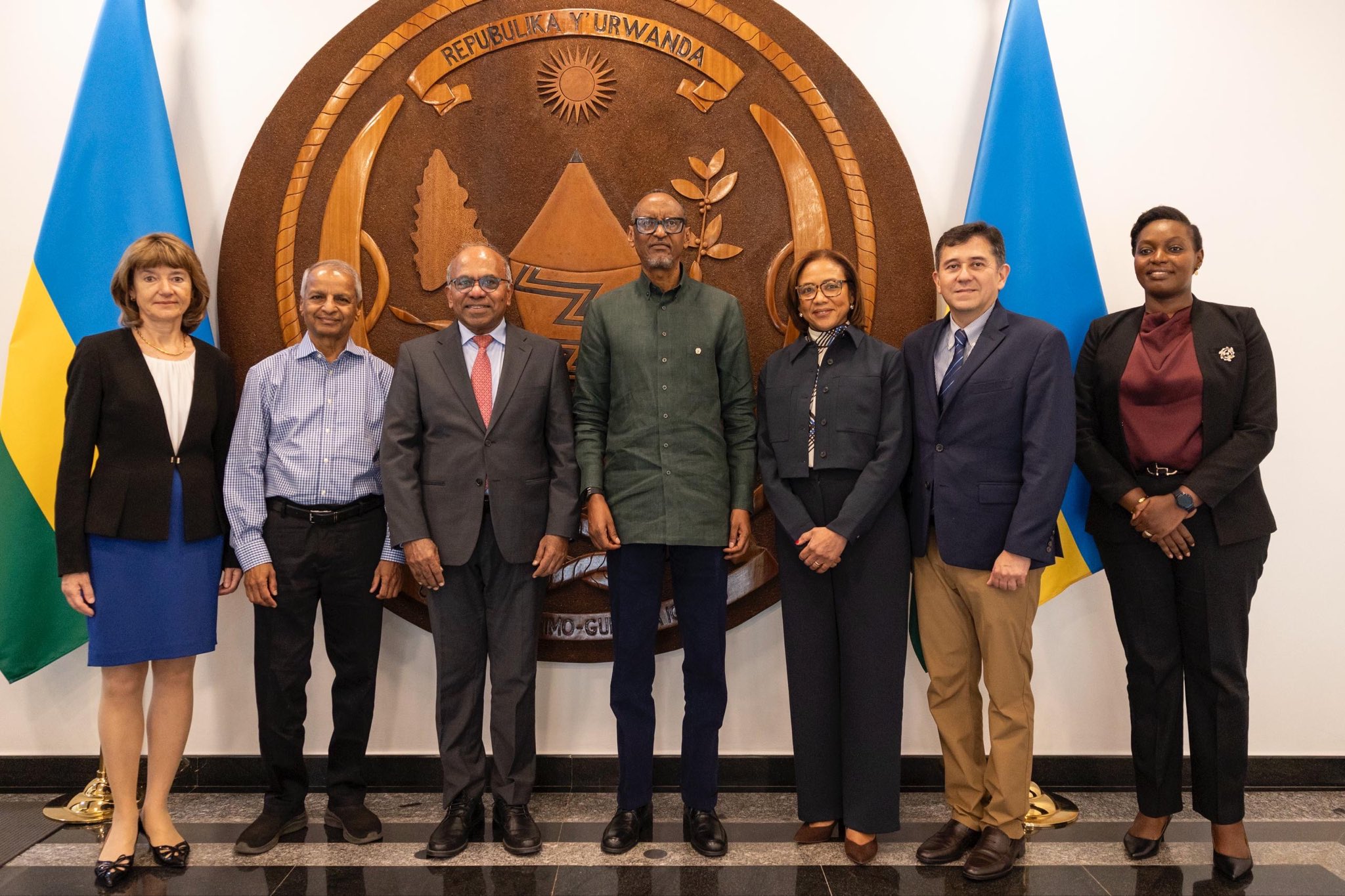
The delegation included Prof. Subra Suresh, Founder and President of the Global Learning Council; Michelle Gyles-McDonnough, Executive Director of the United Nations Institute for Training and Research (UNITAR); Dr. Lee Howell, Executive Director of the Villars Institute; and Dr. Gururaj Deshpande, Co-founder of the Deshpande Foundation.
The conference’s objectives focus on the intersection of education, health, environment, and sustainability. The conference is designed as a practical forum to co-design new learning models, with sessions exploring how artificial intelligence and exponential technologies can be harnessed responsibly to expand access to quality education.
It will also highlight the integration of human health and planetary sustainability into lifelong learning, the alignment of education with the green economy and entrepreneurship, and innovative approaches for governments, NGOs, and the private sector to fund education at scale. Alongside the main conference sessions, an AI hackathon and a student robotics competition will engage young innovators in shaping the future of learning.
Each guest brings a wealth of experience and forward-thinking ideas to the conversation. Prof. Subra Suresh is known for pioneering initiatives in global learning and science policy through the Global Learning Council, while Michelle Gyles-McDonnough drives innovative approaches to UN training, capacity building, and sustainable development education at UNITAR.
On the other hand, Dr. Lee Howell focuses on environmental sustainability and systemic change as Executive Director of the Villars Institute, and Dr. Gururaj Deshpande has championed entrepreneurship and innovative educational initiatives through the Deshpande Foundation.
The delegation included Prof. Subra Suresh, Founder and President of the Global Learning Council; Michelle Gyles-McDonnough, Executive Director of the United Nations Institute for Training and Research (UNITAR); Dr. Lee Howell, Executive Director of the Villars Institute; and Dr. Gururaj Deshpande, Co-founder of the Deshpande Foundation.
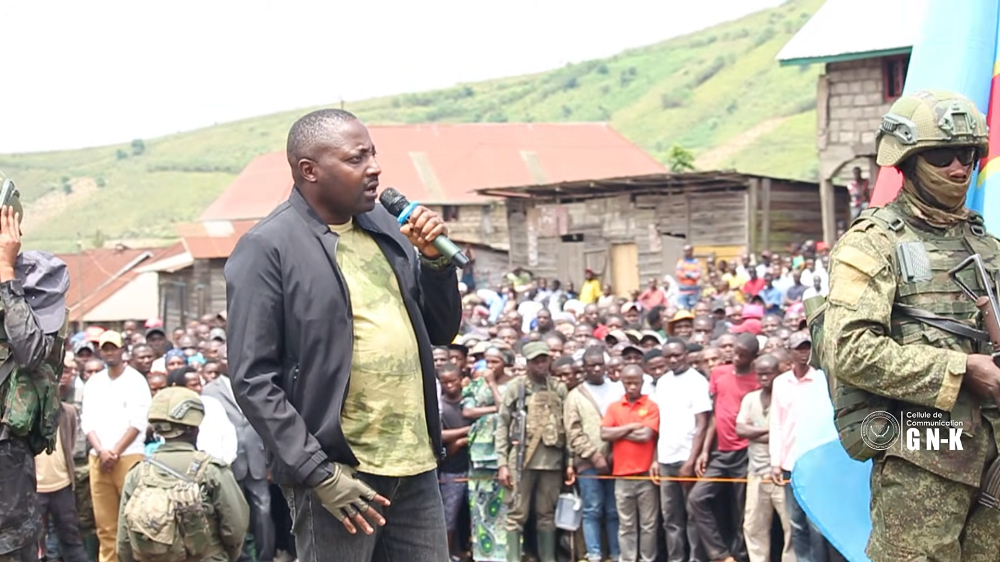
Bahati Musanga Erasto, the AFC/M23-appointed governor of North Kivu Province, made the announcement on Monday during a visit to Kitshanga trading center in Masisi Territory.
According to Bahati, the government in Kinshasa cut off telecommunications services in areas controlled by the group, a decision he said has negatively affected civilians. He stated that AFC/M23 is working on measures to ensure communication services are restored and cannot be disrupted again.
“The Kinshasa government is the one that shut down the network,” he said. “We are working to ensure that the network will no longer be shut down. We are in the process of introducing another network provider that will be under our control. It will reach Goma, Kitshanga and all other areas. No one will be able to interfere with these towers again in a way that disrupts connectivity.”
He added that currently only residents in the cities of Goma and Bukavu are able to access mobile phone services, while people in other areas remain without reliable telecommunications access.
It remains unclear whether AFC/M23 intends to launch a newly created telecommunications company or partner with an existing operator active in other countries.
The remarks were made aboard Air Force One as Trump prepared for the high‑profile discussions, which come against a backdrop of rising tensions and intense diplomatic pressure.
“I’ll be involved in those talks, indirectly. And they’ll be very important,” Trump said, signaling Washington’s continued engagement in the effort to resolve long‑running disputes over Iran’s nuclear program.
The planned negotiations aim to address issues that have stalled diplomacy for years, especially Tehran’s uranium enrichment activities that Washington fears could pave the way for nuclear weapons development. Trump said he believed Iran wanted a deal, suggesting that Tehran may be motivated by a desire to avoid serious consequences if talks fail.
Tensions in the region remain high. The United States has deployed a second aircraft carrier strike group to the Middle East and U.S. military officials are preparing for the possibility of a sustained campaign if diplomacy does not succeed.
Last year, the U.S. and Israel conducted strikes on Iranian nuclear sites, actions Trump referenced as a factor that may now influence Iran’s willingness to negotiate.
Iran’s delegation led by Foreign Minister Abbas Araghchi, has emphasized that negotiations should focus on nuclear issues in exchange for sanctions relief, and that Tehran is committed to a “fair and equitable deal.” Araghchi has also called for respect and fairness in talks, rejecting any approach based on coercion.
Meanwhile, the International Atomic Energy Agency (IAEA) is pressing Iran to clarify what happened to its stockpile of enriched uranium and to allow full inspection access at sites damaged during the previous year’s strikes.
Iran also staged a military drill near the Strait of Hormuz, one of the world’s most important oil transit routes, underscoring the potential for escalation if negotiations break down.
U.S. Secretary of State Marco Rubio described the diplomatic path as challenging but said there was still an opportunity to reach a deal though success would depend on both sides’ willingness to compromise.
In a message posted on X on February 13, 2026, President Kagame praised Mottley’s renewed mandate, writing, “Warm congratulations to my sister, Prime Minister Mia Amor Mottley, on her well-deserved re-election.”
He emphasized that Rwanda values the strong friendship between the two countries, grounded in shared principles of self-determination, resilience, and commitment to delivering prosperity and dignity for our people.
“We look forward to further deepening our cooperation in the years ahead.I wish you and the people of Barbados continued success and progress,” he added.
Mottley secured a decisive victory after her Barbados Labour Party won all 30 seats in the parliamentary general elections. She defeated Ralph Thorne of the opposition Democratic Labor Party.
Addressing citizens after her victory, Mottley said her administration was committed to transforming the country, pledging continued progress in healthcare, public security, and transport.
Barbados, a Caribbean island nation covering 439 square kilometres, is known for its advanced tourism sector and its ability to attract foreign investment.
Rwanda and Barbados maintain strong bilateral relations. The two countries have signed cooperation agreements in several sectors, including aviation, paving the way for RwandAir to operate flights to Barbados.
In November 2022, Prime Minister Mottley inaugurated Barbados’ diplomatic mission in Rwanda during an official visit that followed President Kagame’s trip to Barbados earlier that year.
In February 2025, President Kagame held talks with Prime Minister Mottley and Daniel Chapo in Addis Ababa during the 38th Ordinary Session of Heads of State and Government of the African Union.
In a press statement, the members of the Security Council expressed grave concern at escalating violence in the states of Jonglei, Eastern Equatoria and throughout the country, emphasizing that under international law, individuals who order the commission of war crimes may be held accountable.
They expressed their full support for the UN Mission in South Sudan (UNMISS), and stressed that continued constructive cooperation between the host government and UNMISS is essential to sustaining peace and stability, facilitating safe and timely humanitarian access and ensuring the protection of civilians.
While reaffirming their commitment to supporting South Sudan’s peace process and working in partnership with the transitional government to achieve lasting peace and stability in the region, the members of the council called on South Sudanese leaders to engage in genuine inter-party dialogue about potential changes to the 2018 peace agreement, through an inclusive and transparent process.
They also reaffirmed their strong commitment to the sovereignty, independence, territorial integrity and national unity of South Sudan.
The vehicle was handed over to the Rwanda National Police at its headquarters in Kigali on February 13, 2026. The ceremony was attended by the leadership of Rusumo Power Company Limited (RPC Ltd), senior RNP officials, and other distinguished guests.
The donated unit is a MAN Model TGS 31.400 firefighting truck equipped with modern firefighting systems, capable of responding to incidents in standard environments as well as high-rise buildings. It is valued at €759,100 (over Rwf 1.3 billion).
Eric Mpayimana, head of RPC Ltd, said the donation reflects the company’s commitment to supporting communities beyond its core mandate of electricity generation.
“We chose to donate fire trucks to the countries where our power plant supplies electricity, including Burundi and Tanzania, and now Rwanda. This is part of our commitment to providing assistance in case of fire outbreaks so that they can effectively combat fires,” Mpayimana explained.
He added that this donation complements other projects that RPC Ltd is involved in, including building markets, youth centers, and hospitals, which contribute to connecting the people of these three countries.
ACP Boniface Rutikanga, the spokesperson for RNP, emphasized that the truck is a significant contribution to ensuring the safety of people and property, as the existing firefighting vehicles were insufficient.
“This donation increases our capabilities, as we aim to have such vehicles in more locations. The reason for this is the growth of infrastructure, urban expansion, and the increasing need for emergency services. We anticipate more trucks like this as we continue to improve our resources,” ACP Rutikanga said.
He also noted that the donation shows RPC’s awareness of the potential dangers associated with electricity when used improperly.
“RPC provides electricity to homes, but when used incorrectly, it can result in fires. Receiving this firefighting truck means they are also considering the safety of those who will use this electricity in case of accidents,” ACP Rutikanga added.
Rangira Bruno, the Mayor of Kirehe District, where the power plant is located, highlighted that the donation of the fire truck is another important step in RPC Ltd’s ongoing partnership with the government to support the welfare of the community.
The meeting comes as diplomatic efforts intensify to stabilize the country’s volatile east.
Van de Perre arrived on Thursday in the capital of North Kivu province aboard a helicopter, landing at Goma’s airport since the seizure of the city by the rebel group in January 2025 amid deteriorating security conditions. Her visit comes as part of efforts to operationalize a ceasefire monitoring mechanism envisaged within the broader regional peace architecture.
Following talks with Corneille Nangaa, leader of the Congo River Alliance (AFC), a politico-military coalition allied with the M23, the UN official said discussions focused on “the concrete implementation of the ceasefire monitoring and verification mechanism in line with the agreement signed by the AFC/M23 and the government of the DRC” under the Doha process.
“It is essential that commitments made in this agreement quickly translate into clear, credible and verifiable operational arrangements on the ground,” she said, adding that MONUSCO is mandated by the UN Security Council to support the implementation of a permanent ceasefire and to participate in verification efforts.
She noted that MONUSCO’s support would be provided gradually, depending on confirmed security arrangements and guarantees for UN personnel and assets, stressing that the mission’s actions would remain strictly within its Security Council mandate.
Speaking to the press on behalf of the AFC/M23, the group’s senior official Benjamin Mbonimpa welcomed MONUSCO’s role, saying it was expected to support the process “with logistical assistance” within the ceasefire verification framework. Mbonimpa noted that UN personnel would enjoy full security in areas under AFC/M23 control, while declining responsibility for areas outside its control.
Mbonimpa also said the group had “not been informed or invited” regarding the ceasefire proposed by Angola as part of regional mediation efforts, while accusing Kinshasa of repeated ceasefire violations on the ground.
In a separate statement released Friday, the Congolese presidency said to have accepted the principle of a ceasefire proposed by Angola, “in a spirit of responsibility and de-escalation” to pursue a peaceful resolution to the conflict, reaffirming Kinshasa’s commitment to regional stability and a return to lasting peace.
Angola, which has served as a key mediator in the DRC crisis since 2022, proposed late Wednesday that a ceasefire between the Congolese government and the M23 rebel group take effect on Feb. 18. The proposed date remains contingent on a public declaration of acceptance by the parties, according to Angolan authorities.
However, Kinshasa has yet to clarify whether it agrees to the proposed date for the ceasefire to take effect.
The M23 seized the eastern city of Goma in January 2025 and Bukavu, the capital of South Kivu Province, the following month.
In recent weeks, clashes have been reported near the town of Minembwe in South Kivu, according to local sources.