As the world continues to face the Coronavirus epidemic, Rwanda has taken steps to prevent its spread, where many activities have been suspended, residents are being urged to stay home, travel between regions and borders is closed.
As a result, senior government officials have agreed to dedicate April’s salaries to Rwandans to help them with their work affected by the COVID-19 epidemic.
To help customers who will not get paid including executives and other employees who have volunteered, BPR Plc, has set up a type of loan [personal Loan] where customers who sacrificed their salaries are allowed to borrow the same amount of money equal to his salary plus an additional amount [Lump sum] if they are paid employees.
The BPR management also explains that this loan is to keep in check people who will not be paid because they sacrificed their salary for them to fulfill their family responsibilities.
BPR also states that those who sacrificed their salaries and will not be able to repay the loans they were already paying, will be given one month without paying because it is known that they will not be paid.
This personal loan is repayable for up to 12 months depending on the will of the customer. BPR explains that this new loan the customer is given to repay it at the same rate as he or she was already repaying the loan he had. Those who do not have a loan are given a normal bank interest.
Requirements for those who sacrificed their April salary and need a loan are to write to BPR Plc at info@bpr.rw stating the names and requirements of the applicant. For those who are working in companies that have a problem in paying them these days, they are asking for months to postpone the repayment of the loan.
The employer can also write to BPR Plc, requesting that it help its employees who will not be able to repay the loan because it will not pay them. They should apply via email loanrestructures@bpr.rw requesting permission to not repay the loan within three months. For those who need more information call 1,500 for free.
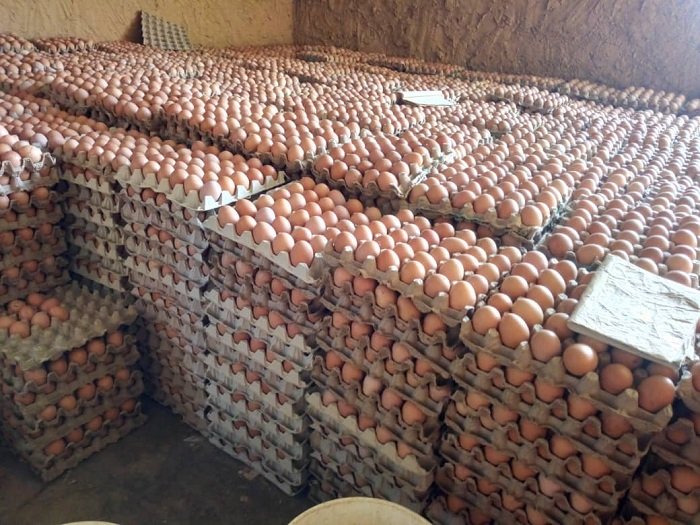
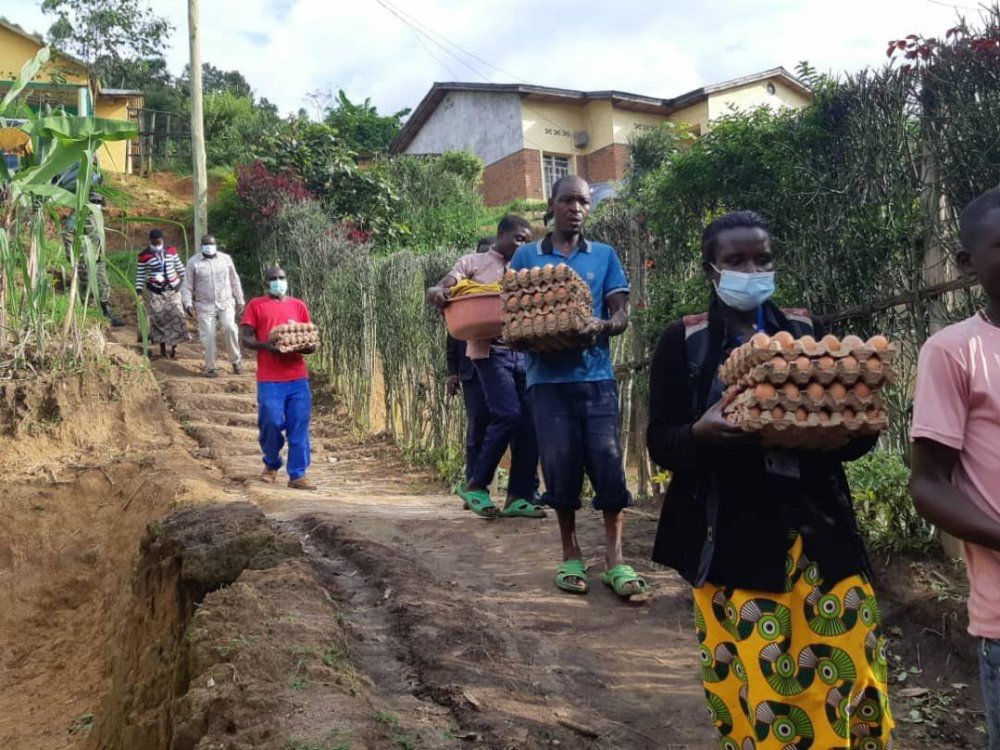
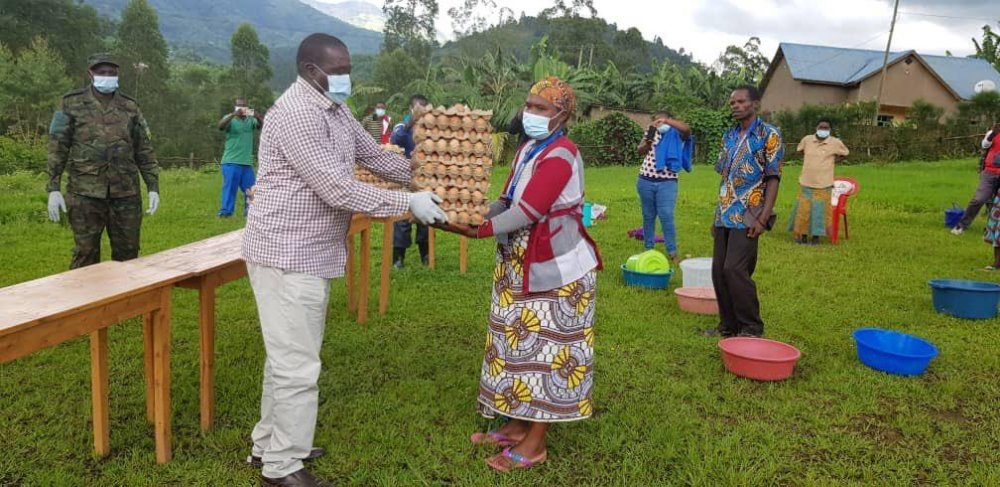
The Northern Province Governor, Jean Marie Vianney Gatabazi said these eggs were given to children on Wednesday, last week.
“Rulindo district has professional breeders that possess chickens and sell eggs and meat. These can also be found in Rusiga Sector and elsewhere, enough to allow us to reach the international market, but, due to the pandemic, we were no longer able to send these products in DRC.” Gatabazi said.
“In one of my visits to these farmers, they recorded 560,000 eggs in Gakenke, 450,000 in Rulindo, and more than 250,000 in Gicumbi,” he added.
Gatabazi noted that it was difficult to find a market for them, thus, took the matter to the national administration, where the Ministry of Agriculture and Animal Husbandry decided that the eggs should be bought given to children under the age of five.
Each egg will cost Rwf 60, with the aim being that the breeders do not experience losses but also help the children in need of nutrients.
Dr. Uwituze Solange, Deputy Director-General of Animal Husbandry, RAB, said they encourage farmers to make sure that eggs can be given to children under the age of five.
She only says that the problem is most in those rearing chicken for meat-breeding and that they are trying to make sure that the meat is properly stored until the problem is over.
According to the Ministry of Agriculture and Animal Husbandry, as of 2018, Rwanda has received the US $12 million from egg exports.
Since June last year, the FARDC has stepped up its crackdown on militant groups, in a bid to eradicate the insecurity that has ravaged the Eastern province of the country.
These heavy attacks have killed countless militants.
In September 2019, when Sylvestre Mudacumura, the leader of the FDLR, was killed in an attack on its base in Bwito District, North Kivu Province.
The rest was worth the effort, others agree to surrender and hand them over to the military, they were tied up and handed over to Rwanda, a few are still in the jungles; since FARDC set fire on these units in an unusual way, they have begun to say Rwanda is behind all these.
“All of this survives on myths, rumors, and all kinds of things we find anywhere, including surprisingly the experts. There are experts who have been operating in this region for the last 26 years, they tell the same stories, sometimes spreading the same rumors, that is what we are now used to for the last 26 years,” he said.
There are various factions in Congo, such as the North there is FDRL, RUD Urunana, and many others. While in the South there is a P5 from the RNC of Kayumba Nyamwasa, the FLN of Rusesabagina Paul and others.
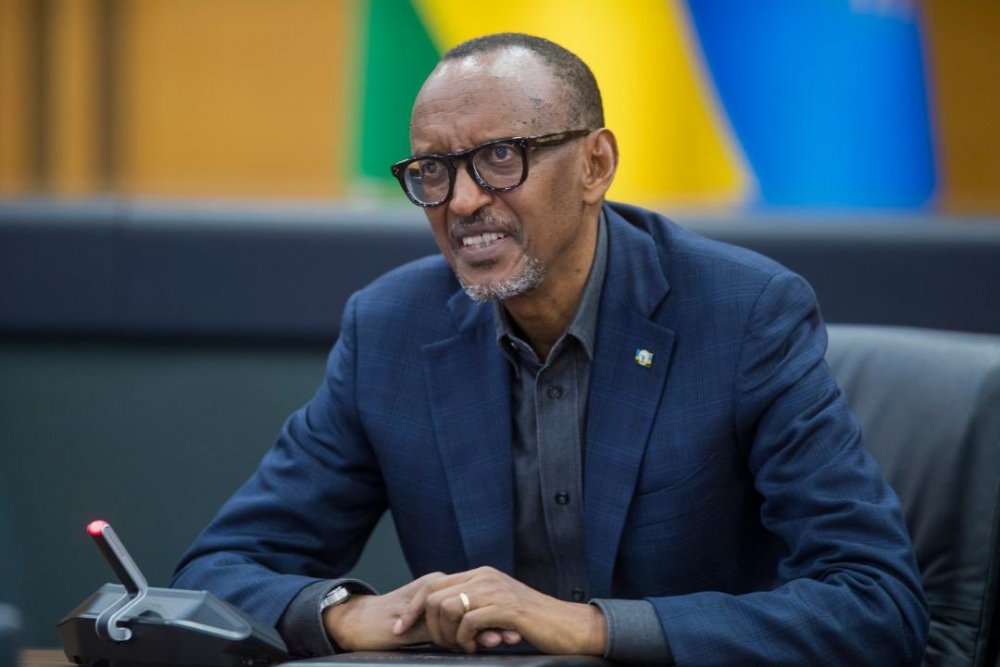
This is being reconciled with the fact of other neighboring countries, where President Kagame does not understand how people should be able to see it and tend not to see it and blame Rwanda.
“I am surprised that we have some of these experts, who do not see what is there that is supposed to be seen by anyone who is there. But instead, they see what is not there. What I mean is, how can somebody be talking about Rwandans or RDF (Rwanda Defence Forces) in that part of the region? Because they are not there, and this same person or these people don’t see the very things happening there.” he said.
At the end of May last year, Rwanda, the Democratic Republic of the Congo, and Angola signed an agreement establishing a coalition of the three countries to address issues including insecurity caused by armed groups.
President Kagame said the intelligence that Rwanda had received and shared it with those concerned was indicative of the presence of Burundian militants in South Kivu.
“Our intelligent collection tells us, we have forces from Burundi, government forces operating in that region. we have a number of rebel groups you can’t count easily in that situation. They involve Barundi, people from here, those connected with the FDLR that kept breaking in different pieces,” he said.
“I don’t know if people are confusing genuinely or deliberately, the Rwandans that are said to be there and have been there for a long time, are these offsprings of the FDLR, not RDF; these are two different things. there is not a single soldier of RDF that has gone to that territory, not a single one,” he added.
President Kagame went on to add that the DRC government knows well that no Rwandan soldier was on its territory.
The head of the State said the DRC government had agreed to work with its neighbors to resolve this issue that has last for years. Not only do some people see it as a bad thing, but they also spread rumors that the Rwandan Armed Forces are deployed on Congolese land.
“According to some people, it is not a good thing that the government of DRC would be working with countries, neighboring countries to deal with this matter because for some reason it is their problem; they want to preserve it so that it stays maybe for another 25 years, I don’t know. That’s why they are putting pressure on them by creating these lies,”
President Kagame noted that the information that Rwanda’s intelligence service gets, shared with the United Nations and the DRC government, was beginning to make decisions based on it.
“They started acting on some of the information we gave them, because they were also able to verify and see what was growing in North Kivu, it started operating against these groups of FDLR,” he said.
After the DRC started an operation against these groups based on information provided by Rwanda, some people started claiming that the RDF had gone there, but ignored the problems the FDLR had caused to the Congolese people.
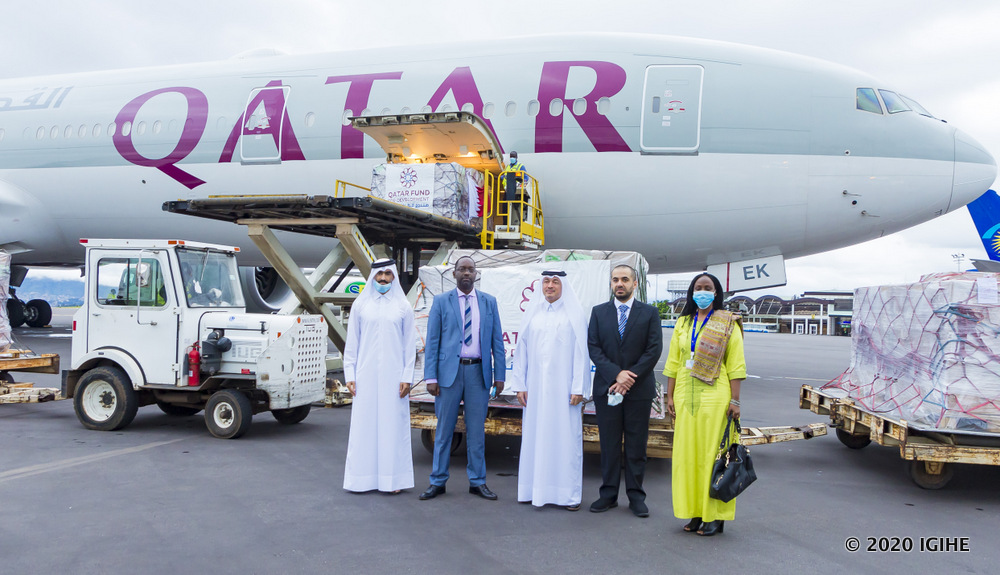
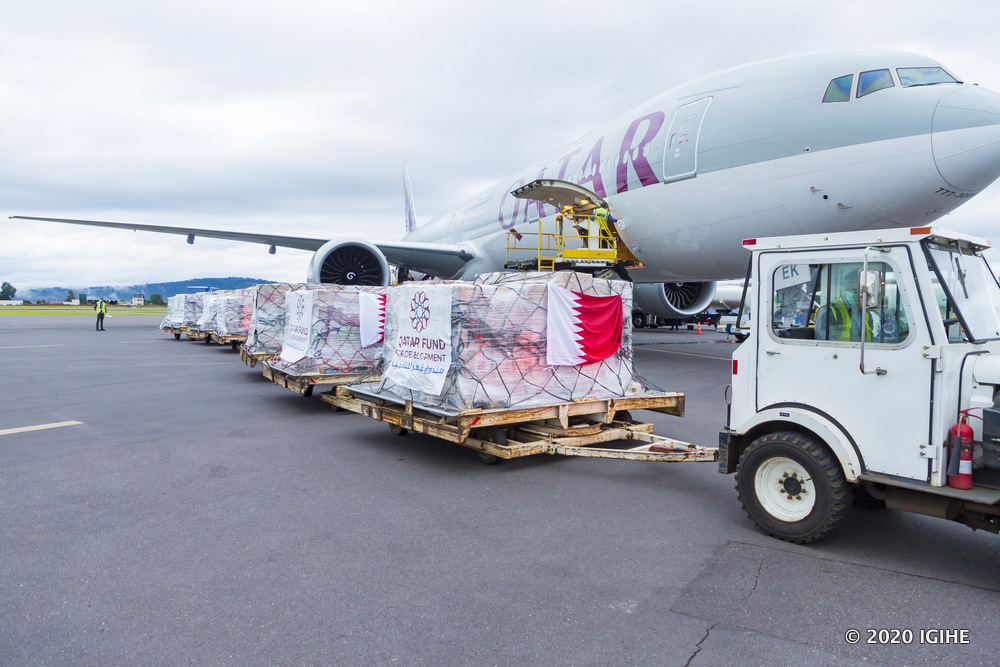
Rwanda’s Ambassador to Qatar, Francois Nkulikiyimfura, confirmed that the pledge made by the Qatar ruler was loaded on the Qatar Airways plane on Tuesday night and scheduled to reach Kigali the following morning. These were received by the Rwandan Health Minister, Dr. Daniel Ngamije.
The Minister of Health, Dr. Daniel Ngamije said that the medical supplies Rwanda received from Qatar were a considerable boost to the fight against the COVID-19 pandemic.
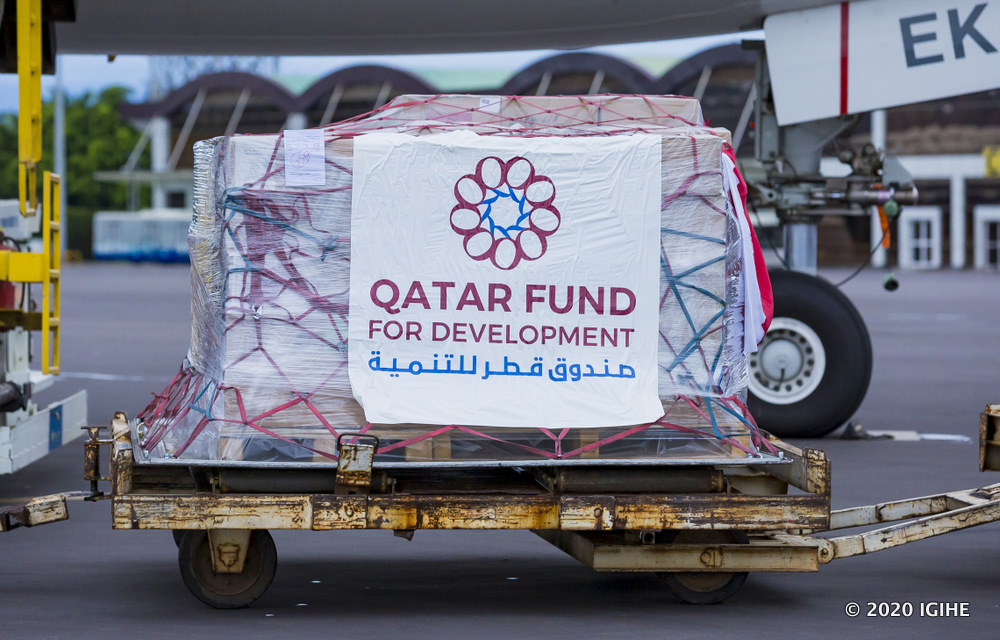
The consignment includes personal protective equipment (PPEs) such as face masks, gloves, overalls for frontline workers, hospital boots, among others.
“These equipments will complement a great number of medical equipment that our government has bought since the Coronavirus pandemic struck,” Ngamije said.
Ngamije also highlighted the bilateral relationship that both governments enjoy.
“Our relationship is strong. Seeing that Qatar is able to provide such donations at a time like this, is a sign that our relationship is at a good standing.”
The Emir had directed his government to quickly deliver medical equipment to Rwanda and other countries to support the country’s efforts to fight the #COVIDー19 pandemic.
Among other countries expected to receive the delivery from the Gulf nation are Algeria, Tunisia and Nepal.
Considering the number of COVID-19 patients in the country, and the equipment in stock so far, the health minister said, “We are sure that this can take us for more three months”
Rwanda has so far confirmed 212 coronavirus cases of which 95 have fully recovered. The country has not reported any death thus far.
Qatar Government through Qatar Airways acquired a stake in the upcoming international airport in Bugesera district and confirmed earlier this year that it was in the advanced stages of negotiations to acquire a 49 percent stake in RwandAir.
The Chinese Center for Disease Control and Prevention large study of 44,672 confirmed COVID-19 cases; found that the fatality rate was 2.8% for men compared to 1.7% for women. WHO reports further revealed that 68% of deaths related to COVID-19 in Europe have been among men. In New York City, men have been dying of coronavirus at almost twice the rate of women where 71 COVID-19 deaths for every 100,000 men, compared with 39 deaths for every 100,000 women. These figures by no means tell the full story.
Data collected from other similar outbreaks like the severe acute respiratory syndrome (SARS) in Hong Kong in 2003 and Middle East respiratory syndrome (MERS) – have also shown that men are more severely affected.
In Rwanda the recently published sex disaggregated data revealed that 67% of male and 33% of female tested positive to novel COVID-19 as of April 22nd, 2020. This trend is replicated and mirrored in almost every country, but scientists cannot yet fathom the cause.
Although collecting data about coronavirus is still a work in progress and a lot is still unknown about why men are more frequently and harder hit by COVID-19 infection, most of the available data so far confirms that men have a higher fatality rate than women from the virus.
According to the health experts, the Coronavirus disparities in infection and death rates between men and women are largely attributed to both biological and behavioral risks.
Research shows that a significant number of critical immune genes are located on the X chromosome and due to the fact that women have two X chromosomes (XX) compared to one in men (XY), their immune systems and response to infections tend to be more aggressive and stronger than in men.
According to the Global Health 50/50, the other compelling factor is down to underlying severe chronic diseases and healthy conditions that particularly affect the heart and the lung. Such co-morbidity conditions are prevalent in men partly due to their higher levels of risky and gendered behaviors.
Globally more men than women smoke, abuse drugs, drink alcohol, and much higher exposed to high levels of outdoor air pollution which all these pose a greater risk for those with Coronavirus.
A growing body of evidence also suggests that, men tend to seek health care later in the course of infection compared to women partly due to a perceived “femininity” of health concerns, and those risk-taking behaviors are a masculine trait.
Reluctances to seek proper and timely medical help by men reduce their survival rate as compared to women and hence a need to devise innovative messaging approaches that target men to improve their health seeking patterns.
Experience also shows that during the time of pandemic outbreak and financial crisis, men`s traditional attributed gender roles as providers and breadwinners are challenged.
This situation compel majority men especially in countries with weak social protection programmes to engage into less protective jobs to earn income and hence ending up being infected by the Coronavirus largely due to limited access to affordable protective hygiene products and money to acquire them.
In additional, other studies suggest that, men are less likely to wash their hands than women, use soap or abide by public health advice like social-distancing – a key way of preventing infection with COVID-19.
As the world, is working around the clock to curb the wider spread of the new Coronavirus that is sweeping the globe, one thing in common and rife is that social gender norms, roles and harmful behavior shaped around ideas of masculinity of men and boys is one of the key contributor of high rates of male infection, morbidity and fatality to the deadly Coronavirus.
Alcohol and substance abuse and poor health-seeking all have negative impacts on men’s own wellbeing and hence a need for gender transformative approaches & responses that addresses men`s and women`s specific concerns.
Concerted efforts should also focus on challenging restrictive gender roles and stereotypes that harm men and women while promoting positive forms of masculine.
Efforts should further be strengthened to collect, analyze and disseminate sex-disaggregated data to enable researchers, scientists, and policymakers to have a clear view and pattern of the gender dimensions of COVID-19 infection rates and death tolls.
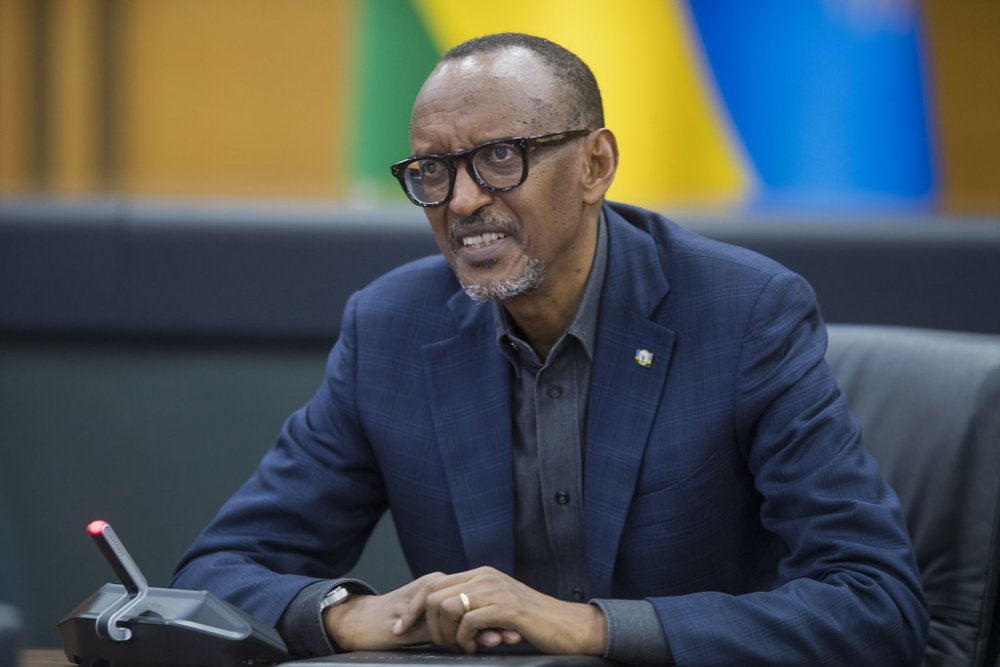
In a press conference on Monday, President Kagame said that since the Coronavirus was recorded in the region at the EAC level, many more meetings took place among which are those with of the Ministers of Health and Family Affairs, and these agreed on a common strategy to fight the epidemic.
The meeting focused on preventing the spread of Coronavirus and developing strategies to address its potential impact on the Region. Member States have been asked to facilitate the movement of trucks and cargos, and even to set up checkpoints on their borders.
President Kagame has said that these measures are not enough and that there is still a need to have more meetings and add in efforts in the fight of the pandemic in the region, which is why the heads of state have tried to hold meetings that provide guidelines but were not able to.
“That did not happen because the representatives of the three countries were unable to reconcile with the rest of us, at that meeting,” he said.
President Kagame went on to say that the desire to re-convene the EAC Summit was extended for the second time so that the meeting could be held on a different date that will be in the favor of everyone but also that no one was ready to attend.
President Kagame also said that there are other issues for the EAC, which should be worked on together in finding solutions through facilitation and integration, especially in terms of cross-border activities such as trucks and drivers.
EAC countries continue to face significant challenges in increasing the number of cross-border truck drivers and their assistants who continue to be infected with the Coronavirus in large numbers.
President Kagame said: “As you have seen on the Rwandan side, we are seeing this issue. As we take steps to prevent and stop the virus, we know we had more healed people than the sick, those in the cage, but all of a sudden, cross-border operations have brought more number in speed and we’re trying to deal with it.”
On the other hand, the Head of the country said, “There is no better way to deal with it than through regional cooperation, coordination, and mutual understanding to resolve this common issue.”
President Kagame responded to those who think that EAC’s failure to work together to find a solution to the Coronavirus epidemic would be due to a gap in its leadership.
He said that he has responsibilities as a leader of one of the member states and as leader of EAC, but being a family leader has some barriers that prevent you from doing much even if you want to do it.
He emphasized that even if you are the leader of EAC, countries continue to govern themselves in the best way they want but find that working together to deal with the problem is more important than anything else.
So far in Rwanda, there has been 207 Coronavirus infected while 93 have been cured, with no deaths. In Burundi when they were 11, one died and four healed.
In Tanzania, there are 299 infected and 10 dead and 48 already healed. Uganda has infected 79 of them, 46 are cured and no one has died. In South Sudan, there are 6 no one who has been cured or died. In Kenya, there are 363 of the 14 killed and 114 already cured.
The Head of State has said that cabinet will meet this week to analyses available information on the progress in containing COVID-19, which will inform the next course of action.
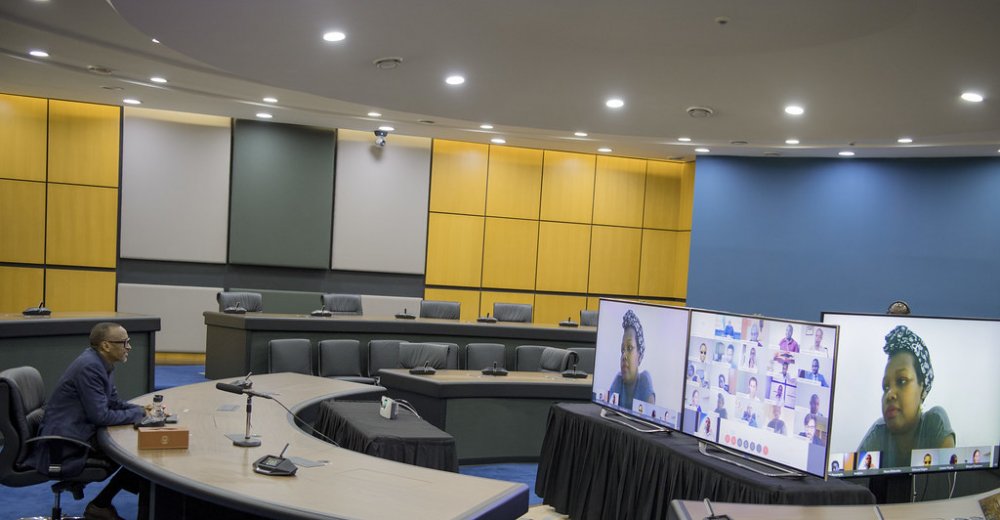
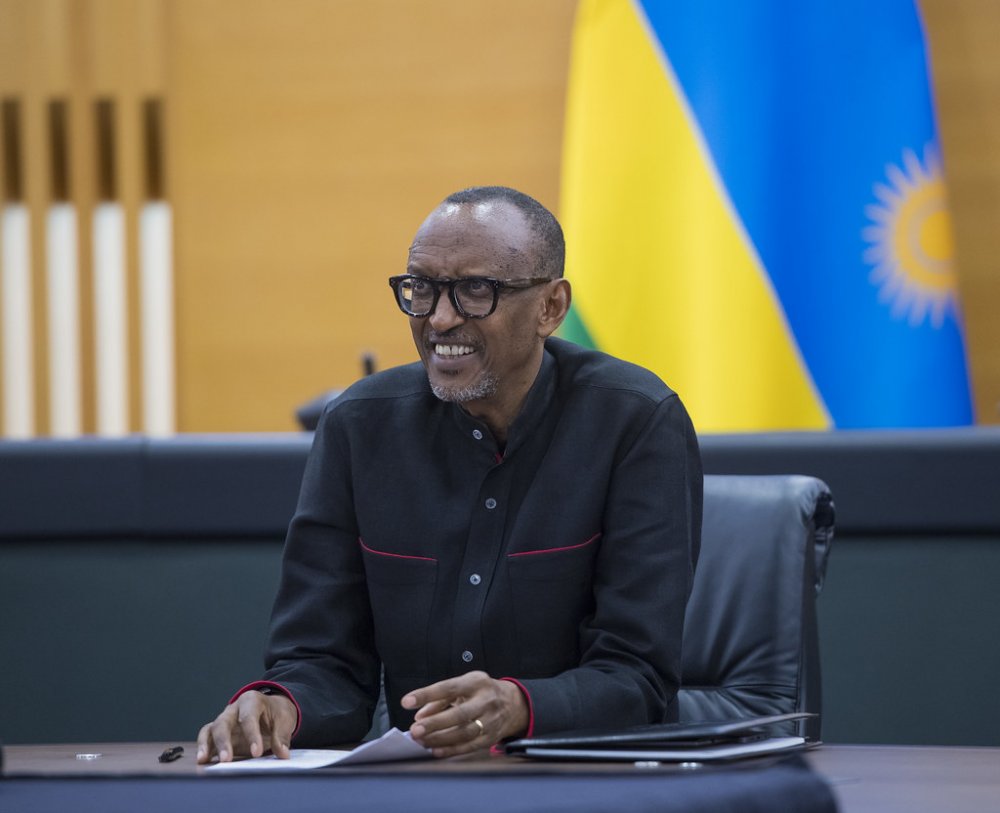
Kagame was addressing a virtual press conference that brought together members of the local and international press corps on Monday, April 27, the president said that opening up the economy from the ongoing lockdown will be a phased exercise.
This week’s Cabinet will consider information that has been collected from different sources which will inform the decision that will be taken about the lockdown.
“The cabinet of Ministers is supposed to meet and put together the information that has been collected from different places including the work that has been done by the Ministry of Health in collecting data both from rural and urban areas, specifically in the capital City of Kigali, and also analyzing what is going on around us in the region, cross-border activity and how that feeds into the problem that we have to deal with,” he said.
Kagame reminded journalists that at the beginning of the outbreak, the challenges seemed to be insurmountable but the country had taken measures progressively and used resources at its disposal to keep citizens safe from the virus.
“It is a sort of balance act. How much do you continue progress and not allow the virus to make a comeback and how much of a calculated risk do we take to balance normal life versus the problem we have? We will be deliberately taking it step by step, looking at the data, looking at how people are being affected, how they also get involved in dealing with the problem,” he said.
Nyamvumba’s removal from office was attributed to an ongoing investigation on matters of accountability. Nyamvumba will be reporting to the Rwanda Defense Forces until further decisions are taken.
Previously, Nyamvumba was serving as the Chief of Defence Staff of the Rwanda Defence Force before a shakeup in the top military brass in November 2019 whereby General Jean Bosco Kazura replaced him.
Gen. Nyamvumba is the 5th Minister to be removed from Cabinet duty this year; prior to him were of Dr. Diane Gashumba (Former Minister of Health), Evode Uwizeyimana (Former Minister of State in charge of Constitutional and Legal Affairs), Isaac Munyakazi (Minister of State in charge of Primary and Secondary Education) and Olivier Nduhungirehe, (former Minister of State in the Ministry of Foreign Affairs and International Cooperation in charge of East African Community).
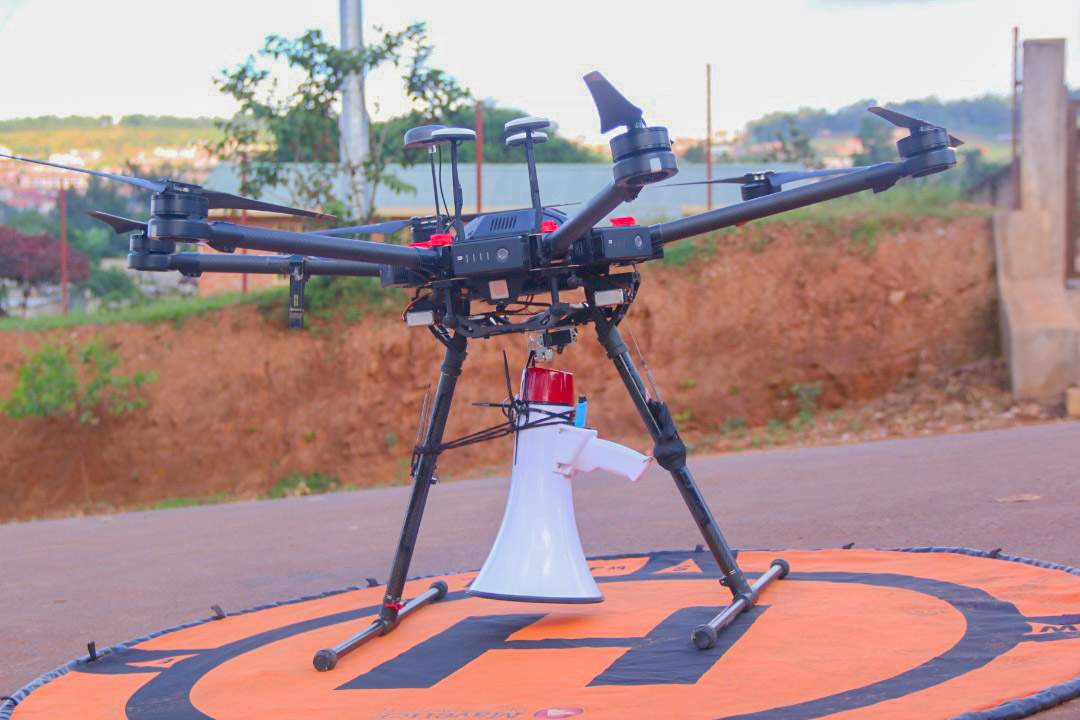
RNP started using drones a fortnight ago in its public awareness and enforcement, to supplement other measures such as use of social media platforms and other media channels as well as Police vehicles mounted with public sound systems.
According to local leaders, Kigali dwellers and traders, drones have impacted on how people behave and exercise safer practices today in relation to preventing the spread of the virus.
“We used to go jogging every evening as a family, we didn’t know that it was also prohibited, but we heard the message on the drone which was hovering over our home,” said Charles Iyaremye from Kibagabaga.
Another resident from Nyirabwana in Kimironko, Clement Nyiridandi said that he heard about applying for movement clearance online, from the drone.
“It was previously a challenge to ensure that the message reaches some congested residential parts of Kimironko like Nyirabwana Village in Kibagabaga cell. Unnecessary movements and unsafe practices in shops, outdoor sports activities especially people jogging in the evening in Kibagabaga were common,” said Jean Sauveur Kalisa, the executive secretary for Kimironko sector.
He added: “Our vehicle mounted with public sound system couldn’t reach these areas because of roads. With the coming of drones, which are directed to such congested places, today we can say that these drones have made big impact; we rarely see these unnecessary movements out of homes, shops have also prevented customers from entering as they are served from outside where they stand in respect of social distancing; movements in groups involving people from the same family are also rare.”
The drones which have in-built mega sound speakers trek in the remote parts of Kigali, residential areas, markets and trading centres spreading the message on coronavirus.
According to RNP, messages are delivered depending on the situation in a specific area, where they are deployed.
“Drones main perform two duties; public awareness and enforcement. With in-built camera and sound speaker, a Police officer can communicate to people seen loitering on streets, in outdoor sports activities and those seen in unnecessary movements, to vacate and go back home immediately and where necessary officers are deployed to enforce the directives and arrested made, where necessary,” said RNP spokesperson, CP John Bosco Kabera.
Some bars located in remote parts of Kigali, whose owners had breached the directives, were identified by drones. In this period, all bars are closed.
“Our vehicles mounted with sound speakers had failed to reach these remote and inaccessible places because of roads, which used to be congested and with unnecessary movements, these prohibited practices have tremendously gone down,” he added.
He, however, urged the public not to leave their home to view the drones; avoid gather in large groups where drones are delivering the messages.
“Stay home; protect your life, your family and others. Apply for movement clearance online and use it for the intended purpose, avoiding gatherings, wear face masks and observe social distancing. These contribute to saving lives and facilitate national efforts against the pandemic.”
The contribution was received by the Honorable Minister of State in charge of Treasury, Richard Tusabe.
While handing over the contribution, Evelyn Kamagaju Rutagwenda, Chairperson of the Board of Directors of Equity Bank Rwanda PLC, said that part of the grant was Rwf 500 million provided by the bank, board members and staff, while another Rwf 500 million was donated by the family of Dr. James Mwangi, CEO of Equity Group Holdings.
“We believe that the testing kits will boost the government’s commendable efforts to promptly diagnose COVID-19 cases and take the necessary measures to reduce the spread,” she said.
The Group Managing Director and CEO of Equity Group Holdings, Dr. Mwangi thanked Rwanda’s continued efforts to fight the epidemic, stressing that the cooperation with the government and various private sectors will lead to a swift response in the fight against COVID-19.
“Kindly accept my family contribution of 500 Million Rwanda Francs to boost Equity Bank Rwanda’s contribution towards the national initiative that the government of Rwanda has put in place in preventing the spread of COVID-19,” Dr. Mwangi said.
“The key to Africa’s success in tackling the global epidemic is the cooperation of the people and the government through its commitment to adherence to the programs and regulations set by the Government and the Ministries of Health,” he added.
Equity Bank Rwanda Plc’s CEO, Hannington Namara, said “Equity Bank Rwanda Plc empathizes with people who have unfortunately been infected with COVID-19 and with them a quick recovery. We are optimistic that our country will go back to normalcy much sooner.”
Equity Bank Rwanda continues to adhere to all the necessary preventive measures in place. During these difficult times, the bank continues to help its customers and non-customers stay at home and get the banking services they need 24/7 hours through their digital channels.
It has introduced various options including removing any costs associated with withdrawing money from the account and opening a new account without requiring anyone to go to the bank or approach an agent.
Equity Group shares operations in Kenya, Rwanda, Uganda, South Sudan, Tanzania, and the DRC, and invests in activities including banking, insurance, auditing, infrastructure, and more.