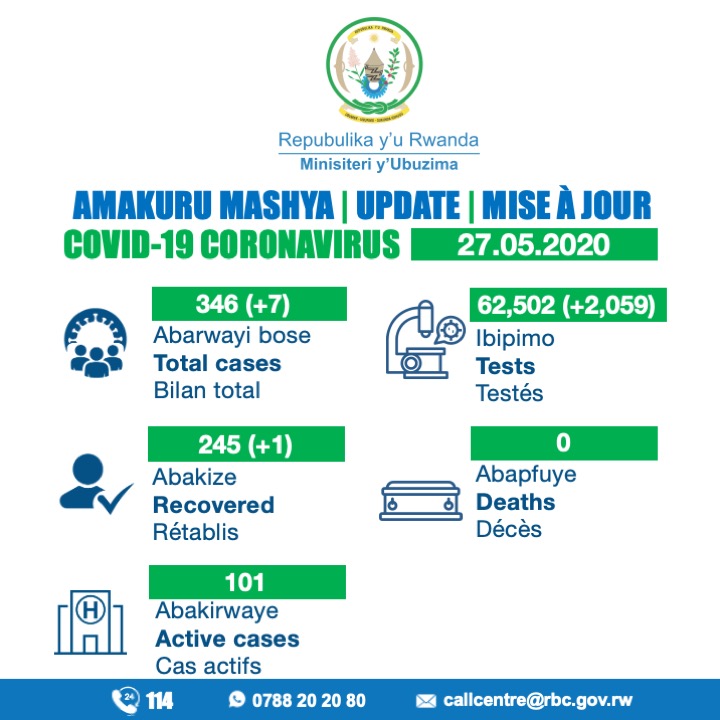
According to the Ministry of Health’s daily update, after being critically sick, the patient decided to return to his home country and, upon arrival, was admitted to intensive care treatment at a specialized Covid-19 facility but unfortunately was not able to make it; he passed away due to severe respiratory complications.
As of May 30, 2020, the coronavirus number of confirmed cases stands to 359 of whom 250 have fully recovered. The active cases stand at 108.
So far Rwanda has eased a nationwide Covid-19 lockdown, allowing some businesses to resume operation. It is expected that on June 1 motorcyclists will also begin to transport passengers, cross-provincial movements will also be permitted after more than two months under restrictions.
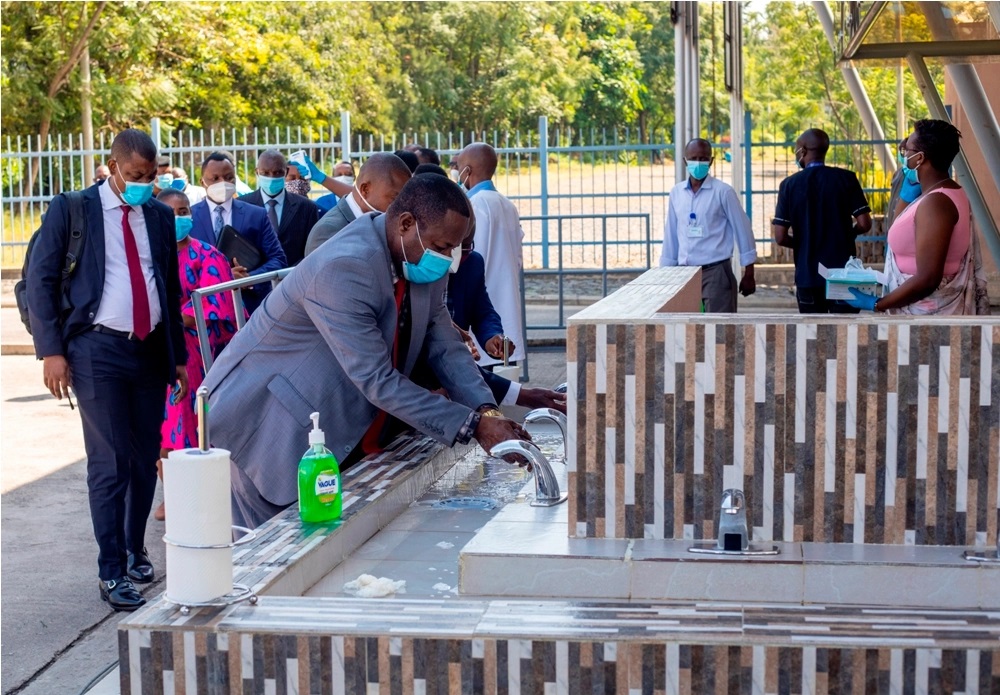
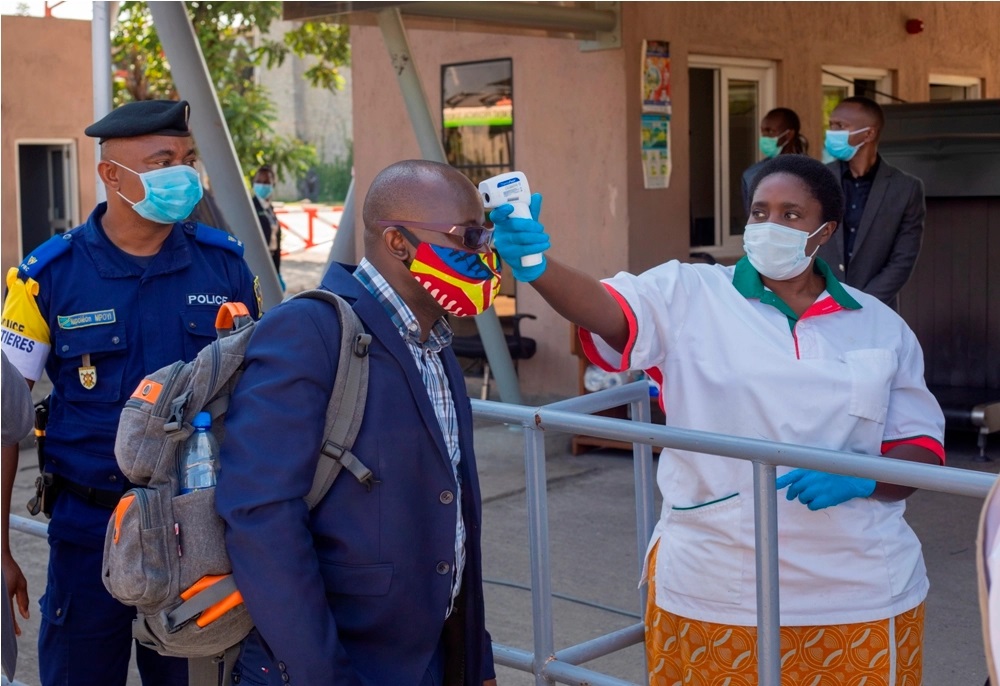
The population is still urged to abide by Covid-19 precautionary measures such as regular washing of hands, self-distancing and wearing face masks when in public or multi-family compounds.
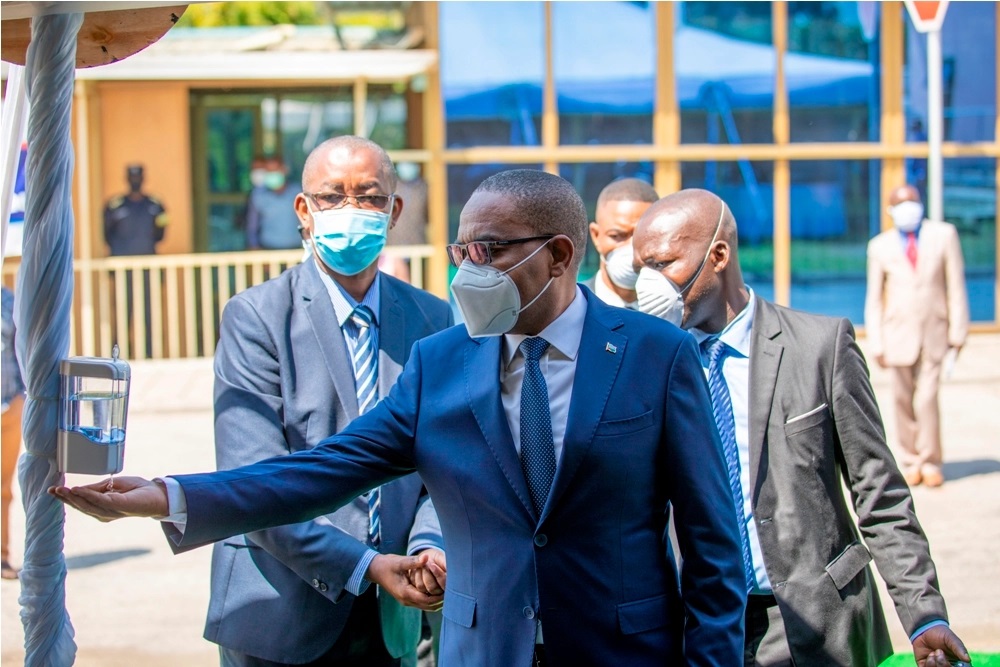
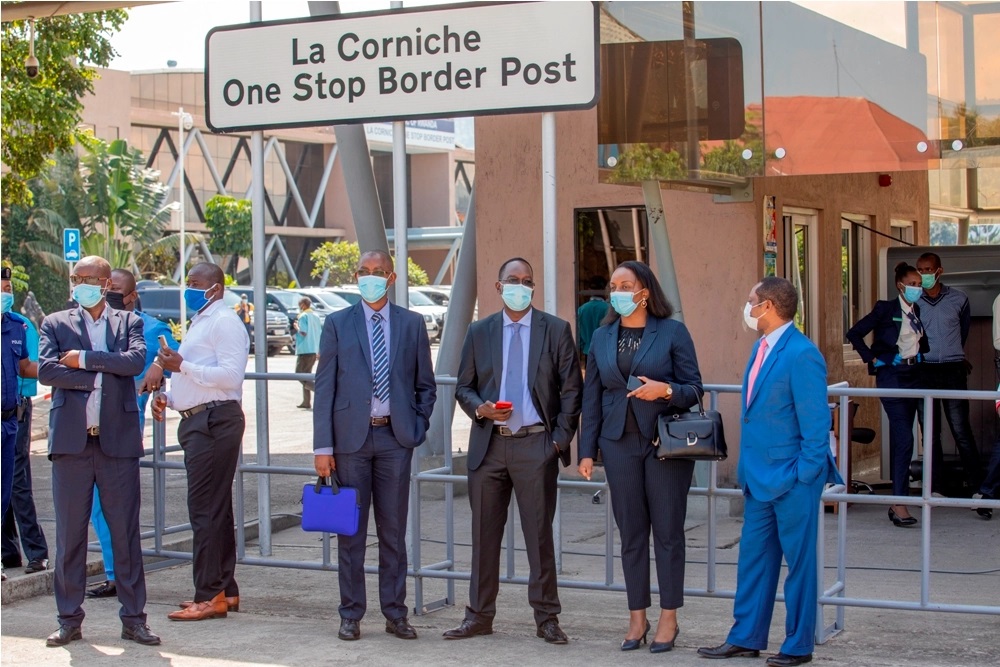
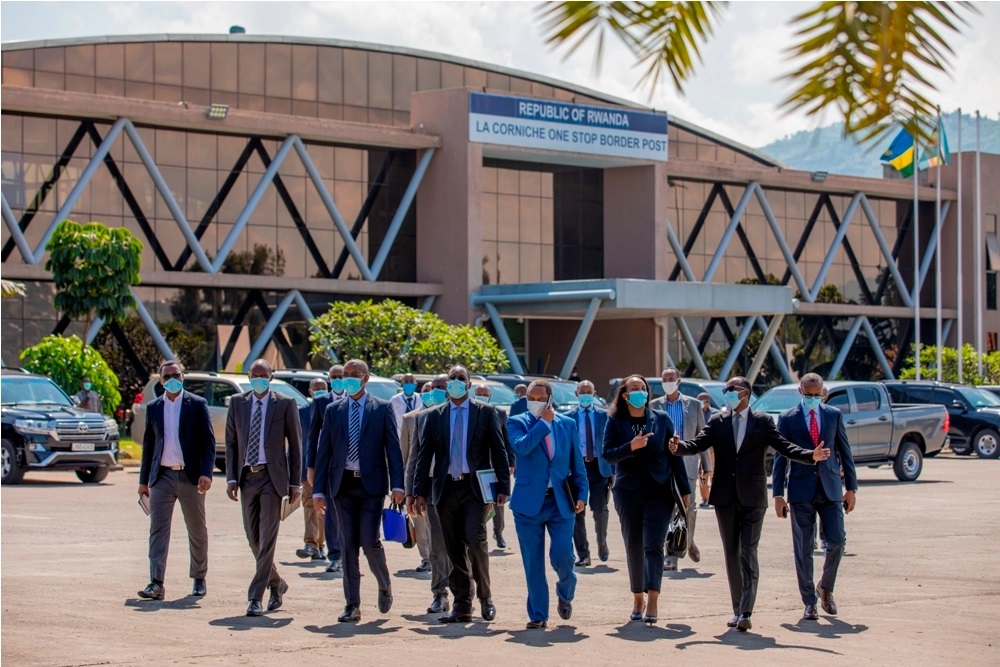
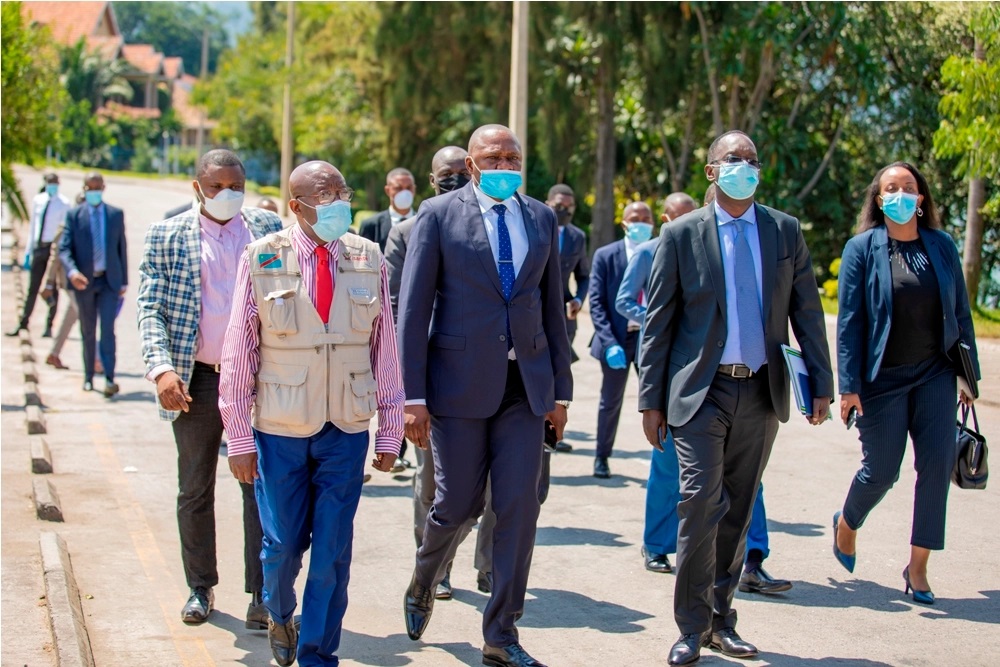
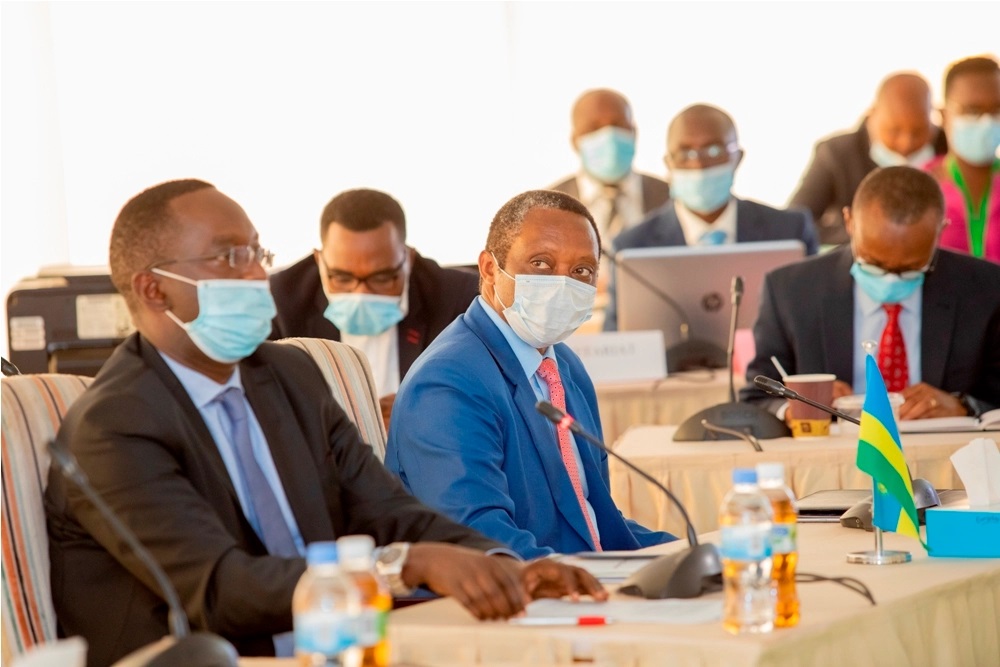
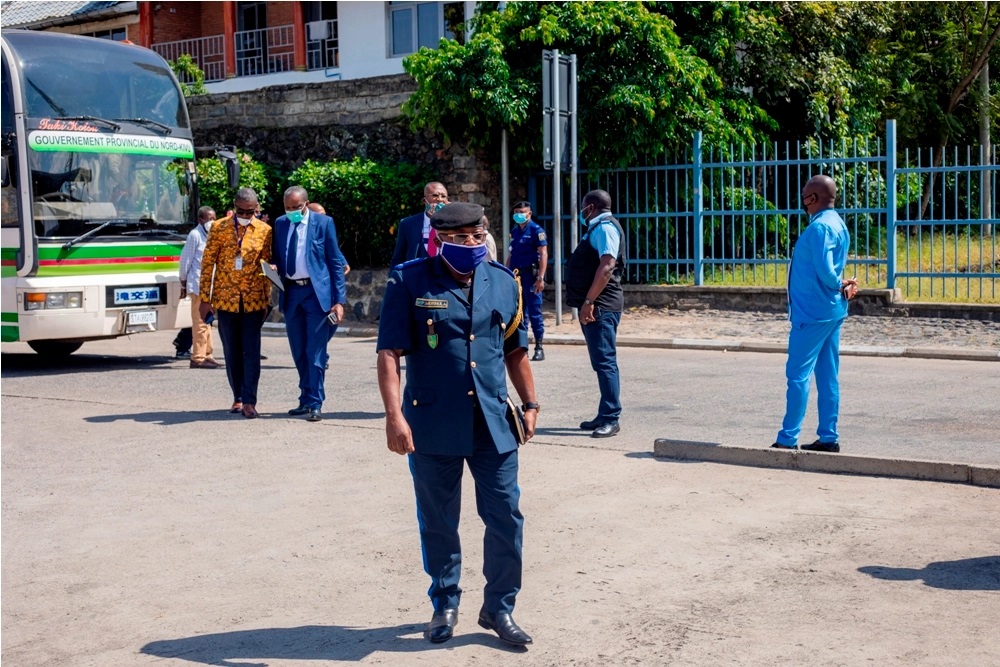
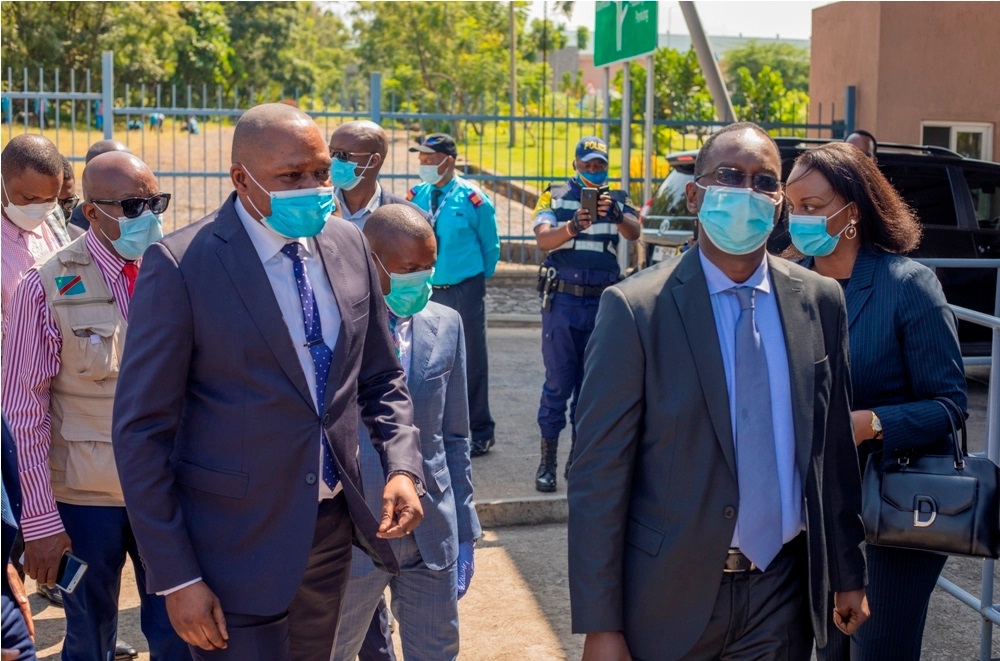
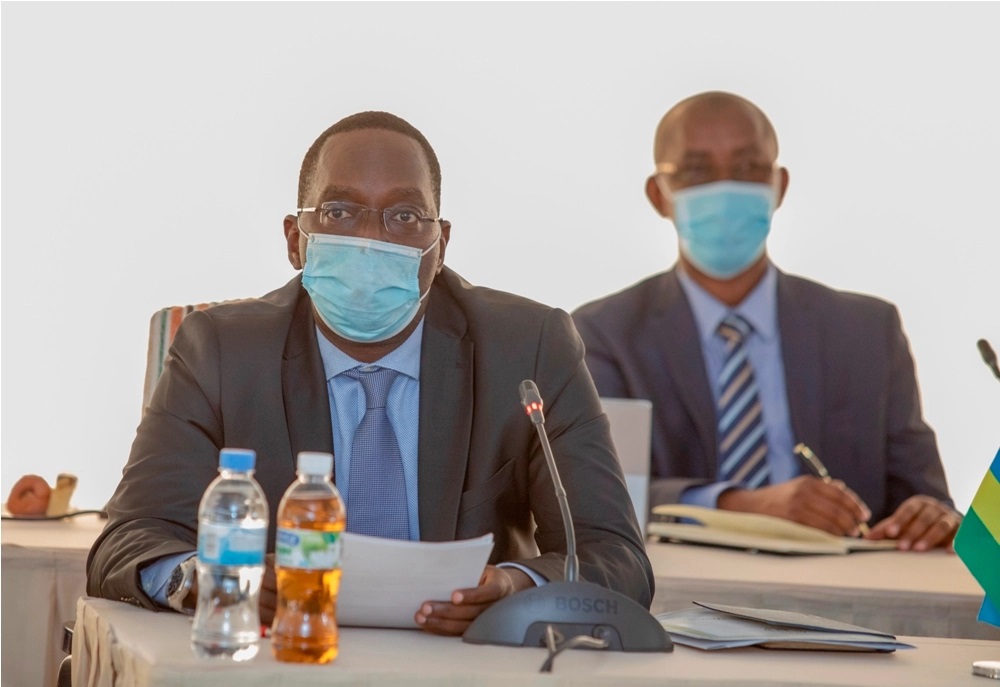
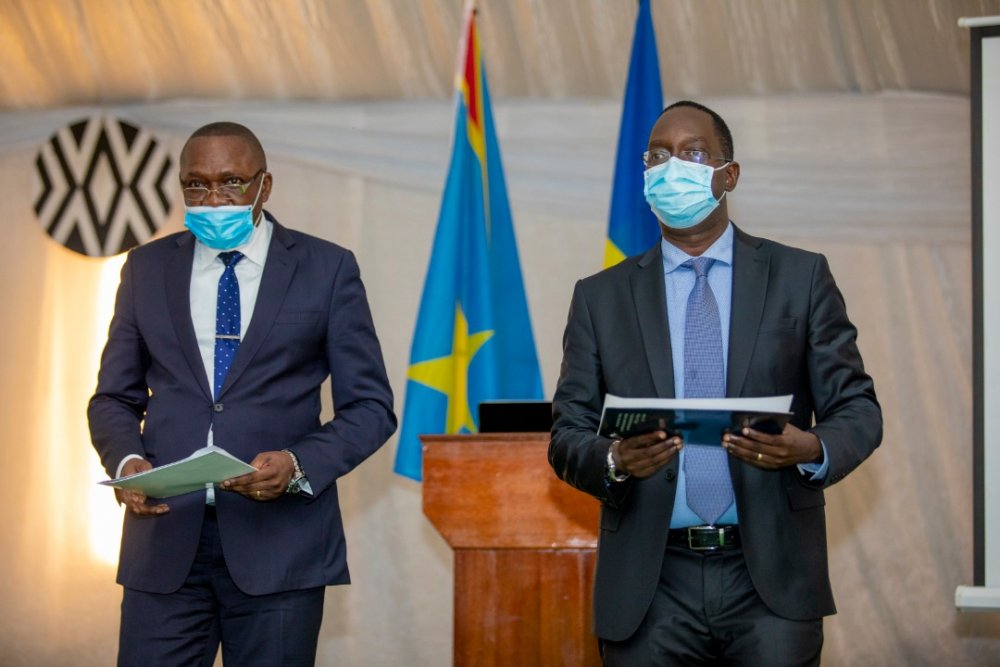
The Rwanda delegation was made of Health Minister Dr. Daniel Ngamije, Trade and Industry Minister Soraya Hakuziyaremenye and Local Government Minister Prof. Anastase Shyaka, among others, while their Congolese counterparts were Innocent Bokele Walaka, the deputy minister for internal affairs, the deputy minister of health – Dr. Albert M’PETI Biyombo and the Governor of North Kivu Province, Carly Kasivita Nzanzu, in Rubavu District in a closed door meeting that lasted over five hours.
Officials from both sides noted that the bilateral meeting was made possible thanks to the political will by heads of state of the two countries. They discussed collaborations towards improving public health in the two countries.
The purpose of the meeting was to formulate proposals for high-level political commitments meant to guide the strengthening of cross-border cooperation in surveillance of Covid-19 pandemic and its implication for cross-border trade in compliance with the specific measures taken by either country.
These two teams discussed about the measures to be taken to ensure the continuity of commercial activities and the cross border movement of essential goods notably medicines, medical equipment and basic necessities.
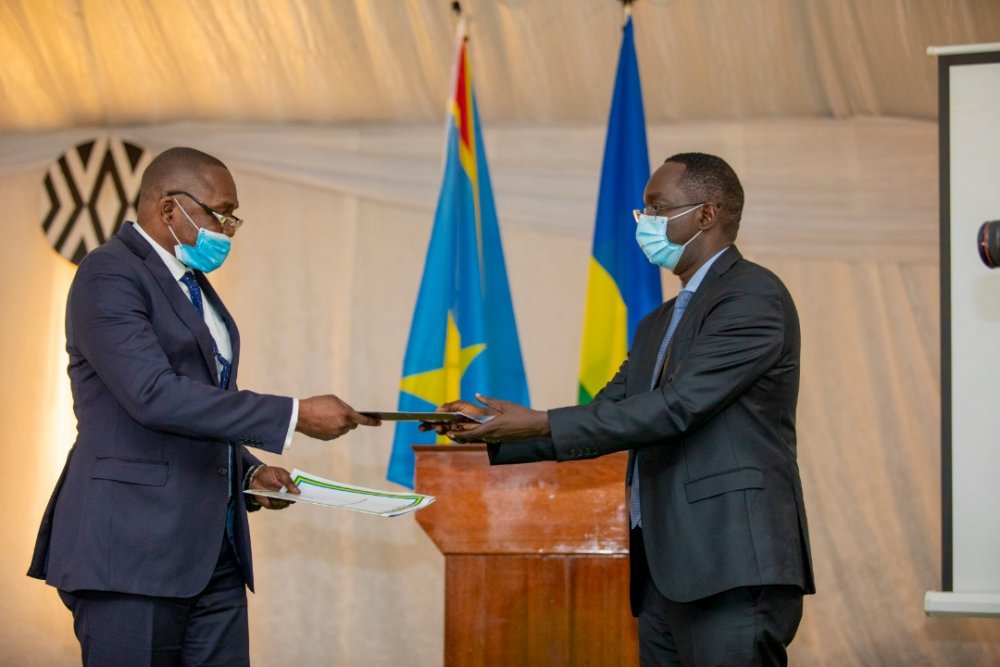
According to a statement signed by the two countries after the meeting, it was agreed to encourage traders to operate in cooperatives in order to reduce the number of people who would have to cross the border on daily basis; this implies that respective cooperatives will designate emissaries to transact on their behalf across borders. The statement says that goods by informal cross border traders will continue to benefit from a simplified declaration and preferential tariff.
Minister Ngamije noted that the bilateral meeting was crucial towards containing the spread of coronavirus while allowing for resumption of cross-border movement in compliance with measures taken by either country in a bid into curb the pandemic.
“Both countries agreed on how to prevent the spread of Covid-19 through sharing information on those who tested positive in a move to trace groups of suspected cases. We also discussed ways cross border trading should resume without disregarding measures to contain this pandemic,”
Ngamije said also that they agreed to set up a technical team of focal persons from respective sectoral ministries to coordinate the implementation of the meeting resolutions.
Deputy Minister Bokele Walaka said “We are happy as we share same ideas with Rwanda towards fighting COVID-19, we are therefore set to put this pandemic to an end through sharing experience and best practices,”
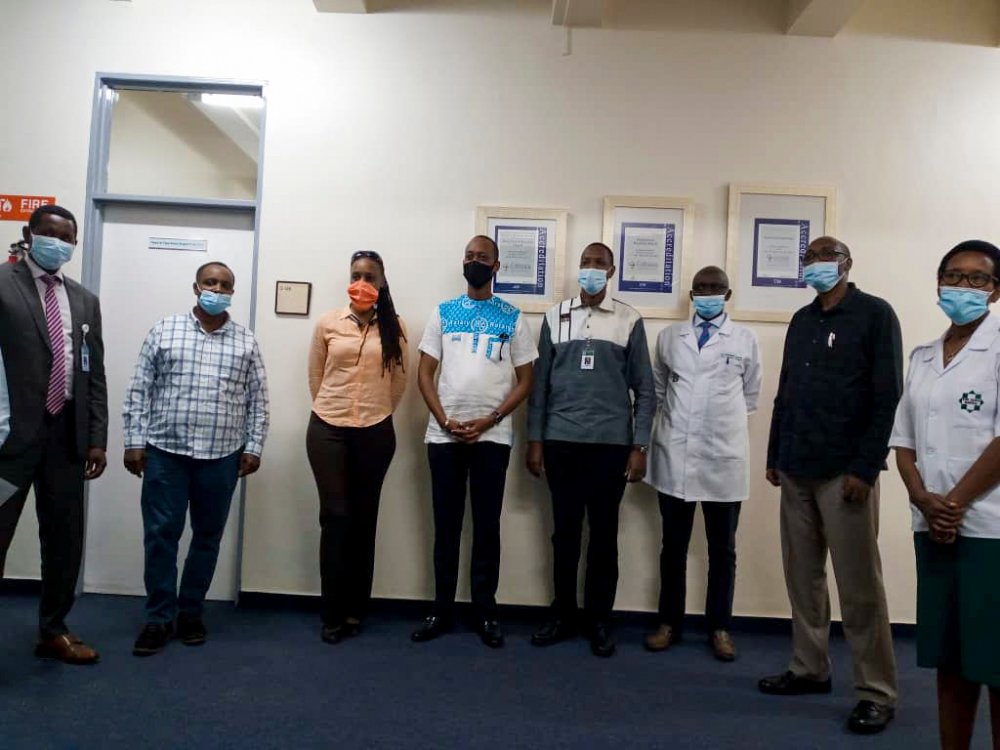
The event took place at CHUK on May 28, 2020, following the King Faisal event on Wednesday.
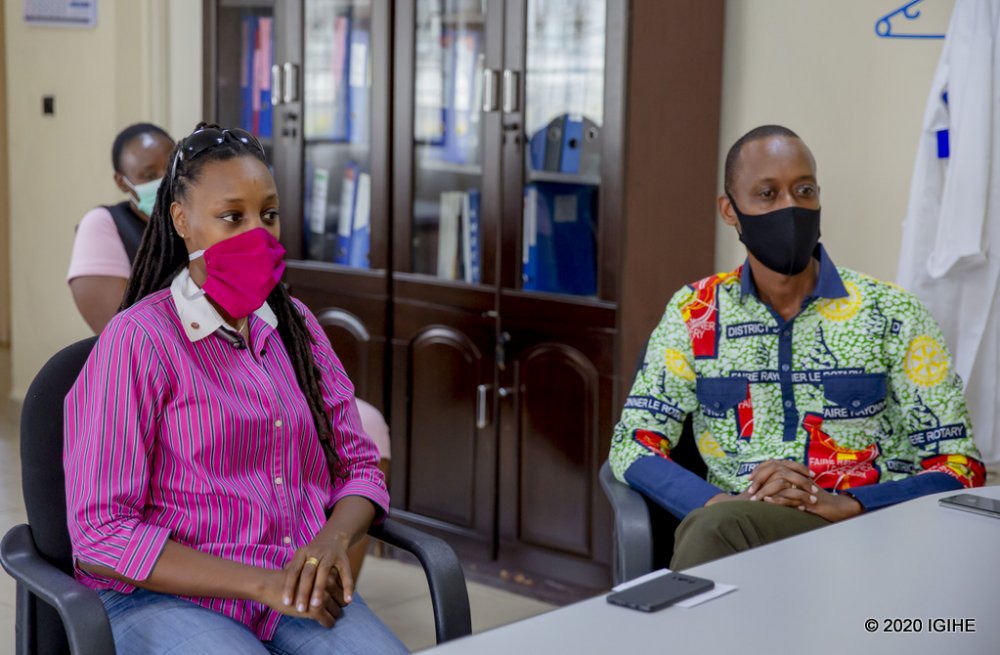
Rotary Club Kigali Doyen and five other Rwandan charitable clubs are starting to work together to help change the world and resolve conflicts, education, fighting ignorance and poverty, improving access to clean water, fighting pandemics, and eradicating polio disease through donation vaccination and help the needy.
Since the COVID-19 pandemic caused by Coronavirus has been reported in China and spread around the world, doctors are among the foot soldiers fighting its spread.
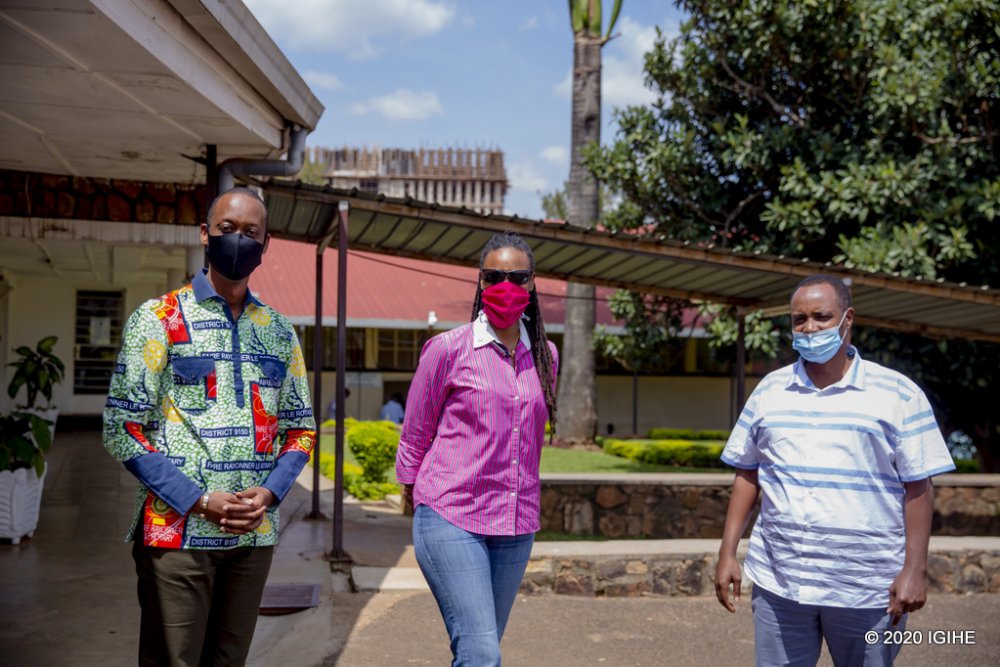
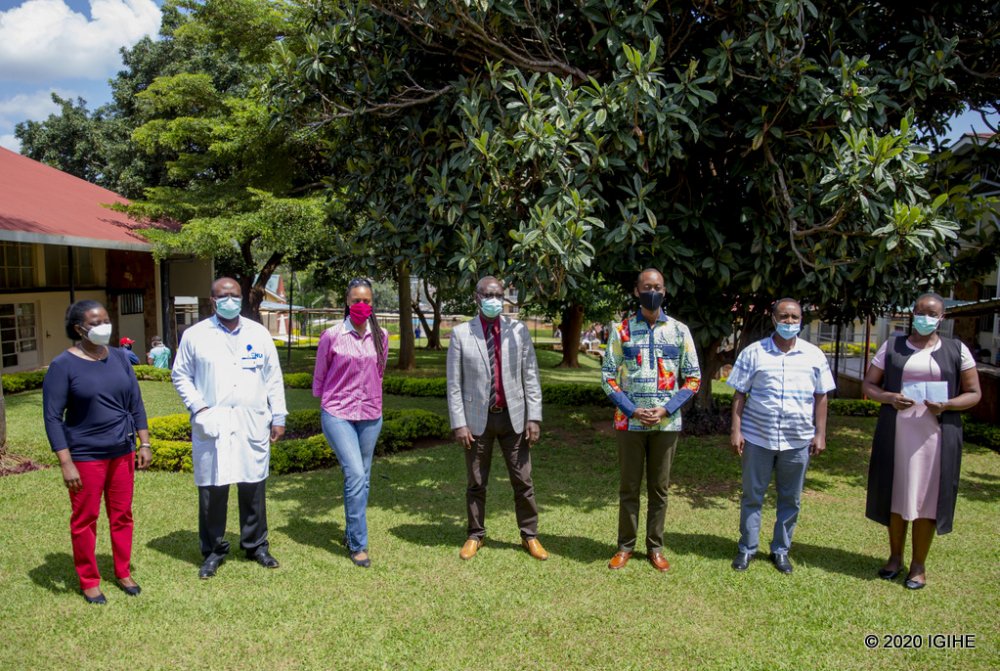
Rotary Club Kigali Doyen thus donated Rwf 5 million to King Faisal Hospital and Rwf 8 million to CHUK.
The donation was raised in conjunction with Rotary Club Brussels-Renaissance in Belgium and another project called Chaîne de l’Espoir, which has been working with Rotary Rwanda for three years in the field of pediatrics.
Rotary Club Kigali Doyen President Sebera Eddy told IGIHE that they have chosen to help the hospital access safety equipment for its operations.
The Rotary Club already operates various hospitals in Rwanda where it recruits specialists in various diseases and support the treatment of some communities for free.
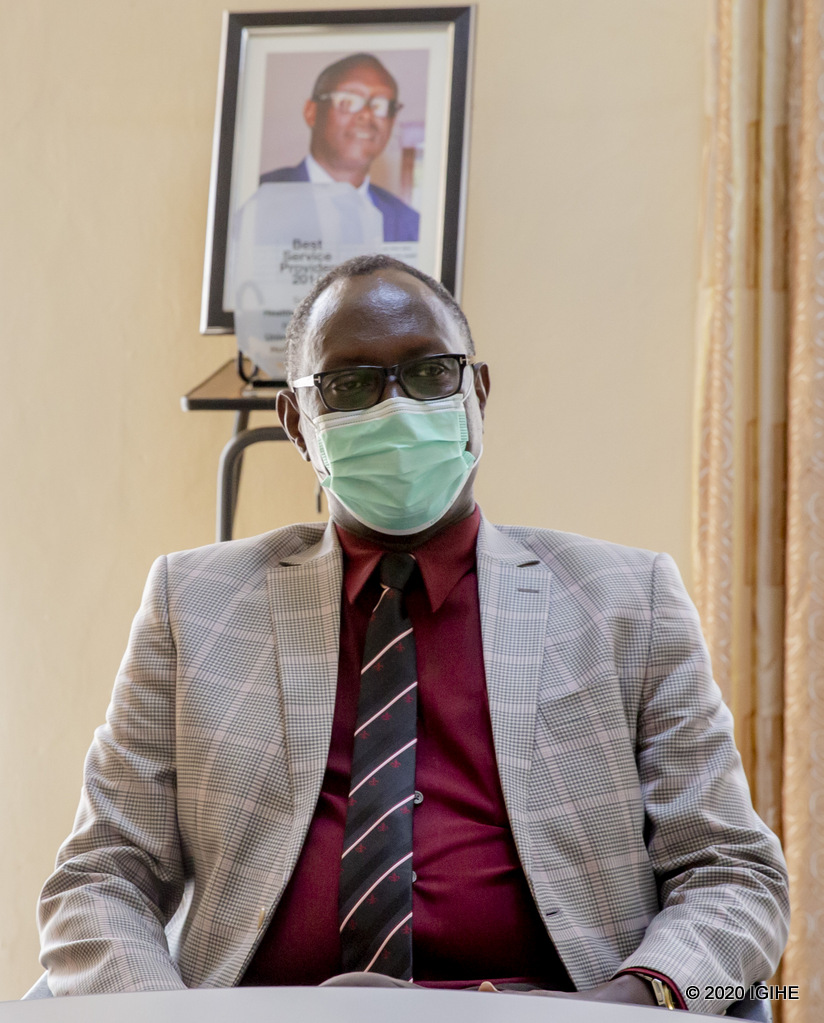
CHUK Director General Dr. Hategekimana Théobald thanked the Rotary Club for their support in various activities.
He said beside the donation given to the two hospitals, children born with heart problems were treated with the support of the Rotary Club which restored hope among their parents.
Rotary Club Kigali Doyen recently donated to Rwandan Biomedical Center (RBC) more than 900 liters of hand sanitizers and hygiene kits including 160 handwashing tanks worth Rwf12 million to deal with Coronavirus. It also donated another Rwf 3 million to support the charity Solid Africa, which cares for homeless patients and helps them get food.
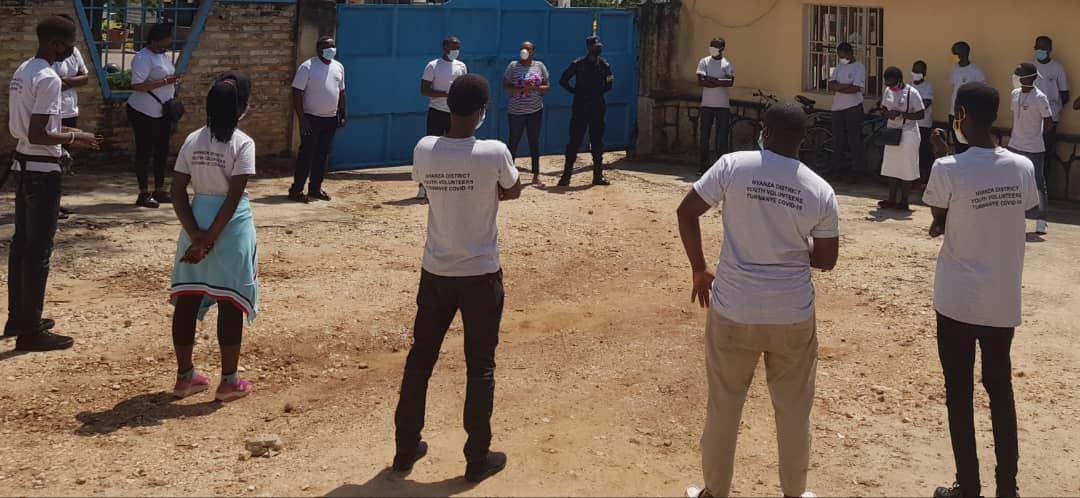
They made the commitment in a meeting of 28 heads of the youth group from different sectors of Nyanza district. It was conducted in line with the recommended safety guidelines of social distancing, wearing face masks and washing hands before entering the meeting room.
The meeting aimed at laying firm strategies in this period to ensure mass campaign against the virus in communities and in busy public places, according to Aline Murekatete, the district youth coordinator.
She expressed the willingness of youth volunteers in the district to work with the police and local authorities to implement the government guidelines to end the pandemic.
“We are still young and our voice in our respective communities can reinforce in educating the people on best and safety practices,” said Murekatete.
“This was like recommitting ourselves in that line to work with our police to remind and educate people on how to positively behave and fight against COVID-19. We are going to use public communication systems to deliver messages but also reporting those whose actions contravene the directives,” she added.
She noted that the campaign will be extended to people in trading centres, markets to influence the same understanding and to work together to be safe.
Disregarding the directives and recommended healthy practices, she said, can put people’s lives at risk, and “we will not be bystanders.”
The District Political and Civic Education Officer (DPCEO), Assistant Inspector of Police (AIP) Jean Baptiste Nyirishema, who attended the meeting, thanked the youth for their volunteerism spirit in security, health and development activities.
“Some people still do not understand the importance of respecting directives or ignore them intentionally. Wearing face masks, social distancing, washing hands at all times; these are directed practices that are still breached. We are working with the youth volunteers so that they can be where police officers cannot be,” AIP Nyirishema said.
“Youth volunteers are many; they can effectively and efficiently deliver the message of obeying the set directives. They deliver the messages in many places like markets or trade centers, taxi parks and in other public places. The messages they give reach to many people,” he explained.
The youth volunteers in different parts of the country are actively engaged in awareness campaign on COVID-19 and supplementing the national efforts against the pandemic.
The youth group, which started in 2013, currently has over 300, 000 members across the country.
The new guidelines were issued by the Rwanda Utilities Regulatory Authority (RURA) on Wednesday. The issued guidelines are part of the efforts to reduce the risk of spreading COVID-19 when moto-taxi operators resume their work on June 1.
Among the guidelines issued in a statement, motorcyclists and passengers have to carry hand sanitizers. Motorcyclists are required to sanitize the helmets and ensure passengers sanitize their hands before boarding. Both the motorcyclists as well as passengers have to wear their face masks and taxi-motor operators have to obey one-meter distance while in parking.
Motorcyclists in Kigali are required to use meters cashless payment of their fare using Mobile Money or Airtel Money. The cashless payment also applies to motorcyclists operating in other parts of the country.
No cash will be allowed in order to decrease the risk of spreading Covid-19 through cash handling.
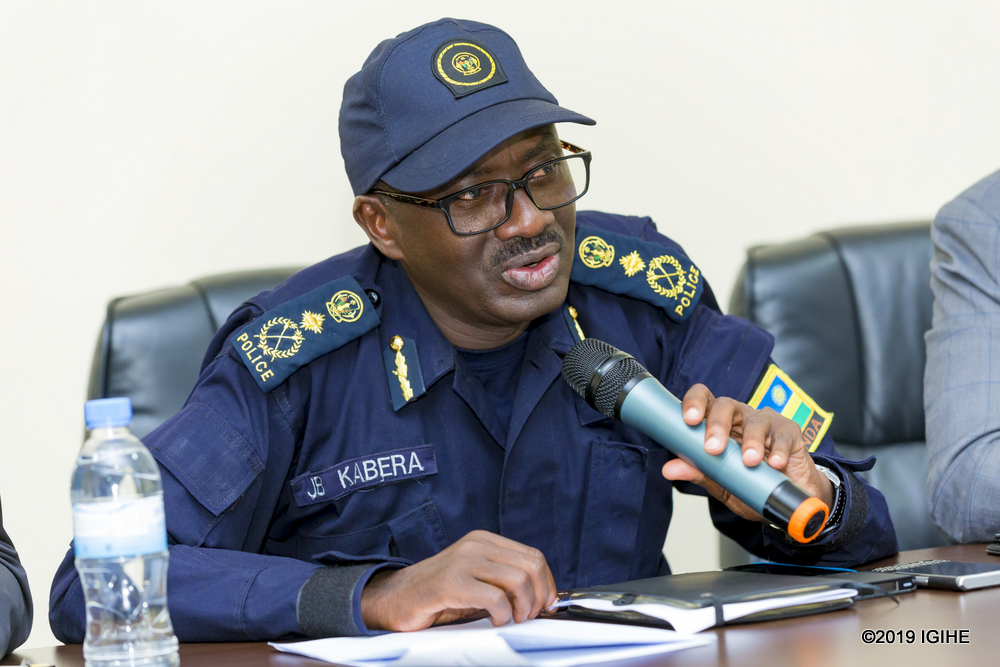
RNP spokesperson, Commissioner of Police (CP) John Bosco Kabera reminded taxi-moto operators and their clients to ensure maximum compliance.
“Motorcyclists as well as passengers have to follow rules and directives that have been set. It is for everyone’s safety. They will resume their businesses but we remind them to not put their lives in danger. Washing their hands and helmets, wearing face masks, cashless payment, and social distancing is necessary for everyone’s safety,” CP Kabera said.
He warned of appropriate actions against anyone who will be caught violating the guidelines. He further urged them to operate within the limits of traffic rules and regulations
“Besides Coronavirus, reckless usage of roads can also claim lives. We expect people to do the right thing to protect themselves and others and those who disobey will be punished. Let’s make respecting rules part of our culture,” CP Kabera emphasized.
The President of FERWACOTAMO, a federation of motorcycle cooperatives; Daniel Ngarambe said that all efforts are currently being put in emphasizing the government directives to curb the virus from spreading.
“We will control and monitor motorcyclists and passengers on compliance; washing or sanitizing hands and helmets, wear face masks and maintain the one-meter distance. Whoever uses a moto must feel safe but he or she will not get service without wearing a face mask or sanitizing their hands,” Ngarambe said.
While the U.S. government has committed more than US$5 million to date in emergency funding in support of Rwanda’s COVID-19 response, private American citizens, U.S. companies, and non-profit organizations based in the United States have also organized private contributions to support the Rwandan people during these difficult times.
“I am pleased to see so many American citizens and U.S. organizations getting involved in coronavirus response and relief here in Rwanda,” said Peter H. Vrooman, U.S. Ambassador to Rwanda. “It truly is an ‘All-of-America’ fight against coronavirus for us, both at home and around the world.”
“The private sector showcases America’s ‘can-do’ spirit and illustrates the depth of the partnership between our two countries,” said Vrooman. “I want to thank these U.S. citizens and organizations and all others making a real difference in the lives of Rwandans all across this country.”
Pennsylvania-based Azizi Life partners with rural Rwandans to lift lives through fair trade. The nonprofit raised more than US$10,000 in contributions from online donations, mostly from the United States, to support more than 500 artisan and beekeeping partners and their families for one month.
U.S.-owned Impano Sportswear has shifted its Kigali production line to face masks, in support Government of Rwanda guidance requiring cloth face masks in public. In addition to custom designs and branded masks, Impano is also producing sports masks.
In coordination with local partner Abahizi Rwanda, U.S.-based life and style brand Kate Spade New York has shifted local production in Rwanda to face masks, while still continuing its seasonal handbag production. The company has donated 24,000 masks to community members in Masoro.
USAID’s Power Africa advisor helped blended-learning leader Kepler to apply for a US$50,000 grant for portable solar chargers for laptops so that 163 undergraduate students at Kiziba refugee camp can attend class online.
Kids Play International, established by a three-time U.S. Olympian, promotes gender equity through sport and the Olympic values in post genocide impacted countries. Due to COVID-19, the non-profit raised over US$9,000 to supplement its current after-school sports-based programming in Rwanda and Cambodia. Kids Play has providing almost 3,000 kilograms of food to the families of 300 youth involved in its programming, feeding more than 1,500 people across both countries. Kids Play will also bring water and sanitation solutions to more than 10,000 community members.
Atlanta-based Kula Project is a non-profit that has been empowering Rwandan coffee farmers through business and leadership training since 2015. Thanks to an online fundraising campaign and an awarded food relief grant, Kula has worked with Kayonza, Gakenke, and Nyamasheke districts to provide food, masks, and soap directly to 1,060 households. It has also given additional financial support to the districts as they continue their community response.
MindLeaps, a U.S.-based non-profit that uses dance to develop the cognitive skills and social-emotional learning of at-risk youth, has donated more than 2,000 kilograms of food to more than 230 families in Nyamirambo and Rwezamenyo.
Atlanta natives Erin and Colton Parks live and work in Rwanda. The Parks Family collected donations from more than 100 family and friends in the United States and worked with Rwandan friends and local government offices to distribute food to more than 10,600 families.
Partners In Health, locally known as Inshuti Mu Buzima, has worked with the Government of Rwanda to strengthen primary and chronic care services in the public health system since 2005. PIH directly supports the National Joint COVID-19 Task Force by providing staffing expertise in data management, communications and analytics. PIH also bolstered national COVID-19 testing capacity by providing an RT-PCR machine that conducts 73 tests an hour to the National Reference Lab and strengthened facility readiness for COVID-19 response in the District hospitals of Kirehe, Rwinkwavu, and Butaro. In addition, PIH is ensuring the continuation of care for cancer patients in the lock down context by distributing oral cancer treatment by drones in partnership with Zipline.
Thanks to US$60,000 in donations from people in the United States and other countries, U.S.-based Rhoda Consulting helped local NGO Dufatanye provide emergency food and soap distributions to more than 5,000 households in Nyanza. This is more than 91 tons of food impacting more than 31,000 individuals.
Boston-based Shooting Touch uses the mobilizing power of basketball as a tool for health education, intervention, and improved well-being for rural communities. Unable to take to the court, Shooting Touch is providing weekly phone credit to 15 women at each court they have built, in order to establish a “buddy system” to maintain camaraderie during these isolated times. This calling task-force offered an open ear, recording the concerns of their teammates, as well as provide them with at-home stretching routines, fitness exercises, mental health coping strategies, and phone numbers for free support – to more than 1,000 families.
TEACH Rwanda is a Pennsylvania-based organization for American educators to help Rwandan preschool and primary teachers learn to use modern, research-based teaching methods. Their exemplary school in Muhanga, Bright School, includes many students from vulnerable families, so the school has provided food to 67 families to date, with even larger food distributions to come. Teachers regularly call students’ families, as well, to check-in and to encourage project-based learning at home.
The University of Global Health Equity (UGHE) is a global university based in Rwanda. An initiative of Boston-based Partners in Health, it offers a unique community-and facility-based approach to medical training that centers on vulnerable populations. UGHE presents a long-term solution to pandemic preparedness and response in training students to build, repair, maintain, and grow resilient health systems capable of preventing and withstanding future outbreaks, as well as contributing to critical research in this area.
Currently, its alumni are well-trained to contribute to frontline efforts in contact tracing, testing operations, delivering medical supplies and training community health workers, in Rwanda and other countries. Campus resources are being allocated towards the response, including redeploying drivers to transport patients to facilities facing interruption like the Butaro Cancer Center.
Matt and Andrea Miller, along with parents and friends of Virunga Valley Academy, an American international school in Musanze, raised more than US$15,000 for food relief, which helped more than 1,000 families in Musanze district.
Kentucky-based Word Made Flesh invests in women living in vulnerable communities in Rwanda, providing access to dignified work, vocation and life skills, financial literacy, counseling, and deep friendship through community. Since the start of the COVID lockdown, Word Made Flesh has worked with local government leaders to distribute food to 450 households in Kangondo, more than half headed by a person living with HIV.
U.S. tech start up Zipline is using drone-based delivery to support medical response to COVID-19 in Rwanda and Ghana, delivering testing samples in-bound from rural areas and distributing outbound PPE and other medical supplies like cancer meds.
This “All-of-America” approach is helping people around the world. American private businesses, non-profit groups, charitable organizations, faith-based organizations, and individuals have now provided more than US$4.3 billion in donations and assistance globally, more than any other nation, since the start of the coronavirus pandemic.
{{1) MASSACRE OF MORE THAN 500 TUTSI WHO HAD TAKEN REFUGE IN THE HOUSES OF CATHOLIC CHURCH IN KABGAYI}}
As the criminal government forces, Interahamwe and Impuzamugambi were losing the battle and the genocide was progressively being stopped by the RPF-INKOTANYI forces, many of the killers fled Kigali and killed any Tutsi that they met on the way. This is what happened to the Tutsi who had not yet been killed in Kabgayi.
By the end of May 1994 between 28 and 30, the Interahamwe took more than five hundred (500) Tutsi, some were trying to flee to Kabgayi and others were taken among Tutsi refugees who were camping in various houses of the Catholic Church in Kabgayi and killed them.
UNAMIR was the first to release the information on May 31, 1994, when one of its leaders, Dr. Abdul Kadia, who was the Second-in-command to General Dallaire told the media that more than 500 people had been killed by government forces in Gitarama, including many who were taken from Kabgayi. Dr. Kadia said that UNAMIR was going to investigate the killings.
Various international radio stations reported the killings, including RFI in its May 31, 1994 news report. The German radio station, Deutsche Welle, confirmed the information in its broadcast of May 31, 1994 and said that UNAMIR had sent its envoys to Kabgayi to investigate the killings. The news was also confirmed by BBC Radio.
The testimony of survivors of the Genocide against the Tutsi in Kabgayi explains that at several times in 1994, after the arrival of Tutsi refugees in Kabgayi, the Interahamwe of MRND, the Impuzamugambi of CDR and other Hutu members of the Hutu Power Parties gradually came and took Tutsi by force to go and kill them. Many of them were killed at Nyabarongo and thrown into water. Many of the girls and women were thrown in Nyabarongo alive and others were raped before being killed.
The RPF-INKOTANYI forces liberated Kabgayi on June 02, 1994.
{{2) RPF-INKOTANYI ARMY CONSTANTLY LIBERATED PARTS OF KIGALI CITY AND THE CRIMINAL GOVERNMENT FLED TO KIBUYE }}
On May 26, 1994, the RPF-INKOTANYI forces completely captured parts of Kigali City namely Kicukiro and Gatenga and rescued some Tutsi and other citizens who were incarcerated by the killers. Gatenga was ravaged by many Interahamwe led by TWAHIRWA Seraphin the former employee of the Ministry of Public Service (MINITRAPE), currently hiding in Belgium. Soldiers of the criminal government and its Interahamwe started to flee from the City of Kigali and heading for Gitarama and Ruhengeri.
On May 27, 1994, the UNAMIR started to evacuate people who were hiding in Hotel des Mille Collines to their desired destinations. Some wanted to go to the territory that was still under the control of the criminal government, while others wanted to go to the territory that had been liberated by the RPF-INKOTANYI.
The RPF-INKOTANYI forces persistently demanded that government soldiers should lay down their arms and stop the killings, and work together to repair the damage and rebuild the country, but in vain. On this date, more than half of Rwanda had been liberated by the RPF-INKOTANYI forces. Also on the same day, UNAMIR announced that in the near future, the RPF-INKOTANYI forces will have taken control of the entire City of Kigali.
On May 28, 1994, Radio France International (RFI) reported that members of the criminal government had left Gitarama and fled to Kibuye. The RFI correspondent Monique Mass, who was in Rwanda went to Nyamata and reported that more than half of the population of Nyamata town before the genocide had been exterminated by Interahamwe militias and government forces.
This was also confirmed by a Belgian Professor Alain Verhaegen in an interview with RFI in Brussels after he had left Rwanda where he worked with the organization of Doctors Without Borders Belgium (MSF).
On the same day, Ambassador Amuri SUED, who was among refugees evacuated from Hotel des Mille Collines by UNAMIR and chose to join the RPF-INKOTANYI, also reported to RFI the seriousness of the genocide against the Tutsi, perpetrated by the criminal government and the Interahamwe. He further commended that the RPF-INKOTANYI battle to stop the Genocide should be supported by the whole world.
{{3) SOME FOREIGNERS CLEARLY CONFIRMED THAT THE KILLING OF TUTSI IN RWANDA WAS A GOVERNMENT PLAN, BUT THE CRIMINAL GOVERNMENT CONTINUED TO DENY IT}}
Since May 22, 1994, the United Nations Commission on Human Rights had convened a meeting to analyse the nature of the killings against the Tutsi in Rwanda. They also announced that the perpetrators of the killings in Rwanda could be brought to justice. During the meeting, Bishop Desmund Tutu, a South African, spoke out against the genocide in Rwanda and called for the perpetrators to be prosecuted.
Stanislas Mbonampeka, the former second vice president of P.L. Power, one of the envoys sent to the meeting by the criminal government condemned the statement by Desmund Tutu and falsely said that no killings were being carried out by the government he represented, that the RPF should be held accountable for the killings.
Mbonampeka was aware that the massacres of Tutsi in Gitarama, Kibuye and elsewhere at that time were not taking place in the RPF-INKOTANYI-controlled areas. He said that in order to confuse people and acquit the government he represented. Before returning to Rwanda after the Geneva meeting, Mbonampeka went to Paris.
On May 24, 1994, Radio France International (RFI) reported that Amnesty International had condemned the killings by the Rwandan government and the criminal government.
On May 25, 1994, the UN envoy, Iqbar Riza, who was on a visit to Rwanda, met with representatives of the Rwandan government, but no decision regarding the cessation of the genocide was taken. Iqbar Riza met them in their hideout in Gitarama where they were camping.
{{CONCLUSION}}
The genocide against the Tutsi is a heinous act of the so-called government of saviours. The genocide continued while the United Nations was still discussing on the name of the massacre to be approved, but did not have the courage to take action to stop the massacre of Tutsi.
Done at Kigali on May 29, 2020
{{Dr. BIZIMANA Jean Damascène
Executive Secretary
National Commission for the Fight Against Genocide (CNLG)}}
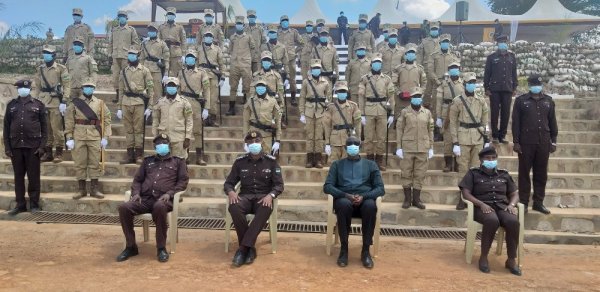
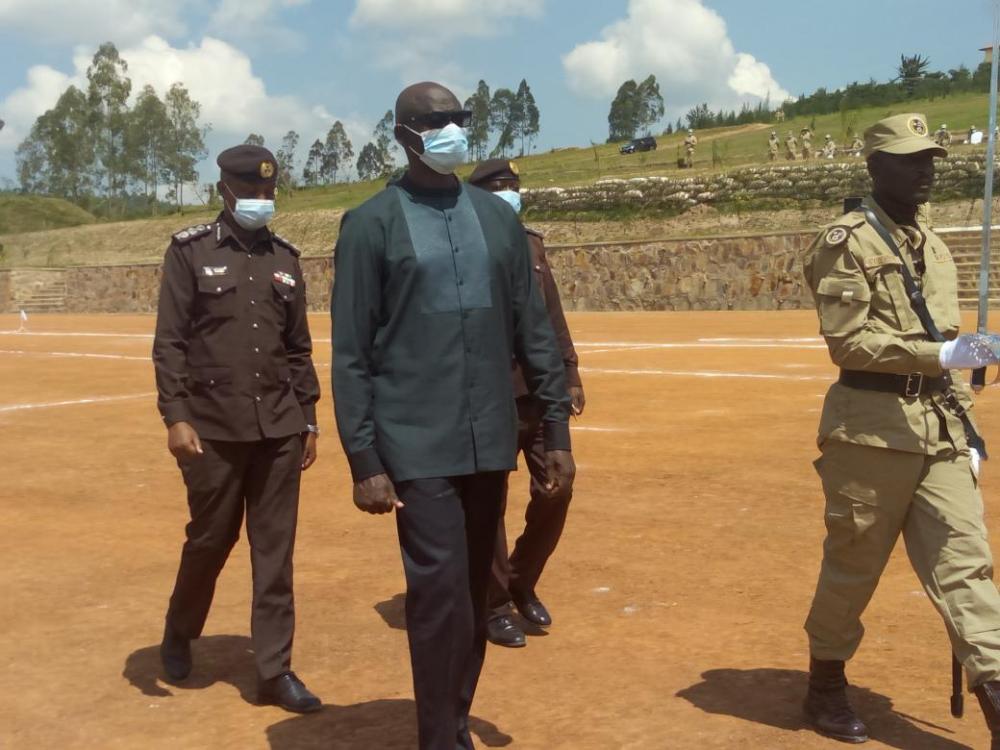
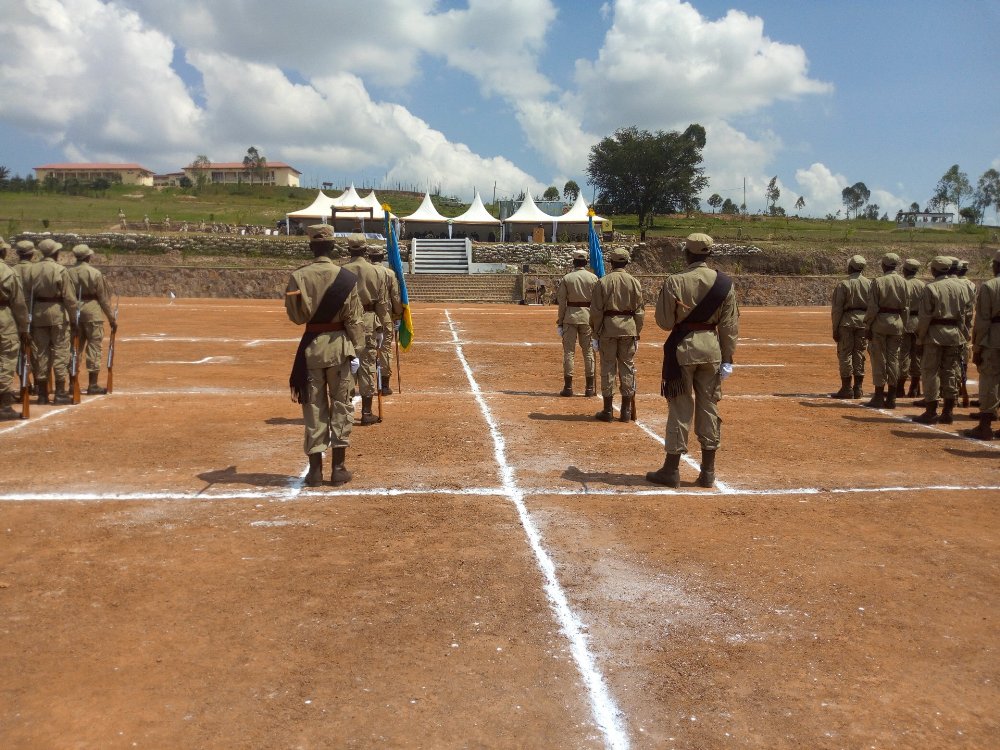
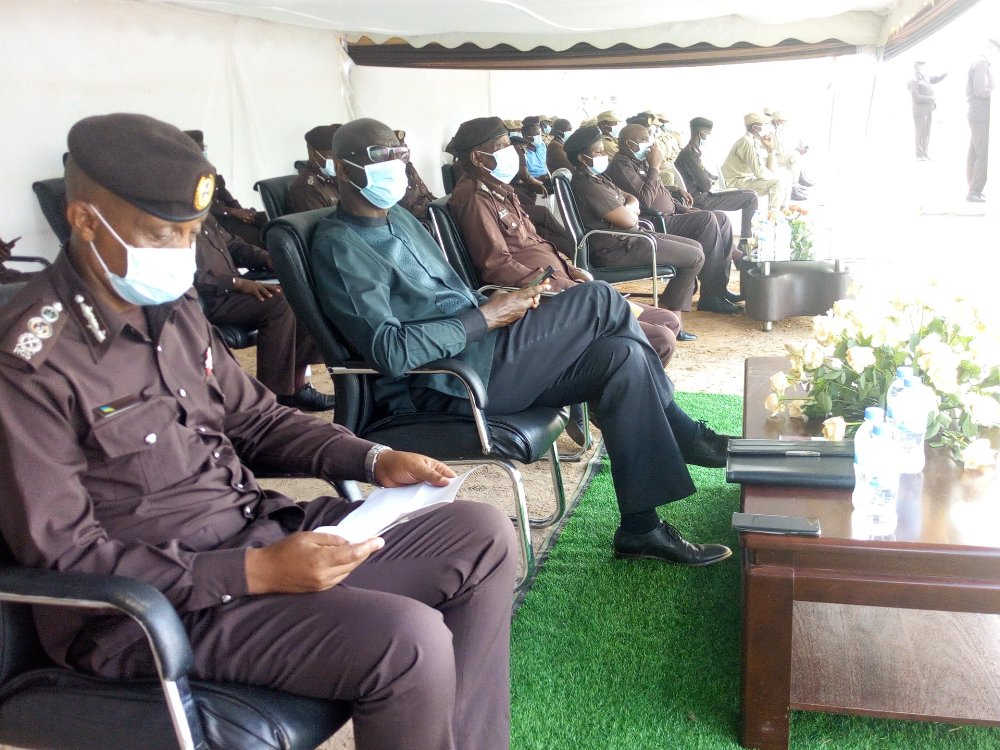
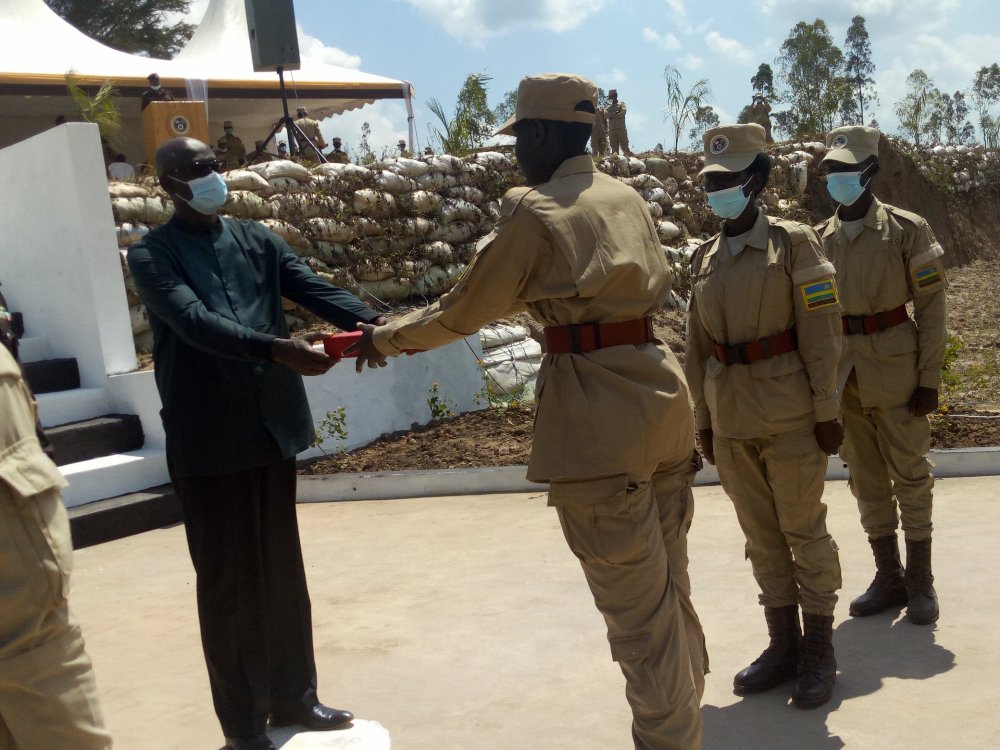
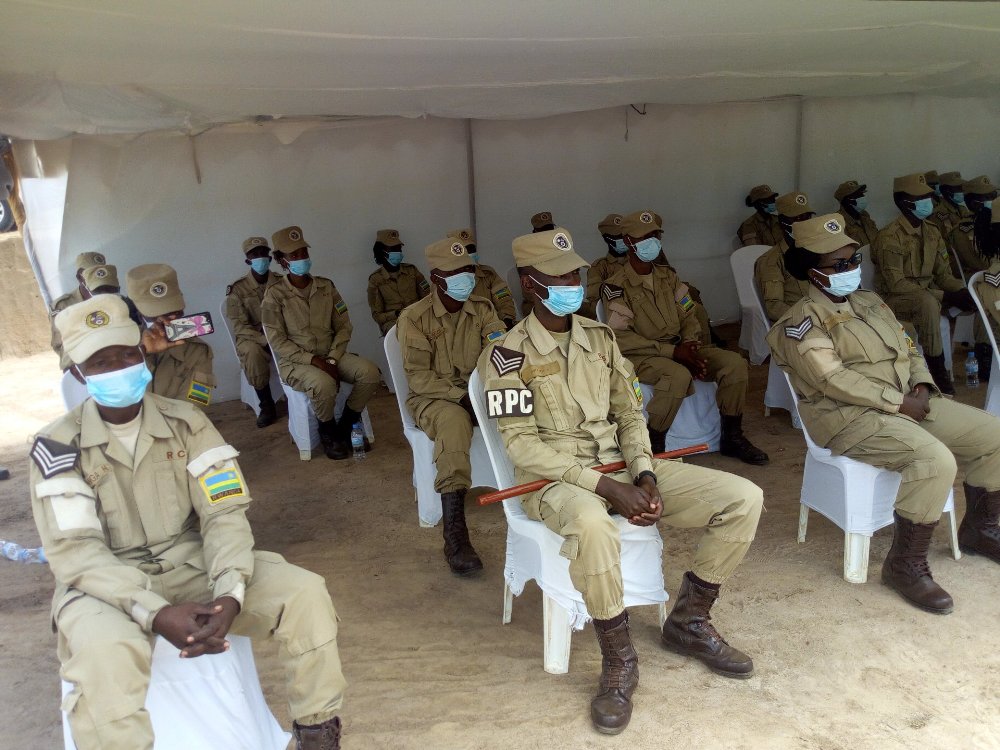
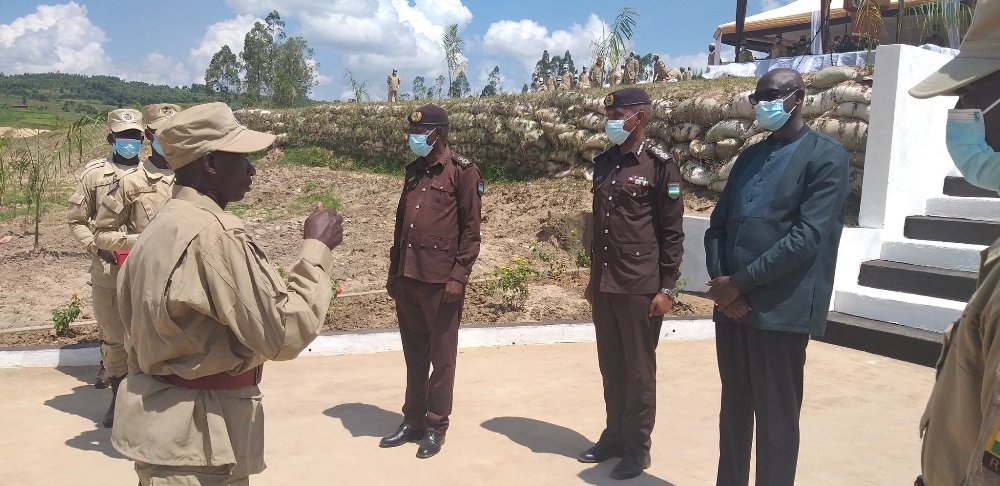
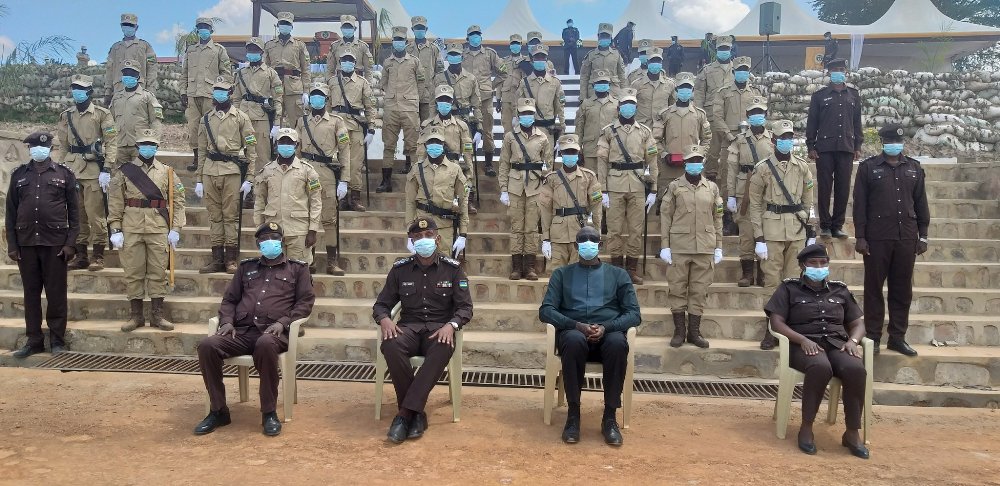
Commissioned officers are in the fourth category of prison warders who have been trained in the field of prison administration, consisting of 649 men and women. The ceremony was held at Rwamagana Prison School yesterday.
Busingye expressed appreciation for the good performance exhibited by the graduands and urged them to conduct their services in a professional manner.
He advised them to avoid being emotional and biased during work and as officers that are rendering correctional services, they are supposed to be honest and exemplary in following the law.
The commissioned warders officers were trained in physical education, human rights, criminal justice, security, and safety. Other components included map reading, prison operations, weapons use, basic psychology courses, peacekeeping activities and ethics.
There are currently 2369 prison guards in 13 prisons in Rwanda. In his jurisdiction, Minister Busingye gave them the rank of a warder.
On Wednesday evening, the Johns Hopkins tally showed 100,047 U.S. coronavirus deaths. The United States has seen more coronavirus deaths than any other country, according to the data — although analysts and critics frequently have questioned the numbers of cases and deaths reported in other countries.
As virus-related deaths continue to rise, the U.S. saw just 500 new deaths Monday, its lowest daily total since March 28, and 693 more on Tuesday, according to Johns Hopkins University. The number of confirmed infections has reached over 1.66 million.
New York, the hardest-hit state, has seen more than 363,000 coronavirus cases and over 23,000 deaths, according to recent estimates, followed by New Jersey, with reports of over 155,000 cases and over 11,100 deaths.
The news comes as the majority of states begin reopening their economies to a number of businesses.
Countries in Europe and Asia have also begun lifting restrictions that brought daily life to an effective halt for almost two months in some parts as a critical tradeoff to protect citizens. More than 2.3 million have recovered from the virus.
However, the World Health Organization (WHO) on Sunday warned that the world is still in the midst of a “first wave” of the pandemic.
“Right now, we’re not in the second wave. We’re right in the middle of the first wave globally,” said Dr. Mike Ryan, executive director of WHO.
“We’re still very much in a phase where the disease is actually on the way up,” Ryan told reporters, pointing to South America, South Asia, and other areas where infections are still on the rise.
India saw a record single-day jump in new cases for the eighth straight day. It reported 6,387 new infections Wednesday, raising its total to 151,876, including 4,346 deaths.
Brazil has 375,000 coronavirus infections — second only to the 1.6 million cases in the U.S. — and has counted over 23,000 deaths. Many fear Brazil’s true toll is much higher.
Worldwide, the virus has infected over 5.6 million people, killing over 350,000, according to Johns Hopkins University. Europe has had about 170,000 deaths.