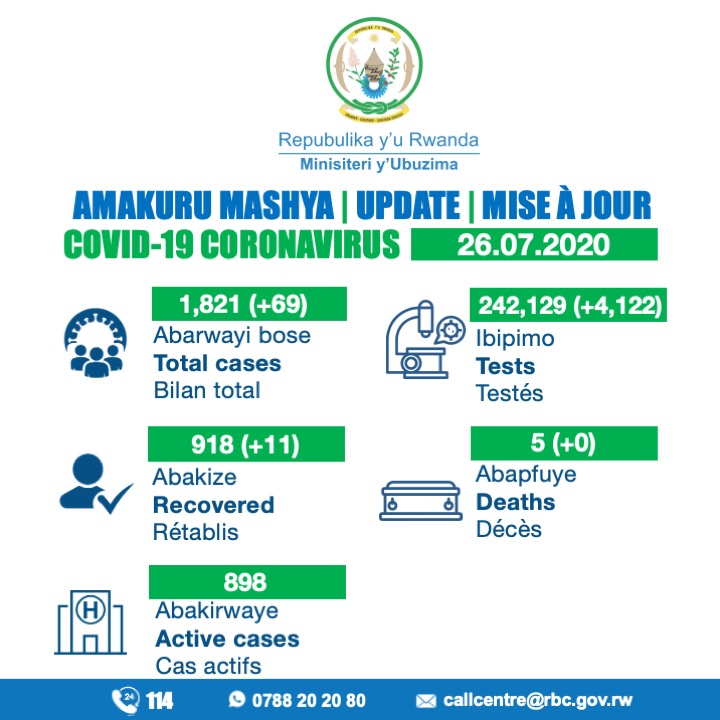
“Kigali:34 & Nyamasheke:16 testing in villages under lockdown), Rusizi:16, contacts of previously confirmed positives,” reads the Ministry’s statement. There have also been identified one case in Kirehe and Rwamagana respectively.
These new records brought the number to a total of confirmed cases 1,821 of which 898 are the active cases; 918 people have so far recovered including 11 on Sunday. Five deaths were recorded since the pandemic outbreak four months ago.
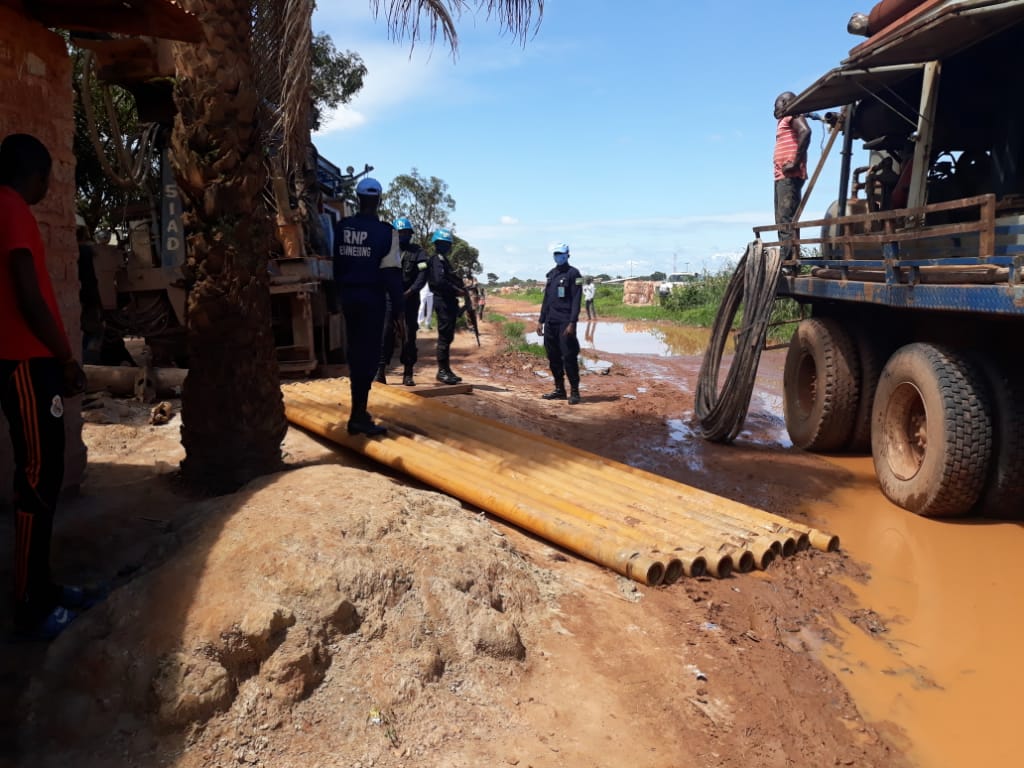
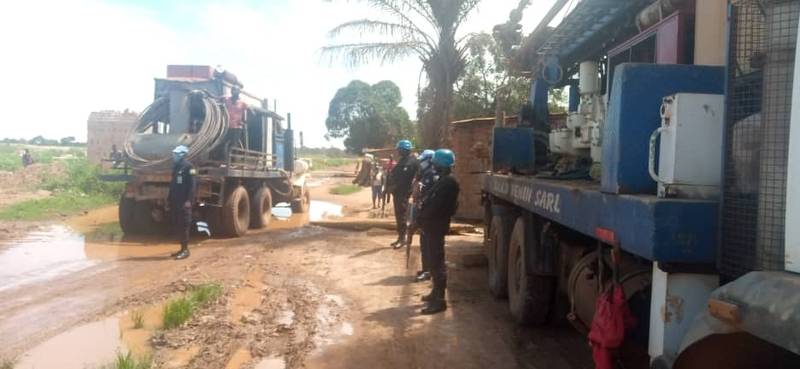
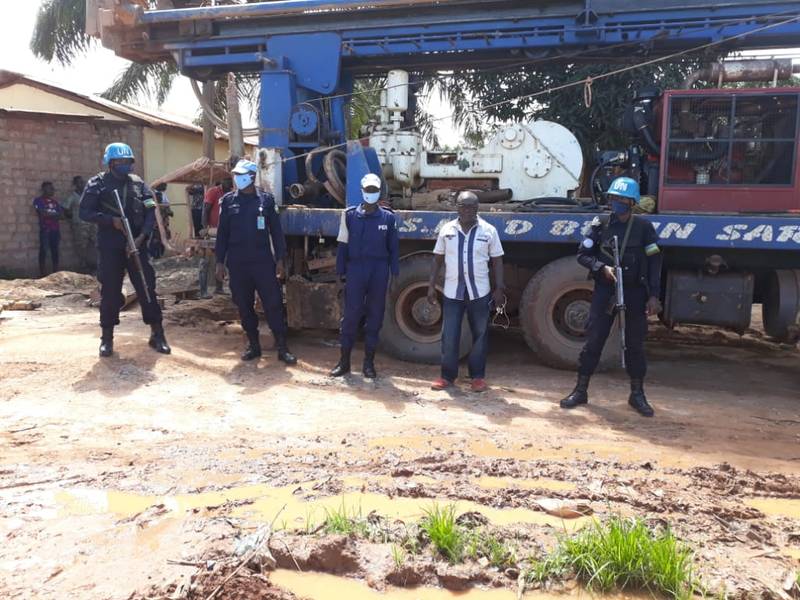
Rwanda FPU-1 deployed in the Bangui under the command of ACP Safari Uwimana, in December last year developed the project worth US$50,000 to address the shortage of clean water in the capital.
The project will see the construction of three boreholes in one of the most affected areas of Ngongonon Two, Ngongonon Four and Galabadja Four, all in the 8th Arrondissement.
Early this month, MINUSCA leadership weighed in to fund the project, which is expected to be completed within three weeks.
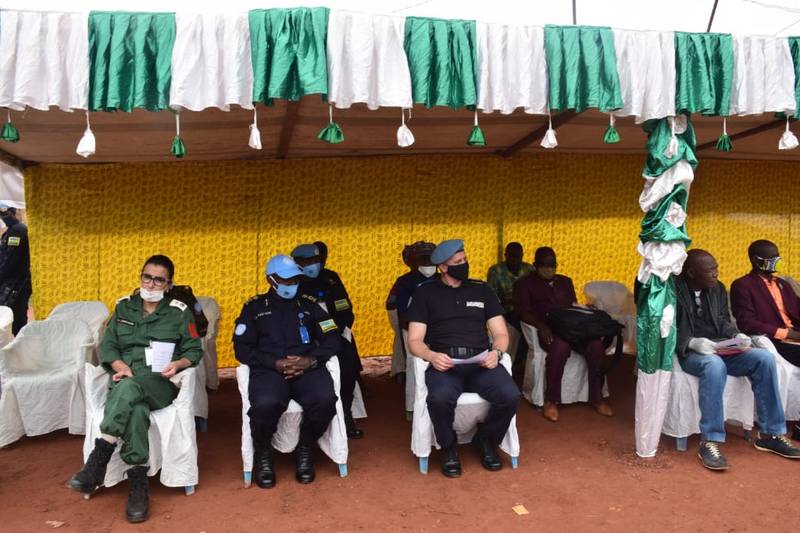
The official ground breaking ceremony for the construction of the boreholes was held on July 14, and presided over by government and MINUSCA officials.
According to ACP Safari, the initiative is in line with their mandate of “protection of civilians.”
“MINUSCA mission mandate is to ensure protection of civilians, but we are also in a period when the world is faced with the pandemic of Coronavirus; so, access to clean water is a quick impact project to saves lives,” ACP Safari said.
Rwandan Police peacekeepers have operated in the capital Bangui since 2014, when the first contingent was deployed under MINUSCA.
“Rwanda FPU-1 has lived with the communities in Bangui and particularly in 8th Arrondissement, since 2014 and has developed good neighborhood relations.
The clean water initiative was also developed in that line for the health of the local population,” said ACP Safari.
Over the years, Rwandan Police peacekeepers in CAR have conducted human security activities including supplying clean water and Umuganda to clean streets and neighborhoods.
Rwanda maintains three Police contingents in CAR; two FPUs and a Protection Support Unit (PSU), each composed of 140 peacekeepers.
FPUs are charged with crowd control, conduct patrols, protection of people in Internally Displaced Camps and escort duties, among others.
The PSU is particularly in charge of security for CAR Prime Minister, MINUSCA Special Representative of the UN Secretary General and other high profile government and UN officials as well as other special duties assigned under Joint Task-Force Commander.
“In solidarity with government and the people of United Republic of Tanzania during this time of grief following the demise of His Excellency Benjamin William Mkapa, the third President of the United Republic of Tanzania.”
Former President Benjamin Mkapa died on July 23rd in Dar Es Salam – Tanzania.
The statement reads the mourning period will start from Monday 27th July to Wednesday 29th July.
“We remain in solidarity with the people and the government of the United Republic of Tanzania as well as with the family of the late President Mkapa,”
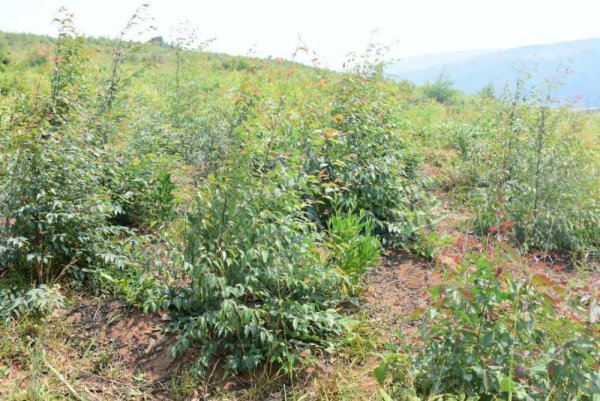
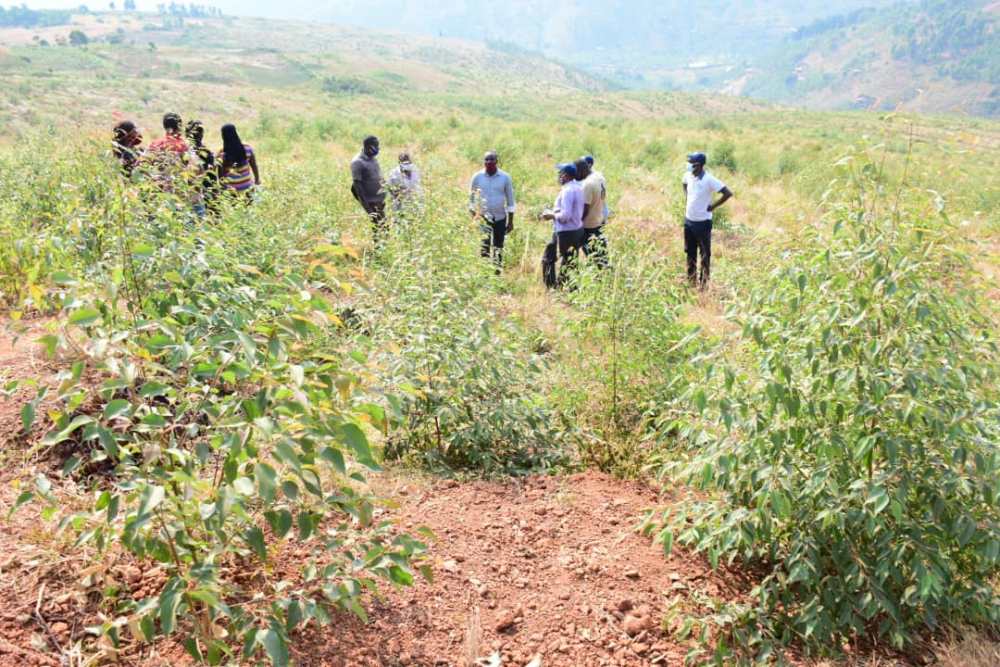
The event took place on Thursday in Rwamagana District where residents were handed over their renovated forest totaling 284 hectares. The forests have been planted with trees as a way to rehabilitate them to make them more productive.
The project has also been implemented in four districts namely; Rwamagana, Rulindo, Gakenke and Gicumbi on an area of 873 hectares. This was done by the Rwanda Water and Forests Authority (RWFA) in collaboration with the Belgian Development Agency, Enabel.
After the renovation, the community was integrated into forest cooperatives which will help them take care of them.
Mukagasagurire Liberatha, a resident of Fumbwe Sector in Sasabirago Cell, says under the project, they planted trees for her on an area of 2.5 hectares.
The director of Forestry Management Unit in RWFA, Bakundukize Dismas, said the reason the government chose to pay more attention to community forests was that it made up 70% of the country’s forests, but that most were unproductive because they dint care about them.
The Mayor of Rwamagana District, Mbonyumuvunyi Radjab, thanked residents for agreeing to form one cooperative, assuring them of their cooperation in the conservation of forests and all other councils they will need.
Currently, the Ministry of Environment says that over 30% of the total land area of the country is forested.
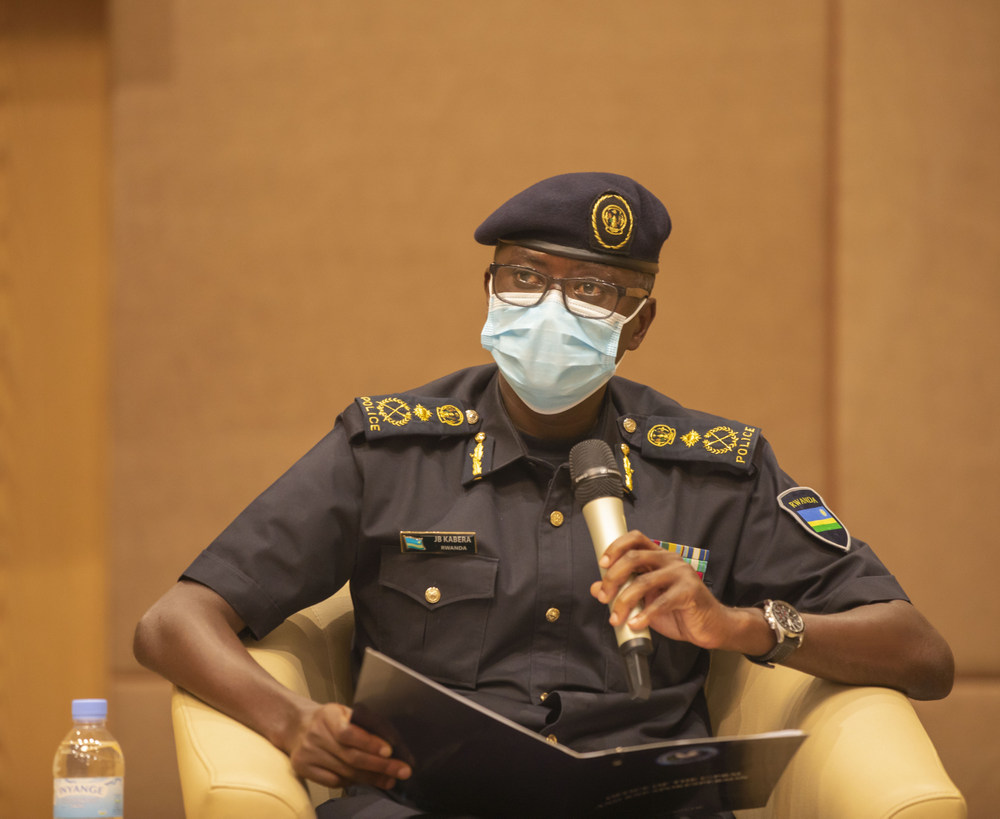
The new measures, according to RNP spokesperson, CP John Bosco Kabera, include digital recording of identities of every violator to inform “serious actions” in case of recidivism.
“As part of the efforts to implement the directives, compliance and easy identification of errant violators, RNP has started a new digital system to keep detailed data on everyone, including motorists and pedestrians, who breach the directives to inform severe actions when you are caught again,” CP Kabera said.
The stringent measures also include reporting the violators as well as those who lie, to their respective employers for further penalties.
This comes after an assessment on the level of compliance with the directives in the last four months, which indicates serious violations related to compulsory wearing of facemask when in public, curfew, and operating services that are still closed or unauthorized like bars, prayers as well prohibited movements and gatherings.
“These violations increase risks of COVID-19 infections after the lockdown was lifted and movements beyond regions permitted,” CP Kabera said.
He added: “Residents of Rwanda should understand that as the government continues to open different sectors of the economy including businesses and tourism as well as religious services; it is not time to lean back, relax and loosen the recommended safety and prevention measures but rather a step to further improve livelihoods of the people in line with the country’s development but in maximum compliance with the directives.”
He observed that these violations, which also include home visits, unnecessary and prohibited home events, continue to fuel further COVID-19 infections in the country.
“Rwanda National Police strongly warns against such unlawful, inappropriate, and risky behaviours and actions, which lead to putting some sectors, cells and villages under lockdown and can lead the country back into total lockdown; no one wishes this to happen again,” CP Kabera emphasized.
RNP recently published a report of close to 500 errant motorists, who violated the curfew and went on to disregard instructions given to them by police officers enforcing the curfew. Instead of parking in the allocated lots and going to centres where they were directed, they drove or rode away.
Of these published motorists, only 155 had voluntarily reported to Police by Thursday, July 23.
“Many other motorists have not reported as per the recent Police notice. We wish to remind every motorist who will not come forward by the end of this Friday July 24, that Police will take the next step to locate and arrest them,” CP Kabera warned.
The spokesperson further cautioned against moving without identifications adding that “no one will be released until their full identities including where they reside and what they do, are known and recorded.”
On churches and mosques that were authorised to resume their religious services, CP Kabera reminded them that the “responsibility to prevent the spread of Coronavirus has equally been placed in their hands by maximum compliance with the set guidelines, without being forced, for the safety of their followers and the country in general.”
He took time to thank the majority of people in Rwanda, who have embraced the culture of #NtabeAriNjye by operating within the limits of the directives and facilitating the Police in enforcement through information sharing on violators.
“Respecting all the directives and specific guidelines for particular institutions and areas is not optional; it’s the only thing to do.
If you think that you can make the Police to give up, then you are stressing yourself; Police operates 24-hours-all-days to ensure the safety of all people in Rwanda and their property, and to ensure that all the directives are respected to the maximum.”
“Wearing a facemask is not a one-time thing; it’s a must every time you leave your home; washing hands should be a regular hygiene and safety practice using soap and clean water; social distancing should be a culture; whatever you do, make sure the curfew finds you home.”
To win the fight against the pandemic, which has no antidote at the moment, he said, respecting the government directives and other recommended hygiene and safety practices is the only remedy.
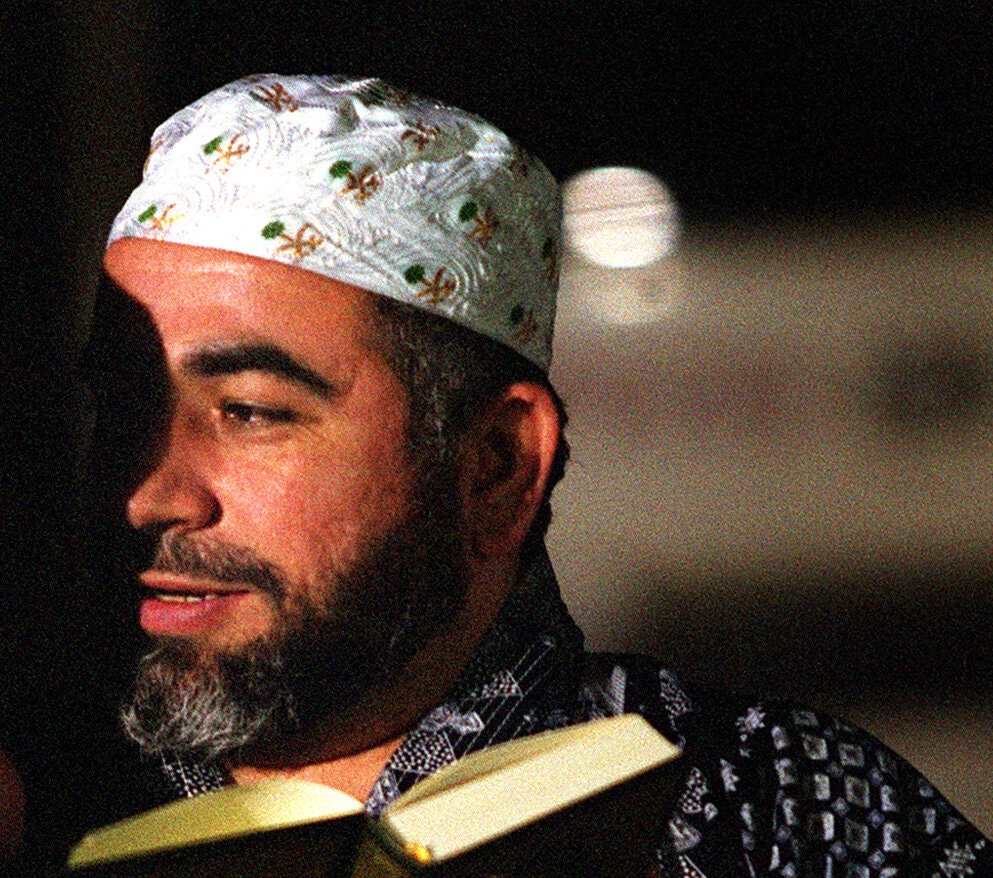
A statement from the Rwandan government said, “Hassoun willingly accepted being relocated and settled in Rwanda.”
According to the 1954 Convention on the Status of Stateless Persons, a stateless person is someone who is not considered as a national by any state.
Rwanda reiterated her full commitment towards fulfilling the UN Convention on the Status of Stateless Persons.
“The Government of Rwanda has previously received stateless persons from various parts of the world and reiterates its full commitment to the 1954 Convention on the Status of Stateless Persons, to which it is a signatory,”
It says that even before Hassoun, Rwanda received such people from different parts of the world.
In 2006, Rwanda acceded to the 1954 Convention relating to the Status of Stateless Persons and to the 1961 Convention on the Reduction of Statelessness.
{{Who is Hassoun?}}
Adham Hassoun, 58, is a Palestinian born in Lebanon and later moved to the United States in 1989 where he worked as a computer expert in the Broward area of Florida.
In the aftermath of the September 11, 2001, Al-Qaeda attack in the United States, he was convicted under the October 2001 Law on the Protection of National Sovereignty, in support of a Muslim charity called Benevolence International Foundation, which has been involved in terrorist activities in Chechnya, Kosovo and Bosnia.
In August 2007, he was convicted, along with Padilla, of conspiracy and material support charges and sentenced to a prison term of 15 years, 8 months but completed his sentence early in 2017 for good behaviour.
The United States is said to have not deported him, as it would normally do to other non-citizens, because he had no citizenship.
So they (U.S) notified him that he was to be detained indefinitely and held him as an immigration prisoner, not until judges ruled a release order in June this year after finding that the US government had provided no basis for holding him.
It was a result of efforts by American Civil Liberties Union, which took part in the court challenge to Hassoun’s continued imprisonment, despite the culmination of his sentence.
When does one become stateless?
In international law, a stateless person is defined as a person who is not considered a national by any country under its laws. Some stateless people are often refugees, only not all refugees are stateless.
People usually get citizenship in a variety of ways, either based on their origin or because their parents were born in a certain country; one can even apply for citizenship.
There are many reasons a person is considered stateless; they may be based on ethnicity, religion, or gender. It can be the birth of a new country, making one who was born there before a native country , since his country no longer exists.
The 1954 Convention relating to the Status of Stateless Persons requires that stateless persons have the same rights as citizens with respect to freedom of religion and education of their children.
For a number of other rights, such as the right of association, the right to employment and to housing, it provides that stateless persons are to enjoy, at a minimum, the same treatment as other non-nationals.
The Convention also upholds the right to freedom of movement for stateless persons lawfully on the territory, and requires States to provide them with identity papers and travel documents.
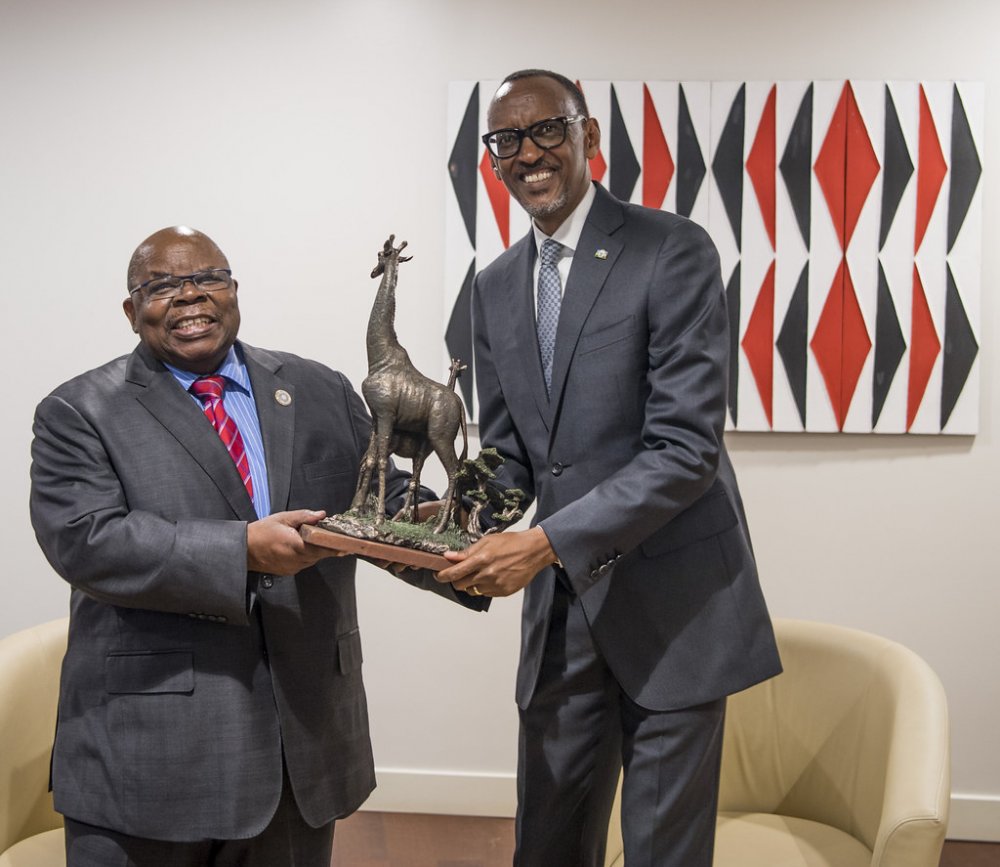
In a Twit, Kagame stated that Mkapa’s death will be felt throughout the continent.
“We are saddened by the passing of former President Mkapa. My deepest condolences to his family, the people of Tanzania and my friend President John Pombe Magufuli.”
“The loss of our brother Mkapa is one that will be felt throughout the continent. He was a great Pan-Africanist whose contribution went well beyond Tanzania,” Kagame added.
Benjamin Mkapa served as President of Tanzania from 1995 to 2005, where he led several regional peace mediation efforts across the region while in office and afterwards.
President Mkapa was a signatory to the Treaty for the Establishment of the East African Community on 30th November, 1999, alongside their Excellencies Late President Daniel Moi (Republic of Kenya) and Yoweri Museveni (Republic of Uganda).
H.E. Mkapa will be remembered as a Pan Africanist, one of the founding fathers of the East African Community who championed for the revival of regional integration.
He was an astute advocate for the growth of the regional private sector and was particularly instrumental in fast-tracking the EAC Customs Union Protocol and Common Market. His towering legacy in effecting social and economic policies that boosted intra- EAC trade and augmented the vital role of the private sector as the engine for social-economic growth, reigns on.
Mkapa played a pivotal role in enforcing harmonised regional trade policies that saw a reduction in non-tariff barriers, sparking an increase in the volumes of intra-regional trade.
H.E. Mkapa’s vibrant leadership was not only reflected in his efficacy in calming regional trade disputes but also in brokering regional peace dialogues that created a conducive business environment in Africa.
20 years since the revival of the EAC, his vision for regional integration continues to live on. The business community will vanguard his vision for the prosperity of our beloved EAC region.
{{Dr. Peter Mathuki, Executive Director /Chief Executive Officer
East African Business Council (EABC)
9th Floor Mafao House | Old Moshi Road | Arusha | Tanzania
P. O. Box 2617 | Tel: +255 27 2520162
Email: admin@eabc-online.com I Website: eabc.info
EABC – The Voice of the Private Sector in East Africa}}
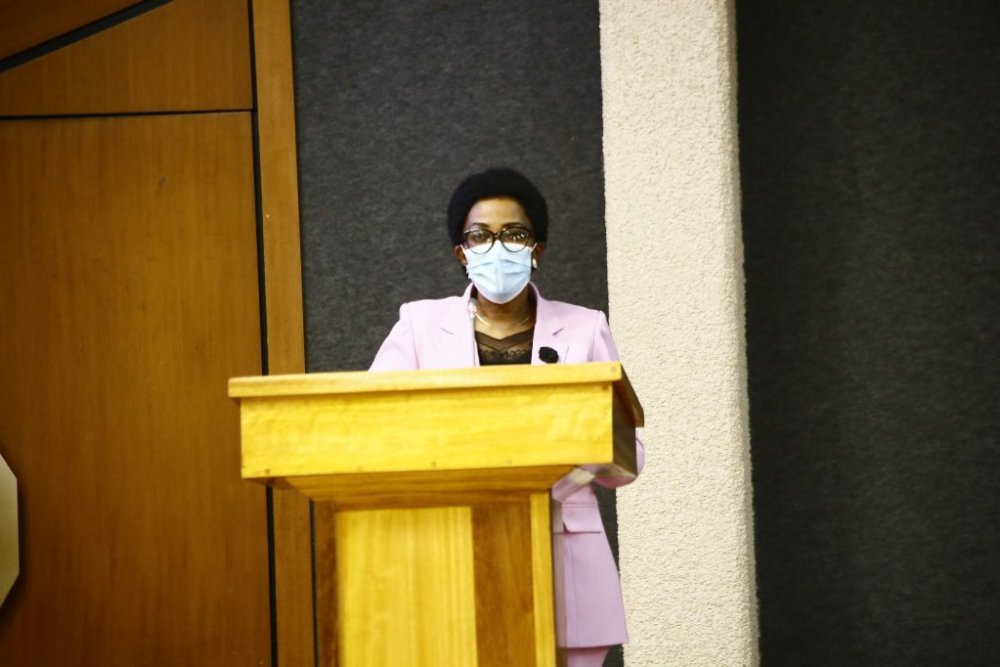
Mukayijore is replacing Nyirarukundo Ignatienne, who was given other responsibilities.
MP Mukayijore has joined the Rwandan Parliament on a ticket of the Liberal Party (PL).
She replaced former MP Ignatienne, who was given other responsibilities by the government on November 4, 2019, and was appointed to the Ministry of Local Government as State Minister in charge of social welfare.
Nyirarukundo has also chaired the Rwanda Women Parliament Forum, FFRP.
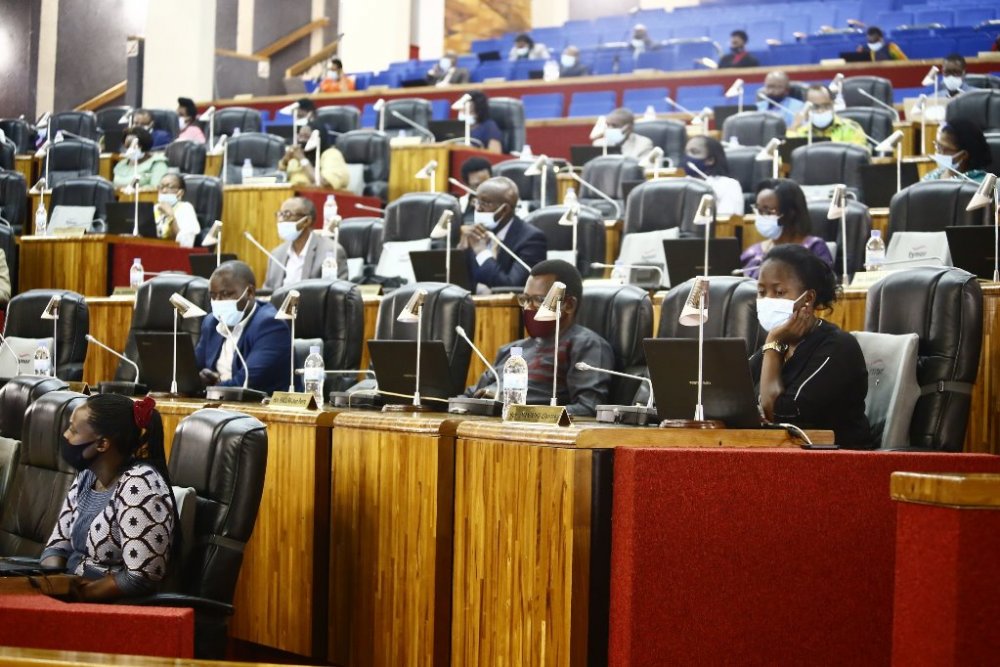
Each member country of the African Union has MPs who represent it in the Pan-African Parliament (PAP), elected by their peers in their respective national parliaments.
The representation of the country in the Pan-African Parliament is in line with the norms of the members of the National Assembly in their respective countries.
The PAP began operating in March 2004. Its members are elected for a three-year term.
In a statement issued by the minister, it was emphasized that those that wish to contribute to the construction of the school buildings and toilet facilities can deposit their support on an officially designated bank account but not in the hands of local authorities.
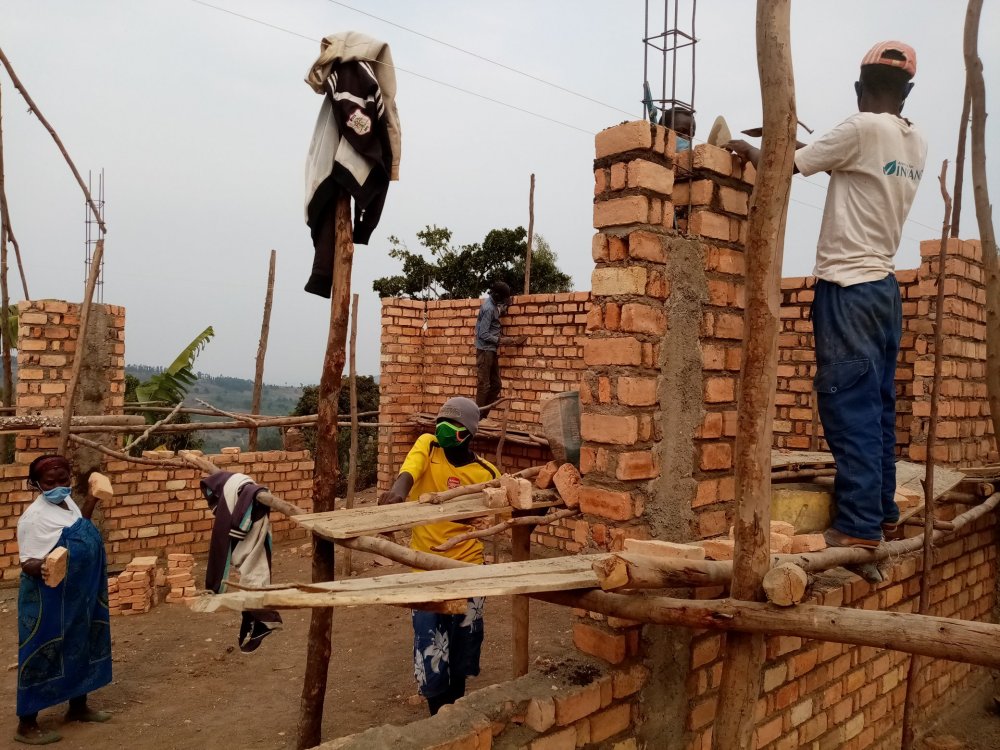
Across the country, 22,505 primary and secondary school classrooms, 31,932 toilet facilities and 81 lecture rooms for vocational schools will have been built before schools resume in September 2020.
The Ministry of Education explains that the additional facilities will help reduce the overcrowding in schools and the distances children travel to and from school.
He called on every Rwandan to be involved in the process, whether financially or physically. An account has been provided at the National Bank of Rwanda on which individuals can deposit money for the cause. Telephone numbers for those who wish to send their support will be provided by the districts.
He encouraged ordinary people as well to take part in solving this great task: “One of the things you and other people can do is keep up the momentum … there are going to be some difficult decisions for government”. The Minister of Local Government, Prof Shyaka Anastase, informed the local authorities that it is illegal to extort money from the residents in the name of supporting construction of schools.
The World Bank has provided Rwf123 billion and the Government will spend Rwf95 billion towards the cause. An analysis by the Ministry of Education in 2019 revealed that there was a gap of more than 22,000 classrooms, toilets, and kitchens.
The Minister of Education, Dr. Uwamariya Valentine has been in the process of inspecting the construction of these classrooms in different parts of the country from the Southern Province in Kamonyi, Huye and Gisagara Districts.