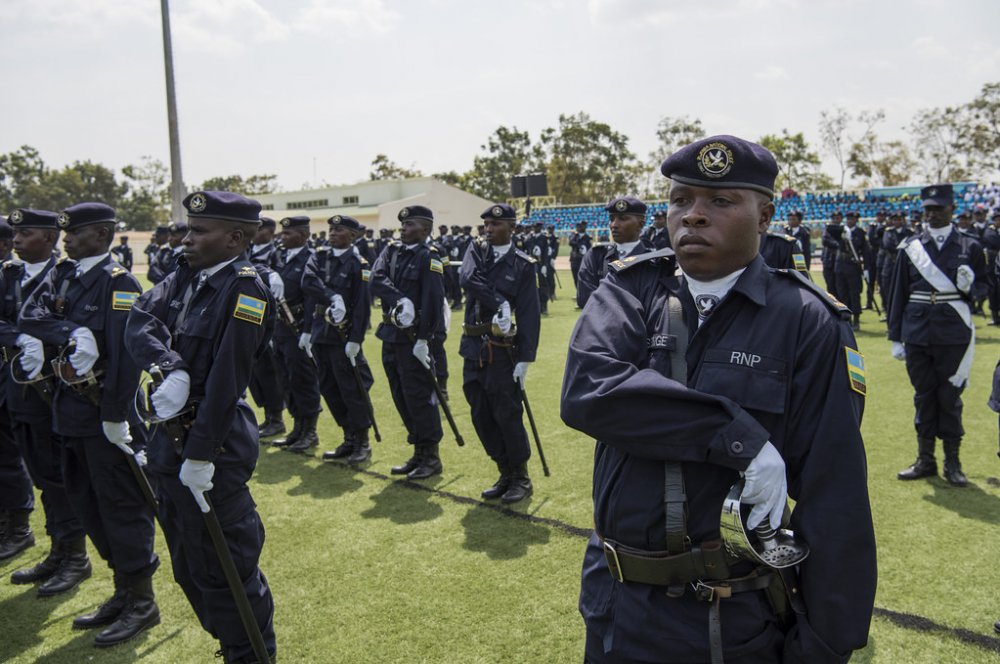
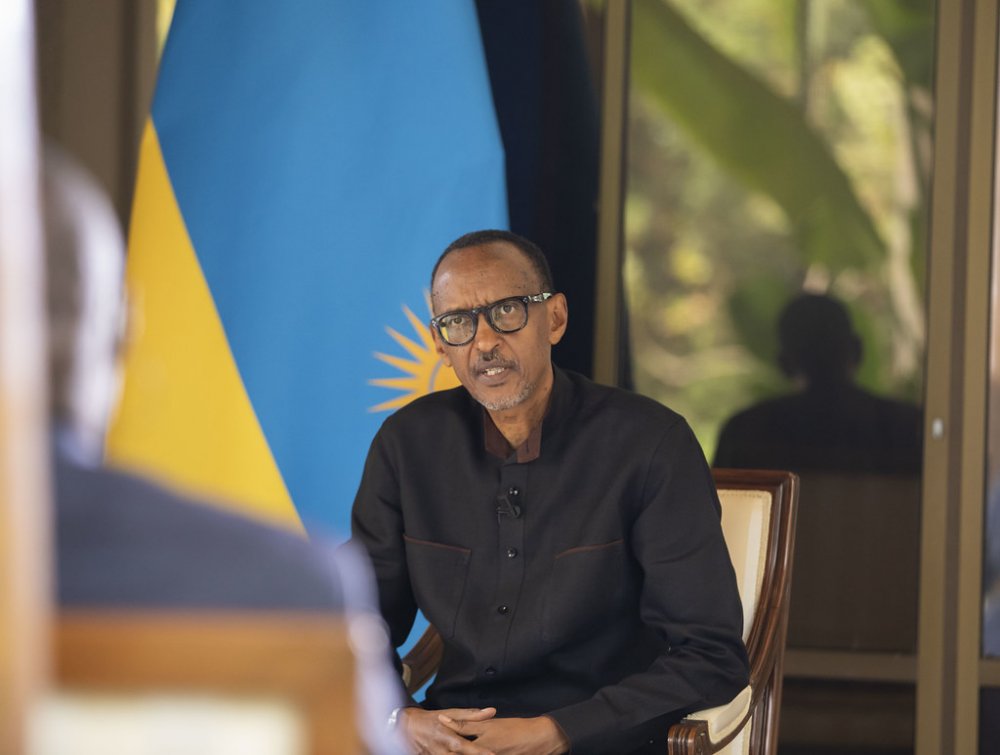
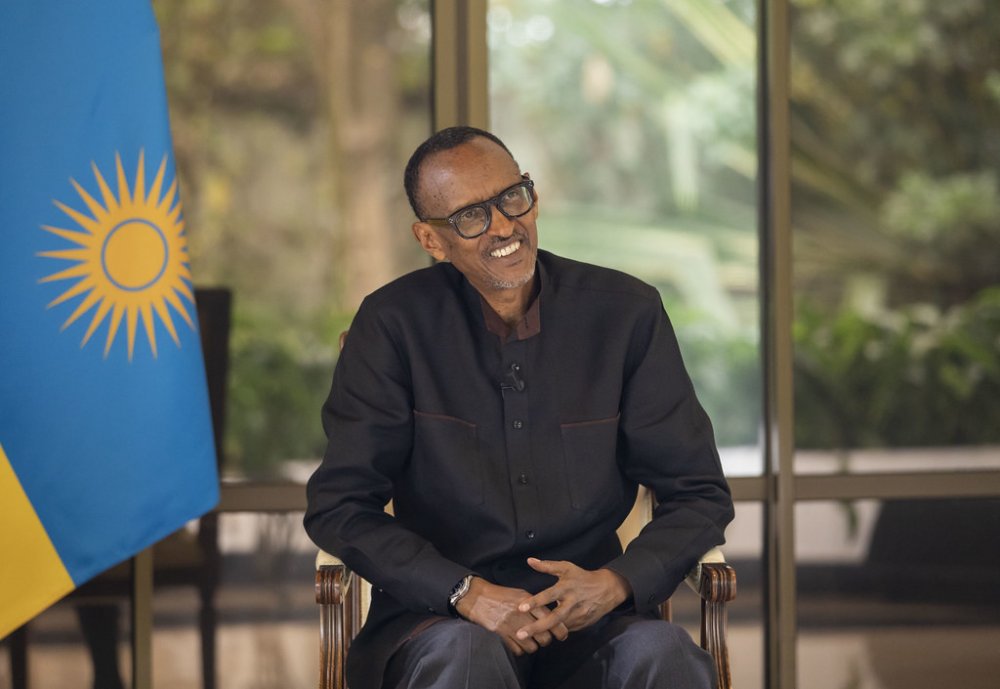
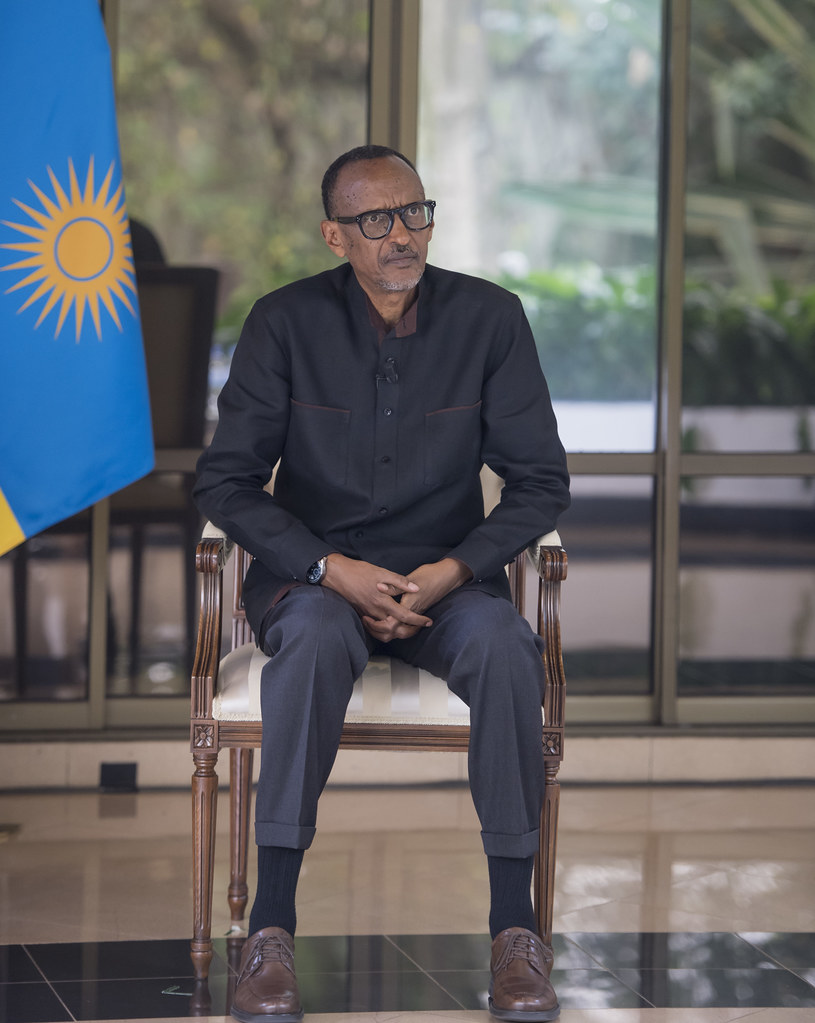
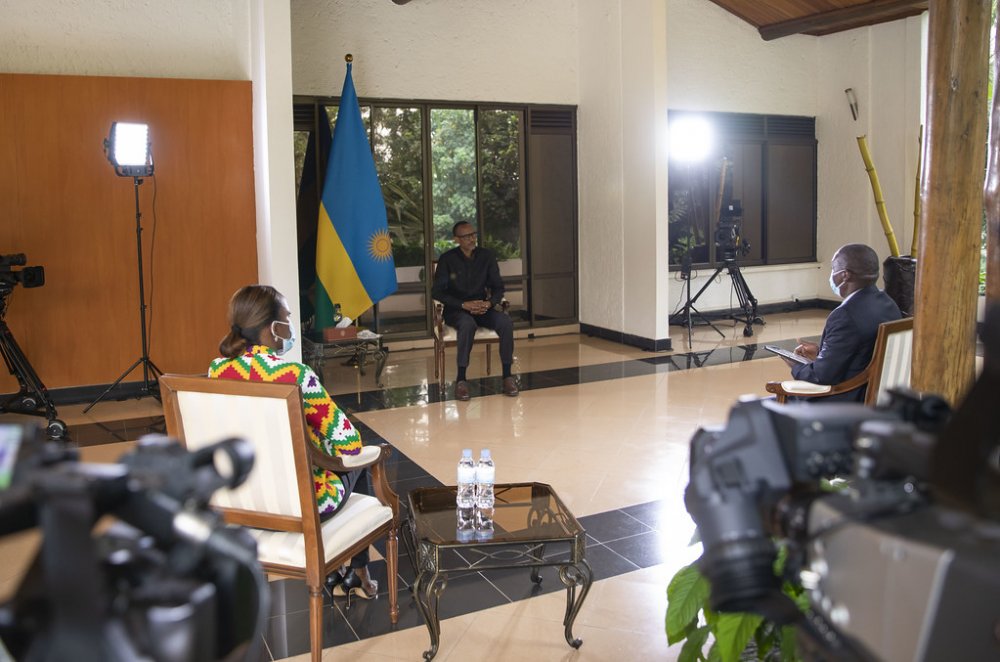
Kagame made the remarks while responding to a question on the subject, Sunday, during a press interaction with RBA, saying that he had been following up on the issue and from his understanding, it was the actions of a few individual officers and not operational guidelines of the police force.
“I have learned that there have been individual excesses which I don’t attribute to lack of training. They have sufficient training, they have ability and commitment. This depends on individuals,” he said.
The Head of State said he had instructed police leadership to ensure that any officers found to have engaged in excesses will be held accountable in a transparent manner.
“We are going to see change; there is no need for that excessive force. Even when the one you are dealing with maybe a hardcore criminal the police are trained and know how to deal with such a situation without applying excesses,” he said.
He added that the isolated incidents should not tarnish the image of the Rwanda National Police.
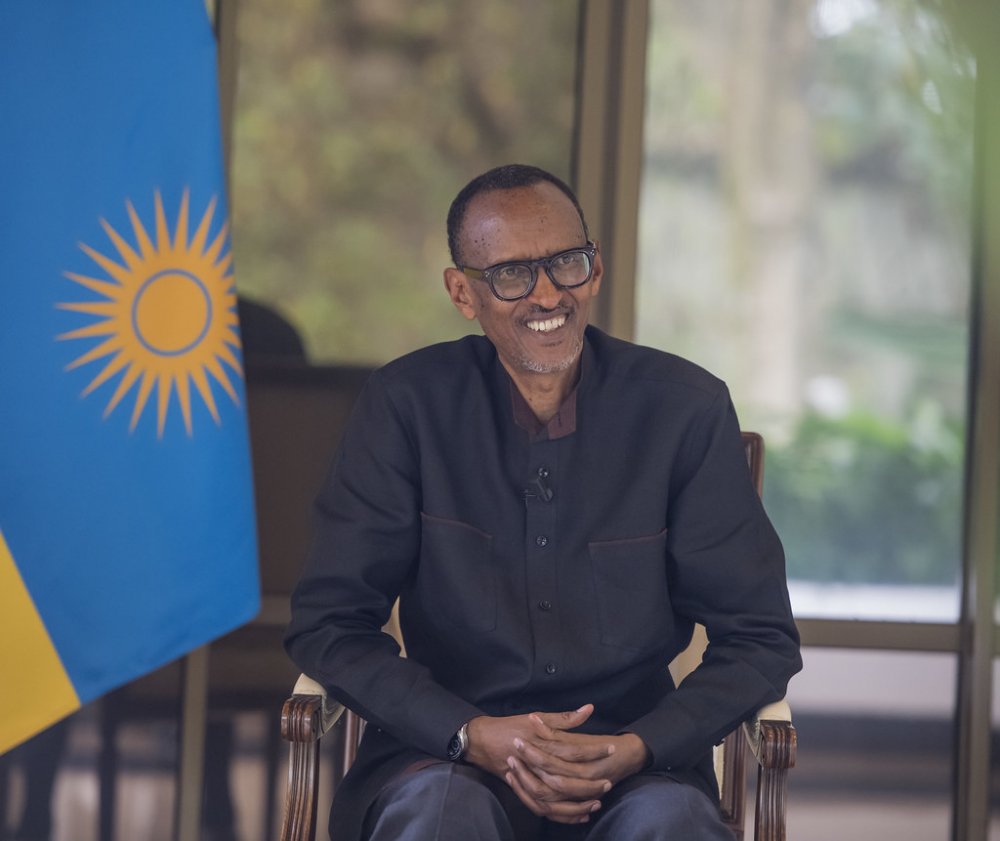
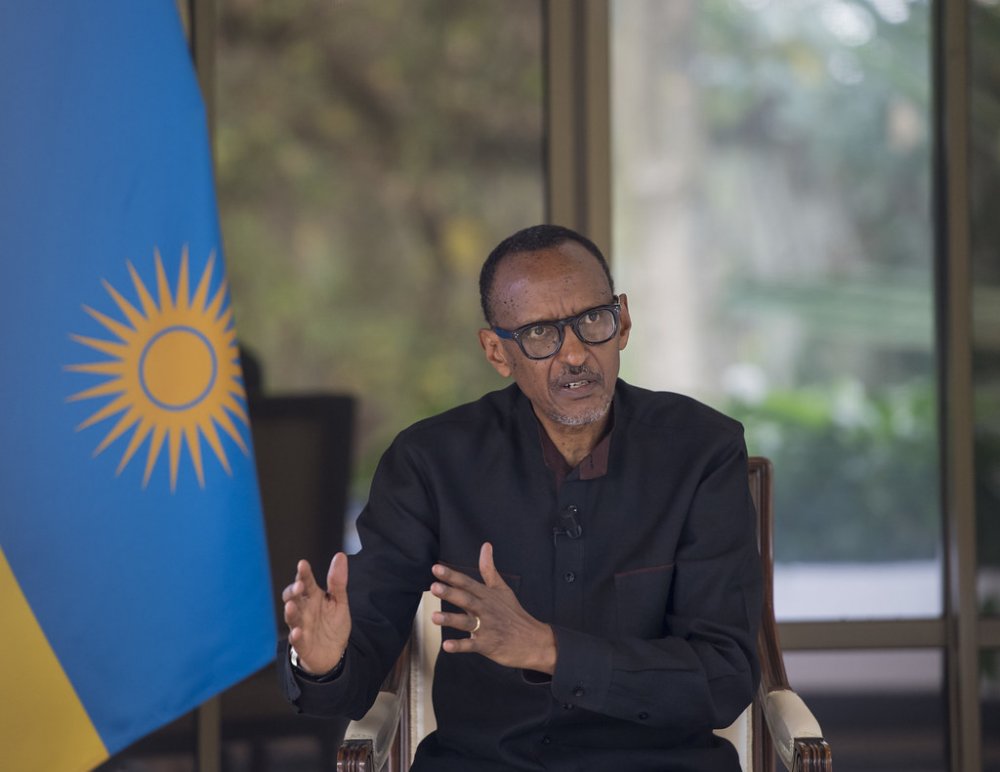
President Kagame made the remarks on Sunday during a press meeting with the RBA where he addressed a number of issues of national importance.
President Kagame said that over the past five months Rwanda has been successful in dealing with the COVID-19.
“This does not mean that it does not affect us as badly as others, but we are among the first in the world in terms of coping with this pandemic, preventing it from taking many lives,” said the Head of State
“In order for us to get that position in the first place, it came from the efforts of Rwandans; it didn’t just happen, it was people who did it. Yet all the economic aspects of human life were disturbed.”
President Kagame said the effects of Coronavirus will affect the economy of the country and the world as a whole, stressing that the government will continue to do its utmost to protect the lives of the people and their livelihoods.
“We need to ensure that life keeps going on, that we take decisions adapting to the situation. We want Rwandans to have a better life, not to be affected by this pandemic but also not to starve. Let it not be choosing between dying from the pandemic or from starving.”
He said that the government will continue to look for resources in order to preserve the life of the country.
President Kagame’s remarks came days after some Rwandans living abroad were spreading rumors that the Rwandan president was ill and may be dead.
Though the news was not given much value in Rwanda, it has continued to confuse minds among anti-government activists living abroad.
In an interview with the RBA on Sunday, President Kagame was asked if he had seen these reports saying that his health was deteriorating, and how social media could be used to prevent such rumors.
President Kagame said he heard news of his death too but did not give them much value.
“I found out recently, not only did they say my life was in bad shape but that I was no more. It’s too much. There is a proverb that says, ‘urucira mukaso, rugatwara nyoko’ (you wish death to your step-mother and it takes your mother instead)
[He laughed] I hope we don’t miss a lot of mothers because of these people spreading such things but life is life, even those saying that, I don’t know how long they will live on Earth, but even if they live for a hundred years, that hundred years will come to an end.”
At the forefront of spreading these rumors is Father Nahimana Thomas, who has been widely renowned for his negative criticism of the Rwandan government.
President Kagame said people should know how to analyze the authenticity of information they get from social media. He also warned Nahimana that he might find himself arrested for what all the falsehoods he keeps on spreading.
“What I would say to young people and other people is to know how to analyze, they should use social media to learn, talk to people, give information as they want but include an analysis, find out what can be posted on social media […] whether that priest or someone else, people live their lives; we cannot prevent bad people from living badly in such a way but you can distinguish what is good from what is bad; it will be useful.”
In addition, President Kagame said social media is usually a good way to get people to know what’s going on elsewhere. However, he said, there were those that abuse those platforms, so there was a need to find ways to prevent this misuse and instead promote its benefits.
Busingye made the commitment following social media complaints against use of excessive force by the police on social media over the last two weeks, following the shooting of two suspects, the most recent being on Friday, in Kimisagara, Nyarugenge district.
Police shot and killed a one Boy Munyaneza, a suspect who was detained at Kimisagara Police Station who allegedly attempted to escape from custody through Mpazi Ravine, prompting officers on duty to fire bullets at him.
The incident followed another one on Sunday, August 30th, in Zaza Sector, Ngoma district, in Eastern Province, in which a police officer shot and killed Evariste Nsengiyumva, who allegedly tried to fight police officers who were enforcing measures against the New Coronavirus.
Police got a tip off that Nsengiyumva and others were in a certain house, whose owner had turned into a bar, drinking past 7 pm.
When cops raided the house, it is alleged that while others fled or were arrested in the act, Nsengiyumva attempted to fight and disarm a police officer who reacted by firing. The incident enraged many who took to social media.
While addressing concerns of members of the public over recent cases in which unarmed misbehaving suspects are shot by police while attempting to apprehend them, Busingye said fatally shooting suspects is not lawful.
“The use of excessive or deadly force against unarmed detainees/suspects is illegal and inappropriate. We are working with @Rwandapolice and concerned institutions to reign it in through policy and operational measures, intensified accountability, training and effective oversight,” Busingye said.
Rwanda National Police (RNP) said it had arrested the officer involved while investigations into the incident were being conducted.
“Police has arrested the officer involved in the shooting of Nsengiyumva Evariste, a resident of Zaza sector, Ngoma district.”
“Investigations are underway to establish the circumstances of the shooting,” said the Police.
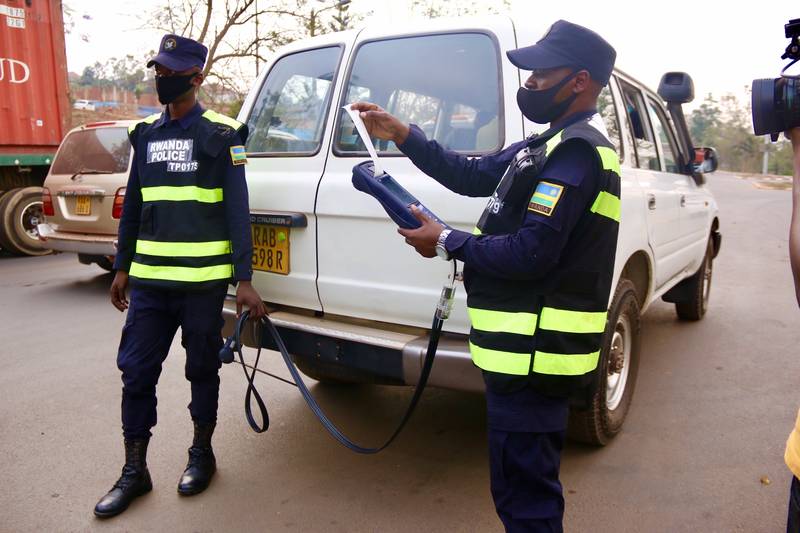
The awareness also involves mass testing of vehicle emissions. It is conducted in line with the ‘International Air Quality Day’ held every September 7, to educate the public on air pollution and control measures.
The Clean Air Day brings together communities, businesses, education, and the health sector to improve public understanding of air pollution, both indoors and outdoors; build awareness of how air pollution affects human health, and to explain some of the easy things that can be done to tackle air pollution towards environmental protection.
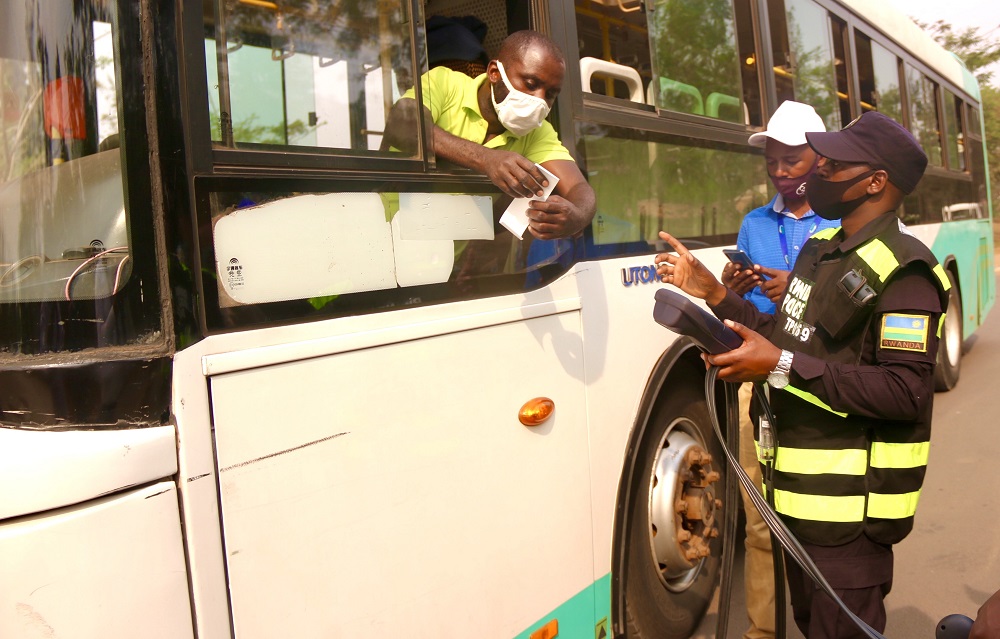
The campaign was held across highways connecting the City of Kigali to other parts of the country as Police officers from Motor-vehicle Inspection Centre (MIC) engaged in testing automobiles’ fume emissions.
Air pollution is the single greatest environmental risk to human health and one of the main avoidable causes of death and disease globally, according to the UN.
Transportation is considered the largest single source of air pollution globally leading to climate change.
Pollution in the air is now the fourth-highest cause of death worldwide, trailing smoking, high blood pressure, and diet-related diseases. The majority of these deaths are recorded in poorer countries.
It is estimated that more than 90 percent of people globally breathe polluted air and approximately seven million people die from air pollution-related causes every year.
According to Modeste Mugabo, Air Quality Monitoring Sector Specialist in REMA, Rwanda lies in the safer zone of the Air Quality Index.
“Rwanda falls under the moderate stage of the Air Quality Index, and the awareness, as well as testing fuel emissions, are part of the implementation of the national policy to ensure the air is clean and to prevent related diseases,” Mugabo said.
The key greenhouse gases associated with road transport are carbon dioxide (CO2), methane (CH4), and nitrous oxide (N2O).
Medical experts say that pollutants cause aggravated respiratory diseases such as emphysema, bronchitis, asthma lung damage, heart diseases, and reduced resistance to infections.
“Motorists drive through roads with no idea of the ill-effects of their exhaust fumes on the environment and people’s health, and this awareness is designed to influence especially motorists’ understanding on the problem control measures,” Mugabo said.
Today, Rwanda has nine Air Quality monitoring stations and one reference station.
The UN observes that in the absence of aggressive intervention, the number of premature deaths resulting from ambient air pollution is estimated to be on track to increase by more than 50 percent by 2050.
Chief Superintendent of Police (CSP) Bernardin Nsengiyumva, the Deputy Commanding Officer of Motor-vehicle Inspection Centre (MIC), said that fuel emission is one of the tests conducted at MIC.
“The MIC services also include testing emissions to supplement national efforts in implementing the policy on the environment, and fighting air pollution in particular.
For a vehicle to be certified as roadworthy, it also has to pass the emission test at MIC,” CSP Nsengiyumva said.
Currently, MIC operates four testing lanes and a mobile lane, all with the capacity of inspecting more than 500 vehicles per day.
According to CSP Nsengiyumva, about 20 percent of inspected vehicles emit gas.
MIC also acquired mobile emission testing devices used on highways.
CSP Nsengiyumva said that with the mobile testers, any vehicle found emitting gas, even if its mechanical inspection is still valid, has to be fixed before it’s allowed on the road again.
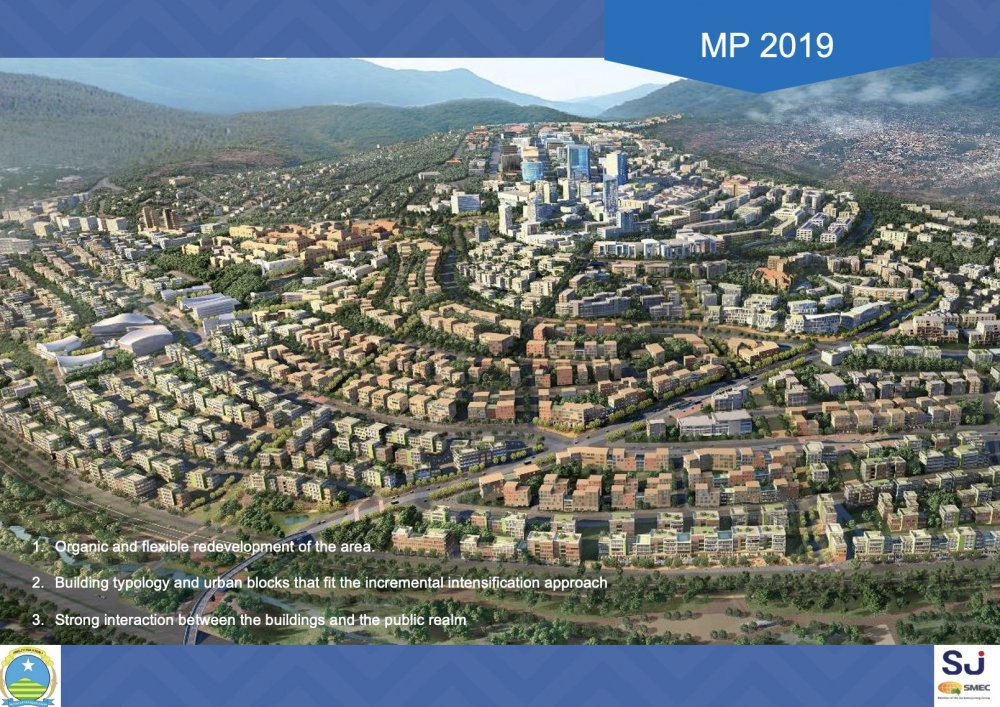
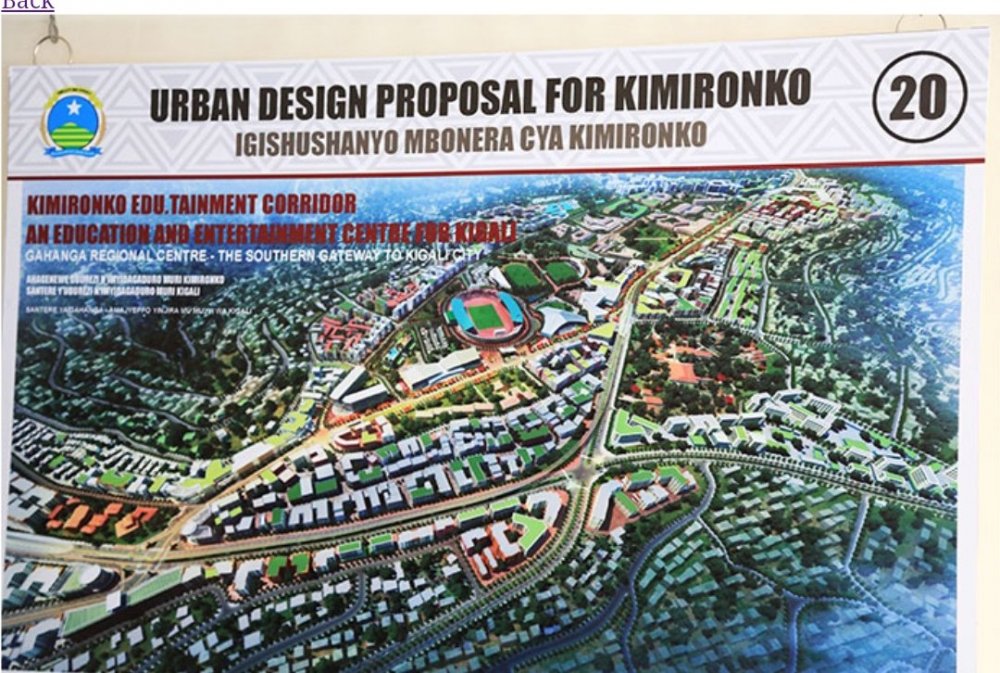
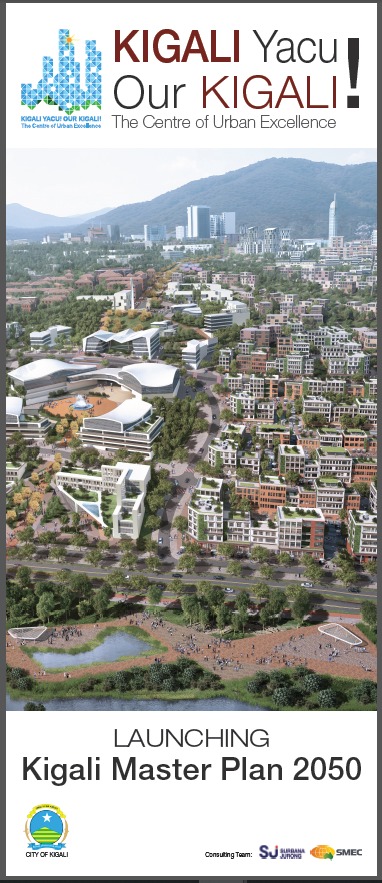
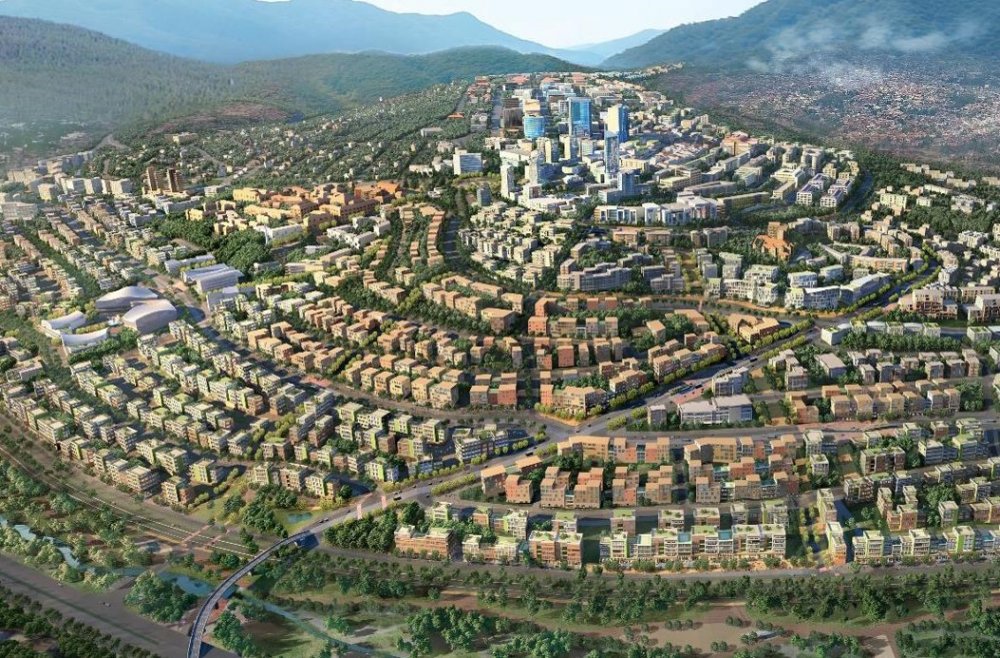
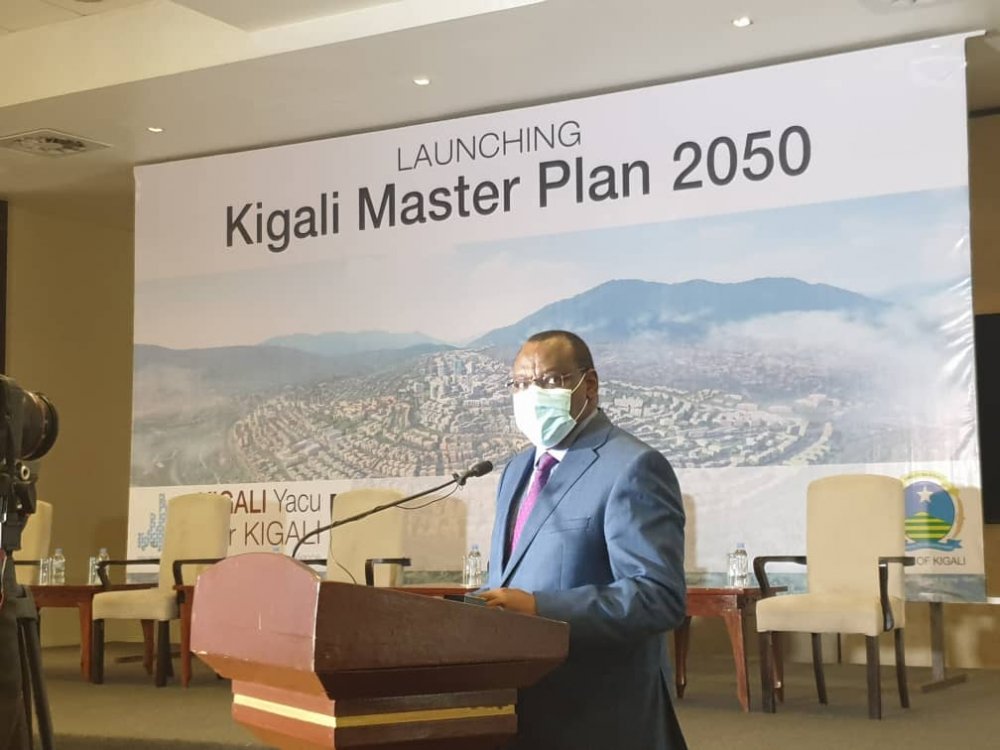
The City of Kigali has unveiled a new city master plan to be implemented from 2020 up to 2050.
The new master plan has been informed by public views thus revised one which was first designed in 2013
The new master plan introduces a flexible and incremental approach to city development as it seeks to accommodate 3.8 million people in 2050 from the current 1.6 million.
The master plan is guided by economic, social and environmental drivers.
The main features highlighted by the Vice Mayor of Kigali City in charge of Urbanization and Infrastructure, Ernest Nsabimana, in the new master plan compared to the previous one comprise of flexibility where one building can be used for different purposes.
This means that one house can combine commercial activities, residence, restaurants, office and others at once to ensure integration.
the new master plan will also promote the economy for small business; meaning that people in need of microenterprises have been considered by the master plan which will enable small businesses such as shoemakers, tailors and many similar small businesses to have places for doing their businesses as requested by Rwanda Development Board.
The master plan will allow small business people to have small offices in residential areas where people can occupy without going to hire big buildings and this is part of promoting micro-economy, small enterprises.
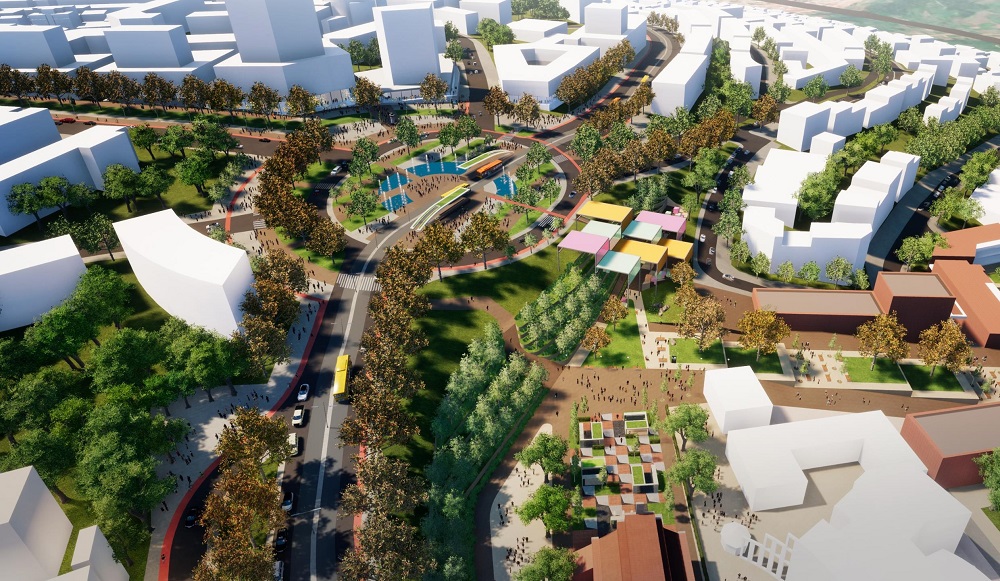
With walking and cycling lanes serving for recreation, there will also be public spaces for recreational purposes.
Moreover, the new plan, a minimum of houses per hectare will increase from 25 to 70 houses.
Protected agricultural land decreased from 66.8 percent to 55 per cent while developed areas will increase from 32 per cent to 45 per cent as the growing population will need infrastructure and housing.
The master plan also has integrated road use and master planning; this means that to construct Kigali ring roads and Bus Rapid Transit systems require to build roads for pedestrians and cycling lanes.
The master plan will help citizens access -at walking distance- basic infrastructures, business services, health facilities, religious infrastructure, restaurants, banks, motels, markets, schools and others where they can walk at least 400 meters.
This will also reduce congestion of people seeking such services in the Central Business District (CBD).
It will also allow improvement of unplanned settlements without necessarily relocating residents. Auxiliary residential units are allowed where a house owner can annex other small houses in smart ways that can help low income earners.
Though previous master plan recommended skyscrapers, the new one integrates medium height storey-buildings.
The new master plan has integrated wetland master plan where each wetland will have its own use including recreational wetlands
The statement from the Ministry on Friday said that the number of new patients in Kigali was 29 from Kigali market cluster, Rusizi has recorded 10 cases, Karongi has 3, Kayonza confirmed 2, while Kirehe, Nyamasheke, Musanze, Nyamagabe, and Nyaruguruhave each recorded 1 case.
On March 14, 2020, the Ministry of Health confirmed that an Indian, who had arrived in the country on March 8, 2020 from Mumbai, was diagnosed with the COVID-19 virus caused by the new Coronavirus.
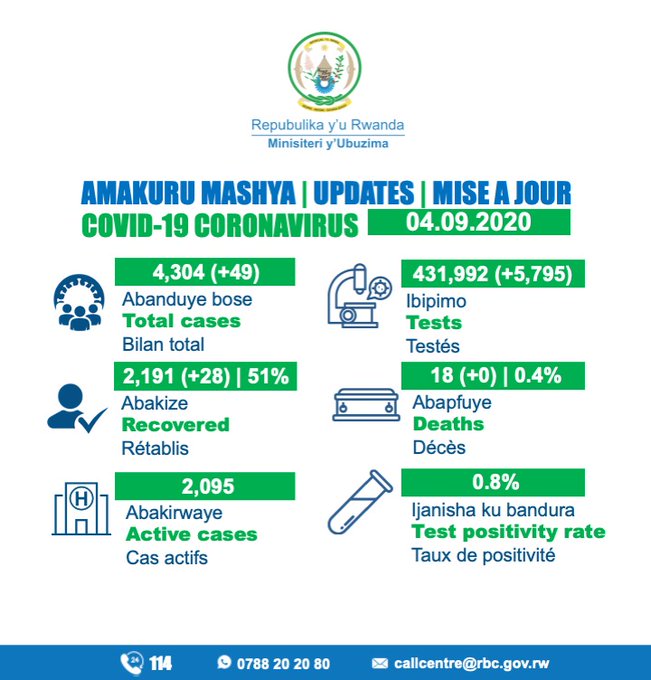
Since then, the country has confirmed 4,304 COVID-19 cases taken from 431,992 sample tests. Of these, 2095 are still active cases; eighteen people have succumbed to the pandemic.
Coronavirus symptoms include coughing, flu, and difficulty in breathing. The virus is said to be transmitted through the mucous membranes of the respiratory tract.
Rwandans are required to continue complying with government regulations, especially with frequent washing of hands and water and soap, wearing masks when leaving home or in public.
Coursera is a world-wide online learning platform founded in 2012. It offers open online courses, specializations, degrees, professional and master track courses.
The platform works with universities and other organizations to offer courses in a variety of subjects, such as engineering, data science, machine learning, mathematics, business, computer science, digital marketing, humanities, medicine, biology, social sciences, and others.
The RDB Chief Skills Office and RTN are giving both unemployed and employed Rwandans access to 90% of Coursera catalogue courses and certificate programs at zero cost.
With the Coursera programs, registered learners are gaining unlimited and free access to more than 3,800 courses taught by highly reputed professors and mentors from world-class universities such as Duke University, University of London, Ecole Polytechnic Paris, University of Amsterdam, National University of Singapore, New York Institute of Finance, Nanyang Technological University in Singapore, Yale University in the USA, John Hopkin’s University and from companies such as International Business Machines Corporation and Google among others.
Commenting on the program, Elodie Rusera, the RDB Chief Skills Officer said;
“The RDB Skills Office and RTN are working closely with the Ministry of ICT and Innovation to see that this initiative is successfully rolled out to improve the skills of public servants and all Rwandans as well as improve digital literacy through courses on the Coursera platform. This initiative is an intervention in the labour market, especially for Rwandans that have been affected by Covid-19 to re-skill and re-enter the workforce. By the end of December 2020, we expect more than 13,000 people will have been trained under this Coursera partnership with RTN and RDB Skills Office.”
Today, 4,200 Rwandans from different backgrounds are enrolled in various courses on the platform.
On August 18th this year, a virtual convocation was held to celebrate the achievement of around 2,000 first graduates from 17 Commonwealth counties. Rwanda is the second country after Ghana to have the highest number with over 480 people who have successfully graduated in this program mainly in information Technology, Management and communication courses so far.
Paul Barera, the Chief Executive Officer of RTN, noted:
“We understand that some learners may not have access to internet or computers but we are working with the RDB Skills Office to leverage Government’s Employment Service Centers and our Telecentres located in every district countrywide to give people access to the facilities.”
To enroll on any of the courses being offered as a Government employee, please liaise with your HR manager or send an email to skills@rdb.rw. For non-Government employees, please fill the application form available on this link: https://rtn.rw/rtn_col_coursera_workforce_recovery/ or send an email to e-learning@rtn.rw
The 16th Kwita Izina will be held under the theme “Conservation and Sustainable Tourism – A Foundation for Future Generations”.
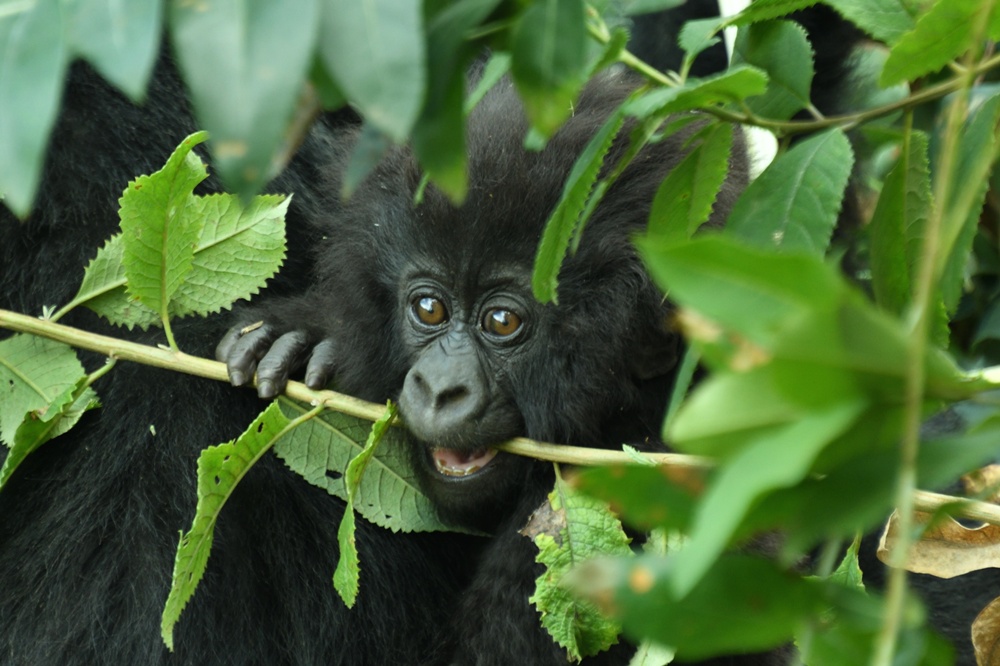
This year, 24 baby gorillas that call Rwanda’s Volcanoes National Park home will be named by the Volcanoes National Park staff – the frontliners of conservation who protect and care for them every day.
They will include the park rangers, guides, wardens, trackers and veterinary doctors, among others.
World Gorilla Day marks the day that renowned gorilla conservationist Dian Fossey established the Karisoke Research Center in Rwanda in 1967. It is a day that encourages people around the globe to join conservation efforts to protect gorillas in the wild.
This year’s virtual event will feature updates from the field on how rangers, vets and researchers work everyday to protect gorillas and a handover ceremony of the community project RDB embarked on to improve access to potable water for the communities living around Nyungwe National Park.
The community project is part of the Tourism Revenue Share Programme, in which 10% of total tourism park revenues are invested back into communities, contributing to the development of communities living adjacent to Rwanda’s national parks.
Additionally, this year, RDB is working with conservation and private sector partners to organise the Conversation on Conservation, a virtual session that will bring together scholars, researchers, conservationists, policy makers and the private sector to discuss, debate and find solutions to today’s conservation challenges.
Speaking during her remarks at a virtual press conference held on 4 September, RDB Chief Tourism Officer, Belise Kariza noted: “Having Kwita Izina virtually this year gives us the opportunity to celebrate those who are at the forefront of protecting the endangered mountain gorillas and share Rwanda’s conservation success with Rwandans. We hope to inspire everyone to visit our beautiful country and experience the wonder of trekking to see the mountain gorillas in their natural habitat. Rwanda is open for tourism, and the sector underpins so much of our conservation work. That’s why we are proud of the impact of sustainable tourism on our national development and environmental protection efforts.”
The practice of giving a name to a newborn baby, known as ‘Kwita Izina’, has been part of Rwandan culture for centuries. The name attributed to a baby gorilla plays a significant role in the ongoing programme of monitoring each individual gorilla in its family group and habitat.
The masks are to be donated by individuals, government agencies, the private sector, embassies and international organizations among others. They will be given to vulnerable people, who are unable to afford them.
The organizers of the campaign say the idea is to close the gap in the fight against the spread of Coronavirus by encouraging the wearing of masks, for there are those who are unable to wear them due to their inability to afford them.
“We call on everyone, every company to take part in this campaign and I hope that we can work together to fight Coronavirus by helping those who can’t afford to buy masks,” said Emmanuel Habineza, the representative of the masks’ makers.
The Deputy Director of Rwanda Development Board (RDB), Zephanie Niyonkuru, when launching the campaign, commended the private sector for their role in reducing the way the country imported everything from scratch, and now they have come up with the idea of getting everyone a mask.
“I’d like to thank the members of the @PSF_Rwanda that have been working in order to ensure that we have enough supply of masks and that effort now is being put into ensuring everyone has access to masks.” Said Niyonkuru.
“Back in March, we were talking about production of less than 30,000 masks in the entire country. As we speak now, members of the private sector have manufactured more than 10 million masks and we are now devising several measures in ensuring everyone gets masks.”
Niyonkuru personally donated 200 bags and promised that RDB would support the initiative.
MTN Rwanda donated 10,000 masks; Bank of Kigali (BK) donated 30,000 masks.
The German Embassy in Rwanda donated 34,000, and the CEO of I&M Bank Rwanda Plc, Robin Bairstow, donated 500 masks.