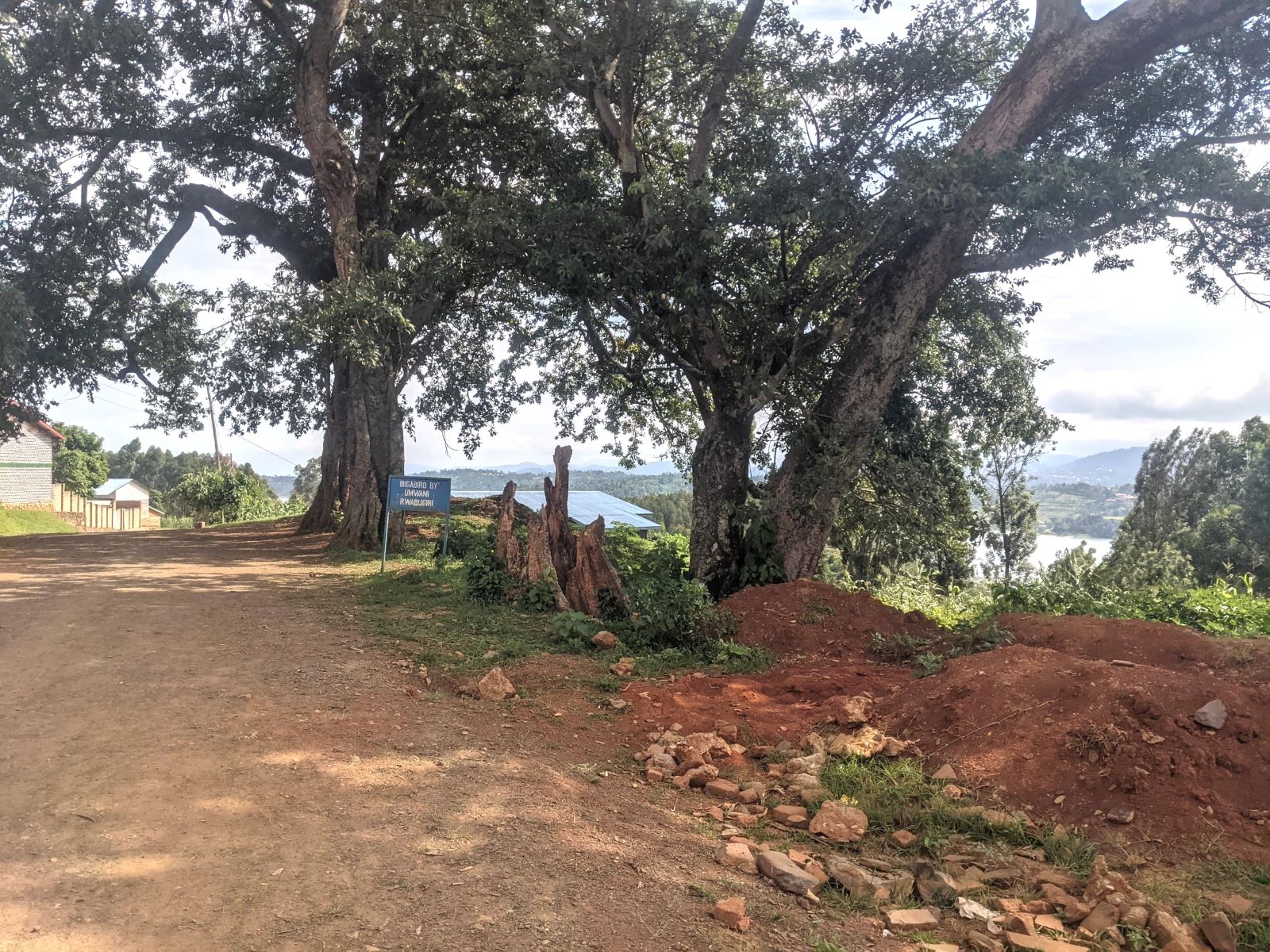
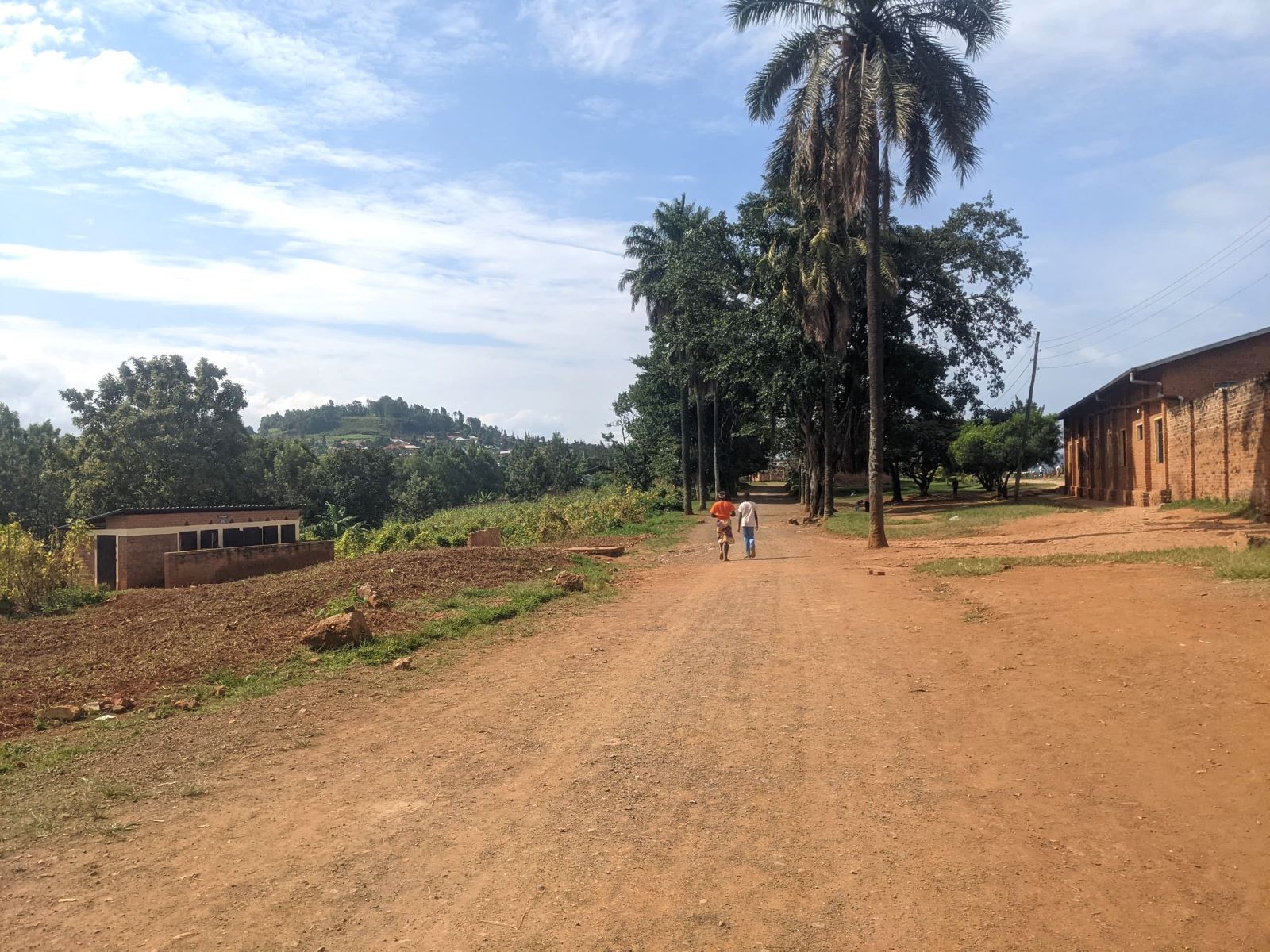
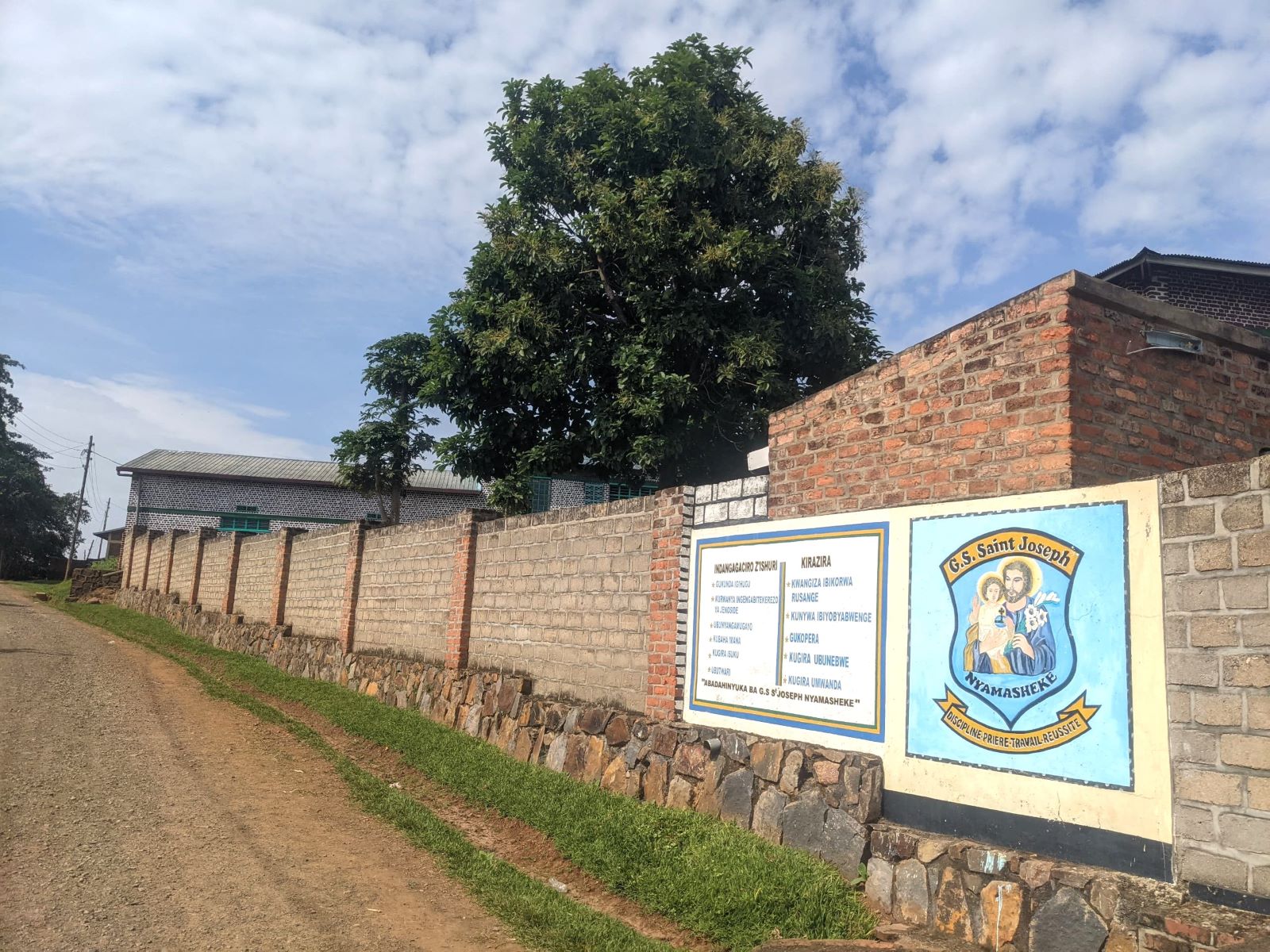
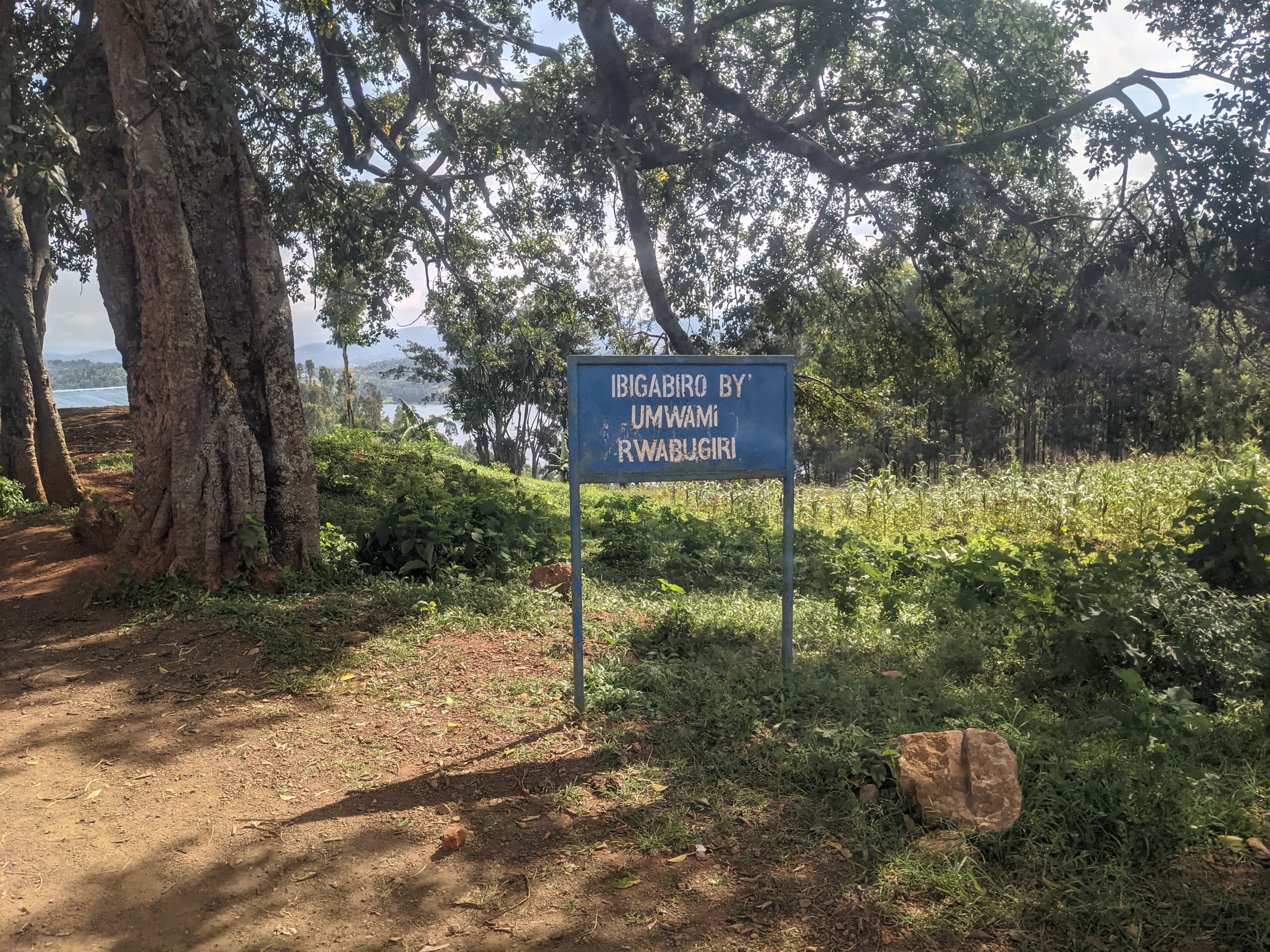
These ancient trees, planted at what was once the entrance to the king’s palace, are more than mere botanical giants.
They are living relics of a time when Rwanda’s monarch ruled over the land, symbols of the grandeur that greeted visitors as they approached the royal residence.
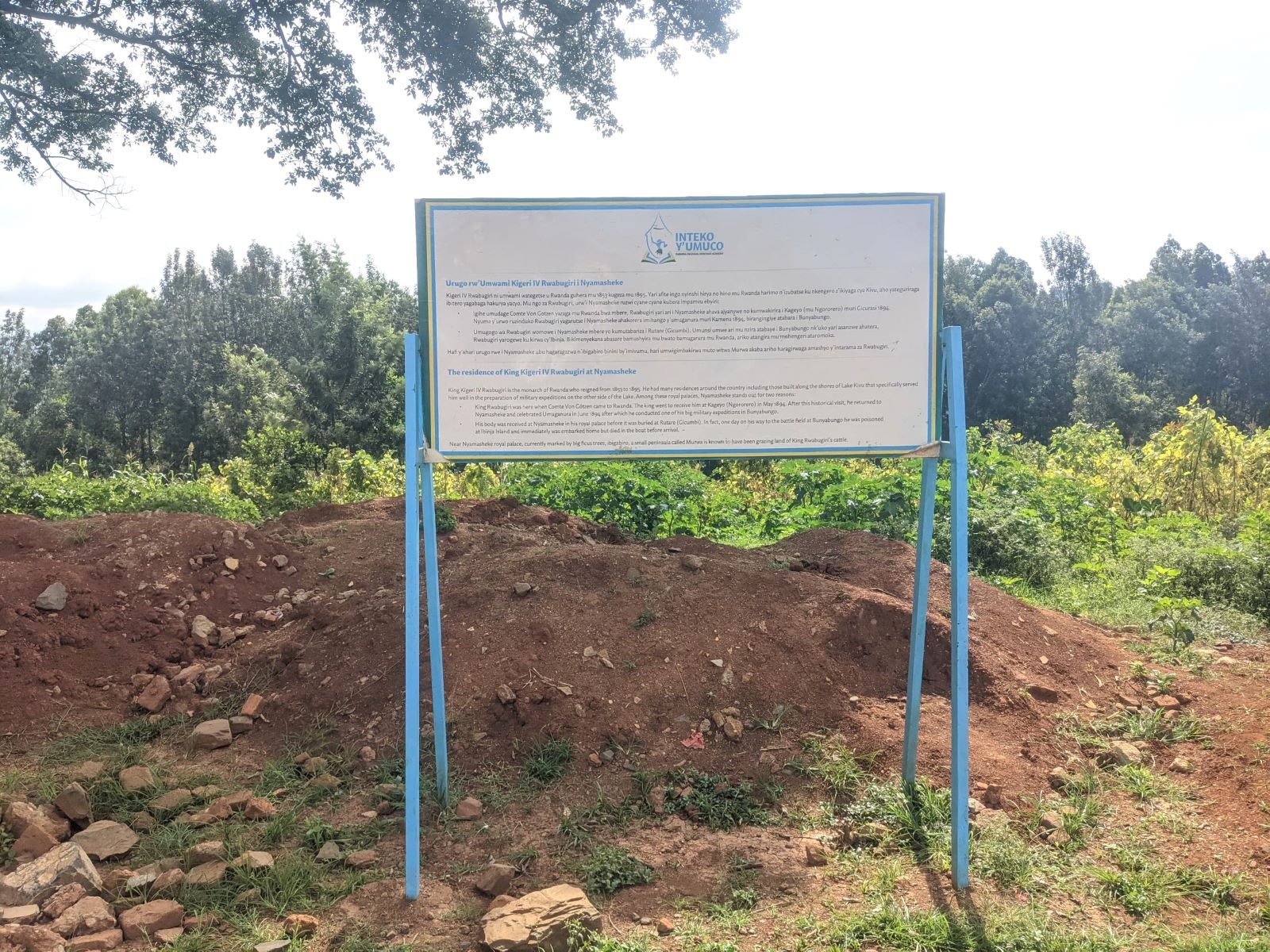
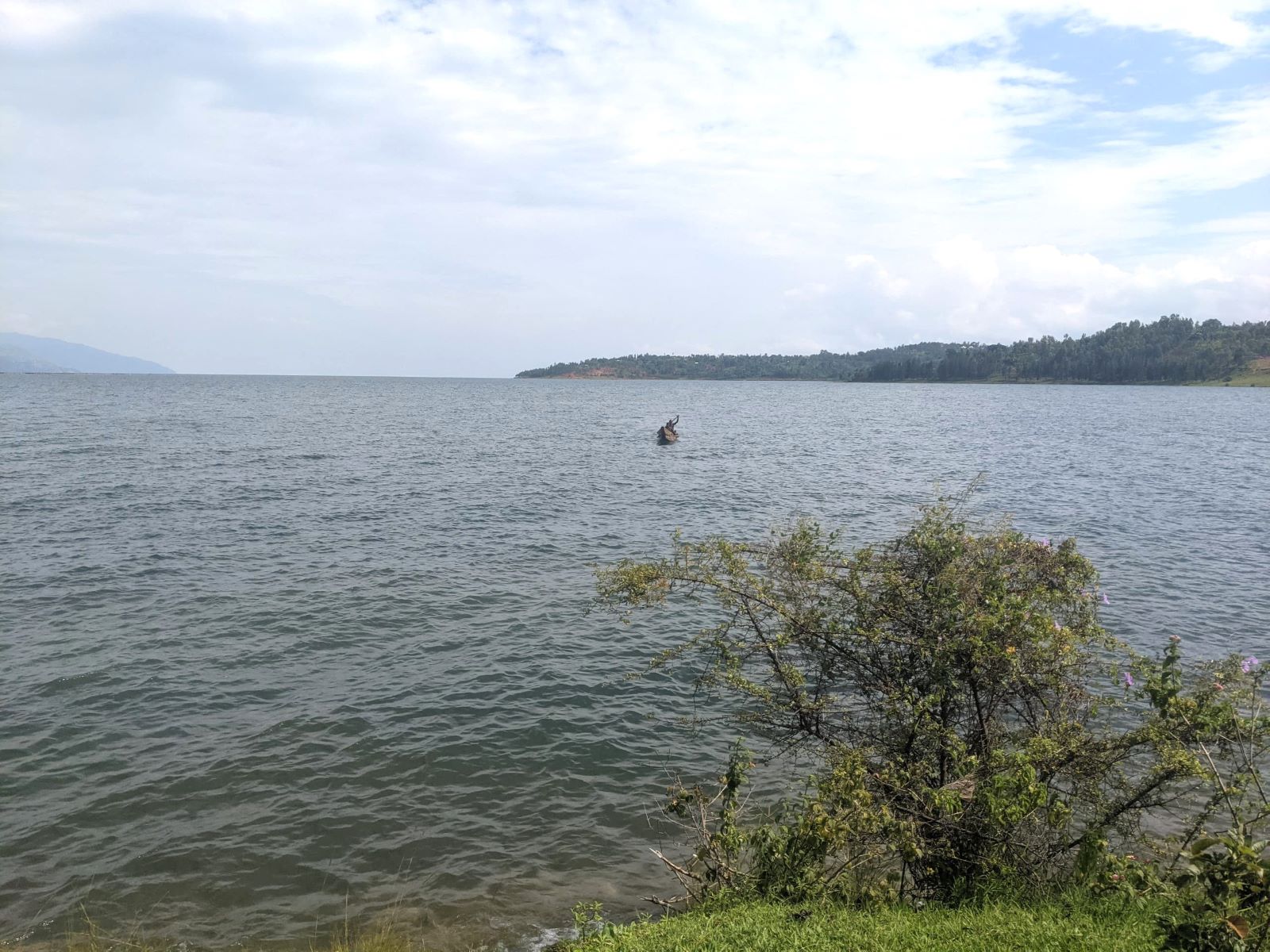
A nearby signpost erected by the Rwanda Culture and Heritage Academy (RCHA) provides further insight into the historical importance of this location, which sits just a few meters from the shores of Lake Kivu.
The choice of this location was not merely for its scenic beauty but for its strategic role in the military expeditions of the time. King Kigeli IV Rwabugiri, who reigned from 1853 to 1895, used his royal palaces—particularly those near Lake Kivu—as staging grounds for military expeditions.
Nyamasheke holds a special place in this royal history. It was here that King Rwabugiri resided when he received the German explorer Von Gotzen in May 1894.
After this historic meeting at Kageyo in Ngororero, the king returned to Nyamasheke to celebrate the Umuganura festival in June, a traditional Rwandan harvest festival symbolizing unity and prosperity.
Following the celebrations, he embarked on one of his most significant military expeditions.
Tragically, King Rwabugiri’s fate was sealed during one of these expeditions. While on his way to the battlefield in Bunyabungo, he was poisoned at Iyamabini Island.
Although efforts were made to return him to his residence, he died in a boat before reaching Nyamasheke. His body was received at his residence and later transported to Riture in Gicumbi, where he was laid to rest.
The peninsula of Mivura, near the residence, served as grazing land for the king’s cattle, adding another layer to the significance of this area.
Today, the royal residence may have faded into history, but the ficus trees continue to stand as enduring guardians of King Rwabugiri’s legacy.
As you stand beneath the broad branches of these ancient trees, it’s easy to imagine the grandeur that once defined this royal site.
Celebrated on August 15 every year, the day commemorates the belief that Mary, the mother of Jesus, was taken up into Heaven, body and soul, at the end of her earthly life.
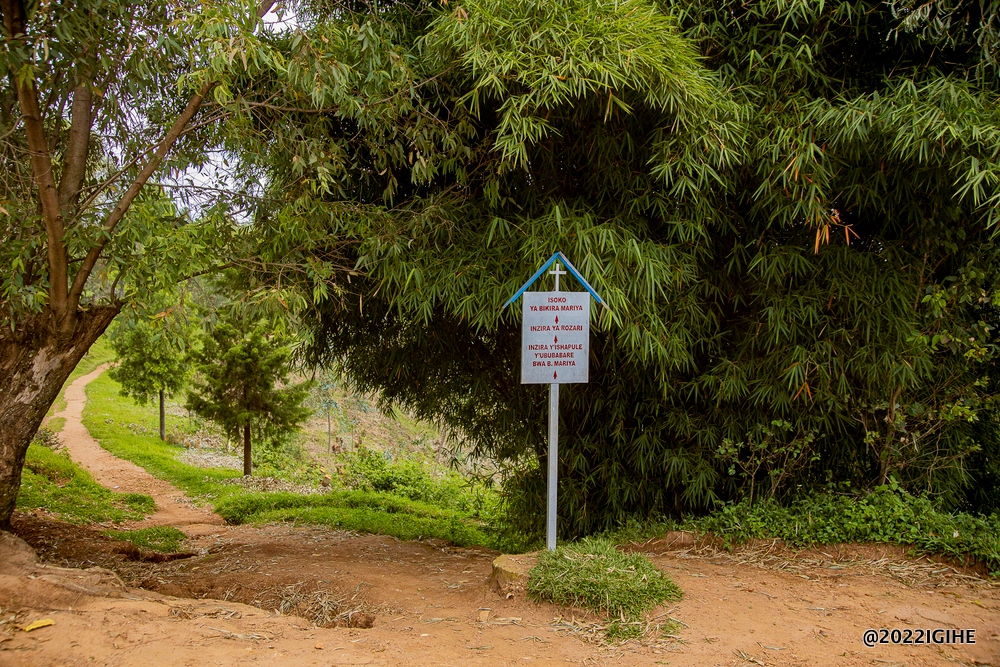
In Rwanda, the day is particularly special to the members of the Catholic Church, as thousands of pilgrims often throng the Kibeho Holy Land, renowned for the apparitions of the Virgin Mary.
The ‘Holy Land,’ situated in the Nyaruguru District of Southern Province, rose to prominence four decades ago following reported apparitions of Mary to three high school girls.
Alphonsine Mumureke was the first to claim that she saw a Lady of incomparable beauty, who presented herself as ‘Nyina wa Jambo’ (Mother of the Word), while in the cafeteria of the Catholic boarding school Kibeho College, Rwanda, on November 28, 1981. The 16-year-old girl said that she immediately recognized the Lady as the Blessed Virgin Mary.
Mumureke’s claims were initially met with scepticism, with some people dismissing her as crazy or possessed by evil spirits. Others accused her of fabricating the story to gain favour at the school run by the Benebikira Sisters.
Amid the scepticism, two other students at the school, Marie Claire Mukangango and Nathalie Mukamazimpaka, also reported the phenomenon, further deepening the mystery.
From May 1982, the phenomenon was reported outside the college of Kibeho with some visionaries claiming to have seen Mary and others Jesus.
The growing number of visionaries prompted an inquiry by the Catholic Church, led by Mgr. Jean Baptiste Gahamanyi, former Bishop of the Diocese of Butare, to which Kibeho belonged at the time.
As part of the investigations into the reported apparitions, two separate commissions were established by the local Catholic Church. A medical commission began its inquiry on March 20, 1982, while a theological commission was installed on May 14, 1982.
The main mandate of the two committees was to investigate the events with all objectivity, patience, serenity and without taking into account their personal emotions.
While conducting their probe, it’s documented at the Kibeho Sanctuary that the two commissions were guided by instructions given by the Holy See: The “Norms for Judging Alleged Apparitions and Revelations”, published by the Congregation of the Doctrine of Faith on February 24, 1978 in Rome. The Holy See is the central governing body of the Catholic Church worldwide.
Given the large number of supposed visionaries, the commissions had to prioritize the first eight cases—those from the first year of the apparitions at Kibeho, which occurred between November 28, 1981, and November 28, 1982.
“This choice, however, was a working hypothesis, not a presumption of authenticity for such a large number of visionaries,” Kibeho Sanctuary explains on its website.
In the months and years that followed, the commissions released reports about the apparitions, and on August 15, 1988, Augustin Misago, the Bishop of Gikongoro, approved public devotion linked to the apparitions at Kibeho.
To promote the already authorized public worship, Mgr. Misago presided over the laying of the foundation stone for the future chapel of the apparitions on the esplanade of the shrine during the first anniversary of the apparitions on November 28, 1992.
On May 31, 1993, the very first official Diocesan pilgrimage to Kibeho took place with the intention of praying for peace in Rwanda. This was at the height of the liberation war between the Rwandan Patriotic Army (RPA) and government forces.
On November 20, 1993, about one year after the laying of the first stone for the Shrine of Kibeho, the Bishop blessed and inaugurated a provisional Chapel in one of the dormitories of Kibeho Secondary School, nicknamed the “dormitory of the apparitions”.
Sadly, in April 1994, during the Genocide against the Tutsi, Kibeho Parish Church became a site of massacre. Many victims, who sought refuge there, were killed in what should have been a safe haven for them.
After the country’s liberation and the beginning of the nation’s healing journey, pilgrimages started at Kibeho on Christmas Eve of 1995.
Nearly six years later, on June 29, 2001, Bishop Misago declared the authenticity of the Kibeho apparitions, paving the way for even more pilgrimages to the site.
“Yes, the Virgin Mary appeared at Kibeho on November 28, 1981, and in the months that followed. There are more reasons to believe in the Apparitions than to deny them… The Apparitions of Kibeho are now officially recognized… The name given to the Marian sanctuary at Kibeho is Shrine of Our Lady of Sorrows,” the late bishop declared in his judgment.
He added, “That Kibeho become a place of pilgrimage and of encounter for all who seek Christ and who come there to pray, a fundamental centre of conversion, of reparation for the sins of the world and of reconciliation, a point of meeting for ‘all who were dispersed’, as for those who aspire to the values of compassion and fraternity without borders, a fundamental centre that recalls the Gospel of the Cross.”
Today, tens of thousands of pilgrims from around the world visit the site each year to seek blessings.
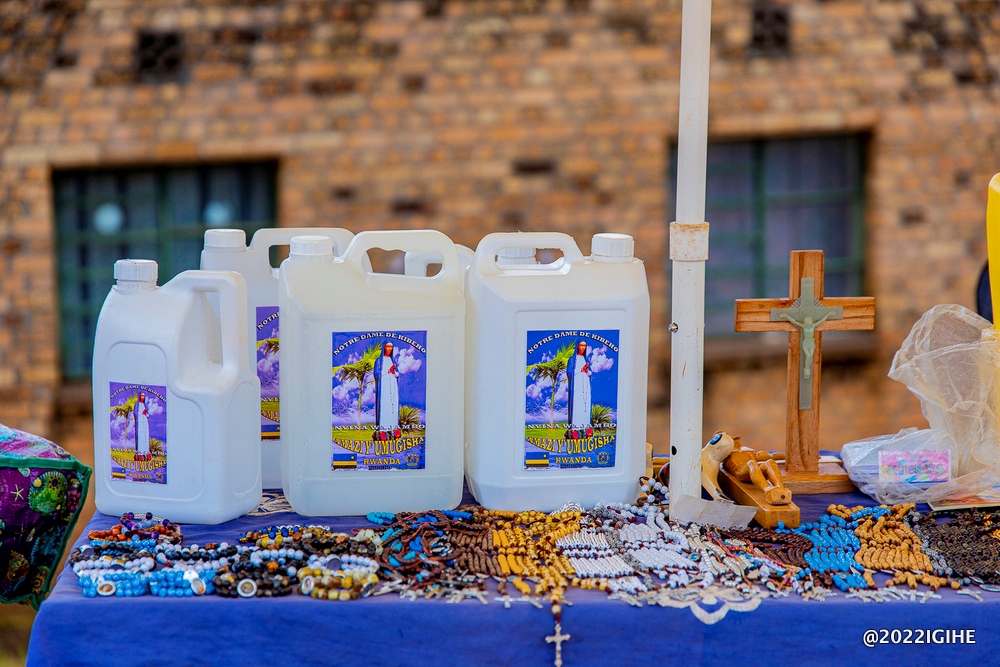
The Assumption Day celebrations are marked by a Mass and prayers led by devotees. Water from the fountain near the church is said to have miraculous properties. Pilgrims collect it in jerry cans, have it blessed by the priest, and take it with them when they depart.
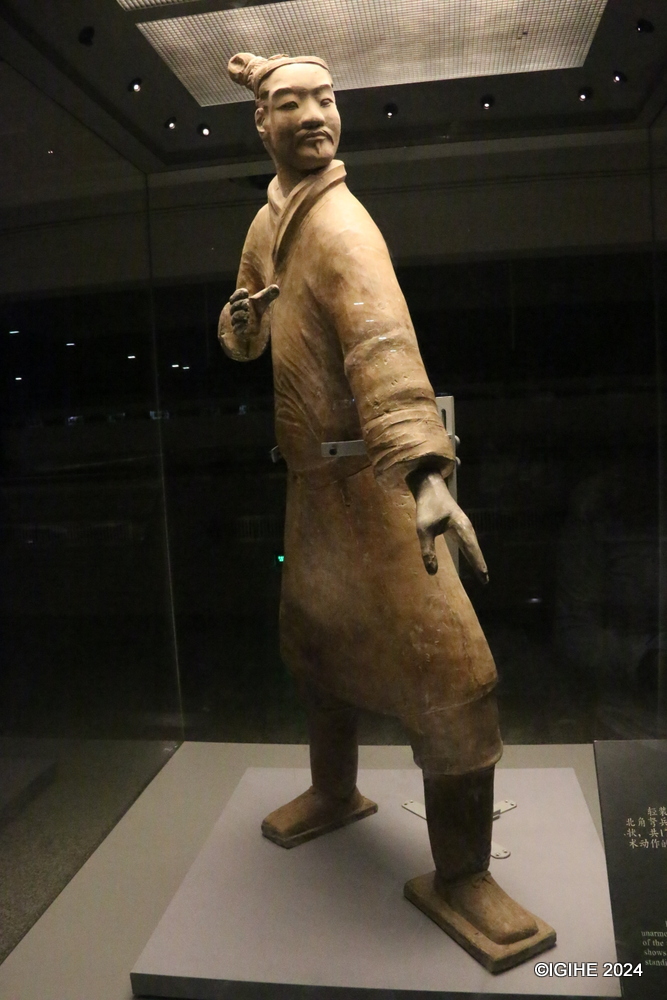
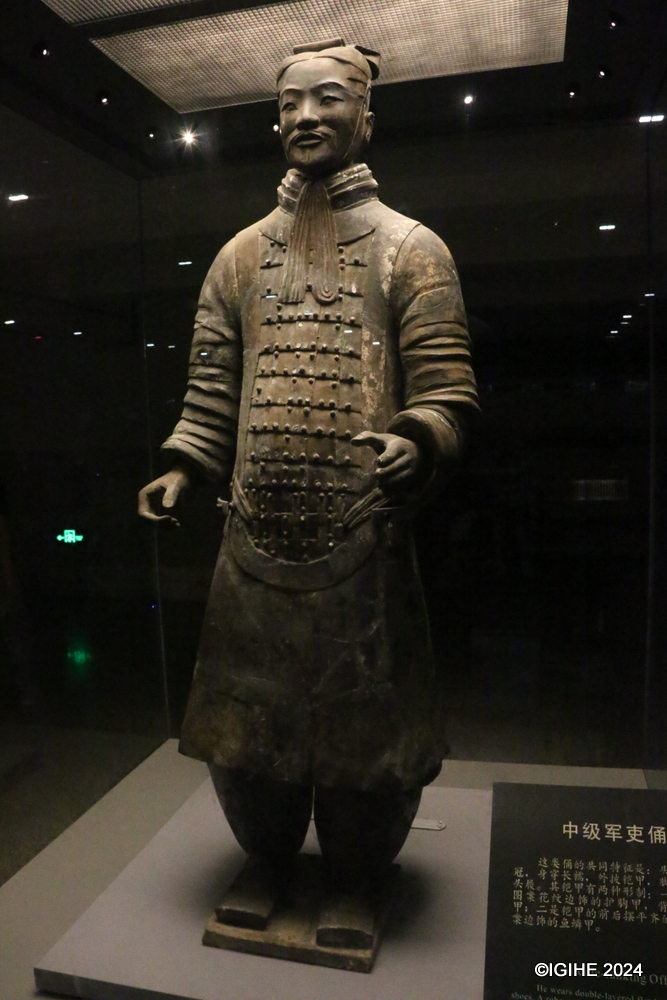
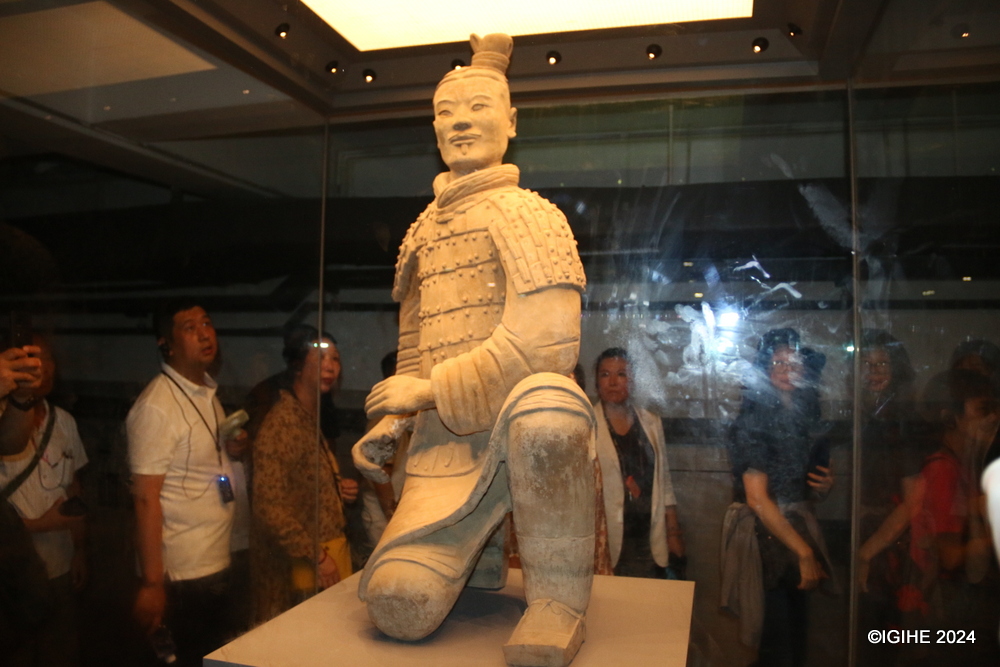
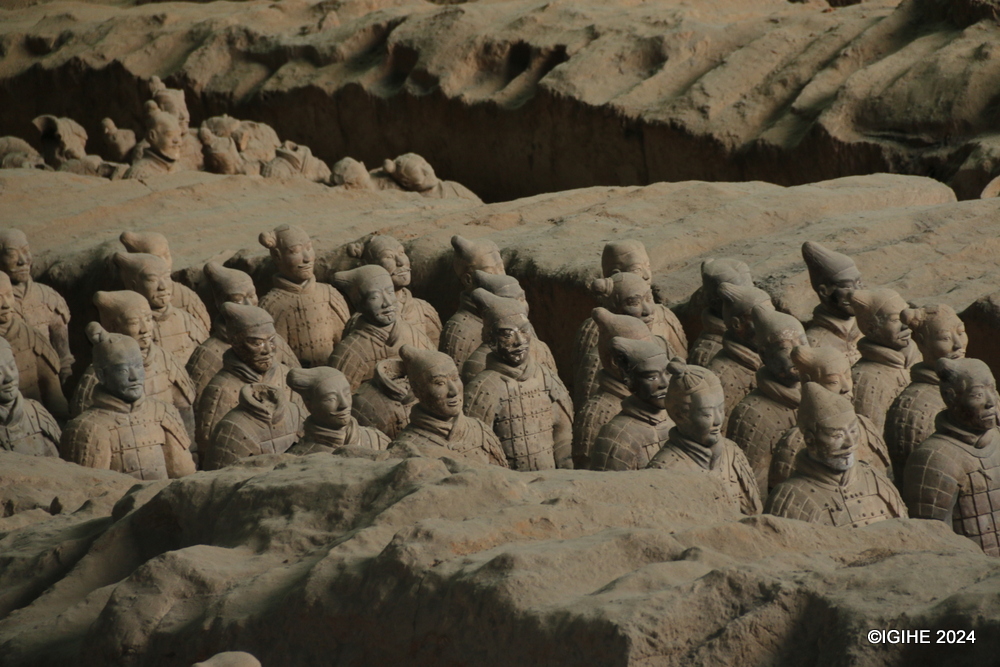
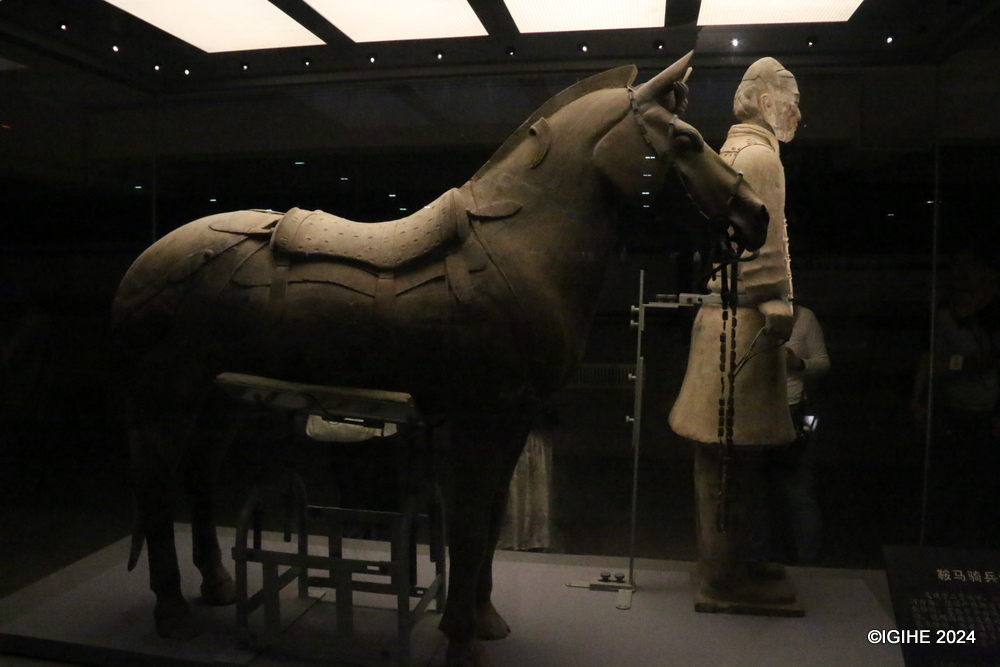
Xi’an, a city with over 3,100 years of history, served as the capital for 13 dynasties. The discovery of the Terracotta Warriors in 1974 was a remarkable archaeological find, unveiling a vast underground army that has captivated the world ever since.
The Mausoleum Site Museum, a UNESCO-protected masterpiece, is one of China’s top attractions. This large-scale underground military museum, showcasing the buried army replica of Emperor Qin Shihuang, is recognized as one of the most significant archaeological excavations of the 20th century.
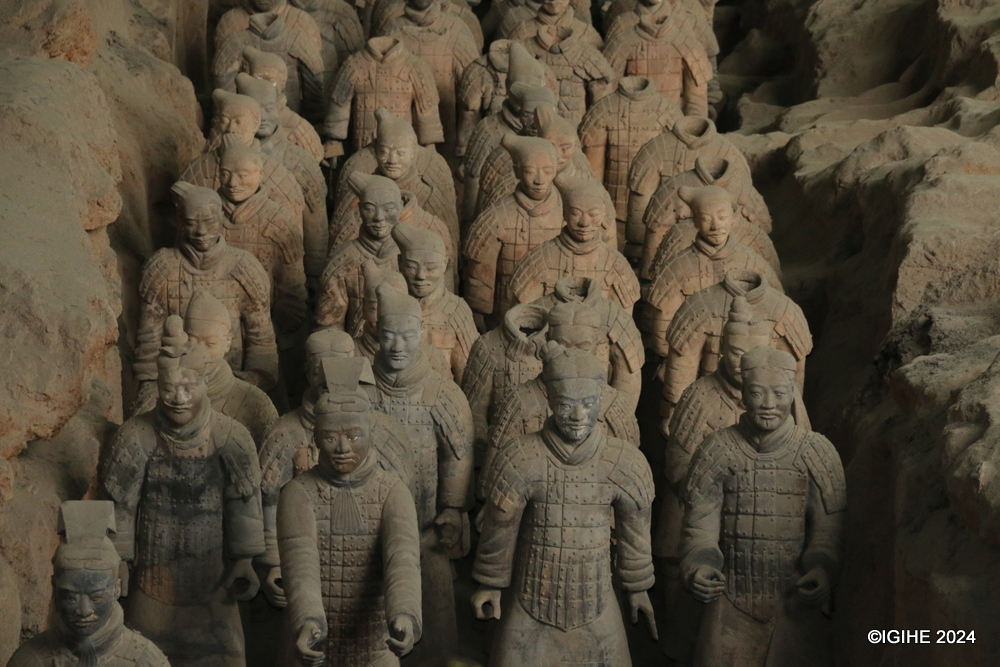
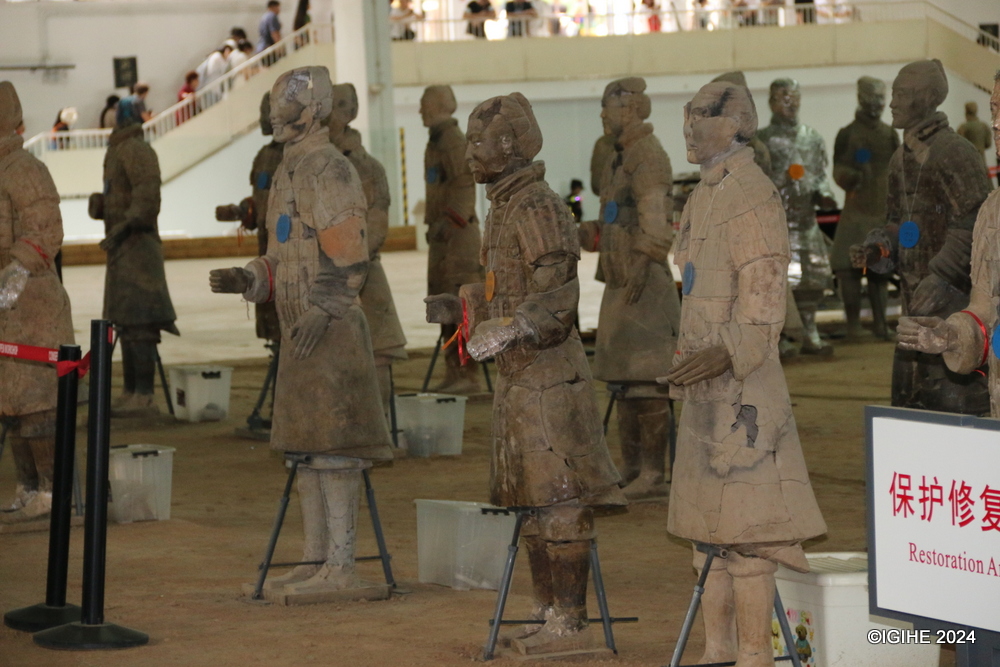
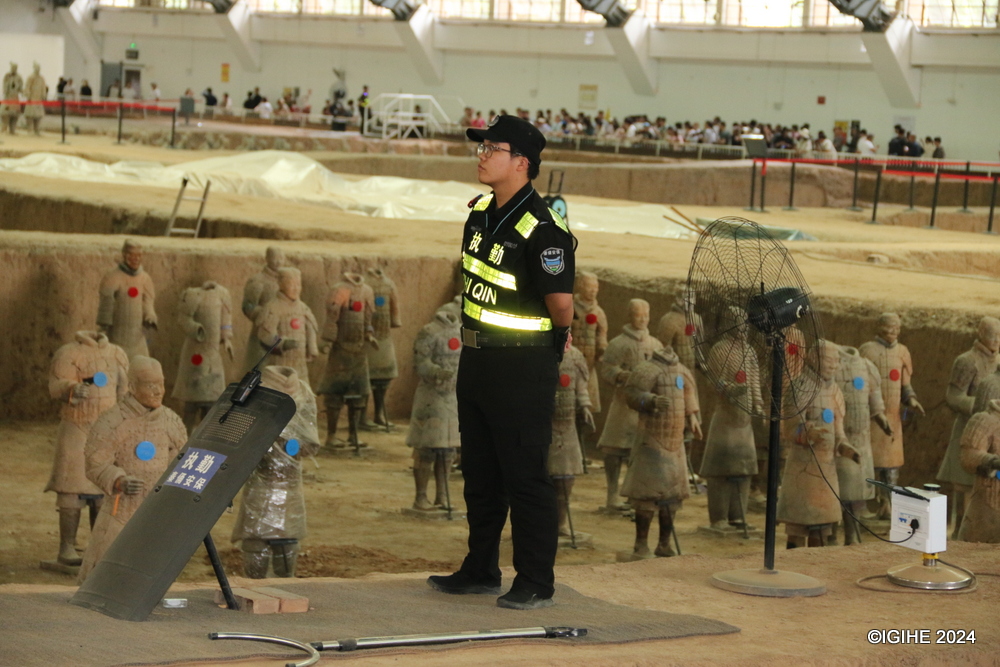
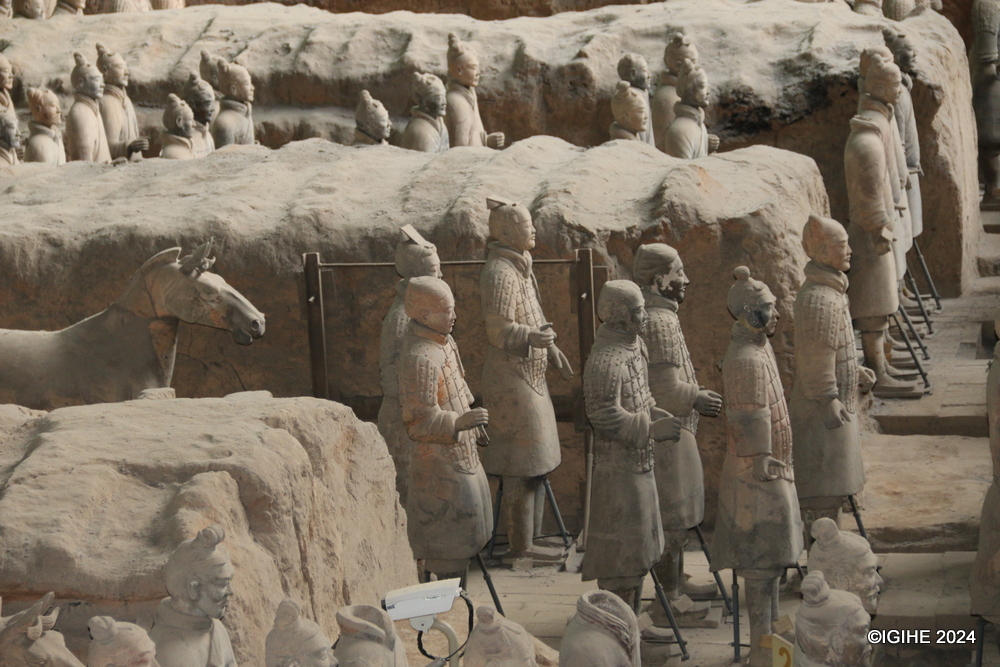
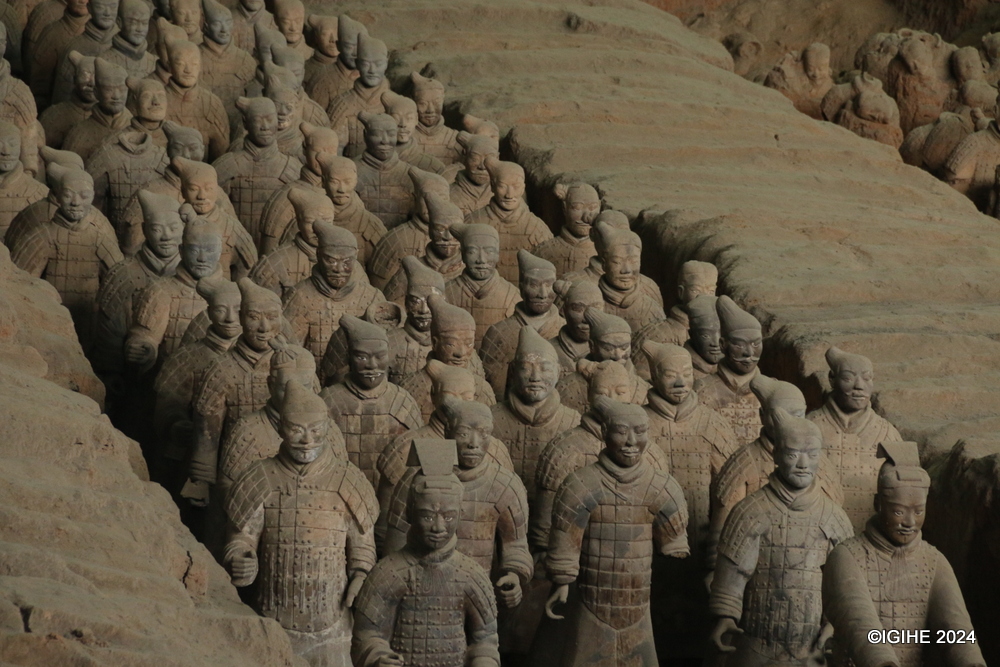
Representing the Qin Dynasty’s military power, these thousands of life-size figures are impressive by their size, number, and detailed craftsmanship. Today, over 8,000 soldiers, 130 chariots with 520 horses, and 150 cavalry horses can be seen at the site.
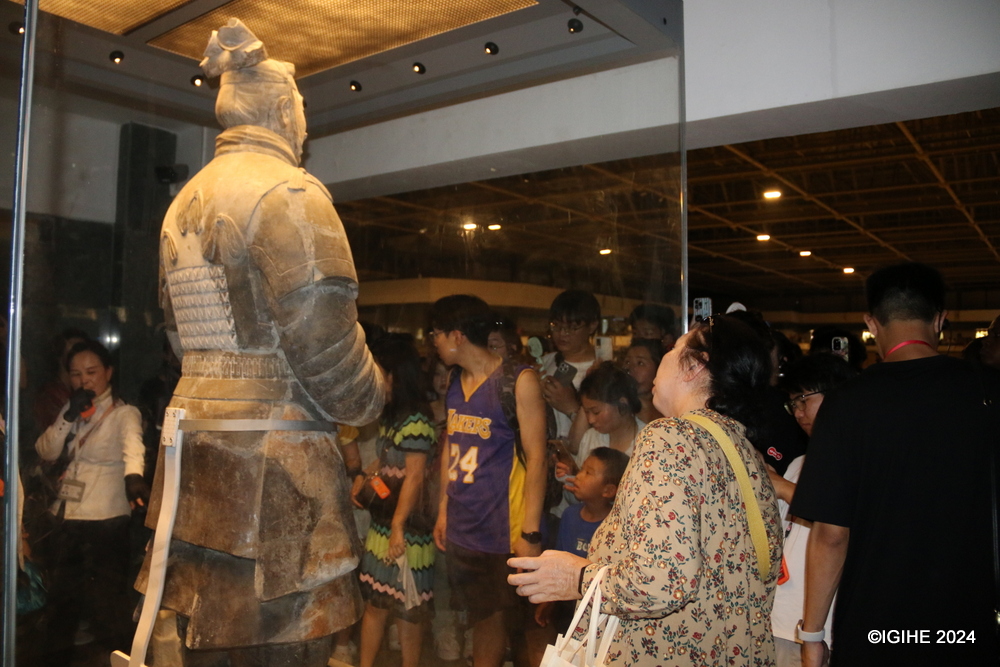
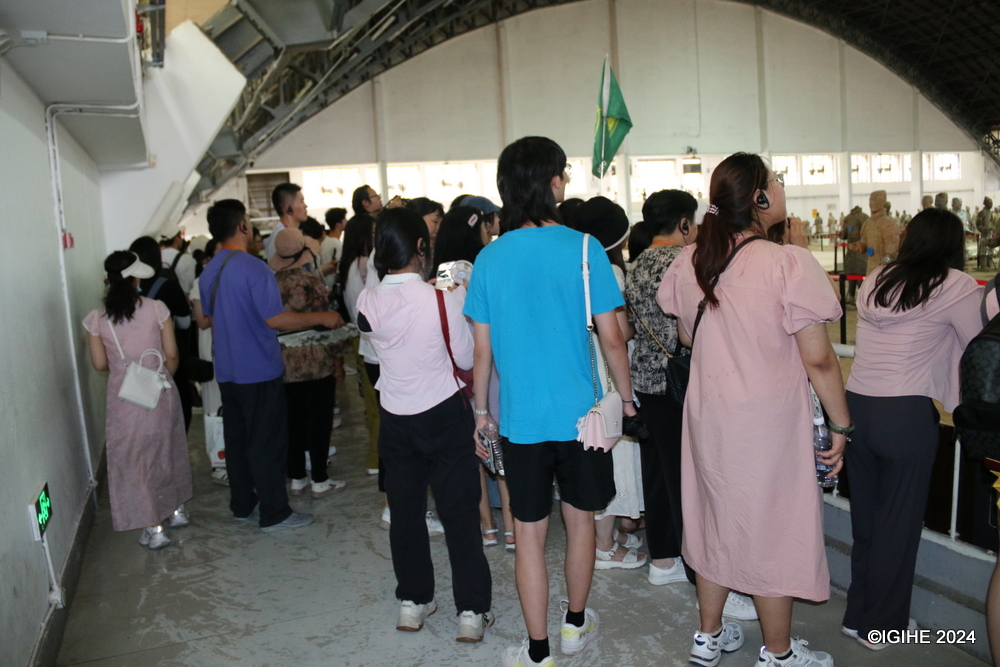
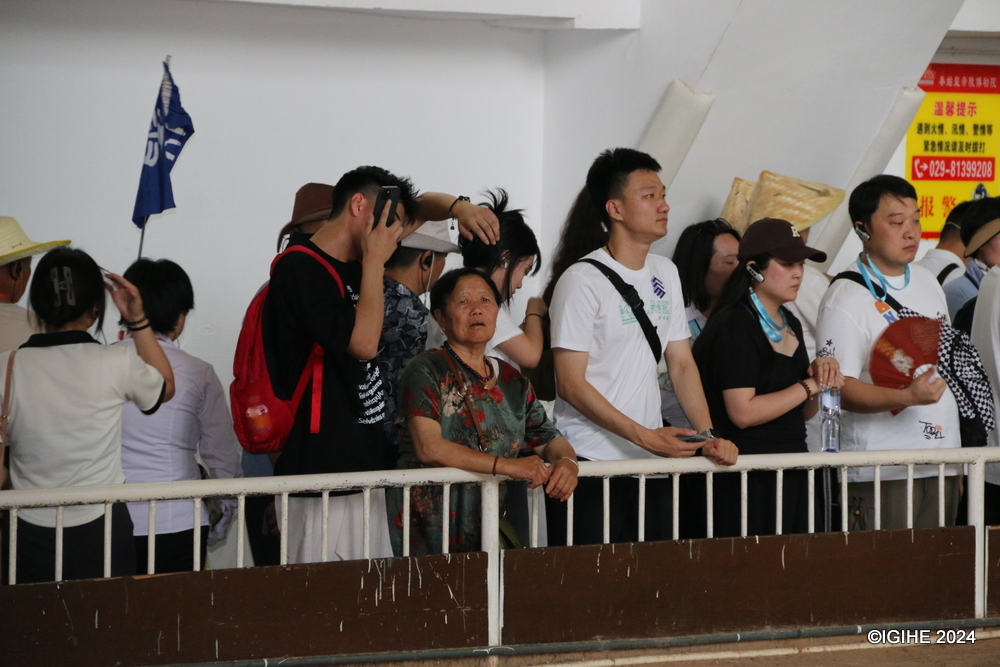
As one of China’s most famous attractions, alongside the Great Wall and the Forbidden City, the Terracotta Army scenic spot attracts thousands of people from around the world with estimated daily visitors reaching 10,000.
The site, discovered in 1974 by a farmer digging a well, has been ranked as a UNESCO World Heritage Site since 1987 for its marvel and need for preservation for future generations.
The Terracotta Army’s history began in 246 BC when Emperor Qin Shi Huang, at age 13, ascended to the throne. Known for unifying China, large-scale constructions including the Great Wall and more than 700 palaces around and outside central Shaanxi Province, Qin Shihuang ordered the construction of the Terracotta Army and Horses to protect him in the afterlife.
Sources indicate that the site was under construction for 38 years, requiring around 700,000 workers. The buried treasures and sacrificial objects accompanying the Emperor in his afterlife have provided significant insights for today’s archaeologists.
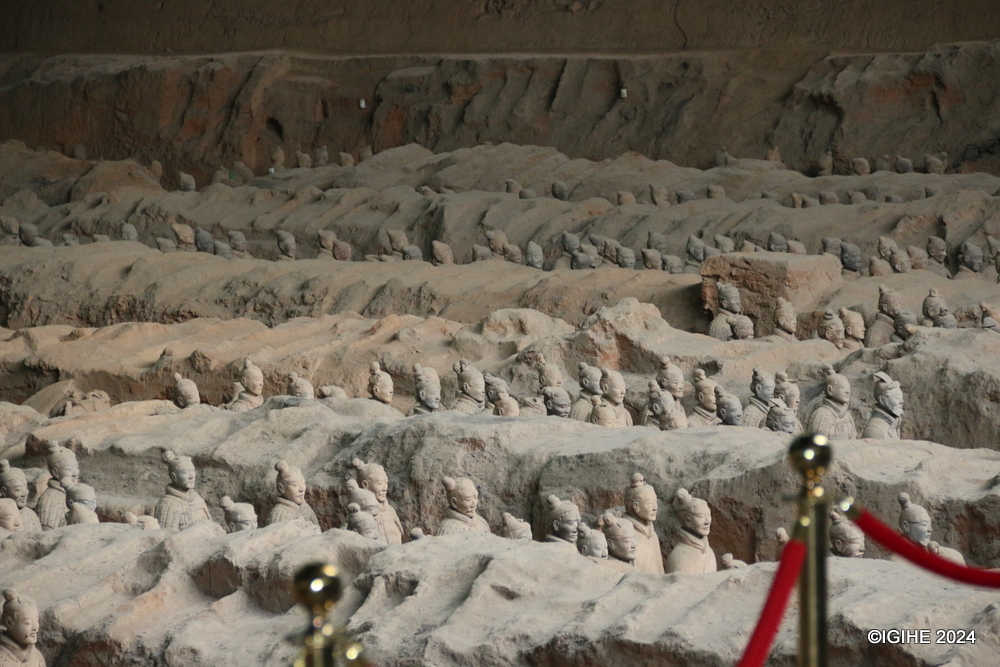
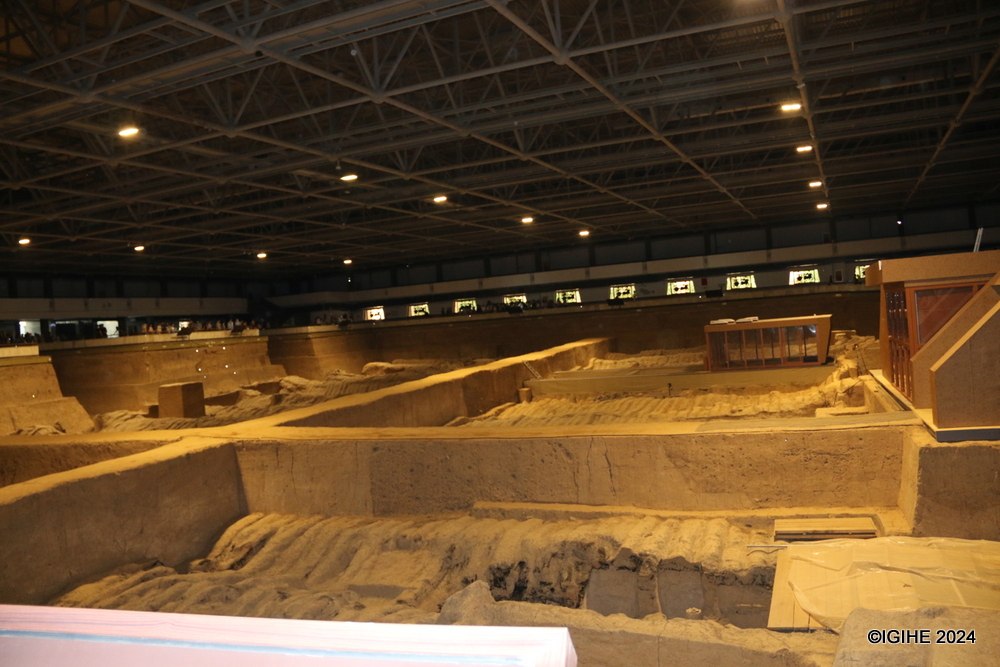
The Mausoleum Site Museum covers an area of 16,300 m2 with three main pits filled with more than 8,000 terracotta warriors and horses and over 40,000 bronze weapons. Pit No.1, the largest and first discovered, showcases 6,000 terracotta warriors and 35 horse-drawn chariots. Pit No.2, discovered in 1976, contains over 1,300 warriors and 90 chariots. Pit No.3, the smallest, resembles the command headquarters of the armed forces. These pits, along with accessory pits, form the core of the museum.
Upon close inspection, one will notice that every three yards, a puddle wall divides the underground army into distinct columns.
To safeguard the site, a spacious arched hall has been constructed above the pit, ensuring excellent ventilation and natural light for its preservation.
Recently, the museum has embraced modern technology to enhance visitor accessibility. An online ticket platform now allows overseas tourists from 39 countries to make reservations using their local currencies, supporting 24 languages and 29 different currencies.
With its rich history, immense scale, and continuous discoveries, the Emperor Qinshihuang’s Mausoleum Site Museum remains a testament to China’s enduring legacy and a beacon of its cultural heritage. The Terracotta Warriors stand as a silent yet powerful reminder of the ancient civilization that continues to fascinate and inspire people around the world.
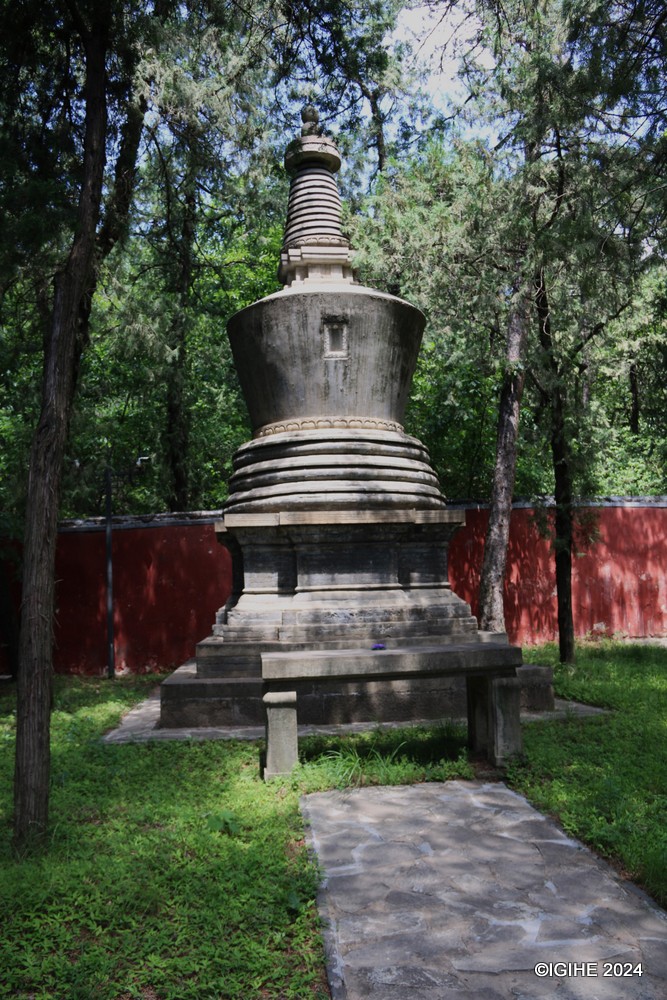
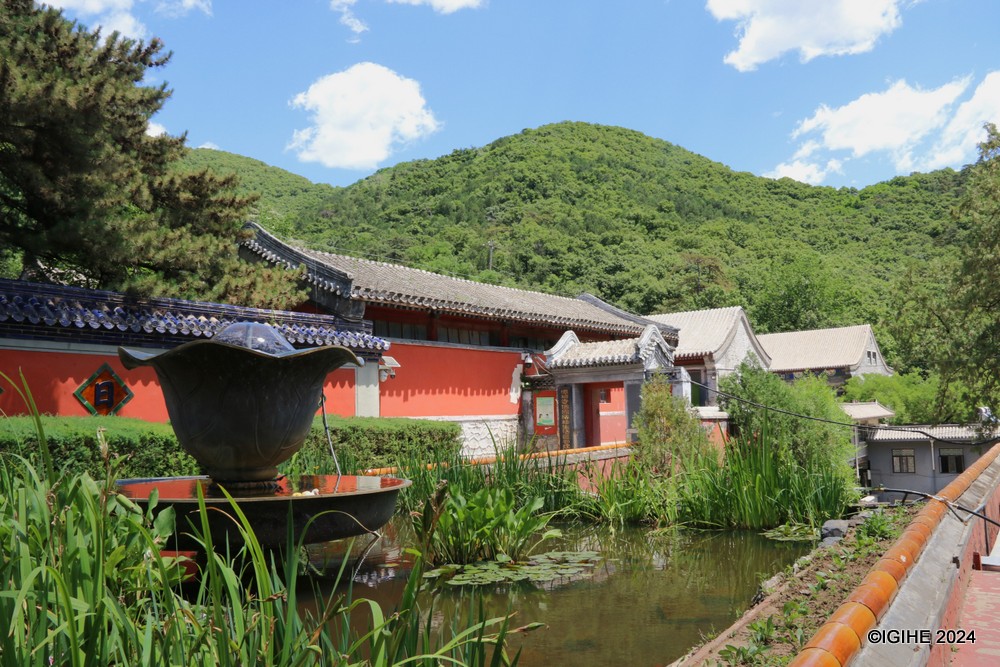
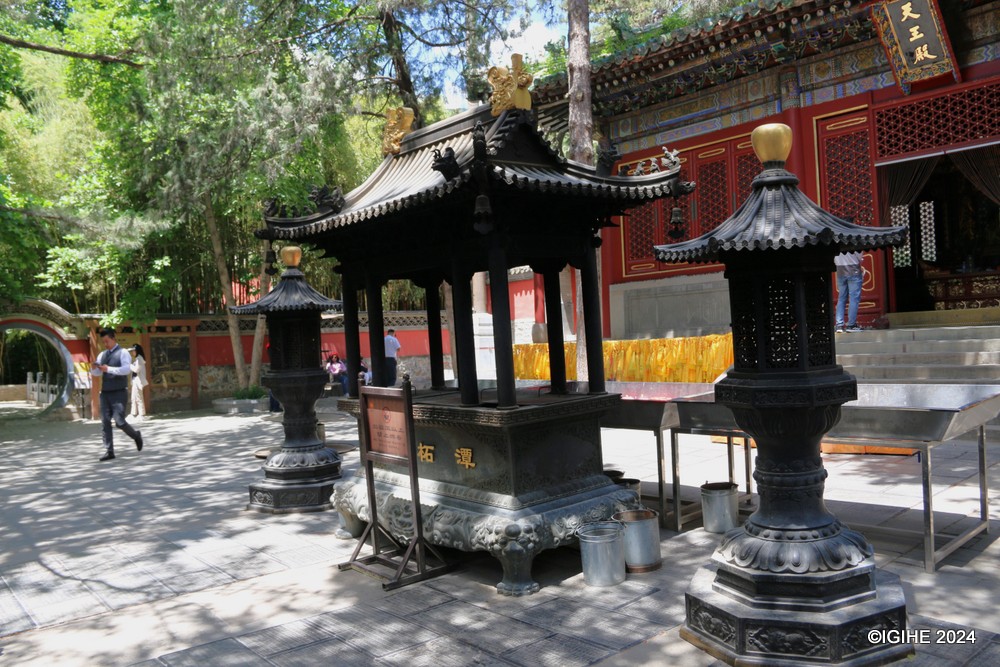
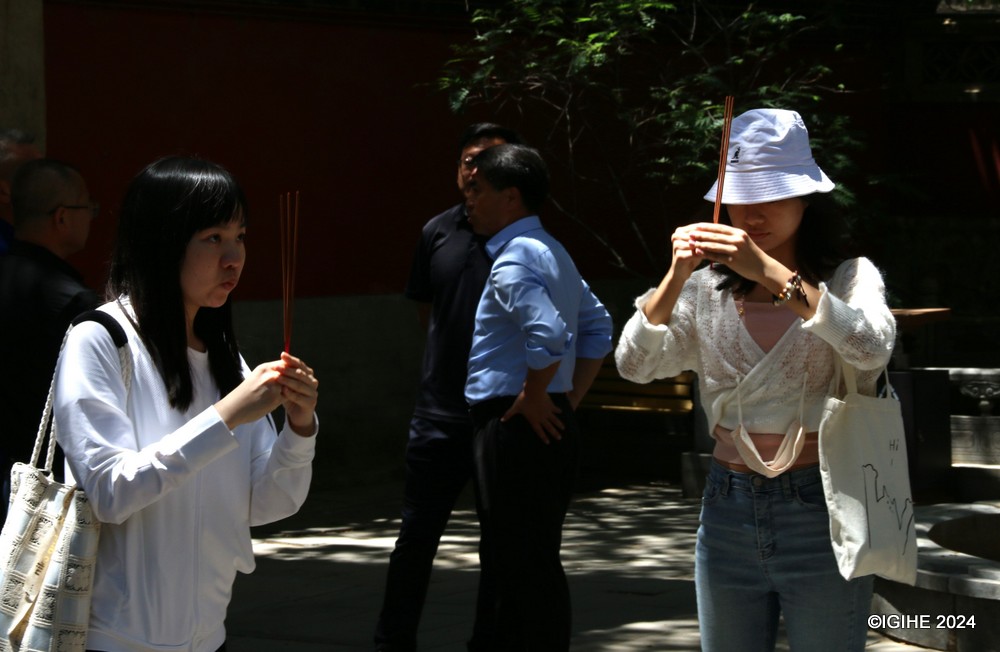
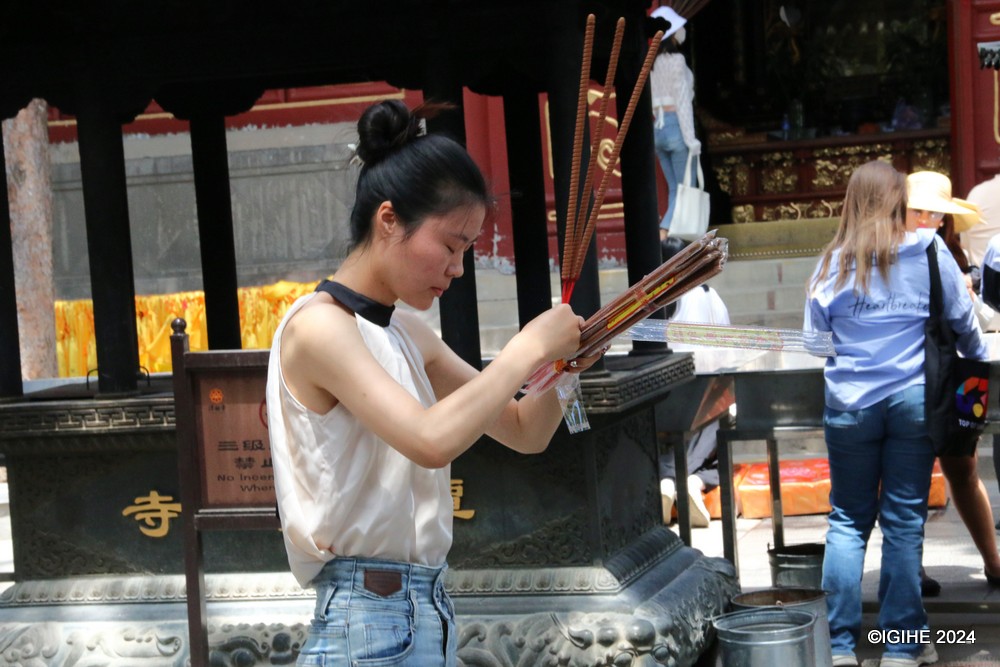
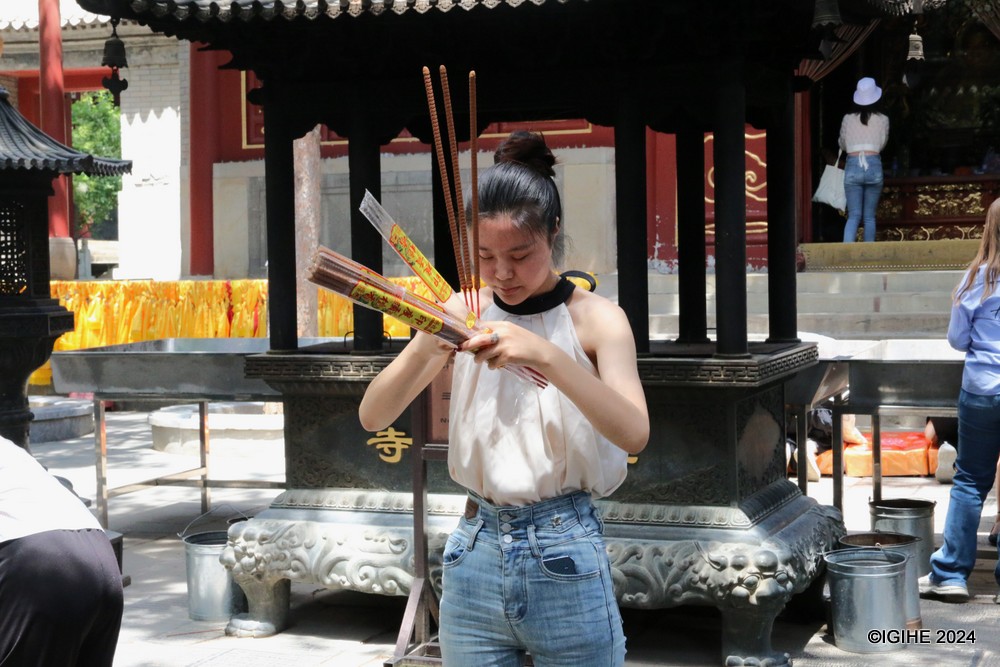
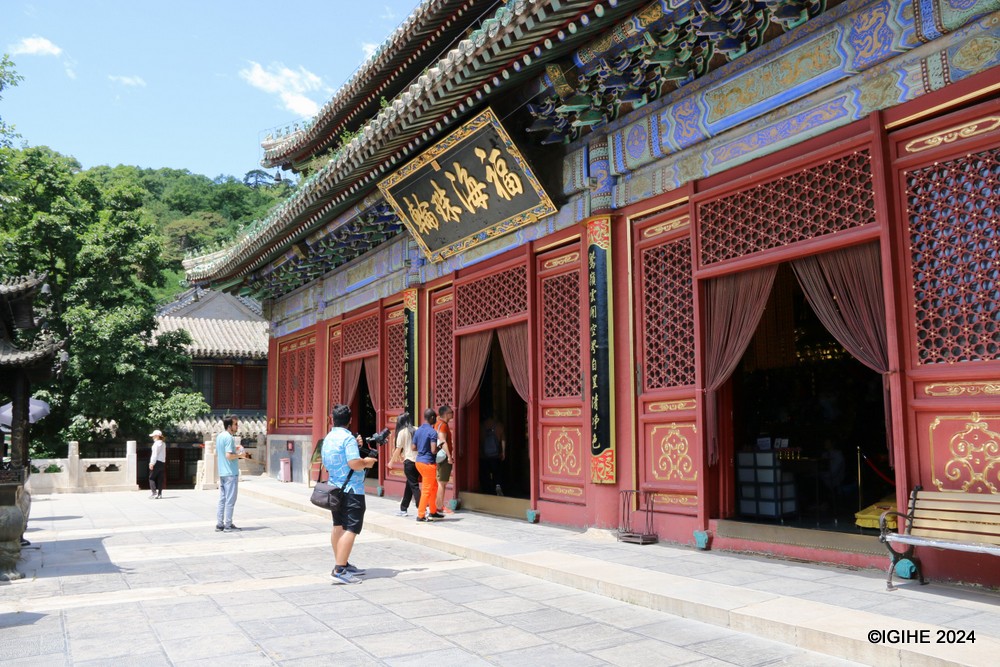
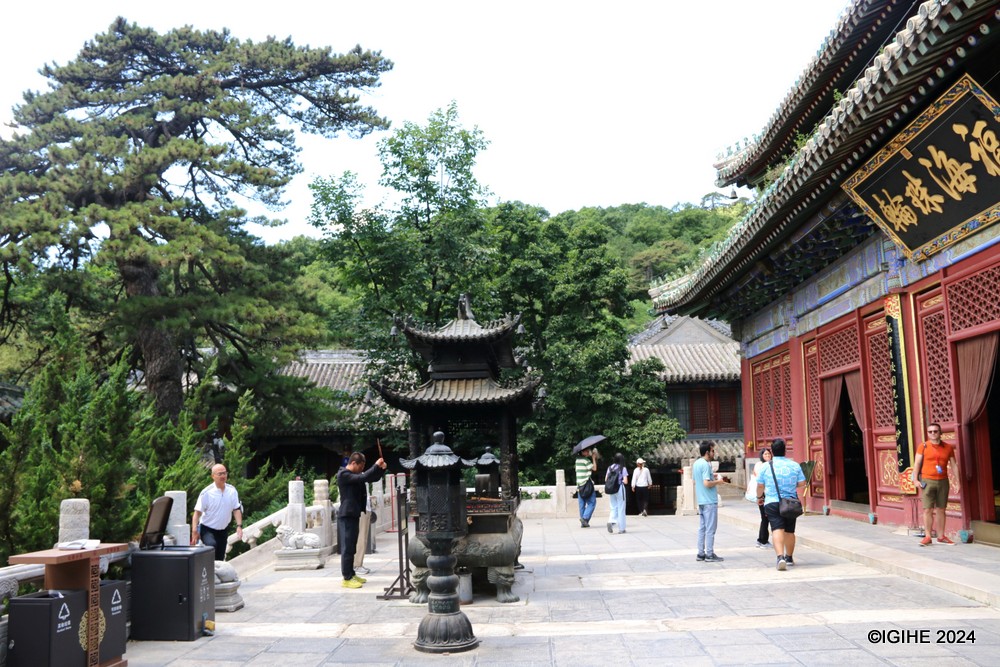
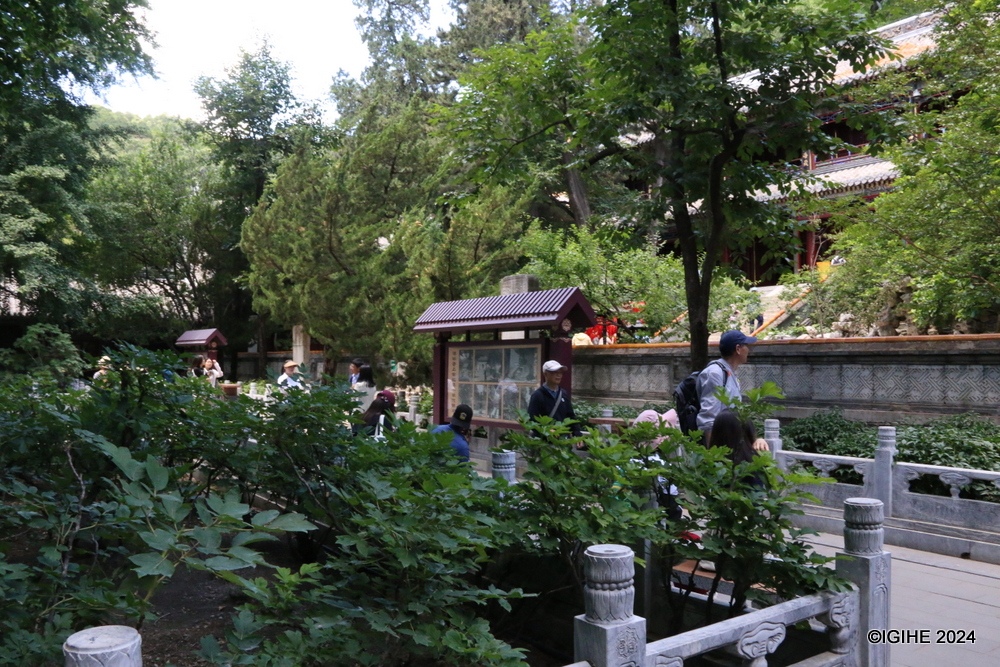
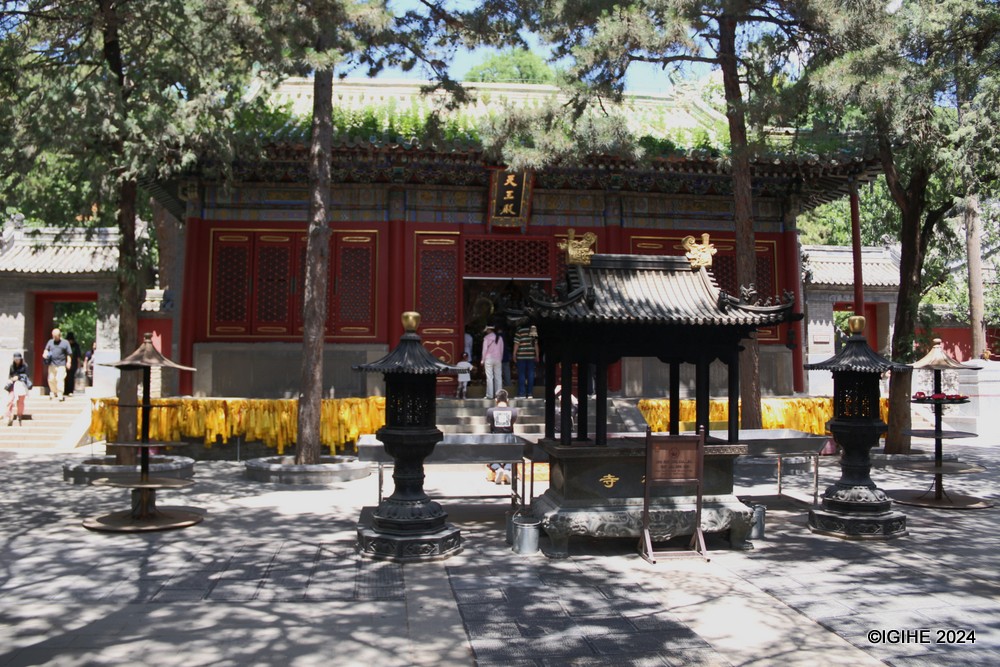
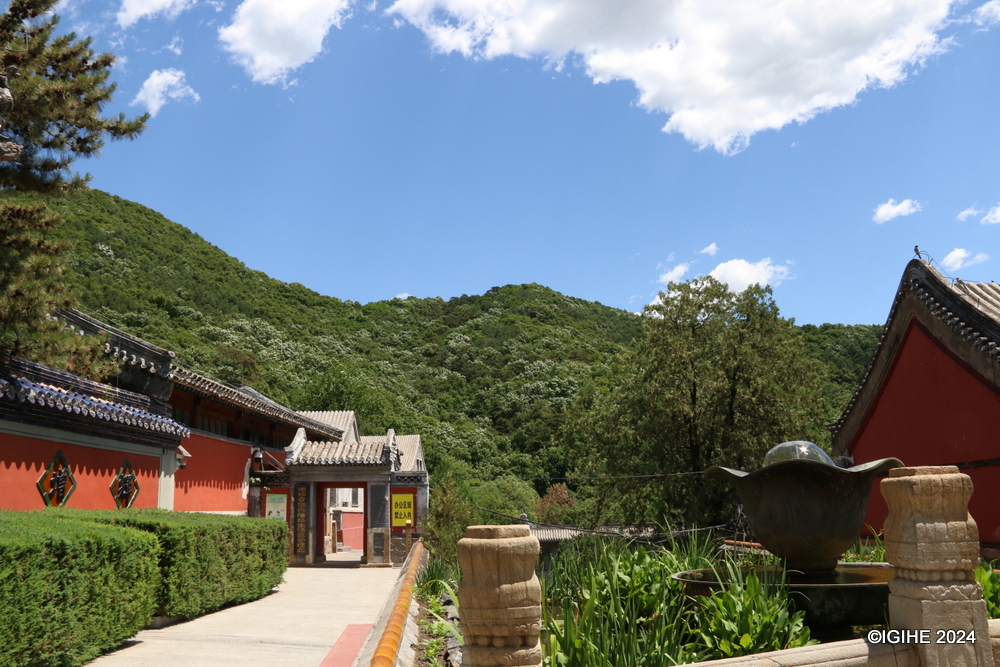
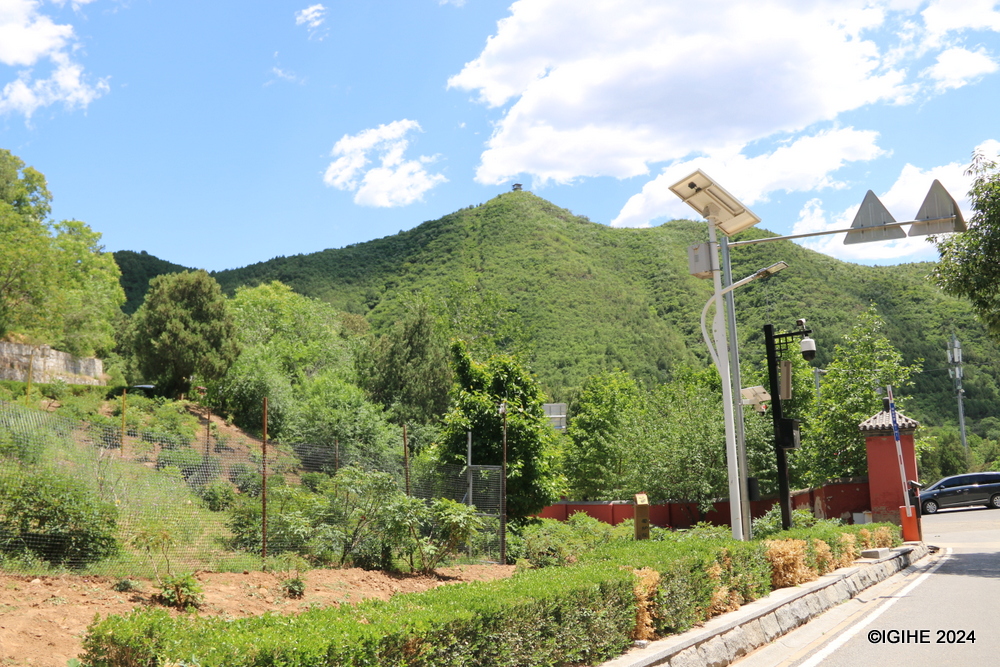
Tanzhe Temple, along with Jietai Temple, is one of the most renowned and venerated temples in suburban Beijing. Spanning an inner area of 25,000 square meters and an outer area of 112,000 square meters, the temple complex is grand in scale and steeped in history. Nestled within Beijing’s Western Hills, the temple’s expansive grounds climb the hillside, shaded by towering cypresses and pines.
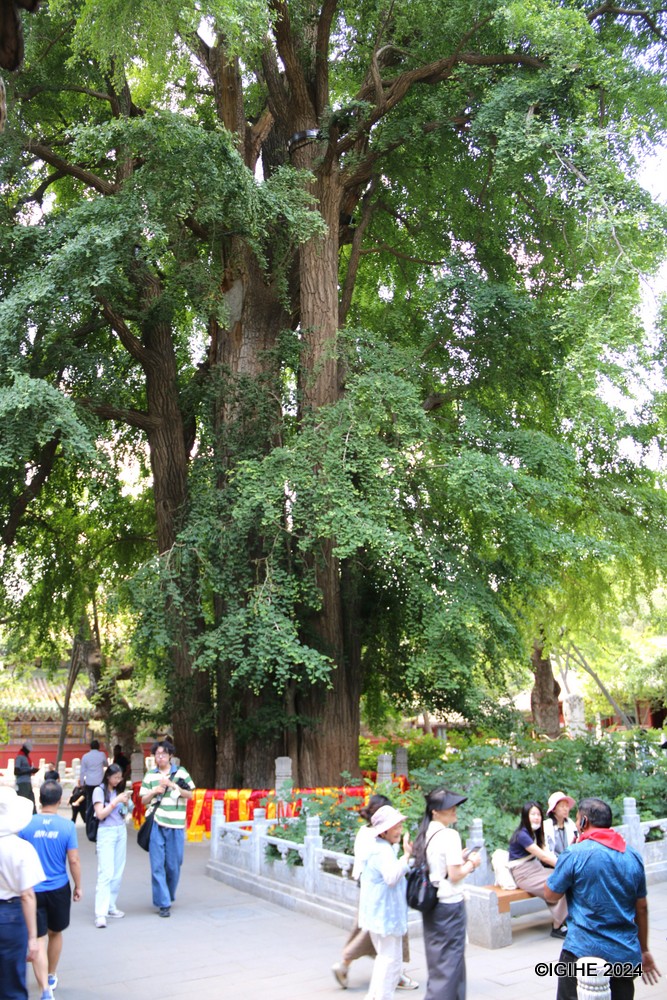
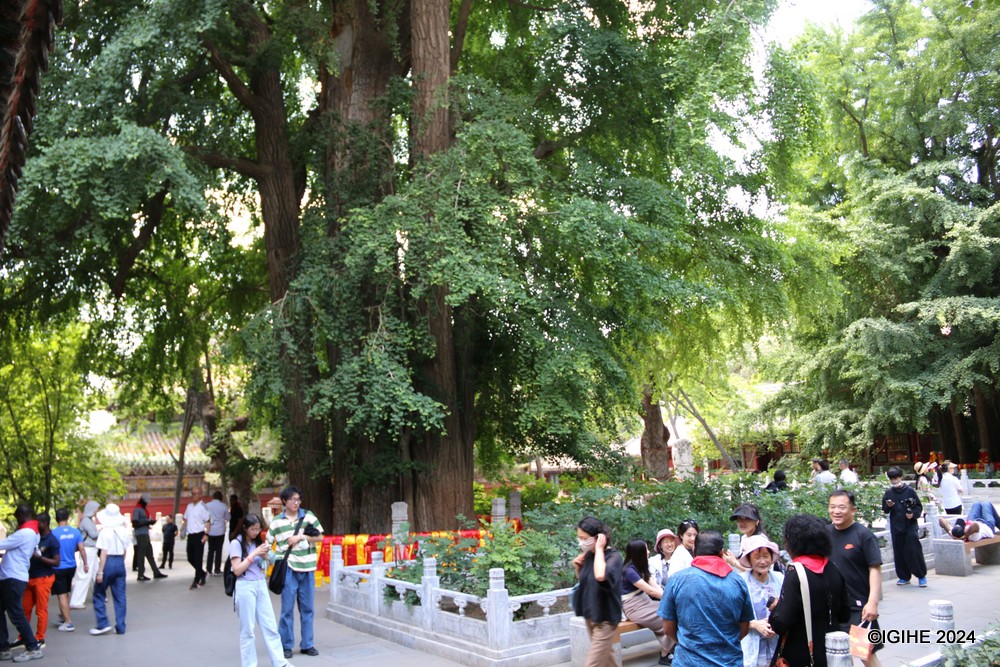
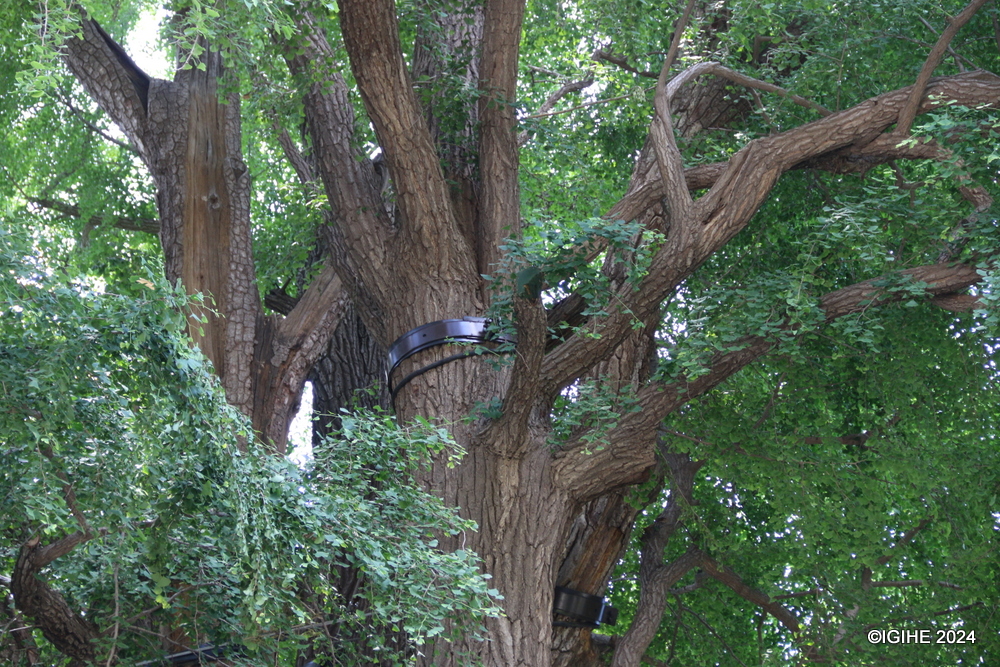
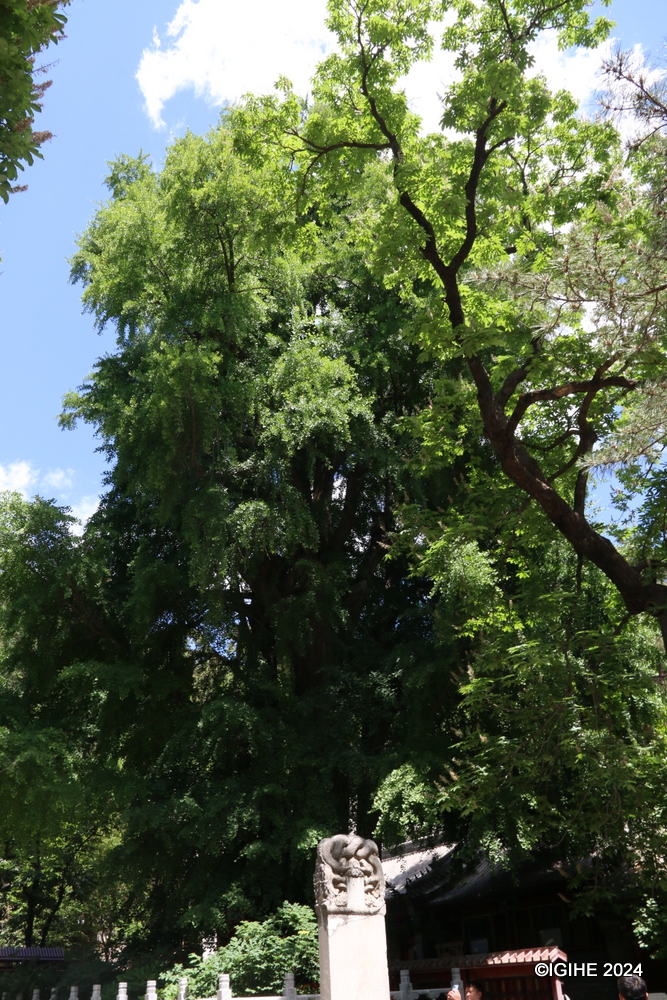
Dating back to the Jin dynasty (AD 265–420), Tanzhe Temple reached its zenith during the Qing dynasty, becoming a royal pilgrimage site for emperors Kangxi and Qianlong. The temple’s layout follows three main axes, with the central axis featuring the Mahavira Hall as its centerpiece. Behind this hall stands the ‘Emperor Tree,’ a majestic gingko believed to be over 1000 years old.
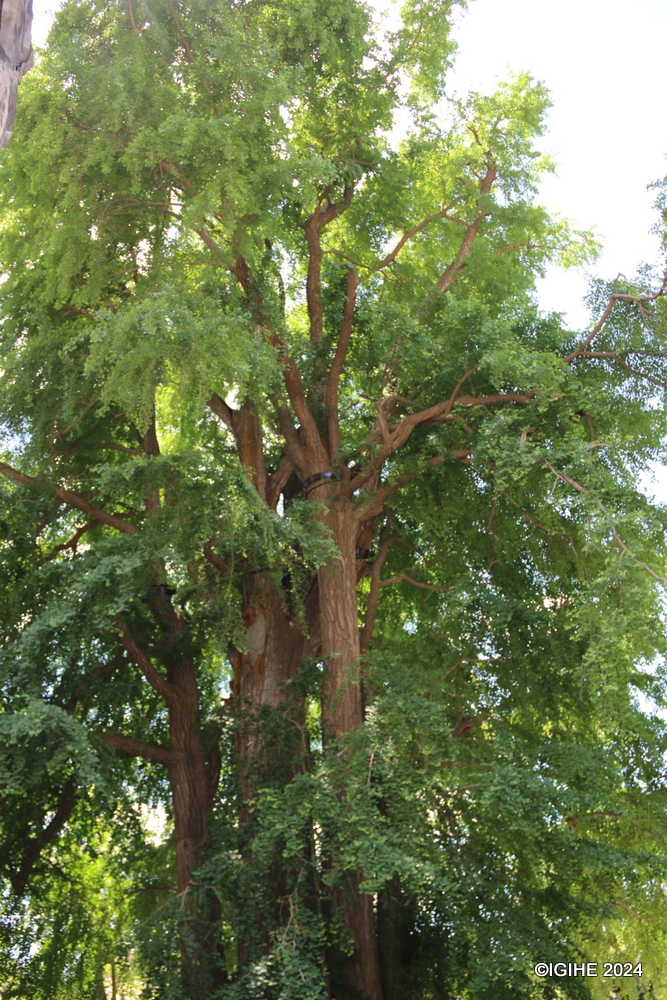
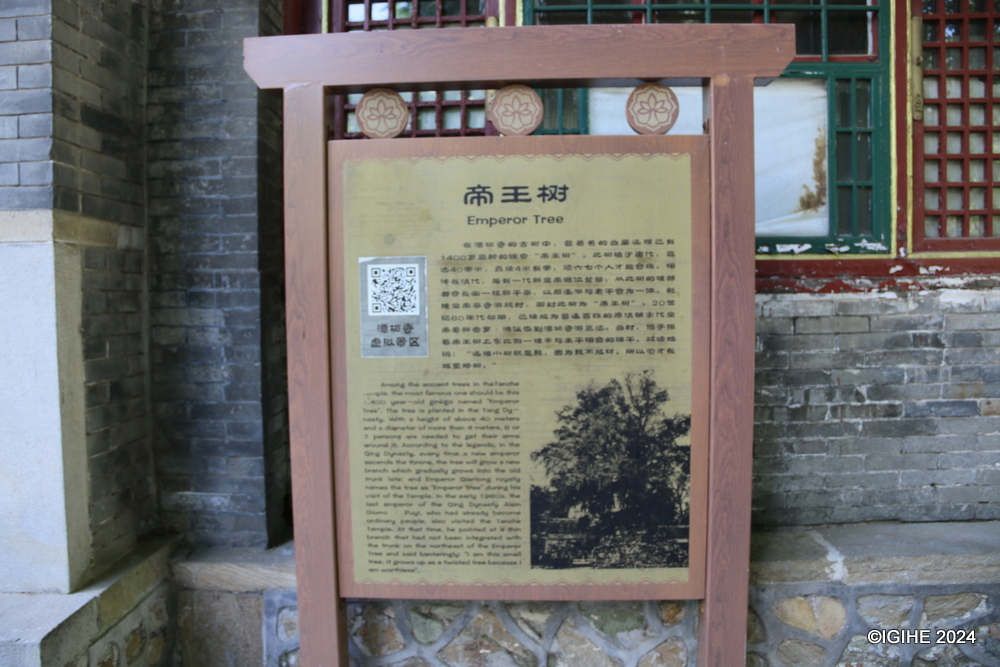
Among the ancient trees in Tanzhe Temple, the most famous is the 1,400-year-old ginkgo known as the “Emperor Tree,” planted during the Tang Dynasty. Standing over 40 meters tall with a diameter exceeding 4 meters, it takes six or seven people to encircle its trunk. Legend has it that during the Qing Dynasty, the tree grew a new branch each time a new emperor ascended the throne, with the branch eventually merging with the old trunk. Emperor Qianlong named it the “Emperor Tree” during his visit.
In the early 1960s, Aisin Giorro Puyi, the last emperor of the Qing Dynasty, visited Tanzhe Temple as a common citizen. Pointing to an unmerged branch, he humorously remarked, “I am this small tree. It grows up twisted because I am worthless.”
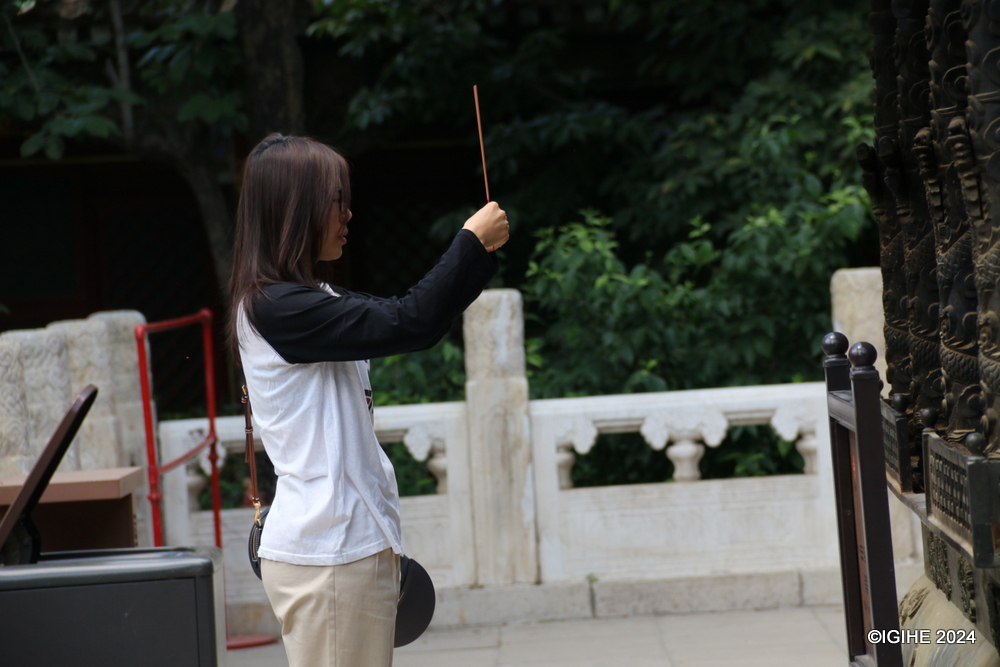
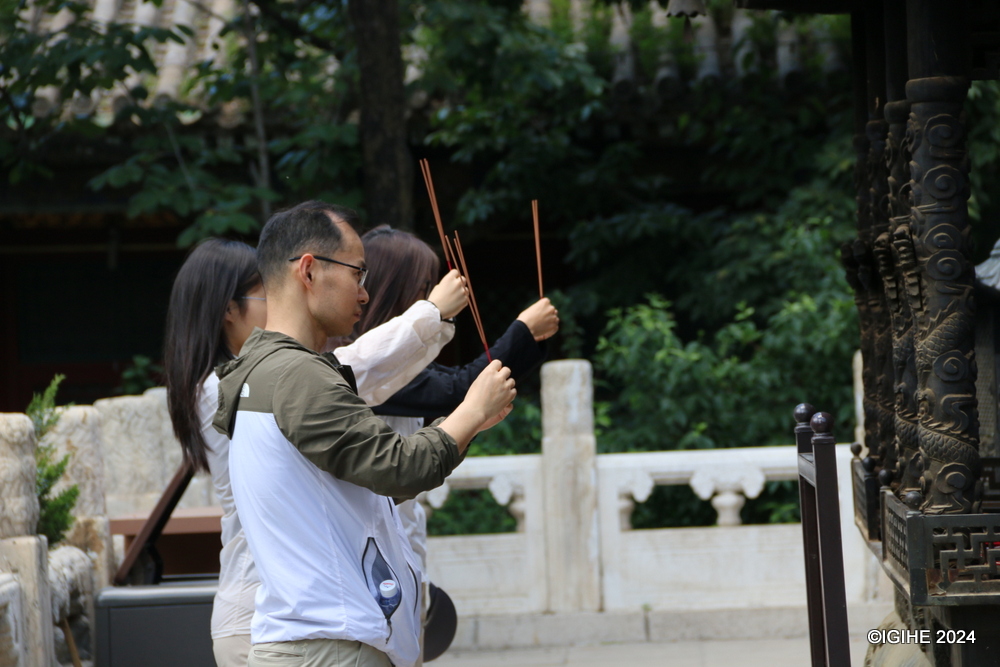
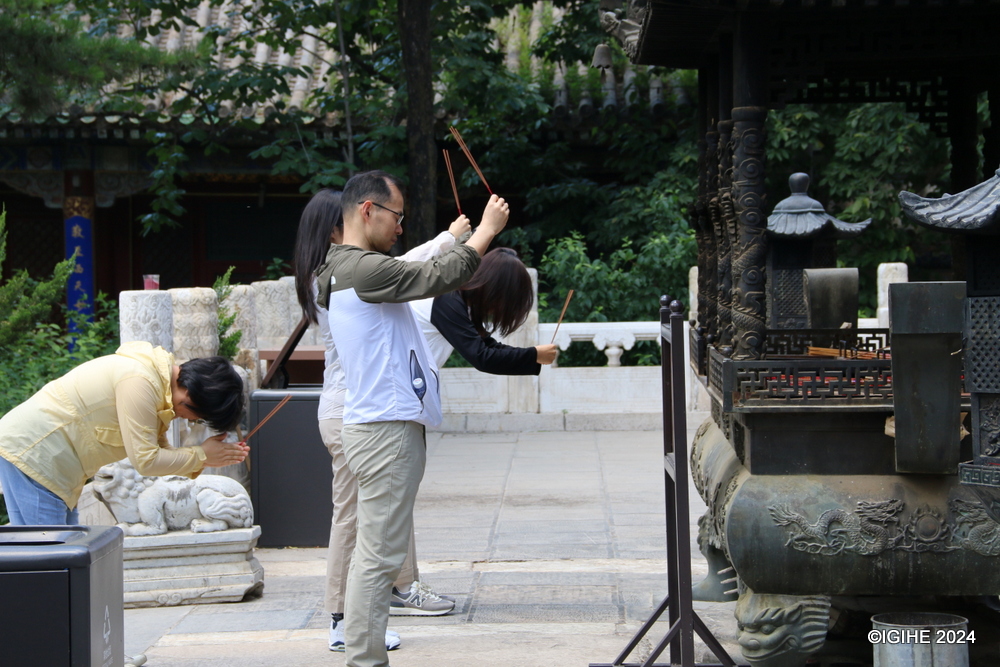
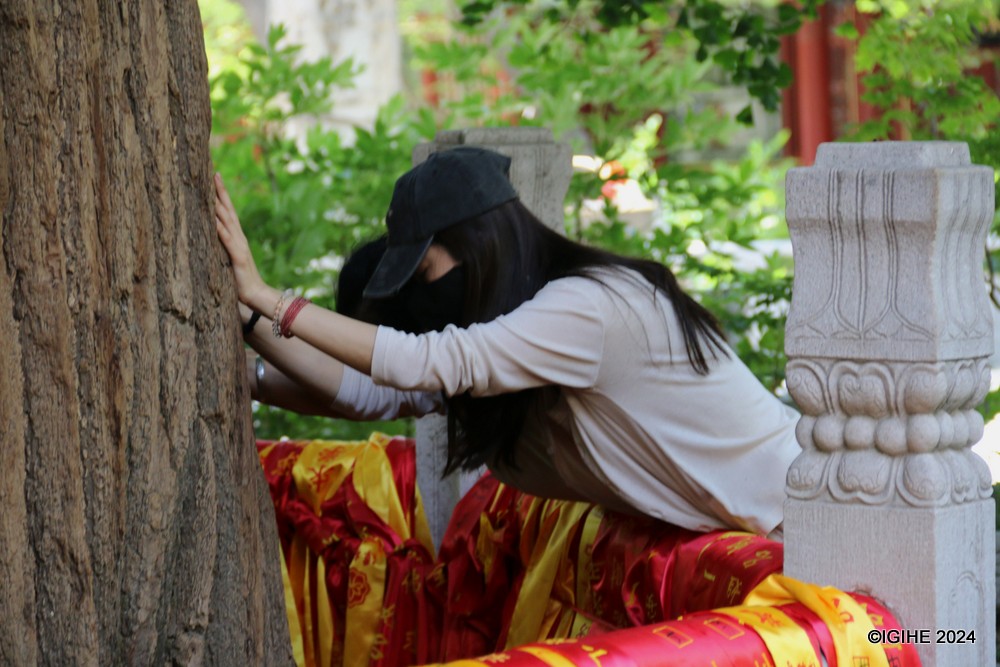
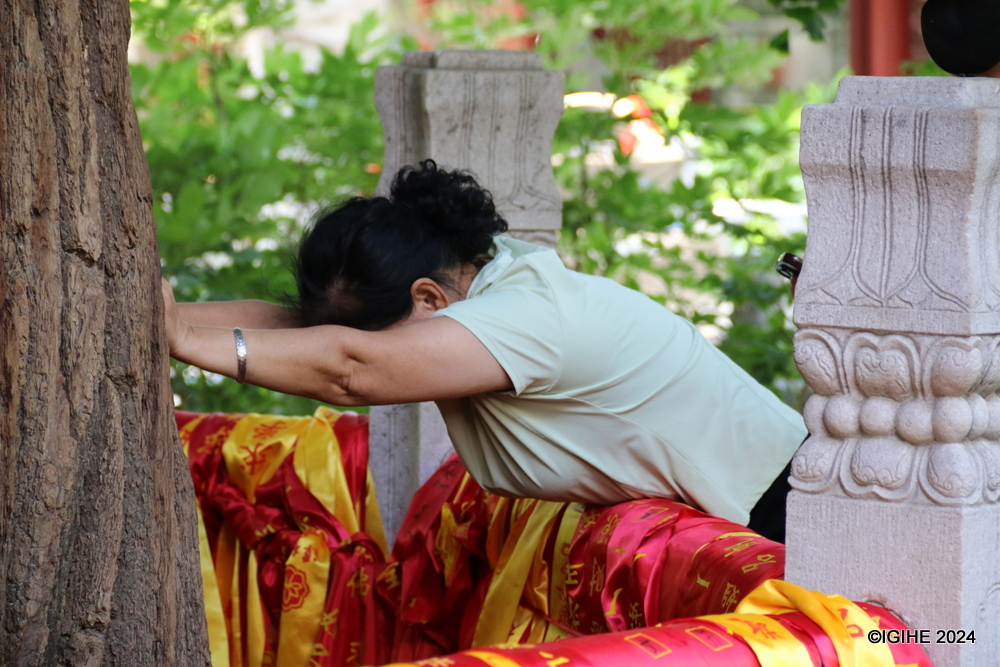
The Emperor Tree is renowned and deeply revered. Some visitors often hug it, believing its ancient presence and sacred location bring spiritual benefits and longevity.
At the rear of the complex, the Guanyin Pavilion offers breathtaking views of the temple and the surrounding mountains. Within this pavilion, a stone slab bears the footprints of Princess Miaoyan, Kublai Khan’s daughter, who, according to legend, was so devoted to Buddha that her incessant praying wore deep ruts into the stone.
The western axis of the temple includes the octagonal Lengyan Altar, while the eastern axis houses the abbot’s quarters, historically used by visiting emperors. Another intriguing feature is the Floating Cups Pavilion, a Qing-era water feature that also served as an ingenious drinking game.
Tanzhe Temple is particularly enchanting in mid-April when the magnolias are in full bloom, drawing visitors from near and far to witness the stunning floral display.
Tanzhe Temple, with its rich history, cultural significance, and natural beauty, provides a peaceful retreat from the urban hustle and a glimpse into China’s profound spiritual legacy. Whether you’re a history enthusiast, a nature lover, or simply in search of tranquility, Tanzhe Temple is a must-visit destination in the outskirts of Beijing.
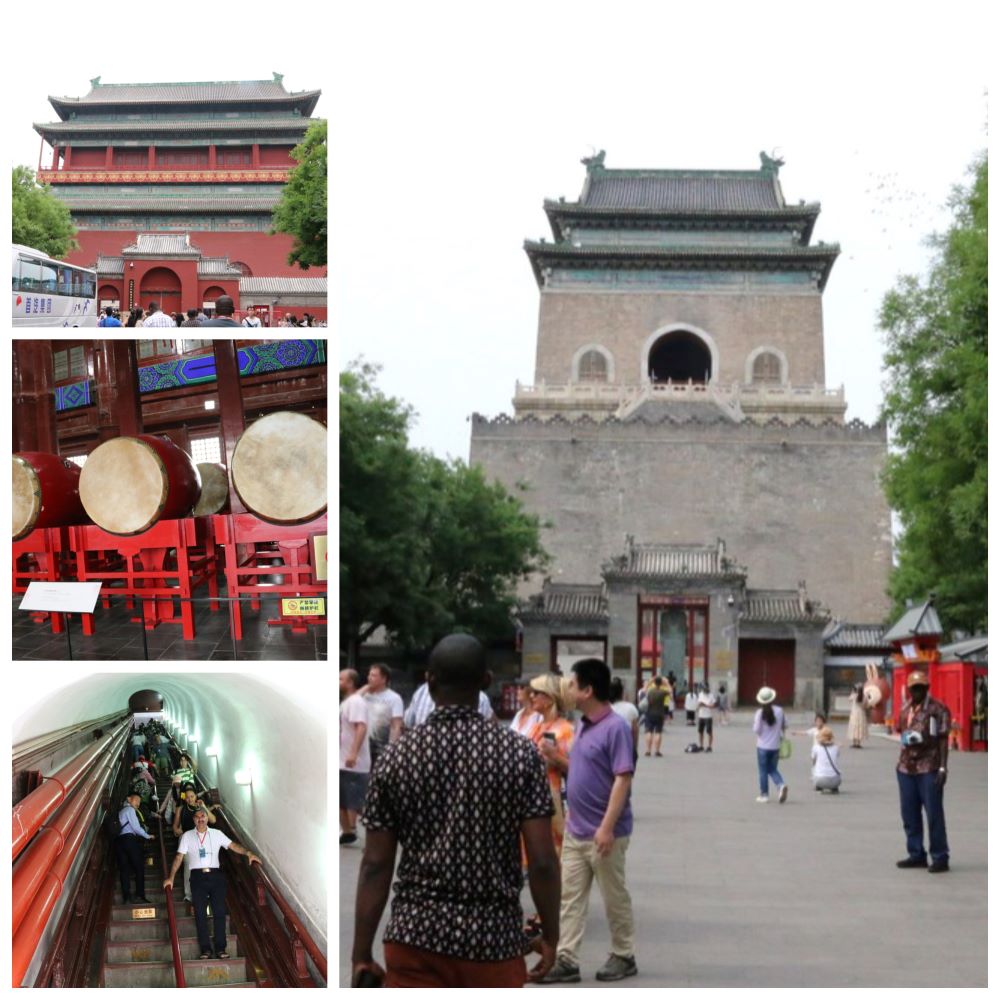
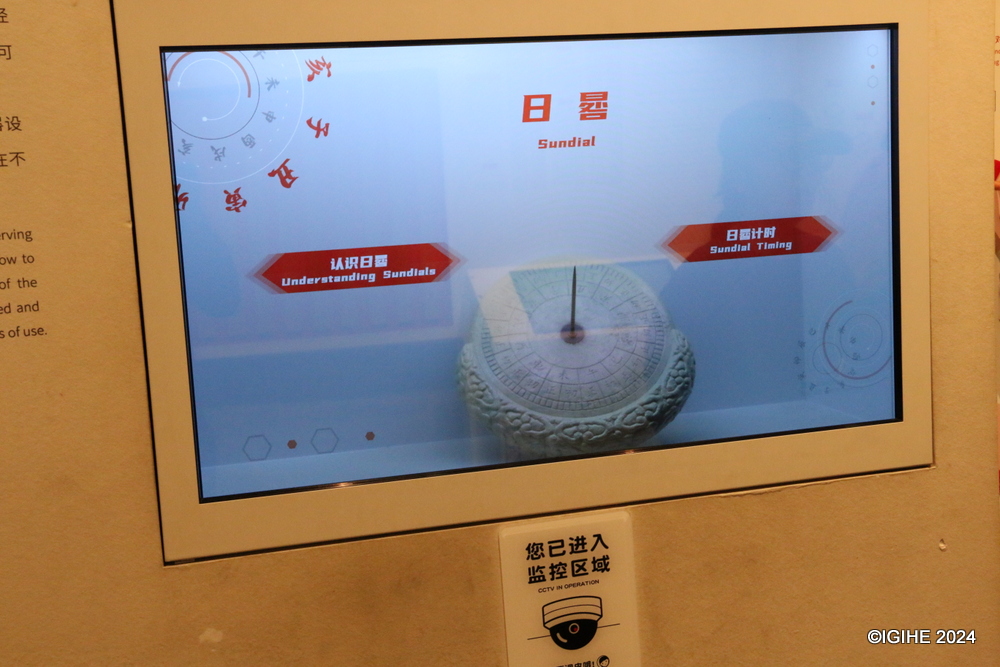
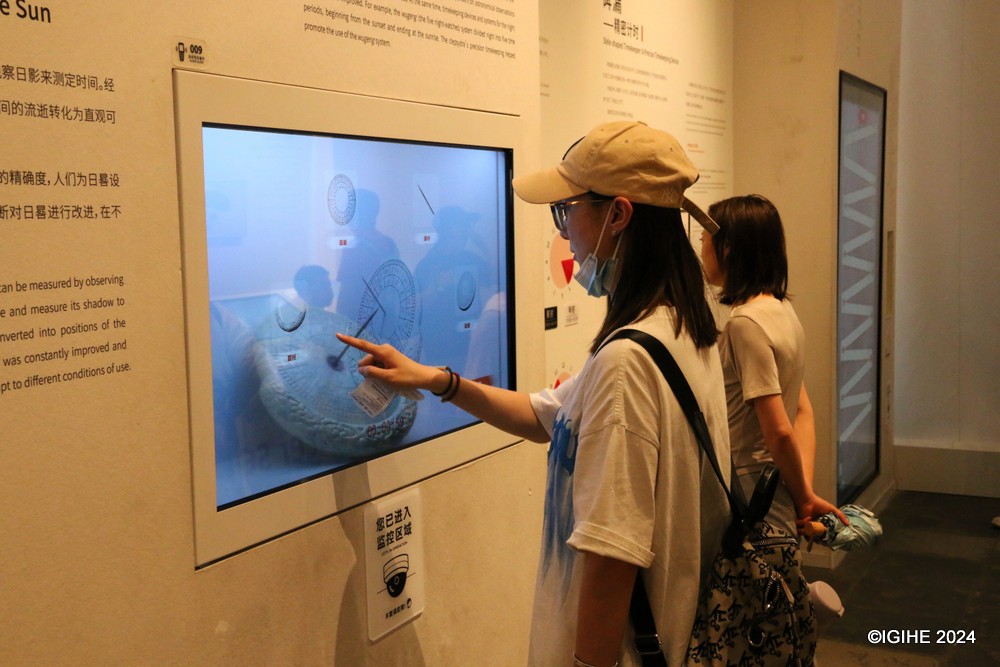
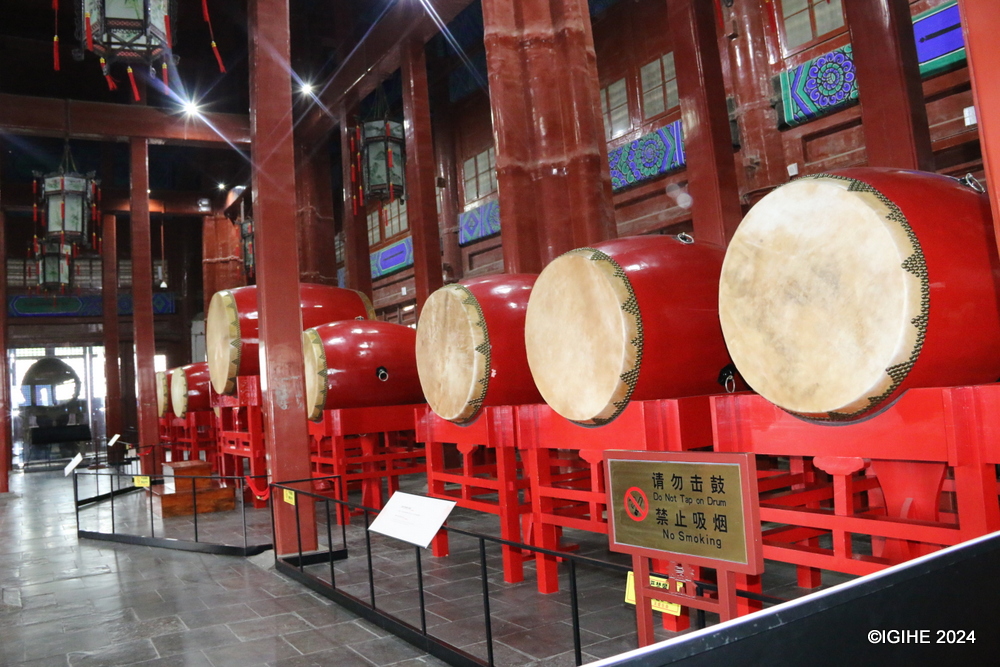
Built in 1272 and reborn from the ravages of two devastating fires, these iconic structures were more than architectural wonders; they were the very heartbeat of the capital during the Yuan, Ming, and Qing Dynasties (1271-1911), regulating the rhythm of daily life for centuries.
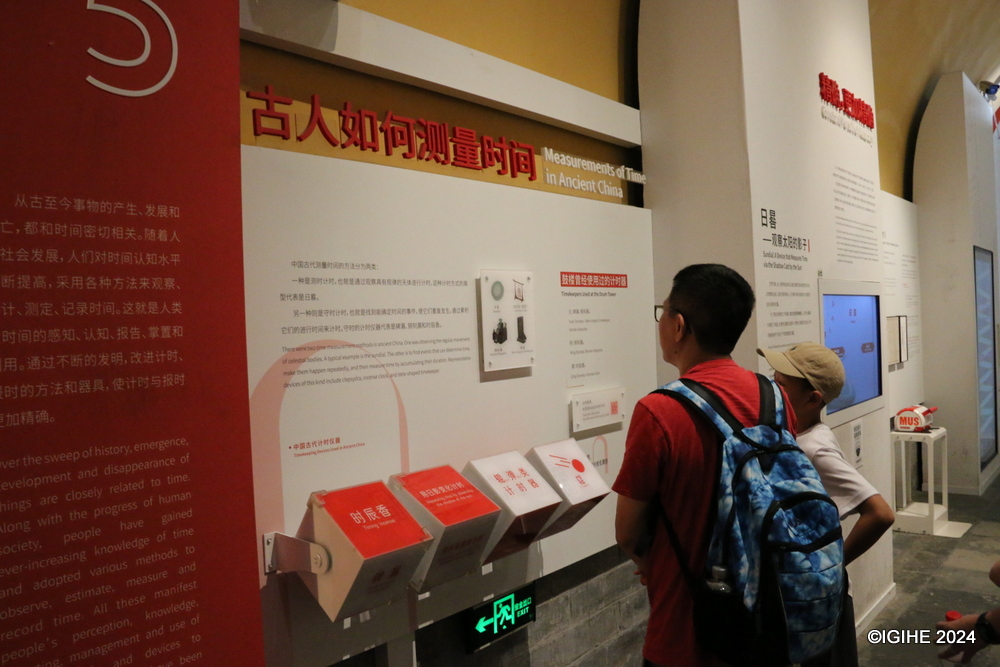
Originally, the bell and drum were not intended for timekeeping. These instruments served as musical accompaniments, echoing the melodies of ancient China. However, as early as the Han Dynasty (206 BC-220), their role evolved into something far more essential. The phrase “a morning bell and a dusk drum” became ingrained in the cultural lexicon, signifying their importance in helping people navigate the passage of time.
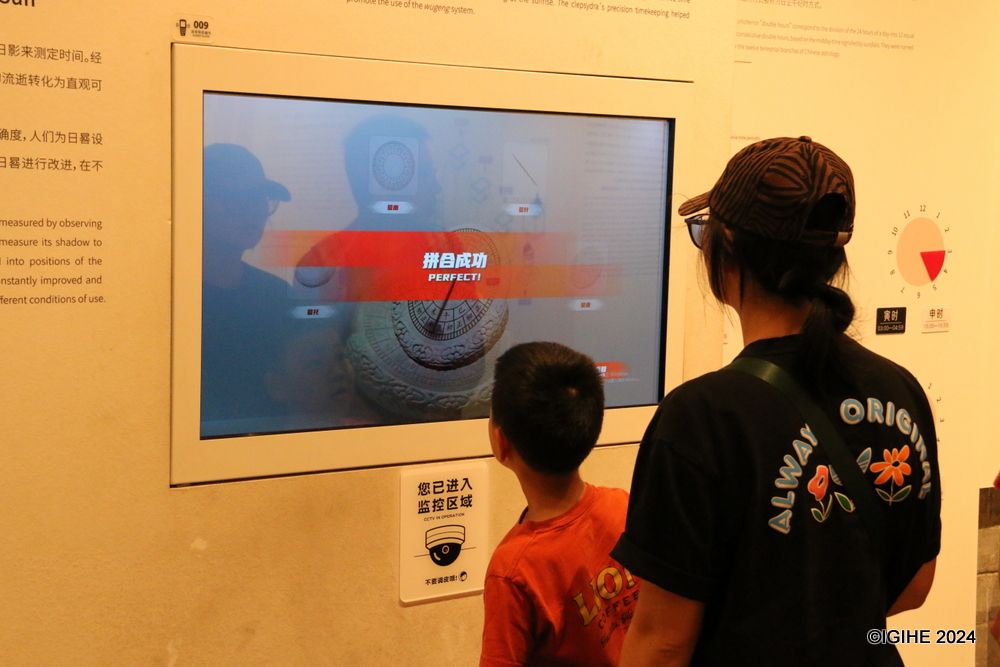
In ancient times, telling the time by them played an important role in helping Chinese people live and work regularly when there was no other means to keep track of the time.
As a result, these towers became public architectural landmarks and were widely constructed in almost every city throughout the country since the Han Dynasty.
Thus, the towers that housed these instruments became integral public structures, their unique fore-and-aft alignment in Beijing setting them apart from the traditional side-by-side arrangement found elsewhere.
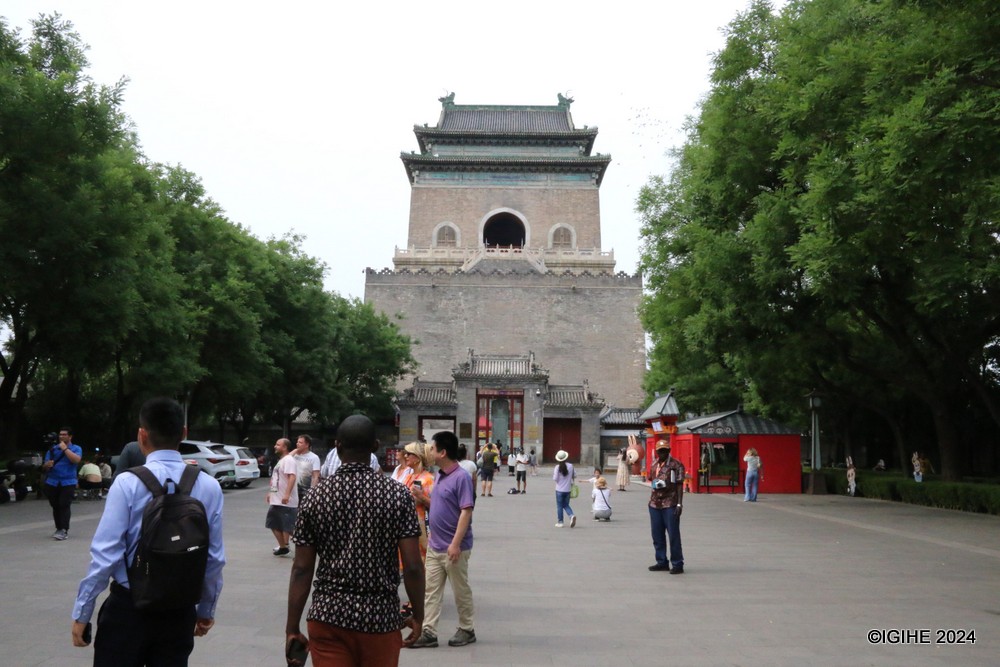
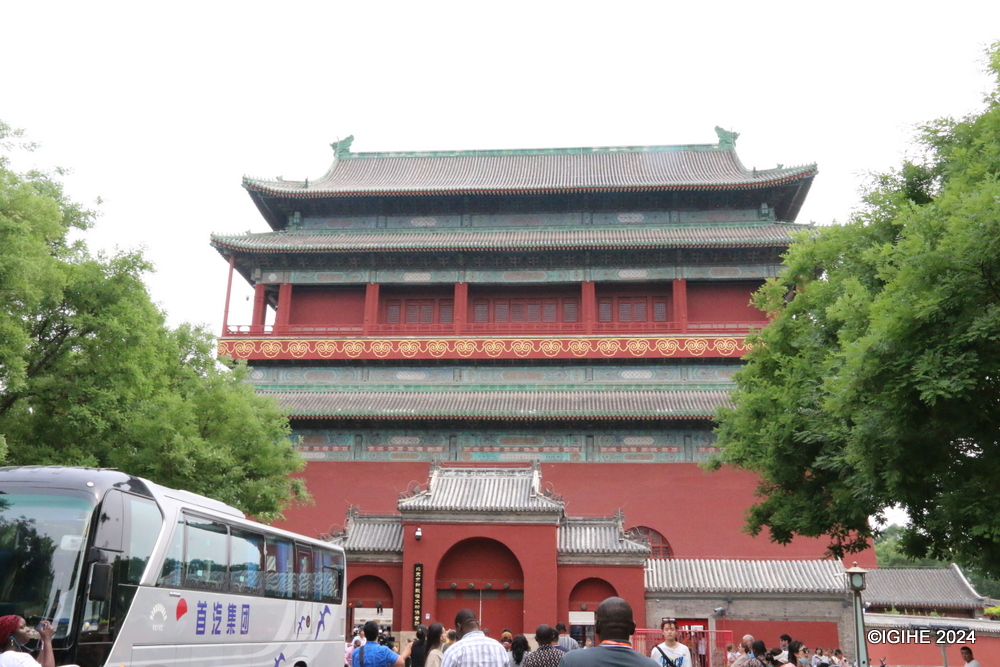
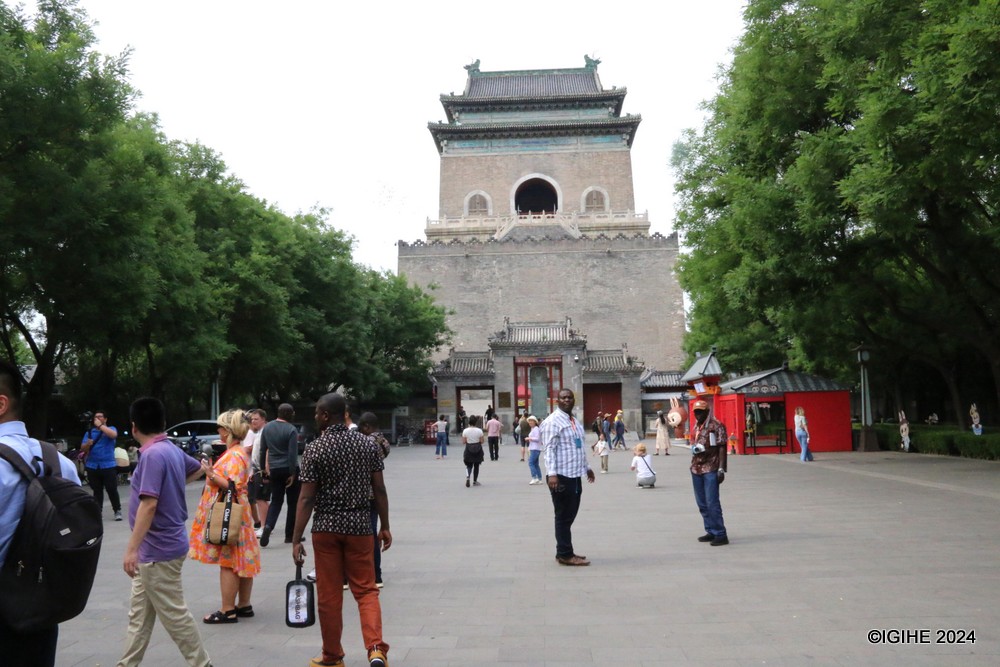
The Bell Tower, a striking brick and stone edifice, commands attention with its two floors, each adorned with arched doors on all four sides. Visitors ascend via stone stairs to the second floor, where stone windows offer glimpses of the city’s expanse.
Here, the largest and heaviest bell in China resides, a colossal copper creation standing 23 feet (7.02 meters) tall and weighing 63 tons. Its resonant, clear sound, produced by two 2-yard-long (2 meters) wooden logs, once echoed across Beijing, marking the hours with a timeless clarity.
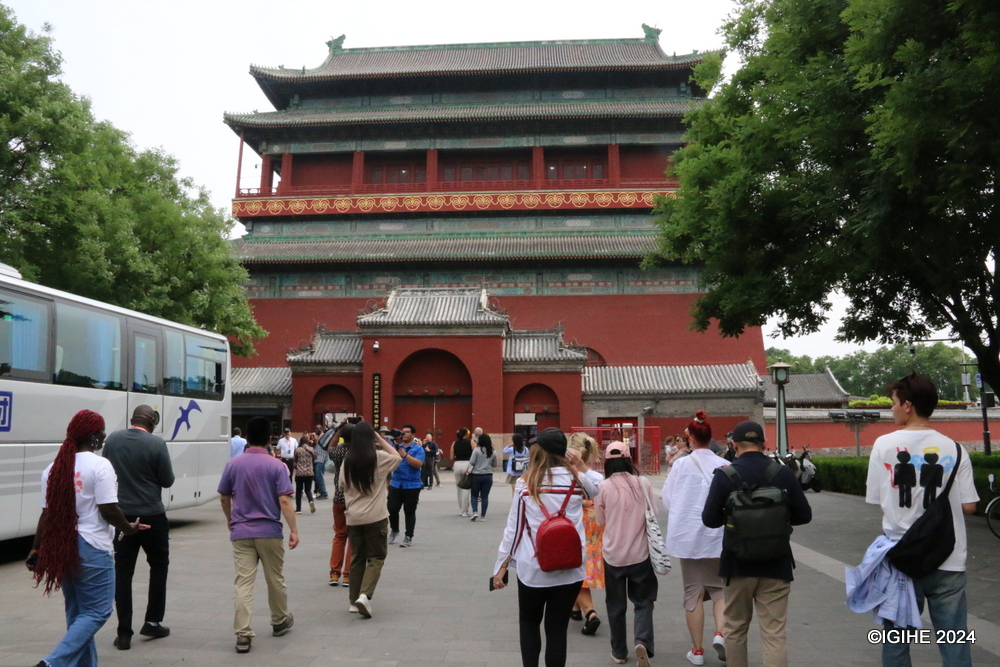
South of the Bell Tower, 110 yards (91 meters) away, stands the Drum Tower, perched on a 13-foot-high (4 meters) stone and brick base. Slightly shorter than its counterpart at 153 feet (46.7 meters), it nonetheless exudes a commanding presence. The Drum Tower’s first floor now houses the China Committee for the Promotion of Minority Art, while the second floor serves as an exhibition area.
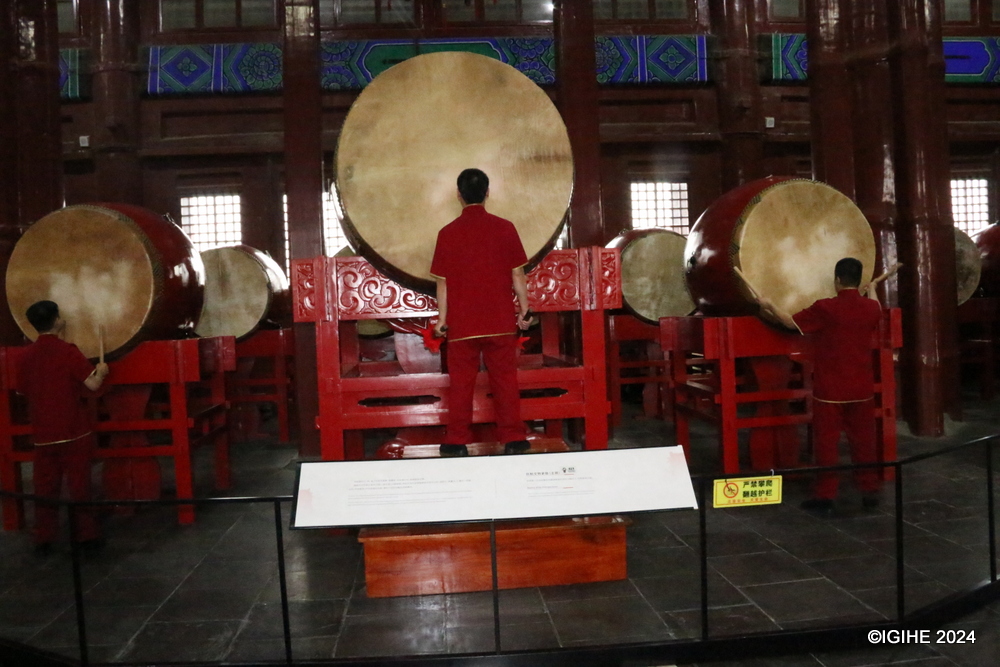
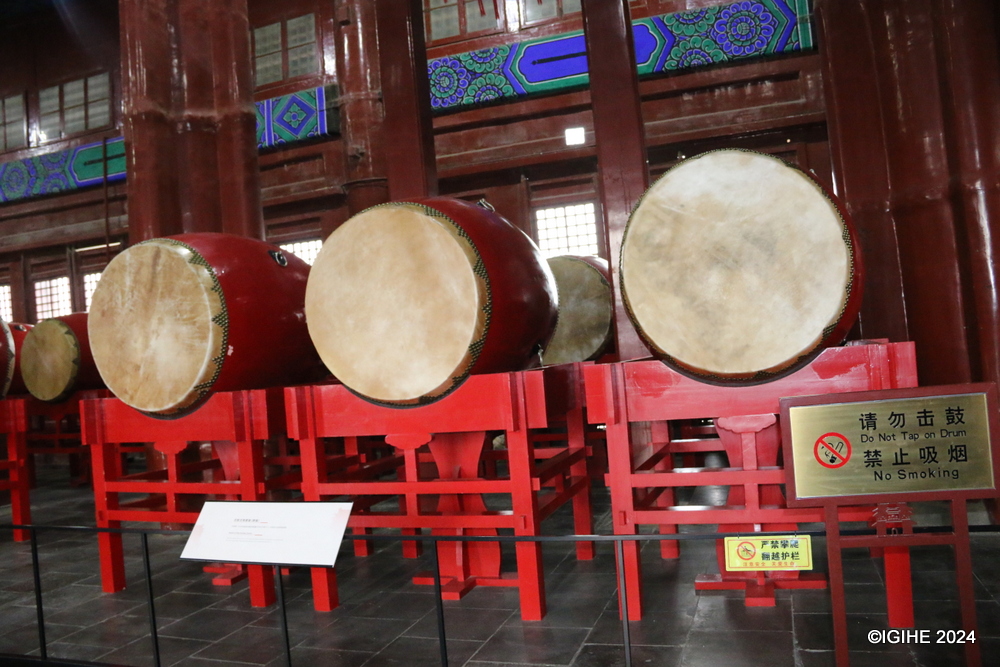
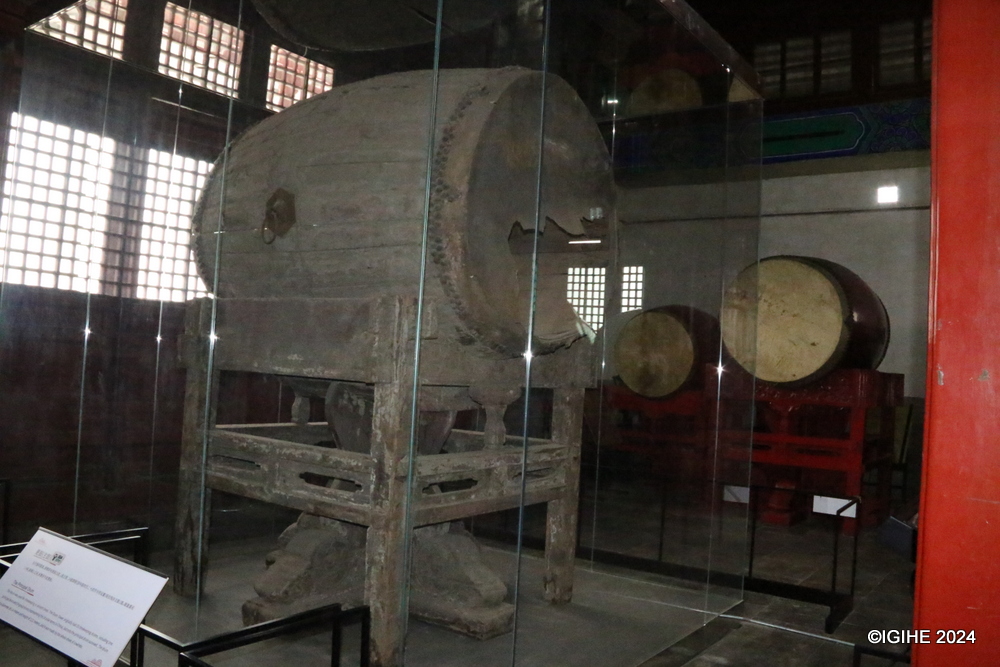
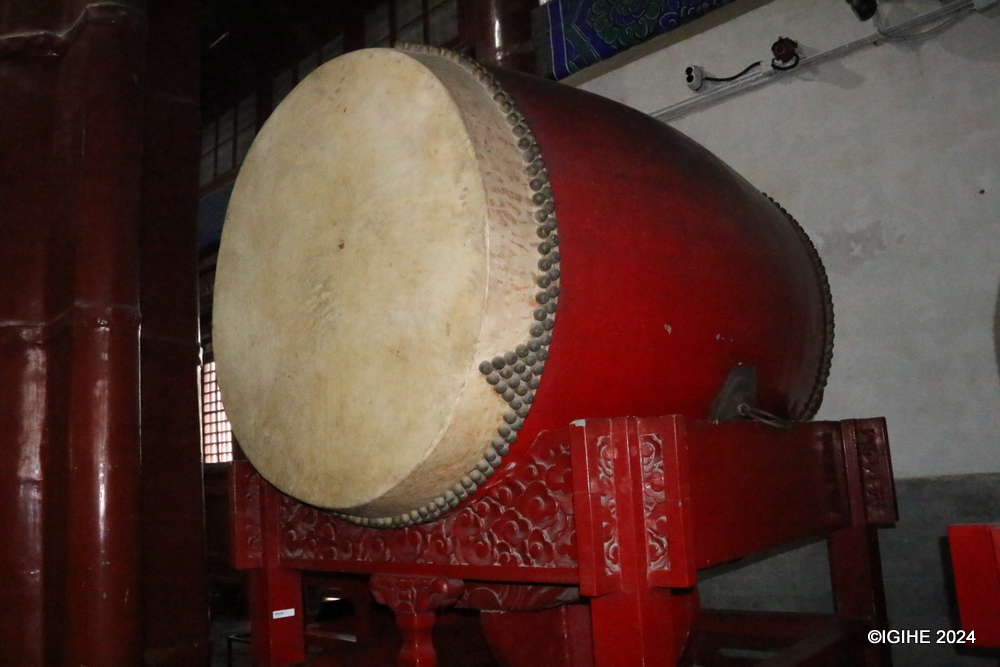
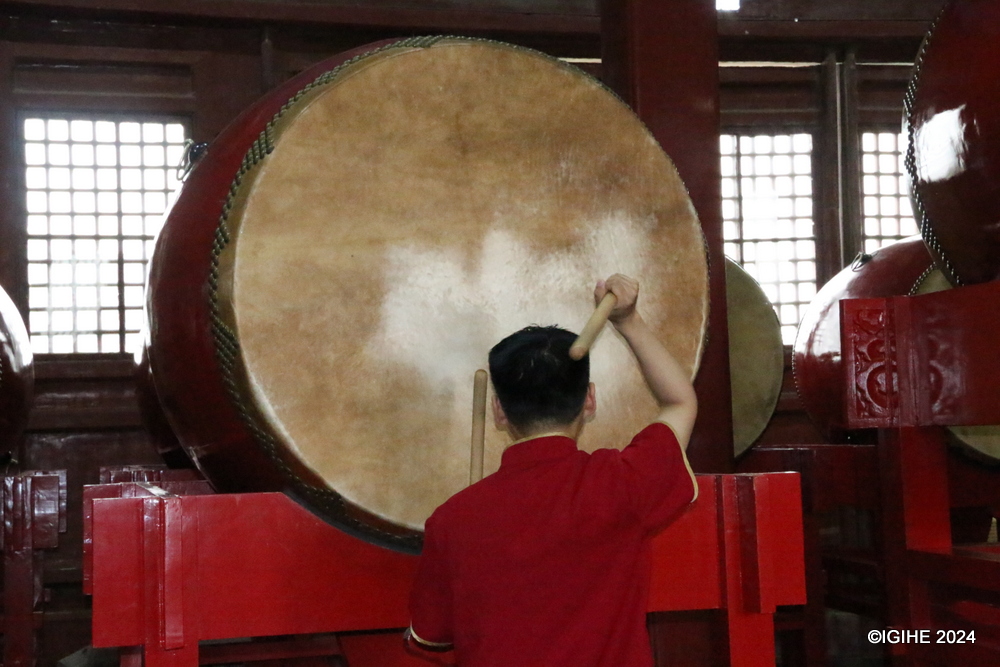
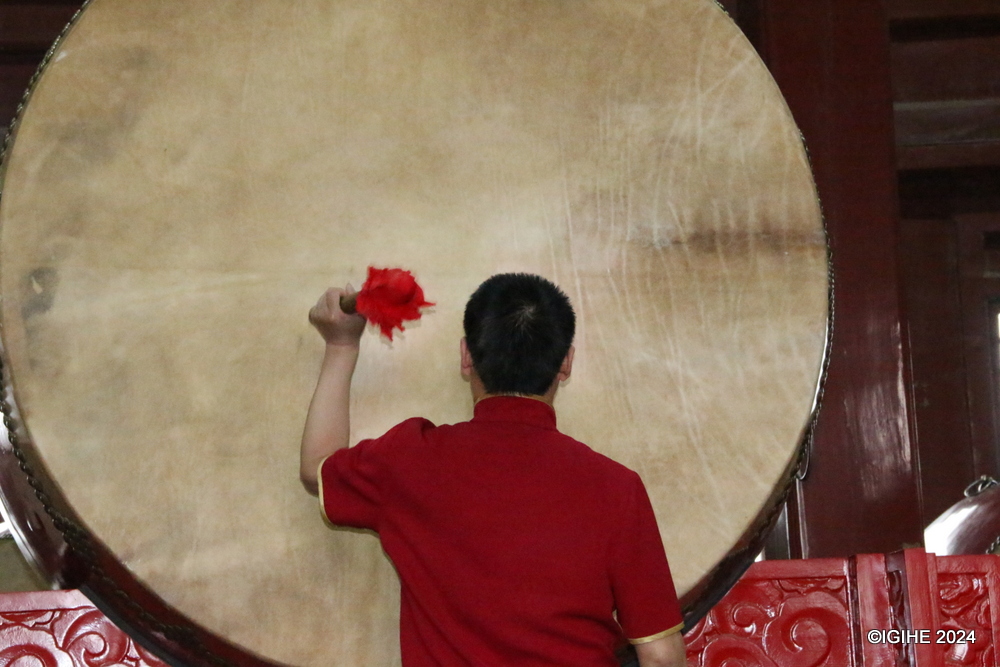
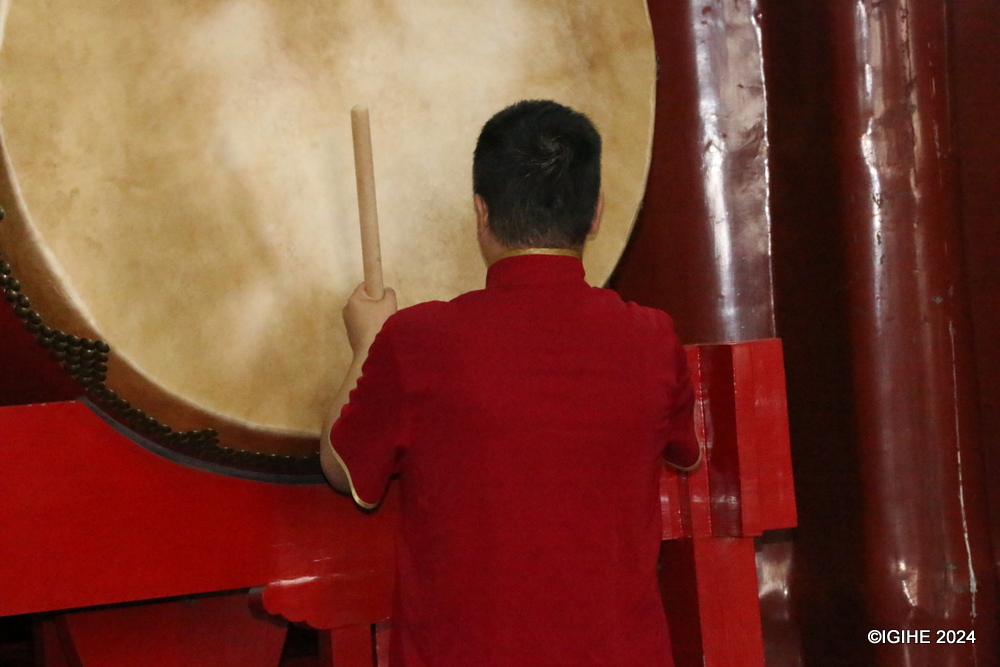
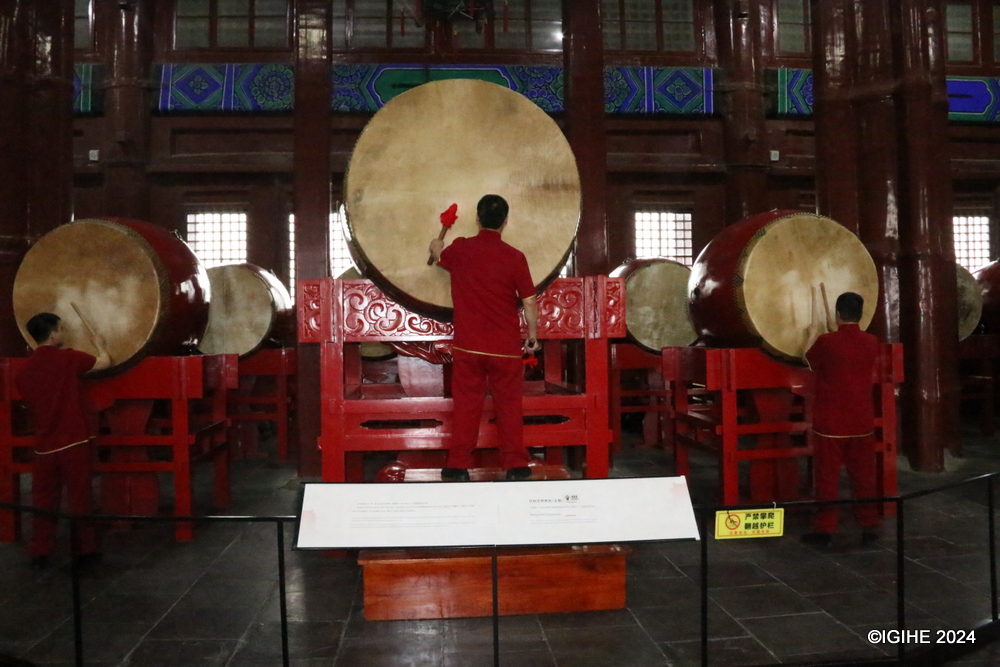
Historically, this tower contained one large drum and 24 smaller ones; today, only the large drum remains. The intricate rhythm of 108 tolls—three rounds of 18 quick beats followed by 18 slow beats—symbolized a year in ancient times, marking time with a profound significance.
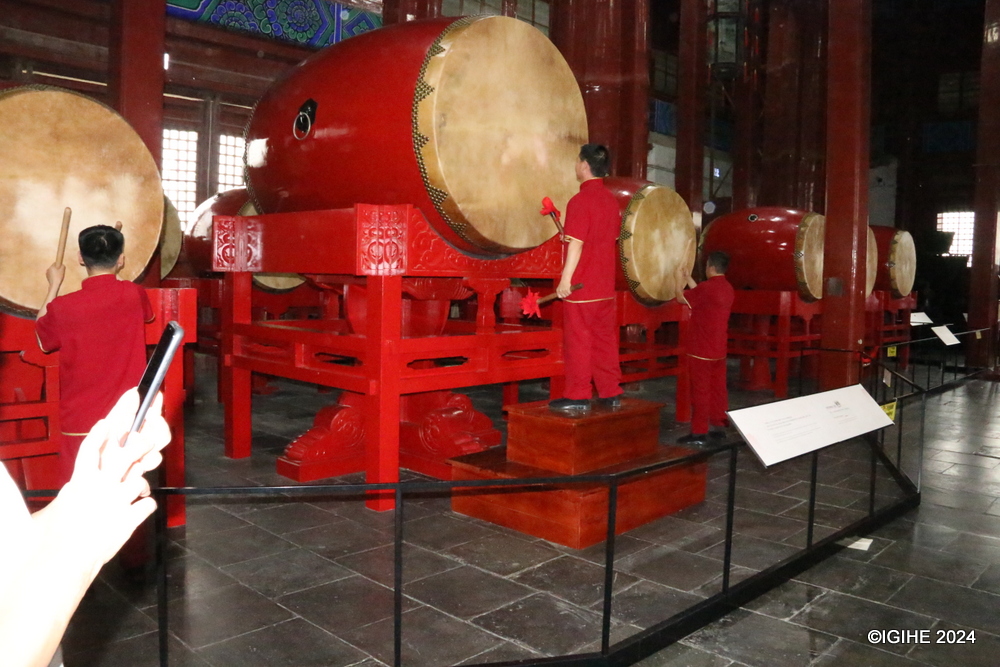
The practice of using the bell and drum for timekeeping ceased after Pu Yi, the last emperor of China, left the Forbidden City. Yet, in a poignant revival of tradition, the bell’s melodious chime returned on New Year’s Eve in 1990, followed by the drum’s resonant beat on New Year’s Eve in 2001. Since January 1, 2002, the drum has been struck four times daily, each session lasting 15 minutes. On every New Year’s Eve, both the bell and drum are struck 108 times, sending a blessing to the people of Beijing and connecting the modern city with its ancient roots.
Throughout their storied history, the Bell and Drum Towers have witnessed the ebb and flow of Beijing’s fortunes. During the Yuan Dynasty, they stood behind the imperial palace, overlooking a bustling downtown district. By the Ming and Qing Dynasties, the area in front of the Drum Tower had become Beijing’s busiest shopping street. During the Republican Period, the space between the towers teemed with impoverished individuals, handicraft merchants, and snack vendors, creating a vibrant marketplace that drew people from all walks of life.
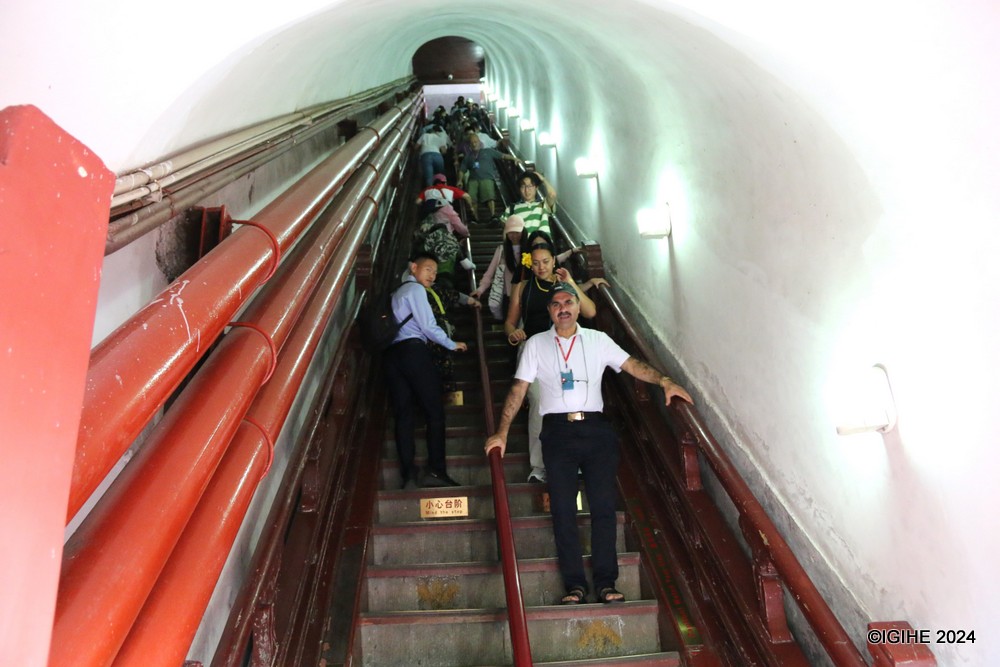
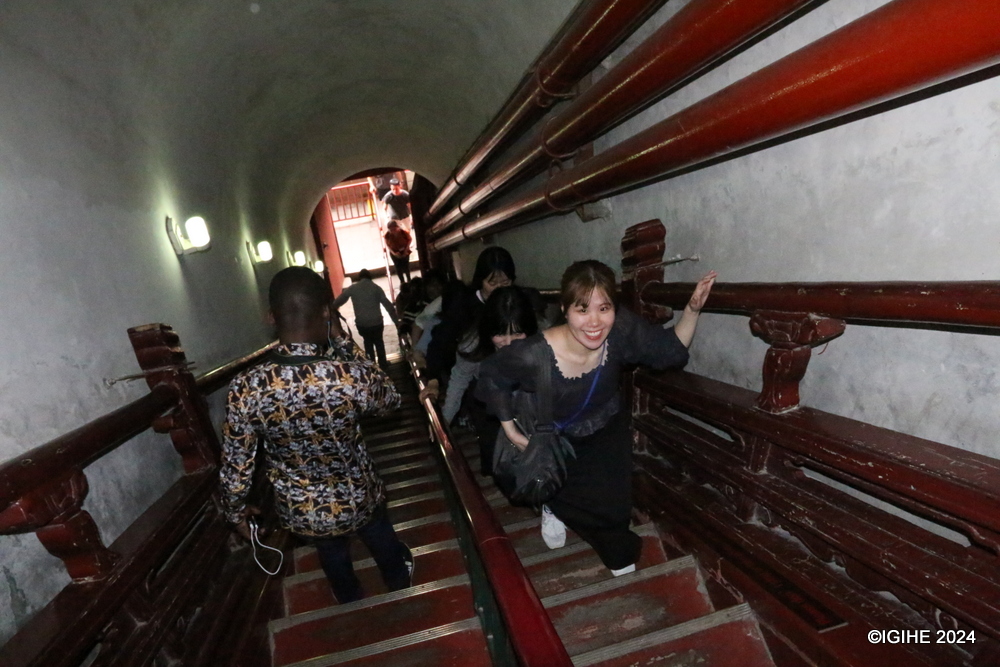
Today, despite being dwarfed by Beijing’s modern skyscrapers, the Bell and Drum Towers remain the tallest structures in their vicinity, offering breathtaking views of the city’s traditional hutong neighborhoods. The Bell Tower’s 360-degree panoramic view captivates visitors, while the Drum Tower features hourly drum performances that enthrall with their rhythmic precision. However, the ascent to these vantage points requires climbing about 70 steep steps, a challenge not recommended for those with mobility issues.
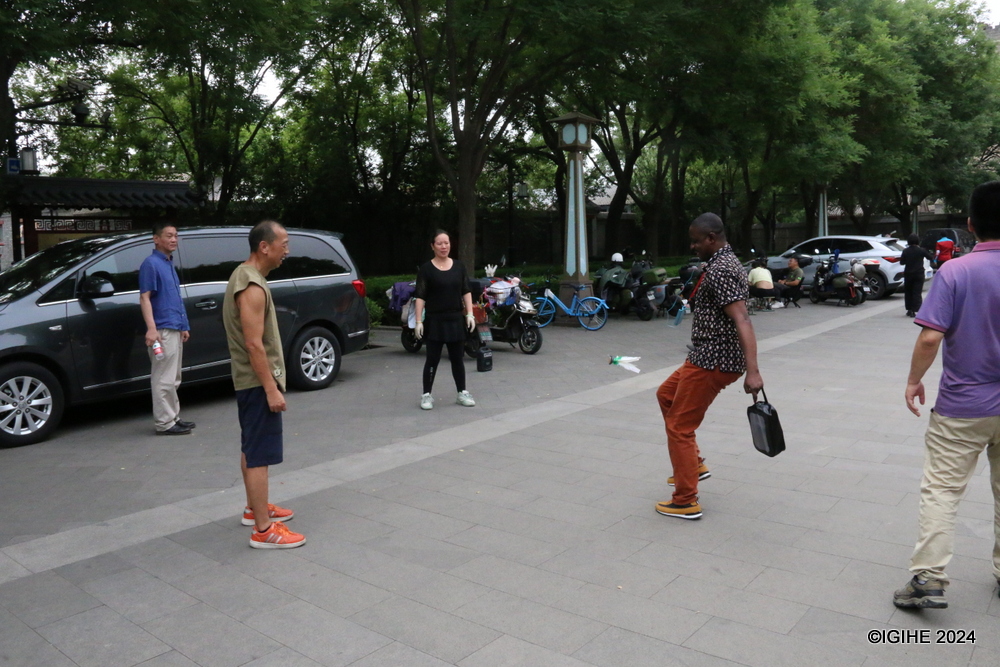
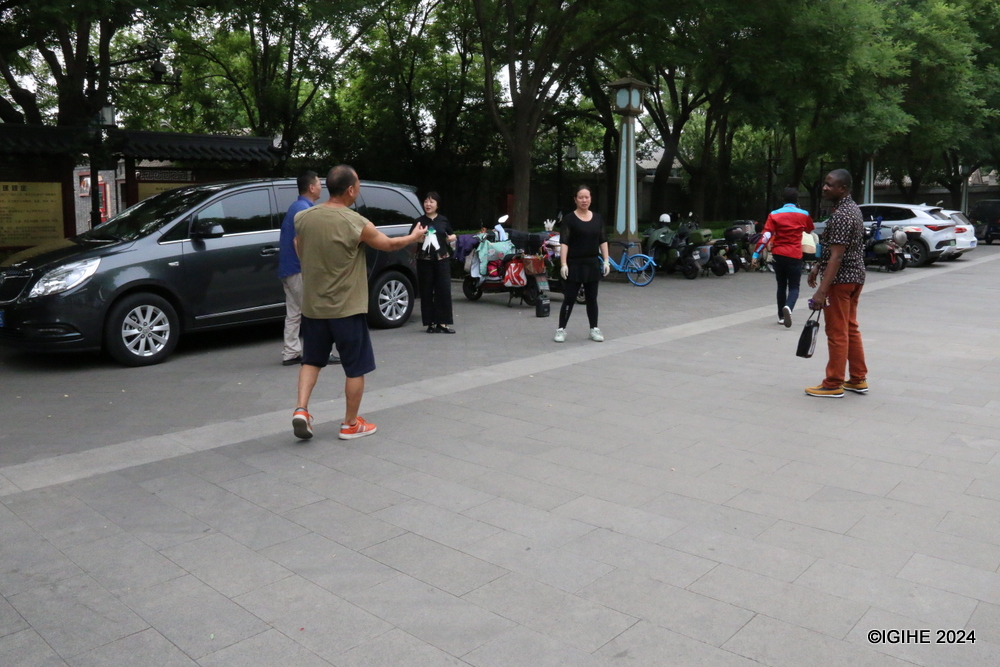
Between the towers lies a small square, a gathering place where local elders and children from the surrounding hutongs come together, especially in the evenings. Here, amidst the echoes of history, visitors can immerse themselves in the charming local atmosphere, often visiting the towers before or after exploring the narrow alleyways of the hutongs.
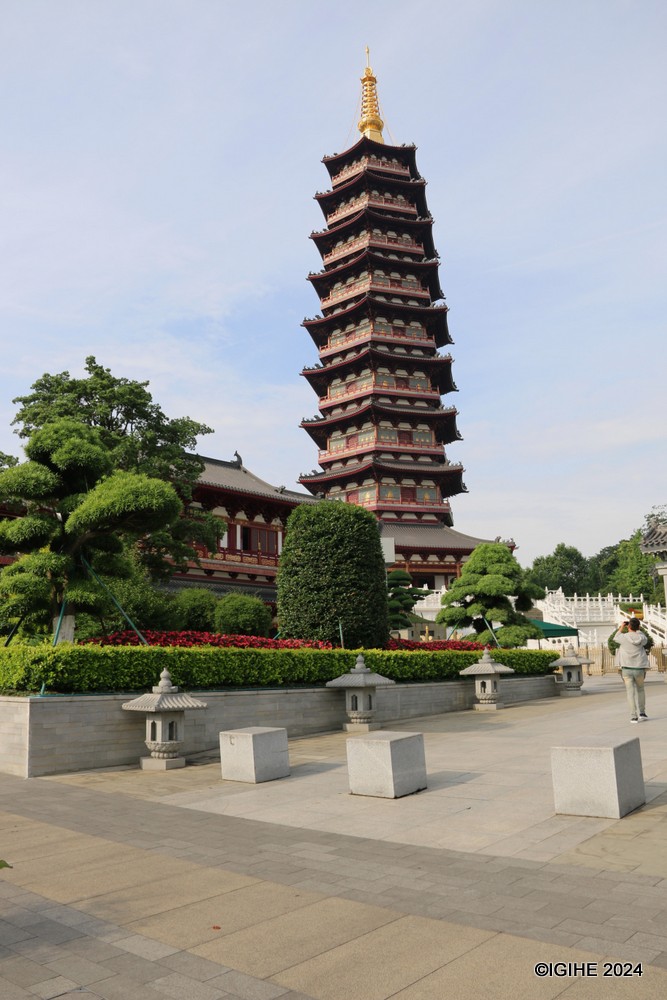
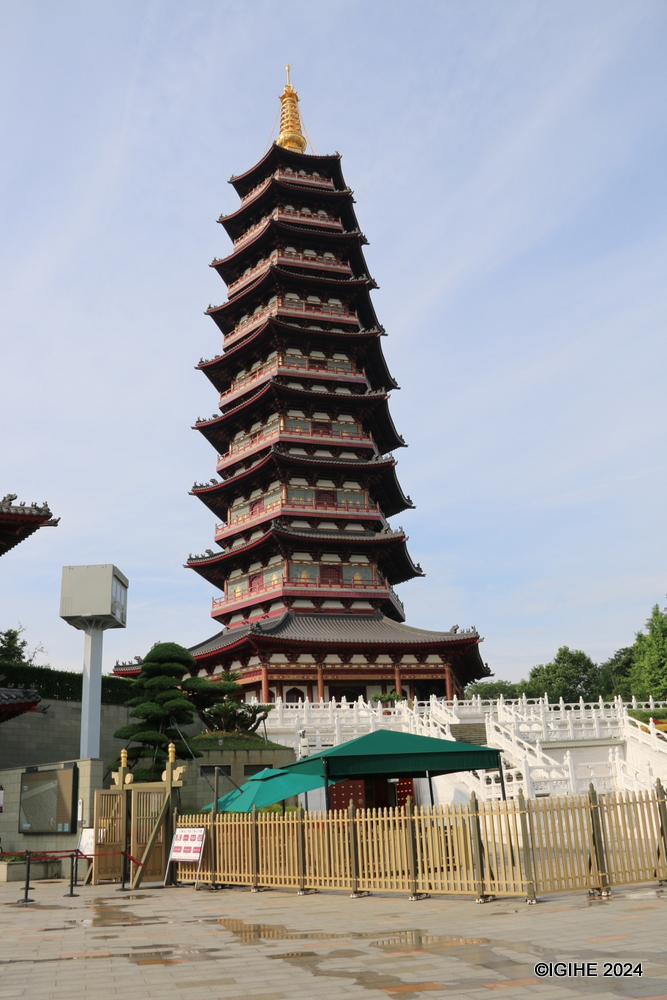
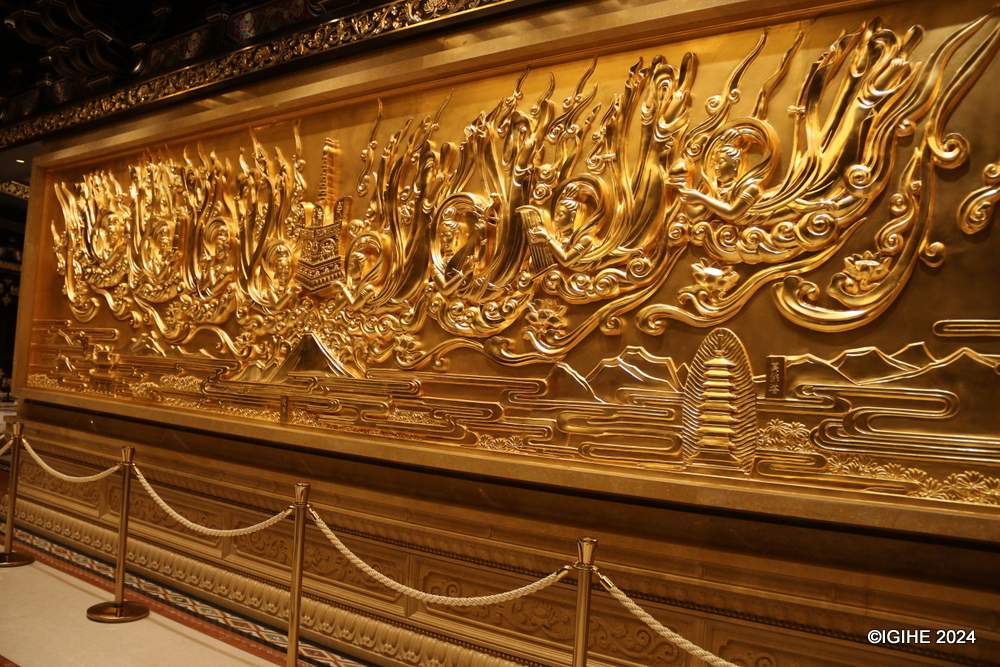
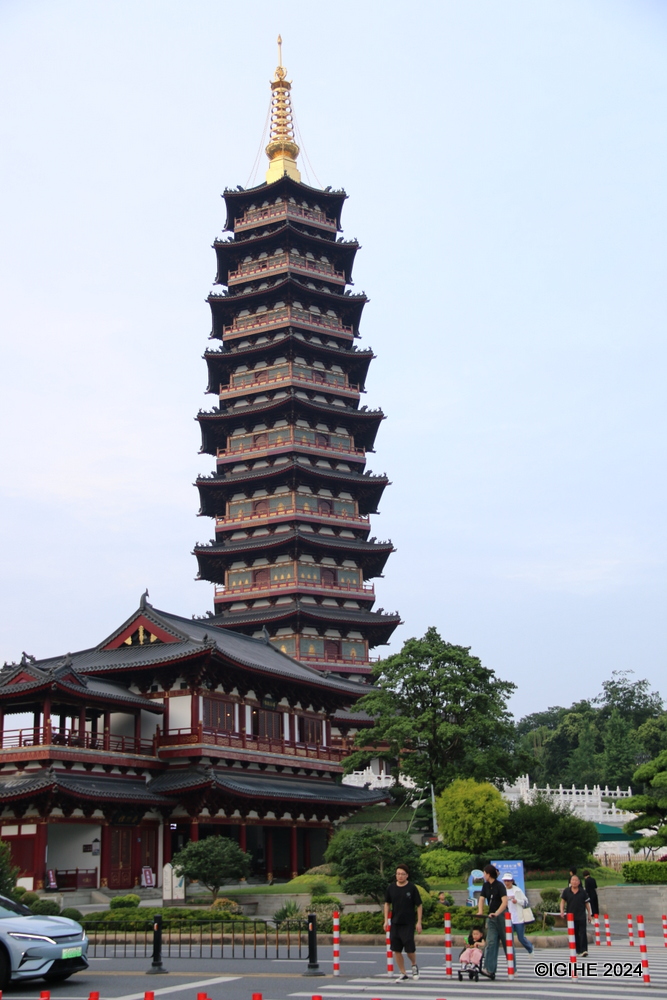
Wanfo Pagoda’s reputation for grandeur and beauty spread rapidly across Southeast China, earning it the prestigious title of “Number One Pagoda in Zhejiang.” Its towering presence, with multiple levels and exquisite decoration, made it a focal point in the region. However, during the Anti-Japanese War, the pagoda’s height rendered it a potential lookout point for enemy forces.
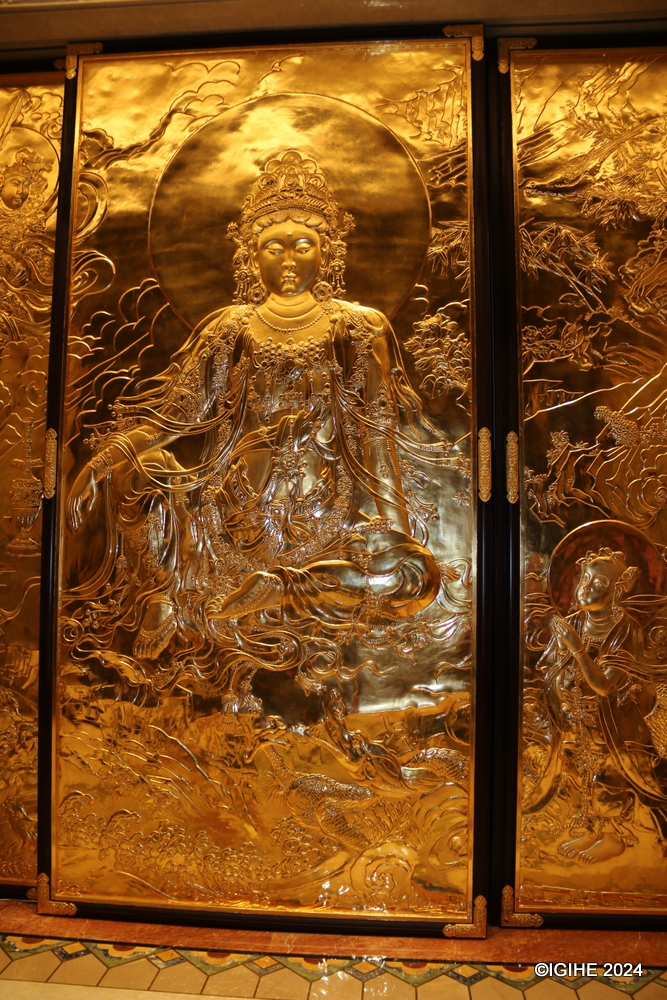
To prevent Japanese troops from exploiting its vantage, the pagoda was sadly demolished. Yet, in 1957, the uncovering of its underground chamber revealed 183 precious cultural relics, including the illustrious “Water Moon Guanyin,” now a national first-class cultural treasure.
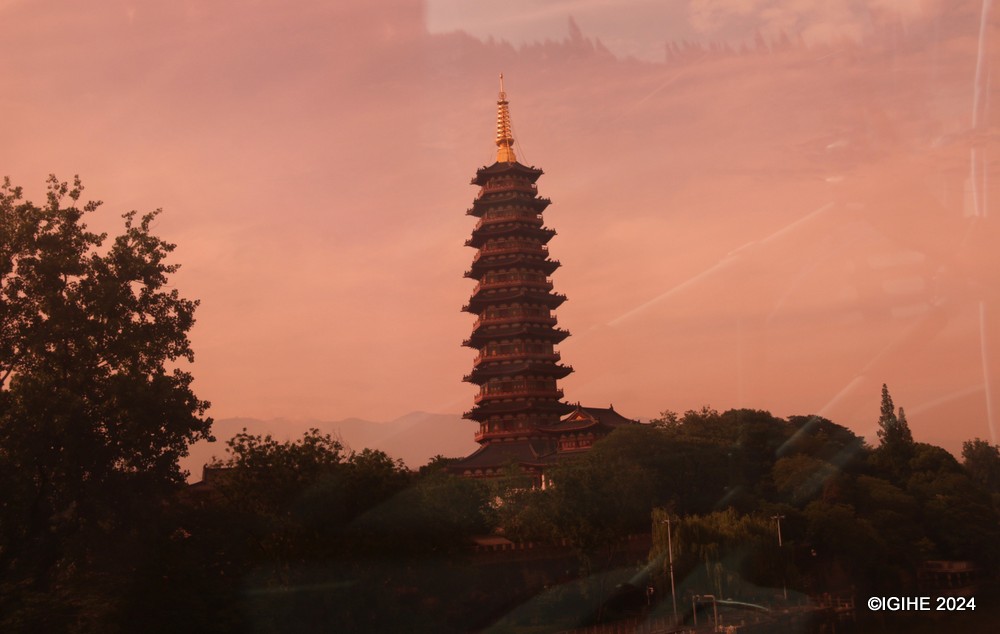
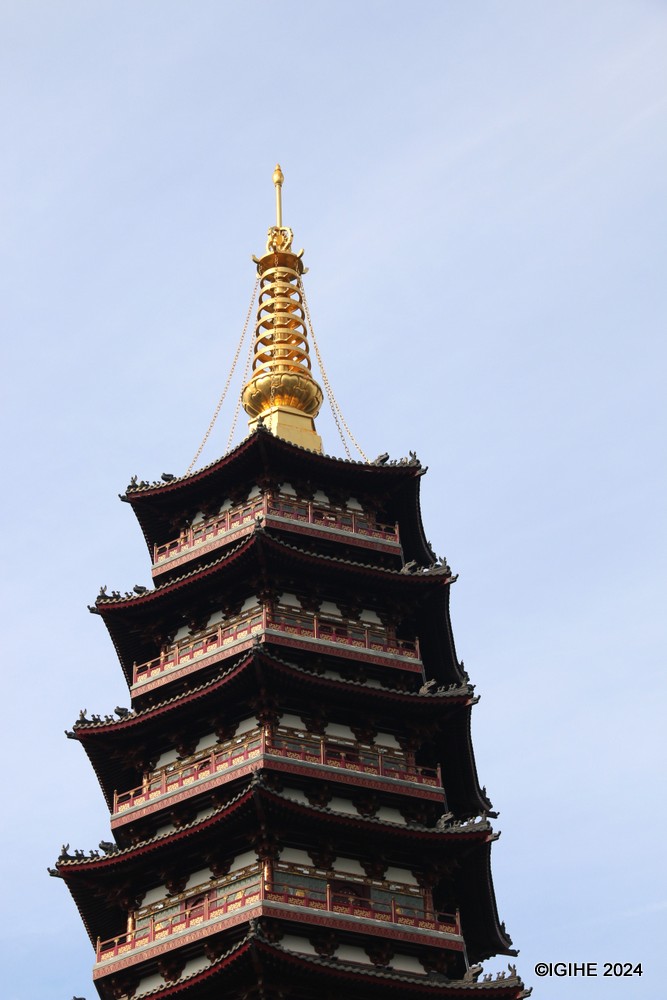
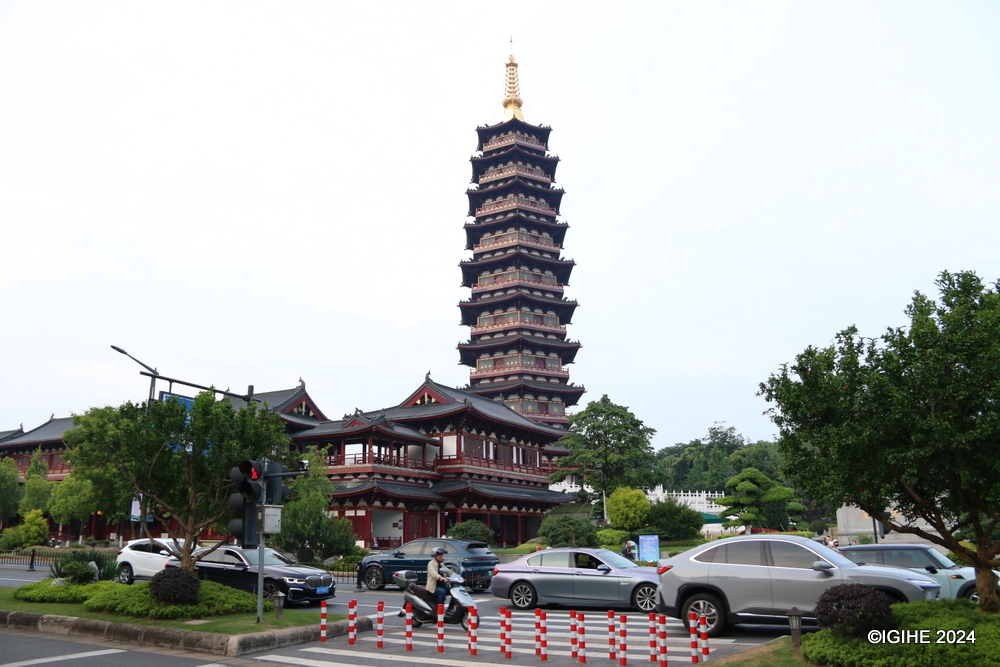
In 2020, the Wanfo Pagoda was reconstructed, meticulously designed to reflect its Song Dynasty origins while incorporating modern engineering. The new structure standing 99.99 meters tall, boasts hexagonal cornices with nine exterior layers and eight inner layers. Built with a steel-concrete frame, it features traditional Song architectural elements such as caissons, moon-shaped beams, and ornate wall carvings.
This harmonious blend of ancient design and contemporary techniques has positioned Wanfo Pagoda as a benchmark for cultural and architectural excellence in central Zhejiang.
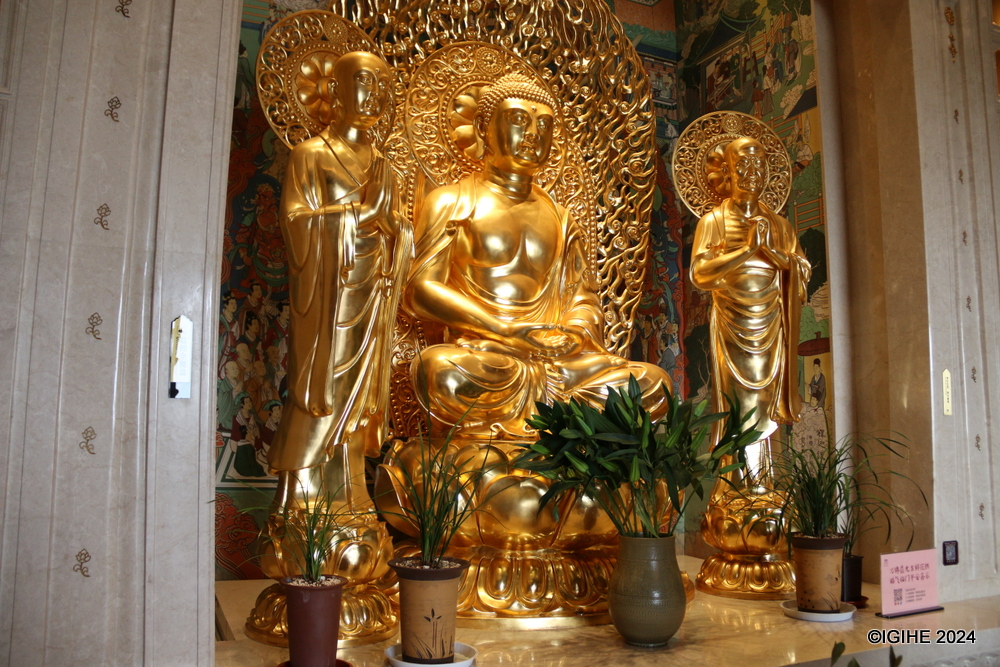
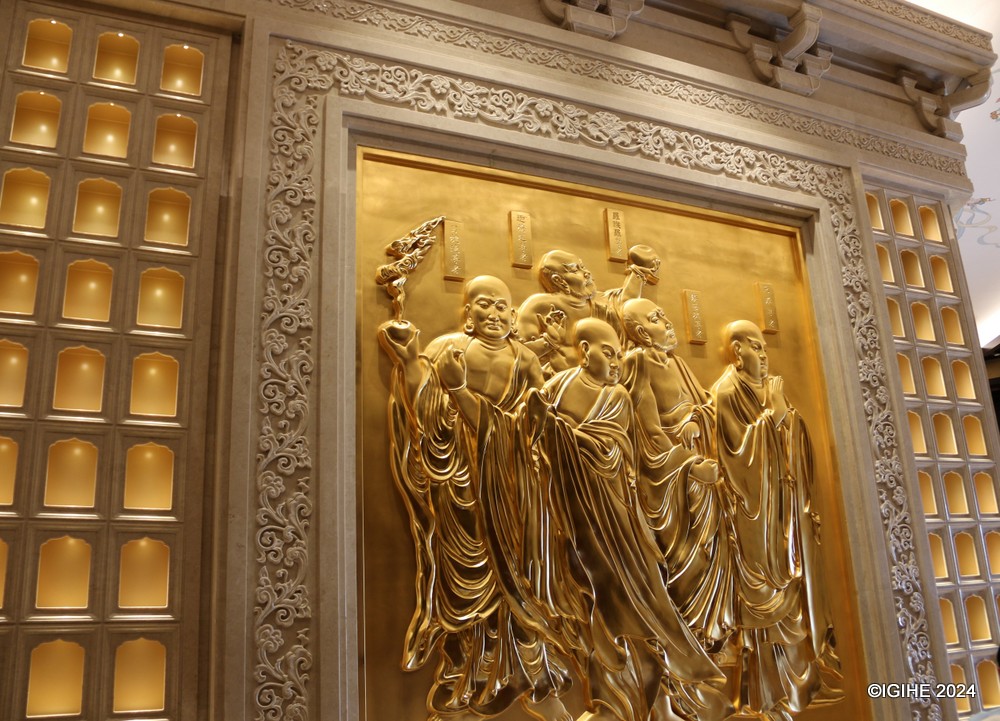
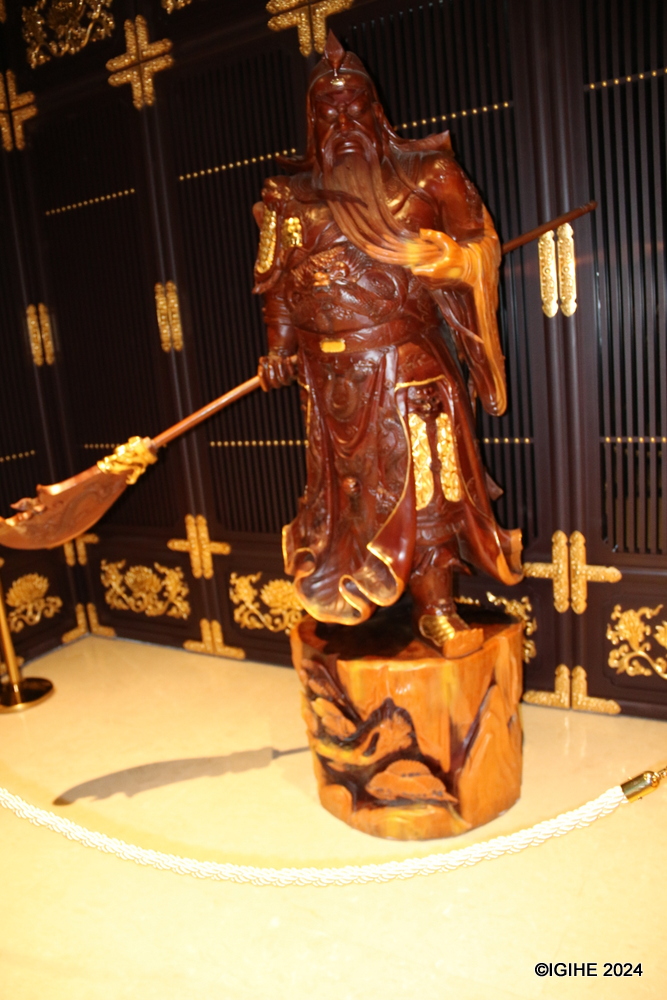
Inside the pagoda, over 7,000 Buddha niches and more than 3,700 brick carvings recreate the spiritual and artistic grandeur of the original structure. The first level houses the majestic Shakyamuni Buddha statue, accompanied by depictions of his ten great disciples. The floor, inlaid with various types of jade, showcases masterful mosaic craftsmanship.
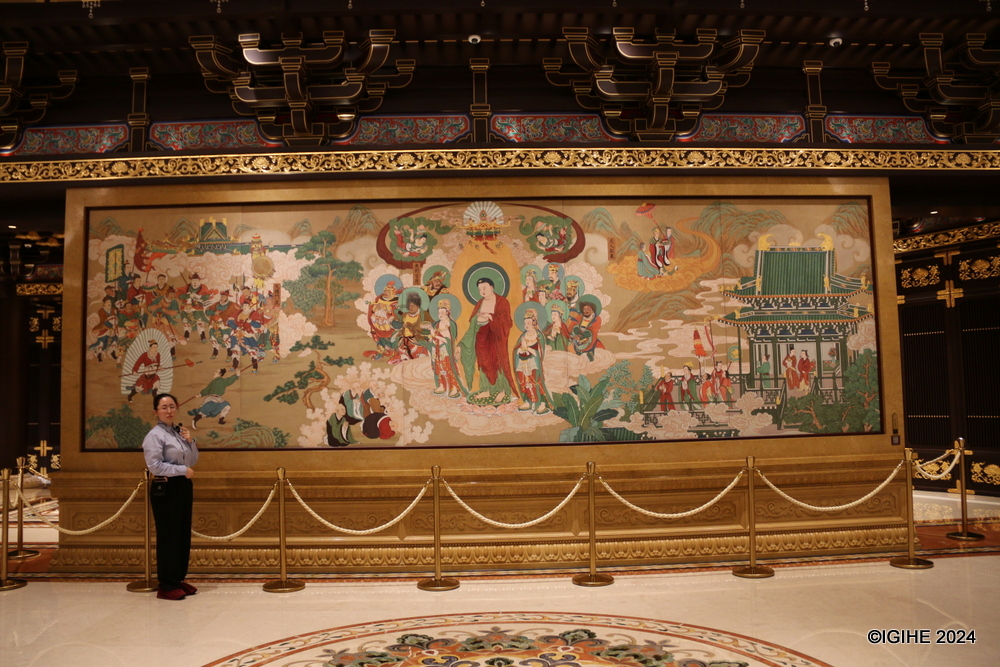
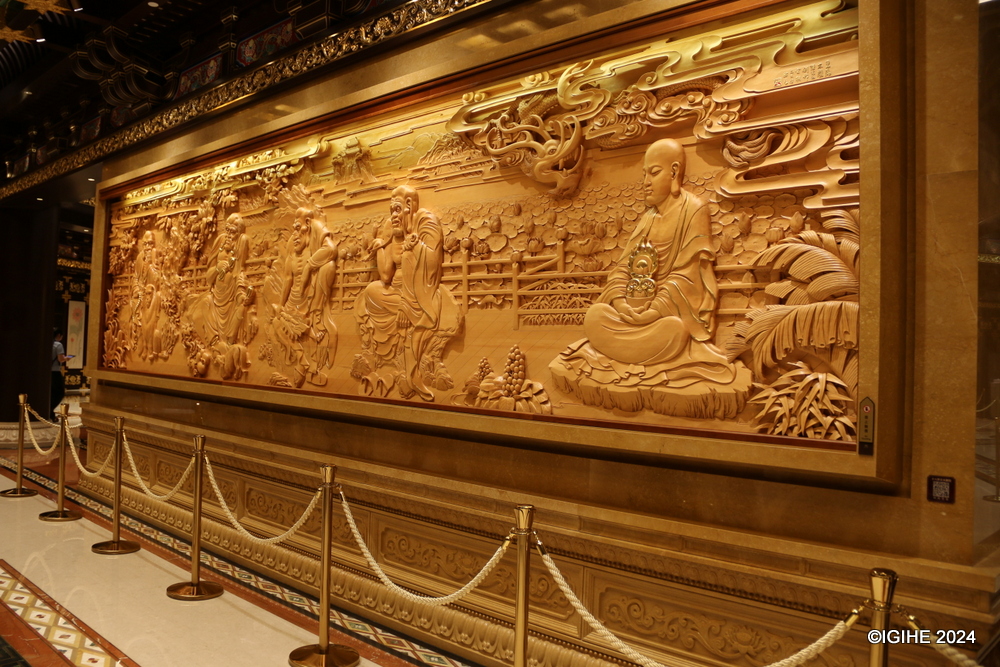
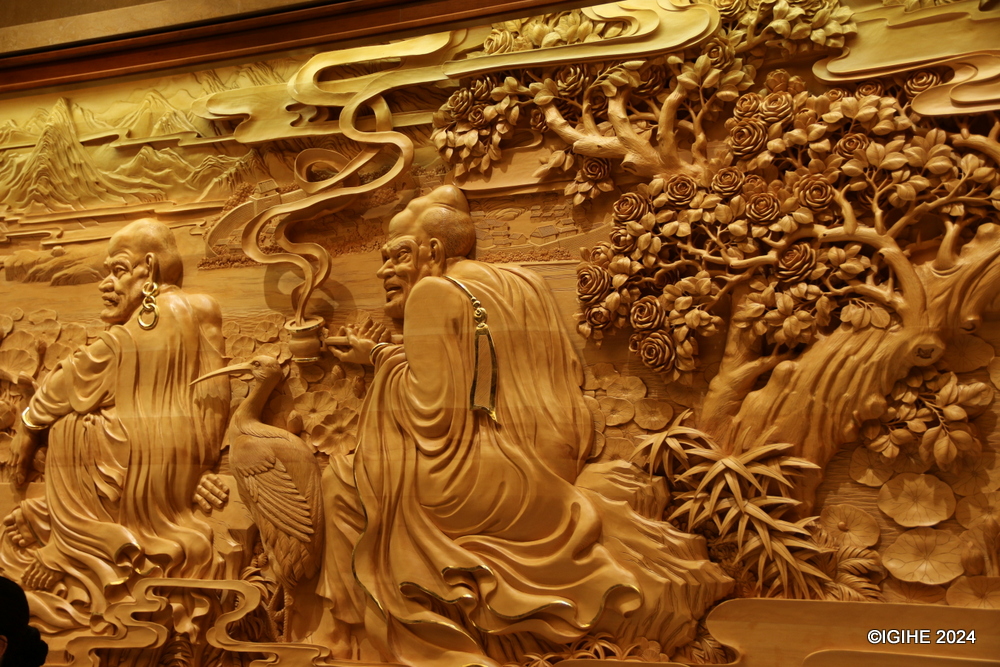
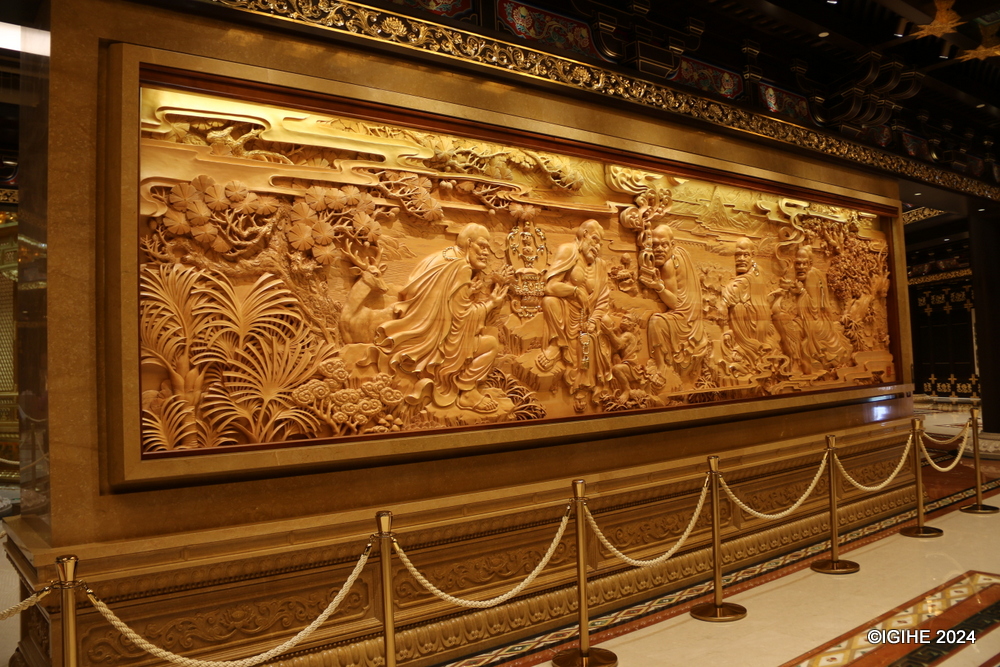
Beneath the pagoda, the underground chamber spans over 1,900 square meters, resembling a small museum. It features murals illustrating Buddha’s life stories and intricately carved wood sculptures by Master Lu Guangzheng, blending Buddhist themes with local Jinhua elements.
This space not only honors the past but also educates visitors on the China’s rich cultural heritage.
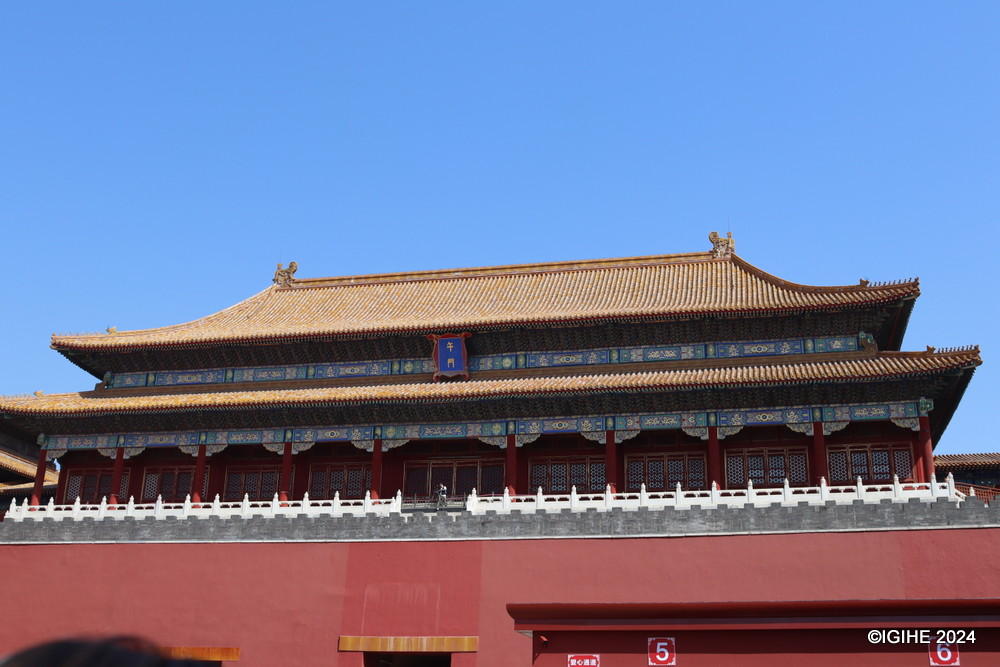
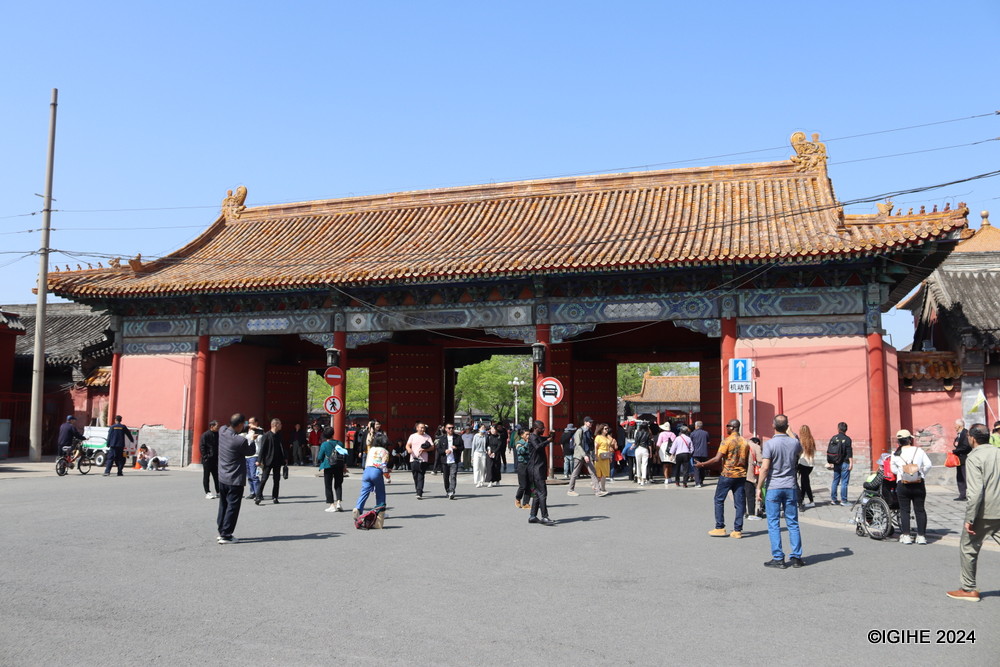
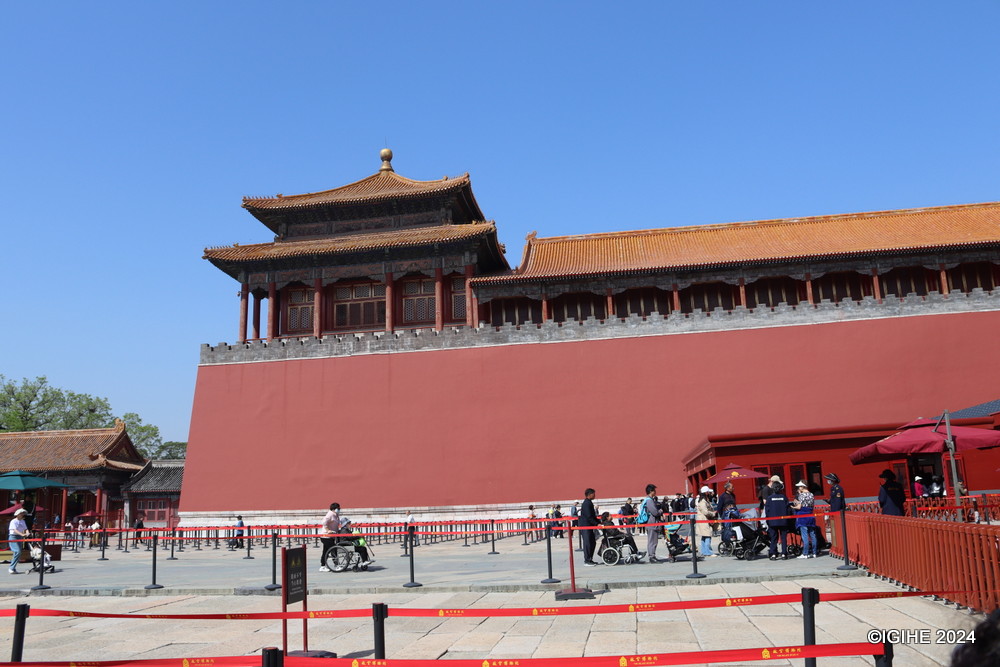
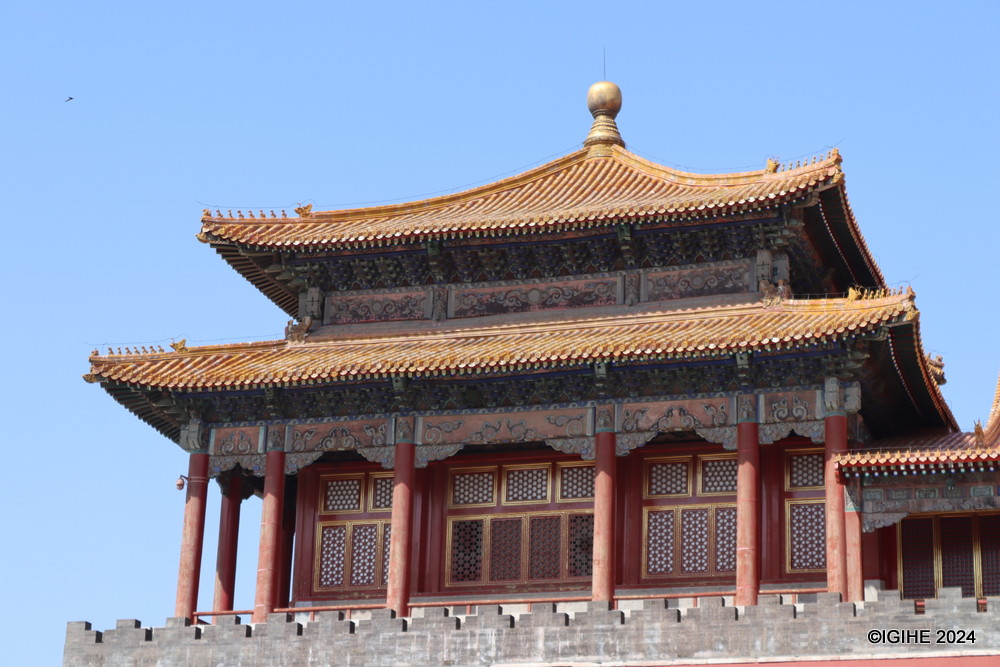
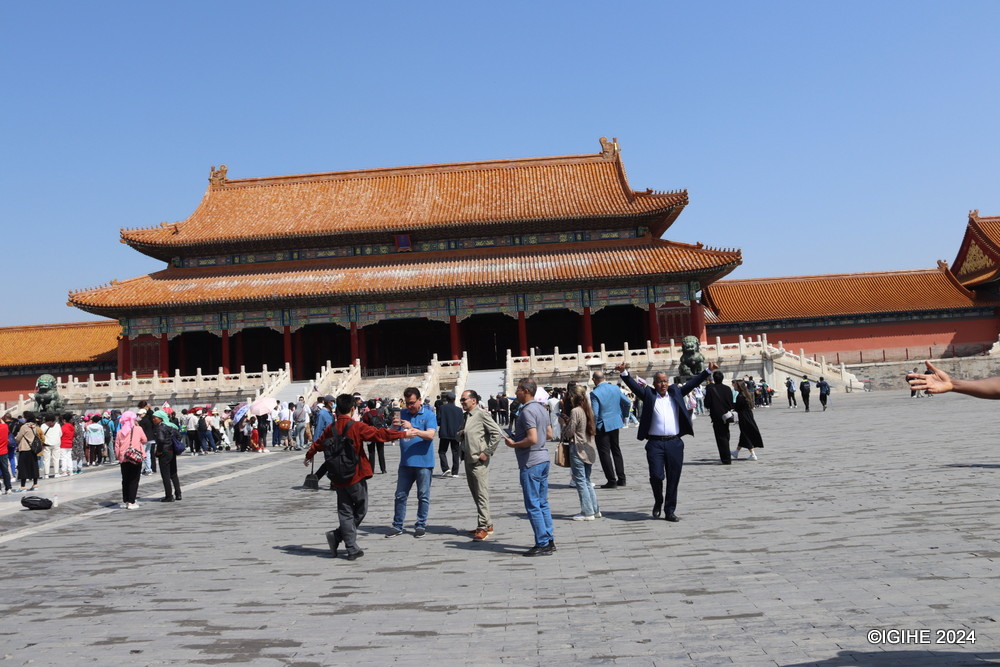
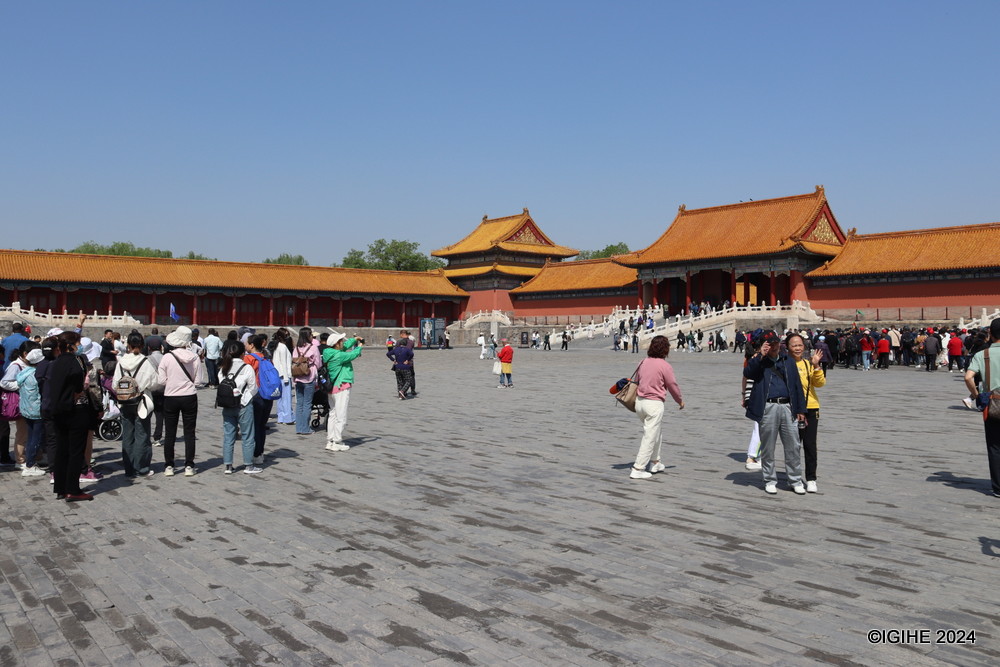
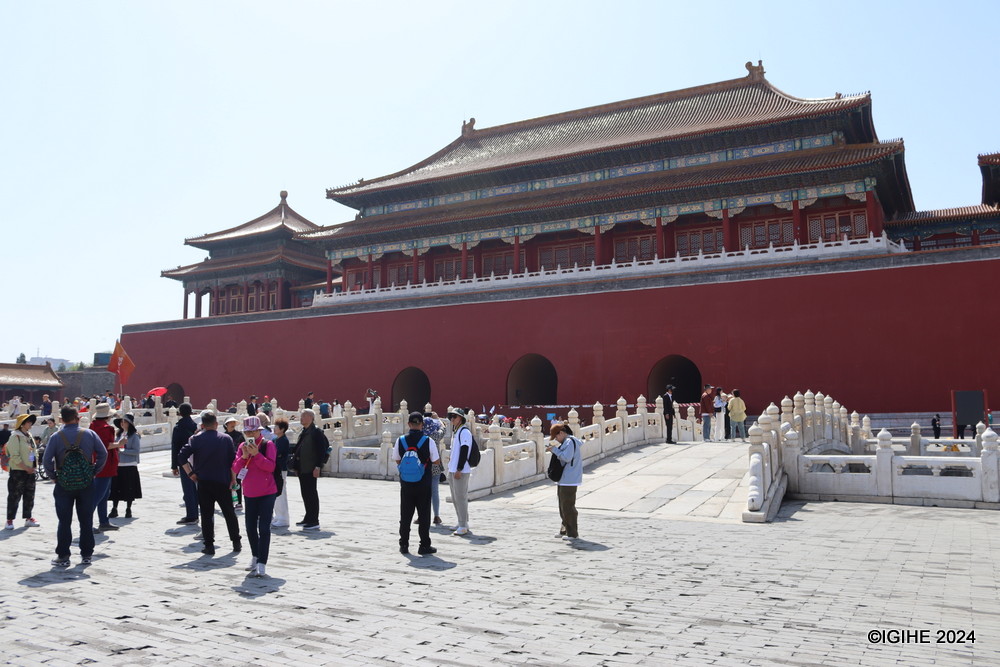
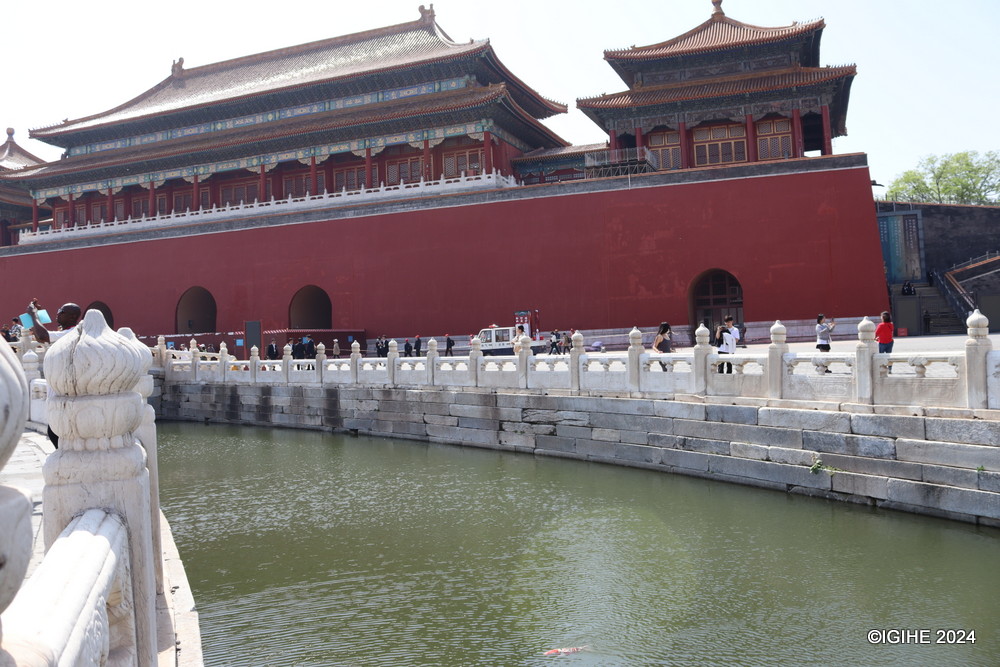
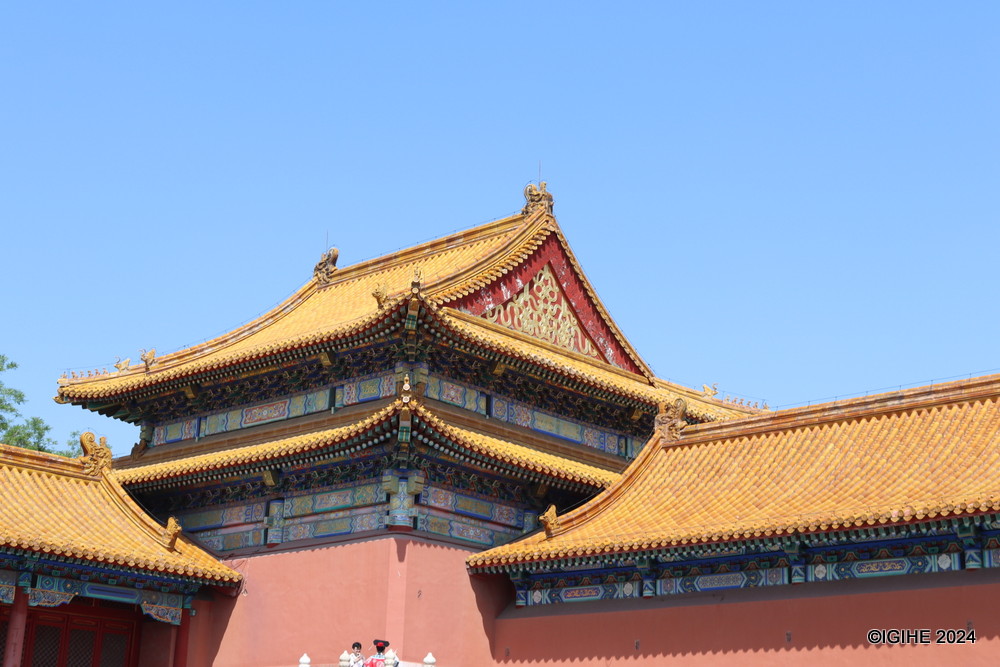
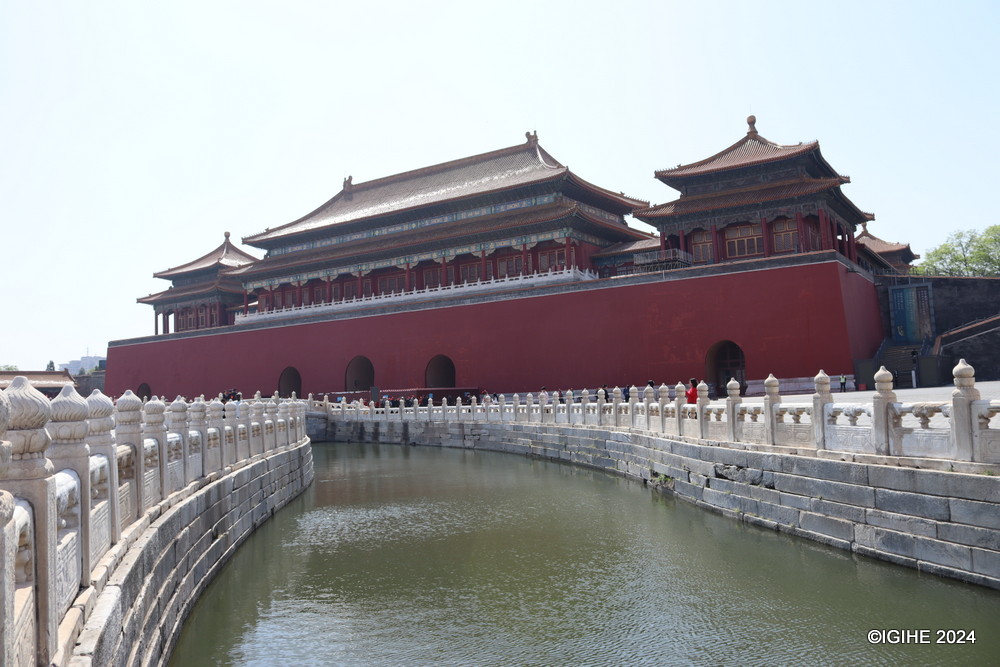
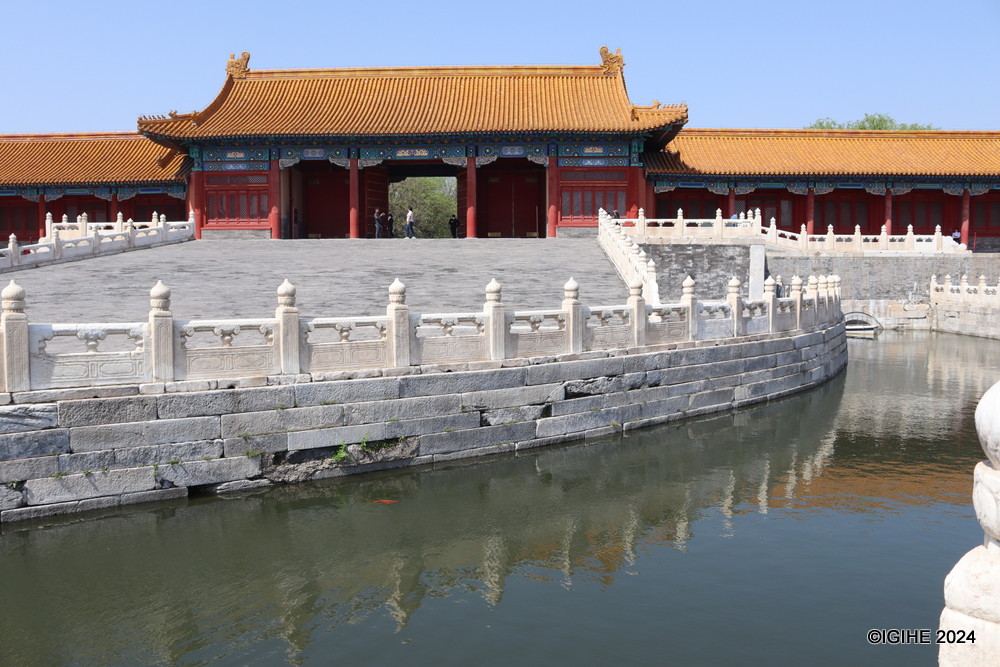
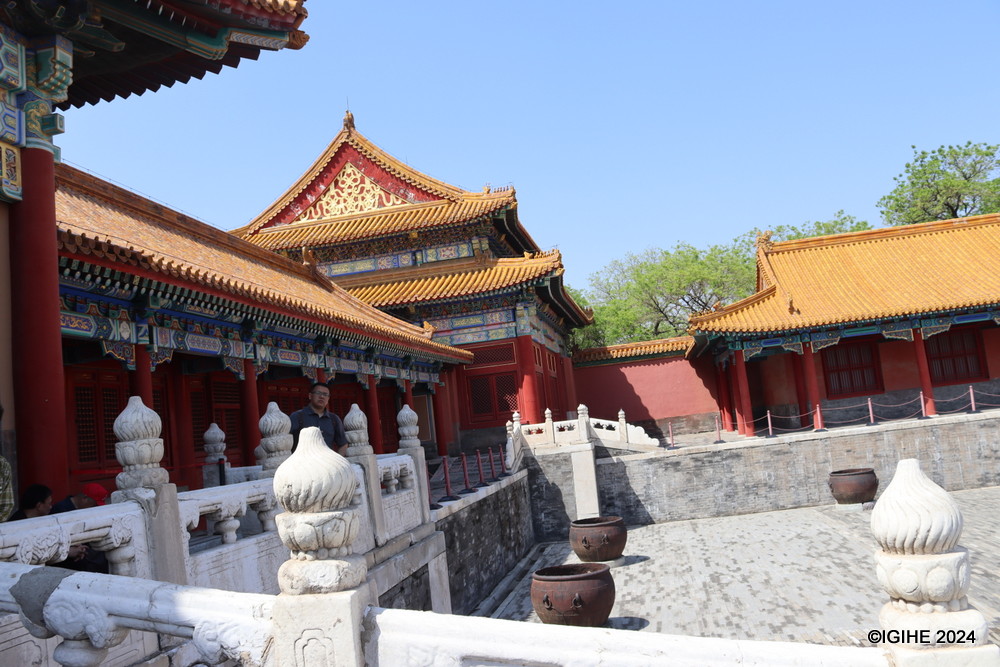
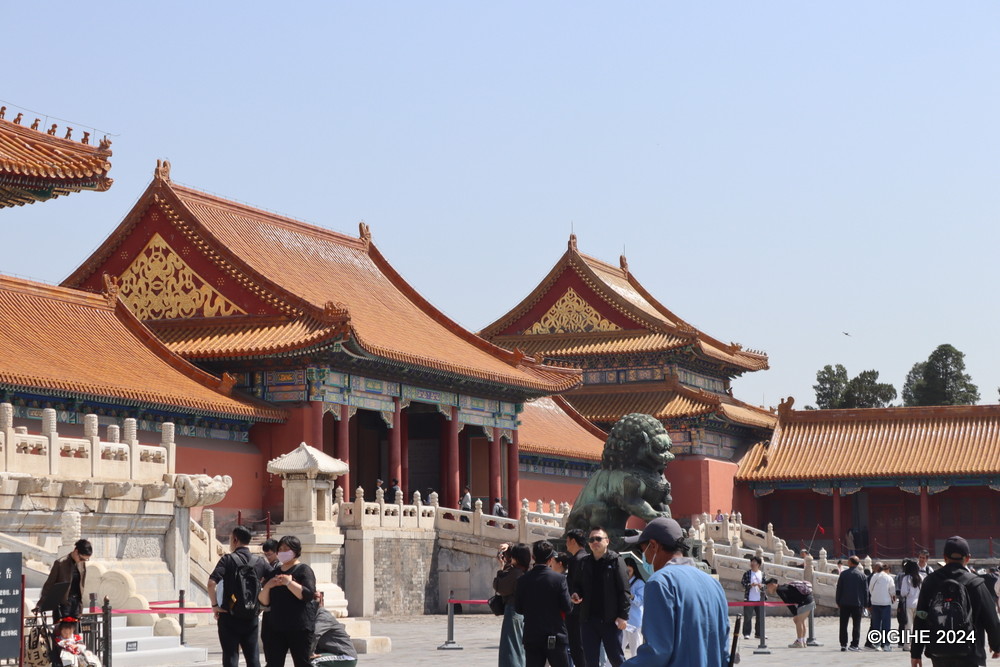
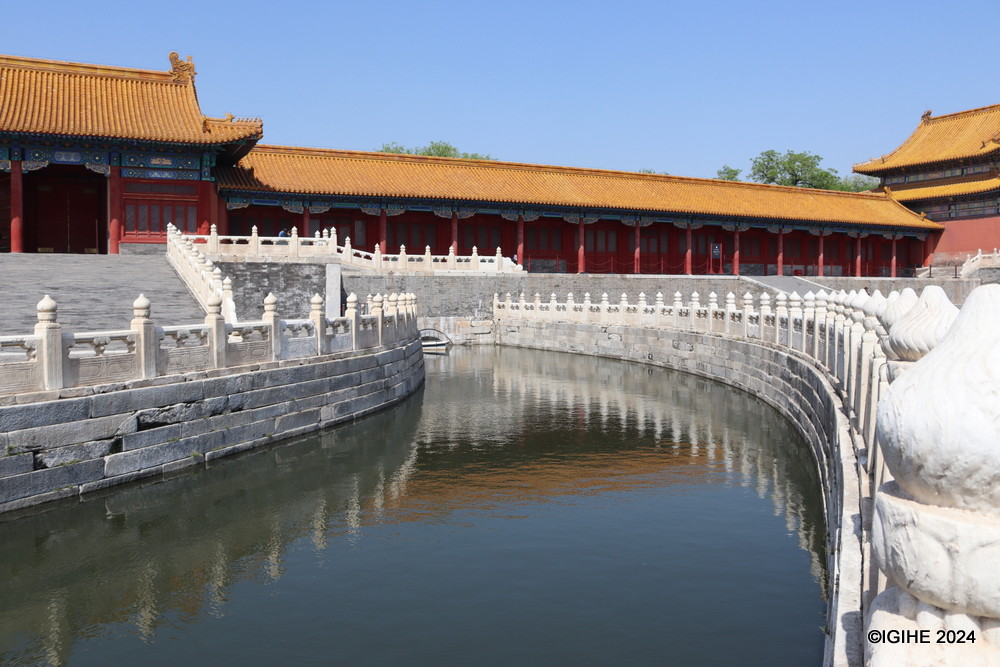
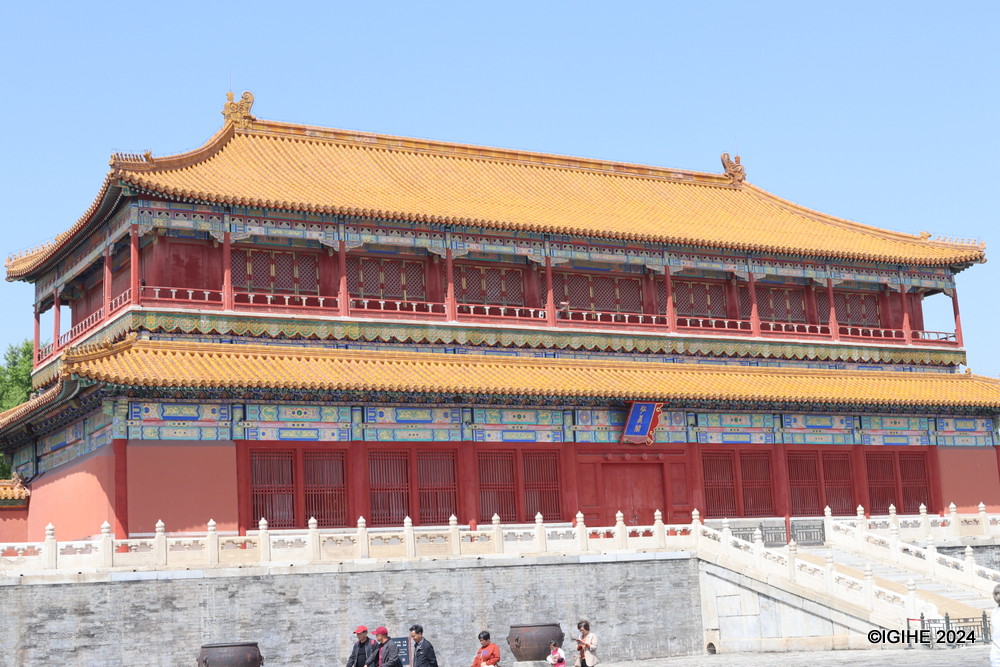
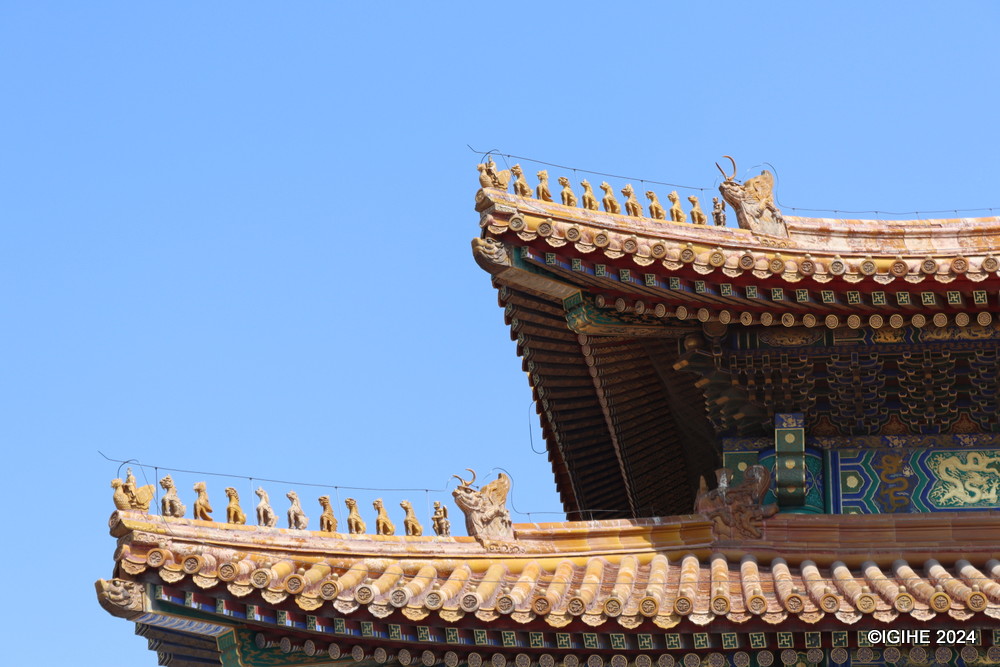
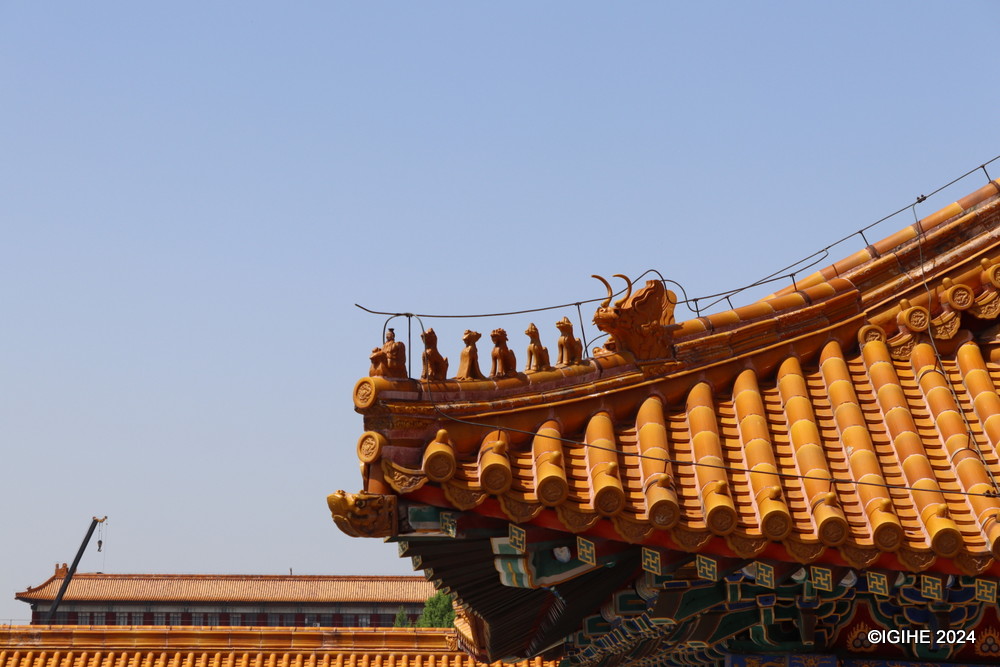
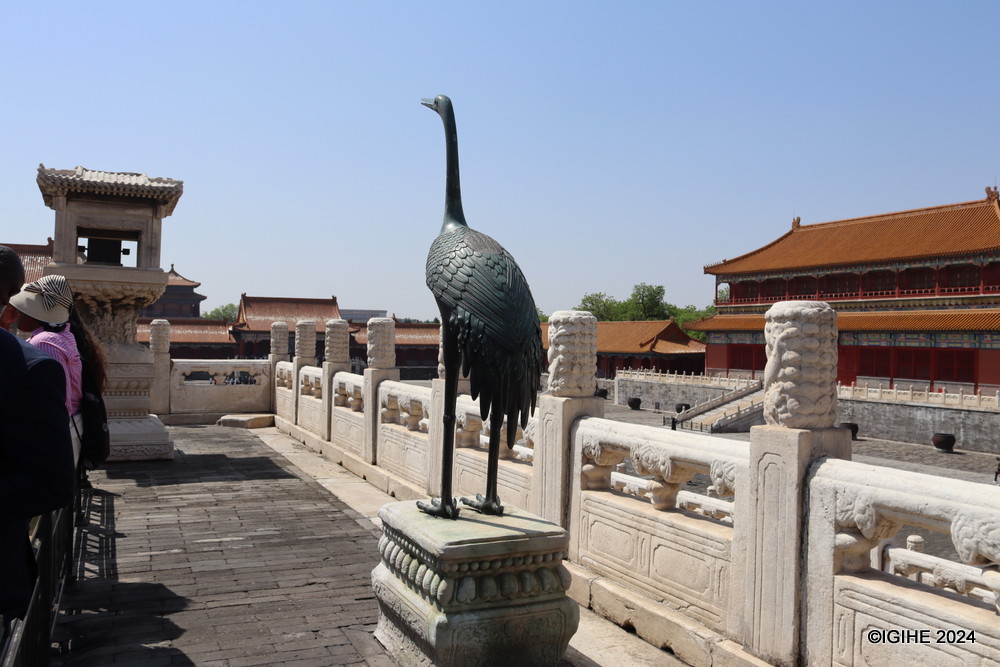
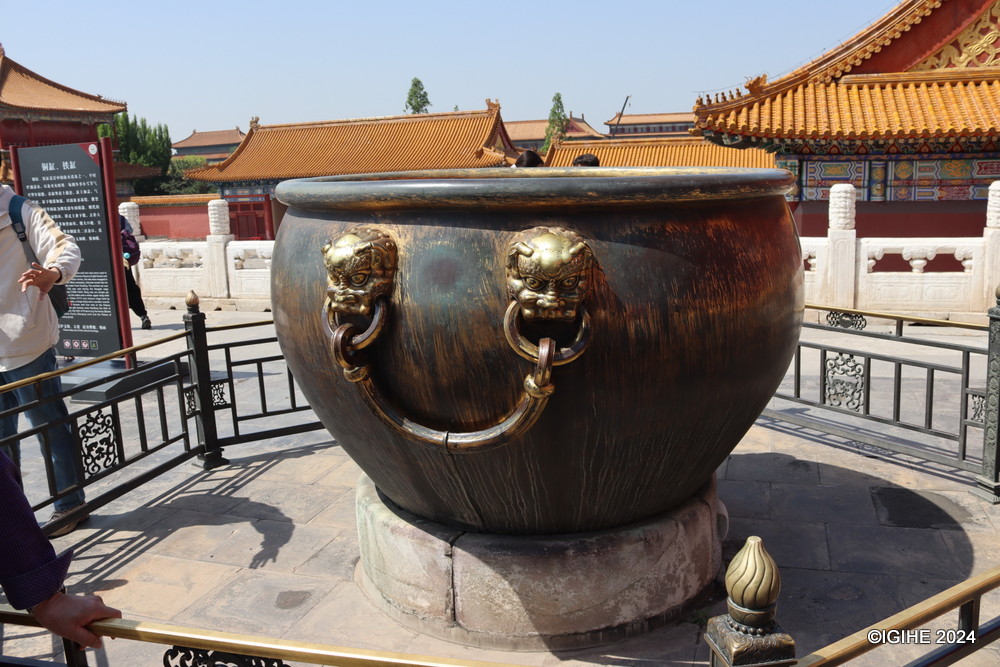
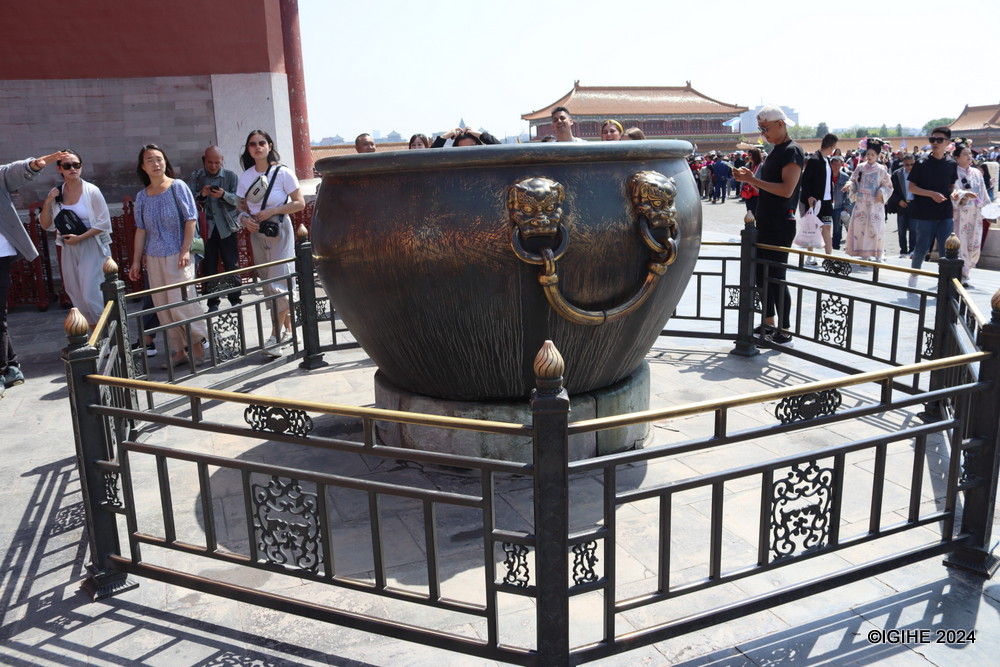
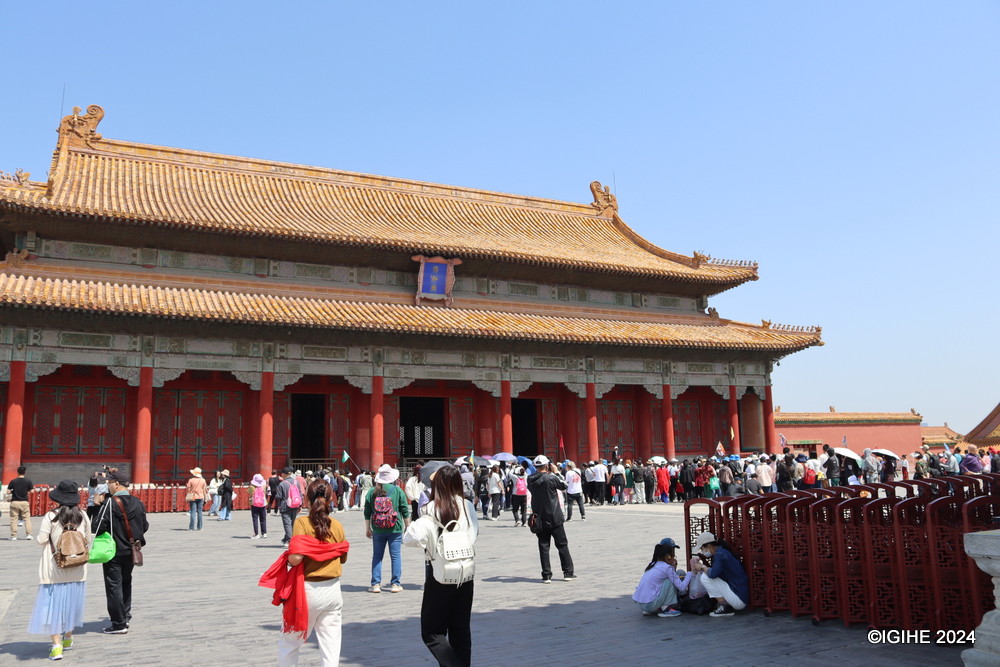
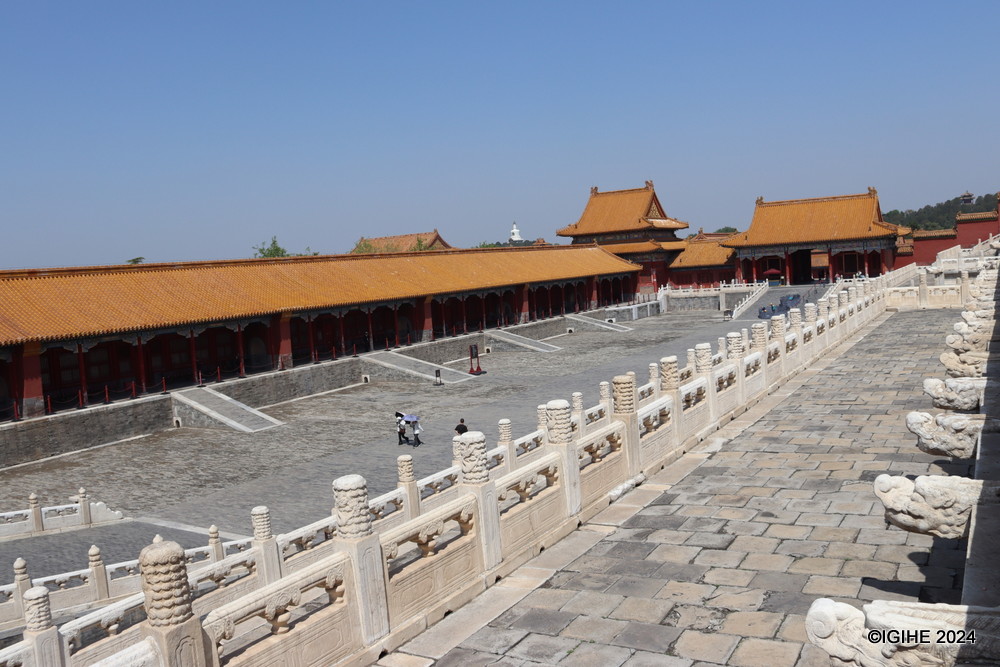
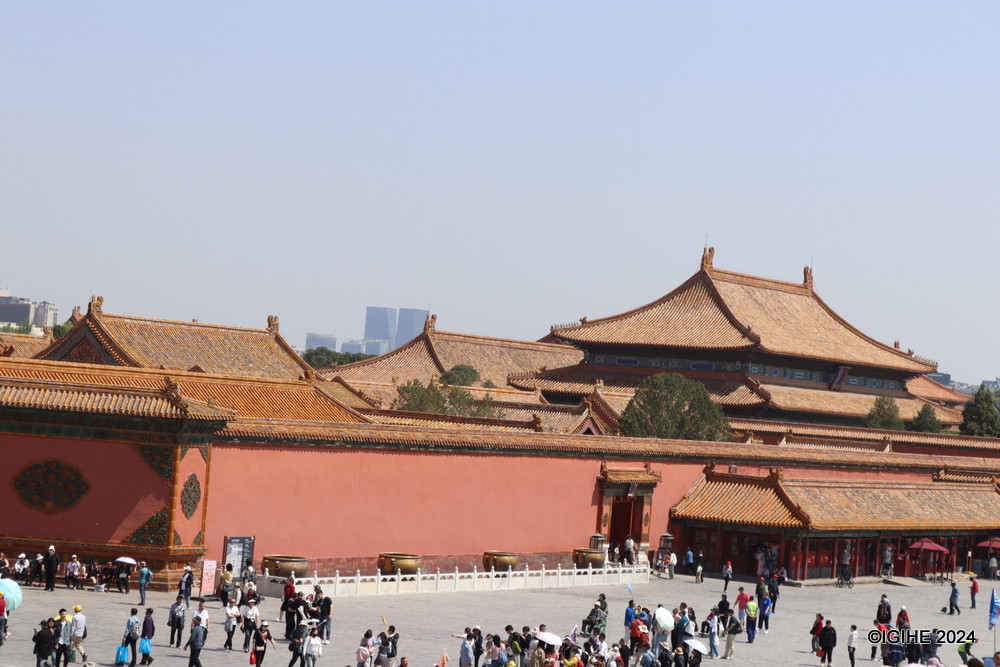
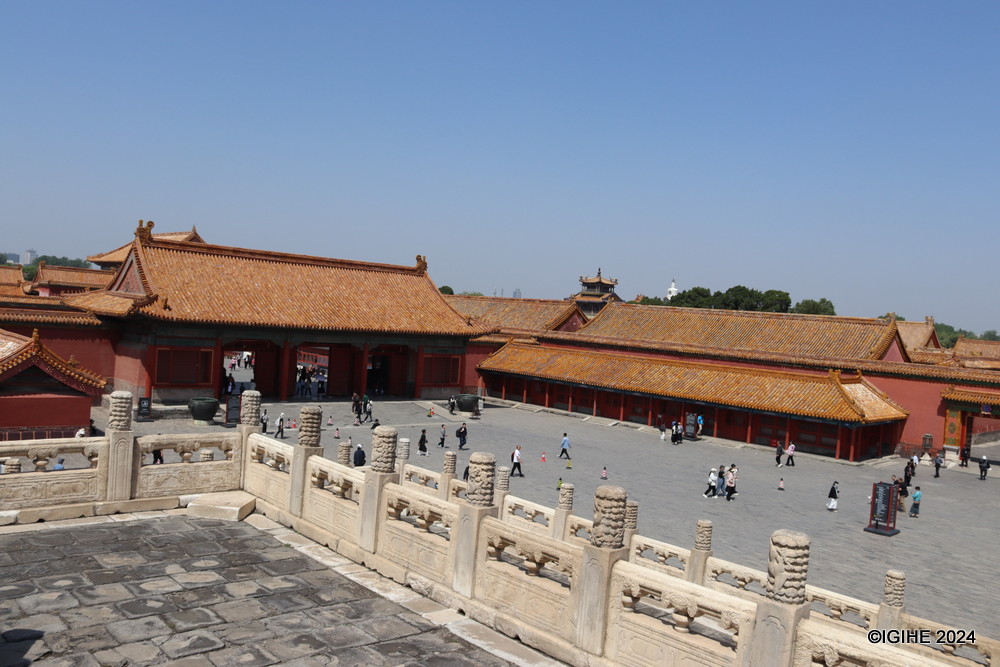
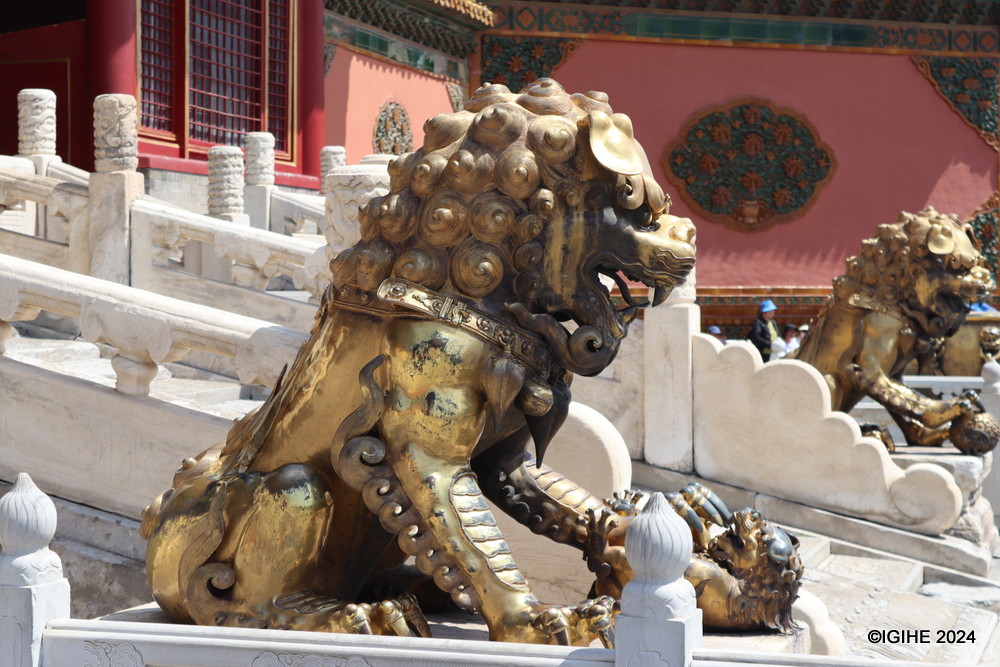
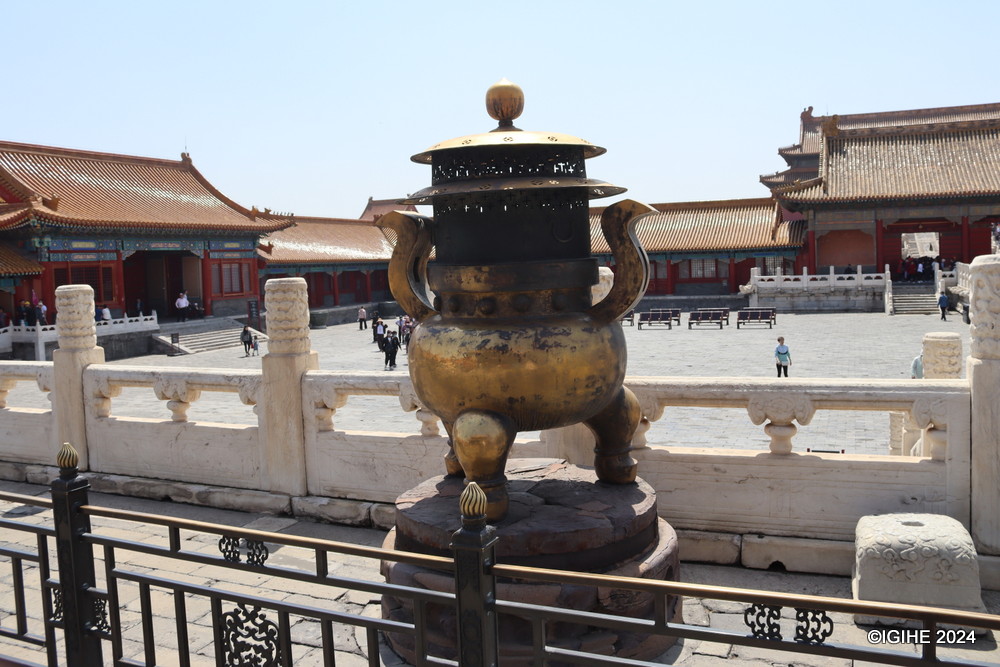
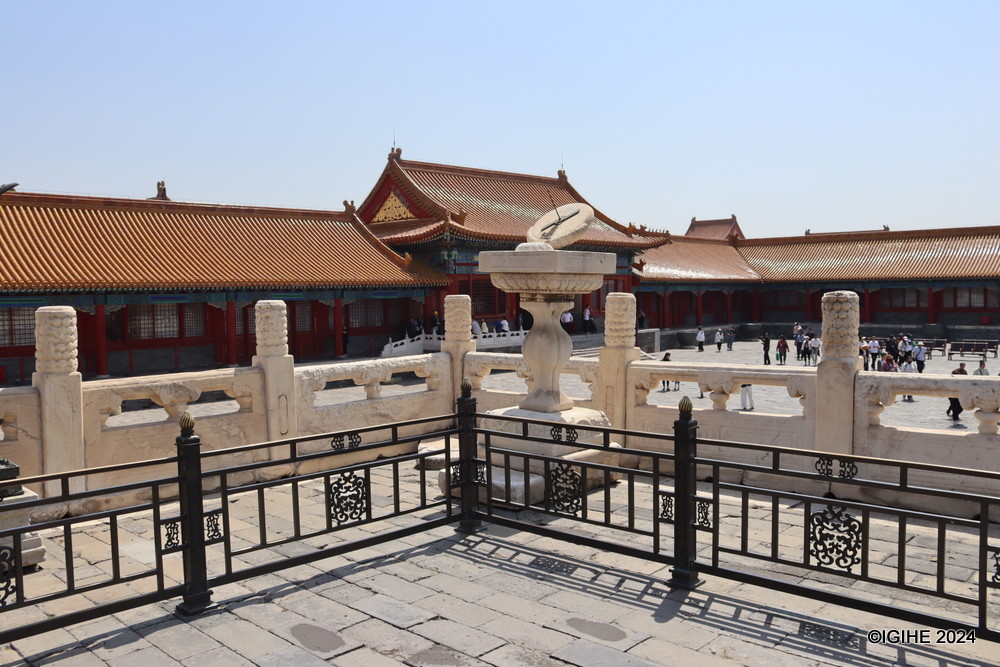
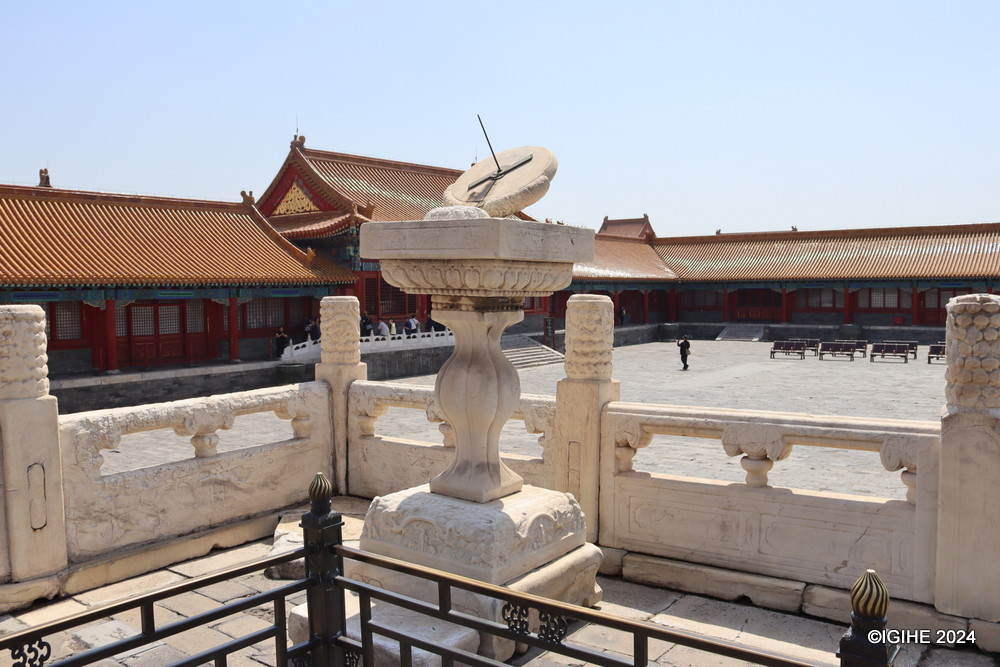
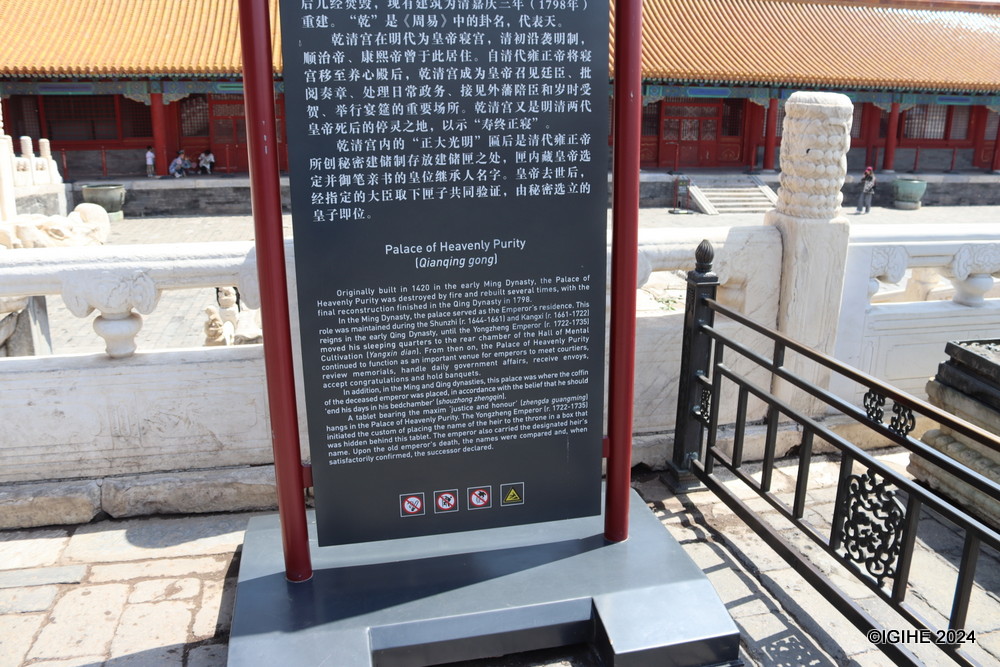
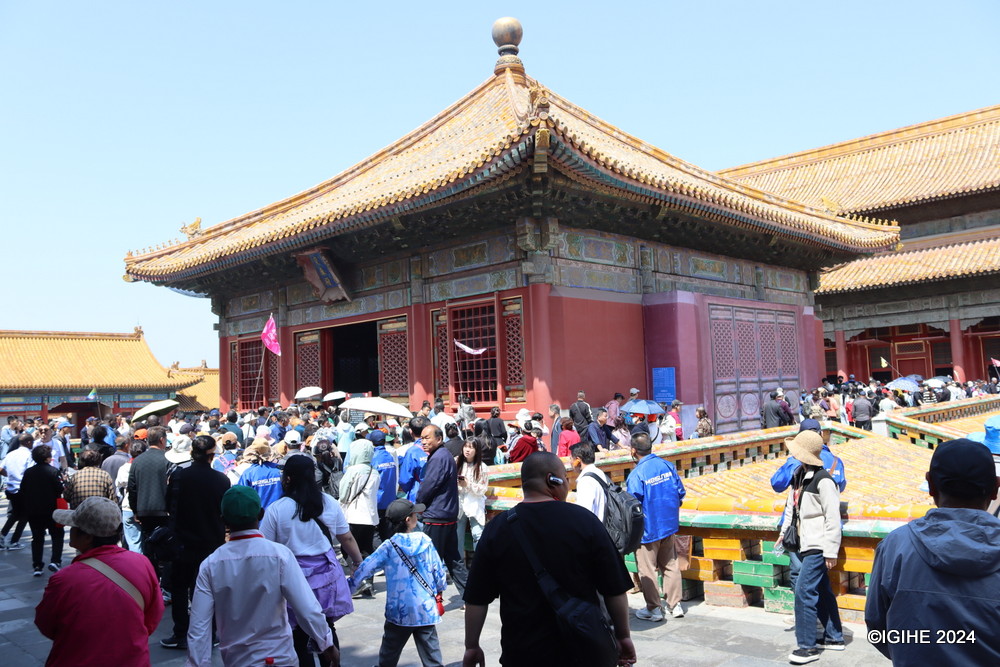
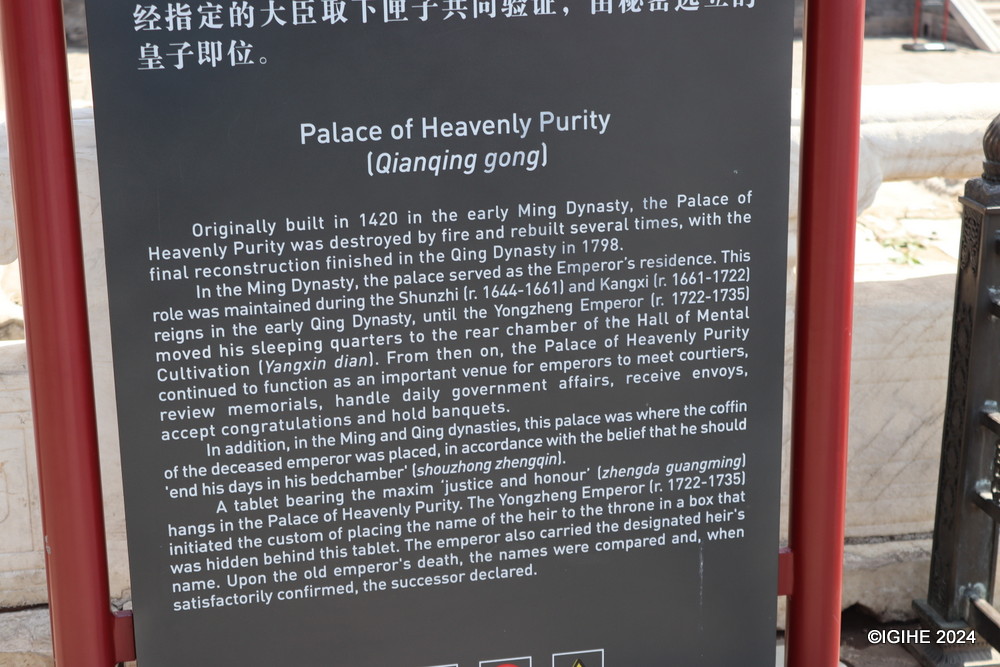
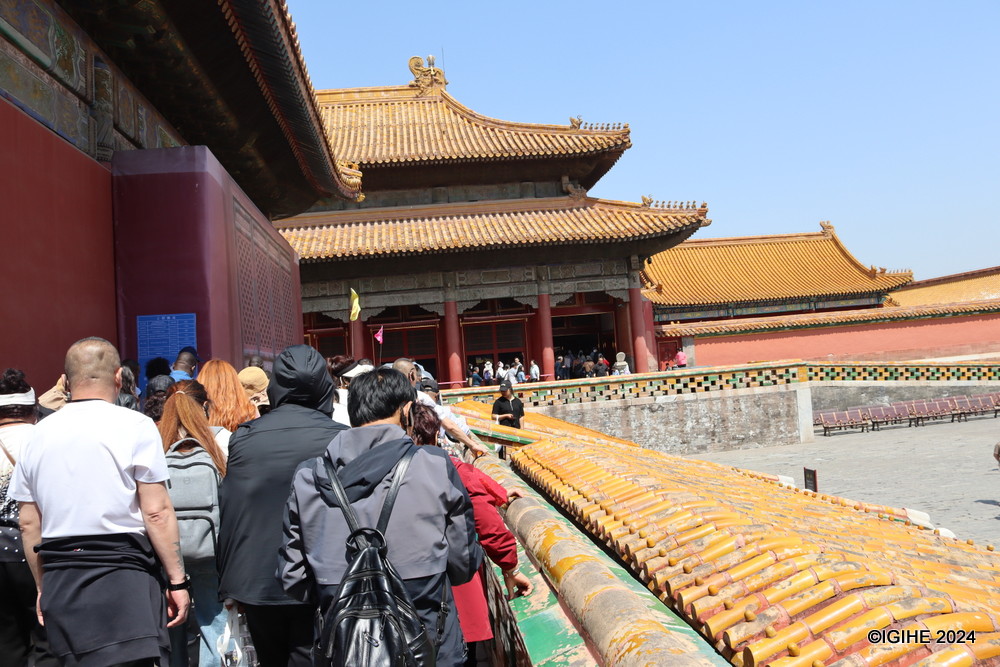
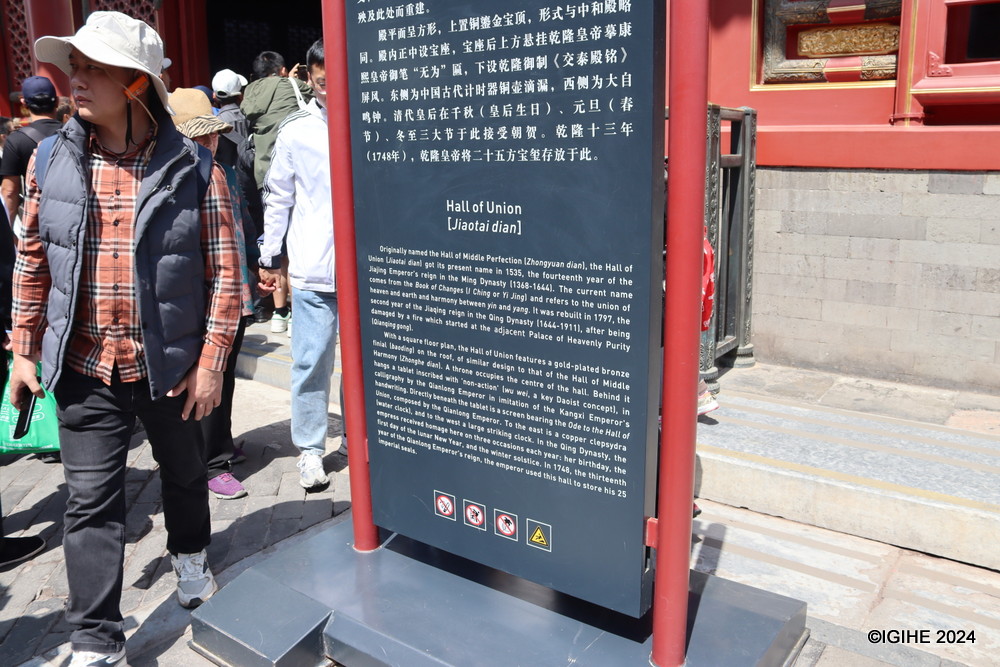
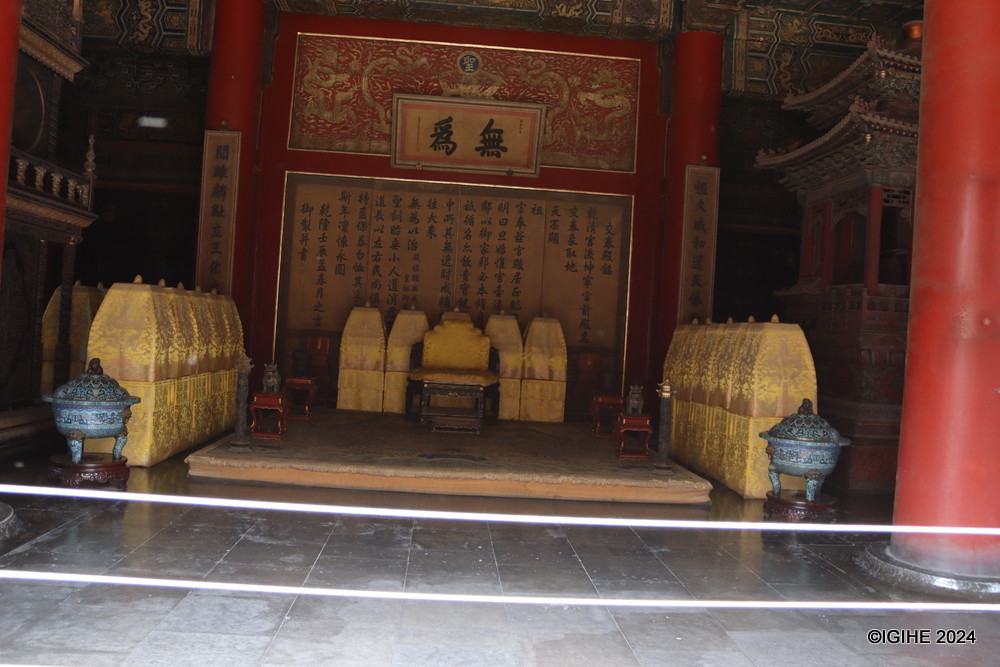
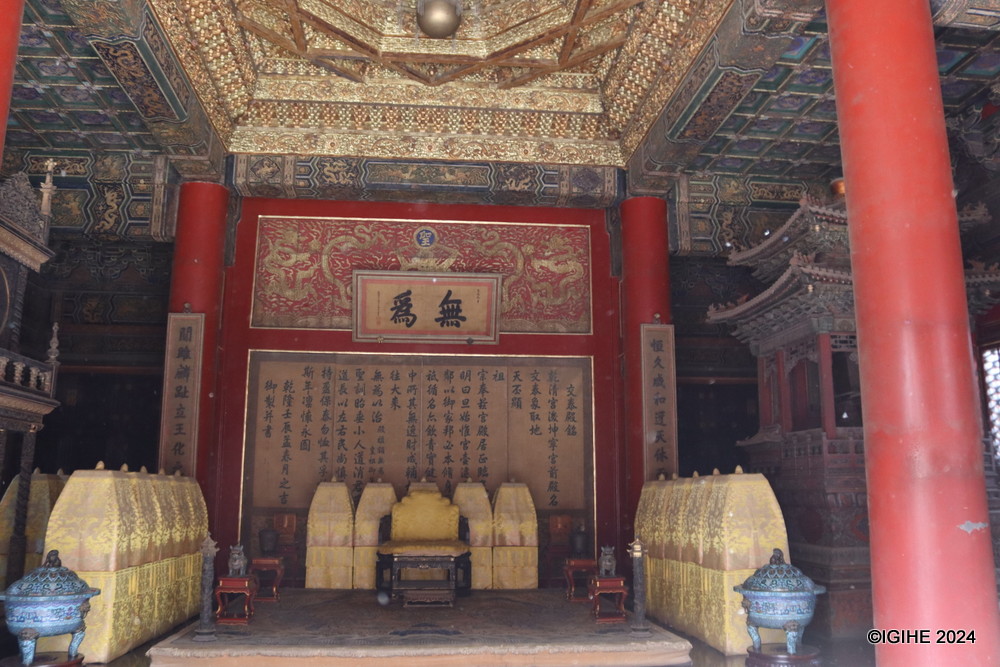
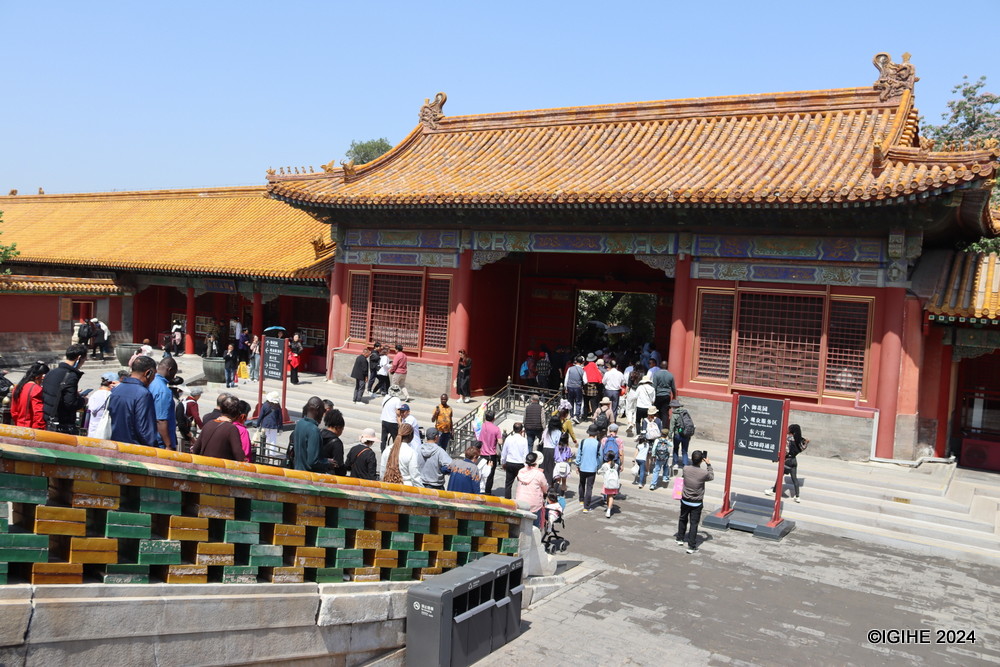
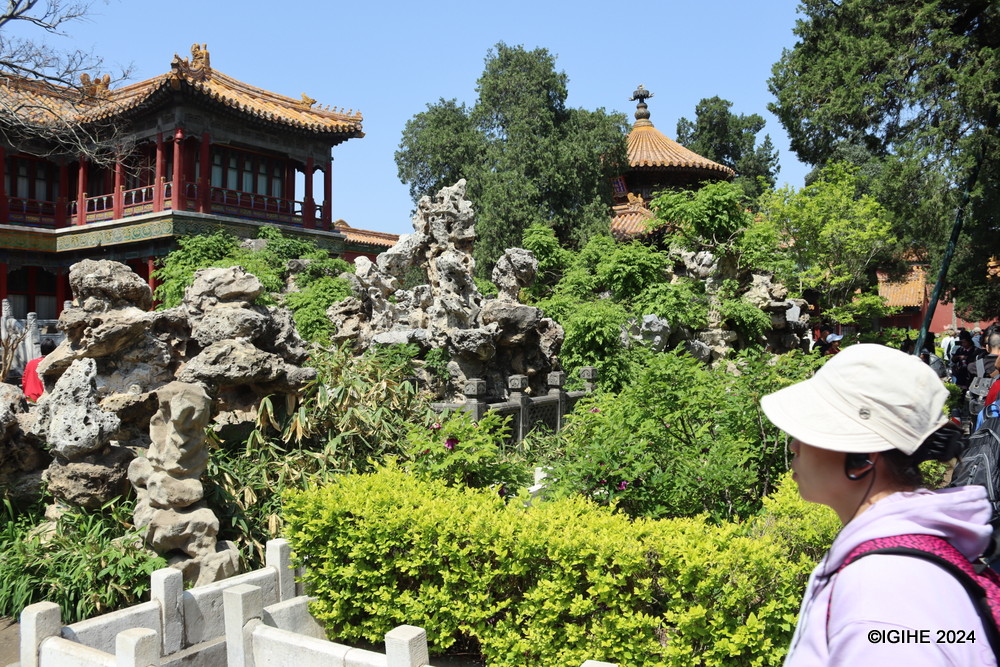
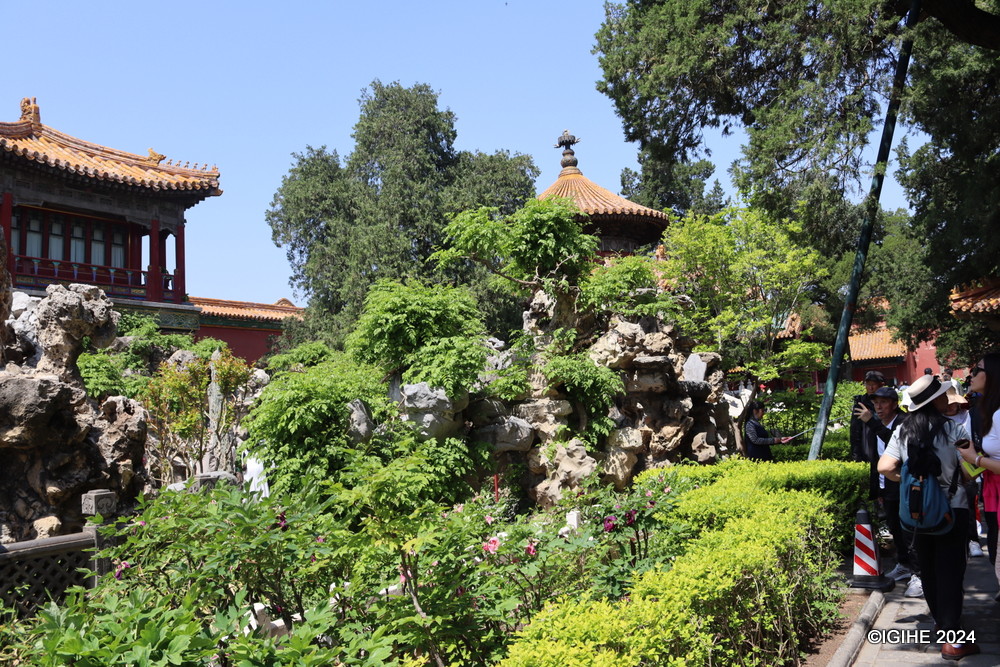
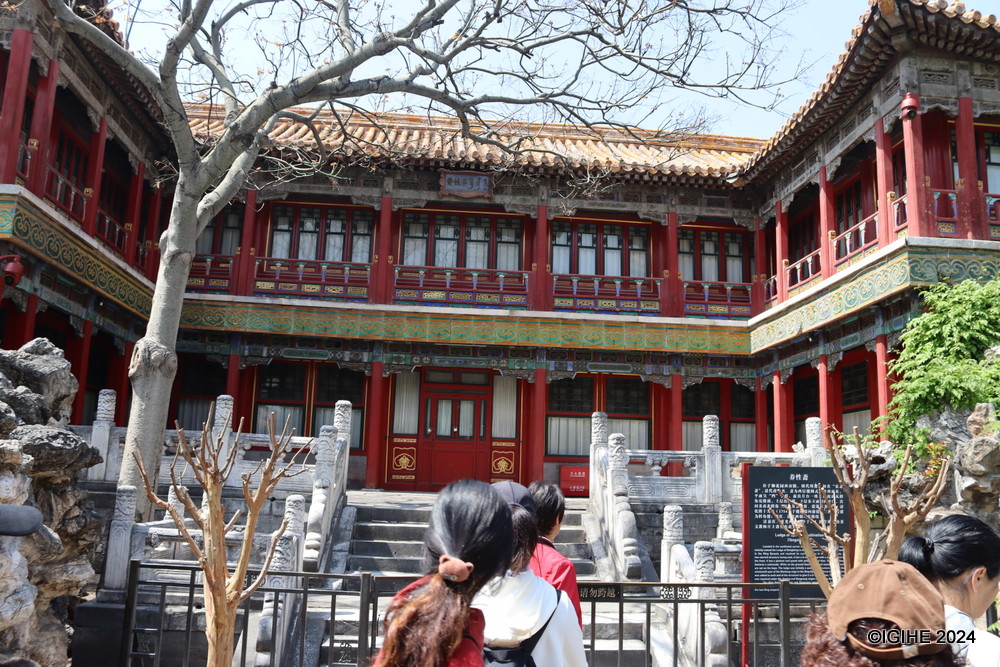
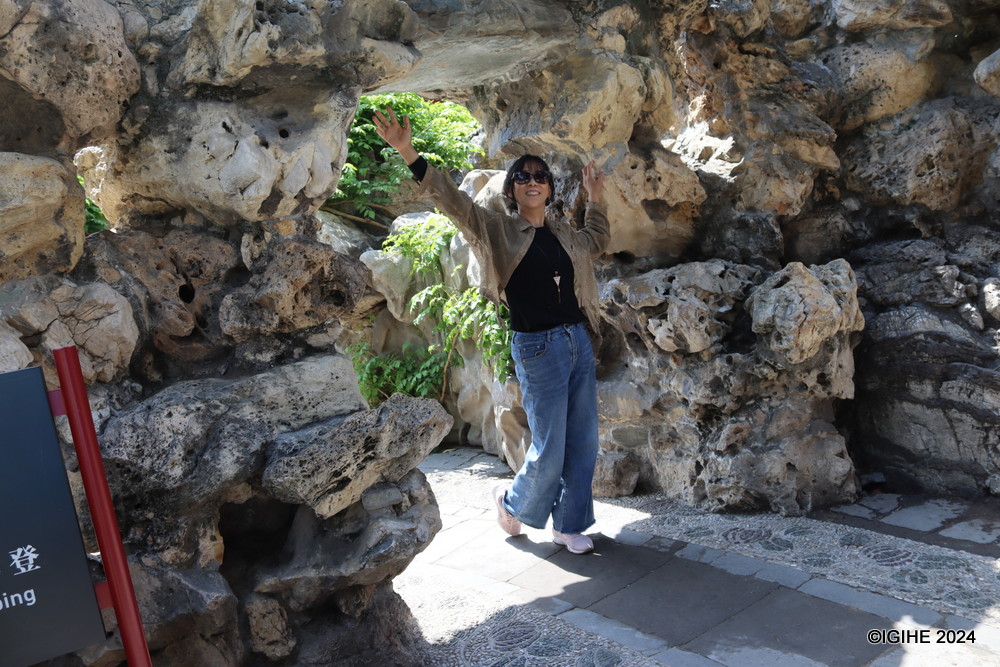
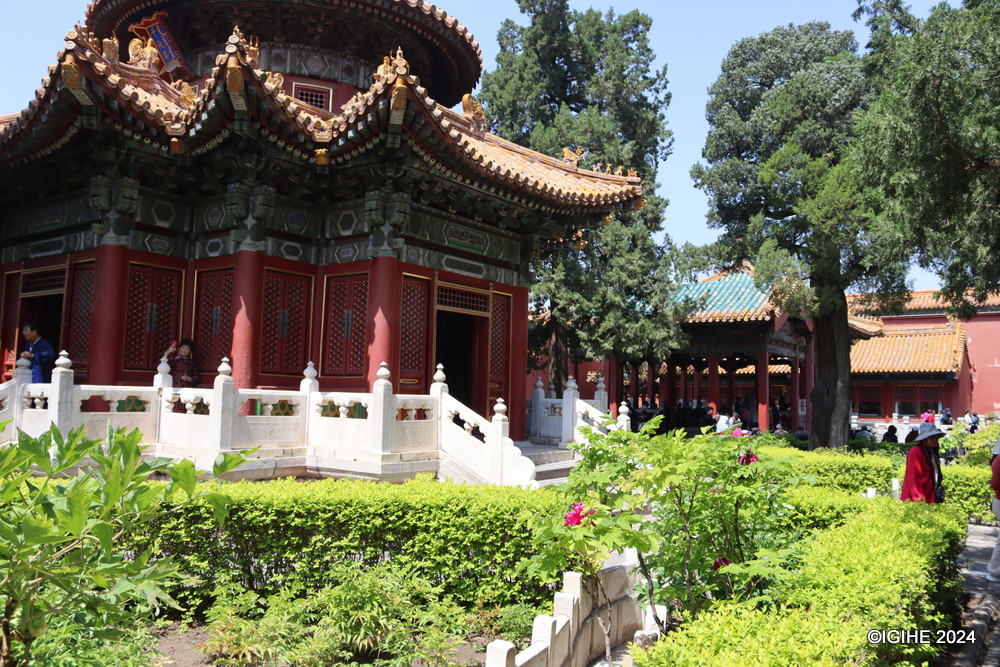
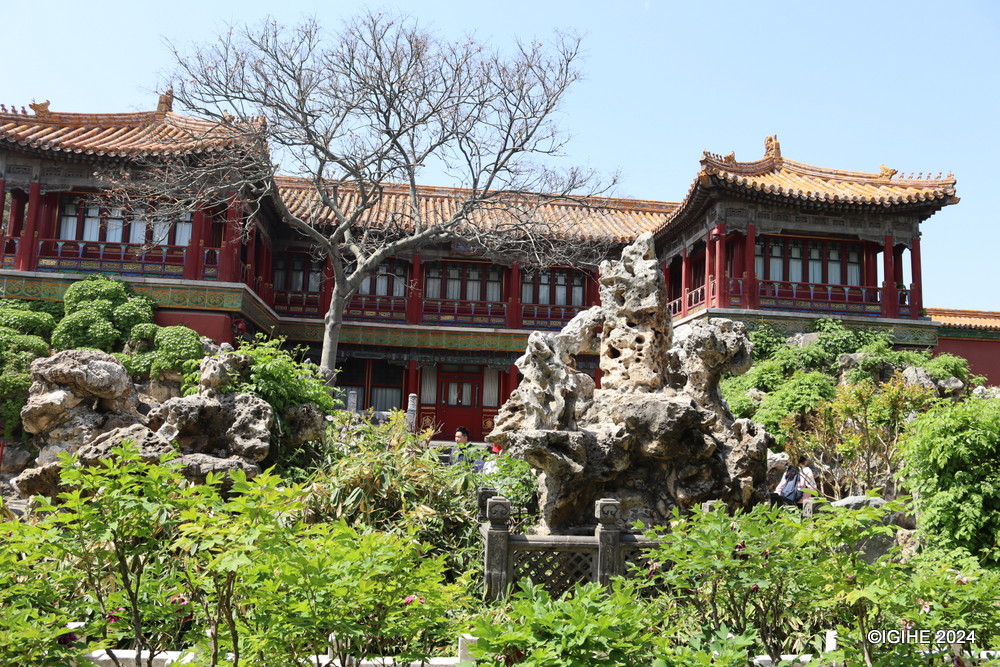
Constructed between 1406 and 1420 during the Ming Dynasty, the Forbidden City functioned as the imperial palace for over five centuries, serving 24 emperors from the Ming and Qing Dynasties.
The construction was a monumental endeavor, taking 14 years to complete. The palace complex covers an area of 720,000 square meters (about 180 acres), with a construction area of 150,000 square meters, consisting of 980 surviving buildings with over 70 halls and palaces. It is the largest palace and wooden structure complex in the world.
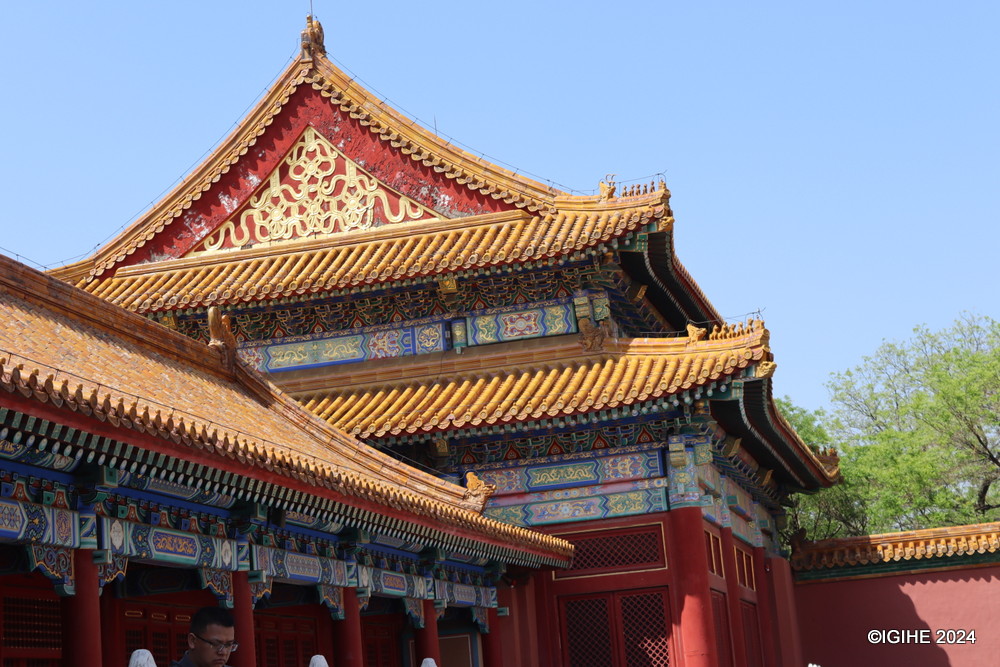
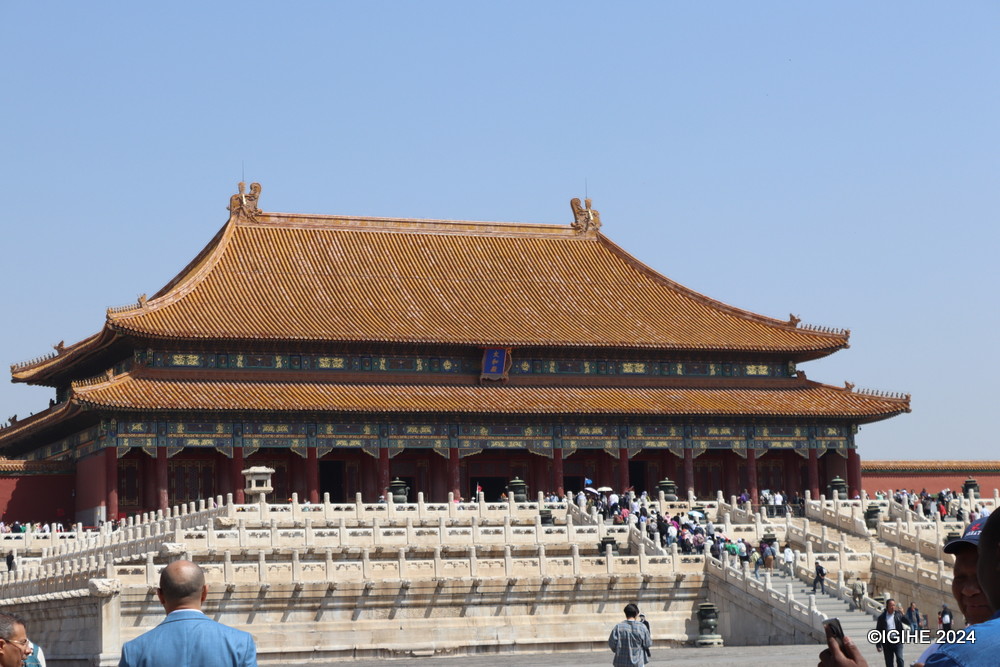
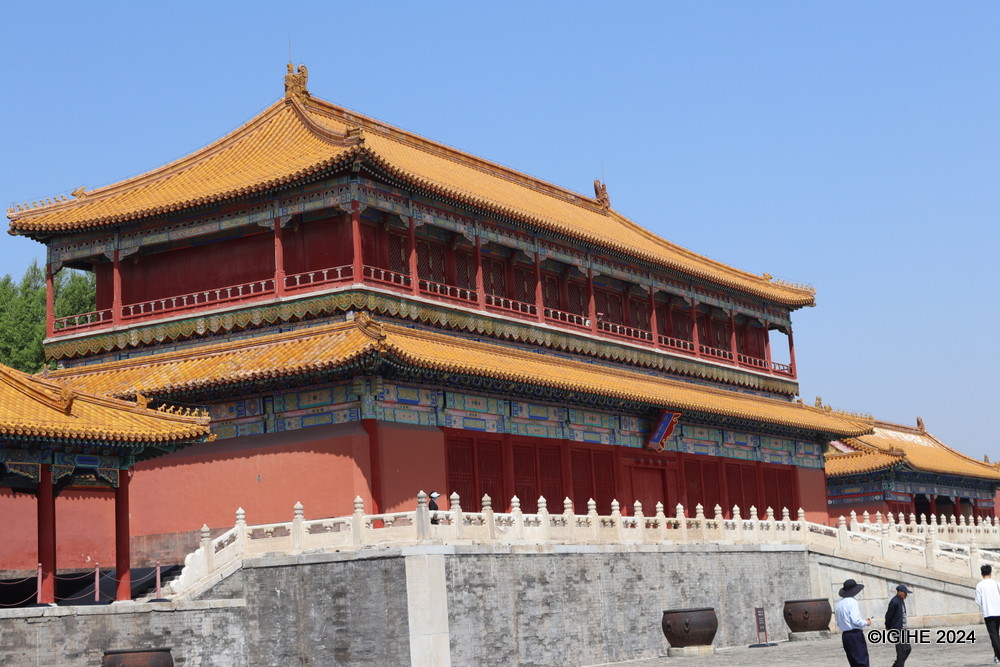
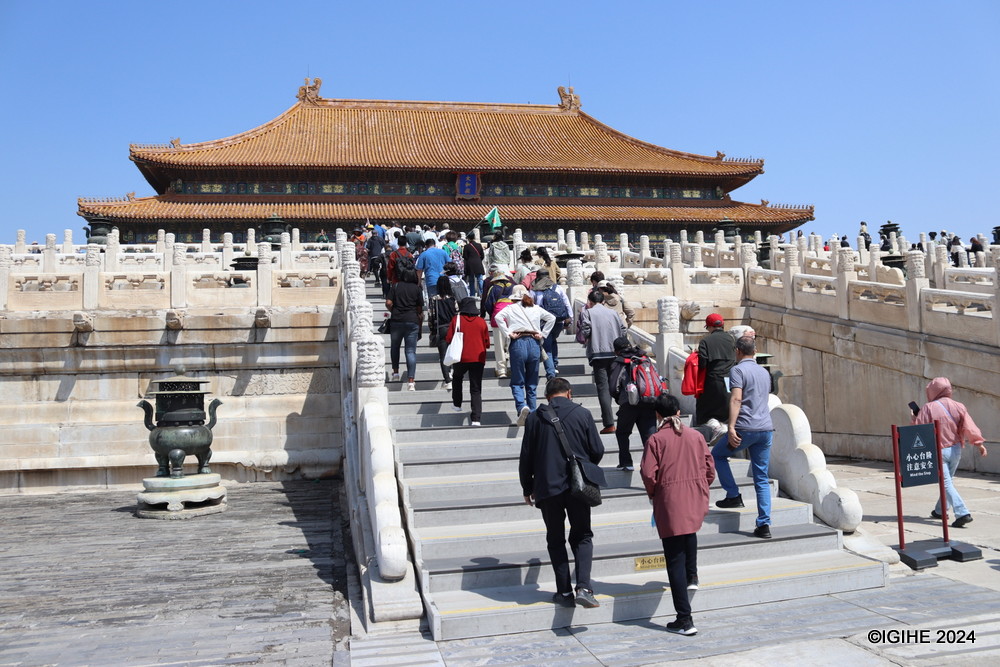
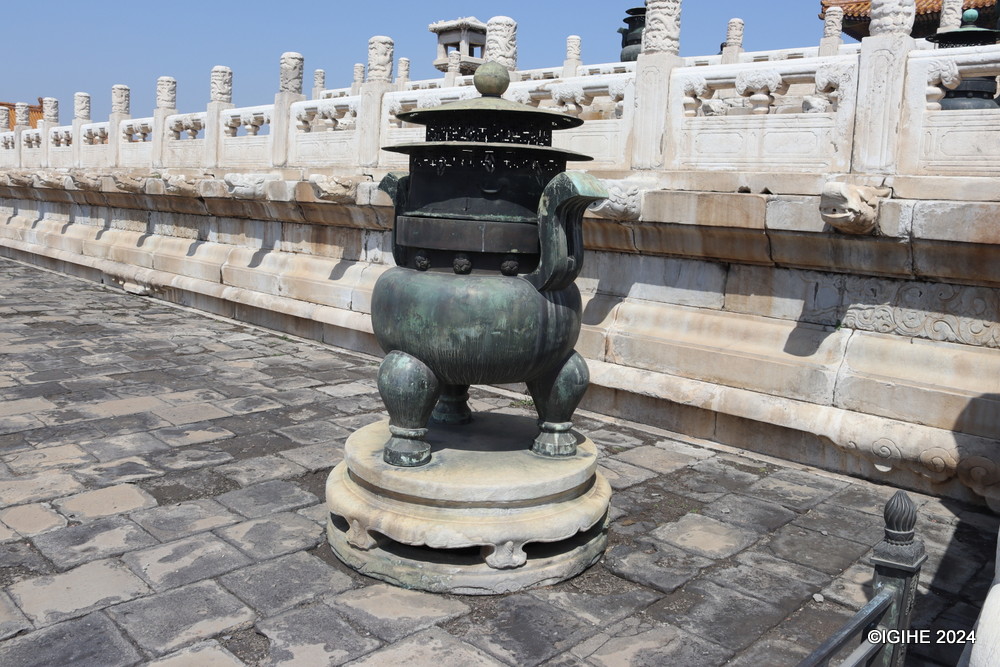
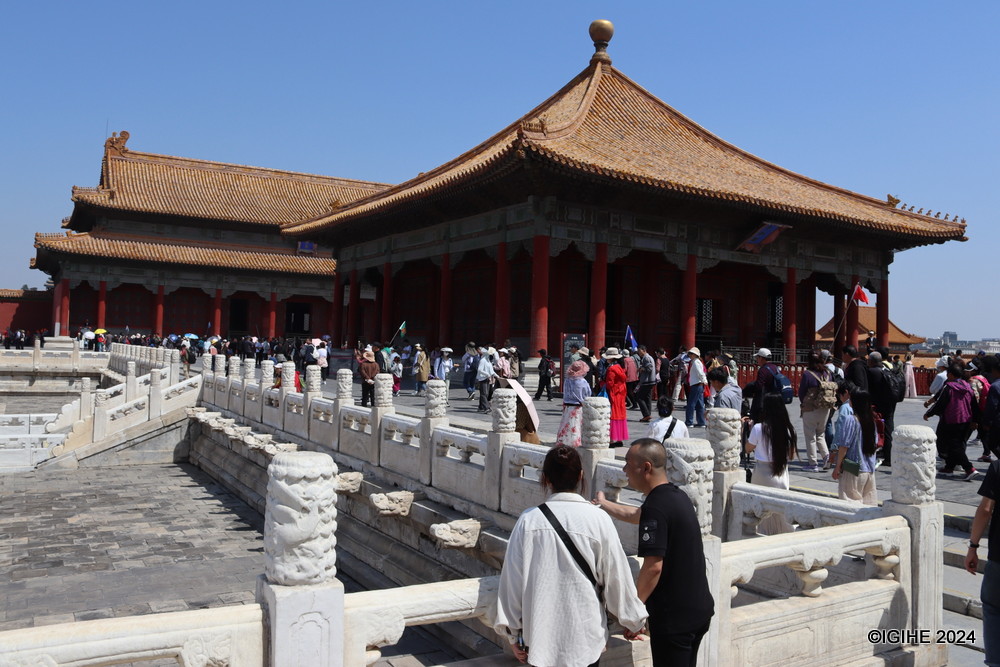
The architectural brilliance is showcased through its symmetrical design and vibrant hues, emblematic of traditional Chinese architecture. The complex is divided into two primary areas: the Outer Court, which includes three grand halls used for ceremonies, and the Inner Court, for the emperor and his family.
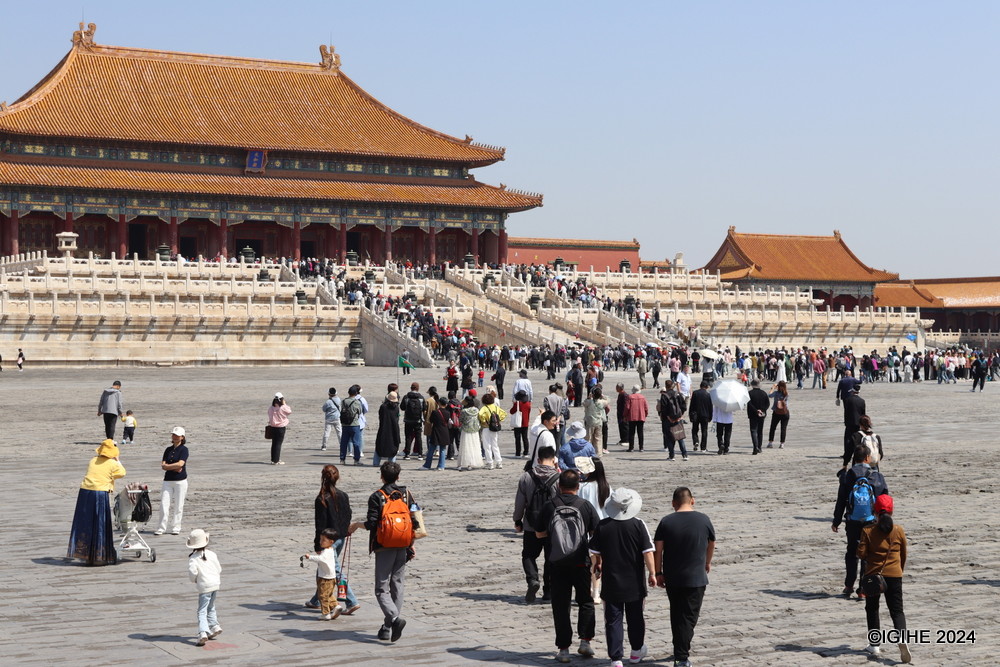
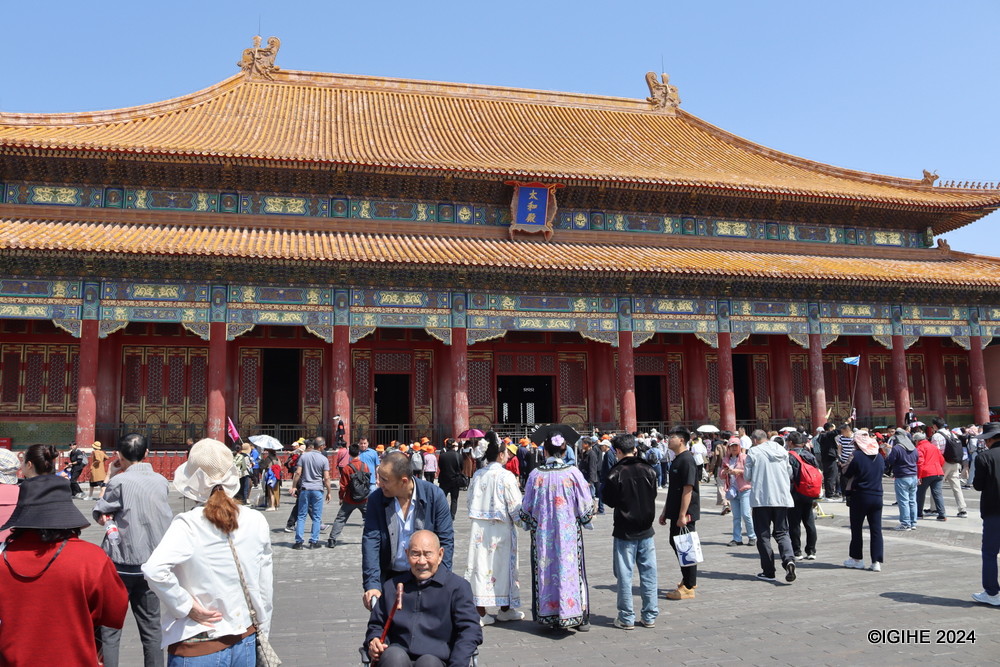
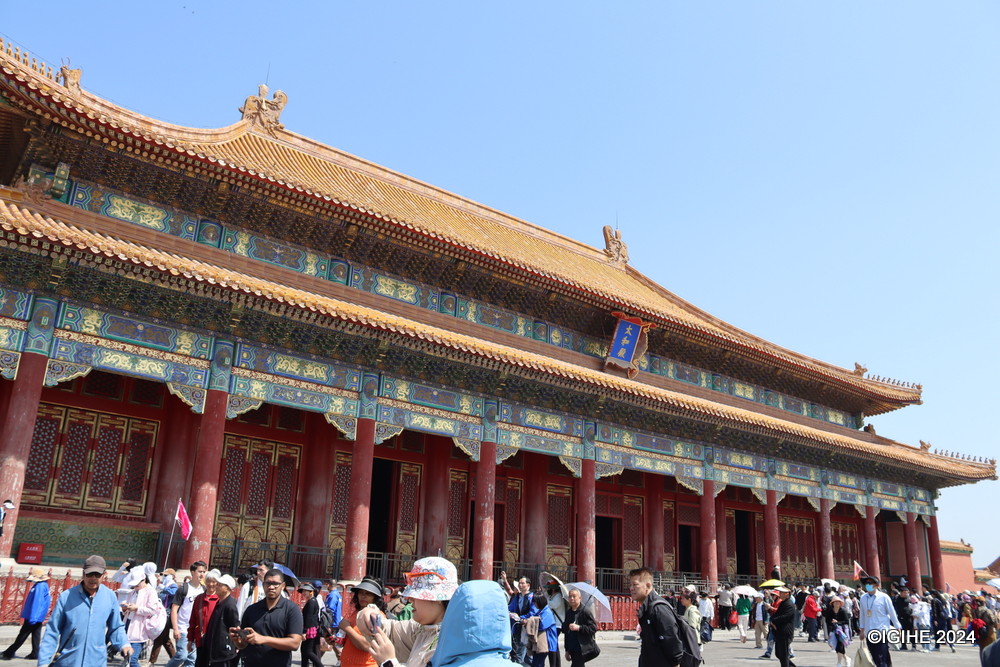
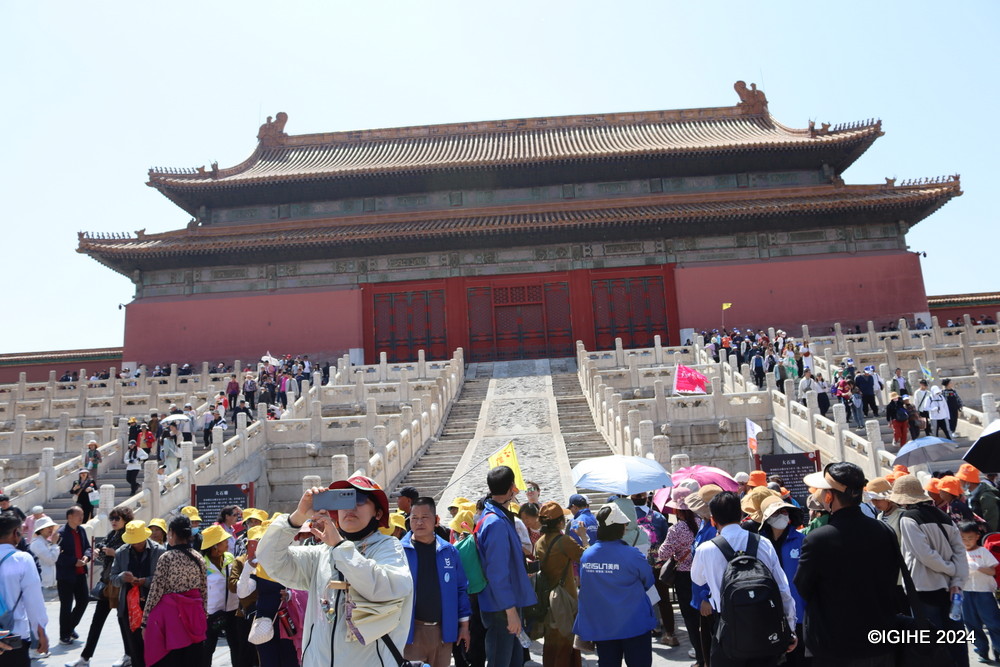
The Hall of Supreme Harmony, the centerpiece, historically used for significant state ceremonies and imperial coronations, is flanked by the Hall of Central Harmony and the Hall of Preserving Harmony, which hosted preparations for significant events and various imperial activities, including banquets and examinations.
The Palace Museum today houses an impressive collection of over 1.8 million cultural artifacts, including paintings, calligraphy, ceramics, jade, and imperial treasures.
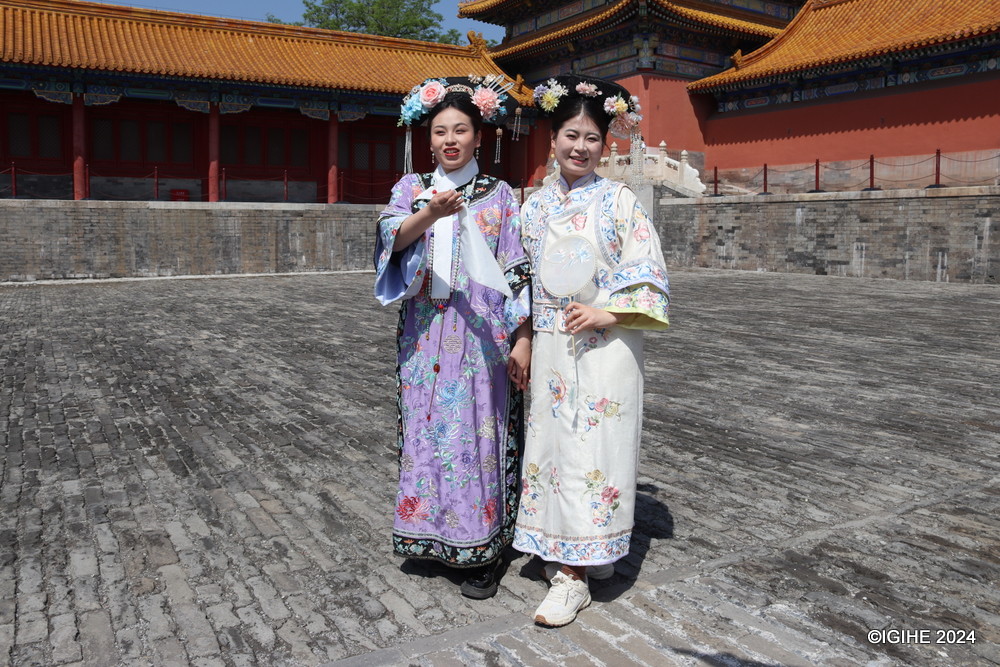
The collection of imperial robes and accessories is particularly renowned, offering a window into the imperial court’s splendor through intricate embroidery and symbols of power.
These artifacts, along with an extensive collection of ancient books, manuscripts, and historical documents, provide invaluable insights into China’s storied past.
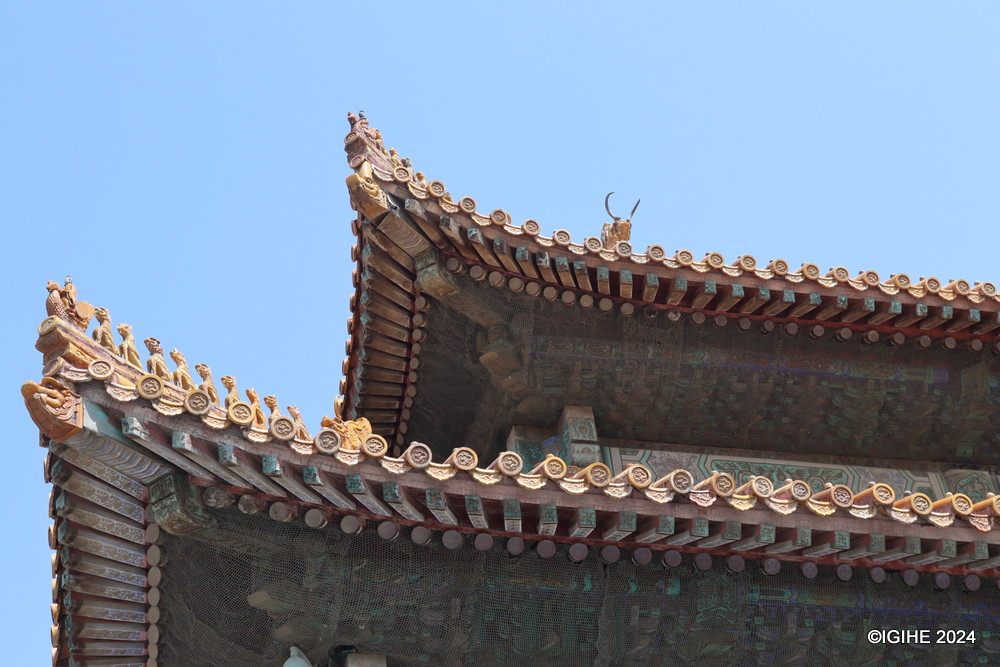
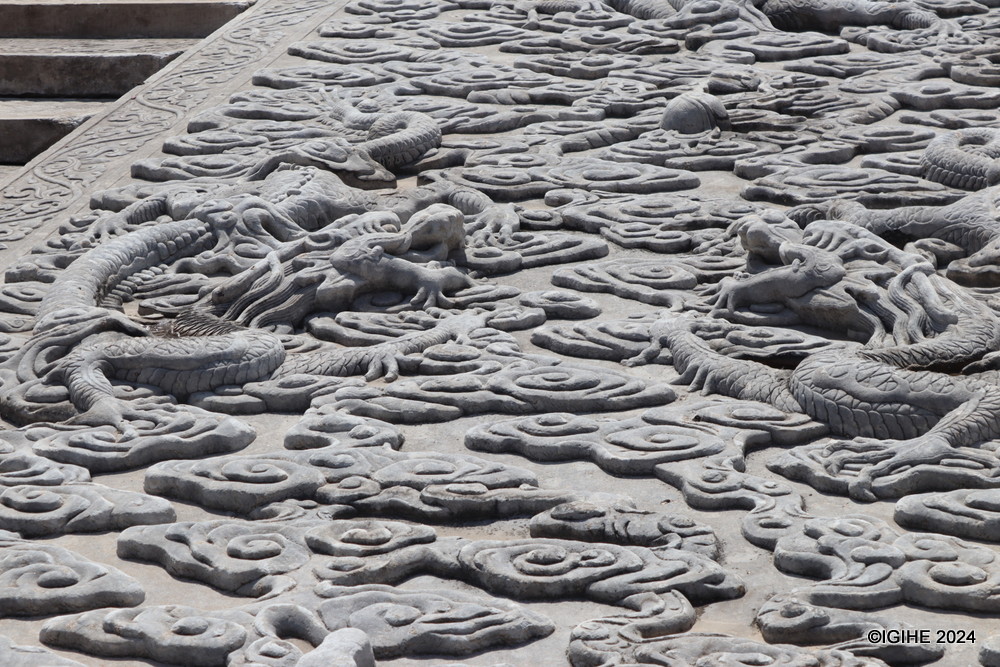
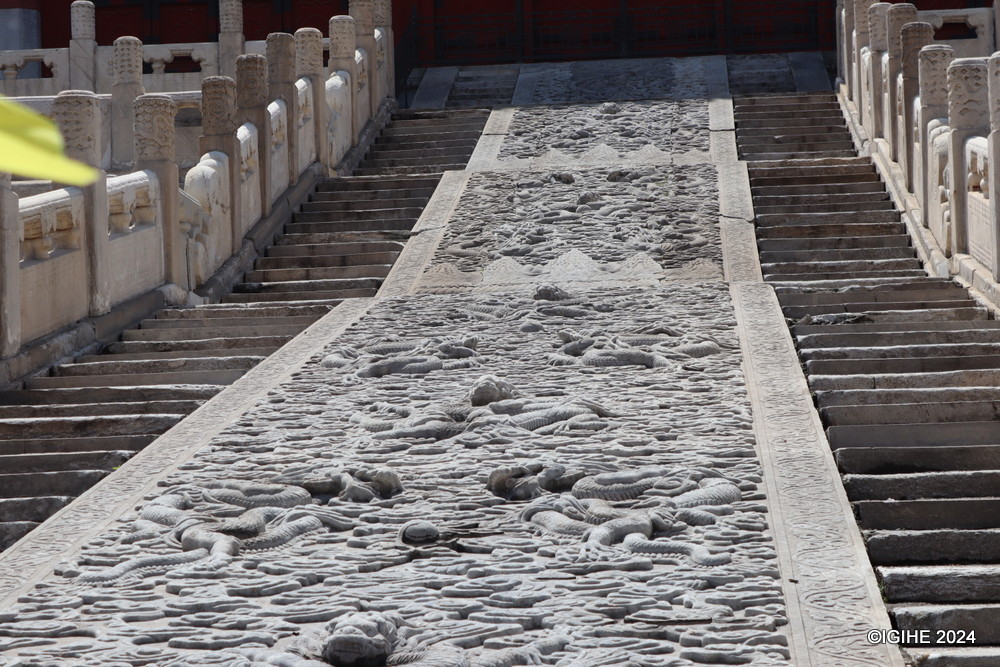
The design principles of the Forbidden City, deeply rooted in the ancient Chinese concepts of yin and yang, feng shui, and symbolic motifs like dragons and phoenixes, reflect the cultural importance of balance, harmony, and auspiciousness.
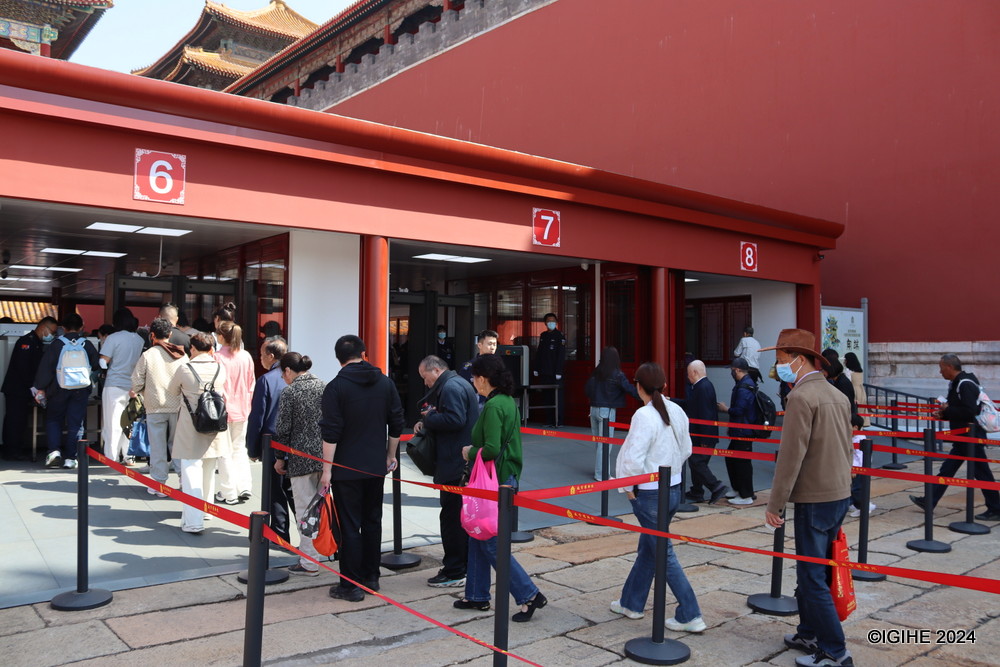
Efforts to preserve this iconic heritage site include extensive restoration projects and international collaborations, facilitating cultural exchanges and exhibitions with museums worldwide. Daily visits by an average of 40,000 people underscore the Forbidden City’s role as a bridge to the rich cultural diversity and historical significance of ancient China, further cementing its status as a remarkable United Nations Educational, Scientific and Cultural Organization (UNESCO) World Heritage Site.
{{Why was it called the Forbidden City?}}
In ancient times, the Chinese, diligent observers of the heavens, meticulously charted the skies and identified constellations and celestial bodies, finding patterns and meanings in the vast expanse above them.
They discovered a particularly luminous star—the Pole Star—which they believed marked the center of the sky. This central position led them to conceive of it as the heavenly abode of an emperor, a divine counterpart to their earthly sovereign.
Surrounding the Pole Star, they identified constellations of stars which they interpreted as the celestial court of this emperor.
This area was designated the “Purple Palace,” a name derived from the color purple, which in Chinese culture symbolizes auspice, honor, and the highest status. The Pole Star itself was sometimes referred to as the “Purple Star,” further emphasizing its supreme importance.
The ancient Chinese held a belief in the harmonious alignment of heaven, earth, and humanity. Just as there existed a Purple Palace in the celestial realm, they reasoned that a corresponding palace should exist on earth.
This led to the construction of a grand imperial residence at the heart of Beijing, which was seen as the terrestrial counterpart to the central point of heaven.
Thus, the imperial palace on earth was also named the “Purple Palace,” though it is more commonly known in English as the Forbidden City.
The term “forbidden” in its name stems from the stringent restrictions placed on entry to the palace. Only the emperor, his family, and selected dignitaries were permitted within its walls.
The common people and lower-ranking officials were strictly barred from entering without permission from emperors, a rule that reinforced the sacred and exclusive nature of the site.
The emperors of the time, considering themselves the sons of the Jade Emperor—the supreme deity in Chinese mythology—proclaimed their divine right to rule, further justifying the palace’s exalted and restrictive status.
{{Photos: Théophile Niyitegeka / Beijing, China }}
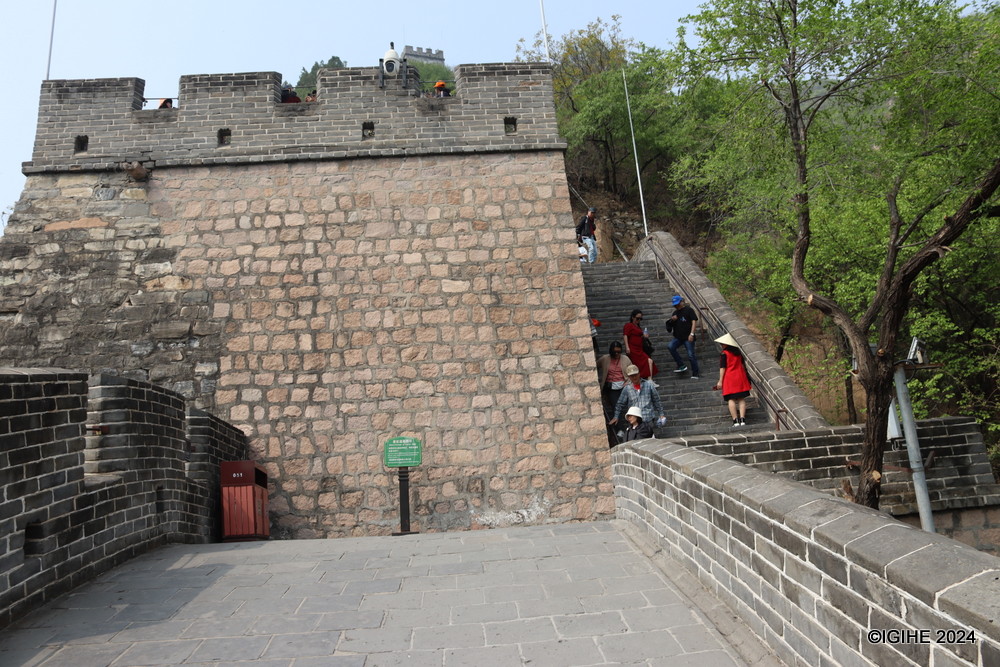
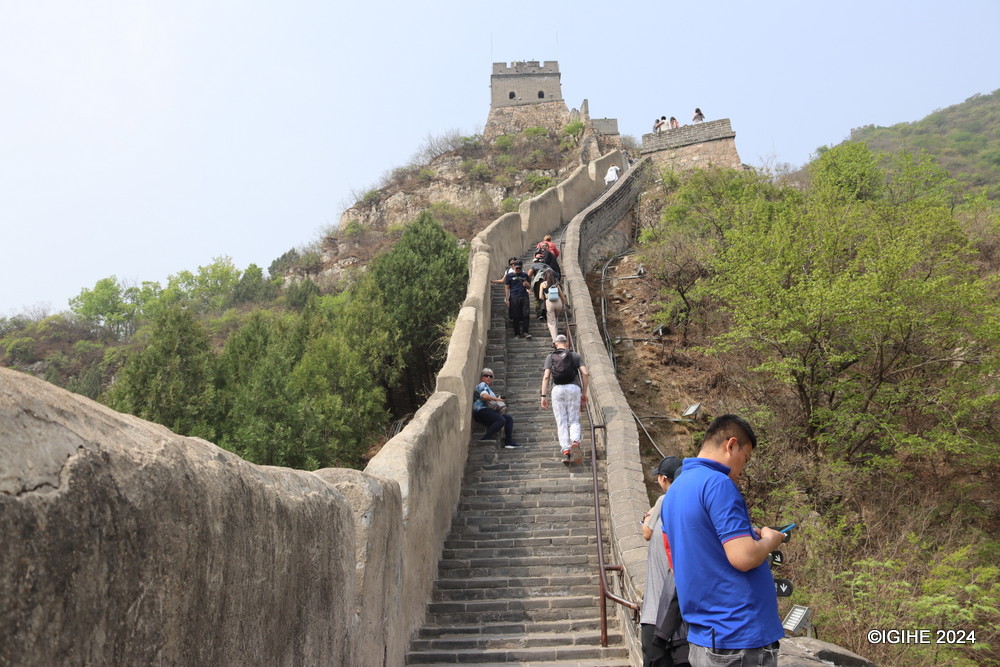
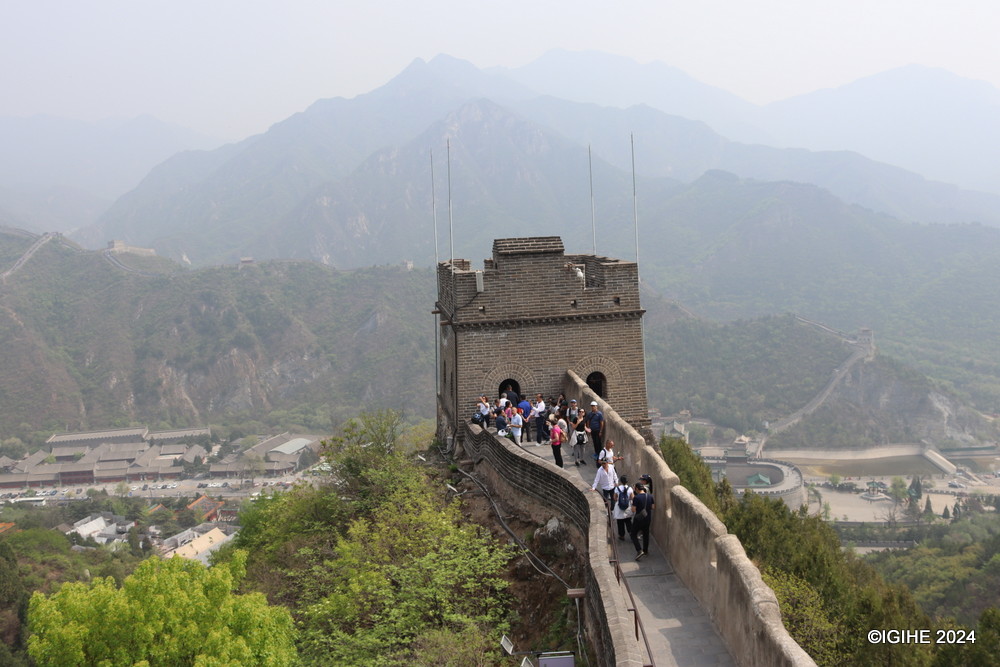
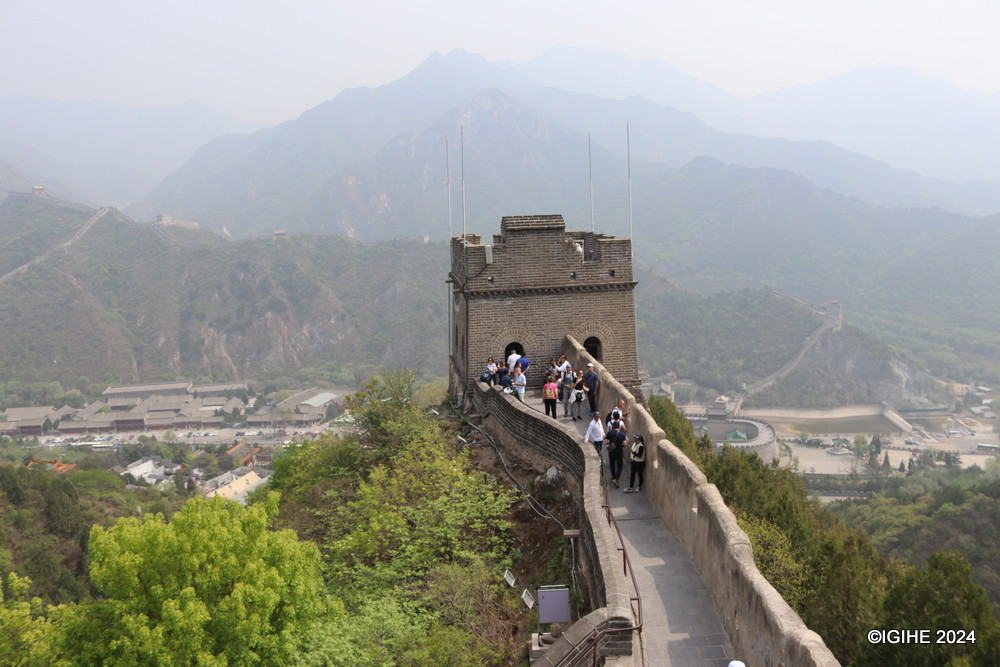
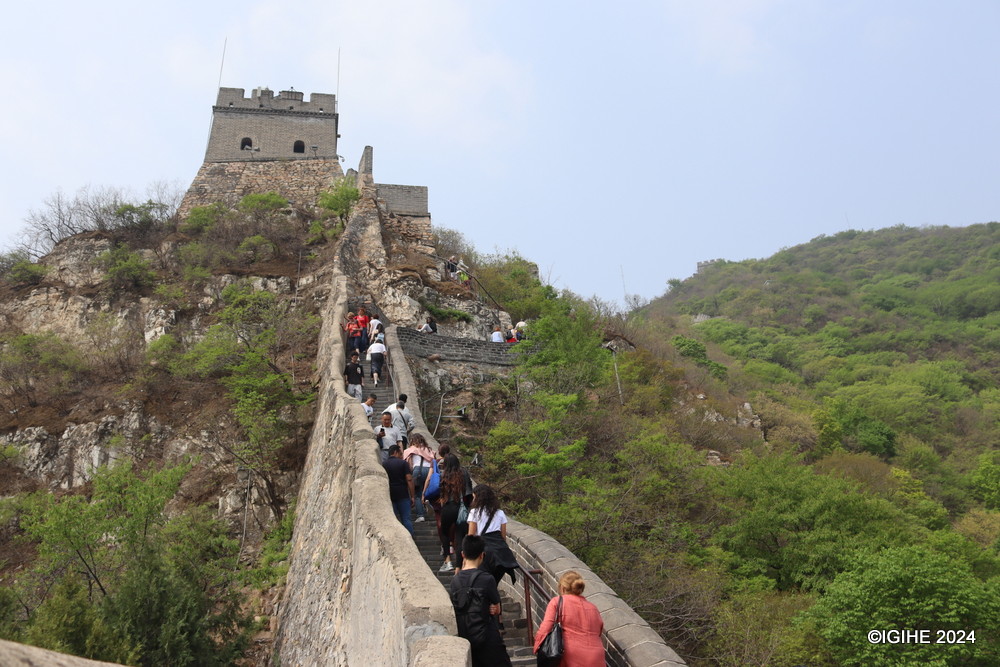
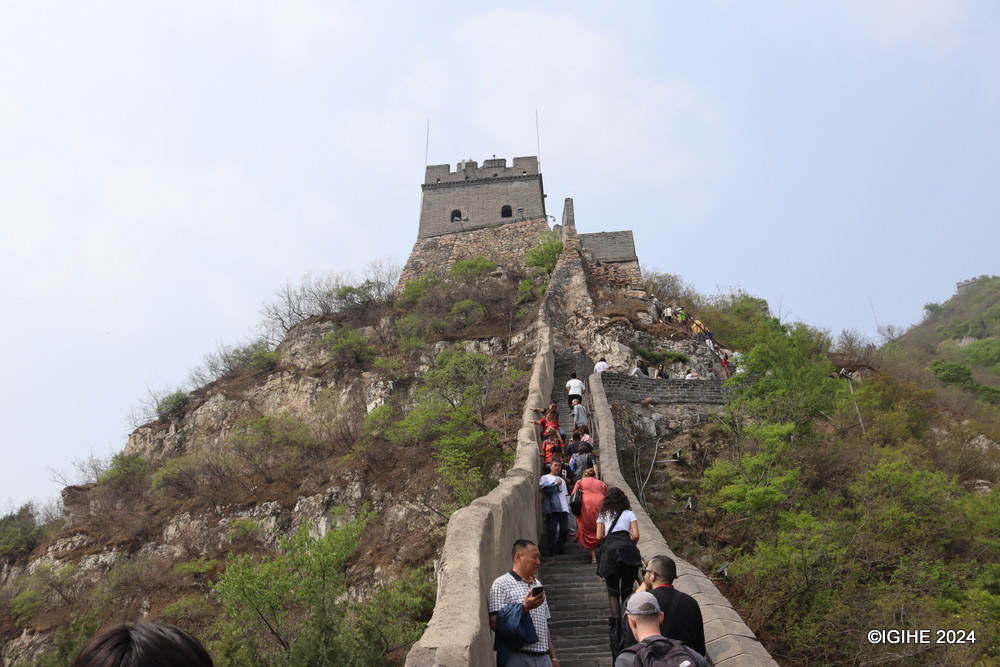
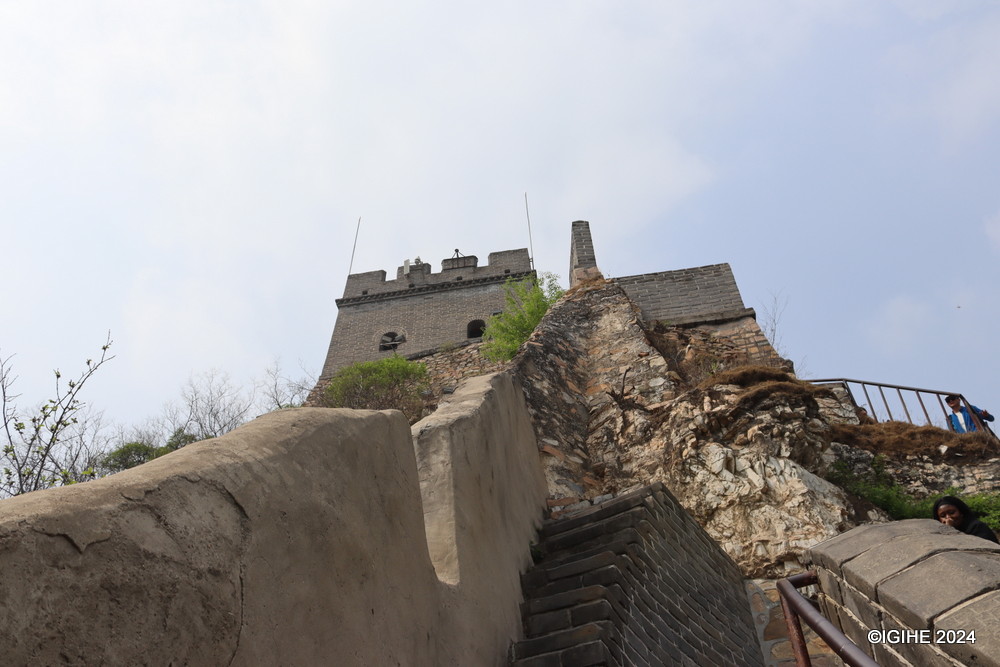
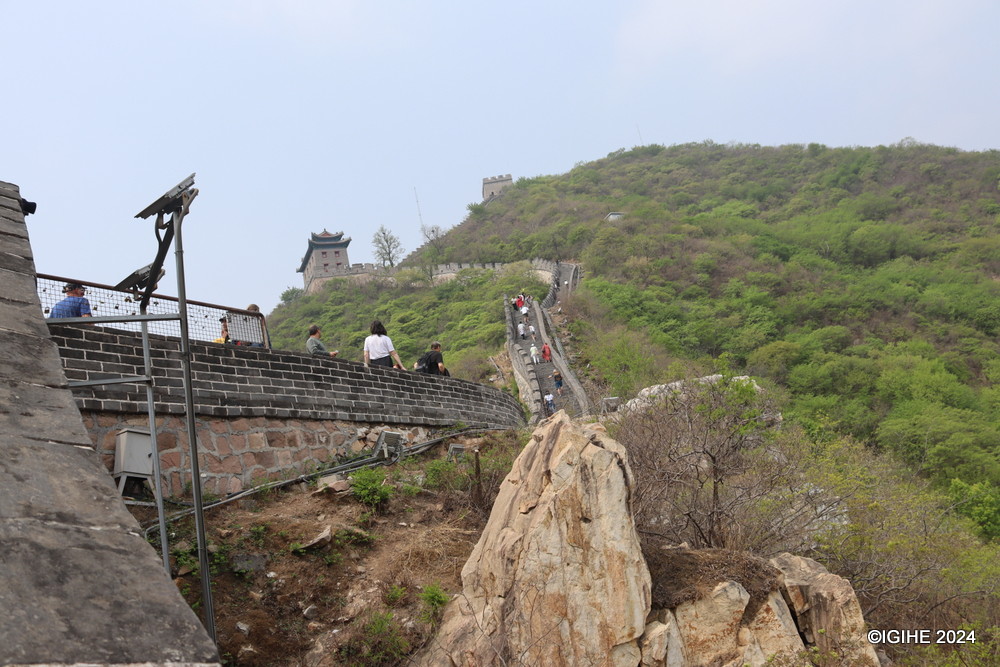
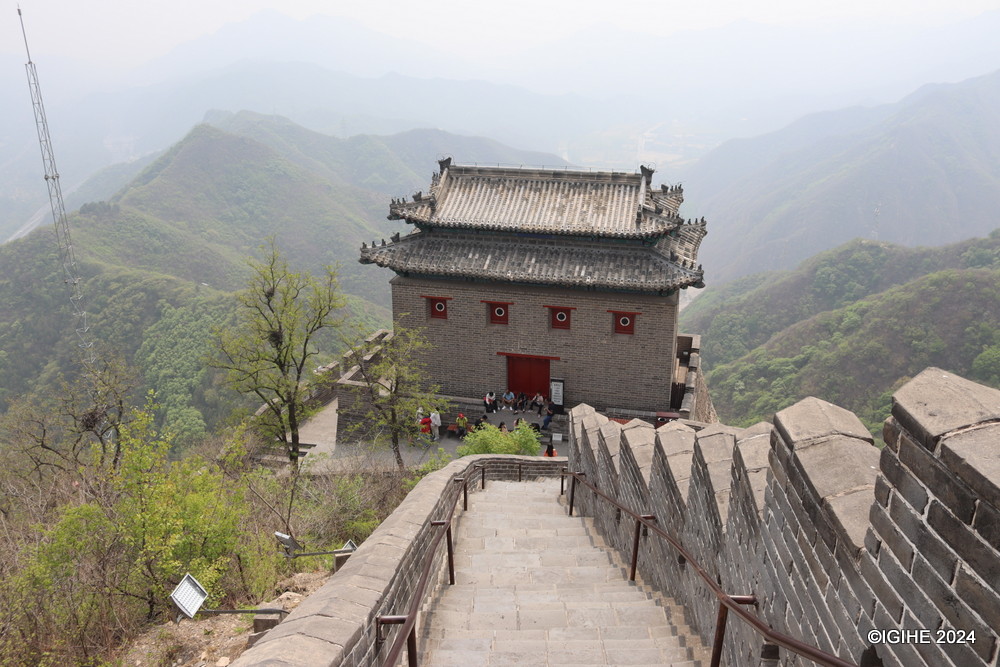
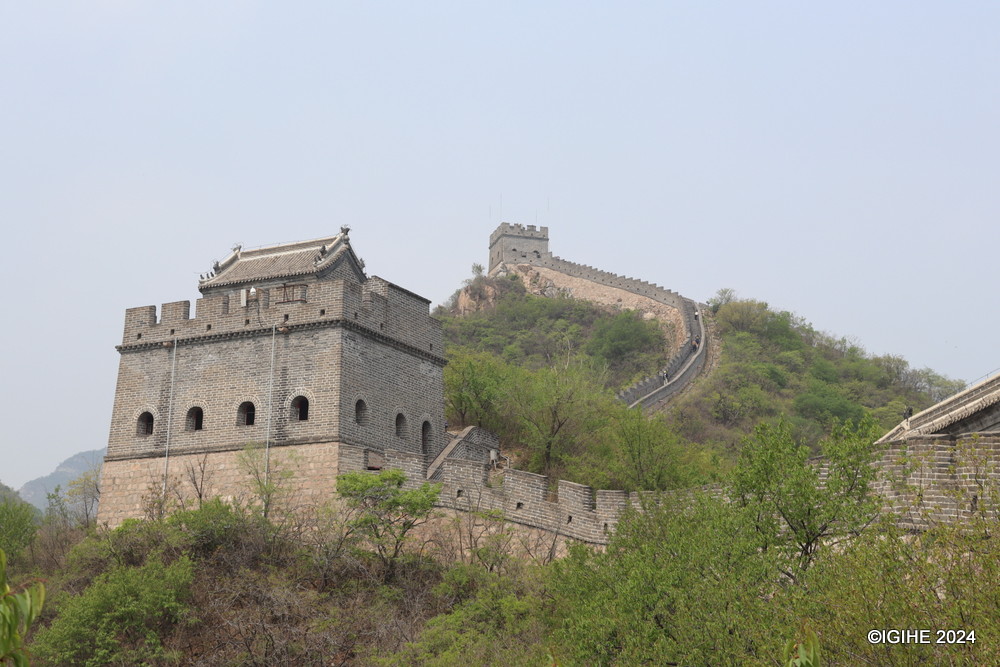
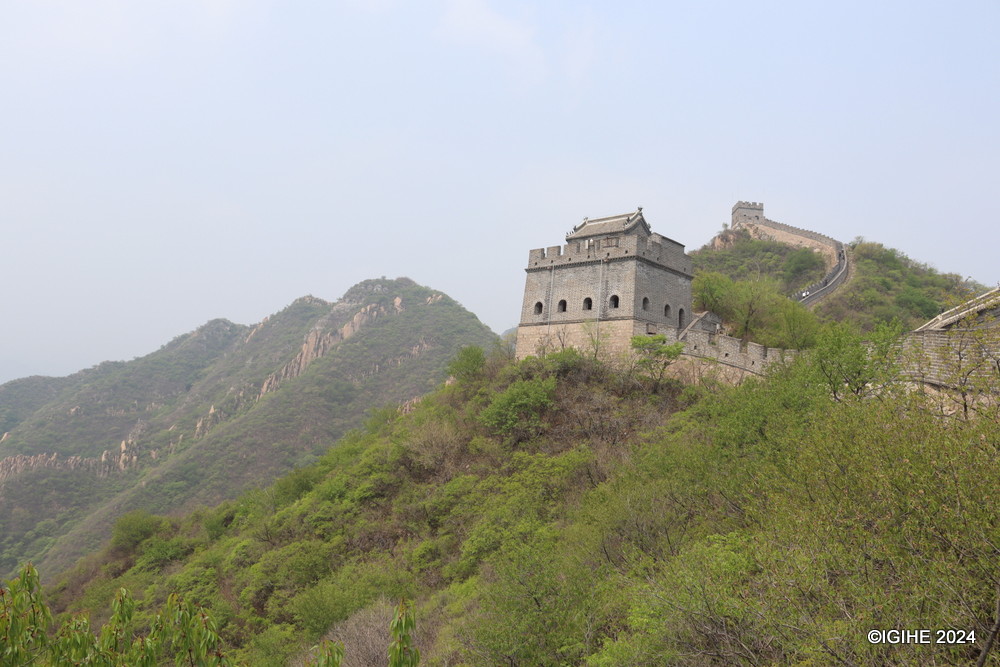
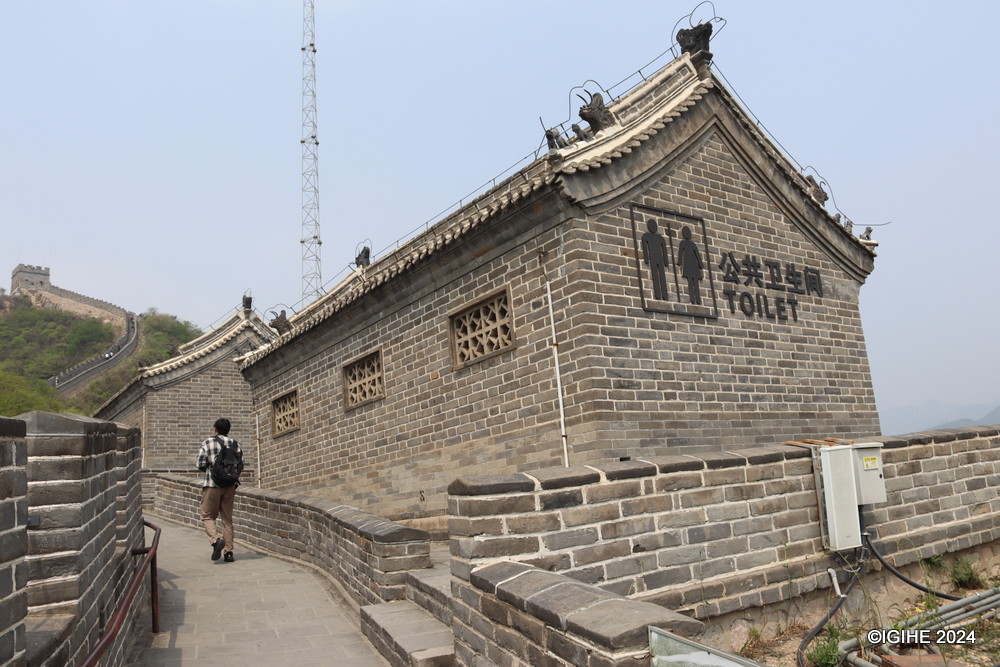
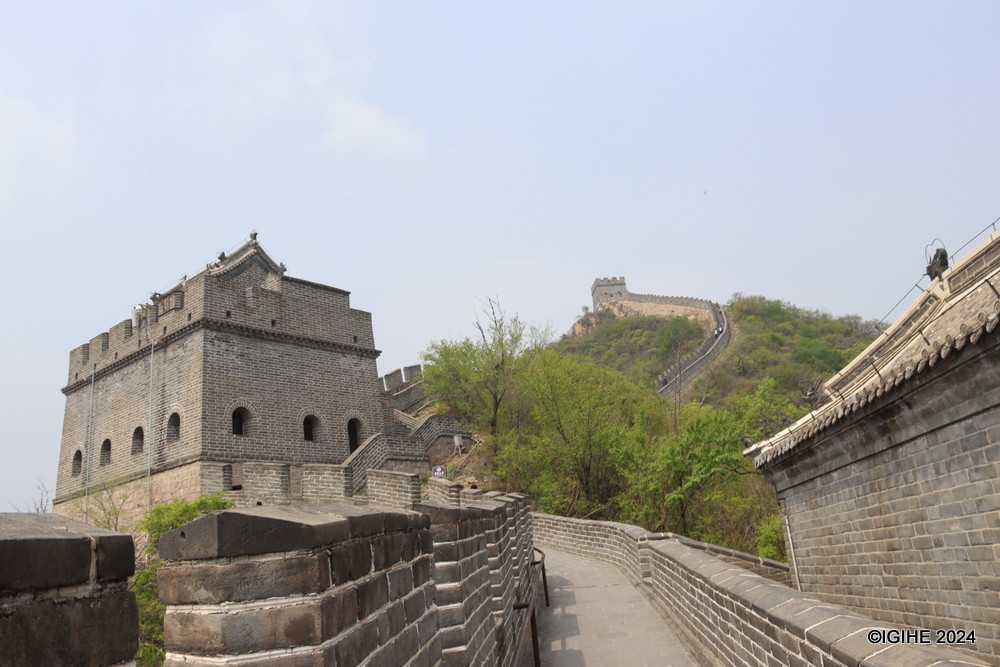
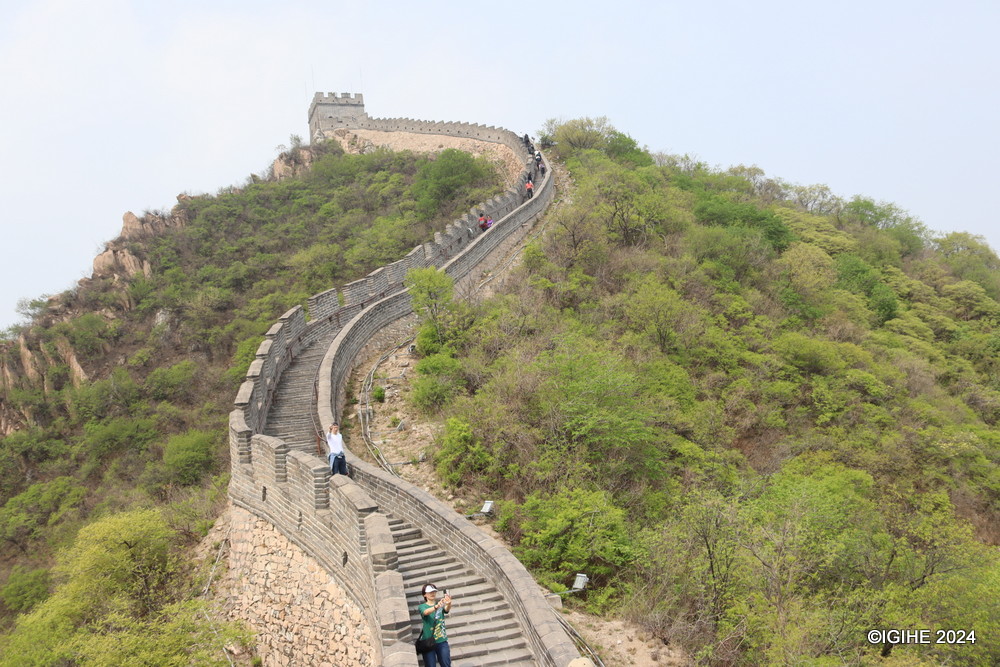
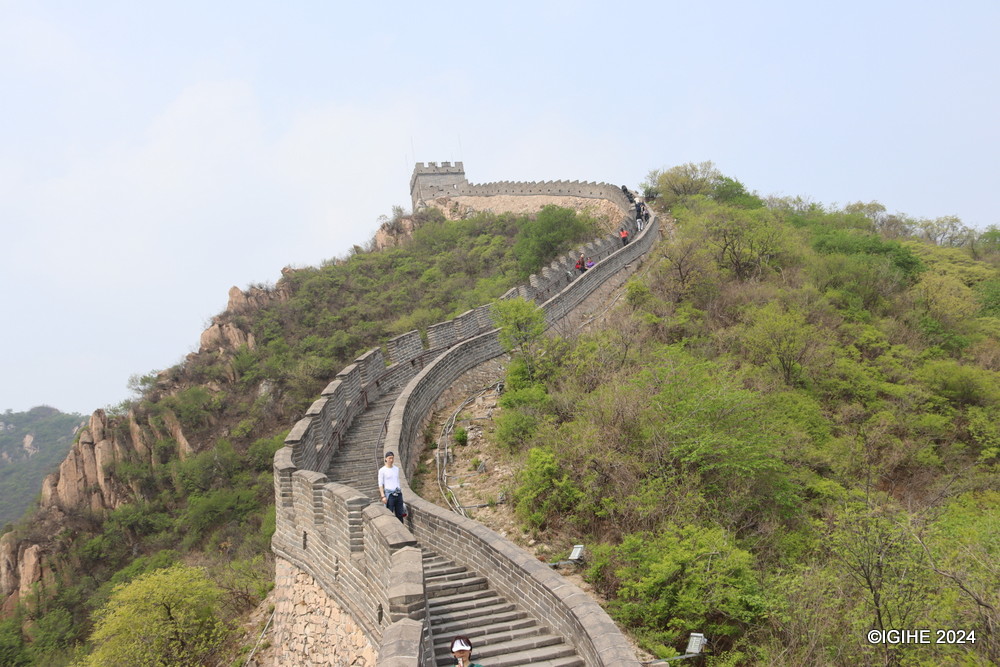
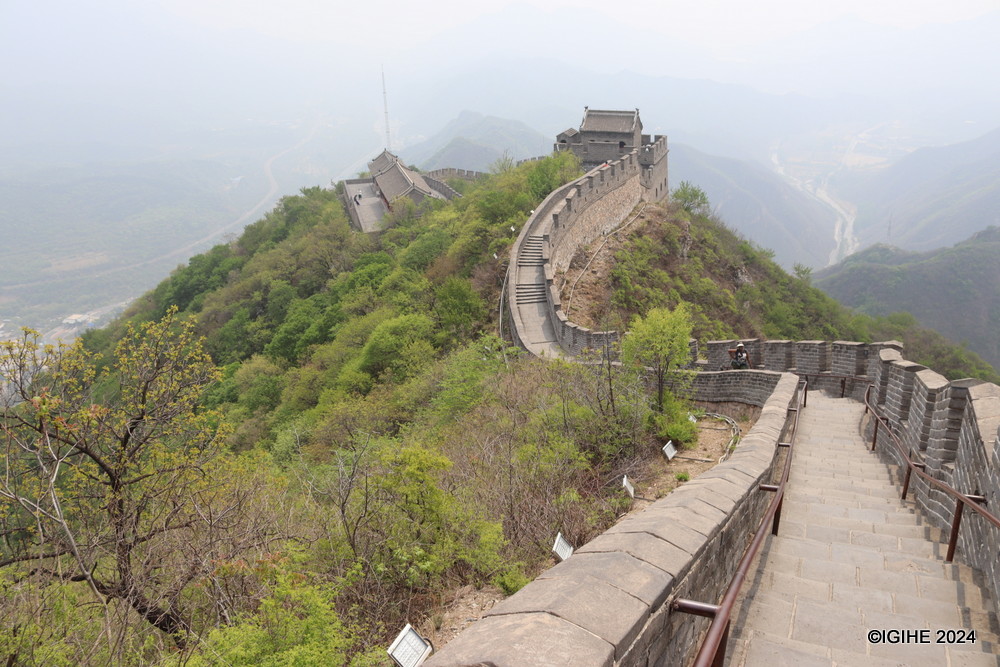
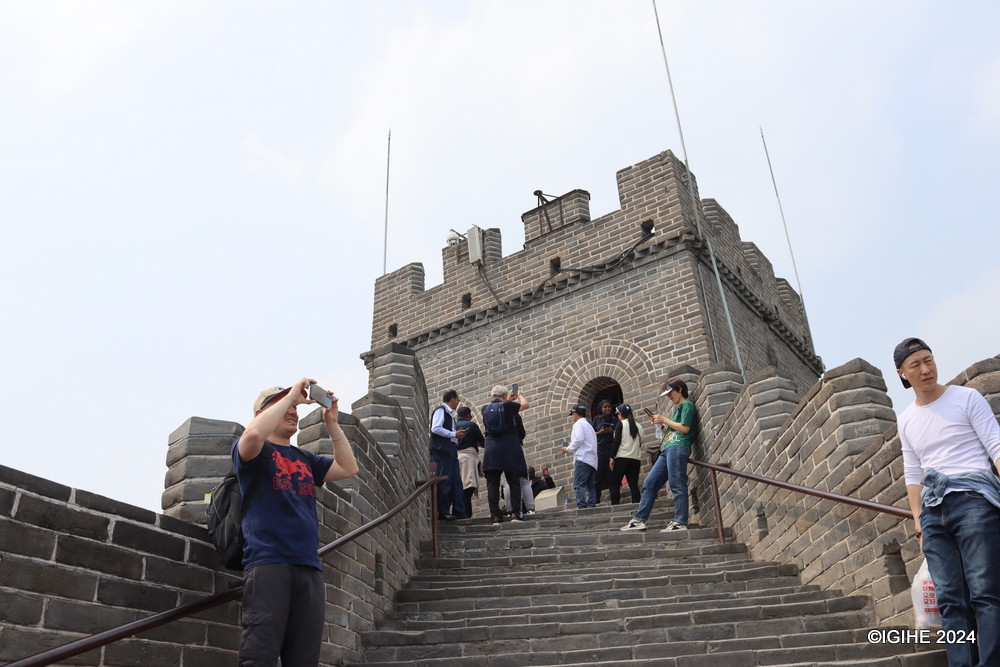
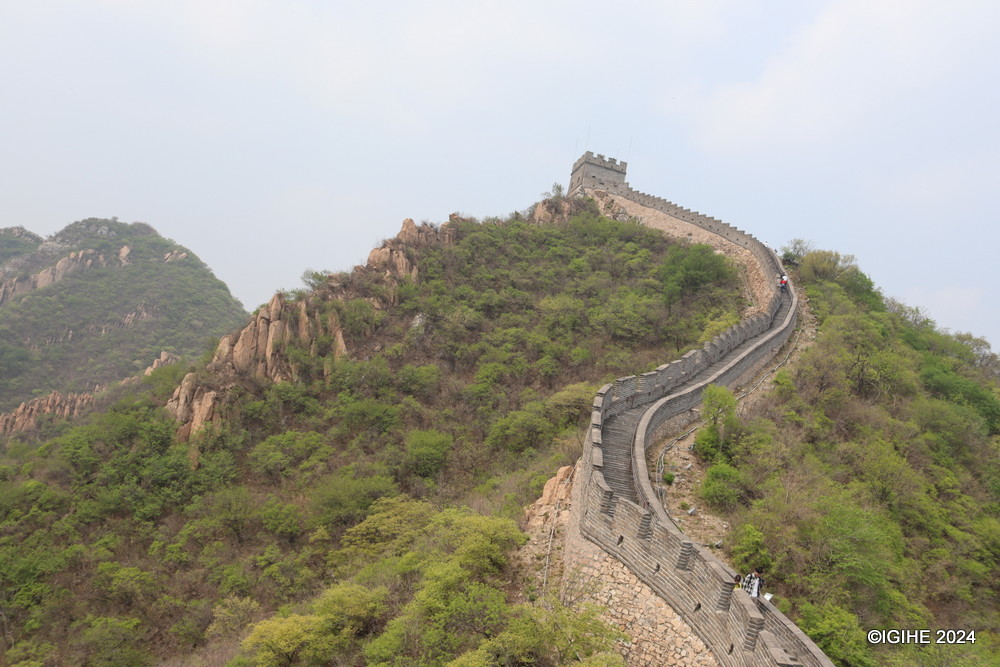
Comprising many interconnected walls, this grand structure is not only an emblem of resilience and architectural genius stretching across vast landscapes, but also a narrative woven into the fabric of Chinese culture and history.
The Great Wall was declared one of the New Seven Wonders of the World in 2007. The United Nations Educational, Scientific and Cultural Organization (UNESCO) recognized it as the largest man-made structure on Earth.
This colossal structure, spanning more than 20,000 kilometers, not only showcases ancient China’s military brilliance but also serves as a testament to the indomitable spirit of its people.
For travelers and historians alike, the Wall offers a unique blend of scenic beauty and a deep dive into the rich tapestry of Chinese history.
Originating in the 7th century B.C., the Great Wall was primarily a defense mechanism against invasions. Over centuries, it was expanded and fortified by various dynasties, making it one of the most extensive construction projects ever undertaken.
The Wall’s strategic importance was highlighted during early Chinese resistance against Japanese aggression in 1933, where it served as a battleground and a symbol of national pride.
To undertake the monumental task of building, maintaining, and restoring the walls, millions of people were recruited, some mandatorily.
Often, laborers had to manually transport large stones and hefty bricks to elevated mountain ridges, lacking the aid of powerful or advanced machinery in ancient times.
The precise tally of fatalities during the construction remains uncertain, yet historical accounts reveal that exhaustion, hunger, and accidents resulted in numerous deaths.
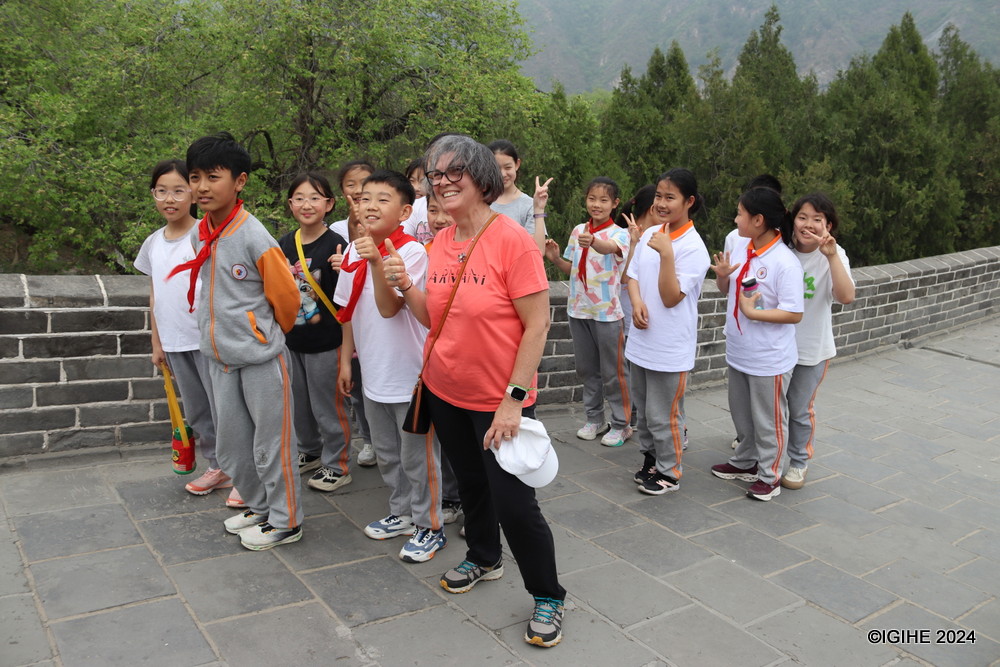
Each year, the Wall attracts millions of visitors from across the globe. Some of prominent global leaders who visited this wall, include former US Presidents, Barack Obama and George W. Bush; Queen Elizabeth II, late monarch of the United Kingdom; Vladimir Putin, the current President of Russia; and Nelson Mandela, former President of South Africa, among others.
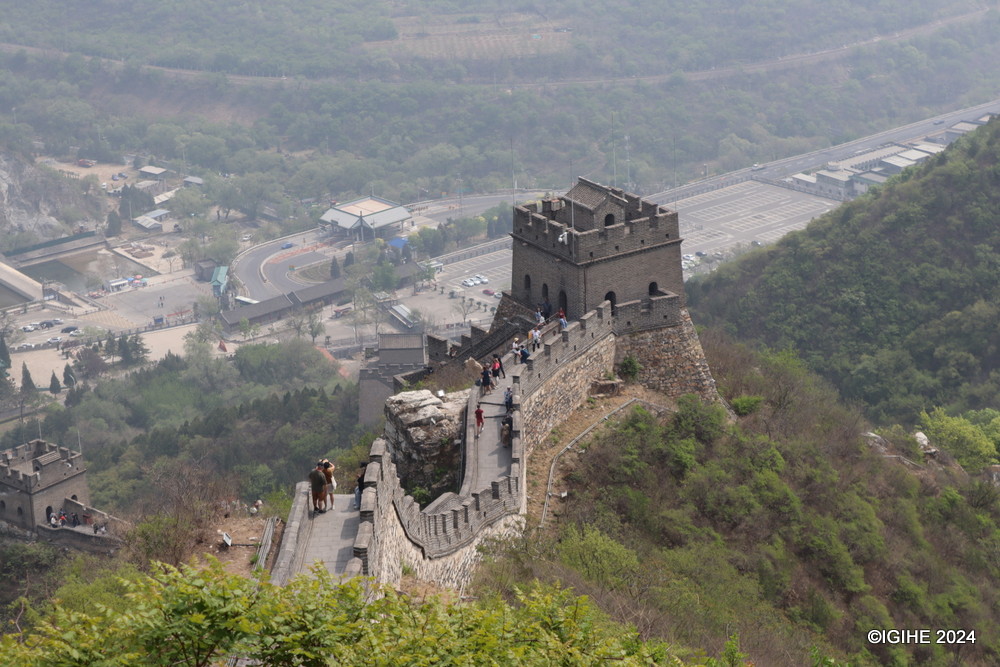
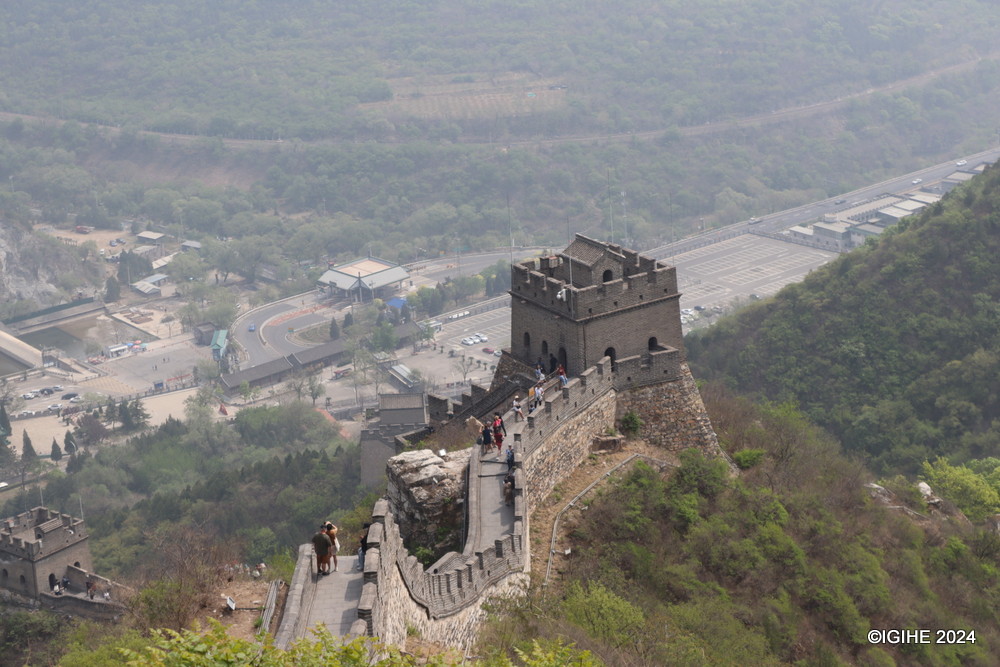
It begins at the eastern seaboard and extends to the remote western deserts, winding through 404 towns in 15 provincial regions throughout northern and central China.
Beijing, the heart of China’s imperial history, houses approximately 520 kilometers of the Wall’s sections.
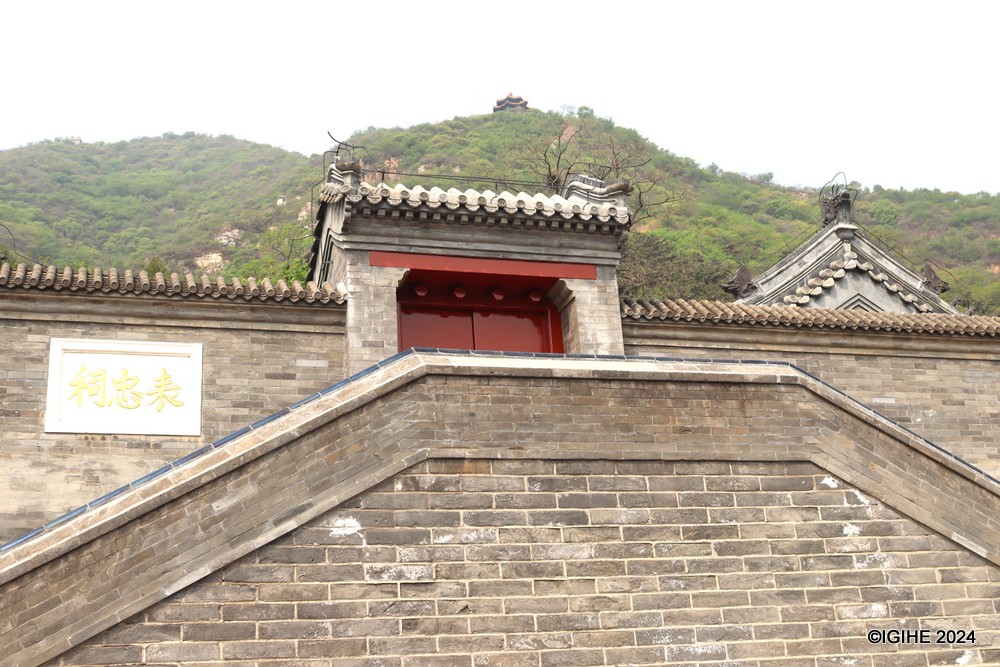
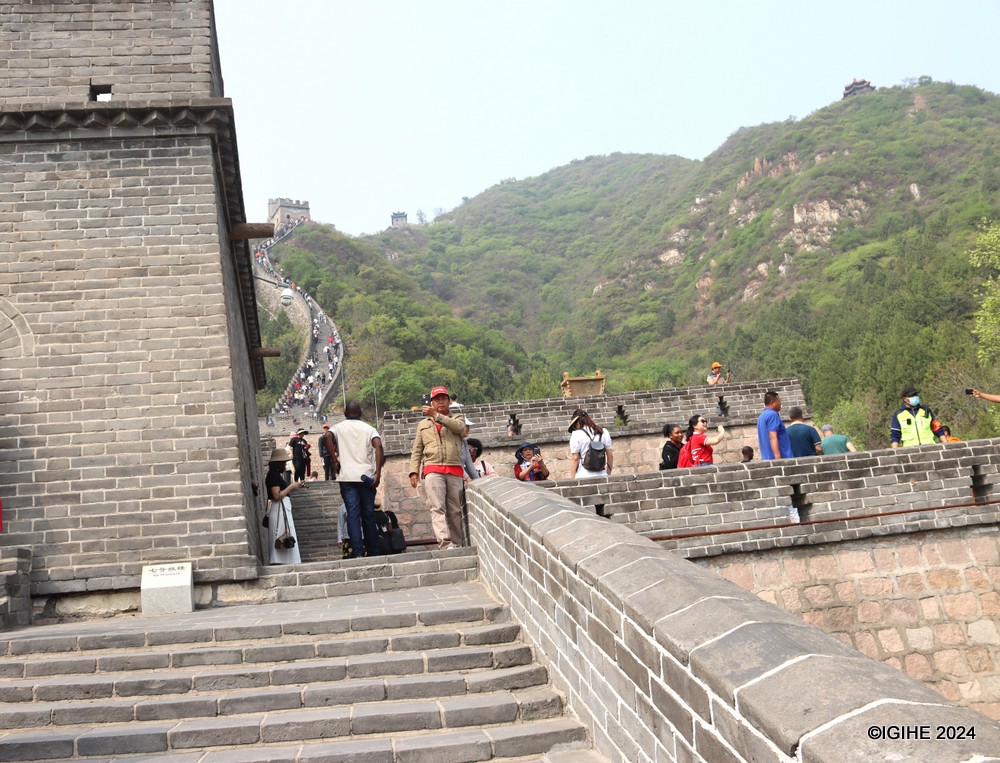
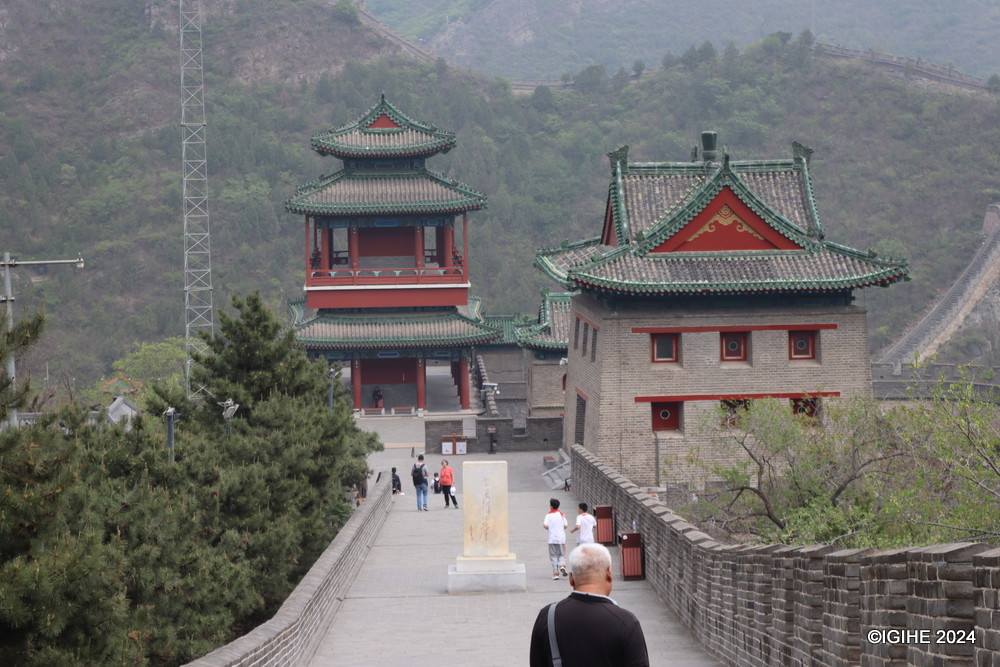
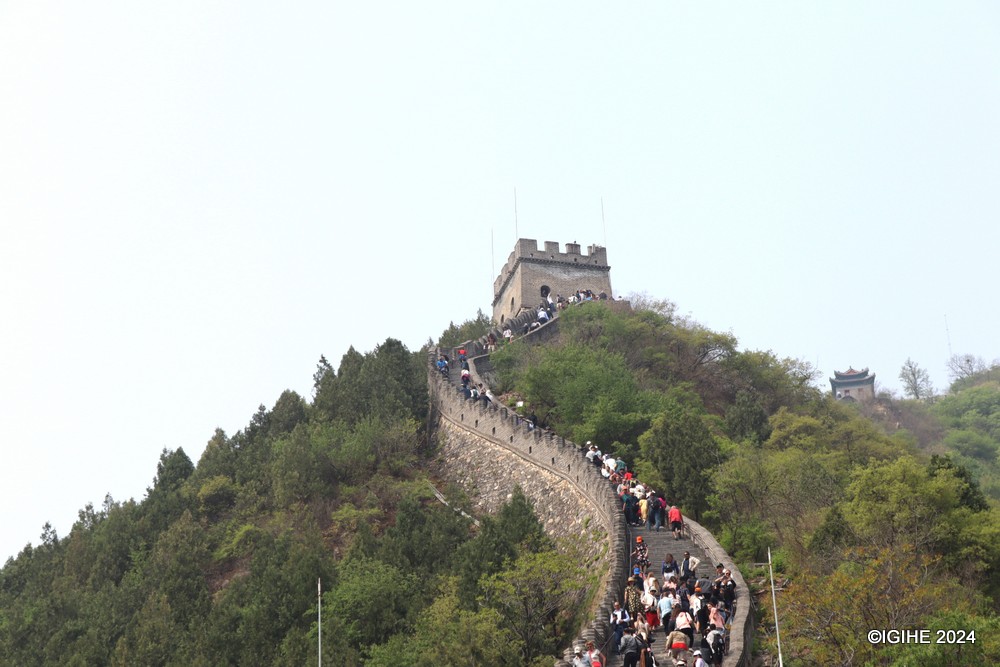
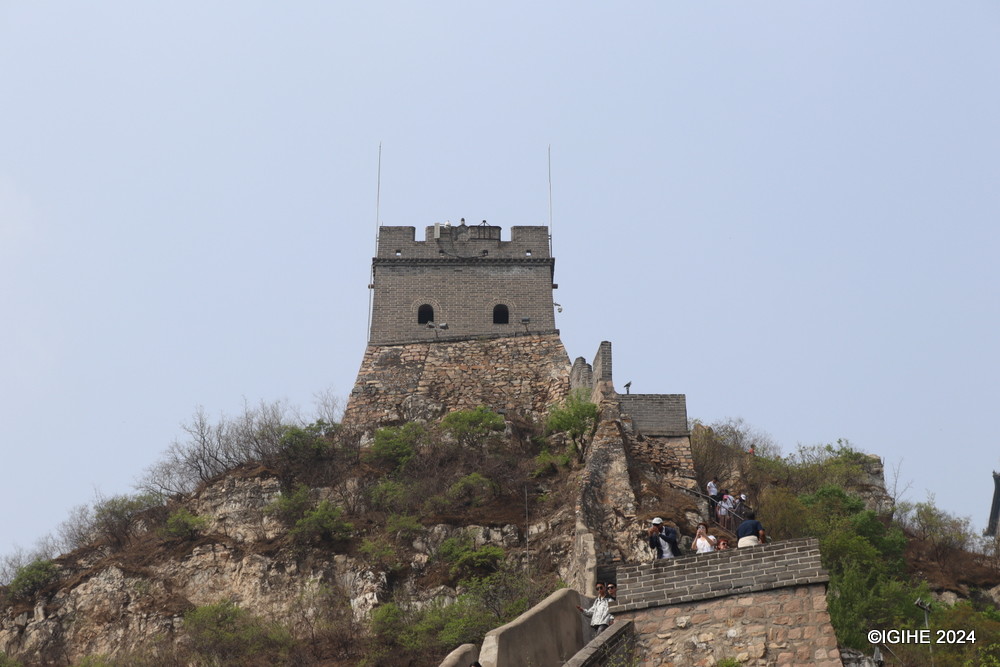
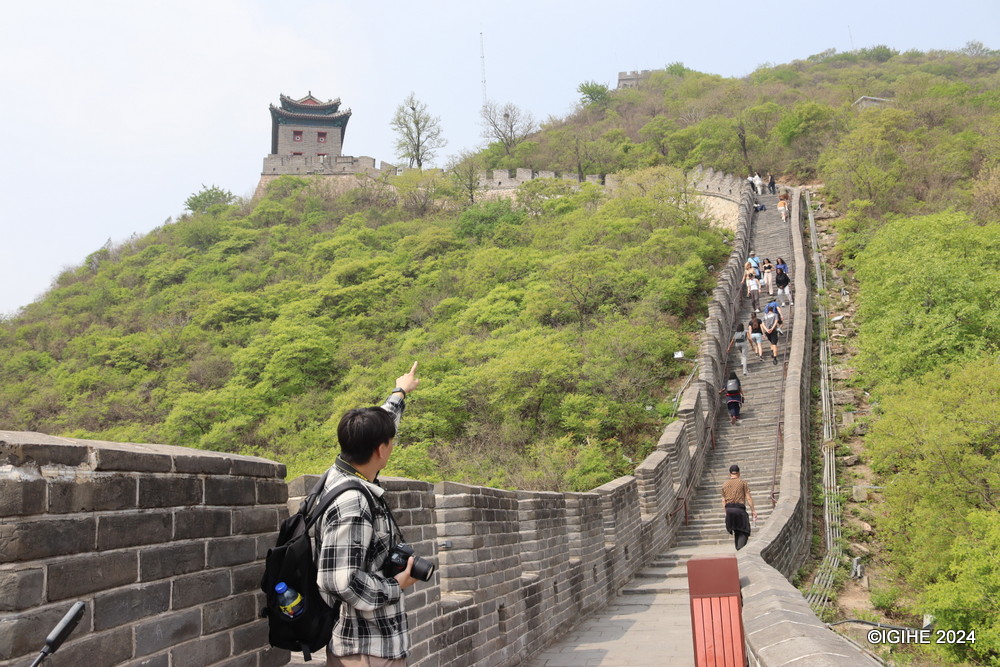
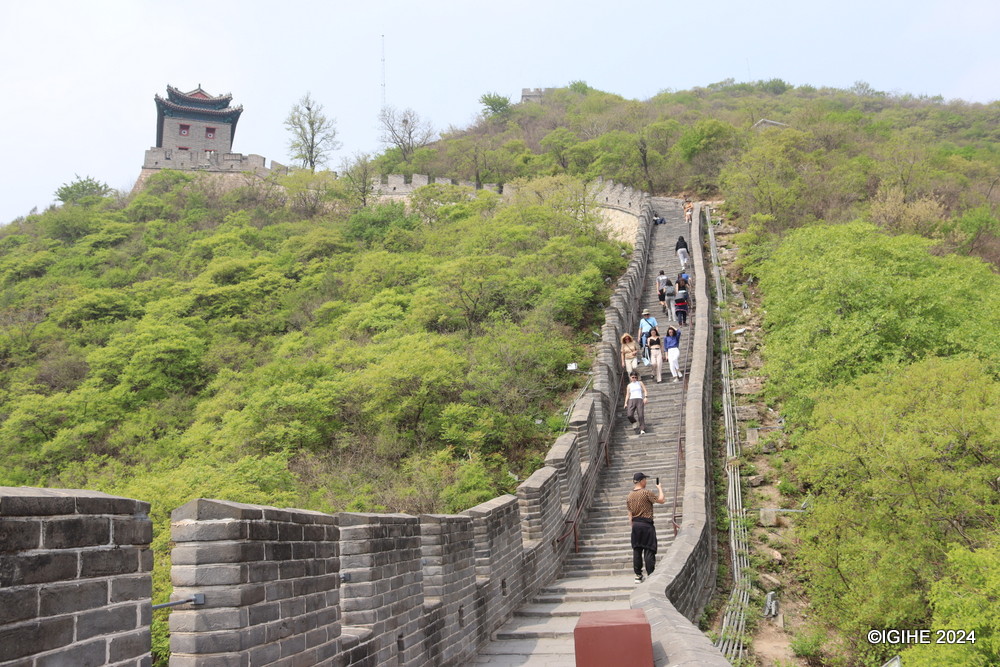
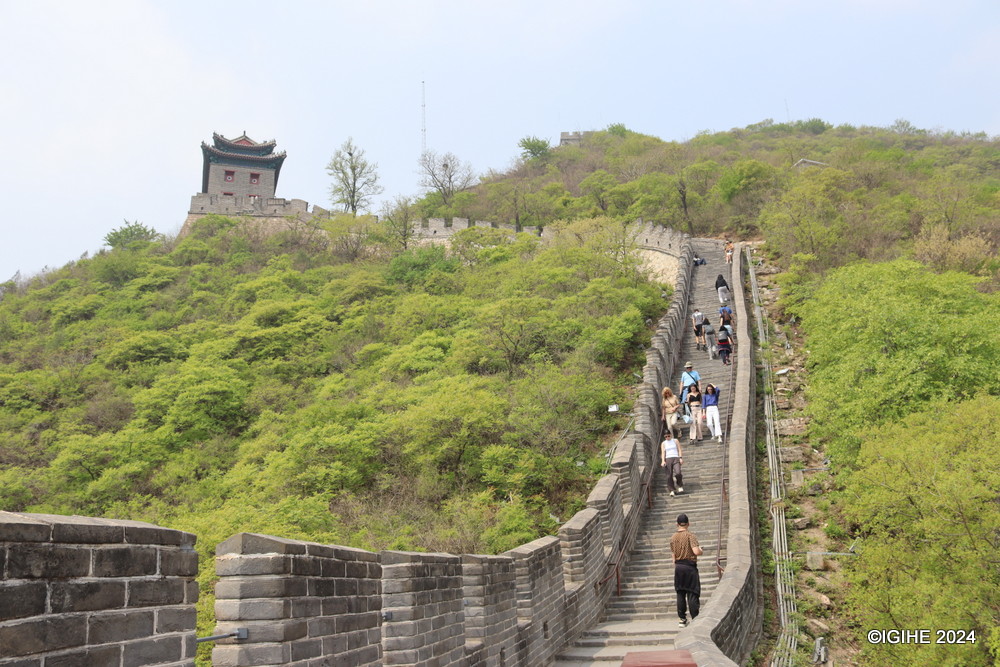
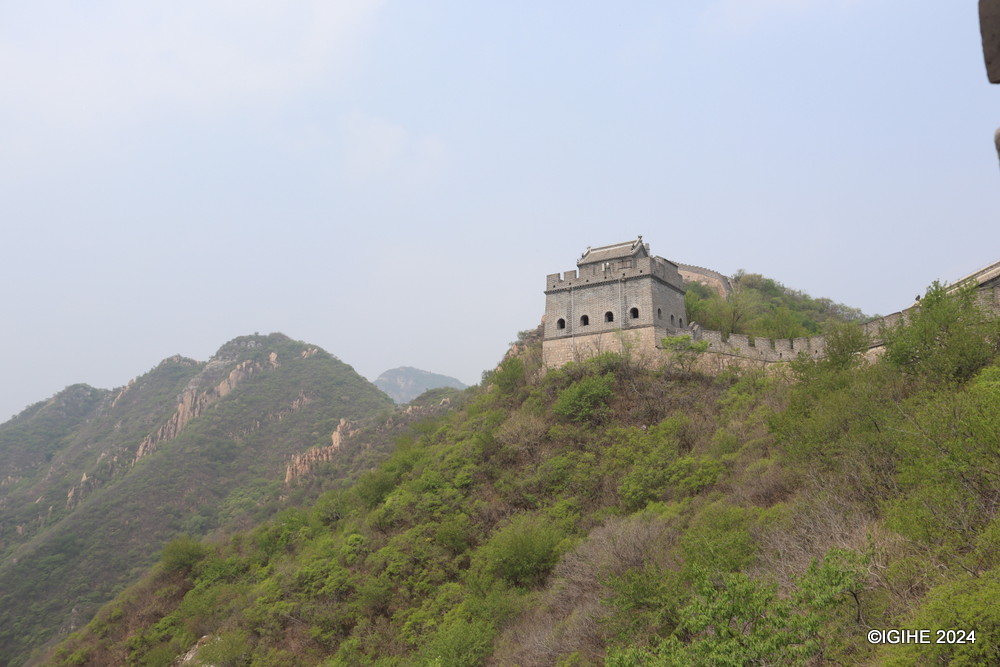
The Wall encompasses several well-preserved sections like Juyongguan, Badaling, Huanghuacheng, Jiankou, Mutianyu, Gubeikou, Jinshanling, and Simatai, each telling its own story of the past.
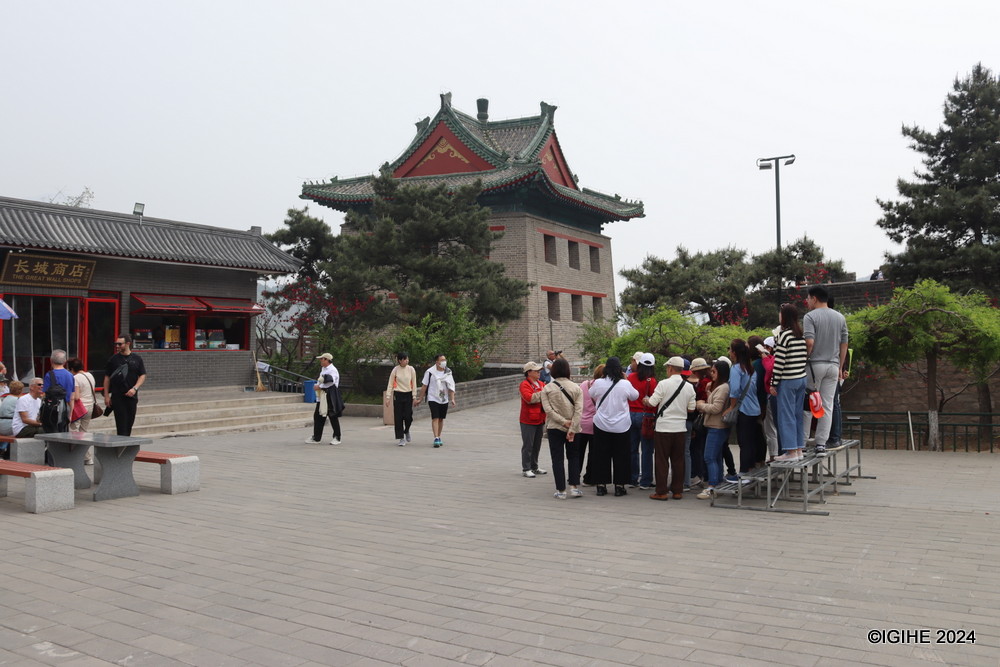
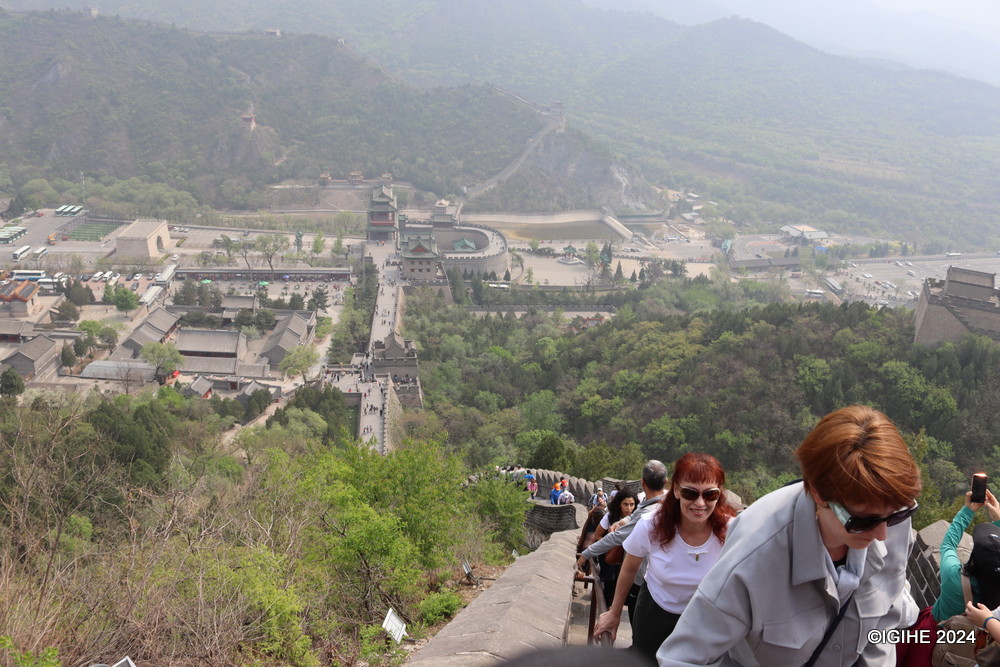
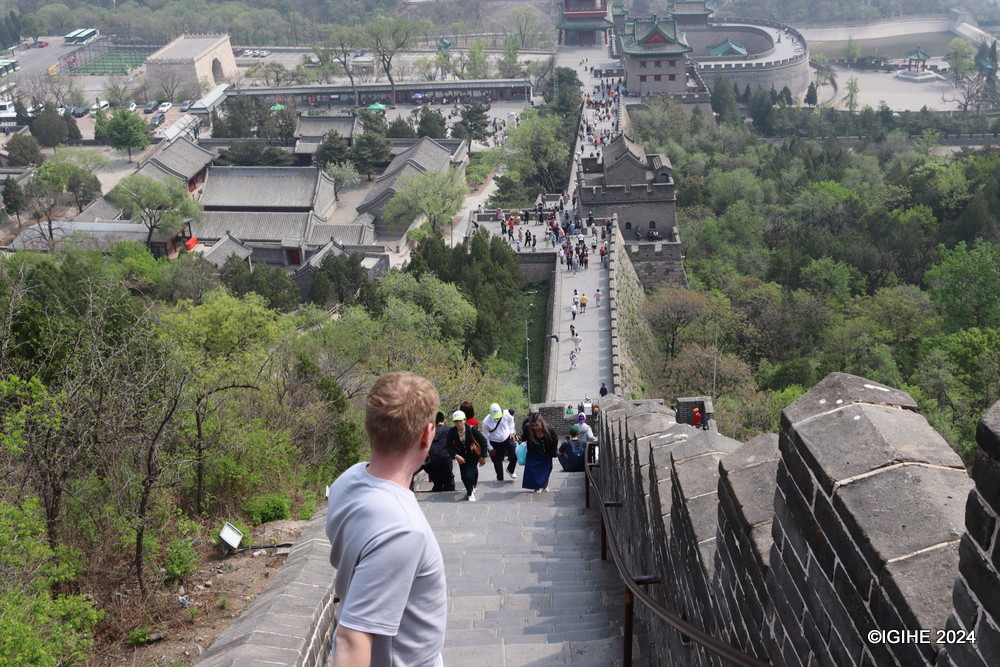
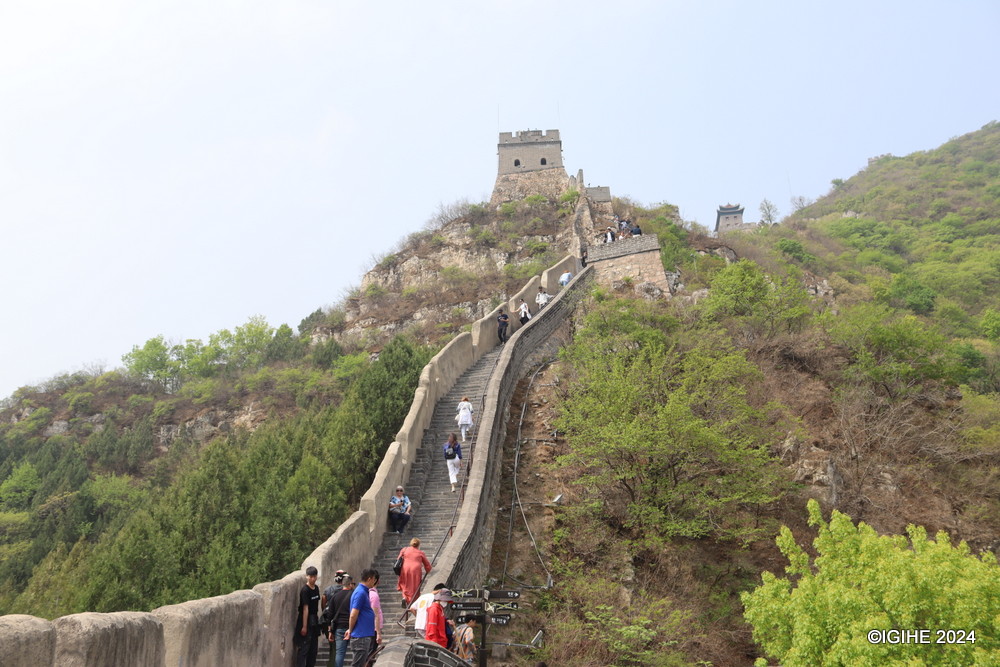
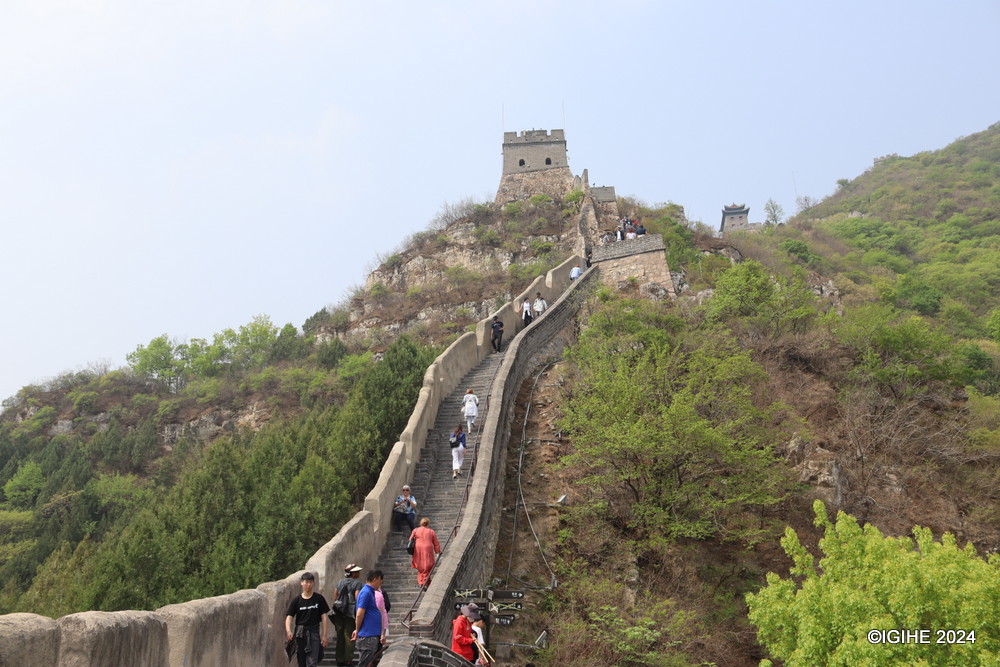
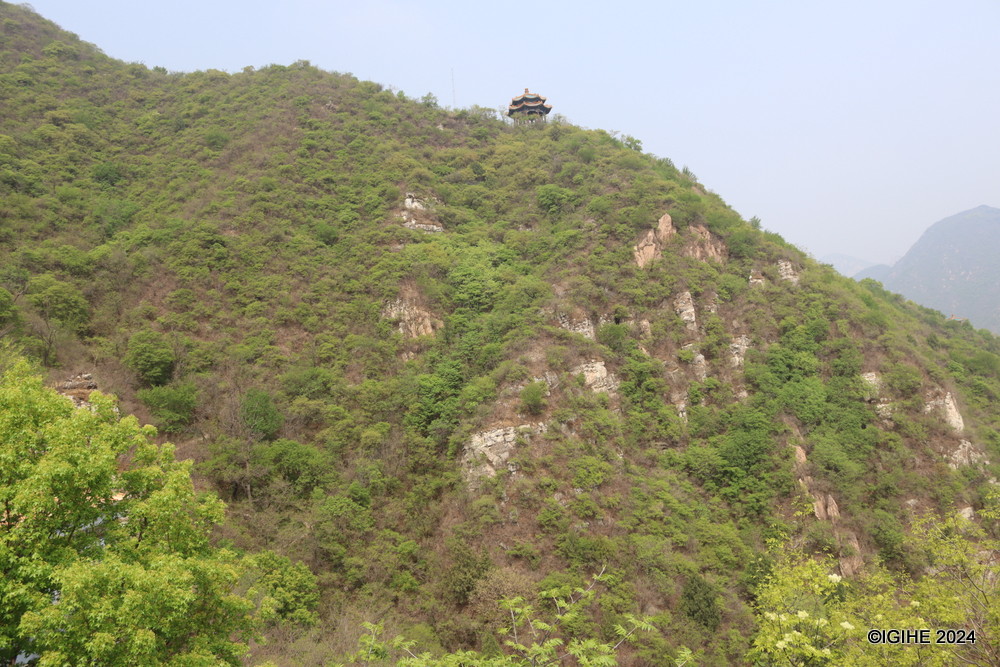
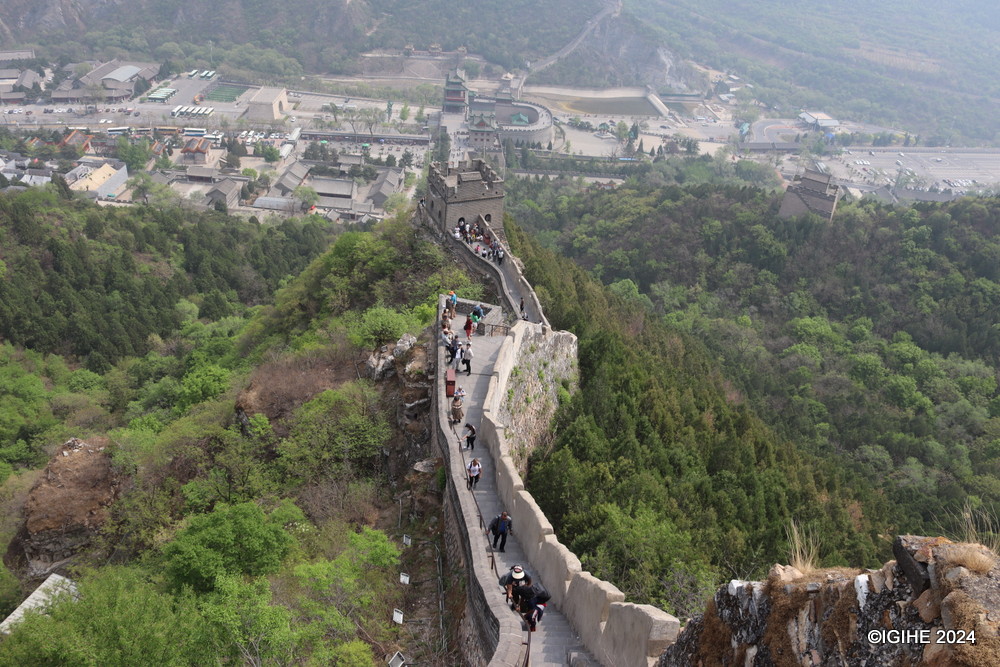
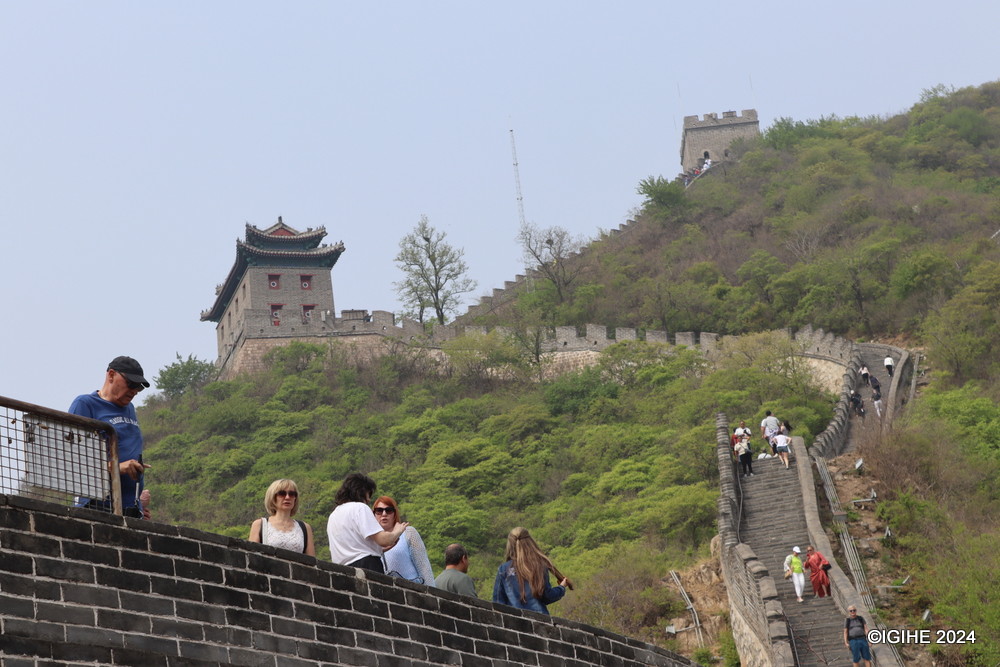
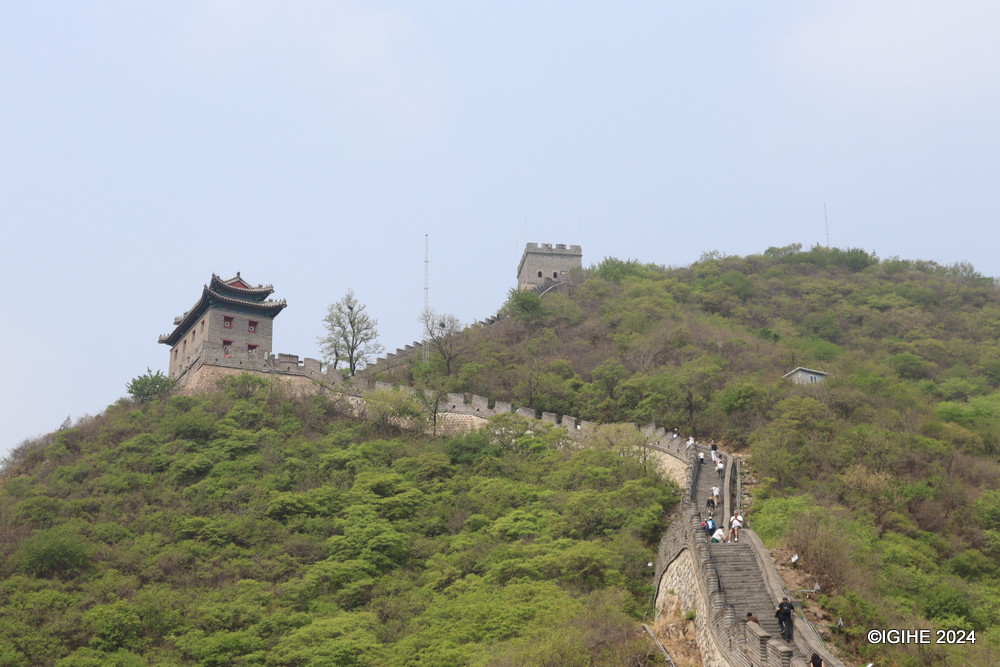
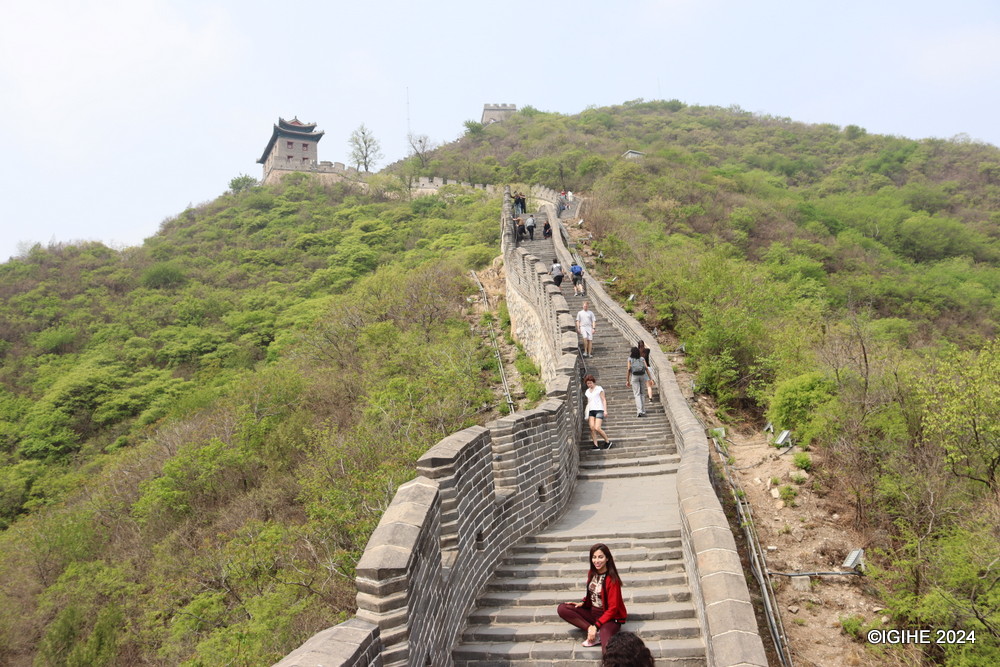
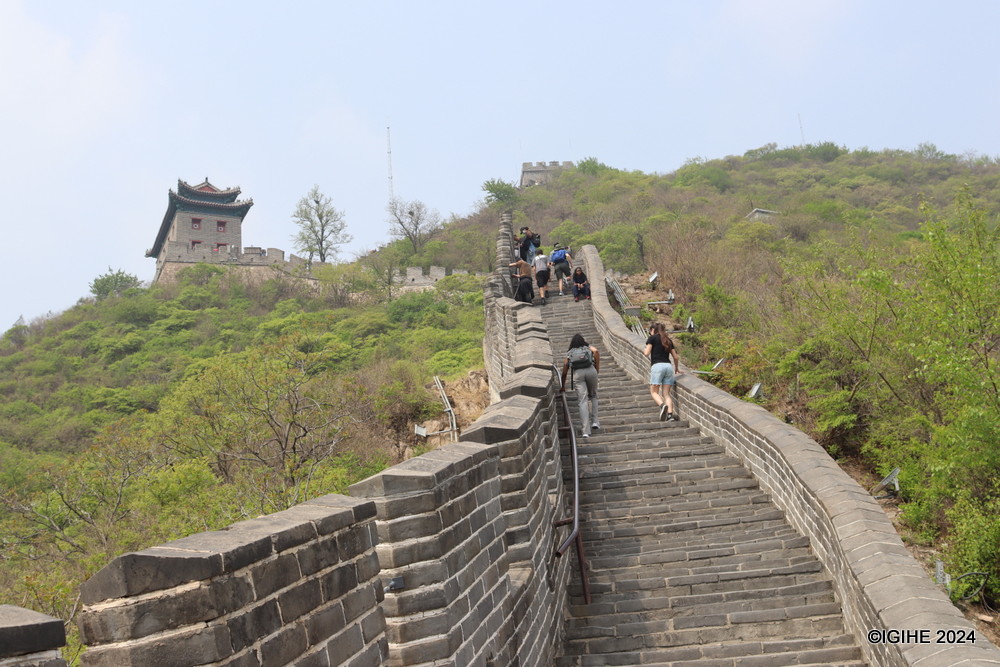
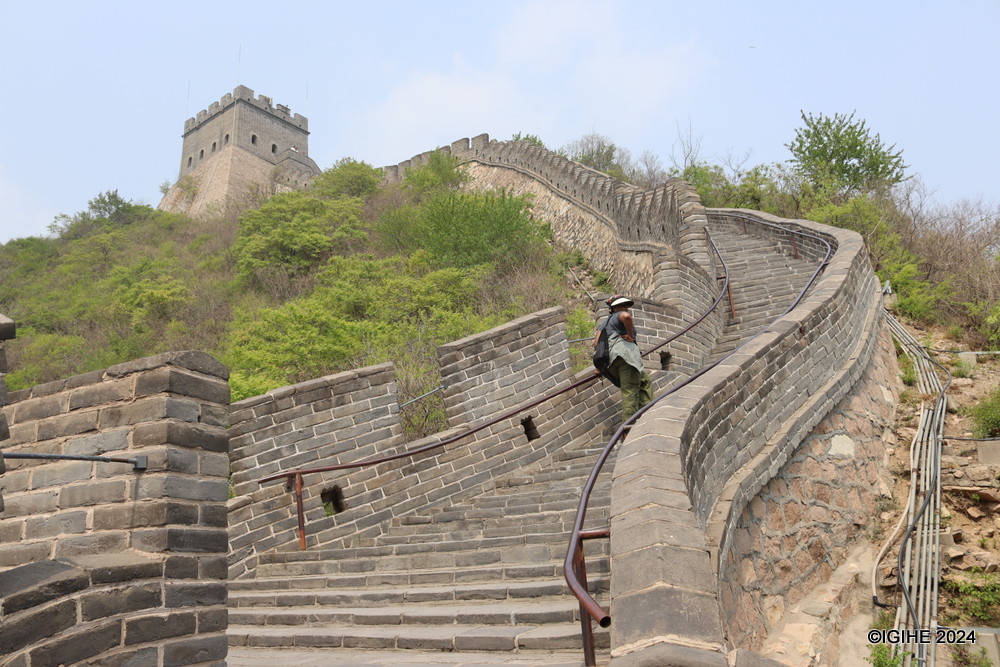
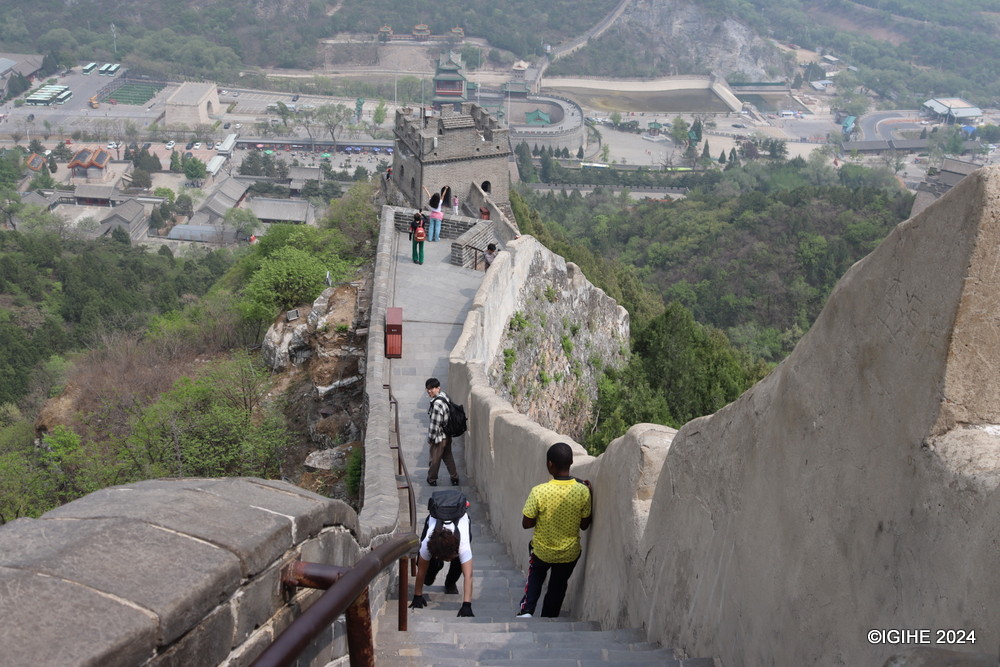
Juyongguan, or Juyong Pass, is particularly notable. Nestled in the 18-kilometer-long Guangou Valley (more than 50 kilometers from Beijing), this pass has been a key military fortress since the Qin Dynasty.
Known as one of the Great Wall’s three greatest mountain passes, alongside Jiayu Pass and Shanhai Pass, Juyongguan’s strategic significance is matched by its stunning natural surroundings.
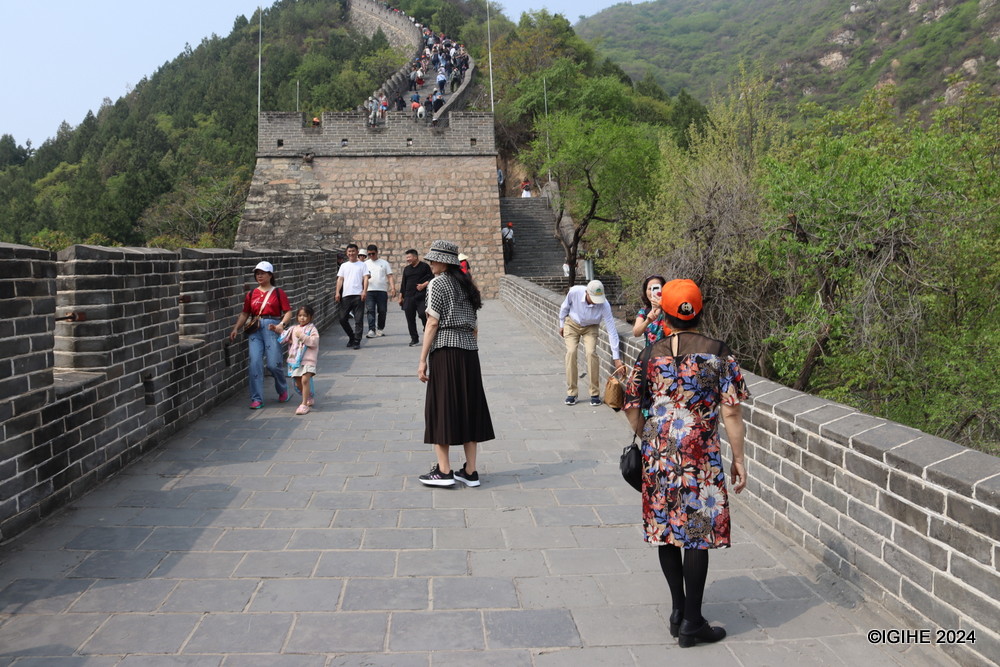
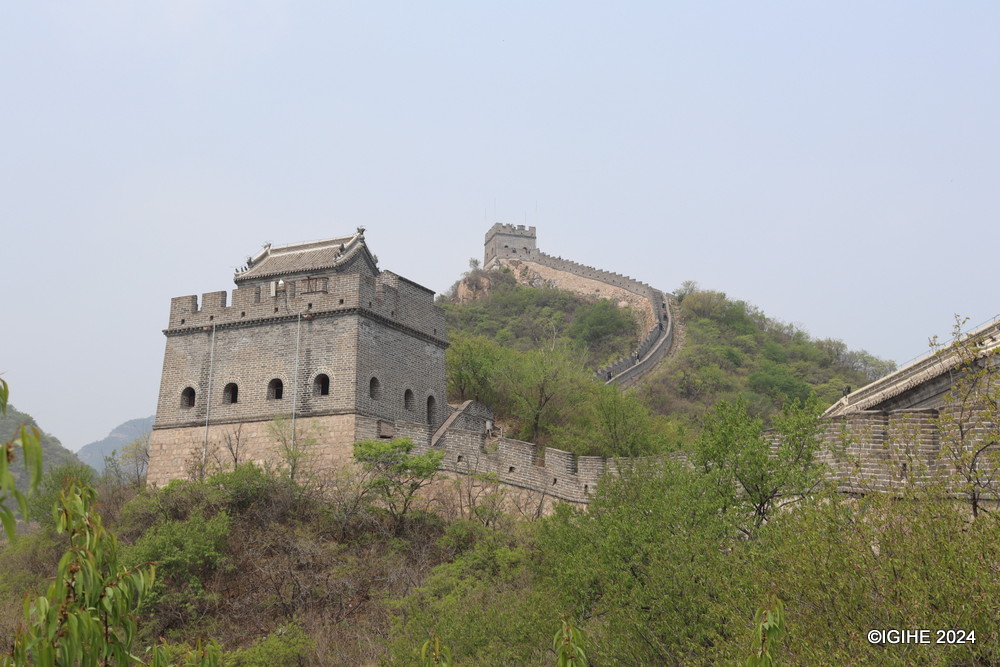
The Ming Dynasty (1368-1644) marked the peak of Great Wall construction, with walls built of sturdy bricks and lime mortar, reinforced with rectangular stone slabs stretching nearly 9,000km.
This period resulted in some of the most formidable and aesthetically appealing segments of the Wall, particularly those north of Beijing. The Great Wall believed to have been built in 220 Before Christ (B.C) is about 7m high and 6m wide.
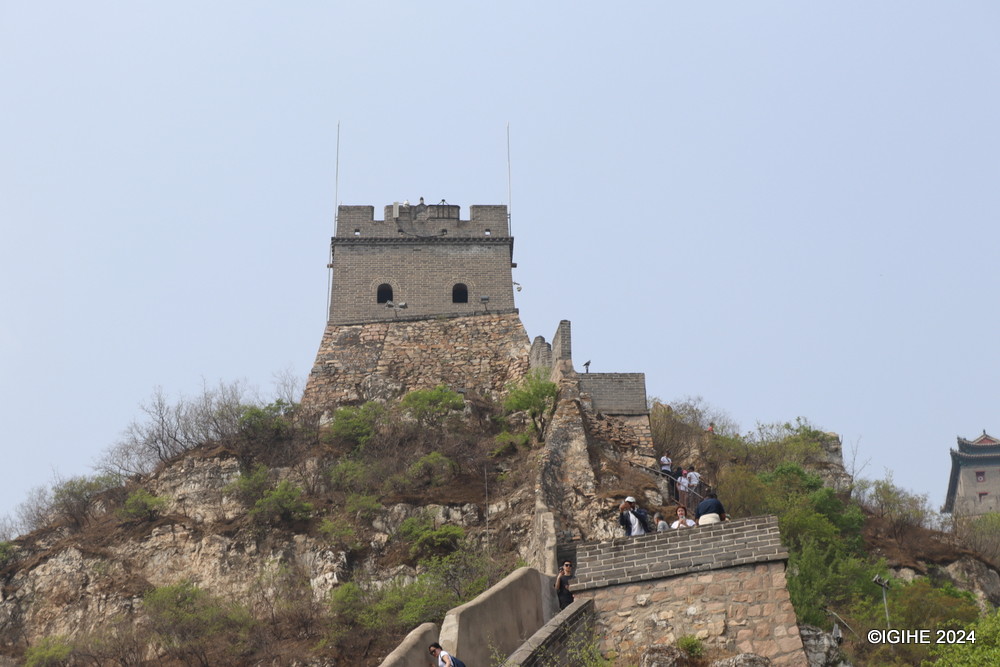
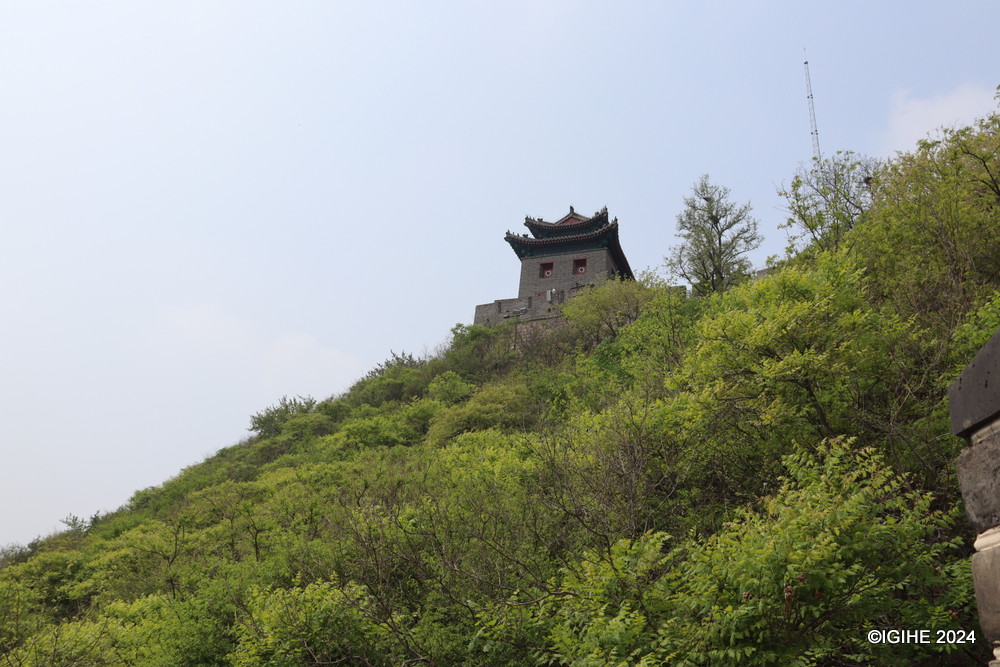
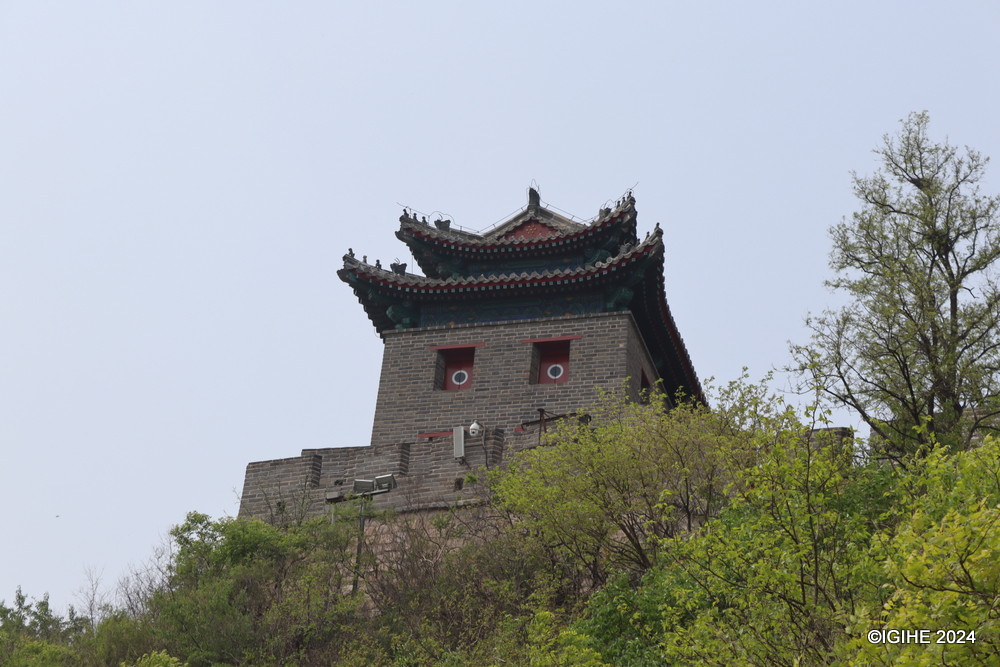
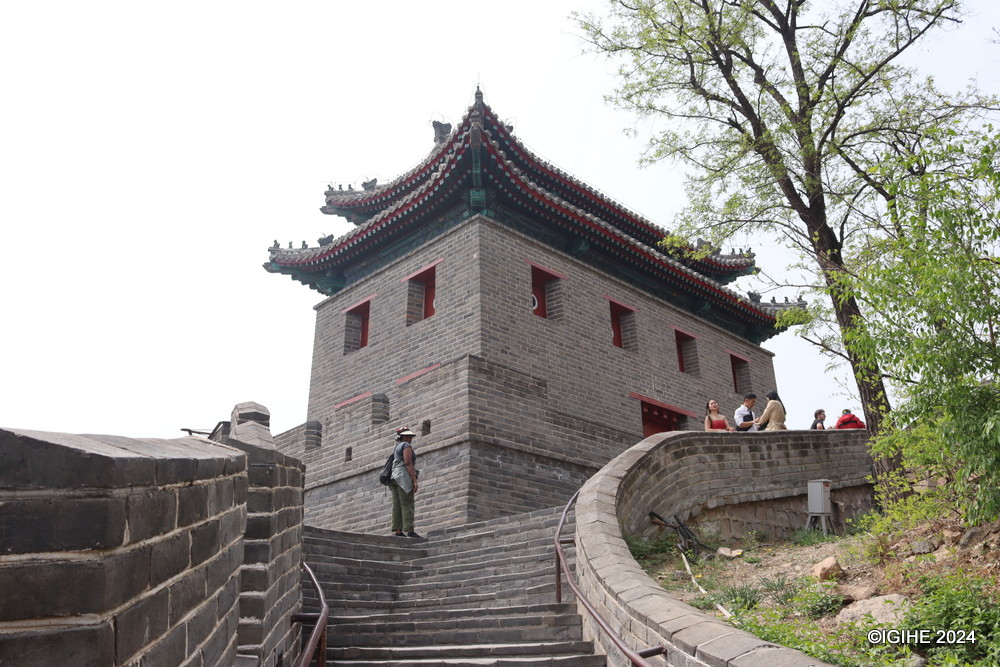
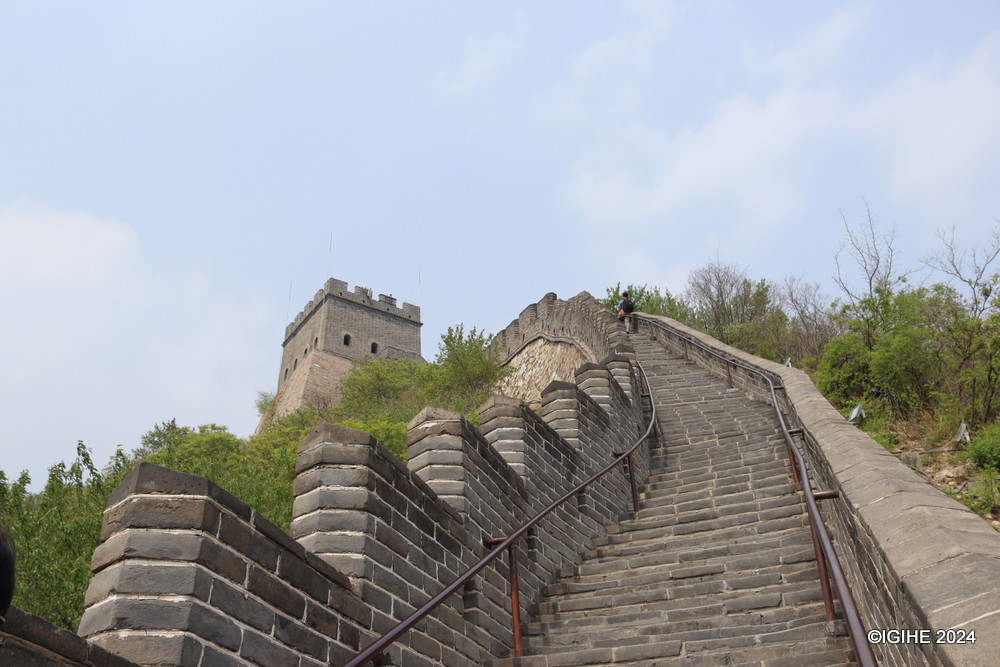
Beyond its physical form, the Great Wall symbolizes more than just a series of fortifications. It includes a network of watchtowers, fortresses, and guardhouses, each piece playing a crucial role in the defense of the empire. The Wall also embodies the collective effort, determination, and sacrifice of countless individuals who built and defended it through the ages.
The Wall’s inclusion in the national anthem underscores its importance as a cultural and spiritual symbol of the Chinese nation. It has witnessed the patriotism, solidarity, and strength of the Chinese people, enduring as a proud testament to their enduring spirit.
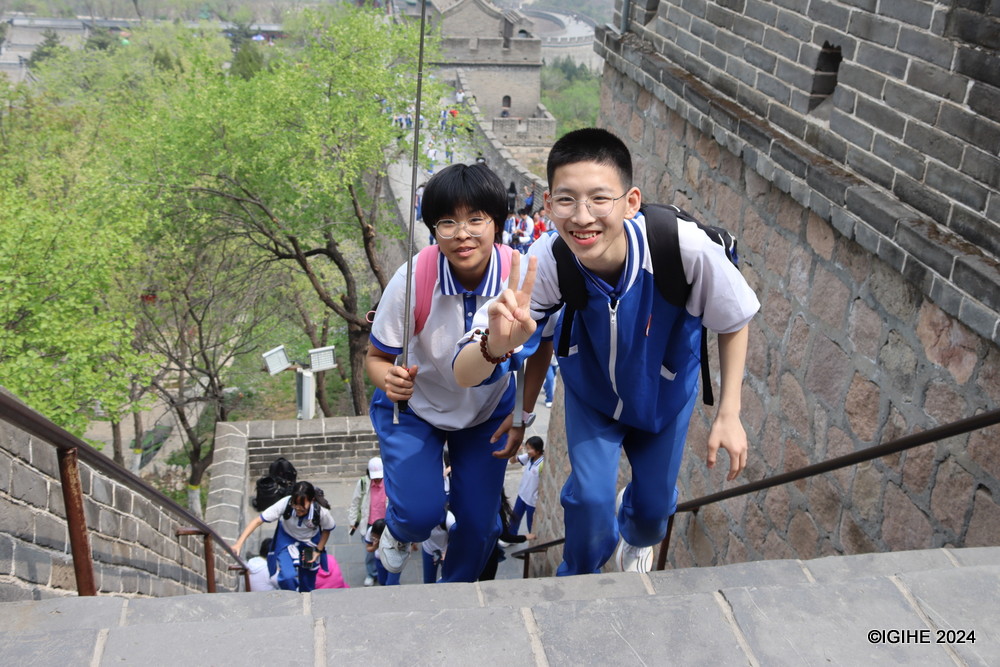
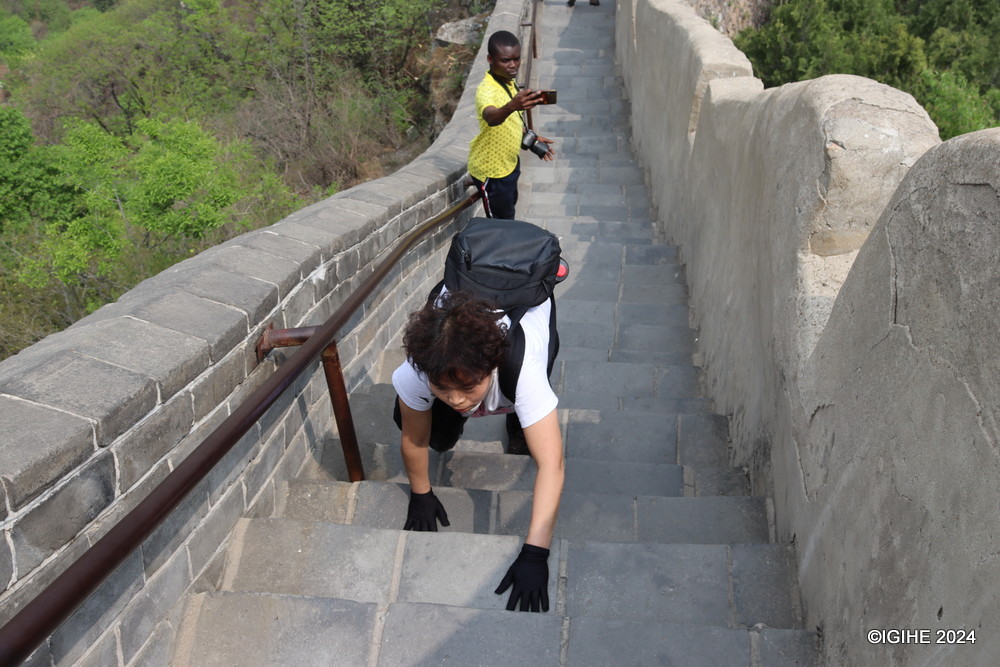
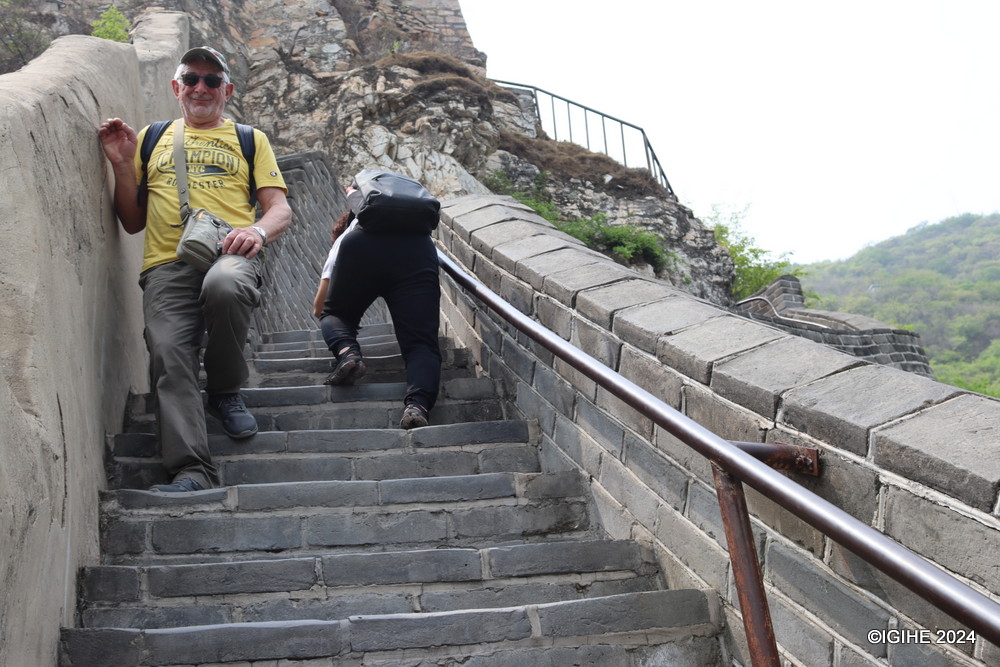
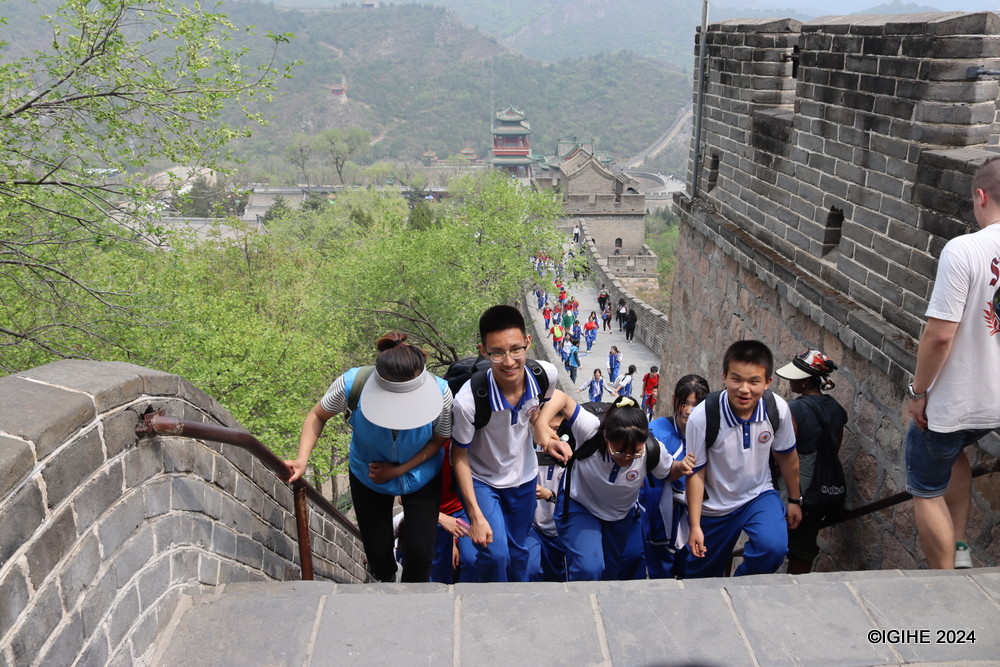
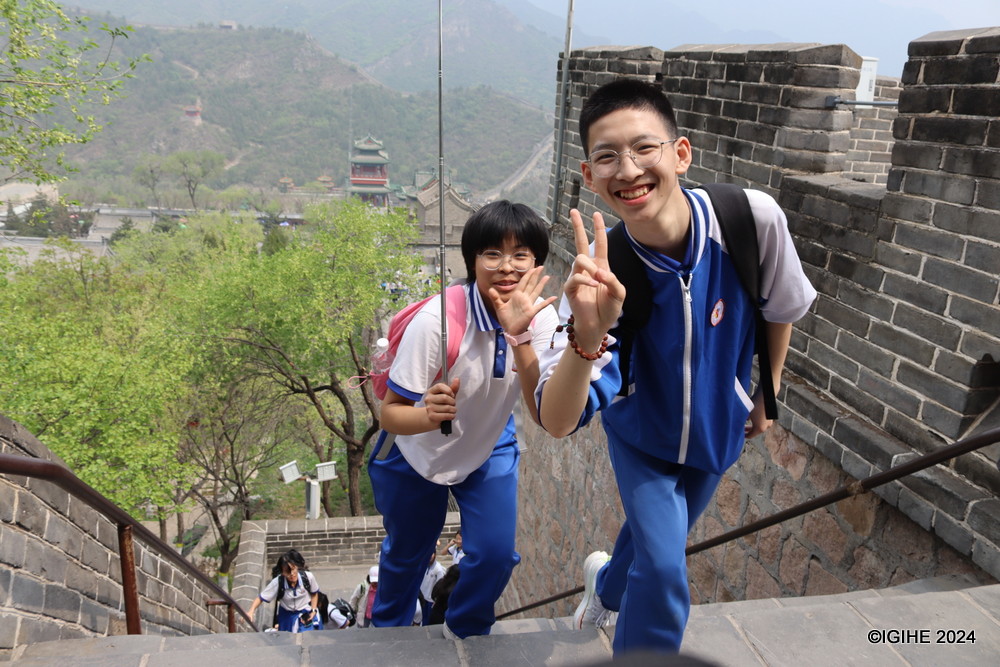
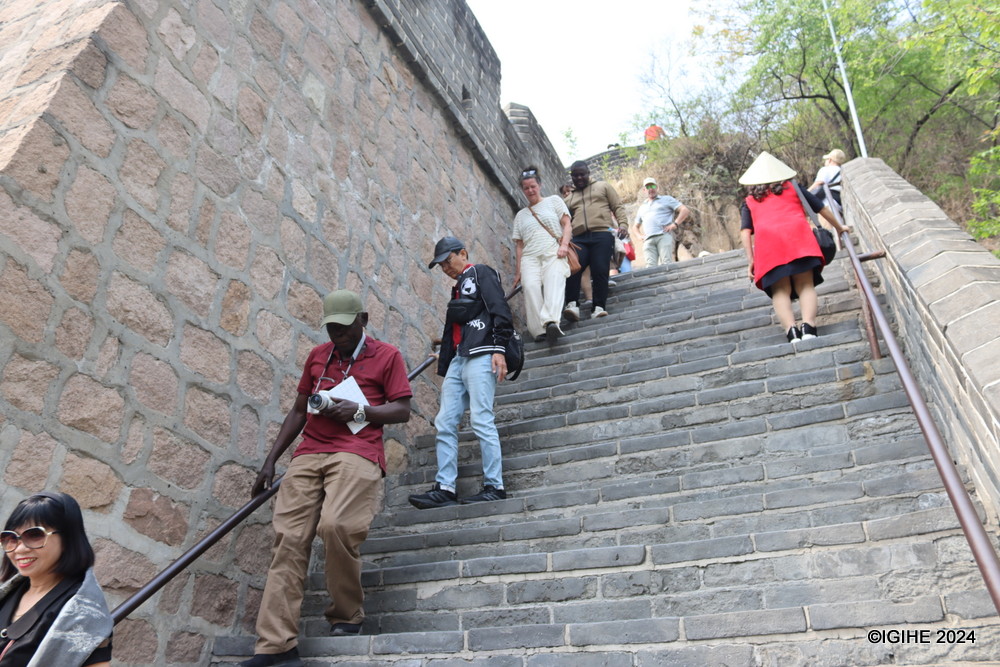
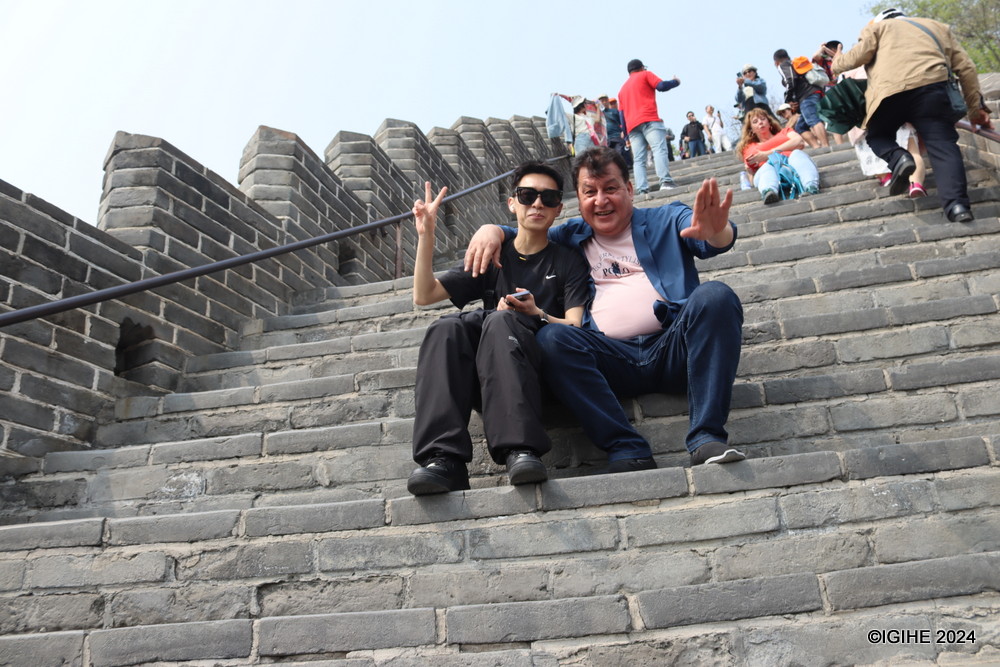
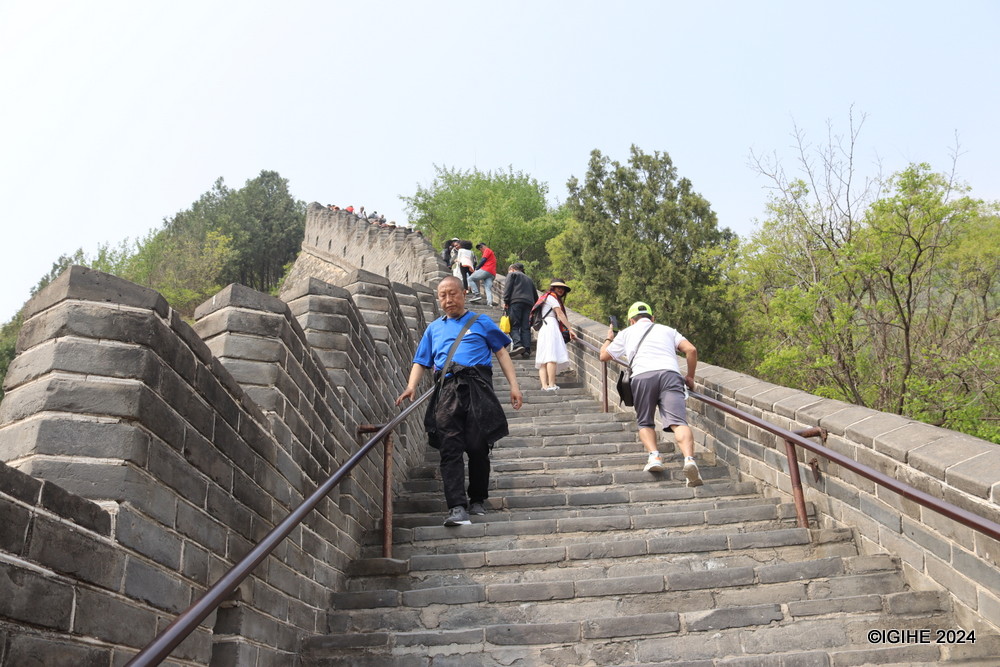
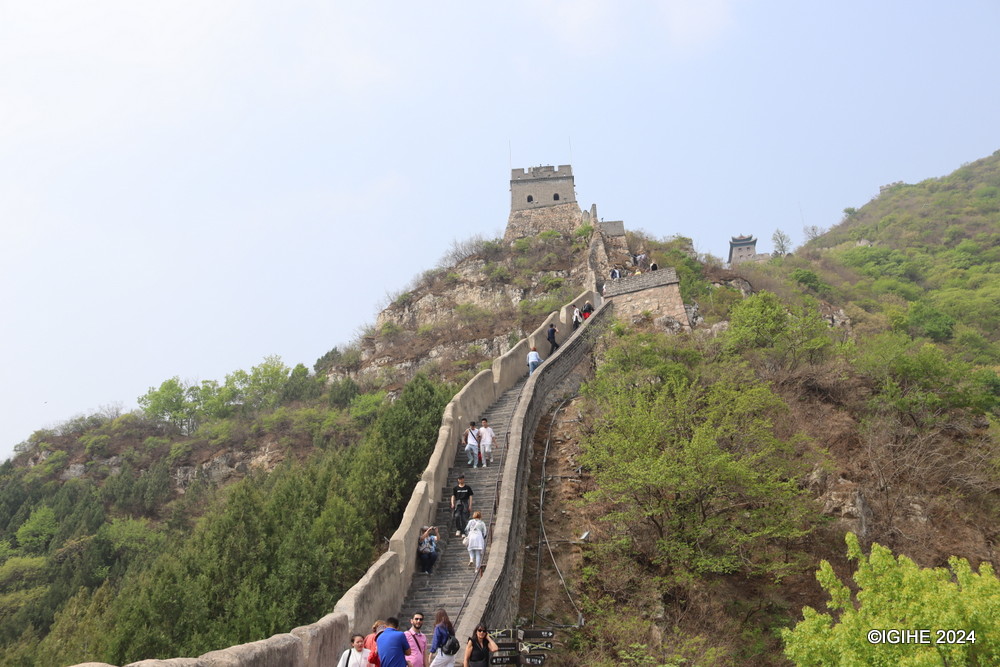
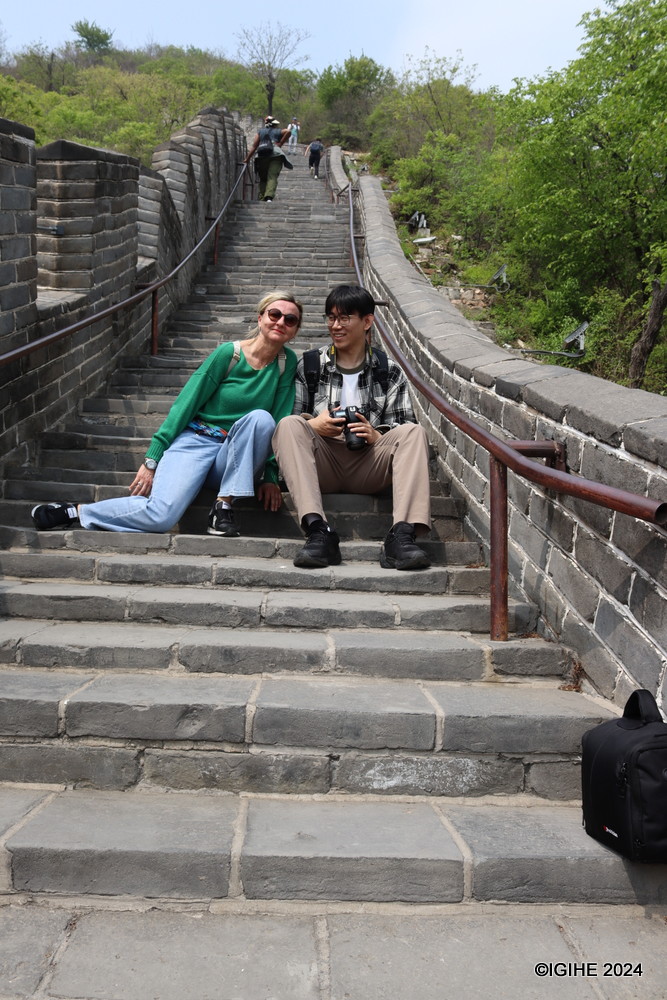
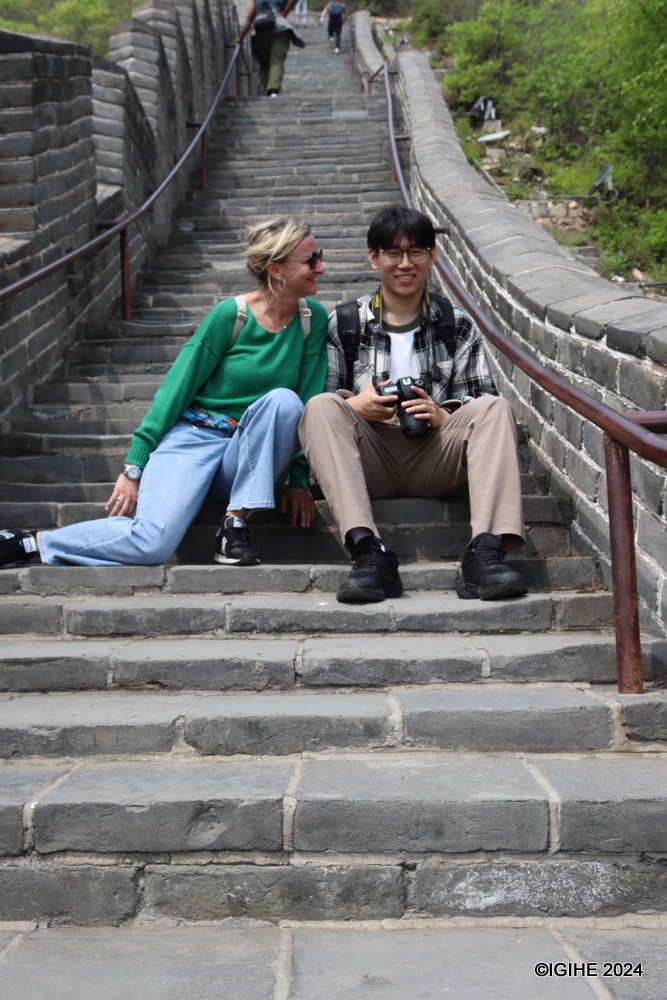
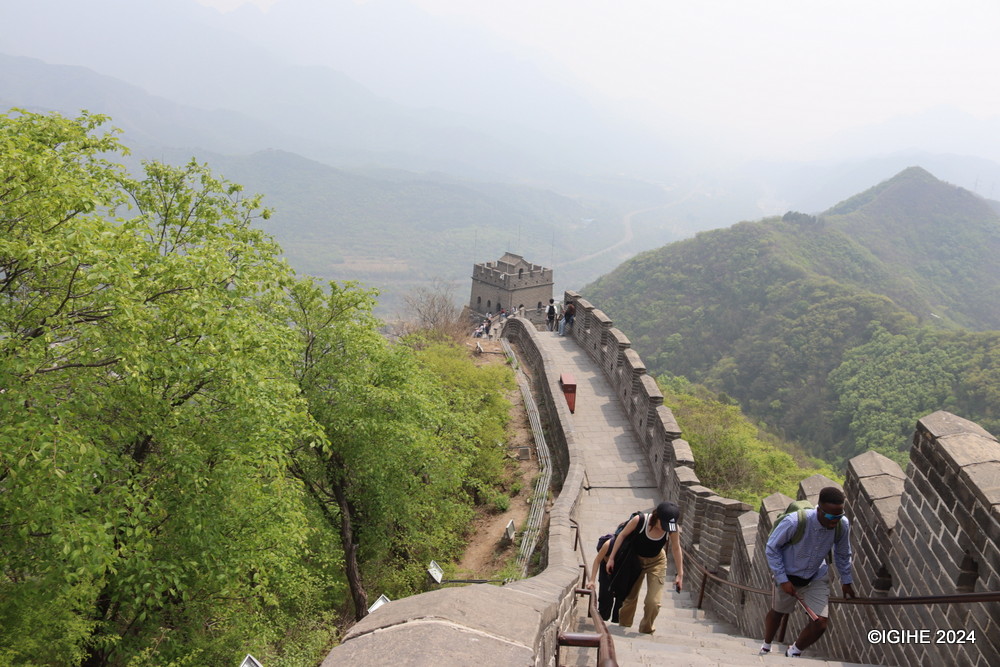
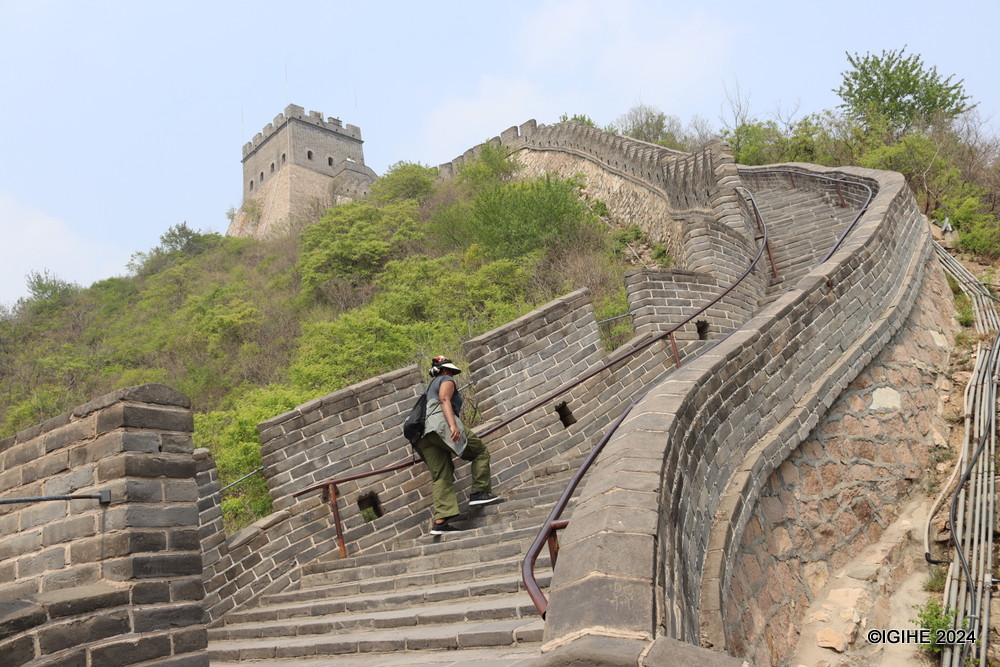
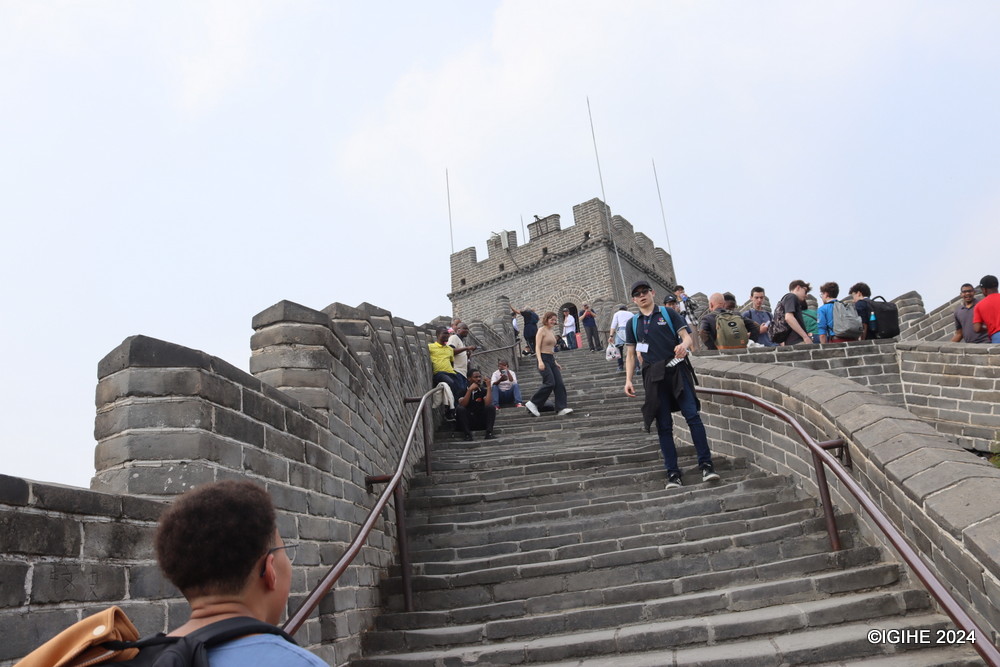
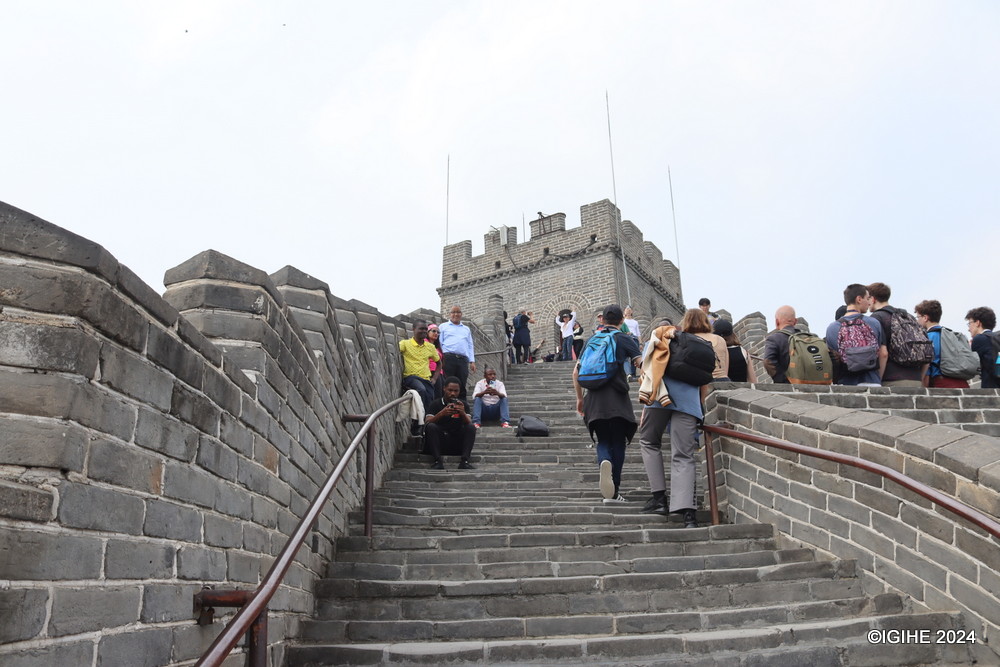
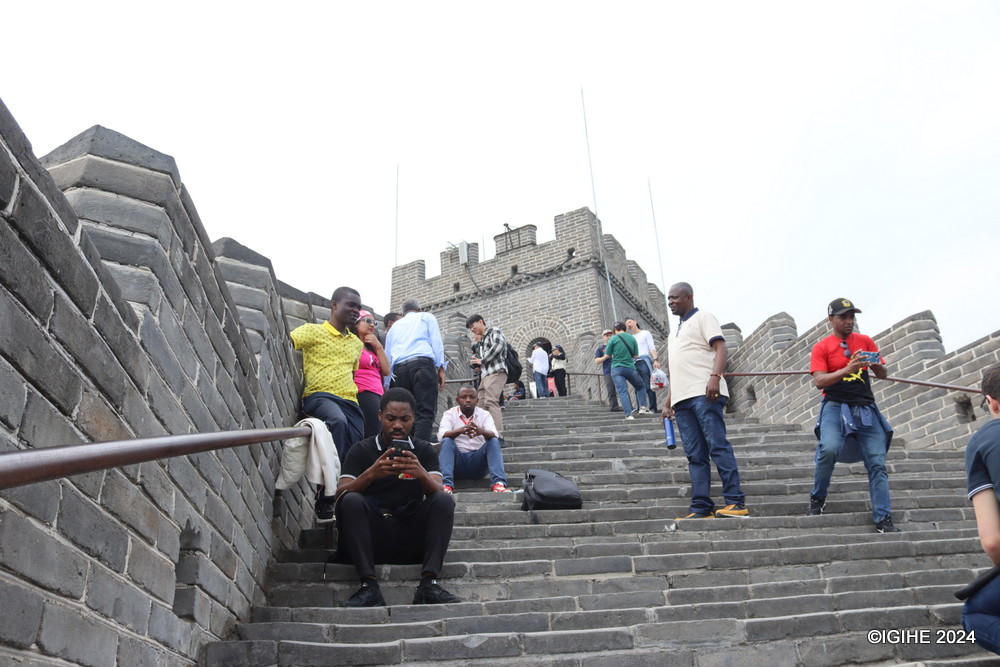
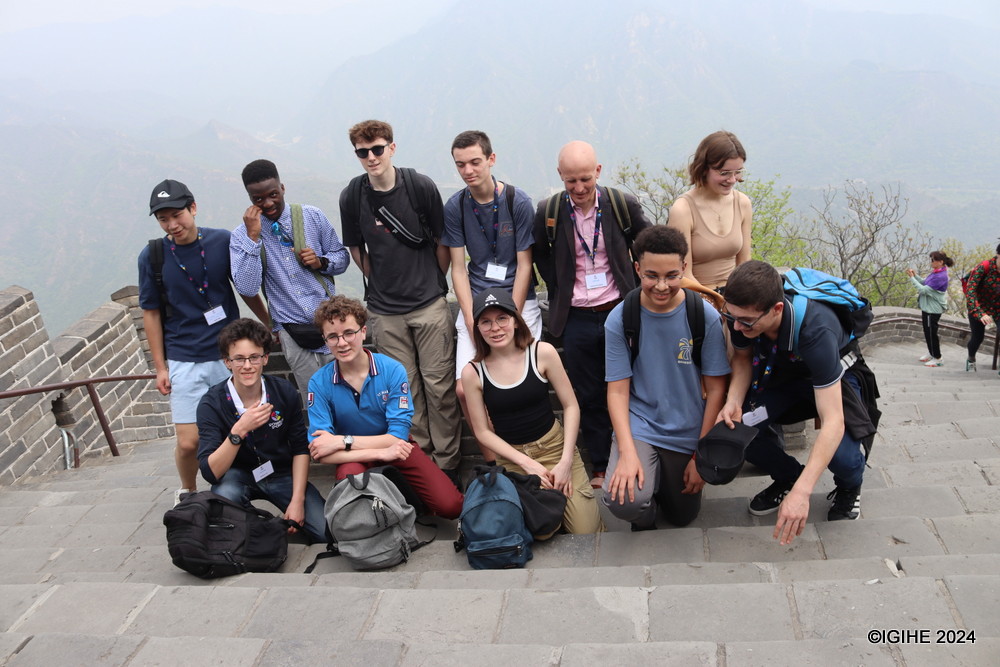
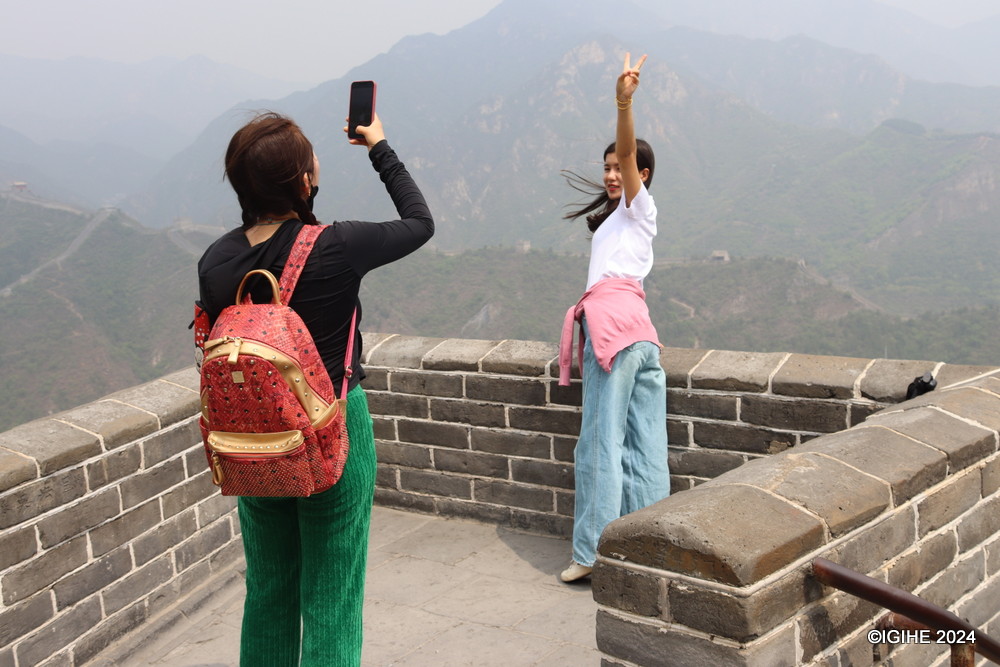
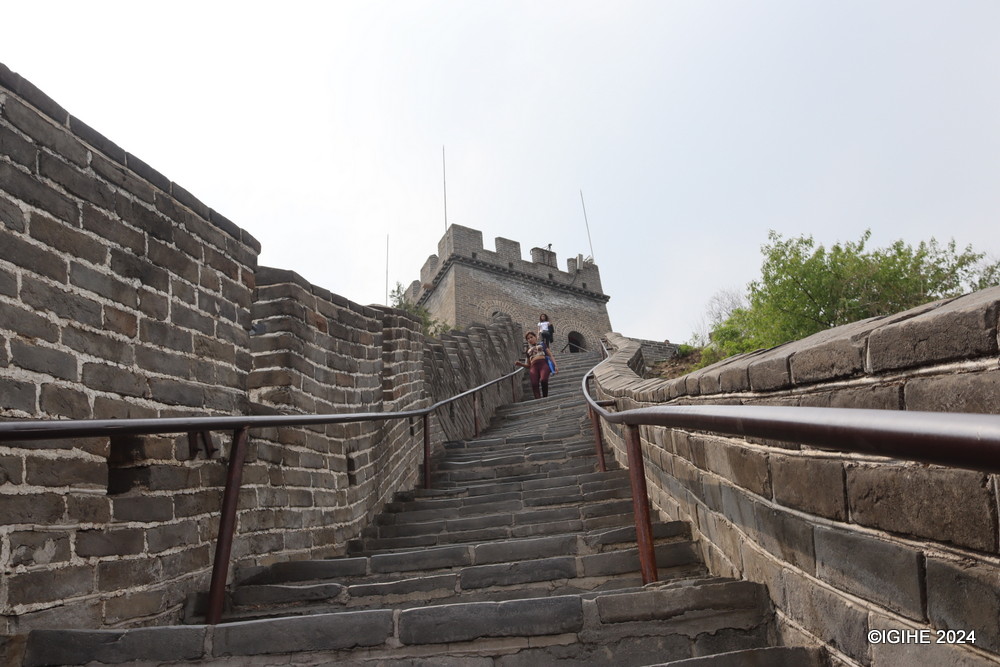
Visiting the Great Wall is akin to walking through pages of history. Each step on its weathered stones evokes images of ancient soldiers standing guard over the rugged terrain, vigilant against invaders. The experience is immersive, allowing one to not only witness but also feel the legacy of China’s past.
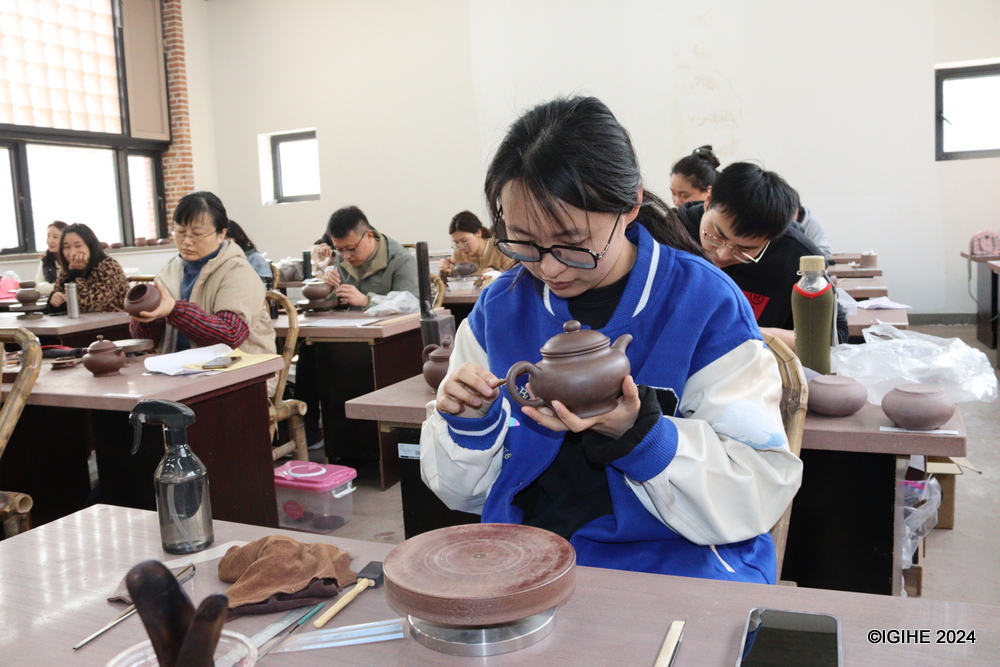
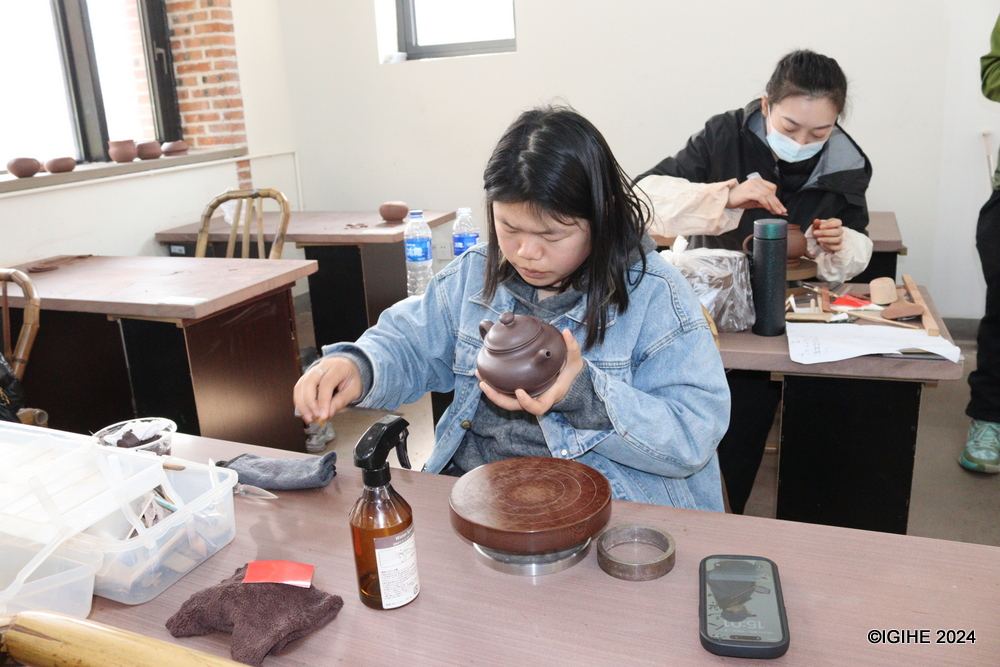
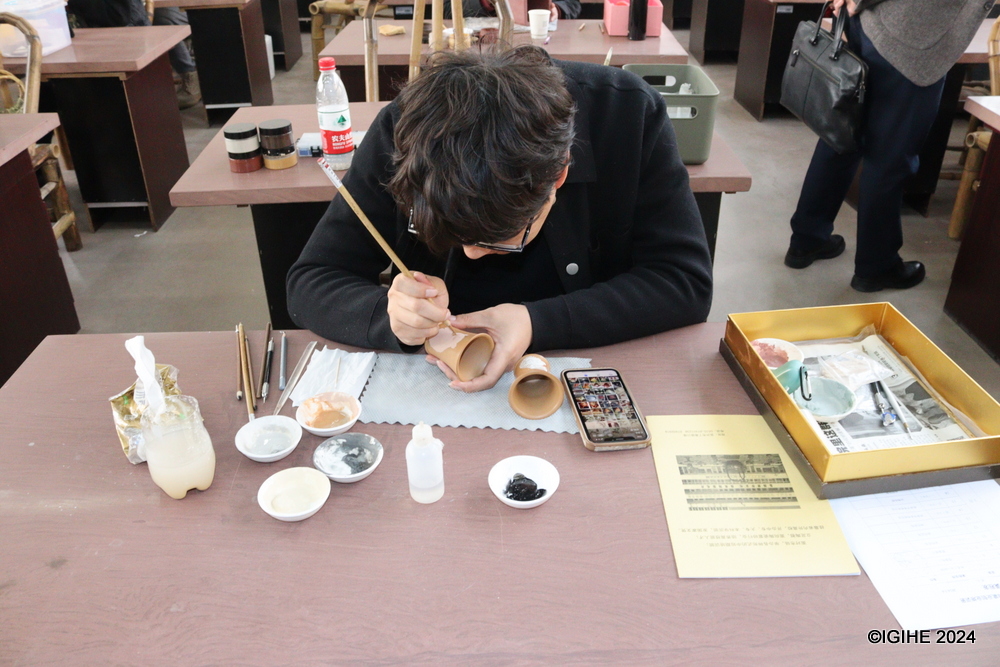
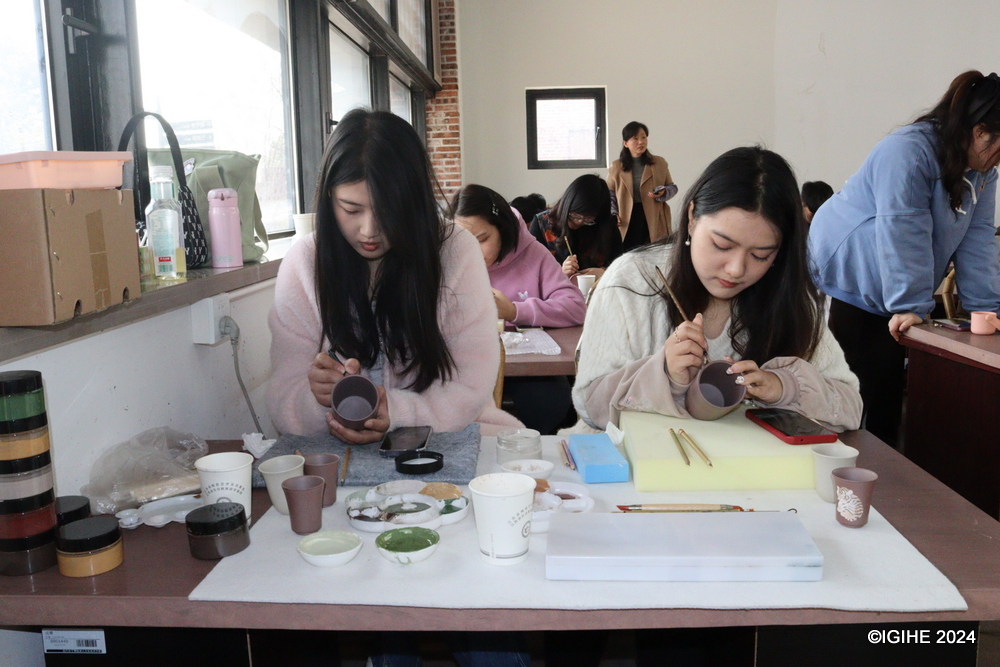
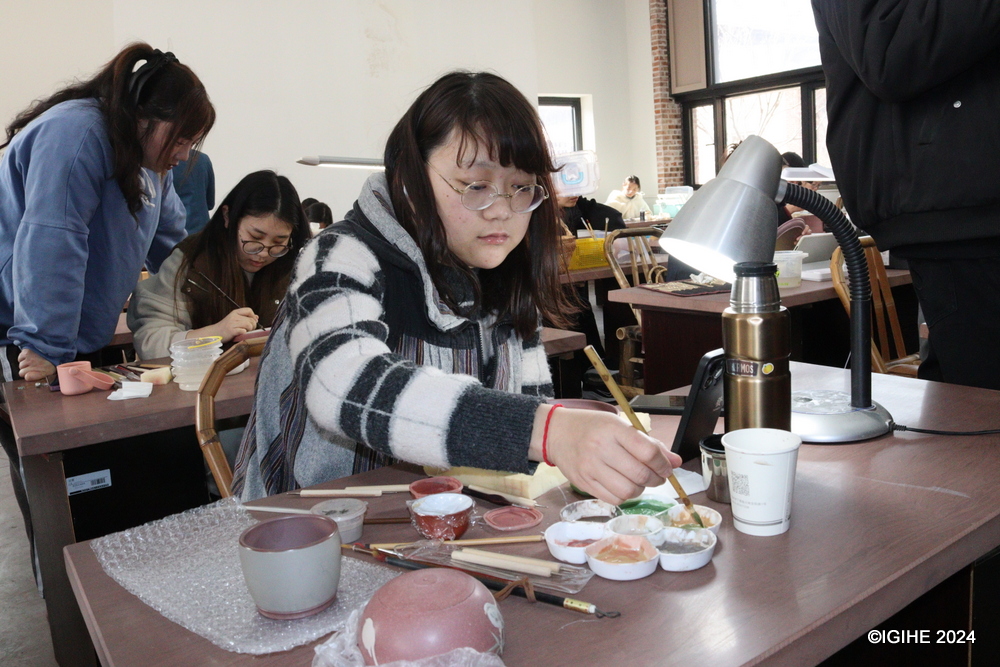
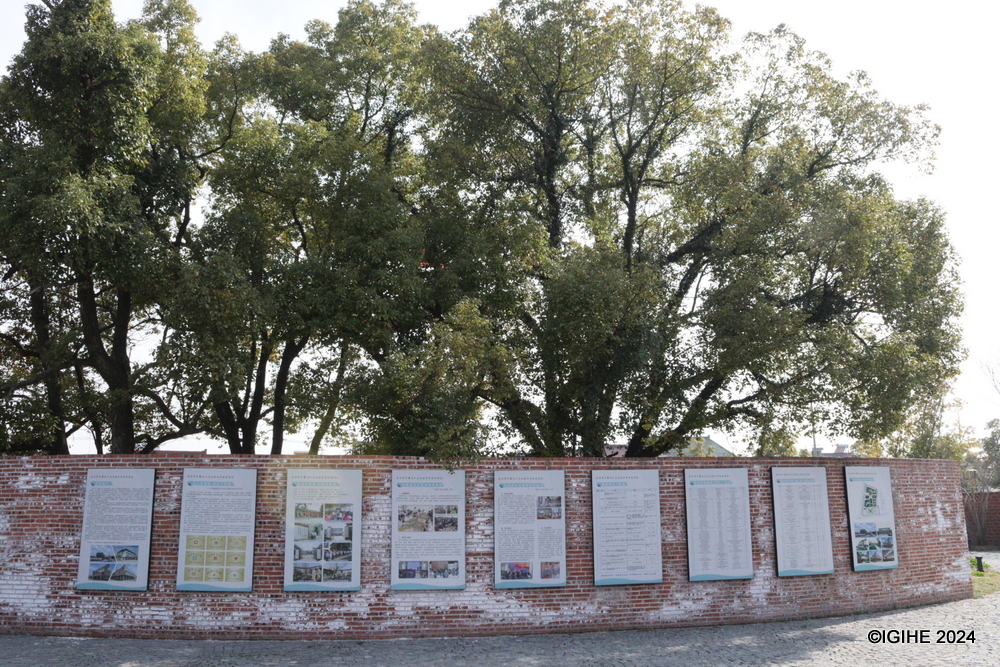
By equipping trainees with skills to earn a livelihood, the school not only fosters career development but also ensures the preservation of cultural heritage. Also recognized as the Yixing Dingshu Community Education Center and the Jiangsu Province Ceramic Art Vocational Training Base, this institution transcends conventional education.
It acts as a crucible for creativity, forging a connection between ancient craftsmanship and contemporary industry, thereby establishing its distinct presence in the vocational education landscape.
With an impressive expanse covering nearly 4 hectares and a built-up area exceeding 11,000 square meters, the investment in this educational powerhouse tops RMB 80 million (about US$11 million). Such a commitment speaks volumes of its mission: to not only uphold the rich pottery-making tradition of Dingshu town but also propel it into the future with cutting-edge techniques and a market-driven approach.
According to Jiang Feng, a researcher and craft artist at the Jiangsu Ceramic Art Training Base, the school prides itself on utilizing locally sourced clay unique to the region.
This tradition of transforming clay into vibrant pots is a cherished heritage of the area, passed down and refined through generations.
Jiang Feng explained the evolution of this craft, highlighting the blend of traditional pot-making techniques with modern tools. “This technique has been spread through generations and improved along the process of inheritance,” she notes, underlining the diversity of pots produced, which remain faithful to traditional designs while incorporating contemporary methodologies.
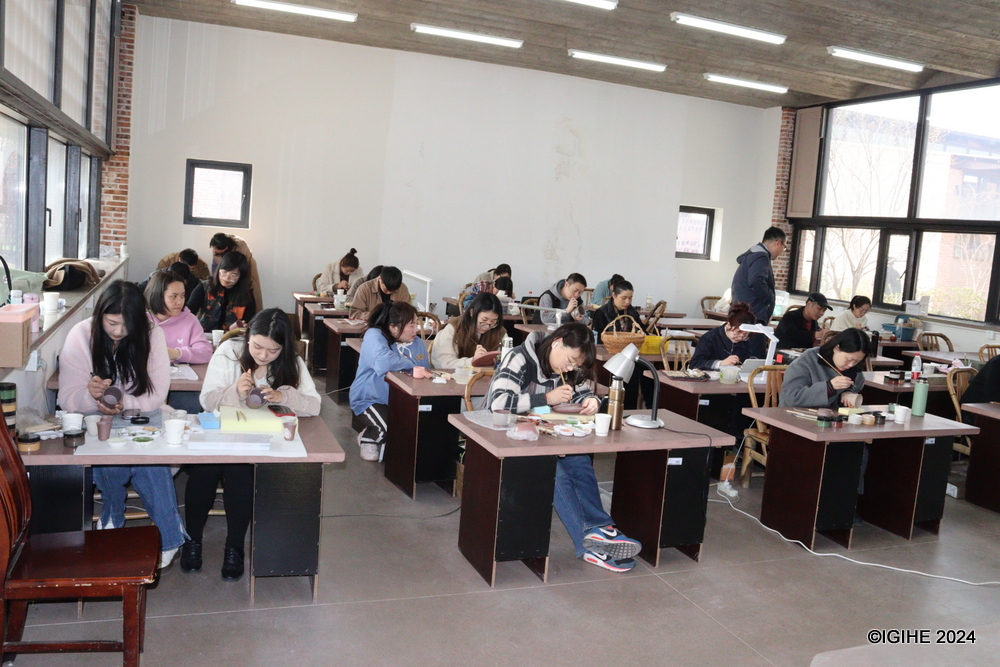
The staff roster is as diverse as it is specialized, with 18 full-time teachers, 24 staff members, and 96 part-time professors. This core team is augmented by more than 260 ceramic art professionals and over 800 volunteers, all dedicated to the school’s dual mission of education and community service. With the capacity to accommodate 1,000 participants at any given time, the school is a bustling hub of learning and creativity.
Central to its philosophy is the motto “Cultivating through Pottery,” a guiding principle that underlines the school’s commitment to an education that is deeply intertwined with the ceramic industry and the local economy. The goal is not just to preserve the ancient pottery culture of Dingshu but to infuse it with new life, offering unique educational features that resonate deeply within the community.
What sets the Yixing Dingshu Adult Culture and Technology School apart is its dedication to developing a community education model characterized by the enchanting “Tea Pot Charm and the Allure of Dingshu.” This model places a strong emphasis on service and public welfare, supporting not only the ceramic industry but also fostering entrepreneurship and economic development in Yixing, proudly known as the “Pottery Capital.”
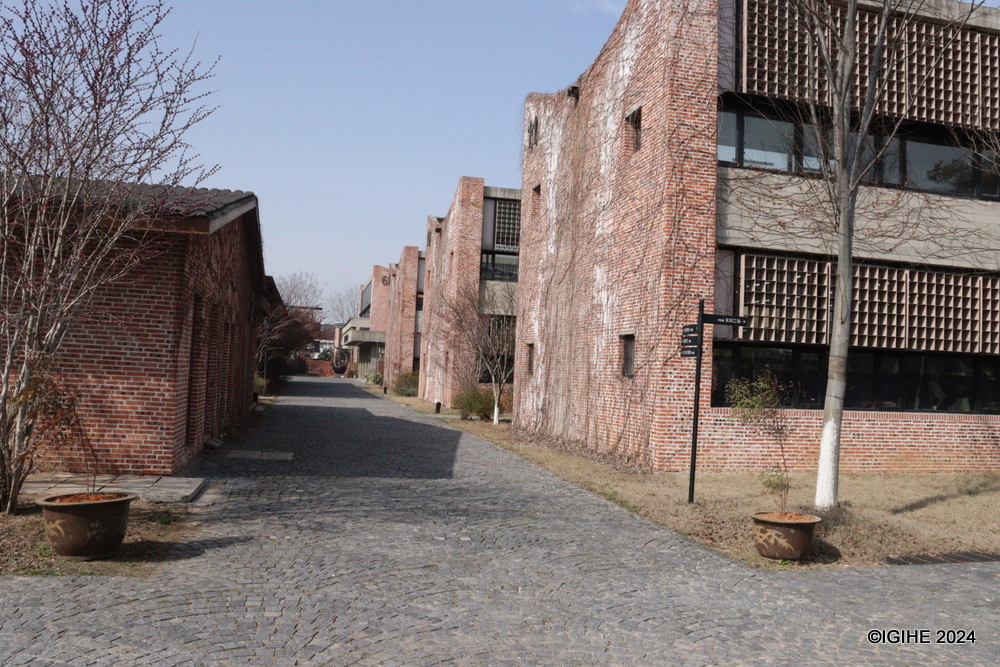
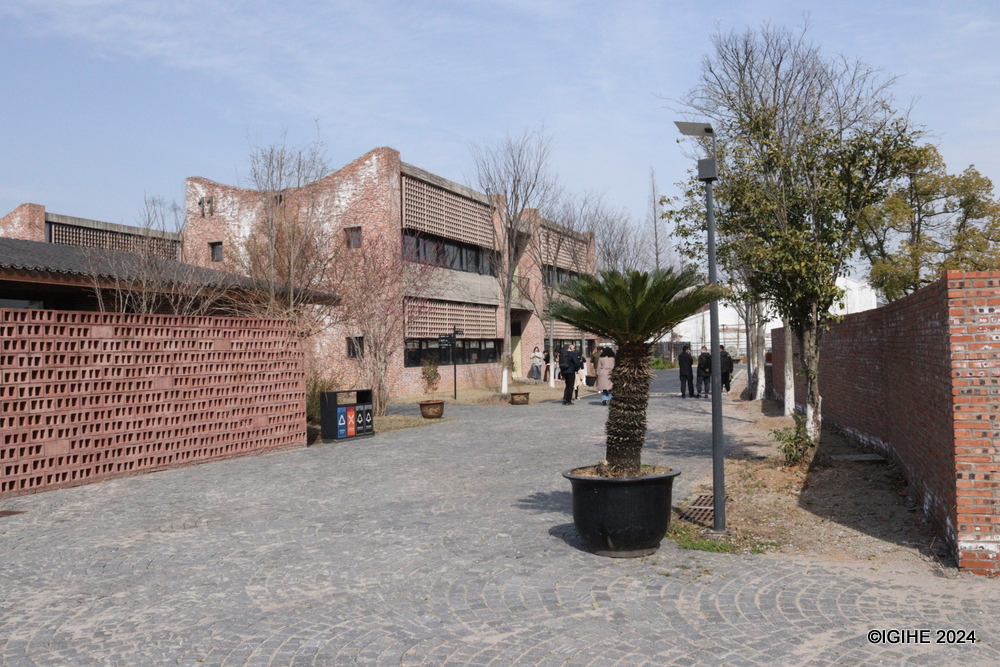
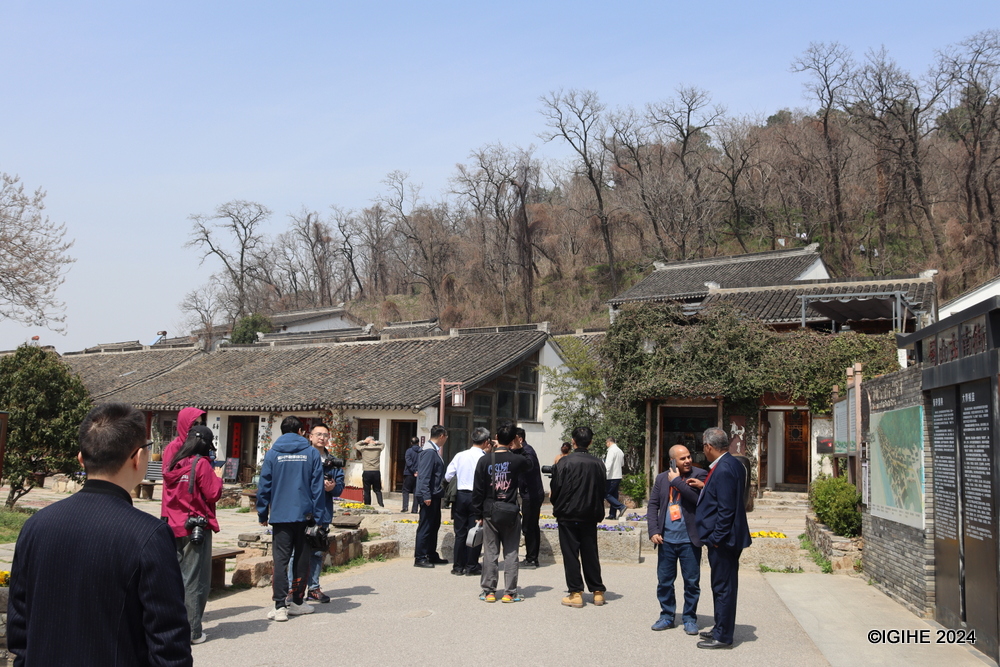
The school’s campus itself is a physical manifestation of its educational ethos. Designed with the freedom and fluidity of creativity in mind, the campus features a mix of workshops and classrooms, each an independent structure linked by semi-outdoor porches.
This design fosters a dynamic environment where ideas and inspirations flow as freely as the materials being molded by the hands of the students. The use of materials like redbrick and fair-faced concrete echoes the earthy essence of pottery, grounding the students’ experiences in the tactile reality of their craft.
Since its establishment three years ago, the Yixing Dingshu Adult Culture and Technology School has not only honored the 2,000-year-old legacy of pottery-making in Dingshu but has also positioned itself as a leader in vocational education. By bridging the gap between traditional craftsmanship and modern educational techniques, the school stands as a shining example of how preserving heritage and embracing innovation can go hand in hand, shaping the future of an industry and the community that surrounds it.
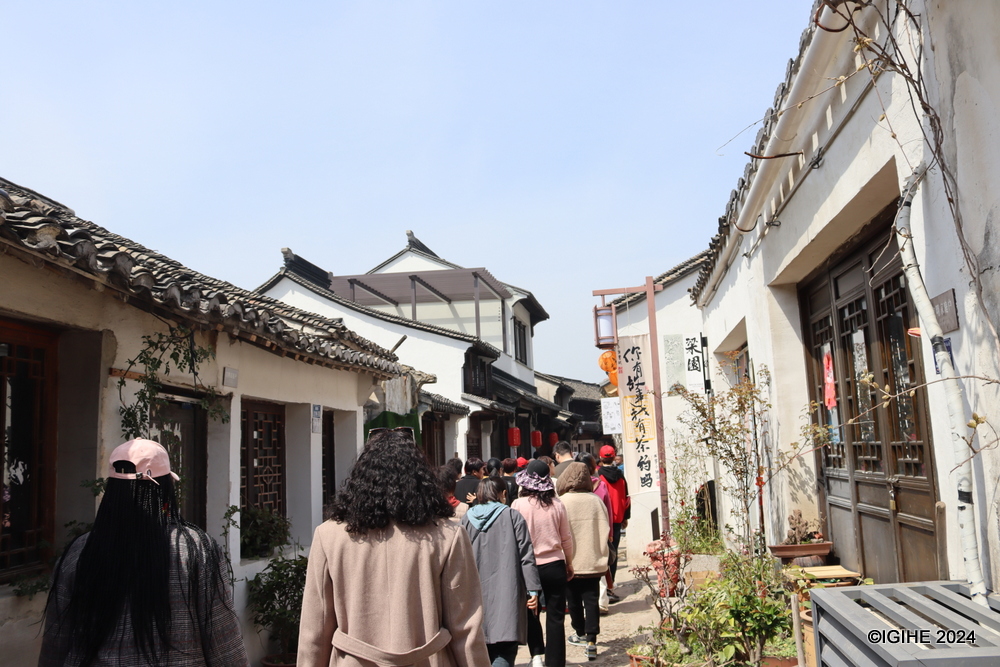
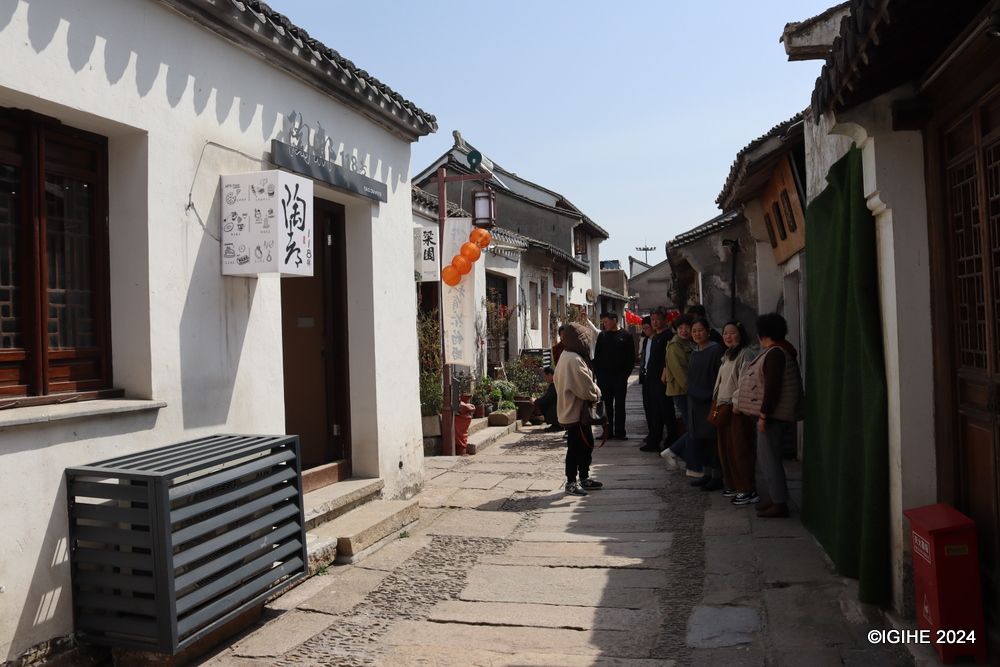
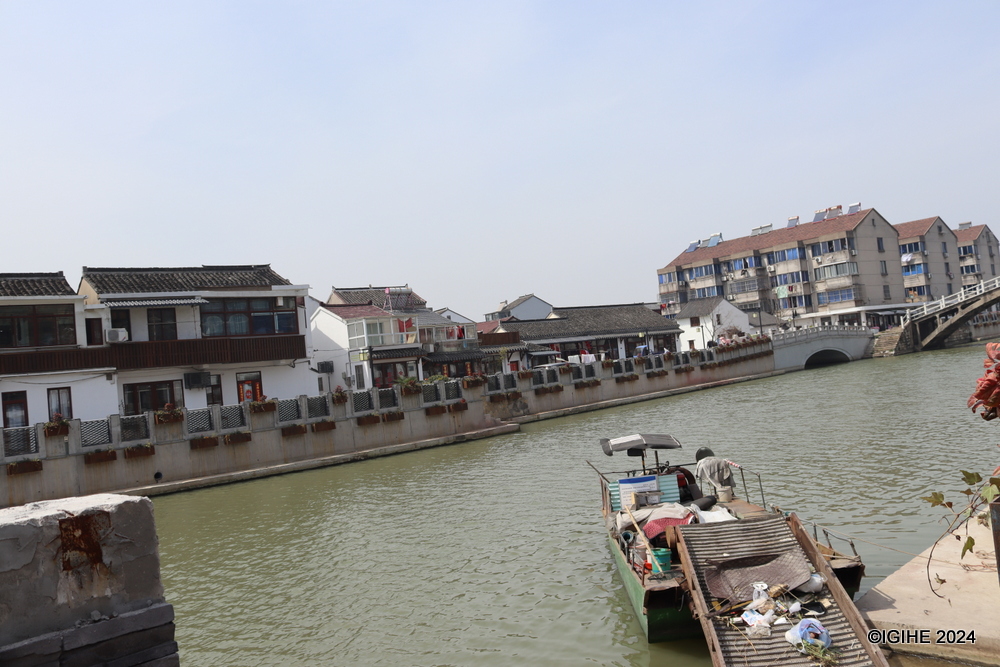
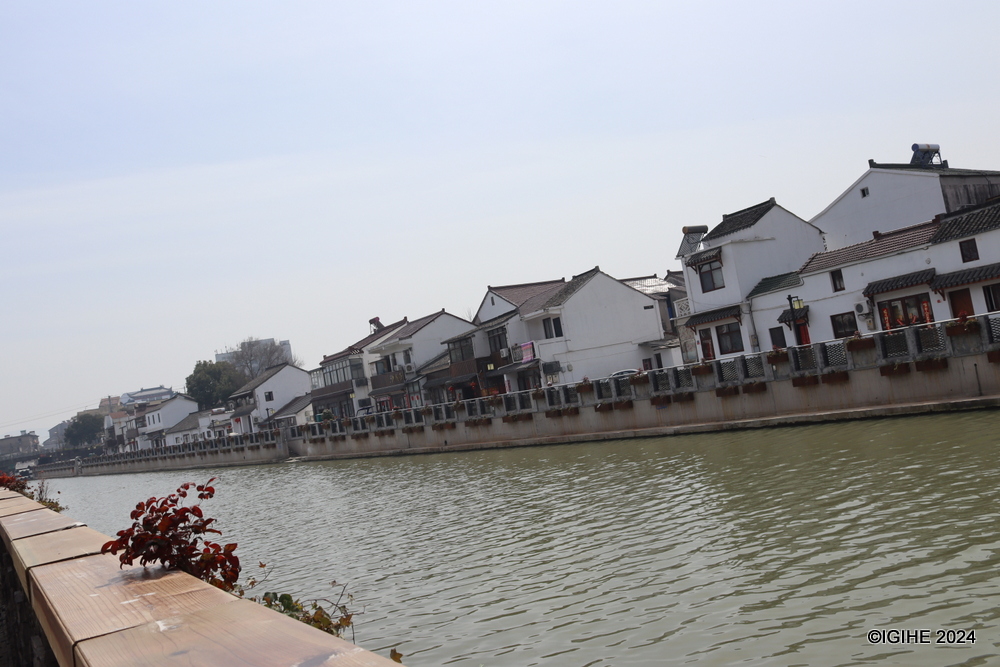
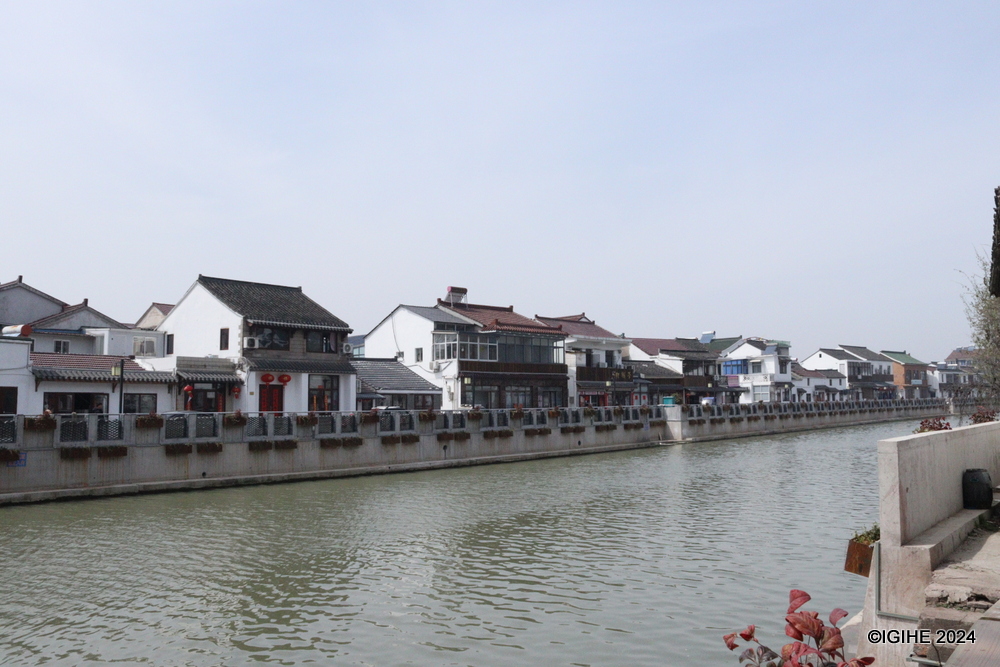
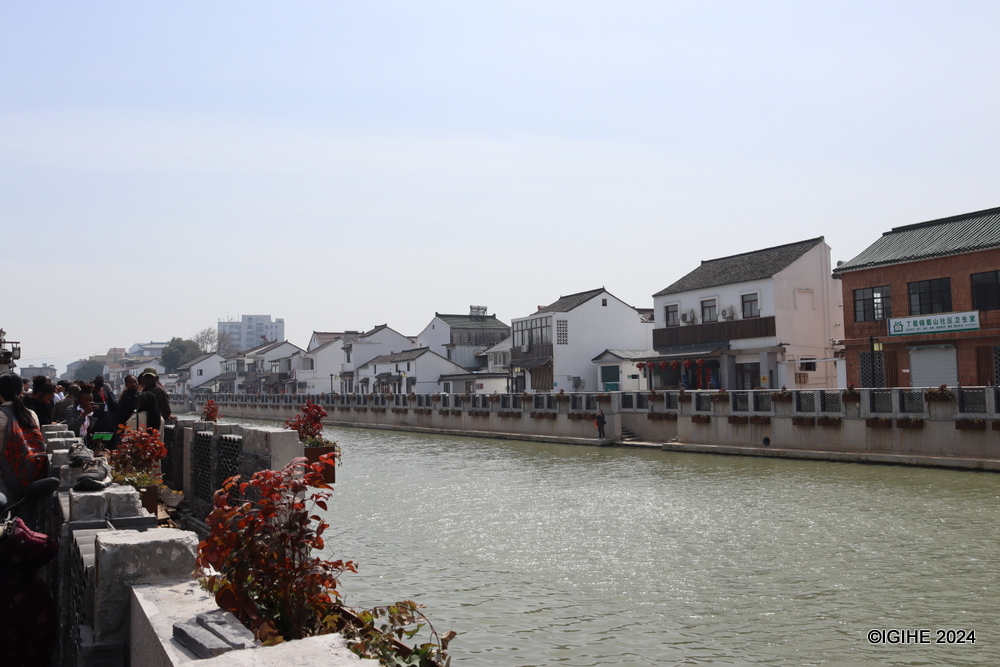
This ancient street, cradled between the serene beauty of Shushan to the east and the flowing grace of the Li River to the west, is more than just a destination; it’s an experience that leaves an indelible mark on the soul.
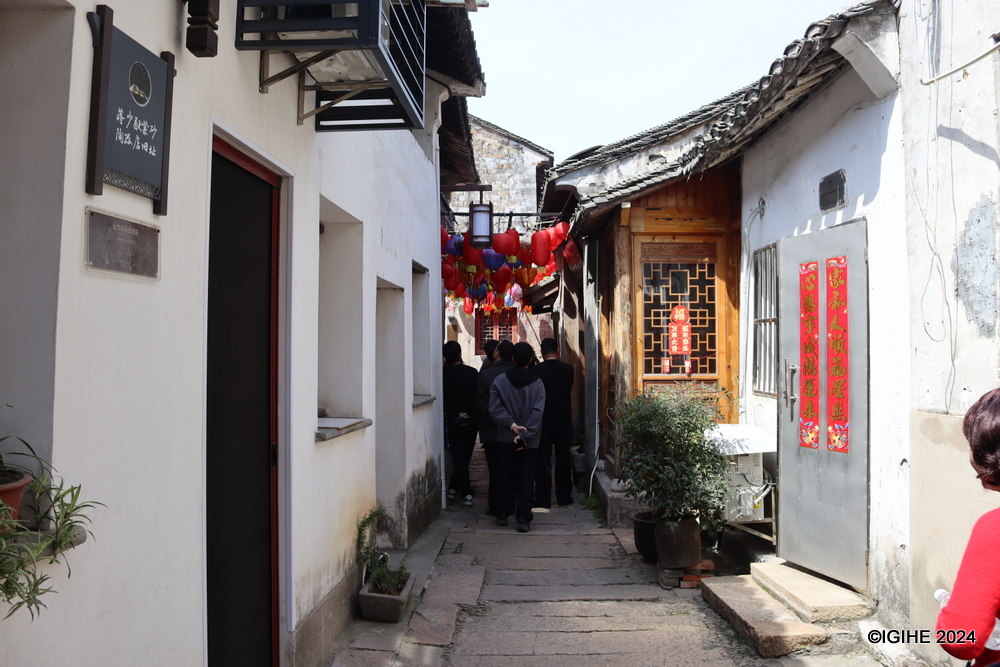
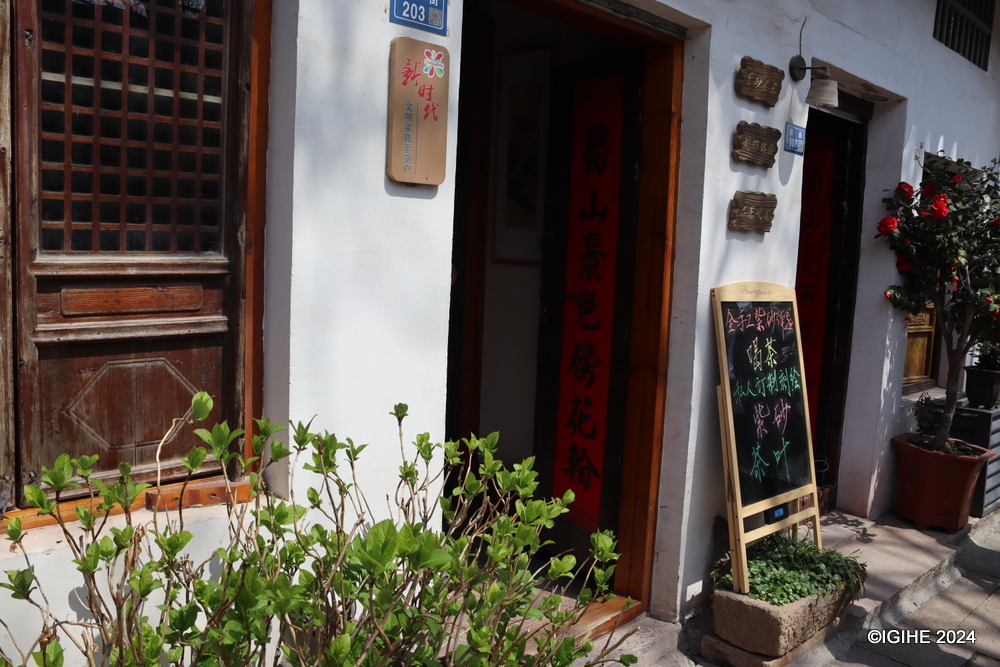
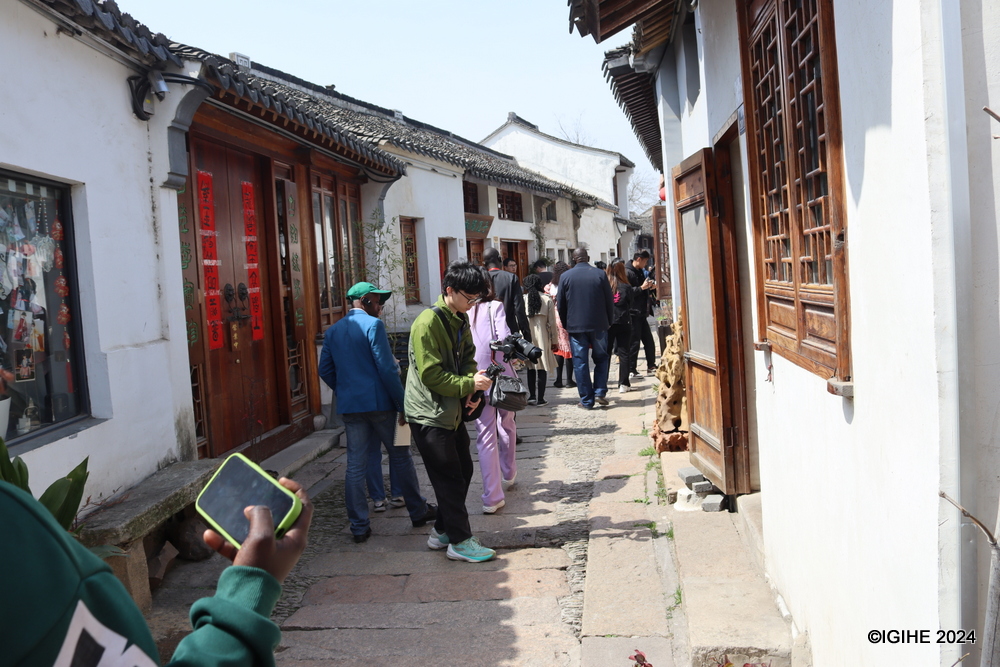
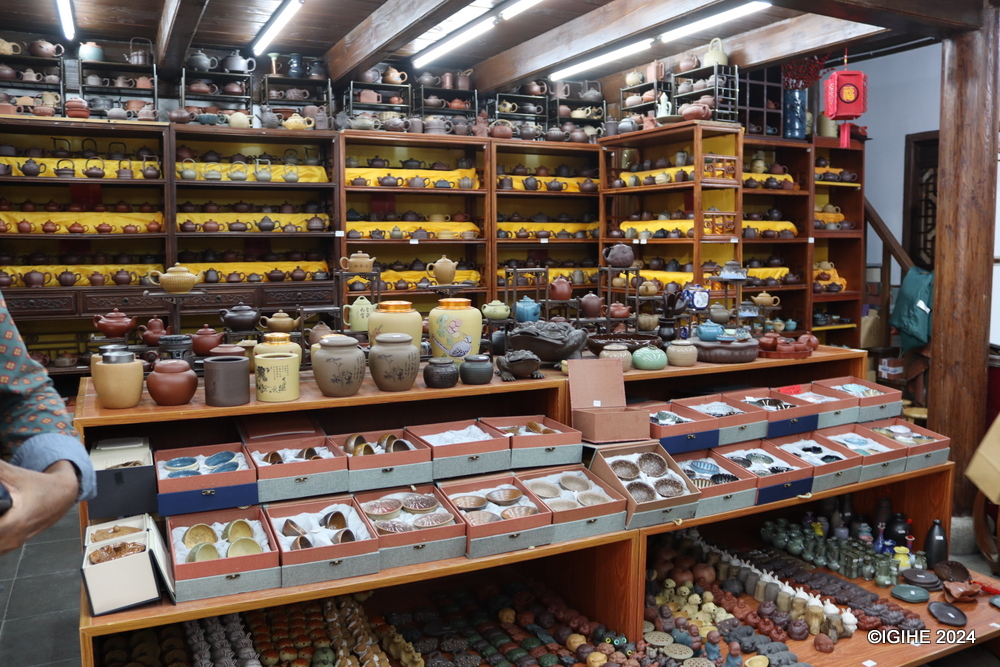
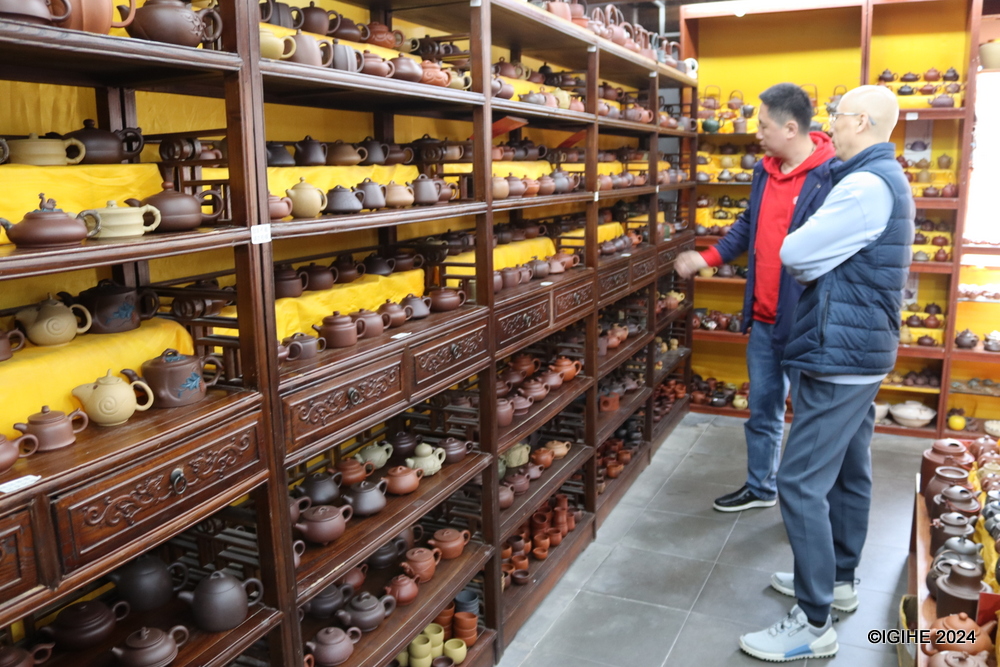
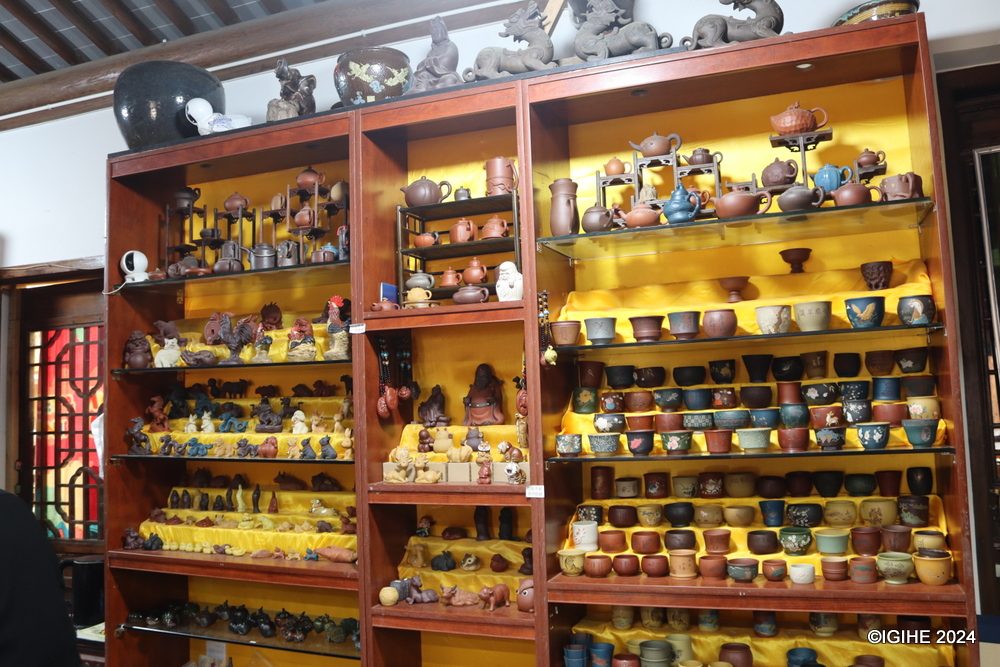
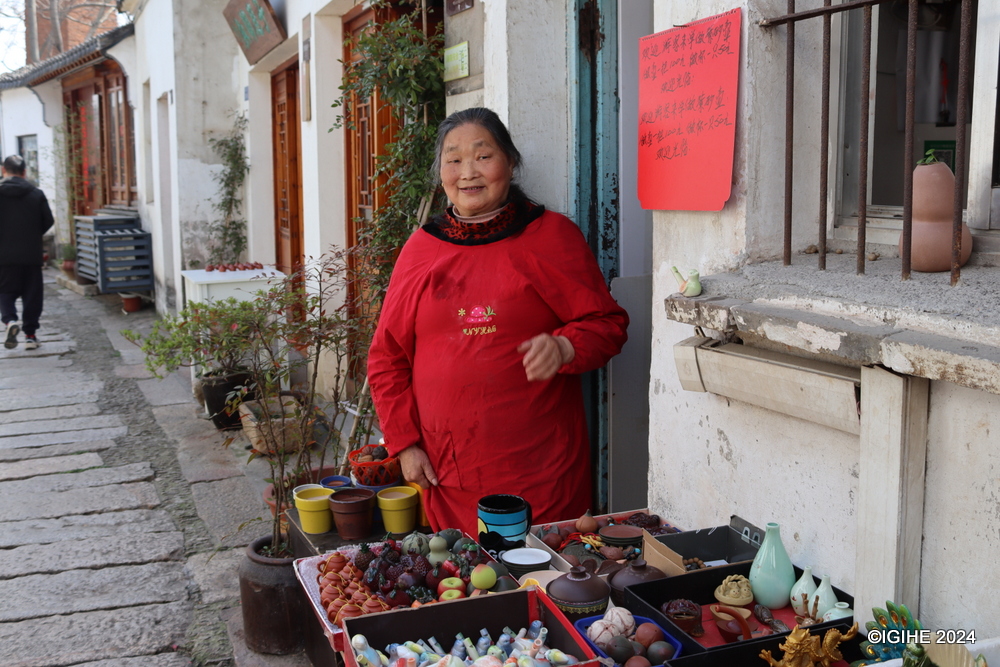
Positioned in Dingshu Town, Yixing City, Shushan Ancient South Street boasts a unique geographical allure. Its layout, a kilometer of historical path, features a meticulously preserved section that showcases the essence of time-honored architecture and cultural vibrancy.
This segment, adorned with over 900 large slabs of exquisite purple stone, extends for about 370 meters, enveloping visitors in a world where every step tells a story.
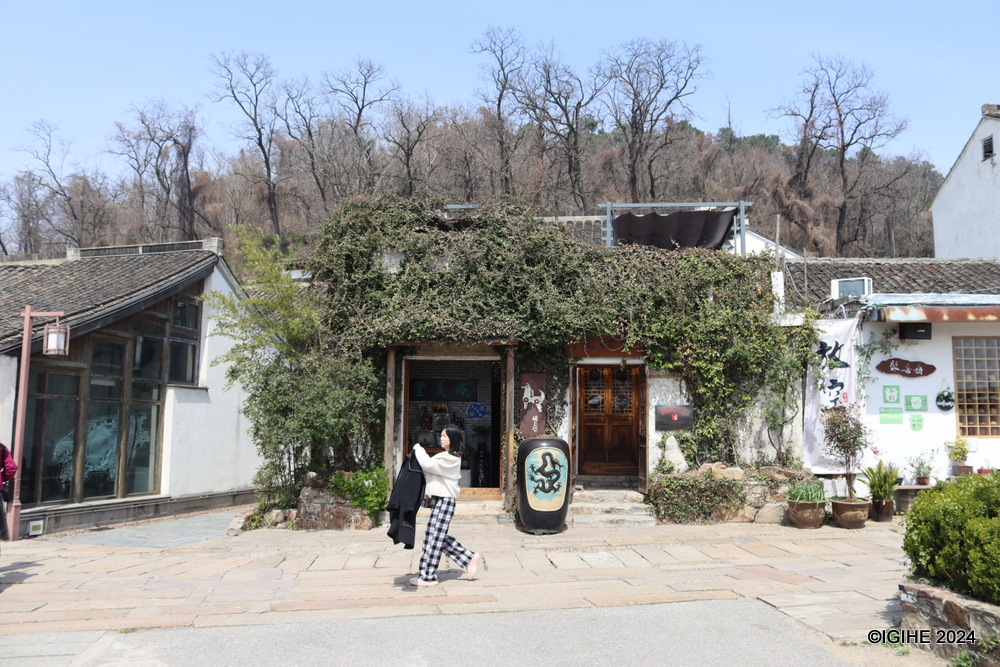
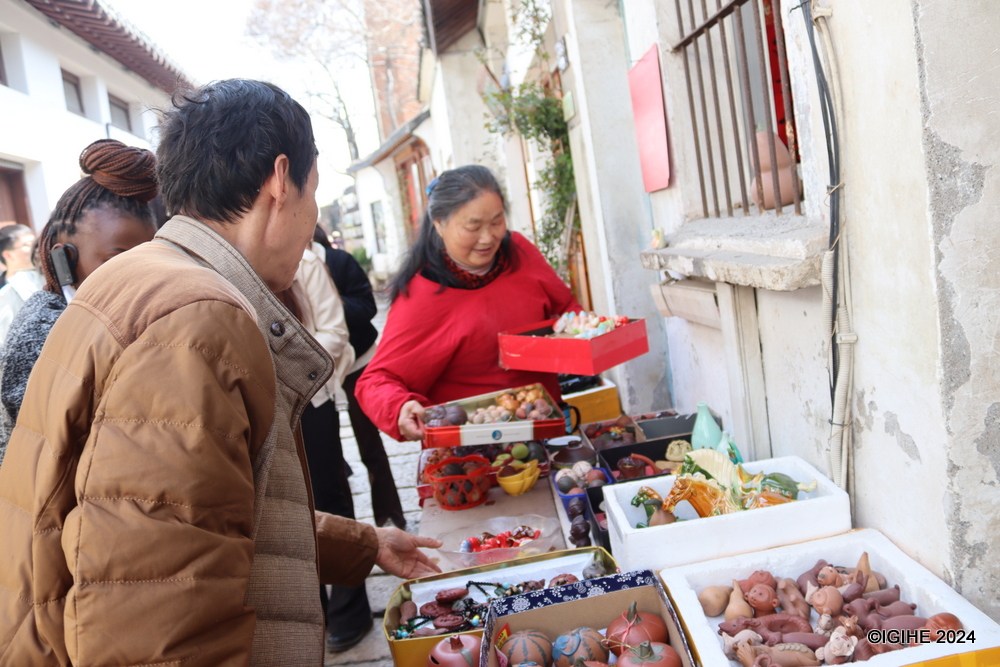
The street’s architecture, a harmonious blend of brick and wood, echoes the grandeur of the Ming and Qing dynasties, inviting onlookers to appreciate the intricacies of its design. Here, history breathes through the two-story structures that line the path, each bearing witness to the timeless craft of purple clay pottery.
Shushan Ancient South Street’s significance is further magnified by its role as the cradle of master artisans, whose unparalleled skill in crafting Yixing’s renowned purple sand pottery has been celebrated for centuries.
The legacy of Shushan Ancient South Street is intertwined with the vibrant purple sand culture, a testament to the area’s rich artistic heritage. The street served as a pivotal center for the production and trade of this unique pottery, drawing inspiration from its proximity to Huanglong Mountain’s purple clay resources and the convenient waterway transportation provided by the Li River.
The cultural tapestry of this ancient street is enriched by its connection to Su Dongpo, a revered literati of the Song Dynasty, whose enchantment with the area’s beauty led to the naming of Shushan.
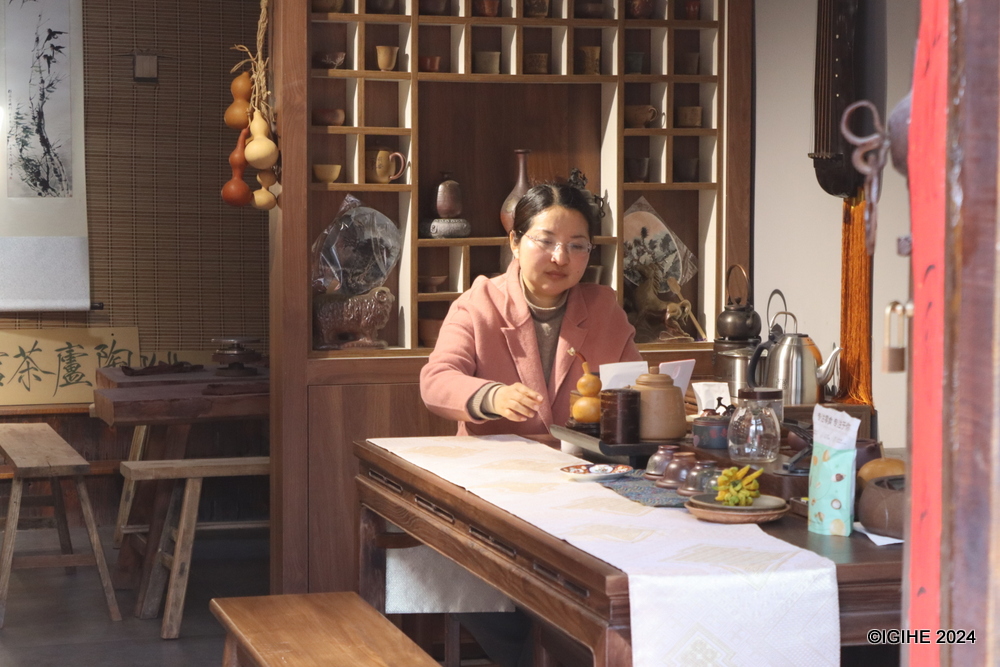
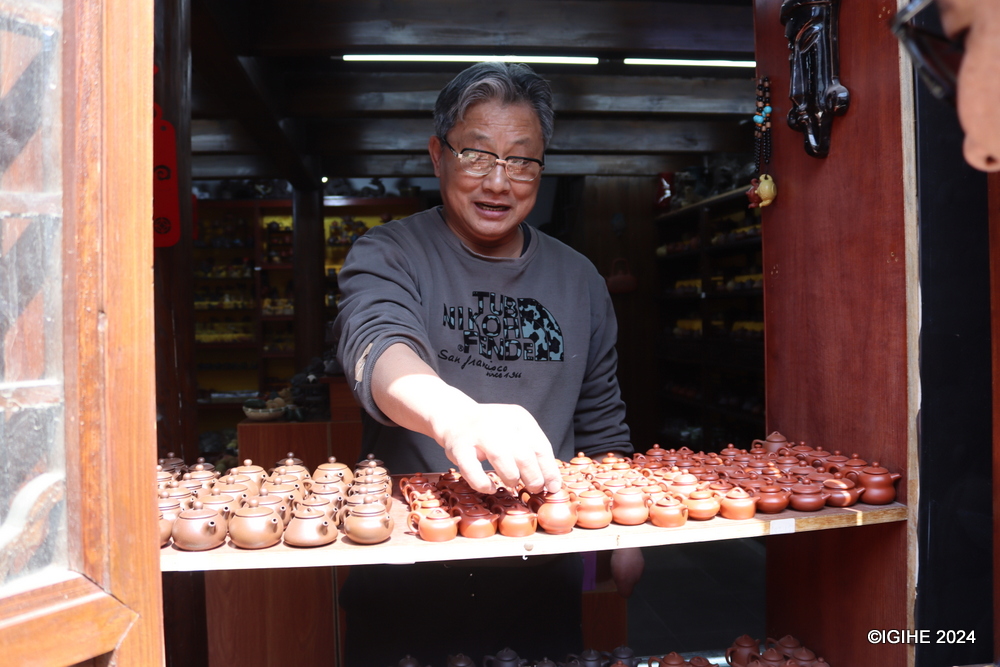
For generations, the artisans of Shushan Ancient South Street have wielded their creativity and skill to produce exquisite purple sand pottery, earning global acclaim for their works.
This tradition of excellence is embodied in the creations of masters such as Gu Jingzhou, Wu Yungen, and Gu Shaopei, whose legacy continues to inspire. Their former residences and the old sites along the street stand as monuments to their genius, offering a glimpse into the soul of Yixing purple sand pottery.
Beyond its artistic contributions, Shushan Ancient South Street’s historical narrative is linked to the pioneering efforts of Fan Li, who established the pottery industry in Dingshu.
Born in the 12th year of King Chuping (517 B.C.), Fan Li was from Wan of Chu State. He was a well-known politician, military strategist and economist in the early period of history.
Fan Li is credited with pioneering pottery production in Ding Shu, where he also spearheaded the construction of a canal. This canal enabled the transportation of pottery to regions north and south of the Yangtze River, and eventually, across the globe. Subsequently, this canal came to be known as the “Li River,” and it stands as one of the principal waterways in Yixing City.
This ancient waterway, integral to the street’s story, symbolizes the flow of culture and tradition through the ages, connecting past to present.
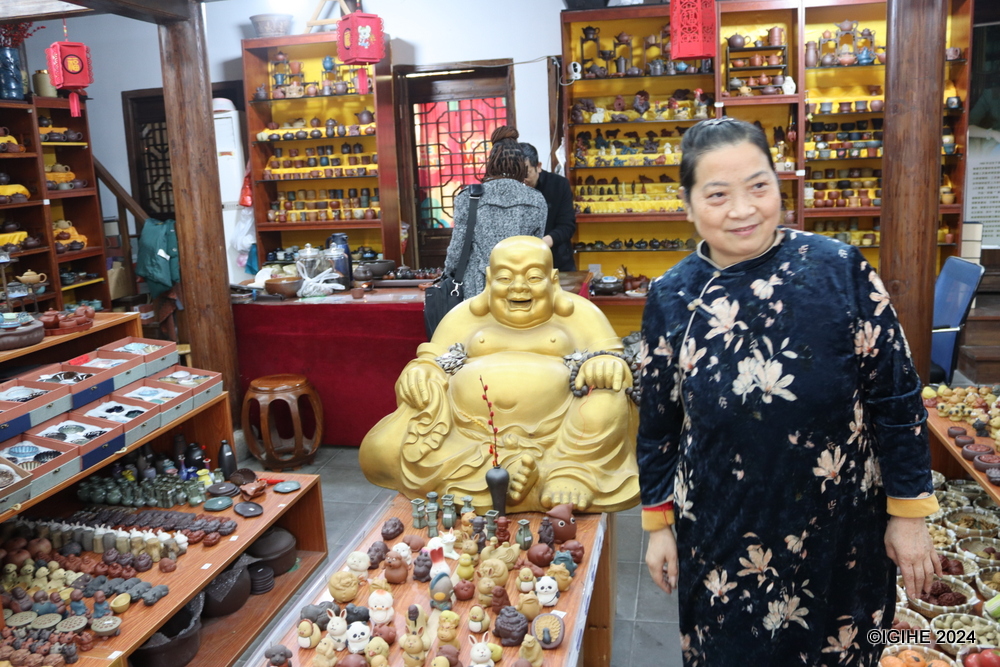
Today, Shushan Ancient South Street beckons travelers to explore its charm and delve into the heart of purple sand culture. It is a place where history, art, and nature converge, offering a unique experience that transcends time.