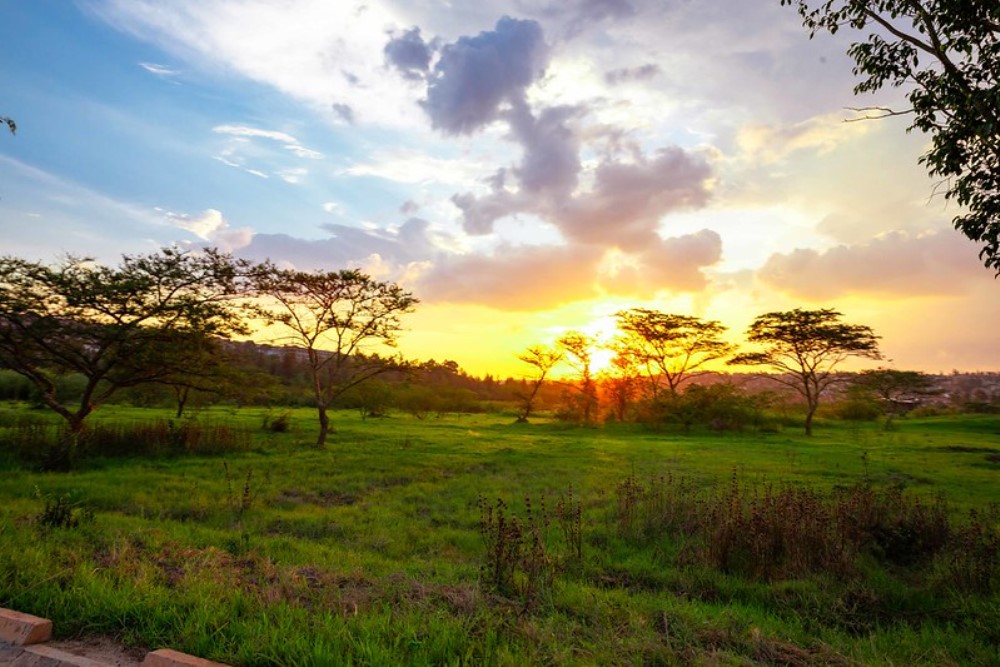
The event, organized by the Ministry of Environment in Rwanda’s capital of Kigali, featured discussions about the implementation of the Kunming-Montreal Global Biodiversity Framework adopted by countries last December as part of efforts to halt and reverse nature loss.
Speaking at the event, Rwandan Minister of Environment Jeanne d’Arc Mujawamariya said the country’s development agenda recognizes the central role that biodiversity plays in terms of supporting national economic growth. “We cannot develop our nation unless we put the environment at the heart of everything we do.”
The minister warned against cutting down trees. “We need to reverse this trend, and educate future generations to understand the importance of biodiversity in everything we do for a brighter future,” she said.
The Rwanda Environment Management Authority (REMA) highlighted that Rwanda’s biodiversity plays a critical role in ecosystem services such as ensuring water provision, air for breathing, controlling soil erosion and flooding, as well as climate change mitigation.
“Biodiversity is part of our lives. Growing up, I was surrounded by nature and this helped build my passion for protecting the environment and understand the importance of biodiversity. I encourage us all to reconnect with nature and prioritize biodiversity,” Juliet Kabera, director general of REMA, told an audience of stakeholders of Rwanda’s climate, environment and natural resources sectors.
The International Day for Biological Diversity is celebrated this year under the theme “From agreement to action: Build Back Biodiversity” to remind nations that biodiversity is essential to ecosystem function and services delivery.
Next week, the 3rd Commonwealth Sustainable Energy Forum will bring together senior government officials, private sector actors, industry experts and youth delegates. They will review energy transition progress in the Commonwealth and discuss ways to achieve ambitious goals with action on the ground.
Energy access is essential for sustainable development, with nearly 774 million people across the world still without access to electricity. More than half of them live in Commonwealth countries.
Globally, nations are working to pivot towards low-carbon energy systems, in response to climate change, energy security needs and the falling cost of renewable energy technologies.
Commonwealth Secretary-General, Patricia Scotland, highlighted the importance of the upcoming discussions, stating that Commonwealth countries are working together to fast-track an inclusive, just, and equitable transition to low-carbon energy systems through the Commonwealth Sustainable Energy Transition (CSET) Agenda.
“While the transition pathways may differ, the move to clean energy systems is a common goal, and all member countries recognise of the nexus between climate change, energy access and sustainable development,” she said.
A number of milestones and new initiatives will be announced at the event. These will be implemented under the CSET Agenda – a platform for all member countries to work together to accelerate the global transition to clean energy through collective action, knowledge sharing and technical support.
The Sustainable Energy Forum is also seen as an opportunity to discuss the road to the United Nations Climate Change Conference COP28, to be held in Dubai, UAE, in November.
In particular, the event will have a strong intergenerational approach, recognising that young people are essential stakeholders in creating the solutions for the energy transition.
The UNOCHA said in its latest Horn of Africa drought situation update that the situation could worsen further amid deteriorating weather conditions across the affected countries.
“Communities in the Horn of Africa are in the midst of a likely fifth consecutive failed rainy season — with the October to December 2022 rains beginning poorly and forecasts indicating they are likely to underperform — and may face a sixth failed season in March to May 2023,” the UNOCHA said.
The October-December 2020, March-May 2021, October-December 2021, and March-May 2022 seasons were all marred by below-average rainfall, leaving large swathes of Somalia, southern and southeastern Ethiopia, and northern and eastern Kenya facing the most prolonged drought in recent history, while the March-May 2022 rainy season was the driest on record in the last 70 years, it said.
It said the 2020-2022 drought has now surpassed the horrific droughts in 2010-2011 and 2016-2017 in both duration and severity and will continue to deepen in the months ahead, with catastrophic consequences.
The UNOCHA further warned that the ongoing drought situation is ravaging affected communities, with needs spiraling.
Across the Horn of Africa, at least 36.4 million people will be affected by the most prolonged and severe drought in recent history in the last months of 2022, including 24.1 million in Ethiopia, 7.8 million in Somalia, and 4.5 million in Kenya, according to the figures from the UNOCHA.
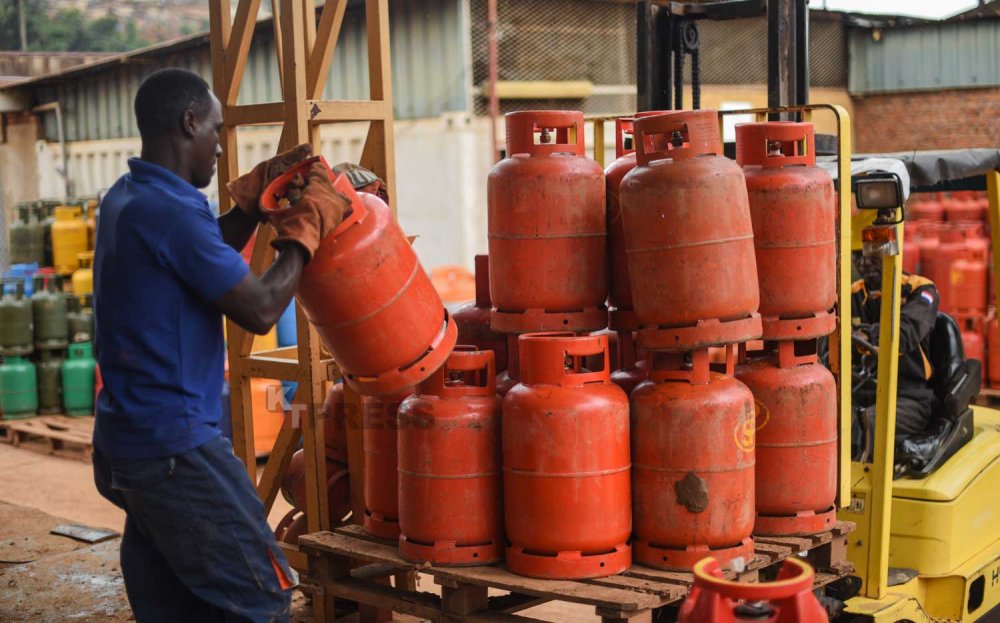
Rwanda is among countries with segments of the population using traditional cooking fuels. Figures from the Ministry of Environment indicate that 79.9% of the population depends on charcoal and wood as a source of cooking fuels and among the rural populations those using wood is over 90%.
The Ministry also indicates that Rwanda needs at least over US$1.37 billion by 2030 to achieve the target of reducing charcoal and firewood use from 83 percent of 2019 to 42 percent of population.
The government says that the target can only be achieved through collaboration with members of the private sector and donors.
Apart from their effects on the environment, some parts of Rwanda still struggle to access charcoal and firewood as the sources of fuel depending on their topography and the fact that there has been significant deforestation over the years making wood fuel scarce.
The majority of such areas are from Eastern Province, mainly in the districts of Ngoma, Bugesera and Rwamagana.
The issue has been also pointed out by the Governor of Eastern Province, Emmanuel Gasana who revealed that residents sometimes use dry weeds to cook food.
“When it comes to cooking fuels, our province understands it easily because residents in districts including Ngoma, Rwamagana and Bugesera are sometimes hit hard and use dry weeds as an alternative for cooking fuel,” he said.
Residents also explain that they struggle to prepare food for those with no woodlots as they spend a long time roaming around hills to collect wood sticks.
Ernestine Umutesi is a mother of four residing in Mwulire Cell, Rwamagana District.
She revealed that they hardly get cooking fuels as her family has no woodlot.
This pushed parents and children to roam around hills and bushes to be able to prepare food because they cannot cover the cost for a sack of charcoal usually sold between Rwf8000 and Rwf10000.
“Apart from charcoals, firewood bought at Rwf500 is used once. This highlights how getting cooking fuels is a serious problem,” said Umutesi.
Other residents explain that those with means to buy a sack of charcoal cannot use it for more than two weeks.
{{Interventions of Tubeho Neza }}
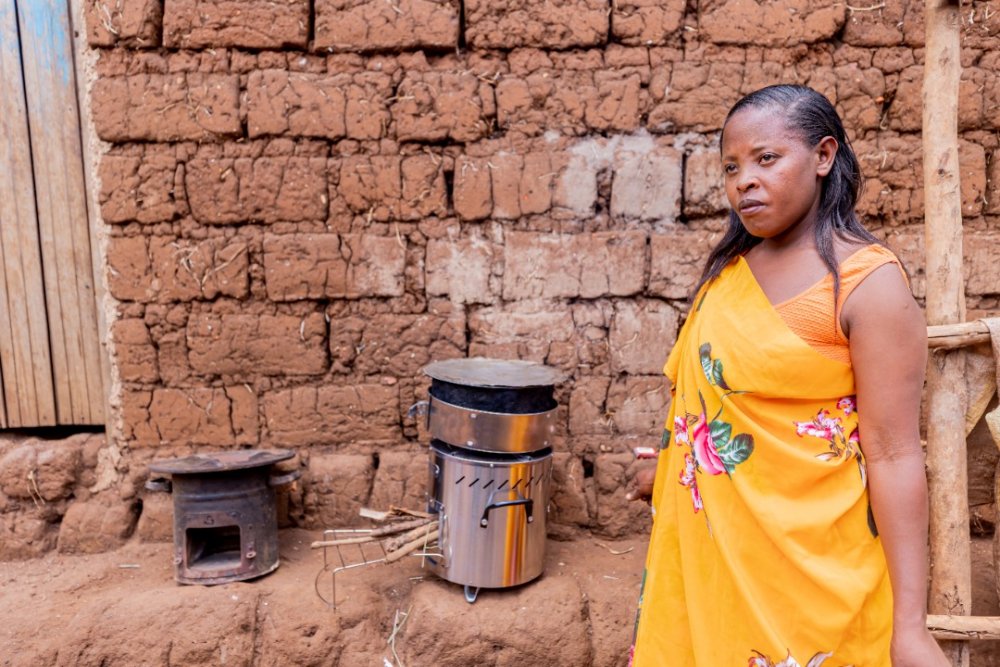
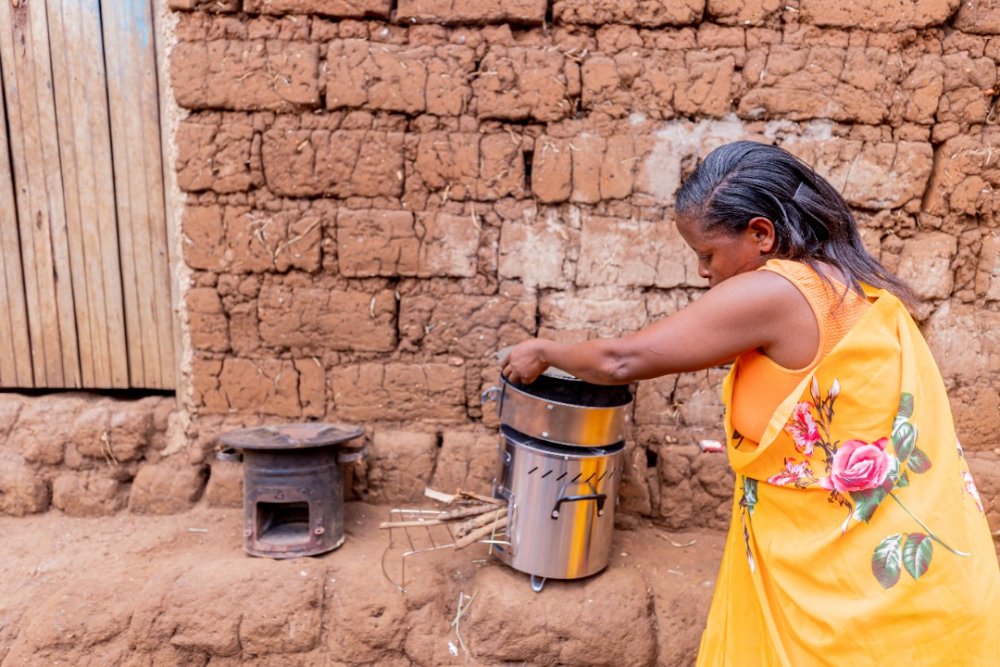
In a bid to cut expenses, reduce CO2 emissions and save forestry, the ‘Tubeho Neza’ (Live Well) project distributes energy-efficient cooking stoves which rely on wood but in much smaller quantities. It cuts wood use by 71%, and on project completion, will save 64km2 of forestry every year.
The project is run by DelAgua and is committed to uplift people’s livelihoods through access to climate and health friendly cooking stoves. The project specifically focusses on rural communities. DelAgua provides the stove free of charge, as such a high performing stove is unaffordable for the rural poor. Even subsidized, less effective stoves are out of their reach. Tubeho Neza is allowing those most in need and previously denied clean cooking, access to the best quality rocket stove available with all the health and environmental benefits it delivers.
In collaboration with the Government of Rwanda, the organization started distributing energy-efficient cooking stoves in 2012 with the target of increasing the number from current 1 million to 2.3 million stoves by 2024,one for every rural household.
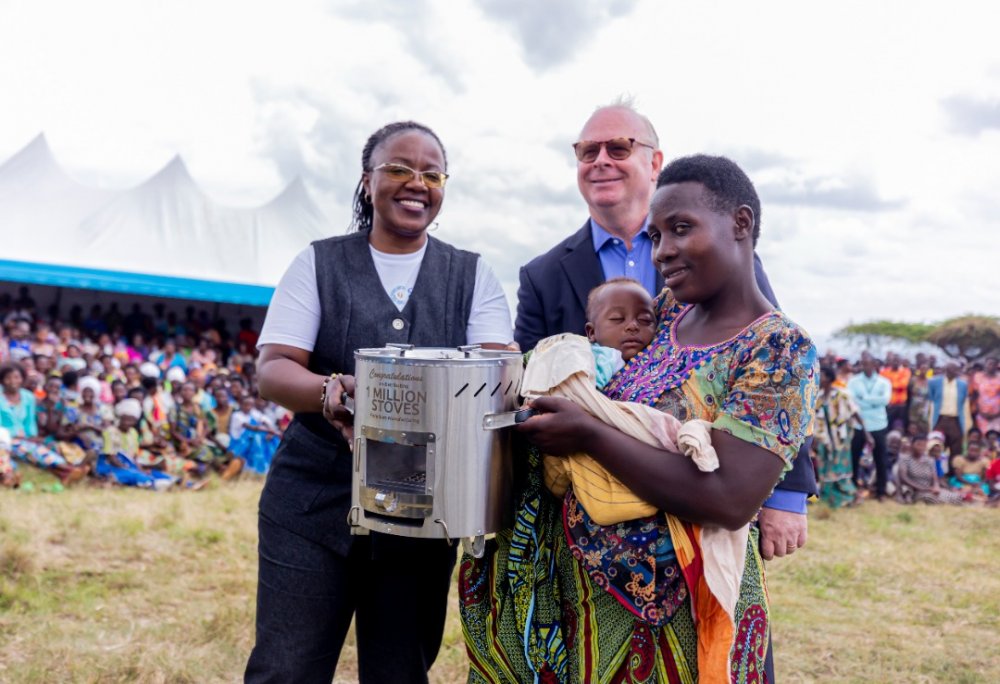
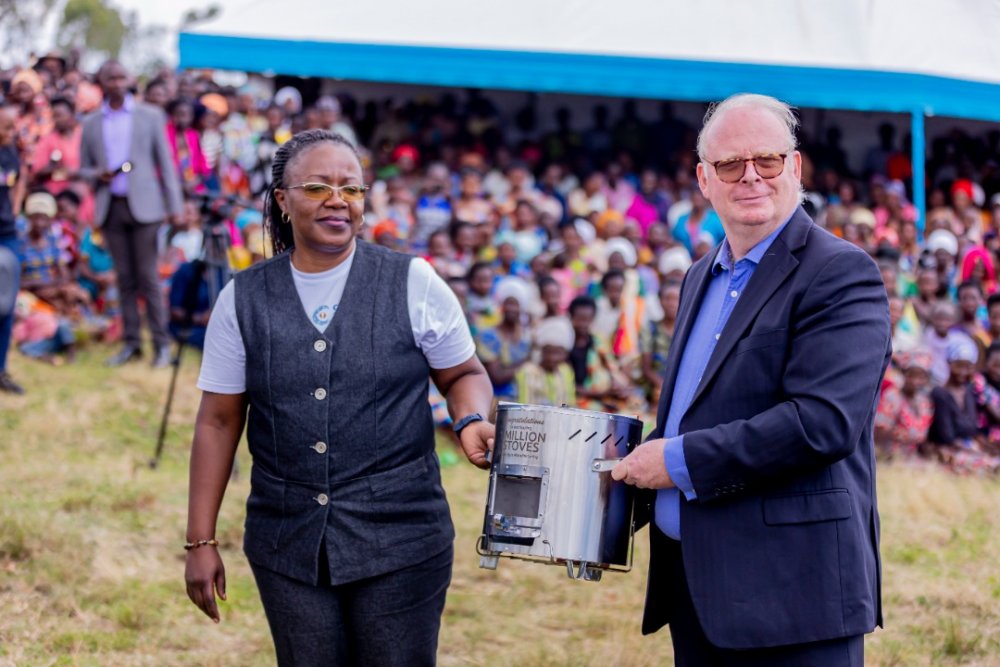
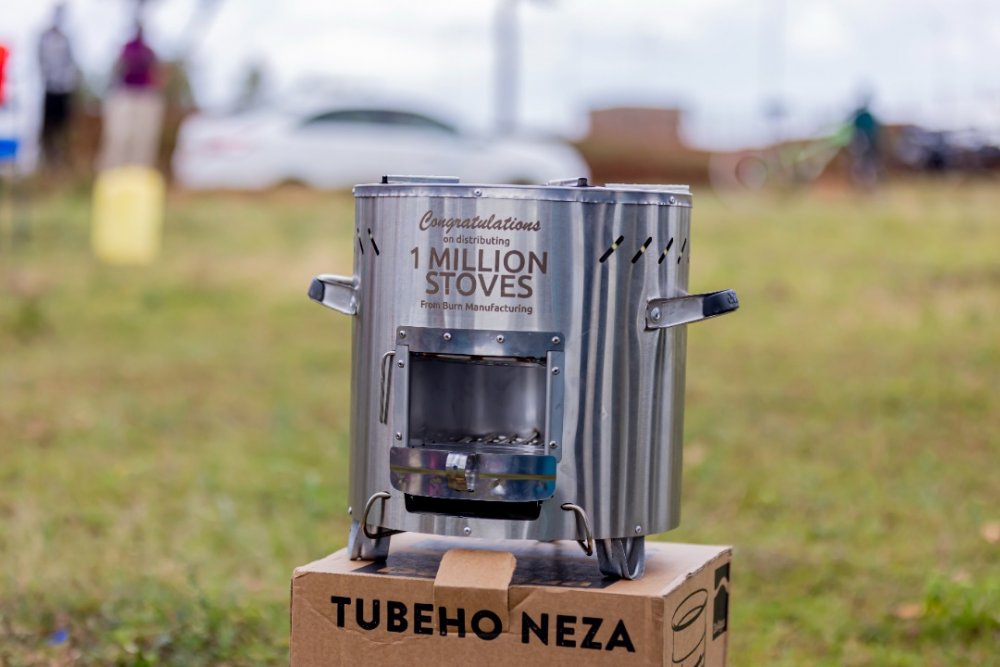
On the celebration of the project’s 10th anniversary on Wednesday, October 26 in Mwulire Sector of Rwamagana District, DelAgua donated the 1 millionth stove, marking a milestone in their emission reduction model.
The donation is meant to eliminate the use of open firewood stoves or three stone stoves mostly used in rural areas . The concept and study of the environment friendly stove was designed by DelAgua to perfectly suit the rural families and is manufactured by Burn in Kenya.
Neil McDougall, the Chairman of DelAgua says that the stove’s design and performance will contribute to improved livelihoods of people in rural areas.
“We commissioned studies in collaboration with the London School of Hygiene and Tropical Medicine. It was observed that the stove can reduce children’s deaths by 47%. It also reduces smoke as it has the capacity to burn wood cleanly and with little ash compared to three stone stoves. Also, the stove saves firewood and can reduce the use of wood sticks from ten to three. This reduces the money spent on firewood or the time spent to collect them,” he said.
Neil McDougal explained that the multi-million project is promising to contribute to the reduction of emissions and improve beneficiaries’ livelihoods as well.
{{Exemption of taxes}}
The Minister of Environment, Dr. Jeanne d’Arc Mujawamariya said that Tubeho Neza is the largest project all over the world aimed at distributing environment friendly energy efficient cooking stoves.
“In partnership with the Government of Rwanda, DelAgua initiated the Tubeho Neza project, which is the largest across the world. Today, we are halfway to our target,” she noted.
Dr. Mujawamariya revealed that the government exonerated taxes to make the exercise possible.
The stove donated for free is valued at Rwf80,000 including the lifelong education, support and service programme that is provided to every family alongside the stove.
Such is the effectiveness of the programme, independent audits show that 99% of the stoves given to beneficiaries are still in daily use.
Chantal Muhongerwa is among beneficiaries of the stoves who previously used three stone fires.
The woman explained that she would catch respiratory or eye complications due to the use of traditional fire.
Today, Muhongerwa has a different story to tell as her health conditions have improved and her home is always clean, thanks to the clean cooking stove received eight years ago which also reduced time spent in the kitchen.
“Today, I spend a few minutes cooking food and get time for rest. I save the money previously spent on large quantities of wood in a saving group to diversify sources of income. Before, I would use a log bought at Rwf2000 one day but a small amount of wood bought at Rwf500 can cook food the whole day using the energy-efficient stove. We are thankful for the great support,” she said.
Muhongerwa also revealed that the time she used to spend cooking beans has reduced from four hours to 1 hour and 40 minutes.
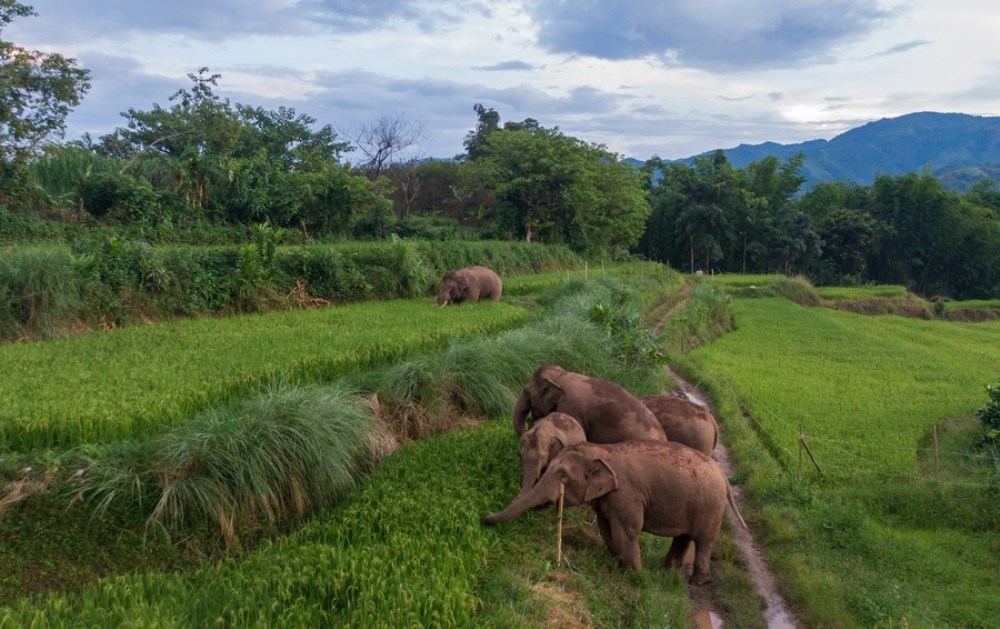
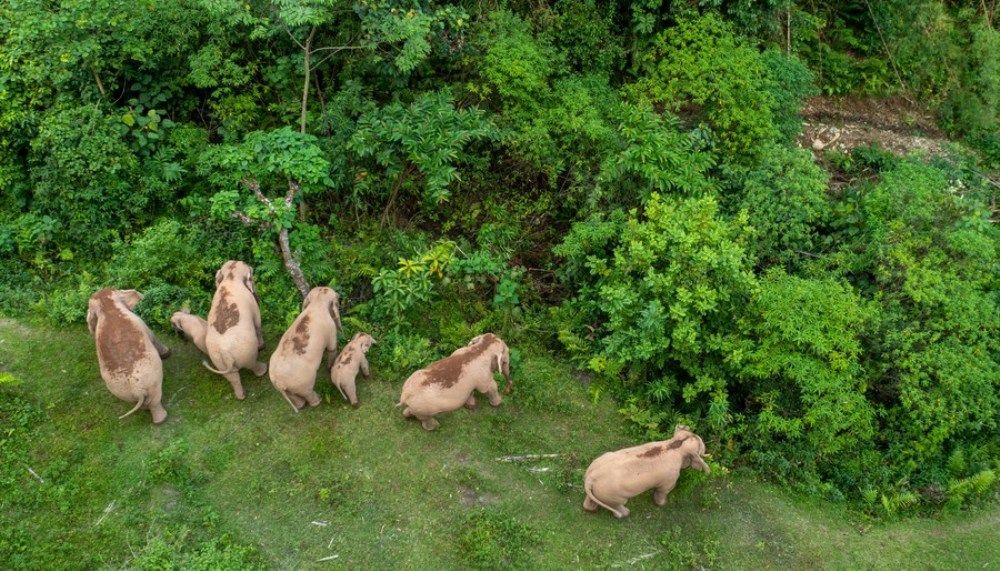
Asian elephants, the continent’s largest land animal, are under top-level protection in China and constitute an important part of Yunnan’s rainforest ecosystem.
According to the Yunnan provincial forestry and grassland bureau, the number of Asian elephants in the province increased from 293 in 2018 to about 360 by 2021.
The “baby boom” of the giant mammal demonstrates the success of China’s arduous protection efforts and the country’s progress in conserving ecological biodiversity, especially when the population of this species is showing a declining trend globally.
{{Human-elephant harmony}}
“Strengthened protection and fewer human impacts are important reasons behind the high fertility rate,” said Chen Mingyong, professor at the School of Ecology and Environmental Science of Yunnan University.
During these years, the province has explored multiple ways to reduce the encounters between humans and elephants and to keep the animals away from farmers’ crops.
Food stores, dubbed “elephant canteens,” have been established in many locations across Yunnan, providing the animals with attractive and nutritious meals. In 2022, the province’s Pu’er City has set up around 467 hectares of food stores in areas where Asian elephants are found.
“The food stores have both lowered human-elephant encounters and enriched elephants’ food resources,” said Guo Xianming, director of the scientific research institute with the Xishuangbanna National Nature Reserve in Yunnan.
According to the investigation results provided by Chen, the Asian elephant’s “food menu” has expanded from nearly 100 to 240 types, and most of them are crops such as corn, rice, and sugar cane, which are planted on a large scale and within easy reach of the elephants.
Ever since 2021, the provincial government of Yunnan has invested a total of 100 million yuan (about 14.83 million U.S. dollars) in strengthening monitoring and early warning systems, habitat restoration, and safety precautions to improve the harmonious co-existence of humans and elephants.
In 2010, Yunnan became the first provincial-level region in China to introduce commercial insurance for damage caused by wildlife, which covered the whole province by 2014.
Wang Chuan, a villager in Pu’er, witnessed growth in elephant numbers and indicated that they are now more frequently spotted in his village than before.
“Of course it’s annoying to see our crops destroyed by the elephants, but villagers always put up with those naughty animals instead of dispersing them by force,” said Wang.
Over the years, the compensation level for elephant-caused damage has been rising. During the 13th Five-Year Plan period (2016-2020), some 297 million yuan was paid in the province to cover the losses caused by wildlife, mainly Asian elephants.
Major infrastructure development in the region also intentionally heeded the activities of Asian elephants.
In the construction of the China-Laos Railway, routes were redesigned to avoid the habitats of elephants and some parts of the railway were built into bridges and tunnels to provide passage for the migratory giants.
{{Conservation efforts}}
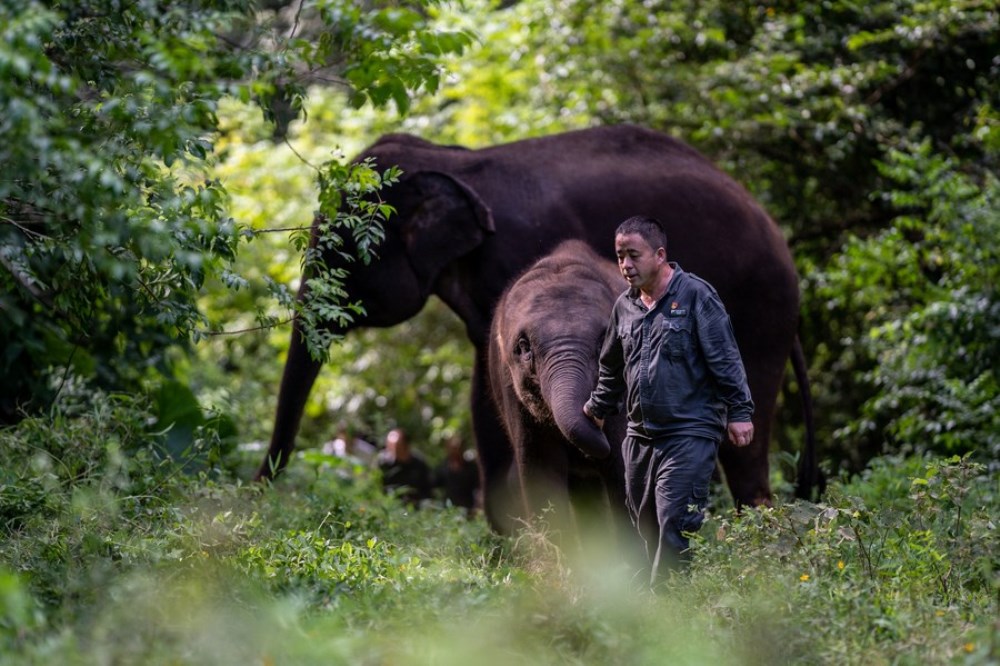
Elephant inspectors play an important role in the detection of the baby boom. Diao Faxing, 47, has been working as one of the 10 local inspectors for six years in Jiangcheng Hani and Yi Autonomous County of Pu’er.
“The number of elephants multiplied in recent years,” said Diao. “There are a total of 43 wild elephants in Jiangcheng, and four calves were born this year.”
During an inspection tour at the end of July, Diao noticed a female elephant left behind by the herd and stopped eating.
Diao and his colleagues reported the incident immediately and were relieved when seeing the elephant recover and catch up with the rest of the herd.
“It may be stressful to have more elephants to care for, but every newborn is a sign of achievement of our protection,” said Diao. “They are like new family members and I named all of them.”
As the frequent visit of elephants in the county requires inspectors to synchronize their daily schedule with elephant movements, they have to get up at five in the morning and work till midnight.
Apart from the efforts of inspectors, scientific researchers also carry out various studies, including the analysis of the suitability of elephant habitats and conservation of biological diversity, to enhance the knowledge and protection of Asian elephants.
Bao Mingwei, an elephant doctor at the Asian Elephant Breeding and Rescue Center in Xishuangbanna, and his research team have successfully bred nine calves by studying the method of human-assisted breeding, which has aided the population increase of Asian elephants in China.
“The elephant rescue and protection efforts helped population increase and the baby boom happened as there are more female elephants at childbearing age,” said Guo.
Also on the agenda is the establishment of a national park for Asian elephants. National and local authorities will coordinate efforts in the integration and optimization of the existing habitat range and build a unified protection and management system.
“Based on the established mechanism of Asian elephant conservation, the national park will be critical for conserving tropical rainforests and long-term conservation of nature and ecology,” said Chen Fei, director of the Asian elephant research center under the National Forestry and Grassland Administration.
“We will work to guarantee the balance among the expansion of elephant population, human safety, and property safety in the park,” he added.
Wetlands are also increasingly seen as important for adaptation to climate change.
The continued loss of wetlands has direct, measurable impacts on the people that depend on them, causing declines in biodiversity, food security, water quality and quantity, and carbon capture and storage to mitigate climate change.
Despite the dependence of a large proportion of Africa’s population on wetland ecosystem services, these habitats are rarely monitored sufficiently. This is due to a lack of awareness of their importance, the importance of monitoring, lack of resources (both financial and knowledge-based), as well as a lack of developed monitoring methods for the assessment of wetlands.
When it comes to Rwanda, approximately 10.6 percent of its surface area is covered with wetlands. The biggest wetlands are floodplain wetlands of low altitude associated with major lakes such as Lake Cyohoha, Rweru, Mugesera, Nasho, and rivers such as Nyabarongo, Akanyaru, Mukungwa, Base, Nyabugogo, among others.
In Rwanda, wetlands continue to play an essential role in supporting all development for sustainable development. They provide water storage, flood buffering, nutrient removal, and water purification as well as erosion control.
Despite their importance, wetlands in Rwanda face significant pressures, especially due to poor agricultural practices such as uncontrolled fertilizers and pesticides, soil erosion, peat extraction, illegal mining, illegal infrastructure, pollutants from industrial wastewater discharge among others.
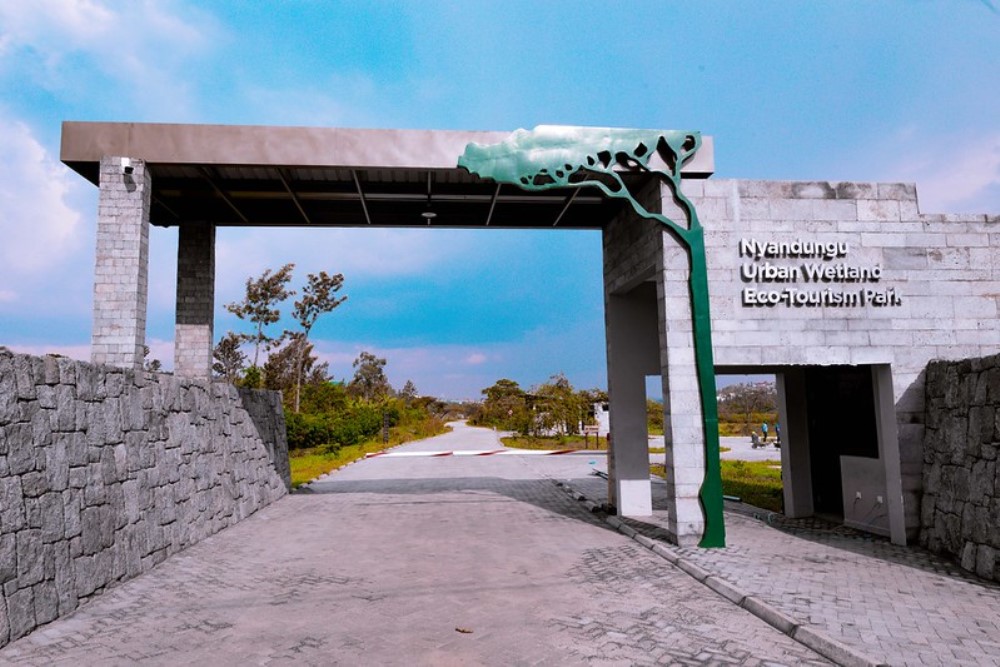
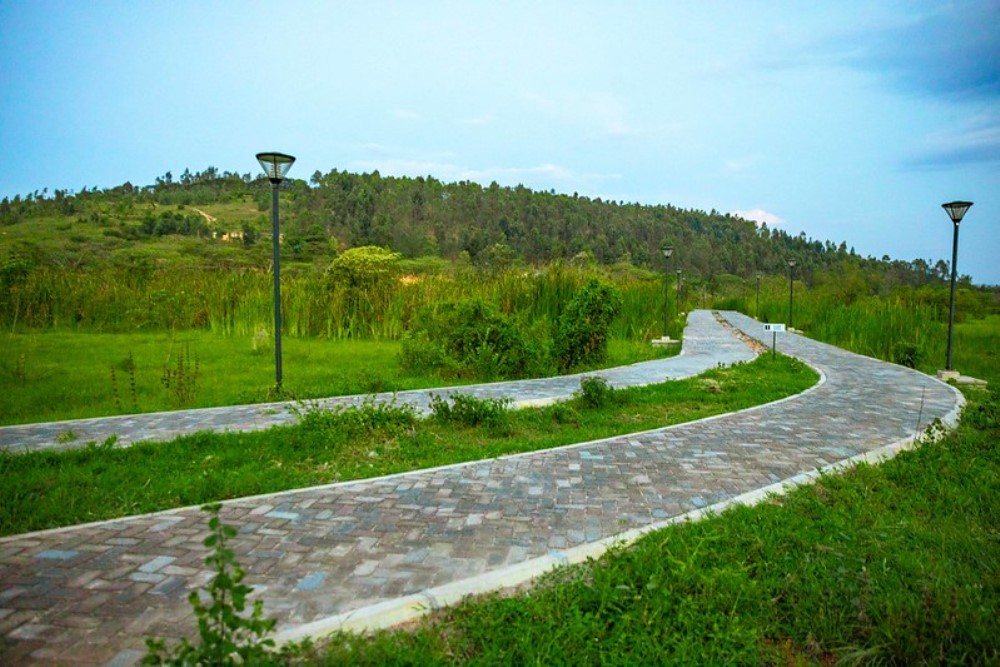
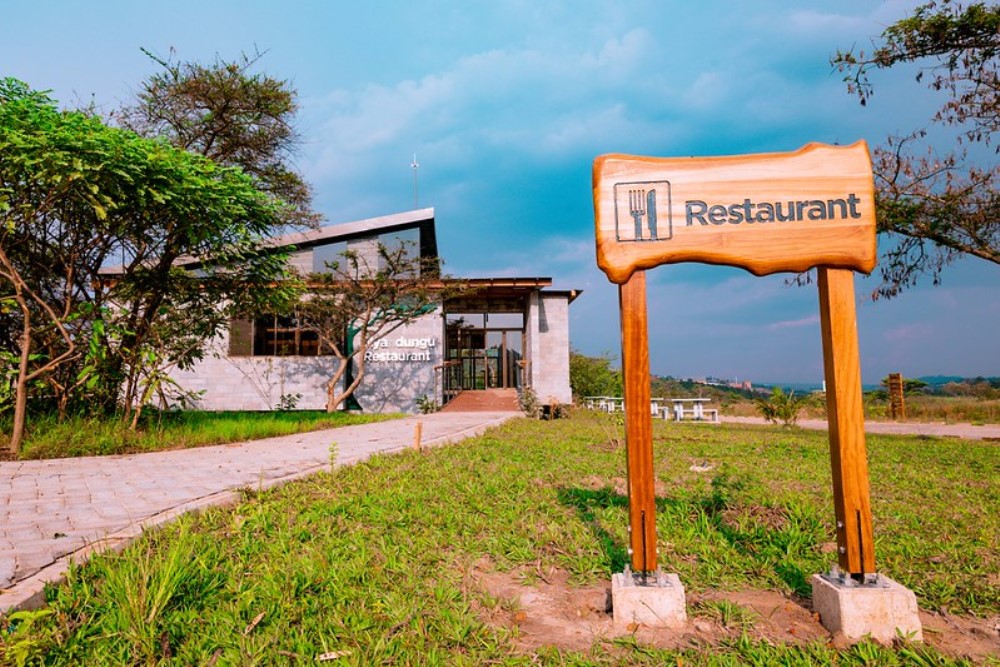
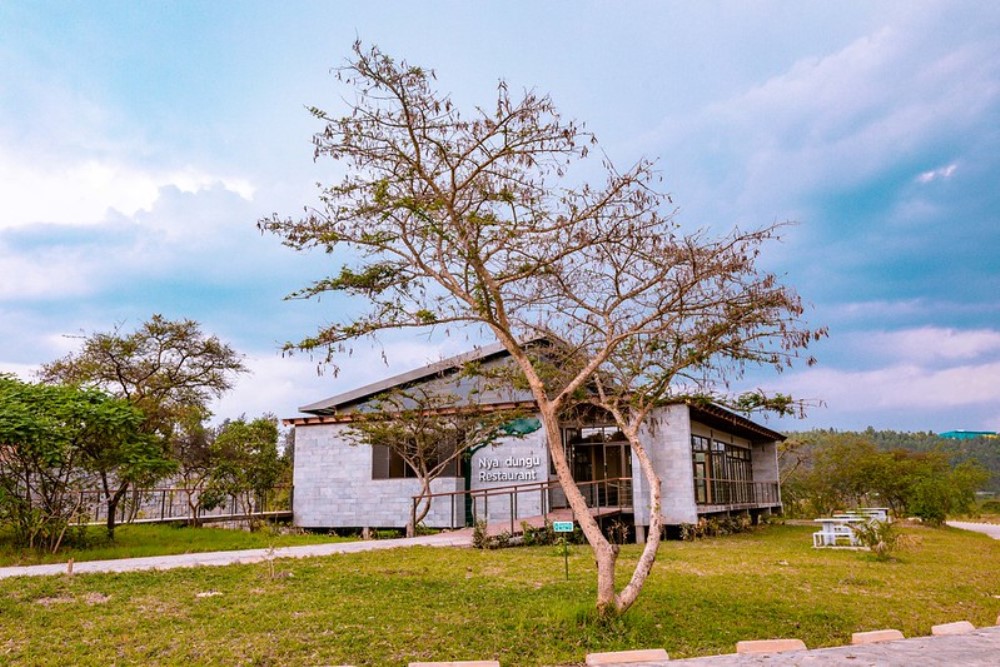
So far, Rwanda has taken a bigger step in protecting environment. Nyandungu Urban Wetland Eco-Tourism Park can be a tangible proof of this effort.
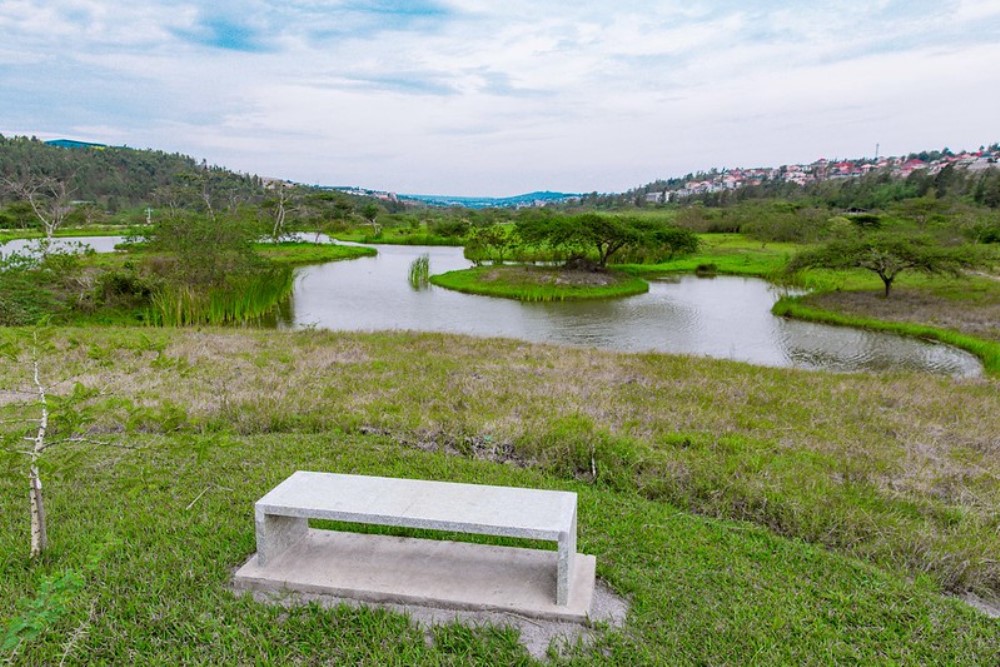
This ecotourism jewel is nestled in the valley between Kimironko and Masoro-Bumbogo hill in Ndera sector, separating the districts of Gasabo and Kicukiro and soon will be accessible to the public.
According to Harerimana Jacques who is among the local community living around before this initiative Nyandungu Wetland was being destroyed.
“Before this decision of the government, this wetland was totally a mess. It was used for exploiting clay. Dredging and filling activities have caused flooding of mangrove habitat. Now you can see that it is getting back to its nature status,” he said.
Over the years, the highly degraded wetland was being used for different activities including agriculture and sand mining among other human activities, which were greatly affecting the ecosystem and thereby posing serious danger for surrounding livelihoods. Six years ago, Rwandan Government decided to change way of doing things in this Wetland.
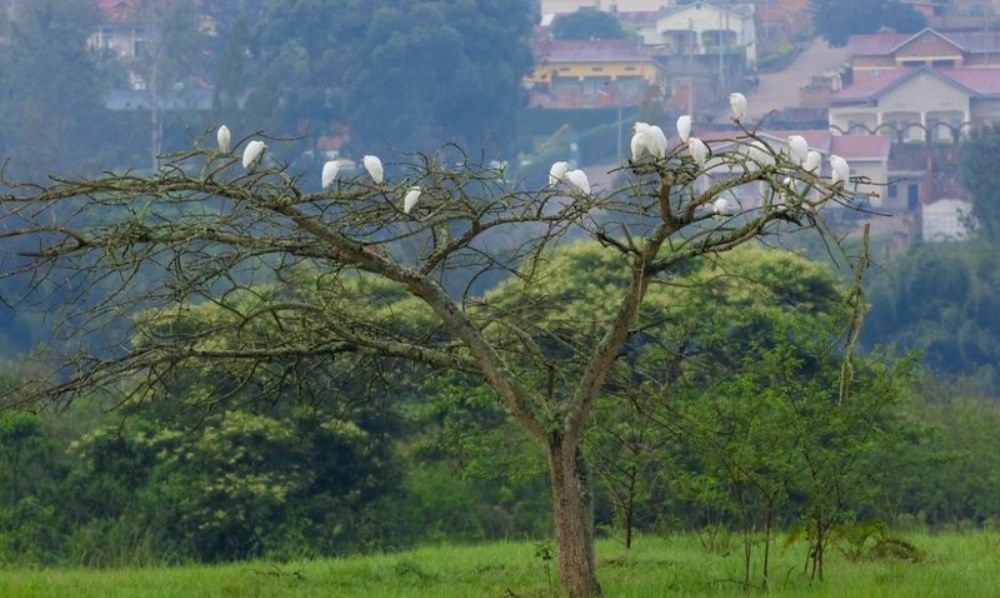
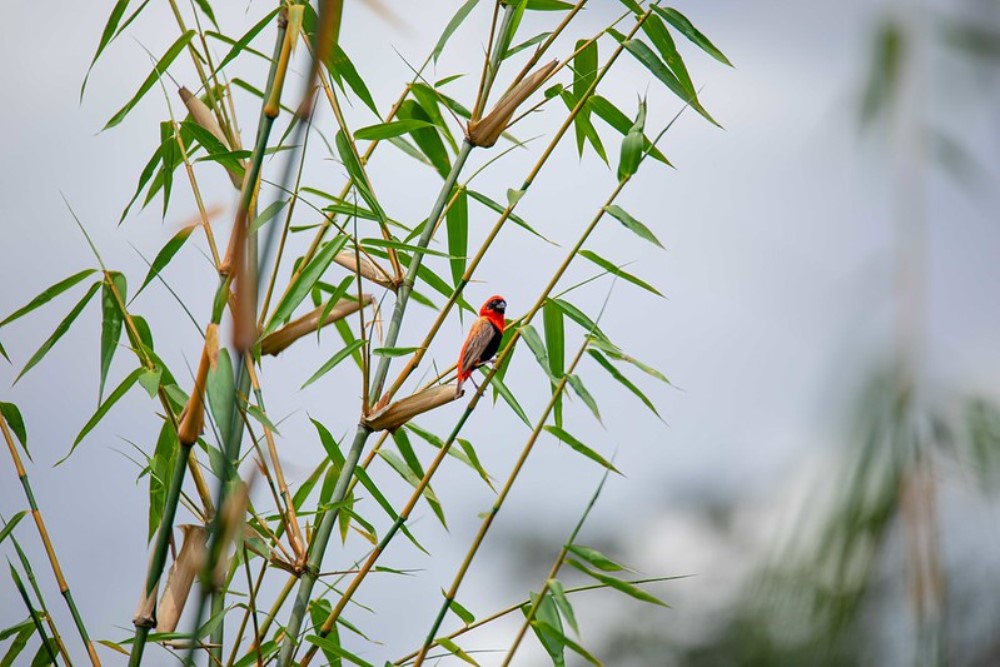
Nyandungu Park covers an area of 121.7 hectares. Different species of butterflies have established themselves in this urban wetland where cranes and 70 other bird species fly freely.
Elements to be part of Nyandungu Urban Wetland Eco-Tourism Park include ornamental ponds, eastern gallery forests, medicinal plant gardens, paved walk ways, restaurants, information center and other recreational services.
The park is laden with different tree species which according to environmentalists, play a key role in minimizing floods which have been prevalent in the area.
The diversity in species in the park, conservationists say, will also be vital for the academia who may go there to study different species available in the park.
Stepping into the park, you are first welcomed by well-built gates and pavements made up of natural stones at all entrances. Close by is the information Centre where the visitor is taken through the different sections of the park.
The Minister of Environment, Dr. Jeanne d’Arc Mujawamariya encourages everyone to take the work done at Nyandungu Wetland as lesson and start contributing to the effort of protecting wetlands.
“Wetlands are source of wealth for all Rwandans. Whether we rely on wetlands for water, recreation or agriculture, we each have a role to play in their protection. Let’s all be water wise users by reporting illegal activities, applying environment friendly fertilisers and pesticides in wetlands and ensuring all commercial users have a valid water permit for the water they extract. Together, we can ensure our wetlands are healthy and full of life,” she said.
According to the Rwanda Environment Management Authority (REMA), this milestone work which started in 2016 costs about Rwf5 billion (US$4.5 million ), a little more than half of which was provided by the Rwanda Green Fund (FONERWA).
This investment could generate up to Rwf1 billion in revenue for the government during the first decade of operation of the site, provided that it is popular with tourists.
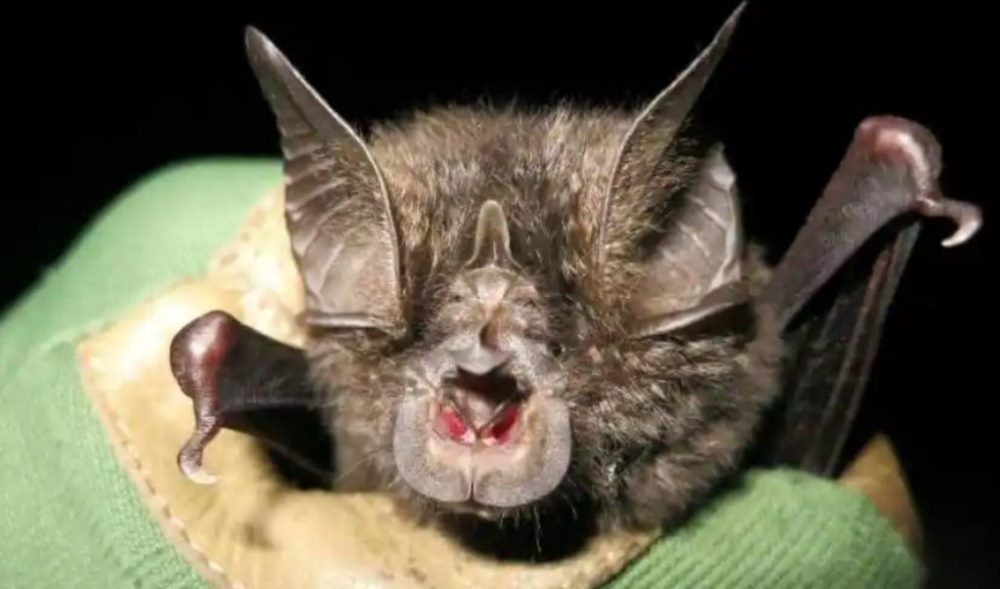
A critically endangered species of bats not sighted in 40 years has been found in Rwanda, with the “incredible” discovery delighting conservationists who had feared it was already extinct.
But the Hill’s horseshoe bat was in fact still clinging to life in Rwanda’s Nyungwe forest – a dense rainforest – the consortium behind the discovery said.
There had been no information on the population of the mammals and the International Union for Conservation of Nature (IUCN) in 2021 listed them as critically endangered.
Rediscovering the lost species “was incredible”, Jon Flanders, director for Bat Conservation International (BCI), said in a statement late on Tuesday.
“It’s astonishing to think that we’re the first people to see this bat in so long.”
The Texas-based non-profit had partnered with the Rwanda Development Board and Rwanda Wildlife Conservation Association to conduct surveys in the jungle starting in 2013.
In 2019, after a 10-day expedition scouring the caves in the forest, the scientists found the bat.
“We knew immediately that the bat we had captured was unusual and remarkable,” BCI’s chief scientist, Winifred Frick, said.
“The facial features were exaggerated to the point of comical.”
But it took them another three years to verify its species.
The creatures of the night have long been infamous as fanged monsters or vectors of disease, with the coronavirus pandemic doing little to improve that image after scientists said Covid-19 probably originated in the animals.
From the tiny two-gram “bumblebee bat” to the giant Philippine flying fox with its 1.5m (5ft) wingspan, bats make up a fifth of all terrestrial mammals.
Some 40% of the 1,321 species assessed on the IUCN’s red list are now classified as endangered.
Human actions – including deforestation and habitat loss – are to blame.
For the researchers in Rwanda, the elusive discovery marks the beginning of a new race to save the once lost species from disappearing again.
“Now our real work begins to figure out how to protect this species long into the future,” said Flanders.
The call was made on Thursday 21st October following the presentation of research findings on the role of Civil Society Organizations (CSOS) in the implementation of National Determined Contributions (NDCS) during an event that took place at the headquarters of Tubibe Amahoro (TA) translated as ‘Sow Peace’ in Karongi district, Western Province.
TA is Rwandan non-governmental organizations striving for a more equitable society through ensuring that fundamental rights and laws are protected and enhancing environment preservation efforts in four districts of intervention including Karongi, Burera, Ngororero and Rutsiro districts.
The research which was also carried out by TA, was conducted in the four aforementioned districts in partnership with the University of Rwanda College of Agriculture, Animal Sciences and Veterinary Medicine (UR-CAVM).
The research aimed at assessing the effects of climate change, factors contributing to climate change and come up with recommendations on needed actions to develop climate change resilience in collaboration with relevant stakeholders.
The Government of Rwanda has devised a number of policies and institutional responses to support citizens adapt to climate change and climate variability. Some of the key policies and programmes include the ; the National Adaptation and Programmes of Action (NAPA), the Comprehensive African Agriculture Development Programme (CAADP), the National Fund for Environment in Rwanda (FONERWA), Green Growth Strategy, the National Strategy for Transformation NSTI Seven Years Government Program (2017-2024) as well as the National environment and Climate Change Policy.
Despite the above policies and good practices implemented by the Rwandan Government, issues such as deforestation, landslide, soil degradation, soil erosion and air pollution persist in different parts of the country. This prompted the research into cooking technologies, energy supply and demand, and current environmental and climate change issues in the districts of Burera, Karongi, Ngororero and Rutsiro.
The research also sought to investigate biomass energy supply and demand as well as ascertaining citizens’ attitudes and perceptions towards building resilience to climate change.
As per findings of the study, 53 percent out of 400 respondents confirmed that they had heard of climate change while 47 percent stated that they were unfamiliar with the subject. To this end, TA via existing networks including the Rwanda Climate Change Development Network (RCCDN) and UR-CVM called for improvement of community awareness about climate change, its impact, mitigation, and adaptation approaches.
Among others, deforestation and landslides were pointed out as the most serious climatic concerns in the study area with 87.25% and 89% respectively.
The research also established that there is limited awareness around NDCs among rural communities, limitations in Citizens’ Consultation on Climate Change Policy Planning and Implementation as reported by 91% of respondents.
Other areas of concern include the widespread use of open firewood stoves or three stone stoves for cooking or boiling drinking water, limitations towards enhancing wetland preservation, forest management, water management, limitations in the promotion of waste management system to reduce greenhouse gas emissions and limited public awareness on biosafety through initiatives involving the community, policy makers and the private sector.
{{Need for friendly cooking technologies}}
The research established that firewood is usually accessible as evidenced by 69.7% of respondents, and to some extent available in the community through gathering in bushes, and woods (62%).
It was established that households that utilize inefficient cooking technologies and do not own a woodlot spend an average of Rwf600 (12kgs or 4 pieces of wood times Rwf150) per day on wood purchases, thus making Rwf18,000 per month and rough estimation of annual cost is Rwf216,000.
However, it was observed that a household that uses Improved Cooking Stove (ICS) utilizes a third of fuel consumption, thus spending Rwf6,000 per month with a saving of Rwf12,000 and Rwf144,000 per annum.
The money saved is allocated to other household needs and including Community Based Health Insurance known as Mutuelle de Santé, scholastic materials, contributions to saving and lending groups and purchase of other household items.
The majority of surveyed households (92.6%) use traditional cooking stoves, 4.7 percent use various models of improved cooking stoves including clay charcoal stove, metal charcoal stove, pipe stove, Tekavuba, Canamake, Canarumwe stoves among others while 1.5 percent use Liquefied Petroleum Gas (LPG).
Considering the fact that CSOs work closely with communities in different areas, the research recommended them to maintain collaboration with different stakeholders to mitigate climate change effects and become proactive in educating citizens on biodiversity protection.
CSOs were also urged to engage in research for evidence-based advocacy if they are to significantly inform or influence the policy.
Among others, CSOs were reminded of their critical role is supporting vulnerable groups especially women to challenge customs and beliefs which perpetuate unequal gender relations, conduct climate change advocacy and comprehensive research on appropriate improved cooking stoves taking into account the amount of saved wood, cooking habits, raw materials for improved stove manufacturing accessible in each location and household income among others.
Local leaders are also recommended to play role by extending awareness of climate change mitigation and adaptation strategies to safeguard environment and work towards sustainable community livelihoods.
The research recommended members of the community to plant more trees, adopt the use of energy-saving cooking stoves as well as other improved cooking technologies in order to relieve the problem of deforestation, indoor air pollution, eye diseases, soil erosion and landslides.
Community members are also urged to improve their usual practices around waste management.
Commenting on research findings, Pierre Celestin Kabano, the Executive Secretary of Tubibe Amahoro said that the research aimed at establishing sources of cooking fuel and challenges hindering adoption of environment friendly cooking technologies.
“The use of improved cooking technology is still low as most of areas of study are located in rural areas. The majority of residents use traditional cooking stoves but they need to stick to energy-saving stoves which help users to spend little money and save time for other income generating activities, “he said.
“Civil Society Organizations need to draw attention to this alarming situation to extend awareness to ensure climate change resilient communities through collaboration with the Government and the private sector,” he added.
Faustin Mvuniyingoma, the coordinator of RCCDN commended findings of the research and stressed the need for concerted efforts between all stakeholders to mitigate climate change.
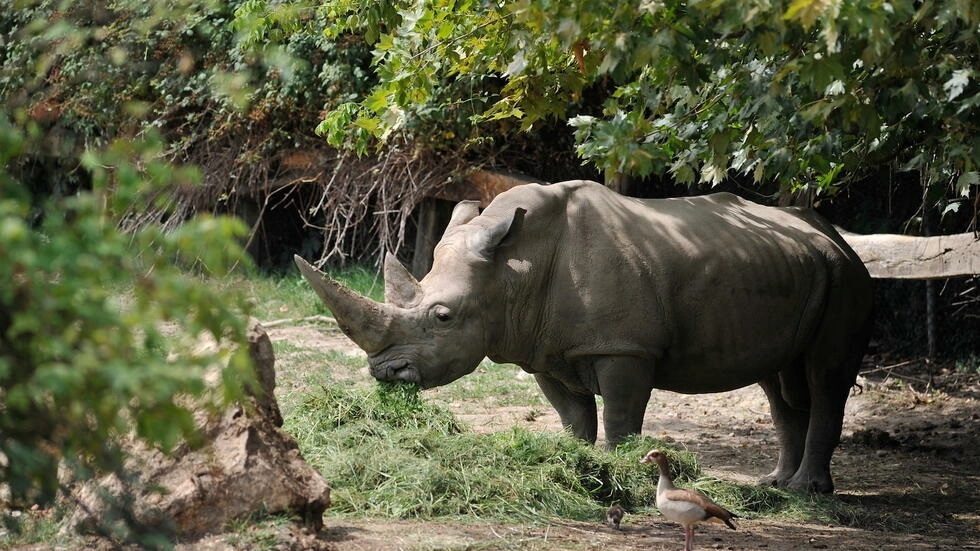
“Nonno Toby” (Grandpa Toby) passed away on October 6, Elisa Livia Pennacchioni of the Parco Natura Viva, a zoo near the northern city of Verona, told AFP.
“He collapsed on the floor on the way back to his nighttime shelter, and after about half an hour, his heart stopped,” she said.
Toby will be embalmed and put on display at the MuSe science museum in Trento, where he will join Blanco, a white lion from the zoo who died five years ago, Pennacchioni said.
White rhinos normally live up to 40 years when held in captivity, and up to 30 years in the wild, she said.
Toby’s death, which follows the passing of his female partner Sugar in 2012, leaves the Parco Natura Viva with one remaining white rhino: Benno, aged 39.
However, there are only two examples left of the northern white rhino subspecies who live in Kenya, which are watched round-the-clock by armed guards, the environmental group says.