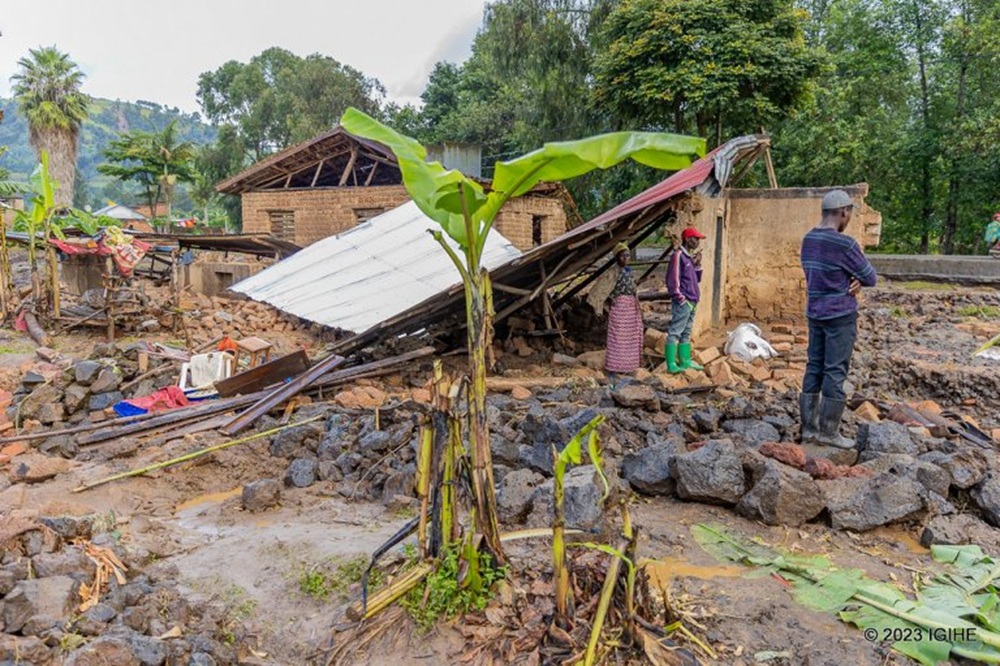
Data shared with IGIHE shows that between January 1 and March 11, 2026, disasters including lightning strikes, landslides and floods claimed lives in different parts of the country.
Among the victims, 14 people were killed by lightning, while five died in fires. Floods and landslides each killed three people, while two people died after houses collapsed. One person lost their life in a disaster linked to mining activities.
MINEMA also reported that besides the fatalities, 75 people have been injured since the start of the year, while 297 houses were damaged.
The disasters also destroyed crops on 220 hectares of land, killed 25 cows and nine other livestock, and damaged public infrastructure.
According to the ministry, the incidents also destroyed eight school classrooms, 14 roads, 22 electricity lines, and 22 bridges. In addition, one church and one market were damaged.
Recently, Rwanda’s Meteorological Agency warned that March 2026 is expected to receive above-average rainfall, which could increase the risk of disasters.
The meteorological agency said rainfall during the month could be slightly higher than the usual average, increasing soil moisture levels.
While this may benefit agricultural activities at the beginning of the Season B planting period, it could also bring strong winds and thunderstorms capable of triggering disasters, especially in areas where the ground is already saturated.
Forecasts indicate that rainfall between 100 and 350 millimeters is expected in the first and second ten-day periods of March, slightly above the usual average for those periods. Between March 21 and 31, rainfall is expected to return to normal levels ranging between 89 and 292 millimeters.
The Minister in charge of Emergency Management, Albert Murasira, recently urged residents to take precautions against disasters linked to heavy rains, particularly those living in high-risk zones.
He also called on people living in wetlands and high-risk zones to relocate to safer areas to avoid putting their lives in danger, stressing that long-term measures are being implemented to ensure communities do not settle in hazardous locations.
MINEMA has reported that disasters claimed 28 lives in Rwanda since start of 2026.
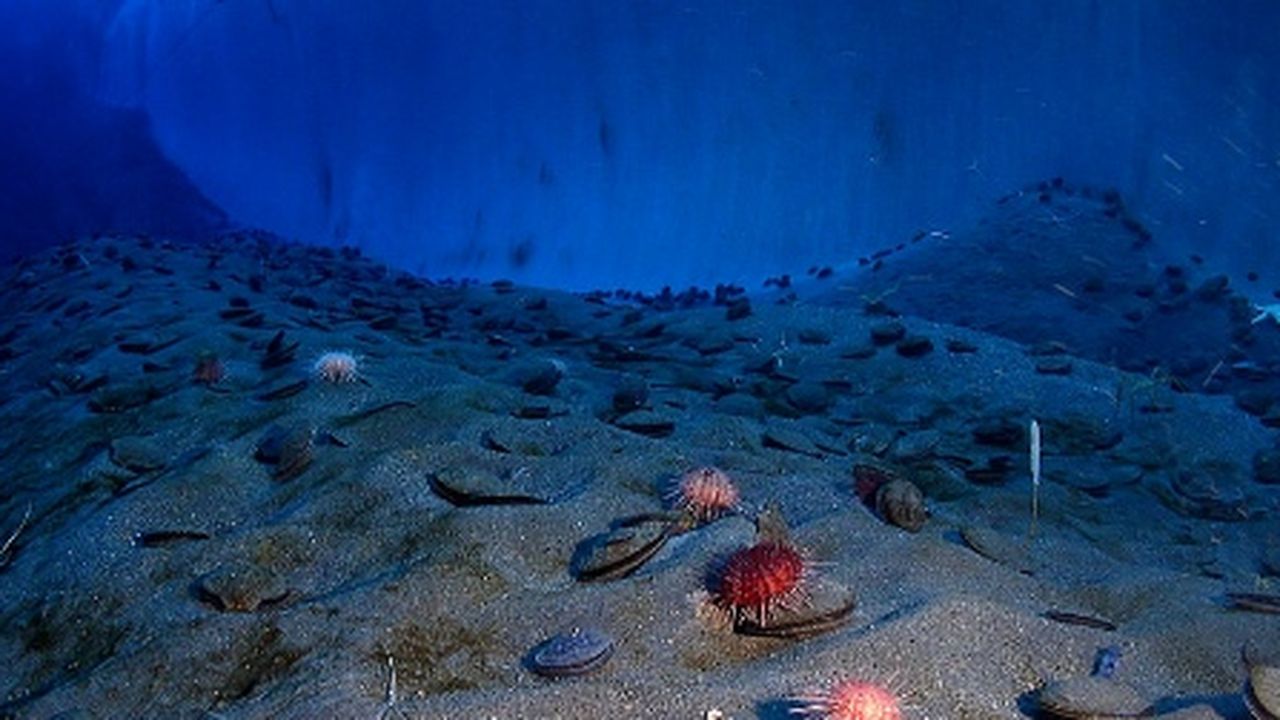
The research, published in Proceedings of the National Academy of Sciences, focuses on the microbe Nitrosopumilus maritimus, a type of ammonia-oxidizing archaea that plays a crucial role in ocean nutrient cycles. Scientists say these microbes make up roughly 30 percent of marine microbial plankton and are essential for the chemical processes that sustain marine life.
As ocean temperatures rise due to climate change and marine heatwaves, scientists have been concerned about how warming waters, sometimes reaching depths of more than 1,000 meters, could disrupt delicate biological and chemical systems in the deep sea.
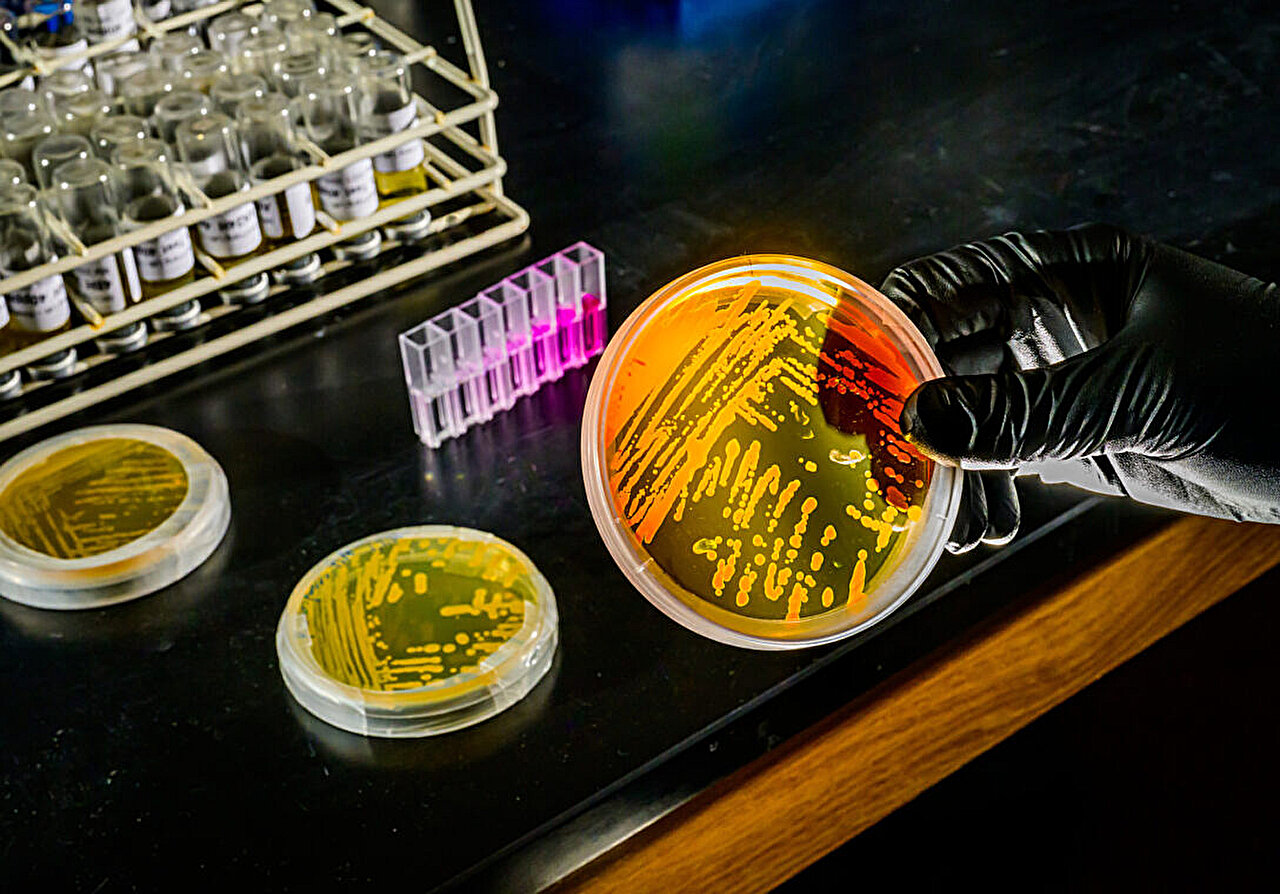
The study was led by Wei Qin, a microbiology professor at the University of Illinois Urbana‑Champaign, and David Hutchins of the University of Southern California. Using controlled laboratory experiments, the team exposed cultures of Nitrosopumilus maritimus to different temperatures and iron levels.
They discovered that warmer conditions combined with limited iron actually improved the microbes’ efficiency in using the metal, which is vital for their metabolism. This suggests the organisms can adapt to the stress of higher temperatures and reduced nutrient availability.
According to the researchers, global ocean models indicate that these microbes could continue, and possibly strengthen, their role in nitrogen cycling and supporting marine productivity in a warming ocean.
Later this year, the scientists plan to test their findings during a research expedition aboard the RV Sikuliaq, traveling from Seattle to the Gulf of Alaska and toward Honolulu to study natural microbial populations in real ocean conditions.
A research group co-led by the University of Illinois Urbana-Champaign predicts that a surprisingly adaptable species of marine archaea will play an important role in reshaping biodiversity in the planet’s oceans as the climate changes. Credit: Photo by Fred Zwicky
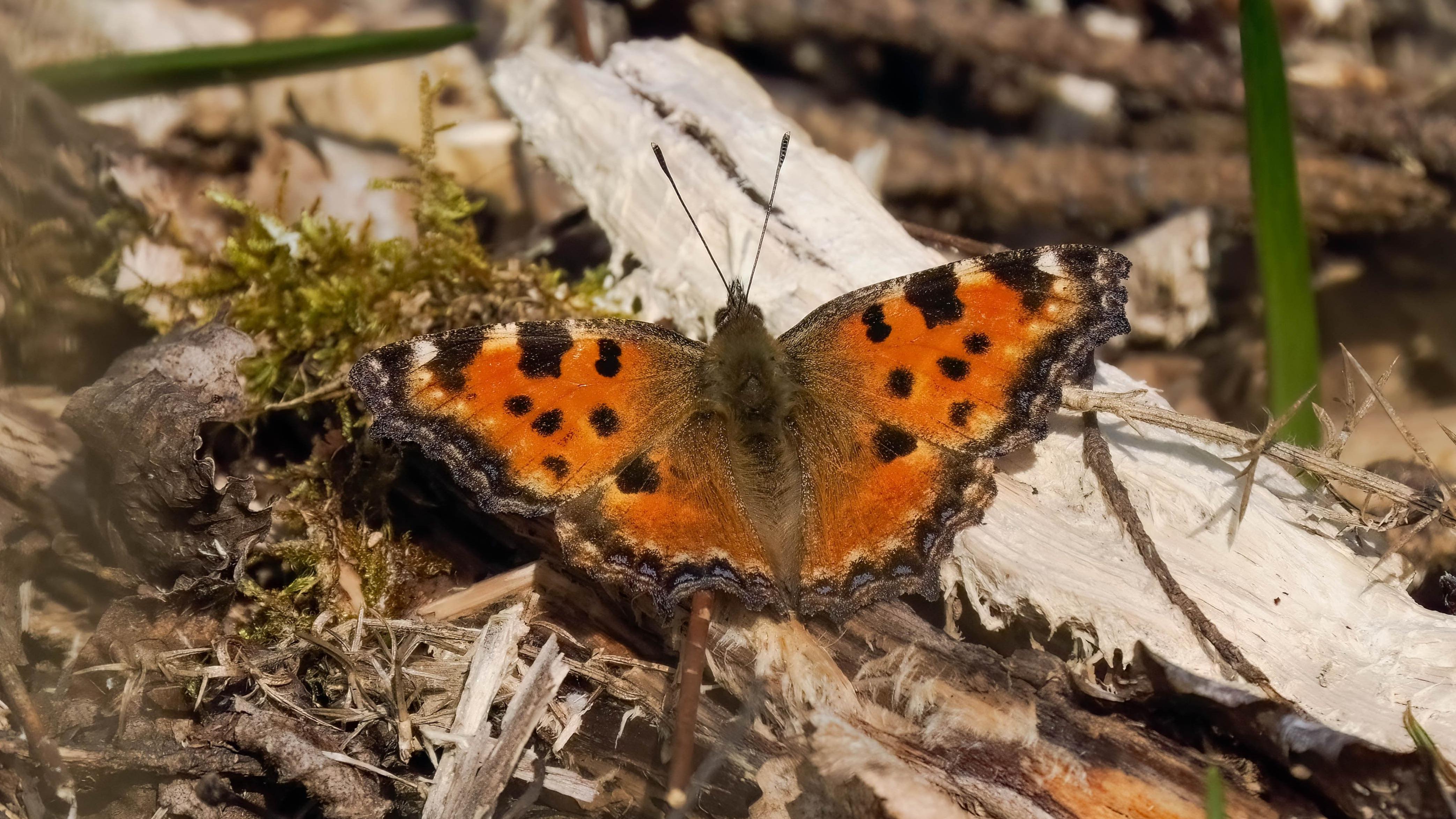
According to the charity Butterfly Conservation, the large tortoiseshell butterfly has recently been seen in counties including Kent, Sussex, Hampshire, Dorset and Cornwall, as well as on the Isle of Wight.
BBC has reported that the surge in sightings has led experts to conclude that the species is now breeding in the UK again rather than appearing only as an occasional migrant.
The Large Tortoiseshell Butterfly was once widespread across England and Wales but was last recorded breeding in Britain in the 1980s.
Its decline has largely been linked to the spread of Dutch Elm Disease across Europe during the 20th century, which devastated elm trees, an important host plant where the butterfly lays its eggs.
Although rare sightings have occurred over the years, conservationists say the recent cluster of around 20 reports suggests the species may be re-establishing itself.
Professor Richard Fox, head of science at Butterfly Conservation, told BBC that scientists are unsure why the butterfly disappeared from Britain in the first place. However, he believes climate change may now be helping expand its range again across Europe.
One enthusiast, Trevor Collett, travelled more than 90 minutes from Surrey to woodland near Ashford in Kent in search of the butterfly.
After hours of searching, he finally spotted one and described the moment as a “degree of elation.”
Conservationists say the renewed sightings offer a rare piece of good news at a time when many butterfly species are declining.
The large tortoiseshell has been declared a resident breeding species
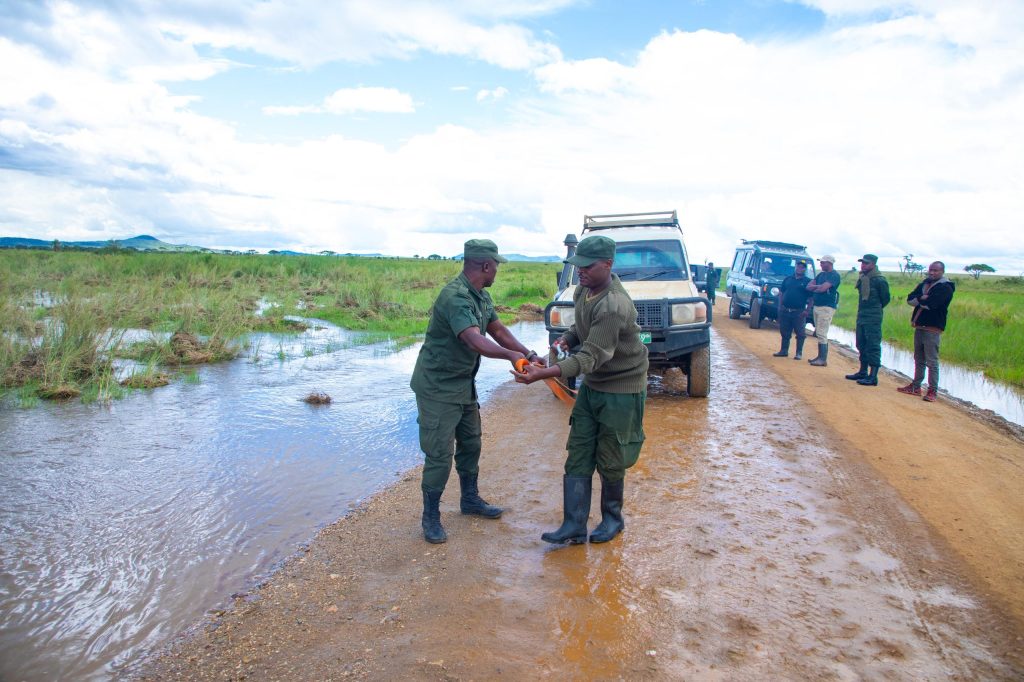
Kijaji made the remarks late Sunday during an inspection tour of the park, where she assessed the damage caused by recent downpours linked to climate change, which had left several tourist vehicles stranded for extended periods.
She said the government would urgently release the funds to ensure the timely rehabilitation of the affected infrastructure, including bridges and roads critical for tourism activities in the park.
“I urge tour guides to strictly follow instructions from rescue officers deployed by the Tanzania National Parks Authority in areas affected by the rains,” Kijaji said.
Serengeti Chief Park Warden Ismail Omary said the park had already taken emergency measures following the damage, including temporary repairs to roads and bridges, deployment of security personnel, and provision of emergency accommodation for stranded visitors and drivers.
Omary added that park authorities also assisted in rescuing stranded vehicles and waived overstay fees for tourists whose departures were delayed due to damaged roads.
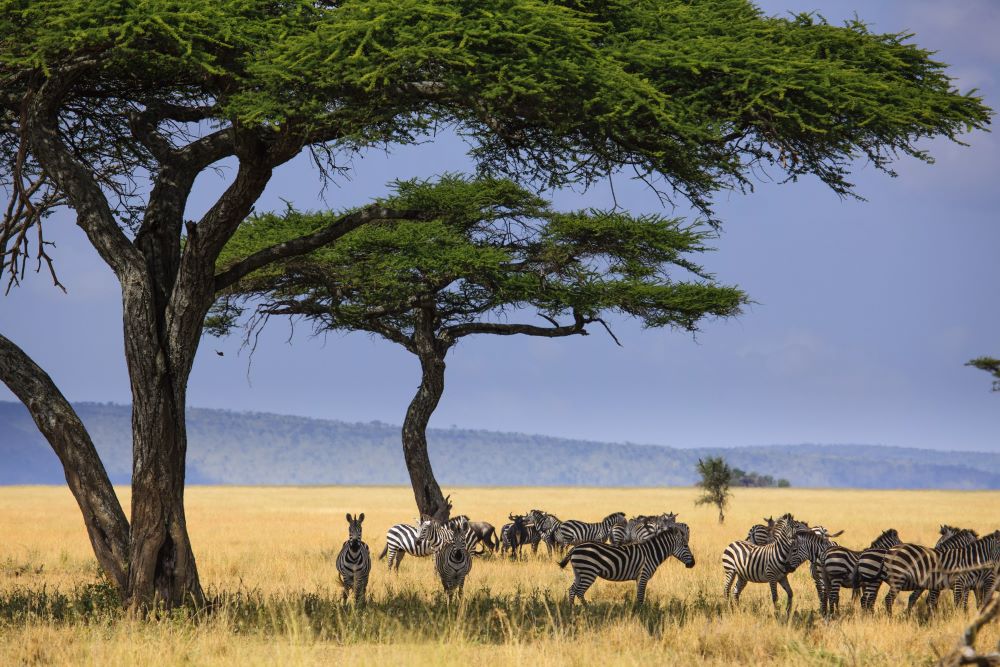
Serengeti National Park in northern Tanzania is a vast protected savanna ecosystem covering about 14,750 square kilometers, famous for its sweeping grasslands, scattered acacia trees, rocky kopjes, and one of the highest concentrations of wildlife in the world.
Tanzania will allocate 8.1 billion Tanzanian shillings (about 3.2 million U.S. dollars) to repair roads and bridges damaged by heavy rains in Serengeti National Park.
The discoveries were made during a six-week scientific expedition led by researchers from the UK Centre for Environment, Fisheries and Aquaculture Science (CEFAS) aboard the research vessel RRS James Cook.
According to BBC, the team explored waters surrounding the Cayman Islands, Anguilla, and Turks and Caicos Islands, areas where much of the deep ocean had never been studied before.
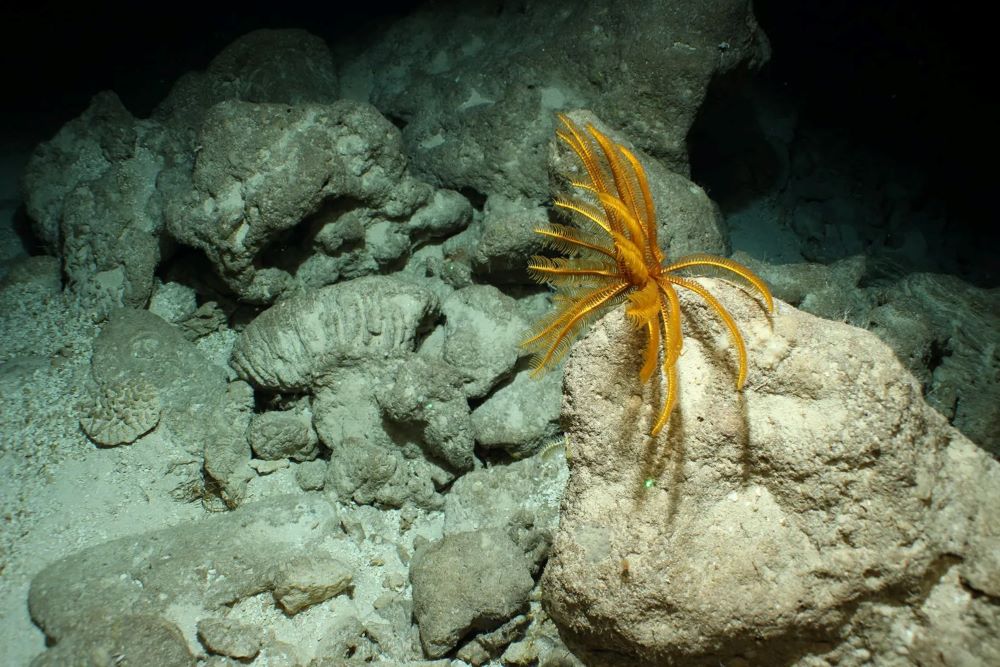
Working day and night, scientists used deep-sea cameras and acoustic mapping equipment capable of withstanding extreme pressure to explore depths of up to 6,000 meters (19,700 feet).
Because existing maps were outdated and sometimes inaccurate, researchers had to navigate parts of the ocean floor that had never been properly charted.
The expedition revealed remarkable biodiversity. Scientists recorded nearly 14,000 individual marine specimens and identified about 290 different types of sea life.
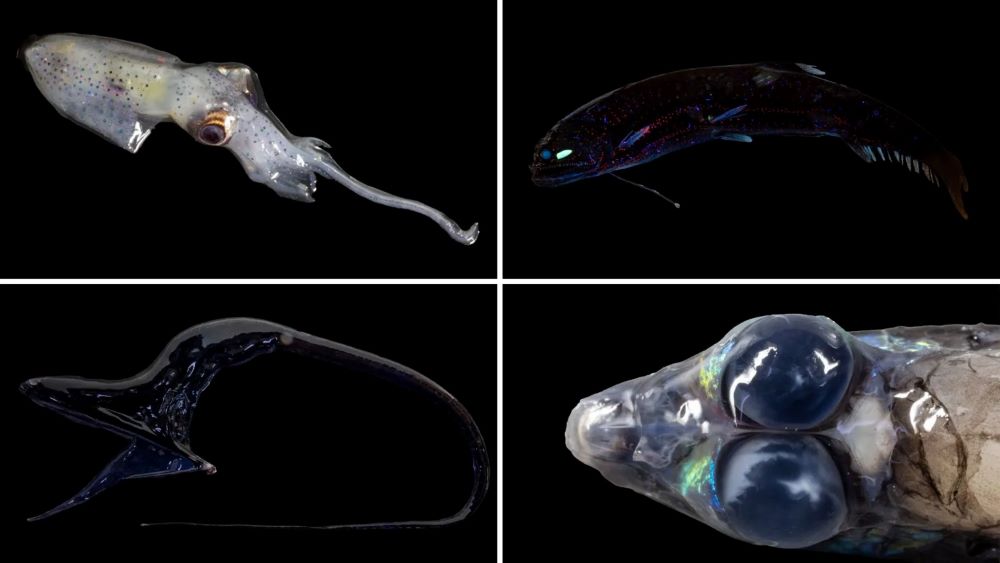
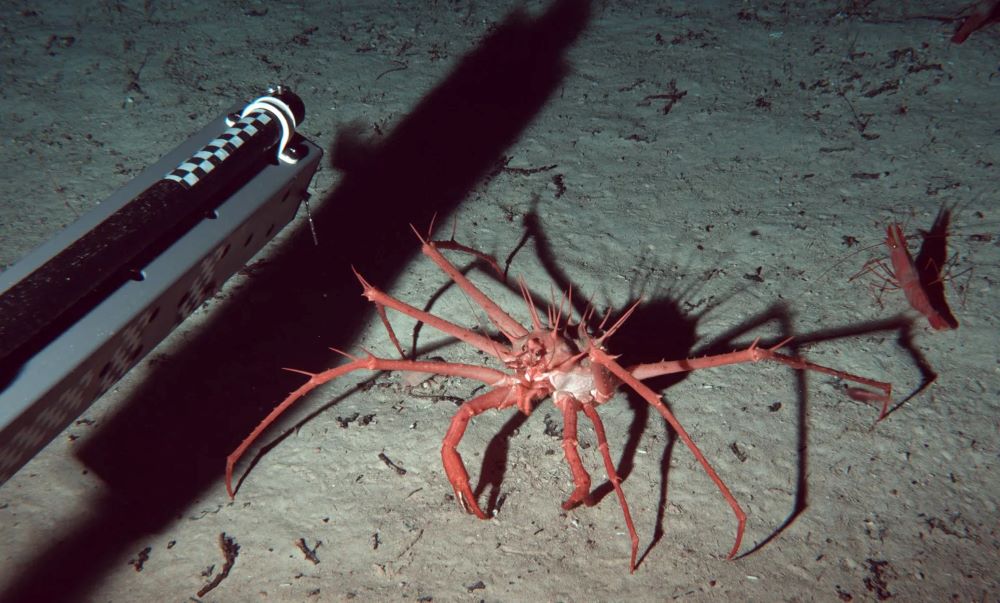
Among them were strange and rarely seen species, including a pelican eel with a glowing pink tail used to lure prey, a barreleye fish with upward-pointing tubular eyes, and a dragonfish with a luminous rod beneath its chin.
Dr James Bell, who led the expedition, said the discoveries highlight just how little humans know about the deep ocean.
“This is the first step into environments people have never seen, and in some cases didn’t know existed,” he said.
“Just yesterday we found a kind of type of swimming sea cucumber, and we still don’t know what it is,” he added, describing the diversity as “really, really astonishing”.
One of the most striking discoveries was an underwater mountain called Pickle Bank, located north of Little Cayman. Rising from a depth of about 2,500 meters to just 20 meters below the sea surface, the mountain’s slopes were covered with vibrant marine life.
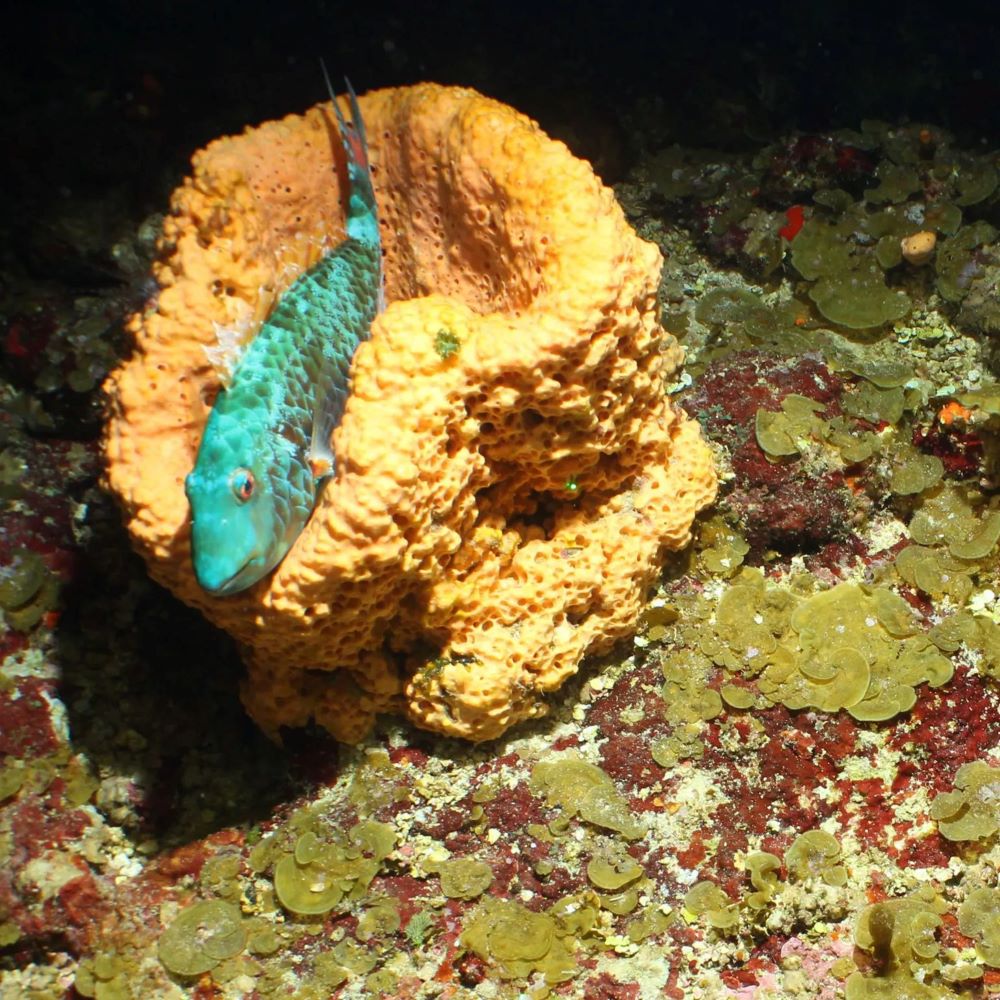
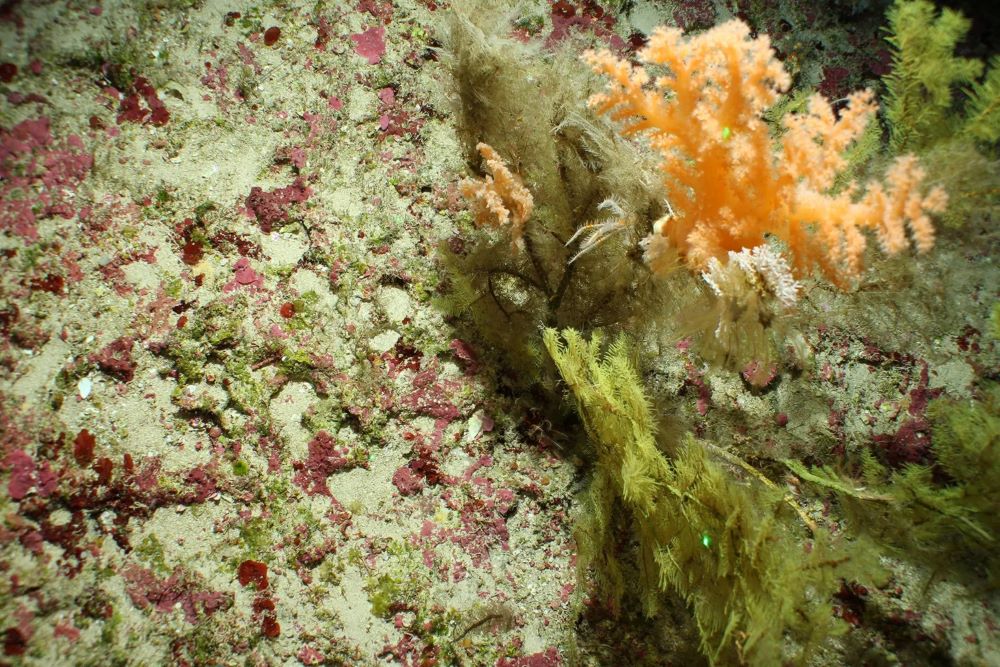
Video footage shows bright blue, yellow and orange coral formations, with fish darting between whip-like coral branches and jelly-like sea sponges.
Researchers say the area may contain one of the healthiest coral reefs in the Caribbean. Unlike many reefs across the region, it appears untouched by the stony coral disease that has devastated coral ecosystems in recent years.
Deep reefs such as this are often protected by their depth. They are also less exposed to rising ocean temperatures, which scientists say have damaged around 80 percent of the world’s corals since 2023.
The team also mapped nearly 25,000 square kilometres of seabed and captured more than 20,000 images of deep-sea life, including glowing lanternfish and unusual cephalopods.
Despite these advances, Dr Bell noted that much of Earth’s ocean remains unexplored.
“We know the surface of Mars or the Moon better than we know the surface of our own planet,” he said. “We can’t do that for our ocean. We have to map it bit by bit using acoustic instruments on ships.”
Among the most surprising findings was a steep underwater ridge in Turks and Caicos Islands waters. The ridge rises about 3,200 meters high and stretches 70 kilometres along the seabed, a major geological feature that was missing from existing maps.
The researchers also discovered a massive vertical sinkhole known as a blue hole south of Grand Turk.
“Imagine taking an ice cream scoop out of the sea-floor. That’s what we saw, a crater about 300m wide to 550m below sea level,” Bell explained.
The blue hole could rival the famous Great Blue Hole in size. Surprisingly, cameras sent into the formation revealed life inside, including sponges, sea urchins and several fish species.
Near Anguilla, the team confirmed the existence of a coral reef nearly four kilometres long after local fishers reported pulling up pieces of coral from the area. Some of the black coral found there may be thousands of years old.
“It tells us that these environments are really pristine and healthy,” said Bell.
The findings will help scientists and local authorities better manage marine ecosystems and identify sustainable fishing opportunities for island communities. The research is also part of the UK’s Blue Belt Programme, which supports conservation in British Overseas Territories.
“Our islands were literally born from the sea,” said Kelly Forsythe from the Cayman Islands Department of Environment. “But when it comes to our offshore environments, we really haven’t had a chance before to discover what’s out there.”
Researchers say the discoveries will also support global efforts to protect 30 percent of the world’s oceans by 2030 through marine protected areas.
“Anyone can draw a box on a map and say, ‘That’s a marine protected area’,” Bell said. “But unless you know what’s in it, you don’t know if that’s useful at all.”
An enope squid (Enoploteuthidae squid), dragonfish (Neonesthes), pelican eel (Eurypharynx pelecanoides) and barreleye (Opisthoproctus soleatus)Scientists used specialist deep sea equipment to survey marine biodiversity on the sea-floorMesophotic coral in Turks and CaicosPickle Bank Ancient Reef, Cayman
The discoveries, including the tiny Eosteus chongqingensis and the predatory Megamastax amblyodus (the largest early vertebrate found so far, before the Devonian), reveal critical stages in the evolution of nearly all modern vertebrates.
Published in Nature on March 4, 2026, the studies resolve long-standing questions about the early evolution of bony fishes, the ancestors of 98% of living vertebrates, including humans.
Fossils unearthed in southern China provide a rare view of the ancestral anatomy that underpins modern fish and, eventually, terrestrial vertebrates.
Eosteus, measuring just three centimeters, combines features of modern bony fish with traits seen in extinct cartilaginous fish and armored placoderms.
Its “mosaic” anatomy places it at the base of the bony fish lineage, just before the major split into ray-finned and lobe-finned fishes.
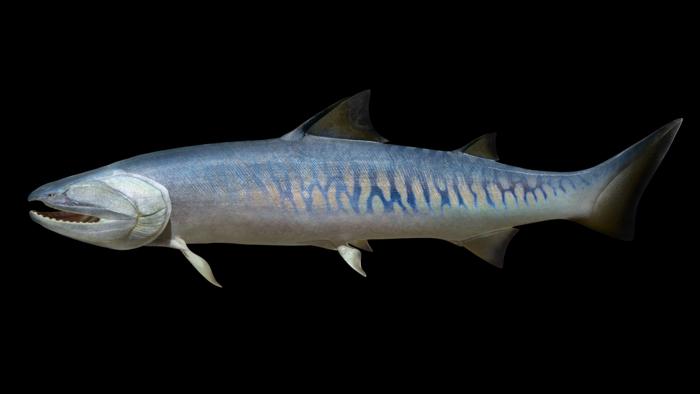
Meanwhile, Megamastax, over one meter long and dating roughly 423 million years ago, was the largest known vertebrate of the Silurian period, an era marked by the recovery from ice age extinctions, stabilized warm climates, and high sea levels.
High-resolution CT scans revealed complex tooth cushions in its jaws, solving a decades-old mystery about isolated fossil teeth and demonstrating that early vertebrates could reach substantial sizes, supporting sophisticated predator-prey ecosystems long before the so-called “Age of Fishes.”
Together, these findings position southern China as a cradle of early vertebrate evolution, mapping the emergence of jaws, teeth, and complex anatomy that paved the way for the vertebrate lineage leading to humans.
Life reconstruction of the biggest Silurian vertebrate Megamastax amblyodus. Credit Image by NICE PaleoVislab, IVPP
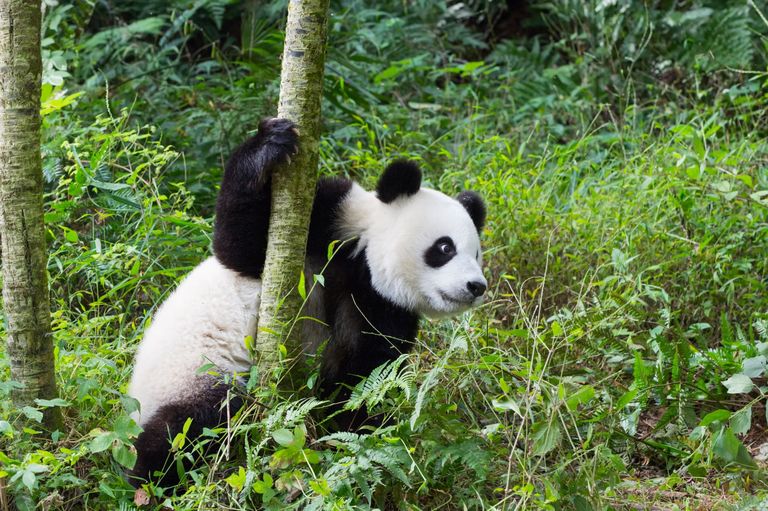
The overall populations of China’s wild fauna and flora are showing a steady upward trend, according to the administration. Latest monitoring data indicates that wild populations of flagship species, including giant pandas, snow leopards and Siberian tigers, have kept growing.
Wild populations of endangered plant species have also recorded notable recoveries. The number of Abies beshanzuensis in the wild has exceeded 4,000 individuals, while Manglietiastrum sinicum has grown to 15,000 individuals. The population of Paphiopedilum purpuratum has also increased to more than 200 individuals.
Looking ahead to the 15th Five-Year Plan period (2026-2030), the administration said it will launch a series of key wildlife conservation projects and advance international cooperation regarding giant panda conservation and wildlife treaty compliance, in a bid to promote the high-quality development of wildlife conservation in China.
The review, conducted by a team of experts from the IAEA, started on March 2, 2026, and will run until March 9, 2026. Throughout the week, the experts will examine whether Rwanda meets the key requirements needed to embark on a nuclear power programme.
Among the critical areas under review are the country’s national policy framework on nuclear energy, financing mechanisms for constructing nuclear facilities, and the overall regulatory and institutional setup.
The team will also assess Rwanda’s capacity to prevent and manage potential risks associated with nuclear power plants, including safety, security, and environmental protection measures.
Dr. Fidele Ndahayo, Chief Executive Officer of the Rwanda Atomic Energy Board (RAEB), said the country has for years been investing in nuclear energy development.
He noted that Rwanda has established academic programmes in nuclear science, imported nuclear-based medical equipment, and implemented other initiatives aimed at building national capacity.
He explained that undergoing such a review is a crucial step in determining whether Rwanda is on the right track toward building a nuclear power plant.
“We want them to assess us based on the 19 infrastructure issues they use to determine a country’s level of preparedness,” he said. “They will evaluate where we stand as a country. We are confident that the process will go well and that, if the basic requirements are met, we will be able to move to the second phase.”
Dr. Ndahayo added that a positive assessment can strengthen Rwanda’s credibility internationally and improve its chances of securing financing for nuclear projects.
“This review will help build international confidence by showing that Rwanda is following the proper procedures. That will support us in mobilizing funding to construct these plants,” he said.
Aline des Cloizeaux, Director of the IAEA’s Division of Nuclear Power who is leading the expert team, clarified that the role of the mission is to promote the safe and peaceful use of nuclear technologies in line with its global mandate.
This week, she said, their work mainly focuses on providing advice on areas that need improvement and identifying where further efforts are required so the country can continue implementing its nuclear power programme.
Rwanda has set a target to have a nuclear power plant operational by 2030. To achieve this goal, the country has been working with various international partners.
In 2023, Rwanda signed an agreement with Dual Fluid Energy Inc to pilot a nuclear reactor project in the country. The initiative is part of broader cooperation with institutions from Russia and the United States focused on developing Small Modular Reactors (SMRs).
SMRs are smaller-scale nuclear power plants capable of generating up to 100 megawatts of electricity or less. They can be installed on relatively small sites, typically covering between 15 and 50 hectares, and can operate with a workforce of around 230 employees. Their compact design allows them to be deployed even in remote areas.
According to research by the World Nuclear Association, nuclear energy significantly reduces carbon emissions.
Studies indicate that nuclear power can cut approximately 29 tonnes of carbon dioxide emissions per gigawatt-hour (GWh) of electricity generated, making it one of the low-carbon energy options available.
Rwanda has set a target to have a nuclear power plant operational by 2030.
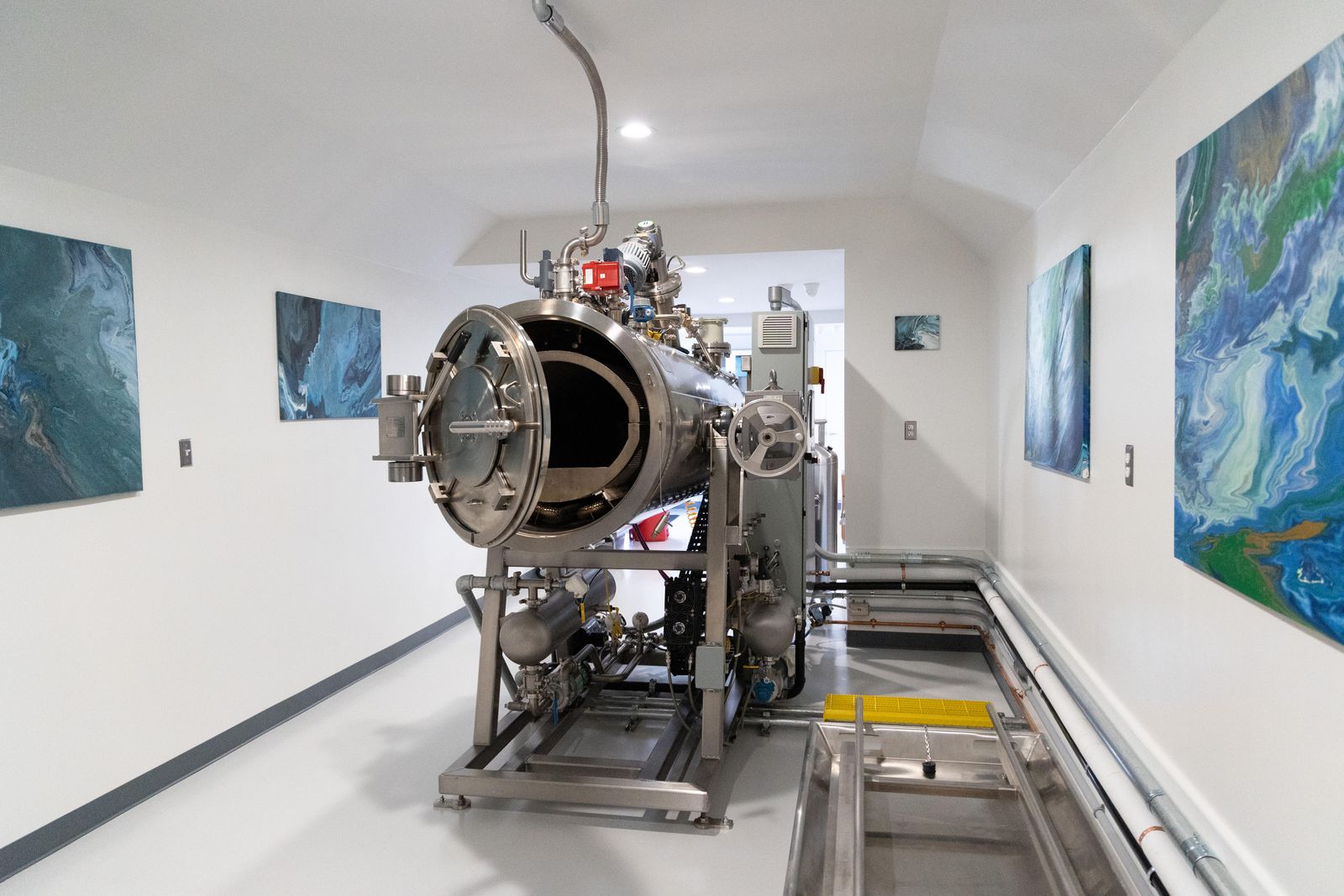
Hydrolysis mirrors the natural decomposition process but accelerates it. The body is placed in a pressurised metal chamber filled with water and about 5% alkaline solution, such as potassium hydroxide, and heated to around 150°C for three to four hours.
The process dissolves soft tissue, leaving only bones, which are dried and reduced to a fine white powder. Families may keep, scatter or bury the remains, as they would with conventional ashes.
Scotland’s public health minister, Jenni Minto, described the change as a response to growing public demand for greater choice. She said decisions about funeral arrangements are deeply personal and stressed that hydrolysis would be subject to the same regulatory standards as existing methods.
Kindly Earth, the company holding exclusive UK rights to manufacture hydrolysis equipment, said Scotland’s first facility could take up to nine months to become operational, pending planning and water authority approvals. The firm called the move a historic moment for the funeral sector.
Already legal in parts of the United States, Canada, Ireland, South Africa, Australia and New Zealand, hydrolysis is seen as producing no direct toxic air emissions and potentially reducing the need for single-use coffins.
Supporters say interest in sustainable funeral options continues to grow across the UK.
Cremations account for almost 80% of UK funerals, according to the Cremation Society.
Elsewhere in the UK, the Law Commission in England and Wales is considering a regulatory framework for new funerary methods, including hydrolysis and human composting.
The water cremation process dissolves soft tissue, leaving only bones, which are dried and reduced to a fine white powder.
The reptile was first spotted around midday on Saturday in Ironbark Creek at Federal Park in Wallsend, about 100km north of Sydney, by a group of teenagers.
Stephanie Kirsop, whose son was among those who saw the animal, initially dismissed the sighting.
“This is a trick … it looks like a crocodile but that’s probably a log,” she told The Guardian.
After visiting the creek herself, she realised it was indeed “this little crocodile swimming around in the water.”
The discovery, near a public pool and primary school, prompted calls to wildlife rescue group Wires, the Australian Reptile Park and New South Wales police.
Once a Police officer confirmed the sighting, crocodile handlers led by Billy Collett from the Australian Reptile Park were deployed.
After unsuccessful attempts on Saturday, the team returned Sunday with a motorised boat and captured the reptile about 3km downstream.
Collett said their main concern was the animal’s welfare, noting they were about 2,500km away from the species’ natural range in northern Australia.
The freshwater crocodile (Crocodylus johnstoni) is native to northern Queensland, the Northern Territory and Western Australia.
Authorities suspect it may have been an escaped pet. The animal has since been taken to the Australian Reptile Park on the NSW Central Coast for veterinary checks. Police said it remains unclear how it ended up in the creek.
Billy Collett (pictured) and his team found the crocodile near wetlands approximately 3km downstream from where it was first spotted. Photograph: Australian Reptile Park